Arizona · USA
Arizona Fractional Ownership & Co-Ownership Properties
From a desert-modern villa in Scottsdale to a high-Sonoran retreat above Cave Creek — fractional ownership in Arizona means a real share of the most sought-after desert second-home market in North America, around six weeks of personal use a year, and a fully managed home ready whenever you arrive. Whether you call it fractional ownership or co-ownership, you own a real share of the home.
4 properties · from $550,000
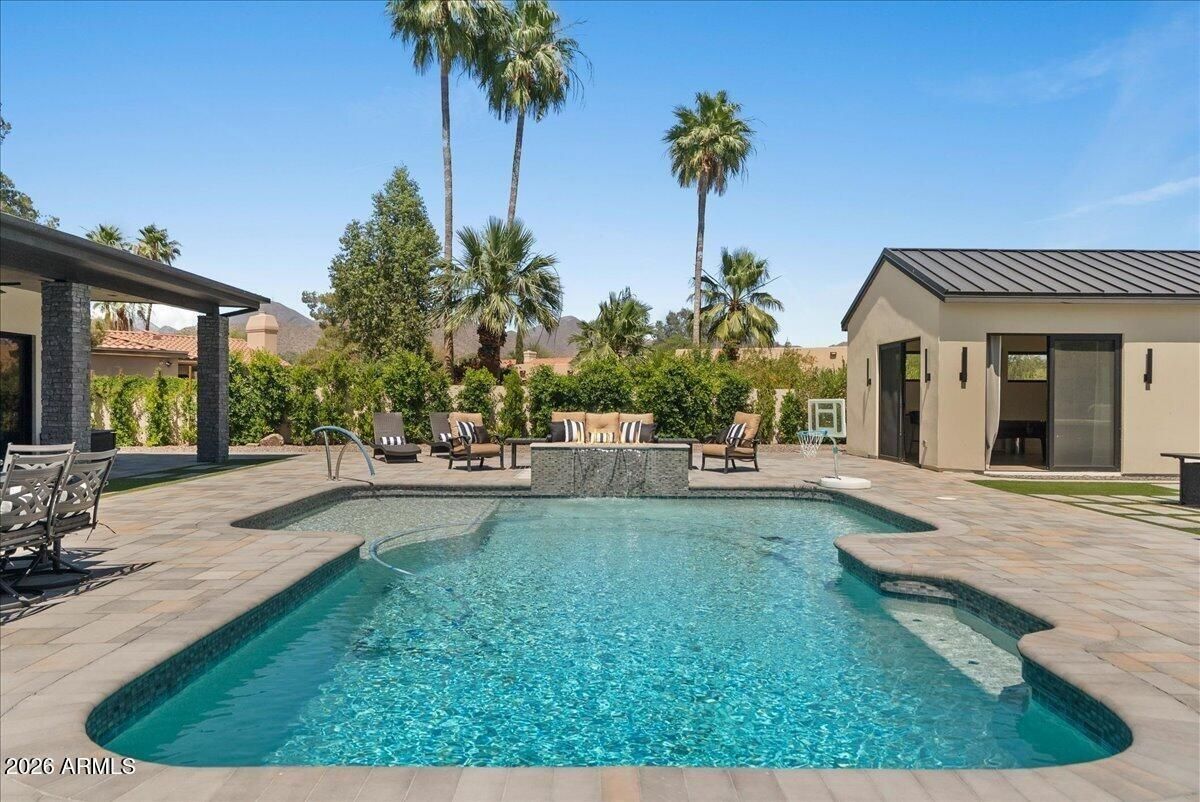
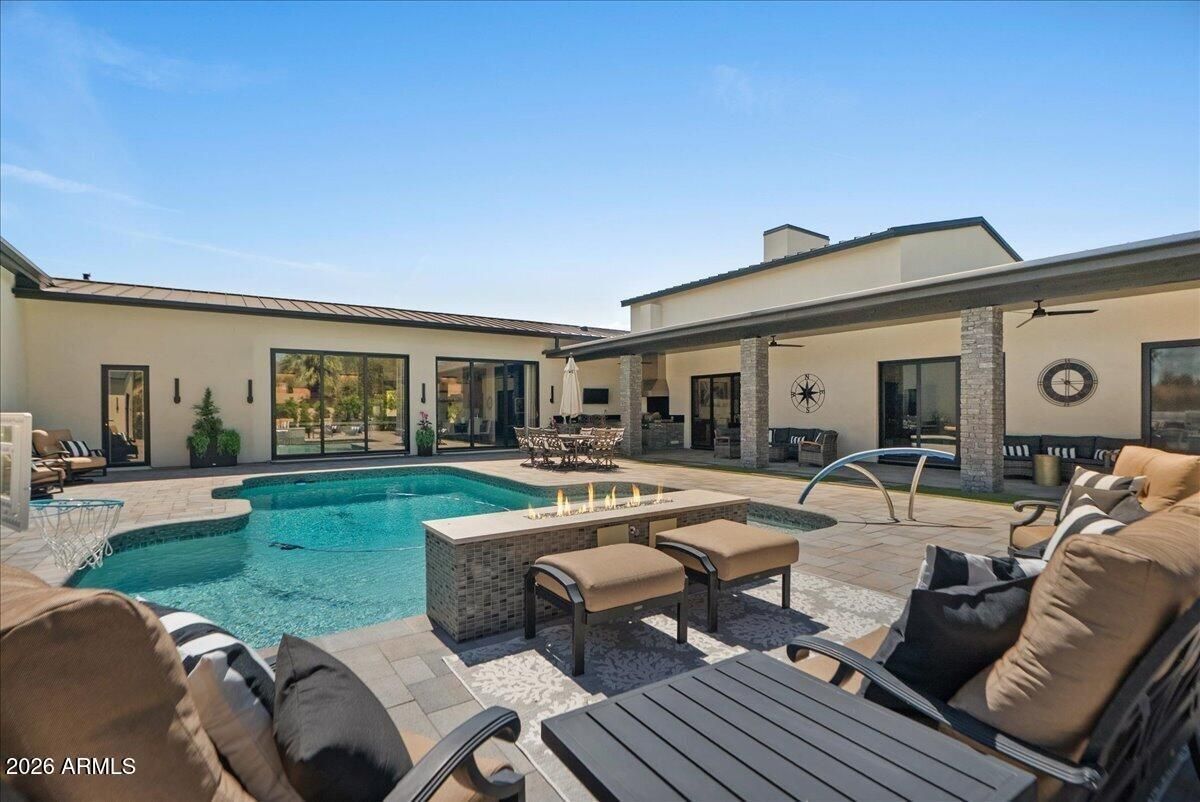
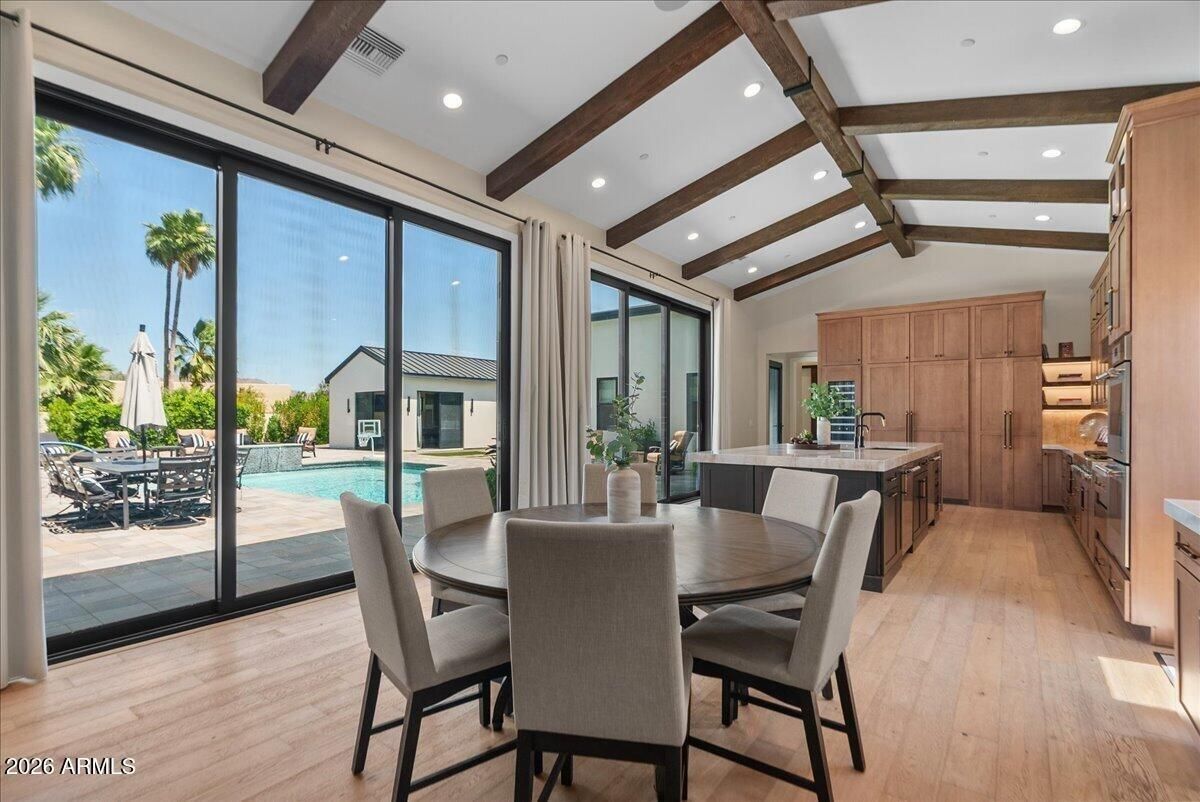
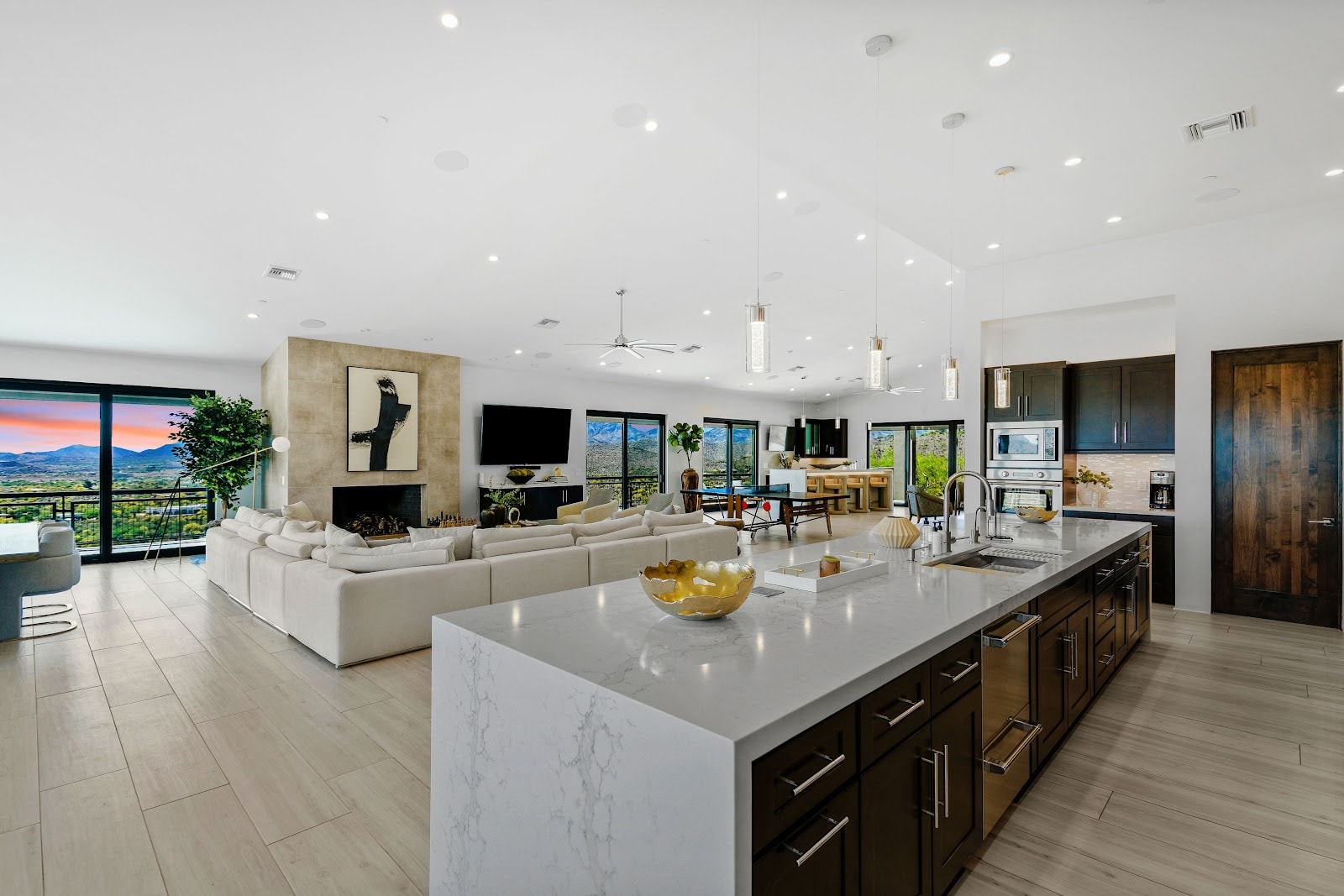
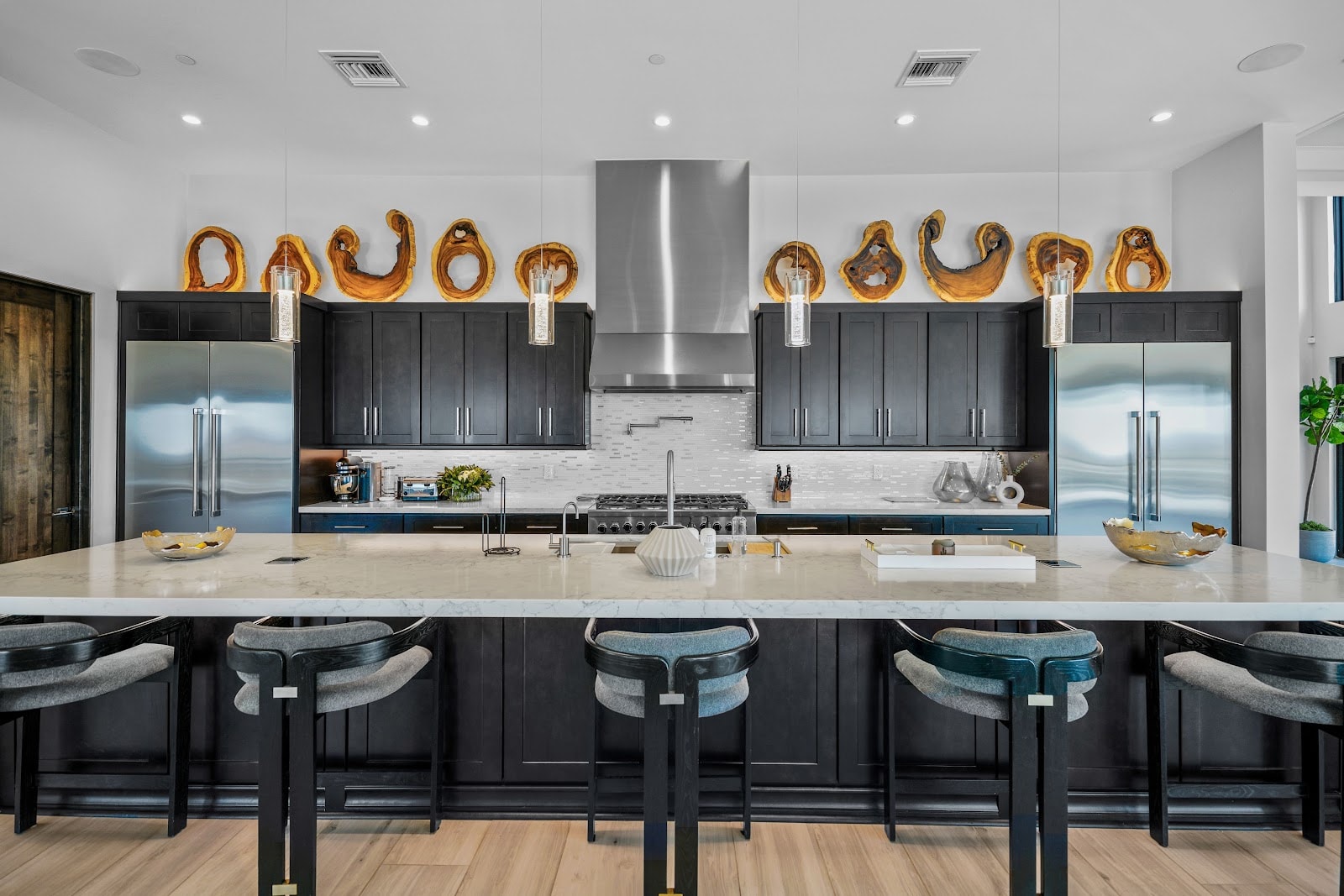
Scottsdale, Arizona, USA — 5-Bed House With Resort-Style Pool & Desert Views
$645,000
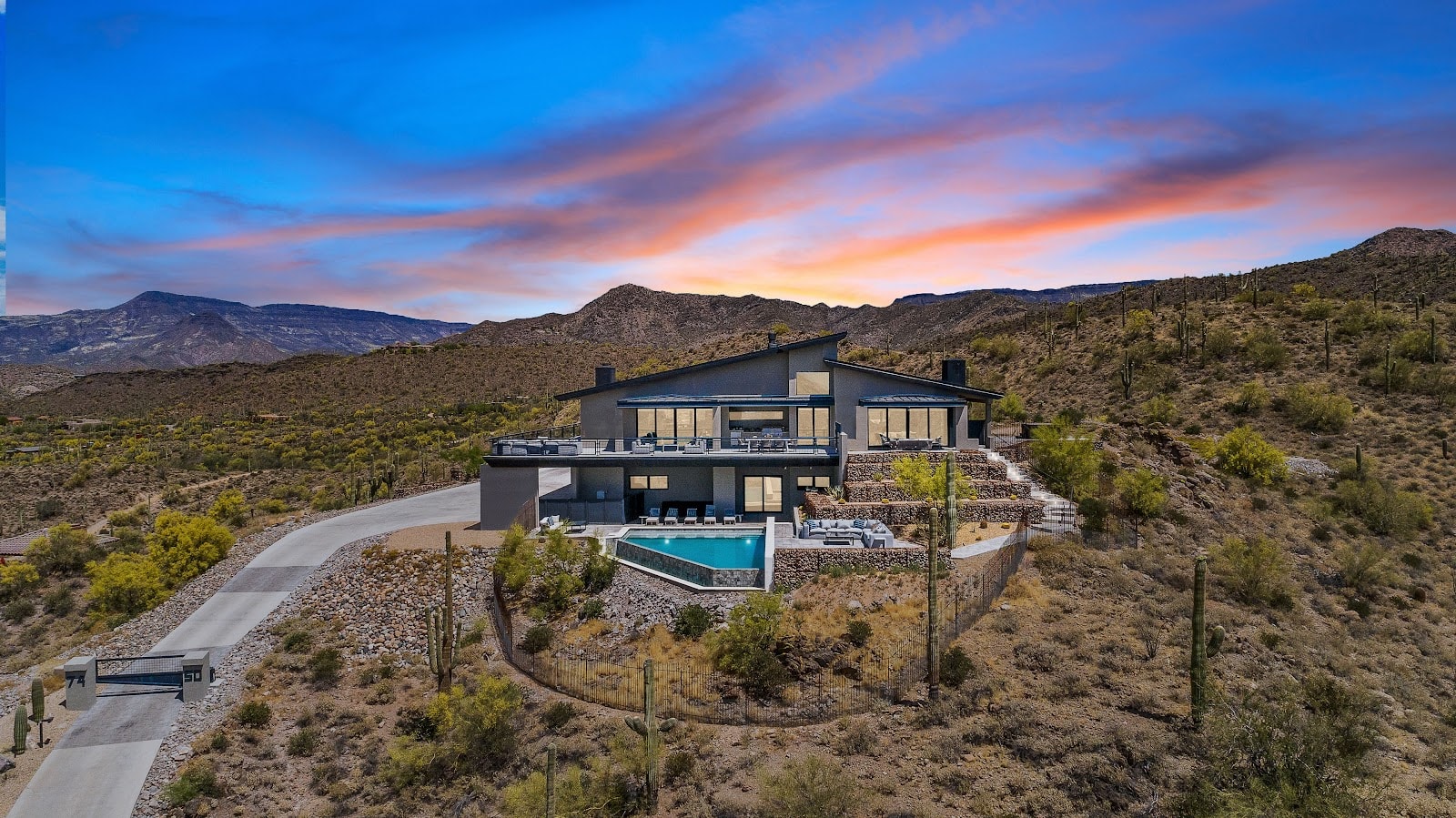
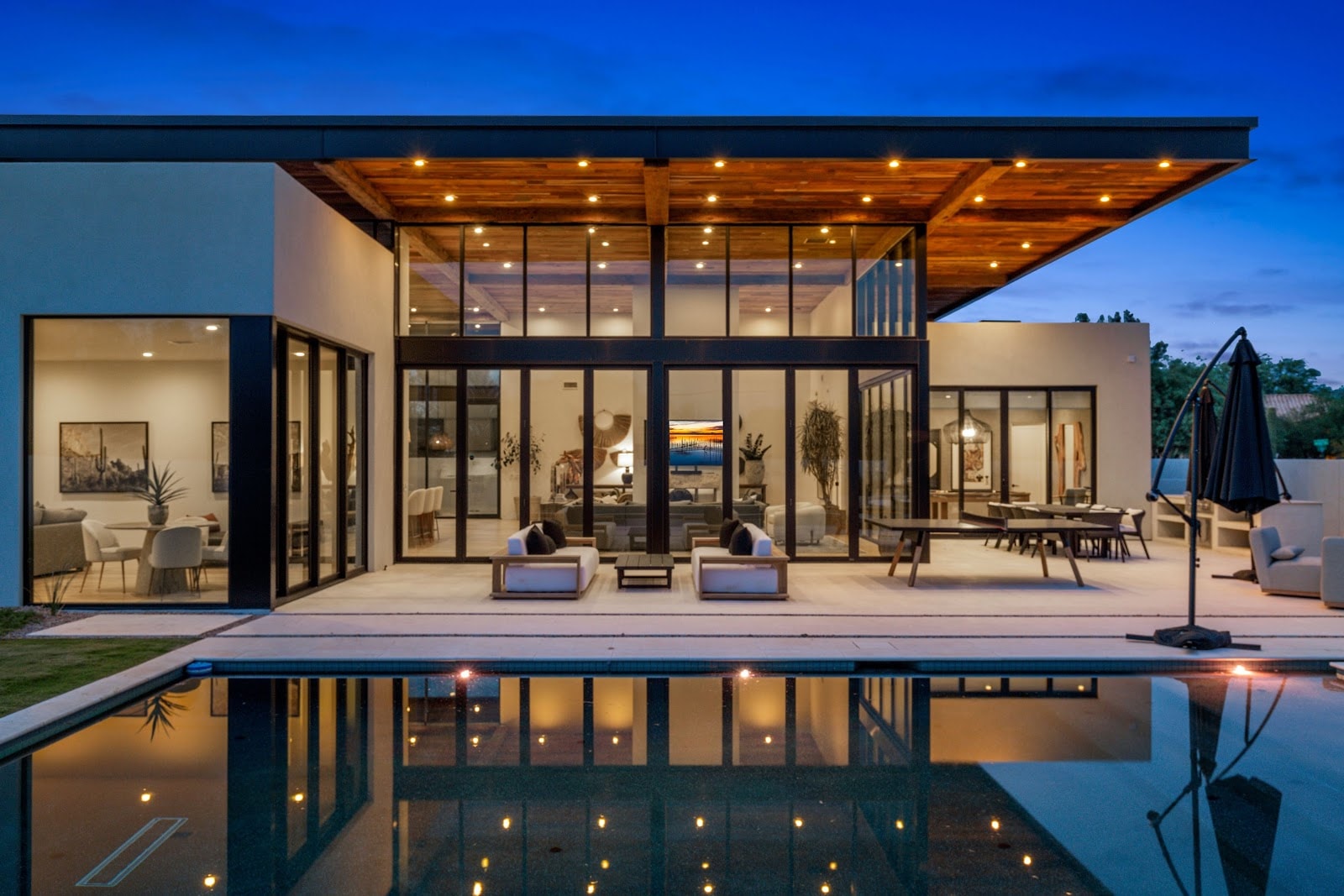
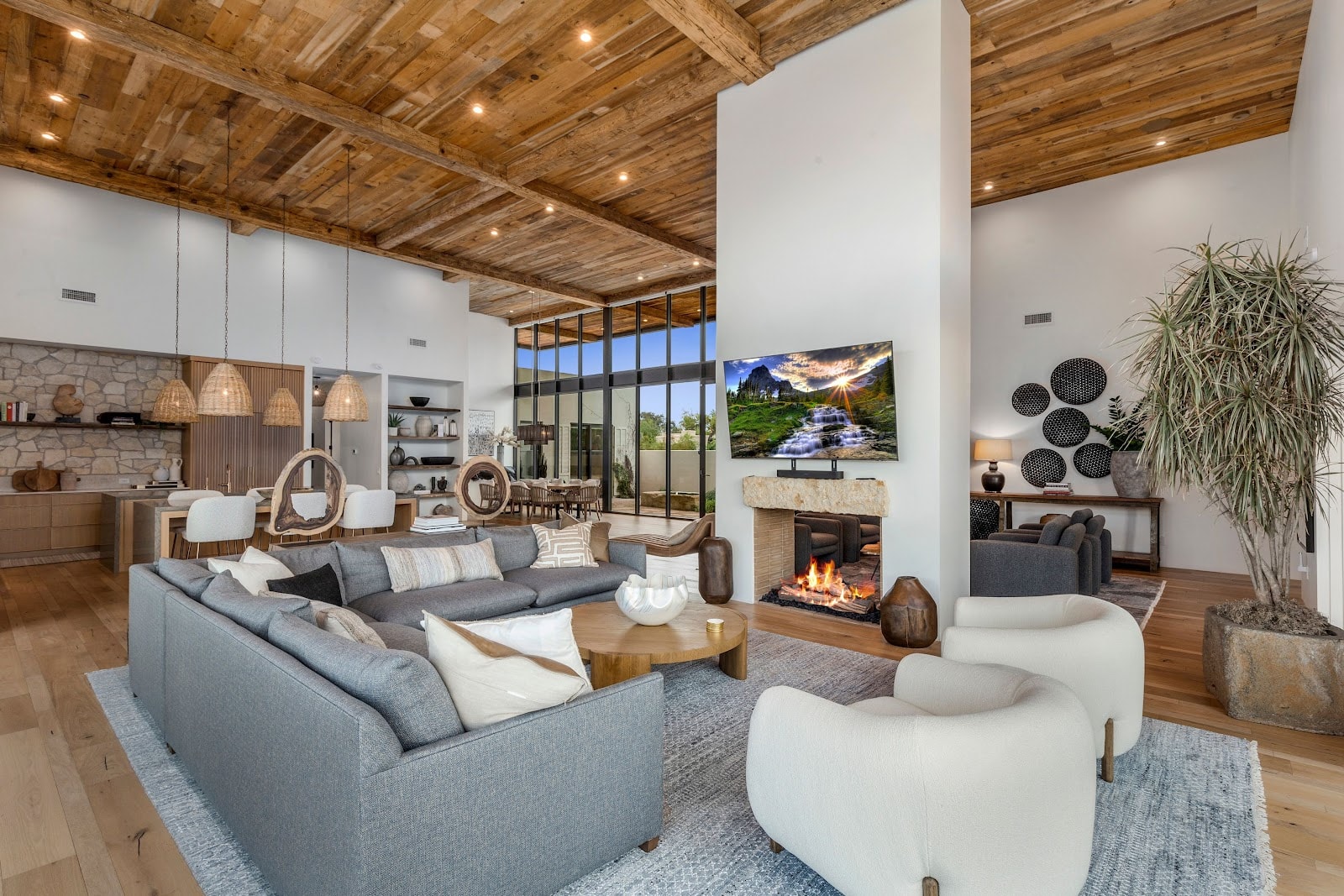
Cave Creek, Arizona, USA — 4-Bed House With Hot Tub
$550,000
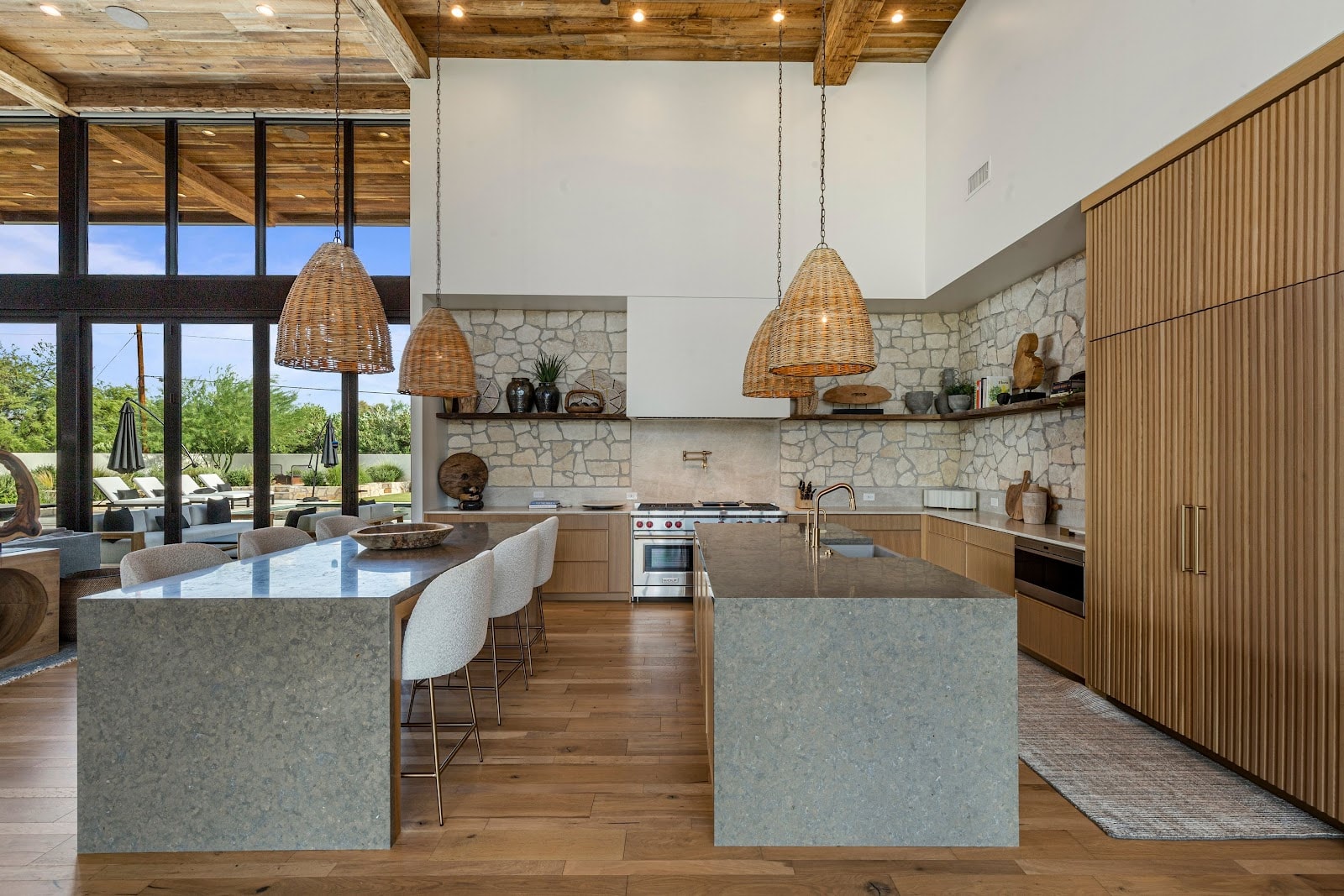
Scottsdale, Arizona, USA — 5-Bed House With Pool
$625,000
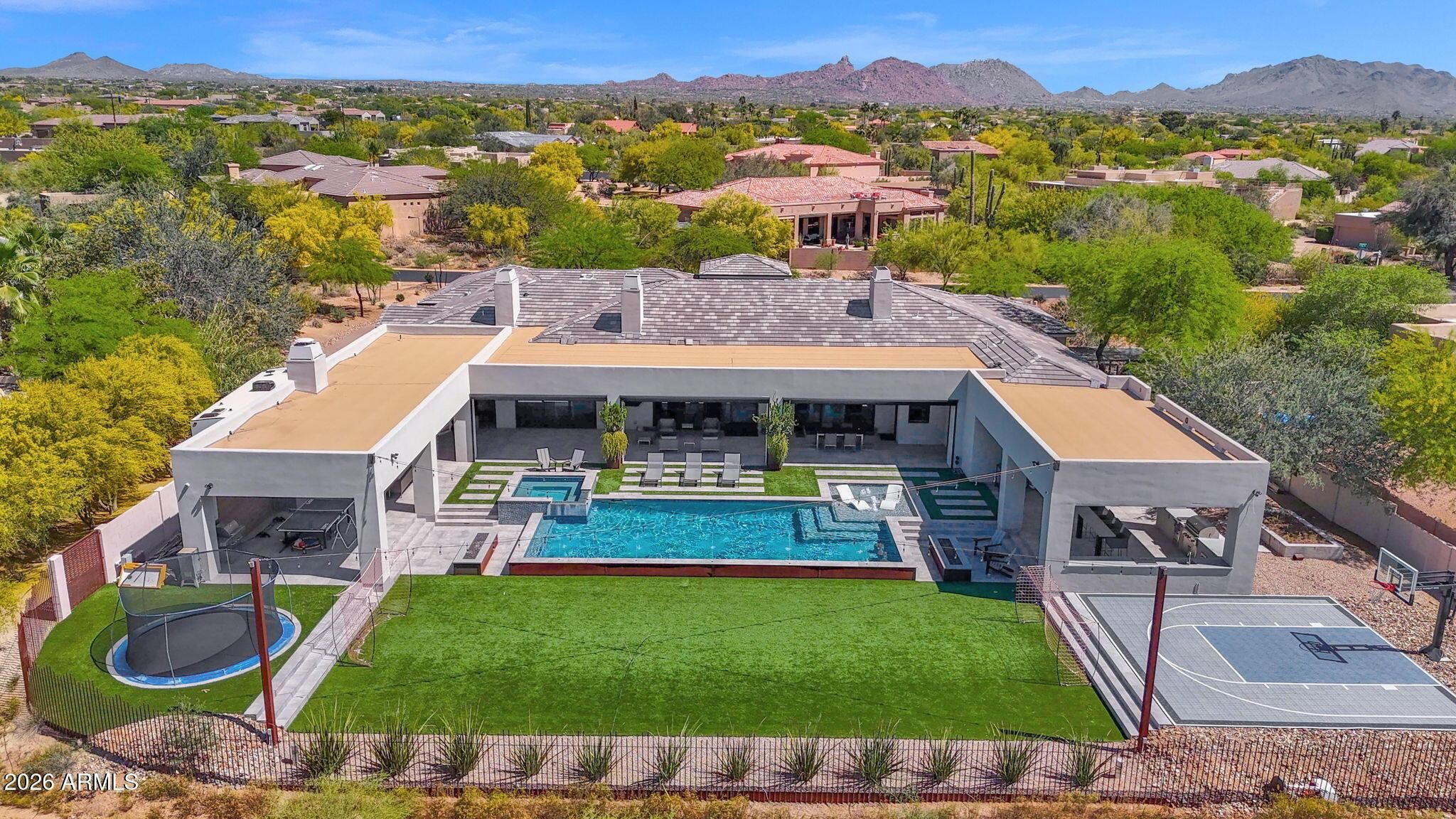
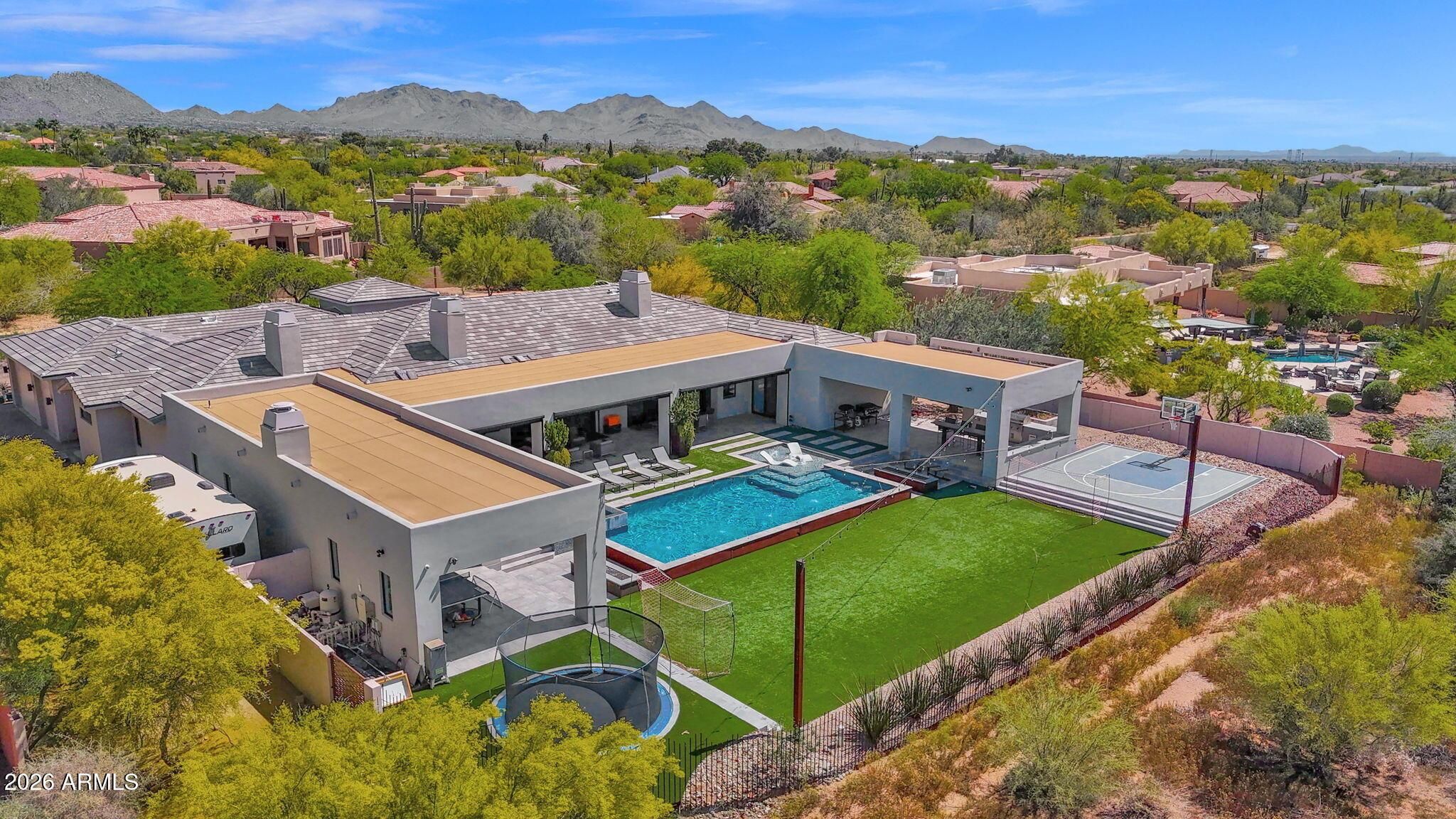
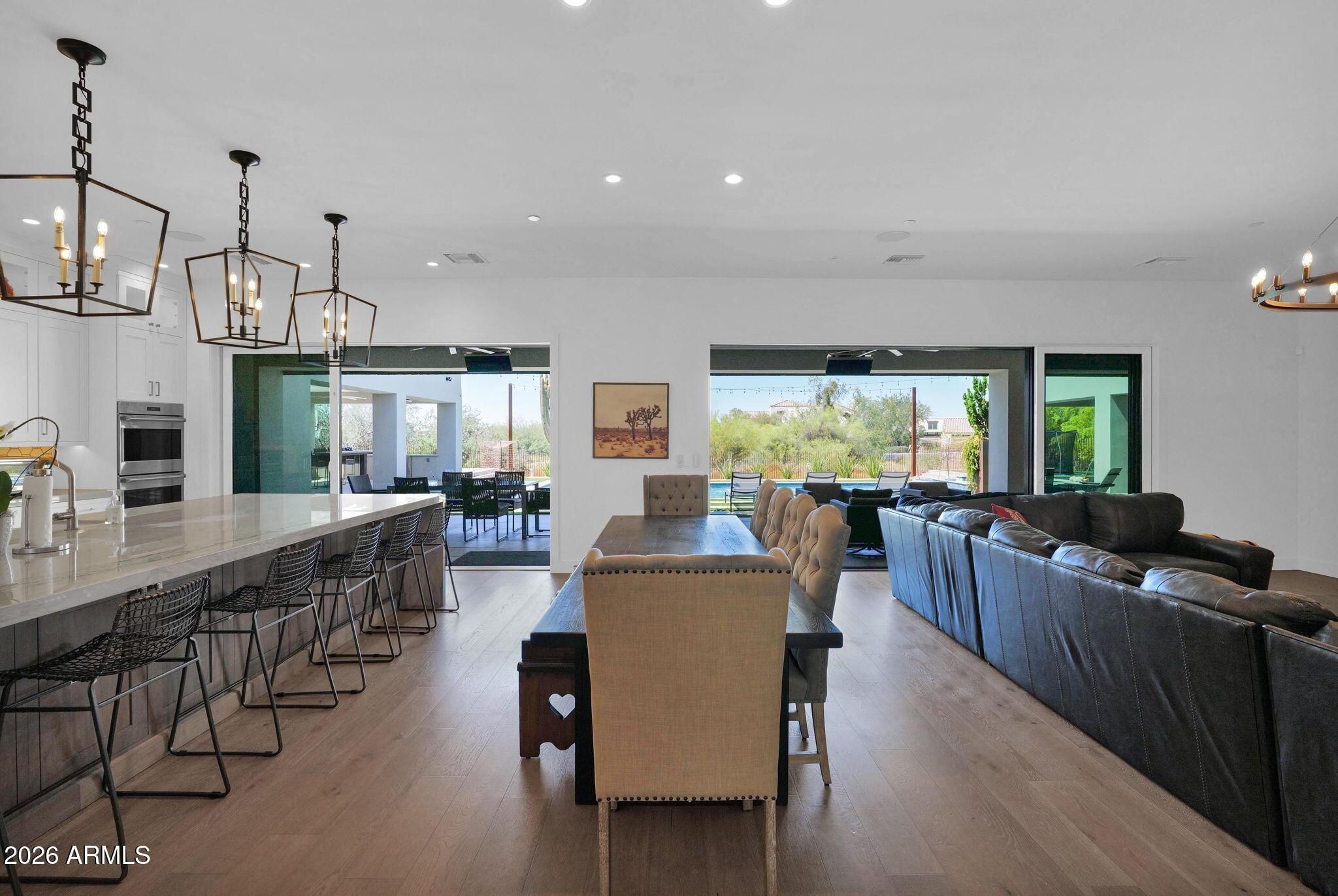
Scottsdale, Arizona, USA — 6-Bed House With Elevated Pool & Mountain Views
$593,000
Arizona's most coveted desert addresses, accessible through co-ownership.
Fully managed desert villas and resort-style estates across Scottsdale, Paradise Valley, Cave Creek and the North Scottsdale golf communities. Your 1/8 share of the home comes with around six weeks of personal use, a professional management team on call, and the long-term equity of one of the most supply-constrained luxury desert markets in the United States.

What is fractional ownership in Arizona?
Fractional ownership in Arizona means buying a real 1/8 share of a luxury desert second home, shared with up to seven other co-owners. Each owner receives around six weeks of personal use a year, depending on the home, through a fair-rotation calendar, with all property management, maintenance, taxes and operations handled by a professional team. It is real ownership of a share of the home — not a timeshare, not a holiday club.
Why Arizona?
Arizona's Greater Phoenix and Scottsdale area is, by most measures, the most sophisticated desert second-home market in the United States — a claim that rests on three interlocking structural advantages that no other Sun Belt destination matches simultaneously. The first is climate: the Sonoran Desert around Scottsdale and the Salt River Valley delivers a winter season of exceptional quality — 18–24°C (mid-60s°F to mid-70s°F) average daily highs from November through April, with almost no rainfall and more than 300 days of sunshine per year — that has drawn American and international "snowbirds" for more than a century. The second is infrastructure: Scottsdale and the greater Phoenix metro have built a resort, spa, golf and culinary ecosystem of genuine global standing — more than 200 golf courses in the metropolitan area, a spa circuit anchored by the resorts of Camelback Mountain and the Sanctuary on Camelback Mountain, a restaurant scene that has developed a clear regional identity around Southwestern cuisine, and a cultural calendar ranging from the WM Phoenix Open (the world's most-attended professional golf tournament) to the Scottsdale Arts District and Old Town galleries. The third is architecture: the legacy of Frank Lloyd Wright's Taliesin West — his winter studio, school and architectural laboratory at the edge of the Scottsdale desert, now a UNESCO World Heritage Site — set a design standard for desert modernism that has shaped every premium residential development in the area for eight decades. The result is a concentration of desert-modern villa architecture — stone, glass, rammed earth, limestone, flat-roof geometry with interior courtyards and pool-centred outdoor rooms — that is as recognisable a style as the mid-century modernism of Palm Springs, but rooted in the volcanic and saguaro landscape of the Sonoran rather than the Coachella Valley floor.
Your Arizona share is owned alongside up to seven other co-owners — a real share of the home, not a right to use it. A meaningful proportion of owners go on to add a second share in another COP destination, often pairing an Arizona winter share with a California coastal or European summer share.
The structural argument for Arizona as a fractional destination starts with the supply side of the Scottsdale and Paradise Valley luxury market. Scottsdale's city planning ordinances and the McDowell Sonoran Preserve — a 36,400-acre protected wilderness directly abutting the city's northern and north-eastern boundary, designated in 2009 after two decades of civic campaigning — have permanently capped new residential development across the most scenic desert terrain in the metropolitan area. Paradise Valley, the independent municipality entirely surrounded by Phoenix and Scottsdale, is zoned exclusively for single-family residential development on large lots; no apartment buildings, no commercial development, no high-rise — the existing supply of luxury single-family villas in Paradise Valley is essentially fixed. Cave Creek to the north preserves a rural-residential character through its own town planning rules and the surrounding Tonto National Forest land. The net effect of these interlocking protections across the three premium sub-markets is that the premium desert villa stock does not expand meaningfully year-on-year — and the fractional structure that distributes the entry cost across eight owners makes that premium stock accessible to a substantially wider buyer pool.
Arizona also offers a genuinely favourable tax environment for second-home owners. The state has no estate tax and no inheritance tax. Arizona's state income tax is among the lowest in the Sun Belt — the flat rate of 2.5% introduced in 2023 is the lowest flat income-tax rate in any US state. For non-resident second-home owners, Arizona's tax structure adds a meaningful layer of attraction over comparable desert destinations. The county property-tax system — administered by Maricopa County for Scottsdale, Paradise Valley and Cave Creek — is transparent and professionally managed; the Maricopa County Assessor maintains a public online database of assessed values, and the annual residential property-tax burden on Arizona luxury homes is modest in comparison to California or New York equivalents.
The fourth structural argument — and the one that most directly explains "why fractional, why now?" — is what the Greater Scottsdale luxury second-home market actually costs to run as a sole owner. A desert-modern villa on a private cul-de-sac in Paradise Valley, or a pool-and-hot-tub property on a ridge above Cave Creek, carries full Maricopa County property tax, homeowners insurance, HOA fees where applicable, pool and spa service, landscaping maintenance, HVAC service (critical in the Arizona summer heat), concierge and a year-round property-management retainer — every year, whether the owner spends four weeks there or fourteen. The annual management burden on a premium Arizona desert property is significant: the pool requires year-round treatment, the landscape requires regular watering, and the extreme summer heat — daytime highs regularly reaching 40–45°C (104–113°F) in July and August — creates a continuous HVAC-management requirement that non-resident owners cannot simply turn off between visits. The fractional structure divides that carry across eight owners, and handles it for you, and removes the operational burden entirely. The owner arrives in November for Thanksgiving, or in February for the Phoenix Open, or in March for spring training baseball, and the property is ready.
Arizona also benefits from its position as a gateway to some of the most dramatic natural scenery in North America. Owners in the Greater Scottsdale area are within a two-hour drive of Sedona's red rock country — arguably the most photographically striking landscape in the continental United States — and within a four-hour drive of the Grand Canyon's South Rim. The Sonoran Desert itself — the only desert in the world where the towering saguaro cactus (Carnegiea gigantea) grows — creates a distinctive biological landscape within walking distance of the Scottsdale resort belt; the McDowell Sonoran Preserve trail network runs more than 225 miles (362 km) of maintained hiking and mountain-biking trails through terrain that most visiting owners had never experienced before arriving. For buyers who want a luxury base with immediate access to transformative natural landscape — not merely pleasant climate — Arizona delivers something qualitatively different from the Palm Springs or Las Vegas desert offers.
Where to own in Arizona
Arizona's luxury second-home market is best understood through four distinct sub-zones within the Greater Phoenix and Scottsdale area, each with its own architectural character, lifestyle rhythm and buyer mix. The COP inventory in Arizona is concentrated across Scottsdale, Paradise Valley, Cave Creek and the high Sonoran Desert, and North Scottsdale and the desert golf communities — with Sedona's red-rock country available as a context cluster for owners who want to range further across the state. These four zones account for the overwhelming majority of premium desert second-home demand in the region.
Scottsdale — the resort core
Scottsdale is the undisputed centre of Arizona's luxury resort economy and the address that most international buyers think of first when they consider a desert second home in the American Southwest. The city runs roughly north–south along the eastern edge of Phoenix, with the historic Old Town Scottsdale district at the southern end — a grid of galleries, boutiques, restaurants and the weekly Art Walk on Thursday evenings — and the newer resort and spa belt ascending northward through the Camelback Mountain corridor, McCormick Ranch and Gainey Ranch to the foothills communities of north-central Scottsdale. Camelback Mountain — the iconic twin-humped ridgeline that rises to 822 metres (2,704 feet) directly from the valley floor, straddling the Scottsdale–Phoenix border — is the single most recognisable natural landmark in the metropolitan area, and the resort hotels that cluster at its base — the Phoenician, the Sanctuary on Camelback Mountain, the Mountain Shadows and the historic Royal Palms — have given the mountain's flanks the highest concentration of luxury spa and dining facilities in the state. The two hiking trails to the summit — the Echo Canyon Trail on the west face and the Cholla Trail on the east — are among the most-hiked urban trails in the United States, with more than 450,000 ascents recorded per year.
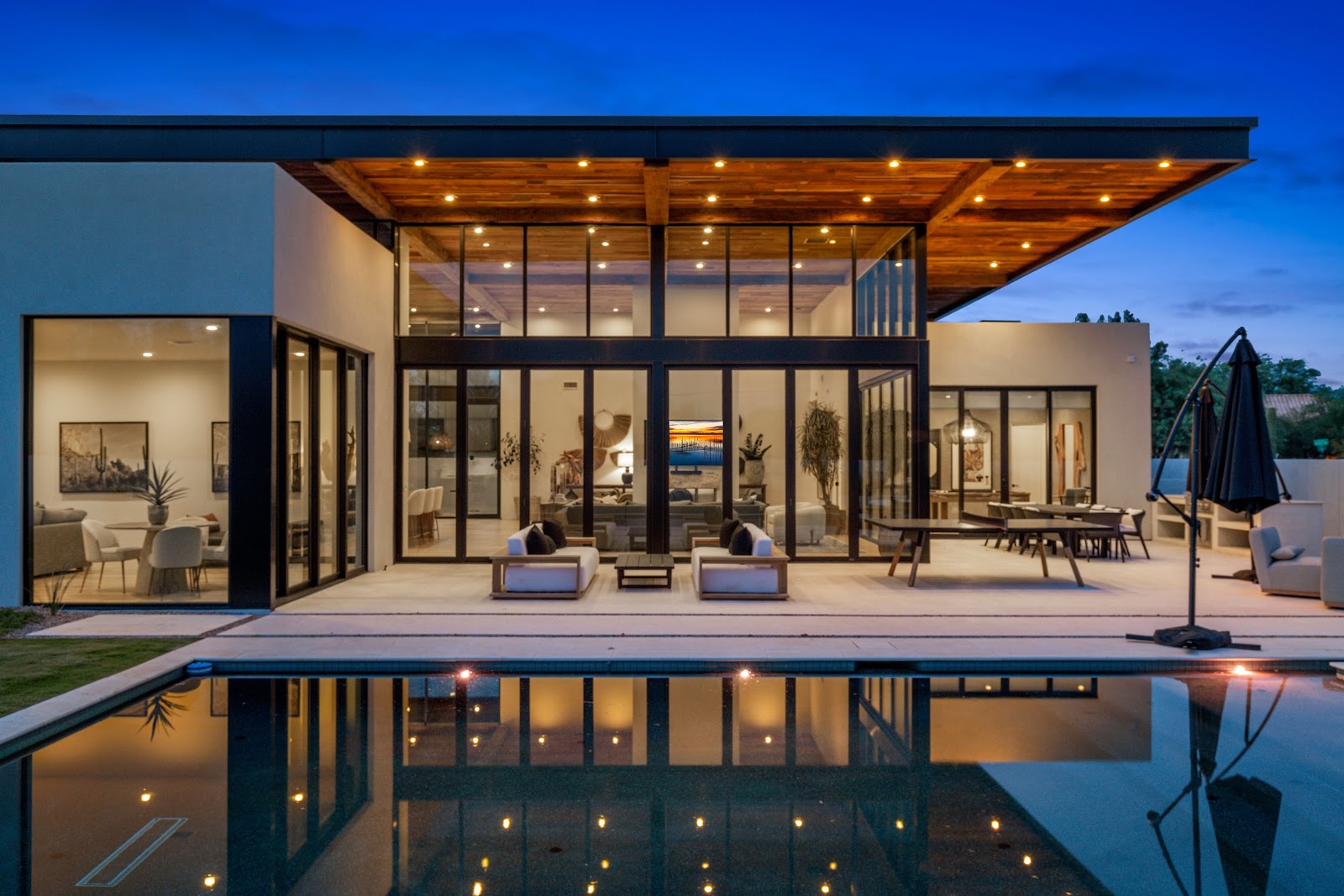
The residential character of central Scottsdale ranges from the historic neighbourhoods around Old Town — smaller lots, mid-century bungalows, high walkability to the gallery and restaurant scene — through the golf-course residential communities of McCormick Ranch and Gainey Ranch (large lots, private community access to courses and lakes, a more family-oriented buyer mix) to the mountain-view estate neighbourhoods on the lower Camelback and Mummy Mountain slopes, where properties sit on half-acre to two-acre lots with unobstructed views across the valley floor and the mountain ridgeline behind. The architectural vernacular across the premium tier runs to desert-modern: low-slung geometry, natural stone and plaster finishes, indoor-outdoor connectivity through disappearing glass walls, infinity-edge pools that appear to pour into the desert, and exterior living rooms with misters and shade structures built for the Arizona shoulder-season climate. Climate in Scottsdale runs 14–20°C (high 50s°F to high 60s°F) in December and January, climbing through 22–28°C (low to high 80s°F) in March and April, with peak summer heat of 40–45°C (104–113°F) in July and August. The Scottsdale Center for the Performing Arts and the Scottsdale Museum of Contemporary Art give the city a cultural calendar more substantial than most desert resort towns can muster; the WM Phoenix Open at TPC Scottsdale in February draws more than 700,000 attendees across the week, making it the largest golf spectator event in the world.
Best for: buyers who want the full resort ecosystem within walking or short-drive distance — spa, golf, dining, culture — and who use their Arizona weeks primarily in the winter–spring season from November through April. The Scottsdale resort core suits couples and small families who want professional, hotel-adjacent management and an immediately accessible lifestyle rather than the remoter, more rugged character of the high-desert communities to the north.
Paradise Valley — estate privacy and mountain framing
Paradise Valley occupies a unique position in the American residential landscape: it is an incorporated municipality of approximately 14,000 residents entirely surrounded by Phoenix and Scottsdale, governed by its own town council, and zoned exclusively for single-family residential development on lots of one acre or greater. No commercial development. No apartment buildings. No office parks. No retail. The town's entire identity is its residential exclusivity — and the result is a community of luxury estate homes framed by views of Camelback Mountain to the north and the Phoenix Mountain Preserve to the west, in a setting that feels genuinely secluded despite sitting less than ten minutes from Scottsdale's resort core. Several of Arizona's most iconic resort hotels sit within or directly adjacent to Paradise Valley's boundaries — the Phoenician Resort, the Montelucia Resort and Spa, the Sanctuary — which means the resort-grade spa, pool and dining infrastructure is accessible without the owner feeling they live in a resort zone.
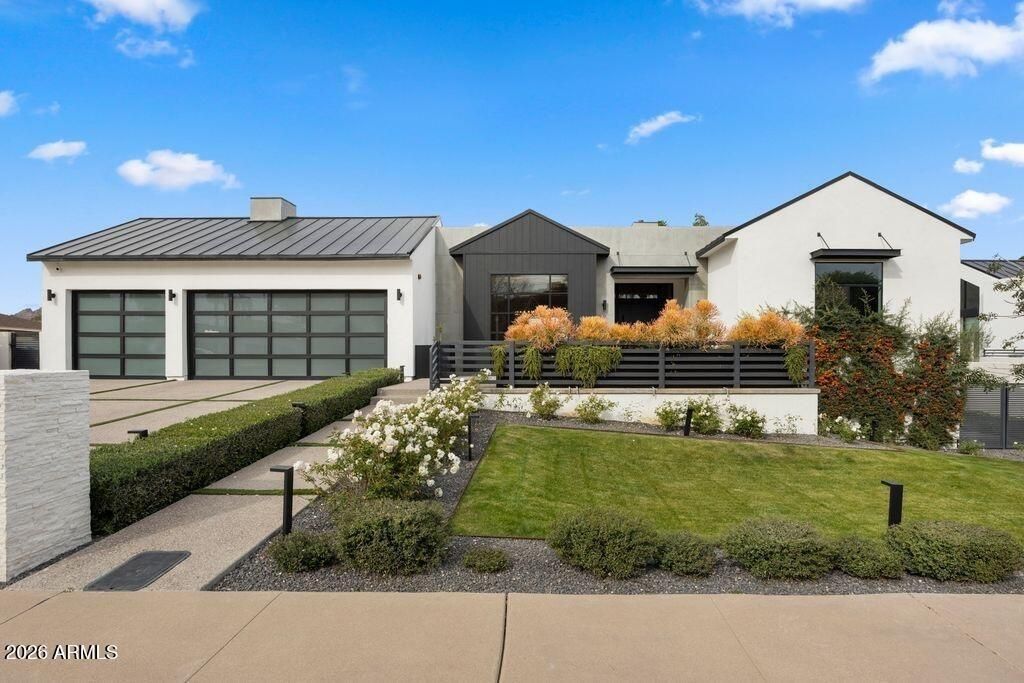
The residential architecture in Paradise Valley runs strongly toward the desert-contemporary and the architecturally distinctive. The town has historically attracted buyers — entertainment figures, technology founders, financial professionals, multi-generational Arizona families — who wanted estate-scale privacy and the best views in the metropolitan area without the noise of the resort corridor. Lot sizes run from one to five acres, pool and spa infrastructure is standard, guest houses and multi-vehicle garages are common, and the walled-and-gated compound format — with the desert landscape brought inside through courtyards and planted atriums — gives properties a sense of seclusion that Scottsdale's tighter urban neighbourhoods cannot replicate. The Maricopa County property-tax rate in Paradise Valley is at the standard Arizona residential level; the town itself imposes no additional municipal income tax; and the combination of estate-scale privacy, Camelback Mountain views and immediate proximity to Scottsdale's dining and cultural scene creates a proposition that the buyer who has visited — typically after a stay at one of the adjacent resorts — immediately understands. Paradise Valley Town Hall publishes the town's planning and zoning framework transparently; the residential-only zoning is written into the municipal code at the foundational level and cannot be amended without a public vote.
Best for: buyers who want estate-scale privacy, Camelback Mountain views and architectural distinctiveness as the primary drivers, and who are less interested in walkable proximity to Old Town Scottsdale's commercial activity. Paradise Valley suits buyers building a multi-generational family retreat, design-led couples who treat the architecture as part of the draw, and buyers for whom privacy and the mountain framing matter more than the resort amenity cluster.
Cave Creek and the high Sonoran Desert
Cave Creek sits approximately 40 km (25 miles) north of Scottsdale's resort core, at the point where the suburban grid of the Phoenix metropolitan area gives way to the genuine high desert of the Tonto National Forest. The town has a population of around 5,000 permanent residents, a deliberately preserved rural character maintained through its own low-density zoning, and a landscape of volcanic ridgelines, stands of mature saguaro, palo verde trees and desert willow that sits in visible, uninterrupted contrast to the manicured resort aesthetic of central Scottsdale. The trade-off — and it is a conscious one for the buyers who choose it — is that Cave Creek asks its residents to accept more raw terrain, longer drives to urban amenity and the daily sight-lines of undeveloped Sonoran Desert as the price of genuine seclusion. For a meaningful cohort of Arizona second-home buyers, this trade-off is the point. They are not seeking resort adjacency; they are seeking a direct encounter with the desert landscape — the silence at night, the clear dark-sky conditions that make Cave Creek one of the premier stargazing locations in the lower 48 states, the saguaro-studded ridgeline visible from the pool, the sound of coyote and quail in the early morning.
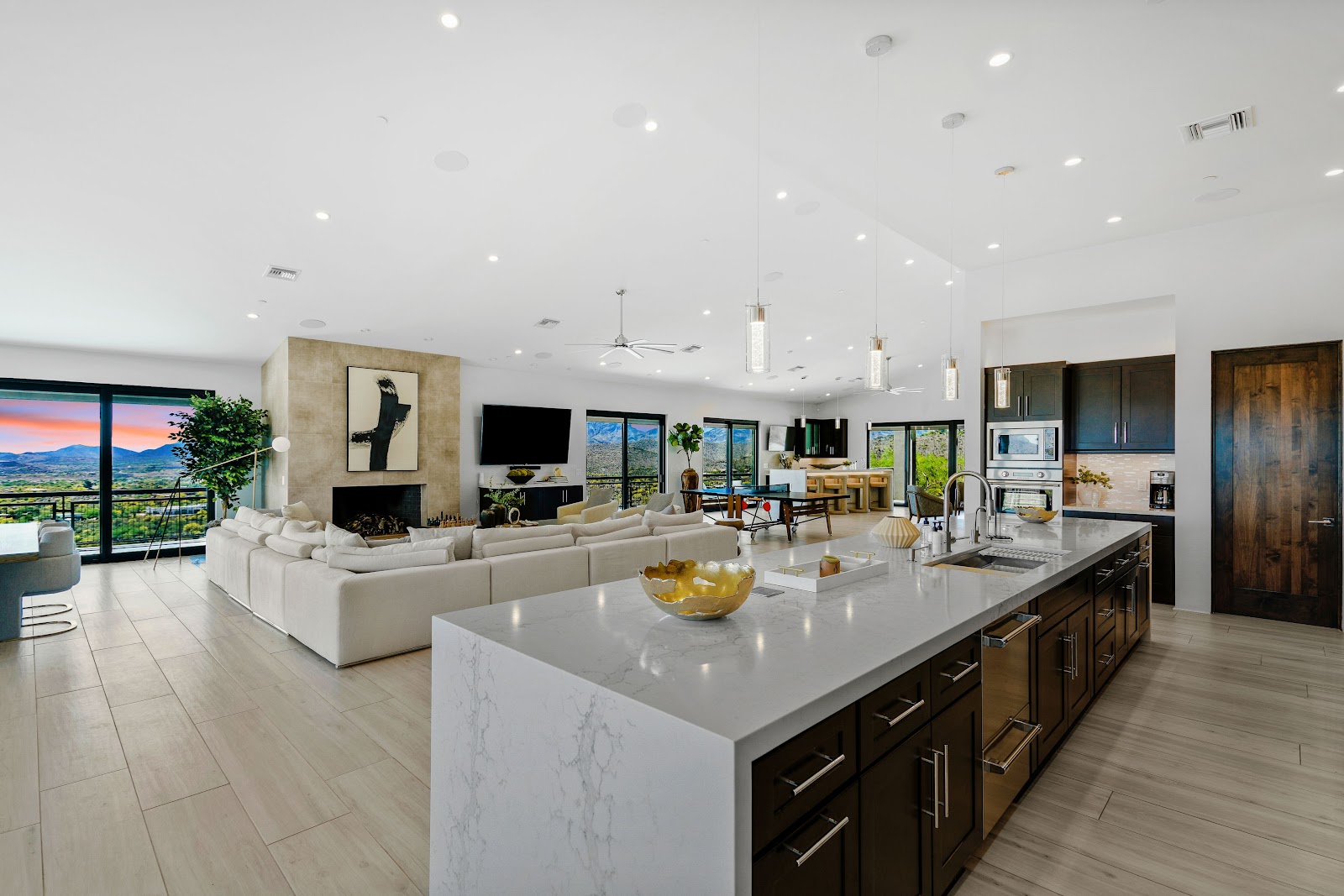
The architectural character in Cave Creek runs toward what might be called authentic desert contemporary — properties that work with the site rather than imposing on it, using natural stone, concrete, reclaimed wood and rammed earth to blend into rather than contrast with the volcanic and ochre landscape. Lots are large — frequently one to five acres in the residential communities north of the town centre — and properties are positioned to maximise ridgeline and desert views while providing the shaded outdoor rooms and pool-centred courtyard layouts essential for year-round Arizona living. The dining and cultural offer in Cave Creek itself is limited but characterful: the town's historic western main street has a cluster of independent restaurants, art galleries and the annual Fiesta de los Vaqueros festival; the Cave Creek Museum tells the story of the Sonoran Desert's indigenous and pioneer cultures. For more substantial urban amenity, the drive to Scottsdale Fashion Square or Old Town Scottsdale runs to approximately 40 minutes in normal traffic. The surrounding Tonto National Forest — the largest national forest in Arizona, covering nearly 3 million acres — provides immediate access to hiking, mountain biking, equestrian trails and the Cave Creek Regional Park trail system. The Maricopa Trail, a 315-mile multi-use trail encircling the Phoenix metro, passes through the Cave Creek area and is one of the finest trail systems accessible from a luxury desert address anywhere in the United States.
Best for: buyers whose primary draw is the untreated Sonoran landscape — dark-sky stargazing, wildlife, saguaro ridgelines, genuine silence — and who value seclusion and authenticity over resort-adjacent amenity. Cave Creek suits outdoor enthusiasts, design-led buyers who treat the desert itself as the design element, and buyers building a meditative desert retreat rather than a resort pied-à-terre. The longer drive to urban Scottsdale is a feature, not a flaw, for this buyer profile.
North Scottsdale and the desert golf communities
North Scottsdale — the broadly defined zone north of the Loop 101 freeway, encompassing the neighbourhoods of DC Ranch, Silverleaf, Grayhawk, Troon Village, Desert Highlands, Pinnacle Peak and the newer Eastmark and Desert Ridge master-planned communities — is the fastest-growing premium residential market in the Greater Scottsdale area and one of the most significant luxury residential build-outs in the United States over the past two decades. Where central Scottsdale and Paradise Valley are mature, built-out markets with limited new inventory, North Scottsdale has seen a sustained programme of planned community development that has created the most comprehensive golf, amenity and resort-adjacent residential offer in Arizona. The hallmark of North Scottsdale's premium communities is the integration of golf course, trail system, club amenity and custom architecture into a single planned residential environment — with the McDowell Sonoran Preserve immediately adjacent, providing a permanent natural open-space buffer that no further development can encroach on.

DC Ranch and Silverleaf — a gated community within DC Ranch with a private golf club designed by Tom Weiskopf — are among the most exclusive residential addresses in Arizona, with a buyer mix of local Arizona entrepreneurs, out-of-state second-home buyers and the growing cohort of corporate relocations to the Phoenix metro (Goldman Sachs, Apple, Intel, TSMC and others have each established significant Phoenix-area operations in the 2020s, driving demand for executive residential addresses). Troon Village and its adjacent golf communities cluster around the world-class Troon North Golf Club — the Tom Weiskopf and Jay Morrish-designed desert golf destination regularly ranked among the finest public-access courses in Arizona — and the Four Seasons Scottsdale at Troon North resort. The golf season in Arizona runs year-round, though the peak period — when the courses are most crowded with snowbird visitors and tournament-following guests — runs from October through April. The WM Phoenix Open at TPC Scottsdale and the Waste Management Phoenix Open at the Stadium Course, both in February, pull the largest single-week golf-tourism volumes in the state. Drive times from North Scottsdale to Phoenix Sky Harbor International Airport (PHX) run to approximately 30–35 minutes in normal conditions; Scottsdale Airport (SDL), a smaller general-aviation and regional facility, is more immediately accessible from north Scottsdale for private aviation arrivals.
Best for: golf-focused buyers who want course-proximate living, buyers drawn to the newer master-planned community infrastructure with club amenity, families looking for the best-equipped residential communities in the metro area, and the growing cohort of buyers relocating or connecting to the Phoenix tech and finance economy. North Scottsdale offers the most complete residential infrastructure in the Arizona premium market — the trade-off being a more suburban character than the raw desert feel of Cave Creek or the estate seclusion of Paradise Valley.
Sedona — the red-rock context
No editorial account of Arizona as a second-home destination is complete without acknowledging Sedona — and the role it plays in how buyers think about the state, even if the COP inventory is concentrated closer to Phoenix. Sedona sits approximately 190 km (118 miles) north of Scottsdale along the Verde Valley, at an elevation of roughly 1,310 metres (4,300 feet) in the high desert transition zone between the Sonoran Desert floor and the Colorado Plateau. The town is internationally famous for its red-rock buttes, mesas and canyon walls — formations of Permian-era sandstone coloured crimson, orange and purple by iron oxide — that create a visual landscape unlike any other in North America. The Sedona tourism and visitor authority reports more than 3 million visitors per year, making it one of the most-visited natural destinations in the American Southwest despite a permanent population of fewer than 11,000. The town has a well-developed arts colony identity — the Tlaquepaque Arts and Shopping Village, more than 80 art galleries, a thriving spa and wellness industry built around the area's claimed "vortex" energy sites — and a dining and wine-country scene anchored by the Verde Valley's growing wine appellation, which has seen serious Rhône-varietal plantings take root in the past decade. For owners based in Scottsdale or Cave Creek, Sedona is a natural two-hour day trip or overnight excursion — a counterpoint landscape to the Sonoran valley floor that makes the Arizona second-home base feel even more geographically rich.
Best for: buyers who treat the Arizona second-home experience as a platform for exploring the broader Southwest landscape — Sedona's red rocks, the Grand Canyon, Monument Valley — rather than remaining anchored to the resort corridor. The Sedona day-trip distance from Scottsdale is one of the Arizona desert second-home market's underrated advantages over comparable desert destinations.
A year in your Arizona co-ownership home
Spreading owner nights that carry no set cap across the Arizona calendar is a planning exercise defined by the desert's distinctive seasonal split: the comfortable season — roughly October through April — when the climate is among the finest in North America, and the summer season — May through September — when the desert heat is extreme but the property is perfectly maintained for the next arrival. The fair-rotation calendar ensures every co-owner receives a fair allocation of peak-demand weeks across the most coveted winter–spring period, with owners who have calendar flexibility able to leverage the quieter October and April shoulder weeks to maximise their effective days in the desert. Arizona is not a single-season destination for the thoughtful owner: each quarter of the comfortable season has its own character, events calendar and outdoor opportunity.
Spring (March–May)
Spring is Arizona's most spectacular season and the period that most experienced owners identify as their favourite. March brings the full flourishing of the Sonoran Desert's brief wildflower season — desert marigolds, owl clover, brittlebush and the dramatic blooms of the saguaro cactus, which flowers in May at the very top of each arm — in a natural display that runs across the preserve lands around Cave Creek and the McDowell Sonoran Preserve simultaneously. Temperatures in March are at their most consistently pleasant: 22–26°C (low to high 70s°F) daily highs, clear skies, and the warm-but-not-hot quality that makes outdoor dining, hiking and pool-use all simultaneously appealing. The WM Phoenix Open at TPC Scottsdale — the professional golf tournament that consistently attracts more spectators than any other in the world — runs in the first or second week of February, typically drawing crowds of more than 200,000 across the week and filling the resort hotels and short-term rental market across central Scottsdale. February and March also anchor the Cactus League spring training baseball season, when all fifteen Cactus League teams — including the Chicago Cubs at Sloan Park in Mesa, the San Francisco Giants at Scottsdale Stadium, and the Colorado Rockies at Salt River Fields — are in the metro area for pre-season play, giving the Phoenix sports calendar a February–March intensity that rivals any comparable US metro. The Barrett-Jackson collector-car auction in Scottsdale in January — one of the most significant automotive events in the world — is another early-season anchor that brings an affluent, design-conscious buyer population to the city precisely when the winter-second-home market is at its most active.
By April, Scottsdale temperatures are climbing through 28–32°C (low to high 80s°F), the pool is in full daily use, and the hiking season on the McDowell Sonoran Preserve trails — best managed as morning or late-afternoon activity rather than midday — is at its most visually rewarding, with the saguaro blooms and the flowering palo verde trees turning the desert a vivid yellow-green before the summer heat arrives. The Scottsdale Culinary Festival in April and the broader spring-season restaurant calendar across Old Town Scottsdale and the resort corridor make spring the best time of year for the dining-focused owner. May marks the transition into summer — 35–40°C (95–104°F) by late May — but the early morning and evening windows remain manageable, and the desert landscape in full late-spring flowering is genuinely extraordinary.
Summer (June–August)
Summer in the Sonoran Desert is extreme by any measure: daytime highs of 40–45°C (104–113°F) are the norm from June through August, with overnight lows rarely dropping below 28°C (82°F) even in the coolest hours. This is Arizona's natural off-season, and the practical implication for fractional owners is important: most owners do not schedule their peak use weeks in July and August, and the property is maintained in full operational condition — pool serviced, HVAC running — through the summer regardless of occupancy. The Arizona summer does have one genuine seasonal character note: the monsoon season, which runs from mid-June through September and brings dramatic afternoon and evening thunderstorms to the desert. The pre-monsoon lightning shows over the Superstition Mountains east of Phoenix are among the most photographically spectacular natural phenomena in the continental United States, and the rain that follows — 50–60% of Phoenix's annual rainfall arrives in the monsoon season — turns the desert briefly lush, bringing a second smaller wave of wildflower blooms in August. For owners who are present in June or September — the shoulder weeks of the summer season, when temperatures are slightly more manageable — the monsoon landscape is a completely different visual experience from the dry-winter desert, and one that owners returning in November are always glad they saw. The Arizona Scenic Roads programme documents the red-rock and canyon drives accessible from Scottsdale that are genuinely spectacular in the post-monsoon light of September and October.
Autumn (September–November)
Autumn is Arizona's quietly best-kept season — the equivalent of the shoulder-season argument made for Mediterranean Europe — and the period that the most experienced Arizona second-home owners privately guard. The reasoning is straightforward: temperatures drop through October from the summer extremes to the genuinely comfortable 26–30°C (low to high 80s°F) range, with November settling into the 20–24°C (high 60s°F to mid-70s°F) range that will carry through the winter season. The resort and restaurant scene re-opens at full capacity after the summer; the golf season re-activates; the hotel pools and spa programmes move back to full programming. The October shoulder weeks sit in what experienced owners describe as a perfect window: warm enough for pool and outdoor dining without the risk of summer heat, cool enough for comfortable hiking, and free of the February–March crowd peaks that come with the WM Phoenix Open and the spring training season. The Cave Creek area is particularly fine in October and November — the desert light in the angle of the autumn sun, falling on saguaro stands and volcanic ridgelines, has a quality that photographers and visual artists have documented for decades, and the Cave Creek Music and Art community begins its autumn gallery season in October, with openings and events through the winter months. Thanksgiving — the fourth Thursday in November — is one of the most popular owner-use periods across the Arizona second-home market, with the full family gathering capacity of a large desert villa, the outdoor dining and pool weather still cooperative, and the golf and hiking calendar at its most accessible for the mixed-generation household.
Winter (December–February)
Winter is Arizona's high season — the period when the "snowbird" migration from the northern US and Canada reaches its annual peak, resort occupancy runs at maximum, the Scottsdale dining and nightlife scene operates at its most vibrant, and the long-established pattern of winter in the desert as an annual ritual reasserts itself across three generations of American and increasingly international second-home culture. The weather in December and January delivers the precise conditions that make the Sonoran Desert winter famous: 18–22°C (mid-60s°F to low 70s°F) daily highs, clear blue skies, minimal humidity, cool evenings in the 8–12°C (mid-40s°F to low 50s°F) range that make the outdoor firepit or the villa's gas fire a natural evening focal point. This is the season when the contrast between Arizona's desert warmth and a February morning in Chicago, Toronto or London is most starkly felt — and most clearly monetised in the second-home market. The Arizona Biltmore, Scottsdale's historic winter resort hotel designed by a student of Frank Lloyd Wright and opened in 1929, embodies the history of the Arizona winter season in a single building; the tradition it represents is now almost a century old, and the second-home culture around it has only deepened in sophistication since. The Barrett-Jackson Scottsdale auction in January and the WM Phoenix Open in early February anchor the mid-winter calendar; the Scottsdale Arts Festival in March, the Phoenix Open de México, and the Cactus League spring training through February–March carry the season through to the April shoulder. For owners who can use their December and February peak weeks, the Arizona winter second-home offer is as strong as any in the continental United States.
Who buys in Arizona, and why
The buyer mix in the Greater Scottsdale and Phoenix luxury second-home market has shifted materially over the past decade, and the shift illuminates why fractional ownership has found a particularly receptive audience here. The traditional Arizona snowbird buyer — a retired or semi-retired couple from the upper Midwest (Chicago, Minneapolis, Detroit, Cleveland) or Canada (Toronto, Calgary, Vancouver) who purchases a winter home in Scottsdale for November-through-April use — remains a significant cohort, but it now sits alongside a newer and younger cohort of active professionals, many of them drawn by the post-2020 corporate migration of major financial and technology employers to the Phoenix metro. The City of Phoenix has been one of the fastest-growing major metros in the United States for the past decade; the arrival of Goldman Sachs's Phoenix operations centre, TSMC's new semiconductor fabrication plant, Apple's supplier hub and Intel's Chandler campus has created an executive residential demand that runs year-round rather than seasonally, and has given the Scottsdale premium market a new buyer profile — younger, often with international connections, less focused on the snowbird winter rhythm and more interested in year-round quality of life. British, European and Australian buyers are a growing international component, drawn by the direct Phoenix Sky Harbor International Airport (PHX) connections (British Airways, Aeromexico and multiple US carriers offer connections from London Heathrow via New York and Dallas, with total journey times from central London of approximately 14–16 hours), the English-language environment and the practical absence of a Schengen restriction — UK nationals can visit Arizona on a US ESTA for up to 90 days per trip with no annual accumulation rule governing repeat visits, removing the planning friction that a comparable European second-home imposes post-Brexit.
Fractional ownership in Arizona typically suits a well-defined set of buyer profiles:
- Snowbird couples and families from the upper Midwest and Canada — buyers from Chicago, Minneapolis, Toronto or Calgary who have been renting in Scottsdale for five or more winters, whose actual use pattern is concentrated in December through March, and whose annual rent bill has reached the point where the maths of building equity versus paying rent has tipped decisively. The fully managed structure removes the operational complexity of managing a US vacation property from Canada or the northern states.
- Golf-focused buyers — active golfers who treat the Scottsdale and North Scottsdale course access (Troon North, Desert Highlands, Grayhawk, Gainey Ranch) as the primary draw. The Arizona golf season — at its peak from October through April, with the courses at their finest — aligns precisely with the comfortable-weather calendar, and the concentration of 200+ courses in the metro area gives a golf-focused owner a practically inexhaustible rotation. The WM Phoenix Open week in February is a particularly high-demand window for this cohort.
- Design-led buyers drawn to desert-modern architecture — buyers for whom the Frank Lloyd Wright Taliesin West legacy, the desert-contemporary residential architecture of Paradise Valley and Cave Creek, and the connection to the Sonoran landscape are primary draws. This cohort overlaps with buyers interested in the annual Taliesin West lecture series, the Scottsdale arts community, and the architectural heritage of the mid-20th-century resort hotels. Disproportionately European in their origin.
- Active outdoor enthusiasts — buyers whose primary draws are the McDowell Sonoran Preserve trails, the Cave Creek and Tonto National Forest hiking and mountain-biking network, the Camelback Mountain hiking routes, and the broader Southwest day-trip network (Sedona, the Grand Canyon, the Superstition Mountains). This cohort values Cave Creek or North Scottsdale access as much as the resort core.
- Multi-generational families with winter reunion traditions — four- and five-bedroom villas in Scottsdale or Cave Creek that sleep grandparents, parents and grandchildren for a shared Thanksgiving, Christmas or spring-break week. The large outdoor living area, the pool, the desert landscape and the family-activity calendar (hiking, golf, baseball spring training) make Arizona one of the most functional multi-generational second-home markets in the United States.
- Portfolio builders — owners who already hold a European or California share and who see an Arizona winter share as the complementary piece of a multi-region portfolio. The most common Arizona-plus-elsewhere pairings are an Arizona winter share with a French Alps ski share (complementary seasons, opposite climates), an Arizona winter share with a Mallorca or Italian Lakes summer share, or an Arizona spring share with a Colorado ski-season share.
- Corporate buyers and career relocators — professionals with significant connections to Phoenix's growing corporate economy who want a permanent-but-flexible base in the metro area, without the full capital and operational commitment of sole outright ownership. The fractional structure gives this buyer a professional home base during business trips and a leisure base for family visits, with the management overhead handled entirely by the professional team.
What unites these diverse buyer profiles is a single underlying calculation: the weeks each of them actually uses in Arizona falls within — or close to — the six to seven weeks a 1/8 share delivers, the operational overhead of managing a luxury Arizona desert property from a distant home base is non-trivial (pool service, HVAC management and landscape maintenance continue year-round regardless of the owner's presence), and the resale liquidity of a professionally managed fractional share is — in experience across the portfolio — materially superior to the liquidity of a whole sole-ownership property at the same address. Our team can walk through which Arizona sub-zone best fits your specific use pattern before you commit to a property; the right answer — Cave Creek or central Scottsdale or North Scottsdale — often depends less on budget and more on what you actually want to do on a Tuesday morning in February.
Practicalities: getting there and what you own
Getting there — Arizona airports and ground access
Phoenix Sky Harbor International Airport (PHX) is the primary gateway for all Greater Scottsdale and Phoenix metro destinations, and one of the largest and most efficiently managed airports in the United States. It sits approximately 25 minutes from central Scottsdale and Old Town, 35 minutes from the North Scottsdale golf communities, and 45–55 minutes from Cave Creek in normal traffic. PHX handles more than 22 million passengers per year and offers direct domestic service from every major US hub — New York (JFK, LGA, EWR), Los Angeles (LAX), Chicago (ORD, MDW), Dallas (DFW, DAL), Atlanta (ATL), Denver (DEN), Seattle (SEA), Miami (MIA), Boston (BOS), Washington DC (DCA, IAD) and all other significant US cities. International direct or one-stop service connects PHX to London (via Dallas or New York on American and British Airways), Frankfurt, Mexico City, Cancún, London Gatwick, Amsterdam, Toronto, Calgary, Vancouver and multiple other international gateways. The combination of PHX's size and the one-stop reach to London, Frankfurt and Amsterdam gives Arizona a practical flight-accessibility picture that most second-tier US destinations cannot match: a buyer from London can arrive at Scottsdale in approximately 15–16 hours door-to-door via a single connection.
Scottsdale Airport (SDL) is a general-aviation and regional commercial facility approximately 5 minutes from central Scottsdale, handling private aircraft and charter arrivals for the resort market. For owners arriving by private aviation, SDL is the natural Arizona gateway, with Scottsdale FBOs (Fixed-Base Companies) providing full private-aviation services. Phoenix-Mesa Gateway Airport (AZA), on the south-east edge of the metro, handles Allegiant Air services from smaller US cities and some seasonal routes; it is less relevant to the premium second-home market. Drive times from PHX to the principal sub-zones: PHX to central Scottsdale — 25 minutes; PHX to Paradise Valley — 25 minutes; PHX to North Scottsdale (DC Ranch / Troon) — 35 minutes; PHX to Cave Creek — 45–55 minutes; PHX to Sedona — 1 hour 50 minutes to 2 hours. No inter-city rail or shuttle infrastructure of significant relevance exists in the Phoenix metro; the standard arrival and departure pattern is either private car, rental car, or an Uber/Lyft from PHX to the villa.
Whole home or a share — the comparison that matters
The case for a fractional structure in Arizona is most clearly illustrated in a direct side-by-side comparison against both whole ownership and long-term rental across the Greater Scottsdale and Cave Creek luxury market. Sole ownership of a Paradise Valley estate, a North Scottsdale golf-community villa or a Cave Creek desert retreat commits a buyer to the full property value as upfront capital, the full annual carry as a running cost, and the full operational burden of managing a premium Arizona property from a distant home base — whether the owner spends four weeks per year in the desert or twelve. The fractional structure distributes those costs across eight owners; the 1/8 share delivers the access the owner will actually use, at roughly 1/8 the capital commitment and carry, with the operational burden removed entirely.
| Whole second home | COP 1/8 fractional share | Long-term rental | |
|---|---|---|---|
| Upfront commitment | Full property value | ~1/8 of the property value | First/last/deposit only |
| Equity in the asset | Full appreciation | ~1/8 of appreciation | None |
| Arizona flat income tax | 2.5% flat rate on Arizona-sourced income | Same rate — proportionate to 1/8 share | Landlord's exposure, not yours |
| Personal use | Up to 52 weeks (most use 6–10) | Around six weeks a year, fairly rotated | Defined by lease |
| Operations burden | Owner-managed or hired staff | Fully included | Landlord-managed |
The comparison that Arizona buyers find most compelling is the annual carry versus actual use calculation. A whole villa in Paradise Valley or a Cave Creek desert estate carries full Maricopa County property tax (approximately 0.5–0.7% of assessed value annually for residential luxury properties, lower than California's Prop 13 base rate), full homeowners insurance, full pool and spa service (a year-round requirement in Arizona regardless of the owner's presence — algae growth and equipment damage during the summer heat require continuous maintenance even with no one in the property), full HVAC service (critical in the Arizona summer — air-conditioning systems in desert-modern villas must run continuously to prevent damage to finishes, wood and electronics during the hottest months), landscaping and irrigation, concierge and property-management retainer, and any HOA fees in the master-planned communities of North Scottsdale. A 1/8 fractional share carries proportionally less in every line, fully managed, with the operational burden removed. Compared to renting an equivalent Arizona property on a seasonal long-term lease — a well-established market across Scottsdale's snowbird economy — the fractional buyer builds real equity rather than burning rent, and the share is theirs to sell or pass on.
The time-to-exit comparison is also relevant in the Arizona prime tier. The buyer pool for whole properties at the top of the Paradise Valley or North Scottsdale market is well-informed and patient; a premium villa in these markets can sit on the open market for 12–18 months before transacting in a neutral market, with the carrying costs of holding through a slow sale representing a meaningful fraction of the sale price. A fractional share is sold through our partner's resale process, without you having to sell the whole house, to a buyer pool already familiar with the property.
What you actually own — the legal share
Every Arizona property on COP is shared by you and up to seven co-owners, each owning a real share of the home. The Maricopa County Recorder maintains the documentary record of property title, and Arizona has no state estate tax or inheritance tax; beyond that, your share passes to your heirs as part of your estate, and our partner sets out how this works for your country before you buy.
How fractional ownership works in Arizona
The mechanics of fractional ownership in Arizona are framed by three elements that work together: the legal set-up arranged by our partner for each home, the Arizona property-tax system administered by Maricopa County, and the professional management infrastructure that handles the operational reality of a high-maintenance desert property from the day of purchase onwards. Together, these three pieces make for a clear, predictable ownership experience.
What you own: a real share of the Arizona home
You own a real share of the home — an eighth, a quarter — not a right to use it. You can sell it, pass it on to your heirs, and it grows in value with the house. Big decisions, such as selling the home or major works, are decided together by the co-owners.
Arizona property tax
Arizona property tax is among the lowest of any US Sun Belt state for residential luxury property. The base assessment rate for owner-occupied residential properties in Maricopa County is approximately 10% of full cash value (a reduced ratio applied to residential primary and secondary properties), and the county millage rate results in an effective annual property-tax burden well below that of comparable California, New York or Illinois addresses at equivalent value levels. The annual assessment and payment are handled on the co-owners' behalf; individual co-owners do not deal with the county assessor directly. Arizona also has no state estate tax and no inheritance tax at the state level — a structural advantage for non-Arizona-resident owners. The state's 2.5% flat income-tax rate — the lowest flat income-tax rate of any US state as of 2023 — applies to Arizona-sourced income; our partner sets out the tax position for your country before you buy.
Inheritance and your Arizona share
Directly held Arizona real estate is subject to Arizona probate on the owner's death, and for non-Arizona residents, ancillary probate in Arizona is typically required alongside the primary probate in the deceased's home state or country. Your share passes to your heirs as part of your estate, and our partner sets out exactly how this works for your country before you buy.
The professional management model and how the calendar works
Once the purchase completes, a professional management company takes over all operational responsibility for the Arizona property. Your personal weeks — with no set cap on total nights for a 1/8 share — are allocated through a fair-rotation calendar that mixes peak-demand weeks (the January Barrett-Jackson auction week, the February WM Phoenix Open week, the Thanksgiving and Christmas–New Year windows, the March spring training baseball season) with shoulder and quieter weeks across the year. Owners pre-book several months ahead within the framework of the rotation; unused weeks in the pool are available for additional booking windows where the property's structure allows. Pool and spa service, HVAC management, landscape and irrigation maintenance, pre-arrival preparation, cleaning and linen between every stay, on-call concierge, utility bills, insurance and property-tax compliance, HOA management where applicable, and all maintenance management — all sit with the professional management team. You arrive; the property is ready.
The Arizona management overhead is worth noting specifically: unlike a coastal or alpine property that can be largely winterised or low-maintenance in the off-season, an Arizona luxury desert property requires year-round active management. The pool cannot be simply closed — algae and equipment damage in the summer heat require continuous treatment. The HVAC must run to protect finishes, hardwoods, electronic systems and contents from extreme heat damage during the hottest months. The landscape requires continuous irrigation through the summer drought period. This year-round management overhead is a genuine complexity for sole owners managing a remote vacation property; for fractional co-owners, it is simply handled without any owner involvement.
Resale: how to exit, typical timelines, the professional process
When you decide to exit your Arizona share, a professional resale process is in place, run by our partner, so you can sell your share without having to sell the whole house — whereas whole-property resales in the Arizona prime tier typically take 6–18 months in a neutral market. Shares sell: hundreds of shares in homes like these have already been resold—in just over three months on average, and nearly three in four for more than the owner paid. After a typical first-12-months holding period you set the price, and your co-owners get the first chance to buy. The buyer pool for an established COP property is already familiar with the property. For owners who want to maximise price and have a specific buyer in mind, an open-market transfer to any qualifying buyer remains available; most find the established resale path faster and with lower carrying-cost exposure during the interim. The full mechanics of resale across all COP jurisdictions are covered in our co-ownership explained guide.
For specific Arizona property availability, browse the listings in the property grid above, or join our list for new-property alerts as they come to market. Our team can walk you through the differences between the four Arizona sub-zones — Scottsdale's resort core, Paradise Valley's estate privacy, Cave Creek's high-desert seclusion, and North Scottsdale's golf-community offer — and help match the right cluster to your specific use pattern before you commit to a property.
Your ownership at a glance
- Real ownership of the home — a real 1/8 share of the home: transferable, inheritable, and it grows in value with the house. Not a timeshare, not a points membership, not a usage right.
- Fully managed throughout — the professional management team handles Maricopa County property tax, insurance, pool and spa service, HVAC management, landscape, scheduling, linen, the on-call concierge and all maintenance. You arrive; the property is ready.
- Supported resale through the COP owner network — when you decide to exit, our partner's resale process is in place, so you can sell your share without having to sell the whole house, rather than facing the 6–18 months a comparable whole Arizona property might take in a neutral open market.
- Designed for international portfolios — many owners combine shares across several COP destinations; Arizona's winter season pairs naturally with European summer and ski shares in the same portfolio.
Questions & Answers
Arizona Fractional Ownership — Frequently Asked Questions
Fractional ownership in Arizona gives you a real 1/8 share of a luxury Greater Phoenix home — a Scottsdale resort villa, a Paradise Valley estate, or a Cave Creek high-desert retreat. The legal set-up is arranged by our partner for each home and walked through with you before you buy. Your share delivers around six weeks of use a year, depending on the home,, fully managed. It is real, transferable equity — not a timeshare.
The Sonoran Desert’s prime season runs October through April — warm, dry, sunny weather ideal for golf, hiking and the spa-and-resort lifestyle. Summer brings desert heat — early-morning golf and long afternoons by the pool. The fair-rotation calendar spreads the sought-after winter and spring weeks fairly across co-owners over a multi-year cycle.
Greater Phoenix has one of the highest concentrations of golf courses in the United States, a deep spa-and-resort economy, the Sonoran Desert landscape, Camelback Mountain, and an established design culture from Frank Lloyd Wright’s Taliesin West onward. Phoenix Sky Harbor is a major hub with nonstop service nationally and internationally. Arizona’s flat, low state income tax adds to the appeal.
Arizona levies a low flat state income tax and competitive property taxes. Property-tax filing and payment are handled for you, with no separate county bills to manage. Personal tax advice is recommended for your own circumstances.
Simply. Our partner's resale process handles the sale for you, so you sell your share without the whole house having to be sold. After a typical first-12-months holding period you can sell whenever you choose, at the price you set — your co-owners get the first chance to buy. Hundreds of shares in homes like these have already been resold — in just over three months on average, and nearly three in four for more than the owner paid.
Also Explore
Get in Touch
Speak to an expert
Tell us what you're looking for and we'll be in touch.