Austria · Europe
Austria Fractional Ownership & Co-Ownership Properties
From a Tyrolean chalet above the Kitzbühel Alps to a south-facing apartment on the Arlberg — fractional ownership in Austria means a real share of the country's most coveted alpine addresses, around six weeks of personal use a year, and a fully managed property waiting whenever you arrive. Whether you call it fractional ownership or co-ownership, you own a real share of the home.
13 properties · from €145,000
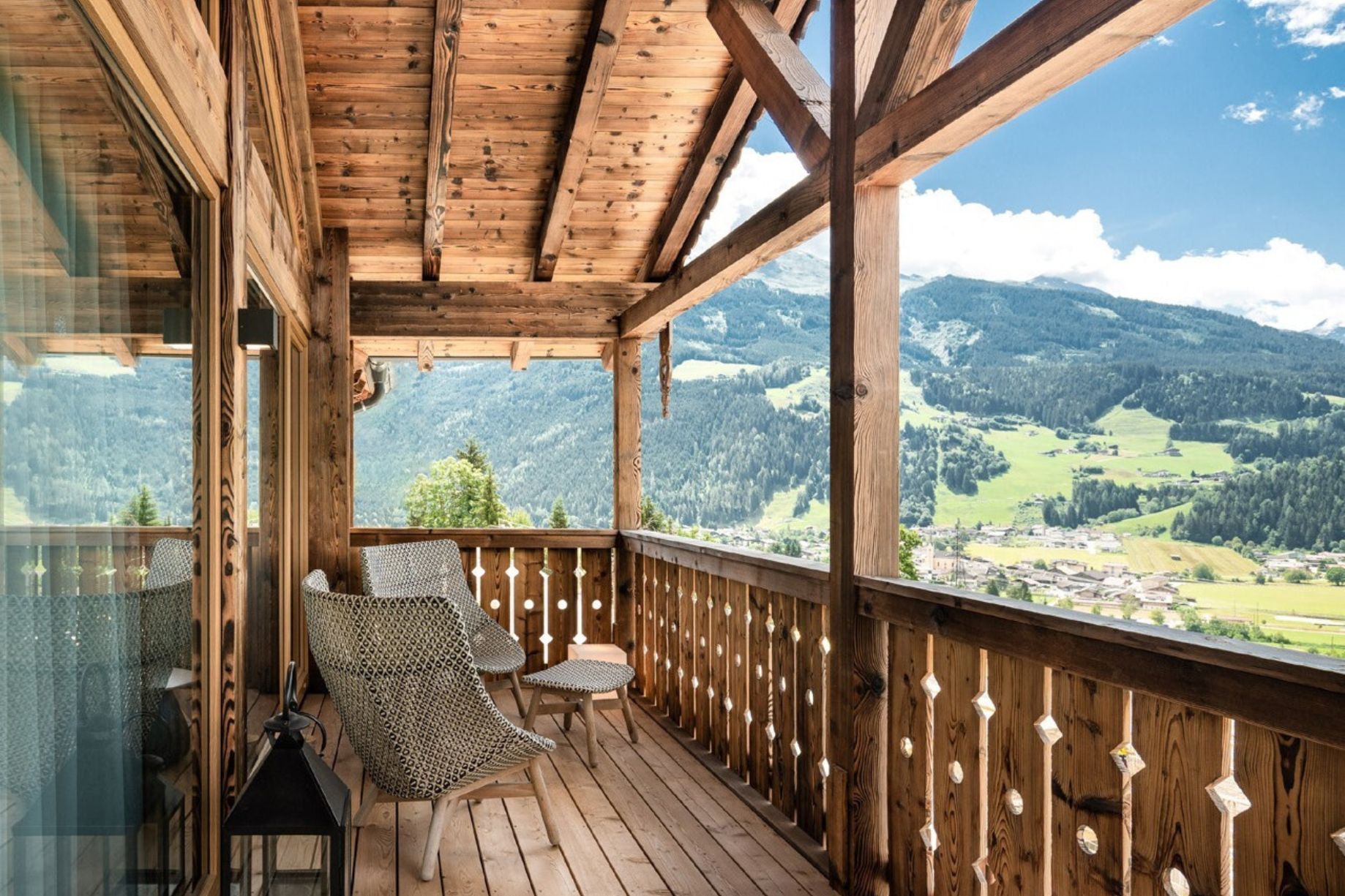
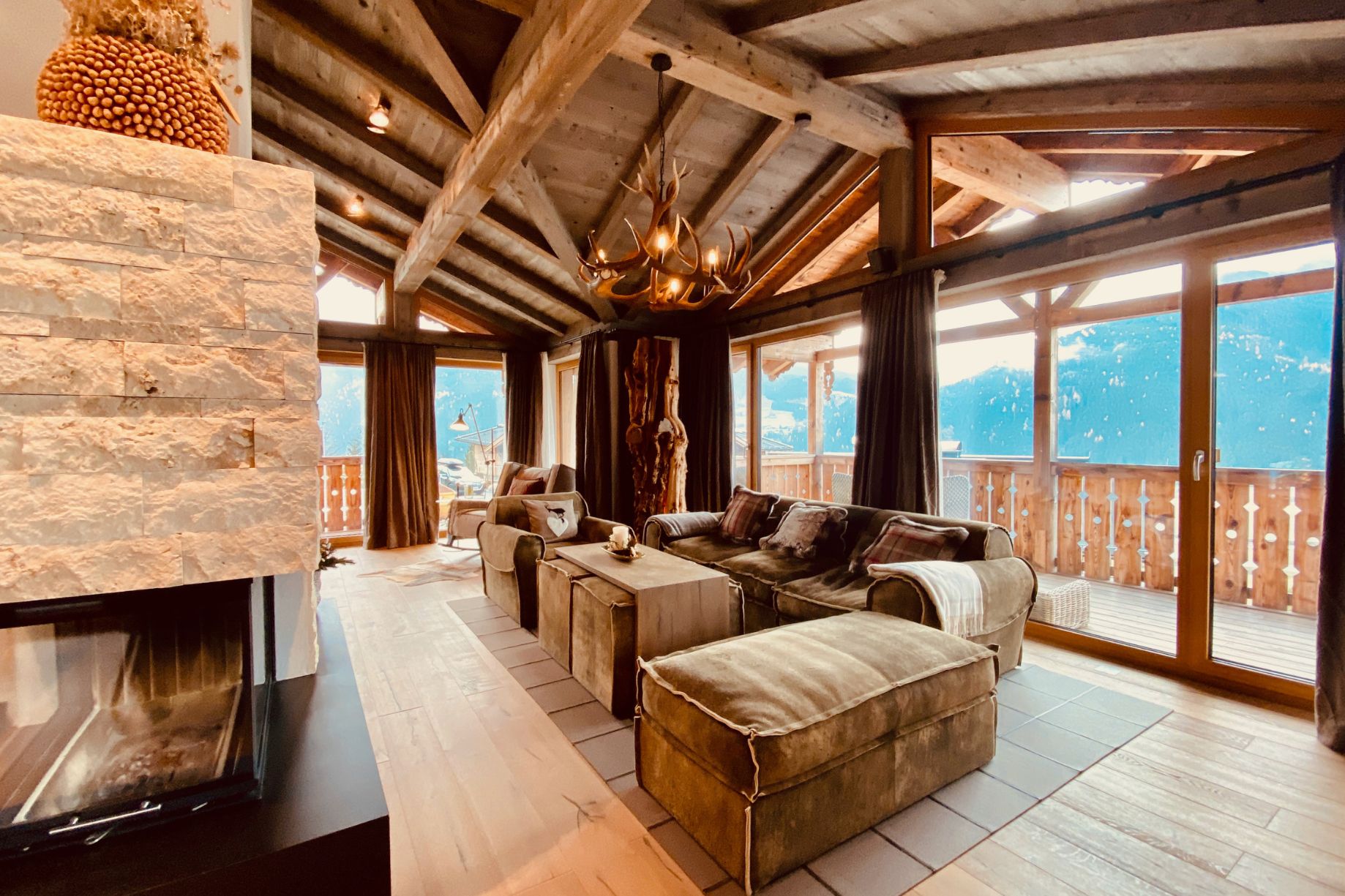
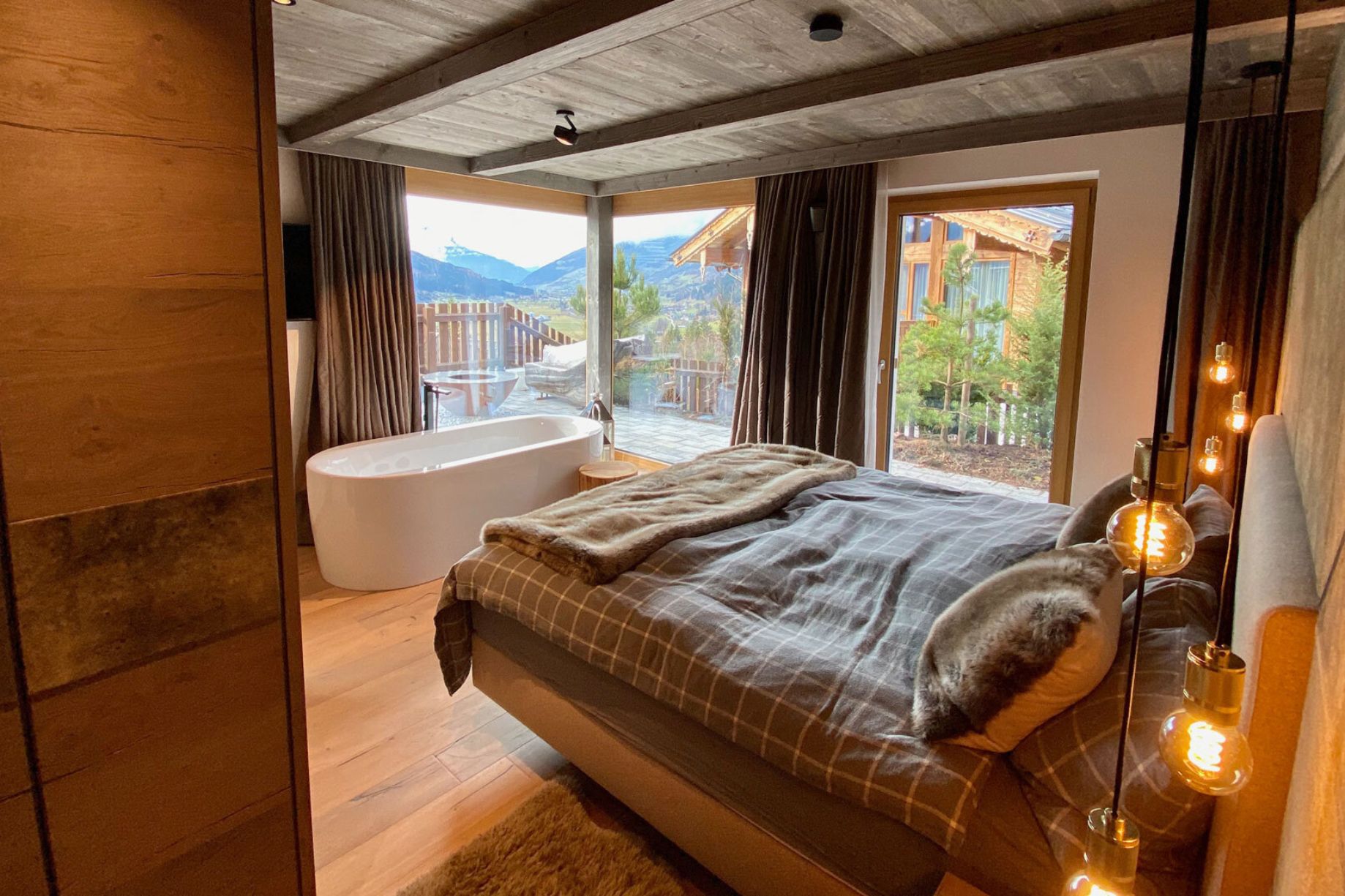
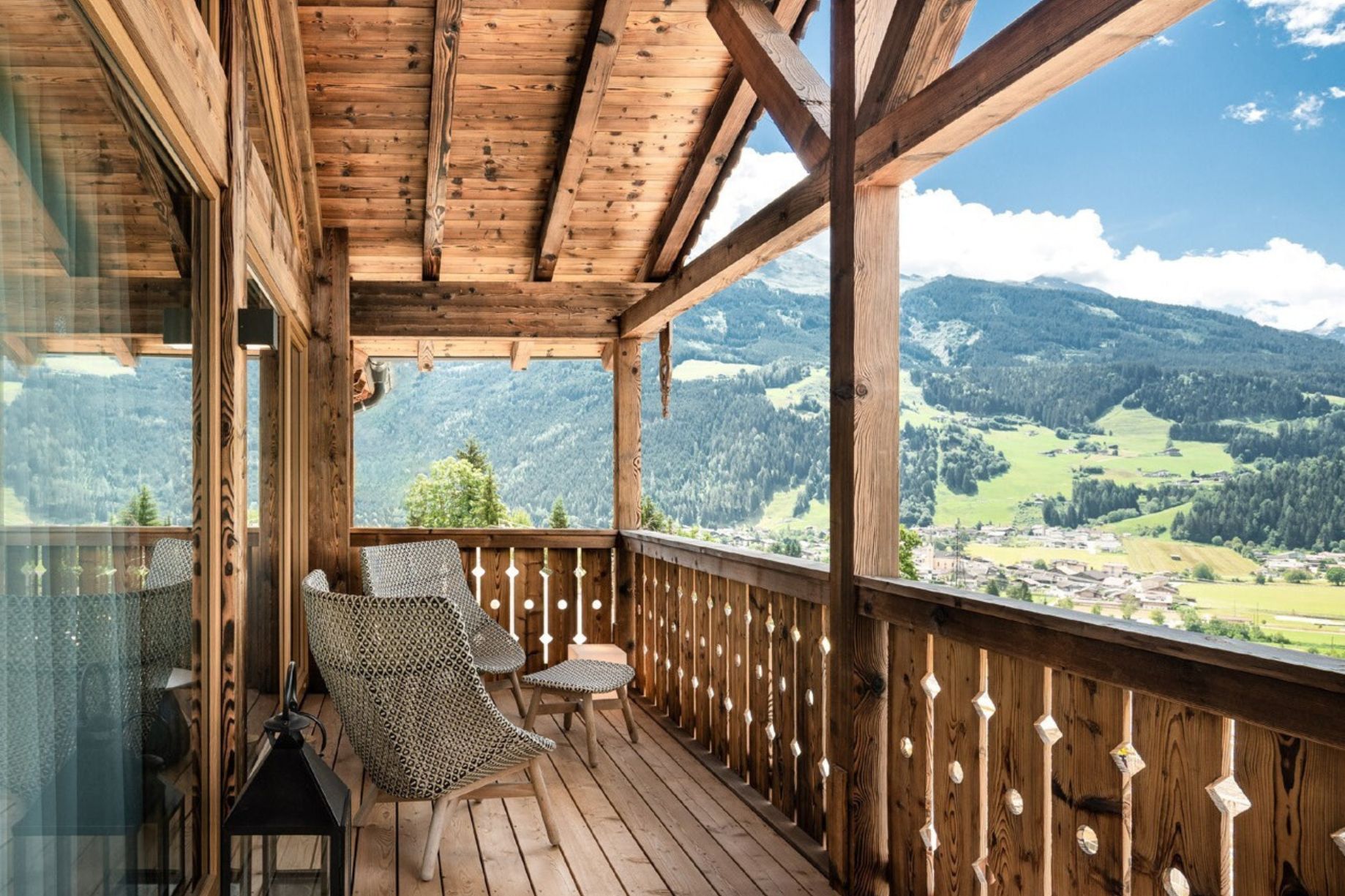
Hollersbach, Pinzgau, Austria — 3-Bed Chalet With Hot Tub
€439,000
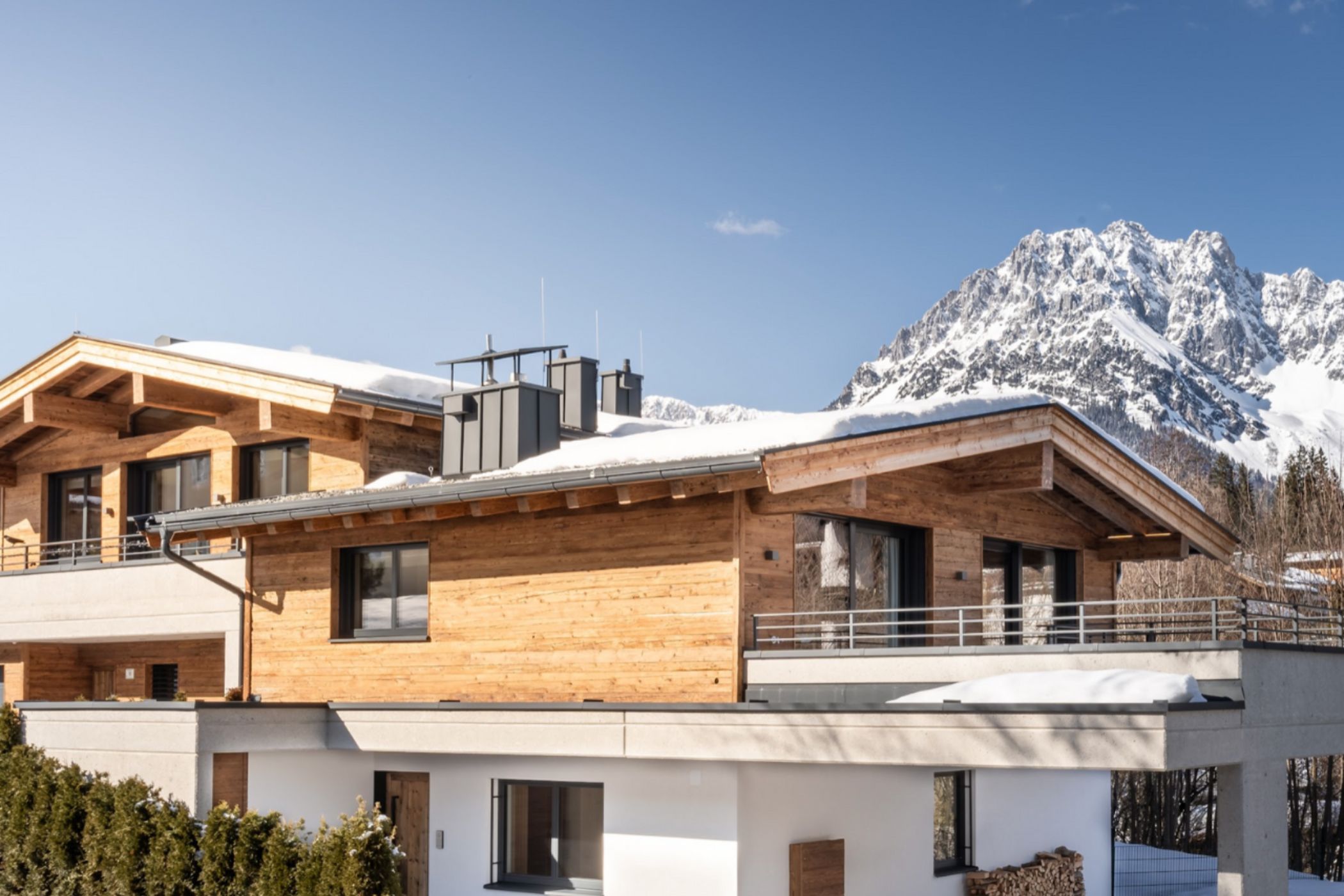
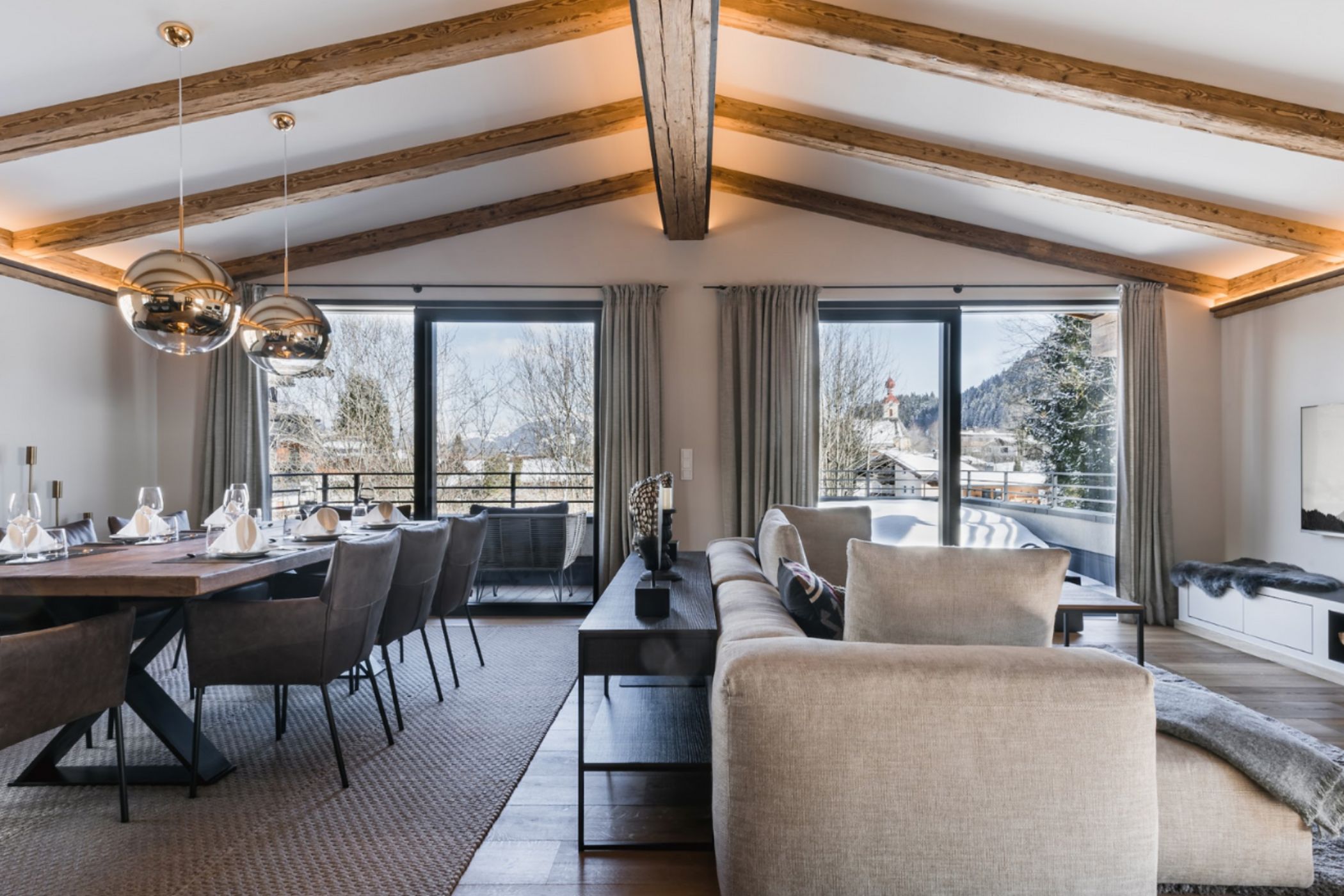
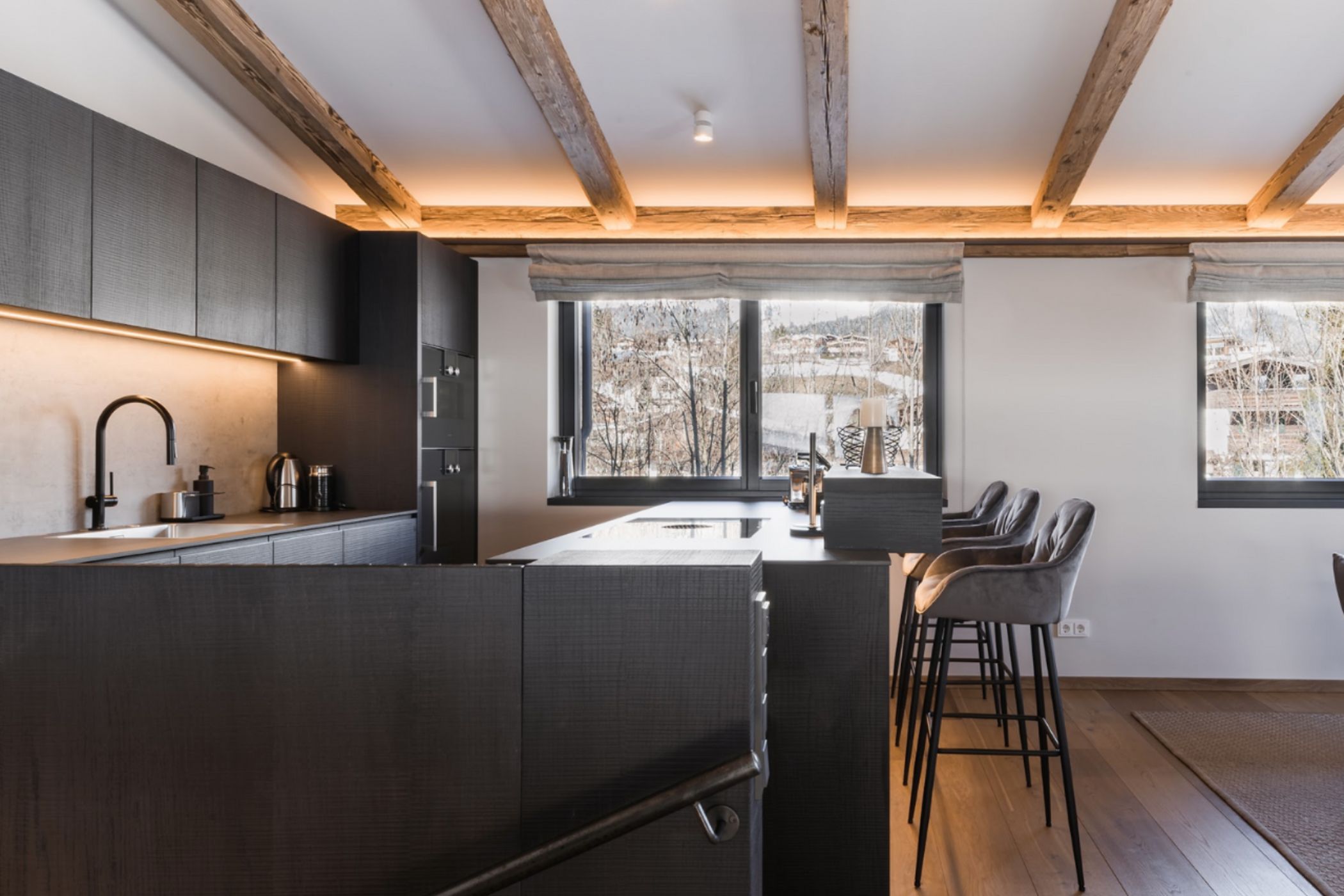
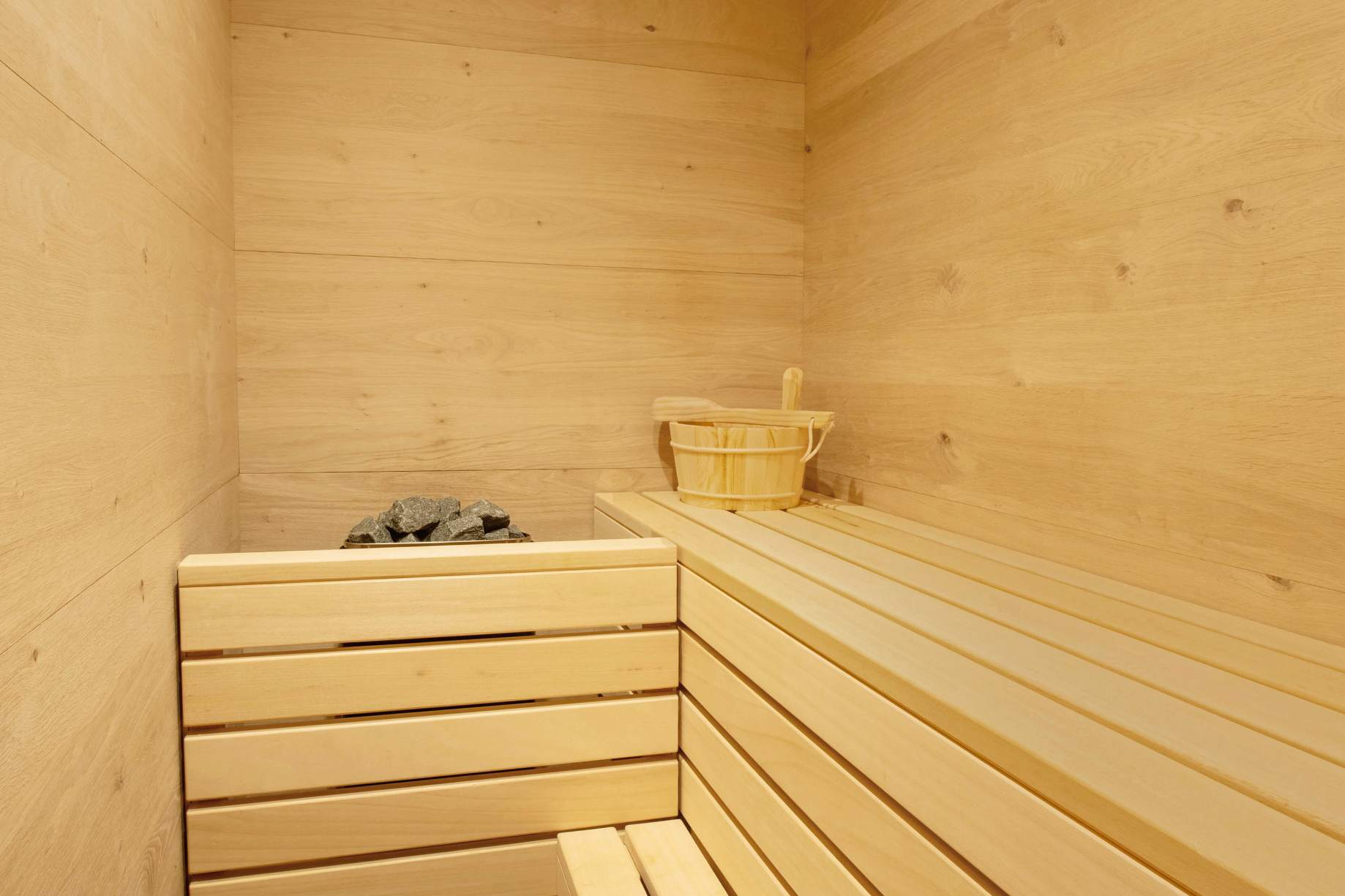
Going am Wilden Kaiser, Tyrol, Austria — 3-Bed Chalet With Sauna
€379,000
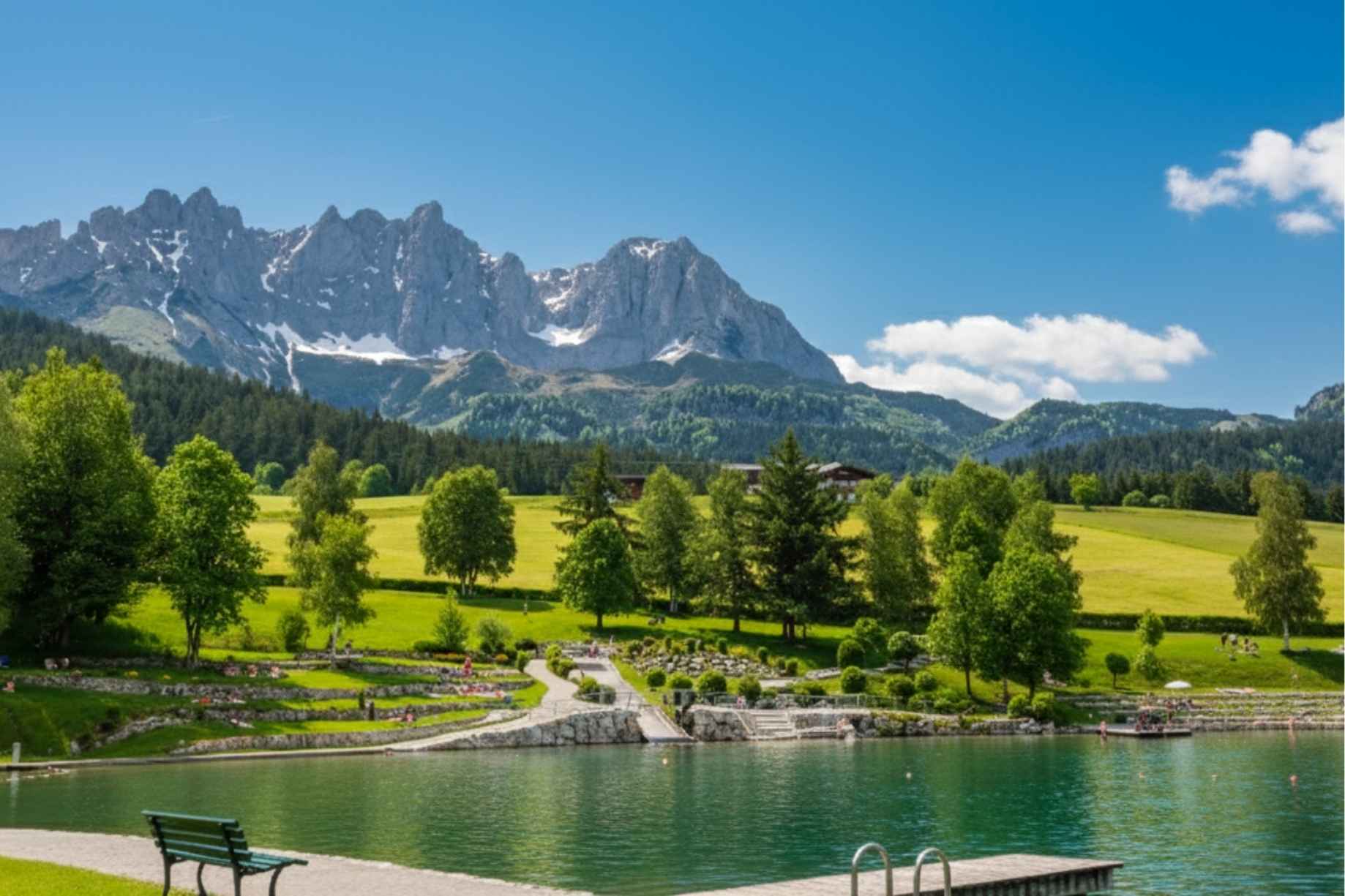
Going am Wilden Kaiser, Tyrol, Austria — 2-Bed Private Residence
€199,000
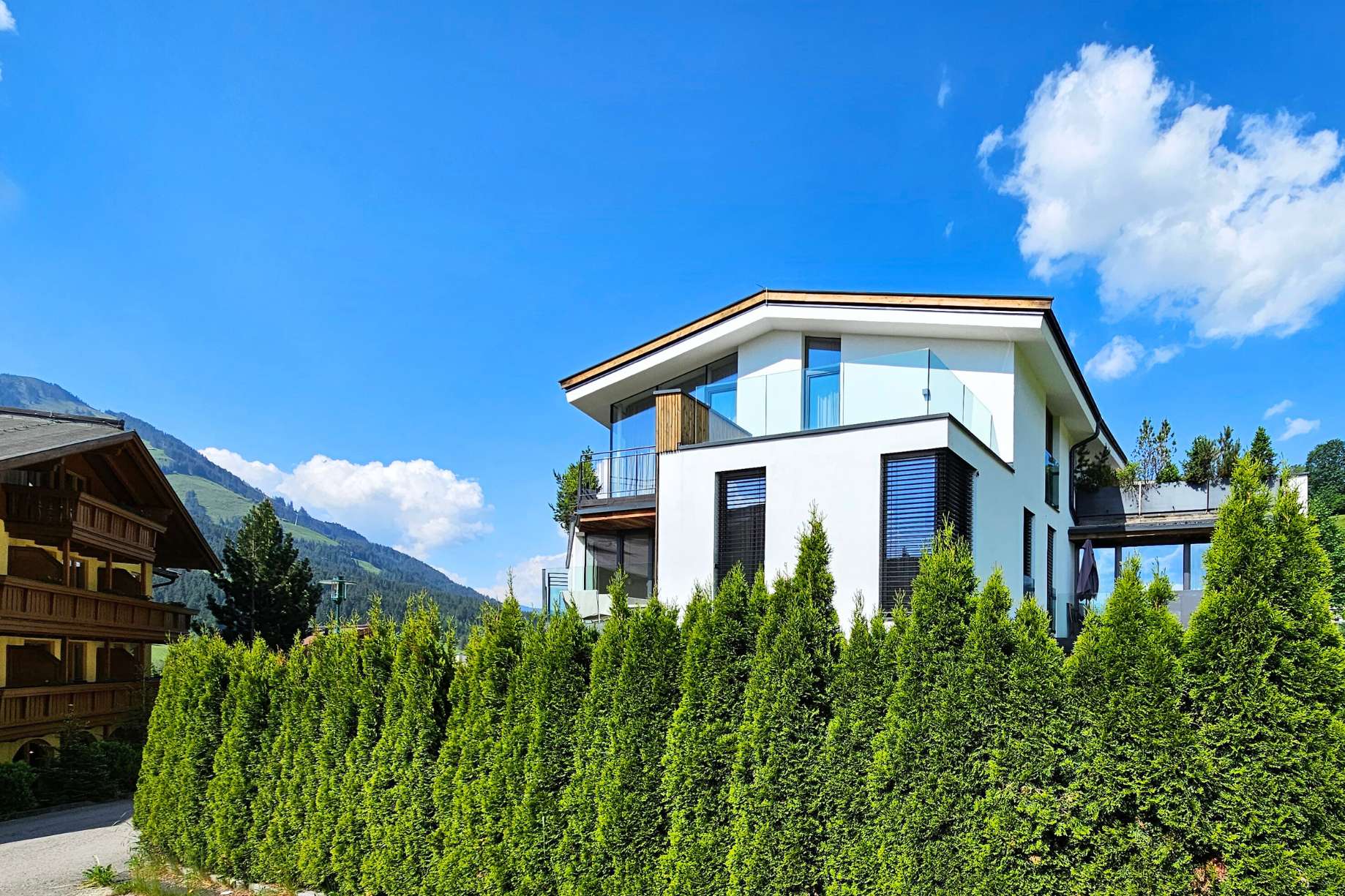
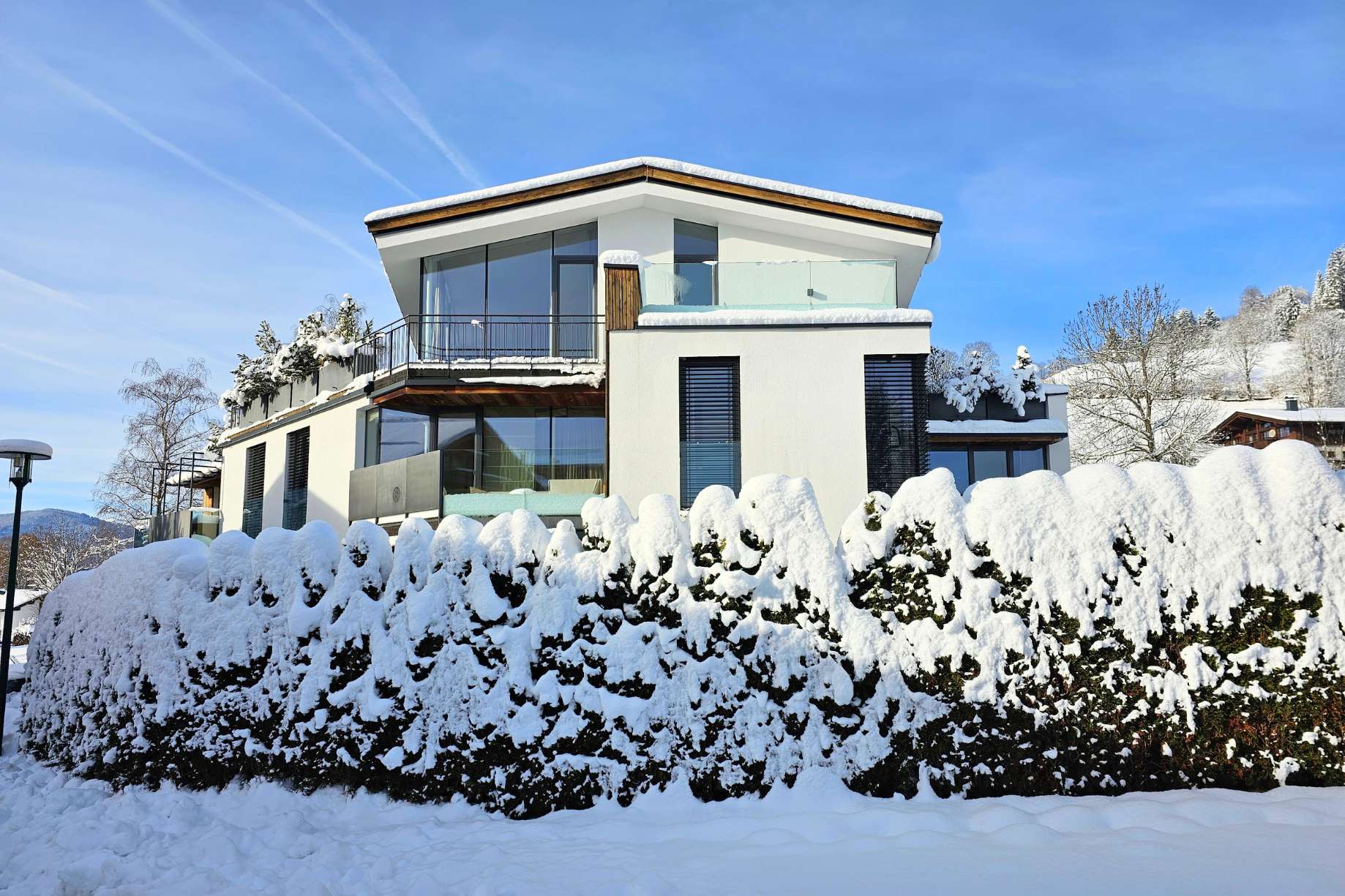
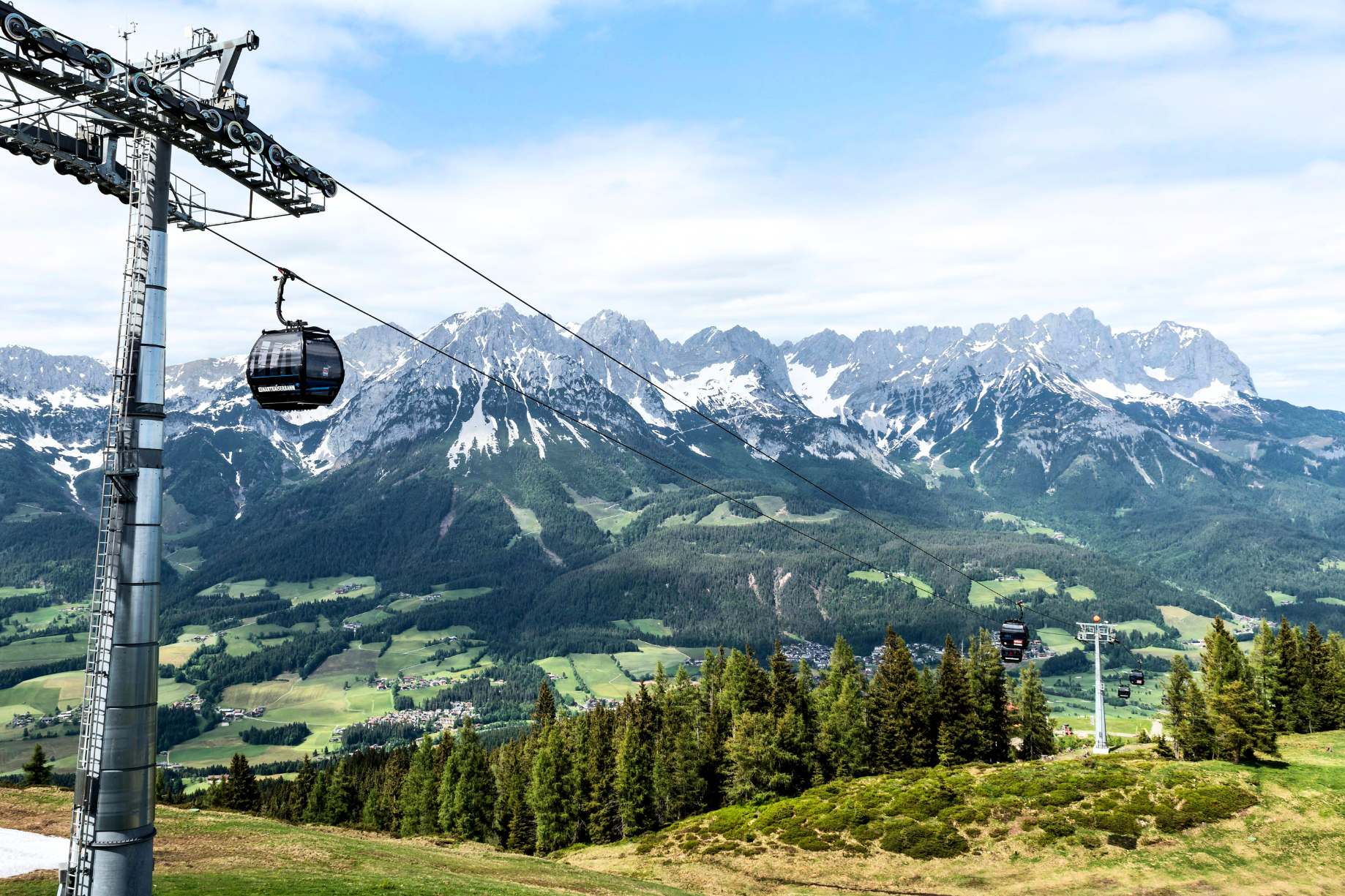
Brixen, Tyrol, Austria — 2-Bed Terrace Apartment With Mountain Views & Sauna
€145,000
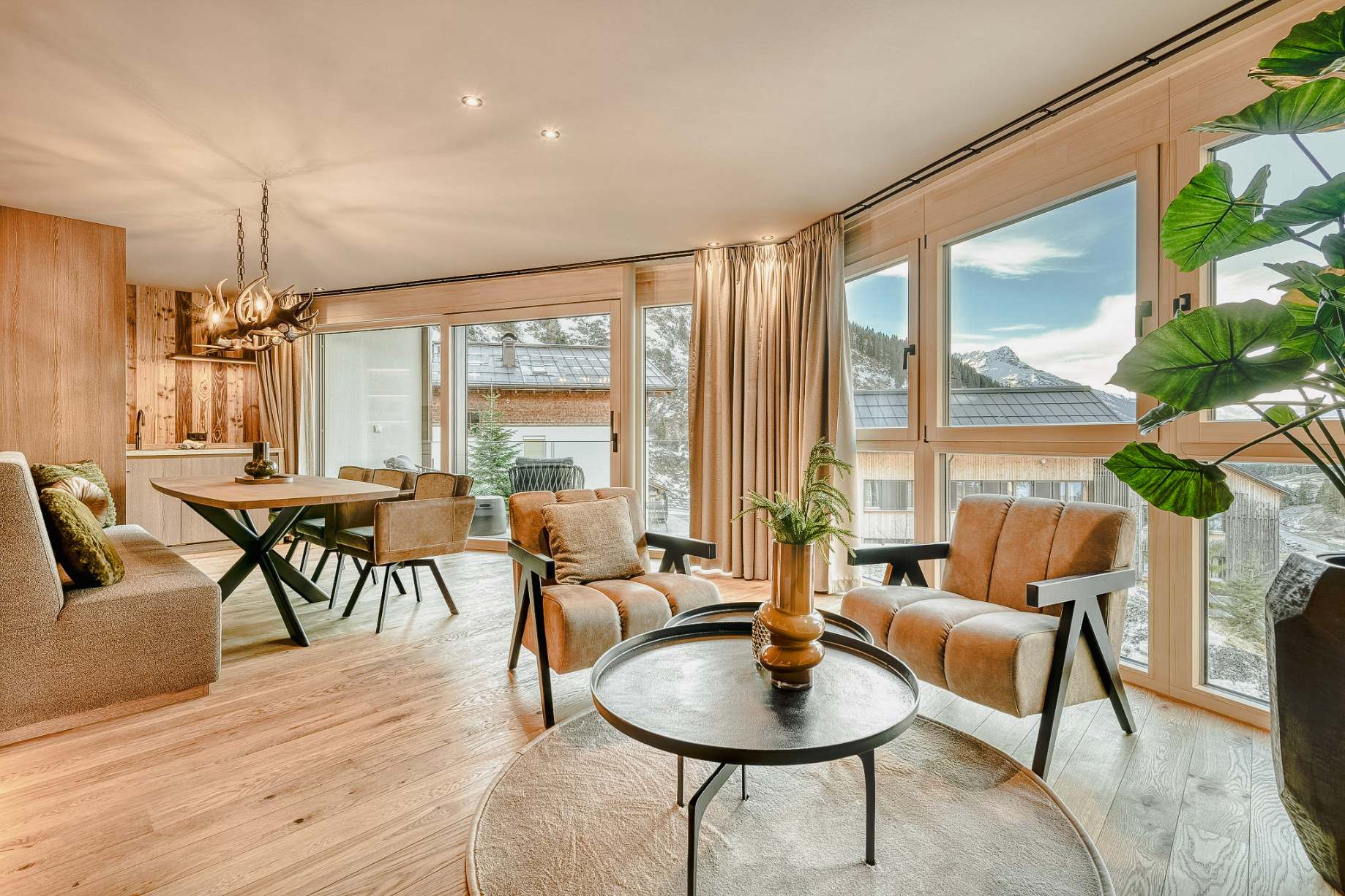
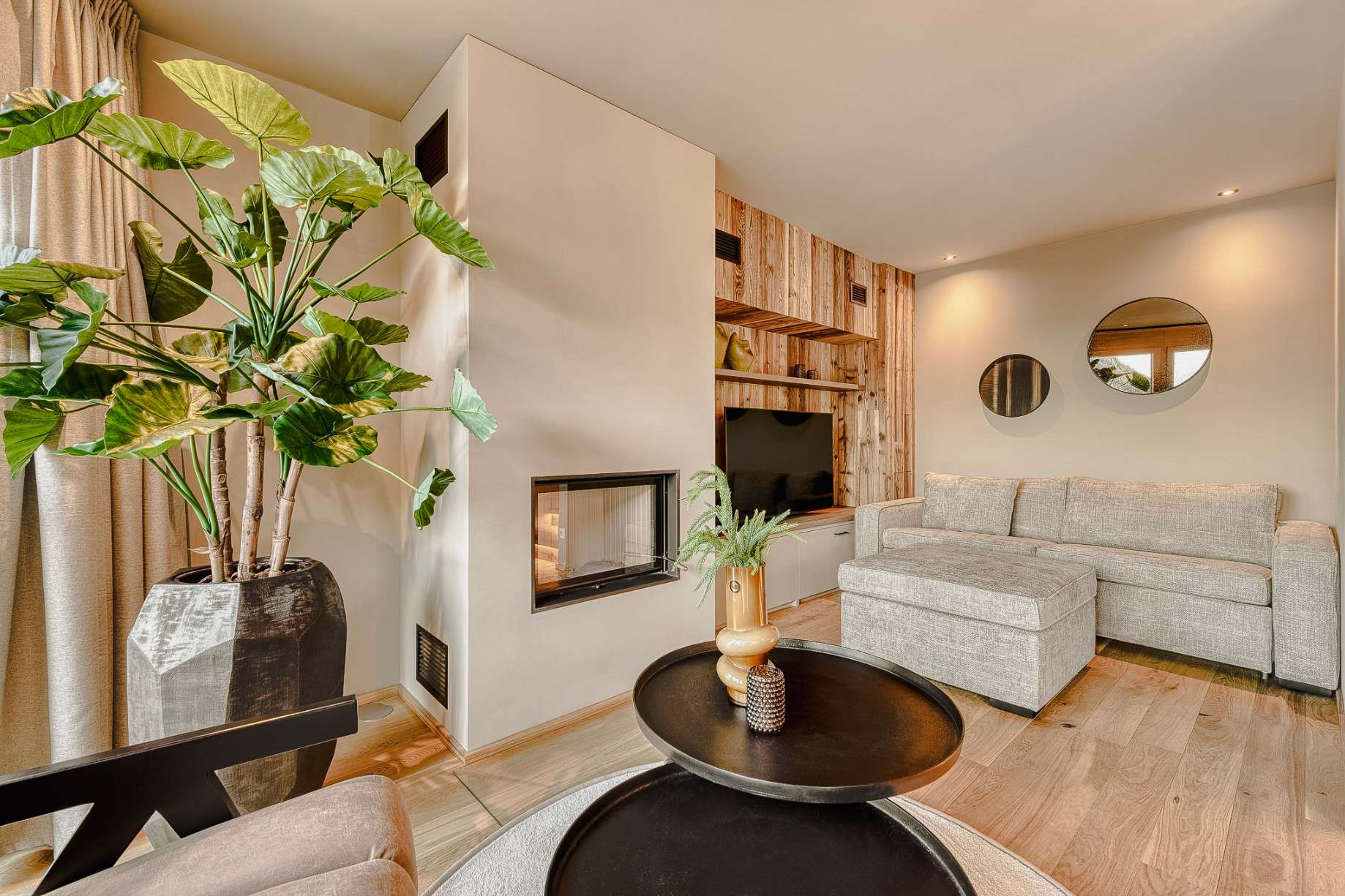
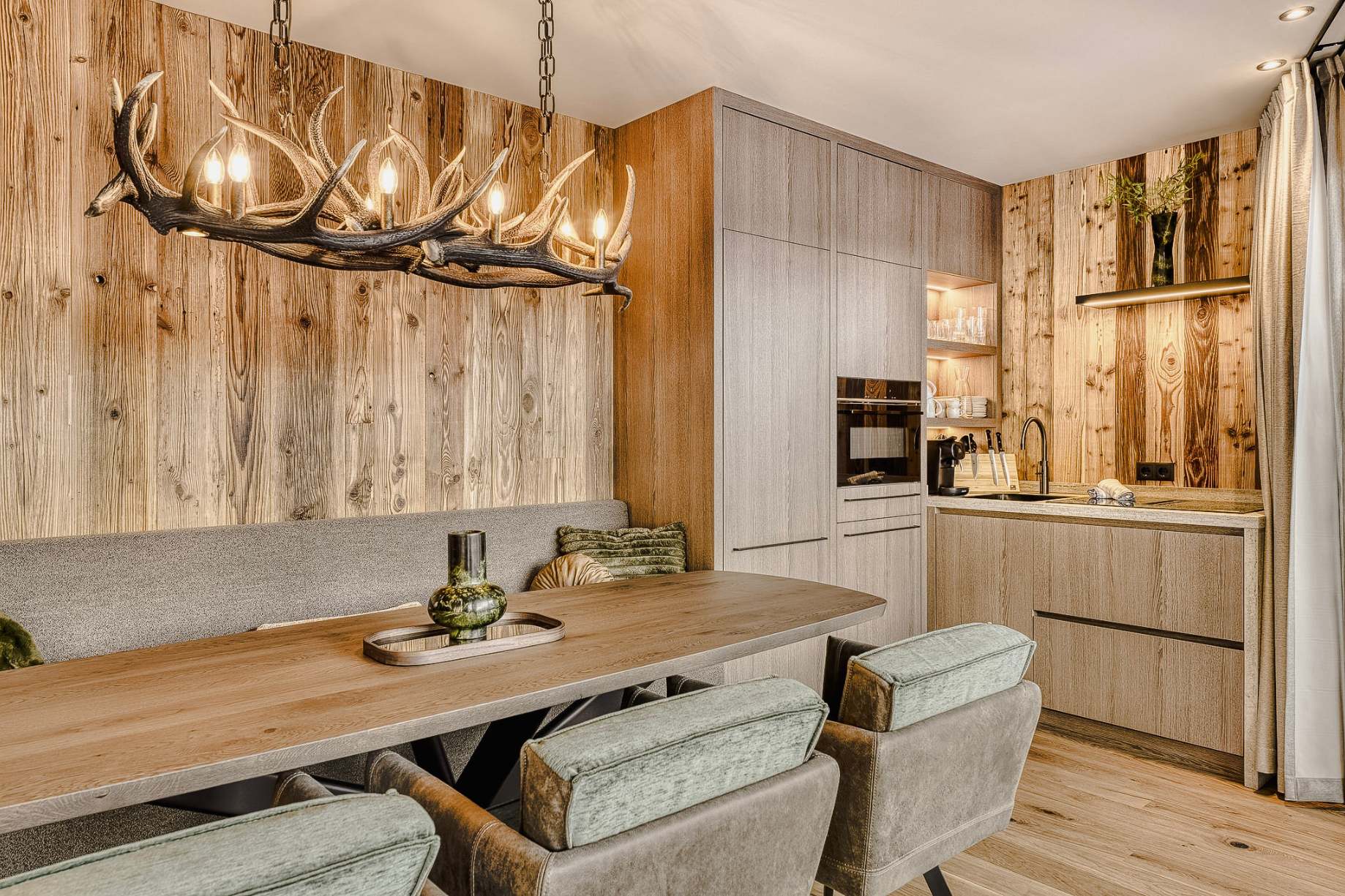
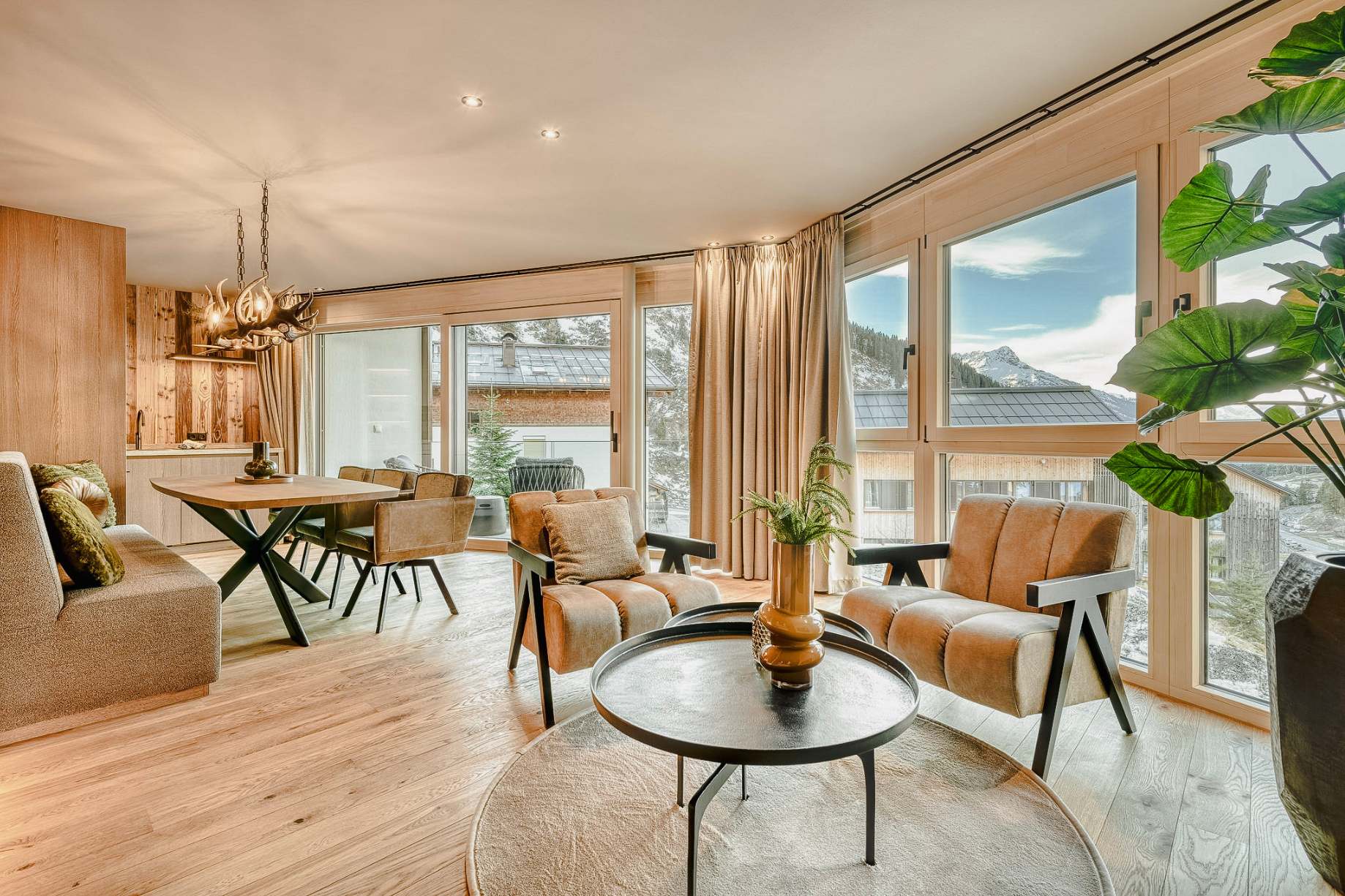
Stuben, Vorarlberg, Austria — 2-Bed Apartment With Mountain Views
€289,000
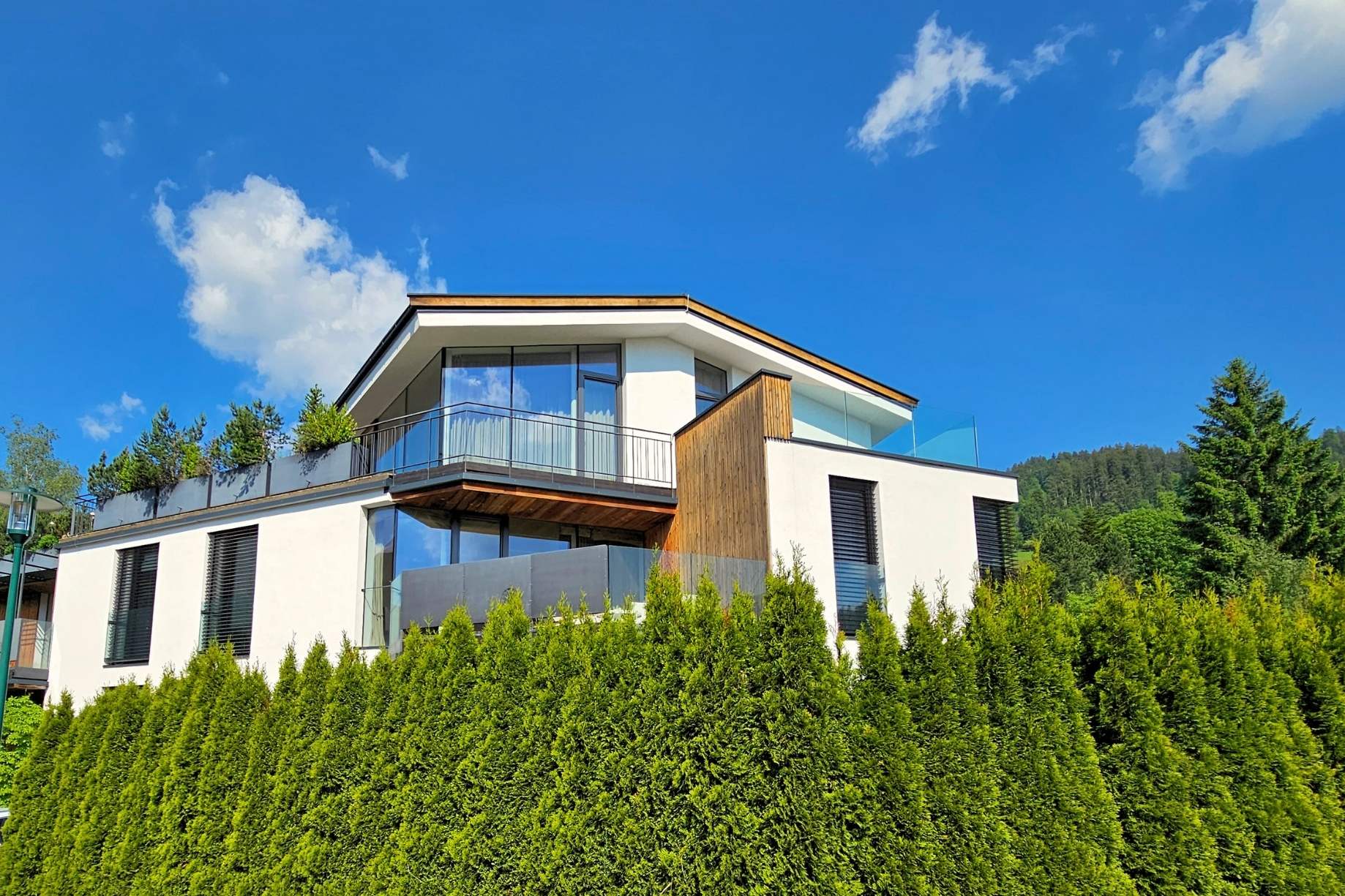
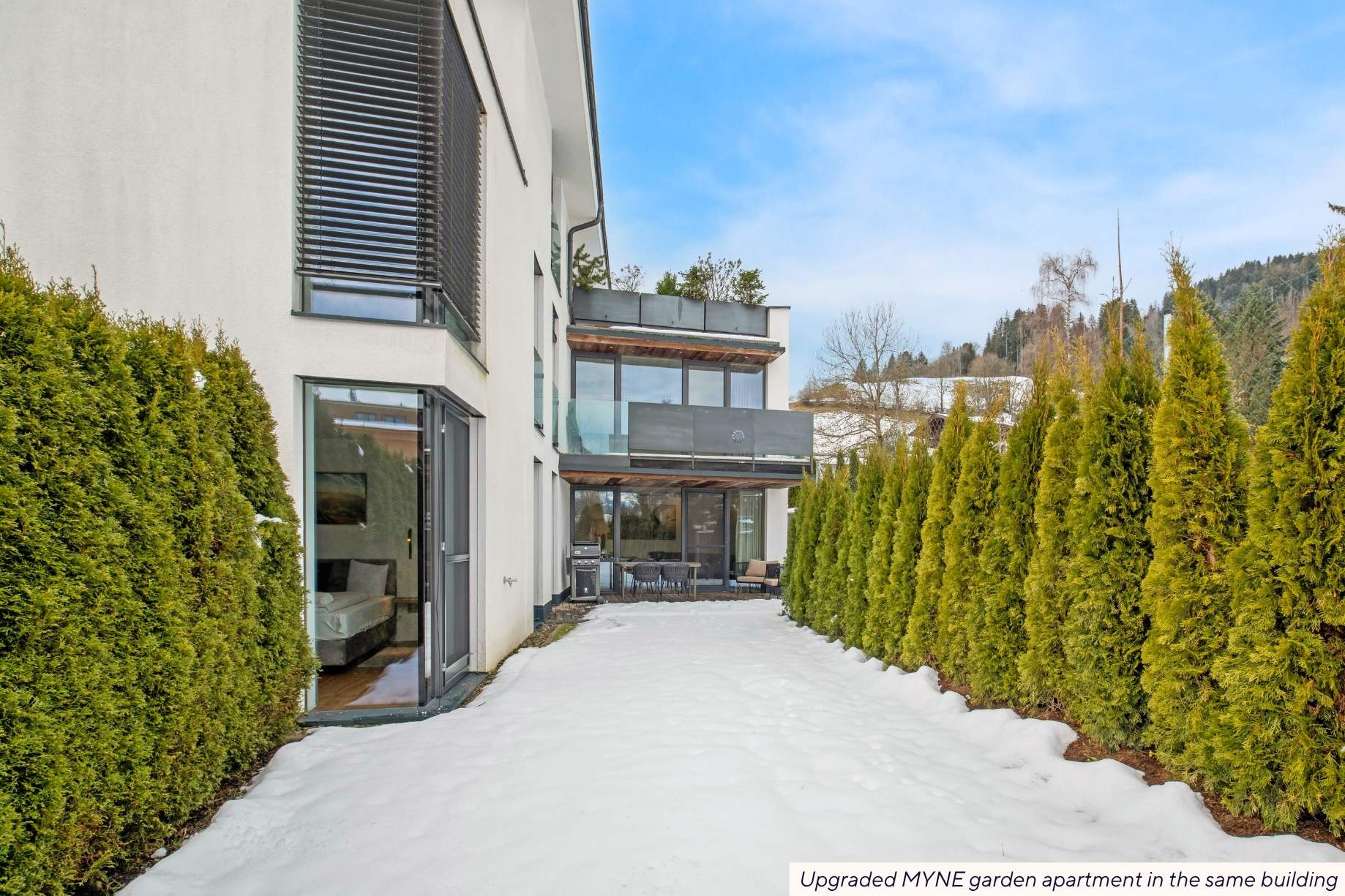
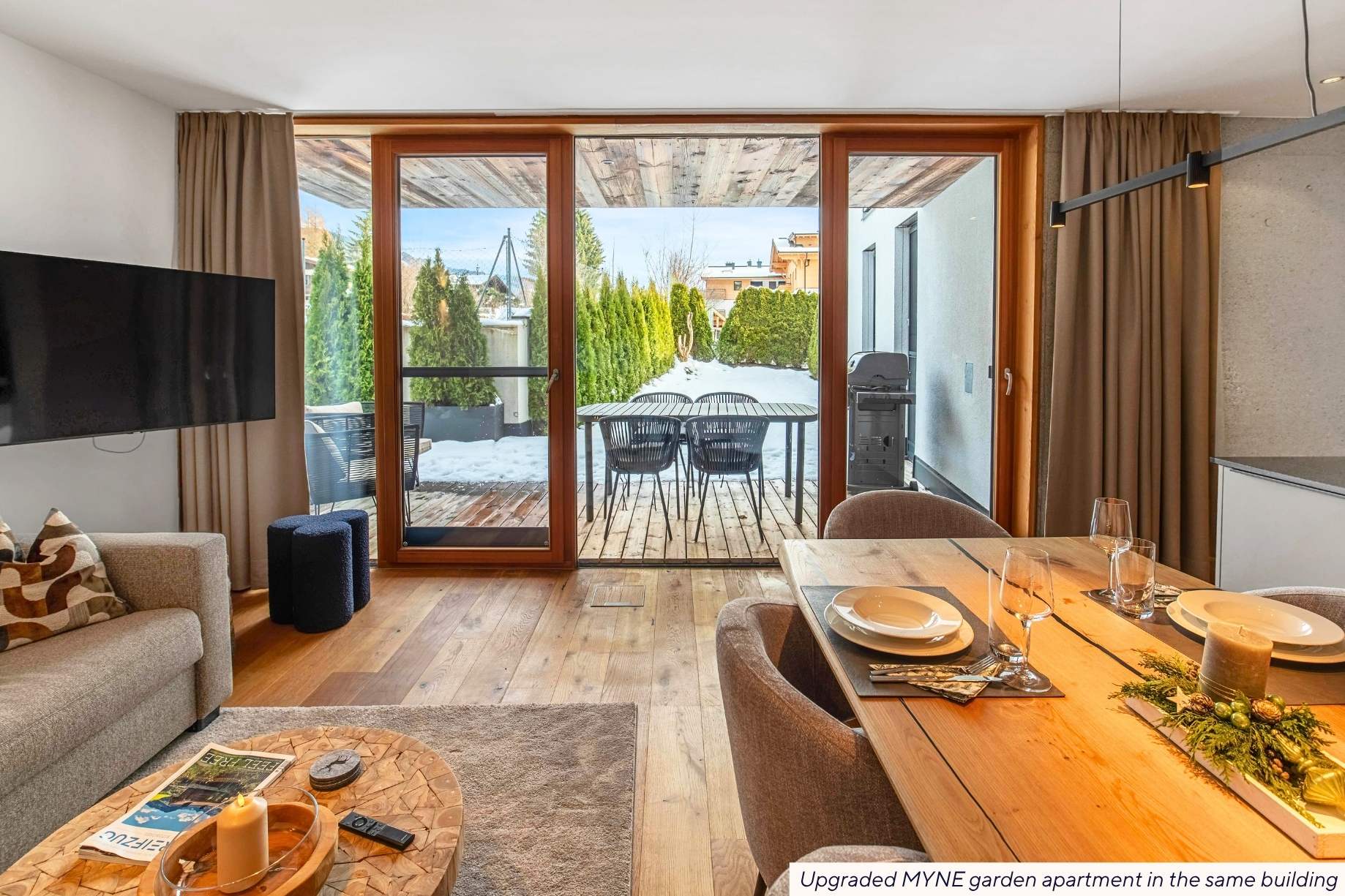
Brixen, Tyrol, Austria — 2-Bed Garden Apartment With Sunny Terrace & Sauna
€149,000
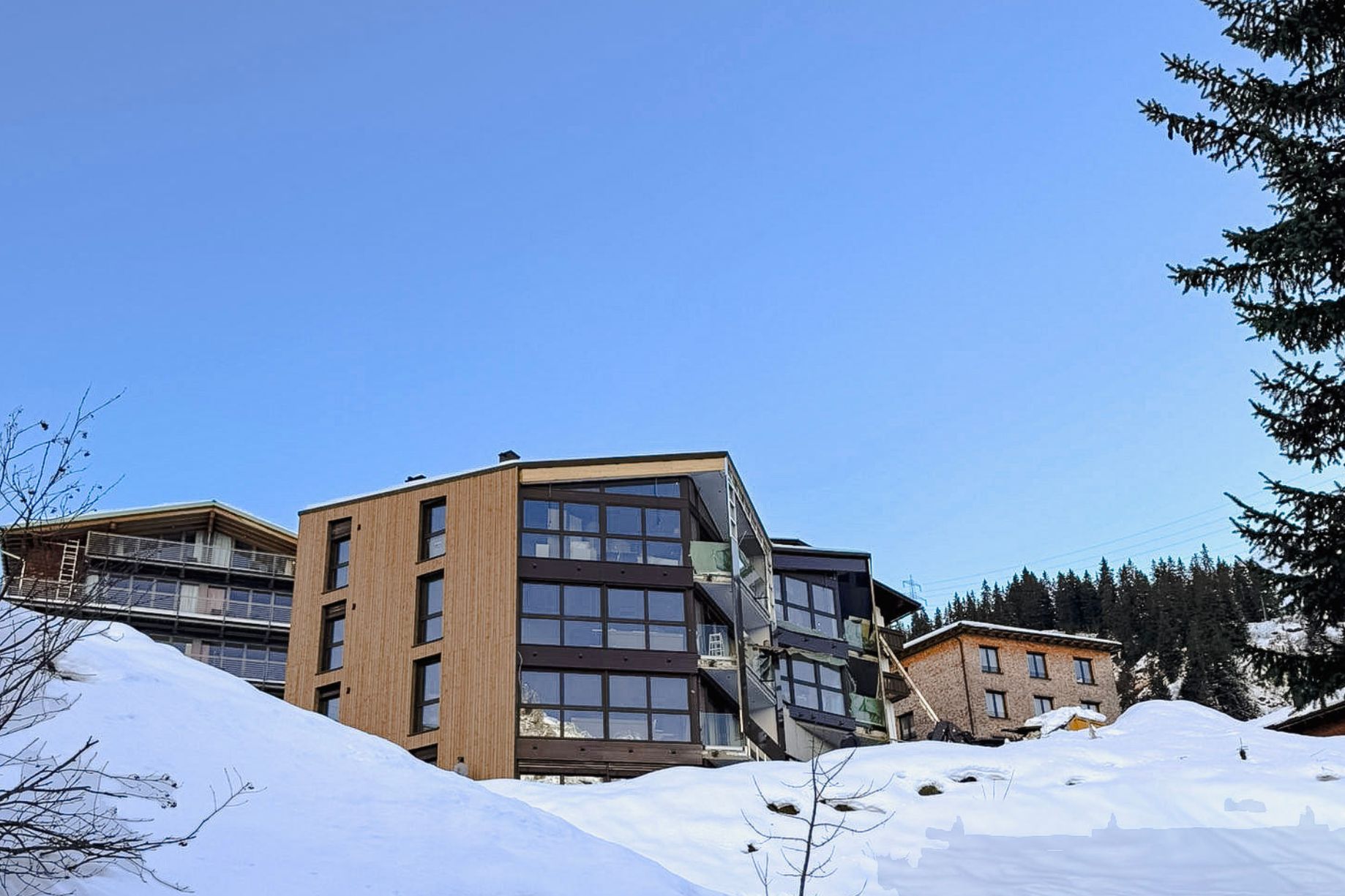
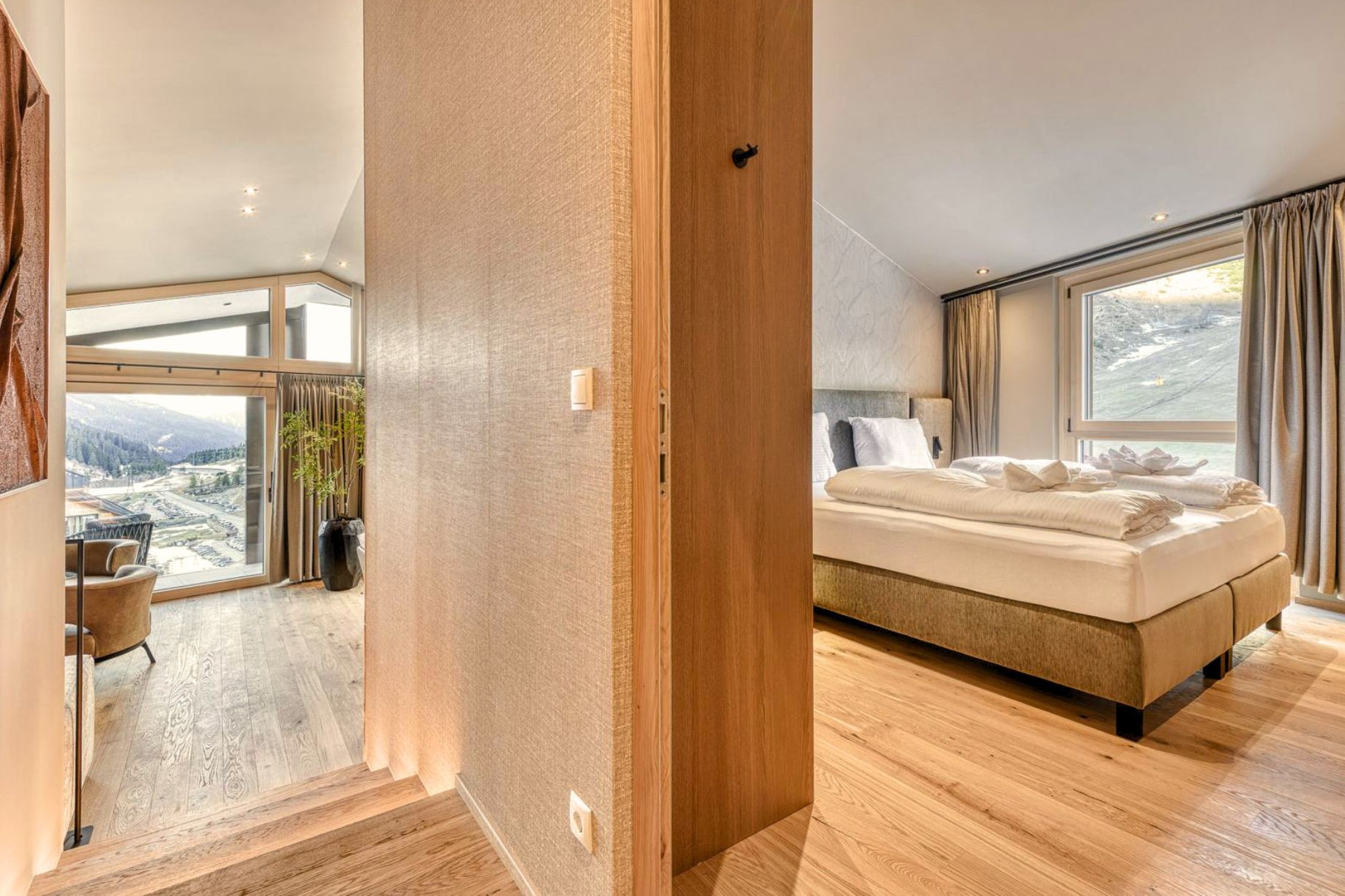
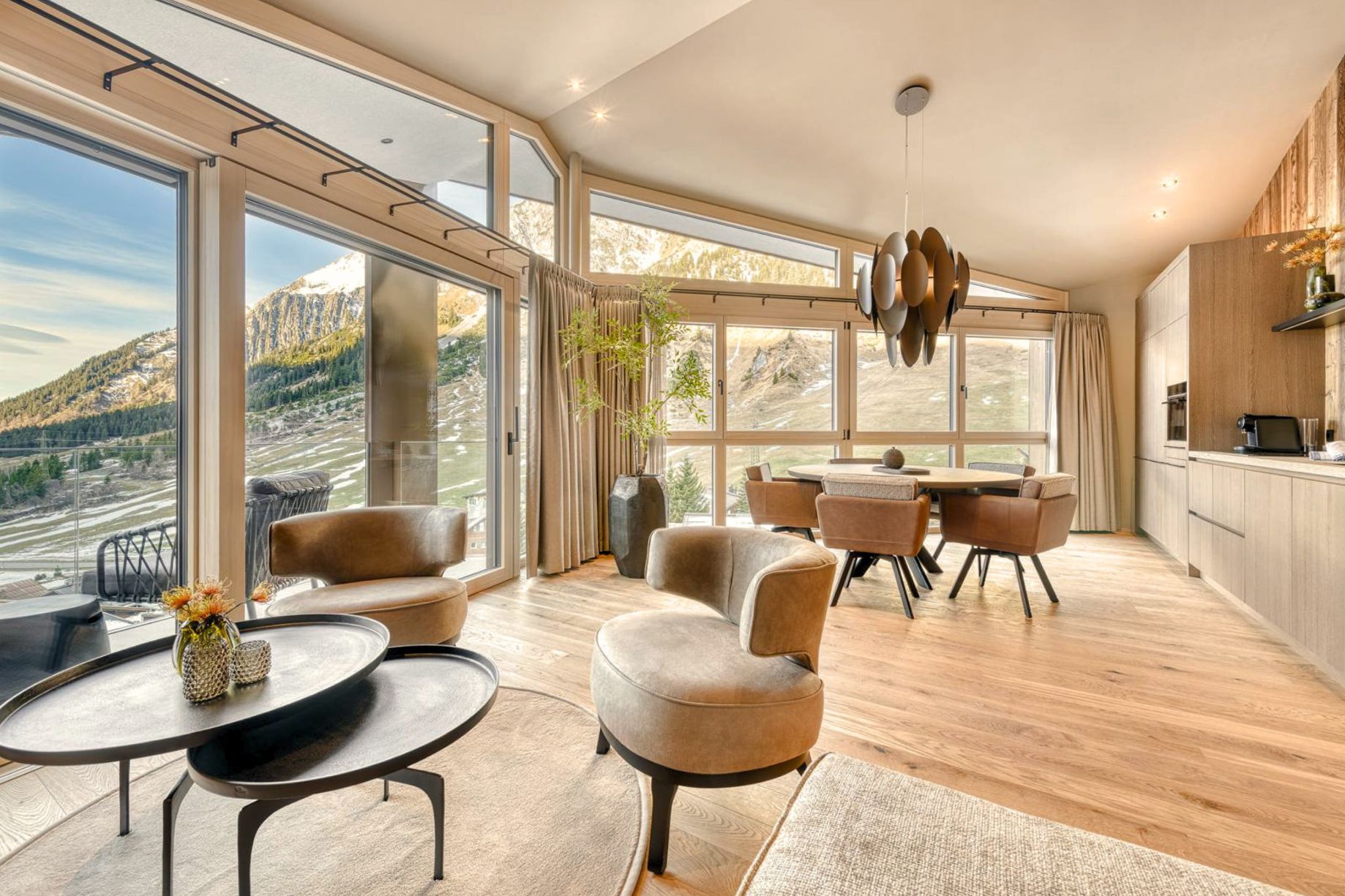
Stuben, Vorarlberg, Austria — 2-Bed Penthouse With Panoramic Mountain Views & Sauna
€369,000
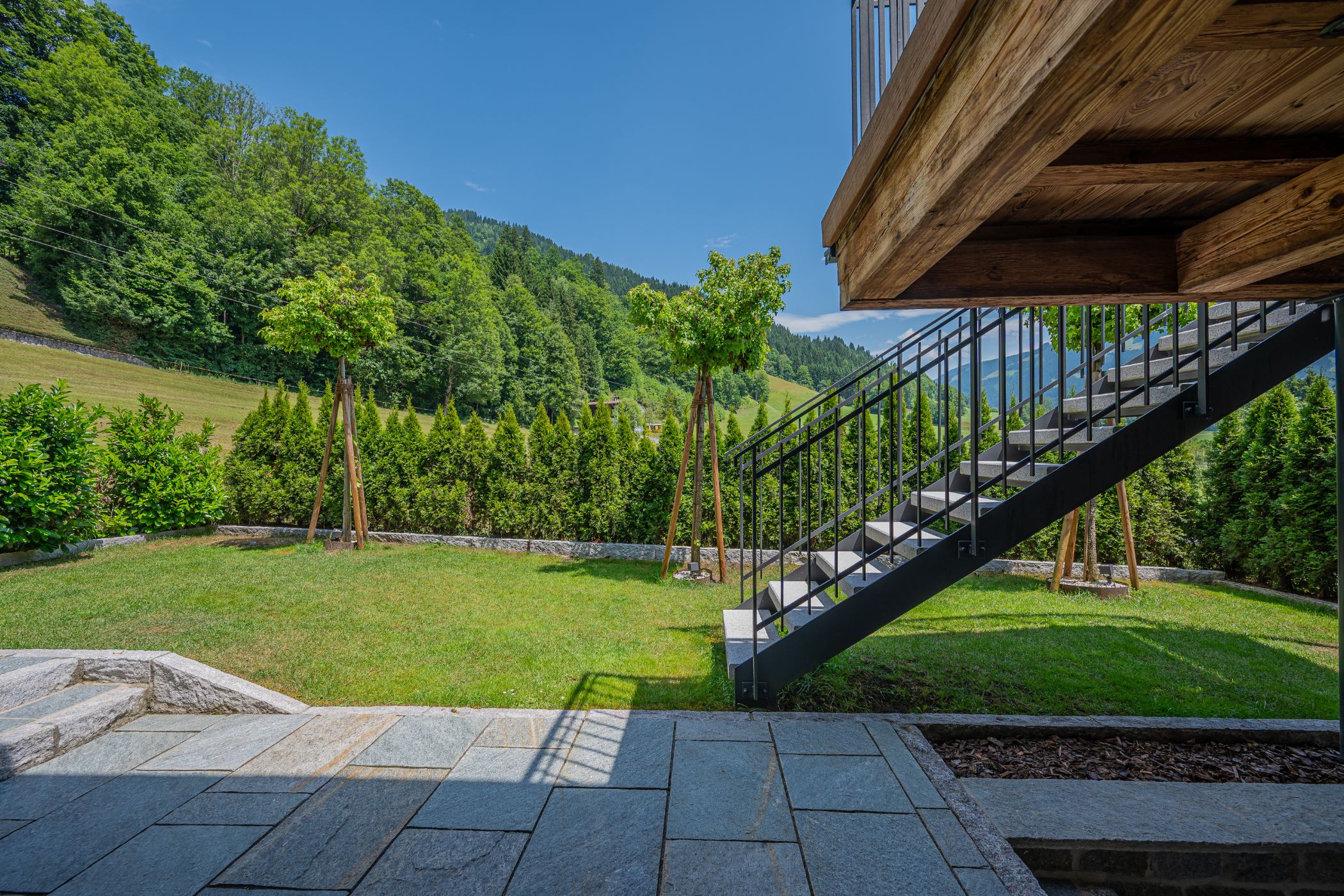
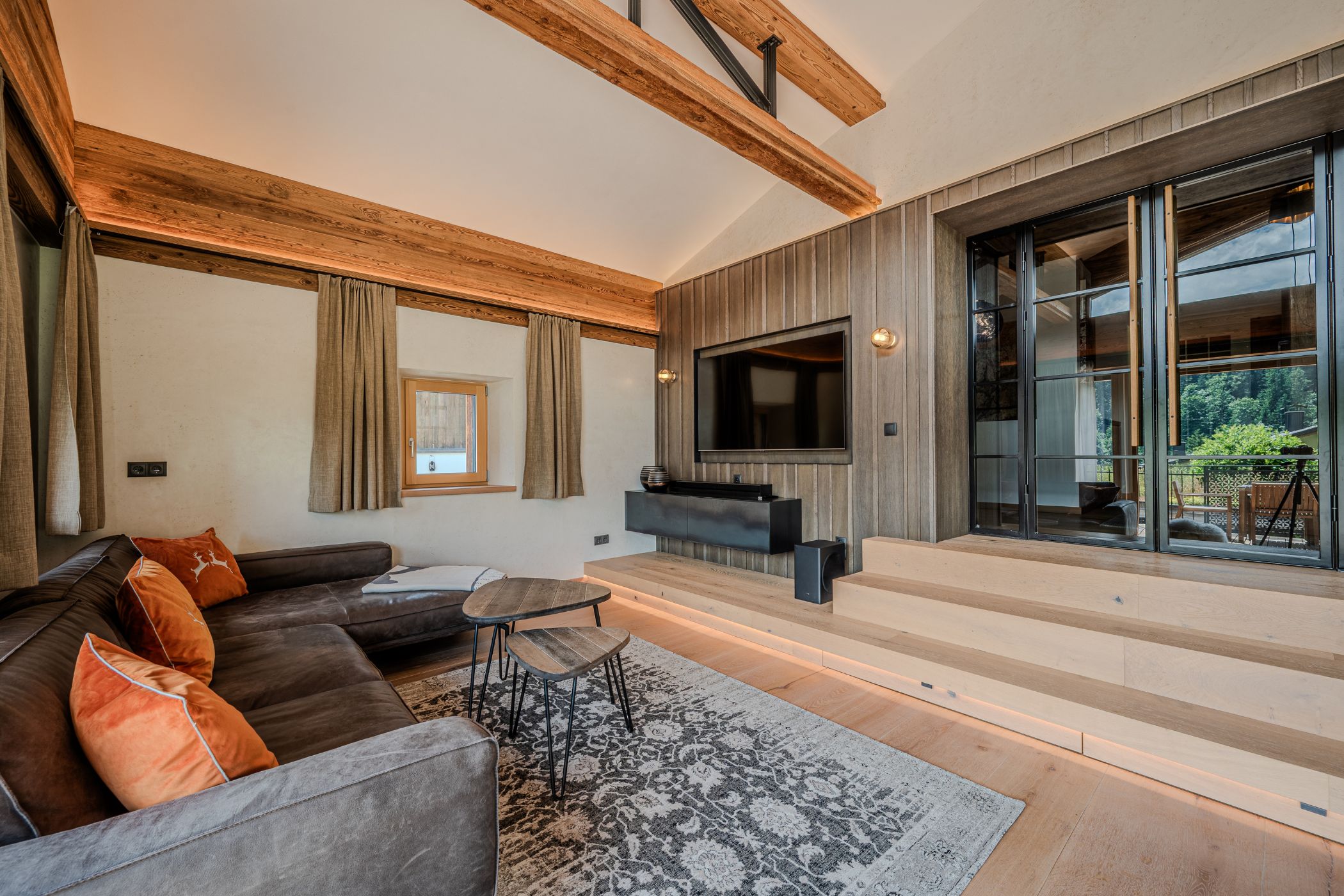
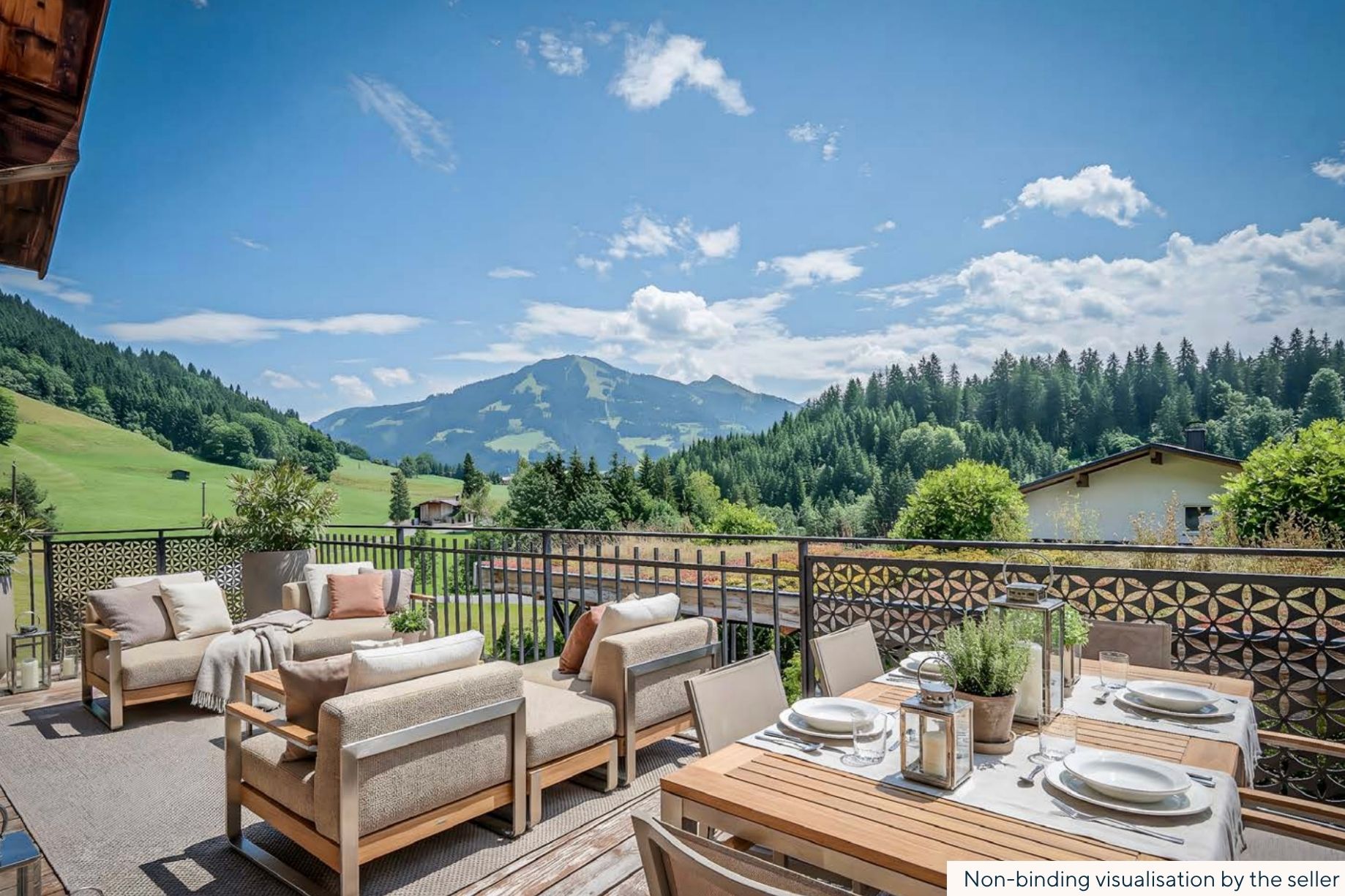
Westendorf, Tyrol, Austria — 3-Bed Chalet With Mountain Views & Sauna
€489,000
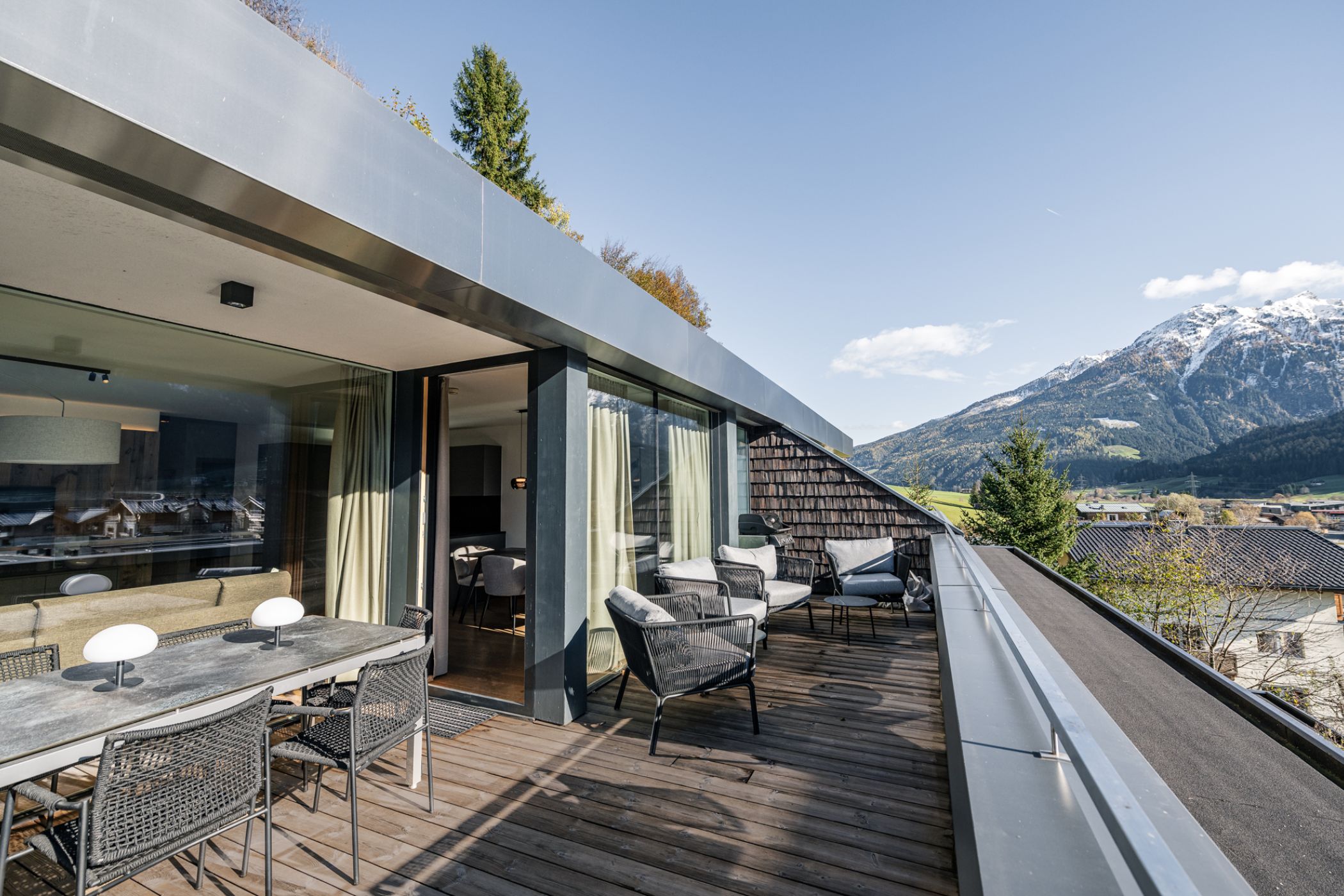
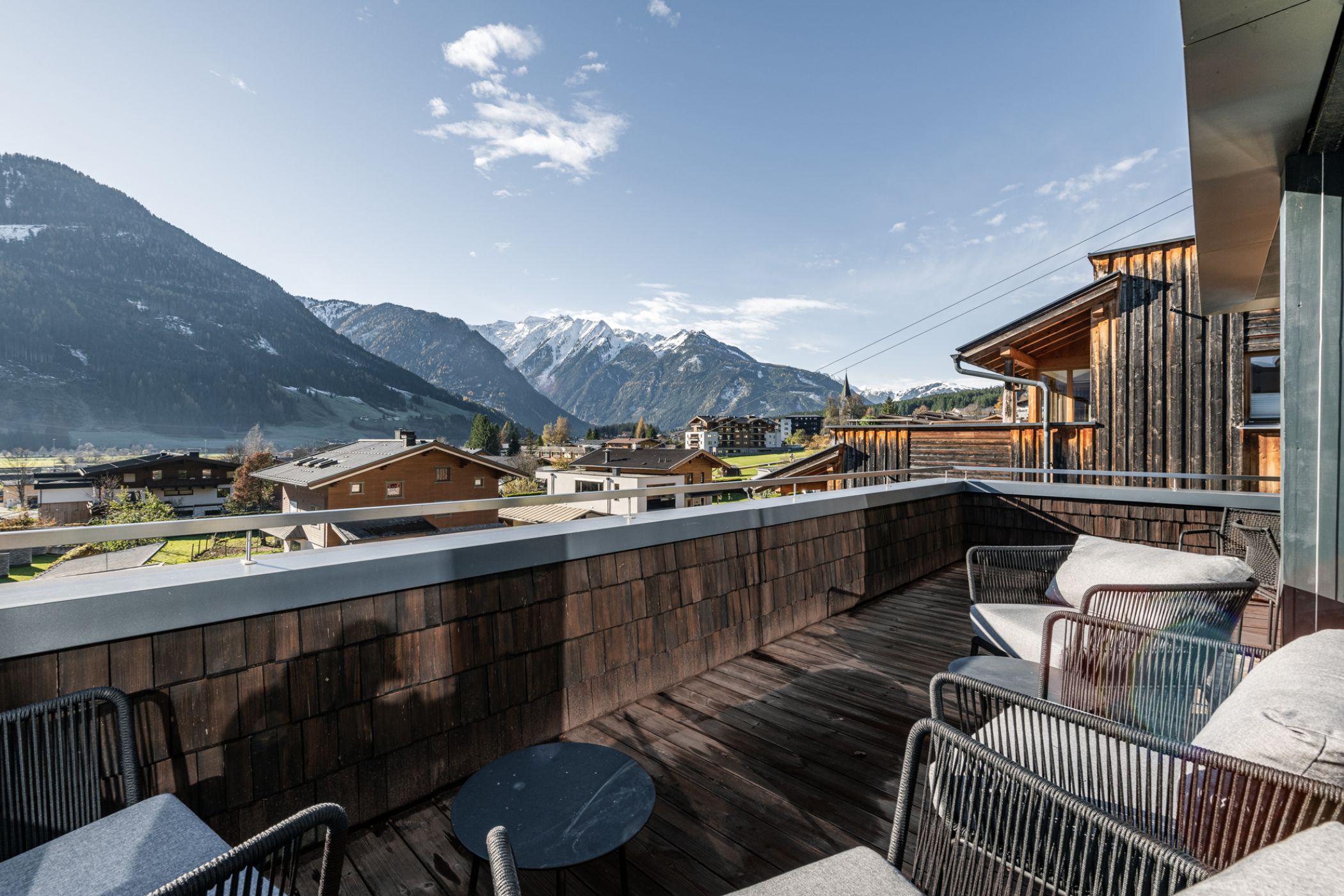
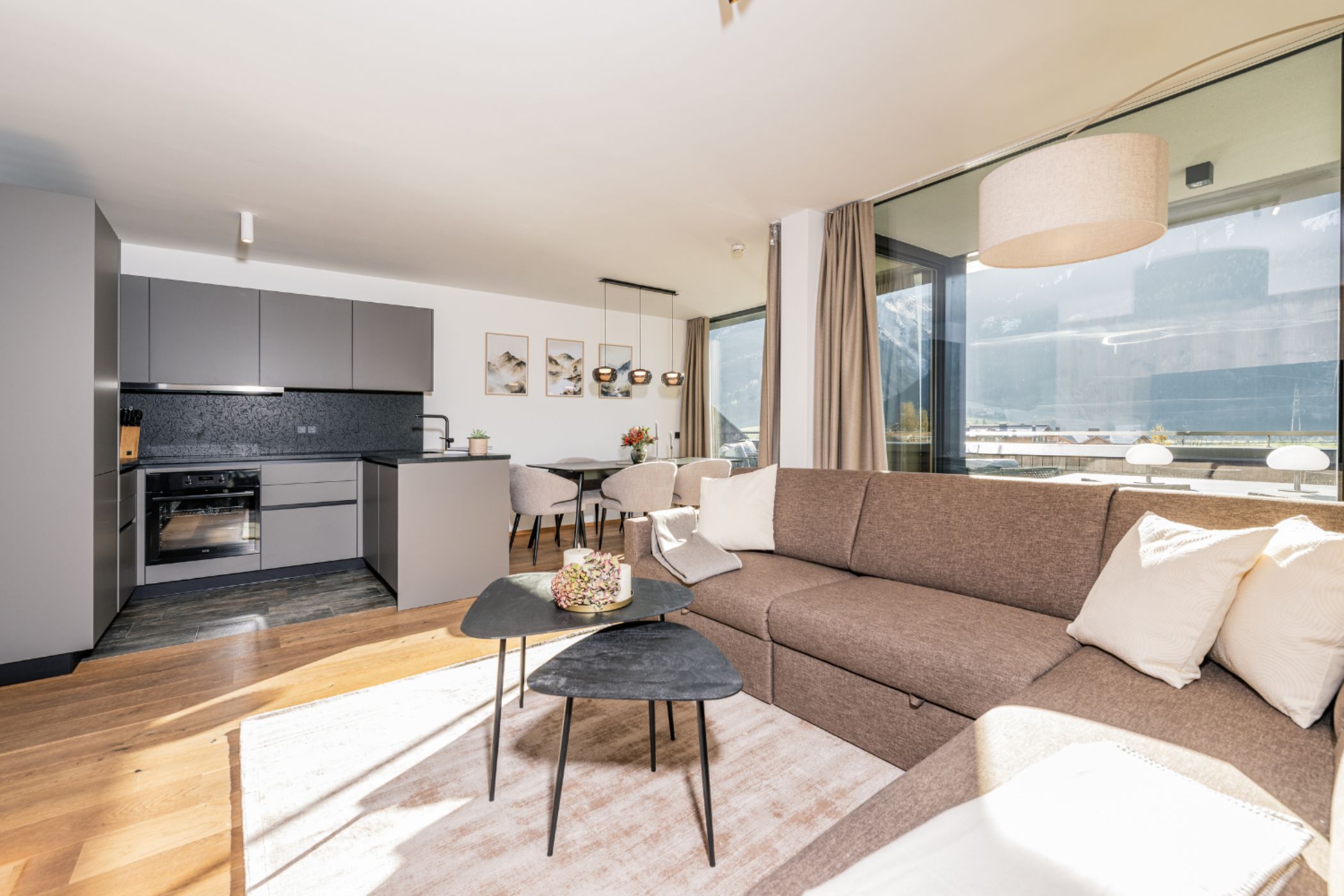
Neukirchen, Salzburg, Austria — 2-Bed Apartment With Mountain Views
€169,000
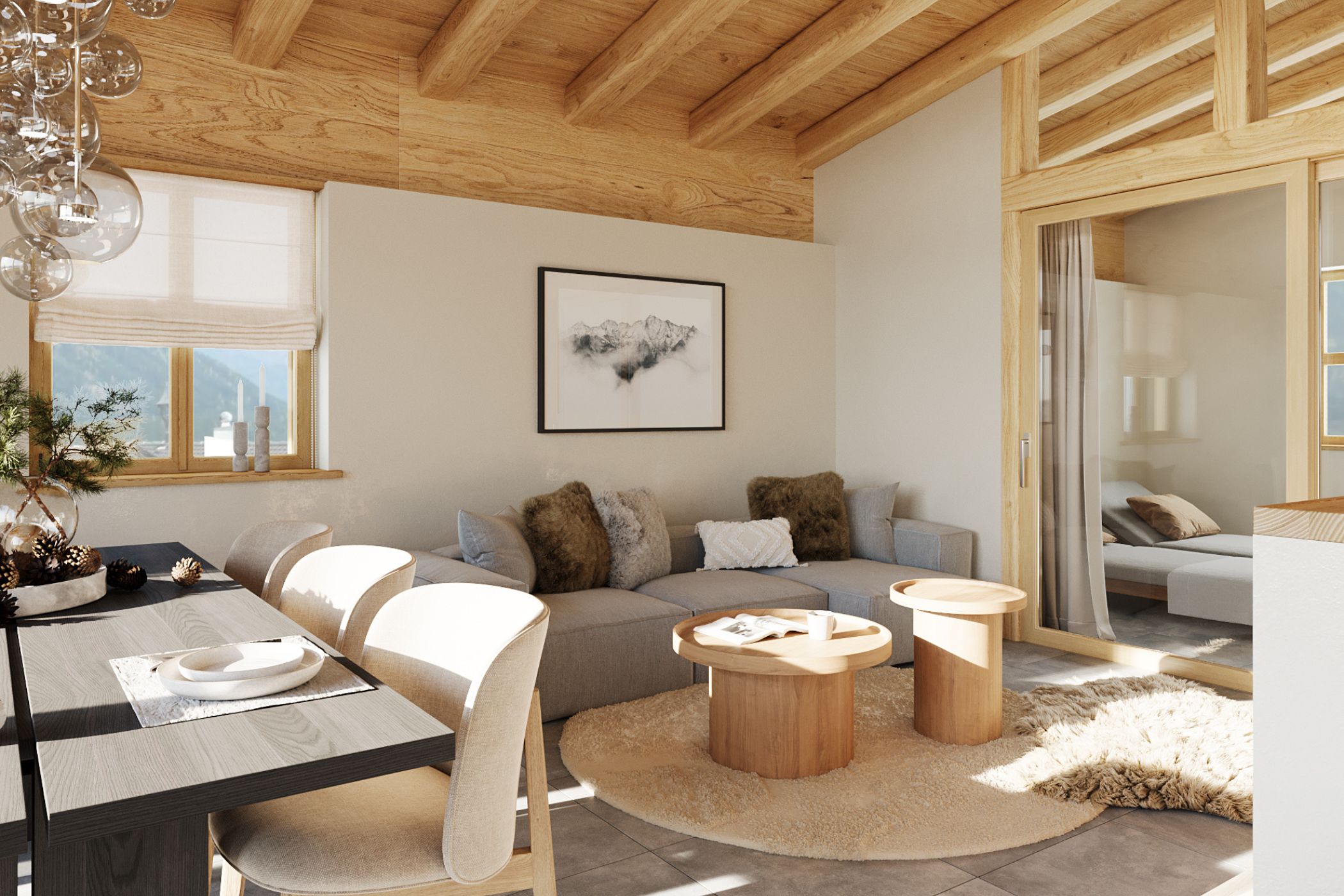
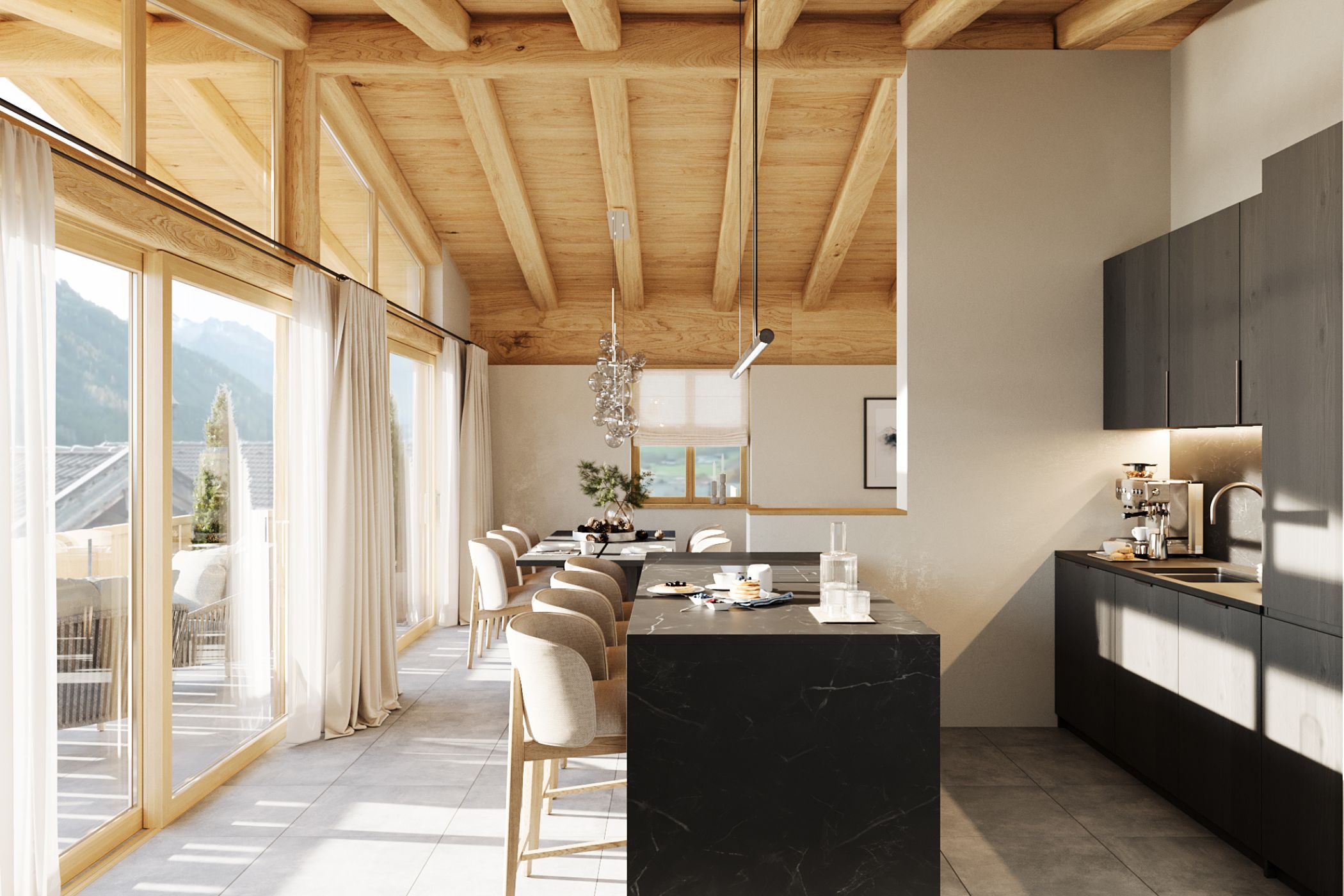
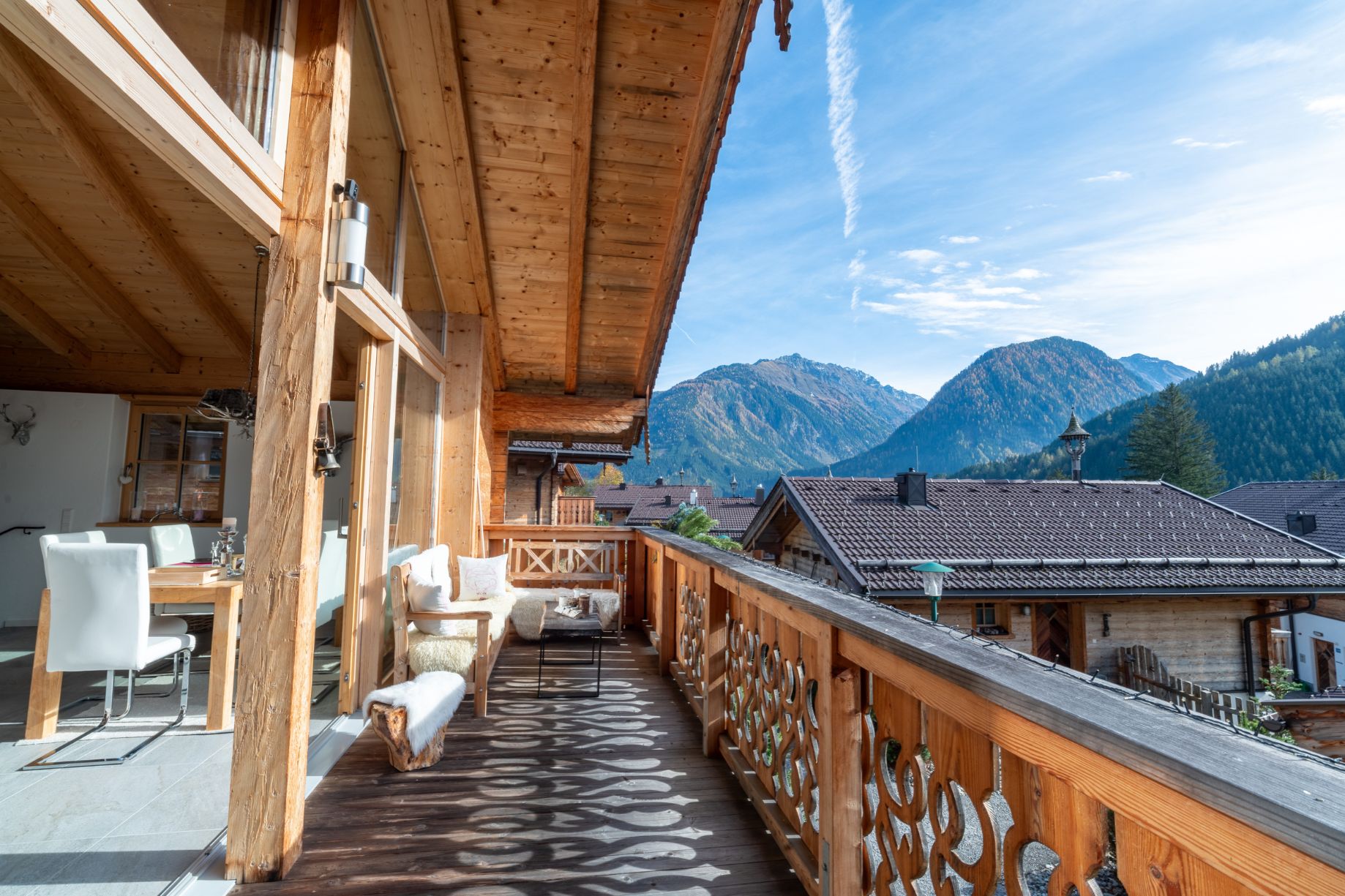
Neukirchen, Salzburger Land, Austria — 3-Bed Chalet With Mountain Views
€239,000
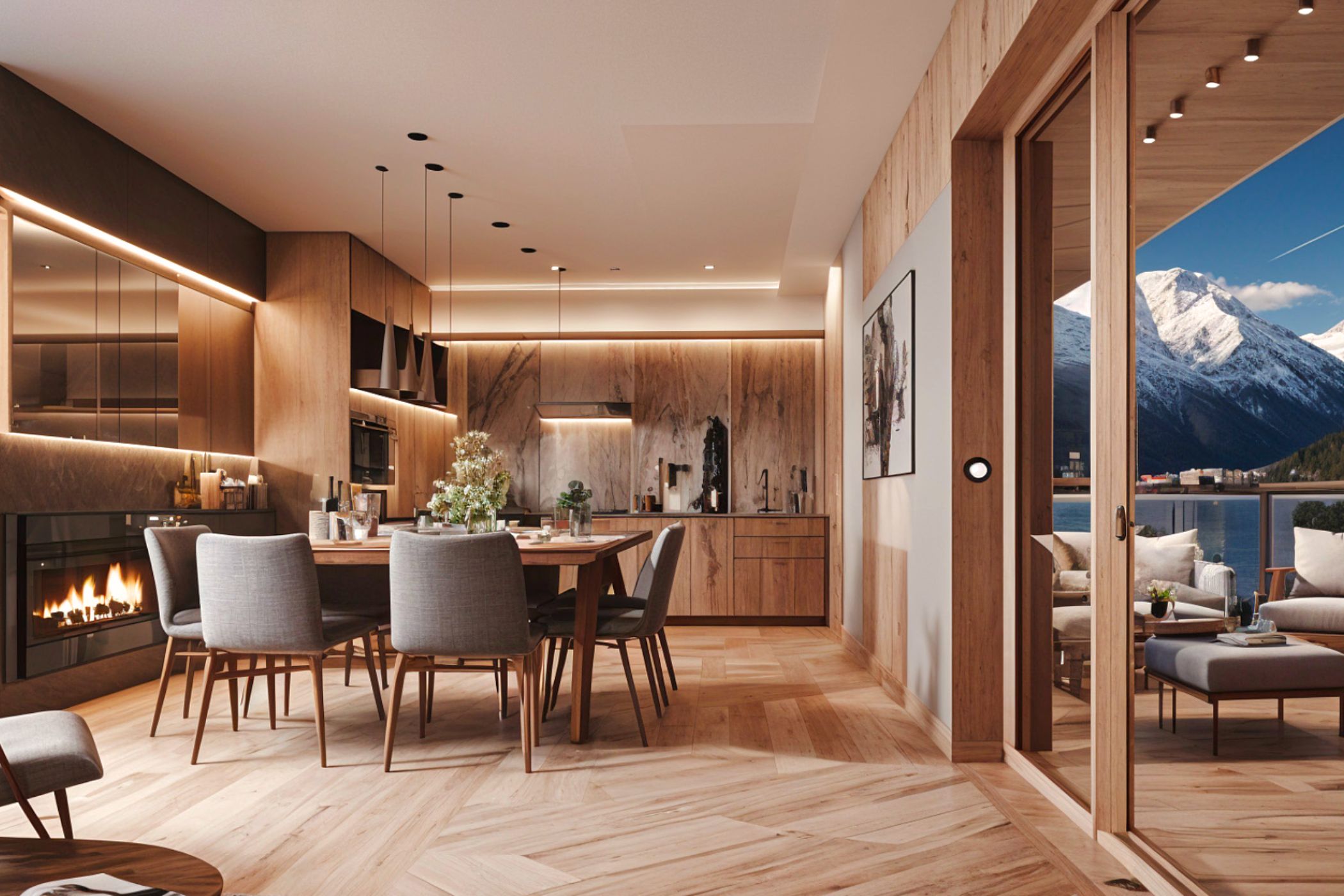
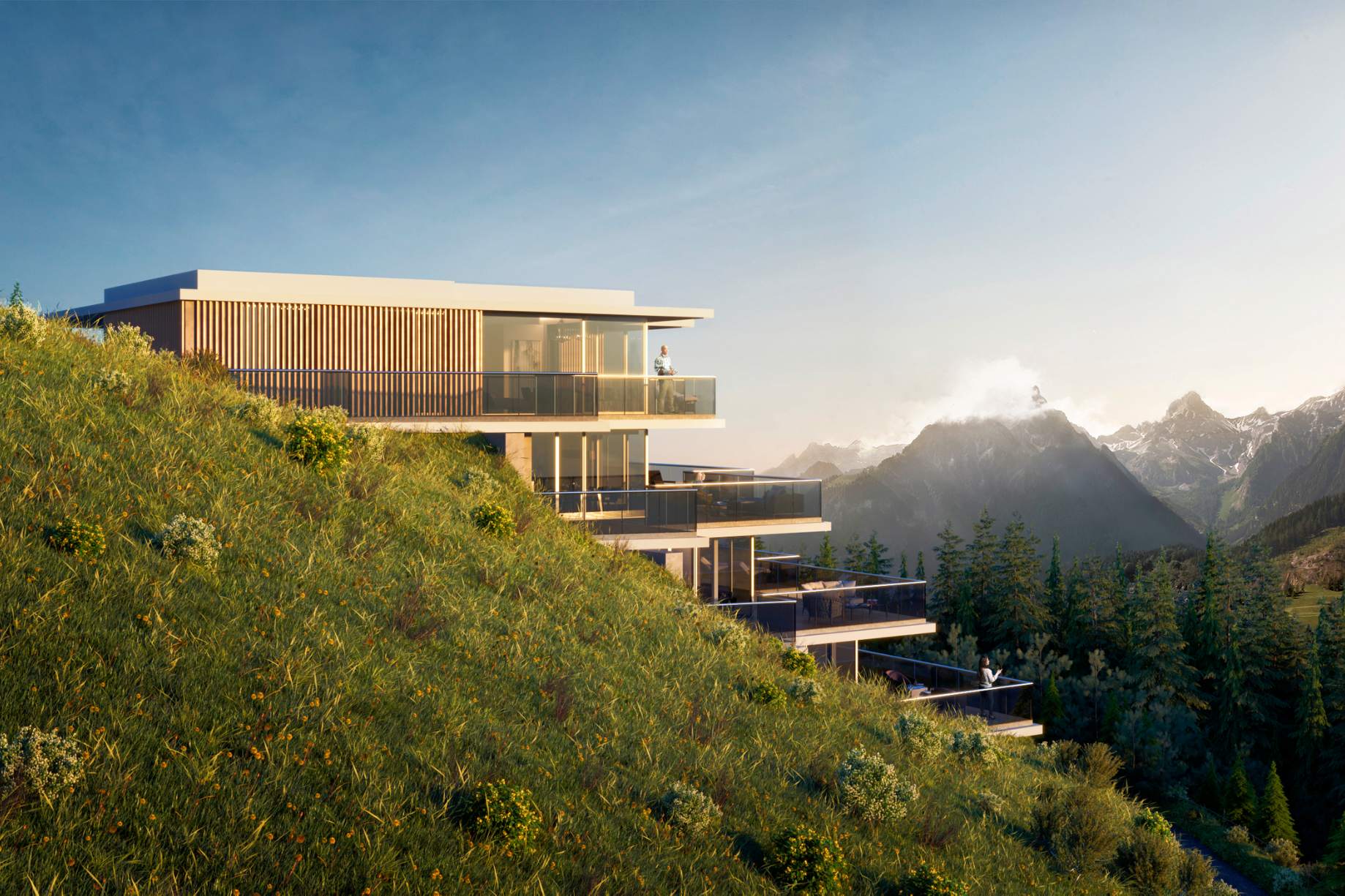
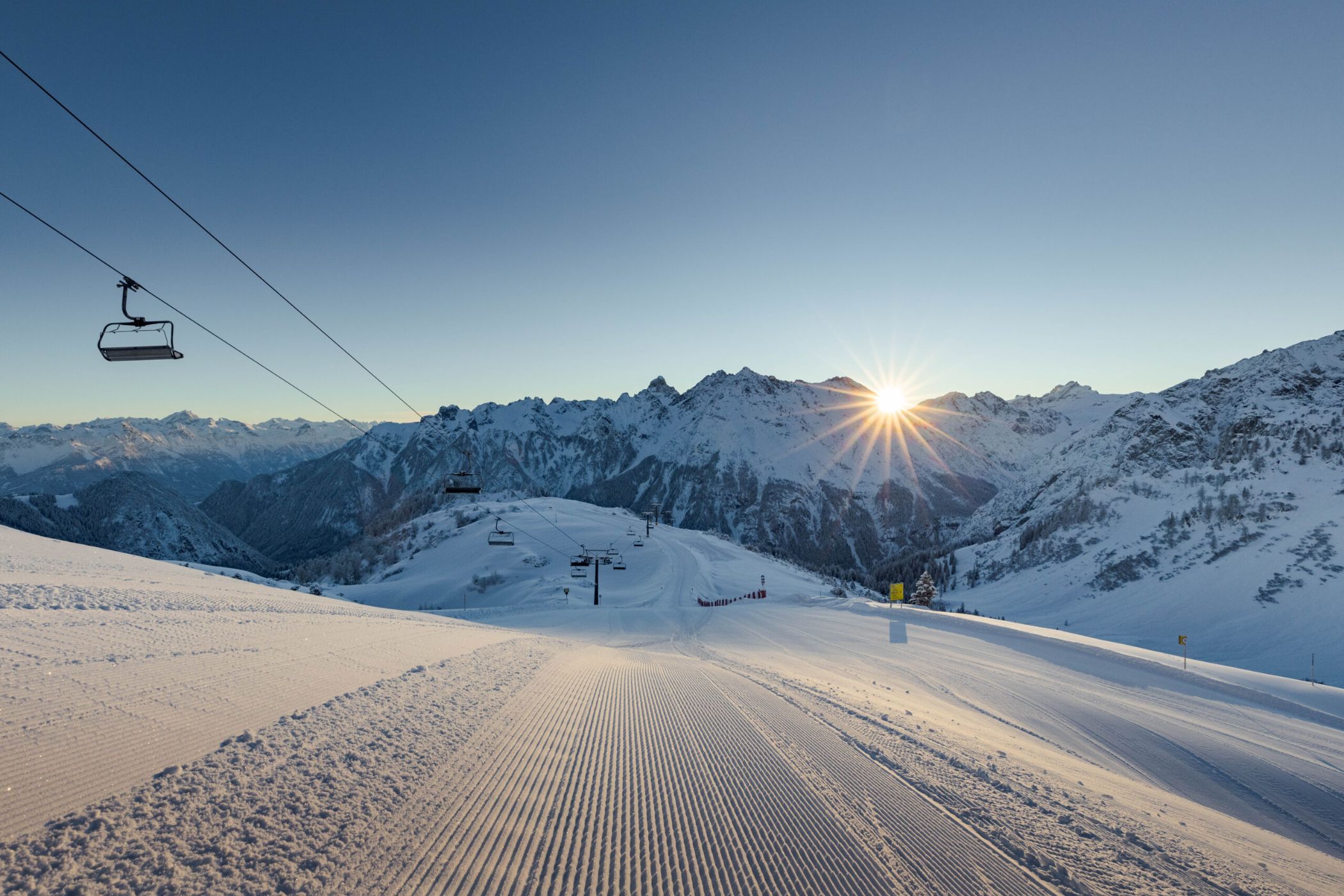
Bürserberg, Vorarlberg, Austria — 2-Bed Apartment With Mountain Views
€229,000
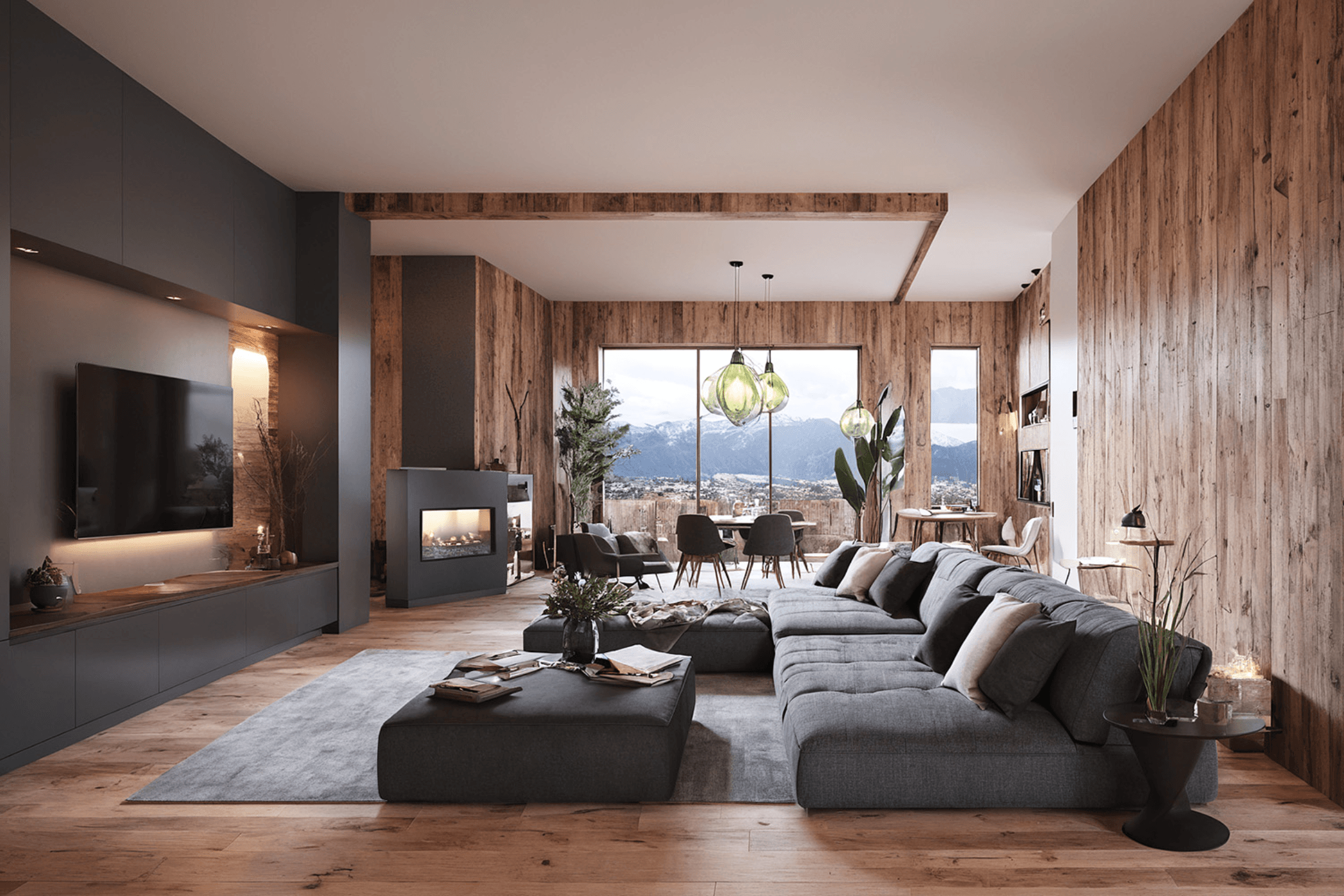
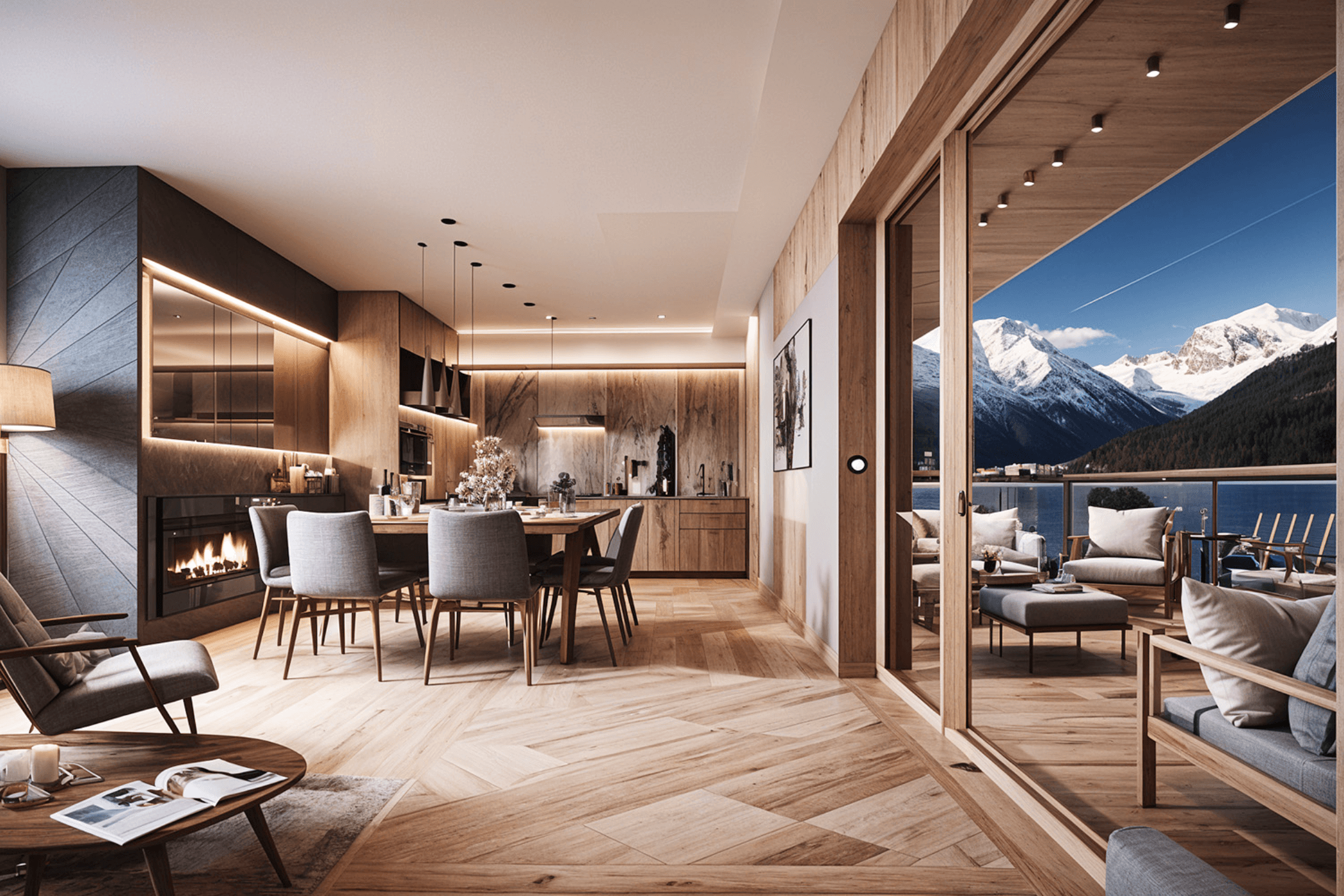
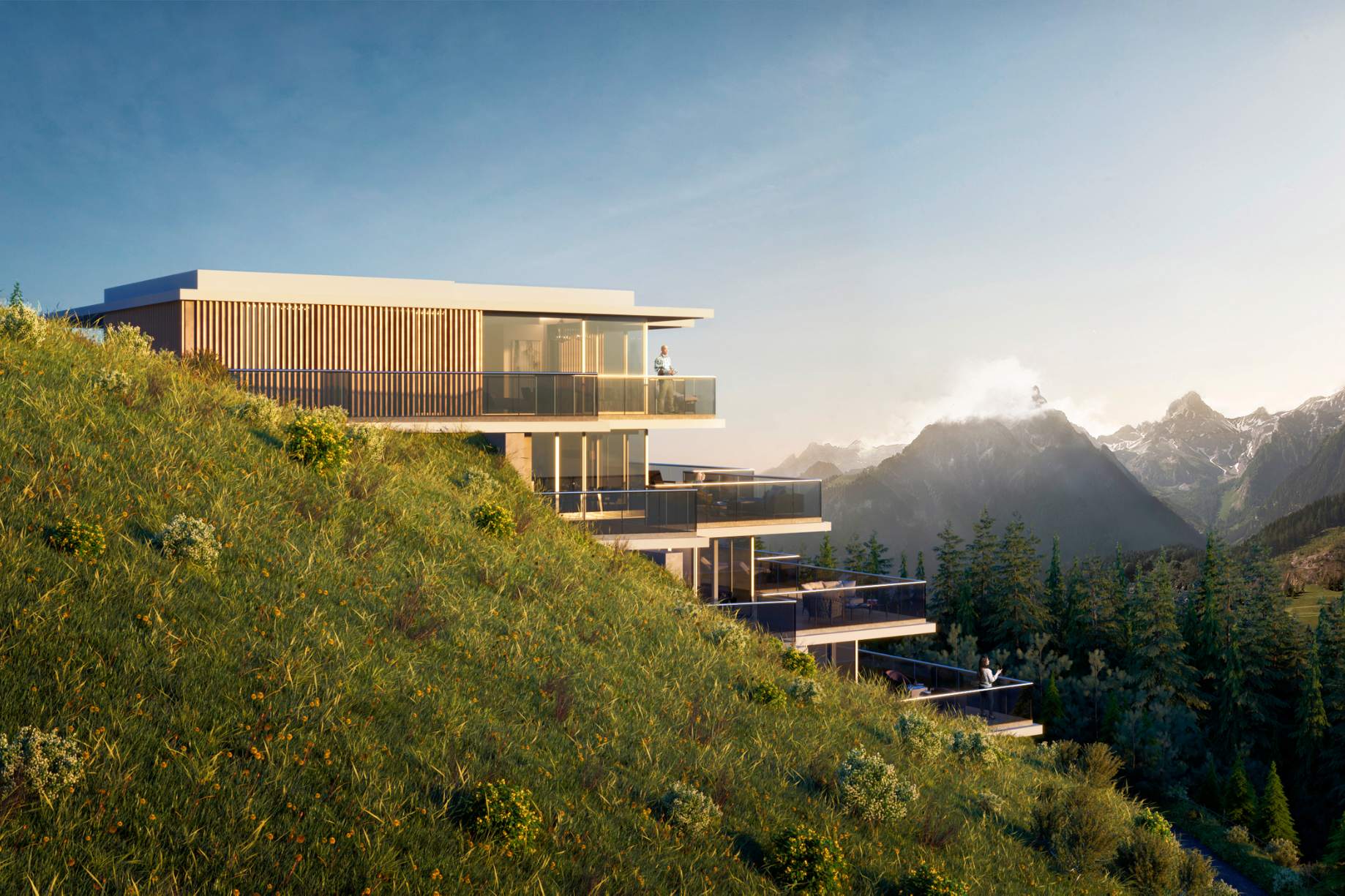
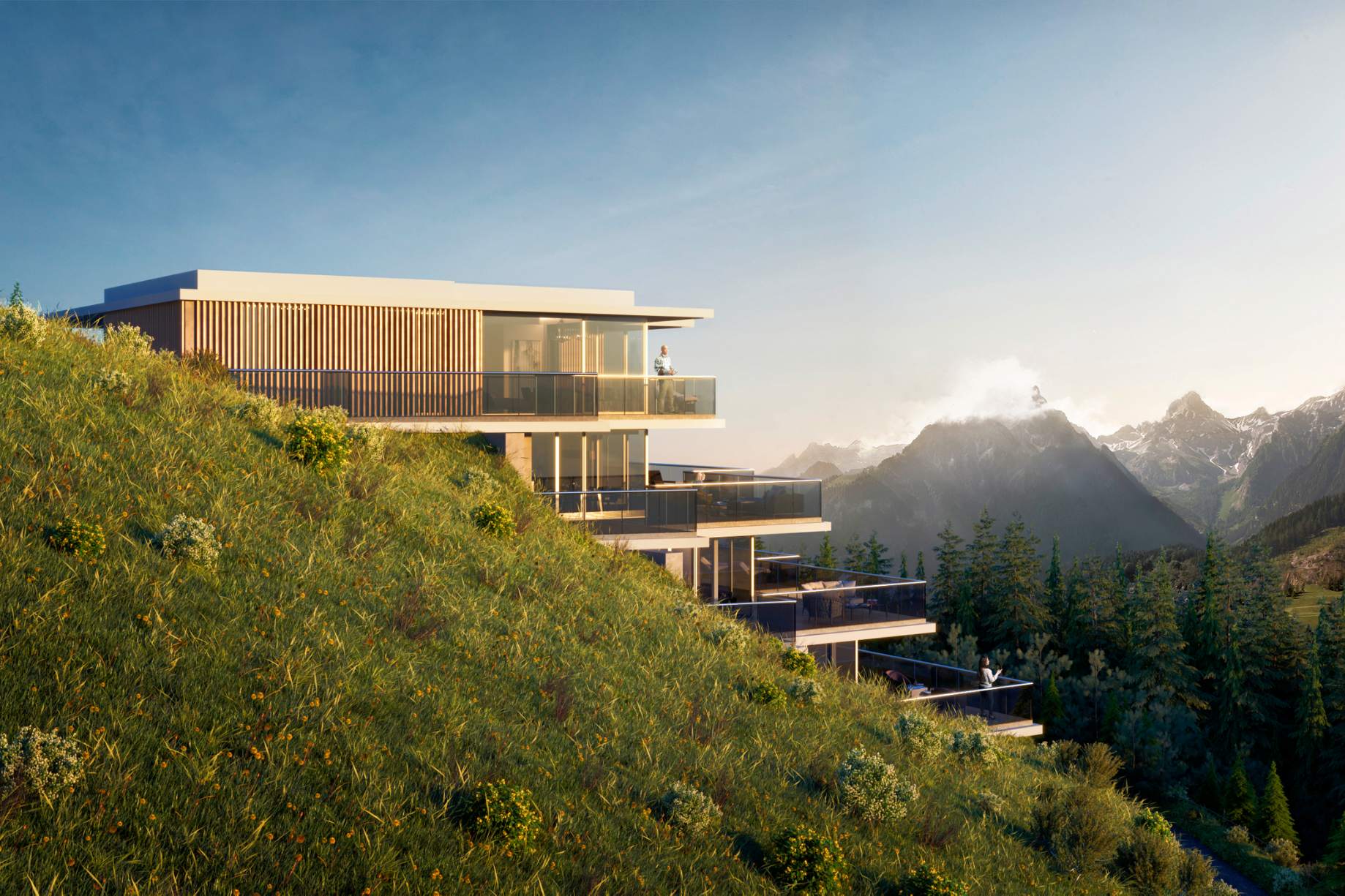
Bürserberg, Vorarlberg, Austria — 3-Bed Penthouse With Mountain Views
€439,000
Austria's most coveted alpine addresses, accessible through co-ownership.
Fully managed chalets and alpine apartments across Tyrol, Vorarlberg and Salzburger Land. Your 1/8 share of the home comes with around six weeks of personal use, a professional management team on call, and the long-term equity of one of Europe's most supply-constrained alpine second-home markets.
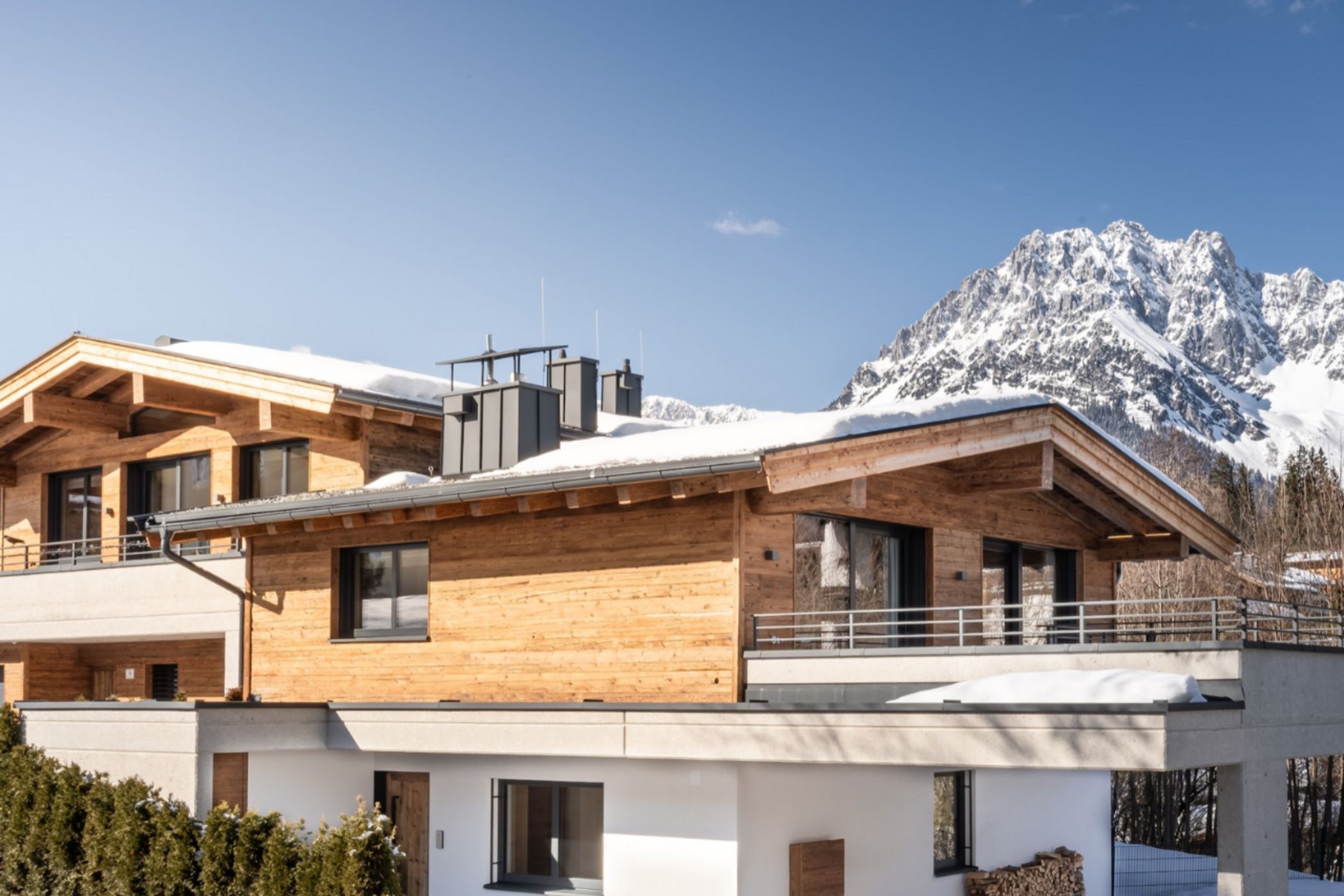
What is fractional ownership in Austria?
Fractional ownership in Austria means buying a real 1/8 share of a luxury alpine second home, shared with up to seven other co-owners. Each owner receives around six weeks of personal use a year, depending on the home, through a fair-rotation calendar, with all property management, maintenance, taxes and operations handled by a professional management team. It is real ownership of a share of the home — not a timeshare, not a holiday club.
Why Austria?
Austria occupies a singular position in the European second-home landscape: it is simultaneously one of the continent's great skiing nations, one of its most deeply-rooted hiking and alpine summer destinations, and a country whose property law gives international buyers the same documented clarity on the day they purchase as they will have fifteen years later. The combination of those three qualities — reliable snow, genuine four-season appeal, and a legal framework that works the same way every time — is why the Austrian alpine property market has attracted serious international buyers from Germany, the Netherlands, the UK, Switzerland, and increasingly from the Gulf and the United States with a consistency that few comparable destinations can match. Austria received over 150 million overnight tourism stays in 2023, with approximately half of those falling in the ski season — a demand base that supports the infrastructure, the lift investment, and ultimately the property values in the resort regions that matter most to fractional buyers. The Austrian National Tourist Office reports that tourism contributes roughly 15% of Austrian GDP — a share that dwarfs comparable figures for most comparable European economies, and that translates directly into the resort infrastructure, the world-class lift investment, and the high-standard property management ecosystem that give Austrian ski properties their quality floor.
What the raw visitor numbers do not capture is the structural quality argument for Austrian property specifically. A buyer choosing between an Austrian chalet and a French or Swiss alpine property is not choosing between loosely comparable products — they are choosing between different legal systems, different planning frameworks, different accessibility profiles, and ultimately different long-term value propositions. Austria's argument rests on four pillars that reinforce each other: an exceptionally well-maintained land register (the Grundbuch) that has recorded property titles with legal certainty since the mid-19th century; strict environmental and planning controls in the alpine zones that permanently cap new residential supply in the most desirable locations; a diversified tourism economy that gives resort properties genuine year-round demand rather than a purely seasonal value story; and a geographical centrality within Europe that makes Austrian properties some of the most practically accessible high-alpine addresses on the continent. Each of these pillars has direct implications for the long-cycle value of property in the key resort regions — and together they explain why Austrian alpine real estate has demonstrated the value resilience it has through multiple economic cycles over the past thirty years.
Your Austrian share is owned alongside up to seven other co-owners — a real share of the home, not a right to use it. A meaningful proportion of owners go on to add a second property in another COP destination.
The supply story in Austria's most desirable resort regions deserves careful attention, because it is structural rather than cyclical. Tyrol, Austria's most densely developed ski province, operates under some of the strictest environmental and planning controls in Central Europe: the Tyrolean regional government enforces a planning framework that effectively prohibits new construction above defined altitude thresholds, designates large swaths of mountain terrain as protected natural zones under the Hohe Tauern National Park and related Natura 2000 designations, and caps the residential development density in established resort communities like Kitzbühel, Ischgl and St. Anton at levels that have remained broadly stable for twenty years. Vorarlberg, Austria's westernmost province, adds to this a landscape of extraordinary ecological sensitivity — the Vorarlberg environmental authority manages extensive protected zones across the Arlberg massif and the Rhine valley that make new residential development on the most desirable slopes either impossible or so restricted in scale as to be nominally relevant. The practical implication for a fractional buyer is that the properties that exist in these regions cannot be replicated, and the supply of new options is not growing in a way that would dilute the market position of established addresses.
Austria's alpine property market has an additional structural advantage that is less often discussed: the depth of its year-round usage economy. Unlike some ski destinations whose appeal collapses to near-zero outside the snow season, Austria's major resort regions are as busily occupied in July and August as they are in January and February. Hiking tourism in Austria contributes roughly the same annual visitor volume as ski tourism — over 40,000 km of marked trails across the country, with Tyrol and Salzburger Land each recording record summer visitor numbers in recent years. That balance between seasons means the resort communities maintain a genuine service economy — restaurants, wellness facilities, specialist shops, sports hire — year-round, which in turn means the property you own does not sit in an empty village for five months of the year but in a functioning community that works for you whichever season you use it.
The case for Austria specifically — rather than the French Alps, the Swiss Alps, or the Pyrenees — rests on several advantages that bear direct comparison. The French Alps offer comparable skiing depth and the famously consistent snowfall record of resorts like Courchevel, Val d'Isère and Chamonix, but require navigating French property law, French taxation and a French-language administrative environment that adds friction for buyers who are not already familiar with France. The French Alps also carry a higher price premium in the most prestigious addresses — a Courchevel 1850 chalet or a Val d'Isère ski-in apartment is priced at a level that makes the fractional model attractive but the entry point steep. The Swiss Alps deliver perhaps the highest prestige addresses in the alpine world — Verbier, Zermatt, Gstaad — but at price levels that make even fractional ownership a serious capital commitment, and Switzerland's Lex Koller regulations restrict foreign-national property purchases in many desirable cantons, adding a layer of regulatory complexity that Austrian property law does not impose on international buyers. The Pyrenees offer a more accessible entry price and the appeal of both French and Spanish sides, but the snowfall record is less consistent than the central and western Alps, and the infrastructure — lift networks, mountain restaurants, property management — is less developed than Austria's. Austria sits in a different position: pricing that is compelling relative to Switzerland and competitive with France at the premium end, an English-friendly administrative environment at the airports and in the resort towns, a legal framework that is EU-standard and internationally transparent, and a tourist infrastructure — hotels, restaurants, guides, lift passes — that is as professionally run as any in Europe. For the international buyer who wants the full alpine experience without the language barrier or the Swiss regulatory complexity, Austria is the natural answer.
One further advantage is worth naming clearly: Austria's geographical centrality within Europe. A buyer based in the UK arrives at Innsbruck or Salzburg in two hours or less from most regional UK airports. A buyer based in Amsterdam, Frankfurt, Zurich or Milan is within a direct two-to-three-hour flight or an overnight train — the Nightjet overnight train network connecting Amsterdam, Brussels, Frankfurt and Hamburg to Innsbruck and Salzburg is one of the great practical advantages of Austrian ownership for north European buyers. For multi-national ownership groups — common among the co-owners of the homes we list, where it is not unusual to have British, German, Dutch and Swiss co-owners sharing the same property — this central position means all owners can realistically use their annual allocation without the 12-hour transcontinental journey that a US or Caribbean property requires. The accessibility is not incidental; it is the precondition for the high-frequency, short-stay use pattern that fractional ownership rewards most. A 7-night stay in Austria costs a Londoner approximately the same in total travel time and cost as a 7-night stay in southern Spain — the Austrian Alps do not require the buyer to treat the property as a once-a-year expedition, but as a place they can genuinely use across multiple seasons in a single year.
Austria's alpine villages also have a characteristic that distinguishes them from purpose-built French and Swiss resort developments: they are functioning, deeply-rooted communities — farming villages, market towns, and mountain settlements that predate skiing by centuries and that retain an economic and social life not wholly dependent on the ski industry. The Gasthaus traditions of Tyrolean and Vorarlberg hospitality, the Almabtrieb cattle festivals in autumn, the Advent markets in December, the classical-music programming that Innsbruck, Salzburg and the resort towns maintain through the year — all of this contributes to a depth of place that a buyer who visits repeatedly across a decade finds more rewarding, not less, as familiarity deepens. This is the argument that no brochure quite captures but that experienced alpine property owners understand instinctively: the difference between an Austrian village and a French resort is partly the skiing quality (comparable at the best addresses), partly the legal framework (different in ways that matter), but fundamentally about whether the place you own in has a life of its own beyond the lift queues. In Austria, it does.
Where to own in Austria
Austria's second-home market divides into three distinct buyer geographies, each anchored by a different alpine character, each with its own skiing character, architecture, landscape and buyer mix. The properties in the COP collection are concentrated in the regions where international second-home demand is deepest and where the supply-constraint argument is strongest: Tyrol, with its legendary ski resorts and the Kitzbühel Alps; Vorarlberg, with the Arlberg — widely regarded as the birthplace of alpine skiing and home to some of the most prestigious resort addresses in Austria; and Salzburger Land, which combines consistently excellent skiing with the cultural richness of the Mozart city and the wild high terrain of the Hohe Tauern. Together these three regions account for the overwhelming majority of international second-home demand at the tier where fractional ownership makes structural sense.
Tyrol — the Kitzbühel Alps and the Paznaun Valley
Tyrol is Austria's most internationally recognised alpine province — the name alone is shorthand for everything the Austrian mountain ideal stands for: steep-walled limestone massifs, traditional timber-and-stone chalet architecture, valleys deep enough to hold their own weather systems, and ski resorts whose racing pedigree gives them a sporting authority unmatched anywhere in Central Europe. The province is home to Kitzbühel — site of the Hahnenkamm downhill race, one of the most demanding and most-watched events on the alpine racing calendar — and to the vast SkiWelt Wilder Kaiser, which at over 280 km of marked pistes across nine resort villages is the largest interconnected ski area in Austria. At the western extreme of Tyrol, the Paznaun valley connects Ischgl — a resort with a European-wide reputation for après-ski culture and consistent deep snow — and St. Anton am Arlberg, the Tyrolean side of the Arlberg ski area and one of the most technically demanding resort villages in the Alps.
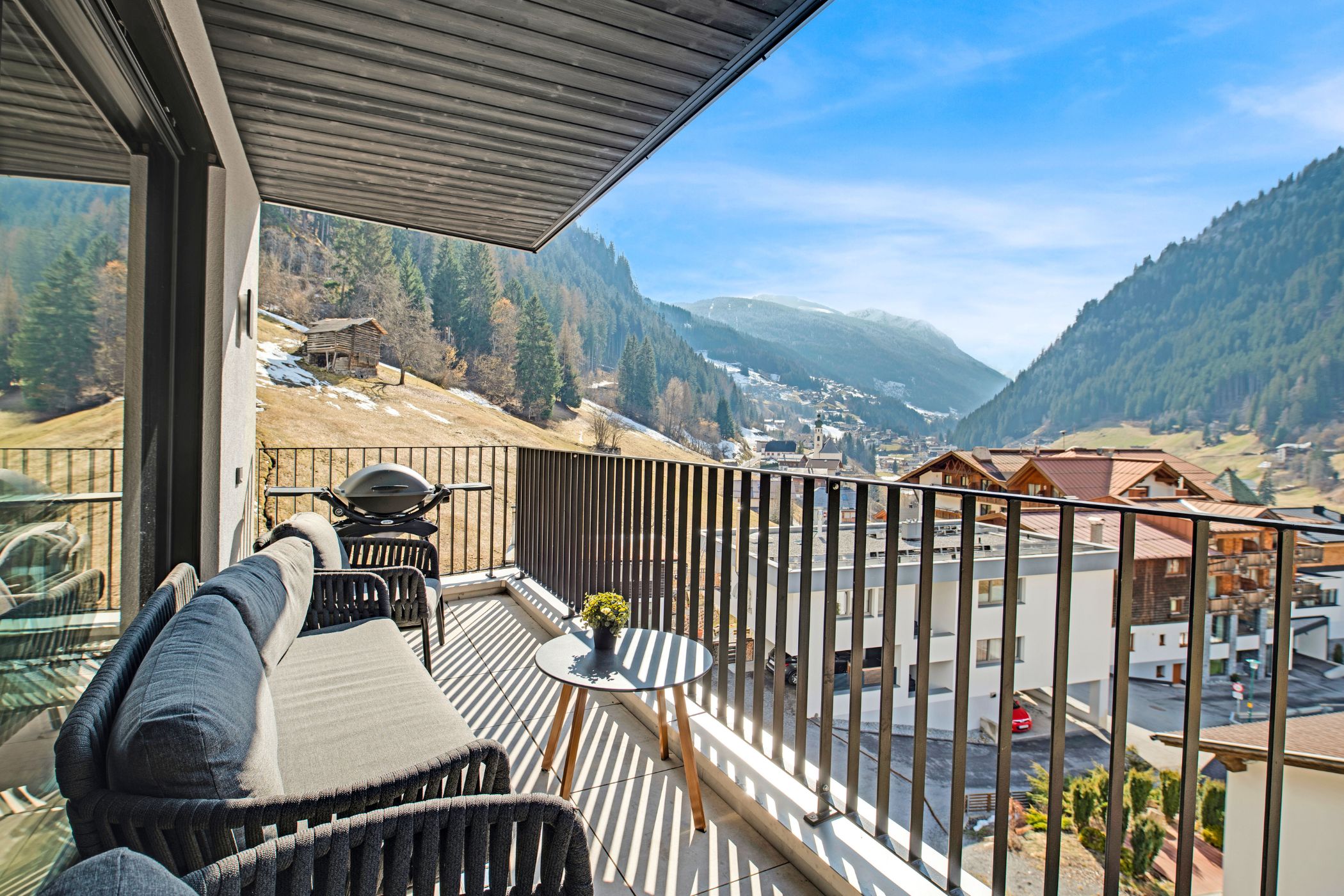
The SkiWelt Wilder Kaiser cluster, which includes the villages of Going am Wilden Kaiser, Brixen im Thale, Söll, Scheffau and Ellmau, gives fractional buyers access to a ski circuit of remarkable variety — gentle wide cruisers through the valley floors, challenging off-piste routes in the upper bowls, and the famous Wilder Kaiser massif rising almost vertically behind the southern villages as a permanent visual reference point. The SkiWelt is interconnected by gondola across nine resort villages, which means a family staying in Going on a given week can ski to Scheffau for lunch and return via the high ridge without reloading the car or repeating a single run. Kitzbühel — the most internationally famous ski town in Austria, site of the Hahnenkamm downhill race and home to a Innenstadt of medieval painted houses that makes it one of the most photographed villages in the Alps — is reachable by car in 10–15 minutes from Going or Brixen, which means buyers in this cluster have both the accessible, family-friendly skiing of the SkiWelt and the more technically demanding runs of the Kitzbühel ski area within easy reach. The KitzSki pass combines Kitzbühel, SkiWelt and several adjoining ski areas into a single pass covering over 400 km of marked runs — one of the largest combined ski passes in the Alps. The architectural character here is classic Tyrolean timber construction — steep pitched roofs heavy with snow in winter, south-facing balconies designed to catch the low alpine sun, and interiors built around the wood-burning fireplace and the Stube dining room that makes an Austrian chalet feel fundamentally different from a French or Swiss one. Going am Wilden Kaiser is itself a quiet village — no major après-ski circuit, no mega-resort infrastructure — which is precisely what attracts families who want the skiing of the SkiWelt without the social intensity of Söll or the price premium of Kitzbühel. The Wilder Kaiser massif, a UNESCO Biosphere Reserve candidate, is directly above the village and forms a backdrop that changes character with every shift in weather and light — grey limestone walls, white snow patches, and the occasional eagle thermalling on the updrafts above the ridge.
Summer in Tyrol is the other half of the ownership argument, and it is as compelling as the winter case. The Tyrolean hiking network covers over 15,000 km of marked trails in the province alone — everything from low-valley Spazierweg walks suitable for small children to multi-day ridge traverses at altitude. Mountain biking, particularly in the SkiWelt and around the Kaisergebirge, has grown dramatically as a summer offer, with the same lift infrastructure used in winter now transporting bikes and riders to the high trails. The Achensee, the largest lake in Tyrol and one of the cleanest swimming lakes in the Alps, is reachable from the SkiWelt in under an hour; watersports, sailing, and paddleboarding are available from the lakeside villages of Pertisau and Achenkirch. And Innsbruck, the provincial capital — a university city with a beautifully preserved medieval old town, an Olympic museum, the Hofburg imperial palace, the Nordkette cable car reaching 2,334m above the city in 20 minutes, and one of Austria's most dynamic restaurant and craft-beer cultures — is 30–40 minutes by train or motorway from the resort villages of the lower Inn Valley. The Tyrolean State Museum (Ferdinandeum), the Bergisel ski jump and museum, and the city's international restaurant scene — heavily influenced by the university population and a strong tradition of Italian cross-border culinary influence — make Innsbruck a day destination that rewards repeated visits without exhausting itself.
Best for: active families who want the largest and most diverse ski area in Austria alongside summer hiking that rivals any alpine destination in Europe; buyers for whom proximity to Kitzbühel is a prestige signal worth having; and couples who want the cultural depth of a regional capital — Innsbruck — within comfortable day-trip distance of their mountain base.
Vorarlberg — the Arlberg and the Brandnertal
Vorarlberg is Austria's smallest and westernmost province, tucked into the corner where Austria meets Switzerland and Germany above Lake Constance, and it occupies an extraordinary position in the alpine property hierarchy. The Arlberg ski area — which straddles the provincial boundary between Vorarlberg and Tyrol, connecting the villages of Lech, Zürs, Stuben and St. Christoph on the Vorarlberg side with St. Anton on the Tyrolean side — is widely regarded as the birthplace of Alpine skiing and remains, by almost any measure, the most technically demanding and most internationally prestigious resort area in Austria. Lech am Arlberg in particular draws a clientele that includes European royalty and heads of state, with property values to match — making fractional co-ownership not merely convenient but the only viable route for most buyers who want a documented stake in this specific geography.
Stuben am Arlberg sits at the foot of the Arlberg Pass — the historical and geographical hinge of the entire circuit, and the smallest and most atmospheric of the Arlberg villages. Stuben is where Hannes Schneider, the father of modern ski instruction, first developed the Arlberg technique in the early 20th century, and it retains a character that feels several degrees quieter and more authentic than the larger purpose-built resorts nearby. Access to the full Arlberg interconnect — 305 km of marked runs across the six linked villages — is available from the village lift, which puts Lech and Zürs within skiing reach and the Valluga, at 2,809m, within a day's expedition. The Arlberg ski area receives some of the deepest and most consistent snowfall in the Alps — its position at the first major barrier to Atlantic weather systems crossing Europe from the west gives it a snow record that outperforms many eastern alpine resorts.
The Brandnertal, accessed from Bürserberg and the village of Brand, represents a different register within the Vorarlberg offering — less internationally famous than the Arlberg, more deliberately residential in character, and priced accordingly. The Brandner Valley ski area offers around 64 km of runs across a south-facing mountain bowl with unusually sunny exposure and consistent snow cover from late November through early April. The terrain is particularly well-suited to intermediate and confident-intermediate skiers — the bowl configuration gives long, uninterrupted descents without the cliffed-out exposure that challenges nervous skiers on the steeper Arlberg terrain, and the sunny south-west orientation keeps the snow soft and skiable on the upper pistes for a higher proportion of the season than north-facing bowls can manage. The Montafon, Vorarlberg's largest ski area at over 200 km of pistes across six resort villages, is reachable in under 25 minutes by car from properties in Bürserberg — which means a Brandnertal base gives access to both its own quieter local ski area and one of Austria's great resort valleys without the price premium of being based in the Montafon directly. The Montafon is arguably underrated by international buyers — its skiing is technically demanding in the upper zones, its après culture is lower-key than Ischgl or Lech, and its valley architecture is among the most authentically Vorarlberg of any ski area in the province. Bürserberg itself, on the elevated plateau of the Tschengla, has a character that is more agricultural village than ski resort — farms, orchards, traditional Vorarlberg timber farmhouses, and the kind of low-key community life that long-stay families and couples prize over the après-ski circuit. The city of Bludenz, with its restaurants, shops, Suchard chocolate factory, and ÖBB rail connections to Innsbruck and Zurich, is 10 minutes by car below in the valley floor — practical for any owner who wants to combine a mountain base with easy access to the rail network.
Vorarlberg's transport geography adds a further dimension. Zurich Airport (ZRH), one of Europe's major hubs with direct routes to North America, Asia, the Gulf and every European capital, is 90 minutes by road or train from the Brandnertal. Innsbruck Airport (INN) is under two hours by road. The Rhine Valley rail network connects Vorarlberg to the wider European rail system, giving owners from Germany, France and Switzerland a car-free access option that Tyrol cannot match.
Best for: buyers who want the highest-prestige alpine address in Austria (Arlberg/Stuben) as an entry-level fractional stake in one of Europe's most storied ski areas; families who want the quieter, more residential character of the Brandnertal with easy access to the vast Montafon ski network; and buyers for whom proximity to Zurich — whether for business or flight connections — is a meaningful operational consideration.
Salzburger Land and Pinzgau — the Kitzbühel Alps and the Hohe Tauern
Salzburger Land — the federal state surrounding the city of Salzburg — and the adjacent Pinzgau region form a third distinct geography for Austrian fractional ownership: one defined by the Hohe Tauern massif, the largest national park in the Alps, and by a skiing and hiking offer that combines some of Austria's most reliable snow records with a cultural density — specifically, the proximity of Salzburg itself — that no other Austrian alpine region can offer. The province includes the Skicircus Saalbach-Hinterglemm-Leogang-Fieberbrunn, one of the largest and most varied ski circuits in the Alps at over 270 km of marked pistes, as well as the Wildkogel Arena around Neukirchen am Großvenediger — a quieter and more family-oriented ski area with exceptional views toward the Großvenediger, at 3,657m the third highest peak in Austria.
Hollersbach im Pinzgau, set on a sunny south-facing slope above the Salzach valley floor, exemplifies the character of the Pinzgau offer: a KitzSki ski pass — which links the Kitzbühel ski area with the SkiWelt in one of Austria's great inter-resort circuits — is available a few minutes' drive away, while the Hollersbach bathing lake provides a family-friendly summer offer literally on the doorstep. The Hohe Tauern National Park trails begin in the valley above the village, putting high-alpine wilderness within reach of a morning departure. Neukirchen am Großvenediger, set just inside the national park boundary, offers a ski lift within three minutes' walking distance, glacier views toward the Großvenediger, and access to the Kristallbad at Wald-Königsleiten — one of Austria's most accomplished alpine spa complexes — in under fifteen minutes by car. The overall character of the Pinzgau and upper Salzach valley is of mountains that feel genuinely wild rather than purpose-built for skiing — the livestock still graze the lower alms in summer, the hay barns are still timber, and the resort infrastructure is set into a landscape that has been farmed and grazed for centuries rather than cleared for development.
The cultural weight of Salzburg — birthplace of Mozart, site of the Salzburg Festival, and one of the most architecturally coherent Baroque cities in Europe — is never far from a Salzburger Land property. Salzburg Airport (SZG) offers direct flights to the UK, Germany, the Netherlands and a growing roster of European cities, and it operates a winter charter programme from October through April that makes it one of the most practically accessible alpine gateways in Europe. The city itself, 60–90 minutes by road or rail from most Pinzgau properties, is a world-class destination in its own right — the Mozarteum, the cathedral and Dom quarter, the Hohensalzburg fortress, the old town's Getreidegasse and its Baroque palaces — that can justify a day trip in any season without any need to plan carefully.
Best for: families who want a quieter, more pastoral alpine base with access to one of Austria's great wild mountain landscapes (Hohe Tauern) and a major ski circuit (KitzSki/Wildkogel) without the premium pricing of the core Kitzbühel village; buyers for whom proximity to Salzburg — whether for the festival, the airport, or the cultural depth — is a significant factor in the ownership decision; and owners building a two-property portfolio who want the Pinzgau's authentic character as a complement to a more internationally famous alpine address.
A year in your Austria co-ownership home
The 44-to-45-night annual minimum in an Austrian property is one of the most genuinely useful ownership windows in Europe's fractional market — spread across multiple seasons, it gives access to both the winter that defines the Austrian alpine offer and the summer that justifies the ownership the rest of the year. The rotation calendar distributes peak weeks — Christmas, the prime ski weeks of January and February, Easter, and the summer high season of July and August — fairly across all co-owners over a multi-year cycle, so no owner is systematically excluded from the weeks that matter most.
Winter (December–February)
Austrian winter opens properly with the first significant snowfall above 1,500m, which in Tyrol and Vorarlberg typically falls in late October or early November and builds through December to the deep pack that defines the January and February skiing. Temperatures in the resort villages run -5 to -12°C (23–10°F) on a typical winter morning, warming to -1 to +4°C (30–39°F) on a sunny south-facing terrace by midday — cold enough for reliable snow, mild enough for long lunches on a terrace with a mountain view and a Glühwein warming from the inside. The Christmas and New Year period is the most socially intense point of the Austrian calendar in the ski resorts, with Advent markets in the valley towns — the Innsbruck Christmas market in the Altstadt is one of the most atmospheric in Austria — and the distinctive Austrian tradition of torchlit ski descents and New Year's Eve fireworks visible from resort terraces across the province. The Hahnenkamm race weekend in Kitzbühel, held each January, is one of the great set pieces of the alpine sporting calendar and draws a large international audience to the area surrounding the SkiWelt and Pinzgau — the Streif, Kitzbühel's famous downhill course, is one of the most technical and dangerous runs in ski racing, and watching the race from the course-side crowd has become one of the defining winter social experiences in the Austrian Alps. In the Paznaun valley, the ski season begins early — Ischgl's season traditionally opens with a major outdoor concert by a well-known international act in late November, and the high altitude of the area (Ischgl's highest points reach 2,872m) ensures late-season snow well into April. For Vorarlberg owners, the Arlberg's deep Atlantic snowfall record — the Arlberg sits at the first major topographic barrier to Atlantic weather systems approaching from the west, and catches a disproportionate share of the precipitation those systems carry — means that even a below-average winter in the eastern Alps often leaves the Arlberg with a comfortable base. This structural weather advantage, well documented over more than a century of snowfall records, has made Lech and Stuben reliably popular with buyers who are not prepared to accept any skiing uncertainty when they arrive at a property they have committed to for the season. The Ski World Cup events in Salzburger Land — at Saalbach and elsewhere in the circuit — add a further sporting-calendar dimension for owners in that region who want to combine a ski week with world-cup racing on their doorstep.
Spring (March–May)
March is arguably the finest month in the Austrian alpine calendar — and the month that experienced alpine property owners increasingly prefer over the peak January weeks precisely because it combines reliable snow with the warmer, longer days that make the mountain landscape accessible beyond the ski runs. Temperatures climb to 2–8°C (36–46°F) in the mid-mountain zone while the snow cover remains deep and well-consolidated — the combination that makes spring skiing in the Alps a fundamentally different and often more pleasurable experience than the intense cold of midwinter. Days lengthen rapidly, with sunrise before 6:30am by the end of March, and the brilliant low-angle morning sun on fresh snow across a south-facing terrace is one of the defining sensory experiences of an Austrian spring stay. Spring skiing in the Kitzbühel Alps typically extends to mid-April, with the glacier ski areas at Stubai and Hintertux in Tyrol remaining open through May and into early June for owners who want to ski into the warmer months. The Skicircus Saalbach-Hinterglemm in Salzburger Land regularly wins European awards for late-season conditions, with a season that runs to late April in good snow years. By May, the transition from ski to hiking has begun — the lower valley trails open as the snow line retreats, the alm meadows begin to flower with the early-season alpine flora — Soldanella, Crocus, Primula — and the summer schedule of local events and markets starts to take shape. The European Forum Alpbach, held each August in the beautifully preserved village of Alpbach in Tyrol — designated by architects as one of Austria's most beautiful villages — is on the horizon as an intellectual and social event that adds a dimension to Austrian summer ownership beyond hiking and biking.
Summer (June–August)
Austrian alpine summer runs from the opening of the high trails in early June to the first autumn snow on the upper ridges in September, and it delivers an experience that bears almost no resemblance to the winter version of the same landscape. Temperatures in the resort villages reach 18–24°C (64–75°F) on a typical July day, dropping to 10–14°C (50–57°F) at night — perfect conditions for long days of activity and comfortable evenings on a terrace with the mountain air cooling steadily as the sun drops behind the western ridges. The Hohe Tauern National Park, accessible from both Salzburger Land and the Pinzgau, is at its most accessible in July and August, with the high-altitude trails between the Grossglockner (3,798m, Austria's highest peak) and the Großvenediger open to experienced walkers and, in the upper sections, to guided glacier parties. The Zell am See-Kaprun area, within easy reach of Neukirchen and Hollersbach in the Pinzgau, combines summer lake swimming in the Zeller See — a shallow, warmish alpine lake that reaches 22–24°C (72–75°F) in July and August — with year-round glacier skiing on the Kitzsteinhorn above Kaprun, one of very few places in the Alps where winter skiing and summer swimming are genuinely possible on the same day. The Grossglockner High Alpine Road, one of the most dramatic mountain drives in Europe, connects the Pinzgau to the Carinthian side of the Hohe Tauern via a series of hairpin bends that put the summit glacier of Austria's highest mountain within camera range of any owner willing to make the two-hour drive from Neukirchen. The Salzburg Festival, running from late July through the last week of August, is one of the great summer cultural institutions of the European calendar — opera, theatre and chamber music in the Grosses Festspielhaus and the open-air Felsenreitschule cut into the living rock of the Festungsberg, with tickets sold years in advance for the major productions. For Salzburger Land owners, the festival is on the doorstep. For Tyrol owners, it is a day trip by train — the ÖBB rail connection from Innsbruck to Salzburg takes 1 hour 50 minutes and runs multiple times daily, returning any serious music lover to their mountain home in time for a late dinner on the terrace.
Autumn (September–November)
September is the Austrians' own preferred month in the mountains — the schools are back, the summer tourists have gone, and the landscape enters its brief and brilliantly coloured transition from green to gold before the first winter snow arrives on the upper ridges. The corollary for a fractional owner is that shoulder-season weeks — available through the rotation calendar — deliver the mountain at its quietest and most atmospheric. Daytime temperatures run 12–18°C (54–64°F) in the valleys, dropping sharply above 2,000m, and the light has a clarity and low-angle warmth that the midday summer sun never achieves. The hiking trails are quiet, the mountain huts are still open but running with local rather than tourist clientele, and the autumn mushroom season — one of the great quiet pleasures of Austrian alpine life — Steinpilze, Eierschwammerl, Pfifferlinge — transforms the forest trails around the valley villages into a foraging landscape that Austrian restaurants take seriously from September through October. The Bregenzerwald in Vorarlberg — the valley behind the Arlberg, known for its extraordinary regional cheese culture and the Käsestrasse (cheese road) connecting the producing farms — is at its most accessible and most atmospheric in autumn, when the cattle are brought down from the high Almen in the colourful Almabtrieb procession that marks the end of the summer grazing season. By late October, the first snowfall arrives above 2,000m, the ski area maintenance crews move onto the upper mountain, and the anticipation of the winter season builds in every resort village. November is the quietest month of the year — the ski areas are not yet open, the hiking trails above the tree line are iced — and it is the ideal time for owners who want the mountain landscape entirely to themselves, the wood fires burning in the chalet and the first powder on the highest ridges visible from the terrace.
Who buys in Austria, and why
The international buyer mix for fractional ownership in Austria is distinctly Central European in its core, with a significant and growing British, Dutch and Gulf component. German buyers are the single largest national group — Austria is effectively Germany's back garden for alpine purposes, with the Bavarian motorway network putting Munich within 90 minutes of Innsbruck and Frankfurt within a 5-hour drive of most Tyrolean resorts. Austrian property law, the common German language, and the deep cultural affinity between Bavaria and Tyrol make Austrian alpine property an almost frictionless purchase for German buyers. Swiss buyers are the second largest group in Vorarlberg specifically, drawn by the province's location above Lake Constance and the linguistic and cultural proximity between Vorarlberg's Alemannisch dialect and the Swiss-German of their home cantons — Bregenz, Vorarlberg's provincial capital, is fewer than 25 minutes by road from St. Gallen and closer still to the German border. Dutch and Belgian buyers are disproportionately active in the Austrian Alps relative to their home-country populations — the flat Netherlands exports alpine enthusiasm in both winter and summer, and the Nightjet overnight train from Amsterdam and Brussels to Innsbruck, Salzburg and Vienna has made Austria accessible without a flight for north European buyers who prefer train travel. British buyers have been consistent purchasers in the Austrian Alps for two decades, with the post-Brexit 90-day Schengen rule actually reinforcing rather than deterring fractional ownership demand: a 1/8 share gives around six weeks a year, depending on the home,, which sits comfortably inside the Schengen window while matching the actual use pattern — typically two ski weeks, one spring stay and one summer week — that most British second-home buyers actually want. Gulf buyers from the UAE, Saudi Arabia and Qatar have emerged as a growing segment since 2020, attracted by Austria's reputation for ultra-reliable snow, world-class lift infrastructure, and five-star hospitality standards in the resort villages — the combination of proximity (a 5-hour flight from Dubai to Innsbruck or Vienna) and alpine quality that few destinations in the world can match. American buyers, particularly those who already own fractionally in Colorado or Utah, are increasingly adding an Austrian share to their portfolio as a complement to their North American alpine base.
Fractional ownership in Austria typically suits:
- Skiing families with school-age children — Austria's ski schools, particularly in Tyrol and Salzburger Land, are among the best-resourced in Europe; Kitzbühel, Lech and Söll each run multi-language children's ski schools that families return to year after year; the broad, groomed slopes of the SkiWelt and the Wildkogel are particularly forgiving for beginners.
- Serious skiers in their 40s and 50s — the Arlberg and the Paznaun valley offer genuinely challenging terrain, deep-powder conditions, and a social-skiing culture that rewards ambition; Stuben, Ischgl and the off-piste routes above St. Anton attract technically accomplished skiers who have exhausted the beginner and intermediate mountains.
- Multi-season alpine buyers — buyers who want equal value from summer hiking, autumn culture, and winter skiing rather than using the property for skiing alone; the Hohe Tauern and Tschengla contexts in particular deliver a four-season lifestyle that justifies ownership across all three uses.
- UK buyers managing the Schengen 90-day rule — the 44-to-45-night annual minimum sits comfortably inside the Schengen window, making Austrian fractional ownership the most financially rational structure for British buyers who want documented equity in an alpine property without the imbalance of full ownership and restricted legal occupancy.
- Portfolio builders adding a Central European anchor — buyers who already own a fractional share in France or Spain and want to add an alpine complement with a different climate, culture and seasonal calendar.
Practicalities: getting there and what you own
Getting there
Austria's mountain regions are served by a network of airports, motorways and rail connections that makes them practically accessible from most European countries without the transfer complexity that some alpine destinations require. Innsbruck Airport (INN) is the primary gateway for Tyrol and for the Arlberg — Ryanair, easyJet, Austrian Airlines and Lufthansa all operate scheduled year-round routes from UK airports, with additional winter charters from October through April; the city centre and the resort motorway network are 10 minutes from the terminal. Salzburg Airport (SZG) serves the Salzburger Land and Pinzgau — direct scheduled services from London, Birmingham, Manchester, Bristol and Edinburgh operate year-round, with increased frequencies in the ski season; Neukirchen and Hollersbach are approximately 70–90 minutes by road from the terminal. Zurich Airport (ZRH) provides the alternative gateway for Vorarlberg — 90 minutes to the Brandnertal by motorway, and 90 minutes to the Arlberg villages; ZRH's intercontinental network makes it the gateway of choice for buyers arriving from North America, the Gulf or Asia. Munich Airport (MUC) offers the widest network of long-haul connections and sits 75 minutes by motorway from Kufstein at the Tyrolean border — effective for buyers arriving from outside Europe for whom Munich's direct connections matter more than the shorter Austrian airport transfer.
By rail, the ÖBB Austrian federal railway runs direct Railjet services from Vienna to Innsbruck and from Munich to Innsbruck on a frequency and at a journey time — Munich to Innsbruck in 1 hour 50 minutes — that competes directly with flying when airport transfer time is included. The Nightjet overnight train network connects Amsterdam, Brussels, Frankfurt, Hamburg and Paris to Innsbruck and Salzburg on routes that allow a working Friday followed by an overnight train and an arrival at the resort by Saturday morning — genuinely practical for north European buyers who own in Tyrol or Salzburger Land. Once in Austria, the resort bus and taxi networks operate on schedules driven by the ski and hiking season, and most properties in the COP collection are within 30–45 minutes by road from the airport arrival point.
Whole home or a share — the comparison that matters
The right frame for the cost comparison is not "how does fractional ownership compare to a similar property on the rental market?" but "how does it compare to whole ownership of the same property?" The answer to the second question determines whether the fractional model is financially sound — and in Austria's alpine property market, where whole-ownership prices in the established ski villages have risen to levels that make full purchase a meaningful capital commitment for a property used six to ten weeks a year, the fractional ratio is compelling.
| Whole second home | COP 1/8 fractional share | Long-term rental | |
|---|---|---|---|
| Upfront commitment | Full property value | ~1/8 of the property value | First/last/deposit only |
| Equity in the asset | Full appreciation | ~1/8 of appreciation | None |
| Personal use | Up to 52 weeks (most use 4–8 in practice) | Around six weeks a year, fairly rotated | Defined by lease terms |
| Operations burden | Owner-managed or hired staff | Fully included | Landlord-managed |
The whole-ownership column is the natural comparison because fractional buyers are typically choosing between buying outright and buying fractionally, not between fractional ownership and never owning at all. A whole-property owner in an Austrian ski resort commits the full purchase price to a property they are legally permitted to use for approximately 90 days a year post-Brexit (if British), against which they carry the full weight of Austrian property tax (Grundsteuer), building insurance, management fees, utilities, ski-room maintenance, snow clearance and the ongoing maintenance reserve on the whole property. A 1/8 fractional owner commits 1/8 of the purchase price and carries 1/8 of all those costs — proportional to the use they actually make of the property. The rental comparison is less intuitive but equally important: long-term rental builds no equity, carries full rent year over year with no appreciation benefit, and typically requires the renter to manage maintenance coordination and the relationship with a landlord whose interests are not aligned with theirs. The fractional model sits between the two: the upside of equity without the full capital commitment, the managed-service quality of a good rental without the indefinitely recurring rent cost.
What you actually own
Your 1/8 share of an Austrian property is a real share of the home — not a right to use it. You can sell it, gift it, or pass it on to your heirs, and it grows in value with the house. It is not a timeshare use-right that expires on a fixed date and depreciates to zero when the contract runs out; it is not a points membership that can be redeemed by the issuer or devalued through supply dilution. The full mechanics — usage calendars, exit procedures, the transfer process, the relationship with the management team — are covered in our co-ownership explained guide. Browse the listings in the property grid above to see what is currently available, or join our list for new-property alerts as they come to market.
How fractional ownership works in Austria
Every property in the COP Austrian portfolio is shared by you and up to seven other co-owners, each owning a real share of the home. The Austrian notarial system — Notare are legally qualified professionals with statutory responsibilities equivalent to those of notaries in France or Germany — provides an independent verification layer for every property transaction, which gives international buyers the same documentary certainty at completion that the local market expects.
What you own: a real share of the Austrian home
You own a real share of the home — an eighth, a quarter — not a right to use it. You can sell it, pass it on to your heirs, and it grows in value with the house. Big decisions, such as selling the home or major works, are decided together by the co-owners.
Austrian property tax
Austrian property tax (Grundsteuer) is levied annually on the assessed value (Einheitswert) of the property as determined by the tax authority. Austrian Grundsteuer rates are among the lowest in Central Europe — typically a fraction of a percent of the assessed value per year — and your 1/8 share means you bear 1/8 of the total annual Grundsteuer bill. There is no Austrian equivalent of the French taxe d'habitation (secondary-residence occupancy tax), and Austria abolished its wealth tax in 1997, meaning there is no annual net-worth levy on property-owning non-residents of the kind that applies in France to overseas second-home holders. Austria does apply capital gains tax on property sales (Immobilienertragsteuer) at a flat rate for both residents and non-residents, with specific rules about the calculation base and any deductions available for renovation costs — the exact position for any given property and ownership structure is confirmed by an Austrian Rechtsanwalt (solicitor) or Steuerberater (tax advisor) at the time of purchase. Our partner sets out the tax position for your country before you buy. The Austrian Federal Ministry of Finance publishes guidance on property income and capital gains treatment for non-residents in English, which provides a useful starting point alongside specialist legal advice.
Inheritance and transfer in Austria
Your 1/8 share of an Austrian property transfers to your heirs under the rules of succession that apply to your personal estate — typically the laws of your country of residence, unless you have specifically elected Austrian law under the 2015 EU Succession Regulation, which allows EU-resident testators to elect the national law that governs their estate. For UK nationals, this means your Austrian interest passes under English or Scottish succession law by default, giving you wide testamentary freedom to designate beneficiaries. For German, Dutch or Belgian nationals, their home civil-law systems govern succession; for French nationals, the réserve héréditaire applies as it does to French-domiciled estates. Our partner sets out how this applies to your share before you buy. The co-ownership explained guide covers the inheritance mechanics across the main owner nationalities in more detail.
The professional management model and how the calendar works
The fair-rotation calendar is the mechanism that makes shared ownership equitable over time. Each co-owner's annual allocation — around six weeks, organised into bookable stays typically of one-week minimum — is drawn from a pool that includes both peak weeks (Christmas, New Year, the prime January and February ski weeks, Easter, the high-summer weeks of July and August) and shoulder weeks (November, March, September, early October). A rotation algorithm ensures that no co-owner holds the same set of peak weeks in consecutive years; instead, the peak weeks cycle through the ownership group on a schedule that means every co-owner receives their fair share of the most desirable periods over the full cycle. Bookings outside the baseline rotation are managed on a first-come, first-served basis, allowing co-owners to plan additional stays or extend approved stays when the property is available. The professional management team handles all the physical operations: the property is prepared, heated, and stocked with linen and basics for each owner's arrival; the ski room is serviced between stays; and the concierge function — restaurant recommendations, lift pass booking, taxi coordination — is available on request throughout each stay.
Resale: how to exit, typical timelines
Resale of a fractional share in an Austrian property follows a clear two-route process, and after a typical first-12-months holding period you set the price. The first route — and the one that typically completes fastest — is the managed resale path, in which the professional resale support team markets the share to the existing wait list and broader buyer pool familiar with the specific property. Your share is sold without you having to sell the whole house — whereas whole-property resales in the Austrian Alps typically require 6–24 months on the open market, where the carrying costs of holding the property through a long sale period add meaningfully to the effective cost of exit. The second route is an open-market sale to any third-party buyer, which works through the same Austrian notarial process as any property transaction — the buyer takes over your share, and the transaction completes on a schedule driven by the notary's availability and the buyer's due diligence process. Where the home's rules include a right-of-first-refusal period — typically 30 days — it gives existing co-owners the chance to purchase the share before it goes to the open market, creating an internal buyer pool that the managed resale path taps first. And shares sell: hundreds of shares in homes like these have already been resold—in just over three months on average, and nearly three in four for more than the owner paid.
The full mechanics of fractional ownership across all jurisdictions — usage calendars, exit procedures, rental income treatment, insurance, the transfer on death, the relationship with the management company — are covered in our co-ownership explained guide. For specific Austrian property availability, browse the listings in the property grid above, or join our list for new-property alerts as they come to market.
Your ownership at a glance
- Real ownership of the home — a real 1/8 share of the home: transferable, inheritable, and it grows in value with the house. Not a timeshare, not a points membership, not a usage right.
- Fully managed throughout — the management team handles taxes, insurance, maintenance, scheduling, linen, the on-call concierge. You arrive, the property is ready.
- Supported resale when you decide to exit — professional resale support is available through the management team behind each property; your share is sold without you having to sell the whole house.
- Designed for international portfolios — many owners combine shares across several COP destinations.
Still deciding which Austria region?
The choice between Tyrol, Vorarlberg and Salzburger Land is, in practical terms, a question about three different relationships with the Austrian alpine landscape — and none of the three is universally right for every buyer. Tyrol is the case for the buyer who wants the largest ski area network, the fastest access from a UK or European airport (Innsbruck is 2 hours from London), and a base that gives equally deep access to summer hiking in the Hohe Tauern and the cultural draw of Innsbruck. The SkiWelt Wilder Kaiser is genuinely one of the great family ski areas in Europe — the combination of beginner-friendly terrain, gondola-connected villages, and the backdrop of the Wilder Kaiser massif gives it a character that families return to year after year. The proximity to Kitzbühel — ten to fifteen minutes by car from the SkiWelt villages — adds a social and prestige dimension that the larger but more anonymous French mega-resorts do not always provide. Buyers who ski at an advanced level and want access to genuinely challenging terrain will find the Paznaun valley, between Ischgl and St. Anton, a compelling alternative within the Tyrolean cluster — a terrain park-to-off-piste spectrum as wide as any in the Alps, in a valley that retains an atmosphere of serious alpine purpose alongside the entertainment infrastructure of a major resort.
The case for Vorarlberg is the case for the buyer who values prestige above scale and for whom the Arlberg's particular combination of history, social character and deep snowfall record justifies a share in one of the highest-value alpine geographies in Austria. Stuben am Arlberg is a specific proposition: the smallest and most atmospheric of the Arlberg villages, with direct ski access to the full 305-km interconnected circuit, in a property market that is considerably more accessible than Lech or Zürs at the top end of the prestige scale. The Brandnertal alternative, based in Bürserberg, is the Vorarlberg option for buyers who want the province's landscape and access (Zurich Airport, the proximity to Switzerland and Germany) without the Arlberg premium — a quieter, more pastoral alpine village with its own local ski area and the vast Montafon within 25 minutes. For buyers already connected to Switzerland — whether for work, family or flight access — Vorarlberg has a logical case that no other Austrian region can quite replicate. The Zurich gateway means non-European buyers flying through ZRH arrive in Bürserberg or Stuben in under two hours from the aircraft door, a transfer speed that no Tyrolean resort can match unless the buyer is landing at Innsbruck directly.
Salzburger Land and the Pinzgau makes the strongest case for buyers who want something genuinely different from the standard ski-resort formula — a property set in a landscape that feels like a real mountain community rather than a purpose-built resort, with access to world-class skiing (the KitzSki circuit, the Skicircus Saalbach), the cultural depth of the Salzburg Festival and the Mozart city itself, and the wild high-alpine terrain of the Hohe Tauern National Park on the doorstep. The properties in Neukirchen and Hollersbach have an authenticity of setting — traditional farmhouse architecture, south-facing valley positions, the livestock grazing on the lower Almen in summer — that the purpose-built resort villages of Tyrol and Vorarlberg don't replicate. For buyers who have already experienced the French Alps and want something that feels less internationally homogenised, this region provides a more distinctly Austrian character. The Schengen practicality argument is strongest here too: Salzburg Airport's direct UK connections are the most frequent and best-timed of the three main Austrian alpine gateways, making the logistics of a 7-night fractional stay from a UK base particularly straightforward.
Whichever way the decision goes, the deeper exploration starts on the cluster pages:
If you would like to talk through which region best fits your family's actual use pattern — the skiing priorities, the Schengen arithmetic, the airport logic, the shoulder-season lifestyle — our team can walk you through the regional differences before you make a decision. Unlike a traditional timeshare, where you are locked into a single fixed week in a single location with no flexibility, a COP fractional share gives you around six weeks a year to schedule across the seasons you actually want to use — which is precisely why taking the time to choose the right region matters. Join our list and we will be in touch with relevant new-property alerts and an introduction to the team.
Questions & Answers
Austria Fractional Ownership — Frequently Asked Questions
Fractional co-ownership gives you real ownership of a share — typically 1/8 — of a luxury Austrian chalet or apartment. The legal set-up is arranged by our partner for each home and walked through with you before you buy. Your 1/8 share entitles you to around six weeks of use per year (across ski season, spring, and summer), proportional rental income from weeks you rent out, and 1/8 of the property value when it eventually sells. Austria is one of Europe's top ski property markets, and fractional ownership makes access to premium Alpine chalets feasible at 1/8 the full purchase cost.
A timeshare sells you a week. Co-ownership sells you the house. A timeshare buys you the right to use a resort for a week, or a bundle of points, shared with thousands of others. Fractional co-ownership gives you a real share of one specific Austrian home, owned with a small group of co-owners, typically up to eight.
The difference shows when you sell. A timeshare is typically worth a fraction of what was paid and is notoriously hard to sell; your share moves with the value of the home and sells on the open market at the price you set. And where passing on a timeshare often means passing on the fees, your share is a home you can leave to your children.
You own a real share of the home — an eighth, a quarter — not a right to use it. You can sell it, pass it on to your heirs, and it moves with the value of the house. All documentation is reviewed with independent Austrian legal counsel.
Yes. Non-EU nationals buy Austrian property with approval from the relevant Landesgrundverkehrsbehörde (state land transactions authority), a standard step whose requirements are set by each Austrian state (Land). COP guides you through it for your specific home and nationality, and EU nationals buy on simpler terms.
Your 1/8 share gives you around six weeks per year. Scheduling runs through a structured calendar with seasonal allocations — ski season (December–April) is naturally most popular, but Austrian mountain properties are excellent in summer for hiking and cycling. The rotation system ensures no owner always has the same peak ski weeks each year. Unused weeks can be rented out where the home allows or swapped with co-owners.
Yes — many of our Austria properties welcome short-term rental of unused weeks, and it is an easy way to earn from the weeks you are not using. Your unused weeks can be listed on short-term rental platforms, with income paid directly to you after the platform fee — particularly rewarding in high-demand locations.
Each Austria property listing shows whether short-term rental is available for that home, in line with local rules.
Austria's top ski resorts — St Anton, Lech, Kitzbühel, Salzburg ski region — have strict planning controls that prevent overdevelopment and permanently constrain new supply of ski-in/ski-out chalets. This structural scarcity, combined with consistent demand from UK, German, Dutch, and Eastern European ski buyers, supports long-term price stability and appreciation in prime locations. Austria is one of Europe's most popular ski destinations with over 70 major ski resorts. Fractional ownership captures full proportional price appreciation at 1/8 the capital commitment.
Selling is simple. When you decide to move on, your Austria fractional share is marketed to buyers already looking for fractional co-ownership.
Our partner's resale process handles the sale for you, so you sell your share without the whole house having to be sold. After a typical first-12-months holding period you can sell whenever you choose, at the price you set — your co-owners get the first chance to buy. Hundreds of shares in homes like these have already been resold — in just over three months on average, and nearly three in four for more than the owner paid.
Browse COP's Austria listings, review the 1/8 share price and usage calendar, and submit an enquiry.
Also Explore
Get in Touch
Speak to an expert
Tell us what you're looking for and we'll be in touch.