Italy · Europe
Italy Fractional Ownership Properties
From a Lake Como villa with its own jetty to a Dolomites chalet in Alta Badia — fractional ownership in Italy means a real share of some of Europe's most photographed addresses, six to seven weeks of personal use a year, and a fully managed home waiting whenever you arrive.
29 properties · from €119,000
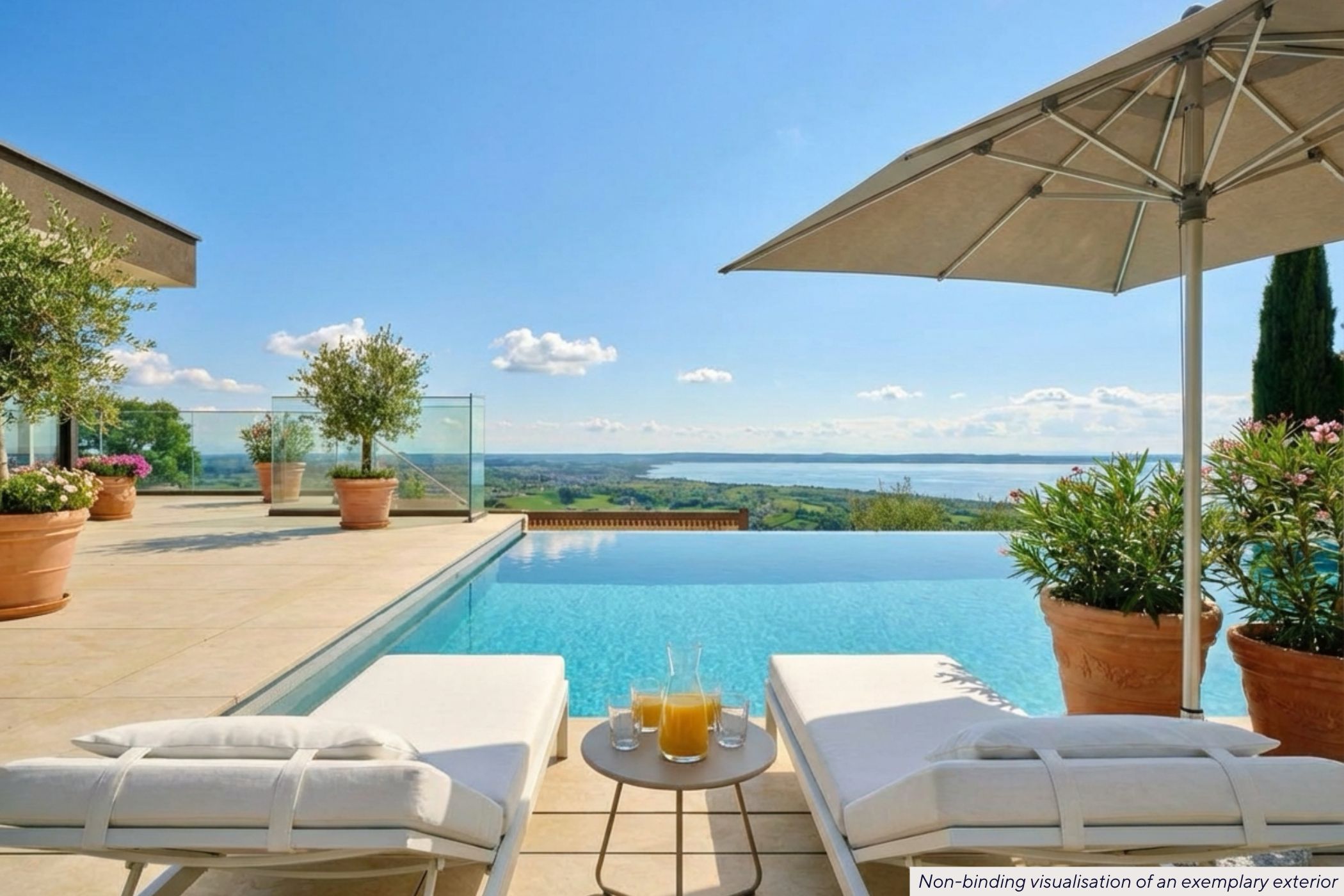
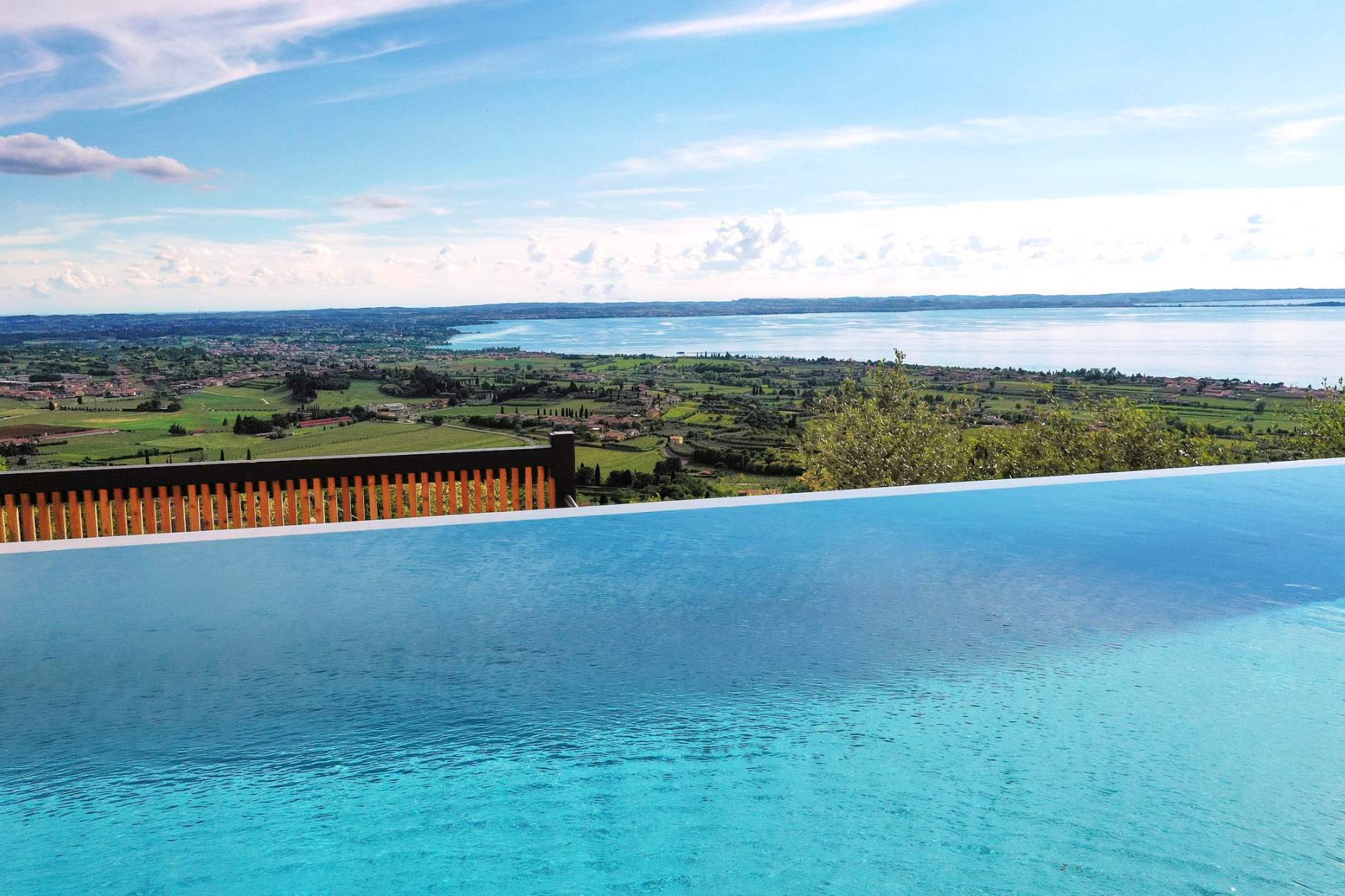
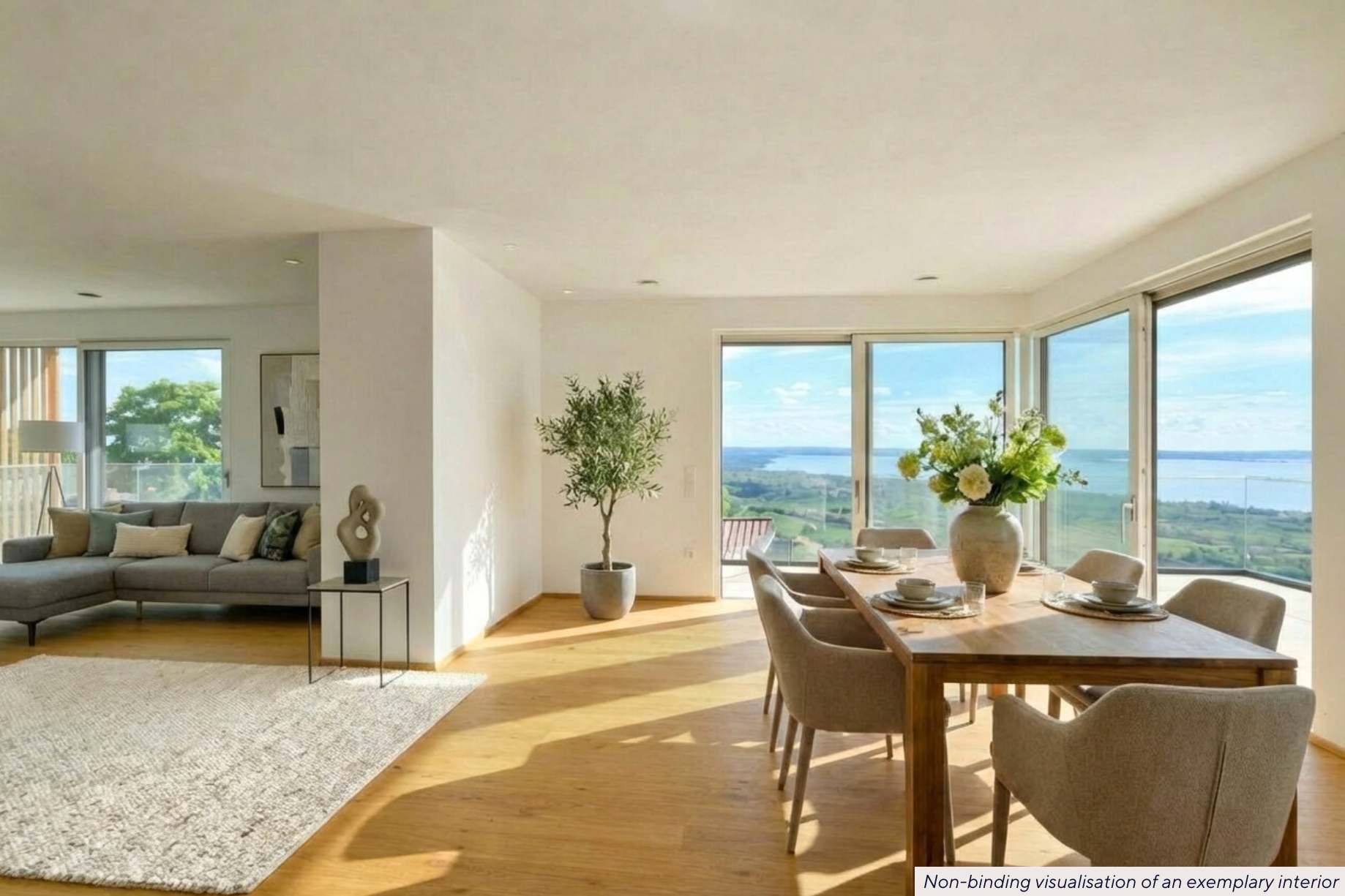
Cavaion Veronese, Lake Garda, Italy — 3-Bed Apartment With Infinity Pool
€369,000
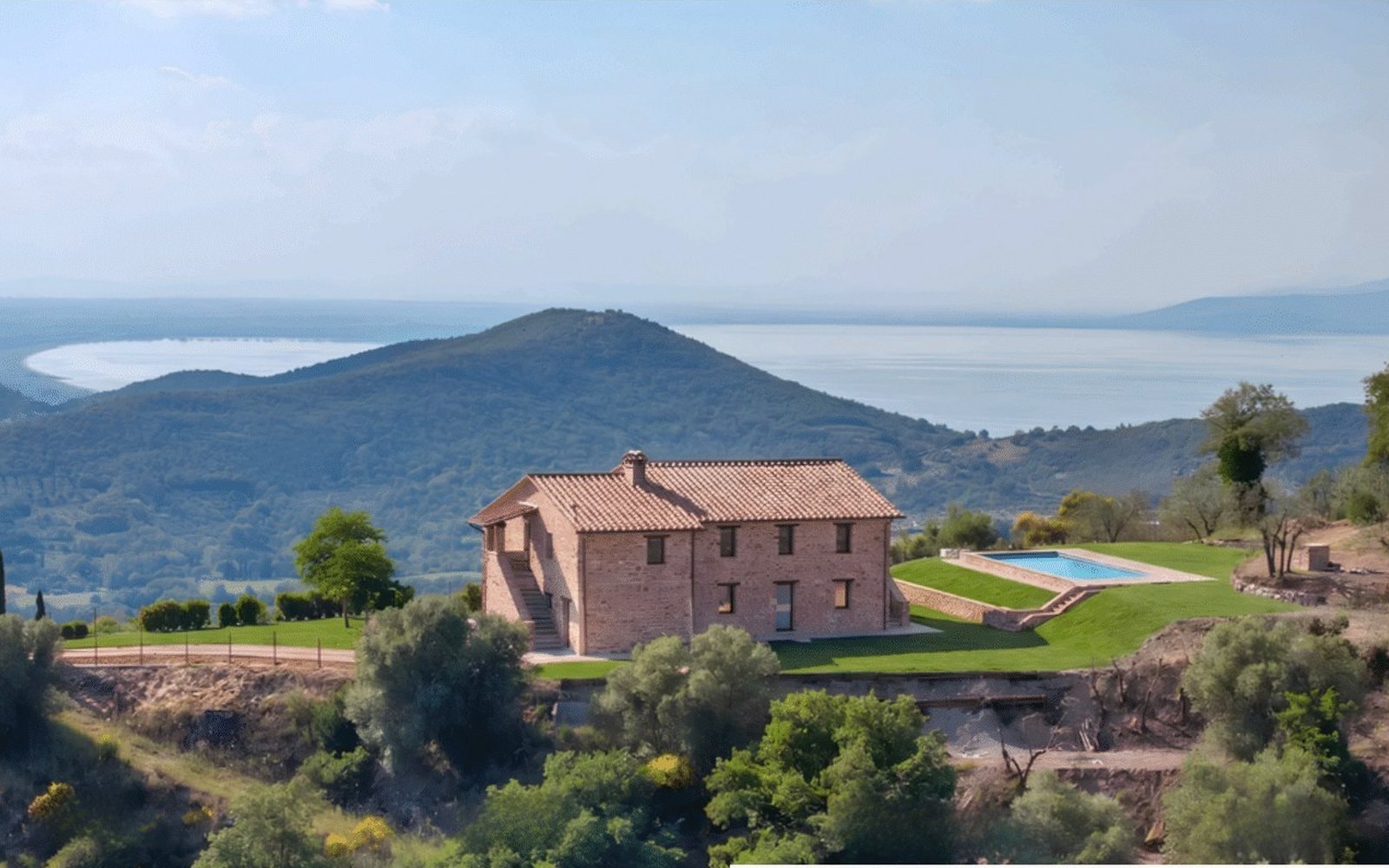
Perugia, Umbria, Italy — 5-Bed Private Residence
€239,000
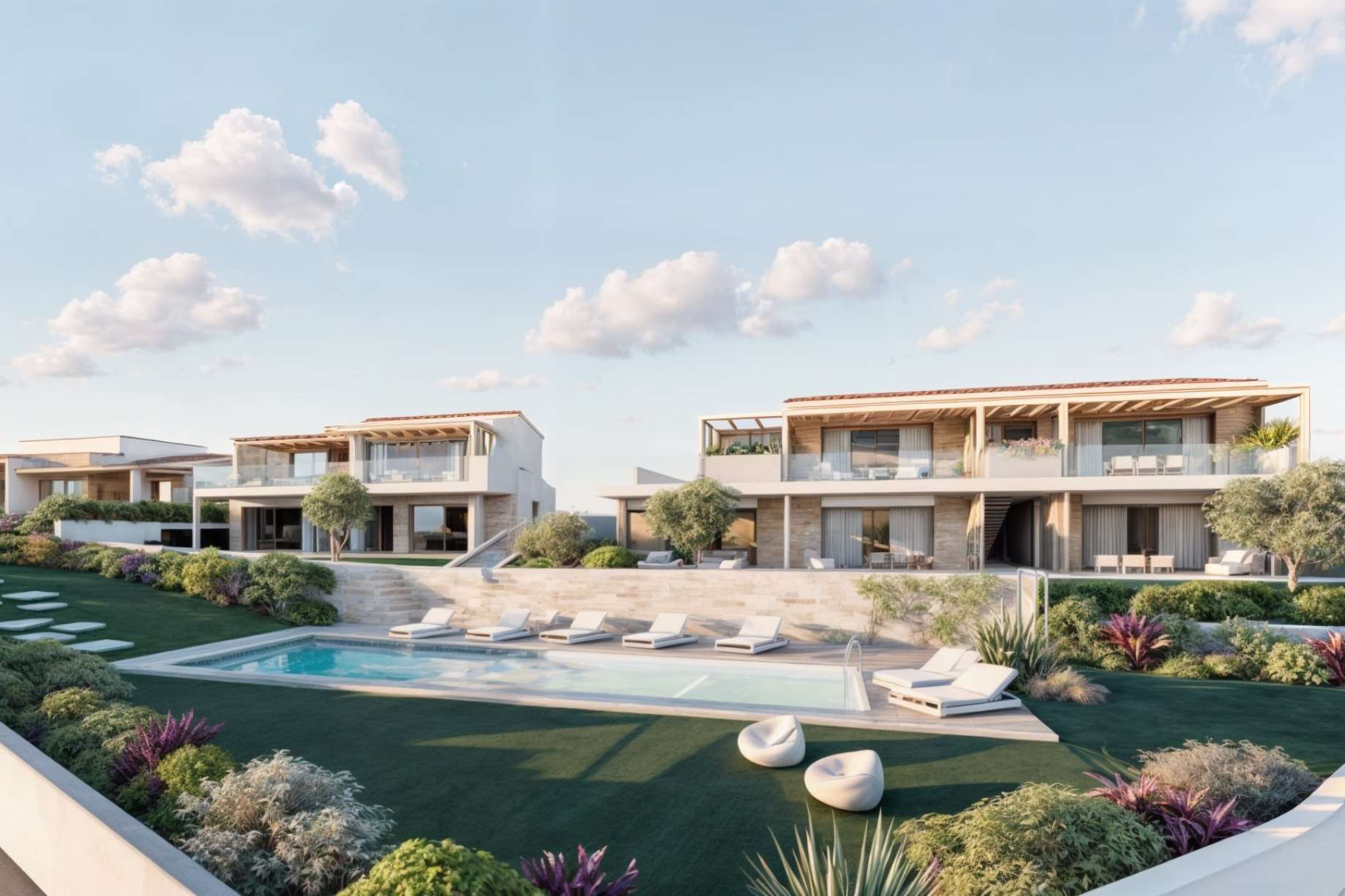
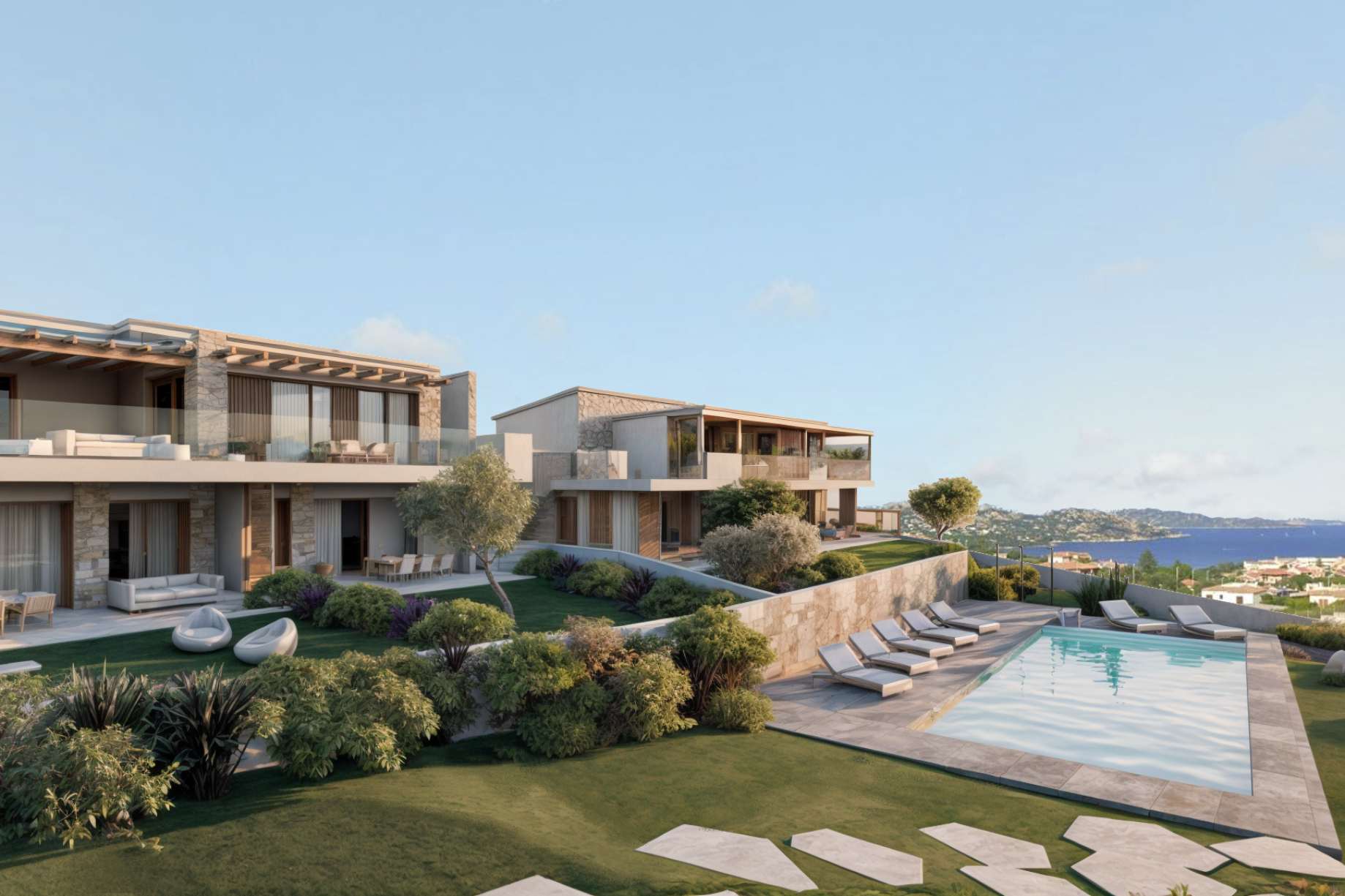
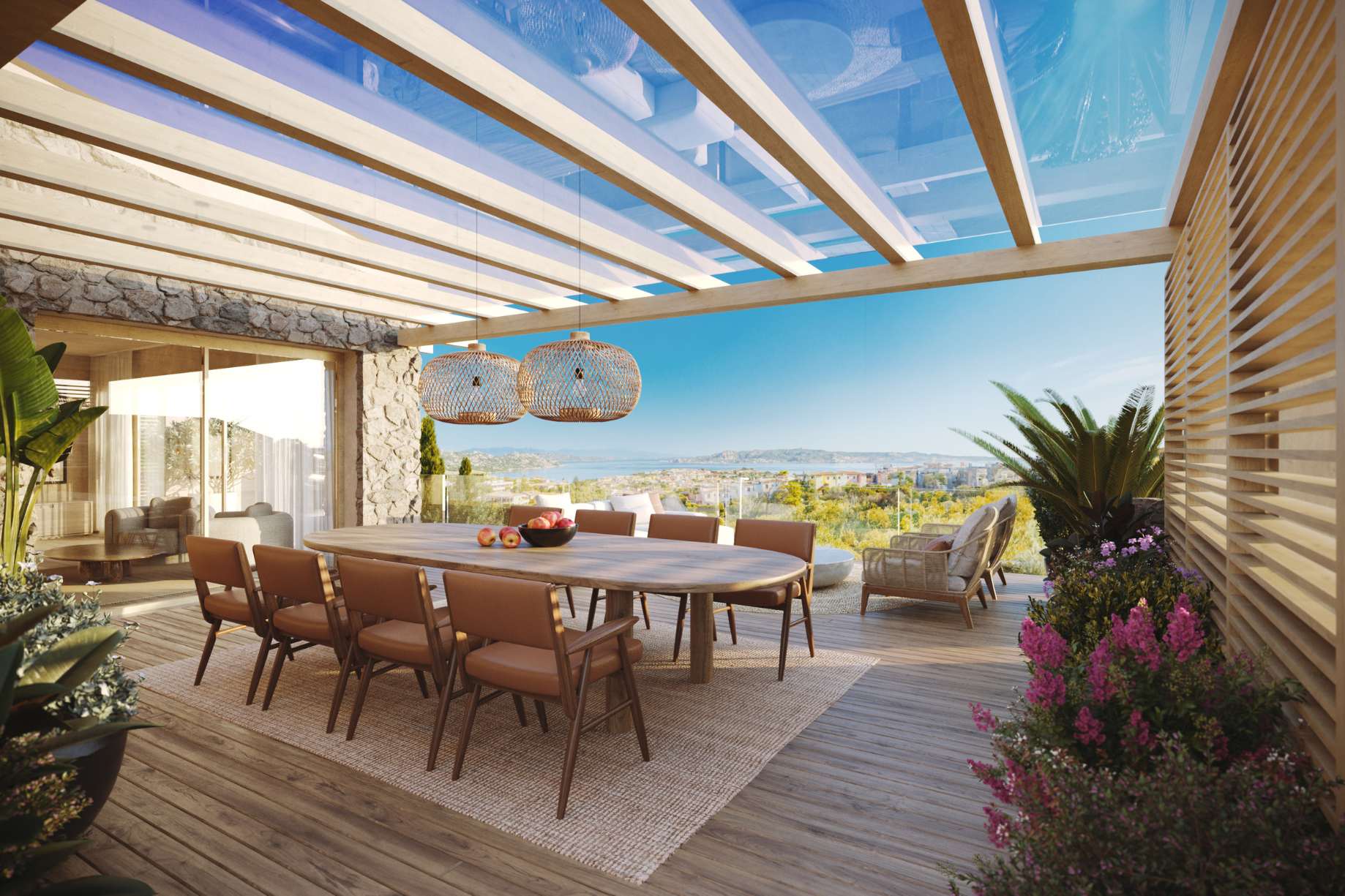
Palau, Sardinia, Italy — 2-Bed Apartment With Pool
€119,000
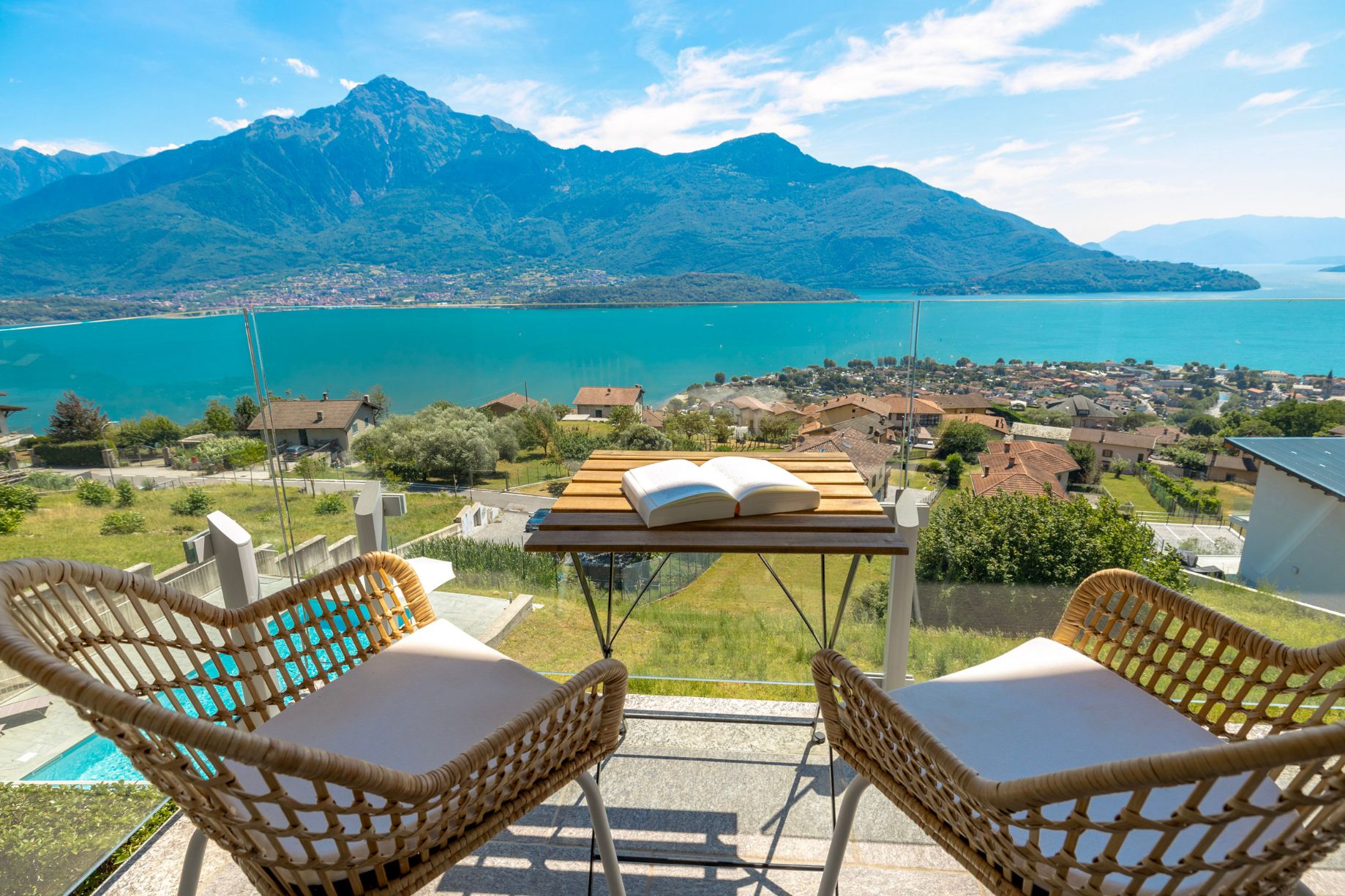
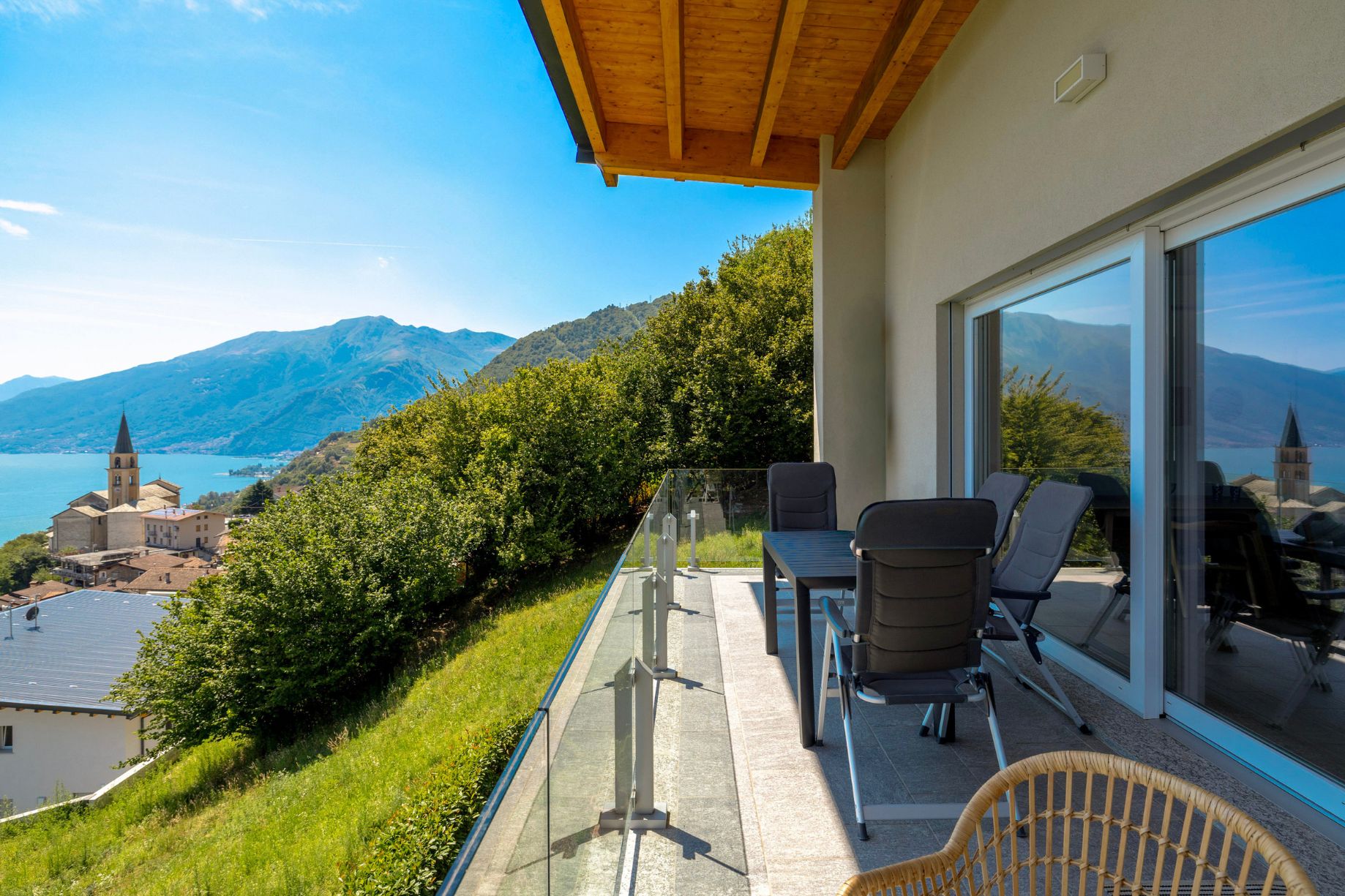
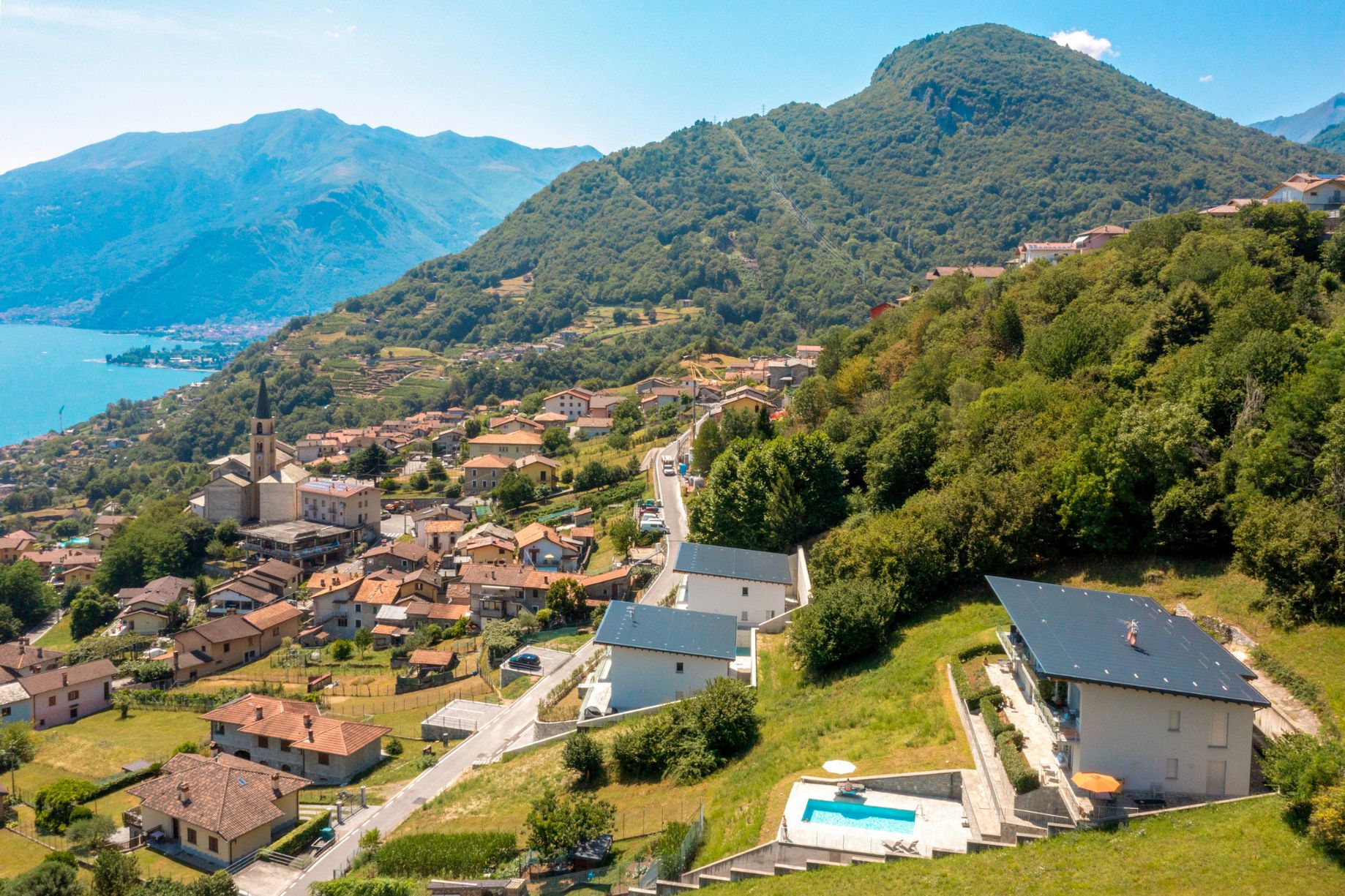
Vercana, Lake Como, Italy — 2-Bed Apartment With Panoramic Lake Views & Pool
€119,000
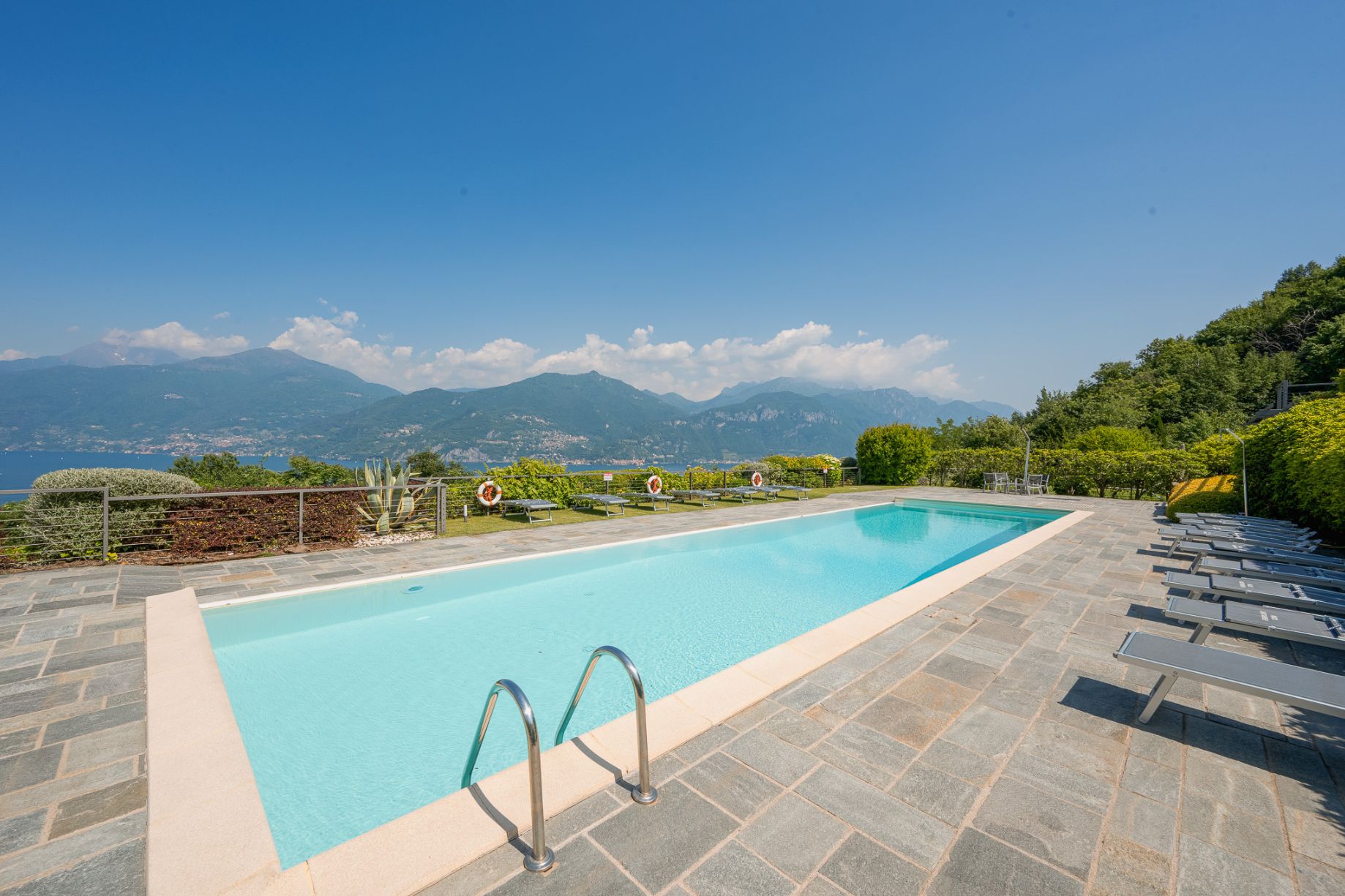
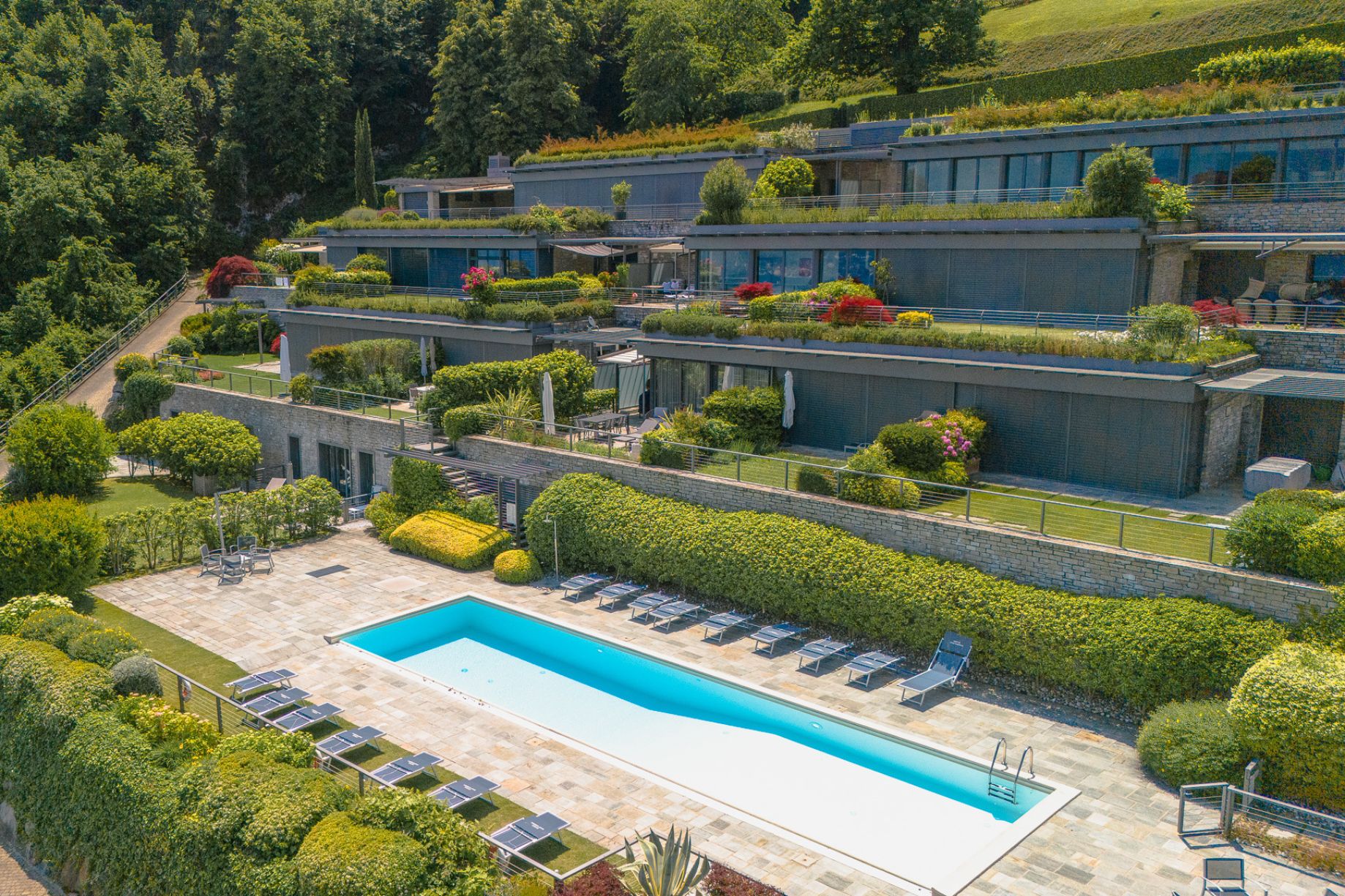
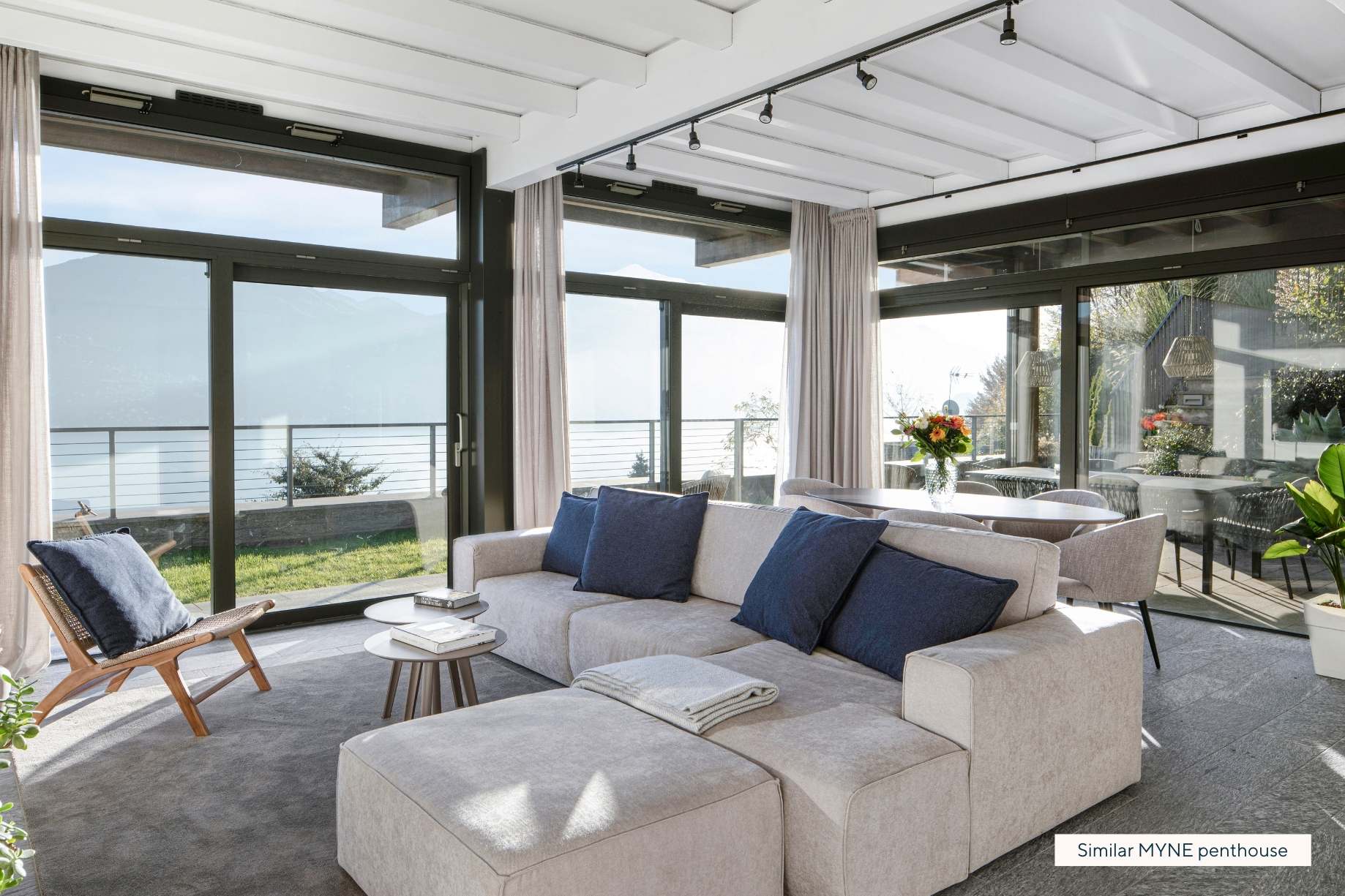
Menaggio, Lake Como, Italy — 3-Bed Penthouse With Roof Terrace, Lake Views & Sauna
€339,000
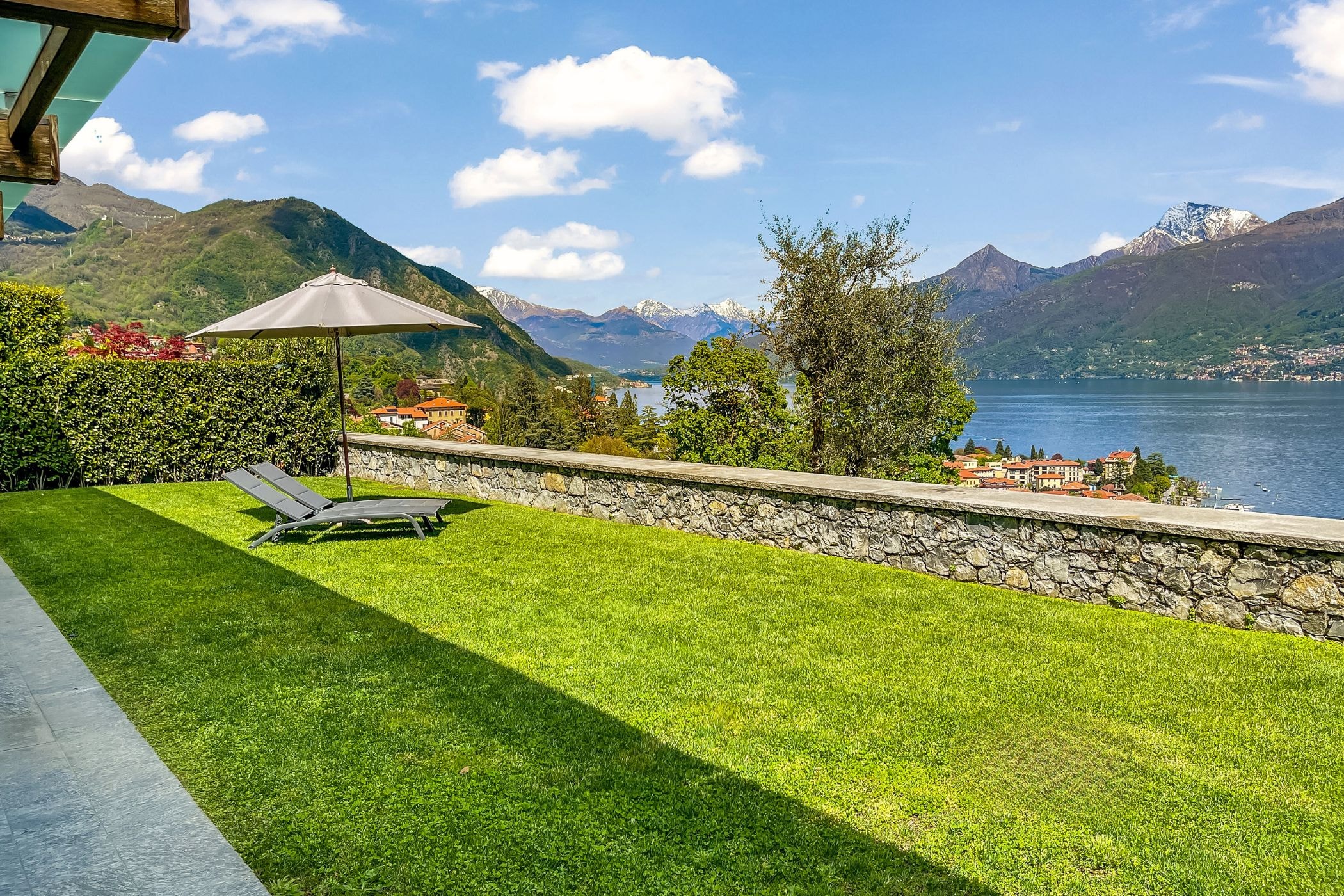
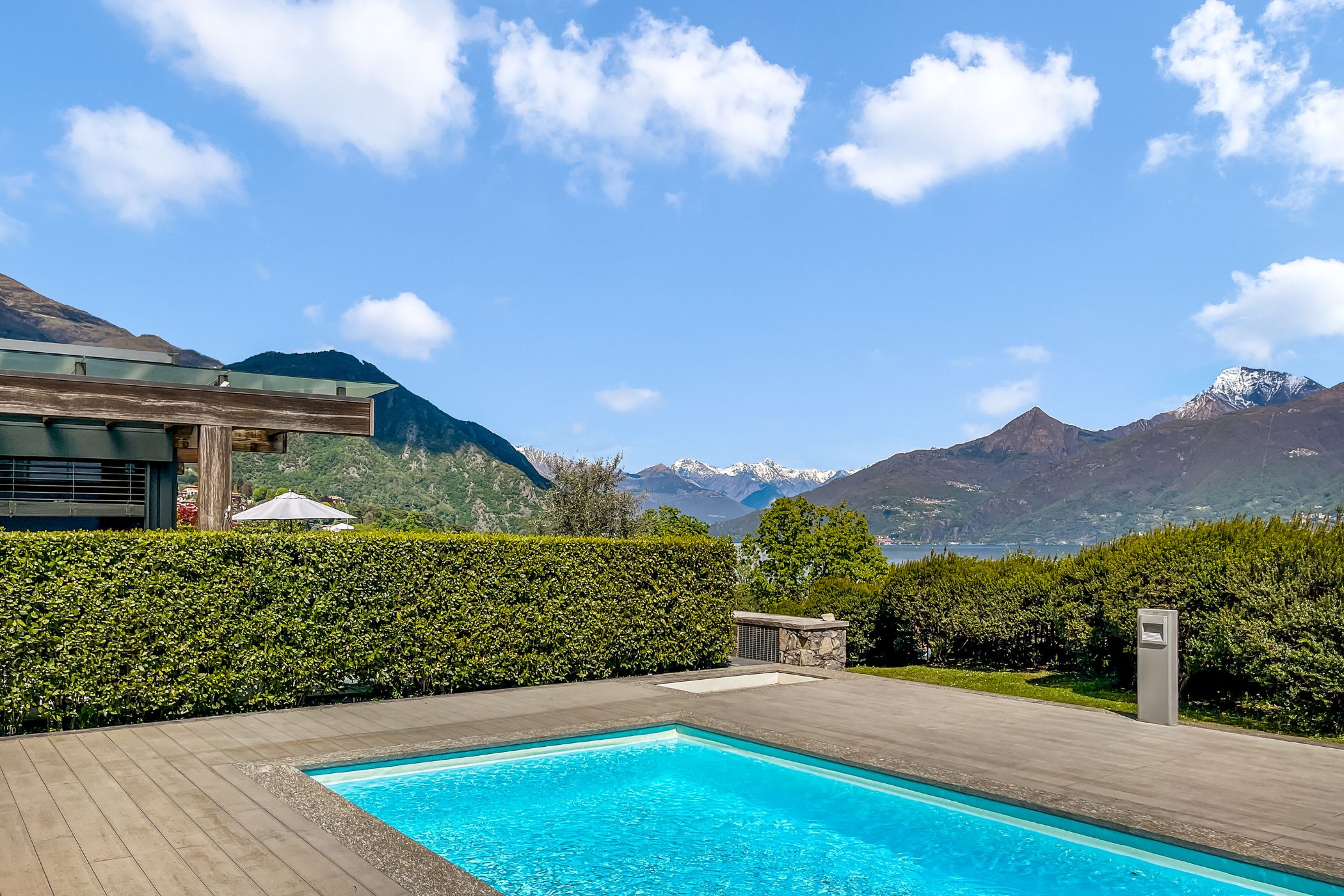
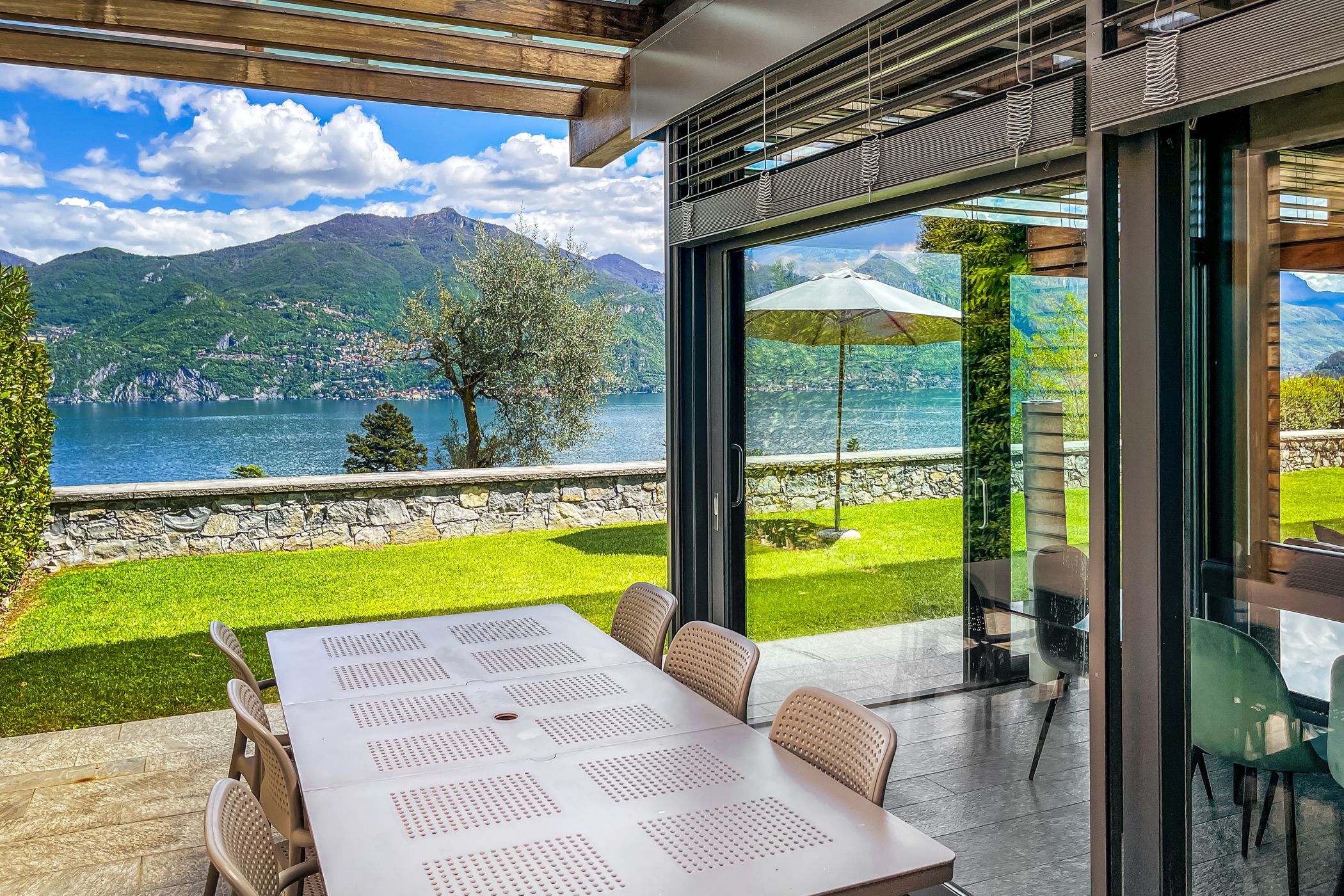
Menaggio, Lake Como, Italy — 2-Bed Apartment With Pool
€299,000
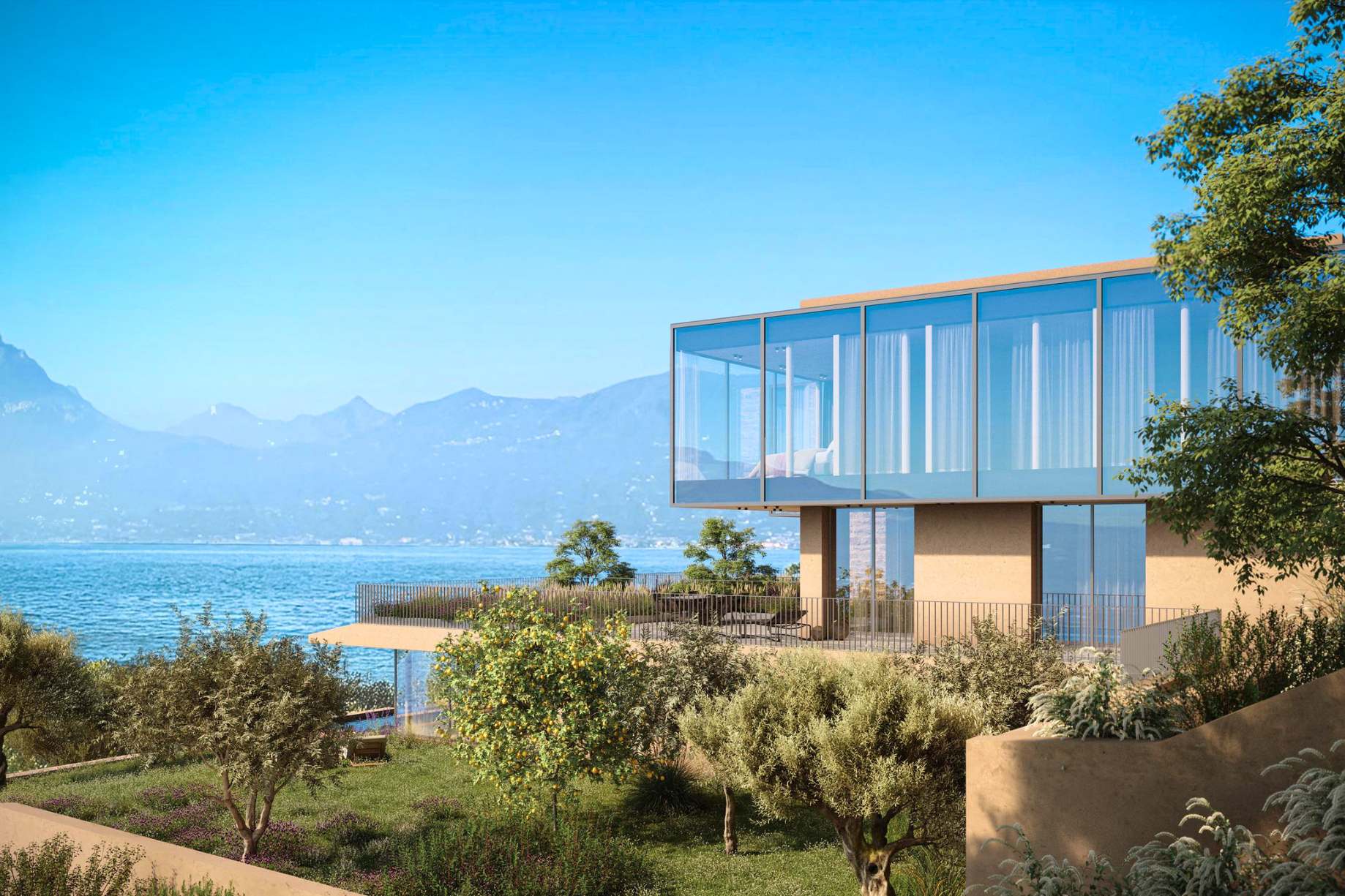
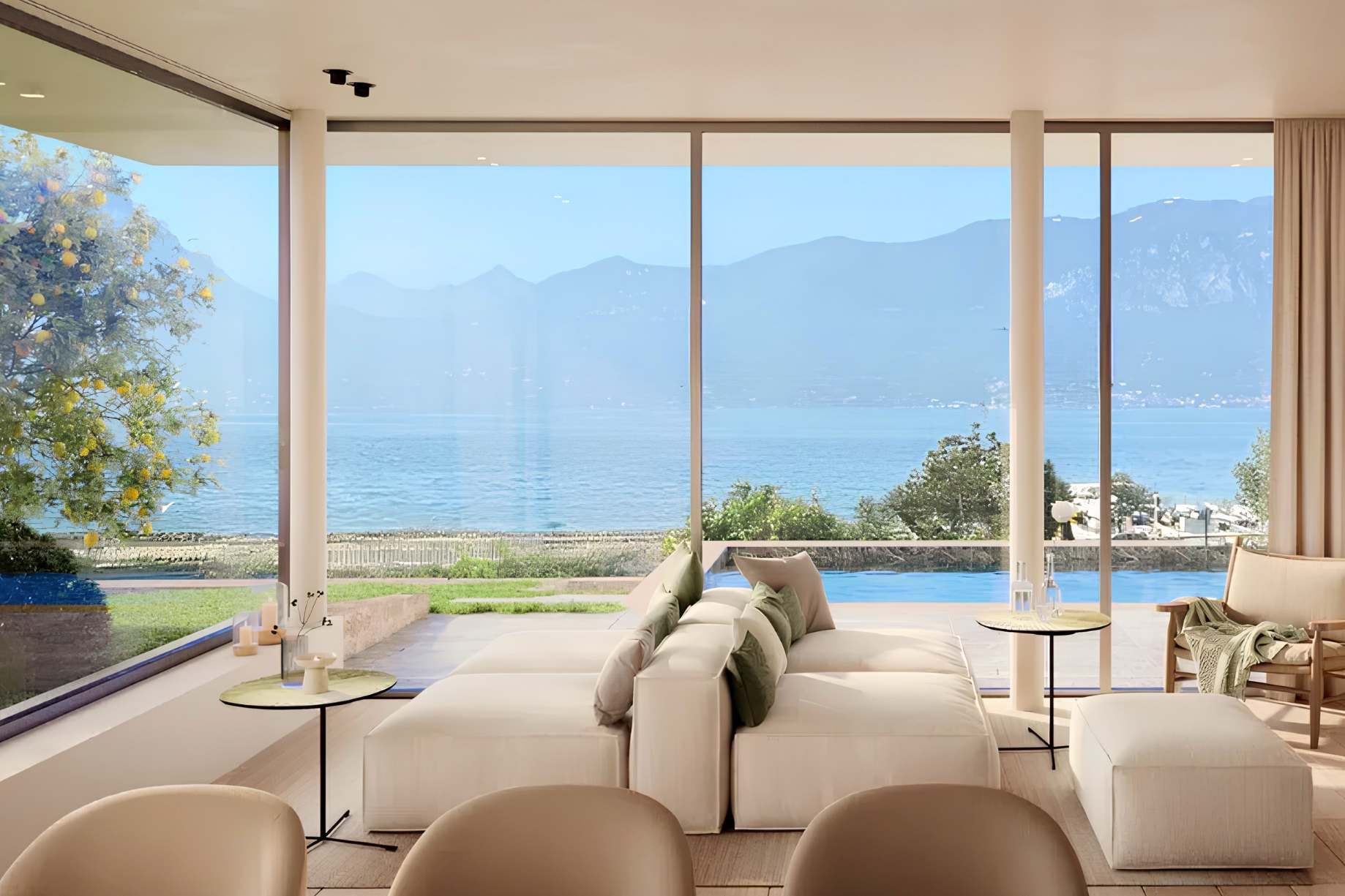
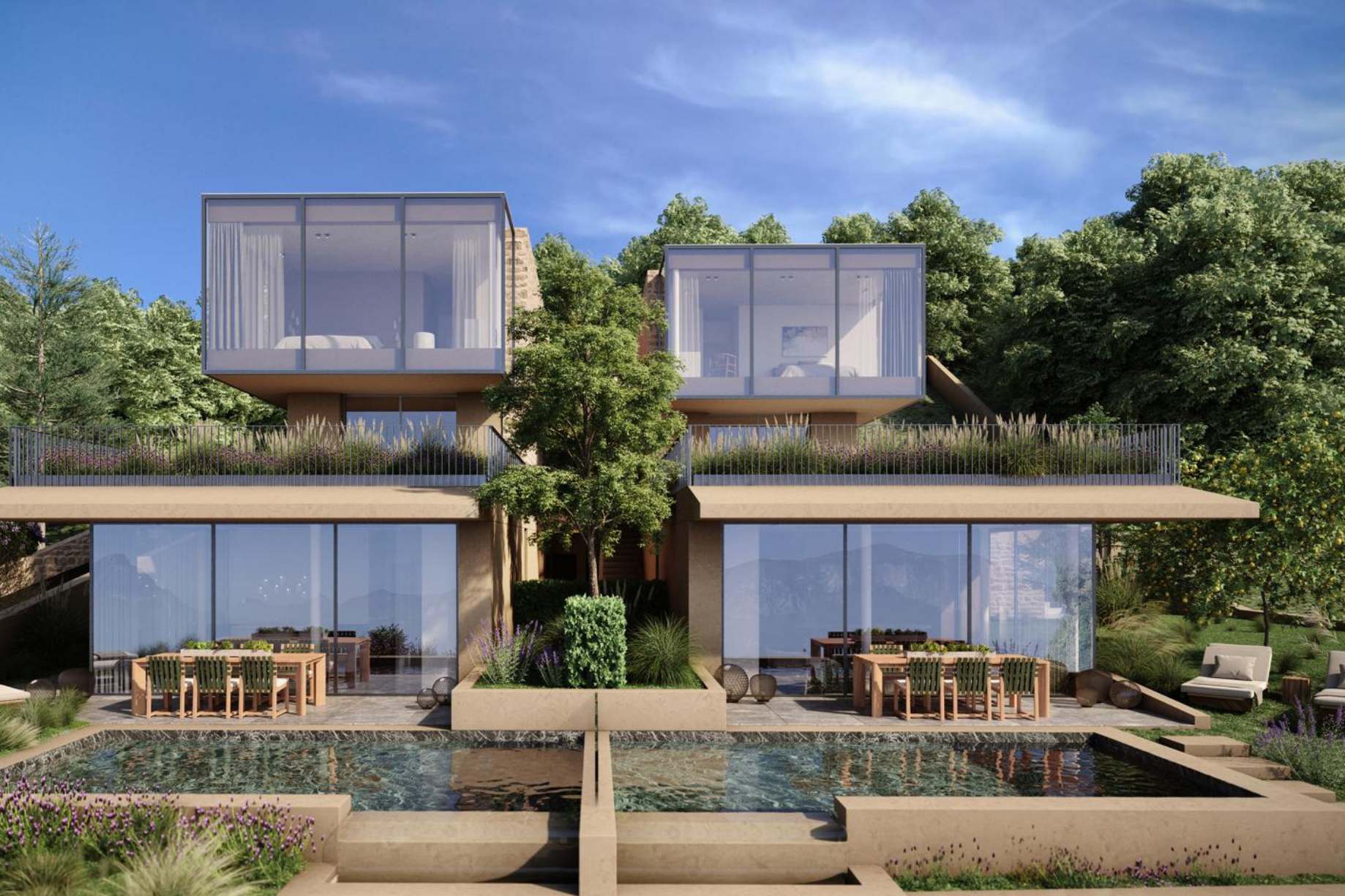
Torri del Benaco, Lake Garda, Italy — 3-Bed Garden Apartment With Lake View & Heated Pool
€289,000
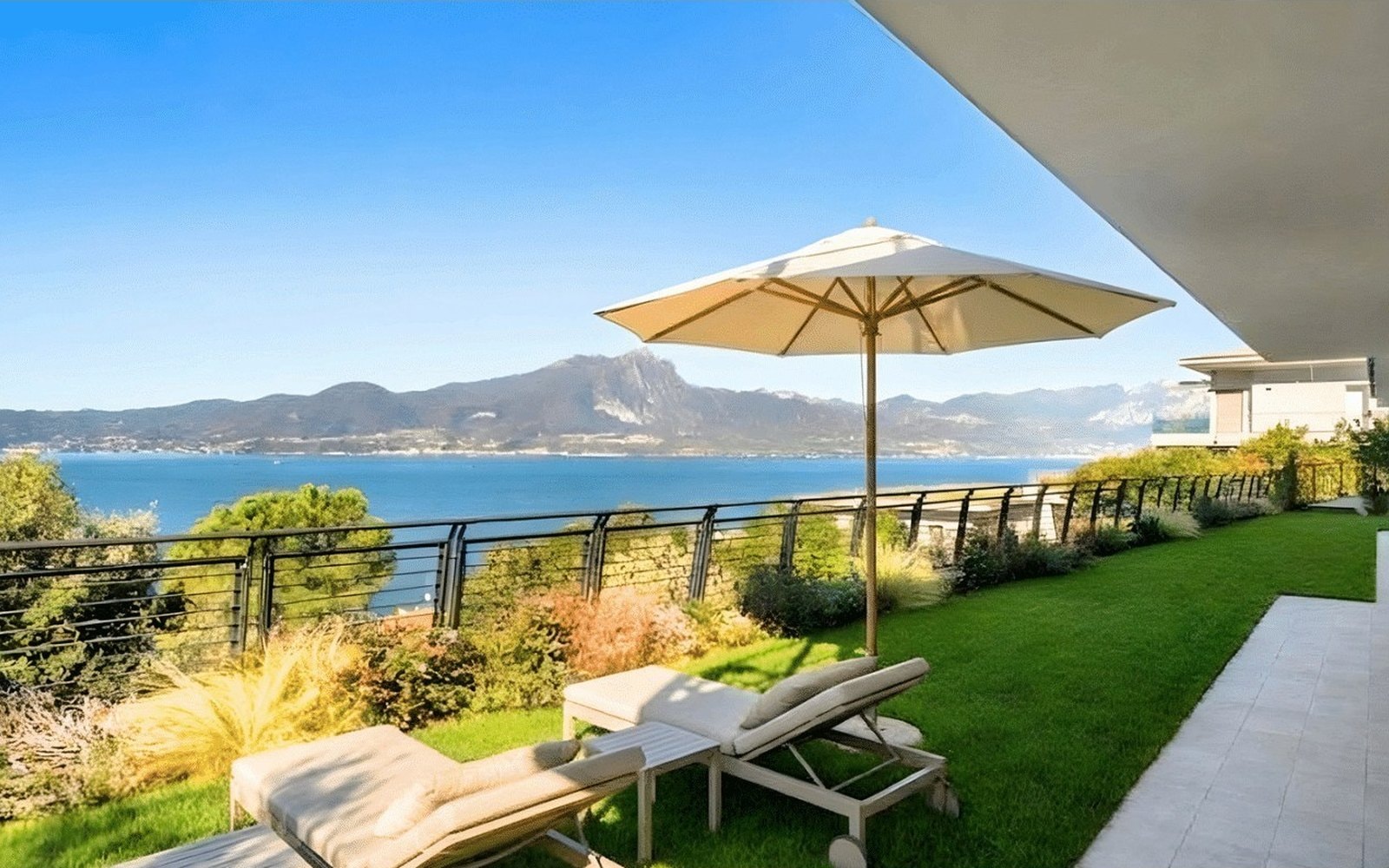
Torri del Benaco, Lake Garda, Italy — 2-Bed Private Residence
€259,000
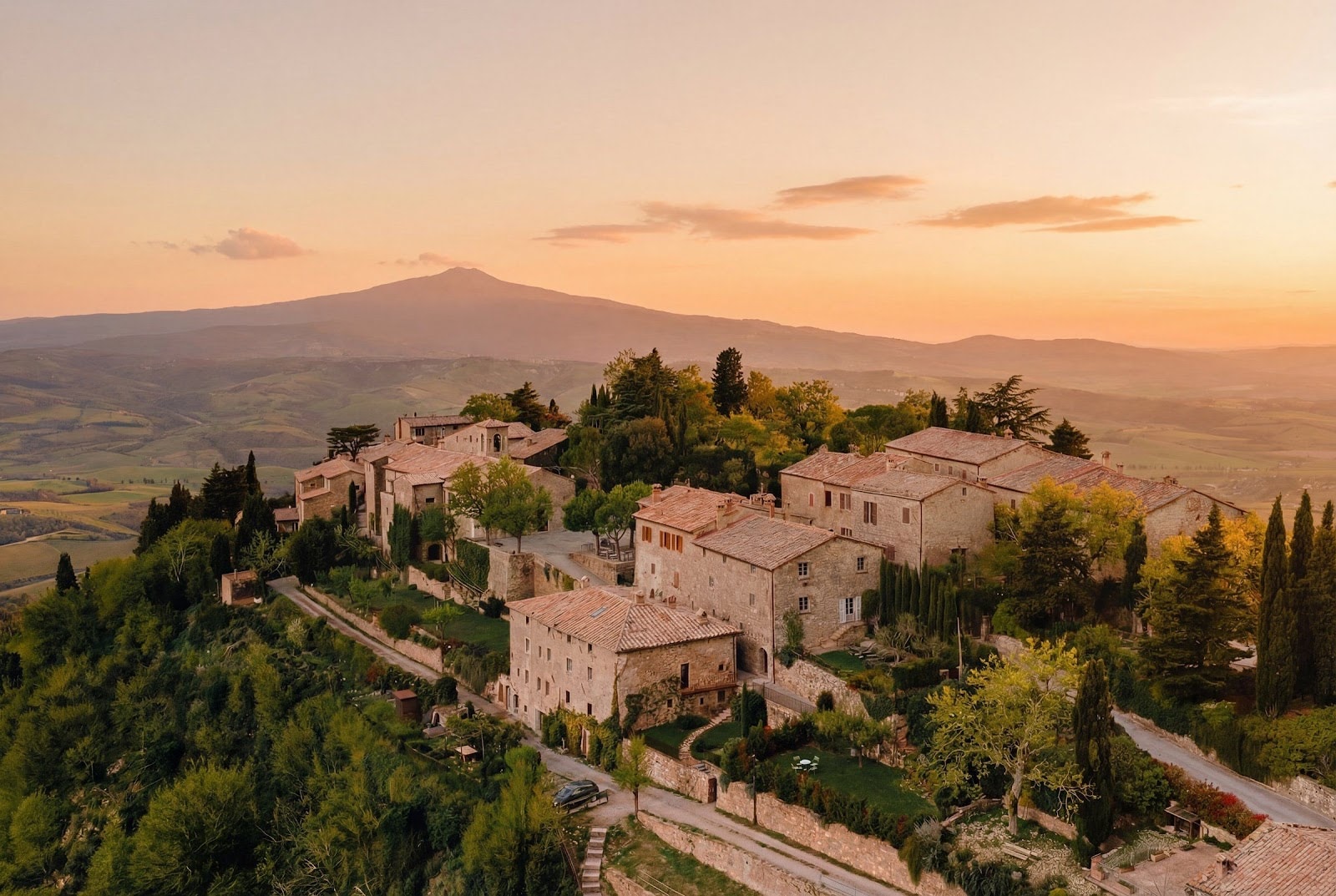
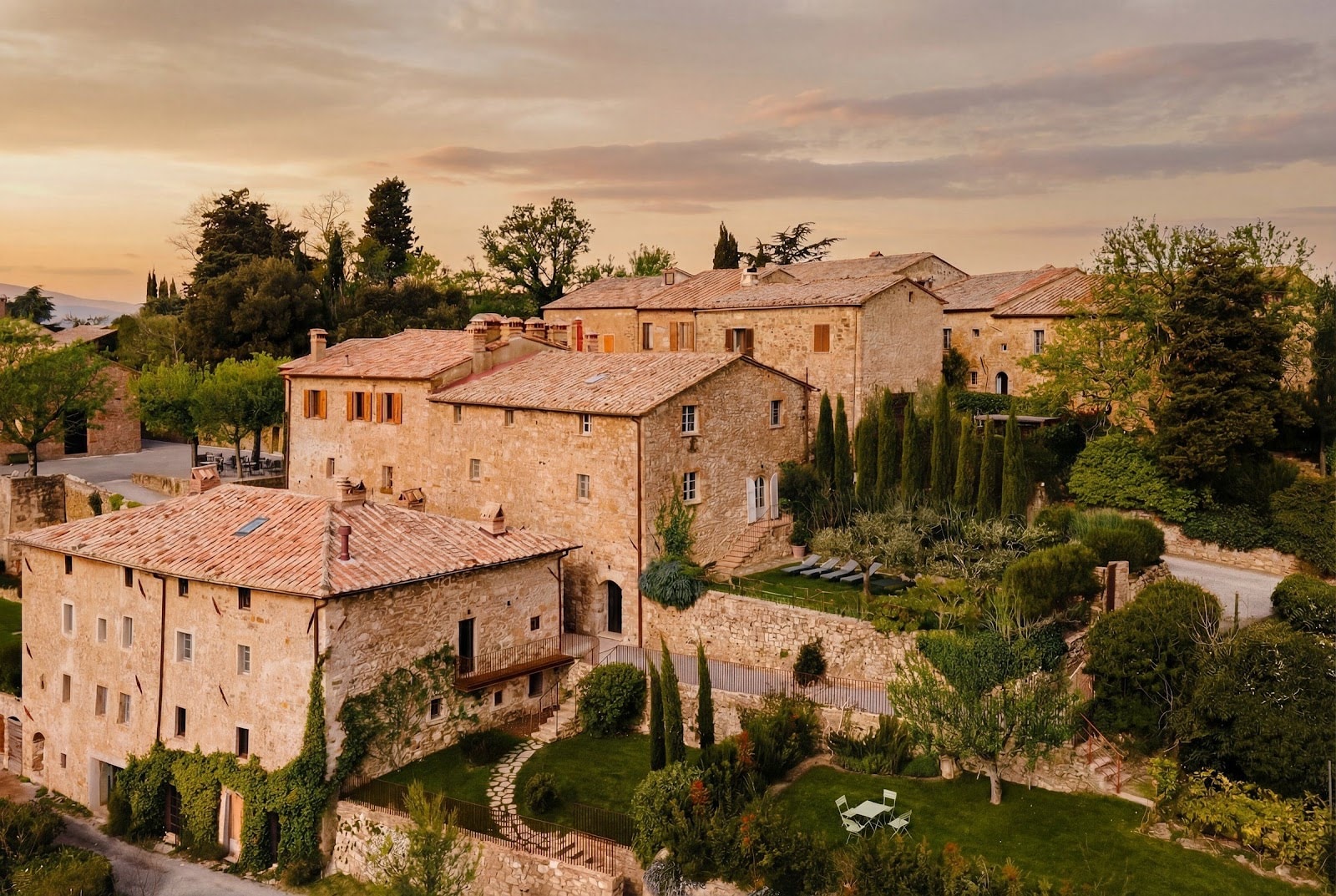
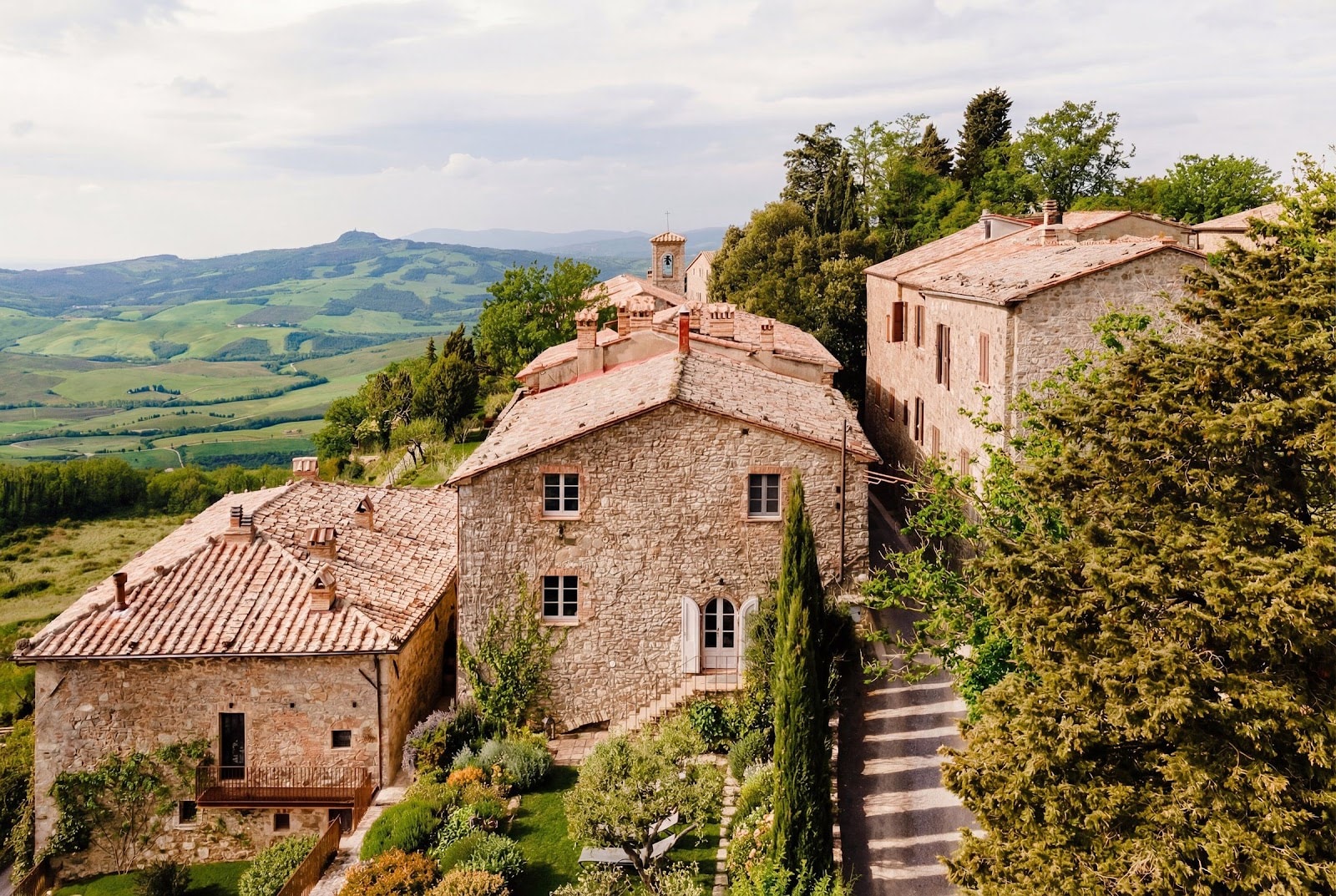
Castiglioncello del Trinoro, Tuscany, Italy — 4-Bed House
$549,000
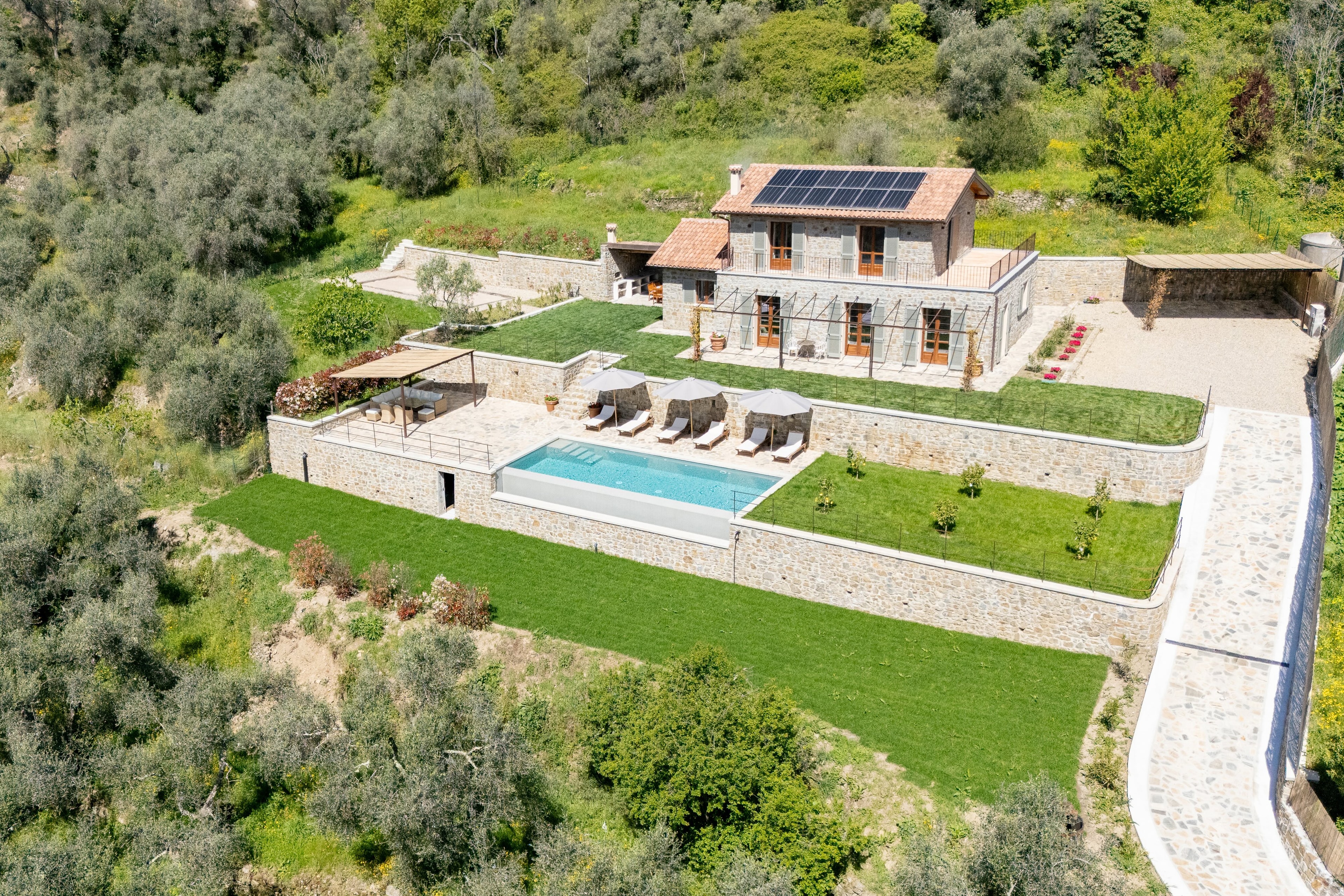
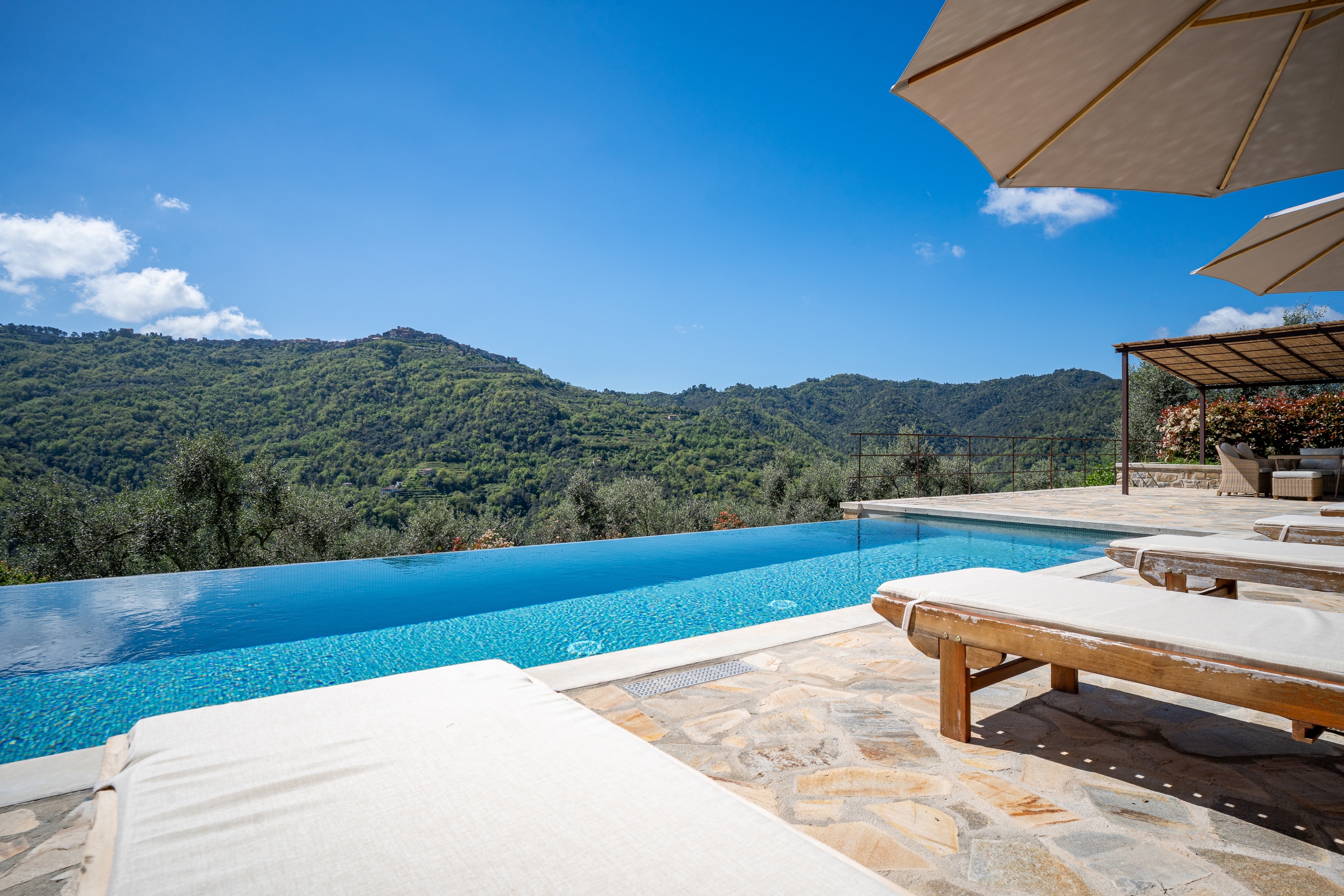
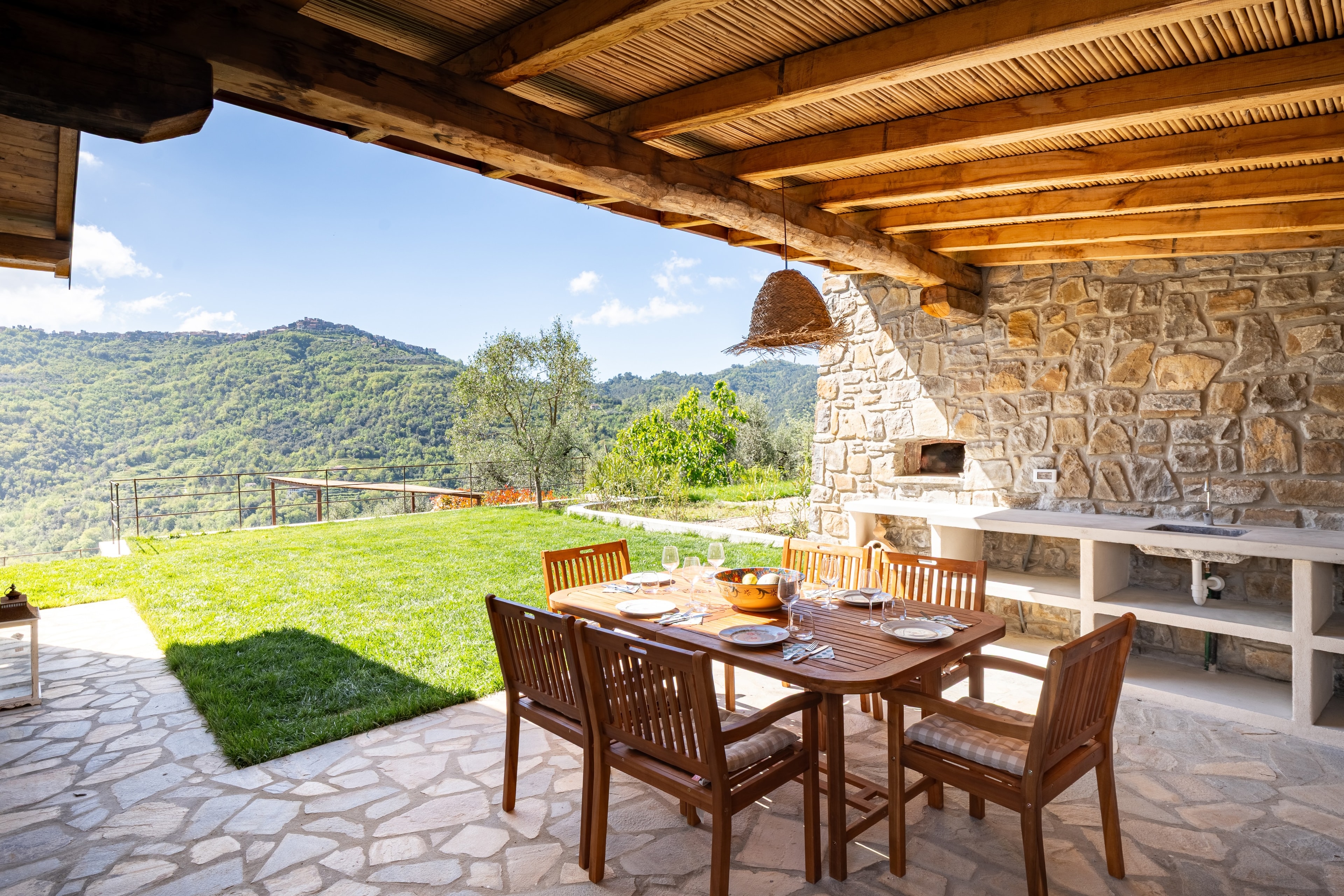
Apricale, Liguria, Italy — 3-Bed Villa With Infinity Pool
€220,000
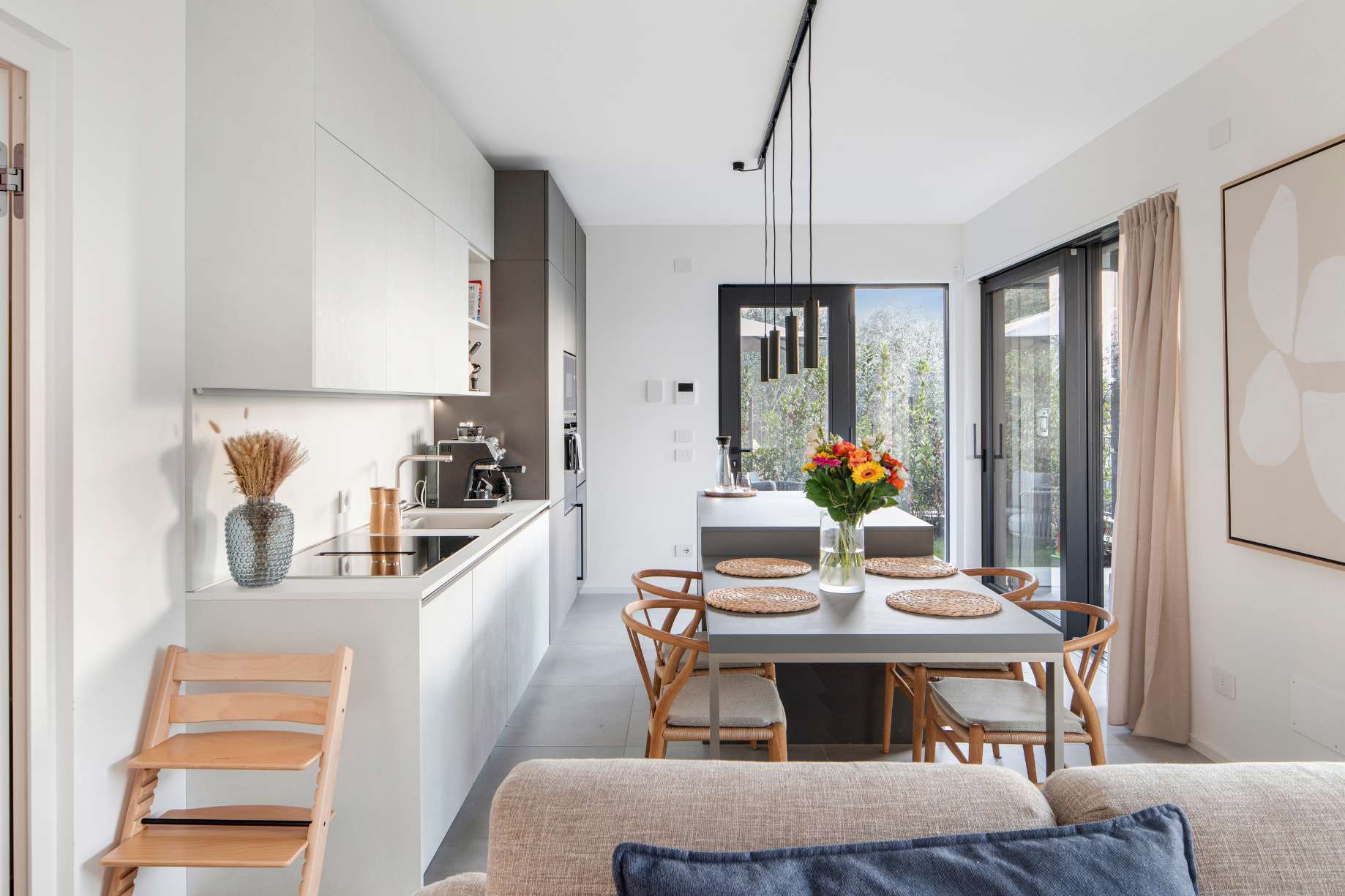
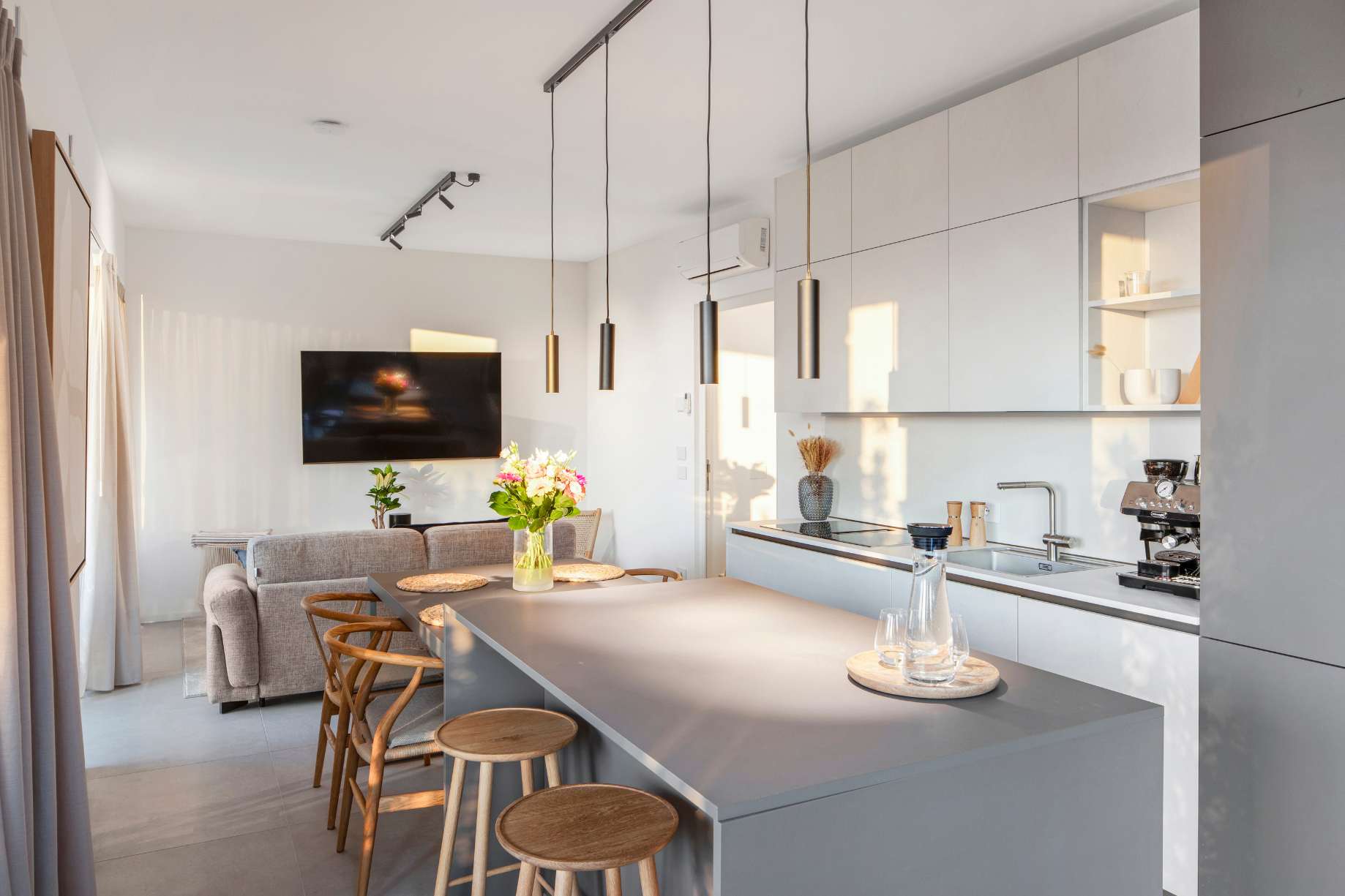
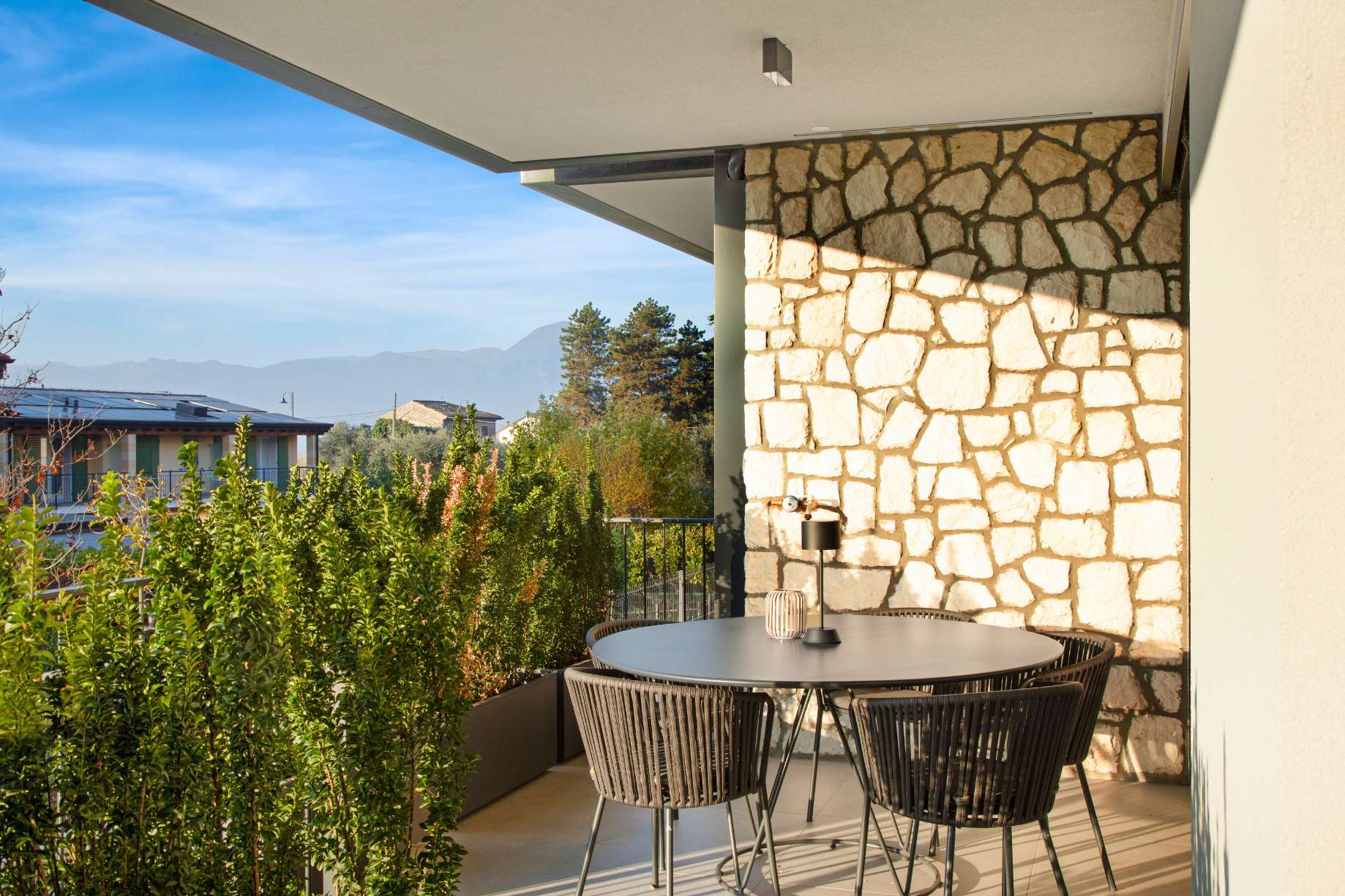
Torri del Benaco, Lake Garda, Italy — 2-Bed Apartment With Pool
€139,000
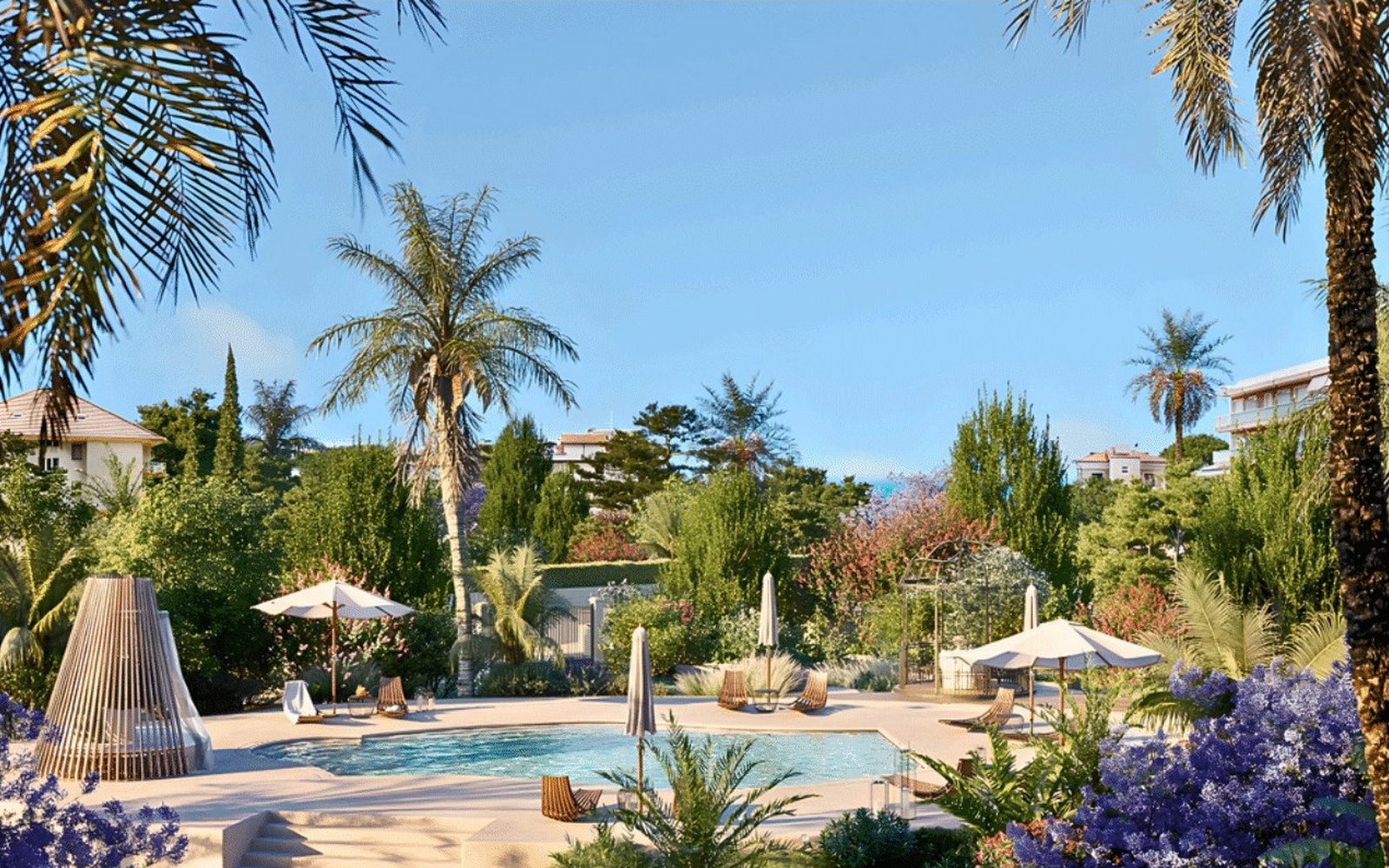
Bordighera, Liguria, Italy — 3-Bed Private Residence
€229,000
Italy's most coveted addresses, accessible through co-ownership.
Fully managed villas, fincas, apartments and chalets across the Italian Lakes, the Riviera and Liguria, Sardinia, Tuscany and the Dolomites. Your 1/8 share of the home comes with 6–7 weeks of personal use, a professional management team on call, and the long-term equity of some of Europe's most heritage-protected and supply-constrained second-home markets.
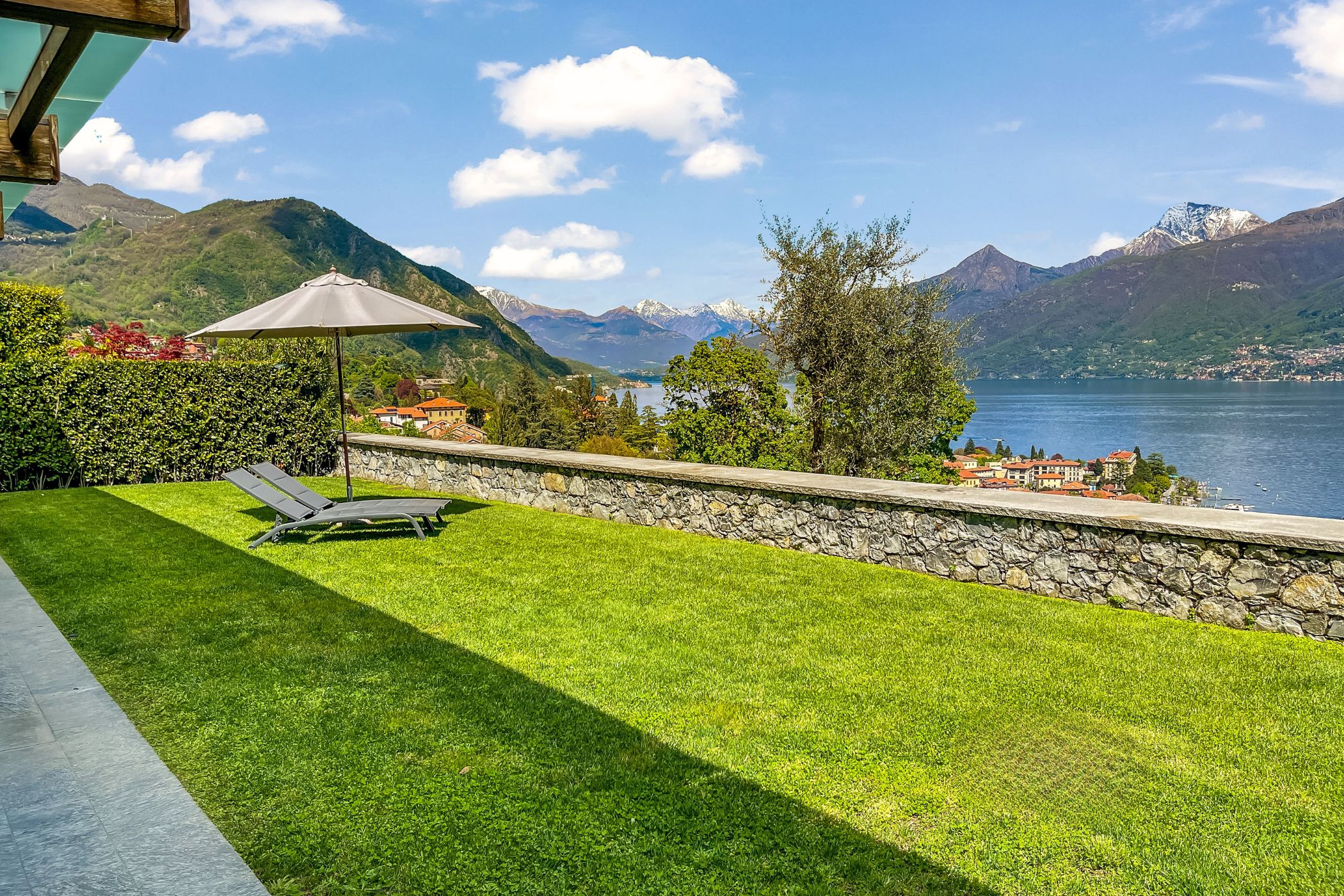
What is fractional ownership in Italy?
Fractional ownership in Italy means buying a real 1/8 share of a luxury second home, shared with up to seven other co-owners. Each owner receives personal use set by the partner that manages the home — a minimum of 44 or 45 nights a year with most of our partners, and no set cap with some others — through a fair-rotation calendar, with all property management, maintenance, taxes and operations handled by a professional team. It is real ownership of a share of the home — not a timeshare, not a holiday club.
Why Italy?
Italy is, on the metrics that matter to an international second-home buyer, the most heritage-protected and supply-constrained luxury property market in Europe. The country's Codice dei beni culturali e del paesaggio places binding national-level protections on coastal, scenic and historic zones — and the regions that matter most to fractional buyers (the Italian Lakes, the Ligurian Riviera, the Costa Smeralda, Tuscany, the Dolomites) are among the most heavily protected in the entire country. The practical consequence is structural: the existing stock of waterfront villas on Como, harbour-front apartments in Portofino, granite compounds above Porto Cervo and stone fincas in Chianti is essentially the stock that will exist for the rest of the century. New build at scale is not coming. That is the central fact a fractional buyer is buying into.
Your Italian share is owned alongside up to seven other co-owners — a real share of the home, not a right to use it. For owners who go on to add a second share in another COP destination, the legal set-up for each home is arranged by our partner and walked through with you before you buy.
Every property in the COP collection meets a defined quality bar — the property itself, the location, the management standard — and Italy's particular advantage in the European second-home set is the density of distinct propositions available inside that bar. Lake Como gives you the most internationally branded freshwater address in Europe, with two centuries of villa-and-garden architecture along a 50-kilometre shoreline of UNESCO-relevant cultural significance. The Italian Riviera gives you the original Mediterranean Grand Tour coast — Portofino, the Cinque Terre, the Tigullio gulf — at a smaller, more intimate scale than the French Côte d'Azur. Sardinia's Costa Smeralda gives you genuinely Caribbean-grade beach water on the latitude of mainland Italy, in a planning regime that has essentially frozen new construction along the coast since the 1970s. Tuscany gives you a working agricultural landscape inside a UNESCO-protected cultural envelope, with the Uffizi, the Venetian palazzi and Italy's deepest Michelin scene at the centre of it. And the Dolomites give you a UNESCO World Heritage alpine landscape that European serious skiers consistently rate alongside the highest French and Swiss tier. No single country in Europe — arguably none in the world — packs that many distinct luxury propositions inside one passport and one tax framework.
It is worth setting Italy in its European competitive context. France offers comparable architectural pedigree along the Côte d'Azur and matchless legal predictability through the notarial system, but at meaningfully higher entry prices on the prime coastal and alpine markets and without anything equivalent to the Italian Lakes' particular freshwater-villa typology. Spain has the largest international second-home volume in Europe and the most developed multilingual professional-services infrastructure, but does not produce villas with the architectural depth of Como or the granite-compound vernacular of the Costa Smeralda. Switzerland and Austria cover the alpine offer at the high end but at considerably higher entry prices and, in the Swiss case, with Lex Koller restrictions on foreign ownership that the Italian Dolomites do not impose. Croatia is increasingly interesting on the Adriatic but the architectural and legal-administrative ecosystem is two decades younger than Italy's. None of these comparisons makes Italy categorically "better" — the right answer depends on the specific buyer's priorities — but they help frame why Italy is consistently the European country where buyers say "I want this exact place, and there is genuinely nothing like it anywhere else".
The third structural argument for Italy is the density of usable lifestyle modes available inside the country. A Northern European family with a 1/8 share at Lake Como can use the same managed-portfolio relationship to add a winter share in Alta Badia and a summer share on Sardinia — three completely distinct propositions, three architectural traditions, three culinary cultures, all inside Italy, all in euros. An owner with a Florence apartment can be in the Chianti hills within forty minutes, on the Tuscan coast at Maremma within ninety, and on a high-speed Frecciarossa to Milan or Rome within an hour and a half — Italy's compact geography and its dense rail network mean a single share unlocks far more of the country than its postal address suggests. A British or Dutch couple looking for a freshwater-lake summer base, a winter snow base and a spring-and-autumn cultural-city base can find all three inside Italy. Few other countries — and none in Europe at Italy's price-to-quality ratio — can match that range.
For a co-ownership buyer thinking strategically rather than just emotionally, Italy's combination of heritage protection, supply scarcity and lifestyle density matters more than the headline glamour. The Lake Como villa your share is in sits on a shoreline whose buildable land has been capped by regional planning and the lake's UNESCO buffer-zone protections; the original Belle-Époque garden villas of Cernobbio and Tremezzo are essentially the stock of villas that will exist for the rest of the century. The Costa Smeralda compound is in a region whose Piano Paesaggistico Regionale effectively prohibits new coastal construction within two kilometres of the shoreline. The Tuscan podere is in a working agricultural landscape protected by national-park and UNESCO-cultural designations across the Val d'Orcia. The Dolomites chalet sits inside a UNESCO World Heritage area whose strict alpine planning controls preserve traditional villages from the contemporary-glass-and-steel rebuilds you find in some of the higher French alpine resorts. These are not assets that depend on interest-rate cycles to hold their value; they depend on the unchanging facts that Italy remains Italy and that the country's protective frameworks remain in place.
One under-discussed advantage that becomes obvious once you actually start using an Italian second home is the depth of the country's regional culinary and cultural infrastructure. Italy is the only country in the world with a UNESCO-recognised tradition of regional gastronomy where the difference between Ligurian, Lombard, Sardinian, Tuscan and Tyrolean cooking is genuinely a difference of countries within a country — and where each of those regions has its own celebrated Michelin scene, its own protected wine appellations (Chianti Classico, Brunello di Montalcino, Barolo, Prosecco, Vermentino di Gallura, Lugana), its own oil and cheese geographies, and its own market and festival calendar that returning owners learn to time their stays around. An Italian second home is a different kind of asset partly because it gives the owner repeated and increasingly knowledgeable access to one of the world's deepest regional cultures.
The fourth structural advantage worth naming is the transport infrastructure that makes an Italian second home practically usable rather than just nominally owned. Italy operates one of Europe's densest high-speed rail networks — Trenitalia's Frecciarossa and Italo connect Milan to Rome in under three hours, Milan to Florence in 1 hour 40, Rome to Naples in 1 hour 10 — and the country's airport system covers every regional second-home cluster from major Northern European hubs. The Milan-Malpensa (MXP) and Milan-Linate (LIN) gateways sit within an hour of Lake Como and Lake Maggiore; Bergamo (BGY) and Verona (VRN) serve Lake Garda; Genoa (GOA) and Nice (NCE) on the French side both serve the Riviera; Olbia (OLB) and Cagliari (CAG) serve Sardinia with sixty-plus European cities direct in summer; Pisa (PSA), Florence (FLR) and Bologna (BLQ) serve Tuscany; Venice-Marco Polo (VCE) and Innsbruck (INN) on the Austrian side serve the eastern Dolomites. Owners coming from London, Amsterdam or Frankfurt can reach most Italian second-home clusters in under three hours door-to-door, which is the precondition for the high-frequency, short-stay use pattern that fractional ownership rewards.
Where to own in Italy
Italy's second-home market is best understood through five distinct geographies, each with its own architecture, climate, season and culture. The pages dedicated to each cluster — linked at the end of this section — go deeper on individual towns and zones; what follows is the country-level orientation that helps a reader narrow from "Italy" to a region. There are, of course, Italian second-home destinations beyond these five (the Amalfi Coast and Capri; the Puglian masseria belt around Ostuni and Lecce; the Sicilian coast at Taormina and Noto; the Umbrian and Marche hill towns) and we are happy to discuss them with buyers whose interests run that direction. But the supply story for fractional ownership in Italy is concentrated in the five clusters below: the Italian Lakes, the Italian Riviera and Liguria, Sardinia, Tuscany and the central hills, and the Dolomites and South Tyrol.
The Italian Lakes
The Italian Lakes — Como, Garda and Maggiore principally, with the smaller Iseo and Lugano alongside — are, by some distance, the single most internationally branded freshwater second-home market in the world. The 50-kilometre Lake Como shoreline carries two centuries of villa-and-garden architecture, from the late-18th-century Villa del Balbianello and Villa Carlotta through to the contemporary lakefront houses still being built within the strict planning envelope. The 160-kilometre Lake Garda is the largest of the three, with a Mediterranean microclimate at its southern tip (olives and lemons grow on the shore at Sirmione and Limone) that gives it a longer usable season than either of its sisters. Lake Maggiore shares its northern shore with Switzerland and carries the same Belle-Époque garden tradition as Como at a smaller scale. All three are within an hour of Milan-Malpensa or Linate and within a half-day's drive of most of southern Germany, Austria and Switzerland.
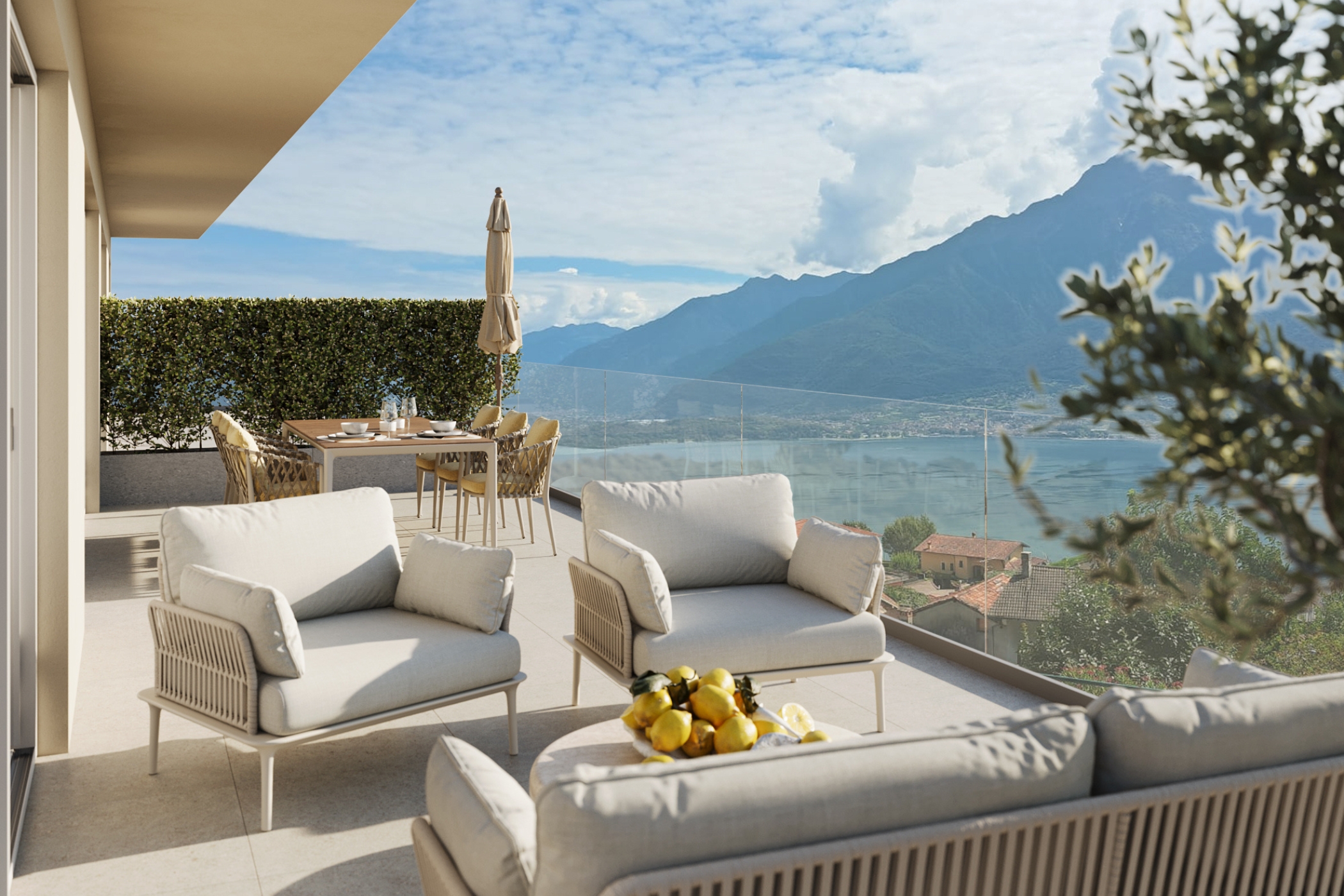
Lake Como is the anchor of the proposition. The major sub-zones for international buyers cluster on the lake's middle and upper sections: Bellagio at the point where the three branches meet (the photogenic centre of the lake, the most internationally famous of the lake villages, and a working town with year-round restaurants and shops); Menaggio and Tremezzo on the west shore (a quieter, more residential strip with deep-set villa gardens dropping to the water — Villa Carlotta is here); Varenna and the east shore (the Lecco-side villages, smaller and less developed, with their own ferry network); Como town itself at the southern tip (a serious small Italian city with the lake's main rail link to Milan, a working centre rather than a resort); and Domaso, Gravedona and the upper north shore (the windsurfing end of the lake, popular with German and Swiss buyers, with the snow-covered Alps visible from every terrace). The architectural vernacular is specific — pastel-painted stuccoed walls, deep balconies with iron railings, terraced gardens descending to private boathouses, the famous Belle-Époque garden composition of cypress, magnolia and camellia — and it is the kind of building stock that has not been recreated anywhere else in the world.
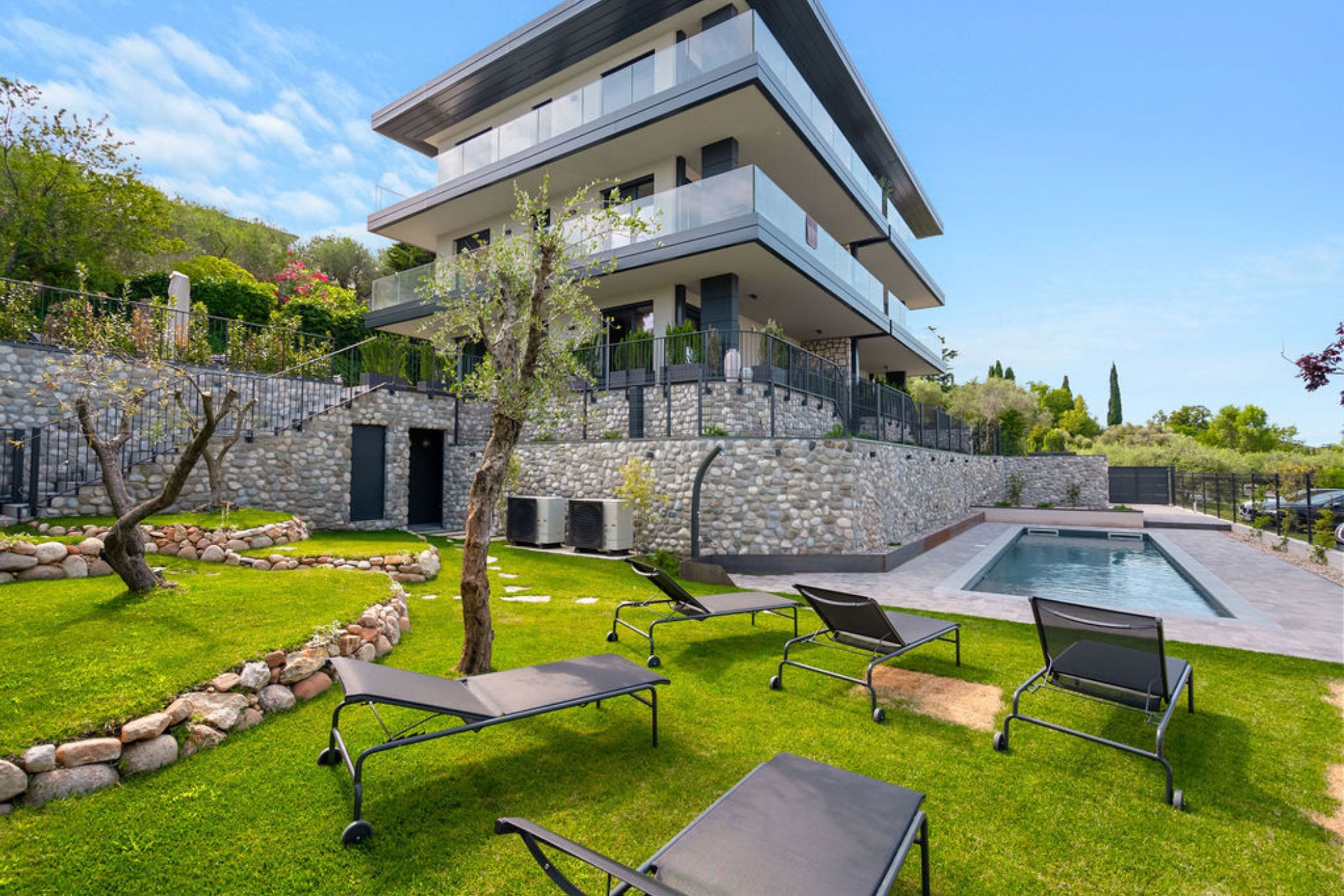
Lake Garda works to a different rhythm and a wider price band. The southern shore around Sirmione, Desenzano and Lazise has a near-Mediterranean climate — olives, lemons, vines all grow on the shore — and the broader, flatter geography here produces a softer, more agricultural landscape than Como's mountain-clad steep shores. The eastern shore — Bardolino, Garda, Torri del Benaco, Malcesine — is the Riviera degli Olivi, the olive Riviera, the most consistently planted with vineyards and citrus and the most established for German and Austrian buyers who can drive to the lake in a long day from Munich or Vienna. The northern shore — Riva del Garda, Limone — is dramatic alpine territory where the lake narrows between vertical limestone cliffs, with the windsurfing and sailing scene anchored at the top. The western shore — Salò, Gardone, Limone — has the Belle-Époque hotel tradition and the most concentrated villa stock. Lake Maggiore, the third of the major lakes, anchors around Stresa, Baveno and the Borromean Islands on the western shore — a quieter, more Belle-Époque-preserved strip with the famous garden villas of Isola Bella and Isola Madre at its centre — and around Laveno and the eastern shore closer to the Swiss border.
The international buyer mix on the lakes is the most diverse of any Italian region. Historically German, Austrian and Swiss (the lakes are a half-day's drive from Munich, Stuttgart, Zurich and Vienna), with a long British contingent and a meaningful American presence on Lake Como in particular — partly anchored by the long shadow of the lake's late-2000s star-power moment around Laglio. Northern Italian families from Milan and Brescia have always anchored the year-round residential market. Climate-wise, the lakes run from 3–8°C (high 30s°F to high 40s°F) in January (Como) or 5–10°C (low 40s°F to 50°F) on southern Garda, to 26–30°C (high 70s°F to high 80s°F) in July and August. The usable season runs from late March through early November, with a brief but rewarding cultural-and-Christmas-market window in December. Best for: design-led couples and families who want the most internationally photographed freshwater address in Europe, who value the architectural depth of Belle-Époque villa gardens, and who are within a half-day's drive or a short flight of Milan.
The Italian Riviera and Liguria
The Italian Riviera — running from the French border at Menton east through Sanremo, Imperia, Alassio, Loano, Albenga, Finale Ligure, Noli, Genova, Camogli, Portofino, Santa Margherita Ligure, Sestri Levante and the Cinque Terre — is the original Mediterranean Grand Tour coast and one of the most architecturally distinct in Europe. The geography is severe: the Apennines drop directly to the sea along almost the entire length of the coast, producing the famous near-vertical villages of pastel-painted houses stacked above tiny harbours that have made Liguria one of the most photographed regions in Italy. The Cinque Terre — Monterosso, Vernazza, Corniglia, Manarola, Riomaggiore — is a UNESCO World Heritage Site and a national park whose protective regime is among the strictest on any Italian coast. New build is essentially impossible across the protected stretches, and the existing stock of harbour-front apartments, pastel-painted village houses and contemporary villas on the green inland hills is the stock that will exist indefinitely.
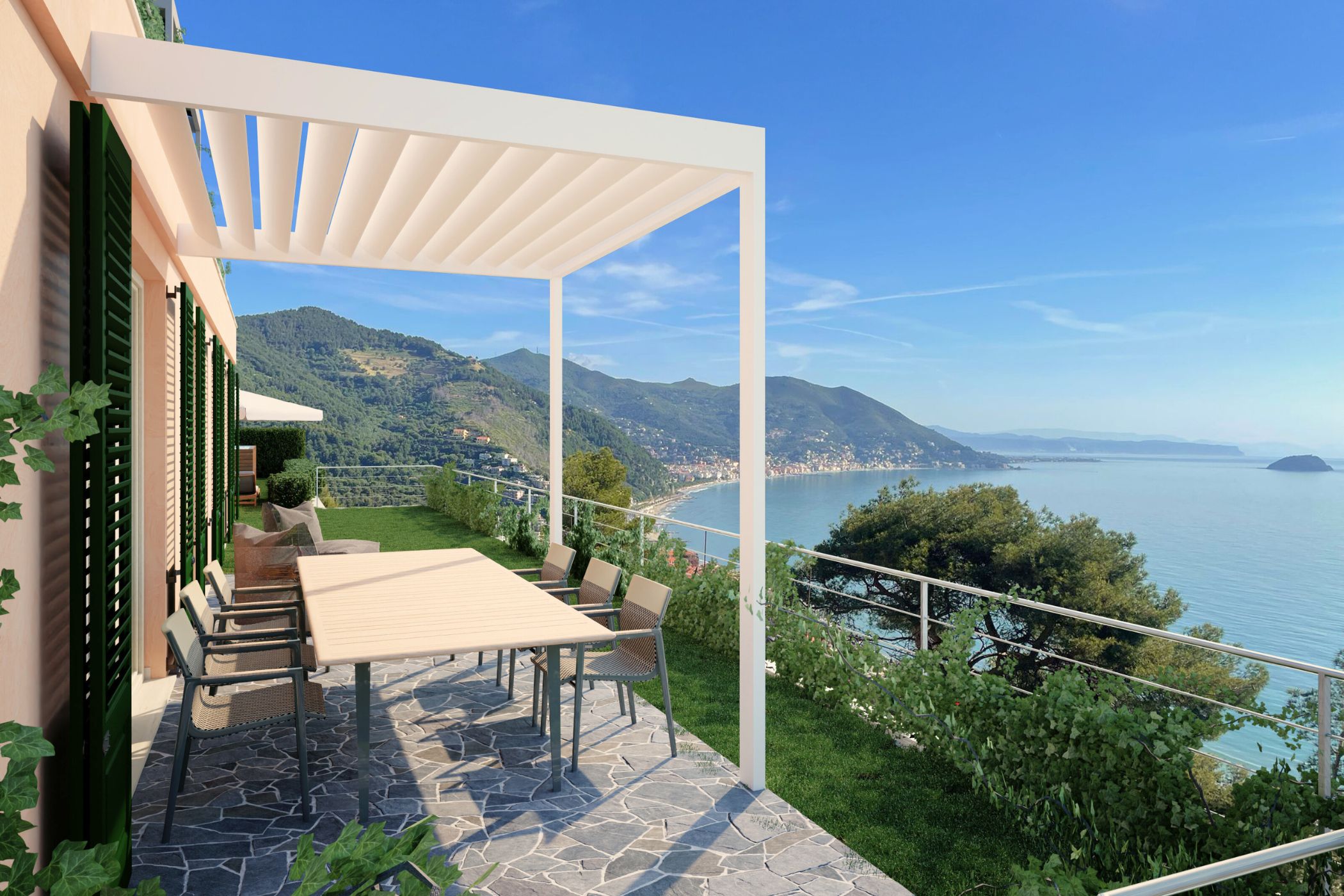
The Riviera divides cleanly into two halves. The Riviera di Ponente, west of Genova, runs from the French border down through the larger coastal towns — Sanremo (the historic Belle-Époque resort, home to Italy's most famous song festival), Alassio, Laigueglia, Loano (the long sandy beaches and the more accessible villa-and-apartment stock), Finale Ligure and Noli (the medieval harbour towns increasingly favoured by the design-led buyer). The Riviera di Ponente is broader in geography, with longer beaches, more sun and a slightly less precipitous landscape than the eastern half — and the international buyer base has historically been the strongest here. The Riviera di Levante, east of Genova, is the dramatic Riviera most non-Italians picture when they think of the coast: Camogli (the perfect pastel harbour, a fishing village turned residential), Portofino (the most architecturally photographed harbour in the world), Santa Margherita Ligure and Rapallo (the Tigullio gulf's working towns, with the Belle-Époque hotel tradition still alive), Sestri Levante (the Bay of Silence and the Bay of Fables, twin coves at the south end of the gulf), the Cinque Terre (UNESCO-protected, no cars in the villages, the iconic five), Portovenere and Lerici (the Gulf of Poets at the eastern end, where Shelley and Byron and D.H. Lawrence wrote about the coast).
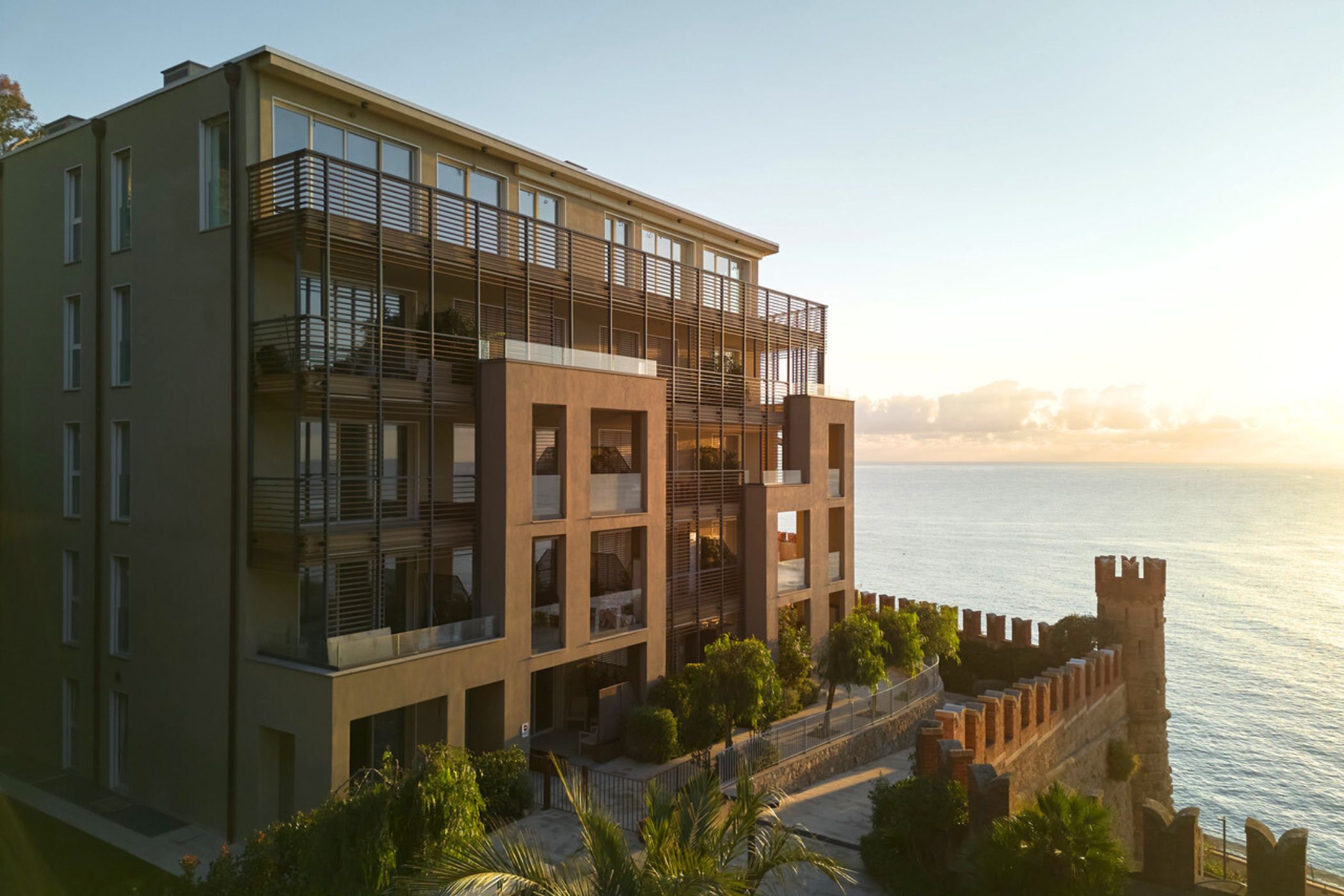
The international buyer mix on the Ligurian Riviera is anchored by British, German and Swiss owners with a long-running tradition of Riviera ownership, with a meaningful French presence on the western Riviera di Ponente closest to the border, and a growing American share concentrated on the Tigullio gulf around Portofino and Santa Margherita. Italian buyers from Milan and Turin have always anchored the year-round residential market — the Riviera is a weekend coast for the major northern industrial cities, and the railway from Milano Centrale to Sestri Levante runs in three hours. Climate-wise the Riviera runs 8–13°C (high 40s°F to mid-50s°F) in winter — meaningfully milder than the Italian Lakes and the inland north — to 26–30°C (high 70s°F to high 80s°F) in July and August, with the long shoulder seasons (March–May and September–November) that have always been the Riviera's particular gift to its owners. Best for: buyers who want the original Mediterranean Riviera architectural tradition at a more intimate scale than the French Côte d'Azur, who value the dense network of small harbour towns and pastel village stocks, and who are within easy reach of Milan, Genova or the French border.
Sardinia
Sardinia is the wildest and the most water-distinctive of Italy's major second-home regions. The island sits in the Tyrrhenian Sea 200 kilometres west of the mainland and 12 kilometres south of Corsica, with a climate, a culture, a language (Sardo) and an architectural vernacular that are genuinely island-distinct. The Sardinian coastline runs to 1,850 kilometres — longer than the Italian peninsula's mainland Mediterranean coast — and the water clarity across most of the island matches the Caribbean at its clearest. The legendary Costa Smeralda on the north-east coast is the most internationally branded sub-zone, conceived in the early 1960s by the Aga Khan and a small group of investors who deliberately designed it as a low-density, architecturally controlled, ecologically sympathetic resort coast — and the Piano Paesaggistico Regionale has effectively prohibited new coastal construction within two kilometres of the shoreline ever since.
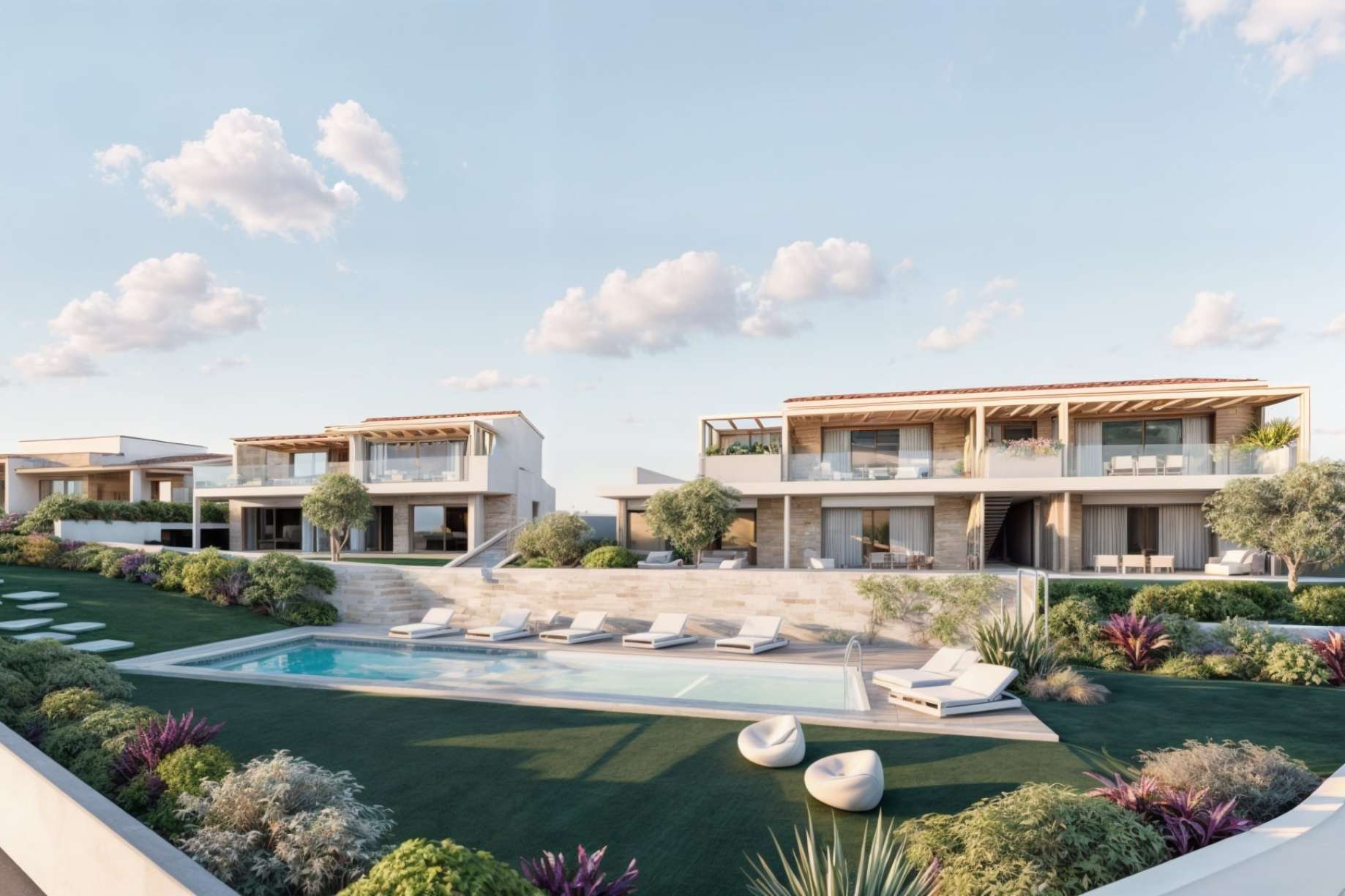
The principal Sardinian sub-zones for international buyers cluster on the north-east coast — the area collectively called Gallura. The Costa Smeralda runs from Porto Cervo (the resort's deliberately-designed centre, with the Cala di Volpe lagoon and the marina) through Porto Rotondo (the sister resort to the south, more residential), Pevero, Liscia di Vacca, Romazzino and Cala Granu (the Costa Smeralda's interior bays and headlands). North of the Costa Smeralda, Palau and Cannigione sit on the strait that separates Sardinia from the Maddalena archipelago — a national park of seven main islands and dozens of smaller ones whose granite shores produce some of the most extraordinary water in the Mediterranean. The Gallura interior — the inland granite plateau between Olbia and Tempio Pausania — preserves the traditional Sardinian stazzi, the stone shepherds' farmhouses that have been increasingly converted into discreet luxury rural retreats. South-west of the Costa Smeralda, the coast around Porto Istana, San Teodoro and Budoni is the more accessible and more family-oriented strip; further south, the Costa Rei and the south-east coast around Villasimius are the quieter and less Aga-Khan-branded alternatives. The west coast around Alghero (a Catalan-speaking town with a different cultural inheritance from the rest of the island) and the south around Chia and Pula have their own distinct micro-markets.
The Costa Smeralda's planning controls — the Consorzio Costa Smeralda's binding architectural charter dating from 1962, plus Sardinia's regional coastal-protection laws — give the area one of the strictest building regimes in the entire Mediterranean. The result is a coastline where the existing stock of low-slung pink-granite villas, stuccoed compounds with pergolas of bougainvillea and traditional stazzi conversions is the stock that will exist indefinitely. The international buyer mix is anchored by Italian, Russian, French, British and American owners, with a meaningful Middle Eastern presence on the Costa Smeralda's most discreet compounds, and a growing Scandinavian share across the wider Gallura. Climate-wise the island runs 10–15°C (50s°F) in winter to 27–33°C (low 80s°F to low 90s°F) in July and August, with sea temperatures reaching 24–26°C (mid-70s°F) through July, August and September. The usable beach window runs from late May through early October, with the shoulder months (April–May and September–early October) consistently the most rewarding for owners with calendar flexibility. Best for: buyers who want genuinely Caribbean-grade beach water on Italian latitude, the architectural pedigree of the Costa Smeralda's controlled-development legacy, and a coast where supply is regulatorily frozen and the existing stock is finite and irreplaceable.
Tuscany and the central hills
Tuscany is the working agricultural heart of central Italy and one of the few European regions where a UNESCO-recognised cultural envelope coincides almost exactly with the area international buyers want to own in. The classic zones run from the Chianti Classico hills between Florence and Siena, through the Val d'Orcia around Pienza, Montalcino and Montepulciano, out to the Maremma and the Versilia coast — and, at the centre, Florence itself. The building type most buyers picture is the restored stone podere; the alternative is a piano nobile apartment in a Renaissance palazzo in the centro storico. Both are supply-constrained by heritage and planning rules, which is the whole basis of the market.
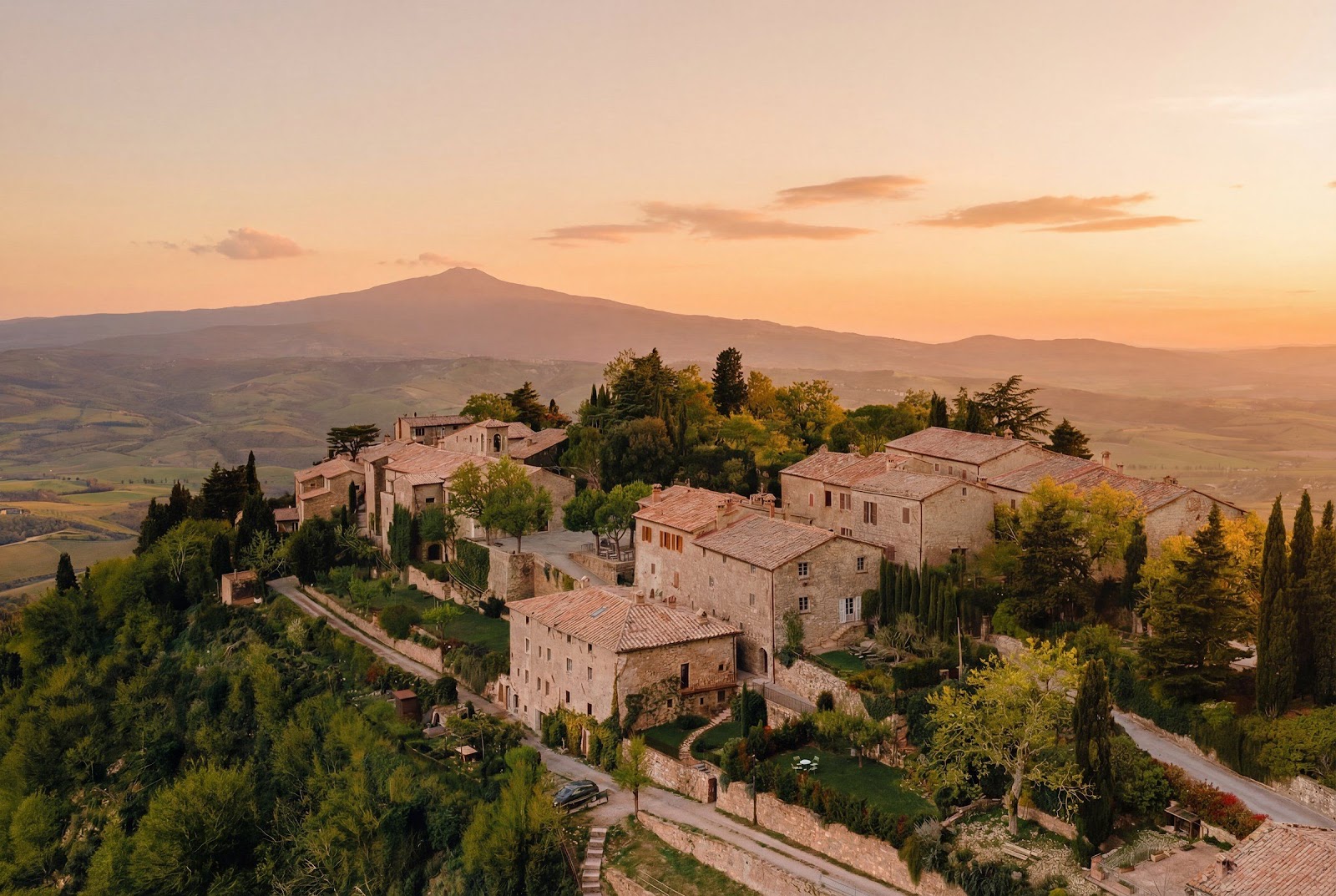
Tuscany is where co-ownership makes its clearest case in Italy, because the gap between what a restored farmhouse costs to own whole from abroad and how many weeks a foreign family actually uses one is wider here than almost anywhere. We now cover the region in full on its own page — the sub-markets, what a share costs against buying whole, how ownership of these homes is set up, Italian purchase and succession tax, and the honest downsides.
Read the full regional guide: Fractional ownership in Tuscany — Florence, Chianti and the Val d'Orcia.
The Dolomites and South Tyrol
The Dolomites are Italy's serious alpine cluster and a UNESCO World Heritage Site — and they are notably distinct from the French and Swiss alpine resorts. The geology is unique: pale-grey limestone-and-dolomite peaks that turn pink at sunrise and sunset (the famous enrosadira) and that produce some of the most photographed mountain landscapes in Europe. The architectural inheritance is German-Tyrolean rather than French Savoyard — chalets with deep wooden balconies, stone ground floors and shingled roofs, the older villages built around the church and the working farms rather than around the lift station — and across South Tyrol (Alto Adige) in particular, both German and Italian are official languages, the cuisine is closer to Austrian than southern Italian (speck, canederli, schlutzkrapfen, strudel), and the architectural and planning controls preserve the traditional villages from the kind of contemporary-glass-and-concrete rebuilds that dominate some of the higher French resorts.
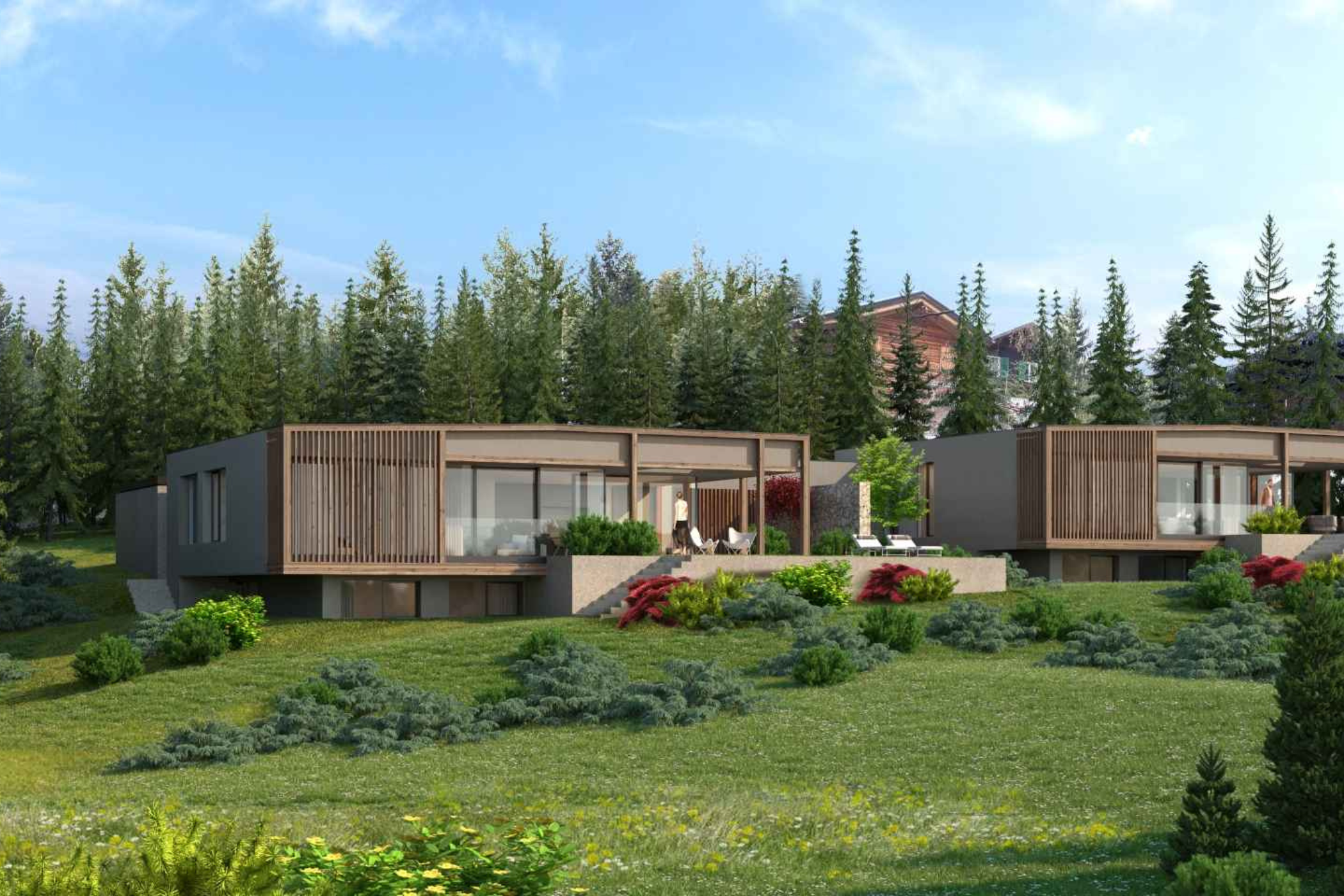
The principal Dolomites sub-zones for international buyers cluster around the famous resorts. Cortina d'Ampezzo in the Veneto is the most internationally branded — historic Olympic venue, host of the 1956 Winter Olympics and the 2026 Winter Olympics, the resort that defines luxury Italian alpine — set in a wide bowl with the dramatic Tofane and Cristallo massifs rising directly above. Alta Badia in South Tyrol — anchored on Corvara, San Cassiano and La Villa — is part of the Sellaronda, the legendary day-tour circuit around the Sella massif, and consistently rated among the highest-quality ski domains in Europe by serious skiers. Val Gardena — Ortisei, Santa Cristina, Selva — is the other Sellaronda anchor, a wider, sunnier valley with the most photographed mountain scenery in the entire Dolomites. Madonna di Campiglio in the western Dolomites is the long-favoured Milanese ski resort, with a French-style polished resort feel inside an Italian Trentino setting. The smaller Brenta Dolomites, Plan de Corones (Kronplatz) and Val di Fassa all have their own micro-markets.
The fractional argument in the Dolomites is partly regulatory and architectural. Italy has nothing equivalent to Switzerland's Lex Koller restrictions on foreign ownership, and the planning regime in South Tyrol in particular preserves the traditional alpine village stock more uniformly than the high French resorts have managed — the result is that for a serious skiing family, the Dolomites offer access to genuine UNESCO World Heritage alpine landscape at price points typically below the comparable French and Swiss tier, with a village architectural inheritance that has not been bulldozed by contemporary build-outs. The valleys are genuinely usable in summer — the Dolomites are one of Europe's great hiking and mountain-biking landscapes, the Alta Via long-distance routes run for hundreds of kilometres across the range, and the lower villages run their full restaurant and hospitality season from June through September — which makes a Dolomites share more reliably year-round than most owners initially expect.
The owner mix in the Dolomites is heavily Italian (Milanese and Veronese families primarily), German and Austrian (the South Tyrolean valleys are within a half-day's drive of Munich and Vienna), with a meaningful British presence in Cortina and Alta Badia and a growing American share following the 2026 Olympic exposure. Daytime winter temperatures around the major villages run minus 8°C to 3°C (high teens°F to high 30s°F); summer in the same valleys runs 15–25°C (high 50s°F to high 70s°F) with the dry mountain air that makes alpine summers so usable. Best for: serious skiing families who want access to the UNESCO World Heritage Dolomites and the Sellaronda's legendary inter-connected ski domain, at price points typically below the comparable French and Swiss tier, and who value the German-Tyrolean village architectural inheritance.
A year in your Italian co-ownership home
Spreading a minimum of 44 to 45 nights of use across a calendar year is itself a skill — and one of the unsung benefits of owning across multiple Italian regions through one portfolio is that you can match the season to the property rather than the property to the date. Italy is unusually well-suited to this kind of multi-region thinking because the country's geography — from the alpine Dolomites to the Tyrrhenian island of Sardinia — means there is essentially always somewhere in your portfolio that is at its best in any given month. Below is a country-level walk through the year, with the particular weeks that owners across the COP network return to most often. The pattern is broadly the same across all eight co-owners of a given property, with the calendar mechanics ensuring every owner gets a fair allocation of peak weeks across a multi-year cycle. Owners who are flexible enough to use shoulder weeks (rather than competing for August on the Italian coast or February in the Dolomites) consistently report a higher use-quality from their share than those who insist on peak.
Spring (March–May)
Italian spring is, by some measures, the most under-used of the four seasons by international buyers — and consequently one of the most rewarding for a fractional owner with calendar flexibility. March on Lake Garda and the Ligurian Riviera is already running at 15–19°C (high 50s°F to high 60s°F) in the day, the lemon trees on the southern Garda shore are in full flower, and the Riviera's olive blossom is beginning to set. The Cinque Terre trails reopen properly in March and run uncrowded through to the end of May — the period when the dry-stone-walled terraces of vines and olives are at their most photogenic. April is the working agricultural peak across central Italy: the Chianti and Val d'Orcia in Tuscany run at their photographed best (poppies, broom, wild flowers, lambs in the fields), the Sardinian wildflower season transforms the granite interior, and the Veronese and Brescian wine regions around Lake Garda — Valpolicella, Lugana, Bardolino — work through pruning and bottling.
May is the month many seasoned Italian-property owners insist on. The Italian Lakes are at their absolute peak — Como's villa gardens fully out, Garda's olive groves silver-green, the lake water still cold enough that the high-summer crowds have not arrived but warm enough on the lower lakes for a brief swim. The Maggiore islands — Isola Bella, Isola Madre, Isola dei Pescatori — reopen their gardens for the season. The Tuscan May is unmistakable: the Chianti hills full of broom in flower, the Val d'Orcia's wheat fields just turning gold, the Florence cultural calendar at its springtime peak. Sardinia warms enough for the first proper beach use of the year by mid-May, the Costa Smeralda restaurants reopen, and the Maddalena ferries restart their full schedule. The Dolomites in May are the locals' favourite alpine season — the lifts mostly closed, the snow line retreating up the high peaks, the lower meadows in full bloom and the alpine huts beginning to reopen for the summer hiking calendar.
Summer (June–August)
The Italian summer pattern is well-defined and worth understanding before allocating weeks. June is the Mediterranean's secret month: warm enough for swimming (sea temperatures climb past 22°C (72°F) on the Sardinian and Ligurian coasts by mid-June), the village calendars at their pre-peak best, the long evening light at its softest, and the high-summer crowds still a fortnight away. July brings the high season proper — the Italian school holidays begin around the 10th of June — and a noticeable shift in restaurant pace, beach availability and traffic on the coast roads. The Northern European summer holidays begin to stack from mid-July onward; the major coastal resorts in particular reach their highest-density visitor week in the seven days either side of Ferragosto, the national holiday on the 15th of August.
August in Italy divides cleanly between coast and inland. The Costa Smeralda, the Ligurian Riviera and the Versilia coast are at their absolute peak — and their most expensive — with the Porto Cervo marina, Portofino harbour and Forte dei Marmi beach clubs running at full capacity. Restaurant booking windows in the prime resorts stretch to four to six weeks ahead in August; villa staff calendars are pre-allocated; the coast roads on the Costa Smeralda between Olbia and Porto Cervo can double end-to-end journey times. The Italian Lakes also reach their peak in August, with Como, Garda and Maggiore running at full restaurant capacity and the ferry network at full schedule. Florence, Milan and Rome in August, by contrast, follow the same exodus pattern as Paris — many traditional restaurants close, the central districts empty, and the cities are at their quietest (and paradoxically most pleasant) for a visitor with no work obligations. Florentines abandon the city for the coast or the mountains; the Florence apartment becomes a quietly liveable proposition for a foreign owner. The Dolomites in summer — Cortina, Alta Badia, Val Gardena — are an entirely different proposition from winter: hiking, mountain biking, the Alta Via routes, the long-distance trail network, the alpine restaurants on the high ridges. Sardinia in August is the Mediterranean island at its visual peak — the water clarity, the warm evenings, the August festival calendar across the Gallura villages.
Autumn (September–November)
For many seasoned Italian-property owners, autumn is the favourite. September on the Italian coast and Sardinia is the locals' month — sea temperatures still above 23°C (73°F) through most of the month on the Costa Smeralda and the Riviera, daytime air around 26–28°C (high 70s°F to low 80s°F), the August crowds dispersed within ten days of the new school term starting, restaurants taking reservations again the same week you ask. The vendemmia — the Italian grape harvest — runs through September and October across Chianti Classico, Brunello, Vino Nobile, Valpolicella, the Veneto Prosecco hills and the Sardinian Vermentino zones; owners who care about wine increasingly time at least one stay around the harvest. Lake Como, Lake Garda and Lake Maggiore enter their long warm shoulder season — daytime air still 20–24°C (high 60s°F to mid-70s°F), the villa gardens at their late-summer fullness, the lake ferries on full schedule until late October.
October and November in Italy divide cleanly. The Mediterranean coast stays mild — daytime highs around 20–24°C (high 60s°F to mid-70s°F) through October, dropping to 15–18°C (high 50s°F to mid-60s°F) by mid-November, with swimming generally finished by mid-October but everything else still very much open — while Florence, Milan and Venice enter their golden cultural months. The new opera seasons at La Scala in Milan and the Teatro La Fenice in Venice open in October; the Salone del Mobile design week runs in April but the autumn design and art calendars in Milan and Florence are at their busiest; the Venice Biennale in art or architecture years runs through November. Tuscany in October and November is at its agricultural-calendar best: the olive harvest (the famously short, intense October-into-early-November olio nuovo window), the truffle season in the Marche and the lower Apennines, the inland village markets, the Chianti hills turning russet and gold. The Dolomites in October are the off-season — the lifts mostly closed from late October through mid-December, though the lower valleys (Cortina, Corvara, the Alpe di Siusi) are genuinely usable for autumn walking and the inland restaurants run through the shoulder. November in Italy is the quietest month for the international owner — and consequently one of the most rewarding for the owner who values the country emptied of foreign visitors.
Winter (December–February)
Winter is, for the majority of Italian co-ownership owners, the moment the Dolomites and cultural-city shares earn their place. The lifts open in Cortina, Alta Badia and Val Gardena from early December; Christmas and New Year is the highest-demand fortnight of the year, with chalet calendars booked many months ahead; January is the quietest month of the season but with the most reliable cold-and-snow conditions; the February school holidays bring the second peak. Owners who use their alpine week around Easter — typically the first or second week of April rather than late March — get the best of late-season Dolomites skiing.
The Italian cities in winter are their most secret versions of themselves. December decorated to a high standard with the Florence and Venice Christmas markets; January and February quiet, museum-rich, and rewarding for owners who want the cultural cities without the summer tourist density. The Florence Uffizi, the Venice palazzi, the Milan Pinacoteca di Brera and the Vatican museums in Rome all run at a fraction of their July visitor numbers. The Italian Lakes in winter are unexpectedly atmospheric — the lower temperatures (3–9°C / high 30s°F to high 40s°F on Como; slightly milder on southern Garda), the early sunsets across the still water, the Christmas markets in Bellagio, Como town, Sirmione and Stresa, the lakeside restaurants running through the winter on a quieter schedule. The Ligurian Riviera in winter is the warmest stretch of the Italian north — 12–16°C (mid-50s°F to low 60s°F) daytime, the Mediterranean microclimate keeping the lemon trees and bougainvillea alive through the season — and the coast empties of summer crowds to leave the long pastel harbours to the year-round residents and the international owners. Sardinia in winter is dramatic and quiet — the coast empty, the granite interior austere and beautiful, the village restaurants on a winter rhythm but very much open — and the island runs 10–15°C (50s°F) in January with the long crisp Mediterranean light at its most photogenic.
Who buys in Italy, and why
The international buyer mix in Italian fractional ownership is the most architecturally and culturally driven of any European market. Italian property is, more than almost any other European destination, an emotional purchase as well as a financial one — and the buyer base reflects that. British buyers have anchored Italian second-home ownership for more than a century (the post-Grand-Tour Anglo-Italian tradition is older than the country itself). German and Austrian buyers are the second-largest cohort and dominate the Italian Lakes and the South Tyrol Dolomites in particular — Munich is closer to Lake Garda than to Hamburg, and the South Tyrolean valleys are bilingual German-and-Italian by constitutional right. Swiss buyers are a serious and long-established presence on Lake Maggiore, Lake Como and across the Italian Riviera. French buyers dominate the western Ligurian Riviera close to the border and have a growing share in Tuscany. American buyers are the fastest-growing cohort across all the Italian clusters — drawn to Tuscany for the cultural depth, the Lakes for the Belle-Époque architecture, the Costa Smeralda for the Mediterranean lifestyle, and the Dolomites following the 2026 Winter Olympics exposure. Scandinavian, Dutch and Belgian buyers form a meaningful long tail across all regions.
The age-and-life-stage profile is in some respects more relevant than the nationality breakdown. The largest single buyer cohort across the Italian portfolio is in the 50–70 age band — owners whose primary income is established, whose children are at university or beyond (which gives them more calendar flexibility than the working-family cohort), and whose long-run thinking on the second home runs to the next 20–25 years. The second-largest cohort is the 40–55 age band — typically dual-income professional couples with school-age children, who use their share around school holidays and value the operational simplicity of a fully managed property. The third and fastest-growing cohort is the 65–80 age band — empty-nesters and recent retirees for whom the cultural depth of Italy and the operational simplicity of a managed property are the central appeal.
Italian co-ownership tends to suit a small number of well-defined buyer profiles:
- Cultural enthusiasts choosing Florence, Venice or the Lakes — buyers for whom repeated short stays through the year, timed around exhibitions, opera seasons, the spring and autumn cultural calendars and the major art and design weeks, are the central use pattern. The Italian cities and the Lakes reward this multi-trip use pattern more than they reward any single long stay.
- Skiing families choosing Cortina or Alta Badia — buyers who treat the Dolomites as their winter base, who use the Sellaronda and the long alpine-village tradition as the central proposition, and who increasingly use the same valley in summer for hiking and the lake-and-mountain agricultural calendar.
- Beach-loving families choosing Sardinia — buyers who want the most spectacular Mediterranean water inside an EU country, the architectural pedigree of the Costa Smeralda's controlled-development legacy, and the family-friendly proposition of a low-density coast in a high-quality regulatory environment.
- Wine-and-food sophisticates choosing Tuscany — buyers who use the seasonal agricultural calendar as the framing of their year, who value the density of DOCG appellations within an hour's drive of each other, and who treat the Florence cultural infrastructure as a permanent neighbour.
- Mediterranean traditionalists choosing the Riviera — buyers who want the original Italian Riviera architectural tradition (pastel-painted village houses, working harbours, Belle-Époque hotel-era ports), at a more intimate scale than the French Côte d'Azur and within easier reach of the major Northern Italian airports.
- Multi-region Italian portfolios — increasingly, owners who add a Dolomites winter share to a Tuscan summer share, or a Lakes spring-and-autumn share to a Sardinia summer share, using the same management relationship to access two completely distinct Italian propositions through the year.
Practicalities: getting there, what it costs, what you own
Airports and ground access by region
The major Italian gateway airports cluster around the principal second-home regions and almost all have direct service from the major Northern European cities year-round. For the Lakes and Milan: Milan-Malpensa (MXP) is the principal long-haul gateway and is 45 minutes from Lake Como; Milan-Linate (LIN) is the smaller business-traveller airport closer to the city centre; Bergamo (BGY) serves Lake Garda and the eastern Lakes from across Europe via low-cost carriers. For Lake Garda specifically: Verona (VRN) is 20 minutes from the southern lake shore. For the Riviera and Liguria: Genova-Cristoforo Colombo (GOA) serves the central and eastern Riviera; Nice Côte d'Azur (NCE) across the French border serves the western Riviera. For Sardinia: Olbia-Costa Smeralda (OLB) serves the north-east coast with 60-plus European cities direct in summer; Alghero (AHO) serves the north-west; Cagliari-Elmas (CAG) serves the south. For Tuscany: Pisa (PSA) is the principal Tuscan gateway, 70 minutes from Florence; Florence-Peretola (FLR) is closer to the city for short-haul flights; Bologna (BLQ) serves north-east Tuscany and the Romagna coast. For the Dolomites: Venice-Marco Polo (VCE) serves the eastern Dolomites and Cortina; Innsbruck (INN) on the Austrian side serves the western Dolomites and Alta Badia.
The Italian high-speed rail network is one of the densest in Europe and is genuinely useful for the multi-region Italian owner. The Trenitalia Frecciarossa and Italo services run from Milan to Rome in 2 hours 55 minutes, Milan to Florence in 1 hour 40 minutes, Milan to Venice in 2 hours 15, and Florence to Rome in 1 hour 30. Owners with a Florence apartment and a Milan Linate connection can reach the Lakes within two hours of leaving the apartment; owners with a Dolomites share and a Venice gateway can be in the Cortina valley within two-and-a-half hours of landing. For owners coming from London, Amsterdam, Paris, Frankfurt, Geneva or Zurich, almost every Italian second-home cluster is accessible in under four hours door-to-door — the precondition for the high-frequency, short-stay use pattern that fractional ownership rewards.
Whole-property vs 1/8 share: the comparison
The comparison that matters to a fractional buyer is not "what does an Italian villa cost?" but "what does buying a share of an Italian villa do to my capital, my annual carry, my use, and my exit path versus the realistic alternatives?". The three honest alternatives for someone considering an Italian second home are: own the whole property; own a 1/8 share through COP; or rent each time you visit. The table below sets the three side by side in structural rather than absolute terms — specific figures vary by property and by year, but the ratios are the part of the picture that matters when you are deciding which structure to use.
| Whole second home | COP 1/8 fractional share | Long-term rental | |
|---|---|---|---|
| Upfront commitment | Full property value | ~1/8 of the property value | First/last/deposit only |
| Equity in the asset | Full appreciation | ~1/8 of appreciation | None |
| Annual carry | Full taxes, insurance, management, maintenance | ~1/8 of carry, fully managed | Full rent every year, indefinitely |
| Personal use | Up to 52 weeks (most use 6–10) | Set by the operator, professionally scheduled | Defined by lease |
| Operations burden | Owner-managed or hired staff | Fully included | Landlord-managed |
| Time to exit | 6–24 months on the open market | Sold through our partner's resale process | End of lease term |
What the table makes visible is that the most-cited Italian-property complaints — empty house, high running costs regardless of use, slow resale, layered bureaucratic admin around taxes and insurance — are not features of Italian property per se. They are features of the whole-ownership structure, and they go away as soon as you flip to a fractional share. The 1/8 share gives you something the rental column cannot give you (equity) and something the whole-ownership column cannot give you (proportional carry and managed operations) at the same time. The practical effect for the international owner is that an Italian second home that has historically been a complex, time-consuming proposition becomes a simple managed asset that delivers six to seven weeks of use a year against approximately 1/8 of the whole-property cost.
What's included in the annual service charge — and what isn't
The annual service charge on a COP-listed Italian property covers the full operational stack: property tax (IMU on second homes and any local TARI waste levy), insurance, professional management, the on-call concierge, the cleaning and linen service between owner stays, regular maintenance, the gardener, the pool service where relevant, the security system and the management of utilities. It is, on a per-share basis, roughly 1/8 of the carry on the equivalent whole property — and one of the under-appreciated advantages of the model is that the per-property running costs are spread across eight owners rather than borne entirely by one. What the service charge does not cover is large capital improvements (a roof rebuild, a major heating-system replacement, an extension to the property — these are voted on by the owners and funded proportionally when they happen), personal-use additions (an owner who wants additional in-stay services beyond the standard concierge package pays for those directly), and damage caused by owner stays (the management company assesses and charges back). The service charge structure is intentionally a simple, predictable annual cost rather than a series of one-off invoices through the year — which is one of the operational simplifications that makes an Italian fractional share notably easier to live with than a whole-ownership equivalent.
What you actually own
You own a real 1/8 share of the home — not a right to use it. Your share is transferable (you can sell it through the supported resale process), inheritable (it passes through your estate to your heirs), and rises and falls in value with the house (a 25% rise in the Italian villa's value over five years is a 25% rise in your share's value too). The legal set-up is arranged by our partner for each home and walked through with you before you buy — a real share of an Italian villa, structured to match the way affluent international buyers actually use a second home.
How fractional ownership works in Italy
Every property in the COP collection — including all Italian properties — is shared by up to eight co-owners. The legal set-up for each home is arranged by our partner and walked through with you before you buy — including for the meaningful proportion of owners who go on to add a second share in another market.
What you own: a real share of the Italian home
You own a real share of the home — an eighth, a quarter — not a right to use it. You can sell it, pass it on to your heirs, and it rises and falls in value with the house. The legal set-up is arranged by our partner for each home and walked through with you before you buy. Big decisions, such as selling the home or major works, are decided together by the co-owners.
Italian property tax: IMU, TARI and the service charge
Italian second-home tax revolves principally around the IMU (Imposta Municipale Unica), the municipal property tax that applies to all second homes (primary residences are generally exempt). The IMU rate is set by each municipality within national bands, and the assessed value (the rendita catastale) is set by the Catasto when the property is registered. The waste levy (TARI) and various local administrative charges sit alongside it. Capital gains on Italian property sales by non-resident owners are subject to Italian tax under specific rules; how tax works depends on the country and the home's legal set-up, which our partner explains before you buy; we recommend independent advice. For COP-listed Italian properties, IMU and TARI are paid from the annual service charge — owners do not deal with the Italian municipal tax system directly. The Italian property-tax framework is materially less complex than its reputation suggests for a co-owner; the COP service charge is designed precisely to take the tax-and-admin layer off the owner's desk.
Inheritance and transfer
Italian inheritance law historically operates a legittima system that reserves portions of a deceased's estate for specified close relatives — broadly comparable to France's réserve héréditaire — but the 2015 EU Succession Regulation allows owners domiciled in another EU country to elect to have their estate governed by their domicile country's succession law rather than Italian law. How inheritance works for your share depends on the country and the home's legal set-up, which our partner explains before you buy; you can pass your share on to your heirs, and we recommend independent advice.
The professional management model and how the calendar works
Every COP-listed Italian property is operated by a professional management team responsible for the full operational stack: tax filings, insurance, the on-call concierge, the cleaning and linen turnaround between owner stays, the gardener, the pool service, the security, the utilities. The annual calendar rotates the 52 weeks across the eight owners on a fair-rotation basis — every owner gets a proportional share of peak weeks (Christmas, Easter, August on the coast, mid-February in the Dolomites) across a multi-year cycle, and the rotation mechanics are set out transparently in writing. Owners typically receive their preferred weeks well in advance and can swap with other owners through a structured exchange when their plans change. The annual entitlement is a minimum of 44 to 45 nights; how those nights are spread is the owner's decision within the calendar slot they have been allocated.
Resale: how to exit, typical timelines
When an owner decides to sell, a professional resale process is in place. The resale path connects the exiting owner to the existing pool of buyers familiar with the model — owners on the waiting list for the specific property, owners across the portfolio looking to expand or relocate, and the broader pool of buyers actively shopping COP-listed Italian properties. Resale is handled through our partner's resale process, without you having to sell the whole house — whereas whole-property Italian resales typically take 6–24 months on the open market, and a meaningful fraction of that whole-property timeline goes toward carrying costs (IMU, insurance, management, the empty-house cost) that simply do not apply to a 1/8 share in a managed structure.
The full mechanics of fractional ownership across all jurisdictions — usage calendars, exit procedures, rental income treatment, insurance, the transfer on death, the relationship with the management company — are covered in our co-ownership explained guide. For specific Italian property availability, browse the listings in the property grid above, or join our list for new-property alerts as they come to market.
Your ownership at a glance
- Real ownership of the home — a real 1/8 share of the home: transferable, inheritable, and it rises and falls in value with the house. The legal set-up is arranged by our partner for each home and walked through with you before you buy. Not a timeshare, not a points membership, not a usage right.
- Fully managed throughout — the professional management team handles taxes (IMU, TARI), insurance, maintenance, scheduling, linen, the on-call concierge. You arrive, the property is ready.
- Supported resale through the COP owner network — when you decide to exit, our partner's resale process lets you sell your share without having to sell the whole house, rather than facing the 6–24 months that whole-property Italian sales take on the open market.
- Designed for international portfolios — many owners combine shares across several COP destinations, each with its own legal set-up walked through by our partner before purchase.
Still deciding which Italian region?
If your use pattern centres on repeated short stays through the year rather than two or three long holidays, the Italian Lakes and Tuscany are the natural anchors. Lake Como, Lake Garda and Lake Maggiore reward the multi-trip use pattern — a March weekend for the gardens reopening, a May fortnight for the high spring, a September week for the warm shoulder, a December weekend for the Christmas-market villages — and the Lakes' proximity to Milan-Malpensa makes them genuinely accessible for owners coming from London, Amsterdam or Frankfurt on short notice. Tuscany works to a slower, more agricultural calendar, but a Florence apartment plus a Chianti or Val d'Orcia podere gives an owner the same multi-trip flexibility across the cultural cities and the agricultural countryside that the Lakes do across freshwater and Belle-Époque garden architecture. Our team can walk you through the regional differences before you make a decision.
If your use pattern centres on peak summer beach — three or four weeks in July, August and September, with the rest of the year held mostly in reserve — Sardinia is the obvious answer. The Costa Smeralda's combination of Caribbean-grade water quality, strict regulatory protection of the existing villa stock and four decades of low-density resort architecture is genuinely without parallel in the Mediterranean. The trade-off is real: the Sardinian coast's main season is shorter (May through early October) than the Italian Lakes or the Riviera, and a Sardinian share rewards an owner with a clear summer-anchored use pattern more than a year-round one. The Ligurian Riviera is the alternative for buyers who want a Mediterranean coast that runs longer through the year and is within easier reach of Milan and Genova — a different kind of architecture, a different scale, a different rhythm.
If your use pattern centres on winter snow and the mountain calendar, the Dolomites are the answer. Cortina, Alta Badia, Val Gardena and the Sellaronda give serious skiing families access to one of the highest-quality alpine domains in Europe, inside a UNESCO World Heritage cultural landscape, with the German-Tyrolean village architectural inheritance preserved in a way that the higher French resorts have not always managed. The 2026 Winter Olympics in Cortina and Milan will lift the international profile of the eastern Dolomites further. The Italian Pyrenees do not exist as a serious alpine option (those are in Spain) — for Italian snow, the choice is between the Dolomites and the smaller western-alpine resorts (Madonna di Campiglio, Courmayeur, Bormio), each with its own character. The Dolomites are also genuinely usable in summer — the hiking calendar runs from June through September — which makes a Dolomites share more year-round than first-time alpine buyers tend to assume.
Whichever way the decision goes, the deeper exploration starts on the cluster pages:
If you would like to talk through which Italian region best fits your family's actual use pattern — rather than the brochure version of it — join our list and we will be in touch with relevant new-property alerts and an introduction to the team.
Questions & Answers
Italy Fractional Ownership — Frequently Asked Questions
Fractional co-ownership gives you real ownership of a share — typically 1/8 — of a luxury Italian property. The legal set-up is arranged by our partner for each home and walked through with you before you buy. You own real equity in the Italian property market: if your villa on Lake Como or apartment in Rome appreciates, your share appreciates identically.
A 1/8 share entitles you to around six weeks of use per year, a proportional share of rental income from any weeks you choose to rent out, and 1/8 of the sale proceeds when the property eventually sells.
A timeshare is a contractual usage right with no underlying asset ownership. Fractional co-ownership is real ownership — you own a real share of the home. The legal set-up is arranged by our partner for each home and walked through with you before you buy. Your share has market value, tracks the property's price movements, and can be sold on the open market. There is no lock-in, no annual fee escalation without recourse, and no requirement to sell back to COP at a predetermined price.
You own a real share of the home — an eighth, a quarter — not a right to use it. You can sell it, pass it on to your heirs, and it rises and falls in value with the house. The legal set-up is arranged by our partner for each home and walked through with you before you buy. All documentation can be reviewed with independent Italian legal counsel before purchase.
Share prices vary by property, location, and size. Your purchase price includes the full acquisition cost of your 1/8 stake — property share value, notaio fees, legal set-up costs, and initial furnishing. After purchase, you pay an annual service charge (1/8 of running costs) covering professional property management, building insurance, IMU (property tax), condominium fees where applicable, utility standing charges, and a maintenance reserve. All costs are disclosed per property before you commit.
Your 1/8 share gives you around six weeks of usage per year. Usage is managed through a structured calendar with seasonal allocations and a rotating priority system for high-demand periods (August, Christmas, Easter). The rotation ensures fairness over time. Unused weeks can be rented through COP's rental programme or swapped with co-owners by mutual agreement.
Many of our Italy properties support short-term rental of unused weeks — and where permitted, it is an excellent way to offset your annual costs. COP's rental programme can list your unused allocated weeks on short-term rental platforms, with income paid directly to you after the platform fee. Many co-owners cover a meaningful portion of their annual service charge through rental income, particularly in high-demand locations.
That said, rental availability varies by location — some areas have local restrictions on short-term lets, and not all properties in our portfolio permit it. Always check the individual Italy property listing to confirm whether short-term rental is available for that specific home before factoring rental income into your plans.
Italy's prime property markets — Lake Como, Tuscany, Amalfi Coast, Sardinia's Costa Smeralda — are among the most enduringly desirable in Europe, attracting wealthy buyers from the USA, UK, Germany, and the Middle East. Strict planning restrictions protect the character of Italy's historic lakeside villages and coastal areas, permanently limiting new supply. Lake Como in particular has seen significant price appreciation driven by global demand, while remaining a market where the 1/8 fractional model makes entry feasible for buyers who could not justify full purchase prices.
When you decide to exit, a professional resale process is in place. The supported resale process runs through the COP owner network — your Italy fractional share is marketed to an existing audience of qualified prospects already familiar with fractional co-ownership, and you keep full control over price and timing.
Resale is handled through our partner's resale process, so you can sell your share without the whole house having to be sold. Note that some properties have a minimum holding period during the first year — check your specific property details before purchase.
COP curates co-ownership properties across Italy's most established second-home regions — the Italian Lakes, the Mediterranean coast, the major historic regions, and Italy's islands. Every property we list is fully furnished to a high standard and professionally managed. Our Italian inventory rotates as new properties come to market — browse the listings on this page to see what's currently available, or join our updates list for new Italian properties as they launch.
No — there are no buyer-side fees. The share price you see is the share price you pay; talking to our specialists costs nothing and carries no obligation. Browse the listings, enquire on any property, and use our team's regional knowledge to find the right match — all at no cost.
Browse COP's Italy listings, review the share price and annual service charge for each property, and submit an enquiry. A COP specialist will contact you within 24 hours to provide the full property pack and walk you through the buying process step by step.
Get in Touch
Speak to an expert
Tell us what you're looking for and one of our co-ownership specialists will be in touch within 24 hours.