United States · North America
USA Fractional Ownership Properties
From a Newport Beach modernist on the Pacific to a Lowcountry oceanfront on Kiawah — fractional ownership in the United States means a real share of America's deepest second-home market, six to seven weeks of personal use a year, and a fully managed home waiting whenever you arrive.
114 properties · from $68,000
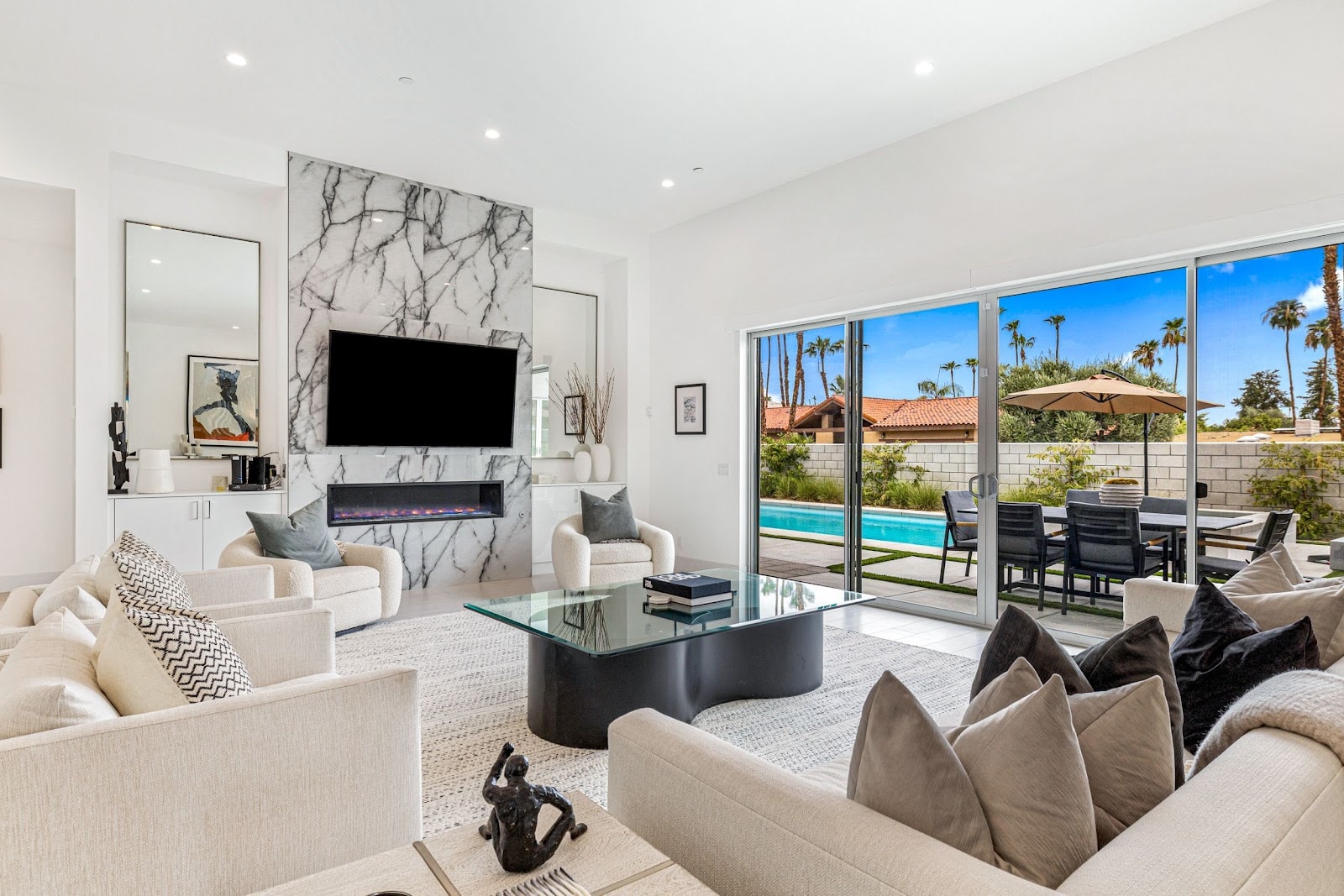
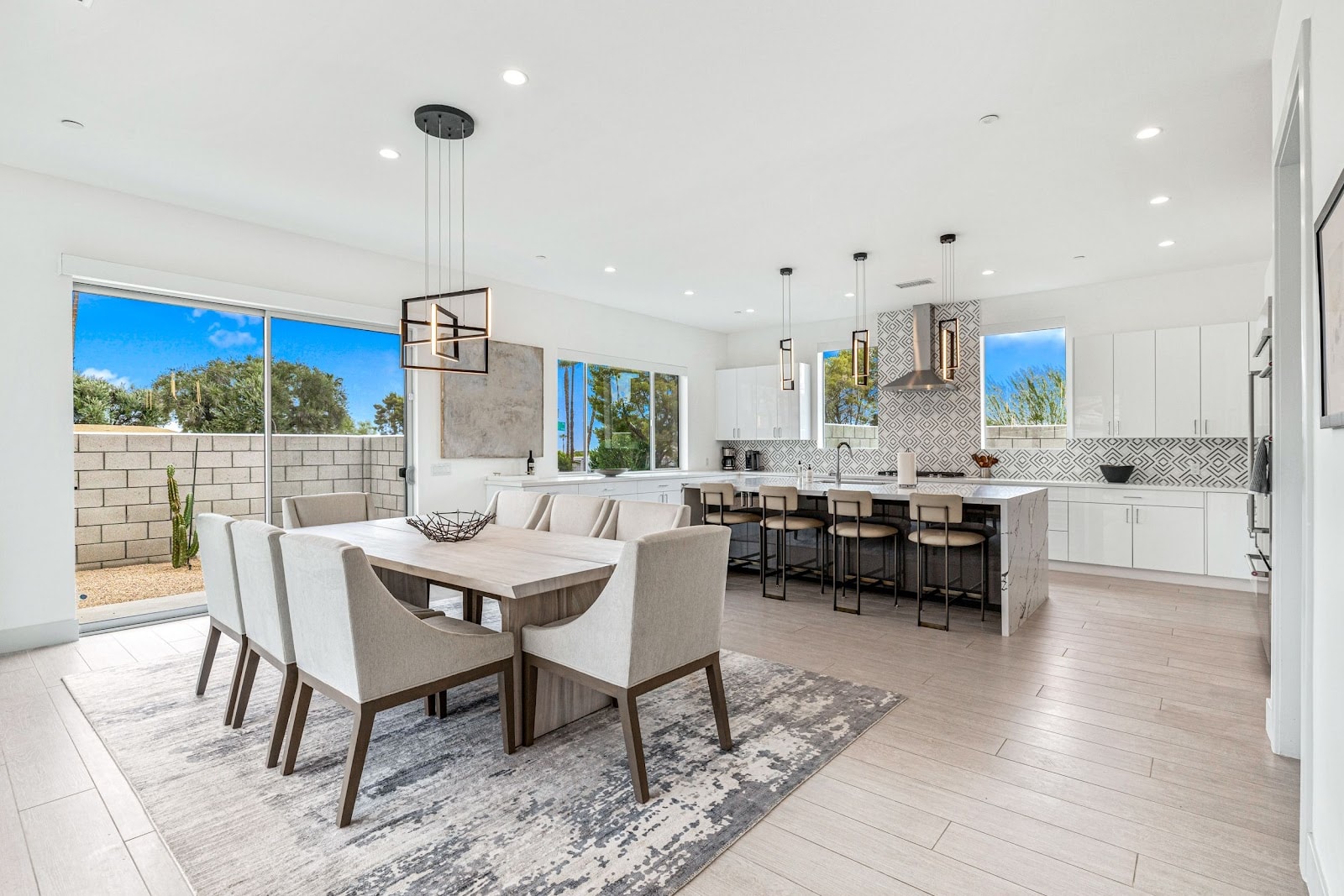
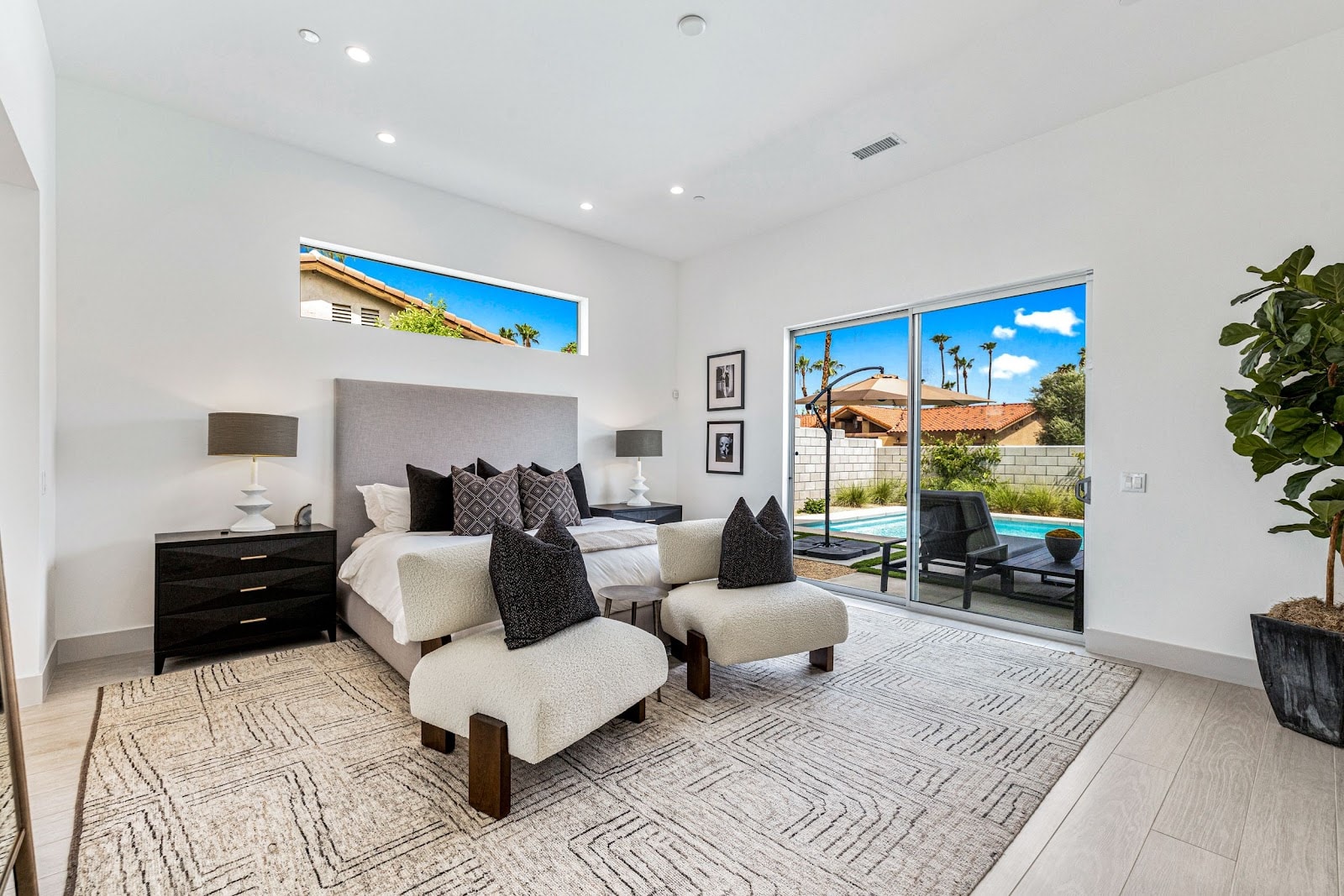
Palm Desert, California, USA — 4-Bed House With Pool
$289,000
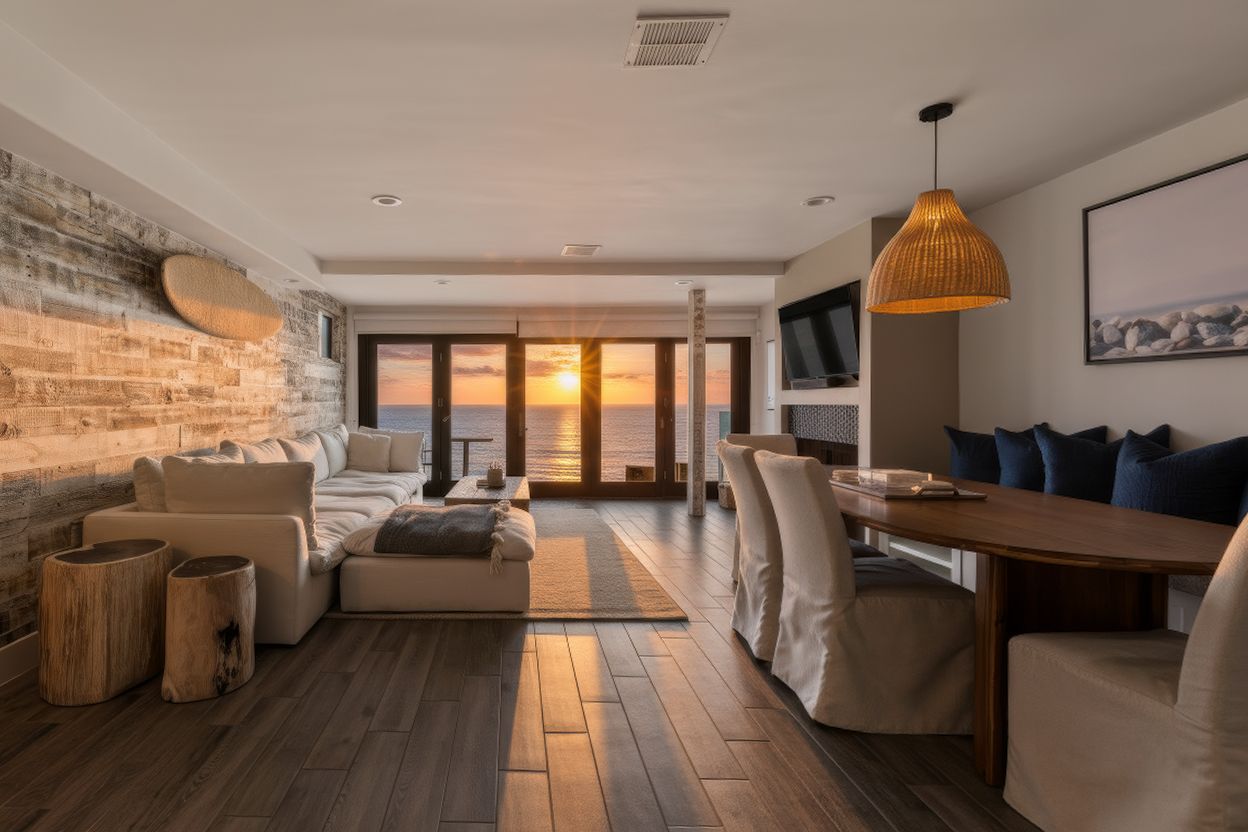
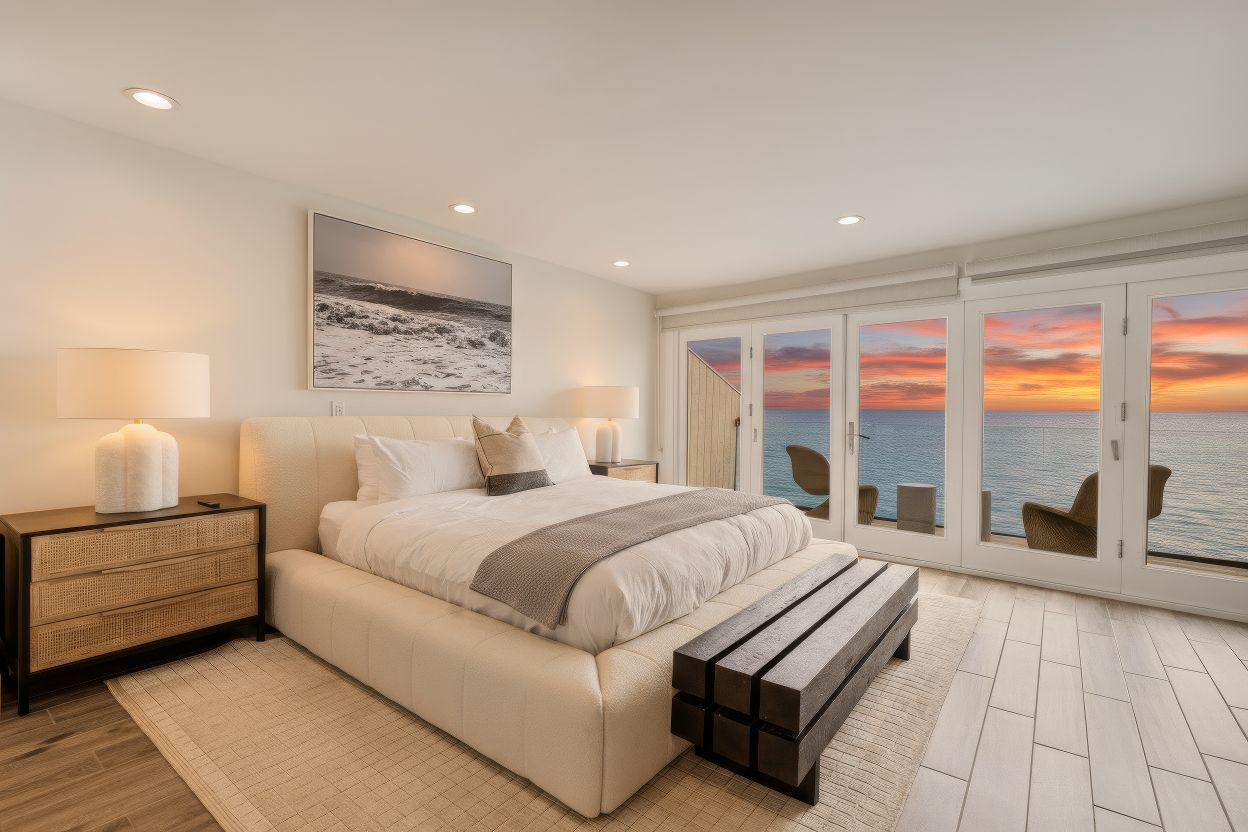
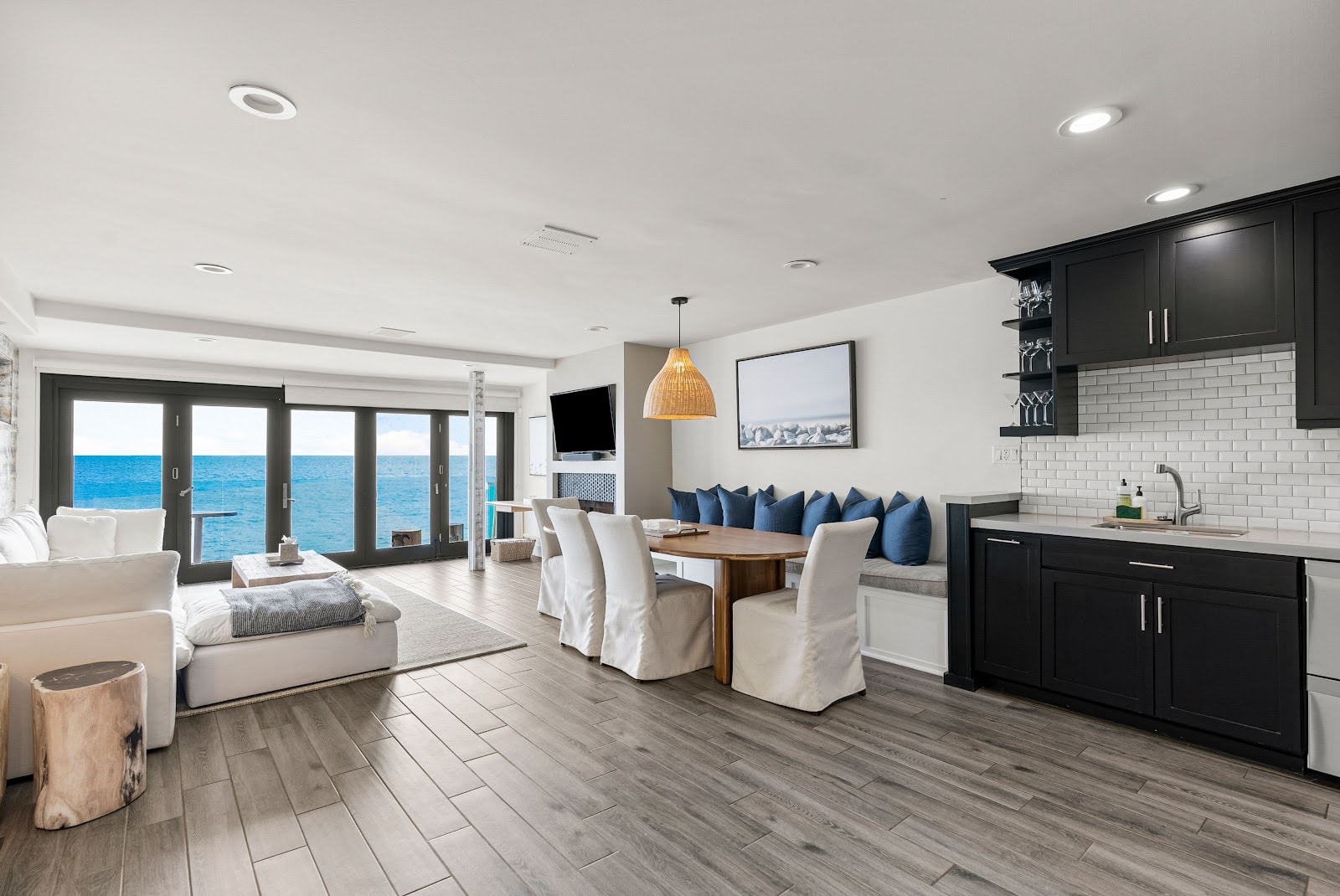
Malibu, California, USA — 3-Bed Estate With Beach Access
$674,000
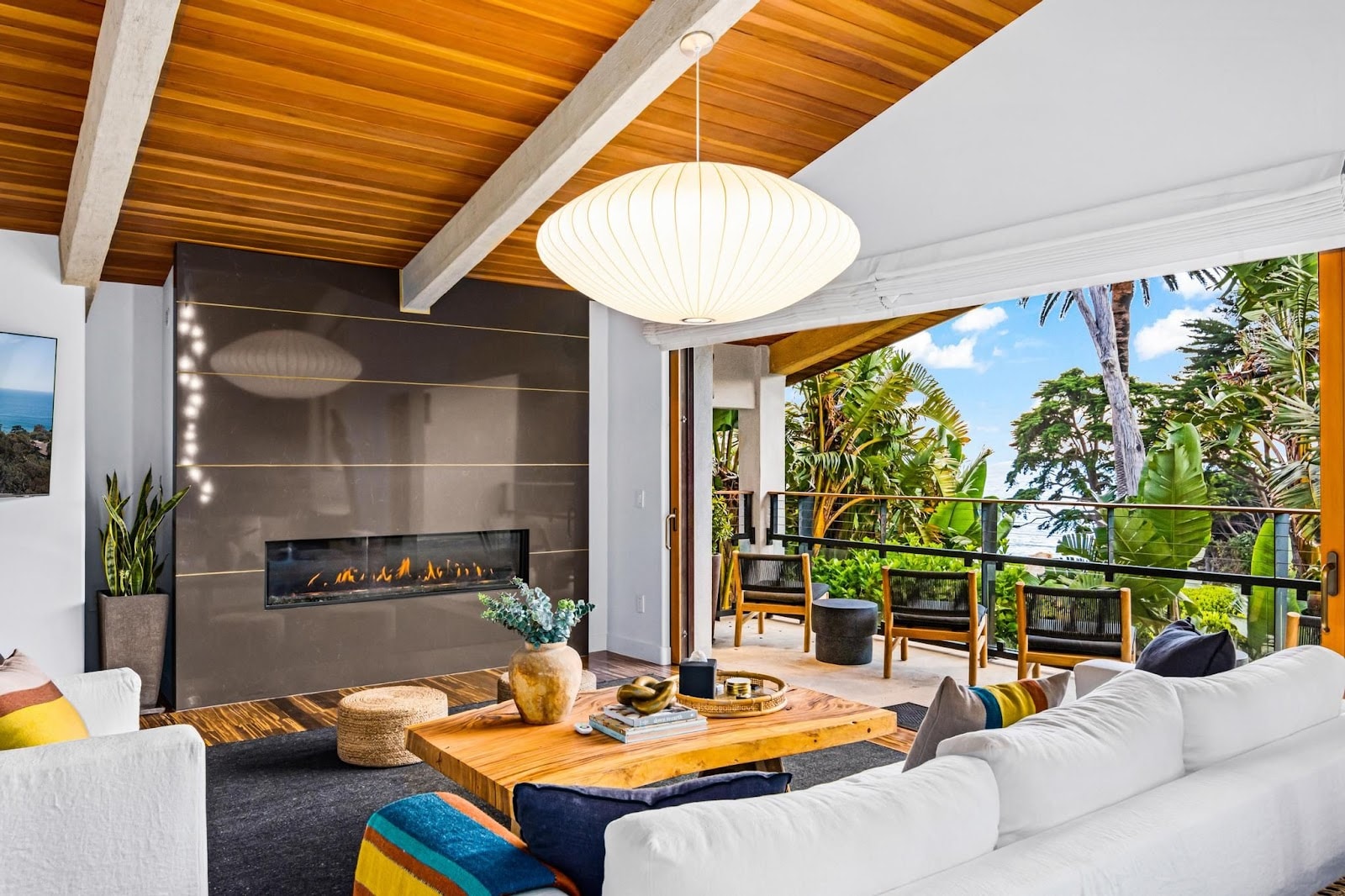
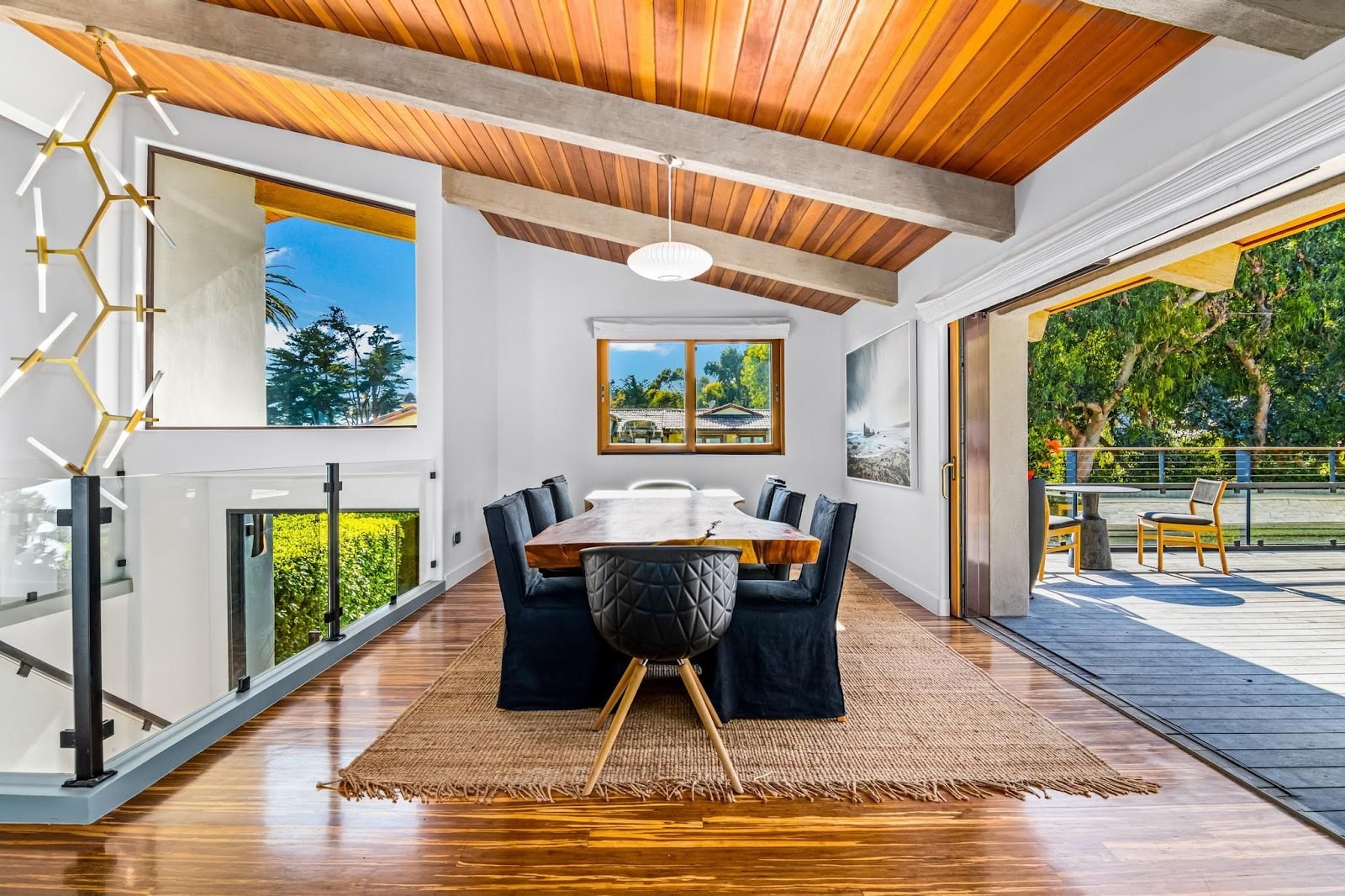
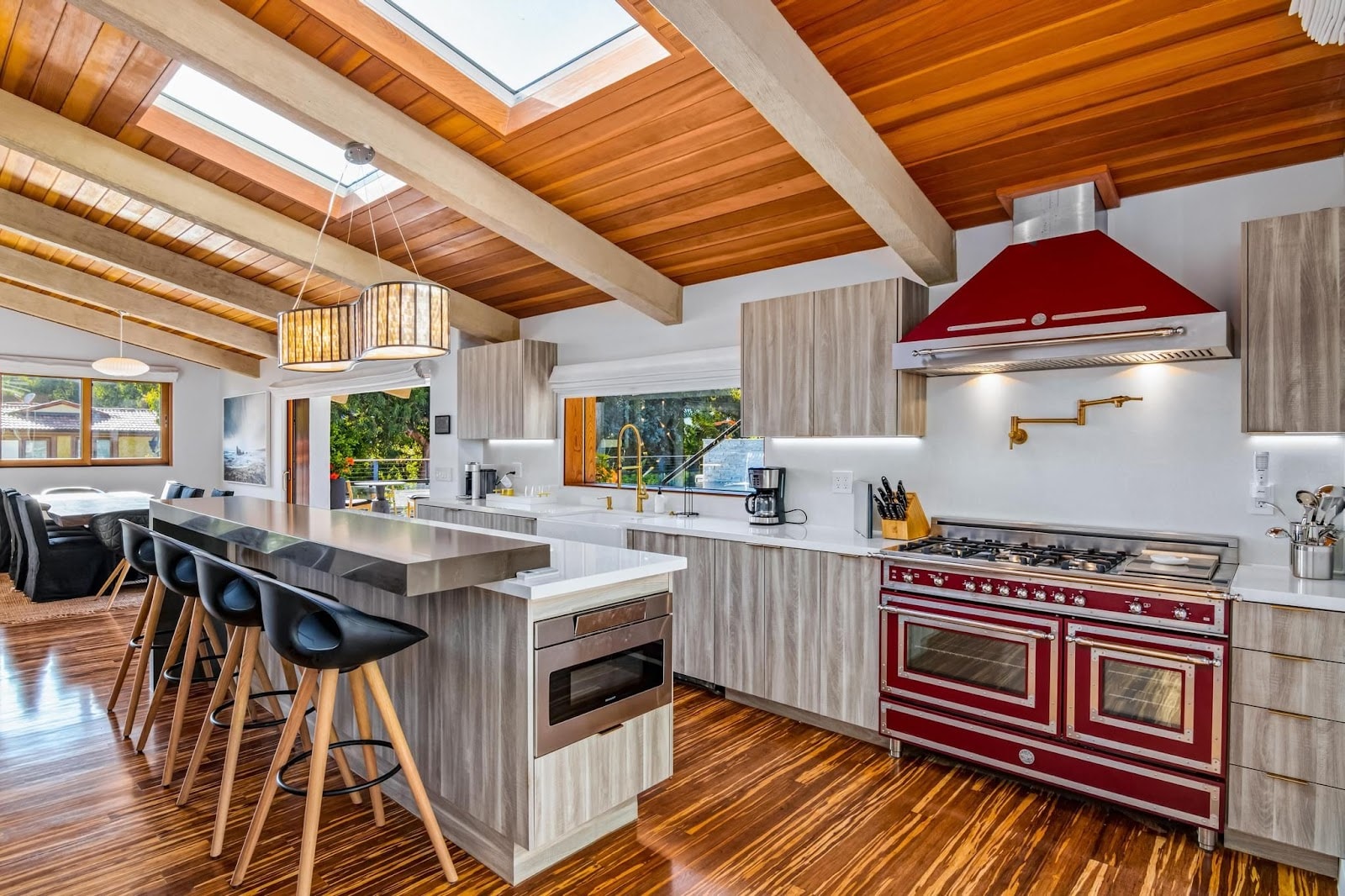
Malibu, California, USA — 3-Bed House With Infinity Pool
$949,000
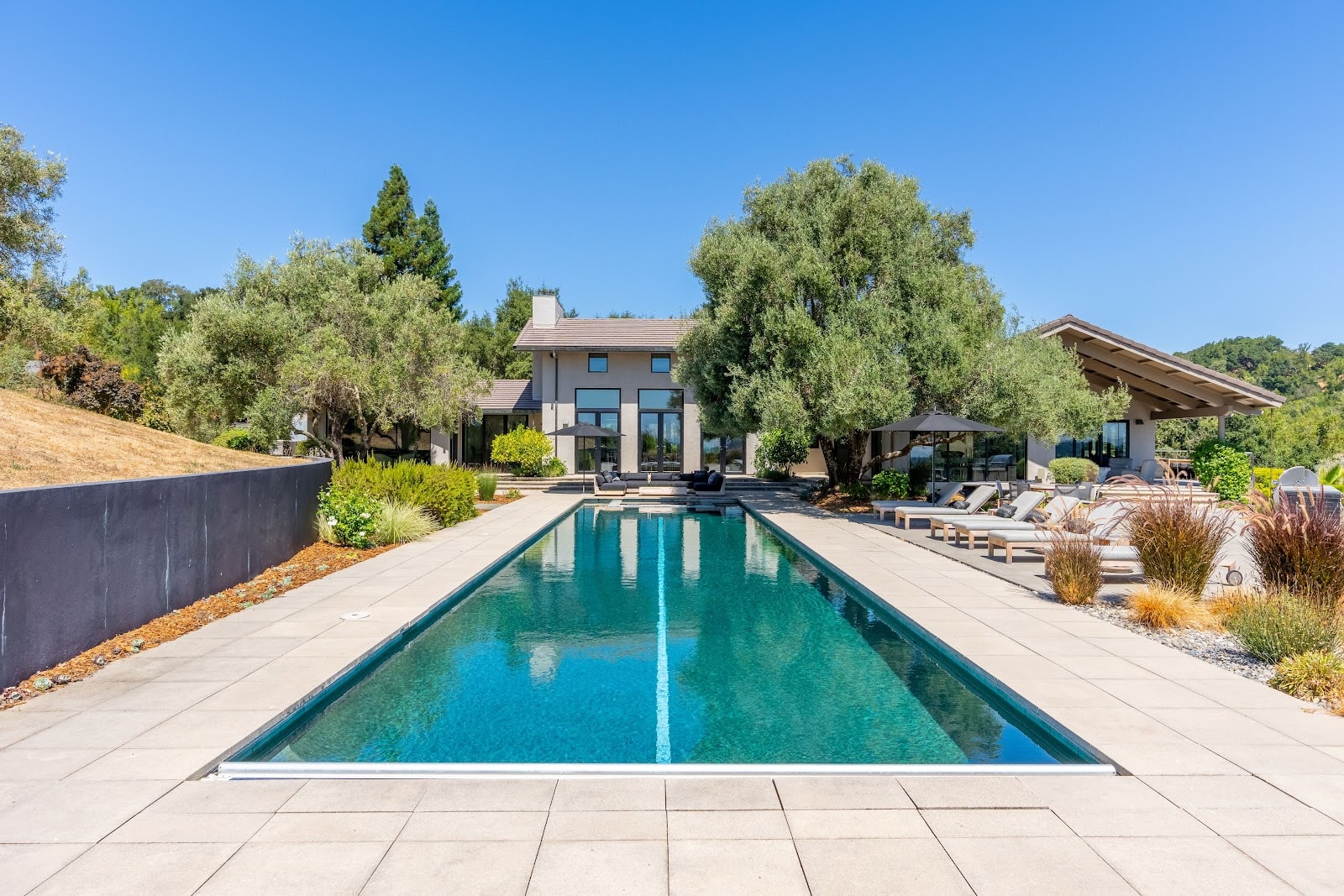
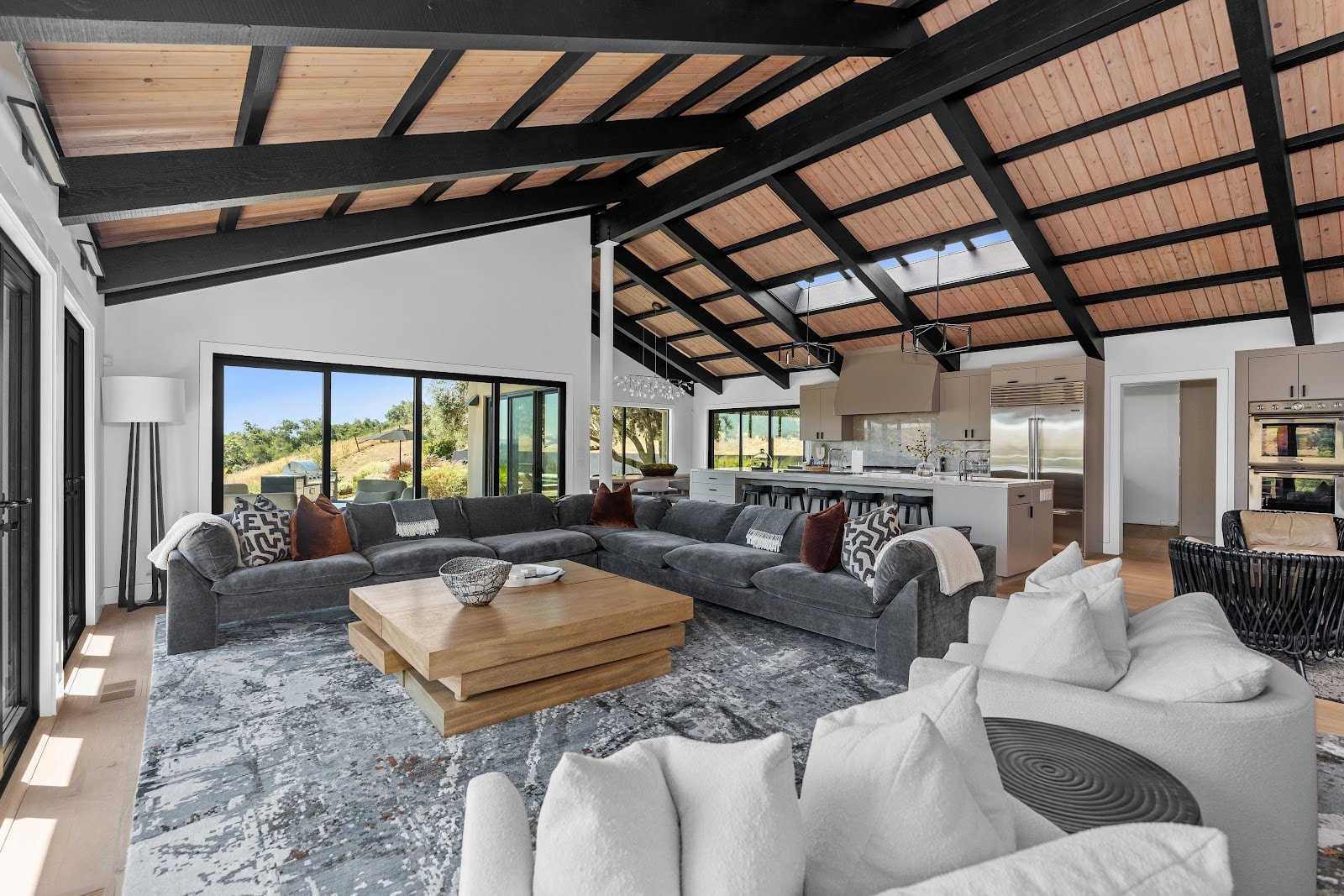
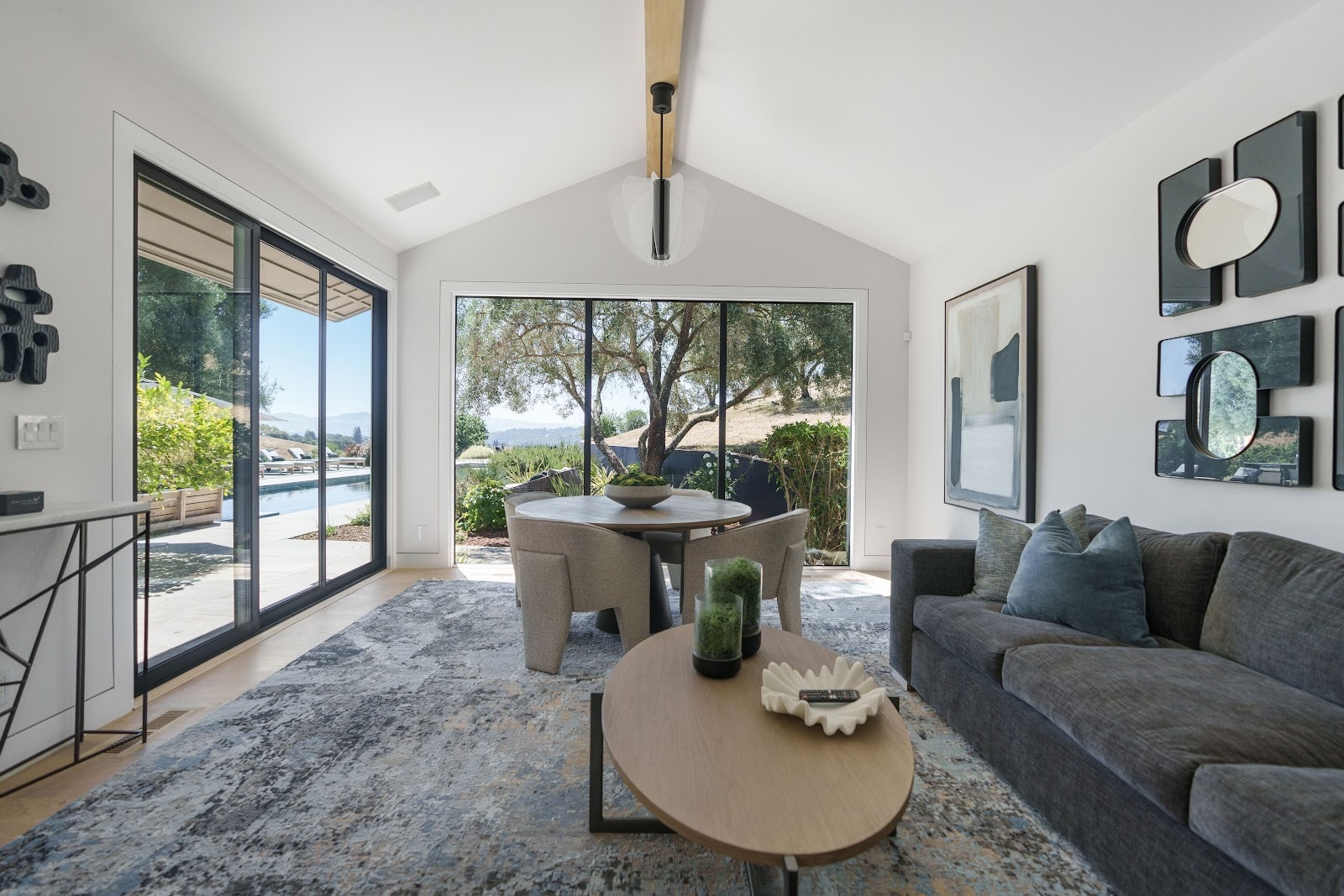
Napa, California, USA — 6-Bed House With Pool
$1,350,000
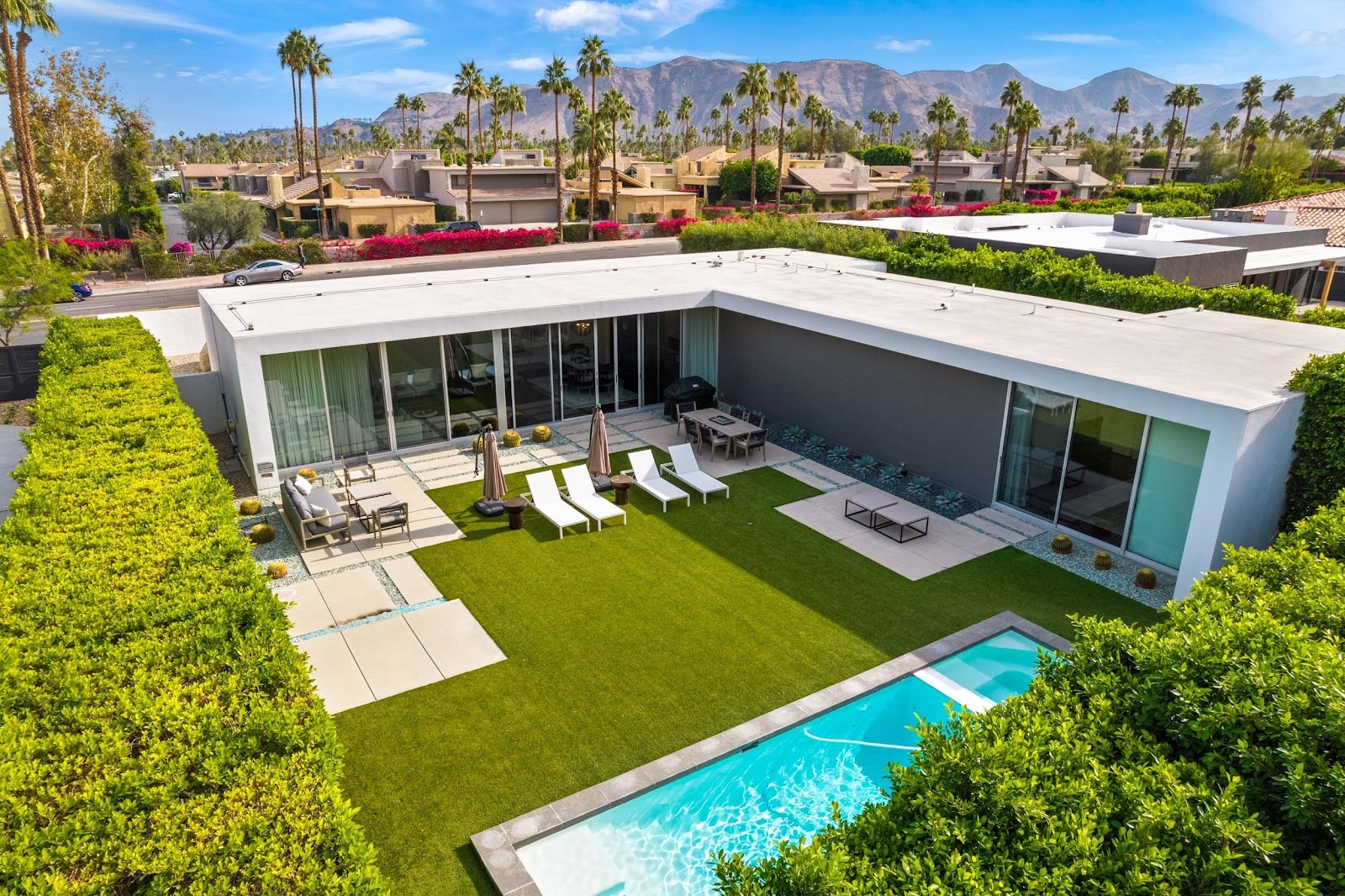
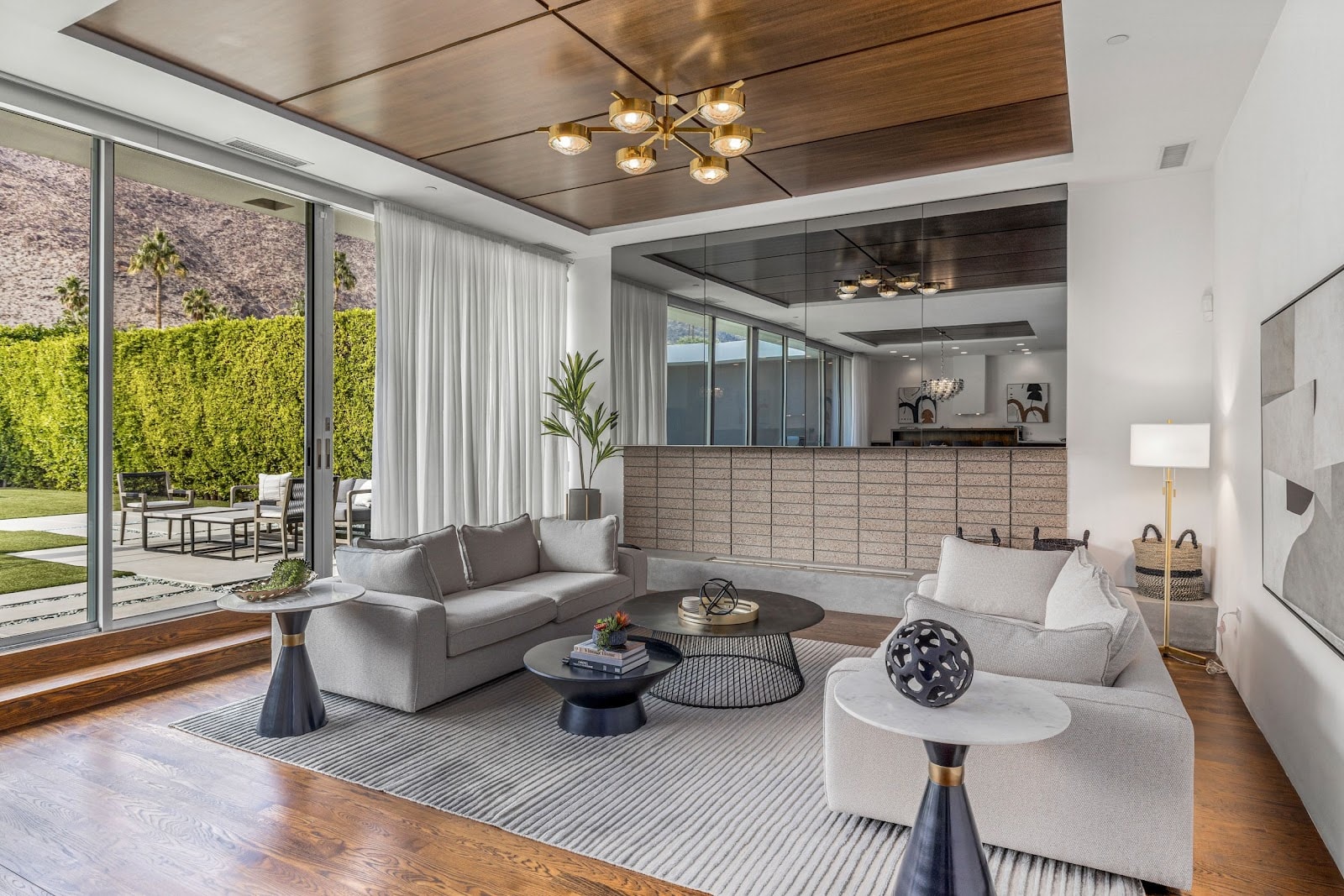
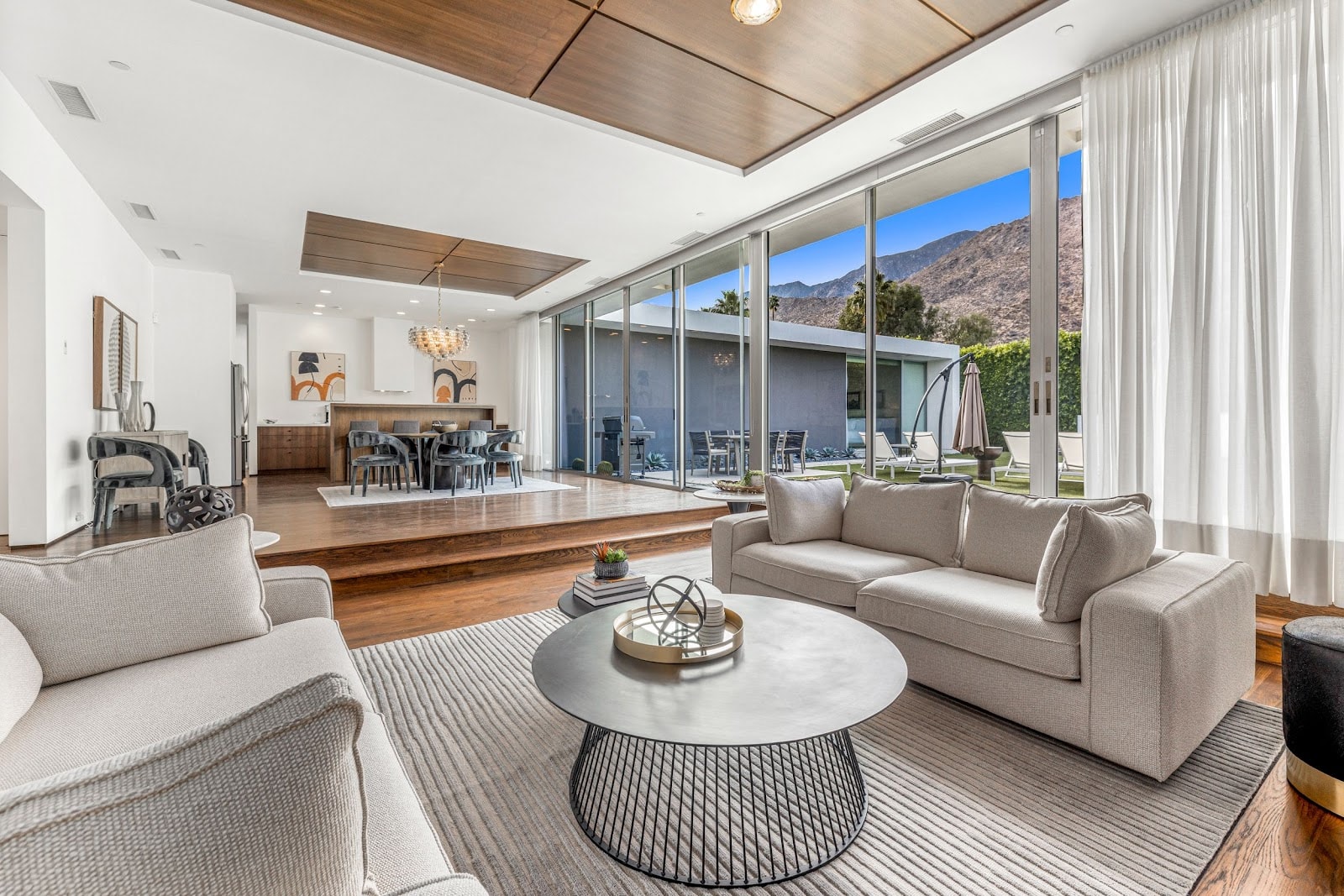
Palm Springs, California, USA — 3-Bed House With Pool
$239,000
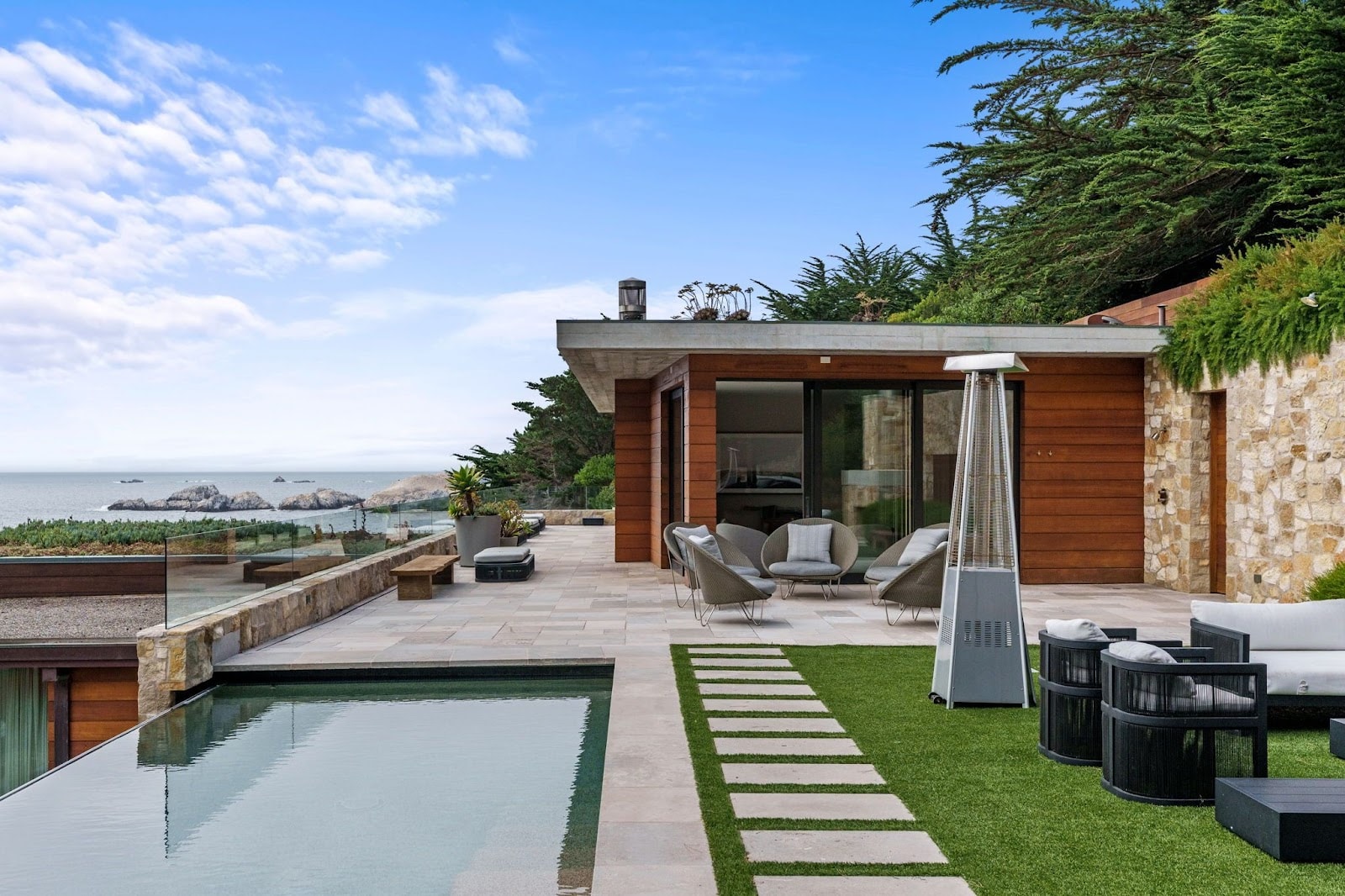
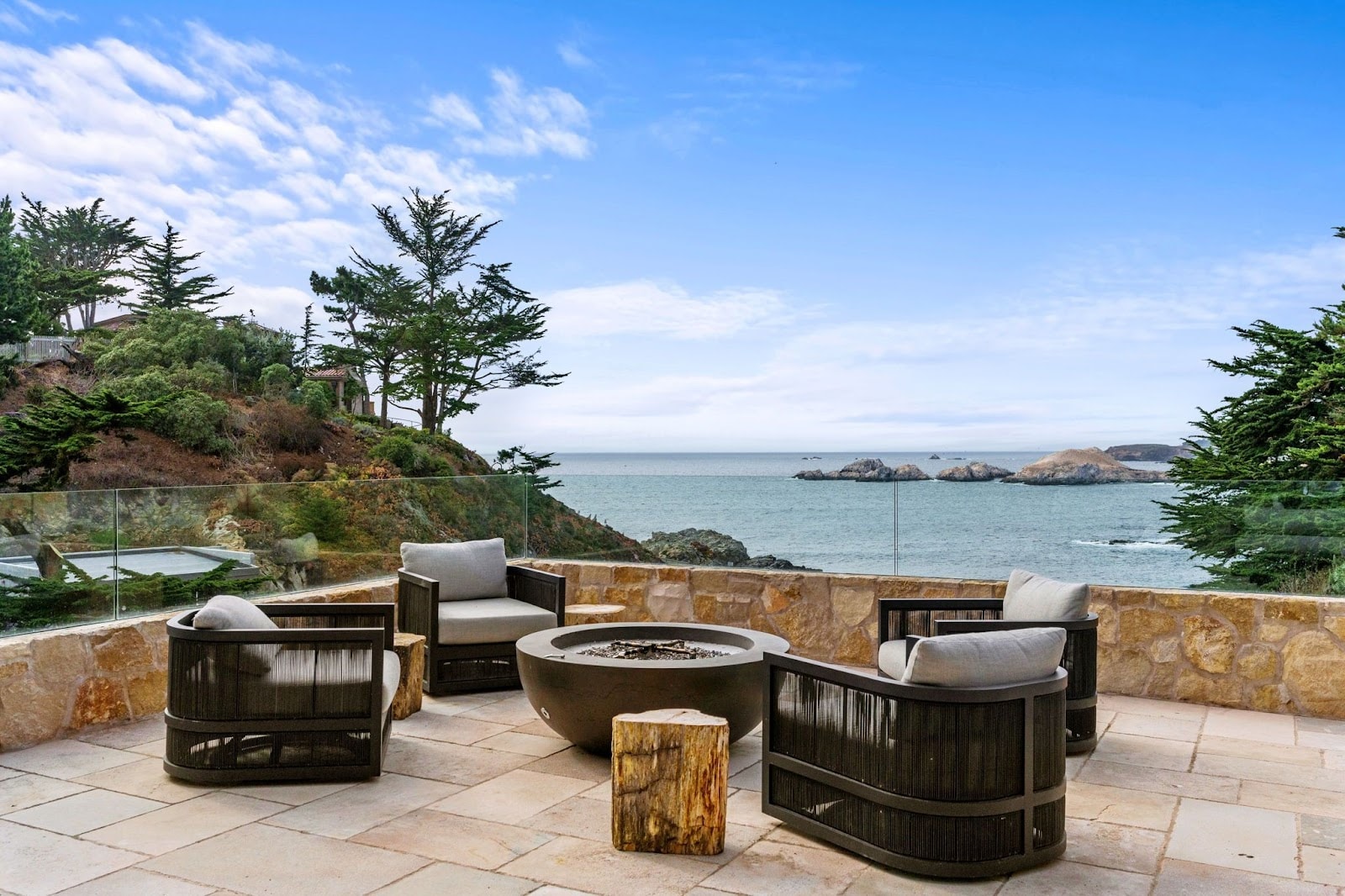
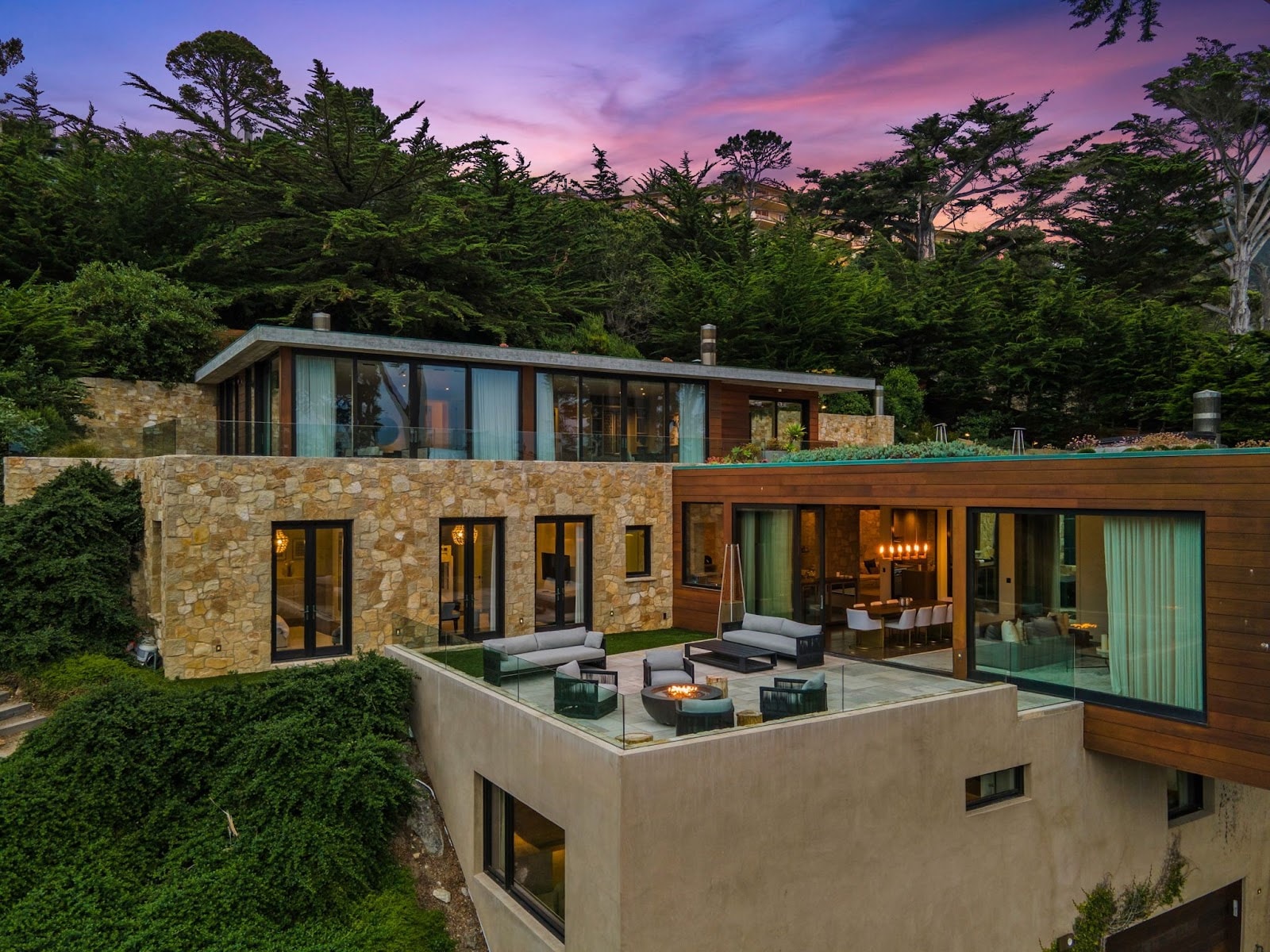
Carmel, California, USA — 5-Bed House With Infinity Pool
$1,530,000
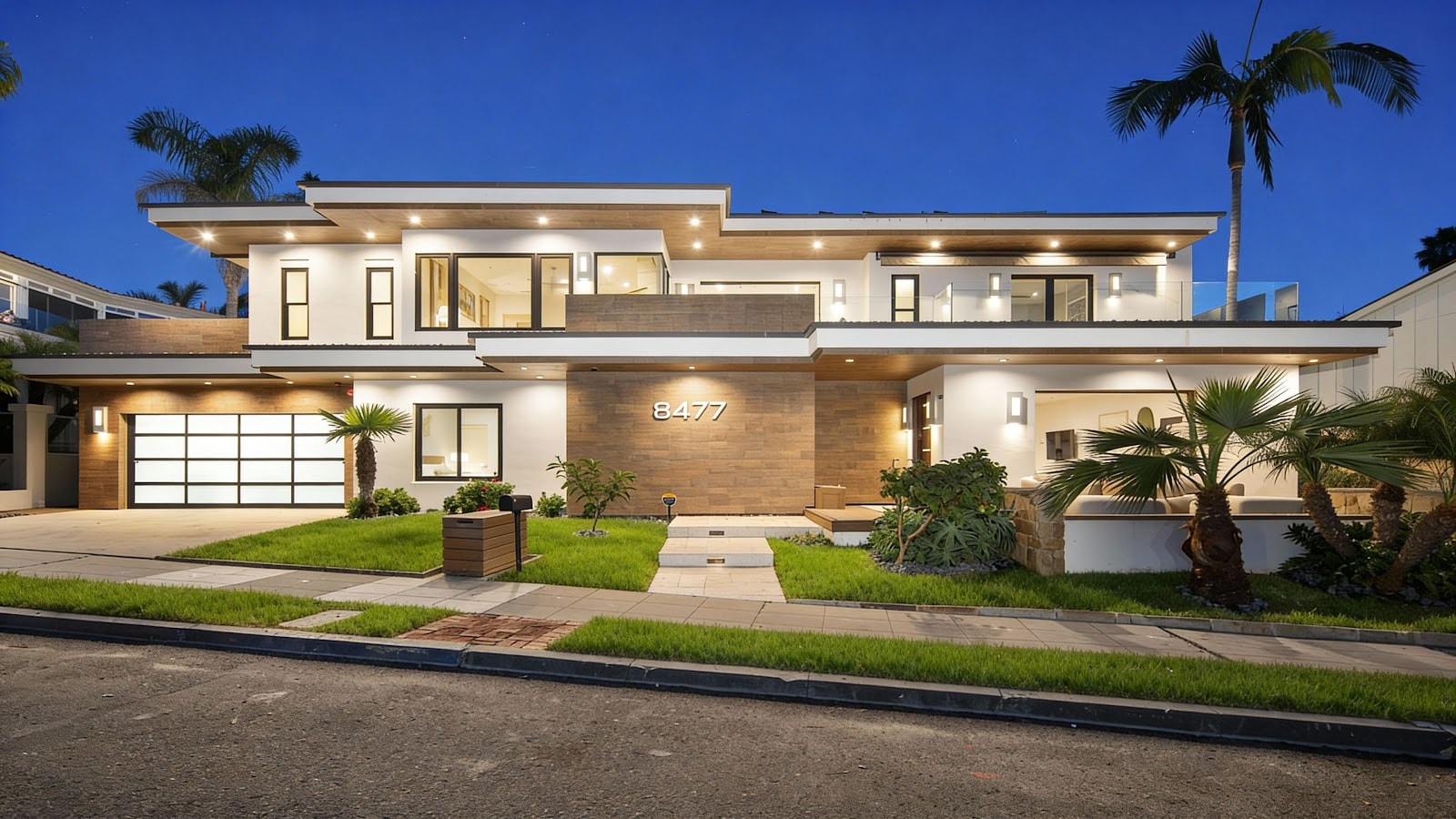
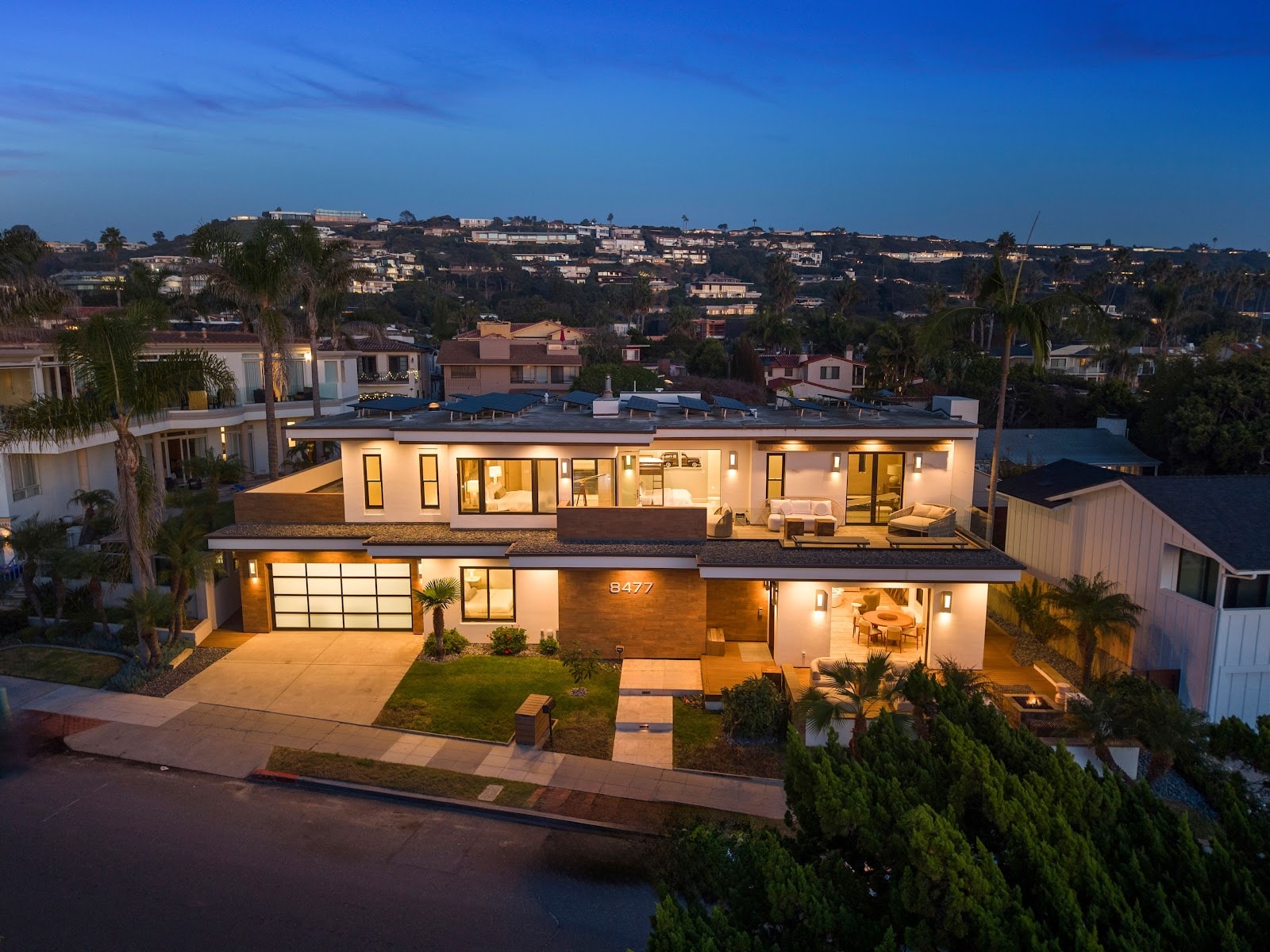
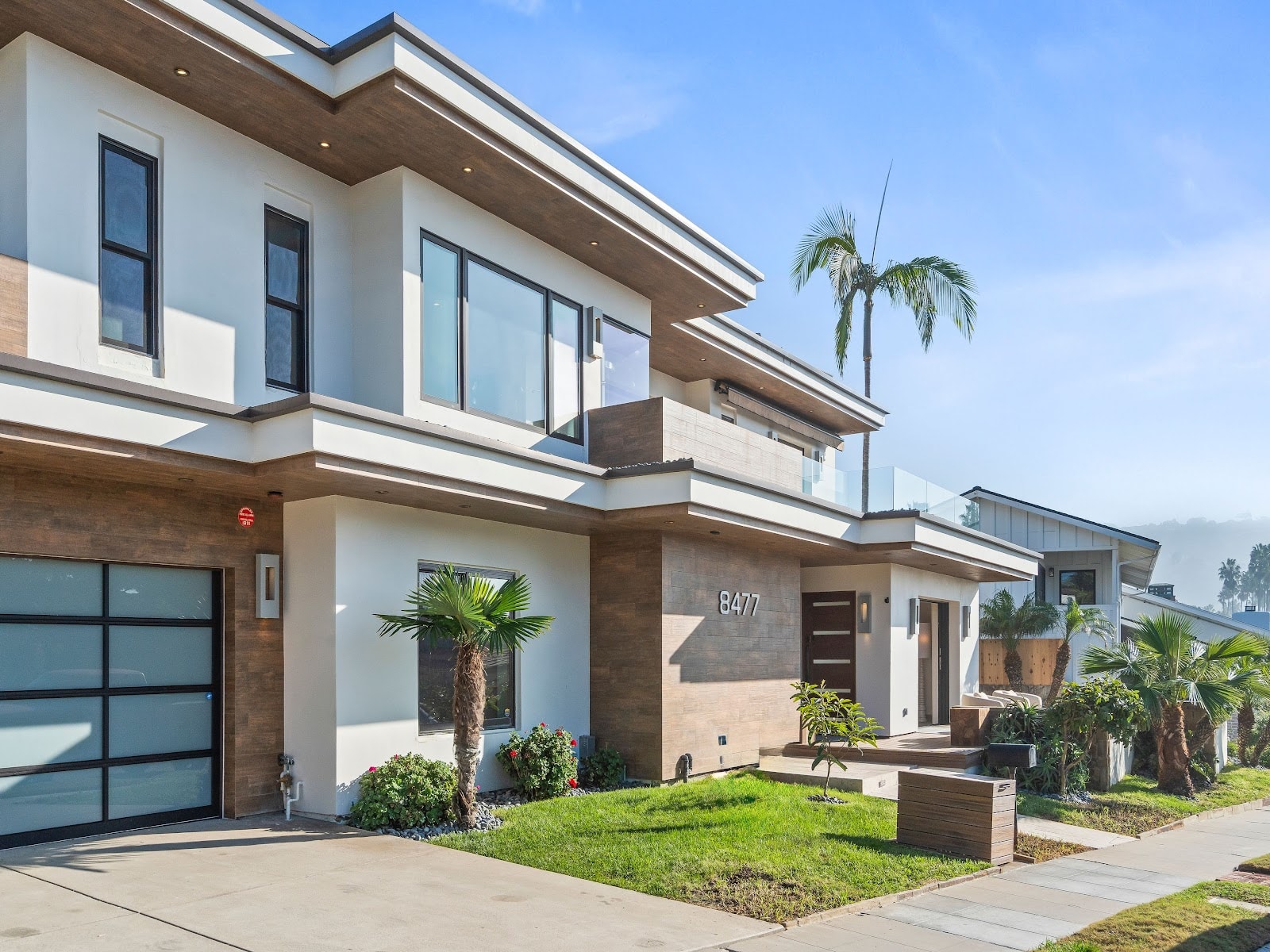
San Diego, California, USA — 4-Bed House With Sea Views
$1,180,000
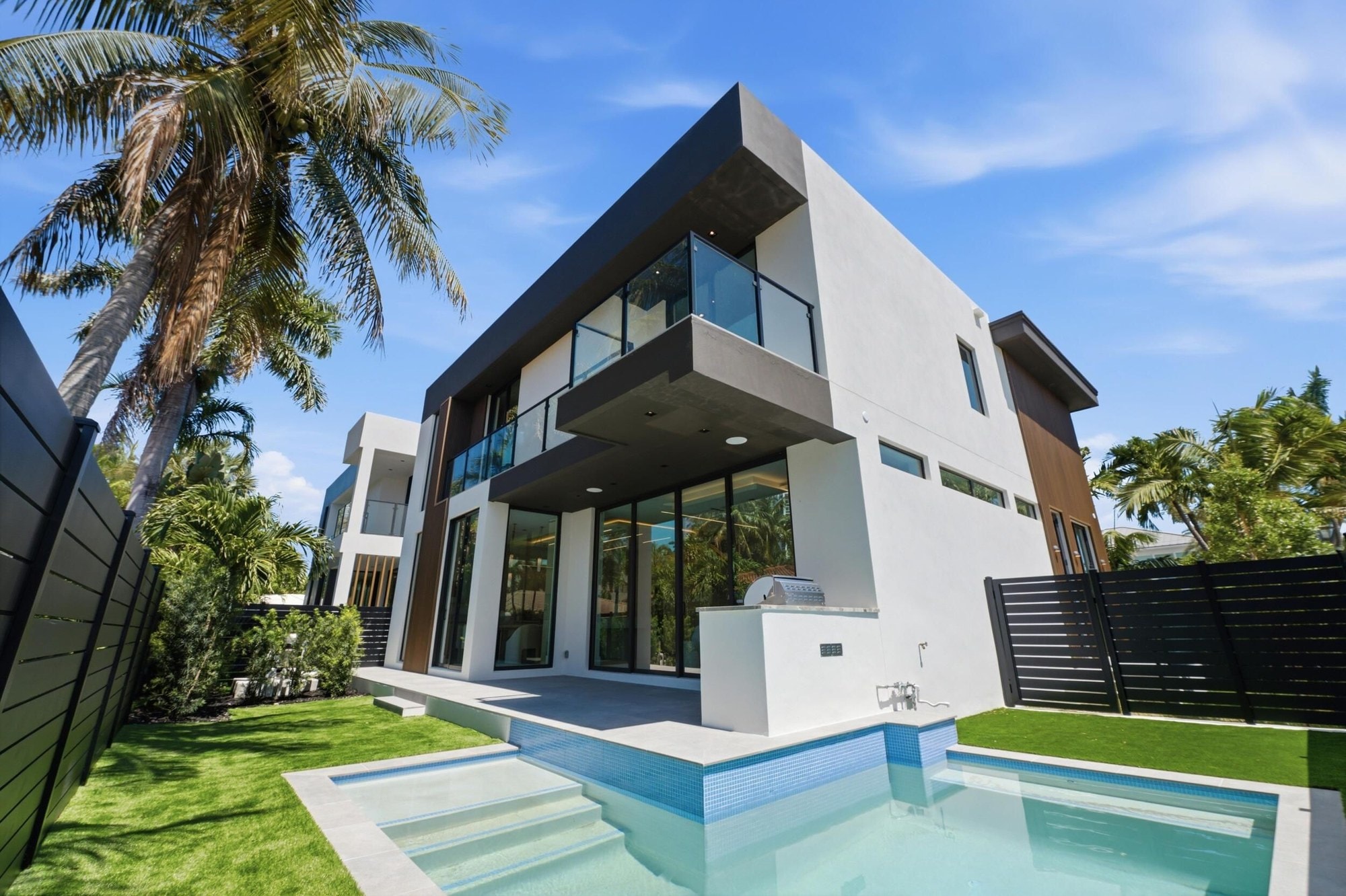
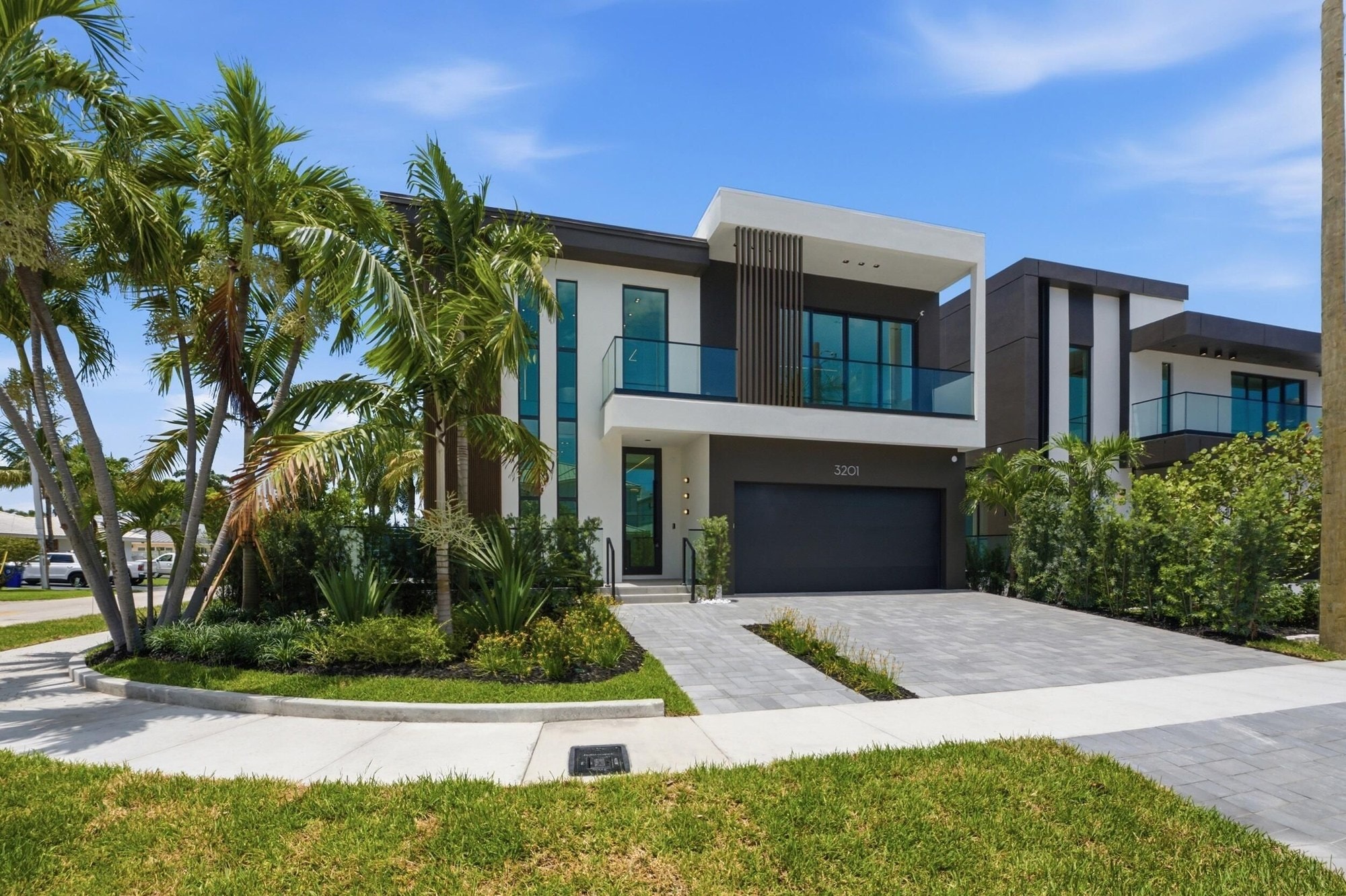
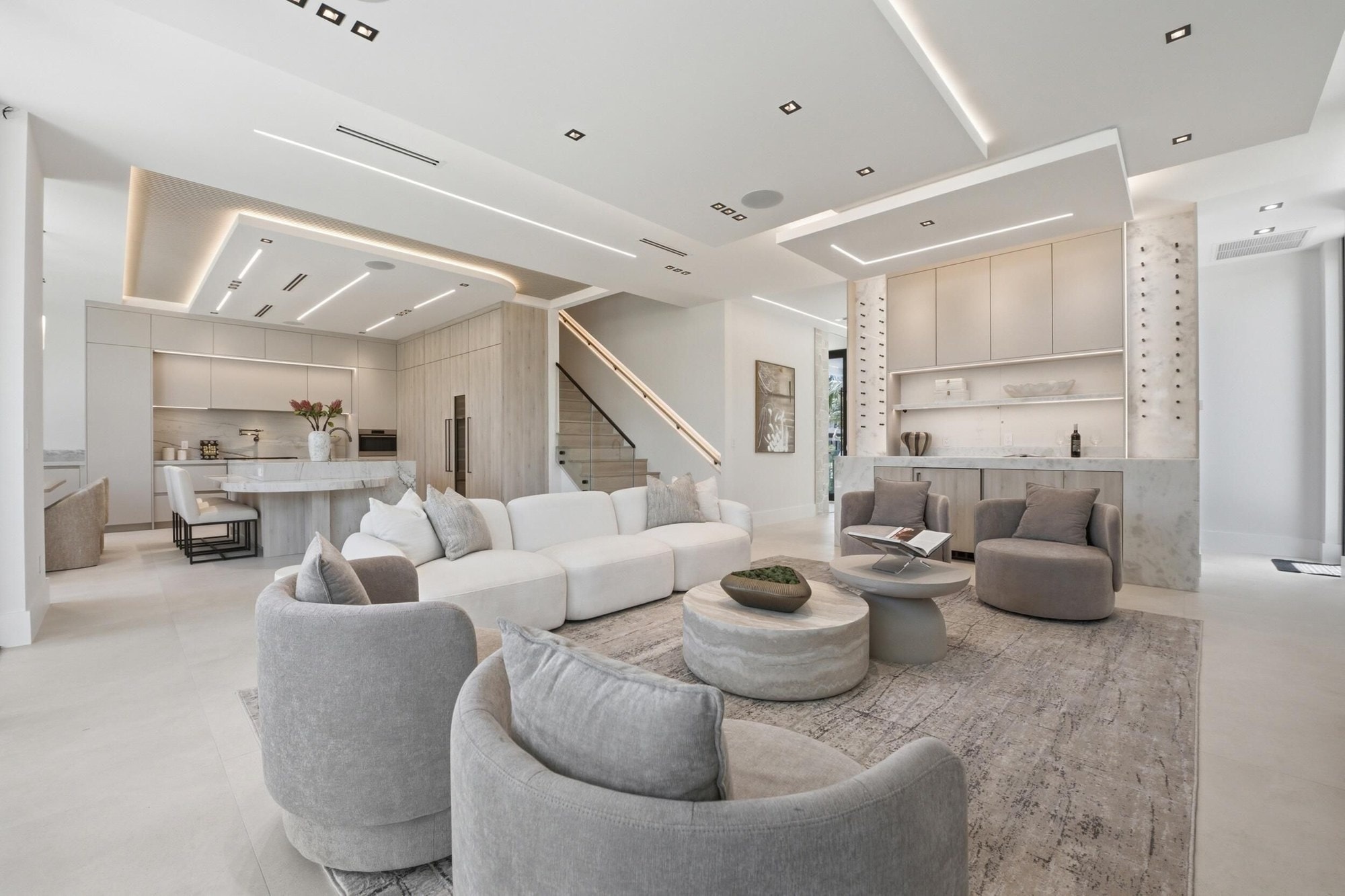
Fort Lauderdale, Florida, USA — 4-Bed Modern House With Pool Near The Beach
$533,000
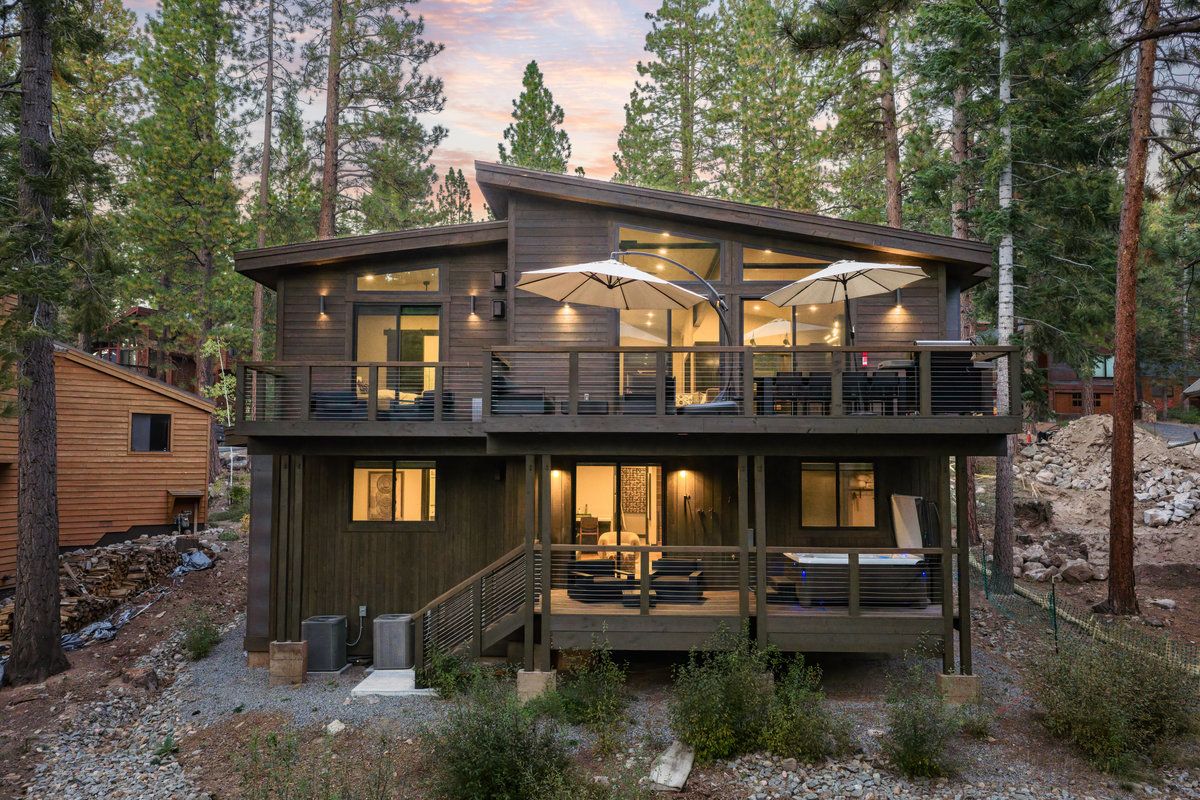
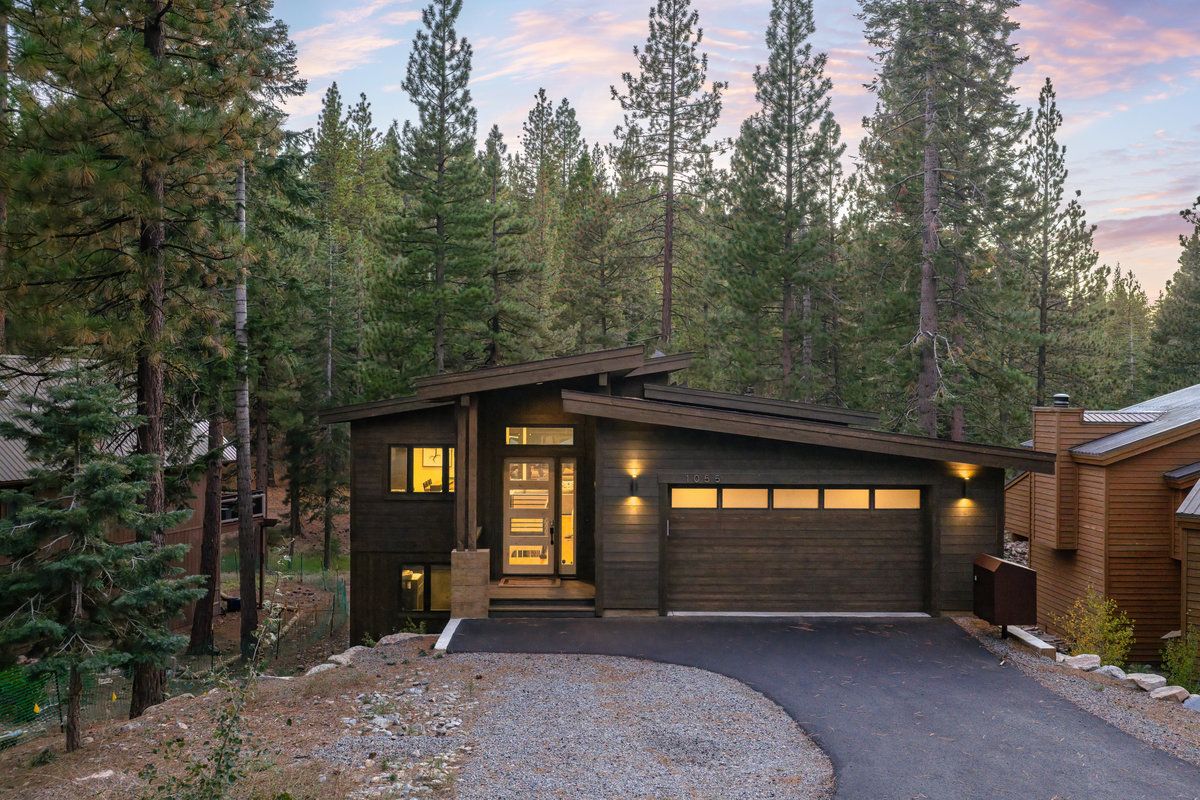
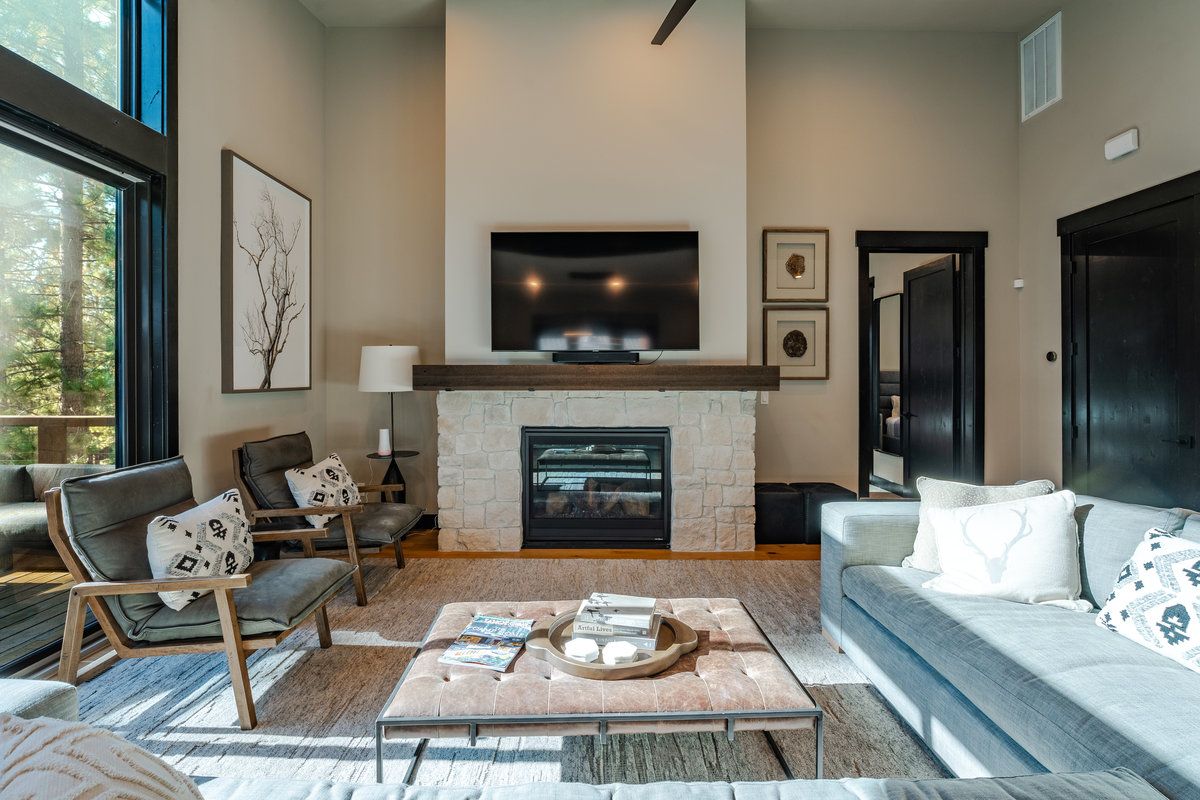
Truckee, California, USA — 4-Bed House With Pool
$385,000
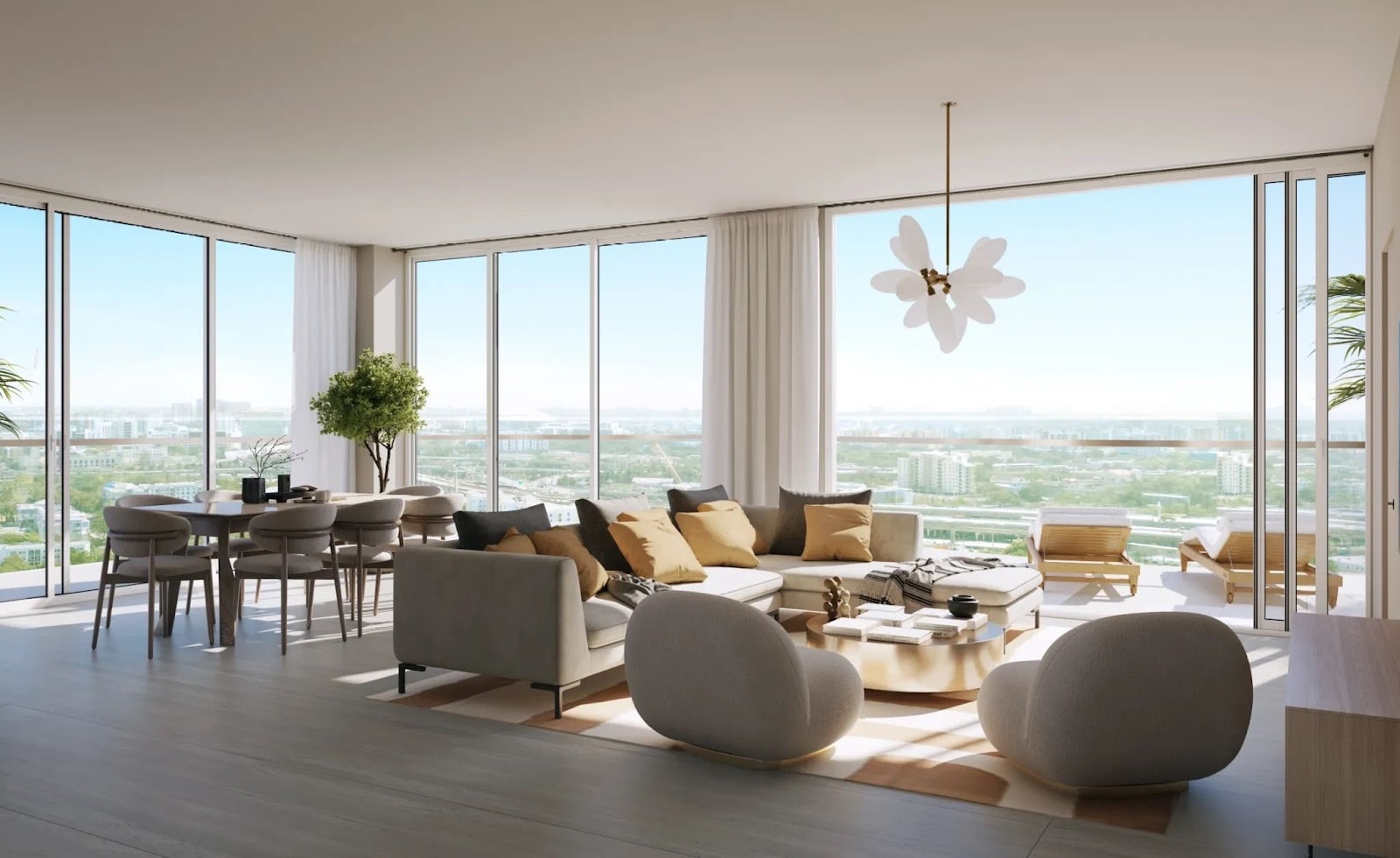
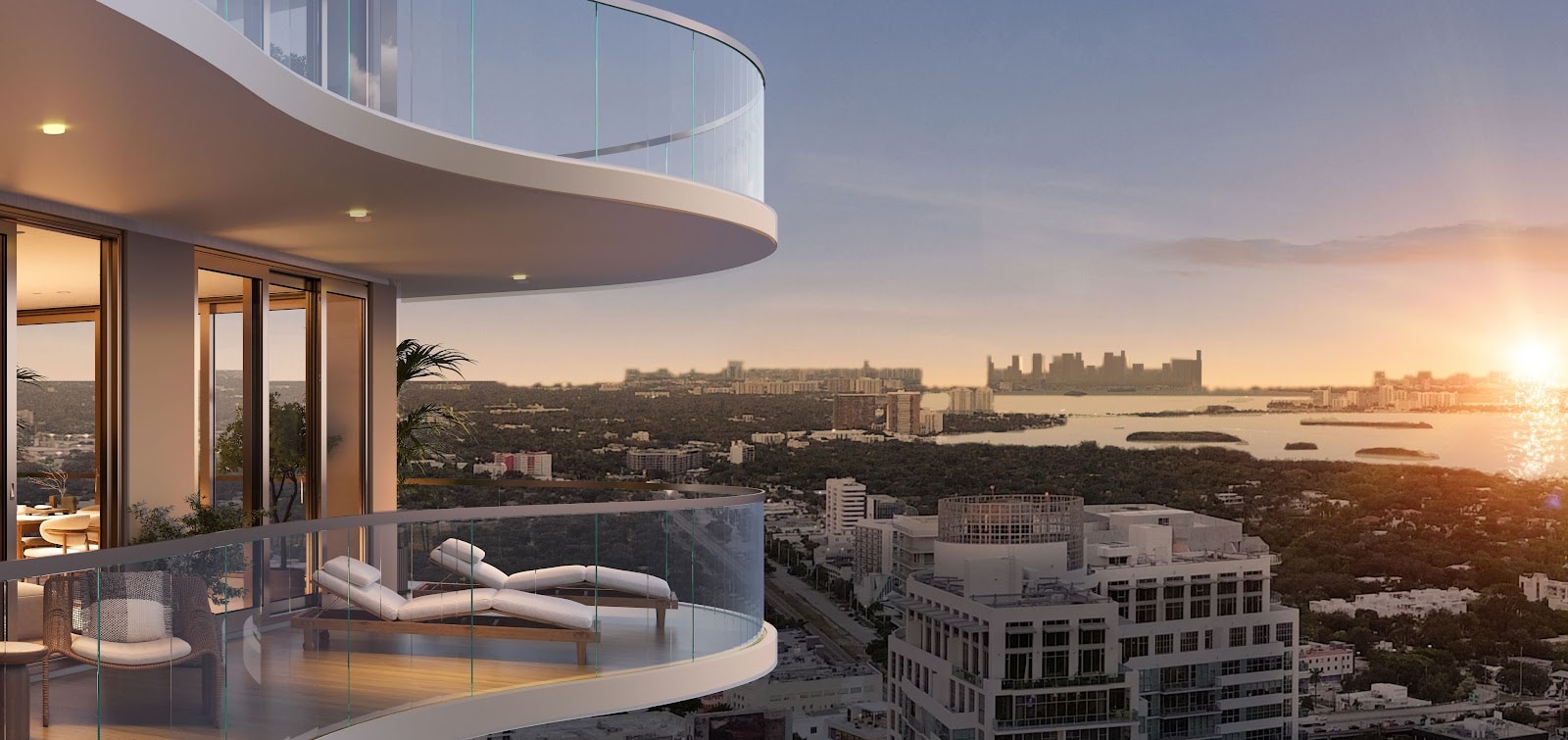
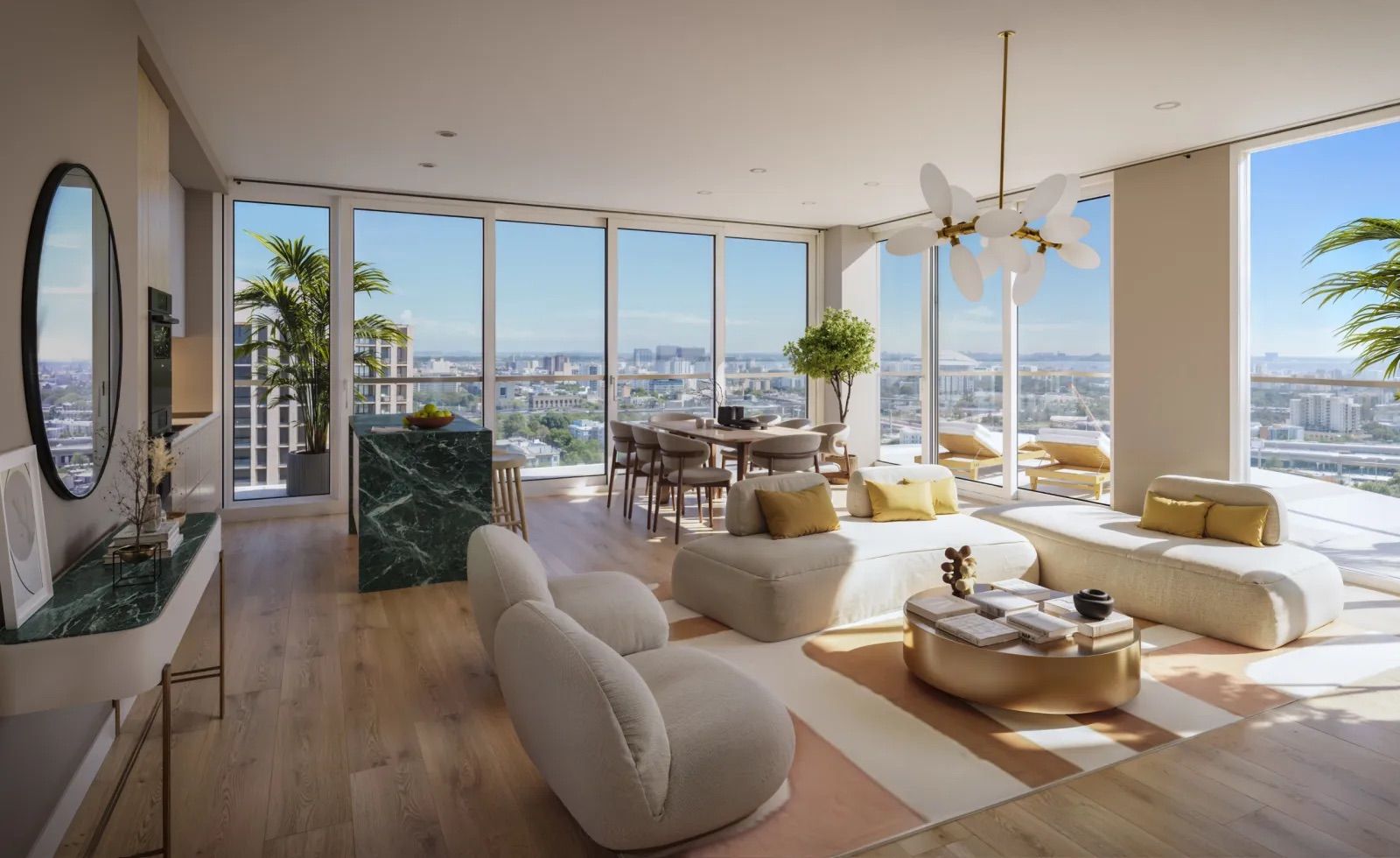
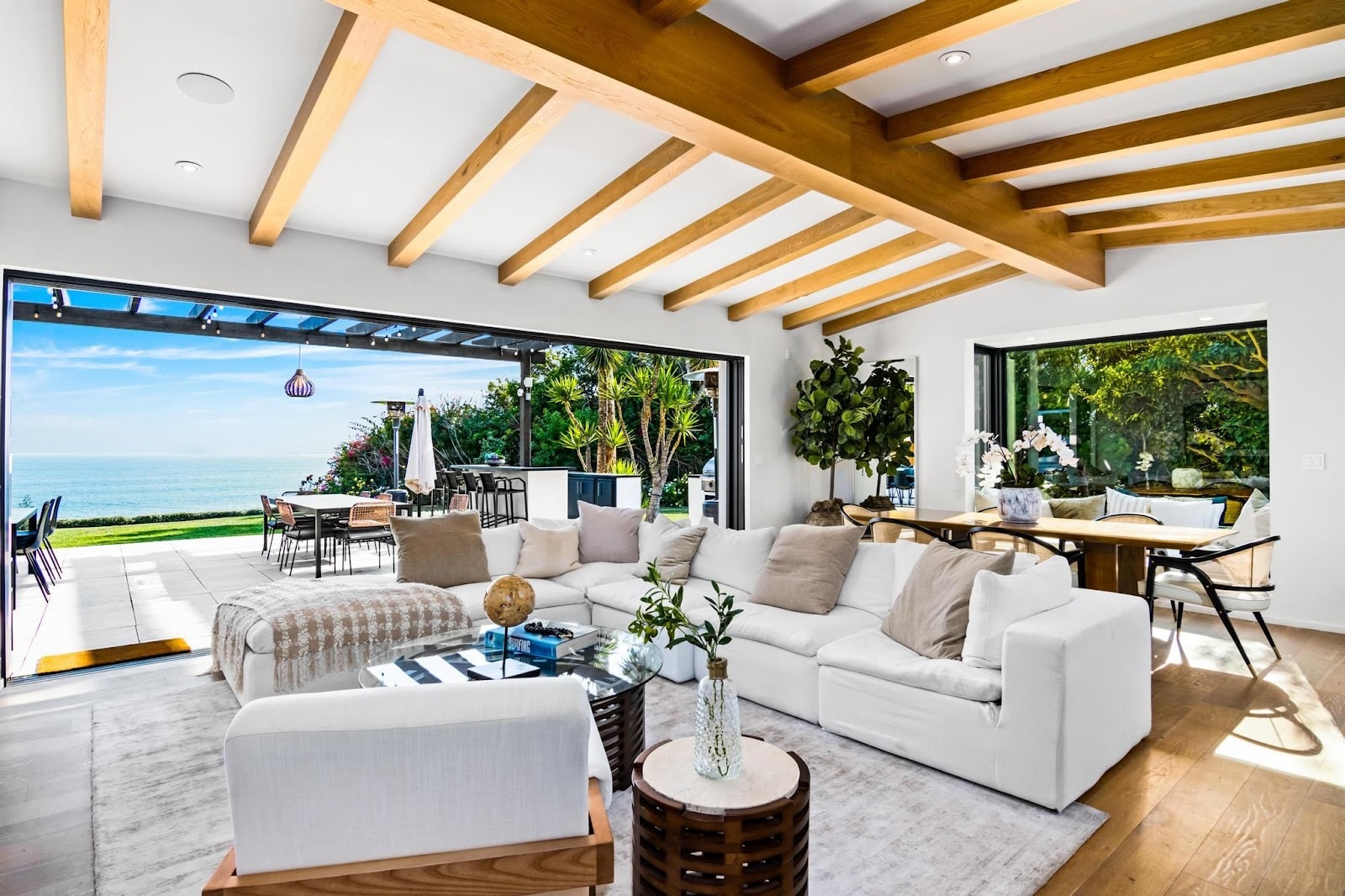
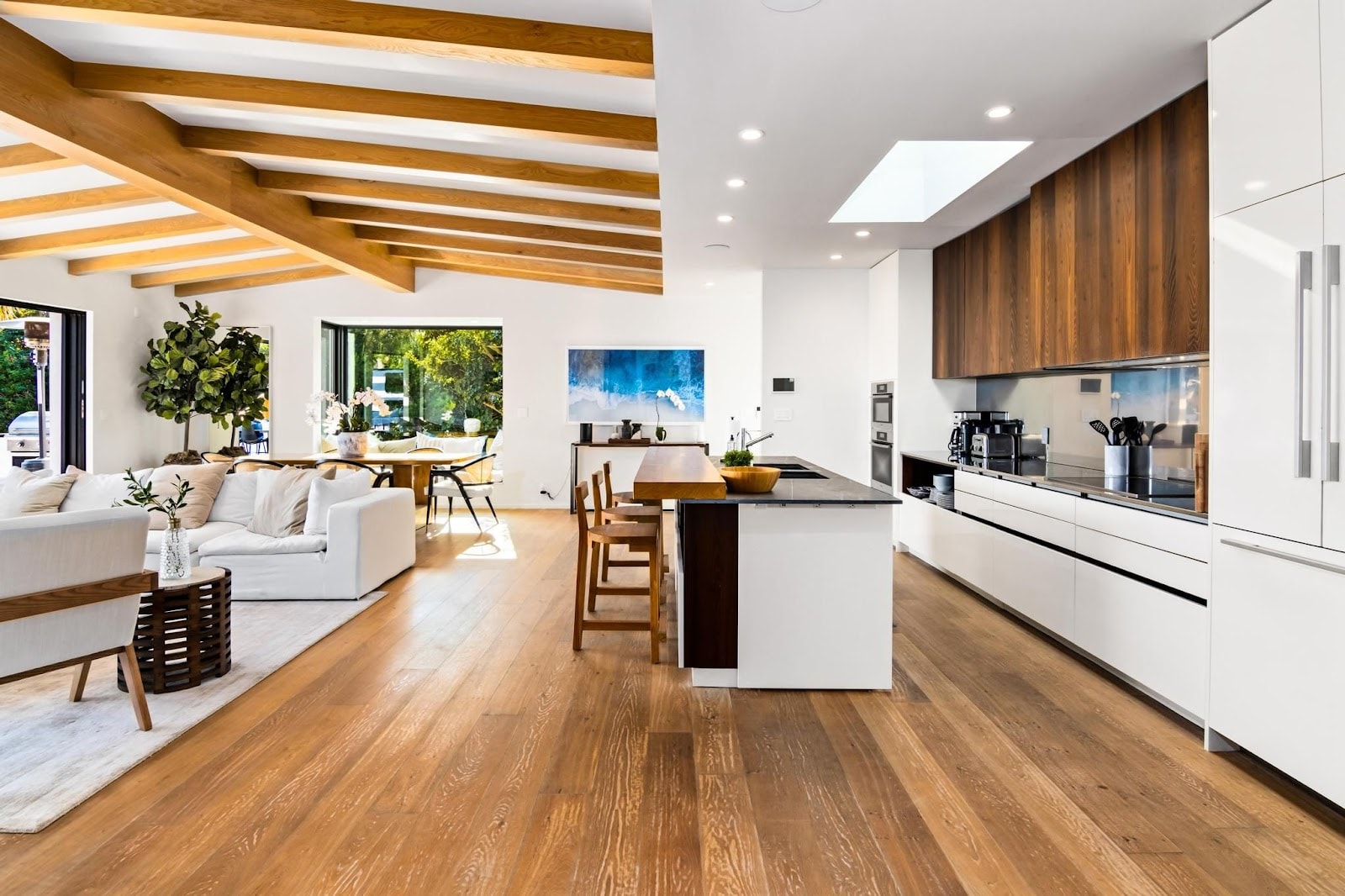
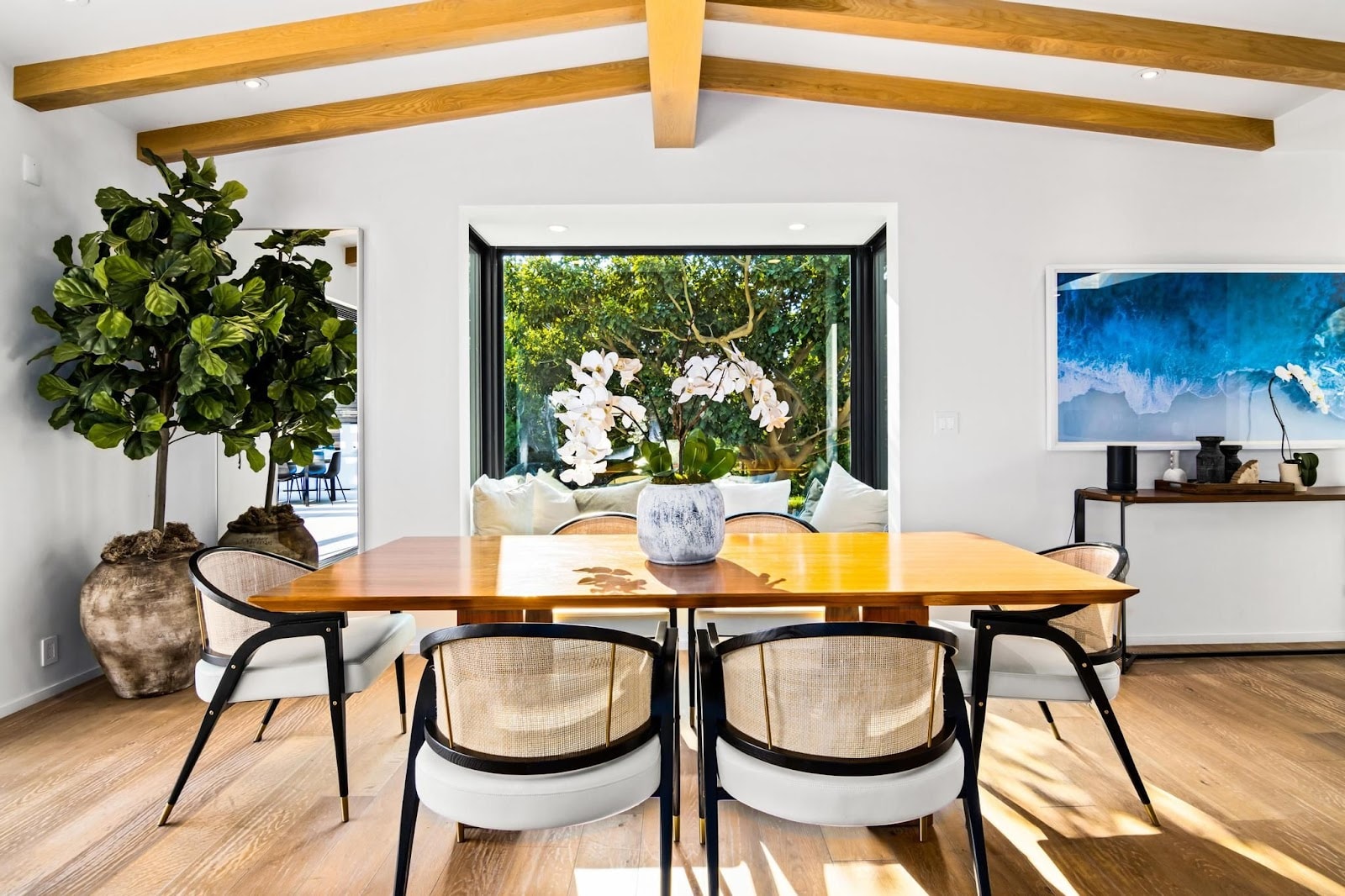
Malibu, California, USA — 3-Bed House With Beach Access
$849,000
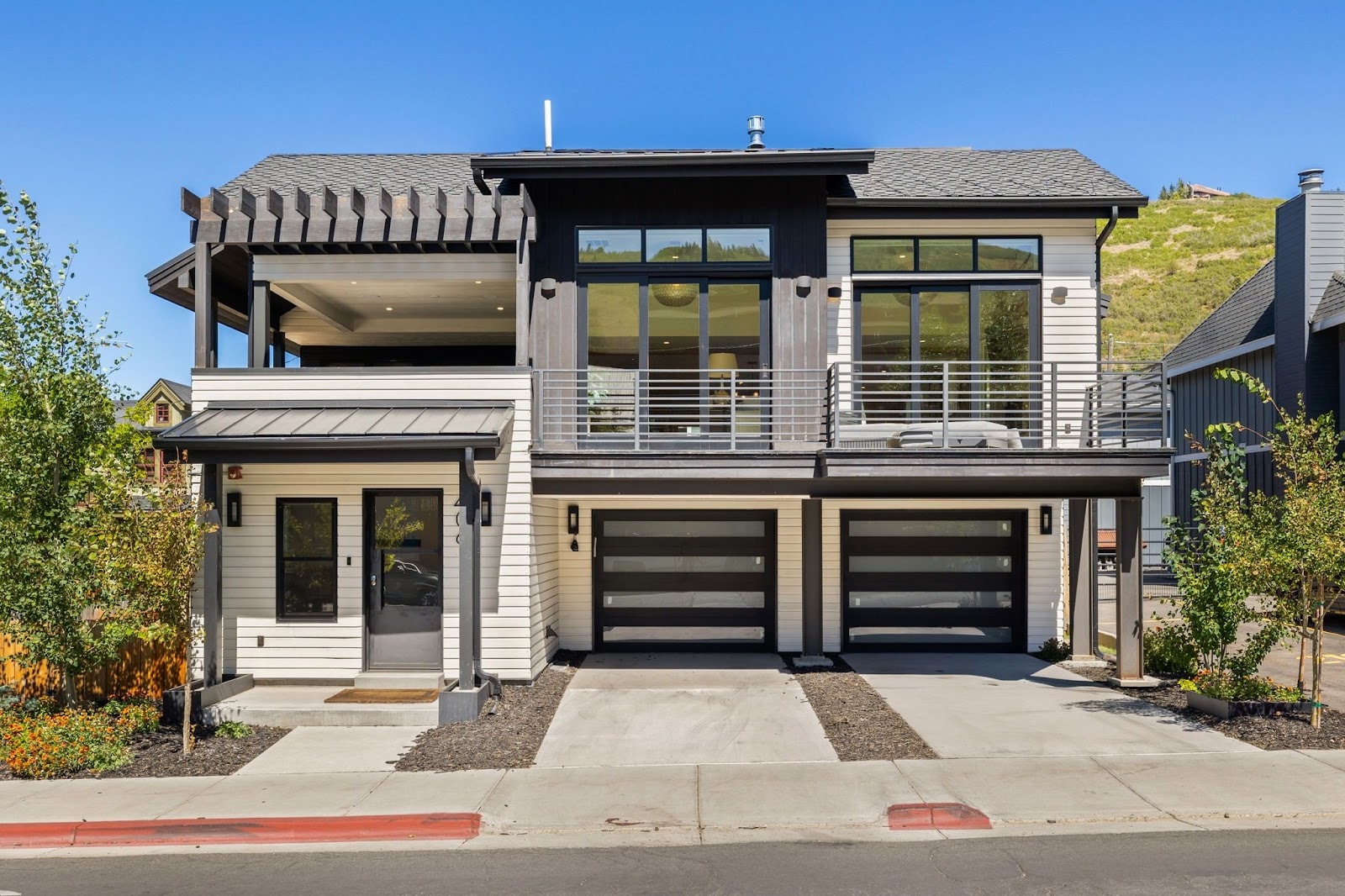
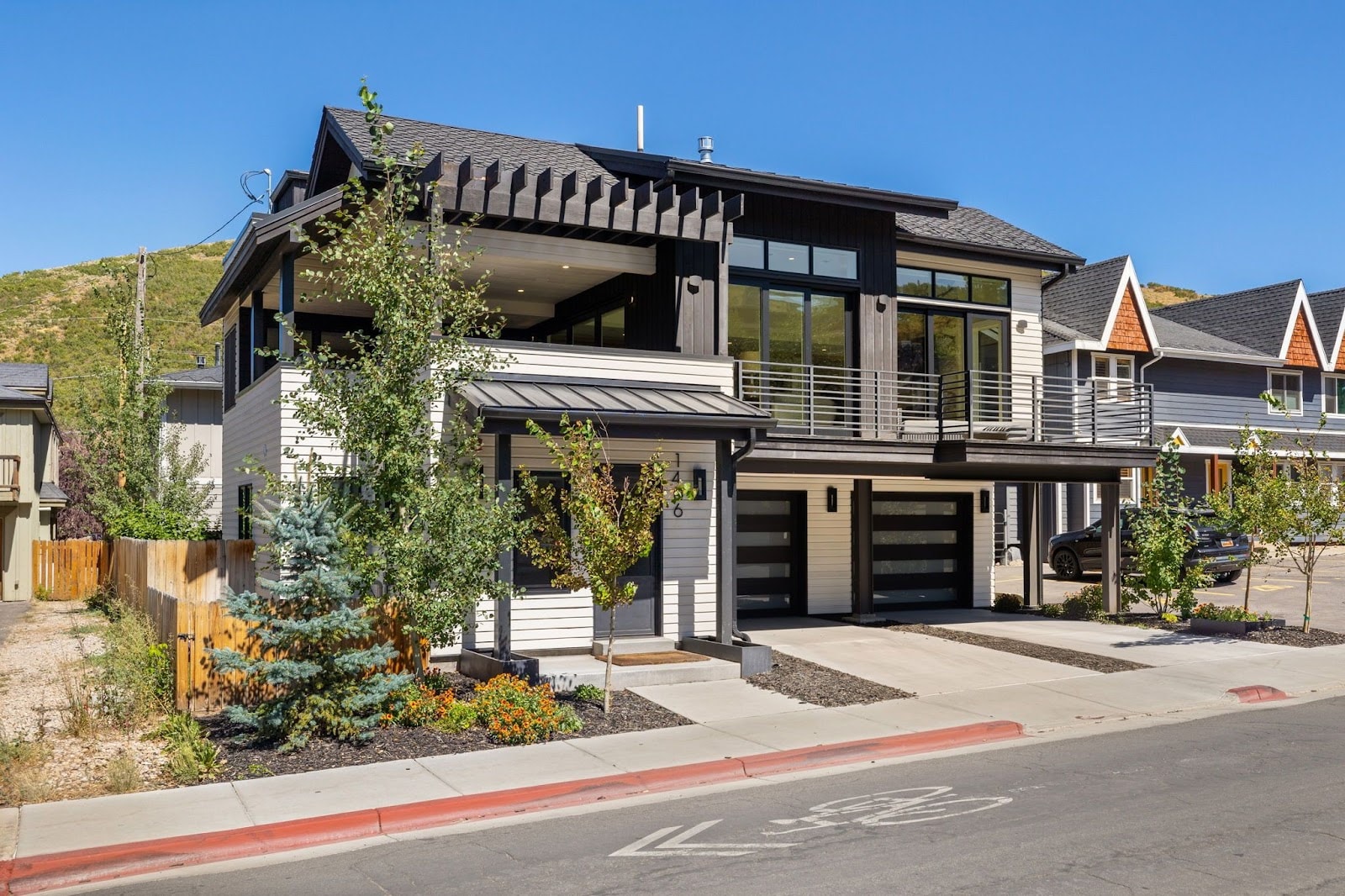
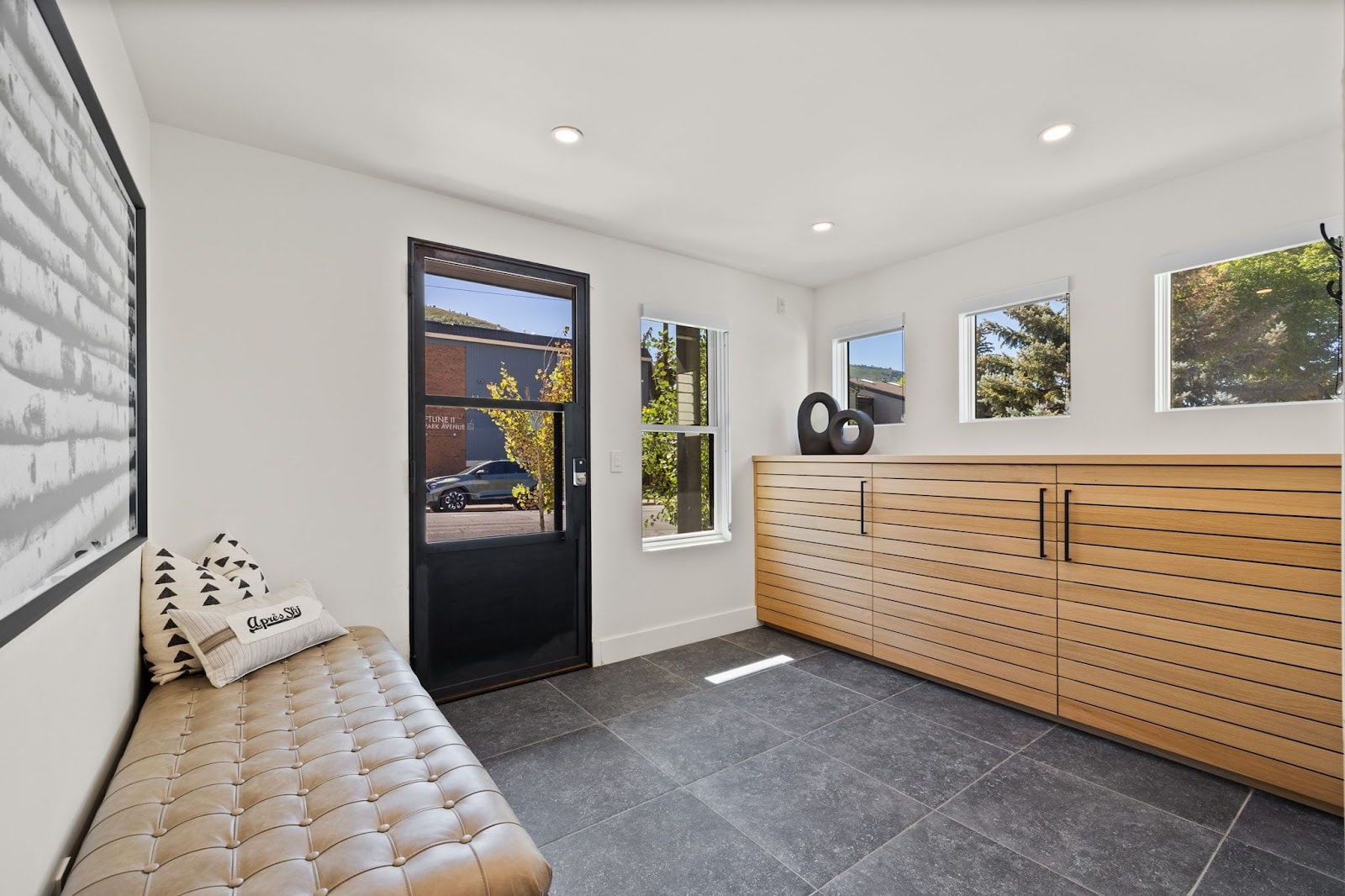
Park City, Utah, USA — 5-Bed House With Hot Tub
$800,000
America's most coveted addresses, accessible through co-ownership.
Fully managed villas, beach houses, ski chalets and city apartments across California, the Rocky Mountain West, Florida, the Carolinas Lowcountry and the Southwest. Your 1/8 share of the home comes with 6–7 weeks of personal use, a professional management team on call, and the long-term equity of the most mature and internationally-traded second-home market in the world.

What is fractional ownership in the United States?
Fractional ownership in the United States means buying a real 1/8 share of a luxury second home, shared with up to seven other co-owners. Each owner receives personal use set by the partner that manages the home — a minimum of 44 or 45 nights a year with most of our partners, and no set cap with some others — through a fair-rotation calendar, with all property management, maintenance, taxes and operations handled by a professional team. You can sell it, pass it on to your heirs, and it rises and falls in value with the house — it is not a timeshare, not a holiday club. The legal set-up is arranged by our partner for each home and walked through with you before you buy.
Why the United States?
The United States is, by every measure that matters to a fractional buyer, the deepest, most diverse and most internationally-traded second-home market in the world. The country's combination of geographic scale, climate variety, legal predictability and established financial infrastructure gives it a structural depth no other single jurisdiction can match. Within one passport, one currency, one income-tax framework and one body of property law, an owner can hold a Pacific-coast villa, a Rocky Mountain ski chalet, a sub-tropical Atlantic-coast apartment, a Lowcountry oceanfront and a Sonoran Desert resort house — and operate the whole portfolio to the same management standard. No other country in the world delivers that range of distinct propositions inside a single national framework.
Your American share is owned alongside up to seven other co-owners. You own a real share of the home — an eighth, a quarter — not a right to use it. You can sell it, pass it on to your heirs, and it rises and falls in value with the house. The legal set-up is arranged by our partner for each home and walked through with you before you buy. Resale is handled through our partner's resale process, without you having to sell the whole house.
Every property in the COP collection meets a defined quality bar — the property itself, the location, the management standard — and the United States' particular advantage in the global second-home set is the density and the diversity of distinct propositions available inside that bar. California alone contains more first-tier second-home markets than most countries in the world: the surf-modernist villas of Newport Beach and Malibu, the wine-country compounds of Napa and Sonoma, the alpine lakefront of Lake Tahoe, the mid-century-modern desert houses of Palm Springs and the celebrity privacy of Carmel and Santa Barbara — all reachable from one another by a single in-state flight or a long scenic drive. Colorado and the Rocky Mountain West hold the deepest ski-resort cluster in the world: Aspen, Vail, Beaver Creek, Breckenridge, Telluride, plus Park City in Utah and Jackson Hole in Wyoming. Florida delivers the longest mature beach coastline in the United States with Miami, Brickell, the Florida Keys, the 30A stretch of the Gulf Coast and the Naples/Marco Island gulf. The Carolinas Lowcountry — Kiawah, Charleston, Hilton Head — is one of the most architecturally distinctive coastal regions in the country. And the Southwest — Scottsdale, Sedona, Lake Tahoe's Nevada side, Santa Fe — gives owners access to the desert-and-mountain American interior at price points that compare favourably to the coastal headliners.
It is worth setting the United States in its global second-home context. France offers the most concentrated luxury alpine cluster in Europe and the Côte d'Azur's coastal pedigree, but at a price-to-quality ratio that has steepened sharply over the past decade. Spain delivers Europe's most international second-home volume and the deepest multilingual professional-services infrastructure for non-resident owners, but cannot match the United States for first-tier ski destinations or for the scale of California's coast. Italy has the most heritage-protected coastal stock in Europe and the deepest cultural envelope, but with materially higher legal-and-tax complexity than the American framework. Switzerland covers the alpine offer at the high end with restrictions on foreign ownership that the US does not impose. Mexico and the Caribbean offer warm-water alternatives at lower price points but with less developed legal-and-management infrastructure for international owners. None of these comparisons makes the US categorically "better" — the right answer depends on the buyer's priorities — but they help frame why the American second-home market remains the global benchmark for scale, depth, regulatory predictability and exit liquidity.
The third structural argument for the United States is the diversity of usable lifestyles available inside the country. A family with a 1/8 share at Aspen can use the same managed-portfolio relationship to add a winter-sun share in Florida and a summer share at Newport Beach — three completely distinct propositions, three architectural traditions, three climate zones, all inside the United States, all in dollars, all under one management relationship. An owner with a Brickell apartment can be on the 30A Gulf Coast within a 90-minute flight, in the Florida Keys within two hours by car, and on a coast-to-coast flight to California in five hours. A British or Dutch couple looking for a winter ski base, a summer beach base and a spring-and-autumn city base can hold all three shares inside the United States. The American Airlines / Delta / United domestic networks make multi-state ownership genuinely practical in a way that owning across three European countries simply cannot match.
For a co-ownership buyer thinking strategically rather than just emotionally, the United States' combination of scale, infrastructure and legal predictability matters more than the headline glamour. The Newport Beach villa your share is in sits on a coast where the buildable land was already capped by California Coastal Commission regulations a generation ago, and the existing oceanfront stock is essentially the stock that will exist for the rest of the century. The Aspen chalet is in a town whose strict growth-management plan has held the developable footprint of the resort to a fixed envelope since the 1970s. The Kiawah Lowcountry house is on a barrier island whose Heritage Preserve covenants protect the maritime forest and dune systems from contemporary build-outs. The Park City house is in a resort that has been zoned for resort-residential use for fifty years and whose ski-base inventory is finite. These are not assets that depend on interest-rate cycles to hold their value; they depend on the unchanging facts that California remains California, Aspen remains Aspen, and the underlying land is not making more of itself.
One under-discussed advantage that becomes obvious once you actually start using an American second home is the depth of the country's professional-services infrastructure for non-resident owners. Decades of international buyer interest in California, Florida and the major resort towns have built up an ecosystem of multilingual lawyers, property managers, tax specialists and concierge services in every significant second-home region. The local management companies in Aspen, Vail, Newport Beach, Miami and Kiawah operate in English, Spanish, Mandarin and the major European languages as a matter of routine, with deep operating histories and bench depth that smaller jurisdictions cannot match. The county-recorder system gives ownership documentary clarity through public-record property registers that are searchable online; the IRS's FIRPTA framework for non-resident property-related income is well-understood by every American real-estate attorney working in the second-home space; and the practical mechanics of owning US property as a non-resident are well-trodden ground for the advisers who work in this space. None of this is glamorous, but it is the kind of infrastructure that determines whether owning a second home from another country is a pleasure or a chore.
The fourth structural advantage worth naming is the transport infrastructure that makes an American second home practically usable rather than just nominally owned. The US operates the world's largest commercial-aviation network — the FAA's domestic system carries close to a billion passenger trips per year — and every significant second-home cluster sits within easy reach of a major hub airport. California: LAX for the Los Angeles basin, SFO for Napa-Sonoma and the Bay Area, SAN for the southern coast, SNA (John Wayne) for Newport Beach, PSP (Palm Springs) for the desert. Colorado: Denver International (DEN) with regional connections to ASE (Aspen), EGE (Eagle/Vail), HDN (Hayden/Steamboat), MTJ (Montrose/Telluride). Florida: Miami (MIA), Fort Lauderdale (FLL), Orlando (MCO), Tampa (TPA), Pensacola (PNS) for 30A. The Carolinas: Charleston (CHS), Hilton Head (HHH), Savannah (SAV). Utah / Mountain West: Salt Lake City (SLC) for Park City, Jackson Hole (JAC) for the Tetons. International owners coming from London, Frankfurt, Paris or Amsterdam can reach LAX, MIA or DEN in under 11 hours nonstop, with the major American hubs offering 100+ daily transatlantic services in season.
Where to own in the United States
The United States second-home market is best understood through five distinct geographies, each with its own architecture, climate, season and culture. The pages dedicated to each cluster — linked at the end of this section — go deeper on individual towns and zones; what follows is the country-level orientation that helps a reader narrow from "the United States" to a region. There are, of course, American second-home destinations beyond these five (the Hamptons and Long Island; the Maine and Massachusetts coast; Hawaii; the Pacific Northwest; Sun Valley Idaho; Big Sky Montana) and we are happy to discuss them with buyers whose interests run that direction. But the supply story for fractional ownership in the United States is concentrated in the five clusters below: California, the Rocky Mountain West, Florida, the Carolinas Lowcountry, and the Southwest.
California
California is, by every meaningful metric, the single most important second-home state in the United States for international buyers. Within the state's 1,300-kilometre Pacific coastline and its inland mountain-and-desert geography sit more first-tier luxury second-home markets than most entire countries can muster. The major sub-zones for international fractional buyers cluster across four distinct geographies: the Southern California coast (Newport Beach, Laguna Beach, Malibu, Santa Barbara, Carmel-by-the-Sea); Wine Country (Napa Valley, Sonoma, Healdsburg); the Sierra Nevada and Lake Tahoe (Truckee, Tahoma, North Lake Tahoe, Olympic Valley); and the desert resorts (Palm Springs, La Quinta, Indian Wells, Rancho Mirage). All four sit within a 90-minute domestic flight of one another or a single-day drive — and an owner with a California share has access to a portfolio of climates and lifestyles that a single non-American jurisdiction would need three or four properties to deliver.
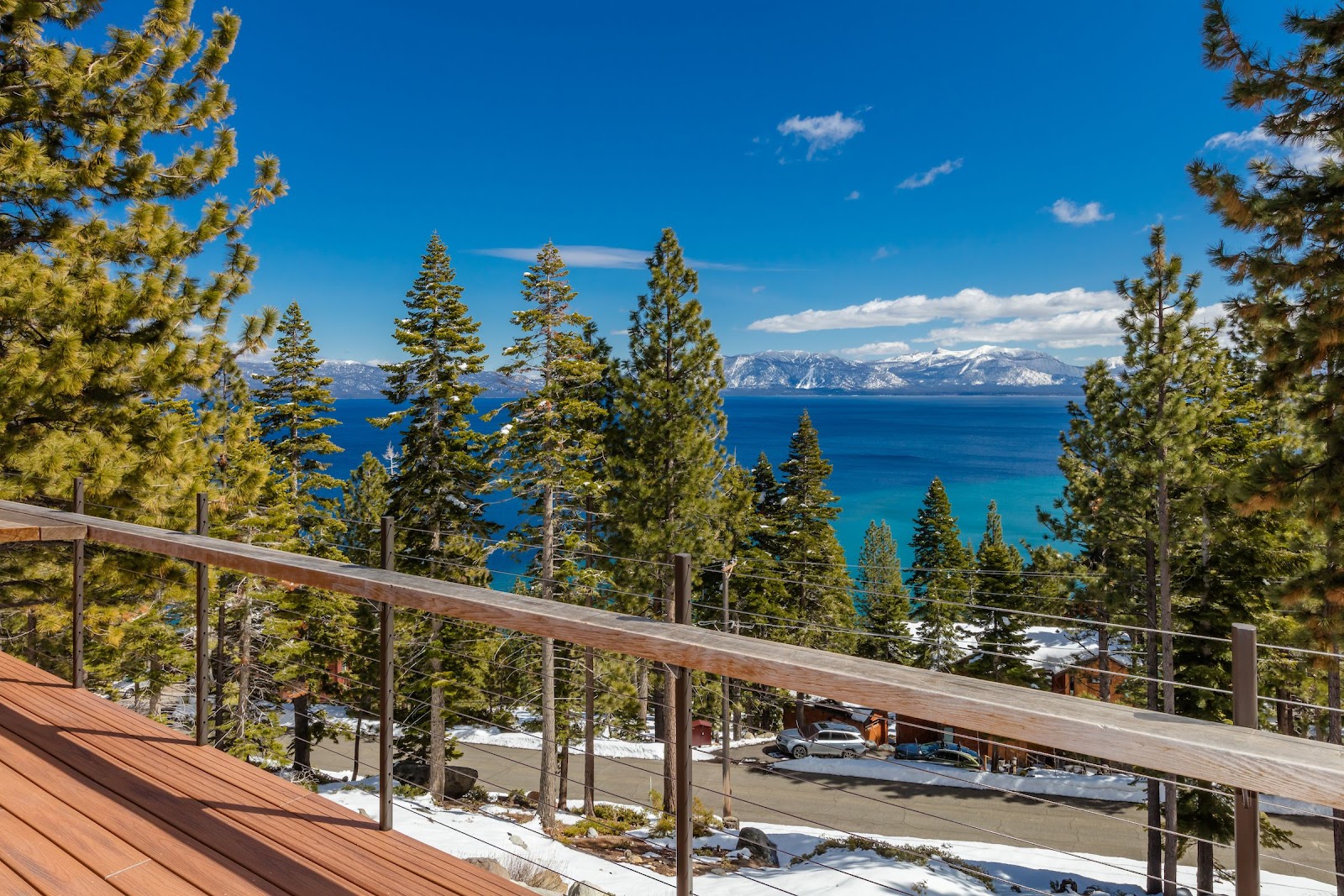
The Southern California coast is the anchor of the proposition. Newport Beach — and specifically the peninsula and Balboa Island sub-zones — is the most internationally recognised yacht-and-villa community in the western US, with the country's largest small-boat harbour, the Newport Beach Tennis Club, the Pelican Hill resort and a year-round Mediterranean-equivalent climate. Malibu stretches 27 miles north along the Pacific Coast Highway from Pacific Palisades, with the legendary Carbon Beach, Paradise Cove and Point Dume sub-zones holding the most architecturally significant coastal villa stock anywhere on the US Pacific. Laguna Beach, between Newport and San Diego, is the artistic cove-town alternative — Laguna's Three Arch Bay and Emerald Bay are among the most exclusive private gated communities on the coast. Santa Barbara and Montecito further north combine Spanish-Colonial Revival architecture with the privacy that has long made Montecito the most discreet ultra-high-end community in California. Carmel-by-the-Sea and the Pebble Beach / 17-Mile Drive stretch on the Monterey Peninsula give owners access to one of the most photographed stretches of coastline on the planet plus three of the world's great championship golf courses.
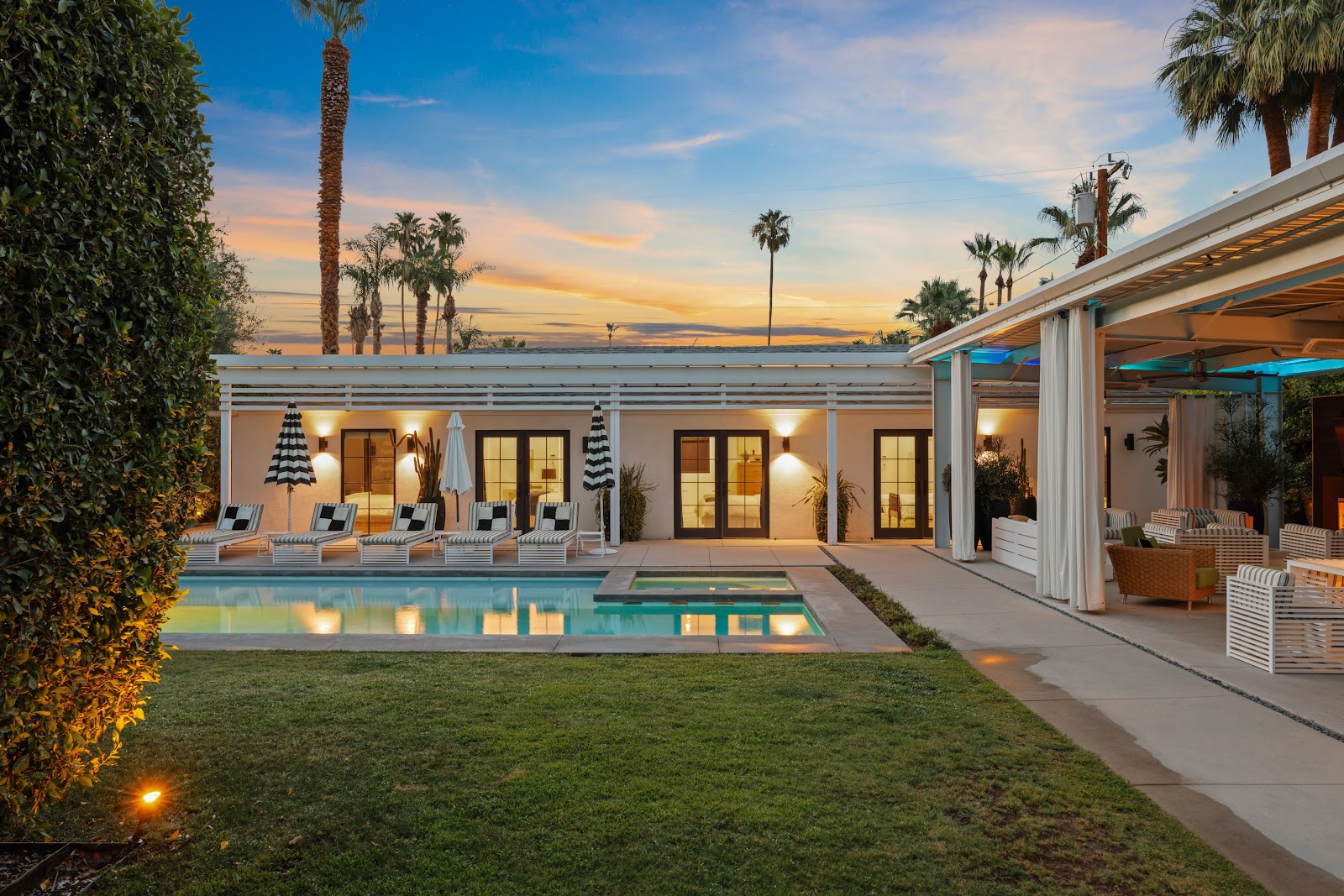
Wine Country works to a different rhythm and a different building typology. The Napa Valley stretches 30 miles from the city of Napa north through Yountville, Oakville, Rutherford, St Helena and Calistoga — each town with its own appellation, its own restaurant scene and its own architectural language of stone-and-redwood compounds set back from the valley floor. Sonoma County to the west is the lower-density, more agricultural alternative — Healdsburg, Sonoma Plaza, Glen Ellen and the Russian River Valley sub-zones — with vineyards interspersed with redwood forest and a more deliberately understated luxury aesthetic. The Sierra Nevada and Lake Tahoe are California's mountain counterpart: Tahoma, Sunnyside, Tahoe City and the West Shore for the quieter California-side experience; Truckee and Olympic Valley for the ski-base communities; the Northstar resort for the more recently developed inventory. Lake Tahoe runs across the California-Nevada border, and the Nevada side around Incline Village is treated separately in the Southwest cluster below. Finally, the desert resorts — Palm Springs, La Quinta, Indian Wells, Rancho Mirage — give California a winter-sun proposition unlike anything elsewhere in the state, with the famous mid-century-modern architectural inheritance and the year-round outdoor-living climate that has made the desert one of the country's most enduringly popular winter-second-home regions.
The international buyer mix in California is the most diverse of any American region: long-established Canadian (Vancouver and Toronto in particular), British, Dutch, German, Swiss, Australian and Mexican cohorts, with a fast-growing Korean, Chinese and Indian presence on the south coast and in Wine Country. Climate-wise the coastal stretches run 10–18°C (50s–60s°F) in winter to 22–26°C (low to high 70s°F) in summer (the Pacific keeps coastal summers cool); the desert resorts run 15–24°C (60s–70s°F) in winter to 35–43°C (high 90s°F to 110°F) in summer (the desert is a winter destination, essentially closed by July); the Sierra runs −5°C to 5°C (mid-20s°F to 40s°F) in winter with reliable snow and 15–25°C (60s–70s°F) in summer. Best for: design-led couples and families who want the most diverse single-state second-home portfolio in the world, who value the architectural pedigree of California's coastal modernism and Wine Country compounds, and who want access to four genuinely distinct climates and lifestyles inside a single American flight market.
The Rocky Mountain West
The Rocky Mountain West is the United States' serious alpine cluster and one of the deepest concentrations of luxury ski-resort property in the world. The geography spans three states — Colorado, Utah and Wyoming — and the major resorts cluster along the high spine of the Continental Divide. The principal sub-zones for international buyers are Aspen, Vail, Beaver Creek, Breckenridge, Telluride and Steamboat in Colorado; Park City in Utah (which hosted the 2002 Winter Olympics and is bidding for 2034); and Jackson Hole in Wyoming. Each resort has its own distinct character, its own architectural inheritance and its own buyer demographic, and the choice between them is one of the more meaningful sub-decisions an alpine buyer will make.

Aspen is the most internationally branded American ski resort and consistently the highest-priced second-home market in the country. The Aspen Mountain (Ajax) sub-zone is the historic Victorian-era town centre, with mining-era gold-rush architecture restored to luxury standard; Snowmass is the larger family-friendly resort eight miles down-valley; Aspen Highlands and Buttermilk are the two smaller Aspen-area resorts. The Aspen valley's strict growth-management plan has held the developable footprint to its 1970s envelope, which is the principal reason for the supply scarcity that keeps prices structurally high. Vail 100 miles west of Denver is the largest single-mountain ski resort in the United States, with the architecturally controlled Vail Village and Lionshead base areas reproducing a Bavarian-village aesthetic to high standard. Beaver Creek, ten miles west of Vail, is the more residential and more discreet sister resort. Breckenridge is the historic gold-rush town turned ski resort, with the largest restored Victorian downtown of any Colorado resort and the Tenmile Range as its backdrop. Telluride in the southern San Juans is the most isolated and most architecturally distinctive — a National Historic Landmark mining town in a box canyon, with the Mountain Village ski-base community above. Steamboat Springs in the northern Routt County is the working ranch town with the second-largest ski mountain in Colorado.

Park City, Utah, is the alpine cluster's other anchor and the closest world-class ski resort to a major international airport — Salt Lake City (SLC) is 35 minutes away, with nonstop service from London, Frankfurt, Amsterdam, Paris and most major US hubs. The Park City area contains three connected resorts: Park City Mountain (the largest single ski area in the United States after the 2015 merger with Canyons Village), Deer Valley (skiers-only, with the highest service standard of any American ski resort) and the upcoming Mayflower / Deer Valley East expansion. The Old Town Park City sub-zone preserves the Victorian mining-era streetscape; the Deer Valley base areas (Silver Lake, Empire Pass, Snow Park) host the architecturally controlled chalet-and-condominium luxury inventory. Jackson Hole in Wyoming sits at the southern end of the Greater Yellowstone Ecosystem, with Jackson Hole Mountain Resort at Teton Village offering some of the most demanding terrain in North America and the town of Jackson 12 miles to the east anchoring the residential market. The valley's privacy, the proximity to Grand Teton National Park and Yellowstone, and the absence of state income tax (Wyoming has no income tax — relevant for owners considering long-term US tax planning) have made Jackson the most discreet of the high-end American mountain resorts.
The owner mix across the Rocky Mountain West is a deep mix of American (Texan, Californian, East Coast) and international (British, Mexican, Brazilian, Canadian, Australian) cohorts, with strong recent growth from the Middle East and Asia. The Texan presence in Aspen, Vail and Telluride is the largest single American out-of-state cohort. Climate-wise, daytime winter temperatures around the major villages run −10°C to 0°C (low teens°F to low 30s°F); summer in the same valleys runs 10–25°C (50s–70s°F) with the dry mountain air that makes alpine summers so usable. The Rockies are also serious summer destinations — Aspen Music Festival, Vail Dance Festival, Jackson's Grand Teton Music Festival, the long alpine hiking and fly-fishing seasons — which makes a Mountain West share more genuinely year-round than first-time alpine buyers tend to expect. Best for: serious skiing families who want the deepest concentration of world-class ski resorts in any single country, who value the architectural-controlled village stock of Vail/Beaver Creek/Park City, and who recognise that the same valleys deliver an exceptional summer in addition to the headline winter season.
Florida
Florida is the United States' most-developed warm-weather second-home state and the largest sub-tropical second-home market in North America. The state's coastline runs to 1,350 miles — the longest in the contiguous US — with three distinct sub-coasts that matter for fractional buyers: the Atlantic east coast (Miami, Miami Beach, Brickell, Fort Lauderdale, Palm Beach, Vero Beach), the Gulf Coast (Naples, Marco Island, Sanibel-Captiva, the 30A stretch in the panhandle, Pensacola), and the Florida Keys (Key Largo, Islamorada, Marathon, Key West). Each sub-coast has its own climate, its own architectural inheritance and its own buyer profile.

Miami is the international anchor of the proposition — Latin America's de-facto second-home capital, the financial hub of the Caribbean, and one of the most internationally-traded property markets in the United States. The principal sub-zones for fractional buyers are Brickell (the central business district turned high-rise residential, with the Underline and the Brickell City Centre), Miami Beach (Art Deco district from 5th to 23rd, the South of Fifth ultra-luxury enclave, the Mid-Beach hotel-residence stretch from 41st to 63rd), Sunny Isles Beach (the high-rise oceanfront strip at the northern county line), Bal Harbour (the most discreet of the Miami beach communities), Coconut Grove (the leafy bayfront village south of downtown), Coral Gables (the Mediterranean-revival garden community west of the city) and Key Biscayne (the island enclave east of downtown across the Rickenbacker Causeway). The international buyer base on Miami is the most globally diverse of any American city — Argentine, Brazilian, Venezuelan, Colombian, Mexican, Russian, French, Italian, German and a fast-growing Middle Eastern and Asian presence. Year-round Miami runs 20–32°C (68–90°F) with a long humid summer (June through October) and a reliably warm dry winter (November through March) that has been the structural reason for the city's second-home appeal for a century.
The Gulf Coast works to a different rhythm. Naples in the southwest is the country-club-and-yacht-harbour anchor — quieter than Miami, more residential, with a higher concentration of permanent retirees alongside the seasonal owner base. Marco Island just south is the more compact resort-island alternative. The Sanibel and Captiva islands further north are the shell-collecting, more old-Florida environment. The 30A stretch of the Panhandle Gulf — Rosemary Beach, Alys Beach, WaterColor, Seaside, Watersound, Inlet Beach — is the most architecturally distinctive Gulf Coast destination, with the New Urbanist planned communities of the late 1980s and 90s now matured into one of the most consistently high-design beach environments in the United States. The Florida Keys close the state to the south — Key Largo, Islamorada, Marathon and Key West — with the chain stretching 113 miles into the Caribbean from the southern tip of mainland Florida. The Keys' tropical reef-and-flats fishing, the 7-mile bridge and the historic conch-house architecture of Key West give this stretch a different proposition again — closer in feel to the British Caribbean than to the rest of Florida.
The international buyer mix in Florida runs on a north-south axis: Latin America anchors Miami; Northeastern US (New York, Boston, Philadelphia) anchors Naples and Palm Beach; the Midwest and Southern US (Atlanta, Nashville, Memphis, Birmingham) anchors the 30A Panhandle Gulf; and an unusually high European share (British, Dutch, German, Swiss) populates the Keys. Florida's no-state-income-tax status is a meaningful long-term consideration for owners thinking about the multi-decade horizon. Climate runs 15–25°C (60s–70s°F) in winter on Miami south, 20–30°C (70s–80s°F) in summer, with the Gulf Coast slightly cooler in summer due to onshore Gulf breezes and the Keys running 2–3°C warmer than mainland Miami year-round. Hurricane season runs June through November and is a real factor in property management — every fractional property in Florida operates with hurricane-readiness protocols built into the management agreement. Best for: warm-water owners who want the most international buyer mix in any American second-home region, who value the year-round usability of the south Florida climate, and who appreciate the choice between Miami's cosmopolitan density, the Gulf Coast's quieter residential rhythm and the Keys' tropical-island distance from the mainland.
The Carolinas Lowcountry
The Carolinas Lowcountry — the Atlantic coast running from Wilmington NC south through Myrtle Beach and the Grand Strand, then through Charleston, the Sea Islands (Kiawah, Seabrook, Edisto, Hilton Head, Daufuskie), and down to Savannah Georgia — is one of the most architecturally distinct and ecologically protected coastal regions in the United States. The geography is unique: a network of tidal salt marshes, maritime forests of live oak and palmetto, and barrier islands separated from the mainland by saltwater creeks. The architectural inheritance is equally distinct — Charleston's Greek Revival and Federal-style townhouses on the historic peninsula are among the finest concentrations of pre-Civil-War urban architecture in the United States, and the Sea Island resort communities have evolved a region-specific architectural vocabulary of shingle, tabby, oyster-shell stucco and deep wraparound porches that is unmistakably Lowcountry.

Kiawah Island, 25 miles south of Charleston, is the anchor of the Lowcountry resort proposition. The island runs ten miles along the Atlantic with five distinct beach-side neighbourhoods — The Settlement, West Beach, East Beach, the Sanctuary and the recently developed Cassique — held together by the Heritage Preserve covenants that protect the maritime forest, the salt-marsh creeks and the dune system from contemporary build-outs. Kiawah is home to the 2021 PGA Championship Ocean Course and four other championship golf courses, and the resort's architectural review board enforces a region-specific design code that has kept the building stock visually coherent across forty years. Seabrook Island immediately west is the quieter, more residential Lowcountry alternative — same maritime-forest setting, slightly older buyer demographic, equestrian-oriented community life. Isle of Palms and Sullivan's Island, north of Charleston, are the more historic beach-cottage communities — the Isle of Palms beachfront retains a small-town summer-house feel, and Sullivan's Island's Civil War battery-and-bunker history is preserved across its central inland strip. Daufuskie Island, accessible only by boat, is the most isolated of the Sea Islands. Hilton Head Island further south in South Carolina is the largest of the resort islands — anchored on Sea Pines, Palmetto Dunes, Shipyard and Hilton Head Plantation — with a more developed and more golf-and-tennis-tourism oriented character. Across the state line in Georgia, Savannah is the Lowcountry's cultural capital — the historic squares, the Forsyth Park area and the Victorian District holding some of the most architecturally significant urban property in the American South.
The international buyer mix in the Lowcountry is more domestically anchored than the other clusters — primarily East Coast (New York, Boston, Philadelphia, DC, Charlotte, Atlanta) and Midwest (Chicago, Cincinnati, Cleveland) cohorts, with a meaningful British, German and Canadian presence concentrated on Kiawah and Hilton Head. The Lowcountry's cultural depth is one of the under-discussed advantages — the Spoleto Festival USA in Charleston, the Charleston Wine + Food Festival, the historic-restaurant scene around Husk, FIG, McCrady's, the Gibbes Museum of Art and the Charleston Museum all give cultural-enthusiast owners a deep base for repeated short stays. Climate runs 5–15°C (40s–60s°F) in winter (the Lowcountry is the southernmost stretch of the US coast that genuinely has a winter — palms grow but frost happens), warming to 26–33°C (80s–90s°F) in summer with the famous Lowcountry humidity. Sea temperatures stay above 20°C (68°F) from late May through mid-October. Best for: design-led families who want the United States' most architecturally distinct coastal region, the protected-island setting of Kiawah and the Sea Islands, and the proximity to Charleston as one of the great small American cities for culture, food and architecture.
The Southwest
The American Southwest is the continental US's desert-and-mountain interior, and one of the most architecturally distinctive and climatically distinct second-home regions in the country. The principal sub-zones for fractional buyers cluster across Arizona (Scottsdale, Sedona, Carefree/Cave Creek), Nevada (Lake Tahoe's Nevada side around Incline Village, plus Henderson outside Las Vegas), and the high-desert pockets of New Mexico (Santa Fe, Taos). The shared geography is the high desert: cool nights even in summer, dry crisp daytime air, low humidity, and dramatic landscape (Sonoran Desert saguaro forest in southern Arizona, red-rock canyon country around Sedona, the alpine basin of Lake Tahoe in northern Nevada).
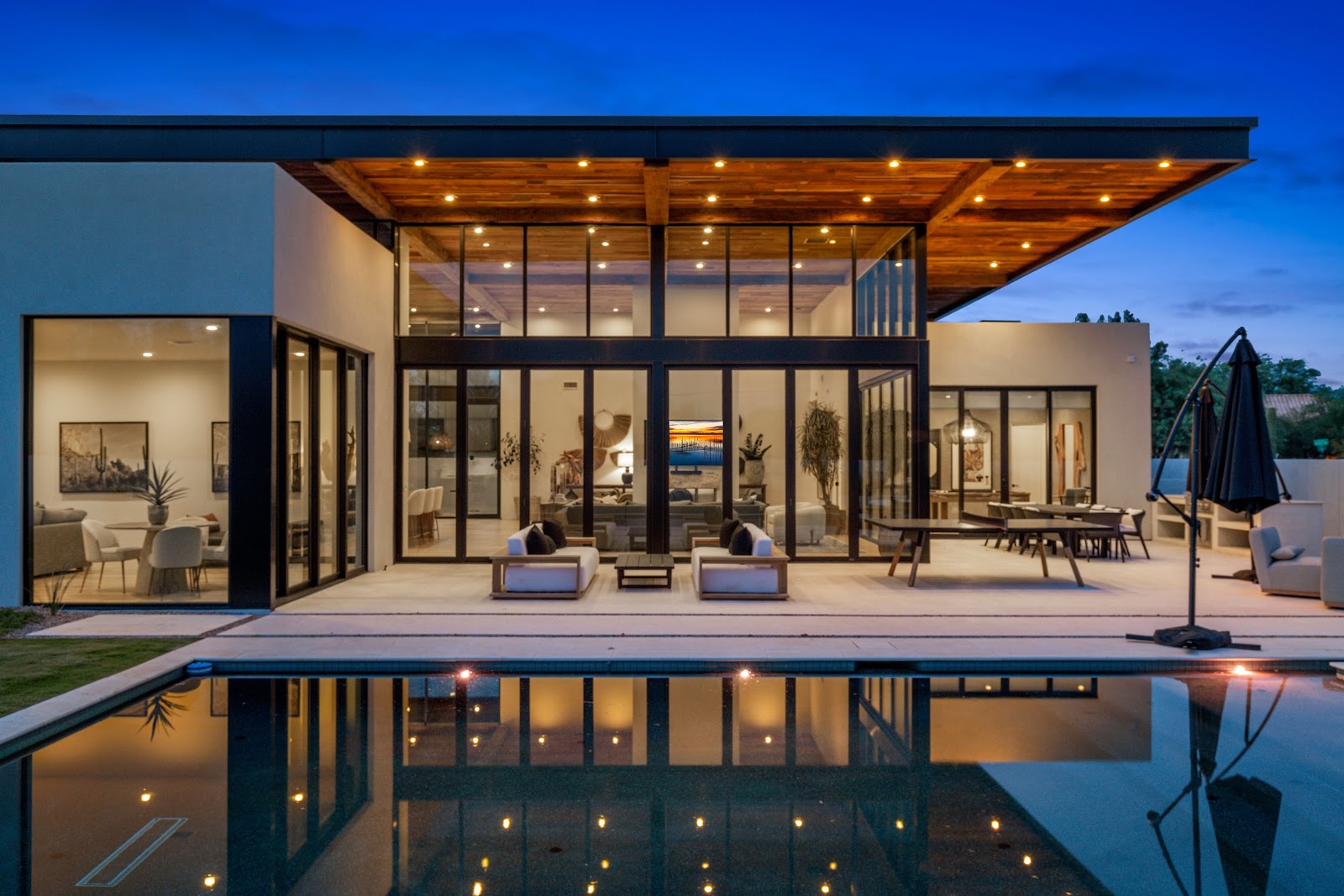
Scottsdale, Arizona, is the largest of the Southwest second-home markets. The principal sub-zones cluster across North Scottsdale (the desert-foothills villas around Pinnacle Peak, Troon and DC Ranch — the most internationally branded address in the city), Central Scottsdale (the older arts-district properties around Old Town and Scottsdale Fashion Square), and South Scottsdale (the more recent development closer to Tempe and the Phoenix metro). The region's golf-and-resort ecosystem is the deepest in the United States — Troon North, Desert Mountain, the Phoenician, the Boulders — with year-round golf weather (apart from the brutal July-August heat) the structural reason for the desert's long-running second-home appeal. Sedona, two hours north of Scottsdale, sits in the red-rock country of Oak Creek Canyon — a smaller, more spiritual-tourism oriented community at higher elevation (4,300 feet) where summer temperatures stay manageable and the dramatic landscape gives the area a different character from the Phoenix-basin desert. Carefree and Cave Creek just north of Scottsdale are the quieter, more old-Western alternatives. The Lake Tahoe Nevada side — anchored on Incline Village on the north shore — offers the same alpine lake as the California side but inside Nevada's state-tax-friendly jurisdiction (no state income tax) and with a more resort-residential character around Diamond Peak ski area and Lakeshore Boulevard.
The international buyer mix in the Southwest is heavily Canadian (the desert resorts have been the Canadian winter-sun benchmark for fifty years), with strong British, Mexican and German presence and a fast-growing Asian share particularly around Scottsdale. The Southwest's winter-sun proposition is the principal commercial driver — daytime December-February temperatures in Scottsdale run 18–22°C (high 60s°F) with consistent sunshine (Phoenix averages 300+ sunny days per year), making the desert one of the most reliably warm winter destinations in North America. Summers in the desert are punishing — 40–47°C (105–115°F) in Phoenix in July-August — and the desert is essentially closed for that quarter, which structures the use pattern around the cooler eight months of the year. The Lake Tahoe Nevada side runs colder, with −5°C to 5°C (mid-20s°F to 40s°F) in winter (snow reliable, ski-base usability) and 15–25°C (60s–70s°F) in summer. Best for: warm-weather owners who want the deepest concentration of golf-and-resort communities in the United States, the architectural distinctness of mid-century desert modernism (in Palm Springs's Californian sister market) and Scottsdale's contemporary villa stock, and the practical benefit of state-tax-friendly Nevada for owners thinking about long-term US tax planning.
A year in your American co-ownership home
Spreading owner nights that carry no set cap across a calendar year is itself a skill — and one of the unsung benefits of owning across multiple American regions through one portfolio is that you can match the season to the property rather than the property to the date. The United States is unusually well-suited to this kind of multi-region thinking because the country's geography — from the sub-tropical Florida Keys to the alpine Tetons — means there is essentially always somewhere in your portfolio that is at its best in any given month. Below is a country-level walk through the year, with the particular weeks that owners across the COP network return to most often. The pattern is broadly the same across all eight co-owners of a given property, with the calendar mechanics ensuring every owner gets a fair allocation of peak weeks across a multi-year cycle. Owners who are flexible enough to use shoulder weeks (rather than competing for August on the California coast or February in Aspen) consistently report a higher use-quality from their share than those who insist on peak.
Spring (March–May)
American spring is a cluster-by-cluster proposition. The desert resorts in Arizona and California are at their peak — March in Scottsdale and Palm Springs brings the wildflower super-bloom across the Sonoran and Mojave, and the daytime weather window of 20–28°C (low 70s°F to low 80s°F) is the structural reason these markets command their highest weekly rates between mid-February and late April. The Major League Baseball Cactus League spring training in greater Phoenix (15 teams, all in the Phoenix metro) brings the high-spending visitor influx that makes March the desert's commercial peak. April is the working agricultural peak across Wine Country: Napa and Sonoma run their bud-break and bloom weeks, the valley restaurants reopen at full capacity, and the slow agricultural calendar between the spring and the late-summer harvest gives owners the most contemplative use window of the year.
May brings the seasonal pivot. The Rocky Mountain ski resorts close their lifts in early-to-mid April (Aspen and Vail typically close around April 20; Park City around April 14; Jackson Hole around April 6) and the alpine valleys enter their mud season through May — the only genuinely off-month of the year for Rockies owners. The Carolinas Lowcountry reach their springtime peak: the live-oak canopy in Charleston and on Kiawah is at its full leaf, the dogwood and azalea blooms across the historic peninsula, the Spoleto Festival USA opens in late May and runs into June. The California coast runs 15–20°C (high 50s°F to high 60s°F) in May with the Pacific still cold enough that beach use is restricted to the shoreline rather than the water, but the long evening light and the open spring restaurant calendar make Newport, Malibu and Santa Barbara some of the most rewarding May destinations in the country. The Florida Keys still run reliable beach weather through early May before humidity settles in for the summer.
Summer (June–August)
The American summer pattern divides cleanly across the clusters. The California coast is at its full season — Newport, Malibu and Santa Barbara run their busiest July-August window, with the cool Pacific keeping beach temperatures in the comfortable 22–26°C (low to high 70s°F) band even when inland California is over 35°C. The Carolinas Lowcountry reaches its peak — Kiawah and Charleston run their busiest summer weeks around the June–July window, with sea temperatures above 26°C (78°F) through August. Florida divides into two halves: south Florida (Miami, the Keys) is hot and humid (28–33°C / 82–92°F) with afternoon thunderstorms and the start of hurricane season from June 1, which structures owner use toward shorter trips and earlier-summer windows; the panhandle Gulf Coast (30A, Naples, Marco) runs slightly cooler and is the more genuinely beach-usable summer Florida.
The Rocky Mountain West is the unsung American summer destination. July and August in Aspen, Vail, Telluride, Park City and Jackson Hole are the cultural-and-outdoor peak — the Aspen Music Festival runs all summer, the Vail Dance Festival in late July, the Grand Teton Music Festival in Jackson, the Telluride Bluegrass Festival in June. Daytime mountain temperatures run 20–28°C (70s°F to low 80s°F) with the dry mountain air that makes alpine summers genuinely delightful — the long alpine hiking and fly-fishing seasons in Grand Teton and Yellowstone National Parks anchor the summer use pattern for Wyoming owners. The desert Southwest is essentially closed in summer — Phoenix and Palm Springs run 40–47°C (105°F+), and the desert resorts are quiet. Wine Country in Napa-Sonoma runs warm and pleasant, with the slow ramp toward the August-September harvest the central rhythm of the year.
Autumn (September–November)
For many seasoned American-property owners, autumn is the favourite. September on the California coast is the locals' month — the Pacific has finally warmed, the August school-holiday crowds are gone within ten days of the new term starting, and the long Indian-summer light through October is the most photogenic California gets all year. The Wine Country harvest — the vendange in American usage, the crush — runs through September and October across Napa, Sonoma, Healdsburg and the Russian River; owners who care about wine increasingly time at least one stay around the harvest. The Rocky Mountain West in autumn is at its visual peak: the aspen groves across Colorado, Utah and Wyoming turn gold from late September through mid-October, and the high-country trails are at their most photographed. The mountain valleys sit between the summer cultural calendar and the winter ski season — quiet, golden, with the restaurant scene running on a relaxed shoulder-season rhythm.
October and November in Florida mark the seasonal shift from summer to winter mode. Hurricane season runs through November 30 but the worst statistical period is mid-August through mid-October; from November the south Florida winter-residential migration begins in earnest. The Carolinas Lowcountry in October is at its agricultural-calendar best — sea temperatures still above 22°C (72°F), daytime air 22–28°C (70s°F to low 80s°F), the Charleston Wine + Food Festival in November bringing the cultural calendar to its autumn peak. Miami begins filling again from late October as the Northeastern US winter-residential migration starts — daytime temperatures stay reliably in the 22–28°C (70s°F to low 80s°F) band, and the city runs at a markedly more cosmopolitan rhythm than its summer baseline. The desert resorts reopen for their seven-month season from mid-October — Scottsdale and Palm Springs run their busiest autumn weeks from late October through Thanksgiving, and the November temperature window of 22–26°C (low to high 70s°F) is one of the most consistently pleasant climate windows anywhere in the country.
Winter (December–February)
Winter is, for the majority of American co-ownership owners, the moment the Rockies and the warm-weather shares earn their place. The lifts open in Aspen, Vail, Park City and Jackson Hole from late November; Christmas and New Year is the highest-demand fortnight of the year, with chalet calendars in the major resorts booked many months ahead; January is the quietest month of the season but with the most reliable cold-and-snow conditions; the President's Day weekend in mid-February brings the second peak; and the school-spring-break weeks across late February and March are the season's third peak. Owners who use their alpine week around late January or early February get the best of the cold-and-deep window, with shorter lift queues than the holidays.
The American winter-sun destinations reach their peak in winter. Florida from December through February runs reliably in the 20–26°C (high 60s°F to high 70s°F) band on Miami south and the Keys, with 15–22°C (high 50s°F to low 70s°F) on the Gulf Coast and 30A. The Northeastern US winter-residential migration swells south Florida's population every winter — Miami and Palm Beach run at their cosmopolitan-cultural best between December and March, with the Art Basel Miami Beach in early December, the Miami International Boat Show in February and the Miami Open tennis in March anchoring the winter cultural calendar. The desert resorts hit their absolute peak between January and March — Palm Springs runs the Modernism Week in February, the Coachella Music Festival in April, and the BNP Paribas Open tennis in Indian Wells in March; Scottsdale runs the WM Phoenix Open golf in February (the highest-attendance golf tournament in the world) and the Barrett-Jackson classic-car auction in January. The Carolinas Lowcountry in winter is mild and quiet — daytime temperatures around 10–17°C (50s–60s°F), the historic-Charleston cultural calendar running through the winter on a quieter schedule, and the live-oak canopy keeping the visual character of the city year-round.
Who buys in the United States, and why
The international buyer mix in American fractional ownership is the most globally diverse of any second-home market in the world. Canadian buyers have anchored the desert and California winter markets for fifty years and remain the largest single foreign cohort across Palm Springs, Scottsdale and the south Florida coast. British buyers are the second-largest international cohort, concentrated in Aspen, Vail, Newport Beach, Charleston and the Florida Keys. Mexican buyers are the largest single Latin-American cohort and dominate Miami, San Diego, Scottsdale and the south Texas markets. Brazilian, Argentine, Venezuelan and Colombian buyers form a substantial and growing Miami-anchored cohort. European buyers — Dutch, German, Swiss, French — are concentrated on Newport Beach, Aspen, Vail, the Lowcountry and the Keys. Asian buyers — Chinese, Korean, Indian, Japanese — are the fastest-growing cohort and concentrate on the California coast, Scottsdale and Park City.
The age-and-life-stage profile is in some respects more relevant than the nationality breakdown. The largest single buyer cohort across the American portfolio is in the 50–70 age band — owners whose primary income is established, whose children are at university or beyond (which gives them more calendar flexibility than the working-family cohort), and whose long-run thinking on the second home runs to the next 20–25 years. The second-largest cohort is the 40–55 age band — typically dual-income professional couples with school-age children, who use their share around school holidays and value the operational simplicity of a fully managed property. The third and fastest-growing cohort is the 65–80 age band — empty-nesters and recent retirees for whom the cultural-and-climate optionality of a multi-region American portfolio is the central appeal.
American co-ownership tends to suit a small number of well-defined buyer profiles:
- Skiing families choosing Aspen, Vail or Park City — buyers who treat the Rockies as their winter base, who use the major resorts' deep cultural-and-festival calendars in summer, and who increasingly add a complementary warm-weather share elsewhere in the US to cover the shoulder seasons.
- Beach-loving families choosing California, Florida or the Carolinas — buyers who want the year-round usability of the warm-water US coastline, the architectural distinctness of the various coastal regions, and the family-friendly proposition of the major resort communities.
- Wine-and-food sophisticates choosing Wine Country or the Lowcountry — buyers who use the seasonal agricultural calendar as the framing of their year, who value the density of restaurants-and-vineyards within an hour's drive, and who treat the regional cultural infrastructure (Napa's wine scene, Charleston's restaurant scene) as a permanent neighbour.
- Cultural enthusiasts choosing Charleston, Santa Fe or Carmel — buyers for whom repeated short stays through the year, timed around festivals, exhibitions and the cultural calendar, are the central use pattern. The historic American cities and small-town cultural centres reward this multi-trip pattern more than they reward any single long stay.
- Winter-sun owners choosing Scottsdale, Palm Springs or Florida — buyers who need a reliable December-through-March warm-weather base, who value the deep golf-and-resort infrastructure of the desert and the Florida coast, and who want the operational simplicity of a managed property to handle the seven-or-eight-month dormant period.
- Multi-region American portfolios — increasingly, owners who add a Rockies winter share to a Carolinas summer share, or a Wine Country spring-and-autumn share to a Florida winter share, using the same management relationship to access two completely distinct American propositions through the year.
Practicalities: getting there, what it costs, what you own
Airports and ground access by region
The American gateway airport system covers every regional second-home cluster from the major Northern European, Latin American and Asian hubs. For California: Los Angeles International (LAX) is the principal long-haul gateway — 35 minutes from Newport Beach, 45 from Malibu, 25 from Pasadena; San Francisco International (SFO) serves Napa-Sonoma (90 minutes north) and the Bay Area; San Diego (SAN) serves the southern coast; John Wayne (SNA) serves Newport Beach directly; Palm Springs (PSP) is 15 minutes from the desert resorts; Reno-Tahoe (RNO) serves the Lake Tahoe region. For the Rocky Mountain West: Denver International (DEN) with 200+ daily transcontinental connections and the regional flights to Aspen (ASE), Eagle/Vail (EGE), Hayden/Steamboat (HDN), Montrose/Telluride (MTJ); Salt Lake City (SLC) is 35 minutes from Park City and the closest major-airport-to-ski-resort combination in the United States; Jackson Hole (JAC) for the Tetons. For Florida: Miami (MIA) with 100+ Latin American and 30+ European nonstop services; Fort Lauderdale (FLL) as the lower-cost Miami alternative; Orlando (MCO) for central Florida; Tampa (TPA) for the central Gulf Coast; Pensacola (PNS) for 30A; Key West (EYW) for the Keys. For the Carolinas Lowcountry: Charleston (CHS) with growing transatlantic service; Hilton Head (HHH); Savannah (SAV). For the Southwest: Phoenix Sky Harbor (PHX) for Scottsdale; Tucson (TUS) for the southern Arizona desert; Reno (RNO) for the Lake Tahoe Nevada side; Las Vegas (LAS) for the southern Nevada interior.
The American domestic-aviation network is the densest in the world — over 2,000 daily flights between the major hubs and the resort airports — and the practical reality for a multi-region American owner is that flying coast-to-coast or hub-to-resort takes 2 to 6 hours door-to-door. For international owners, the major American hubs offer the deepest concentration of nonstop transatlantic and transpacific service of any country, with London-LAX, Frankfurt-MIA, Paris-DEN, Amsterdam-JFK, Tokyo-LAX and Singapore-SFO running multiple daily nonstops in season. The 5–11-hour transatlantic and trans-Pacific commitments are the principal practical constraint on multi-region American ownership for European or Asian buyers, but the use pattern around 6–7 weeks per year scales naturally to 3–5 stays per year of 8–14 days each — the 12-hour return commitment becomes meaningfully more justifiable when the stay is two weeks rather than four days.
Whole-property vs 1/8 share: the comparison
The comparison that matters to a fractional buyer is not "what does an American villa cost?" but "what does buying a share of an American villa do to my capital, my annual carry, my use, and my exit path versus the realistic alternatives?". The three honest alternatives for someone considering an American second home are: own the whole property; own a 1/8 share through COP; or rent each time you visit. The table below sets the three side by side in structural rather than absolute terms — specific figures vary by property and by year, but the ratios are the part of the picture that matters when you are deciding which structure to use.
| Whole second home | COP 1/8 fractional share | Long-term rental | |
|---|---|---|---|
| Upfront commitment | Full property value | ~1/8 of the property value | First/last/deposit only |
| Equity in the asset | Full appreciation | ~1/8 of appreciation | None |
| Annual carry | Full taxes, insurance, management, maintenance | ~1/8 of carry, fully managed | Full rent every year, indefinitely |
| Personal use | Up to 52 weeks (most use 6–10) | Set by the operator, professionally scheduled | Defined by lease |
| Operations burden | Owner-managed or hired staff | Fully included | Landlord-managed |
| Time to exit | 3–18 months on the open market | ~1 month on average across the COP portfolio | End of lease term |
What the table makes visible is that the most-cited American-property complaints — empty house, high running costs regardless of use, complex multi-state tax exposure, slow resale in a softening market — are not features of American property per se. They are features of the whole-ownership structure, and they go away as soon as you flip to a fractional share. The 1/8 share gives you something the rental column cannot give you (equity) and something the whole-ownership column cannot give you (proportional carry and managed operations) at the same time. The practical effect for the international owner is that an American second home that has historically been a complex, time-consuming proposition becomes a simple managed asset that delivers six to seven weeks of use a year against approximately 1/8 of the whole-property cost.
What's included in the annual service charge — and what isn't
The annual service charge on a COP-listed American property covers the full operational stack: state and local property tax, federal/state income tax filings on any rental income, insurance (including hurricane and flood where relevant), professional management, the on-call concierge, the cleaning and linen service between owner stays, regular maintenance, the gardener and landscaper, the pool service where relevant, the security system and the management of utilities. It is, on a per-share basis, roughly 1/8 of the carry on the equivalent whole property — and one of the under-appreciated advantages of the model is that the per-property running costs are spread across eight owners rather than borne entirely by one. What the service charge does not cover is large capital improvements (a roof rebuild, an HVAC replacement, an extension to the property — these are voted on by the owners and funded proportionally when they happen), personal-use additions (an owner who wants additional in-stay services beyond the standard concierge package pays for those directly), and damage caused by owner stays (the management company assesses and charges back). The service charge structure is intentionally a simple, predictable annual cost rather than a series of one-off invoices through the year — which is one of the operational simplifications that makes an American fractional share notably easier to live with than a whole-ownership equivalent.
What you actually own
You own a real 1/8 share of the home, not a right to use it, with each owner's proportional rights to use, expenses and capital appreciation set out in the home's agreements. The legal set-up is arranged by our partner for each home and walked through with you before you buy. Your share is transferable (you can sell it through the supported resale process), inheritable (you can pass it on to your heirs), and appreciates with the underlying property (a 25% rise in the American property's value over five years is a 25% rise in your share's value too). It is real ownership of a share of the home, sized to match the way affluent international buyers actually use a second home.
How fractional ownership works in the United States
How co-ownership works for American property
Big decisions — selling the home, major works — are decided together by the co-owners, and the calendar, the annual service charge and the management arrangement are set out in the home's agreements.
American property tax and the service charge
American property taxation operates at the state and county level rather than nationally — the federal government does not levy a property tax on real estate, but every state and county does. Rates and assessment methodologies vary substantially between jurisdictions: California's Proposition 13 caps the annual reassessment increase but resets to market value on transfer; Florida, Texas, Tennessee, Wyoming and Nevada have no state income tax (a meaningful long-term consideration for owners thinking about overall US tax exposure); South Carolina offers favourable property tax treatment for primary residences but second-home owners pay at a higher rate. For COP-listed American properties, property tax is handled by the management team and recovered through the annual service charge. The FIRPTA framework (Foreign Investment in Real Property Tax Act) applies to non-US owners on the sale of US real estate. How tax works depends on the country and the home's legal set-up, which our partner explains before you buy; we recommend independent advice.
Inheritance and transfer
American inheritance law operates at the state level for real estate, with significant variation between jurisdictions on probate, estate tax exposure and forced heirship rules. The federal estate tax exempts the first $13.6 million of estate value (2024 figure, adjusted annually) — meaning the vast majority of American second-home owners face no federal estate tax exposure on their share. State estate tax exposure varies: most states have no state-level estate tax; some (Massachusetts, Oregon, New York, Hawaii) do. You can pass your share on to your heirs; how inheritance and estate tax work for non-US owners depends on the country and the home's legal set-up, which our partner explains before you buy, and we recommend independent advice.
The professional management model and how the calendar works
Every COP-listed American property is operated by a professional management team responsible for the full operational stack: tax filings (federal, state, county), insurance (including hurricane and flood where relevant), the on-call concierge, the cleaning and linen turnaround between owner stays, the gardener, the pool service, the security, the utilities. The annual calendar rotates the 52 weeks across the eight owners on a fair-rotation basis — every owner gets a proportional share of peak weeks (Christmas/New Year in Aspen and Park City, Spring Break across the warm-weather destinations, Independence Day on the California coast, Labor Day in the Lowcountry) across a multi-year cycle, and the rotation mechanics are set out transparently in the home's agreements. Owners typically receive their preferred weeks well in advance and can swap with other owners through a structured exchange when their plans change. The annual calendar carries no set cap on total nights; how those nights are spread is the owner's decision within the calendar slot they have been allocated.
Resale: how to exit, typical timelines
When an owner decides to sell, a professional resale process is in place. The resale path connects the exiting owner to the existing pool of buyers familiar with the model — owners on the waiting list for the specific property, owners across the portfolio looking to expand or relocate, and the broader pool of buyers actively shopping COP-listed American properties. Resale is handled through our partner's resale process, without you having to sell the whole house — compare the 3–18 months that whole-property American resales typically take on the open market in normal conditions, with carrying costs (property tax, insurance, management, the empty-house cost) running throughout.
The full mechanics of fractional ownership across all jurisdictions — usage calendars, exit procedures, rental income treatment, insurance, the transfer on death, the relationship with the management company — are covered in our co-ownership explained guide. For specific American property availability, browse the listings in the property grid above, or join our list for new-property alerts as they come to market.
Your ownership at a glance
- Real ownership — you own a real 1/8 share of the home, not a right to use it: you can sell it, pass it on to your heirs, and it rises and falls in value with the house. Not a timeshare, not a points membership.
- Fully managed throughout — the professional management team handles property tax filings, insurance, maintenance, scheduling, linen, the on-call concierge. You arrive, the property is ready.
- Supported resale through the COP owner network — when you decide to exit, our partner's resale process lets you sell your share without having to sell the whole house.
Still deciding which American region?
If your use pattern centres on winter snow and the mountain calendar, the Rocky Mountain West — Aspen, Vail, Park City, Jackson Hole — is the answer. The combination of the deepest concentration of world-class ski resorts in any single country, the architecturally controlled village stock, the proximity to Denver and Salt Lake City as international gateways, and the genuinely usable summer season makes the Rockies the most year-round of the American second-home regions. If you are choosing a single American share and skiing is a serious part of your life, this is the cluster. The trade-off is real: the Rockies' main commercial seasons are December through March (ski) and June through September (summer cultural-and-outdoor), with mud season in May and early November the only genuinely off-months — but for skiing families that pattern is the central appeal.
If your use pattern centres on warm-water beaches and year-round outdoor living, California, Florida and the Carolinas Lowcountry are the three serious choices. California's Pacific coast gives you the cool-summer architectural-design pedigree of Newport, Malibu and Santa Barbara, with Wine Country and the desert resorts as in-state alternatives. Florida gives you the longest mature US beach coastline, the international-cosmopolitan density of Miami, the more residential rhythm of Naples and the Gulf Coast, and the tropical-island distance of the Keys. The Carolinas Lowcountry — Kiawah, Charleston, Hilton Head — gives you the most architecturally distinctive American coastal region, the protected barrier-island setting, and the Charleston cultural infrastructure as a permanent neighbour. The choice between them is genuinely a buyer's lifestyle preference rather than a quality differentiator. Our team can walk you through the regional differences before you make a decision.
If your use pattern centres on winter sun and the desert lifestyle, the Southwest — Scottsdale, Palm Springs, Sedona — is the natural anchor. The desert resorts have been the Canadian and Northern US winter-sun benchmark for fifty years for good reason: 300+ sunny days per year, the deepest concentration of golf-and-resort communities in the United States, the architectural-modernist heritage of mid-century desert design, and a year-round price-to-quality ratio that is meaningfully more accessible than the coastal headliners. The trade-off is the brutal summer (essentially closed June through September) and the seasonal-residential character of the towns. The Lake Tahoe Nevada side gives owners a colder-climate alternative inside a state-tax-friendly jurisdiction.
Whichever way the decision goes, the deeper exploration starts on the cluster pages:
- Explore California →
- Explore Colorado and the Rockies →
- Explore Florida →
- Explore Utah and the Mountain West →
If you would like to talk through which American region best fits your family's actual use pattern — rather than the brochure version of it — join our list and we will be in touch with relevant new-property alerts and an introduction to the team.
Questions & Answers
USA Fractional Ownership — Frequently Asked Questions
Fractional co-ownership means buying a real share — typically 1/8 — of a luxury American property alongside a small group of co-owners. You own real equity in US real estate. The legal set-up is arranged by our partner for each home and walked through with you before you buy. A 1/8 share gives you around six weeks of usage per year, a proportional share of any rental income from weeks you choose to rent out, and 1/8 of the proceeds when the property eventually sells.
A timeshare is a contractual right to use a property — you own nothing and build no equity. Fractional co-ownership gives you actual ownership of a real share of the home. Your share has market value, participates in property appreciation, and can be sold on the open market at any price you negotiate. There is no lock-in and no requirement to sell back to COP at a predetermined discount.
You own a real share of the home — an eighth, a quarter — not a right to use it. You can sell it, pass it on to your heirs, and it rises and falls in value with the house. The legal set-up is arranged by our partner for each home and walked through with you before you buy. All documents are reviewed with independent US legal counsel before completion.
Your 1/8 share entitles you to around six weeks of use per year. Scheduling runs through a structured calendar with seasonal allocations and a rotating priority system for peak periods — ski season for mountain properties, summer and holidays for beach and resort homes. You can rent out unused weeks through COP's rental programme or arrange private rentals independently.
Many of our USA properties support short-term rental of unused weeks — and where permitted, it is an excellent way to offset your annual costs. COP's rental programme can list your unused allocated weeks on short-term rental platforms, with income paid directly to you after the platform fee. Many co-owners cover a meaningful portion of their annual service charge through rental income, particularly in high-demand locations.
That said, rental availability varies by location — some areas have local restrictions on short-term lets, and not all properties in our portfolio permit it. Always check the individual USA property listing to confirm whether short-term rental is available for that specific home before factoring rental income into your plans.
Prime US resort markets — Aspen, Vail, Breckenridge, Malibu, Miami Beach, Lake Tahoe, Napa Valley — have shown strong long-term appreciation driven by structurally constrained supply and consistent domestic and international demand. Fractional ownership captures full proportional price appreciation at 1/8 the capital commitment of full ownership. The US rental market for quality resort properties is among the strongest globally, offering fractional owners meaningful income offset potential on unused weeks.
When you decide to exit, a professional resale process is in place. The supported resale process runs through the COP owner network — your USA fractional share is marketed to an existing audience of qualified prospects already familiar with fractional co-ownership, and you keep full control over price and timing.
Resale is handled through our partner's resale process, so you can sell your share without the whole house having to be sold. Note that some properties have a minimum holding period during the first year — check your specific property details before purchase.
COP curates co-ownership properties across the United States' most established second-home regions — luxury ski markets in the Mountain West, oceanfront and resort destinations on the Atlantic and Gulf coasts, California coastal homes, and lake-and-wine-country properties. Every property we list is fully furnished and professionally managed from day one. Our US inventory rotates as new properties come to market — browse the listings on this page to see what's currently available, or join our updates list for new US properties as they launch.
Yes. There are no restrictions on foreign nationals buying US real estate. The purchase process and legal protections are the same regardless of citizenship. Financing is typically not available for non-US residents on fractional shares, so purchases are generally all-cash. Speak to a US immigration attorney if you are considering a US investor visa route, as property ownership alone does not qualify you for US residency rights.
No — there are no buyer-side fees. The share price you see is the share price you pay; talking to our specialists costs nothing and carries no obligation. Browse the listings, enquire on any property, and use our team's regional knowledge to find the right match — all at no cost.
Browse COP's USA listings to find a property and market that interests you. Each listing shows the 1/8 share price, annual service charge, property details, and usage availability. Submit an enquiry and a COP specialist will contact you within 24 hours.
Get in Touch
Speak to an expert
Tell us what you're looking for and one of our co-ownership specialists will be in touch within 24 hours.