France · Europe
France Fractional Ownership & Co-Ownership Properties
From the Belle-Époque apartments of the 16th to the villas of Cap d'Antibes — fractional ownership in France means a real share of the country's most coveted second-home addresses, around six weeks of personal use a year, and a fully managed property waiting when you arrive. Whether you call it fractional ownership or co-ownership, you own a real share of the home.
22 properties · from €119,000
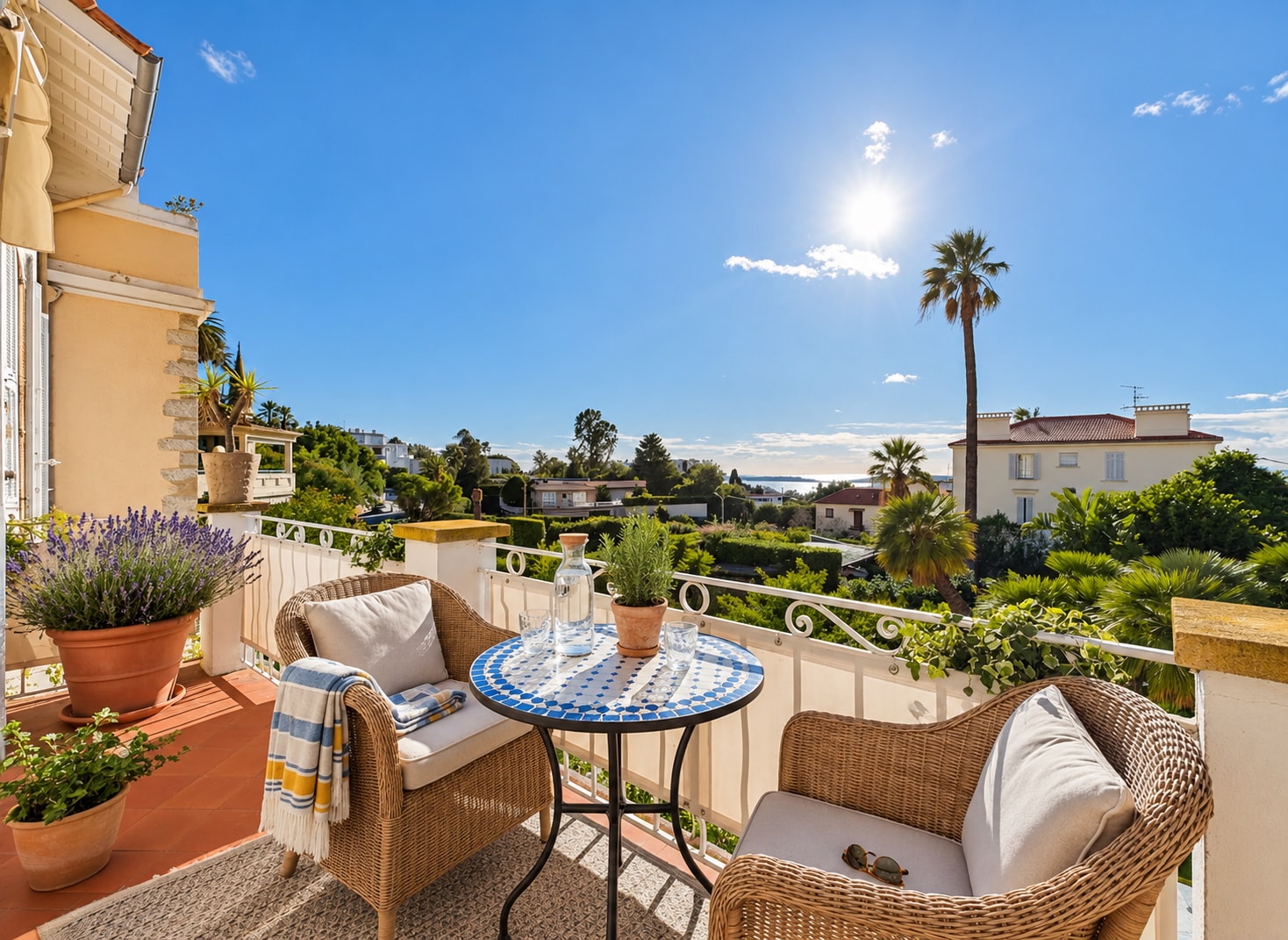
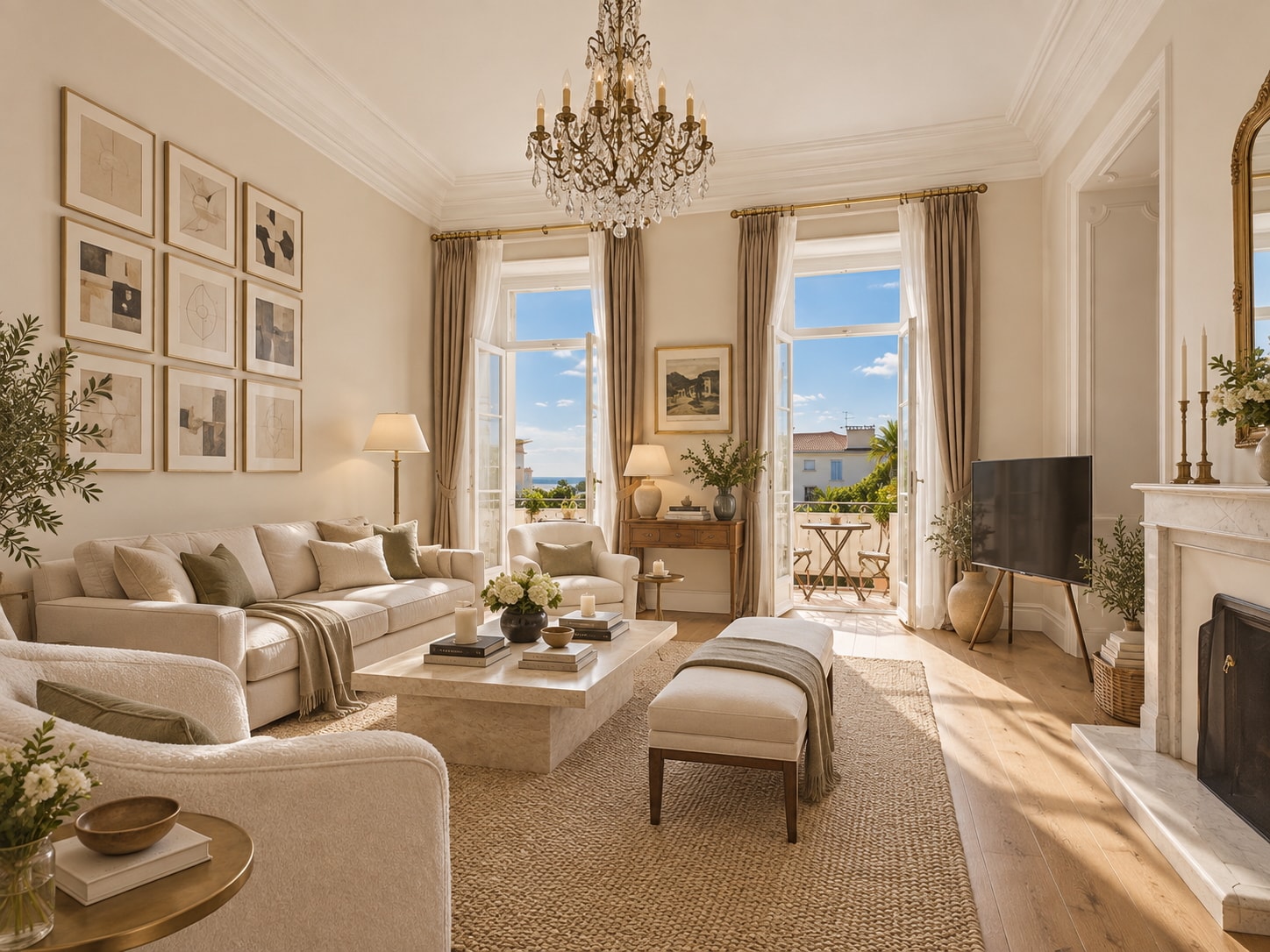
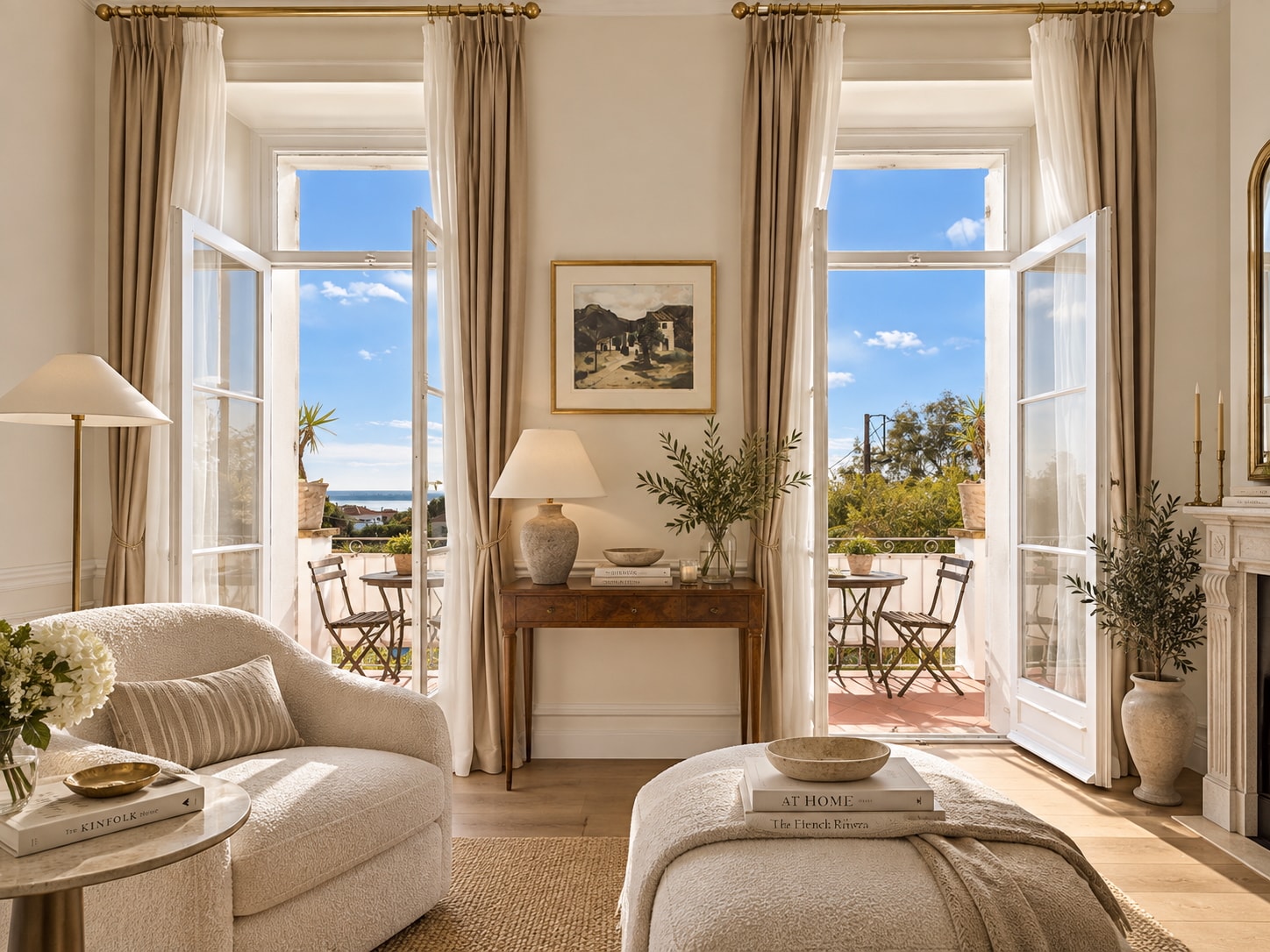
Cannes, Côte d'Azur, France — 2-Bed Apartment With Sea Views & Balcony
€175,000
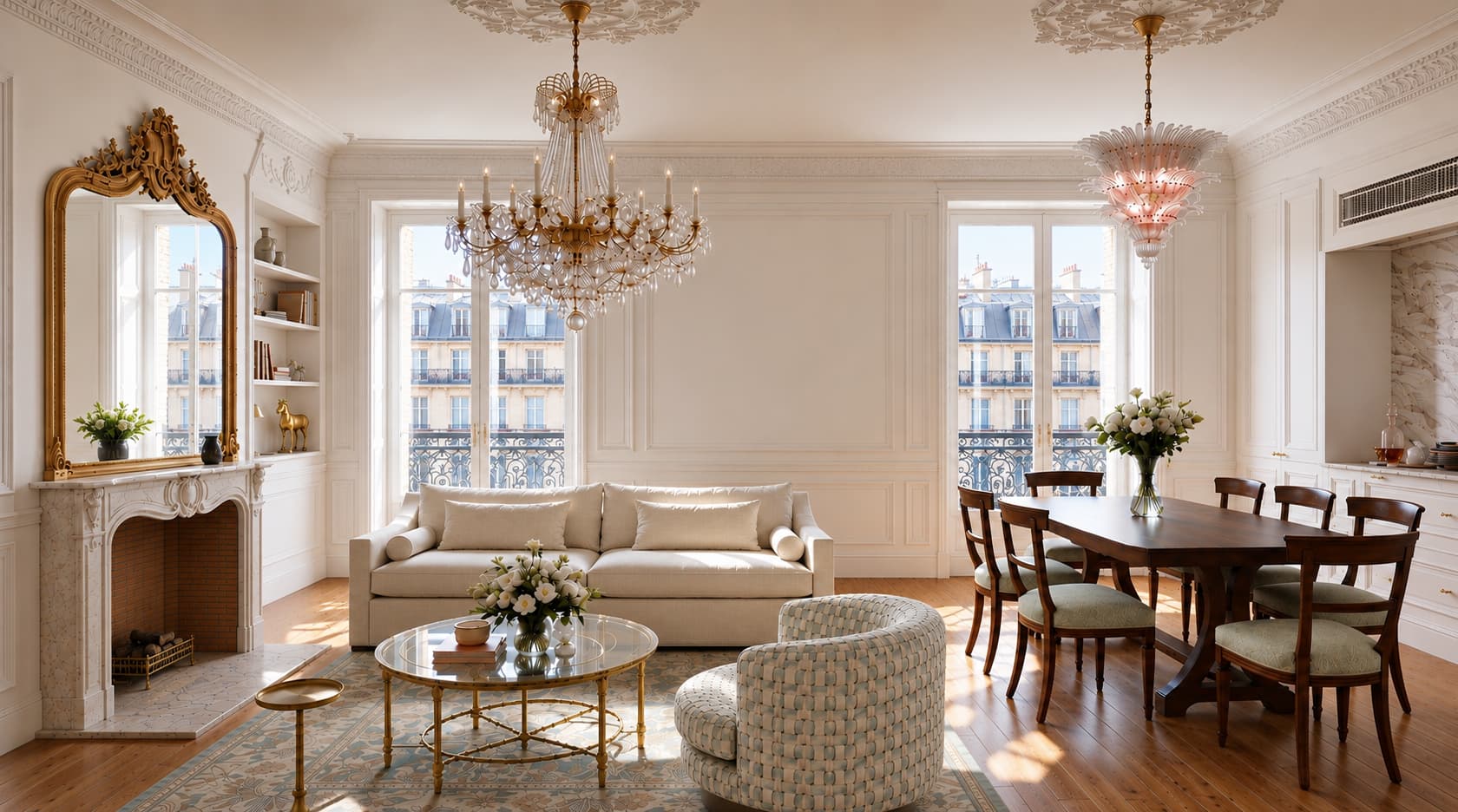
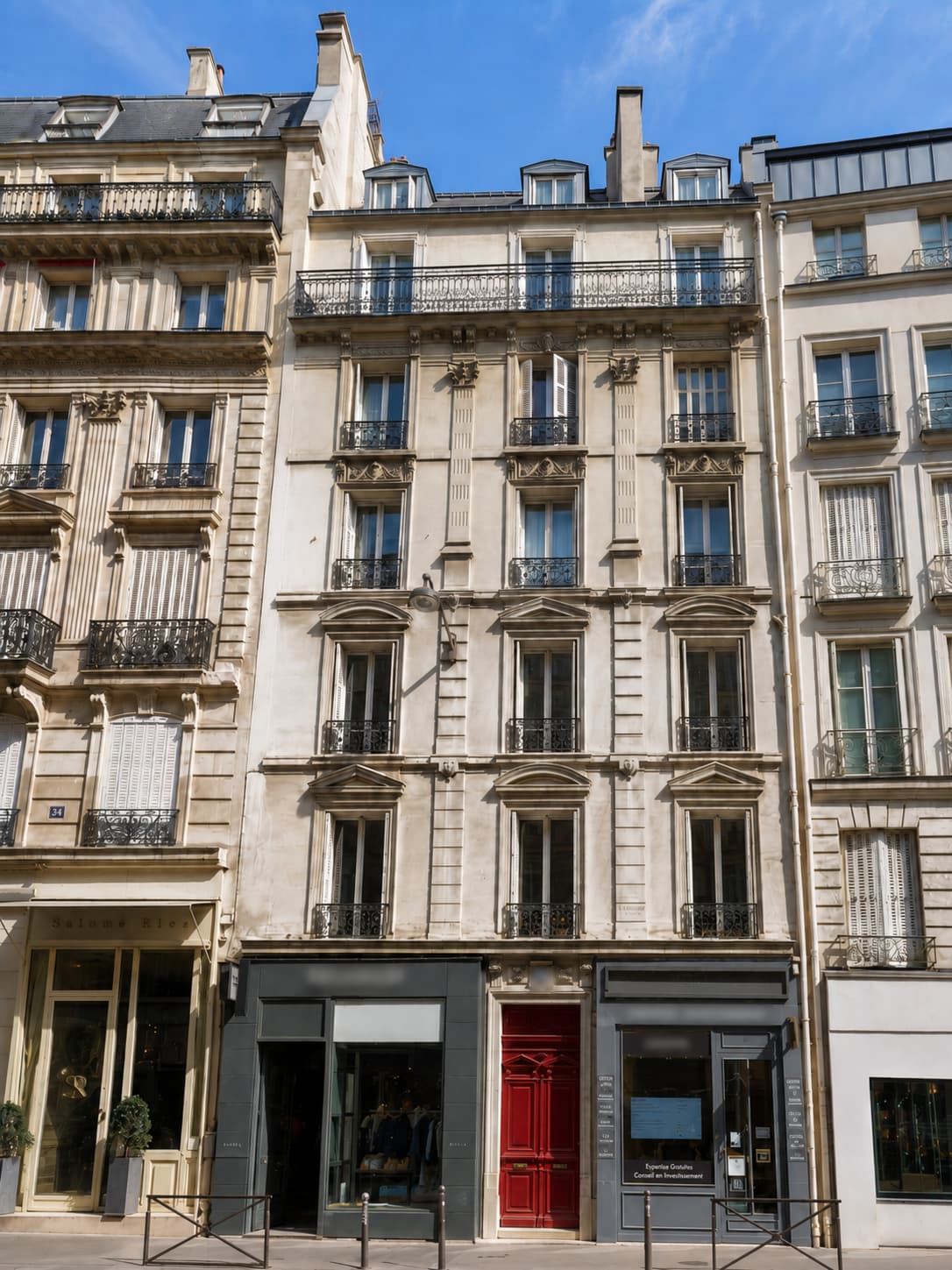
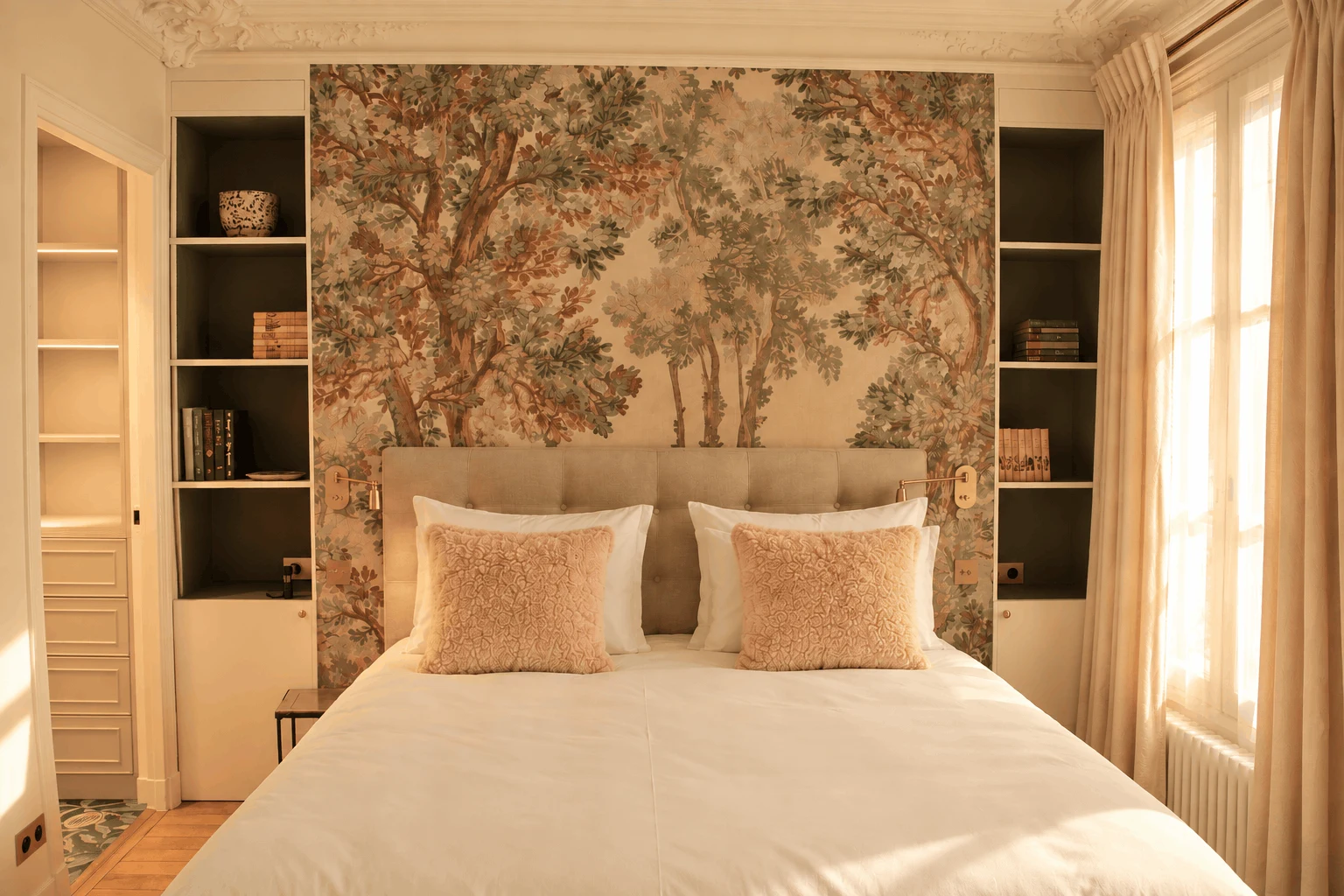
Paris 6th, France — 3-Bed Apartment in Saint-Germain-des-Prés
€299,000
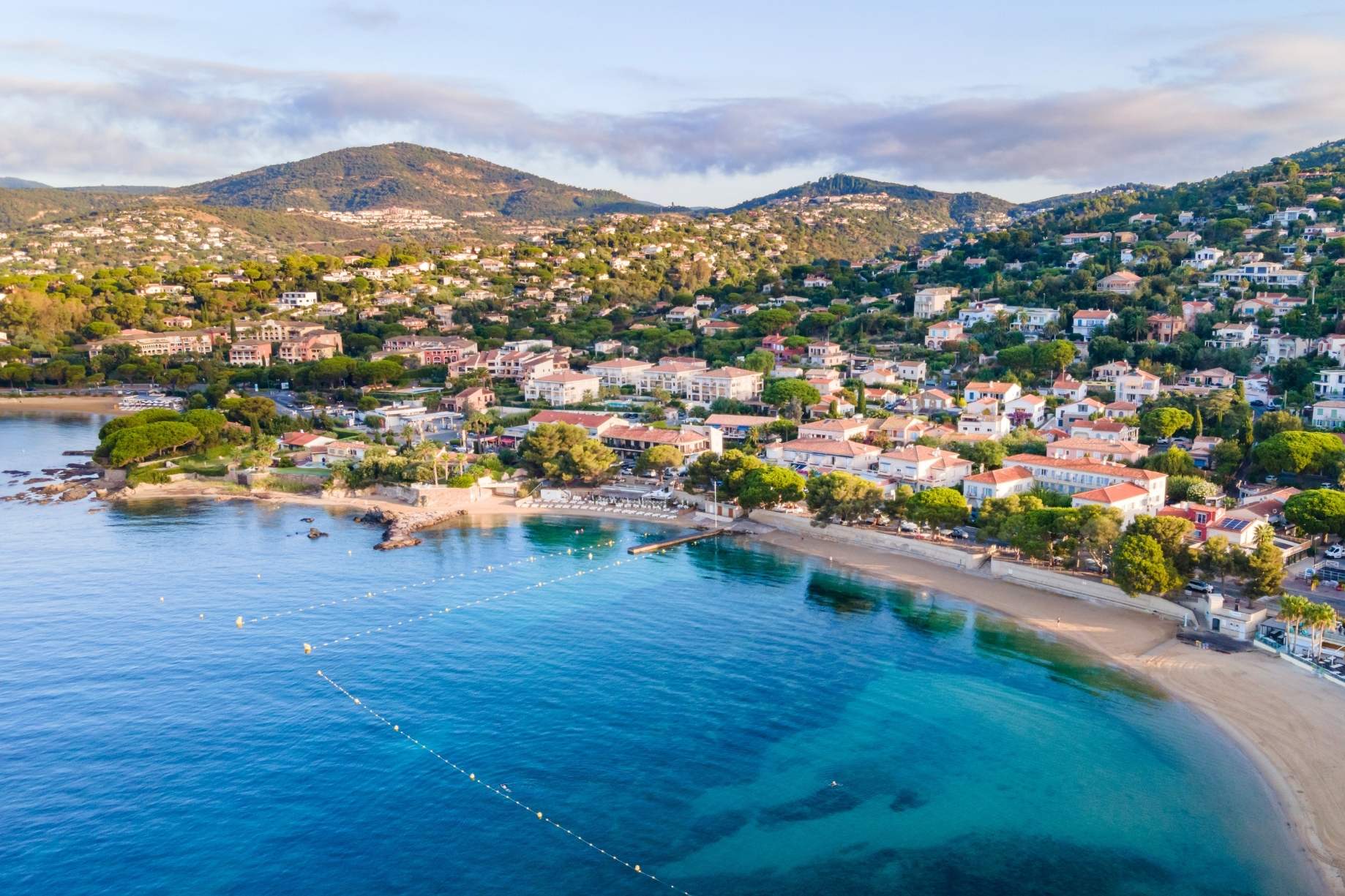
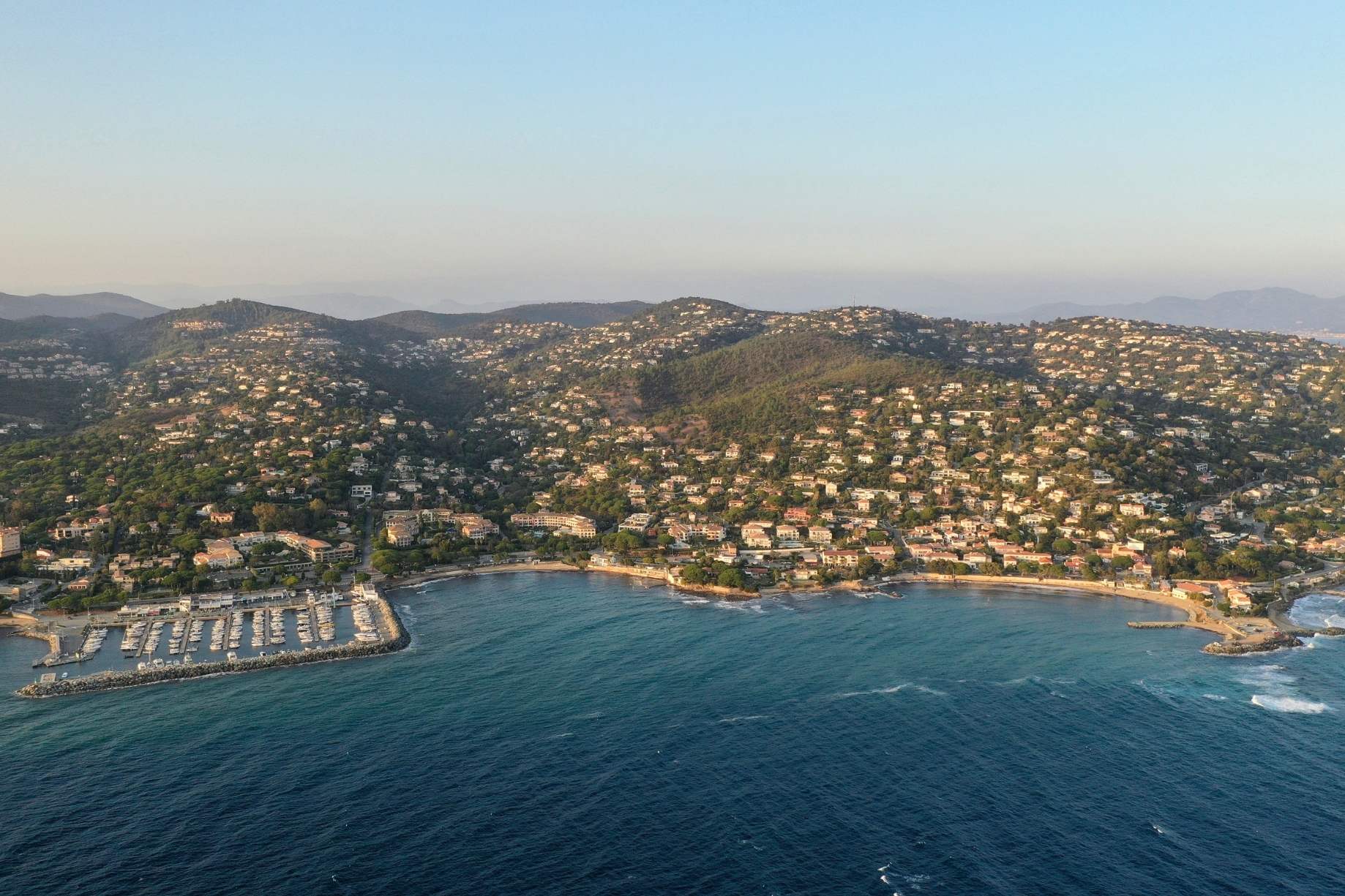
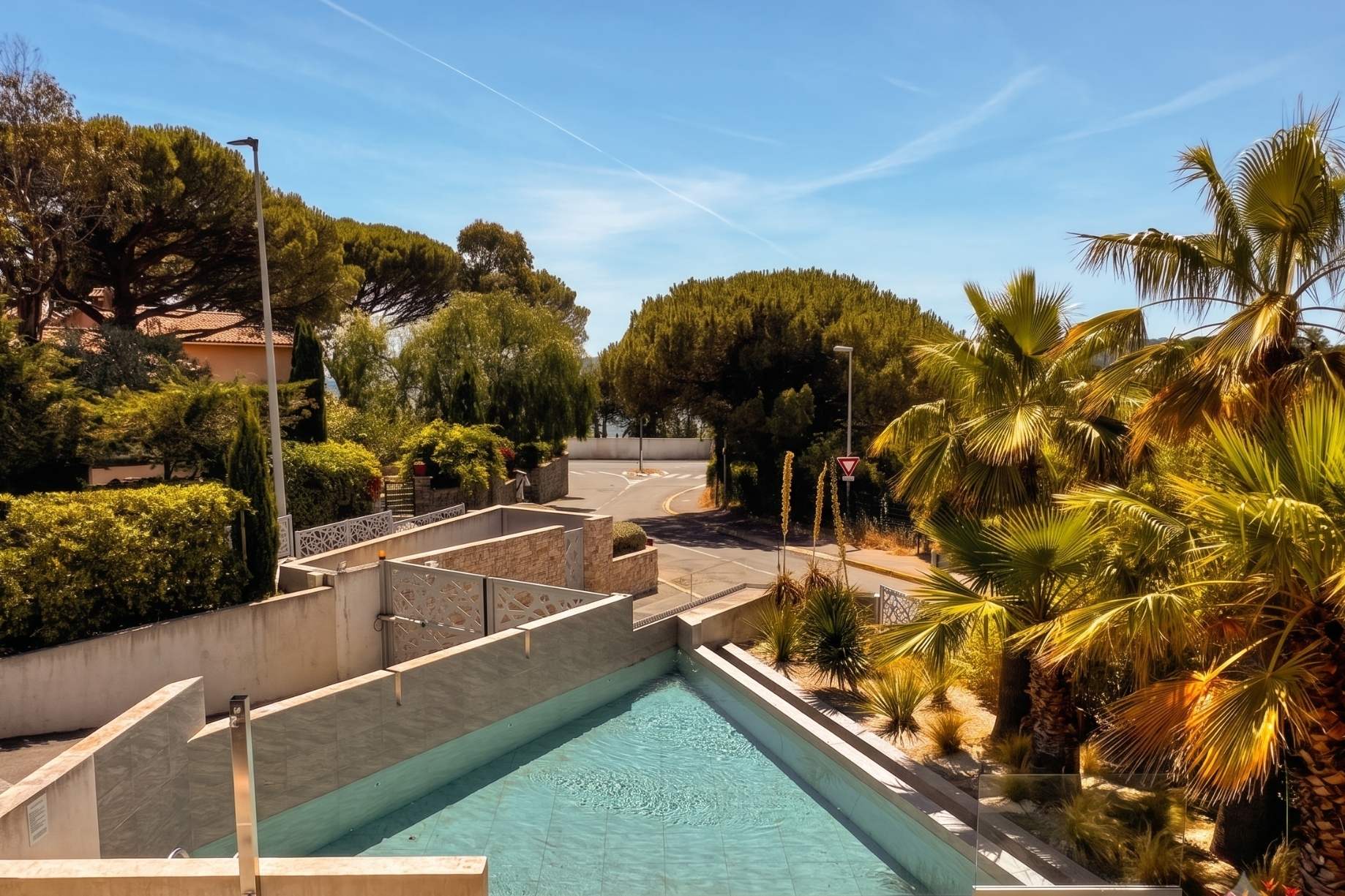
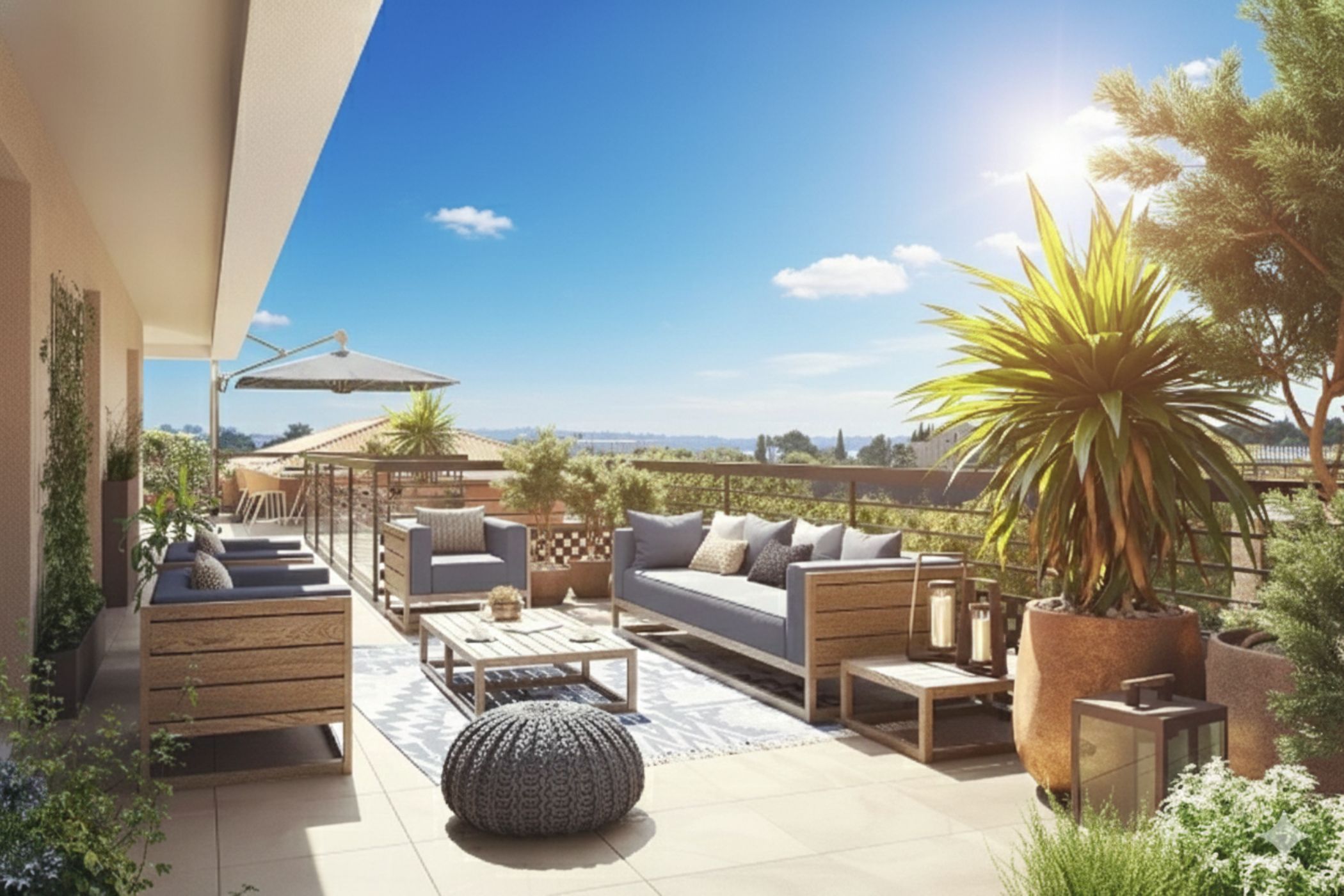
Les Issambres, Côte d'Azur, France — 2-Bed Terrace Apartment With Sunny Terrace & Pool
€164,000
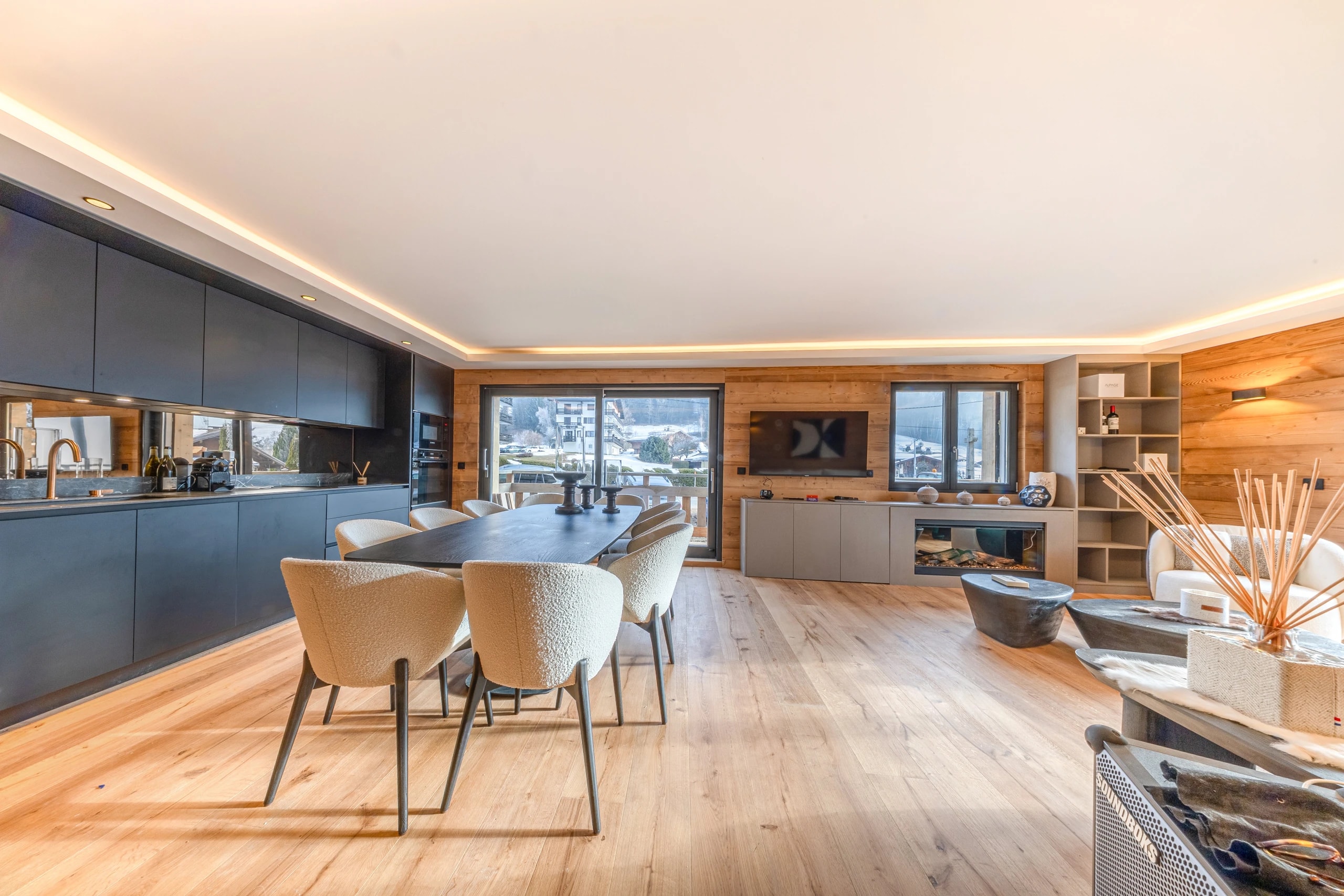
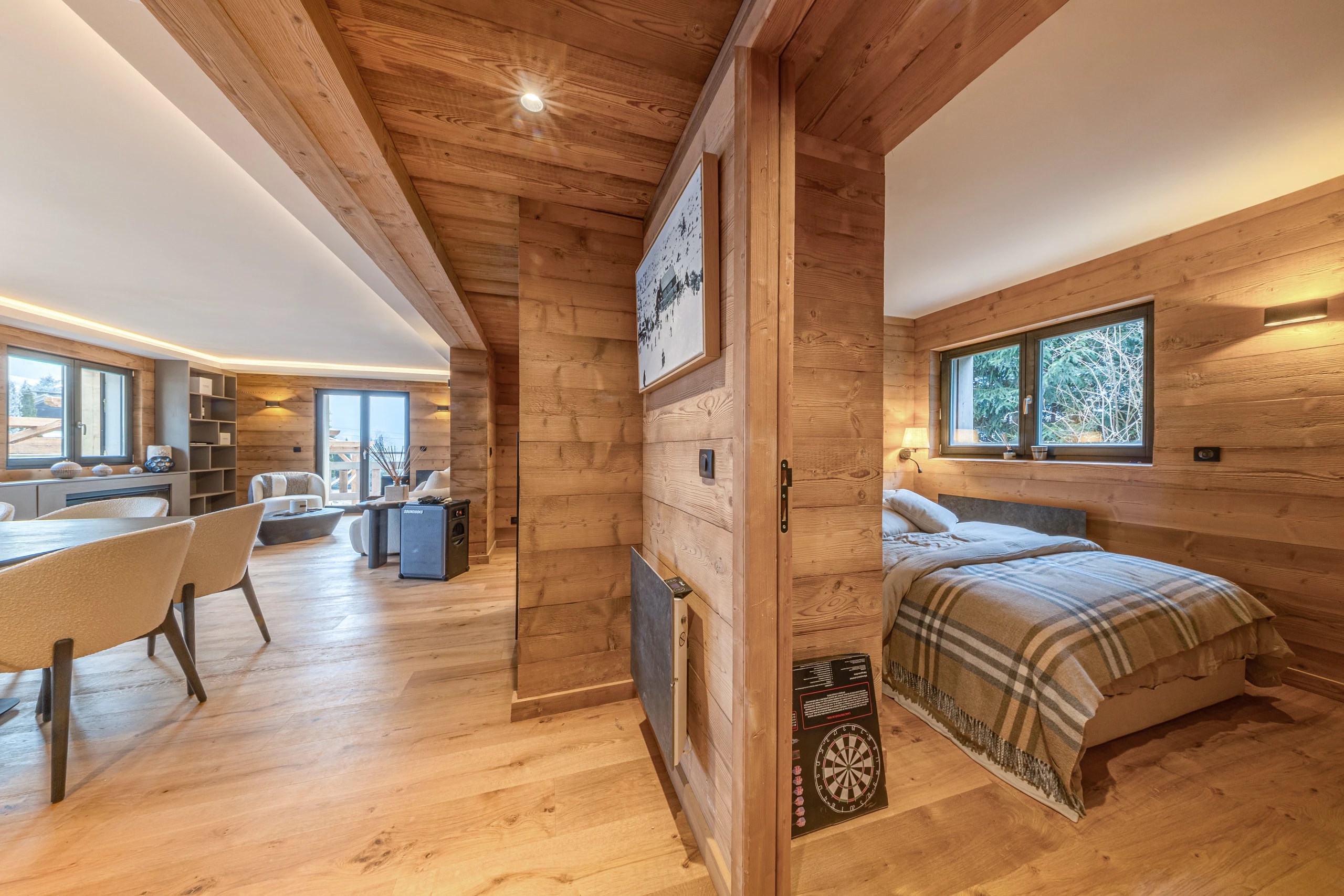
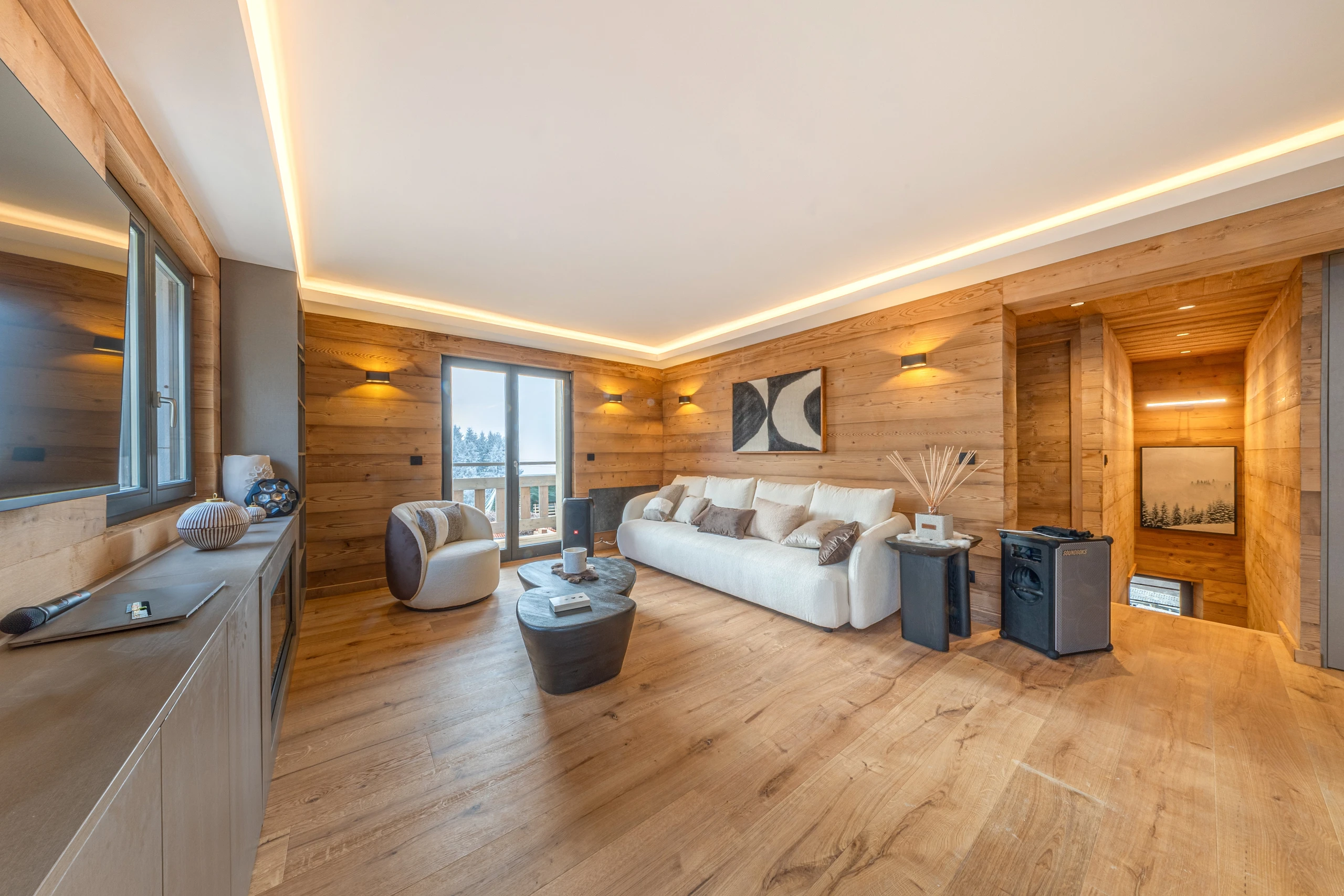
Megève, Mont Blanc, France — 4-Bed Apartment With Terrace & Private Garden
$240,000
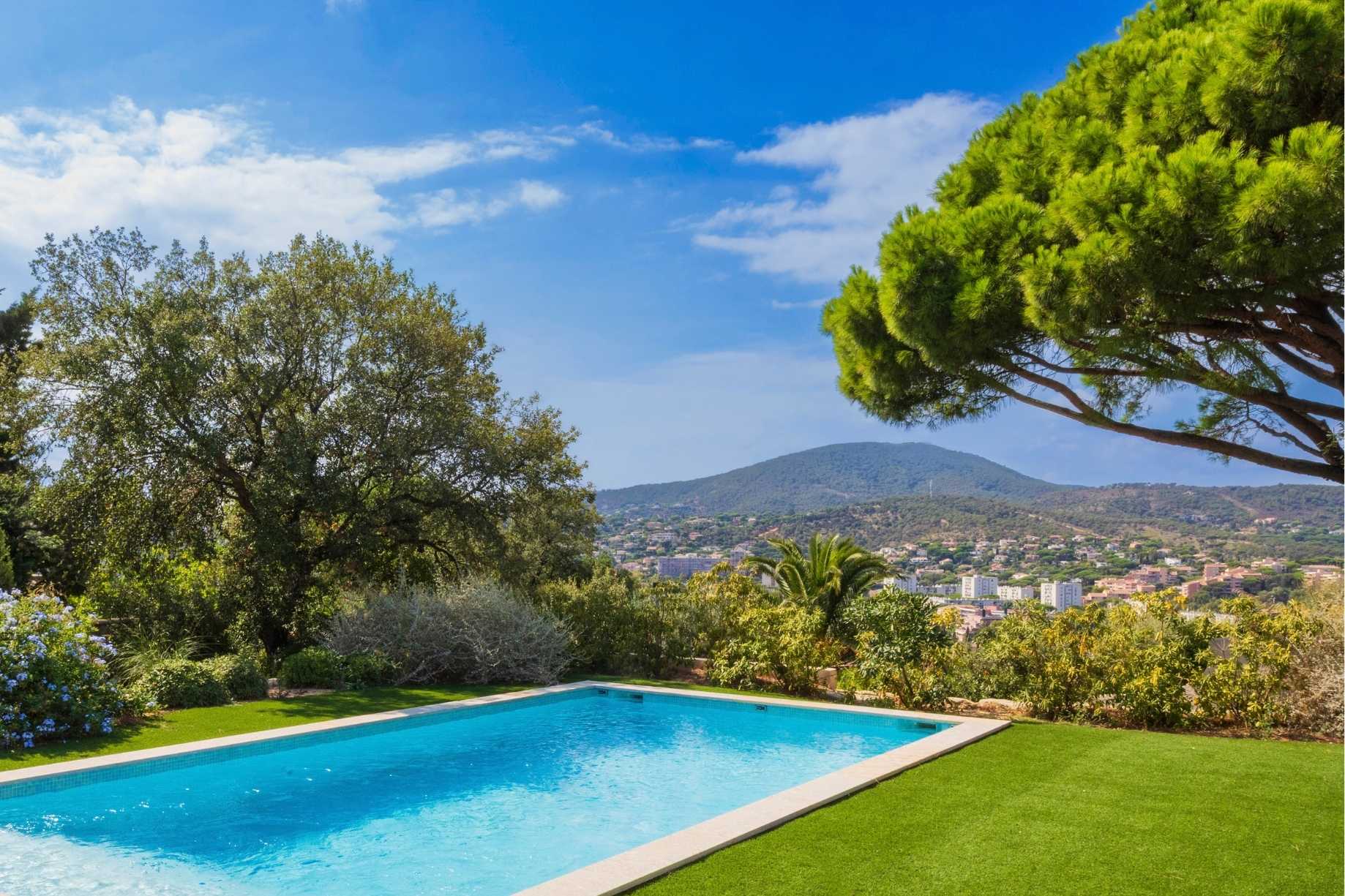
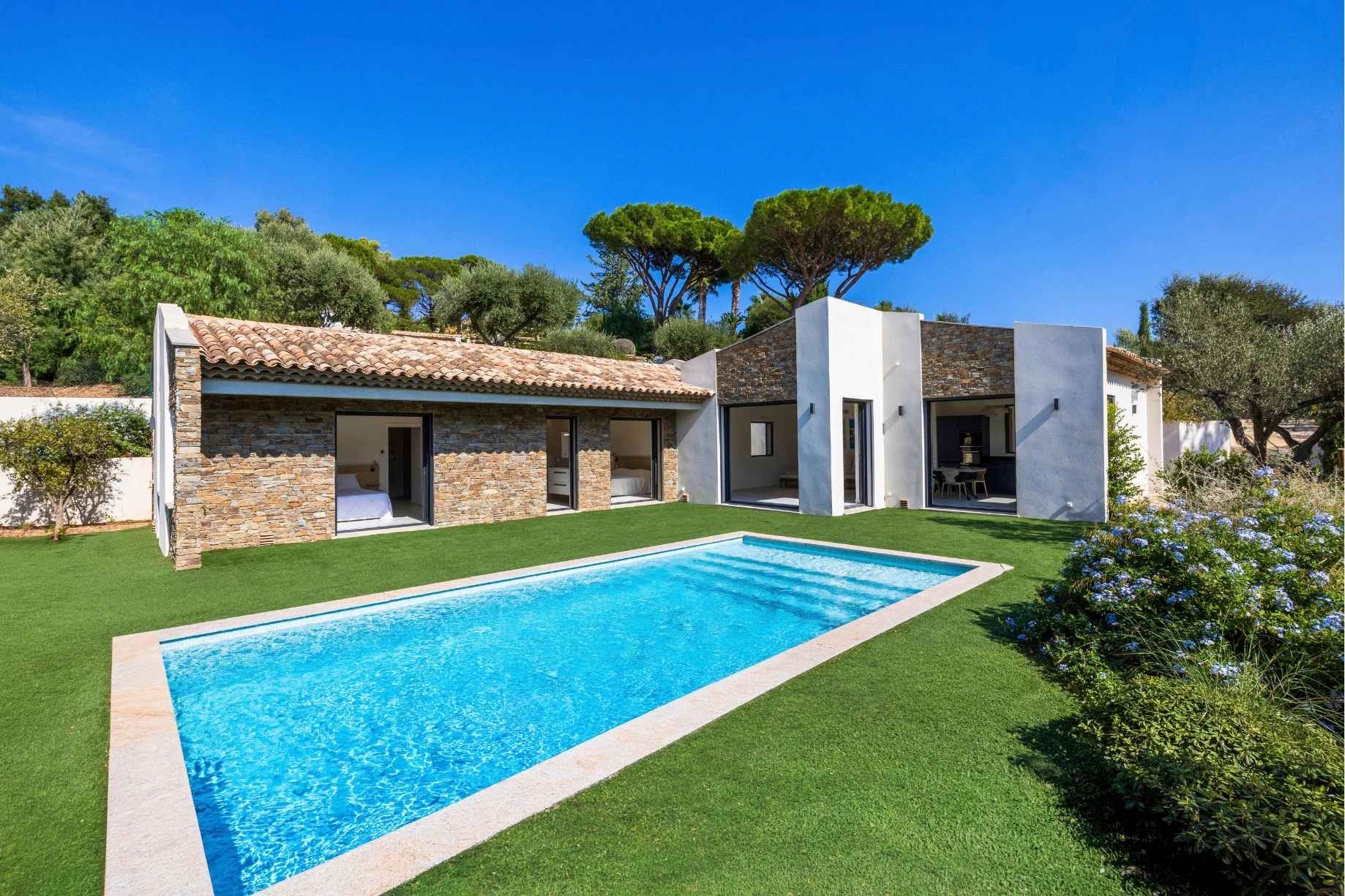
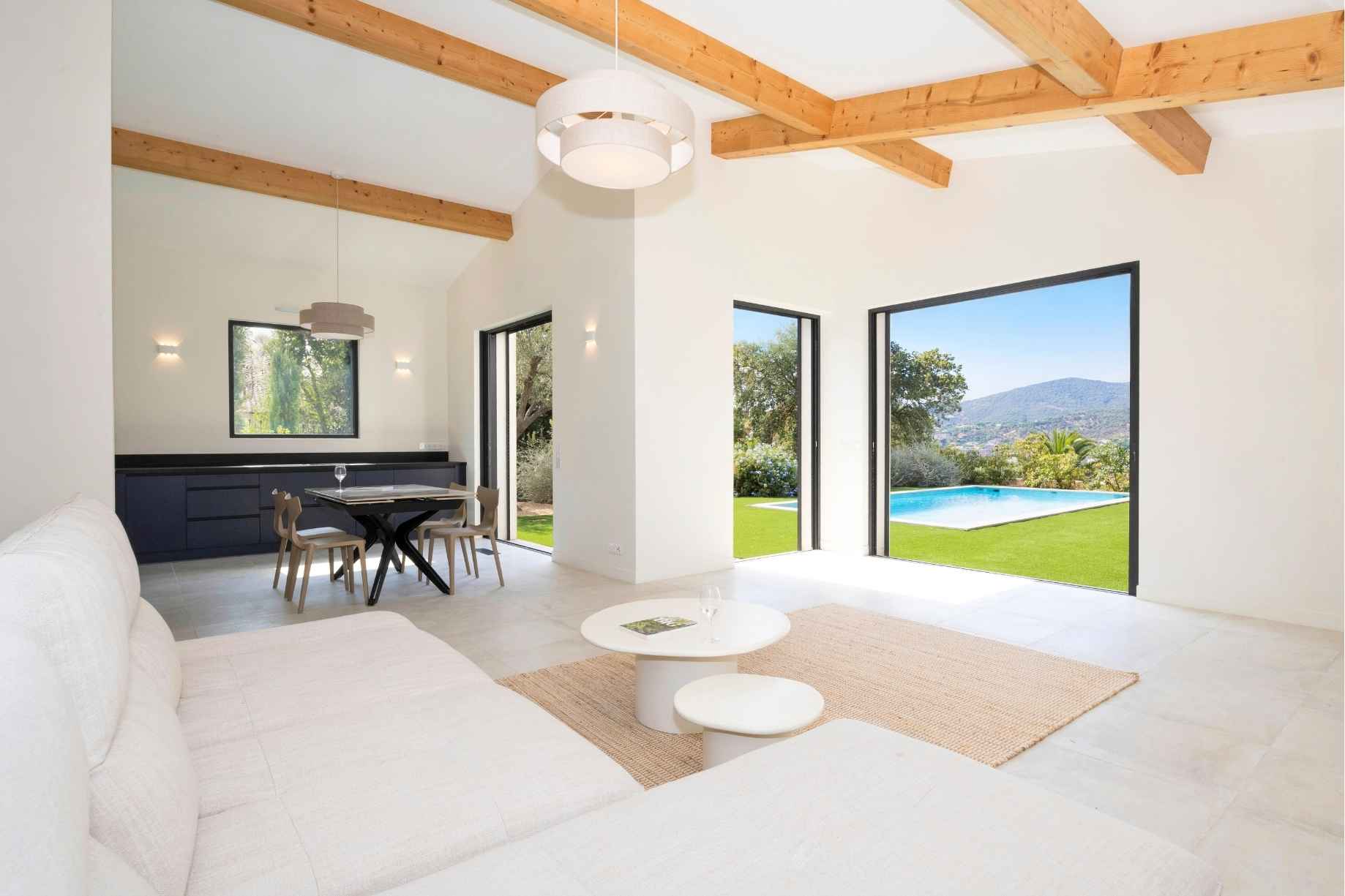
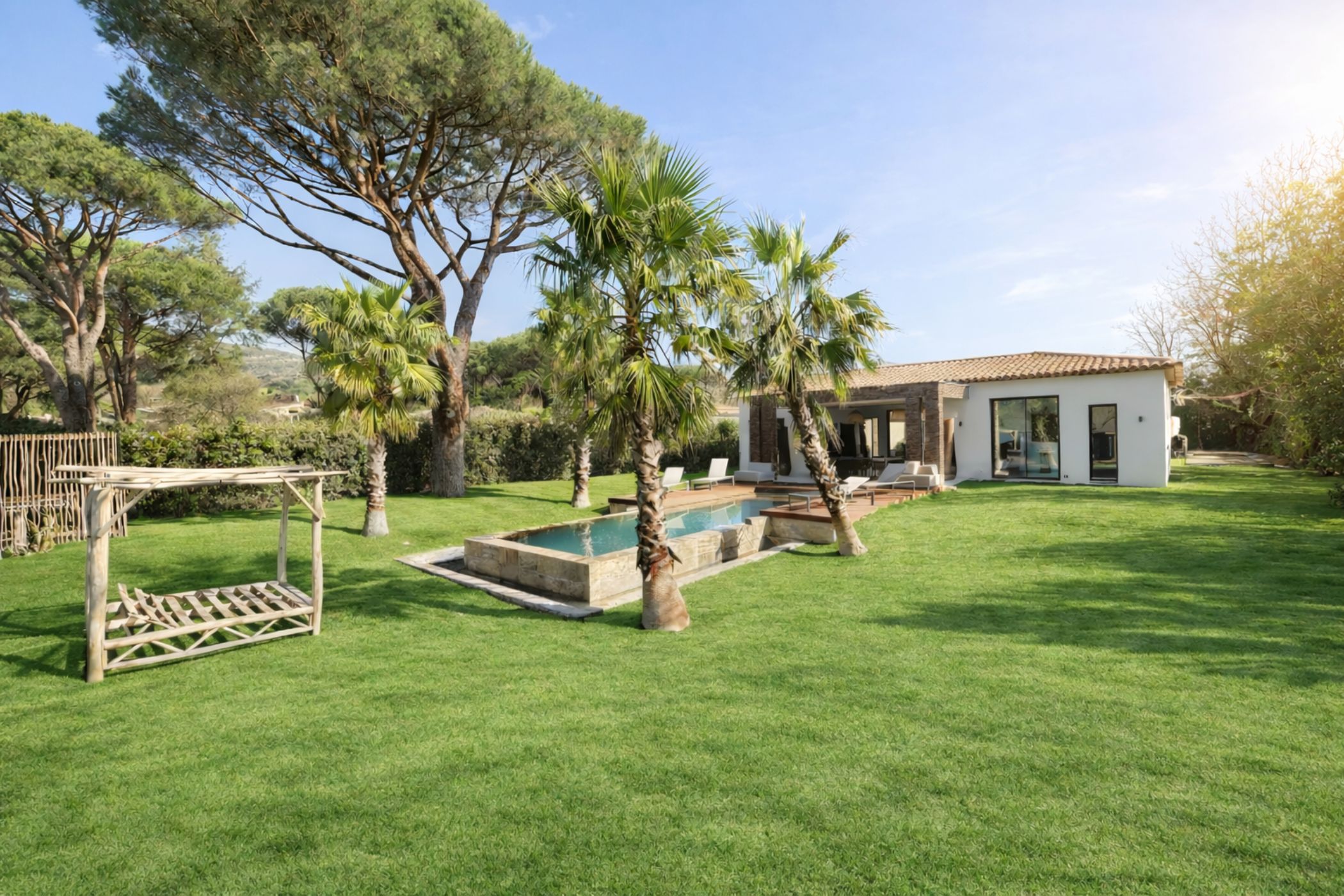
Sainte-Maxime, Côte d'Azur, France — 3-Bed Villa With Heated Pool & Sunny Garden
€299,000
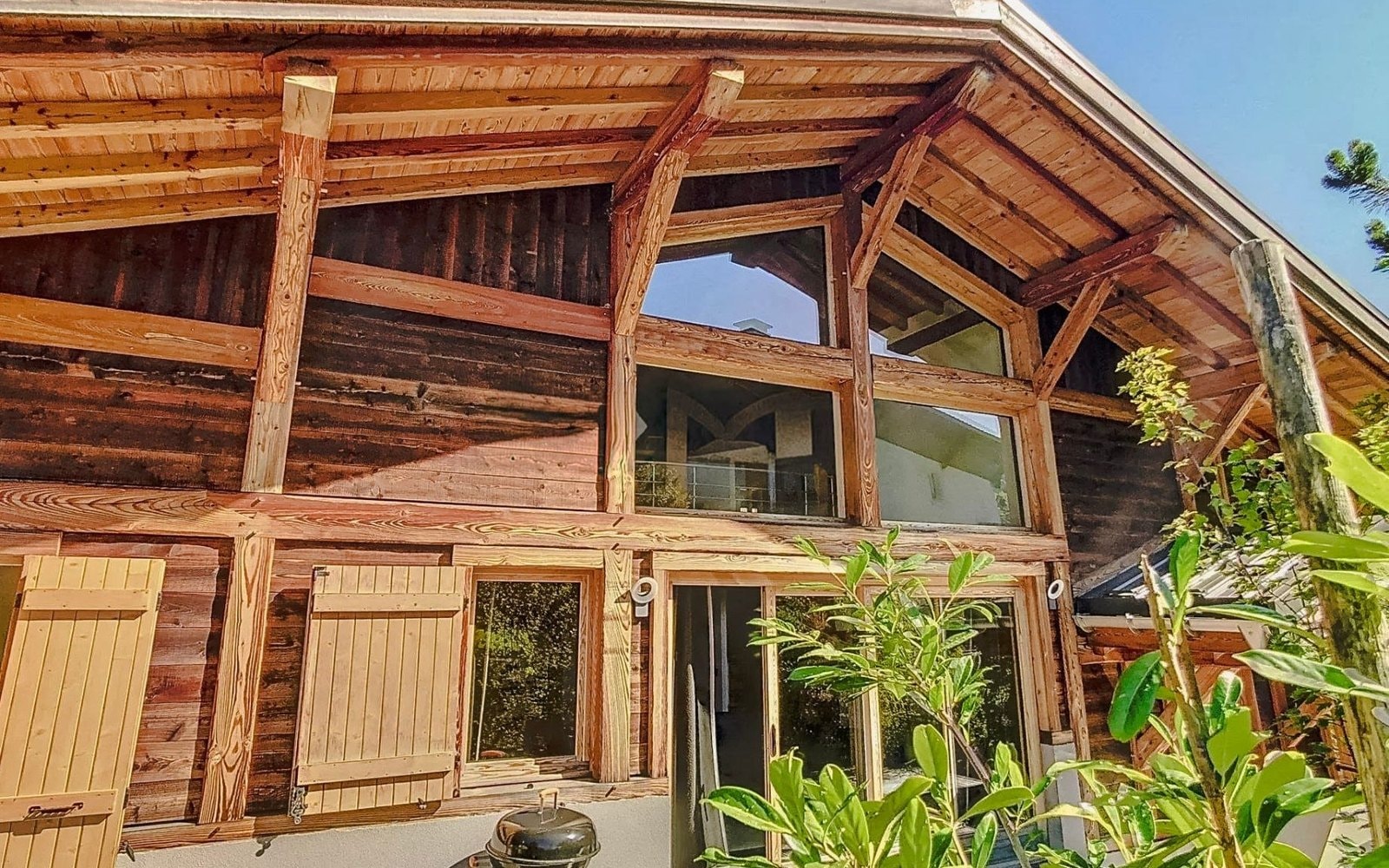
Demi-Quartier, Mont Blanc, France — 4-Bed Private Residence
€244,000
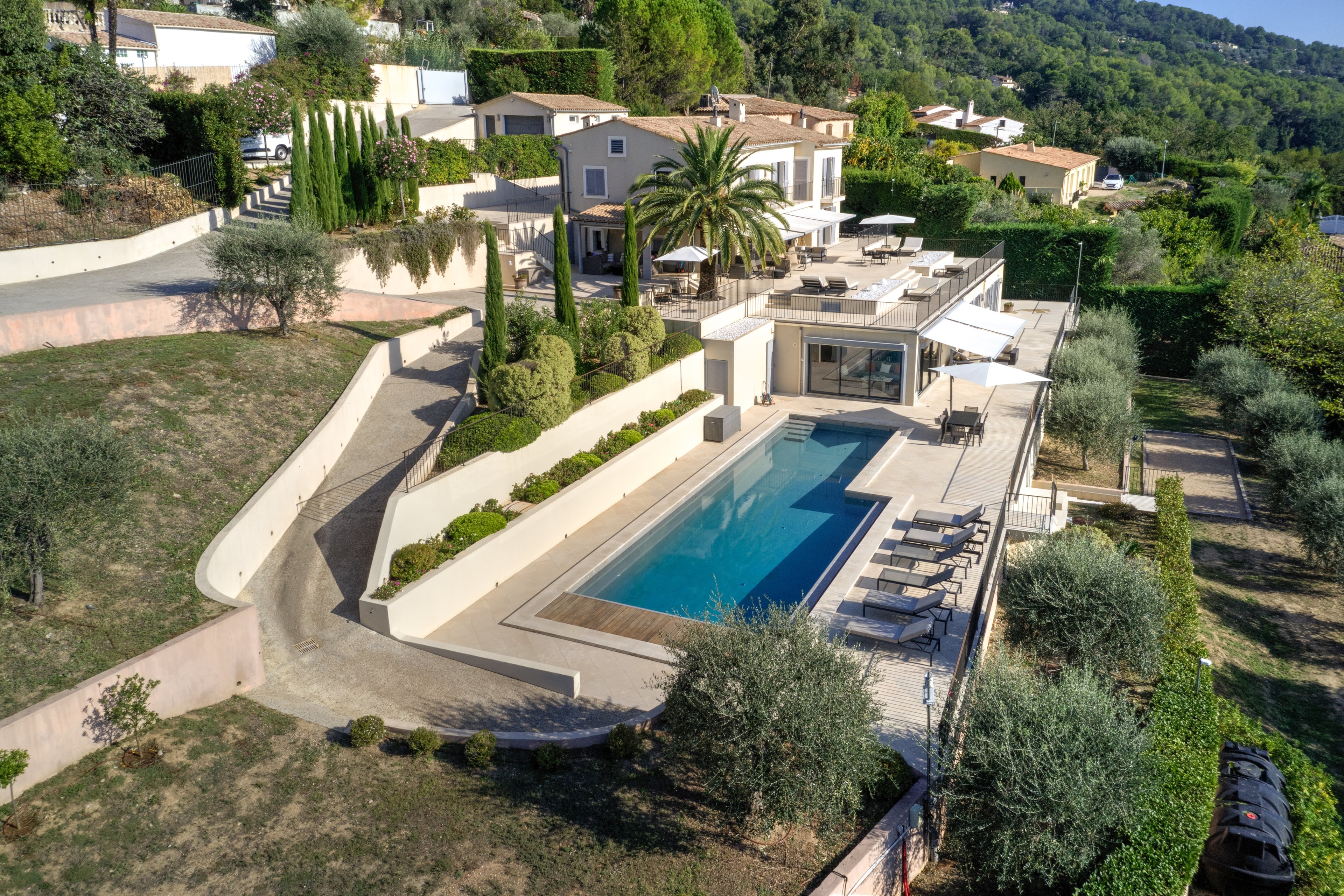
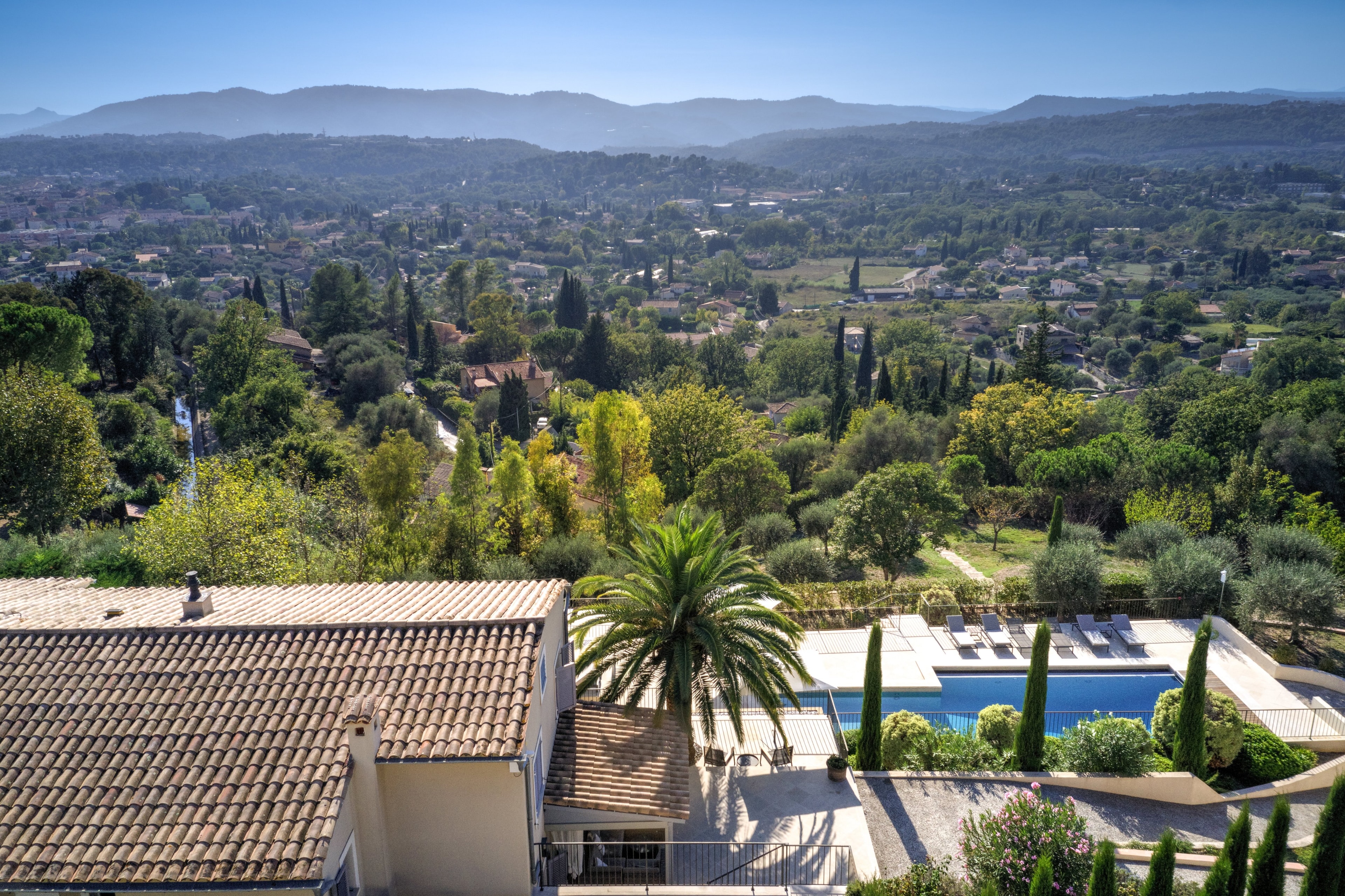
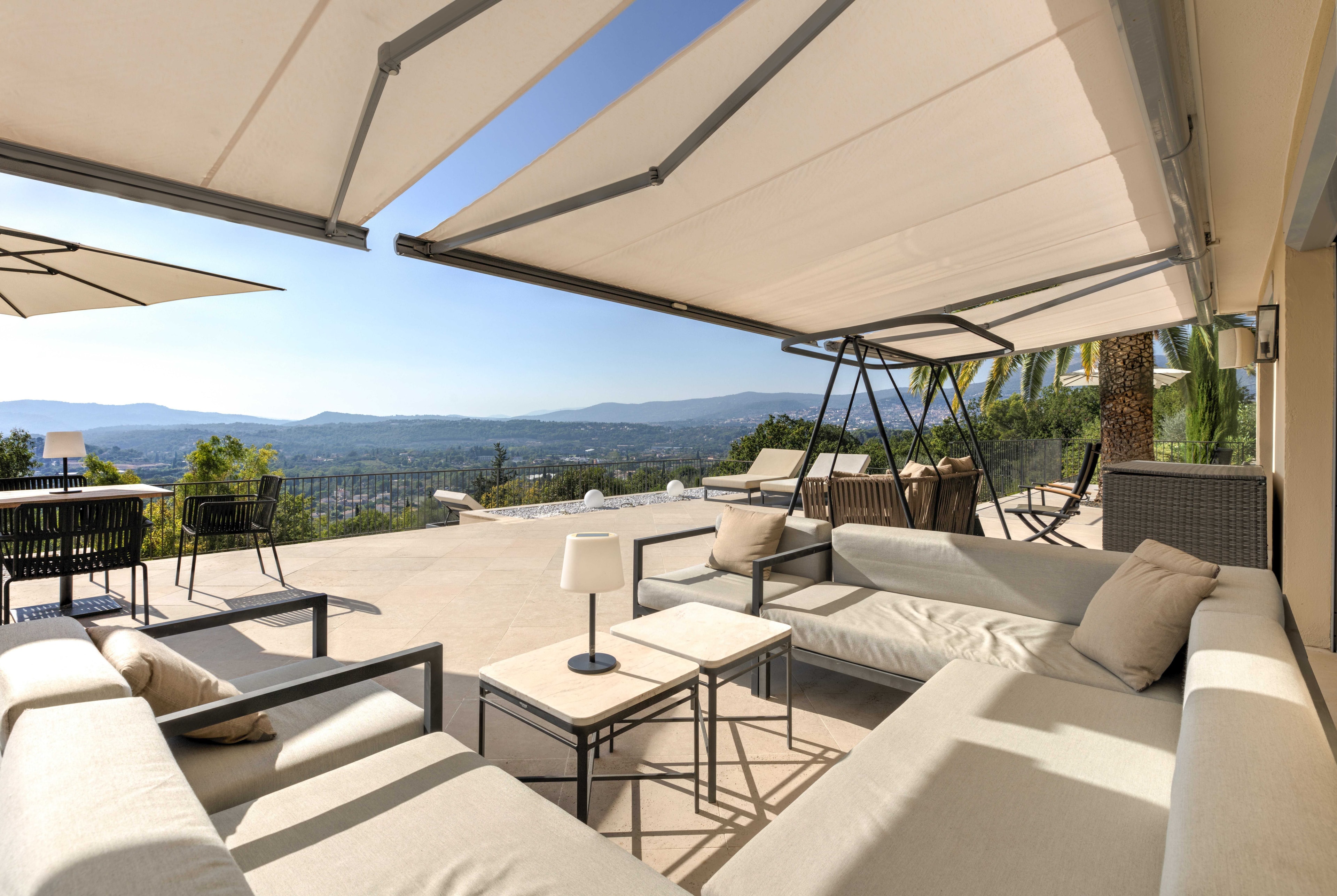
Mouans-Sartoux, Côte d'Azur, France — 7-Bed Villa With Sea Views
€565,000
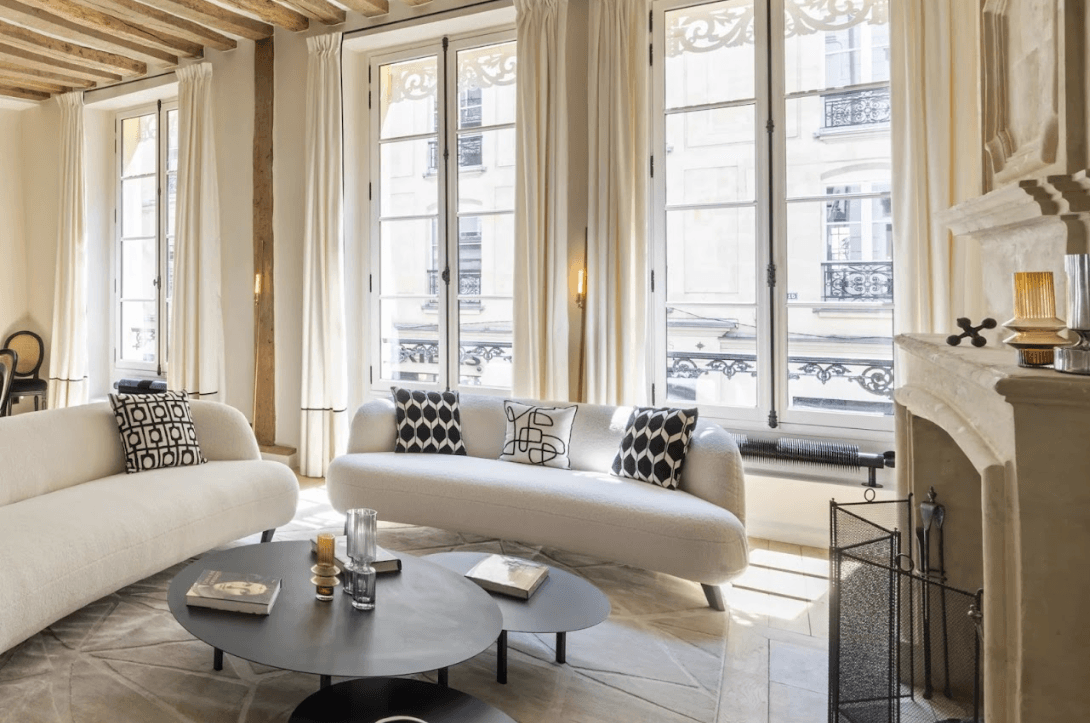
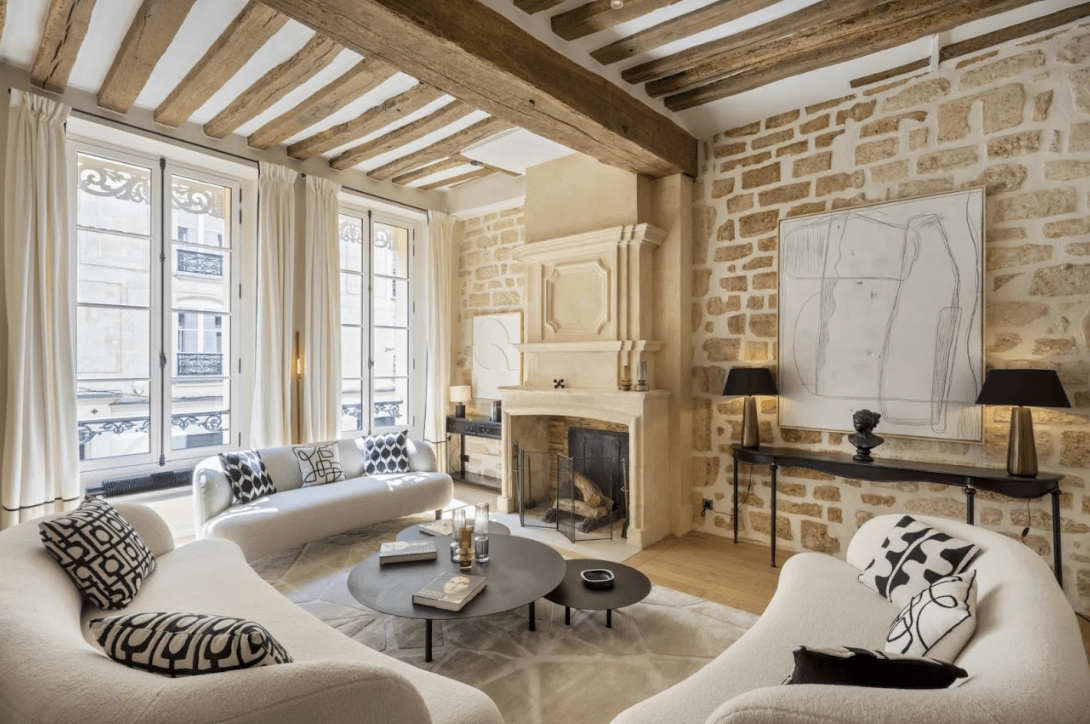
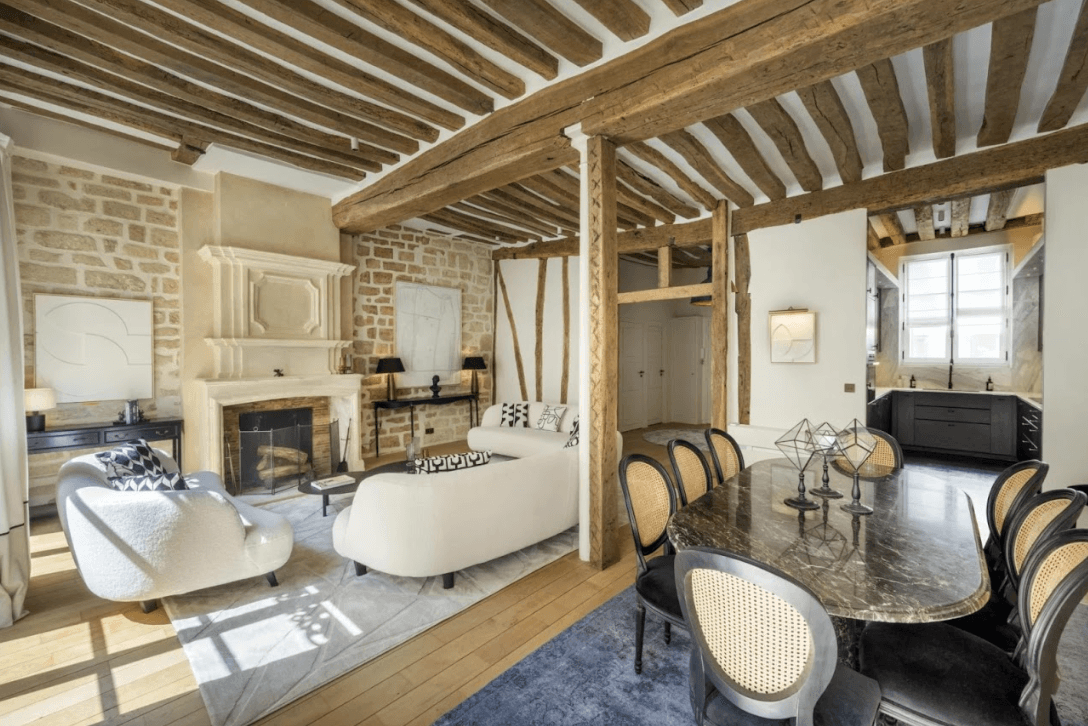
7th Arrondissement, Paris, France — 2-Bed Apartment
$699,000
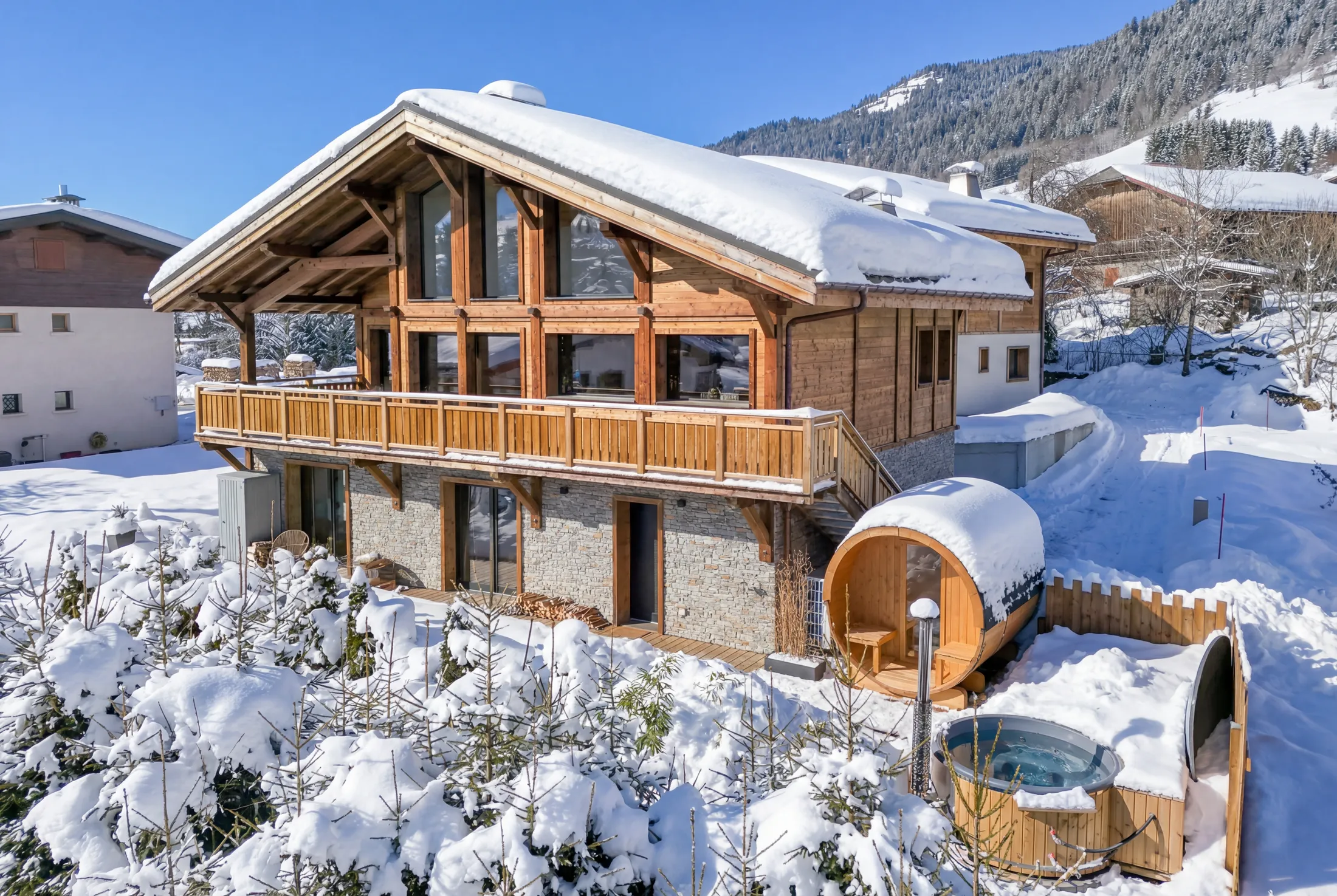
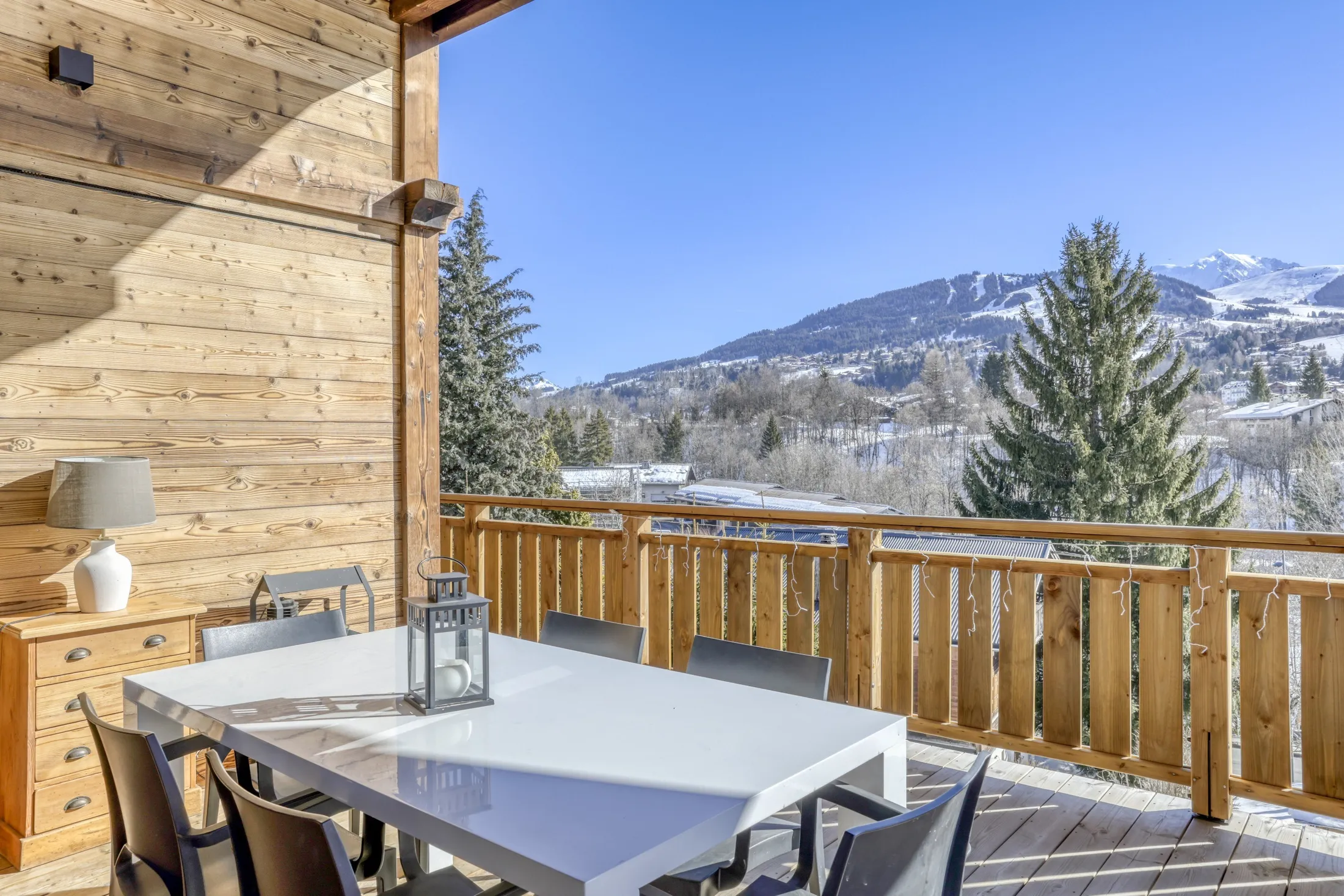
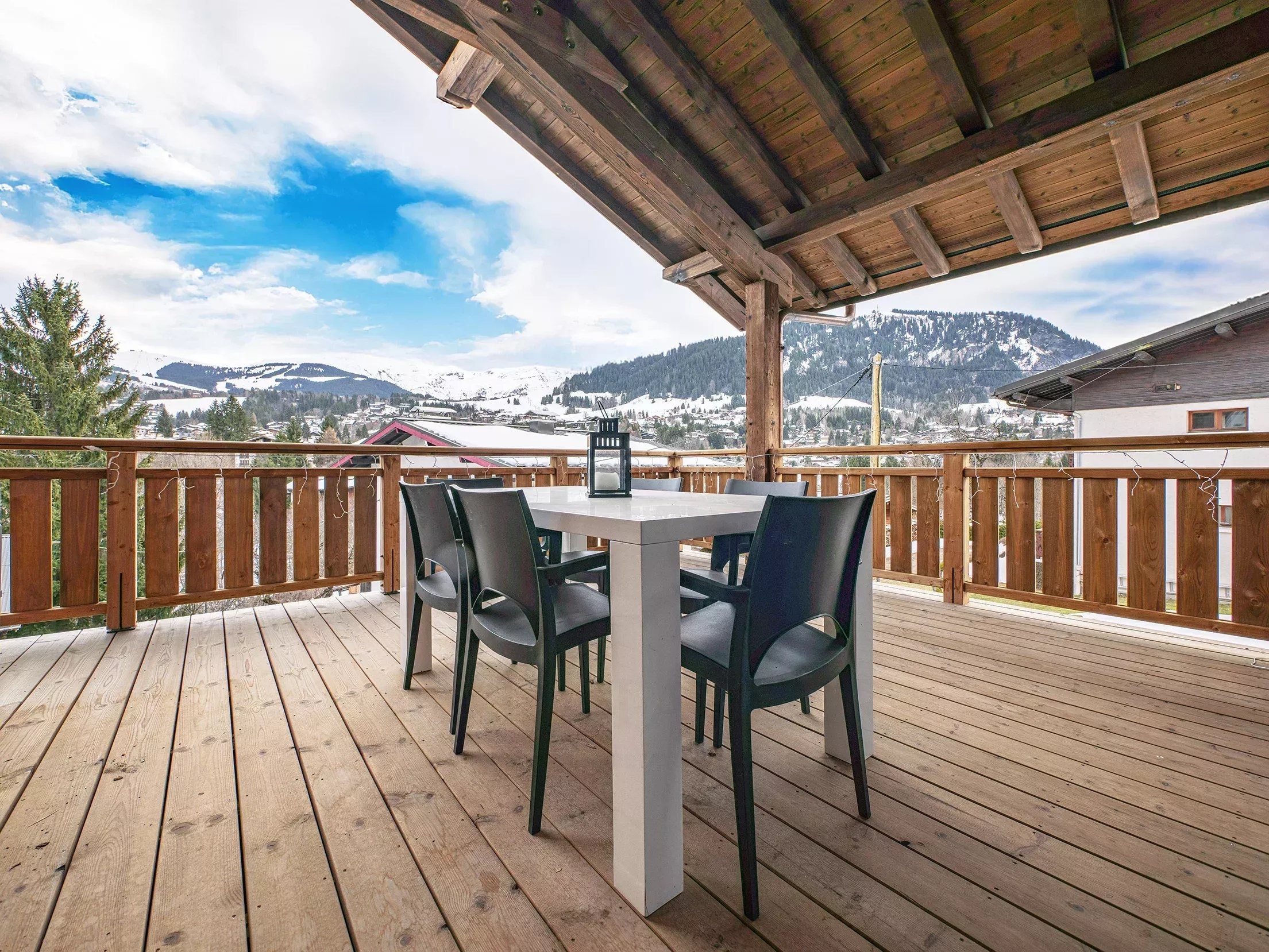
Megève, Mont Blanc, France — 5-Bed Chalet With Sauna, Hot Tub & Mont Blanc Views
$404,000
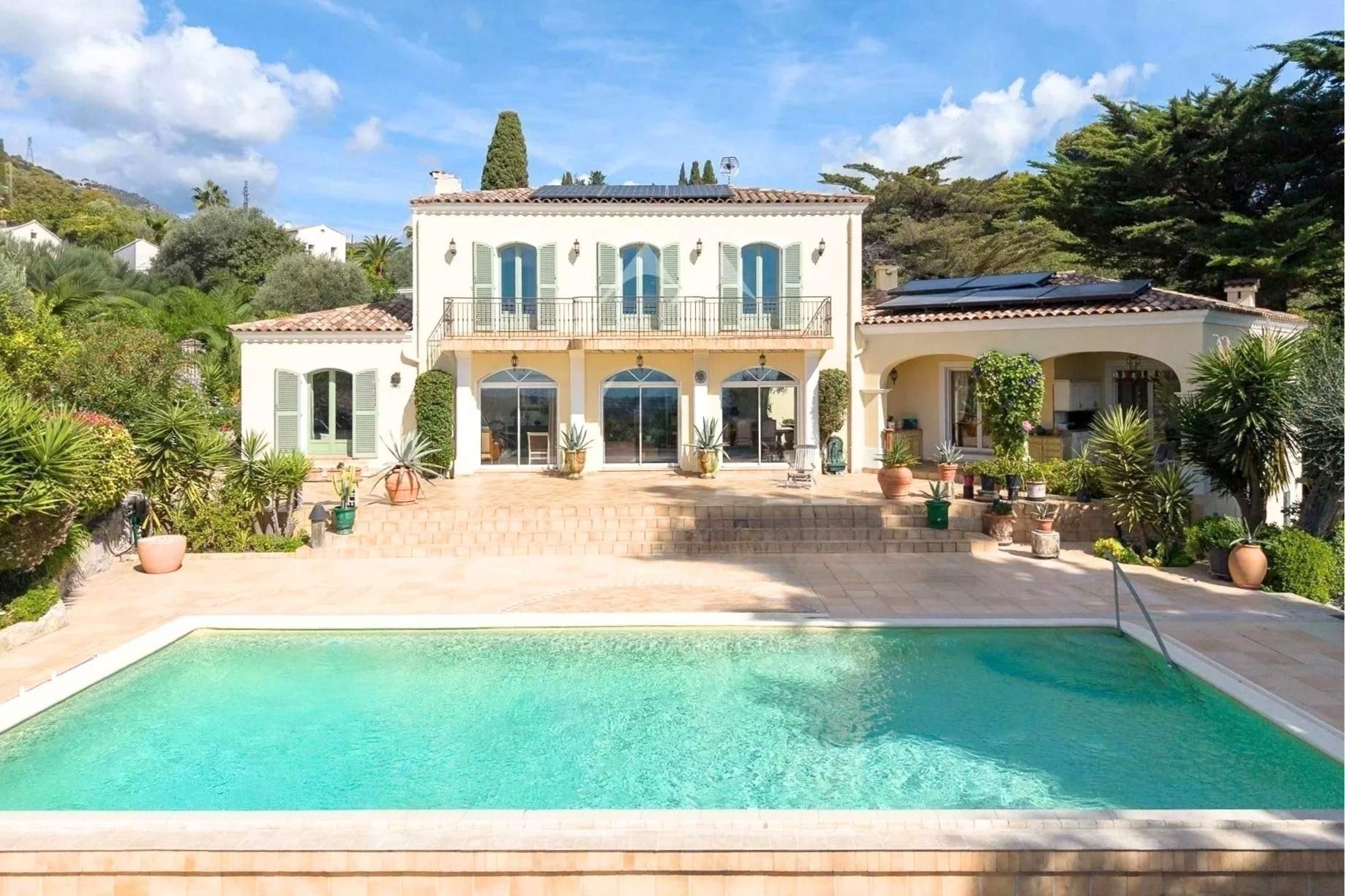
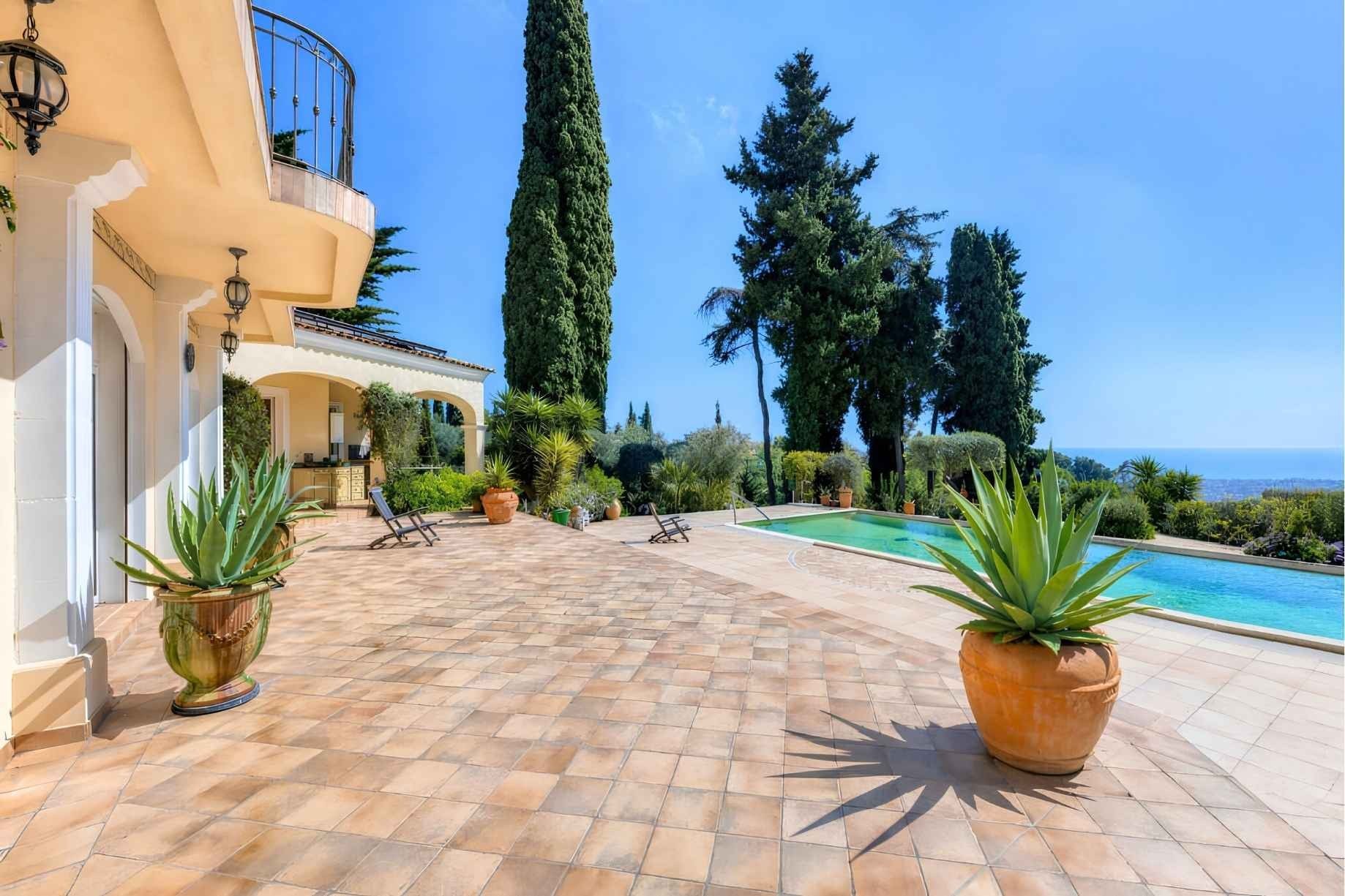
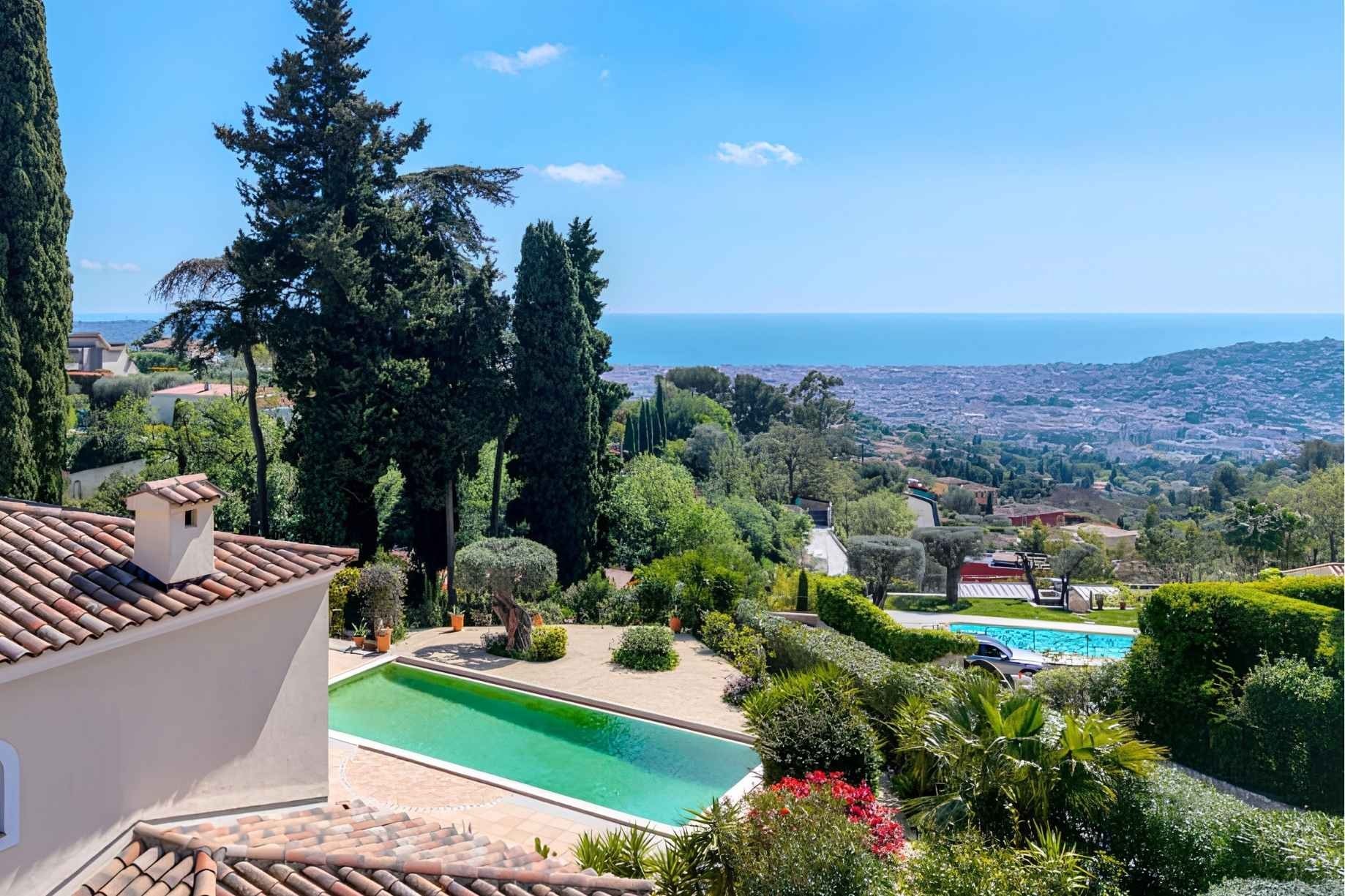
Nice, Côte d’Azur, France — 3-Bed Villa With Panoramic Sea Views & Heated Pool
€449,000
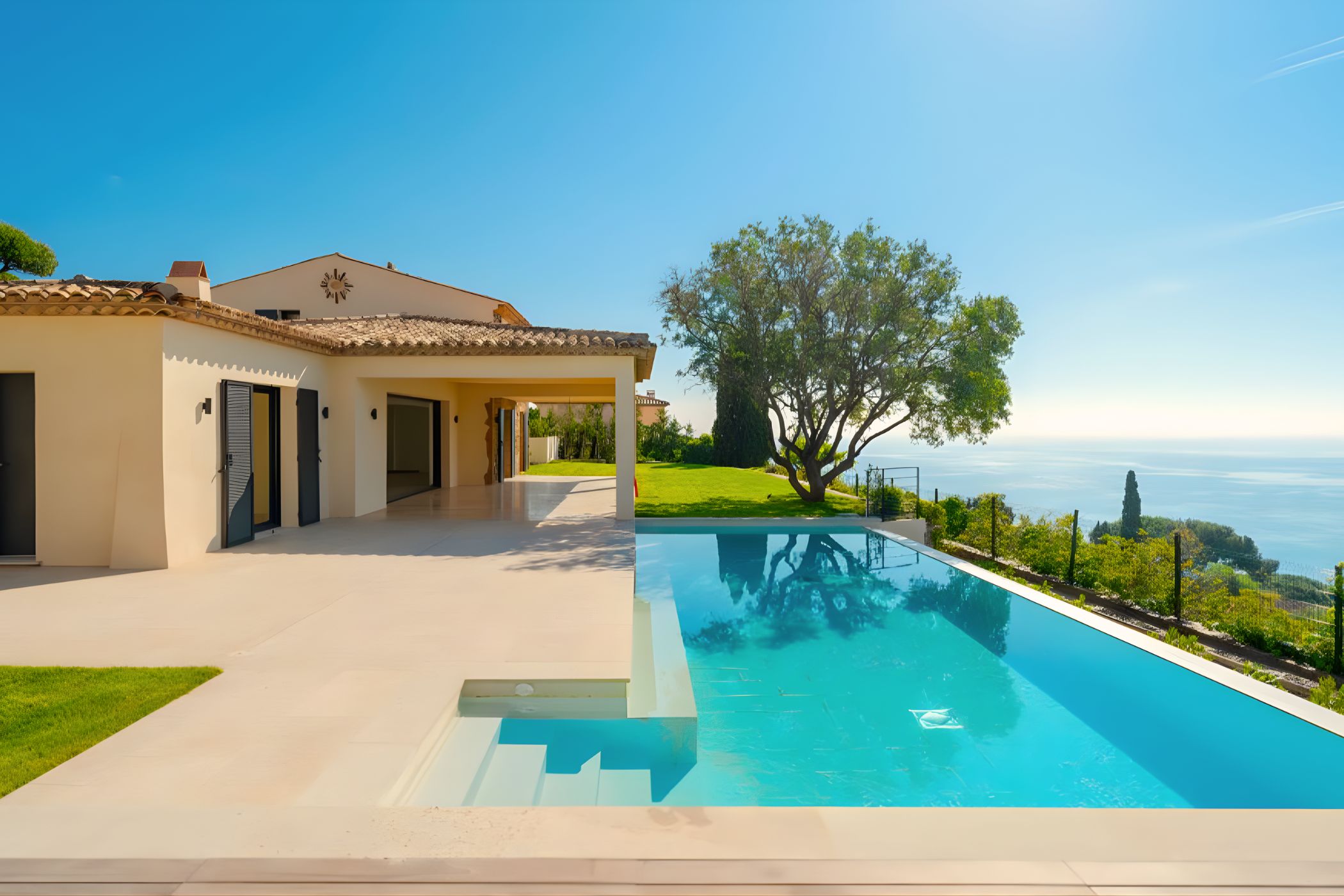
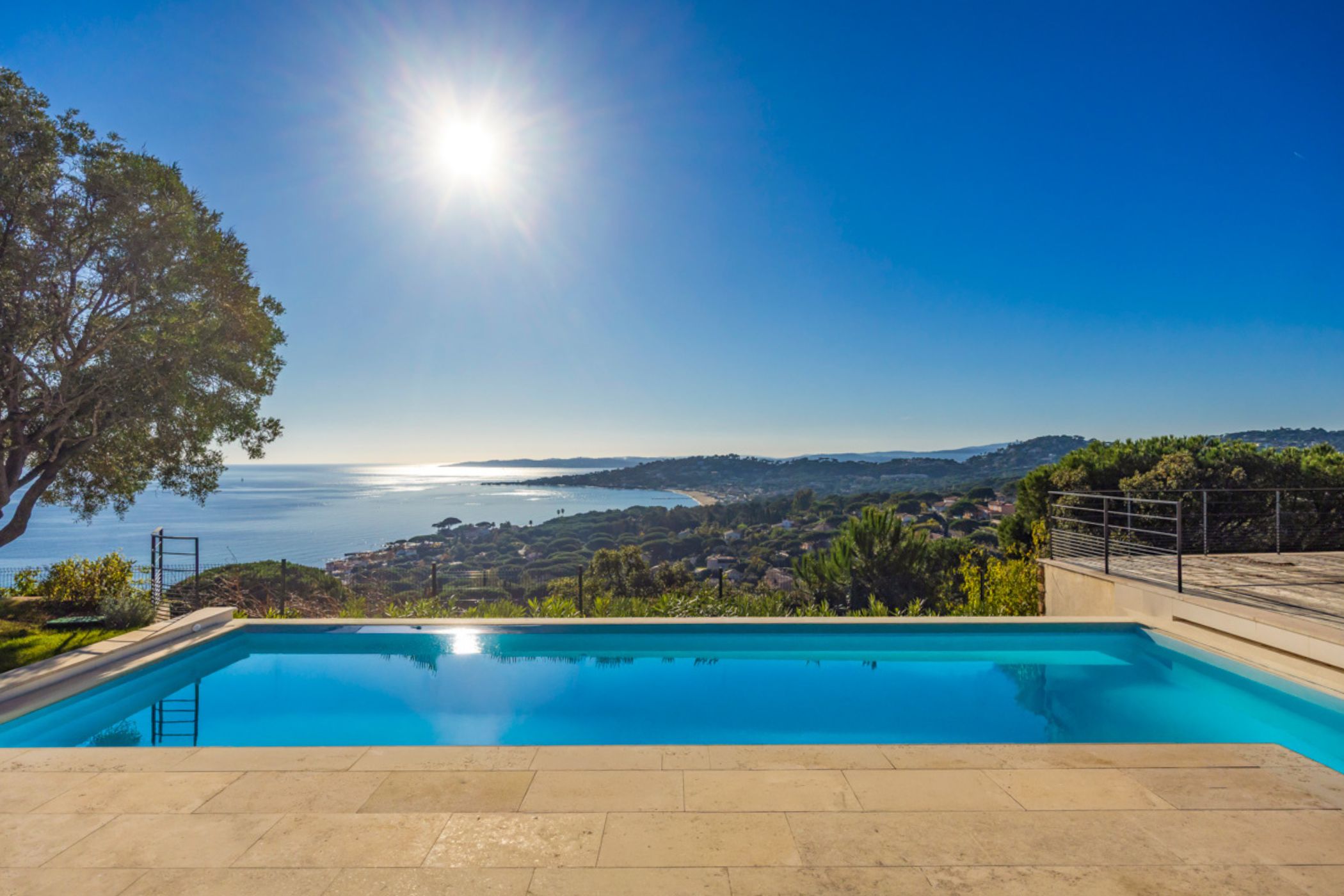
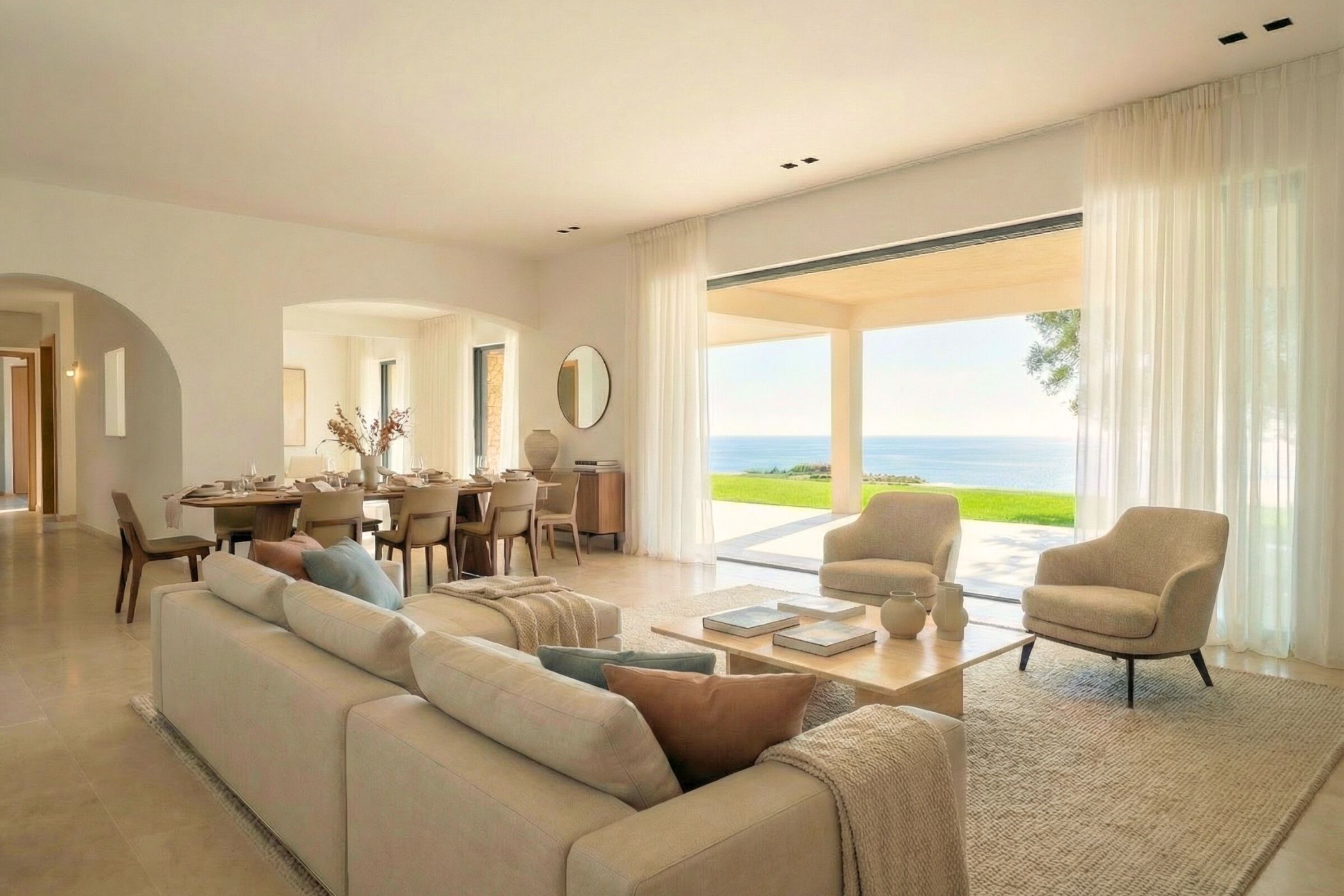
Nartelle, Côte d'Azur, France — 4-Bed Villa With Infinity Pool
€559,000
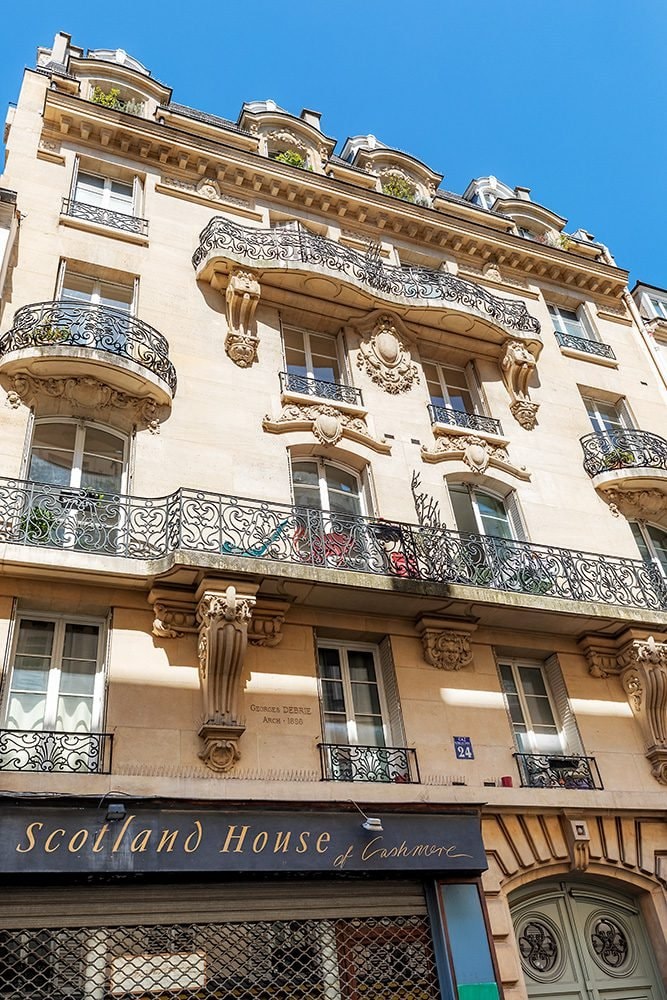
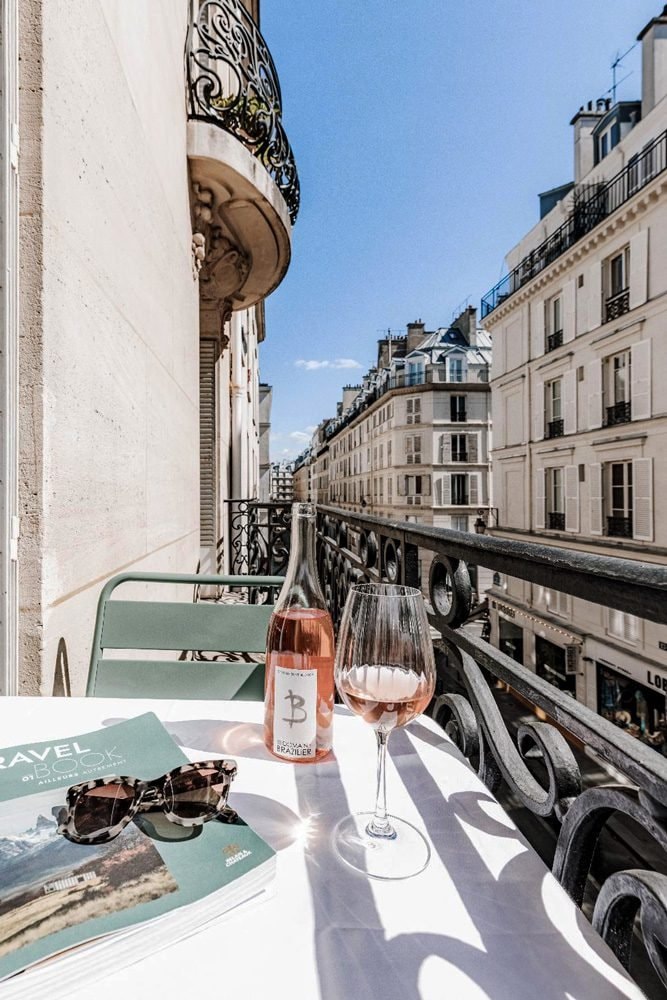
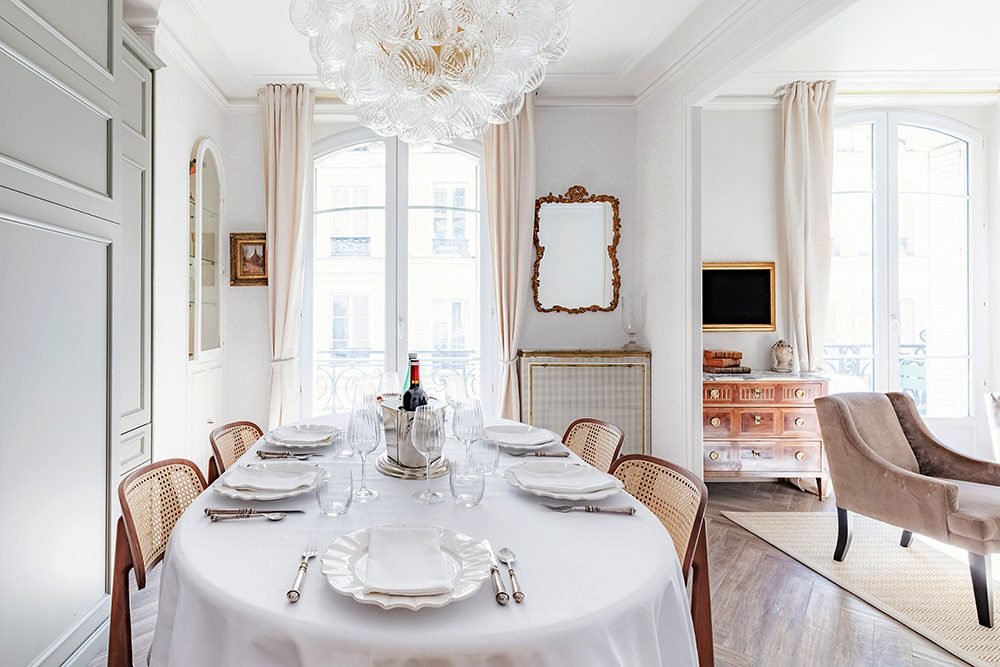
Paris 4th, France — 1-Bed Apartment Sleeping 4, With Balcony in the Marais
$210,000
France's most coveted addresses, accessible through co-ownership.
Fully managed villas, chalets and apartments across the South of France, the French Alps and Paris. Your 1/8 share of the home comes with around six weeks of personal use, a professional management team on call, and the long-term equity of one of Europe's most supply-constrained second-home markets.
What is fractional ownership in France?
Fractional ownership in France means buying a real 1/8 share of a luxury second home, shared with up to seven other co-owners. Each owner receives around six weeks of personal use a year, depending on the home, through a fair-rotation calendar, with all property management, maintenance, taxes and operations handled by a professional team. It is real ownership of a share of the home — not a timeshare, not a holiday club.
Why France?
France combines three things that matter more than any single one of them in isolation: deep legal predictability, an unusually constrained physical supply story, and a diversity of usable second-home lifestyles inside a single passport. The legal predictability is what gives French property its long-cycle stability — the notarial registration system, the cadastral records, the property-transfer process and the underlying civil code have been refined over more than two centuries, and the result is a property record that is as clear fifteen years after a sale as on the day it was signed. The supply scarcity, taken together with the legal predictability, is why the price floor under the right address in France remains structural rather than cyclical. And the lifestyle diversity is why a single ownership relationship in France can give you access to alpine, Mediterranean and capital-city living without forcing you to assemble three separate jurisdictions.
Your French share is owned alongside up to seven other co-owners — a real share of the home, not a right to use it.
Every property in the COP collection meets a defined quality bar — the property itself, the location, the management standard. Alongside that legal predictability sits a supply story that is unusually constrained. The reasons are partly geographic — the buildable land along the Côte d'Azur is essentially fixed, the protected village footprints in Provence cannot expand, the strict architectural codes of the Three Valleys and the Espace Killy make new ski-in, ski-out chalet stock almost non-existent — and partly regulatory. The Loi Littoral (1986) prohibits new construction within 100 metres of the coastline outside existing built zones; the conservation regimes around Megève, Val d'Isère and the Mont Blanc valley restrict footprint, height and roof pitch in ways that effectively cap new alpine supply; and the historic-quarter protections in central Paris — the 1st through 8th arrondissements particularly — mean an apartment in a Haussmann building near the Tuileries is not something more of will be built. The corollary for a fractional buyer is that the price floor under the right address, in the right village, on the right street, is structural. It does not depend on any particular cycle.
It is worth setting France in its European competitive context. Spain offers a comparable Mediterranean coastline at typically lower prices but with a less developed legal infrastructure for ownership at this tier and a less mature ski region. Italy offers comparable cultural depth (and arguably an even richer architectural inheritance), but the legal complexity around Italian property holdings, the tax treatment of non-resident owners and the slower notarial process make Italian ownership a more demanding proposition for the average international buyer. Austria, Switzerland and Germany cover the alpine offer at the high end but at considerably higher entry prices and, in the Swiss case, with Lex Koller restrictions on foreign ownership that complicate the structuring. Portugal has emerged as a competing Atlantic and southern destination but lacks the alpine cluster entirely. The Croatian coast is increasingly interesting as a value-tier Mediterranean alternative but lacks the cultural depth and the established management ecosystem. Together, these comparisons help frame why French co-ownership remains the most-volume, most-mature segment of the European market today.
The third argument for France is the diversity of lifestyles available inside a single passport. A British family with a 1/8 share in a Méribel chalet can take a TGV to Avignon for a Provençal summer week from the same property network. An American buyer with a Paris apartment can be on the beach at Cap-Ferrat by lunch via the high-speed rail to Nice. A Belgian or Dutch couple who want sea, mountain and city in the same year do not need to assemble three separate ownership structures across three jurisdictions; they can use the same managed-portfolio relationship to access all three within France. The country contains, in compressed form, almost every second-home archetype Europe offers — the Mediterranean coast, the high Alps, the great capital, the wine regions of Bordeaux and Burgundy, the Atlantic of Biarritz and the Île de Ré, the lavender plateau of the Vaucluse. Few other countries can match that range.
For a co-ownership buyer thinking strategically rather than just emotionally, France's combination of legal predictability and physical supply scarcity matters more than the headline glamour. The chalet you buy a share of in Megève today is in a village that has not added a single new ski-in lot in twenty years and that will not add one in the next twenty either. The apartment in the 7th overlooking the Esplanade des Invalides is in a building that pre-dates Napoleon III's reign and will outlast every present-day resident. These are not assets that depend on a particular interest-rate cycle to hold their value; they depend on the unchanging facts that France remains France, that Paris remains Paris, and that the Mediterranean keeps washing the same protected shoreline. Add the professional management and resale infrastructure that makes shared ownership transparent and resaleable, and the case for co-ownership in France writes itself.
One under-discussed advantage that becomes obvious once you actually start using a French second home is the depth of the country's professional services infrastructure. The notarial system — France has roughly 17,000 notaires across approximately 7,000 offices — is the backbone of property transactions and is the reason French conveyancing, while not fast by Anglo-Saxon standards, is unusually transparent and well-documented. Every transfer of a French property runs through a notaire who has both a public-record obligation and a personal financial liability for the accuracy of the deed. The result is a register-of-record system in which every French property is fully documented. The same is true of the property-management ecosystem in the major second-home regions — there are mature, well-staffed local management companies in every alpine village and along the entire Côte d'Azur, with English-, German- and increasingly Mandarin-speaking client relationship teams, decades of operating history and a depth of bench that smaller jurisdictions cannot match.
The fourth structural advantage worth naming is the transport infrastructure that makes a French second home practically usable rather than just nominally owned. The TGV high-speed rail network — Europe's most developed — connects Paris to Avignon, Aix-en-Provence, Marseille, Nice, Geneva and Bourg-Saint-Maurice (gateway to the Three Valleys) at speeds that turn what would be a major journey in any other European country into a half-day connection. Three of the busiest international airports in mainland Europe (Charles de Gaulle, Nice, Lyon) sit inside France, and a fourth (Geneva) is on the doorstep of the alpine cluster. The road network — particularly the autoroute system in the south and the alpine valley routes — is among the best-maintained in Europe. Owners coming from London, Amsterdam, Brussels, Frankfurt or Geneva can reach a French second home faster than they can reach many domestic equivalents. That accessibility is the precondition for the high-frequency, short-stay use pattern that fractional ownership rewards.
Where to own in France
France's second-home market is best understood through three distinct buyer geographies, each with its own architecture, climate, season and culture. The pages dedicated to each cluster — linked at the end of this section — go deeper on individual towns and zones; what follows is the country-level orientation that helps a reader narrow from "France" to a region. There are, of course, French second-home destinations beyond these three (the Atlantic coast around Biarritz and the Île de Ré; the Bordeaux wine country; the Île de Noirmoutier and the Vendée; Brittany's north and south coasts; the Loire Valley; the Dordogne) and we are happy to discuss them with buyers whose interests run that direction. But the supply story for fractional ownership is concentrated in the three clusters below: the South of France with its Côte d'Azur and Provençal hinterland, the French Alps spanning the Three Valleys through Megève and Chamonix, and Paris itself.
The South of France & Côte d'Azur
The South of France is two markets stitched together. The first is the storied Côte d'Azur, running roughly from Cassis east through Saint-Tropez, Cannes, Antibes, Cap-Ferrat, Beaulieu, Eze and Menton to the Italian border — the stretch of coastline that the Belle-Époque English, the Russians, and then the post-war Americans turned into the original international second-home destination. The second is inland Provence — Saint-Paul-de-Vence, Vence, Mougins, Grasse, the perched villages of the Luberon, the Var hill country — where the architecture is older, the rhythm slower, and the connection to the working agricultural landscape (vineyards, olive groves, lavender fields) closer than anything on the coast itself.
For a fractional buyer, the coast and the hills serve quite different briefs. Antibes and Cap d'Antibes, with their pine-shaded Belle-Époque villas and the Plage de la Garoupe, are the choice for owners who want walk-to-the-water, restaurant-rich, fully serviced living. Cap-Ferrat — arguably the most expensive square mile of residential property in continental Europe — is for owners who want privacy at the highest end. Beaulieu-sur-Mer offers a quieter, more old-world version of the same setting. Saint-Paul-de-Vence and the perched villages above it — Vence, Tourrettes-sur-Loup, Saint-Jeannet — give you stone houses with cypress gardens, panoramic views down to the Mediterranean and an artistic heritage stretching from the Fondation Maeght to Matisse. Cassis and the Calanques are the Provençal alternative: dramatic limestone cliffs, hidden coves, a smaller scale than the Riviera proper. Saint-Tropez, despite its summer reputation, is also a working Provençal village from October through May.
The climate is the underlying argument. The Côte d'Azur records over 300 days of sunshine in a typical year, with the famously gentle micro-climate created by the Maritime Alps shielding the coast from northern weather systems. Even in February, daytime temperatures are routinely 12–15°C (mid-50s°F) — warmer than Lisbon, warmer than southern Spain — which makes properties here usable through more of the year than buyers initially assume. The architectural inheritance is equally specific: pastel stucco villas with shuttered windows, terracotta-tiled roofs, painted ironwork balconies, gardens organised around stone pines and bougainvillea. There is a particular Côte d'Azur vernacular that you cannot recreate elsewhere because the elements — the light, the maquis, the terraced topography, the building stock from the 1880s through the 1930s — are themselves not portable.
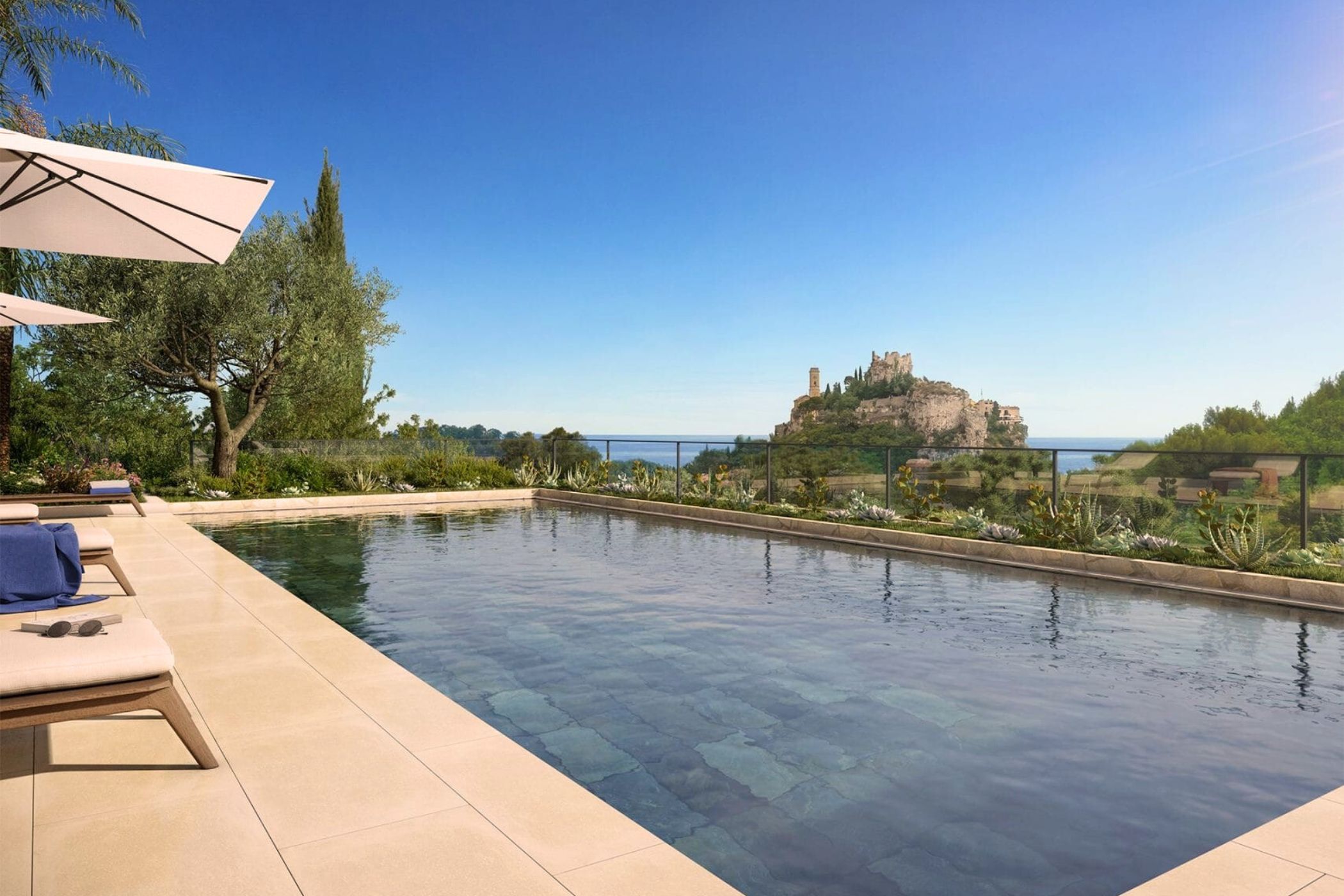
Inland Provence operates on a different rhythm from the coast. The Luberon — the chain of perched villages between the Vaucluse mountains and the Durance valley — has its own architectural inheritance: drystone bories, the Roman ruins around Apt and Saint-Rémy, the medieval cores of Gordes, Bonnieux, Ménerbes, Lacoste, Roussillon (with its famous ochre cliffs), Lourmarin (Camus's village). The Var hill country to the east, less famous but increasingly favoured by buyers escaping the Luberon's summer crowds, runs through Lorgues, Cotignac, Tourtour, Salernes — a working agricultural landscape of vineyards (the AOC Côtes de Provence runs through here, and the wider Var sits within it), olive mills, and weekly Provençal markets. The Bandol coast around La Cadière-d'Azur and Le Castellet is the wine-and-coast hybrid, with the AOC Bandol vineyards running down to the Mediterranean. Each of these inland sub-zones has its own buyer profile, its own price band, and its own usability calendar — and the choice between, say, Lourmarin and Cotignac is the kind of decision that benefits enormously from on-the-ground guidance rather than pure online research.
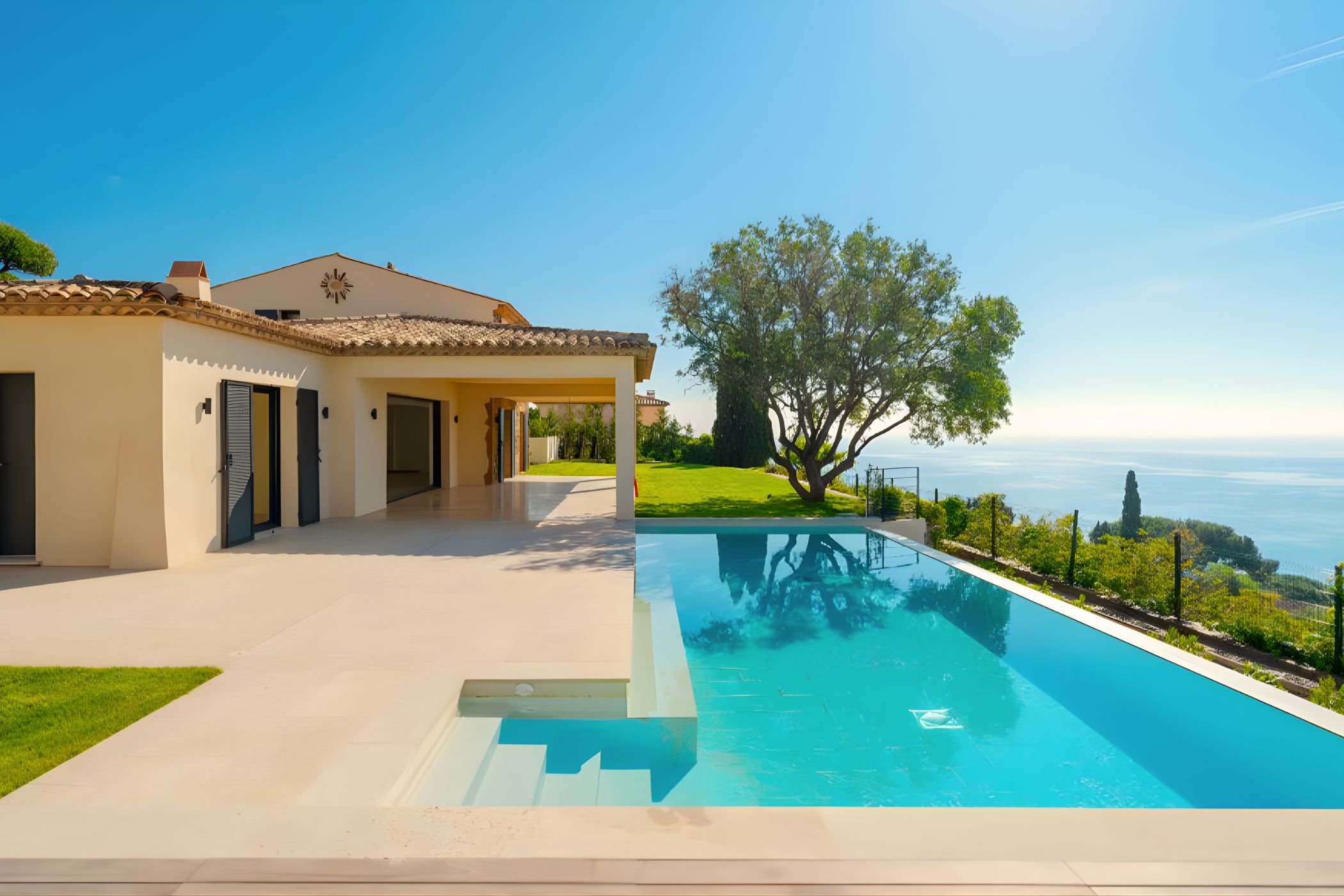
The international owner mix here is the most diverse of any French region. Historically British and Russian, then American, increasingly Dutch, Belgian and Swiss; in recent years a strong inflow of buyers from Northern Europe seeking sun-belt exposure and from US buyers wanting a Mediterranean foothold without the Italian or Spanish currency complications. The official Côte d'Azur tourism organisation publishes useful seasonal data for owners trying to decide which weeks to use; the Gorges du Verdon further inland is the natural wilderness counterpart to the coast. Best for: owners who want sun, sea and Mediterranean culture with a long usable shoulder season, and who value architectural pedigree and walking-distance dining over remote-from-everything privacy.
The French Alps
The French Alps, for a fractional buyer, mean a relatively small set of legendary ski domains where the chalet stock — the kind you would actually want to own a share of — is concentrated and tightly held. There are essentially four clusters worth knowing.

The Three Valleys (Les Trois Vallées) is the largest interconnected ski area in the world, anchored by Courchevel (and the famously high-end 1850 sub-village), Méribel, and Val Thorens. Courchevel is the international showpiece — Russian and Middle Eastern wealth in the 2000s and 2010s, increasingly British, American and South Asian buyers in the past five years; Méribel is the more traditionally British-influenced anchor of the central valley, with the most consistent ski-in, ski-out chalet stock; Val Thorens, at 2,300m, is Europe's highest ski resort and the most snow-reliable into the late season. The Espace Killy — Val d'Isère and Tignes — is the Three Valleys' main rival in scale and in altitude, with Val d'Isère playing the role of the cosmopolitan resort village (its Avenue Olympique a near-permanent international promenade in February) and Tignes the higher, glacier-backed counterpart for serious skiers and summer use.
Megève is something different. Built up by the Rothschild family from the 1920s as the French answer to St Moritz, it is the most architecturally controlled of the major resorts — the chalet vernacular here is genuinely traditional Savoyard rather than the modern wood-and-glass of the high-altitude resorts — and it draws an older, more discreet, more permanent owner base. The skiing is more modest in scale than the Three Valleys but the village life is incomparable, with a Michelin-starred restaurant scene and a year-round social calendar that makes Megève one of the few alpine villages with genuine summer life. Chamonix and the Mont Blanc valley are the alpinist's choice — less polished as a resort, more serious as a mountain — and Avoriaz, on the Portes du Soleil circuit straddling the Swiss border, offers a unique car-free village built on the cliffs above Morzine, with a strong family-skiing identity.
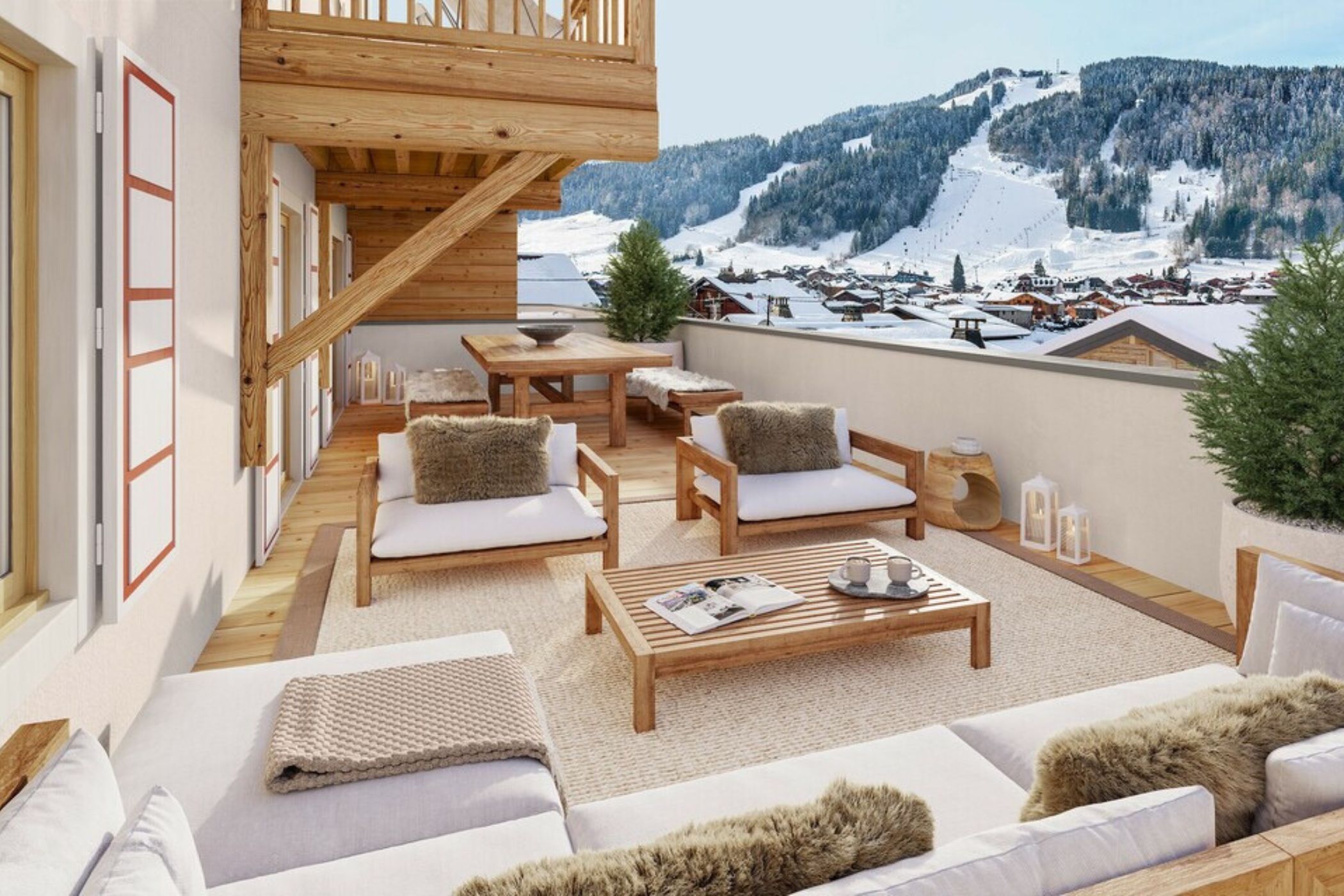
The architectural distinction between the alpine villages matters more than buyers initially expect, because it shapes both the daily living experience and the long-term resale narrative. Megève chalets are recognisably Savoyard — old beam-and-stone structures, often genuine 18th- or 19th-century farmhouses converted with deference to the original vernacular, low rooflines, the warm wood-and-tweed interior tradition that the Rothschild-era owners established. The Three Valleys, particularly Courchevel 1850, has more contemporary luxury chalet stock — large glass facades, double-height living rooms, indoor pools, the wood-and-stone-and-bronze contemporary style associated with the leading French alpine architects of the past two decades. Val d'Isère sits between the two stylistically, with both traditional Savoyard and contemporary contributions; Tignes is mostly contemporary purpose-built. Avoriaz is unique — its 1960s and 70s shingled, organic-curved buildings designed by Jacques Labro to disappear into the cliff face are an architectural protected category of their own, and the village's car-free policy gives the place an atmosphere unlike any other French resort. None of these styles is "better" — they appeal to different buyers — but understanding the distinction is part of choosing the right village.
The argument for fractional ownership in the French Alps is partly seasonal mathematics. A whole-property chalet in Courchevel 1850 or Megève is in active personal use perhaps eight to ten weeks a year — six in winter, two to four in summer — and sits empty or rented for the rest. A 1/8 share gives an owner around six weeks, depending on the home, which is more than most whole-owners actually use of their own property in real life, and removes the difficult choice between leaving it dark or running a year-round rental operation. The other argument is that supply at the genuinely top tier is essentially closed: in Courchevel 1850, in central Megève, on the Avenue Olympique in Val d'Isère, the number of chalets that come to the open market in any given year can usually be counted on one hand. Fractional access is, for many buyers, the only realistic route in. The Courchevel dining guide and the resort lessons calendars from ESF (École du Ski Français) are both useful planning resources for owners booking around school weeks. Best for: families with school-age children who ski (the easiest single shared activity for a four-generation family); empty-nester couples in their 50s and 60s who want a winter base and increasingly use it in summer too; and design-conscious owners who care about the difference between Megève chalet vernacular and Val d'Isère contemporary.
Paris
Paris is the outlier of the three clusters because nobody buys a Paris co-ownership share for a single dominant season — they buy it for the rhythm of returning four, five, six times a year, four days at a time, against a cultural backdrop that does not slow down. The arrondissements that matter for serious second-home buyers are tightly clustered. The 1st (around the Louvre and the Tuileries), the 4th (the Marais and the Île Saint-Louis), the 6th (Saint-Germain-des-Prés and the Luxembourg), the 7th (the Champ de Mars, Invalides, Eiffel Tower side), the 8th (the Champs-Élysées, Faubourg Saint-Honoré, Parc Monceau), and the 16th (Trocadéro, Passy, Auteuil) are the six districts where the international buyer market is concentrated and where the building stock — Haussmann apartments from the 1850s through the 1880s, plus Belle-Époque buildings from the 1890s through the 1910s — is the kind that holds value across cycles.
For the full picture — the arrondissements, the homes available now and what it is like to own in the city — see our guide to fractional ownership in Paris.

What changes in Paris versus an alpine or Mediterranean second home is the use pattern. Paris owners typically take ten to fifteen short stays per year rather than three or four long ones. They fly in for a Friday-to-Tuesday around an opera or a major exhibition; they stay for ten days over Christmas and New Year; they take a week in May for the Roland-Garros final or simply for a Paris spring; they come for a long October weekend when the Salon du Chocolat or Paris Photo or one of the hundred-odd serious cultural events overlaps with the city's most beautiful month. The fractional model handles this rhythm better than full ownership because the management overhead of an apartment in active short-stay use is non-trivial — building rules, maid service, mail, security, the concierge relationship, the Wi-Fi engineer when something fails on a Sunday — and is the precise thing the model exists to handle.
Paris also offers something the other two clusters do not: cultural depth that does not depend on the weather. A January week in the 6th, with morning espresso at a café on rue de Buci, an afternoon at the Musée d'Orsay, dinner at a bistro on rue de Seine and a late-night walk back across the Pont des Arts, is its own complete experience without any reference to season. Compare that to a January week in Cap-Ferrat (lovely but quiet) or a July week in Méribel (lift access closed) and the year-round usability of Paris becomes obvious. The concentration of Michelin-starred restaurants (more than any other city in the world), the major museum institutions (the Centre Pompidou, the Musée Picasso, the Musée Carnavalet chief among them), the concert and opera calendar, the Île de la Cité and Île Saint-Louis as the historic core, plus the parks (the Luxembourg, the Tuileries, the Bois de Boulogne, the Buttes-Chaumont) that make Paris walkable in a way few capital cities are. Best for: cultural enthusiasts who want a base for repeated short stays rather than a single long holiday; international owners who already work between two or three cities and want Paris as one of them; and couples in their 50s and 60s whose children have left home and who treat Paris itself as the primary holiday rather than a step-off point.
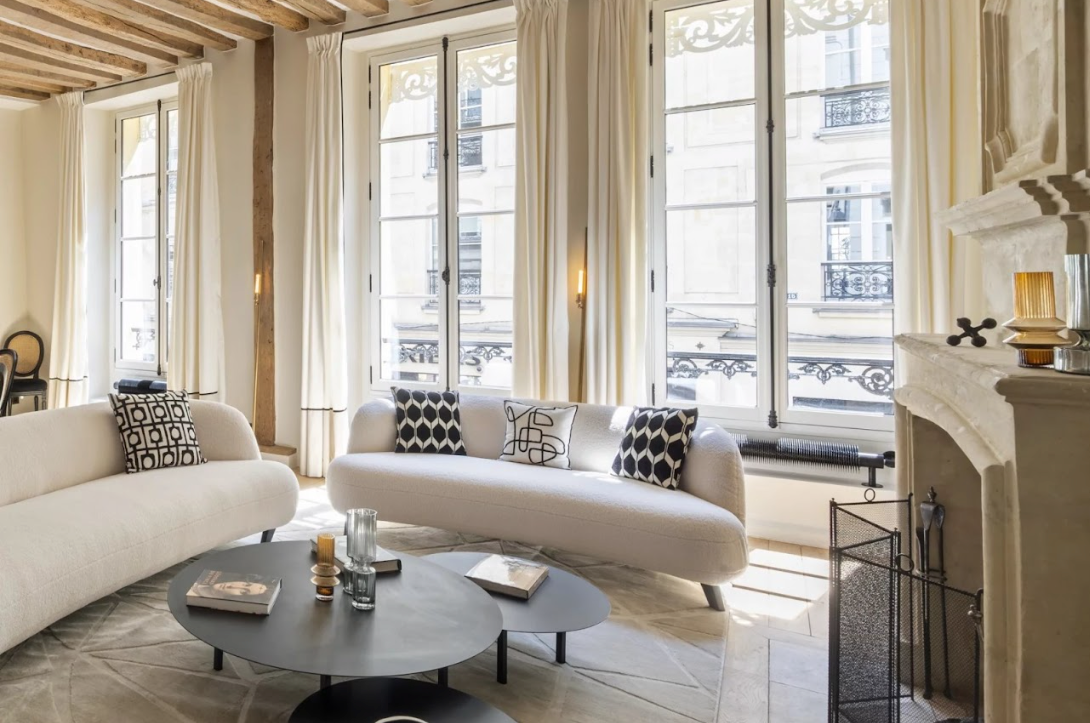
The arrondissement choice within Paris is itself a meaningful sub-decision. The 1st and 4th — the historic core, the Marais, the Île Saint-Louis — give you the most photographically iconic Paris, with the corollary that they are also the busiest tourist quarters and the streets you will share with day-trip crowds in summer. The 6th (Saint-Germain) and 7th (Champ de Mars, Invalides) are the classic Left Bank choice — the Paris of literary cafés, art galleries, the long walk down to the Seine — and the arrondissements where international buyers most consistently establish a second-home pattern. The 8th, around the Faubourg Saint-Honoré and the Parc Monceau, is the haute-couture and high-business district; it is the right choice for buyers whose Paris time is partly transactional, partly social. The 16th — Trocadéro, Passy, Auteuil — is the residential bourgeois quarter, the quietest of the prime arrondissements, with the best balance of green space (the Bois de Boulogne is two minutes' walk from much of the 16th) and Belle-Époque apartment stock; it is the choice for owners who want to actually live in Paris rather than visit it. There is no wrong answer, but the daily-living difference between an apartment on rue du Bac in the 7th and one on avenue Foch in the 16th is meaningful and worth understanding before you commit.
A year in your French co-ownership home
Spreading around six weeks of use across a calendar year is itself a skill — and one of the unsung benefits of owning across multiple French regions through one portfolio is that you can match the season to the property rather than the property to the date. Below is a country-level walk through the year, with the particular weeks that owners across the COP network return to most often. The pattern is broadly the same across all eight co-owners of a given property, with the calendar mechanics ensuring every owner gets a fair allocation of peak weeks across a multi-year cycle. Owners who are flexible enough to use shoulder weeks (rather than competing for August on the coast or February in the Alps) consistently report a higher use-quality from their share than those who insist on peak.
Spring (March–May)
French spring is the most over-looked of the four seasons by international buyers, who tend to default to summer for the South and winter for the Alps — and miss the months in between when France is, by some measures, at its best. In March, the Côte d'Azur is already running at 16–18°C (low 60s°F) in the day, the mimosa is in full yellow bloom along the Esterel coast, and the spring pruning is happening in the vineyards of Provence and Bandol. April brings the lavender to bud (full purple comes in late June), the asparagus and morels to the markets, and Easter to the village calendars; the South empties of winter long-stays and is at its most usable for short trips before the May high season begins. May itself has the two big regional markers: the Cannes Film Festival in the second week (which doubles room rates and triples restaurant scarcity from Cannes east to Saint-Tropez, but otherwise leaves the rest of the coast alone) and Roland-Garros in Paris from late May through early June.
The Alps spring is its own argument. Through April, the snow at altitude is excellent — Val Thorens, Tignes, Val d'Isère all run their lifts well into the month, and the long sunny days, soft afternoon snow and quiet lift queues make late-season skiing a different sport from January's cold-and-crowded peak. The high-altitude observation point at the Aiguille du Midi above Chamonix is at its visual best in this period, when the snow line is still high and the light is long. The Easter week itself is the season's natural finale in most of the high resorts; the lower villages such as Megève and Chamonix typically wind down a fortnight earlier. May sees the high resorts close and the lower villages — Megève particularly — switch over to early summer mode, with the first cycling, hiking and trail-running events on the calendar. The transition weeks in early May are quiet enough that a chalet stay feels almost private; the village restaurants are reopening for the summer season after the post-Easter pause, the surrounding peaks still hold snow at altitude, and the alpine meadows below 1,800 m turn from brown to bright green within a fortnight. Paris in May is the city at its postcard best: the Luxembourg in full flower, the chestnut trees in bloom along the Champ de Mars, the cafés taking over the pavements again. The week between the May Day public holiday (1 May) and Victory in Europe Day (8 May) traditionally has the lightest tourist density of any prime spring week. Owners who can use only one short week per year often pick the second week of May for Paris.
Summer (June–August)
The summer pattern in France is well-defined and worth understanding before allocating weeks. June is the South's secret month: warm enough for swimming (water temperatures climb past 22°C (72°F) on the Côte d'Azur by mid-month), the lavender at peak in Valensole and the Plateau d'Albion (the most photographed week of the French year is usually the first week of July, but the bloom starts mid-June), and the village markets full of the early-summer harvest. July brings the high season proper — the French school holidays begin around the 6th — and a noticeable shift in restaurant pace, beach availability and traffic on the coast roads. The fortnight around Bastille Day (14 July) is the country's biggest domestic-tourism peak; villages compete with their fireworks displays and the Tour de France runs through different French regions every day for three weeks.
August is the famous Paris exodus. Many traditional Parisian restaurants and boutiques close for the month; the Grands Boulevards empty; the city is at its quietest and, paradoxically, at its most pleasant for a visitor with no work obligations. The classic August week in Paris — long mornings at the Luxembourg, the Seine quays as a public living room, light traffic across the bridges, the Bois de Boulogne for cycling, an early-evening detour out to the gardens of the Château de Versailles — is one of the secret pleasures of Paris co-ownership and, for owners with children old enough not to need entertaining, an under-rated alternative to the predictable South. Meanwhile the South of France is at its absolute peak — and its most expensive — with Cannes, Saint-Tropez, Cap-Ferrat and the inland Luberon villages all running at full capacity. Restaurant booking windows in the prime South villages stretch to six weeks ahead in August; villa staff calendars are pre-allocated; the Mediterranean traffic between Cannes and Menton can double end-to-end journey times. Owners who book ahead enjoy August on the coast at its liveliest. The Alps in summer are an entirely different proposition from winter: Megève and Chamonix particularly come into their own with hiking, mountain biking, paragliding off the Aiguille du Midi, and a calendar of summer concerts. The Megève Jazz Festival at the end of July and the Mont Blanc trail-running events in late August are anchor weeks for owners who use their alpine share year-round.
Autumn (September–November)
For many seasoned French-property owners, autumn is the favourite. September on the Côte d'Azur is the locals' month — water temperatures still above 22°C (72°F) through most of the month, days around 25–28°C (high 70s°F to low 80s°F), the August crowds dispersed, restaurants taking reservations again the same week you ask. The same is true in Provence, where the grape harvest (the vendanges) runs from late August through September depending on the appellation, and where the autumnal light is the one that drew Cézanne and Van Gogh in the first place. The Var, Bandol, the Languedoc and the Rhône Valley wine regions are at their working best — owners who care about wine increasingly time at least one stay around the harvest.
October and November in France divide cleanly. The South stays mild — daytime highs around 20–22°C (high 60s°F to low 70s°F), swimming generally finished by late October but everything else still very much open, with the morning Cours Saleya market in Old Nice running at its autumn-harvest best — while Paris enters its golden month. The Bois de Boulogne, the Buttes-Chaumont, the Tuileries all turn copper through October; the cultural calendar reaches its annual peak (Paris Photo, FIAC, the Salon du Chocolat, the new opera season at the Palais Garnier and the Bastille); the Marché President Wilson in the 16th hits its autumn produce peak; and the city's rhythm regains its full-tempo from the September rentrée. The Alps in October and November are the off-season — most resort villages shut from late October through mid-December for the four-to-six weeks before the ski lifts open again — though Megève and Chamonix run a partial calendar even in shoulder months. November in Provence is the truffle season — the marchés aux truffes in Richerenches (Vaucluse) and Carpentras run from mid-November through March and are an authentic, working-trade event rather than a tourist demonstration; owners who care about food often time a stay around them. The first half of November on the Côte d'Azur is also the year's last reliable warm-water swimming window for cold-tolerant swimmers, with sea temperatures still hovering around 18–19°C (mid-60s°F).
Winter (December–February)
Winter is, for the majority of French co-ownership owners, the moment the alpine share earns its place. The lifts open from around 10 December across most of the major French ski areas; Christmas and New Year is the highest-demand fortnight of the year, with chalet calendars in Courchevel, Méribel, Val d'Isère and Megève booked many months ahead; January is the quietest month of the season but with the most reliable cold-and-snow conditions; the February school holidays (which are staggered across the three French school zones) bring the second peak. Owners who use their alpine week around Easter — typically the first week of April rather than late March — get the best of late-season skiing and the first sun terraces of the spring.
Paris in winter is its most secret version of itself. December is decorated to a high standard — the Grands Magasins (Galeries Lafayette, Printemps) build their famous window displays, the Avenue des Champs-Élysées and the Île de la Cité are lit, the open-air ice rinks appear in front of the Hôtel de Ville and at the Trocadéro. Christmas Day in Paris with the family in a 7th-arrondissement apartment, walking back from a long lunch in the cold air past the lit Eiffel Tower, is one of the Paris experiences owners report as the single most-valued usage week of the year. January and February in Paris are quiet, museum-visit months for owners who want the city without the tourist density — the official Paris tourism site publishes the rolling exhibition calendar that drives those weeks. The Côte d'Azur in winter, finally, is warmer than London by ten degrees, much quieter than summer, and entirely usable — a January or February week in Cap-Ferrat or Antibes is a recurring favourite for owners who run cold and want winter sun without the long flights to the Caribbean, with the Musée Chagall in Nice and the Vieux Port de Cannes giving the cooler-weather weeks their own rhythm.
Who buys in France, and why
The international buyer mix in French fractional ownership is one of the most diverse of any European market. British buyers have historically anchored both the Côte d'Azur and the Alps and remain the largest single foreign cohort in both regions, despite post-Brexit complications around residency days. American buyers have grown sharply over the past decade, particularly in Paris and on the Côte d'Azur, drawn by the dollar's strength against the euro through much of the period and by the quality-of-life calculus that makes a French week comparable to a US week at a fraction of the resort cost. Dutch, Belgian and German buyers dominate the drive-to demographic, particularly into the Alps and Provence — a long weekend in Megève is six hours by car from Amsterdam or Brussels. Swiss buyers cross the border for the Three Valleys and Megève. Scandinavian buyers, traditionally an Alps-only cohort, have begun moving into the South of France too in the last five years.
The age-and-life-stage profile is in some respects more relevant than the nationality breakdown. The largest single buyer cohort across the COP French portfolio is in the 45–60 age band — owners whose own primary income is established, whose children are still at school or university (which sets a usage calendar around school holidays), and whose long-run thinking on the second home runs to the next 20–25 years rather than the next 5. The second-largest cohort is the 60–75 age band, owners whose children have left home, who have more flexibility on the calendar than the working family cohort, and for whom the operational simplicity of a managed property is the central appeal. The smallest but fastest-growing cohort is the 35–45 age band — typically dual-income professional couples who travel frequently, who would in an earlier era have rented or used a hotel for second-home holidays, and who use fractional ownership as the entry point into a long-run second-home ownership pattern.
Within those nationalities, French co-ownership tends to suit a small number of well-defined buyer profiles:
- Active families with school-age children — typically using a ski chalet over the February or Easter holiday, then returning to the same property network for a summer Mediterranean week. The same management relationship handling both removes the multi-jurisdiction friction; the fact that the children come back to the same chalet year after year makes it their second home rather than a holiday rental.
- Skiing couples in their 50s and 60s — empty-nesters who ski seriously, who want a base in the Three Valleys or Espace Killy without the operational responsibility of owning a whole chalet, and who increasingly add a second share in Provence or Paris as the active-skiing weeks decline and the cultural-travel weeks increase.
- Multi-generational groups — three- and four-bedroom chalets in Méribel or villas in Antibes that sleep grandparents, parents, children and partners in the same week. The fractional model deals with the calendar coordination among extended family members better than a whole-ownership model, where the question of who-uses-when-and-pays-what becomes a recurring friction.
- Cultural enthusiasts choosing Paris — couples and individuals who treat Paris as a primary holiday rather than a stop-off, who book repeat short stays around opera seasons, exhibitions and the city's own rhythm, and for whom the apartment in the 6th or 7th is genuinely a second home rather than a deluxe hotel substitute.
- Wine-and-food sophisticates choosing Provence or the South — owners drawn to the inland villages around the Luberon, the Var hill country, or the Bandol coast, who time stays around the vendanges and the spring market season, and for whom the working agricultural landscape (vineyards, olive groves, lavender) is as important as the architecture or the climate.
A pattern worth highlighting is the multi-region buyer — owners who hold two or even three French shares simultaneously. The most common combination is alpine plus southern (a Méribel or Megève chalet for the winter and Easter weeks, plus a Côte d'Azur or Provence villa for the summer and shoulder seasons). The second-most-common is Paris plus southern (a 6th-arrondissement apartment for repeat short stays through the year, plus a southern villa for the long summer weeks). Less common but increasingly observed is the all-French triple (Paris plus alpine plus southern), in which owners essentially replace one large second-home commitment with a portfolio that gives them year-round access across three different lifestyle modes. The fractional model makes that portfolio strategy practical: three 1/8 shares cost less than a single whole property at any of the three addresses individually, and the management relationship across the portfolio is unified, which removes the multi-jurisdiction friction.
What unites these otherwise quite different buyer profiles is the underlying calculation: the second-home weeks each of them actually uses in a year are within the around six weeks a 1/8 share delivers, the operational overhead of running a French property remotely is non-trivial in any of these regions, and the resale liquidity of a fractional share inside a managed portfolio is — in our experience across the COP network — markedly higher than the resale liquidity of a whole property at the same address. The French market is one where the maths of fractional ownership lines up almost perfectly with the use pattern of the buyer.
Practicalities: getting there and what you own
Airports and ground access by region
France is one of the easiest second-home jurisdictions in Europe to reach. Paris is served by two major international airports — Charles de Gaulle (CDG), 25 km north-east of the city centre, with direct service from essentially every major city in North America, the Middle East and Asia, and Orly (ORY), 13 km south, with predominantly European and African routes. CDG connects to the city by RER B in 35 minutes; Orly by Orlyval and RER B in similar time. Most apartment-share owners pre-arrange a private transfer.
The Côte d'Azur is served by Nice Côte d'Azur (NCE), the second-busiest airport in France, with direct service from London, Paris, Geneva, Frankfurt, Amsterdam, Madrid, New York and increasingly Dubai and the Middle East. The drive from NCE to Antibes is 25 minutes; to Cap-Ferrat 20 minutes; to Saint-Paul-de-Vence 35 minutes; to Eze and Beaulieu under 30 minutes; to Cannes 35 minutes; to Saint-Tropez via the A8 about 90 minutes. Marseille-Provence (MRS) is the secondary option for the western South — Cassis, the Calanques, the Luberon — and is 30 minutes from central Marseille.
The French Alps cluster has three relevant airports. Geneva (GVA) is the closest for the Three Valleys, the Espace Killy and Megève — typically 90 minutes by road to Megève, 2 hours to Méribel or Courchevel, 2.5 hours to Val d'Isère. Lyon Saint-Exupéry (LYS) is the alternative, marginally further from most resorts but with a wider domestic French route network. Chambéry (CMF) is small, seasonal, and the closest to the Three Valleys but typically used only by direct charter routes from the UK during the winter season. Most alpine owners pre-book a chauffeur-driven transfer rather than self-driving the final road; the mountain segments above 1,500 m carry a chains-required restriction in winter and the local drivers know the specific turns and weather pockets the rental cars do not.
The TGV high-speed rail network is the alternative ground connection for owners not flying in. Paris-Gare de Lyon to Avignon is 2 hours 40 minutes; Paris to Aix-en-Provence is 3 hours; Paris to Nice is 5 hours 30 minutes; Paris to Geneva is 3 hours 10 minutes; Paris to Bourg-Saint-Maurice (the gateway to the Three Valleys) is 4 hours 15 minutes. London-based owners can also reach Paris in around 2 hours 20 minutes by Eurostar direct into Gare du Nord, which makes a same-day London-to-Provence rail itinerary entirely realistic. Owners who keep a Paris share frequently combine it with a TGV onward leg to a southern or alpine share — the rail network makes a multi-region ownership pattern unusually practical in France.
The rental-car question divides cleanly by region. In Paris, a rental car is actively counterproductive — the city's geography is built around the Métro and walking, parking is genuinely difficult and expensive (annual residential permit costs aside, visitor parking in central arrondissements runs €4–8 an hour and is heavily enforced), and the apartment buildings rarely have on-site parking. Most Paris owners use public transport, taxis or pre-arranged drivers. On the Côte d'Azur, a car is more useful — the inland villages and the western coast are not well-served by rail, and the freedom to drive between Antibes, Saint-Paul-de-Vence, the Gorges du Loup and the inland Var hills is part of the value of the region — but most owners use a combination of a pre-arranged driver for the airport transfer and either the property's car-on-call service or a short-term rental for the days they want to explore. In the Alps, a rental car is straightforward in summer and complicated in winter; the chains-required winter restrictions, the difficulty of self-parking at most resort villages and the difficulty of dropping a rental at a different airport from the pickup mean that most winter alpine owners use chauffeured transfers from Geneva or Lyon and rely on the village's internal walking-and-shuttle system once they arrive.
Whole-property vs 1/8 share: the comparison
The case for a fractional structure is most clearly seen in the side-by-side comparison against both whole ownership and long-term rental — the three ways most international buyers actually consider holding a French second-home pattern.
| Whole second home | COP 1/8 fractional share | Long-term rental | |
|---|---|---|---|
| Upfront commitment | Full property value | ~1/8 of the property value | First/last/deposit only |
| Equity in the asset | Full appreciation | ~1/8 of appreciation | None |
| Personal use | Up to 52 weeks (most use 6–10) | Around six weeks a year, fairly rotated | Defined by lease |
| Operations burden | Owner-managed or hired staff | Fully included | Landlord-managed |
The comparison most buyers find most telling is what you actually get for your capital. Owning a whole French home outright ties up the full purchase price in a home most owners use for a few weeks a year, and leaves you to organise everything yourself from abroad. A 1/8 share gives you the same calibre of home, around six weeks a year, real equity in France, and a professional team that has everything ready before you arrive. Compared with renting, you build real ownership instead of paying rent — and the share is yours to sell, transfer or pass on.
What you actually own — the legal share
The legal nature of a French co-ownership share is simple. You own a real share of the home — an eighth, a quarter — not a right to use it. You can sell it, pass it on to your heirs, and it grows in value with the house.
The practical effect is that you hold a real share of the home — not a timeshare, not a points membership, not a usage right. You can sell it through our partner's resale process or to a qualifying outside buyer; you can leave it to your children under your home jurisdiction's inheritance rules; and it grows in value with the house.
How fractional ownership works in France
The mechanics of fractional ownership in France are framed by three things that work together: the legal set-up arranged by our partner for each home, France's long-established property framework, and the highly developed notarial system that handles registration of the underlying property at the French land registry. That set-up is specific to each home; the French taxes are the standard local taxes that any second-home owner pays; and the notarial system is the long-running infrastructure that gives the underlying real estate its documentary clarity. Together, these three pieces make for a clear, predictable ownership experience.
What you own: a real share of the French home
You own a real share of the home — an eighth, a quarter — not a right to use it. You can sell it, pass it on to your heirs, and it grows in value with the house. Big decisions, such as selling the home or major works, are decided together by the co-owners.
Tax and estate planning, simply handled
France has one of the most established, transparent property systems in the world, and it has welcomed international owners for generations. There are no restrictions on foreigners buying property in France, and the purchase itself is handled by a French notaire, a public official who checks the title and registers your ownership. Property taxes on the home are handled as part of its professional management, so there is nothing to file for your own weeks.
For international owners, France's tax treaties with the United States, the United Kingdom and most major buyer countries are designed to prevent the same income or gain being taxed twice, and buyers from outside France can usually choose the succession law of their own nationality for their estate under the EU Succession Regulation. Before you buy, your adviser and the notaire walk you through the best set-up for your own family.
The professional management model and how the calendar works
Once the purchase completes, a professional management company takes over all operational responsibility for the French property. Your personal weeks — around six weeks for a 1/8 share — are allocated through a fair-rotation calendar that mixes peak weeks (the Christmas/New Year fortnight in the Alps, the Cannes Film Festival week on the coast, August in the South, the Paris cultural autumn) with shoulder-season and quieter weeks across the year. Owners pre-book several months ahead; the unused weeks are either held for the owner pool or, where the property's structure allows, rented to the broader market with the income flowing back to the co-owners. Service-charge collection, building maintenance, insurance, taxes, the linen-and-cleaning between stays, the welcome arrival, the on-call concierge — all sit with the management company.
Resale: how to exit, typical timelines, the professional process
When you decide to exit your French share, a professional resale process is in place, run by our partner, so you can sell your share without having to sell the whole house — whereas whole-property resales typically take 6–24 months on the open market. Shares sell: hundreds of shares in homes like these have already been resold—in just over three months on average, and nearly three in four for more than the owner paid. After a typical first-12-months holding period you set the price, and your co-owners get the first chance to buy. The buyer pool is already aware of the property. For owners who want maximum control over the price and process, an open-market sale to any qualifying buyer remains an option — but most owners find the established process faster and cheaper.
The full mechanics of fractional ownership across all jurisdictions — usage calendars, exit procedures, rental income treatment, insurance, the transfer on death, the relationship with the management company — are covered in our co-ownership explained guide. For specific French property availability, browse the listings in the property grid above, or join our list for new-property alerts as they come to market.
Your ownership at a glance
- Real ownership of the home — a real 1/8 share of the home: transferable, inheritable, and it grows in value with the house. Not a timeshare, not a points membership, not a usage right.
- Professional management included throughout — pre-arrival preparation, linen and cleaning between every stay, year-round maintenance, gardening and pool care, taxes, insurance and the on-call concierge are all handled for you.
- Clear, supported resale through our partner's resale process — the existing audience of co-ownership buyers means your share has an organised market from day one, with our partner's resale process letting you sell your share without selling the whole house, rather than facing the 12–18 months a comparable whole property might sit on the open market.
Still deciding which French region?
Many readers arrive on this country page already half-decided — they want France, but not yet which France. The choice between the South of France, the French Alps and Paris is rarely about budget alone; the three regions sit in similar price bands once you compare like-for-like quality. The decisive question is usage pattern. How will you actually spend your weeks across a calendar year? The right answer for most buyers is one most have not previously articulated, because the question rarely arises until ownership becomes concrete. Our team has spent years inside France's second-home market and can walk you through the regional differences — calendar, owner mix, daily rhythm, supply story — before you commit to a region. Below is the framework we walk through with buyers who reach the same fork, with deliberate over-simplification — most owners actually end up combining elements from more than one — but useful as a starting point.
Choose the South of France & Côte d'Azur if you want long, slow, sun-and-sea weeks built around an outdoor lifestyle, you have the kind of family rhythm that supports two-week summer stays plus occasional shoulder-season returns, and you value the architectural and cultural inheritance of the Belle-Époque coast and inland Provence. The South works hardest for owners who use their property in May, June, September and October as well as the high-summer weeks; for owners using only July and August, the maths is less favourable than other models. The South is also the region where international family ties tend to deepen most over time — the same beach, the same village, the same bouillabaisse restaurant, year after year.
Choose the French Alps if winter sport is a serious part of your family's identity, if you ski with children or grandchildren on a regular calendar, and if you want a base in a village whose vernacular and view will not change in your lifetime. The Alps reward owners who use both the December–April winter season and the June–September summer season; the high-altitude resorts are quieter in summer but the village resorts (Megève particularly, also Chamonix) offer year-round usage. The Alps is also the region where the supply story is most acute — the right chalet in the right village comes to market in numbers you can count, which is the single strongest argument for taking a fractional position rather than waiting indefinitely for whole-ownership availability.
Choose Paris if you want a base for repeat short stays rather than long single holidays, if your second-home calendar is built around culture and city-life rather than nature, and if you want the year-round usability that no seasonal destination can offer. Paris is the right answer for owners whose own primary home is in another major city, who travel frequently for work or pleasure, and for whom an apartment in the 6th or 7th becomes a recurring base across a calendar year rather than a single-season escape. It is also the easiest of the three regions to combine with a second French share — many of our owners hold a Paris apartment plus either an alpine chalet or a southern villa.
The portfolio approach is worth at least mentioning. A meaningful proportion of our French co-ownership clients hold more than one share, and the multi-region ownership pattern is in some respects the model the structure was designed for. For owners building a multi-region portfolio with COP, you have one team across every destination — the same advisors, the same calendar mechanics, the same resale process across every property you own. (For a wider orientation across the country's regions and seasons, the official France tourism site is a useful starting reference.) Two 1/8 shares — a winter chalet in the Alps and a summer villa in the South, say — gives an owner roughly 90 days of use across a calendar year, drawn from genuinely different lifestyle modes, for a fraction of the capital a single whole property at either address would tie up. Three shares (Paris added) gives close to year-round access. Most buyers do not start with this in mind; many arrive at it organically, two or three years after their first share, when the rhythm of using a fully managed property has become familiar and the appetite for a second region has grown. We mention it here so that the choice between the three regions on this page does not feel mutually exclusive in the long run.
Whichever way the decision goes, the deeper exploration starts on the cluster pages:
If you would like to talk through which region best fits your family's actual use pattern — rather than the brochure version of it — join our list and we will be in touch with relevant new-property alerts and an introduction to the team.
Questions & Answers
France Fractional Ownership — Frequently Asked Questions
Fractional co-ownership means buying a real share — typically 1/8 — of a luxury property alongside a small group of like-minded owners. The legal set-up is arranged by our partner for each home and walked through with you before you buy. You own real equity in a real asset: if the property appreciates, your share appreciates proportionally. Unlike a holiday rental or hotel, this is genuine ownership.
Scheduling, maintenance and administration are all handled by a professional management team, so ownership is completely hands-off. Your 1/8 share entitles you to around six weeks of usage per year, a proportional share of any rental income if you choose to rent unused weeks, and 1/8 of the property's value when it sells.
A timeshare sells you a week. Co-ownership sells you the house. A timeshare buys you the right to use a resort for a week, or a bundle of points, shared with thousands of others. Fractional co-ownership gives you a real share of one specific French home — a Côte d'Azur villa or a Courchevel chalet — owned with a small group of co-owners, typically up to eight.
The difference shows when you sell. A timeshare is typically worth a fraction of what was paid and is notoriously hard to sell; your share moves with the value of the home and sells on the open market at the price you set. And where passing on a timeshare often means passing on the fees, your share is a home you can leave to your children.
You own a real share of the home — an eighth, a quarter — not a right to use it. You can sell it, pass it on to your heirs, and it moves with the value of the house.
Before purchase you receive the full documentation — the usage calendar, how decisions are made and how resale works — and we walk you through it before you commit.
Your purchase price covers your 1/8 share of a fully furnished home, its legal set-up and the notaire and registration formalities, so it is ready to enjoy from day one. After that, the home is professionally managed for you, with everything shared equally between the co-owners.
Each 1/8 share entitles you to around six weeks of usage per year. Usage is managed through a structured calendar system — typically a combination of fixed seasonal allocations and a rotating priority system for peak dates (Christmas, school half-terms, August). The system rotates annually so no single owner always gets the same weeks, ensuring fairness over time.
You can book your allocated time in advance, swap weeks with co-owners by mutual agreement, or rent out unused weeks where the home allows.
Professional local property management is in place for every France property on COP. It covers pre-arrival preparation, linen and housekeeping between stays, routine maintenance, insurance, local taxes and an emergency call-out service — everything is handled for you, so you simply arrive and enjoy your weeks.
Some of our France properties offer managed letting of unused weeks where local rules allow, especially on the coast and in the Alps. Each France property listing shows whether letting is available for that home, and our team can confirm the details for any home you like.
Selling is simple. When you decide to move on, your France fractional share is marketed to buyers already looking for fractional co-ownership.
Our partner's resale process handles the sale for you, so you sell your share without the whole house having to be sold. After a typical first-12-months holding period you can sell whenever you choose, at the price you set — your co-owners get the first chance to buy. Hundreds of shares in homes like these have already been resold — in just over three months on average, and nearly three in four for more than the owner paid.
France has been one of Europe's most consistent property markets. Prime resort destinations — Courchevel, Val d'Isère, the Côte d'Azur — maintain strict planning controls that permanently limit new construction supply, which underpins long-term value. France receives more international tourists than any other country (~90 million per year), supporting strong rental demand for quality second homes year-round.
As a co-owner, you capture full proportional price appreciation — your 1/8 share appreciates at the same percentage rate as the whole property. The capital efficiency of fractional ownership means you access trophy-address real estate at 1/8 the capital commitment of full ownership, while retaining all the investment characteristics: a real share of the home, price growth participation, and resale.
Yes. There are no restrictions on UK nationals buying property in France. The purchase process and ownership rights are the same regardless of nationality. The main practical change post-Brexit is the 90-day per 180-day rolling period stay limit — as a non-EU national, you can spend up to 90 days in France (and across the Schengen area combined) in any 180-day period without a visa. For a 1/8 share owner with around six weeks of annual usage, this limit is generally manageable with sensible planning.
COP curates co-ownership properties across France's most established second-home regions — alpine chalets in the major ski domains, villas and homes along the Mediterranean, and apartments in central Paris. Every property we list is fully furnished, professionally managed, and ready to use from day one of ownership. Our French inventory rotates continuously as new properties come to market — browse the listings on this page to see what's currently available, or join our updates list for new French properties as they launch.
Browse the current France listings on COP's website to find a property and price point that suits you. Each listing shows the 1/8 share price, the property details and the usage time. When you find a property you want to explore further, submit an enquiry.
Get in Touch
Speak to an expert
Tell us what you're looking for and we'll be in touch.