South of France · France · Europe
Fractional Ownership & Co-Ownership in the South of France
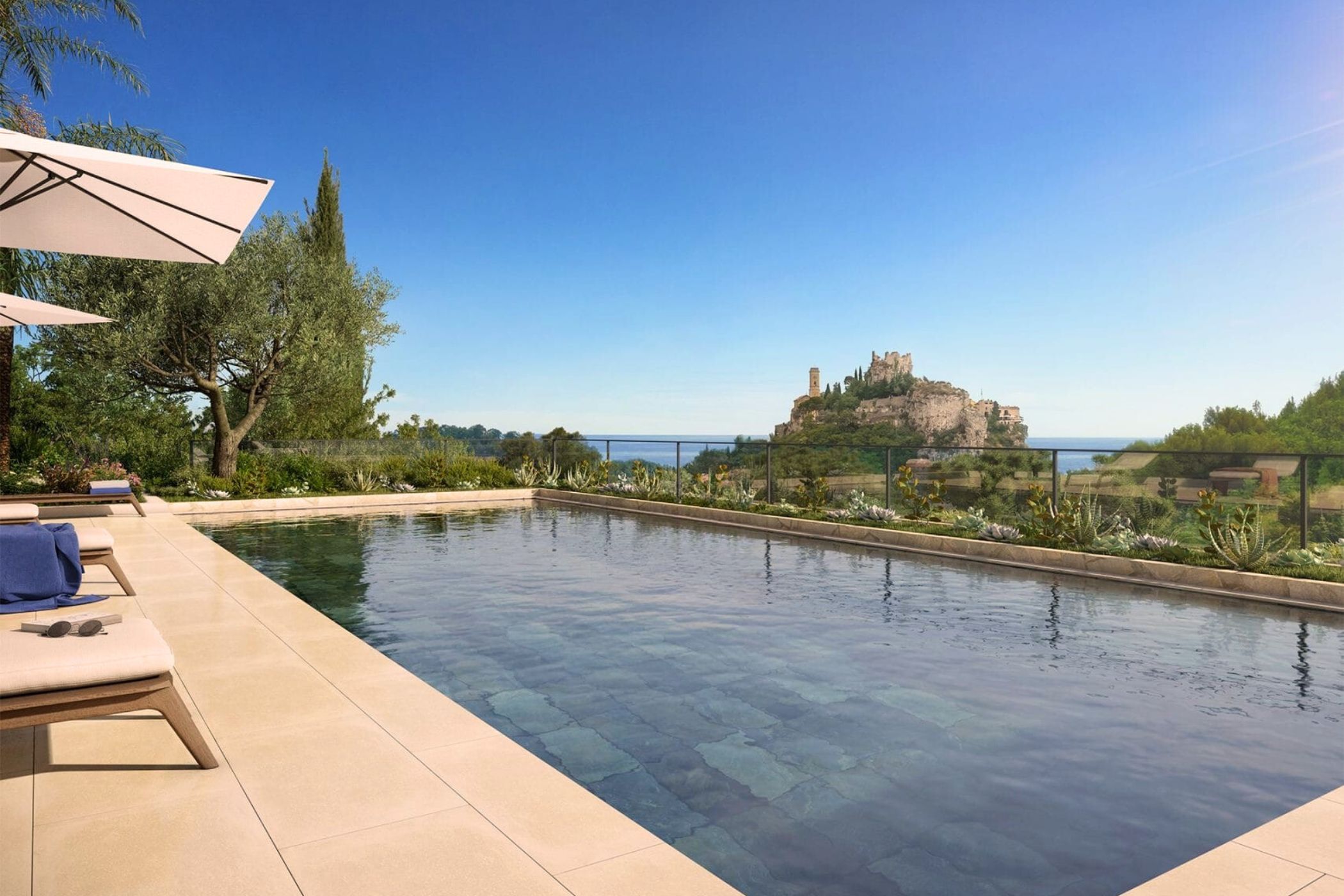
From a Belle Époque villa above Èze to a Luberon stone mas above Gordes — fractional ownership in the South of France means a real share of Europe's most established Mediterranean second-home market, around six weeks of personal use a year, and a fully managed Provençal or Riviera home that is ready the day the spring light arrives. Whether you call it fractional ownership or co-ownership, you own a real share of the home.
14 properties · from €119,000
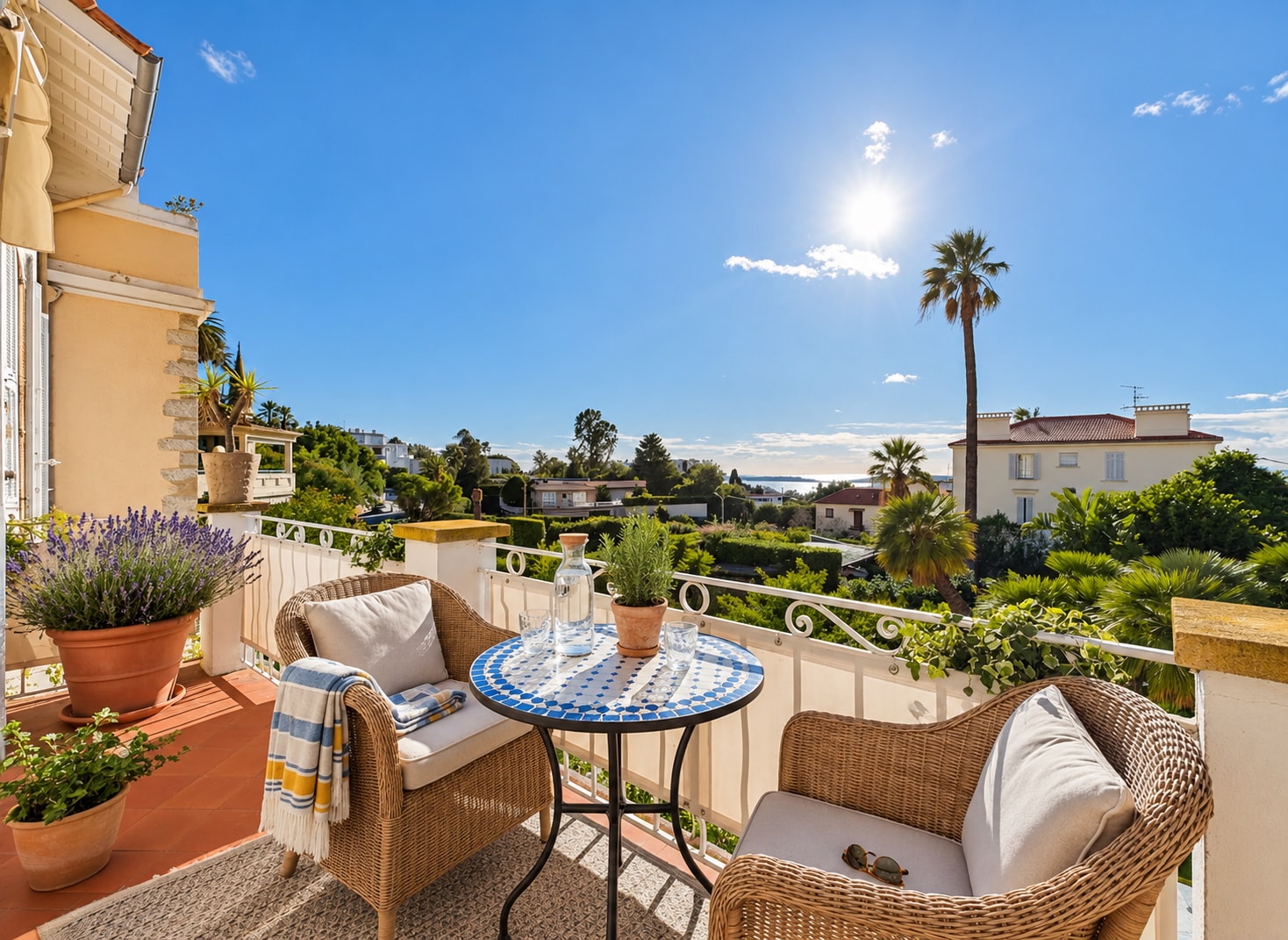
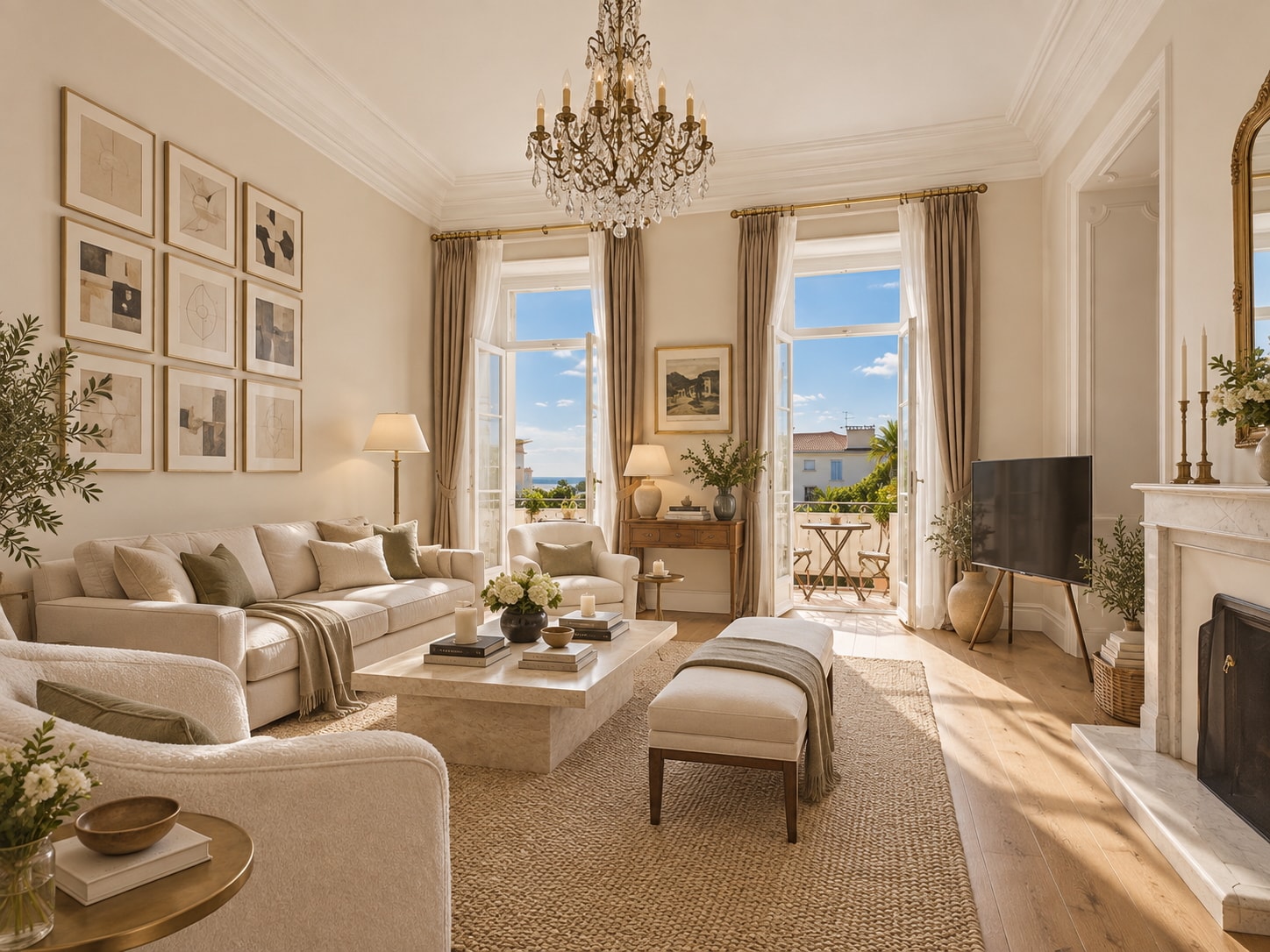
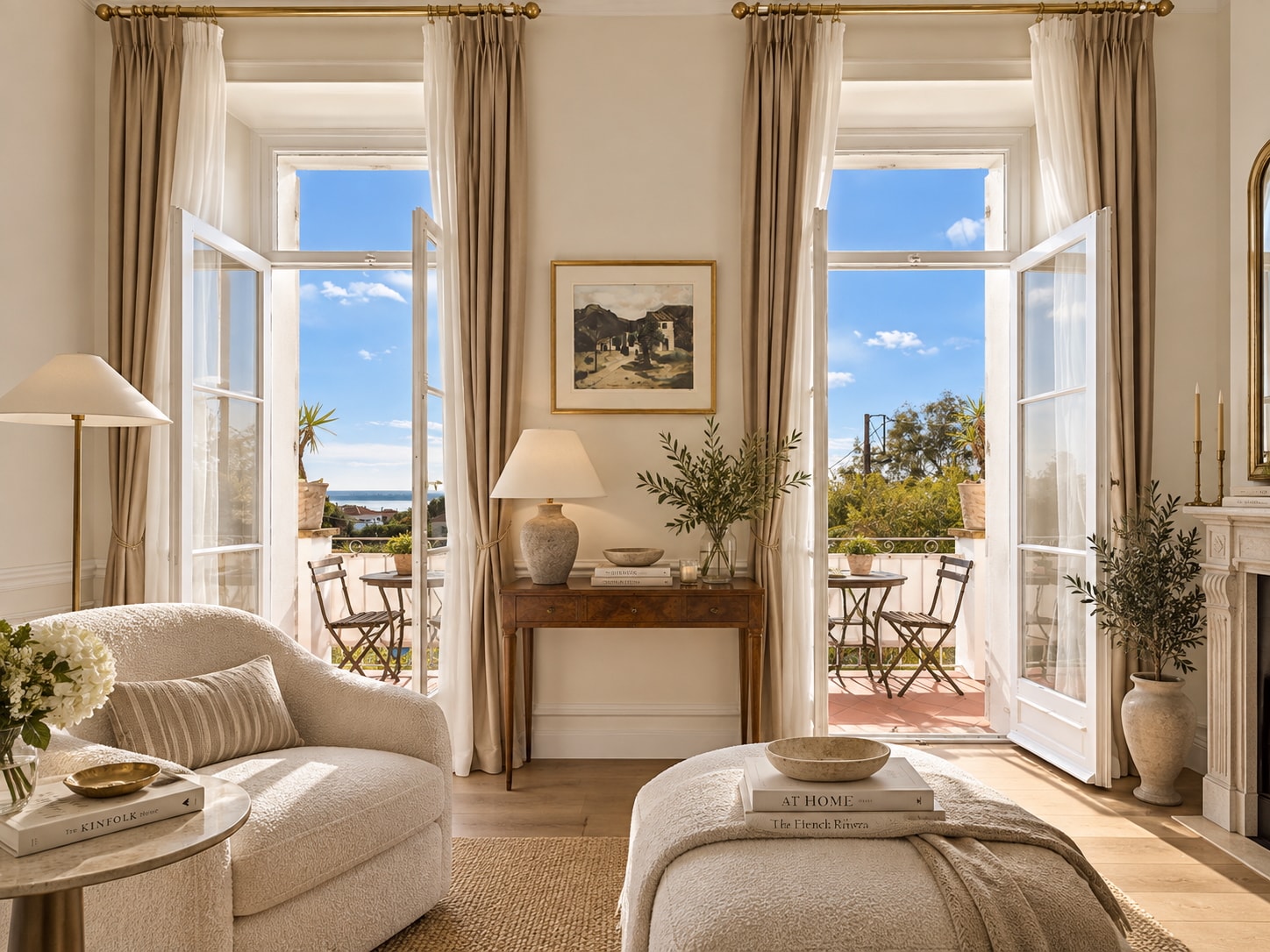
Cannes, Côte d'Azur, France — 2-Bed Apartment With Sea Views & Balcony
€175,000
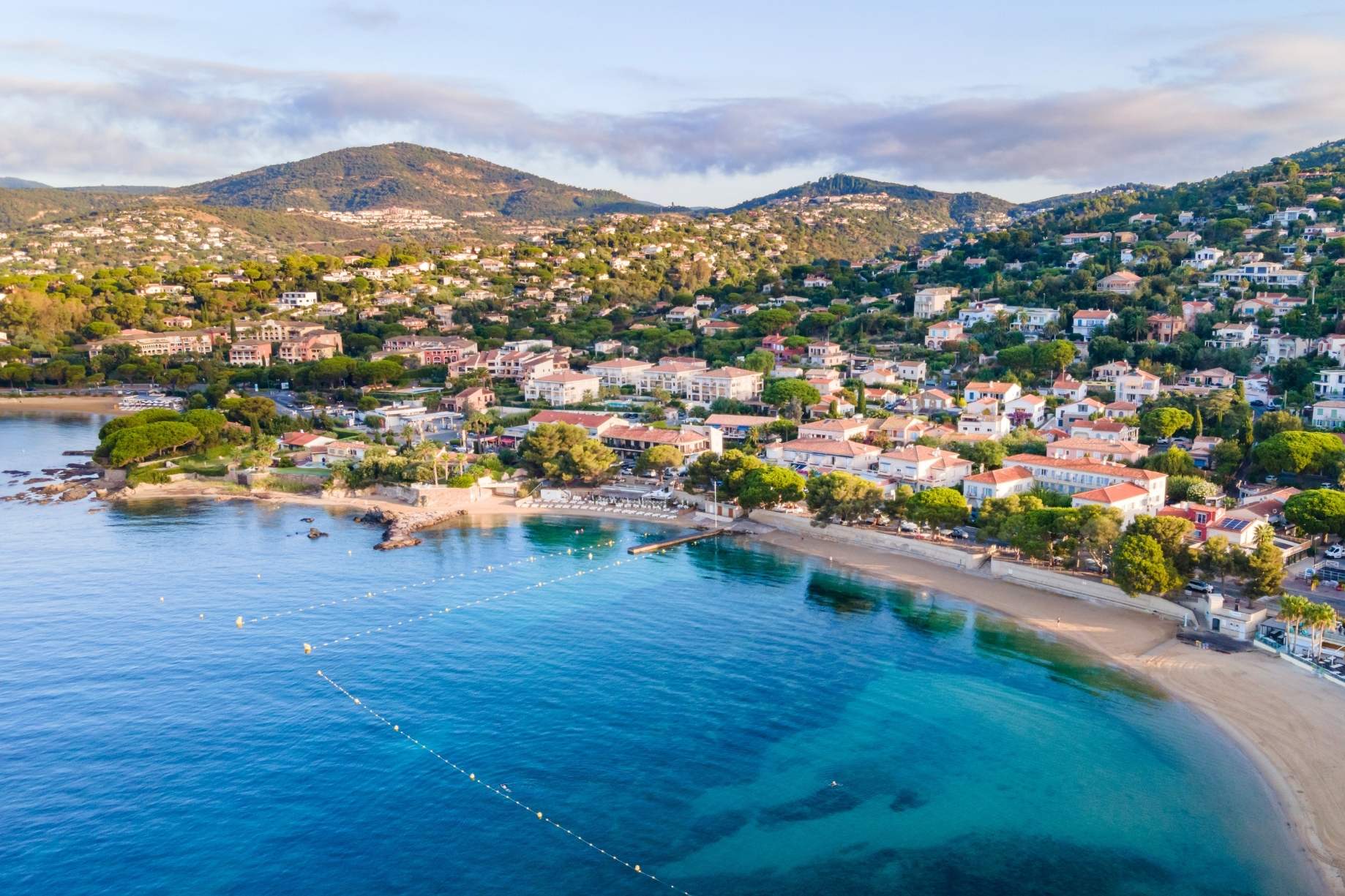
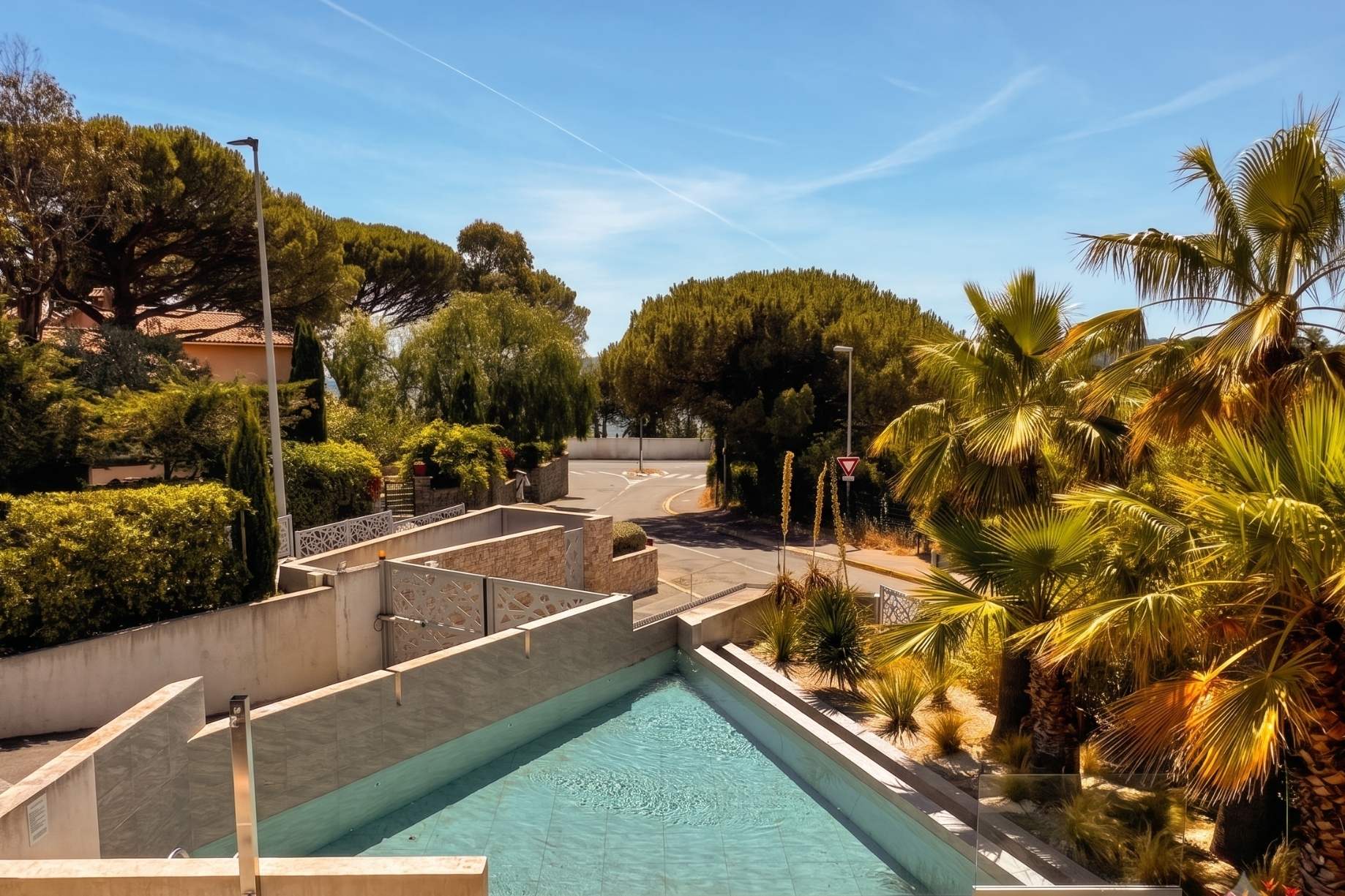
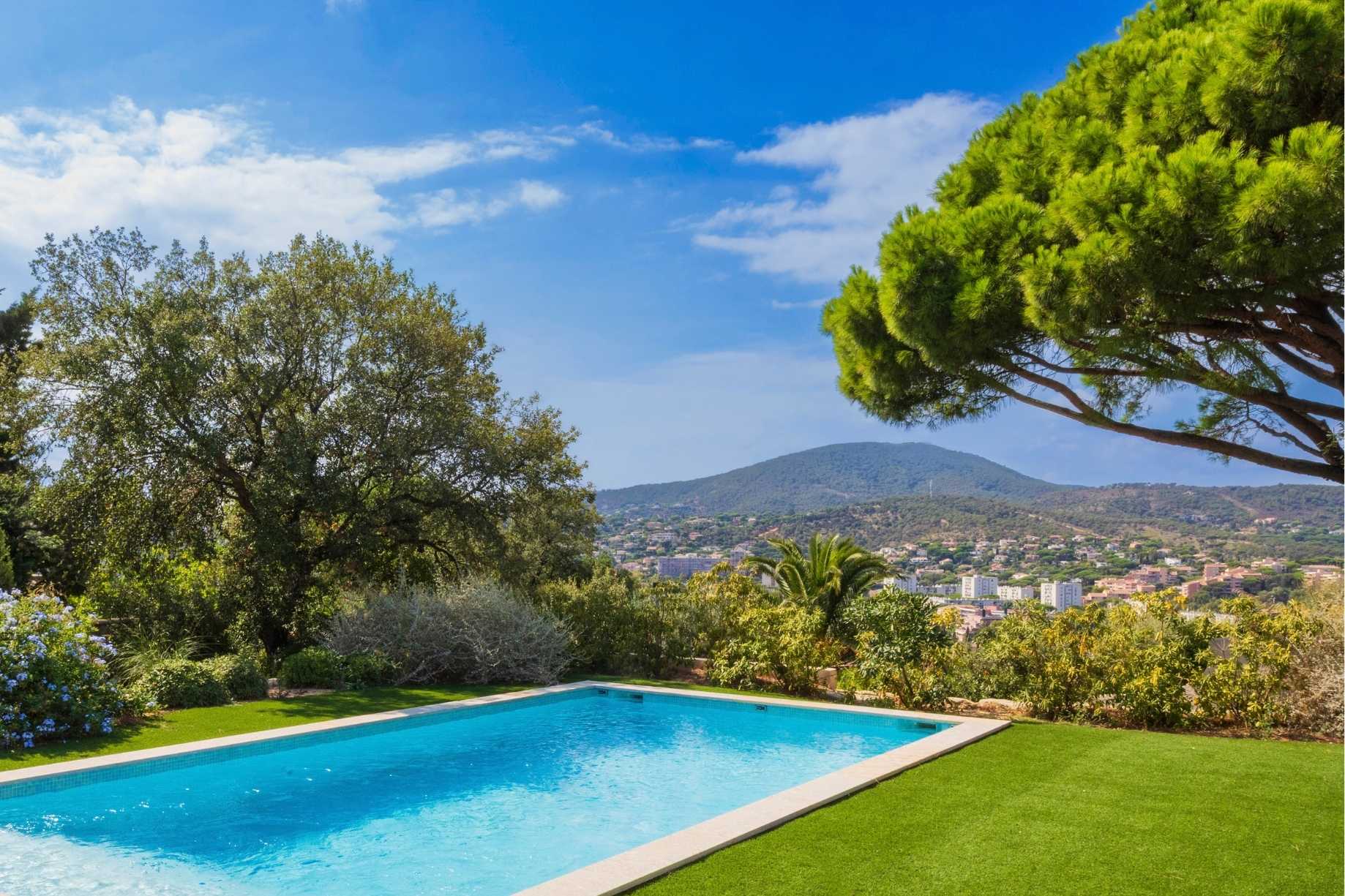
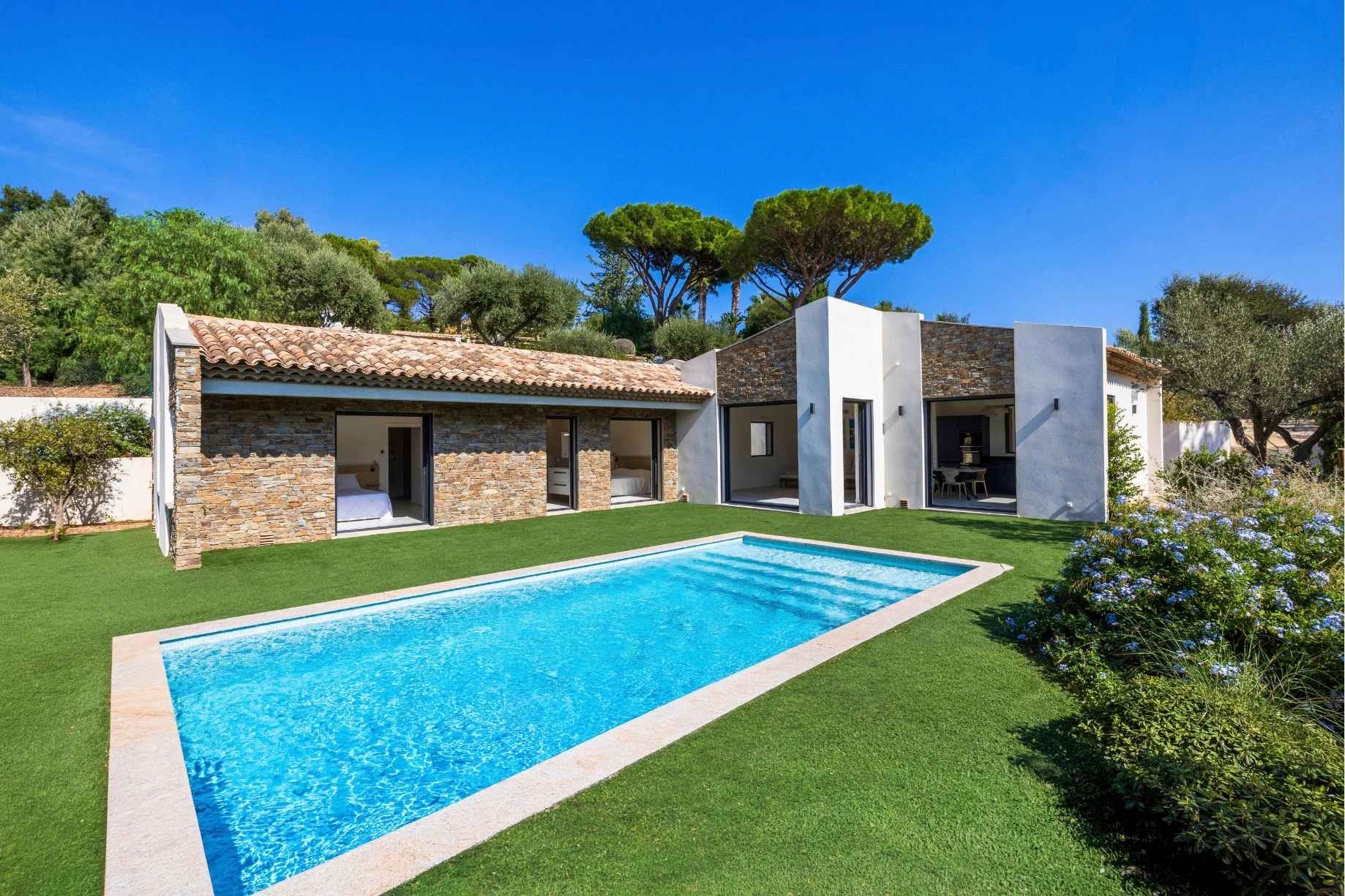
Les Issambres, Côte d'Azur, France — 2-Bed Terrace Apartment With Sunny Terrace & Pool
€164,000
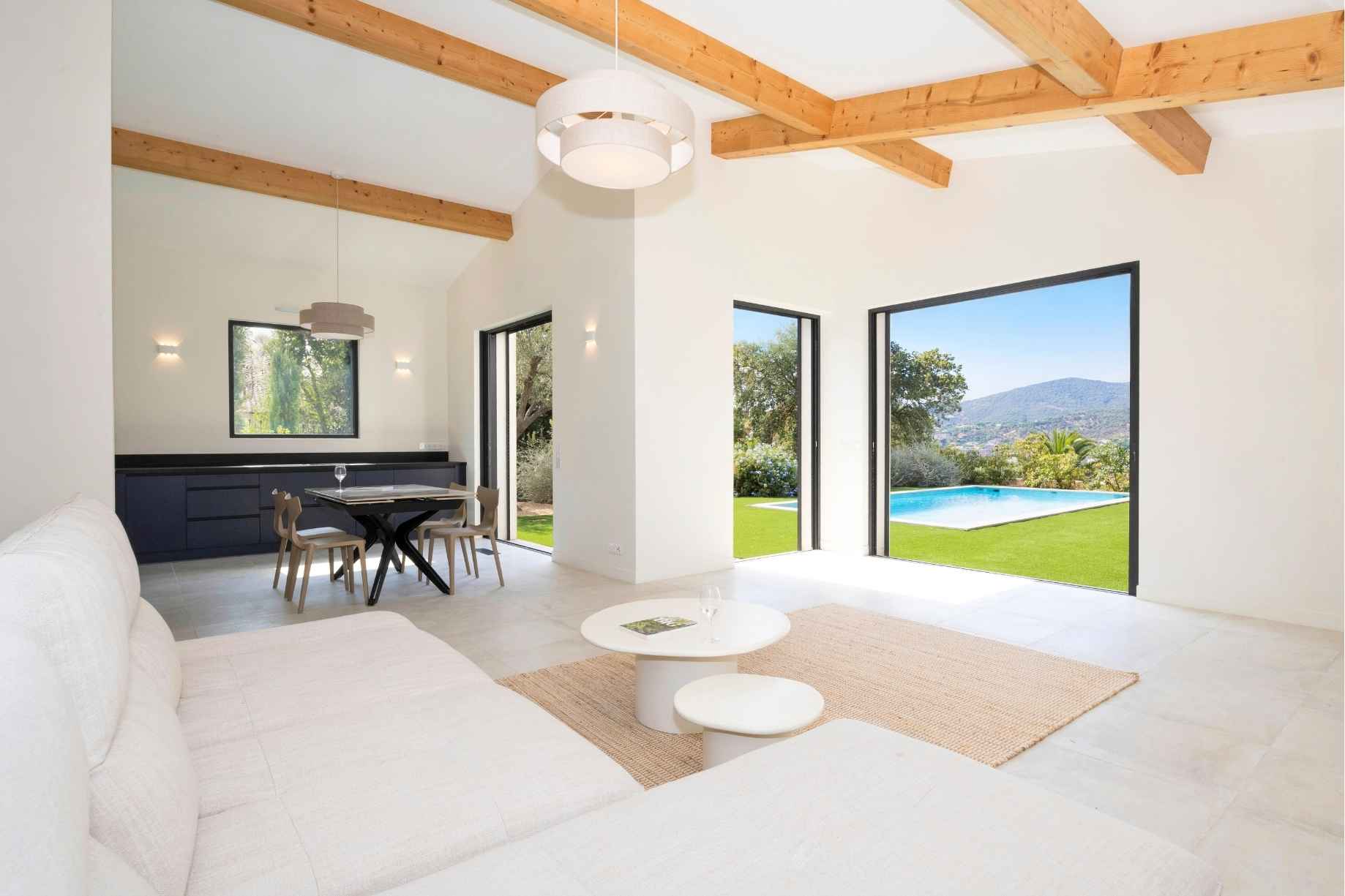
Sainte-Maxime, Côte d'Azur, France — 3-Bed Villa With Heated Pool & Sunny Garden
€299,000
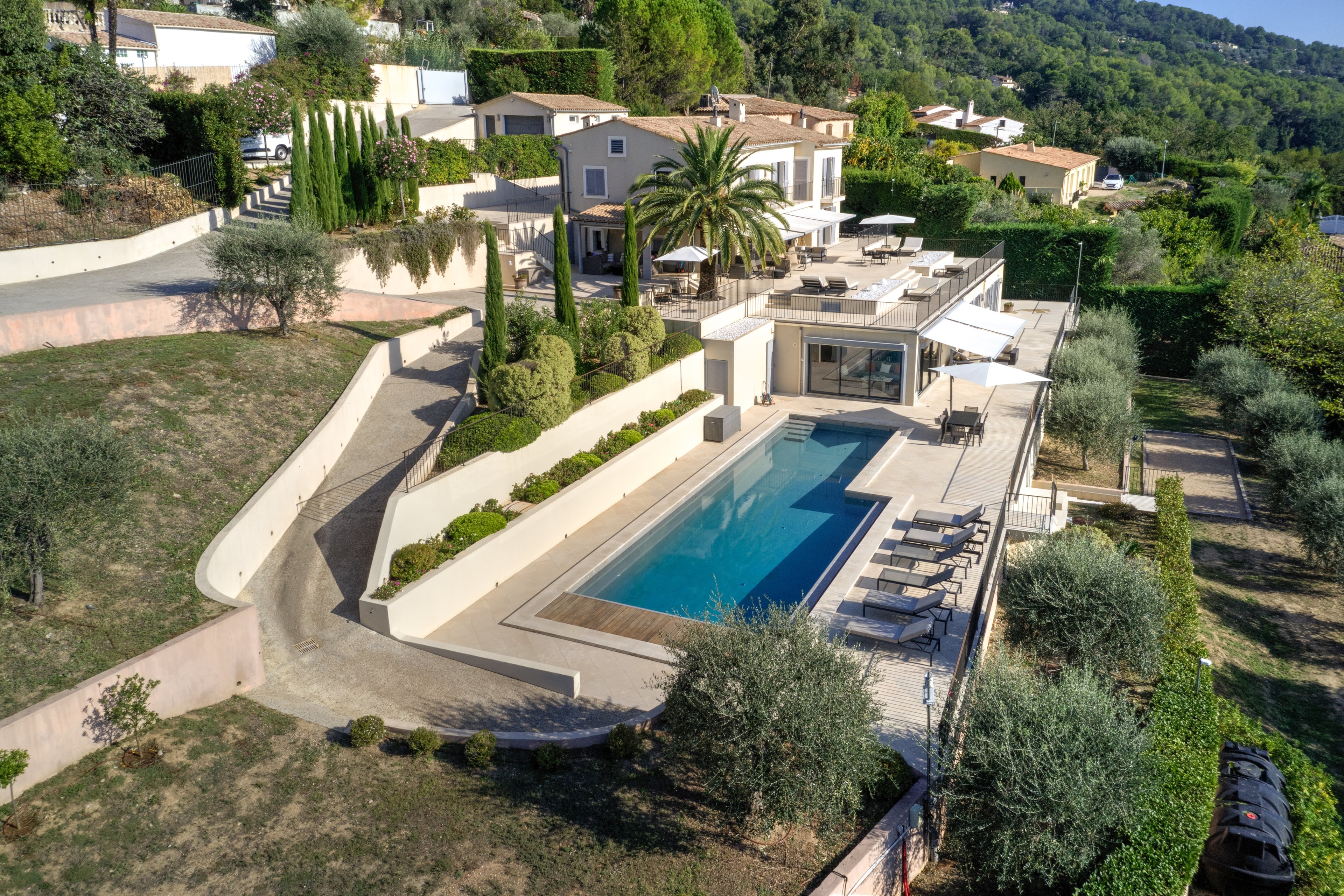
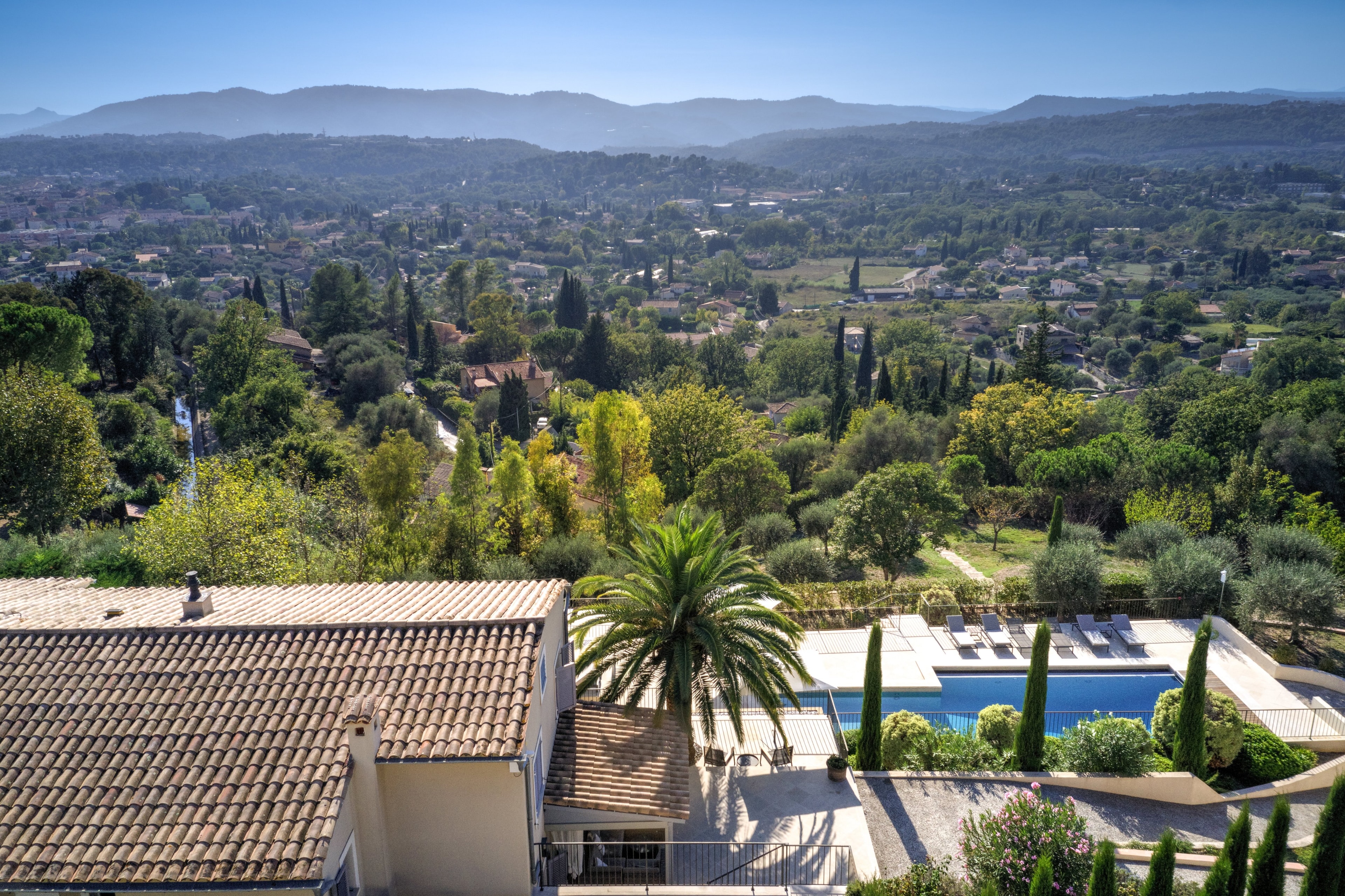
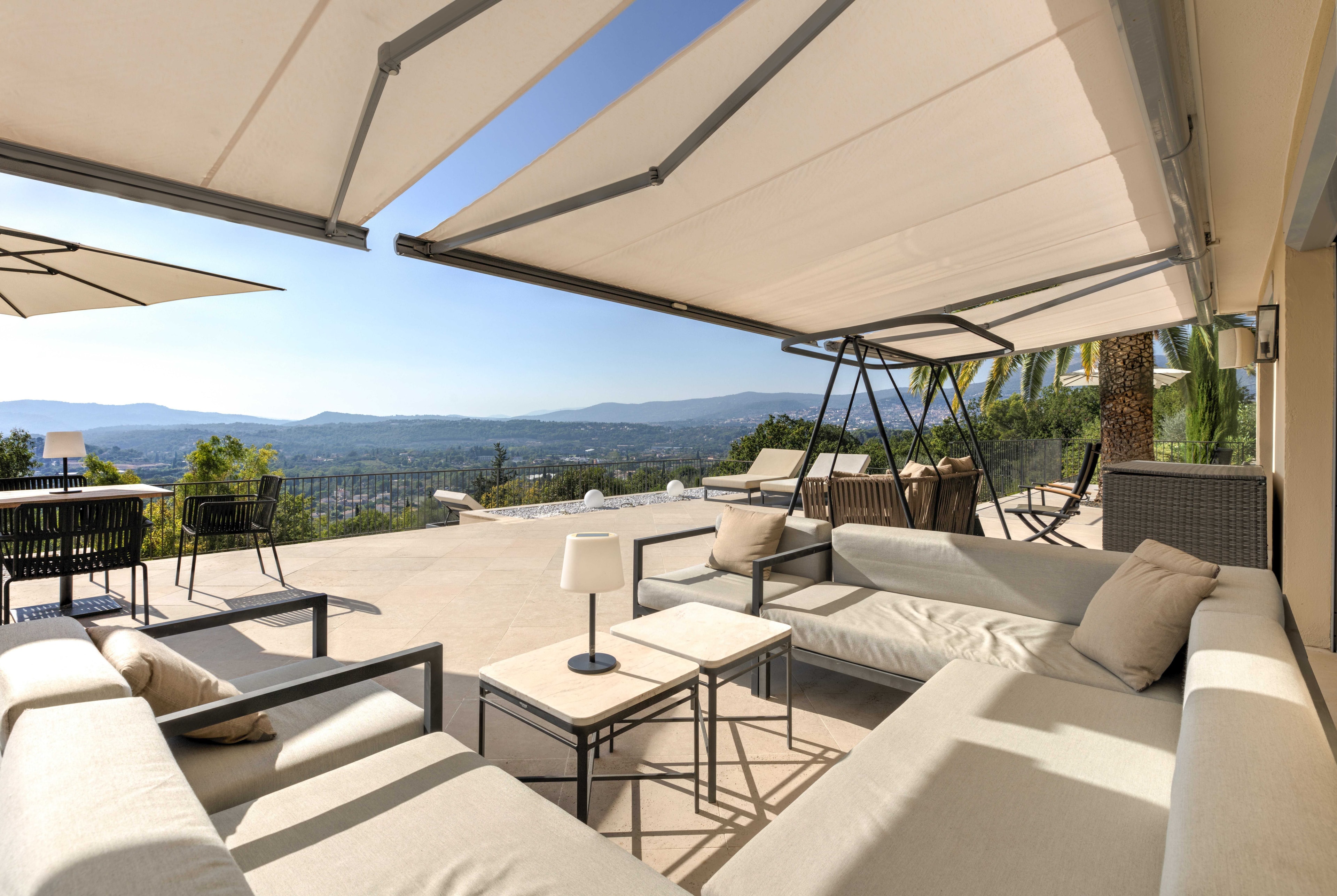
Mouans-Sartoux, Côte d'Azur, France — 7-Bed Villa With Sea Views
€565,000
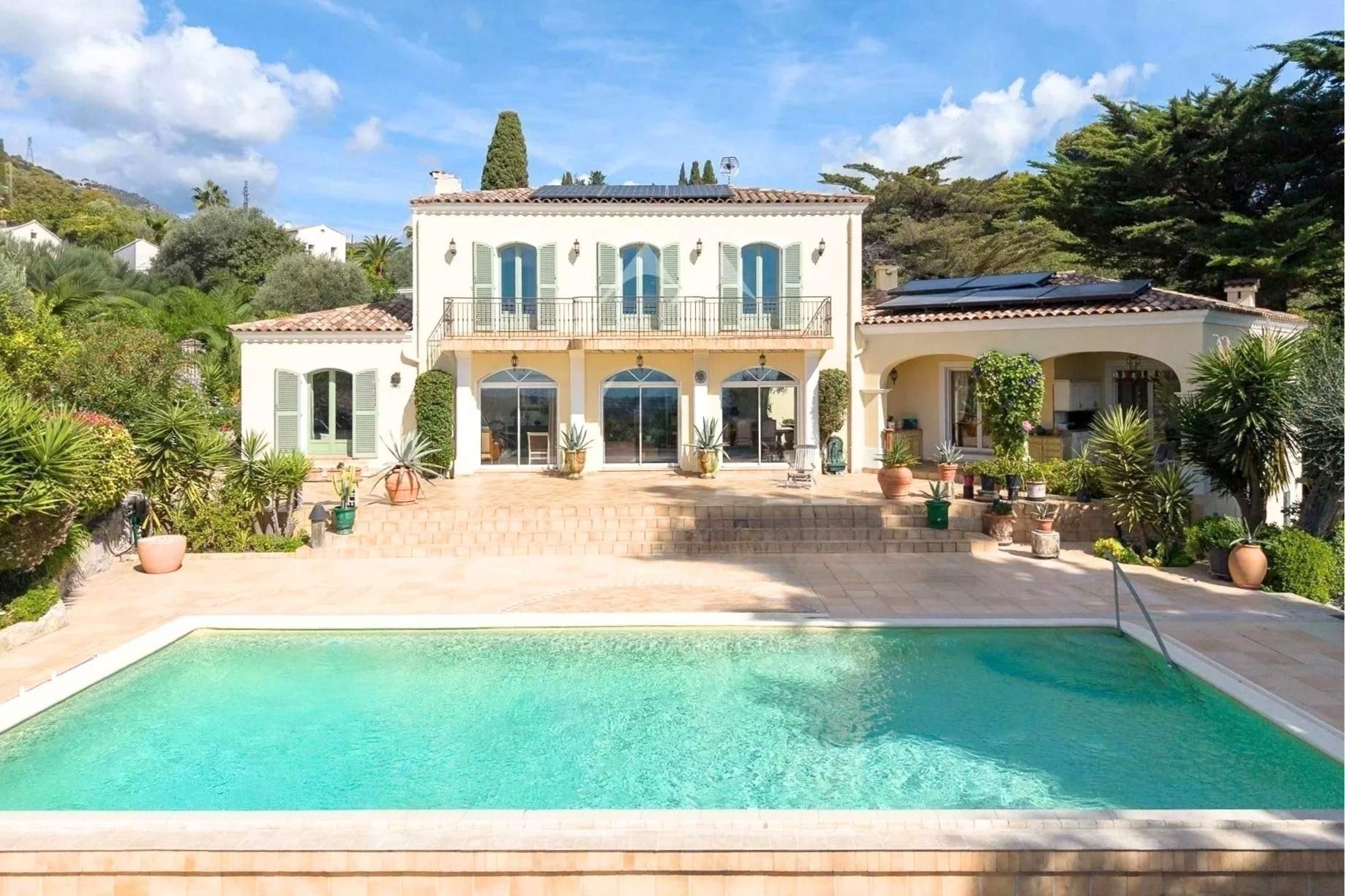
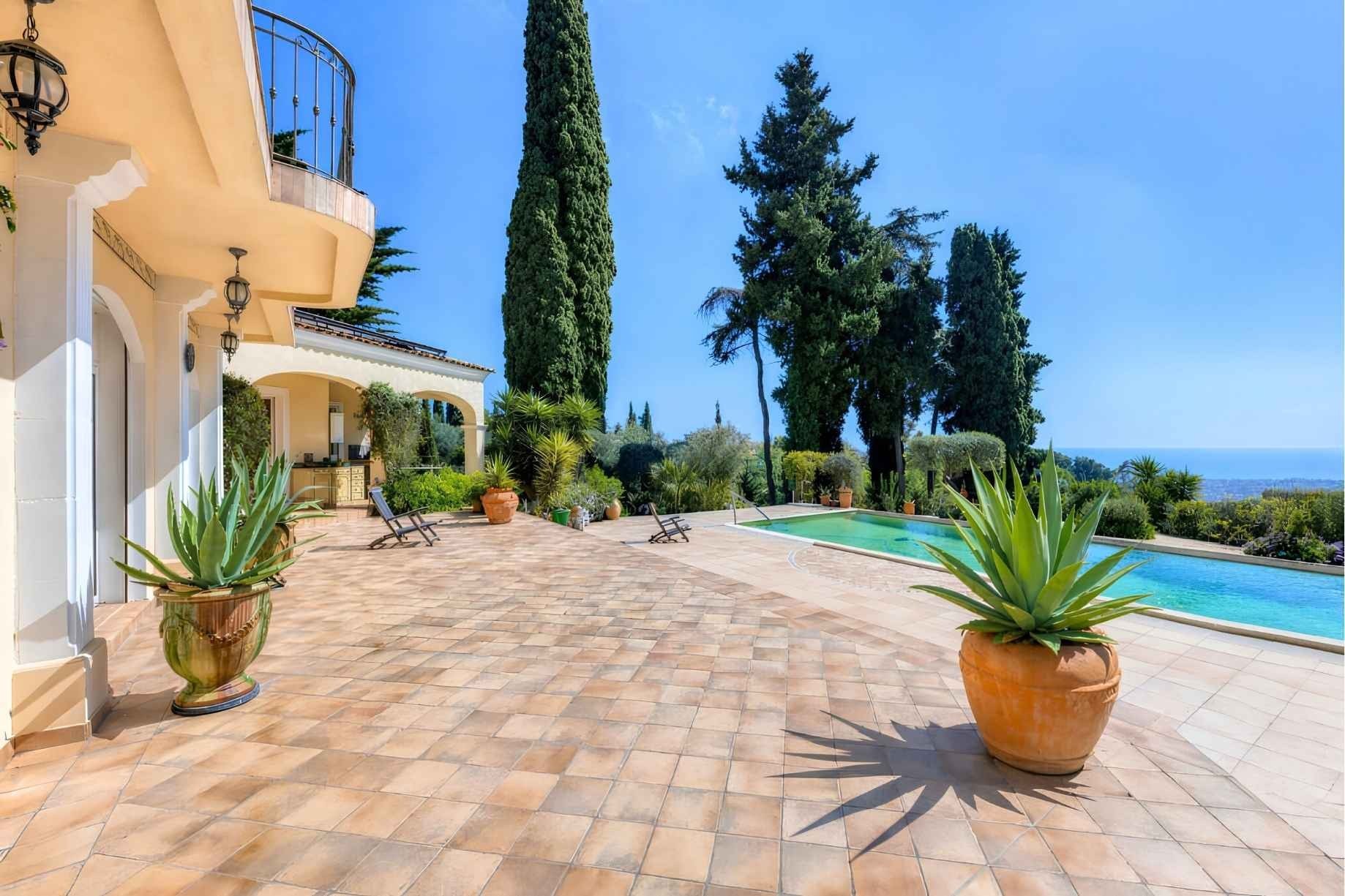
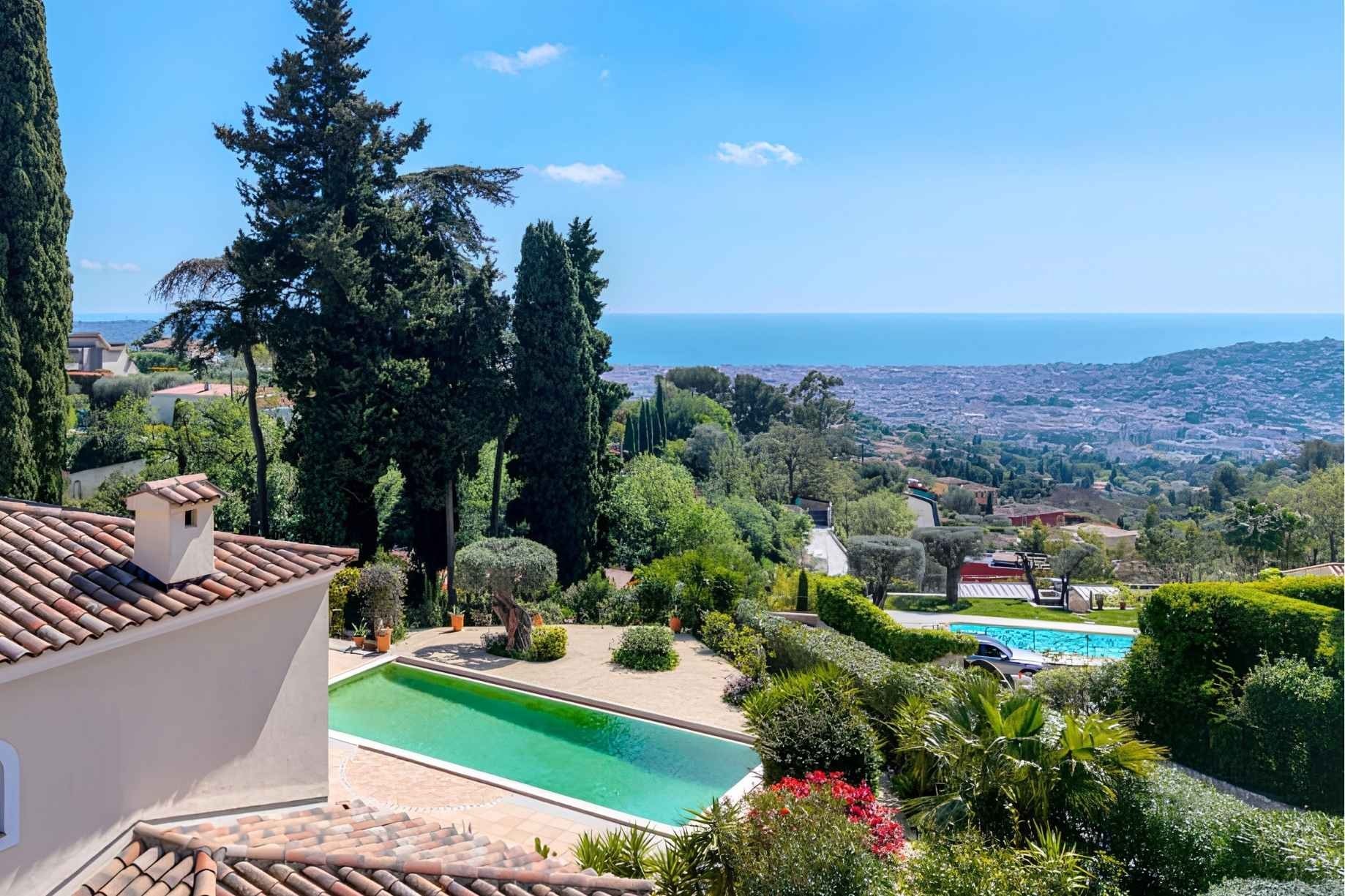
Nice, Côte d’Azur, France — 3-Bed Villa With Panoramic Sea Views & Heated Pool
€449,000
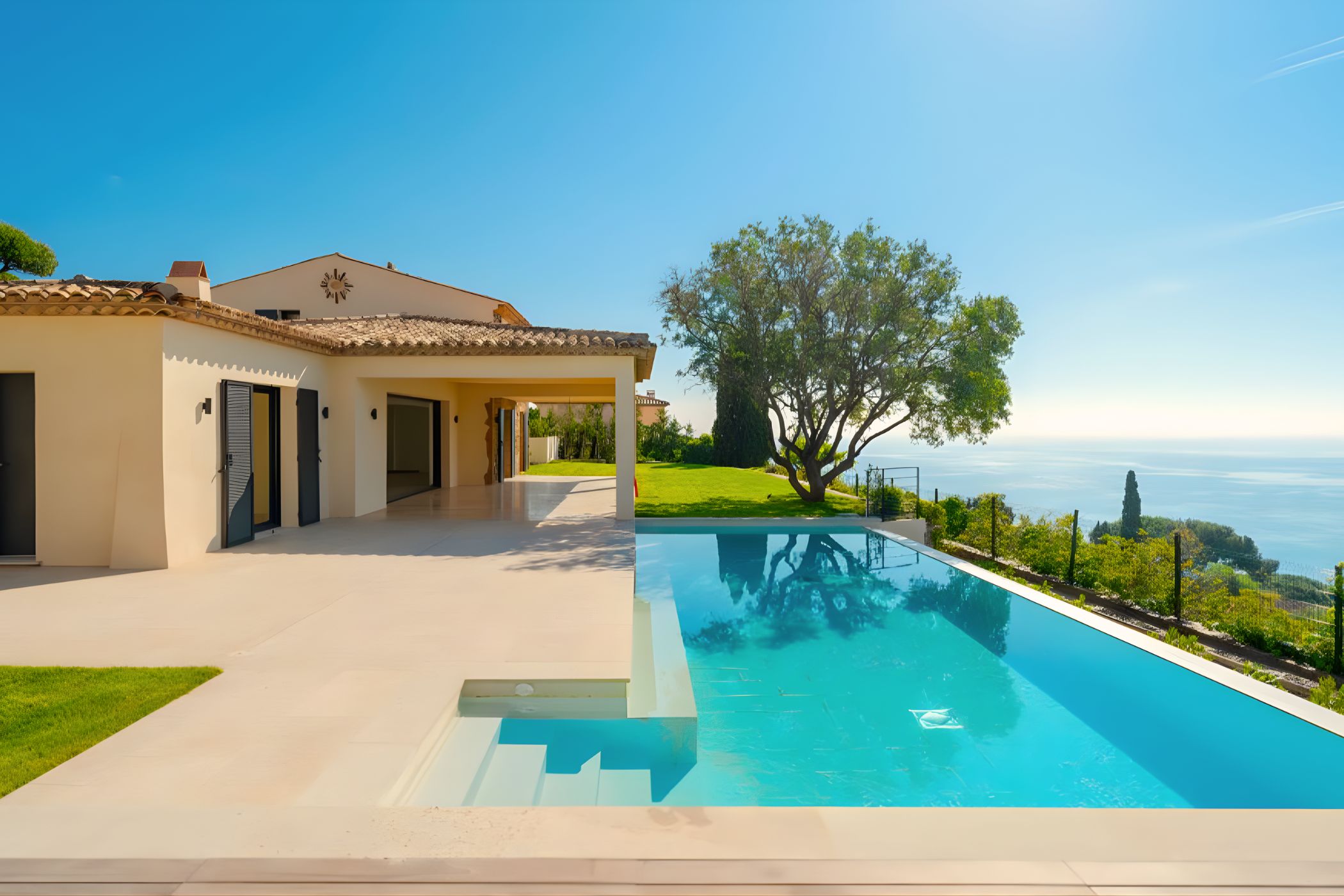
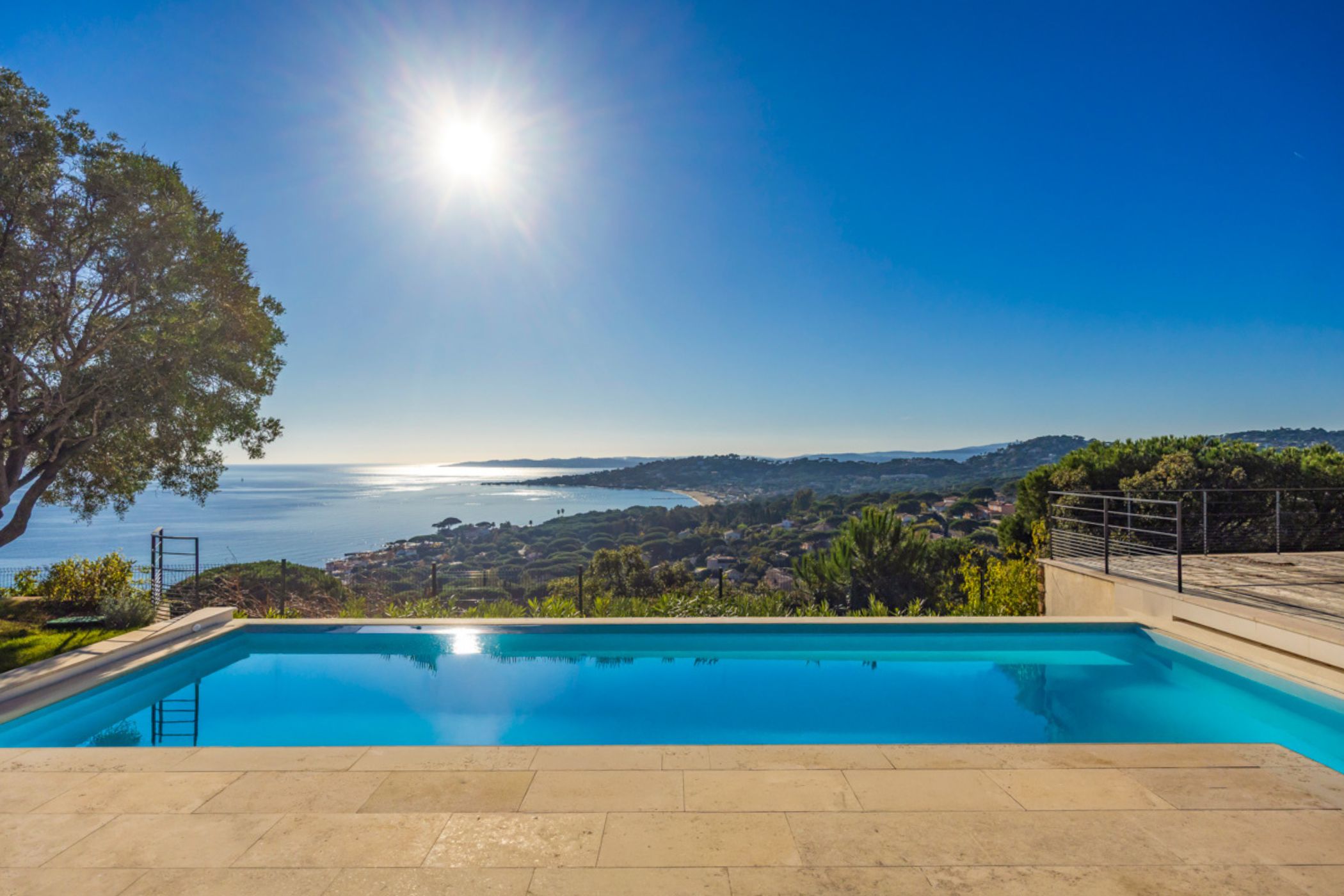
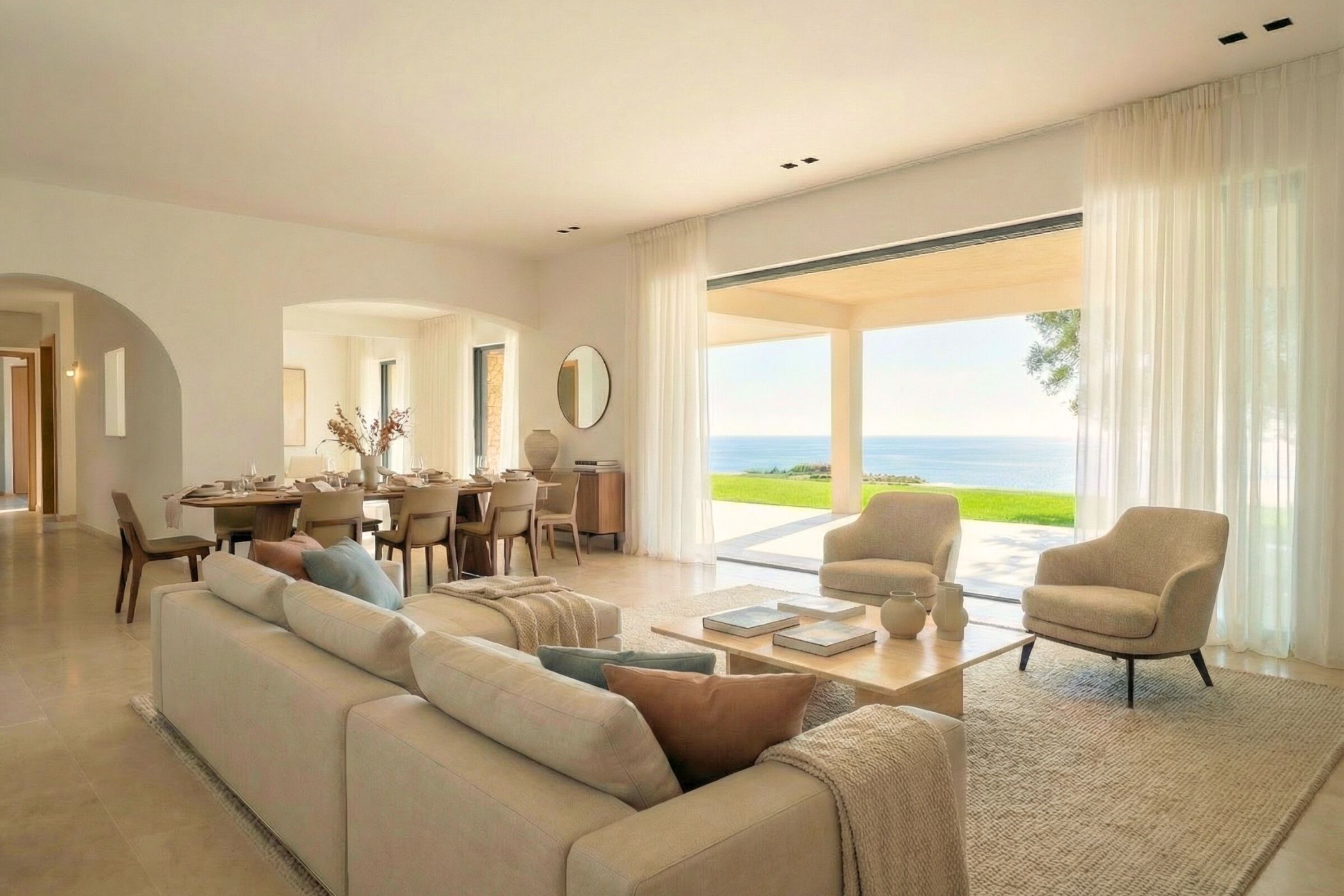
Nartelle, Côte d'Azur, France — 4-Bed Villa With Infinity Pool
€559,000
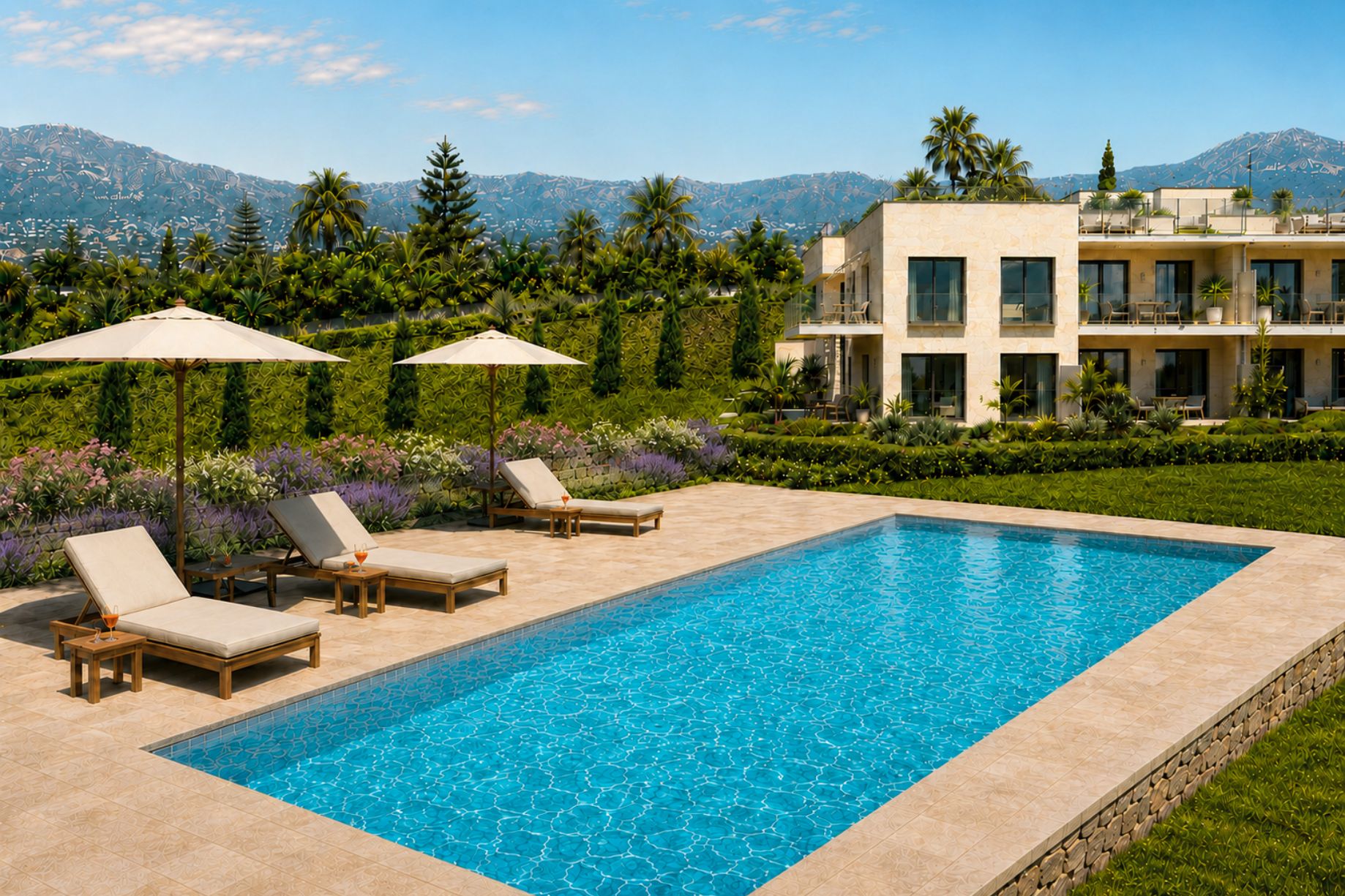
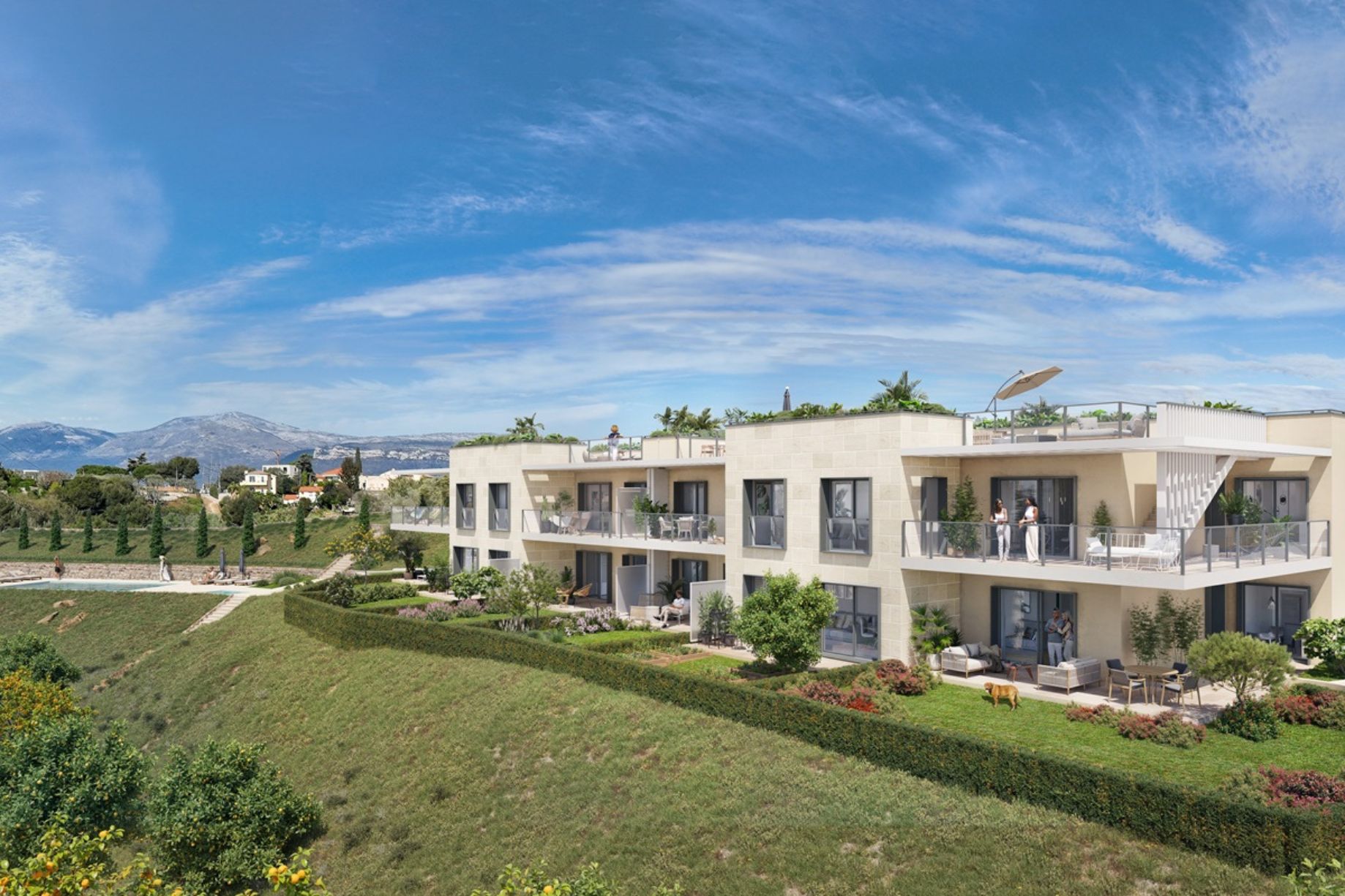
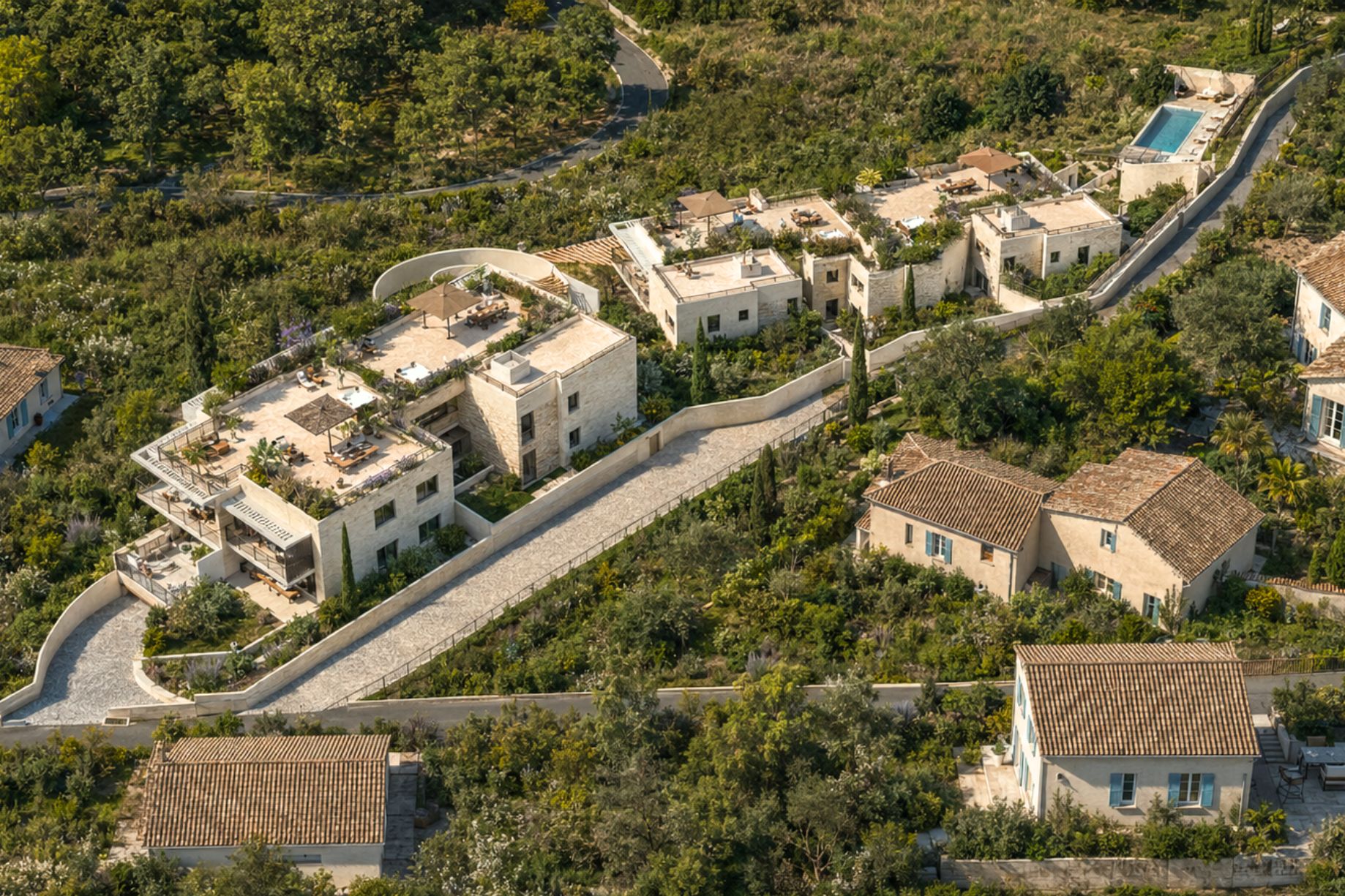
Nice, Côte d'Azur, France — 2-Bed Garden Apartment With Sea Views & Pool
€119,000
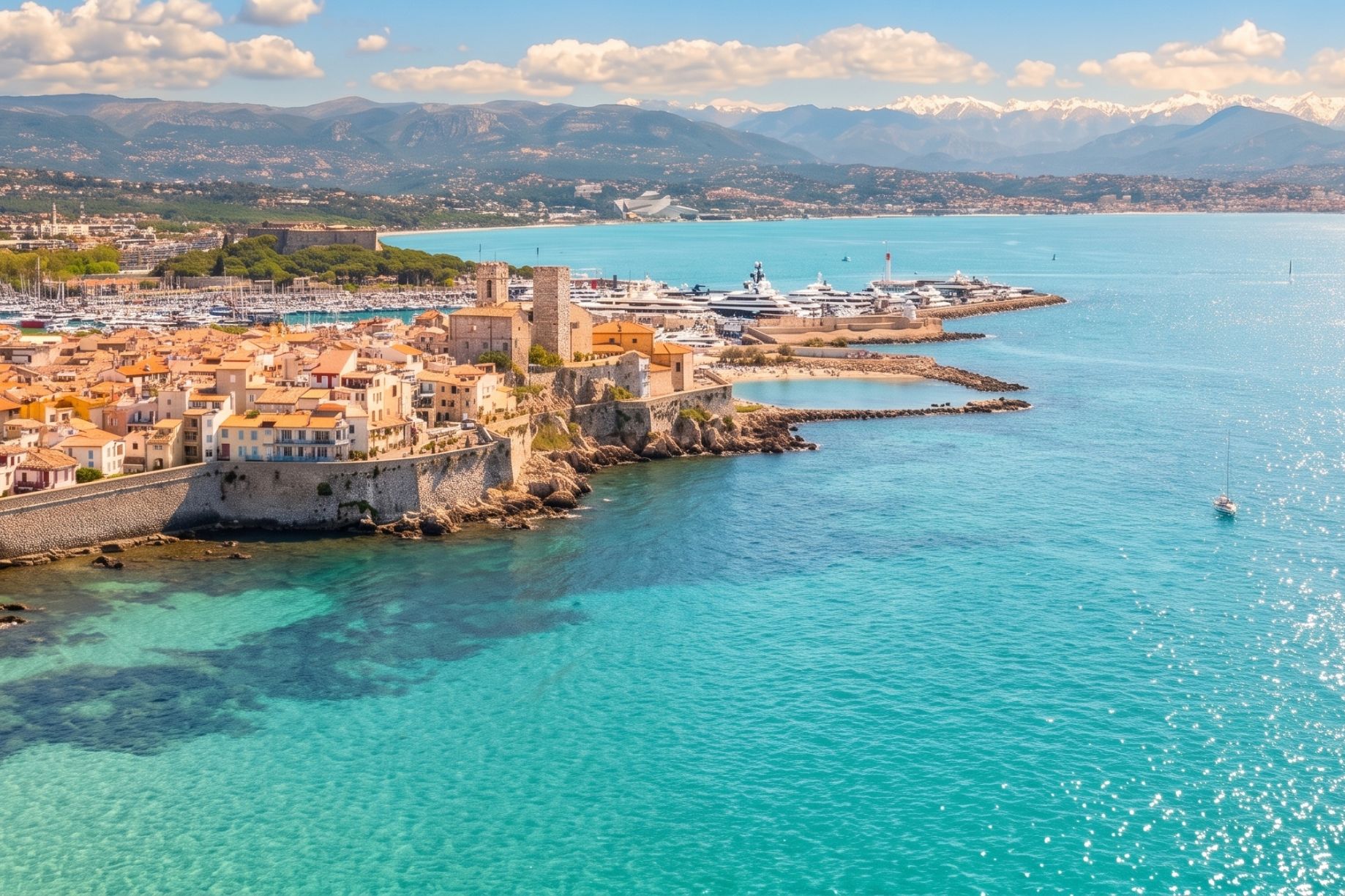
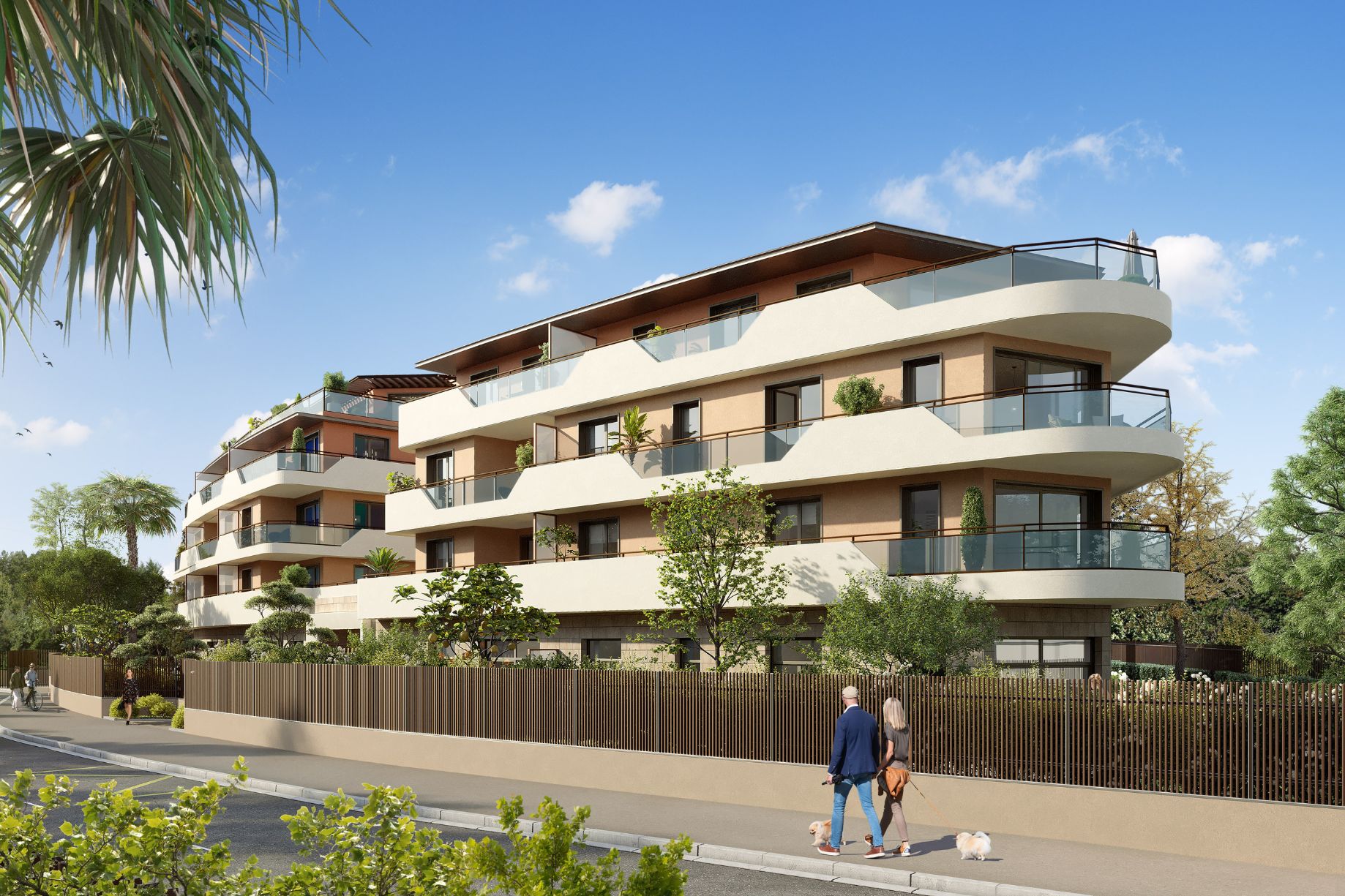
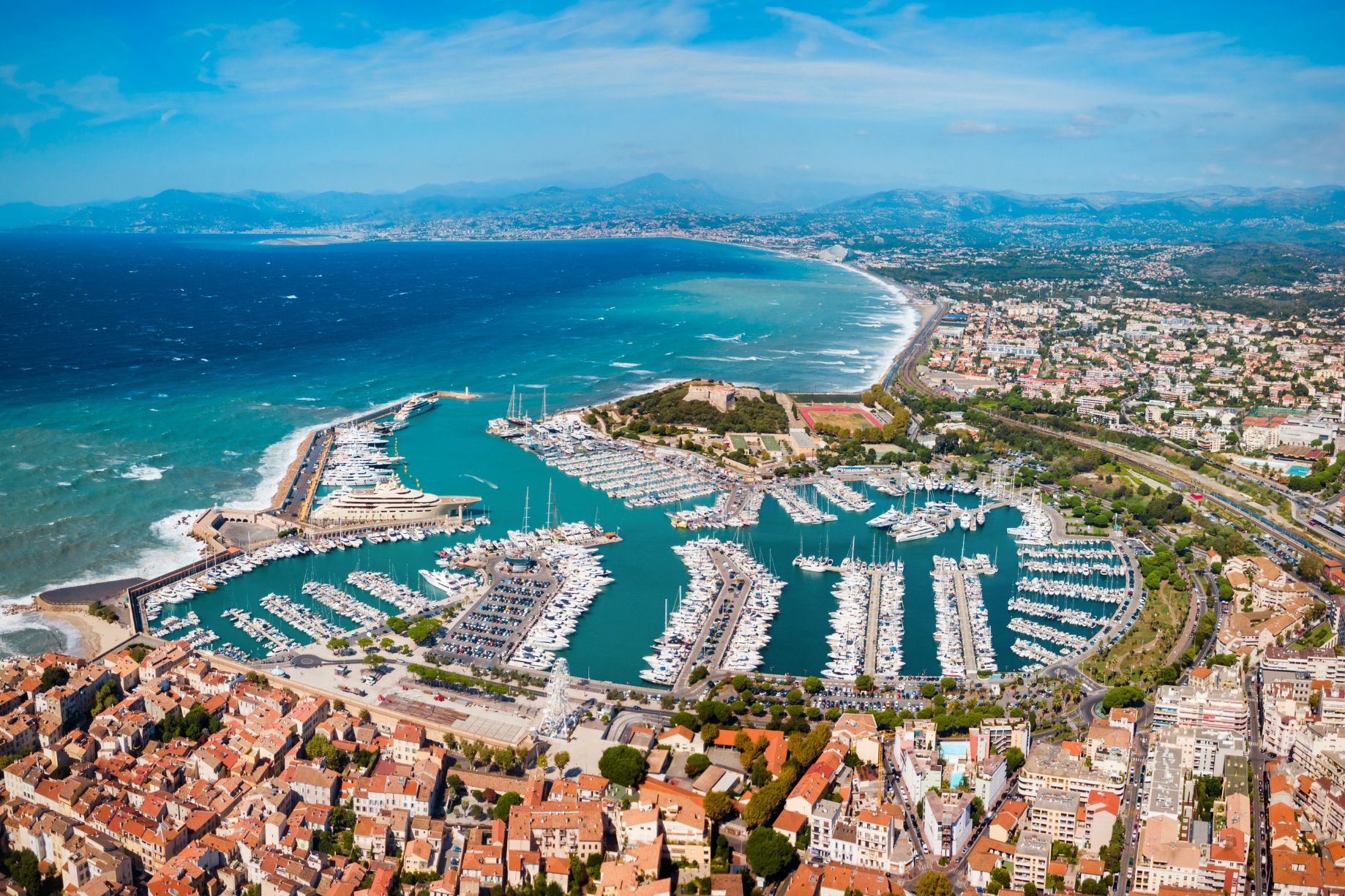
Antibes, Côte d'Azur, France — 2-Bed Terrace Apartment With Wraparound Terrace & Pool
€139,000
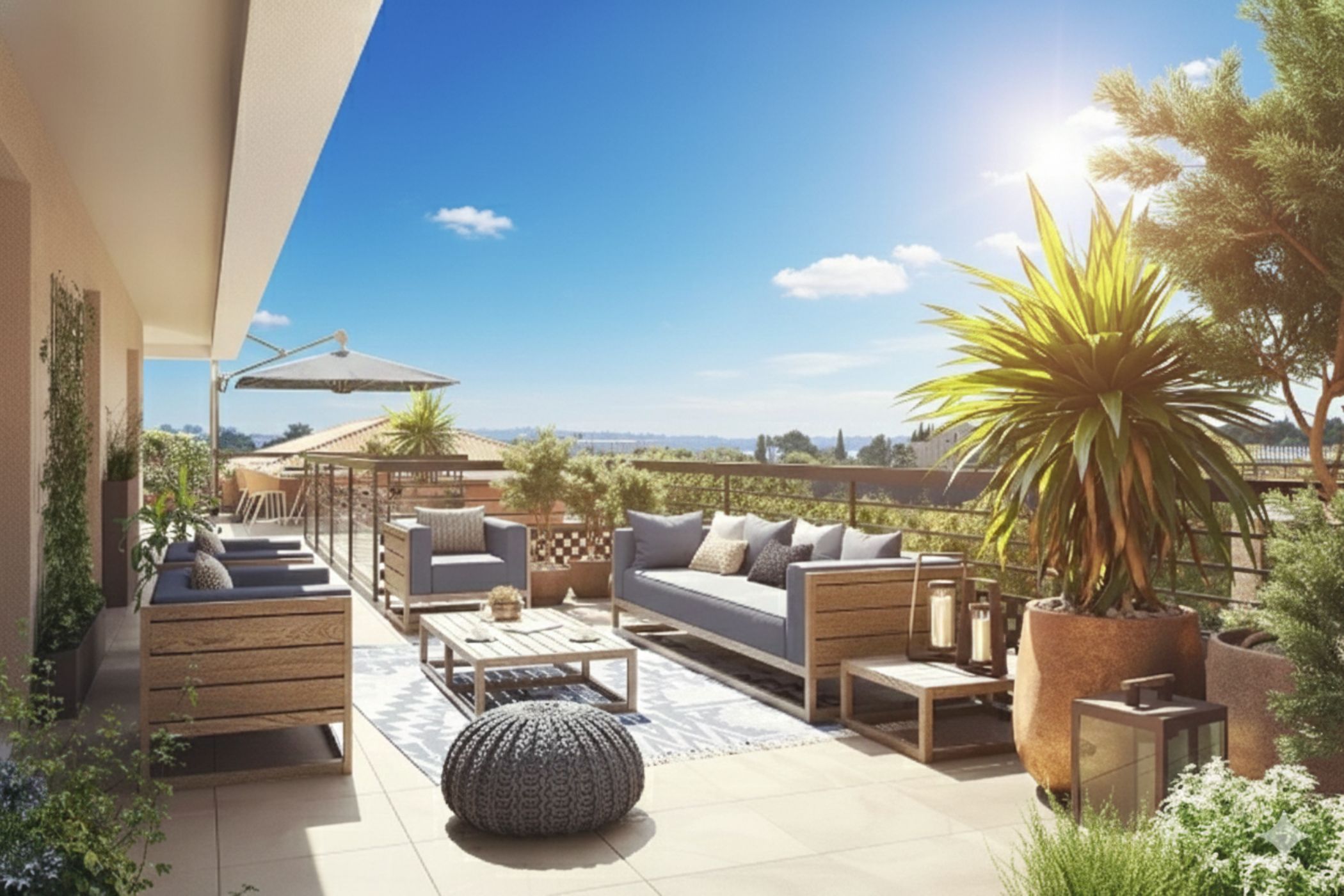
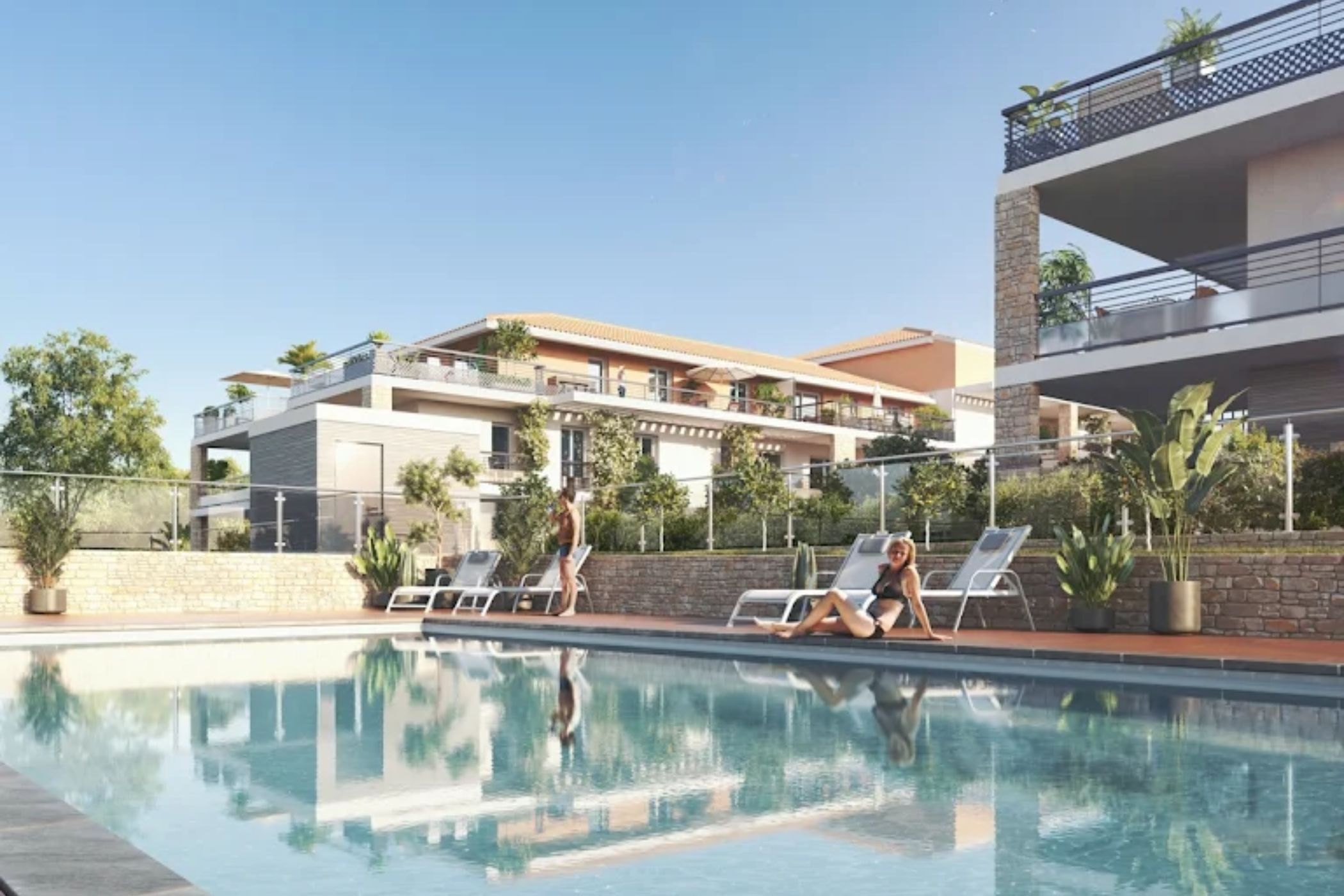
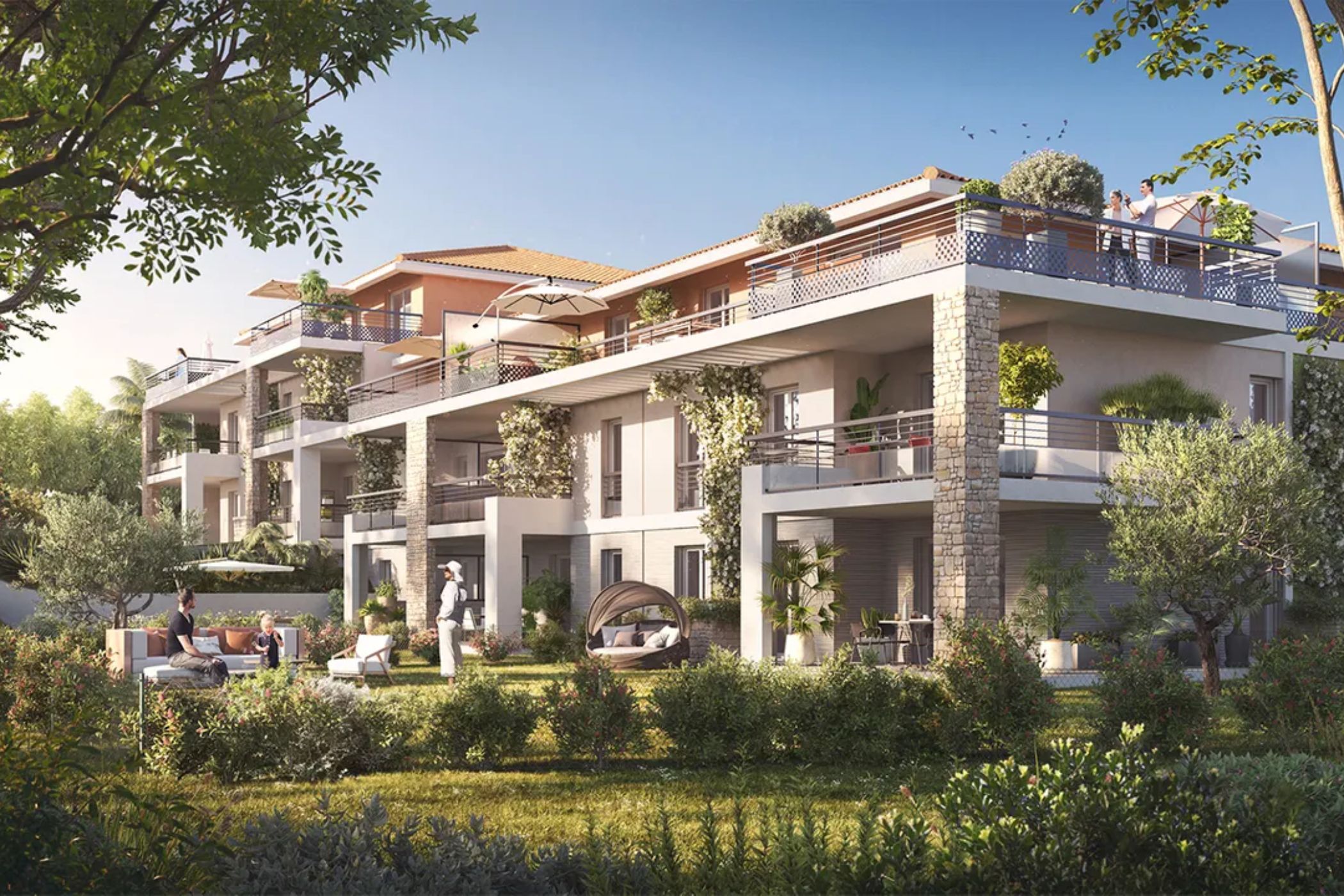
Vallauris, Côte d'Azur, France — 3-Bed Penthouse With Pool
€189,000
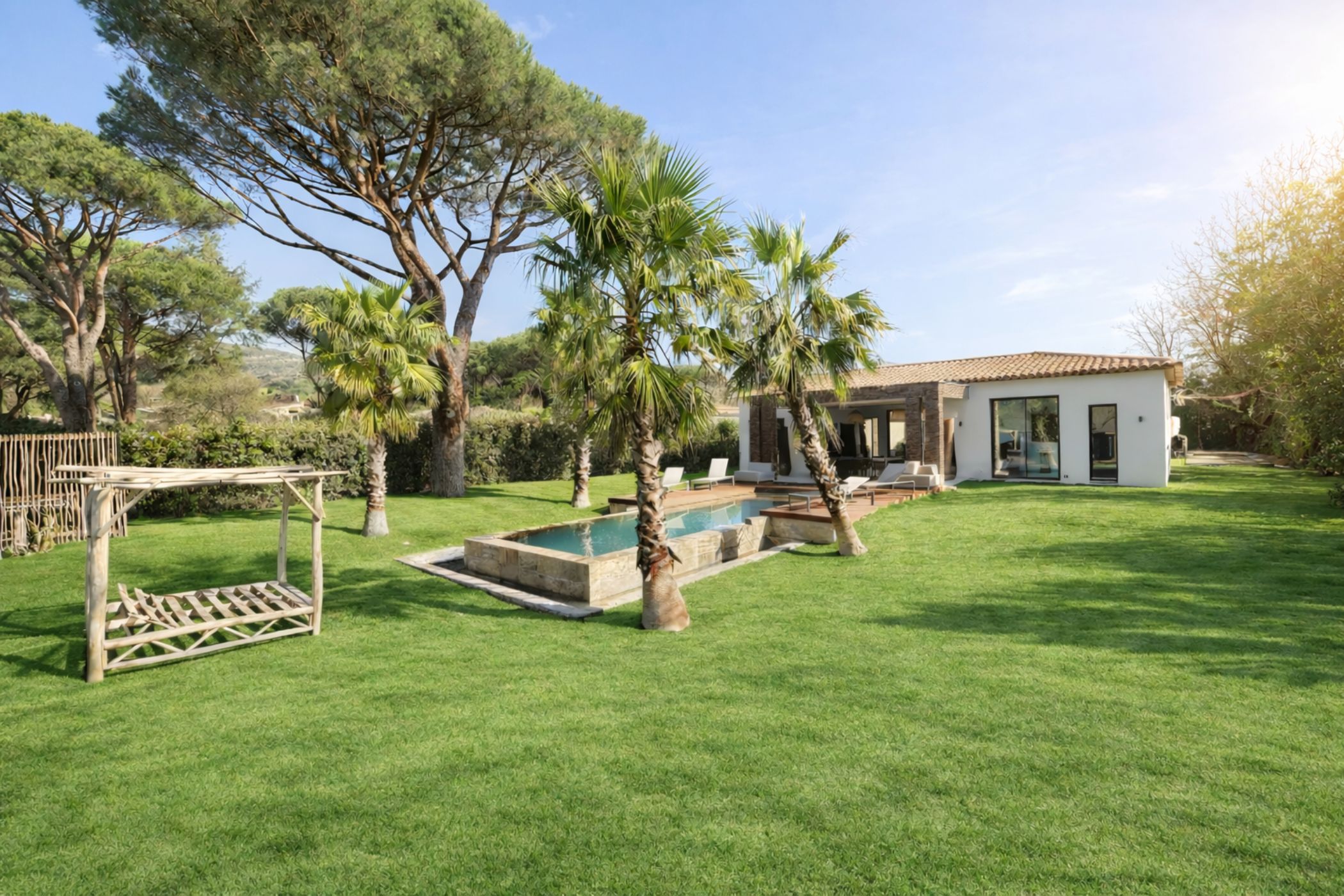
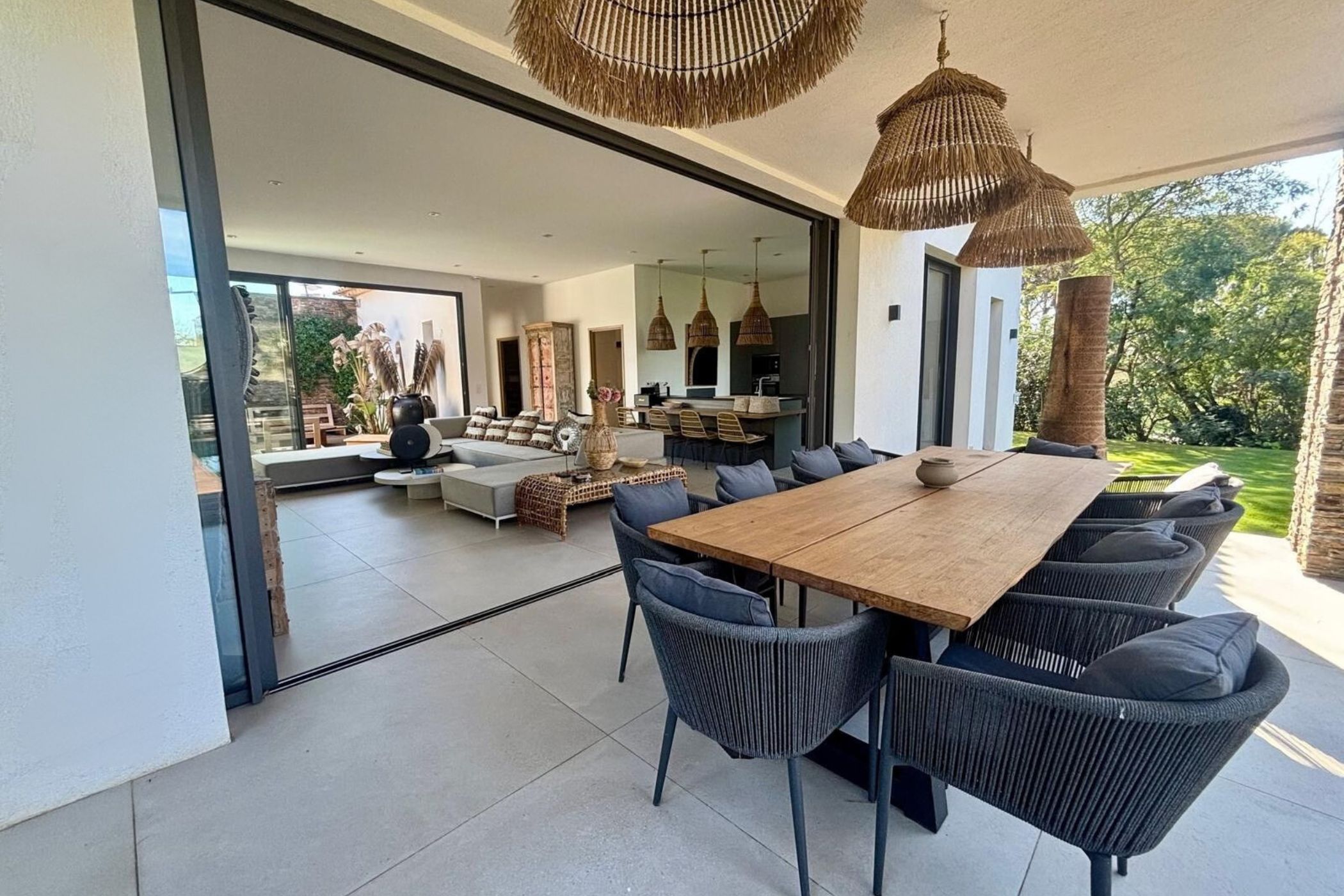
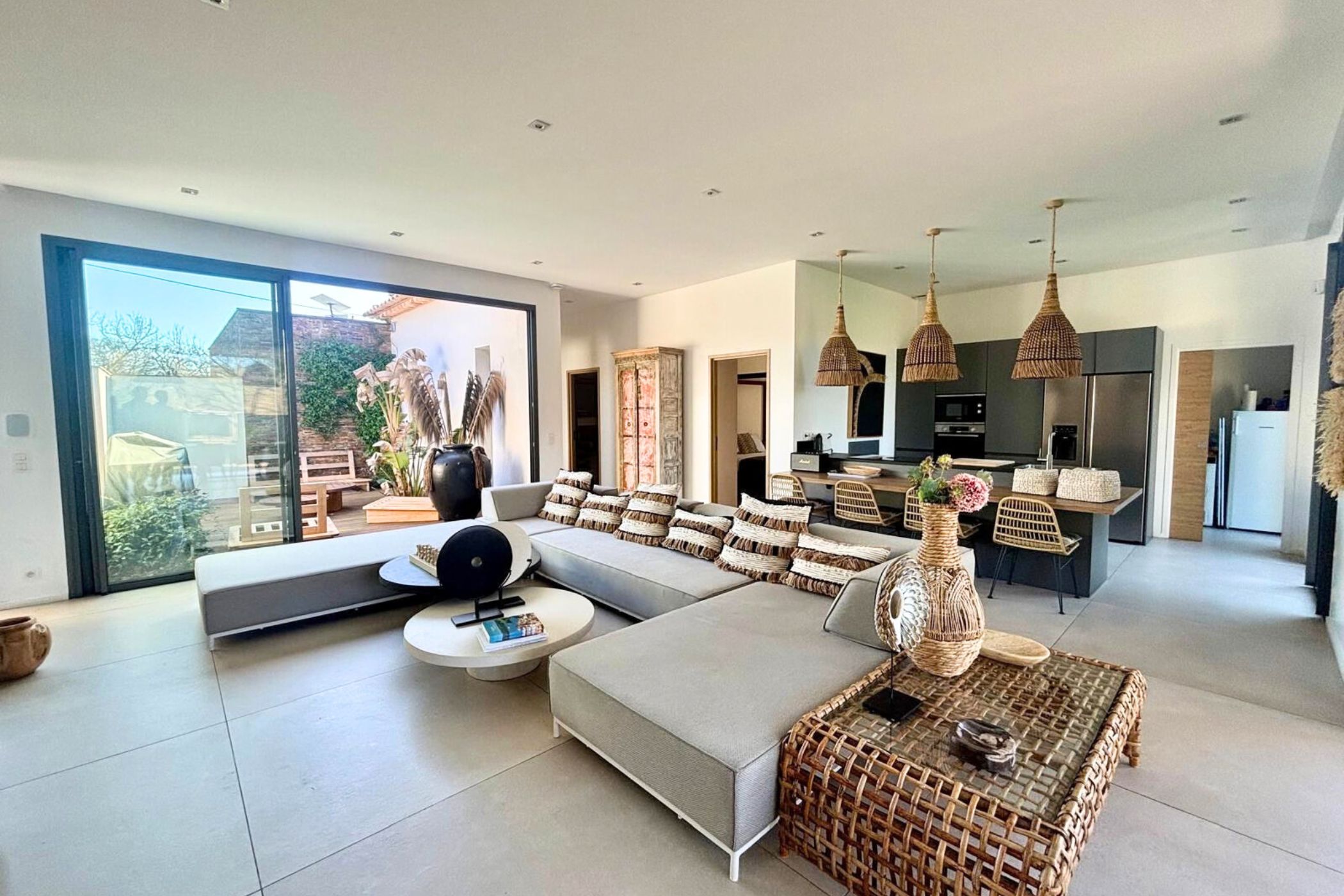
Grimaud, Côte d'Azur, France — 3-Bed Villa With Pool
€349,000
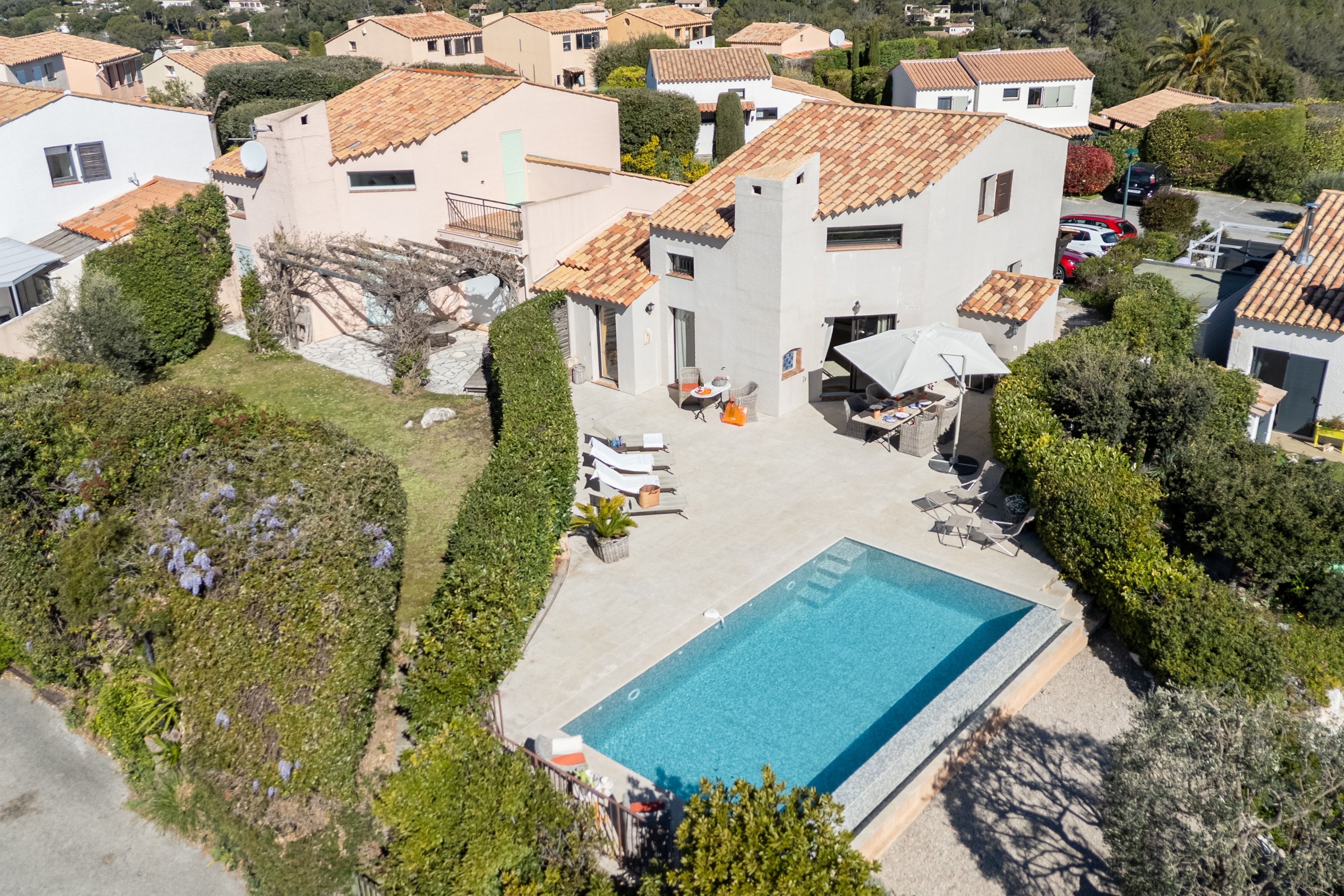
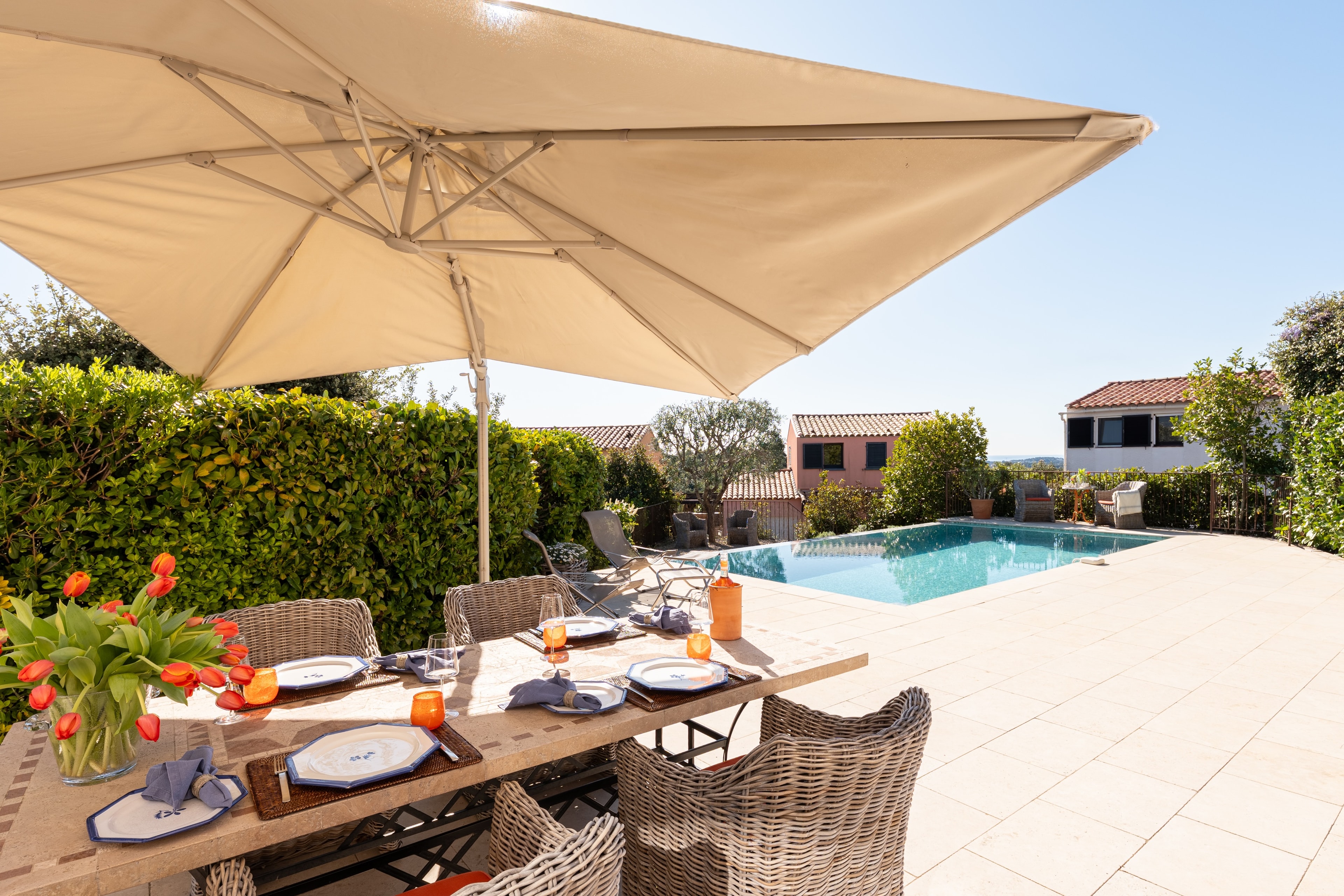
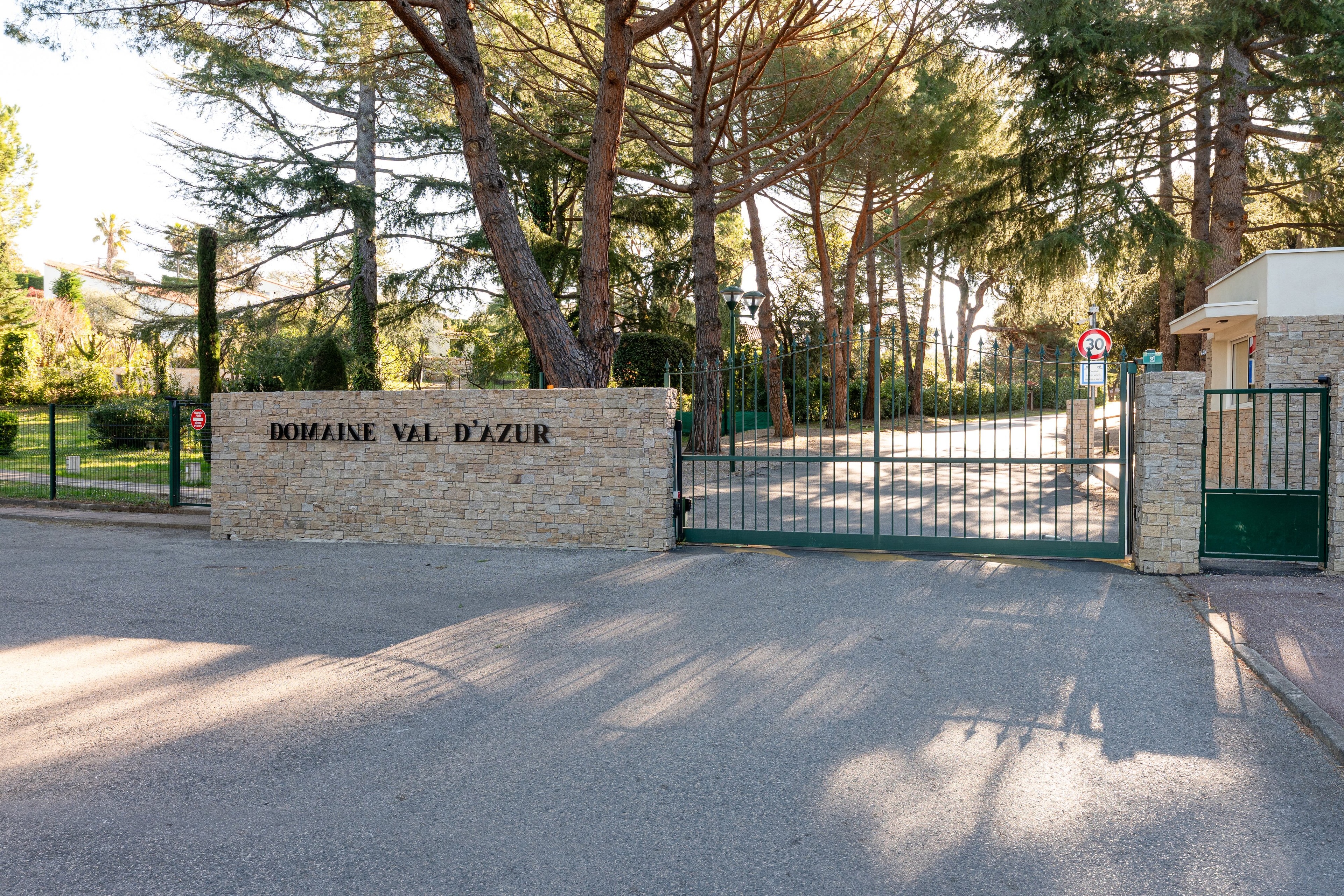
Valbonne, Côte d'Azur, France — 4-Bed Villa With Pool
€150,000
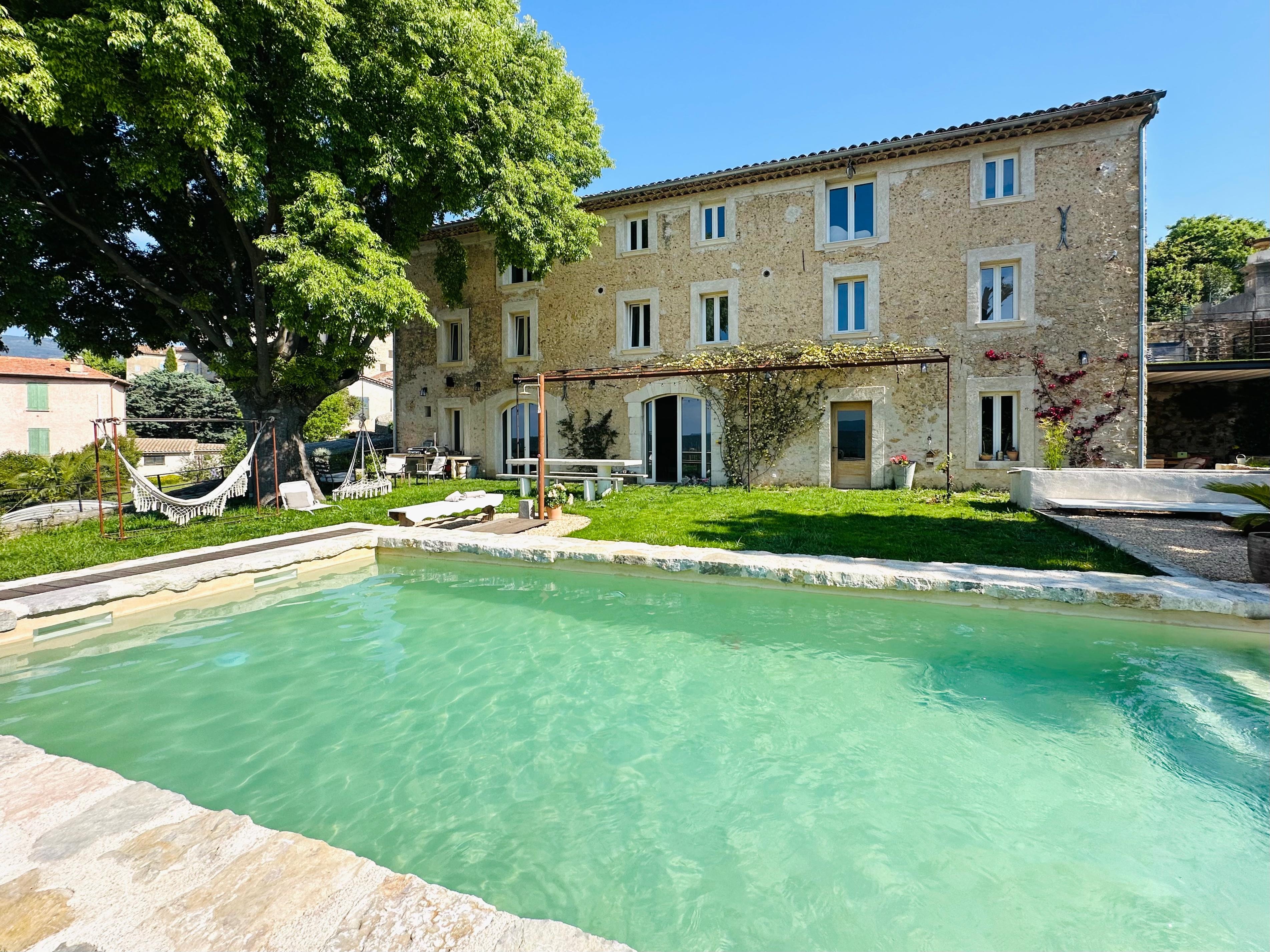
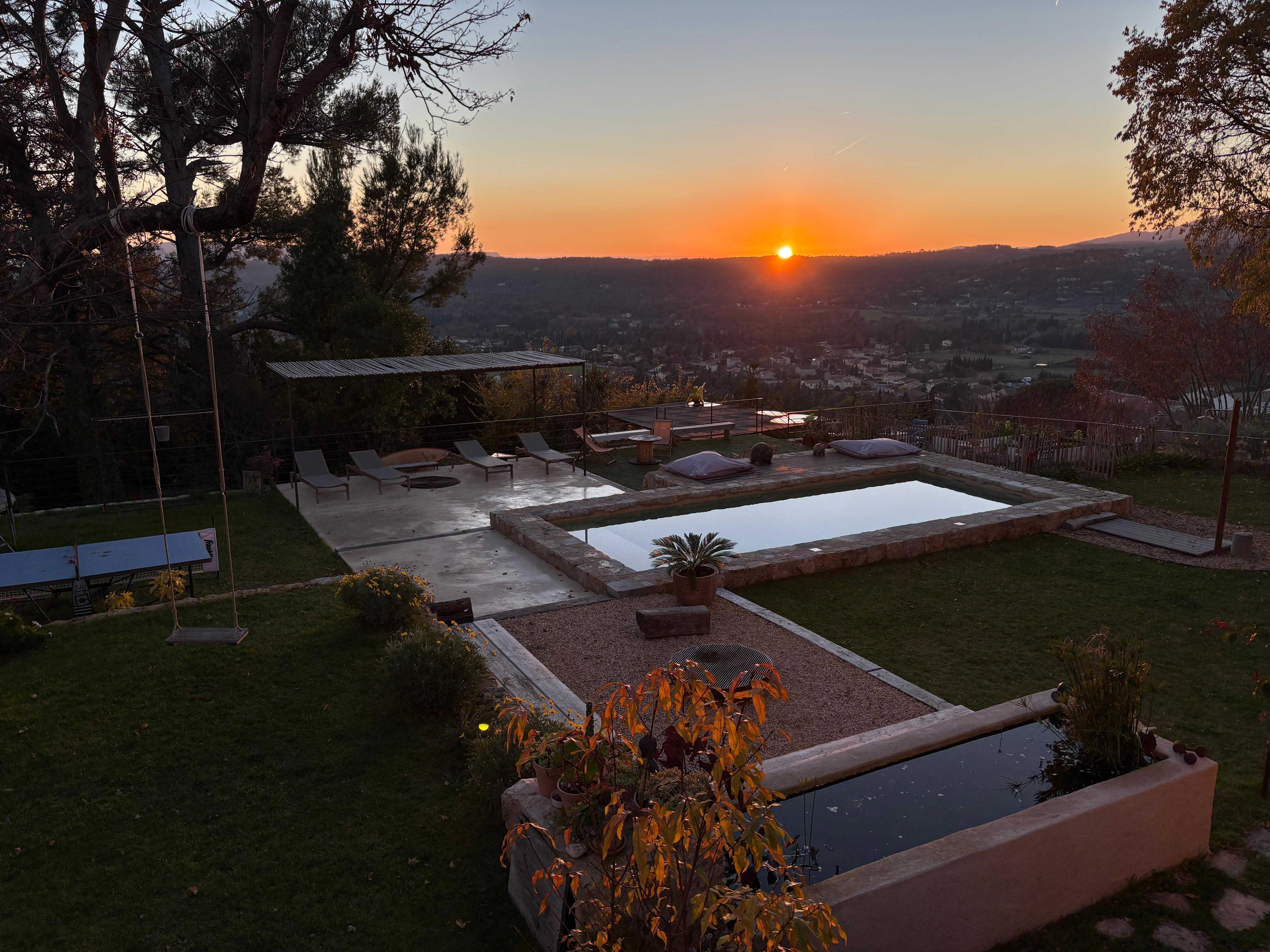
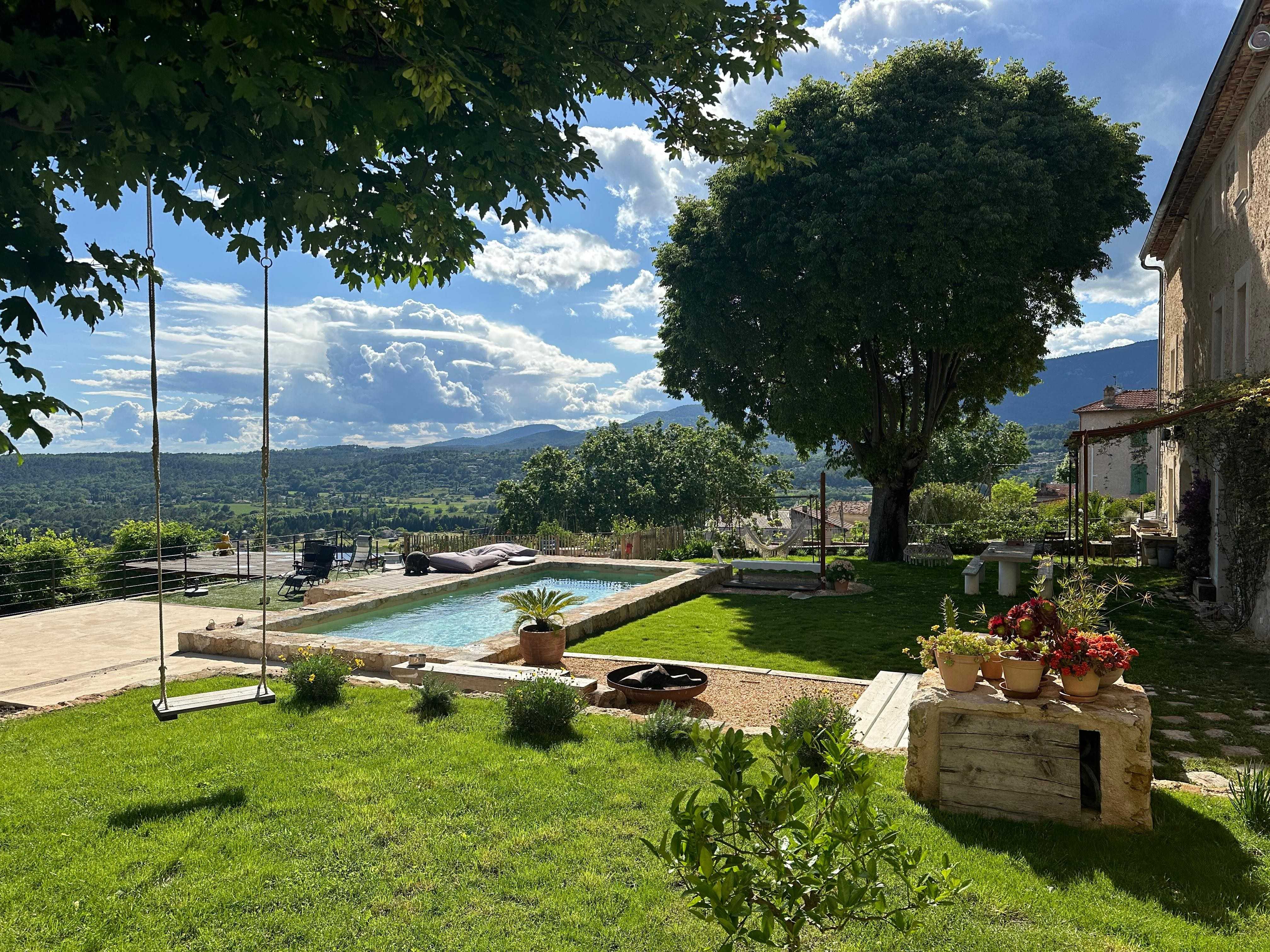
Fayence, Côte d'Azur, France — 6-Bed Villa With Pool
€285,000
Europe's most storied Mediterranean coastline and its richest cultural hinterland, accessible through co-ownership.
Fully managed villas, apartments and farmhouses across the Côte d'Azur, the Saint-Tropez peninsula, Provence and the Luberon, the Languedoc-Roussillon coast and the Marseille calanques. Your 1/8 share of the home comes with around six weeks of personal use, a professional management team on call, and the long-term equity of the most internationally established prestige market on the Mediterranean.
Looking for the Riviera coast itself — Nice, Cannes, Antibes, the hills behind Cannes or the Gulf of Saint-Tropez? See our French Riviera guide, with live prices town by town.
What is fractional ownership in the South of France?
Fractional ownership in the South of France means buying a real 1/8 share of a luxury French Riviera or Provençal second home, shared with up to seven other co-owners. Each owner receives personal use set by the partner that manages the home — a minimum of 44 or 45 nights a year with most of our partners, and no set cap with some others — through a fair-rotation calendar, with all property management, maintenance, taxes and operations handled by a professional team. You can sell it, pass it on to your heirs, and it grows in value with the home — it is not a timeshare, not a holiday club. The legal set-up is arranged by our partner for each home and walked through with you before you buy.
Why the South of France?
The South of France is, by almost every measurable metric that matters to a serious second-home buyer, the single most established prestige Mediterranean property market in Europe — and arguably the most storied stretch of coastline anywhere in the world. The arc of territory running from Menton on the Italian border, through Nice, Antibes and Cannes on the Côte d'Azur, across the Estérel mountains to Saint-Tropez and the Var, north into Provence and the Luberon, west through the Marseille calanques and Cassis, and on to the Languedoc-Roussillon coast and the Camargue, is the chosen second-home address of Northern European, North American, British and Middle-Eastern buyers for the best part of a hundred and seventy years. The modern Riviera market dates from the 1830s, when Lord Brougham — caught by quarantine at Cannes en route to Genoa in 1834 — built the Villa Eléonore-Louise and triggered the wave of Belle Époque hotel and villa construction that turned Cannes, Nice and Menton into the chosen winter resorts of the European aristocracy. The catalogue of villas, hotels and resort estates that survives along this coast — the Hôtel du Cap-Eden-Roc at Antibes, the Grand-Hôtel du Cap-Ferrat, the Carlton and the Majestic on the Croisette at Cannes, the Hôtel Negresco on Nice's Promenade des Anglais — anchors what is, in real terms, the deepest stock of pre-war and inter-war luxury residential architecture in continental Europe. The Côte d'Azur, and by extension the wider South of France, supports a genuinely long usable season — outdoor terrace living from late March through mid-November and a swimming season that runs comfortably from May to October — that no other European mainland coastline at the same latitude can match.
Your South of France share is owned alongside up to seven other co-owners. You own a real share of the home — an eighth, a quarter — not a right to use it. You can sell it, pass it on to your heirs, and it grows in value with the home. Resale is handled through our partner's resale process, without you having to sell the whole house.
The South of France's particular advantage inside European second-home markets is the combination of climate diversity, cultural depth and supply scarcity that has held the region as the European prestige Mediterranean default for nearly two centuries. The Maritime Alps and the Estérel rise sharply behind the Riviera coast and create a sheltered south-facing slope that holds 300-plus days of annual sunshine on the central Côte d'Azur and gives the Nice–Menton stretch its famously reliable 13–15°C (mid- to high-50s°F) January daytimes. The 1986 Loi Littoral — France's national coastal-protection law — has held the active coastal margin under strict public-domain regulation for nearly forty years, which has capped first-line beachfront construction at the existing footprint along the entire South of France coastline and made the pre-Loi-Littoral villa stock at the prime addresses fundamentally finite. The narrow buildable strip between the Maritime Alps and the sea on the eastern Riviera, the protected Estérel massif west of Cannes, the Massif des Maures behind Saint-Tropez, and the Calanques National Park (designated 2012) east of Marseille — together these reduce the developable land along the South of France coast to a series of small, finite, well-defined zones. The result is that the buildable stock of high-specification South of France villas and apartments is, in real terms, no longer growing at the rate of demand in the prime addresses — and the existing inventory is held tighter than at any point in the modern era.
It is worth setting the South of France in its European competitive context. The Costa del Sol in southern Spain offers more reliable winter sun and broadly comparable coastal infrastructure at materially lower entry prices, and has held the European mass-market winter-sun crown for sixty years; the South of France competes one tier above on prestige and on cultural depth, with a more concentrated stock of pre-war villa architecture and a deeper restaurant-and-festival calendar. The Italian Riviera (Liguria) and the Amalfi Coast offer real charm at smaller scale, with comparable winter usability and a denser concentration of historic villages on a shorter coastline. The Balearic Islands — Mallorca, Ibiza, Menorca — offer pristine cove beaches and crystal-clear water with a more summer-led island rhythm. The Algarve in southern Portugal is the closest European competitor on the climate-plus-language-infrastructure pairing, with its luxury market centred on the Vilamoura–Quinta do Lago corridor. Each has its admirers, and the comparisons help frame why the region remains, by some distance, the highest-prestige international second-home market on the European Mediterranean. The broader regional tourism authorities (Explore Nice Côte d'Azur, Visit Var, Provence-Alpes-Côte d'Azur, the official France tourism board) all treat the South of France as the country's single most valuable inbound tourism asset outside Paris.
The third structural argument for the South of France is the diversity of usable lifestyles available inside a single regional footprint. A Northern European family with a 1/8 share above Èze on the eastern Riviera is twenty minutes from Nice Côte d'Azur Airport, fifteen minutes from Monaco, and within ninety minutes by autoroute of Cannes, Antibes and the Estérel. A Saint-Tropez owner is two hours from Marseille and within an hour of the Gassin and Ramatuelle wine country. A Luberon buyer at Gordes is forty minutes from Aix-en-Provence, an hour from Avignon with its TGV link to Paris in 2 hours 40 minutes, and an hour and a quarter from Marseille airport. A Cassis or Calanques buyer is twenty-five minutes from the MuCEM and central Marseille. The region packs a remarkable amount of difference into a single autoroute-connected footprint — international resort towns, working Provençal villages, white-limestone fjord coastlines, lavender plateaux, Roman amphitheatres at Nîmes and Arles, the medieval fortified city of Carcassonne, the flamingo-populated wetlands of the Camargue — and a South of France share that combines proximity to several of these gives an owner a year-round Mediterranean and Provençal base rather than a single-season property. Few other European regions can match that range without significantly longer drive times.
For a co-ownership buyer thinking strategically rather than just emotionally, the South of France's combination of climate, cultural infrastructure and international depth matters more than the headline glamour. The villa you buy a share of above Èze sits in a market where the buildable land at the prime Cap-Ferrat, Cap d'Antibes and Beaulieu addresses is already effectively saturated and where the existing villa stock at the prime Belle Époque addresses is fundamentally finite. The Saint-Tropez farmhouse is set in a peninsula whose generational French and international family addresses run two and three generations deep. The Luberon stone mas above Gordes is in a UNESCO biosphere-reserve landscape whose cultural heritage protections have held its built character essentially unchanged for fifty years. These are not assets that depend on a particular interest-rate cycle to hold their value; they depend on the unchanging facts that Cap-Ferrat remains Cap-Ferrat, that the Saint-Tropez peninsula remains the Saint-Tropez peninsula, and that the Northern European and international appetite for the most storied prestige Mediterranean second-home address is steady across generations. Add professionally managed co-ownership that makes a shared home transparent and resaleable, and the case for co-ownership in the South of France writes itself.
One under-discussed advantage that becomes obvious once you actually start using a South of France second home is the depth of the region's professional services infrastructure for non-resident owners. Nearly two centuries of Northern European, British and American buyers have built up an ecosystem of multilingual notaires, avocats, property managers, garden contractors, swimming-pool engineers, private medical clinics and English-speaking accountants across the major Riviera and Provençal towns that smaller European sun-coast alternatives cannot match. The British community across the Côte d'Azur and Provence is large enough to run its own English-language schools (Mougins School, the International School of Nice, International School of Aix-en-Provence), English-language newspapers (The Connexion, the Riviera Times), English-speaking medical groups across Nice, Cannes, Aix and Marseille, and the most established English-speaking second-home property services market on the European Mediterranean outside the Costa del Sol. The French notarial system — supervised by the Conseil supérieur du notariat — gives ownership documentary clarity through nearly two centuries of civil-property precedent, with land records held at the Service de la publicité foncière and cadastral mapping administered by the national cadastre. None of this is glamorous, but it is the kind of infrastructure that determines whether owning a Mediterranean home from another country is a pleasure or a chore.
The fourth structural advantage worth naming is the transport infrastructure that makes a South of France second home practically usable rather than just nominally owned. Nice Côte d'Azur Airport (NCE) is the principal gateway for the eastern Riviera and the second-busiest airport in France, with direct year-round service from London, Manchester, Edinburgh, Dublin, Amsterdam, Brussels, Frankfurt, Munich, Zurich, Vienna, Copenhagen, Stockholm, Oslo, Helsinki and dozens of further European cities, plus year-round long-haul service from New York JFK, Newark, Atlanta, Montreal and Dubai. Marseille Provence Airport (MRS) serves Provence, the Luberon and the western South of France with broadly comparable European connections. Montpellier (MPL) and Toulouse (TLS) serve the Languedoc and Occitanie. Most Northern European hubs are under two hours' flight time to Nice or Marseille; the drive from NCE to the eastern Riviera towns is short (Nice in 15 minutes, Èze in 25 minutes, Monaco in 30 minutes, Antibes in 30 minutes, Cannes in 40 minutes, Menton in 45 minutes); and the French high-speed rail network — TGV InOui and the new Eurostar connections — links Paris Gare de Lyon to Aix-en-Provence in 3 hours, Avignon in 2 hours 40 minutes, Marseille in 3 hours 15 minutes and Nice in 5 hours 40 minutes. An owner can leave London on a Friday morning and be on the terrace above the Bay of Villefranche by Saturday lunchtime.
Where to own in the South of France
The South of France's second-home market is best understood through several principal sub-zones rather than as a single uniform coastline — each with its own character, architecture, season and buyer mix. There are, of course, South of France addresses outside the zones below — the Drôme Provençale on the northern edge of Provence, the Cévennes uplands inland of Montpellier, the Roussillon coast running to the Spanish border, the high Mercantour backcountry — and we are happy to discuss them with buyers whose interests run that direction. But the supply story for fractional ownership concentrates in the sub-zones below: the Côte d'Azur (Menton, Cap-Ferrat, Nice, Antibes, Cannes, Mougins), the Saint-Tropez peninsula and the Var (Saint-Tropez, Ramatuelle, Gassin, Sainte-Maxime, Grimaud, Fayence), Provence and the Luberon (Aix-en-Provence, Gordes, Bonnieux, Ménerbes, Lourmarin), Languedoc-Roussillon and the Occitanie coast (Montpellier, Sète, the Camargue edge, Carcassonne, the Canal du Midi), and Marseille, Cassis and the Calanques. Together they account for the overwhelming majority of international second-home demand in the South of France.
The coast — the Côte d'Azur and the Golfe de Saint-Tropez
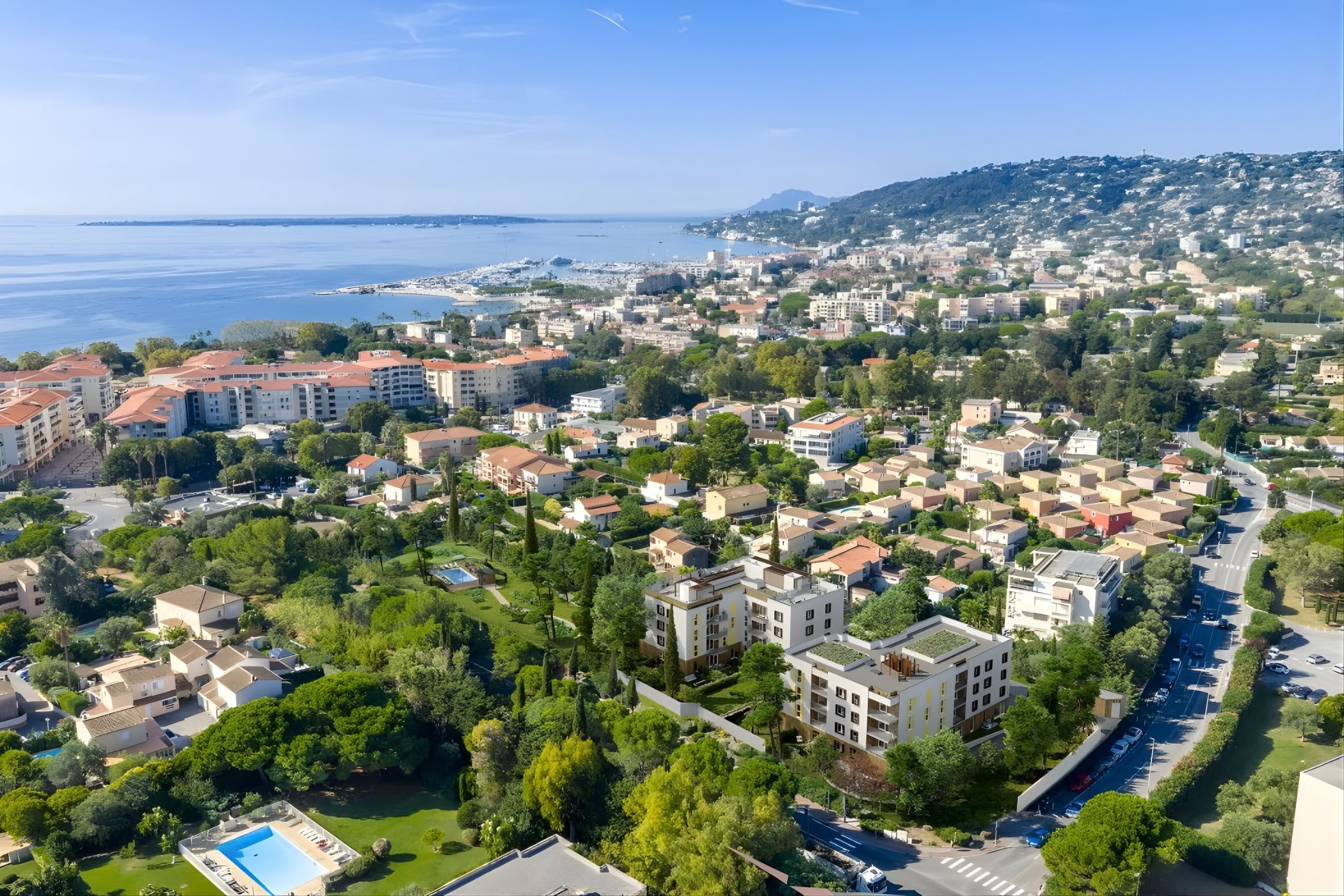
The coastal half of the South of France is a subject in its own right, and we cover it in full on our dedicated Côte d'Azur fractional ownership page: the corniche villages between Menton and Nice, Antibes and the Cap, Cannes and the hill villages behind it — Valbonne, Mouans-Sartoux, Vallauris, Fayence — and, seventy kilometres west across the Estérel, the Golfe de Saint-Tropez with Sainte-Maxime, La Nartelle, Grimaud and Les Issambres. It is the most expensive and most internationally traded stretch of the French coast, the one with direct flights from the United States into Nice, and the one where the arithmetic for co-ownership is at its most persuasive: whole villas commonly run to €1–3 million, while a real share of a fully managed home starts around €109,000. Nearly all of our current South of France inventory sits in these coastal and near-coastal communes.
Provence and the Luberon — Aix-en-Provence, Gordes, Bonnieux, Ménerbes, Lourmarin, Saint-Rémy-de-Provence
Provence and the Luberon represent the South of France's interior cultural heartland — and for many seasoned French and international second-home buyers, the most authentically French face of the region. The Luberon Massif — the range of limestone hills running east–west between the Durance and Calavon valleys, designated a UNESCO biosphere reserve in 1997 — is the heartland of the inland Provençal market for buyers who want landscape, tranquillity and the genuine Provençal experience rather than the glamour of the coast. The hilltop villages — Gordes, Bonnieux, Ménerbes, Lacoste, Roussillon, Lourmarin, Oppède-le-Vieux, Saignon — are among the most beautiful villages in France: stone-built, ochre-hued, centuries old, impeccably maintained as living communities rather than tourist spectacles. The Plus Beaux Villages de France classification, recognised by the national federation, applies to multiple Luberon villages and has functioned as the de facto heritage protection that has held the built character of the Luberon essentially unchanged for fifty years.
Gordes, set at 340 metres on the southern flank of the Monts de Vaucluse, regularly appears on any shortlist of the most beautiful villages in the world — its terraced streets of pale limestone buildings cascading down a dramatic hill, with views across the valley to the Luberon crest and the lavender plateau of Valensole beyond, have made it one of the most photographed places in France. The Abbaye de Sénanque, the twelfth-century Cistercian abbey set in a fold of the hills below Gordes with its summer lavender field framing the abbey church, is the single most photographed monastic site in France. Bonnieux, on the southern slope of the Petit Luberon, sits at 425 metres above a working agricultural valley and retains one of the deepest restaurant traditions in the Luberon. Ménerbes, the perched village made internationally famous by Peter Mayle's A Year in Provence in 1989, retains its preserved Renaissance and Baroque core around the village castle. Lourmarin, at the southern foot of the Luberon massif, is the chosen base for the south-facing-village buyer — Albert Camus is buried in the village cemetery, and the working Friday market is one of the most respected in the wider Luberon. Roussillon, set on the ochre cliffs north of the Luberon main range, gives the most distinctive red-and-yellow village colouring of any Provençal address.
Aix-en-Provence — the refined university city where Paul Cézanne was born in 1839 and where he painted the Montagne Sainte-Victoire obsessively for forty years — provides the urban centre for inland Provence. The Cours Mirabeau running through the centre, the elegant streets of 17th- and 18th-century hôtels particuliers, the exceptional restaurants and food markets (the Marché des Prêcheurs Tuesday/Thursday/Saturday, the Place Richelme daily market), the Festival d'Aix-en-Provence opera festival in July, and a cultural life that makes Aix one of the most liveable mid-size cities in France. The Atelier Cézanne on the northern edge of the city is preserved exactly as the painter left it, and the Sainte-Victoire itself rises east of the city to 1,011 metres, with the wooded forest of the Bibémus quarries — Cézanne's favourite working ground — running along the north flank. Aix sits 30 minutes from Marseille airport and is the natural urban anchor for buyers whose Provençal base sits in the Luberon or the western Var. Saint-Rémy-de-Provence, north-west of Aix on the southern flank of the Alpilles range, was Van Gogh's chosen recovery base in 1889–1890 — the Saint-Paul-de-Mausole monastery on the village edge holds his preserved room — and combines a working Provençal village rhythm with proximity to the Roman site of Glanum and the perched medieval village of Les Baux-de-Provence. Best for: buyers drawn to the most authentically French face of the South of France, design-led couples whose use pattern centres on the Luberon village rhythm and the long shoulder seasons, families seeking the Aix-en-Provence cultural anchor with same-day access to both the Luberon and the Var coast, and owners who want a Provençal base specifically as a counter-weight to a coastal property elsewhere.
Languedoc-Roussillon and the Occitanie coast — Montpellier, Sète, Carcassonne, the Canal du Midi
The Languedoc-Roussillon and the broader Occitanie coast represent the least commercially developed and arguably the most genuinely wild section of the French Mediterranean — a stretch of coast and hinterland extending from the Rhône delta in the east to the foothills of the Pyrenees in the west, encompassing remarkable diversity of landscape, culture and property character. Montpellier — one of the fastest-growing cities in France, with the world's oldest continuously operating medical school (founded 1289), an exceptional university tradition, a vibrant cultural scene and an increasingly significant tech, biomedical and pharmaceutical industry — provides the urban anchor for the region. The city's preserved medieval core around the Place de la Comédie and the Écusson old town gives Montpellier the depth of pre-revolutionary architecture that the Riviera resort towns largely lack, and the city's continuous expansion through the past forty years has built one of the most architecturally adventurous contemporary quarters in France — the Antigone district designed by Ricardo Bofill, the Pierresvives archive by Zaha Hadid, the Folies contemporary commissions.
Sète, the working port town set on the Mont Saint-Clair peninsula thirty kilometres south-west of Montpellier, is the most distinctive Languedoc coastal address — a canal-laced fishing port with a working tuna fleet, a deep tradition of joutes nautiques water-jousting tournaments through the summer, and a remarkable concentration of contemporary art venues (the MIAM — Musée International des Arts Modestes) clustered around the canal network. The town was the chosen base of poets Paul Valéry and Georges Brassens, both buried in the cliff-top Cimetière marin above the port. The coastal lagoons stretching west from Sète towards the Spanish border — the Étang de Thau with its oyster and mussel farms, the Étang de Bages-Sigean, the Étang de Leucate — give the Languedoc coast its distinctive double-strip pattern of saltwater lagoon and outer Mediterranean beach, with kilometres of undeveloped sand backed by protected wetland. The wine country of Pic Saint-Loup, the Terrasses du Larzac and the Faugères appellations behind Montpellier produces some of the most exciting reds in the new generation of French viticulture.
Further west, the fortified medieval city of Carcassonne — a UNESCO world heritage site since 1997 — anchors the inland Aude département, with its double walls, fifty-two towers and restored medieval interior the most spectacular fortified-city ensemble in southern Europe. The Canal du Midi, the 240-kilometre seventeenth-century canal linking the Atlantic at the Garonne to the Mediterranean at the Étang de Thau — and itself a UNESCO world heritage site — runs through the Languedoc countryside between Toulouse and Sète and supports a long-running barge-and-houseboat tradition. The vineyards of the Languedoc — by area the largest wine region in France — produce some of the most quietly exciting wines in the country at materially lower price points than Burgundy or Bordeaux, with the AOC Languedoc and the Pic Saint-Loup, Saint-Chinian, Faugères and Minervois appellations particularly worth following. South of France fractional property in the Languedoc tends to offer more accessible entry points than the Côte d'Azur or the Luberon, with equally dramatic landscape and a more authentically local character. Best for: buyers seeking the South of France climate at materially lower entry prices, design-led couples drawn to the Languedoc village rhythm and the Pic Saint-Loup wine country, owners who treat Montpellier's cultural calendar as the urban anchor, and families building a multi-cluster portfolio who want the Languedoc as a complement to a Riviera or Luberon base.
Marseille, Cassis and the Calanques
The arc of territory running from Aix-en-Provence south through Marseille and the extraordinary Calanques coastline to Cassis and la Ciotat represents a South of France co-ownership opportunity of quite singular character. Marseille — France's second city, the oldest continuously inhabited city in France (founded by Greek settlers in 600 BC as Massalia), one of the great port cities of the Mediterranean world — has undergone a remarkable transformation over the past fifteen years. The opening of the MuCEM (the Museum of European and Mediterranean Civilisations) in 2013, the regeneration of the Euroméditerranée waterfront district, the restoration of the Vieille Charité, the working Vieux Port with its preserved morning fish market, and a genuinely extraordinary food scene anchored by bouillabaisse and the Provençal-North African pied-noir culinary tradition have repositioned Marseille as one of the most compelling urban destinations in southern France. The Cours Julien design district, the Panier old quarter behind the Vieux Port, the Calanques access points at the southern edge of the city, and the seven-kilometre Corniche running along the open Mediterranean give Marseille a working-city Mediterranean rhythm unlike anywhere else on the French coast.
The Calanques National Park — the dramatic series of limestone fjords stretching east from Marseille's southern edge to Cassis, designated a national park in 2012 — provides some of the most spectacular coastal scenery in France: sheer white limestone cliffs plunging vertically into crystalline turquoise water, accessible by boat, kayak, or the extraordinary network of hiking trails that traverse the massif. The classic Calanques — Sormiou, Morgiou, Sugiton, En-Vau, Port-Pin, Port-Miou — give the most dramatic Mediterranean fjord landscape in Europe. Cassis itself — the small, elegant port town sitting at the eastern end of the Calanques with its own AOC Cassis dry white wine appellation, one of France's smallest — is one of the most charming and underrated towns on the entire French Mediterranean coast. The cliff of Cap Canaille rising directly behind Cassis at 363 metres is the highest sea cliff in mainland France. La Ciotat, immediately east of Cassis, is the historic shipyard town where the Lumière brothers shot the first cinema film in 1895 — its preserved port and inland village character give it a quieter, more working rhythm than Cassis itself. Best for: buyers drawn to the most dramatic limestone-fjord coastal landscape on the European Mediterranean, design-led couples whose use pattern centres on the Marseille cultural calendar and the Cassis wine country, owners who treat the Calanques hiking network as a primary destination driver, and families building a Provençal base that pairs Marseille's working-city rhythm with the unspoiled fjord coast.
A year in the South of France
Spreading around six weeks of personal use across a calendar year is itself a skill — and one of the unsung benefits of the South of France specifically is that the region's combination of 300-plus days of annual sunshine on the central Côte d'Azur, mild winter days on the eastern Riviera, reliable shoulder seasons in Provence, and warm but rarely oppressive summers across most of the region gives an owner usable days across more of the year than almost any other European mainland destination. Below is a walk through the year with the particular weeks owners across the COP South of France portfolio return to most often. The pattern is broadly the same across all eight co-owners of a given property, with the calendar mechanics ensuring every owner gets a fair allocation of peak weeks across a multi-year cycle. Owners who are flexible enough to use shoulder and shoulder-edge weeks — rather than competing for every week of August — consistently report a higher use-quality from their share than those who insist on peak.
Winter (December–February)
Winter on the South of France is a tale of two regions. The eastern Côte d'Azur — Menton, Cap-Ferrat, Nice, Antibes — runs at 13–15°C (mid- to high-50s°F) daytime highs through January and February at coast level, with 300-plus days of annual sunshine on the central Riviera producing reliable warm afternoons that no other European mainland coast at the same latitude can quite match. The Maritime Alps block the cold-front weather systems that bring rain to the Atlantic French coast and the Rhône valley, and the Menton-to-Cannes corridor measures noticeably warmer, drier and sunnier in January than the Mediterranean alternatives further west; Menton itself is 2–3°C warmer in January than Nice and is the warmest mainland-French winter address. Provence and the Luberon run colder — January daytimes are 5–10°C (low to high 40s°F) on average, and the crisp, clear days of the mistral; the Luberon villages are beautiful under winter light and the occasional dusting of snow. December opens with the French school holidays (the long Christmas-and-New-Year break from 22 December through 4 January) and a steady flow of Northern European winter-sun arrivals to the Côte d'Azur; the restaurant calendars run at full capacity through the Christmas-and-New-Year fortnight, the Nice Vieille Ville fills with the local Niçois families on the Réveillon evening, and the lights along the Promenade des Anglais and the Croisette burn through January.
January is the connoisseur's month on the eastern Riviera — the post-Christmas quiet falls in the second week, restaurant tables in the Vieille Ville and the Croisette open up the same day you ask, the cultural calendars run their fullest winter schedule (the Monaco Circus festival, the Opéra de Nice winter programme, the regional museum exhibitions across the Musée Matisse and Musée Chagall) and the long-distance walking routes along the eastern Sentier du Littoral coastal path run at their best winter weeks. The water remains too cold for swimming at 12–14°C (low to mid-50s°F) through January and February, but the heated swimming-pool weeks have opened across the Riviera resorts with private heated pools, and the Provence-Alpes-Côte d'Azur ski season in the high backcountry — Isola 2000, Auron, Valberg, Limone in Italy — runs at full capacity through January and February for owners who want to combine a Riviera weekend with a backcountry ski day. February brings the Carnaval de Nice in the second week — running unbroken since 1873, it is one of the oldest and most spectacular carnivals in Europe, with the flower battles along the Promenade des Anglais and the parades through the Vieille Ville. The same fortnight runs the Menton Fête du Citron with its sculpted-lemon citrus floats, the Mandelieu Fête du Mimosa, and the early-spring almond blossom across the Estérel foothills. Northern European owners who time the Christmas-and-New-Year fortnight, the January gallery weeks or the February Carnaval-Mimosa season consistently name the deep winter as one of the favourite use-windows of the entire year on the eastern Riviera.
Spring (March–May)
Spring is the region's most reliably perfect outdoor-living season — and the months that consistently rank as the favourite use-window across the wider COP South of France portfolio. March opens with the spring-blossom calendar across both the Riviera and the Provence interior: the wild rosemary, broom and lavender-cotton across the Estérel and the Massif des Maures, the orange-tree blossom in the Menton gardens, the wisteria starting on the Antibes ramparts and the cherry-and-almond blossom across the Luberon. Cannes hosts the MIPIM property festival in mid-March (the largest commercial-property convention in Europe), which gives the central Riviera its first peak week of the year. The Provençal markets — the Marché Provençal at Antibes, the Marché des Prêcheurs at Aix, the working village markets at Lourmarin (Friday), Gordes (Tuesday), Apt (Saturday), Bonnieux (Friday) — begin their full opening through March as the spring produce arrives.
April is when the coast and the interior come properly back to spring life. The daytime weather runs 17–22°C (mid-60s°F to low 70s°F) on the Côte d'Azur with warm afternoon sun and cool morning and evening, the gardens of the inland villas reach their first full opening with the wisteria, bougainvillea and jasmine at peak, and the lavender plateau of Valensole opens its first wildflower weeks. The Easter weekend is the year's first peak — restaurant tables in central Nice, Antibes, Cannes, Aix and the Luberon villages tighten visibly, the autoroute traffic runs at its tightest non-summer rhythm, and the hotel inventory across the entire region runs at near-capacity. The Monaco Tennis Masters (the Monte-Carlo Masters) in mid-April brings the international tennis circuit to the eastern Riviera, and the Cannes Spring Boat Show runs the same fortnight. May is, on most measures, the connoisseur's month in the South of France — and one of the single most-requested shoulder months across the homes we list. The weather runs 20–25°C (high 60s°F to high 70s°F) through the day with cool evenings, the swimming season opens through the second half of the month as the Riviera sea reaches 17–19°C (mid- to high-60s°F), and the lavender across Valensole and the Luberon reaches its first proper bloom. The Cannes Film Festival in the second half of May is the single highest-profile cultural week on the entire South of France calendar — restaurant tables on the Croisette and across central Cannes need booking weeks ahead, and the festival's official screenings at the Palais des Festivals turn the Croisette into the world's most-watched red carpet for the fortnight. The Monaco Grand Prix the same fortnight gives the eastern Riviera the densest sports-and-cultural calendar of the year. Owners who plan their share-use around shoulder weeks consistently name April–May (and September–October, see below) as their favourite weeks of the entire year.
Summer (June–August)
Summer is the peak high season across the entire South of France — and the months that anchor the value proposition of any Mediterranean second-home. June brings the proper Mediterranean beach season: Riviera sea temperatures climb from 20°C (high 60s°F) at the start of the month to 22°C (low 70s°F) by the end, and the beach-front restaurants along the Promenade des Anglais, the Plage de la Garoupe at Antibes, the Croisette beaches and the Pampelonne strip fill through the second half of the month. The French school holidays begin in early July and run through early September; July opens with the Fête Nationale on 14 July (Bastille Day) with the public fireworks along the entire coast — the Cannes Croisette display in particular is one of the most spectacular pyrotechnic shows in France. The same fortnight runs the Festival d'Avignon (the world's leading theatre festival, running since 1947 in the cobbled courtyards and the Palais des Papes), the Festival d'Aix-en-Provence opera festival, the Jazz à Juan in Juan-les-Pins (running since 1960), the Nice Jazz Festival at the Roman arena of Cimiez, the Festival de Ramatuelle open-air theatre season — together the densest single fortnight of summer culture programming on the European Mediterranean. The European school holiday calendars overlap with the French through July and August, and the high-summer Mediterranean and Atlantic traffic on the autoroutes runs at the year's tightest from the second weekend of July.
August is the densest month — the French national holiday on 15 August (the Feast of the Assumption) is the year's single highest-density use day, with the restaurant booking windows across the Saint-Tropez peninsula and the central Riviera stretching to two to four weeks ahead. The Riviera sea reaches its annual maximum of 24–26°C (mid- to high-70s°F) through the second and third weeks of August; daytime air temperatures across the central coast reach into the 28–32°C (low to high 80s°F) range, with the Maritime Alps and the Estérel giving the Riviera coast a several-degree advantage over the Rhône valley interior (which can reach 38–40°C / 100–104°F at Avignon and Nîmes through the same fortnight). The Saint-Tropez peninsula runs at the full peak of the international summer scene — Pampelonne, the Club 55, the polo at Polo Club Saint-Tropez, the regatta calendar from the Vieux Port. The Calanques National Park introduces visitor-quota management on the most popular Calanques (Sormiou, Sugiton, En-Vau) through July and August, which actually improves the access experience for owners with calendar flexibility to use the early-September shoulder. The cooler inland villages — Gordes, Bonnieux, Lourmarin, the Fayence cluster — sit several degrees below the coastal heat through August and are particularly favoured by Northern European owners whose summer-temperature tolerance runs lower.
Autumn (September–November)
For many seasoned South of France owners, September is the favourite month of the entire year. The August crowds disperse from the first weekend of the month, the French rentrée reopens the school year through the second week, restaurant tables in central Nice, Antibes, Cannes, Saint-Tropez and the Luberon villages take reservations again the same week you ask, and the Riviera sea remains comfortably warm (still 23–25°C / mid-70s°F) for swimming through the entire month. The weather runs 24–28°C (mid- to low 80s°F) through the day with crisp early evenings; the cultural calendars carry their late-summer programmes (the Cannes Yachting Festival in the second week is the largest in-water boat show in Europe, the Monaco Yacht Show the last week of September is the largest superyacht show in the world). The autumn light in the South of France — particularly through the second half of September into early October — is the warm horizontal sun that has drawn painters and photographers to the region since the 1880s; it is the light Cézanne painted at Bibémus, Van Gogh painted at Saint-Rémy and Matisse painted from his Cimiez studio.
October is the autumn shoulder month and one of the most rewarding weeks in the region for owners with calendar flexibility. The Provençal village markets run their full autumn schedules — the autumn truffle markets at Carpentras (Fridays from mid-November), the chestnut harvests across the Massif des Maures, the olive harvest beginning across the Var and the Alpilles, the wine harvest across the Languedoc, the Côtes de Provence, Bandol and Cassis appellations completing through the first three weeks of the month. The Vins de Provence rosé country is at its working peak, the Côtes du Rhône reds are coming in, and the Languedoc wine appellations are completing their main vintage. The hiking season across the Sentier du Littoral, the Calanques and the Luberon's GR9 traverse runs at its best autumn weeks — the temperature has dropped to comfortable 18–22°C (mid- to low-70s°F) walking weather and the summer crowds have entirely gone. November is the genuine off-season but warmer than any other European mainland alternative — the Riviera sea still holds at 17–19°C (low 60s°F), the daytime weather runs 15–19°C (high 50s°F to mid-60s°F) at coast level, and the restaurant calendars across Nice, Antibes, Cannes and Aix run at three-quarter rhythm into the Christmas opening of the following month. The autumn rain season — the only consistent rain weeks of the South of France year — runs through October and into mid-November in most years, with the coast picking up most of its annual rainfall in this short window. The result is that even the rainiest weeks are usable outdoor-terrace days more often than not, and the inland Luberon villages are at their most photogenic under the autumn light.
Who buys in the South of France, and why
The international buyer mix in the South of France is the most genuinely cosmopolitan of any Mediterranean coast in Europe — a reflection of the region's century-and-a-half tenure as the chosen prestige second-home destination of Northern Europe, North America and the Middle East. British buyers have anchored the South of France market since the 1830s, when Lord Brougham's Cannes stay triggered the wave of British Belle Époque construction that gave us the original Riviera resort towns. The British community across the Côte d'Azur, the Var and Provence is large enough to run its own English-language schools (Mougins School, the International School of Nice, Mougins-area Bilingual School, the International School of Aix-en-Provence), English-language newspapers (The Connexion, the Riviera Times), English-speaking medical groups across Nice, Cannes, Aix and Marseille, and the most established English-speaking second-home property services market on the European Mediterranean coast outside the Costa del Sol. Post-Brexit, British buyers face the Schengen 90-days-in-180-days limit across the EU — and the 44-to-45-night minimum of personal use that a 1/8 share provides slots neatly inside that annual allocation in a way that whole-property ownership rarely does, which is one of the structural reasons fractional has taken disproportionate share of the post-2021 British inbound flow into the South of France.
French domestic buyers themselves remain a meaningful share of the international second-home market across the South of France — particularly Parisians on the Saint-Tropez peninsula and in the Luberon (the Paris-to-Avignon TGV in 2 hours 40 minutes makes the Luberon and the wider Provence within the natural Parisian weekender catchment), Lyonnais on the Côte d'Azur (the Lyon-to-Nice TGV runs in 4 hours), and a steady year-round Provençal and Niçois resident base across all the major towns. The Parisian-on-Luberon pattern is the strongest single domestic flow — many of the great Luberon stone mas have been Paris family addresses for two and three generations. Belgian, Dutch and Northern European buyers have a steady presence across the Riviera and the Var, with the Dutch in particular concentrated on the Saint-Tropez peninsula and the Luberon. German, Swiss and Austrian buyers have been the deepest single European cohort across the South of France for a hundred and fifty years — much of the original Belle Époque circle at Cap-Ferrat, Beaulieu and Cannes was German, Austrian and Swiss in origin, and the central-European buyer share has remained strong on the prime eastern-Riviera and Saint-Tropez tier through every decade since. Russian buyers were a meaningful share of the prime Côte d'Azur tier from the 1990s through 2021, with much of the post-2022 cohort restructured around the broader sanctions environment.
Middle-Eastern buyers — Saudi, Emirati, Qatari, Kuwaiti, Lebanese — have a long-standing presence on the prime Cap-Ferrat, Beaulieu, Cannes and Saint-Tropez addresses, with the Gulf-state inbound flow particularly visible through the high summer when private aircraft volumes at Nice Côte d'Azur and the Saint-Tropez–La Môle aerodrome run at their year-maximum. North American buyers, historically a steady minority across the Côte d'Azur since the 1920s, have grown sharply over the past decade — drawn to Nice and Antibes by the direct year-round flights to JFK, Newark, Atlanta and Montreal, to Saint-Tropez by the international summer scene, and to the Luberon by the A Year in Provence cultural inheritance. The Scandinavian buyer cohort — Swedes, Norwegians, Danes, Finns — concentrates on the eastern Côte d'Azur (Nice, Antibes, Mougins) and is a steady year-round presence with its own internal community calendar.
The age-and-life-stage profile is in some respects more relevant than the nationality breakdown. The largest single buyer cohort across the COP South of France portfolio is in the 45–60 age band — typically dual-income professional couples with school-age or recently graduated children whose South of France calendars centre on the summer and Easter school holidays plus shoulder-season visits, who value the operational simplicity of a fully managed villa, and for whom the long-term equity case of a Mediterranean home is part of a broader portfolio rather than a single-asset bet. The second-largest cohort is the 55–70 age band — owners whose own primary income is established, whose children are at university or beyond (giving them more calendar flexibility than the school-holiday-locked cohort), and whose long-run thinking on the South of France home runs to the next 15–20 years of summer and shoulder-season use. The third cohort is the 35–45 age band — younger buyers earlier in their portfolio, often pairing a South of France summer share with an Alpine winter share or a Paris city share, and using the property primarily through summer family weeks plus selected spring and autumn shoulder visits.
Within those nationalities, South of France co-ownership tends to suit a small number of well-defined buyer profiles:
- Active families with school-age children — typically using a Côte d'Azur, Saint-Tropez or Luberon share around the Easter and summer school holidays plus winter half-term escapes, with the children returning to the same property year after year so it becomes their second home rather than a holiday rental. The fully managed model removes the friction of running a Mediterranean property remotely; the children return to familiar staff, familiar village markets, familiar swimming spots and familiar friends across the international school cohort.
- Post-Brexit British buyers — for whom the 90-days-in-180-days Schengen limit makes the 44-to-45-night minimum a 1/8 share provides a near-perfect fit for the new reality of holding French property as a UK passport-holder. The fractional model removes the awkwardness of carrying the full cost of a whole French property that can only be used for half the year under the new rules, and gives a structurally efficient annual allocation that fits inside the Schengen window.
- Empty-nesters and recent retirees from Northern Europe — particularly British, Scandinavian, Dutch, Belgian and German, who use their share in long shoulder-season blocks (April–May and September–October) rather than competing for the August peak. The 55–70 cohort is the heart of this demographic and the deepest single layer of South of France winter and shoulder-season residents.
- Multi-generational groups — four- and five-bedroom villas on the Saint-Tropez peninsula, in the Luberon or above Mougins that sleep grandparents, parents, children and partners in the same week. The fractional model deals with extended-family calendar coordination better than a whole-ownership model, particularly when the family spans multiple countries with different school-holiday calendars.
- Design-led couples choosing the Luberon villages, Saint-Rémy, Mougins or Menton — owners who treat the Provençal-village rhythm, the preserved old centres of the perched villages or the Menton garden-and-Italian rhythm as the primary destination, who book repeat shorter stays around the long shoulder seasons, and who value proximity to the Aix-en-Provence cultural calendar or the Cannes festival calendar as much as the swimming itself.
- Cultural-festival-driven buyers — owners drawn to the Cannes Film Festival, the Festival d'Avignon, the Festival d'Aix opera, the Jazz à Juan, the Monaco Grand Prix, the Cannes Yachting Festival — and who plan calendar weeks around the specific events that anchor their use pattern. The South of France's festival calendar is the densest in any European second-home region and is a primary driver of share-use for a meaningful proportion of owners.
A pattern worth highlighting is the multi-region buyer — South of France owners who hold a second COP share elsewhere. The most common combination is South of France plus French Alps (a summer-and-spring Mediterranean villa plus a winter Alpine chalet, with French tax rules applying across both, which is operationally the cleanest multi-region pattern available). The second-most-common is South of France plus Paris (a Mediterranean home plus a city apartment for repeat short cultural stays through the year). Less common but increasingly observed is the South of France plus Costa del Sol pattern (a prestige Riviera summer home plus a winter-sun Andalusian villa, with the South of France carrying the spring and autumn shoulder seasons and the Costa del Sol carrying the deep winter). The fractional model makes that portfolio strategy practical: two 1/8 shares cost less than a single whole property at either of the addresses individually, and the management relationship across the portfolio is unified, which removes the multi-jurisdiction friction.
What unites these otherwise quite different buyer profiles is the underlying calculation: the South of France weeks each of them actually uses in a year are within the around six weeks a 1/8 share delivers, the operational overhead of running a Mediterranean home remotely is non-trivial in any of the major Riviera or Provençal towns (and notably higher in the prime villas at the prime addresses because of the year-round garden maintenance, the pool maintenance, the security, the seasonal opening and the autumn-rain-driven maintenance load), and the resale liquidity of a fractional share inside a managed portfolio is — across the COP network — markedly higher than the resale liquidity of a whole property at the same address. The South of France is a market where the maths of fractional ownership lines up almost perfectly with the use pattern of the buyer.
Practicalities: getting there and what you own
Nice, Marseille, Montpellier and the regional airports
Nice Côte d'Azur Airport (NCE) is the principal gateway airport for the eastern South of France and the second-busiest airport in France after Paris CDG, with one of the most internationally connected route networks in southern Europe. NCE sits 7 kilometres west of central Nice on the eastern Baie des Anges, with year-round direct service from London, Manchester, Edinburgh, Dublin, Amsterdam, Brussels, Frankfurt, Munich, Berlin, Zurich, Vienna, Geneva, Copenhagen, Stockholm, Oslo, Helsinki, Milan, Rome and dozens of further European cities; year-round and seasonal long-haul service runs to New York JFK and Newark, Atlanta, Montreal, Dubai and Doha. Marseille Provence Airport (MRS), sitting 25 kilometres north-west of Marseille and 30 kilometres west of Aix-en-Provence, handles broadly comparable European connections and is the natural gateway for Provence, the Luberon and the western South of France. Montpellier Méditerranée (MPL) serves the eastern Languedoc; Toulouse-Blagnac (TLS) serves the western Languedoc and the inland Aude; Nîmes-Garons (FNI), Avignon-Provence (AVN) and the small Saint-Tropez–La Môle aerodrome handle smaller regional and seasonal traffic.
Drive times from Nice Côte d'Azur airport to the major eastern-Riviera sub-zones are short. Nice city centre is 15 minutes; Cap d'Antibes and Antibes are 30 minutes; Cap-Ferrat and Villefranche are 20 minutes; Èze is 25 minutes; Monaco is 30 minutes; Cannes and Mougins are 40 minutes; Menton is 45 minutes. Drive times from Marseille Provence airport: Aix-en-Provence in 30 minutes; central Marseille in 30 minutes; Cassis in 50 minutes; Avignon in 1 hour; Gordes and the western Luberon in 1 hour 10 minutes; Saint-Rémy-de-Provence in 50 minutes; Saint-Tropez in 2 hours (or 1 hour 30 minutes from Nice or Toulon airports via the A8). Most owners pre-arrange a private transfer rather than renting a car at the airport — particularly through the high-summer months when the A8 between Nice and the Saint-Tropez exit runs close to capacity — through the established multilingual transfer companies that have been working the Nice-and-Marseille-to-coast routes for decades. The South of France is also accessible by direct TGV InOui and Eurostar high-speed rail: Paris Gare de Lyon to Avignon TGV is 2 hours 40 minutes, to Aix-en-Provence TGV 3 hours, to Marseille Saint-Charles 3 hours 15 minutes, to Nice Ville 5 hours 40 minutes; the new direct Eurostar runs London St Pancras to Avignon in around 6 hours in season. The TER Provence-Alpes-Côte d'Azur regional rail network connects Marseille, Aix, Toulon, Nice, Antibes, Cannes and Menton at regular intervals, giving owners a practical no-car option for the central Riviera coastal towns.
Whole-property vs 1/8 share: the comparison
The case for a fractional structure in the South of France is most clearly seen in the side-by-side comparison against both whole ownership and long-term rental — the three ways most international buyers actually consider holding a Mediterranean second home.
| Whole second home | COP 1/8 fractional share | Long-term rental | |
|---|---|---|---|
| Upfront commitment | Full property value | ~1/8 of the property value | First/last/deposit only |
| Equity in the asset | Full appreciation | ~1/8 of appreciation | None |
| Personal use | Up to 52 weeks (most use 4–8) | Around six weeks a year, fairly rotated | Defined by lease |
| Operations burden | Owner-managed or hired staff | Fully included | Landlord-managed |
The comparison most buyers find most telling is what you actually get for your capital. Owning a whole home outright ties up the full purchase price in a property most owners use for a few weeks a year, and leaves you to organise everything yourself. A 1/8 share gives you the same calibre of home, around six weeks a year, real equity and a professional team that takes care of everything in between.
What you actually own — the legal share
The legal nature of a South of France co-ownership share is simple. You own a real share of the home — an eighth, a quarter — not a right to use it. You can sell it, pass it on to your heirs, and it grows in value with the home.
The practical effect is that you hold real ownership — not a timeshare, not a points membership, not a usage right. You can sell through the established resale process or to a qualifying outside buyer, you can pass your share on to your heirs, and you participate proportionally in any appreciation in the underlying property's market value.
How fractional ownership works in the South of France
The mechanics of fractional ownership in the South of France are framed by two things that work together: the legal set-up our partner arranges for each home, and the French property-tax regime that applies to all secondary residences (including the taxe foncière, the taxe d'habitation on secondary residences, and the capital-gains and wealth taxes that apply to international buyers). Together, they make for a clear, predictable ownership experience.
How co-ownership works for South of France property
Big decisions — selling the home, major works — are decided together by the co-owners, and the calendar and the management arrangement are set out in the home's agreements.
Tax basics: taxe foncière, taxe d'habitation, capital gains, wealth tax
France operates a relatively transparent property-tax framework for non-resident owners in the South of France. Taxe foncière is the annual land-and-buildings tax paid by the owner of the property, calculated on the cadastral rental value as recorded at the cadastre, with rates set by each commune within the national framework. The South of France communes — Nice, Antibes, Cannes, Saint-Tropez, Aix, Avignon, Montpellier, Marseille, Gordes, Bonnieux, Lourmarin and the rest — each set their own rate, and taxe foncière is handled by our partner. Taxe d'habitation on secondary residences (the residence tax which remains in effect for second homes despite its 2023 abolition on primary residences) and the household-waste tax are similarly handled by our partner.
The French capital-gains regime on a sale of underlying French real estate by a non-resident is administered through the French national tax authority (the Direction Générale des Finances Publiques) under the standard plus-value immobilière framework, with progressive abatements for length of ownership reducing the effective rate over time. The French wealth tax on real estate (the Impôt sur la Fortune Immobilière, IFI — introduced in 2018 to replace the older ISF) applies to non-resident owners of French real estate above the statutory threshold. The IFI threshold and rates are reviewed annually by the French finance ministry. We recommend independent tax advice for your own circumstances.
Inheritance and French succession law
Directly held French real estate is subject to French inheritance and gift tax (the Droits de mutation à titre gratuit), with rates and allowances varying by relationship between the deceased and the beneficiary — direct-line heirs face progressive rates with substantial allowances, while non-direct-line heirs face materially higher rates with smaller allowances. France's forced-heirship regime (the réserve héréditaire) is a defining feature of the French succession system: it reserves a fixed minimum share of the deceased's estate for direct-line heirs — broadly half the estate for one child, two-thirds for two children, three-quarters for three or more children — and international buyers have a straightforward alternative.
The 2015 EU Succession Regulation (Brussels IV) gave EU residents the option to elect their home-country succession law for their estates; non-EU residents (US, UK post-Brexit, Canadian, Australian buyers) can also elect under the same regulation, with some limitations. For UK buyers in particular, the post-Brexit position works well through Brussels IV election combined with a properly drafted bilateral will.
The professional management calendar and how scheduling works
Once the purchase completes, a professional management company takes over all operational responsibility for the South of France property. Your personal weeks — around six weeks for a 1/8 share — are allocated through a fair-rotation calendar that mixes peak weeks (the Christmas-and-New-Year fortnight, the Easter weekend, the Cannes Film Festival in May, the Monaco Grand Prix in May, the 15 August peak, the Cannes Yachting Festival in September) with shoulder-season and quieter weeks across the year. Owners pre-book several months ahead; the unused weeks are either held for the owner pool or, where the property's structure allows, rented to the broader market with the income flowing back to the co-owners. Service-charge collection, building maintenance, insurance, taxe foncière payments, the linen-and-cleaning between stays, the pre-arrival garden and pool preparation, the welcome arrival, the on-call concierge — all sit with the management company. The deep multilingual operations ecosystem across the major South of France towns — nearly two centuries old in Nice and Cannes, a hundred years deep on the Saint-Tropez peninsula, half a century deep in the Luberon — means that the routine practical realities of owning a villa remotely in the South of France are handled by professionals who have been catering to non-resident owners for generations.
Resale: how to exit, typical timelines, the professional process
When you decide to exit your South of France share, a professional resale process is in place: you sell your share — not the whole house — at the price you set, typically after an initial twelve months of ownership, with your co-owners offered the first chance to buy. Hundreds of shares in homes like these have already been resold — in just over three months on average, and nearly three in four for more than the owner paid. Whole-property resales typically take 12–24 months on the South of France's open market for the prime tier. For owners who want maximum control over the price and process, an open-market sale to any qualifying buyer remains an option — but most owners find the established process simpler.
The full mechanics of fractional ownership across all jurisdictions — usage calendars, exit procedures, rental income treatment, insurance, the transfer on death, the relationship with the management company — are covered in our co-ownership explained guide. For specific South of France property availability, browse the listings in the property grid above, or join our list for new-property alerts as they come to market.
Your ownership at a glance
- Real ownership — you own a real 1/8 share of the home, not a right to use it: you can sell it, pass it on to your heirs, and it grows in value with the home. Not a timeshare, not a points membership.
- Professional management included throughout — year-round garden and pool maintenance, security and alarm monitoring, linen and cleaning between every stay, taxe foncière and taxe d'habitation tax compliance, insurance and the on-call concierge are all handled for you.
- Clear, supported resale through our partner's resale process — the existing audience of co-ownership buyers means your share has an organised market from day one, with our partner's resale process letting you sell your share without having to sell the whole house, rather than waiting the 12–24 months a comparable whole villa might sit on the South of France's open market.
Still deciding which South of France spot?
Many readers arrive on this page already half-decided — they want the South of France, but not yet which South of France address. The choice between the eastern Côte d'Azur, the central Riviera, the Saint-Tropez peninsula, Provence and the Luberon, the Marseille calanques and the Languedoc-Roussillon is rarely about budget alone; the major sub-zones sit in overlapping price bands once you compare like-for-like quality at the prime tier. The decisive question is usage pattern. How will you actually spend your weeks across a calendar year — and how does that pattern map onto the climate, the airport transfer time, the buyer mix and the day-to-day rhythm of each sub-zone? Our team has spent years inside the South of France second-home market and can walk you through the regional differences — climate, calendar, owner mix, day-to-day rhythm — before you commit to a sub-zone. Below is the framework we walk through with buyers who reach the same fork — a simple starting point, since many owners end up loving elements of more than one.
Choose the eastern Côte d'Azur — Cap-Ferrat, Èze, Beaulieu, Villefranche, Menton or central Nice — if your primary use pattern is built around the single most rarefied tier of European prestige Mediterranean addresses, the deepest stock of pre-war Belle Époque villa architecture in continental Europe, and the 15-minute drive from Nice Côte d'Azur airport to the front door. Cap-Ferrat works hardest for owners building a generational eastern-Riviera base on the most rarefied addresses on the coast; Èze for owners drawn to the cliff-top medieval village and the dramatic Mediterranean view; Menton for winter-sun buyers prioritising the warmest January on the French coast and the garden-and-Italian rhythm; central Nice for owners who want the working-city Mediterranean lifestyle and the deepest cultural calendar. Unlike a traditional timeshare, a South of France share gives you a real share of the underlying villa — not a fixed week in a fixed property year after year — which is precisely why the prestige-driven eastern-Riviera tier suits the fractional model so well.
Choose the central Riviera — Cap d'Antibes, Antibes-Juan-les-Pins, Cannes or Mougins — if your dominant priorities are the densest cultural and festival calendar on the European Mediterranean, the deepest concentration of palace hotels and restaurant infrastructure on a short stretch of coast, and a central Riviera position that puts both Nice airport and the Saint-Tropez peninsula within forty minutes. Cap d'Antibes works hardest for the family-summer-base buyer drawn to the prime historic villa addresses; Antibes-Juan-les-Pins for owners whose use pattern centres on the working-town Provençal markets and the jazz festival; central Cannes for the festival-and-Croisette-driven owner; Mougins and Mouans-Sartoux for design-led buyers drawn to the wooded perched-village pattern with the central Riviera ten minutes away. Unlike a traditional timeshare, the central Riviera share gives you genuine equity in the underlying prestige asset.
Choose the Saint-Tropez peninsula and the Var — Saint-Tropez town, Ramatuelle, Gassin, Grimaud, Sainte-Maxime or Fayence — if you want the most internationally storied summer-resort destination in Europe, the Pampelonne beach-club scene at the centre of the global August summer, and the working Provençal village rhythm of the Ramatuelle–Gassin perched-village pattern just above. Saint-Tropez town works hardest for owners drawn to the marina-and-old-port heart of the peninsula; Ramatuelle and Gassin for those who want the village base above the summer scene; Grimaud and Port Grimaud for the inland-canal residential pattern; Sainte-Maxime for the quieter family-resort rhythm across the bay; Fayence for the design-led couple wanting the perched-Provençal-village base within thirty minutes of the Riviera coast. Unlike a traditional timeshare, the Saint-Tropez share gives you a real share of one specific property rather than a use-right in a generic pool.
Choose Provence and the Luberon — Aix-en-Provence, Gordes, Bonnieux, Ménerbes, Lourmarin or Saint-Rémy — if your dominant priorities are the most authentically French face of the South of France, the UNESCO-biosphere Luberon landscape and its Plus Beaux Villages de France hilltop villages, and the working Provençal market-and-restaurant rhythm that has held essentially unchanged for fifty years. Aix-en-Provence works hardest for owners who want the urban cultural anchor with same-day access to both the Luberon and the Var coast; Gordes for buyers drawn to the single most photographed perched village in France and the Sénanque abbey view; Bonnieux and Ménerbes for the long-shoulder-season Luberon lifestyle; Lourmarin for the south-facing-village-and-Friday-market rhythm; Saint-Rémy for the Alpilles and Glanum cultural depth. The Provençal village tradition rewards regular returns, and unlike a timeshare, a Luberon share gives you a real share of one specific stone mas, not a use-right in a generic pool.
Choose Marseille, Cassis and the Calanques — if you want the most dramatic limestone-fjord coastal landscape on the European Mediterranean, the working-city rhythm of France's second city with its renewed cultural calendar, and the deepest hiking and natural-coast access of any South of France sub-zone. Central Marseille works hardest for design-led couples drawn to the MuCEM, the Panier old quarter and the Cours Julien district; Cassis for the small-port working-village rhythm and the AOC Cassis wine country; La Ciotat for the quieter eastern-Calanques edge.
Choose Languedoc-Roussillon and the Occitanie coast — Montpellier, Sète, the Pic Saint-Loup wine country, the Camargue edge, the Canal du Midi, Carcassonne — if your dominant priorities are the South of France climate at materially lower entry prices, the wildest and least-developed Mediterranean coastline in France, and an authentic local-Languedoc rhythm with deep cultural infrastructure. Montpellier works hardest for owners who want the urban cultural anchor; Sète for the canal-and-fishing-port pattern; the Pic Saint-Loup villages for the wine-country base. The Languedoc is also — unlike a traditional timeshare, which locks you into one week in one property year after year — easy to combine with a coastal-sub-zone share, since the cross-region drives are short and the same Montpellier or Marseille airport serves both.
The portfolio approach is worth at least mentioning. A meaningful proportion of South of France co-ownership owners hold more than one share — either elsewhere in France (a French Alps winter chalet for the ski weeks, a Paris apartment for repeat short cultural stays) or further afield (a Mallorca summer finca, a Costa del Sol deep-winter villa, a Lake Como autumn weekend retreat, a Colorado mountain home for the family ski Christmas). For owners building a multi-region portfolio with COP, you have one team across every destination — the same advisors, the same calendar mechanics, the same resale process across every property you own. Two 1/8 shares — a Saint-Tropez summer villa plus a French Alps winter chalet, say — give an owner roughly 90 days of use across a calendar year, drawn from genuinely different lifestyle modes, at a combined annual carry that is still a fraction of what a single whole property at either address would cost.
Whichever way the decision goes, the deeper exploration starts on the cluster and parent pages:
If you would like to talk through which South of France sub-zone best fits your family's actual use pattern — rather than the brochure version of it — join our list and we will be in touch with relevant new-property alerts and an introduction to the team.
Questions & Answers
South of France Fractional Ownership — Frequently Asked Questions
Fractional co-ownership in the South of France (Côte d'Azur) gives you a real 1/8 share of a luxury villa or apartment in one of the world's most celebrated addresses — Nice, Cannes, Antibes, Cap d'Antibes, Villefranche-sur-Mer, or Saint-Tropez. The legal set-up is arranged by our partner for each home and walked through with you before you buy. Your 1/8 share is genuine property equity — around six weeks of Riviera living per year at 1/8 the full purchase cost of a genuine Côte d'Azur address.
The French Riviera has been the playground of European aristocracy, Hollywood royalty, and global business leaders for over 150 years. The coastline from Nice to Saint-Tropez — approximately 75km — is permanently supply-constrained by the Mediterranean to the south and the Alpes-Maritimes to the north, with almost no buildable land remaining in the most prestigious addresses. Cap d'Antibes, the peninsula where Picasso lived and Fitzgerald wrote Tender Is the Night, has fewer than 1,000 villas and essentially no new construction. Properties here trade at the top end of the European prime-property market, with prices reflecting genuine global scarcity.
Your 1/8 share gives you around six weeks per year. The Côte d'Azur is spectacular in all seasons — the Cannes Film Festival in May, the Monaco Grand Prix in May, the Bastille Day fireworks over Nice in July, the Antibes Jazz Festival, and the long warm autumn that stretches into October. The calendar manages peak summer allocations through a fair rotating priority system. Where the home allows, unused weeks can be rented out in a market with strong summer demand.
Yes — many of our Côte d'Azur properties welcome short-term rental of unused weeks, and it is an easy way to earn from the weeks you are not using. Your unused weeks can be listed on short-term rental platforms, with income paid directly to you after the platform fee — particularly rewarding in high-demand locations.
Each Côte d'Azur property listing shows whether short-term rental is available for that home, in line with local rules.
Post-Brexit UK nationals face the 90-day per 180-day Schengen stay limit across all EU Schengen countries including France. With around six weeks of annual usage from a 1/8 share, planning is manageable for most owners — particularly given the Riviera's appeal across multiple shorter visits (spring, Cannes Film Festival, summer, September).
The Côte d'Azur is one of the world's most permanent luxury property markets. Supply is structurally constrained, international demand is consistently strong from buyers across 40+ nationalities, and the destination's cultural cachet is self-reinforcing. Prime Riviera property has been an appreciating store of value across multiple economic cycles. Fractional ownership captures full proportional appreciation at 1/8 the capital commitment — making a genuine Côte d'Azur property address accessible to a much wider range of buyers.
Selling is simple. When you decide to move on, your South of France fractional share is marketed to buyers already looking for fractional co-ownership.
Our partner's resale process handles the sale for you, so you sell your share without the whole house having to be sold. After a typical first-12-months holding period you can sell whenever you choose, at the price you set — your co-owners get the first chance to buy. Hundreds of shares in homes like these have already been resold — in just over three months on average, and nearly three in four for more than the owner paid.
Browse COP's South of France listings to find a property in the area of the Riviera that appeals most. Submit an enquiry.
Get in Touch
Speak to an expert
Tell us what you're looking for and we'll be in touch.