Spain · Europe
Spain Fractional Ownership Properties
From a Mallorcan finca above Pollença to a Baqueira chalet in the Pyrenees — fractional ownership in Spain means a real share of Europe's most diverse second-home country, around six weeks of personal use a year, and a fully managed home waiting whenever you arrive.
98 properties · from €120,000
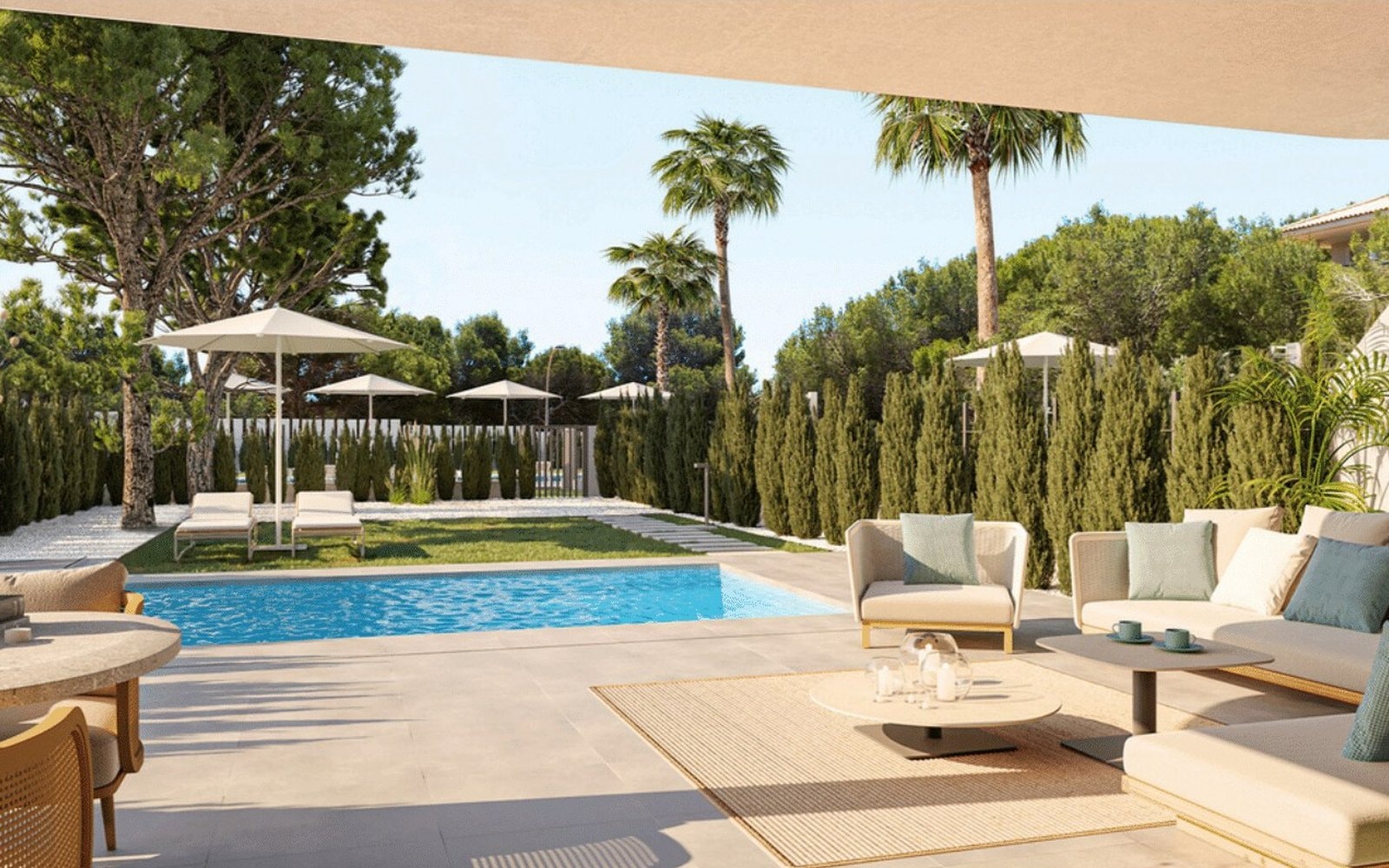
Cala Rajada, Mallorca, Spain — 2-Bed Private Residence
€159,000
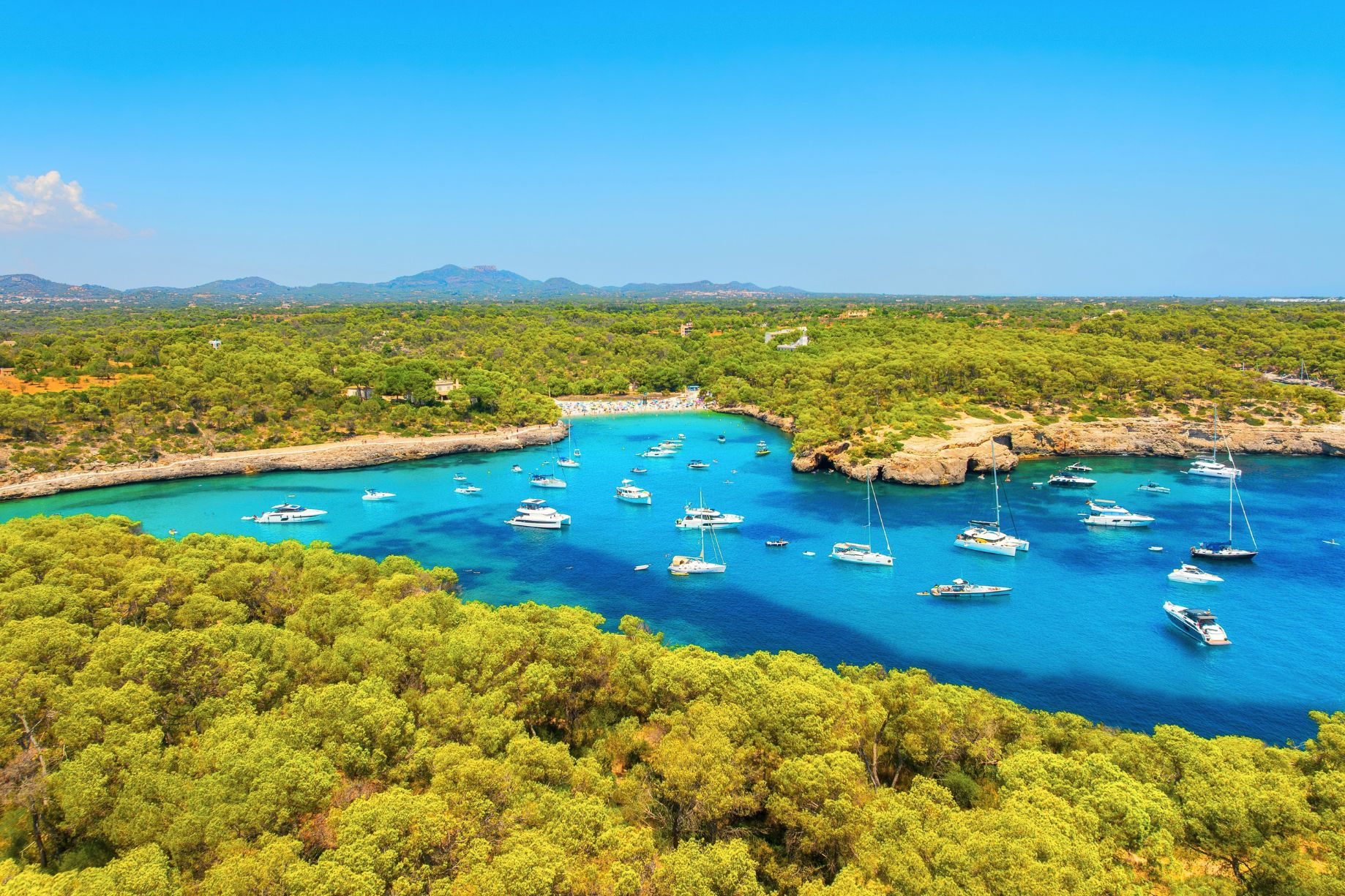
Cap des Moro, Mallorca, Spain — 3-Bed Private Residence
€319,000
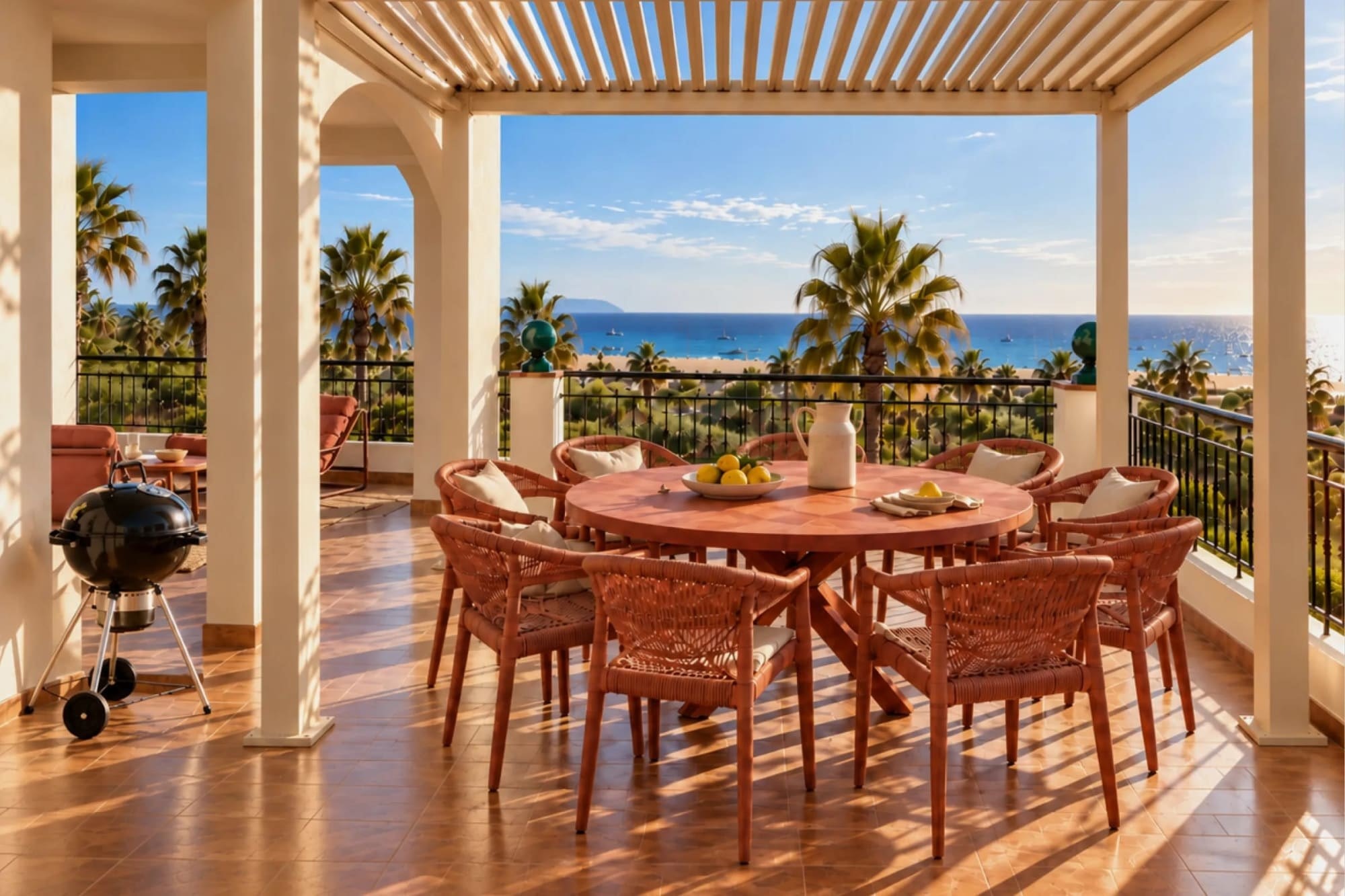
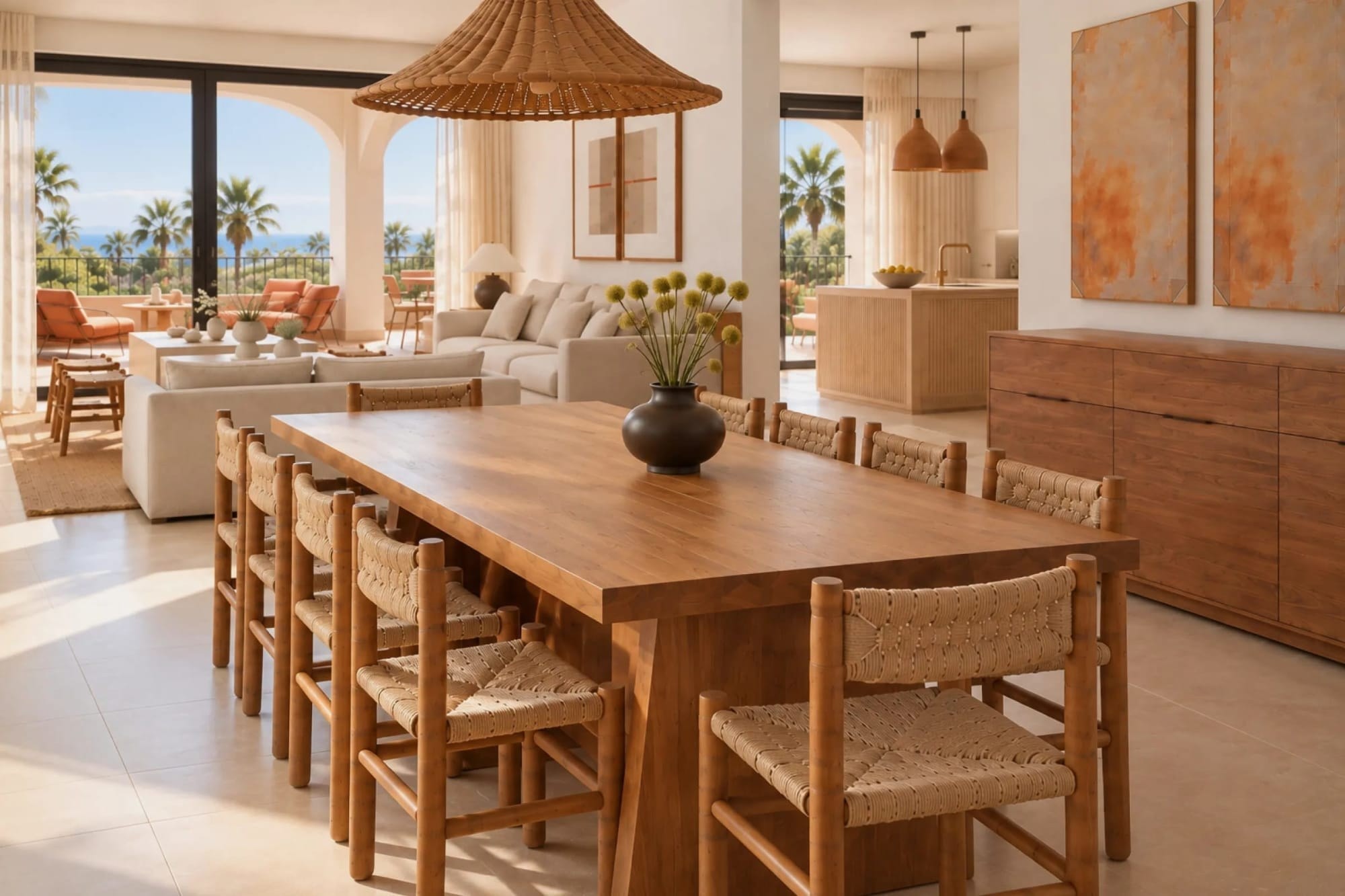
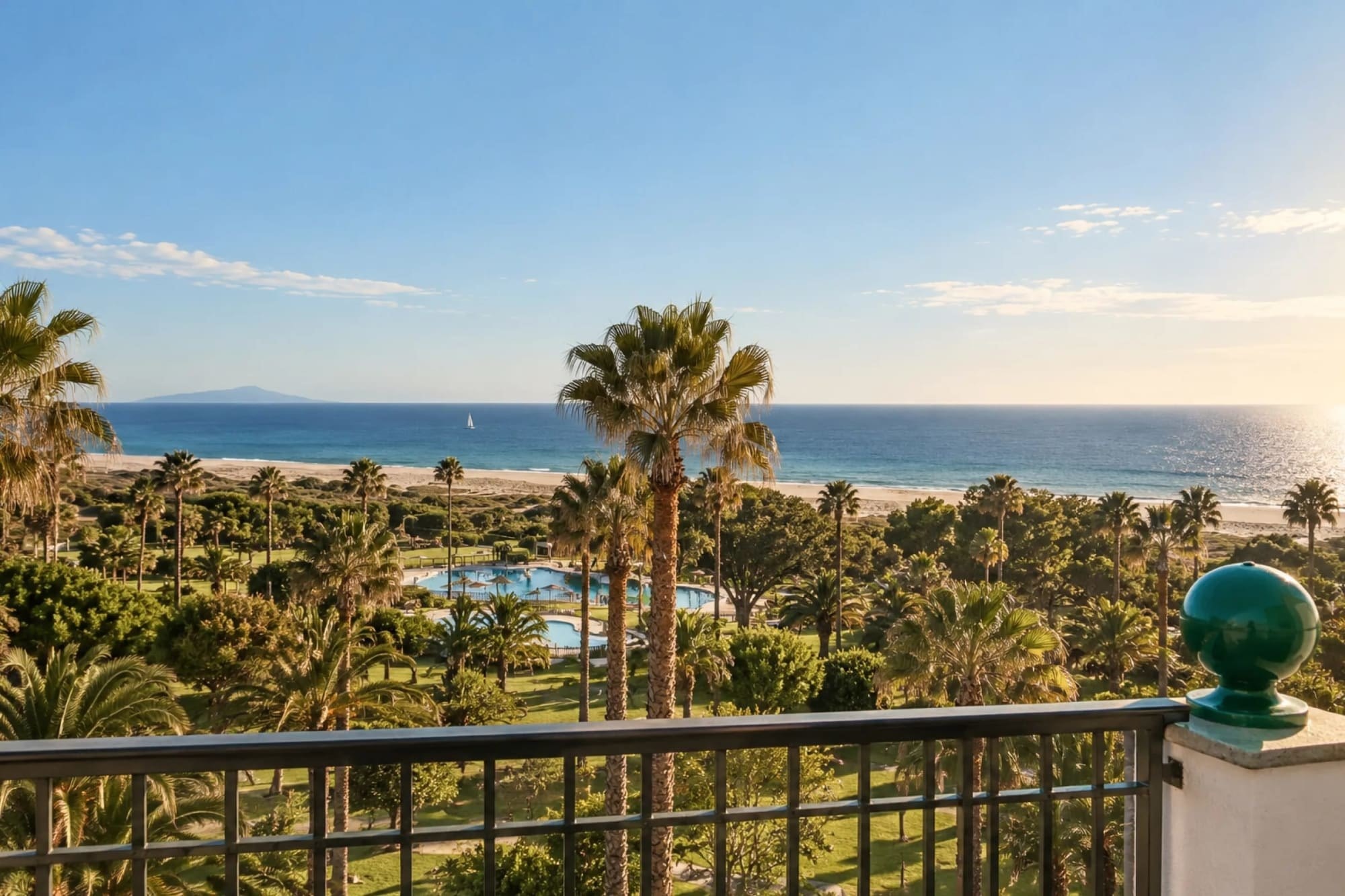
Atlanterra, Costa de la Luz, Spain — 4-Bed Beachfront Duplex With Roof Terrace & Sea Views
€195,000
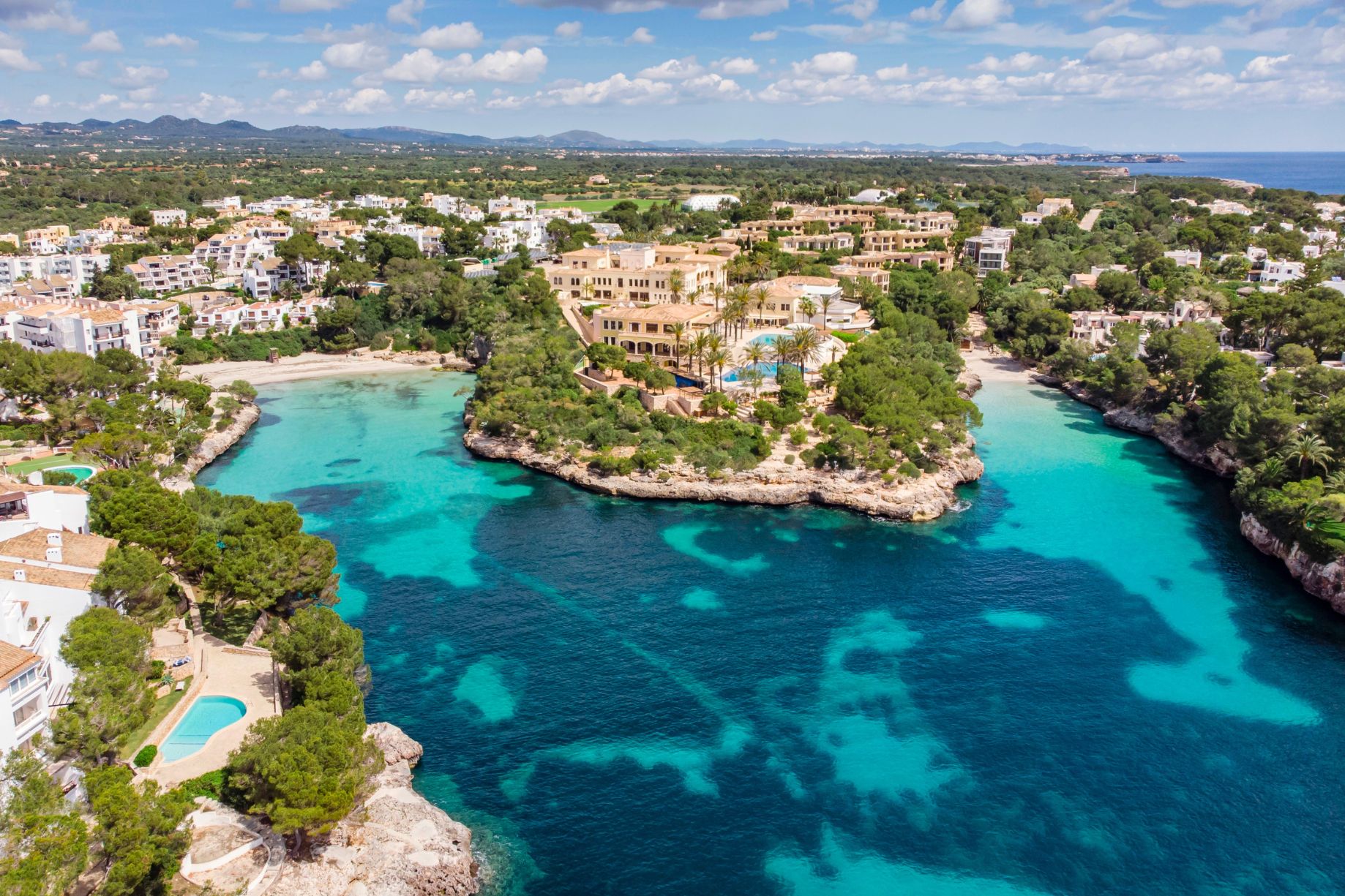
Cala d'Or, Mallorca, Spain — 3-Bed Private Residence
€599,000
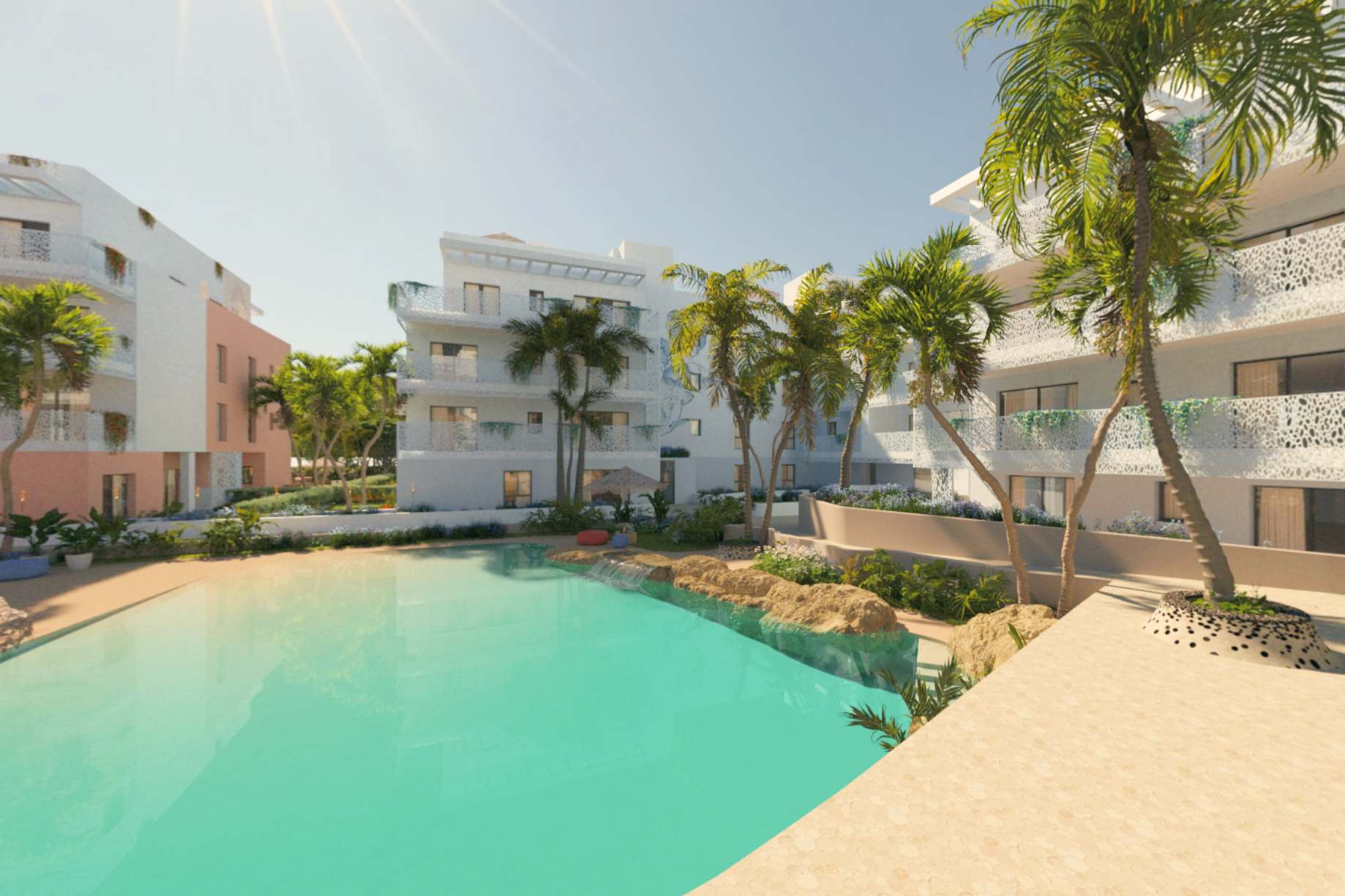
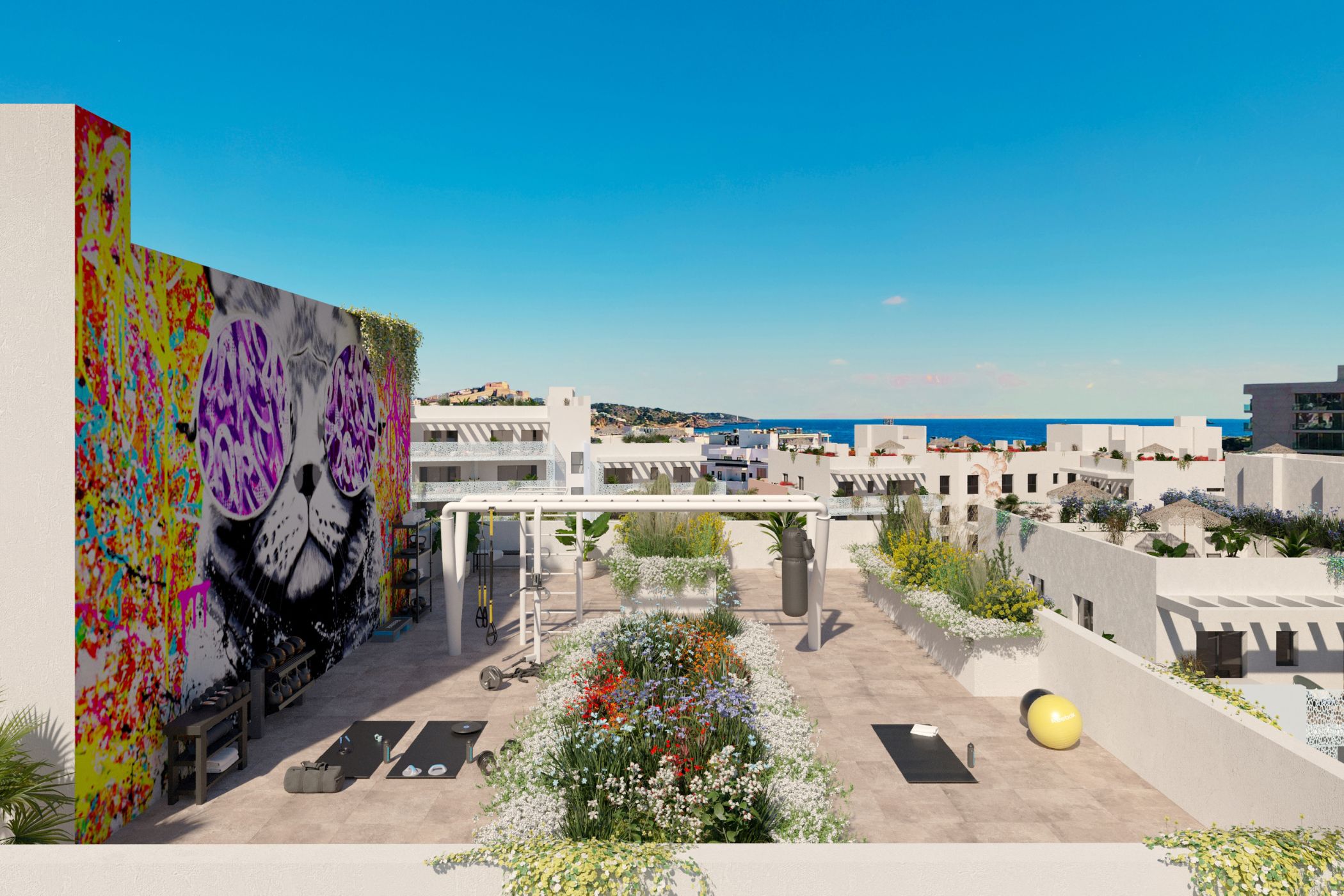
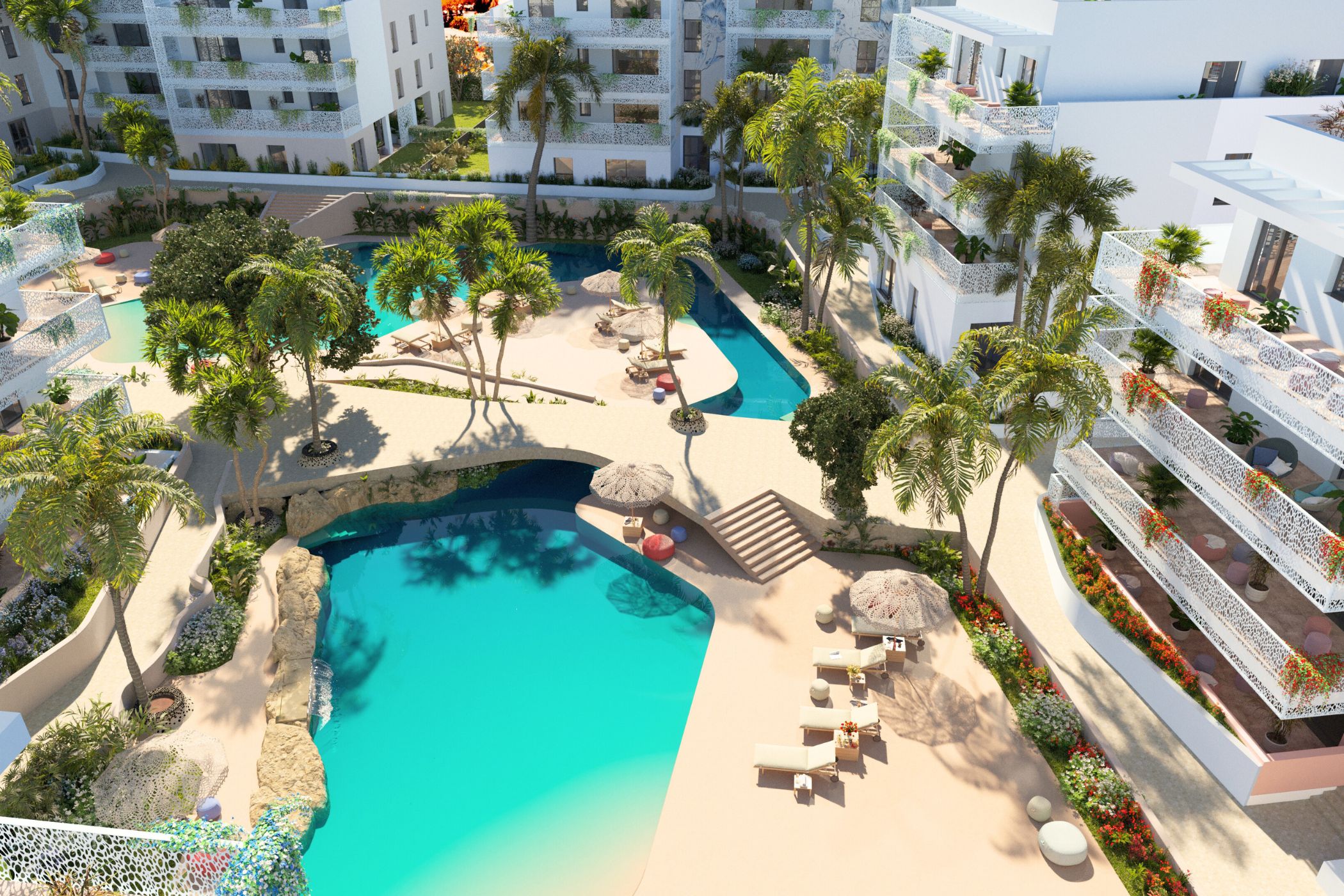
Playa d’en Bossa, Ibiza, Spain — 2-Bed Apartment With Sea Views
€159,000
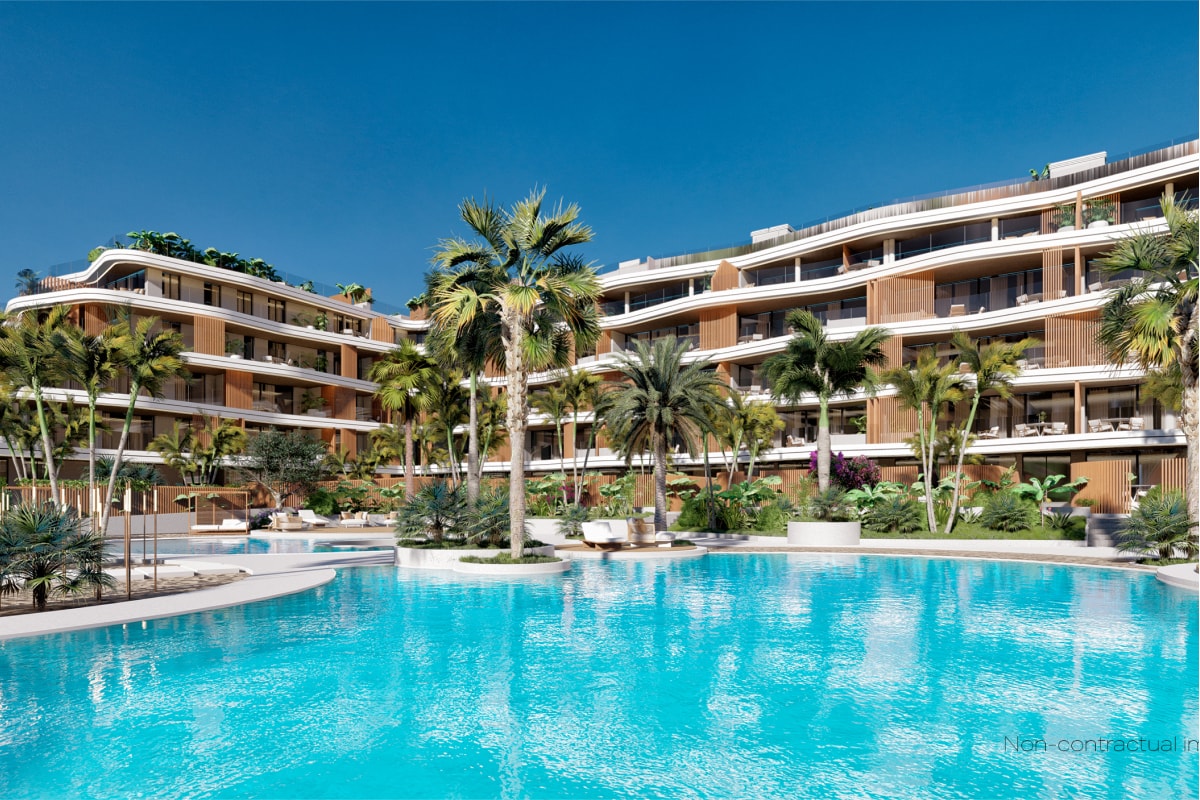
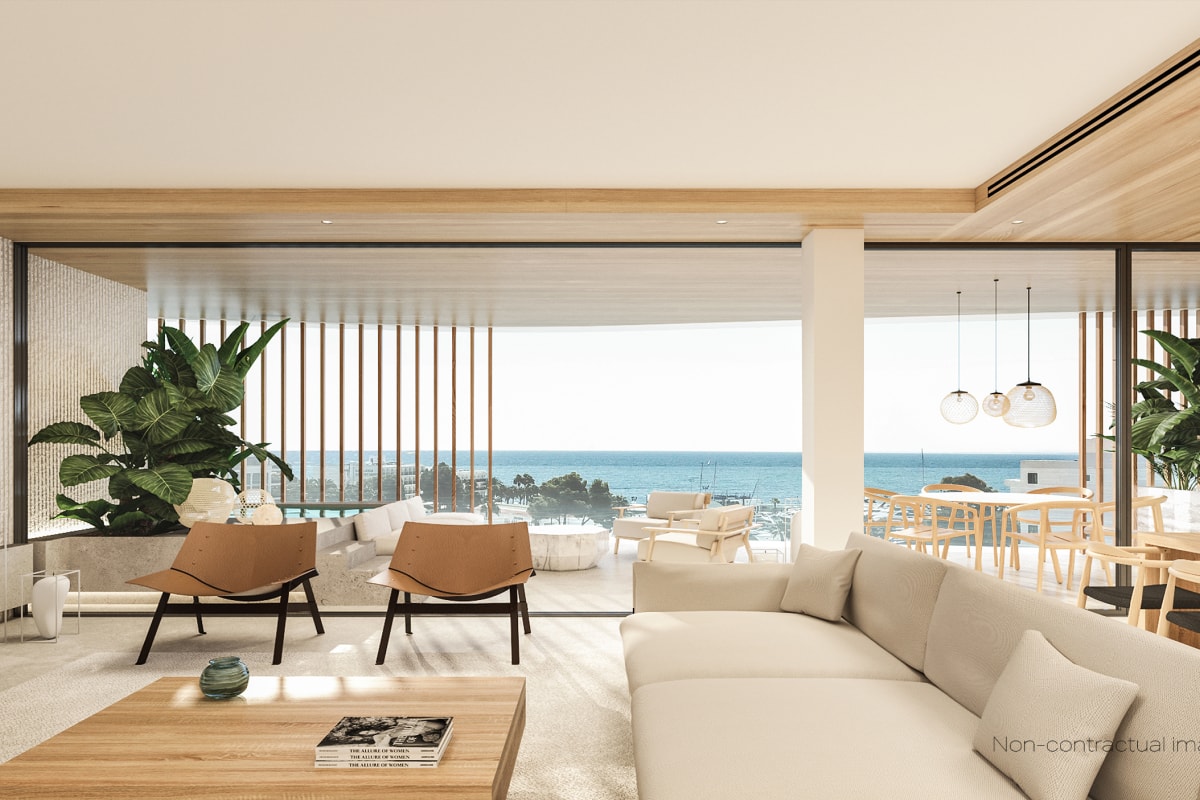
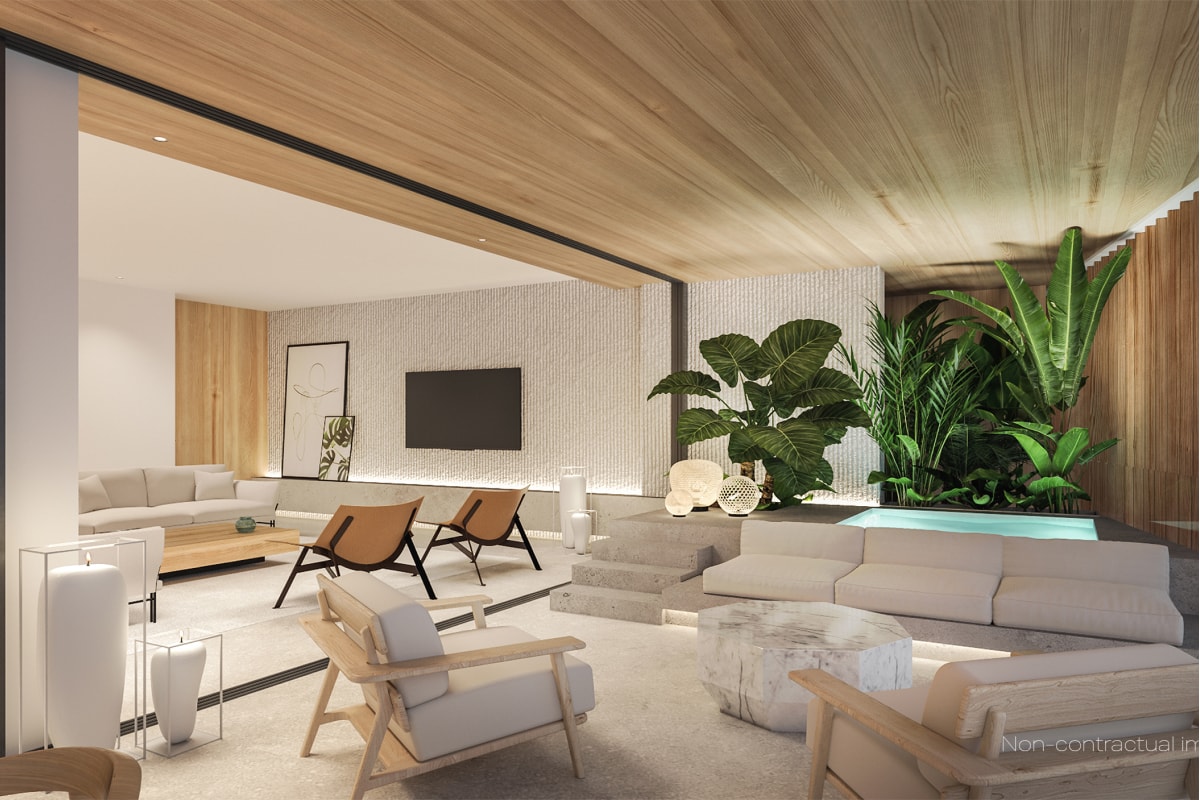
Ibiza, Spain — 3-Bed House With Sea Views
€275,000
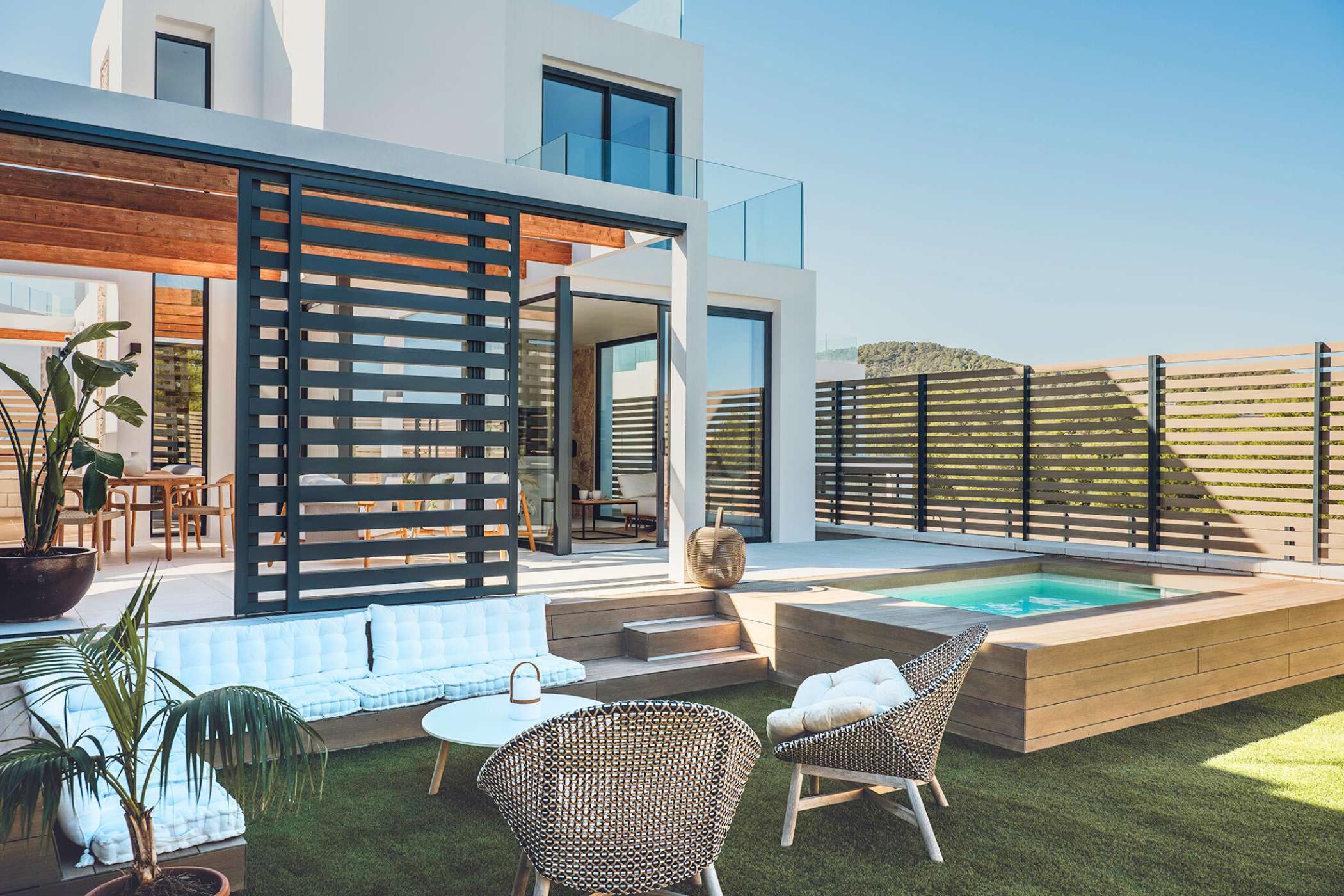
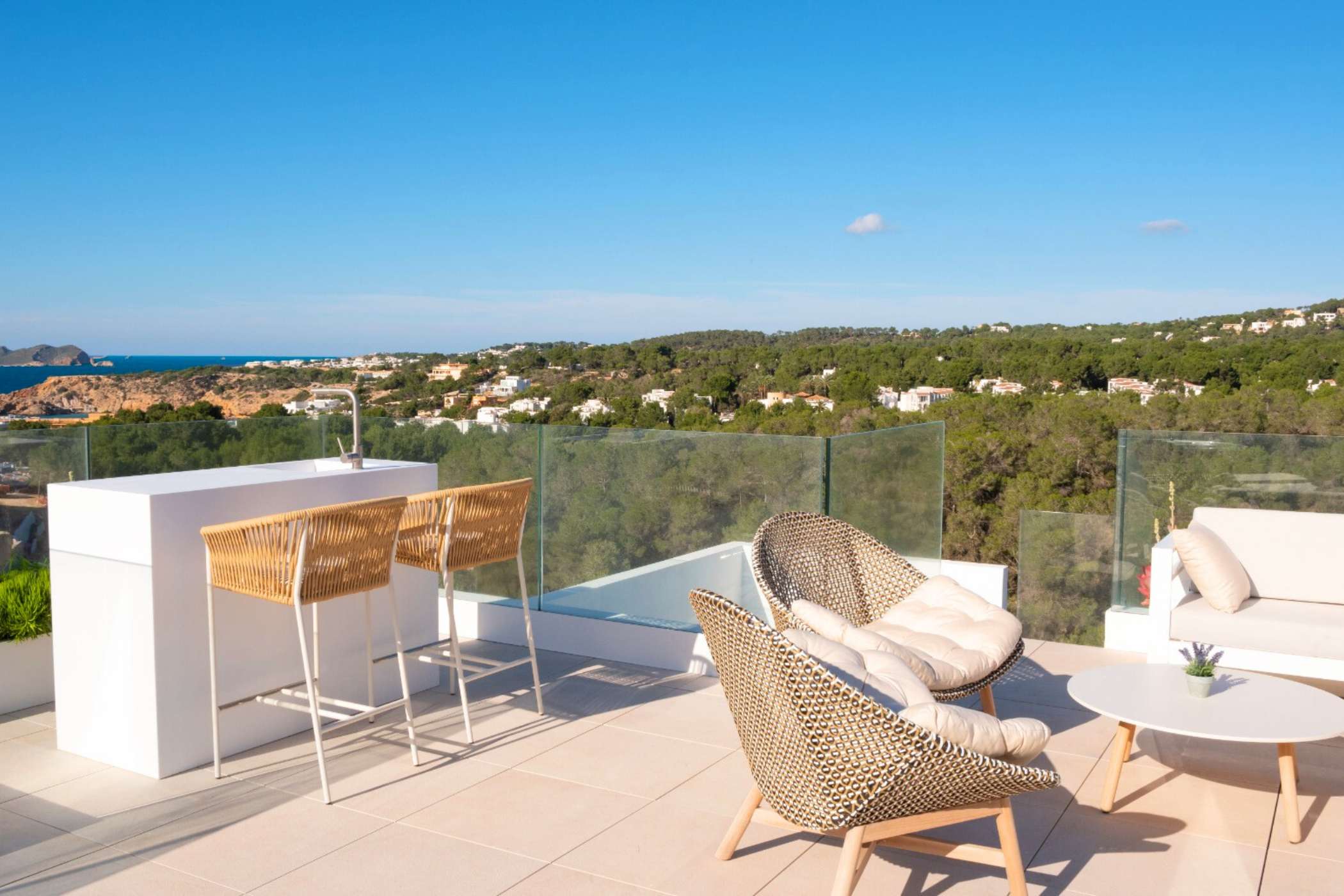
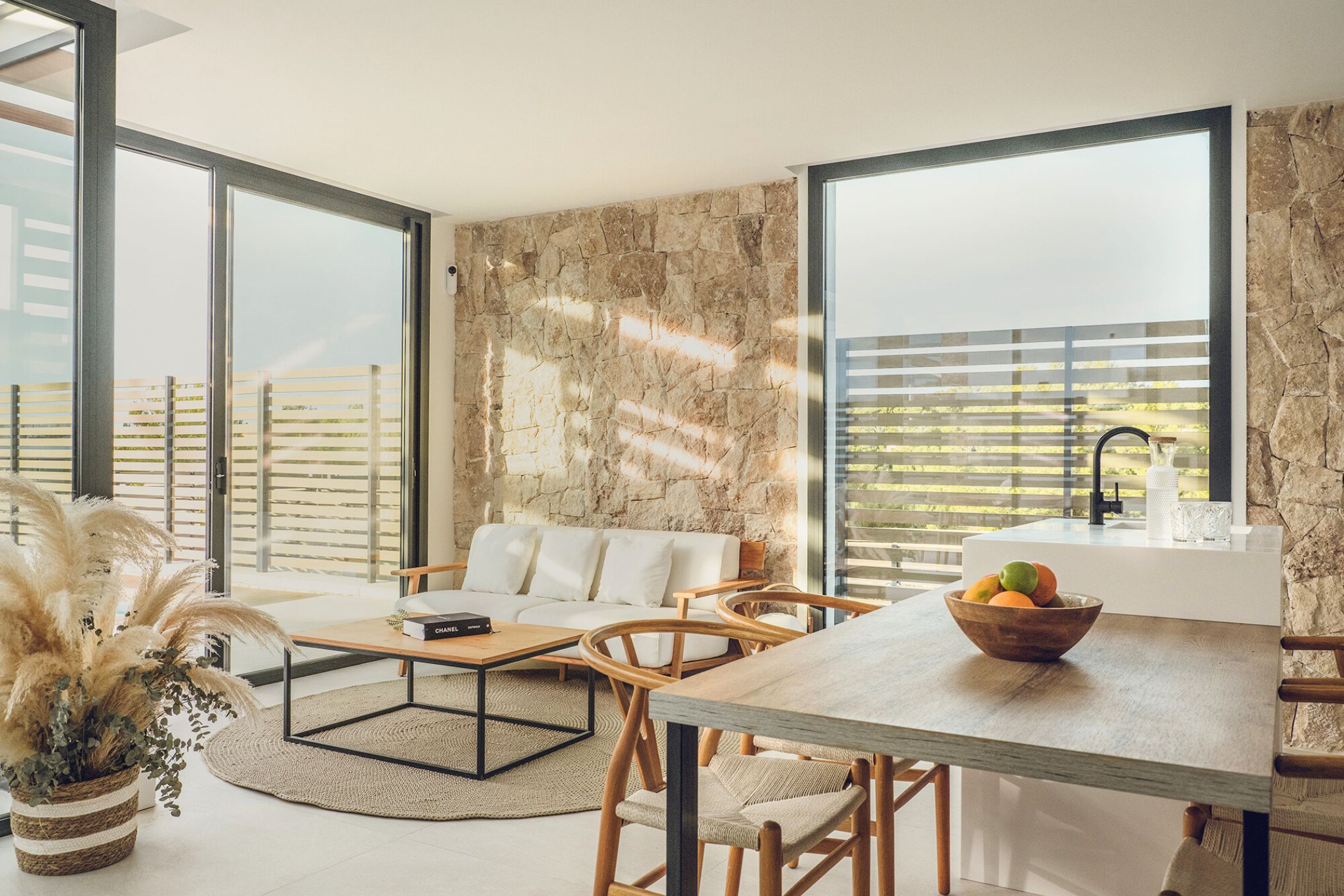
Cala Tarida, Ibiza, Spain — 3-Bed Villa With Pool
€199,000
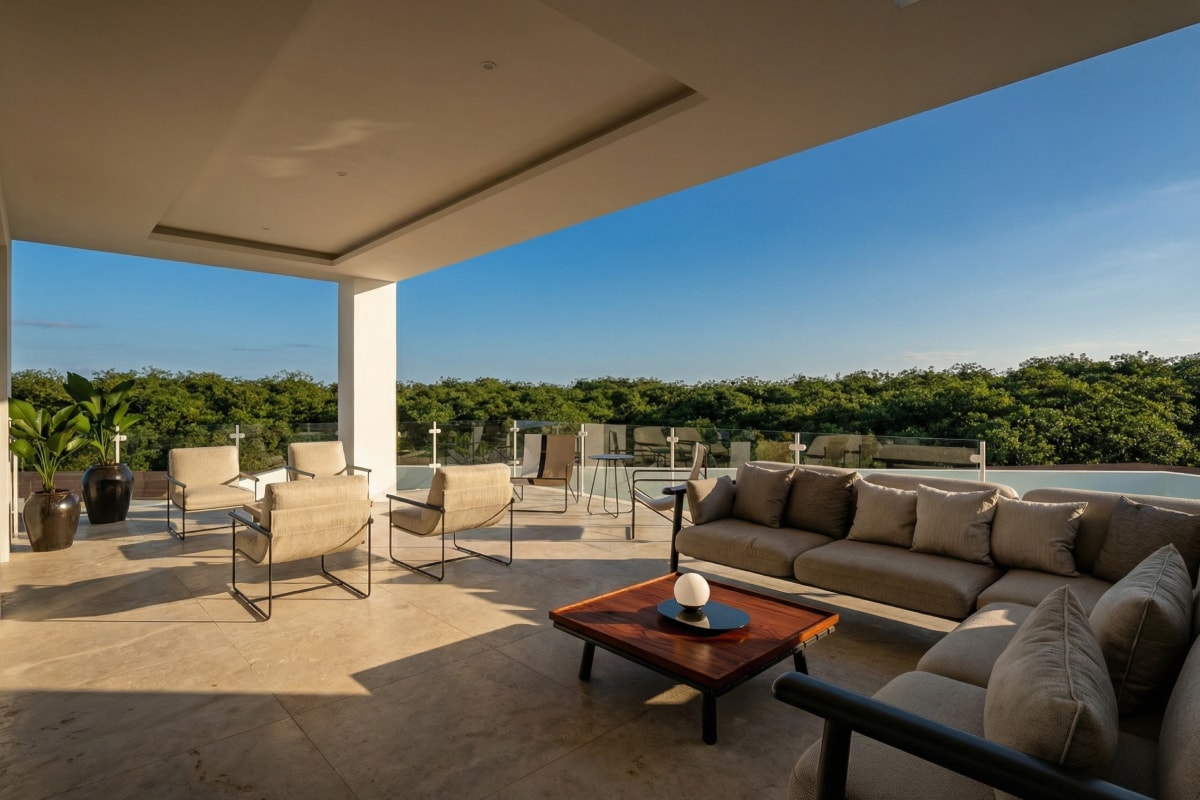
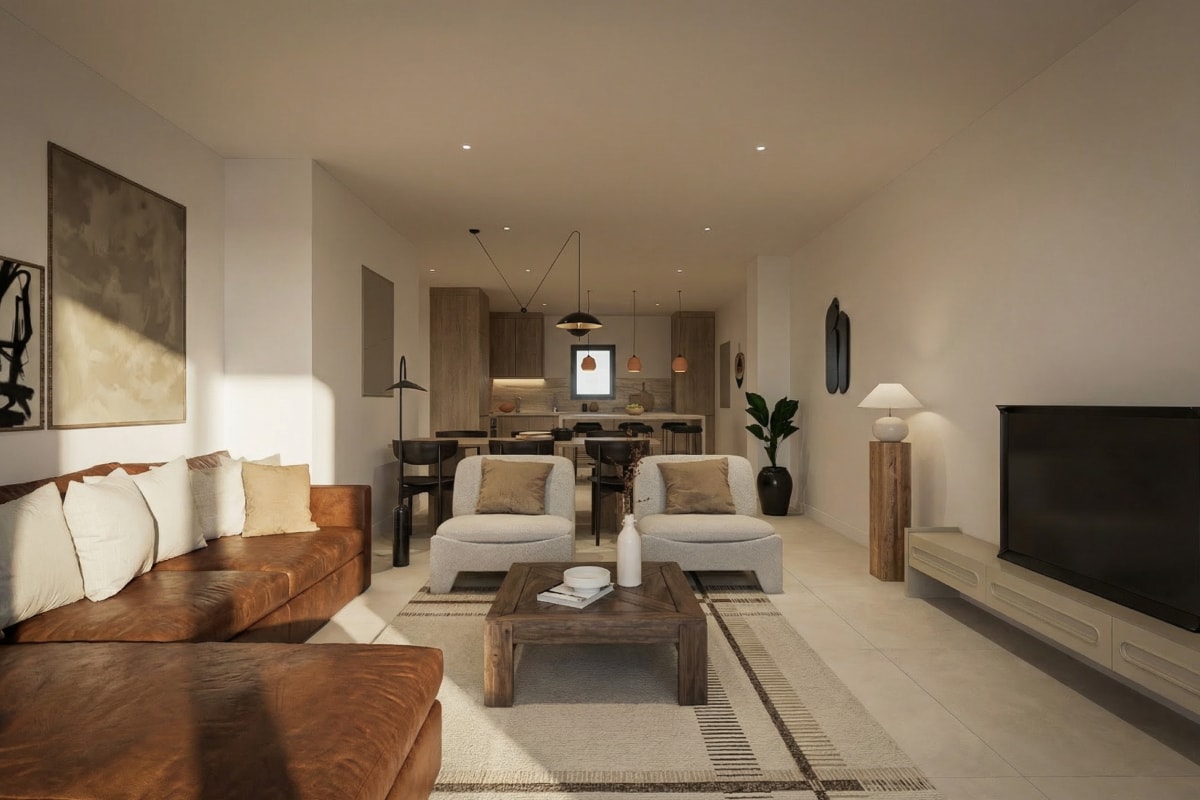
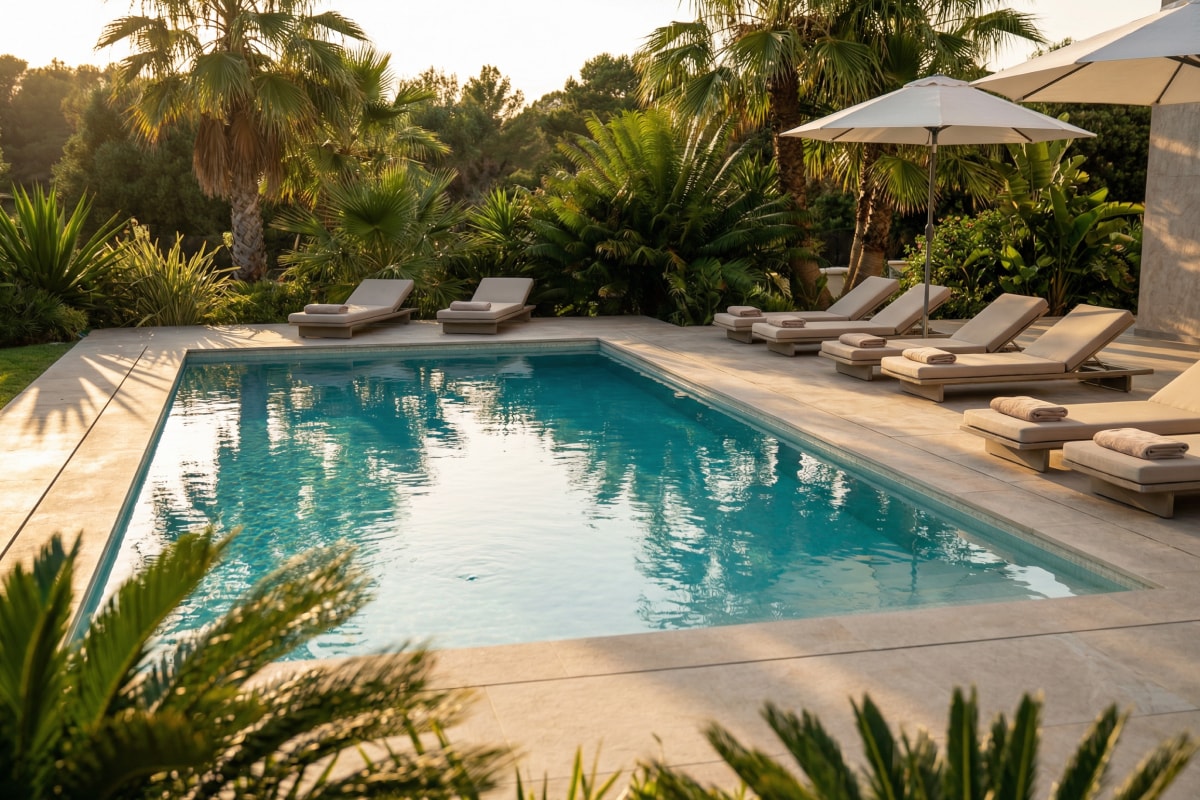
Ibiza, Spain — 3-Bed Apartment With Pool
€180,000
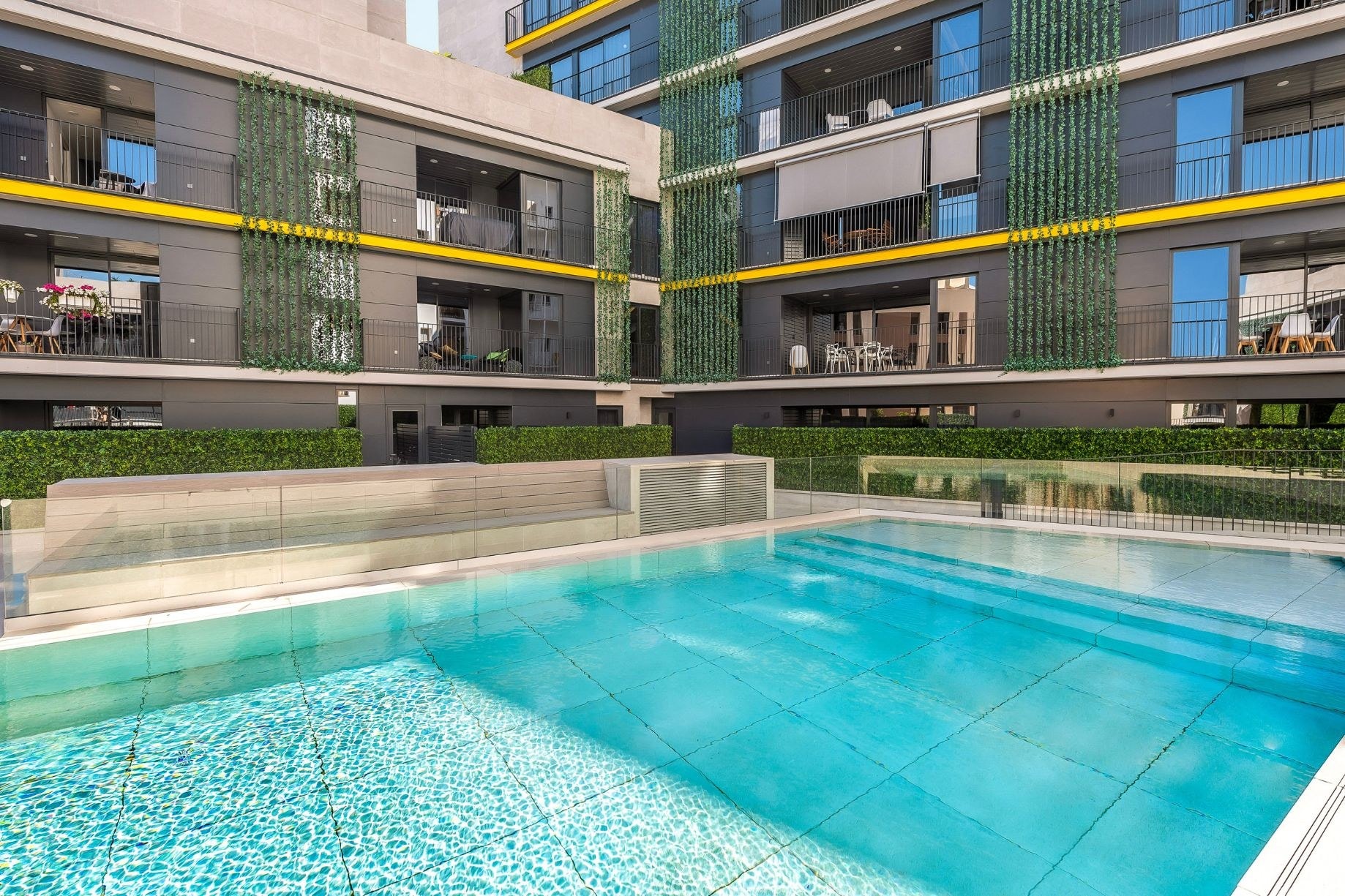
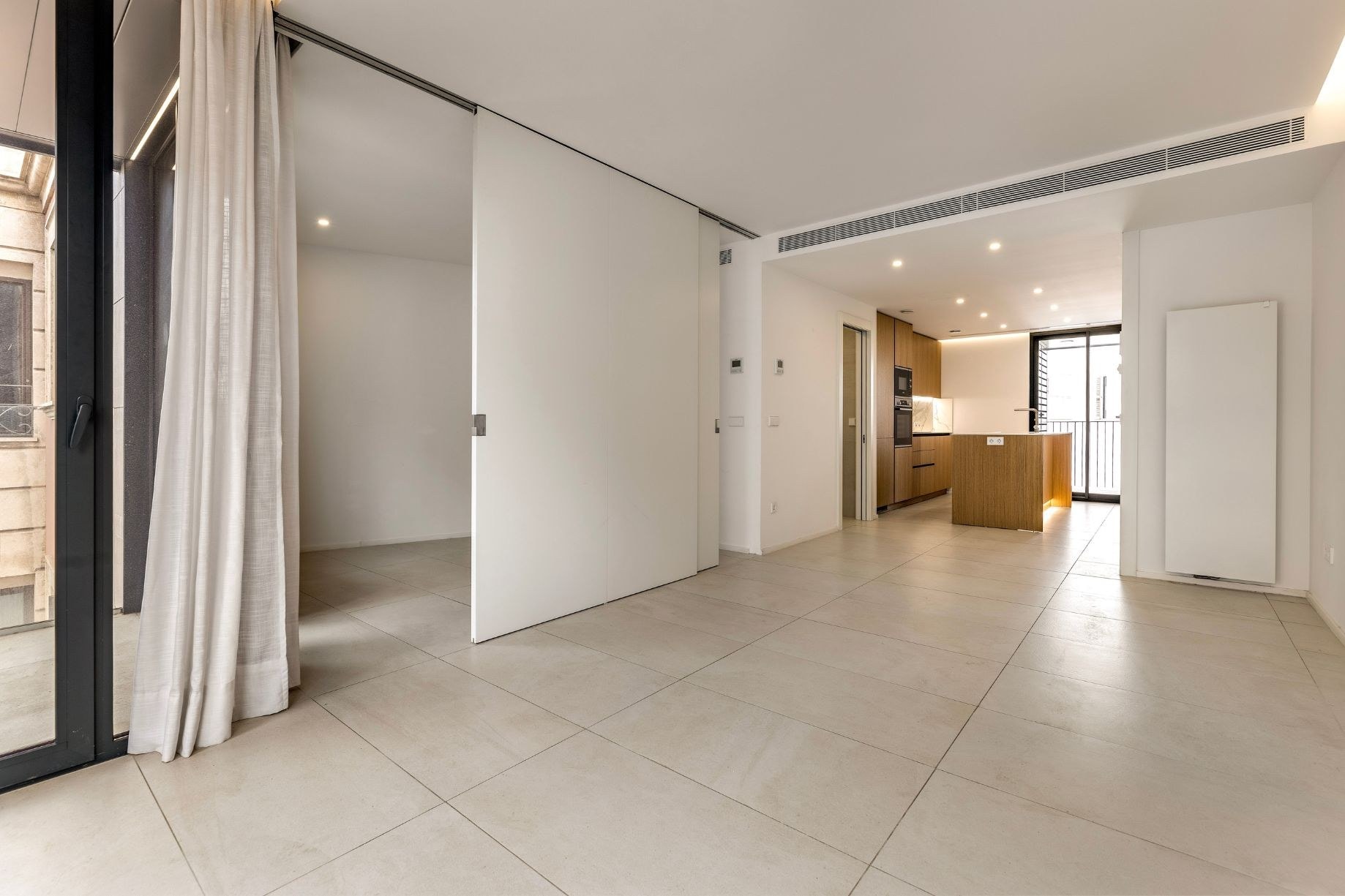
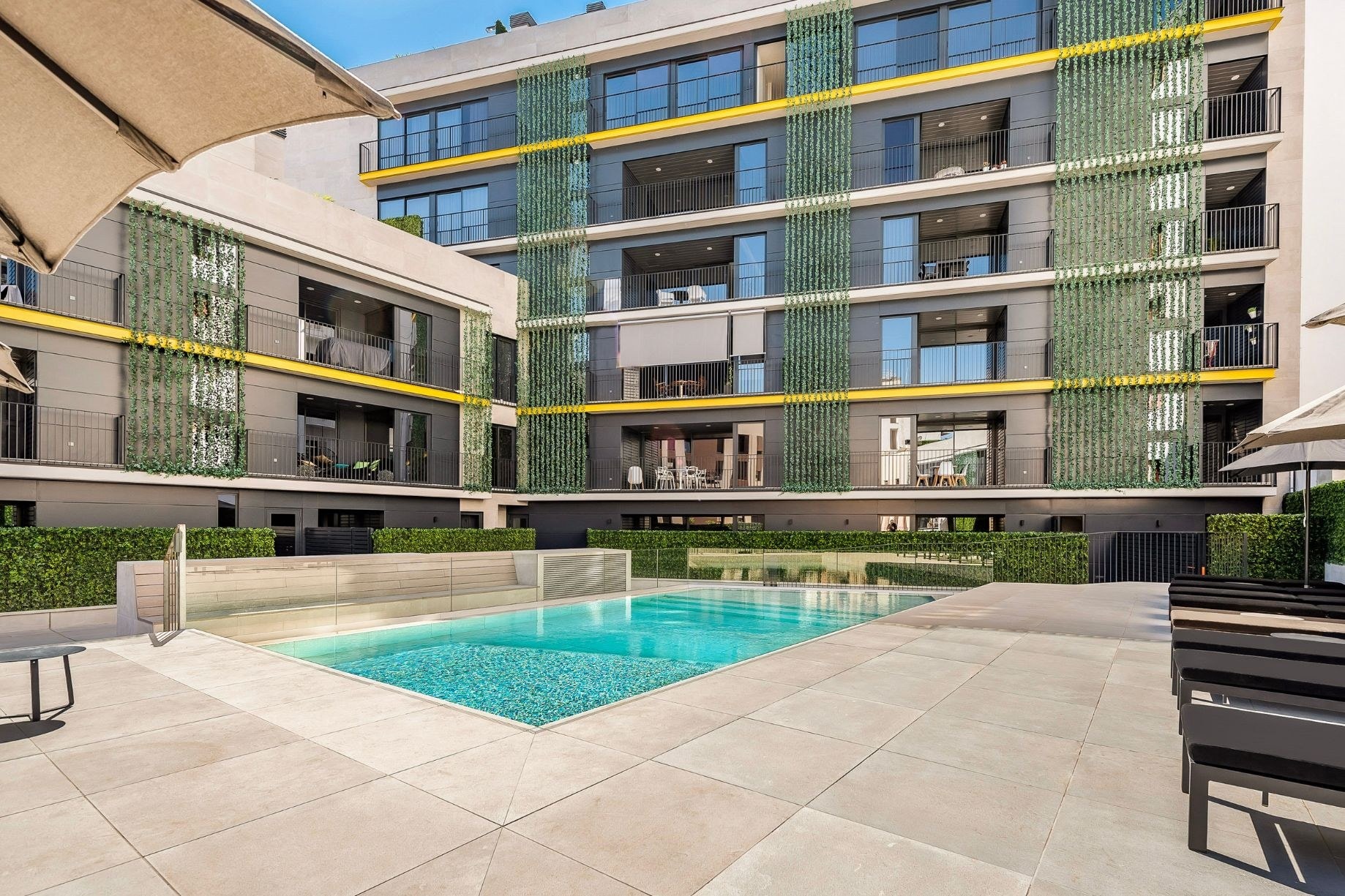
Palma, Mallorca, Spain — 1-Bed City Apartment With Two Balconies, Pool & Spa
€124,000
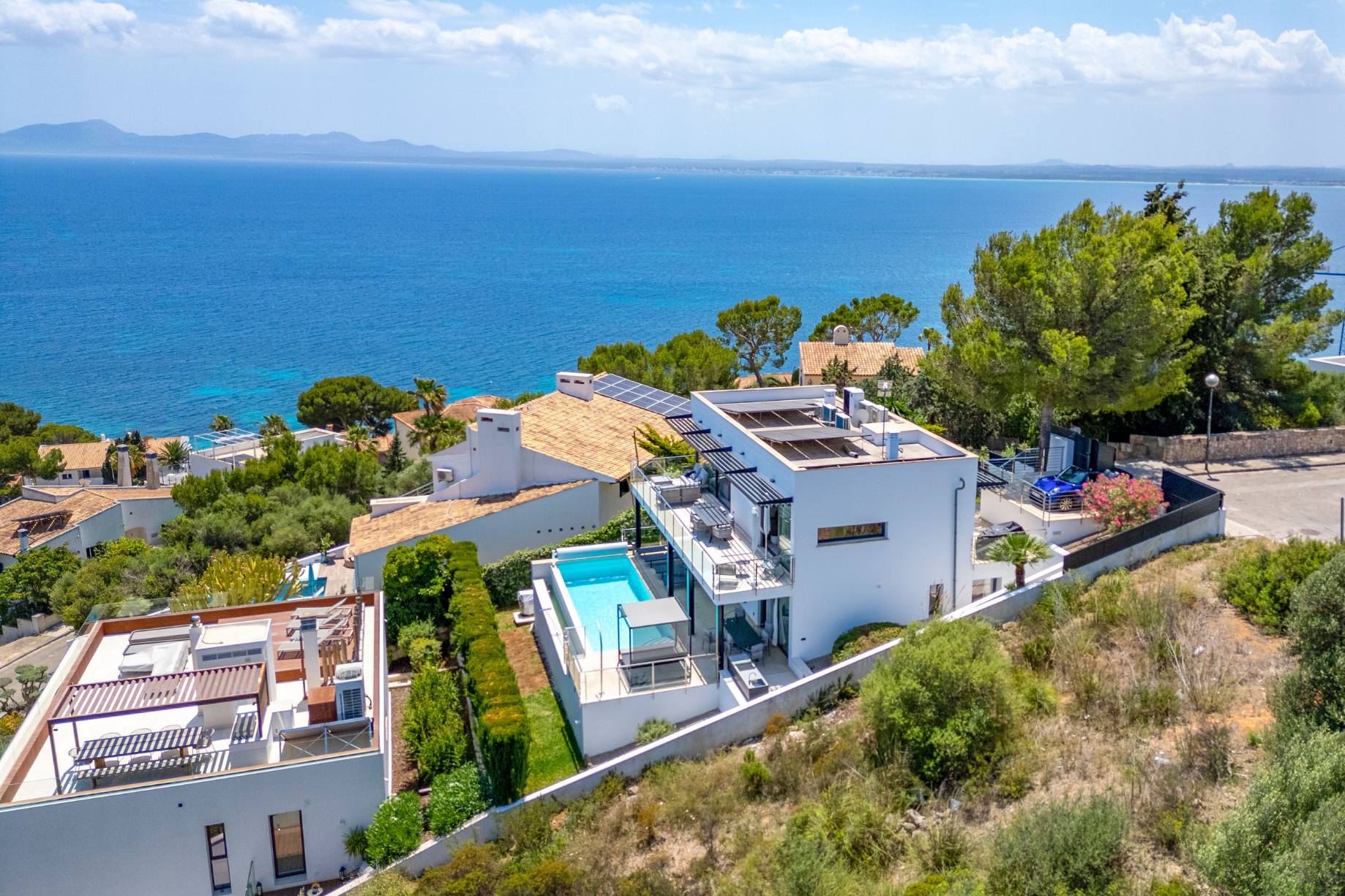
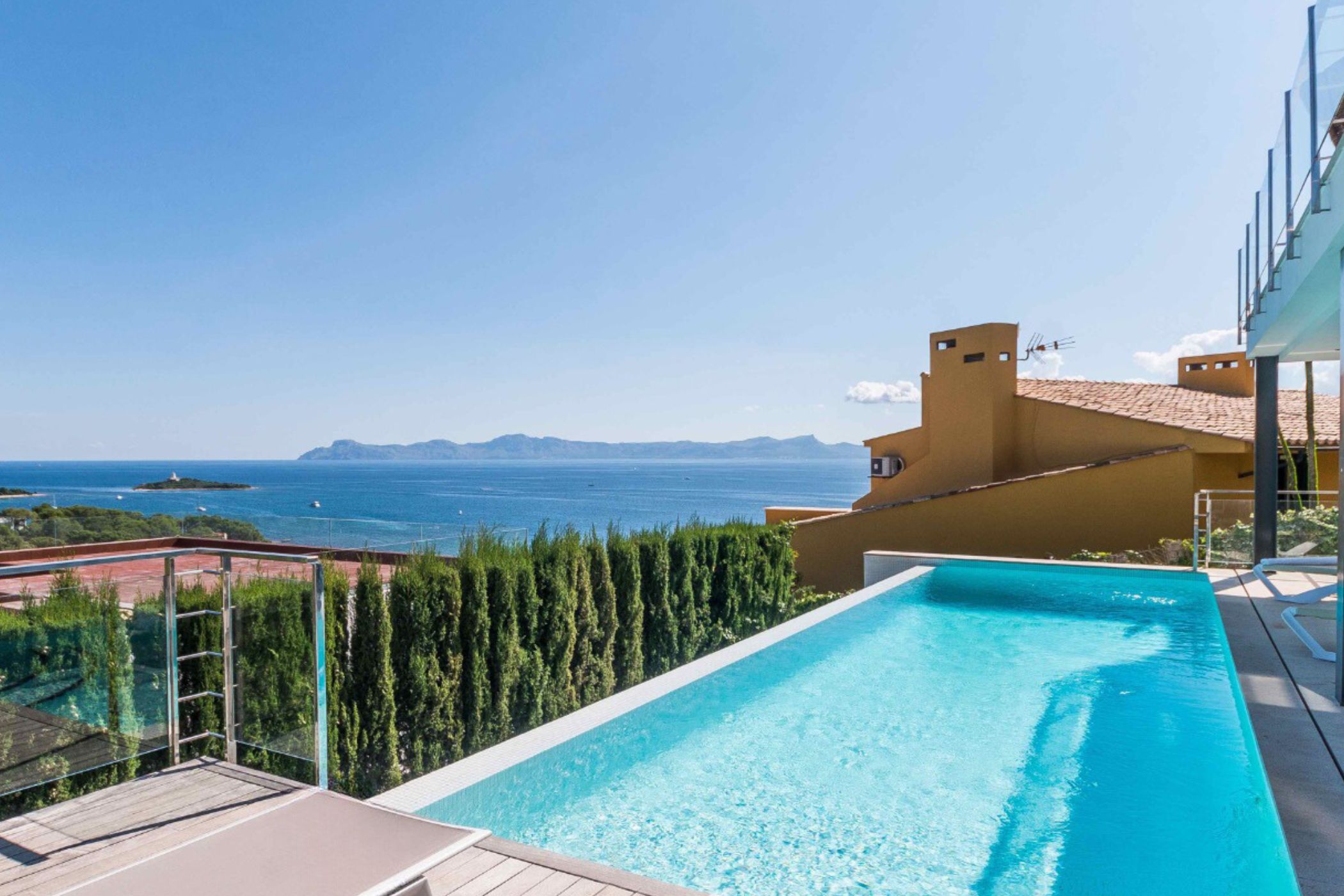
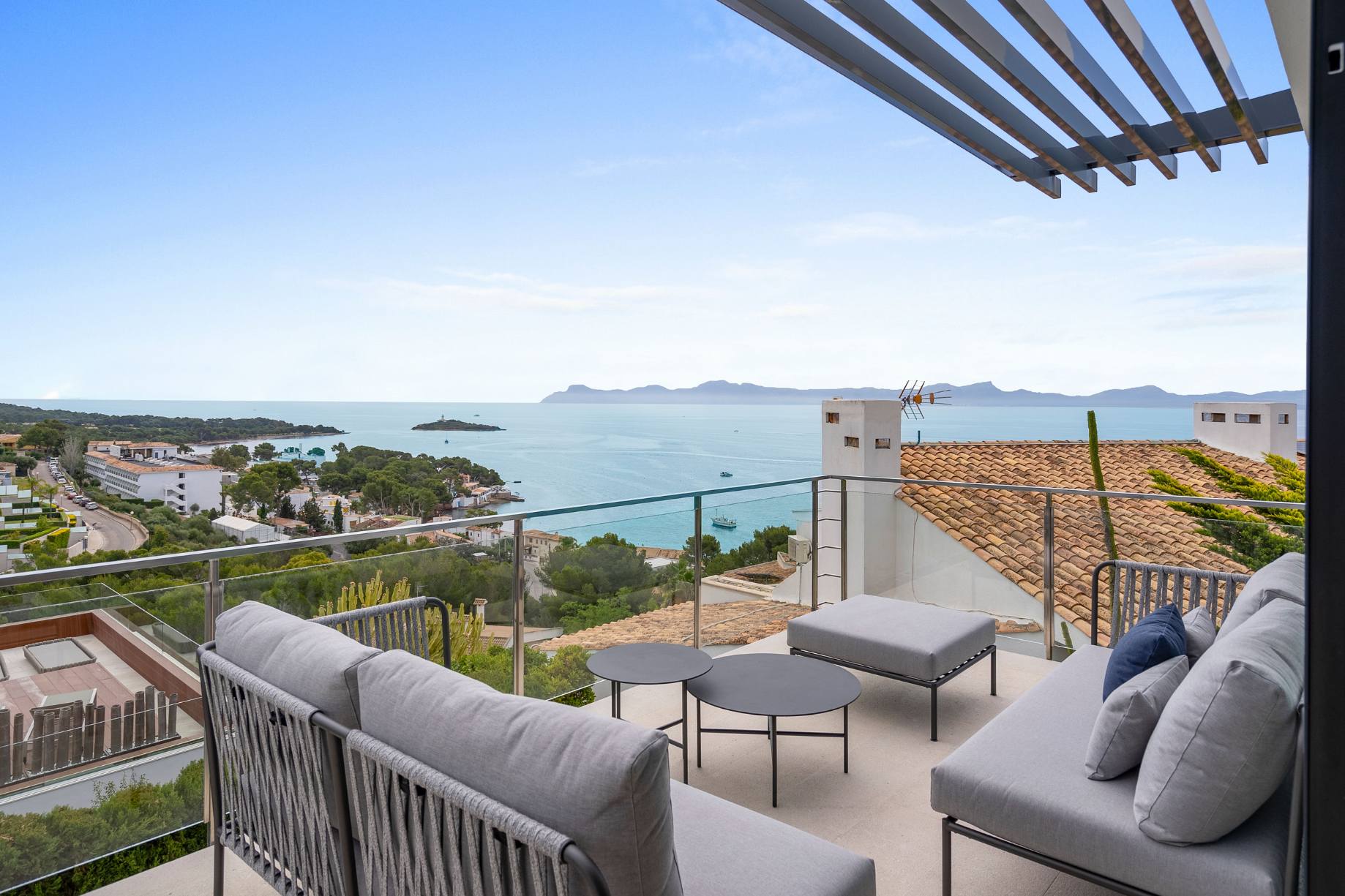
Alcanada, Mallorca, Spain — 4-Bed Villa With Panoramic Sea View & Infinity Pool
€449,000
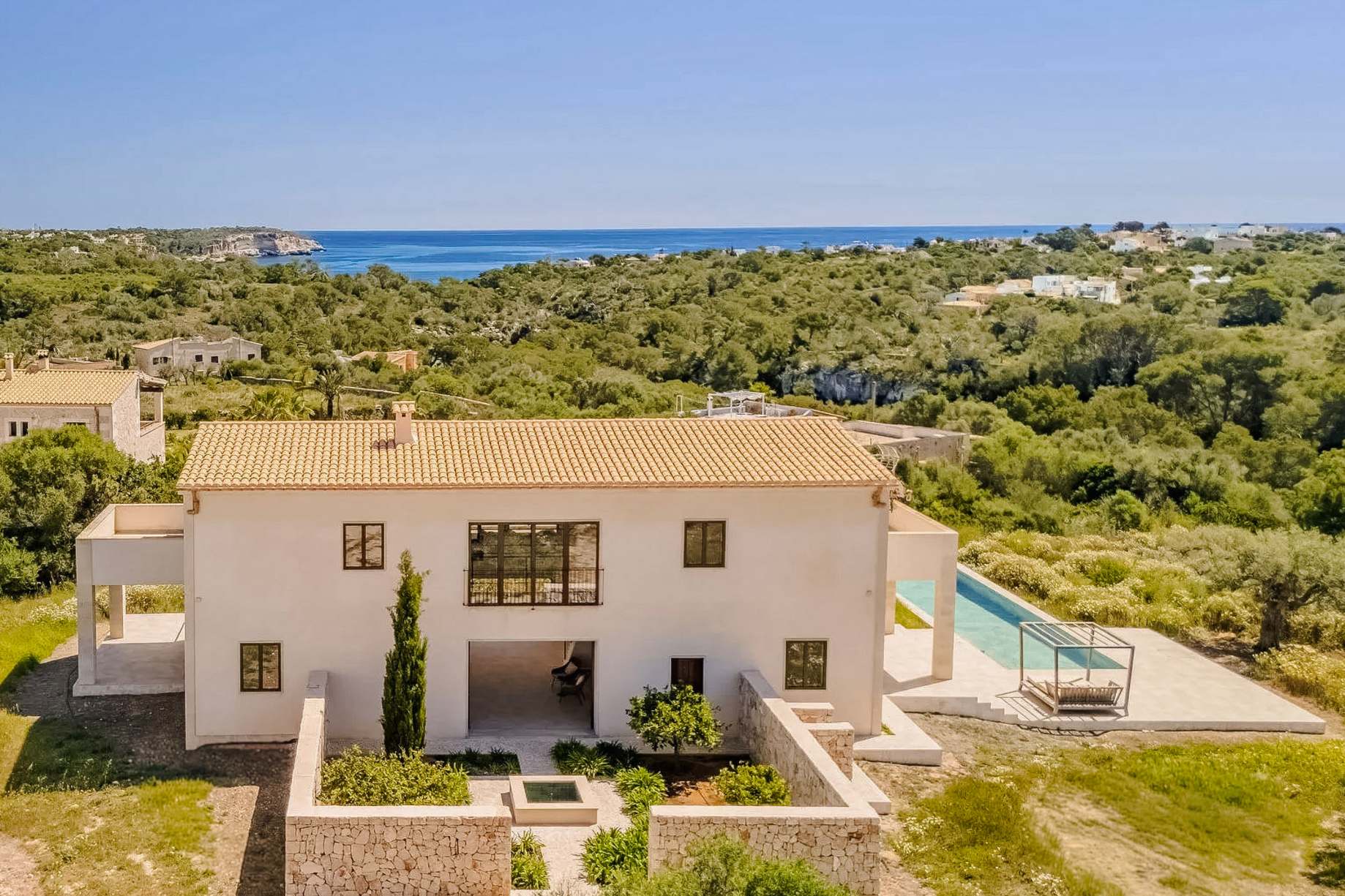
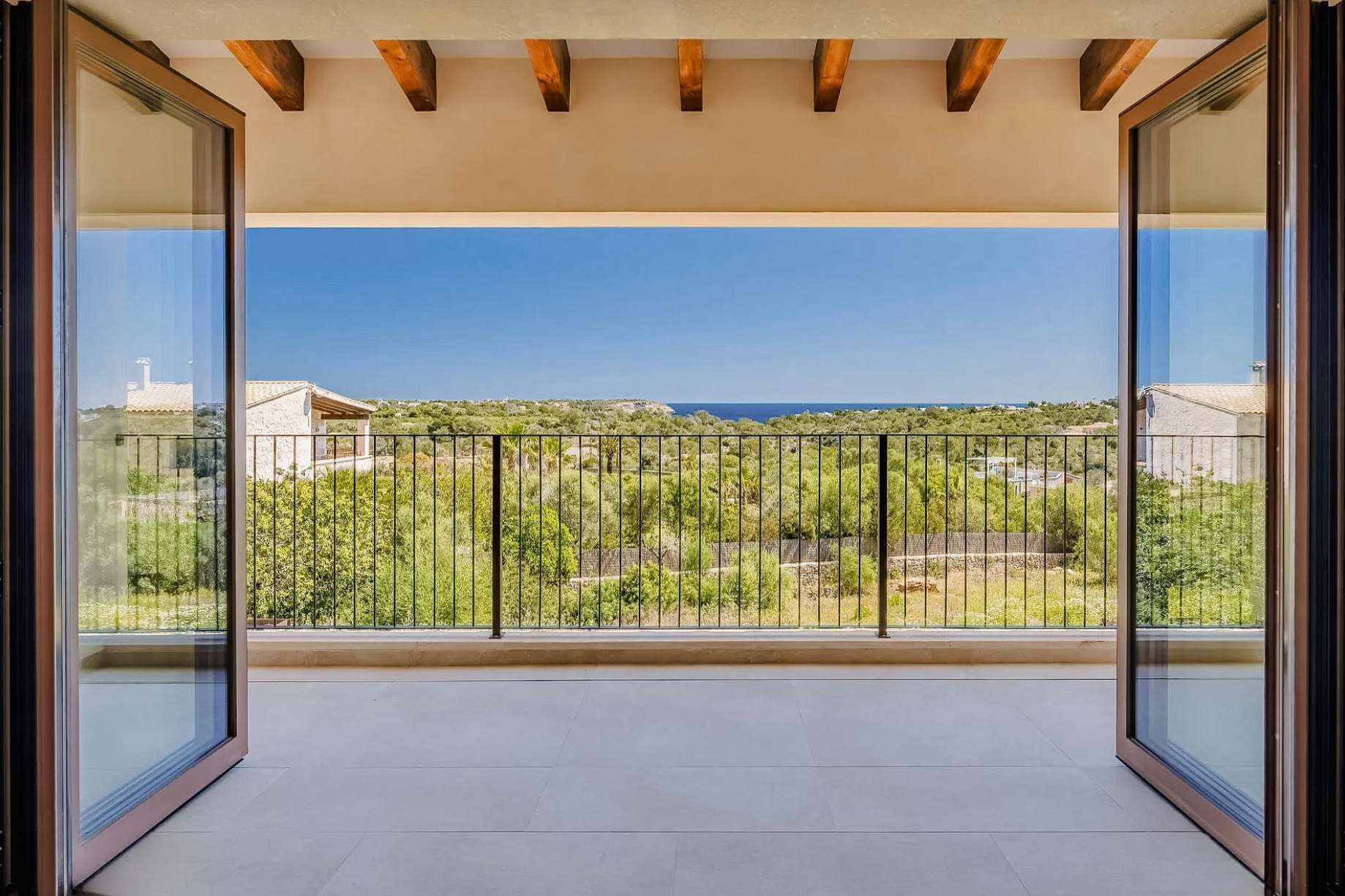
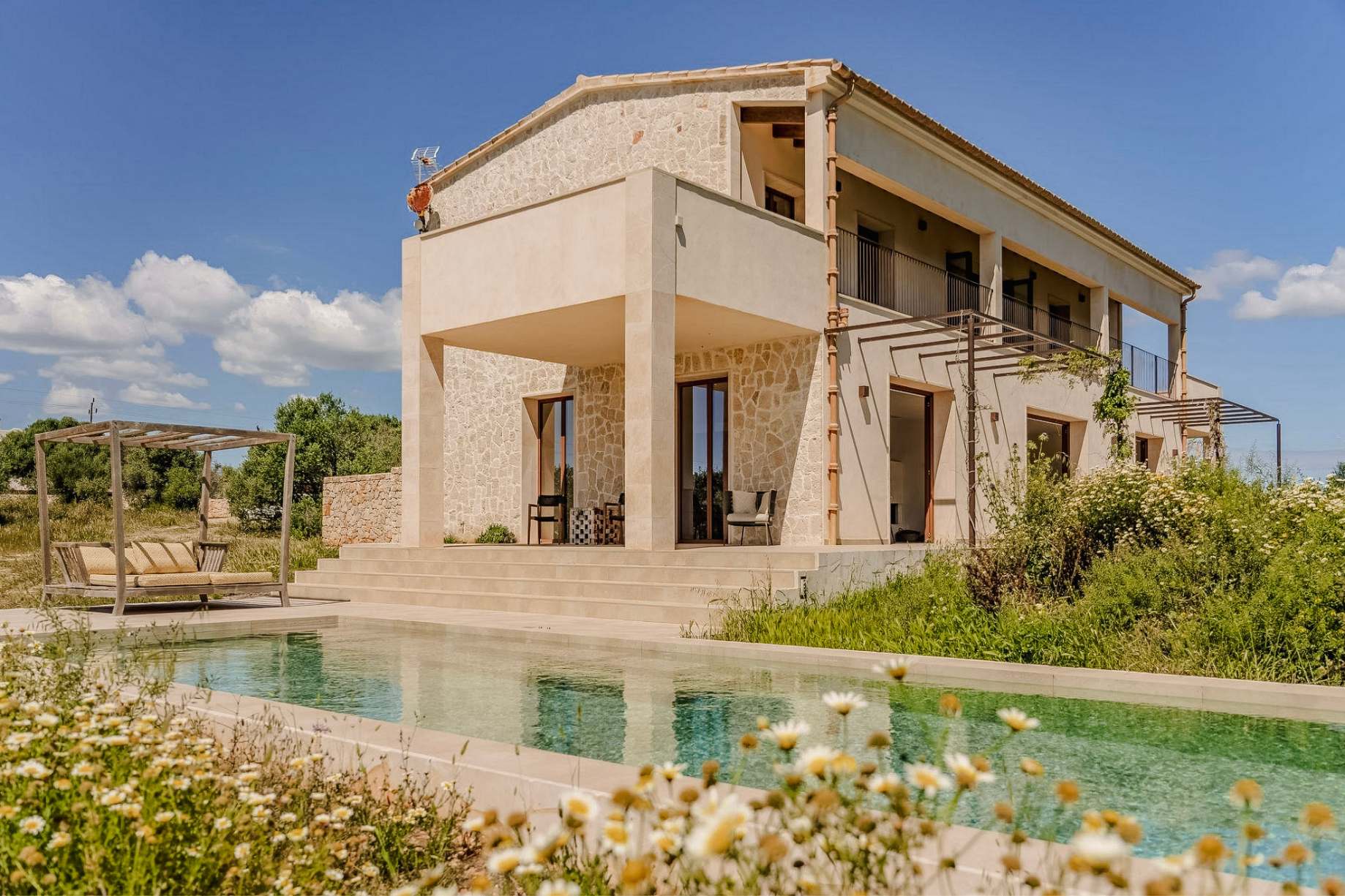
Cala Llombards, Mallorca, Spain — 3-Bed Finca With Sea Views & Heated Infinity Pool
€519,000
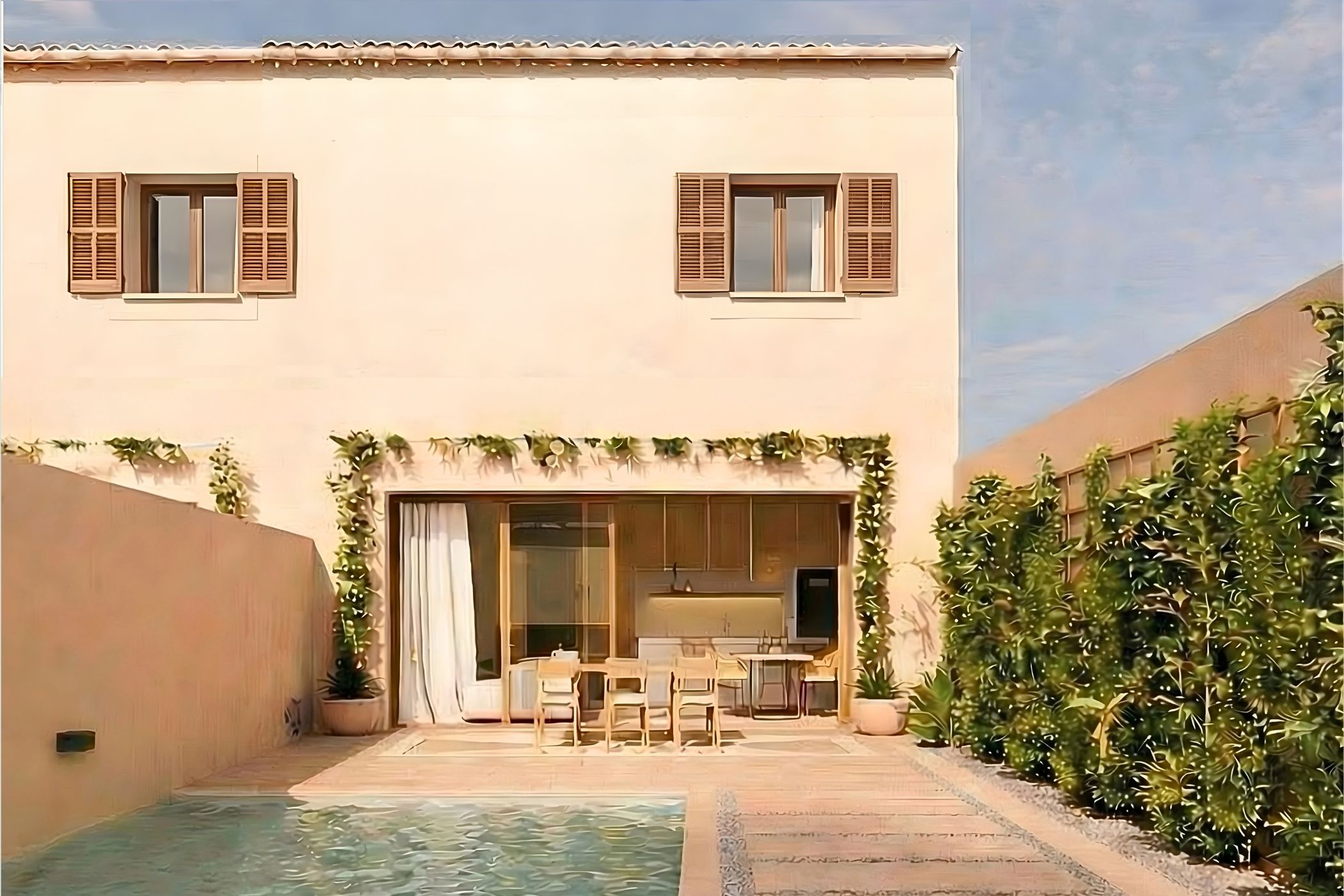
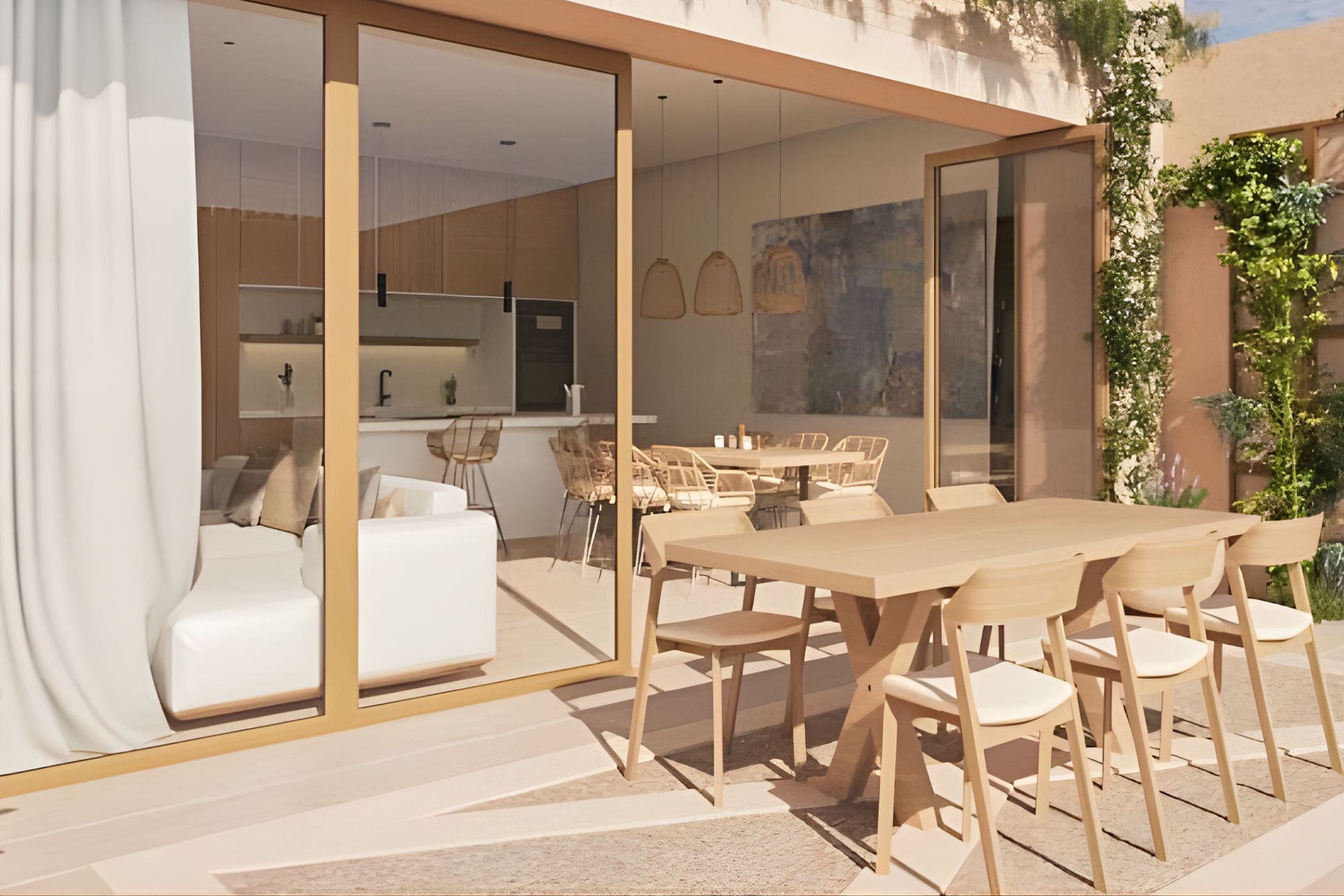
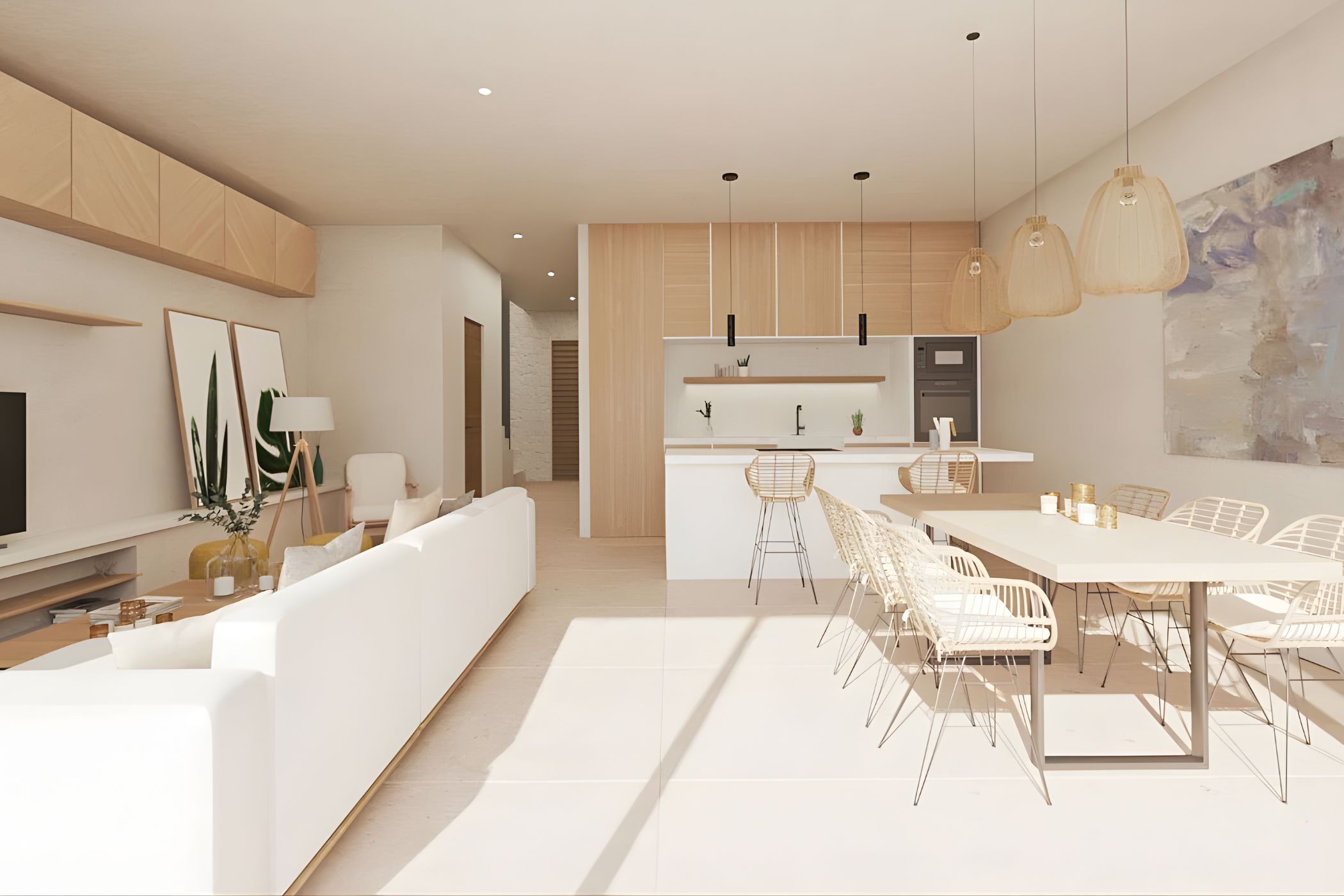
Ses Salines, Mallorca, Spain — 3-Bed Townhouse With Pool
€139,000
Spain's most coveted addresses, accessible through co-ownership.
Fully managed villas, chalets and apartments across the Balearics, the Spanish Costas, Madrid and Barcelona, the Pyrenees and the Canary Islands. Your 1/8 share of the home comes with around six weeks of personal use, a professional management team on call, and the long-term equity of one of Europe's deepest and most international second-home markets.
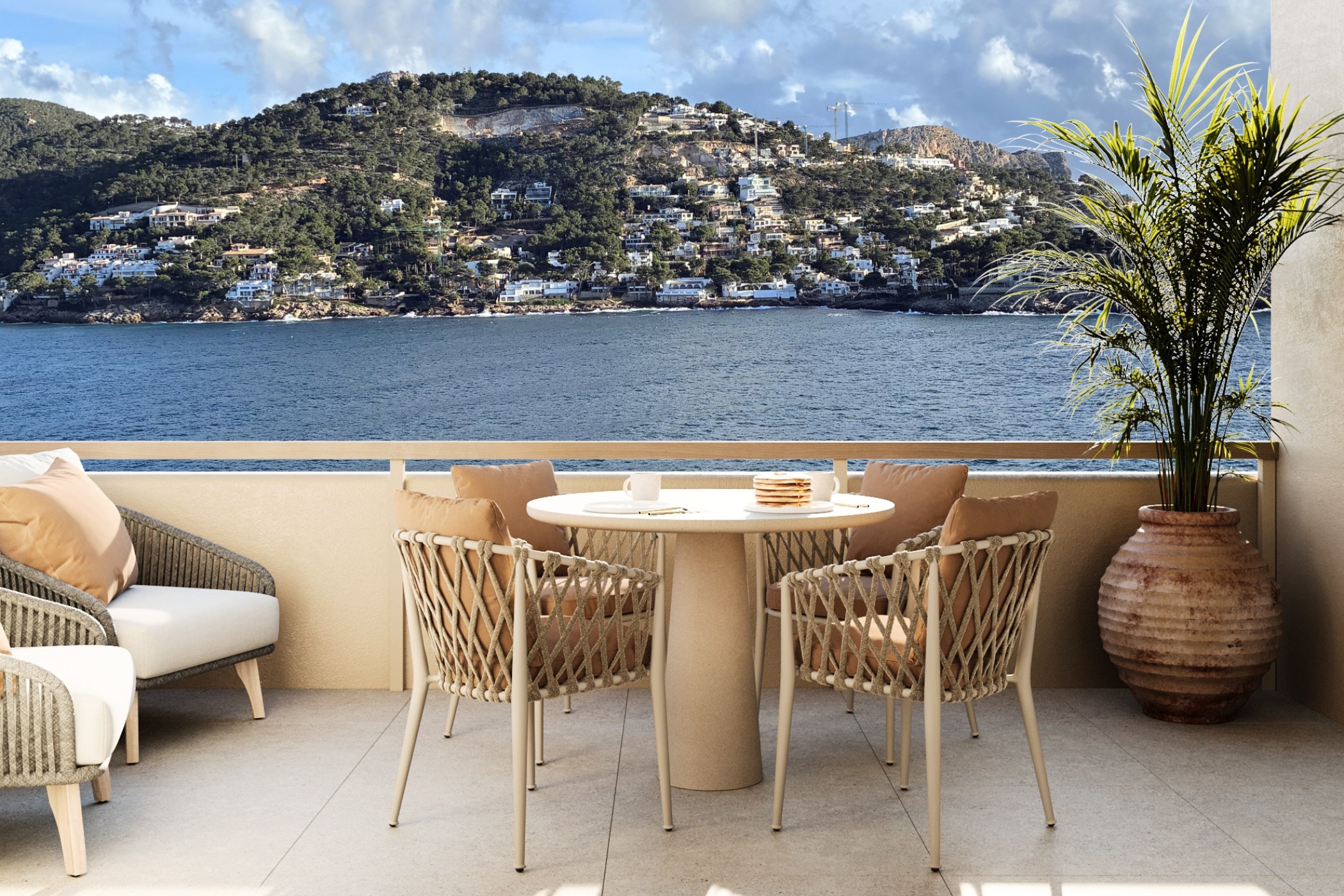
What is fractional ownership in Spain?
Fractional ownership in Spain means buying a real 1/8 share of a luxury second home, shared with up to seven other co-owners. Each owner receives personal use set by the partner that manages the home — a minimum of 44 or 45 nights a year with most of our partners, and no set cap with some others — through a fair-rotation calendar, with all property management, maintenance, taxes and operations handled by a professional team. You can sell it, pass it on to your heirs, and it grows in value with the home — it is not a timeshare, not a holiday club. The legal set-up is arranged by our partner for each home and walked through with you before you buy.
Why Spain?
Spain is, on most measures that matter to a fractional buyer, the largest, deepest and most diverse second-home market in Europe. It has been the chosen second-home country for Northern European buyers — British, German, Dutch, Belgian, Swiss, Scandinavian — for more than 50 years, which means the legal, professional and management infrastructure for non-resident owners is fundamentally more developed here than anywhere else on the continent. The country combines a Mediterranean coastline of nearly 5,000 kilometres, a year-round sub-tropical archipelago in the Atlantic, two genuinely world-class capital cities, a serious alpine cluster in the Pyrenees and the Balearic islands that sit somewhere between all of them. Few other countries — arguably none in Europe — offer that range of climates, architectural traditions and lifestyle modes inside a single passport, a single language and a single property-tax framework.
Your Spanish share is owned alongside up to seven other co-owners. You own a real share of the home — an eighth, a quarter — not a right to use it. You can sell it, pass it on to your heirs, and it grows in value with the home. Resale is handled through our partner's resale process, without you having to sell the whole house.
Every property in the COP collection meets a defined quality bar — the property itself, the location, the management standard — and Spain's particular advantage in the European second-home set is the combination of climate diversity and regulatory accessibility across that bar. The Balearics and the Costas give you a Mediterranean climate at the long, warm end of the European spectrum; the Canary Islands, 1,300 km south of mainland Spain and on the latitude of the Sahara, give you a year-round sub-tropical climate with daytime highs that rarely fall below 20°C (68°F) in any month; the Pyrenees give you genuine alpine snow without the Lex Koller restrictions that complicate Swiss ownership and at notably lower entry prices than Courchevel or Megève; and Madrid and Barcelona give you two cosmopolitan capitals whose cultural depth — the Prado, the Reina Sofía, the Sagrada Família, Park Güell — places them in the small global club of capital cities a serious second-home buyer would consider for cultural reasons alone. None of those propositions is unique to Spain individually; the value is that all of them sit inside a single country with a single tax regime, a single language for documentation and a property-management ecosystem that has been catering to international owners for two generations.
It is worth setting Spain in its European competitive context. France offers comparable architectural pedigree and arguably more legal predictability at the very top tier, but at higher entry prices on the Côte d'Azur and in the major alpine resorts and with a less developed Atlantic-island offering. Italy has the cultural depth and the Mediterranean coast, though nothing equivalent to the Canaries. Portugal has emerged as a strong competing southern destination, with a mature Algarve coast and a Lisbon market increasingly cosmopolitan, without Spain's alpine cluster or the scale of its islands. Croatia is increasingly interesting on the Adriatic, with a younger international second-home market. Switzerland and Austria cover the alpine offer at the high end but at considerably higher entry prices and, in the Swiss case, with Lex Koller restrictions on foreign ownership that complicate the structuring. Each has its admirers, and the comparisons help frame why Spain remains, by some distance, the highest-volume international second-home market in Europe.
The third structural argument for Spain is the diversity of usable lifestyles available inside one country. A Northern European family with a 1/8 share in Mallorca can use the same managed-portfolio relationship to add a winter-sun share in Tenerife and a Pyrenean ski chalet, all under the same management relationship, all in the same currency, all with documentation in one language. An owner with a Madrid apartment can be on a Costa del Sol beach in two and a half hours by AVE high-speed rail and can ski in the Pyrenees the same evening they leave Salamanca. A British or Dutch couple who want sea, mountain, sun-belt and city in the same year do not need to assemble three separate ownership structures across three jurisdictions; they can use the same managed-portfolio relationship to access all four within Spain. Few other countries — arguably none in Europe — can match that range without crossing borders, currencies and legal systems.
For a co-ownership buyer thinking strategically rather than just emotionally, Spain's combination of scale, diversity and infrastructure depth matters more than the headline glamour. The villa you buy a share of above Pollença sits in a market where the buildable land in the Tramuntana is already capped by the UNESCO World Heritage protections and where the prime coastal stretches in Andratx and Santanyí are running into similar planning ceilings. The Marbella apartment on the Golden Mile is in a strip of coastline whose walkable beach addresses are essentially fully built out. The Madrid apartment in Salamanca is in a district whose Belle-Époque building stock pre-dates the Spanish Civil War and will outlast every present resident. These are not assets that depend on a particular interest-rate cycle to hold their value; they depend on the unchanging facts that Spain remains Spain, that the Balearics remain the Balearics, and that the Mediterranean keeps washing the same protected shoreline. Add professionally managed co-ownership that makes a shared home transparent and resaleable, and the case for co-ownership in Spain writes itself.
One under-discussed advantage that becomes obvious once you actually start using a Spanish second home is the depth of the country's professional services infrastructure for non-resident owners. Five decades of British, German and Scandinavian buyers have built up an ecosystem of multilingual lawyers, property managers, gestores, tax advisers and notaries in every significant second-home region. The local management companies in Mallorca, Marbella and the Canaries operate in English, German, Dutch and the Scandinavian languages as a matter of routine, with decades of operating history and depth of bench that smaller jurisdictions cannot match. The notarial system gives ownership documentary clarity through Spain's Registro de la Propiedad, and the cadastral records — held by the Catastro — are a long-running, reliable record-of-record system. None of this is glamorous, but it is the kind of infrastructure that determines whether owning a second home from another country is a pleasure or a chore.
The fourth structural advantage worth naming is the transport infrastructure that makes a Spanish second home practically usable rather than just nominally owned. Spain operates the second-largest high-speed rail network in the world — Renfe's AVE network connects Madrid to Barcelona in 2 hours 30 minutes, Madrid to Málaga in under 3 hours, Madrid to Seville in 2 hours 30 minutes, and the network continues to extend. Aena, the state airport authority, operates more than 40 commercial airports including the international gateways at Madrid-Barajas (MAD), Barcelona-El Prat (BCN), Palma de Mallorca (PMI), Málaga-Costa del Sol (AGP), Tenerife Sur (TFS), Ibiza (IBZ) and Alicante-Elche (ALC) — each with direct service from London, Paris, Amsterdam, Frankfurt, Geneva, Dublin, Manchester, Edinburgh, Brussels, Stockholm, Copenhagen and increasingly New York and the Middle East. Owners coming from London, Amsterdam or Frankfurt can reach a Spanish second home in under three hours door-to-door, which is the precondition for the high-frequency, short-stay use pattern that fractional ownership rewards.
Where to own in Spain
Spain's second-home market is best understood through five distinct geographies, each with its own architecture, climate, season and culture. The pages dedicated to each cluster — linked at the end of this section — go deeper on individual towns and zones; what follows is the country-level orientation that helps a reader narrow from "Spain" to a region. There are, of course, Spanish second-home destinations beyond these five (the Atlantic north coast around San Sebastián and Santander; the inland wine country around La Rioja and the Sherry triangle around Jerez; Galicia and the Rías Baixas; the Sierra Nevada south of Granada) and we are happy to discuss them with buyers whose interests run that direction. But the supply story for fractional ownership is concentrated in the five clusters below: the Balearic Islands, the Spanish Mediterranean coast (the Costas), Barcelona, Madrid and Spain's great cities, the Spanish Pyrenees, and the Canary Islands.
The Balearic Islands
The Balearics — Mallorca, Ibiza, Menorca, plus the smaller Formentera — are, by some distance, the single most important Spanish second-home market for international buyers. Each island has its own distinct character, its own architectural inheritance and its own buyer demographic, and the choice between them is one of the more meaningful sub-decisions a Balearics buyer will make. Mallorca is the largest and the most varied; Ibiza is the most internationally fashionable; Menorca is the quietest and the most preserved. All three are within a 30-minute flight of Barcelona and 90 minutes of Madrid, with direct service from essentially every major Northern European city through the summer.
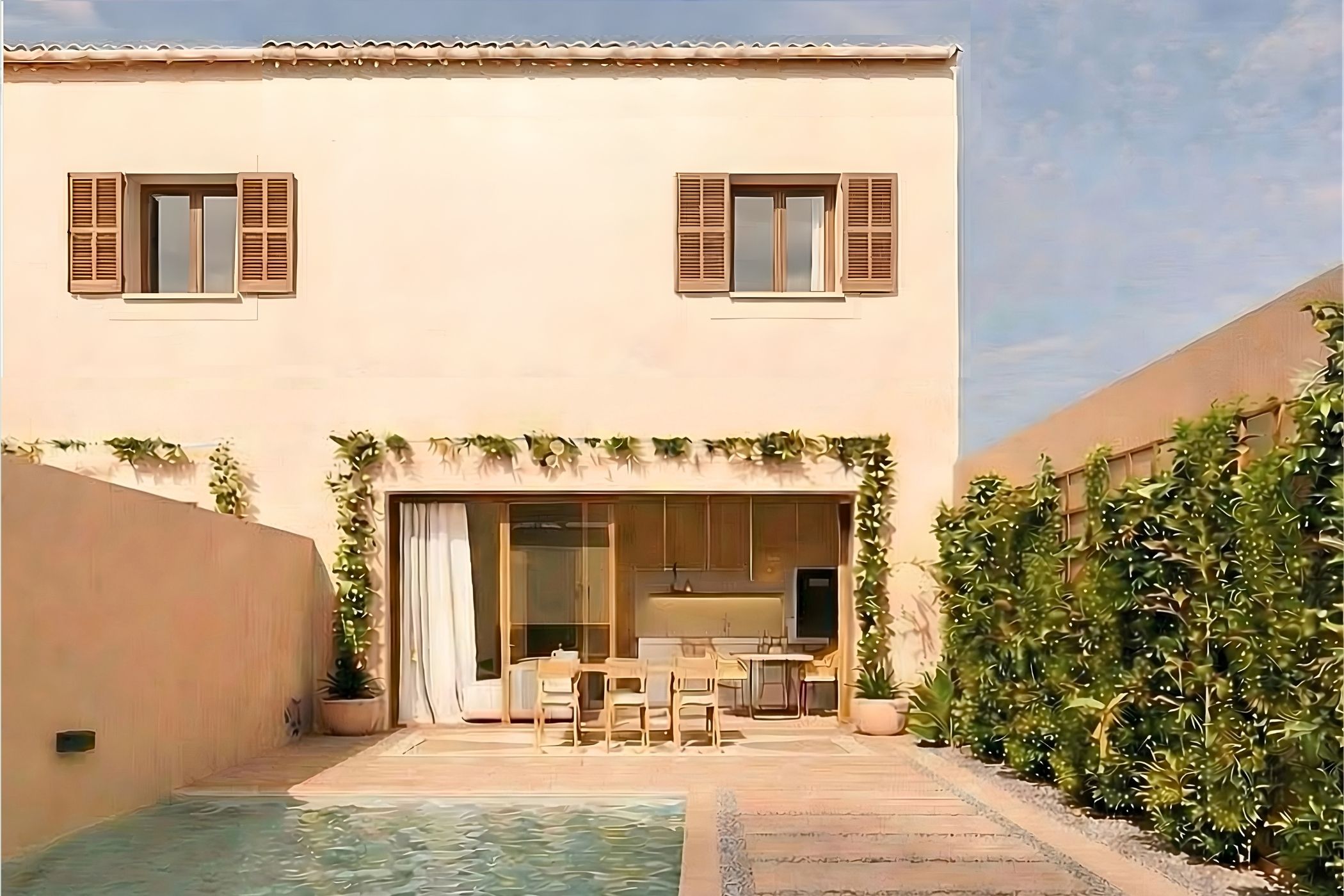
Mallorca is the island that anchors the Balearic proposition. The Serra de Tramuntana, the protected mountain range running the length of the island's north-west coast, is a UNESCO World Heritage site whose terraced olive groves, perched villages and dramatic coastline produce some of the most distinctive landscapes in the western Mediterranean. The major sub-zones for international buyers are Andratx and Port d'Andratx in the south-west (the most cosmopolitan harbour, with the Tramuntana rising directly above the marina); Pollença and Port de Pollença in the north (a long-favoured British and German enclave around a Roman-Mediterranean bay); Deià, Sóller and Valldemossa in the central Tramuntana (artist-village stone houses and terraced gardens); Santanyí, Ses Salines and the south-east (working agricultural Mallorca, fincas in the countryside, the protected coves of the Mondragó natural park); and Palma de Mallorca itself, whose old town around the cathedral and the Llonja quarter has become one of the more interesting small-city residential markets in Spain. The architectural vernacular is specific — thick stone walls, low pitched terracotta roofs, deep-shaded courtyards, marés sandstone trim — and is the kind of building stock that does not get rebuilt to a higher specification because the originals already are it.
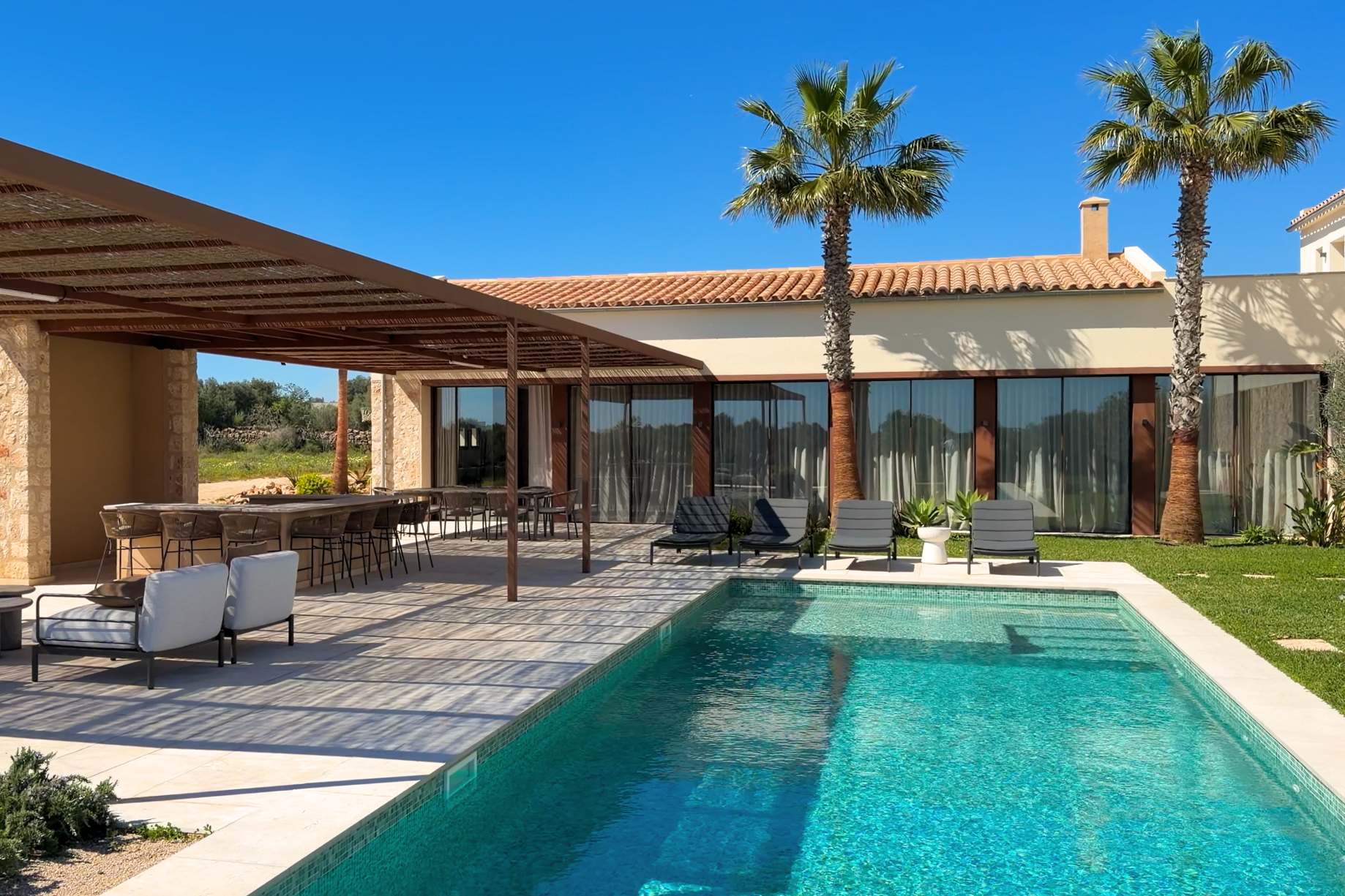
Ibiza is the most internationally branded of the Balearics and consequently the most stylistically distinct. The famously high-energy summer scene around Playa d'en Bossa and the west-coast clubs is the most visible version of the island, but the second-home market is anchored well away from it — in the quiet north around Santa Gertrudis, San Juan and Es Cubells; on the protected stretches of the south coast around Talamanca, Salinas and the Es Vedrà rock; and in the historic centre of Ibiza Town (Eivissa), whose UNESCO-listed walled upper town (Dalt Vila) is one of the more dramatic urban set-pieces in the Mediterranean. The classic Ibizan finca — whitewashed stone, juniper-beam ceilings, low rambling footprints — has its own architectural register quite distinct from Mallorca, and the inland villages between San Lorenzo and San Carlos preserve a working agricultural Ibiza that the daytrip visitor never sees. Menorca, the third major island, is the quietest and arguably the most preserved — a UNESCO Biosphere Reserve whose strict planning regime has kept its coastal building footprint small, with Georgian-era harbour towns at Maó (Mahón) and Ciutadella and a network of working farms inland; it is the choice for owners who want the Balearic climate without the high-summer crowds of its sister islands.
The international buyer mix on the Balearics is the most diverse of any Spanish region. Historically German on Mallorca (the German-speaking community on the island has its own newspapers, schools and chambers of commerce), British everywhere, Scandinavian increasingly across all three islands, French and Italian on Ibiza, Dutch on Menorca, with a strong recent inflow of Americans across all three. Climate-wise the islands run from 15–18°C (high 50s°F to mid-60s°F) in winter to 28–32°C (low to high 80s°F) in high summer, with a long usable shoulder running from late March through early November and sea temperatures above 20°C (68°F) from June through October. Best for: design-led couples and families who want the strongest Mediterranean-island brand equity in Europe, who value the architectural pedigree of stone fincas and harbour-town houses, and who are comfortable with the seasonal rhythm of a busy summer and a quieter winter.
The Spanish Mediterranean coast — the Costas
The Spanish mainland Mediterranean coast — the Costas — is the original international second-home market in Europe. Three distinct sub-coasts matter for fractional buyers, each with its own architectural character, climate band and buyer profile: the Costa del Sol running east from Gibraltar through Marbella and Estepona to Málaga; the Costa Blanca running south from Valencia through Dénia, Jávea, Calpe and Altea to Alicante; and the Costa de la Luz running along the Atlantic-facing coast of Cádiz province from Tarifa north through Vejer and Conil to Sanlúcar. Together they cover something close to 1,000 kilometres of mature, internationally serviced Spanish coast — and between them they offer what is genuinely four or five distinct climate-and-lifestyle propositions inside a single national framework.

The Costa del Sol is the most internationally established of the three. Marbella — and specifically the Marbella Golden Mile, the strip running west from the town centre to Puerto Banús — is the anchor luxury market, with the highest concentration of high-specification villas and contemporary apartments along the Spanish coast. Sotogrande, further west toward Gibraltar, is a separate and more discreet planned community built around polo fields and golf courses; Estepona and Benahavís are the quieter and increasingly preferred neighbours to Marbella; and the inland white villages of the Sierra Bermeja — Ojén, Mijas Pueblo, Casares — give buyers an Andalusian-village alternative to coastal living. The Costa del Sol microclimate, sheltered by the Sierra Bermeja and the Sierra de las Nieves, gives this stretch of coast some of the most reliable winter sun in continental Europe — daytime highs in January routinely reach 16–19°C (low to high 60s°F) — which is why the international buyer base here uses their properties in a more genuinely year-round pattern than on most other European coasts.
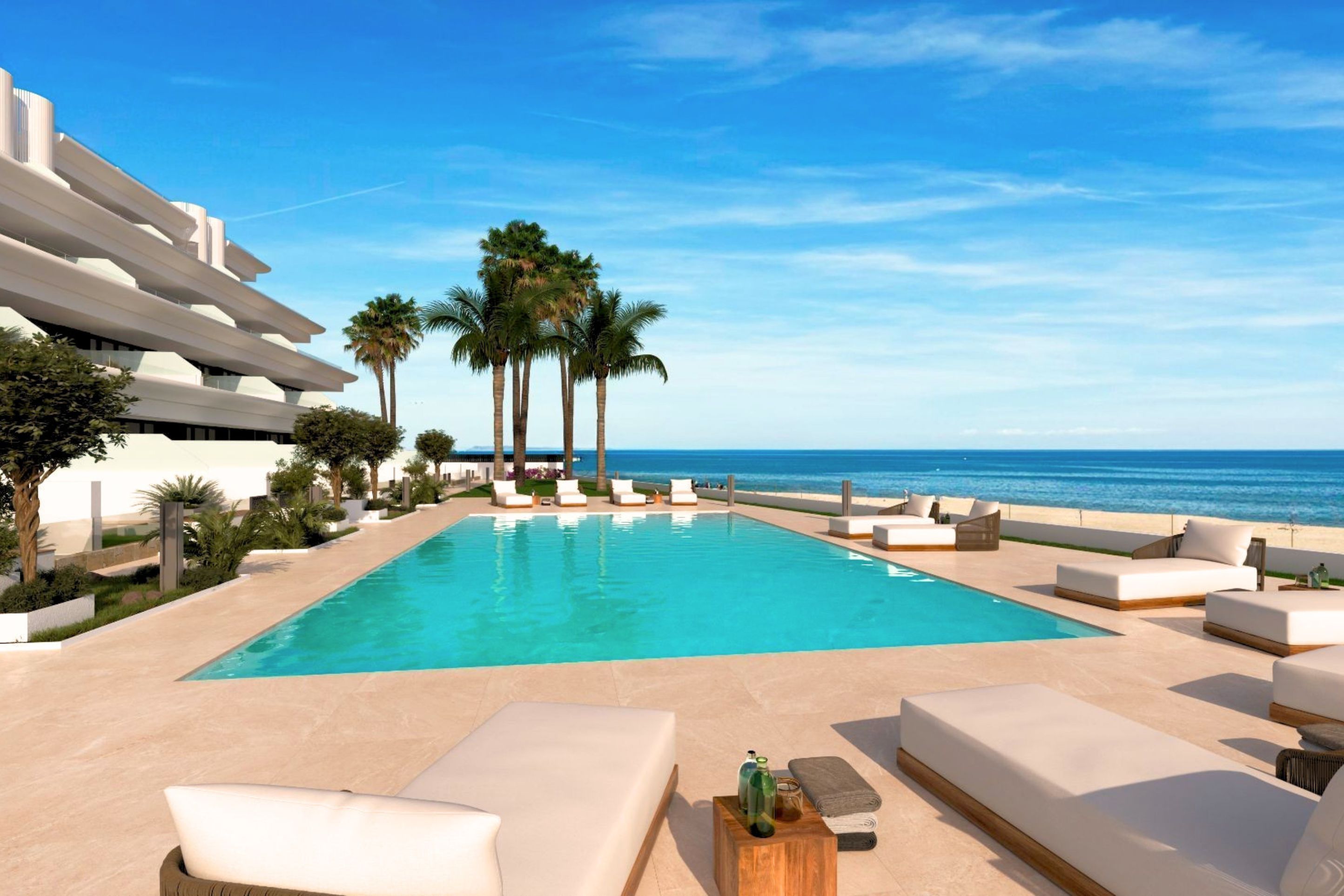
The Costa Blanca runs further north and works to a different rhythm. The premium stretch is around Dénia, Jávea (Xàbia), Moraira, Calpe and Altea — the protected coves and pine-shaded headlands of the Marina Alta, sheltered by the Montgó natural park and architecturally distinct from the more developed stretches around Benidorm. This is the part of the Spanish coast with the deepest British, Dutch and Belgian ownership history; the local infrastructure of bilingual lawyers, accountants, builders and managers is the densest of any Spanish region, which makes a Costa Blanca property notably easy to actually live in as an international owner. The architecture mixes contemporary white modernism with traditional finca-style stone-and-tile villas; the dining scene around Altea's old town and Jávea's port has matured significantly in the past decade. The Costa de la Luz, on Cádiz province's Atlantic coast, is the wildcard — a long, broad, less developed, more windswept Atlantic coast running through Cádiz, Vejer de la Frontera, Conil de la Frontera, Tarifa (the Spanish kite-surfing capital) and the Doñana wetlands. The Atlantic conditions make this coast quite different from the Mediterranean Costas — bigger waves, stronger wind, broader beaches, wilder light — and the lower density of international ownership has kept prices below Marbella and Mallorca.
The international buyer mix across the Costas is heavy on the Northern European drive-and-fly demographic — British, Dutch, Belgian, German, Scandinavian — with a long tail of Spanish second-home owners from Madrid, Bilbao and the Basque country. Climate-wise the Mediterranean Costas run from 14–17°C (high 50s°F to low 60s°F) in January to 30–34°C (high 80s°F to low 90s°F) in August, with a usable shoulder season from late February through early December — the longest year-round window of any major European coast. Best for: Northern European buyers who want a reliable-sun second home with the deepest professional-services ecosystem for non-resident owners in Europe, and who value the choice between the polished international scene of the Costa del Sol, the family-led pine-coast rhythm of the Costa Blanca and the wilder Atlantic alternative of the Costa de la Luz.
Barcelona, Madrid and Spain's great cities
Spain has two genuinely world-class capital cities — and to a serious second-home buyer thinking culturally rather than seasonally, owning a city share in either is a quite different proposition from owning on a coast or island. Barcelona and Madrid sit in the small global club of cities — alongside Paris, London, New York, Rome, Vienna — whose museum, restaurant, opera and architectural depth make them year-round destinations in themselves rather than gateways to anywhere. Both have direct flight connections to essentially every European city and many in North America and Asia; both are connected to each other and to the Spanish coast by a high-speed rail network that runs city-centre to city-centre in 2 hours 30 minutes on the AVE.
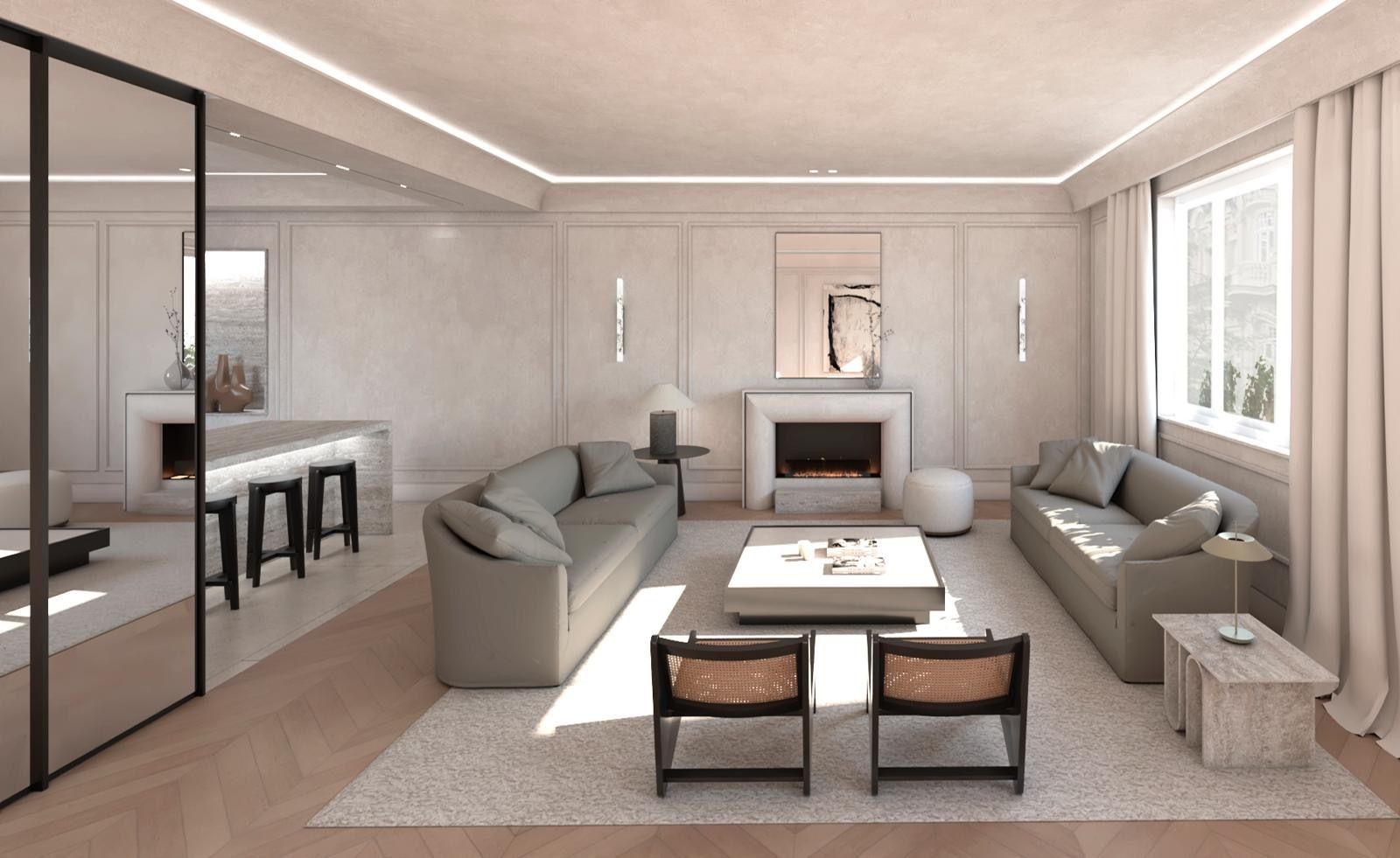
Barcelona's second-home districts are tightly clustered. The Eixample — Cerdà's grid-planned 19th-century expansion, organised around the Passeig de Gràcia — is the apartment-stock heartland for international buyers, with the famous chamfered-corner Modernist buildings from the 1880s through the 1910s producing the kind of high-ceilinged, deep-balconied flats that are essentially unrecreatable elsewhere; the Eixample Dret (right side) around Passeig de Gràcia is the higher-end strip, with the Manzana de la Discordia and the Sagrada Família within walking distance. Born and Barri Gòtic, the medieval old town between Via Laietana and the Ramblas, is the choice for buyers who want the most photogenic Barcelona — narrow stone streets, hidden squares, the cathedral and Santa Maria del Mar as immediate neighbours, the Picasso Museum on the doorstep. Gràcia, the village-feel district north of the Eixample, is the more bohemian alternative — independent shops and cafés, the Park Güell on its upper edge, a quieter rhythm than the central tourist quarters. Each district has its own price band and its own buyer mix — international families in the Eixample, design-led couples in Born, longer-stay creatives in Gràcia.
Madrid works to a different geography. The Salamanca district — the grid-planned 19th-century expansion east of the Castellana — is the apartment-stock heartland, with the Calle Serrano luxury strip running through it, the Retiro park on its western edge and the Museo Thyssen-Bornemisza and Prado on the Paseo del Prado five minutes' walk away. Centro and Sol — the tight medieval-and-Habsburg core around the Plaza Mayor and the Royal Palace — give you the most photogenic Madrid, with a lively summer buzz. Chamberí, the residential bourgeois district north of Centro, is the quieter Belle-Époque alternative, with the Museo Sorolla as a local landmark. Madrid's cultural hardware is, by some measures, the most concentrated in Spain — the so-called Golden Triangle of the Prado, the Reina Sofía and the Thyssen-Bornemisza all sit within a 600-metre walk of each other on the Paseo del Prado, and the city's restaurant and tapas scene has emerged in the past decade as a serious global cultural draw in its own right.
The use pattern for a city share is fundamentally different from a coastal or alpine one. Owners typically take ten to fifteen short stays per year rather than three or four long ones — flying in for a Friday-to-Tuesday around an exhibition or a concert, staying ten days over Christmas and New Year, taking a long October week when the autumn cultural calendar opens, returning for a March long weekend when the city is at its springtime best. The year-round usability of Madrid and Barcelona — neither has a "closed season" the way coastal Spain or the alpine Pyrenees do — makes the cities the natural flexibility leg in a multi-share Spanish portfolio. Climate-wise Barcelona runs 10–14°C (50s°F) in winter to 27–30°C (low 80s°F) in summer; Madrid is more continental at 5–10°C (low 40s°F to 50°F) in winter and 32–35°C (low 90s°F) in high summer, with crisp dry air that locals consider the city's particular signature. Best for: cultural enthusiasts who want a base for repeated short stays rather than a single long holiday; international owners who already work between two or three cities and want a Spanish capital as one of them; and buyers who treat the architectural and culinary depth of Madrid or Barcelona as the primary destination rather than a gateway.
The Spanish Pyrenees and Baqueira-Beret
The Pyrenees are Spain's serious alpine cluster — and an under-discussed alternative for buyers who would otherwise default to the French Alps or the Swiss Valais. The anchor resort is Baqueira-Beret, in the Val d'Aran in the central Pyrenees on the border with France, which is the chosen ski resort of the Spanish royal family and the largest ski domain in Spain — 165 kilometres of pisted runs across a single connected lift system, snow-reliable from December through April, and home to the most architecturally controlled mountain village stock on the Spanish side of the range. The Val d'Aran itself is a culturally distinct mountain valley — Aranese, an Occitan-Romance language, is the local mother tongue alongside Catalan and Spanish — with a vernacular architecture (slate roofs, deep stone walls, low timber-clad upper floors) that is closer to the Gascon Pyrenees and the Spanish Pyrenean villages than to the Savoyard Alps further east.
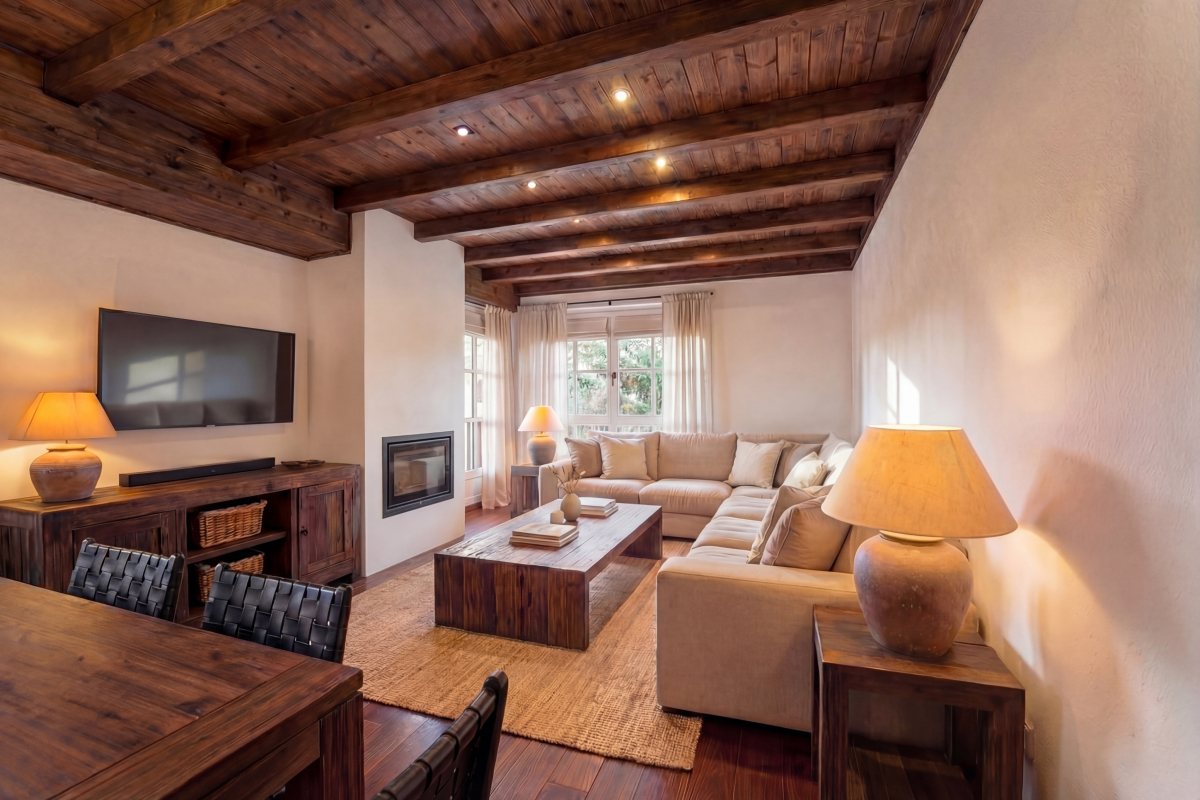
The fractional argument in the Spanish Pyrenees is partly regulatory and price. Spain has nothing equivalent to Switzerland's Lex Koller restrictions on foreign ownership, and the planning regime around the Val d'Aran is lighter than the conservation overlays around Megève or Val d'Isère; the result is that for a serious skiing family the Spanish Pyrenees offer access to genuine alpine snow at noticeably lower entry prices than the comparable French or Swiss tier. The Baqueira village sub-zones — Baqueira 1500, Baqueira 1700, Beret 1850 — sit on a pure ski-in, ski-out lift network at altitudes where snow conditions are reliable through the season; the lower villages of the Val d'Aran (Vielha, Arties, Salardú) give you the more atmospheric mountain-village living, with the working centre at Vielha and the most photogenic stone cores at Arties and Salardú. The valley is genuinely usable in summer — the high Pyrenean walking, mountain biking and fishing season runs from June through September, and the Aigüestortes National Park sits within an hour's drive — which makes a Pyrenean share more genuinely year-round than most owners initially assume.
The owner mix in Baqueira is heavily Spanish (Madrid and Barcelona families primarily), with a meaningful Catalan-Andorran component, a smaller but growing French presence from across the border, and a slowly increasing British and Northern European share as the resort's international profile rises. The architectural inheritance is consciously traditional Aranese — the planning rules in the Val d'Aran prohibit the contemporary glass-and-concrete chalets that have become standard in the high-altitude French resorts, which gives the Spanish Pyrenees a more uniformly handsome village stock than its French equivalents. Daytime winter temperatures around the village run minus 5°C to 5°C (low 20s°F to 40°F); summer in the same valley runs 15–22°C (high 50s°F to low 70s°F) with the dry mountain air that makes alpine summers so usable. Best for: serious skiing families who want access to the Spanish royal family's chosen resort and the largest ski domain in Spain, at entry prices below the comparable French and Swiss tier; and buyers who want a year-round Spanish mountain base that pairs naturally with a Madrid, Barcelona or Costa share.
The Canary Islands
The Canary Islands are Spain's year-round sub-tropical archipelago, sitting in the Atlantic 1,300 kilometres south of mainland Spain on the latitude of the Sahara and southern Florida. Daytime temperatures rarely fall below 20°C (68°F) in any month of the year, and rarely exceed 28°C (82°F) even in August — the most consistently equable climate in Europe and one of the few in the world where the difference between January and July daytime averages is less than ten degrees. For a Northern European fractional buyer, the Canaries are the answer to a quite specific question: where in the EU can I own a year-round-usable winter-sun base inside a single passport, single tax framework and single language?
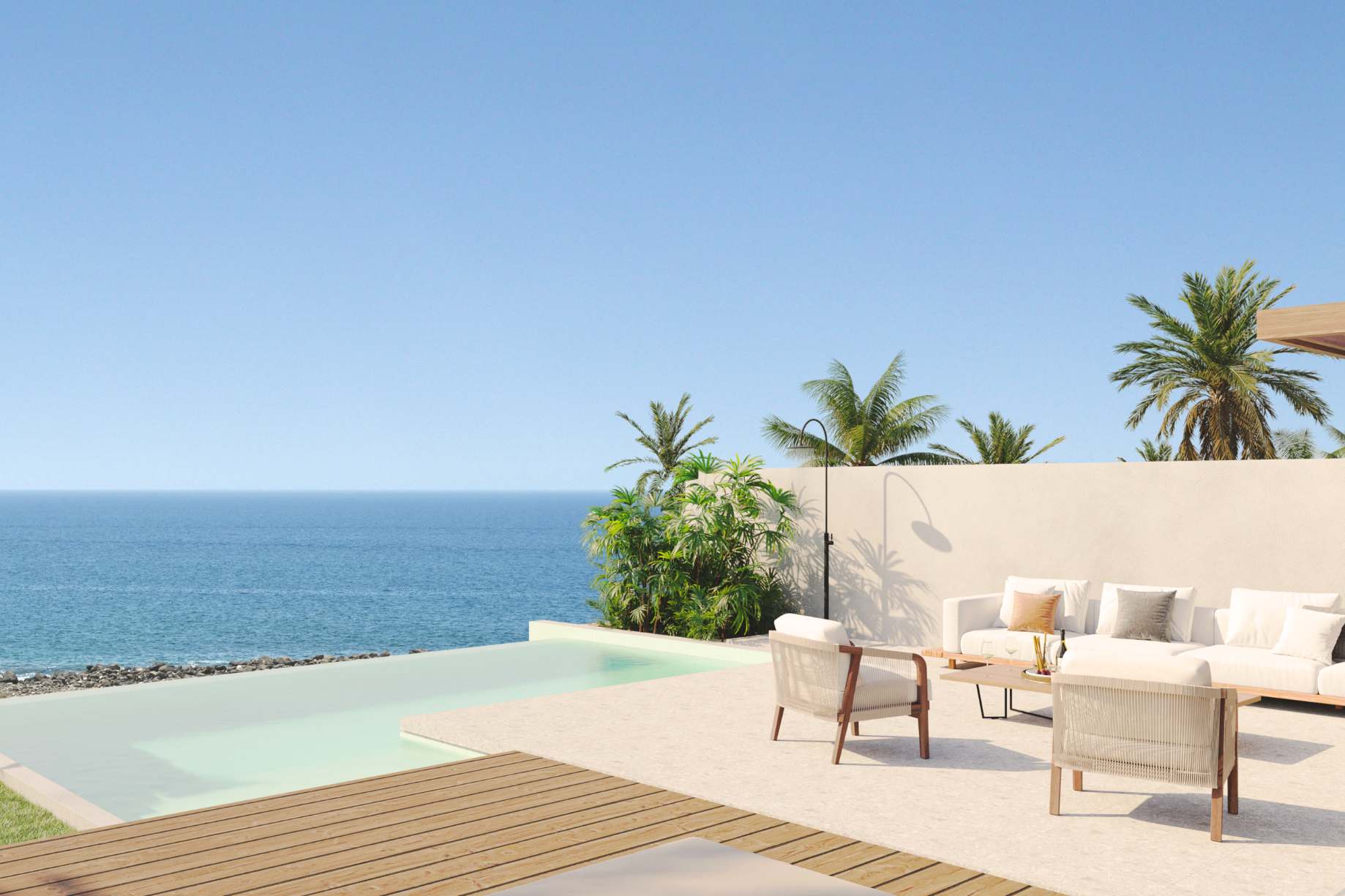
Tenerife is the largest of the seven Canary Islands and the anchor for international second-home ownership. The premium fractional sub-zones cluster on the south-west and south coasts — around Costa Adeje (the most internationally developed strip, with the largest concentration of high-specification villas and apartments), Los Cristianos and Playa de las Américas; with quieter alternatives in Playa San Juan, Callao Salvaje and the inland village of La Caleta. The north of the island — around La Laguna (a UNESCO World Heritage colonial town), Puerto de la Cruz and the agricultural Orotava valley — is greener, cooler and architecturally older, with a different buyer profile (more European year-rounders, fewer international second-homers). At the centre of the island, the Teide National Park contains the highest peak in Spain (Mount Teide, 3,718 metres) and the dramatic volcanic plateau around it — a landscape genuinely without parallel in Europe.
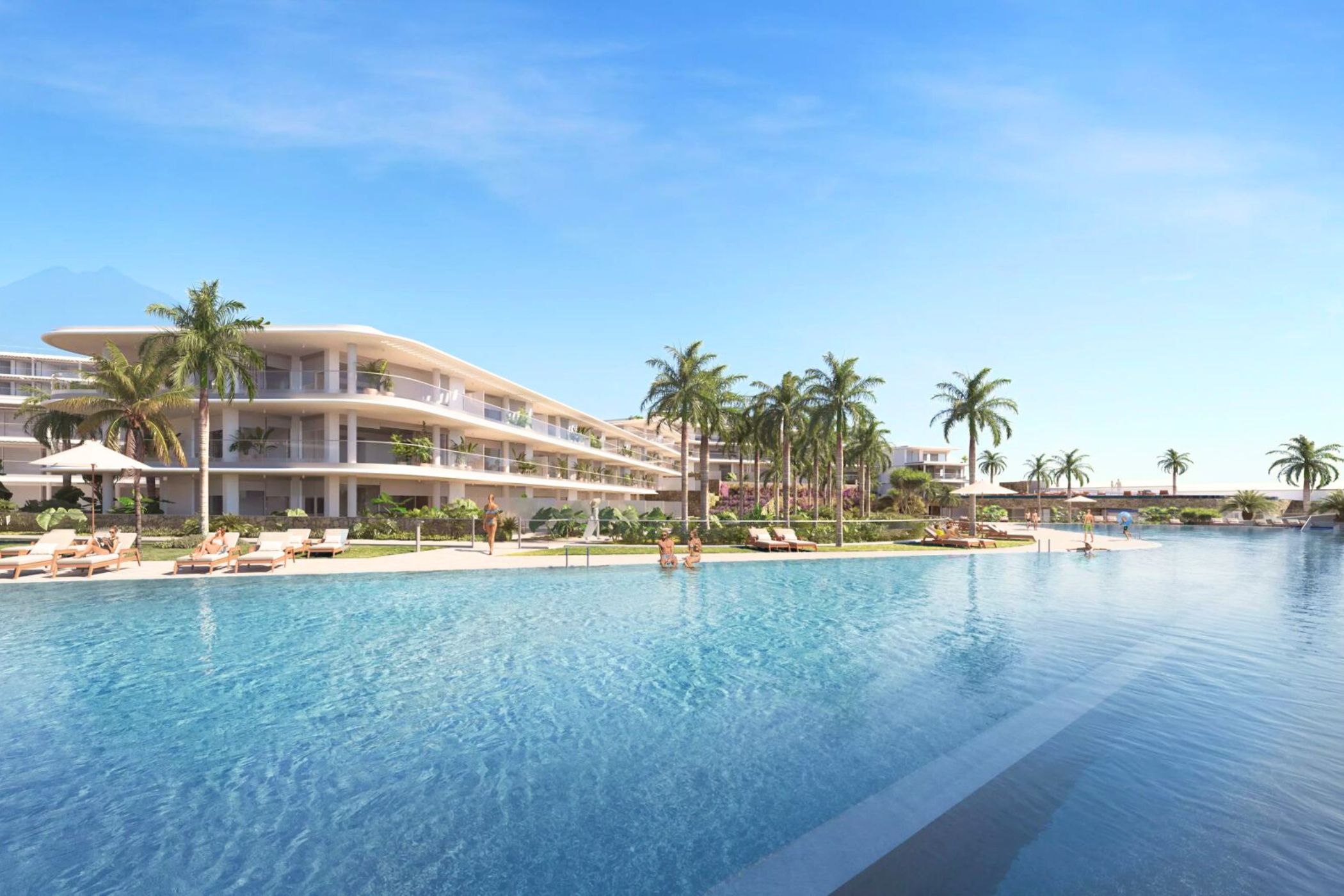
The owner mix in the Canaries is heavily British, German, Dutch and Scandinavian — the traditional Northern European winter-sun cohort, with an unusually high proportion of part-year residents (those who use their property six to ten weeks a year, typically broken into two or three winter trips of three weeks at a time). The special tax status of the Canary Islands — the islands sit outside the standard Spanish VAT (IVA) regime and operate under their own IGIC indirect-tax system at 7% rather than mainland Spain's 21% — has practical implications for property-related goods and services that owners notice over time. Beyond Tenerife, the other significant islands for second-home buyers are Lanzarote (architecturally unique under César Manrique's mid-20th-century planning vision, with its lava-flow landscape and strict whitewashed building code), Fuerteventura (the longest beaches and the strongest wind for kite-surfing), and Gran Canaria (the second-largest island, with the cosmopolitan capital of Las Palmas and the southern resort coast around Maspalomas). Each has its own buyer profile and architectural inheritance, and the choice between them is a genuine sub-decision for any Canaries-focused buyer. Best for: Northern European buyers who want a true year-round-usable winter-sun base inside the EU, with the most equable climate in Europe and the longest history of catering to international second-home owners outside the Mediterranean.
A year in your Spanish co-ownership home
Spreading around six weeks of use across a calendar year is itself a skill — and one of the unsung benefits of owning across multiple Spanish regions through one portfolio is that you can match the season to the property rather than the property to the date. Spain is unusually well-suited to this kind of multi-region thinking because the country's climate diversity — from the Atlantic Pyrenees to the sub-tropical Canaries — means there is essentially always somewhere in your portfolio that is at its best in any given month. Below is a country-level walk through the year, with the particular weeks that owners across the COP network return to most often. The pattern is broadly the same across all eight co-owners of a given property, with the calendar mechanics ensuring every owner gets a fair allocation of peak weeks across a multi-year cycle. Owners who are flexible enough to use shoulder weeks (rather than competing for August on the coast or February in the Pyrenees) consistently report a higher use-quality from their share than those who insist on peak.
Spring (March–May)
Spanish spring is, by some measures, the most under-used of the four seasons by international buyers — and consequently one of the most rewarding for a fractional owner with calendar flexibility. March on the Costa del Sol and the Costa Blanca is already running at 17–20°C (low to high 60s°F) in the day, the almond blossom is in full flower across the Andalusian and Valencian inland (the so-called "snow of the Mediterranean"), and the spring restaurant calendar has reopened from the quiet February pause. April brings the Semana Santa processions in Seville, Málaga, Granada and Cuenca — a serious cultural-tourism peak across Andalusia in particular — and the Feria de Abril in Seville the fortnight after Easter. The Balearics in March and April are at their most usable for short trips: 16–22°C (low 60s°F to low 70s°F), the lavender and almond blossom across the Mallorcan central plain, the early-season cycling routes in the Tramuntana at their best before summer heat closes them down. May sees the islands and the mainland coast warming into proper swimming weather, the inland Andalusian villages at their springtime peak, and the city calendars in Madrid and Barcelona at their year's most pleasant temperatures.
The Pyrenees spring is its own argument. Through April the snow at altitude in Baqueira is excellent — the long sunny days, soft afternoon snow and quiet lift queues make late-season skiing a different sport from January's crisp, busy peak — and the season typically runs into the first week of May depending on snow conditions. Easter is the Spanish ski calendar's natural peak, and the second-busiest week of the resort year after Christmas; the fortnight either side is the natural late-season sweet spot for owners with school-age children. The Canaries through spring run 22–26°C (low to high 70s°F) with the trade winds picking up from late March — the islands' transition into their warmer half of the year, with sea temperatures reaching 20°C (68°F) by mid-May. Madrid in spring — particularly the weeks around the early-May Festival of San Isidro, the city's patron saint — is the capital at its photogenic best, with the Retiro in full leaf, the rose garden in flower, and the cultural calendar at its first major peak of the year.
Summer (June–August)
The Spanish summer pattern is well-defined and worth understanding before allocating weeks. June is the Mediterranean's secret month: warm enough for swimming (water temperatures climb past 22°C (72°F) on both the Costa del Sol and the Balearics by mid-June), the village calendars across the Costas at their pre-peak best, the Mallorcan and Ibizan night-markets opening up, and the high-summer crowds still a fortnight away. July brings the high season proper — the Spanish school holidays begin around the 22nd of June — and a noticeable shift in restaurant pace, beach availability and traffic on the coast roads. The Northern European summer holidays begin to stack from mid-July onward; the islands in particular reach their highest-density visitor week in the seven days either side of the third weekend in July.
August in Spain divides cleanly between coast and city. The Mediterranean coast is at its liveliest, with Marbella, Mallorca, Ibiza, Menorca and the Costa Blanca in full swing; book the prime resort restaurants four to six weeks ahead. Madrid and Barcelona in August, by contrast, follow the same exodus pattern as Paris — many traditional restaurants close, the central districts empty, and the cities are at their quietest and (paradoxically) most pleasant for a visitor with no work obligations. The classic August week in Madrid — long mornings in the Retiro, the quiet Paseo del Prado, the late-evening rooftop dining in Salamanca, the side-trips out to Toledo, Segovia or El Escorial — is one of the secret pleasures of a Spanish capital share. The Pyrenees in summer — Baqueira and the Val d'Aran — are an entirely different proposition from winter: hiking, mountain biking, the Aigüestortes National Park, the Aranese village calendars at their summer peak. The Canaries in August run 26–28°C (high 70s°F to low 80s°F) — warmer than winter, cooled by the trade winds, and a fresh alternative to the mainland's high summer heat.
Autumn (September–November)
For many seasoned Spanish-property owners, autumn is the favourite. September on the Costas and the Balearics is the locals' month — water temperatures still above 24°C (75°F) through most of the month, daytime air around 27–30°C (low 80s°F), the August crowds dispersed within ten days of the new school term starting, restaurants taking reservations again the same week you ask. The vendimia — the Spanish grape harvest — runs through September and October, with the Rioja, Jerez and Penedès regions at their working best; owners who care about wine increasingly time at least one stay around the harvest. The Mallorcan and Menorcan rural calendars are at their atmospheric autumn peak; the Costa del Sol enters its long shoulder season; the Costa Blanca and Costa de la Luz both extend their swimming windows through early October.
October and November in Spain divide cleanly. The Mediterranean coast stays mild — daytime highs around 22–25°C (low to high 70s°F) through October, dropping to 17–20°C (low to high 60s°F) by mid-November, with swimming generally finished by late October but everything else still very much open — while Madrid and Barcelona enter their golden cultural months. The autumn season at the major museums, the new opera and concert calendars, the early-November ARCO previews and Madrid's Salón Gourmets, the Michelin Guide Spain launch dinner in November — all stack into a six-week cultural peak that the city-share owners increasingly plan their year around. Andalusia in October and November is at its agricultural-calendar best: the olive harvest in Jaén and Córdoba, the inland village markets, the Sierra Nevada turning gold above Granada. The Canaries through autumn begin to fill again as the Northern European winter-sun migration starts; daytime temperatures stay reliably in the 22–26°C (low to high 70s°F) band, and owners who use the islands in October–November consistently report it as their preferred window — warm but not crowded, stable weather, the long Atlantic light at its most photogenic. The Pyrenees in October and November are the off-season — the resort villages mostly shut from late October through mid-December — though the Val d'Aran is genuinely usable for autumn walking and the inland Aranese restaurants run through the shoulder.
Winter (December–February)
Winter is, for the majority of Spanish co-ownership owners, the moment the Canaries and Pyrenean shares earn their place. The lifts open in Baqueira from around 1 December; Christmas and New Year is the highest-demand fortnight of the year, with chalet calendars in the Val d'Aran booked many months ahead; January is the quietest month of the season but with the most reliable cold-and-snow conditions; the February school holidays bring the second peak. Owners who use their alpine week around Easter — typically the first or second week of April rather than late March — get the best of late-season Pyrenean skiing.
The Canaries in winter are the European winter-sun benchmark. December, January and February all run reliably in the 20–24°C (high 60s°F to mid-70s°F) band, with sea temperatures still above 19°C (high 60s°F) for cold-tolerant swimmers and the northern trade winds at their lightest. The classic winter week in a Tenerife villa — long warm mornings on the south-coast beaches, an afternoon trip up to the volcanic plateau around Mount Teide, dinner in one of Costa Adeje's increasingly serious restaurants, the long sunsets that the Atlantic latitude produces — is the kind of weather window that Northern Europeans pay long-haul prices to reach in the Caribbean and that the Canaries deliver inside the EU, in euros, on a four-hour flight. The Costa del Sol in winter is the secondary winter-sun option — 16–19°C (low to high 60s°F) daytime, far quieter than summer, with the Marbella and Estepona seafront promenades at their most usable — and the Costa Blanca sits behind it with similar numbers and a similarly long Northern European winter-resident community. Madrid and Barcelona in winter are their most secret versions of themselves: December decorated to a high standard with the city Christmas markets and the lit Gran Vía in Madrid, January and February quiet and museum-rich for owners who want the cities without the tourist density. The Reyes celebrations on the night of 5 January and the morning of 6 January — the Spanish Christmas's main gift-giving moment — are an authentic urban-cultural moment owners with families increasingly time a stay around.
Who buys in Spain, and why
The international buyer mix in Spanish fractional ownership is the most diverse of any European market — by a meaningful margin. British buyers have anchored Spanish second-home ownership for more than fifty years and remain the largest single foreign cohort across the Costas, the Balearics and the Canaries. German buyers are the second-largest cohort and dominate the Mallorca market in particular — the German-speaking community on the island has its own newspapers, schools and chambers of commerce, and Mallorca is colloquially referred to in some German circles as the country's seventeenth federal state. Dutch and Belgian buyers are a serious presence on the Costa Blanca and increasingly on the Balearics. Scandinavian buyers — Swedes, Danes, Norwegians, Finns — anchor the Costa del Sol's long-stay winter community and have moved meaningfully into the Canaries over the past decade. French buyers are the largest growing cohort in Catalonia, Barcelona and the Costa Brava. Swiss and Austrian buyers increasingly choose the Spanish Pyrenees for the combination of lighter regulation than the Swiss alpine cluster and similar mountain quality. American buyers, historically a minority in Spain, have grown sharply over the past decade — drawn to Madrid and Barcelona for the cultural depth, the islands for the Mediterranean lifestyle, and the dollar's strength against the euro through much of the period.
The age-and-life-stage profile is in some respects more relevant than the nationality breakdown. The largest single buyer cohort across the COP Spanish portfolio is in the 50–65 age band — owners whose own primary income is established, whose children are at university or beyond (which gives them more calendar flexibility than the working-family cohort), and whose long-run thinking on the second home runs to the next 20–25 years. The second-largest cohort is the 40–55 age band — typically dual-income professional couples with school-age children, who use their share around school holidays and value the operational simplicity of a fully managed property. The third and fastest-growing cohort is the 65–80 age band — empty-nesters and recent retirees who want a winter-sun or winter-snow base inside the EU and for whom the operational simplicity of a managed property is the central appeal.
Within those nationalities, Spanish co-ownership tends to suit a small number of well-defined buyer profiles:
- Active families with school-age children — typically using a Balearic or Costa Blanca share around the summer holidays plus shoulder-season half-terms, then potentially adding a Pyrenean ski share. The same management relationship handling both removes the multi-jurisdiction friction; the fact that the children come back to the same villa year after year makes it their second home rather than a holiday rental.
- Skiing families and couples — particularly Madrid- and Barcelona-based Spanish buyers, plus an increasing British and Northern European cohort, who want a Baqueira or Val d'Aran chalet without the operational responsibility of owning a whole property.
- Multi-generational groups — four- and five-bedroom villas in Mallorca, Marbella or Tenerife that sleep grandparents, parents, children and partners in the same week. The fractional model deals with extended-family calendar coordination better than a whole-ownership model.
- Cultural enthusiasts choosing Madrid or Barcelona — couples and individuals who treat the Spanish capital cities as a primary holiday rather than a stop-off, who book repeat short stays around opera seasons, exhibitions and the cities' own rhythm, and for whom the apartment in Salamanca or the Eixample is genuinely a second home rather than a deluxe hotel substitute.
- Winter-sun seekers choosing the Canaries — particularly British, Scandinavian, Dutch and German buyers who want a year-round-usable warm-weather base inside the EU and who use their share in long winter blocks rather than short summer trips.
- Wine-and-food sophisticates choosing Andalusia or the Mallorcan interior — owners drawn to the agricultural inland — the Sherry triangle, the Rioja, the Mallorcan central plain, the Catalan Penedès — for whom the working agricultural landscape is as important as the architecture or the climate.
A pattern worth highlighting is the multi-region buyer — owners who hold two or even three Spanish shares simultaneously. The most common combination is Balearic plus winter-sun (a Mallorca or Ibiza villa for the long summer weeks plus a Tenerife or Lanzarote apartment for the November-through-February winter trips). The second-most-common is coast plus city (a Costa del Sol or Costa Blanca villa for summer plus a Madrid or Barcelona apartment for repeat short cultural stays through the year). Less common but increasingly observed is the all-Spain triple (a Balearic or Costa share, a city apartment, and a Pyrenean chalet), in which owners essentially replace one large second-home commitment with a portfolio that gives them year-round access across three different lifestyle modes. The fractional model makes that portfolio strategy practical: three 1/8 shares cost less than a single whole property at any of the three addresses individually, and the management relationship across the portfolio is unified, which removes the multi-jurisdiction friction.
What unites these otherwise quite different buyer profiles is the underlying calculation: the second-home weeks each of them actually uses in a year are within the around six weeks a 1/8 share delivers, the operational overhead of running a Spanish property remotely is non-trivial in any of these regions (and notably higher in the islands than the mainland), and the resale liquidity of a fractional share inside a managed portfolio is — in our experience across the COP network — markedly higher than the resale liquidity of a whole property at the same address. Spain is a market where the maths of fractional ownership lines up almost perfectly with the use pattern of the buyer.
Practicalities: getting there, what it costs, what you own
Airports and ground access by region
Spain is, on most measures, the most accessible second-home country in Europe for international buyers. The state airport authority Aena operates more than 40 commercial airports across the country, with the major international gateways at Madrid, Barcelona, Palma, Málaga, Alicante, Valencia, Tenerife, Ibiza, Gran Canaria and Lanzarote each serving direct flights from essentially every major European city. From London, Manchester, Edinburgh, Dublin, Amsterdam, Brussels, Frankfurt, Munich, Paris, Geneva, Stockholm, Copenhagen and Oslo, an owner can reach a Spanish second home — Mallorca, Marbella, Tenerife, Madrid, Barcelona — in under three hours door-to-door, which is the practical precondition for the high-frequency, short-stay use pattern that fractional ownership rewards.
The Balearics are served by three island airports: Palma de Mallorca (PMI), the seventh-busiest in Spain, with year-round direct service from London, Manchester, Frankfurt, Hamburg, Amsterdam, Geneva and Vienna; Ibiza (IBZ), summer-heavy but with year-round connections to Madrid, Barcelona and the major German cities; and Menorca (MAH), smaller and more seasonal but with reliable summer connections from London, the German hubs and the Scandinavian capitals. Drive times from the airports to the major resort villages are short — Palma to Andratx is 30 minutes, Palma to Pollença 45 minutes, Palma to Santanyí 45 minutes; Ibiza to Santa Gertrudis is 20 minutes; Mahón to Ciutadella is 50 minutes.
The Costa del Sol is served by Málaga-Costa del Sol (AGP), the fourth-busiest airport in Spain, with year-round direct service from essentially every Northern European city. Drive time from AGP to Marbella is 40 minutes; to Estepona 1 hour; to Sotogrande 1 hour 15 minutes; to the inland white villages 30–60 minutes depending on which one. The Costa Blanca is served by Alicante-Elche (ALC), with Valencia (VLC) as the secondary option for the northern Marina Alta; ALC to Calpe is 50 minutes, to Jávea 1 hour, to Dénia 1 hour 15 minutes. The Costa de la Luz is served by Jerez (XRY) and the larger Seville (SVQ), with the new high-speed rail line from Madrid to Cádiz reducing the rail option to under 4 hours.
The Canary Islands are served by their own dense airport network. Tenerife has two airports — the larger Tenerife Sur (TFS) on the south coast for international flights and the smaller Tenerife Norte (TFN) for inter-island and Spanish domestic — with TFS to Costa Adeje a 30-minute drive. Gran Canaria (LPA), Lanzarote (ACE) and Fuerteventura (FUE) all have direct international service from the major Northern European cities. Most owners pre-arrange a private transfer rather than self-driving, particularly in the islands where the drive from airport to villa is short.
Madrid and Barcelona are served by major international hubs — Madrid-Barajas (MAD), the second-busiest airport in continental Europe, and Barcelona-El Prat (BCN), the seventh-busiest. MAD connects to the Salamanca and Centro districts in 25 minutes by Cercanías commuter rail or metro; BCN to the Eixample in 30 minutes by Aerobus or metro. The two cities are connected to each other and to the major Spanish coast cities by the AVE high-speed rail network: Madrid–Barcelona is 2 hours 30 minutes, Madrid–Málaga 2 hours 50 minutes, Madrid–Seville 2 hours 30 minutes, Madrid–Valencia 1 hour 50 minutes. Owners who hold both a city and a coast share routinely combine them in a single trip via AVE, which is the fastest and most comfortable way to traverse mainland Spain.
The Spanish Pyrenees and the Val d'Aran are accessed primarily through Toulouse-Blagnac (TLS) in France or Barcelona (BCN). From Toulouse, the drive to Baqueira is 2 hours; from Barcelona, 4 hours 30 minutes. Most owners pre-book a chauffeur-driven transfer from one of the two airports rather than self-driving, particularly in winter when the Bonaigua pass into the valley can require chains. The smaller Lleida-Alguaire airport operates seasonal winter charter flights from London, Dublin and the Northern European hubs.
Whole-property vs 1/8 share: the comparison
The case for a fractional structure is most clearly seen in the side-by-side comparison against both whole ownership and long-term rental — the three ways most international buyers actually consider holding a Spanish second-home pattern.
| Whole second home | COP 1/8 fractional share | Long-term rental | |
|---|---|---|---|
| Upfront commitment | Full property value | ~1/8 of the property value | First/last/deposit only |
| Equity in the asset | Full appreciation | ~1/8 of appreciation | None |
| Annual carry | Full taxes, insurance, management, maintenance | ~1/8 of carry, fully managed | Full rent every year, indefinitely |
| Personal use | Up to 52 weeks (most use 6–10) | Set by the company, professionally scheduled | Defined by lease |
| Operations burden | Owner-managed or hired staff | Fully included | Landlord-managed |
| Time to exit | 6–24 months on the open market | Varies by home and partner | End of lease term |
The comparison most buyers find most telling is the annual-carry line. Owning a whole Spanish villa outright means carrying full taxes, full insurance, full management — every year, whether you spend two weeks there or twelve. A 1/8 fractional share carries proportionally less, fully managed, with the operational burden lifted entirely. Compared to renting a similar property long-term, you build real equity rather than burning rent — and the share is yours to sell, transfer, or pass on.
The other line worth examining is the time-to-sell. Whole-property resale in the Mallorcan or Ibizan prime tier, on the Marbella Golden Mile, in central Madrid Salamanca and in the Tenerife south-west is genuinely slow — the buyer pool at the top tier is small, well-informed, and unhurried. A villa in Pollença going to market today might sit for 12–18 months before transacting, and the carrying costs of holding a whole Spanish villa through a slow open-market sale can add up to a meaningful fraction of the sale price by the time it closes. A fractional share, by contrast, is sold through our partner's resale process, without you having to sell the whole house. The carrying-cost differential between a professional exit and a slow open-market exit can easily exceed the headline transaction-fee difference between fractional and whole ownership.
What's included in the annual service charge — and what isn't
The annual carry on a 1/8 share is, by definition, roughly 1/8 of the carry on the equivalent whole property — which means it's a fraction of what an outright second-home owner pays in taxes, insurance, management and maintenance, and a fraction of what year-round long-term rental of an equivalent home would cost. It is best understood as a single all-in number that covers everything required to keep the property operating at full standard regardless of who is or isn't in residence. The included items typically run to: IBI (Impuesto sobre Bienes Inmuebles), the Spanish municipal property tax; non-resident income tax on the imputed-rental basis where applicable; building and contents insurance for the furniture and fittings; the full property-management retainer covering staff, scheduling and owner relationship; cleaning and linen between every stay; landscaping, pool maintenance and seasonal preparation; minor maintenance and repairs under a defined threshold; utility bills (electricity, water, internet, gas, alarm monitoring); the community-of-owners fees in apartment buildings; and a contribution to the reserve fund for major capital works (roof, heating, structural). What is typically not included: large capital improvements (kitchen replacement, major bathroom refurbishment) decided together by the co-owners and funded either from the reserve fund or from a one-off levy; personal staff costs (a private chef booked for an owner's stay, a private driver beyond the standard transfer); damage caused by an owner's own use; and unusually high-volume utility use during peak personal stays. The point is that the annual figure is not a "running cost" in the open-property sense but a comprehensive operating budget that covers the property in active condition all year.
What you actually own — the legal share
The legal nature of a Spanish co-ownership share is simple. You own a real share of the home — an eighth, a quarter — not a right to use it. You can sell it, pass it on to your heirs, and it grows in value with the home.
The practical effect is that you hold real ownership — not a timeshare, not a points membership, not a usage right. You can sell through the established resale process or to a qualifying outside buyer, you can pass your share on to your heirs, and you participate proportionally in any appreciation in the underlying property's market value.
How fractional ownership works in Spain
The mechanics of fractional ownership in Spain are framed by two things that work together: the legal set-up our partner arranges for each home, and the Spanish property-tax regime that applies to all secondary residences (including the IBI municipal tax and the non-resident income tax on imputed rental). Together, they make for a clear, predictable ownership experience.
How co-ownership works for Spanish property
Big decisions — selling the home, major works — are decided together by the co-owners, and the calendar, the annual service charge and the management arrangement are set out in the home's agreements.
Property tax basics: IBI, non-resident income tax, capital gains, wealth tax
Spain operates a relatively straightforward property-tax framework for non-resident owners. IBI (Impuesto sobre Bienes Inmuebles) is the annual municipal property tax paid by the owner of the property, calculated on the cadastral value as assessed by the local town hall, and falling within a typical range of 0.4%–1.1% of the cadastral value depending on the municipality. IBI is included in the annual service charge collected from co-owners. Non-resident income tax applies to non-Spanish-resident property owners on an imputed-rental basis (or on actual rental income where the property is rented out). The Spanish wealth tax (Impuesto sobre el Patrimonio) and the more recent Solidarity Tax on Large Fortunes apply to high-value property holdings above clearly defined thresholds. We recommend independent tax advice for your own circumstances.
Spanish capital-gains tax applies on resale. A direct sale of Spanish real estate by a non-resident incurs a 19% capital-gains tax (with a 3% retention at completion handled by the buyer's notary) and the proceeds repatriated through Spanish banking channels.
Inheritance and Spanish succession law
Directly held Spanish real estate is subject to Spanish succession and gift tax, which varies significantly by autonomous community — Madrid, Andalusia and several others have applied effectively-zero rates for direct-line heirs (children, spouses) in recent years, while other regions retain higher rates. The 2015 EU Succession Regulation (Brussels IV) gave EU residents the option to elect their home-country succession law for their estates; non-EU residents (US, UK, Canadian, Australian buyers post-Brexit) can also elect under the same regulation. Your adviser will confirm the best route for your own estate.
The professional management model and how the calendar works
Once the purchase completes, a professional management company takes over all operational responsibility for the Spanish property. Your personal weeks — around six weeks for a 1/8 share — are allocated through a fair-rotation calendar that mixes peak weeks (the Christmas/New Year fortnight in the Pyrenees and the Canaries, the Semana Santa week, August on the islands and the Costas, the autumn cultural weeks in Madrid and Barcelona) with shoulder-season and quieter weeks across the year. Owners pre-book several months ahead; the unused weeks are either held for the owner pool or, where the property's structure allows, rented to the broader market with the income flowing back to the co-owners. Service-charge collection, building maintenance, insurance, taxes, the linen-and-cleaning between stays, the welcome arrival, the on-call concierge — all sit with the management company.
Resale: how to exit, typical timelines, the professional process
When you decide to exit your Spanish share, a professional resale process is in place: you sell your share — not the whole house — at the price you set, typically after an initial twelve months of ownership, with your co-owners offered the first chance to buy. Hundreds of shares in homes like these have already been resold — in just over three months on average, and nearly three in four for more than the owner paid. Whole-property resales typically take 6–24 months on the open market. For owners who want maximum control over the price and process, an open-market sale to any qualifying buyer remains an option — but most owners find the established process simpler.
The full mechanics of fractional ownership across all jurisdictions — usage calendars, exit procedures, rental income treatment, insurance, the transfer on death, the relationship with the management company — are covered in our co-ownership explained guide. For specific Spanish property availability, browse the listings in the property grid above, or join our list for new-property alerts as they come to market.
Your ownership at a glance
- Real ownership — you own a real 1/8 share of the home, not a right to use it: you can sell it, pass it on to your heirs, and it grows in value with the home. Not a timeshare, not a points membership.
- Professional management included throughout — pre-arrival preparation, linen and cleaning between every stay, year-round maintenance, gardening and pool care, taxes, insurance and the on-call concierge are all covered within your annual service charge, with no top-up bills for routine operating costs.
- Clear, supported resale through our partner's resale process — the existing audience of co-ownership buyers means your share has an organised market from day one, with our partner's resale process letting you sell your share without having to sell the whole house, rather than waiting the 12–18 months a comparable whole property might sit on the open market.
Still deciding which Spanish region?
Many readers arrive on this country page already half-decided — they want Spain, but not yet which Spain. The choice between the Balearics, the Costas, the cities, the Pyrenees and the Canaries is rarely about budget alone; the major regions sit in similar price bands once you compare like-for-like quality. The decisive question is usage pattern. How will you actually spend your weeks across a calendar year? Our team has spent years inside Spain's second-home market and can walk you through the regional differences — climate, calendar, owner mix, day-to-day rhythm — before you commit to a region. Below is the framework we walk through with buyers who reach the same fork — a simple starting point, since many owners end up loving elements of more than one.
Choose the Balearics if you want a strong international-island brand, the Mediterranean's most distinctive architectural inheritance (Mallorcan stone fincas, Ibizan whitewashed haciendas, Menorcan Georgian harbour houses), and a long usable shoulder season from late March through early November on top of the high-summer weeks. The Balearics work hardest for owners who use their property in May, June, September and October as well as the high-summer weeks; the islands are also the natural starting point for international buyers new to Spain because of the depth of multilingual professional services and the cosmopolitan owner mix. Mallorca is the most varied; Ibiza the most internationally fashionable; Menorca the quietest.
Choose the Spanish Costas — Costa del Sol, Costa Blanca or Costa de la Luz — if you want the longest reliable warm-weather window in continental Europe, the deepest professional-services ecosystem for non-resident owners on the planet, and the easiest Northern European drive-and-fly access. The Costa del Sol works for buyers who want a polished international scene with year-round restaurant life; the Costa Blanca for family-led pine-coast living and the strongest Dutch-Belgian-British community; the Costa de la Luz for owners drawn to a wilder Atlantic alternative with more space and lower prices. The Costas are the natural choice for owners who use their property in genuinely year-round mode rather than a single peak season.
Choose Madrid or Barcelona if you want a base for repeat short stays rather than long single holidays, if your second-home calendar is built around culture and city life rather than nature, and if you want the year-round usability that no seasonal destination can offer. The cities are the right answer for owners whose own primary home is in another major capital, who travel frequently for work or pleasure, and for whom an apartment in Salamanca or the Eixample becomes a recurring base across a calendar year rather than a single-season escape. Madrid and Barcelona are also the easiest of the Spanish regions to combine with a second Spanish share — many of our owners hold a city apartment plus either a Balearic, Canaries or Pyrenean share. Choose the Spanish Pyrenees if winter sport is a serious part of your family's identity and you want a Baqueira chalet without the Lex Koller restrictions of Switzerland or the price ceilings of the high French Alps. Choose the Canary Islands if you want the European year-round winter-sun benchmark — daytime highs reliably in the 20–24°C (high 60s°F to mid-70s°F) band every month of the year, on a four-hour flight from London, in euros, inside the EU.
The portfolio approach is worth at least mentioning. A meaningful proportion of our Spanish co-ownership clients hold more than one share — Spain is the single most common country for owners to do so. For owners building a multi-region portfolio with COP, you have one team across every destination — the same advisors, the same calendar mechanics, the same resale process across every property you own. (For a wider orientation across the country's regions and seasons, the official Spain tourism site is a useful starting reference.) Two 1/8 shares — a Balearic villa for the long summer weeks and a Canaries apartment for winter, say — gives an owner roughly 90 days of use across a calendar year, drawn from genuinely different lifestyle modes, at a combined annual carry that is still a fraction of what a single whole property at either address would cost. Three shares (a city added) gives close to year-round access and the multi-mode portfolio the structure was designed for.
Whichever way the decision goes, the deeper exploration starts on the cluster pages:
- Explore the Balearic Islands →
- Explore Mallorca →
- Explore Ibiza →
- Explore Menorca →
- Explore the Spanish Costas →
- Explore the Costa del Sol →
- Explore the Costa Blanca →
- Explore the Costa de la Luz →
- Explore Madrid →
- Explore Barcelona →
- Explore the Spanish Pyrenees →
- Explore the Canary Islands →
If you would like to talk through which region best fits your family's actual use pattern — rather than the brochure version of it — join our list and we will be in touch with relevant new-property alerts and an introduction to the team.
Questions & Answers
Spain Fractional Ownership — Frequently Asked Questions
Fractional co-ownership gives you real ownership of a share — typically 1/8 — of a luxury property in Spain. The legal set-up is arranged by our partner for each home and walked through with you before you buy. You own real equity: if the property value rises, your share rises with it. You are not renting, not buying hotel points, and not purchasing a timeshare right — you own a proportional slice of a real asset.
A 1/8 share gives you around six weeks of usage per year, a proportional share of rental income if you rent unused weeks, and 1/8 of the sale proceeds when the property eventually sells.
A timeshare sells you a week. Co-ownership sells you the house. A timeshare buys you the right to use a resort for a week, or a bundle of points, shared with thousands of others. Fractional co-ownership gives you a real share of one specific Spanish home, owned with a small group of co-owners, typically up to eight.
The difference shows when you sell. A timeshare is typically worth a fraction of what was paid and is notoriously hard to sell; your share moves with the value of the home and sells on the open market at the price you set. And where passing on a timeshare often means passing on the fees, your share is a home you can leave to your children.
You own a real share of the home — an eighth, a quarter — not a right to use it. You can sell it, pass it on to your heirs, and it moves with the value of the house.
Your 1/8 share entitles you to around six weeks per year. Usage is managed through a structured calendar: a combination of fixed seasonal allocations and a rotating priority system for peak weeks (Easter, August, Christmas). The rotation system ensures fairness — no owner has the same peak-week priority every year. Unused weeks can be rented out where the home allows or swapped with co-owners by agreement.
Professional local property management is in place for every Spain property on COP — covering pre-arrival preparation, housekeeping between stays, maintenance coordination, and emergency response. Your annual service charge (1/8 of property running costs) covers management fees, insurance, IBI property tax, community fees (where applicable), utility standing charges, and a maintenance reserve. All costs are disclosed upfront per property.
Yes — many of our Spain properties welcome short-term rental of unused weeks, and it is an excellent way to offset your annual costs. Your unused weeks can be listed on short-term rental platforms, with income paid directly to you after the platform fee — particularly rewarding in high-demand locations.
Each Spain property listing shows whether short-term rental is available for that home, in line with local rules.
Spain has consistently been one of Europe's top second-home markets. The Balearic Islands (Mallorca, Ibiza) and Costa del Sol have strict planning restrictions that permanently limit new supply in the most desirable coastal areas. International demand from UK, German, Scandinavian, and American buyers remains structurally strong. Prime Spanish coastal and island property has delivered reliable long-term appreciation, and fractional ownership captures full proportional price growth on your invested capital.
Selling is simple. When you decide to move on, your Spain fractional share is marketed to buyers already looking for fractional co-ownership.
Our partner's resale process handles the sale for you, so you sell your share without the whole house having to be sold. After a typical first-12-months holding period you can sell whenever you choose, at the price you set — your co-owners get the first chance to buy. Hundreds of shares in homes like these have already been resold — in just over three months on average, and nearly three in four for more than the owner paid.
COP curates co-ownership properties across Spain's most established second-home regions — Balearic islands, the major Mediterranean coastlines, and select cities. Every property we list is fully furnished, professionally managed, and ready to use from day one. Our Spanish inventory rotates as new properties come to market — browse the listings on this page to see what's currently available, or join our updates list for new Spanish properties as they launch.
Post-Brexit, UK nationals can spend up to 90 days in any Schengen Area country (which includes Spain) within any 180-day rolling period without a visa. With a 1/8 fractional share giving around six weeks of annual usage, most owners comfortably stay within this limit. Days in France, Italy, and other Schengen countries count towards the same 90-day total, so owners with multiple European interests should plan accordingly. Spain closed its Golden Visa property route on 3 April 2025, so it is no longer an option for buyers looking for longer stays.
No — there are no buyer-side fees. The share price you see is the share price you pay; talking to our specialists costs nothing and carries no obligation. Browse the listings, enquire on any property, and use our team's regional knowledge to find the right match — all at no cost.
Browse COP's Spain listings to find a property that fits your budget and preferred destination. Each listing shows the 1/8 share price, annual service charge, property details, and current availability. Submit an enquiry and David or Dylan will reply personally, usually within one working day.
Get in Touch
Speak to an expert
Tell us what you're looking for and we'll send you the homes that fit.