Ibiza · Balearic Islands · Spain
Fractional Ownership & Co-Ownership in Ibiza
From a Talamanca beachfront villa overlooking Ibiza Town's Dalt Vila to a Sant Joan finca in the northern hills — fractional ownership in Ibiza means a real share of the western Mediterranean's most architecturally protected island, around six weeks of personal use a year, and a fully managed home waiting whenever you arrive. Whether you call it fractional ownership or co-ownership, you own a real share of the home.
14 properties · from €159,000
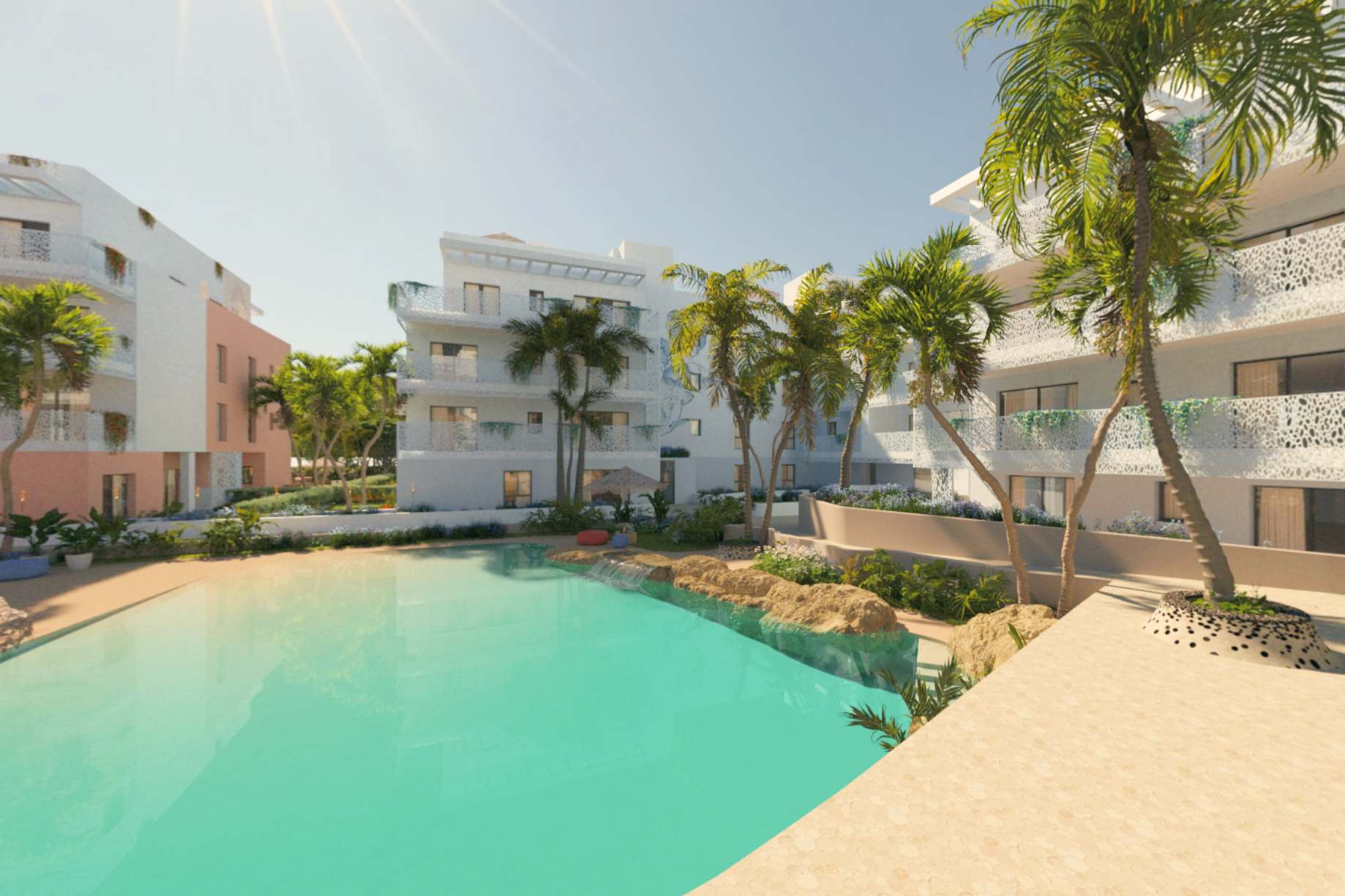
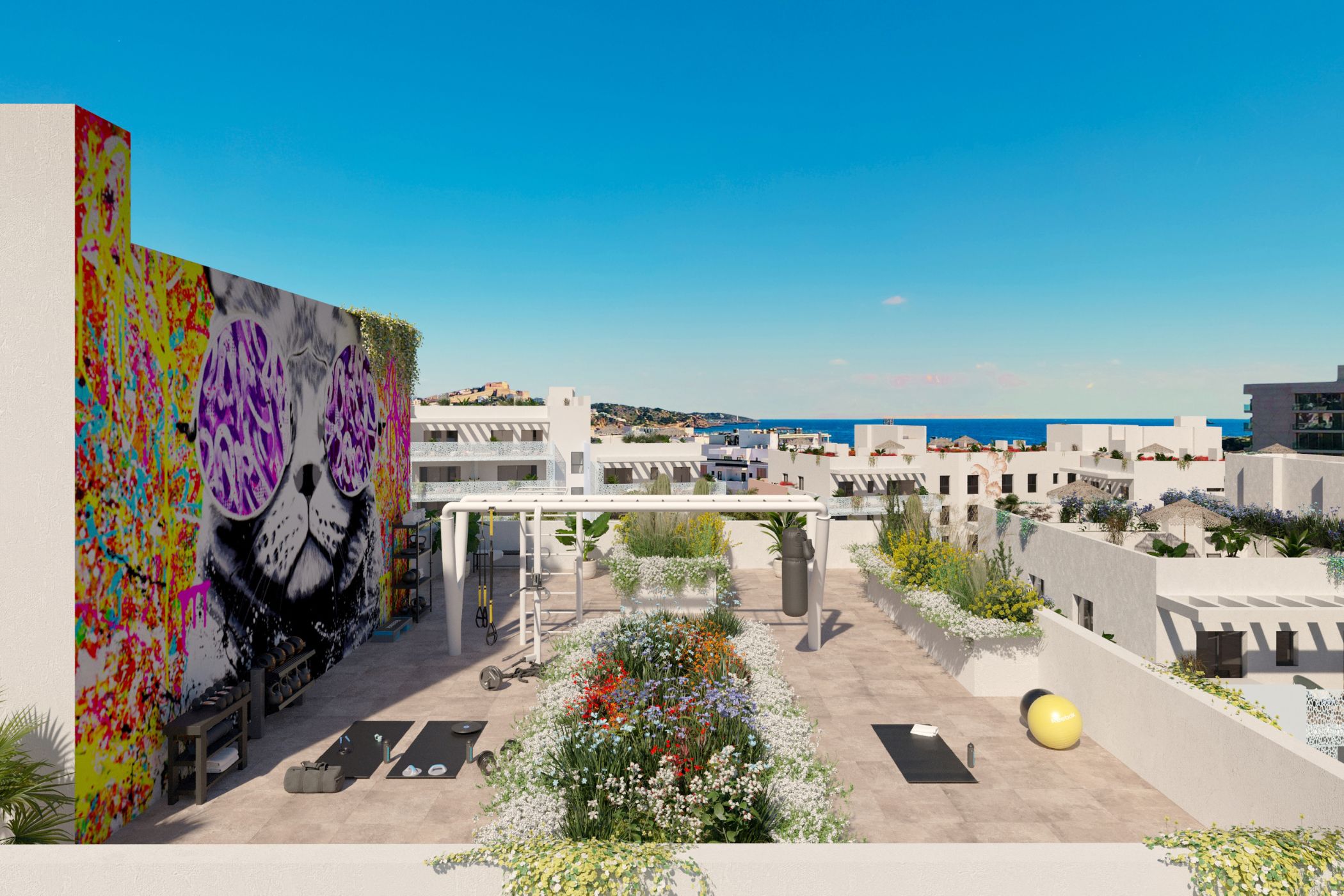
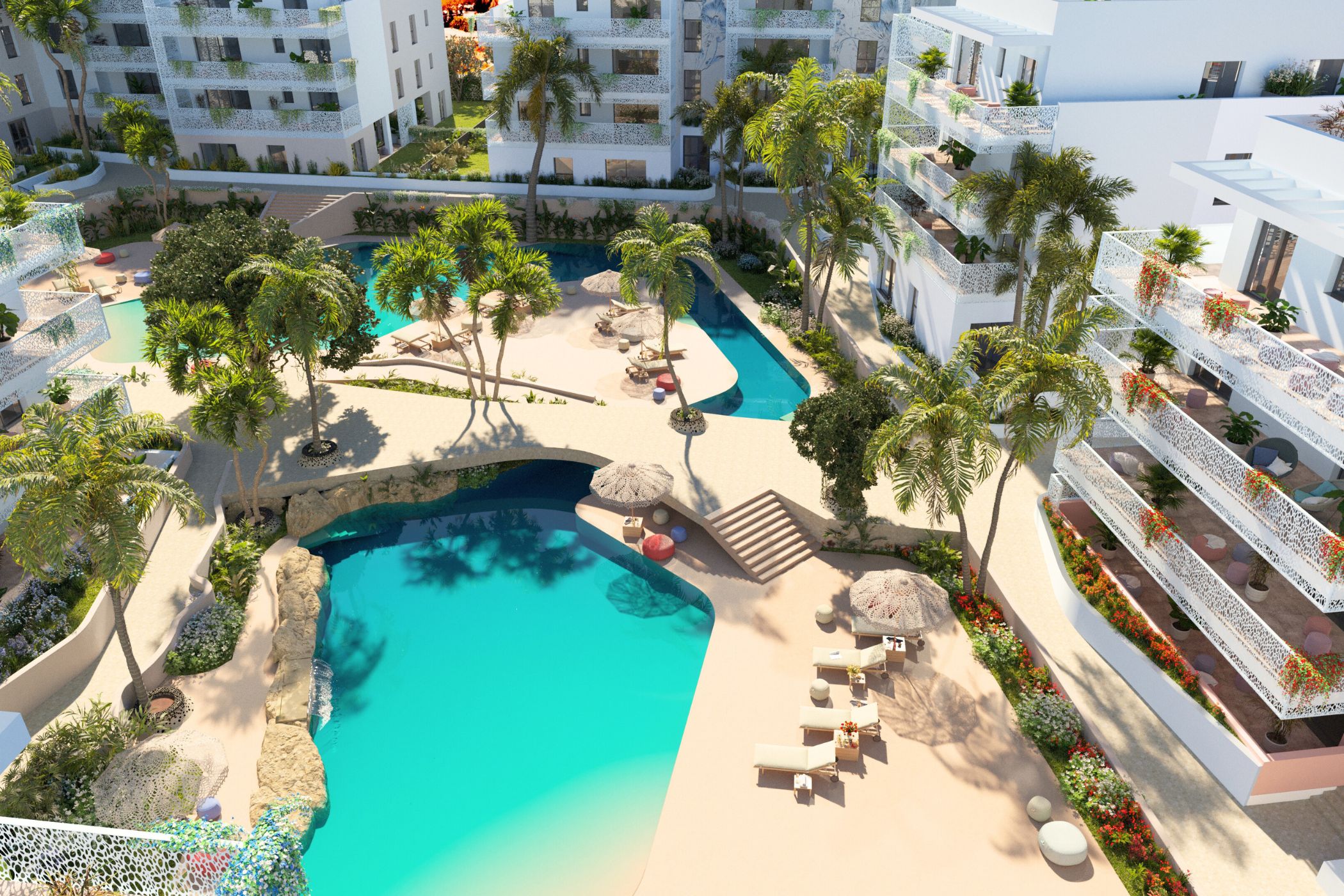
Playa d’en Bossa, Ibiza, Spain — 2-Bed Apartment With Sea Views
€159,000
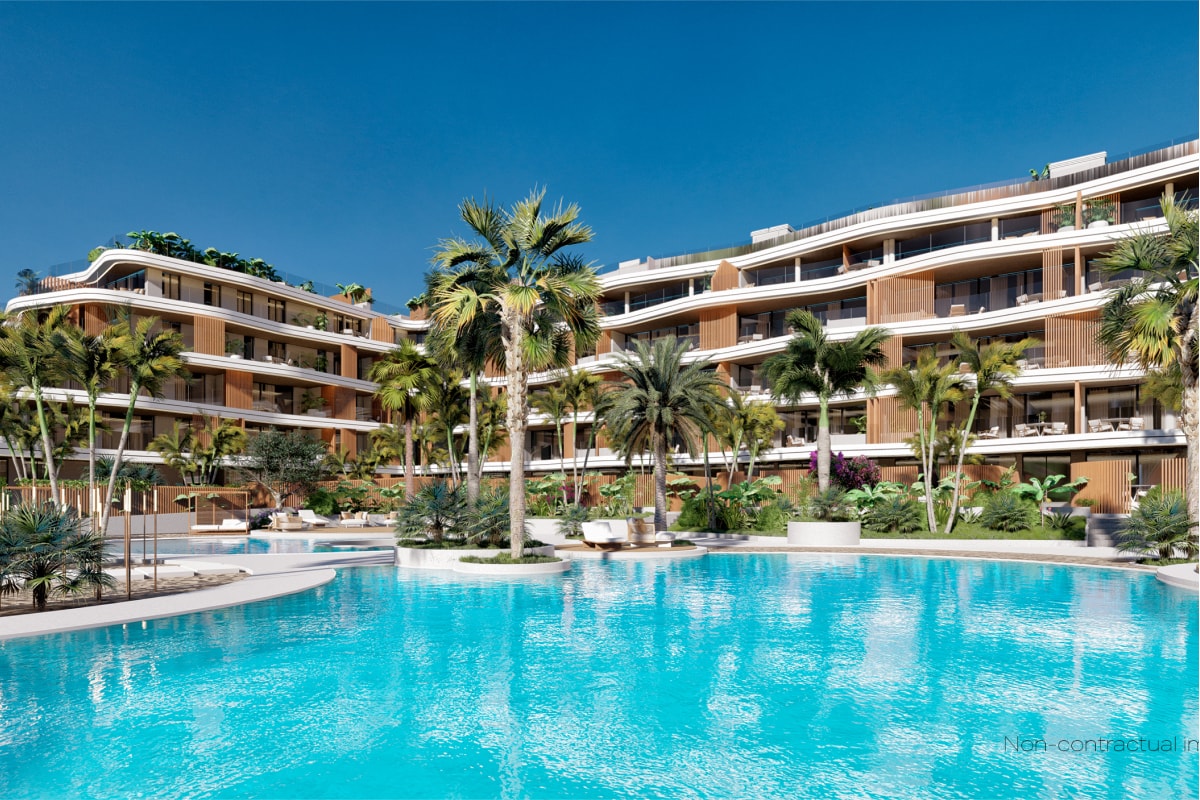
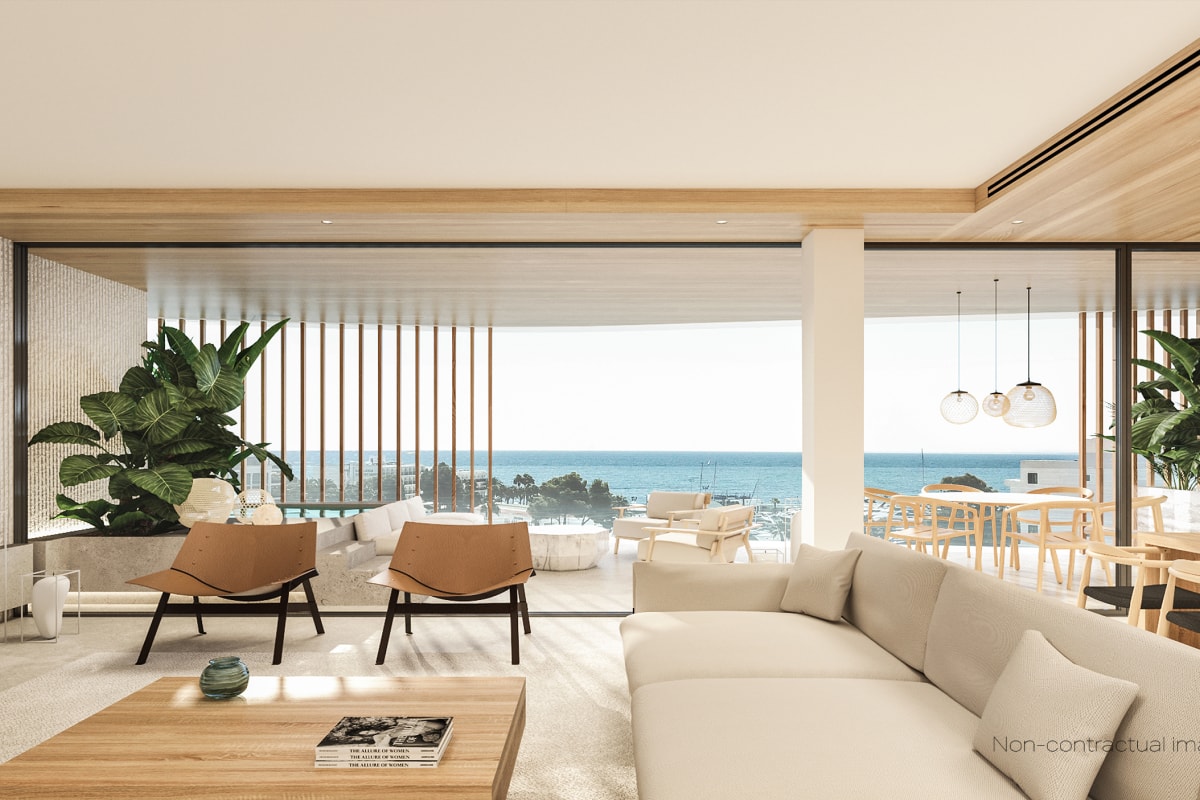
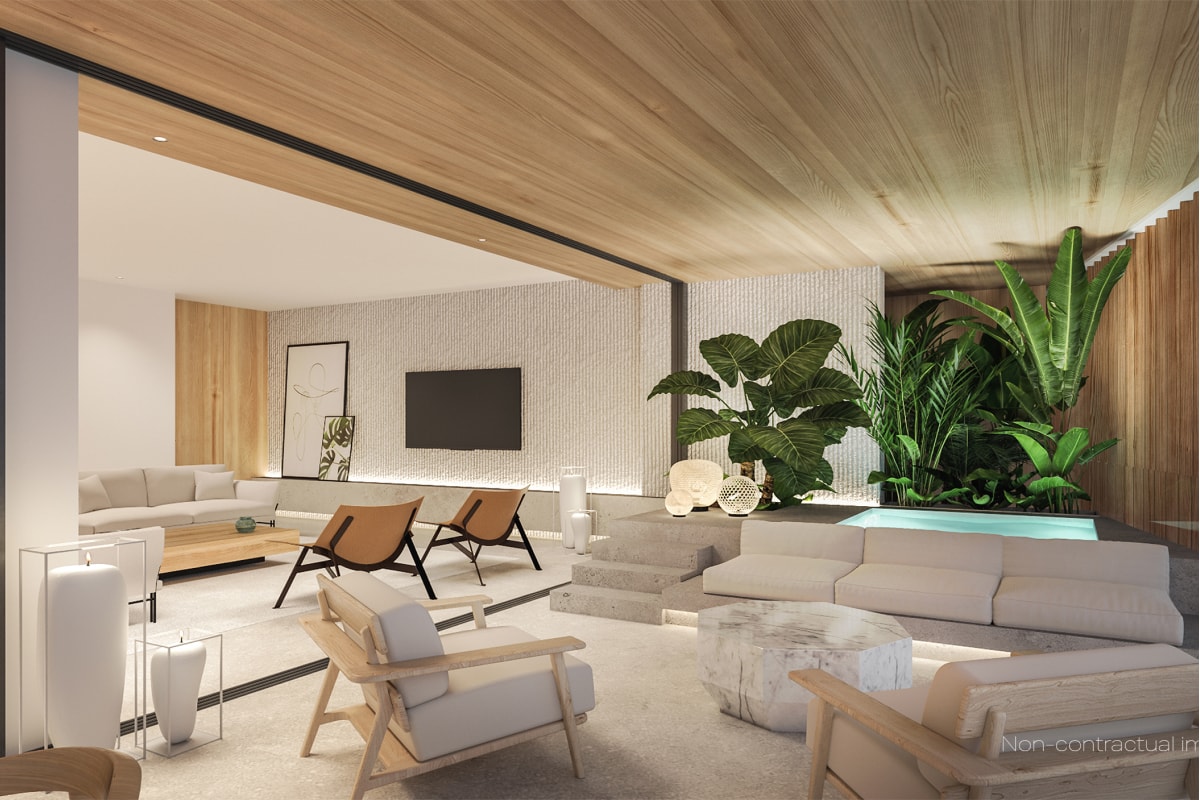
Ibiza, Spain — 3-Bed House With Sea Views
€275,000

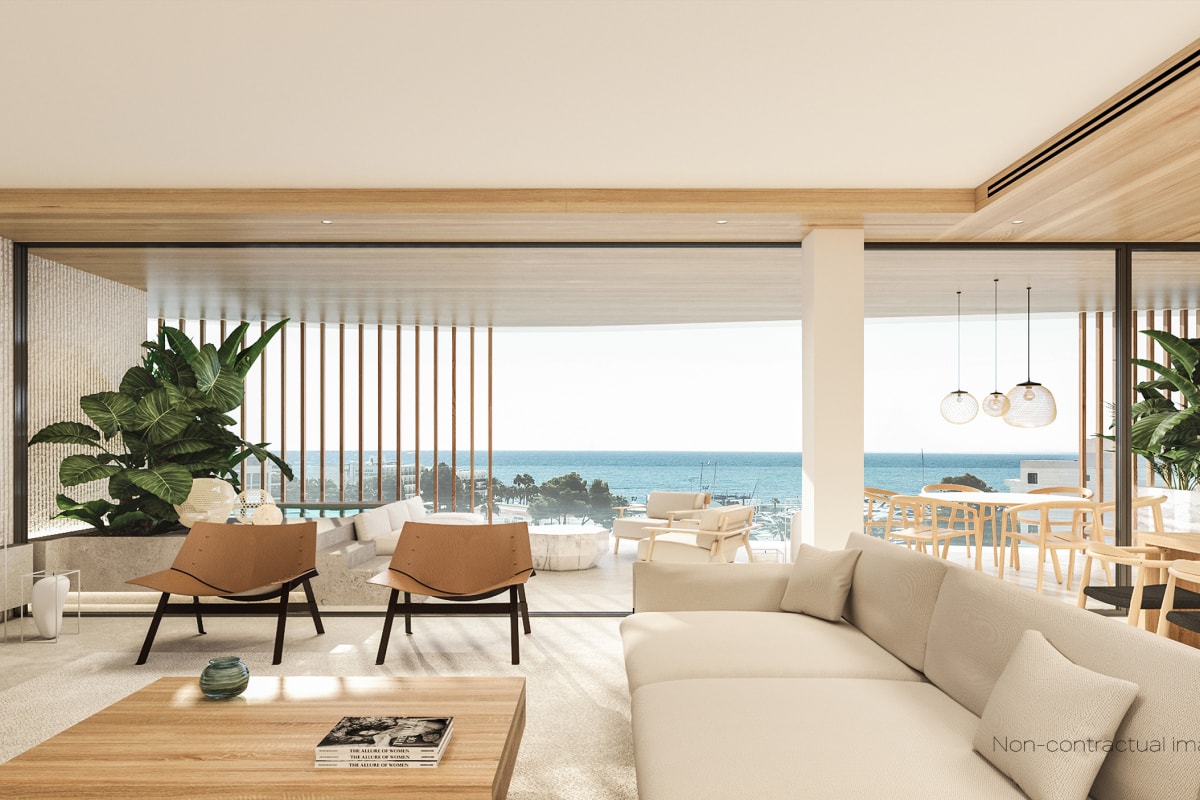
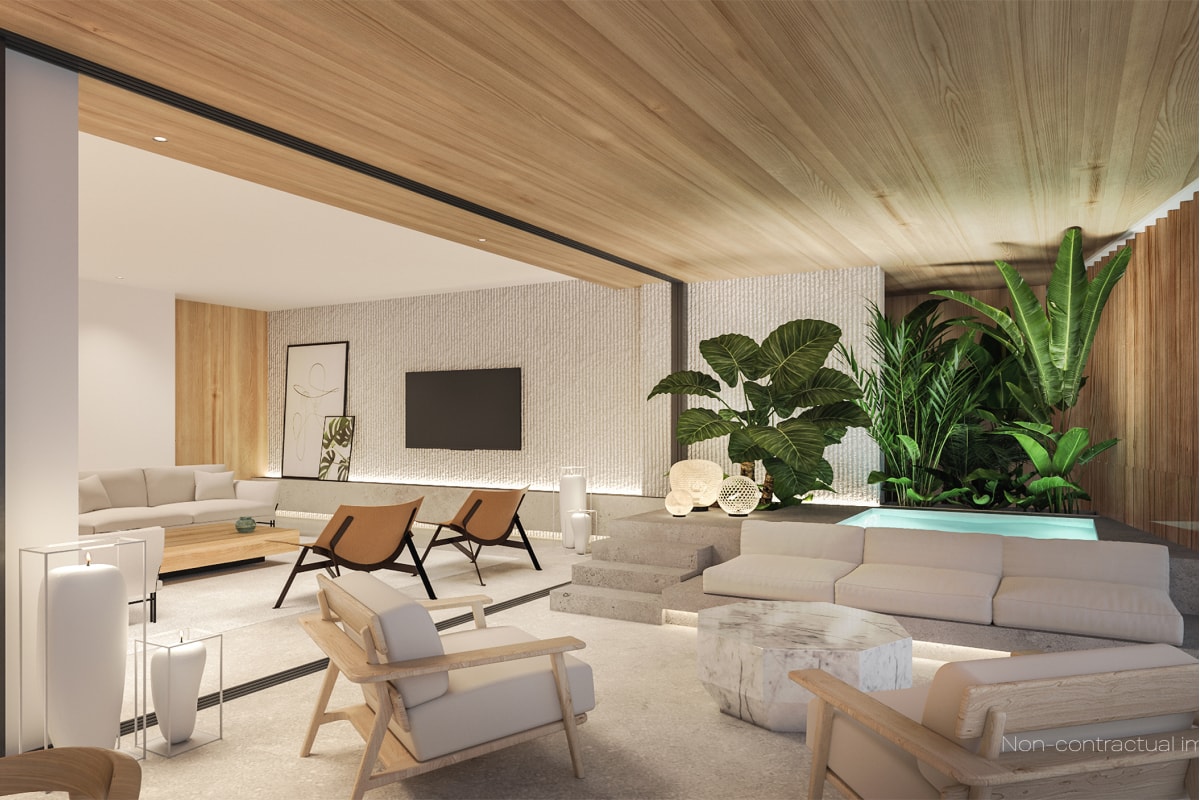
Ibiza, Spain — 3-Bed House With Sea Views
€260,000
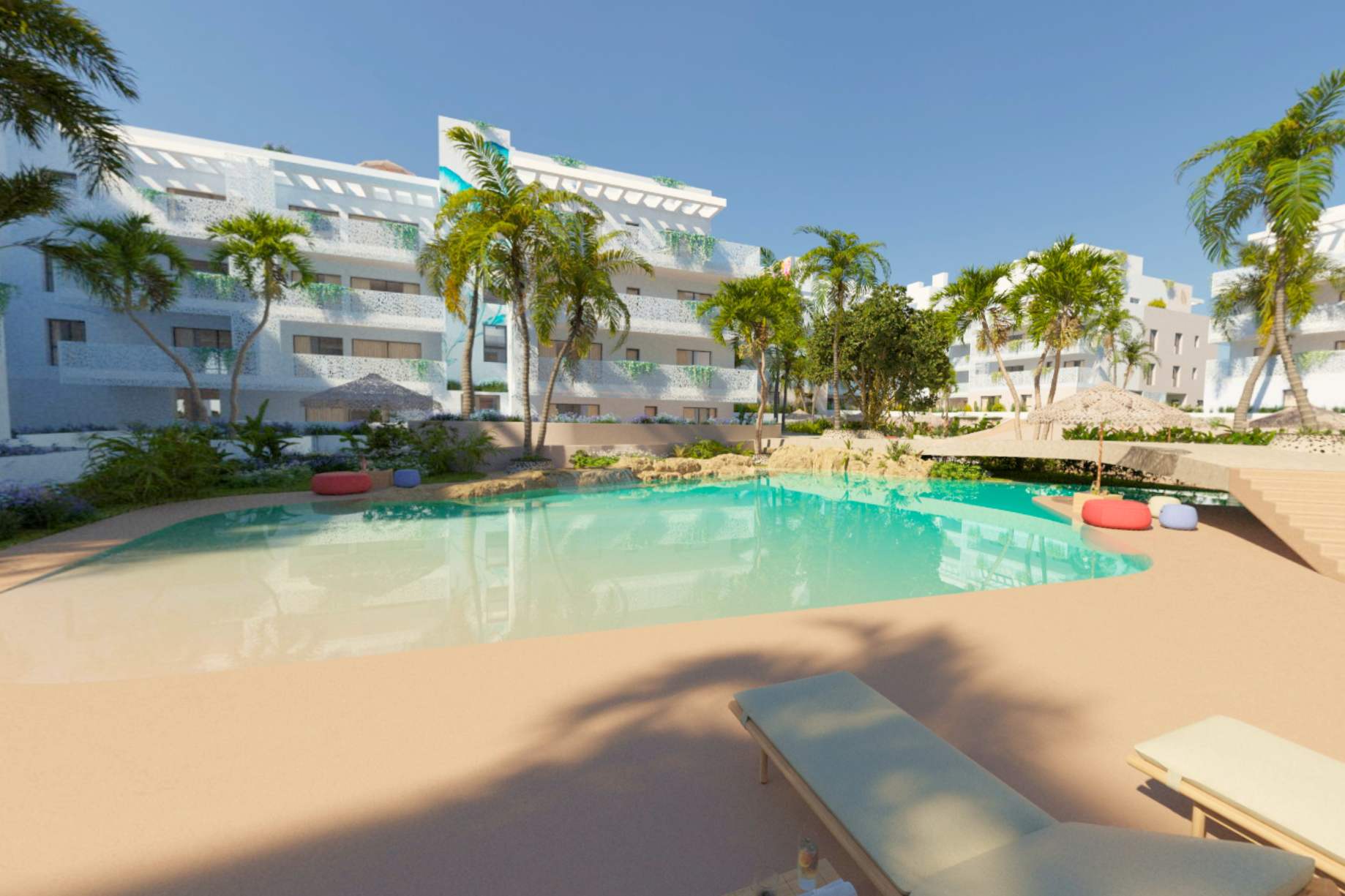
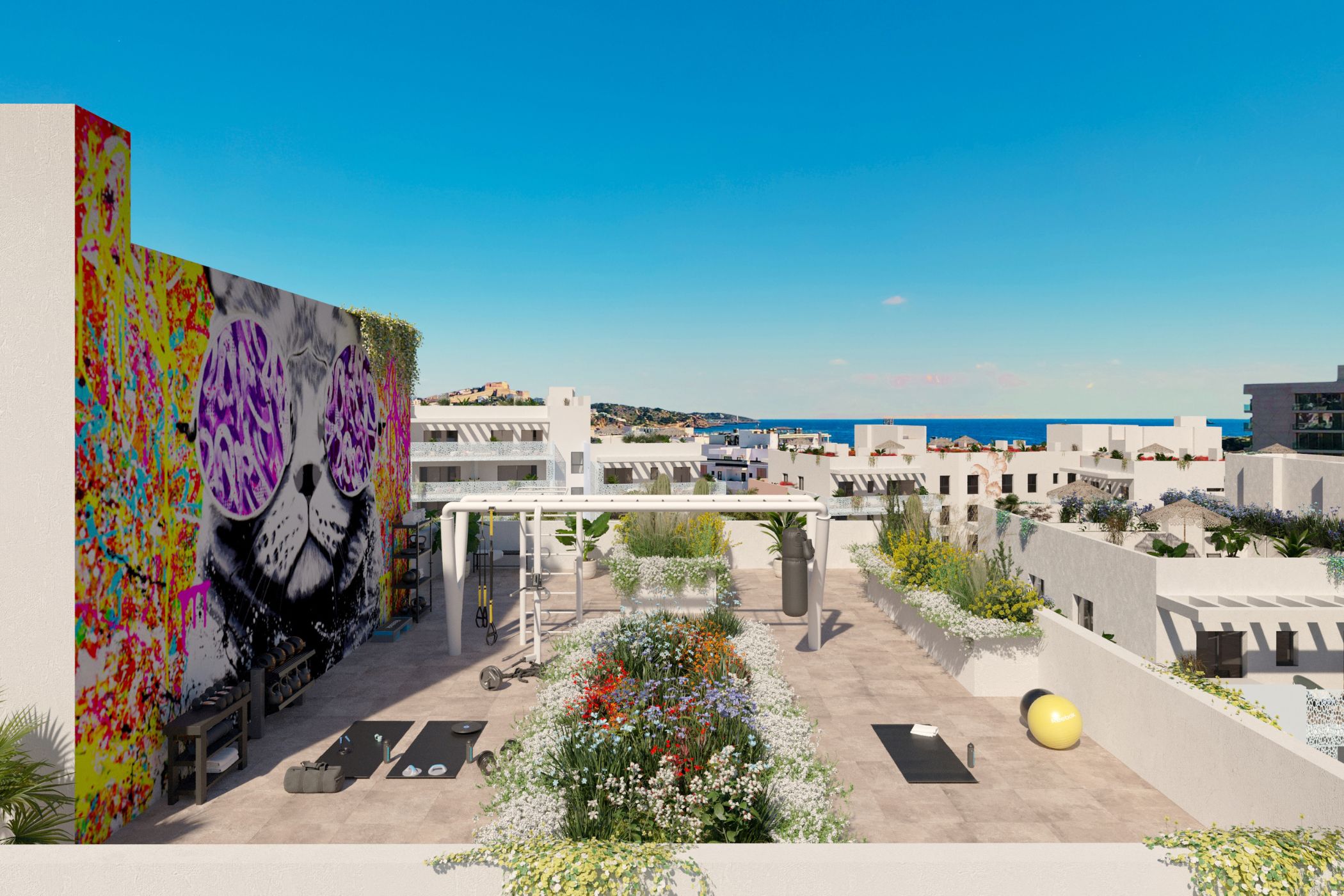
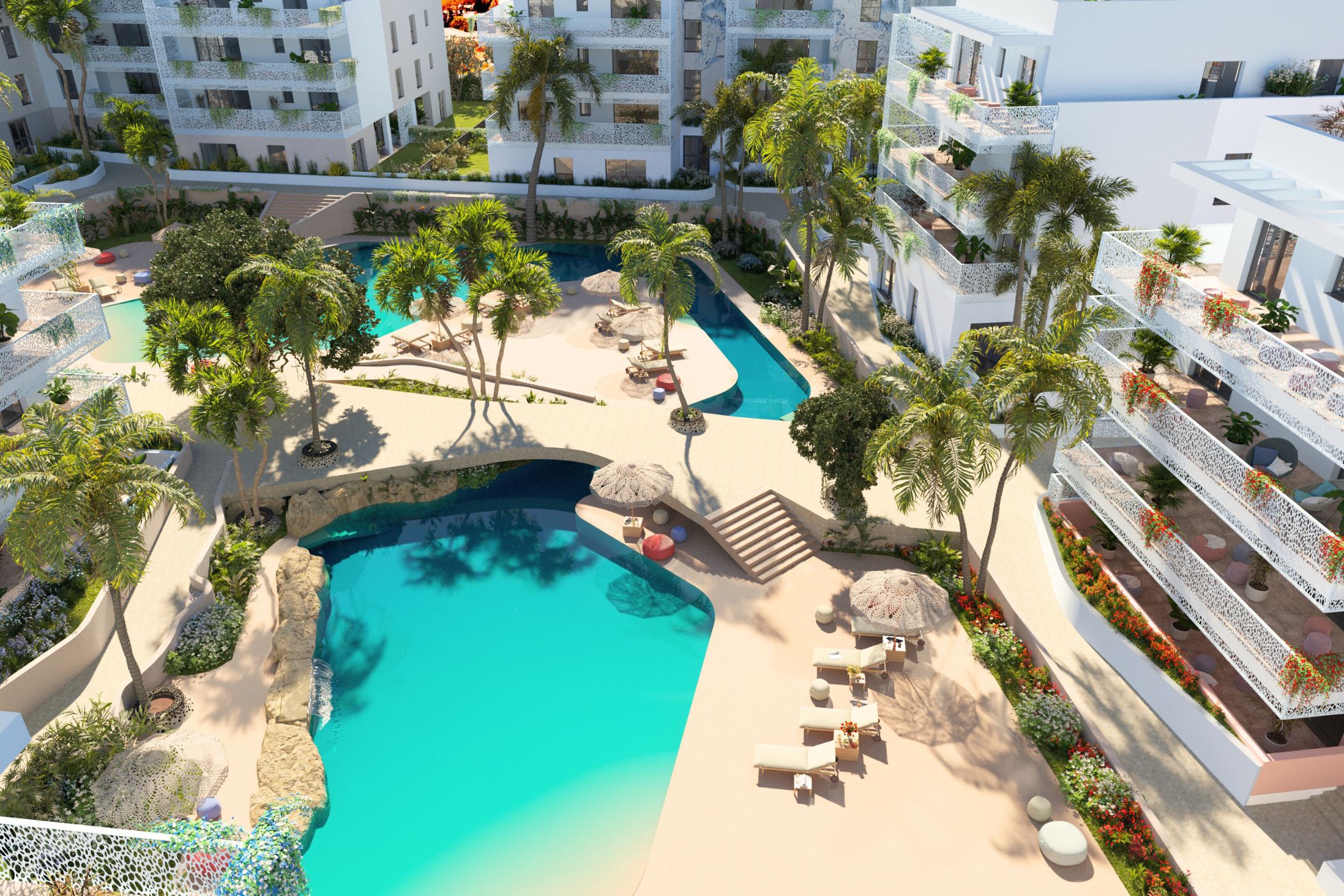
Playa d’en Bossa, Ibiza, Spain — 2-Bed Apartment With Sea Views
€189,000
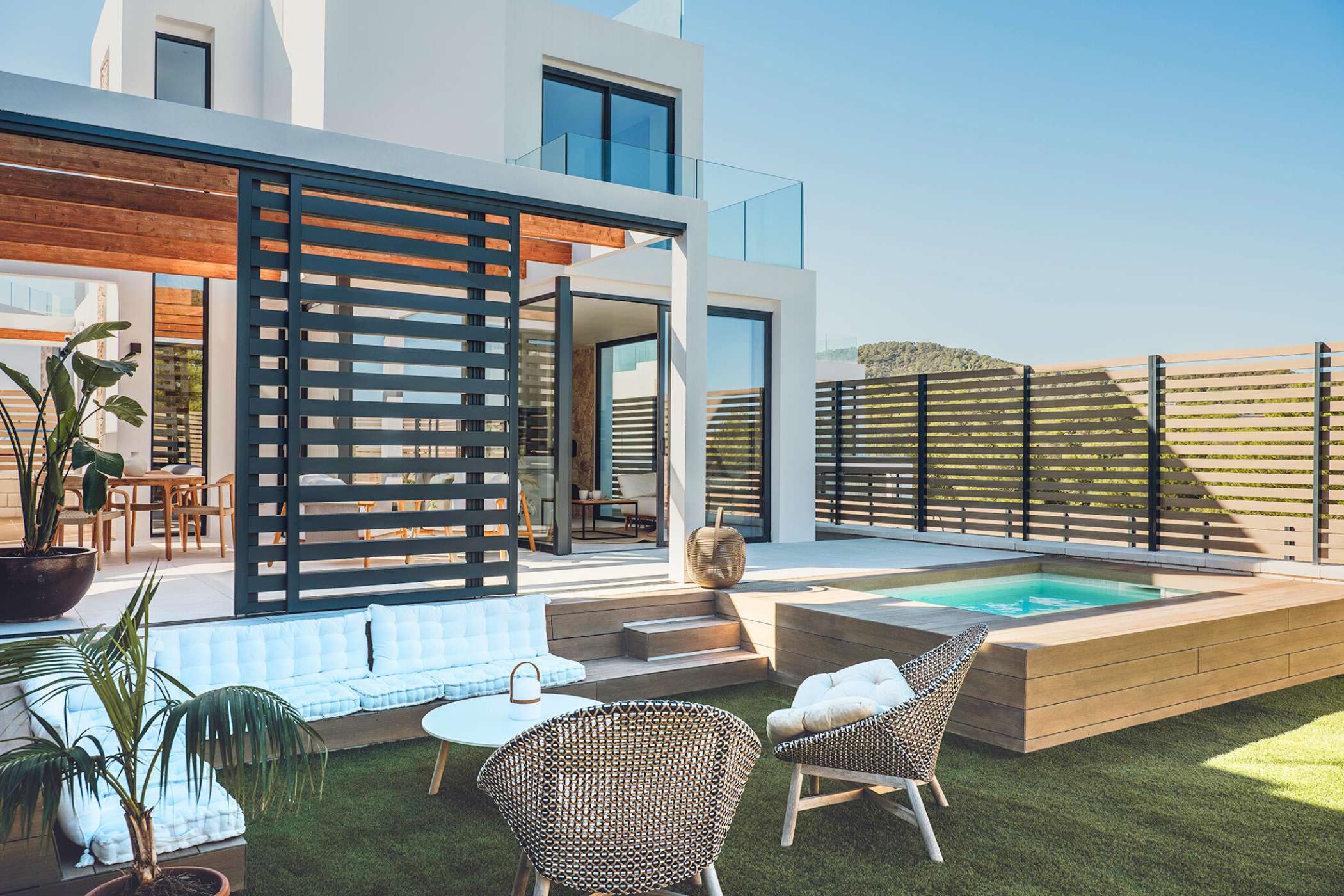
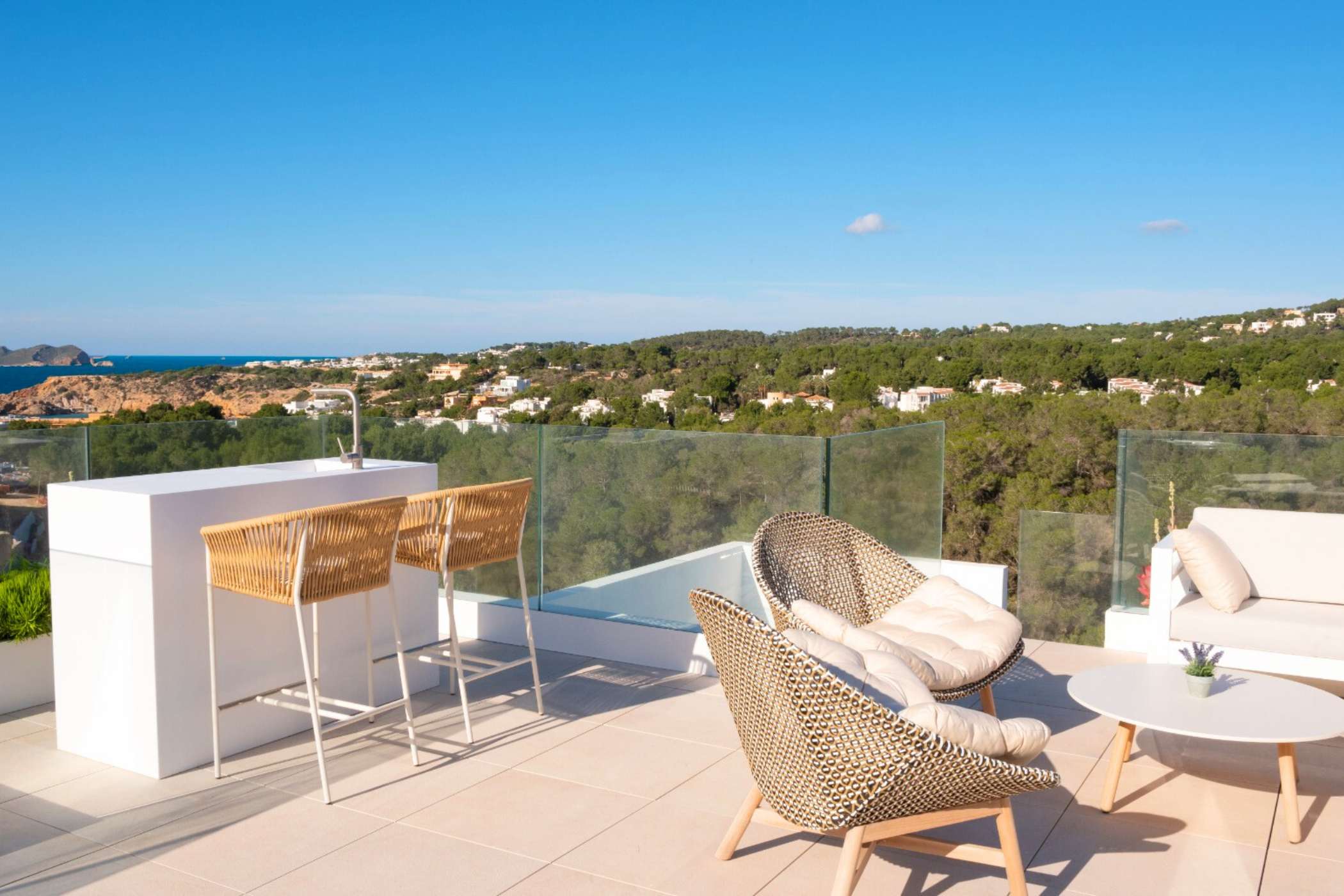
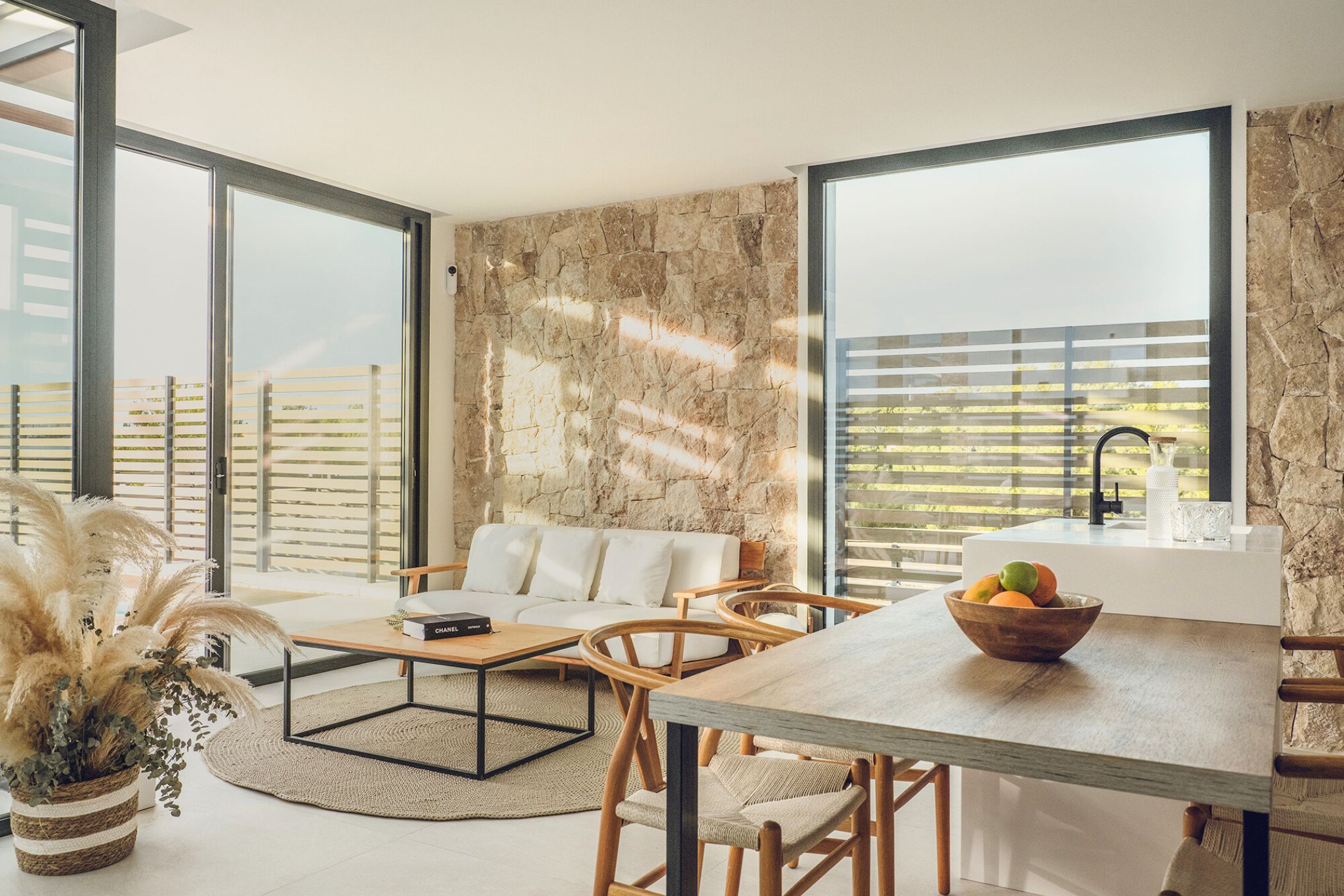
Cala Tarida, Ibiza, Spain — 3-Bed Villa With Pool
€199,000
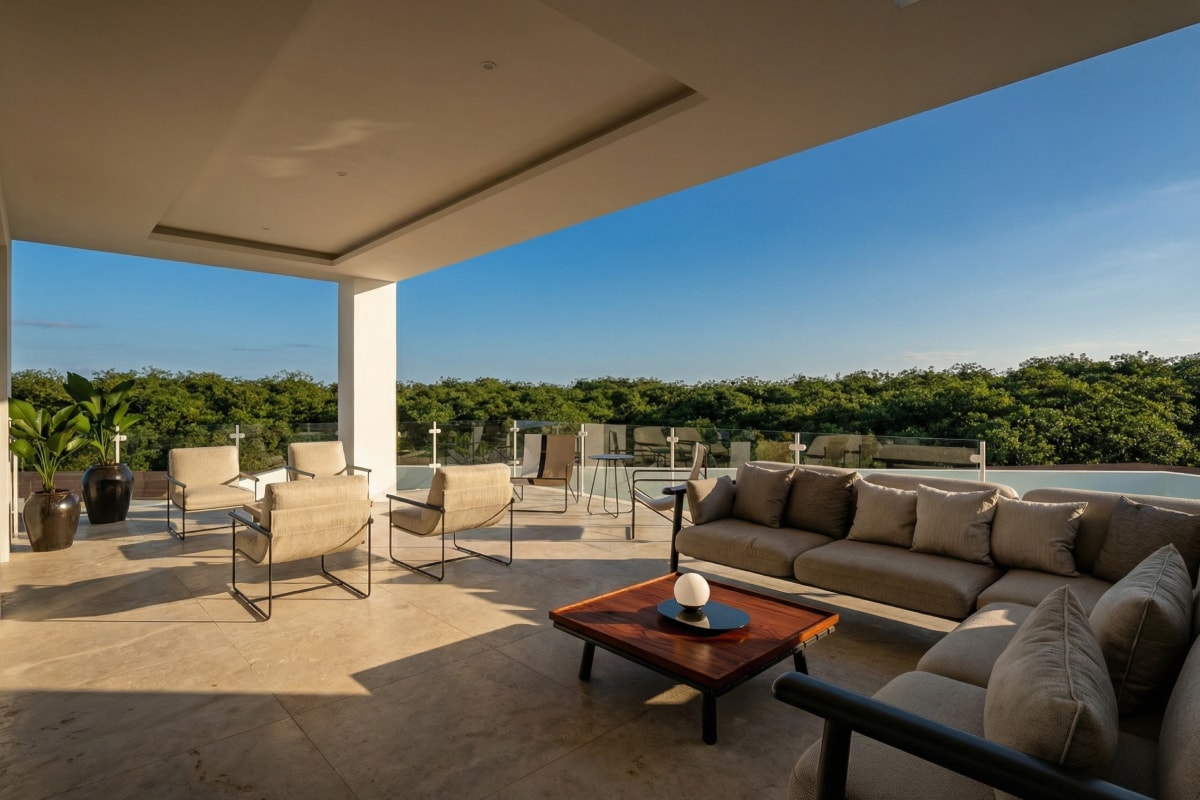
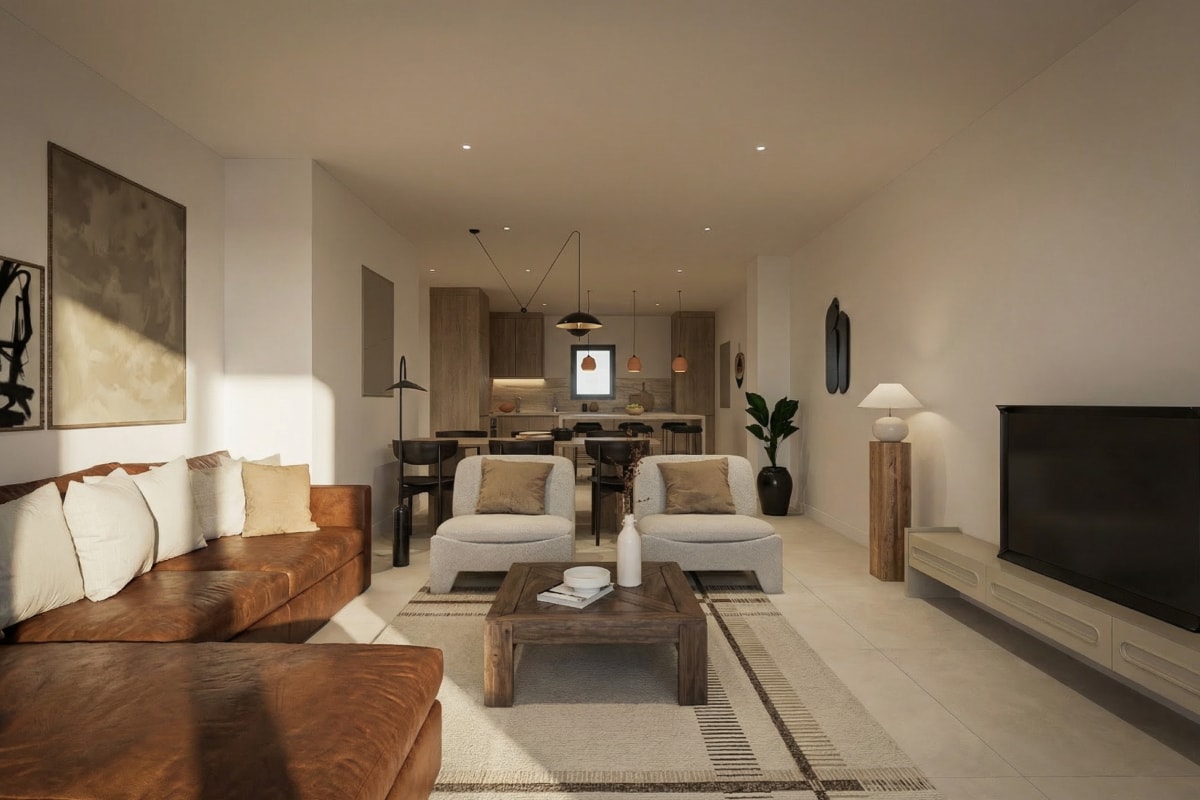
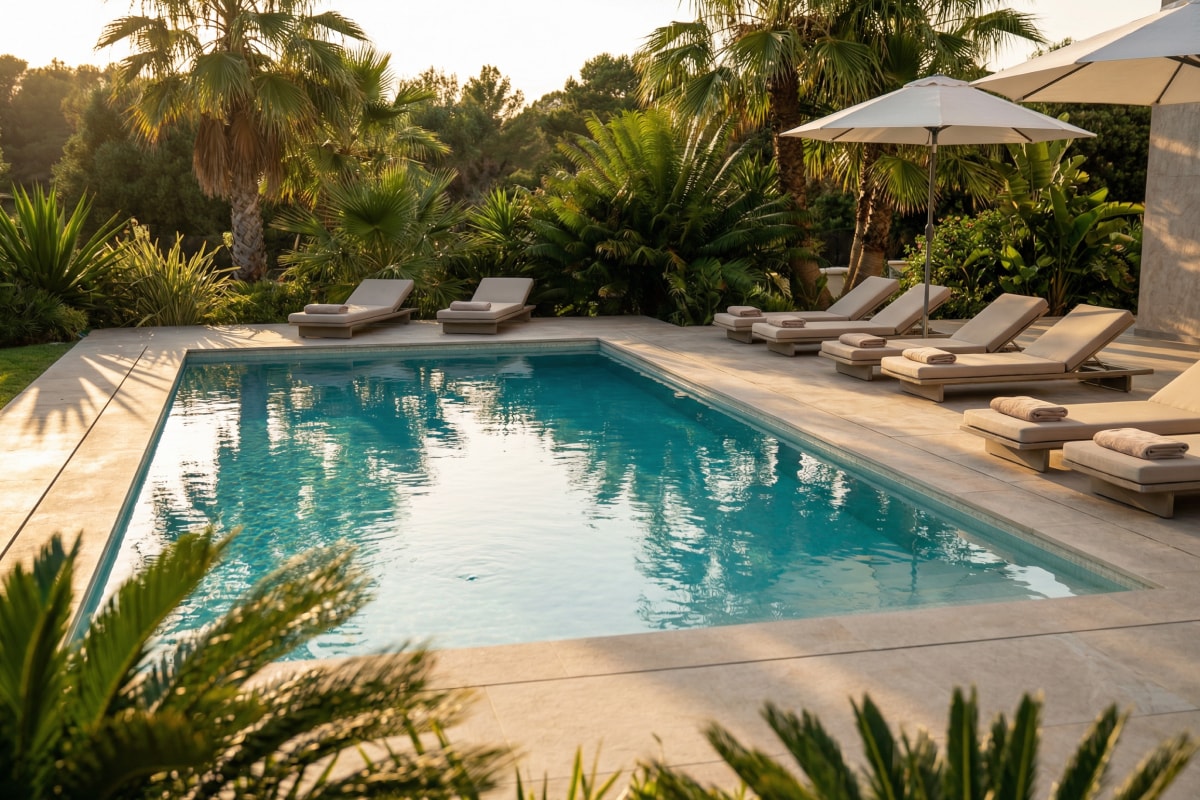
Ibiza, Spain — 3-Bed Apartment With Pool
€180,000
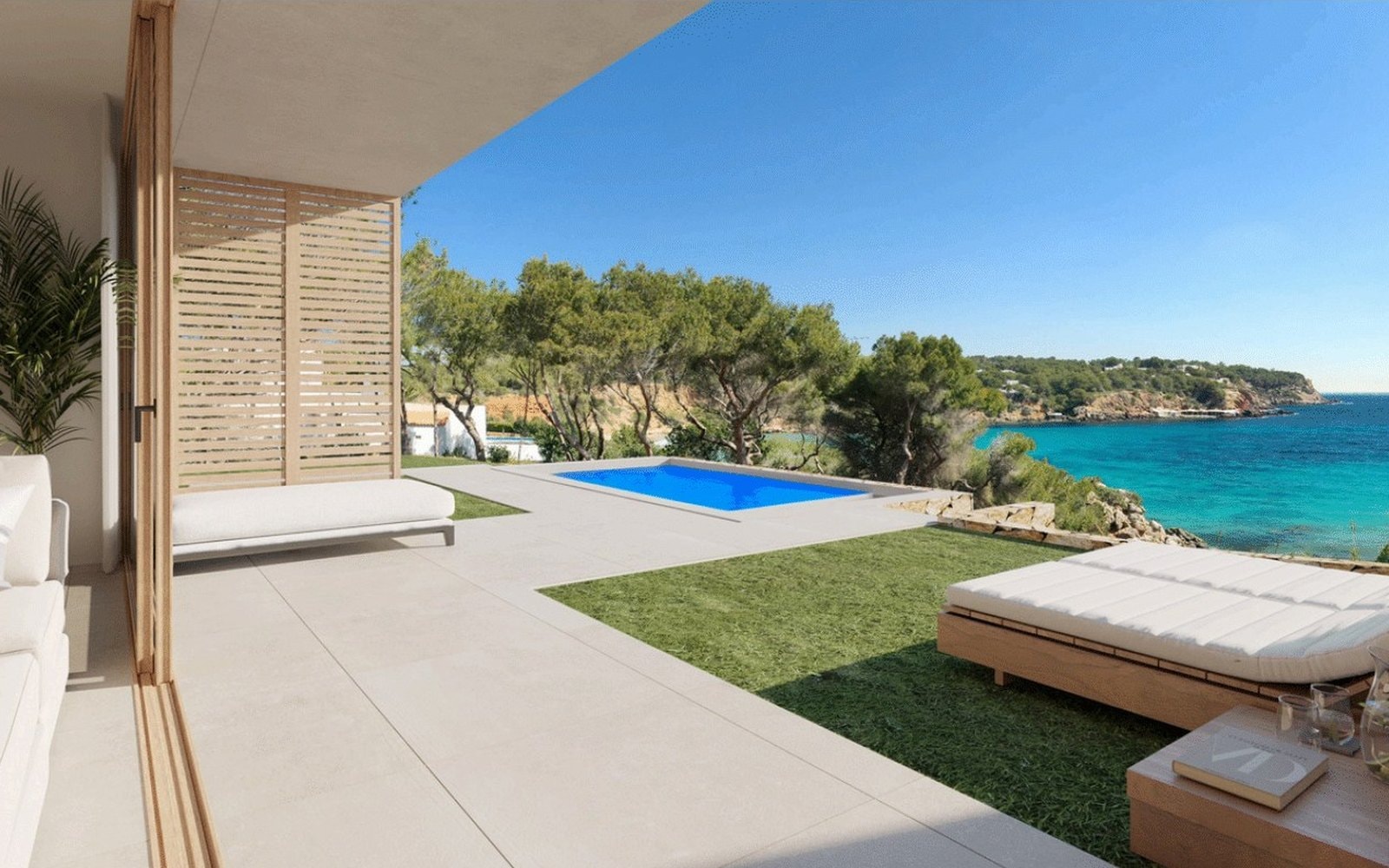
Cala Llenya, Ibiza, Spain — 3-Bed Private Residence
€419,000
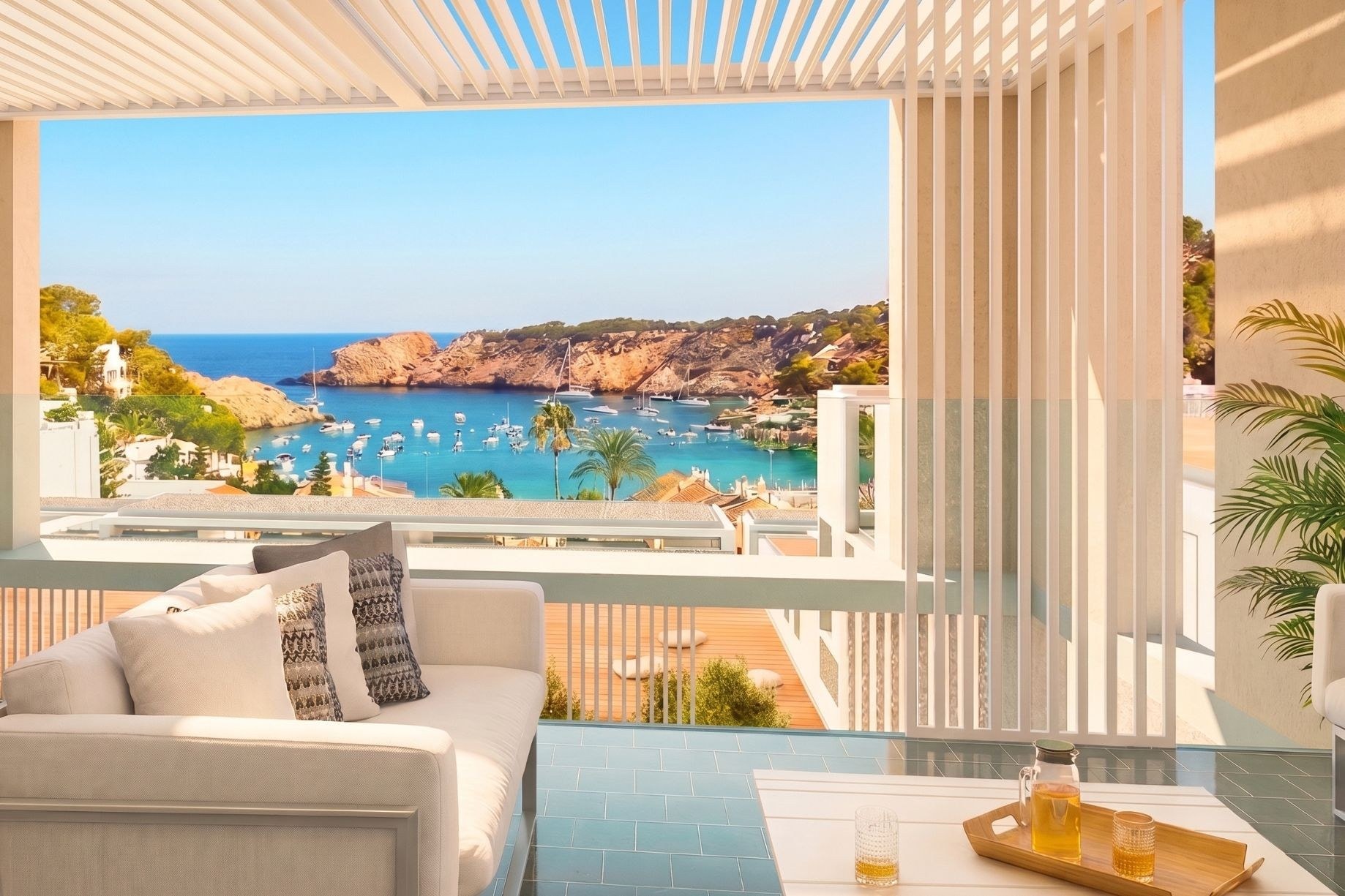
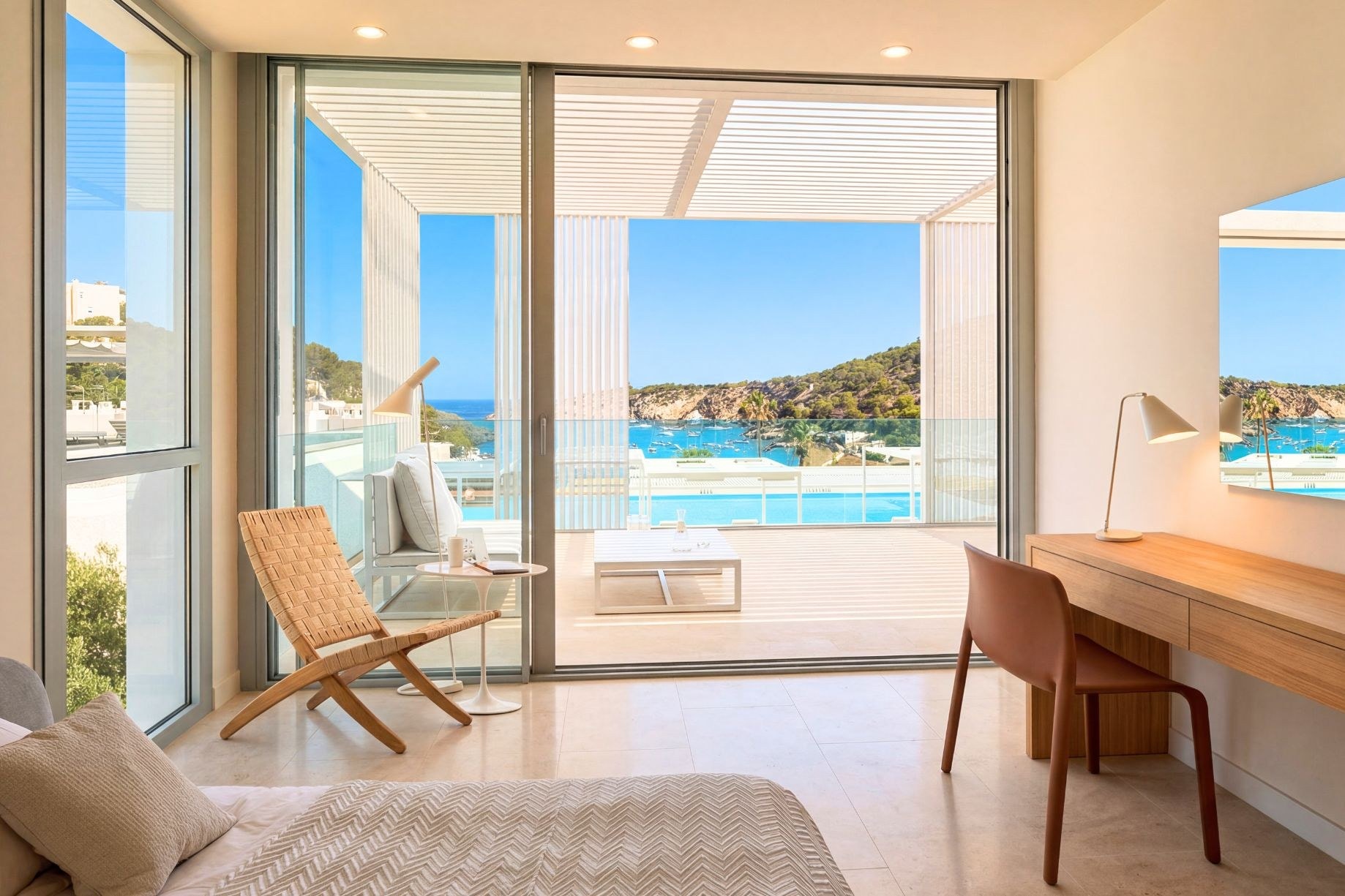
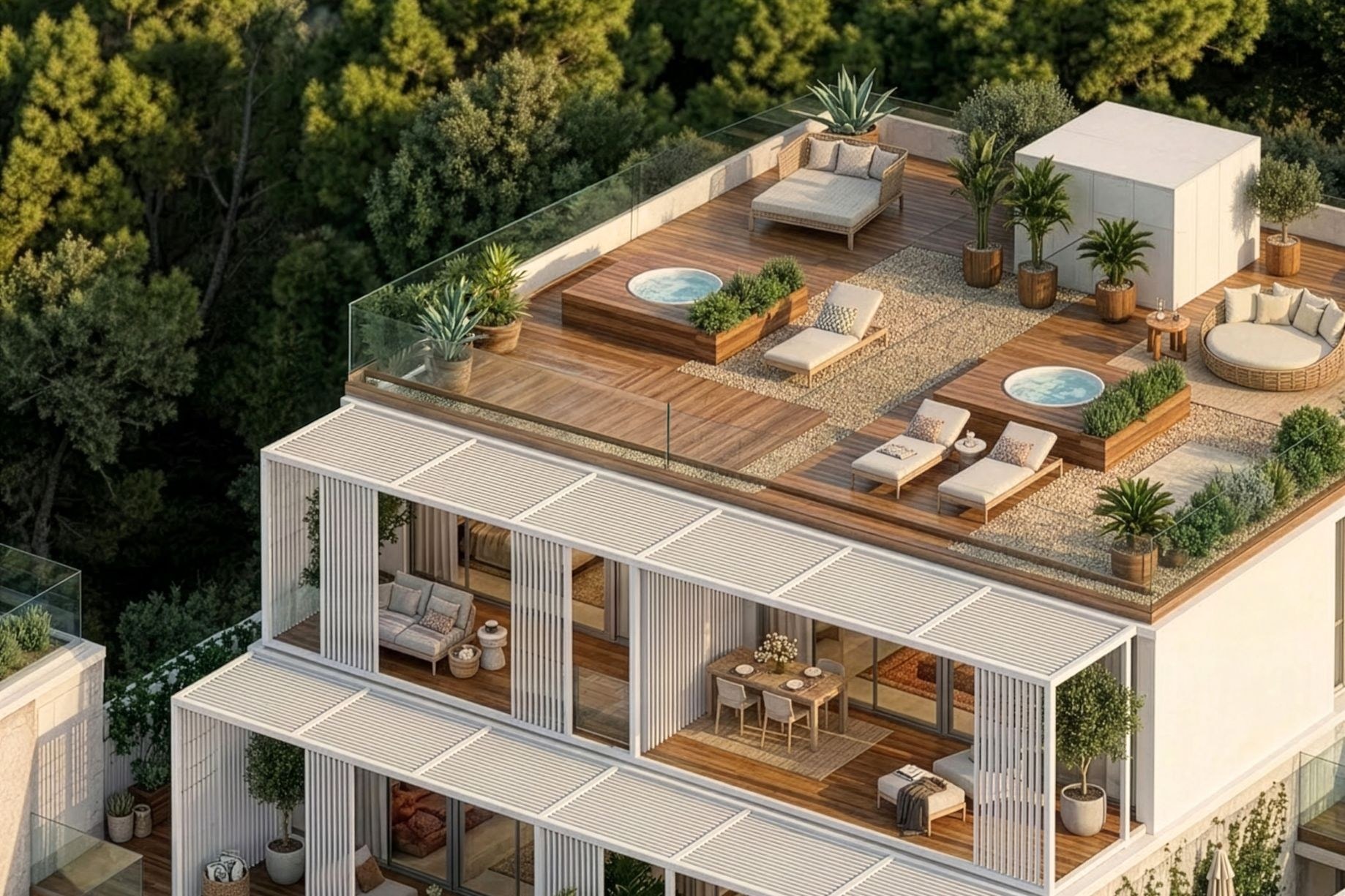
Cala Vadella, Ibiza, Spain — 2-Bed Penthouse With Sea Views & Private Roof Terrace
€199,000
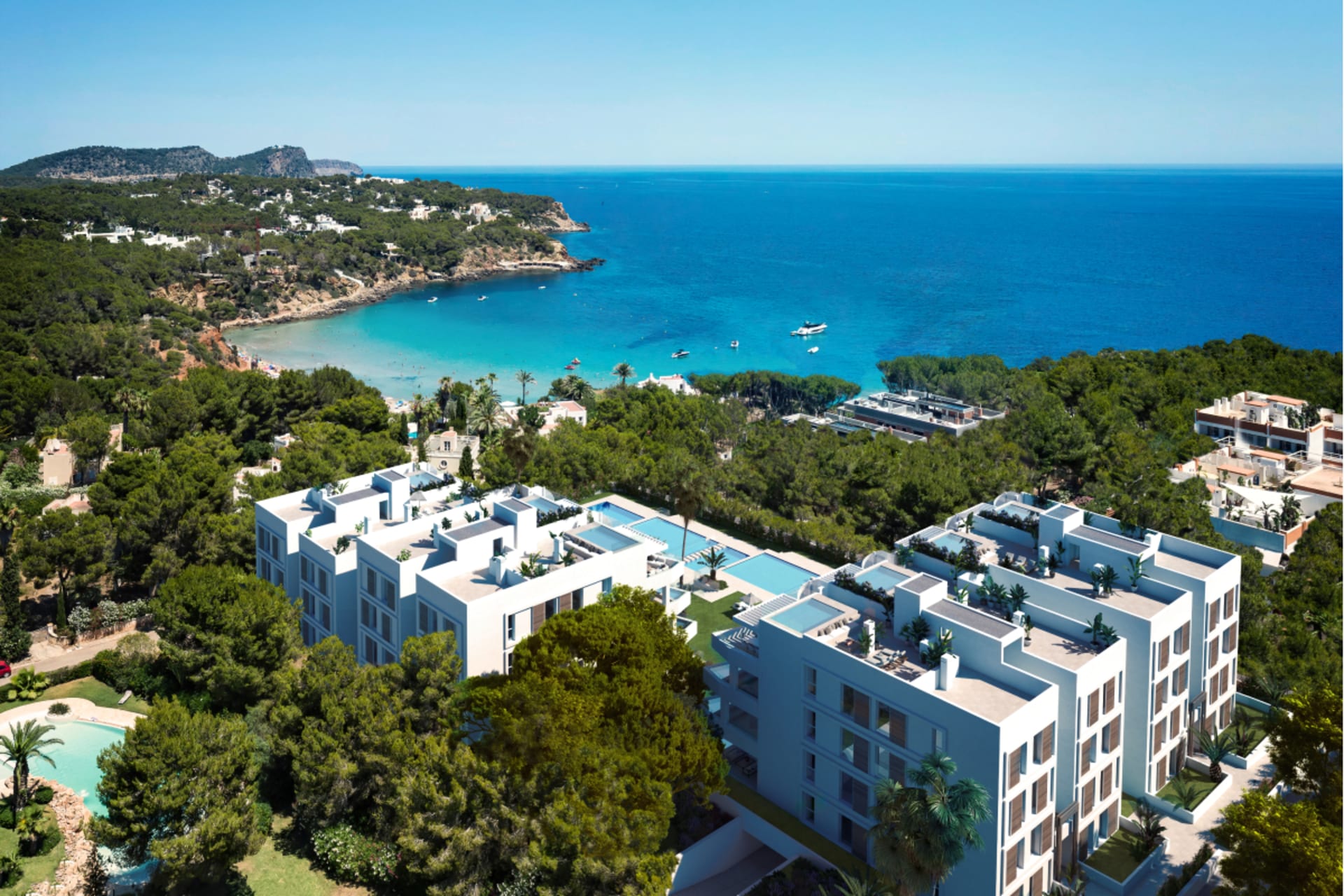
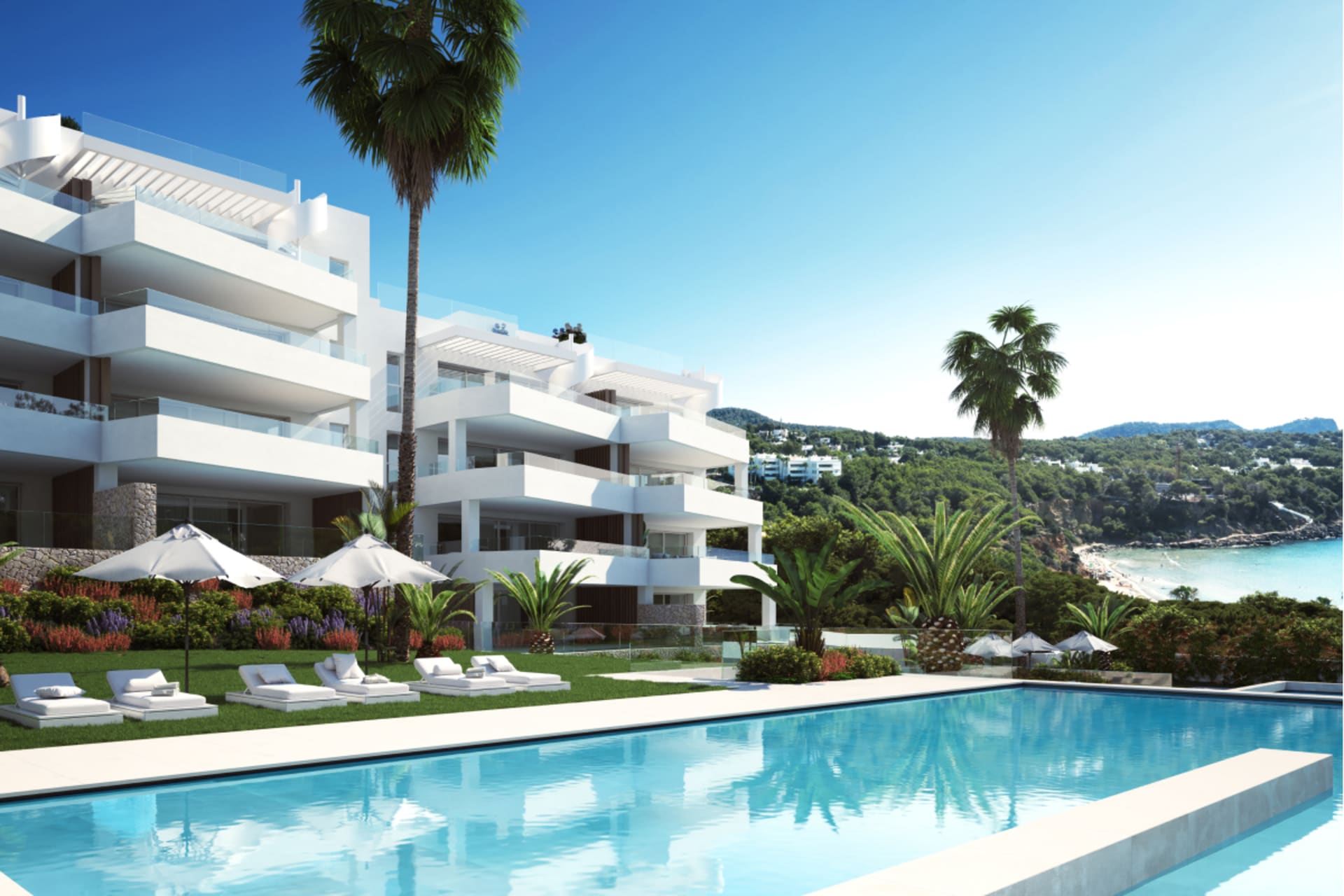
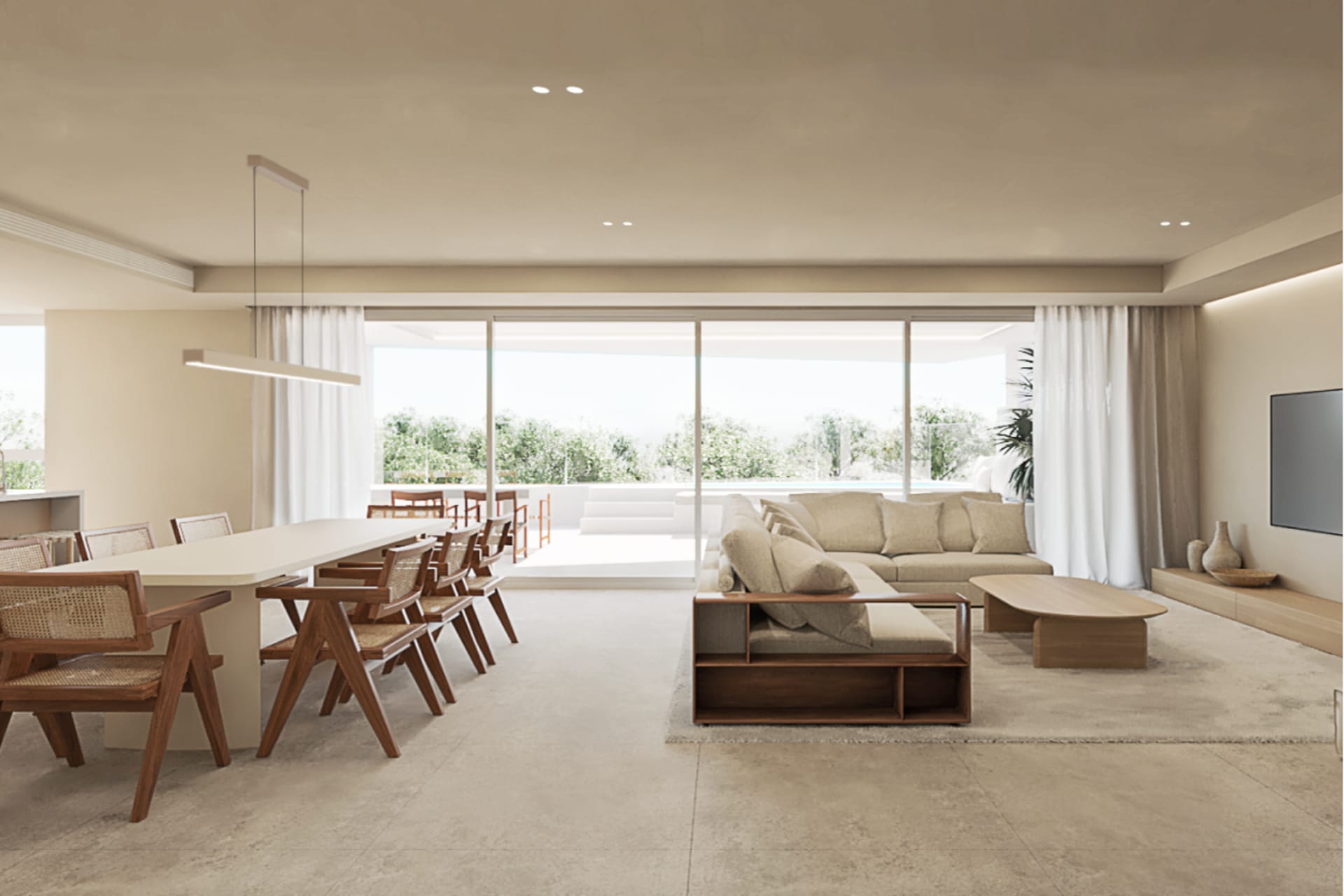
Santa Eulària, Ibiza, Spain — 4-Bed Villa With Private Pool & Mediterranean Sea Views
€315,000
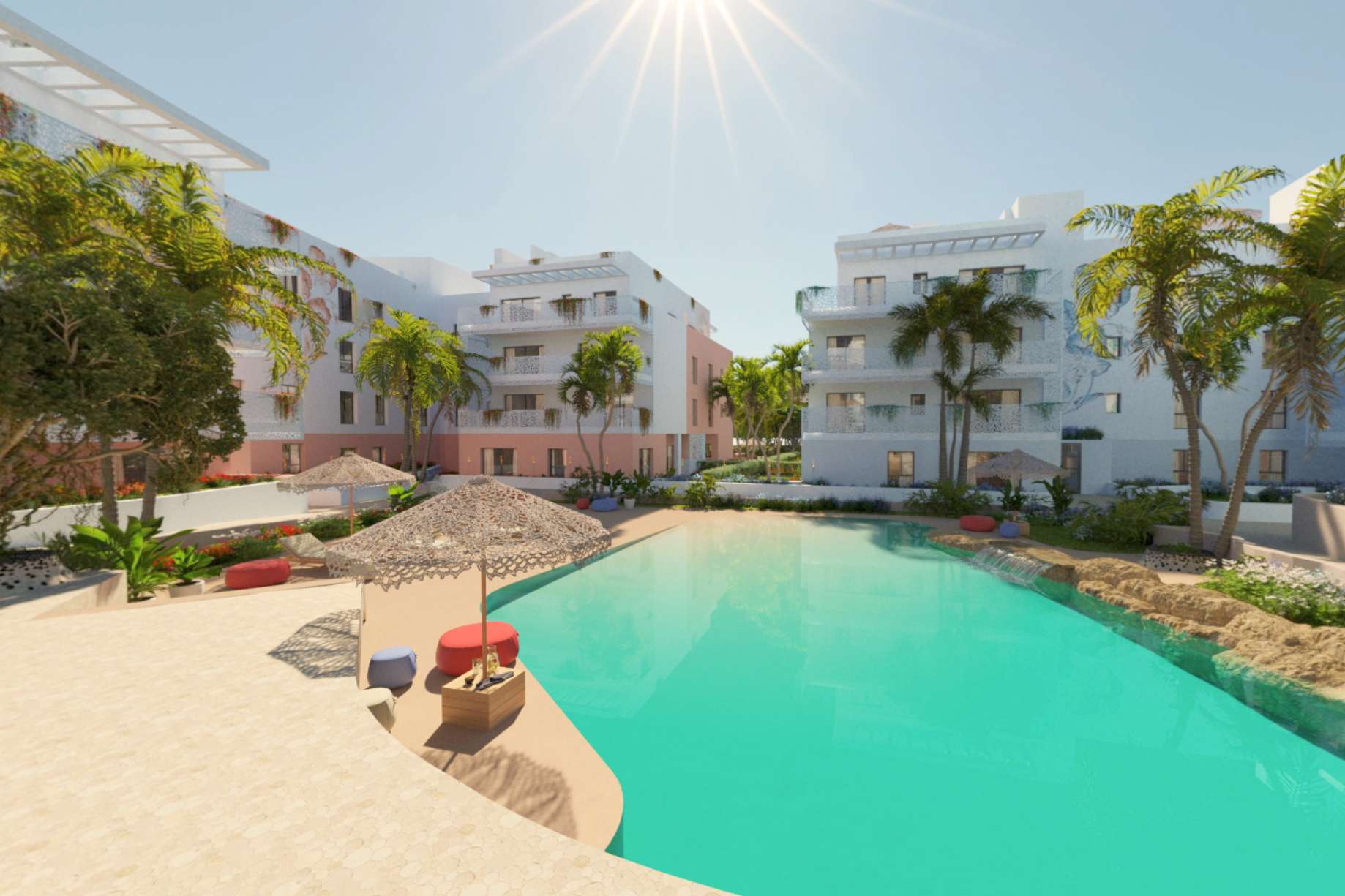
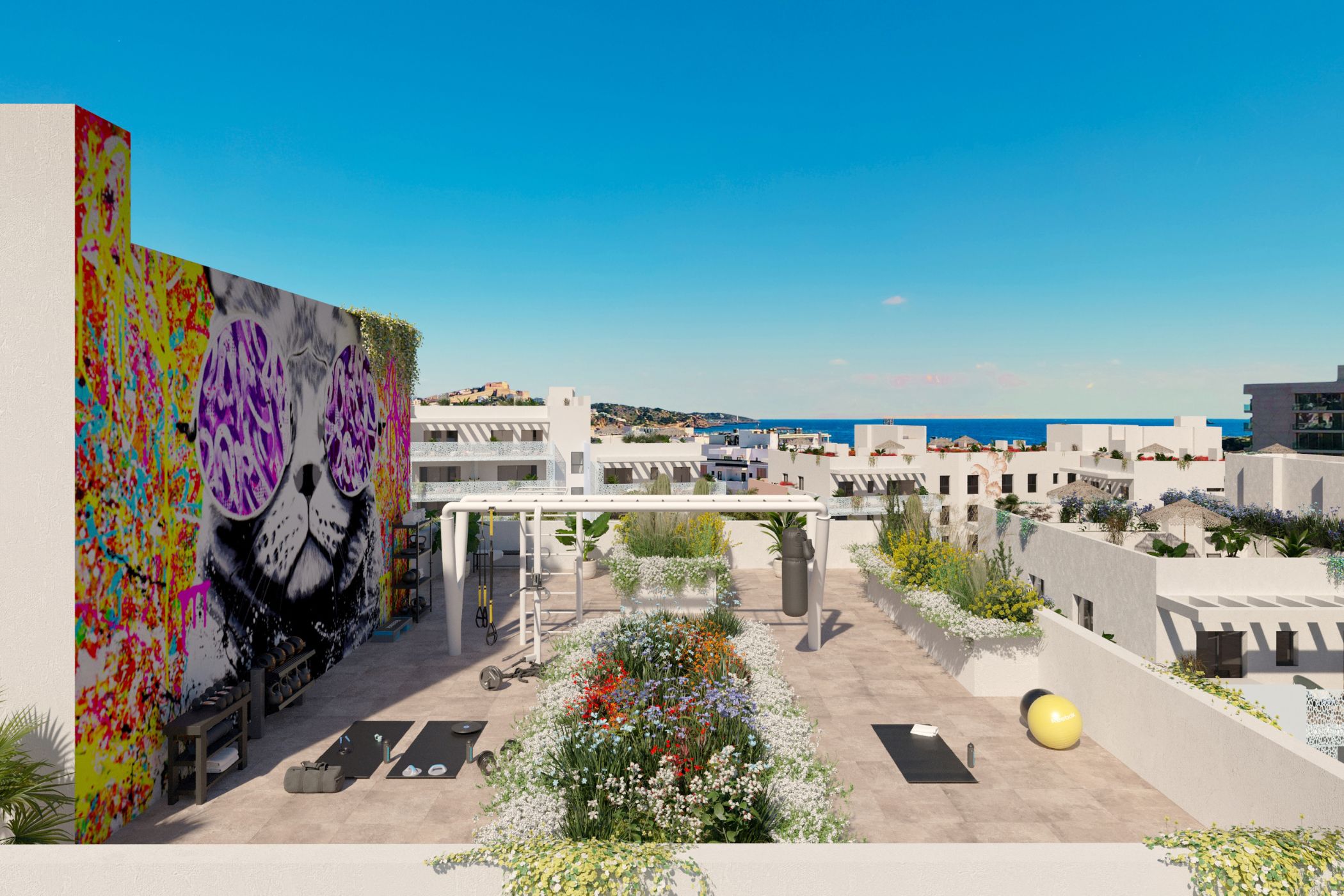
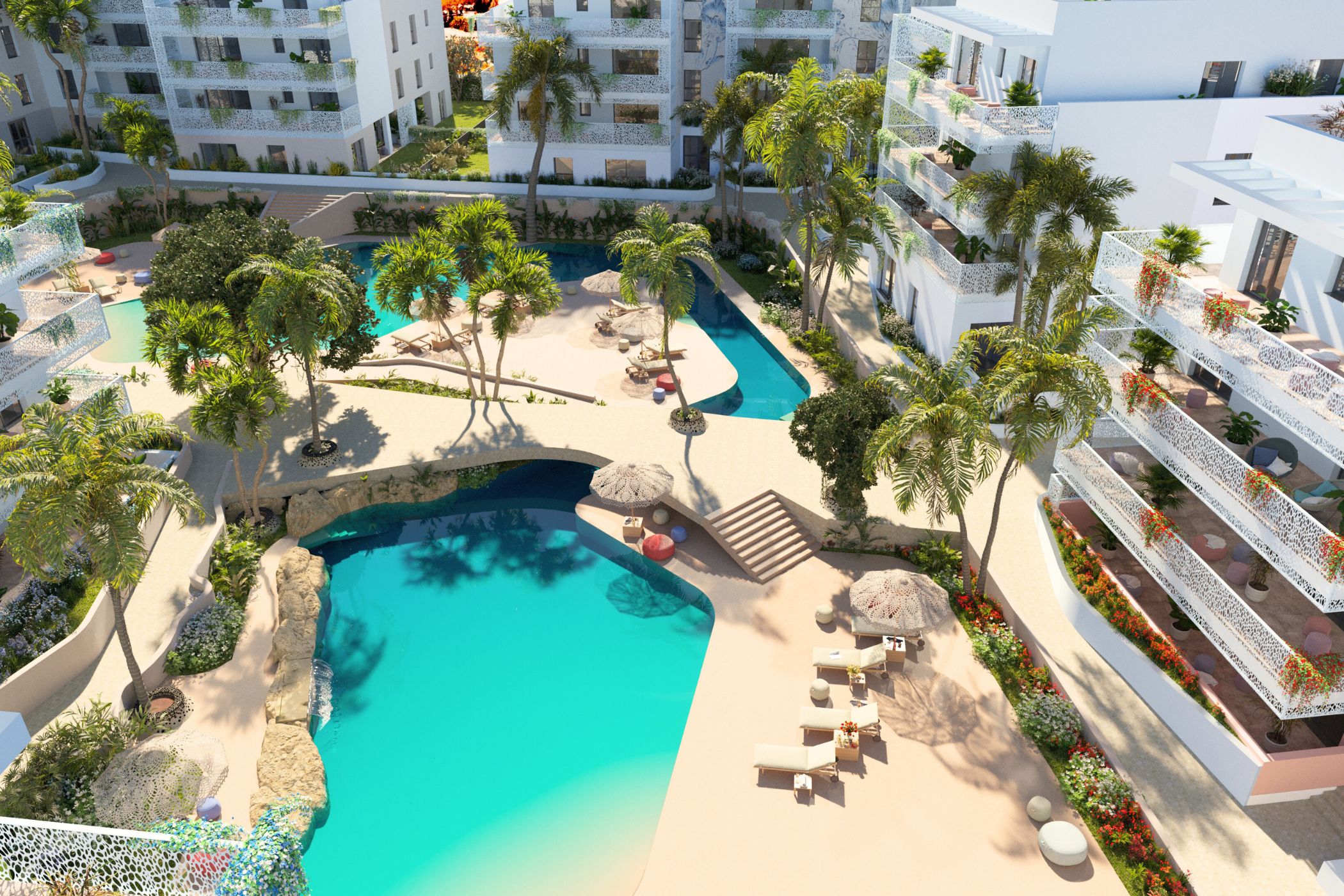
Playa d’en Bossa, Ibiza, Spain — 2-Bed Apartment With Sea Views
€199,000
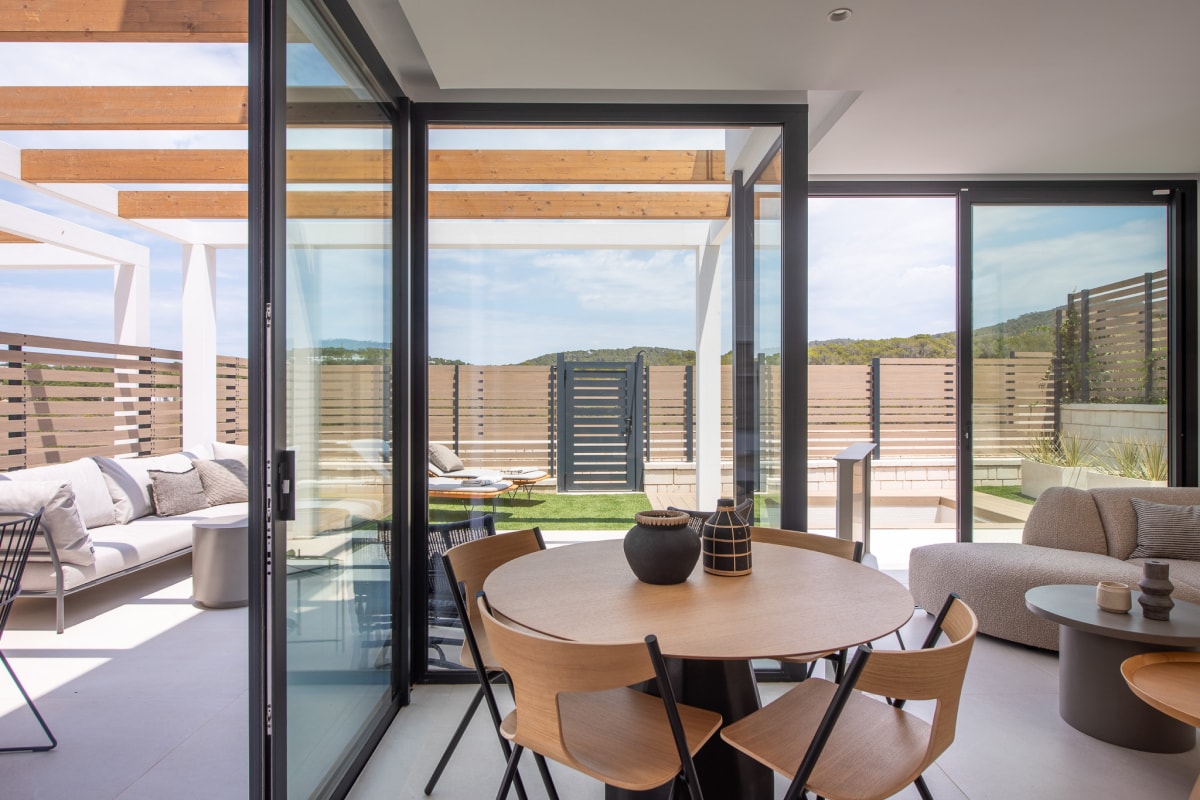
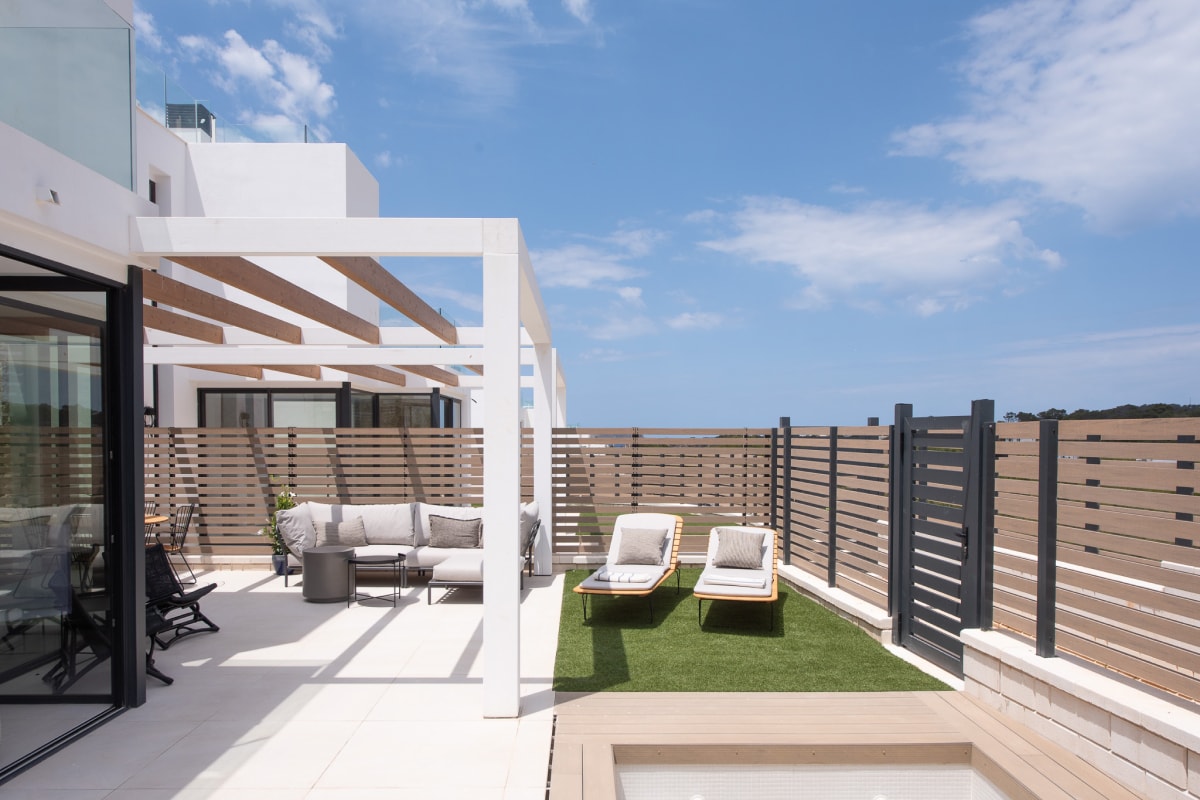
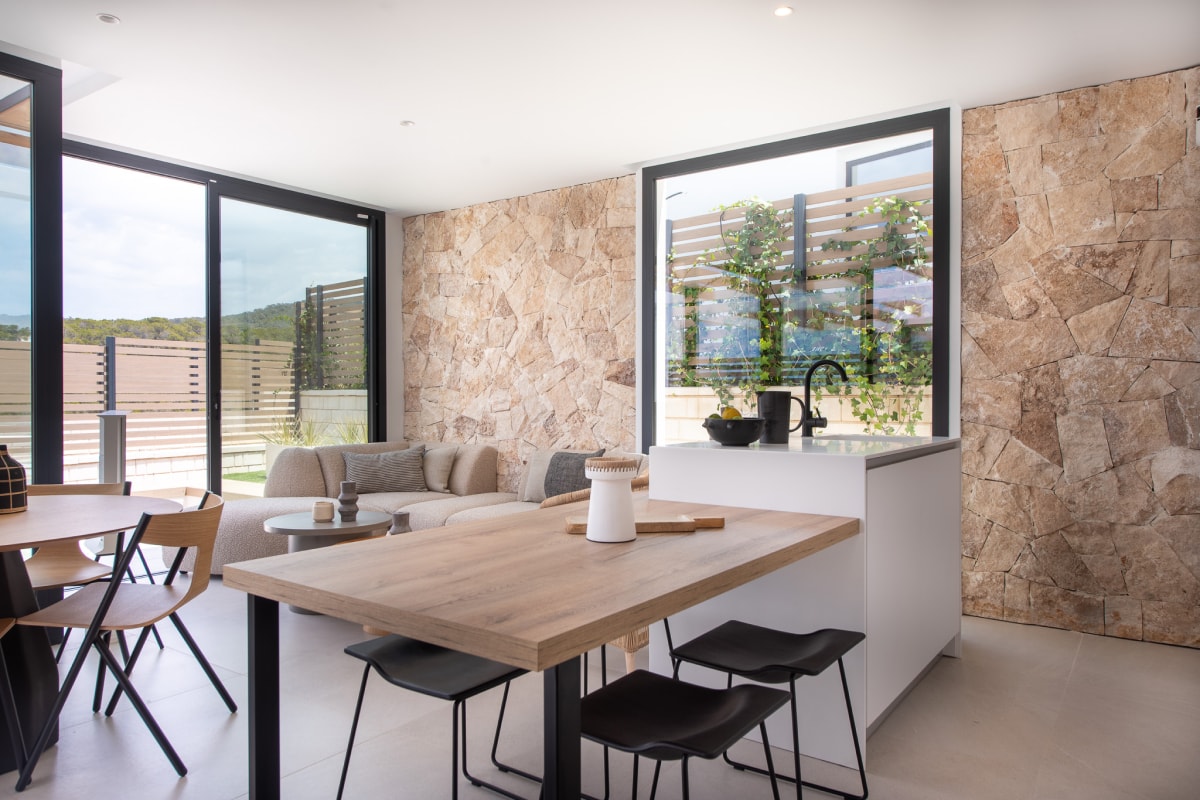
Ibiza, Spain — 3-Bed House With Sea Views
€180,000
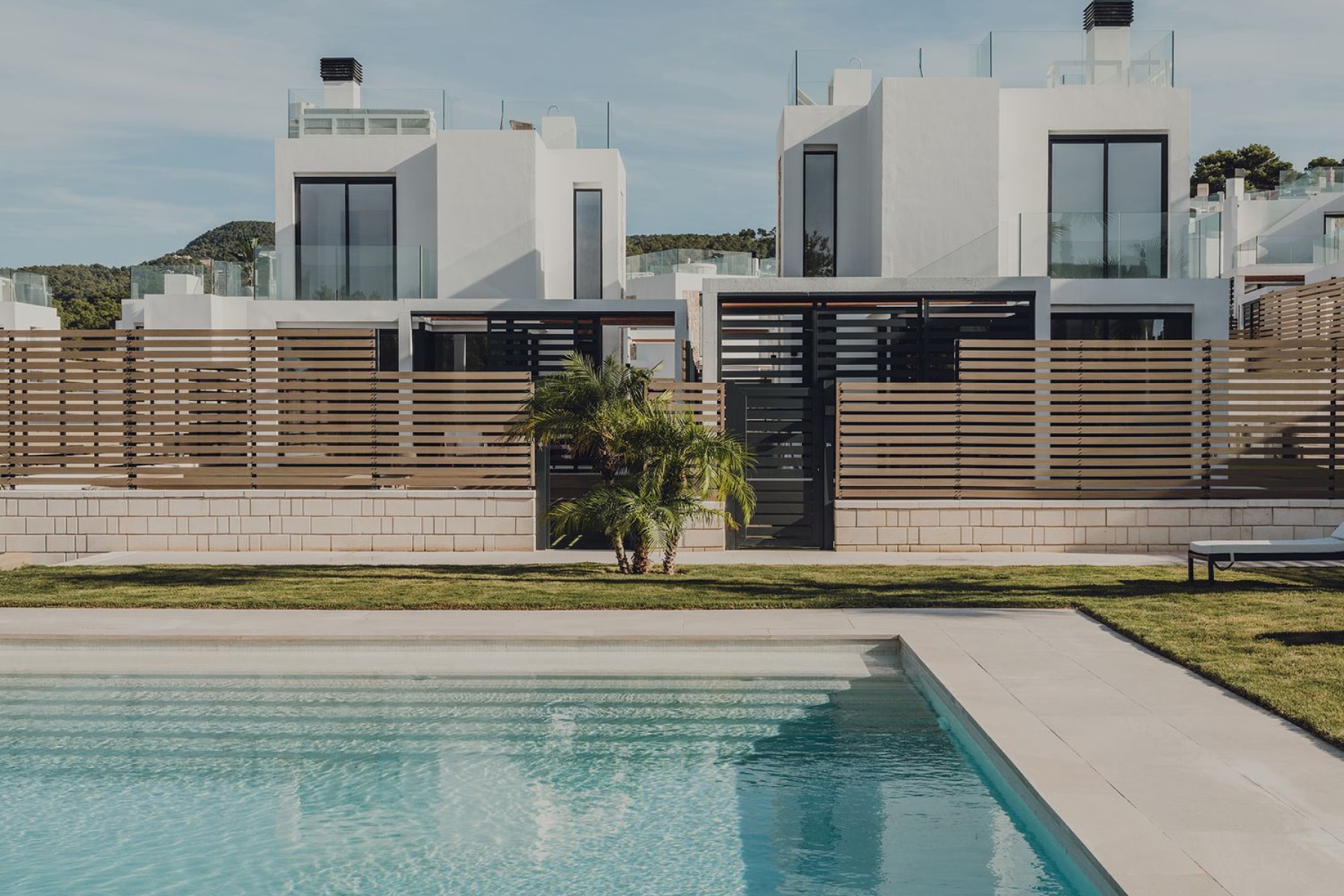
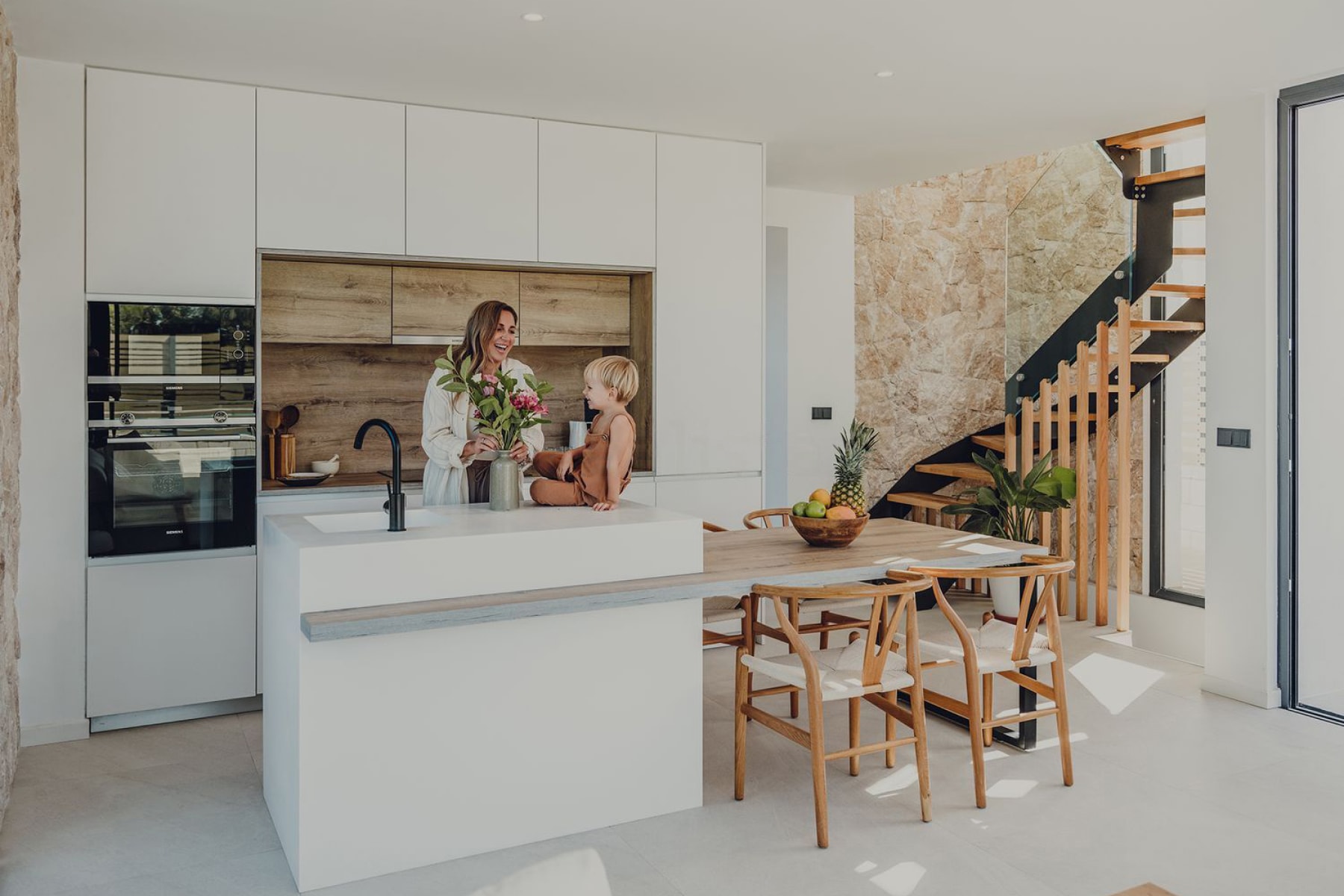

Ibiza, Spain — 3-Bed House With Sea Views
€180,000
Ibiza's most coveted addresses, accessible through co-ownership.
Fully managed villas, fincas, townhouses and apartments across Ibiza Town and Marina Botafoch, Santa Eulàlia and the east coast, San José and the southwest, San Joan and the north and San Antonio and the sunset coast. Your 1/8 share of the home comes with around six weeks of personal use, a professional management team on call, and the long-term equity of a UNESCO-listed island whose protected interior has effectively stopped producing new prime inventory.
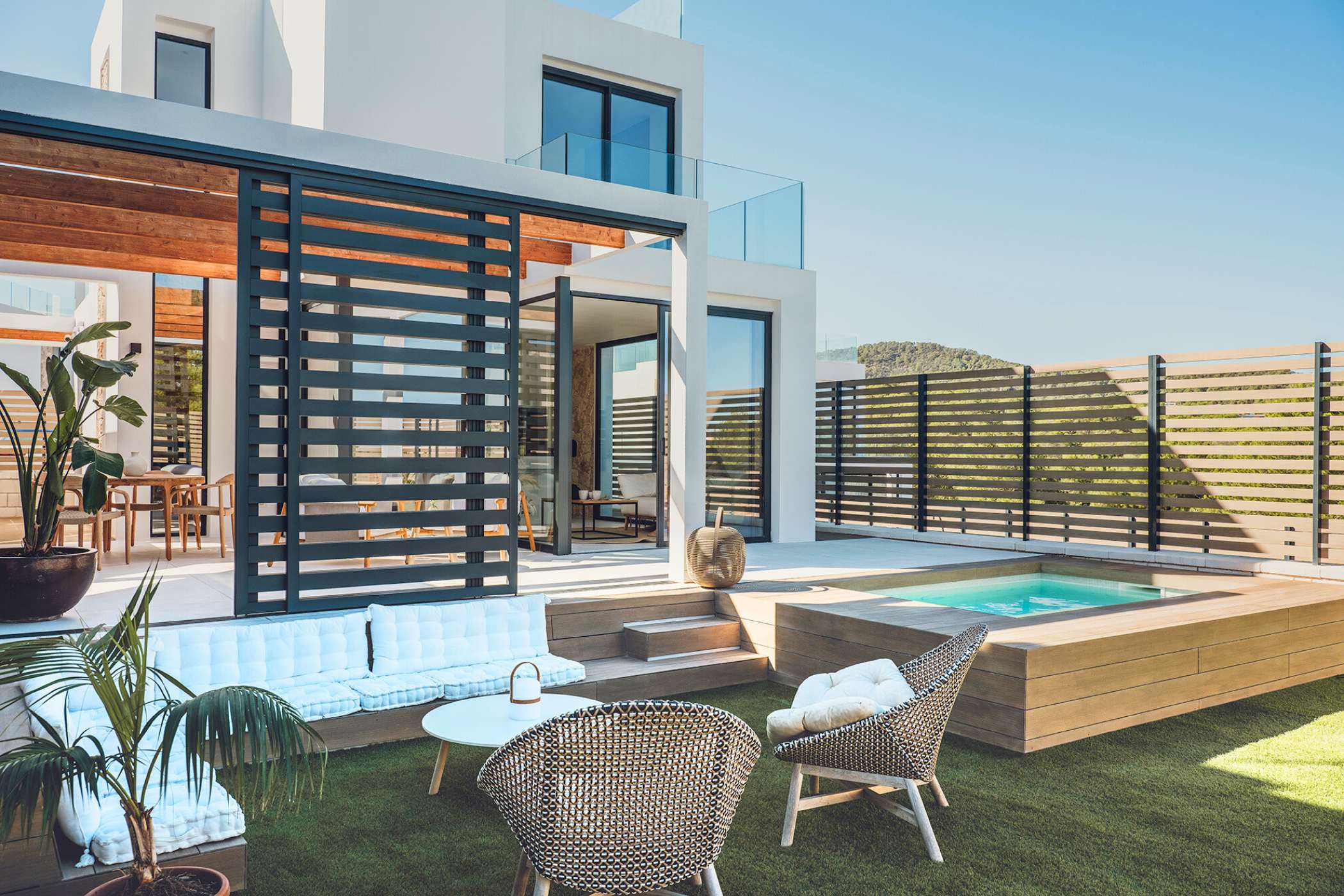
What is fractional ownership in Ibiza?
Fractional ownership in Ibiza means buying a real 1/8 share of a luxury Mediterranean island second home, shared with up to seven other co-owners. Each owner receives around six weeks of personal use a year, depending on the home, through a fair-rotation calendar, with all property management, maintenance, taxes and operations handled by a professional team. It is real ownership of a share of the home — not a timeshare, not a holiday club.
Why Ibiza?
Ibiza is the most architecturally protected island in the western Mediterranean and, by some measures, the most misunderstood. The cliché — that this is a party island colonised by superclubs and DJs — accounts for a real but narrow slice of the summer week along one stretch of coast around Playa d'en Bossa and San Antonio. The Ibiza most international second-home owners actually buy into is the opposite: the UNESCO-listed Dalt Vila citadel above the harbour at Ibiza Town, the deep pine-forested interior protected as Eivissa Patrimoni de la Humanitat, the working agricultural plain around Santa Gertrudis and San Mateu, the quiet northern hills around San Joan and Santa Agnès, the cliff-cut coves of Cala d'Hort and Es Vedrà, and the long sand at Las Salinas and Ses Salines. The island runs to barely 572 square kilometres and a permanent population under 160,000, of which a third lives inside the Eivissa municipality alone — making it materially smaller and more legible than Mallorca, more developed and better-served than Menorca, and several scales more cosmopolitan than its size suggests.
Your Ibizan share is owned alongside up to seven other co-owners — a real share of the home, not a right to use it.
The question every prospective Ibiza buyer eventually asks — is Ibiza too much of a party island for a fractional second home? — deserves a clear answer up front. The party Ibiza is geographically concentrated. The two main club zones — the strip along Playa d'en Bossa south of Ibiza Town (the Ushuaïa, Hï Ibiza, the daytime beach clubs) and the sunset bars and superclubs around San Antonio on the west coast (Café del Mar, the historic O Beach district) — occupy a small fraction of the island's coastline. Drive twenty minutes inland from either and the music industry's Ibiza disappears entirely: the hills around Sant Mateu grow some of the better wines on the Balearics, the working cases pageses (traditional Ibizan farmhouses) of Sant Joan de Labritja sit in pine valleys with no audible nightlife at all, the harbour villages of Sant Carles and Es Caná run a generations-old Saturday hippy-market rhythm, and the protected agricultural plain around Santa Gertrudis is genuinely rural. The serious international second-home buyer in Ibiza is almost never bound for Hï Ibiza or Pacha — they are buying into the quiet north, the gentler east, the protected southwest pine forests, or the medieval old town above the harbour. Few of them set foot in the club zones except by deliberate choice on a specific night.
Ibiza's particular advantage inside the western Mediterranean is the combination of architectural pedigree and planning protection that has kept the island's most desirable inventory genuinely scarce. The UNESCO World Heritage inscription for Ibiza, Biodiversity and Culture — granted in 1999 and covering the entire Dalt Vila walled citadel above Ibiza Town, the Phoenician necropolis at Puig des Molins, the Phoenician settlement at Sa Caleta and the marine biodiversity of the seagrass meadows in the channel between Ibiza and Formentera — has imposed a strict building-control regime on much of the island for over two decades; the cluster of UNESCO-protected addresses inside the medieval walls of Dalt Vila, the Catalan-Gothic cathedral at the citadel's peak, the network of dry-stone-walled algar fields across the interior, and the protected coastal stretches at Ses Salines natural park are essentially the same landscape the Carthaginians, the Catalans and the early twentieth-century writers and bohemians described. The result is that the buildable stock of high-specification Ibizan villas and fincas is, in real terms, no longer growing in the most desirable zones — and the existing inventory is held tighter than at any point in the modern era.
It is worth setting Ibiza in its European competitive context. Mallorca, its larger sister Balearic, has a longer-established international second-home market and a deeper professional services bench — but lacks Ibiza's compactness and the specific design-led, Mediterranean-bohemian culture that has accreted around the smaller island over the past sixty years. Menorca is genuinely quieter, with a slower rhythm and less infrastructure, and runs significantly more seasonal than Ibiza. Formentera, just across the channel, is smaller again, with no airport and a single ferry-led summer rhythm. Sardinia offers comparable Mediterranean glamour at the Costa Smeralda tier but with notably less developed off-season infrastructure and a heavier seasonal pattern. Mykonos in Greece has the design-led Mediterranean-island parallel but lacks the EU residential infrastructure depth and the year-round flight connectivity. Saint-Tropez sits on the Côte d'Azur mainland rather than an island, at materially higher entry prices and without the medieval-citadel-and-pine-interior duality that makes Ibiza distinctive. Together, these comparisons frame why Ibiza retains, by some distance, the most distinctive design-and-music-industry-adjacent second-home culture on any Mediterranean island.
The third structural argument for Ibiza is the compactness of the usable lifestyle on a small island. Every major part of Ibiza is reachable from every other part in under forty minutes by car. A buyer with a 1/8 share in a Sant Joan finca in the north can be having lunch in Ibiza Town's harbour by 1pm, swimming at Cala d'Hort below Es Vedrà by 4pm, and back home in the pine hills by sunset. A Santa Eulàlia owner is ten minutes from the agricultural plain at Santa Gertrudis and twenty from the medieval streets of Dalt Vila. A San José villa above Cala Tarida is thirty minutes from Ibiza airport (IBZ) and twenty from the citadel. The island's scale — a single forty-by-twenty-kilometre footprint — packs a remarkable amount of difference (medieval old town, pine-forested interior, working agricultural plain, dramatic cliff coves, long sand beaches, design-led harbour towns, traditional whitewashed villages) into a footprint that can be circumnavigated in a single afternoon. Few other Mediterranean islands offer that combination of variety and compactness, and the practical effect for a fractional owner is that around six weeks a year can genuinely cover the whole island rather than being locked to a single bay or village.
For a co-ownership buyer thinking strategically rather than just emotionally, Ibiza's combination of UNESCO-grade protection, compact scale and design-led culture matters more than the headline party-island reputation. The villa you buy a share of above Cala Vadella sits in a market where the buildable land inside the Sant Josep de sa Talaia municipality is hemmed in by coastal-strip planning rules that have not moved in twenty years. The Sant Joan finca on the northern hills is in a region whose protected agricultural plain has planning ceilings that effectively prevent new-build. The Ibiza Town apartment in the Marina Botafoch quarter is in a district whose pre-1960s building stock — Phoenician-influenced whitewashed cubes, Catalan-Gothic civic buildings, the maze of Dalt Vila lanes — pre-dates every present resident and will outlast them. These are not assets that depend on a particular interest-rate cycle to hold their value; they depend on the unchanging facts that Ibiza remains Ibiza, that Dalt Vila remains protected, and that the Mediterranean keeps washing the same controlled shoreline. Add the professional management and resale infrastructure that makes shared ownership transparent and resaleable, and the case for co-ownership on Ibiza writes itself.
One under-discussed advantage that becomes obvious once you actually start using an Ibizan second home is the depth of the island's professional services infrastructure for non-resident owners. Five decades of British, German, Dutch, Belgian, French and increasingly American buyers have built up an ecosystem of multilingual lawyers, property managers, gestores, tax advisers, architects, builders and notaries on the island. The local management companies in Ibiza Town, Santa Eulàlia, San José and San Joan operate in English, German, French, Dutch, Italian and the Scandinavian languages as a matter of routine, with decades of operating history; the design and architecture community on the island — concentrated around Santa Gertrudis and Ibiza Town — has produced some of the most distinctive Mediterranean-modern residential architecture of the past thirty years (the Ibizan minimalist vernacular of whitewashed cubic volumes, dry-stone walls, oak and olive wood, raw plaster interiors). The notarial system gives ownership documentary clarity through Spain's Registro de la Propiedad, and the cadastral records — held by the Catastro — are a long-running, reliable record-of-record system. None of this is glamorous, but it is the kind of infrastructure that determines whether owning a second home from another country is a pleasure or a chore.
The fourth structural advantage worth naming is the transport infrastructure that makes an Ibizan second home practically usable rather than just nominally owned. Ibiza airport (IBZ) handles around 9 million passengers a year, with year-round direct service from London, Manchester, Birmingham, Edinburgh, Dublin, Frankfurt, Düsseldorf, Munich, Berlin, Hamburg, Zurich, Geneva, Vienna, Amsterdam, Brussels, Paris, Copenhagen, Stockholm and Oslo, expanding to several dozen further European cities through the summer charter season. Most Northern European hubs are under three hours' flight time; the drive from IBZ to the major villages is genuinely short (Ibiza Town in fifteen minutes, San José in twenty, Santa Eulàlia in thirty, San Joan in forty); and the year-round flight frequency — slightly thinner than Mallorca but still substantial — means the high-frequency, short-stay use pattern that fractional ownership rewards is realistically achievable from any major Northern European city. An owner can leave London, Frankfurt or Amsterdam on a Friday lunchtime and be having dinner at the harbour in Santa Eulàlia that evening.
A fifth and often overlooked argument for Ibiza is the quality of the food and wine scene that has developed on the island over the past two decades. The Ibizan kitchen sits at the meeting point of Catalan, Balearic, North African and Italian influences — the working agricultural plain around Santa Gertrudis and Sant Mateu produces some of the better small-batch wines on the Balearics through producers like Bodegas Can Rich and the surrounding cellars in the Santa Inés appellation; the protected salt-pans at Las Salinas are still working, with the flor de sal from the southern flats sold across European specialist markets; the sobrassada and botifarró from the local farms appear on most serious restaurant menus; the long-line fishing from the harbours at Sant Antoni and Santa Eulària supplies the daily catch into Ibiza Town's restaurants; and the Michelin Guide coverage of the Balearics now reaches deeply into the Ibiza scene at multiple addresses. For owners who care about food, the working agricultural rhythm of the inland — the Saturday market at Santa Gertrudis, the Wednesday market at Sant Carles, the Sunday market at Sant Joan — is one of the under-discussed daily attractions of an Ibizan share.
The sixth argument is the Ibizan architectural vernacular itself, which has emerged over the past thirty years as one of the most distinctive contemporary residential styles in the Mediterranean. The traditional casa pagesa — the working Ibizan farmhouse with its flat roof, thick whitewashed stone walls, small windows, deep shaded interior courtyards (porches) and dry-stone-walled terraces — has been adapted into a contemporary minimalist idiom by successive generations of architects working on the island. The Ibizan minimalist villa as it now exists — whitewashed cubic volumes layered into a hillside, raw plaster interiors, oak and olive wood, oversized openings to pine forest or sea, infinity pools running to the cliff edge — is one of the most internationally imitated Mediterranean residential vernaculars and has produced a continuous design pipeline that pulls international architects, interior designers and creative-industry buyers to the island as much as the climate does. For owners drawn to that aesthetic, owning a share in a representative example is one of the genuine pleasures of an Ibizan share — and one that does not exist in quite the same way on Mallorca, Menorca, Sardinia or the Greek islands.
The final structural advantage is the year-round usability of the island for owners who actually want a winter base inside the EU. The combination of mild coastal temperatures, low rainfall, the year-round flight frequency, the depth of the multilingual professional services ecosystem and the cultural calendar that runs in Ibiza Town from October through April makes Ibiza one of the more under-discussed winter retreats in the western Mediterranean. The Sant Antoni and Sant Sebastià festivals in mid-to-late January, the almond blossom across Santa Agnès from late January through early March, the spring restaurant calendar reopening in March, and the long shoulder season from late March through May — taken together — give a fractional owner a usable Ibizan calendar that runs to nine or ten months of the year, rather than the two-month high-summer-only pattern many associate with the island. Owners who use their share across the full calendar consistently report a higher use-quality from their Ibizan share than those who restrict themselves to the high-summer window alone.
Where to own in Ibiza
Ibiza's second-home market is best understood through five distinct sub-zones, each with its own architecture, microclimate, season and buyer mix. There are, of course, Ibizan addresses outside these five — the southeastern coves around Cala Llonga and Cala Mastella, the working market town of Sant Mateu d'Aubarca in the central interior, the design-led village of Santa Gertrudis on the inland plain, the southern cliff coast around Cala d'Hort and Es Vedrà — and we are happy to discuss them with buyers whose interests run that direction. But the supply story for fractional ownership is concentrated in the five clusters below: Ibiza Town and Marina Botafoch in the south, Santa Eulàlia and the east coast, San José and the southwest, San Joan and the north, and San Antonio and the sunset coast. Together they account for the overwhelming majority of international second-home demand on the island.
Ibiza Town and Marina Botafoch
Ibiza Town — Eivissa in Catalan — is the island's working capital and, since 1999, the holder of one of the western Mediterranean's most consequential UNESCO World Heritage inscriptions covering the entire Dalt Vila walled citadel above the harbour, the Phoenician necropolis at Puig des Molins, the Phoenician settlement at Sa Caleta and the seagrass-meadow marine biodiversity in the channel toward Formentera. The medieval upper town rises in a stack of whitewashed lanes from the harbour to the Catalan-Gothic cathedral at the citadel's peak; the lower town wraps the inner harbour with the Marina Ibiza and Marina Botafoch yacht harbours on either side, and the residential quarters of La Marina, Sa Penya and Talamanca giving the city its daily rhythm. The pre-1960s building stock — Catalan-Gothic civic buildings, Phoenician-influenced whitewashed cubes, the maze of medieval stepped lanes inside the walls — is being painstakingly restored to high specification as one of the island's most active small-city residential markets.
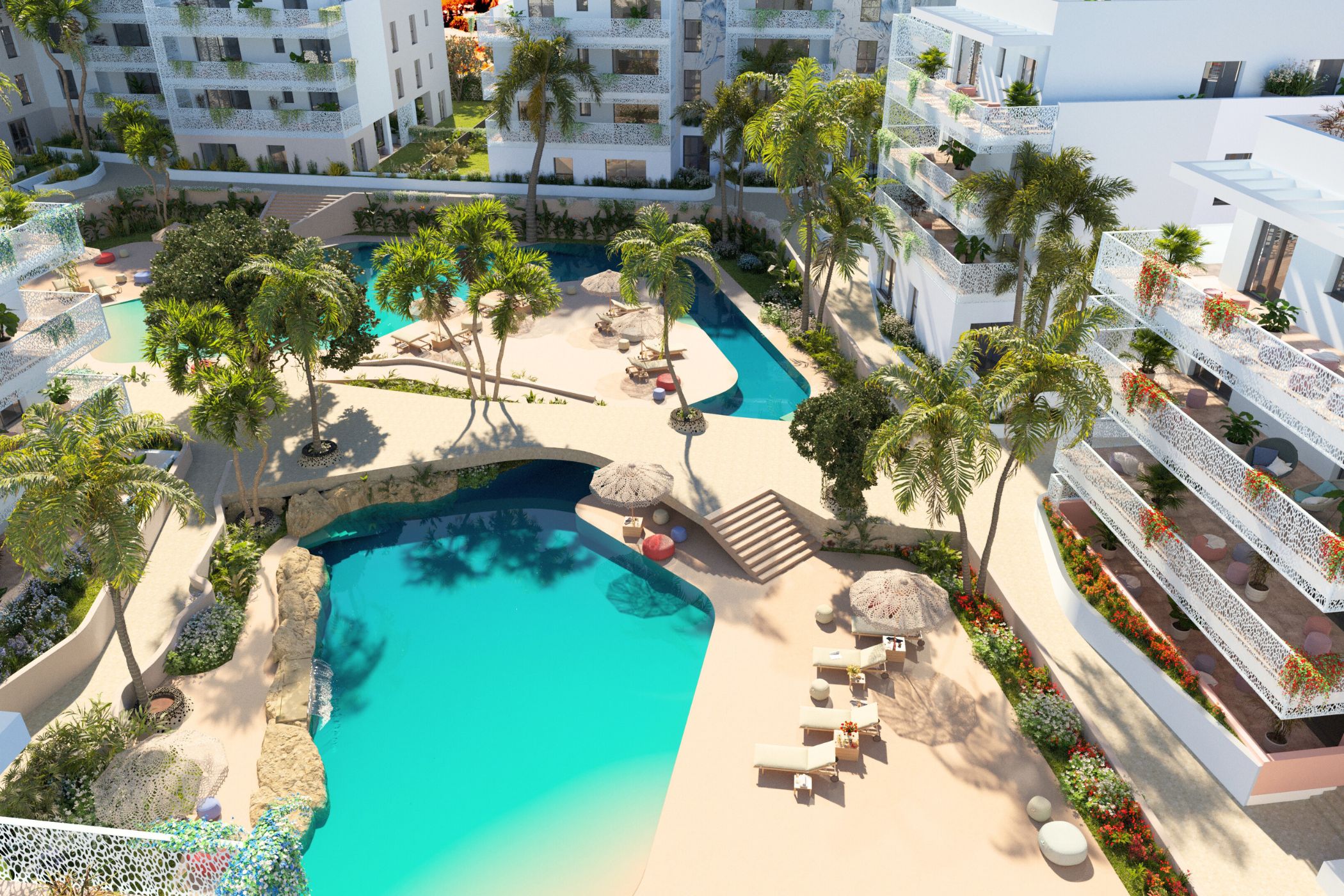
The prime residential sub-zones inside Ibiza Town divide between Dalt Vila itself (the densest medieval housing stock inside the citadel walls, with the cathedral and the Phoenician necropolis as immediate neighbours, accessed by stepped lanes from the harbour); Marina Botafoch and Talamanca on the eastern arm of the bay (contemporary apartment buildings with pools and yacht-harbour views, the long calm-water beach at Talamanca, the design-led restaurant scene that has developed around the marina); La Marina and Sa Penya in the lower town (the traditional fishermen's quarters, narrow whitewashed lanes that now hold a concentrated restaurant and bar scene); and Jesús and Can Misses on the northern edge of the city (the modern residential districts where many year-round Ibiza Town professionals actually live, with easier parking and direct access to the inland road network). IBZ airport is 15 minutes by taxi from the harbour; Santa Eulàlia is 20 minutes north-east on the C-733; San José is 20 minutes west on the E-20; San Joan is 35 minutes north. Climate runs 15–18°C (high 50s°F to mid-60s°F) in winter to 28–31°C (low to high 80s°F) in high summer, with the small-city scale (Eivissa's metropolitan area is under 60,000 people) meaning the city's restaurant and cultural calendar runs at human pace year-round, with none of the high-summer shutdown that affects parts of the rural island. Best for: cultural enthusiasts who want a base for repeat short stays rather than long single holidays — flying in for a long Friday-to-Tuesday around a Dalt Vila exhibition, a harbour-front dinner, a Christmas week inside the medieval walls — and for owners who treat the UNESCO-protected pre-1960s architectural pedigree of central Eivissa as the primary destination rather than a gateway to the rest of the island.
What makes Ibiza Town distinctive among Mediterranean small-city residential markets is the density of the historical layers visible inside a single half-hour walk. The Museu Arqueològic d'Eivissa at the top of Dalt Vila holds the Phoenician and Punic finds from the Puig des Molins necropolis just outside the citadel walls — one of the largest Phoenician burial sites in the western Mediterranean and a key part of the UNESCO inscription. The Catalan-Gothic cathedral at the citadel's peak dates to the fourteenth century and sits on the foundations of an earlier mosque; the Almudaina fortress walls were rebuilt in the sixteenth century to a design by the Italian military architect Giovanni Battista Calvi after the city had been threatened by Barbary corsairs through much of the late Middle Ages. The seafront walls, the Portal de ses Taules gateway, the cathedral's bell tower, the Baluard de Sant Pere bastion and the long views from the upper citadel back down across the harbour and across to Formentera in the channel are the elements that the UNESCO inscription specifically protects — and the daily working backdrop of a Dalt Vila apartment owner. Few Mediterranean small cities deliver that combination of historical layering and daily usability inside a footprint a buyer can walk in twenty minutes.
Santa Eulàlia and the east coast
Santa Eulàlia des Riu, on the eastern coast, is the island's second-largest town and the long-favoured choice for international families with school-age children who want a domesticated bay rhythm without the cultural intensity of Eivissa or the cliff-coast remoteness of the north. The town wraps the long sandy beach at Platja de Santa Eulària in a gentle horseshoe; the harbour at Puerto Santa Eulalia is the largest yacht harbour on the east coast; the long pedestrian seafront promenade runs south from the harbour to the river mouth (the Riu de Santa Eulària, the only river on the Balearics that runs year-round) and north toward the Punta Arabí headland. The town's central Passeig de S'Alamera is one of the island's more cosmopolitan small-town avenues, with a serious restaurant scene that runs into the autumn and winter beyond the summer crowds.
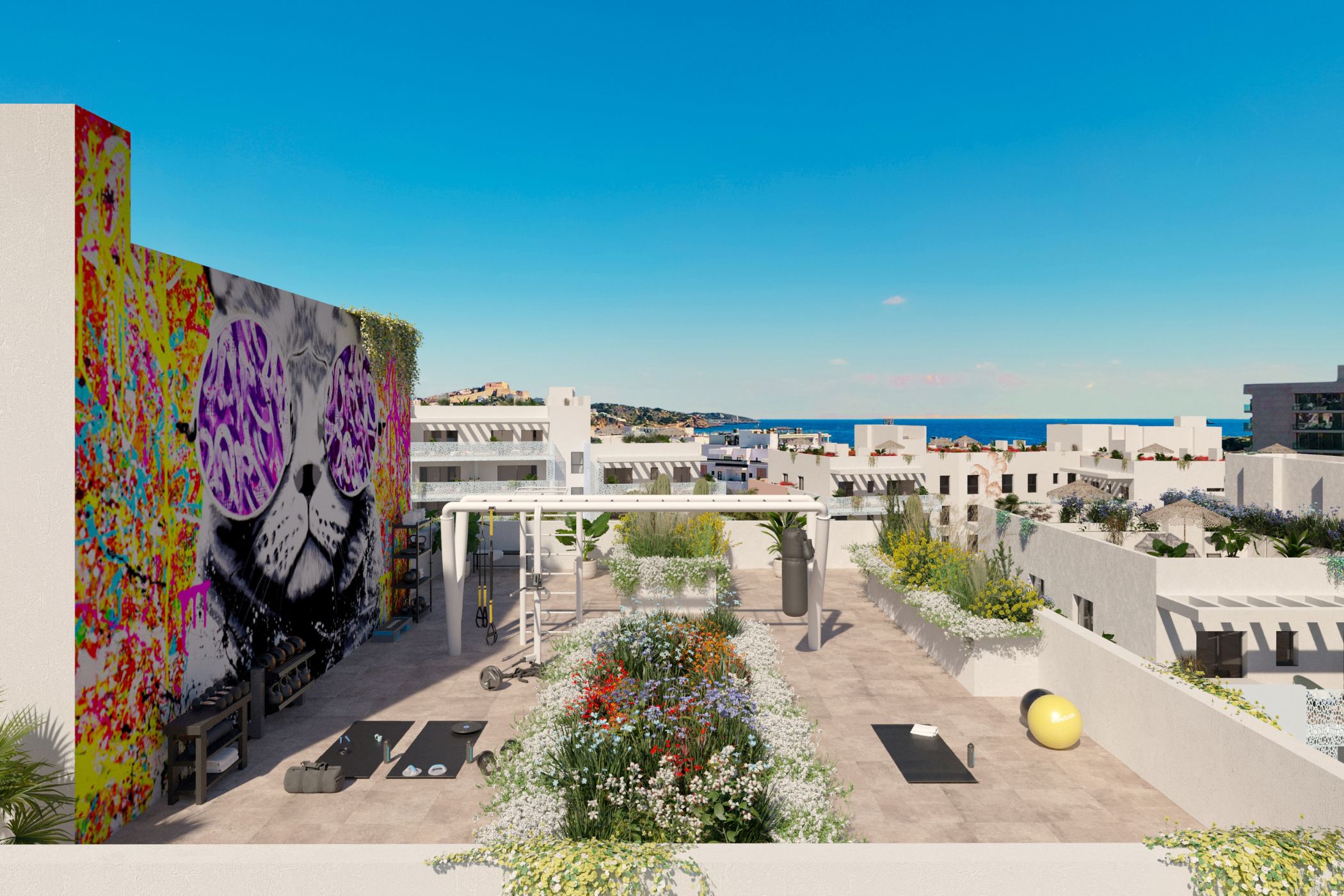
The prime sub-zones around Santa Eulàlia divide between the central town (apartments along the Passeig de S'Alamera, townhouses in the streets behind the harbour, contemporary low-rise residential buildings on the southern edge), the Punta Arabí and Es Caná headlands north of the town (the famous Punta Arabí Wednesday hippy market has been running since 1973, and the surrounding pine-forest hillsides hold some of the east coast's prime sea-view villas), the Cala Llonga and Cala Mastella southern coves (smaller resort villages set in protected pine forest, ten to fifteen minutes south of the main town), and the San Carlos / Sant Carles village inland (the working hippie-era village that anchored the 1960s and 1970s creative community, still home to the legendary Bar Anita and a Saturday market). Drive times from IBZ airport to Santa Eulàlia run 30 minutes on the C-733 via Jesús; to Ibiza Town a further 20 minutes; to San Joan 25 minutes north on the PM-810. Climate is similar to Ibiza Town — 15–18°C (high 50s°F to mid-60s°F) in winter to 27–30°C (low 80s°F) in high summer — with the eastern bay's still water and the long shallow swimming margin giving the area its family-led reputation. Best for: multi-generational families — particularly British, Dutch, Belgian and German — who want a domesticated bay rhythm, the long-stay residential character of an east-coast town, a deep restaurant calendar, and a long usable shoulder season from late March through October.
Santa Eulàlia's particular daily texture is one of the reasons the area has held the family-led second-home market for so long. The town centre runs a year-round restaurant rhythm — the long pedestrian Passeig de S'Alamera holds a Saturday morning market that has been running for decades, the harbour-front fish restaurants on the southern arm of the bay operate from March through November, and the small but serious gastronomy cluster around the harbour and the church of Santa Eulàlia des Riu (the only fortified parish church on the island, built on the Puig de Missa hill above the town) has produced one of the more sustained restaurant scenes on the east coast. The Camí des Rec walking path running inland from the river mouth toward the noria (waterwheel) at the Roman bridge is one of the small daily pleasures of an east-coast share; the Sant Carles village inland (with its hippie-era anchor Bar Anita) is fifteen minutes by car; the Saturday Las Dalias hippy market at Sant Carles has been running since 1985 and remains the most authentically counter-cultural of the island's three major markets.
San José and the southwest
The southwest of Ibiza — the municipality of Sant Josep de sa Talaia, anchored by the inland village of San José and the southwestern coastline running from Es Cubells through Cala Vadella, Cala Tarida, Cala Conta and Cala Bassa — is the design-led pine-coast Ibiza that has emerged in the past two decades as one of the island's most desirable villa zones. The landscape here is fundamentally different from Ibiza Town: deep pine forests running to the cliff edge, dry-stone-walled algar fields on the inland plateau, dramatic cliff-cut coves at Cala d'Hort facing the sea-stack of Es Vedrà, and the long protected beaches and salt flats of Ses Salines at the southern tip. The protected coastal status here — Ses Salines is a Balearic natural park and the pine-forest interior is under strict planning controls — has kept beach development to a minimum; the coastline from Es Cubells through Cala d'Hort is one of the most genuinely undeveloped stretches of premium Mediterranean coast in Spain.
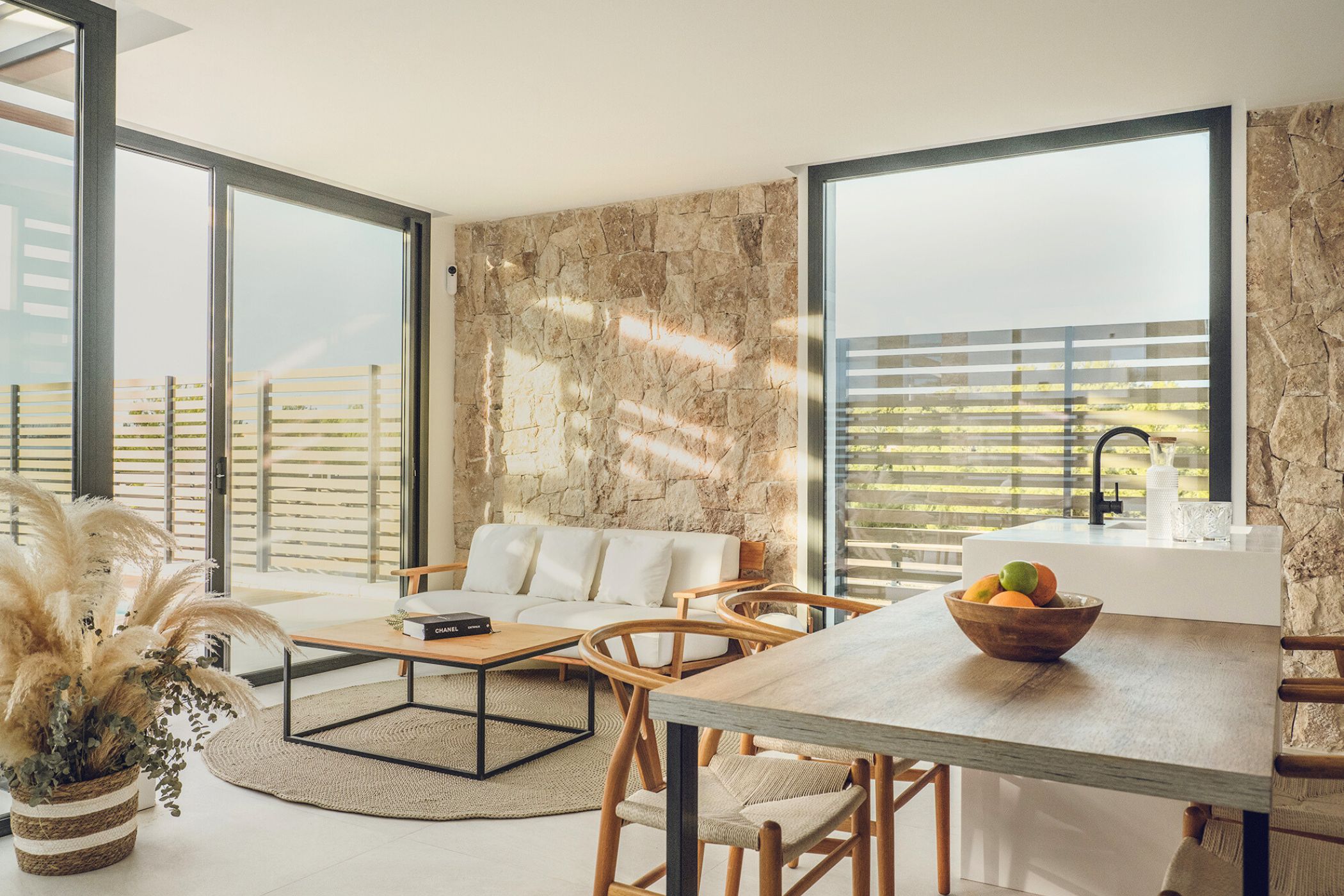
San José itself is the central market town — the Saturday market on the Plaça de l'Església draws buyers from across the southwestern plateau, the village's eighteenth-century parish church gives the central square its anchor, and the small but serious restaurant scene has matured significantly in the past decade. Es Cubells, ten kilometres south on the cliff coast, is the smaller and quieter village above one of the island's most photogenic cliff-edge bays. Cala Vadella, Cala Tarida and Cala Conta are the design-led coastal villages with the highest concentration of contemporary villa-rental and second-home stock on the southwest coast — many built between 2000 and 2020 in the Ibizan minimalist vernacular of whitewashed cubic volumes, raw plaster interiors, oak and olive wood, infinity pools running to the pine forest. Drive times from IBZ airport to San José run 20 minutes; to Cala Tarida a further 15 minutes; to Cala d'Hort the same; to Ibiza Town 25 minutes. Climate is slightly warmer than the rest of the island — 16–19°C (high 50s°F to mid-60s°F) in winter to 28–31°C (low to high 80s°F) in high summer — and the southwestern exposure gives the area Ibiza's longest reliable swimming season into late October. Best for: design-led couples and families who value protected pine-coast landscape, the contemporary Ibizan minimalist villa vernacular, easy access to Cala d'Hort, Es Vedrà and the Ses Salines protected coast, and Ibiza's warmest microclimate.
The Sant Josep municipality holds two of the island's most photographed natural features. Es Vedrà — the 380-metre limestone sea-stack rising directly out of the Mediterranean off the cliff coast at Cala d'Hort — is the single most distinctive natural landmark on the island and a recurring fixture in the international travel press. The Ses Salines natural park at the island's southern tip protects the working salt pans (still producing flor de sal for export), the dune system at Las Salinas and Es Cavallet, the long sand beach at Las Salinas (one of the most photogenic on the island), and the marine biodiversity of the channel between Ibiza and Formentera — the Posidonia oceanica seagrass meadow that runs through this channel is on the UNESCO inscription as a separate component of the Ibiza, Biodiversity and Culture listing, and is one of the largest single posidonia meadows in the Mediterranean. The pine forest above the cliff at Es Cubells, the long inland road through the central Sant Josep plateau, and the small-village rhythm at San José village itself give the southwest a depth of usable landscape that goes well beyond the headline coastline.
San Joan and the north
The north of Ibiza — the municipality of Sant Joan de Labritja, the island's largest municipality by area and smallest by population — is the quietest part of the island by some distance and the area whose addresses have the deepest sense of traditional Ibizan rural life. The landscape is hillier and greener than the south: pine-forested ridges running from the central interior to the dramatic north coast at Portinatx, Cala Xarraca and Cala San Vicente, working agricultural valleys around Sant Llorenç and Sant Vicent, and the inland villages of Sant Miquel de Balansat, Santa Agnès de Corona and Sant Mateu d'Aubarca set in almond, fig and carob terraces. The almond blossom across Santa Agnès in late January and early February — the Camí des Plà de Corona running through what is genuinely one of the more photogenic blossom landscapes in the Mediterranean — is the unofficial start of the Ibizan year.
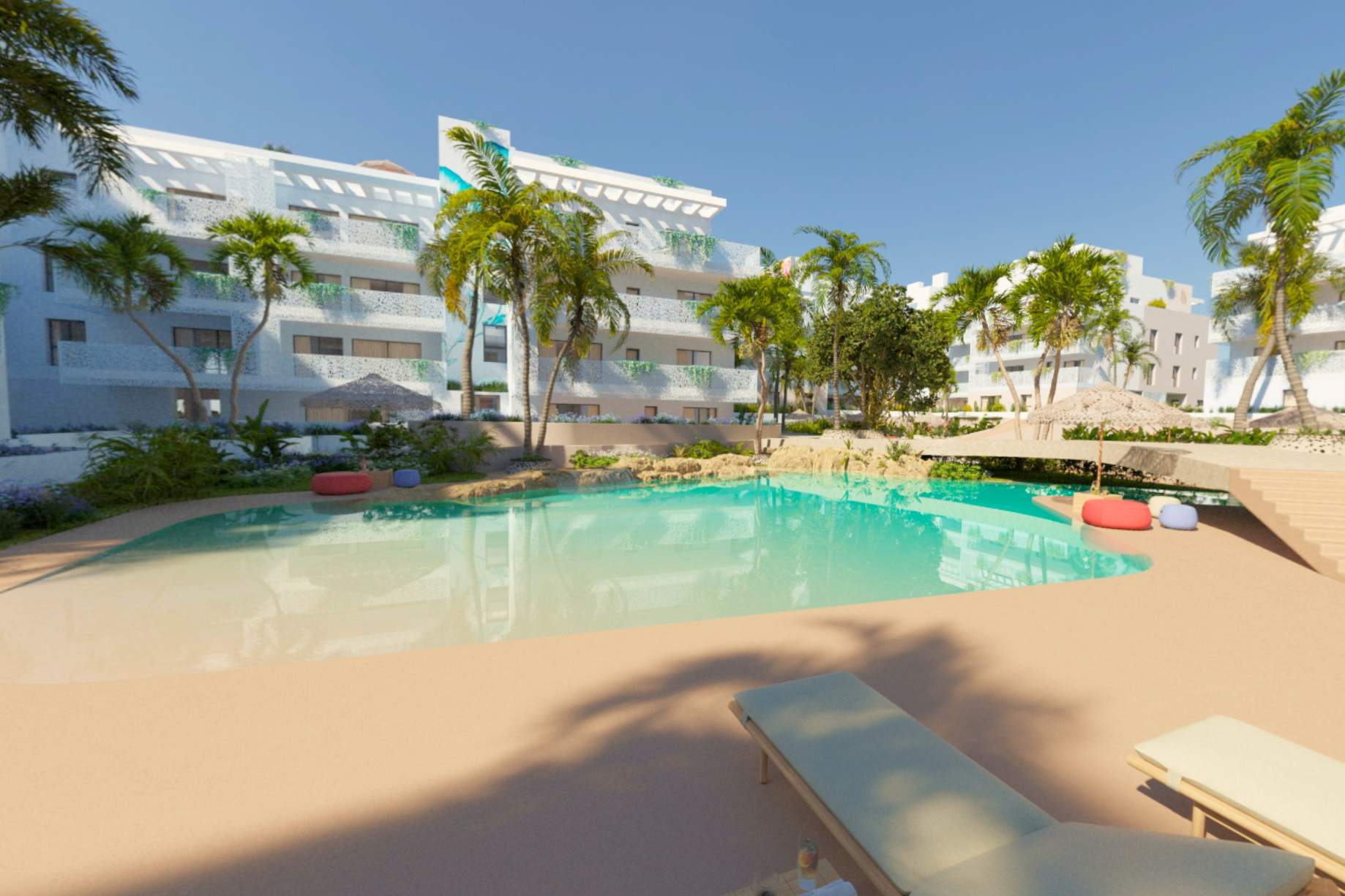
The property stock in the north is consciously protected — the strict casa pagesa conservation regime applies a careful building-control regime to traditional Ibizan farmhouses, and the inventory of usable second-home fincas inside the protected zone is fundamentally finite. The architectural vernacular is specific: flat-roofed whitewashed cubes with thick stone walls and tiny windows, originally built for thermal mass in the agricultural era; the dry-stone walls (parets de marès) that bound the fields; and the deep stone interiors with shaded courtyards. Sant Joan village itself is the small central anchor — Sunday market, eighteenth-century parish church, a handful of restaurants that have served the village community for generations — and the surrounding valleys hold the highest concentration of restored traditional fincas on the island. Sant Miquel is the larger neighbouring village; Santa Agnès, on the inland plateau, holds the famous almond-blossom landscape and the long-standing Can Pere village bar; Portinatx on the north coast is the small resort village with a long sandy bay. Drive times from IBZ airport to San Joan run 40 minutes; to Portinatx a further 15 minutes; to Santa Agnès 25 minutes; to Santa Eulàlia 25 minutes. Climate in the northern hills runs several degrees cooler than the coast — 13–16°C (mid-50s°F to low 60s°F) in winter and 25–28°C (high 70s°F to low 80s°F) in summer. Best for: cultural enthusiasts and design-led couples who value the traditional Ibizan rural vernacular above coastal convenience, who want the quietest and most agricultural part of the island as a base, and who will use the property in genuinely year-round mode across an extended shoulder season.
One overlooked attraction of the Sant Joan area is the north-coast cove inventory — the protected swimming bays at Cala Xarraca, Cala Xuclà, Cala d'en Serra, Cala San Vicente and Aguas Blancas, several of which are accessible only by foot down pine-shaded paths and remain genuinely quiet through high summer because the access difficulty filters the day-tripper crowds out. The long-distance Camí de Cala Sant Vicent walking trail runs along the north coast for several kilometres and is one of the more rewarding shoulder-season walks on the island. The northern peak of Sa Talaia de Sant Joan at 415 metres, while not the highest point on the island (Sa Talaia in Sant Josep at 475 metres holds that), gives the best views back across the northern hills and the central agricultural plain. The Sant Joan area is also home to the Sunday hippy market held in the village itself — smaller and more genuinely local than the Wednesday Punta Arabí or the Saturday Las Dalias markets — and to the producers around Sant Mateu d'Aubarca who make a small quantity of the better wines on the Balearics under the protected designation of origin.
San Antonio and the sunset coast
San Antonio de Portmany — Sant Antoni in Catalan — sits on the wide bay of Portmany on the island's west coast, and is the most polarising of the five major Ibizan addresses. The town centre and the southern resort strip have a deserved reputation as the island's most concentrated nightlife zone — the historic sunset bars at Café del Mar and Café Mambo, the O Beach and Eden club complex, the cruise harbour at the southern end of the bay. The buyer who chooses San Antonio for a second home is, almost without exception, not buying into the southern strip at all but into one of the quieter sub-zones around the bay: San Agustín des Vedrà (a traditional inland village ten minutes south of the town), Cala Salada and Cala Saladeta (the protected pine-forest coves three kilometres north of the town), the Cap Negret and Punta Galera headlands above the northern bay, or the inland villages of Buscastell, Forada and Santa Inés in the agricultural plain behind the coast.
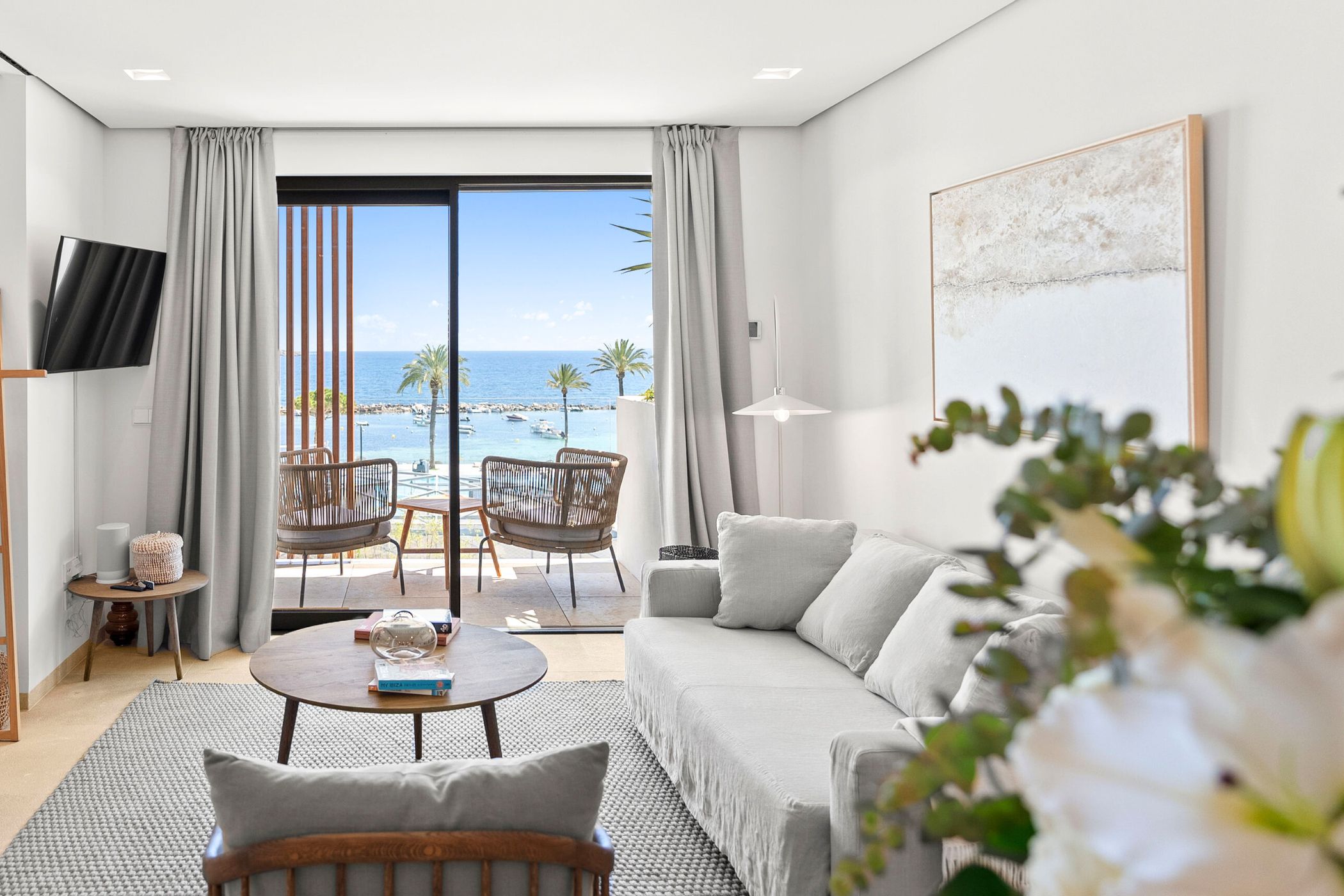
The architectural inheritance in the quieter San Antonio sub-zones is mixed: traditional cases pageses in the inland villages, contemporary villas on the Cap Negret cliffs, smaller-scale apartment buildings on the northern flank of the bay. The genuine attraction of the area for the international second-home buyer is the unobstructed west-facing sunset (Ibiza's western coastline is the only one that catches the full Mediterranean sunset directly), the protected pine-forest coves immediately north of the town (Cala Salada is regularly cited as one of the most photogenic coves on the island), and the agricultural plain at Santa Inés which produces one of the better wines on the Balearics (Bodegas Can Rich and the surrounding small producers). Drive times from IBZ airport to San Antonio run 25 minutes on the E-20; to Cala Salada a further 10 minutes; to Santa Inés 15 minutes; to Ibiza Town 20 minutes. Climate runs 15–18°C (high 50s°F to mid-60s°F) in winter and 27–30°C (low 80s°F) in summer; the west-facing exposure gives the area Ibiza's longest evening light, which is one reason it has held its reputation as the sunset coast for half a century. Best for: design-led owners who value west-facing sunset views, the protected pine coves around Cala Salada and the working agricultural plain inland, and who will deliberately use the property in shoulder season and quieter weeks rather than competing with the high-summer crowds in the town centre.
A year on Ibiza
Spreading around six weeks of use across a calendar year is itself a skill — and Ibiza specifically has a distinct seasonal shape that rewards owners who think beyond the high-summer peak. Unlike Mallorca, whose longer shoulder season gives an owner usable weeks across most of the year, Ibiza runs a significantly steeper seasonal curve: the high-density summer from mid-June through mid-September is the most-used and most-competitive window on the island, the late-September-through-October shoulder is widely considered the best month of the year by experienced owners, and the deep-winter months from December through February are the quietest in the western Mediterranean second-home calendar. Below is a walk through the year with the particular weeks owners across the COP Ibiza portfolio return to most often. The calendar mechanics ensure every owner gets a fair allocation of peak weeks across a multi-year cycle; owners who are flexible enough to use shoulder weeks — rather than competing for August on the coast — consistently report a higher use-quality from their share than those who insist on peak.
Spring (March–May)
Ibizan spring is the most under-used of the four seasons by international buyers — and consequently one of the most rewarding for a fractional owner with calendar flexibility. March on the island is already running at 16–19°C (low to high 60s°F) in the day, the almond blossom at Santa Agnès is in full flower through the first week (with the festival of the Flor d'Ametller running on the plateau in late January and early February), and the spring restaurant calendar across Santa Eulàlia, Ibiza Town and Santa Gertrudis has reopened from the quiet February pause. The classic March week — long walks through the pine forests of Sant Josep, cycling the inland roads around Santa Inés before the summer heat closes them down, lunches at the harbour-front cafés in Santa Eulàlia with the season just opening — is one of the secret pleasures of an Ibiza share.
April brings the Setmana Santa processions in Ibiza Town and Santa Eulàlia, the spring half-term holidays from the British and German school calendars, and the long Easter weekend that anchors the start of the proper season. The walking and cycling network in the protected interior is at its peak — the long inland roads from Santa Inés through Sant Mateu to Sant Joan are usable through April before the summer heat builds. May sees the island warming into proper swimming weather — sea temperatures climb past 18°C (65°F) on the southern coast by mid-May, and the long beaches at Las Salinas, Cala Bassa and Cala Conta become usable. The first Wednesday hippy market at Punta Arabí typically reopens at full capacity in early May; the inland markets across the working agricultural plain run through May and into early June. For owners who prefer Ibiza quiet, the second half of May is consistently named the favourite period — the island is at its photogenic best, the high-summer crowds are still a fortnight away, and the restaurant calendars are running at full capacity without the August booking pressure.
Summer (June–August)
The Ibizan summer pattern is intense, well-defined and worth understanding before allocating weeks. Mid-June is the Mediterranean's secret fortnight on the island — warm enough for swimming (water temperatures climb past 22°C (72°F) by the third week of June), the village calendars at their pre-peak best, the inland markets at full operation, and the high-summer crowds still a week or two away. The classic mid-June week sees the Sant Joan villages at their photogenic peak, the long evenings at the Santa Eulàlia harbour with the cafés open until midnight, the southwestern beaches at Cala Tarida filling slowly as the British and Dutch school summer starts to release.
July brings the high season proper — the Spanish school holidays begin around 22 June and the Northern European summer holidays stack from mid-July onwards. The island reaches its highest-density visitor week in the seven days either side of the third weekend in July. Restaurant booking windows in the prime addresses stretch to three to four weeks ahead, villa staff calendars are pre-allocated, and the coast roads through San José, San Antonio and Santa Eulàlia thicken noticeably. August is the absolute peak — and the most concentrated month — with the island running at full capacity. Restaurant reservations in the prime addresses can require four to six weeks notice; the beaches at Cala Conta and Las Salinas fill from early morning; the coast roads from Ibiza Town to San Antonio and from San Joan to Portinatx traffic heavily through late morning and evening. The yacht harbours at Marina Botafoch, Santa Eulàlia and San Antonio run full through August. Owners who book ahead enjoy August on the island at its liveliest.
The July and August nightlife calendar is the heart of the modern Ibiza brand — the international DJ residencies at Hï Ibiza, Pacha, Amnesia, Ushuaïa and the daytime sessions at the beach clubs along Playa d'en Bossa. The genuine second-home buyer is almost never in those venues; the owner of a Sant Joan finca or a Santa Eulàlia apartment is far more likely to be at a long dinner at a working agricultural restaurant in San Mateu, a sunset drink at Café del Mar in San Antonio (still worth the trip on the right evening), or a long quiet day at one of the protected pine-coast coves below Es Vedrà. The two Ibizas — the music industry's and the second-home owner's — coexist on the same forty-by-twenty-kilometre island in August without much overlap. Climate-wise, the island runs 28–32°C (low to high 80s°F) by day in August, with the sea above 26°C (79°F) on the southern coast and warm enough for late-night swimming. The northern hills around Sant Joan and Santa Agnès run several degrees cooler — 25–28°C (high 70s°F to low 80s°F) — which is why design-led buyers increasingly choose those inland addresses for the summer use pattern.
Autumn (September–November)
For most seasoned Ibizan-property owners, September is the favourite. Water temperatures still above 24°C (75°F) through most of the month, daytime air around 26–29°C (high 70s°F to mid 80s°F), the August crowds dispersed within ten days of the new school term starting, restaurants taking reservations again the same week you ask. The inland markets are at their post-peak best; the long-distance walking trails through the Sant Josep pine forests and the Sant Joan hills are at their autumn-light photogenic best; the agricultural calendar enters the harvest season with the fig and almond crops across the central plain and the working vineyards around Santa Inés and Sant Mateu pulling fruit through September and early October. The international closing-party calendar at the major clubs runs through the last week of September and the first weekend of October — for the buyer who specifically wants one night of the music-industry Ibiza, this is the week to do it — and then the island visibly quiets.
October and November divide cleanly. The coast stays mild — daytime highs around 22–25°C (low to high 70s°F) through October, dropping to 17–20°C (low to high 60s°F) by mid-November, with swimming generally finished by late October but everything else still very much open — while Ibiza Town enters its quietest cultural months. The autumn season at Dalt Vila opens; the new restaurant calendar takes the autumn ingredients off the central plain (game from the inland forests, mushrooms from the Sant Mateu hills, the early olive oil from the November harvest at Santa Inés and Sant Joan); the agricultural fairs across the working plain mark the year. The olive harvest in the northern hills runs through November, and owners who care about food increasingly time at least one stay around the new oil. By late November the island has visibly quieted; many of the seasonal coastal restaurants close, and the rhythm shifts toward the long-stay winter community in Ibiza Town, Santa Eulàlia and the inland villages.
One of the most distinctive Ibiza autumn rituals is the harvest fair at Sant Mateu in the first weekend of December — the Festa del Vi Pagès, the celebration of the year's new wine production from the small producers of the central interior. Held in the village square at Sant Mateu d'Aubarca on the inland plateau, it draws working winemakers and food producers from across the island's small agricultural community and is, for owners who care about food and wine, one of the more authentic dates in the Ibizan calendar. Earlier in the autumn, the Fira de la Sal at Sant Josep celebrates the working salt pans at Las Salinas — the harvest of the year's flor de sal typically runs from June through September, with the autumn fair marking the end of the working season — and the smaller harvest fairs across the Sant Joan and Sant Antoni municipalities run on rotating weekends through October. These are not tourist productions; they are the working agricultural calendar of an island whose interior remains genuinely agricultural despite the headline reputation of the coast.
Winter (December–February)
Ibizan winter is its own argument. The island's winter daytime temperatures — reliably in the 14–18°C (high 50s°F to mid-60s°F) band on the coast and a few degrees cooler in the northern hills — give it one of the mildest winters of any major European island, and the combination of low rainfall, long sunshine hours and quiet rhythms makes it one of the great undiscovered winter retreats. The Christmas and New Year fortnight is the highest-demand winter window — villas in San José, apartments in Ibiza Town, fincas in Sant Joan all book heavily; the city's Reyes celebrations on the night of 5 January and the morning of 6 January are an authentic urban-cultural moment owners with families increasingly time a stay around. The island's restaurant calendar holds up better through Christmas than it does in January and February.
January and February are the quietest months of the year on the island — and consequently the most rewarding for owners who want Ibiza without the crowds. The almond blossom arrives across the Santa Agnès plateau from late January through early March; the festival of the Flor d'Ametller at Santa Agnès is one of the more under-discovered Mediterranean spring rituals. The Sant Antoni and Sant Sebastià festivals in mid-to-late January, the small Sa Rua Carnival processions in Ibiza Town and Santa Eulàlia in early February, and the long quiet weekday rhythm at the harbour cafés are the texture of the island's winter. The northern hills are cool but rarely cold; the long inland roads from Santa Inés through Sant Mateu are usable for cycling through most of the season. Owners who use their share in genuinely year-round mode — three or four trips of seven to ten days across the calendar rather than two long summer holidays — increasingly name the late-January almond blossom as the favourite single week of their year. The Carnival closes out the winter calendar before the spring almond blossom opens the next cycle, and the seasonal restaurants slowly reopen from the second week of March onwards.
Who buys on Ibiza, and why
The international buyer mix on Ibiza is more design-led and music-industry-adjacent than on any other Mediterranean island — and meaningfully different in character from neighbouring Mallorca, even at the same price points. British buyers are the single largest foreign cohort and have been since the 1970s. German buyers are the second-largest cohort, with a particular concentration around the eastern coast and the inland design-led villages of Santa Gertrudis and Sant Mateu. Dutch and Belgian buyers have grown sharply over the past fifteen years and are heavily represented around Santa Eulàlia and the southwest. French buyers are a steadily growing cohort, drawn to the design and food scene around Santa Gertrudis and Sant Joan. Swiss and Austrian buyers concentrate in the southwest and the northern hills. Italian buyers have a long-standing presence around Ibiza Town and the eastern coast; the design and architecture scene on the island has strong Milanese and Florentine cultural links. Scandinavian buyers — Swedes, Danes, Norwegians, Finns — have grown steadily across all major sub-zones. American buyers, historically a minority on the island, have grown sharply over the past five years — drawn to the design-led villa stock in the southwest, the Dalt Vila apartment scene in Ibiza Town, and the dollar's strength against the euro through much of the period.
The cultural profile of the typical Ibiza second-home buyer matters more than the headline nationality breakdown. Compared with neighbouring Mallorca, the Ibiza buyer skews more design-led, more creative-industry, more music-industry-adjacent, and somewhat younger in the active second-home buying age band. The dominant professions represented in the COP Ibiza portfolio include senior figures from the design and architecture sectors (with a long-running London-Milan-Amsterdam-Paris design axis particularly visible), founders and senior executives from the technology and creative-services industries, and a meaningful music-industry cohort — though, importantly, almost none of the music-industry buyers are part of the superclub-DJ ecosystem. The buyers we see from that world are typically label owners, publishers, production-company principals and senior agents who want a base on the island for the same reasons their clients do — without spending any of their personal weeks inside the club zones at all.
The "is Ibiza too much of a party island" question, which almost every prospective buyer raises at some point in the conversation, deserves a direct answer once more here in the buyer-profile section. The two club zones — the strip along Playa d'en Bossa south of Ibiza Town and the southern end of Sant Antoni — together occupy perhaps five kilometres of an island coastline that runs to more than 200 kilometres. Drive ten minutes inland from either and the music industry's Ibiza is entirely inaudible: the working agricultural villages of Sant Josep, Sant Mateu, Sant Joan, Santa Agnès and Santa Eulària run their year-round rhythm without any reference to the superclub calendar at all. The international second-home buyer in Ibiza is, almost without exception, not bound for Hï Ibiza, Pacha, Amnesia, Ushuaïa or O Beach — they are buying into Sant Joan, into the southwestern pine coast, into Santa Eulàlia's family bay, into Santa Gertrudis's design-led inland village, or into the medieval citadel above Ibiza Town. Many of them are entirely uninterested in the club calendar, and several are actively repelled by it. The fractional buyer who chooses Ibiza specifically because of the club scene is genuinely rare — and almost certainly miscalibrated for the second-home use pattern that fractional ownership rewards.
The age-and-life-stage profile is in some respects more relevant than the professional one. The largest single buyer cohort across the COP Ibiza portfolio is in the 45–60 age band — owners whose own primary income is established, whose children are at university or beyond (which gives them more calendar flexibility than the working-family cohort), and whose long-run thinking on the second home runs to the next 20–25 years. The second-largest cohort is the 35–50 age band — typically dual-income professional couples with school-age or pre-school children, who use their share around school holidays and value the operational simplicity of a fully managed property. The third and fastest-growing cohort is the 60–75 age band — empty-nesters and recent retirees who want a winter-mild base inside the EU and for whom the operational simplicity of a managed property is the central appeal.
Within those nationalities, Ibiza co-ownership tends to suit a small number of well-defined buyer profiles:
- Design-led couples and families — typically using a southwest or eastern-coast share around the summer holidays plus shoulder-season half-terms, with the children coming back to the same villa year after year so it becomes their second home rather than a holiday rental. The fully managed model removes the friction of running a contemporary Ibizan villa remotely; the children return to familiar staff, familiar restaurants, familiar beaches.
- Empty-nesters and retirees from Northern Europe — particularly British, German, Dutch, Belgian and Swiss, who use their share in long winter and shoulder-season blocks rather than short summer trips, and for whom the mild Ibizan winter is the central appeal. The 50–65 cohort is the heart of this demographic.
- Multi-generational groups — four- and five-bedroom fincas in Sant Joan, Santa Gertrudis or San José that sleep grandparents, parents, children and partners in the same week. The fractional model deals with extended-family calendar coordination better than a whole-ownership model, particularly when the family spans multiple countries with different school calendars.
- Design and architecture professionals choosing Ibiza Town, Santa Gertrudis or Santa Eulàlia — owners who treat the architectural pedigree of the Ibizan minimalist vernacular, the restored Dalt Vila apartment, or the restored traditional casa pagesa as the primary destination, who book repeat shorter stays around the island's quieter rhythms, and who value the proximity to the island's design scene.
- Music-industry and creative-services principals — a notable cohort who specifically choose the island for the proximity to the international design and creative community, but who almost without exception buy into the quiet north or the design-led southwest rather than the club zones. This sub-cohort typically uses the property heavily in the May–June and September–October shoulder seasons rather than the high-summer peak.
- Wine-and-food sophisticates — owners drawn to the working agricultural inland (the Santa Inés and Sant Mateu wine regions, the Sant Joan olive press, the Santa Gertrudis Saturday market) for whom the working landscape of the island is as important as the design culture or the climate.
A pattern worth highlighting is the multi-region buyer — Ibiza owners who hold a second COP share elsewhere. The most common combination is Ibiza plus winter-sun (a southwest villa or a Sant Joan finca for the long shoulder-season and summer weeks, plus a Tenerife or Lanzarote apartment for the November-through-February deep-winter trips). The second-most-common is Ibiza plus alpine (an Ibizan summer-and-shoulder home plus a Pyrenean or French Alps chalet for the ski weeks at Christmas, February half-term and Easter). Less common but increasingly observed is the Ibiza-plus-city pattern (a rural Sant Joan finca or a Santa Eulàlia apartment for the longer holidays plus a Madrid or Barcelona apartment for repeat short cultural stays through the year). The fractional model makes that portfolio strategy practical: two 1/8 shares cost less than a single whole property at either of the addresses individually, and the management relationship across the portfolio is unified, which removes the multi-jurisdiction friction.
What unites these otherwise quite different buyer profiles is the underlying calculation: the second-home weeks each of them actually uses in a year are within the around six weeks a 1/8 share delivers, the operational overhead of running an Ibizan property remotely is non-trivial in any of the major sub-zones (and notably higher on the island than on the Spanish mainland because of the ferry and air-freight logistics), and the resale liquidity of a fractional share inside a managed portfolio is — in our experience across the COP network — markedly higher than the resale liquidity of a whole property at the same address. Ibiza is a market where the maths of fractional ownership lines up almost perfectly with the use pattern of the buyer — and where the contrast with a traditional timeshare is at its sharpest, because the equity in an Ibizan property is the underlying asset value, not a use-right that runs to zero at the end of a contract term.
Practicalities: getting there and what you own
Ibiza airport and ground access
Ibiza airport (IBZ) is the fifth-busiest airport in Spain and one of the most internationally connected island airports in Europe relative to its population. The state airport authority Aena operates IBZ; capacity has expanded steadily over the past decade to handle the 9 million annual passengers the island now receives. Year-round direct service runs from London (Heathrow, Gatwick, Stansted, Luton), Manchester, Birmingham, Edinburgh, Dublin, Frankfurt, Munich, Düsseldorf, Cologne, Hamburg, Berlin, Zurich, Geneva, Vienna, Amsterdam, Brussels, Paris (CDG and Orly), Copenhagen, Stockholm and Oslo; through the summer months the network expands to several dozen further European cities including Madrid, Barcelona, Valencia, Bilbao, Milan, Rome, Naples, Warsaw, Prague and increasingly East-coast US gateways through one-stop connections via Madrid or Barcelona. An owner can reach an Ibizan second home in under three hours door-to-door from any major Northern European hub, which is the practical precondition for the high-frequency, short-stay use pattern that fractional ownership rewards.
Drive times from IBZ to the major sub-zones are short. Ibiza Town is 15 minutes by taxi; San José is 20 minutes on the E-20; Cala Tarida is 35 minutes via San José; Santa Eulàlia is 30 minutes on the C-733; San Joan is 40 minutes on the PM-810; Portinatx is 55 minutes on the same road; San Antonio is 25 minutes on the E-20; Santa Agnès is 35 minutes via the inland Camí des Plà de Corona. Most owners pre-arrange a private transfer rather than self-driving, particularly when arriving late or with multiple bags; the bilingual local transfer companies are well established and accept advance booking. Ibiza is also accessible by overnight ferry from Barcelona, Valencia and Dénia on the Spanish mainland (handy for owners who want to bring a car), and by inter-island ferry from Mallorca and Formentera. The short hop to Formentera — twenty-five minutes by fast ferry from the Ibiza Town harbour — is one of the under-discussed attractions of owning on Ibiza; many owners spend at least a few days of each long stay on the smaller island.
Whole-property vs 1/8 share: the comparison
The case for a fractional structure on Ibiza is most clearly seen in the side-by-side comparison against both whole ownership and long-term rental — the three ways most international buyers actually consider holding an Ibizan second home.
| Whole second home | COP 1/8 fractional share | Long-term rental | |
|---|---|---|---|
| Upfront commitment | Full property value | ~1/8 of the property value | First/last/deposit only |
| Equity in the asset | Full appreciation | ~1/8 of appreciation | None |
| Personal use | Up to 52 weeks (most use 6–10) | Around six weeks a year, fairly rotated | Defined by lease |
| Operations burden | Owner-managed or hired staff | Fully included | Landlord-managed |
The comparison most buyers find most telling is what you actually get for your capital. Owning a whole home outright ties up the full purchase price in a property most owners use for a few weeks a year, and leaves you to organise everything yourself. A 1/8 share gives you the same calibre of home, around six weeks a year, real equity and a professional team that takes care of everything in between.
What you actually own — the legal share
The legal nature of an Ibizan co-ownership share is one of the questions buyers should understand fully before purchase. You own a real share of the home — an eighth, a quarter — not a right to use it. You can sell it, pass it on to your heirs, and it grows in value with the house.
The practical effect is that you hold a real share of the home — not a timeshare, not a points membership, not a usage right. You can sell it through our partner's resale process or to a qualifying outside buyer; you can leave it to your children under your home jurisdiction's inheritance rules; and it grows in value with the house.
How fractional ownership works on Ibiza
The mechanics of fractional ownership on Ibiza are framed by three things that work together: the legal set-up arranged by our partner for each home, the Spanish property-tax regime that applies to all secondary residences (including the IBI municipal tax, the basura waste charge and the non-resident income tax on imputed rental), and the well-developed Registro de la Propiedad system that handles registration of the underlying property at the Spanish land registry. That set-up is specific to each home; the Spanish taxes are the standard local taxes that any non-resident second-home owner pays; and the Registro is the long-running record-of-record system that gives the underlying real estate its documentary clarity. Together, these three pieces make for a clear, predictable ownership experience.
What you own: a real share of the Ibizan home
You own a real share of the home — an eighth, a quarter — not a right to use it. You can sell it, pass it on to your heirs, and it grows in value with the house. Big decisions, such as selling the home or major works, are decided together by the co-owners.
Spanish property tax basics: IBI, basura, non-resident imputed-income tax, capital gains
Spain operates a relatively straightforward property-tax framework for non-resident owners on Ibiza, and almost all of the routine compliance is handled on the co-owners' behalf rather than by the individual owner. IBI (Impuesto sobre Bienes Inmuebles) is the annual municipal property tax paid by the owner of the property, calculated on the cadastral value as assessed by the local town hall, and falling within a typical range of 0.4%–1.1% of the cadastral value depending on the municipality (Eivissa, Sant Josep, Santa Eulària, Sant Joan and Sant Antoni each set their own rate within the national framework). IBI is handled by our partner, so individual owners never deal with the local tax office directly. The basura — the municipal waste-collection charge, set per property and per municipality — is paid in the same way. Non-resident imputed-income tax applies to non-Spanish-resident property owners on an imputed-rental basis (typically calculated on a small fraction of the cadastral value, taxed at the standard non-resident rate) — or on actual rental income where the property is rented out — and its treatment depends on the home's legal set-up, which our partner explains before you buy.
The Balearic regional tourist tax (Impost sobre Estades Turístiques) applies per night of guest stay in certain types of accommodation; the treatment of fractional-share personal-use stays vs rental stays is handled by the management team and its tax adviser as part of routine compliance. Spanish capital-gains tax on resale is an area international buyers should understand. A direct sale of Spanish real estate by a non-resident incurs a 19% capital-gains tax (with a 3% retention at completion handled by the buyer's notary) and the proceeds repatriated through Spanish banking channels. Our partner sets out the tax position for your country before you buy. We recommend any international buyer review the specific position with their own tax counsel before purchase.
Inheritance and Spanish succession law
Directly held Spanish real estate is subject to Spanish succession and gift tax, which varies by autonomous community — the Balearic Islands have applied significant reductions for direct-line heirs (children, spouses) in recent years, with effective rates well below the national average. The 2015 EU Succession Regulation (Brussels IV) gave EU residents the option to elect their home-country succession law for their estates; non-EU residents (US, UK, Canadian, Australian buyers post-Brexit) can also elect under the same regulation. Your share passes to your heirs as part of your estate, and our partner sets out exactly how this works for your country before you buy.
The professional management model and how the calendar works
Once the purchase completes, a professional management company takes over all operational responsibility for the Ibizan property. Your personal weeks — around six weeks for a 1/8 share — are allocated through a fair-rotation calendar that mixes peak weeks (the Christmas/New Year fortnight, the Setmana Santa week, the long July and August weeks on the island) with shoulder-season and quieter weeks across the year. Owners pre-book several months ahead; the unused weeks are either held for the owner pool or, where the property's structure allows, rented to the broader market with the income flowing back to the co-owners. Service-charge collection, building maintenance, insurance, IBI and non-resident tax payments, the linen-and-cleaning between stays, the welcome arrival, the on-call concierge — all sit with the management company. The multilingual operations ecosystem on the island — three generations old in the major sub-zones — means that the routine practical realities of owning a property remotely on Ibiza are handled by professionals who have been catering to non-resident owners for decades.
Resale: how to exit, typical timelines, the professional process
When you decide to exit your Ibizan share, a professional resale process is in place, run by our partner, so you can sell your share without having to sell the whole house — whereas whole-property resales typically take 6–24 months on the Ibizan open market. Shares sell: hundreds of shares in homes like these have already been resold—in just over three months on average, and nearly three in four for more than the owner paid. After a typical first-12-months holding period you set the price, and your co-owners get the first chance to buy. The buyer pool is already aware of the property. For owners who want maximum control over the price and process, an open-market sale to any qualifying buyer remains an option — but most owners find the established process faster and cheaper. The contrast with a traditional timeshare exit — where the secondary market for a use-right that depreciates to zero at contract expiry is famously thin — is especially sharp on a market like Ibiza, where the underlying property values have appreciated steadily over the past two decades.
The full mechanics of fractional ownership across all jurisdictions — usage calendars, exit procedures, rental income treatment, insurance, the transfer on death, the relationship with the management company — are covered in our co-ownership explained guide. For specific Ibiza property availability, browse the listings in the property grid above, or join our list for new-property alerts as they come to market.
Your ownership at a glance
- Real ownership of the home — a real 1/8 share of the home: transferable, inheritable, and it grows in value with the house. Not a timeshare, not a points membership, not a usage right.
- Professional management included throughout — pre-arrival preparation, linen and cleaning between every stay, year-round maintenance, gardening and pool care, taxes (IBI, basura, non-resident imputed-income tax), insurance and the on-call concierge are all handled for you.
- Clear, supported resale through our partner's resale process — the existing audience of co-ownership buyers means your share has an organised market from day one, with our partner's resale process letting you sell your share without selling the whole house, rather than facing the 12–18 months a comparable whole property might sit on the Ibizan open market.
Still deciding which Ibiza zone?
Many readers arrive on this page already half-decided — they want Ibiza, but not yet which Ibiza. The choice between Ibiza Town, Santa Eulàlia, San José, San Joan and San Antonio is rarely about budget alone; the major sub-zones sit in broadly similar price bands once you compare like-for-like quality. The decisive question is usage pattern. How will you actually spend your weeks across a calendar year? The right answer for most buyers is one most have not previously articulated, because the question rarely arises until ownership becomes concrete. Our team has spent years inside the Ibiza second-home market and can walk you through the regional differences — climate, calendar, owner mix, day-to-day rhythm — before you commit to a zone. Below is the framework we walk through with buyers who reach the same fork, with deliberate over-simplification — most owners actually end up combining elements from more than one — but useful as a starting point.
Choose Ibiza Town and Marina Botafoch if you want a UNESCO-protected medieval citadel as your daily street, the deepest cultural pedigree on the island, the harbour-yacht-marina restaurant scene at Marina Botafoch, the shortest drive on the island from airport to front door, and a year-round restaurant calendar that holds up better than the more seasonal coastal sub-zones. Ibiza Town works hardest for owners drawn to the design-led contemporary apartment, the restored Dalt Vila townhouse, or the Marina Botafoch yacht-harbour buildings — and who use the property in genuinely year-round mode rather than the high-summer peak alone. Unlike a traditional timeshare, which locks you into one week in one property year after year, the Ibiza Town share is the easiest on the island to combine with a second share elsewhere, since the city's year-round usability pairs naturally with a seasonal coastal villa or a non-Ibizan share entirely.
Choose Santa Eulàlia and the east coast if you want a domesticated bay rhythm, the multi-generational British, Dutch and German family scene around the Santa Eulària river mouth, the long pedestrian seafront promenade, and a long usable shoulder season that runs from late March through October. Santa Eulàlia is the natural choice for families with school-age children — particularly British and Northern European — who want the children to come back to the same villa or apartment year after year and who value the bay's family-led safety and the easy proximity to the Punta Arabí hippy market, the inland village of Sant Carles, and the southern coves at Cala Llonga.
Choose San José and the southwest if you want the design-led pine-coast Ibiza, the contemporary Ibizan minimalist villa vernacular set behind dry-stone walls in pine-forested plots, the warmest microclimate on the island, easy access to Cala d'Hort, Es Vedrà and the Ses Salines natural park, and the longest reliable swimming season into late October. The southwest is the design-led couple's natural answer to the Ibiza question — and the highest-value microclimate on the island for buyers who want long swimming-and-sunbathing weeks rather than cultural city stays.
Choose Sant Joan and the north if you want the quietest part of the island, the working casa pagesa traditional finca vernacular, the famous Santa Agnès almond blossom in late January and early February, the inland markets at Sant Joan village and Sant Miquel, and the cool northern hills that run several degrees cooler than the coast through high summer. Sant Joan works hardest for cultural enthusiasts and design-led couples who value the traditional Ibizan rural fabric above coastal convenience, who want the quietest and most agricultural part of the island as a base, and who use the property in genuinely year-round mode across an extended shoulder season — including the dead-quiet January-and-February window that many other owners skip.
Choose Sant Antoni and the sunset coast if you want a west-facing sunset, the protected pine-forest coves around Cala Salada and Cala Saladeta, the working agricultural plain at Santa Inés with its small wine producers, and the deliberate willingness to use the property in shoulder season and quieter weeks rather than the high-summer town centre. The Sant Antoni share is — perhaps counter-intuitively, given the town's club-zone reputation — one of the better-value entry points into the Ibizan market for design-led owners who specifically want the sunset coast and are happy to navigate around the high-summer nightlife concentration in the town centre itself.
The portfolio approach is worth at least mentioning. A meaningful proportion of Ibiza co-ownership owners hold more than one share — either elsewhere in Spain (a Tenerife winter-sun apartment, a Pyrenean ski chalet, a Madrid pied-à-terre, or a Mallorcan finca) or further afield (a French Alps chalet, an Italian Lakes apartment, a Côte d'Azur villa). For owners building a multi-region portfolio with COP, you have one team across every destination — the same advisors, the same calendar mechanics, the same resale process across every property you own. (For a wider orientation across the island's regions, seasons and culture, the official Ibiza Travel tourism site and the Illes Balears Travel Balearic Islands tourism portal are useful starting references.) Two 1/8 shares — an Ibiza summer-and-shoulder home plus a Canary winter-sun apartment, say — give an owner roughly 90 days of use across a calendar year, drawn from genuinely different lifestyle modes, at a combined annual carry that is still a fraction of what a single whole property at either address would cost.
Whichever way the decision goes, the deeper exploration starts on the cluster and parent pages:
- Explore Spain →
- Explore the Balearic Islands →
- Explore Mallorca →
- Explore Menorca →
- Explore Palma de Mallorca →
If you would like to talk through which Ibiza zone best fits your family's actual use pattern — rather than the brochure version of it — join our list and we will be in touch with relevant new-property alerts and an introduction to the team.
Questions & Answers
Ibiza Fractional Ownership — Frequently Asked Questions
Fractional co-ownership in Ibiza gives you a real 1/8 share of a luxury Ibizan property — a whitewashed finca in the rural interior, a villa above the sea in the exclusive southwest, or a contemporary home in San José or Santa Eulalia. The legal set-up is arranged by our partner for each home and walked through with you before you buy. Your 1/8 share is real property equity, around six weeks of Ibiza per year, at a fraction of the full purchase price of one of the Mediterranean's most iconic islands.
Ibiza has evolved from its club-culture reputation into one of the world's most multifaceted luxury destinations — attracting a global clientele of creative professionals, established families, and discerning travellers who value the island's unique combination of natural beauty, world-class gastronomy, fashion, wellness retreats, and a long, warm season. The southwest (Es Vedra, Cala Tarida, Cala Conta, San José) commands the highest values, with sea-view villas set against spectacular sunsets that are genuinely world-famous.
Supply is permanently constrained — planning authorities have strict controls on new development, and many of the most sought-after rural properties were built decades ago and rarely come to market. This structural scarcity underpins premium valuations.
Your 1/8 share gives you around six weeks per year. Ibiza's high season runs May through October, with July and August at full energy. Many experienced Ibiza visitors love late May, June, and September — the weather is excellent, the island is relaxed, the island's best restaurants are open, and prices for everything from restaurants to yacht charters are more accessible. The calendar manages peak summer allocations through a fair rotating priority system.
Yes — many of our Ibiza properties welcome short-term rental of unused weeks, and it is an easy way to earn from the weeks you are not using. Your unused weeks can be listed on short-term rental platforms, with income paid directly to you after the platform fee — particularly rewarding in high-demand locations.
Each Ibiza property listing shows whether short-term rental is available for that home, in line with local rules.
Post-Brexit, UK nationals are subject to the 90-day per 180-day Schengen stay limit in Spain. For a 1/8 share with around six weeks of annual usage, planning is straightforward for most owners. The key is to track your total Schengen days across France, Italy, Spain, and other Schengen countries if you travel across multiple destinations.
Ibiza's prime property market has shown strong long-term appreciation, particularly in the southwest. The island's global cachet is self-reinforcing — its reputation attracts high-net-worth buyers from across the world, which supports both price levels and rental demand. The structural supply constraint (limited buildable land in the most desirable areas) has given quality properties in premium locations a long record of holding and growing their value.
Selling is simple. When you decide to move on, your Ibiza fractional share is marketed to buyers already looking for fractional co-ownership.
Our partner's resale process handles the sale for you, so you sell your share without the whole house having to be sold. After a typical first-12-months holding period you can sell whenever you choose, at the price you set — your co-owners get the first chance to buy. Hundreds of shares in homes like these have already been resold — in just over three months on average, and nearly three in four for more than the owner paid.
Browse COP's Ibiza listings and submit an enquiry for any property that interests you.
Also Explore
Get in Touch
Speak to an expert
Tell us what you're looking for and we'll be in touch.