Mallorca · Balearic Islands · Spain
Fractional Ownership & Co-Ownership in Mallorca
40 co-ownership homes in Mallorca, where you own a real share of the home, usually 1/8 with about 44 nights a year. Shares start at €124,000 (€244,000 typical). 7 homes have only 1–2 shares left. Every home is fully managed.
- 40 homes for sale
- Shares from €124k
- ≈44 nights a year
- 7 with 1–2 shares left
40 homes · from €124,000
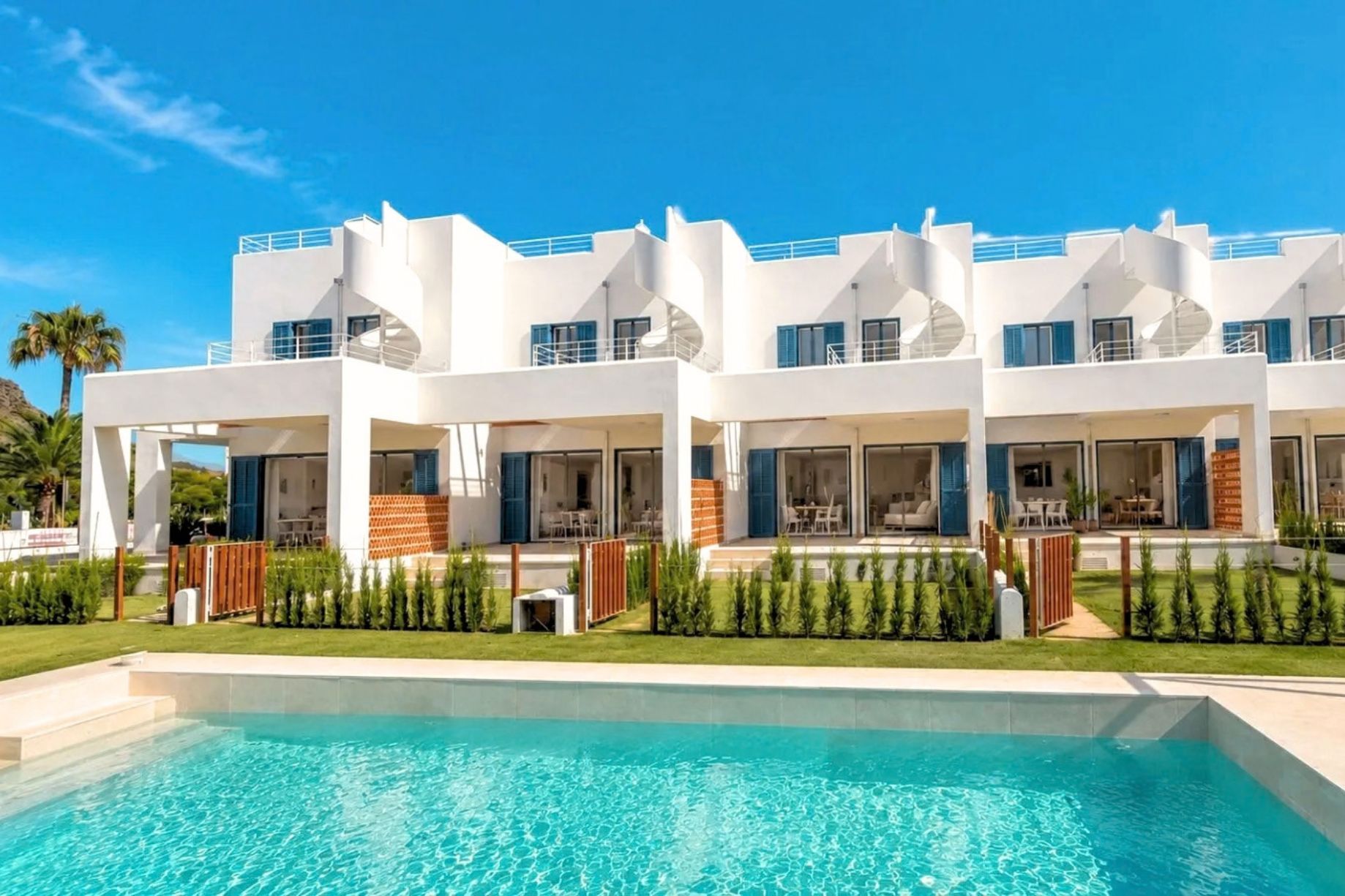
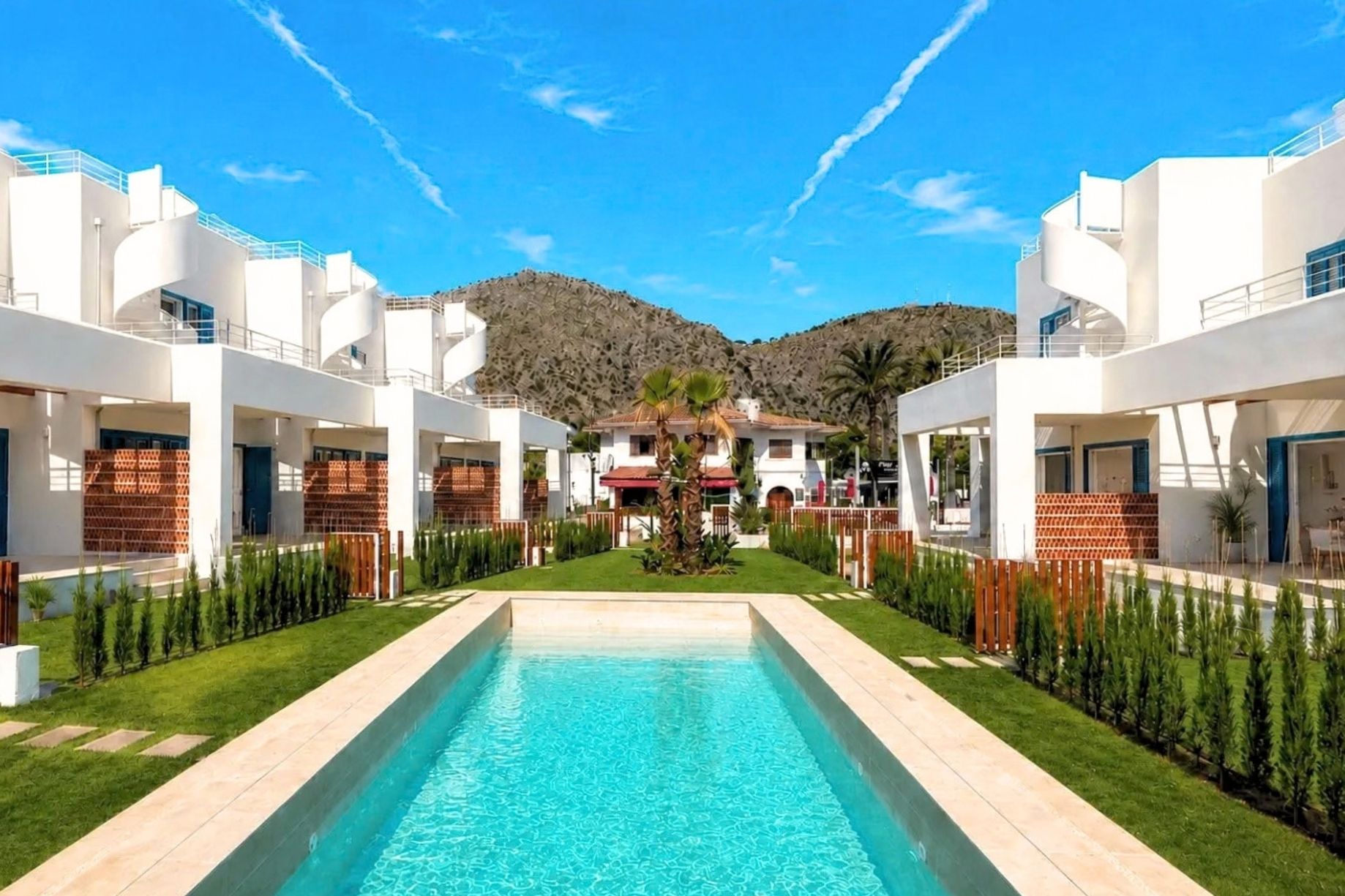
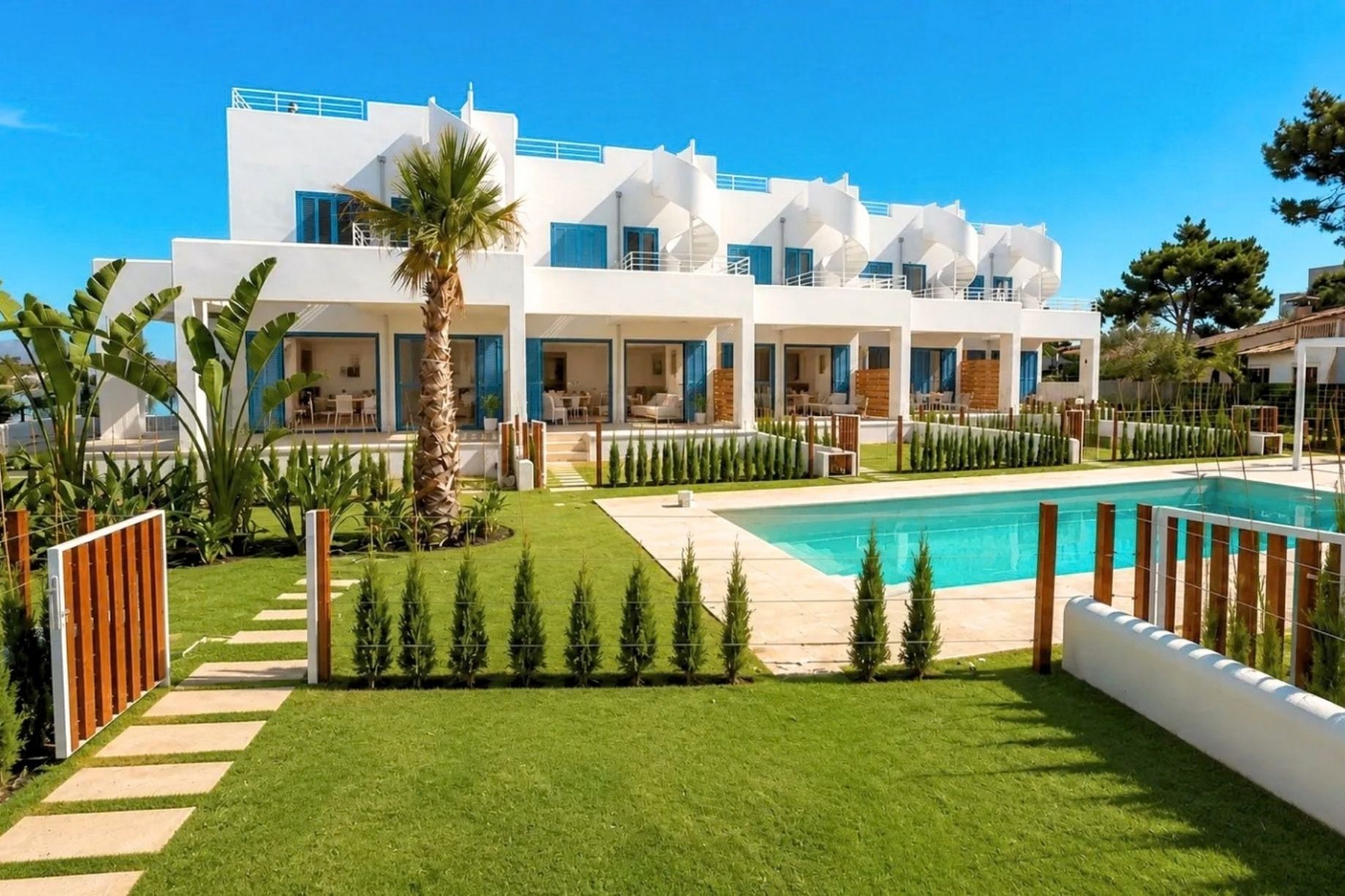
Playa d'Alcúdia, Mallorca, Spain — 3-Bed Townhouse With Private Roof Terrace & Pool
€149,000
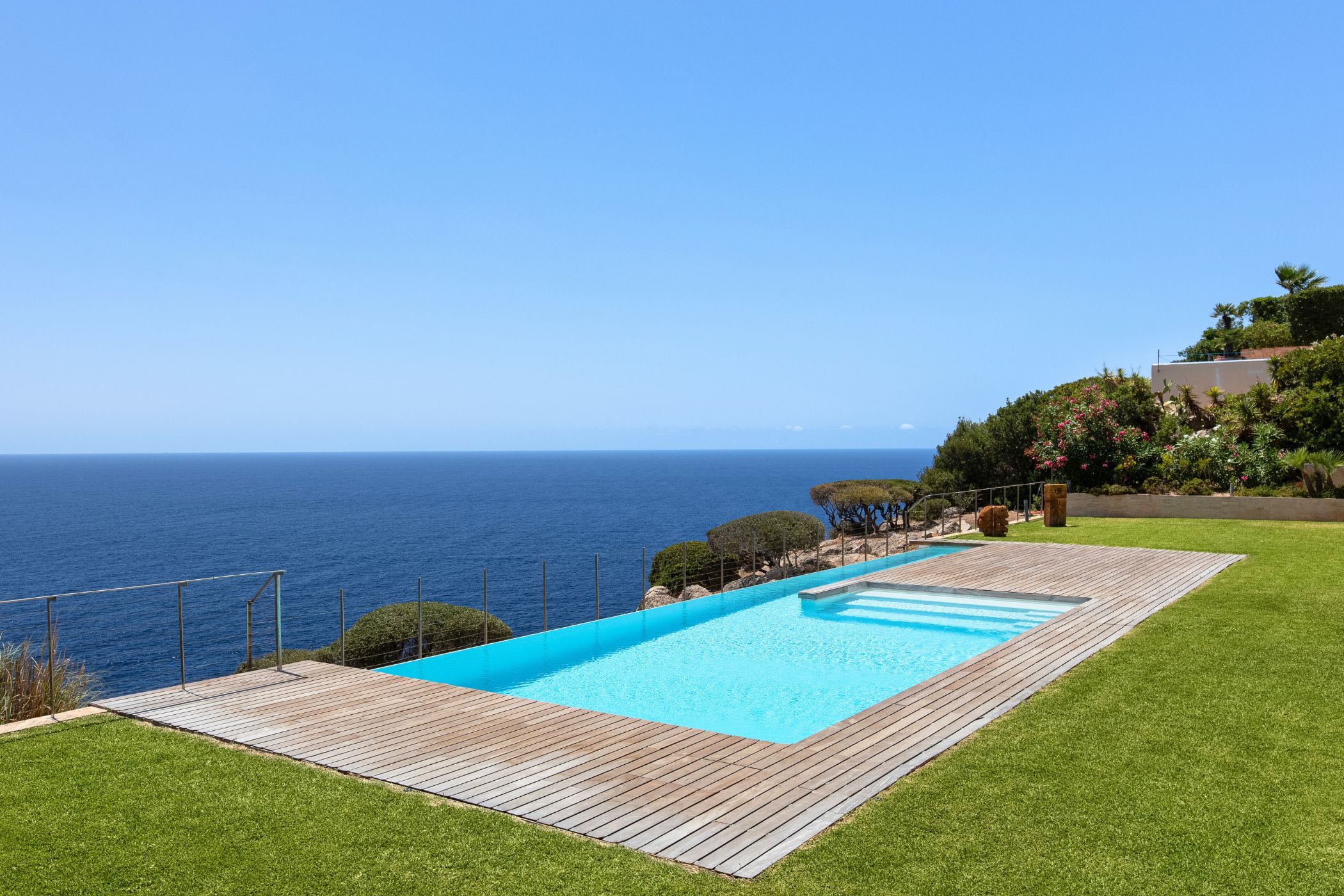
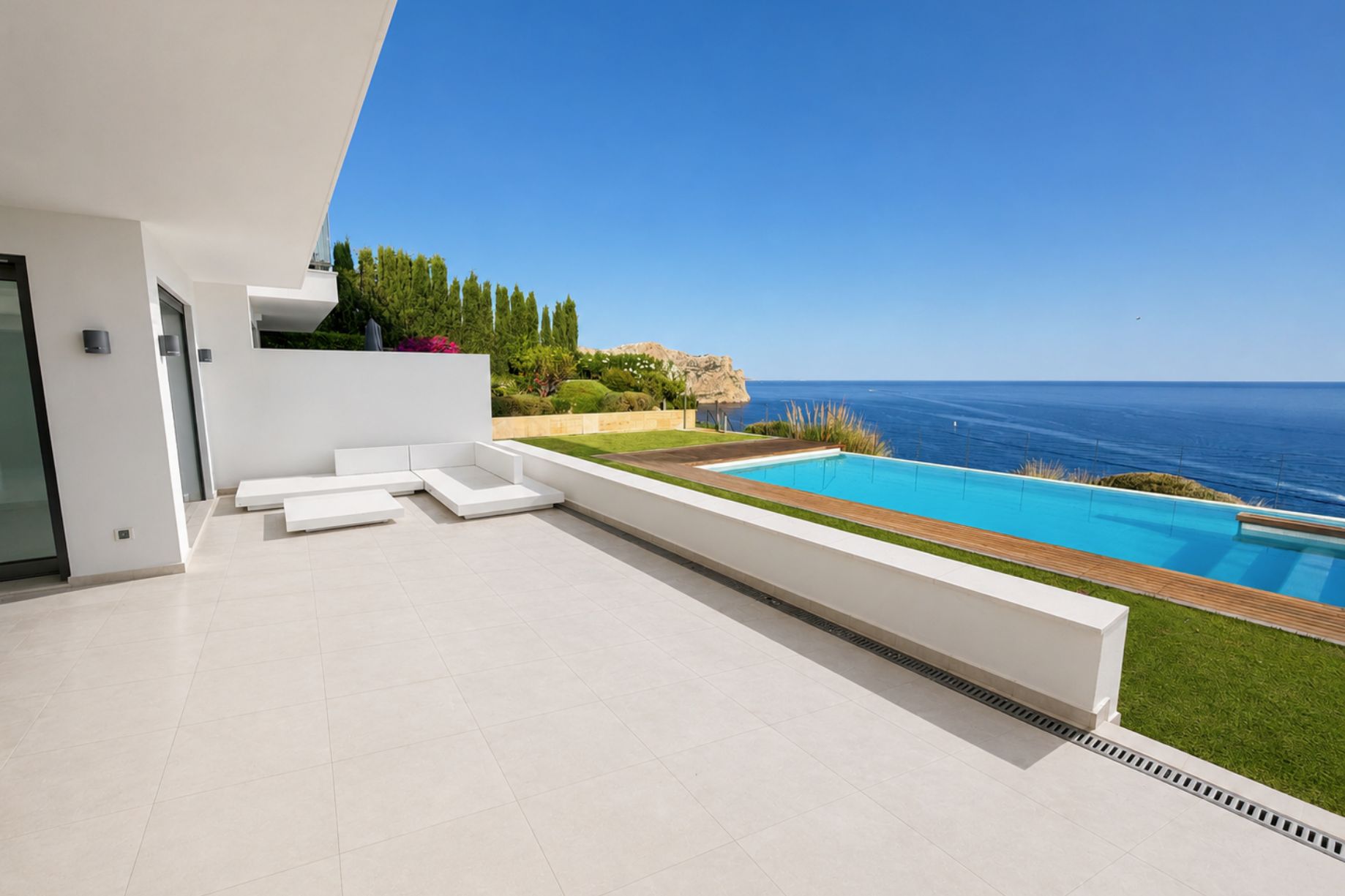
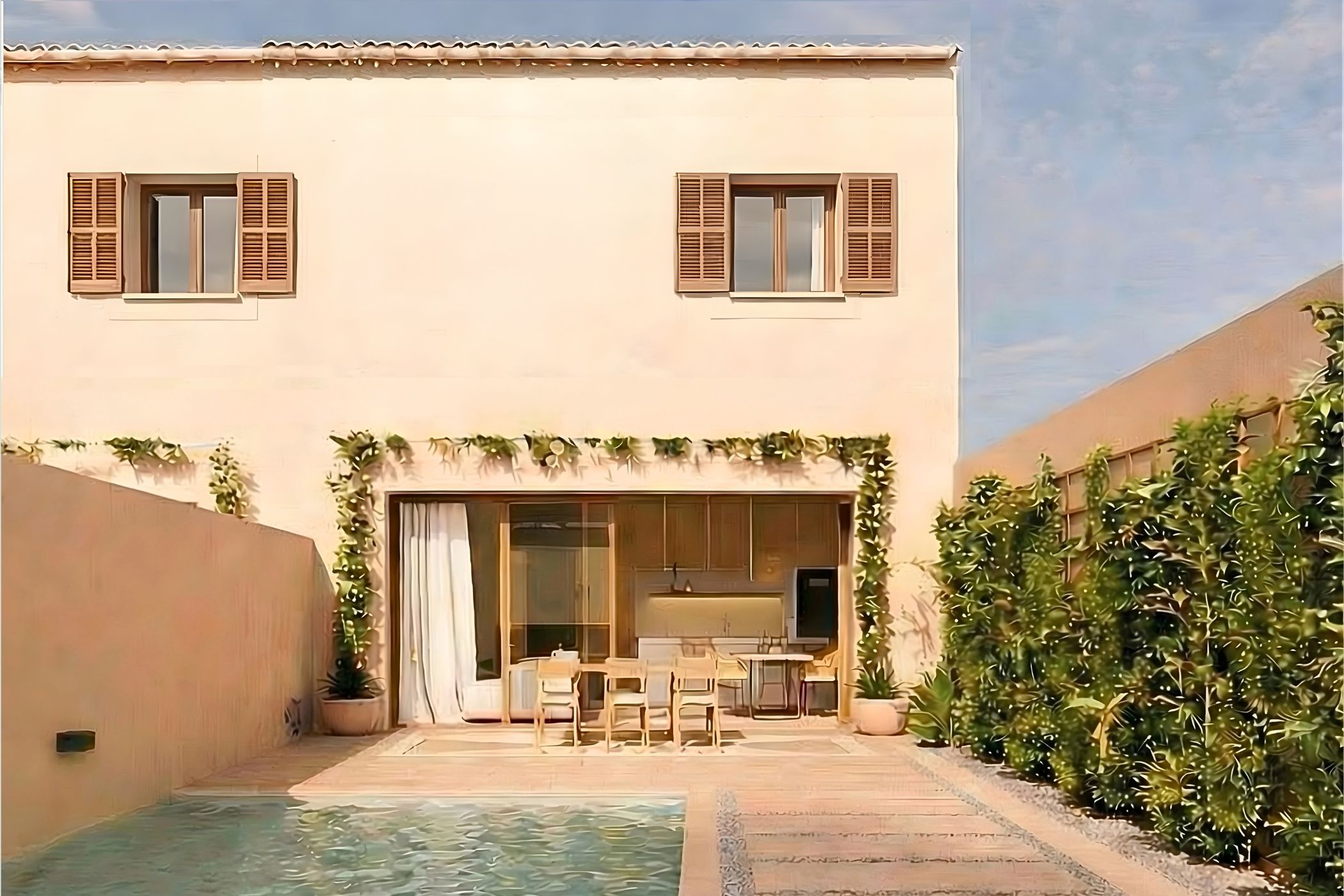
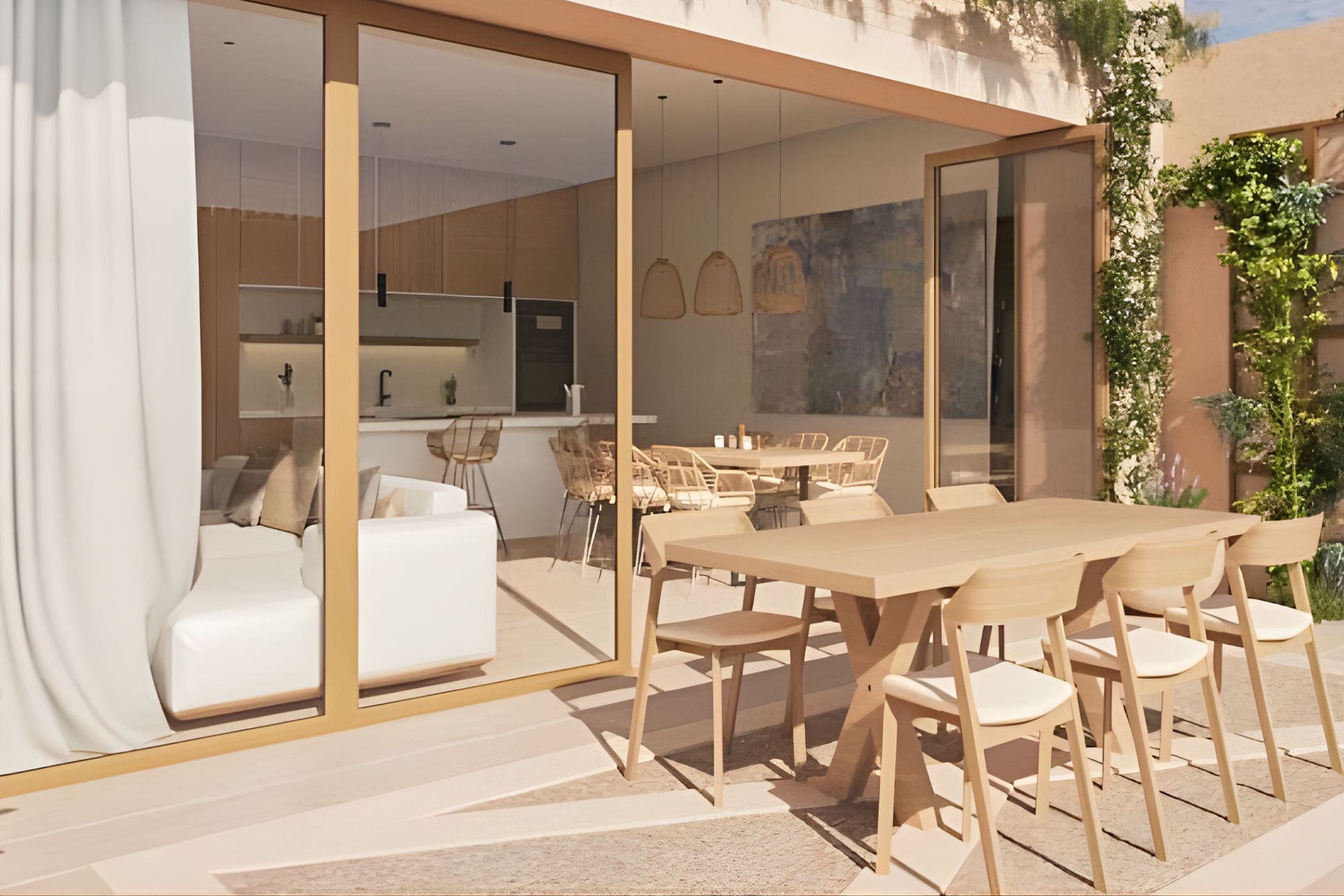
Port d'Andratx, Mallorca, Spain — 2-Bed Terrace Apartment With Sea Views & Infinity Pool
€269,000
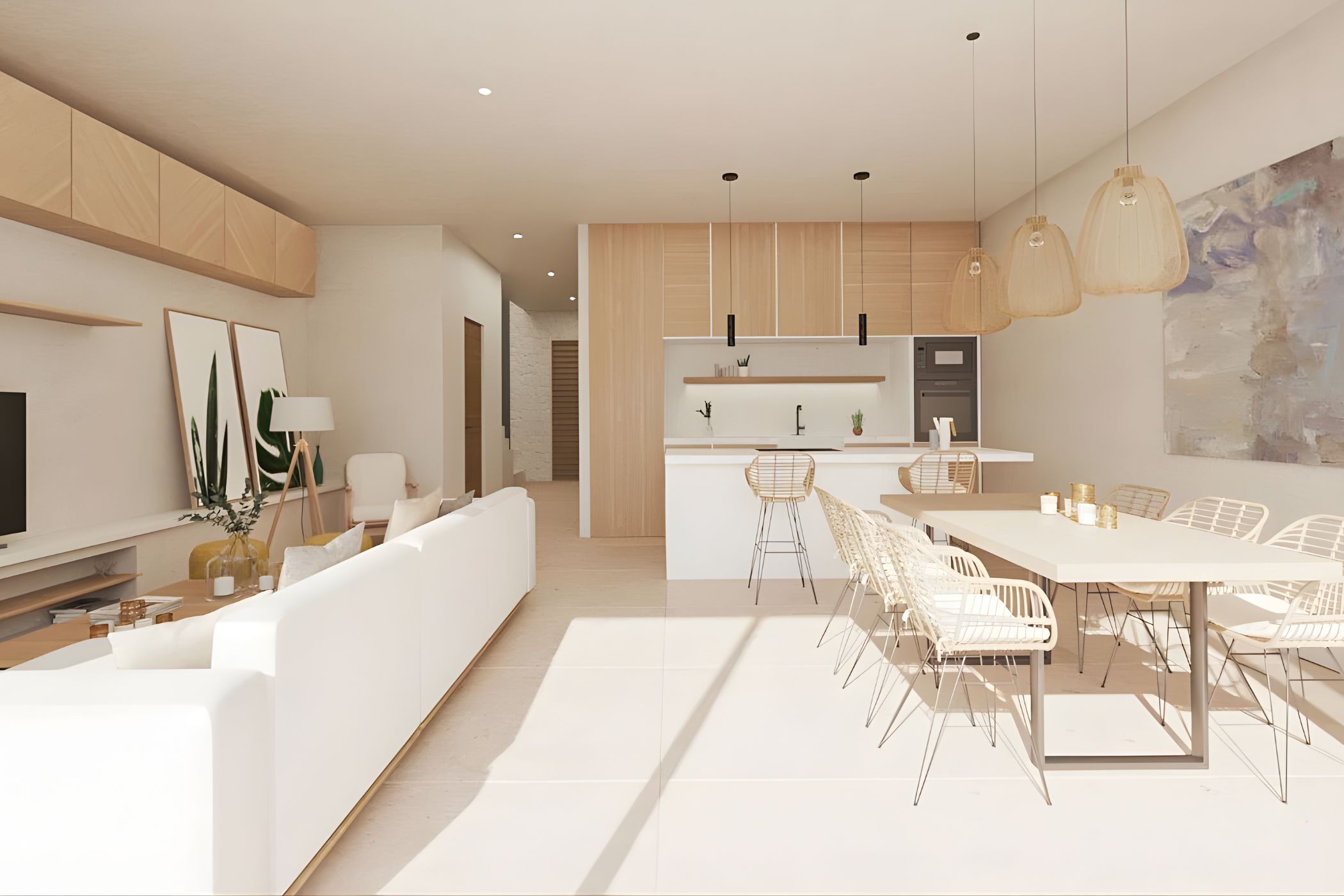
Ses Salines, Mallorca, Spain — 3-Bed Townhouse With Pool
€139,000
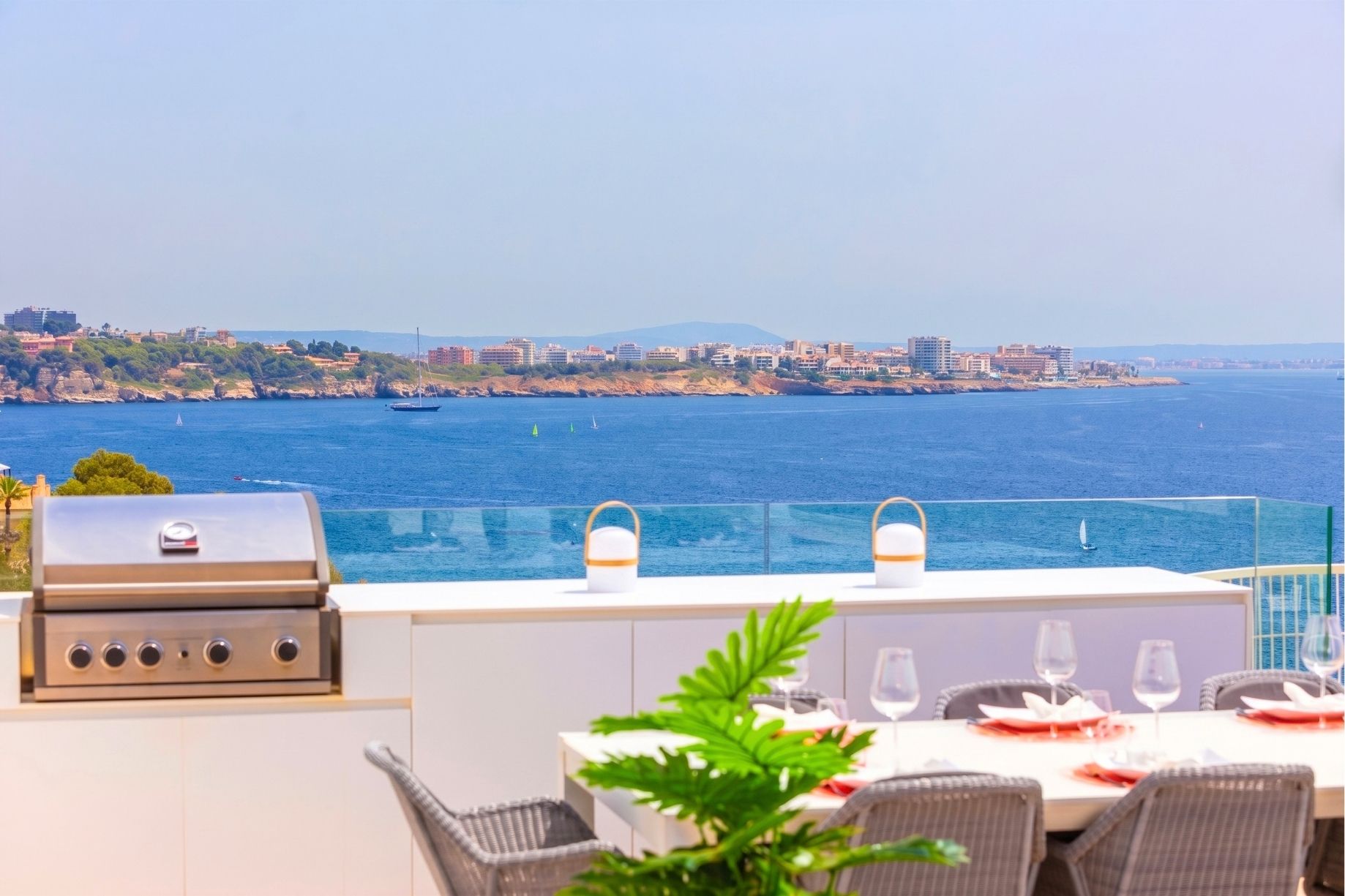
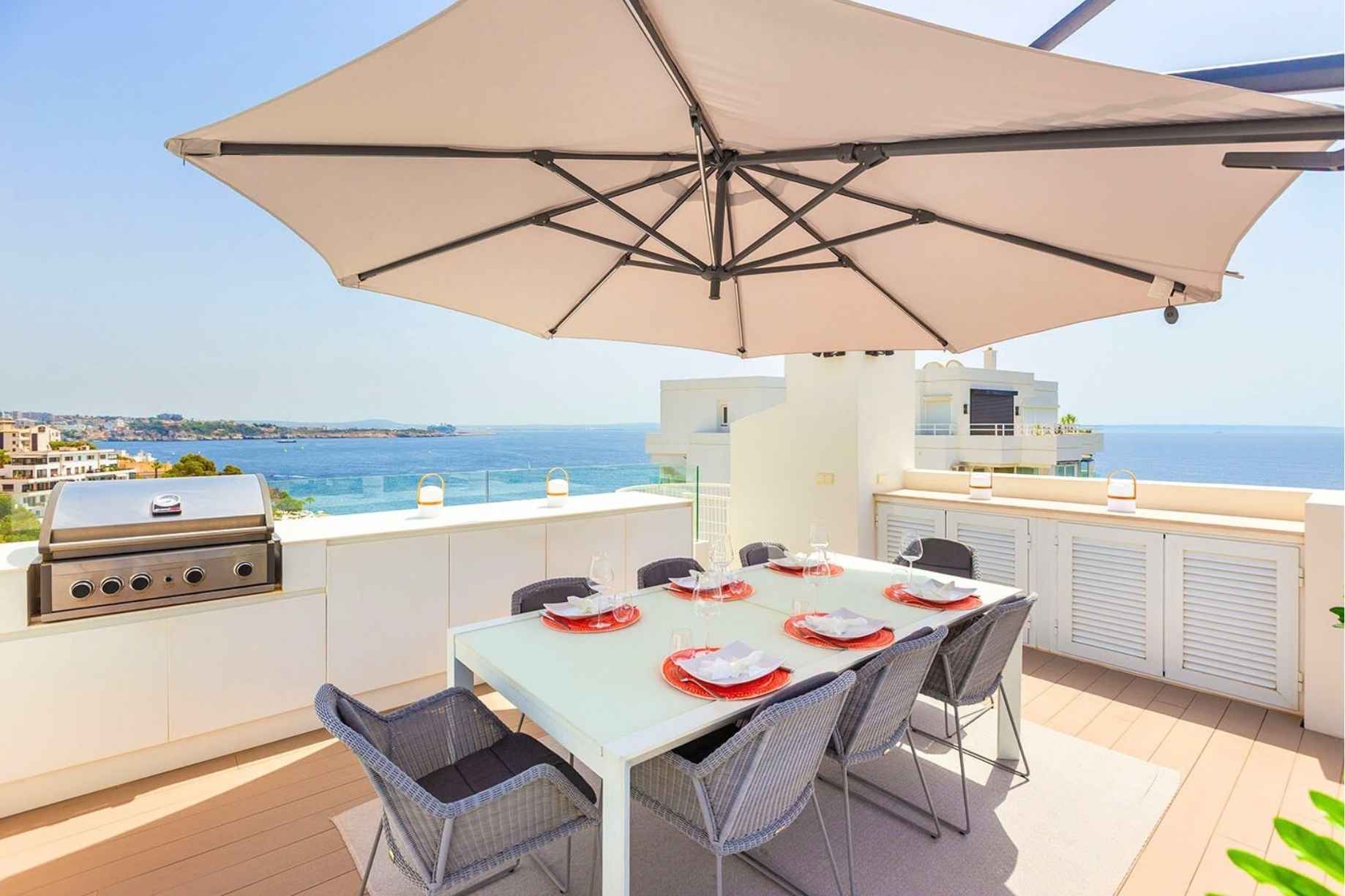
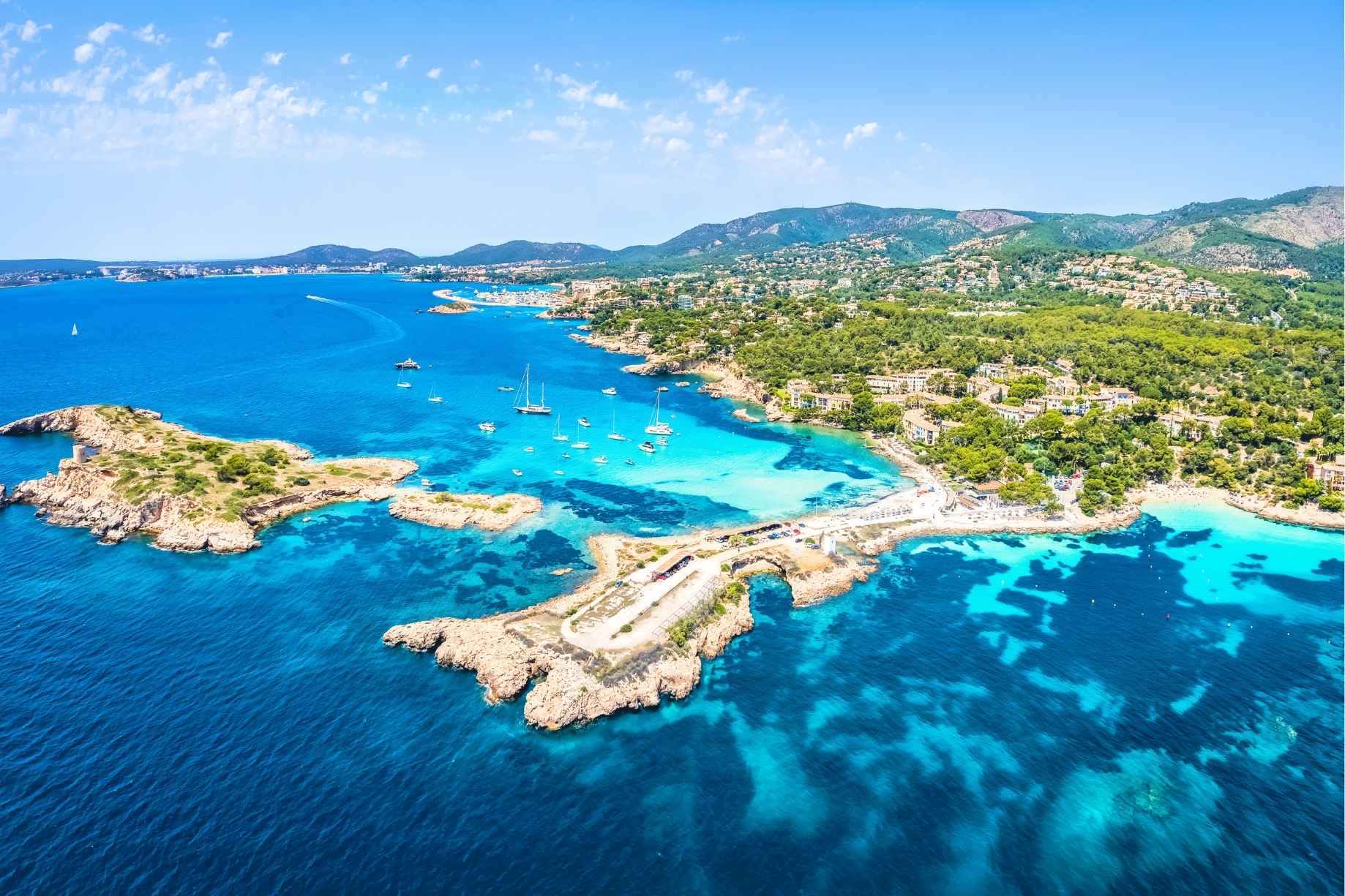
Illetes, Mallorca, Spain — 2-Bed Penthouse With Panoramic Sea Views & Roof Terrace
€239,000
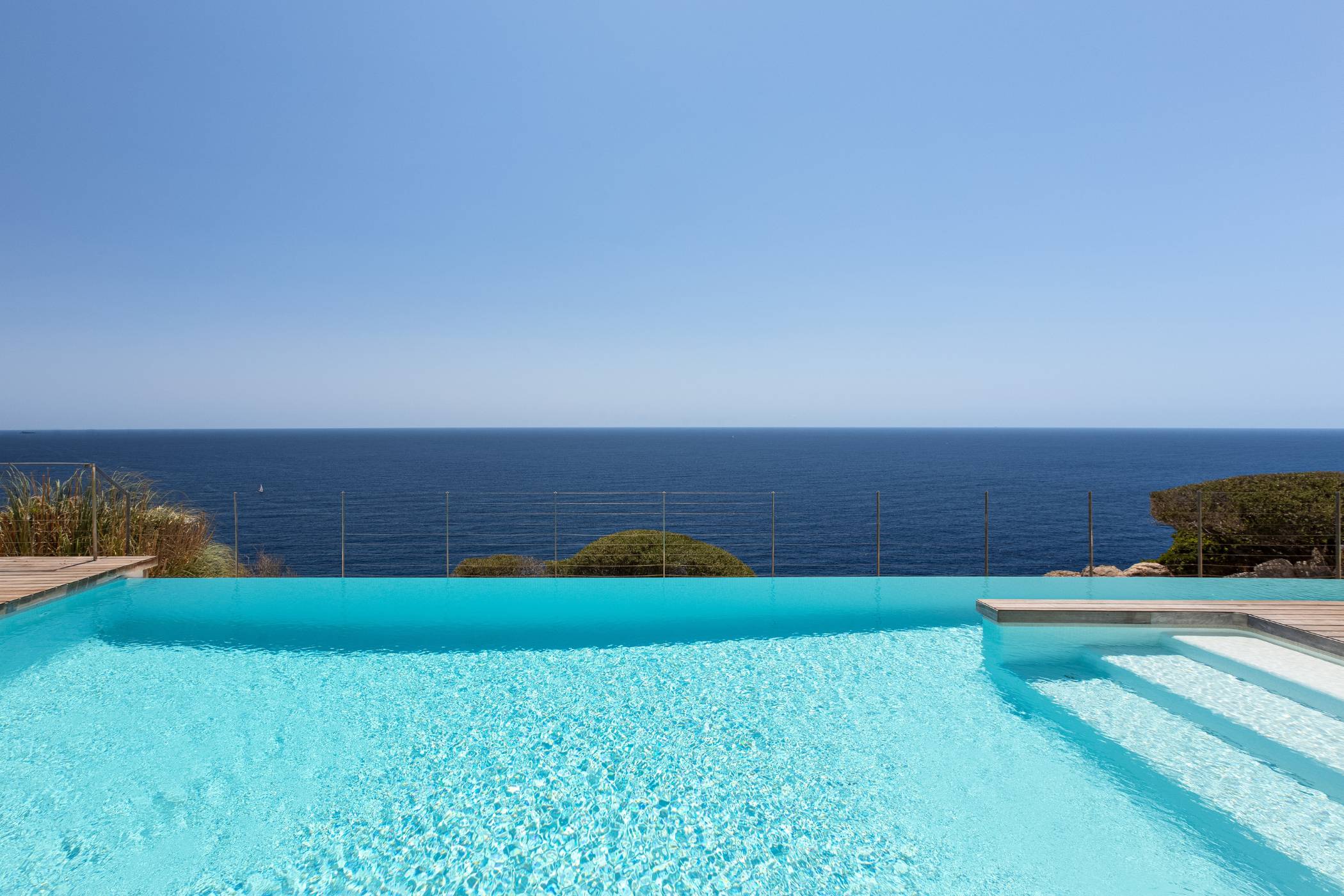
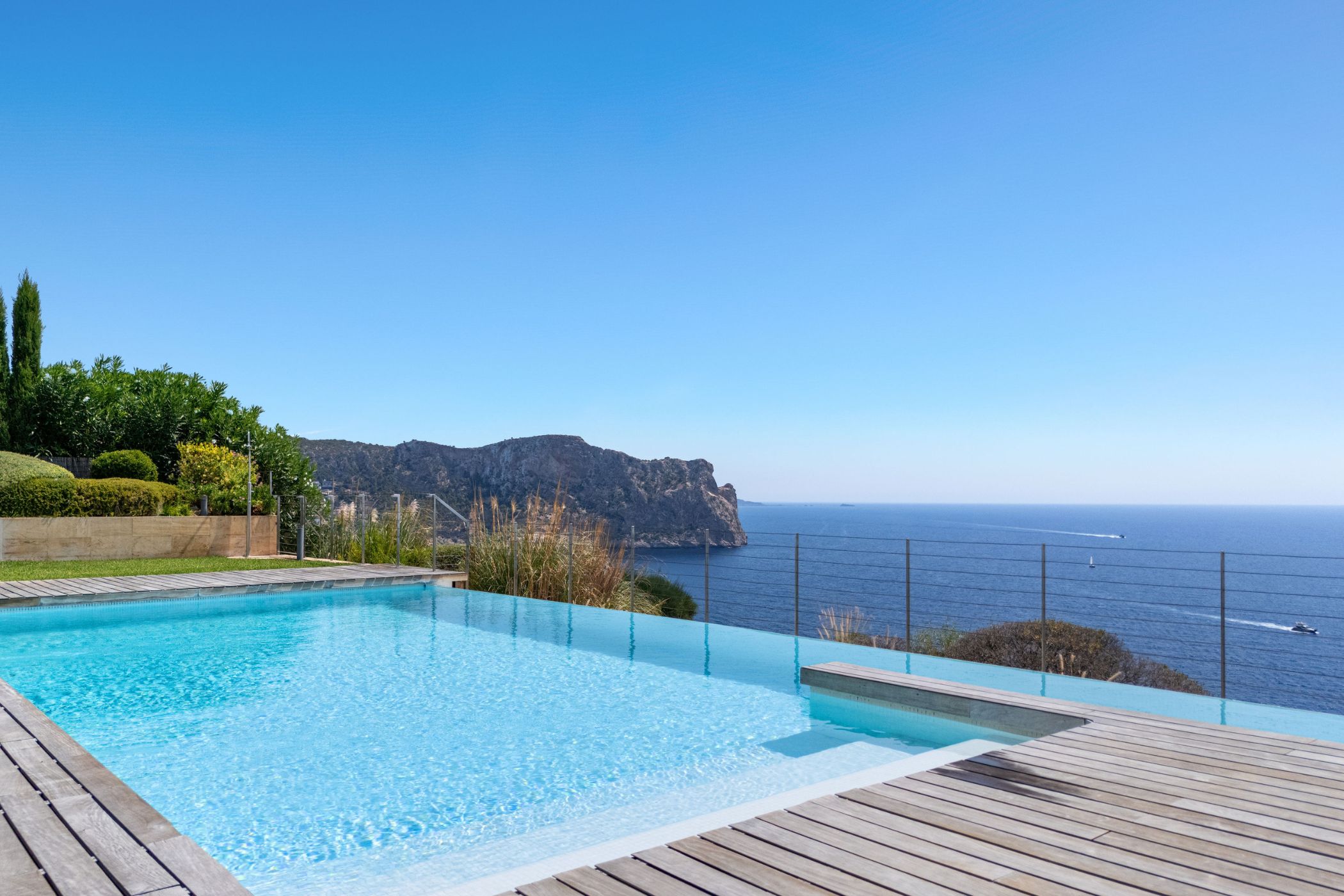
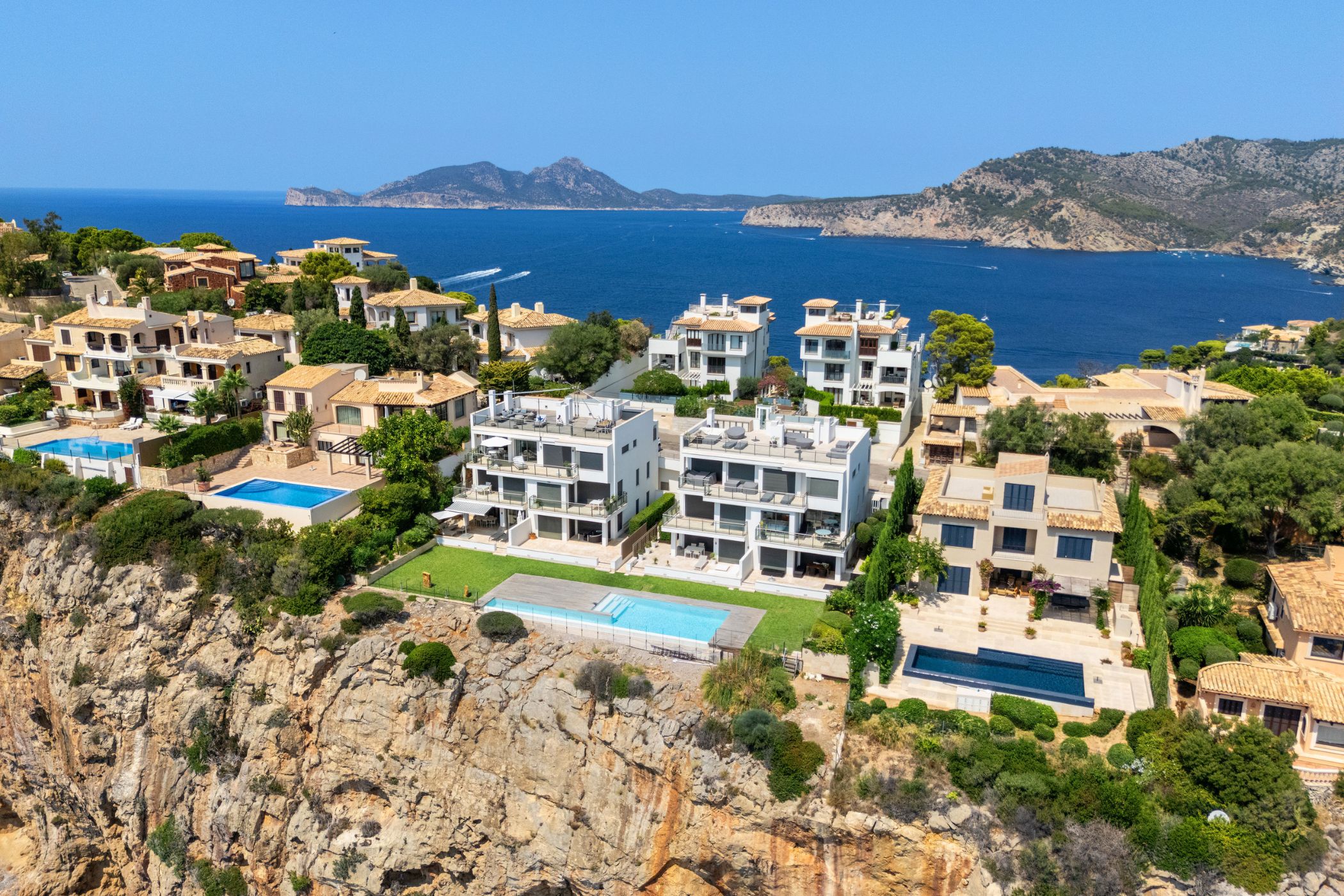
Port d'Andratx, Mallorca, Spain — 2-Bed Terrace Apartment With Panoramic Sea Views & Infinity Pool
€269,000
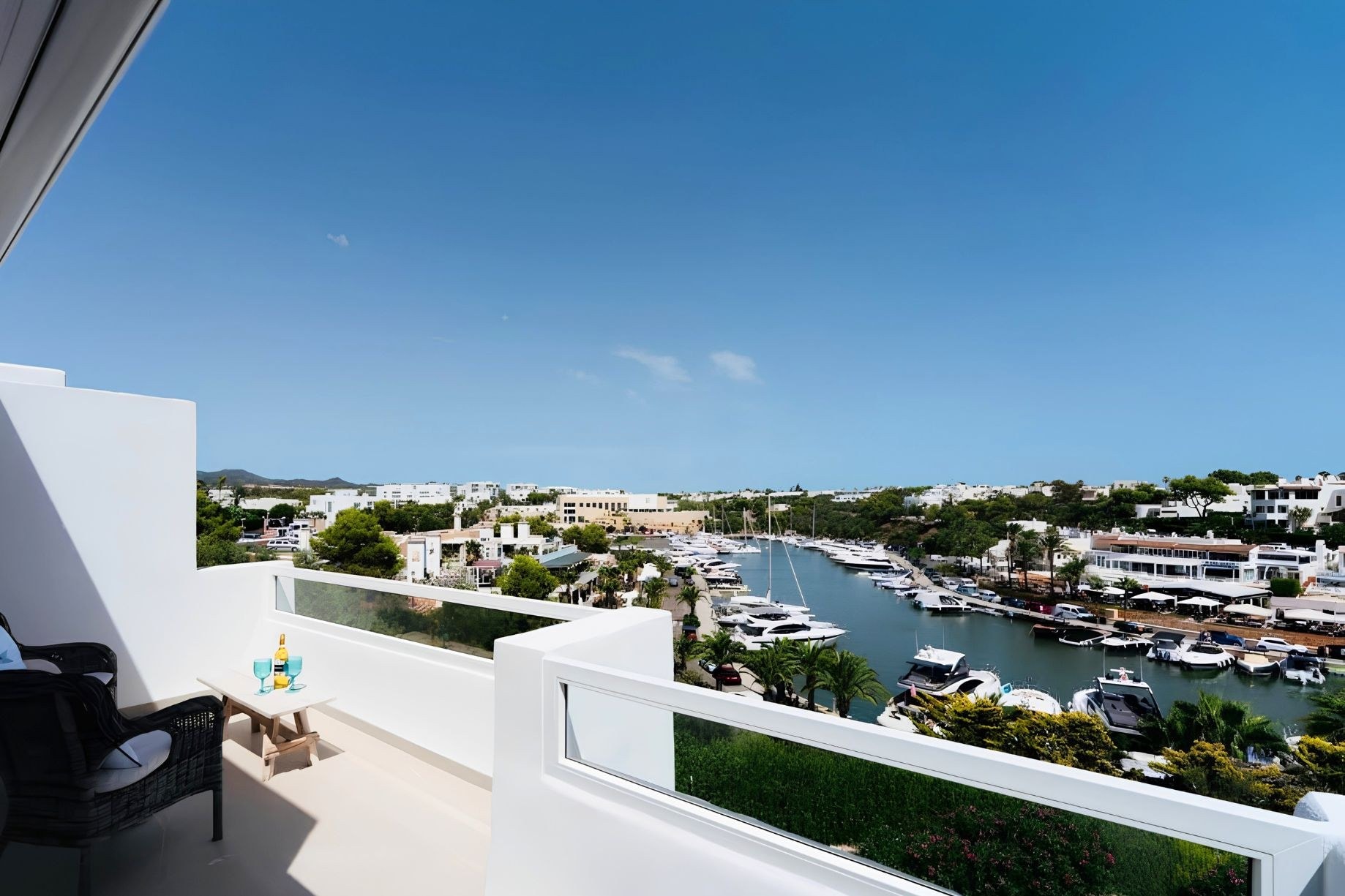
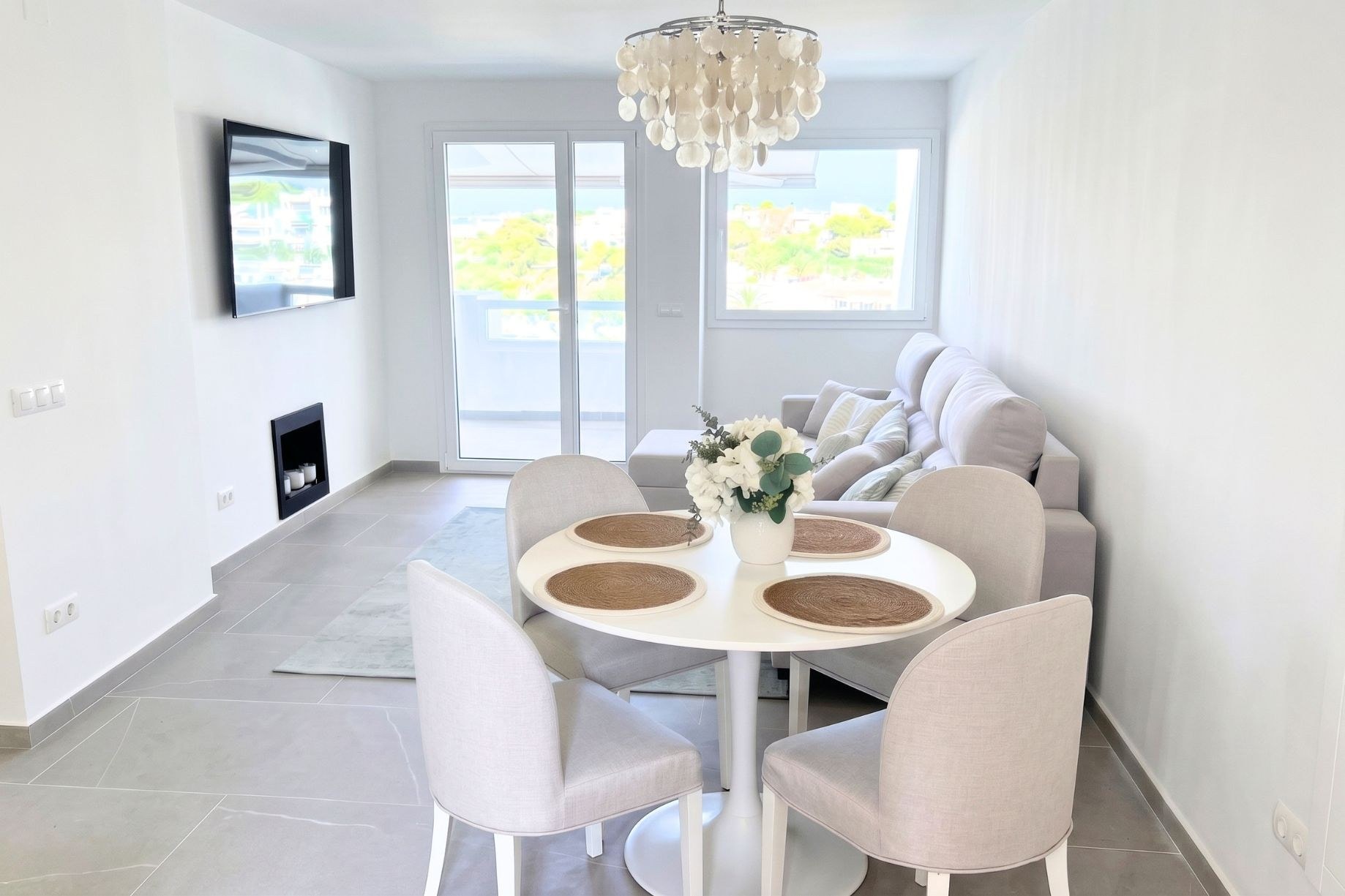
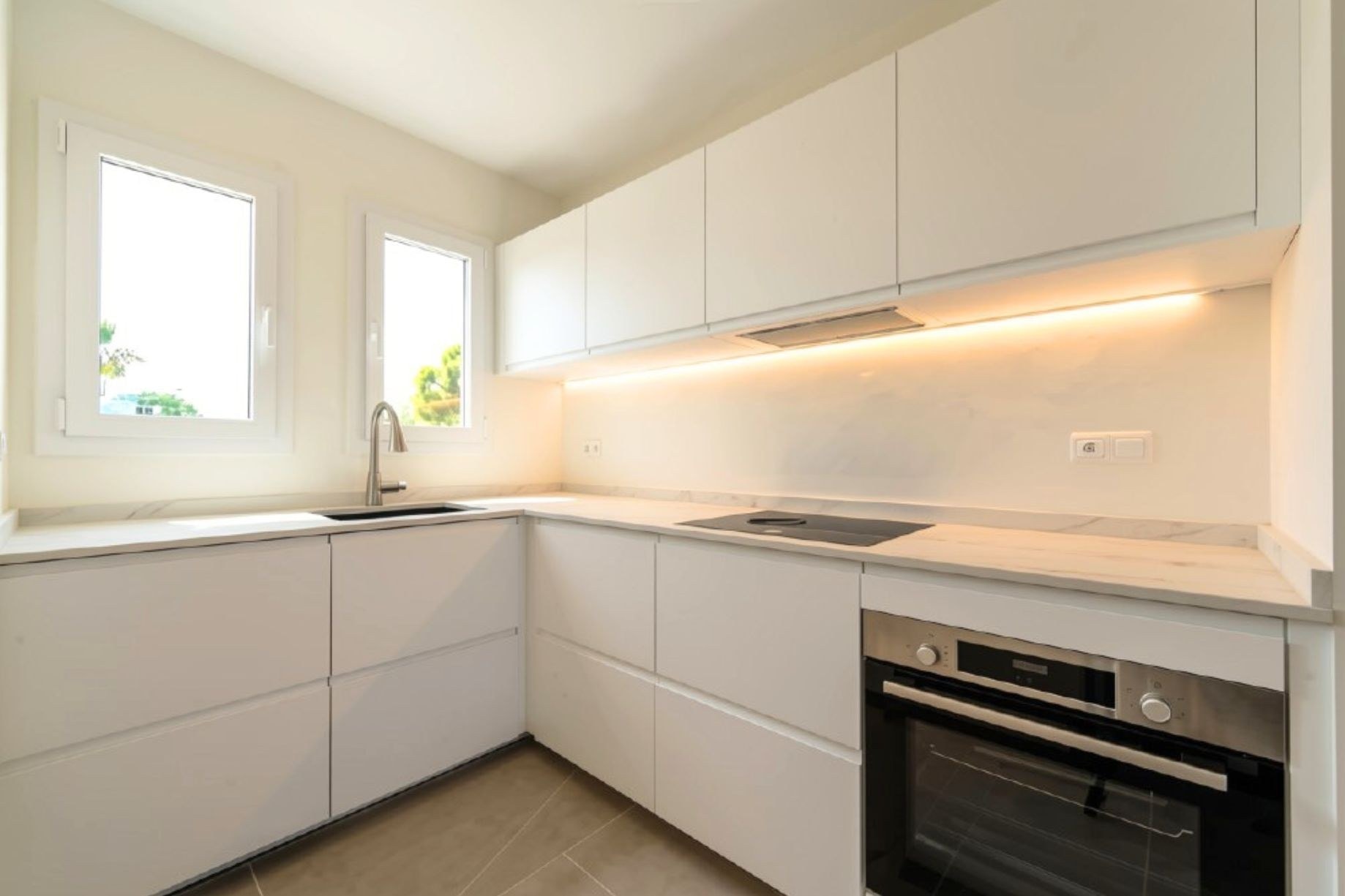
Cala d'Or, Mallorca, Spain — 2-Bed Penthouse With Marina Views
€144,000
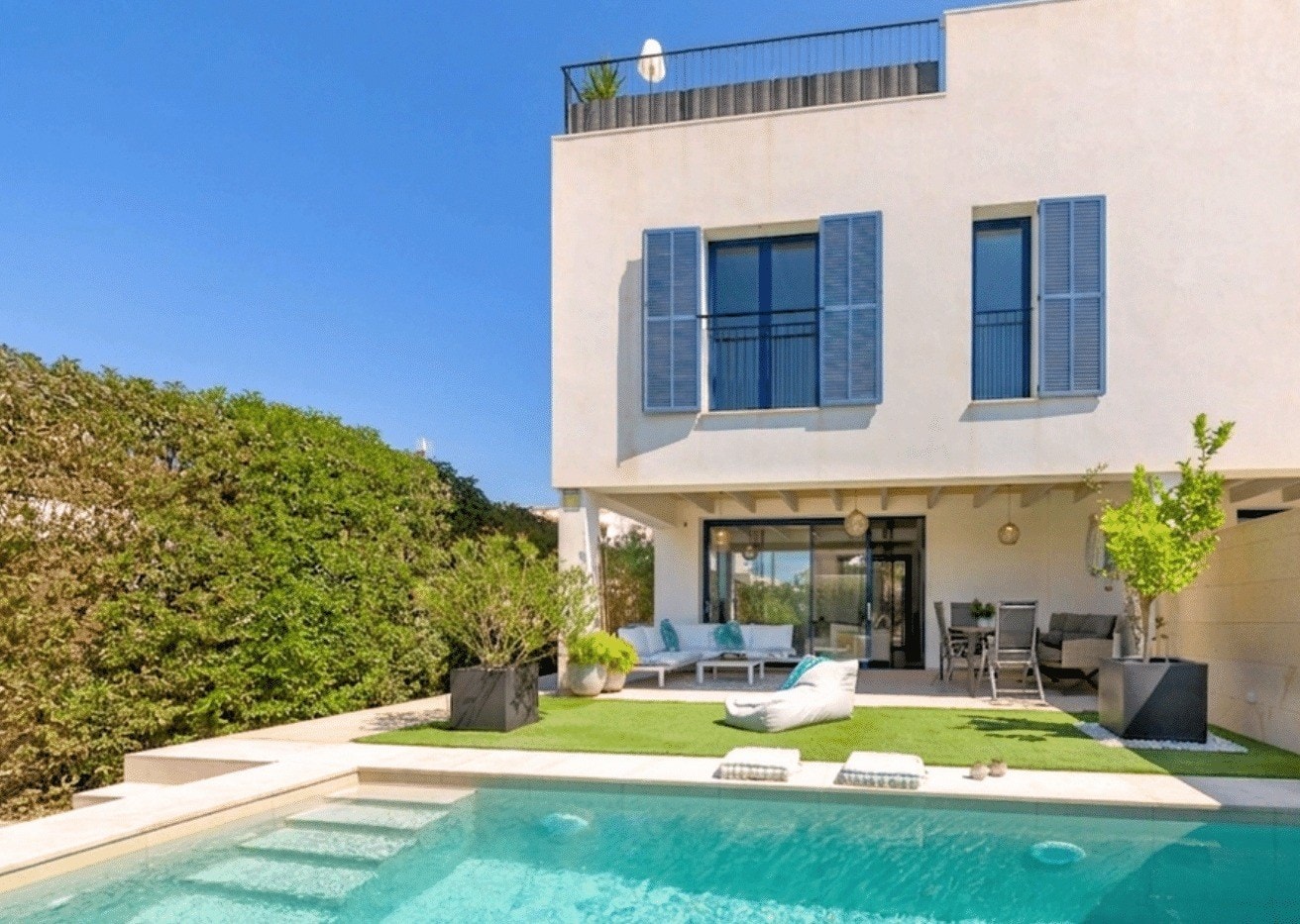
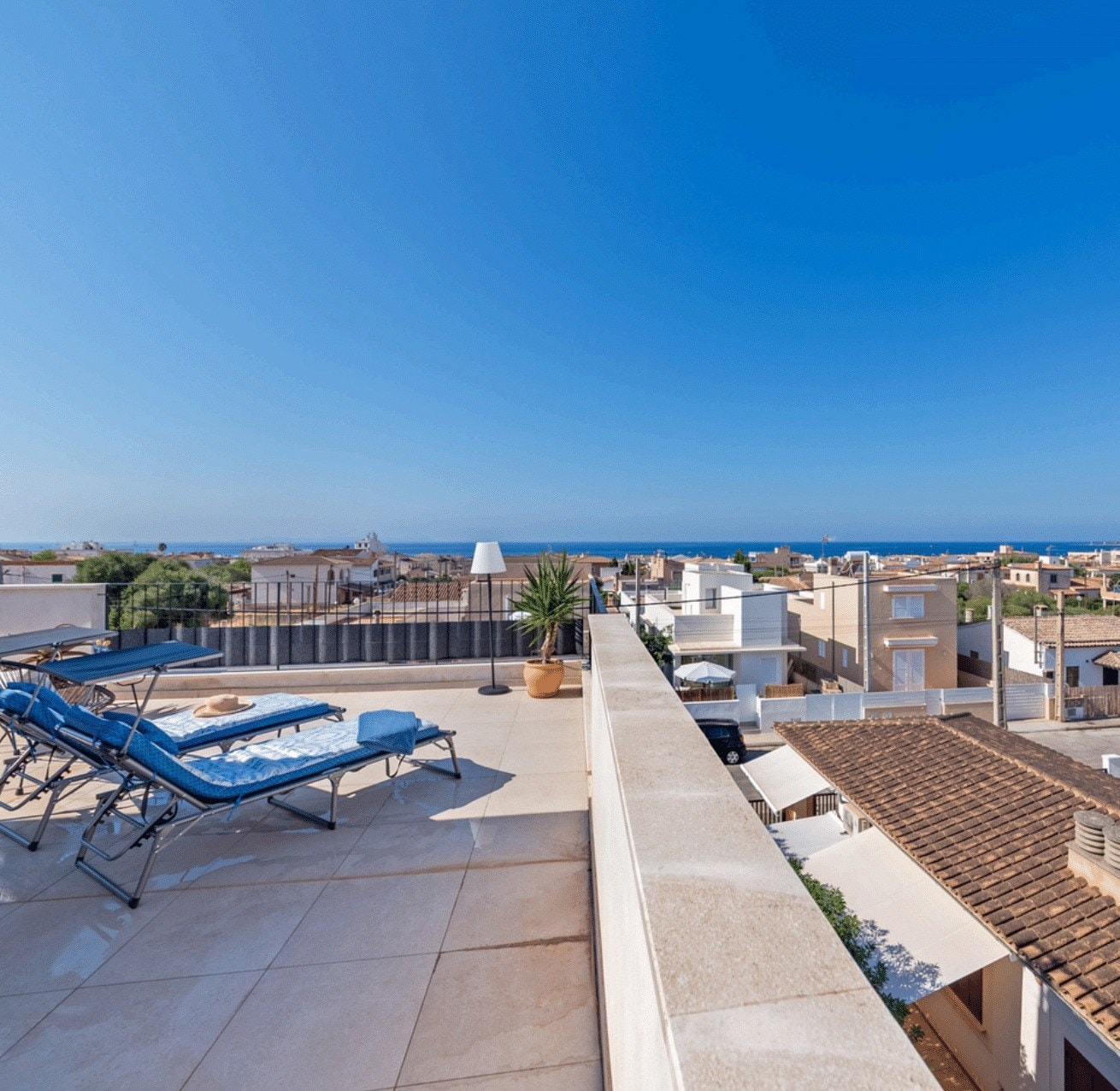
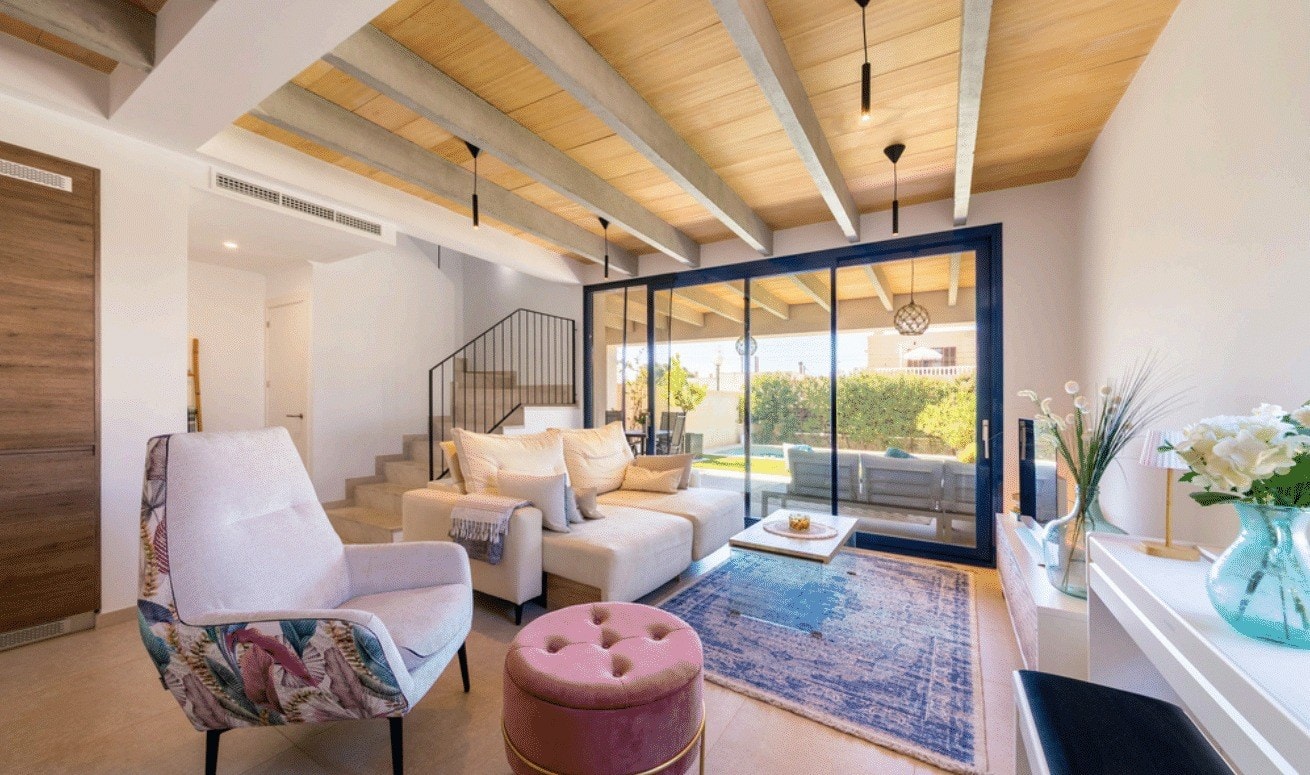
Sa Ràpita, Mallorca, Spain — 3-Bed House With Roof Terrace, Sea Views & Heated Pool
€164,000
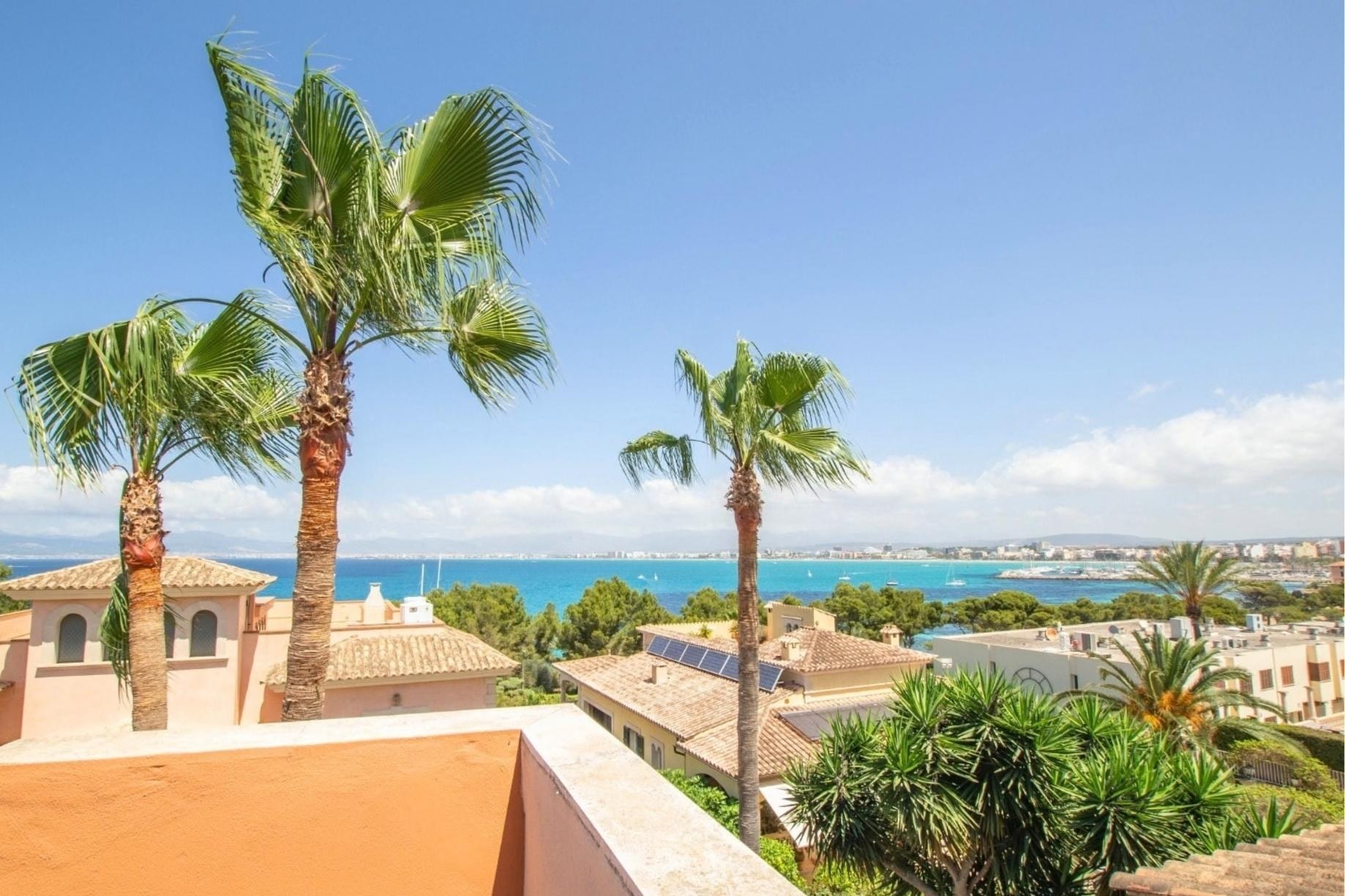
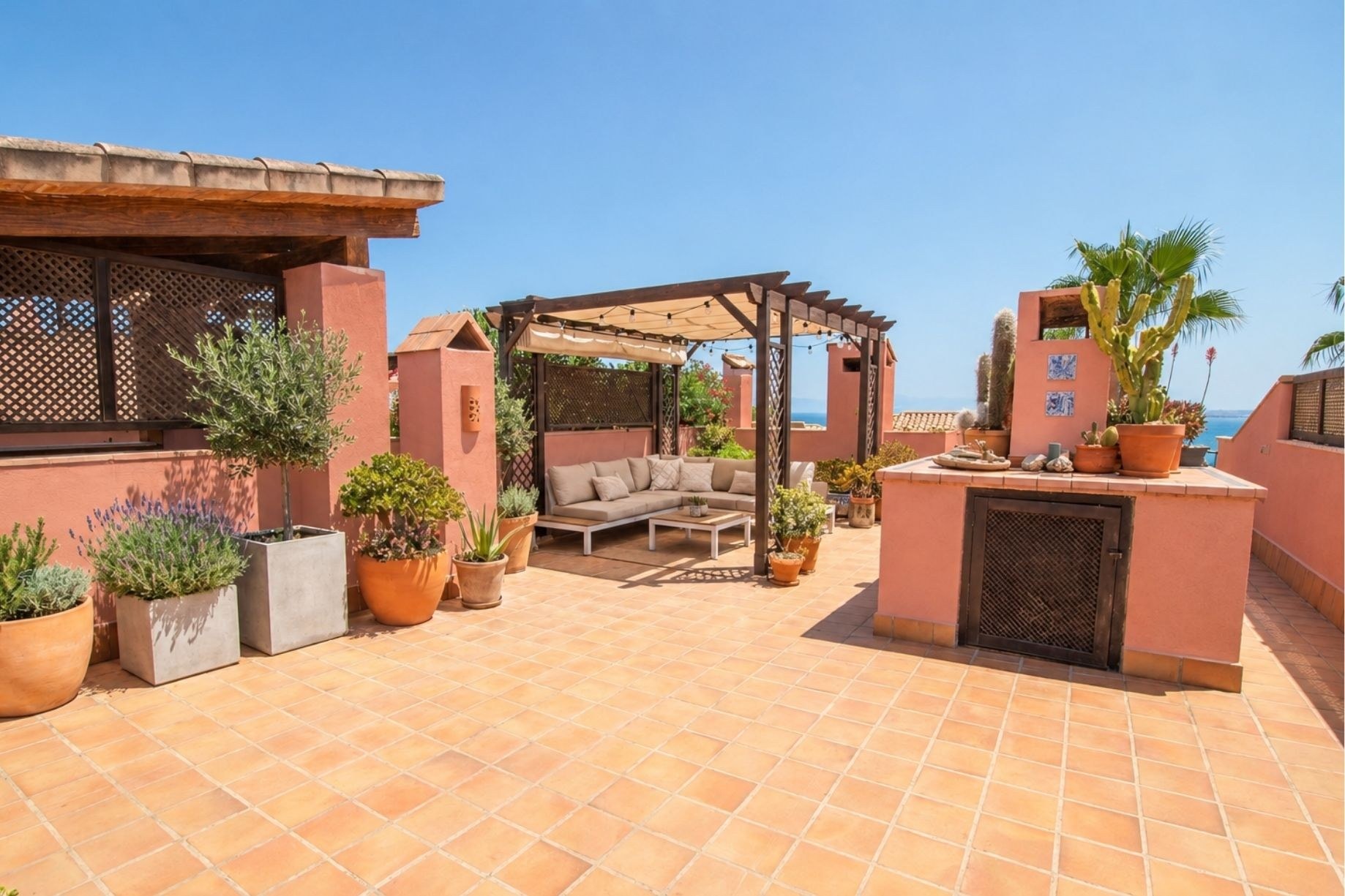
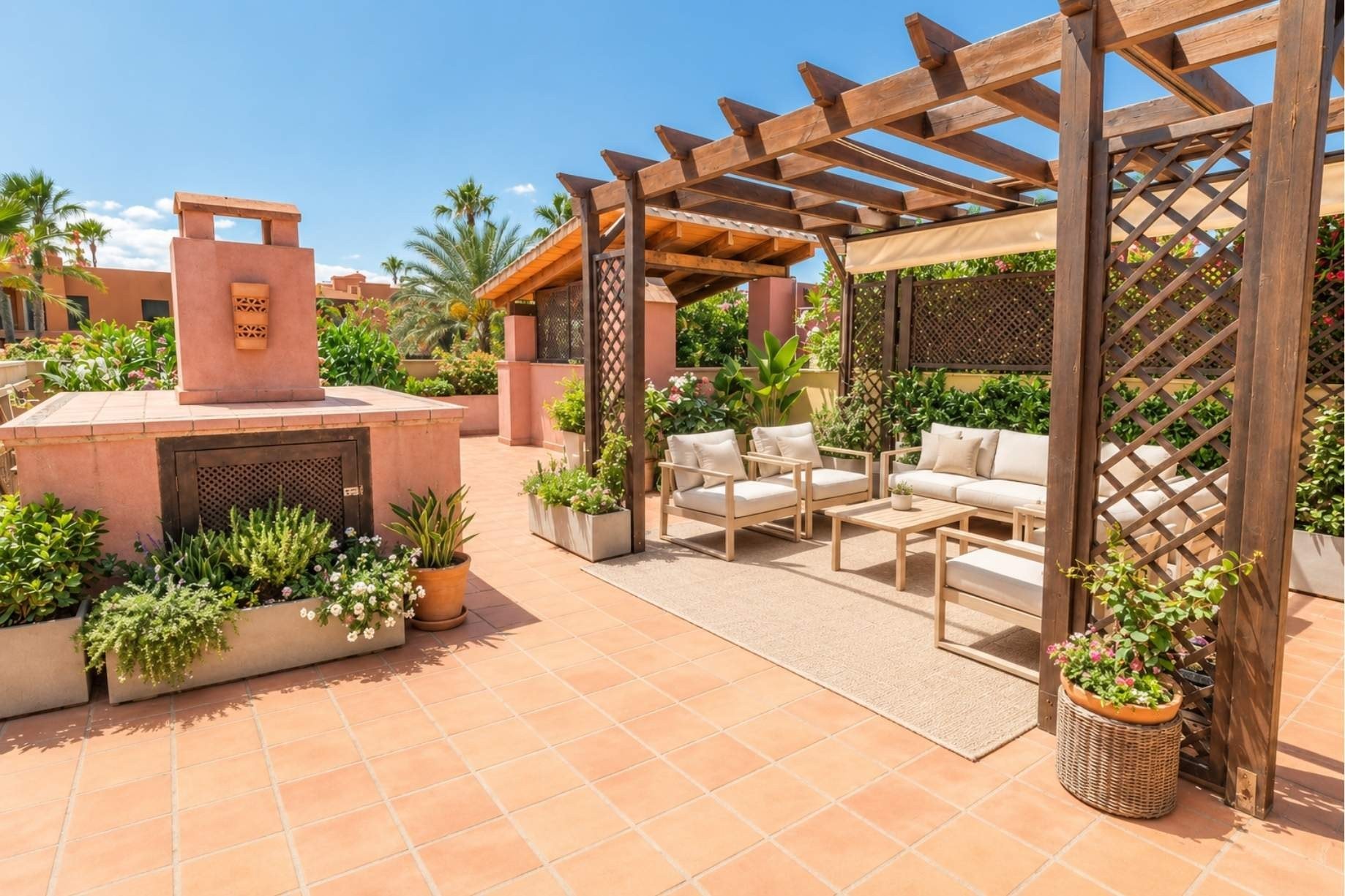
Son Verí Nou, Mallorca, Spain — 2-Bed Penthouse With Private Roof Terrace & Sea Views
€164,000
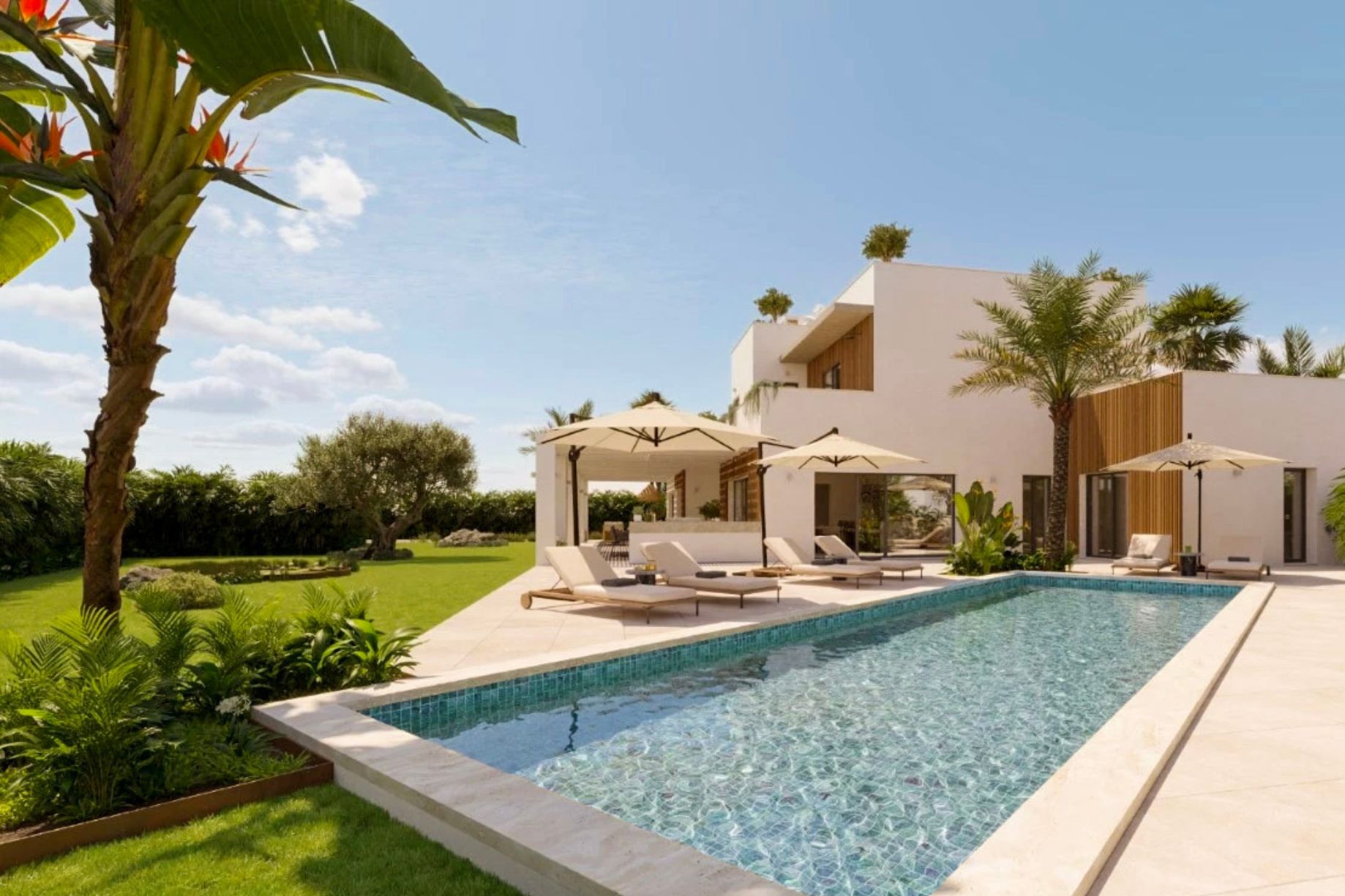
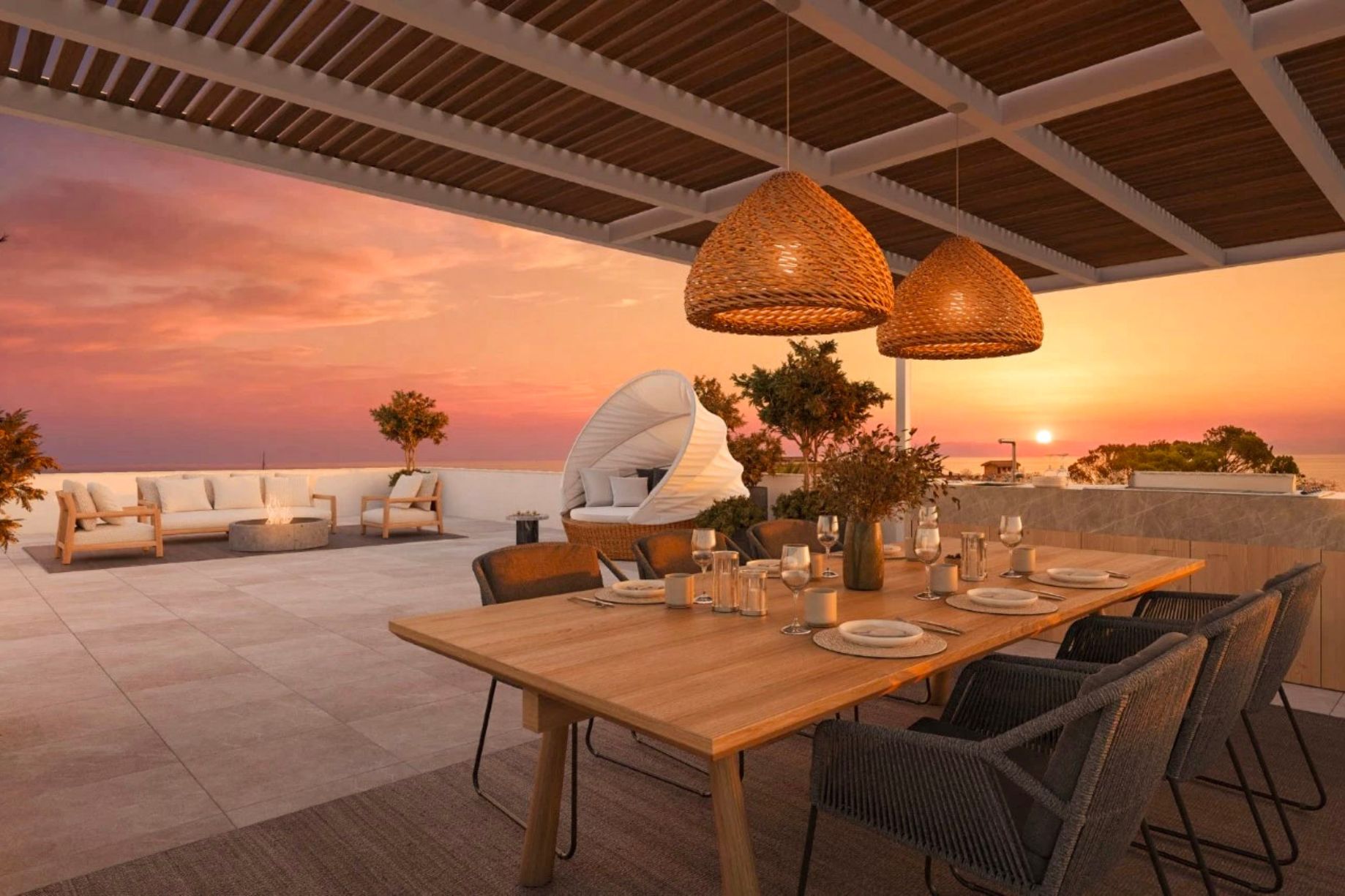
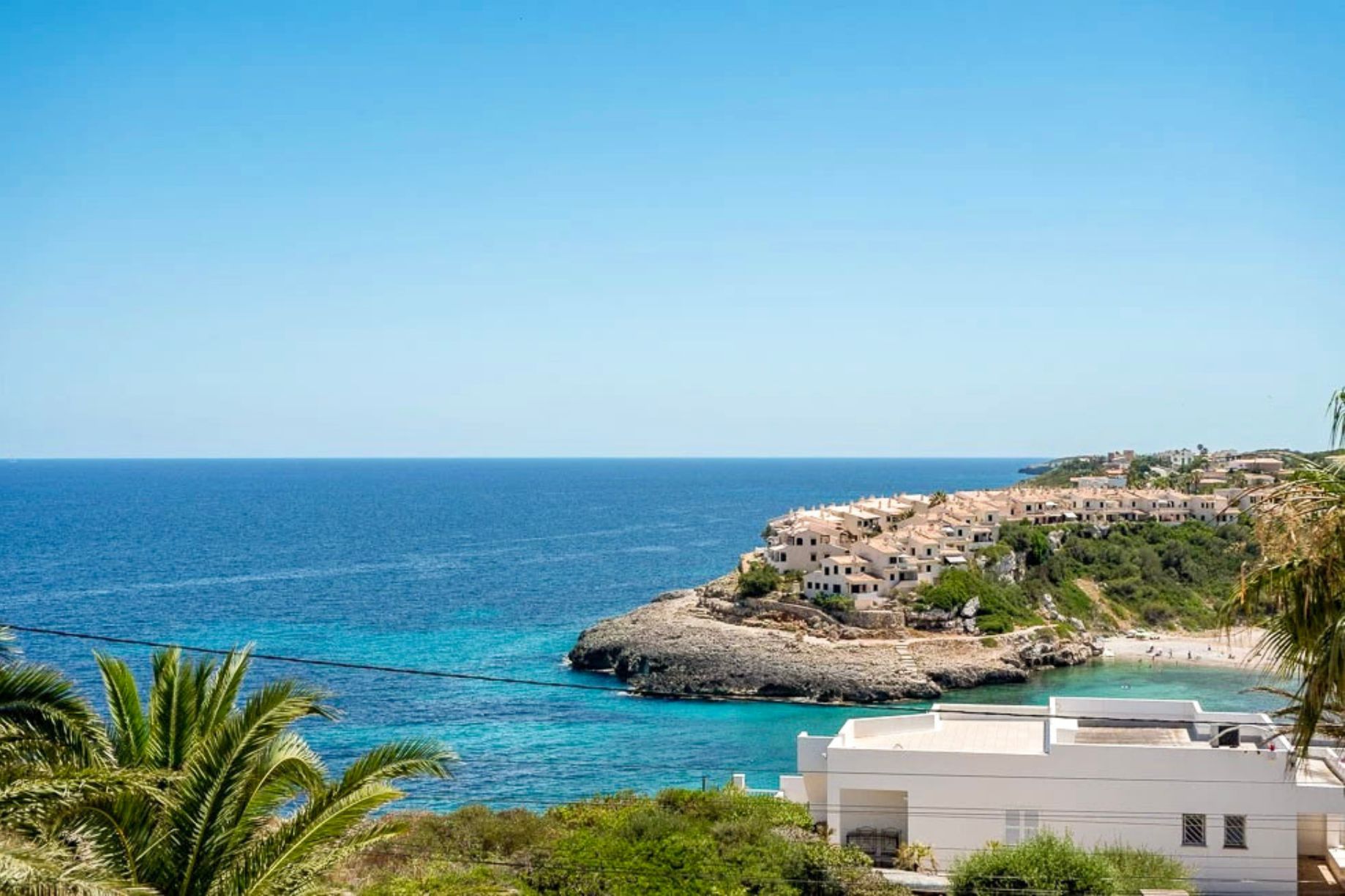
Cala Murada, Mallorca, Spain — 4-Bed Villa With Panoramic Sea Views & Heated Pool
€439,000
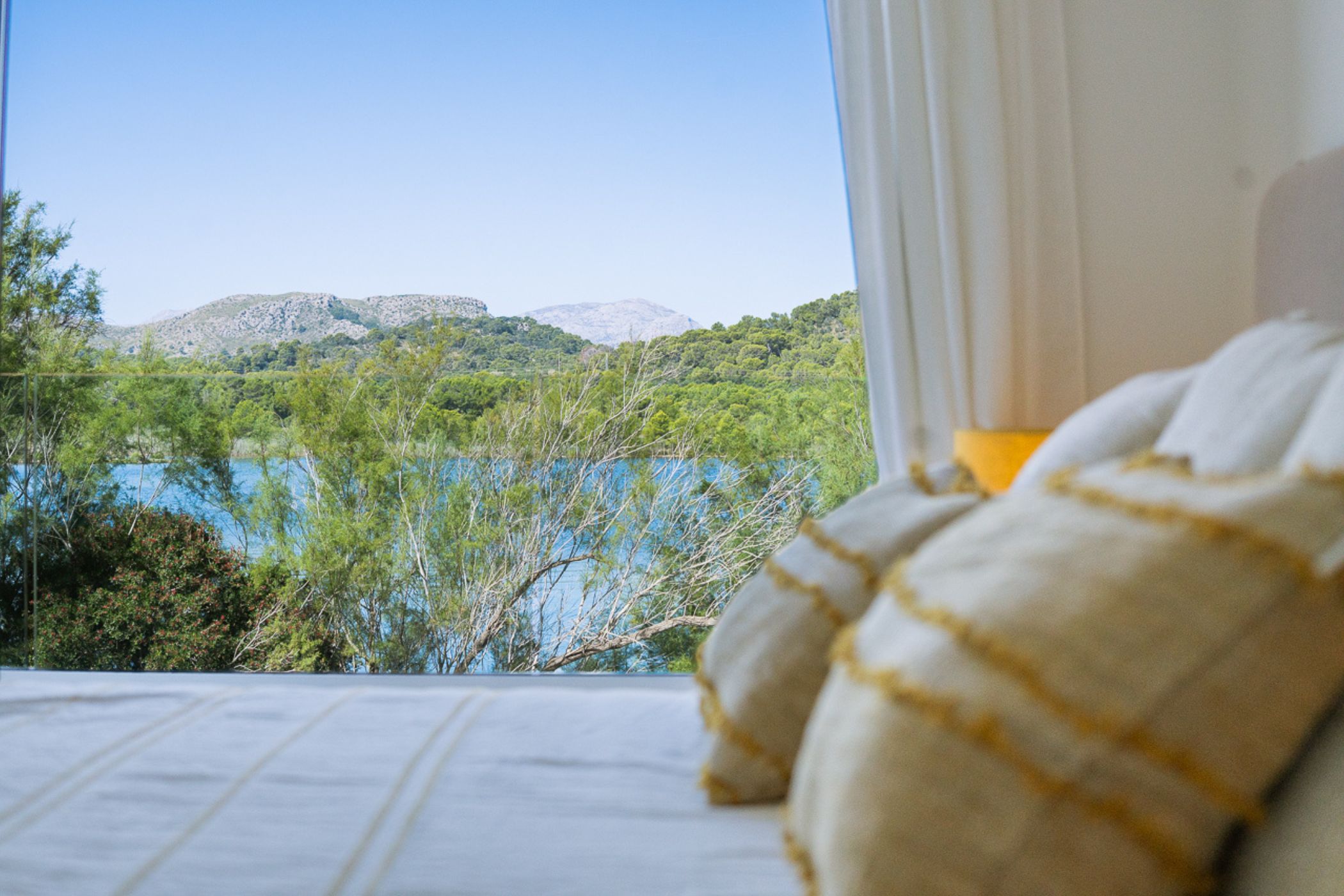
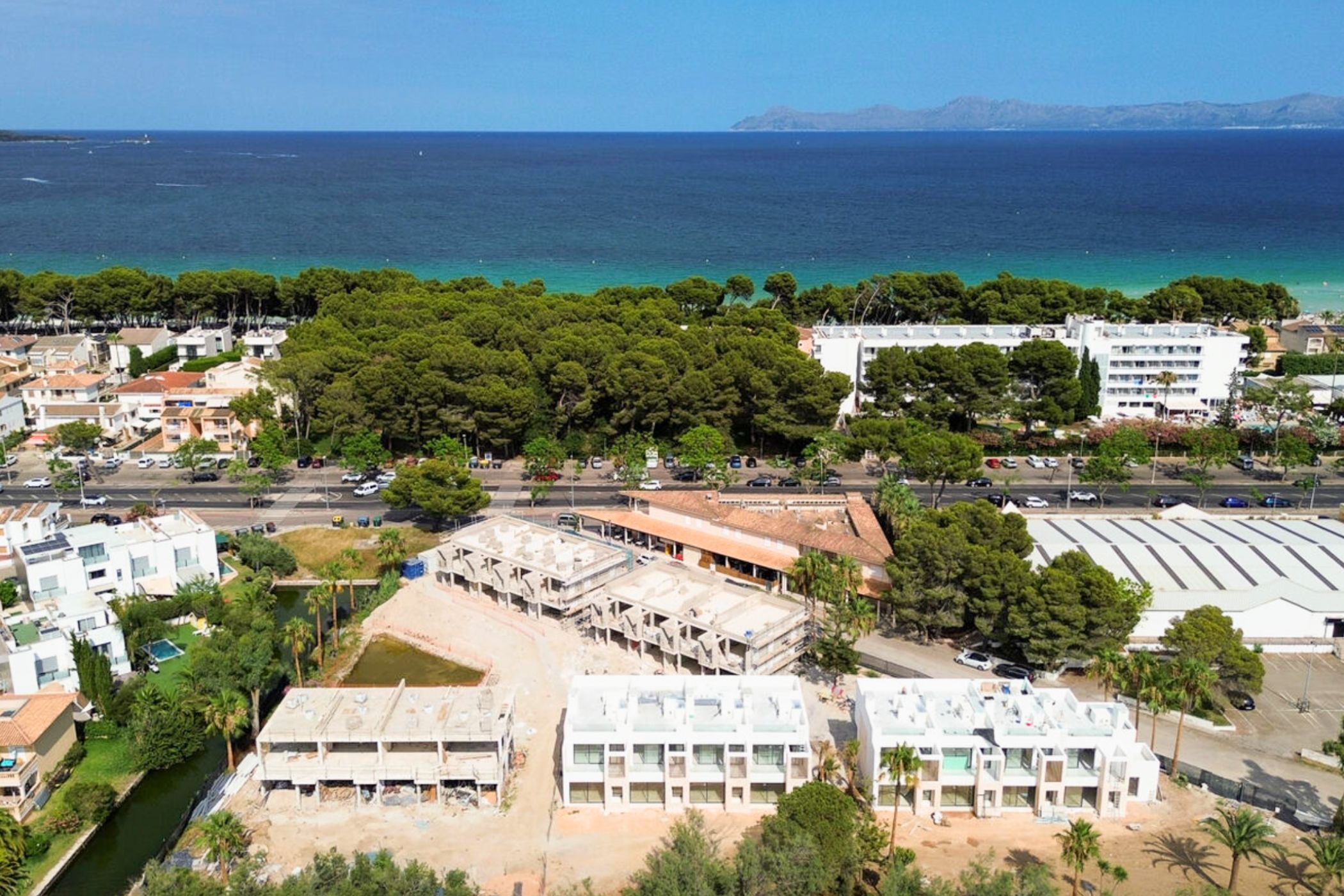
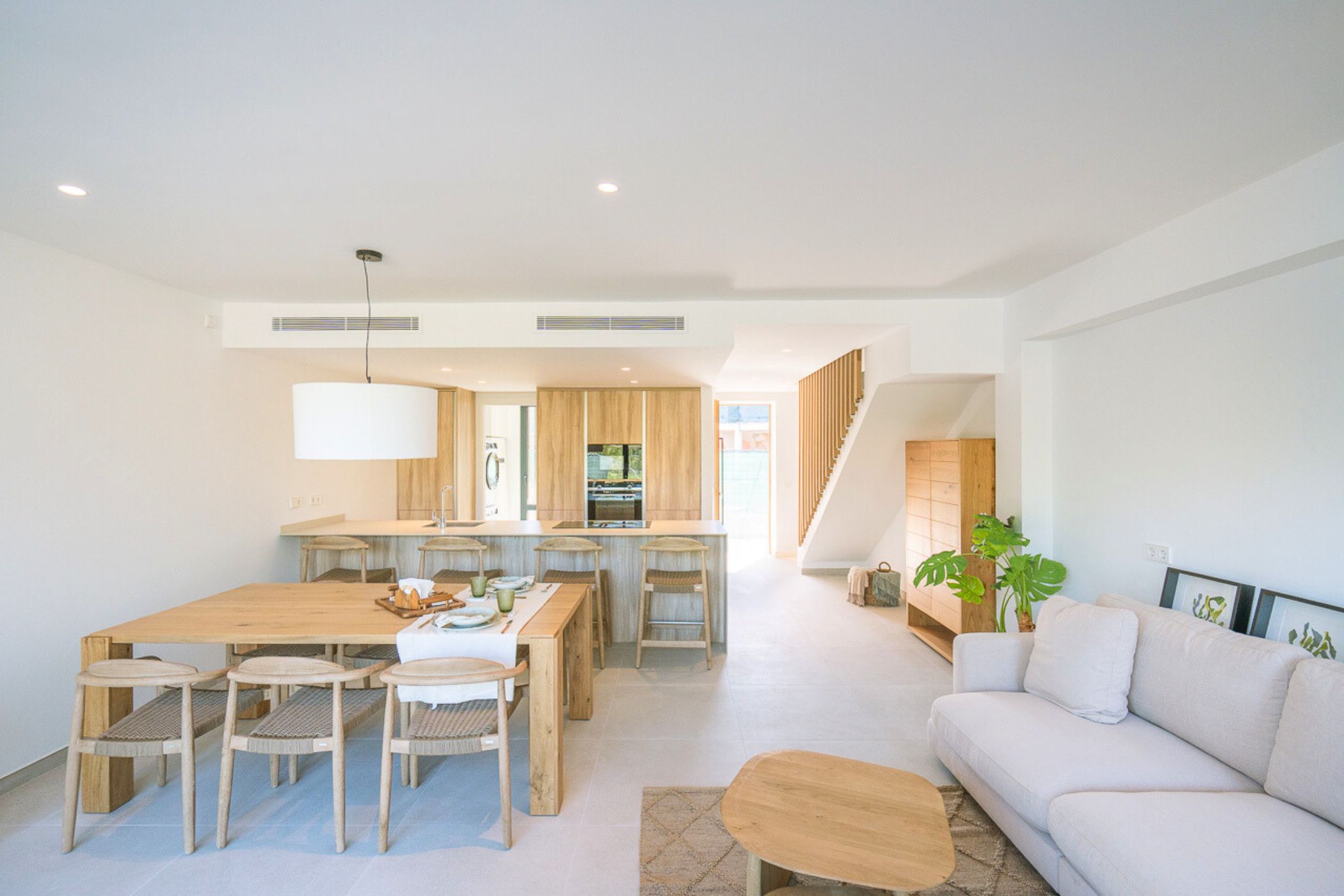
Port d'Alcúdia, Mallorca, Spain — 2-Bed Townhouse With Pool
€169,000
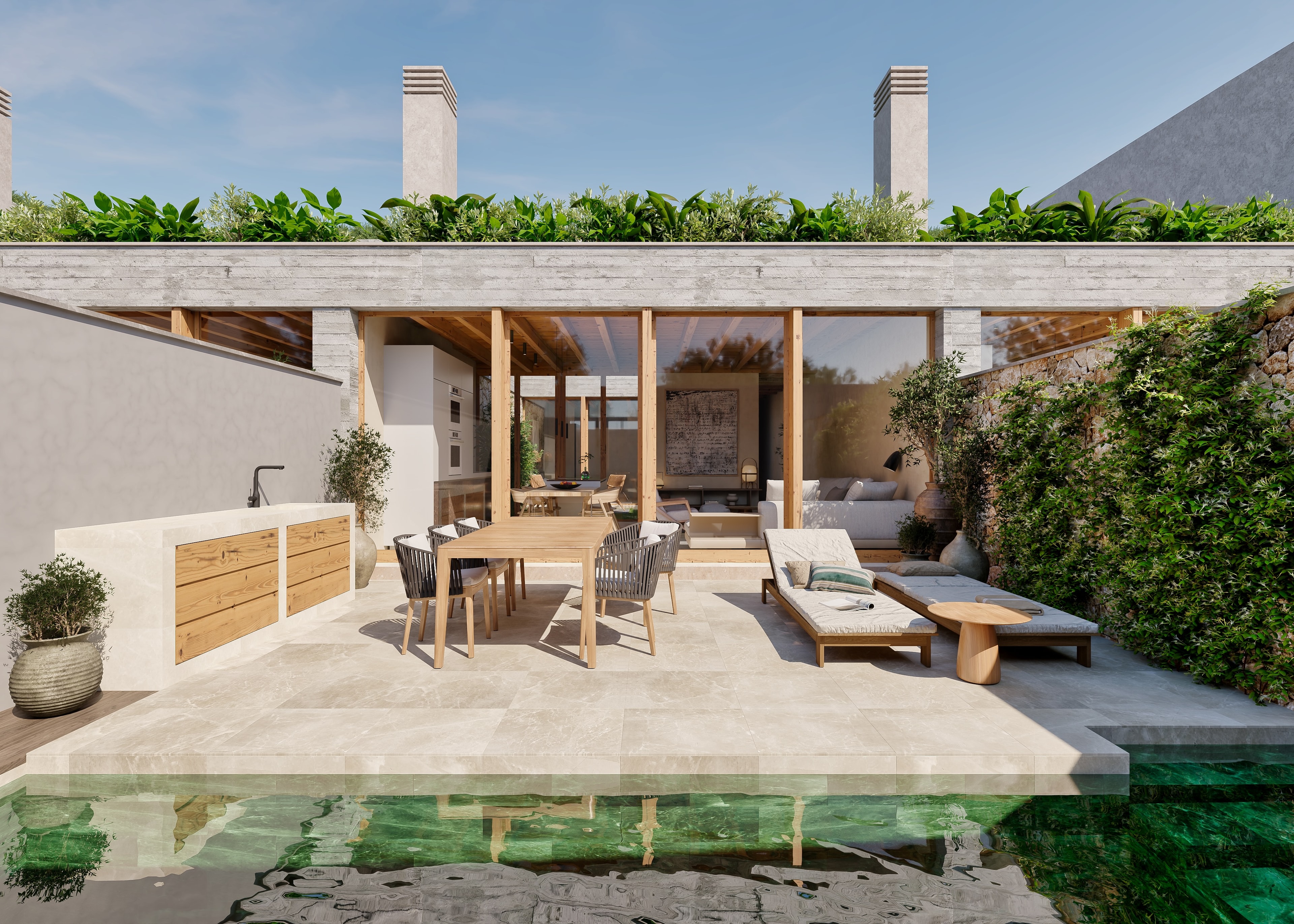
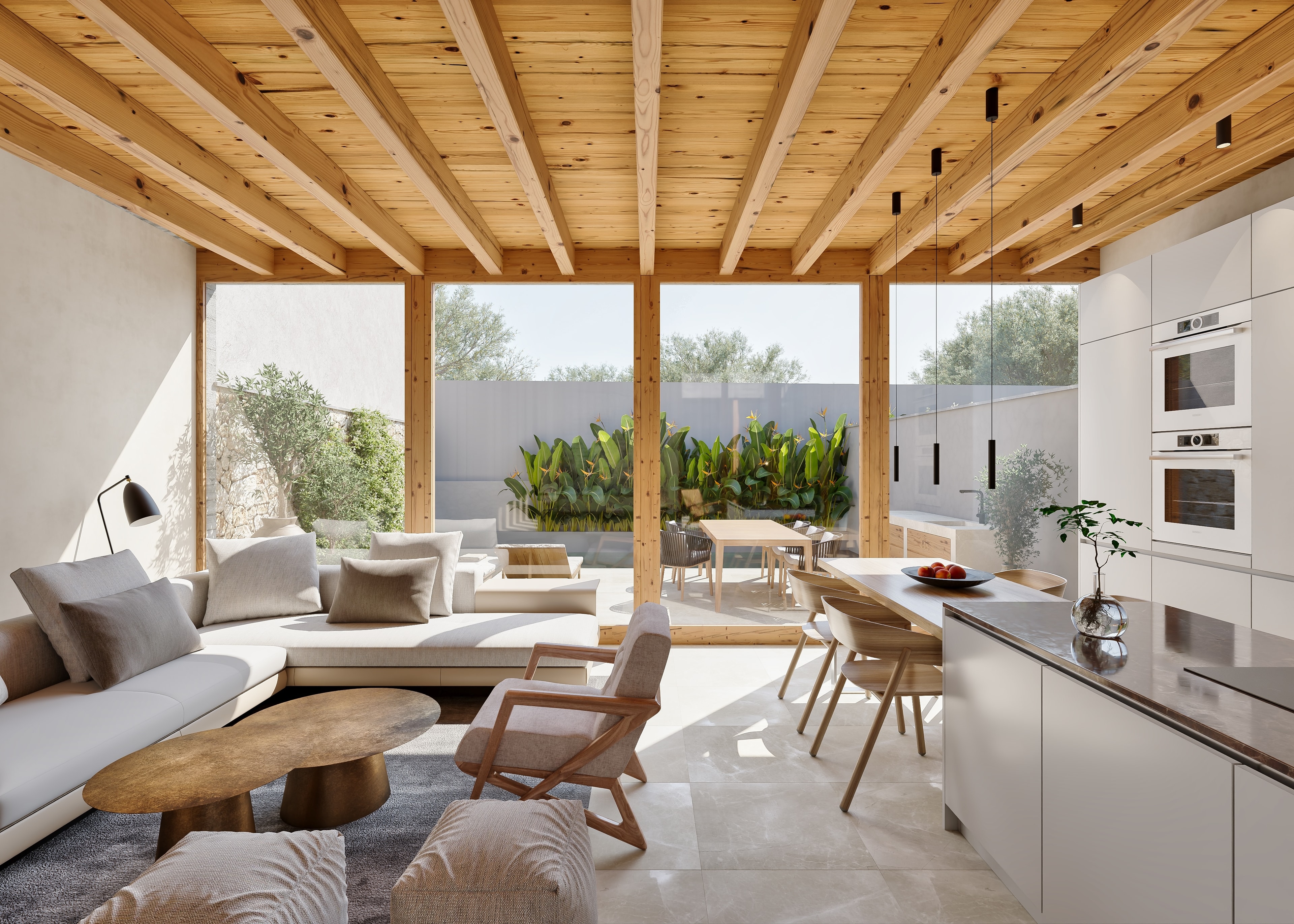
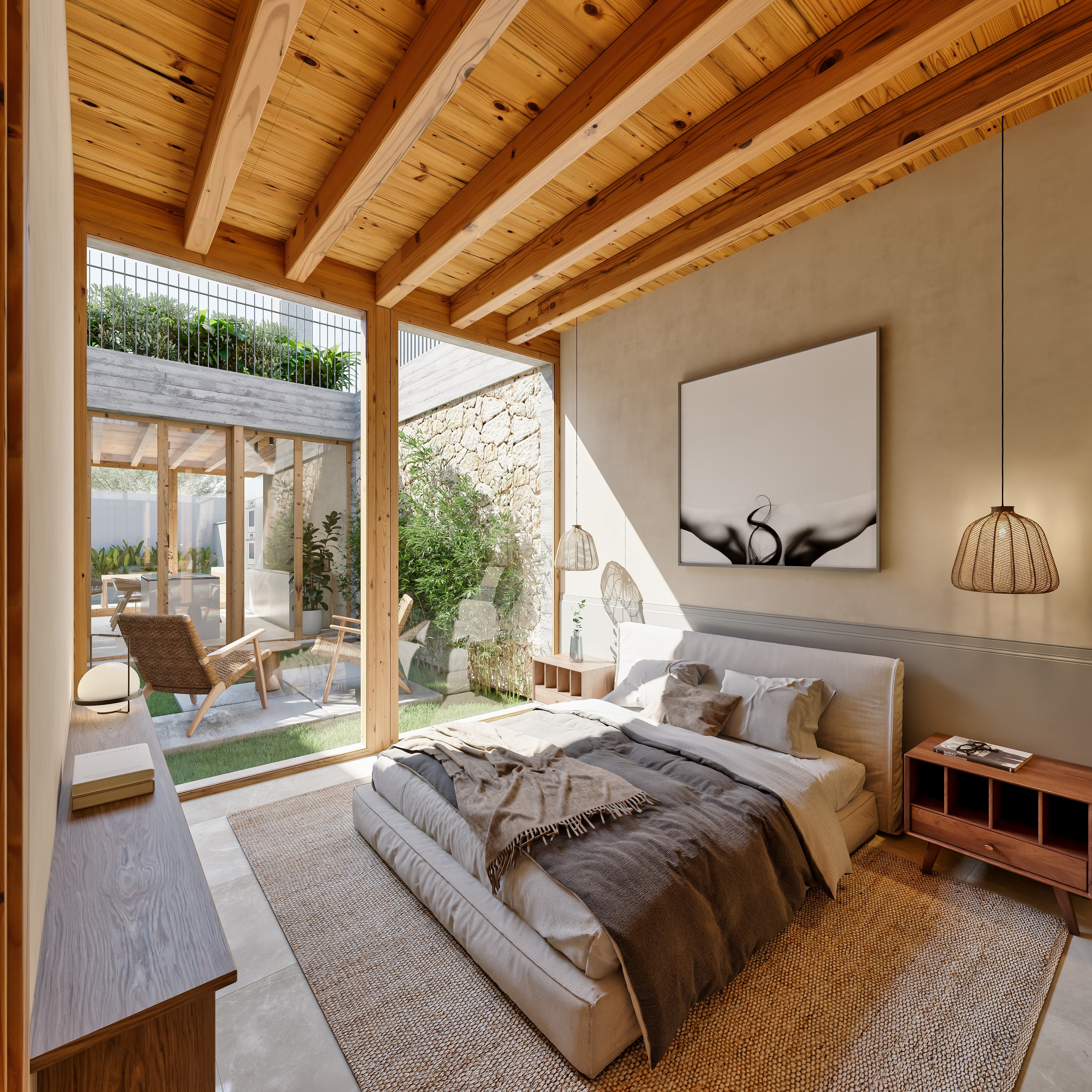
Palma, Mallorca, Spain — 3-Bed Townhouse With Pool
€255,000
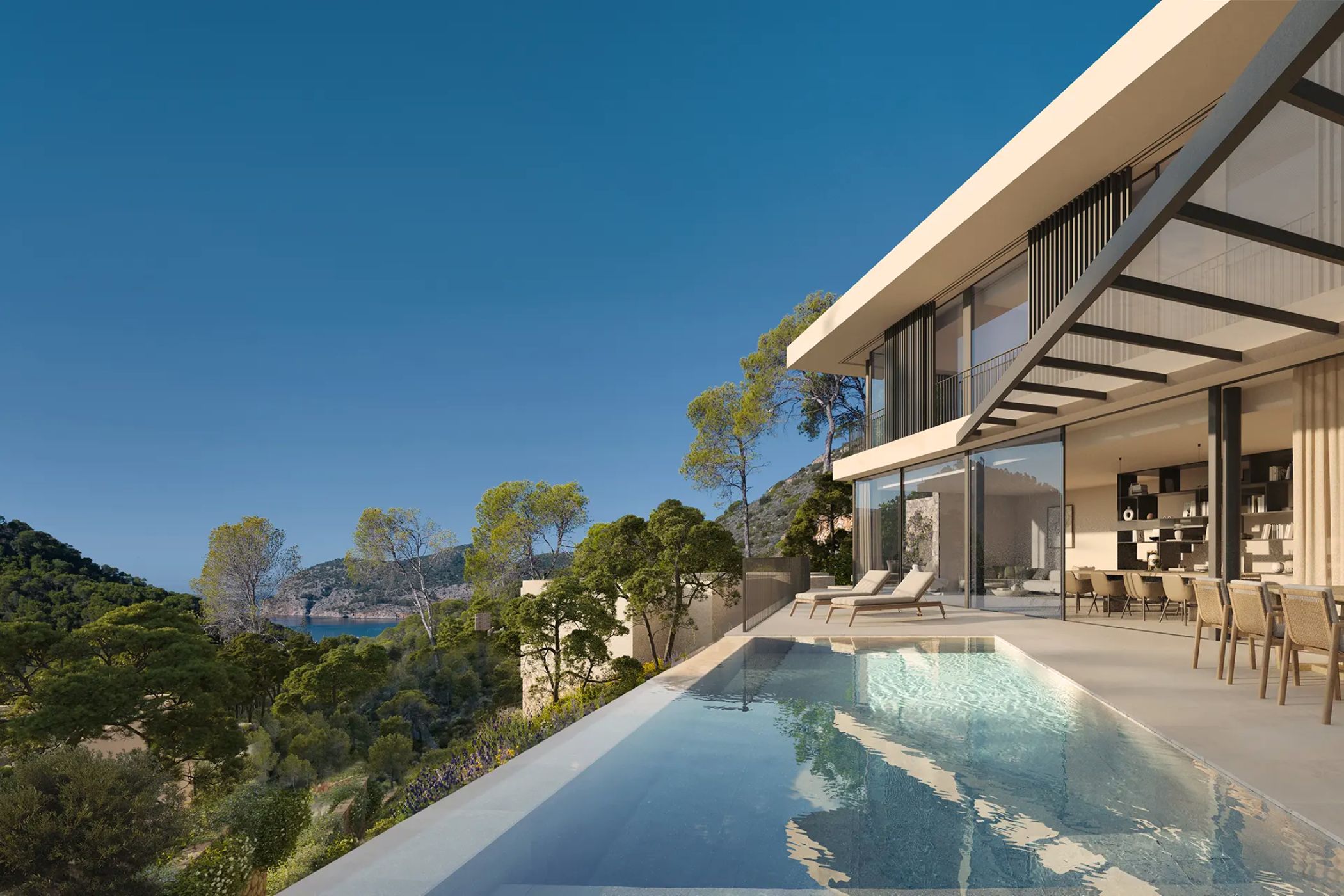
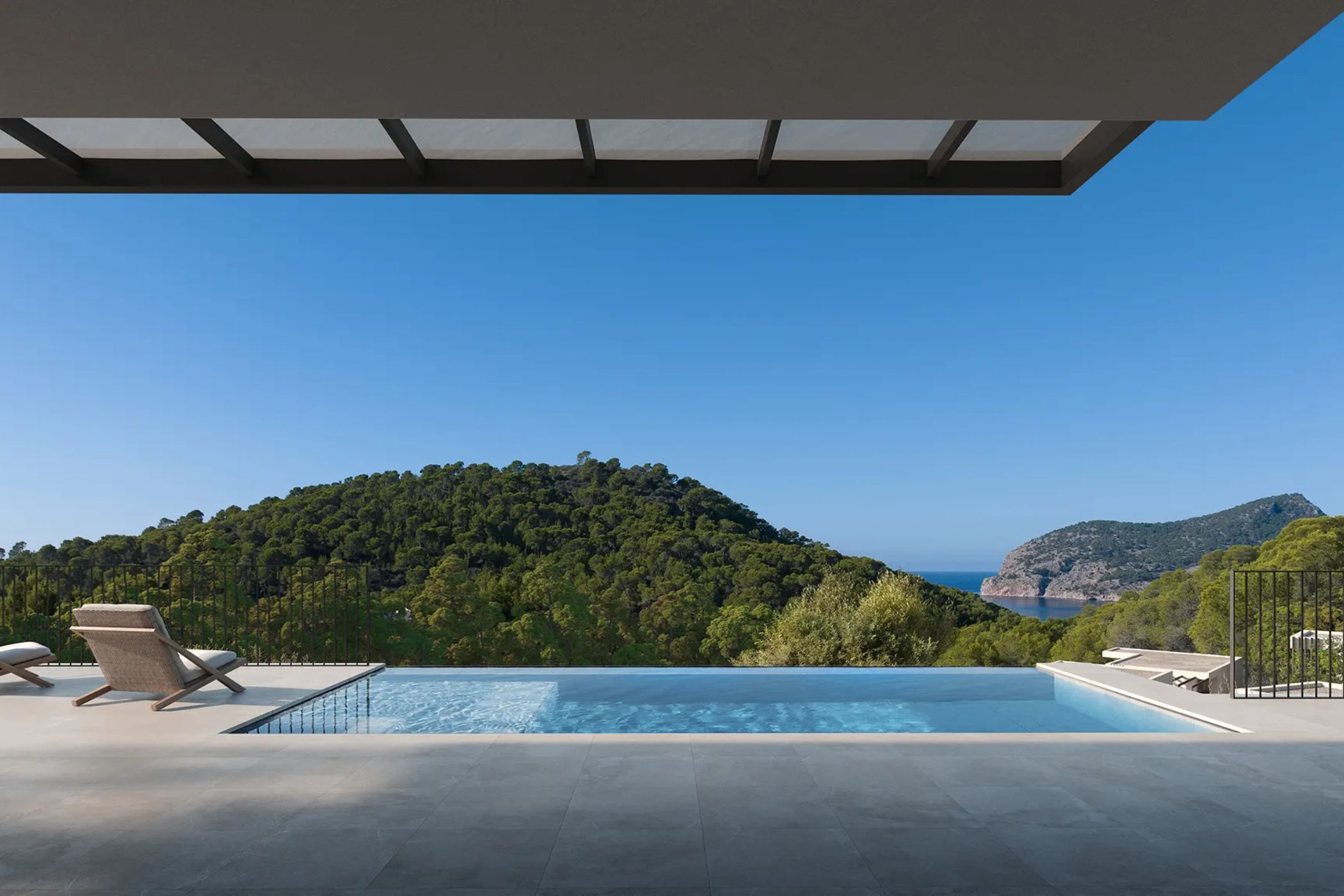
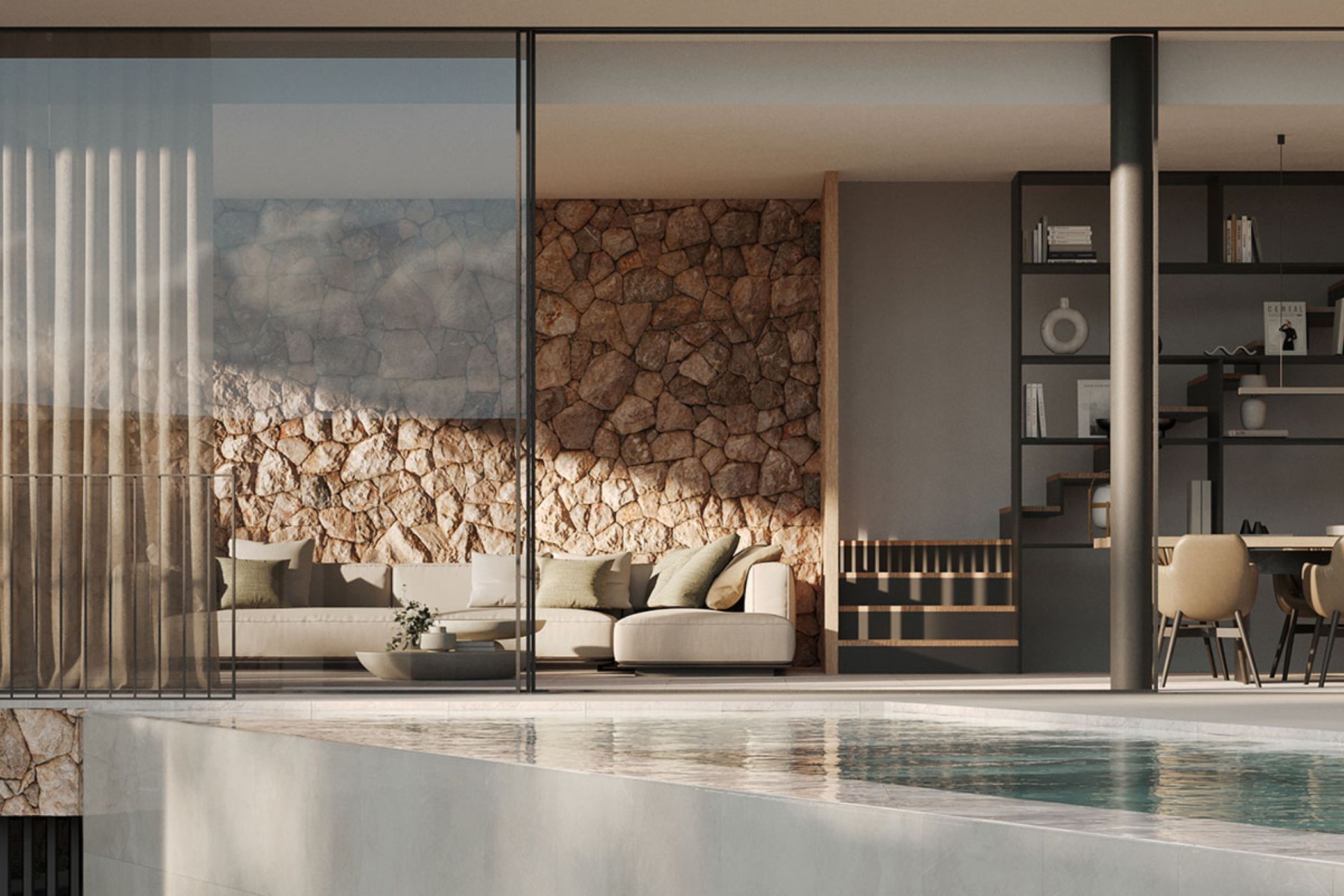
Peguera, Mallorca, Spain — 4-Bed Villa With Sea Views & Heated Infinity Pool
€649,000
What does it cost to co-own a home in Mallorca?
Shares in Mallorca range from €124,000 to €999,000, with half under €244,000. Most are 1/8 shares with about 44 nights a year. Running costs vary by home: open a home's photos and we'll send you its yearly costs. Figures from the 40 homes listed here.
| Share price | Homes | Typical share | Nights a year |
|---|---|---|---|
| Under €150k | 8 | €134,000 | 44 |
| €150k–250k | 13 | €189,000 | 44 |
| €250k–400k | 10 | €279,000 | 44 |
| €400k+ | 9 | €519,000 | 44 |
Mallorca's most coveted addresses, accessible through co-ownership.
Fully managed villas, fincas, townhouses and apartments across Andratx and Port d'Andratx, Pollença and Port de Pollença, the Tramuntana around Deià, Sóller and Valldemossa, Santanyí and Ses Salines and the Old Town of Palma. Your 1/8 share of the home comes with around six weeks of personal use, a professional management team on call, and the long-term equity of the most internationally established island market in Spain.
What is fractional ownership in Mallorca?
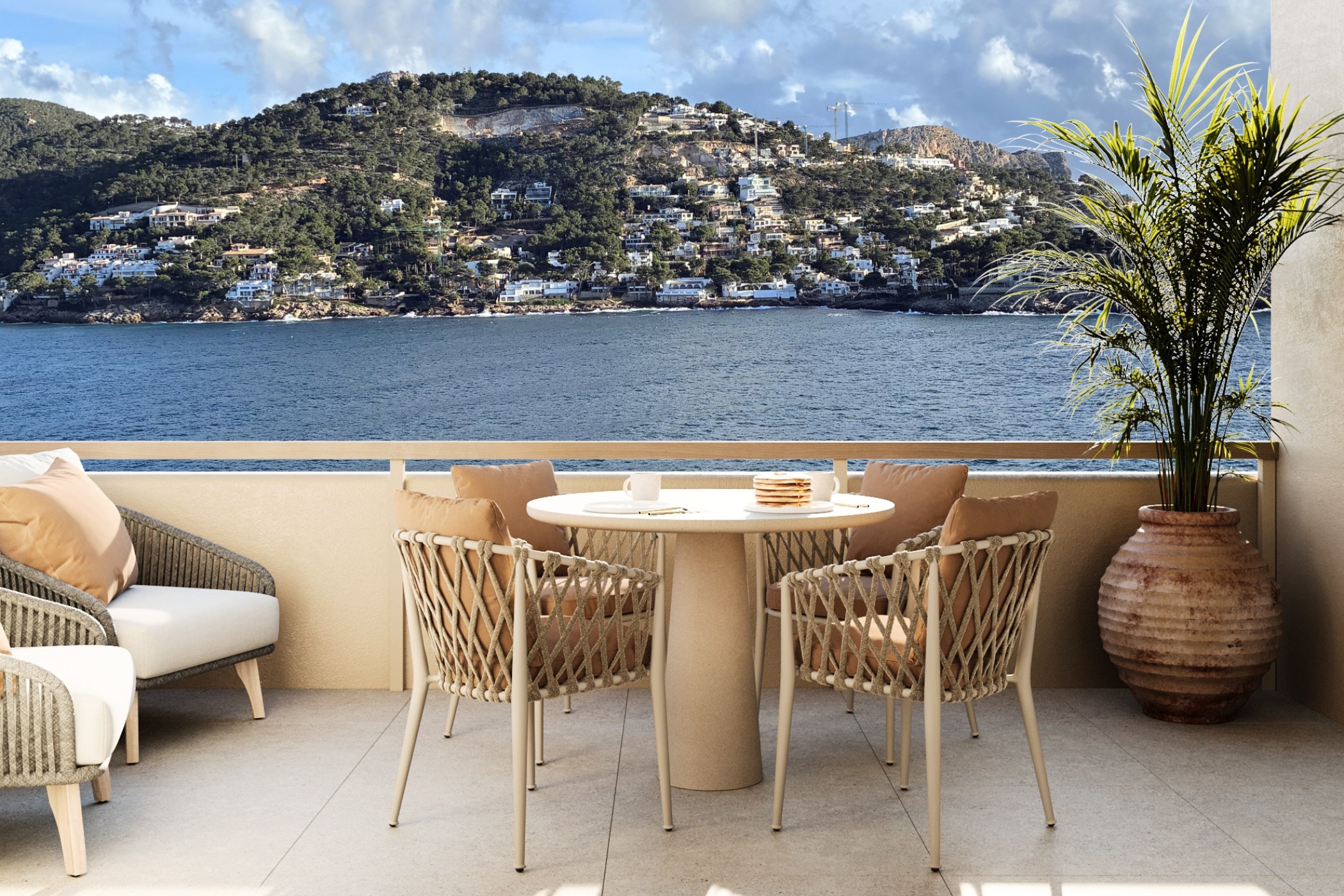
Fractional ownership in Mallorca means buying a real 1/8 share of a luxury second home, shared with up to seven other co-owners. Each owner receives personal use set by the partner that manages the home — a minimum of 44 or 45 nights a year with most of our partners, and no set cap with some others — through a fair-rotation calendar, with all property management, maintenance, taxes and operations handled by a professional team. You can sell it, pass it on to your heirs, and it grows in value with the home — it is not a timeshare, not a holiday club. The legal set-up is arranged by our partner for each home and walked through with you before you buy.
Why Mallorca?
Mallorca is, by a long way, the single most established Mediterranean island market for international second-home buyers in Europe. The island has been the chosen second-home destination for Northern Europeans — German first and foremost, but also British, Scandinavian, Swiss, Dutch and increasingly French and American — for more than fifty years, which means the legal, professional and management infrastructure for non-resident owners is materially more developed here than on almost any other island in the western Mediterranean. The island combines a coastline of close to 550 kilometres wrapping every form of Mediterranean shore (the dramatic Tramuntana cliffs, the long Bay of Pollença, the cove-cut south-east coast, the Bay of Palma), a UNESCO World Heritage mountain range running the length of the north-west, a serious working agricultural interior of almond groves, olive terraces and vineyards, and a small but genuinely cosmopolitan capital in Palma de Mallorca whose old town has emerged as one of the more interesting small-city residential markets in Spain. Few other islands — arguably none in the Mediterranean — offer that range of landscapes, architectures and lifestyle modes inside a single ferry ride.
Your Mallorcan share is owned alongside up to seven other co-owners. You own a real share of the home — an eighth, a quarter — not a right to use it. You can sell it, pass it on to your heirs, and it grows in value with the home. Resale is handled through our partner's resale process, without you having to sell the whole house.
Mallorca's particular advantage inside the western Mediterranean is the combination of architectural pedigree and planning protection that has kept the island's most desirable inventory genuinely scarce. The Serra de Tramuntana — the limestone mountain range running the length of the north-west coast and inscribed on the UNESCO World Heritage list since 2011 — has been under strict building-control regimes for two decades; the terraced olive groves, the perched stone villages of Deià, Sóller, Valldemossa and Banyalbufar, and the dramatic coastal road from Andratx to Sa Calobra are essentially the same landscape the early-twentieth-century writers and painters described. The same pattern repeats around the protected coves of the south-east in the Mondragó natural park, the saltpans and dune systems at Es Trenc and Ses Salines, the headland reserves around Cap de Formentor in the north, and the agricultural interior protected as Areas of Natural Interest by the Balearic government. The result is that the buildable stock of high-specification Mallorcan villas and fincas is, in real terms, no longer growing in the most desirable zones — and the existing inventory is held tighter than at any point in the modern era.
It is worth setting Mallorca in its European competitive context. Ibiza and Menorca, the island's sister Balearics, are smaller, with less variety of landscape and a thinner depth of bench in professional services; Ibiza is more strongly summer-driven and Menorca more intimate and tranquil. Sardinia offers comparable Mediterranean glamour at the Costa Smeralda tier but with notably less developed off-season infrastructure and a heavier seasonal rhythm. Corsica has the wild coastline but a less developed professional ecosystem for non-resident owners. Sicily is several scales larger and culturally extraordinary, with a more rugged, less resort-led rhythm. The Côte d'Azur offers higher absolute prestige at the top tier but at materially higher entry prices and on a mainland rather than an island. Each has its admirers, and the comparisons help frame why Mallorca remains, by some distance, the highest-volume international second-home market on a Mediterranean island.
The third structural argument for Mallorca is the diversity of usable lifestyles available inside a single island. A Northern European family with a 1/8 share in the Tramuntana — Deià, Sóller or Valldemossa — is a forty-minute drive from the long sandy beaches of Alcúdia and an hour from the working agricultural plain around Santanyí; a Pollença buyer in the north is a similar drive from the Old Town of Palma in the south; a south-coast finca owner near Ses Salines is twenty minutes from the protected coves of Mondragó and forty from the harbour cafés of Port d'Andratx. The island packs a remarkable amount of difference into a single forty-by-eighty-kilometre footprint — mountains, beaches, harbours, white villages, working countryside, a small cosmopolitan capital — and a Mallorca share that combines proximity to several of these gives an owner a year-round island base rather than a single-season property. Few other Mediterranean islands can match that range without significantly longer drive times.
For a co-ownership buyer thinking strategically rather than just emotionally, Mallorca's combination of scale, protection and infrastructure depth matters more than the headline glamour. The villa you buy a share of above Pollença sits in a market where the buildable land along the bay is already capped by coastal planning rules and where the rural-village inventory inside the Tramuntana foothills is fundamentally finite. The Santanyí finca on the southern plain is in a region whose protected coastal coves and saltpans have planning ceilings that have not moved in twenty years. The Palma apartment in the Old Town is in a district whose pre-war building stock — Renaissance-era patios, modernist façades, Mallorcan stone-and-tile interiors — pre-dates every present resident and will outlast them. These are not assets that depend on a particular interest-rate cycle to hold their value; they depend on the unchanging facts that Mallorca remains Mallorca, that the Tramuntana remains protected, and that the Mediterranean keeps washing the same controlled shoreline. Add professionally managed co-ownership that makes a shared home transparent and resaleable, and the case for co-ownership on Mallorca writes itself.
One under-discussed advantage that becomes obvious once you actually start using a Mallorcan second home is the depth of the island's professional services infrastructure for non-resident owners. Five decades of German, British and Scandinavian buyers have built up an ecosystem of multilingual lawyers, property managers, gestores, tax advisers, architects, builders and notaries on the island that smaller Mediterranean alternatives simply cannot match. The local management companies in Palma, Andratx, Pollença and Santanyí operate in German, English, Dutch, French and the Scandinavian languages as a matter of routine, with decades of operating history; the German-speaking community on the island has its own newspapers, schools, chambers of commerce and weekly Sunday papers, and Mallorca is colloquially referred to in some German circles as the country's seventeenth federal state. The notarial system gives ownership documentary clarity through Spain's Registro de la Propiedad, and the cadastral records — held by the Catastro — are a long-running, reliable record-of-record system. None of this is glamorous, but it is the kind of infrastructure that determines whether owning a second home from another country is a pleasure or a chore.
The fourth structural advantage worth naming is the transport infrastructure that makes a Mallorcan second home practically usable rather than just nominally owned. Palma de Mallorca airport (PMI) is the third-busiest airport in Spain, with direct year-round service from London, Manchester, Edinburgh, Dublin, Frankfurt, Hamburg, Munich, Berlin, Zurich, Geneva, Vienna, Amsterdam, Brussels, Paris, Copenhagen, Stockholm and Oslo, expanding to several dozen further European cities through the summer charter season. Most Northern European hubs are under three hours' flight time; the drive from PMI to the major resort villages is genuinely short (Andratx in thirty minutes, Pollença in forty-five, Santanyí in forty-five, the Old Town of Palma in twenty); and the year-round flight frequency means the high-frequency, short-stay use pattern that fractional ownership rewards is realistically achievable from any major Northern European city. An owner can leave London, Frankfurt or Amsterdam on a Friday lunchtime and be having dinner in Port d'Andratx that evening.
Where to own on Mallorca
Mallorca's second-home market is best understood through five distinct sub-zones, each with its own architecture, microclimate, season and buyer mix. There are, of course, Mallorcan addresses outside these five — the long beach front around Alcúdia and Playa de Muro on the north-east, the inland market towns of Sineu and Santa Maria on the central plain, the eastern coast around Cala d'Or and Porto Cristo, the working agricultural interior around Felanitx and Manacor — and we are happy to discuss them with buyers whose interests run that direction. But the supply story for fractional ownership is concentrated in the five clusters below: Andratx and Port d'Andratx in the south-west, Pollença and Port de Pollença in the north, Deià, Sóller and Valldemossa in the central Tramuntana, Santanyí and Ses Salines on the southern plain, and Palma de Mallorca itself. Together they account for the overwhelming majority of international second-home demand on the island.
Andratx and Port d'Andratx
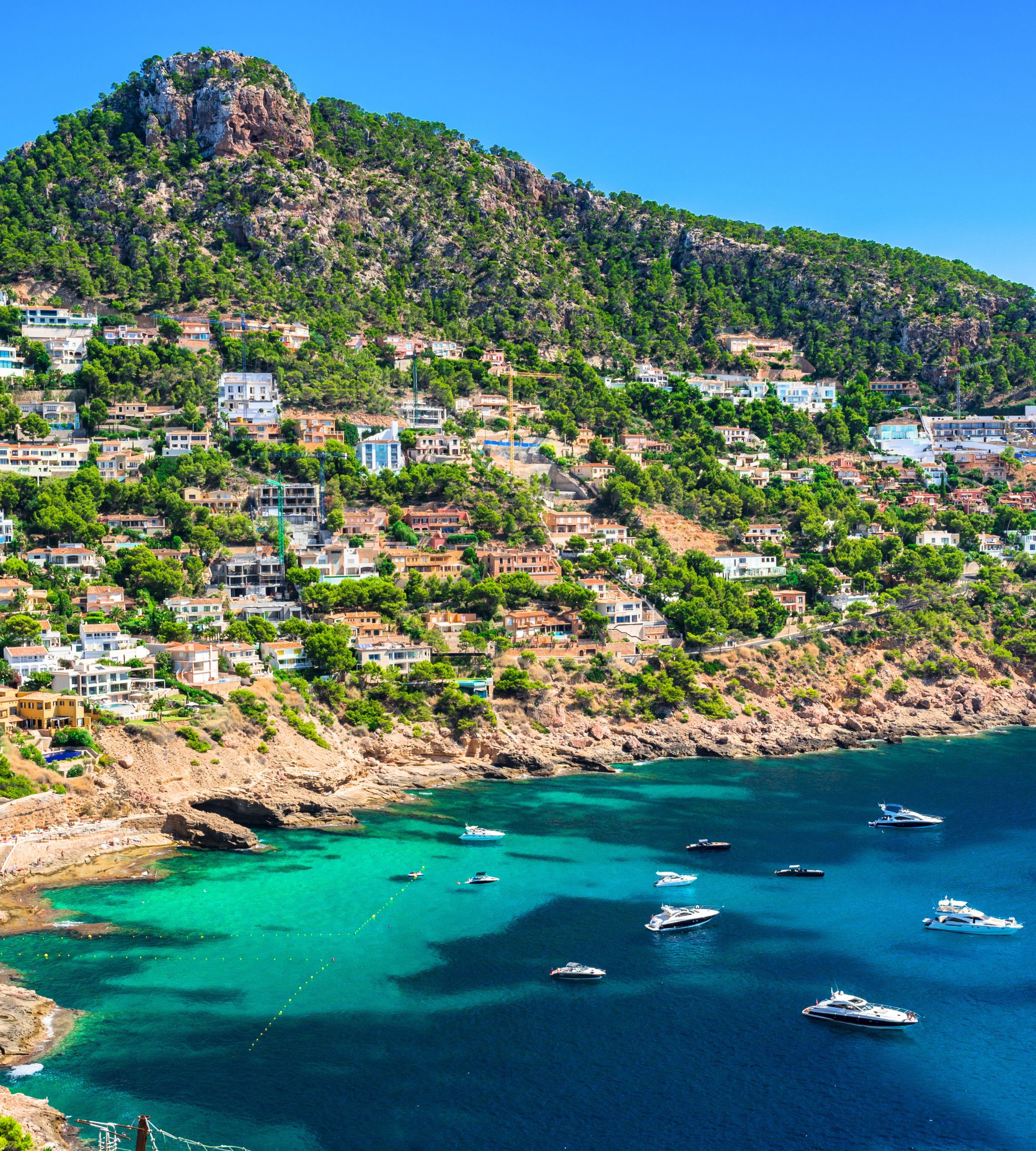
Port d'Andratx is, on most measures, the most cosmopolitan harbour on Mallorca — a working fishing port turned international yacht harbour at the south-western tip of the island, twenty minutes' drive from Palma airport, with the south-western flank of the Serra de Tramuntana rising directly above the marina. The village wraps the inner harbour in a horseshoe of white houses, pine-shaded terraces and a single line of restaurants and cafés along the quay; the prime residential addresses sit on the hillsides above the harbour (Cala Llamp, Mont-Port, La Mola, Cala Marmacen) where contemporary villas with full sea views and infinity pools have been built into the slope over the past three decades. The neighbouring village of Andratx, three kilometres inland, retains the working agricultural character of the original Mallorcan town — Wednesday market, sandstone parish church, a handful of restaurants that have served the local farming community for generations — and gives the area a usable second pole inland from the harbour scene.
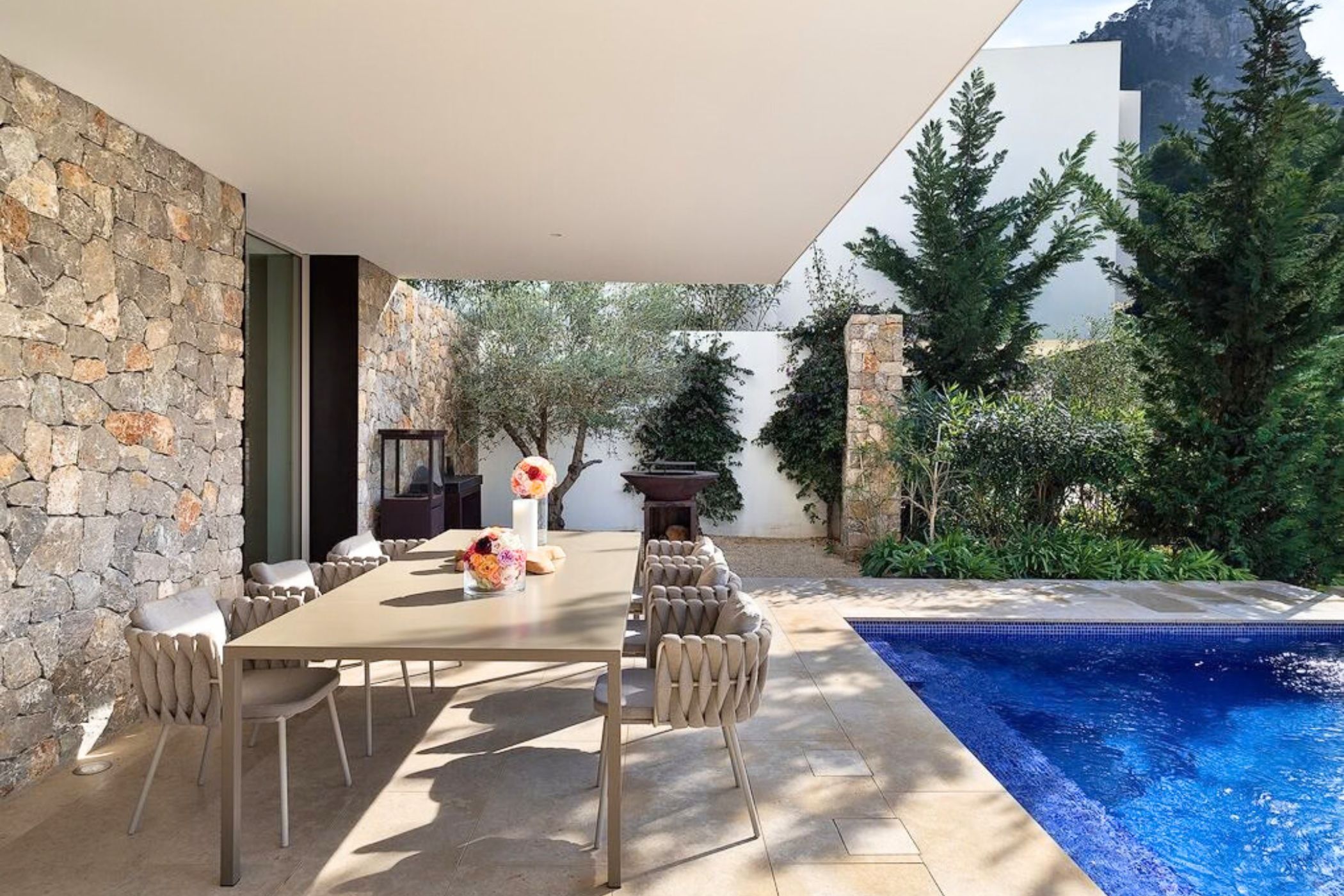
The international buyer mix in Andratx is heavily German and Swiss, with a long-standing British and Scandinavian presence and an increasing American and Eastern European share over the past decade. The architectural inheritance is more contemporary than the rest of the island — many of the prime villas were built between the 1990s and 2010s — and the area is the natural choice for owners who prefer the long-sea-view contemporary villa over the traditional stone finca. The walking and trail network in the surrounding pine hills is exceptional; the south-western coast road through Cap Andritxol and on to the cove at Sant Elm and the Dragonera island reserve is one of the most photogenic stretches of Mallorcan coast. The drive from Port d'Andratx to Palma is 30 minutes; to Palma airport (PMI) the same; to the Tramuntana villages of Estellencs and Banyalbufar, 20–40 minutes. Climate-wise the area runs 15–18°C (high 50s°F to mid-60s°F) in winter and 27–30°C (low 80s°F) in high summer, with the protective shelter of the south-western Tramuntana giving the Bay of Andratx a noticeably milder winter than the north of the island. Best for: design-led couples and families who want a cosmopolitan harbour scene, contemporary architecture with long sea views, and the shortest drive on the island from airport to front door.
Pollença and Port de Pollença
Pollença, in the north of the island, is a long-favoured British and German enclave around a perfectly Roman-Mediterranean bay. The inland village — built around the eighteenth-century Calvari steps, the Sant Jordi parish church and the weekly Sunday market on the Plaça Major — is one of the most atmospheric stone-town centres on Mallorca, with a developed long-stay residential life that runs through the autumn and winter beyond the summer crowds. Port de Pollença, six kilometres down on the bay, is the coastal counterpart — a long curving promenade running south from the harbour to the village of Llenaire, with the protected wetlands of S'Albufera just beyond and the Cap de Formentor headland reaching out into the Mediterranean to the north. The bay's still water, the long shallow swimming margin and the family-led rhythm have given the area its reputation as the most domesticated of the Mallorcan harbours, with a deep multi-generational British presence dating to the early twentieth century.
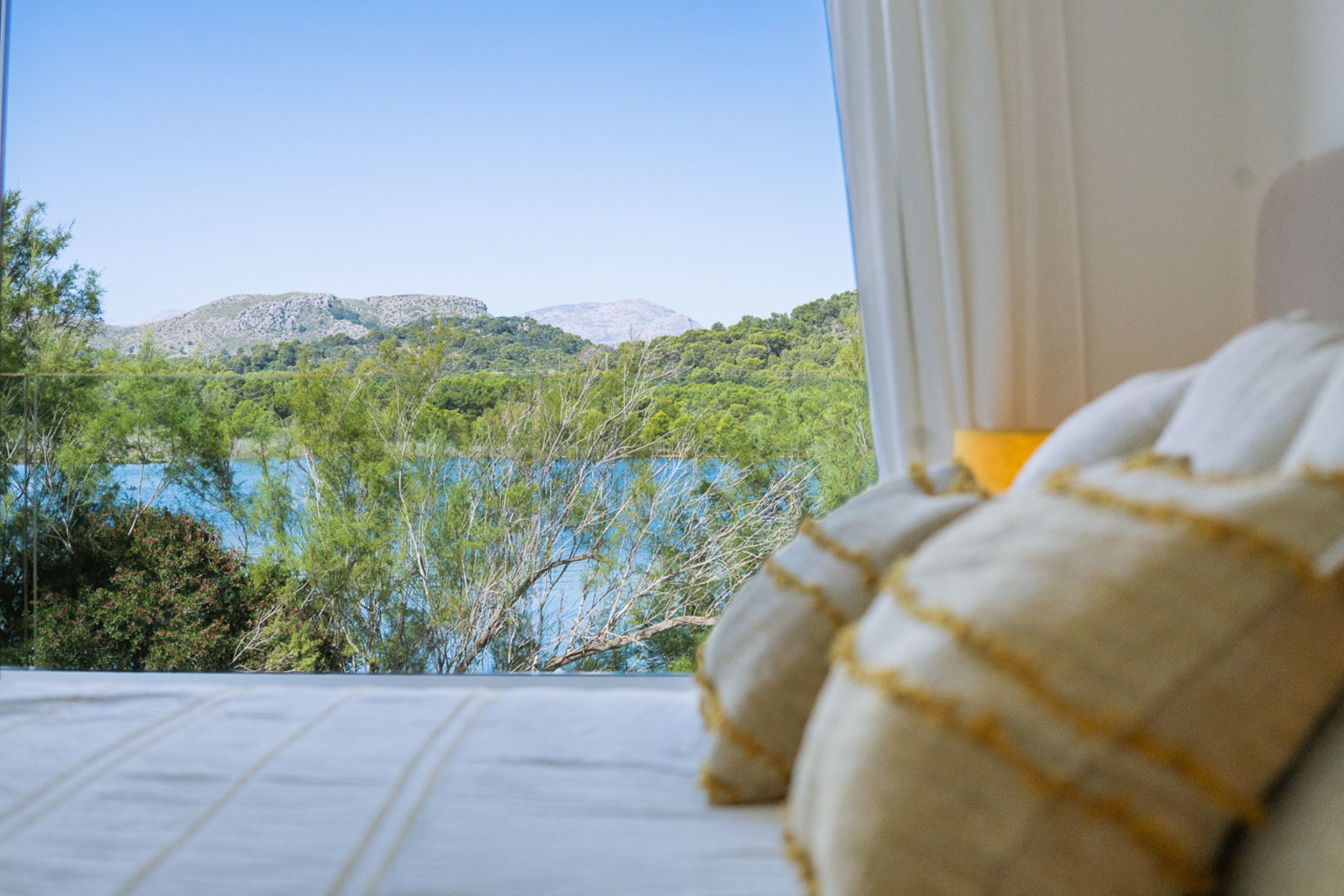
The prime sub-zones around Pollença divide between the inland village (stone townhouses on streets such as Calle del Vi and the Plaça Vella, terraced farmhouses on the hillsides toward the Roman bridge and the Monestir de Lluc), the Llenaire and Bonaire ridges south of Port de Pollença (sea-view villas on the pine slopes above the bay), and the working agricultural land west of Pollença toward the Tramuntana foothills (stone fincas with olive and almond terraces and views back toward Puig de Maria). The drive from PMI airport to Pollença is 45 minutes; to Port de Pollença a further 10 minutes; to Cap de Formentor a scenic 30 minutes on the coast road. Climate runs 14–17°C (high 50s°F to low 60s°F) in winter to 27–30°C (low 80s°F) in high summer; the northern bay sits in a slightly cooler microclimate than the south of the island and catches more of the Tramuntana wind through the winter months, which can produce dramatic sea states between November and March. Best for: multi-generational families — particularly British, Northern European and increasingly American — who want a domesticated bay rhythm, the inland village atmosphere of the Pollença Sunday market, and a long usable shoulder season from late March through October.
Deià, Sóller and Valldemossa — the central Tramuntana
The central section of the Serra de Tramuntana — the protected mountain range running the length of the island's north-west coast — is, by some measures, the most distinctive part of Mallorca and the area whose addresses have the deepest cultural pedigree. Deià, an ochre stone village built into the steep slope above the Mediterranean, was the long-term home of the poet Robert Graves and has been a magnet for international writers and painters for a century; the village hotel La Residencia has been a regional anchor since the 1980s and the village has emerged in the past two decades as one of the more sought-after small-village addresses in Spain. Sóller, in the long fertile valley below the Puig Major peaks, is the larger working town of the central Tramuntana — built around the Modernist parish church of Sant Bartomeu in the Plaça Constitució and connected to Palma by the famous 1912 wooden train that climbs through thirteen tunnels and the Bunyola valley. Valldemossa, on the Tramuntana ridge between Sóller and Palma, is the village where Chopin and George Sand wintered in 1838 — the Cartuja monastery at its centre remains one of the most photographed sites on the island.
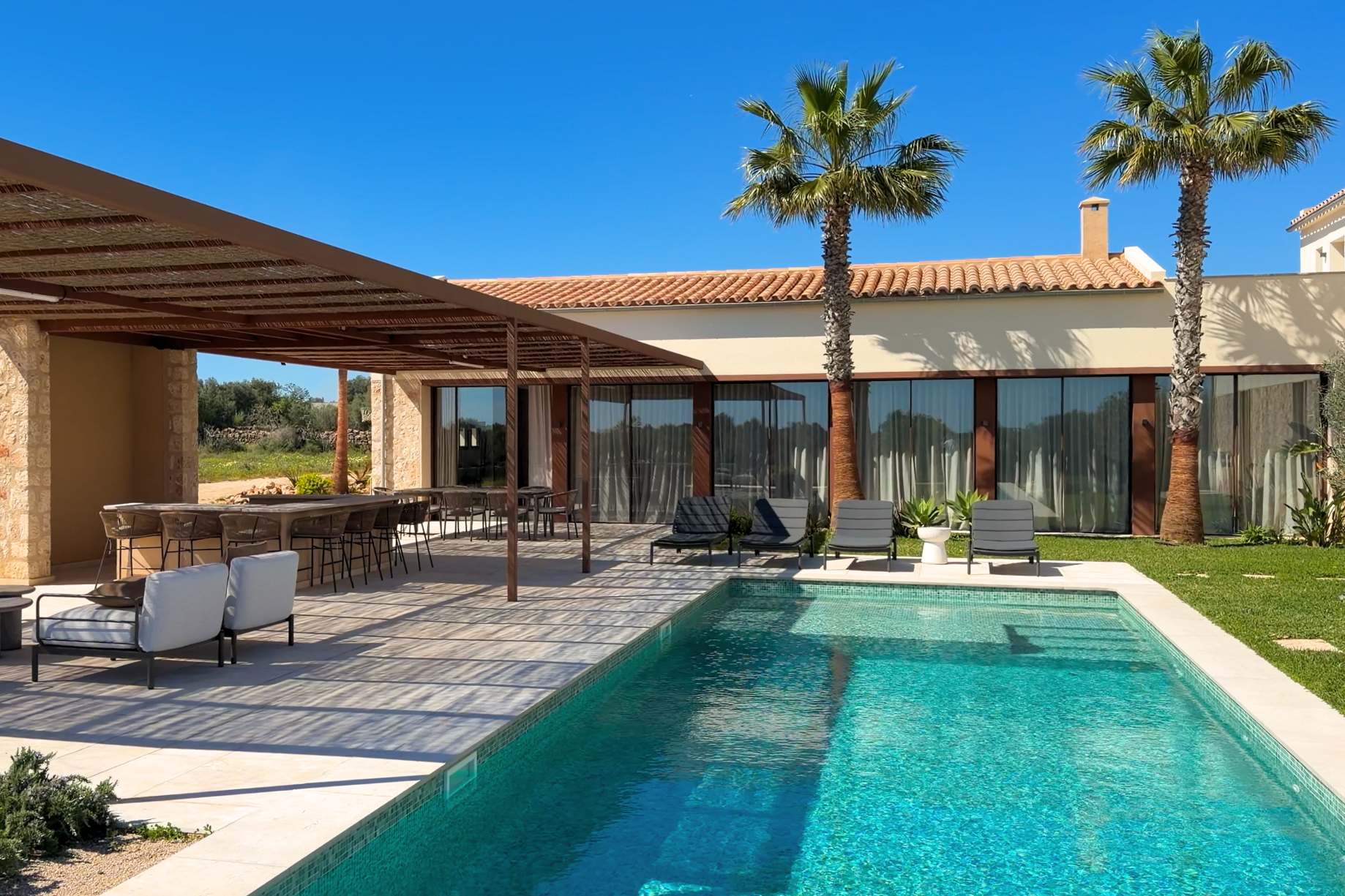
The Tramuntana property stock is consciously protected — the UNESCO World Heritage designation applies a strict building-control regime to the mountain villages and the surrounding cultural landscape, which is why the inventory of usable second-home villas inside the protected zone is fundamentally finite and why prices in the Tramuntana have been driven up by scarcity rather than by new build. The architectural vernacular is specific — terraced olive groves, the dry-stone walls (parets seques) that hold them, the deep stone houses with shaded interior courtyards, the small inner village squares connected by stepped lanes — and the kind of building stock that does not get rebuilt to a higher specification because the originals already are it. Drive times from the central Tramuntana to Palma run 25 minutes (Valldemossa) to 40 minutes (Sóller) to 50 minutes (Deià); the coastal road from Andratx through Banyalbufar, Estellencs, Valldemossa and Deià is one of the great Mediterranean drives. Climate in the mountain villages is several degrees cooler than the coast — 11–14°C (mid-50s°F) in winter and 24–27°C (mid-70s°F) in summer — and the inland Sóller valley occasionally sees genuine snow on the Puig Major peaks at 1,445 metres. Best for: cultural enthusiasts and design-led couples who value architectural and landscape pedigree above sand-and-sea convenience, who want the most distinctive small-village stone-house addresses on the island, and who will use the property in genuinely year-round mode across an extended shoulder season.
Santanyí and Ses Salines — the south-east
The south-east of Mallorca — anchored by the inland village of Santanyí and the coastal flats around Ses Salines, Es Trenc and Colònia de Sant Jordi — is the working agricultural Mallorca that has emerged in the past fifteen years as the island's quietest premium second-home zone. The landscape here is fundamentally different from the Tramuntana: a low, flat agricultural plain of almond, fig and carob terraces stretching toward the Mediterranean, punctuated by stone fincas, dry-stone walls and the windmills of the southern Pla de Mallorca. The coastline runs to long shallow beaches at Es Trenc, Sa Ràpita and Es Caragol — protected as part of the Es Trenc-Salobrar de Campos natural park — and to the cliff-cut coves of the Mondragó natural park further east. The protected coastal status here has kept beach development to a minimum; Es Trenc is the closest thing on Mallorca to an untouched Caribbean beach.
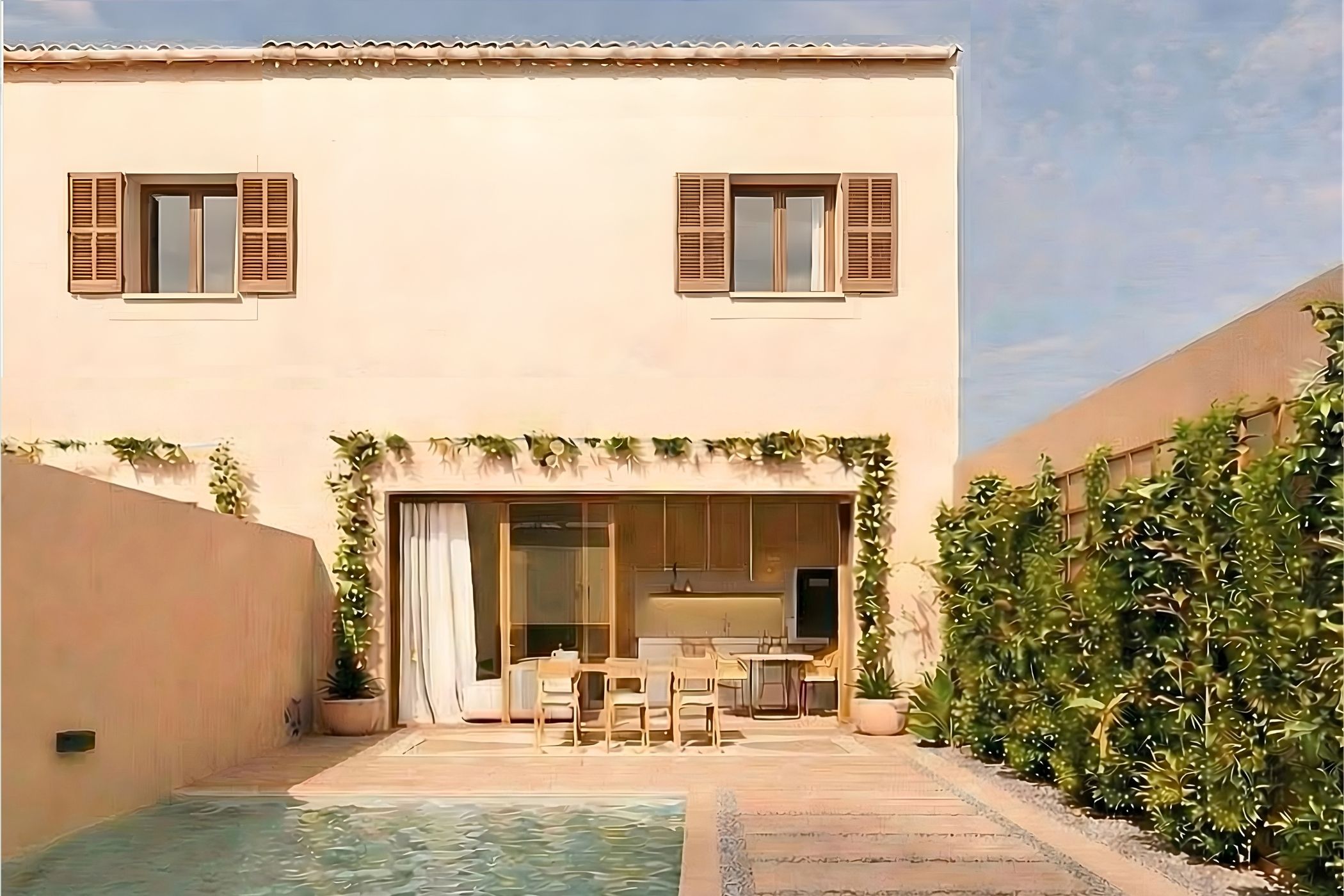
Santanyí itself is the central market town — the Saturday and Wednesday markets on the Plaça Major draw buyers from across the southern plain, the village's marés sandstone trim gives the building stock its characteristic warm-honey colour, and the village's small but serious restaurant scene has matured significantly in the past decade. Ses Salines, eight kilometres south, is the smaller and quieter village near the coast, with a particularly active art and design community that has gathered around the former salt works. Colònia de Sant Jordi, on the coast itself, is the harbour village with daily summer ferries to the Cabrera archipelago national park just offshore. The property stock divides between the inland fincas (stone-and-tile farmhouses on agricultural plots, ranging from restored traditional fincas to contemporary new-builds set behind dry-stone walls), the village townhouses inside Santanyí and Ses Salines, and the small selection of coastal villas at Sa Ràpita and Cala Llombards. Drive times from PMI airport to Santanyí run 45 minutes; to Ses Salines a further 10 minutes; to Es Trenc beach the same. Climate is the warmest on the island — 15–18°C (high 50s°F to mid-60s°F) in winter to 28–32°C (low to high 80s°F) in high summer — and the southern exposure gives the area Mallorca's longest reliable swimming season. Best for: design-led couples and families who value protected agricultural landscape, the working stone-finca vernacular, easy access to Es Trenc and the southern coves, and the island's warmest microclimate.
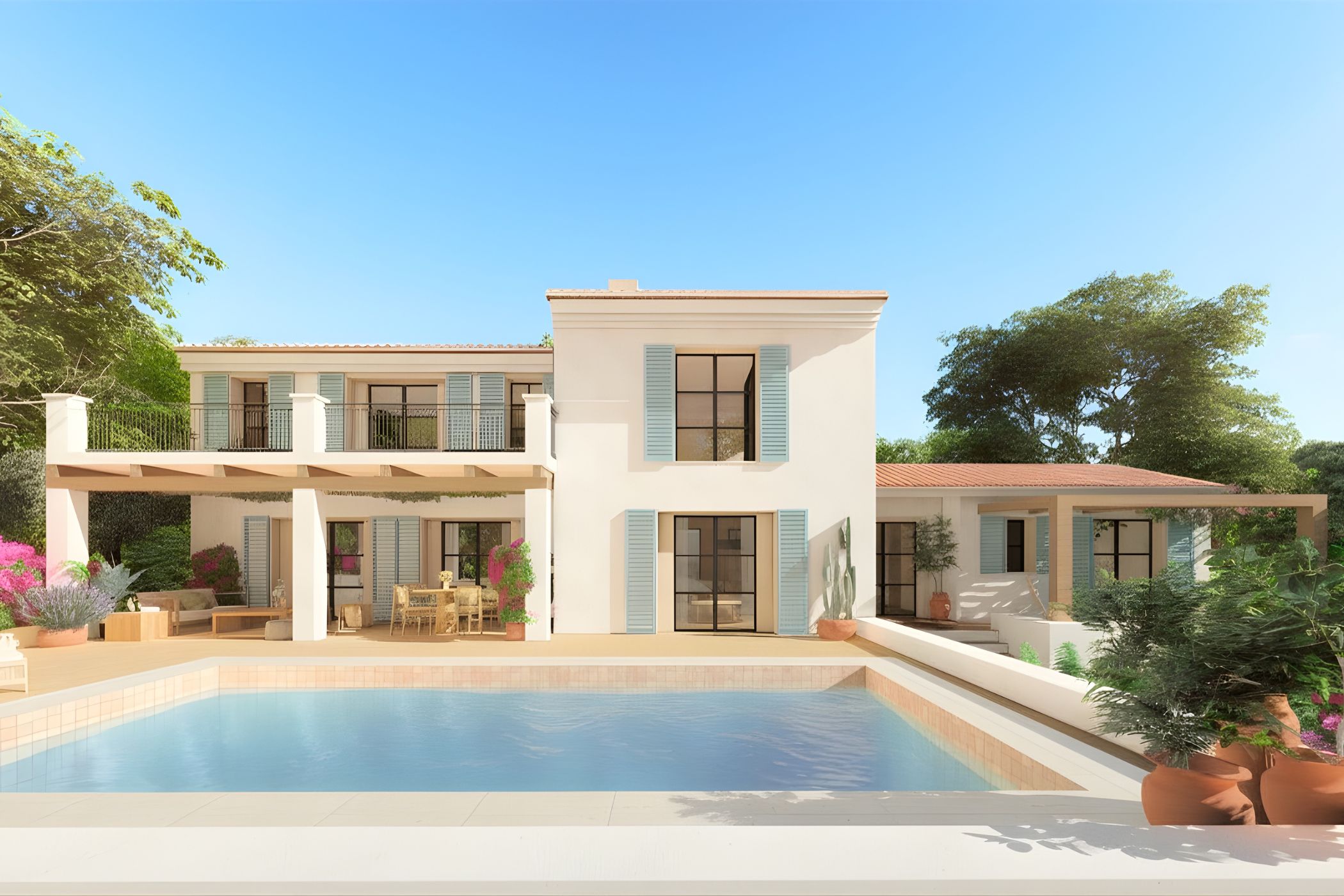
Palma de Mallorca
Palma is the island's capital and one of the most under-discussed small-city residential markets in Europe. The old town — the area inside the medieval walls between the cathedral, the Almudaina palace, the Llonja and the Born — has emerged over the past decade as a serious international residential address, with the deep pre-Civil-War apartment stock (Renaissance-era patio houses, Modernist façades from the 1900s through the 1930s, Mallorcan-baroque townhouses) being painstakingly restored to high specification. The cathedral itself (La Seu) and the seafront Parc de la Mar give the city a Mediterranean dimension few small European capitals match; the long pedestrian Passeig del Born, the side streets of Sant Jaume and Santa Catalina, and the Sunday flea market at the Plaça Major are the city's living daily rhythm.
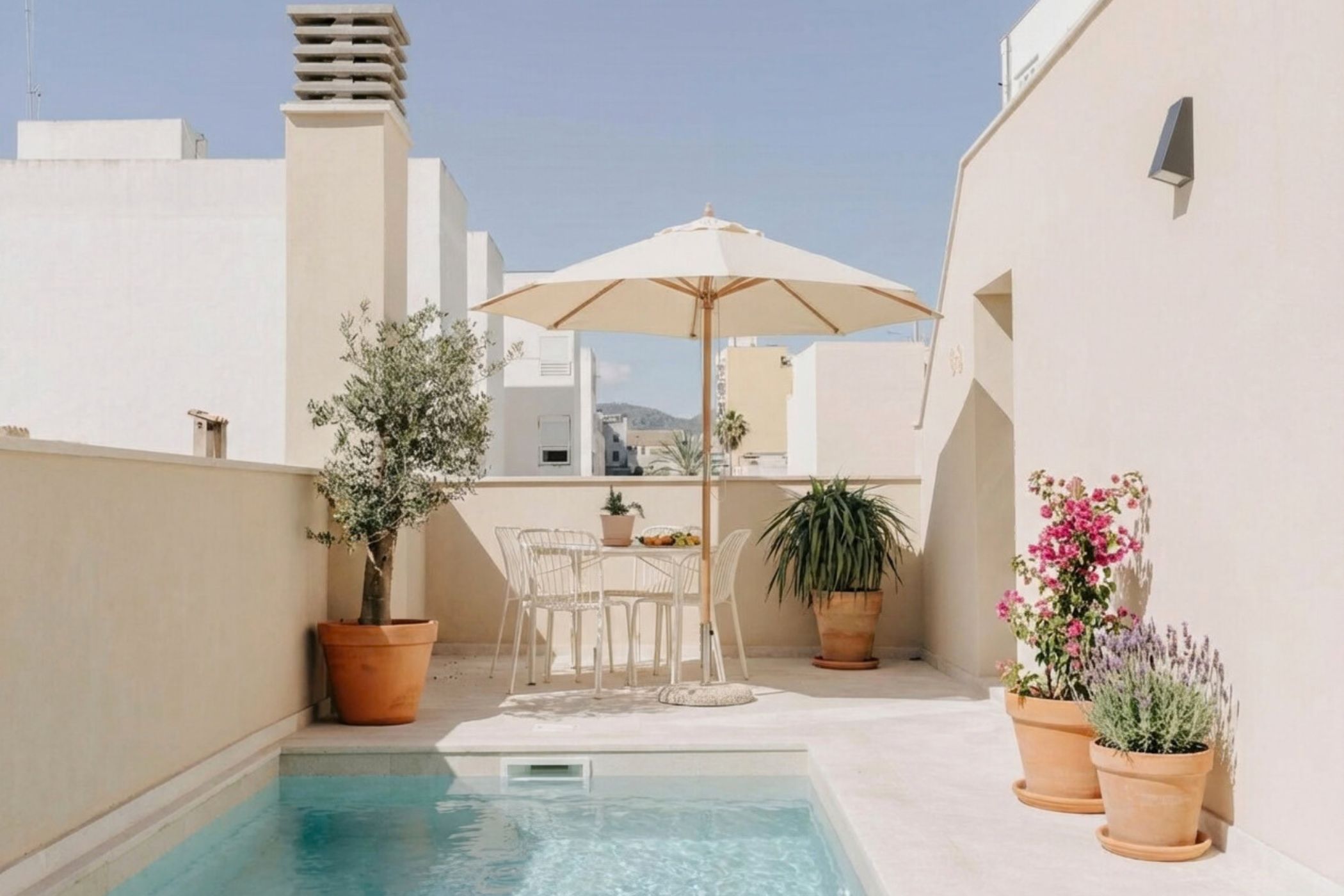
The prime residential sub-zones inside Palma divide between the Old Town (the densest pre-war apartment stock, the cathedral and the Llonja as immediate neighbours, narrow stepped lanes off the Born); Santa Catalina on the western edge of the centre (the former fishermen's quarter, now the island's most active small-restaurant and design scene); El Terreno and Bonanova above the harbour (the Belle-Époque hillside residential district with long sea views back toward the cathedral); and Portixol and Molinar on the eastern bay (the former harbour villages, now connected to the city by the seafront promenade). Palma airport is 15 minutes by taxi from the Old Town; the AVE-equivalent ferries from Barcelona dock at the city's main port; the Tramuntana villages, Andratx, Pollença and Santanyí are all 30–60 minutes' drive from the capital. Climate runs 14–17°C (high 50s°F to low 60s°F) in winter to 28–31°C (low to high 80s°F) in high summer; the small-city scale (Palma's metropolitan area is well under 500,000 people) means the city's restaurant and cultural calendar runs at human pace year-round. Best for: cultural enthusiasts who want a base for repeat short stays rather than long single holidays — flying in for a long Friday-to-Tuesday around an exhibition, an opera at the Teatre Principal, a Christmas week in the old town — and for owners who treat the pre-war architectural pedigree of central Palma as the primary destination rather than a gateway to the rest of the island.
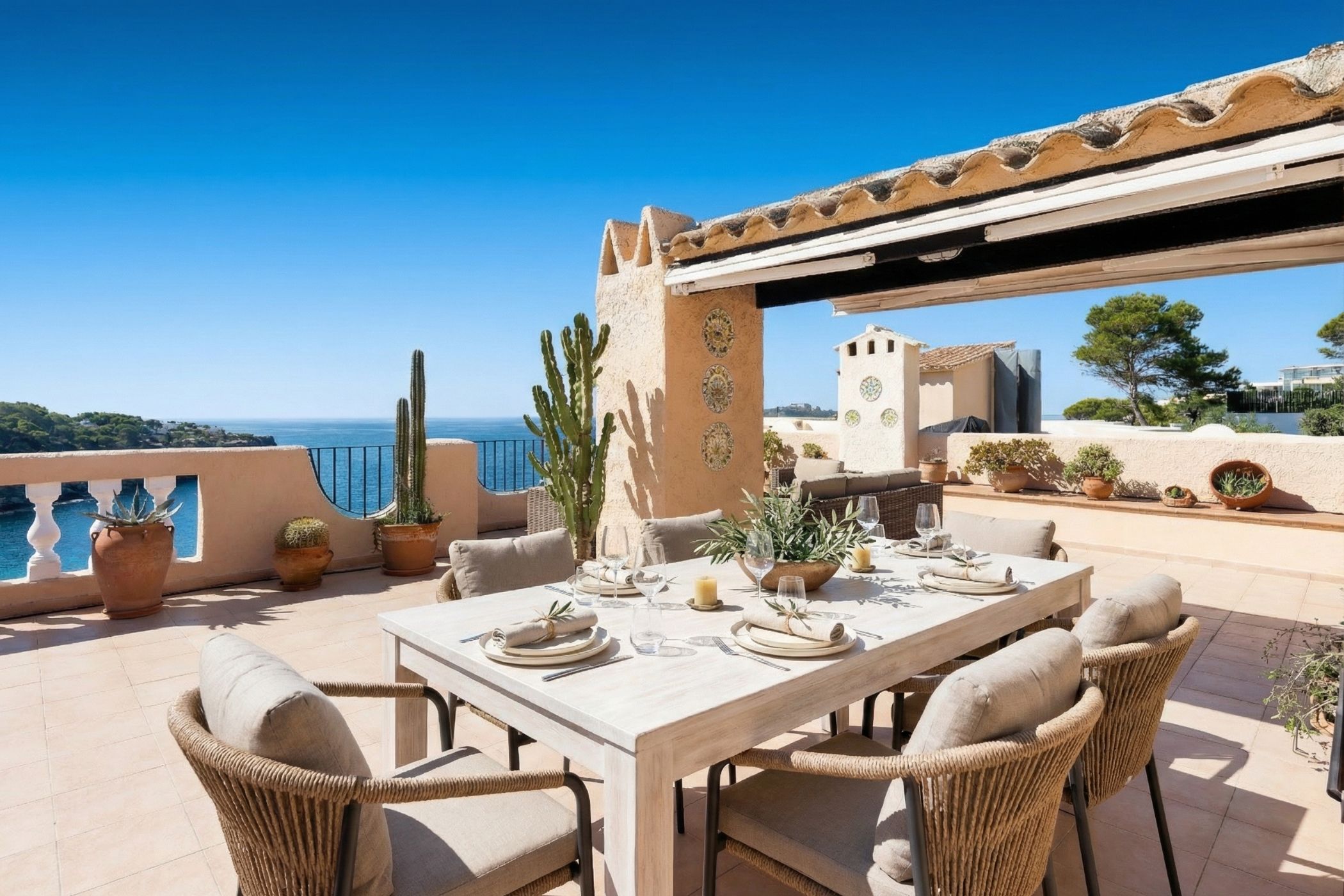
A year on Mallorca
Spreading around six weeks of use across a calendar year is itself a skill — and one of the unsung benefits of Mallorca specifically is that the island's combination of mild winters, long shoulder seasons and warm summers gives an owner usable weeks across more of the year than almost any other European second-home destination. Below is a walk through the year with the particular weeks owners across the COP Mallorca portfolio return to most often. The pattern is broadly the same across all eight co-owners of a given property, with the calendar mechanics ensuring every owner gets a fair allocation of peak weeks across a multi-year cycle. Owners who are flexible enough to use shoulder weeks — rather than competing for August on the coast — consistently report a higher use-quality from their share than those who insist on peak.
Spring (March–May)
Mallorcan spring is, by some measures, the most under-used of the four seasons by international buyers — and consequently one of the most rewarding for a fractional owner with calendar flexibility. March on the island is already running at 16–19°C (low to high 60s°F) in the day, the almond blossom is in full flower across the central plain (the so-called "snow of Mallorca", at its peak from late January through early March), and the spring restaurant calendar has reopened from the quiet February pause. The classic March week — long walks through the almond groves of Son Servera and the Pla de Mallorca, cycling the Tramuntana foothills before the summer heat closes them down, lunches on the harbour at Port d'Andratx with the cafés just back to full opening — is one of the secret pleasures of an island share.
April brings the Semana Santa processions in Palma and Sineu, the spring half-term holidays from the British and German school calendars, and the long Easter weekend that anchors the start of the proper season. The Tramuntana hiking and cycling network is at its peak — the long GR-221 Ruta de Pedra en Sec trail running the length of the mountain range from Andratx to Pollença is at its most usable in April. May sees the island warming into proper swimming weather — sea temperatures climb past 18°C (65°F) on the south coast by mid-May, and the long shallow beaches at Es Trenc and Cala Mesquida become usable. The Pollença Festival opens its summer calendar in late May; the rural agricultural fairs across the Pla de Mallorca — the Fira de Sineu, the Fira del Albercoc at Porreres — run through May and into early June. For owners who prefer Mallorca quiet, May is consistently named the favourite month.
Summer (June–August)
The Mallorcan summer pattern is well-defined and worth understanding before allocating weeks. June is the Mediterranean's secret month on the island — warm enough for swimming (water temperatures climb past 22°C (72°F) by mid-June), the village calendars at their pre-peak best, the inland markets and the Pollença Festival at full operation, and the high-summer crowds still a fortnight away. The classic June week sees the Tramuntana villages at their photogenic peak, the long evenings at Port d'Andratx with the cafés open until midnight, the harbour at Port de Pollença filling slowly as the British school summer starts to release.
July brings the high season proper — the Spanish school holidays begin around 22 June and the Northern European summer holidays stack from mid-July onwards. The island reaches its highest-density visitor week in the seven days either side of the third weekend in July. Book the best harbour tables three to four weeks ahead. August is the island at full energy: the prime addresses take reservations four to six weeks out, and an early start gives you the pick of the sand at Es Trenc and Cala Sant Vicenç and the open road to Cap de Formentor.
Palma in August, by contrast, follows the same exodus pattern as Madrid or Paris — many of the traditional restaurants close, the central districts empty, and the small capital is at its quietest and (paradoxically) most pleasant for a visitor with no work obligations. The classic August week in a Palma share — long mornings in the old town, the cool stone interiors of the cathedral and the Almudaina, late dinners on the rooftops of Sant Jaume — is one of the rewards of holding a city apartment rather than a coastal villa. Climate-wise, the island runs 28–32°C (low to high 80s°F) by day in August, with the sea above 26°C (79°F) on the south coast and warm enough for late-night swimming. The Tramuntana mountain villages sit several degrees cooler — 24–27°C (mid-70s°F) — which is why Deià and Valldemossa fill with Palma residents in August seeking the higher-altitude breeze.
Autumn (September–November)
For many seasoned Mallorcan-property owners, autumn is the favourite. September is the locals' month — water temperatures still above 24°C (75°F) through most of the month, daytime air around 26–29°C (high 70s°F to mid 80s°F), the August crowds dispersed within ten days of the new school term starting, restaurants taking reservations again the same week you ask. The Tramuntana cycling season picks up again; the long-distance trail networks are at their autumn-light photogenic best; the agricultural calendar enters the harvest season with the fig and almond crops across the central plain and the working vineyards around Binissalem and Santa Maria pulling fruit through September and early October.
October and November divide cleanly. The coast stays mild — daytime highs around 22–25°C (low to high 70s°F) through October, dropping to 17–20°C (low to high 60s°F) by mid-November, with swimming generally finished by late October but everything else still very much open — while Palma enters its golden cultural months. The autumn season at the city's small but serious cultural calendar opens; the new restaurant calendar takes the autumn ingredients off the central plain (game from the Pla, mushrooms from the Tramuntana, the early olive oil from the November olive harvest at Sóller and Caimari); the early-November Diada de Tots Sants and the Sant Andreu fairs at Santanyí mark the working agricultural year. The olive harvest in the Tramuntana runs through November — the press at Sóller produces some of the most distinctive single-variety oils in the Mediterranean — and owners who care about food increasingly time at least one stay around the new oil. By late November the island has visibly quieted; many of the seasonal coastal restaurants close, and the rhythm shifts toward the long-stay winter community in Palma, the inland villages and the deeper agricultural plain.
Winter (December–February)
Mallorcan winter is its own argument. The island's winter daytime temperatures — reliably in the 14–18°C (high 50s°F to mid-60s°F) band on the coast and a few degrees cooler in the Tramuntana — give it the mildest winter of any major European island, and the combination of low rainfall, long sunshine hours and quiet rhythms makes it one of the great undiscovered winter retreats. The Christmas and New Year fortnight is the highest-demand winter window — villas in Andratx and Pollença, townhouses in Palma, fincas in Santanyí all book heavily; the city's Reyes celebrations on the night of 5 January and the morning of 6 January are an authentic urban-cultural moment owners with families increasingly time a stay around.
January and February are the quietest months of the year on the island — and consequently the most rewarding for owners who want Mallorca without the crowds. The almond blossom arrives across the central plain from late January through early March (the festival of Sant Antoni in mid-January and the Sant Sebastià in late January are Palma's two distinctive winter festivals); the Tramuntana sees occasional snow on the Puig Major peaks at 1,445 metres, with usable hiking through the lower trails between rainstorms; the city's restaurant scene quiet but open; the long winter golf calendar at the Andratx, Bendinat and Capdepera clubs running uninterrupted. Owners who use their share in genuinely year-round mode — three or four trips of seven to ten days across the calendar rather than two long holidays — increasingly name January and February as their favourite weeks of the year. The Carnival celebrations across the island in February (Palma's Carnaval, the rural Sa Rua processions in Santanyí, Pollença and Sóller) close out the winter calendar before the spring almond blossom opens the next cycle.
Who buys on Mallorca, and why
The international buyer mix on Mallorca is the most diverse of any Mediterranean island — by a meaningful margin. German buyers have anchored the Mallorca market since the 1960s and remain the single largest foreign cohort; the German-speaking community on the island has its own newspapers (Mallorca Zeitung, Mallorca Magazin), bilingual schools across the Bay of Palma and a depth of professional infrastructure that runs from law firms and tax advisers through to builders, kitchen suppliers and concierge agencies. British buyers are the second-largest cohort and dominate the Pollença and Port de Pollença market in particular. Swiss buyers concentrate in Andratx and Port d'Andratx, drawn to the south-western harbour scene and the proximity to Palma. Scandinavian buyers — Swedes, Danes, Norwegians, Finns — have grown steadily over the past decade across all the major sub-zones. Dutch and Belgian buyers are well represented around Pollença and on the south coast. French and Italian buyers are smaller but growing cohorts, with a noticeable concentration in the central Tramuntana around Deià and Sóller. American buyers, historically a minority on the island, have grown sharply over the past five years — drawn to Palma for the cultural depth, the Tramuntana for the architectural pedigree, and the dollar's strength against the euro through much of the period.
The age-and-life-stage profile is in some respects more relevant than the nationality breakdown. The largest single buyer cohort across the COP Mallorca portfolio is in the 50–65 age band — owners whose own primary income is established, whose children are at university or beyond (which gives them more calendar flexibility than the working-family cohort), and whose long-run thinking on the second home runs to the next 20–25 years. The second-largest cohort is the 40–55 age band — typically dual-income professional couples with school-age children, who use their share around school holidays and value the operational simplicity of a fully managed property. The third and fastest-growing cohort is the 65–80 age band — empty-nesters and recent retirees who want a winter-mild base inside the EU and for whom the operational simplicity of a managed property is the central appeal.
Within those nationalities, Mallorca co-ownership tends to suit a small number of well-defined buyer profiles:
- Active families with school-age children — typically using a Pollença, Port d'Andratx or Santanyí share around the summer holidays plus shoulder-season half-terms, with the children coming back to the same villa year after year so it becomes their second home rather than a holiday rental. The fully managed model removes the friction of running a holiday villa remotely; the children return to familiar staff, familiar restaurants, familiar beaches.
- Empty-nesters and retirees from Northern Europe — particularly German, British, Swiss and Scandinavian, who use their share in long winter and shoulder-season blocks rather than short summer trips, and for whom the mild Mallorcan winter is the central appeal. The 50–65 cohort is the heart of this demographic.
- Multi-generational groups — four- and five-bedroom fincas in Santanyí or Pollença that sleep grandparents, parents, children and partners in the same week. The fractional model deals with extended-family calendar coordination better than a whole-ownership model, particularly when the family spans multiple countries with different school calendars.
- Design-led couples choosing Andratx, Deià or central Palma — owners who treat the architectural pedigree of the Tramuntana stone village, the contemporary Port d'Andratx villa or the restored old-town apartment as the primary destination, who book repeat shorter stays around the island's quieter rhythms, and who value the proximity to Palma's restaurant scene and the central Tramuntana's cultural depth.
- Cycling and walking enthusiasts — a notable cohort who specifically choose the island for the Tramuntana's road-cycling network (used by major professional teams as a January–March training base) and the long-distance walking trails. This sub-cohort typically uses the property heavily in the March–May and September–November shoulder seasons rather than the high-summer peak.
- Wine-and-food sophisticates — owners drawn to the working agricultural inland (the Binissalem and Santa Maria wine regions, the Sóller olive press, the Santanyí Saturday market) for whom the working landscape of the island is as important as the architecture or the climate.
A pattern worth highlighting is the multi-region buyer — Mallorca owners who hold a second COP share elsewhere. The most common combination is Mallorca plus winter-sun (a stone finca in Santanyí or a Tramuntana villa for the long shoulder-season and summer weeks, plus a Tenerife or Lanzarote apartment for the November-through-February deep-winter trips). The second-most-common is Mallorca plus alpine (a Mallorcan summer-and-shoulder home plus a Pyrenean or French Alps chalet for the ski weeks at Christmas, February half-term and Easter). Less common but increasingly observed is the Mallorca-plus-city pattern (a rural Mallorcan finca for the longer holidays plus a Madrid or Barcelona apartment for repeat short cultural stays through the year). The fractional model makes that portfolio strategy practical: two 1/8 shares cost less than a single whole property at either of the addresses individually, and the management relationship across the portfolio is unified, which removes the multi-jurisdiction friction.
What unites these otherwise quite different buyer profiles is the underlying calculation: the second-home weeks each of them actually uses in a year are within the around six weeks a 1/8 share delivers, the operational overhead of running a Mallorcan property remotely is non-trivial in any of the major sub-zones (and notably higher on the island than on the Spanish mainland because of the ferry and air-freight logistics), and the resale liquidity of a fractional share inside a managed portfolio is — in our experience across the COP network — markedly higher than the resale liquidity of a whole property at the same address. Mallorca is a market where the maths of fractional ownership lines up almost perfectly with the use pattern of the buyer.
Practicalities: getting there and what you own
Palma airport and ground access
Palma de Mallorca airport (PMI) is the third-busiest airport in Spain and one of the most internationally connected island airports in Europe. The state airport authority Aena operates PMI; capacity has expanded steadily over the past decade to handle the 35 million annual passengers the island now receives. Year-round direct service runs from London (Heathrow, Gatwick, Stansted, Luton, City), Manchester, Edinburgh, Dublin, Frankfurt, Munich, Hamburg, Berlin, Düsseldorf, Cologne, Zurich, Geneva, Basel, Vienna, Amsterdam, Brussels, Paris (CDG and Orly), Copenhagen, Stockholm, Oslo and Helsinki; through the summer months the network expands to several dozen further European cities including Madrid, Barcelona, Valencia, Bilbao, Milan, Rome, Naples, Athens, Warsaw, Prague and increasingly East-coast US gateways. An owner can reach a Mallorcan second home in under three hours door-to-door from any major Northern European hub, which is the practical precondition for the high-frequency, short-stay use pattern that fractional ownership rewards.
Drive times from PMI to the major sub-zones are short. Palma Old Town is 15 minutes by taxi; Port d'Andratx is 30 minutes on the Ma-1 coastal motorway; Valldemossa is 25 minutes up the Tramuntana ridge; Sóller is 40 minutes through the Sóller tunnel; Deià is 50 minutes on the coastal road; Pollença is 45 minutes on the Ma-13 to the north; Port de Pollença is 10 minutes further; Santanyí is 45 minutes south-east on the Ma-19; Ses Salines a further 10 minutes. Most owners pre-arrange a private transfer rather than self-driving, particularly when arriving late or with multiple bags; the bilingual local transfer companies are well established and accept advance booking. Mallorca is also accessible by overnight ferry from Barcelona and Valencia (handy for owners who want to bring a car), and by inter-island ferry from Ibiza and Menorca.
Whole-property vs 1/8 share: the comparison
The case for a fractional structure on Mallorca is most clearly seen in the side-by-side comparison against both whole ownership and long-term rental — the three ways most international buyers actually consider holding a Mallorcan second home.
| Whole second home | COP 1/8 fractional share | Long-term rental | |
|---|---|---|---|
| Upfront commitment | Full property value | ~1/8 of the property value | First/last/deposit only |
| Equity in the asset | Full appreciation | ~1/8 of appreciation | None |
| Personal use | Up to 52 weeks (most use 6–10) | Around six weeks a year, fairly rotated | Defined by lease |
| Operations burden | Owner-managed or hired staff | Fully included | Landlord-managed |
The comparison most buyers find most telling is what you actually get for your capital. Owning a whole home outright ties up the full purchase price in a property most owners use for a few weeks a year, and leaves you to organise everything yourself. A 1/8 share gives you the same calibre of home, around six weeks a year, real equity and a professional team that takes care of everything in between.
What you actually own — the legal share
The legal nature of a Mallorcan co-ownership share is simple. You own a real share of the home — an eighth, a quarter — not a right to use it. You can sell it, pass it on to your heirs, and it grows in value with the home.
The practical effect is that you hold real ownership — not a timeshare, not a points membership, not a usage right. You can sell through the established resale process or to a qualifying outside buyer, you can pass your share on to your heirs, and you participate proportionally in any appreciation in the underlying property's market value.
How fractional ownership works on Mallorca
The mechanics of fractional ownership on Mallorca are framed by two things that work together: the legal set-up our partner arranges for each home, and the Spanish property-tax regime that applies to all secondary residences (including the IBI municipal tax and the non-resident income tax on imputed rental). Together, they make for a clear, predictable ownership experience.
How co-ownership works for Mallorcan property
Big decisions — selling the home, major works — are decided together by the co-owners, and the calendar and the management arrangement are set out in the home's agreements.
Property tax basics: IBI, non-resident income tax, capital gains
Spain operates a relatively straightforward property-tax framework for non-resident owners on Mallorca. IBI (Impuesto sobre Bienes Inmuebles) is the annual municipal property tax paid by the owner of the property, calculated on the cadastral value as assessed by the local town hall, and falling within a typical range of 0.4%–1.1% of the cadastral value depending on the municipality (Calvià, Andratx, Pollença, Santanyí, Palma and the other Mallorcan town halls each set their own rate within the national framework). IBI is handled by our partner. Non-resident income tax applies to non-Spanish-resident property owners on an imputed-rental basis (or on actual rental income where the property is rented out). We recommend independent tax advice for your own circumstances.
The Balearic regional tourist tax (Impost sobre Estades Turístiques) applies per night of guest stay in certain types of accommodation; the treatment of fractional-share personal-use stays vs rental stays is handled by the management team as part of routine compliance. Spanish capital-gains tax applies on resale: a direct sale of Spanish real estate by a non-resident incurs a 19% capital-gains tax (with a 3% retention at completion handled by the buyer's notary).
Inheritance and Spanish succession law
Directly held Spanish real estate is subject to Spanish succession and gift tax, which varies by autonomous community — the Balearic Islands have applied significant reductions for direct-line heirs (children, spouses) in recent years, with effective rates well below the national average. The 2015 EU Succession Regulation (Brussels IV) gave EU residents the option to elect their home-country succession law for their estates; non-EU residents (US, UK, Canadian, Australian buyers post-Brexit) can also elect under the same regulation. Your adviser will confirm the best route for your own estate.
The professional management model and how the calendar works
Once the purchase completes, a professional management company takes over all operational responsibility for the Mallorcan property. Your personal weeks — around six weeks for a 1/8 share — are allocated through a fair-rotation calendar that mixes peak weeks (the Christmas/New Year fortnight, the Semana Santa week, the long July and August weeks on the island) with shoulder-season and quieter weeks across the year. Owners pre-book several months ahead; the unused weeks are either held for the owner pool or, where the property's structure allows, rented to the broader market with the income flowing back to the co-owners. Service-charge collection, building maintenance, insurance, IBI and non-resident tax payments, the linen-and-cleaning between stays, the welcome arrival, the on-call concierge — all sit with the management company. The deep multilingual operations ecosystem on the island — three generations old in the major sub-zones — means that the routine practical realities of owning a property remotely on Mallorca are handled by professionals who have been catering to non-resident owners for decades.
Resale: how to exit, typical timelines, the professional process
When you decide to exit your Mallorcan share, a professional resale process is in place: you sell your share — not the whole house — at the price you set, typically after an initial twelve months of ownership. Hundreds of shares in homes like these have already been resold — in just over three months on average, and nearly three in four for more than the owner paid. Whole-property resales typically take 6–24 months on the Mallorcan open market. For owners who want maximum control over the price and process, an open-market sale to any qualifying buyer remains an option — but most owners find the established process simpler.
The full mechanics of fractional ownership across all jurisdictions — usage calendars, exit procedures, rental income treatment, insurance, the transfer on death, the relationship with the management company — are covered in our co-ownership explained guide. For specific Mallorca property availability, browse the listings in the property grid above, or join our list for new-property alerts as they come to market.
Your ownership at a glance
- Real ownership — you own a real 1/8 share of the home, not a right to use it: you can sell it, pass it on to your heirs, and it grows in value with the home. Not a timeshare, not a points membership.
- Professional management included throughout — pre-arrival preparation, linen and cleaning between every stay, year-round maintenance, gardening and pool care, taxes, insurance and the on-call concierge are all handled for you.
- Clear, supported resale through our partner's resale process — the existing audience of co-ownership buyers means your share has an organised market from day one, with our partner's resale process letting you sell your share without having to sell the whole house, rather than waiting the 12–18 months a comparable whole property might sit on the Mallorcan open market.
Still deciding which Mallorca zone?
Many readers arrive on this page already half-decided — they want Mallorca, but not yet which Mallorca. The choice between Andratx, Pollença, the central Tramuntana, the southern plain and Palma is rarely about budget alone; the major sub-zones sit in similar price bands once you compare like-for-like quality. The decisive question is usage pattern. How will you actually spend your weeks across a calendar year? Our team has spent years inside the Mallorca second-home market and can walk you through the regional differences — climate, calendar, owner mix, day-to-day rhythm — before you commit to a zone. Below is the framework we walk through with buyers who reach the same fork — a simple starting point, since many owners end up loving elements of more than one.
Choose Andratx and Port d'Andratx if you want a cosmopolitan harbour scene, contemporary architecture with long sea views, the shortest drive on the island from airport to front door, and a year-round restaurant calendar that holds up better than the more seasonal sub-zones. Andratx works hardest for owners drawn to the design-led contemporary villa over the traditional stone finca, who value the proximity to Palma and the protected pine hills behind the harbour, and who use the property in genuinely year-round mode rather than the high-summer peak alone.
Choose Pollença and Port de Pollença if you want a domesticated bay rhythm, the multi-generational British and German family scene around the Bay of Pollença, the inland village atmosphere of the Sunday market, and a long usable shoulder season that runs from late March through October. Pollença is the natural choice for families with school-age children — particularly British and Northern European — who want the children to come back to the same villa year after year and who value the still-water bay's family-led safety.
Choose the central Tramuntana — Deià, Sóller, Valldemossa — if you want the most architecturally distinctive small-village stone-house addresses on the island, the deepest cultural pedigree, and the cooler microclimate of the mountain ridge above the coast. The Tramuntana works hardest for cultural enthusiasts and design-led couples who value architectural and landscape pedigree above sand-and-sea convenience, and who use the property in genuinely year-round mode across the extended shoulder season.
Choose Santanyí and Ses Salines if you want the working agricultural Mallorca, the warmest microclimate on the island, the protected coastal coves of Mondragó and Es Trenc, and the stone-finca vernacular set on agricultural plots behind dry-stone walls. The southern plain is the quietest of the premium zones, the warmest year-round, and the natural choice for design-led couples who value the working landscape.
Choose Palma de Mallorca if you want a base for repeat short stays rather than long single holidays, if your second-home calendar is built around culture and city life rather than countryside, and if you want the year-round usability that no rural Mallorcan zone can quite match. The city is the right answer for owners whose own primary home is in another major capital, who travel frequently for work or pleasure, and for whom an apartment in the Old Town or Santa Catalina becomes a recurring base across a calendar year rather than a single-season escape. Palma is also — unlike a traditional timeshare, which locks you into one week in one property year after year — the easiest Mallorca address to combine with a second share elsewhere, since the city's year-round usability means it pairs naturally with a seasonal coastal villa or with a non-Mallorcan share entirely.
The portfolio approach is worth at least mentioning. A meaningful proportion of Mallorca co-ownership owners hold more than one share — either elsewhere in Spain (a Tenerife winter-sun apartment, a Pyrenean ski chalet, a Madrid pied-à-terre) or further afield (a French Alps chalet, an Italian Lakes apartment, a Côte d'Azur villa). For owners building a multi-region portfolio with COP, you have one team across every destination — the same advisors, the same calendar mechanics, the same resale process across every property you own. (For a wider orientation across the island's regions, seasons and culture, the official Visit Mallorca tourism site is a useful starting reference.) Two 1/8 shares — a Mallorca summer-and-shoulder home plus a Canary winter-sun apartment, say — give an owner roughly 90 days of use across a calendar year, drawn from genuinely different lifestyle modes, at a combined annual carry that is still a fraction of what a single whole property at either address would cost.
Whichever way the decision goes, the deeper exploration starts on the cluster and parent pages:
- Explore Spain →
- Explore the Balearic Islands →
- Explore Ibiza →
- Explore Menorca →
- Explore Palma de Mallorca →
If you would like to talk through which Mallorca zone best fits your family's actual use pattern — rather than the brochure version of it — join our list and we will be in touch with relevant new-property alerts and an introduction to the team.
Questions & Answers
Mallorca Fractional Ownership — Frequently Asked Questions
Fractional co-ownership in Mallorca means buying a real 1/8 share of a luxury Mallorcan property — a villa in the Tramuntana foothills, a finca near Deià, or a contemporary home above Port d'Andratx. The legal set-up is arranged by our partner for each home and walked through with you before you buy. Your share is genuine property equity that participates in Mallorca's property market and can be sold on the open market.
A 1/8 share gives you around six weeks of Mallorca per year at roughly 1/8 the full purchase cost — the most capital-efficient route to owning a piece of one of the Mediterranean's most desirable islands.
Mallorca consistently ranks among Europe's top five luxury property destinations. The island offers a unique combination: dramatic mountain scenery in the Serra de Tramuntana (a UNESCO World Heritage Site), sheltered coves and beaches along the south and east coasts, a thriving arts and gastronomy scene in Palma, and year-round direct flights from most of Europe's major cities.
The most coveted areas — the southwest coast (Andratx, Port d'Andratx), the Tramuntana villages (Deià, Valldemossa, Sóller), and the northeast (Pollença, Alcúdia) — have strict planning controls that permanently limit new development, which underpins long-term value in premium Mallorcan property.
No. A timeshare sells you the right to use a week, often in a resort. With co-ownership you own a real share of one specific home in Mallorca, usually 1/8, which gives around six weeks a year. The home is managed for you, the running costs are shared between the owners, and your share is yours to sell later.
Your 1/8 share gives you around six weeks per year. Mallorca has two distinct peak seasons: high summer (July–August) and the shoulder seasons (May–June, September–October) that the island's most discerning visitors prefer for their perfect weather and calmer pace. A structured calendar manages peak-period allocations through a fair rotating priority system. Winter Mallorca (November–April) is peaceful and beautiful — many owners use spring weeks for hiking and cycling.
Yes — many of our Mallorca properties welcome short-term rental of unused weeks, and it is an easy way to earn from the weeks you are not using. Your unused weeks can be listed on short-term rental platforms, with income paid directly to you after the platform fee — particularly rewarding in high-demand locations.
Each Mallorca property listing shows whether short-term rental is available for that home, in line with local rules.
Post-Brexit, UK nationals can spend up to 90 days in Spain (part of the Schengen Area) in any 180-day rolling period. With a 1/8 share giving around six weeks of annual usage, most owners stay comfortably within this limit with sensible planning. Days spent in other Schengen countries count towards the same 90-day total.
Mallorca's most sought-after areas have strict planning controls that permanently constrain new supply. International demand from UK, German, Scandinavian, and Swiss buyers is structurally strong. Prime Mallorcan property — particularly Tramuntana villages, Port d'Andratx, and the southwest coast — has appreciated reliably over the long term, supported by consistent tourism and lifestyle demand. The fractional model gives you proportional participation in this appreciation at 1/8 the capital.
Selling is simple. When you decide to move on, your Mallorca fractional share is marketed to buyers already looking for fractional co-ownership.
Our partner's resale process handles the sale for you, so you sell your share without the whole house having to be sold. After a typical first-12-months holding period you can sell at the price you set. Hundreds of shares in homes like these have already been resold — in just over three months on average, and nearly three in four for more than the owner paid.
Browse COP's Mallorca listings to find a property that suits your budget and preferred area of the island. Submit an enquiry.
Also Explore
Get in Touch
Speak to an expert
Tell us what you're looking for and we'll be in touch.