Portugal · Europe
Portugal Fractional Ownership Properties
From a Vilamoura villa above the Atlantic to a Douro quinta on the river — fractional ownership in Portugal means a real share of one of Europe's most rewarding second-home markets, six to seven weeks of personal use a year, and a fully managed home waiting whenever you arrive.
4 properties · from €154,000
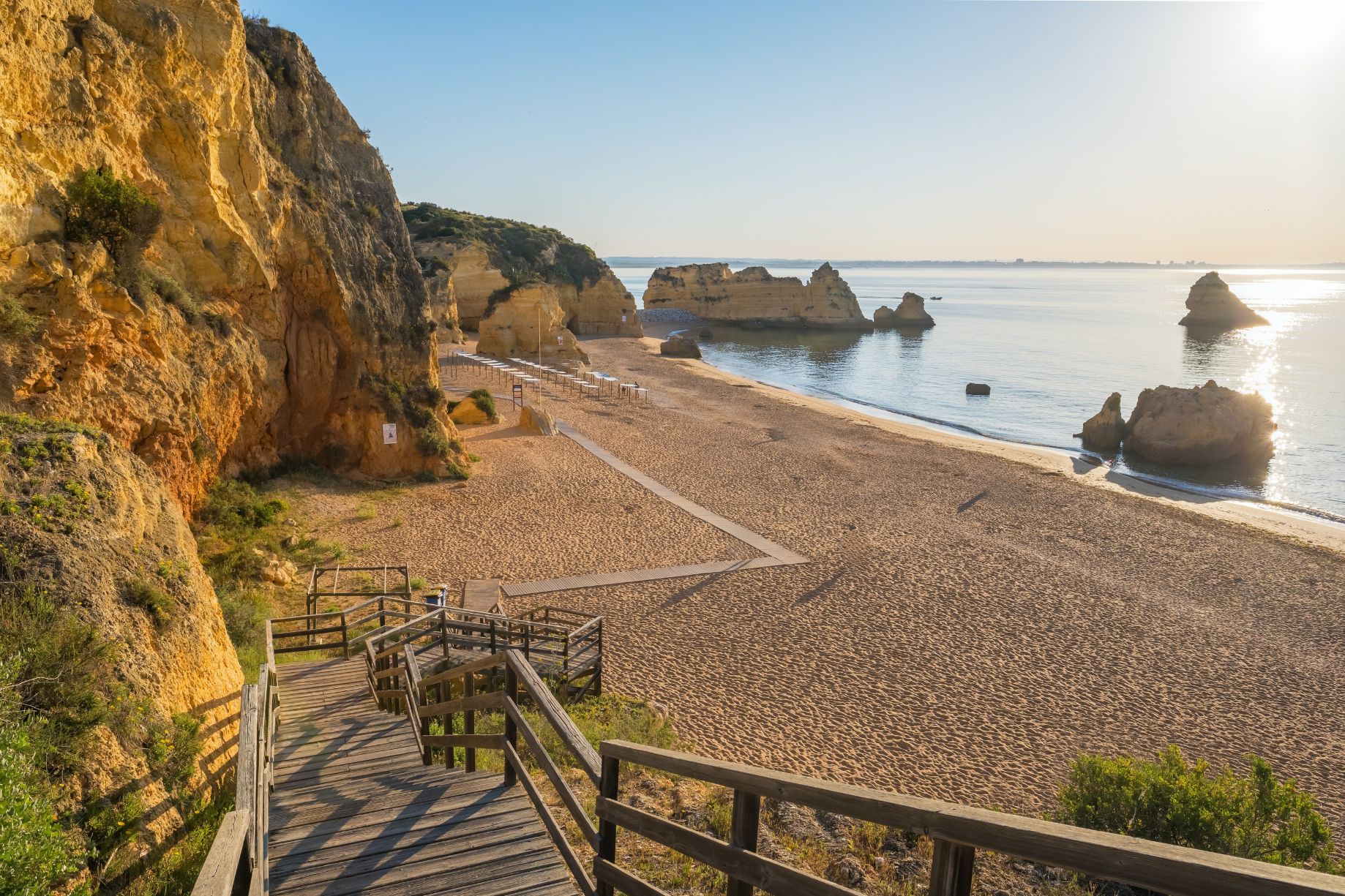
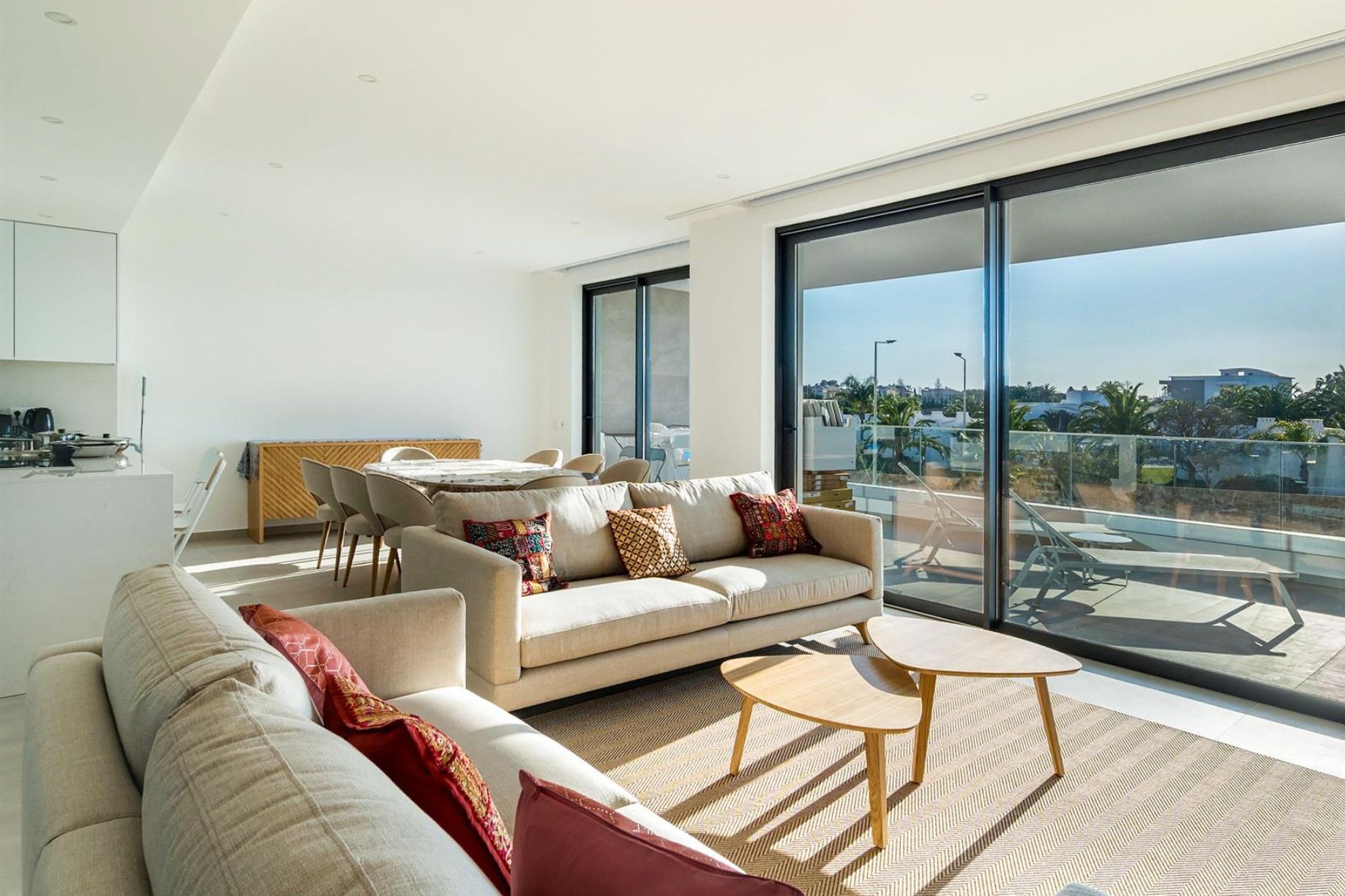
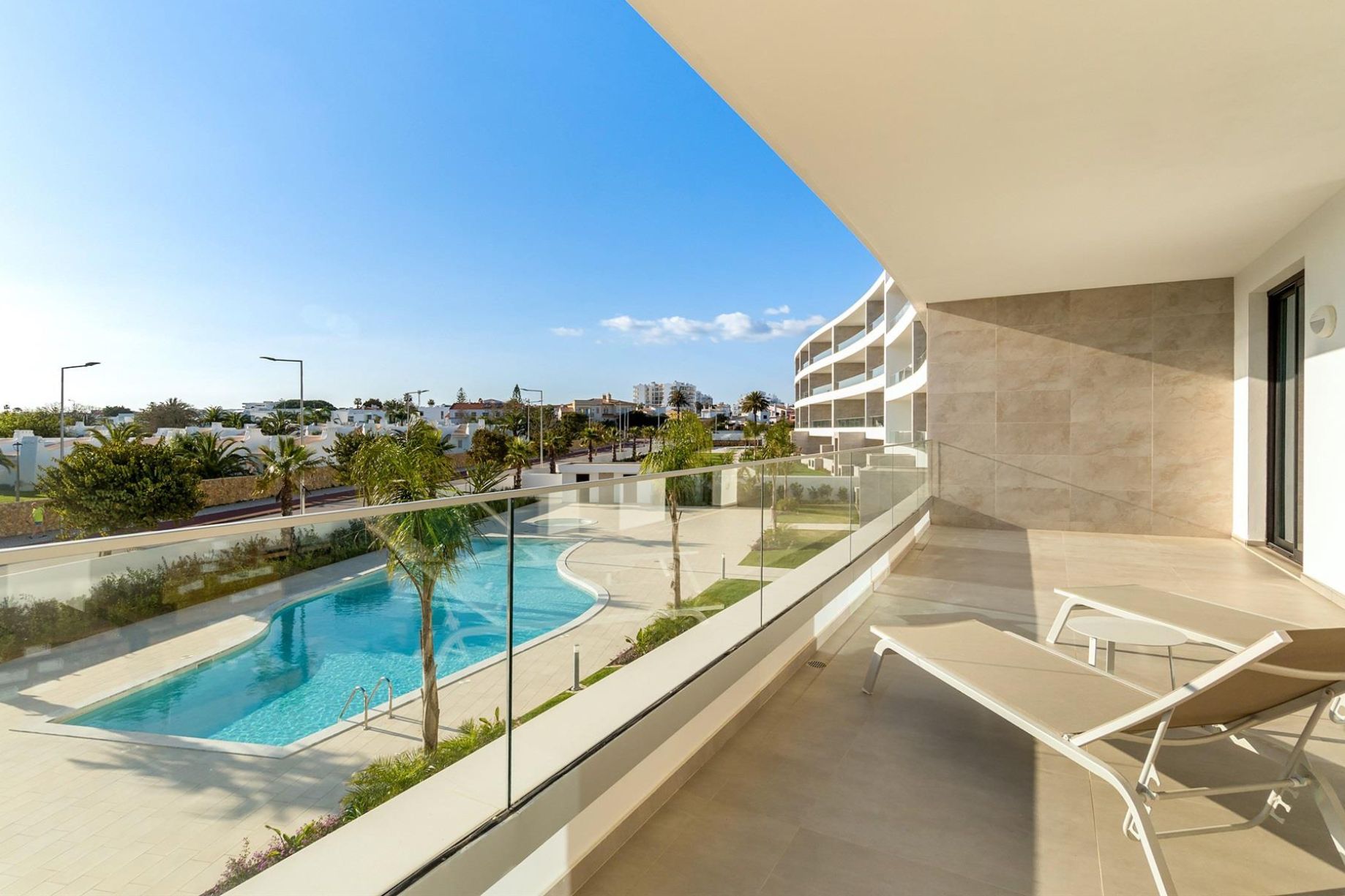
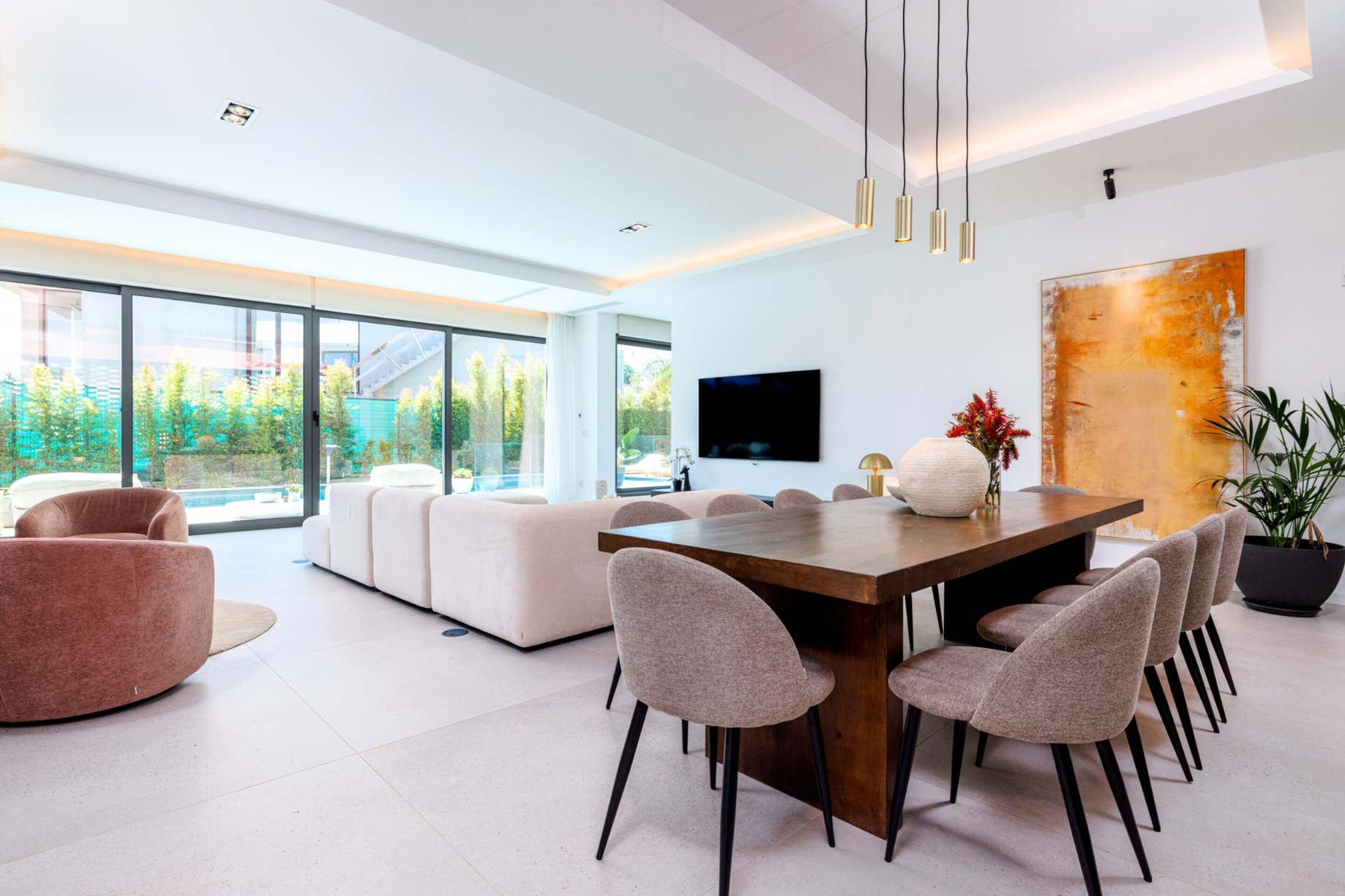
Lagos, Algarve, Portugal — 2-Bed Terrace Apartment With Sea Views & Two Terraces
€154,000
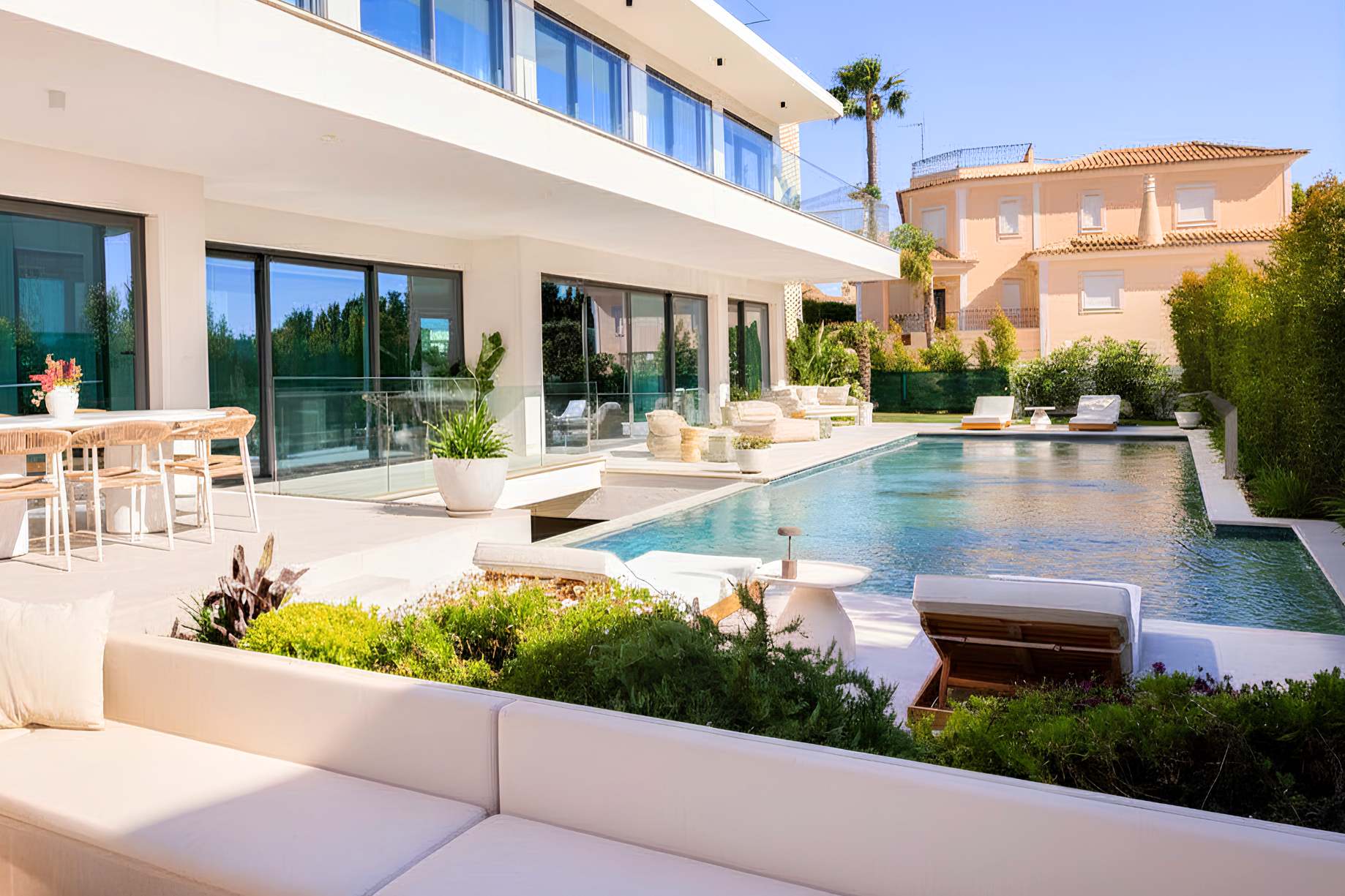
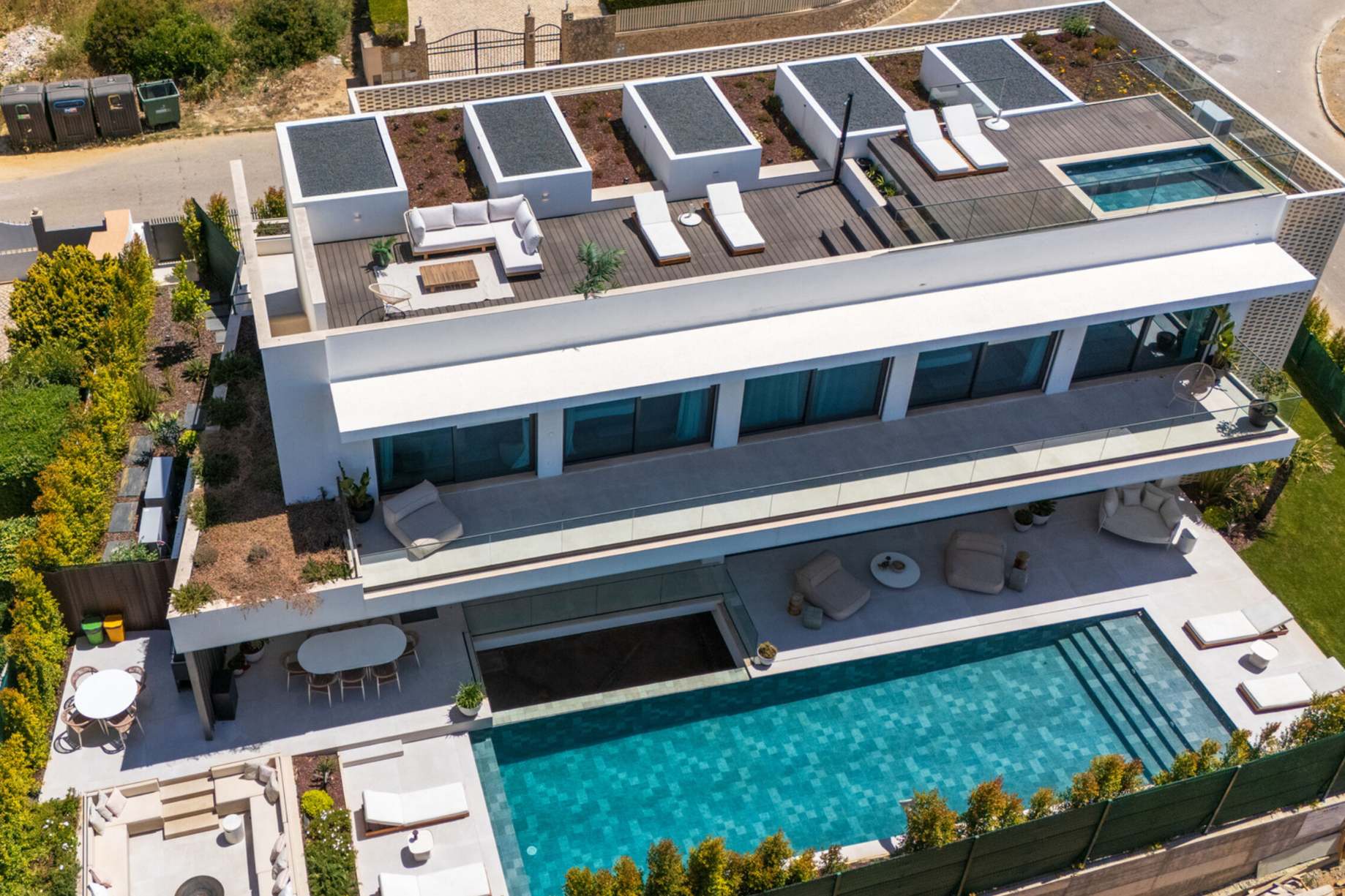
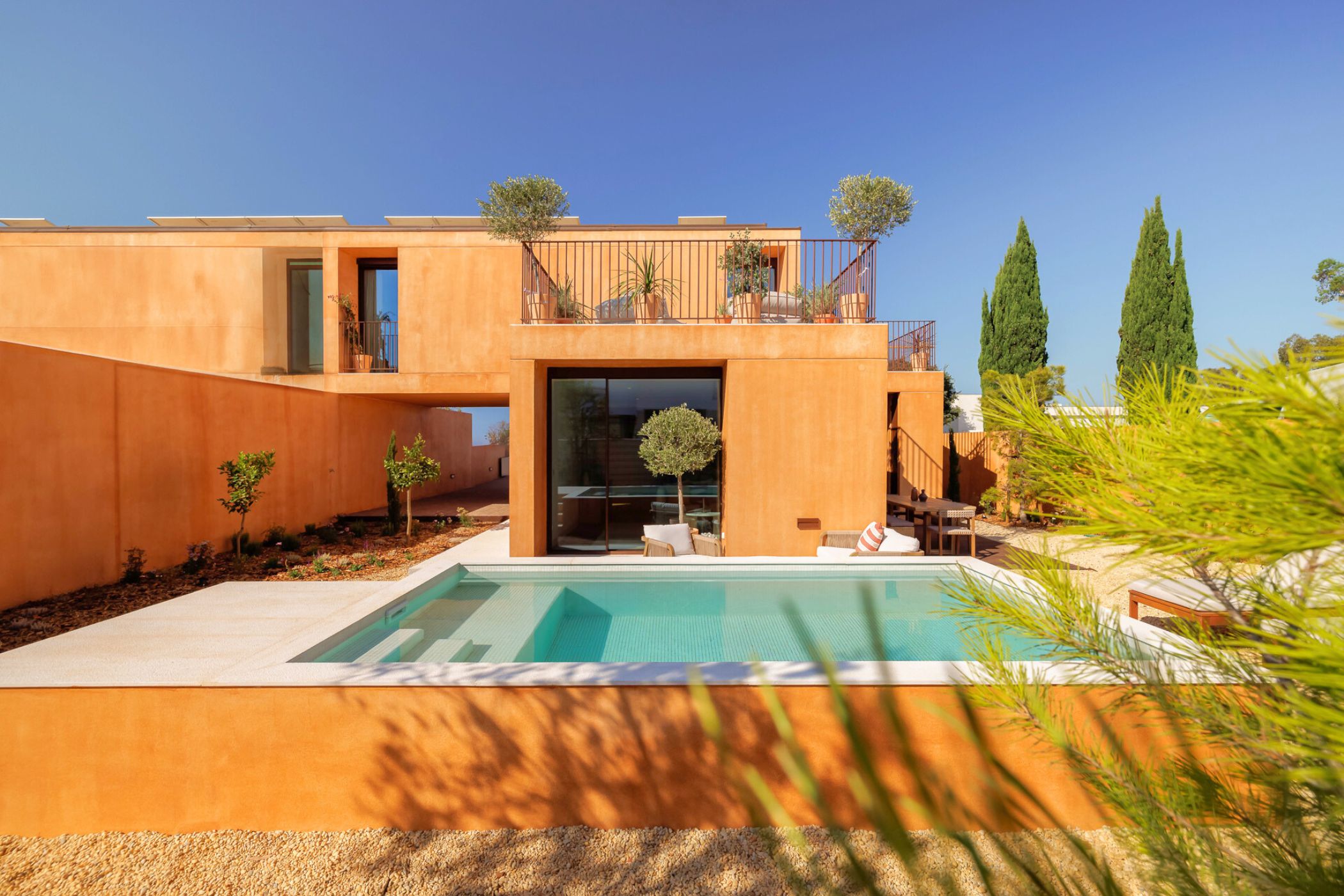
Albufeira, Algarve, Portugal — 4-Bed Villa With Sea View & Roof Terrace
€399,000
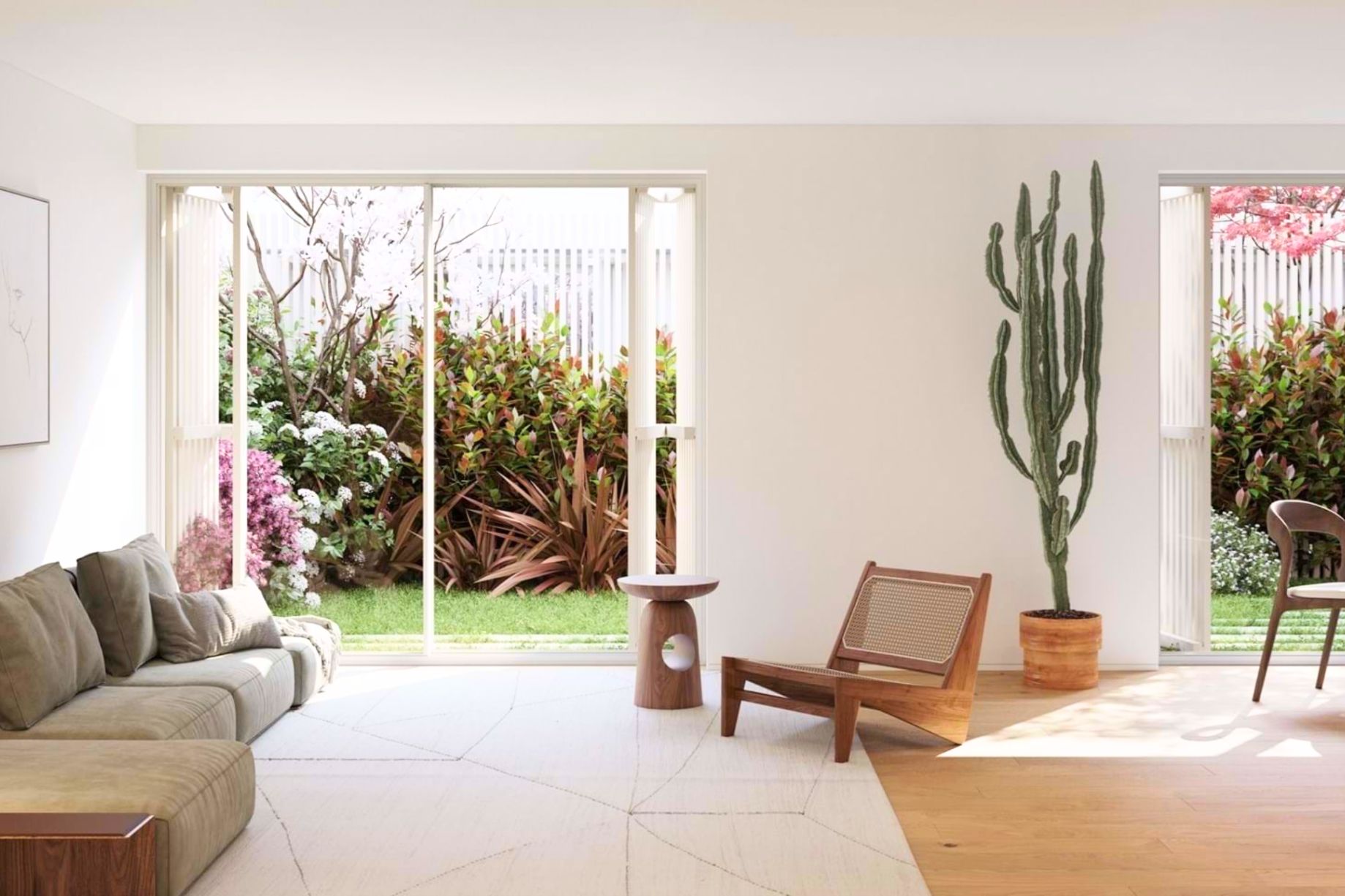
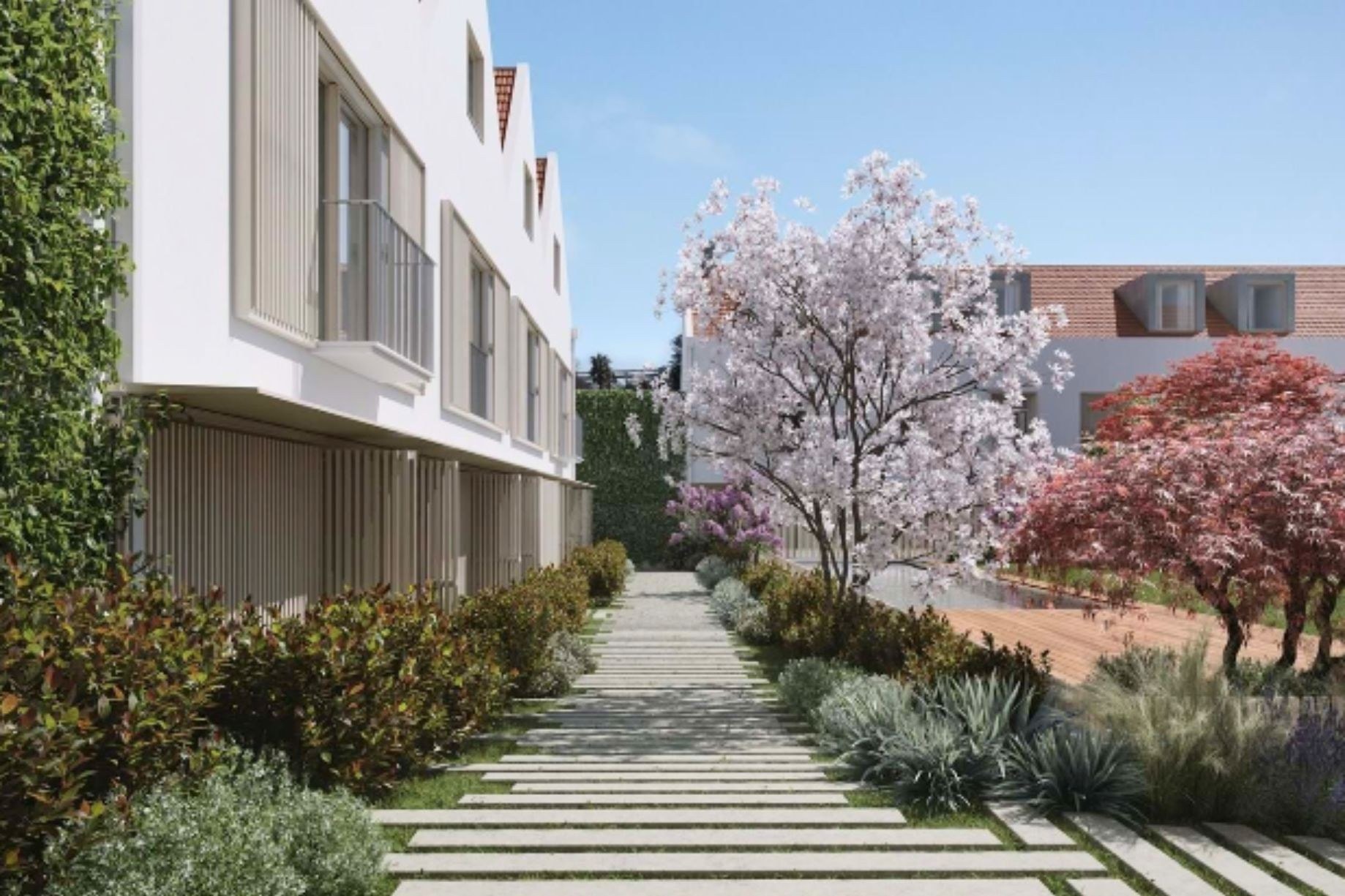
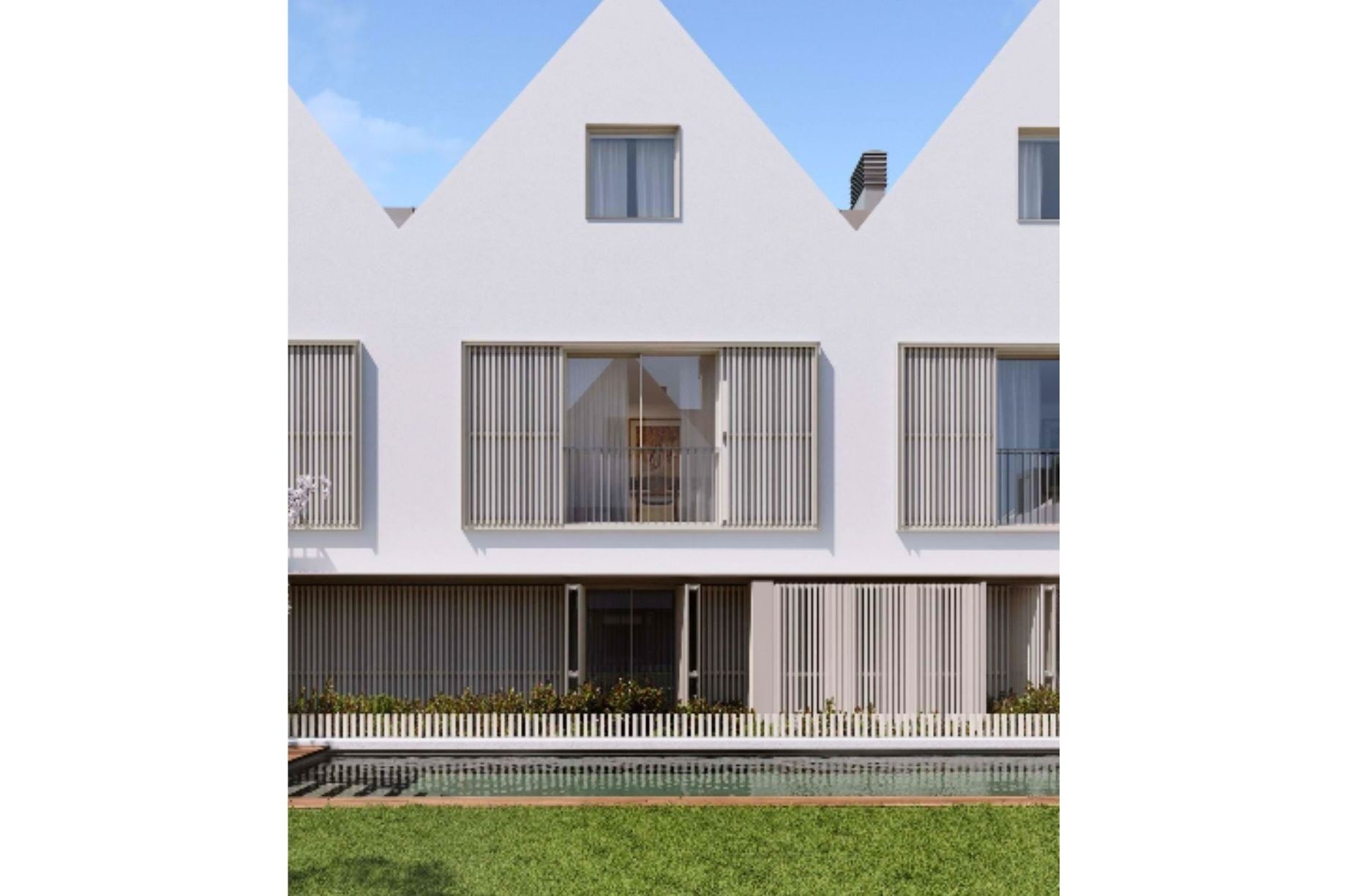
Lisbon, Lisboa, Portugal — 2-Bed Garden Apartment With Private Garden & Shared Pool
€169,000
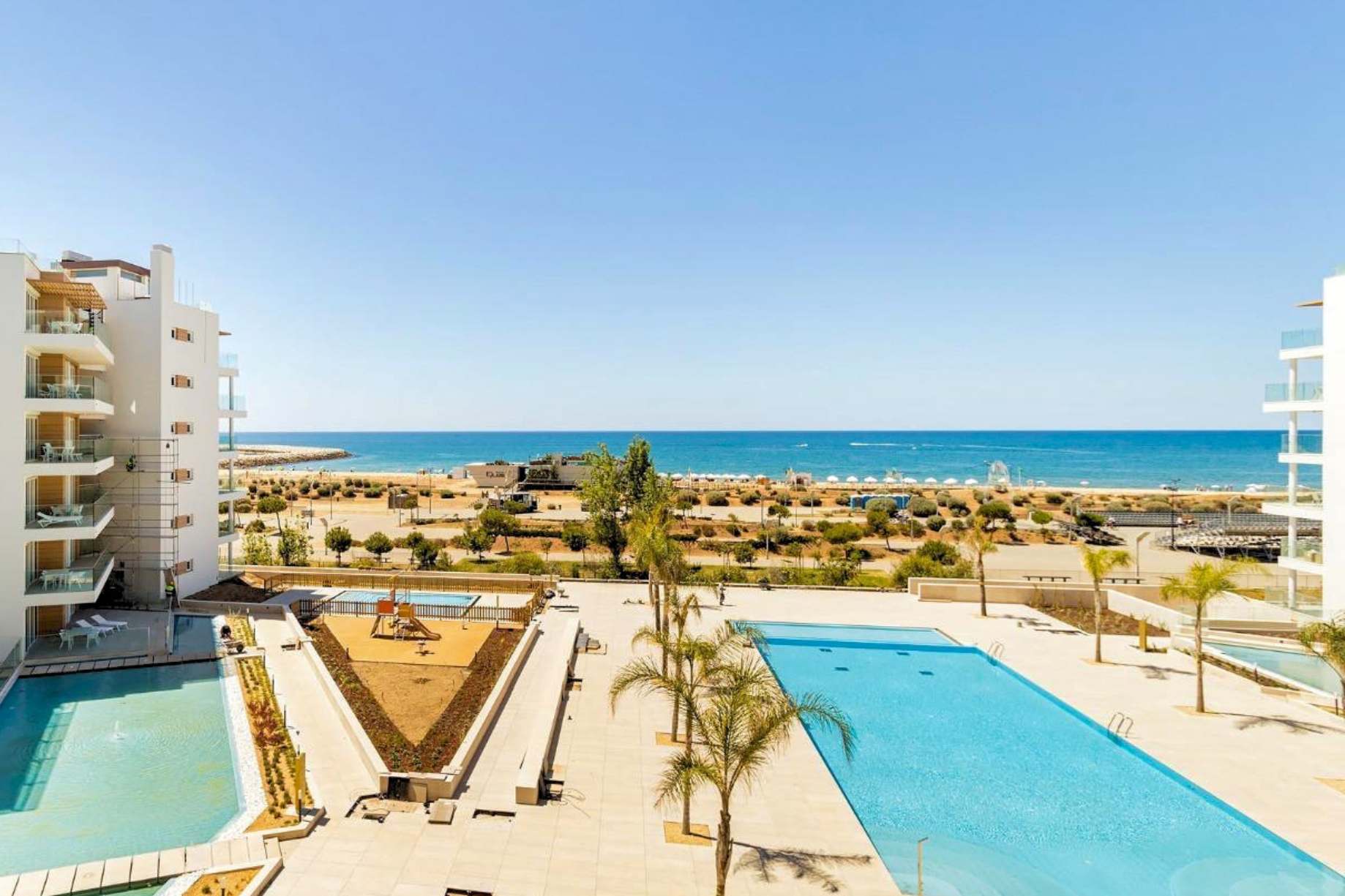
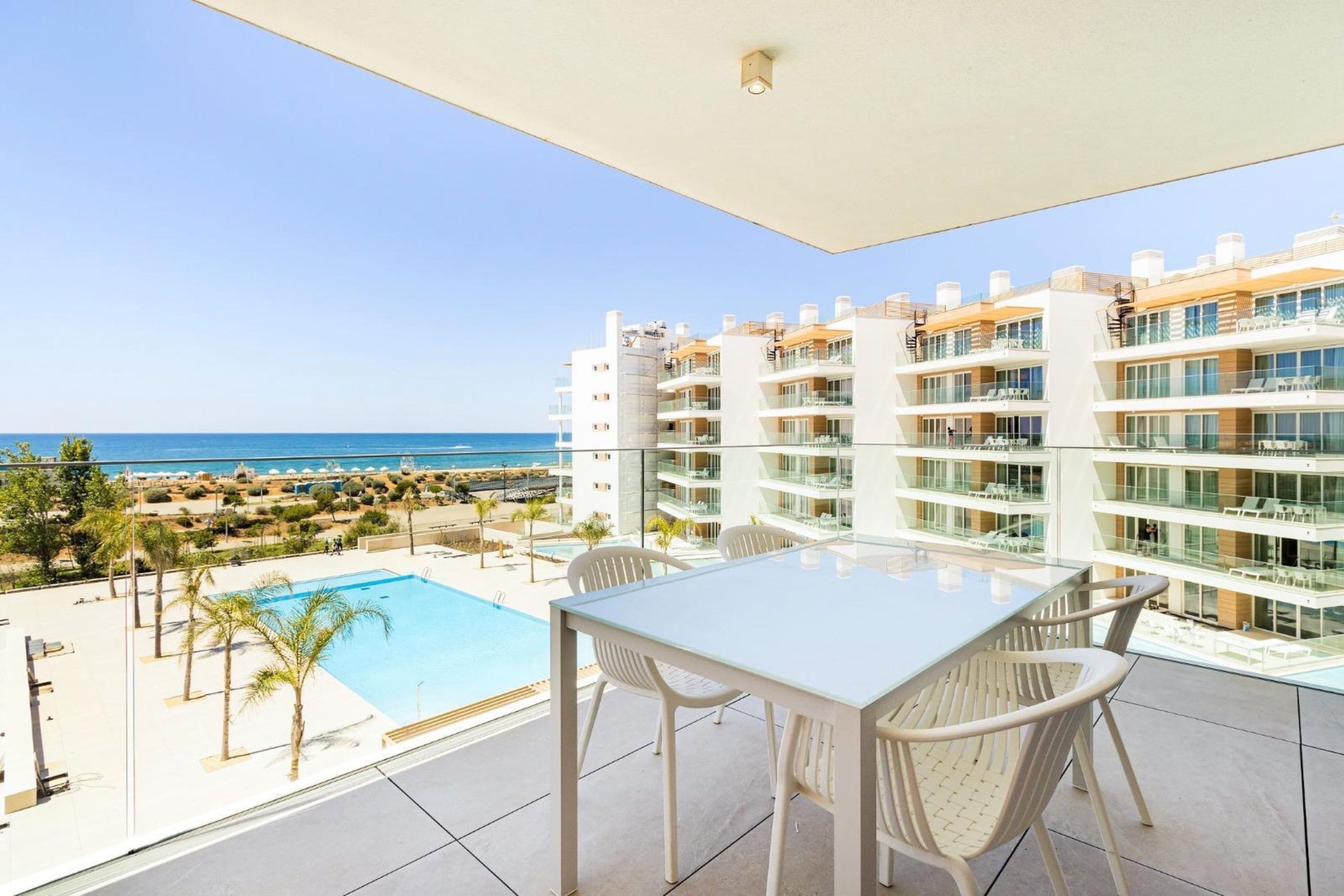
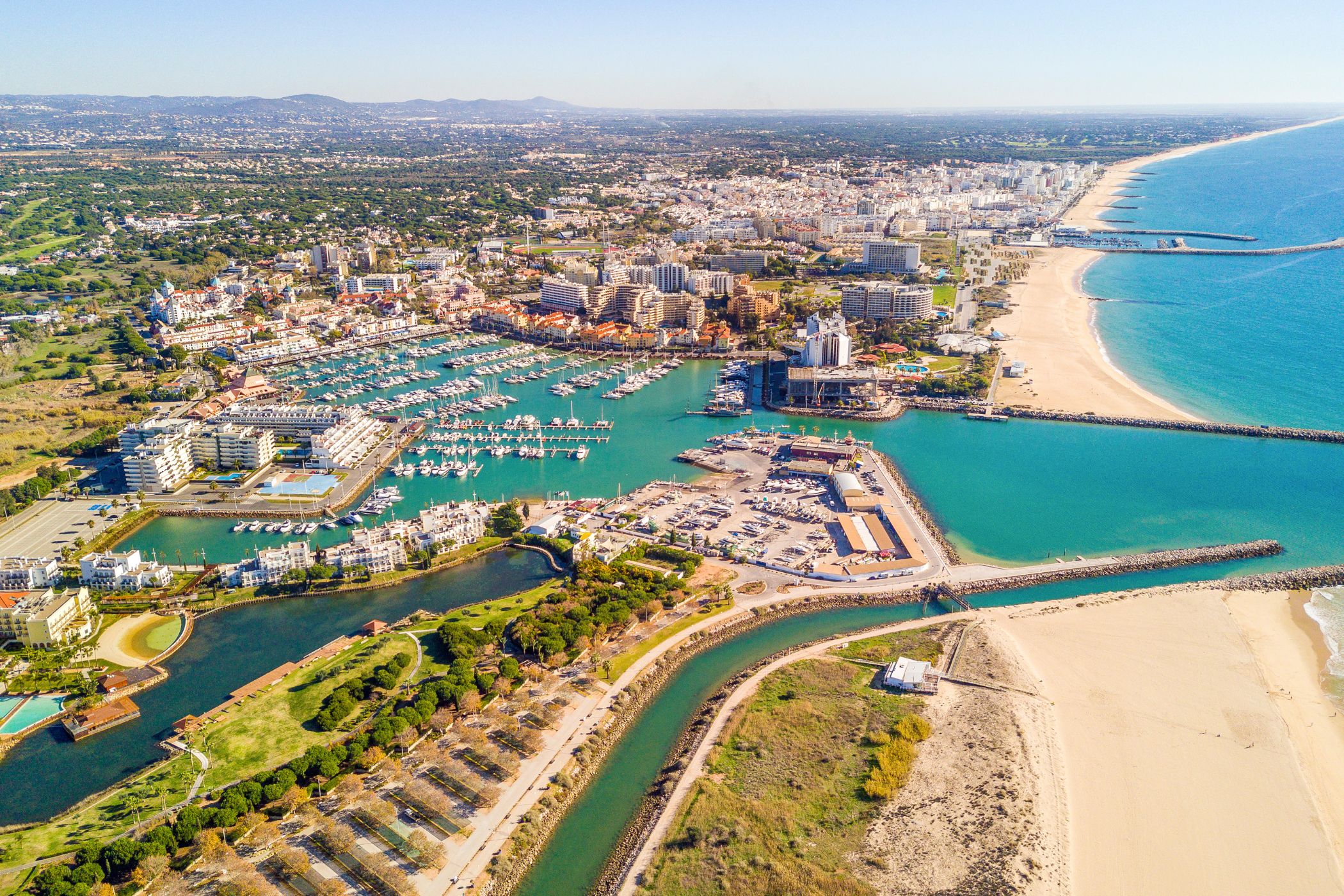
Vilamoura, Portugal — 2-Bed Apartment With Pool
€179,000
Portugal's most coveted addresses, accessible through co-ownership.
Fully managed villas, beach houses, apartments and quintas across the Algarve, Lisbon and the Estoril Coast, Comporta and the Silver Coast, Porto and the Douro, and Madeira and the Azores. Your 1/8 share of the home comes with 6–7 weeks of personal use, a professional management team on call, and the long-term equity of one of Europe's most internationalised and most enduringly popular second-home markets.
What is fractional ownership in Portugal?
Fractional ownership in Portugal means buying a real 1/8 share of a luxury second home, shared with up to seven other co-owners. Each owner receives personal use set by the partner that manages the home — a minimum of 44 or 45 nights a year with most of our partners, and no set cap with some others — through a fair-rotation calendar, with all property management, maintenance, taxes and operations handled by a professional team. You can sell it, pass it on to your heirs, and it rises and falls in value with the house — it is not a timeshare, not a holiday club. The legal set-up is arranged by our partner for each home and walked through with you before you buy.
Why Portugal?
Portugal is, in the way that genuinely matters to a fractional buyer, the most rewarded-for-its-size second-home market in Europe. The country is small — eight hundred kilometres long, roughly the area of Indiana or Hungary — yet it contains one of Europe's longest mature international resort coastlines, two world-class capital-class cities, the most internationally branded coastal stretch outside Spain and France, a UNESCO-listed wine valley that produces some of the world's most distinctive fortified and table wines, two Atlantic island archipelagos with year-round sub-tropical climates, and a fifty-year track record of welcoming international second-home owners through one of the most hospitable regulatory and tax frameworks in the European Union. The combination of climate, scale, infrastructure depth, friendliness to foreign buyers and price-to-quality ratio is why Portugal has, over the past decade, moved decisively from "the country between Spain and the Atlantic" to one of the most-considered second-home destinations in the European luxury set.
Your Portuguese share is owned alongside up to seven other co-owners. You own a real share of the home — an eighth, a quarter — not a right to use it. You can sell it, pass it on to your heirs, and it rises and falls in value with the house. The legal set-up is arranged by our partner for each home and walked through with you before you buy. Resale is handled through our partner's resale process, without you having to sell the whole house.
Every property in the COP collection meets a defined quality bar — the property itself, the location, the management standard — and Portugal's particular advantage in the European second-home set is the combination of climate, accessibility and price-to-quality across that bar. The Algarve gives you 200 kilometres of mature international resort coast with the longest reliably warm season of any mainland European coast — daytime temperatures stay above 20°C (68°F) through nine months of the year. Lisbon and the Estoril Coast give you one of the most architecturally distinctive small capital cities in Europe — a Manueline, Pombaline and Belle-Époque inheritance preserved across the historic central districts, on the Atlantic at the mouth of the Tagus. Comporta and the Silver Coast give you the most discreet international beach destination in mainland Europe — the umbrella pines and rice paddies of the Comporta peninsula, the surfing coast at Ericeira (a World Surfing Reserve), and the slow agricultural rhythm of the Alentejo behind. Porto and the Douro Valley give you a UNESCO-listed wine landscape and one of the most architecturally interesting small cities in Iberia. And Madeira and the Azores give Portugal the European Union's only properly year-round sub-tropical destinations — an unusual combination of climate stability and EU passport-and-currency simplicity.
It is worth setting Portugal in its European competitive context. Spain is Portugal's natural comparator and offers the largest international second-home volume in Europe, the most developed multilingual professional-services infrastructure for non-resident owners and a substantially larger choice of regional coasts and islands; the trade-off is that Spain's most-recognised resort areas are often more developed and more crowded than the Portuguese equivalents at the same price point. France offers the most concentrated luxury alpine cluster in Europe and the Côte d'Azur's prestige, at meaningfully higher entry prices; Portugal is closer to "the south of France 30 years ago" in feel, with the upside of having an English-speaking professional ecosystem the south of France has never quite developed. Italy has the heritage protection and cultural depth Portugal cannot match at scale, but with materially higher legal and tax complexity for the international owner. Greece and Croatia are the closest emerging-market alternatives at lower price points but with thinner infrastructure for non-resident owners and less developed legal frameworks. None of these comparisons makes Portugal categorically better — the right answer depends on the buyer's priorities — but they help frame why Portugal sits in the small group of European countries that consistently win serious international second-home buyer attention.
The third structural argument for Portugal is the diversity of usable lifestyles available inside one small country. A Northern European family with a 1/8 share at the Algarve can use the same managed-portfolio relationship to add a winter share in Madeira and a spring-and-autumn share in Lisbon — three completely distinct propositions, three architectural traditions, three culinary cultures, all inside Portugal, all in euros, all under one management relationship. An owner with a Lisbon apartment can be in the Sintra hills within 40 minutes, on the Cascais coast within an hour, in Comporta within 90 minutes, and in the Douro Valley within three hours. A British or Dutch couple looking for a winter-sun base, a city base for cultural short stays and an Atlantic-beach summer base can hold all three shares inside Portugal. Few other countries — and certainly none in Europe at Portugal's price-to-quality ratio — can match that range.
For a co-ownership buyer thinking strategically rather than just emotionally, Portugal's combination of regulatory hospitality, currency stability and price-to-quality matters more than the headline glamour. Portugal has been the European second-home market most actively designed to welcome international buyers — the Non-Habitual Resident tax regime (NHR), the Golden Visa (now restricted but historically transformative), the Digital Nomad Visa, and the D7 passive-income residency have collectively made Portugal one of the most administratively accessible European second-home destinations for non-EU citizens since 2009. The Portuguese state has been remarkably consistent in this orientation across multiple political administrations, and the practical effect is that the legal-and-administrative ecosystem for international owners — multilingual lawyers, accountants, gestores, property managers — is substantially deeper than the size of the second-home market alone would suggest.
One under-discussed advantage that becomes obvious once you actually start using a Portuguese second home is the depth of the country's English-language professional infrastructure. Decades of British buyer interest in the Algarve have built an ecosystem of multilingual lawyers, property managers, accountants and notaries across Lisbon, Cascais, Comporta and the Algarve that operates in English, Portuguese, Spanish, German and French as a matter of routine. The local management companies in Vilamoura, Quinta do Lago, Cascais and Comporta have decades of operating history and bench depth that smaller destinations cannot match. The Conservatória do Registo Predial (land register) and the cadastro give ownership documentary clarity through long-running, reliable record-of-record systems. And Portuguese is sufficiently learnable that a serious owner who spends six weeks a year in Portugal will, within a few seasons, develop enough working ability to navigate the local context with confidence.
The fourth structural advantage worth naming is the transport infrastructure that makes a Portuguese second home practically usable rather than just nominally owned. Portugal's three principal airports — Lisbon (LIS), Faro (FAO) for the Algarve, and Porto (OPO) — each handle 100+ daily international services in season, with dense connectivity to the United Kingdom (London, Manchester, Birmingham, Bristol, Edinburgh), the Netherlands (Amsterdam, Rotterdam), Germany (Frankfurt, Munich, Düsseldorf, Berlin), France (Paris, Lyon, Marseille, Nice), Switzerland (Geneva, Zurich) and Scandinavia (Copenhagen, Stockholm, Oslo, Helsinki). Madeira (FNC) handles the Atlantic-island traffic with year-round nonstop service from Lisbon (1 hour 40) and most major European hubs in season. London-to-Faro is 2 hours 50 minutes, Amsterdam-to-Lisbon is 2 hours 50, Frankfurt-to-Lisbon is 3 hours 10. Owners coming from the major Northern European hubs can reach a Portuguese second home in under four hours door-to-door — the precondition for the high-frequency, short-stay use pattern that fractional ownership rewards.
Where to own in Portugal
Portugal's second-home market is best understood through five distinct geographies, each with its own architecture, climate, season and culture. The pages dedicated to each cluster — linked at the end of this section — go deeper on individual towns and zones; what follows is the country-level orientation that helps a reader narrow from "Portugal" to a region. There are, of course, Portuguese second-home destinations beyond these five (the Alentejo interior; the historic university city of Coimbra; the Berlenga and Costa Vicentina protected areas; the Trás-os-Montes border country) and we are happy to discuss them with buyers whose interests run that direction. But the supply story for fractional ownership in Portugal is concentrated in the five clusters below: the Algarve, Lisbon and the Estoril Coast, Comporta and the Silver Coast, Porto and the Douro, and Madeira and the Azores.
The Algarve
The Algarve is, by some distance, the single most important Portuguese second-home market for international buyers. The region's 200-kilometre Atlantic coast runs from Sagres at Cape St Vincent in the west through the central resort towns of Lagos, Albufeira, Vilamoura and Quinta do Lago, to the Algarve oriental around Tavira and Cabanas in the east — and each sub-zone has its own distinct character. The central Algarve from Lagos through Vilamoura is the most internationally branded and the most-developed strip, with the deepest concentration of golf, marinas and resort infrastructure. The western Algarve around Carrapateira, Aljezur and the Costa Vicentina is the wilder, more nature-park-protected alternative, with the Atlantic surf scene anchoring the local economy. The eastern Algarve from Tavira through to the Spanish border is the quietest and most authentically Portuguese — a working agricultural-and-fishing region where the development pressure of the central strip never reached.
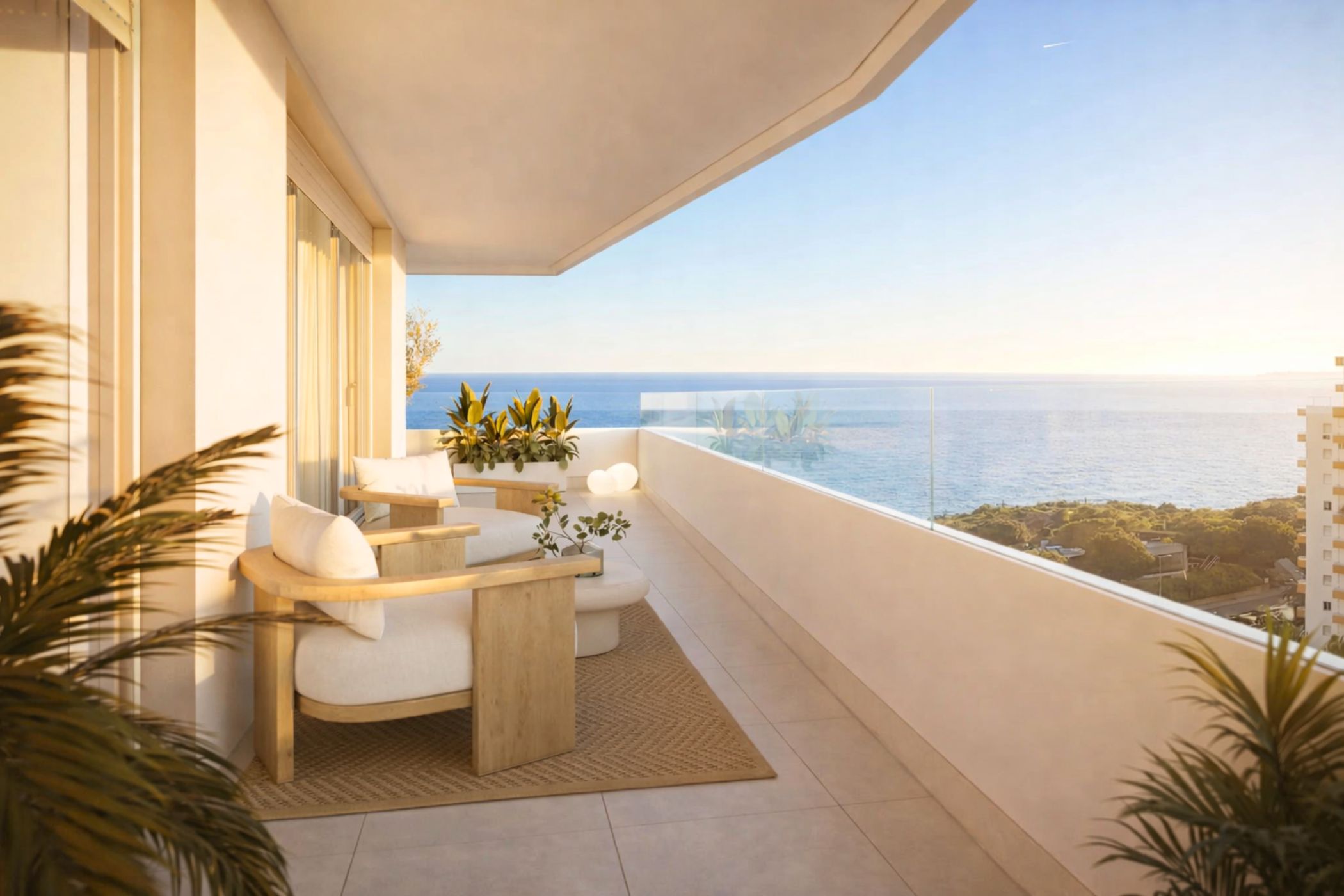
The major sub-zones for international buyers cluster on the central Algarve between Lagos and Faro. Vilamoura is the largest planned resort community in Portugal — anchored on Europe's largest small-boat marina, with five championship golf courses, the integrated resort hotels, and a residential-and-villa community that is among the most internationally diverse of any single Portuguese town. Quinta do Lago and Vale do Lobo immediately west of Faro are the most discreet and most established luxury communities — golf-resort estates with the architectural-controlled villa stock, the long-running local management infrastructure, and a buyer base that is dominated by long-term British, Irish, Dutch and German owners. Lagos at the western end of the central strip is the working harbour town turned residential resort — the historic walled town centre, the Ponta da Piedade cliff coastline, and the Praia de Dona Ana beach as its anchors. Albufeira and Carvoeiro in between are the more accessible, more value-oriented options. Faro, the regional capital, has its own residential market in the historic Cidade Velha and the Marina de Faro — quieter than the resort coast but with the practical advantage of being three minutes from the international airport.
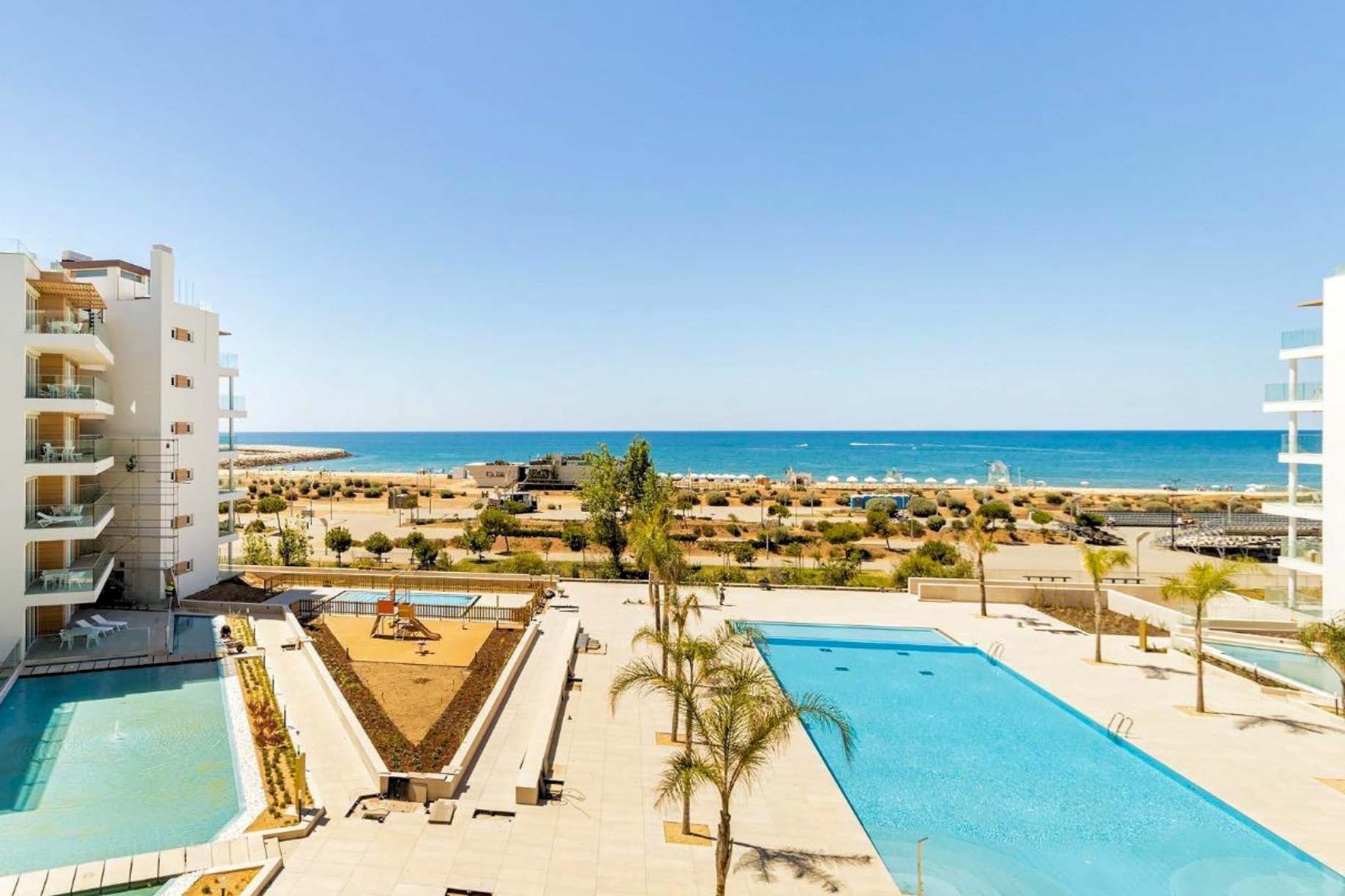
The international buyer mix in the Algarve is the most diverse of any Portuguese region. Historically British (the British presence on the Algarve dates from the 1960s and remains the largest single foreign cohort), with strong Irish, Dutch, German, Belgian and Scandinavian contingents, a meaningful French presence on the eastern Algarve, and a fast-growing American share following the post-2020 second-home migration. Portuguese buyers from Lisbon and Porto have always anchored the year-round residential market. Climate-wise, the Algarve runs 15–18°C (high 50s°F to mid-60s°F) in winter — meaningfully milder than the rest of mainland Portugal — to 26–30°C (high 70s°F to high 80s°F) in July and August, with sea temperatures above 20°C (68°F) from June through October. The usable beach season runs from late April through early November, the longest of any mainland European coast. Best for: design-led couples and families who want the most internationally serviced Portuguese second-home market, who value the deep golf-and-resort infrastructure of Vilamoura and Quinta do Lago, and who appreciate a coast where English-speaking infrastructure has been built up over half a century.
Lisbon and the Estoril Coast
Lisbon is one of the most architecturally distinctive small capital cities in Europe and the second principal anchor of Portugal's international second-home market. The city sits on seven hills above the Tagus estuary at the point where Europe's longest river meets the Atlantic, with a building stock that runs from the Manueline-era 16th-century maritime architecture of Belém through the Pombaline late-18th-century reconstruction of the Baixa (the orderly grid built after the 1755 earthquake) and the Belle-Époque 19th-century expansion of the Avenida da Liberdade and Príncipe Real, to the contemporary architectural interventions across Parque das Nações and the riverside. Inside the city, the principal sub-zones for international buyers cluster on the historic central districts. Príncipe Real on the western hill above the Bairro Alto is the most architecturally photogenic sub-zone — Belle-Époque townhouses around the Praça do Príncipe Real garden, the antiques quarter on the Rua Dom Pedro V, and the EmbaiXada concept-store palace as a local landmark. Lapa immediately south is the embassy-and-villa quarter — quieter, more residential, with the views over the Tagus from the Jardim da Estrela.
Chiado and Baixa in the central city give owners the most photogenic Lisbon — the Pombaline grid streets between the Praça do Comércio on the river and the Rossio square, with the Carmo convent ruins on the upper edge, and the historic shopping streets of the Rua Garrett and the Rua do Carmo. Alfama immediately east is the medieval old-town district that survived the earthquake — narrow stepped streets, fado houses, the Castelo de São Jorge above and the Sé cathedral below. Belém further west on the river is the Manueline maritime quarter — the Jerónimos Monastery, the Torre de Belém, the Padrão dos Descobrimentos, and the modern MAAT (Museum of Art, Architecture and Technology) as the contemporary anchor. The Gulbenkian Museum in the Avenidas Novas district is one of Europe's great small private collections, and the Museu Nacional do Azulejo in the eastern Madre de Deus convent holds the country's definitive collection of the painted-tile tradition that runs through every Portuguese building of significance.
The Estoril Coast immediately west of Lisbon is the city's traditional resort extension. Cascais at the western end of the line is the most internationally-known of the coastal towns — historically the summer residence of the European royal exiles after WWI and WWII (the last Spanish, Italian, Romanian and Bulgarian royal families all kept Cascais houses), with the marina, the Boca do Inferno coastal walk, and the Casa de Santa Maria on the Cidadela headland. Estoril immediately east is the formal-resort companion — the Casino Estoril (still the largest in Europe), the seafront promenade, and the historic five-star hotel stock from the 1930s. The Sintra hills behind, a short drive inland, are a UNESCO World Heritage cultural landscape built around the Pena Palace, the Quinta da Regaleira, the Monserrate gardens and the Castelo dos Mouros — one of the most architecturally fantastical landscapes anywhere in Europe and a permanent neighbour for Lisbon and Cascais owners. The owner mix here is British, French, German, Brazilian, American and Dutch with a strong long-established Portuguese-Lisbon residential base. Climate runs 10–16°C (50s°F to low 60s°F) in winter to 22–28°C (low 70s°F to low 80s°F) in summer (the Atlantic keeps Lisbon summers cooler than the inland) — and the usable cultural calendar runs all twelve months. Best for: cultural enthusiasts who want a base for repeated short stays through the year rather than a single long holiday; international owners who already work between two or three European cities and want a Portuguese capital as one of them; and buyers who treat the architectural and culinary depth of Lisbon as the primary destination rather than a gateway.
Comporta and the Silver Coast
Comporta is the most discreet international beach destination in mainland Europe and Portugal's most architecturally distinctive coastal community. The Comporta peninsula sits 90 minutes south of Lisbon across the Tagus estuary, on a 60-kilometre stretch of Atlantic beach backed by umbrella pines and rice paddies that has been deliberately under-developed since the 1950s under the careful stewardship of the Espírito Santo family (the historic local landowners). The architectural vernacular is specific — thatched-roof low-slung wood-and-stucco beach houses, often raised on stilts above the sand, painted in muted whites and ochres, with simple lines that have been imitated worldwide as the "Comporta style". The principal villages — Comporta itself, Carvalhal, Pego, Aberta Nova, Melides — each retain their original fishing-and-farming character despite the steady inflow of international second-home owners over the past two decades.
The Comporta proposition is fundamentally different from the Algarve's. Where the central Algarve is the most-developed, most-international Portuguese coast, Comporta is the most carefully preserved — strict planning controls, architectural review boards, no high-rise development, no large hotels, and a deliberate cultivation of low-density resort character. The buyer base reflects this: French, Belgian, Brazilian, American and Lisbon-based Portuguese owners with a substantially higher discretion-to-fame ratio than the Algarve. The Sublime Comporta and Quinta da Comporta hotels anchor the local hospitality scene; the Praia da Comporta and Praia do Pego beaches are among the most photographed in Europe; the Herdade da Comporta agricultural estate covers most of the peninsula and continues to operate the rice paddies and pine forests that give the area its visual character.
The Silver Coast (Costa de Prata) running north from Lisbon up through Ericeira, Peniche, Nazaré and Óbidos to the Tagus estuary at Figueira da Foz is the second principal Portuguese coastal alternative to the Algarve. Ericeira is a designated World Surfing Reserve — the only one in Europe — and the surfing scene anchors the local economy. Peniche and the Berlengas archipelago just offshore give the Silver Coast its protected-marine-park character. Nazaré further north is famous for the giant winter swells at the Praia do Norte (the largest wave ever surfed was at Nazaré in 2017). Óbidos, ten kilometres inland, is one of Portugal's most preserved walled medieval towns. The Silver Coast is colder than the Algarve in winter (8–13°C / mid-40s to mid-50s°F) but milder than Lisbon, with a usable beach season running from May through September.
The owner mix in Comporta and on the Silver Coast skews French, Belgian, American, Brazilian and Lisbon-Portuguese, with the Comporta cohort in particular having a substantially higher proportion of design-and-architecture-led buyers than any other Portuguese region. Climate in Comporta runs 10–16°C (50s°F to low 60s°F) in winter to 22–28°C (low 70s°F to low 80s°F) in summer (the Atlantic keeps the peninsula cooler than the inland Alentejo behind), with sea temperatures climbing past 20°C (68°F) by July and staying above through September. Best for: design-led buyers who want the most architecturally distinctive Portuguese coastal community, the deliberately under-developed character of the Comporta peninsula, and the practical proximity to Lisbon as the cultural-and-airport anchor.
Porto and the Douro Valley
Porto is Portugal's second city and arguably the most architecturally interesting small Iberian city of the past three decades. The city sits on the steep north bank of the Douro River at the point where the river meets the Atlantic, with the granite-and-tile historic centre spilling down the cliff in narrow stepped streets — the Ribeira waterfront, the Sé cathedral on the upper plateau, the Clérigos tower as the city's vertical landmark, and the São Bento railway station with its blue-and-white azulejo-tile interior. Across the river in Vila Nova de Gaia are the historic port wine lodges — Taylor's, Graham's, Ferreira, Sandeman, Dow's, Croft and the rest — where the wine has been aged for two centuries. The principal residential sub-zones for international buyers cluster on Foz do Douro (the prosperous Atlantic-facing residential district at the river mouth), Boavista (the contemporary cultural centre, anchored on the Casa da Música and the Serralves Museum and gardens), and the Porto historic centre itself (the UNESCO-listed riverside district).
The cultural depth of Porto is one of the under-discussed advantages of a northern Portuguese share. The Casa da Música by Rem Koolhaas is one of Europe's great post-2000 cultural buildings and the home of the Orquestra Nacional do Porto. The Serralves Museum and gardens — Álvaro Siza's contemporary art museum set in the gardens of an Art Deco country house — is the country's leading contemporary collection. The Museu Nacional Soares dos Reis in the historic centre holds the city's classical collection. The Porto restaurant scene — The Yeatman, Pedro Lemos, Antiqvvm, Vila Foz, Cantinho do Avillez — has matured significantly over the past decade and is now one of the most internationally regarded small-city scenes in Iberia. And the Instituto dos Vinhos do Douro e do Porto regulates the historic port wine and Douro DOC appellations across both the city and the Douro Valley behind.
The Douro Valley behind Porto is one of the most photographed wine landscapes in Europe and the world's oldest demarcated wine region (1756). The valley runs east from Régua through Pinhão to the Spanish border, with the steep schist-and-slate slopes terraced for vineyards across both banks of the river. The historic quintas — Quinta do Vesúvio, Quinta da Roêda, Quinta do Bomfim, Quinta de Vargellas — are the wine producers' country estates and increasingly the second-home market's most distinctive residential typology. Pinhão is the valley's anchor town — the historic railway station with the famous azulejo panels depicting the wine harvest, and the principal rabelo-boat moorings on the river. The valley is accessible from Porto by a 90-minute drive on the IP4 motorway or, more memorably, by the historic CP Linha do Douro railway which runs along the south bank from Porto to Pocinho through some of the most photographed train scenery in Europe.
The owner mix in Porto and the Douro is more domestically anchored than the Algarve or Lisbon, with the international cohort dominated by British, French, German, Belgian, American and Brazilian buyers — many of whom are wine enthusiasts who treat the Douro as their primary or secondary base. Climate in Porto runs 5–12°C (low to mid-50s°F) in winter (Porto is the rainiest of the Portuguese cities), warming to 20–26°C (high 60s°F to high 70s°F) in summer; the Douro Valley behind runs colder in winter and meaningfully hotter in summer (30–38°C / high 80s°F to high 90s°F) due to its inland-river-canyon microclimate. Best for: wine-and-food sophisticates who want the depth of the Douro and Port wine appellations at their doorstep, cultural enthusiasts who treat the Casa da Música and Serralves as permanent neighbours, and buyers who want the most architecturally interesting small-city Iberian alternative to Lisbon.
Madeira and the Azores
Madeira is Portugal's year-round sub-tropical island, sitting in the Atlantic 1,000 kilometres south-west of Lisbon on the latitude of Casablanca and roughly 400 kilometres west of the Moroccan coast. Daytime temperatures rarely fall below 18°C (64°F) in any month of the year, and rarely exceed 26°C (79°F) even in August — the most consistently equable climate in the European Union and one of the few in the world where the difference between January and July daytime averages is less than ten degrees. For a Northern European fractional buyer, Madeira is the answer to a quite specific question: where in the EU can I own a year-round-usable winter-sun base inside a single passport, single tax framework and single language, on the latitude of southern Florida?
Funchal is the island's capital and the principal residential market — the historic centre running up the steep slopes from the harbour, the Avenida do Mar seafront, the Lido and Sé districts as the principal residential sub-zones. The famous Reid's Palace (Belmond) and Cliff Bay hotels anchor the seafront luxury hospitality scene. The Monte hill above Funchal — accessible by the historic cable car — is the older summer-villa quarter, with the famous Monte Palace tropical gardens as a local landmark. Câmara de Lobos west of Funchal is the working fishing harbour town that Churchill painted in his 1950s Madeira holidays. The island's interior — the Pico Ruivo peak (1,862m) and the deep valleys around Curral das Freiras and São Vicente — give Madeira a hiking-and-walking proposition unlike any other Atlantic island, with the famous Levada water-channel walks running for hundreds of kilometres across the high country.
The Azores are Portugal's nine-island Atlantic archipelago 1,500 kilometres west of Lisbon — the EU's westernmost territory, sitting roughly halfway between Lisbon and Newfoundland. The islands are volcanic, dramatically green, and one of the most under-visited European destinations. São Miguel is the largest and the principal residential anchor — anchored on Ponta Delgada as the capital and the lakes of the Sete Cidades and Furnas craters. Terceira, Faial, Pico, Graciosa, São Jorge, Flores, Corvo and Santa Maria are the smaller islands. The Azores climate is mild (14–17°C / high 50s°F to mid-60s°F in winter, 22–25°C / low to high 70s°F in summer) but markedly wetter than Madeira — the islands sit in the path of the Atlantic weather systems and rain is a regular feature. The owner mix is dominated by Portuguese mainland buyers and an unusually high proportion of American Portuguese-diaspora owners (the New England Portuguese-American community has historic ties to the Azores).
The owner mix on Madeira is heavily British, German, Dutch, Scandinavian and Russian — the traditional Northern European winter-sun cohort, with an unusually high proportion of part-year residents (those who use their property eight to twelve weeks a year, typically in two or three winter trips of three to four weeks at a time). Climate as noted runs 17–25°C (mid-60s°F to high 70s°F) year-round on the Funchal south coast, with the north coast cooler and wetter. Sea temperatures stay above 18°C (64°F) year-round and climb to 23°C (73°F) in late summer. Best for: Northern European buyers who want a true year-round-usable winter-sun base inside the EU, with the most equable climate in Europe, the deep walking-and-nature proposition of the island interior, and the long-running tradition of catering to international second-home owners outside the Mediterranean.
A year in your Portuguese co-ownership home
Spreading a minimum of 44 to 45 nights of use across a calendar year is itself a skill — and one of the unsung benefits of owning across multiple Portuguese regions through one portfolio is that you can match the season to the property rather than the property to the date. Portugal is unusually well-suited to this kind of multi-region thinking because the country's geography — from the sub-tropical Madeira to the colder northern Douro — means there is essentially always somewhere in your portfolio that is at its best in any given month. Below is a country-level walk through the year, with the particular weeks that owners across the COP network return to most often. The pattern is broadly the same across all eight co-owners of a given property, with the calendar mechanics ensuring every owner gets a fair allocation of peak weeks across a multi-year cycle. Owners who are flexible enough to use shoulder weeks (rather than competing for August on the Algarve or Christmas in Madeira) consistently report a higher use-quality from their share than those who insist on peak.
Spring (March–May)
Portuguese spring is, by some measures, the most rewarding of the four seasons for a fractional owner with calendar flexibility. March on the Algarve is already running at 17–21°C (low to high 60s°F) in the day, the almond blossom is in full flower across the inland Serra de Monchique, and the spring restaurant calendar has reopened from the quiet February pause. April brings the Lisbon spring season at its best — the jacaranda trees coming into purple bloom across the central districts (Avenida da Liberdade in particular), the cultural calendar at its springtime peak, and the daytime temperature window of 17–22°C (low to low-70s°F) ideal for the long walking exploration of the historic centre. The Comporta peninsula in April is at its working agricultural peak — the rice paddies flooded for the spring planting, the umbrella pines fully leafed, the Praia da Comporta beach essentially empty before the May reopening of the local restaurants.
May is the month many seasoned Portuguese-property owners insist on. The Algarve is at its absolute peak — the wildflowers across the inland Serra at their most photographed, the central resort towns running on shoulder-season pricing but full restaurant availability, the sea warming enough by mid-May for the first proper swimming days of the year. The Douro Valley in May is at its visual peak — the vines fully leafed across the terraced slopes, the river running high from the spring snowmelt in the inland mountains, the Pinhão restaurants reopening for the summer season. Madeira in May is the locals' favourite alpine season — the famous Festa da Flor (Flower Festival) runs in late April and early May, the Funchal botanical gardens are at their photographed best, and the daytime temperature window of 20–24°C (high 60s°F to mid-70s°F) is the most consistently rewarding climate the island delivers.
Summer (June–August)
The Portuguese summer pattern is well-defined and worth understanding before allocating weeks. June on the Algarve is the secret month — warm enough for swimming (sea temperatures climb past 20°C (68°F) by mid-June), the village calendars at their pre-peak best, the long evening light at its softest, and the high-summer crowds still a fortnight away. July brings the high season proper — the Portuguese school holidays begin around the 22nd of June — and a noticeable shift in restaurant pace, beach availability and traffic on the Algarve coast roads. The Northern European summer holidays begin to stack from mid-July onward; the central Algarve in particular reaches its highest-density visitor week in the seven days either side of the third weekend in July.
August in Portugal divides cleanly between coast and city. The Algarve, Comporta and the Silver Coast are at their absolute peak — and their most expensive — with restaurant booking windows in the prime resorts stretching to three to five weeks ahead, villa staff calendars pre-allocated, and the central Algarve coast roads running at peak congestion. Lisbon and Porto in August, by contrast, follow the same exodus pattern as Paris — many traditional restaurants close, the central districts empty (Lisboetas head to the Algarve or Comporta, Portuenses to the Silver Coast or the Alentejo), and the cities are at their quietest and (paradoxically) most pleasant for a visitor with no work obligations. Madeira in summer runs warm but not extreme — daytime temperatures stay in the 22–26°C (low to high 70s°F) band even in August, and the island delivers a different summer proposition from the mainland coast (cooler, breezier, hike-rather-than-beach).
Autumn (September–November)
For many seasoned Portuguese-property owners, autumn is the favourite. September on the Algarve and at Comporta is the locals' month — sea temperatures still above 22°C (72°F) through most of the month, daytime air around 25–28°C (high 70s°F to low 80s°F), the August crowds dispersed within ten days of the new school term starting, restaurants taking reservations again the same week you ask. The vindima — the Portuguese grape harvest — runs through September and October across the Douro for port and table-wine production, the Vinho Verde region in the Minho, the Alentejo and the Setúbal peninsula; owners who care about wine increasingly time at least one stay around the harvest. The Douro Valley in particular is at its photographed best in late September and October, with the terraced vines turning gold and red across the slopes.
October and November in Portugal divide cleanly. The Algarve stays mild — daytime highs around 22–25°C (low to high 70s°F) through October, dropping to 17–20°C (low to high 60s°F) by mid-November, with swimming generally finished by late October but everything else still very much open. Lisbon and Porto enter their golden cultural months: the new opera and concert calendars at the Teatro Nacional de São Carlos in Lisbon and the Casa da Música in Porto open in October; the autumn art and design calendars run at their busiest; and the cities at their photogenic-shoulder-season best. The Douro Valley in October and November is at its agricultural-calendar peak — the wine harvest finishing, the autumn light across the river canyon at its most photographed, and the inland restaurants running through the shoulder. Madeira through autumn begins filling again as the Northern European winter-sun migration starts; daytime temperatures stay reliably in the 20–24°C (high 60s°F to mid-70s°F) band, and owners who use the island in October–November consistently report it as their preferred window — warm but not crowded, stable weather, the long Atlantic light at its most photogenic.
Winter (December–February)
Winter is, for the majority of Portuguese co-ownership owners, the moment Madeira and the southern coast shares earn their place. Madeira in winter is the European winter-sun benchmark inside the EU — December, January and February all run reliably in the 17–22°C (mid-60s°F to low 70s°F) band on the Funchal south coast, with sea temperatures still above 18°C (64°F) for cold-tolerant swimmers and the trade winds at their lightest. The classic winter week in a Madeira villa — long warm mornings on the south coast, an afternoon trip up to the Pico do Areeiro or the Monte gardens, dinner in one of Funchal's increasingly serious restaurants, the long sunsets that the Atlantic latitude produces — is the kind of weather window that Northern Europeans pay long-haul prices to reach in the Caribbean and that Madeira delivers inside the EU, in euros, on a four-hour flight.
The Algarve in winter is the secondary winter-sun option — 14–18°C (high 50s°F to mid-60s°F) daytime, far quieter than summer, with the central resort coast running at its long-stay-resident best (Vilamoura, Quinta do Lago and the central Algarve attract a substantial October-through-March seasonal-resident population from northern Europe). The Lisbon and Porto cultural seasons are at their winter peak — the Portuguese cultural calendar (Christmas markets, the Carnival in February in some inland towns, the traditional Festas dos Santos Populares running into June) gives city-share owners a continuous reason to return through the cooler months. Comporta and the Silver Coast in winter are dramatically beautiful — the umbrella pines silver-green against the winter Atlantic, the beach essentially empty, the local restaurants on a winter rhythm. The Douro Valley in winter is its quietest version — the vines bare, the river running clear, the historic quintas open for tours and tastings, and the CP Linha do Douro railway running its winter schedule along the south bank.
Who buys in Portugal, and why
The international buyer mix in Portuguese fractional ownership is the most diverse of any European market relative to country size. British buyers have anchored Portuguese second-home ownership for more than fifty years and remain the largest single foreign cohort across the Algarve, with growing presence in Lisbon, the Silver Coast and Madeira. Irish buyers are the second-largest cohort by per-capita measures, particularly concentrated on the central Algarve. German, Dutch, Belgian and Scandinavian buyers form the bulk of the rest of the Algarve and Madeira buyer base. French buyers dominate the Comporta peninsula and have a fast-growing share in Lisbon. American buyers are the fastest-growing cohort across all the Portuguese clusters — drawn to Lisbon for the cultural depth, the Algarve for the lifestyle, Comporta for the discretion, and Madeira for the year-round climate. Brazilian buyers are a substantial and historically anchored cohort across all clusters, with the strongest presence in Lisbon and Cascais. The post-2009 NHR (Non-Habitual Resident) tax regime brought a meaningful Russian, Turkish, Indian and Chinese buyer cohort which has stabilised at lower volumes following the regime's 2024 reforms.
The age-and-life-stage profile is in some respects more relevant than the nationality breakdown. The largest single buyer cohort across the Portuguese portfolio is in the 50–70 age band — owners whose primary income is established, whose children are at university or beyond (which gives them more calendar flexibility than the working-family cohort), and whose long-run thinking on the second home runs to the next 20–25 years. The second-largest cohort is the 40–55 age band — typically dual-income professional couples with school-age children, who use their share around school holidays and value the operational simplicity of a fully managed property. The third and fastest-growing cohort is the 65–80 age band — empty-nesters and recent retirees who want a winter-sun or culturally-rich EU base inside a single passport and currency.
Portuguese co-ownership tends to suit a small number of well-defined buyer profiles:
- Active families with school-age children choosing the Algarve — buyers who treat the central Algarve as their primary summer base, who use Vilamoura, Quinta do Lago or Vale do Lobo's deep golf-and-resort infrastructure as the central proposition, and who value the long English-speaking professional ecosystem.
- Cultural enthusiasts choosing Lisbon, Cascais or Porto — buyers for whom repeated short stays through the year are the central use pattern. The Portuguese cities reward this multi-trip pattern more than they reward any single long stay.
- Design-led couples choosing Comporta — buyers who want the most architecturally distinctive Portuguese coastal community, the deliberately under-developed character of the peninsula, and the practical proximity to Lisbon as the cultural-and-airport anchor.
- Wine-and-food sophisticates choosing the Douro — buyers who use the seasonal harvest calendar as the framing of their year, who value the density of port-and-table-wine appellations within an hour's drive, and who treat the Porto cultural infrastructure as a permanent neighbour.
- Winter-sun owners choosing Madeira — buyers who need a reliable December-through-March warm-weather base inside the EU, with the most equable climate in Europe and the deep walking-and-nature proposition of the island interior.
- Multi-region Portuguese portfolios — increasingly, owners who add a Madeira winter share to an Algarve summer share, or a Lisbon spring-and-autumn share to a Comporta summer share, using the same management relationship to access two or three completely distinct Portuguese propositions through the year.
Practicalities: getting there, what it costs, what you own
Airports and ground access by region
The major Portuguese gateway airports cluster around the principal second-home regions and almost all have direct service from the major Northern European cities year-round. For the Algarve: Faro (FAO) is the principal regional gateway with 100+ daily international services in season — direct from London (Heathrow, Gatwick, Luton, Stansted, City), Manchester, Birmingham, Bristol, Edinburgh, Dublin, Belfast, Amsterdam, Rotterdam, Brussels, Frankfurt, Munich, Düsseldorf, Berlin, Paris, Lyon, Marseille, Geneva, Zurich, Copenhagen, Stockholm, Oslo and Helsinki. Faro is 25 minutes from Vilamoura, 15 from Quinta do Lago, 60 from Lagos. For Lisbon, Cascais and Comporta: Lisbon-Humberto Delgado (LIS) is the principal long-haul gateway — direct from London (5 services), Amsterdam, Frankfurt, Paris, Madrid, New York, Boston, Washington DC, Newark, Toronto, Miami, Dubai, São Paulo, Rio de Janeiro and Luanda. Lisbon is 20 minutes from central Lisbon, 35 from Cascais, 90 from Comporta. For Porto and the Douro: Porto-Francisco Sá Carneiro (OPO) with growing transatlantic service — direct from London, Amsterdam, Paris, Frankfurt, Munich, Brussels, Geneva and major US East Coast cities. Porto is 20 minutes from the historic centre, 45 from Foz do Douro, 90 from Pinhão in the Douro. For Madeira: Madeira (FNC) with year-round direct service from Lisbon (1 hour 40), London, Manchester, Frankfurt, Amsterdam, Paris and most major European hubs in season.
The Portuguese rail network is less developed than the major Continental systems but the principal city-to-city services are reliable. Comboios de Portugal (CP) runs the high-speed Alfa Pendular service between Lisbon and Porto in 2 hours 50 minutes, and the historic Linha do Douro railway from Porto to Pocinho through the Douro Valley is one of the most photographed train journeys in Europe. The road network across mainland Portugal is excellent — the A1 motorway (Lisbon-Porto), the A2 (Lisbon-Algarve), the A22 (Algarve coastal motorway from Sagres to the Spanish border), the A6 (Lisbon-Madrid via Évora), and the A24 (Vila Real-Chaves through the inland north) cover essentially every significant second-home cluster. For owners coming from London, Amsterdam, Paris, Frankfurt or Geneva, almost every Portuguese second-home cluster is accessible in under four hours door-to-door — the precondition for the high-frequency, short-stay use pattern that fractional ownership rewards.
Whole-property vs 1/8 share: the comparison
The comparison that matters to a fractional buyer is not "what does a Portuguese villa cost?" but "what does buying a share of a Portuguese villa do to my capital, my annual carry, my use, and my exit path versus the realistic alternatives?". The three honest alternatives for someone considering a Portuguese second home are: own the whole property; own a 1/8 share through COP; or rent each time you visit. The table below sets the three side by side in structural rather than absolute terms — specific figures vary by property and by year, but the ratios are the part of the picture that matters when you are deciding which structure to use.
| Whole second home | COP 1/8 fractional share | Long-term rental | |
|---|---|---|---|
| Upfront commitment | Full property value | ~1/8 of the property value | First/last/deposit only |
| Equity in the asset | Full appreciation | ~1/8 of appreciation | None |
| Annual carry | Full taxes, insurance, management, maintenance | ~1/8 of carry, fully managed | Full rent every year, indefinitely |
| Personal use | Up to 52 weeks (most use 6–10) | Set by the operator, professionally scheduled | Defined by lease |
| Operations burden | Owner-managed or hired staff | Fully included | Landlord-managed |
| Time to exit | 6–18 months on the open market | ~1 month on average across the COP portfolio | End of lease term |
What the table makes visible is that the most-cited Portuguese-property complaints — empty house, high running costs regardless of use, slow resale, the IMI/AIMI tax administration overhead — are not features of Portuguese property per se. They are features of the whole-ownership structure, and they go away as soon as you flip to a fractional share. The 1/8 share gives you something the rental column cannot give you (equity) and something the whole-ownership column cannot give you (proportional carry and managed operations) at the same time. The practical effect for the international owner is that a Portuguese second home that has historically been a complex, time-consuming proposition becomes a simple managed asset that delivers six to seven weeks of use a year against approximately 1/8 of the whole-property cost.
What's included in the annual service charge — and what isn't
The annual service charge on a COP-listed Portuguese property covers the full operational stack: IMI (Imposto Municipal sobre Imóveis — the municipal property tax), AIMI (Adicional ao IMI — the wealth-tax surcharge on higher-value property), insurance, professional management, the on-call concierge, the cleaning and linen service between owner stays, regular maintenance, the gardener, the pool service where relevant, the security system and the management of utilities. It is, on a per-share basis, roughly 1/8 of the carry on the equivalent whole property — and one of the under-appreciated advantages of the model is that the per-property running costs are spread across eight owners rather than borne entirely by one. What the service charge does not cover is large capital improvements (a roof rebuild, a pool replacement, an extension to the property — these are voted on by the owners and funded proportionally when they happen), personal-use additions (an owner who wants additional in-stay services beyond the standard concierge package pays for those directly), and damage caused by owner stays (the management company assesses and charges back).
What you actually own
You own a real 1/8 share of the home, not a right to use it, with each owner's proportional rights to use, expenses and capital appreciation set out in the home's agreements. The legal set-up is arranged by our partner for each home and walked through with you before you buy. Your share is transferable (you can sell it through the supported resale process), inheritable (you can pass it on to your heirs), and appreciates with the underlying property (a 25% rise in the Portuguese property's value over five years is a 25% rise in your share's value too). It is real ownership of a share of the home, sized to match the way affluent international buyers actually use a second home.
How fractional ownership works in Portugal
How co-ownership works for Portuguese property
Big decisions — selling the home, major works — are decided together by the co-owners, and the calendar, the annual service charge and the management arrangement are set out in the home's agreements.
Portuguese property tax: IMI, AIMI and the service charge
Portuguese second-home tax revolves principally around the IMI (Imposto Municipal sobre Imóveis), the municipal property tax that applies to all property. The IMI rate is set by each município within national bands (typically 0.3–0.45% of the assessed cadastral value), and the assessed value (the valor patrimonial tributário, VPT) is set by the Repartição de Finanças when the property is registered. AIMI (Adicional ao IMI) is the wealth-tax surcharge on higher-value property — 0.4% above €600,000 of cadastral value, 0.7% above €1 million, 1% above €2 million. Capital gains on Portuguese property sales by non-resident owners are subject to Portuguese tax under specific rules. For COP-listed Portuguese properties, IMI and AIMI are recovered through the annual service charge. How tax works depends on the country and the home's legal set-up, which our partner explains before you buy; we recommend independent advice.
Inheritance and transfer
Portuguese inheritance law historically operates a legítima system that reserves portions of a deceased's estate for specified close relatives — broadly comparable to Spain's and Italy's reserved-share systems — but the 2015 EU Succession Regulation allows owners domiciled in another EU country to elect to have their estate governed by their domicile country's succession law rather than Portuguese law. You can pass your share on to your heirs; how inheritance works depends on the country and the home's legal set-up, which our partner explains before you buy, and we recommend independent advice.
The professional management model and how the calendar works
Every COP-listed Portuguese property is operated by a professional management team responsible for the full operational stack: tax filings, insurance, the on-call concierge, the cleaning and linen turnaround between owner stays, the gardener, the pool service, the security, the utilities. The annual calendar rotates the 52 weeks across the eight owners on a fair-rotation basis — every owner gets a proportional share of peak weeks (Christmas, Easter, August on the Algarve, the Christmas-and-New-Year window in Madeira) across a multi-year cycle, and the rotation mechanics are set out transparently in the home's agreements. Owners typically receive their preferred weeks well in advance and can swap with other owners through a structured exchange when their plans change. The annual entitlement is a minimum of 44 to 45 nights; how those nights are spread is the owner's decision within the calendar slot they have been allocated.
Resale: how to exit, typical timelines
When an owner decides to sell, a professional resale process is in place. The resale path connects the exiting owner to the existing pool of buyers familiar with the model — owners on the waiting list for the specific property, owners across the portfolio looking to expand or relocate, and the broader pool of buyers actively shopping COP-listed Portuguese properties. Resale is handled through our partner's resale process, without you having to sell the whole house — compare the 6–18 months that whole-property Portuguese resales typically take on the open market, with carrying costs (IMI, insurance, management, the empty-house cost) running throughout.
The full mechanics of fractional ownership across all jurisdictions — usage calendars, exit procedures, rental income treatment, insurance, the transfer on death, the relationship with the management company — are covered in our co-ownership explained guide. For specific Portuguese property availability, browse the listings in the property grid above, or join our list for new-property alerts as they come to market.
Your ownership at a glance
- Real ownership — you own a real 1/8 share of the home, not a right to use it: you can sell it, pass it on to your heirs, and it rises and falls in value with the house. Not a timeshare, not a points membership.
- Fully managed throughout — the professional management team handles taxes (IMI, AIMI), insurance, maintenance, scheduling, linen, the on-call concierge. You arrive, the property is ready.
- Supported resale through the COP owner network — when you decide to exit, our partner's resale process lets you sell your share without having to sell the whole house.
Still deciding which Portuguese region?
If your use pattern centres on warm-weather beach and golf, the Algarve is the natural anchor. The central Algarve from Lagos through Vilamoura and Quinta do Lago combines the deepest international resort infrastructure in Portugal, the longest reliably warm season of any mainland European coast (nine months above 20°C / 68°F daytime), and the most established English-speaking professional services ecosystem in the country. The trade-off is that the central Algarve is also the most internationally developed strip of Portuguese coast — for owners who want a quieter alternative, the eastern Algarve from Tavira through to the Spanish border or the wilder western Algarve at Carrapateira and the Costa Vicentina deliver the same climate at meaningfully lower density. Our team can walk you through the regional differences before you make a decision.
If your use pattern centres on repeated short stays through the year and cultural depth, Lisbon and the Estoril Coast are the natural anchor. Lisbon rewards the multi-trip use pattern more than it rewards any single long stay — a March long weekend for the spring jacaranda bloom, a May week for the cultural-calendar peak, an October week for the autumn cultural-and-restaurant calendar, a December weekend for the Christmas markets and the Belle-Époque hotel-lobby dining. The proximity to Cascais (35 minutes), Sintra (40 minutes), Comporta (90 minutes) and the Alentejo behind gives Lisbon owners access to a remarkably dense network of weekend escapes from a single base. Comporta is the design-led alternative to the central Algarve — quieter, more architecturally distinctive, with a buyer base that prizes discretion and the deliberately under-developed character of the peninsula.
If your use pattern centres on year-round winter sun inside the EU, Madeira is the answer. The combination of the most equable climate in the European Union (17–25°C / mid-60s°F to high 70s°F year-round on the Funchal south coast), the long-running tradition of catering to Northern European winter-residential populations, the deep walking-and-nature proposition of the island interior, and the practical advantage of remaining inside the EU passport, currency and tax framework makes Madeira the most considered European winter-sun destination outside the Spanish Canaries. The trade-off is that Madeira is an Atlantic island — the climate is mild but not Mediterranean-warm, and the practical four-hour flight from Northern Europe makes it less suited to the multi-trip short-stay pattern than the mainland clusters.
Whichever way the decision goes, the deeper exploration starts on the cluster pages:
If you would like to talk through which Portuguese region best fits your family's actual use pattern — rather than the brochure version of it — join our list and we will be in touch with relevant new-property alerts and an introduction to the team.
Questions & Answers
Portugal Fractional Ownership — Frequently Asked Questions
Fractional co-ownership gives you real ownership of a share — typically 1/8 — of a luxury Portuguese property. The legal set-up is arranged by our partner for each home and walked through with you before you buy. Your 1/8 share entitles you to around six weeks of use per year, a proportional share of rental income from weeks you rent out, and 1/8 of the property's value when it eventually sells. Your ownership is a real asset that participates in Portugal's property market.
A timeshare is a usage right — no equity, no asset ownership, no participation in property appreciation. Fractional co-ownership is real ownership of a share of a Portuguese home. Your share has market value, grows with the property, and can be sold freely on the open market.
You own a real share of the home — an eighth, a quarter — not a right to use it. You can sell it, pass it on to your heirs, and it rises and falls in value with the house. The legal set-up is arranged by our partner for each home and walked through with you before you buy.
Portugal has been one of Europe's fastest-appreciating property markets over the past decade, driven by strong international demand, an attractive climate, relatively low property prices compared to western European peers, and consistent rental demand from tourism — Portugal receives over 25 million international tourists per year. The Algarve is a perennial favourite for UK, German, and Dutch buyers. Lisbon and Porto have attracted global attention. Supply in the most desirable Algarve resort areas is constrained by planning restrictions protecting the coastline.
Your 1/8 share gives you around six weeks per year, managed through COP's structured calendar with seasonal allocations and a rotating priority system for peak periods — particularly summer and Christmas in Algarve properties. Unused weeks can be rented or swapped with co-owners.
Many of our Portugal properties support short-term rental of unused weeks — and where permitted, it is an excellent way to offset your annual costs. COP's rental programme can list your unused allocated weeks on short-term rental platforms, with income paid directly to you after the platform fee. Many co-owners cover a meaningful portion of their annual service charge through rental income, particularly in high-demand locations.
That said, rental availability varies by location — some areas have local restrictions on short-term lets, and not all properties in our portfolio permit it. Always check the individual Portugal property listing to confirm whether short-term rental is available for that specific home before factoring rental income into your plans.
When you decide to exit, a professional resale process is in place. The supported resale process runs through the COP owner network — your Portugal fractional share is marketed to an existing audience of qualified prospects already familiar with fractional co-ownership, and you keep full control over price and timing.
Resale is handled through our partner's resale process, so you can sell your share without the whole house having to be sold. Note that some properties have a minimum holding period during the first year — check your specific property details before purchase.
COP's Portugal portfolio focuses on luxury villas and apartments in the Algarve, Lisbon, and the Silver Coast. All properties are fully furnished and professionally managed.
Browse the Portugal listings on COP's website. Each property shows the 1/8 share price, annual service charge, and usage details. Submit an enquiry and a COP specialist will contact you within 24 hours.
Also Explore
Get in Touch
Speak to an expert
Tell us what you're looking for and one of our co-ownership specialists will be in touch within 24 hours.