Co-Ownership Properties
Costa Blanca Fractional Ownership & Co-Ownership Properties
Not timeshare. Real ownership. Luxury second homes at a fraction of the cost. Whether you call it fractional ownership or co-ownership, you own a real share of the home.
5 properties · from €125,000
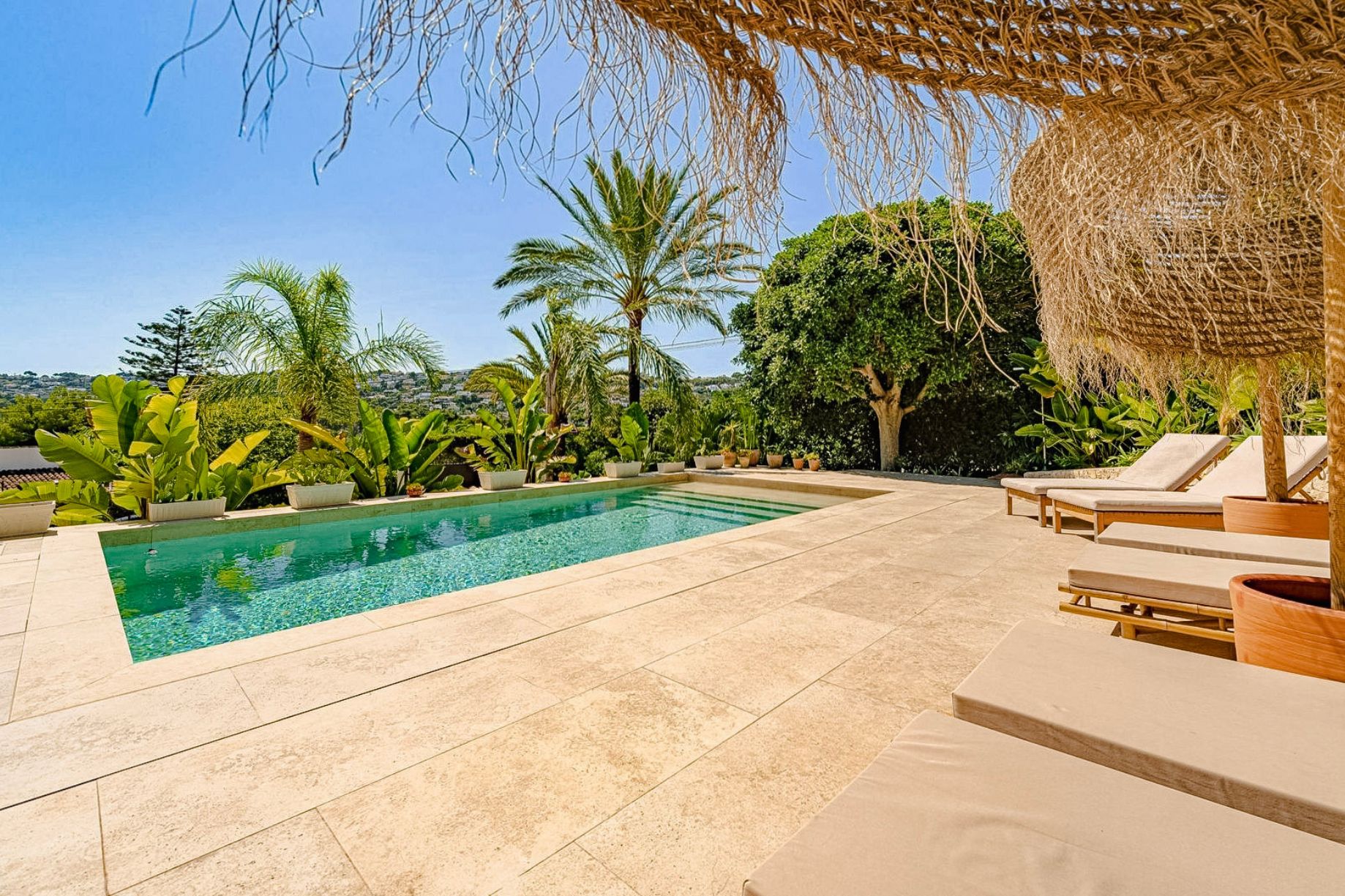
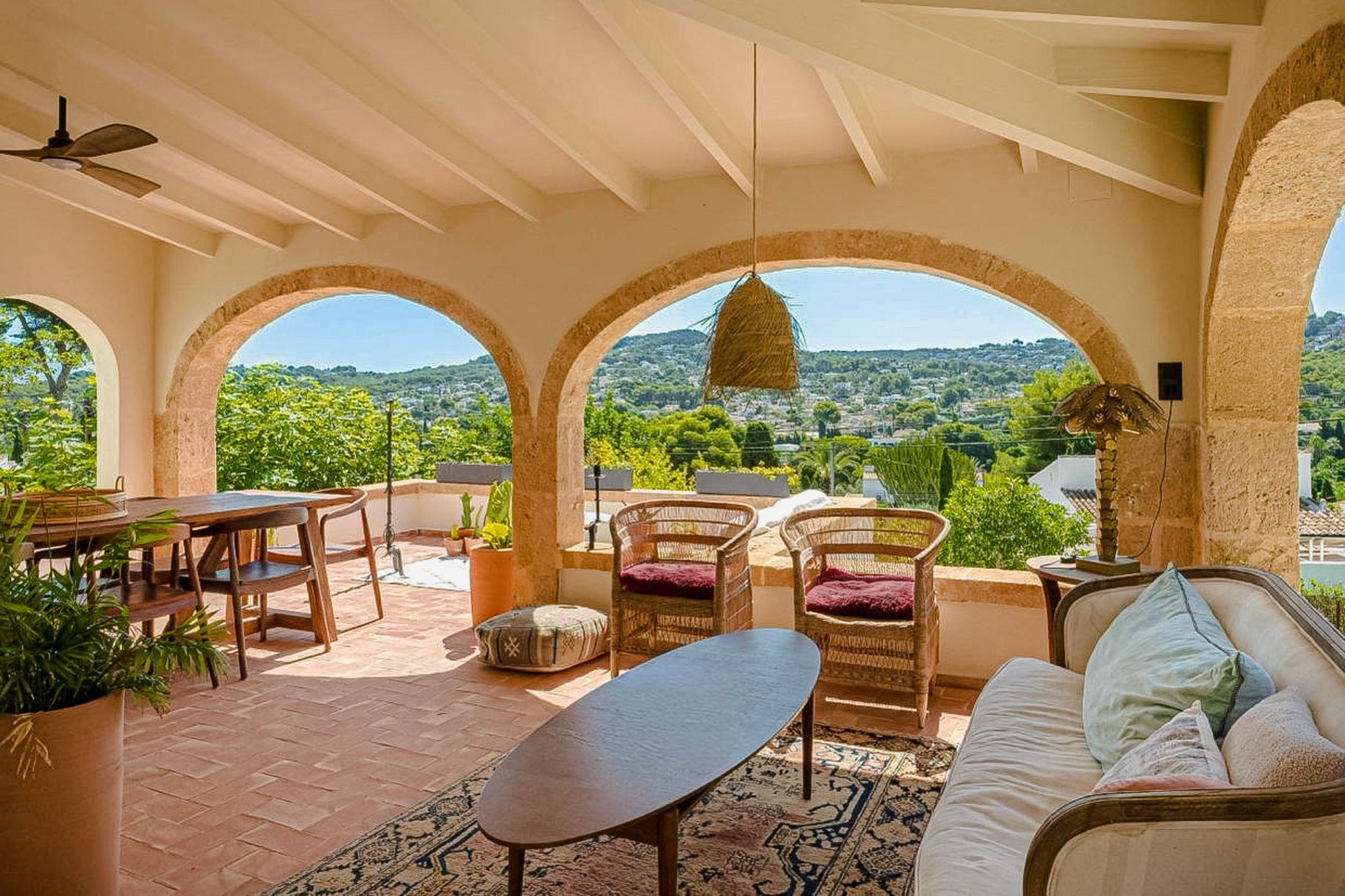
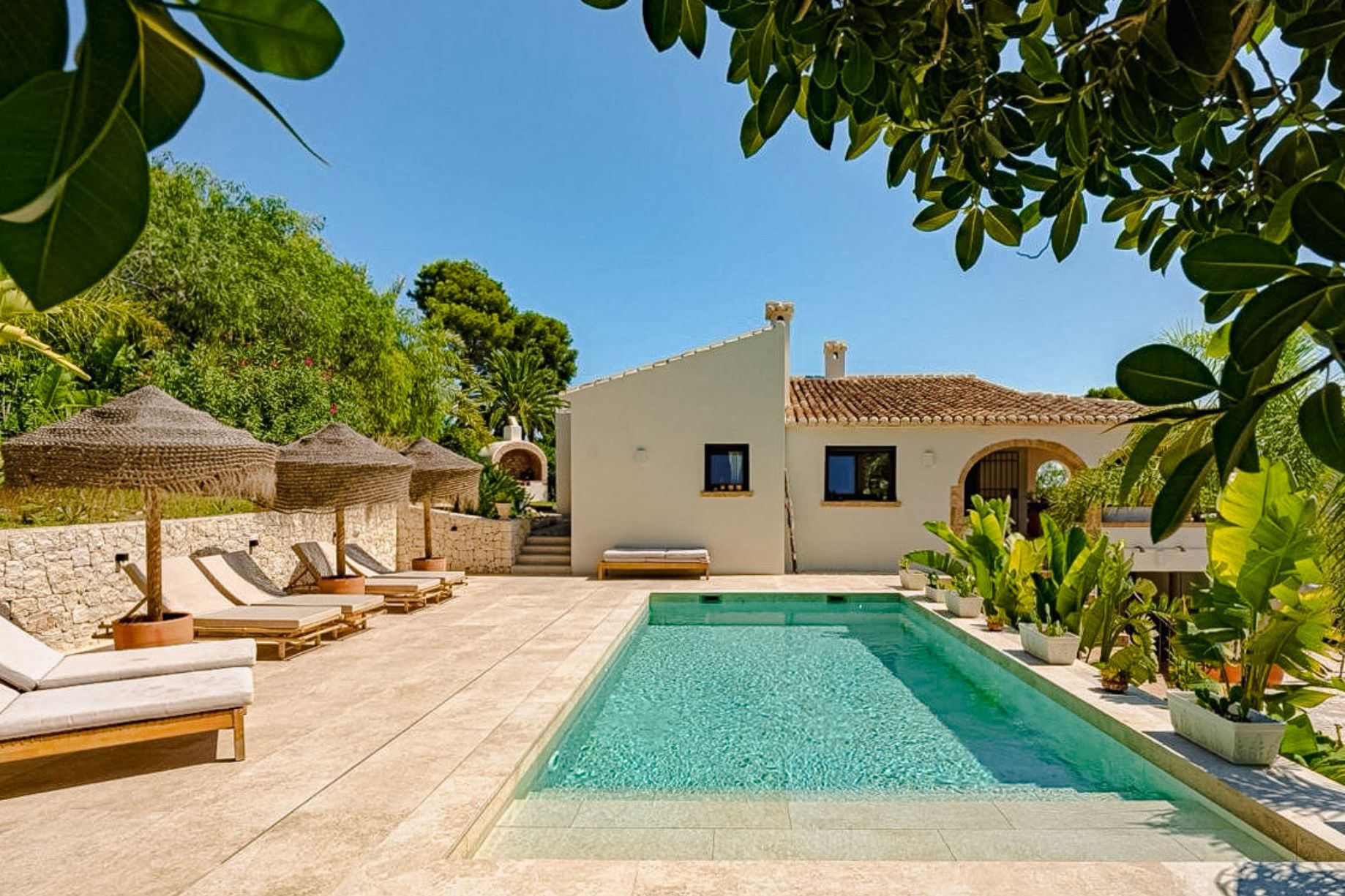
Xàbia, Costa Blanca, Spain — 3-Bed Villa With Countryside Views & Saltwater Pool
€229,000
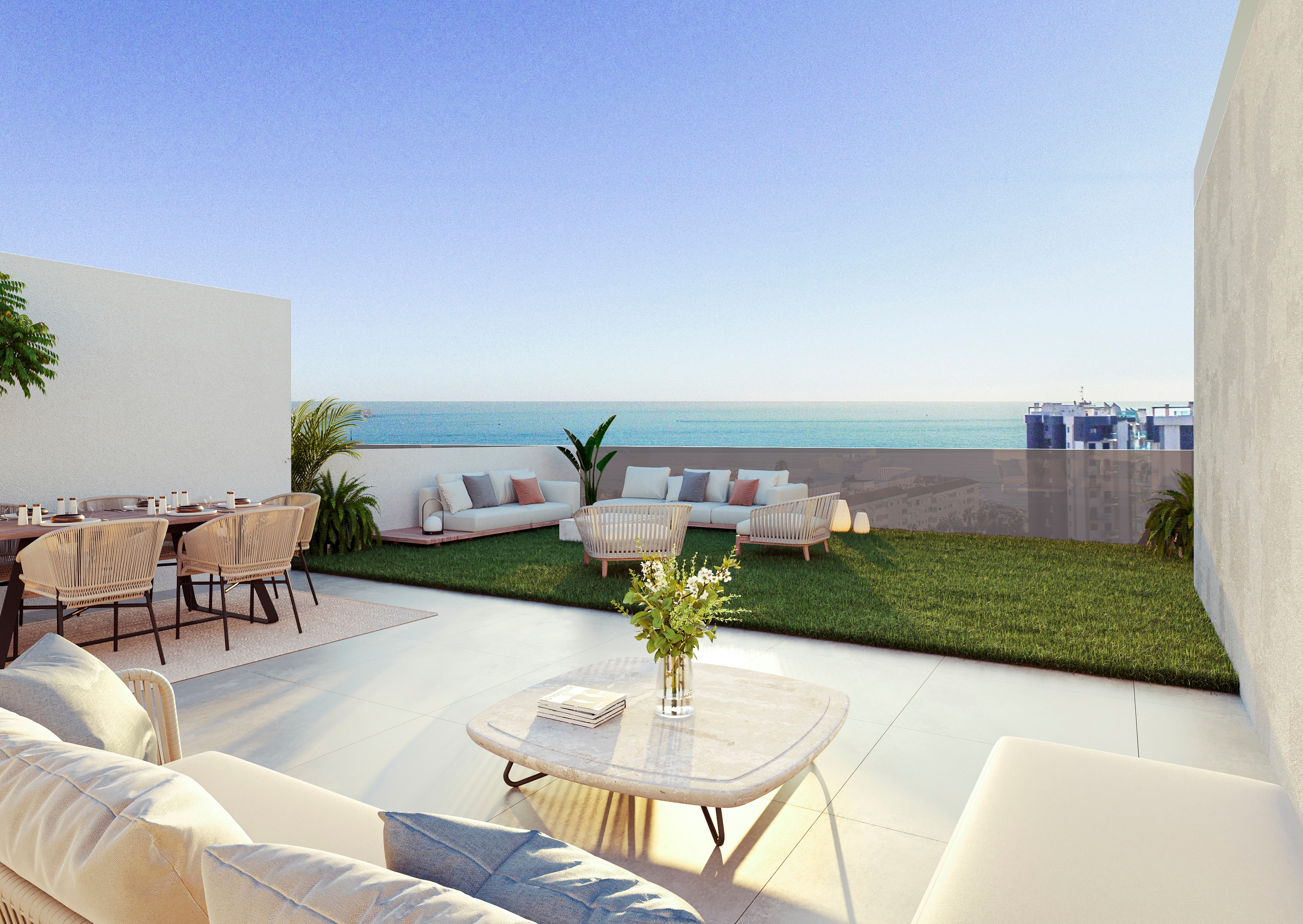
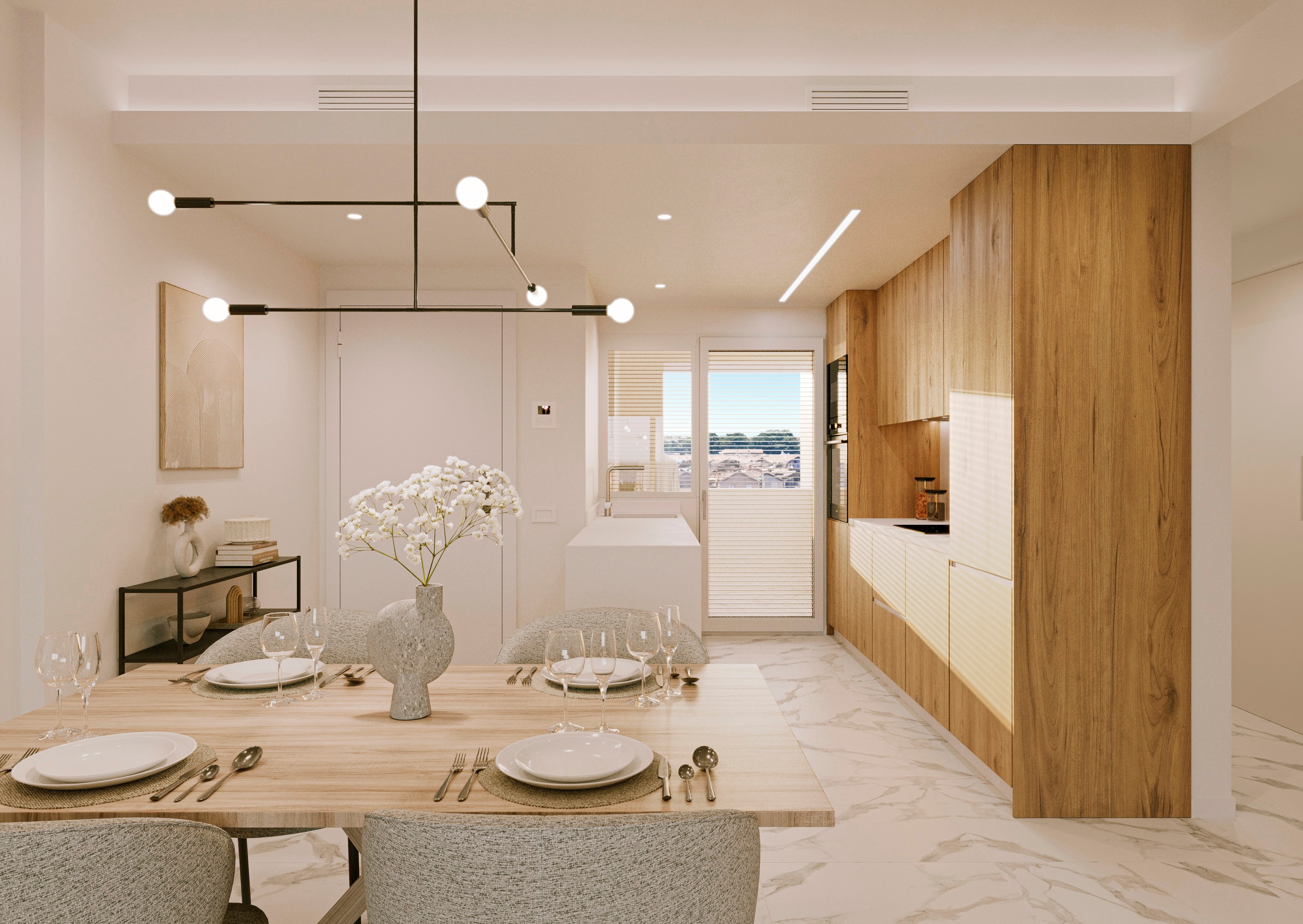
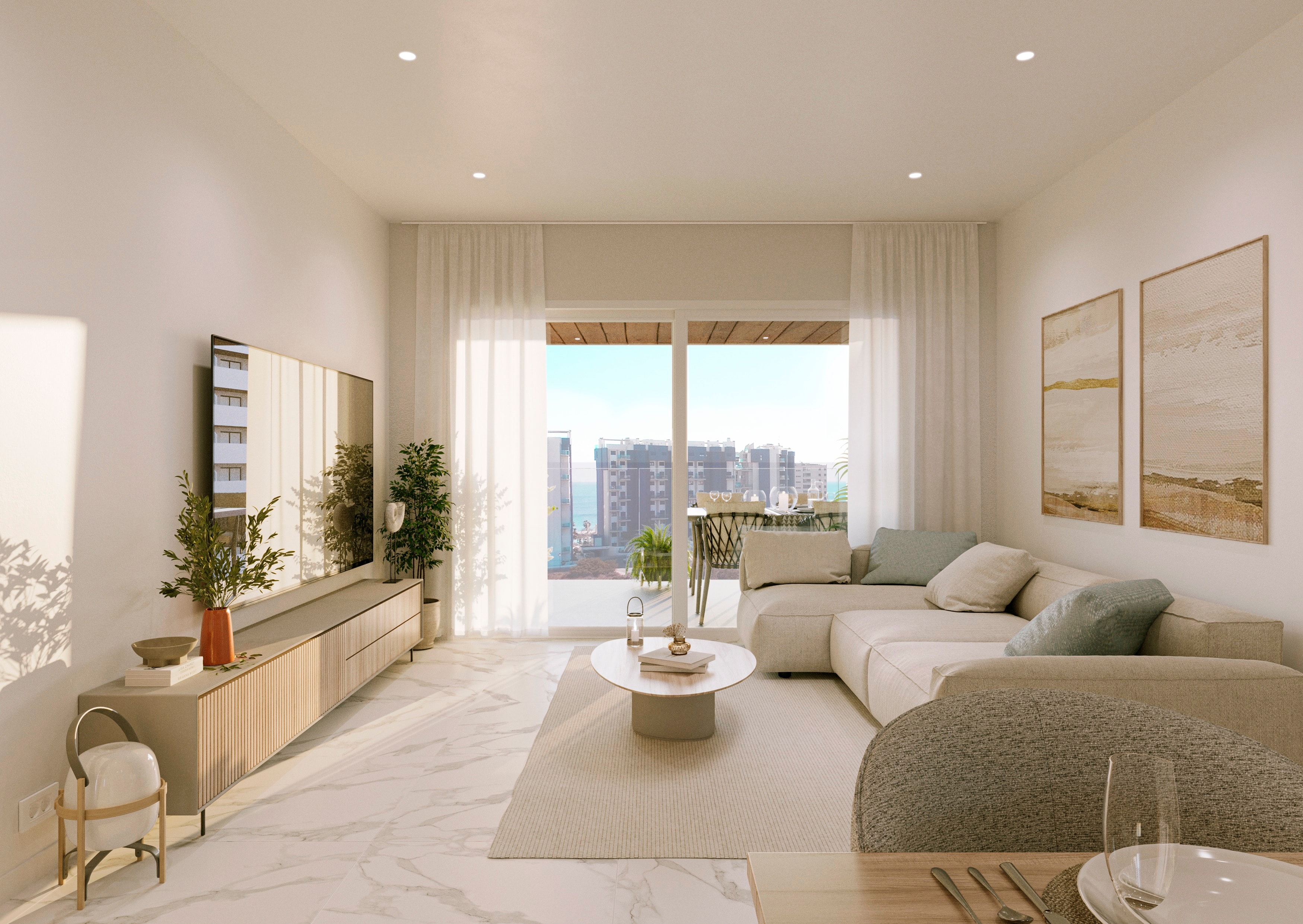
Punta Prima, Costa Blanca, Spain — 3-Bed Penthouse With Rooftop Jacuzzi
€125,000
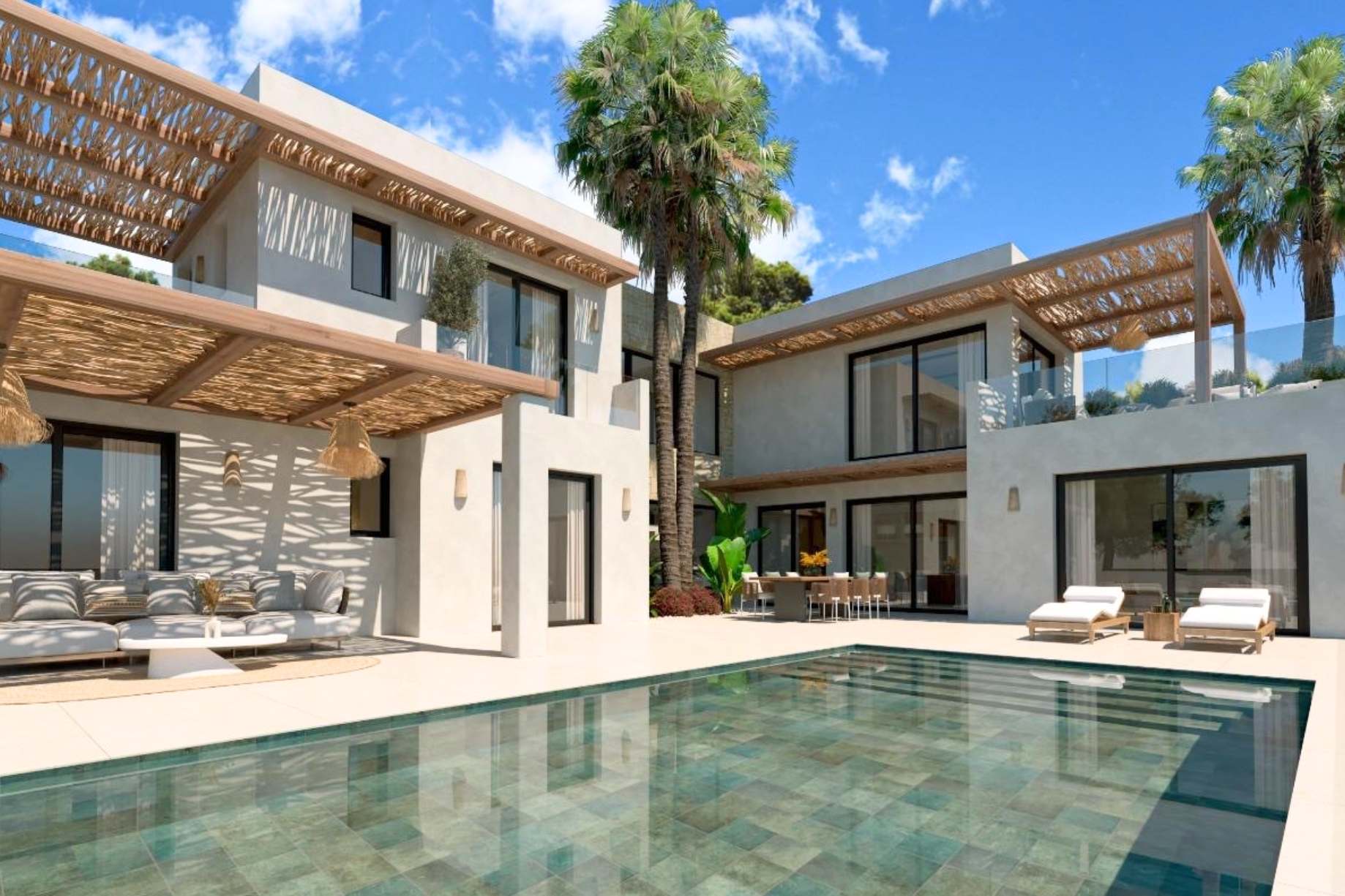
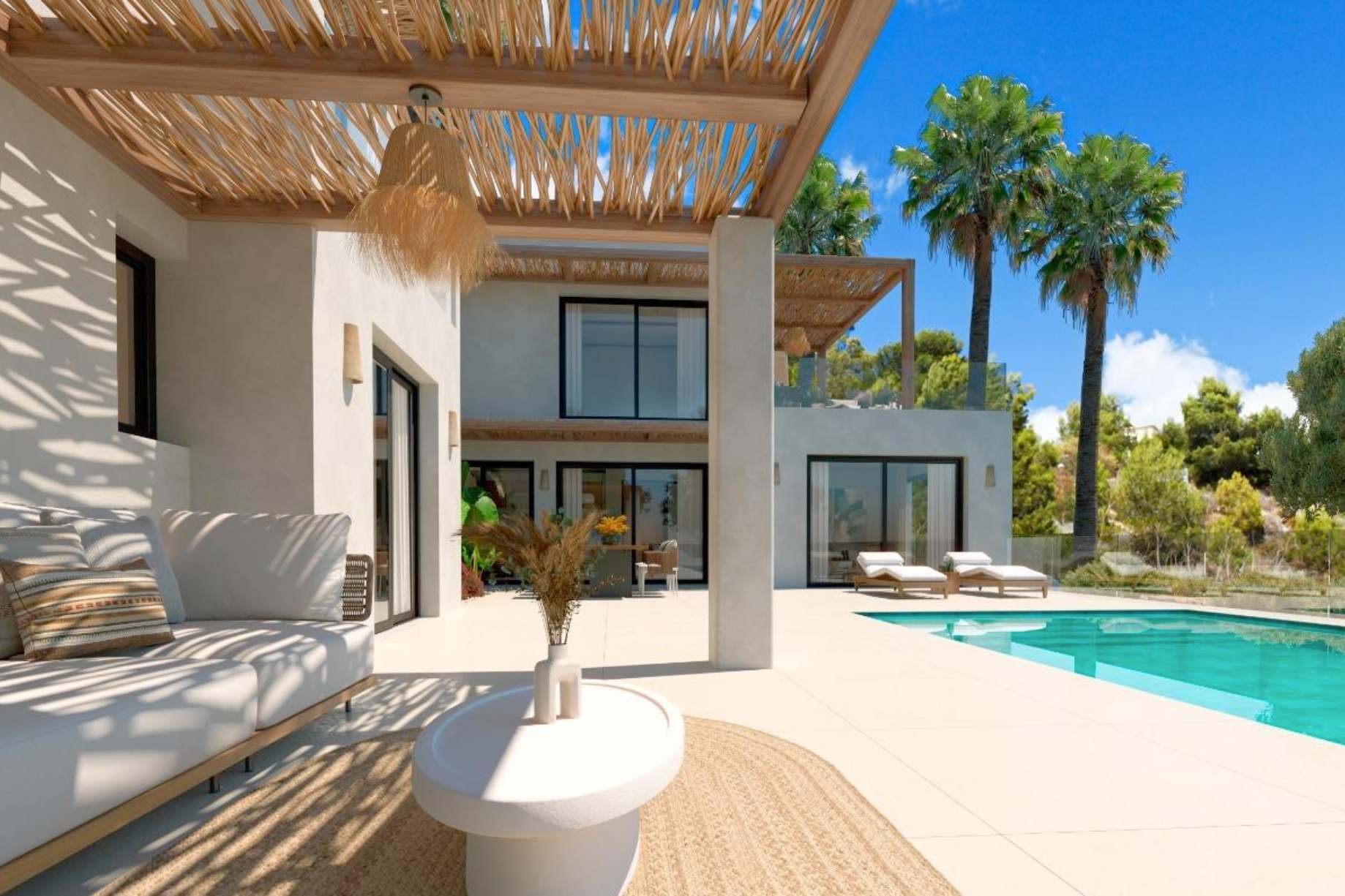
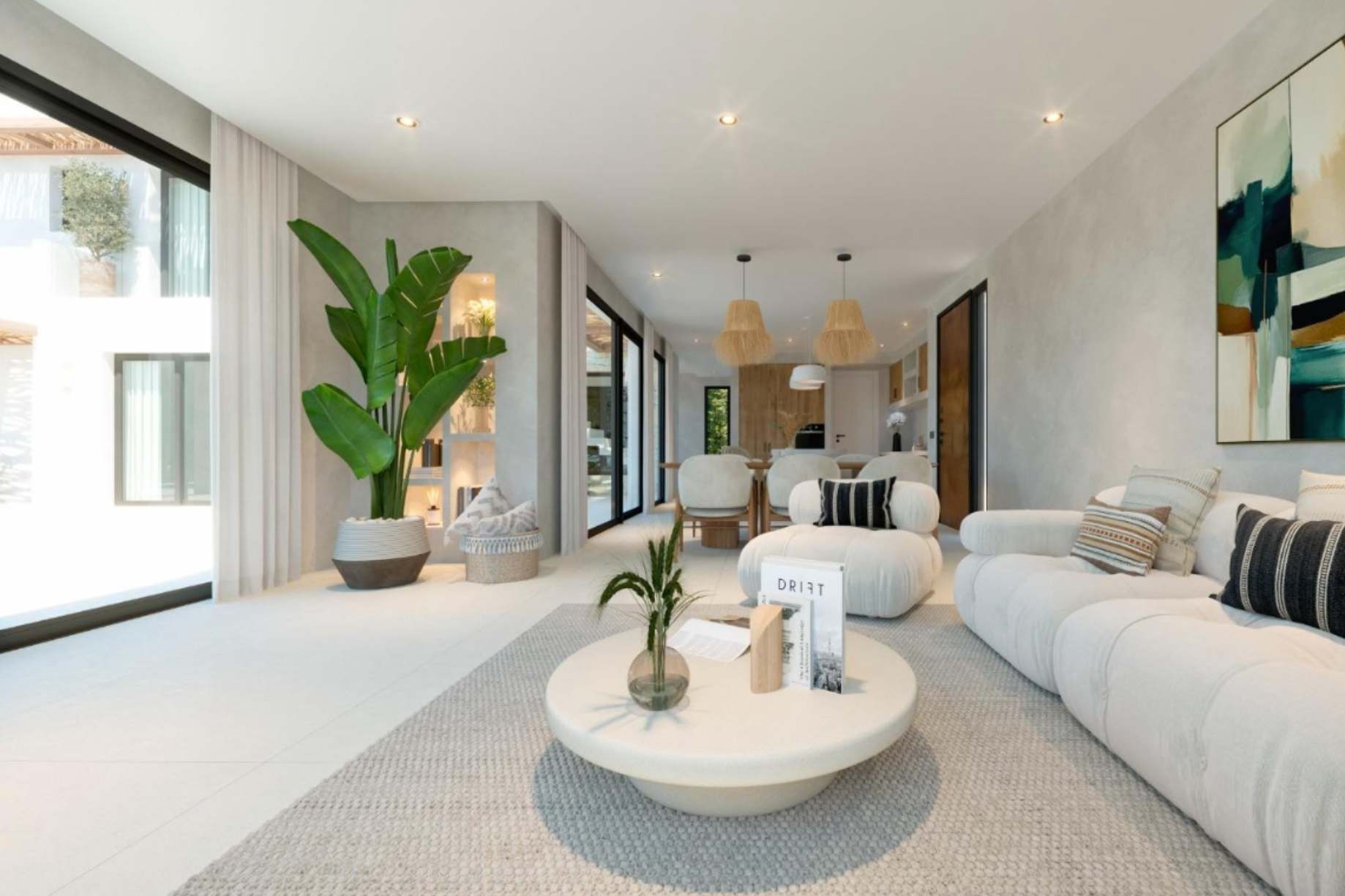
Xàbia, Costa Blanca, Spain — 3-Bed Villa With Sea Views & Heated Pool
€299,000
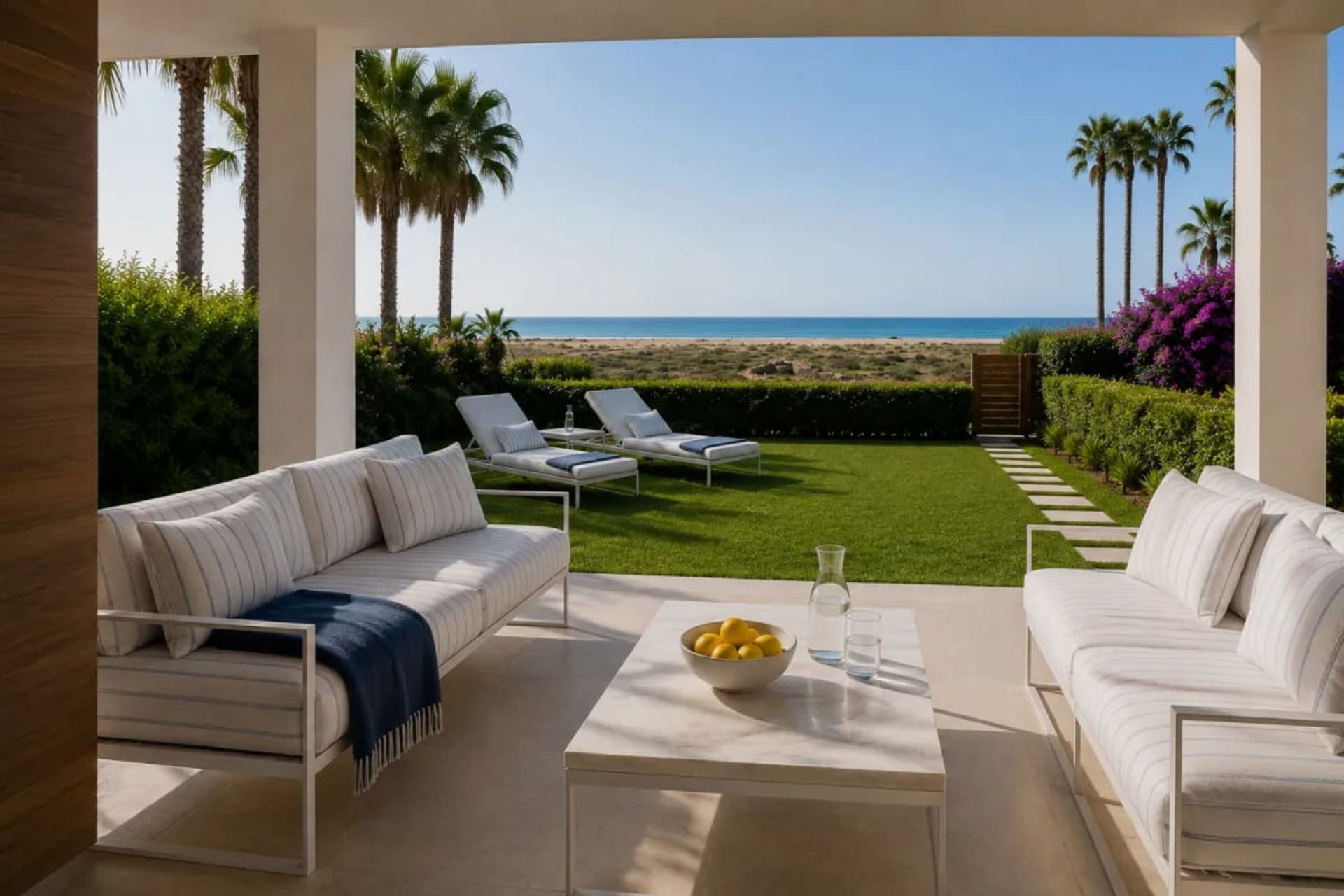
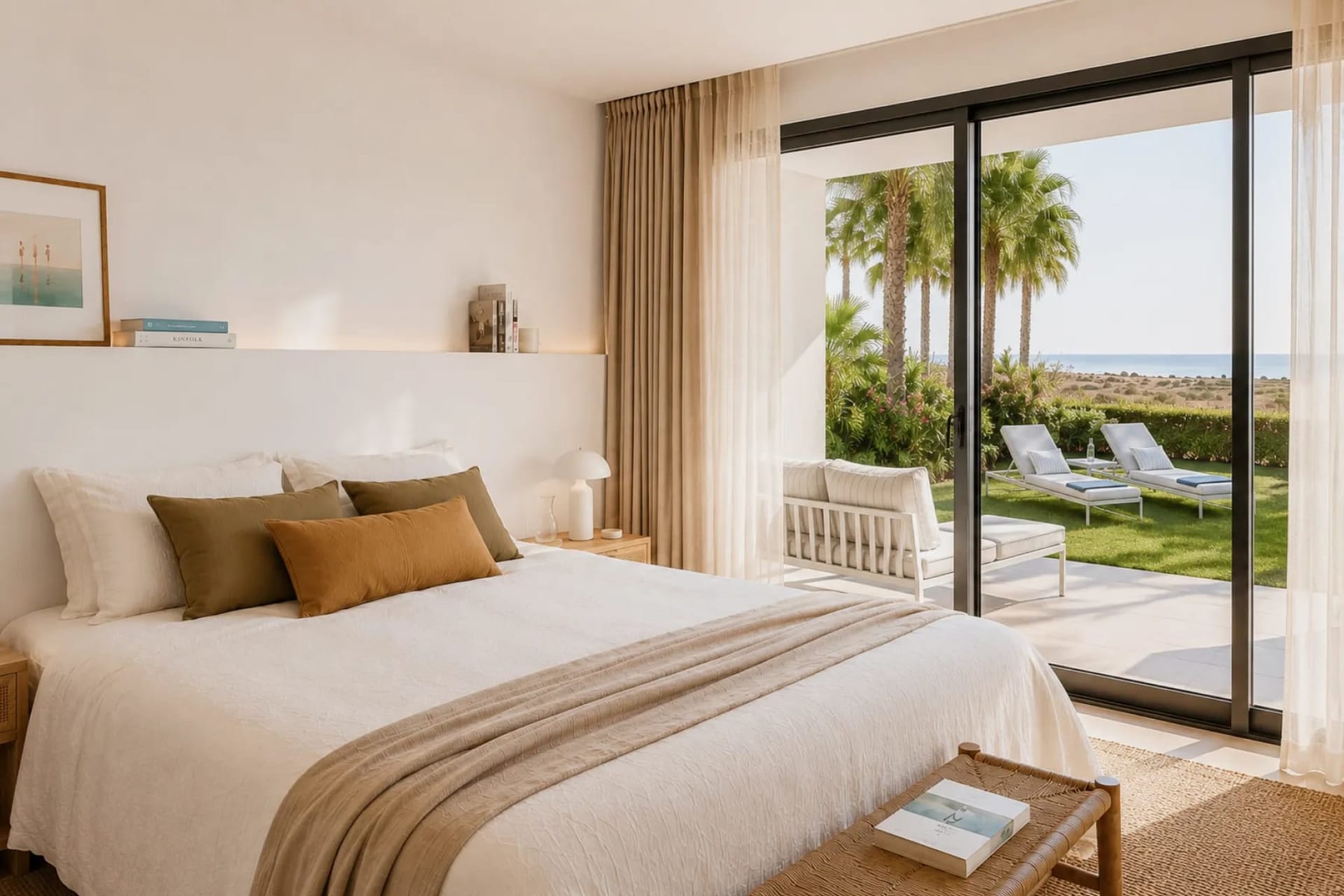
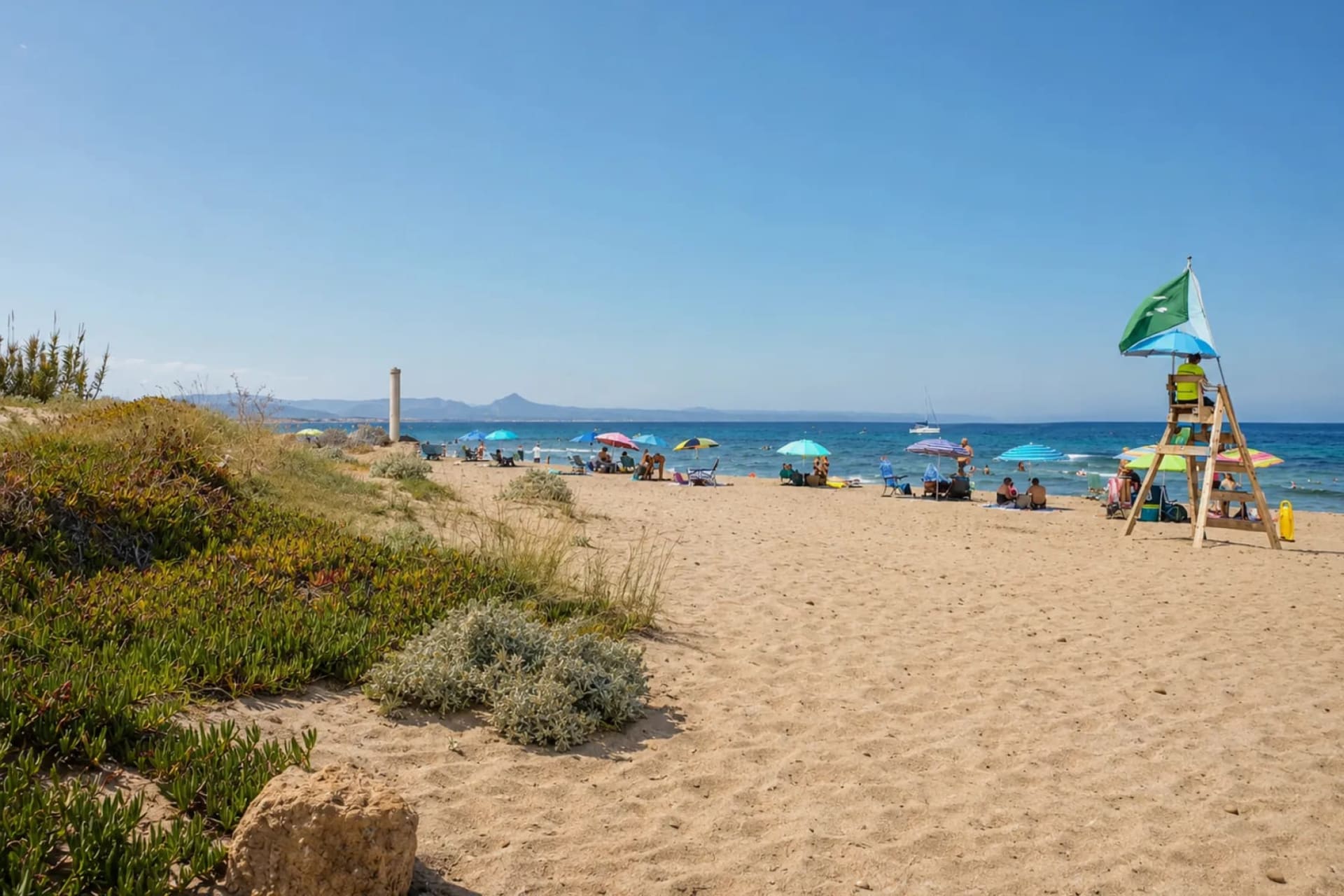
Dénia, Costa Blanca, Spain — 3-Bed Garden Apartment With Beach Access & Community Pools
€155,000
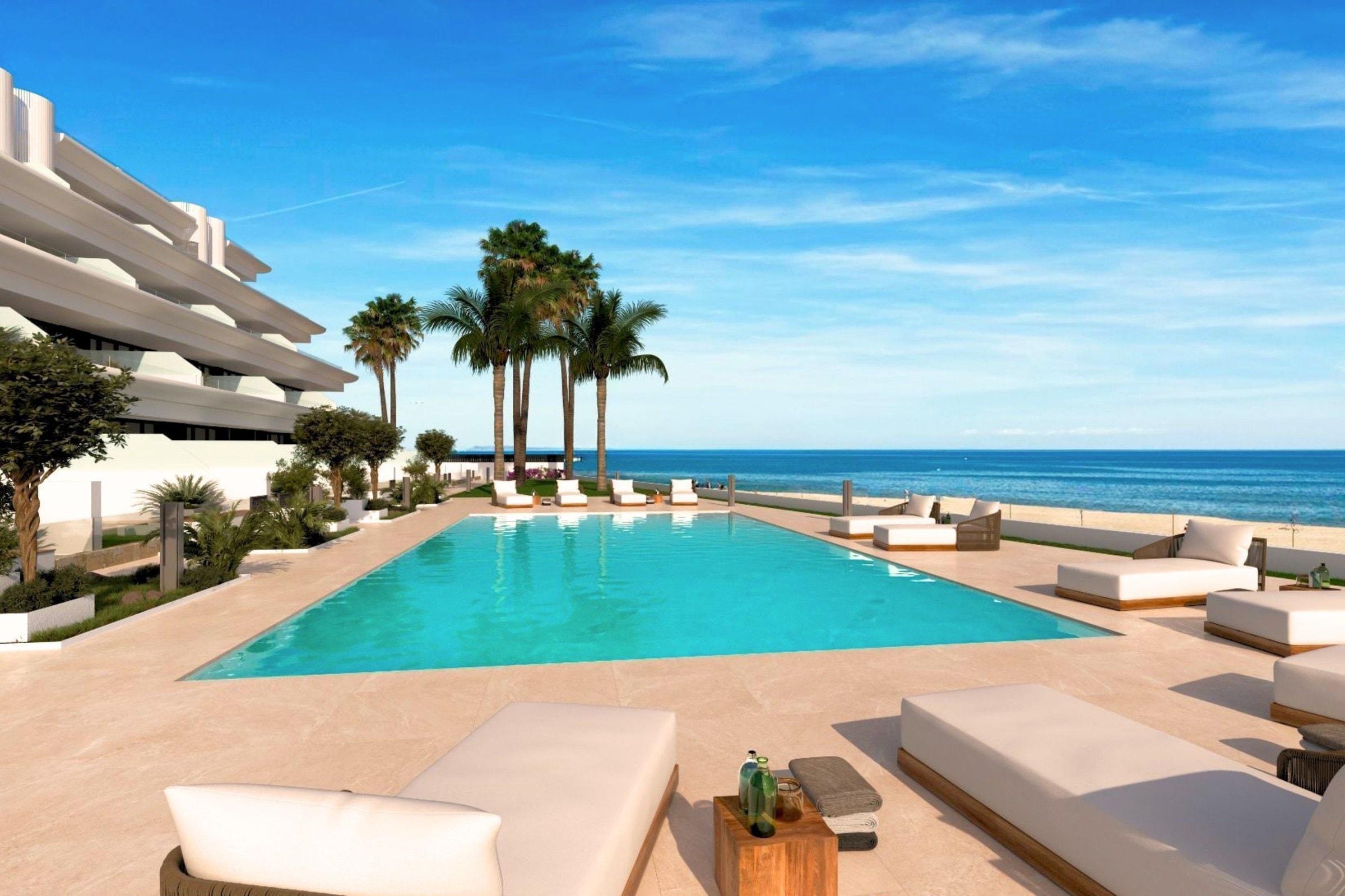
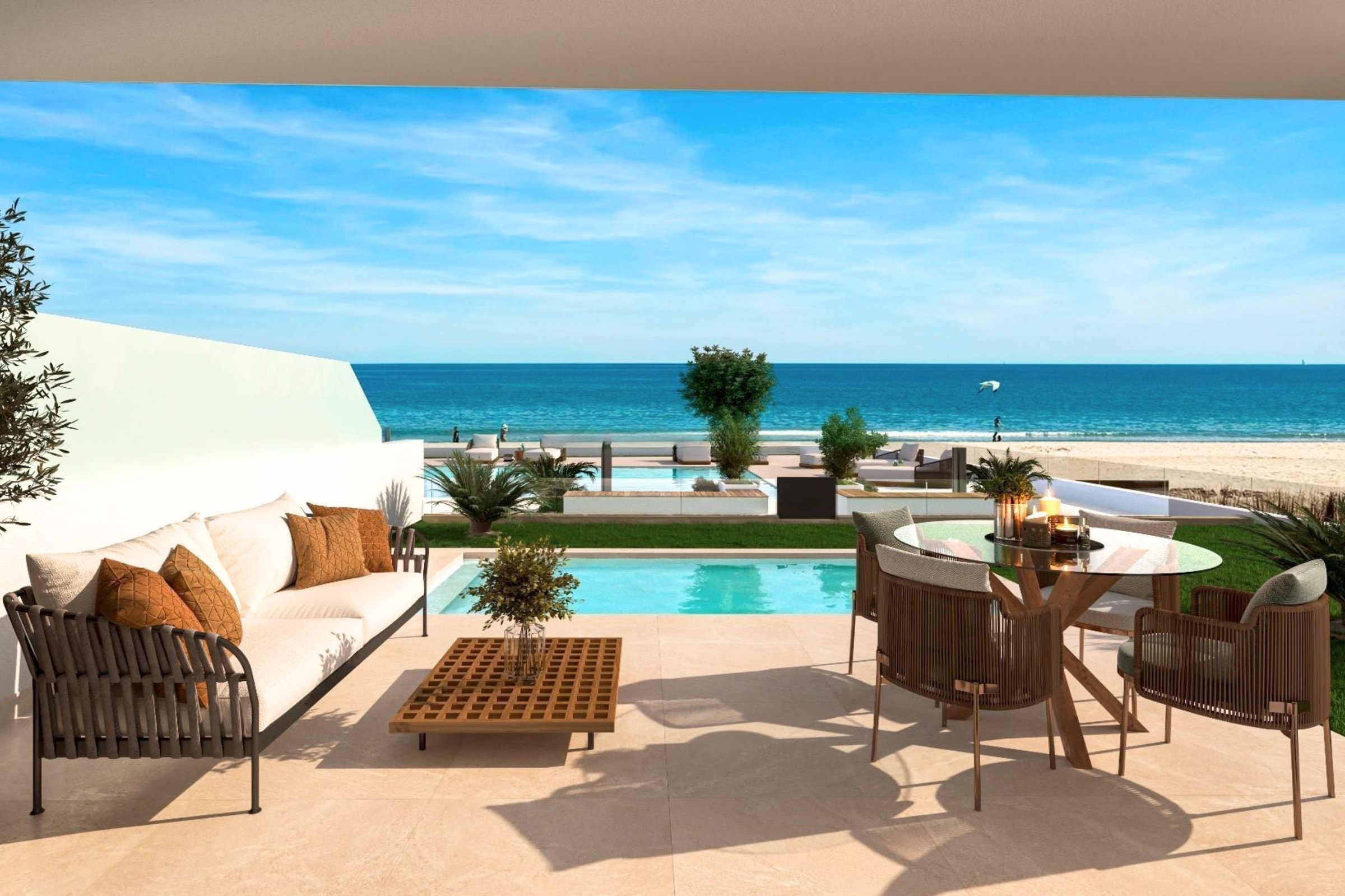
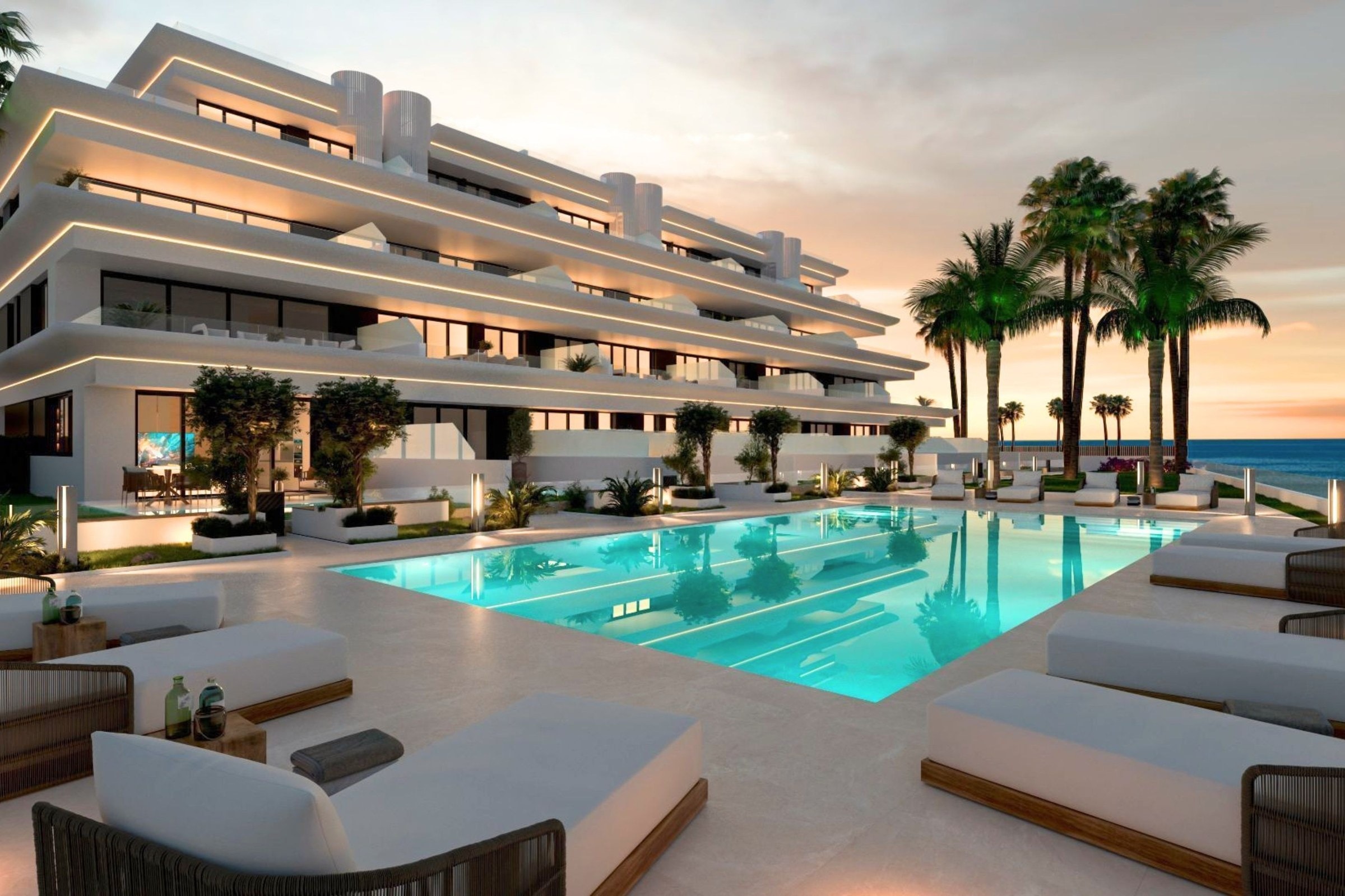
Dénia, Costa Blanca, Spain — 1-Bed Garden Apartment With Beach Access & Private Pool
€149,000
Ready to find your property in Costa?
Why Costa Blanca Fractional Ownership Makes Sense
Costa Blanca fractional ownership places you at the heart of one of Europe’s most consistently popular and accessible Mediterranean destinations. The White Coast — named for the brilliant white facades of its traditional villages and the pale limestone cliffs that frame much of its 244-kilometre shoreline — stretches along the province of Alicante in southeastern Spain, from Dénia in the north to Pilar de la Horadada in the south. It is a coast of extraordinary variety: glamorous marina towns, family beach resorts, unspoilt headlands, UNESCO-heritage mountain villages, and a thriving international community that has made this one of the most established second-home markets in all of Europe.
The climate is the Costa Blanca’s most celebrated asset. The World Health Organisation has historically cited the microclimate of the Alicante region — and particularly the area around Benidorm and the Marina Alta — as among the healthiest in the world, with over 320 days of sunshine per year, low humidity, and mild temperatures across all four seasons. Even in January, daytime temperatures regularly reach 17–19°C along the coast, making the Costa Blanca one of the very few Mediterranean destinations where year-round visits are genuinely comfortable and rewarding. This extended seasonal appeal is one of the key reasons Costa Blanca co-ownership is so well-suited to the realities of the post-Brexit 90-day limit: your 6–7 annual weeks can be distributed across a genuinely usable calendar.
Flight access from the UK is outstanding. Alicante-Elche Miguel Hernández Airport is one of Spain’s busiest international airports, with direct services from virtually every major UK airport — London Gatwick, Heathrow, Stansted, Luton, Manchester, Birmingham, Bristol, Edinburgh, Glasgow, Belfast, and dozens more. Flight times from London are typically under 2.5 hours. This exceptional connectivity means Costa Blanca fractional property ownership is genuinely practical for weekend breaks as well as longer stays — and it remains one of the easiest European destinations to reach from most corners of the UK.
For UK buyers post-Brexit, Costa Blanca fractional ownership is one of the most intelligently structured solutions available. A 1/8 share delivering around six weeks per year fits comfortably within the 90-day Schengen limit while eliminating the financial burden of 52 weeks of ownership costs on a property you can only legally use for 13. Professional management handles all maintenance, taxes, insurance, cleaning, and scheduling — so every arrival to your Costa Blanca co-ownership property is seamless, and every departure is without worry.
The Costa Blanca’s established international community — estimated at over 100,000 British residents — means the destination has exceptional infrastructure for foreign property owners: English-speaking legal and financial services, international schools, well-stocked supermarkets, British pubs alongside excellent Spanish restaurants, and a property market with deep liquidity and long track record. Costa Blanca fractional real estate benefits from all of this — a mature, transparent, well-understood market within which co-ownership is a natural fit.
Costa Blanca Fractional Ownership — Key Areas & Destinations
Costa Blanca fractional ownership spans a remarkably diverse stretch of coastline. The region divides broadly into the Costa Blanca Norte (northern White Coast, centred on Dénia, Jávea, and Altea) and the Costa Blanca Sur (southern White Coast, centred on Torrevieja, Orihuela Costa, and the Mar Menor) — each with a distinct character, market profile, and lifestyle offering.
Dénia, Jávea & the Marina Alta
The northern Costa Blanca — the Marina Alta — is consistently regarded as the most prestigious and scenically dramatic stretch of the entire coast. Dénia, a lively port city at the foot of the Montgó Natural Park, combines excellent beaches (the sandy Las Marinas to the north, the rocky Las Rotas to the south) with a thriving gastronomy scene centred on its famous rice dishes and fresh seafood. Jávea (Xàbia), a few kilometres south, is one of the Costa Blanca’s most sought-after addresses: a sheltered bay of remarkable clarity flanked by the dramatic Cape of San Antonio and the Montgó massif, with a traditional Spanish old town, a charming fishing port, and an international beach suburb of considerable quality. For Costa Blanca fractional ownership buyers seeking the most unspoilt and exclusive end of the market, the Marina Alta delivers outstanding natural beauty alongside genuine year-round appeal.
Altea, Calpe & Benidorm
Moving south along the Costa Blanca Norte, the character shifts from exclusive to cosmopolitan. Altea is one of Spain’s most beautiful white towns: a hilltop village of cobbled streets, blue-domed churches, and art galleries overlooking the sea, with an international reputation as a creative and cultural destination. Calpe is dominated by the extraordinary Peñón de Ifach — a 332-metre rock that rises from the sea like a miniature Gibraltar, a Natural Park offering spectacular coastal walks — with good beaches and a lively resort atmosphere. And then there is Benidorm: Europe’s most famous — and most misunderstood — resort. Beyond the famous skyline, Benidorm offers year-round tourism infrastructure, outstanding restaurants, and some of the best sandy beaches on the coast. For Costa Blanca co-ownership buyers looking at investment potential and strong rental demand (where licensed), this central zone is highly relevant.
Alicante City & El Campello
Torrevieja, Orihuela Costa & the Southern Costa Blanca
The southern Costa Blanca — the Costa Blanca Sur — offers a different character from the dramatic northern coast: flatter, drier, and in places more reminiscent of the North African coast than Mediterranean Spain, with pink salt lakes, vast sandy beaches, and a large international community. Torrevieja is a working Spanish city with excellent beaches (Playa del Cura, Playa de los Locos), Spain’s most famous outdoor karaoke festival, and a large British and Irish community. Orihuela Costa — which includes the urbanisations of La Zenia, Campoamor, and Playa Flamenca — is one of the most active markets for international property buyers on the entire Costa Blanca. The Mar Menor, a warm saltwater lagoon just south of the Murcia border, offers calm, shallow water ideal for families and water sports enthusiasts. Costa Blanca fractional ownership in this zone tends to offer excellent value relative to the northern coast, with strong year-round rental demand where licensing applies.
Inland Costa Blanca — Guadalest, Jalón Valley & Beyond
The Costa Blanca hinterland is one of the region’s least-discovered treasures and an increasingly interesting zone for Costa Blanca co-ownership buyers seeking something beyond the beach. The Guadalest Valley — just 30 minutes from Benidorm — is a dramatic landscape of reservoir, castle ruins, and traditional mountain villages that feels a world away from the coast. The Jalón Valley (Vall de Pop) is famous for its almond and cherry blossom in February — a spectacular natural event that draws visitors from across Europe — and its string of traditional white villages: Jalón, Alcalalí, Murla. The Montgo Natural Park between Dénia and Jávea offers outstanding walking and cycling. For buyers who want their Costa Blanca fractional ownership experience to encompass more than beach life, the inland dimension of the region is a significant part of the appeal.
How Costa Blanca Fractional Ownership Works
Costa Blanca fractional ownership is built on a clear, legally sound framework under Spanish property law. Here is exactly how it works — and why it is the most practical and financially efficient way to own a Mediterranean holiday home in 2024 and beyond.
Genuine co-ownership of a real share of the home
Every Costa Blanca fractional ownership purchase is genuine co-ownership: you own a real share of the home, alongside up to seven other co-owners — an eighth, a quarter — not a right to use it. You can sell it, pass it on to your heirs, and it grows in value with the house. You are not purchasing timeshare, usage rights, or a club membership. The legal set-up is arranged by our partner for each home and walked through with you before you buy. Your Costa Blanca fractional ownership share is a real asset: transparent, legally robust, and fully transferable.
Your 1/8 Share — Your Annual Weeks
The standard Costa Blanca fractional ownership share is 1/8, delivering approximately 6–7 weeks of usage per year — a minimum of 44 to 45 nights. Your weeks are allocated through a structured annual scheduling system run by the professional management company, with peak summer weeks distributed on a rotating priority basis so every co-owner enjoys the best periods over the years. Your dates are confirmed in advance and they are yours.
Professional Full-Service Management
All Costa Blanca co-ownership properties are managed end-to-end by professional property management companies with local expertise across the Alicante region. Services include: professional cleaning before and after every stay; all maintenance and repair work; building and contents insurance; Spanish property tax (IBI); local municipal levies; utility management; and co-ordination of any agreed capital improvements. For most buyers, the annual cost of Costa Blanca fractional property ownership is considerably lower than renting an equivalent property for the same number of weeks, while also providing a capital asset and long-term ownership stake.
Resale, Inheritance & Rental Rights
Your Costa Blanca fractional ownership share is fully transferable and may be sold on the open market whenever you choose after a typical first-12-months holding period, at the price you set — through our platform, a specialist resale agent, or independently, with your co-owners offered the first chance to buy. Shares sell: hundreds of shares in homes like these have already been resold—in just over three months on average, and nearly three in four for more than the owner paid. The sale is completed before a Spanish notary. Your share also forms part of your estate and may be bequeathed through your will. Rental income: on many homes, unused weeks can be let where the property is registered for tourist rental under the Valencia region’s rules, and we confirm each home’s position for you.
Costa Blanca Fractional Ownership — Investment & Lifestyle
The Costa Blanca property market is one of the deepest and most liquid second-home markets in Europe, with decades of track record and a broad base of international buyers that provides structural support to values across market cycles. Within Spain, the Costa Blanca consistently ranks alongside the Costa del Sol and the Balearics as the most active markets for foreign buyers. For investors considering Costa Blanca fractional real estate, this liquidity is an important differentiator: your ability to sell your share benefits from being in a market where buyers are consistently present and the concept of foreign co-ownership is well understood.
From a lifestyle perspective, Costa Blanca co-ownership rewards its owners across every season and for every type of buyer. Families benefit from some of Spain’s best Blue Flag beaches — calm, clean, and with excellent facilities — alongside a warm and welcoming culture that is genuinely child-friendly. The Spanish pace of life, the evening paseo along the promenade, the ice cream after dinner, the Sunday paella at a beachside restaurant — these are the rhythms that families who own Costa Blanca fractional property year after year come to call their own. Children who grow up with a consistent second home build a relationship with a place, a language, and a culture that stays with them for life.
For couples and independent travellers, the Costa Blanca’s lifestyle offer extends far beyond the beach. The regional cuisine is outstanding: Alicante’s rice dishes — arroz a banda, caldero — are considered among the finest in Spain. Dénia’s creative restaurant scene punches well above the weight of a town its size. The Jalón Valley’s wine production — particularly its Moscatel — rewards exploration. The region’s festivals are spectacular: the Moors and Christians festivals of Alcoy and Villajoyosa in spring, the Bonfires of San Juan on the Alicante beaches in June, the Fogueres de Sant Joan — all uniquely Valencian in character and deeply rooted in a culture that has been shaped by centuries of Mediterranean trade, art, and conquest.
Golfers are exceptionally well-served on the Costa Blanca. The region has over 30 golf courses within easy driving distance of most Costa Blanca co-ownership locations, ranging from the world-class La Manga Club complex in Murcia to the beautiful El Plantío Golf Resort near Alicante, and numerous well-maintained parkland and links-style courses throughout Orihuela Costa and the Marina Alta. Golf tourism has been a consistent driver of shoulder and winter season visits for decades, and the accessibility of courses from most Costa Blanca fractional ownership locations makes the region one of Europe’s finest golf destinations.
Seasonality on the Costa Blanca is strongly positive for year-round ownership. High summer (July–August) is peak beach season with full facilities, vibrant resort atmosphere, and warm sea temperatures. May, June, and September–October offer warm weather, uncrowded beaches, and the best conditions for cycling, hiking, and cultural exploration. November through March is mild and ideal for golf, walking in the mountains, and exploring the region’s cities and villages without a tourist in sight. Your 6–7 annual weeks of Costa Blanca fractional ownership distributed intelligently across this calendar delivers exceptional variety and value from every visit.
A Week in Your Costa Blanca Co-Ownership Property
Mornings: Beaches Before the Crowds
Start your days early at the quieter northern beaches of Jávea and Dénia, where Mediterranean mornings are undisturbed and the water is crystalline. The nearby Wednesday Dénia market brings fresh produce, local crafts, and authentic Valencian atmosphere to your doorstep. On Saturdays, Jávea’s market offers similar charm with seafood specialties and regional products. These markets form the backbone of local life, offering everything from almonds to anchovies at prices that reflect genuine agricultural value rather than tourist markup.
Mid-morning, settle into a seafront restaurant overlooking the Mediterranean. The Costa Blanca excels at simple seafood preparations—grilled red mullet, gambas a la sal, fresh mussels—that showcase ingredient quality rather than complicated technique. Many beachfront venues offer set menus at reasonable prices, with local wine pairings that cost less than a cappuccino in central London.
Afternoons: Inland Discoveries
Venture into the palmeral of Elche, a UNESCO World Heritage site featuring over 200,000 date palms in groves that have existed for centuries. Walking through these ancient plantations offers surprising tranquility just minutes from developed areas. The palm harvesting tradition continues, and local restaurants serve regional specialties impossible to find elsewhere.
The limestone hills above the Jalón Valley present extraordinary natural pools fed by mountain springs. These “pozos” (pools) remain cool year-round and attract local swimmers rather than tourist crowds. The hiking trails connecting these pools wind through Mediterranean scrub and offer panoramic views toward the coast. Many properties in the area feature direct access to these trail networks, making afternoon exploration a natural daily rhythm.
Evenings: Paseo and Local Culture
Participate in the paseo tradition—the evening promenade through town centers where locals walk, socialize, and observe community life. Jávea’s old town and Dénia’s seafront promenades offer this experience with authentic Spanish atmosphere. Stop at a local bar for a horchata or vermouth, watch the sunset, and observe the cadence of Mediterranean life that moves slower than northern Europe but with clear intentionality.
Dinner typically occurs between 8:30 and 10:00 PM in family-run restaurants where the owner knows regulars and adjusts menus based on daily market offerings. These establishments offer substantially better value than tourist-oriented venues while delivering genuine regional cuisine.
Day Trips Within Easy Reach
Valencia lies 1.5 hours north and represents Spain’s paella capital—the dish originated here, not in Andalucía. The City of Arts and Sciences offers striking modern architecture contrasting with the historic city center. Countless restaurants serve authentic paella both in seafront venues and in the original working-class neighborhoods where the dish evolved.
Alicante sits 45 minutes south, offering castle views, a historic waterfront, and access to the airport connecting directly to 50+ European cities. The city provides cultural amenities and dining without the formality of major metropolitan areas.
Why Costa Blanca Property Is in Such Demand
Climate Advantage: 320 Days of Sunshine Annually
The Costa Blanca’s climate distinction transcends marketing language—it reflects measurable atmospheric data. With 320 days of sunshine per year, the region maintains attractiveness throughout twelve months, not merely during summer season. Winter temperatures rarely drop below 12°C, making outdoor activities viable year-round. This climate stability supports both permanent residence and seasonal occupation, broadening the buyer pool significantly.
Connectivity and Airport Access
Alicante-Elche Airport has evolved from a regional facility into a major European hub. Direct flights operate to more than 50 European cities, including major centers like London, Paris, Berlin, Amsterdam, Copenhagen, and Stockholm. This connectivity means fractional ownership becomes practical for European families and professionals based across the continent. Flight frequency to Northern Europe—particularly from Netherlands, Germany, and Scandinavia—has expanded consistently over the past decade.
Pricing Advantage Against Comparable Markets
Per-square-metre prices on the northern Costa Blanca remain materially lower than Costa del Sol or the Balearic Islands, despite offering comparable or superior natural environments. This pricing differential persists despite rising demand, particularly for premium locations in Jávea, Moraira, and Dénia. The value proposition has strengthened as buyers recognize equivalent lifestyle and climate benefits at substantially lower entry costs.
Post-Pandemic Migration Shift
The shift toward remote work and distributed living patterns, accelerated by 2020-2021 circumstances, brought sustained new buyer interest to the Costa Blanca. Dutch, German, and Scandinavian professionals established roots in northern Spain during this period, continuing to seek permanent or seasonal residence as hybrid working models normalize. This demographic shift differs from traditional holiday home purchasing—it reflects intention toward actual occupancy and lifestyle change rather than speculative acquisition.
Supply Constraints and Geographic Protection
The northern Costa Blanca—particularly the Jávea, Moraira, and Dénia corridor—experiences severe supply constraints. Spanish coastal planning laws protect natural areas and limit development density. The region’s natural geography (mountains, protected pine forests, rocky coastline) restricts available land for new construction. Existing properties, particularly those with optimal orientation, proximity to beaches, or access to natural features, face genuine scarcity that persists regardless of market cycles.
Fractional ownership of premium properties in this constrained supply environment offers access to assets that individual buyers might find impossible to acquire at posted prices, while enabling sustainable usage patterns through professional management and shared operating costs.
Questions & Answers
Costa Blanca Fractional Ownership — Frequently Asked Questions
Fractional co-ownership on the Costa Blanca gives you a real 1/8 share of a luxury villa or apartment on Spain's 'White Coast' — stretching from Denia in the north to Torrevieja in the south, with Alicante, Benidorm, Altea, Jávea, and Moraira among its most sought-after destinations. The legal set-up is arranged by our partner for each home and walked through with you before you buy. Your 1/8 share is genuine property equity — around six weeks on the Costa Blanca per year.
The Costa Blanca is officially recognised by the World Health Organisation for having one of Europe's healthiest climates — mild winters, long hot summers, and some of the most consistent sunshine in Spain. The northern Costa Blanca (north of Benidorm) — with the whitewashed hill villages of Altea, the dramatic clifftop of Moraira, and the wide bay of Jávea — attracts a more upmarket international buyer profile, while Alicante city offers excellent urban amenities and one of Spain's best-connected airports.
Your 1/8 share gives you around six weeks per year. The Costa Blanca is a true year-round destination — winter temperatures average 17–18°C (63–64°F), making it popular with northern European winter sun-seekers. A structured calendar manages peak summer allocations fairly through a rotating priority system. Winter and shoulder-season usage is genuinely attractive here rather than second-best.
Yes — many of our Costa Blanca properties welcome short-term rental of unused weeks, and it is an easy way to earn from the weeks you are not using. Your unused weeks can be listed on short-term rental platforms, with income paid directly to you after the platform fee — particularly rewarding in high-demand locations.
Each Costa Blanca property listing shows whether short-term rental is available for that home, in line with local rules.
The northern Costa Blanca — Jávea, Moraira, Altea, Calpe — has consistently attracted affluent buyers from the UK, Germany, Netherlands, and Scandinavia, supporting long-term price stability and growth. Coastal planning restrictions limit new development on the shoreline. Property values here are generally more accessible than comparable Costa del Sol locations, offering good relative value with similar climate and lifestyle.
Post-Brexit UK nationals are subject to the 90-day per 180-day Schengen stay limit in Spain. With around six weeks of annual usage from a 1/8 share, planning is straightforward for most owners.
Selling is simple. When you decide to move on, your Costa Blanca fractional share is marketed to buyers already looking for fractional co-ownership.
Our partner's resale process handles the sale for you, so you sell your share without the whole house having to be sold. After a typical first-12-months holding period you can sell whenever you choose, at the price you set — your co-owners get the first chance to buy. Hundreds of shares in homes like these have already been resold — in just over three months on average, and nearly three in four for more than the owner paid.
Browse COP's Costa Blanca listings, review the 1/8 share price and submit an enquiry for any property that interests you.
Also Explore
Get in Touch
Speak to an expert
Tell us what you're looking for and we'll be in touch.