Wyoming · USA
Wyoming Fractional Ownership & Co-Ownership Properties
From a log-and-timber cabin steps from the Jackson Hole Mountain Resort to a valley retreat looking out across the Teton Range — fractional ownership in Wyoming means a real share of the most fiercely protected mountain valley in the American West, around six weeks of personal use a year, and a fully managed home waiting whenever you arrive. Whether you call it fractional ownership or co-ownership, you own a real share of the home.
4 properties · from $890,000
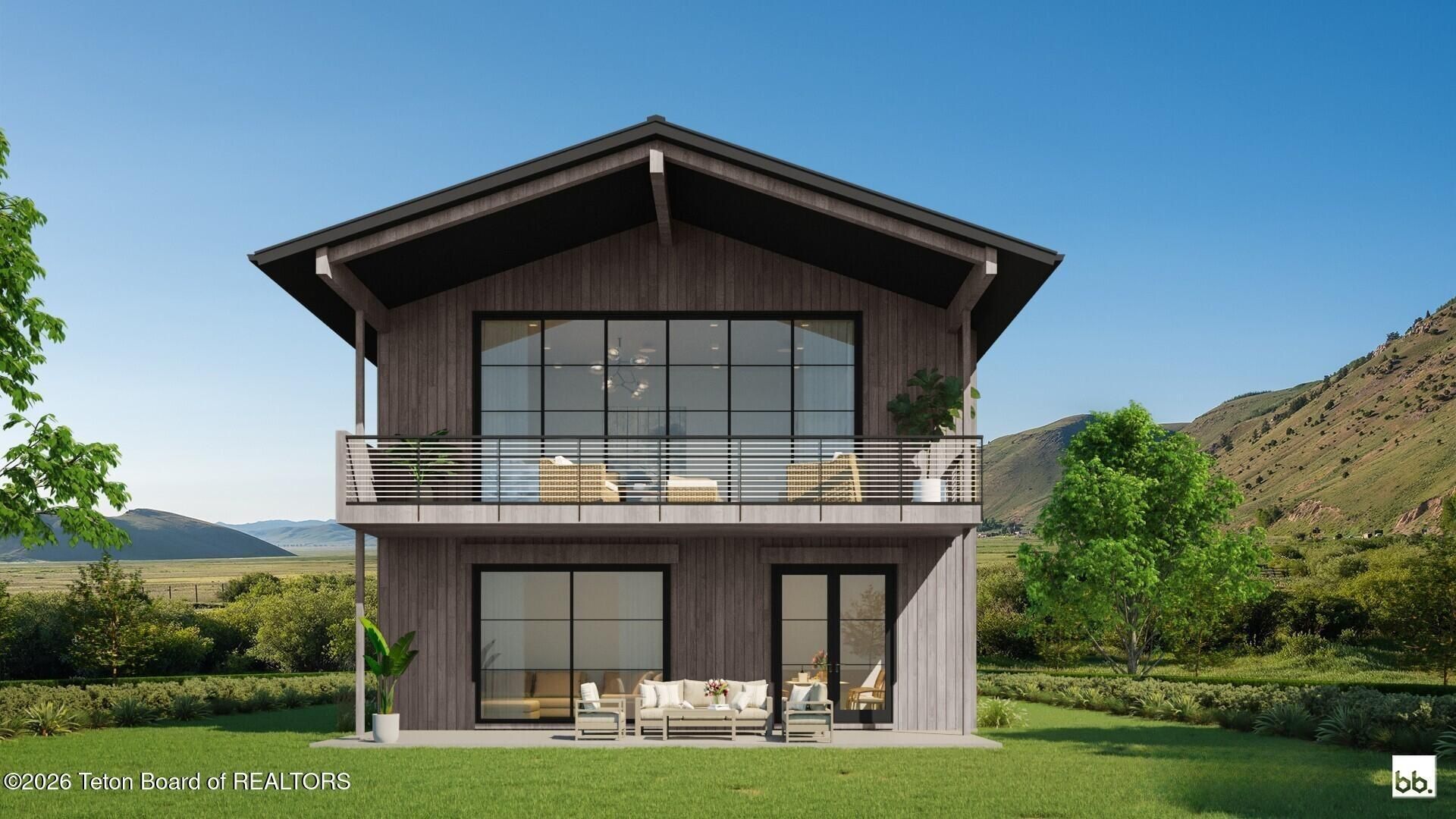
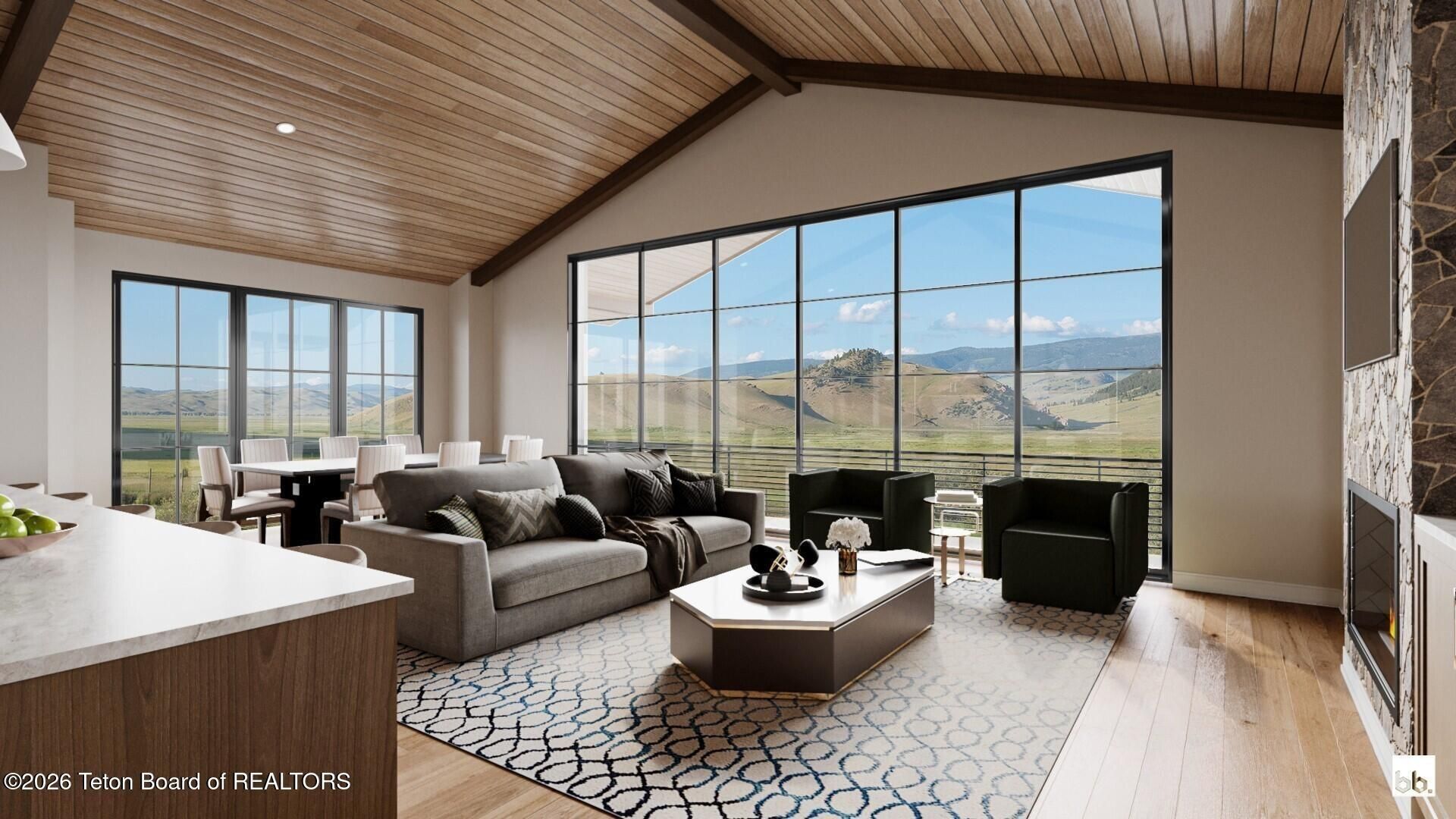
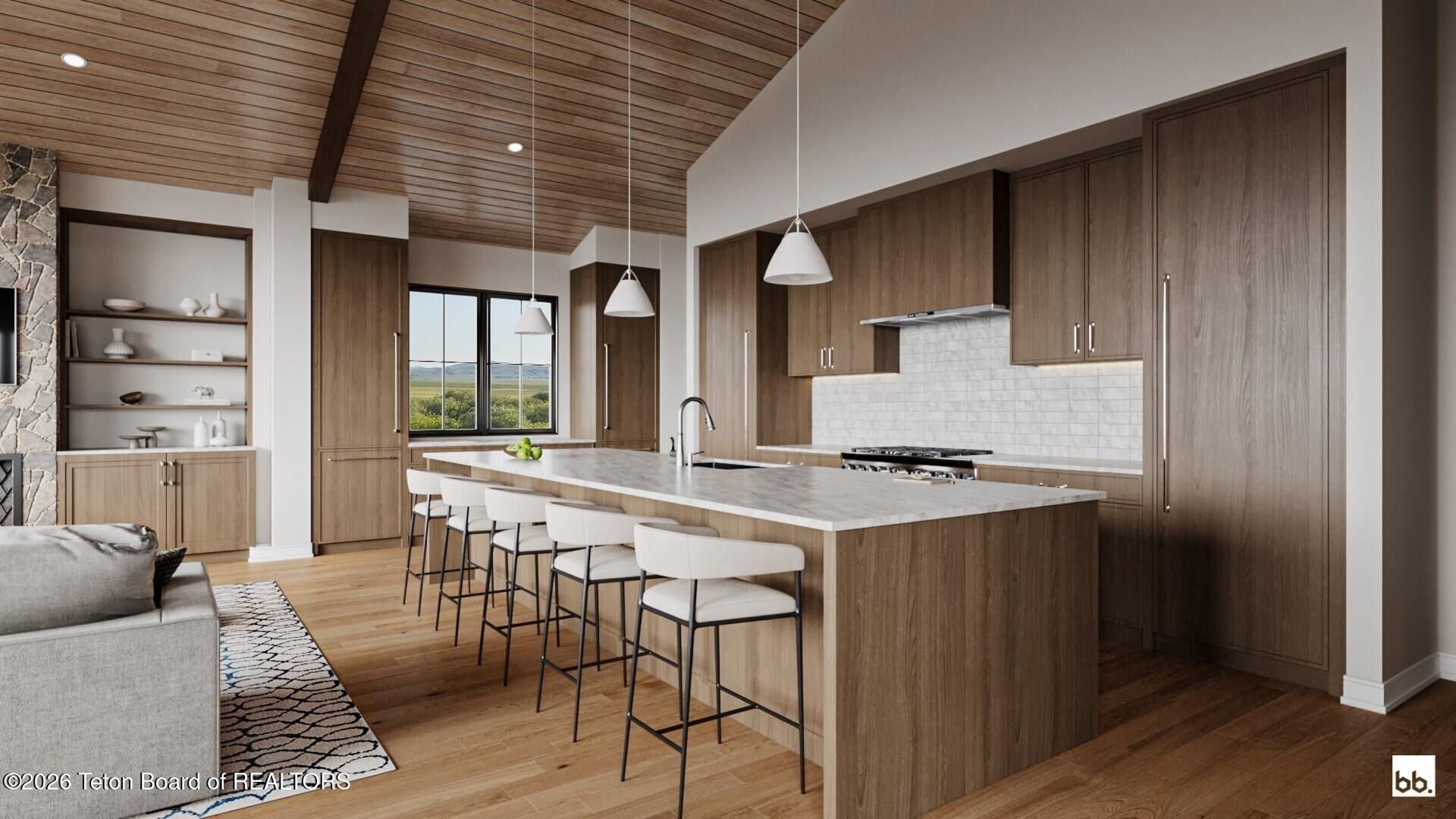
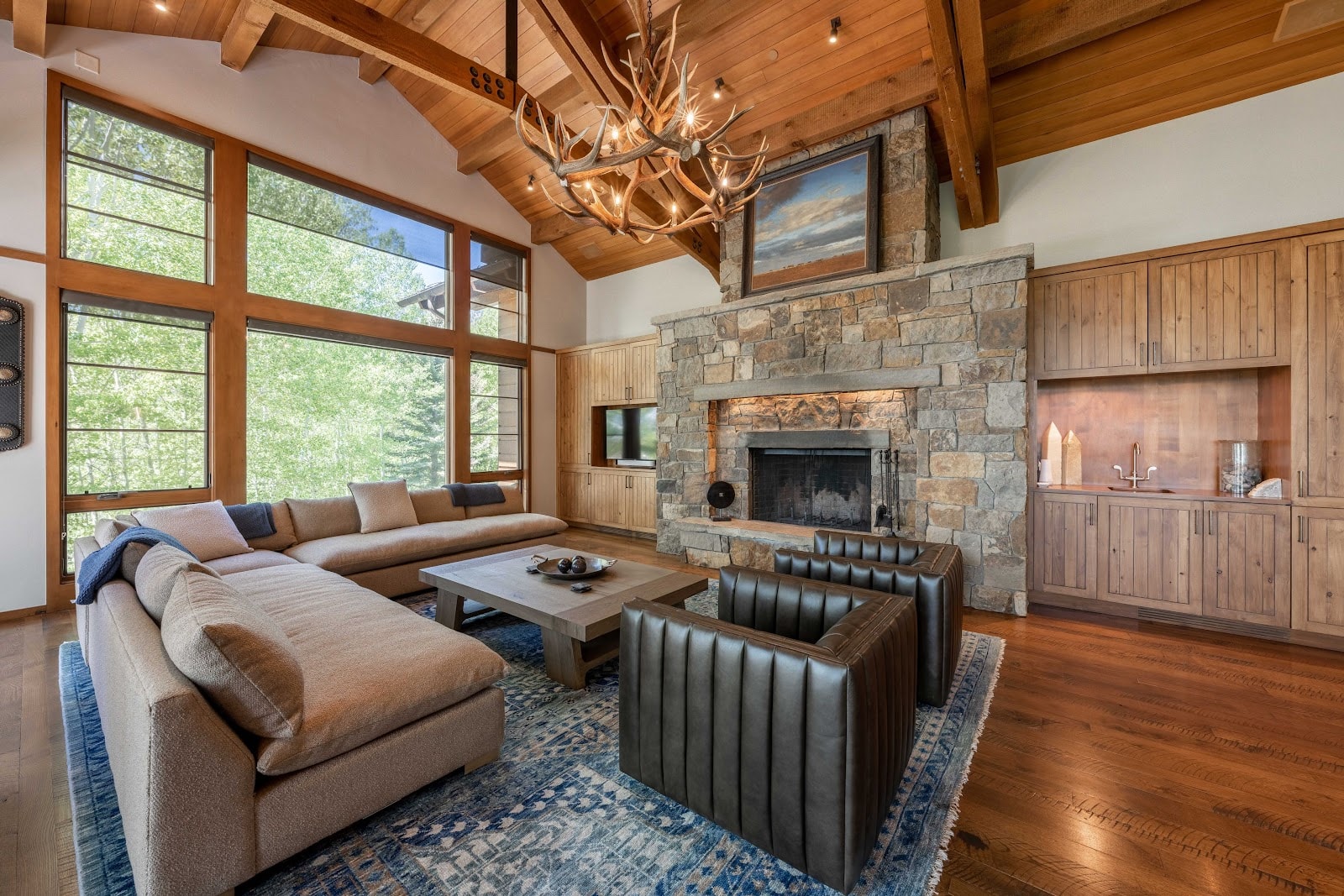
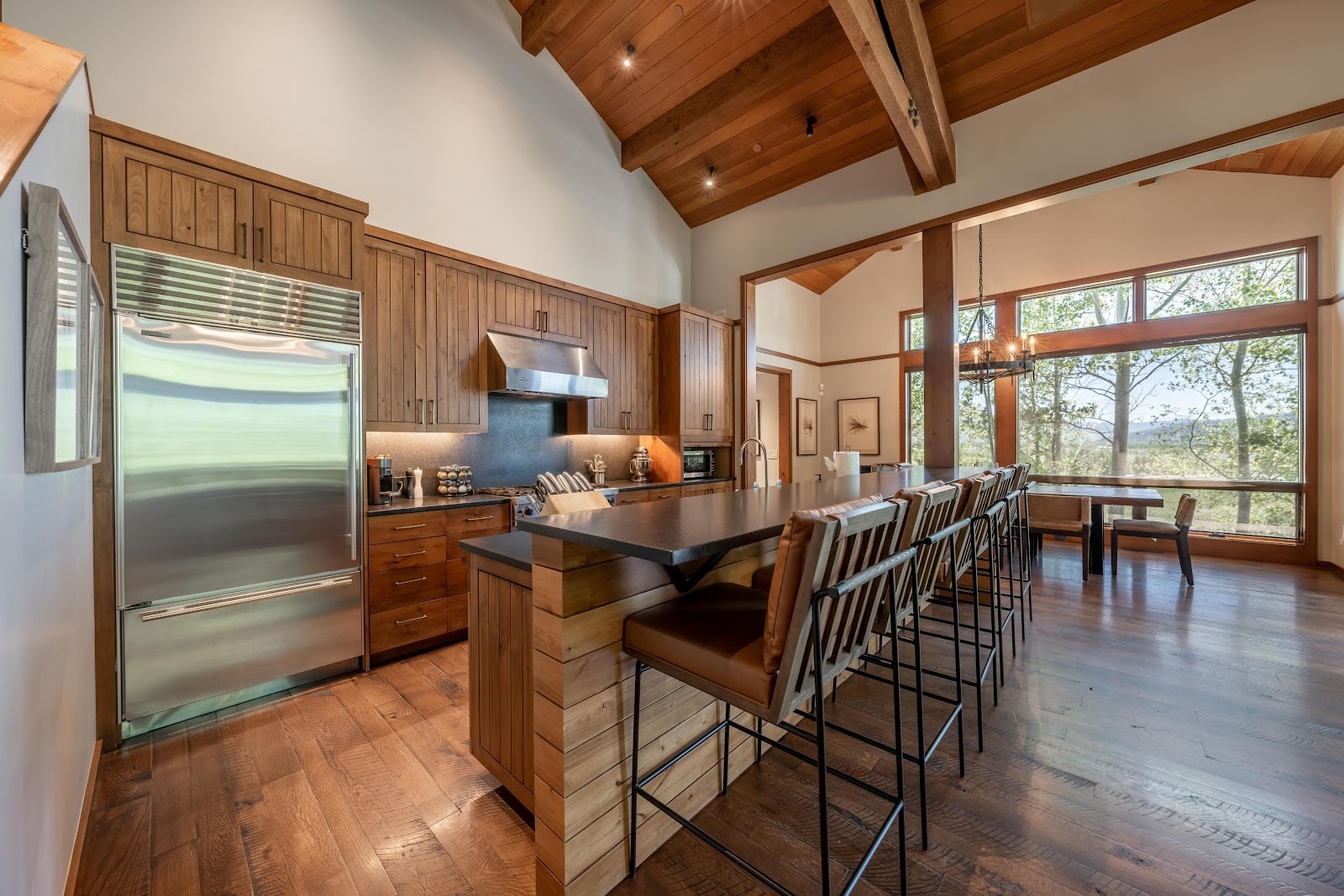
Jackson, Wyoming, USA — 3-Bed New-Build Home With Elk Refuge Views
$1,330,000
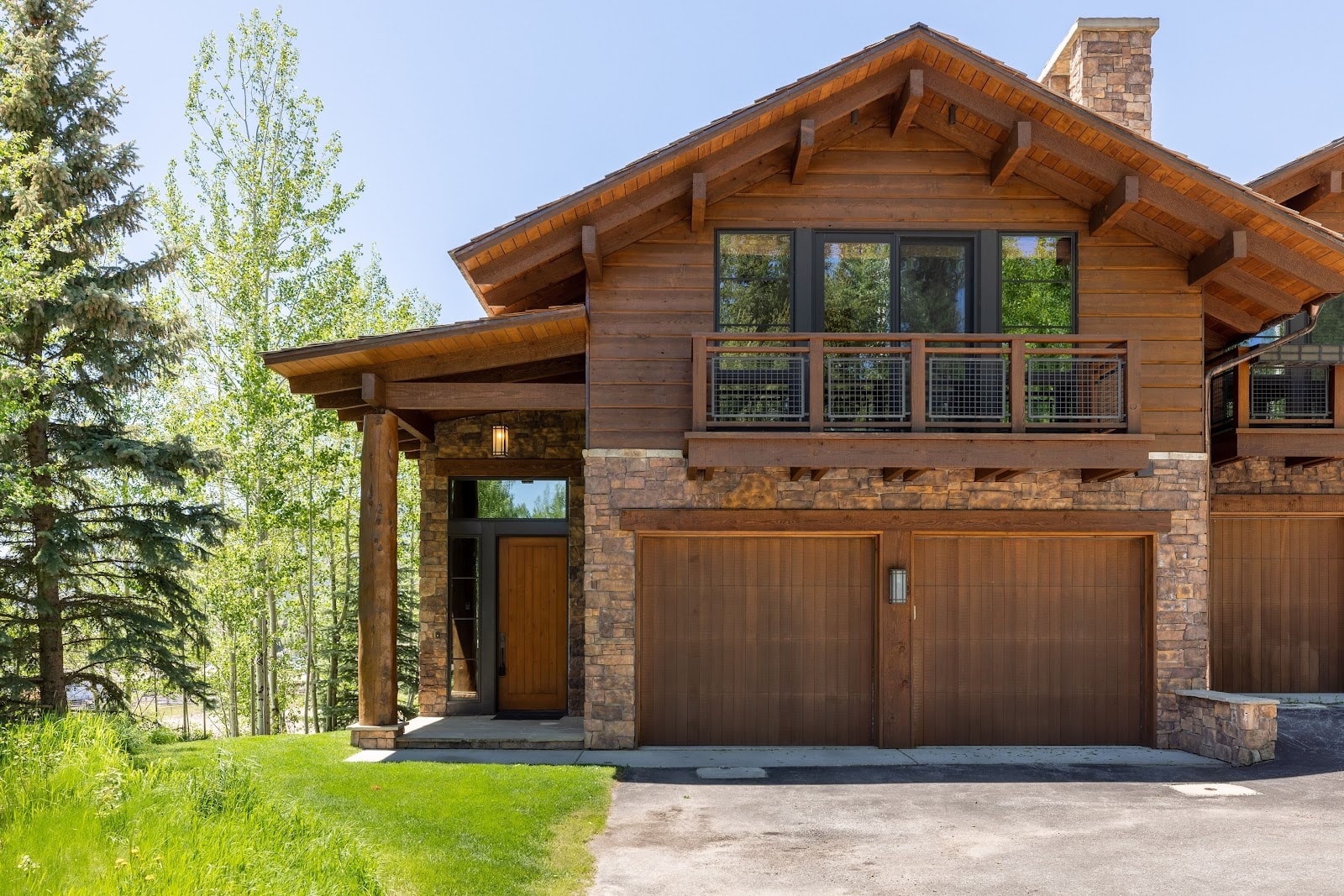
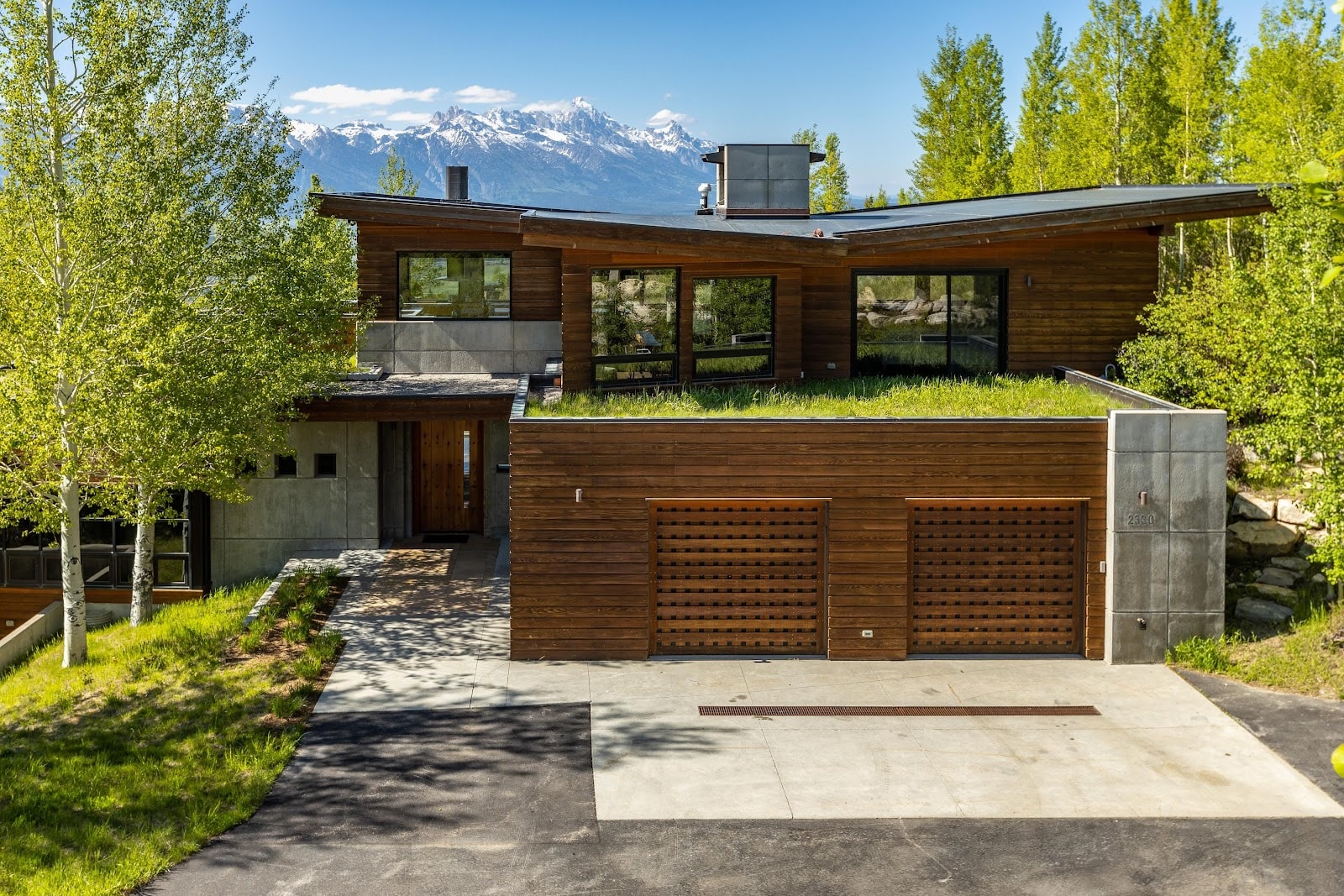
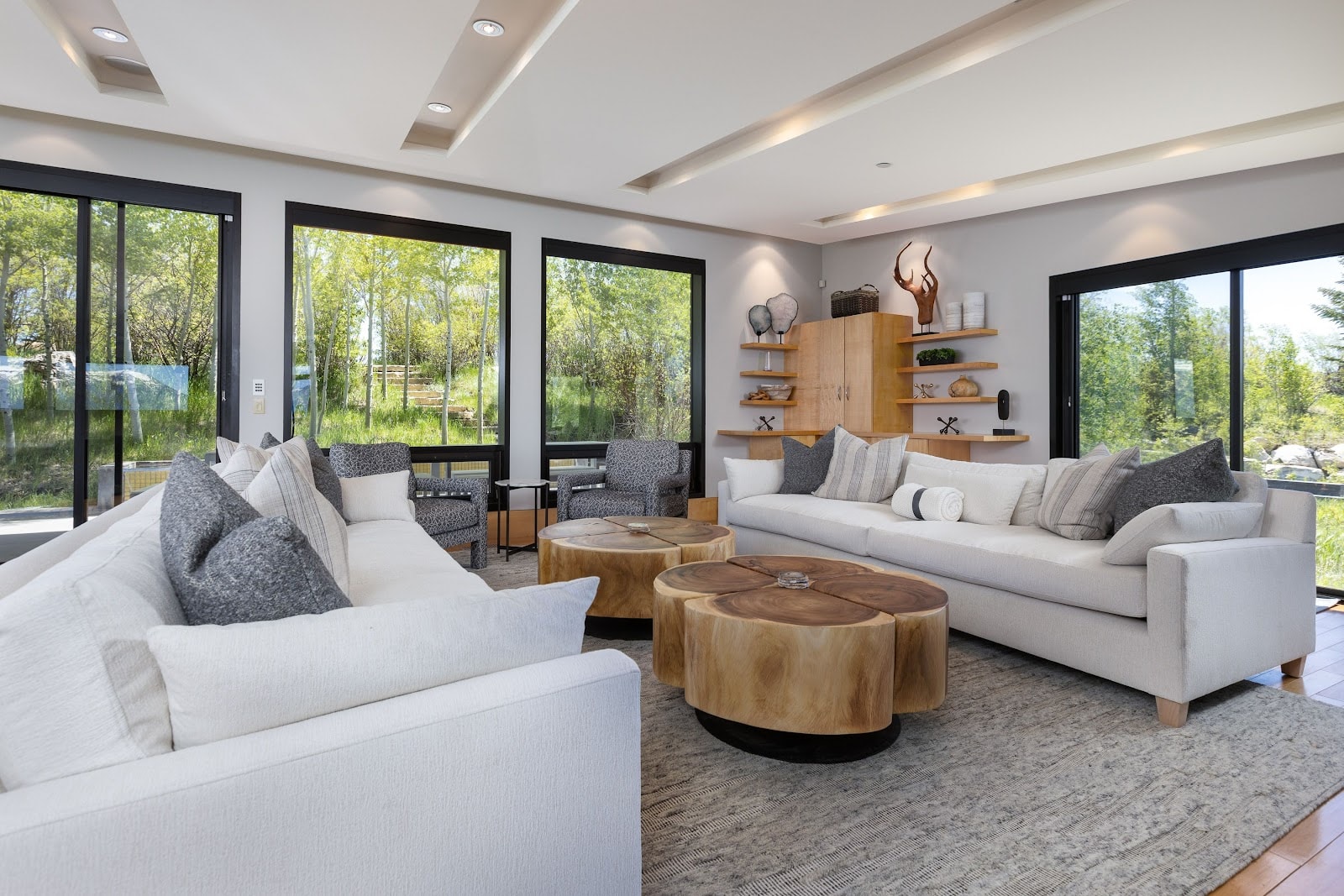
Teton Village, Wyoming, USA — 3-Bed House With Hot Tub
$950,000
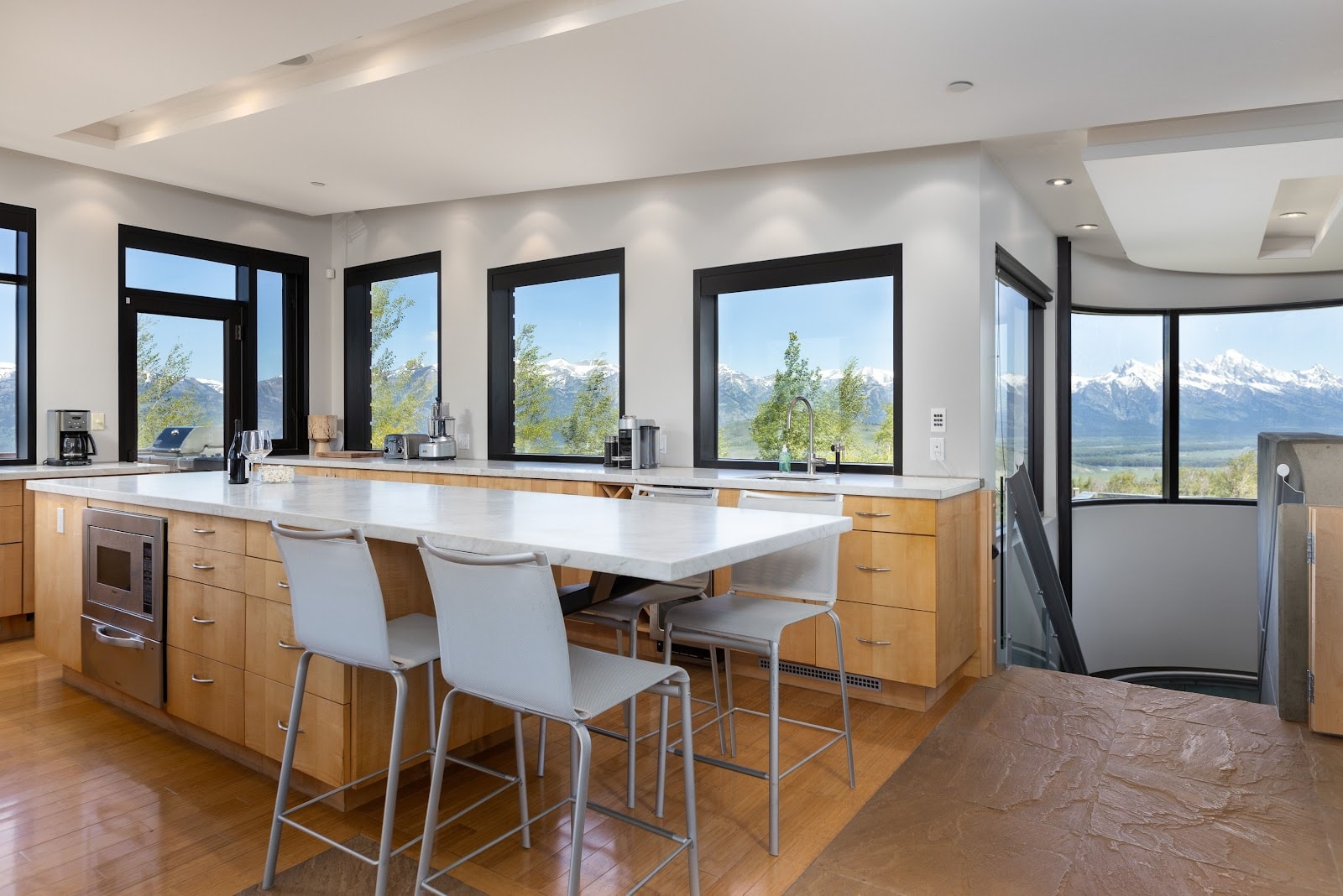
Jackson, Wyoming, USA — 6-Bed House With Mountain Views
$1,450,000
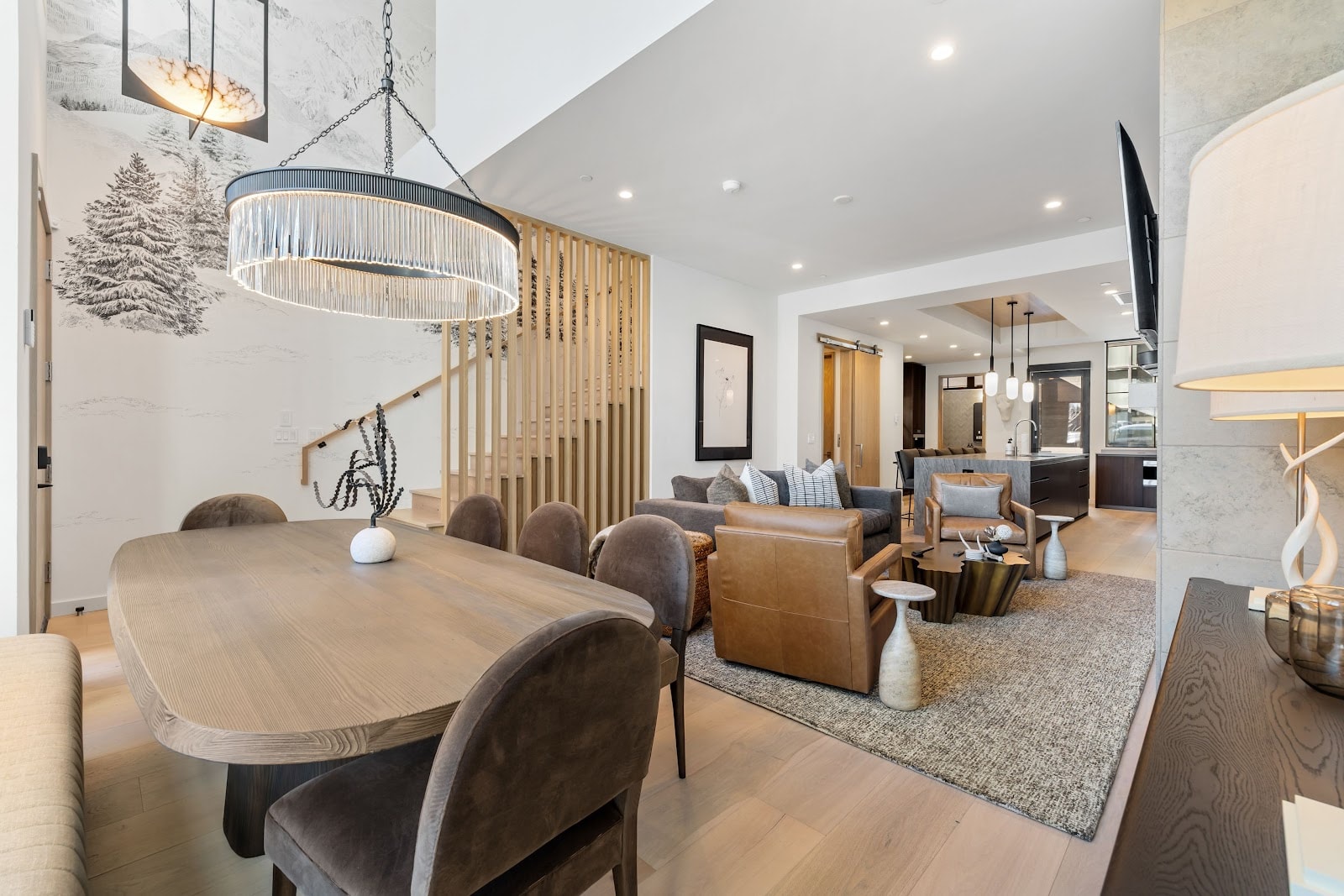
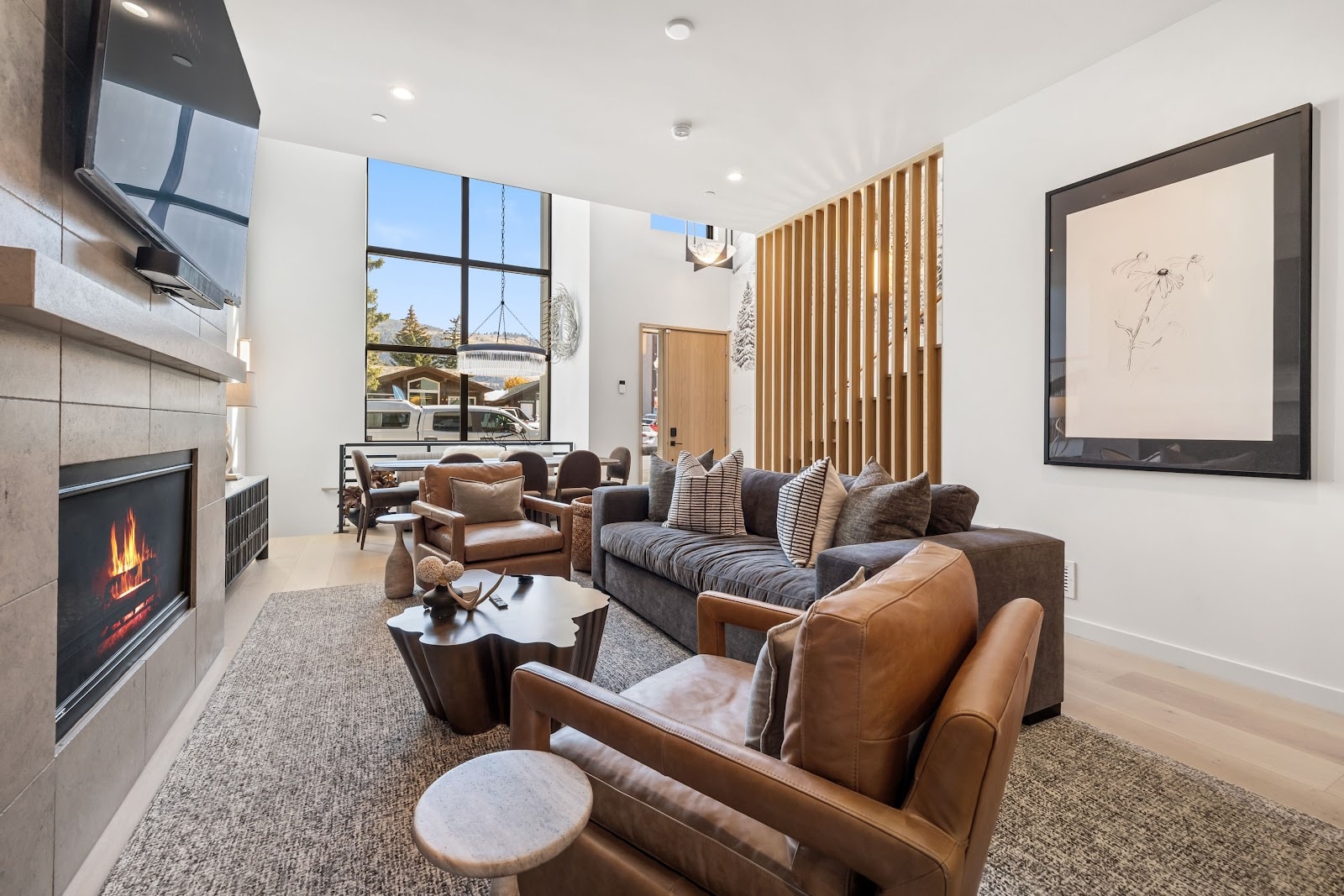
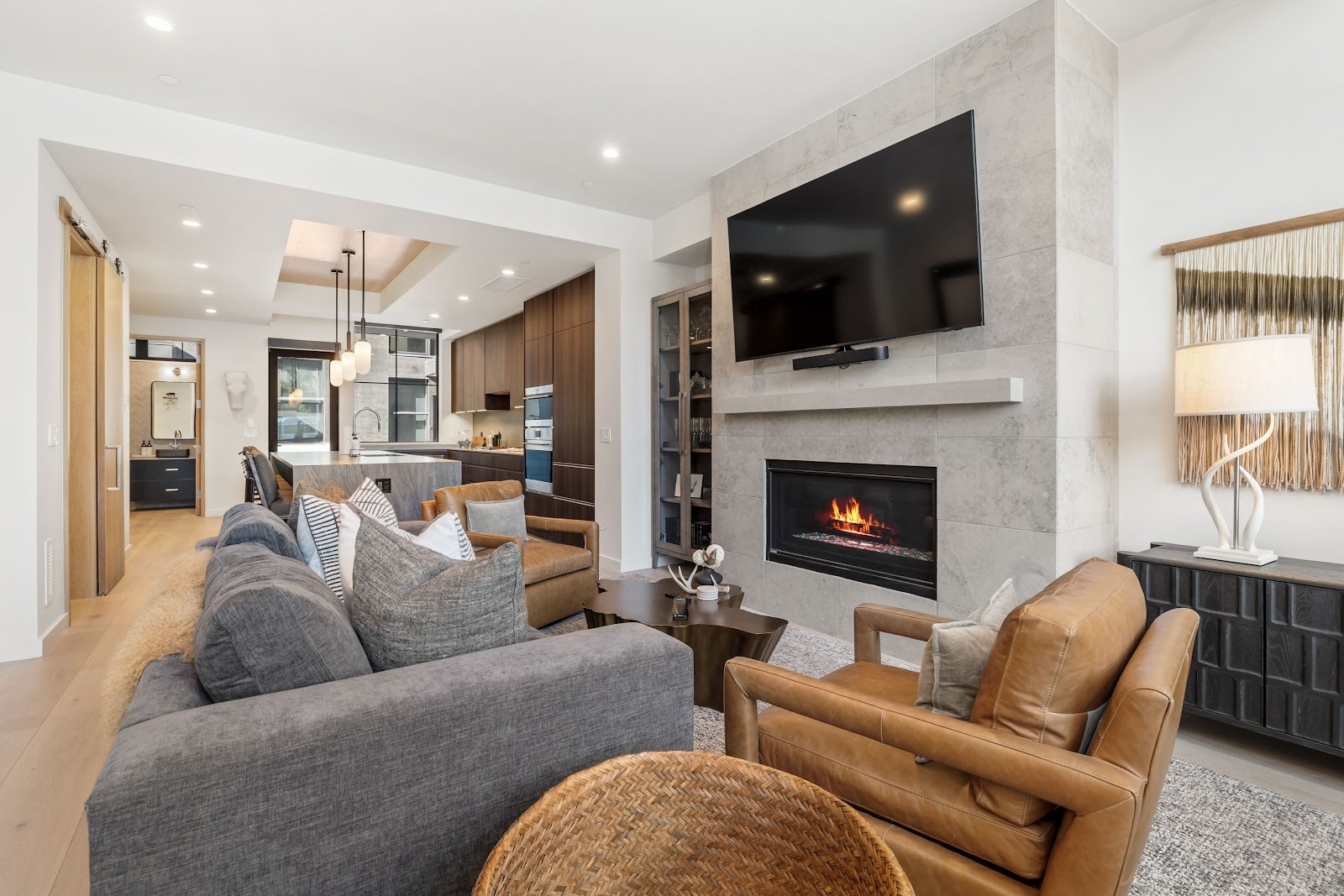
Jackson, Wyoming, USA — 3-Bed House With Hot Tub
$890,000
Jackson Hole's most coveted mountain addresses, accessible through co-ownership.
Fully managed cabins, villas and mountain apartments across Jackson town, Teton Village and the ski resort base, and the wider Jackson Hole valley. Your 1/8 share of the home comes with around six weeks of personal use, a professional management team on call, and the long-term equity of the most supply-constrained ski-and-wilderness valley in the United States.

What is fractional ownership in Wyoming?
Fractional ownership in Wyoming means buying a real 1/8 share of a luxury Jackson Hole mountain property, shared with up to seven other co-owners. Each owner receives personal use set by the partner that manages the home — a minimum of 44 or 45 nights a year with most of our partners, and no set cap with some others — through a fair-rotation calendar, with all property management, maintenance, taxes and operations handled by a professional team. You can sell it, pass it on to your heirs, and it grows in value with the home — it is not a timeshare, not a holiday club. The legal set-up is arranged by our partner for each home and walked through with you before you buy.
Why Wyoming?
Wyoming is, by the most meaningful measures, the most extraordinary mountain-valley second-home state in the United States — and Jackson Hole is the single reason. The Jackson Hole valley sits at roughly 2,000 metres (6,200 feet) above sea level, framed to the west by the Teton Range — one of the youngest and most dramatically vertical mountain ranges in North America, rising nearly 2,100 metres (7,000 feet) from the valley floor to the summit of the Grand Teton at 4,197 metres (13,770 feet) above sea level. There is no foothills zone buffering the view: the range erupts abruptly from the flat valley, a geological phenomenon that makes the Teton panorama unlike any other mountain vista in the United States. That visual drama, combined with two of the most important national parks in the country — Grand Teton National Park immediately to the north and Yellowstone National Park immediately beyond that — and the world-class skiing at Jackson Hole Mountain Resort, has created a destination whose second-home market operates in a category of its own.
For the fractional buyer, what makes Wyoming structurally compelling begins with supply constraint of a severity that very few US destinations can match. The Jackson Hole valley is ringed on three sides by national park and national forest land — Grand Teton National Park to the north, the Bridger-Teton National Forest to the south and east, and the Teton Wilderness to the north-east. Approximately 97% of Teton County's land area is federally or state protected, leaving a small, finite sliver of privately developable land in the valley floor and the immediate town areas. New construction is tightly constrained by Teton County's own land-use regulations, which are among the most restrictive of any county in the Mountain West; the county's Planning and Development Department has deliberately managed growth to preserve the valley's character and its relationship with the surrounding wilderness. The result is a supply constraint that is not cyclical — it does not ease in a downturn or expand in a boom — but structural and permanent. The inventory of quality second-home properties in Jackson Hole is genuinely finite, and the combination of a world-class ski resort, two national parks, and one of the most spectacular natural landscapes on earth means demand has been consistently strong for four decades.
Your Wyoming share is owned alongside up to seven other co-owners. You own a real share of the home — an eighth, a quarter — not a right to use it. You can sell it, pass it on to your heirs, and it grows in value with the home. Resale is handled through our partner's resale process, without you having to sell the whole house.
The tax argument for Wyoming as a second-home state is among the strongest in the United States. Wyoming has no state income tax — one of only nine US states without one — and no state estate tax and no state inheritance tax. The state's Department of Revenue administers property tax at the county level, and Teton County's property-tax rates, while assessed at market values that reflect the valley's premium, benefit from a straightforward Wyoming framework: no additional state-level real-estate transfer tax and no wealth tax. For international owners and high-net-worth US residents managing multi-state or multi-country portfolios, the Wyoming tax environment is structurally advantageous. We recommend independent tax advice for your own circumstances.
Wyoming also benefits from Jackson Hole Airport (JAC) — one of the most operationally remarkable commercial airports in the United States. Located entirely within the boundaries of Grand Teton National Park, JAC is the only commercial airport in the continental United States situated inside a national park, and direct flights from multiple US hubs (including year-round service from major gateway cities and expanded winter-season service from additional domestic and international origins) mean the valley is accessible without a long drive from a distant regional airport. The drive from JAC to Teton Village takes approximately 20 minutes; to the town of Jackson, approximately 10 minutes. For European and international buyers, the most common routing is via a US hub — Denver (DEN), Dallas-Fort Worth (DFW), Chicago (ORD), Salt Lake City (SLC), Los Angeles (LAX) or New York (JFK) — with short connecting flights into JAC from each.
One structural argument worth raising specifically for buyers comparing Wyoming with European alpine alternatives is the absence of any access restriction comparable to the Schengen limit. Post-Brexit, UK nationals are subject to the 90-day-in-180-day restriction across the 27 EU member states combined; for owners of French Alps, Austrian or Swiss chalets, that counter actively constrains how the property is used. Wyoming carries no equivalent restriction — UK and European buyers can visit on a US ESTA for up to 90 days per trip, with no annual accumulation rule governing repeat visits across the same twelve-month period. For a 1/8 fractional owner, whose share carries no set cap on total nights, the ESTA's 90-day per-trip allowance is structurally more permissive than the Schengen rules would be for a comparable European share, and the absence of any Schengen-style counter removes a genuine planning friction that European alpine second-home owners increasingly must manage.
Where to own in Jackson Hole
Jackson Hole is best understood through four distinct sub-zones, each with its own architectural character, proximity to the mountain and national parks, and buyer profile. The valley is compact — it is roughly 80 km (50 miles) long and 20 km (12 miles) wide — so travel between zones is straightforward, but the experience of owning in one versus another is meaningfully different. The four zones are: the town of Jackson, the valley's commercial and cultural heart; Teton Village and the ski resort base, the ski-in/ski-out zone at the mountain's foot; the wider Jackson Hole valley, encompassing Wilson, the Snake River corridor and the ranch land between; and the national-park gateway, the northern reaches toward Grand Teton and the road to Yellowstone.
The Town of Jackson
Jackson is the commercial and civic heart of the valley — a genuine town rather than a resort village — with a distinctive character shaped by the intersection of its ranching history, its status as the gateway to two national parks, and its emergence over the past two decades as one of the most culturally sophisticated small towns in the Mountain West. The town square, with its famous elk-antler arches at each corner, sits at the centre of a compact walkable grid of galleries, restaurants, bars, boutiques and outfitters that serves both the local community and the visiting second-home owner market. The Center for the Arts hosts a year-round programme of theatre, dance, visual art and music; the National Museum of Wildlife Art perches on a ridge north of town with its collection of more than 5,000 works and views of the National Elk Refuge below; and the dining scene — anchored by restaurants such as Snake River Grill and the broader collection of bars, wine shops and cafés on the town square — is by any measure among the best of any mountain town in the country.

The residential areas of Jackson — the streets east of the town square around the historic district, the neighbourhoods south toward the airport — offer a mix of log-and-timber homes, contemporary mountain architecture and older ranch properties. Owning in Jackson means having the full infrastructure of the town on your doorstep: the ability to walk to dinner, to the Saturday farmers' market, to the shops and galleries of the town square, without the ski-resort-base intensity that defines Teton Village. The National Elk Refuge, immediately north of the town, is home to one of the largest elk herds in North America; the winter sleigh-ride programme through the refuge is one of the valley's signature experiences. The refuge runs from October through May and covers more than 10,000 acres (4,000 hectares) of the valley floor immediately adjacent to the town's northern edge. The buyer mix in Jackson is the most diverse in the valley: local professionals, families with children in the town's schools, out-of-state second-home buyers who want a walkable base with full infrastructure, and international buyers for whom the town's self-contained character is a primary draw over the resort-village atmosphere of Teton Village. Best for: buyers who value year-round cultural and dining infrastructure, families with school-age children or multi-generational groups who want the option to walk to shops and restaurants, and international owners for whom a genuine town feel matters as much as ski-slope proximity.
Teton Village and the Ski Resort Base
Teton Village sits directly at the base of Jackson Hole Mountain Resort — the most technically demanding and vertically impressive ski resort in the United States — and is the address of choice for ski-focused buyers who want the shortest possible distance between their front door and the gondola. The resort's statistics define its stature: 4,139 feet (1,261 metres) of continuous vertical rise, the greatest continuous vertical rise of any ski resort in the United States; 2,500 acres (1,011 hectares) of ski terrain spread across the Rendezvous Mountain and Apres Vous sectors; a vertical-rise-to-acreage ratio that produces some of the most sustained expert terrain in North America; and a snowfall record that averages more than 460 inches (11.7 metres) of powder at the summit annually. The Jackson Hole Aerial Tram — carrying skiers 2,034 metres (6,674 feet) to the top of Rendezvous Mountain — is one of the iconic mountain transport experiences in American skiing, and the view from the summit across the Teton Range and the Snake River plain to the east is genuinely without parallel in the continental United States. The resort is also one of the best-regarded in the US for off-piste and backcountry access — the Teton backcountry, accessible through resort gates, is among the most celebrated advanced and expert terrain in North America.
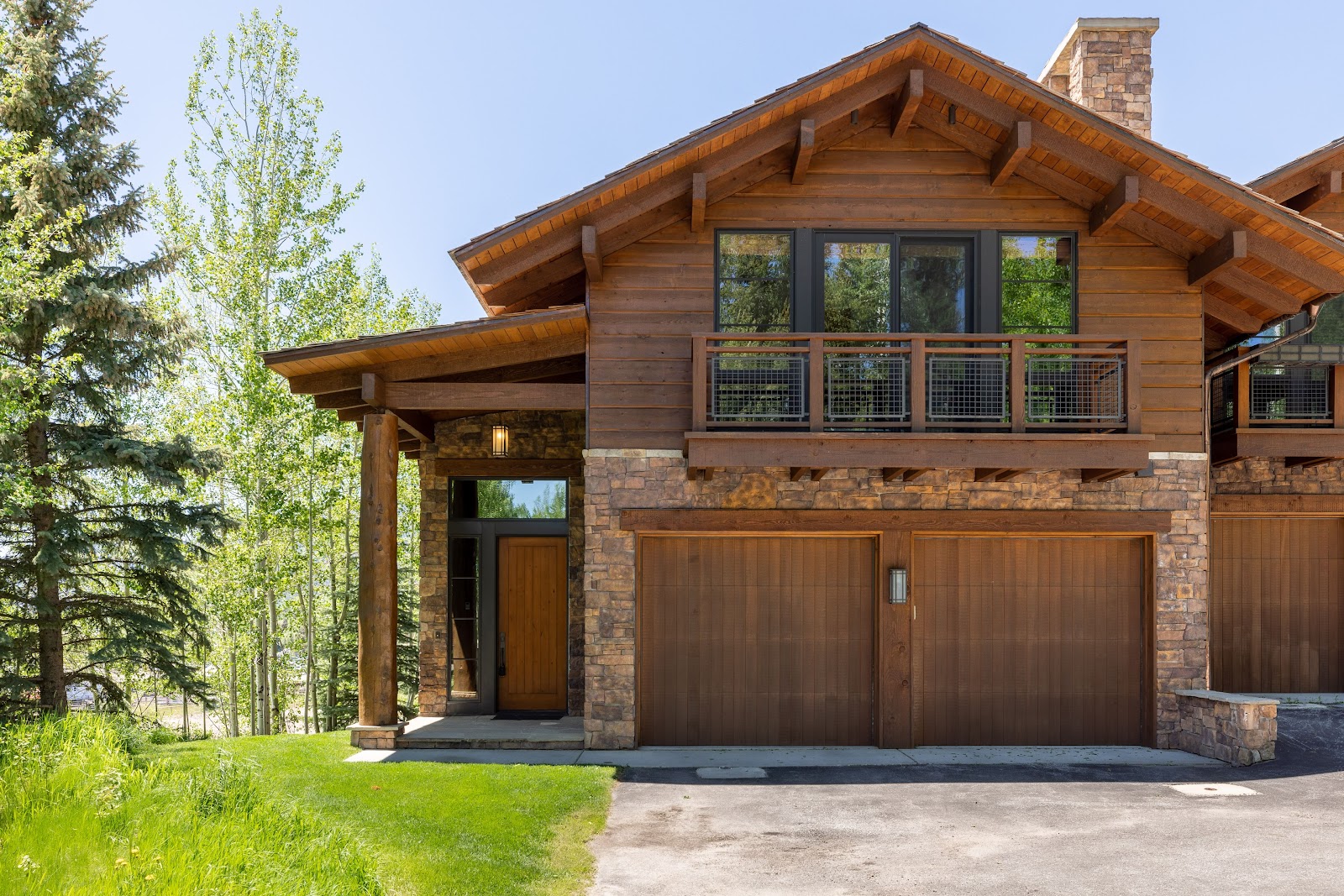
Teton Village itself is a compact, walkable resort village at the mountain's base — a concentration of hotels, restaurants, shops and residential properties in the shadow of Rendezvous Mountain, with the Jackson Hole Aerial Tram departing from the village centre and the ski runs returning directly to the village floor. The village's dining and après-ski scene is the most concentrated in the valley; the Jackson Hole Mountain Resort facilities, including ski school, rental and the expanding village retail and restaurant circuit, are accessible on foot from any Teton Village property. Beyond ski season, Teton Village serves as a summer base for hiking access into Grand Teton National Park, which begins immediately north of the resort boundary; the resort's summer gondola operates for mountain biking and hiking access; and the proximity to the national park means wildlife-watching — moose, bear, elk, bison, pronghorn — is routine rather than exceptional. The buyer mix at Teton Village is the most ski-focused in the valley: serious skiers who measure a property by morning gondola time rather than by proximity to the town square, and international buyers whose primary motivation is the resort's vertical and powder record. Best for: serious ski-first buyers, couples and families for whom ski-in access and peak-season mountain intensity are the primary drivers of value, and buyers who visit primarily in winter and treat summer access to Grand Teton National Park as the complementary off-season offer.
The Wider Jackson Hole Valley — Wilson, the Snake River Corridor and Ranch Land
Between the town of Jackson to the south-east and Teton Village to the north-west lies the main body of the Jackson Hole valley — the floor of an ancient glacial basin drained by the Snake River, flanked by the Teton Range to the west and the rolling terrain of the Gros Ventre Range to the east. This is the broadest and most rural of the valley's ownership zones, and it is the one that most closely reflects the valley's original character as a ranching and farming landscape. The key communities within this zone are Wilson, a small crossroads settlement at the base of Teton Pass on the valley's western side with its own local bar and community feel; the ranch and estate properties along the Horse Creek Road, Fish Creek Road and Spring Gulch Road corridors south and west of Wilson; and the broader agricultural and conservation easement-protected land running north toward the national park boundary.

Conservation easements are one of the defining features of the wider Jackson Hole valley's land use. The Jackson Hole Land Trust and a network of private, state and federal conservation programmes have placed easements on tens of thousands of acres of valley land — preserving the agricultural and wildlife character of the valley floor while severely constraining the development of new residential properties on the easement-protected parcels. The practical effect is that the supply of valley-floor properties with genuine space, privacy and wildlife views is both finite and diminishing; the combination of conservation easements and Teton County's own development regulations means the character of the wider valley is effectively locked in. Properties in the valley floor zone typically offer larger lot sizes, more privacy, and a more immersive sense of the Wyoming landscape than the more densely developed town and resort base zones — but at the cost of slightly longer drives to both the mountain and the town. The Snake River itself, a blue-ribbon trout fishery designated as a Wild and Scenic River, runs through the valley and is accessible for fly-fishing, floating and wildlife observation from properties throughout this zone. Best for: buyers who prioritise space, privacy and a direct experience of the Wyoming landscape over resort-base intensity, fly-fishing and outdoor-recreation enthusiasts, and those who want a genuine sense of the valley's ranching and wilderness character rather than its ski-resort dimension.
The National Park Gateway — Grand Teton and the Road to Yellowstone
The northern reaches of Teton County, where US Highway 89 leaves the valley and enters Grand Teton National Park, represent the most remote and least commercially developed of the valley's ownership zones — a landscape of sagebrush flats, oxbow lakes, cottonwood groves and the extraordinary wildlife corridor that links the Teton Range to the Greater Yellowstone Ecosystem, one of the largest intact temperate ecosystems on earth. The Grand Teton National Park itself covers 310,000 acres (125,000 hectares), encompassing the peaks of the Teton Range and the northern portion of the Jackson Hole valley; it is continuous with Yellowstone National Park to the north, which adds a further 2.2 million acres (890,000 hectares) of protected wilderness containing the world's greatest concentration of geothermal features — geysers, hot springs, mud pots and fumaroles — along with one of the largest bison herds in North America and some of the most productive grizzly bear, wolf and elk habitat anywhere in the temperate world.
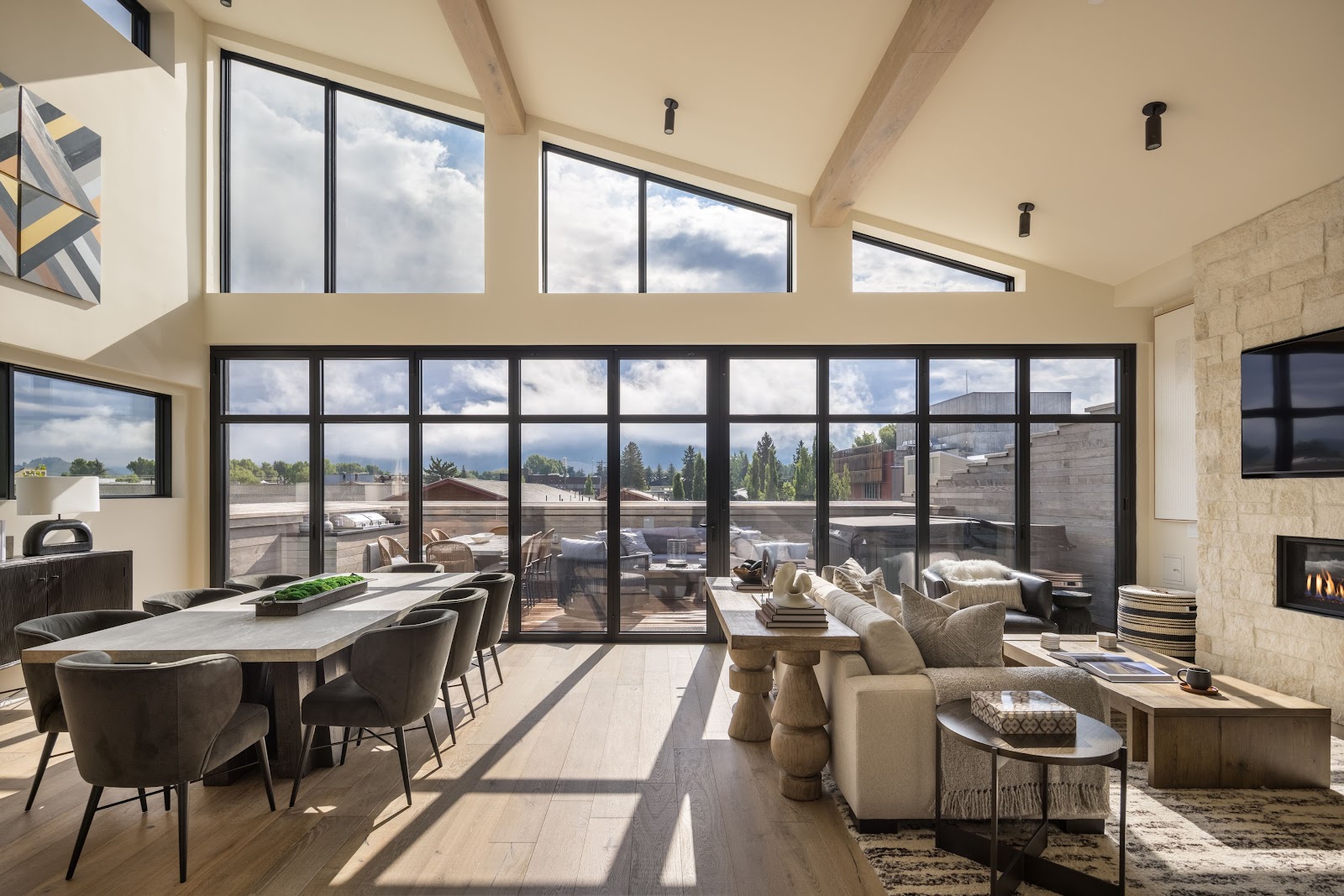
Properties in the national-park gateway zone offer the most direct access to the national parks themselves — Grand Teton's String Lake, Leigh Lake and Jenny Lake trailheads are within a short drive, as is the Jackson Hole Airport (JAC), which sits within the park boundary and whose approach path over the Snake River plain is one of the most spectacular commercial arrivals in the world. Wildlife observation from properties in this zone can be exceptional: moose are common along the Snake River oxbows; bison herds move through the valley seasonally; bears are active in the spring and autumn in the park's sagebrush zones; and the Mormon Row historic district — a preserved cluster of early-twentieth-century homestead barns against the Teton backdrop — is one of the most photographed landscape compositions in the American West. The summer hiking calendar from this zone reaches directly into the Grand Teton backcountry; the park's trail system includes routes to Hidden Falls, Inspiration Point, Cascade Canyon and ultimately the high peaks of the Teton crest. Best for: buyers whose primary draw is the national parks and the wildlife and hiking calendar, those who want the most immersive experience of the Greater Yellowstone Ecosystem, and buyers who value airport proximity combined with the most spectacular natural setting in the valley.
A year in your Jackson Hole co-ownership home
Distributing owner nights that carry no set cap across the Jackson Hole calendar is, for most owners, a genuinely enjoyable planning exercise — the valley has no off-season in any meaningful sense. Winter brings world-class skiing; summer brings hiking, fly-fishing and wildlife access of a quality matched nowhere else in the lower 48 states; the shoulder seasons of spring and autumn bring calving elk, changing aspens and the quietest, most local version of the valley. The fair-rotation calendar ensures every co-owner receives a fair allocation of peak weeks — including the prime ski-season windows in January and February and the peak summer weeks in July and August — across a multi-year cycle.
Spring (March–May)
Spring in Jackson Hole runs from the tail of ski season through the dramatic transformation of the valley as it thaws, greens and fills with returning wildlife. March is still solidly ski season — the Jackson Hole Mountain Resort typically operates well into April, and March frequently brings some of the deepest and most consolidated powder of the season as the long Pacific storm cycles of mid-winter give way to warmer but still productive spring snowfall. Temperatures in March average −5 to 5°C (mid-20s°F to low 40s°F) on the valley floor, with bluebird days increasingly common as the season progresses. The ski resort's spring conditions — firm morning snow softening to groomed cruising by noon — are a favourite of experienced skiers who prefer fewer crowds and longer daylight hours over the deep-powder intensity of January.
April marks the transition: the lower mountain terrain begins to bare out but the high-altitude terrain at Rendezvous Mountain remains skiable, and the valley floor begins to show the first green of new grass through the snow cover. The National Elk Refuge sees its annual elk migration in April, when the herd — which can number more than 11,000 animals in peak years — begins its movement north toward summer ranges in the park and the Teton wilderness, and the valley roads and turnouts fill with wildlife-watchers tracking the procession. By May, the valley is fully awake: moose calves are born in the willows along the Snake River oxbows, bears emerge from hibernation in the park, osprey return to their nests at the Flat Creek marshes above the town of Jackson, and the first wildflower blooms appear in the sagebrush flats. Grand Teton National Park opens its full road network in May, and the hiking season begins with the lower-elevation trails as the snowpack retreats up the mountain slopes. Spring temperatures are 3–15°C (high 30s°F to high 50s°F) on the valley floor, with occasional late-spring snow that locals accept as a feature rather than an inconvenience. The valley is at its quietest and most local in late April and May — a period that experienced Jackson Hole owners often identify as their favourite.
Summer (June–August)
Summer is the season when the full scope of the Jackson Hole experience becomes evident — the valley transforms from a ski destination into one of the premier outdoor and wildlife destinations in the world, and the national parks come into their peak operation. Grand Teton National Park reaches its operational peak from late June through August: the Jenny Lake shuttle operates full-time, the Jenny Lake Lodge and the park's campgrounds are fully open, and the trail network to the park's signature hikes — the Cascade Canyon loop, the Paintbrush Canyon–Cascade Canyon traverse, the Grand Teton summit approach for experienced technical climbers — is in prime condition. Temperatures on the valley floor in July and August average 15–25°C (high 50s°F to high 70s°F), with cool nights that typically drop to 5–10°C (low 40s°F to high 40s°F) even at peak summer — the continental elevation of the valley (approximately 2,000 metres / 6,200 feet) ensures that summer in Jackson Hole is never hot in the way that lowland US summer destinations can be.
The Snake River fly-fishing season is at its finest from late June through September. The Snake River below Jackson Lake Dam and the upper Snake above it are both world-class fisheries — the upper Snake's technical dry-fly fishing for native Snake River cutthroat trout draws anglers from across the United States and internationally; guided drift-boat floats through the canyon section below Jackson are a signature valley experience. The summer calendar extends beyond the outdoor: the Grand Teton Music Festival runs through July and August at Walk Festival Hall in Teton Village, with a programme of orchestral and chamber music performances that draws world-class musicians and performers to the resort base each summer. The Jackson Hole Arts Festival and the town's gallery walks fill the summer cultural calendar. The Wednesday and Saturday farmers' market on the Jackson town square is one of the finest in the Mountain West. Wildlife observation reaches its peak in summer: the valley's bison herds, grizzly families, wolf packs and black bear populations are most visible and most active from June through August, and the Antelope Flats and Oxbow Bend areas of Grand Teton National Park offer reliably productive wildlife viewing.
Autumn (September–November)
Autumn is Jackson Hole's most visually spectacular season — and the one that experienced valley owners consistently rank as their personal favourite. September and October bring the elk rut — the autumn mating season — to the meadows and river corridors of Grand Teton National Park and the National Elk Refuge, with bull elk competing for cows in a display of bugling, antler-clashing and territorial posturing that is one of the great wildlife spectacles in the temperate world. The sound of bull elk bugling in the valley at dawn and dusk in late September is a defining Jackson Hole experience. Temperatures in September remain pleasant — 10–20°C (high 40s°F to high 60s°F) — with warm days and increasingly cool nights that begin to build the first high-altitude snowpack on Rendezvous Mountain above Teton Village.
October transforms the valley with colour: the aspen groves on the lower Teton slopes, the Snake River cottonwood corridors and the hillsides throughout the valley turn gold, orange and yellow in a display that fills the valley's viewpoints and draws photographers from across the country. The light in October is exceptional — low-angle sun illuminating the golden aspens against the snow-capped Teton peaks produces the visual combination that has defined the valley's photographic identity for a century. The national park's crowds thin dramatically after the Labor Day weekend in early September; from mid-September through the October and early November shoulder, the trails, overlooks and wildlife-watching areas of Grand Teton and Yellowstone are accessible at their most relaxed, with the full wildlife activity of the autumn transition — grizzly bears in hyperphagia, wolf pack activity increasing, moose bulls in rut — providing exceptional viewing. Yellowstone National Park, 89 miles (143 km) north of Jackson via the John D. Rockefeller Jr. Memorial Parkway, is at its most spectacular in autumn: the geothermal features steam more dramatically in cool air, the bison rut carries into September, and the wolf packs of the Lamar Valley are most active and visible in the early autumn light. By November, the first ski area operations begin on Rendezvous Mountain, and the valley transitions smoothly into its ski-season mode. Best for: wildlife enthusiasts, photographers, hikers who want national park access without summer crowds, and buyers for whom autumn colour and the elk rut are primary draws.
Winter (December–February)
Winter is the season that defines Jackson Hole's international reputation and the primary driver of the valley's second-home market. From the resort's opening in late November through the close of the main season in early April, the Jackson Hole Mountain Resort operates at a scale and quality that no other ski resort in the continental United States matches for sheer vertical ambition. The resort's statistics bear repeating: 4,139 feet (1,261 metres) of continuous vertical rise — the greatest in the US; 2,500 acres (1,011 hectares) of terrain across Rendezvous Mountain and Apres Vous; an average annual snowfall at the summit of more than 460 inches (11.7 metres); and a trail classification that runs roughly 50% expert (black diamond and double black), 40% intermediate and 10% beginner, making it the most expert-weighted major resort in the country. The Hobacks, Corbets Couloir, Tram Face and the resort's extensive inbounds glade and cliff terrain make Jackson Hole the resort of choice for skiers at the advanced and expert level; the Apres Vous sector provides excellent groomed intermediate terrain for mixed-ability groups and families; and the resort's ski school, including the JHMR ski school with its highly regarded children's and adult programmes, is among the most well-resourced in the country.
December and January are the two deepest months: the storms that build the snowpack typically arrive in concentrated pulses from Pacific and continental systems, producing the deep, cold, low-density powder that has given Jackson powder days their mythological status among serious skiers. The Christmas–New Year peak is the most in-demand window of the entire valley calendar; the Martin Luther King Day weekend and the Presidents' Day weekend in February are the next highest-demand periods. The January and early February shoulder weeks between the holiday peaks are many experienced Jackson Hole ski owners' preferred pattern — conditions as good, crowds noticeably thinner, and the mountain's character most fully apparent without the peak-holiday intensity. Beyond the resort, the valley's winter calendar includes snowshoeing and cross-country skiing in Grand Teton National Park (the park's Taggart and Bradley Lakes trails and the Teton Park Road, closed to vehicles in winter and open to skiers and snowshoers, are among the finest winter-trail experiences in the national park system); snowmobile access into the Bridger-Teton National Forest; the winter sleigh rides through the National Elk Refuge; and the extraordinary quiet of the valley in mid-winter, when the full population is a fraction of the summer and ski-holiday peaks. For owners who value solitude and deep mountain winter as much as the resort's ski terrain, the January shoulder weeks offer both in equal measure.
Who buys in Jackson Hole, and why
The buyer mix in Jackson Hole's second-home market is unlike that of any other US mountain destination — and the drivers behind it have been consistent for three decades. Domestic US buyers form the largest single cohort: high-net-worth buyers from New York, Los Angeles, San Francisco, Chicago, Dallas, Houston and Denver who treat Jackson Hole as either a primary mountain base or as a complement to a coastal or city primary residence. The valley has a long history of attracting buyers from the east and west coasts who want a Mountain West base without the resort-village density of Vail or Aspen; the combination of national park wilderness access, a genuine town, world-class skiing and the Wyoming tax environment creates a proposition that is more rounded than a pure ski resort and more wild than a resort town. International buyers — from the UK, Germany, Scandinavia, Australia, Canada and increasingly from the Gulf states and Asia — are a growing cohort, drawn primarily by the combination of the resort's skiing credentials, the national parks, and the Wyoming tax environment.
Fractional ownership in Jackson Hole typically suits a well-defined set of buyer profiles:
- Serious skiers at the advanced and expert level — buyers who have skied the major European resorts and the established American mountains and who judge Jackson Hole's 4,139-foot vertical, its Tram Face terrain and its off-piste backcountry access to be unmatched in the continental United States. For this cohort, the resort's technical demands are the primary draw; the national-park access and the Wyoming setting are welcome enhancements.
- Multi-generational families — the valley's combination of a world-class ski resort for adults, an extraordinary wildlife and national-park experience for children, and a genuine town with infrastructure for extended-family stays makes Jackson Hole one of the most natural multi-generational second-home destinations in the US. Cabins and larger properties that sleep grandparents, parents and children in the same week are the standard format for this buyer profile.
- Outdoor enthusiasts with a four-season use pattern — buyers who value the fly-fishing, hiking, cycling and wildlife calendar as much as the ski season, and who want a mountain property that earns its keep across all four seasons rather than sitting empty for eight months of the year. These buyers often identify spring (the elk migration, the thaw) and autumn (the aspen colour, the elk rut, the shoulder access to Yellowstone) as their highest-priority use weeks alongside the ski-season core.
- High-net-worth US buyers optimising their tax position — for US residents managing a complex portfolio of assets across multiple states, Wyoming's no state income tax and no state estate tax environment makes Jackson Hole attractive for both lifestyle and tax-planning reasons. Estate planners in states with high state income and estate taxes (California, New York, Massachusetts, Oregon) frequently flag Wyoming ownership as a structurally advantageous complement to a client's portfolio.
- International buyers building a US foothold — European, Australian and Canadian buyers who want a US second home that combines genuine outdoor-recreation substance with a favourable state tax environment. Jackson Hole's ESTA accessibility (90 days per trip, no Schengen-style annual counter) and its direct or one-stop international connectivity via US hubs make it one of the more compelling US propositions for this cohort.
- Portfolio builders — owners who already hold a European alpine share (French Alps, Austrian Tyrol, Italian Dolomites) and who see a Jackson Hole ski-season share as the American complement to a European winter ownership — giving genuinely different mountain experiences across the same winter season, with the same portfolio relationship.
- Wildlife, photography and conservation-oriented buyers — buyers for whom proximity to the Greater Yellowstone Ecosystem, the National Elk Refuge, the Grand Teton bison herds and the valley's extraordinary wildlife calendar is the primary draw, and for whom the skiing is an enhancement rather than the reason. This cohort typically prioritises autumn and spring use weeks and often complements Jackson Hole ownership with other wildlife-oriented travel.
What unites these otherwise diverse buyer profiles is a calculation that most of them reach at a similar point in their relationship with the valley: the actual weeks they use a Jackson Hole property in a year fall within the range that a 1/8 share delivers; the operational burden of running a mountain property in Wyoming remotely — snow removal, HVAC maintenance, wildlife-related exterior maintenance, the seasonal opening and closing programme — is non-trivial and benefits enormously from professional management; and the resale liquidity of a well-managed fractional share inside a professionally managed portfolio is, in the experience of the broader COP network, meaningfully higher than that of a whole property at the same address. Browse the listings in the property grid at the top of this page to see which Jackson Hole properties are currently available. Our team can walk you through the sub-zone trade-offs — the town versus the resort base, the valley floor versus the park gateway — before you commit to a property.
Practicalities: getting there and what you own
Getting there — Wyoming airports and connections
Jackson Hole is served primarily by Jackson Hole Airport (JAC), one of the most operationally distinctive commercial airports in the United States. Located entirely within Grand Teton National Park — the only commercial airport in the continental US inside a national park — JAC offers direct year-round service from Dallas-Fort Worth (DFW), Denver (DEN), Salt Lake City (SLC), Chicago O'Hare (ORD), Los Angeles (LAX), San Francisco (SFO), Seattle (SEA), Phoenix (PHX) and New York (JFK). Winter-season service expands significantly from December through March, with additional direct routes from Atlanta (ATL), Houston (IAH), Minneapolis (MSP), Boston (BOS) and other US hubs; seasonal direct service from Vancouver (YVR) in Canada operates in the ski season. The airport-to-town drive is approximately 10 minutes; the drive to Teton Village approximately 20 minutes. European and international buyers typically route via a US hub city with the longest-range direct service: the London–Dallas–Jackson routing, the London–Denver–Jackson routing and the London–Salt Lake City–Jackson routing are the most common for UK buyers. Total journey time from London to Jackson Hole is typically 14–16 hours including the hub connection, comparable to a long-haul European destination.
An alternative gateway is Salt Lake City International (SLC), which handles direct transatlantic service from London Heathrow (operated by Delta Air Lines) and connects to Jackson Hole via a short 45-minute flight or a 4.5-hour drive north through Utah and southern Idaho. Idaho Falls Regional Airport (IDA), 90 minutes from Jackson by car, offers additional connectivity from US hubs as a secondary option. The valley is also accessible by car from major Mountain West cities: Salt Lake City to Jackson is approximately 310 miles (499 km), typically a 4.5 to 5-hour drive via US-189 north through Evanston and Kemmerer; Denver to Jackson is approximately 370 miles (595 km), approximately 5.5 hours via I-70 west and US-40.
Whole home or a share — the comparison that matters
The case for a fractional structure in Jackson Hole is most directly made through a side-by-side comparison against both whole ownership and long-term rental in the valley's prime property tier. Sole ownership of a Jackson cabin, a Teton Village ski-in villa or a valley-floor ranch estate commits a buyer to the full property value as upfront capital, the full annual carry as a running cost, and the full operational burden of managing a high-demand mountain property remotely — whether the owner spends four weeks in the valley per year or twelve. The fractional structure splits that across eight owners; the 1/8 share delivers the access the owner will actually use, at roughly 1/8 the capital commitment and carry, with the operational burden removed entirely.
| Whole second home | COP 1/8 fractional share | Long-term rental | |
|---|---|---|---|
| Upfront commitment | Full property value | ~1/8 of the property value | First/last/deposit only |
| Equity in the asset | Full appreciation | ~1/8 of appreciation | None |
| Wyoming tax benefit | No state income tax; no state estate tax on the asset | Follows the home's legal set-up | Landlord's benefit, not yours |
| Personal use | Up to 52 weeks (most use 4–8) | Around six weeks a year, fairly rotated | Defined by lease |
| Operations burden | Owner-managed or hired staff | Fully included | Landlord-managed |
The comparison most Jackson Hole buyers find most telling is the annual carry versus actual use line. A whole cabin or villa in the valley carries the full Teton County property-tax assessment (with rates reflecting market values at the premium tier), the full mountain-grade insurance stack (property, contents, liability — mountain properties run higher insurance costs than valley equivalents due to snow-load, elevation and remoteness factors), the full professional management retainer, full year-round snow removal and road clearance, full HVAC and systems maintenance through the long winter season, and a significant reserve fund for the kind of structural maintenance — roof replacement, boiler overhaul, deck re-boarding — that mountain properties at elevation require on a recurring cycle. All of this is paid in full every year, regardless of whether the owner spends six weeks at the property or twelve. A 1/8 fractional share carries roughly 1/8 of that total, fully managed, with no additional operational bills. Compared to renting an equivalent Jackson Hole property long-term, you build real equity rather than burning rent — and the share is yours to sell or pass on.
The time-to-exit comparison is also directly relevant in Jackson Hole's premium tier. The buyer pool for whole properties at the top of the Teton Village or valley-floor ranch market is small, well-informed and unhurried; prime properties in these zones have historically required 12–24 months on the open market before transacting, with the carrying costs of holding through a slow sale representing a meaningful fraction of the sale price by the time it closes. A fractional share, by contrast, is sold through our partner's resale process, without you having to sell the whole house.
What you actually own — the legal share
You own a real share of the home — an eighth, a quarter — not a right to use it. You can sell it, pass it on to your heirs, and it grows in value with the home. What you hold is real ownership — not a timeshare use-right that depreciates to zero when the contract expires, not a points membership, not a fractional holiday club.
How fractional ownership works in Wyoming
The mechanics of fractional ownership in Wyoming are shaped by three elements working together: the legal set-up our partner arranges for each home, Wyoming's uniquely favourable tax environment, and the mountain-specific operational model that handles everything from snow removal to wildlife-management best practices. Together, they make for a confident, clear ownership experience.
How co-ownership works for Wyoming property
Big decisions — selling the home, major works — are decided together by the co-owners, and the calendar and the management arrangement are set out in the home's agreements.
Wyoming property tax and the state's tax environment
Wyoming's tax environment is among the most favourable of any US second-home state. At the state level: no state income tax, no state estate tax and no state inheritance tax. At the county level, Teton County property tax is assessed annually by the county assessor at a rate applied to the property's appraised fair-market value; the county's tax rates reflect the premium market values of the valley but operate within the standard Wyoming property-tax framework, and property tax is handled by our partner. Federal tax treatment — capital-gains tax on eventual resale, and any applicable US income-tax treatment for non-US-resident owners — follows federal rules.
Mountain-specific operations: snow management, wildlife and seasonal maintenance
Running a mountain property at Jackson Hole's elevation — and in a valley with average annual snowfall of approximately 150 inches (3.8 metres) on the valley floor, rising to more than 460 inches (11.7 metres) at the summit of the ski resort — requires a year-round operational programme that flat-country properties do not. The professional management team handles snow removal and road clearance on every significant storm day; roof snowload monitoring on properties where valley-floor accumulation can stress structural elements; winterisation and seasonal-opening procedures for water systems, HVAC, outdoor water features and any mechanical systems vulnerable to freeze-thaw cycling; boiler and HVAC maintenance through the extended winter heating season; and pre-arrival full-property checks — critical in a valley where a property may sit between owner stays for several weeks in the depth of winter. The summer programme covers landscaping, deck and exterior maintenance after the winter, irrigation management and the preparation of any outdoor features for warm-weather use. Wildlife-aware property management is also a practical consideration in Jackson Hole: bear-aware refuse storage, appropriate exterior lighting, and seasonal awareness of wildlife movement patterns near the property are all aspects of mountain-property management that the professional team handles as routine.
Inheritance and probate
Directly held Wyoming real estate is subject to Wyoming probate on the owner's death. You can pass your share on to your heirs, and our partner sets out how each home's legal set-up handles succession.
The professional management model and how the calendar works
Once the purchase completes, a professional management company takes over all operational responsibility for the Wyoming property. Your personal weeks — with no set cap on total nights for a 1/8 share — are allocated through a fair-rotation calendar that cycles the highest-demand windows (the Christmas–New Year peak, the Martin Luther King Day ski weekend, the Presidents' Day ski weekend, the prime July and August wildlife and hiking weeks, and the September–October elk rut and autumn colour weeks) with shoulder-season and quieter weeks across the calendar year. Owners pre-book several months ahead; the scheduling system ensures that over a multi-year cycle every co-owner receives a comparable allocation of peak-demand windows rather than the same fixed slot year after year. Snow removal, pre-arrival preparation, linen and cleaning between every stay, HVAC and boiler management, seasonal maintenance, utility management, property-tax and insurance compliance, and the on-call concierge — all sit with the management team. You arrive; the property is ready, the road is cleared, the heating is on, and the snow outside has already been managed.
Resale: how to exit, typical timelines
When you decide to exit your Wyoming share, a professional resale process is in place: you sell your share — not the whole house — at the price you set, typically after an initial twelve months of ownership, with your co-owners offered the first chance to buy. Hundreds of shares in homes like these have already been resold — in just over three months on average, and nearly three in four for more than the owner paid. Whole-property resales in Jackson Hole's premium tier typically require 12–24 months on the open market. The carrying costs of holding a whole Jackson Hole property through a slow open-market sale — Teton County property tax, full insurance, management retainer, year-round snow removal, the full mountain-maintenance programme — can be materially significant over a multi-year sale timeline, making the fractional resale path financially attractive beyond the headline convenience. For owners who want maximum control over price and process, an open-market sale to any qualifying buyer remains an option.
The full mechanics of fractional ownership across all jurisdictions — usage calendars, exit procedures, rental income treatment, insurance, transfer on death, the relationship with the management company — are covered in our co-ownership explained guide. For specific Wyoming property availability, browse the listings in the property grid above, or join our list for new-property alerts as they come to market. If you are comparing Jackson Hole directly against Aspen, Park City, Vail or a European Alps alternative, our specialist team can walk you through the access logistics, the snowfall data, the sub-zone differences and the ownership-structure mechanics in detail before you make any commitment.
Your ownership at a glance
- Real ownership — you own a real 1/8 share of the home, not a right to use it: you can sell it, pass it on to your heirs, and it grows in value with the home. Not a timeshare, not a points membership.
- Professional management included throughout — snow removal, pre-arrival preparation, linen and cleaning between every stay, mountain-specific HVAC and boiler maintenance, year-round property monitoring, Teton County property tax and insurance management, wildlife-aware property practices, and the on-call concierge are all handled by our partner.
- Clear, supported resale through our partner's resale process — our partner's resale process lets you sell your share without having to sell the whole house, rather than waiting the 12–24 months that comparable whole Jackson Hole properties take on the open market.
Questions & Answers
Wyoming Fractional Ownership — Frequently Asked Questions
Fractional ownership in Wyoming gives you a real 1/8 share of a luxury Jackson Hole home — a cabin in the town of Jackson, a ski residence at Teton Village, or a valley property with Teton views. The legal set-up is arranged by our partner for each home and walked through with you before you buy. Your share delivers around six weeks of use a year, depending on the home,, fully managed. It is real, transferable equity — not a timeshare.
Jackson Hole pairs Jackson Hole Mountain Resort — which has the greatest continuous vertical rise of any ski resort in the United States — with Grand Teton National Park on its doorstep and Yellowstone an hour north. Conservation easements across the valley permanently constrain new development, and Jackson Hole Airport is the only commercial airport inside a US national park. The result is a year-round mountain destination with structurally limited supply.
Wyoming has no state income tax, no state estate or inheritance tax, and no tax on capital gains — one of the most favourable tax environments of any US state, and a significant part of why Jackson Hole attracts second-home buyers nationally. County property-tax filing and payment are handled by our partner. Personal tax advice is recommended for your own circumstances.
Your around six weeks are allocated through a fair-rotation calendar that mixes peak ski weeks (Christmas, February, March), summer national-park weeks and quieter shoulder periods across a multi-year cycle, so no single owner consistently holds all the high-demand weeks. You pre-book months ahead; the management team handles everything else.
Simply. Our partner's resale process handles the sale for you, so you sell your share without the whole house having to be sold. After a typical first-12-months holding period you can sell whenever you choose, at the price you set — your co-owners get the first chance to buy. Hundreds of shares in homes like these have already been resold — in just over three months on average, and nearly three in four for more than the owner paid.
Also Explore
Get in Touch
Speak to an expert
Tell us what you're looking for and we'll be in touch.