Co-Ownership Homes in Aspen
3 luxury holiday homes in Aspen available as co-ownership shares, from $1,170,000 per share. Genuine ownership, fully managed, a fraction of the whole-home price.
The Aspen Collection
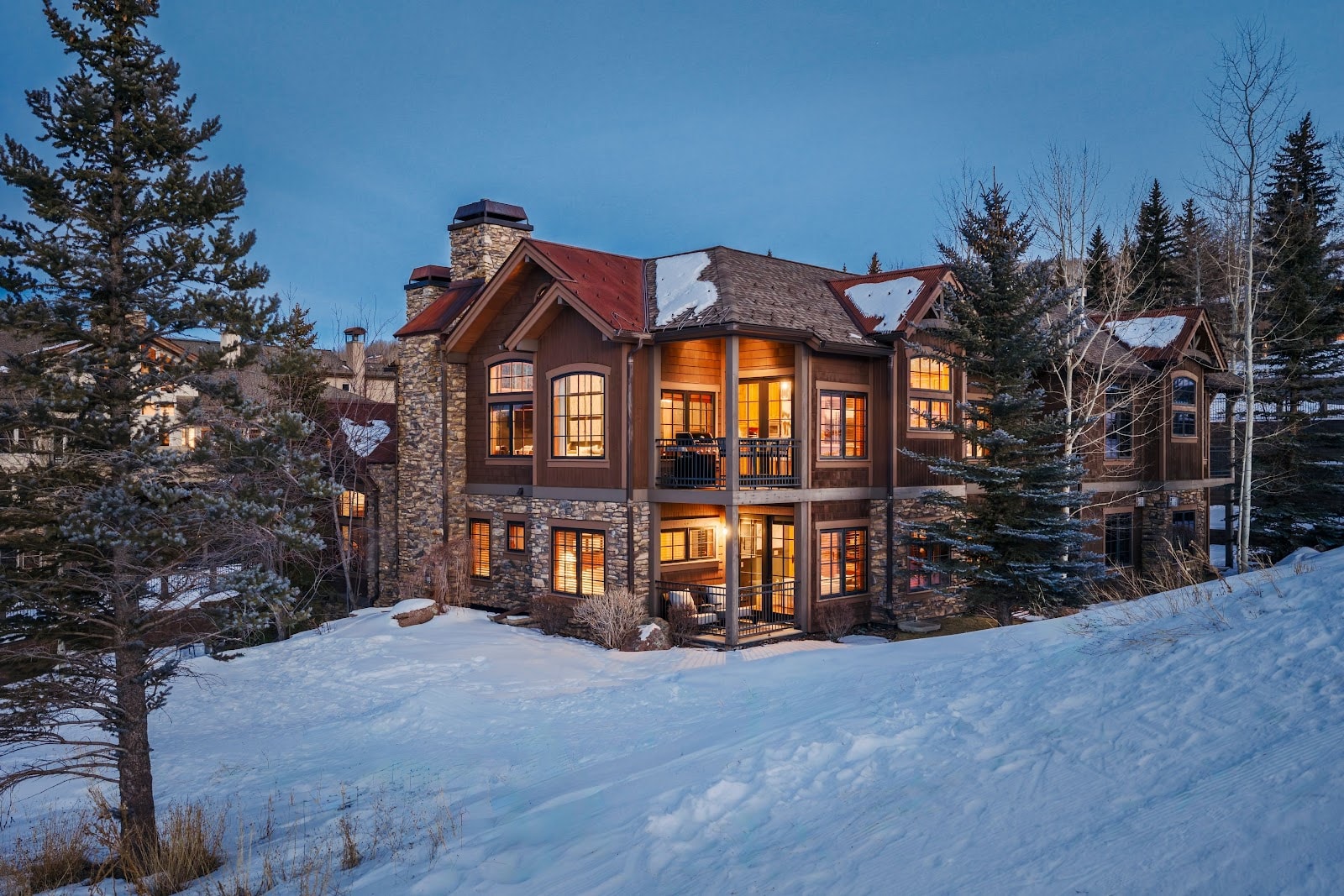
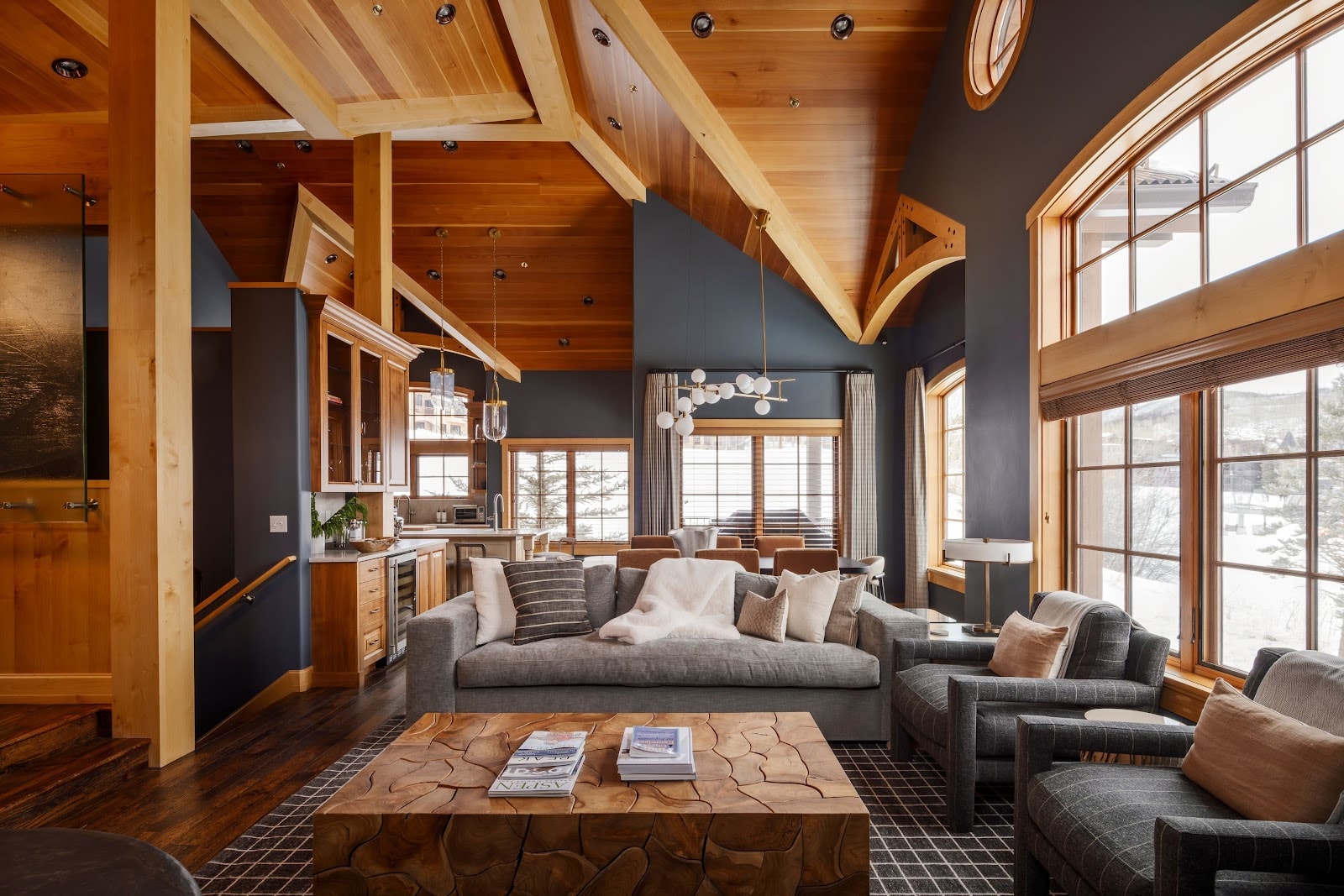
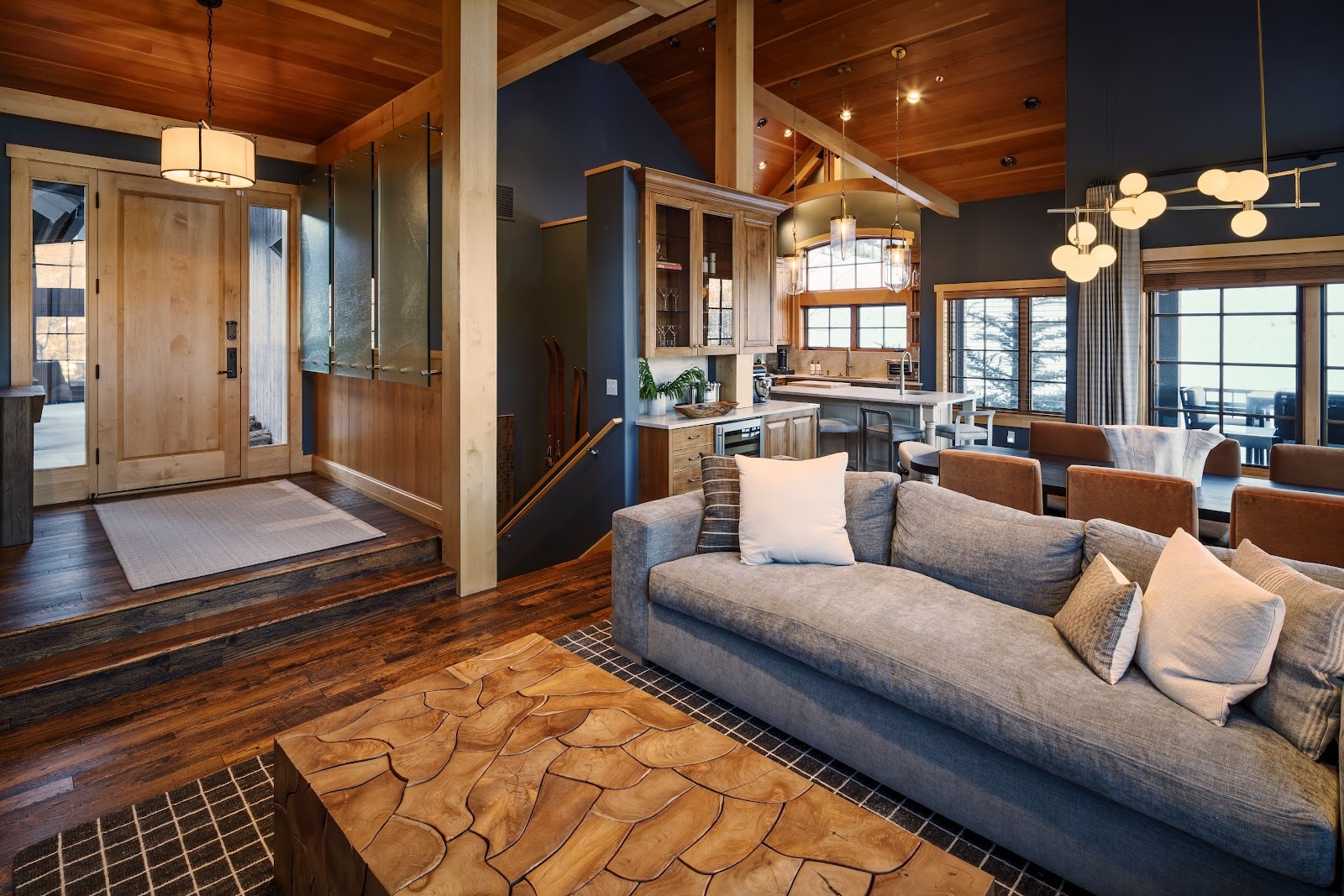
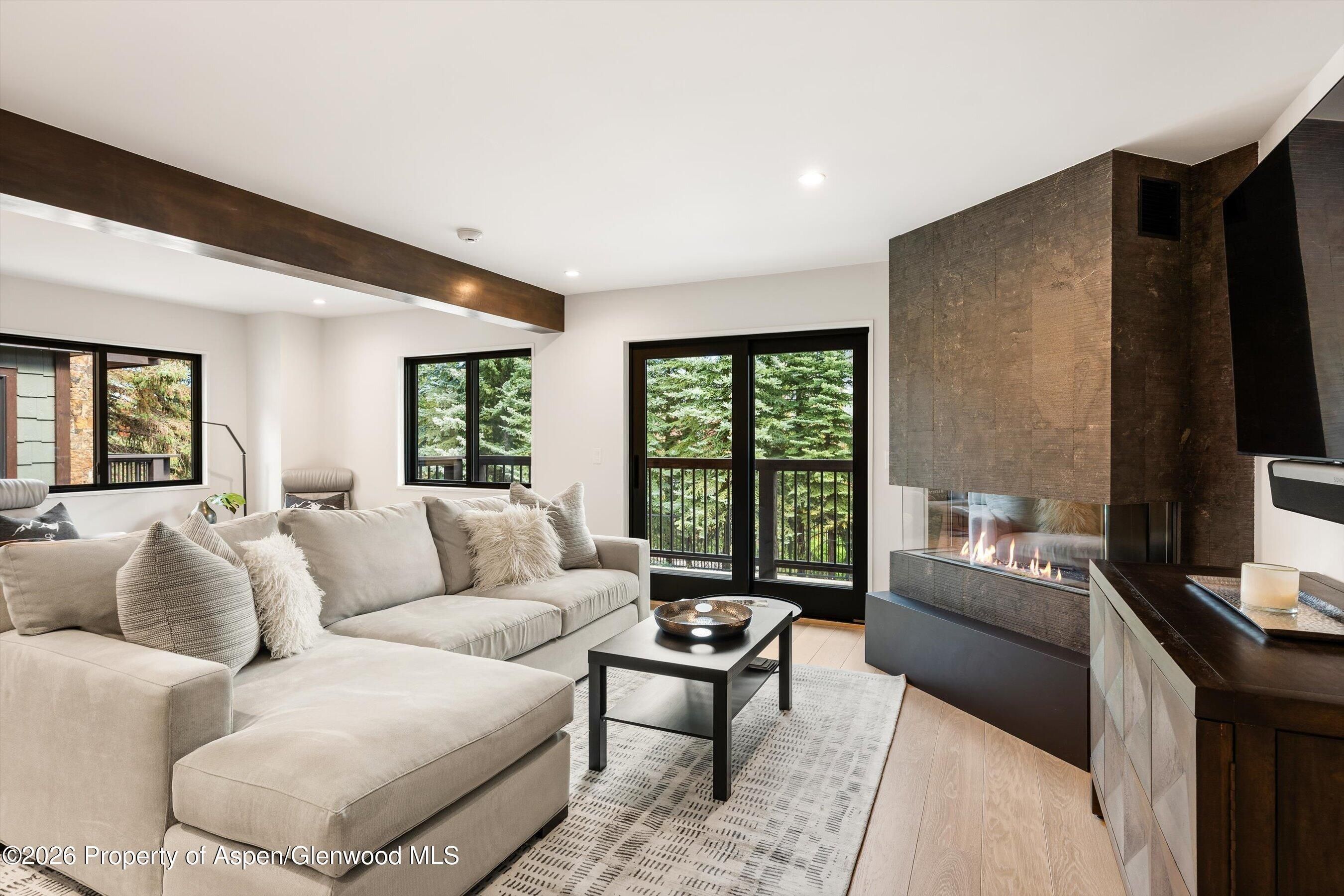
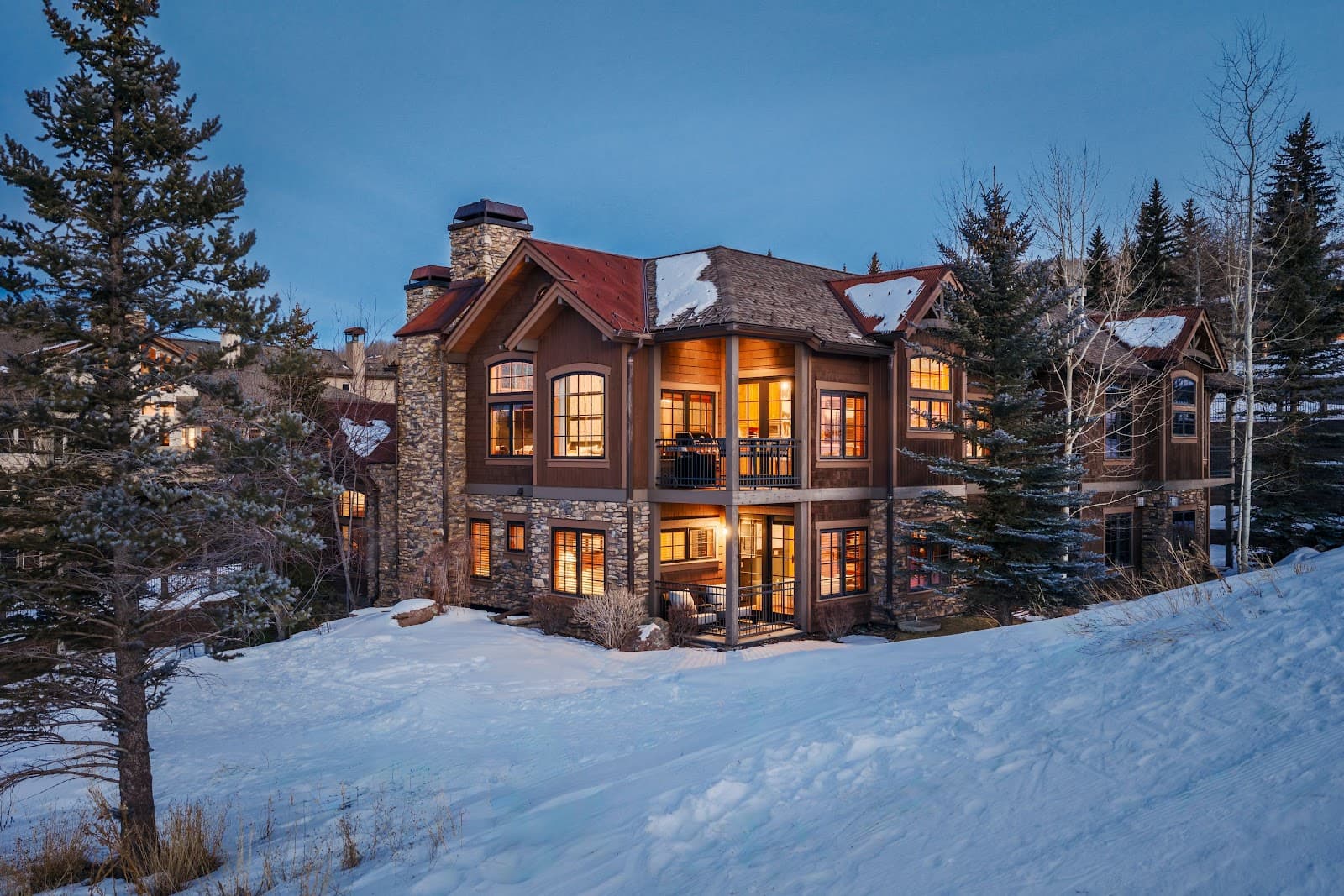
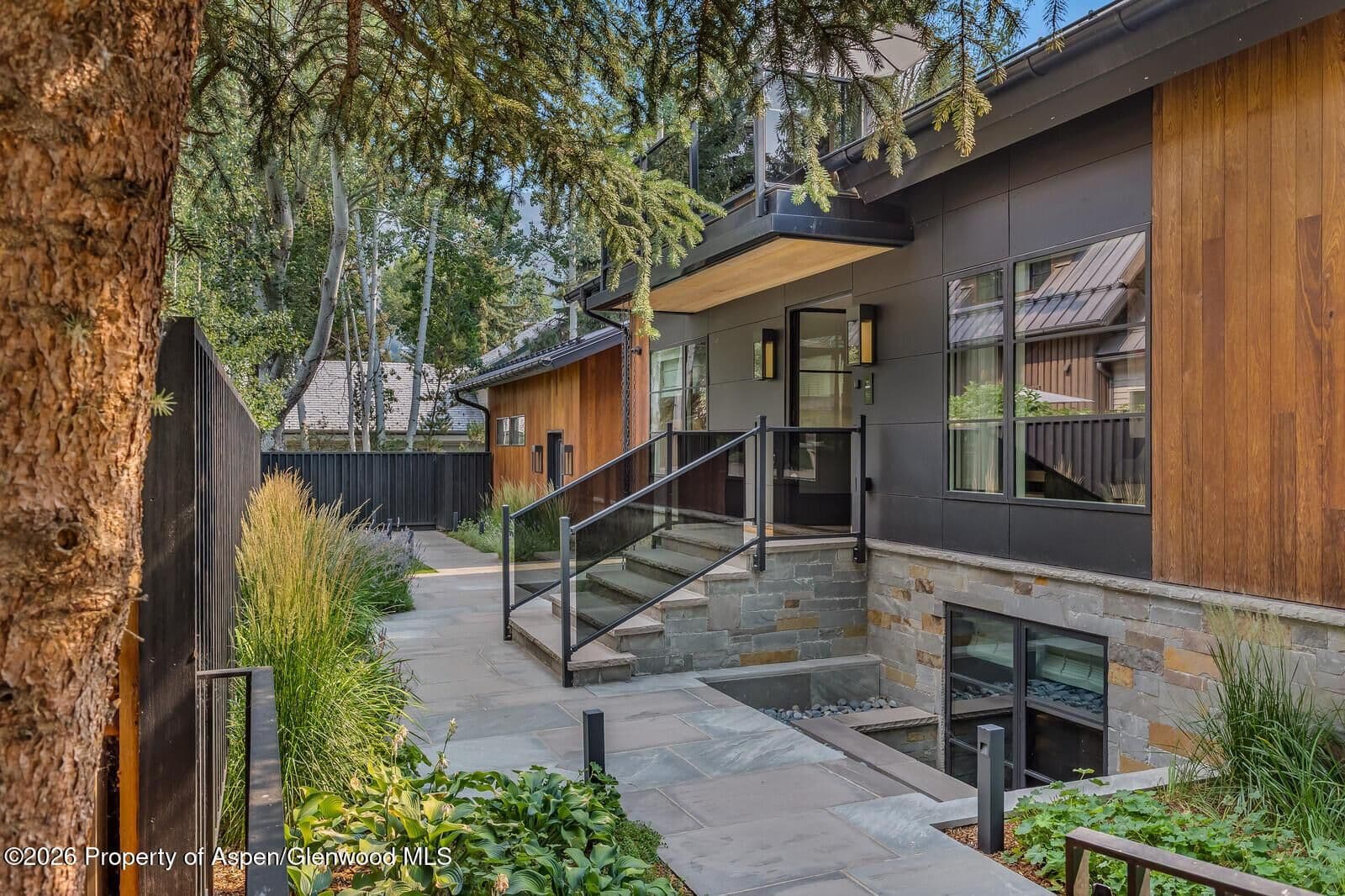
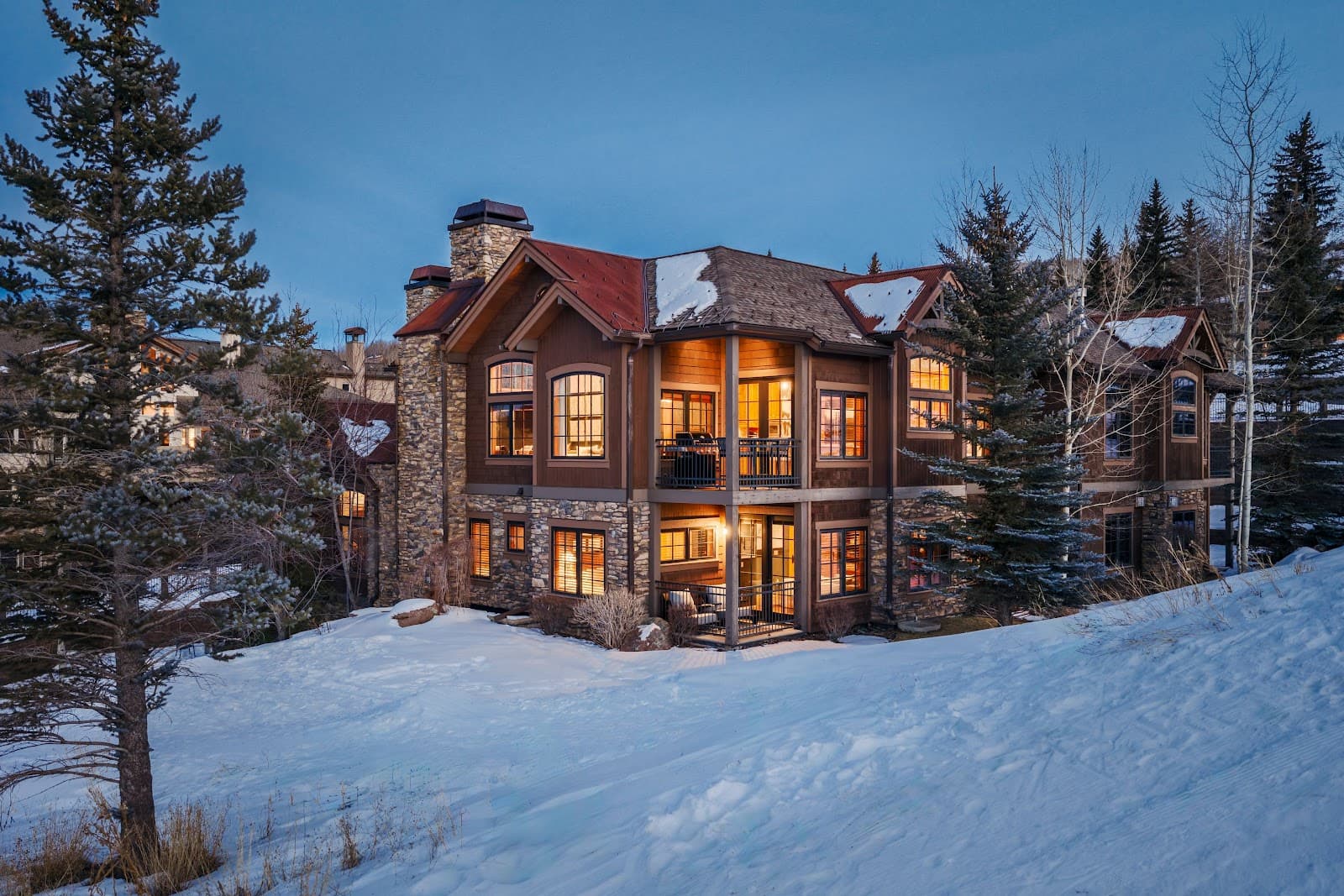
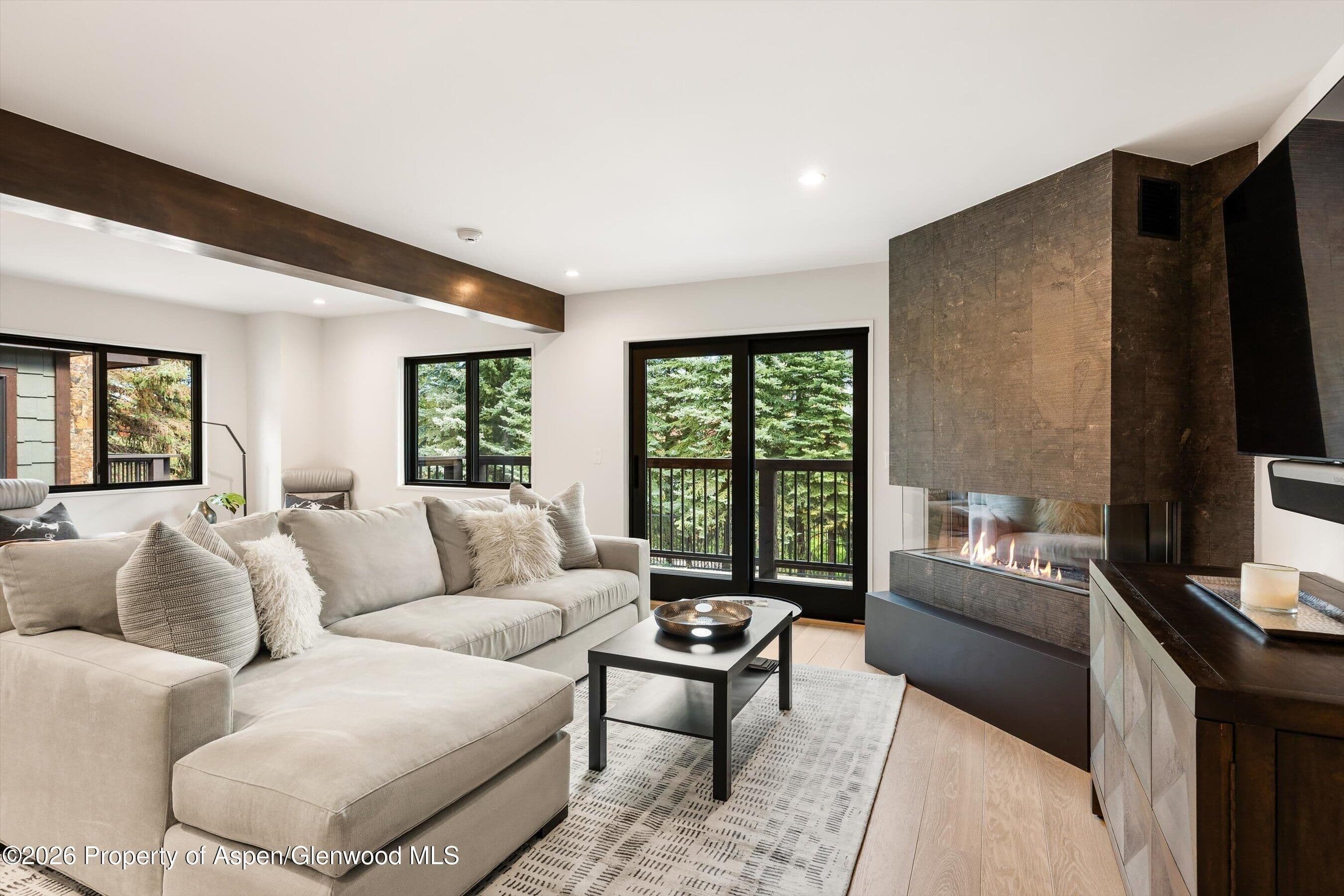
Aspen, Colorado, USA — 4-Bed House Ski-in/Ski-out
$1,170,000
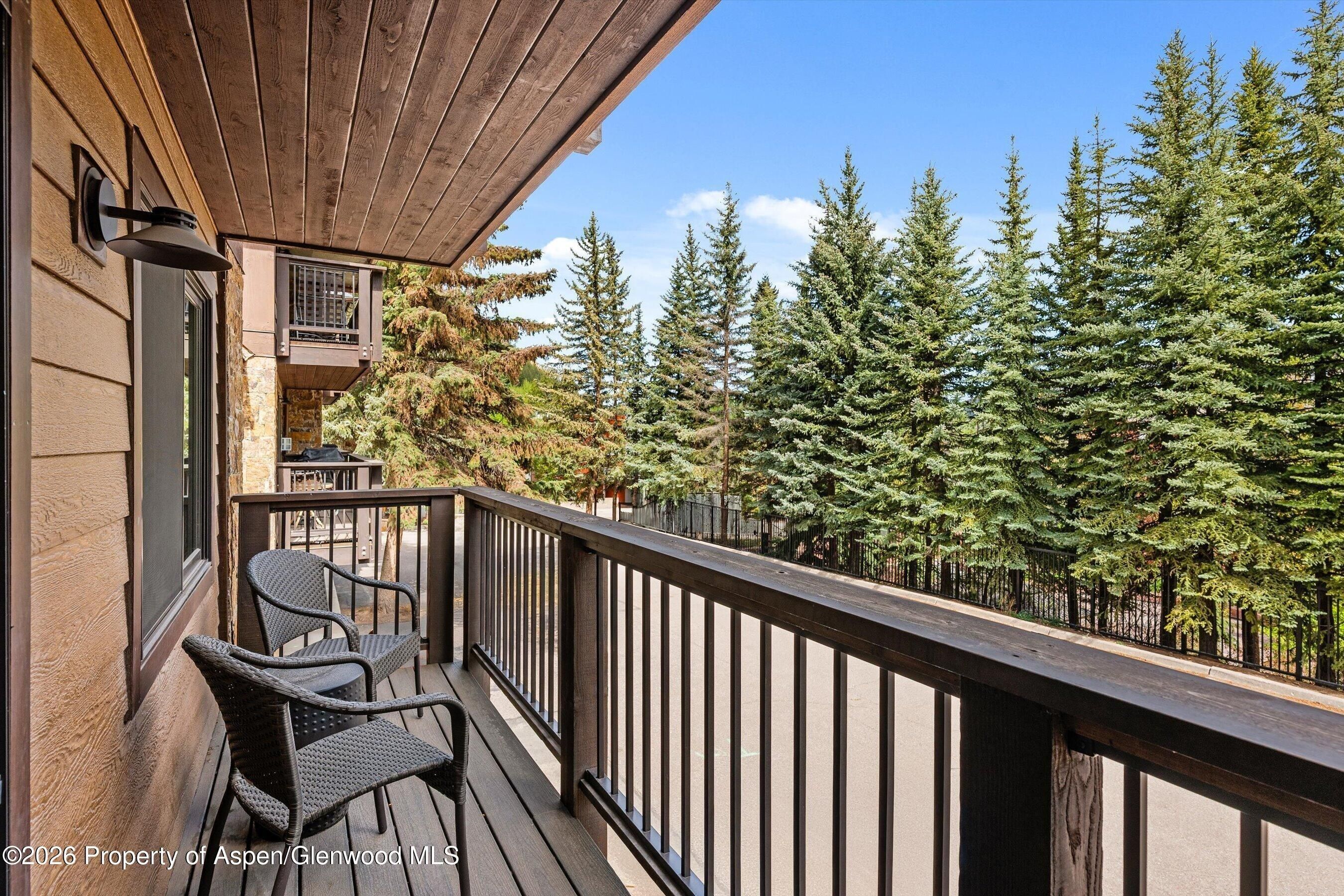
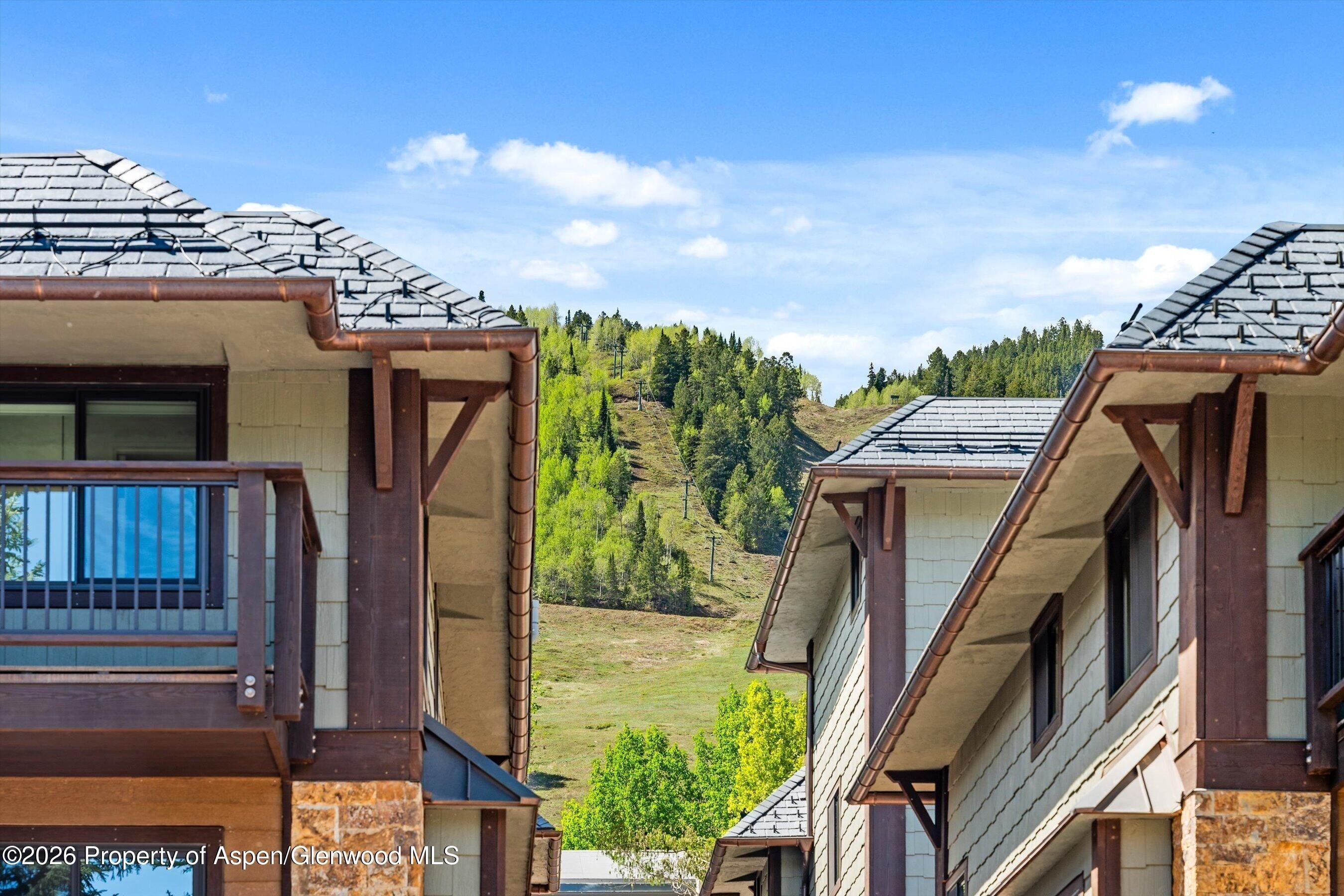
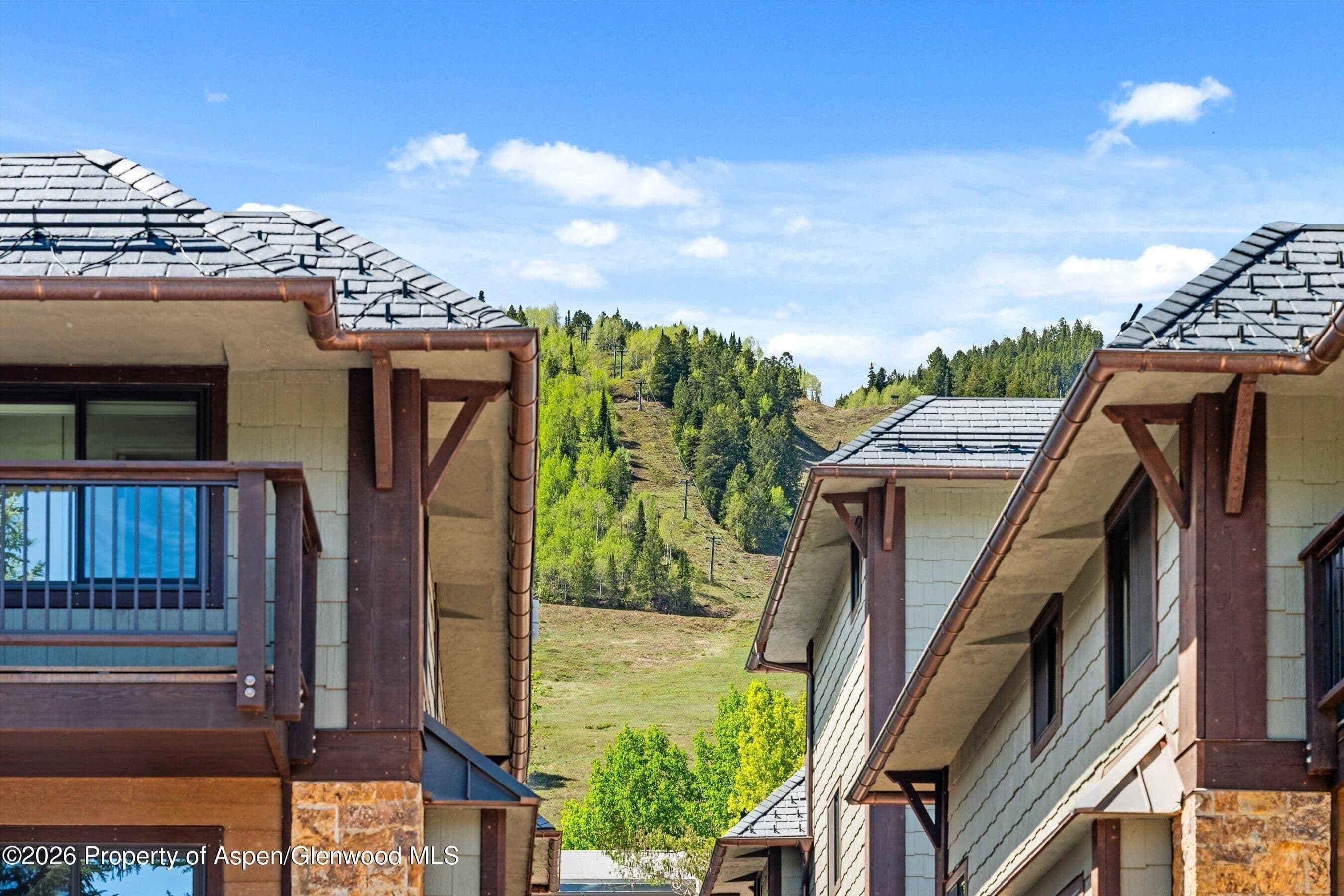
Aspen, Colorado, USA — 4-Bed Townhome At The Base Of Aspen Mountain
$1,890,000
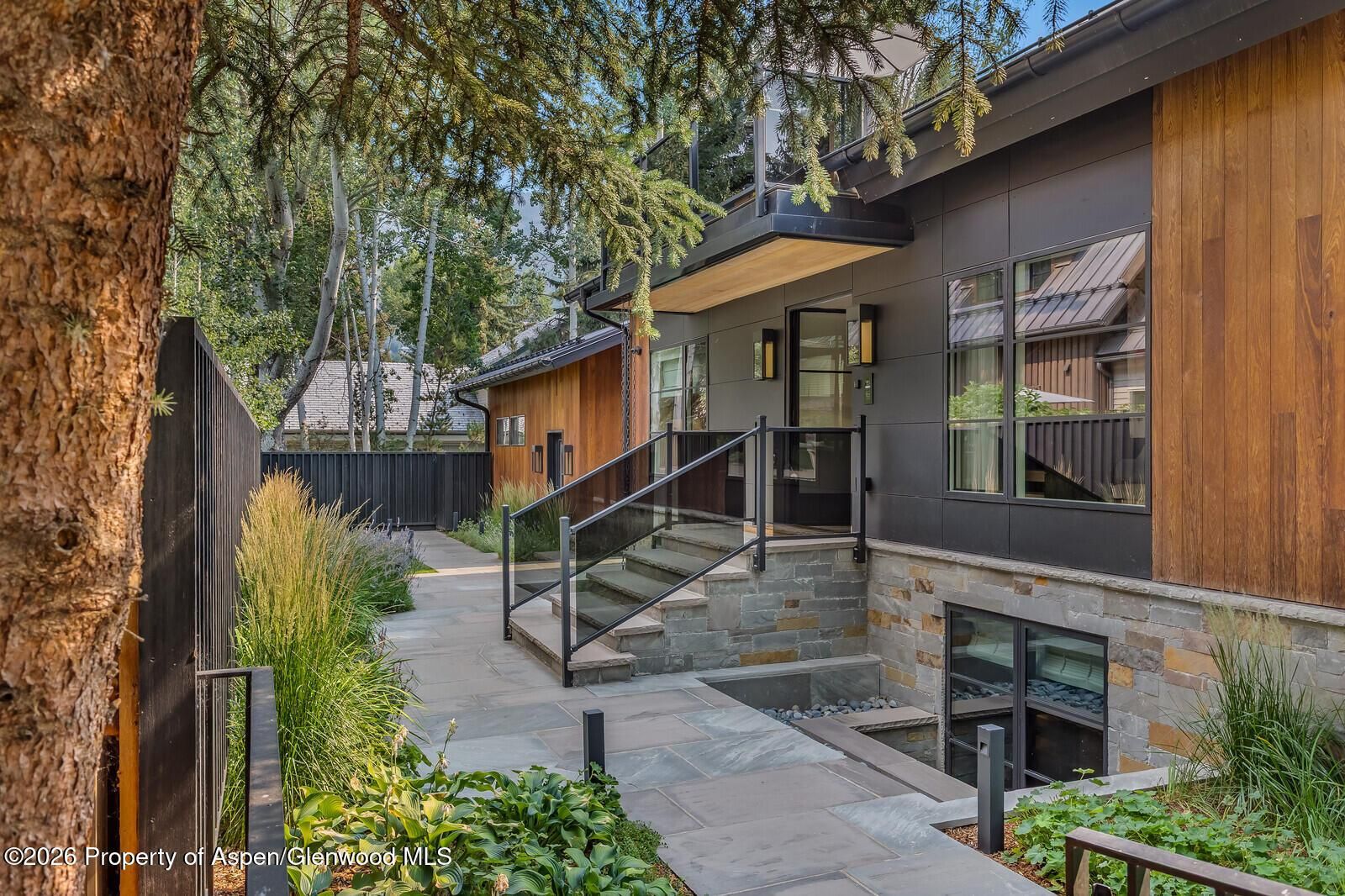
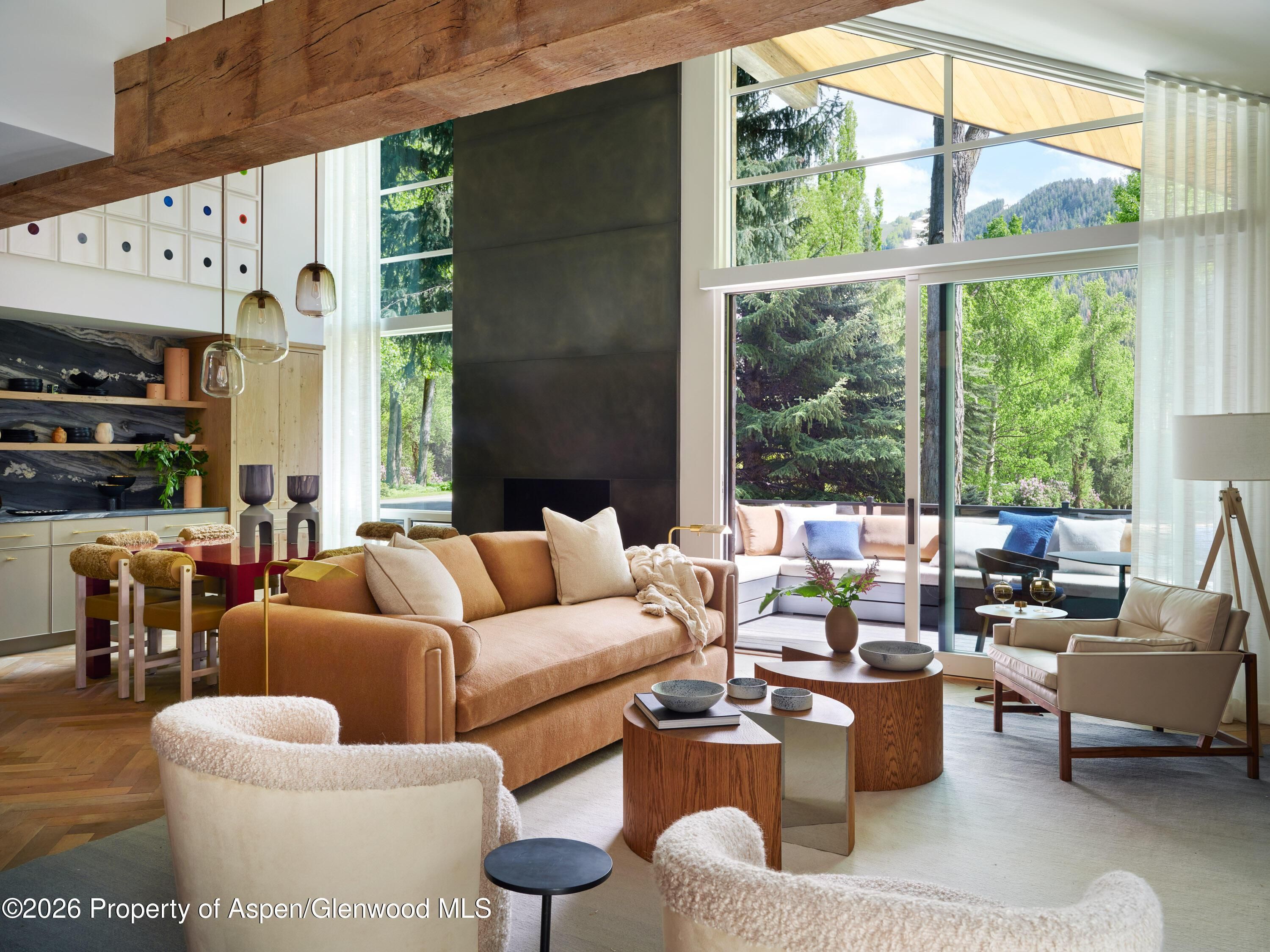

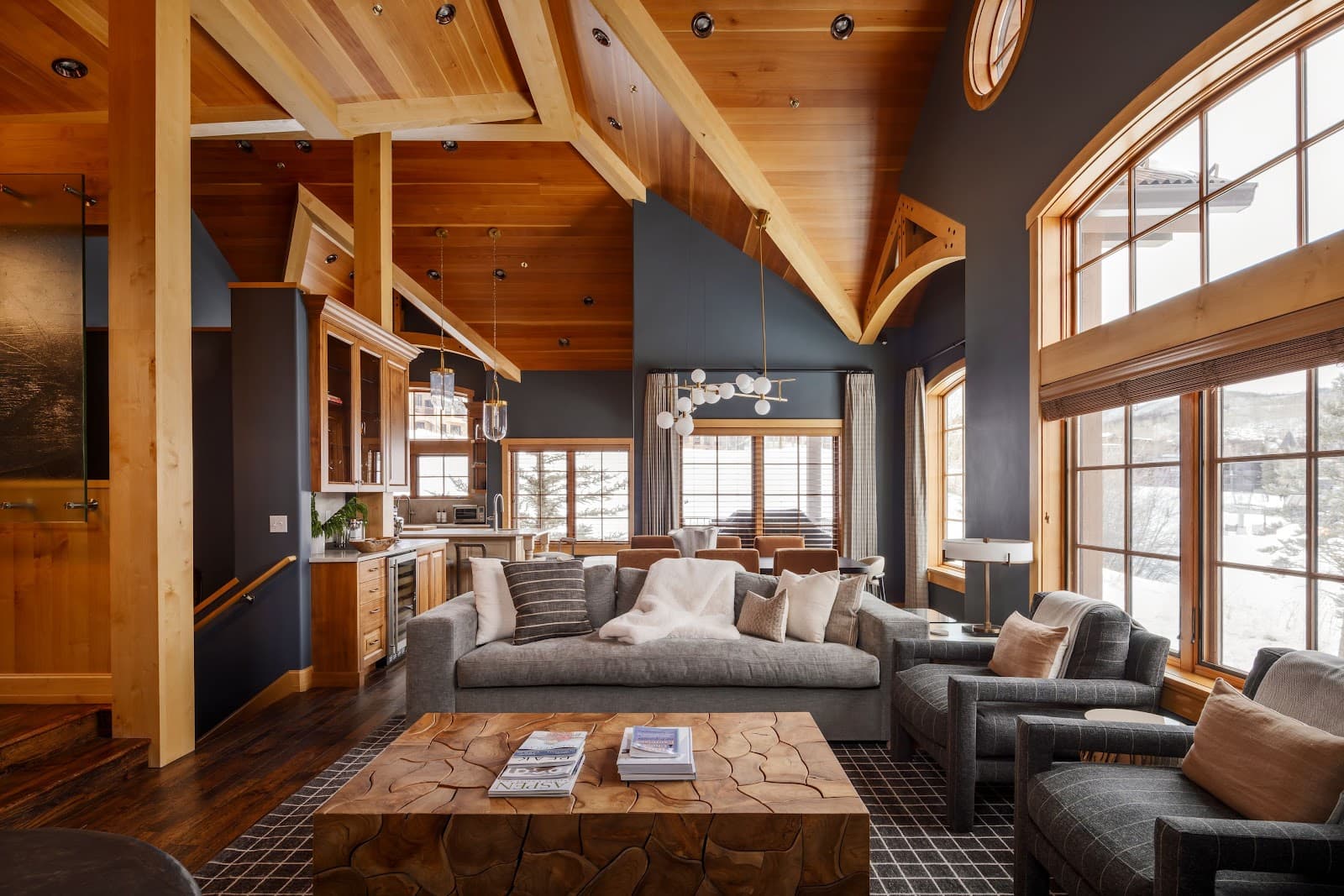
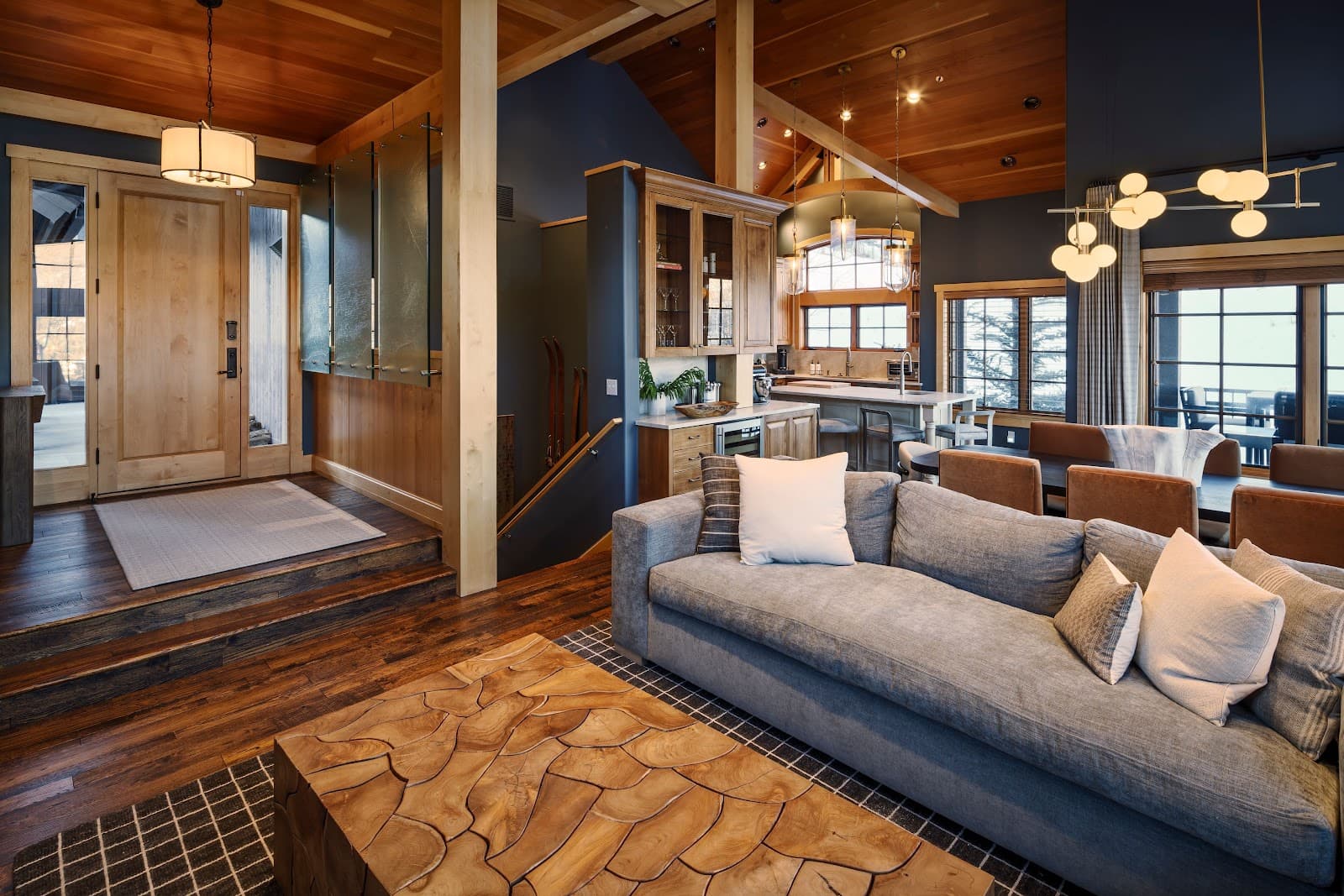
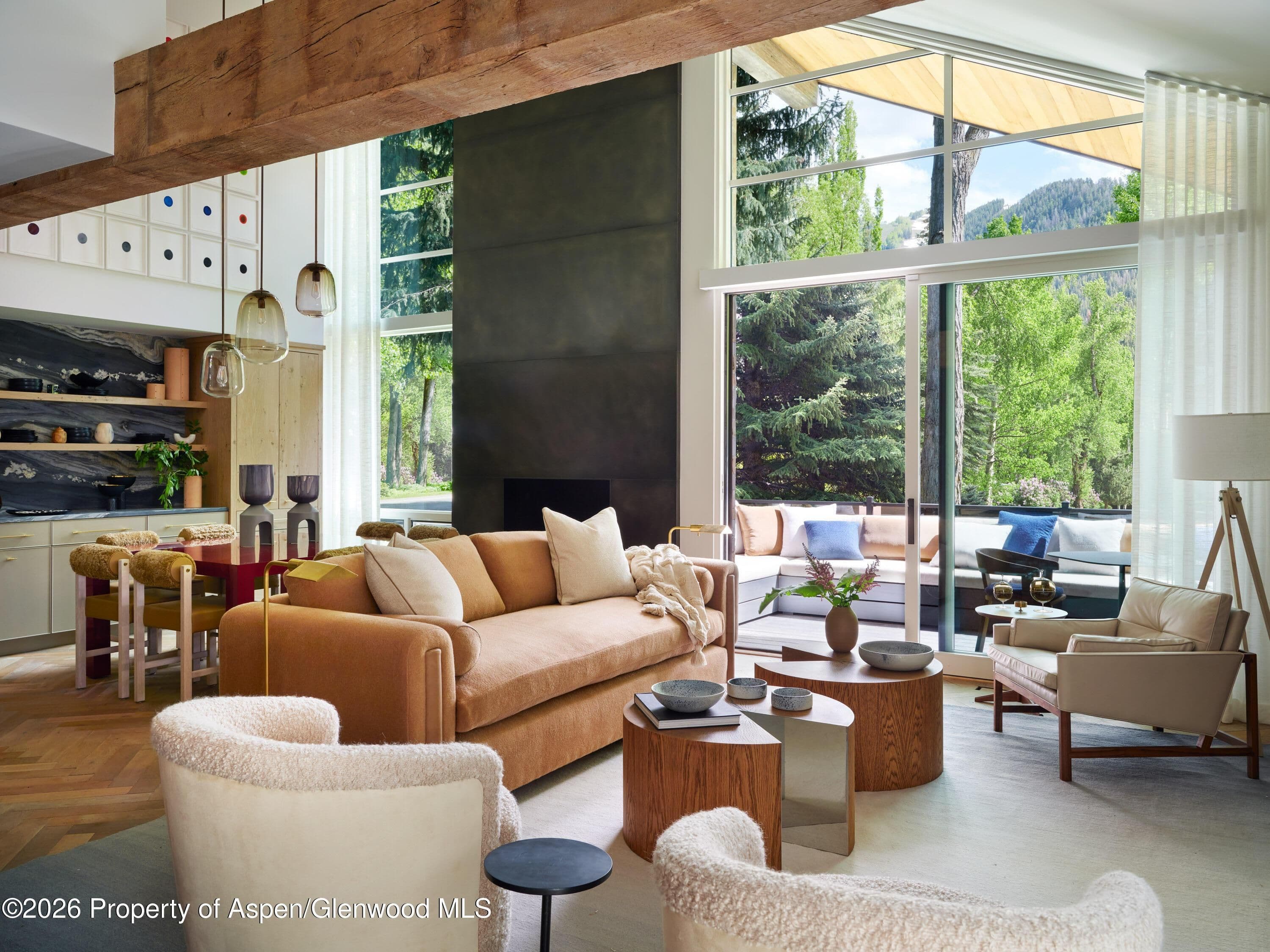
Aspen, Colorado, USA — 4-Bed House With Mountain Views & West End Design
$2,560,000
Why buy a co-ownership home in Aspen?
Buying a whole holiday home in Aspen means paying full price for a house that stands empty most of the year. Co-ownership takes the same home — professionally managed, beautifully furnished — and divides it into shares, usually eighths. You own a real share of the home — not a right to use it — with roughly six weeks of use a year, a share you can sell or pass on, and running costs shared between owners rather than shouldered alone. In Aspen, that ownership starts from $1,170,000.
What is fractional ownership in Aspen?
Fractional ownership in Aspen means owning a real share of a fully managed home, usually an eighth, with around six weeks a year to use it, depending on the home. We currently list 3 Aspen homes, with shares from $1,170,000.
You own a real share of the home (an eighth, a quarter), not a right to use it. You can sell it, pass it on, and it rises and falls in value with the house. The legal set-up is arranged by our partner for each home and explained before you buy.
The arithmetic is why most buyers look at it here. A whole house in Aspen means paying the full price, and the full property tax, insurance, upkeep and management, for a home most owners use for a few weeks of the ski season and a few more in summer. A one-eighth share costs about an eighth of the price, the running costs are shared with the other owners, and the house is heated and ready when you arrive.
Co-ownership or a hotel residence club?
Aspen also has hotel residence clubs, where buyers purchase a fraction of a residence run as part of a hotel, with hotel services and the hotel's rules. A co-ownership share is a share of one private, fully managed house or townhouse that the owners use as their own home.
They suit different people. A residence club suits buyers who want a hotel lobby, room service and a concierge desk; co-ownership suits buyers who want a home of their own in town, with a kitchen, a garden or a hot tub, shared with a small group of other owners rather than with hotel guests.
Aspen, properly understood
Aspen is the only town on this list that was a serious place twice. It was one of the richest silver districts in the American West in the 1880s — a town of ten or twelve thousand people with an opera house, a grand hotel, electric light before much of Europe had it, and a courthouse built to last. Then the silver price collapsed in 1893 and it very nearly died: fifty years of what locals still call the quiet years, with a few hundred residents, cattle, and Victorian houses going cheap because nobody wanted them.
What revived it was not skiing alone. In 1945 a Chicago industrialist and his wife arrived with an idea that sounds impossibly earnest and turned out to be the making of the place: a town where people could exercise the mind, the body and the spirit in the same week. They founded an institute, a music festival and a design conference alongside the ski company, and that combination — a world-class mountain plus a genuine intellectual and cultural programme — is why Aspen is different from every other American ski town. In July the population swells for a music festival, an ideas festival and a food and wine classic, not for a beach.
The physical assets are equally unusual. Four separate ski mountains on one pass, each with a distinct character. A Victorian town grid at the base of the steepest of them, with the original buildings intact and protected. The Maroon Bells a few miles up a valley, which are the most photographed mountains in North America and genuinely deserve it. And an airport four miles from the centre. The trades are real — it is expensive, the airport is small and weather-sensitive, and the drive from Denver is four hours — but what you are buying is not a resort. It is a town with a hundred and forty years of history and an unusually high concentration of interesting people in it.
A short history: silver, the quiet years and the Aspen Idea
The Ute people held this valley until displacement in the 1880s. What brought prospectors over the passes was silver, and the Roaring Fork valley turned out to hold some of the richest deposits in Colorado. Within a decade Aspen had a population in the thousands, a railroad, electric street lighting, a bank, a hospital, the Hotel Jerome and the Wheeler Opera House — both of which still stand and still function, which is a large part of why the town feels the way it does.
The Sherman Silver Purchase Act's repeal in 1893 ended it almost overnight. The mines closed, the population collapsed to a few hundred, and for half a century Aspen was a near-ghost town where Victorian houses could be had for the back taxes. That accident is why the townscape survived: nobody had the money to knock anything down.
The revival began in the 1930s with early skiing ambitions and accelerated decisively after the war, when Walter and Elizabeth Paepcke arrived. They restored the hotel and the opera house, founded the institute and the music festival, brought the Bauhaus designer Herbert Bayer to shape the campus, and backed the ski company that opened Aspen Mountain in 1946 with what was then the longest chairlift in the world. Highlands and Buttermilk followed in the 1950s, Snowmass in 1967. The result is a town that acquired its culture and its skiing at the same time and from the same people — and a place where the summer season is intellectual rather than merely recreational.
The four mountains, in detail
Aspen Mountain — Ajax — rises directly from the end of the main street, and it is the steepest and most serious of the four. There is no beginner terrain at all, which is unusual and deliberate: this is a mountain of long, sustained pitches, bump runs, gladed shots and a ridge that funnels everything back to the town. It is the smallest of the four by acreage and the one you can ski at nine and be at lunch on the main street by one. Experienced skiers love it; nervous ones should start elsewhere.
Aspen Highlands, ten minutes away, is the connoisseur's mountain and the reason many people move here. It has a small base, a modest lift count and, at the top, Highland Bowl — a hike-to bowl reached by a boot-pack along a ridge above twelve thousand feet, delivering some of the most celebrated inbounds descents in North America. The hike takes commitment; the reward is enormous. Below the bowl the mountain has superb steep tree skiing and a fraction of the crowds.
Buttermilk is the gentle one: wide, sunny, forgiving beginner and intermediate terrain, the best learning mountain in the valley by a distance — and, in a pleasing contradiction, the host of a major winter action-sports competition each January, when its terrain park becomes a global television stage.
Snowmass, fifteen minutes down valley, is the largest of the four by a long way and the family choice: an enormous mountain with the most vertical in the United States, its own ski-in ski-out village at the base, extensive intermediate mileage, serious steeps at the top and a full children's programme. Many families with mixed abilities base themselves here rather than in Aspen town.
One lift pass covers all four, and free buses connect them constantly. The practical meaning for an owner is a range of mountain days that almost nowhere can match: a hard morning on Ajax, a hike into Highland Bowl on a powder day, a gentle family day at Buttermilk, and a big-mileage day at Snowmass — all from the same house, in the same week.
The town and the valley
Aspen's core is a Victorian grid: brick commercial buildings on the main streets, wooden miners' cottages in the West End, the opera house and the hotel from the 1880s, and a historic preservation regime that protects it. The town is walkable end to end in twenty minutes, and the gondola leaves from the bottom of it. The West End, north-west of the centre, is the most desirable residential quarter — quiet, leafy, Victorian, and the location of the music festival's tent and the institute's campus. Red Mountain, across the river, is the address with the best views and the highest prices.
The East End and the Smuggler area run towards the valley's mouth, with a mix of older and newer housing and the trailheads onto Smuggler Mountain and Hunter Creek. The Aspen Business Center and the airport sit further out. Then, fifteen minutes down valley, Snowmass Village is a separate community entirely: purpose-built at the base of its mountain, with a rebuilt base village, ski-in ski-out condominiums and houses, and a much more family-oriented rhythm.
Below that the Roaring Fork valley opens out and prices fall sharply. Old Snowmass, Basalt and El Jebel are twenty to thirty-five minutes from Aspen, with rivers, services and a genuine local life. Carbondale, forty minutes down, is a real town with a good main street, an arts scene, and Mount Sopris standing over it — increasingly the choice of people who want the valley without Aspen's costs. Glenwood Springs, an hour away, has the hot springs and the interstate. The valley is connected by a good bus service and by a paved trail running its whole length, which changes the calculation for owners who do not need to be in Aspen itself.
Where exactly to own: micro-locations, rated
The West End. The most beautiful residential quarter in the town: Victorian cottages under cottonwoods, quiet streets, and a five-minute walk to the main street and to the music tent. The address to have if the summer culture matters as much as the winter mountain. Expensive and worth it.
The core and the East End. Walk to the gondola, the restaurants and the shops; the shortest possible ski morning and the town's life at the door. Prices reflect it. Best for owners whose week is skiing and dinner rather than driving.
Red Mountain and Starwood. Above the town on the north side: the views, the sun, the largest houses and the highest prices in the valley. A short drive to everything, and a genuinely spectacular position.
Snowmass Village. The family answer: ski-in ski-out at the base of the biggest of the four mountains, a purpose-built village with a children's programme and a rebuilt base area, and fifteen minutes to Aspen by free bus. Better value than Aspen town for equivalent space, and materially easier with small children.
Down valley: Old Snowmass, Basalt, El Jebel. Twenty to thirty-five minutes out, on the rivers, with real services and dramatically better value. The trade is a commute to the lifts that in winter is unremarkable and in a storm is not. For two-season owners it is often the right answer.
Carbondale and the lower valley. Forty minutes to Aspen, a genuine town with its own culture, Mount Sopris on the doorstep, and prices that make the drive an easy decision for a certain kind of owner. Best for people whose year includes as much hiking, biking and river as skiing.
Snow, altitude and the honest data
The numbers. Aspen town sits at just under eight thousand feet — around 2,400 metres — and the four mountains rise from there: Aspen Mountain to about 11,200 feet, Highlands to 11,675 at the lift and 12,392 at the top of the bowl, Buttermilk to just under 10,000, and Snowmass to a little over 12,500. Average annual snowfall across the mountains is in the region of 300 inches, with the higher terrain doing considerably better than the town.
The snow is dry Colorado powder, and the season runs roughly from late November to mid-April, with Snowmass and Highlands typically the last to close. December builds to a very busy holiday fortnight. January is cold, quiet after the first week and often the best snow-to-crowd ratio of the winter. February and March carry the peak and, in many years, the deepest base — March is the month a lot of experienced owners prefer. April brings spring conditions and the closing weeks.
Altitude deserves genuine respect here, more than at most American resorts. The town is high, Highland Bowl tops out above twelve thousand feet, and the hike to it is a serious piece of exercise at that elevation. Arriving from sea level, expect a day or two of adjustment: much more water, less alcohol on the first night, an easy first afternoon, and patience with poor sleep. It affects fit people as much as anyone. Independence Pass, the spectacular direct route east over the Continental Divide at just over twelve thousand feet, closes for the winter — which is worth knowing before planning a drive.
Summer: the Aspen Idea in practice
Aspen's summer is not a secondary season; for a meaningful share of owners it is the primary one. The music festival runs for roughly eight weeks from late June, with hundreds of events — orchestral concerts in a tent designed for the purpose, chamber music, opera, and students from around the world practising in every second building in the West End, which gives the town a soundtrack all summer. The ideas festival brings writers, scientists, politicians and thinkers for a week of public conversation. The food and wine classic in June fills the town. There is an art museum with a serious international programme, a theatre season, and a design and architecture heritage that is taken seriously.
Outdoors, it is one of the great mountain summers in America. The Maroon Bells — two 14,000-foot peaks above a lake ten miles from town — are the most photographed mountains on the continent and the access is now managed by reservation and shuttle, which has made the experience better rather than worse. Beyond them the wilderness runs for miles, with alpine lakes, passes and hut-to-hut routes. Closer in, the Hunter Creek and Smuggler trails start from the edge of town, the Rio Grande Trail is a paved forty-mile path down the valley on an old railway alignment, and the road cycling over Independence Pass is a genuine bucket-list climb.
Add fly fishing on the Roaring Fork and the Frying Pan — the latter is one of the most celebrated trout rivers in the American West — plus rafting, riding, golf, and the ghost towns at Ashcroft and Independence. Summer weeks in Aspen are contested inside owner groups as fiercely as ski weeks, and in July they are frequently harder to get.
A year in Aspen, month by month
November is quiet and waiting; the mountains open late in the month. December builds to a Christmas and New Year fortnight that is the busiest and most expensive of the year, and a genuine spectacle. January brings a major winter sports competition to Buttermilk and, either side of it, some of the best value and best snow of the season. February and March are the deep winter, with March frequently the best skiing month of all.
April closes the season and the town empties fast. May is the deepest off-season: many restaurants close, the trails are wet, Independence Pass reopens around the end of the month, and rates are at their lowest. June starts the summer with the food and wine classic and the beginning of the music festival and the ideas festival, and the high country begins to clear.
July and August are the summer peak: the music festival at full flow, the wildflowers, the Maroon Bells at their best, the trails open and the town as busy as at Christmas — with better weather and, generally, better value. September is the aspen colour, which in this valley is spectacular and draws its own visitors, and the finest hiking weather of the year. October is quiet, golden and beautiful, with everything winding down. Two full seasons, two genuine shoulders, and — unusually — the summer is the one that fills first.
The year's fixtures
Winter's calendar: the mountains opening in late November, the Christmas and New Year fortnight, a major winter action-sports competition at Buttermilk each January that draws a global broadcast audience, a full ski-racing and freeride schedule, Gay Ski Week in January which has run for decades, and the closing weekend in April. Through the season the opera house and the art museum keep working, which is more than most ski towns can say in February.
Summer's calendar is the town's real distinction. The food and wine classic in June is one of the best-known events of its kind in America. The music festival and school runs roughly eight weeks from late June with hundreds of concerts, from full orchestral programmes in the tent to free student recitals in the West End. The ideas festival brings a week of public conversation with an international line-up. Around them sit the theatre season, the art museum's exhibitions, the design and architecture programme, and an outdoor concert series.
Autumn is quieter and, for many, the best of it: the aspen colour through late September, harvest events, and the trails at their most beautiful and least crowded. Very little of this requires booking a year out — the music festival's tickets are widely available and much of the programme is free — which is precisely the sort of calendar an owner with a rotating set of weeks can exploit and a visitor cannot.
Eating, drinking and provisioning
Aspen's restaurant scene is expensive, competitive and genuinely good, and it has been for decades. The town supports a density of serious kitchens far beyond its size — a consequence of a wealthy year-round visitor economy and a summer season that brings a different, equally demanding crowd. Italian, Japanese, American, French; a legendary hotel bar from the 1880s; a handful of on-mountain restaurants that people plan a run around; and a group of places that have been institutions for thirty years.
The counterweight is down valley and out of town. Woody Creek, a few miles out, has a tavern of considerable local legend. Basalt and Carbondale have excellent, unpretentious restaurants at a fraction of Aspen prices, plus breweries and a farmers' market culture. And in Aspen itself there is a good everyday layer beneath the headline places — bakeries, coffee, a Saturday market in summer, and the burrito-and-beer end of the spectrum that a ski town always keeps.
Provisioning a house needs a small amount of planning: there is a supermarket in town, but the larger and cheaper ones are down valley in Basalt and El Jebel, and the standard owner habit is a big shop on the drive in. Delivery covers the valley. The practical shape of a good week is one serious dinner, a mountain lunch, a night at the tavern down valley, and the rest cooked at home — which given Aspen restaurant prices is both sensible and, in a house with a fire, better.
Aspen with children
The four-mountain structure is what makes Aspen work for families, because it removes the usual compromise. Buttermilk is one of the best learning mountains in the United States — wide, gentle, sunny, uncrowded — and Snowmass has enormous intermediate mileage plus a full children's programme and a ski-in ski-out village. Meanwhile the adults who want steep terrain go to Ajax or Highlands. Everyone meets for lunch. One pass, free buses, no argument.
Off the snow: the recreation centre and pool in town, the ice rink, tubing and snowshoeing, the art museum's family programme, and a walkable town where children can be given some independence. Snowmass Village has a purpose-built family base with its own activities. The free bus network across the valley is genuinely good and a competent teenager can use it alone.
Summer is arguably better. Easy hikes to the Maroon Bells and the lakes, the Rio Grande Trail for family cycling, rafting on the Roaring Fork, fishing lessons, riding, the ghost towns, and a music festival where student recitals are free and nobody minds a child on the grass. For ownership groups, the useful arithmetic is that Aspen's contested weeks — Christmas, the February holiday, spring break, and the July festival weeks — are spread across two seasons rather than concentrated in one, which gives the rotation far more to work with.
The non-skier's Aspen
This is the ski town that handles non-skiers best, and the reason is that half its identity has nothing to do with snow. In winter: the art museum with a serious international programme in a building worth visiting for itself; the opera house from 1889 with a year-round schedule; galleries in numbers; the shops, which are excellent and expensive; spa facilities at several hotels; and the institute's campus, which is a lovely walk in the snow. Snowshoeing and Nordic skiing are available on an extensive groomed network — the valley's cross-country trail system is one of the largest free networks in the country.
Then the day trips: Glenwood Springs an hour down valley with its very large hot springs pool and a spectacular canyon; the ghost town at Ashcroft up the Castle Creek valley, reachable by snowshoe or Nordic ski with a celebrated mountain restaurant nearby; and Redstone, a small and beautiful village with a castle and a coke-oven history, forty-five minutes away.
In summer the category disappears completely: the non-skier becomes a concert-goer, a walker, a fisherman, a festival-goer or a reader on a lawn. The honest summary is that Aspen is one of very few ski destinations where somebody who never puts on skis can have a better week than the person who does — which for a co-owned house shared by a mixed household is worth a great deal.
Beyond the valley: days out
The Maroon Bells are the first and best: ten miles up the Maroon Creek valley, two 14,000-foot peaks reflected in a lake, reached by a managed shuttle and reservation system in season. Beyond the lake, trails run into the wilderness and over passes towards Crested Butte — the hike over West Maroon Pass to Crested Butte is one of the great day walks in Colorado and can be done with a shuttle back around.
Independence Pass, open roughly from late May to early November, climbs to just over twelve thousand feet directly east of town and is one of the most spectacular paved roads in the United States, with the Independence ghost town near the summit and Leadville and the Arkansas valley beyond. Down valley, Glenwood Springs has the hot springs and the canyon; Redstone and the Crystal River valley are beautiful and quiet; and Marble, further up, produced the stone for some of America's best-known monuments.
Further afield, Grand Junction and the Colorado National Monument are about two and a half hours west, with the wine country of Palisade on the way. Moab and the Utah canyon country is a long day. Denver is four hours east — which is precisely why the airport four miles from town matters so much, and why owners here treat it as an asset rather than a detail.
Getting there and getting around
Aspen has an airport four miles from the centre of town, which is both its greatest access advantage and its most-discussed limitation. It is small, it sits in a valley at high altitude, and it is genuinely weather-sensitive: flights divert or cancel in bad conditions with more regularity than at a lowland airport. It has direct service from several American hubs, heavier in winter. When it works — and it usually does — you land ten minutes from your front door, which almost nowhere in mountain America can offer.
The alternatives are Eagle County Airport, about seventy minutes away over the valley, with its own seasonal direct service; Grand Junction, about two and a half hours; and Denver, roughly four hours by road. Shared and private shuttles run all of these routes constantly. Most owners keep a plan B for weather days, and most experienced ones build a buffer day into a departure in February.
Within the valley, the bus system is excellent — free within Aspen and Snowmass Village, and a good paid service down valley — connecting all four mountains and the towns. A car is unnecessary for a ski week based in town and useful for summer trailheads and down-valley trips. In summer, the paved Rio Grande Trail makes cycling between towns genuinely practical. Independence Pass is closed all winter, which affects any plan involving the east side of the divide.
The property market, honestly described
Aspen is the most expensive resort property market in the United States, and it is not close. The structure behind that is unusually rigid even by mountain-town standards. The town is hemmed by national forest and wilderness on every side. Pitkin County and the City of Aspen operate one of the most restrictive growth-management regimes in the country, with quotas on new development, strict limits on house size, historic preservation over much of the town, and requirements that development contribute to affordable housing for the local workforce. New supply in Aspen proper is close to a rounding error.
Against that sits demand that is national and international, drawn by four mountains, a genuine town, an airport at the edge of it and a cultural programme that brings a different and equally wealthy crowd in summer. The result is a market that has been expensive for forty years and has generally stayed that way through cycles that flattened other resorts.
The price gradient runs steeply. The core, the West End and Red Mountain sit at the top; Snowmass Village is a parallel and generally more accessible market; Old Snowmass, Basalt and El Jebel are materially cheaper for a twenty-to-thirty-five-minute drive; Carbondale and the lower valley cheaper again. Two local specifics are worth knowing. First, short-term letting: Aspen runs a permit system with caps and categories, and we confirm the position for each home. Second, altitude and snow load: a house here needs its roof, heat tape, snow removal and freeze protection properly looked after, which is exactly what professional management does.
For a share buyer, Aspen is close to the strongest case on this list, precisely because it is the most expensive. Whole ownership of a good Aspen house for six weeks a year is out of reach for all but a very small group, and even for them it means a very large asset standing empty for ten months while carrying substantial fixed costs. A share puts the same house, the same four mountains and the same town within reach of many more households — and in a valley with two genuine seasons, the calendar spreads across the whole year.
What underpins value here
Five supports. First, the most restrictive supply position of any resort market in America: national forest and wilderness on all sides, a growth-management quota system, size limits, historic preservation and affordable-housing requirements. Nothing about that is likely to loosen. Second, four separate mountains on one pass, covering every ability from a genuine beginner hill to one of the most celebrated hike-to bowls in North America.
Third, the cultural infrastructure: a music festival and school of international standing, an ideas festival, an art museum, an opera house from 1889 and an institute campus — none of which depends on snow, all of which fills the town in July. Very few resorts have a second season with this much weight behind it. Fourth, the town itself: a Victorian grid with its original buildings, protected, walkable and genuinely historic, which cannot be built and cannot be copied.
Fifth, the airport four miles from the centre. It is small and weather-sensitive, and it is still an enormous advantage — the difference between a ten-minute transfer and a four-hour drive. What to know: the highest prices in American resort property, a buffer day around winter flights, and an altitude that takes a day to settle into. All are well known, all are priced in, and none has slowed this market in four decades.
Who owns here
Aspen's ownership is the most concentrated at the top of any market on this list, and also more varied beneath that than its reputation suggests. The headline layer is national and international wealth — American families from New York, Texas, California, Florida and Chicago, plus Latin American, European and Middle Eastern owners — much of it long-established, with houses passed down through generations of the same family. Christmas here is a social season with a fixed cast.
Beneath that sits a second and much larger group: people who bought before the market ran, professionals who work in the valley, and the substantial down-valley community in Basalt, El Jebel and Carbondale, where a great deal of the workforce and a growing share of second-home owners live. Aspen's affordable-housing programme means the town retains a genuine resident population rather than emptying into a dormitory valley, which matters for its character.
And a third, distinctive to Aspen: the summer people. Musicians, academics, writers, festival attendees and institute participants who come for the cultural season and have no particular interest in skiing. Several own here. For a co-owner the practical consequence is a valley entirely accustomed to part-time ownership at every level, with an exceptionally mature property management, caretaking and maintenance industry — because a very large share of the housing stock is empty for much of the year and someone has to look after it.
Aspen against the alternatives
Buyers at this level compare a short list. Against Vail, two hours away: Vail has the largest single mountain in North America and easier access from Denver, in purpose-built villages; Aspen has four mountains, a genuine Victorian town, a far stronger cultural programme and an airport at the edge of town — at materially higher prices and with a less reliable airport. It is the difference between the best mountain and the best town.
Against Park City: Utah has a thirty-five-minute drive from a major international airport, drier snow and a confirmed Winter Olympics ahead, at meaningfully lower prices; Aspen has more skiing variety, a stronger cultural life and a more historic town. The access comparison favours Park City clearly. Against Jackson Hole: more dramatic scenery and the most serious inbounds terrain in the country, in a colder valley with less to do off the mountain and less beginner ground. Against Telluride: arguably the most beautiful town in Colorado, smaller, quieter and harder to reach.
Against Europe: an Alpine resort of comparable prestige — Courchevel, St Moritz, Zermatt — will offer more linked terrain, cheaper food and lift access, and a village that predates the lift, at the cost of a long-haul flight for American buyers and, generally, less reliable snow quality than Colorado's. Aspen's own case, stated plainly: four mountains, a real nineteenth-century town, a summer festival season of international standing, an airport four miles away, and supply constrained more tightly than anywhere else in American resort property. It is the most expensive address on this list and the one with the most under it.
Co-ownership in Aspen, in practice
Here is how a share of a home here actually works. You own a real share of a specific, fully furnished, professionally managed home — an eighth, a quarter — not a right to use it. You can sell it, pass it on to your heirs, and you benefit when the home rises in value. A timeshare sells you a week. Co-ownership sells you the house, not points or a club membership. Your share is part of the house itself, shared with a small group of owners rather than hundreds, and you sell it on the open market at the price you set. The legal set-up is arranged by our partner for each home and walked through with you before you buy. The calendar allocates usage fairly across the owners, rotating the contested dates — Christmas, New Year, the February holiday, spring break, and the July festival weeks — from year to year so no owner is permanently advantaged, with flexible booking for everything else.
Aspen is the clearest case for shared ownership on this entire list, and the reason is arithmetic. This is the most expensive resort market in the United States. A house of the size and position that makes a family week work here is a very large asset by any standard, and it will be used for perhaps six or eight weeks a year while carrying fixed costs — property taxes, insurance, snow removal, caretaking, utilities, maintenance — for all fifty-two. Whole ownership means buying ten months of empty house. A share does not.
The second reason is the two-season calendar. Aspen's summer is not a consolation season: it carries a music festival of international standing, an ideas festival, the Maroon Bells, world-class fly fishing and the best hiking in Colorado, and July weeks are contested inside owner groups as hard as February ones. That means the rotation distributes genuinely desirable weeks across the whole year rather than rationing a single winter.
Costs are shared in the same proportion as ownership: each owner carries their share of the home's running costs, billed transparently, covering property taxes, insurance, utilities, association dues where they apply, snow removal, caretaking, cleaning, maintenance and the reserve that keeps the furnishings good. At eight thousand feet with a heavy snow load, professional management is not a convenience — it is what keeps the house standing well. You see the full breakdown before you buy, not after.
Buying in the United States: how the process actually runs
American property transactions run differently from European ones and are, once understood, fast and well-supported. There is no notary in the civil-law sense. In Colorado the transaction runs through a title company acting as closing and escrow agent: it holds the deposit, researches the chain of title, resolves liens and encumbrances, and issues title insurance protecting the buyer against defects missed in the search. That insurance is standard and one of the real strengths of the system.
The sequence: an offer on the state-approved contract; an inspection and due-diligence period during which the buyer investigates and can generally withdraw; title review; and closing, typically within thirty to sixty days, with all costs itemised in advance on a settlement statement. In Aspen, use the due-diligence period for the local specifics: any homeowners' association documents and reserves; the short-term rental permit position for that exact address under the city's regime; historic designation where it applies, which affects what can be altered; and the property's snow-load, roof and heating history.
There is no restriction on foreign ownership of American residential property. Non-US buyers will need a taxpayer identification number for filing purposes, should expect withholding rules to apply on a future sale, and should take advice on how their home country treats US-situs assets — including estate and inheritance treatment, the point most often overlooked at this price level. For a co-ownership share, the legal set-up is arranged by our partner for each home. We walk every buyer through the specimen documents in plain language before any commitment, and we will always encourage independent legal and tax advice. Nothing in this guide is legal or tax advice.
Three owners' years: specimen calendars
Three honest specimen years. The ski-first family: the Christmas or New Year week in the years the rotation grants it, the February holiday week or spring break when it does not, a midweek January trip taken on three days' notice because the snow report said so, and ten days in July for the trails, the Bells and the concerts. Six-plus weeks in a house that already holds the skis, the boots and the hiking kit.
The culture-first couple: a week in late June for the food and wine classic and the opening of the music festival, two weeks across July and early August for the concerts and the ideas festival, a week in late September for the aspen colour and the empty trails, and a long weekend in March for the skiing. A calendar that treats Aspen as a summer town with a winter attached — which is exactly how a meaningful minority of the people who own here use it.
The friends' syndicate: one marquee ski week together each winter, the trip that started the whole thing; a March split of long weekends; a shared summer week around the festival; and unclaimed weeks placed into managed rental where the property is permitted and the home provides for it. Three shapes, one common property: in a valley with four mountains and an eight-week music festival, six weeks a year is not a constraint to be managed. It is a budget to be spent well.
An owner's practical almanac
The small knowledge that makes ownership frictionless. Altitude first, and take it seriously here: the town is high and Highland Bowl tops out above twelve thousand feet. Drink far more water than feels necessary, go easy on the first night, take the first afternoon gently, and expect a poor night's sleep or two. It affects the fit as much as anyone.
Travel: the airport is four miles away and wonderful when it works, and genuinely weather-sensitive when it does not. Build a buffer around February departures, keep the Eagle and Denver alternatives in mind, and book shuttles early on holiday weekends. Independence Pass is closed all winter, so any drive from the east goes the long way round.
Seasons: May and late October are the deep off-season, when much of the town closes and the trails are unusable. The places that stay open are the locals' addresses. Book the Christmas ski school, the marquee restaurants and any festival events you care about in advance; book nothing else. Do the big supermarket shop down valley in Basalt or El Jebel on the way in — the price difference is not marginal.
The house: snow removal, roofs, heat tape and freeze protection are handled by the management team and matter enormously at this elevation. Your owner's storage holds skis, boots, bikes and boots for both seasons so you travel light. And the golden rule of a two-season valley: whatever week you cannot use, release it early — in Aspen, someone in your group will take it within the hour.
Aspen: questions owners actually ask
Is Aspen only for the very rich? The property is the most expensive in American skiing, which is exactly why a share makes sense here more than anywhere. The town itself is less exclusive than its reputation: the lift pass covers four mountains including a beginner hill, much of the music festival is free, the hiking costs nothing, and the down-valley restaurants are ordinary prices. It is a town with a genuine working population, not a private club.
Which mountain should we ski? Ajax if you are strong and want the shortest morning. Highlands if you want the best terrain in the valley and are willing to hike for the best of it. Buttermilk if you are learning or teaching. Snowmass if you want the biggest day and the most family infrastructure. One pass covers all four and free buses connect them, so the answer is usually all of them, in a week.
How reliable is the airport? Reliable most of the time, and it puts you ten minutes from the door. In heavy weather diversions do happen, so owners build a buffer day around winter departures and keep the Eagle and Denver alternatives in mind. A ten-minute transfer is worth a great deal.
Is the summer really as good as people say? Better, for a lot of owners. Eight weeks of a serious international music festival, an ideas festival, the Maroon Bells, the best hiking in Colorado, world-class fly fishing and a town at its most pleasant. July weeks here are harder to get inside owner groups than February ones, which is the practical proof.
Aspen or Snowmass Village? Aspen for the town, the West End, the walk to dinner and the culture. Snowmass for ski-in ski-out convenience, more space for the money, and materially easier logistics with small children. Fifteen minutes and a free bus separate them. Tell us how your group actually spends a day and we will point you at the right homes below.
More questions, answered plainly
Do we need a car? For a ski week based in Aspen or Snowmass Village, no — the free bus system connects the town and all four mountains and runs constantly. For summer trailheads, down-valley trips and Independence Pass, yes. Most groups keep one vehicle.
Can we let our weeks? On many homes, yes. Where managed letting of unused weeks is allowed, the management team handles it for you. Aspen runs a short-term rental permit system, and we confirm exactly what applies to each home before you commit.
What are the running costs like? Each owner carries their share of the home's costs, billed transparently — property taxes, insurance, utilities, association dues where they apply, snow removal, caretaking, cleaning, maintenance and the furnishing reserve. A house at eight thousand feet with a heavy snow load has real recurring costs; sharing them across several households, rather than carrying them alone for a house used six weeks a year, is the entire point of the structure.
Is it worth considering down valley instead? For a good number of buyers, yes. Basalt, El Jebel and Carbondale offer materially better value, real towns, rivers and the same four mountains twenty to forty minutes away, connected by a good bus service and a forty-mile paved trail. If your year includes as much hiking, fishing and cycling as skiing, it is worth looking at seriously.
What should we do on a viewing trip? Come for three days. Ski Ajax in the morning and Highlands the next. Walk the West End at seven in the evening. Drive up to the Maroon Bells if the season allows, or snowshoe to Ashcroft if it does not. Have one dinner in town and one down valley so you understand the difference. Then let us open the doors of the houses themselves. Three days answers more than three months of listings, and we will build the itinerary around the homes listed below.
Nearby: Vail (3, from $455,000) · Breckenridge (2, from $650,000)
Taxes, resale and how ownership works for your 1/8 share of the home are covered in depth in our complete country guide. Read the full USA ownership guide →
Each listing shows the full price of its share — typically one-eighth of the home. It is a purchase price, not a deposit or membership fee: you become a co-owner of the home.
No. A timeshare sells you a week; co-ownership sells you the house. You own a real share of the Aspen home with a small group of owners, not a week at a resort shared with thousands. It moves with the value of the house, you sell it on the open market at your price, and you can leave it to your children.
A one-eighth share corresponds to about six weeks a year, scheduled fairly across seasons so every owner enjoys peak weeks over time. The home is professionally managed — you simply arrive.
Questions about a home in this collection? Our team typically replies within minutes.
Get in Touch
Speak to an expert
Tell us what you're looking for and we'll be in touch.