South Carolina · USA
South Carolina Fractional Ownership & Co-Ownership Properties
From a oceanfront estate on Kiawah Island to a marshside villa on the Charleston Sea Islands — fractional ownership in South Carolina's Lowcountry means a real share of one of America's most exceptional coastal landscapes, around six weeks of personal use a year, and a fully managed home waiting whenever you arrive. Whether you call it fractional ownership or co-ownership, you own a real share of the home.
8 properties · from $549,000
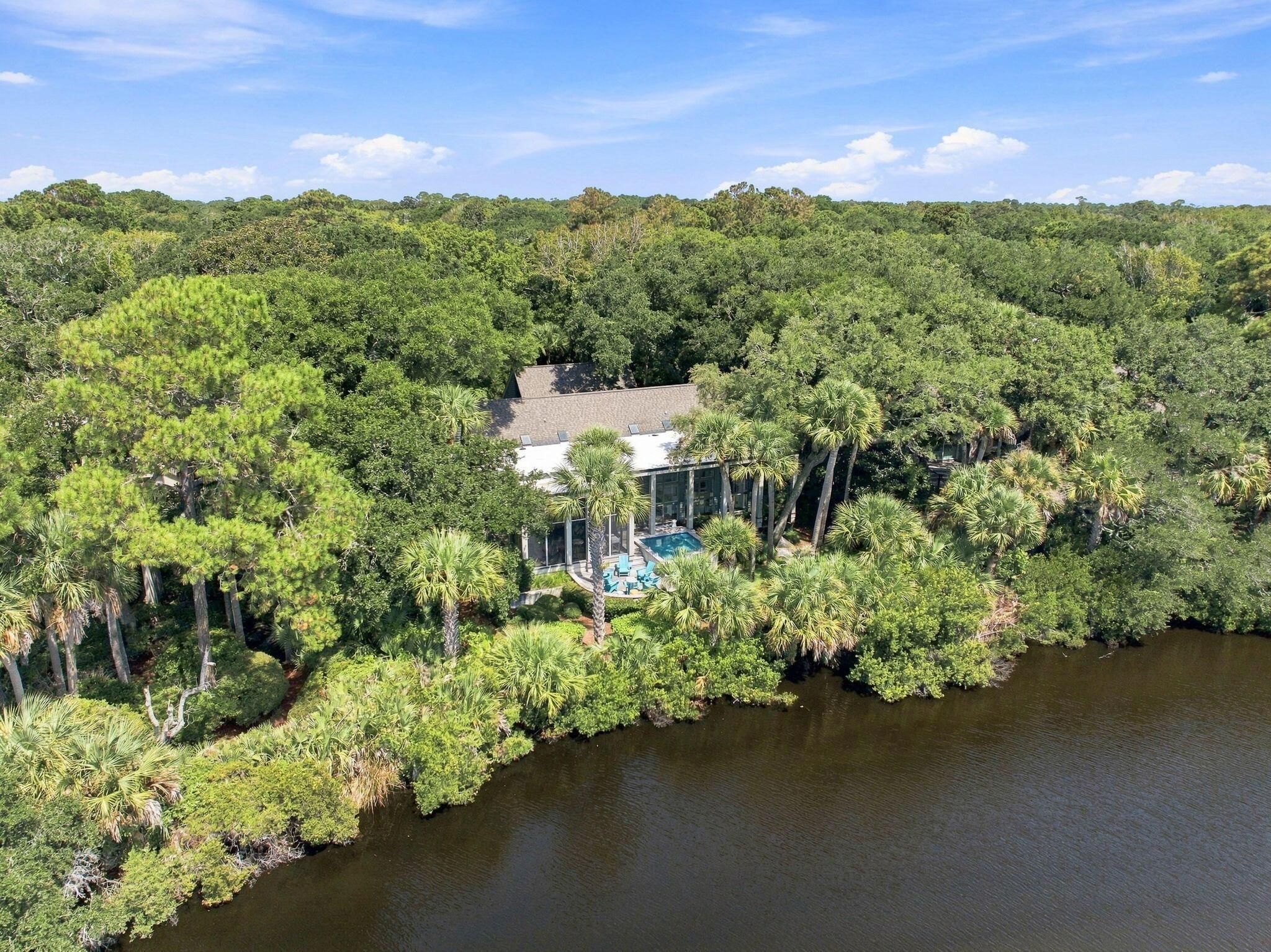
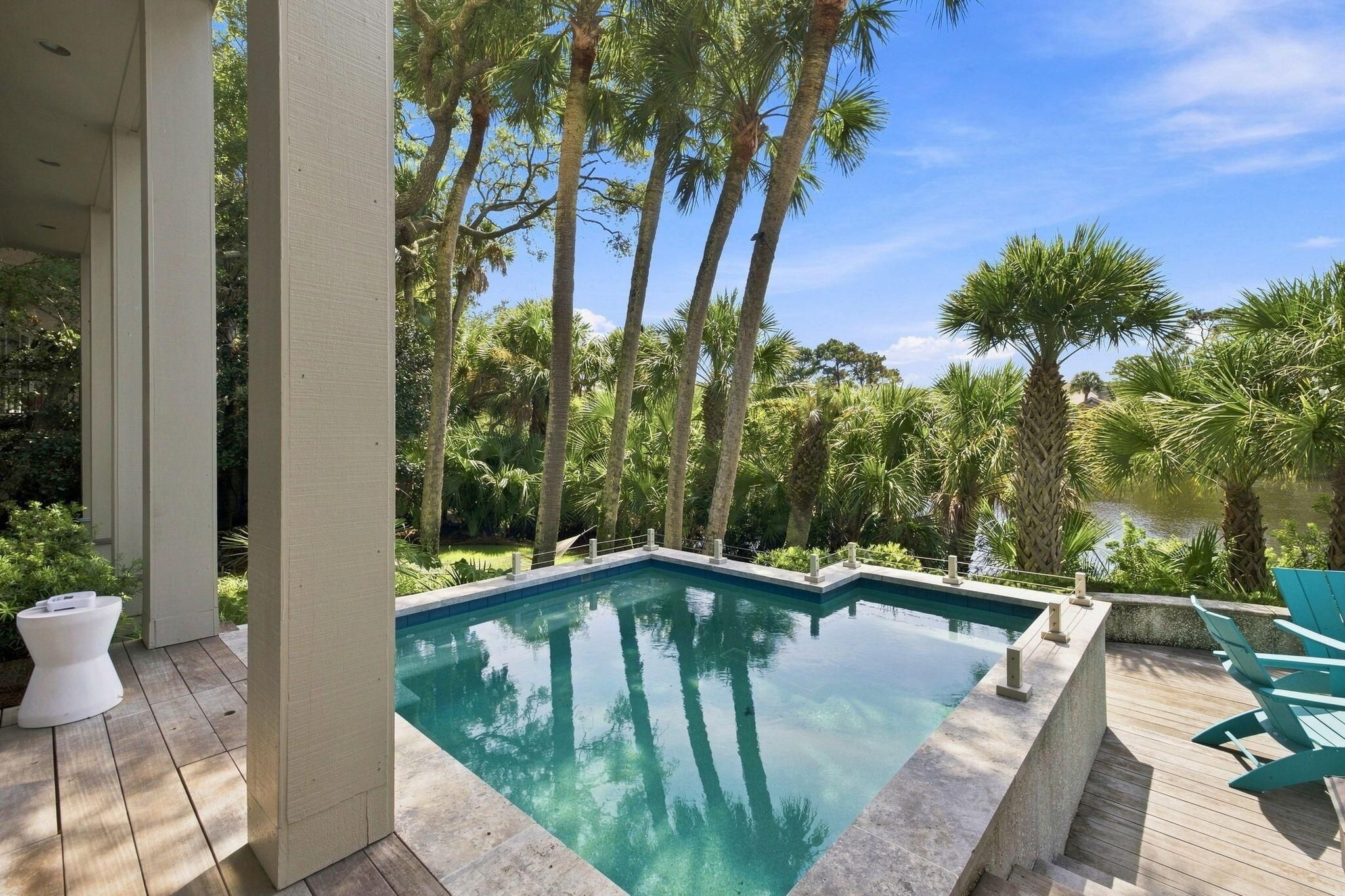
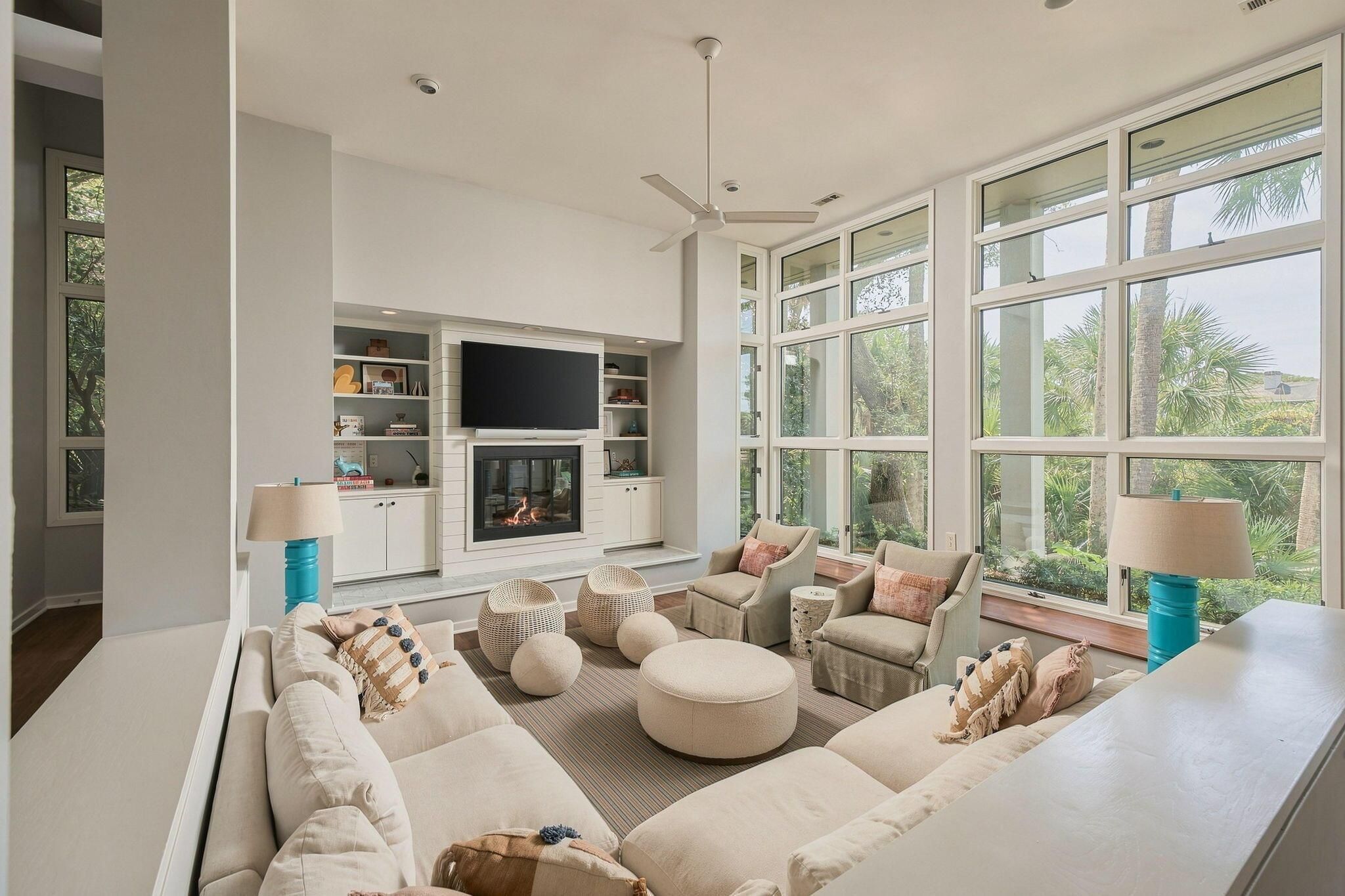
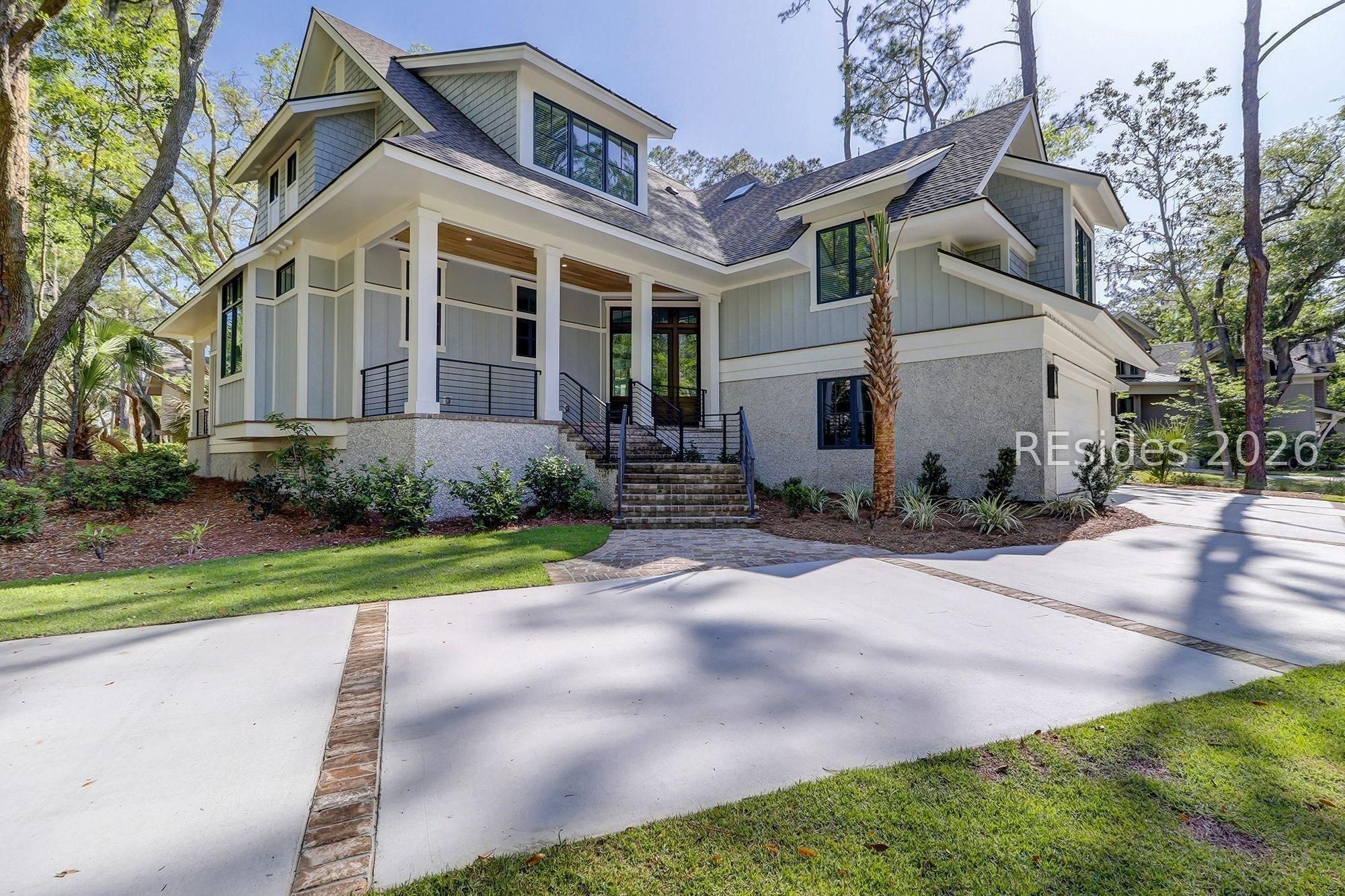
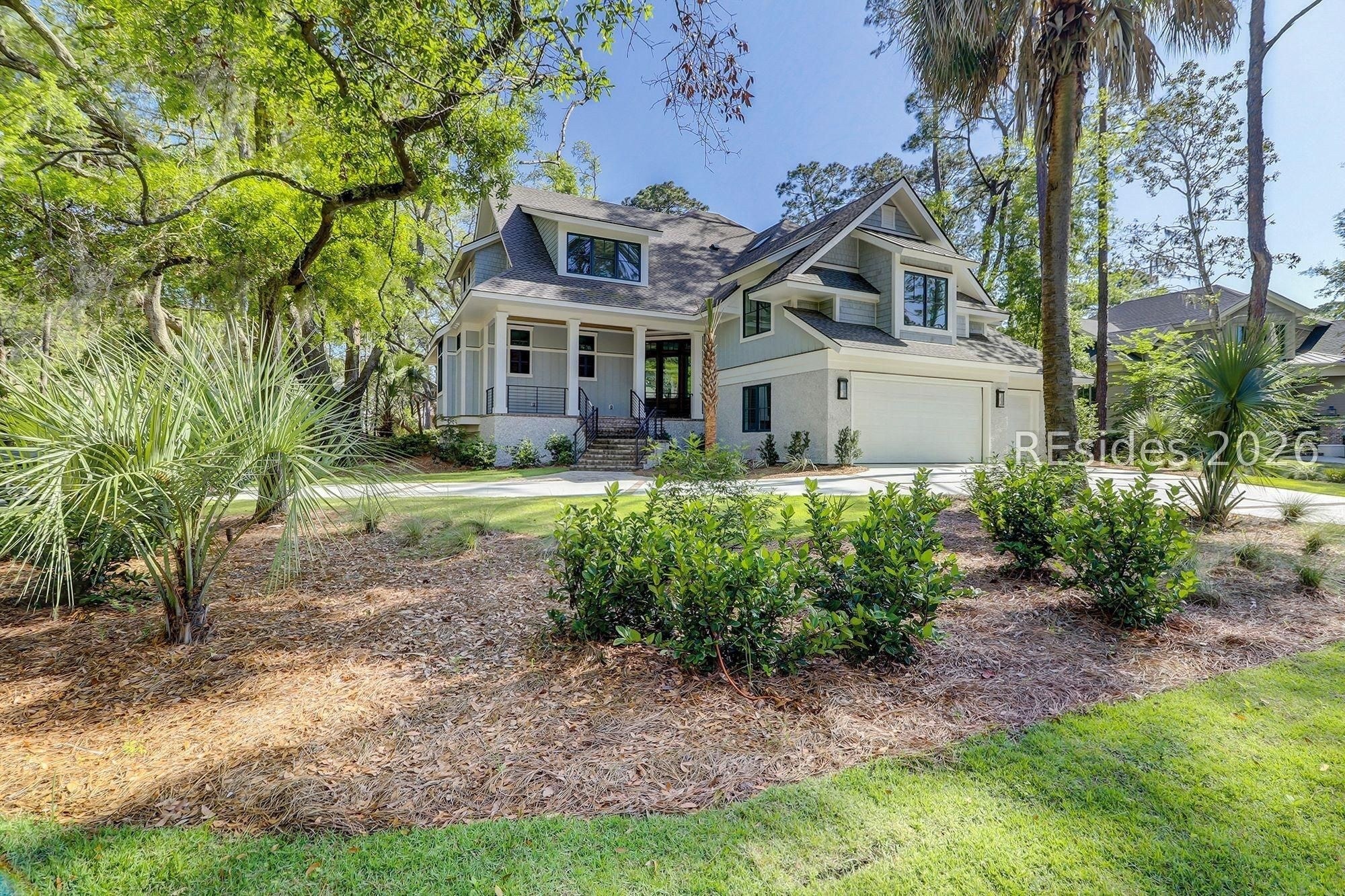
Kiawah Island, South Carolina, USA — 4-Bed Waterfront House With Heated Pool
$698,000
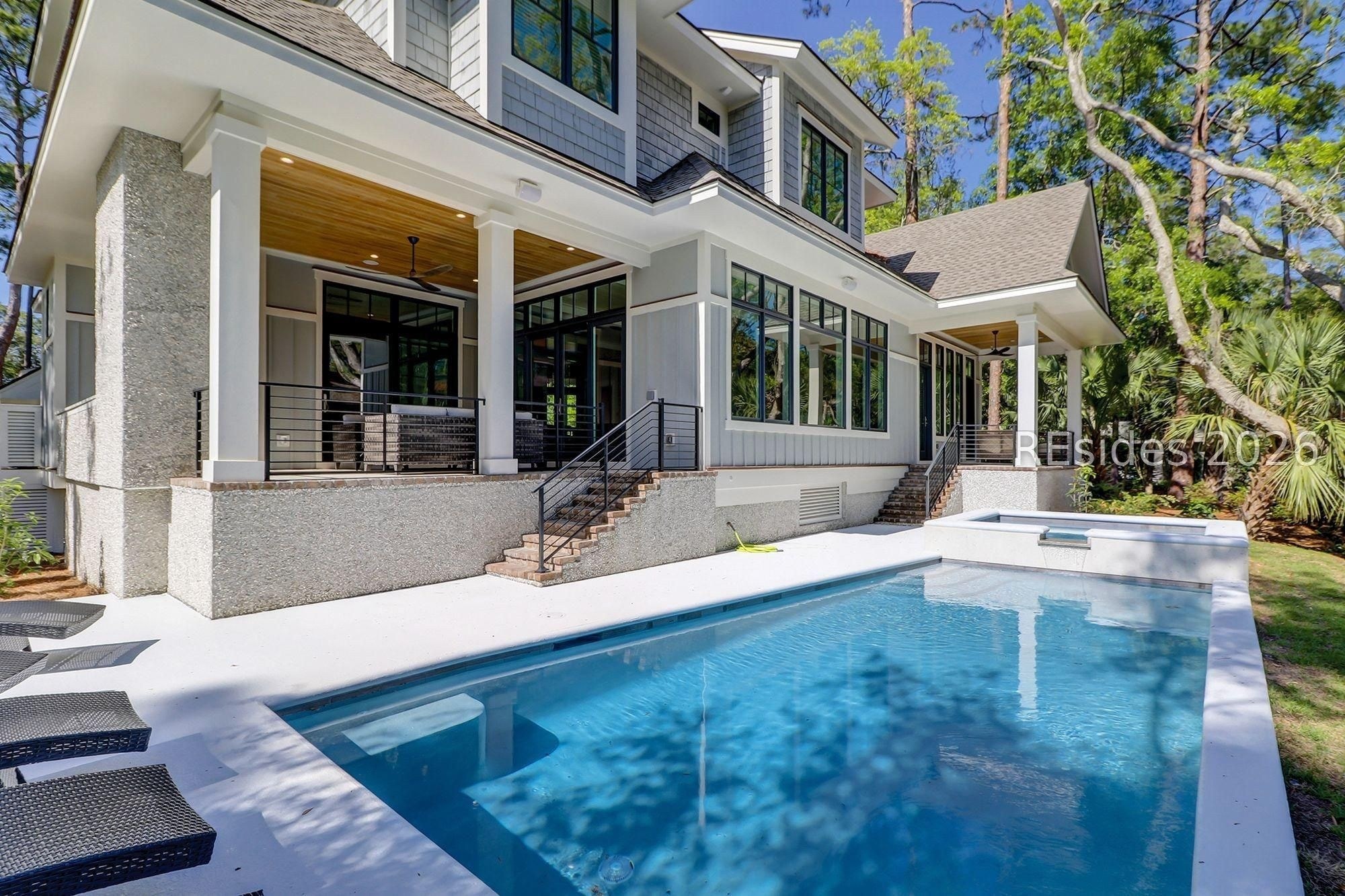
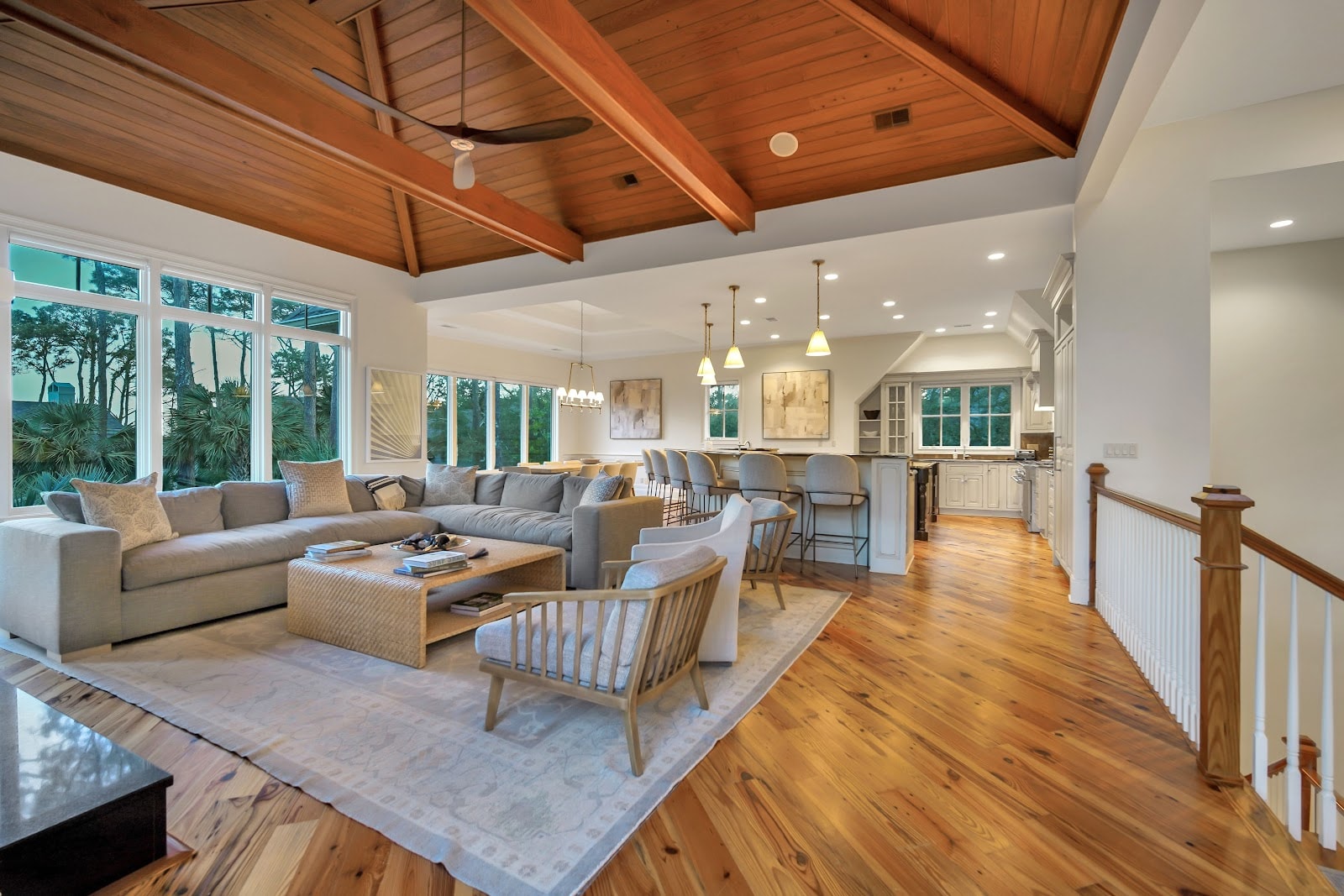
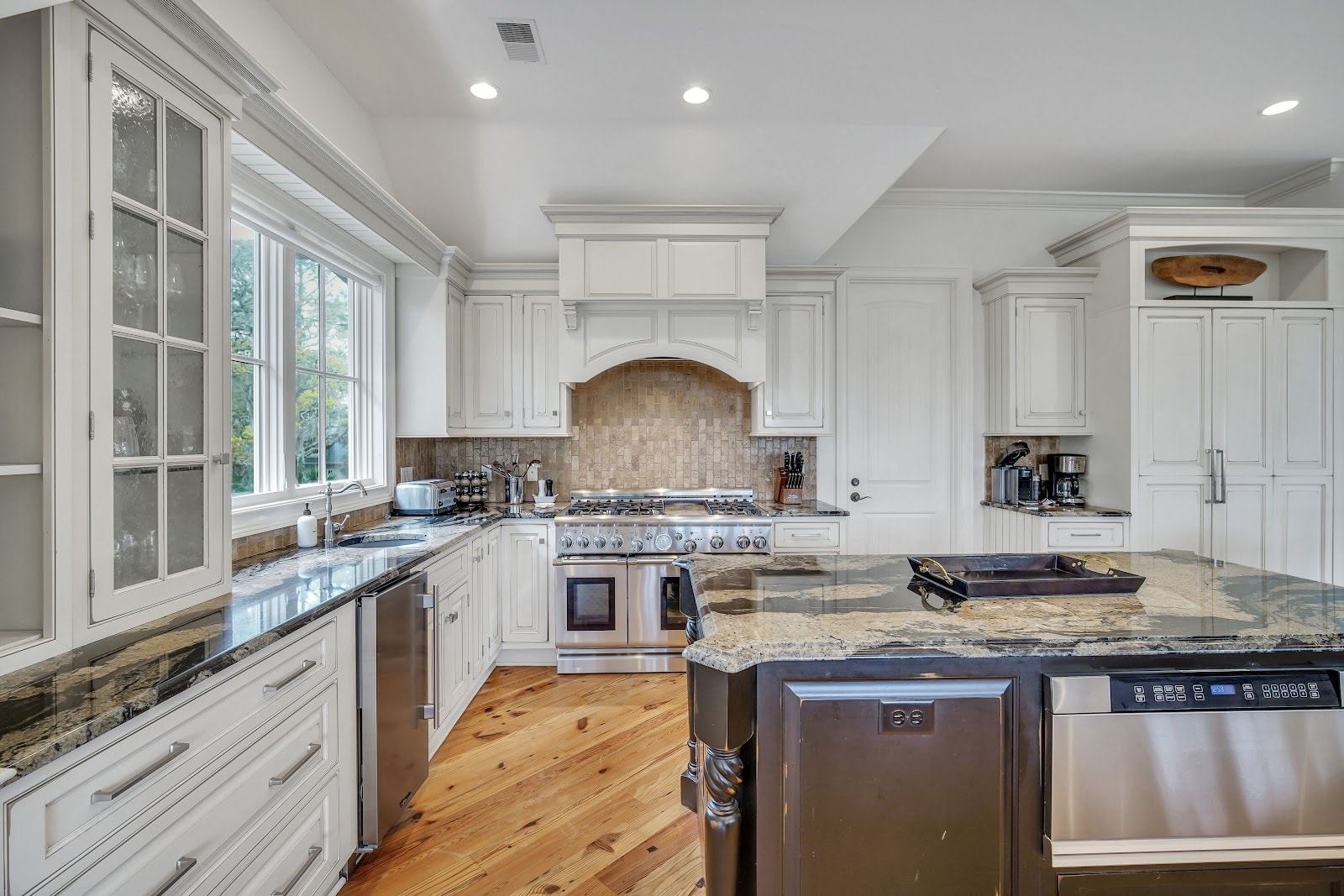
Hilton Head Island, South Carolina, USA — 7-Bed Coastal House With Pool In Sea Pines
$1,020,000
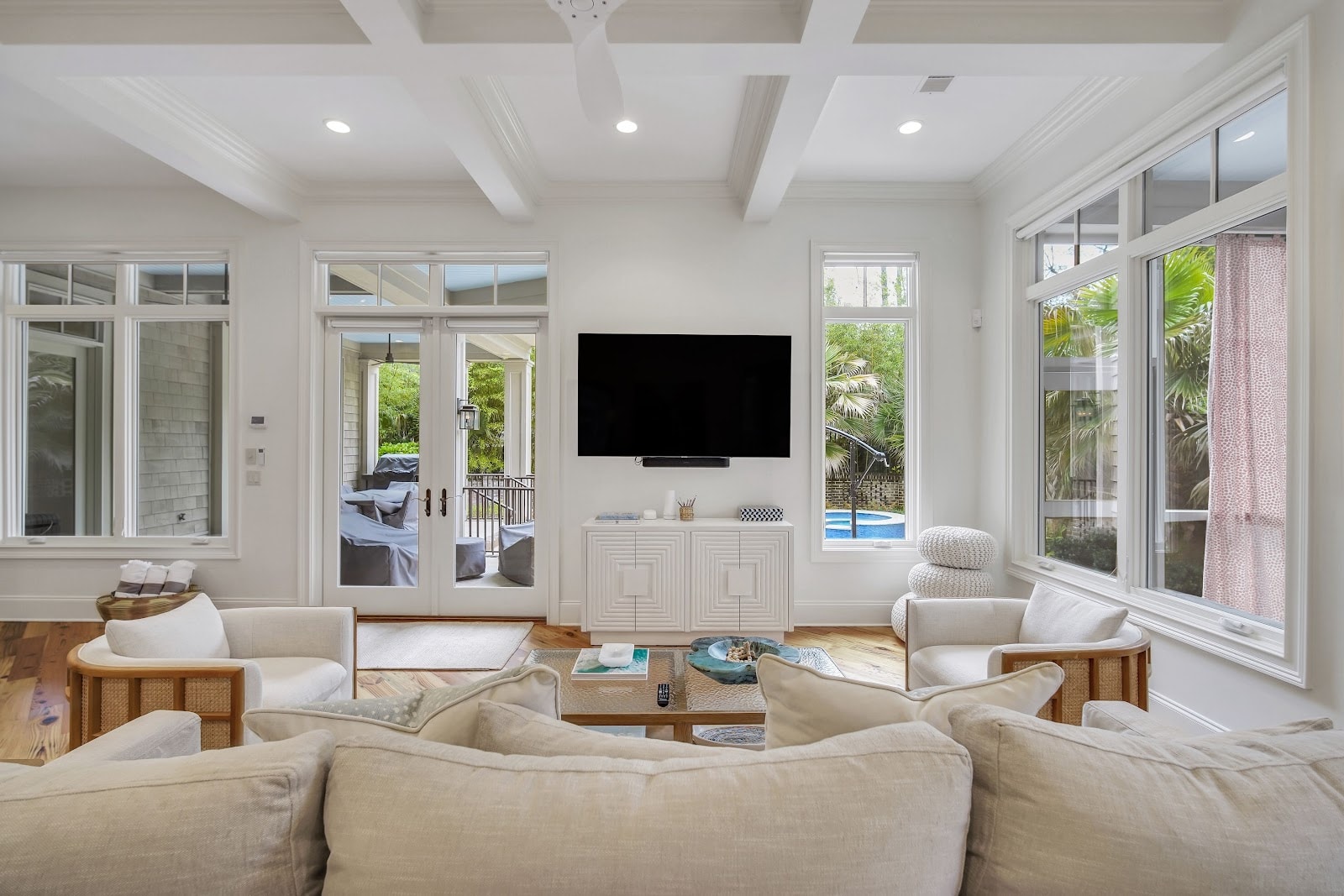
Hilton Head Island, South Carolina, USA — 6-Bed House With Beach Access
$785,000
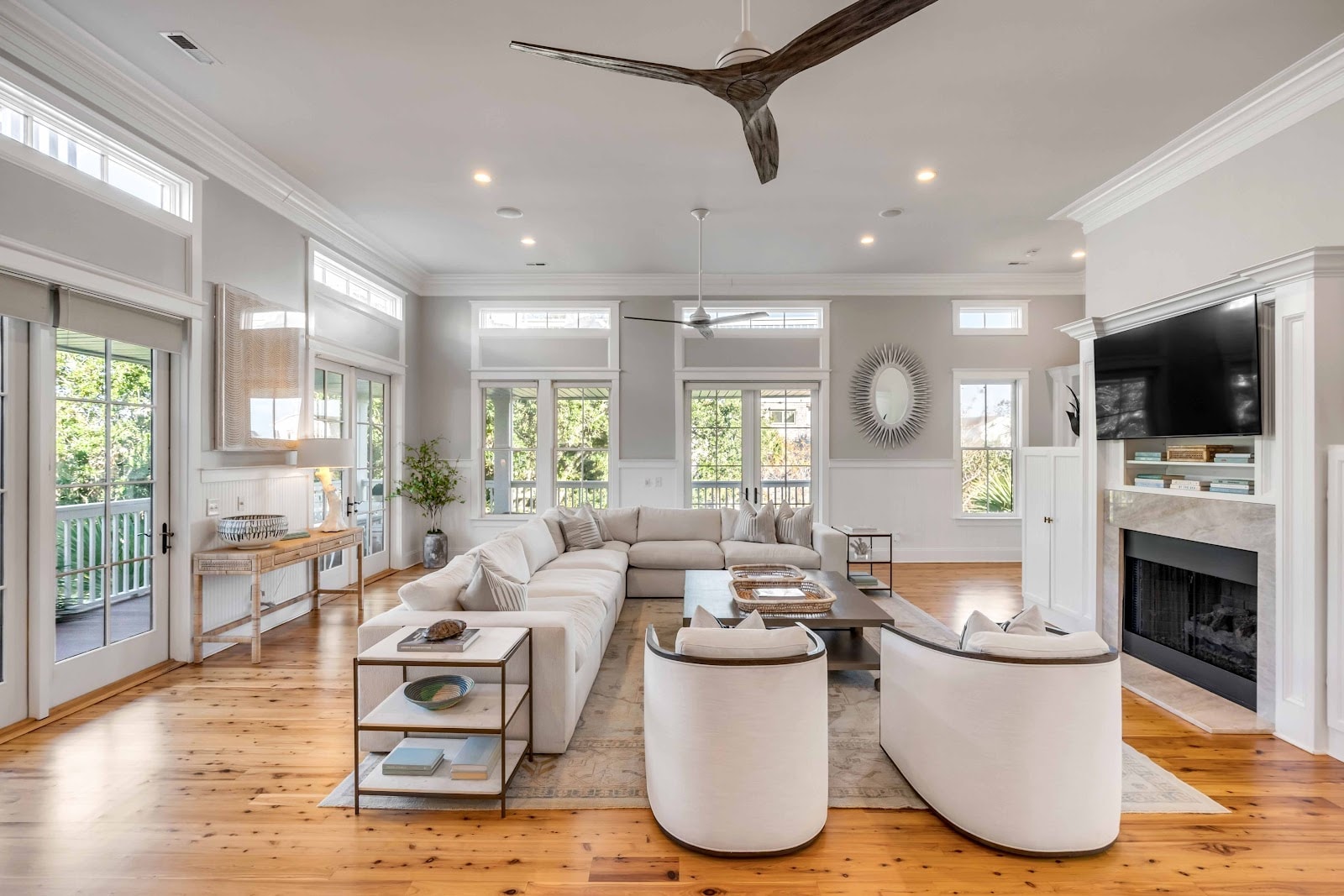
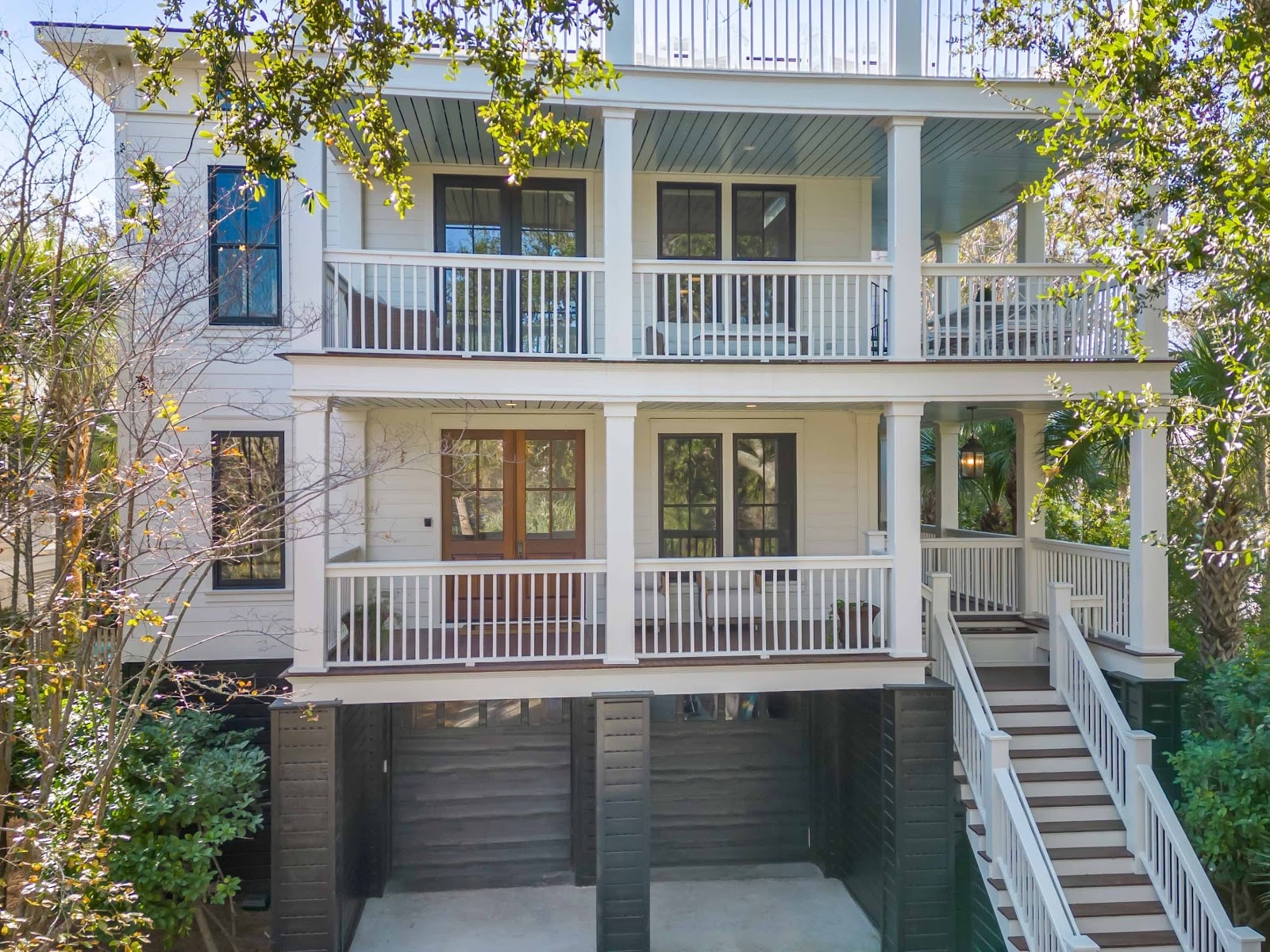
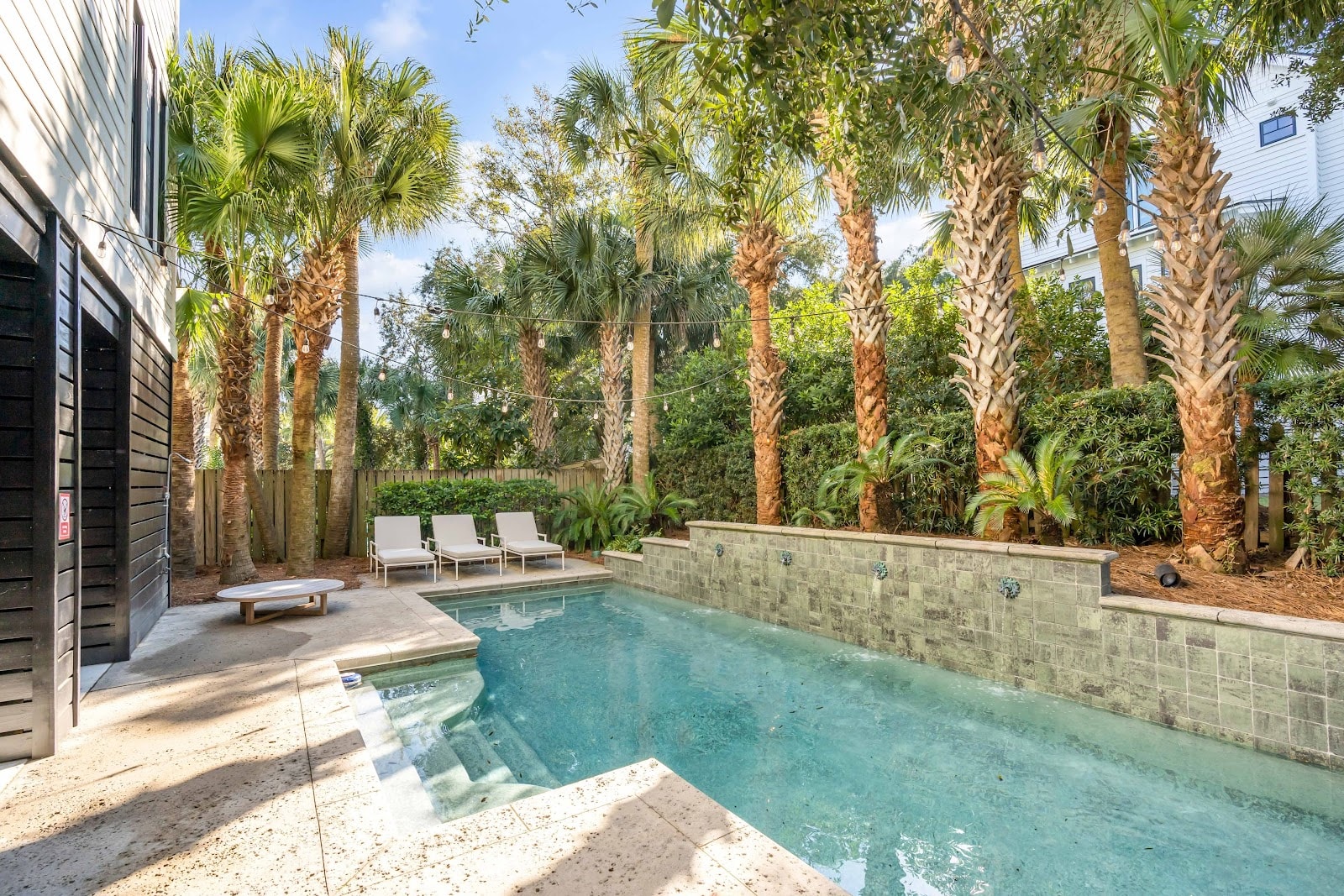
Isle Of Palms, South Carolina, USA — 5-Bed House With Beach Access
$549,000
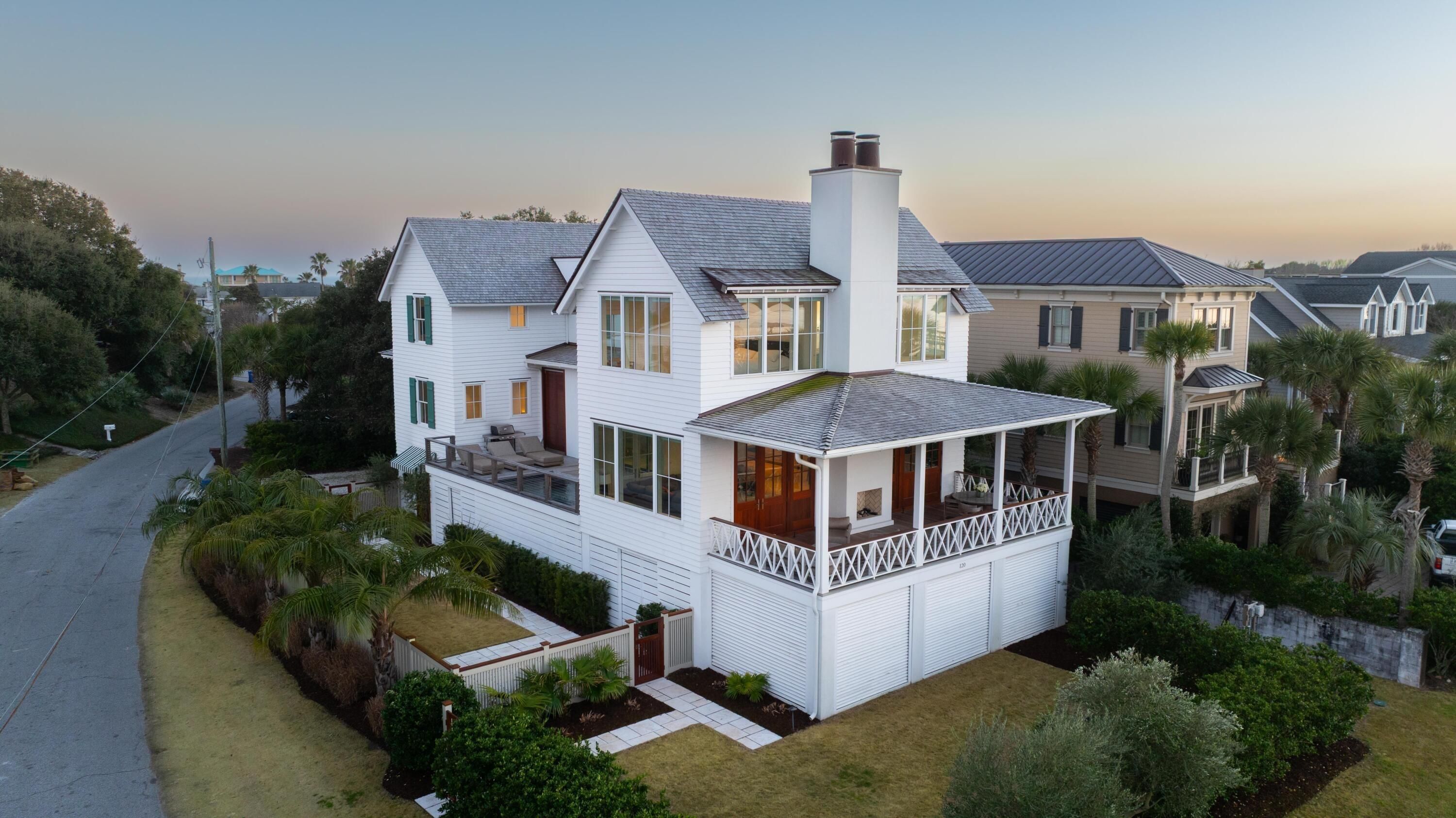
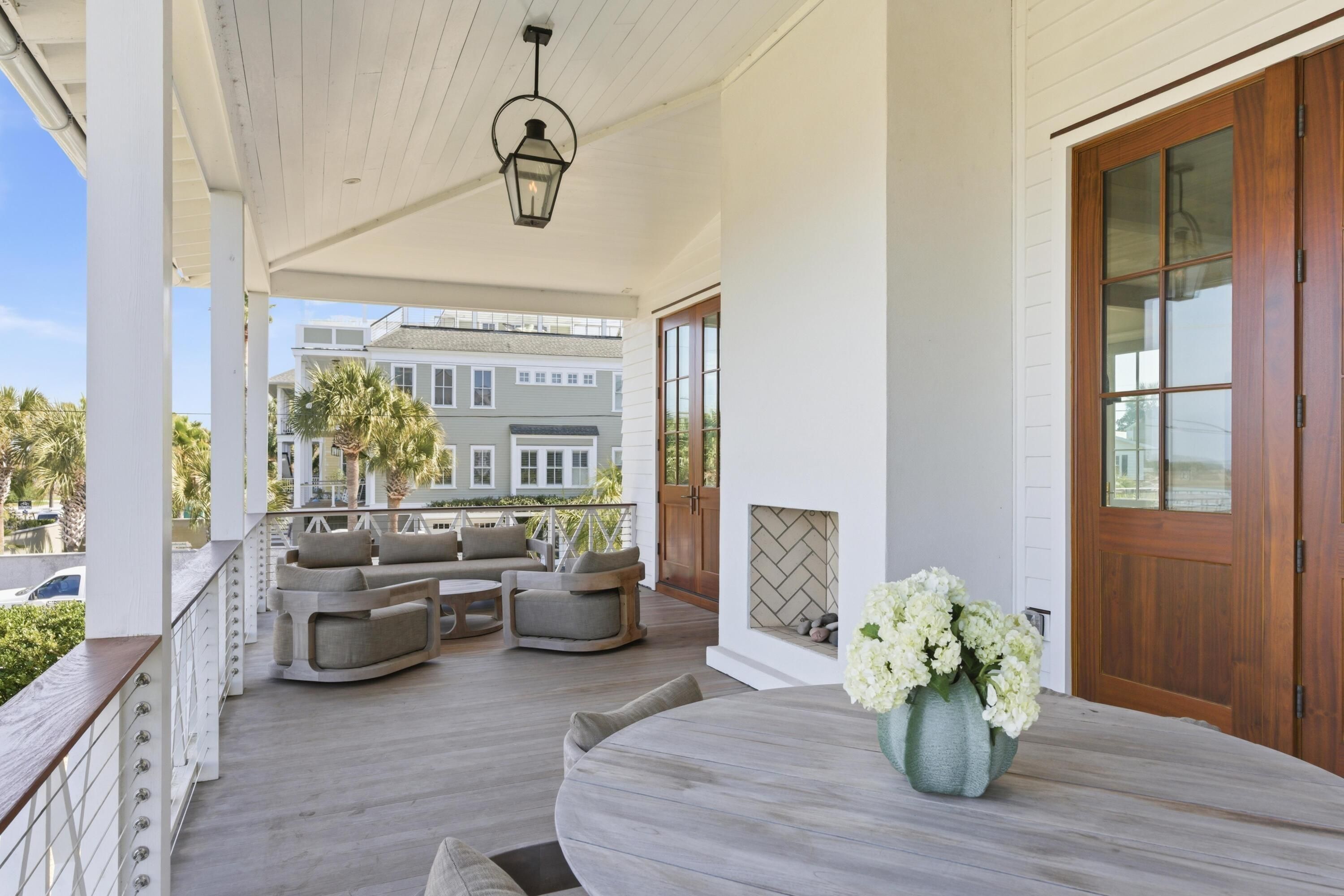
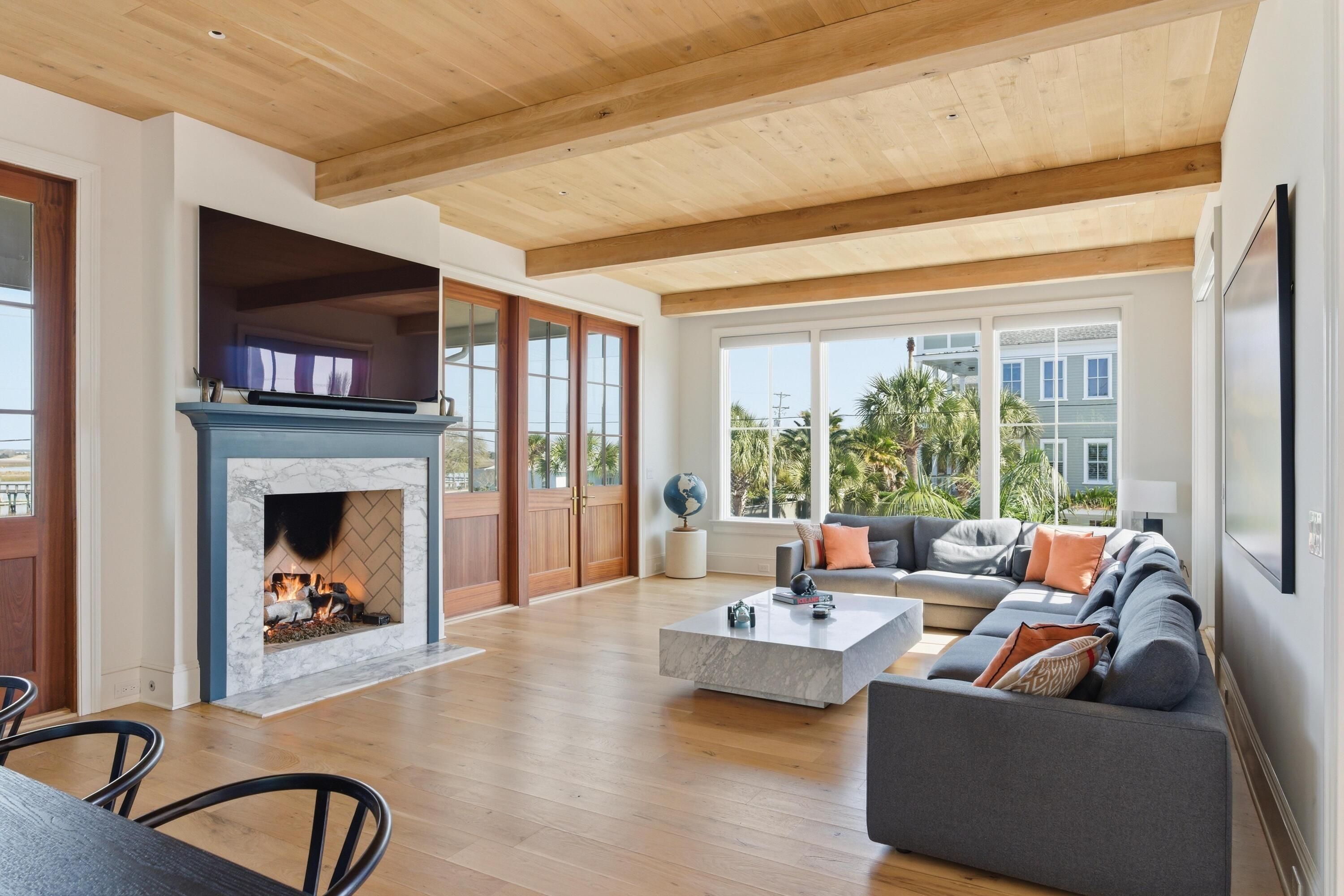
Isle Of Palms, South Carolina, USA — 4-Bed House With Pool & Creek Views
$911,000
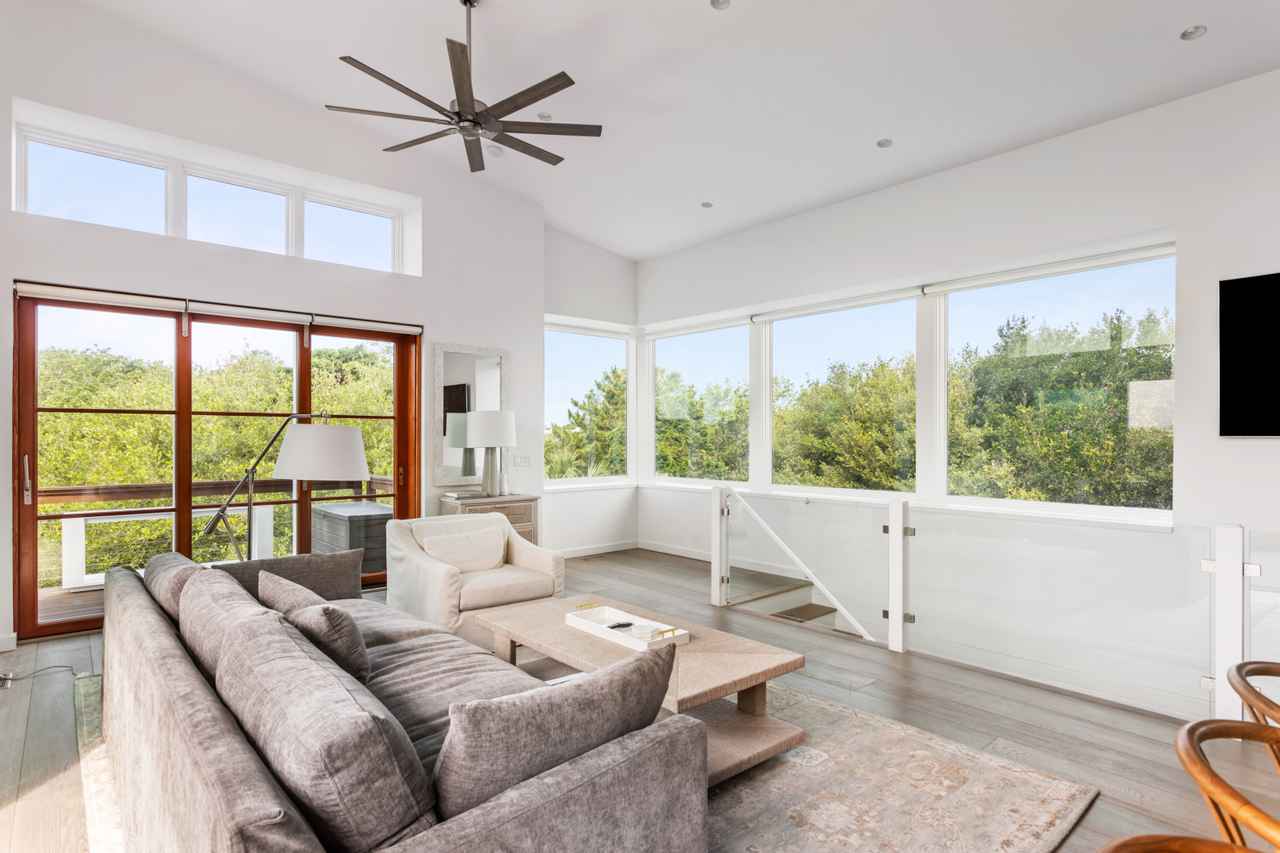
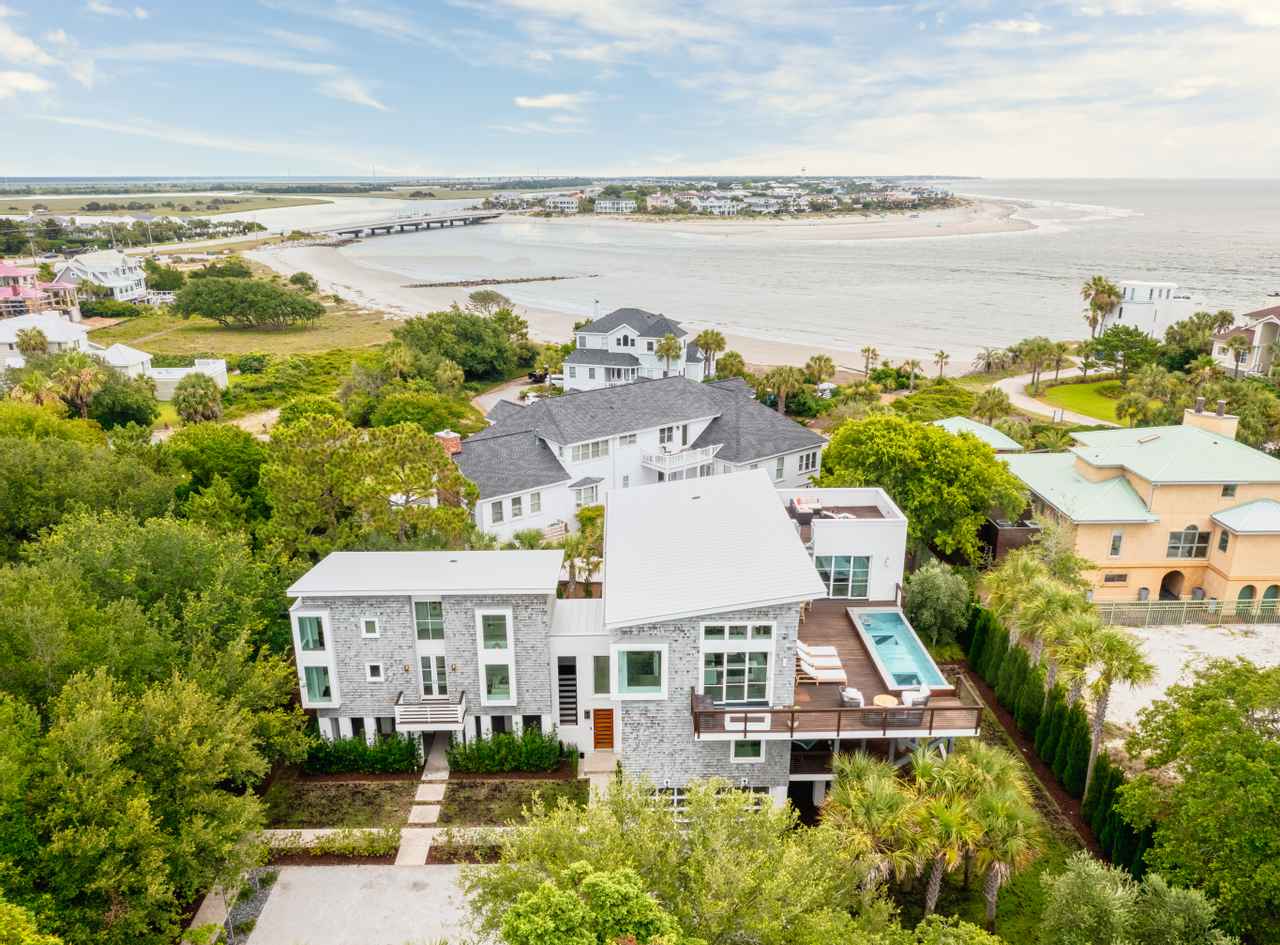
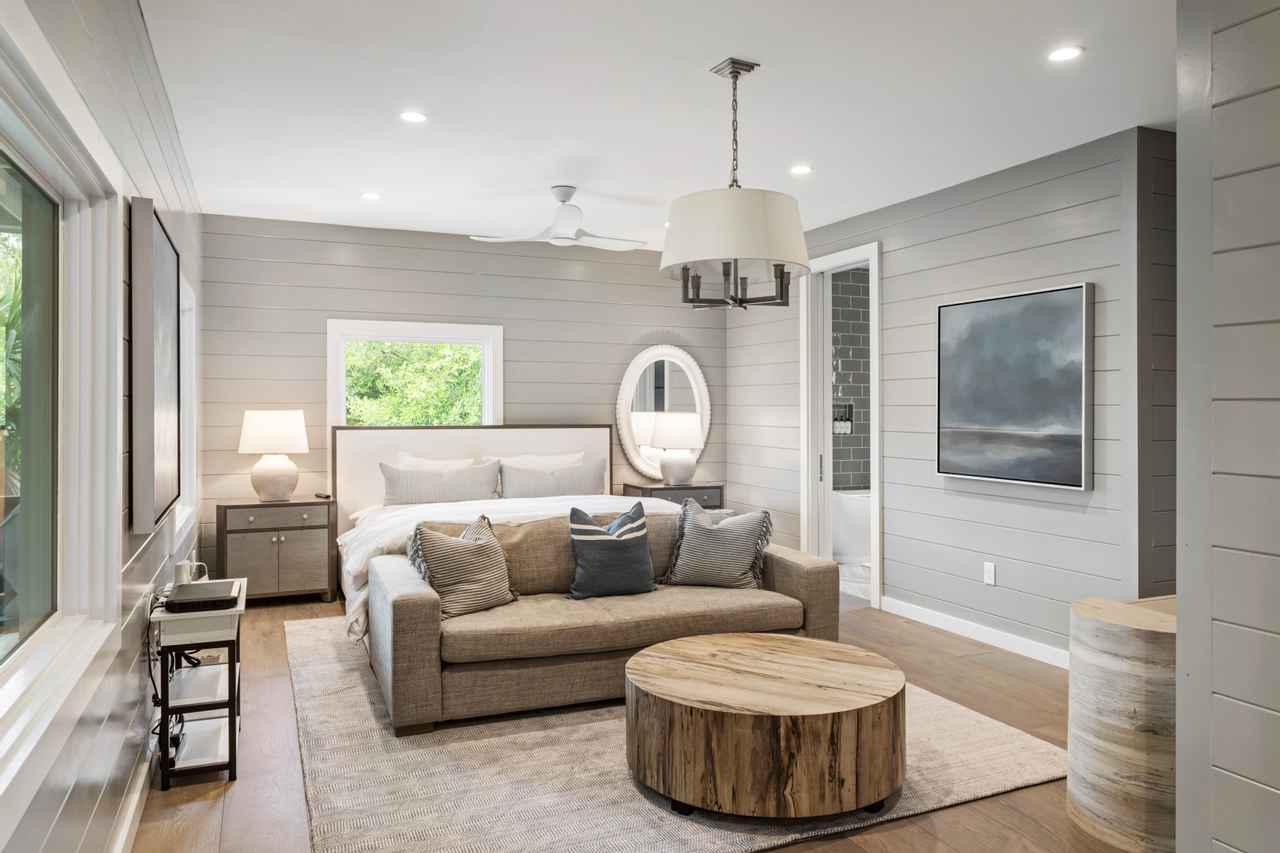
Sullivans Island, South Carolina, USA — 5-Bed House With Infinity Pool
$899,000
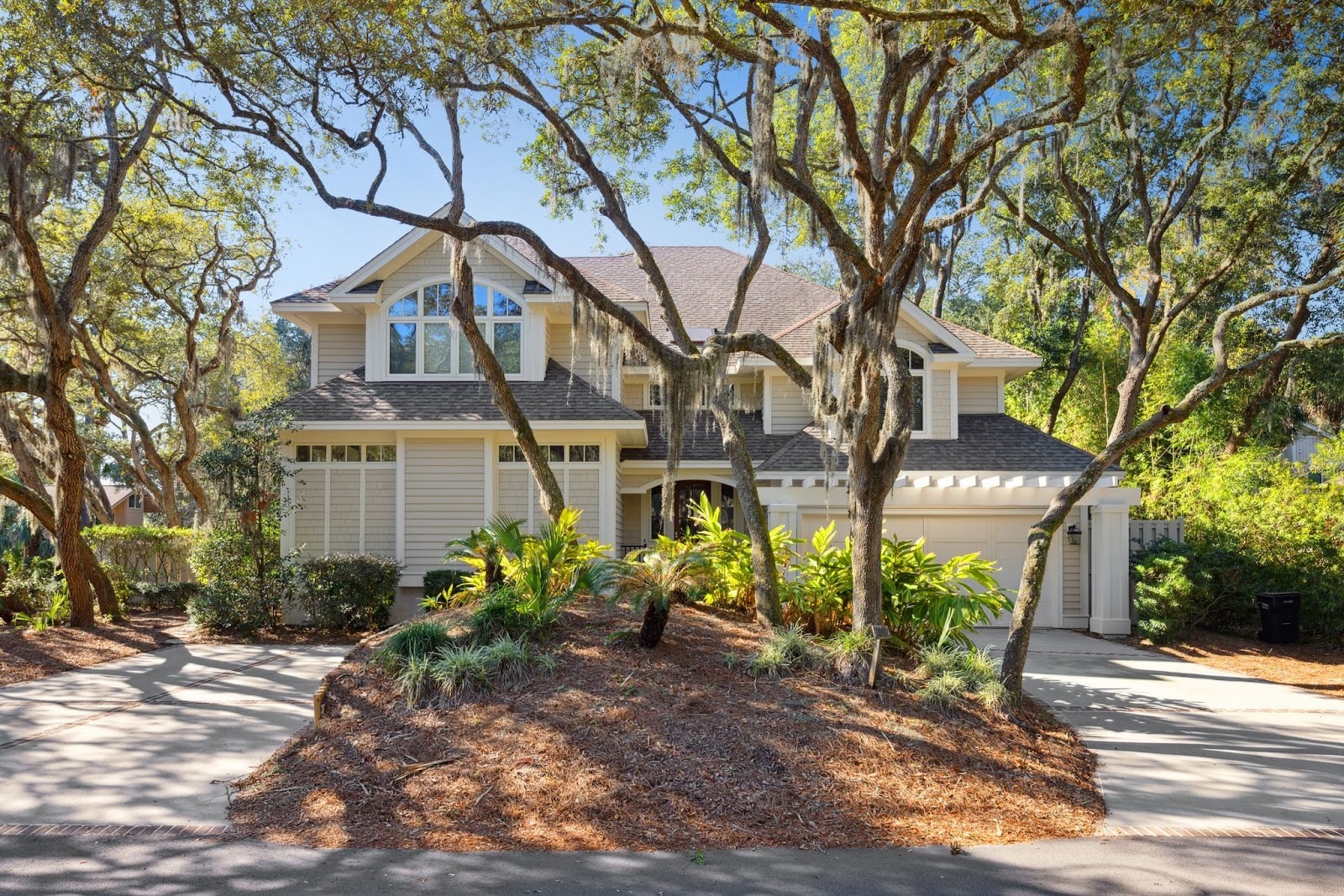
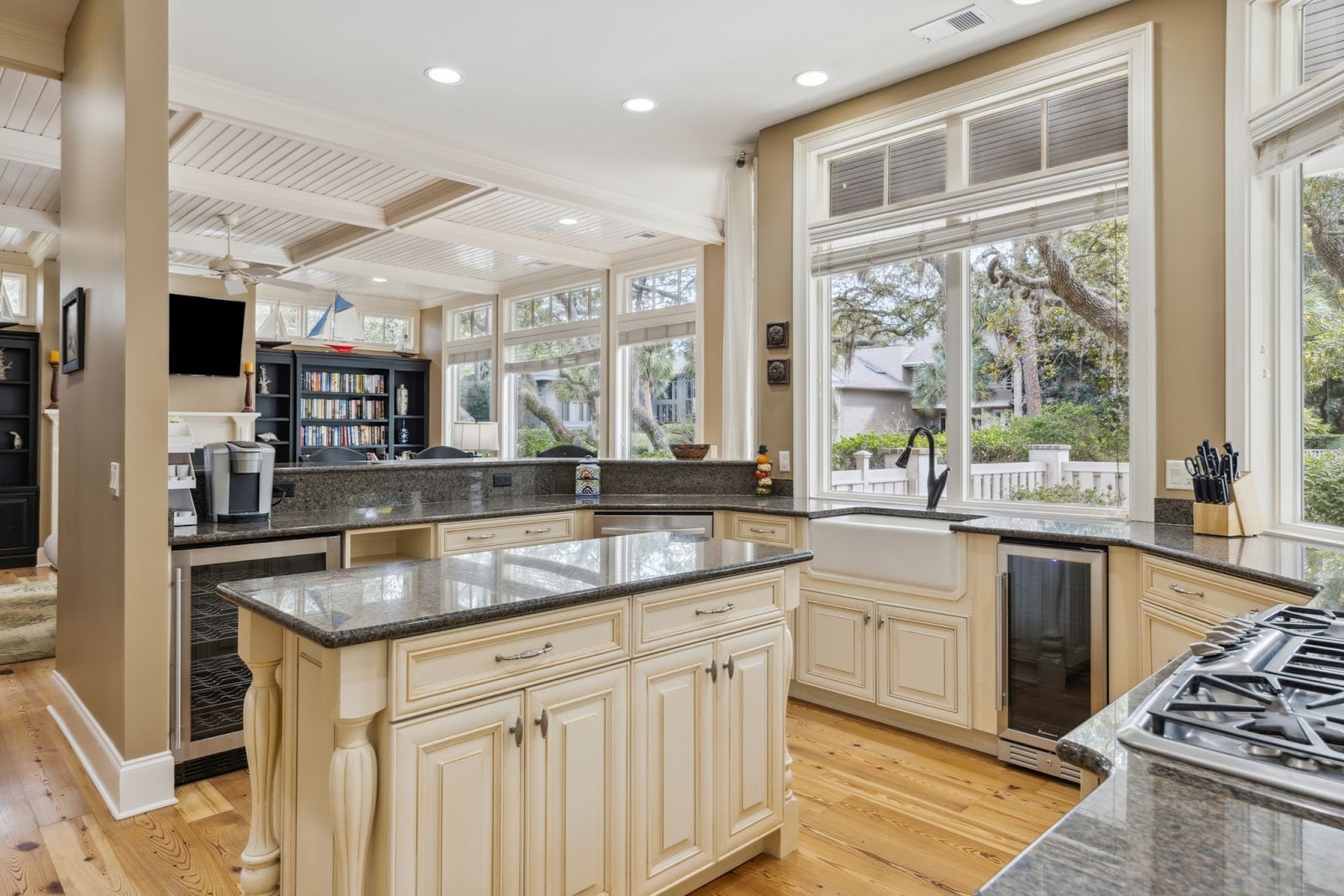
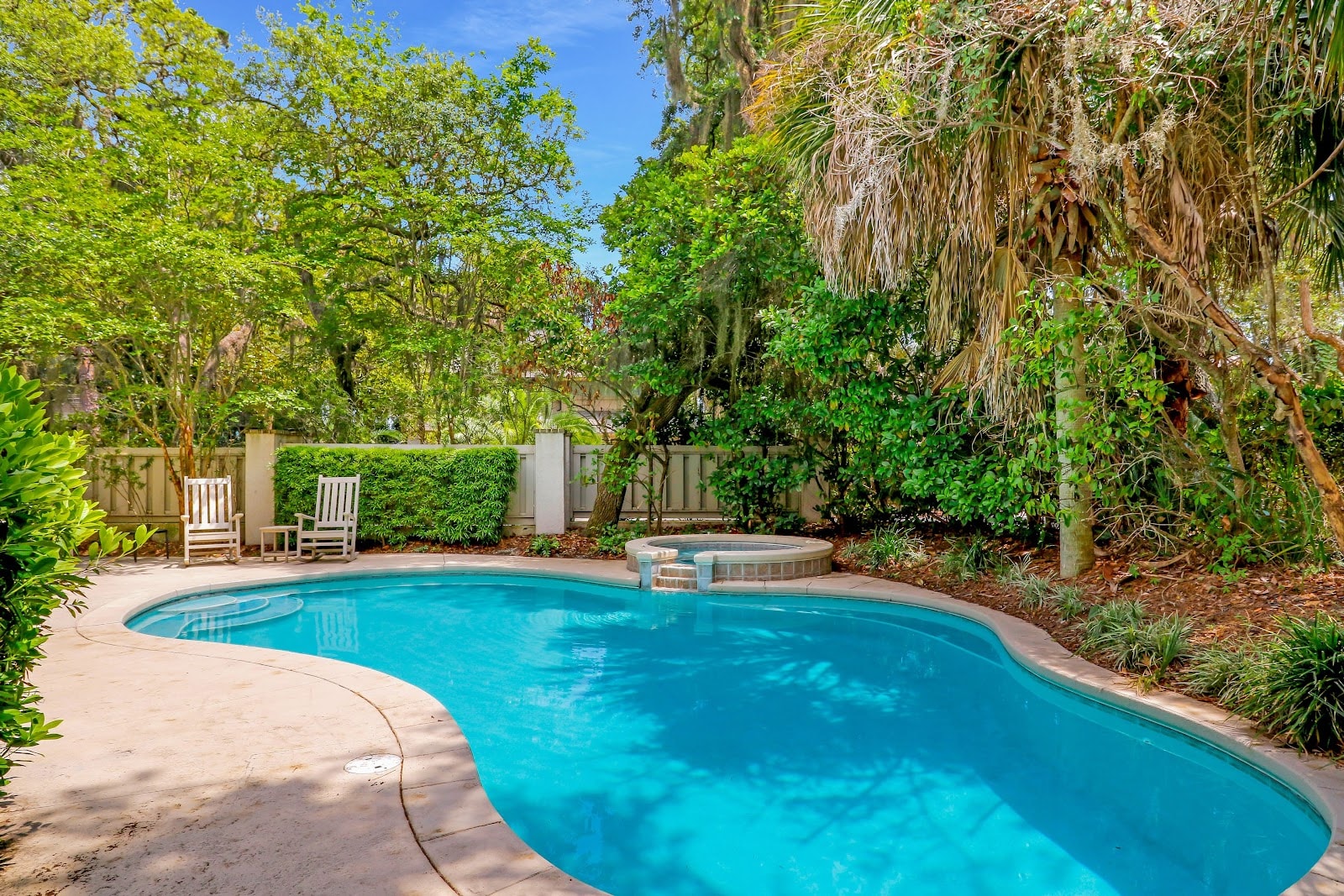
Hilton Head Island, South Carolina, USA — 5-Bed House With Pool
$721,000
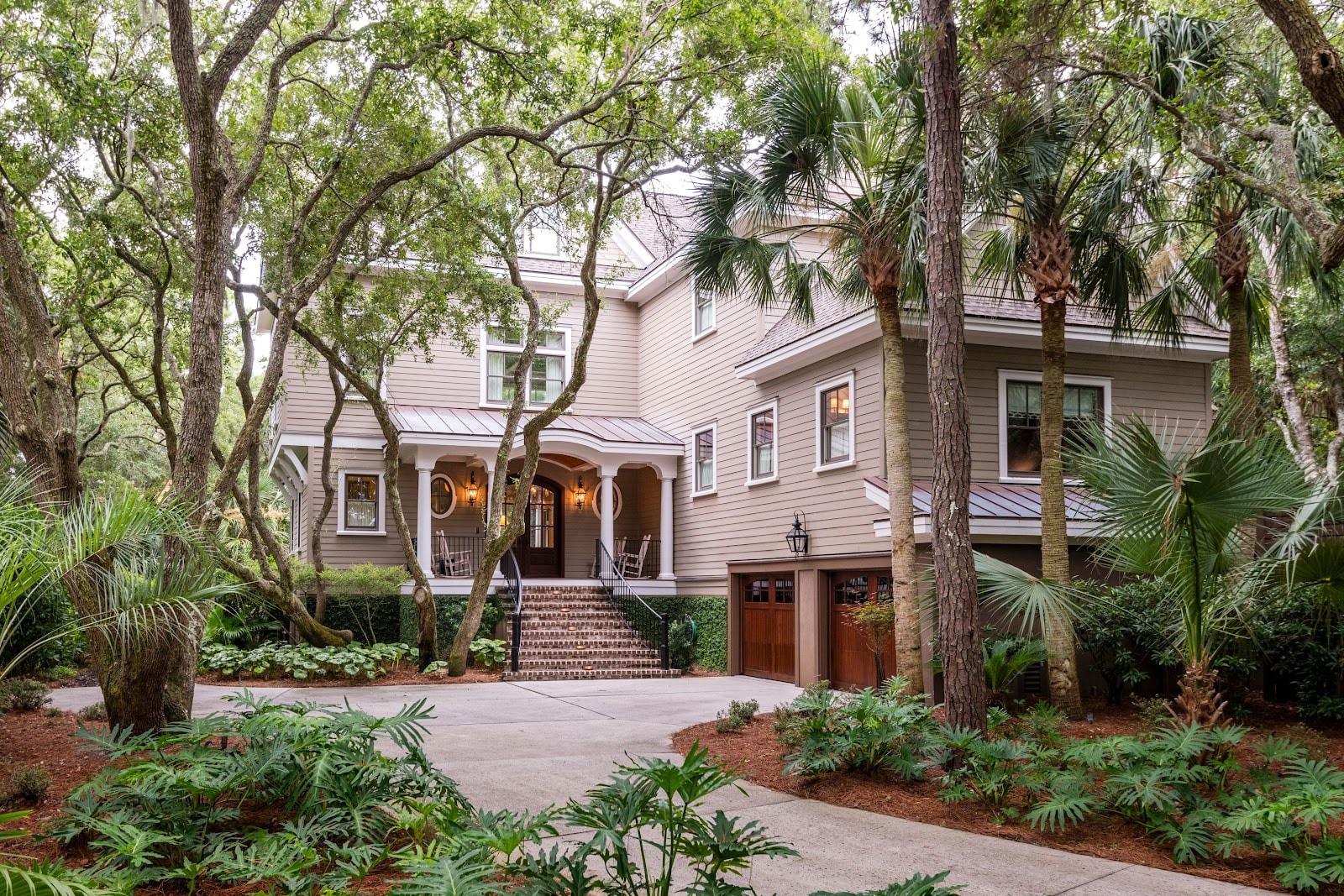
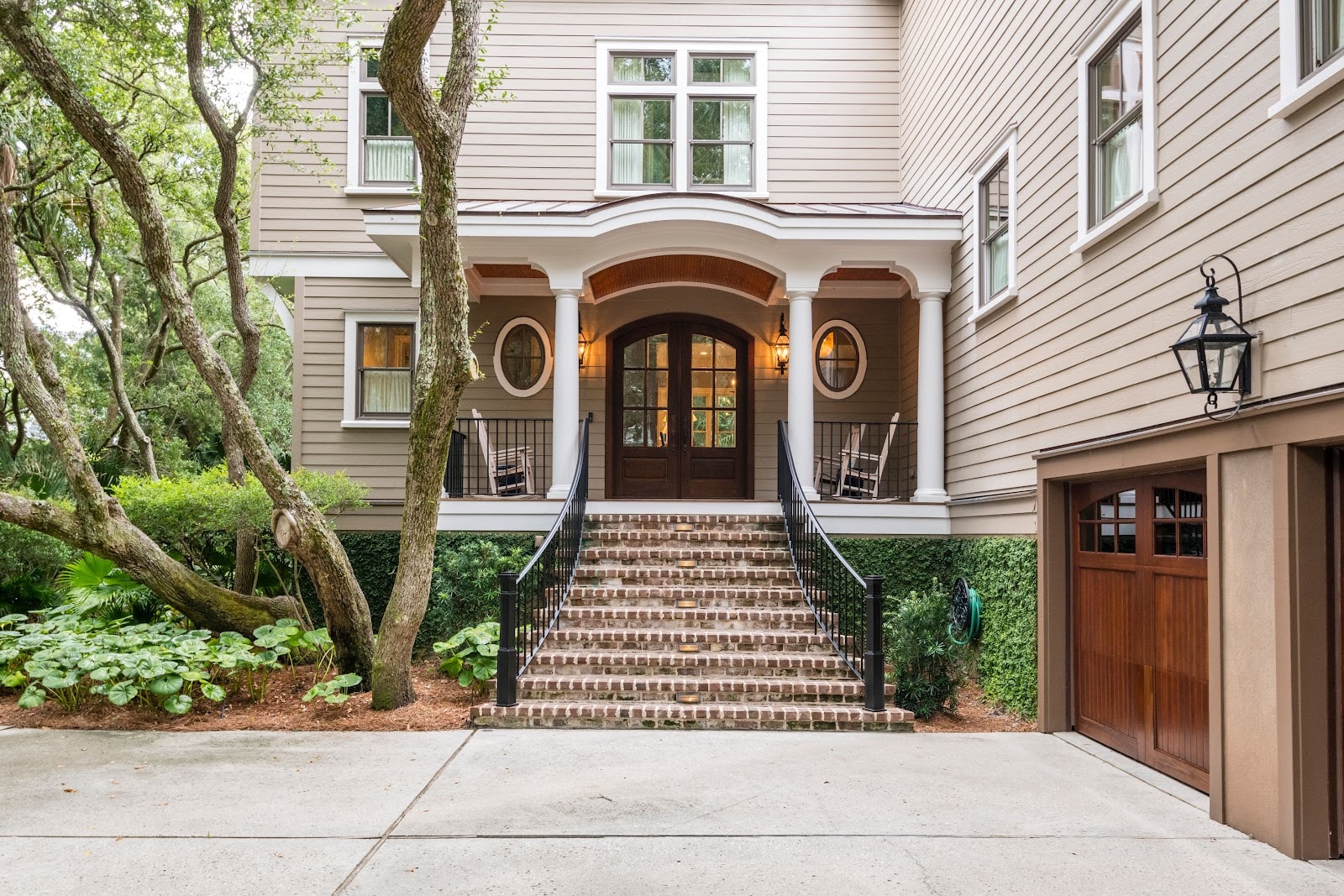
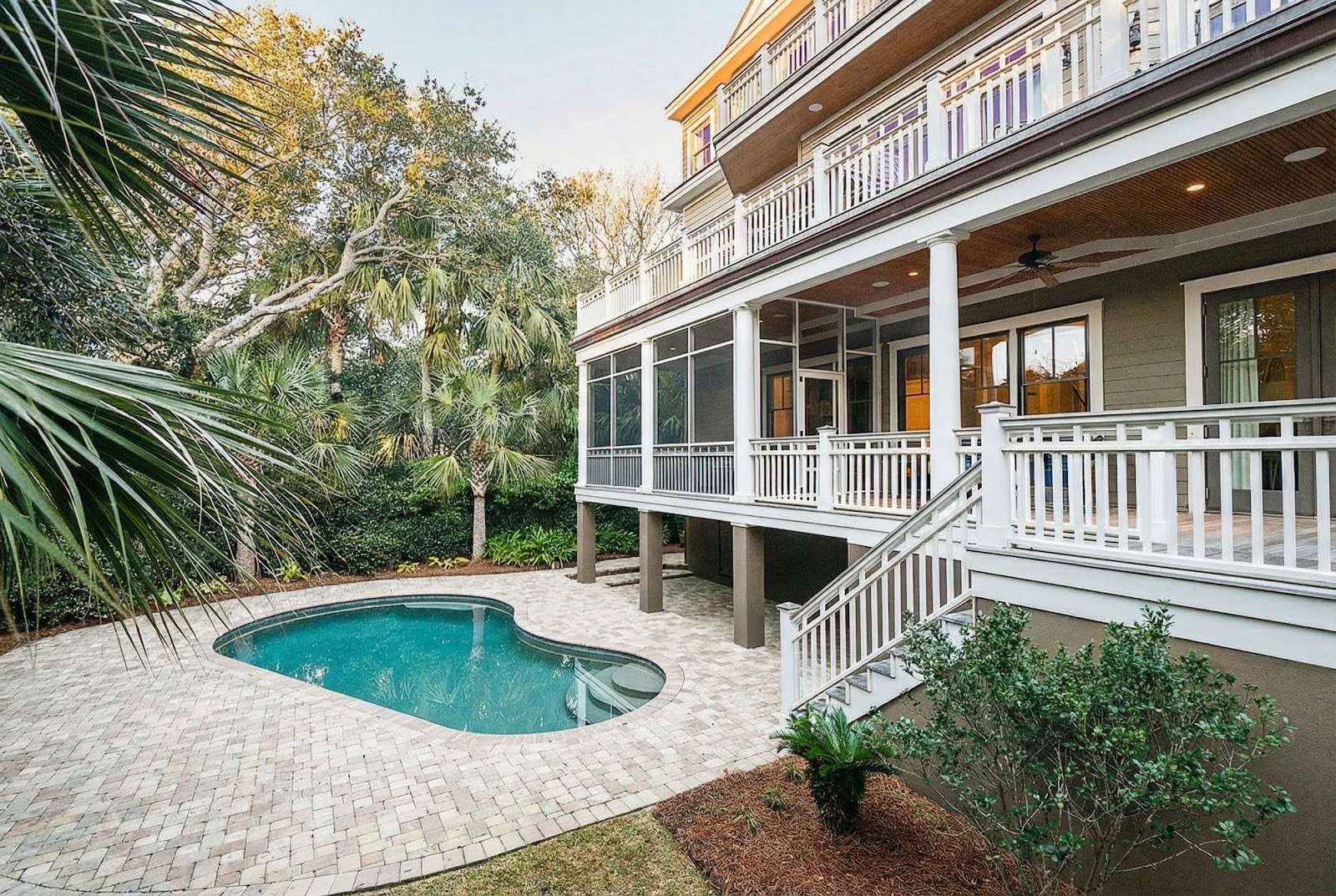
Johns Island, South Carolina, USA — 5-Bed House With Beach Access
$1,030,000
The South Carolina Lowcountry's finest addresses, accessible through co-ownership.
Fully managed oceanfront estates, villas and coastal retreats across Kiawah Island, Hilton Head Island, Isle of Palms and Sullivan's Island, and Johns Island and the Charleston Sea Islands. Your 1/8 share of the home comes with around six weeks of personal use, a professional management team on call, and the long-term equity of one of the American Southeast's most supply-constrained coastal markets.

What is fractional ownership in South Carolina?
Fractional ownership in South Carolina means buying a real 1/8 share of a luxury Lowcountry coastal property, shared with up to seven other co-owners. Each owner receives personal use set by the partner that manages the home — a minimum of 44 or 45 nights a year with most of our partners, and no set cap with some others — through a fair-rotation calendar, with all property management, maintenance, taxes and operations handled by a professional team. You can sell it, pass it on to your heirs, and it grows in value with the home — it is not a timeshare, not a holiday club. The legal set-up is arranged by our partner for each home and walked through with you before you buy.
Why South Carolina?
South Carolina's Lowcountry coast is one of the genuinely irreplaceable landscapes of the American South — a place where barrier-island beaches, ancient maritime forest, tidal marsh, and the historic city of Charleston exist within a 60-mile arc, creating a second-home destination that has no direct equivalent anywhere else on the Eastern Seaboard. The Lowcountry occupies a specific geographic and cultural register: not the crowded resort corridor of Myrtle Beach to the north, not the retirement-community character of the South Carolina upstate, but a constellation of Sea Islands — Kiawah Island, Hilton Head Island, Isle of Palms, Sullivan's Island, Johns Island, Seabrook Island — each with its own architectural character, microclimate, and buyer profile, all orbiting the extraordinary historic core of Charleston. The case for fractional ownership in South Carolina starts with supply. The Lowcountry's barrier islands are ringed by tidal wetlands, South Carolina Department of Natural Resources conservation easements, and private community land restrictions that have effectively capped new development for decades. Kiawah Island, arguably the most prestigious address on the South Carolina coast, controls development through its own community conservation trust; the island's interior maritime forest and its 10 miles of Atlantic beach are among the most carefully protected natural assets in the American South-East.
Your South Carolina Lowcountry share is owned alongside up to seven other co-owners. You own a real share of the home — an eighth, a quarter — not a right to use it. You can sell it, pass it on to your heirs, and it grows in value with the home. Resale is handled through our partner's resale process, without you having to sell the whole house.
The structural argument for the South Carolina Lowcountry as a fractional destination goes beyond supply. The region has built, over the past half-century, one of the most comprehensive infrastructure layers for luxury second-home ownership of any coastal market in the United States. Kiawah Island and Hilton Head Island each have mature property-management industries, resort-calibre private amenity networks, and professional services ecosystems — attorneys, CPAs, title companies, and concierge companies — specifically oriented toward non-resident vacation-home owners. The Hilton Head Island-Bluffton Chamber of Commerce estimates that well over half the homes on Hilton Head are owned by non-resident second-home or vacation-property buyers, giving the island a professional services environment calibrated to remote ownership at a level that many newer coastal markets take decades to build. Both islands also benefit from the gravitational pull of Charleston itself — consistently ranked among the top domestic travel destinations in the United States by Travel + Leisure — which provides cultural depth, a world-class restaurant scene, international-gateway airport access, and a historic built environment that gives the entire Lowcountry a quality of place that is difficult to replicate in markets built purely around golf or beach resort amenities.
South Carolina also benefits from what is arguably the most distinctive cultural heritage in the American South. The Gullah Geechee people — descendants of West and Central African enslaved people who maintained their language, spiritual practices, foodways and crafts across the Sea Islands for more than three centuries — are the living cultural foundation of the Lowcountry. The Gullah Geechee Cultural Heritage Corridor, a federally designated corridor running from southern North Carolina through Georgia, passes directly through Charleston and the Lowcountry Sea Islands, and the culture's influence on Southern cooking, craftsmanship, music and literature is embedded in every aspect of the region's identity. For second-home buyers who value depth of place over generic resort character, the Gullah Geechee heritage is one of the Lowcountry's most enduring distinctions.
A further argument for the Lowcountry that often surprises buyers approaching it as purely a domestic US market: no Schengen restriction applies. Post-Brexit, UK nationals are subject to the 90-day-in-180-day limit across the 27 EU member states combined. South Carolina carries no equivalent restriction — UK and European buyers can visit on a US ESTA for up to 90 days per trip, with no annual accumulation rule governing repeat visits across the same twelve-month period. For a 1/8 fractional owner, whose share carries no set cap on total nights, the ESTA's 90-day per-trip allowance is structurally more permissive than the Schengen rules would be for a comparable European share. The combination of a mild subtropical climate, direct London-to-Charleston transatlantic service, and the absence of any Schengen-style counter makes the South Carolina Lowcountry a genuinely practical proposition for UK and European buyers who have previously dismissed the American South-East as a secondary consideration.
The fourth structural argument is the Lowcountry's golf pedigree, which is exceptional even by national standards. Kiawah Island is home to the Ocean Course, the most memorable and most wind-exposed major championship venue in American golf — host of the 1991 Ryder Cup ("The War at the Shore"), the 2012 PGA Championship, the 2021 PGA Championship, and already confirmed for the 2031 Ryder Cup. It sits on a 2.5-mile oceanside ridge with all 18 holes commanding Atlantic views, designed by Pete Dye in 1991 and consistently ranked among the top five public golf courses in the United States. Hilton Head Island hosts the RBC Heritage at Harbour Town Golf Links each April — a PGA Tour event held on what many professionals regard as the finest strategic links-style course in American golf, designed by Pete Dye with input from Jack Nicklaus. For buyers whose calendar is anchored in golf, the South Carolina Lowcountry offers a concentration of championship-grade courses — the five Kiawah courses, Harbour Town, Palmetto Dunes, Robert Trent Jones at Palmetto Hall, Arthur Hills at Palmetto Hall — that rivals any single destination in the United States.
Where to own in South Carolina
The South Carolina Lowcountry is not one market but four distinct second-home clusters, each with its own architectural character, buyer mix, proximity to Charleston, and lifestyle emphasis. Together they account for the overwhelming majority of luxury second-home demand in the state. The four clusters are: Kiawah Island — the most prestigious and most golf-oriented; Hilton Head Island — the largest and most internationally established; Isle of Palms and Sullivan's Island — the closest to Charleston, with the most residential character; and Johns Island and the Charleston Sea Islands — the most nature-immersed, with the lowest density and the strongest connection to the Lowcountry's marshland landscape.
Kiawah Island
Kiawah Island is the most architecturally coherent and most rigidly conservation-minded of all the South Carolina barrier islands, and the result is a luxury second-home market with no direct equivalent on the US East Coast. The island stretches for 10 miles along the Atlantic shore of Charleston County, separated from the mainland and from adjacent Seabrook Island by tidal creeks and marshland. Development is governed by the Kiawah Island Community Association and the Kiawah Conservancy, which between them control building standards, exterior palette, setback rules, and the ecological integrity of the island's maritime forest — the 4,000-acre maritime forest of oak, palmetto and yaupon holly that gives the island its distinctive subtropical canopy. The result is that Kiawah's built environment feels deliberately low-density: houses sit within the tree canopy rather than above it, the beach itself is buffered by 180 acres of preserved dune and scrubland, and the 32-mile network of bike paths through the forest connects homeowners to every corner of the island without requiring a car.

The golf infrastructure is, by any measure, the finest concentration of resort golf on the American East Coast. The Ocean Course — host of the 1991 Ryder Cup, the 2012 and 2021 PGA Championships, and confirmed for the 2031 Ryder Cup — is the headliner, but it is supported by four further 18-hole championship courses: Osprey Point (Tom Fazio, 1988), Turtle Point (Jack Nicklaus, 1981), Cougar Point (Gary Player, 1996) and Oak Point (Clyde Johnston, 1989) on adjacent Seabrook. The Kiawah Island Golf Resort manages the golf infrastructure and the resort amenities — including The Sanctuary Hotel, the East Beach Village retail and dining complex, and the Night Heron Park beach and outdoor recreation centre. The Atlantic beach itself is among the widest on the US East Coast, running 10 miles without a single commercial break — no beach bars, no rental-chair companies, no hotels on the sand. Dolphins are a daily presence in the surf; loggerhead sea turtles nest on the beach from May through August, protected by the Kiawah Conservancy. Climate runs 8–16°C (mid-40s°F to low 60s°F) in January and February, warming through spring to 28–32°C (low 80s°F to low 90s°F) at the peak of July and August, with ocean water temperatures reaching 26–27°C (high 70s°F) from late June through September. The proximity of the Gulf Stream keeps water temperatures warmer than equivalent latitudes on the US Northeast Coast. Best for: golf-primary buyers who want the most prestigious championship golf address on the East Coast, conservation-minded families who value the ecological integrity and low-density character of the island, and buyers whose calendar is structured around the shoulder seasons — April–June and September–October — when the weather, golf conditions and Atlantic water temperatures are all at their most rewarding.
Hilton Head Island
Hilton Head Island is the largest barrier island on the East Coast between New Jersey and Florida — 12 miles (19 km) long and 5 miles (8 km) wide — and the most internationally established resort destination in South Carolina. The island's development as a modern resort began in 1956 with Charles Fraser's Sea Pines Resort, the first master-planned resort community in the United States to mandate environmental covenants and tree-preservation requirements as conditions of development. That founding philosophy has shaped the island's entire built environment for 70 years: roads run through canopied tree tunnels, buildings are height-limited to four storeys and muted in exterior palette, and the 12 miles of public beach remain uncommercialised in the manner of Kiawah. The island today has more than 20 golf courses, more than 300 tennis courts, 13 miles of dedicated bike paths, and a dining scene concentrated in Harbour Town (the lighthouse village at the tip of Sea Pines) and the Coligny Beach Park area that ranges from casual Lowcountry oyster bars to nationally recognised farm-to-table restaurants.
The RBC Heritage at Harbour Town Golf Links, held each April on the week after the Masters, is the island's signature annual event — a PGA Tour tournament that brings the full tour field to a course most professionals regard as the finest strategic test in American resort golf. The Harbour Town Links was designed by Pete Dye in collaboration with Jack Nicklaus in 1969 and plays to a par of 71 across 6,973 yards of tight Bermuda fairways, marshland borders and the iconic red-and-white candy-striped lighthouse at the 18th. Beyond the RBC Heritage, Hilton Head's event calendar includes the Palmetto Bluff culinary festivals, the Hilton Head Island Concours d'Elegance in November, and the year-round programme at the Art League of Hilton Head. The buyer mix is more geographically diverse than Kiawah's: a substantial domestic retirement and semi-retirement cohort from the Northeast and Midwest shares the island with active-family second-home buyers from the Charlotte, Atlanta and Washington DC metropolitan areas, and a growing international contingent — British, Canadian, German, Australian buyers — drawn by the direct flight access from Hilton Head Airport (HHH) and the island's English-language professional services infrastructure. Charleston International Airport (CHS) provides the wider gateway, with direct services from London Heathrow, New York, Boston, Chicago, Atlanta, Miami, Dallas, Los Angeles, Denver, Philadelphia and Charlotte. Drive time from CHS to Hilton Head is approximately 1 hour 30 minutes via US-17 South and the Cross Island Parkway. Best for: buyers who want the broadest amenity offer on a single island — the combination of championship golf, world-class tennis, beach cycling, nature trails and a mature dining and shopping scene within a self-contained, well-managed destination — and who value the strong resale liquidity and international name recognition of the Hilton Head brand.
Isle of Palms and Sullivan's Island
Isle of Palms and Sullivan's Island are the barrier islands immediately north and north-east of Charleston — both accessible from the city by bridge, and both with a character defined by proximity to the urban rather than immersion in the resort. Sullivan's Island is the closer and more residential: a narrow barrier island of roughly 3,000 permanent residents, just 8 miles (13 km) from downtown Charleston, whose oceanfront houses, raised on pilings among the live oaks, have long been among the most sought-after and most privately held addresses in the Charleston area. The island's restaurant and bar strip on Middle Street — notably Dunleavy's Pub and the Sullivan's Island summer dining circuit — gives the island a village-scale social life that residents fiercely protect. The historic Fort Moultrie, where the first significant American victory of the Revolutionary War was won in 1776, occupies the western tip of the island; the Fort Sumter and Fort Moultrie National Historical Park provides the broader historical context. Isle of Palms is the larger and more resort-oriented neighbour — accessible via the Ben Sawyer Bridge from Mount Pleasant — with the Wild Dunes Resort anchoring the northern tip of the island and its two Tom Fazio-designed golf courses providing resort infrastructure for the vacation-home community. The beach at Isle of Palms runs for 7 miles of wide Atlantic shoreline with gentle surf well-suited to families with younger children.

The defining advantage of Isle of Palms and Sullivan's Island for the fractional owner is ease of access to Charleston. A stay on either island gives direct bridge access to King Street (one of the finest shopping and dining streets in the American South), the Historic District (with its antebellum architecture, cobblestone streets, and 18th-century churches), the City Market, and the restaurant scene anchored by establishments including Husk, FIG, The Darling Oyster Bar and the emerging chefs of the Upper King culinary district. The combination of a beach island base and a world-class historic city within half an hour is genuinely unusual on the US East Coast — it is, in effect, the Hamptons or Martha's Vineyard experience but with a year-round warm climate and a historic city of genuine international stature. The Charleston Wine + Food Festival in March, the Spoleto Festival USA in May and June (the American counterpart of Italy's Festival dei Due Mondi, founded by Gian Carlo Menotti in 1977), and the MOJA Arts Festival in October give the Charleston calendar a cultural depth that is exceptional for a city of its size. Best for: buyers who want the closest possible combination of beach lifestyle and historic city culture, families whose children value the village-scale social life of Sullivan's Middle Street and the gentler surf of Isle of Palms, and cultural buyers for whom the Charleston arts and restaurant calendar — Spoleto, Wine + Food, the Gibbes Museum, the Drayton Hall and Middleton Place plantation gardens — is at least as important as the beach itself.
Johns Island and the Charleston Sea Islands
Johns Island is the largest Sea Island in South Carolina and, by land area, the second largest island on the US East Coast. It sits between the Stono River to the north and the North Edisto River to the south, connected to Charleston and the broader Lowcountry by bridge, and its character is fundamentally different from the resort islands of Kiawah and Hilton Head: older, less developed, more deeply embedded in the agricultural and Gullah Geechee cultural traditions of the Lowcountry. The island's interior — tidal salt marshes, live oak canopies, truck farms, and old family land — has been largely preserved by conservation easements and low development pressure; the Angel Oak, a Southern live oak estimated at between 400 and 500 years old, with a canopy spanning 17,000 square feet, stands near the centre of the island as one of the oldest living things in the American East. The more rural atmosphere of Johns Island has, over the past two decades, become a genuine draw for second-home buyers who specifically want the antithesis of the managed-resort environment: larger lots, more privacy, direct access to navigable tidal creeks for boating, kayaking and crabbing, and a quieter sense of the Lowcountry's pre-resort character.

The Johns Island dining and food scene has in recent years emerged as one of the most interesting in the Charleston area. The Royal Tern, Wild Olive, The Fat Hen and the Johns Island Farm Trail — connecting the island's boutique farms, farm stands and agritourism operations — have given the island a food-focused identity that draws day-trippers from Charleston and longer-staying second-home guests who value the farm-to-fork provenance of Lowcountry cuisine in its most direct expression. The proximity of Kiawah Island's Ocean Course — 20 minutes by car from the heart of Johns Island — means that golf access is not sacrificed, but the baseline character of the island is emphatically not a golf resort. Wadmalaw Island, immediately south of Johns Island, is home to the Charleston Tea Garden — the only commercial tea plantation in the United States, growing Camellia sinensis under a USDA organic certificate on 127 acres of Lowcountry marsh land — and the Deep Water Vineyard, whose sea-island wine has become a regional curiosity. Best for: nature-immersed buyers who want the Lowcountry landscape — marshland, live oaks, tidal creeks, wildlife — as the dominant character of their stays; privacy-seeking buyers who want larger lots and less resort density than Kiawah or Hilton Head; and Lowcountry food enthusiasts whose secondary draw is the farm-trail dining scene and the Gullah Geechee culinary heritage at its most direct.
A year in your South Carolina Lowcountry co-ownership home
Spreading owner nights that carry no set cap across the Lowcountry calendar is, in practice, an exercise in choosing between the shoulder-season pleasures that most experienced Lowcountry owners privately favour and the peak-summer weeks that most first-time buyers instinctively reach for. The fair-rotation calendar ensures every co-owner receives a fair allocation across peak and shoulder weeks in a multi-year cycle. The Lowcountry's subtropical climate means that the traditional US summer peak — July and August — is also the hottest, most humid and most mosquito-active period; the April–June and September–October shoulders are, by most measures, the finest on the Lowcountry calendar, and owners with calendar flexibility consistently find those weeks more rewarding.
Spring (March–May)
Spring is the Lowcountry's finest season and the one that most experienced second-home owners regard as their primary target. March opens with the Charleston Wine + Food Festival — four days of marquee dinners, tasting events, and chef-hosted experiences that draw the national food-media circuit to a city already regarded as one of the finest restaurant destinations in the United States. Temperatures through March run 12–19°C (mid-50s°F to mid-60s°F), warming rapidly through April into the 18–24°C (mid-60s°F to mid-70s°F) range that most buyers find ideal for golf, cycling and outdoor dining. On Kiawah Island, April and May represent the peak of the golf season before summer heat sets in: the Ocean Course plays to its most strategic form in the spring wind, and the wait list for tee times — long through the summer holiday season — is at its most manageable. On Hilton Head, April brings the RBC Heritage in the week after the Masters, transforming Harbour Town into the most animated golf venue in the American South for four days — and giving island homeowners a week that combines championship tournament atmosphere with the island's finest spring weather. The Spoleto Festival USA opens in late May, filling Charleston's theatres, churches, galleries and outdoor stages with opera, dance, theatre and chamber music for 17 days — one of the most concentrated arts events in America and, for culturally oriented Lowcountry owners, an anchor for the late-spring calendar. Atlantic water temperatures in May reach 21–22°C (low 70s°F) — swimmable and warm enough for paddleboarding and kayaking in the tidal creeks of Johns Island and Isle of Palms without a wetsuit.
Spring is also the Lowcountry's garden season, and for a significant cohort of owners the gardens are as much the draw as the golf or the beach. The historic plantation gardens of the Ashley River corridor — Magnolia Plantation, Middleton Place and Cypress Gardens — reach their peak in late March and April, when the azaleas, camellias and wisteria fill the live-oak landscapes with the colour that has drawn visitors to the Charleston area for more than a century; Magnolia's gardens are among the oldest in the United States, continuously cultivated since the seventeenth century. The Festival of Houses and Gardens, held across March and April, opens the private courtyards and walled gardens of Charleston's historic peninsula to visitors — a programme that culturally oriented owners build entire spring weeks around. On the barrier islands themselves, spring is when the maritime forest comes fully into leaf, the marsh grass shifts from winter straw to vivid green, and the resident and migratory bird populations — painted buntings, roseate spoonbills, the returning shorebirds — are at their most active and visible along the Kiawah and Johns Island trail networks. For owners whose pleasure in a property is as much about its setting as its specification, the Lowcountry spring is the season that most fully rewards the decision to own here.
Summer (June–August)
Summer is the Lowcountry at its most intensely subtropical — and, for the well-prepared owner, at its most visually dramatic. Daytime temperatures from late June through August run 29–33°C (low to high 80s°F), with high humidity and an afternoon heat that makes the period between 11am and 4pm best spent in the pool, on the water, or in the air-conditioning of one of Charleston's excellent restaurants and museum spaces. The Atlantic water temperatures peak at 26–28°C (high 70s°F to low 80s°F) in July and August — genuinely warm, bathtub-level conditions that make the Kiawah and Isle of Palms beaches exceptionally appealing for swimming. Fort Sumter, accessible by ferry from the Charleston waterfront, is at its most visited in the summer months; the Charleston Stage summer theatre programme runs through July and August; and the Fourth of July celebrations on the Isle of Palms and Sullivan's Island beaches are among the most atmospheric on the East Coast — the local tradition of beachfront fireworks and the island's scale giving the holiday a character closer to a neighbourhood block party than a commercial event. Loggerhead sea turtle nesting season runs from May through August on Kiawah's beach, with volunteer conservation teams marking nests nightly; the hatching events, visible to beachgoing owners and guests, are among the most memorable wildlife encounters available on the East Coast. Evenings on a marsh-side screen porch on Johns Island are a Lowcountry summer ritual of their own. Hurricane season runs officially from June through November, with the peak statistical risk in late August and September; barrier-island properties are built to modern wind and flood standards, and the professional management team handles the storm-preparation protocols — shutter installation, furniture securing, flood-vent checks — so owners are never personally managing a weather event from a distance.
Autumn (September–November)
Autumn is the Lowcountry's best-kept secret, and the season that most veteran second-home owners identify as their preference above all others. September begins warm — daytime temperatures still in the 27–30°C (low to high 80s°F) range — but the summer crowds have thinned substantially, the school-holiday premium on golf tee times and restaurant bookings has eased, and the first hints of cooler evenings begin to arrive by mid-October. Atlantic water temperatures in September and early October remain at or above 24–26°C (mid-70s°F) — the warmest point of the annual ocean temperature cycle, driven by the Gulf Stream's late-summer thermal peak — making October a particularly fine month for open-water swimming and sea kayaking in the tidal creeks. The MOJA Arts Festival in October — Charleston's celebration of African-American and Caribbean arts, music and culture — gives the autumn calendar a cultural anchor that draws the city's arts community and national performers for two weeks of concerts, exhibitions, literary events and culinary experiences rooted in the Gullah Geechee heritage. On Hilton Head, October brings the Senior PGA Tour tournaments and a return to the island's finest golf weather. The Hilton Head Island Concours d'Elegance in November is one of the most elegant automotive events in the American South, drawing prewar and post-war classics to Shelter Cove Harbour. By November, daytime temperatures have settled into the 15–20°C (high 50s°F to high 60s°F) range — ideal for cycling the Kiawah and Hilton Head path networks, for oyster roasts on the Johns Island farms, and for the long, clear-sky evenings that define the Lowcountry autumn at its best.
Winter (December–February)
One final seasonal note for owners considering the full calendar: the Lowcountry's shoulder weeks in late January and early February — before the spring golf season picks up in March — represent the quietest and, for many buyers, the most restful period of the year on the barrier islands. Rental rates drop substantially, the beaches are walked by dog owners and birders rather than families with beach gear, and the restaurant tables at Kiawah's East Beach Village and Hilton Head's Harbour Town are immediately available without a reservation. For the urban professional owner who values solitude and easy access over peak-season energy, the late-January Lowcountry week is genuinely excellent.
Winter in the South Carolina Lowcountry is the mildest on the US East Coast south of Florida — a fact that many Northern American and European buyers, accustomed to the idea of the American South as a summer destination, underestimate. Average January high temperatures on the barrier islands run 14–16°C (high 50s°F to low 60s°F), with overnight lows rarely falling below 4–6°C (low 40s°F) and frost events occurring perhaps five to ten times per winter. The subtropical maritime climate — moderated by the Gulf Stream offshore and by the thermal mass of the broad tidal marshes inland — gives the Lowcountry a January climate closer to that of coastal Portugal or the Canary Islands than to comparable US East Coast latitude. Golf is year-round on both Kiawah and Hilton Head: the Bermuda fairway grass goes dormant and overseed in late autumn, giving the courses a different but perfectly playable surface from November through March, and the winter tee-time availability at the Ocean Course and Harbour Town Golf Links is materially better than at any other point in the year. Charleston's cultural season peaks in winter: the Charleston Ballet Theatre and the Charleston Symphony Orchestra run their full programme from October through April; the Gibbes Museum of Art and the Hampton Park gardens and the nearby Magnolia Plantation & Gardens and Middleton Place are all at their most visited in winter, when camellias and early azaleas provide the first colour of the year. The short and mild winter of the Lowcountry is also one of the most persuasive arguments for the South Carolina fractional share as a complement to a European summer share: a January or February week in the Lowcountry — mild, culturally rich, golf-prime, uncrowded — slots cleanly into the annual calendar that a purely summer-coastal or alpine European share leaves empty.
Who buys in South Carolina, and why
The buyer profile in South Carolina's Lowcountry second-home market has historically been heavily domestic US — particularly from the Northeast and Mid-Atlantic corridor (New York, New Jersey, Pennsylvania, Massachusetts, Connecticut, Washington DC, Maryland), from the Southeast urban hubs (Atlanta, Charlotte, Nashville, Raleigh-Durham), and from the Midwest (Chicago, Cleveland, Detroit, Columbus). The pattern is driven by proximity and direct flight access: Charleston International Airport (CHS) now carries direct services from more than 40 US cities, and the 1.5–2 hour flight time from New York, Philadelphia, Boston and Washington DC gives the Lowcountry a drive-to-or-quick-fly-in accessibility that makes it genuinely practical as a year-round second-home base rather than a distant vacation destination. Atlanta is a 4.5-hour drive — a trip that a significant proportion of Georgia and Tennessee second-home owners make by car for long-weekend stays. The international buyer cohort — British, Canadian, German, Australian — is smaller than in Hilton Head's peak decades but growing, driven by improved transatlantic air access (British Airways and American Airlines now operate direct London Heathrow–Charleston services), by the English-language infrastructure, and by the Schengen-free US access that makes the Lowcountry more practically usable than many European alternatives for UK and European buyers operating under post-Brexit travel constraints.
Fractional ownership in South Carolina's Lowcountry typically suits:
- Golf-focused buyers from the Northeast and Southeast US — who know the Kiawah Ocean Course or Harbour Town Golf Links from regular visits, whose annual use pattern is concentrated in the April–June spring golf season and the September–October autumn shoulder, and who want a real share of the home rather than continuing to pay resort rental rates at the same addresses year after year. The fractional structure gives them the ownership permanence and the equity upside without the full capital and carry commitment of a whole oceanfront villa.
- Active families with school-age children — from the Northeast and Mid-Atlantic corridor, whose calendar is structured by summer school holidays and whose children define their summers around Atlantic beach, kayaking and paddleboarding in the tidal creeks, loggerhead turtle nesting watches on Kiawah's beach, and the social life of Isle of Palms and Sullivan's Island. The professionally scheduled usage calendar suits families whose annual pattern is determined by school terms rather than individual flexibility.
- Cultural buyers drawn to Charleston — particularly Spoleto Festival USA devotees, Wine + Food Festival regulars, and buyers whose primary draw is the historic city rather than the beach or golf. For this cohort, Sullivan's Island and Isle of Palms provide the beach base within 20–30 minutes of King Street, while a Johns Island villa provides the most atmospheric Lowcountry backdrop for a culturally oriented stay.
- Nature-immersed buyers seeking the Lowcountry landscape — bird-watchers, kayakers, fly-fishers and wildlife enthusiasts for whom the tidal marshes, maritime forest and ACE Basin National Wildlife Refuge represent the primary draw. The ACE Basin — the Ashepoo, Combahee and Edisto River basin, one of the largest undeveloped estuaries on the East Coast — is accessible within 45 minutes of both Kiawah Island and Johns Island. This cohort values the Johns Island and Kiawah Island sub-markets above the more resort-oriented Hilton Head.
- International buyers building a US Southeastern base — British, Canadian, German and Australian buyers who want a US East Coast foothold with year-round mild climate, strong cultural programming, direct transatlantic flight access, and a domestic US buyer pool deep enough to provide resale liquidity when they eventually exit. The Lowcountry's combination of historic city infrastructure, championship golf, Atlantic beach, and subtropical climate provides a more diverse lifestyle proposition than a purely resort-oriented Florida destination at a similar price point.
- Portfolio builders pairing a Lowcountry share with a European share — owners who already hold a French Alps winter share or a Mallorca summer share and who identify the South Carolina Lowcountry as the ideal complement: a warm-weather, culturally rich US East Coast base that provides the weeks a pure European summer share cannot cover. The April–June Kiawah golf season, the January–February Lowcountry mild-winter period, and the September–October autumn shoulder all fill calendar gaps that the most popular European second-home seasons leave open.
A pattern worth naming across all six of these profiles is how cleanly the Lowcountry's four clusters self-sort by buyer type — and how naturally each buyer finds their cluster. The golf-driven buyer almost always lands on Kiawah Island or Hilton Head, and the choice between the two turns on whether they want Kiawah's conservation-led seclusion or Hilton Head's breadth of amenity and deeper resale market. The Charleston-culture buyer lands on Isle of Palms or Sullivan's Island, where the historic city is twenty-five minutes away rather than ninety. The landscape-and-wildlife buyer lands on Johns Island, where the marsh-and-oak character is least diluted by resort infrastructure. The family buyer can be happy in any of the four, and the deciding factor is usually flight access and the specific beach character their children respond to. Because the COP collection runs across all four clusters, the practical task for a prospective buyer is simply choosing which of those four experiences they want most, and our specialists are glad to help with that conversation.
It is also worth noting the Lowcountry's position in the broader US second-home market context. The barrier islands of South Carolina have seen sustained demand pressure from the large Northeast-to-Southeast population migration that accelerated through 2020–2024, with remote-work adoption allowing buyers from New York, Boston and Washington DC to consider a South Carolina island address in a way that the five-day-per-week office commute previously made impractical. The Charleston metropolitan area has been consistently ranked among the fastest-growing in the United States; the city's growing technology, aerospace and financial services sectors — anchored by employers including Boeing's North Charleston facility and a growing fintech and software cluster — have created a local professional class that provides a strong domestic demand floor for Lowcountry second-home and fractional properties, independently of the out-of-state and international buyer cohort. That domestic demand floor is one of the features that gives the Lowcountry barrier-island market its resale stability: even when national second-home sentiment cools, the local and regional buyer pool remains active.
What unites these buyer profiles is a single underlying calculation: the weeks each of them actually uses in a South Carolina year falls within the six to seven weeks a 1/8 share delivers, the operational overhead of running a Lowcountry barrier-island property remotely is real (hurricane preparation, pest management, annual HVAC and dehumidification maintenance in a salt-air environment, pool and landscaping service, year-round termite bonding required in South Carolina's warm humid climate), and the resale liquidity of a fractional share inside a professionally managed portfolio is — in experience across the COP network — materially higher than the resale liquidity of a whole property at the same address. Browse the listings in the property grid at the top of this page to see which South Carolina Lowcountry properties are currently available across the four clusters. The inventory rotates as new properties are launched — joining the updates list ensures you see new South Carolina properties as they come to market.
Practicalities: getting there and what you own
Getting there — airports, flight times and ground access
The South Carolina Lowcountry is served by two airports: Charleston International Airport (CHS) — the primary gateway for the entire Lowcountry, now carrying direct services from more than 40 US cities and transatlantic service from London Heathrow (American Airlines and British Airways) — and Hilton Head Airport (HHH), a smaller regional facility 5 minutes from the Hilton Head south-end resorts, connected to Charlotte (CLT), Atlanta (ATL), Washington Dulles (IAD), New York LaGuardia (LGA) and seasonal services from New York JFK and Philadelphia. For the vast majority of domestic and international buyers, CHS is the practical gateway. Flight times from primary feeder markets: New York JFK or Newark — 2 hours; Boston Logan — 2 hours 30 minutes; Washington Dulles — 1 hour 30 minutes; Chicago O'Hare — 2 hours 30 minutes; Atlanta — 1 hour 15 minutes; Miami — 1 hour 45 minutes; London Heathrow — 9 hours 30 minutes. From CHS to the major sub-zones by car: CHS to Kiawah Island: 35–40 minutes via US-17 South and Bohicket Road. CHS to Isle of Palms: 35–40 minutes via US-17 North and the Isle of Palms Connector. CHS to Sullivan's Island: 25–30 minutes via I-26 East and the Ben Sawyer Bridge. CHS to Johns Island: 25–30 minutes via US-17 South and River Road. CHS to Hilton Head Island: 1 hour 30 minutes via US-17 South and US-278 East. Atlanta to Hilton Head by car: 4 hours 30 minutes via I-85 North and I-16; Charlotte to Hilton Head: 3 hours 30 minutes via I-77 South.
Whole home or a share — the comparison that matters
The case for a fractional structure in South Carolina's Lowcountry is clearest in the side-by-side comparison against both whole ownership and long-term rental. Sole ownership of a Kiawah oceanfront estate, a Hilton Head Sea Pines villa or an Isle of Palms beach house commits a buyer to the full property value as upfront capital, the full annual carry as a running cost, and the full operational burden of managing a salt-air, hurricane-zone coastal property remotely — whether the owner spends three weeks per year on the island or twelve. The fractional structure splits that carry across eight owners; the 1/8 share delivers the access the owner will actually use, at roughly 1/8 the capital commitment and carry, with the operational burden removed entirely.
| Whole second home | COP 1/8 fractional share | Long-term rental | |
|---|---|---|---|
| Upfront commitment | Full property value | ~1/8 of the property value | First/last/deposit only |
| Equity in the asset | Full appreciation | ~1/8 of appreciation | None |
| Personal use | Up to 52 weeks (most use 5–8) | Around six weeks a year, fairly rotated | Defined by lease |
| Operations burden | Owner-managed or hired staff; hurricane prep; salt-air maintenance | Fully included | Landlord-managed |
The line that most Lowcountry buyers find most telling is annual carry versus actual use. A whole Kiawah Island oceanfront estate carries full South Carolina county property tax (Charleston County's effective rate is among the most competitive in the Southeast), full flood and wind insurance required under the National Flood Insurance Program for barrier-island properties, full HOA and community association fees (which at Kiawah and Sea Pines run to several thousand dollars per year), full pool and landscaping service, full pest-control and dehumidification management in the humid subtropical environment, and a year-round property-management retainer — every year, whether the owner spends five weeks there or fifteen. A 1/8 fractional share carries proportionally less in every line, fully managed, with the operational burden removed. Compared to renting an equivalent Lowcountry property long-term or on a high-season basis, you build real equity rather than burning rent — and the share is yours to sell or pass on.
South Carolina taxes and the second-home owner
South Carolina levies a state income tax on income sourced in South Carolina (including rental income from a South Carolina property), with a rate structure that runs from 0% to 6.5% on income above threshold. For non-resident owners who do not derive rental income from their fractional share — the typical fractional buyer who uses their weeks for personal use only — the state income-tax relevance is limited to any income-producing activity tied to the property. South Carolina property tax is assessed at one of two rates: the primary-residence 4% assessment ratio (available to owners who qualify their property as their legal domicile) and the second-home/investment 6% assessment ratio (applicable to the vast majority of non-resident fractional owners). The 6% rate, applied to a fractional owner's proportional 1/8 share of the assessed value, produces an annual property-tax liability that is — by comparison with property taxes in New York, New Jersey, Illinois, Texas, or California — exceptionally competitive. The South Carolina Department of Revenue publishes the current assessment ratios and millage rates. We recommend independent tax advice for your own circumstances.
What you actually own
You own a real share of the home — an eighth, a quarter — not a right to use it. You can sell it, pass it on to your heirs, and it grows in value with the home. What you hold is real ownership — not a timeshare use-right that depreciates to zero when the contract expires, not a points membership, not a fractional holiday club.
How fractional ownership works in South Carolina
The mechanics of fractional ownership in South Carolina are shaped by two things that work together: the legal set-up our partner arranges for each home, and the South Carolina property-tax and second-home legal framework. Together, they make for a clear, permanent ownership experience.
How co-ownership works for South Carolina property
Big decisions — selling the home, major works — are decided together by the co-owners, and the calendar and the management arrangement are set out in the home's agreements.
Property tax
South Carolina assesses second-home and investment properties at a 6% assessment ratio applied to the county-assessed value, with the resulting millage rate varying by municipality and school district. For Charleston County barrier-island properties — Kiawah, Sullivan's Island, Isle of Palms, Johns Island — the effective property-tax rate on the assessed value is competitive by any national comparison. For Beaufort County Hilton Head properties, the county has maintained similarly competitive rates. South Carolina's Homestead Exemption is available to residents 65 and over on primary residences — not applicable to second-home owners — but the base tax treatment of non-resident second homes is already among the most favourable in the Southeast. The South Carolina Department of Revenue and the Charleston County Auditor publish the current assessment and millage schedule publicly.
Inheritance in South Carolina
Directly held South Carolina real estate is subject to South Carolina probate on the owner's death. You can pass your share on to your heirs, and South Carolina does not levy a separate state inheritance tax or state estate tax, which keeps the inheritance position simpler than in many other states.
The professional management model and how the calendar works
Once the purchase completes, a professional management company takes over all operational responsibility for the South Carolina property. Your personal weeks — with no set cap on total nights for a 1/8 share — are allocated through a fair-rotation calendar that mixes peak weeks (the spring golf peak in April–May at Kiawah and Hilton Head, the RBC Heritage tournament week on Hilton Head, the Spoleto Festival weeks in late May on the Charleston Sea Islands, the summer school-holiday peak in July–August, the autumn shoulder in September–October) with quieter shoulder weeks across the year. Owners pre-book several months ahead; peak weeks rotate on a multi-year cycle so that no single co-owner consistently holds all the high-demand weeks. Cleaning and linen, pre-arrival preparation, on-call concierge, maintenance management, utility bills, insurance and property-tax compliance, HOA management where applicable, hurricane preparation and post-storm assessment, pool and spa service, pest-control scheduling, HVAC servicing — all sit with the management team. You arrive; the property is ready.
Resale: how to exit, typical timelines
When you decide to exit your South Carolina share, a professional resale process is in place: you sell your share — not the whole house — at the price you set, typically after an initial twelve months of ownership, with your co-owners offered the first chance to buy. Hundreds of shares in homes like these have already been resold — in just over three months on average, and nearly three in four for more than the owner paid. Whole-property resales in the Kiawah Island or Sea Pines prime tier typically take 6–24 months on the open market. For owners who want to maximise price and have a specific buyer in mind, an open-market transfer to any qualifying buyer remains available; most owners find the established resale path less carrying-cost-intensive. The carrying costs of holding a whole Kiawah Island estate or a Sea Pines villa through a slow open-market sale — full annual property tax, insurance, HOA, management retainer, pool service and pest control — can represent a meaningful fraction of the sale price over a 12–24 month marketing period. The full mechanics of resale across all COP jurisdictions are covered in our co-ownership explained guide.
For specific South Carolina property availability, browse the listings in the property grid above, or join our list for new-property alerts as they come to market. Our team can walk you through the differences between Kiawah Island, Hilton Head, Isle of Palms and Sullivan's Island, and Johns Island — the climate calendars, flight access, golf and cultural priorities, and annual carry structure for each — and help you match the right cluster to your actual use pattern before you commit to a property.
Your ownership at a glance
- Real ownership — you own a real 1/8 share of the home, not a right to use it: you can sell it, pass it on to your heirs, and it grows in value with the home. Not a timeshare, not a points membership.
- Fully managed throughout — the professional management team handles South Carolina property taxes, insurance, HOA fees, hurricane preparation, scheduling, pool and landscaping maintenance, linen and the on-call concierge. You arrive, the property is ready.
- Professional resale support — when you decide to exit, our partner's resale process lets you sell your share without having to sell the whole house — compared with the 6–24 months that comparable whole-property resales in the Lowcountry prime tier typically require on the open market.
Questions & Answers
South Carolina Fractional Ownership — Frequently Asked Questions
Fractional ownership in South Carolina gives you a real 1/8 share of a luxury Lowcountry home — a Kiawah Island golf villa, a Hilton Head Sea Pines residence, an Isle of Palms or Sullivan’s Island beach house, or a Johns Island marsh-country retreat. The legal set-up is arranged by our partner for each home and walked through with you before you buy. Your share gives you around six weeks of use a year, depending on the home,, with all management, taxes, insurance and maintenance handled professionally. It is real, transferable property equity — not a timeshare.
Kiawah Island suits buyers drawn to championship golf and a conservation-led, low-density barrier island. Hilton Head offers the broadest amenity range and the deepest resale market. Isle of Palms and Sullivan’s Island put you within 25–30 minutes of historic Charleston. Johns Island offers the most immersive Lowcountry landscape — tidal marsh, live-oak canopy and farm country — with the least resort density. The COP collection holds properties across all four clusters, and our specialists help match the right one to your use pattern.
South Carolina’s hurricane season runs June through November. Barrier-island properties on COP are built to modern post-Hugo wind and flood standards, and the professional management team handles all storm preparation — shutters, securing outdoor equipment, flood-vent checks and post-storm assessment — as part of the standard service. Flood and wind insurance is handled by our partner. Co-owners never personally manage a weather event from a distance.
South Carolina assesses second homes at a 6% assessment ratio, and Charleston and Beaufort County effective property-tax rates are competitive by national comparison. Property-tax filing and payment are handled for you; you receive a single consolidated service-charge bill. South Carolina levies no separate state estate or inheritance tax. Personal tax advice is recommended for your own circumstances.
Simply. Our partner's resale process handles the sale for you, so you sell your share without the whole house having to be sold. After a typical first-12-months holding period you can sell whenever you choose, at the price you set — your co-owners get the first chance to buy. Hundreds of shares in homes like these have already been resold — in just over three months on average, and nearly three in four for more than the owner paid.
Also Explore
Get in Touch
Speak to an expert
Tell us what you're looking for and we'll be in touch.