Nevada · USA · Lake Tahoe
Nevada Fractional Ownership & Co-Ownership Properties
From a mountain-view estate above Incline Village to a lakefront villa on the Nevada shore of Lake Tahoe — fractional ownership in Nevada means a real share of the most tax-advantaged alpine lake address in the United States, around six weeks of personal use a year, and a fully managed home at the edge of North America's deepest alpine lake. Whether you call it fractional ownership or co-ownership, you own a real share of the home.
2 properties · from $430,000
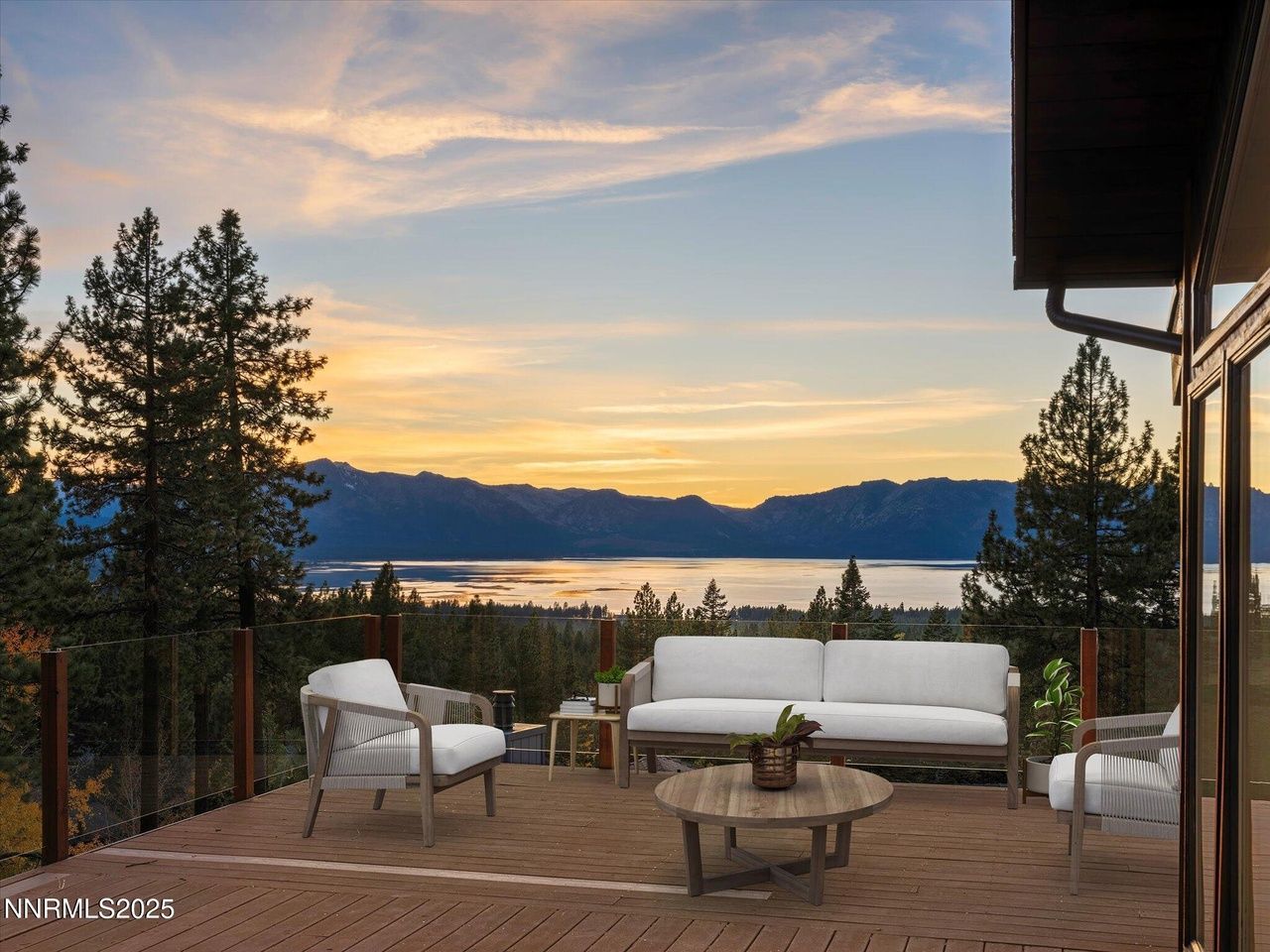
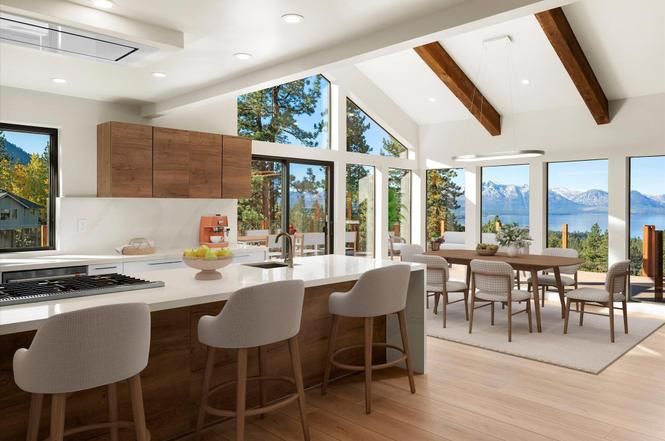
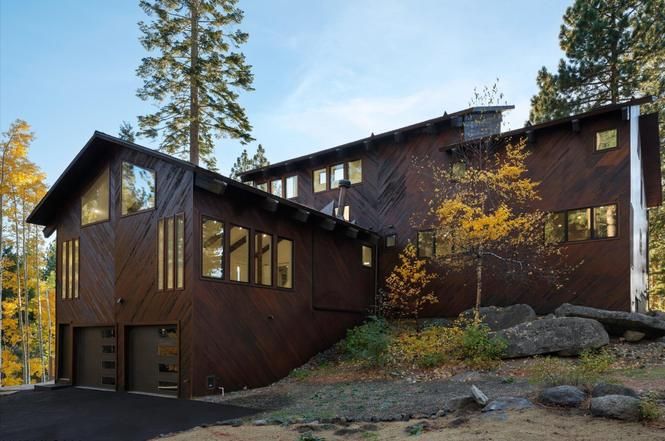
Stateline, Nevada, USA — 5-Bed House With Lake Tahoe Views
$652,000
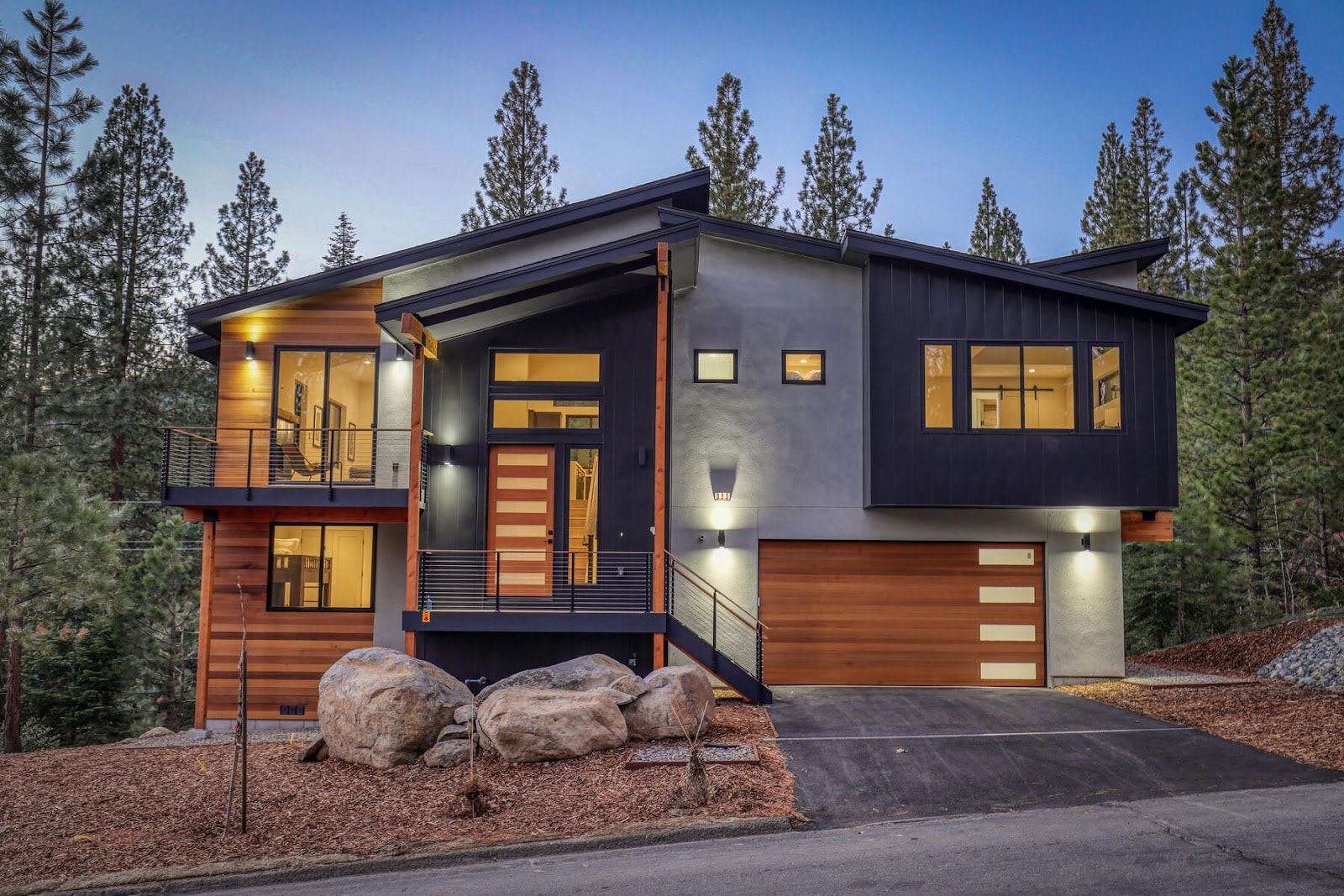
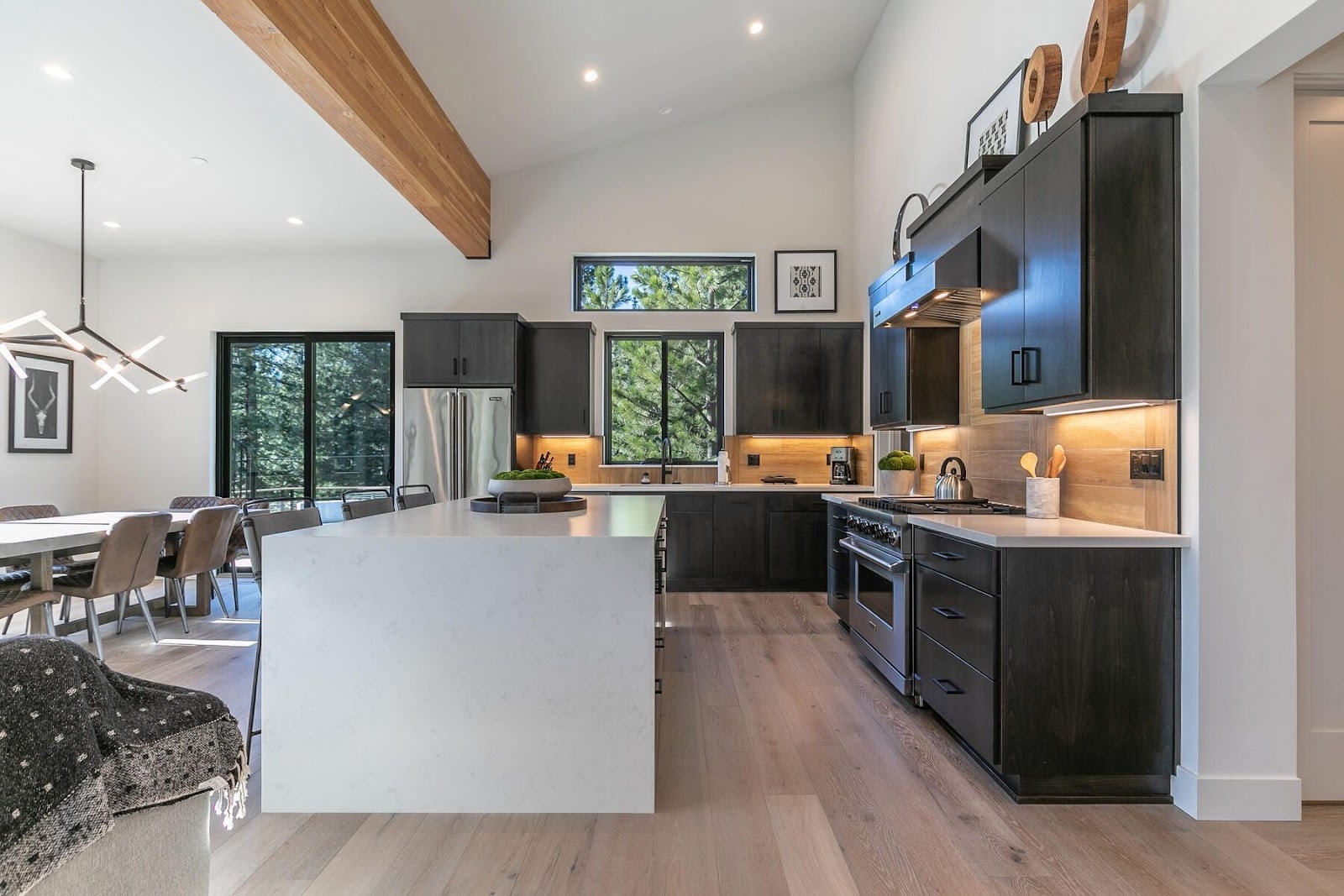
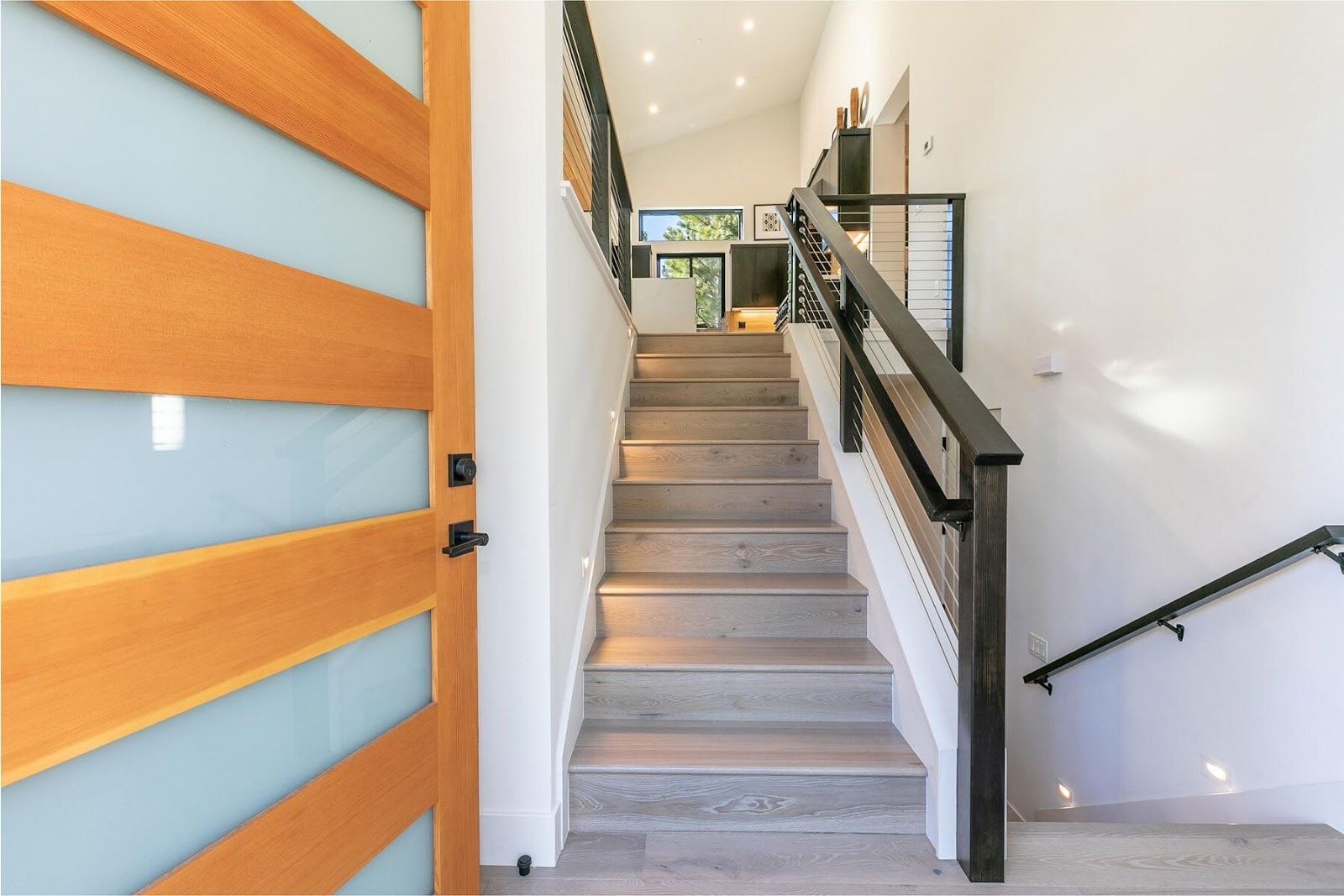
Incline Village, Nevada, USA — 4-Bed House With Hot Tub
$430,000
The Nevada shore of Lake Tahoe — premier addresses, accessible through co-ownership.
Fully managed villas and mountain estates across Incline Village and the Nevada shore of Lake Tahoe — where no state income tax, no estate tax, and no capital gains tax combine with Diamond Peak ski resort, private lake beach access, and 300+ days of Sierra Nevada sunshine. Your 1/8 share of the home comes with around six weeks of personal use, a professional management team on call, and the long-term equity of one of the most supply-constrained alpine-lake addresses in the western United States.

What is fractional ownership in Nevada?
Fractional ownership in Nevada means buying a real 1/8 share of a luxury alpine second home on the Nevada shore of Lake Tahoe, shared with up to seven other co-owners. Each owner receives personal use set by the partner that manages the home — a minimum of 44 or 45 nights a year with most of our partners, and no set cap with some others — through a fair-rotation calendar, with all property management, maintenance, taxes and operations handled by a professional team. You can sell it, pass it on to your heirs, and it grows in value with the home — it is not a timeshare, not a holiday club. The legal set-up is arranged by our partner for each home and walked through with you before you buy.
Why Nevada?
For fractional buyers who have looked at the Lake Tahoe basin from all sides, the Nevada shore is not simply an alternative to the California side — it is, for a well-defined set of buyers, the structurally superior choice, and the reason has nothing to do with the mountain scenery or the lake itself, which is equally spectacular from both shores. The reason is the Nevada state tax line. Nevada levies no state income tax, no estate or inheritance tax, and no capital gains tax. The California shore of Lake Tahoe lies inside California, which levies all three. For any buyer whose financial life is large enough that those state-level tax treatments matter — and for second-home buyers at the co-ownership tier, they routinely do — the Nevada shore is a fundamentally different proposition from an identical property twenty minutes west, and the most financially sophisticated buyers in the Lake Tahoe basin have understood this for decades. The town of Incline Village, the primary residential community on the Nevada shore, has the highest median household income of any Nevada community for precisely this reason: it is where the buyers for whom the California-Nevada tax line is most consequential have consistently chosen to own.
Your Nevada share is owned alongside up to seven other co-owners. You own a real share of the home — an eighth, a quarter — not a right to use it. You can sell it, pass it on to your heirs, and it grows in value with the home. Resale is handled through our partner's resale process, without you having to sell the whole house.
The structural supply argument for the Nevada shore of Lake Tahoe is as compelling as anywhere in the western United States. The entire Lake Tahoe basin — Nevada and California sides alike — is governed by the Tahoe Regional Planning Agency (TRPA), a bi-state compact authority established in 1969 and strengthened in 1980, which administers strict land-use and environmental rules across the entire watershed. New development anywhere on the lake's shoreline or in its immediate forest zones is subject to TRPA environmental thresholds that have effectively capped the supply of residential property in the basin for fifty years. The lakefront and mountain-bench property stock in Incline Village and Crystal Bay is essentially finite — and it has been finite for decades. This is not a market where new supply can respond to demand: the TRPA rules, the Nevada State Division of State Lands requirements and the federal Forest Service management units that ring the Nevada shore ensure it cannot. Against this fixed supply, demand has grown as the attractiveness of the Nevada tax position has become more widely understood — creating a market with structurally strong long-term appreciation dynamics that are well-evidenced in the Incline Village transaction history.
The fourth argument — and the one most relevant to the question "why fractional, why now?" — is what sole ownership of an Incline Village villa actually costs to carry. Full property tax, HOA fees, snow removal and winterisation, HVAC servicing and maintenance through both the ski season and the summer, landscape and grounds management, insurance, utilities, pool and spa maintenance for hot-tub properties, a year-round property-management retainer — all of this runs continuously, whether the owner uses the property for four weeks a year or ten. The fractional model divides that carry across eight owners and handles it for you, removing the operational burden from the owner entirely. You arrive; the property is ready. The house has been winter-prepared if you arrive in December, and summer-opened if you arrive in July. The calendar is managed fairly among all eight co-owners. The mountain-lake lifestyle is available without the mountain-lake operational overhead that makes sole ownership more work than many buyers anticipate before they sign for it.
One further argument worth addressing directly: the Nevada shore attracts a disproportionately high number of buyers who have consciously compared it with the California side and chosen Nevada for specific reasons. This is not a default or a second-best outcome — it is a deliberate decision. Buyers at the financial level at which a luxury fractional share makes sense have typically done the calculation on state income tax, estate planning, and the treatment of capital gains at the state level; in California's case, state income tax runs as high as 13.3% on the highest earners, the estate tax framework is separate, and capital gains are taxed as ordinary income at the state level. Nevada has none of these. The Nevada shore of Lake Tahoe is the place where those buyers — and a meaningful share of California-domicile buyers who are considering establishing a Nevada domicile — choose to own their alpine lake second home. The homes we list in Incline Village sit precisely at the centre of that demand cluster.
There is a broader cultural observation worth making about the Nevada shore's position in the national second-home landscape: it is a genuinely mature market. The first Incline Village residential development was underway in the late 1950s and early 1960s, the IVGID was formed in 1966, and the community has had more than sixty years to develop the service infrastructure, professional management, recreational facilities and community calendar that distinguish an established second-home destination from an emerging one. The Incline Village-Crystal Bay Visitors Bureau supports the community's year-round tourism and second-home culture; the Ponderosa Ranch heritage, the Sand Harbor State Park on the Nevada shore, and the Lake Tahoe Shakespeare Festival are well-established anchors of the cultural calendar. Buyers arriving at the Nevada shore are not making a speculative bet on an undiscovered destination — they are buying into a community that has been attracting the financially sophisticated second-home buyer for longer than most comparable destinations in the western United States, and whose property values reflect that sustained and well-documented demand.
Where to own in Nevada
Nevada's Lake Tahoe shoreline runs along the north-eastern edge of the lake, from Crystal Bay at the north to the Nevada-California state line near Stateline at the south. The character of the shore is distinct from the California side: quieter, more residential, less commercially dense, and concentrated in two primary communities — Incline Village and Crystal Bay — that together form the entirety of the Nevada Lake Tahoe second-home market. Below these two lakeside communities, the terrain climbs quickly into the Sierra Nevada forest bench that surrounds the lake, where the mountain-view residential estates that COP's inventory centres on are found. Understanding the three overlapping micro-zones — the lake-front tier, the village core, and the forest-bench estates — is the starting point for any Nevada Tahoe buyer.
Incline Village — the Nevada Shore's Premier Address
Incline Village is the largest residential community on the Nevada side of Lake Tahoe and the primary focus of fractional ownership interest on the Nevada shore. The village occupies a natural bench in the mountains above the north-eastern shoreline of the lake at an elevation of approximately 1,950 metres (6,400 feet), giving properties throughout the community either direct lake views or mountain-and-forest panoramas across the Sierra Nevada ridgeline. The name is not metaphorical: the village streets step up the mountain in a genuine incline from the lake-level residential tier near the private Incline Village General Improvement District (IVGID) beaches to the higher-elevation estate lots that command wider mountain and partial lake views. IVGID membership — available to property owners in Incline Village — is a non-trivial residential amenity: it includes access to three private beaches (Burnt Cedar Beach, Incline Beach and the smaller Secret Harbour), tennis facilities, recreation centres, golf and ski facilities, and the Diamond Peak ski resort at the top of the community. These are private amenities not available to the general public, and they are a structural part of what makes Incline Village different from other Lake Tahoe communities where beach access is public and uncontrolled.
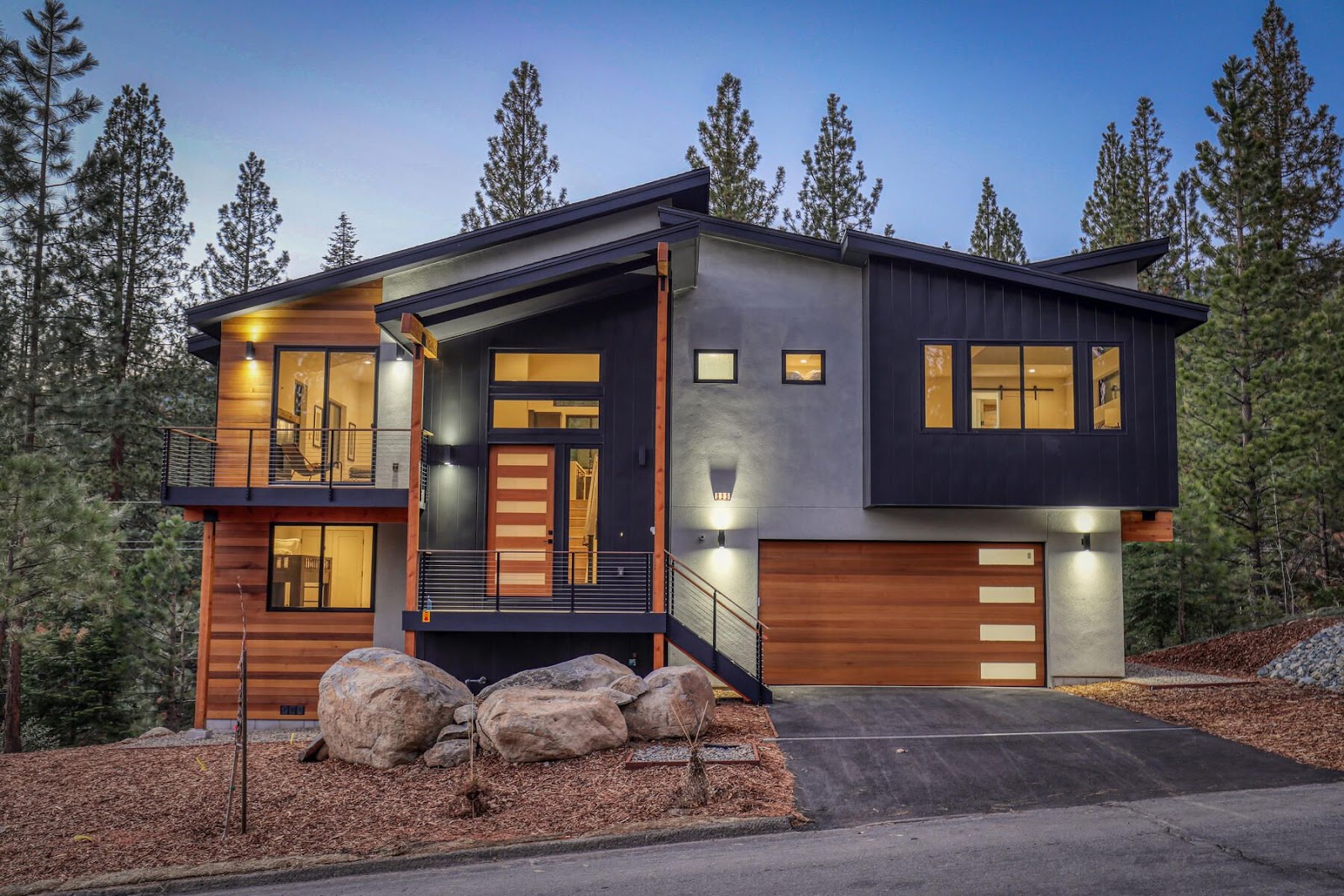
The residential architecture of Incline Village spans from 1970s cedar-and-stone mountain chalets to contemporary mountain-modern estates built in the past decade, with the dominant idiom being a warm-toned, natural-material vernacular that sits sympathetically in the pine and fir forest that surrounds the community on three sides. Properties on the village bench — the middle tier of the community — typically occupy lots of half an acre to two acres, with mature pine-tree screening between properties, mountain views and the private quality that defines Incline Village's character. The lakefront tier below the village bench, where properties have direct lake access, is among the most expensive in the entire Lake Tahoe basin — comparable in price-per-square-foot to the most prestigious California North Shore lakefront addresses. The estate tier above the village core, where the homes we list are concentrated, offers the mountain-view character that many buyers actually prefer: elevated, quiet, surrounded by forest, with access to the IVGID private beaches below and the Diamond Peak ski lifts directly above.
Diamond Peak ski resort sits immediately above Incline Village and is the community's dedicated ski mountain: 655 acres of skiable terrain, a 480-metre (1,577-foot) vertical drop, and the best lake views of any ski area in the Lake Tahoe basin — the upper lifts deliver panoramic views across the entire lake surface that are, in good-conditions winter days, among the most spectacular in alpine skiing. Diamond Peak is a smaller-scale resort than Palisades Tahoe or Heavenly Mountain, but it is deliberately managed as the community resort for Incline Village residents and IVGID members, with a culture that is family-oriented, uncrowded and characterised by the kind of lift-queue-free days that the large Nevada-California resorts can no longer offer on peak-season weekends. For the fractional owner whose ski-week priority is unhurried, high-quality mountain time rather than terrain acreage, Diamond Peak is among the finest ski experiences on the Nevada shore of the lake. For those who want the larger terrain of the California resorts, Palisades Tahoe is 45 minutes west by car, and the Sky Tahoe ski bus runs a seasonal service from Incline Village.
Best for: buyers for whom the Nevada state tax position is relevant — no state income tax, no estate tax, no capital gains tax — and who value the combination of IVGID private beach access, Diamond Peak ski convenience, a quiet and residential community character, and the Sierra Nevada mountain-estate lifestyle at one of the lake's most consistently supply-constrained addresses.
Crystal Bay — the Quiet Gateway to the Nevada Shore
Crystal Bay sits at the northern tip of Lake Tahoe where the Nevada shoreline meets the California border, immediately west of Incline Village. It is the smallest of the Nevada shore communities — a loose constellation of lakefront properties, a handful of historic casino buildings from the mid-twentieth century, and the concentrated lakefront of the Crystal Bay Club and surrounding residential lots — but it occupies a structurally important position as the direct transition point between the Nevada shore and the California North Shore community of Kings Beach. Properties in Crystal Bay itself are relatively rare, and genuinely lakefront addresses here command prices that reflect their scarcity; the interest for fractional buyers is more often in the residential areas of Incline Village that are marketed under the Crystal Bay address due to their position in the upper residential tiers overlooking the bay from the north-east.

The Crystal Bay community lacks the IVGID private beach access that distinguishes Incline Village, but it benefits from its proximity to the Crystal Bay State Recreation Area on the California side and from a quieter, less trafficked character even within the Nevada shore's already-low footfall. The buyer profile here is concentrated among those who specifically want the northernmost Nevada shore address — for either the views, the proximity to the California North Shore services and restaurants, or the combination of the Nevada tax position with the closest possible access to the established second-home culture of Tahoe City and Carnelian Bay on the California side, accessible in under twenty minutes by car. Best for: buyers who want the Nevada tax position combined with the northernmost Nevada shore address and the closest access to the California North Shore's restaurant, marina and cultural infrastructure, with a quieter and more private character than the Incline Village village core.
The Nevada Shore — Lakefront Tier vs the Mountain Bench Estates
Understanding the vertical geography of the Nevada shore is essential to understanding where value sits and what different buyers are actually buying. The Lake Tahoe basin's Nevada shoreline rises sharply from the lake surface — at 1,897 metres (6,225 feet) above sea level — into the Sierra Nevada foothills over a distance of roughly two kilometres, with elevation gains of 200–400 metres (650–1,300 feet) from the waterfront to the highest estate lots above the village. This topography creates three distinct ownership tiers that are each differently priced and differently suited.
The lakefront tier — properties on or within walking distance of the lake surface — is the most expensive and the most limited in supply. On the Nevada shore, genuine lakefront properties are extremely rare, partly because the shoreline is shorter than the California North and West shores and partly because the TRPA environmental-threshold rules have historically restricted what can be built or rebuilt at lake level. The lakefront properties that do exist in the Nevada shore market — a handful of genuinely lake-adjacent residential parcels in Crystal Bay and the lower Incline Village tiers — command prices that reflect both the scarcity and the long-run TRPA-enforced non-replication of the supply. Buyers in this tier are typically motivated primarily by direct lake access: swimming, kayaking, paddleboarding from their own shoreline, the dock, and the specific quality of morning light on the water at this elevation that is difficult to describe to those who have not experienced it.

The village bench and forest-estate tier — the mid-elevation and upper residential areas of Incline Village — is where the majority of the Nevada shore's fractional ownership inventory sits, and where COP's Incline Village properties are concentrated. These are the properties that offer mountain and forest views rather than direct lakefront access, but which trade the latter for more generous lot sizes, more architecturally ambitious homes, greater privacy from the summer tourist traffic, and — in the case of the upper estate tier — an elevated perspective on the Sierra Nevada landscape that is, in many owners' assessment, more compelling than the view from lake level. The access to IVGID private beaches means that lake swimming and waterfront use is available on a planned basis (rather than a step-outside-the-door basis), which many owners actually prefer: the beach day becomes a purposeful excursion to the community's private facilities rather than a background constant that the property is constantly managing around.
The ski-proximate tier — properties in the upper residential zones of Incline Village, within a short drive or trail run of the Diamond Peak ski lift base — is the smallest and most specialised of the Nevada shore's ownership tiers. These properties trade lake views for ski convenience and the winter mountain-lifestyle specificity that defines the highest-altitude Incline Village lots. They are most strongly demanded by buyers whose primary use case is the ski season and who treat summer lake access as a secondary attraction. Best for: buyers who want the mountain-estate character of a large-lot Incline Village property, the Sierra Nevada forest surroundings, and the combination of IVGID beach access in summer with Diamond Peak ski access in winter — rather than direct lakefront ownership at the premium price that entails.
Nevada's Tahoe Shore in the Wider Sierra Nevada Context
Understanding the Nevada shore of Lake Tahoe requires placing it in the context of the broader Reno-Tahoe region — specifically the corridor between Reno and the Nevada shore of the lake, which shapes both the gateway infrastructure and the wider case for establishing a Nevada presence at Lake Tahoe. Reno-Tahoe International Airport (RNO) is the closest airport to the Nevada shore, located 45 minutes by car from Incline Village via the Mt. Rose Highway (NV-431) — a scenic high-desert-to-alpine drive that crosses the Mt. Rose summit at 2,631 metres (8,635 feet) and is one of the most dramatic airport-to-destination transitions of any ski-and-lake basin in the United States. RNO takes direct service from a growing list of North American hubs: Los Angeles, San Francisco, Seattle, Portland, Denver, Dallas, Houston, Chicago, Phoenix, Minneapolis, Atlanta, New York (JFK and Newark), and seasonal additional services from Toronto and Vancouver. The airport is less internationally connected than San Francisco International (SFO), which is a 3.5-hour drive from the Nevada shore, but for North American buyers — the primary market on the Nevada shore — RNO's direct connectivity is excellent.
The city of Reno itself is relevant to the Nevada shore buyer for reasons beyond the airport. Reno has undergone a structural economic transformation over the past decade, driven by the arrival of major technology and logistics employers — Tesla's Gigafactory, Apple, Google and a cluster of semiconductor and data-centre operations — that have created a high-earning professional population with easy access to the Nevada shore and an established reason to explore Nevada residency. The combination of Reno's growing professional class and the Nevada shore's established second-home culture has produced a buyer mix on the Nevada Lake Tahoe shore that is increasingly diverse: Bay Area technology buyers who fly direct, Nevada-domicile buyers from Reno and Las Vegas, and out-of-state buyers from across North America who have done the tax analysis and chosen the Nevada side of the lake explicitly. The regional media and the Incline Village-Crystal Bay community infrastructure — its schools, medical facilities, grocery stores, restaurants and the IVGID recreation calendar — are oriented to serve this mix of year-round residents and seasonal second-home owners, creating the service infrastructure that makes the Nevada shore workable as a second home even for buyers arriving from long distances. Best for: buyers who want the full Nevada tax advantage combined with the established gateway infrastructure of Reno-Tahoe International Airport, the growing Reno professional community as a regional context, and the broadest national-and-international connectivity to the Nevada shore of Lake Tahoe.
A year in your Nevada Lake Tahoe co-ownership home
Lake Tahoe's Nevada shore is one of the few alpine lake destinations in the world that delivers genuinely distinct and compelling experiences across all four seasons — not the artificial four-season marketing of many mountain resorts, but a genuinely bi-seasonal recreation landscape (ski and snow in winter, lake and hiking in summer) with compelling shoulder periods in spring and autumn that many owners privately regard as their favourite weeks of the year. The owner nights a 1/8 share delivers — with no set cap on the total — can be spread across the calendar with genuine purpose: the fair-rotation system ensures every co-owner gets access to the peak weeks — the peak ski season in January and February, the long summer-lake weeks in July and August — alongside the shoulder weeks in spring and autumn that are quieter, more available and, in many owners' view, more personally rewarding than the crowded peak.
Winter (December–March)
Winter on the Nevada shore of Lake Tahoe is defined by Sierra Nevada snowpack — and by the specific quality of skiing at Diamond Peak, the community resort immediately above Incline Village. The Sierra Nevada snowpack builds from the first major Pacific storm systems of November and December, typically opening the Diamond Peak ski season in mid-December and consolidating through January and February into the deep powder conditions that give the Tahoe basin its reputation as one of the finest ski destinations in the continental United States. Average annual snowfall at Diamond Peak's upper elevations runs to more than 7 metres (23 feet) — with heavy La Niña winter years delivering substantially more — and the combination of high-altitude dry powder and the lake's stabilising thermal effect produces snow conditions that experienced alpine skiers consistently rate among the best in North America.
The Diamond Peak experience in winter is characterised by its community scale. At 655 acres, it is smaller than Palisades Tahoe or Heavenly Mountain, but it is reliably uncrowded on weekday mornings — a meaningful advantage for owners whose prime weeks fall in the middle of the ski season rather than on the December or Presidents' Day peak. The resort's upper elevations at 2,568 metres (8,540 feet) deliver the lake-view runs that make Diamond Peak exceptional: on clear winter days, the full expanse of Lake Tahoe's 500 square kilometres (191 square miles) of blue water is visible below, framed by the snow-covered peaks of the Sierra Nevada on three sides — a visual experience that no other ski resort in the western United States can quite match. For owners who want access to the larger terrain of the California resorts, Palisades Tahoe (6,000 acres, home to the 1960 Winter Olympics) is approximately 45 minutes west and Northstar California is 30 minutes west — both accessible for a full-day ski excursion from an Incline Village base.
Winter temperatures in Incline Village run -5°C to 4°C (23°F to 40°F) at village level on typical January days, dropping to -12°C to -5°C (10°F to 23°F) on the coldest nights and at upper elevations. The IVGID private beaches are closed in winter, but the lake itself remains open for snowshoe and hiking access along the shore paths. The Christmas-to-New-Year window and the Presidents' Day weekend in February are the two peak-demand periods across all Tahoe ski properties; the January and mid-February shoulder between them — when conditions are often excellent but lift queues are thin — is the period many experienced Tahoe ski owners prefer for their primary winter week.
Spring (April–May)
Spring arrives later on the Nevada shore of Lake Tahoe than in most alpine destinations, owing to the elevation and the Sierra Nevada's northerly latitude. The ski season at Diamond Peak typically runs through the end of March and into April in good snow years, with the upper mountain holding skiable conditions into mid-April in years of heavy snowpack. April and May are the quietest months on the Nevada shore — the ski crowds have thinned, the summer visitors have not yet arrived, and the lake and mountain landscape is in the process of a dramatic seasonal transformation that many owners rate as one of Lake Tahoe's most distinctive visual experiences: the progressive melting of the Sierra Nevada snowpack, the greening of the forest floor, the return of the wildflower season to the mountain meadows, and the lake colour shifting from the deep winter grey-blue to the brilliant spring turquoise that gives Lake Tahoe its reputation as the clearest lake in North America.
Spring temperatures in Incline Village run 5°C–16°C (41°F–60°F) in April, warming to 10°C–22°C (50°F–72°F) by May. Snowmelt swells the streams and fills the meadows of the Lake Tahoe Basin Management Unit that surrounds the Nevada shore, and the hiking trails from Tunnel Creek east of Incline Village — which access the high-ridgeline terrain above the lake with views across to the Nevada desert — are typically open from mid-April. The Tahoe Rim Trail, a 173-mile trail circumnavigating the entire lake and reaching elevations above 3,000 metres (10,000 feet), is partially accessible from spring trailheads on the Nevada shore. Best for: owners who value quiet weeks without crowds, the dramatic spring-melt landscape transformation, early-season hiking at lower elevations, and the specific quality of spring light on Lake Tahoe before the summer haze.
Summer (June–September)
Summer is the Nevada shore's defining season for the majority of fractional owners, and it is extraordinary. Lake Tahoe reaches its warmest swimmable temperatures — 16°C–20°C (61°F–68°F) at the surface by mid-July — in a body of water so clear that the visibility extends 21 metres (70 feet) below the surface in the deepest basins, producing an underwater visual experience more reminiscent of tropical diving than alpine swimming. The lake's summer surface colour — a blue of exceptional purity and intensity, produced by the combination of elevation, the surrounding granite geology, and the near-absence of nutrients in the water — is among the most photographed natural phenomena in the western United States, and it is experienced most directly from the IVGID private beaches below Incline Village, accessible to property owners and their guests throughout the summer season.
Summer temperatures in Incline Village run 18°C–27°C (64°F–80°F) during the day, dropping to 8°C–14°C (46°F–57°F) at night — the high-elevation altitude means that even the hottest summer days are cooled by afternoon mountain breezes and crisp evenings that require a layer at sunset. This is part of the Nevada Tahoe summer's specific character: the daytime warmth is perfect for lake activities, but the evenings never have the cloying heat of low-altitude summer destinations. The North Lake Tahoe region — which the Nevada shore is part of, alongside the California North Shore communities — runs a comprehensive summer events calendar through July and August: the Lake Tahoe Shakespeare Festival at Sand Harbor State Park on the Nevada shore (one of the most scenically spectacular outdoor theatre venues in North America, with performances staged against the backdrop of the lake itself), the BottleRock Napa Valley festival driving interest in the wider Sierra Nevada region, and the weekly farmers' markets and outdoor concerts that run through the Incline Village and Tahoe City communities from June through September. Sailing, kayaking, paddleboarding, mountain biking on the Flume Trail above Incline Village (a trail that traverses the cliff face above the eastern shore of the lake with views the full length of the lake from north to south) and hiking the Tahoe Rim Trail are the defining summer activities from an Incline Village base. The Thunderbird Lodge, the historic estate at Glenbrook on the Nevada shore, is open for summer tours and is one of the most architecturally significant historic properties on the lake.
Autumn (September–November)
Autumn on the Nevada shore of Lake Tahoe is a best-kept-secret season and the one that most experienced Tahoe property owners privately cite as their favourite. September still carries summer warmth — lake temperatures remain in the 15°C–18°C (59°F–64°F) range through most of the month, daytime air temperatures in Incline Village stay in the 15°C–25°C (59°F–77°F) band — but the summer crowds have cleared, the school calendar has reconvened and the Nevada shore returns to the quiet, residential character that distinguishes it from the busier California communities. The light in September and October on the lake is different from the summer light: lower in the sky, warmer in tone, more likely to produce the kind of extraordinary evening colours on the water and the surrounding peaks that photographers specifically target in the autumn window.
The aspen colour season — aspens turning gold across the Sierra Nevada slopes above the lake from late September through mid-October — is one of the most dramatically beautiful natural events on the Nevada shore, and the Incline Village viewpoints above the lake provide some of the finest aspen-and-lake compositions in the entire basin. The Incline Village and Crystal Bay hiking trails, the Spooner Lake trail system on the Nevada shore and the upper elevations of the Tahoe Rim Trail are all accessible well into October, with the high-altitude colour season making the autumn hike-and-view combination as compelling as any in the western United States. By November, the first snows are typically on the upper peaks above Incline Village, and the anticipation of the ski season beginning makes the late-autumn weeks on the Nevada shore a genuinely transitional and exciting time to be in the community — between seasons in a way that no pure summer or pure ski destination can offer. Best for: owners who value quiet, unhurried weeks; photographers and colour-season visitors; those who want peak-quality lake swimming and the aspen landscape simultaneously; and buyers considering their shoulder-season weeks as the real value in their annual calendar.
Who buys in Nevada, and why
The buyer mix on the Nevada shore of Lake Tahoe is more intentional than in most second-home markets — because the buyers here have, for the most part, consciously chosen the Nevada side of the lake rather than simply defaulting to the more visible California communities. The primary domestic cohort is California-based buyers, particularly from the Bay Area (San Francisco, Silicon Valley, San Jose, the East Bay) and Southern California (Los Angeles, Orange County, San Diego), who are aware of the California-Nevada tax line and who are actively considering Nevada as a component of their wealth-planning strategy alongside the lifestyle case for the Nevada shore. These buyers are typically in their 40s and 50s, with significant professional and investment income, and they have done the calculation on California's 13.3% top marginal state income tax rate against Nevada's $0, on the state capital gains treatment, and on the estate-planning implications. For a meaningful proportion of them, the Nevada address is not just a second home — it is also, potentially, the address around which a change of primary domicile is structured if their financial advisors recommend it. The Nevada shore has been a legal-domicile destination for high-earning Californians for decades; the advice industry — accountants, estate-planning attorneys, wealth managers — has well-worn procedures for structuring Nevada domicile from a California financial base, and Incline Village is the established address at the centre of that practice.
The second significant cohort is out-of-state US buyers from states that do have state income taxes — New York, New Jersey, Connecticut, Illinois, Massachusetts, Texas (where there is no state income tax, but where the property-tax structure is heavy) — who are drawn by the combination of the Nevada tax position with the Lake Tahoe alpine-lake lifestyle and the RNO direct-flight access from their home cities. This group is growing: as the national conversation about state-level tax differentials has matured, and as the post-2020 flexibility of remote work has made multi-state living more feasible for professional buyers, the Nevada shore has emerged as one of the three or four most discussed US locations for buyers seriously considering a second-home address that also functions as a potential domicile anchor. The international cohort on the Nevada shore is smaller than on the California coast, but present: British, European and Australian buyers drawn by the ESTA-permissive access to the US, the English-language infrastructure, and the Nevada tax position as a global tax-planning consideration. RNO's growing international charter and seasonal service, combined with the SFO gateway three and a half hours south, makes the Nevada shore accessible from most European and Asia-Pacific hubs with a single connection.
Fractional ownership in Nevada typically suits a well-defined set of buyer profiles:
- California-domicile buyers with high investment or professional income — who want the Nevada shore's tax position as a second-home address or a potential domicile anchor, and whose financial advisors have flagged the California-Nevada comparison.
- Active ski families from the Bay Area or Southern California — who have been renting ski-season accommodation in the Tahoe basin for years, whose actual use pattern is concentrated in the winter school holidays, and who have reached the point where building equity is more rational than paying rent for an equivalent-quality property. The Diamond Peak resort above Incline Village and the IVGID ski programme are designed specifically for this demographic.
- Four-season outdoor enthusiasts — buyers who want skiing in winter, lake swimming and hiking in summer, and the aspen-colour shoulder season as the third anchor. The Nevada shore's year-round recreation calendar — ski in winter, lake in summer, trails in spring and autumn — is more compelling than pure-winter ski resorts whose summer calendar is thin.
- Private-beach-access buyers — for whom the IVGID private beach access, unavailable to the general public, is a decisive quality-of-life element. In the high-traffic summers that Lake Tahoe's public beaches now experience, the ability to access an uncrowded private beach is a meaningful residential premium.
- Multi-generational family groups — the four- and five-bedroom villas and estates in Incline Village that COP's Nevada inventory centres on are designed for extended-family use: grandparents, parents, children and teenagers using a single property in a single week. The fractional model handles the calendar coordination more cleanly than whole-ownership in a property that might otherwise sit empty for forty weeks a year.
- Portfolio builders adding a North American alpine share — owners who already hold a European summer share — in Mallorca, the Côte d'Azur, the Italian Lakes — and who are adding a North American ski-and-lake share as the complementary half of a year-round portfolio. The Nevada shore pairs naturally with warm-season European shares: the ski winter in Incline Village, the summer Mediterranean or lake at the European property, with the Nevada autumn and European spring as shoulder complements.
What unites these otherwise quite different profiles is a single underlying observation: the Nevada shore of Lake Tahoe delivers a quality of alpine-lake lifestyle that is objectively equivalent to the California shore — same lake, same Sierra Nevada, same sky, same Diamond Peak ski access — at a state-level tax overhead that is structurally lower than the California alternative. The buyers who have recognised that asymmetry are the Nevada shore's defining demographic, and the supply constraints imposed by the TRPA on the entire lake mean that the inventory available to service that demand is fixed. Browse the listings in the property grid above to see which Nevada properties are currently available.
Practicalities: getting there and what you own
Getting there — Nevada airports and ground access
The Nevada shore of Lake Tahoe is served by two primary airports, with a third regional option for specific buyers. Reno-Tahoe International Airport (RNO) is the closest and most direct gateway: located 45 minutes by car from Incline Village via the Mt. Rose Highway (NV-431), which crosses the Mt. Rose Summit at 2,631 metres (8,635 feet) before descending into the Nevada shore communities. RNO serves direct flights from Los Angeles (LAX and BUR), San Francisco (SFO), San Jose (SJC), Seattle (SEA), Portland (PDX), Denver (DEN), Dallas-Fort Worth (DFW), Houston (IAH), Chicago (ORD and MDW), Phoenix (PHX), Minneapolis (MSP), Atlanta (ATL), New York (JFK and EWR), and seasonal services from Toronto Pearson (YYZ) and Vancouver (YVR). Winter ski season adds additional charter and seasonal direct services. The Mt. Rose Highway is a year-round highway (occasionally closed during major storm events) with regular Nevada DOT snow-clearance; chains or four-wheel-drive are advisable during heavy snow weeks.
San Francisco International (SFO) is the major international gateway, located approximately 3.5 hours by car from Incline Village via the Interstate 80 corridor through Sacramento and Truckee, connecting to the Nevada shore via the Mt. Rose Highway from the Reno side or via Highway 267 from the Truckee side. SFO offers direct service from London Heathrow, Frankfurt, Paris CDG, Amsterdam, Zurich, Tokyo, Sydney, Singapore, Seoul, Beijing, Dubai and all major US hubs — making it the most internationally connected gateway for overseas buyers. Sacramento International (SMF) is approximately 2 hours from Incline Village via the same I-80/Highway 267 corridor and is an efficient alternative for West Coast and Southwest US connections. Drive time from Las Vegas (LAS) — Nevada's primary international airport — is approximately 7 hours; useful for buyers arriving from destinations with strong Las Vegas connectivity (London, Amsterdam, direct UK charter services) who combine a Nevada arrival with the Las Vegas gateway.
Within the Nevada shore itself, a car is essential — the community is not walkable in the European sense, though the village core of Incline Village has services, restaurants and the IVGID recreation facilities within a short drive of all residential areas. The TART (Tahoe Area Regional Transit) seasonal bus service connects Tahoe City, Kings Beach and Incline Village during summer, and a ski-season shuttle serves Diamond Peak from the village centre. For owners who prefer not to drive in winter snow conditions, private car services from RNO to Incline Village are readily available through the well-developed Tahoe transfer market.
Whole home or a share — the comparison that matters
The case for a fractional structure on the Nevada shore of Lake Tahoe is most clearly made by placing it in three-way comparison against whole ownership and long-term rental in the same market. Sole ownership of an Incline Village mountain estate or a Nevada shore lakefront property commits a buyer to the full property value as upfront capital, the full annual carry as a running cost (property tax, HOA, maintenance, management and all associated costs), and the full operational burden of managing a mountain-climate property through both the ski season's snow management and the summer's lake-and-trail season — whether the owner spends four weeks per year in Nevada or twelve. The fractional structure splits all of that across eight owners; the 1/8 share delivers the access the buyer will actually use, at roughly 1/8 the capital commitment and carry, with the operational burden handled entirely by the professional management team.
| Whole second home | COP 1/8 fractional share | Long-term rental | |
|---|---|---|---|
| Upfront commitment | Full property value | ~1/8 of the property value | First/last/deposit only |
| Equity in the asset | Full appreciation | ~1/8 of appreciation | None |
| Nevada tax position | No state income tax, no capital gains tax, no estate tax — owner's full benefit | Same state-level tax position — no Nevada income, capital gains or estate tax | Landlord's Nevada tax benefit, not the tenant's |
| Personal use | Up to 52 weeks (most use 4–8) | Around six weeks a year, fairly rotated | Defined by lease |
| Operations burden | Owner-managed or hired staff | Fully included | Landlord-managed |
The Nevada tax row in this comparison deserves specific emphasis: Nevada levies no state income tax, capital gains tax or estate tax. Compared to renting an equivalent Nevada Tahoe property on a long-term lease, the fractional co-owner builds real equity in a genuinely supply-constrained market rather than paying rent to a landlord.
The exit-time comparison is also significant in the Nevada shore prime market. The buyer pool for whole Incline Village properties at the top of the market is concentrated and careful; a premium estate property can sit on the open market for 12–24 months before transacting in a slow-market environment, with the full carrying cost of holding through a slow sale running continuously. A fractional share, by contrast, is sold through our partner's resale process, without you having to sell the whole house.
What you actually own — the legal share
You own a real share of the home — an eighth, a quarter — not a right to use it. You can sell it, pass it on to your heirs, and it grows in value with the home. What you hold is real ownership — not a timeshare use-right that depreciates to zero when the contract expires, not a points membership, not a fractional holiday club.
How fractional ownership works in Nevada
The mechanics of fractional ownership in Nevada are shaped by three things working together: the legal set-up our partner arranges for each home, the Nevada property-tax and state-tax framework that gives the Nevada shore its financial distinctiveness, and the TRPA environmental rules that govern what can and cannot be done with property in the Lake Tahoe basin on both sides of the state line. Together, they make for a clear, confident ownership experience.
How co-ownership works for Nevada property
Big decisions — selling the home, major works — are decided together by the co-owners, and the calendar and the management arrangement are set out in the home's agreements.
Nevada property tax — how it works for co-owners
Nevada's property tax system is one of the most competitively rated in the western United States. The effective property-tax rate in Washoe County — which covers Incline Village and Crystal Bay — runs significantly below California's effective rate on equivalent properties, producing a structurally lower tax carry. Nevada assesses property at 35% of taxable value, with the tax rate set at the county level — Washoe County's combined rate produces an effective annual tax that is a fraction of an equivalent California property's Proposition 13-capped bill, which itself was designed to cap a higher baseline. Property tax is handled by our partner. We recommend independent tax advice for your own circumstances.
The broader Nevada tax picture — no state income tax, no capital gains tax at the state level, no estate or inheritance tax — is meaningfully different from the equivalent California analysis.
TRPA compliance and what it means for your property
The Tahoe Regional Planning Agency (TRPA) governs land use, development, redevelopment and environmental thresholds across the entire Lake Tahoe basin — both Nevada and California sides. Its rules are among the most comprehensive of any environmental planning authority in the United States, and they have a direct bearing on what can be done with any property in the basin, including properties on the Nevada shore. For a co-owner of an established Nevada Tahoe property, the TRPA's rules operate primarily as a constraint on what can be changed about the property — major additions, structural modifications, changes to coverage of the lot, modifications to any structures within the stream environment zone — rather than as a day-to-day operational issue. The professional management team handles TRPA compliance on behalf of the co-owners as part of the standard management service; individual co-owners are not required to interact with the TRPA directly. The most important practical effect of the TRPA's framework for a fractional owner is the supply constraint it creates: since new residential development in the Nevada Tahoe basin is effectively capped, the property stock that the co-owner is buying into is genuinely non-replicable, which supports the structural appreciation case for Nevada Tahoe properties across long ownership horizons.
The professional management model and how the calendar works
Once the purchase completes, a professional management company takes over all operational responsibility for the Nevada property. Your personal weeks — with no set cap on total nights for a 1/8 share — are allocated through a fair-rotation calendar that distributes peak weeks (the Christmas-to-New-Year ski peak, the Presidents' Day ski weekend in February, the peak-summer lake weeks in July and August) across all co-owners over a multi-year cycle, alongside shoulder-season and quieter weeks. Owners pre-book several months ahead; the fair-rotation system ensures no co-owner systematically receives worse weeks than any other across the cycle. Snow removal, winterisation and de-winterisation, hot tub maintenance and chemical management, HVAC servicing, cleaning and linen between every stay, pre-arrival preparation, on-call concierge, maintenance management, utility bills, insurance and property-tax compliance — all sit with the management company. You arrive; the property is ready, regardless of whether it is December or July. The mountain-climate operational complexity that makes sole ownership of a Nevada Tahoe property genuinely demanding is entirely abstracted away.
Resale: how to exit, typical timelines
When you decide to exit your Nevada share, a professional resale process is in place: you sell your share — not the whole house — at the price you set, typically after an initial twelve months of ownership, with your co-owners offered the first chance to buy. Hundreds of shares in homes like these have already been resold — in just over three months on average, and nearly three in four for more than the owner paid. Prime Nevada Tahoe whole-property resales can take 6–24 months on the open market. For owners who want to transfer to a specific buyer or sell on the open market, that route remains available; most owners find the established process less carrying-cost-intensive than waiting for the open market at the prime Nevada Tahoe tier. The carrying costs of holding a whole Incline Village property through a slow open-market sale — full property tax, maintenance, management, utilities and insurance running continuously while the property sits unsold — can represent a meaningful fraction of the sale price by the time the transaction closes. The full mechanics of resale across all COP jurisdictions are covered in our co-ownership explained guide.
For specific Nevada property availability, browse the listings in the property grid above, or join our list for new-property alerts as they come to market. Our team can walk you through the distinctions between the Incline Village estate tiers — the lake-view properties, the mountain-bench estates and the ski-proximate upper village — and help you match the right property to your actual use pattern and financial objectives before you commit.
Your ownership at a glance
- Real ownership — you own a real 1/8 share of the home, not a right to use it: you can sell it, pass it on to your heirs, and it grows in value with the home. Not a timeshare, not a points membership.
- Nevada's state tax position — Nevada levies no state income tax, no state capital gains tax and no state estate tax.
- Fully managed throughout — the professional management team handles property tax, insurance, maintenance, scheduling, linen, the on-call concierge, snow removal and winterisation, hot tub maintenance and HVAC servicing. You arrive; the property is ready.
- Supported resale — when you decide to exit, our partner's resale process lets you sell your share without having to sell the whole house, rather than waiting the 6–24 months a comparable whole Nevada Tahoe property might sit on the open market at the prime tier.
Questions & Answers
Nevada Fractional Ownership — Frequently Asked Questions
Fractional ownership in Nevada gives you a real 1/8 share of a luxury home on the Nevada shore of Lake Tahoe — in Incline Village or Crystal Bay. The legal set-up is arranged by our partner for each home and walked through with you before you buy. Your share delivers around six weeks of use a year, depending on the home,, fully managed year-round. It is real, transferable equity — not a timeshare.
The Nevada shore combines Lake Tahoe — the largest alpine lake in North America — with Diamond Peak skiing, resident beach access at Incline Village, and Nevada’s tax position. The California–Nevada state line runs through the lake itself, and many buyers choose the Nevada side specifically for the tax difference while enjoying the same water.
Nevada has no state income tax, no state estate or inheritance tax, and no tax on capital gains. California, on the other side of the same lake, has a top state income-tax rate above 13%. For buyers weighing the two shores, that difference is a central reason the Nevada side is so sought-after. Personal tax advice is recommended for your own circumstances.
Both cover the same lake. The Nevada page focuses specifically on the Nevada shore — Incline Village and Crystal Bay — and the state’s tax position, while the Lake Tahoe page spans the whole lake including the California shore and the major ski resorts. COP’s Nevada inventory is concentrated in Incline Village.
Simply. Our partner's resale process handles the sale for you, so you sell your share without the whole house having to be sold. After a typical first-12-months holding period you can sell whenever you choose, at the price you set — your co-owners get the first chance to buy. Hundreds of shares in homes like these have already been resold — in just over three months on average, and nearly three in four for more than the owner paid.
Also Explore
Get in Touch
Speak to an expert
Tell us what you're looking for and we'll be in touch.