Lake Tahoe · California / Nevada · USA
Lake Tahoe Fractional Ownership & Co-Ownership Properties
From a ski-in chalet at the base of Palisades Tahoe to a cedar-and-glass lakefront home above the Nevada shoreline — fractional ownership in Lake Tahoe means a real share of North America's most geographically constrained alpine lake destination, around six weeks of mountain and lake living each year, and a fully managed home waiting when you arrive. Whether you call it fractional ownership or co-ownership, you own a real share of the home.
15 properties · from $215,000
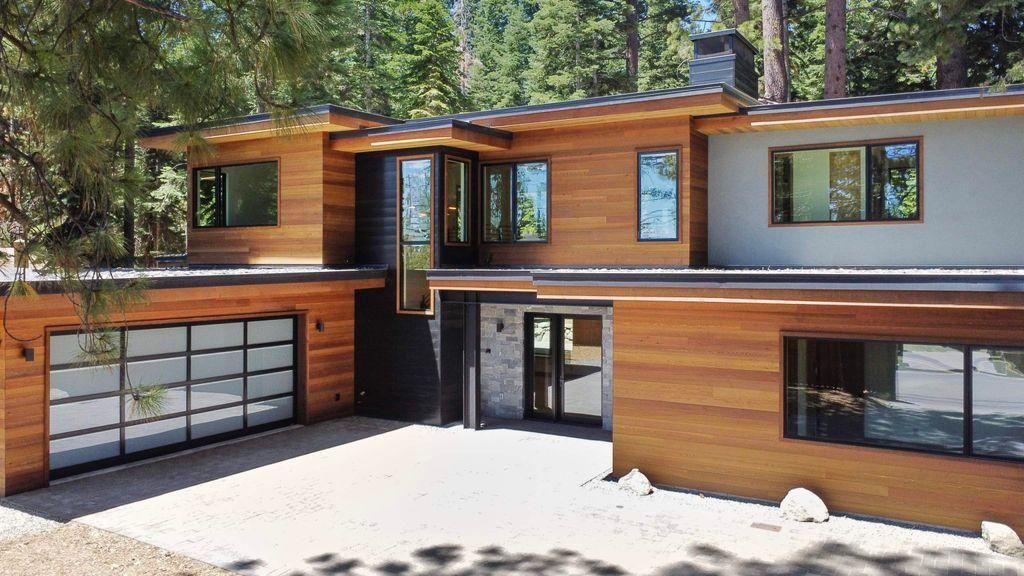
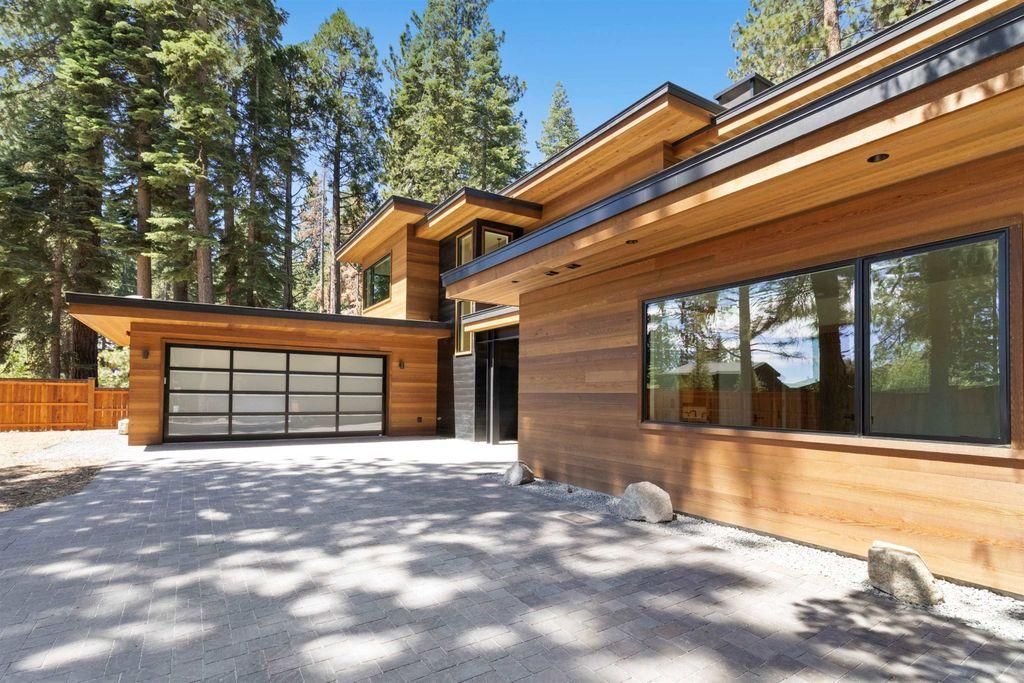
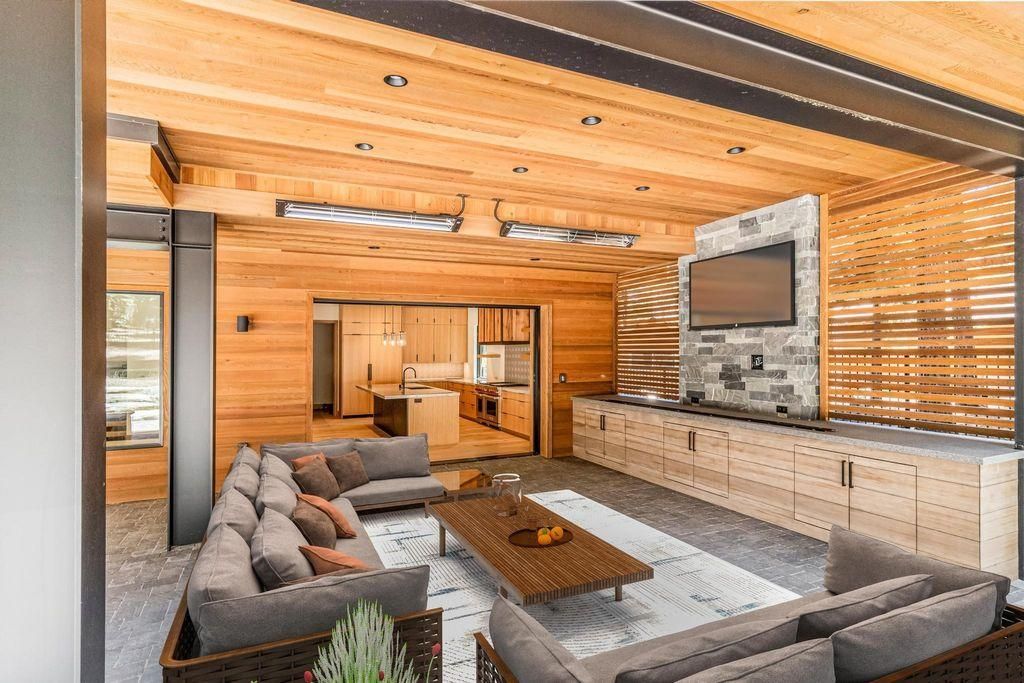
Carnelian Bay, California, USA — 5-Bed House With Lake Tahoe Views
$568,000
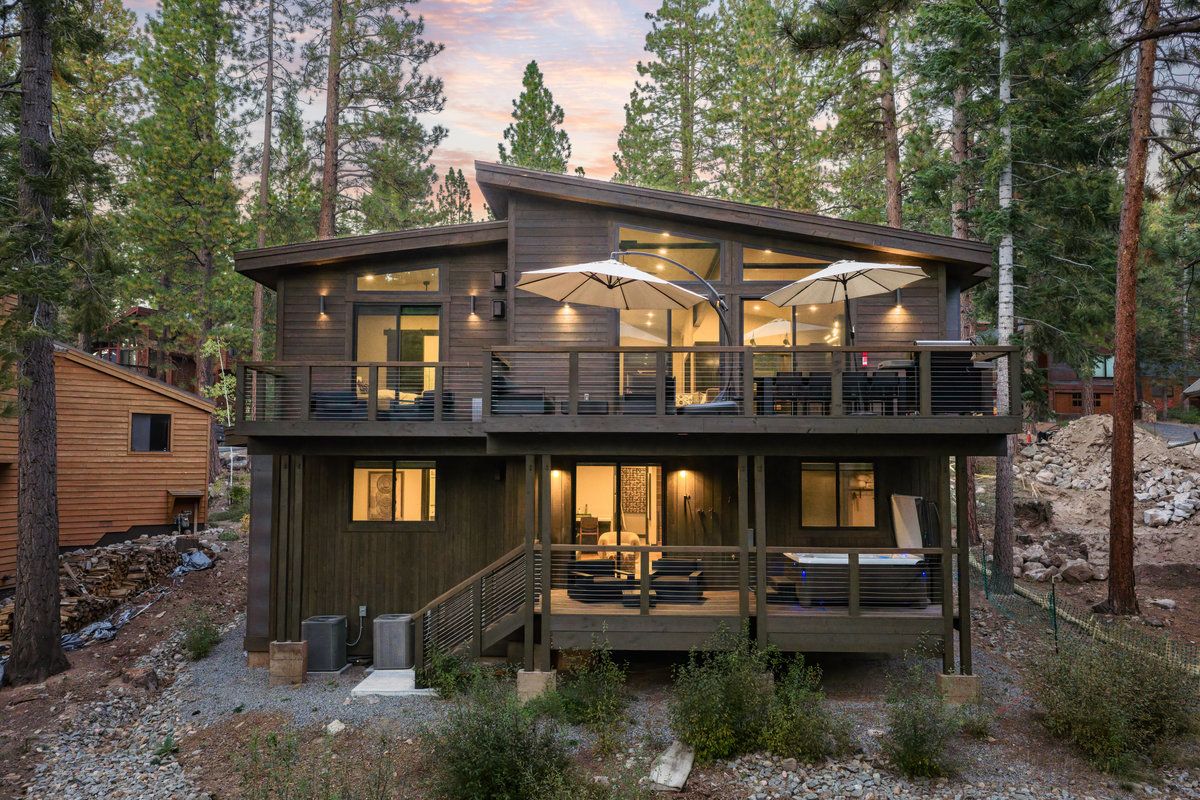
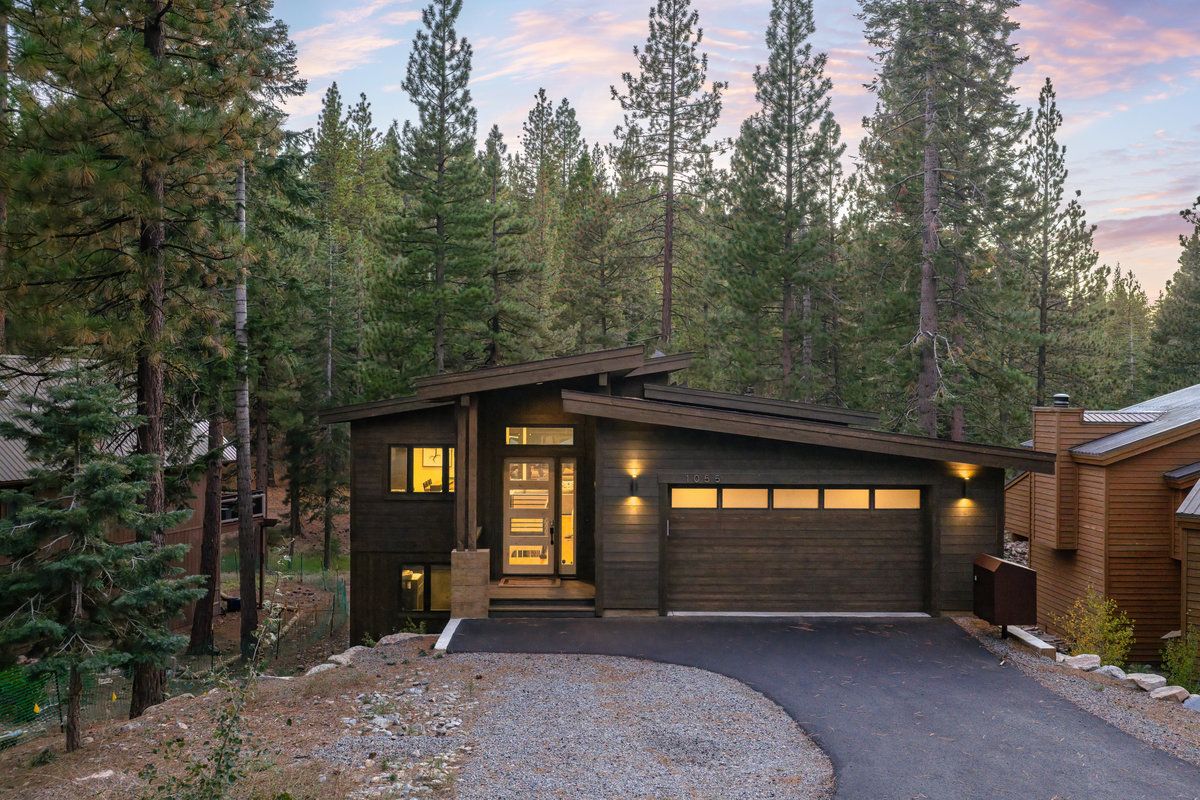
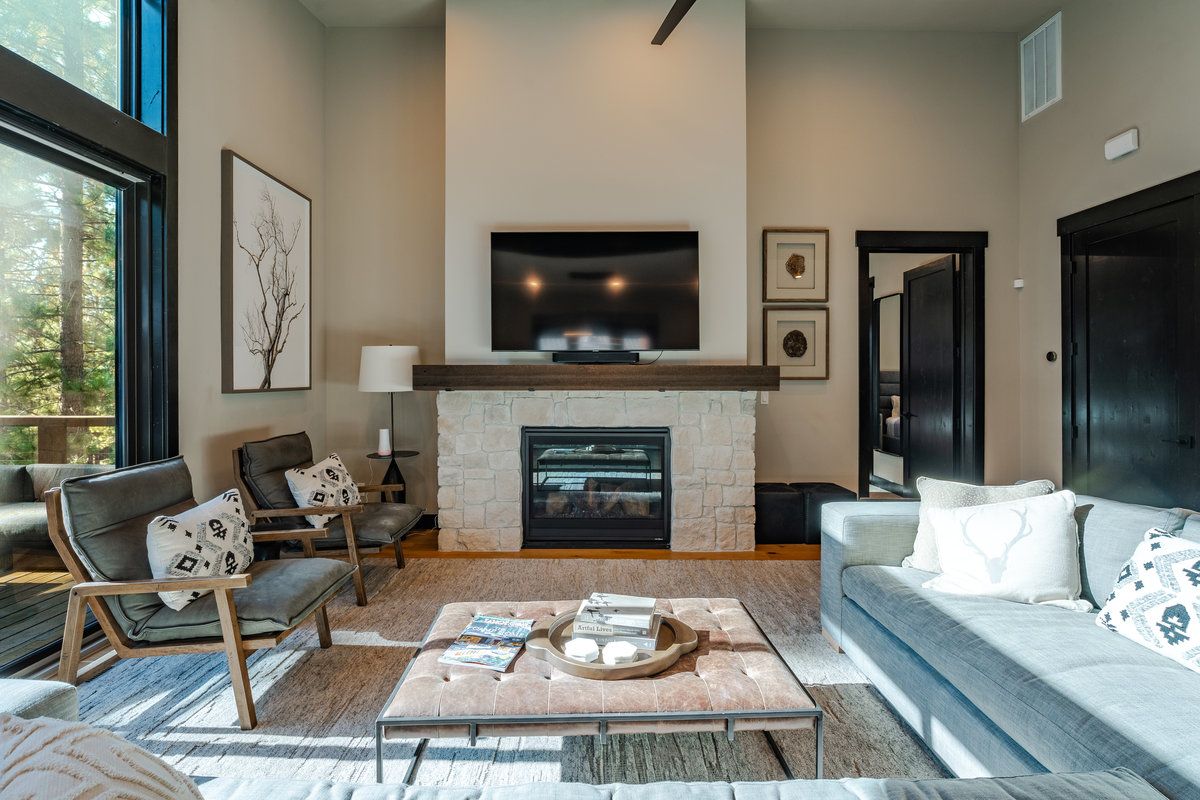
Truckee, California, USA — 4-Bed House With Pool
$385,000
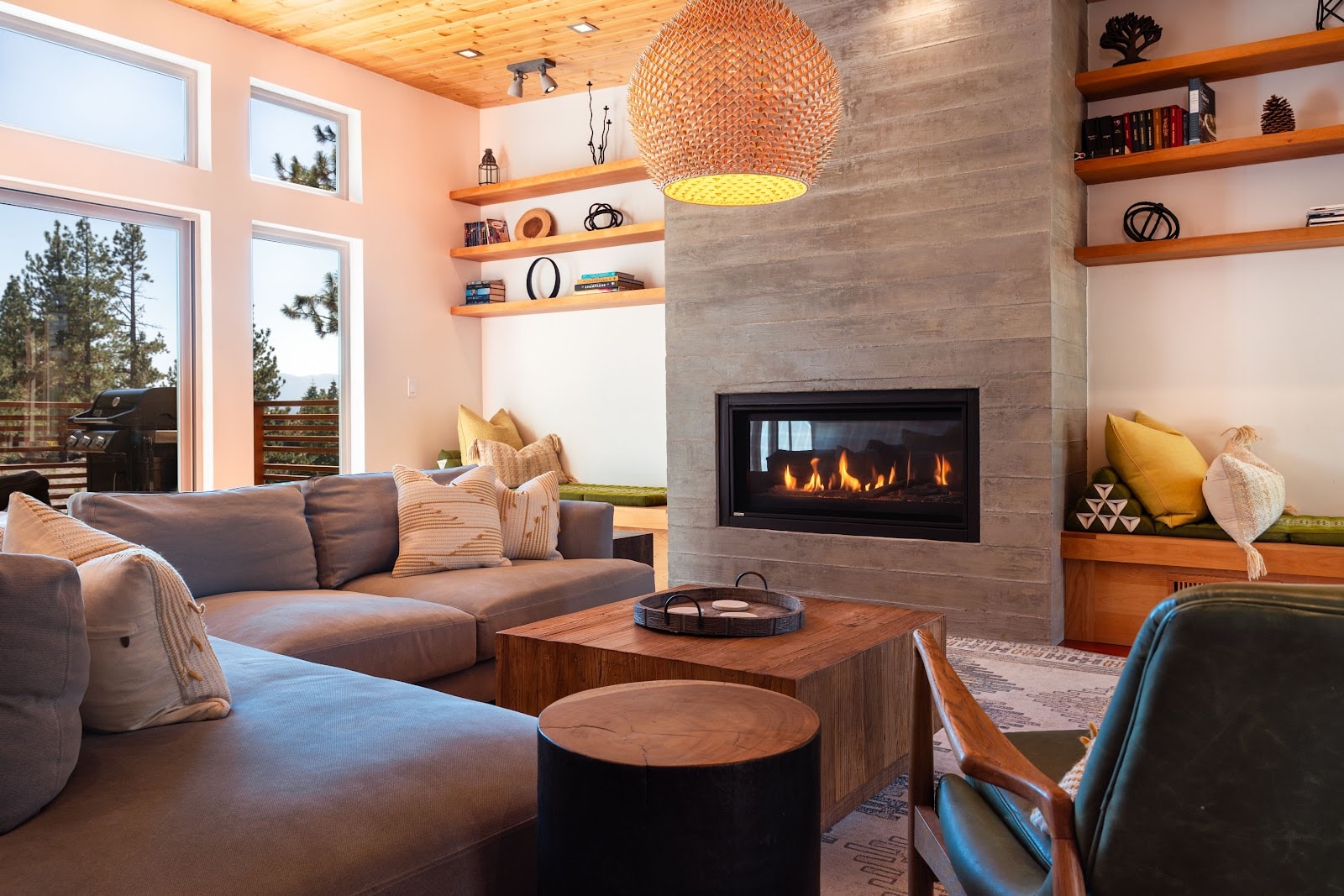
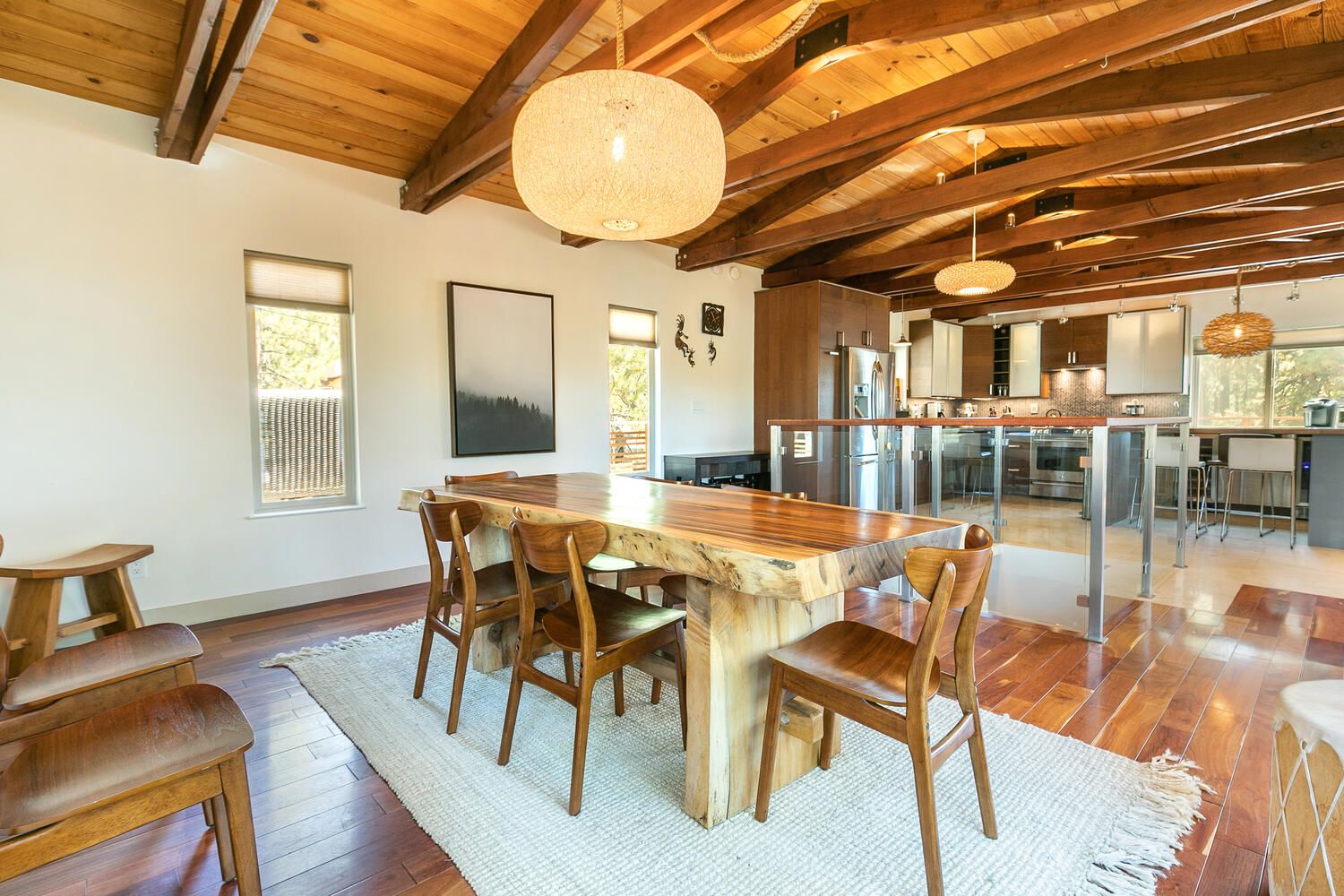
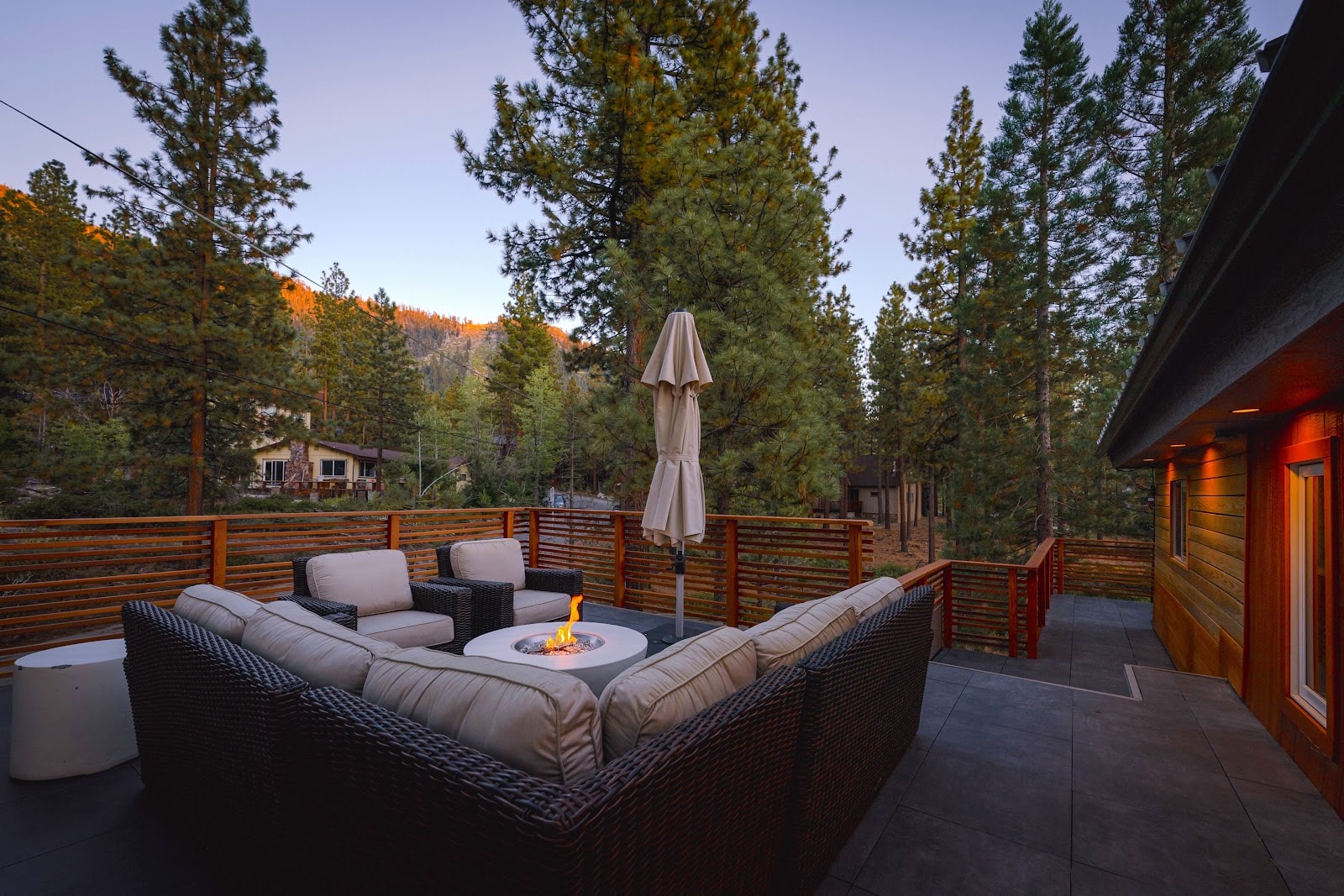
South Lake Tahoe, California, USA — 5-Bed House
$275,000
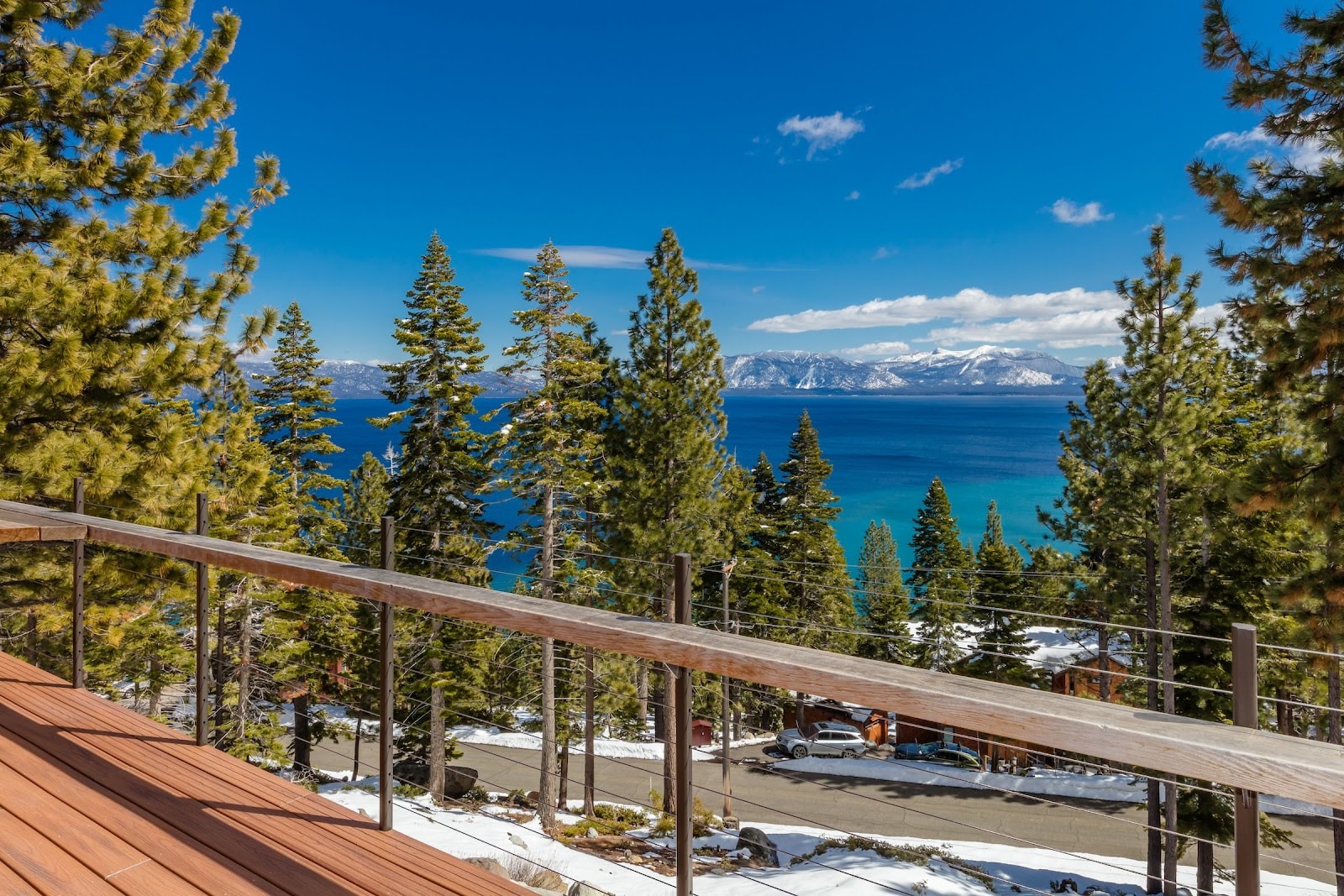
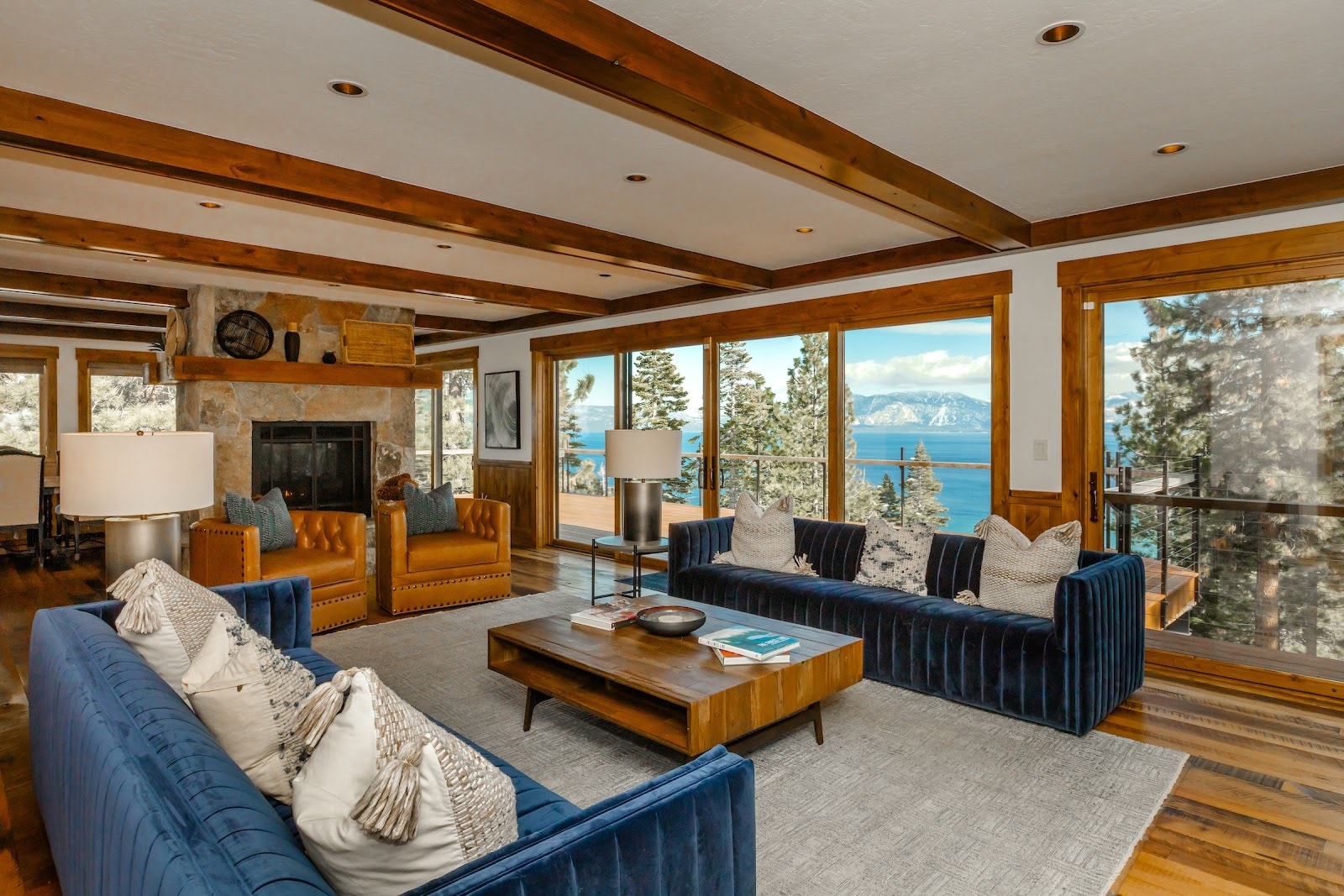
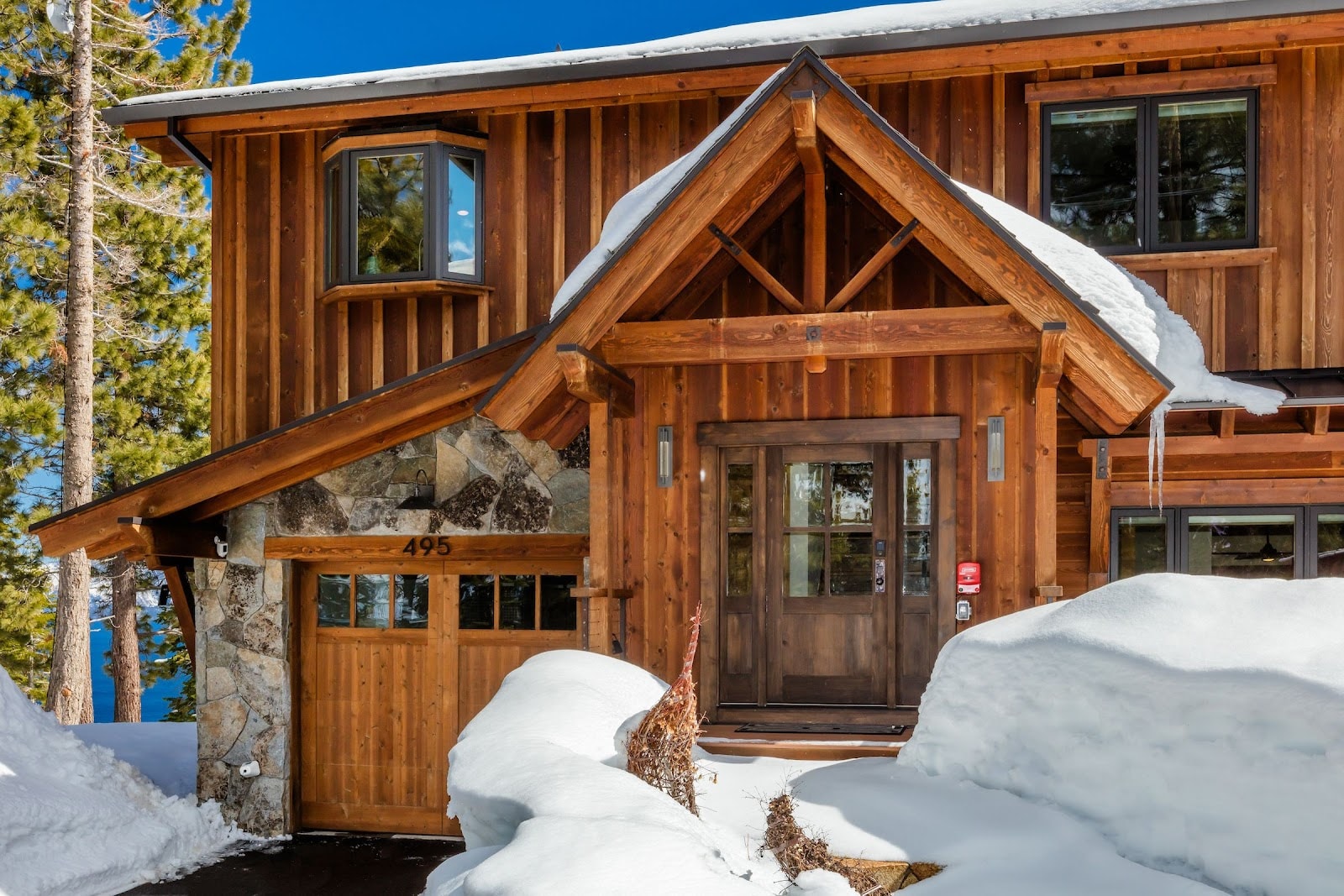
Tahoma, California, USA — 4-Bed House
$460,000
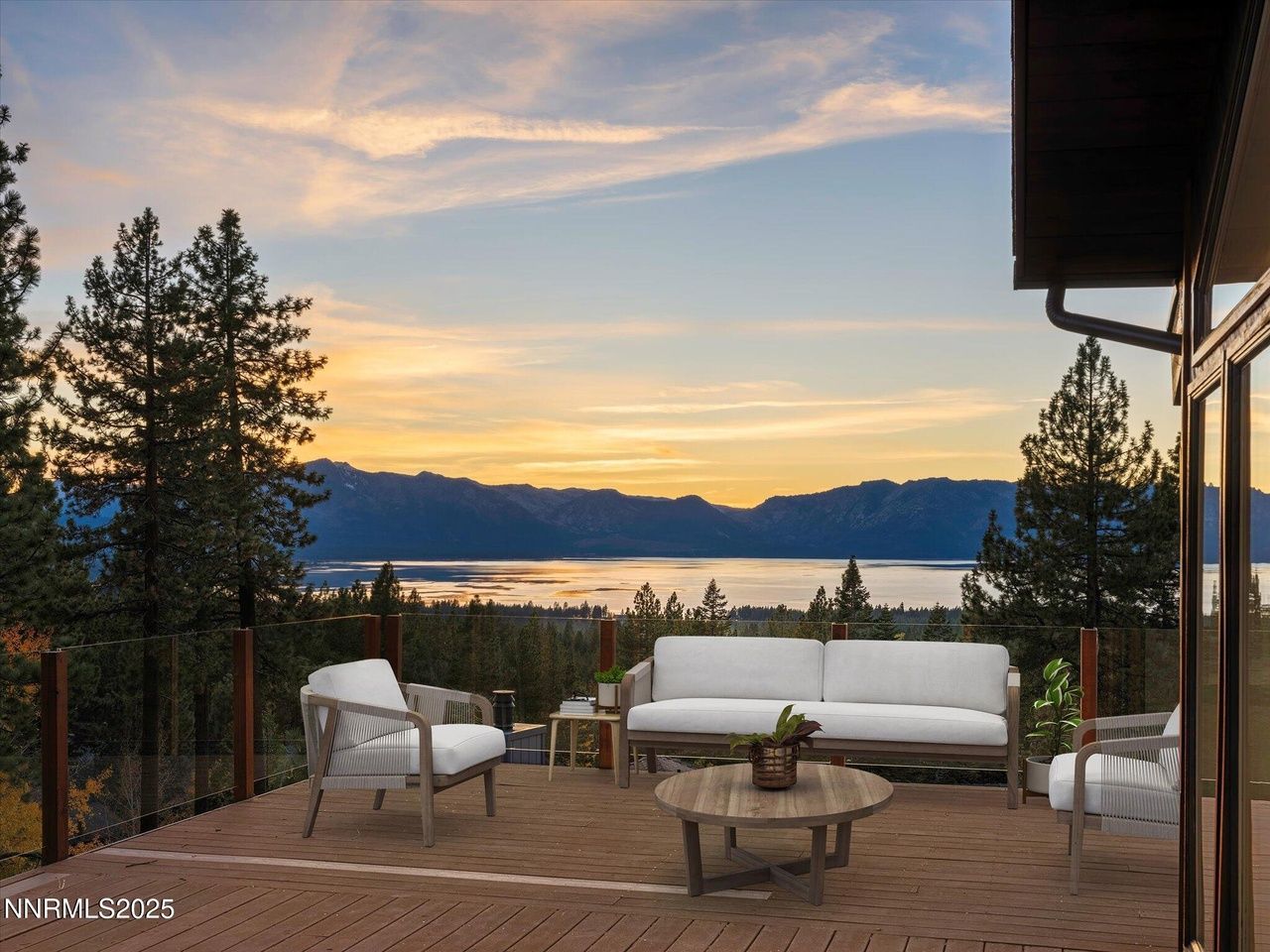
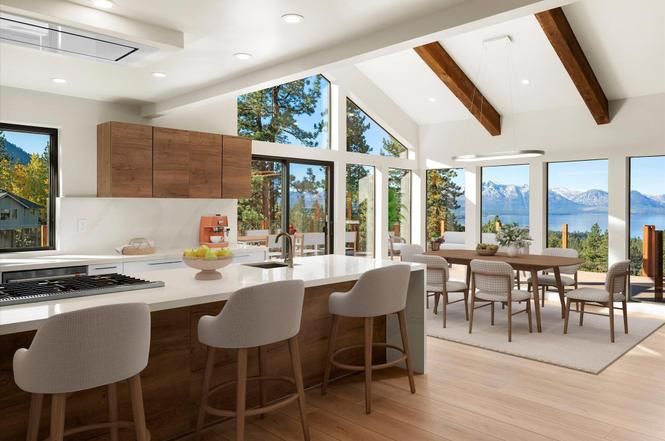
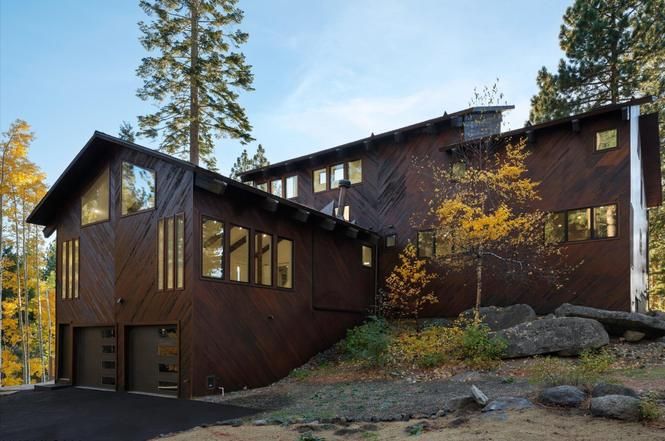
Stateline, Nevada, USA — 5-Bed House With Lake Tahoe Views
$652,000
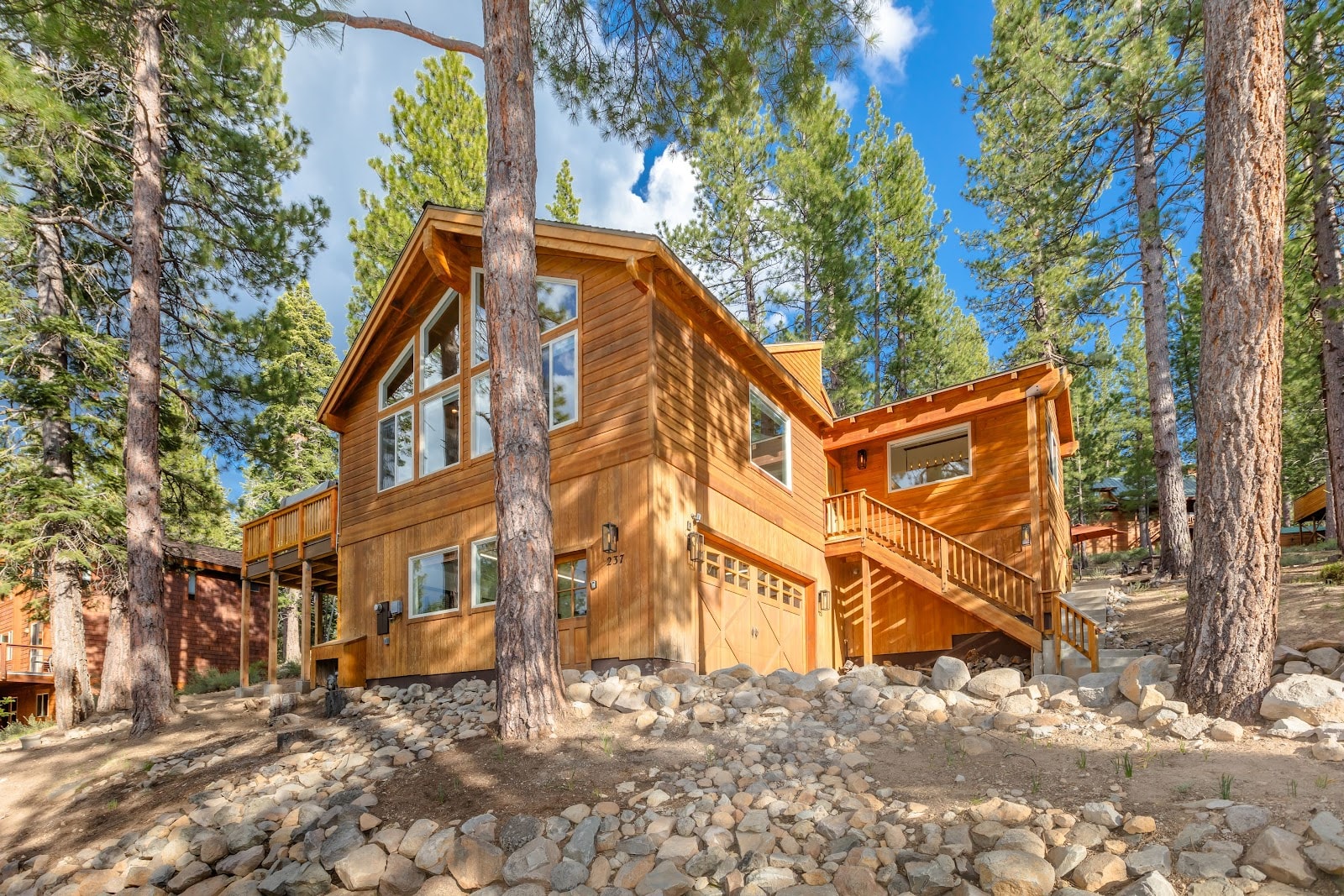
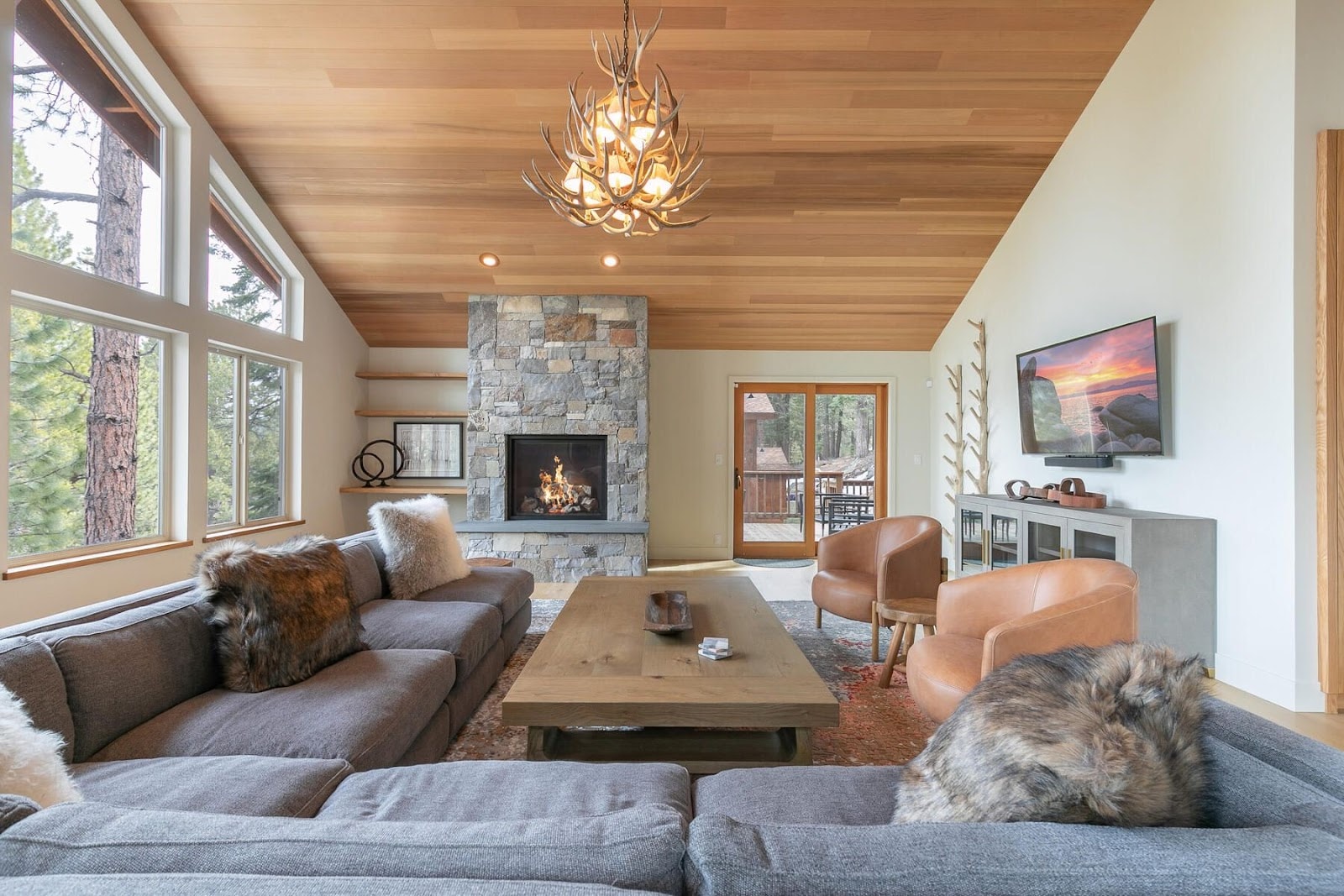
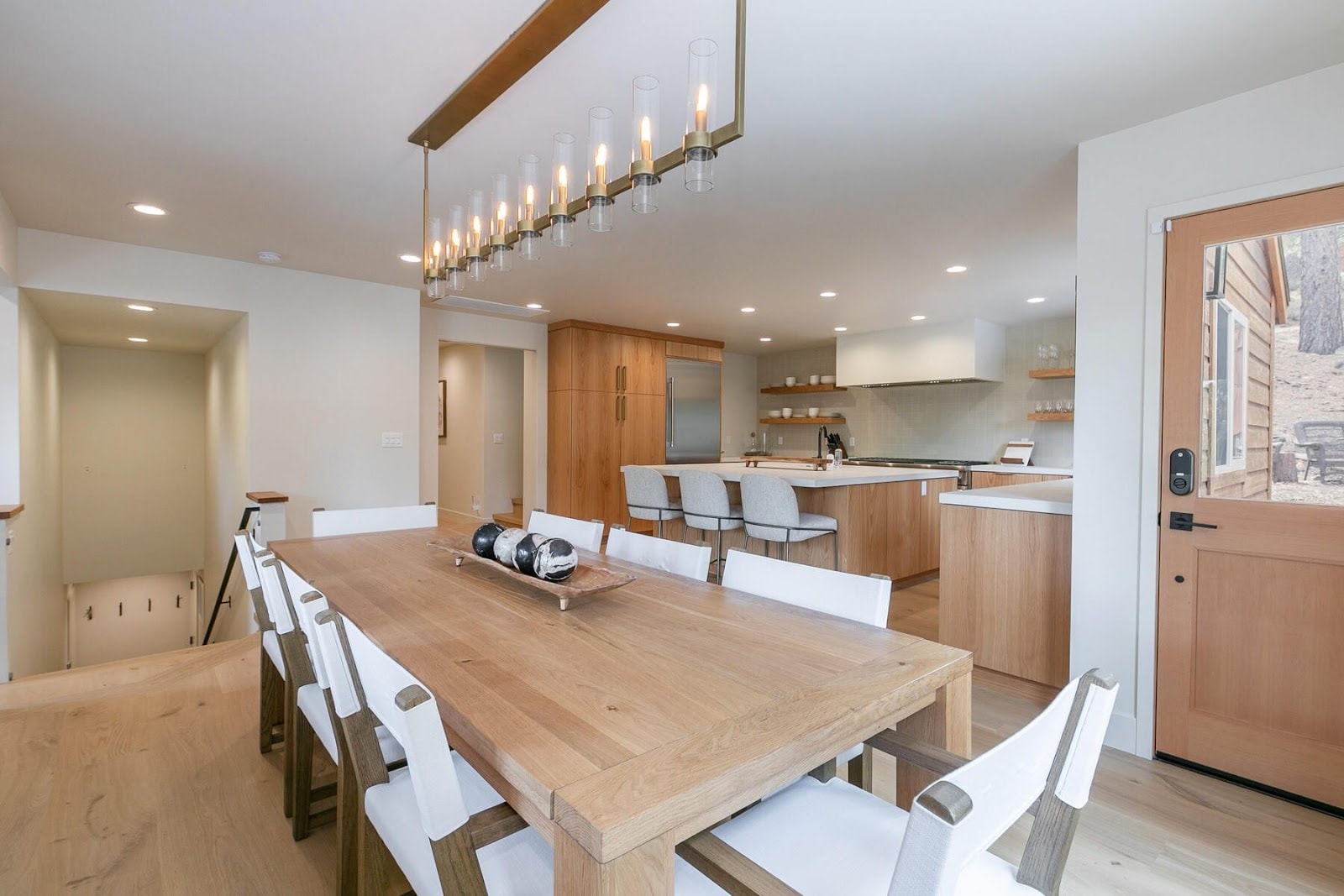
Truckee, California, USA — 4-Bed Cabin Near Ski Resort
$359,000
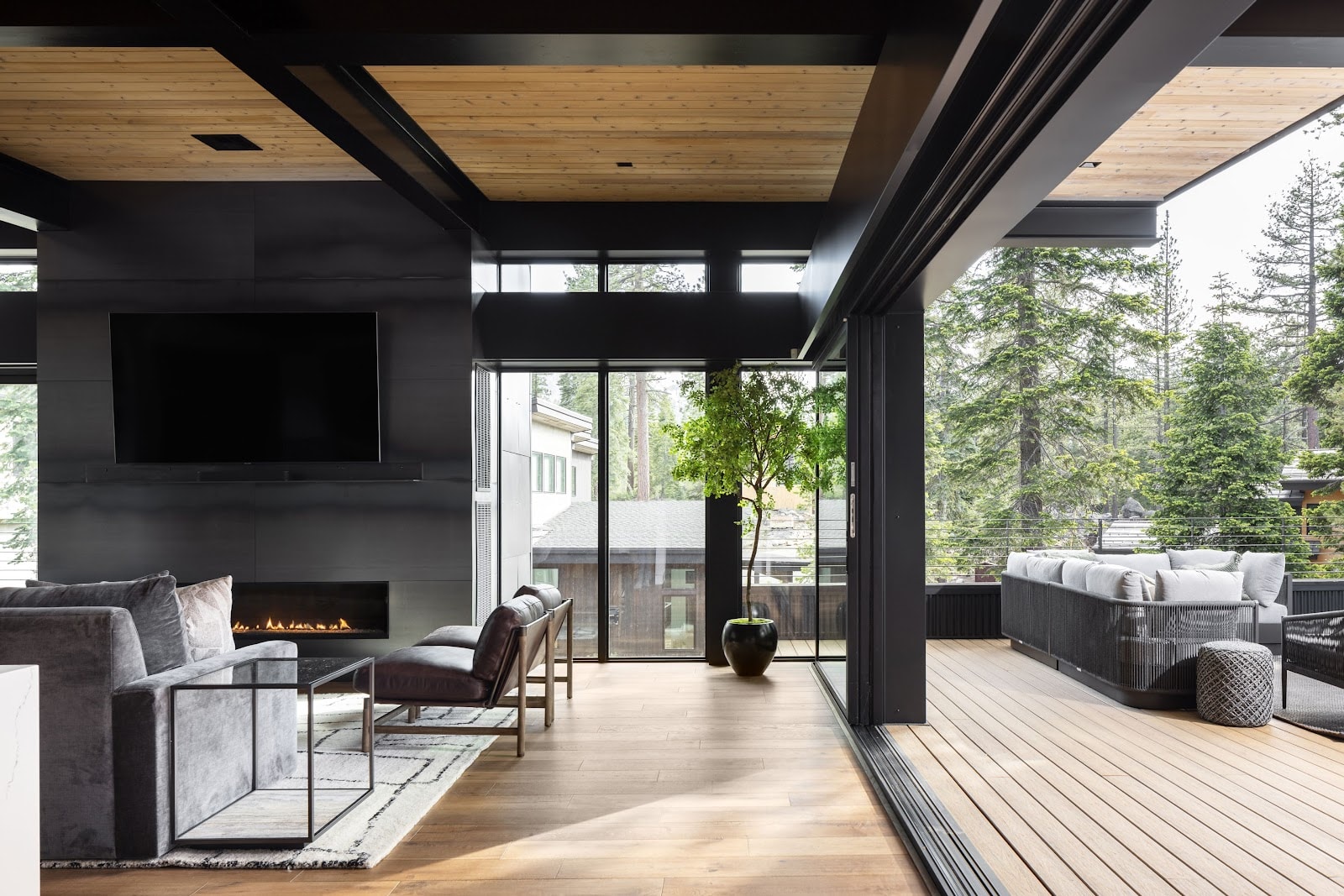
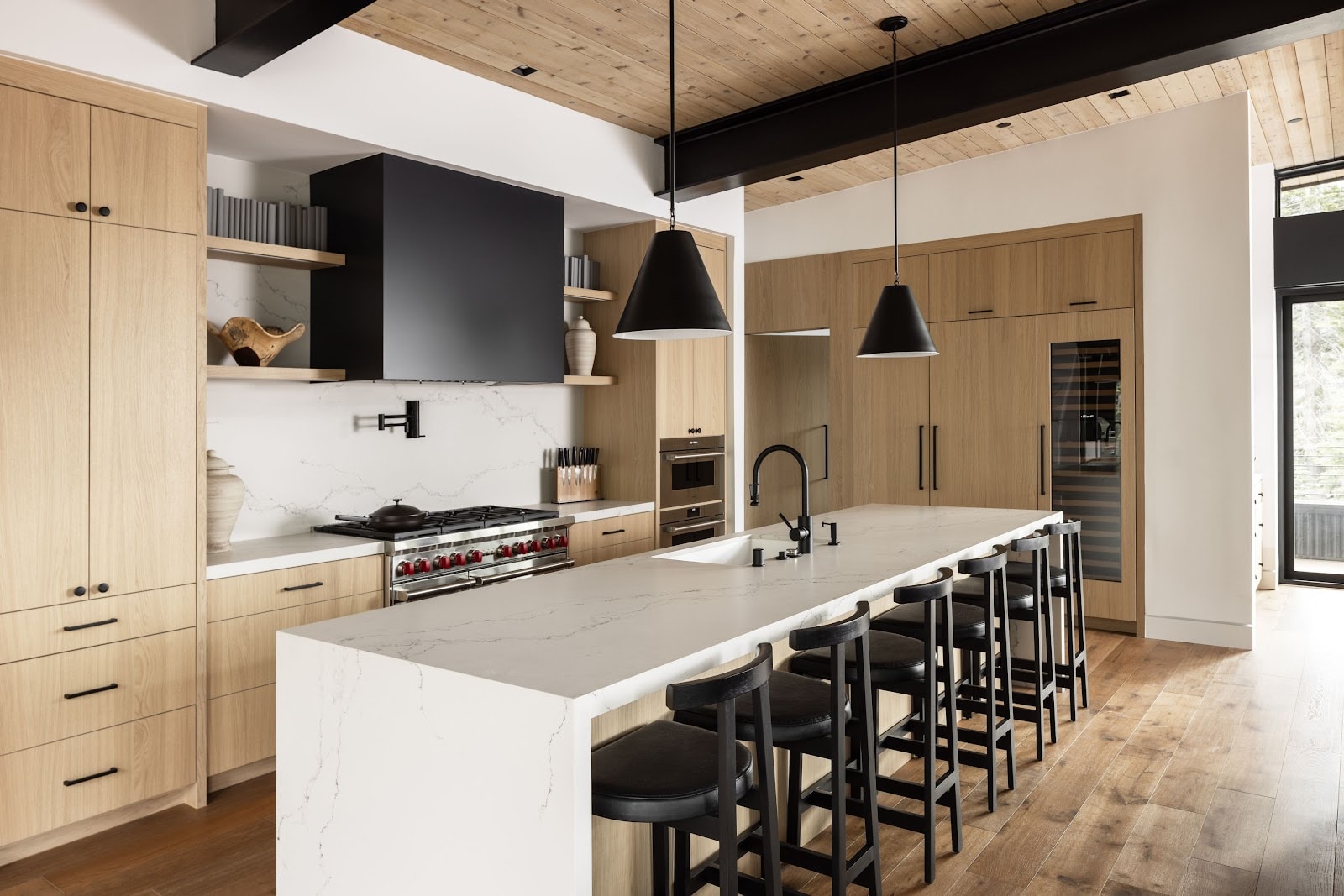
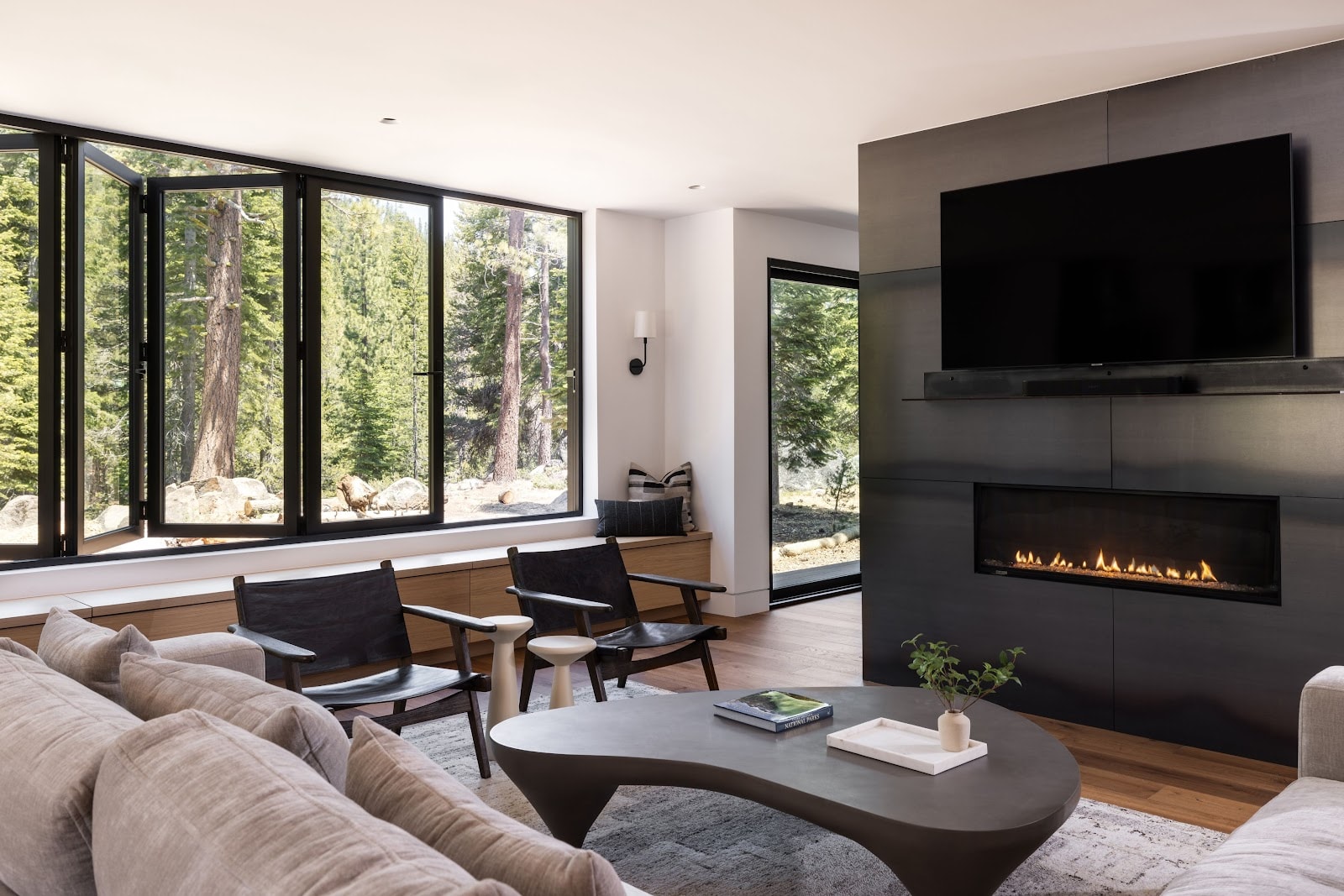
Olympic Valley, California, USA — 5-Bed House With Hot Tub
$750,000
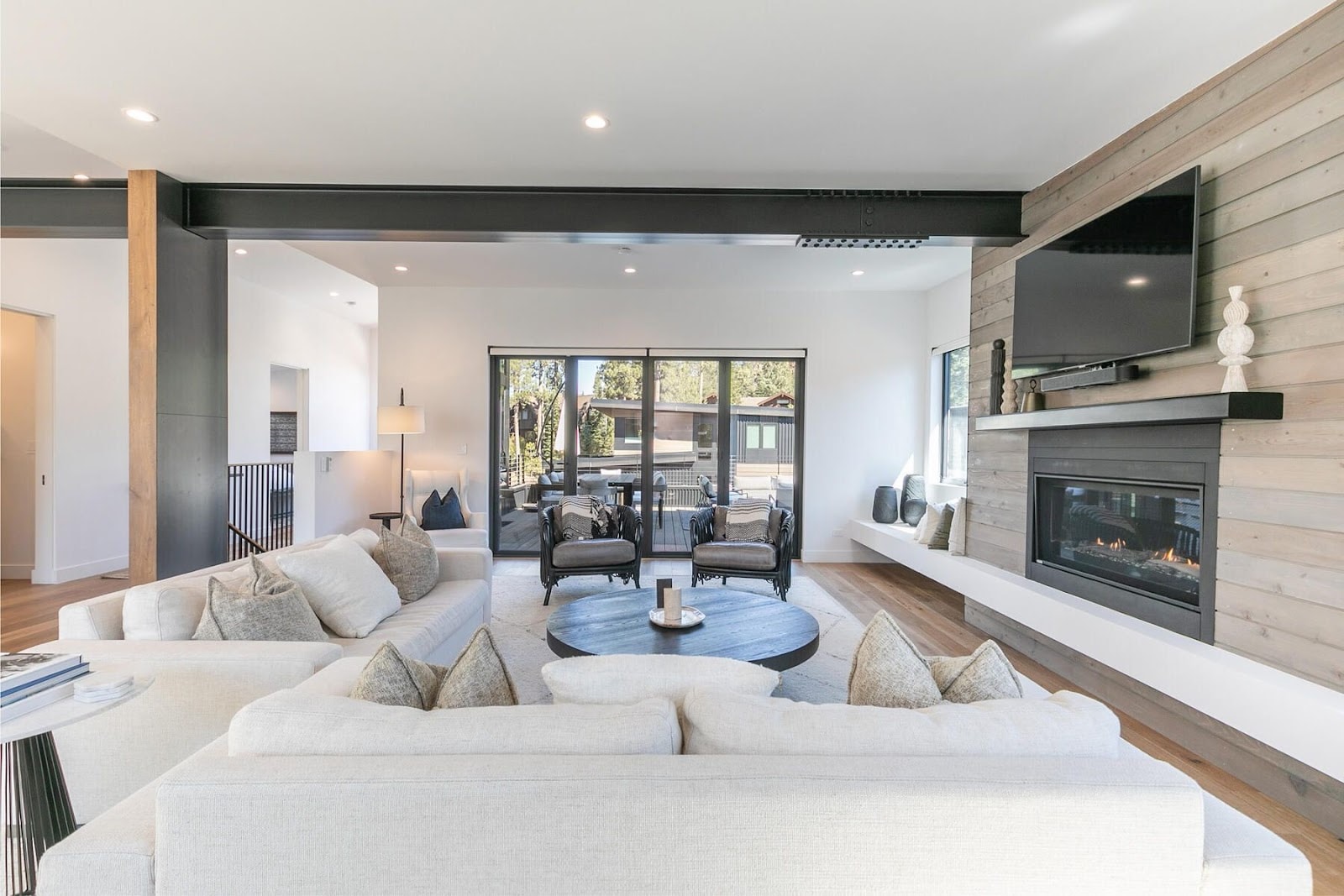
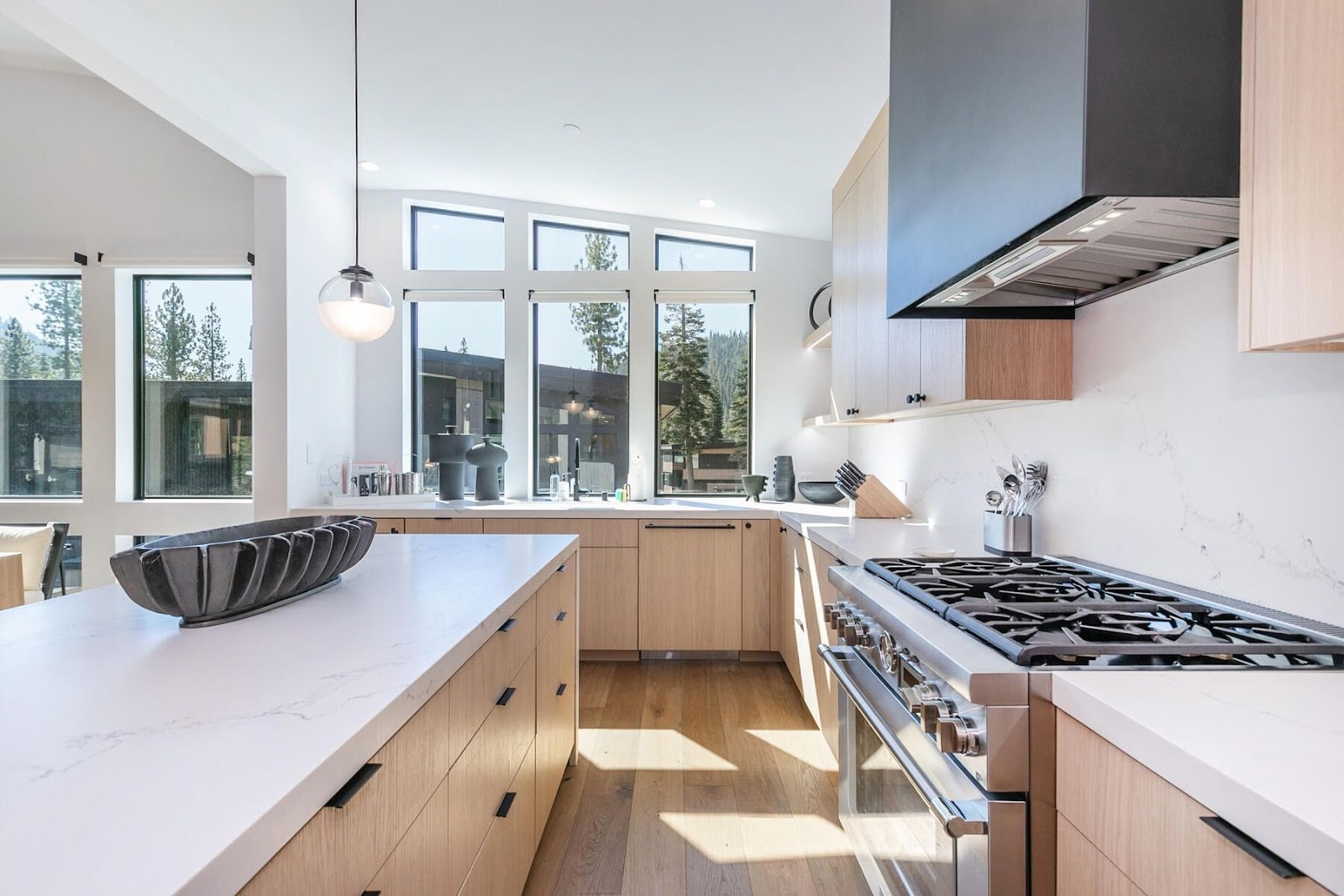
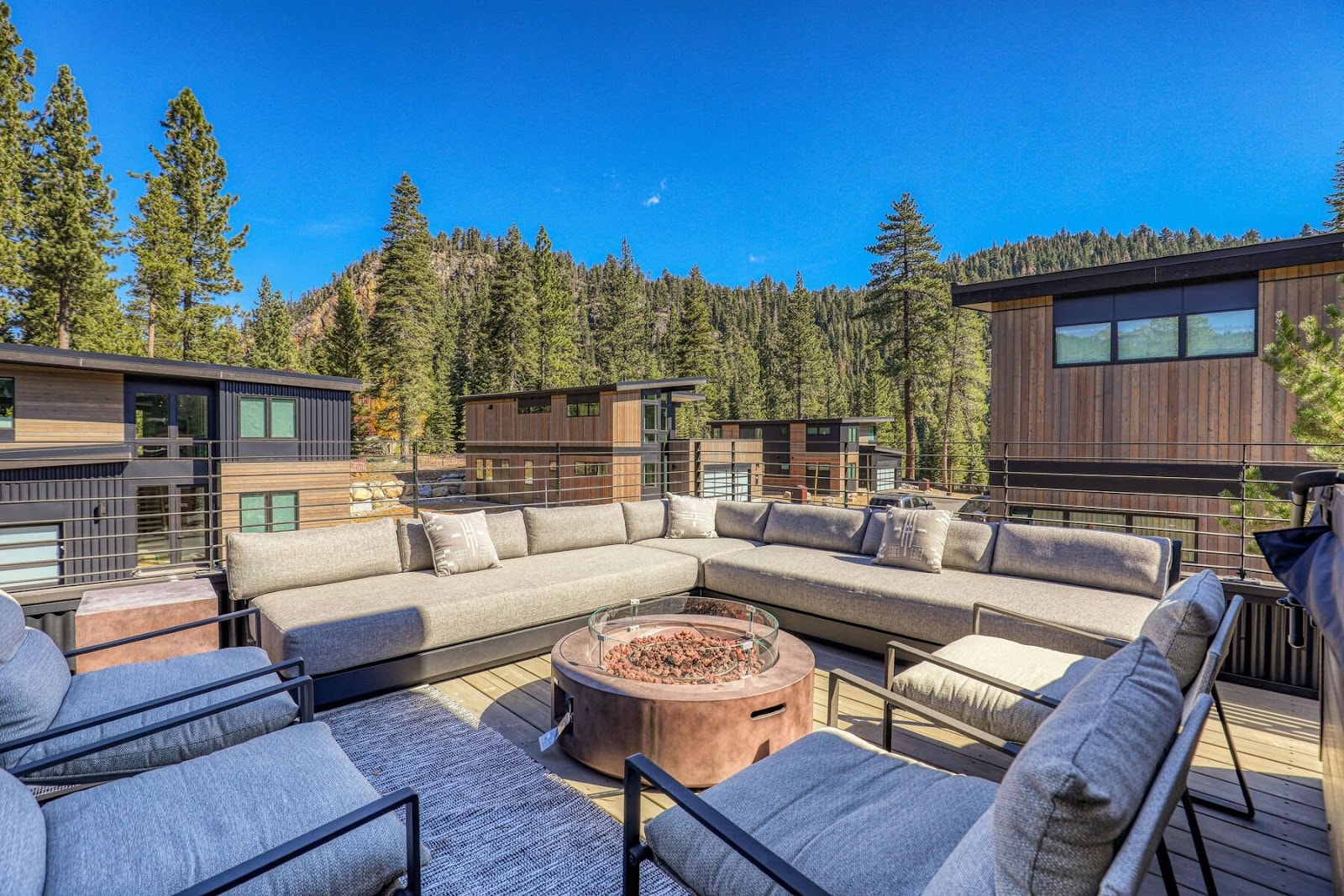
Olympic Valley, California, USA — 4-Bed House With Hot Tub
$420,000
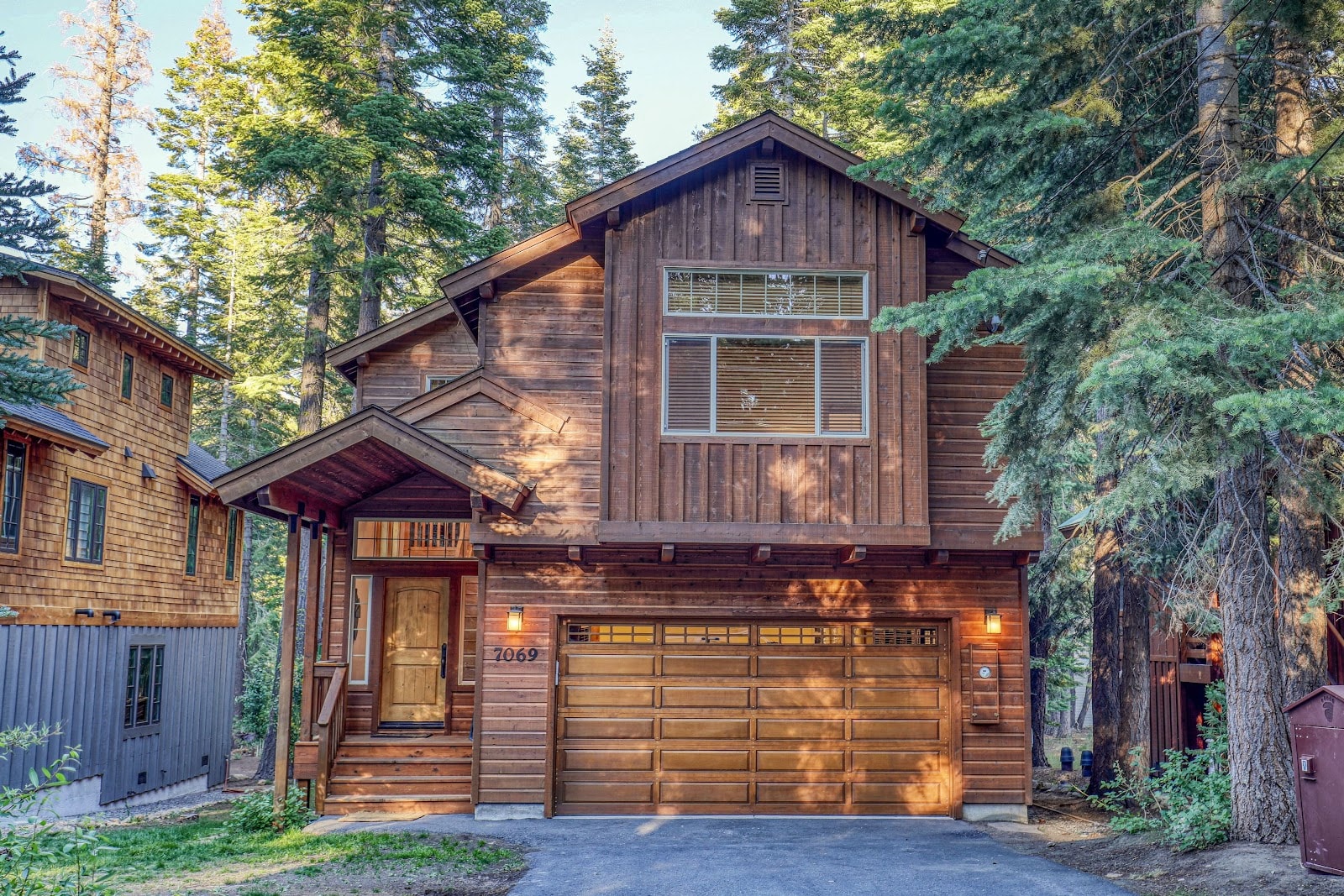
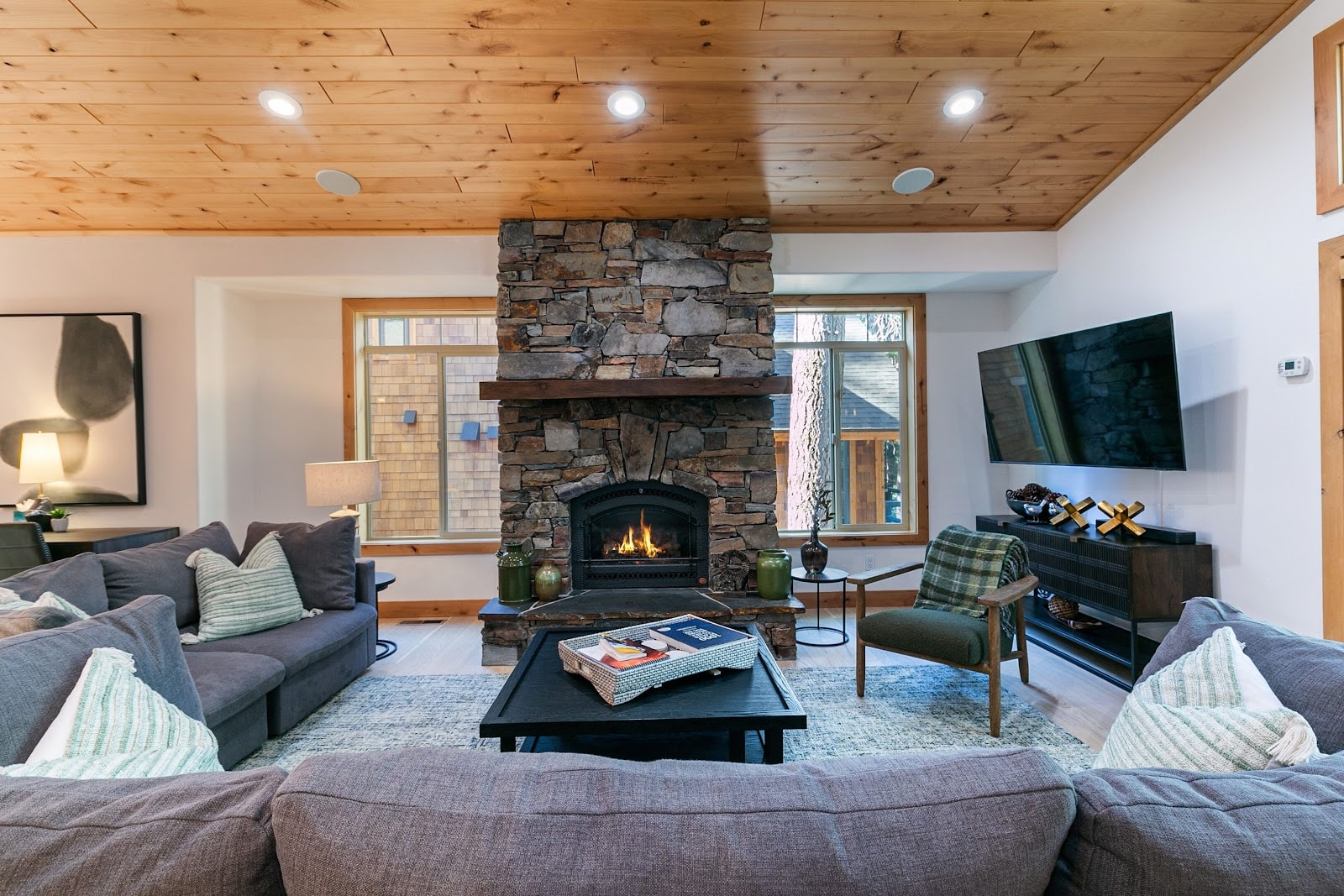
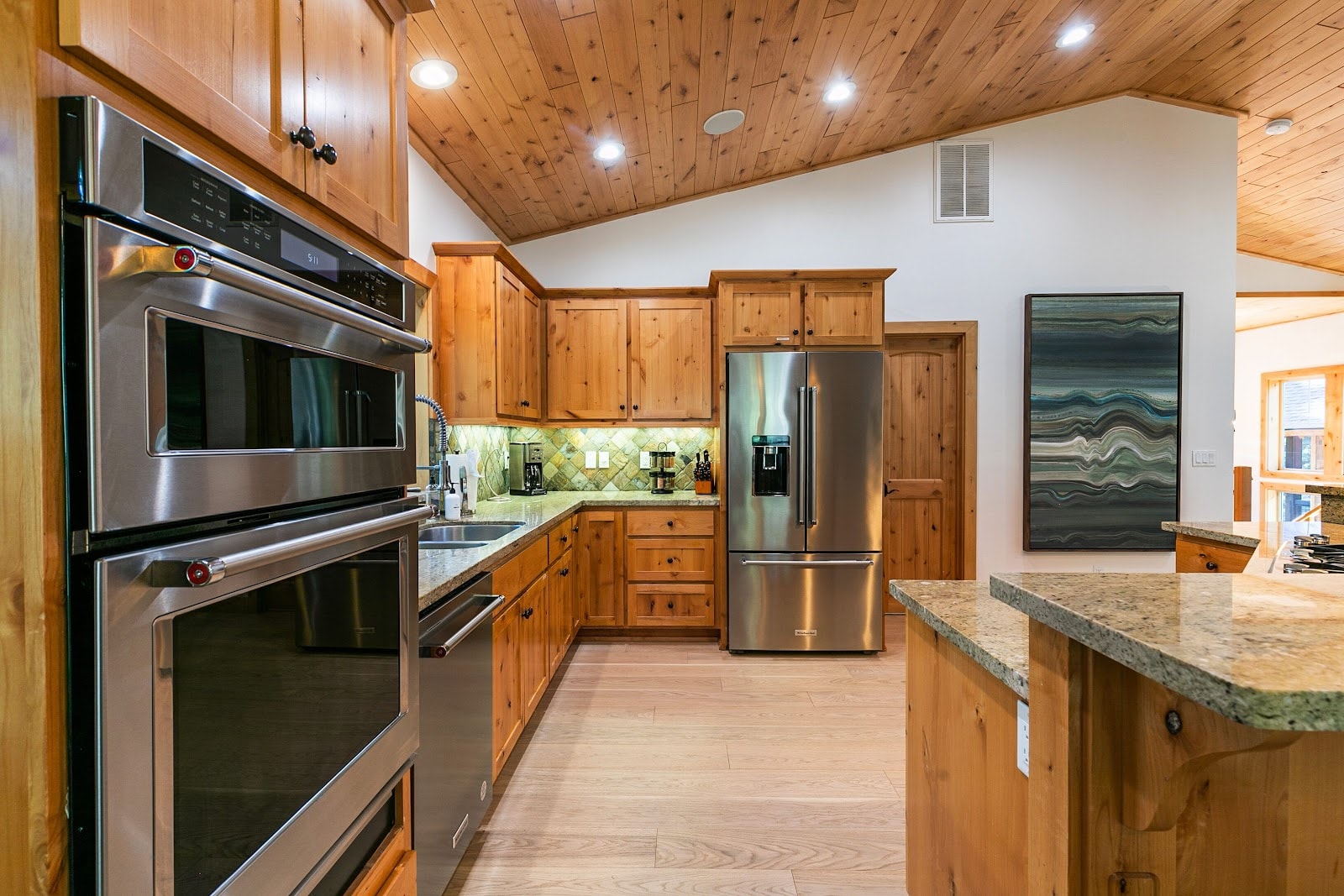
Tahoma, California, USA — 3-Bed House With Hot Tub
$215,000
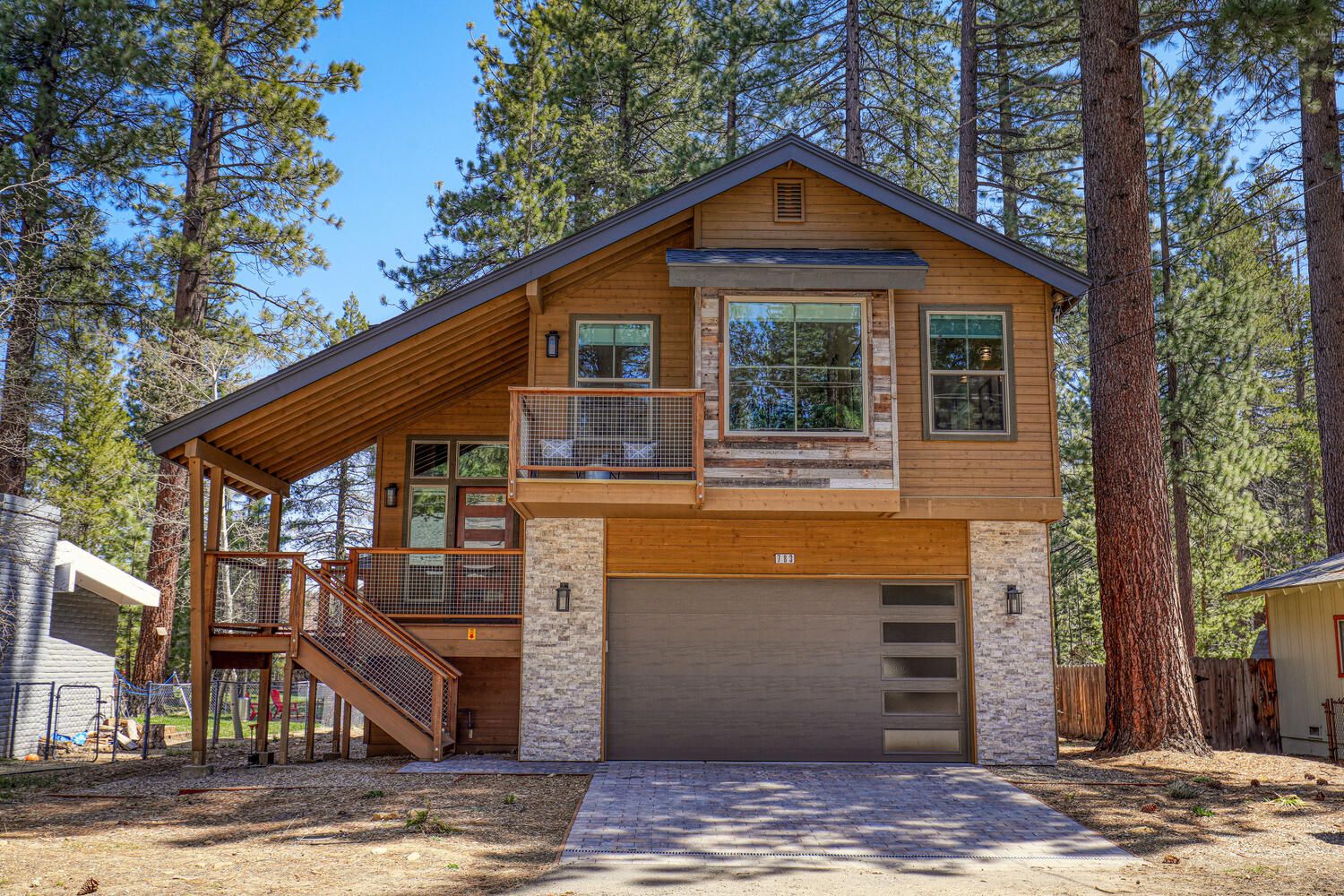
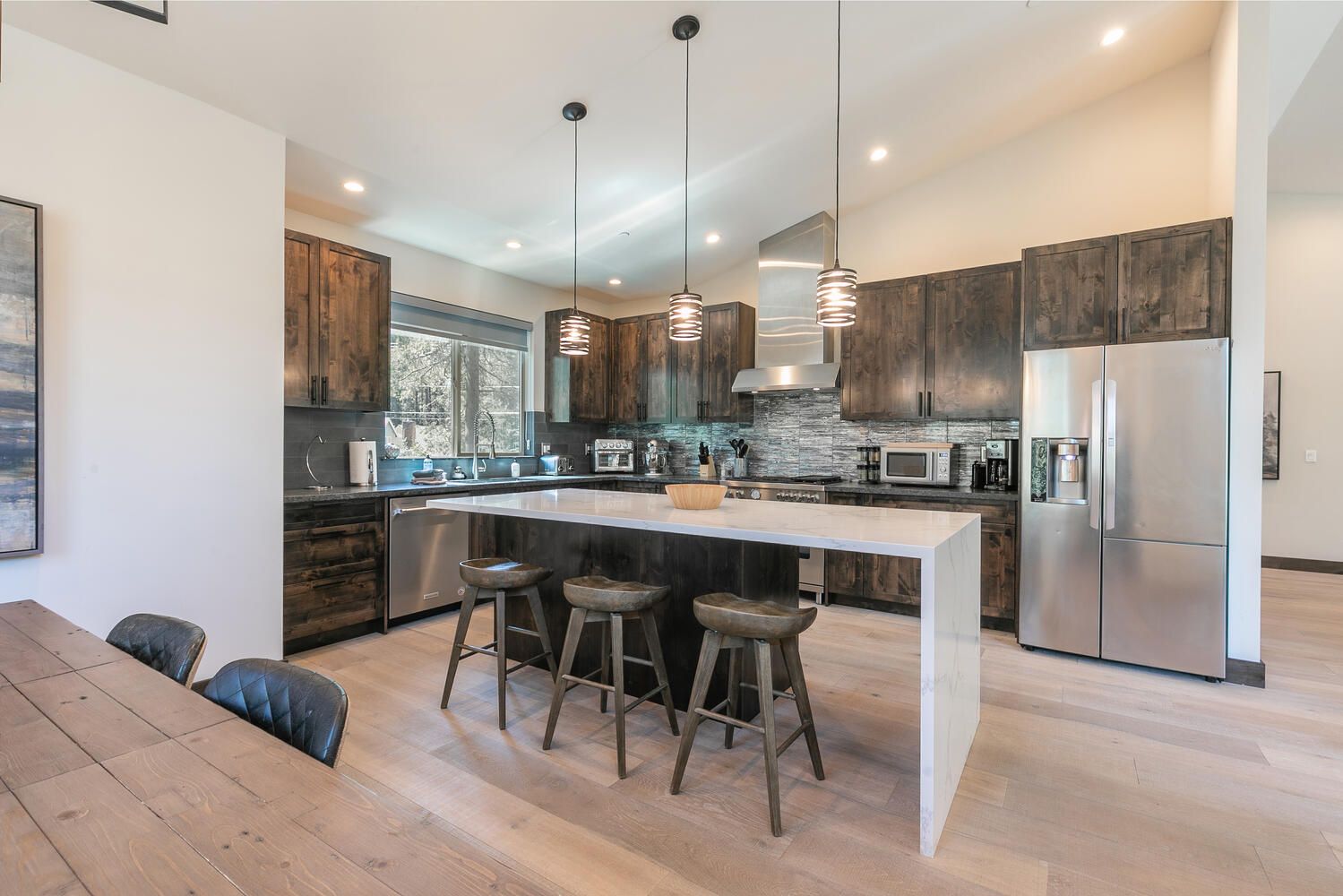
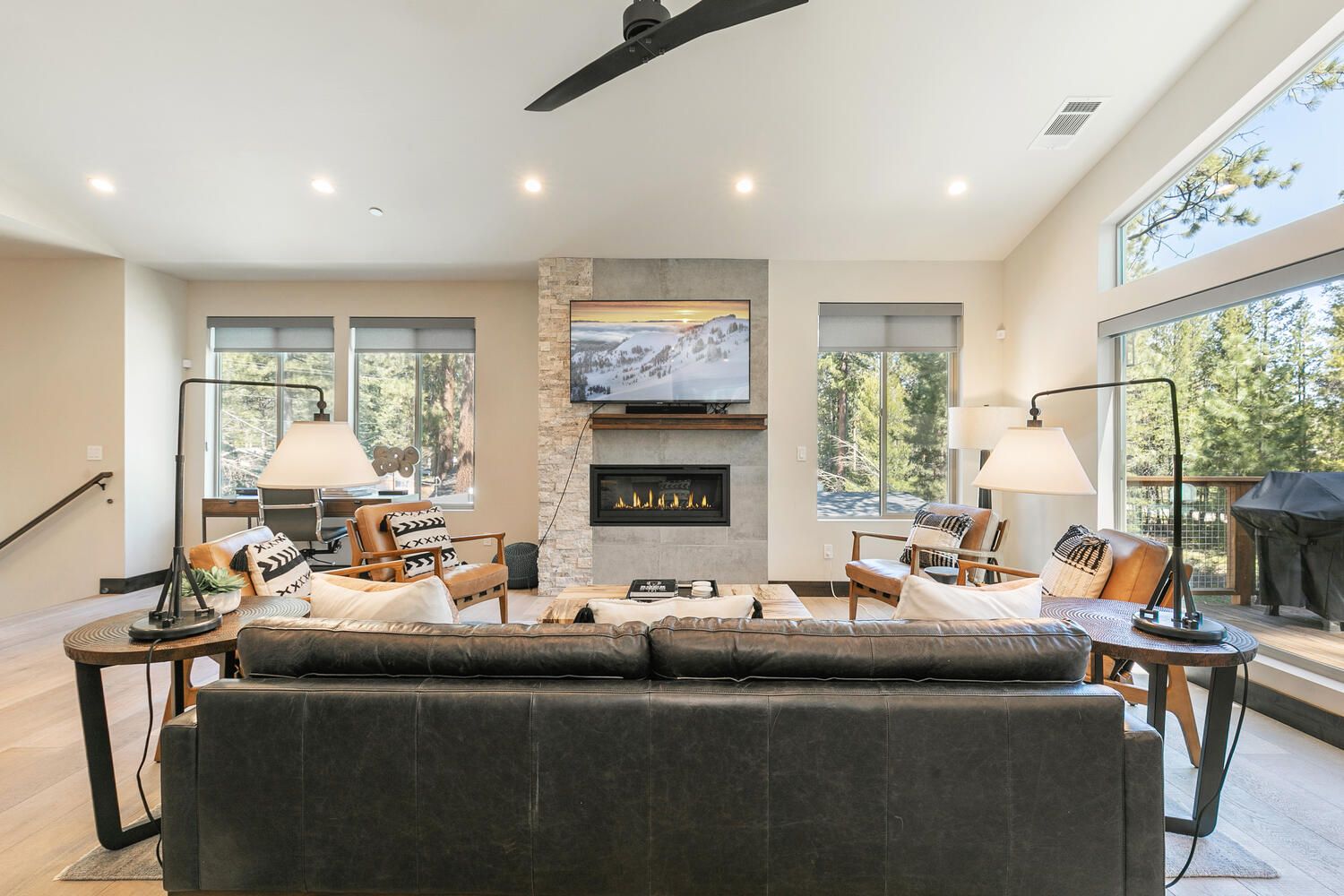
South Lake Tahoe, California, USA — 4-Bed House With Hot Tub
$245,000
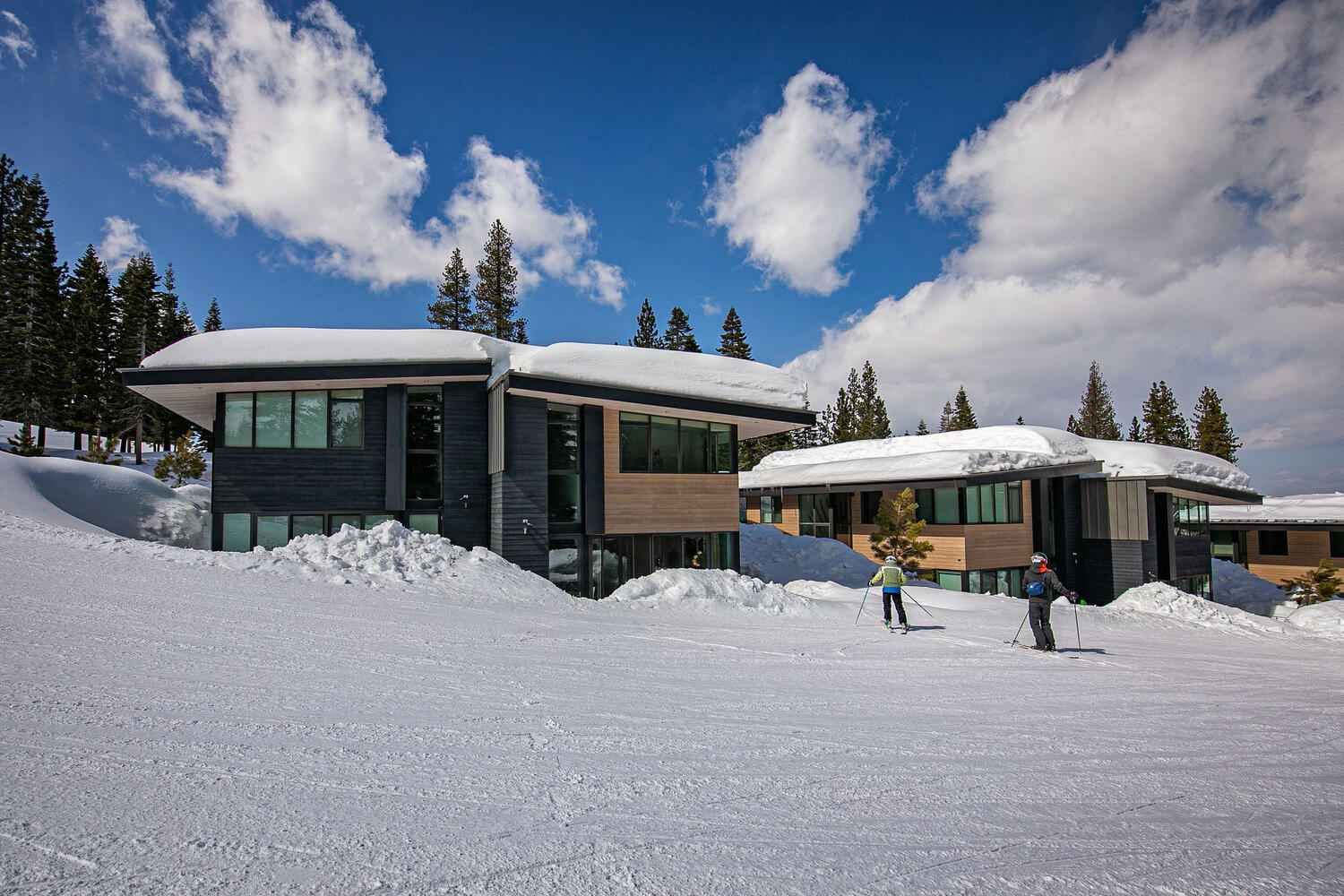
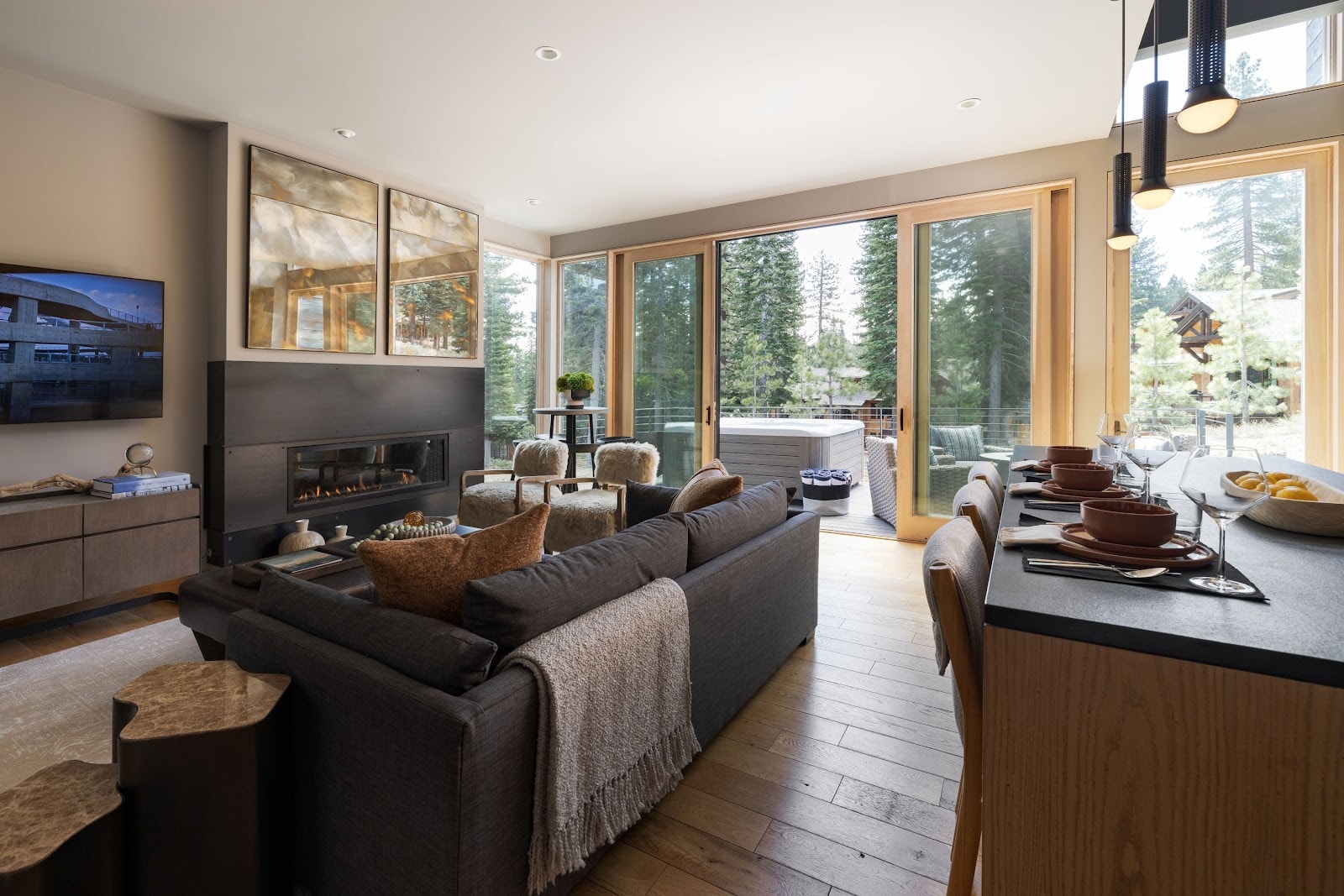
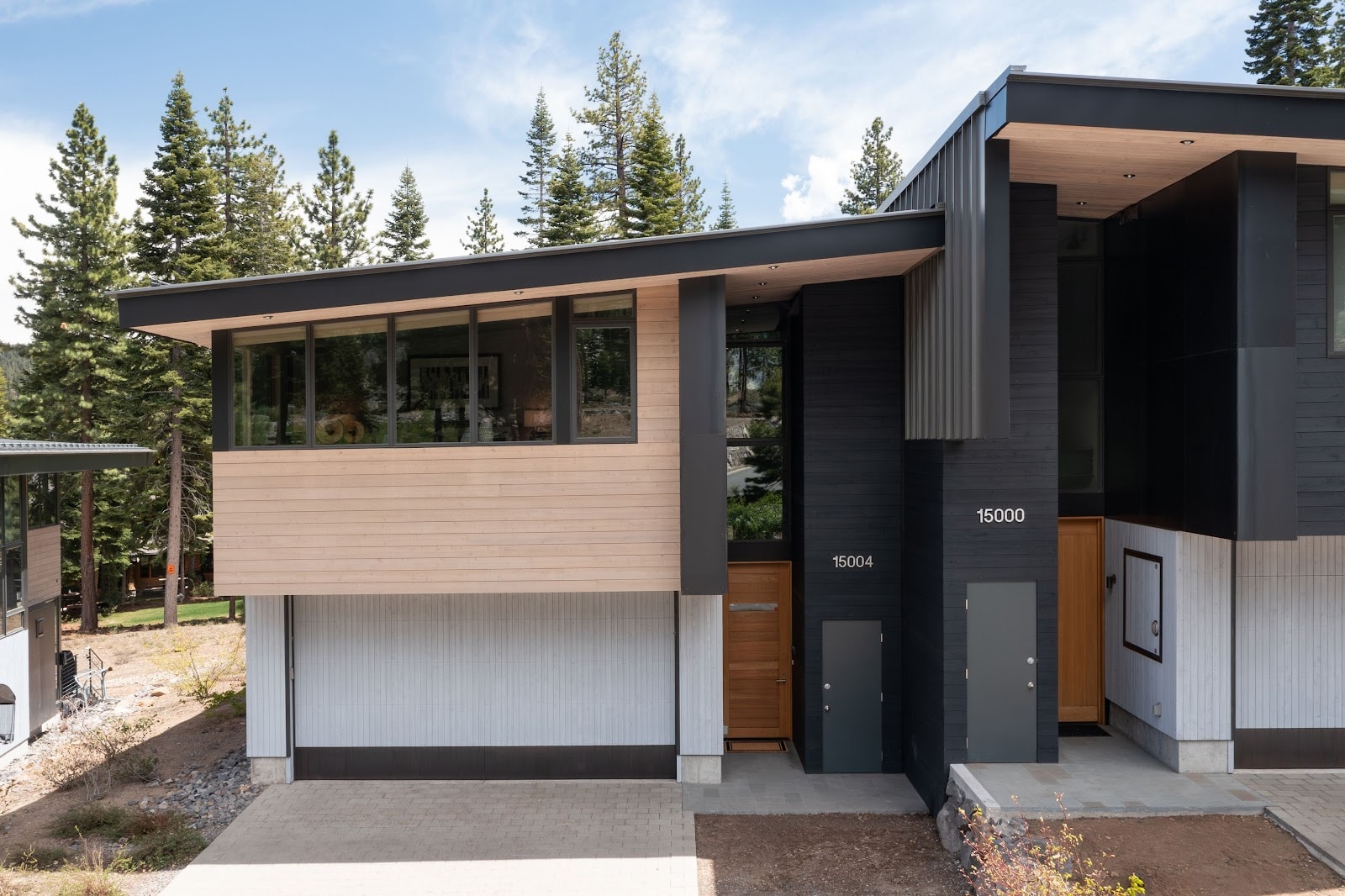
Truckee, California, USA — 3-Bed House Ski-in/Ski-out
$470,000
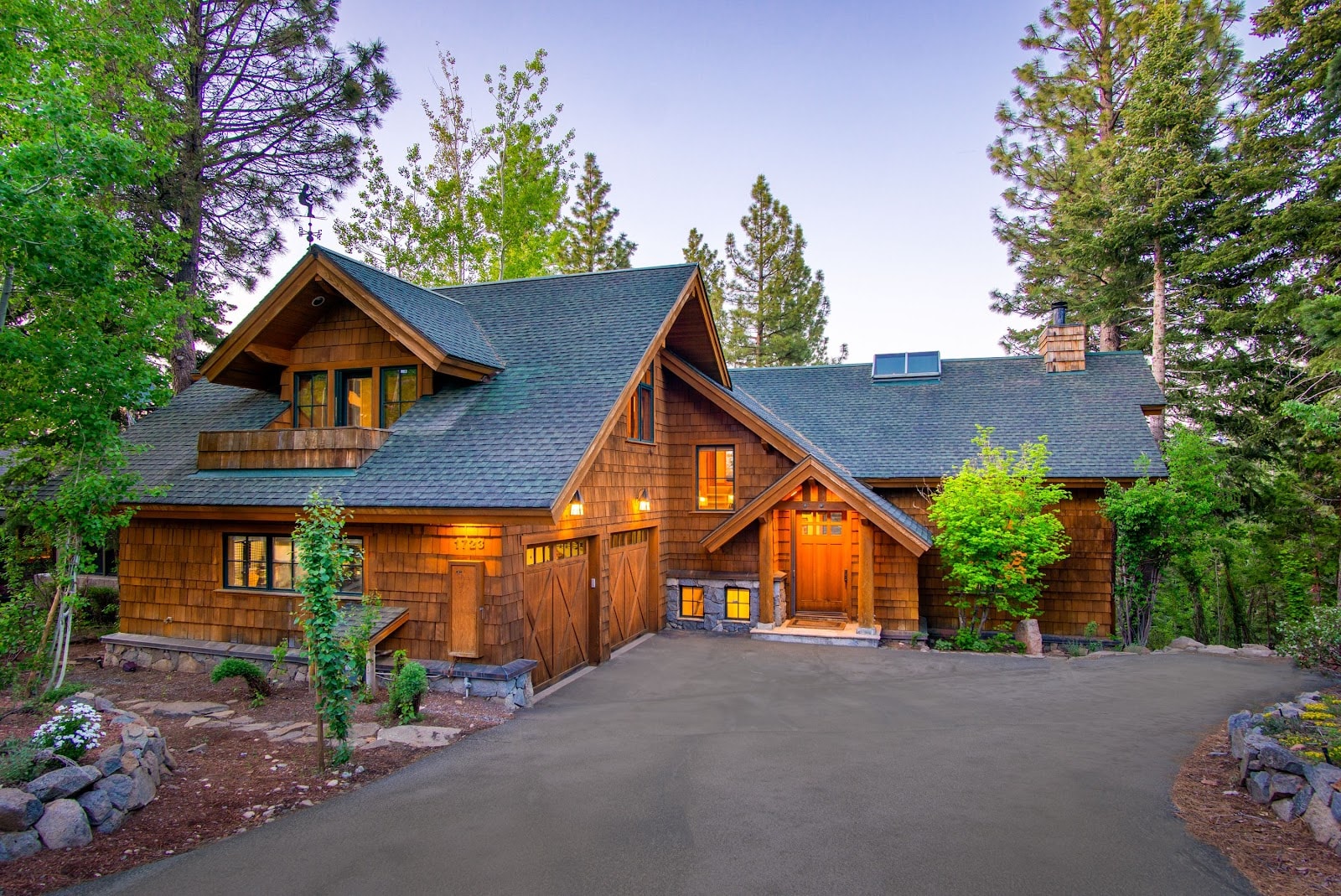
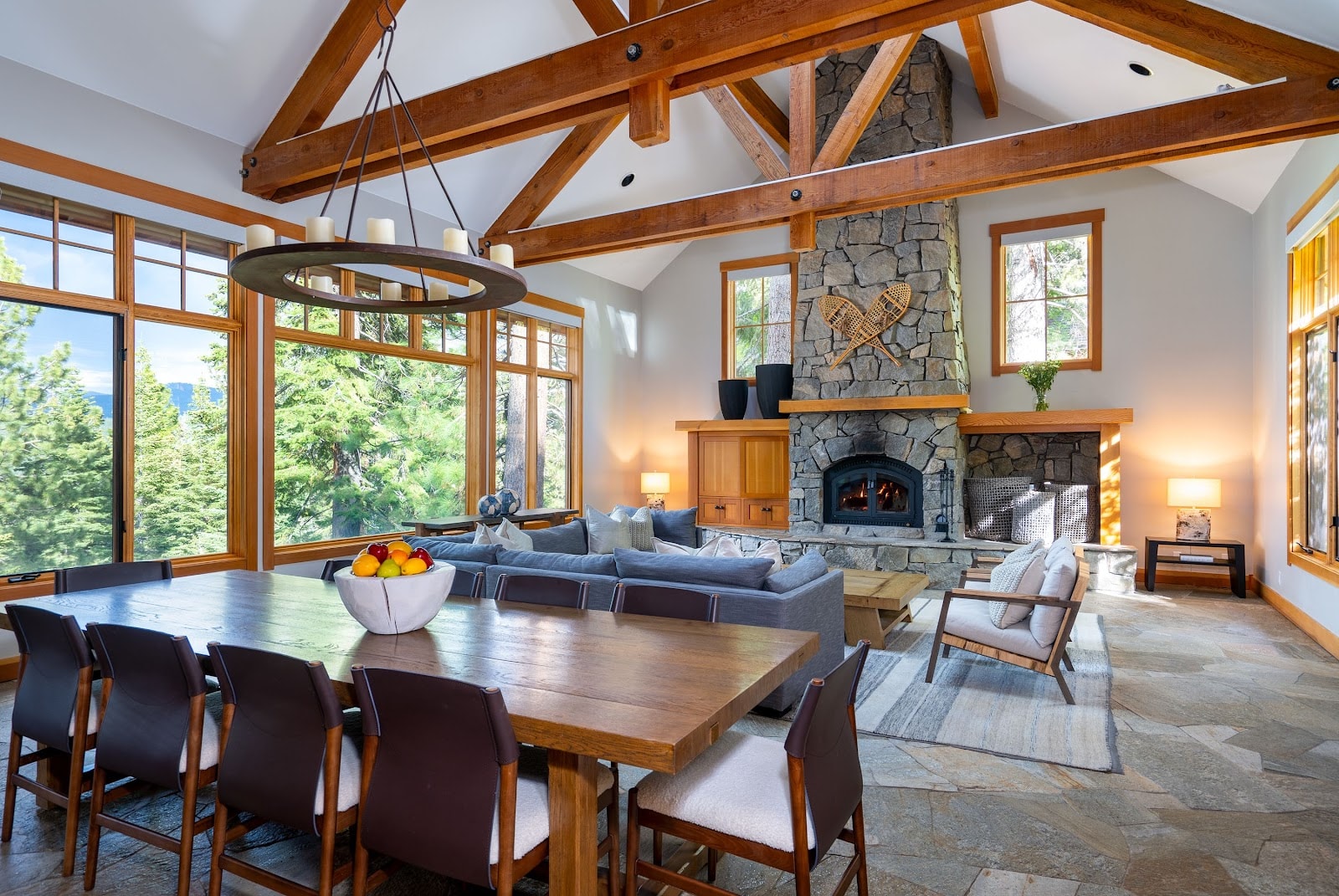
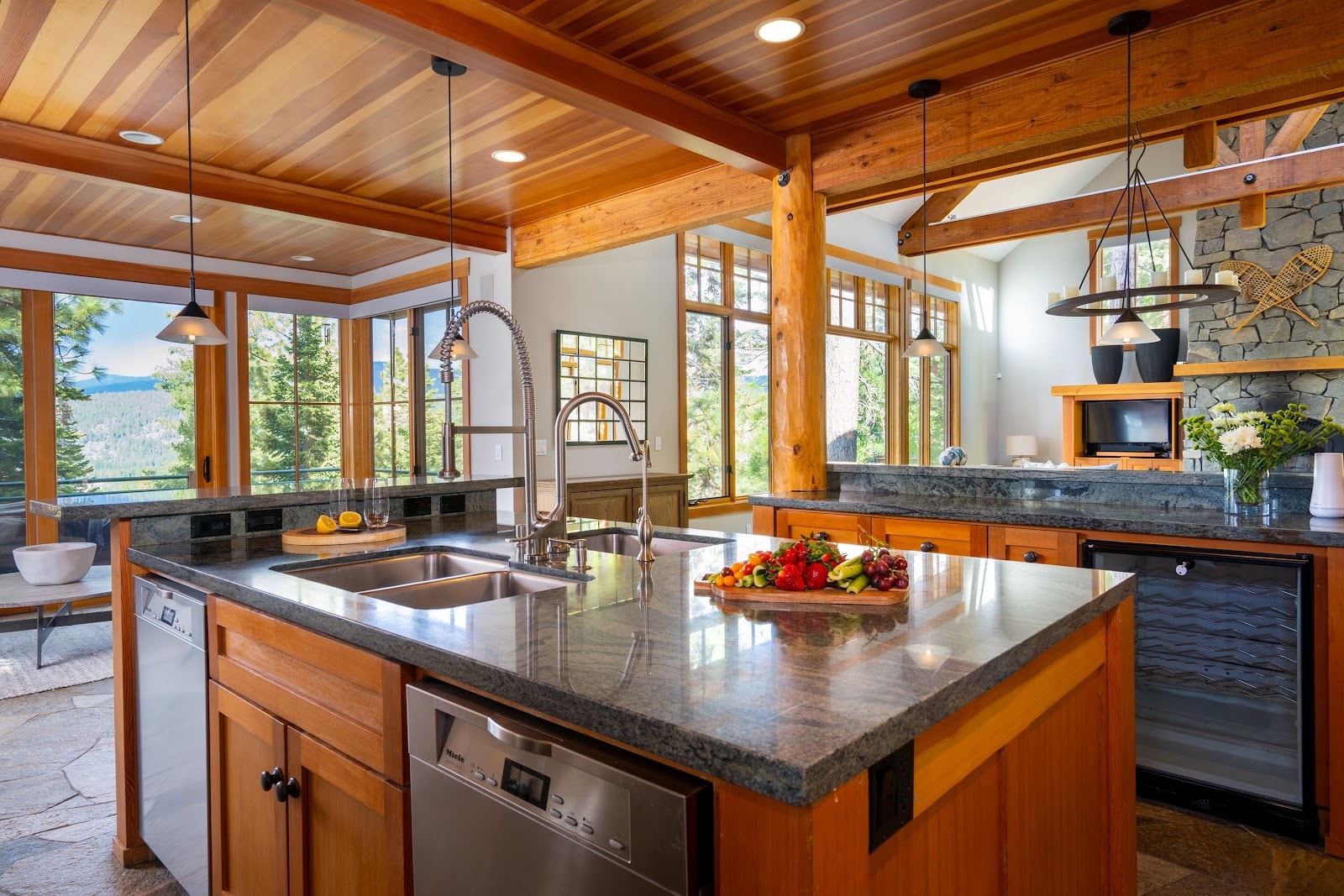
Truckee, California, USA — 4-Bed House With Hot Tub
$525,000
Lake Tahoe's most coveted mountain and lakefront addresses, accessible through co-ownership.
Fully managed chalets and lakeside homes across the North Shore, West Shore and South Shore. Your 1/8 share of the home comes with around six weeks of personal use, a professional management team on call, and the long-term equity of the most supply-constrained alpine lake market in the United States.
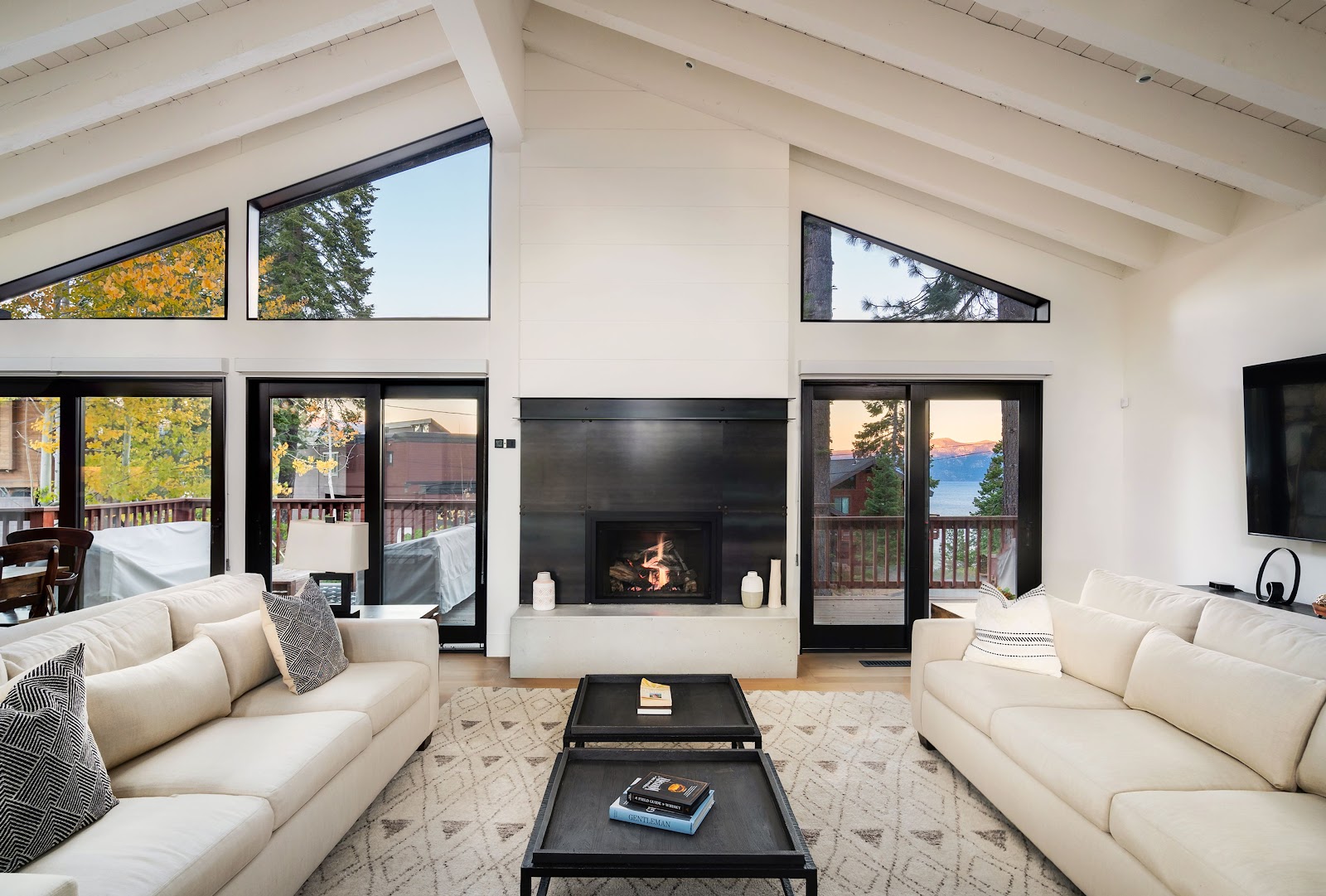
What is fractional ownership in Lake Tahoe?
Fractional ownership in Lake Tahoe means buying a real 1/8 share of a luxury alpine second home, shared with up to seven other co-owners. Each owner receives around six weeks of personal use a year, depending on the home, through a fair-rotation calendar, with all property management, maintenance, taxes and operations handled by a professional team. It is real ownership of a share of the home — not a timeshare, not a holiday club.
Why Lake Tahoe?
Lake Tahoe is, by most credible measures, the most complete four-season alpine destination in North America — a glacially formed lake straddling the California–Nevada state line at 1,897 metres (6,225 feet) of elevation, 35 kilometres (22 miles) long and 19 kilometres (12 miles) wide, with a maximum depth of 501 metres (1,645 feet) that makes it the deepest lake in the western United States and the second-deepest in the country. The lake holds roughly 122 cubic kilometres of water — enough to cover the entire state of California to a depth of fourteen inches — and its extraordinary clarity, with underwater visibility measured at 20 metres or more in clear conditions, gives the surface a cobalt blue that photographs still cannot fully convey. Around the lake sit fifteen ski resorts, more than sixty beaches and coves, hundreds of kilometres of hiking and mountain-biking trails through the Lake Tahoe Basin Management Unit of the national forest system, and a permanent backdrop of Sierra Nevada peaks climbing to over 3,300 metres (10,800 feet). No other alpine lake destination in North America combines terrain of this scale with the supply-constrained real-estate market, the major-airport accessibility and the four-season programming that Tahoe delivers.
Your Lake Tahoe share is owned alongside up to seven other co-owners — a real share of the home, not a right to use it.
Lake Tahoe's particular advantage inside the American second-home market is the combination of permanent scarcity, four-season usability and dual-state jurisdiction that no other alpine destination in the country replicates. The Tahoe Regional Planning Agency (TRPA), a bi-state compact authority established by Congress in 1969 and operating under a joint California–Nevada mandate, imposes binding environmental-capacity controls on all development in the Lake Tahoe Basin — the most restrictive land-use regime applied to any recreational second-home market in the continental United States. The Agency's Regional Plan caps the total number of residential units that can exist within the basin, controls land coverage at the parcel level, mandates stormwater and runoff standards, and requires environmental impact review for any new construction. The cumulative effect of more than fifty years of TRPA enforcement is that the supply of premium residential properties around Lake Tahoe is structurally and permanently constrained in a way that no market-cycle shift can reverse. New luxury inventory cannot flood the market; the regulations that protect the lake's clarity and the basin's ecological function simultaneously ensure that the scarcity underpinning the best Tahoe properties is not a temporary imbalance but a permanent feature of the landscape.
The dual-state configuration of the lake — the California shore (roughly the western three-quarters of the basin, encompassing the North Shore, West Shore and South Shore California side) and the Nevada shore (Incline Village, Crystal Bay and the Stateline casino corridor on the Nevada side) — adds a fiscal dimension that is meaningfully relevant to buyers considering a second home in the region. Nevada has no state personal income tax, no state estate tax and no inheritance tax, under the framework administered by the Nevada Department of Taxation — a structural advantage that mirrors what Florida's tax framework does for Miami and Palm Beach buyers, and that has driven a sustained migration of high-income individuals, family offices and professional partnerships to the Incline Village and Crystal Bay corridor of the North Nevada Shore. California, conversely, imposes some of the highest marginal income-tax rates in the United States, at up to 13.3% on income above approximately $1m, and applies its estate and gift-tax treatment differently. The state line runs through the lake itself, and the residential implications are not hypothetical: buyers who establish Nevada domicile through a Washoe County or Douglas County property can materially alter their tax position relative to California residency, and the Incline Village market has been partially shaped by that calculation for thirty years.
It is worth placing Lake Tahoe in its American competitive context. Aspen, the acknowledged prestige benchmark among American ski resorts, is more culturally refined and architecturally concentrated, but it is also one-tenth the skiable terrain, inaccessible by direct drive from any California city, and without a lake or warm-season water offering of any kind. Park City, the closest parallel in the intermountain West, sits in a single valley with one ski resort and no lake; it lacks Tahoe's four-season depth and the TRPA's permanent supply protection. Jackson Hole is exceptional terrain but with one airport, one mountain and a cultural season that does not extend to a summer water experience. Mammoth Lakes, the nearest California ski alternative, is primarily a single-mountain ski destination without Tahoe's multi-resort range, lake size or second-home market depth. Big Bear and Lake Arrowhead, the Southern California mountain alternatives, are drive-market weekend destinations at a fraction of Tahoe's scale, prestige and supply constraint. Together, these comparisons frame why the market sustains the values it does, and why the combination of TRPA scarcity and four-season programming makes fractional co-ownership a particularly rational entry point for buyers who would otherwise be priced out of the premium tier or committed to a whole property that sits empty for forty-five weeks of the year.
The professional services infrastructure for non-resident Tahoe owners is deeper than many buyers from outside the California market appreciate. Sixty years of Bay Area, Silicon Valley, Southern Californian and increasingly international buyers have built up an ecosystem of specialist property managers, real-estate attorneys, tax advisers, title companies and contractors in Truckee, Incline Village, Tahoe City and South Lake Tahoe that handles the specific demands of mountain properties — snow removal, roof loading, moisture management, wildlife-safe storage, water systems, septic maintenance — as a matter of professional routine. The county recording systems in Placer County (covering the North Shore and the Tahoe City corridor on the California side), El Dorado County (South Lake Tahoe on the California side), and Washoe County (Incline Village and Crystal Bay on the Nevada side) administer property records on publicly searchable, reliable long-running systems. For buyers from outside the United States, specialist US tax attorneys across the region deal routinely with international buyers.
The fourth structural argument for Lake Tahoe co-ownership is the diversity of usable experience available within a single basin. A property on the North Shore's Tahoe City–Kings Beach corridor is fifteen minutes from the ski lifts at Palisades Tahoe — the host of the 1960 Winter Olympics and the largest ski resort in California — and twenty minutes from the lakefront promenade at Sand Harbor State Park on the Nevada side. A West Shore property is ten minutes from the historic Homewood Mountain Resort and immediately above some of the most private and least-developed lake frontage in the basin. A South Lake Tahoe property is thirty minutes from the summit of Heavenly Mountain Resort, whose pistes straddle the state line itself, and immediately adjacent to the casino resort corridor of Stateline, Nevada that provides a live-entertainment and dining calendar unlike any other ski town in North America. The range of experience across the basin — pristine mountain wilderness, historic Basque and Washoe cultural heritage, major ski terrain, Nevada entertainment infrastructure, summer sailing and paddleboarding — gives a Lake Tahoe second home a genuine all-year relevance that single-use mountain or coastal destinations rarely match.
Where to own in Lake Tahoe
Lake Tahoe's second-home market divides into four primary sub-zones, each with its own character, terrain access, jurisdiction and buyer mix. The zones are not isolated — the basin's road circuit connects all four shores in a drive of under ninety minutes in clear conditions — but each offers a meaningfully different ownership experience. The concentration below covers the North Shore (Tahoe City and the California side) for direct resort access and the most established second-home culture; Olympic Valley and Truckee for ski-first buyers seeking the largest terrain and the most complete resort-town infrastructure; the Nevada Shore (Incline Village and Crystal Bay) for the tax-advantaged basin address and the most private lakefront character; and South Lake Tahoe and the West Shore for the broadest combination of Heavenly access, lake beach and West Shore tranquility.
North Shore: Tahoe City, Kings Beach and Carnelian Bay
The North Shore California corridor — running roughly from Tahoe City east along State Route 28 through Carnelian Bay, Tahoe Vista and Kings Beach to the Nevada state line — is the most established fractional and second-home market in the basin, and the natural base for buyers who want direct access to both the skiing at Palisades Tahoe and the lake itself. Tahoe City, the administrative and commercial centre of the North Shore, sits at the point where the Truckee River exits the lake — the only natural outlet from this entirely land-locked basin — and has functioned as the North Shore's service hub since the late nineteenth century. The town combines a walkable commercial strip (independent restaurants, mountain-equipment shops, the historic North Lake Tahoe tourism corridor, coffee houses and real-estate offices) with immediate access to the lake at Commons Beach, the most central public beach on the North Shore, and a fifteen-minute drive west to the base of Palisades Tahoe and the adjacent Alpine Meadows ski area, which merged with Palisades in 2021 to form a single resort spanning 2,600 skiable acres — the largest ski resort in California by terrain.
The residential character of the North Shore stretches from modest mid-century mountain cabins immediately behind the highway to significant cedar-and-glass contemporary lakefront estates on the private Tahoe Keys-adjacent parcels east of Tahoe City. The most coveted addresses sit on the lakefront or lake-view lots between Tahoe City and Carnelian Bay — large lot parcels with pier rights, private beaches and the low site-coverage that TRPA regulations mandate — and the corridor is one of the few parts of the basin where a property can be simultaneously within fifteen minutes of a major ski resort and immediately above the lake shore. The buyer mix on the North Shore is broadly San Francisco Bay Area and Silicon Valley dominant — the drive over Interstate 80 to Truckee and down into Tahoe City covers roughly 280 kilometres (175 miles) in about three and a half hours from San Francisco in clear conditions, making it the most accessible side of the basin for the Northern California professional demographic — with an increasing layer of Seattle, Portland and Pacific Northwest buyers using direct air connections to Reno-Tahoe International Airport (RNO) and a growing international cohort from the United Kingdom, Germany and Australia attracted by the resort's Olympic heritage. The annual North Lake Tahoe summer events calendar — the long-running Lake Tahoe Shakespeare Festival at Sand Harbor, the Tahoe Bike Tour, the Vexcel Drone Racing championship and the broader summer water-sports season — sustains a year-round owner community rather than a purely seasonal one.
Best for: Bay Area and Silicon Valley buyers who value the direct California-side drive and the combination of Palisades Tahoe ski access with immediate lakefront character; design-led couples who want the North Shore's established second-home culture and walkable Tahoe City services; and buyers building a year-round rotation that uses both the winter ski peak and the summer lake season as primary draws.
Olympic Valley and Truckee
Olympic Valley — the glacially carved bowl immediately below the main base of Palisades Tahoe, site of the 1960 Winter Olympic Games and now the most internationally recognised ski address in California — is the destination for buyers whose primary driver is skiing and who want the experience of being inside the mountain, rather than connected to it by a drive. The valley floor sits at 1,890 metres (6,200 feet) and the ski area climbs to 2,760 metres (9,050 feet), delivering a vertical drop of 870 metres (2,850 feet) across 2,000 skiable acres at Palisades alone; the newly merged Alpine Meadows terrain at the adjacent valley adds a further 600 acres across a ridge separating the two base areas, connected since 2022 by the KT-22 East lift link. The combined resort is, on any objective terrain measure, the best single ski destination in the Sierra Nevada and among the top four or five in the United States by the quality and variety of its advanced and expert pitches — the legendary KT-22 face, the Headwall chutes, the open bowls above Granite Chief and the technical terrain of Silverado Express form a collection of challenging inbounds terrain that draws committed skiers from across the western United States every winter.
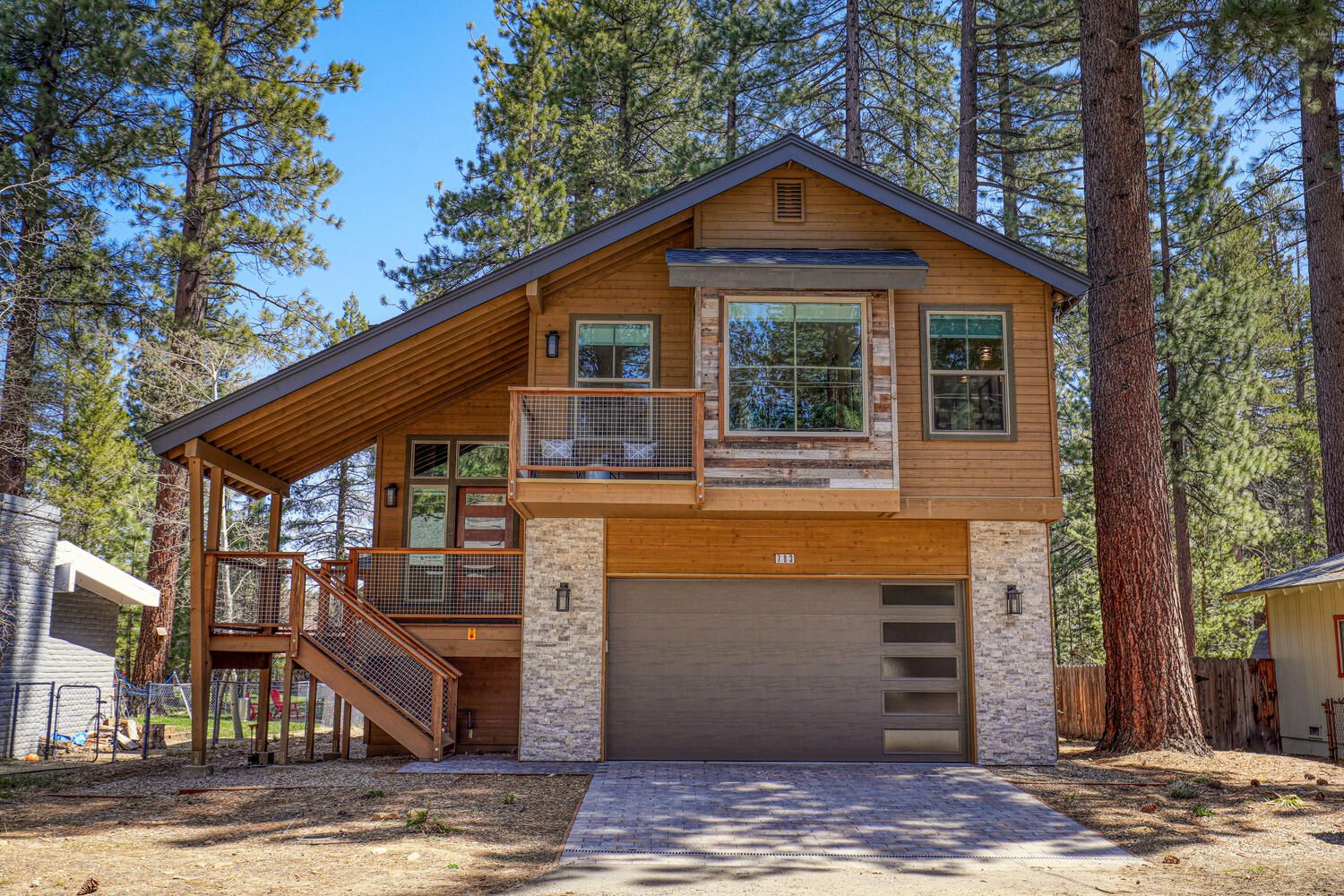
Truckee, the historic railroad town fifteen kilometres (nine miles) north of the lake at 1,795 metres (5,889 feet), functions as the principal year-round service town for the North Lake Tahoe and Olympic Valley markets. Its late-nineteenth-century commercial downtown — brick storefronts along Donner Pass Road, the timber-frame buildings of the historic district, the Truckee Tourism Bureau-supported restaurant scene — gives the town a genuine architectural character that purpose-built resort bases rarely acquire, and the depth of its restaurant calendar (the Moody's Bistro, Bar & Beats and the steady expansion of craft-beer and wine bars around the downtown core) makes it a year-round destination rather than a ski-season appendage. The town is the hub for the prestigious golf communities to the east and north — Martis Camp, Old Greenwood, Gray's Crossing and Schaffer's Mill are among the most exclusive gated communities in the Sierra Nevada, combining championship golf courses with luxury residential lots and homeowner-association amenities — and the Donner Memorial State Park, which marks the site of the 1846 Donner Party crossing of the Sierra Nevada and holds the original Emigrant Trail alongside a museum, is immediately adjacent to the town on the western approach. The Amtrak California Zephyr stops in Truckee on its transcontinental route, making the town accessible by scenic rail from San Francisco's Emeryville station in approximately three and a half hours — an unusual and underused alternative to the Interstate 80 drive.
The buyer mix in Olympic Valley and Truckee is the most ski-specialist of any Tahoe sub-zone — buyers who have deliberately prioritised ski access above lakefront proximity, and whose ownership pattern weights the December through April season heavily. The IKON Pass, which includes unlimited access to Palisades Tahoe and partner resorts across North America and Japan, has given Palisades further reach as a destination resort — buyers from Colorado, British Columbia and Japan now view Palisades as a natural network partner for their broader ski-resort rotation. The luxury golf communities around Truckee attract a tech and finance professional demographic from the Bay Area and from further afield who value the private-community infrastructure alongside the ski access. Temperatures in winter average –4°C to –9°C (mid-teens to high 20s°F) at night, with daytime highs of 0°C to 4°C (low-30s to high-30s°F) and the intense Sierra Nevada sunshine that delivers more blue-sky days per winter than almost any eastern American ski market.
Best for: expert-terrain skiers who want the best single ski area in California on their doorstep; buyers who value the Olympic Valley's singular mountain history and the Truckee town culture equally; families whose primary Tahoe use is the winter ski season with summer hiking and biking as secondary draws; and golf community buyers seeking privacy, luxury amenities and a mountain address with Palisades as the winter anchor.
Nevada Shore: Incline Village and Crystal Bay
The Nevada North Shore — principally the communities of Incline Village and Crystal Bay, straddling the Washoe County–Placer County state line — is the most fiscally distinctive sub-zone of the entire basin, and the one that most consistently draws buyers who are thinking about the tax implications of their second-home address as explicitly as the lifestyle ones. Incline Village is the largest residential community on the Nevada side, a fully built-out second-home and primary-residence town of approximately 9,000 residents at 1,890 metres (6,200 feet), with a substantial proportion of year-round residents who have established Nevada domicile specifically to benefit from the state's income-tax-free regime. The community sits on a gently sloping bench above the lake, with the Diamond Peak Ski Resort immediately above the town — a smaller mountain of 655 acres, better suited to intermediate and family skiing than the major resorts — and two private beaches (the Incline Village Recreation Area beaches) that are available exclusively to Incline Village property owners and their guests, a members-only shoreline access that has no equivalent on the public California side.
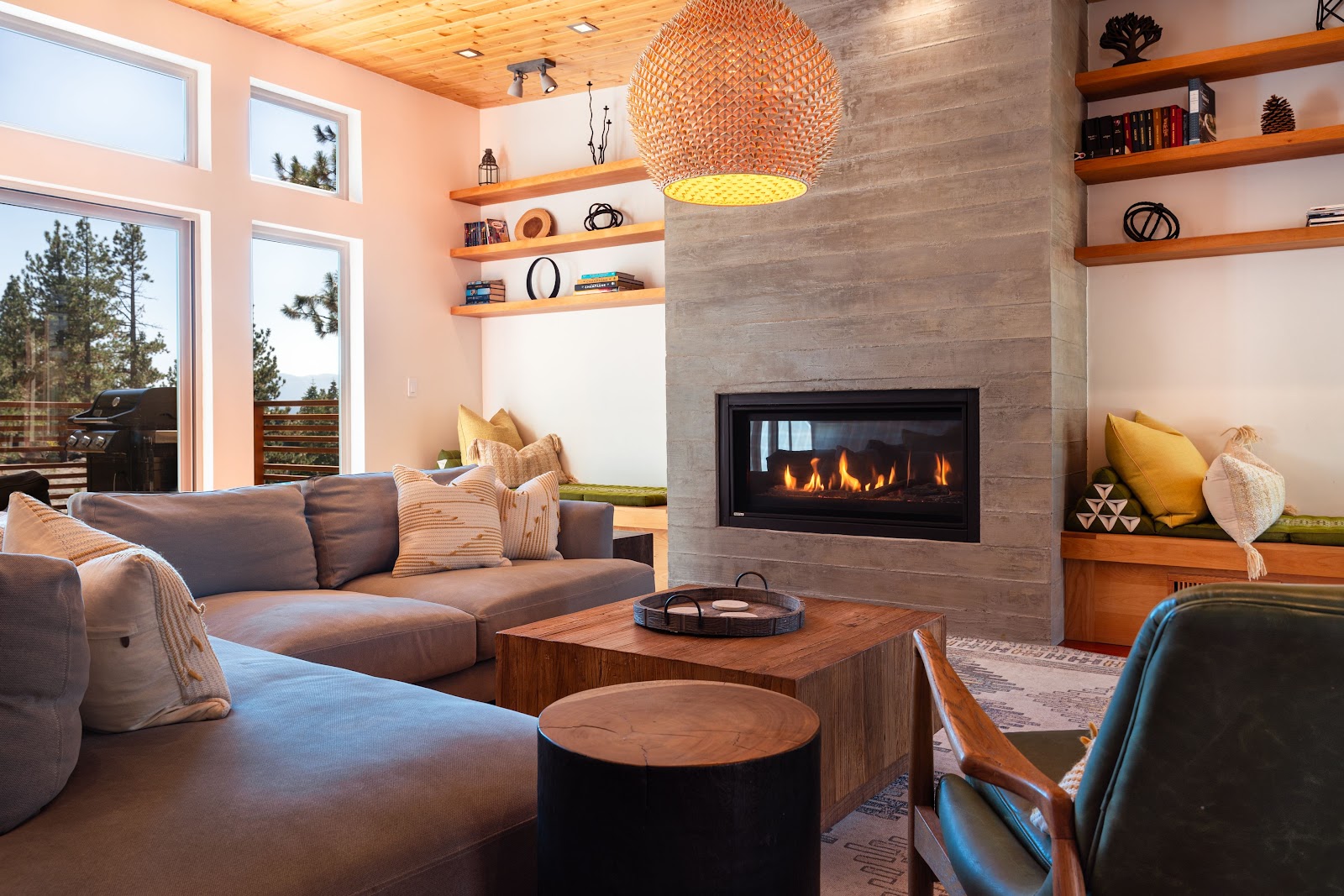
The fiscal argument for Incline Village is significant and has been well-established in practice for decades. Nevada has no state personal income tax — compared with California's top marginal rate of 13.3% — and no state estate tax, no state inheritance tax, and no state gift tax. The Nevada Department of Taxation administers a property-tax system with effective rates among the lowest in the western United States. For a high-income buyer establishing Nevada domicile through an Incline Village property, the cumulative tax differential over a ten-to-twenty-year second-home ownership period can be material; the community has long attracted principals from California's technology, entertainment and finance industries for precisely this reason. A COP fractional share does not itself confer Nevada domicile — that requires a genuine change of primary residence — but a Nevada-side property is the necessary first element of that calculation for buyers for whom it is relevant. Crystal Bay, the small Nevada enclave immediately west of Incline Village on the state line, holds the historic Cal Neva Lodge — the storied casino hotel on the precise state-line boundary, originally built in 1926 and associated with the Rat Pack era of the 1950s–60s — and a cluster of older lakefront properties whose combination of history and North Shore lakefront exposure makes them among the most individually characterful addresses in the basin.
Beyond the fiscal argument, the Nevada North Shore has its own distinct physical character. The Sand Harbor State Park — one of the most photographed beaches in the basin, with its turquoise shallows over white granite boulders and its June-through-August Lake Tahoe Shakespeare Festival performed in an outdoor theatre above the water — sits within Washoe County's shoreline on the Nevada side. The drive along State Route 28 from Sand Harbor north to Incline Village, with the lake on the left and the Sierra Nevada forest rising to the right, is among the most visually dramatic twenty kilometres of lakeside road in North America. The eastern and southern aspects of the Nevada shore receive more direct afternoon sun than the north-facing California West Shore, giving the Nevada lakefront a warmer microclimate through the summer months and a snow-melt that begins earlier in spring. Summer temperatures on the Nevada side average 21–27°C (low-70s to low-80s°F) by day, dropping to 8–12°C (mid-40s to low-50s°F) at night — the same moderate alpine summer climate as the California side, with the slightly lower humidity and clearer air of the Great Basin influence coming in from the Nevada interior.
Best for: high-income buyers for whom Nevada domicile is a relevant consideration; buyers who value private beach access and a quieter, more residential character than the California shore's commercial centres; Silicon Valley and California-based buyers seeking a tax-advantaged Tahoe address as part of a broader fiscal strategy; and couples and families who want the Nevada North Shore's combination of water-access seclusion and proximity to North Shore skiing.
South Lake Tahoe and the West Shore
South Lake Tahoe, the largest city in the basin with a year-round population of approximately 22,000, is the most commercially developed and the most accessible part of the lake from the Southern California and Central Valley drive markets — Sacramento International Airport (SMF) is roughly 140 kilometres (87 miles) and ninety minutes west on US-50, and the San Francisco Bay Area is approximately 290 kilometres (180 miles) and three and a half hours north. The city's defining feature is its position at the foot of Heavenly Mountain Resort — the second-largest ski area at Tahoe, with 4,800 acres straddling the California–Nevada state line and a gondola departing from the centre of the city at 1,906 metres (6,253 feet) and rising to the summit at 3,067 metres (10,067 feet), delivering views over both the lake and the Nevada desert simultaneously from the summit ridge. Heavenly is by raw acreage the largest ski resort in the Lake Tahoe basin, with the widest trail variety of any single mountain in the region, terrain ranging from gentle groomed beginners' slopes above the gondola station to the double-black diamond cliff bands of Mott Canyon on the Nevada side.

The Stateline, Nevada casino corridor immediately adjacent to South Lake Tahoe — the four major casino-resort hotels of Harrah's Lake Tahoe, Harvey's Lake Tahoe, MontBleu and Hard Rock Hotel and Casino Lake Tahoe — gives South Lake Tahoe a live-entertainment and nightlife calendar that has no equivalent on any other alpine lake in North America. The Lake Tahoe Visitors Authority programmes a summer concert series at the Harvey's Outdoor Arena — major touring acts in an open-air venue with the lake backdrop — and the casino restaurants and entertainment venues give South Lake Tahoe a genuine evening culture across all four seasons. The Edgewood Tahoe Golf Course, on the South Shore lakefront, is the most prestigious golf address in the basin — a long-running host of the American Century Championship celebrity golf tournament and a course whose holes run along the lake's southern edge with views across the full length of the water. The Lakeview Commons beach park at the South Shore's lakefront gives the city a public beach and promenade immediately accessible from the resort core.
The West Shore — the less-developed California shoreline running north from South Lake Tahoe through Emerald Bay State Park, Meeks Bay, Homewood and Tahoma to the Tahoe City boundary — is the most tranquil and least commercialised section of the basin, and the one that retains the most of the original cedar-and-pine lakefront character that defined Tahoe's early-twentieth-century resort era. Emerald Bay State Park — the most photographed location on the lake, a protected cove at the southern end of the West Shore whose turquoise shallow water, forested granite islands and the Vikingsholm Scandinavian-style castle (built in 1929 as a summer home) form one of the iconic images of the Sierra Nevada — sits in the heart of the West Shore between South Lake Tahoe and Homewood. The Homewood Mountain Resort, a smaller ski area of 1,260 acres with the most direct ski-to-lake proximity of any Tahoe resort — the lower lifts terminate within sight of the shoreline — preserves the old-Tahoe character of a family ski mountain free of the commercial scale and midwinter crowds of the major resorts. West Shore residential properties tend toward larger, more privately sited lots with primary lakefront positions — the TRPA's strict density limits are most visible on this shore, which has seen minimal new development since the Agency's establishment — and the buyer profile is typically buyers who have known Tahoe for a generation and who deliberately choose the West Shore's quiet over the commercial infrastructure of the North or South Shores.
Best for: South Lake Tahoe — buyers who want the largest ski resort in the basin combined with Nevada entertainment infrastructure and the most accessible South Shore beaches; families and groups who value the gondola's direct city-to-summit connection and the city's year-round service depth. West Shore — buyers who prioritise seclusion, the original cedar-and-granite Tahoe character, and privacy above resort infrastructure; multi-generational families who want the Emerald Bay experience at the end of their driveway and whose Tahoe pattern weights summer and shoulder season equally to winter.
A year in your Lake Tahoe co-ownership home
Spreading owner nights that carry no set cap across the Lake Tahoe year is a more rewarding exercise than at most American second-home destinations, because the basin offers genuinely distinct and high-quality experiences in all four seasons rather than a single dominant season with residual shoulder months. The fair-rotation calendar distributes peak-season weeks equitably across co-owners — no single owner monopolises Christmas skiing or the prime July lake weeks — and owners who use shoulder weeks strategically often report some of their most satisfying Tahoe experiences in May, October and early December, when the mountain and lake are available at full quality with none of the midwinter or midsummer crowd pressure.
Winter (December–March)
The Lake Tahoe ski season typically opens in mid-November at the larger resorts and reaches peak condition from late December through early March. January temperatures at lake level average –3°C to –6°C (mid-20s to low-30s°F) at night and 2–6°C (mid-30s to low-40s°F) during the day, with the distinctive Sierra Nevada sunshine delivering clear skies at a frequency that consistently surprises buyers arriving from the American Midwest or from European mountain markets. The annual snowfall at Palisades Tahoe's upper mountain averages over 11 metres (450 inches) — among the highest in North America — driven by the Pacific moisture systems that track inland across the Sierra Nevada crest, building a snowpack that at its best rivals the quality of Utah's Wasatch. The heavier, denser Sierra cement that characterises storm days quickly consolidates into firm pack and eventually Sierra spring corn — a different texture from Colorado's lighter continental powder, but on storm days the upper mountain accumulations can rival anything in the American West for raw powder depth.
The Christmas and New Year fortnight is the most sought-after peak of the Tahoe winter — the basin filled with Bay Area, Southern California and national domestic visitors, the casino resorts running their full entertainment schedule, and the ski resorts operating at full capacity. Presidents' Day weekend in mid-February is the second undisputed peak — often the single busiest weekend of the year, with all fifteen basin ski resorts at capacity and accommodation in South Lake Tahoe, Incline Village and Truckee booked months ahead. For owners with calendar flexibility, the weeks between New Year and Presidents' Day — roughly mid-January to early February — often deliver the best powder conditions of the winter without the extreme holiday-weekend crowd pressure. The Palisades Tahoe events calendar runs ski competitions, freeride events and music performances through January and February that give the ski-season days an evening dimension beyond the standard après-ski round.
The skiing across the basin's fifteen resorts deserves specific description, because the range of terrain is genuinely unmatched in any other single American market. Palisades Tahoe (2,600 acres, 1960 Olympics host) is the expert-and-advanced benchmark — the KT-22 face, the Headwall chutes and the open Shirley Lake bowl form a collection of technical ski terrain that attracts committed skiers from across the western United States. Heavenly Mountain Resort (4,800 acres) is the terrain leader on raw acreage, its summit delivering views over both California and Nevada simultaneously and its trail mix running from gentle groomed cruisers above the South Shore gondola to the double-black cliffs of Mott Canyon on the Nevada side. Northstar California (3,170 acres, near Truckee) is the family resort — manicured grooming, an extensive beginner programme, a ski-in/ski-out village of restaurants and boutiques at its base that functions as a purpose-built alpine town — and consistently rates among the best-run family ski operations in the United States. Kirkwood Mountain Resort, south of South Lake Tahoe at 2,316 metres (7,600 feet), receives the deepest snowfall of any Tahoe resort — its position at the crest of the Sierra Nevada intercepts Pacific storm systems before they cross the range — and delivers the most technical expert terrain in the basin outside of Palisades. Together these four anchor a ski offering that no other American regional lake market approaches.
Spring (April–May)
Spring at Lake Tahoe is one of the most genuinely underused seasons in the second-home calendar, and one of the most rewarding for owners with flexible schedules. April at Tahoe typically delivers the basin's most pleasant skiing conditions: the snowpack is at its deepest, the crowds of Presidents' Day and spring break have thinned, daytime temperatures on the mountain climb to 5–10°C (low-40s to 50s°F) in direct sunlight, and the intense Sierra spring sun on a well-consolidated April snowpack creates the corn-snow conditions that telemark and freestyle skiers specifically target. The major resorts at Palisades and Heavenly typically remain open through mid-to-late April in a good snow year; Northstar frequently stays open into the third week of April. The spring skiing calendar often delivers its most memorable powder days in the late-March and early-April window, when the Pacific storm track produces heavy spring deposits on a deep base — conditions that the ski press consistently identifies as among the best of the western American season.
The lake itself begins its spring transformation in April. Ice on the high mountain lakes at the basin perimeter clears, snowmelt feeds the Truckee River outlet into a spring flood, and the first kayakers and paddleboarders appear on the southern end of the lake as temperatures climb to 10–13°C (low-50s°F) at lakeside. The Lake Tahoe Bike Loop — the 107-kilometre (67-mile) circuit around the entire lake, one of the most scenic cycling routes in North America — opens for its spring season as the snow clears from the lower-elevation road sections, typically by early May. The wildflower season in the basin runs from late April through June, with the Sierra Nevada meadows at mid-elevation filling with mule's ear sunflowers, lupine, Indian paintbrush and the early displays of corn lily that mark the beginning of the high-alpine wildflower sequence. The Tahoe Rim Trail — the 273-kilometre (170-mile) circuit of the entire basin rim at elevations between 1,900 and 2,900 metres (6,200 and 9,500 feet) — opens section by section through May as the snow clears from the upper elevations. For owners who ski in the morning and hike in the afternoon, a well-timed late-April Tahoe week can deliver both activities in the same day.
Summer (June–September)
Summer is, for a significant share of Tahoe's regular visitor community, the primary season — and the one that Lake Tahoe distinguishes itself most clearly from any other alpine ski destination in the United States. June through early September delivers the lake at its most spectacular: surface temperatures climbing from 15°C (60°F) in early June to 19–21°C (mid-60s to low-70s°F) in late July and August, the clarity of the water at its annual peak, the beaches from Sand Harbor on the Nevada side through Kings Beach and Zephyr Cove to Pope Beach at the South Shore at their most swimmable, and the mountain hiking trail network fully open at all elevations.
The summer water-sports offering is comprehensive and unlike anything available at a conventional ski resort. The lake's extraordinary clarity — underwater visibility measured at 20 metres in optimal conditions by the UC Davis Tahoe Environmental Research Center — makes kayaking, paddleboarding, clear-bottom kayaking tours and open-water swimming experiences that are aesthetically unlike any other American lake destination. Sailing on Lake Tahoe requires skill — afternoon winds of 20–35 knots (Force 5–6) are common in July and August as the lake's thermal gradient drives afternoon breezes — and the Tahoe Yacht Club and Sierra Nevada Boating Association run summer racing calendars that attract competitive sailors from across the western United States. The bass and trout fishing on the lake, supplemented by the fly-fishing on the Truckee River from Tahoe City to Reno — a Gold Medal-designated fishery under the California Department of Fish and Wildlife classification — gives the basin a freshwater fishing calendar that runs from the late-spring season through early November.
The summer cultural calendar in the basin has deepened significantly over the past two decades. The Lake Tahoe Summer Music Festival runs July and August concerts at outdoor venues across the North Shore. The Lake Tahoe Shakespeare Festival at Sand Harbor State Park — an outdoor-theatre Shakespeare programme running since 1972 in one of the most spectacular natural settings for outdoor performance in the United States — fills through July and August with Bay Area and Northern Nevada audiences. The American Century Championship celebrity golf tournament at Edgewood Tahoe in July brings a television and entertainment audience to the South Shore. Daytime temperatures at lake level average 24–28°C (mid-70s to low-80s°F) in July and August, dropping to 10–14°C (50s°F) at night — a summer climate whose coolness relative to California's valley floor temperatures is one of its primary draws for Bay Area buyers seeking escape from the heat that builds in Sacramento, Fresno and the San Jose interior through late summer.
Autumn (September–November)
September and October are, for many experienced Tahoe owners, the finest weeks of the year — a characterisation that surprises first-time visitors who think of the basin as either a ski destination or a July beach resort. September sees the lake at its warmest — surface temperatures holding at 18–20°C (mid-60s°F) through mid-month, the summer crowds thinning from Labour Day weekend onward, the beaches quieter, and the aspen groves on the basin's upper slopes beginning the colour turn that builds through the first weeks of October. The golden aspen displays on the North and West Shore hillsides — most visible on the slopes above Tahoe City, in the Hope Valley south of the basin, and along the Castle Peak ridge above Truckee — are among the most dramatic deciduous autumn-colour events in the Sierra Nevada, running from the upper elevations in mid-September through the lower groves in early October and turning the basin's otherwise conifer-dominated forest a vivid chrome yellow against the granite and pine backdrop.
October brings the first snowfall on the upper mountain — typically the summits of Palisades, Heavenly and the Tahoe crest receive a dusting in the first two weeks of October — and the visual drama of white peaks contrasting with golden aspen groves and the lake's cobalt water is the defining autumn image of the basin. Daytime temperatures at lake level average 14–18°C (low-to-mid-60s°F) in October, cooling to 3–6°C (high-30s to low-40s°F) at night. The basin's hiking and biking trails remain fully accessible through mid-October in a dry year; the Tahoe Rim Trail's best autumn sections are particularly dramatic in the golden-aspen window. The ski resorts begin snowmaking operations in mid-October and push toward opening day — typically in mid-to-late November at the major resorts — and the pre-season energy of a mountain community preparing for winter is itself a distinctive mood that year-round Tahoe visitors come to anticipate.
November, before the ski season begins, is the basin's quietest month — and the one in which the mountains and lake feel most privately owned. The shoulder-season visitor base has cleared; the summer boats are hauled for winter storage; the restaurants shift to off-season hours; and the basin belongs largely to its year-round residents and to the minority of second-home owners who know the value of a mid-November week in the Sierra Nevada with the lake reflecting the first serious snowfall on the peaks above. For owners whose allocation includes a November week, it is typically the one they most want to keep as the year progresses.
Who buys in Lake Tahoe, and why
The Lake Tahoe second-home buyer demographic reflects the basin's unique position as the primary alpine mountain lake market for the western United States' largest and wealthiest metropolitan concentration. The San Francisco Bay Area and Silicon Valley dominate the buyer mix on the California side — technology founders, venture capitalists, senior tech executives, and the broader professional class of the Bay Area's finance, law, medicine and academic communities, for whom Lake Tahoe has functioned as the primary mountain second-home destination since the post-war era. Greater Los Angeles and Southern California buyers represent the second-largest cohort, historically concentrated on the South Shore's more accessible drive market and the Heavenly-adjacent properties, and more recently expanding into the North Shore as direct flights into Reno-Tahoe International (RNO) have made the Nevada side and the North Shore more accessible without the Interstate 80 climb. Sacramento and the Central Valley represent a substantial third domestic cohort, drawn by the relatively short drive and the working-professional demographic that forms the backbone of the South Shore's year-round service economy.
The international buyer mix has diversified substantially over the past decade. British buyers are the most established non-American cohort — drawn by the Palisades Tahoe Olympic heritage, the dollar exchange dynamics that have periodically made California trophy real estate attractive in sterling terms, and a cultural familiarity with ski-resort second homes from the Alps that Tahoe's mountain scale and TRPA scarcity partially replicates. Australian buyers route through Los Angeles and San Francisco and are drawn particularly to the summer season's compatibility with their own Southern Hemisphere winter calendar. German, Swiss and Scandinavian buyers appreciate the combination of powder-snow quality and the formal-but-accessible governance structure — TRPA's published regulatory framework is unusually transparent for an American land-use authority, and European buyers familiar with Swiss or French alpine planning appreciate the clarity of the supply constraint it represents. Canadian buyers from British Columbia and Ontario represent the closest geographic international cohort, often routing directly through Vancouver (YVR) or Toronto Pearson to San Francisco or Reno.
Fractional ownership in Lake Tahoe typically suits:
- Bay Area and Silicon Valley professionals — buyers whose professional base is in the Bay Area or the Sacramento corridor and for whom Tahoe is the natural mountain escape, but for whom the commitment of sole ownership at the premium tier — and the operational overhead of managing a Sierra Nevada property in winter conditions from a primary residence four hours away — makes the professionally managed fractional model the rational alternative.
- Active families with school-age children — the range across the basin's fifteen resorts from Buttermilk-equivalent beginner terrain to the Highlands Bowl-equivalent expert pitches of KT-22 and Mott Canyon means a single basin visit accommodates every ability level, and the summer lake programme gives children a non-ski reason to be enthusiastic about summer weeks. The four-bedroom and five-bedroom lakefront properties that the fractional model makes financially accessible are, for many families, a tier of property that would be out of reach at whole-ownership values.
- Expert-terrain skiers in their 40s and 50s — buyers who have skied Chamonix, Verbier, Jackson Hole and Whistler and want a California mountain that combines Sierra Nevada powder quality with a genuine resort town experience. Palisades Tahoe's KT-22 face and the Headwall chutes represent expert terrain that this cohort specifically travels for.
- Multi-generational families — grandparents, parents, teenagers and young children accommodated in a properly staffed and managed lakefront property, with winter skiing, summer swimming and autumn hiking giving every generation a reason to be there across the full year.
- Nevada tax-strategy buyers — high-income individuals for whom an Incline Village or Crystal Bay fractional share is the first step in a Nevada-domicile strategy. These buyers typically also hold a COP share in a European or other US destination.
- International portfolio builders — buyers already holding a European fractional share (French Alps, Mallorca, Italian Lakes) who want a North American mountain complement.
What unites these otherwise quite different buyer profiles is the underlying calculation: the second-home weeks each of them actually uses at Lake Tahoe in a year fall within the around six weeks a 1/8 share delivers; the operational overhead of running a Sierra Nevada mountain property remotely is real (snow removal, roof and water-system management, wildlife-safe storage protocols, septic and water-system maintenance, TRPA compliance requirements); and the resale liquidity of a professionally managed fractional share is, in our experience, markedly higher than the resale liquidity of a whole Tahoe property at the premium tier. The Lake Tahoe market — with its TRPA-enforced supply constraint — is one where the maths of fractional ownership aligns almost exactly with the use pattern of the buyer.
Practicalities: getting there and what you own
Getting there
Lake Tahoe is served by two airports, supplemented by the Bay Area drive market. Reno-Tahoe International Airport (RNO) — located 60 kilometres (37 miles) east of the North Shore over the Sierra Nevada crest — is the primary air gateway for the North Shore and the Nevada side, with year-round nonstop service from Los Angeles, San Francisco, San Jose, Seattle, Portland, Denver, Dallas, Chicago, Phoenix, Las Vegas, Salt Lake City, Houston and seasonal direct service from several additional domestic hubs during the ski season. Drive time from RNO to Incline Village is approximately 45 minutes on US-395 south and State Route 431 over the Mount Rose Highway; to Tahoe City approximately 55 minutes; to South Lake Tahoe approximately 75 minutes. For international buyers, RNO receives connections through every major western-hub airport: San Francisco (SFO), Los Angeles (LAX), Seattle-Tacoma (SEA), Denver (DEN) and Phoenix (PHX) all have direct RNO service, and transatlantic and transpacific arrivals typically connect through one of these hubs.
Sacramento International Airport (SMF) — approximately 135 kilometres (85 miles) west of South Lake Tahoe on US-50 — serves primarily the South Shore and the Southern California drive market, with drive times of roughly 90 minutes to South Lake Tahoe and 2 hours to Tahoe City or Olympic Valley. SMF holds nonstop service from Los Angeles, Seattle, Portland, Phoenix, Denver, Dallas, Las Vegas and a range of domestic secondary cities, plus international connections through LAX and SFO. For the Bay Area drive market — the largest single feeder for the Tahoe basin — Interstate 80 connects San Francisco and the East Bay to Truckee and the North Shore in approximately 3.5–4 hours (275 kilometres / 170 miles); US-50 connects Sacramento and the Sierra foothills to South Lake Tahoe in approximately 90 minutes; both routes are subject to significant weekend-traffic delays during the peak ski and summer weekends, and the winter I-80 corridor requires snow chains or all-wheel drive in significant storm conditions (the Caltrans QuickMap portal provides real-time chain-control status). The Amtrak California Zephyr stops in Truckee on its San Francisco–Chicago transcontinental route — departing San Francisco's Emeryville station and arriving Truckee approximately 3.5 hours later — and is one of the most scenic train journeys in the western United States, crossing the Sierra Nevada crest through the Donner Pass snowsheds in winter.
Whole home or a share — the comparison that matters
The case for fractional ownership at Lake Tahoe is most clearly visible in the side-by-side comparison against the two alternatives most buyers consider: sole ownership of the same property, and long-term rental. The Lake Tahoe premium market — the lakefront and ski-access tier — operates at property values that make the carrying cost of sole ownership over-proportionate to any reasonable annual-usage plan, and TRPA's permanent supply constraint means that those values have structural support that cycles alone cannot erode.
| Whole second home | COP 1/8 fractional share | Long-term rental | |
|---|---|---|---|
| Upfront commitment | Full property value | ~1/8 of the property value | First/last/deposit only |
| Equity in the asset | Full appreciation | ~1/8 of appreciation | None |
| Personal use | Up to 52 weeks (most Tahoe owners use 5–8) | Around six weeks a year, fairly rotated | Defined by lease |
| Operations burden | Owner-managed or hired staff — significant in Sierra Nevada winter conditions | Fully included | Landlord-managed |
The carrying-cost comparison is where fractional ownership makes its most direct financial argument at Tahoe specifically. A whole-property Tahoe second home — purchased by a buyer who realistically uses it six to eight weeks per year — spends the other forty-four to forty-six weeks generating property taxes (levied by Placer County, El Dorado County or Washoe County depending on the sub-zone), insurance, professional management fees, snow-removal costs (a material and non-negotiable expense on a Sierra Nevada mountain property), water-system and TRPA-compliant septic maintenance, and a maintenance-reserve contribution for the kind of weather-driven capital items that Tahoe properties generate. A fractional owner pays roughly 1/8 of that carrying cost for roughly the same number of weeks of actual use. The corollary — that the whole-property owner who uses their Tahoe home six weeks per year is, for forty-six weeks, paying the full carrying cost of an asset that is sitting empty and generating nothing but expense — becomes more striking the higher up the Tahoe premium-property market you look.
There is a secondary consideration specific to Tahoe's TRPA compliance environment. Under the Tahoe Regional Planning Agency's land-cover regulations, property owners must maintain compliance with site-coverage limits and, in many cases, participate in the Best Management Practices (BMP) programme for stormwater management — an ongoing compliance requirement with inspection obligations that whole-property owners manage independently. A professionally managed fractional share handles all TRPA compliance as part of the management, removing the regulatory burden from the individual owner entirely.
What you actually own
A 1/8 fractional share in a Lake Tahoe co-ownership property is a real share of the home — not a right to use it. You can sell it, pass it on to your heirs, and it grows in value with the house. It gives its holder personal use with no set cap on total nights through a fair-rotation calendar, and resells through our partner's resale process, without you having to sell the whole house. It is not a timeshare use-right, not a points membership, and not a holiday-club subscription.
How fractional ownership works in California and Nevada
California and Nevada both have well-established legal and administrative infrastructure for non-resident second-home ownership, and Lake Tahoe's basin has been operating as an international second-home market long enough that every element of the professional-services ecosystem has deep experience with buyers who do not live in the state. You own a real share of the home — an eighth, a quarter — not a right to use it. You can sell it, pass it on to your heirs, and it grows in value with the house.
What you own: a real share of the Lake Tahoe home
You own a real share of the home — an eighth, a quarter — not a right to use it. You can sell it, pass it on to your heirs, and it grows in value with the house. Big decisions, such as selling the home or major works, are decided together by the co-owners.
Property tax and the dual-state jurisdiction
Property tax treatment differs materially across the state line, and the difference is relevant to buyers choosing between the California and Nevada shores. On the California side, property is assessed under Proposition 13 (1978) — initial assessment is set at the purchase price, with increases capped at 2% per year regardless of market appreciation, until the property is sold or transferred, at which point it reassesses to the new purchase price. For buyers who hold a California Tahoe property for many years, the Proposition 13 protection increasingly insulates the annual property-tax bill from market appreciation — a structural benefit for long-term holders. On the Nevada side, Washoe County assesses residential property at 35% of taxable value, with mill rates among the lowest in the western United States, and no state income, estate or inheritance taxes applying to the property or its proceeds. The property tax is handled by our partner. For buyers who are also interested in establishing Nevada domicile — a separate and personal tax-planning decision that requires genuine change of primary residence — the Incline Village or Crystal Bay fractional property is the necessary first element of the Nevada-side calculation, though specialist US tax advice is essential before any domicile-change strategy is pursued.
TRPA compliance
The Tahoe Regional Planning Agency's Best Management Practices (BMP) programme requires Tahoe Basin property owners to implement and maintain erosion-control and stormwater-management measures at the parcel level. For whole-property owners, this means periodic inspections, documentation, and potential remediation costs that require active management. A professionally managed fractional share handles all TRPA BMP compliance as part of the management — inspections are scheduled, documentation is maintained, and any required remediation is managed by the property team without the individual owner needing to track the regulatory calendar. The practical effect is that the TRPA compliance burden — one of the more administratively demanding aspects of Tahoe property ownership for non-resident buyers — is entirely absorbed within the management service, removing a layer of complexity that whole-property owners navigate year by year.
The professional management model and how the calendar works
Every Lake Tahoe property among the homes we list is professionally managed for its full operating life. The management team handles the full operational stack between owner visits: heating, housekeeping, snow removal and roof-clearance (a non-negotiable Sierra Nevada maintenance requirement at the higher-elevation properties, where roof loads after a heavy storm can exceed design tolerances if not cleared promptly), consumables, maintenance co-ordination, linen, concierge on call during owner stays, and the administrative co-ordination between co-owners on the scheduling front. The fair-rotation calendar allocates weeks by a systematic rotation that ensures every co-owner accesses peak Christmas-New Year weeks, Presidents' Day peak weeks, and shoulder-season lake-and-hiking weeks on an equitable basis over the ownership period. The scheduling protocol is documented by our partner and runs as a managed process; co-owners who wish to swap weeks with each other can do so through the management platform. The result — on the owner's side — is a managed arrival rather than a property-management project: the home is heated, prepared, stocked and cleared of snow, and the management team is reachable if anything arises during the stay.
Resale: how to exit, typical timelines
Resale of a COP fractional share at Lake Tahoe follows a professional process. Shares sell: hundreds of shares in homes like these have already been resold—in just over three months on average, and nearly three in four for more than the owner paid. After a typical first-12-months holding period you set the price, and your co-owners get the first chance to buy. When a co-owner wishes to exit, a professional resale process is available through the team behind each property — the existing wait list of interested buyers, the COP enquiry stream, and the broader California and Nevada fractional-property market all provide routes to a buyer. Resale is handled through our partner's resale process, without you having to sell the whole house — whereas a whole Tahoe property might sit on the open market for six to twenty-four months before completing, particularly at the premium lakefront and ski-access tier where the buyer pool is narrower at any given moment. The carrying costs of holding a whole Tahoe property through a slow open-market sale — months of property taxes, snow-removal, management and TRPA compliance on the full property value — can represent a meaningful fraction of the sale price; a fractional seller paying roughly 1/8 of those costs faces a very different financial calculation. For owners who prefer the open-market route, a share can be listed independently, though the managed process is typically more straightforward.
The full mechanics of fractional ownership across all jurisdictions — usage calendars, exit procedures, rental income treatment, insurance, transfer on death, the relationship with the management company — are covered in our co-ownership explained guide. For specific Lake Tahoe availability, browse the listings in the property grid above, or join our list for new-property alerts as they come to market. Using COP is free for buyers — browse the listings, talk to our team, get tailored regional recommendations — all without any fee or sign-up cost.
Your ownership at a glance
- Real ownership of the home — a real 1/8 share of the home: transferable, inheritable, and it grows in value with the house. Not a timeshare, not a points membership, not a usage right.
- Fully managed throughout — the professional management team handles property taxes, insurance, snow removal, TRPA BMP compliance, maintenance, scheduling, linen and the on-call concierge. You arrive, the property is cleared, heated and ready.
- Professional resale support — when you decide to exit, our partner's resale process is in place, so you can sell your share without having to sell the whole house — whereas whole-property resales typically take six to twenty-four months on the open market at the premium Tahoe tier.
- Designed for international portfolios — many owners combine shares across several COP destinations (a Lake Tahoe ski-and-lake share combined with a European Mediterranean or Alpine share, for example).
Questions & Answers
Lake Tahoe Fractional Ownership — Frequently Asked Questions
Fractional co-ownership in Lake Tahoe gives you a real 1/8 share of a luxury Lake Tahoe property — a lakefront chalet on the Nevada side's Crystal Bay, a ski-in/ski-out home near Heavenly or Northstar, or a contemporary mountain home in Incline Village or Truckee. The legal set-up is arranged by our partner for each home and walked through with you before you buy. Your 1/8 share is genuine property equity — around six weeks at one of America's most iconic natural settings per year, at 1/8 the full purchase cost.
Lake Tahoe is North America's largest alpine lake — 35km long, 19km wide, 1,900 metres above sea level, with water so clear you can see 25 metres to the bottom. The lake straddles the California-Nevada border, meaning properties on the Nevada side (Incline Village, Crystal Bay) have Nevada's zero state income tax advantage while retaining Tahoe's scenery and access. The region offers some of the best skiing in the USA (Heavenly, Northstar, Palisades Tahoe) combined with exceptional summer activities: sailing, kayaking, hiking the Tahoe Rim Trail, and swimming in the clearest natural water in the USA.
Your 1/8 share gives you around six weeks per year across two genuine seasons: ski season (December–April) and summer (June–September). Tahoe's summer is one of its best-kept secrets — warm days (27–32°C / 81–90°F), crystal clear lake swimming, and far fewer visitors than the ski months. The calendar manages peak ski-season and summer allocations through a fair rotating priority system.
Yes — many of our Lake Tahoe properties welcome short-term rental of unused weeks, and it is an easy way to earn from the weeks you are not using. Your unused weeks can be listed on short-term rental platforms, with income paid directly to you after the platform fee — particularly rewarding in high-demand locations.
Each Lake Tahoe property listing shows whether short-term rental is available for that home, in line with local rules.
Lake Tahoe has been one of the West Coast's strongest appreciating resort markets, driven by Silicon Valley and Bay Area wealth seeking mountain retreats (2.5-hour drive from San Francisco), the migration of remote workers to mountain communities during and after the pandemic, and the Nevada side's tax advantages. TRPA (Tahoe Regional Planning Agency) environmental protections permanently constrain new development, creating structural supply limitations.
Selling is simple. When you decide to move on, your Lake Tahoe fractional share is marketed to buyers already looking for fractional co-ownership.
Our partner's resale process handles the sale for you, so you sell your share without the whole house having to be sold. After a typical first-12-months holding period you can sell whenever you choose, at the price you set — your co-owners get the first chance to buy. Hundreds of shares in homes like these have already been resold — in just over three months on average, and nearly three in four for more than the owner paid.
Browse COP's Lake Tahoe listings and submit an enquiry.
Also Explore
Get in Touch
Speak to an expert
Tell us what you're looking for and we'll be in touch.