Italian Lakes · Italy · Europe
Fractional Ownership & Co-Ownership on the Italian Lakes
From a Belle Époque villa above Menaggio on Lake Como to a Stresa palazzo facing the Borromean Islands on Lago Maggiore — fractional ownership on the Italian Lakes means a real share of one of Europe's most established lake-house markets, around six weeks of personal use a year, and a fully managed second home that is ready the day the spring lakefront season opens. Whether you call it fractional ownership or co-ownership, you own a real share of the home.
19 properties · from €119,000
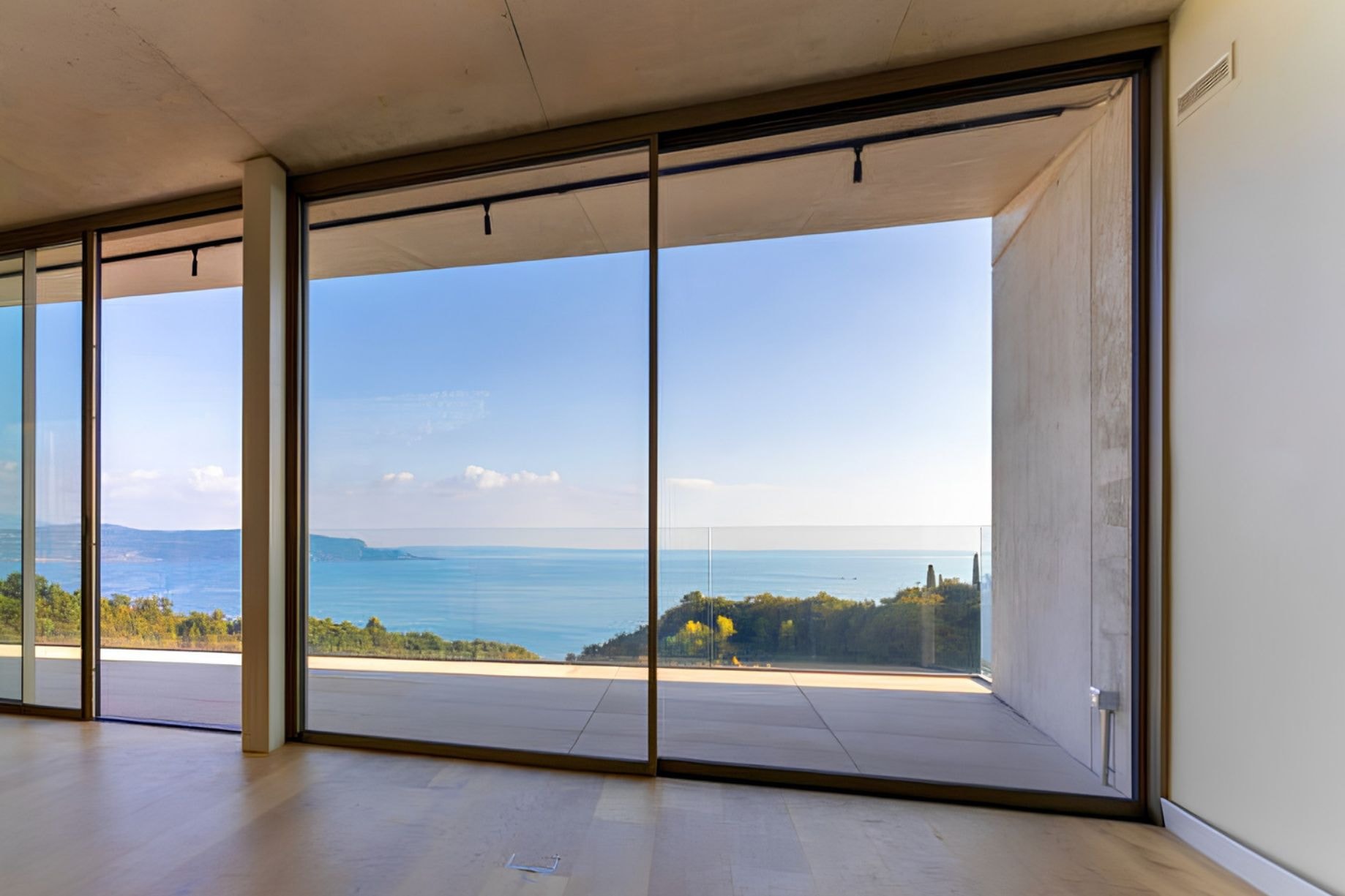
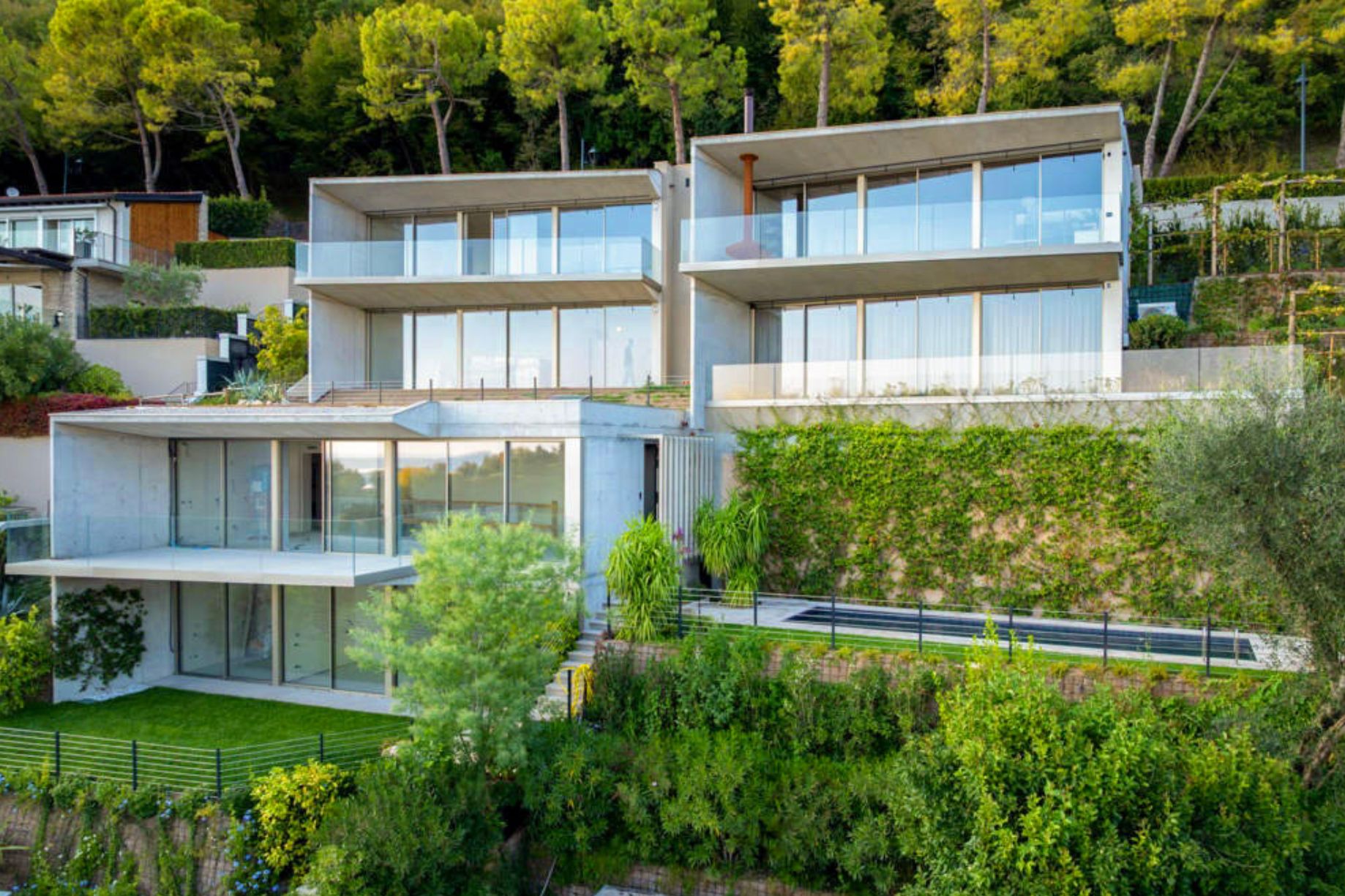
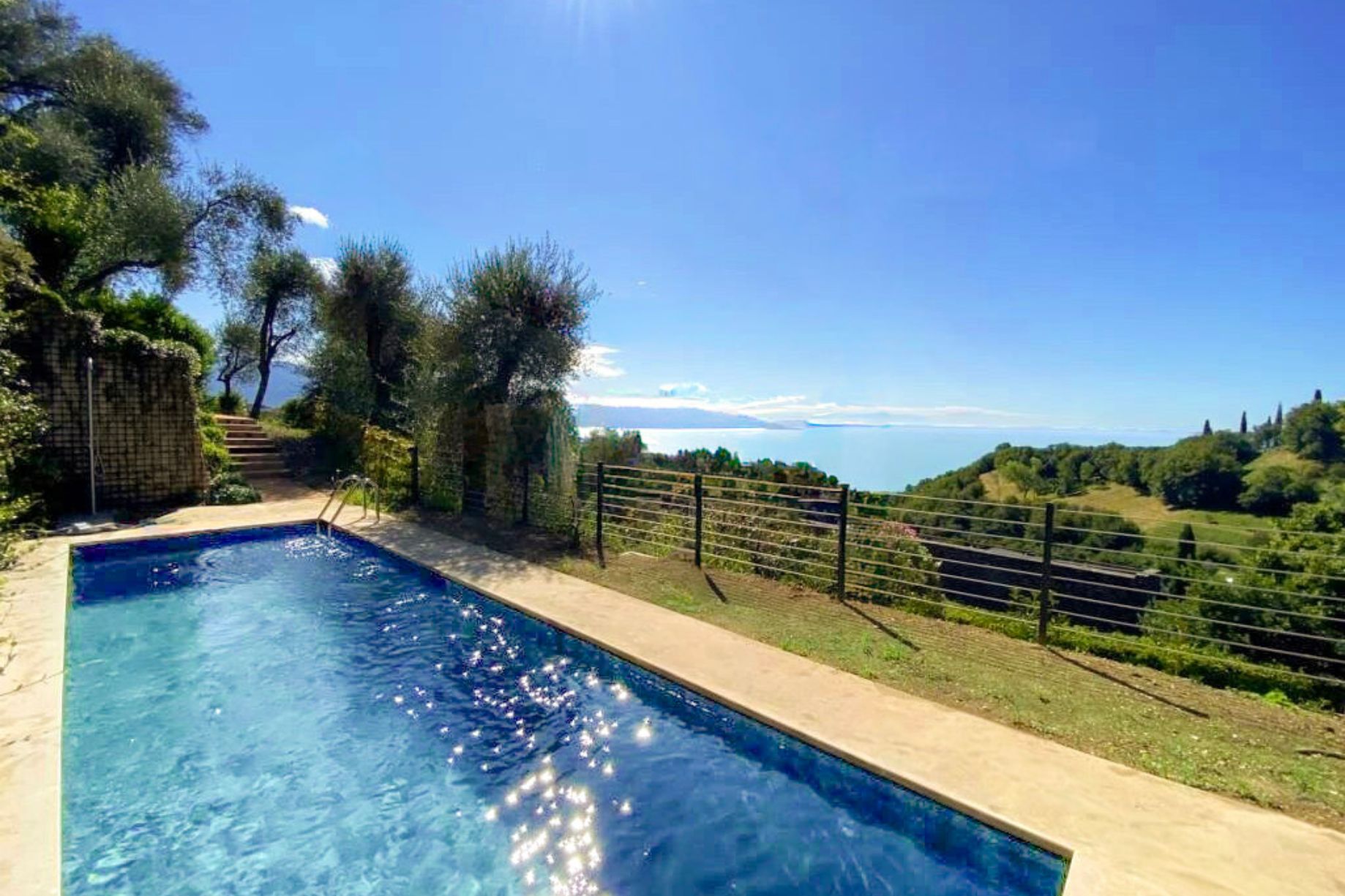
Toscolano-Maderno, Lake Garda, Italy — 3-Bed Maisonette With Panoramic Lake Views
€299,000
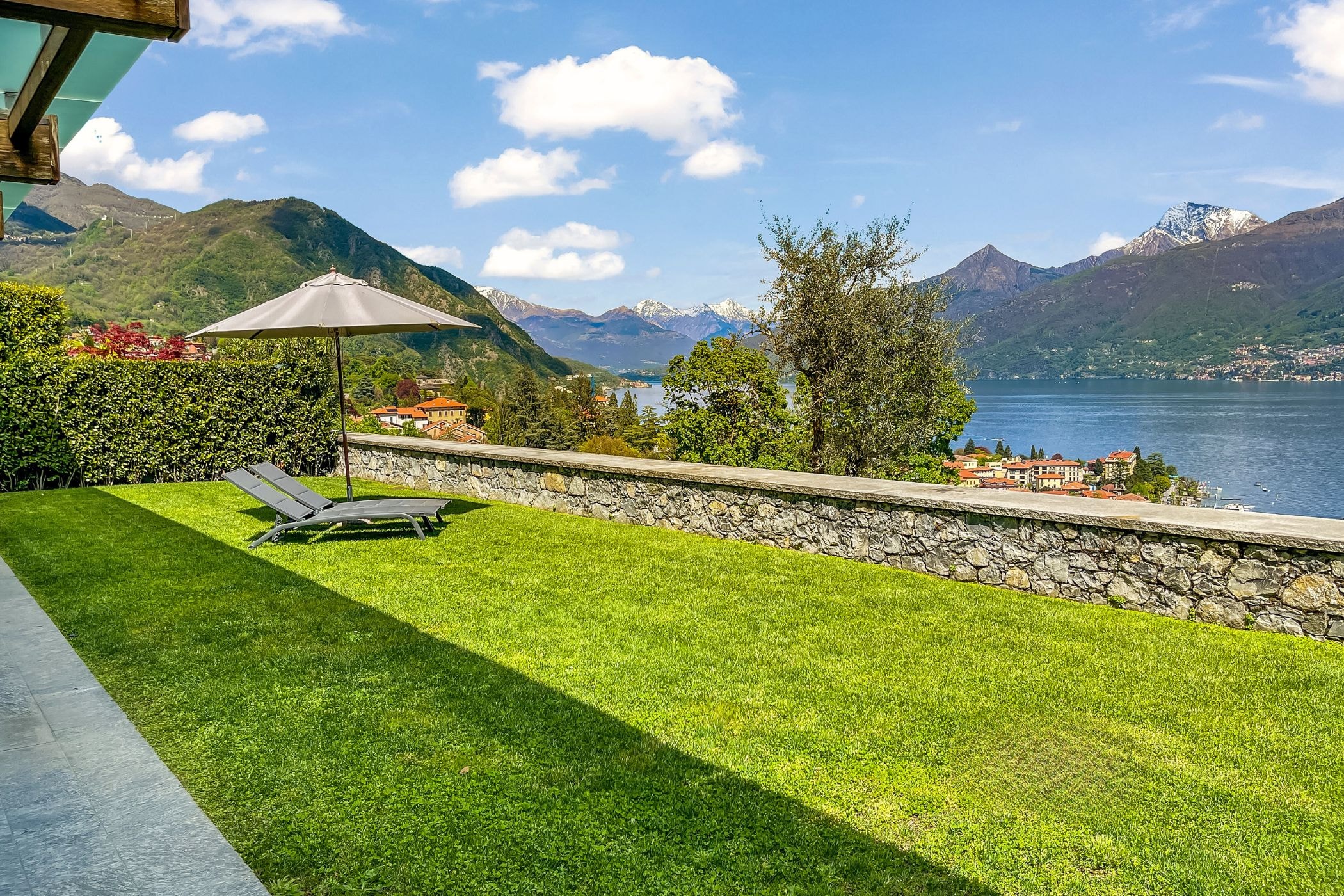
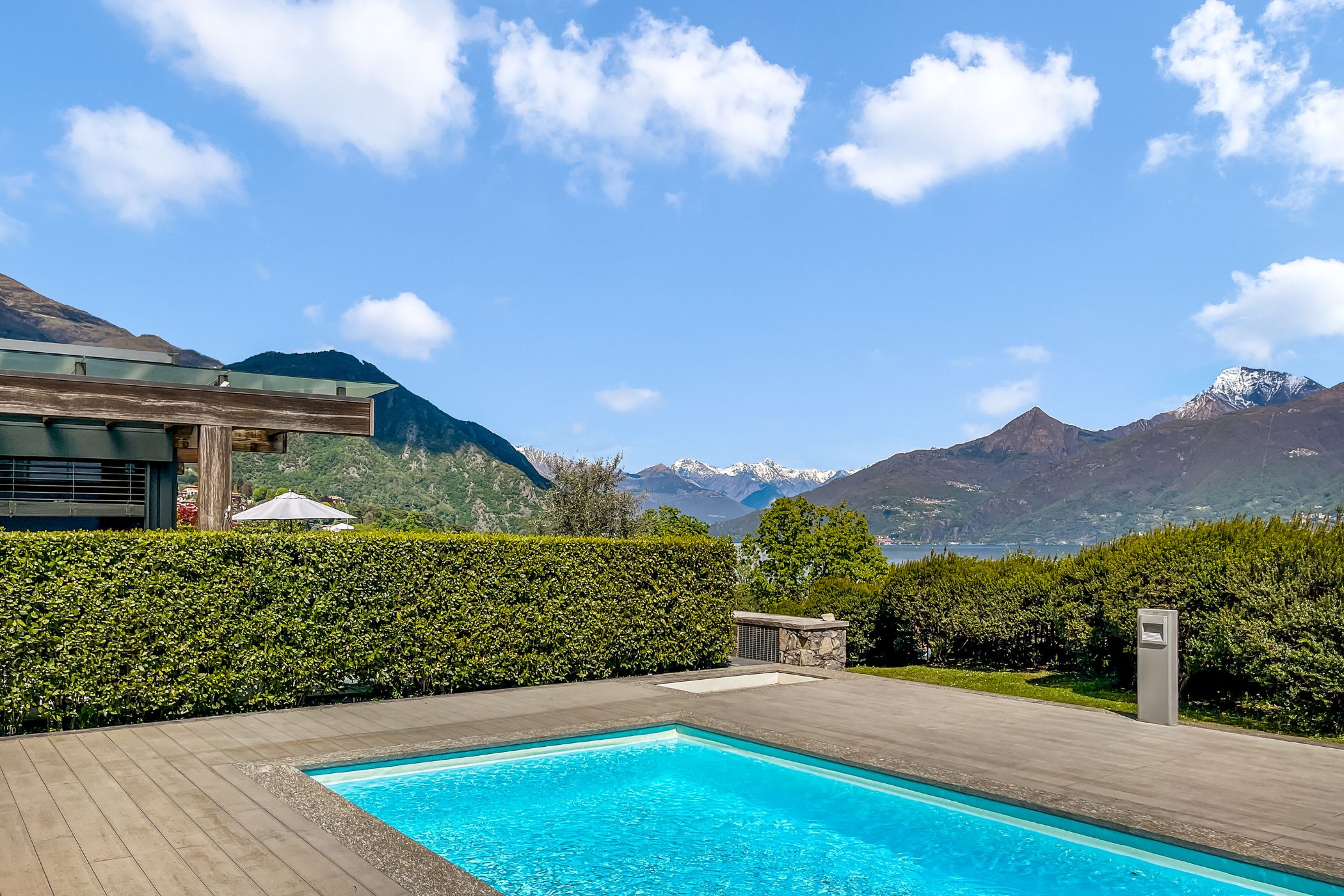
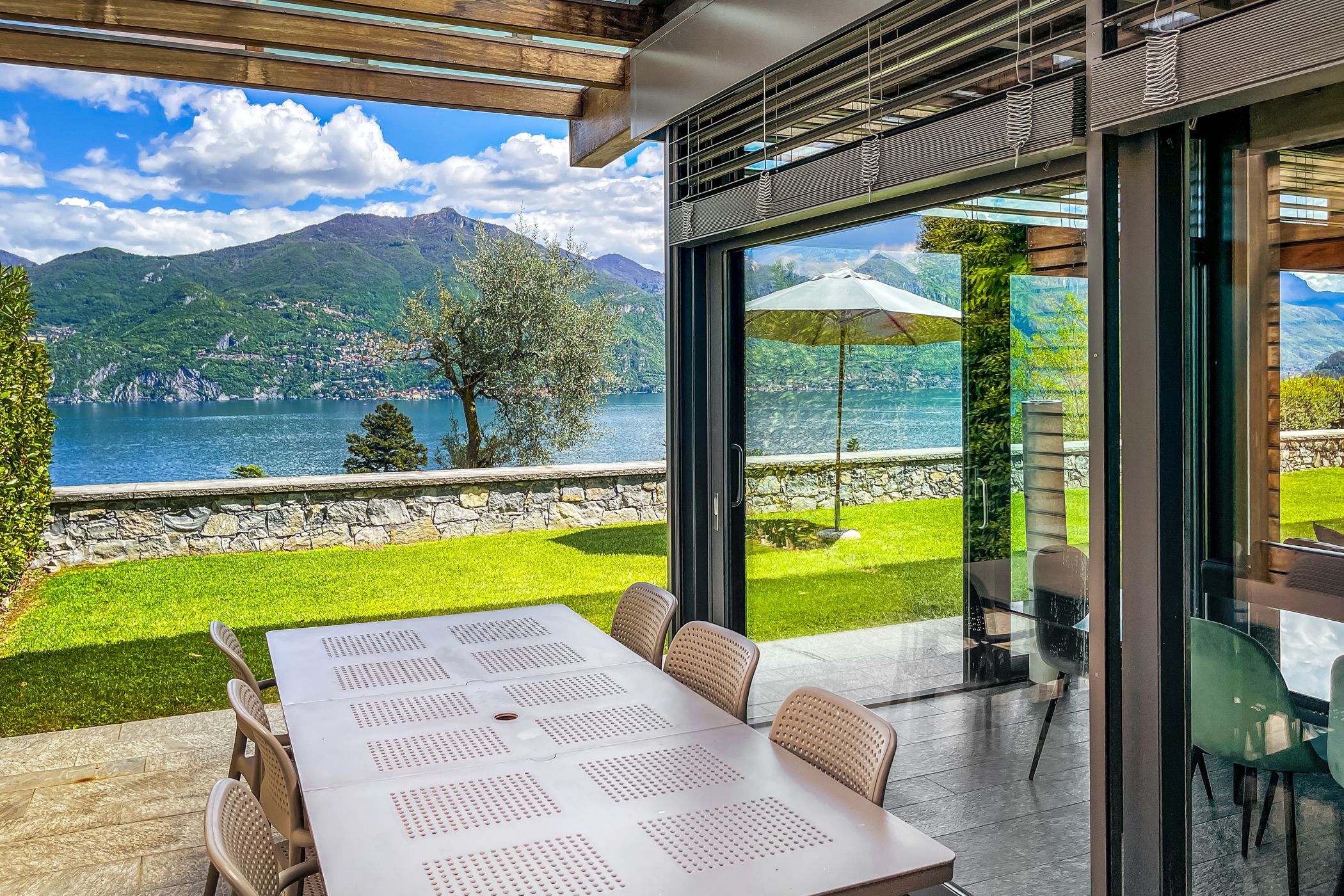
Menaggio, Lake Como, Italy — 2-Bed Apartment With Pool
€299,000
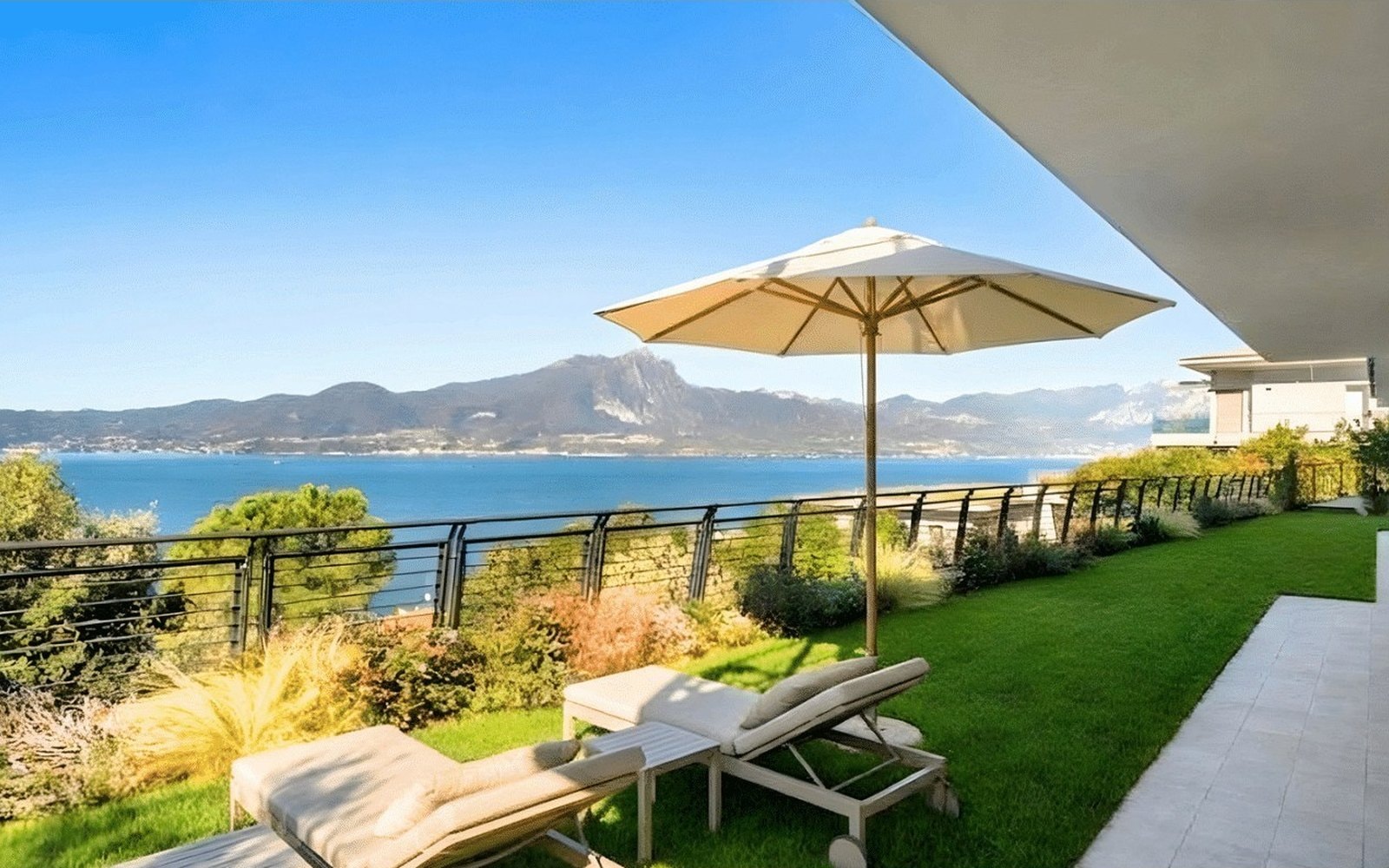
Torri del Benaco, Lake Garda, Italy — 2-Bed Private Residence
€259,000
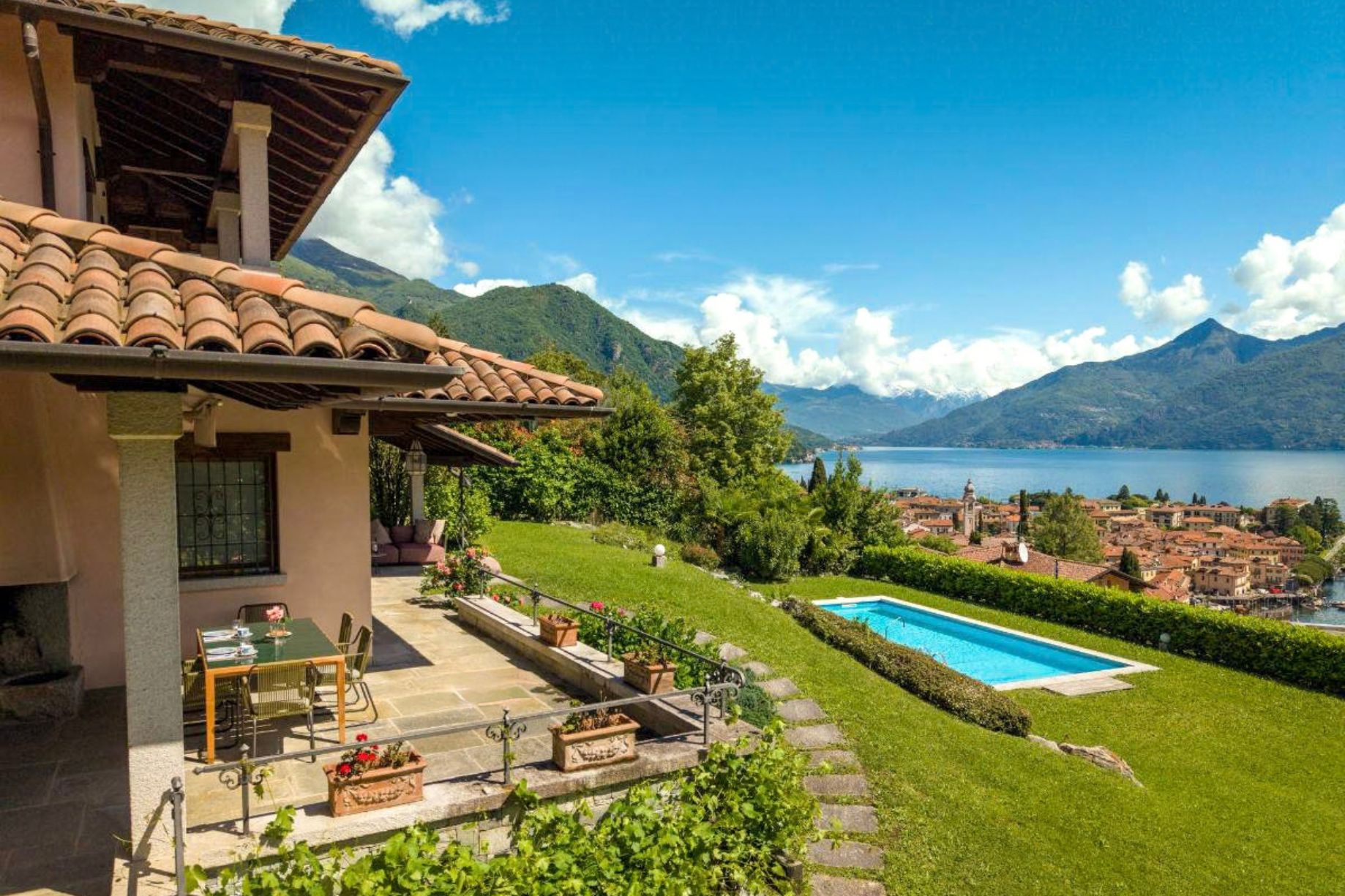
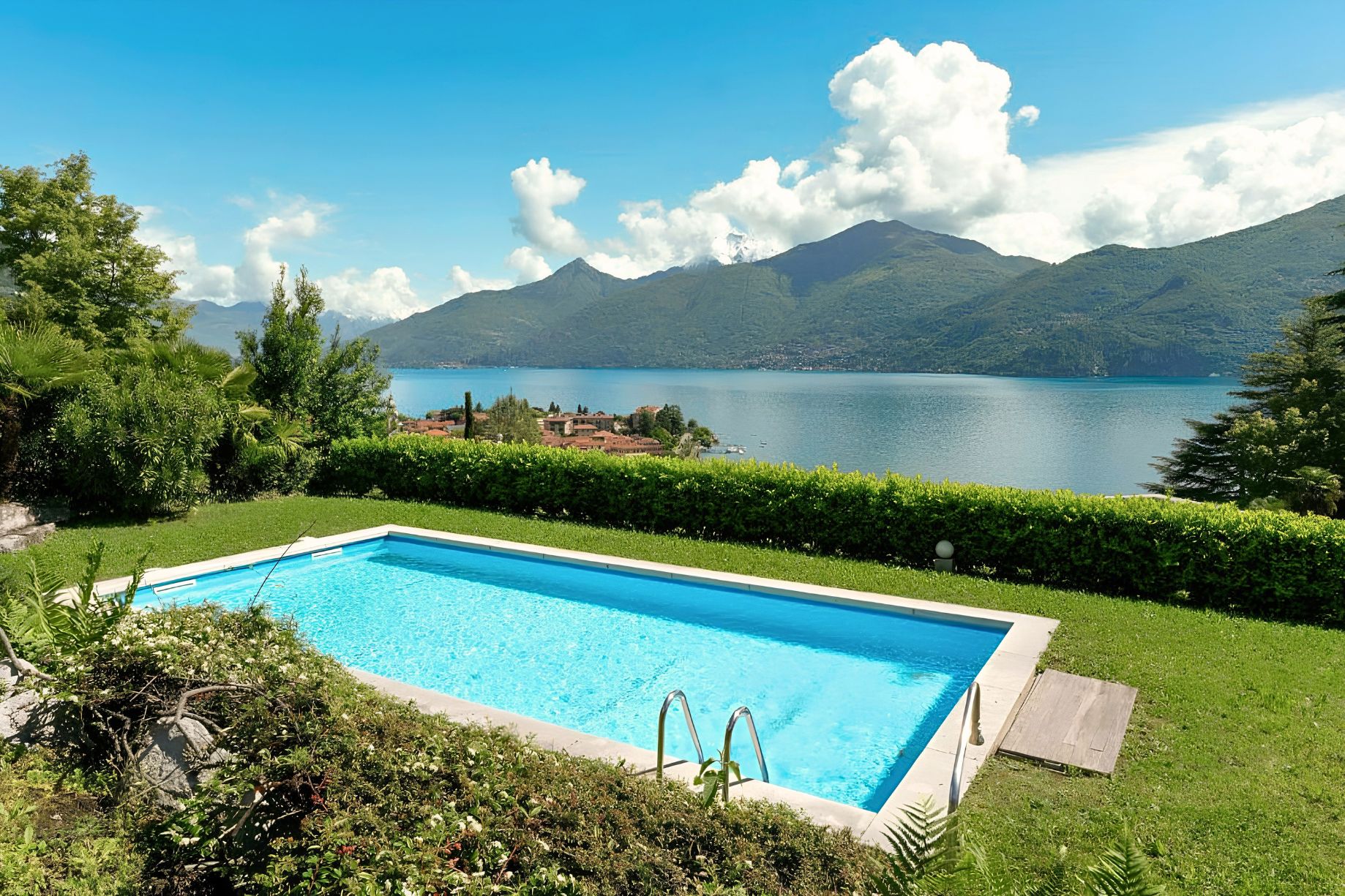
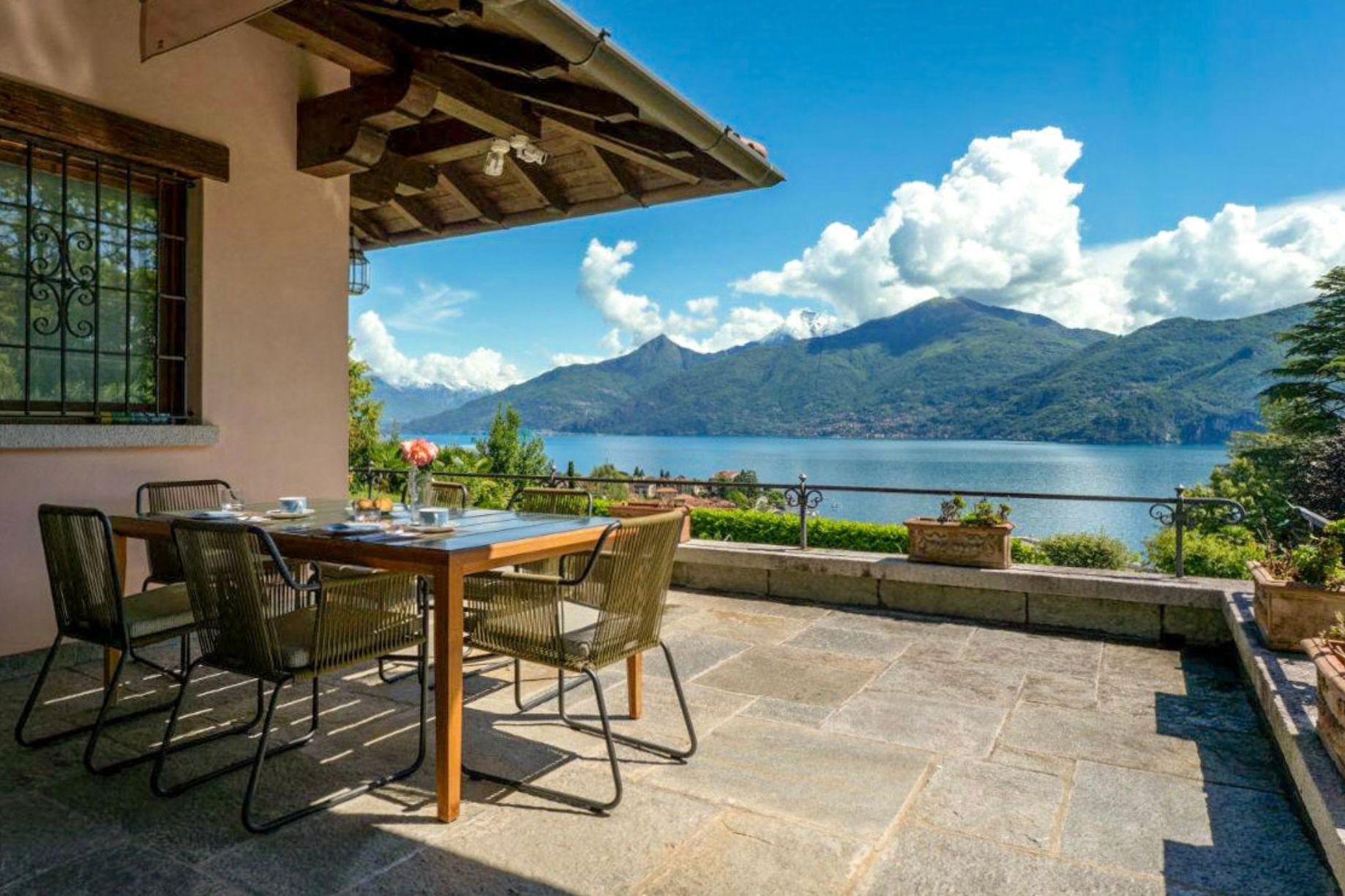
Menaggio, Lake Como, Italy — 3-Bed Villa With Panoramic Lake Views & Heated Pool
€499,000
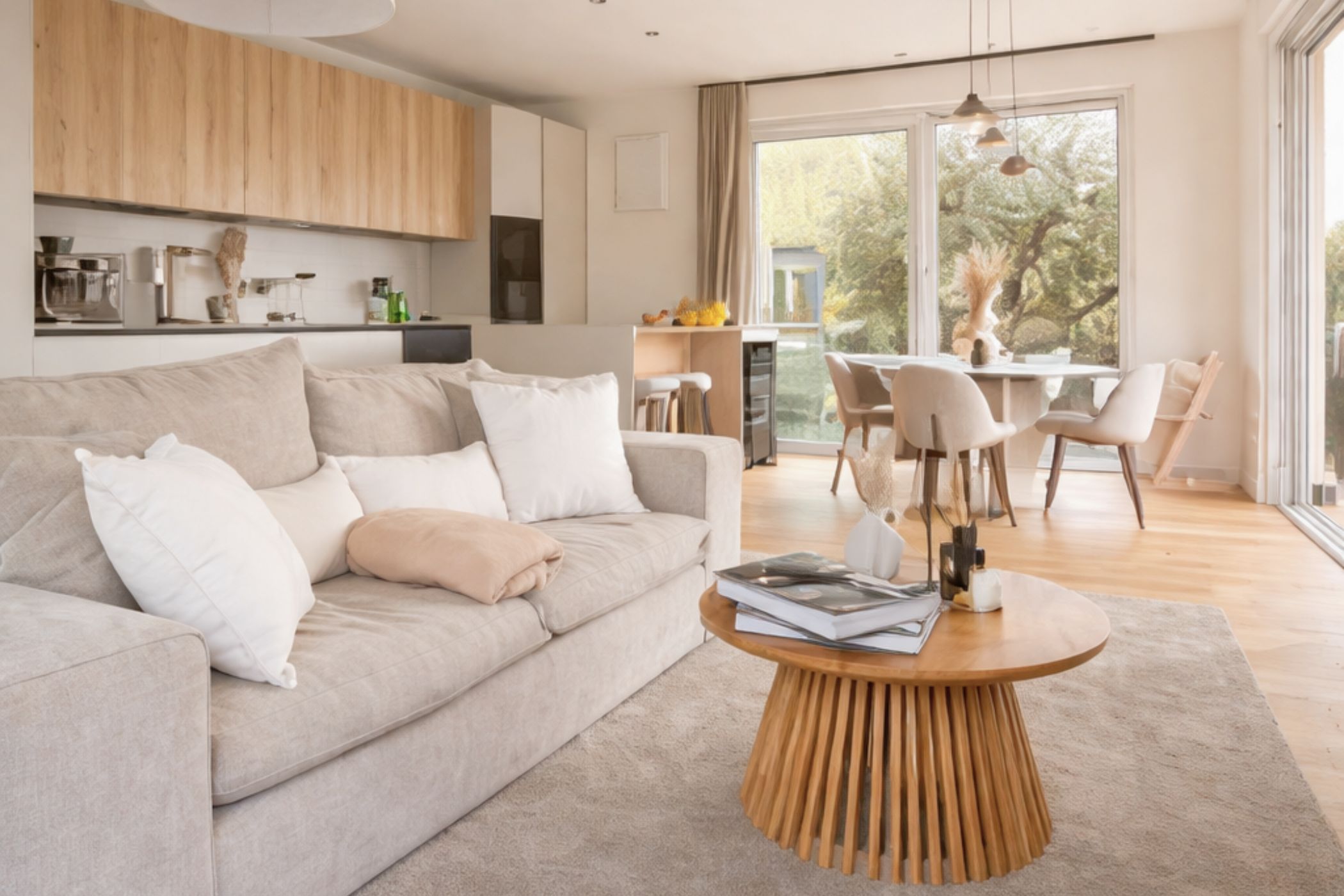
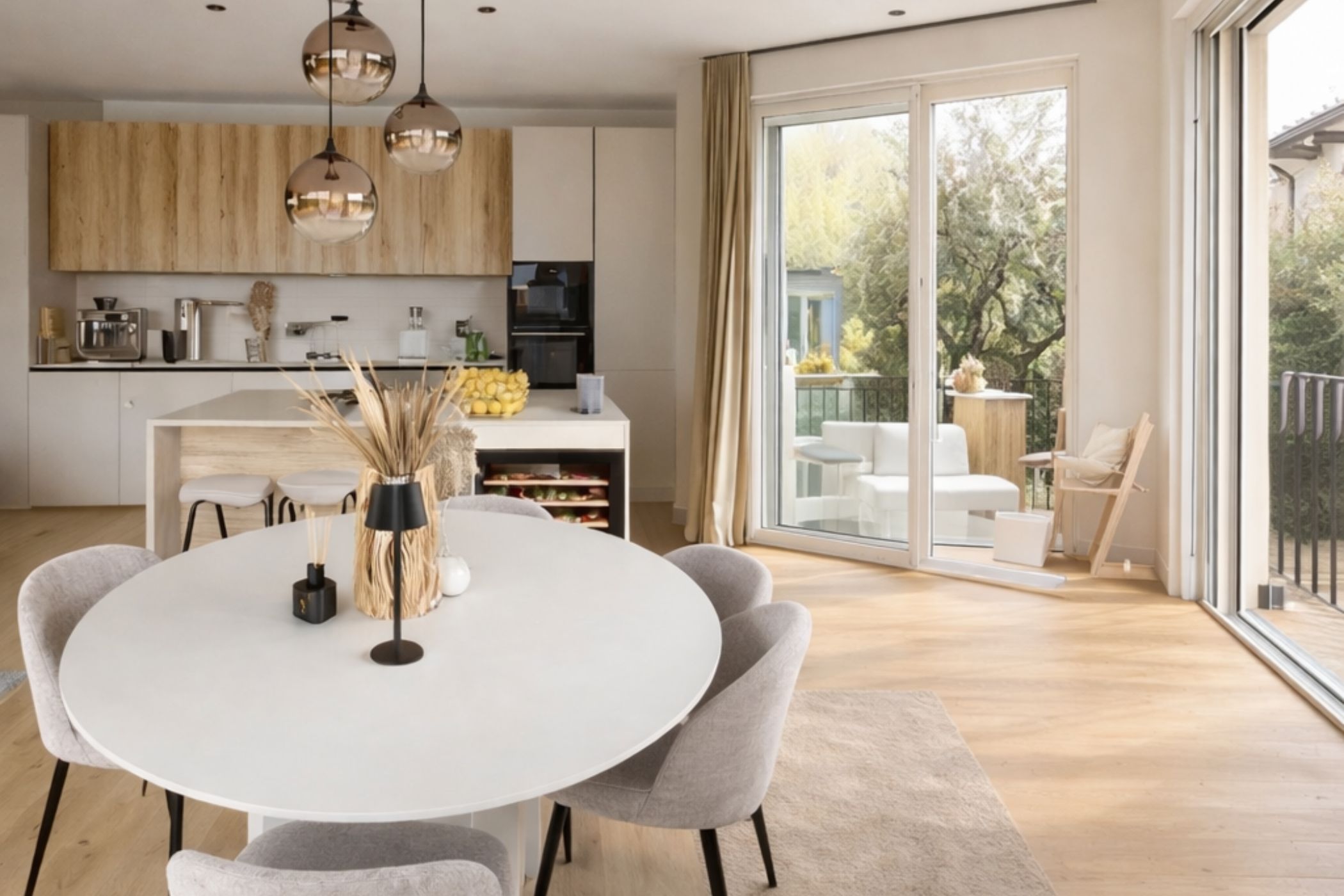
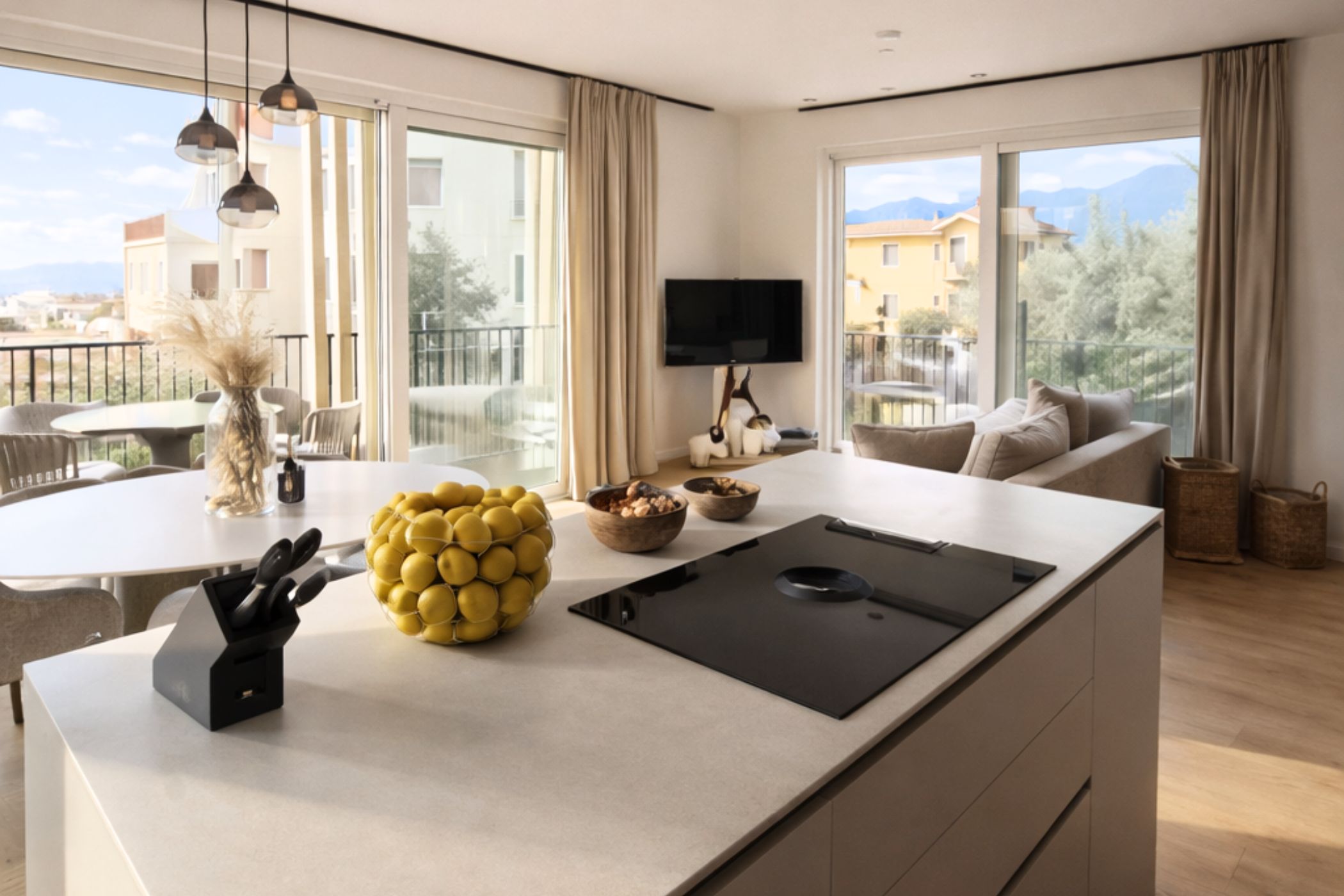
Torri del Benaco, Lake Garda, Italy — 2-Bed Apartment With Pool
€159,000
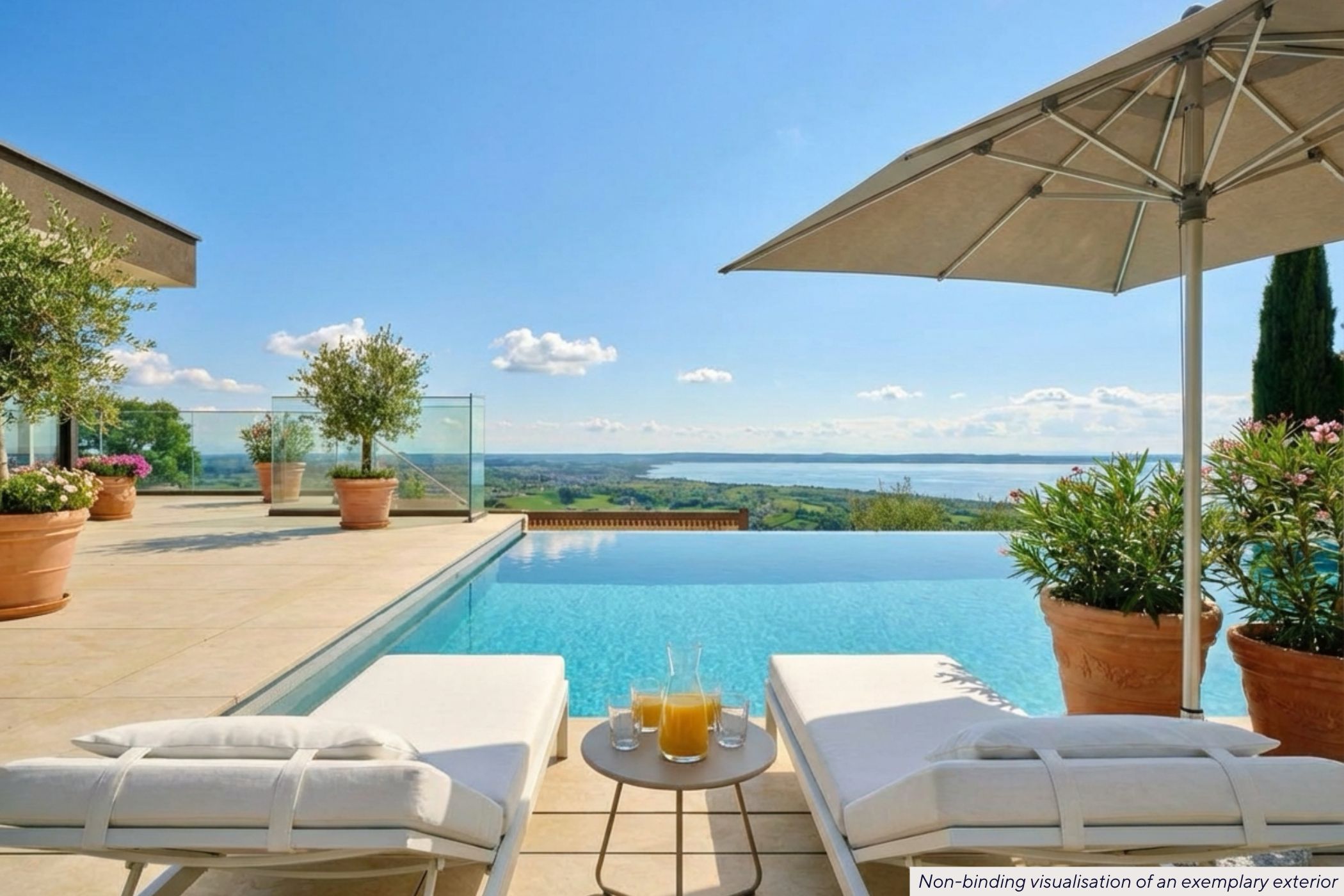
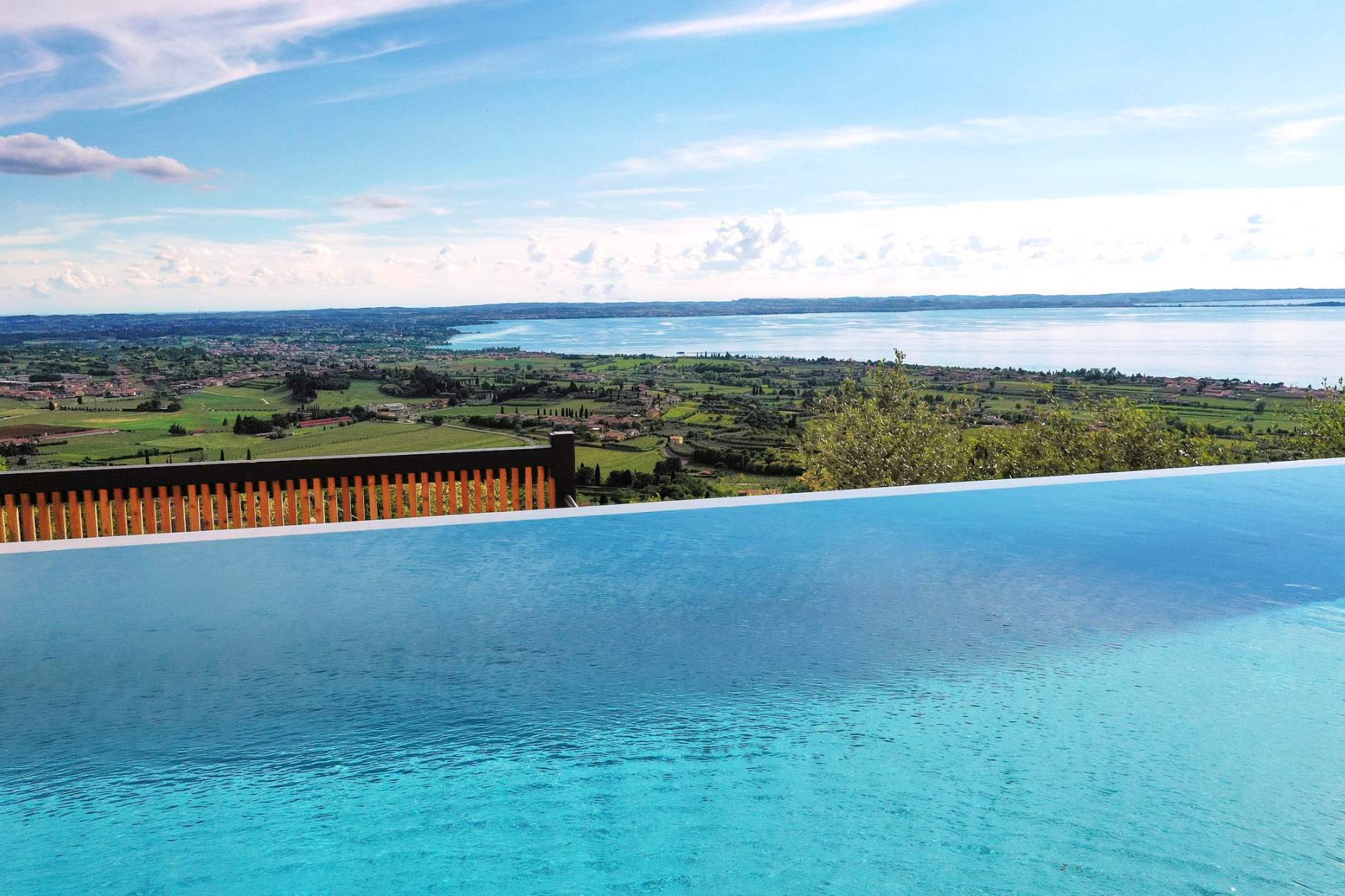
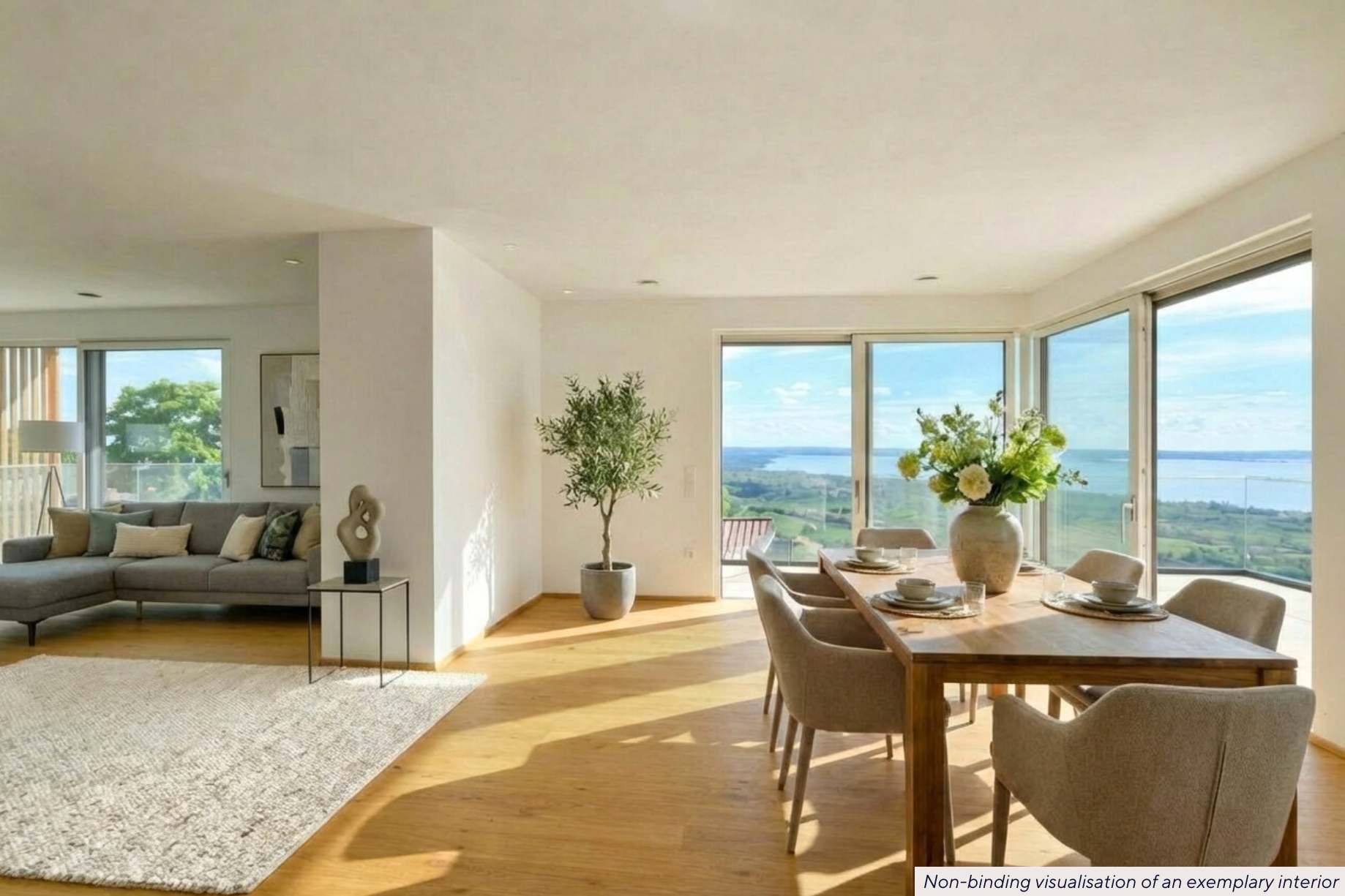
Cavaion Veronese, Lake Garda, Italy — 3-Bed Apartment With Infinity Pool
€369,000
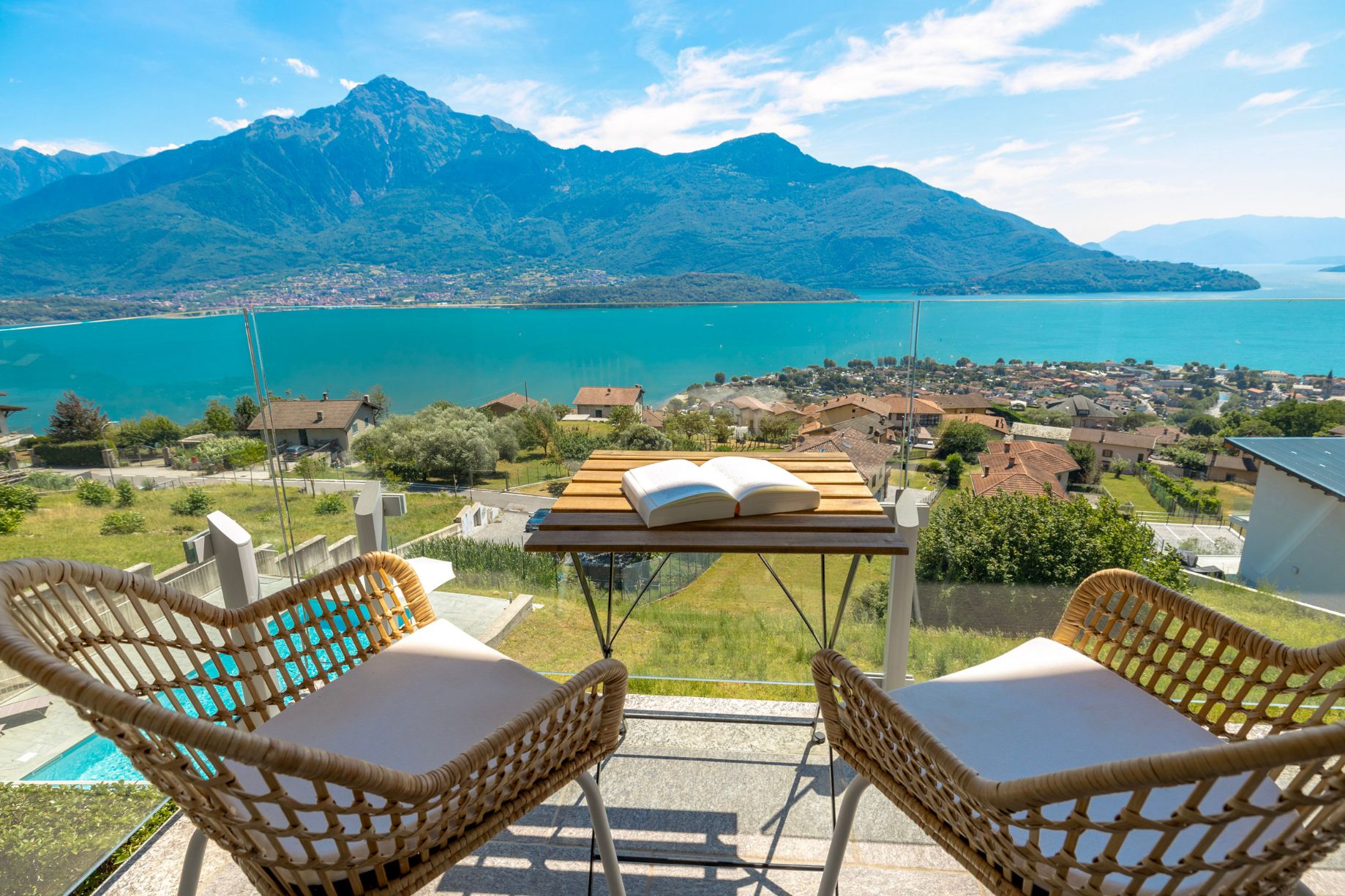
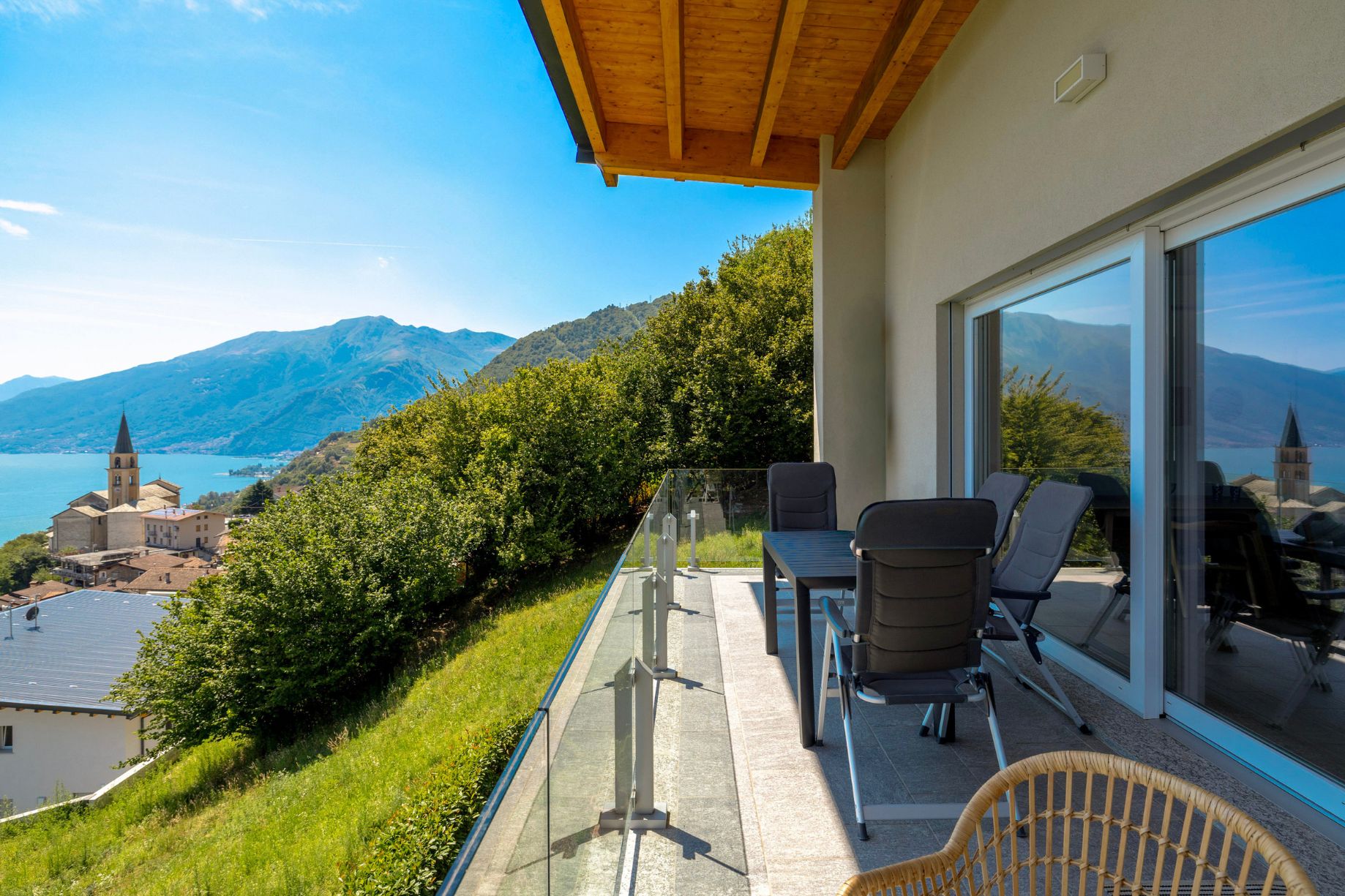
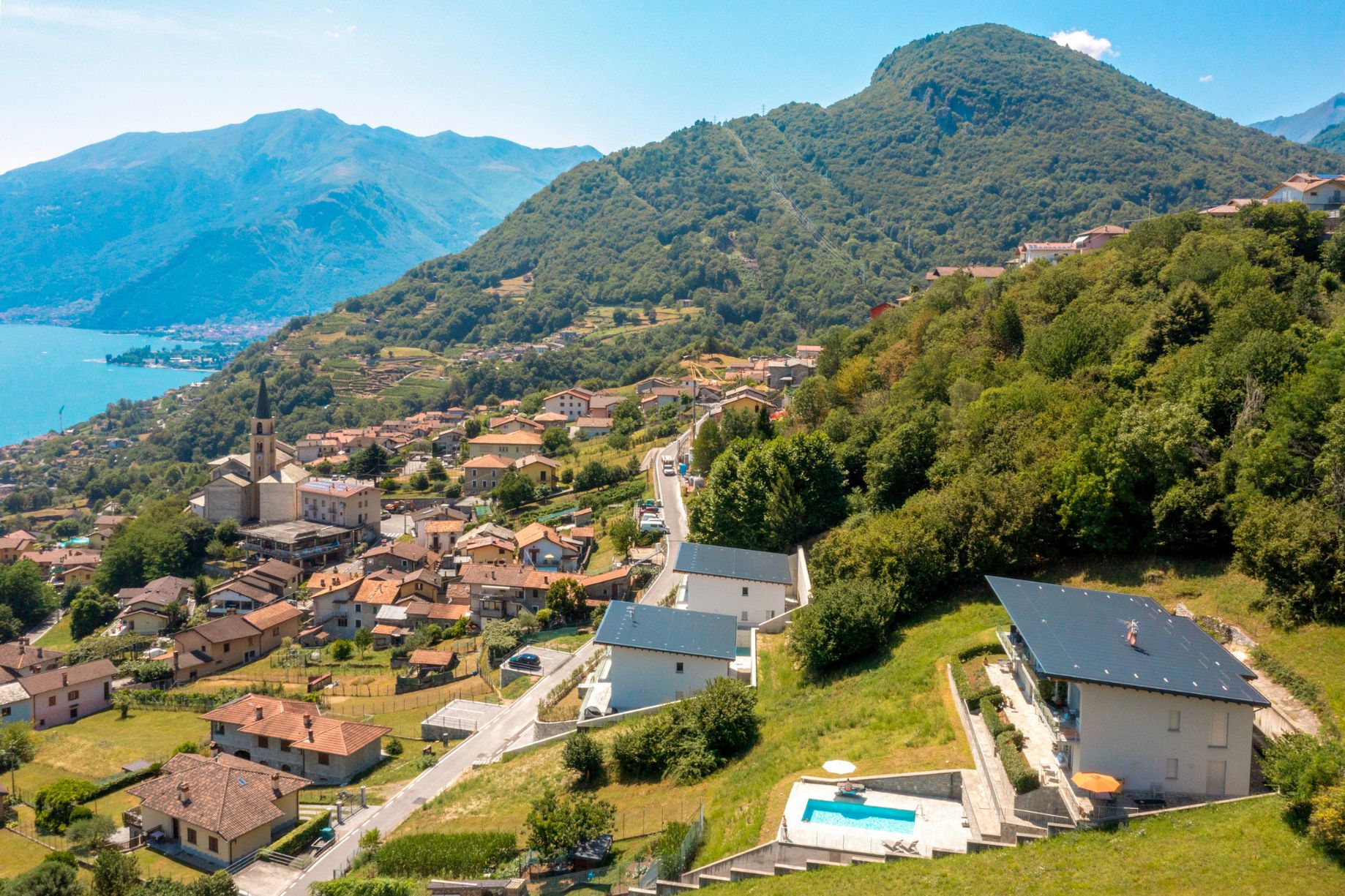
Vercana, Lake Como, Italy — 2-Bed Apartment With Panoramic Lake Views & Pool
€119,000
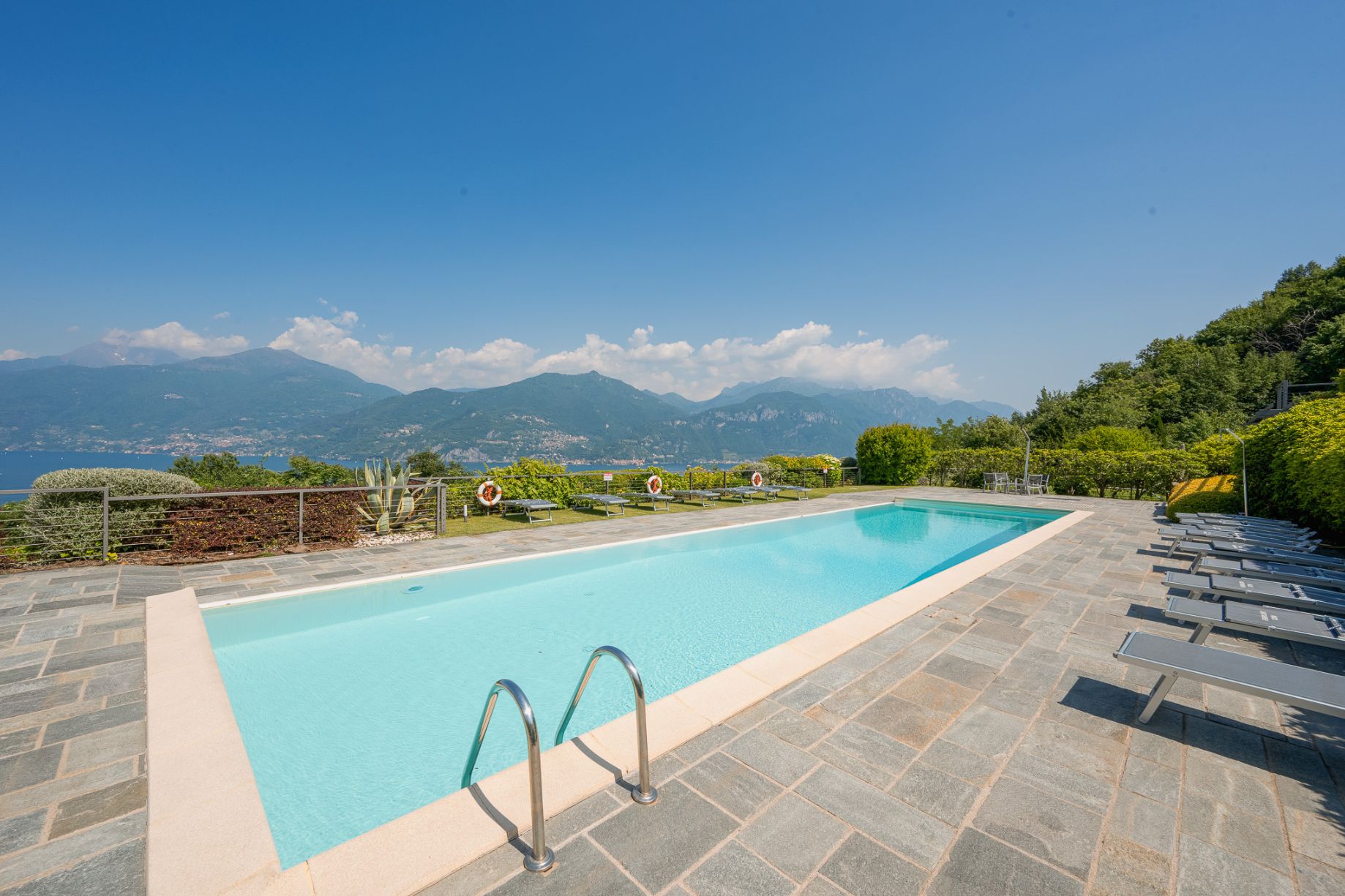
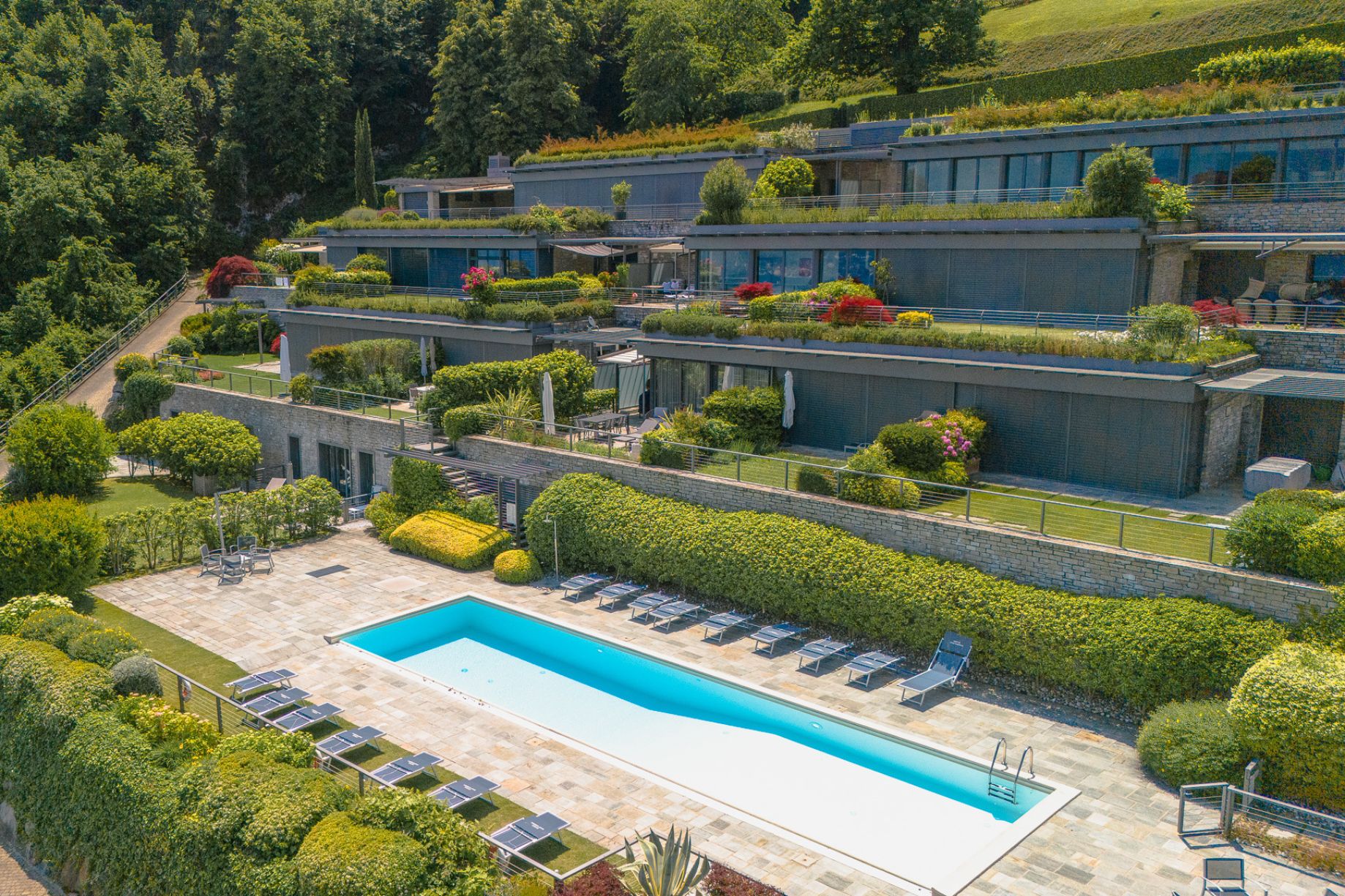
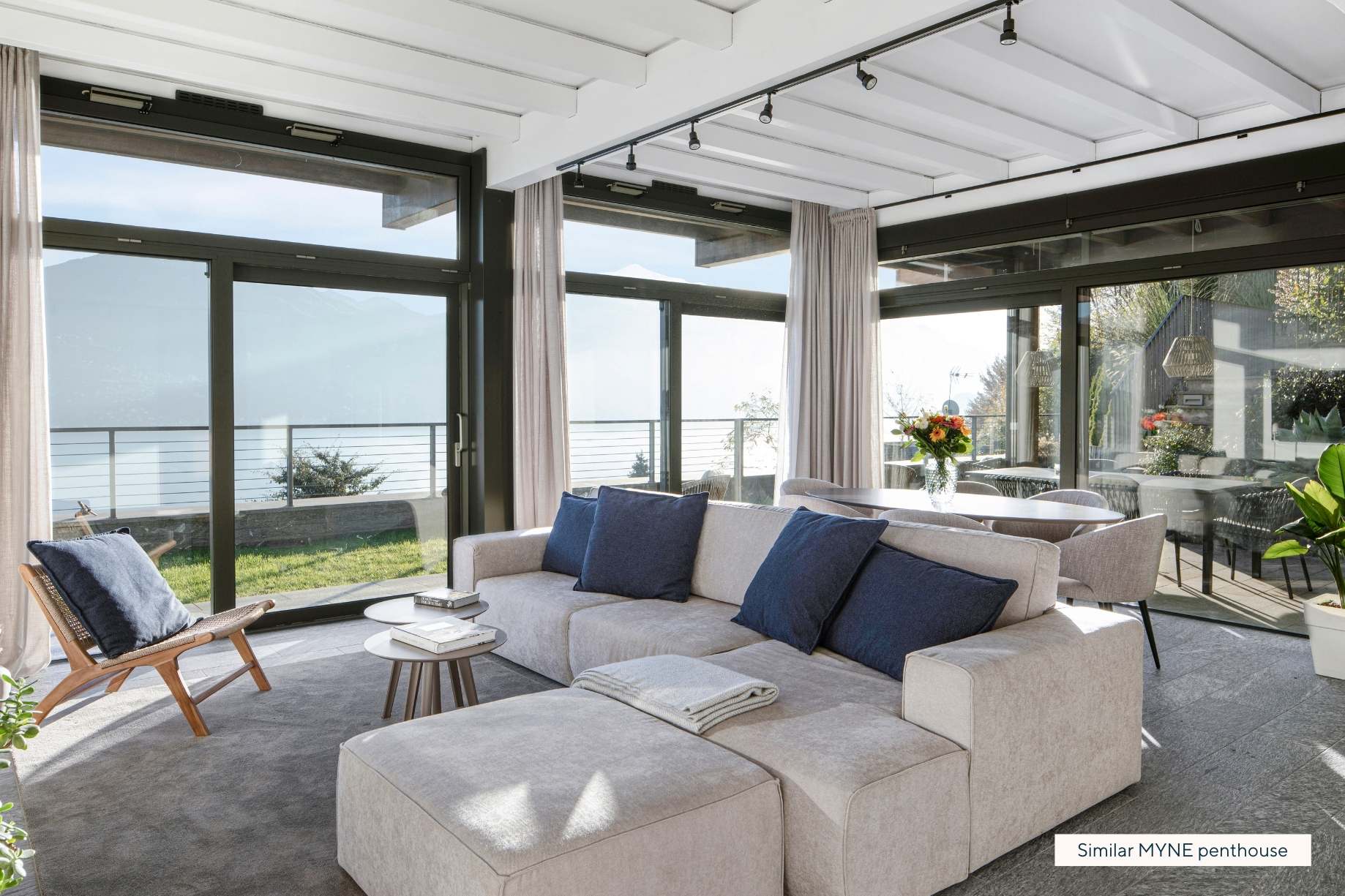
Menaggio, Lake Como, Italy — 3-Bed Penthouse With Roof Terrace, Lake Views & Sauna
€339,000
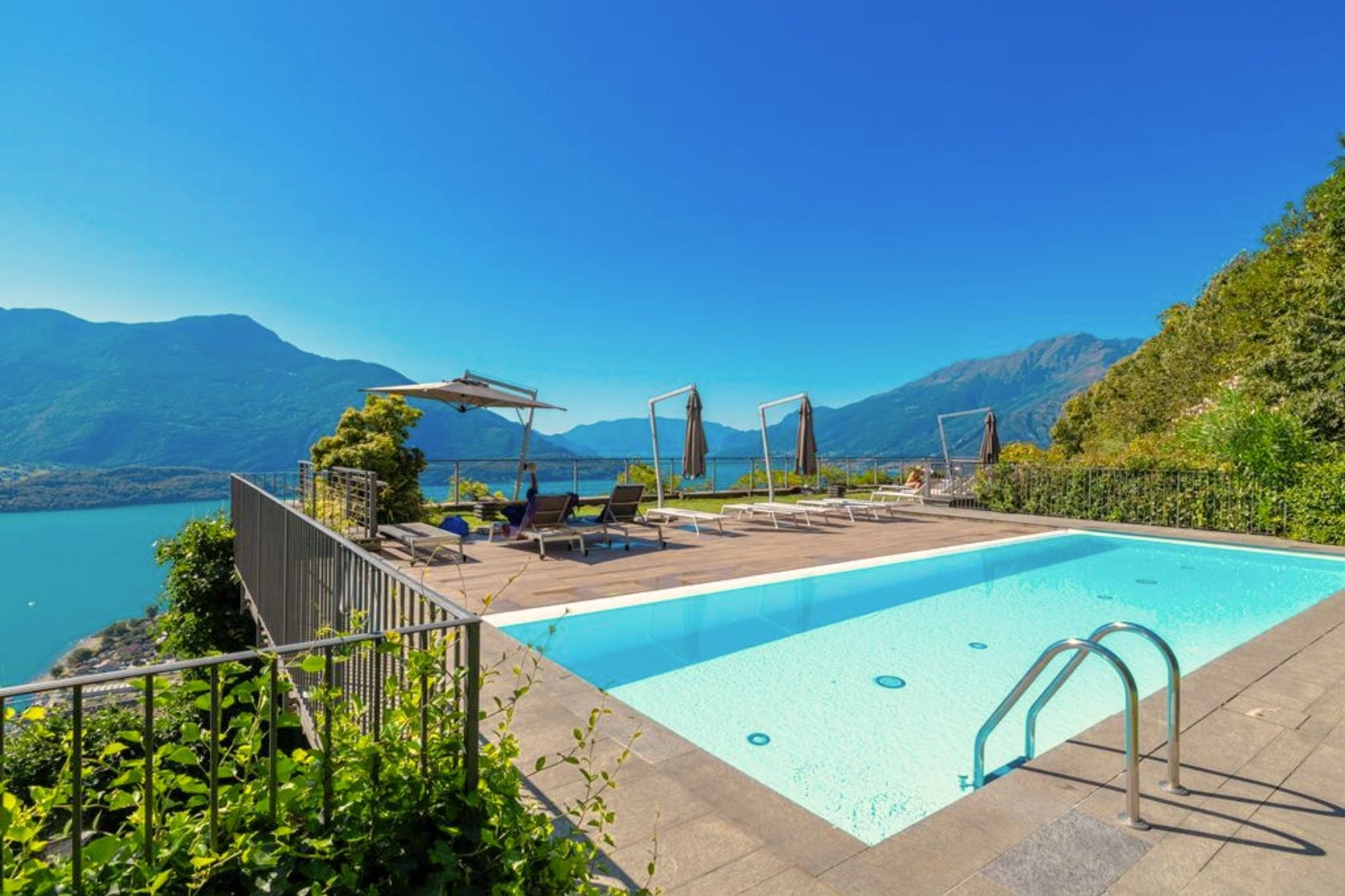
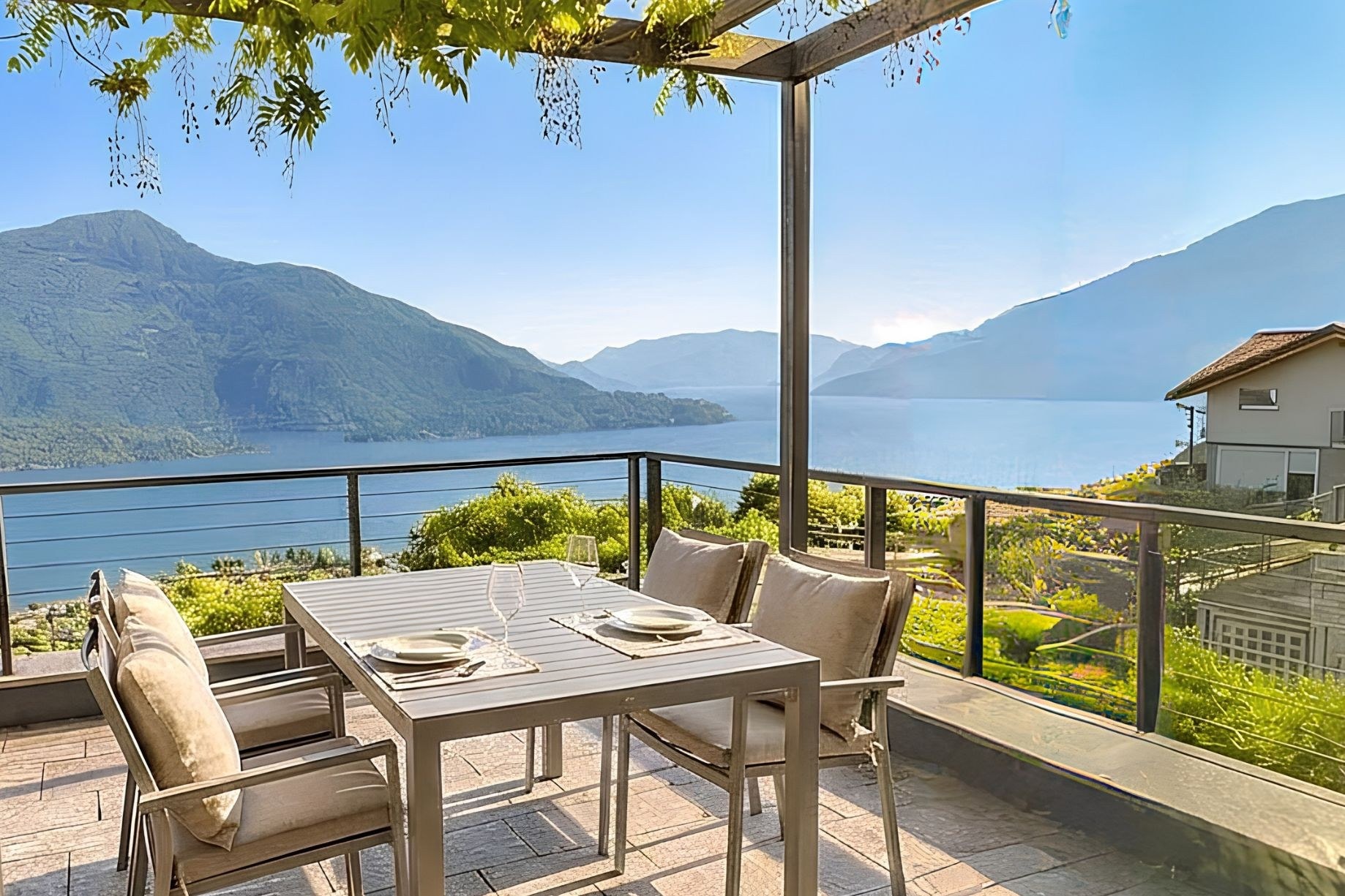
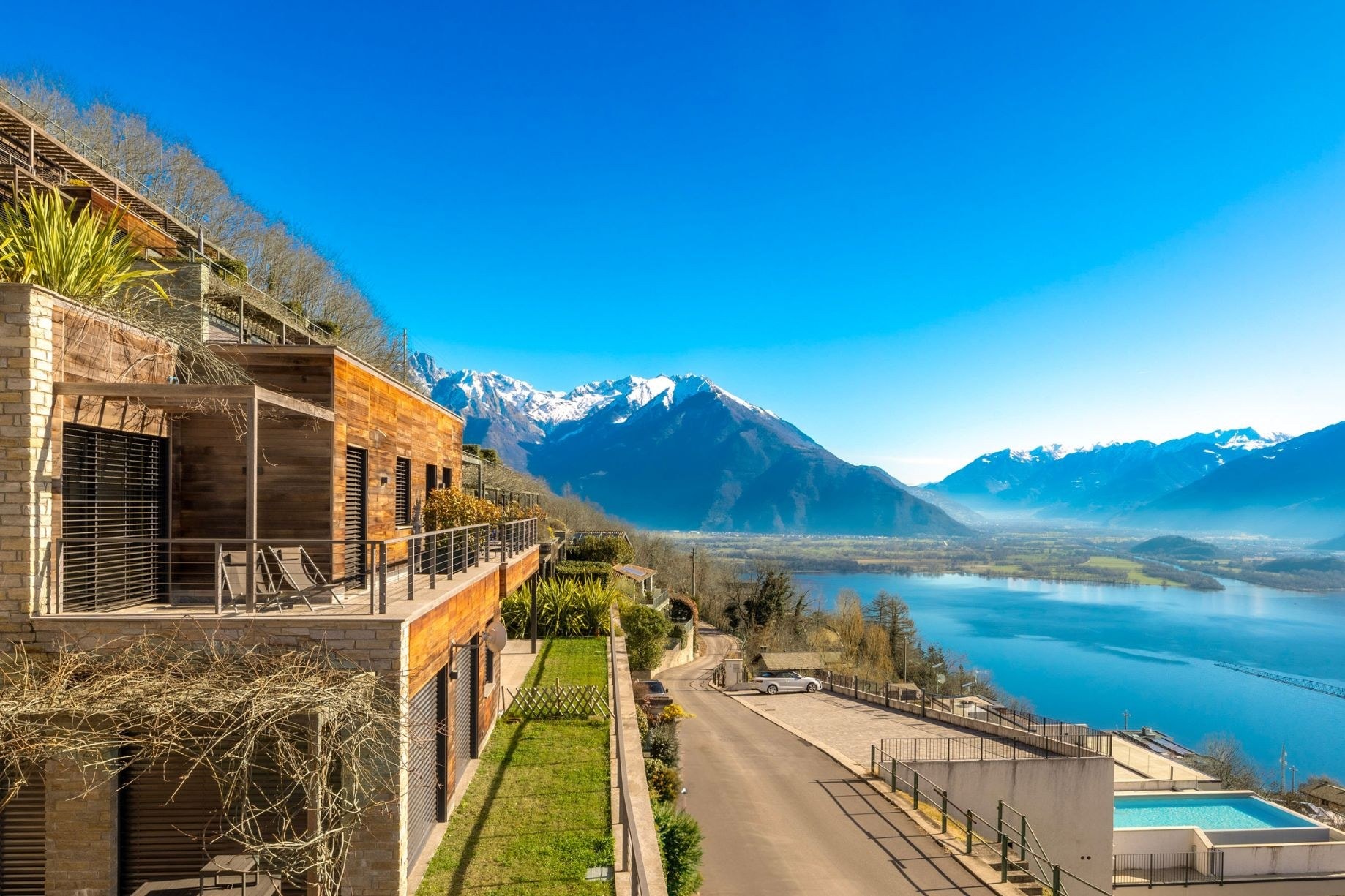
Domaso, Lake Como, Italy — 2-Bed Terrace Apartment With Panoramic Lake Views & Pool
€139,000
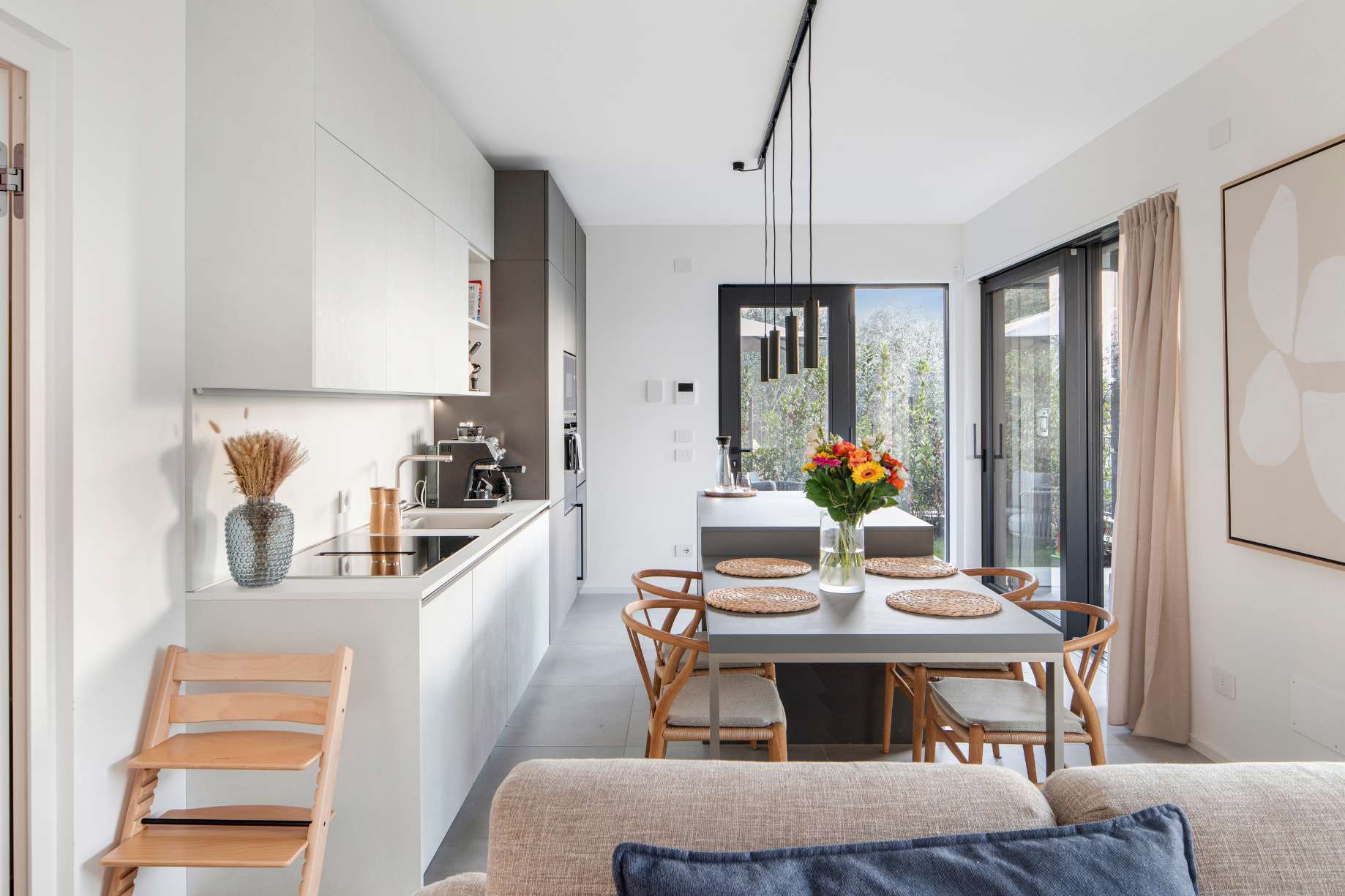
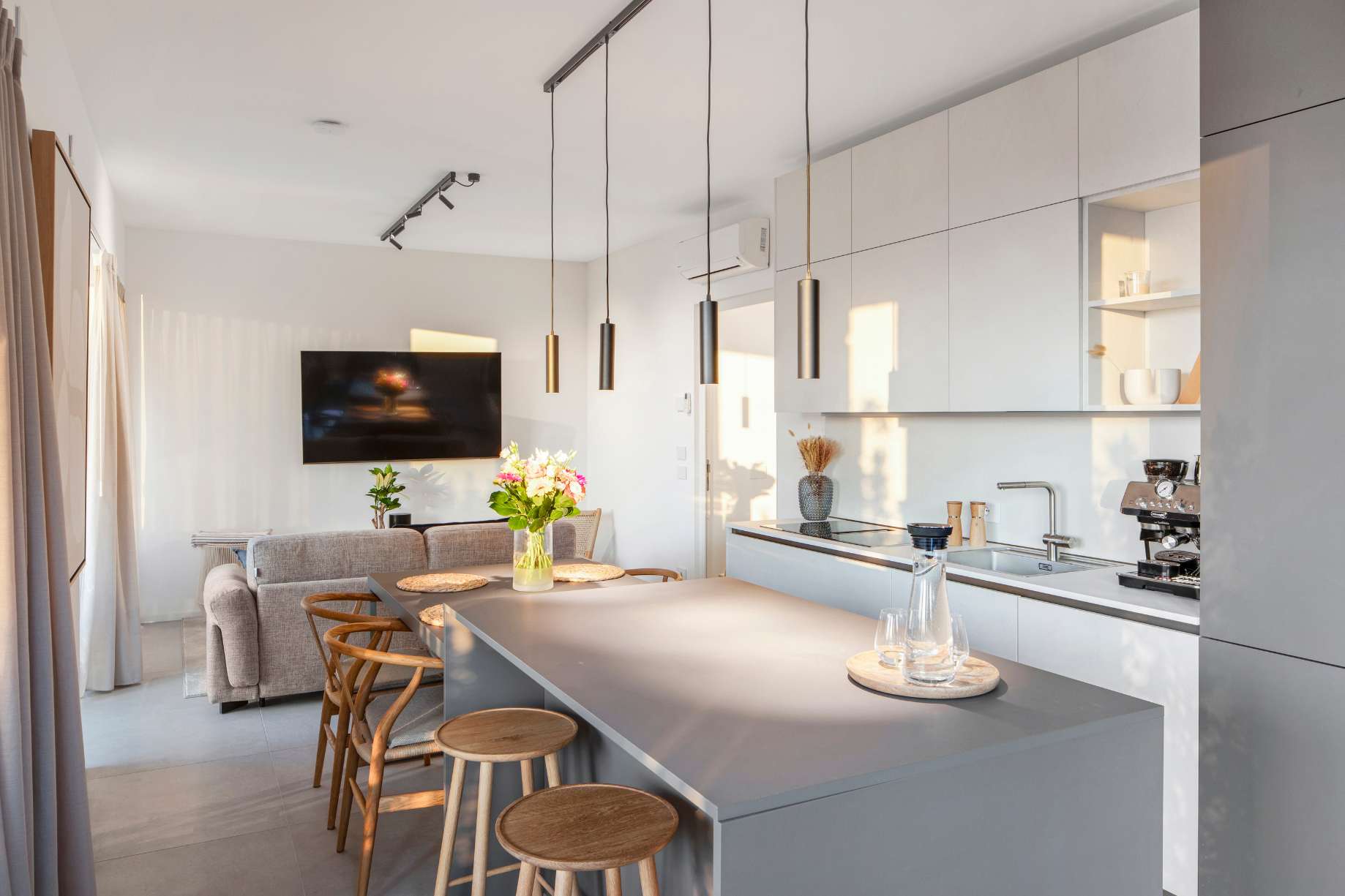
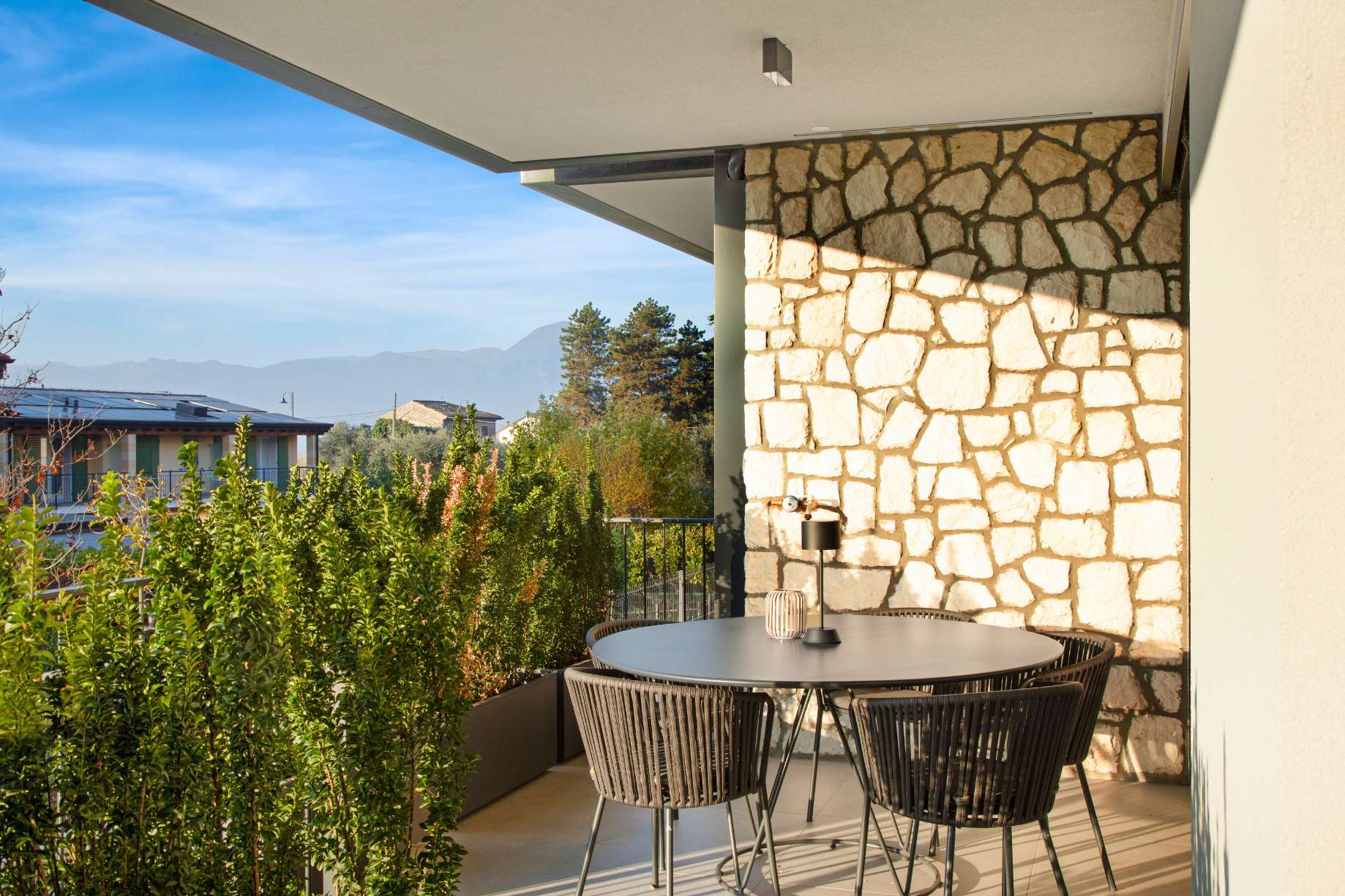
Torri del Benaco, Lake Garda, Italy — 2-Bed Apartment With Pool
€139,000
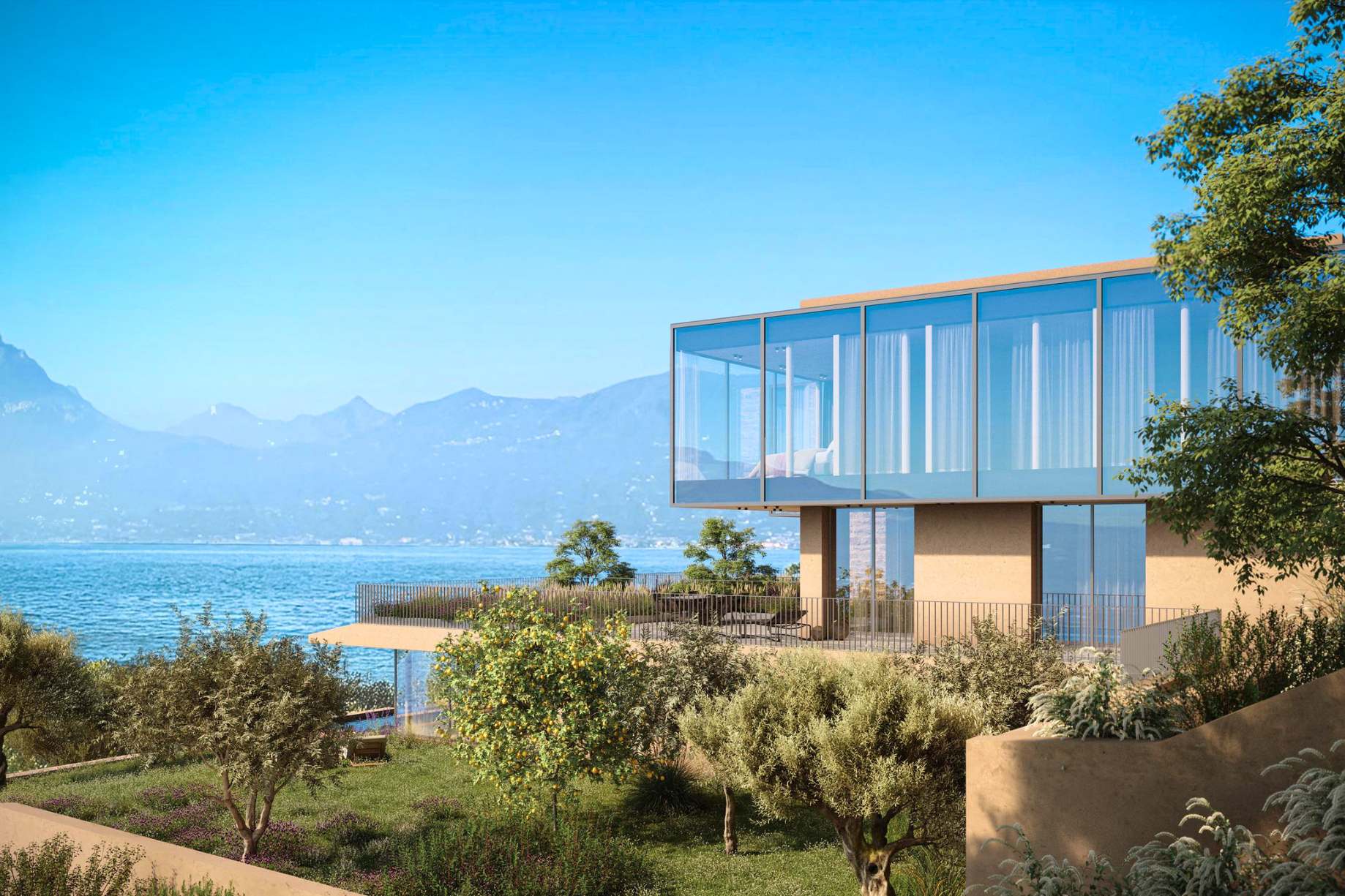
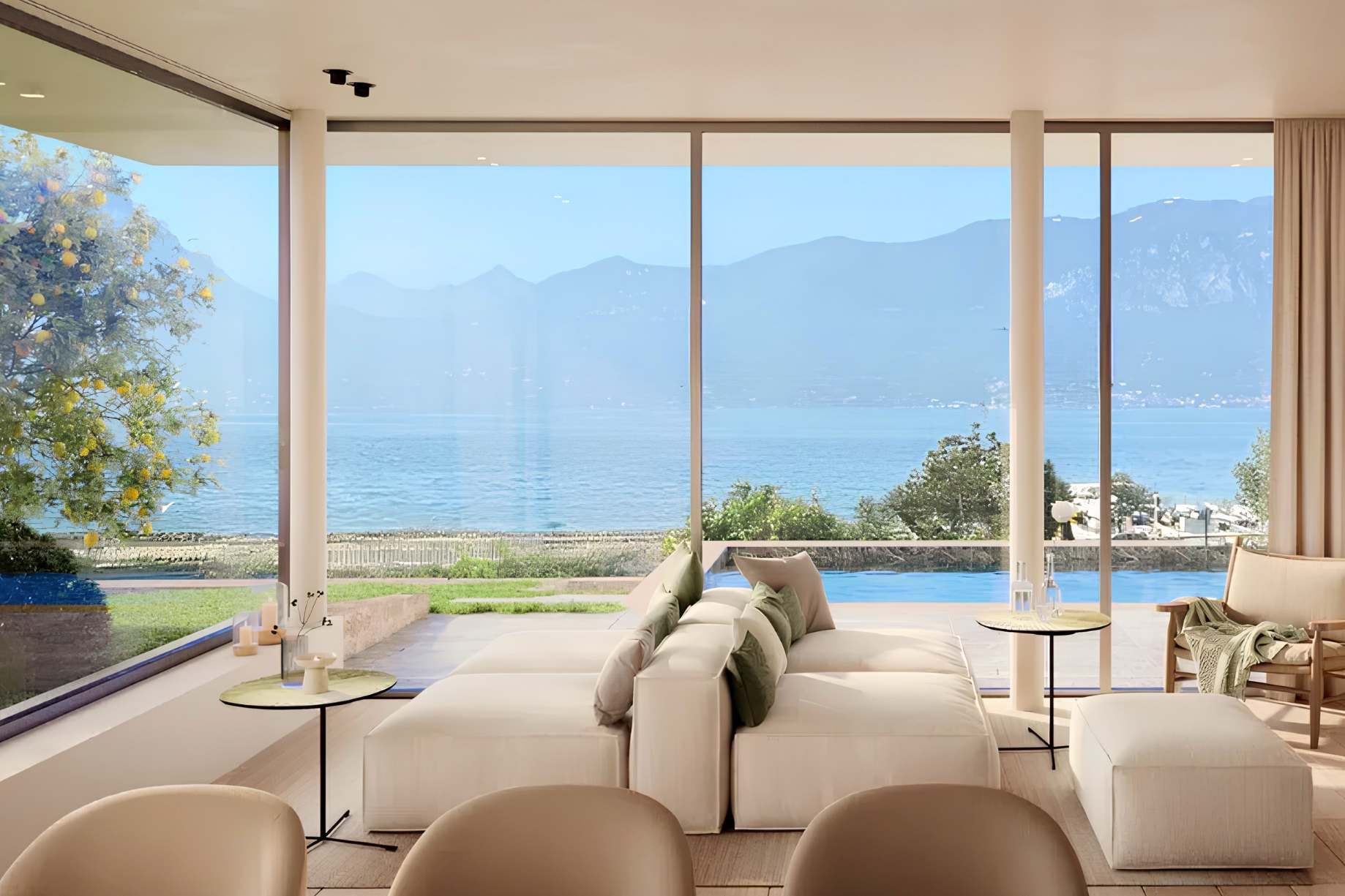
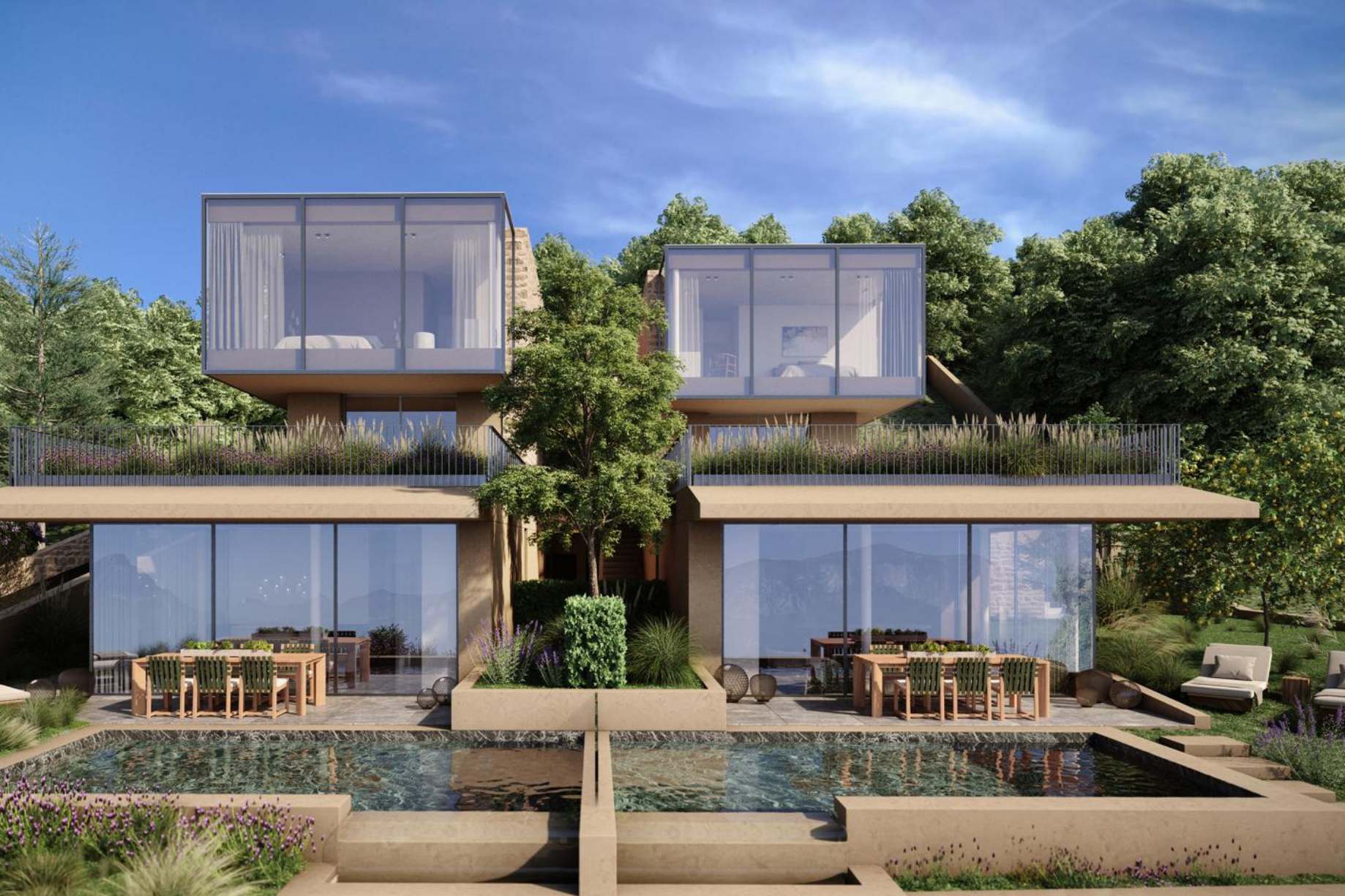
Torri del Benaco, Lake Garda, Italy — 3-Bed Garden Apartment With Lake View & Heated Pool
€289,000
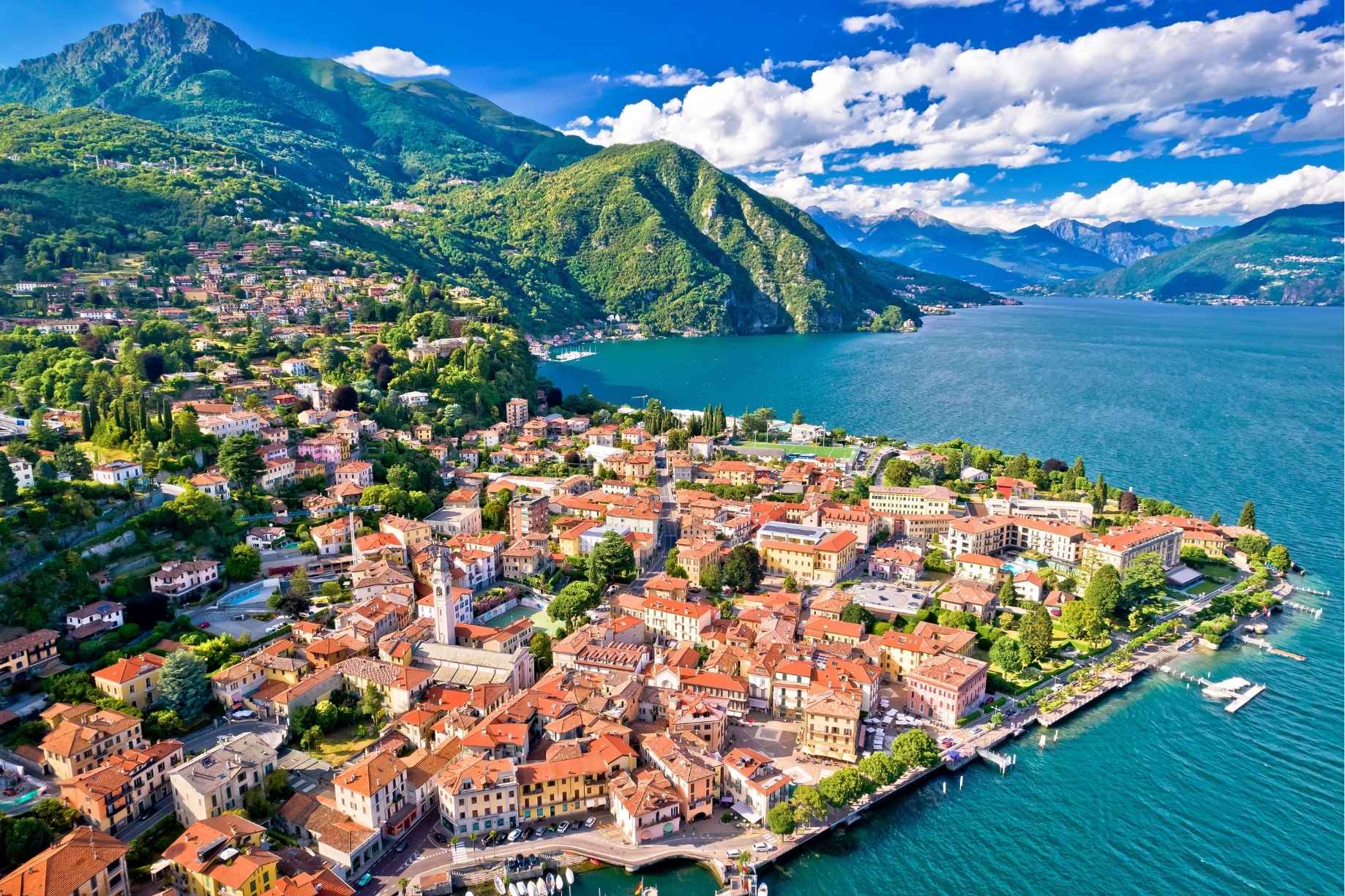
Menaggio, Lake Como, Italy — 4-Bed Private Residence
€599,000
Europe's most established lake-house market, accessible through co-ownership.
Fully managed villas, apartments and townhouses across Lake Como, Lake Garda and Lago Maggiore. Your 1/8 share of the home comes with around six weeks of personal use, a professional management team on call, and the long-term equity of Italy's most internationally established lake-house tier.
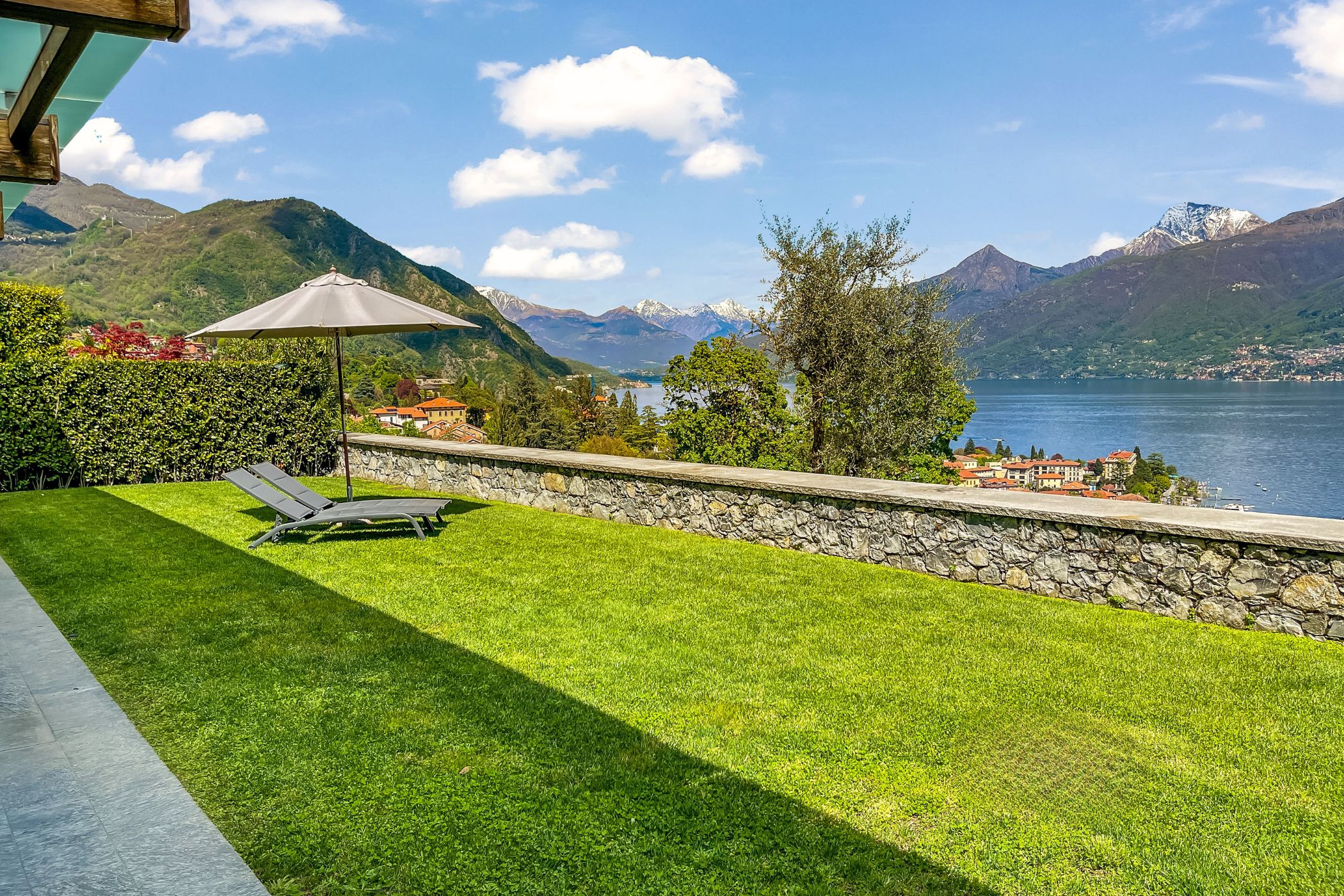
What is fractional ownership on the Italian Lakes?
Fractional ownership on the Italian Lakes means buying a real 1/8 share of a luxury lakefront second home, shared with up to seven other co-owners. Each owner receives around six weeks of personal use a year, depending on the home, through a fair-rotation calendar, with all property management, maintenance, taxes and operations handled by a professional team. It is real ownership of a share of the home — not a timeshare, not a holiday club.
Why the Italian Lakes?
The Italian Lakes are, by every measurable metric that matters for a serious second-home buyer, the single most established lake-house market in Europe — and arguably the world. The pre-Alpine lakes of Lombardy, Piedmont and Veneto have been the chosen summer address of European, British and (more recently) American second-home buyers for more than two centuries; Lake Como has been a residential destination since Pliny the Younger built two villas on its shores in the first century, and the lake's catalogue of Belle Époque and neoclassical villas — Villa Carlotta in Tremezzo, Villa Melzi in Bellagio, Villa del Balbianello in Lenno, Villa Olmo in Como town, Villa Erba in Cernobbio — anchors what may be the deepest stock of historic lakefront residential architecture in Europe. Lake Garda, the largest of the Italian lakes at 370 square kilometres, combines a genuinely Mediterranean microclimate at its southern end with dramatic Alpine scenery in the north, and supports the most varied lakefront property market of any Italian lake. Lago Maggiore — second-largest by surface area at 212 square kilometres, straddling the Italian–Swiss border — anchors the most aristocratic of the three with the Borromean Islands at its centre and the long-standing summer-villa tradition of Stresa, Baveno and Pallanza on its Piedmontese shore. Few European regions, and arguably none in the lake-house tier specifically, combine that scale of lake frontage with that depth of architectural inheritance and professional infrastructure for non-resident owners.
Your Italian Lakes share is owned alongside up to seven other co-owners — a real share of the home, not a right to use it.
The Italian Lakes' particular advantage inside European second-home markets is the combination of geographic scarcity, planning protection and architectural inheritance that has kept the most desirable inventory genuinely finite. The three major lakes have fixed shorelines — Lake Como at 170 kilometres of perimeter, Lake Garda at 158 kilometres, Lago Maggiore at 170 kilometres — and the steep glacial geography of all three means the buildable lakefront strip is, in real terms, no longer growing. The historic villas with protected building stock — the Cernobbio palaces on Como's western shore, the Belle Époque hotels of Stresa on Maggiore, the seventeenth-century palazzi of Salò and Gardone Riviera on Garda's western coast — operate under strict regional planning rules and vincolo heritage protections (administered through Italy's Ministry of Culture and the regional Soprintendenze) that have kept new-build to a trickle and pushed restoration of existing villas onto every available conversion plot. The result is that the buildable stock of high-specification Italian Lakes villas is, in real terms, no longer growing at the rate of demand in the prime addresses — and the existing inventory is held tighter than at any point in the modern era.
It is worth setting the Italian Lakes in their European competitive context. The Swiss Lakes (Lake Geneva, Lake Lucerne, the upper Lago Maggiore around Locarno and Ascona) offer comparable scenery at materially higher entry prices and with restrictive Lex Weber rules that cap second-home permits in most cantons. The Austrian Salzkammergut lakes (Wolfgangsee, Hallstättersee, Mondsee) offer real charm at lower altitude but smaller surface areas and a noticeably shorter swimming season. The French Riviera and Côte d'Azur offer the Mediterranean as the body of water but lack the dramatic glacial-lake geography and pre-Alpine scenery of the northern Italian destinations. Together, these comparisons help frame why the Italian lakefront destinations remain, by some distance, the highest-volume international second-home market in the European lake-house tier. The broader regional tourism authorities (In-Lombardia for Como, Garda and Iseo, Visit Piemonte for Maggiore and Orta) and the Italian national tourism board all treat the lakes as the country's single most valuable inbound tourism asset outside Venice, Rome and Florence.
The third structural argument for the Italian Lakes is the diversity of usable lifestyles available inside a single region. A Northern European family with a 1/8 share on the western shore of Lake Como is forty minutes from the Milan urban core and ninety minutes from the Malpensa airport hub; a Lake Garda buyer at Sirmione is thirty minutes from Verona and on Italy's primary east–west A4 motorway; a Stresa buyer on Lago Maggiore is forty minutes from Malpensa and inside two hours of the Gotthard road tunnel connecting to the Swiss-side cantons and onward to Zurich. The region packs a remarkable amount of difference into a 200-kilometre east–west footprint — Belle Époque villa towns, working medieval villages, Alpine-style mountain resorts at the lake heads, Mediterranean-flavoured beach towns on the southern Garda peninsula, modernist garden palaces on the Borromean Islands — and an Italian Lakes share that combines proximity to several of these gives an owner a year-round lakefront base rather than a single-season property. Few other European regions can match that range without significantly longer drive times.
For a co-ownership buyer thinking strategically rather than just emotionally, the Italian Lakes' combination of scarcity, heritage protection and infrastructure depth matters more than the headline glamour. The villa you buy a share of above Bellagio sits in a market where the buildable land along the promontory ridge is already capped by heritage rules and where the existing villa stock at the prime lakefront addresses is fundamentally finite. The Stresa palazzo is in a town whose Belle Époque hotel core has not loosened in fifty years. The Sirmione townhouse is on a peninsula whose protected medieval centre and surrounding Roman archaeological areas are managed by the regional Soprintendenza. These are not assets that depend on a particular interest-rate cycle to hold their value; they depend on the unchanging facts that Lake Como remains Lake Como, that the Borromean Islands remain the Borromean Islands, and that the European appetite for established lakefront second homes is steady across generations. Add the professional management and resale infrastructure that makes shared ownership transparent and resaleable, and the case for co-ownership on the Italian Lakes writes itself.
One under-discussed advantage that becomes obvious once you actually start using an Italian Lakes second home is the depth of the region's professional services infrastructure for non-resident owners. Two centuries of British, German, Dutch, Swiss, Austrian, Scandinavian and (more recently) American and Middle-Eastern buyers have built up an ecosystem of multilingual lawyers, property managers, notai, commercialisti (tax advisers), boat-charter agencies, garden contractors and concierge services across the major lake towns that smaller European lake alternatives simply cannot match. The local management companies in Bellagio, Menaggio, Tremezzo, Como town, Stresa, Pallanza, Salò, Gardone Riviera and Sirmione operate in English, German, Dutch, Italian and the Scandinavian languages as a matter of routine, with decades of operating history; the German-speaking community on Lake Garda is large enough to run its own bilingual primary schools, German-language church services, and direct charter-flight links to Munich, Vienna, Stuttgart and Frankfurt through the season. The Italian notarial system gives ownership documentary clarity through the Conservatoria dei Registri Immobiliari (the Italian land registry, administered by the Agenzia delle Entrate), and the cadastral records — held by the Catasto — are a long-running, reliable record-of-record system whose roots trace to the Napoleonic administrative reforms of the early nineteenth century. None of this is glamorous, but it is the kind of infrastructure that determines whether owning a lake house from another country is a pleasure or a chore.
The fourth structural advantage worth naming is the transport infrastructure that makes an Italian Lakes second home practically usable rather than just nominally owned. Milan Malpensa (MXP) is the principal gateway for Lake Como, Lago Maggiore and the western shore of Lake Garda, with direct year-round service from London (Heathrow, Gatwick, Stansted, Luton, City), Manchester, Edinburgh, Dublin, Amsterdam, Brussels, Paris, Frankfurt, Munich, Hamburg, Berlin, Düsseldorf, Zurich, Vienna, Copenhagen, Stockholm, Oslo, Helsinki and dozens of further European cities, plus direct East-coast US gateways including New York JFK and Newark year-round and seasonal Boston, Washington, Chicago, Toronto and Tokyo Haneda. Milan Linate (LIN) handles a denser European short-haul network from the closer of the two Milan airports. Bergamo (BGY) covers the low-cost European network and is the closest airport for Lake Iseo and the eastern Garda shore. For Lake Garda specifically, Verona-Villafranca (VRN) is the closest gateway, with direct service from London, Manchester, Dublin, Frankfurt, Munich, Vienna, Berlin and most major Northern European cities. Most Northern European hubs are under two hours' flight time to Malpensa or Verona; the drive from MXP to the lake towns is short (Como town in 45 minutes, Stresa in 40 minutes, Menaggio in 75 minutes, Bellagio in 90 minutes); the drive from VRN to Lake Garda is even shorter (Lazise in 20 minutes, Bardolino in 25 minutes, Sirmione in 30 minutes, Malcesine in 60 minutes); and the Italian high-speed rail network — Frecciarossa and Italo — connects Milano Centrale and Verona Porta Nuova to Rome in roughly three hours and to the Brenner Pass gateway in two. An owner can leave London on a Friday morning and be on the terrace at Bellagio by Saturday lunchtime.
Where to own on the Italian Lakes
The Italian Lakes' second-home market is best understood through three principal lake systems — Lake Como, Lake Garda and Lago Maggiore — plus the smaller but increasingly relevant Lake Iseo and Lake Lugano. Each lake has its own micro-zones with their own character, architecture, season and buyer mix. There are, of course, Italian lake addresses outside these — the smaller pre-Alpine lakes of Idro and Varese, the Veneto lakes around Lake Santa Croce, the Trentino lakes around Lago di Tenno — and we are happy to discuss them with buyers whose interests run that direction. But the supply story for fractional ownership is concentrated in the lake systems below: Lake Como (the western, eastern and northern shores), Lake Garda (the southern peninsula, the western Brescian coast, the eastern Veronese shore and the northern Trentino head), Lago Maggiore (the Piedmontese shore around Stresa, the Lombard shore around Laveno, the Borromean Islands), and the smaller lakes (Iseo, Lugano). Together they account for the overwhelming majority of international second-home demand on the Italian Lakes.
Lake Como — Bellagio, Menaggio, Tremezzina, Como town
Lake Como is the most internationally recognised of the Italian lakes — a deep, Y-shaped glacial lake stretching 46 kilometres north–south at the foot of the southern Alps, with the surface sitting at 199 metres above sea level and the surrounding peaks rising sharply above the water. The lake's three branches meet at the wooded promontory of Bellagio on the central spur — long described as one of the most beautifully sited small towns in Europe — and the western, eastern and northern shores have each developed distinct identities over the two centuries of villa-building that have shaped the lake's residential character. The western shore, from Como town northward through Cernobbio, Moltrasio, Laglio, Argegno, Lenno, Tremezzo and Menaggio, is the historic prestige flank: the great neoclassical villas of the eighteenth and nineteenth centuries are concentrated here, with the southwestern reach (Cernobbio and Moltrasio) facing the morning sun and the central reach (Lenno, Tremezzo, Menaggio) facing the eastern shore at the lake's geographic centre. Villa Carlotta in Tremezzo, with its seven-hectare botanical garden, is one of the most-visited single villas in Italy.
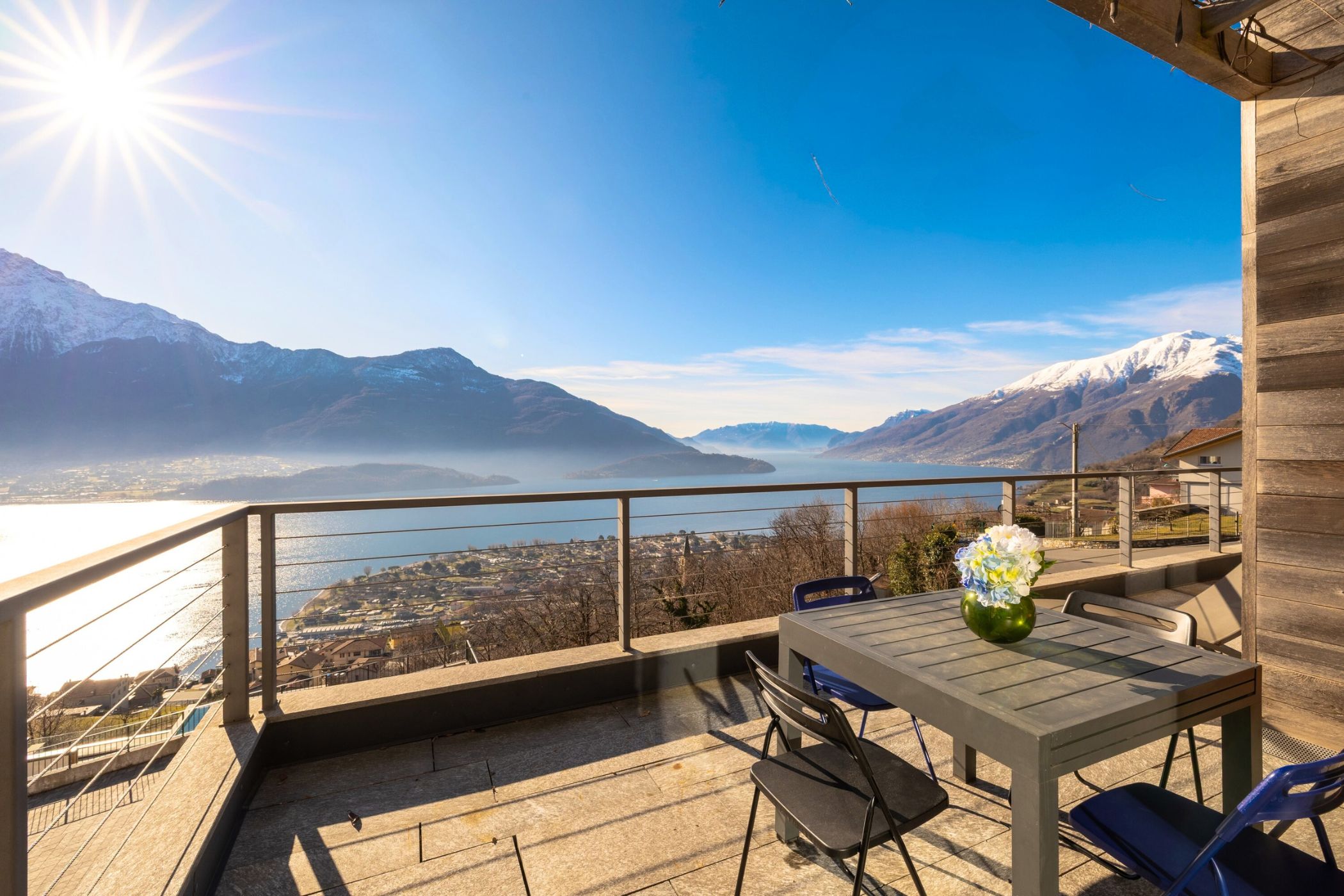
Bellagio, at the central fork, sits on the wooded promontory dividing the southern lake into its two arms; its compact medieval centre, cobbled stepped lanes and Villa Melzi gardens give the village the architectural completeness that has made it the single most photographed lake town in Italy. Bellagio has a year-round resident population of around 3,800 and supports a four-season town life that the smaller villa hamlets of the western and eastern shores cannot match. Menaggio, on the western shore directly opposite Bellagio, is the central-shore market town — a working community of 3,200 residents with a regular weekly market, a golf club (the Menaggio & Cadenabbia Golf Club, one of the oldest in continental Europe), and ferry service running every twenty minutes across to Bellagio and onward to Varenna. Tremezzina, the recently consolidated municipality covering Tremezzo, Mezzegra, Ossuccio and Lenno, contains the densest concentration of historic villas on the lake — Villa Carlotta, Villa del Balbianello (the Lenno film location used in Casino Royale and Star Wars: Episode II), Villa La Quiete. Como town at the southern end is the lake's regional capital — a walled medieval city of 84,000 people with full urban services, the Romanesque Como Cathedral begun in 1396, a deep silk-weaving and engineering tradition, and direct rail service to Milan in 40 minutes. The eastern shore, from Lecco at the southeastern tip northward through Mandello del Lario, Varenna, Bellano and Colico, is wilder and steeper than the western shore — Varenna's pastel waterfront is among the most photographed lake addresses in Europe. The northern lake around Domaso and Gravedona has cooler winds and the strongest sailing and windsurfing conditions of the lake. The international buyer mix is heavily British, German, Belgian, Dutch, Swiss and American, with a long-standing Russian and Middle-Eastern presence in the prime Cernobbio, Tremezzo and Bellagio tier. Climate runs 0–6°C (low to mid-40s°F) in mid-winter at lake level and 26–32°C (high 70s°F to high 80s°F) in high summer, with the lake itself warming to 23–25°C (mid-70s°F) for swimming from late June through mid-September. Drive times from Malpensa are 45 minutes to Como town, 75 minutes to Menaggio, 90 minutes to Bellagio via Lecco, and 2 hours to Domaso at the northern tip. Best for: buyers who treat the Lake Como name as part of the address itself, multi-generational families drawn to the architectural inheritance and four-season Bellagio town life, design-led couples whose use pattern centres on the long shoulder seasons of May–June and September–October, and Milan-based weekenders who value the 40-minute rail run from Centrale to Como S. Giovanni.
Lake Garda — Sirmione and the southern peninsula
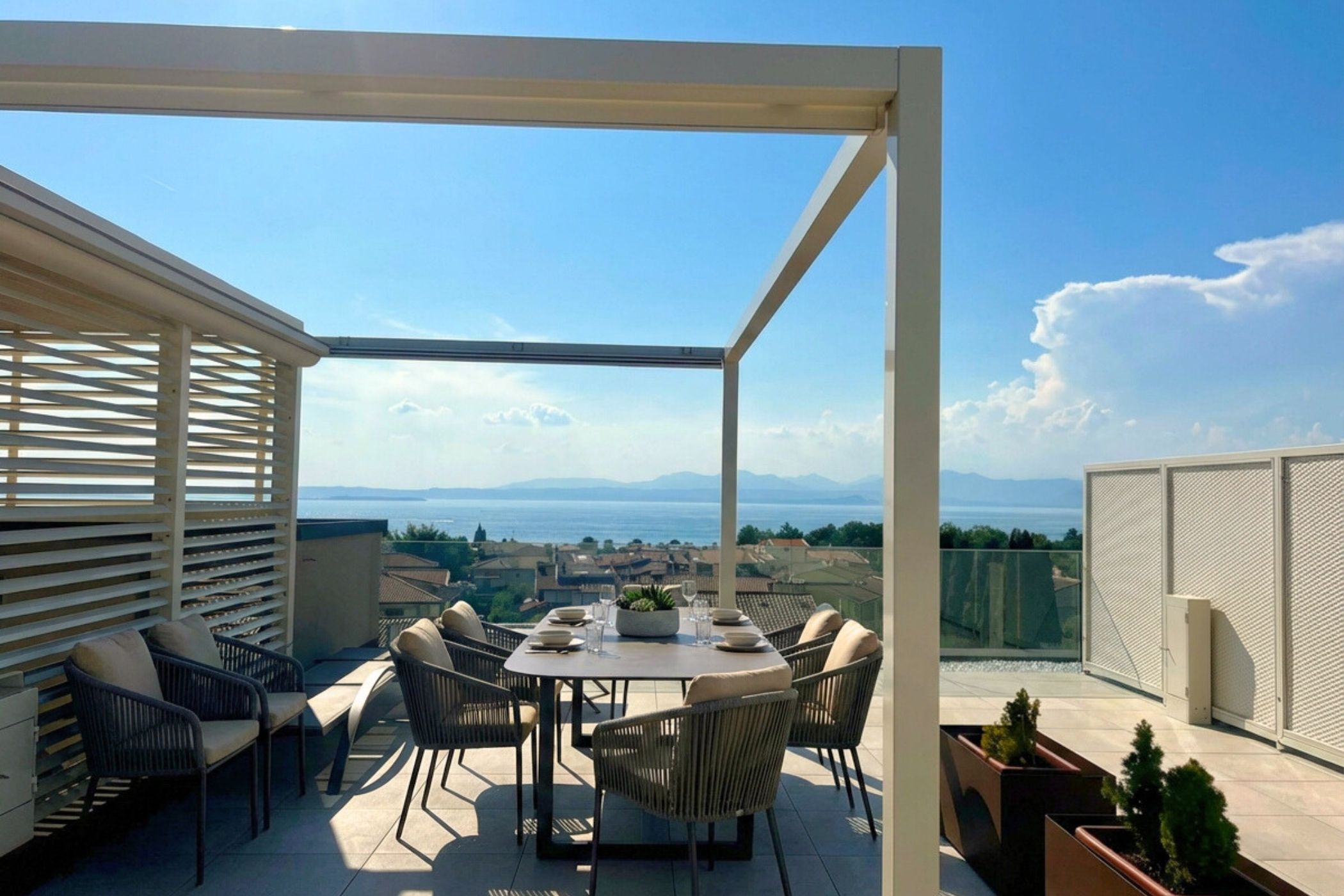
Lake Garda is the largest of the Italian lakes at 370 square kilometres — bigger than Como and Maggiore combined — and supports the most varied lakefront property market of any single Italian destination. Garda's 52-kilometre north–south length spans three regions (Lombardy on the west, Veneto on the east, Trentino-Alto Adige in the north) and produces an unusual climate gradient: the southern lake at Sirmione, Desenzano and Peschiera has a genuinely Mediterranean microclimate that supports olive groves, lemon trees and cypress alleys; the northern lake at Riva and Torbole is dramatically Alpine, with the Brenta Dolomites rising directly above the water. The southern peninsula at Sirmione is the lake's most distinctive single address — a four-kilometre-long peninsula projecting north into the lake, with the thirteenth-century Scaligero Castle guarding the medieval old town at its tip, the Grotte di Catullo Roman villa archaeological site at the very end, and the lake's thermal springs emerging from the lakebed off the peninsula's flank (used continuously since Roman times and currently operated commercially through the Terme di Sirmione).
Lake Garda — the eastern Veronese shore: Bardolino to Malcesine
The eastern shore, the Veronese coast, runs 40 kilometres north from Peschiera through Lazise, Bardolino, Garda, Torri del Benaco, Brenzone and Malcesine. This is the lake's strongest German-speaking buyer market — Bardolino and the surrounding wine country have been the principal Italian Lakes destination for German, Austrian and Swiss buyers for fifty years, drawn by the short Brenner-Pass drive from Bavaria and Austria. The eastern shore is also the lake's primary wine-producing area (the DOC Bardolino red, the Lugana white from the southern hills), with the Valpolicella vineyards rising into the hills behind Garda town. Bardolino itself, on a wide bay at the eastern shore's centre, has a year-round population of 7,000, a working medieval centre, and a regular weekly market with one of the largest German-speaking expat communities on any Italian lake. Torri del Benaco, eight kilometres north of Bardolino, is the quieter market town — its fourteenth-century Castello Scaligero and the cobbled square at the lake's edge give Torri its preserved village character.
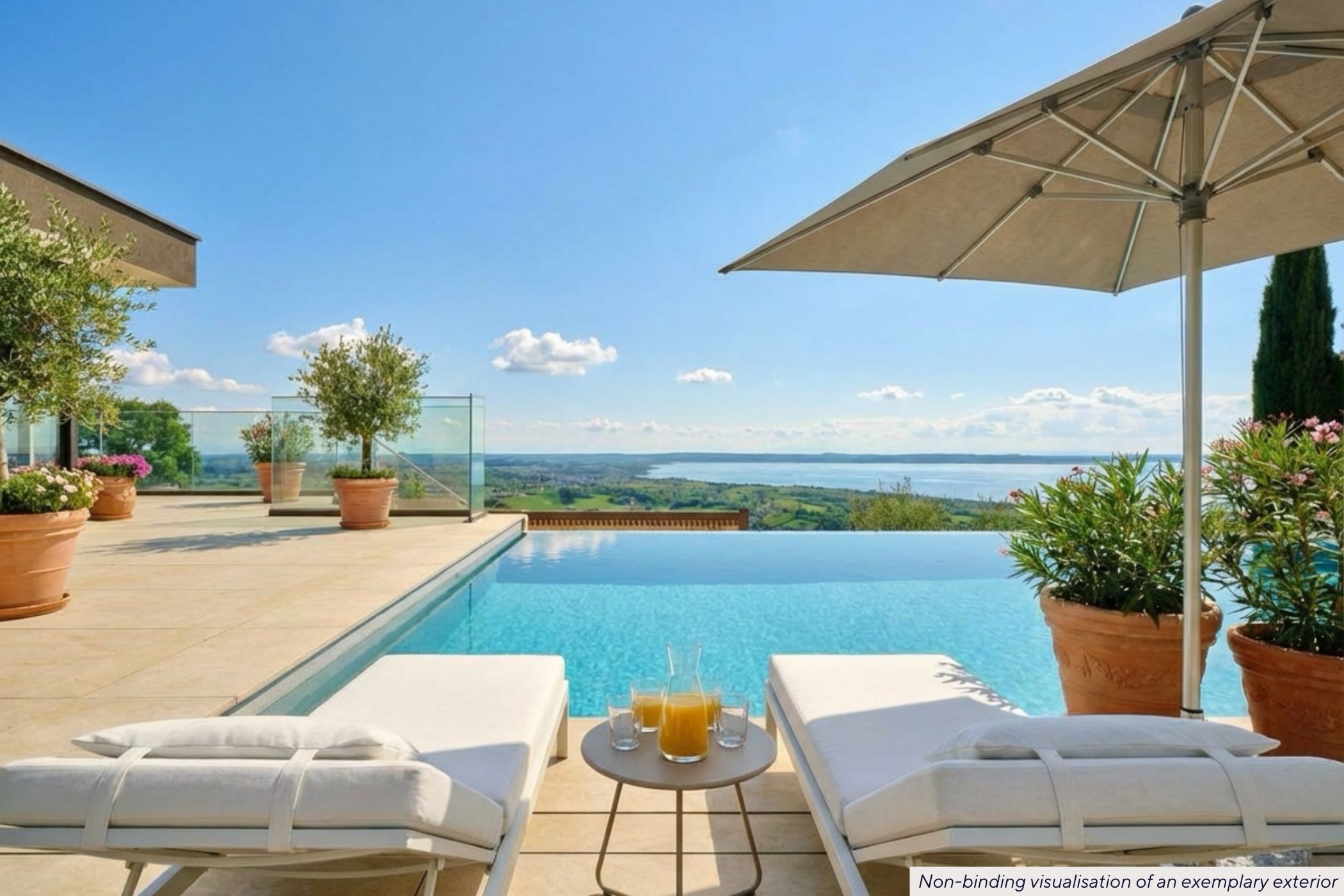
Malcesine, at the eastern shore's northern reach, sits below the Monte Baldo cable car — the rotating Funivia Malcesine–Monte Baldo rises from lake level at 89 metres to the summit at 1,760 metres in fifteen minutes, giving Malcesine year-round access to the alpine ridge above the lake and the only cable-car-served winter ski slopes accessible from the Garda lakefront. Lazise, at the southern end of the eastern shore four kilometres north of Peschiera, has the lake's most preserved medieval walled centre — the entire fourteenth-century perimeter wall and the harbourside Castello Scaligero are intact — and serves as the gateway town for visitors arriving via the A4 motorway from Milan or Verona. The international buyer mix on the eastern shore is heavily German, Austrian and Swiss — by some distance the most German-speaking shoreline on any Italian lake — with a growing British, Dutch, Belgian and Scandinavian share. Drive times from Verona-Villafranca are 20 minutes to Lazise, 25 minutes to Bardolino, 40 minutes to Torri del Benaco and 60 minutes to Malcesine. Climate runs 3–9°C (high 30s°F to high 40s°F) mid-winter at lake level and 27–32°C (low 80s°F to high 80s°F) in high summer, with the lake itself warming to 24–26°C (mid- to high-70s°F) through high season. Best for: Northern European buyers — particularly German-speaking — who value the short Brenner-Pass drive from home, the working medieval villages, the regional wine country and the rotating Monte Baldo cable car giving year-round access to the alpine ridge above the lake.
Lake Garda — the northern Trentino head: Riva and Torbole
The northern lake at Riva del Garda and Torbole sul Garda is dramatically different in character from the southern and eastern shores. The Brenta Dolomites rise sharply above the water, the wind funnels down through the upper lake (the regular Ora and Pelèr winds make Torbole the most established windsurfing and sailing centre on the lake), the year-round resident population is younger and more sports-oriented, and the architectural inheritance is part-Italian, part-Alpine. Riva del Garda has a year-round population of 17,000 and is the largest of the Garda lake towns; its medieval centre around the thirteenth-century Torre Apponale retains the working community of a market town. The northern lake's Trentino location places it within reach of the Brenta Dolomites for hiking and the small ski areas of the Paganella and the Madonna di Campiglio region, giving the northern head a genuine four-season identity that the southern lake's Mediterranean character does not match.
Lake Garda — the western Brescian shore: Salò and Gardone Riviera
The western shore, the Brescian coast running north from Desenzano through Salò, Gardone Riviera, Gargnano and Limone sul Garda, is the lake's most aristocratic flank. Salò, at the southern bend, is a working market town of 10,000 residents with one of the most photographed lake-edge promenades in Italy — and a place that played a complicated role in Italian twentieth-century history (the short-lived Italian Social Republic of 1943–45 was headquartered here, which has left the town an unusually rich documentary record). Gardone Riviera, three kilometres north of Salò, contains the extraordinary Il Vittoriale degli Italiani — the cliff-top estate of the poet Gabriele D'Annunzio, with its terraced gardens, Renaissance theatre and naval museum — and the long-established Giardino Botanico Heller Art-Nouveau botanical garden. The western shore's protected building stock is among the most heritage-controlled on any Italian lake; the regional Soprintendenza of Brescia exercises strict vincolo protections across the lakefront strip, and the working olive groves and lemon-house terraces (the limonaie, a unique seventeenth-century lemon-cultivation architecture) are preserved as cultural heritage. Drive times from Verona-Villafranca are 50 minutes to Salò and 55 minutes to Gardone; from Bergamo roughly 75 minutes; from Malpensa just over two hours via the A4. Best for: buyers seeking the most heritage-rich western shoreline of the lake, owners drawn to Belle Époque village pedigree and the working olive-growing tradition, and those for whom the proximity to the Franciacorta wine country (the official Italian-method sparkling-wine region, in the hills behind Brescia) and Bergamo's preserved upper city (the Città Alta) is part of the address itself.
Lago Maggiore — Stresa, Baveno and the Borromean Islands
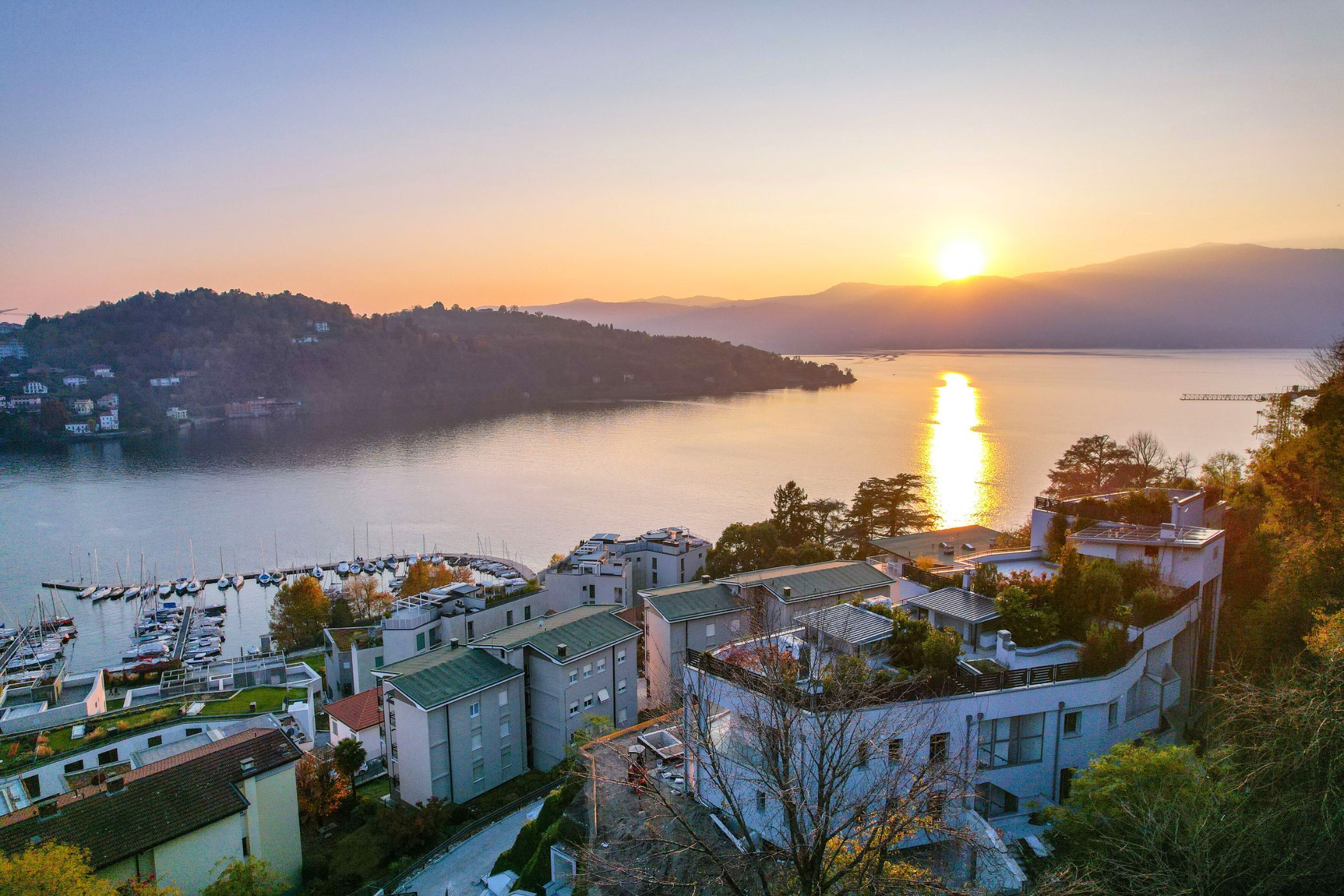
Lago Maggiore is the second-largest Italian lake at 212 square kilometres, stretching 64 kilometres north from the Piedmontese plain into Switzerland, with its northern reach crossing the border into Canton Ticino and the towns of Locarno and Ascona. The Italian portion runs from Arona at the southern tip through Stresa, Baveno, Pallanza (now part of Verbania) and Cannobio on the Piedmontese (western) shore, and from Sesto Calende through Laveno-Mombello, Luino and Maccagno on the Lombard (eastern) shore. Stresa is the lake's prestige anchor — a Belle Époque resort town of 5,000 residents with a row of late-nineteenth-century lakefront palace hotels (the Grand Hotel des Iles Borromées, the Regina Palace, the Villa Aminta) and direct ferry service to the Borromean Islands offshore. The Borromean Islands — Isola Bella with its terraced seventeenth-century palace and pyramidal Italian garden; Isola Madre with its English landscape garden and free-roaming white peacocks; Isola dei Pescatori, the only inhabited island, retaining its working fishing-village character — have been owned by the Borromeo family since 1632 and form the most theatrically sited group of garden palaces in Europe.
Baveno, three kilometres north of Stresa, is the smaller and quieter sister town — the village's pink-granite quarries supplied the columns of the basilica of San Paolo Fuori le Mura in Rome and the original cladding of the Galleria Vittorio Emanuele in Milan, and the architectural inheritance includes a notable run of late-nineteenth-century neo-Gothic villas built by the British community that summered here from the 1860s onwards (Queen Victoria stayed at Villa Clara in 1879). Verbania, the modern administrative town further north (formed by the 1939 merger of Pallanza and Intra), contains the extraordinary Giardini di Villa Taranto — twenty hectares of botanical garden laid out from 1931 by the Scottish landowner Neil McEacharn, with one of the most important collections of southern-hemisphere plants in Europe. The northern Italian reach at Cannobio and Cannero Riviera retains the most preserved working-village character on the western shore, with a Sunday market in Cannobio that has run since the thirteenth century. On the Lombard side, Laveno-Mombello is the principal market town, with the Funivie del Lago Maggiore cable car running from lake level to the Sasso del Ferro summit at 1,062 metres for one of the most expansive lake-and-Alpine panoramas on the western side. The international buyer mix on Maggiore is the most German-Swiss-Austrian of the three major Italian lakes — the proximity to the Swiss border, the historical British community in Stresa and Baveno, and the Belle Époque hotel inheritance combine to give Maggiore a distinct, slightly more reserved feel than the prestige-driven Como market or the larger, more varied Garda market. Drive times from Malpensa are 40 minutes to Stresa, 45 minutes to Baveno and 60 minutes to Verbania; from Milano Centrale by direct train to Stresa station in 60 minutes on the historic Sempione line. Climate runs 1–7°C (mid-30s°F to mid-40s°F) in mid-winter at lake level and 25–30°C (high 70s°F to high 80s°F) in high summer. Best for: buyers who want the Italian lake lifestyle without the prestige-tax of a Como address, German-, Austrian- and Swiss-resident owners who value the short cross-border drive, families drawn to the Borromean Islands and the depth of the Piedmontese garden heritage, and quieter-rhythm owners whose use pattern runs to the long shoulder seasons of late April through June and September through mid-October.
The smaller lakes — Iseo and Lugano
Beyond the three major lakes, two smaller pre-Alpine systems hold a meaningful share of the Italian-lake second-home market. Lake Iseo (Lago d'Iseo) in Lombardy is the fourth-largest Italian lake at 65 square kilometres, sitting between Bergamo and Brescia at the head of the Franciacorta sparkling-wine region. Iseo's defining feature is Monte Isola — the largest inhabited lake island in Southern Europe, with 1,800 year-round residents, no cars, and a network of small fishing villages around its perimeter; the artist Christo installed his Floating Piers here in 2016, drawing more than a million visitors. The international buyer market on Iseo is much thinner than on the three major lakes — predominantly Italian (Milan, Brescia, Bergamo weekenders) with a small but growing Northern European share — which makes the lake a notably more authentic and price-sensible entry point for buyers seeking the Italian lake lifestyle without the international prominence of Como, Maggiore or Garda. Lake Lugano straddles the Italian–Swiss border with the larger Swiss share centred on Lugano city in Canton Ticino and the smaller Italian share running through Porto Ceresio, Brusimpiano and the Campione enclave; the Italian portion offers genuine lakeside village living on a smaller scale than the major lakes, with the proximity to Lugano (Switzerland's third-largest financial centre after Zurich and Geneva) giving the Italian shore a distinctly bicultural identity. Best for: Italian-resident buyers who treat the lake lifestyle as the primary residence rather than the second home, Lombard urban professionals seeking a weekend base inside an hour of Milan, and cross-border buyers (German-Swiss, Austrian, Northern Italian) who value the Italian regulatory and tax framework over the Swiss-side alternatives.
A year on the Italian Lakes
Spreading around six weeks of personal use across a calendar year is itself a skill — and one of the unsung benefits of the Italian Lakes specifically is that the region's combination of long shoulder seasons, dramatic spring blossom, warm Mediterranean summers, and exceptionally rewarding autumn weeks gives an owner usable days across more of the year than almost any other European lakefront destination. Below is a walk through the year with the particular weeks owners across the COP Italian Lakes portfolio return to most often. The pattern is broadly the same across all eight co-owners of a given property, with the calendar mechanics ensuring every owner gets a fair allocation of peak weeks across a multi-year cycle. Owners who are flexible enough to use shoulder weeks — rather than competing for every week of August — consistently report a higher use-quality from their share than those who insist on peak.
Spring (March–May)
Spring is, for many seasoned Italian Lakes owners, the defining season — and one of the strongest arguments in favour of fractional ownership over single-week ownership at any one address. The lake-house year properly opens in mid-March as the protective winter shutters come off the villas, the first ferries resume operation on the cross-lake routes (the Bellagio–Varenna–Menaggio triangle on Como, the Sirmione–Salò–Limone routes on Garda, the Stresa–Borromean Islands shuttle on Maggiore), and the lake-edge restaurants begin reopening for the season. April is when the lake comes properly back to life — the wisteria blooms on the western Como villas in the second week of the month, the camellias and rhododendrons of Villa Taranto and the Borromean Islands gardens reach their photogenic peak through April, and the lakefront promenades begin to fill with the regulars returning from winter elsewhere. Easter week is the season's first holiday surge: restaurant tables in Bellagio, Stresa and Sirmione tighten visibly, the cross-lake ferries run full schedules, and the village calendars begin their high-season cadence. Italian state-school holidays for the Pasqua period mean the lakes fill with domestic visitors as well as the international cohort.
May is, on most measures, the connoisseur's month on the Italian Lakes — and the single most-requested shoulder month across the homes we list. The weather runs 17–23°C (mid-60s°F to mid-70s°F) through the day with cool evenings, the gardens are at their full opening (Villa Carlotta's rhododendrons and azaleas, Villa del Balbianello's terraced beds, Villa Taranto's tulip and dahlia fields), the lake water has not yet warmed enough for swimming but the swimming-pool weeks have opened across the lakefront villas with private pools, and the cross-lake boat traffic moves at a measured pace before the high-summer crowds arrive. The northern Garda lake's wind season opens in May and Torbole's sailing and windsurfing schools run from the first weekend; the Stresa Festival classical music programme begins its summer run; the lakeside cycling routes through the Como hills and Garda's eastern shore reach their best riding weeks of the year. Owners who plan their share-use around shoulder weeks consistently name April–May (and September–October, see below) as their favourite weeks of the entire year.
Summer (June–August)
Summer is the peak high season on every Italian lake — and the months that anchor the value proposition of an Italian-Lakes second home. June brings the proper lake-bathing season: water temperatures climb from 20°C (high 60s°F) at the start of the month to 23°C (mid-70s°F) by the end, and the lakefront beaches at Bellagio, Lazise, Sirmione, Stresa and Cannobio fill through the second half of the month. The Italian school holidays begin in mid-June and run through mid-September, which gives the lakes a fourteen-week peak season that is materially longer than the Alpine ski season's eighteen weeks but with a more even daily rhythm. The European school holiday calendars overlap with the Italian one through July and August in particular, which makes the lakes the most internationally lively they get all year. July is the absolute peak — the lakefront villas run at full capacity from the first week, the cross-lake ferries operate their tightest summer schedules, and the cultural calendars are at their fullest (the Stresa Festival on Maggiore, the Anima Mundi festival between Como and Lecco, the Vittoriale open-air evening programme above Gardone Riviera).
August is the densest month — the Italian Ferragosto holiday in the middle of the month (the 15 August public holiday, traditionally the peak of the Italian summer) is the single highest-density week of the year, with restaurant booking windows in the prime lake addresses stretching to four to six weeks ahead and ferry traffic running at the year's maximum. The lake water reaches its annual maximum of 24–26°C (mid- to high-70s°F) through the second and third weeks of August; daytime air temperatures across the southern Garda and the southern Como reach into the 30–35°C (high 80s°F to mid-90s°F) range, with the lake's cool exposure giving the lakefront addresses a several-degree advantage over the surrounding plains. Owners who time the calendar to land Ferragosto at the lake every two or three years (rather than every year) consistently find their use pattern more relaxed than those who try to anchor August every year. The cooler northern lakes — Lake Como's northern reach above Menaggio, Garda's northern Trentino head at Riva, Maggiore's upper reaches above Cannobio — sit several degrees below the southern heat through August and are particularly favoured by Northern European owners whose summer-temperature tolerance runs lower.
Autumn (September–November)
For many seasoned Italian Lakes owners, September is the favourite month of the entire year. The August crowds disperse from the first weekend of the month, the Italian school year reopens through the second week, restaurant tables in Bellagio and Stresa take reservations again the same week you ask, and the lake water remains comfortably warm (still 22–24°C / low to mid-70s°F) for swimming through the entire month. The weather runs 20–26°C (high 60s°F to high 70s°F) through the day with crisp early evenings; the cross-lake ferries continue running their full summer schedules into the second week of October; the cultural calendars carry their late-summer programmes (the Como Lake Como Film Festival, the Verona opera season at the Arena di Verona running through early September, the harvest events across the Bardolino and Lugana wine regions). The autumn light on the Italian Lakes — particularly through the second half of September — is the colour that has drawn painters to the shores since the eighteenth century, the warm horizontal light flattering the lakefront villas and the surrounding hills in a way the sharper summer light does not.
October is the autumn shoulder month and one of the most rewarding weeks on the lakes for owners with calendar flexibility. The grape harvest across the Veronese and Brescian wine regions runs through the first three weeks of the month, with the Bardolino Novello Festival in early November anchoring the late-autumn calendar; the chestnut harvest in the hills above the western Como shore and the Maggiore Piedmontese coast peaks through the same window. The lakeside gardens reach their second peak — the Villa Taranto dahlia beds in early October, the Villa Carlotta's autumn camellias, the Borromean Islands' subtropical specimens still in bloom — and the lake-edge restaurants run reduced but still active schedules through the third week. November is the genuine off-season: many of the seasonal village restaurants close, the cross-lake ferries run reduced winter schedules, the cultural calendars wind down, and the prime addresses run on a maintenance calendar before the spring reopening. The Lombard fog that famously fills the Po Valley through November rarely reaches the lakes themselves — the lakefront strip sits above the fog layer most days — and the autumn larches and beech across the surrounding hills turn the slopes a remarkable burnt-gold colour through the first half of November.
Winter (December–February)
The Italian Lakes have a genuine winter character that purpose-built summer resorts cannot replicate — and one that gives an Italian-Lakes owner usable weeks across the deep winter that an owner of a French Côte d'Azur villa or a Mallorcan finca simply cannot match. December brings the lake's most atmospheric short weeks: the Christmas markets at Como town's Piazza Cavour, Bellagio's stepped lanes, Sirmione's medieval centre and Stresa's lakefront run from the first weekend of December through the first week of January; the Lake Como Città dei Balocchi Christmas illumination programme transforms the town's Piazza Duomo into the densest light installation in northern Italy. The lakes are visibly emptier through December than the spring or autumn shoulder weeks — restaurant tables open up the same day you ask, the cross-lake ferries run reduced but reliable winter schedules, and the lake-edge promenades are walked by locals rather than international tourists.
The Christmas-and-New-Year fortnight on the Italian Lakes is the season's single most atmospheric short window — the lakefront villas are floodlit through the long winter evenings, the snow falls on the surrounding peaks (rarely on the lake level itself, which holds at 0–6°C / low to mid-40s°F through January), and the lake itself sits in still, glassy condition that contrasts strikingly with the summer's boat traffic. January is the connoisseur's month — the prime addresses run on the quietest schedule of the year, the lake-edge cafés are still open in the larger towns (Como, Verona, Brescia, Bergamo, Stresa) but largely closed in the villa hamlets, and the surrounding ski areas (Madonna di Campiglio above the northern Garda, the Aprica resort behind Lake Iseo, the Domobianca resort behind Lago Maggiore) give an Italian-Lakes owner a one-hour drive to lift-served skiing without the resort prices of the major French or Swiss Alps. February brings the lakes' Carnevale calendar — the Venice carnival is the most famous in Italy, but the lake towns run their own preserved traditions, with the Sirmione Carnevale and the Cannobio Carnevale among the longest-established in the region. The lakes are notably quieter through February than the spring or autumn shoulder weeks, which makes the month one of the best deep-winter weeks for owners whose use pattern centres on quiet reading-and-walking weeks rather than peak social weeks.
Who buys on the Italian Lakes, and why
The international buyer mix on the Italian Lakes is the most heavily German-Swiss-Austrian of any Italian region — by a meaningful margin. German buyers have anchored the lake market since the nineteenth-century German Romantic-era discovery of the lakes (Goethe's Italian Journey of 1816–17 made the Italian Lakes one of the foundational German cultural references), and the German community on the eastern Garda shore (Bardolino, Torri del Benaco, Malcesine) is large enough to run bilingual primary schools, German-language church services, weekly German-language newspapers, and direct charter flights to Munich, Frankfurt, Stuttgart, Düsseldorf and Hamburg through the summer season. Swiss buyers — both German-Swiss from Zurich and the eastern cantons and Italian-Swiss from Lugano and Ticino — concentrate on Lago Maggiore (the cross-border lake itself) and the western Como shore, drawn by the short drive over the border and the substantially lower Italian property-tax burden compared to the Swiss-side equivalent. Austrian buyers anchor on the northern Garda (Riva, Torbole) and the eastern Garda (Bardolino, Lazise) through the short drive over the Brenner Pass.
British buyers have been a steady cohort across the Italian Lakes for two centuries — the British community in Bellagio, Stresa and Baveno dates to the 1820s, and the long-established British presence on Lake Como specifically has produced the international cultural references (Bellagio in the Edith Wharton novels, Tremezzo in countless British memoirs, Cernobbio in the contemporary celebrity press) that anchor the lake's English-language profile. Dutch and Belgian buyers are a meaningful second cohort, concentrated on Lake Garda's eastern shore and Lago Maggiore. Scandinavian buyers — Swedes, Norwegians, Danes, Finns — are a smaller but rapidly growing cohort, drawn to the Italian Lakes' combination of warmth, scenery and the relative affordability compared to the Mediterranean coastlines. American buyers, historically a minority outside the prime Cernobbio–Tremezzo–Bellagio tier on Lake Como, have grown sharply over the past decade — drawn to Como by the celebrity-press profile, to Maggiore by the Belle Époque architectural pedigree, and to Garda by the proximity to Verona and the Veronese opera season. The Middle-Eastern buyer cohort on the prime Como tier (Cernobbio, Tremezzo, Bellagio) has been a meaningful share of the top end of the market since the 1990s, with the long-standing presence of the Villa d'Este hotel at Cernobbio anchoring the international profile.
Italian buyers themselves remain a meaningful share of the international second-home market for these lakes — particularly Milanese families on Lake Como (the 40-minute Milan–Como rail run makes Como the natural Milanese weekender), Veronese and Brescian families on Lake Garda, and Piedmontese and Lombard families on Lago Maggiore. The Milanese-on-Como pattern is the strongest single domestic flow — many of the great western-shore villas of Cernobbio, Moltrasio, Tremezzo and Menaggio have been Milanese family addresses for generations, and the lake serves as the family's weekend and summer base rather than a holiday rental.
The age-and-life-stage profile is in some respects more relevant than the nationality breakdown. The largest single buyer cohort across the COP Italian Lakes portfolio is in the 40–55 age band — typically dual-income professional couples with school-age children whose lake calendars centre on the summer and Easter school holidays, who value the operational simplicity of a fully managed villa, and for whom the long-term equity case of a lake house is part of a broader portfolio rather than a single-asset bet. The second-largest cohort is the 55–70 age band — owners whose own primary income is established, whose children are at university or beyond (which gives them more calendar flexibility than the school-holiday-locked cohort), and whose long-run thinking on the lake home runs to the next 15–20 years of summer and shoulder-season use. The third cohort is the 35–45 age band — younger buyers earlier in their portfolio, often pairing an Italian Lakes share with an Alpine winter share, and using the lake property primarily through extended summer weeks plus selected May and September shoulder weeks.
Within those nationalities, Italian Lakes co-ownership tends to suit a small number of well-defined buyer profiles:
- Active families with school-age children — typically using a Lake Garda or Lago Maggiore share around the Easter and summer school holidays plus shoulder-season weekends, with the children returning to the same villa year after year so it becomes their second home rather than a holiday rental. The fully managed model removes the friction of running a lake house remotely; the children return to familiar staff, familiar lake-edge restaurants, familiar swimming spots.
- Empty-nesters and recent retirees from Northern Europe — particularly German, Swiss, Austrian, British, Dutch and Scandinavian, who use their share in long shoulder-season blocks (April and May for the spring gardens, September and October for the warm autumn lake) rather than competing for the August peak. The 55–70 cohort is the heart of this demographic.
- Multi-generational groups — four- and five-bedroom villas on Lake Como, Lake Garda or Lago Maggiore that sleep grandparents, parents, children and partners in the same week. The fractional model deals with extended-family calendar coordination better than a whole-ownership model, particularly when the family spans multiple countries with different school-holiday calendars.
- Design-led couples choosing Bellagio, Tremezzo, Stresa or the western Garda shore — owners who treat the architectural pedigree of the historic Como villas, the Belle Époque hotel core of Stresa or the Vittoriale and the Brescian western Garda shore as the primary destination, who book repeat shorter stays around the lake's quieter rhythms, and who value the proximity to the village restaurant calendar as much as the swimming itself.
- German-speaking Northern European buyers — a substantial cohort who specifically choose the eastern Garda shore (Bardolino, Lazise, Torri del Benaco, Malcesine) for the depth of German-speaking village life, the short Brenner-Pass drive from home, and the established Northern European cultural footprint built over fifty years.
- Four-season Italian-Lakes enthusiasts — owners drawn to the lakes for the genuine winter and shoulder-season weeks (the Christmas markets, the carnevale calendars, the spring blossom, the autumn harvest festivals) for whom the year-round calendar is as important as the summer peak. This cohort uses the share more evenly through the year than the August-only buyer.
A pattern worth highlighting is the multi-region buyer — Italian Lakes owners who hold a second COP share elsewhere. The most common combination is lake plus Alpine (an Italian Lakes summer villa plus a French Alps or Swiss Alps winter chalet). The second-most-common is lake plus Mediterranean (an Italian Lakes shoulder-season villa plus a Mallorca or Côte d'Azur deep-summer villa). Less common but increasingly observed is the lake plus city pattern (an Italian Lakes summer house plus a Milan or Paris apartment for repeat short cultural stays through the year). The fractional model makes that portfolio strategy practical: two 1/8 shares cost less than a single whole property at either of the addresses individually, and the management relationship across the portfolio is unified, which removes the multi-jurisdiction friction.
What unites these otherwise quite different buyer profiles is the underlying calculation: the lake weeks each of them actually uses in a year are within the around six weeks a 1/8 share delivers, the operational overhead of running a lake-house remotely is non-trivial in any of the major lake towns (and notably higher in the historic villas at the prime addresses because of the heritage-protection compliance, the garden maintenance, the seasonal opening and the protective winter shuttering), and the resale liquidity of a fractional share inside a managed portfolio is — in our experience across the COP network — markedly higher than the resale liquidity of a whole property at the same address. The Italian Lakes is a market where the maths of fractional ownership lines up almost perfectly with the use pattern of the buyer.
Practicalities: getting there and what you own
Malpensa, Linate, Bergamo, Verona — and the resort transfers
Milan Malpensa airport (MXP) is the principal gateway airport for Lake Como, Lago Maggiore and the western shore of Lake Garda, and one of the most internationally connected airports in Europe. MXP sits 40 kilometres northwest of Milan in the rural Lombard plain, with year-round direct service from London (Heathrow, Gatwick, Stansted, Luton, City), Manchester, Edinburgh, Dublin, Birmingham, Amsterdam, Brussels, Paris (CDG and Orly), Frankfurt, Munich, Hamburg, Berlin, Düsseldorf, Zurich, Vienna, Copenhagen, Stockholm, Oslo, Helsinki and dozens of further European cities; year-round and seasonal long-haul service runs to New York JFK and Newark, Washington Dulles, Boston, Chicago, Toronto, Tokyo Haneda, Dubai, Doha and Singapore. Milan Linate (LIN) is the closer-to-city alternative used principally for short-haul European routes — its position in the eastern Milan suburbs makes it the more convenient option for buyers heading to the western Garda shore or to the urban end of Lake Como. Bergamo (BGY), 50 kilometres east of Milan, is the low-cost European hub serving primarily Ryanair, Wizz Air and other point-to-point networks; it is the closest airport for Lake Iseo and the western Garda shore. For Lake Garda specifically, Verona-Villafranca (VRN) is the closest gateway — a 20-minute drive from the southern lake at Lazise and Bardolino — with direct year-round service from London (Gatwick, Stansted), Manchester, Dublin, Frankfurt, Munich, Vienna, Berlin, Brussels, Amsterdam, Copenhagen and most major Northern European cities, plus a heavy seasonal charter network from German-speaking Europe through the spring and summer.
Drive times from Malpensa to the major sub-zones are short. Lake Como at Como town is 45 minutes; Stresa on Lago Maggiore is 40 minutes; Bellagio and Menaggio on the central Lake Como are 75–90 minutes depending on shore; Verbania and the upper Lago Maggiore are 60 minutes. From Verona-Villafranca to the Lake Garda lakeshore is short: Lazise in 20 minutes, Bardolino in 25 minutes, Sirmione in 30 minutes (across the southern peninsula), Salò and Gardone Riviera on the western shore in 50 minutes, Malcesine in 60 minutes, Riva del Garda at the northern head in 75 minutes. Most owners pre-arrange a private transfer rather than renting a car at the airport — particularly through the high-summer months when the lake-edge parking is constrained and the village roads run close to capacity — through the established multilingual transfer companies that have been working the Milan and Verona-airport-to-lake routes for decades. The Italian Lakes are also accessible by direct Trenitalia Frecciarossa high-speed rail: Milano Centrale to Verona Porta Nuova is 70 minutes, putting the southern Garda within a single train journey of central Milan; Milano Centrale to Stresa is 60 minutes on the historic Sempione line; Milano Centrale to Como S. Giovanni is 40 minutes. The European long-distance rail network — ÖBB Vienna and Innsbruck services, the Munich–Verona route over the Brenner — connects the Italian Lakes to most of Northern and Central Europe through Verona, with the seasonal Nightjet sleeper from Vienna and Munich to Milan arriving at Centrale in the early morning.
Whole-property vs 1/8 share: the comparison
The case for a fractional structure on the Italian Lakes is most clearly seen in the side-by-side comparison against both whole ownership and long-term rental — the three ways most international buyers actually consider holding an Italian-lakeside second home.
| Whole second home | COP 1/8 fractional share | Long-term rental | |
|---|---|---|---|
| Upfront commitment | Full property value | ~1/8 of the property value | First/last/deposit only |
| Equity in the asset | Full appreciation | ~1/8 of appreciation | None |
| Personal use | Up to 52 weeks (most use 4–8) | Around six weeks a year, fairly rotated | Defined by lease |
| Operations burden | Owner-managed or hired staff | Fully included | Landlord-managed |
The comparison most buyers find most telling is what you actually get for your capital. Owning a whole home outright ties up the full purchase price in a property most owners use for a few weeks a year, and leaves you to organise everything yourself. A 1/8 share gives you the same calibre of home, around six weeks a year, real equity and a professional team that takes care of everything in between.
What you actually own — the legal share
The legal nature of an Italian Lakes co-ownership share is one of the questions buyers should understand fully before purchase. You own a real share of the home — an eighth, a quarter — not a right to use it. You can sell it, pass it on to your heirs, and it grows in value with the house.
The practical effect is that you hold a real share of the home — not a timeshare, not a points membership, not a usage right. You can sell it through our partner's resale process or to a qualifying outside buyer; you can leave it to your children under your home jurisdiction's inheritance rules; and it grows in value with the house.
How fractional ownership works on the Italian Lakes
The mechanics of fractional ownership on the Italian Lakes are framed by three things that work together: the legal set-up arranged by our partner for each home, the Italian property-tax regime that applies to all secondary residences (including the IMU municipal property tax and the TARI household waste tax), and the well-developed Conservatoria dei Registri Immobiliari system that handles registration of the underlying property at the Italian land registry. That set-up is specific to each home; the Italian taxes are the standard local taxes that any non-resident second-home owner pays; and the Conservatoria — together with the local Catasto cadastral records — is the long-running record-of-record system, with documentary precedent traceable to the Napoleonic administrative reforms of the early nineteenth century, that gives the underlying real estate its documentary clarity. Together, these three pieces make for a clear, predictable ownership experience.
What you own: a real share of the Italian Lakes home
You own a real share of the home — an eighth, a quarter — not a right to use it. You can sell it, pass it on to your heirs, and it grows in value with the house. Big decisions, such as selling the home or major works, are decided together by the co-owners.
Tax basics: IMU, TARI, capital gains
Italy operates a relatively straightforward property-tax framework for non-resident owners on the Lakes, and almost all of the routine compliance is handled on the co-owners' behalf rather than by the individual owner. IMU (the Imposta Municipale Unica, the municipal property tax) is the annual property tax paid by the owner of the property, calculated on the cadastral rental value (the rendita catastale) as recorded at the Catasto, with rates set by each commune within the national framework (typical IMU rates on second residences run from roughly 0.76% to 1.06% of the cadastral value depending on the municipality). The lake-town communes — Como, Bellagio, Menaggio, Tremezzina, Sirmione, Bardolino, Lazise, Salò, Stresa, Verbania — each set their own rate. IMU is handled by our partner, so individual owners never deal with the local tax office directly. TARI (the Tassa sui Rifiuti, the household waste tax) is the second municipal tax, applied at flat or property-size-based rates by each commune. Both IMU and TARI are handled by our partner.
Italian capital-gains tax on resale is an area international buyers should understand. A direct sale of Italian real estate by a non-resident generally faces Italian capital-gains treatment that depends on the length of ownership and the tax-residence of the seller — direct property sales by non-residents (administered through Italy's Agenzia delle Entrate) are typically exempt from Italian capital-gains tax after five years of ownership, with the broader tax position depending on the buyer's home jurisdiction. Our partner sets out the tax position for your country before you buy. We recommend any international buyer review the specific position with their own tax counsel before purchase.
Inheritance and Italian succession law (legittima)
Directly held Italian real estate is subject to Italian succession and gift tax, with rates structured around the relationship between the deceased and the heir — direct-line heirs (children, surviving spouse) benefit from substantial allowances (one million euros per direct heir at the time of writing) and a comparatively low 4% rate above the threshold, with siblings and more distant relatives facing higher rates. Italy's legittima regime is a defining feature of the Italian succession system: it reserves a fixed minimum share of the deceased's estate for direct-line heirs — typically half of the estate for one child, two-thirds for two children, three-quarters for three or more children, with the surviving spouse always entitled to a separate reserved share. The legittima applies to Italian real estate held directly by an Italian-resident decedent and has historically been one of the more complex aspects of holding Italian property for international buyers with home-jurisdiction succession arrangements that differ from the Italian model.
The 2015 EU Succession Regulation (Brussels IV) gave EU residents the option to elect their home-country succession law for their estates; non-EU residents (US, UK, Canadian, Australian buyers post-Brexit) can also elect under the same regulation, with some limitations. Your share passes to your heirs as part of your estate, and our partner sets out exactly how this works for your country before you buy.
The professional management calendar and how scheduling works
Once the purchase completes, a professional management company takes over all operational responsibility for the Italian Lakes property. Your personal weeks — around six weeks for a 1/8 share — are allocated through a fair-rotation calendar that mixes peak weeks (the Easter week, the Ferragosto fortnight across mid-August, the late-September Indian-summer weeks on the southern lakes, the Christmas-and-New-Year fortnight in the larger lake towns) with shoulder-season and quieter weeks across the year. Owners pre-book several months ahead; the unused weeks are either held for the owner pool or, where the property's structure allows, rented to the broader market with the income flowing back to the co-owners. Service-charge collection, building maintenance, insurance, IMU and TARI payments, the linen-and-cleaning between stays, the pre-arrival garden and pool preparation, the welcome arrival, the on-call concierge — all sit with the management company. The deep multilingual operations ecosystem across the major lake towns — two centuries old in Bellagio, Stresa and Salò, fifty years deep on the eastern Garda shore — means that the routine practical realities of owning a villa remotely on the Italian Lakes are handled by professionals who have been catering to non-resident owners for generations.
Resale: how to exit, typical timelines, the professional process
When you decide to exit your Italian Lakes share, a professional resale process is in place, run by our partner, so you can sell your share without having to sell the whole house — whereas whole-property resales typically take 12–24 months on the Italian Lakes' open market for the prime tier. Shares sell: hundreds of shares in homes like these have already been resold—in just over three months on average, and nearly three in four for more than the owner paid. After a typical first-12-months holding period you set the price, and your co-owners get the first chance to buy. The buyer pool is already aware of the property. For owners who want maximum control over the price and process, an open-market sale to any qualifying buyer remains an option — but most owners find the established process faster and cheaper.
The full mechanics of fractional ownership across all jurisdictions — usage calendars, exit procedures, rental income treatment, insurance, the transfer on death, the relationship with the management company — are covered in our co-ownership explained guide. For specific Italian Lakes property availability, browse the listings in the property grid above, or join our list for new-property alerts as they come to market.
Your ownership at a glance
- Real ownership of the home — a real 1/8 share of the home: transferable, inheritable, and it grows in value with the house. Not a timeshare, not a points membership, not a usage right.
- Professional management included throughout — protective winter shuttering, spring reopening, linen and cleaning between every stay, year-round garden and pool maintenance, IMU and TARI tax compliance, insurance and the on-call concierge are all handled for you.
- Clear, supported resale through our partner's resale process — the existing audience of co-ownership buyers means your share has an organised market from day one, with our partner's resale process letting you sell your share without selling the whole house, rather than facing the 12–24 months a comparable whole villa might sit on the Italian Lakes' open market.
Still deciding which Italian lake?
Many readers arrive on this page already half-decided — they want the Italian Lakes, but not yet which Italian lake. The choice between Lake Como, Lake Garda, Lago Maggiore and the smaller lakes is rarely about budget alone; the major lakes sit in overlapping price bands once you compare like-for-like quality at the prime tier. The decisive question is usage pattern. How will you actually spend your weeks across a calendar year — and how does that pattern map onto the climate, the airport transfer time, the buyer mix and the day-to-day rhythm of each lake? The right answer for most buyers is one most have not previously articulated, because the question rarely arises until ownership becomes concrete. Our team has spent years inside the Italian-lakes second-home market and can walk you through the regional differences — climate, calendar, owner mix, day-to-day rhythm — before you commit to a lake. Below is the framework we walk through with buyers who reach the same fork, with deliberate over-simplification — most owners actually end up combining elements from more than one — but useful as a starting point.
Choose Lake Como — Bellagio, Menaggio, Tremezzina, Como town or Domaso — if your primary use pattern is built around the single most internationally recognised Italian-lake address, the deepest stock of historic Belle Époque and neoclassical villas in Europe, and the prestige of the Lake Como name itself. Bellagio works hardest for owners who value the four-season town life and the architectural completeness of the wooded promontory; Menaggio and Tremezzina for design-led families drawn to the historic villa inheritance of Villa Carlotta, Villa del Balbianello and the central-shore villages; Como town for buyers who value the urban-services depth of the regional capital and the 40-minute rail run to central Milan; Domaso and the northern lake for owners who prefer the cooler-wind sailing-and-windsurfing rhythm of the upper lake. Unlike a traditional timeshare, an Italian Lakes share gives you a real share of the villa — not a fixed week in a fixed property year after year — which is precisely why the prestige-driven Como tier suits the fractional model so well.
Choose Lake Garda — Sirmione, Bardolino, Lazise, Salò, Malcesine or Riva — if your dominant priorities are the most varied lake-house lifestyle in Italy, the genuinely Mediterranean microclimate of the southern peninsula, the German-speaking village life of the eastern shore, and the proximity to Verona's opera season and the Veronese wine country. Sirmione works hardest for owners drawn to the medieval-castle-and-thermal-spring distinctness of the southern peninsula; Bardolino and Lazise for German-, Austrian- and Swiss-resident families valuing the short Brenner-Pass drive from home; Salò and Gardone Riviera for design-led buyers drawn to the heritage-rich western Brescian shore and the Vittoriale; Malcesine for owners who value the year-round Monte Baldo cable car and the rotating alpine-ridge access; Riva del Garda at the northern head for owners drawn to the Alpine character of the upper lake and the established sailing and windsurfing tradition.
Choose Lago Maggiore — Stresa, Baveno, Verbania, Cannobio or Laveno — if you want the Italian-lake lifestyle without the prestige-tax of a Como address, the Belle Époque hotel inheritance of the Stresa promenade, the theatrical garden palaces of the Borromean Islands, and the short cross-border drive from German-speaking Switzerland and southern Austria. Stresa works hardest for owners drawn to the architectural pedigree of the late-nineteenth-century lakefront hotel core; Baveno for the quieter sister-village rhythm and the British community's historical footprint; Verbania for design-led buyers drawn to the Villa Taranto botanical-garden depth; Cannobio and Cannero Riviera at the upper Italian lake for owners who prefer the most preserved working-village character on the western shore; Laveno on the Lombard side for buyers drawn to the cable-car-to-summit panorama and the slightly more residential rhythm. Lago Maggiore is consistently named as the lake that owners considering Como first actually buy on once they have visited both.
Choose the smaller lakes — Iseo or Lugano — if your dominant priorities are the most authentic Italian-lake village rhythm, materially lower entry prices than the three major lakes, and (in the case of Lugano) the cross-border bicultural identity that comes with the Italian–Swiss frontier. Lake Iseo works hardest for Italian-resident buyers and Lombard urban professionals seeking a weekend base inside an hour of Milan, with the Franciacorta sparkling-wine region in the hills behind; the Italian-Lugano shore at Porto Ceresio and Brusimpiano works for cross-border buyers (German-Swiss, Austrian, Northern Italian) who value the Italian regulatory and tax framework over the Swiss-side alternatives. The smaller lakes are also — unlike a traditional timeshare, which locks you into one week in one property year after year — easy to combine with a major-lake share, since the cross-lake drives in Lombardy are short and the same Malpensa airport serves all of Como, Maggiore, Iseo and the western Garda.
The portfolio approach is worth at least mentioning. A meaningful proportion of Italian Lakes co-ownership owners hold more than one share — either elsewhere in Italy (a Sardinian summer villa for the deep Mediterranean weeks, a Ligurian Riviera apartment for the spring shoulder season, a Tuscan farmhouse for the long autumn weeks) or further afield (a French Alps winter chalet, a Mallorcan summer finca, a Paris apartment for repeat short cultural stays). For owners building a multi-region portfolio with COP, you have one team across every destination — the same advisors, the same calendar mechanics, the same resale process across every property you own. Two 1/8 shares — an Italian Lakes summer villa plus a French Alps winter chalet, say — give an owner roughly 90 days of use across a calendar year, drawn from genuinely different lifestyle modes, at a combined annual carry that is still a fraction of what a single whole property at either address would cost.
Whichever way the decision goes, the deeper exploration starts on the cluster and parent pages:
If you would like to talk through which Italian lake best fits your family's actual use pattern — rather than the brochure version of it — join our list and we will be in touch with relevant new-property alerts and an introduction to the team.
Questions & Answers
Italian Lakes Fractional Ownership — Frequently Asked Questions
Fractional co-ownership on the Italian Lakes gives you a real 1/8 share of a luxury property on Lake Como, Lake Garda, Lake Maggiore, or Lake Lugano — some of Italy's most iconic and enduringly valuable addresses. The legal set-up is arranged by our partner for each home and walked through with you before you buy. Your 1/8 share is genuine property equity — around six weeks of Italian lake living per year, at 1/8 the full purchase cost of a genuinely exceptional property address.
Each lake has a distinct character. Lake Como is the most glamorous and globally known — deep, dramatic, 45 minutes from Milan, with historic villas and an international celebrity cachet. Lake Garda is the largest (52km long), warmest, and most family-oriented — with watersports in the south, the olive-grove hillsides of the Riviera dei Limoni in the west, and the medieval hilltop town of Sirmione. Lake Maggiore is the most elegant and tranquil — with the Borromean Islands, the garden villas of Pallanza, and easy access from both Milan and Zürich. Lake Lugano straddles the Swiss-Italian border, offering Swiss-standard infrastructure with Italian scenery.
Your 1/8 share gives you around six weeks per year. The Italian lakes season runs April through October, with July and August the warmest and most popular. April–June and September–October offer excellent weather, full restaurant seasons, and far fewer crowds. A structured calendar manages peak summer allocations through a fair rotating priority system.
Yes — many of our Italian Lakes properties welcome short-term rental of unused weeks, and it is an easy way to earn from the weeks you are not using. Your unused weeks can be listed on short-term rental platforms, with income paid directly to you after the platform fee — particularly rewarding in high-demand locations.
Each Italian Lakes property listing shows whether short-term rental is available for that home, in line with local rules.
The Italian Lakes offer some of Europe's most structurally constrained luxury property — historic lakefront villas protected by Italian heritage law, permanently limited supply, and consistent demand from a globally diverse buyer pool. Lake Como in particular has seen strong price appreciation, driven by its global profile and proximity to one of Europe's wealthiest financial centres (Milan). The fractional model makes genuine lakefront ownership accessible at 1/8 the full purchase price.
Post-Brexit UK nationals face the 90-day per 180-day Schengen stay limit in Italy. With around six weeks of annual usage from a 1/8 share, planning is straightforward for most owners.
Selling is simple. When you decide to move on, your Italian Lakes fractional share is marketed to buyers already looking for fractional co-ownership.
Our partner's resale process handles the sale for you, so you sell your share without the whole house having to be sold. After a typical first-12-months holding period you can sell whenever you choose, at the price you set — your co-owners get the first chance to buy. Hundreds of shares in homes like these have already been resold — in just over three months on average, and nearly three in four for more than the owner paid.
Browse COP's Italian Lakes listings to compare properties across Como, Garda, and Maggiore. Submit an enquiry for any property that interests you.
Also Explore
Get in Touch
Speak to an expert
Tell us what you're looking for and we'll be in touch.