Market Insights
Millionaire Migration and Southern Europe's Prime Homes
A record wave of relocating millionaires is landing on a narrow band of Southern European postcodes — Milan, Marbella, Lisbon and the Algarve — and quietly repricing the exact places international second-home buyers most want to own.

A single number captures the scale of it. In 2025, according to the Henley Private Wealth Migration Report, a record 142,000 dollar millionaires were on course to move from one country to another — the largest voluntary relocation of private wealth ever recorded, with 165,000 forecast for 2026. Money of that magnitude does not scatter evenly across a map. It pools. It follows tax regimes, direct flight routes and the quiet reassurance of a good international school, and in Europe it has been pooling with remarkable consistency in a narrow band of the south: Milan and the Italian lakes, Marbella and the Costa del Sol, Lisbon and the Algarve. These are not obscure discoveries. They are, almost exactly, the places an international buyer dreams of owning a second home.
Here is the tension that follows. The relocating millionaire buying a whole townhouse in Milan and the couple in Munich who want six weeks a year on Lake Como are, increasingly, competing for the same square metres — and only one of them is repricing the market. The great wealth migration of the 2020s is usually told as a story about tax policy and passports. Told from the second-home buyer's side of the table, it is something more practical: a demand shock landing on precisely the postcodes that were already scarce, and a widening gap between what those places cost and what most people can justify spending on a house they will use for a month and a half a year.
Understanding where that wealth is going — and why — turns out to be the most useful market map an aspiring owner can hold in 2026. It explains why prime prices in these specific places keep climbing even as transaction volumes cool, and it reframes the central question. The issue is no longer whether you can afford Marbella or Milan outright. It is whether owning all of a home in them was ever the rational way in.
The Largest Voluntary Migration of Wealth on Record
The headline figures come from Henley & Partners and the wealth-intelligence firm New World Wealth, whose annual survey has become the most-cited barometer of where the rich are moving. Its 2025 edition projected that 142,000 millionaires would relocate internationally during the year, with the United Arab Emirates the single largest magnet at a net +9,800. Within Europe the winners were unambiguously southern: Italy was forecast to gain +3,600 high-net-worth individuals, Portugal +1,400 and Greece +1,200. The 2026 report kept Italy at the top of the European table and described the United Kingdom's outflow as the largest in the study's decade-long history, with the wealthy turning away from the continent's old favourites — Britain, France and Germany — in favour of the Mediterranean.
The engine of the European story is a policy change in London. On 6 April 2025, the United Kingdom abolished the "non-dom" regime that for more than two centuries had allowed residents with a permanent home abroad to shelter their foreign income and gains from British tax, replacing it with worldwide taxation and a far shorter window for new arrivals. The response near the top was movement: by the end of May 2026, Henley reported that 36% of enquiries from UK nationals came from people already living outside the country. Where the old rules had made London a natural base for globally mobile wealth, their removal made a flat-tax jurisdiction on the Mediterranean look markedly more appealing.
It is worth holding these numbers at a slight distance. Henley advises clients on the very investment-migration programmes it reports on, and independent analysts have questioned whether the exodus is as large as the projections imply — Knight Frank put the UK's net 2025 outflow closer to 9,500, and several academics note that wealthy families relocate far less readily than tax headlines suggest. But the direction of travel is not seriously disputed, and — more to the point for a property buyer — it shows up in the price data regardless of the precise headcount. That is where the migration stops being an abstraction and starts being a number on a listing.
Homes for sale now
13 homes in this area, shares from €125,000


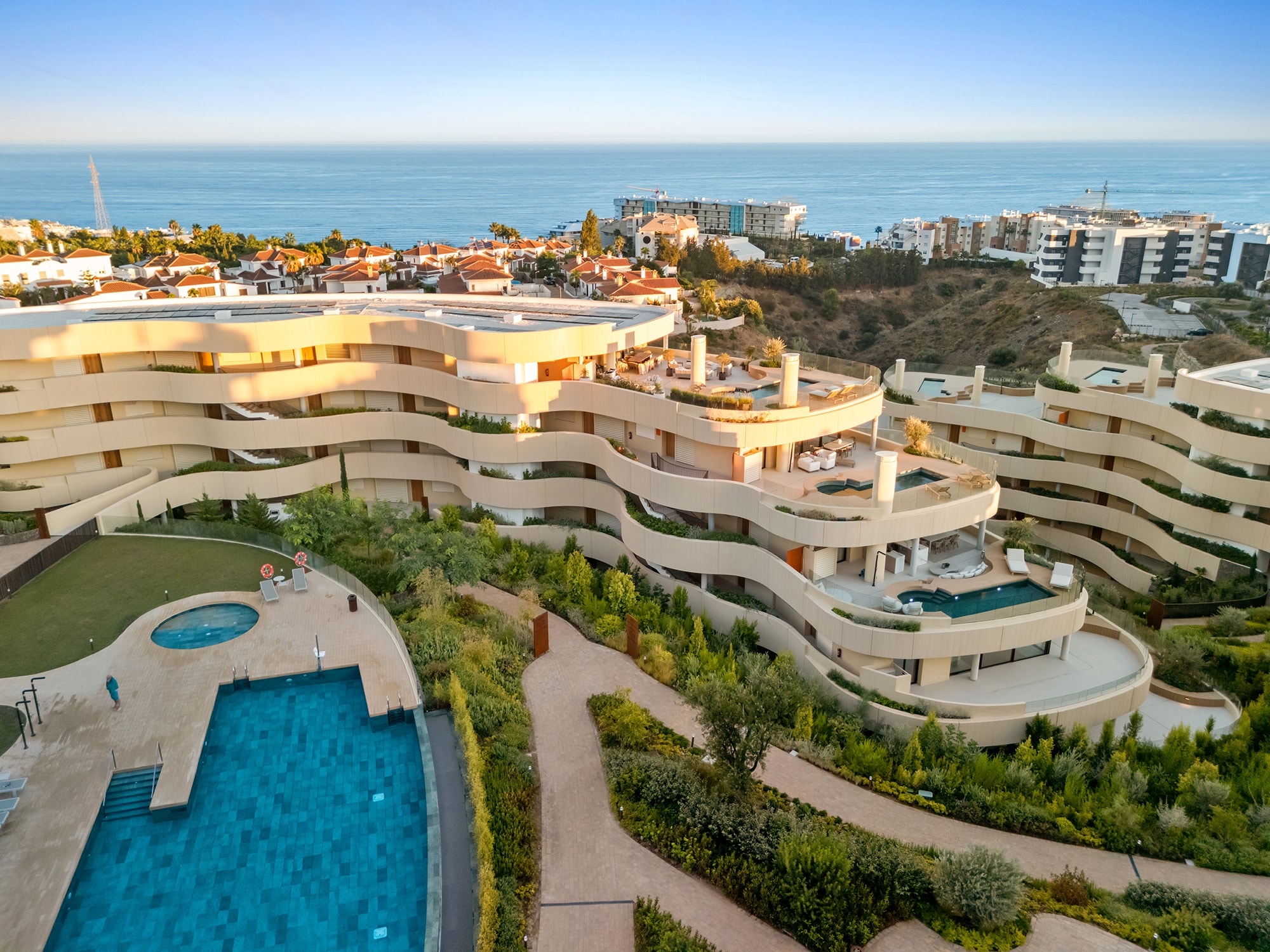
Higuerón, Costa del Sol, Spain — 3-Bed Villa Apartment With Private Pool & Sea Views
€315,000
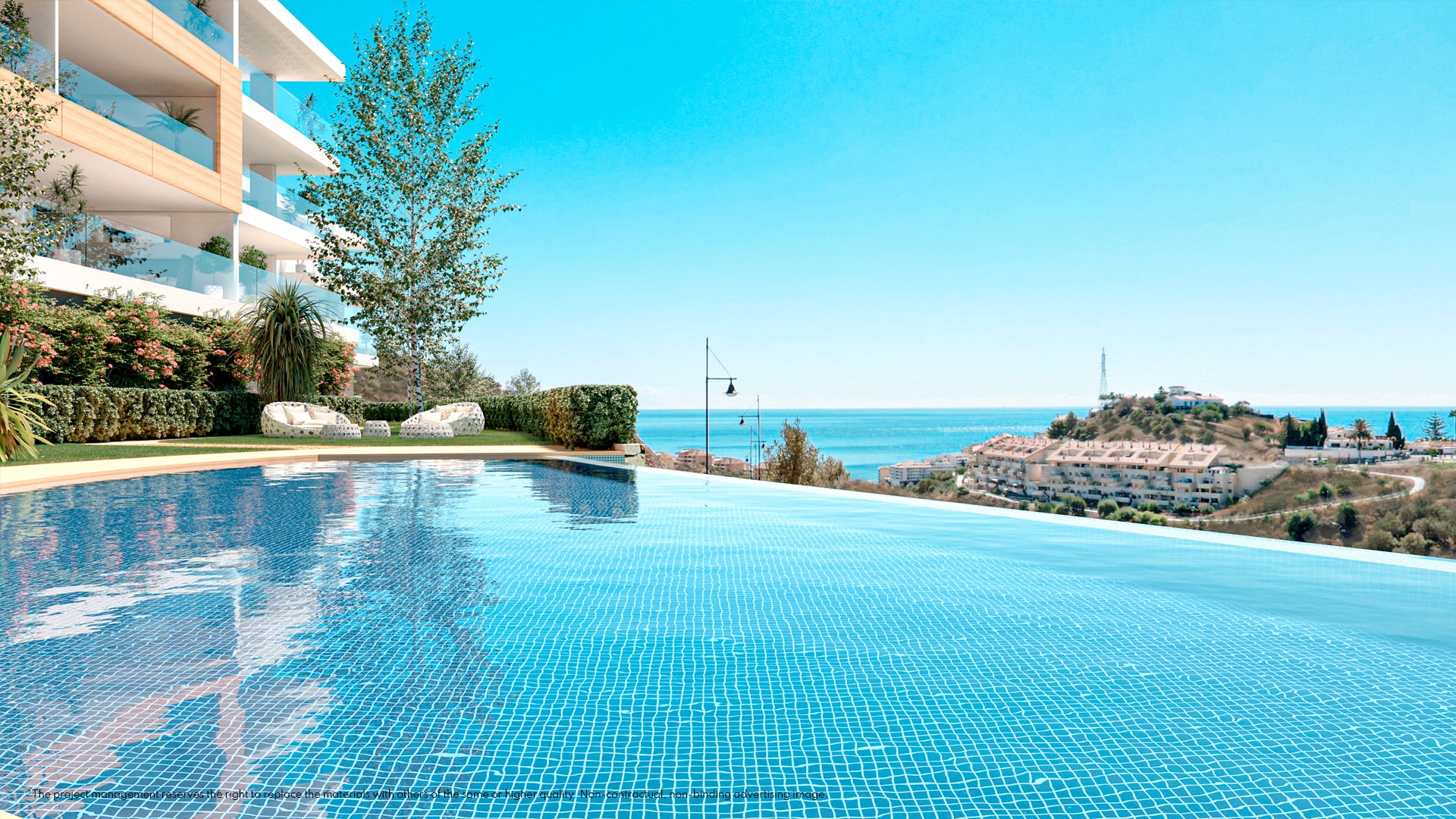
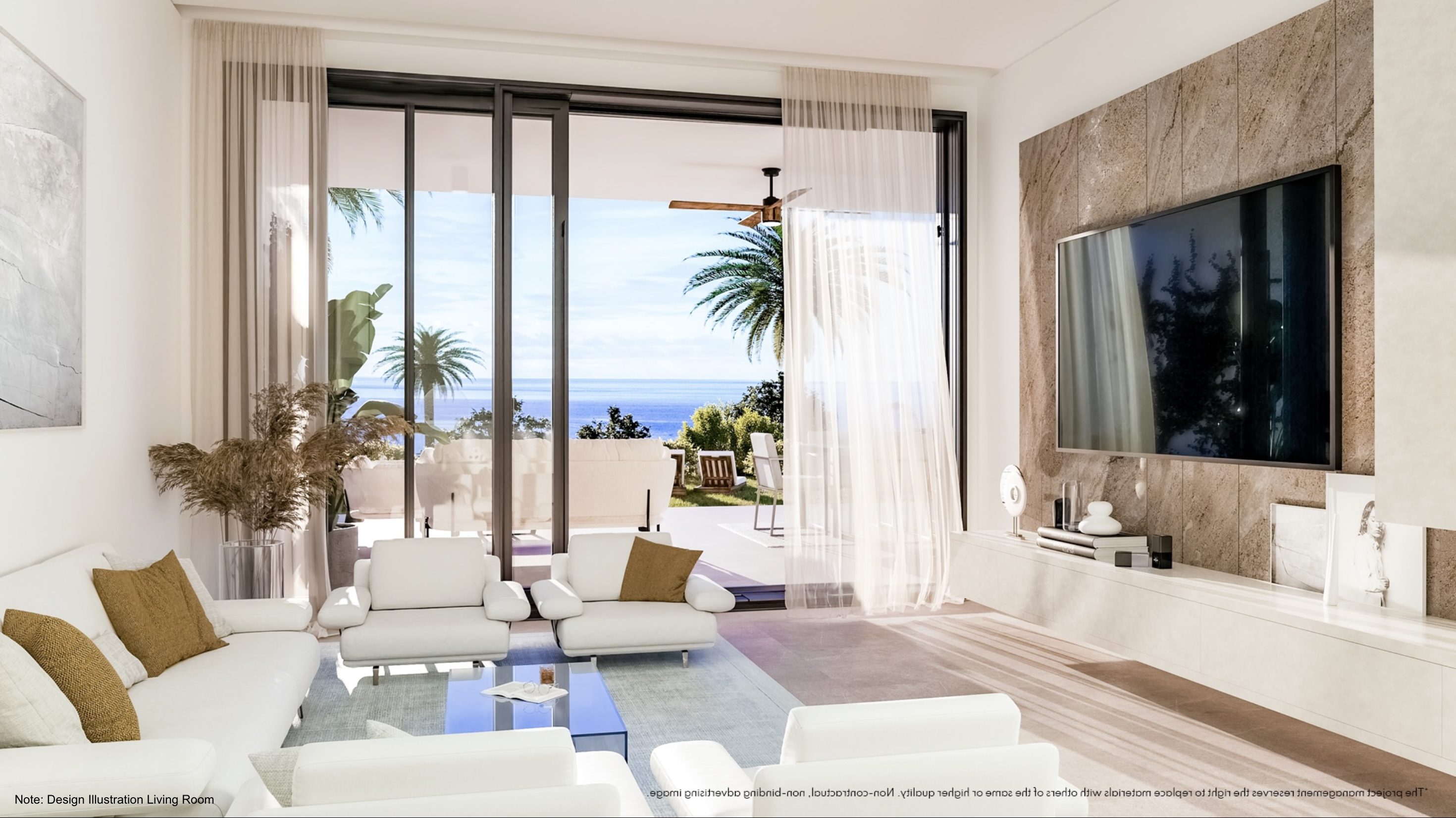

Higueron, Costa del Sol, Spain — 3-Bed Apartment With Sea Views
€125,000

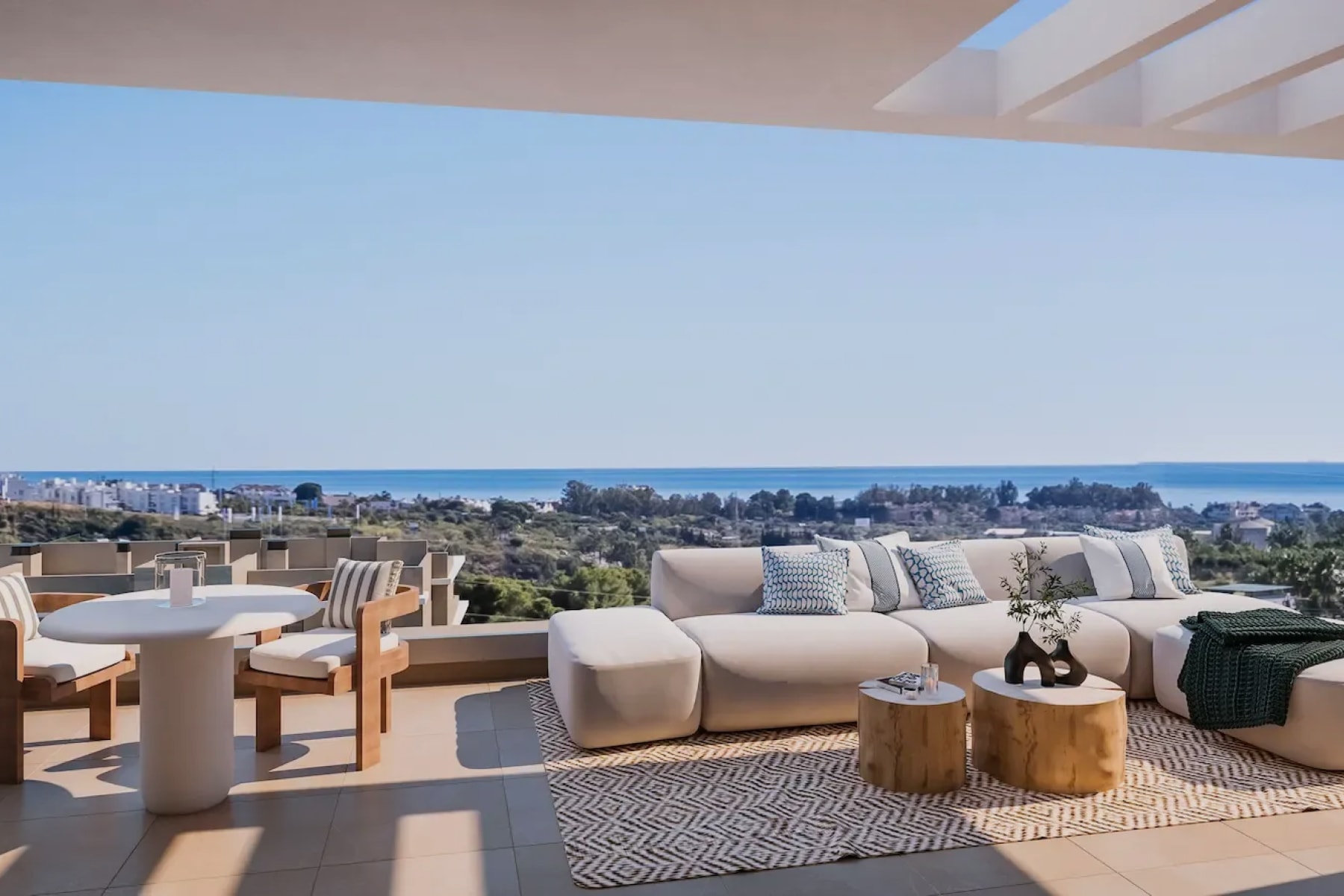

Estepona, Costa del Sol, Spain — 2-Bed Apartment With Sea Views
€135,000
Why Italy Became the Magnet
Italy's pull is engineered. Since 2017 the country has offered new tax residents a flat-tax regime under Article 24-bis of its tax code: a single annual charge on all foreign income, however large, for up to fifteen years. The charge remains €100,000 for earlier entrants, while new residents transferring after 11 August 2024 pay €300,000 a year, with family members added for €50,000 each. That successive tightening tells its own story. A government does not raise the price of admission twice in two years unless demand is comfortably outstripping supply — and the demand has concentrated in one city above all.
That city is Milan, now described as a family-office and financial hub as often as a fashion capital. The knock-on for property has been visible along the whole corridor of Lombardy lifestyle: prime residential values in Milan rose roughly 36% between 2020 and 2025 for a euro buyer, on Knight Frank's figures, and American buyers alone accounted for more than 15% of prime demand across markets such as Milan, Ibiza and the Algarve in the first half of 2026. For the international owner the telling effect is spatial: the same money that lifts the city spills into the lakes and hills within easy reach of it. Como, Garda and Maggiore each sit within a short drive of Milan's new wealth — close enough to catch its overflow, yet still priced a clear tier below the city itself. Co-ownership already tracks that corridor closely, from a city share in Milan itself to the villages of the great lakes, part of a broader Italian collection that sits squarely in the migration's path.
Iberia's Parallel Pull
Spain tells a subtler version of the same story. In a bid to cool its housing crisis, Madrid abolished the property-linked "golden visa" on 3 April 2025, closing the route that had granted residency for a €500,000 purchase. The natural assumption was that prime demand would soften. It did not. Foreign purchases dipped modestly in the second half of 2025, yet the average price paid by overseas buyers actually rose, and the Costa del Sol closed the year at record highs — Málaga province averaging €3,842 per square metre and Marbella, the benchmark, above €5,200. The lesson is the one that recurs across this map: the genuinely wealthy were rarely buying for the visa. They were buying for the place, and they still are.
Portugal completes the trio. Even after the end of its original non-habitual-resident tax scheme, the country has kept drawing mobile wealth toward Lisbon and the south, and the price record is emphatic: prime values in the Algarve rose more than 60% between 2020 and 2025, while Lisbon added around 21% over the same span. Lisbon's prime market extended the run into 2025 with a further gain of about 2.7%, even as American buyers broadened their search well beyond the capital. Here, more than anywhere, full ownership at the top end has climbed beyond the reach of the very buyers who love the coast most — which is precisely why a fractional route into Portugal, and a share of a sea-view villa above Marbella beside it, has stopped looking like a compromise and started looking like arithmetic.
The Squeeze the Data Actually Shows
Step back and a single mechanism links all three markets. Relocating wealth does not bid uniformly for housing; it concentrates on a thin slice of it — turnkey, prime, well-located, low-maintenance — which is the identical slice the international second-home buyer wants. When global prime prices rose an average of just 3.2% in 2025 but Marbella, Milan and the Algarve ran well ahead of that pace, the dispersion is the migration made legible. The trophy postcodes are decoupling from the national averages beneath them, and the gap compounds a little further with every quarter of inflows.
For the buyer who wants a foothold rather than a flag, this is the uncomfortable part. The maths of full ownership in these places has quietly broken. A whole apartment in prime Milan or a villa above Marbella now commits seven figures of capital to an asset used, on the honest average, for a handful of weeks a year — while the running costs, the local taxes and the management accrue across all fifty-two. The relocating millionaire can absorb that; it is simply the price of a base. The family that only wants the place, not a new tax residency, increasingly cannot — and, sensibly, no longer tries.
There is a forward-looking read in this, as well as a cautionary one. The same concentration that makes these postcodes expensive is what has historically made them resilient: the addresses a deep, internationally mobile buyer pool keeps competing for tend to hold their value through cycles rather better than the broad market around them. For the co-owner, that is the quiet upside of standing on ground the wealthy have chosen — you share in the scarcity that supports the price, not merely the cost that reflects it.
Where Co-Ownership Fits the New Map
This is the gap co-ownership was built for. Buying one-eighth of a home, alongside seven other vetted owners, converts a seven-figure barrier into a five- or low-six-figure share, and the year's fifty-two idle weeks into roughly 44 to 45 days of genuine use as an owner. The structure is ownership, not access: you own a real share of the home, the legal set-up is arranged by our partner and walked through with you before you buy, the usage calendar is shared and professionally managed, and the home is maintained and insured whether you are in it or not. Against a backdrop of trophy postcodes pulling away from the pack, it is the mechanism that keeps the door open. Our how-it-works guide sets out the mechanics in full.
There is a strategic logic to it, too. If the most mobile capital in Europe has concluded that the value now sits in Milan, the Costa del Sol and the Algarve, then an owner who wants exposure to those same places — without relocating, and without underwriting an entire house — is simply choosing the more capital-efficient instrument to reach an identical destination. The migrating wealth has, in effect, drawn the map and stress-tested it; a co-ownership share is a way of standing on the same ground without carrying the whole weight of it. The scarcity that makes these markets frustrating to buy into is the same scarcity that has historically protected their values.
Owned this way, a share in one of these markets stops being a line on a balance sheet and becomes something closer to a second life — the September fortnight on the lakes, the winter week in Marbella when the coast belongs to residents again, the standing Easter in the Algarve. Not a home you occasionally visit, but a place you return to, in the good company of the people the same forces are quietly drawing there.
If you would like to see where co-ownership sits within the markets this wealth is reshaping, our current collection of homes spans exactly these coasts and cities. When a share fits what you have in mind, speak with our team and we will walk you through the property, the calendar and the numbers, share by share.
More from Co-Ownership Property

Get in Touch
Speak to an expert
Tell us what you're looking for and we'll be in touch.