Market Insights
Ferienimmobilien vs. Wohnmarkt: Europas Kluft 2026
In ganz Europa stagnieren 2026 die Primärwohnmärkte, während die Preise an erstklassigen Küsten- und Alpenlagen weiter steigen. Die Daten zur Divergenz — und was sie für Käufer bedeutet, die immer noch Exposition gegenüber europäischen Premium-Freizeitanlagen wollen.

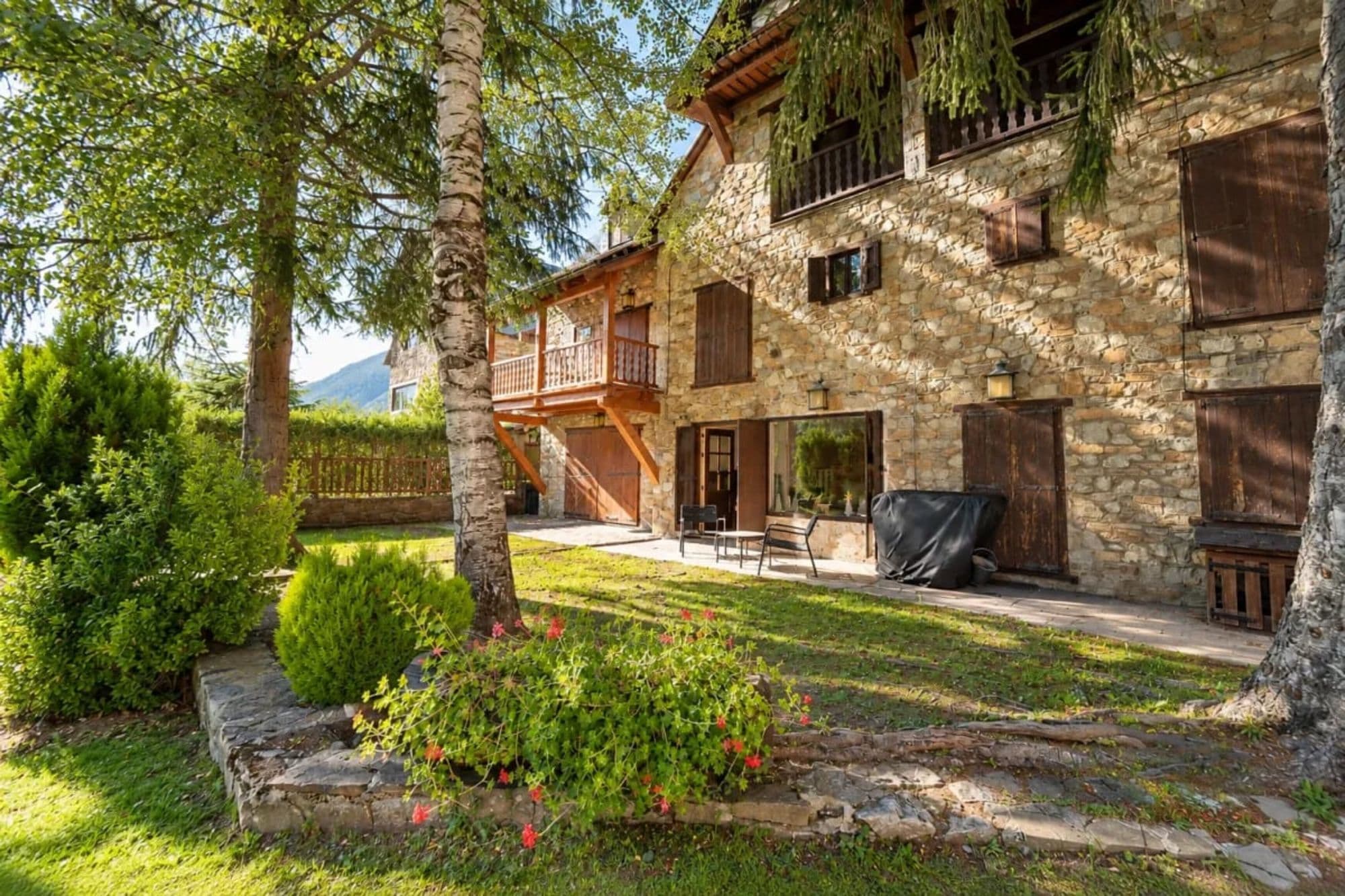
Es ist der erste Dienstag im Mai 2026, und ein Paar in West-London sitzt mit zwei Sätzen von Immobilienmakler-Bewertungen am Küchentisch. Die erste ist für ihre Hauptwohnung — ein fünf-Schlafzimmer-viktorianisches Haus in einer begehrten Ecke von Chiswick. Der Makler, dem sie am meisten vertrauen, hat es innerhalb von 10.000 Pfund von dem Wert angesetzt, der im Februar 2024 geschätzt wurde. Die zweite ist für ein steinernes Bauernhaus nahe Begur an der Costa Brava, das sie zu Ostern besichtigt haben und das ihr Makler fast entschuldigend als etwa zwölf Prozent über dem vorherigen Off-Market-Preis der Immobilie von vor zwei Jahren beschrieb. Dieselbe Familie, dieselbe Bilanz, dasselbe Achtzehn-Monats-Fenster — und zwei Immobilienmärkte, die sich in entgegengesetzte Richtungen bewegt haben. Dies ist das bestimmende Merkmal des europäischen Wohnimmobilienbildes 2026, und die Menschen, die ihm am stärksten ausgesetzt sind, sind genau die Käufer, die annahmen, dass ihr Hauptwohnsitz ihre Zweitwohnsitz-Ambitionen immer tragen würde.
Die Zahlen hinter dem Küchentisch-Gespräch sind nun fest. Der UK House Price Index verzeichnete im Jahr bis Februar 2026 ein jährliches Wachstum von 1,2 Prozent, mit dem Durchschnittshaus bei 268.000 £ — kaum vor der Inflation und weit hinter der Rendite von Bargeld. Notaires-de-France-Daten und INSEE-Prognosen deuten auf 2 bis 3 Prozent Preiswachstum im französischen Nationalmarkt für das Jahr hin, wobei Häuser hinter Wohnungen zurückbleiben. Doch über dasselbe Zeitfenster verzeichnete Knight Franks Prime International Residential Index — die Standardreferenz für internationale Freizeit- und Zweitwohnsitz-Immobilien — 3,3 Prozent durchschnittliches jährliches Wachstum in ganz Europa, während spezifische Zweitwohnsitzmärkte erheblich heißer liefen. Méribel verzeichnete 9 Prozent, Courchevel 1850 6,9 Prozent, das Premium-Villen-Segment Mallorcas 12 bis 15 Prozent und die Algarve etwa 9 Prozent in nominalen Werten. Die Frage, die dieser Artikel behandelt, ist, was diese Divergenz antreibt, warum die Lücke unwahrscheinlich bald zu schließen ist und was sie für Käufer bedeutet, die immer noch Exposition gegenüber europäischen Premium-Zweitwohnsitz-Anlagen wollen, ohne den gesamten Scheck auszuschreiben.
Die Divergenz in Zahlen
Der sauberste Weg, die Divergenz 2026 zu sehen, ist, die Indizes nebeneinander zu legen. Der UK House Price Index, das nächstliegende umfassende nationale Mainstream-Maß für einen der größten Wohnmärkte Europas, ist im ersten Quartal 2026 zwischen 1,2 und 1,3 Prozent gegenüber dem Vorjahr gelaufen. England spezifisch wuchs mit 0,8 Prozent. Der französische Nationalmarkt befindet sich nach zwei Korrekturjahren nun wieder in einer Langsamwachstumsphase: 1,4 Prozent für Wohnungen und 0,4 Prozent für Häuser in nationalen Prognosen, mit regionaler Variation. Savills' Premium-Wohnimmobilien-Prognose für 2026, über globale Gateway-Städte gemittelt, liegt bei 1,3 Prozent — eine aufschlussreich bescheidene Zahl für ein Segment, das historisch mehrere Punkte vor dem Mainstream gelaufen ist.
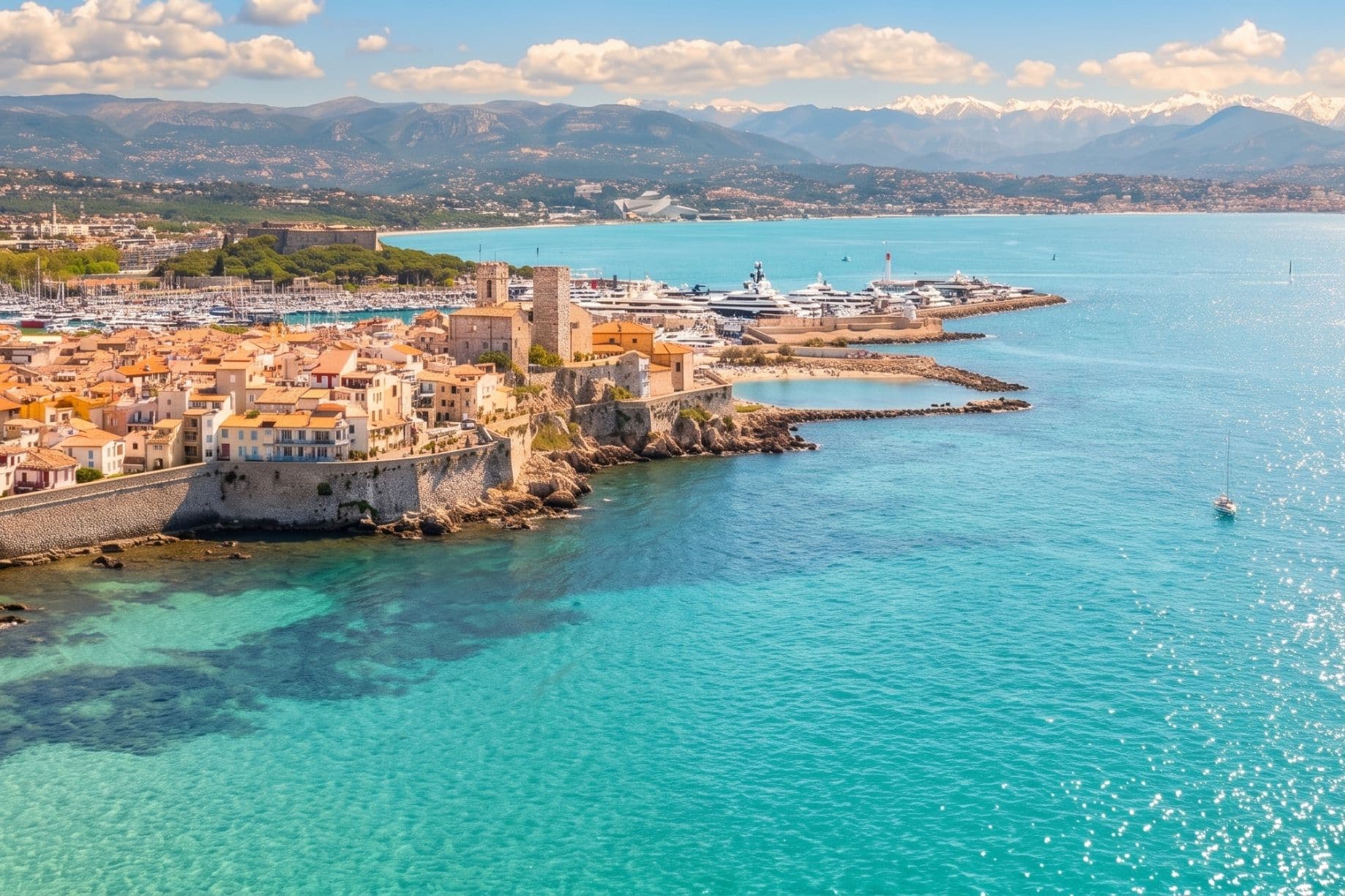
Geht man vom Primärwohnsitz zu Premium-Zweitwohnsitz-Indizes über, verschiebt sich das Bild. Knight Franks PIRI 100 — der 100 erstklassige Wohnimmobilienmärkte global verfolgt, einschließlich Küsten- und ländlicher Zweitwohnsitz-Reiseziele und der wichtigsten alpinen Resorts — verzeichnete 2025 ein 3,2 Prozent durchschnittliches jährliches Wachstum, wobei Europa innerhalb des Index bei 3,3 Prozent lief. In den freizeitorientierten Taschen war das Wachstum erheblich höher. Méribels Premium-Markt wuchs 2025 um 9 Prozent, Courchevel 1850 um 6,9 Prozent. Mallorcas Gesamtwohnmarkt wuchs um etwa 8 bis 10 Prozent, und das für internationale Käufer relevanteste Segment — Premium-Villenbestand oberhalb von etwa 2 Millionen Euro — bewegte sich um 12 bis 15 Prozent. Die Algarve verzeichnete etwa 9 Prozent nominales Wachstum, wobei das sogenannte Goldene Dreieck rund um Loulé, Lagos und Albufeira deutlich darüber zog. Dies sind keine Ausreißer im Premium-Zweitwohnsitz-Universum; sie sind die modale Performance.
Warum sich die zwei Märkte entkoppelt haben
Die Divergenz hat vier sich gegenseitig verstärkende Treiber, und keiner davon wird sich wahrscheinlich auf der für einen Käufer, der einen Kauf für dieses oder nächstes Jahr plant, relevanten Zeitskala umkehren. Der erste ist die strukturelle Angebotsbeschränkung in Premium-Zweitwohnsitz-Reisezielen. Die Balearen haben effektiv neue Tourismus-Vermietungslizenzen auf den meisten Teilen von Mallorca und Ibiza eingefroren und damit den spekulativen Neubau, der auf den Vermietungsmarkt abzielt, gedrosselt. Italiens Codice Identificativo Nazionale (CIN)-Regime, in Kraft seit 2025, hat in der Toskana und im Hinterland um Florenz Ähnliches getan. Frankreichs Le Meur-Rahmen hat die Kurzzeitvermietungs-Regeln über die Riviera und die Alpen verschärft. Das Ergebnis ist, dass der bestehende Bestand an hochwertigen Zweitwohnsitz-Immobilien — restaurierte Bauernhäuser, Tramuntana-Fincas, gut gelegene alpine Chalets — strukturell knapper geworden ist, genau in dem Moment, in dem sich die internationale Nachfrage danach gefestigt hat.
Der zweite Treiber ist das Zinsumfeld. Nach Senkungen im Jahr 2025 hat die Europäische Zentralbank ihre Leitzinsen durch die erste Hälfte des Jahres 2026 stabil gehalten, wobei die Märkte nun keine weiteren Senkungen einpreisen und der nächste Schritt, wenn er kommt, als Erhöhung erwartet wird. Das klingt nach Gegenwind, aber für Premium-Zweitwohnsitz-Immobilien hat es in die andere Richtung gewirkt: Die Kreditkosten haben sich auf niedrigeren Niveaus stabilisiert, als Käufer 2023 geplant hatten, und die eigene Verbrauchererwartungsumfrage der EZB stellt verbesserte Haushaltsabsichten zum Kauf oder Bau im Q1 2026 fest. Die Käufer, die 2026 in Premium-Märkten aktiv sind, sind überwiegend Bargeld- oder Niedrig-Leverage; der Zinspfad spielt eine geringere Rolle als die Vermögensströme, die die Anlageklasse speisen. Unsere Q2 2026 Europäische Marktintelligenz verfolgte die frühe Phase derselben Dynamik.
Der dritte Treiber ist der Wohlstandsfluss-Effekt. Knight Franks Wealth Report 2026, die zwanzigste Ausgabe des Berichts, zählte 713.626 Ultra-High-Net-Worth-Individuen weltweit, wobei die Bevölkerung in den vorangegangenen fünf Jahren um 89 pro Tag wuchs. Steigender Steuer- und Regulierungsdruck in Primärwohnsitzen, kombiniert mit der relativen Leichtigkeit der Führung von Family Offices über mehrere Jurisdiktionen, hat bedeutet, dass ein stetig höherer Anteil dieses Vermögens internationalen Zweitwohnsitz-Anlagen in stabilen, lifestyle-orientierten Märkten zugewiesen wird. Knight Franks eigener Kommentar hebt Méribel und Marbella als generationenübergreifende Familienrückzugsorte mit starker Nachfrage aus dieser Kohorte hervor, wobei Mailand und Madrid mobiles Kapital einfangen, das zuvor in London konzentriert war.
Der vierte ist die Währung. Eine anhaltende Dollarstärke gegenüber dem Euro von 2024 bis 2026 hat erstklassige europäische Zweitwohnsitz-Anlagen für US-Käufer merklich günstiger gemacht, die darauf reagiert haben, indem sie Märkte betreten haben — die französischen Alpen, die Costa Smeralda, die Algarve, die toskanische Landschaft — die historisch eine eher europäische Zusammensetzung der Nachfrage hatten. Der neue US-Fluss hat bestehende europäische Käufer nicht verdrängt; er hat sich oben drauf gesetzt und den Wettbewerb um denselben endlichen Bestand hochwertiger Häuser verschärft.
Die UHNW-Seite der Geschichte
Die Knight-Frank-Daten verdienen einen genaueren Blick, weil sie ein strukturelles Merkmal der Divergenz erklären, das andernfalls schwer zu sehen ist. Der Wealth Report 2026 ist unmissverständlich, dass UHNWIs ihre Leben zunehmend über mehrere Jurisdiktionen organisieren, wobei Family Offices Außenposten über globale Drehkreuze hinweg einrichten und eine steigende Allokation an internationaler Wohnimmobilie. Global haben mehr als die Hälfte der vom Prime International Residential Index verfolgten Städte 2025 jährliches Preiswachstum über 3 Prozent verzeichnet — die breiteste Basis der Premium-Wertsteigerung seit fast einem Jahrzehnt. Tokio führte mit +58,5 Prozent, Dubai mit +25,1 Prozent, wobei europäische Resorts und mediterrane Küstenmärkte sich im hohen einstelligen Band gruppierten. Nordamerikanisches Premium dagegen war bescheiden negativ mit -0,9 Prozent.
Die Implikation für die europäische Premium-Zweitwohnsitz-Geschichte ist, dass der marginale Käufer nicht länger der wohlhabende inländische Berufstätige ist, der ein Ferienhaus kauft; er ist zunehmend die international mobile UHNW-Familie, die einen Teil eines globalen Immobilienportfolios einem spezifischen Lifestyle-Markt zuweist. Dieser Käufer ist weniger zinssensibel, weniger marginal währungssensibel und erheblich weniger preissensibel als die Käuferpools, die 2010 oder 2015 dieselben Märkte dominierten. Der Preisfindungsprozess auf Mallorca, in der Provence, in den Alpen und an der Algarve im Jahr 2026 wird von einer Kohorte gesetzt, deren Alternative nicht der lokale Mainstream-Markt ist, sondern Aspen, die Hamptons und Lake Tahoe — und Knight Franks Daten zeigen, dass diese US-Märkte flach oder negativ laufen.
Was es für den Mittelmarkt-Käufer bedeutet
Die unbequeme Wahrheit für den oberen Mittelmarkt-europäischen Käufer — das britische Paar in unserer Eröffnung, die deutsche Familie in München, die französische Führungskraft in Paris — ist, dass die Leiter ins Premium-Zweitwohnsitz-Eigentum weggetreten wird. Die Preislücke zwischen der Art von Immobilie, die eine erfolgreiche Berufstätigen-Familie 2018 direkt kaufen konnte, und der Art, die sie 2026 kaufen kann, hat sich in realen Werten in jedem Premium-Zweitwohnsitz-Markt in Europa erweitert. Mallorcas Premium-Villenbestand ist um etwa 50 Prozent in sieben Jahren gestiegen. Die Algarve im Goldenen Dreieck ist schneller gelaufen. Die französischen Alpen haben sich mit jeder neuen Infrastrukturinvestition stufenweise höher umgewertet. Inzwischen hat der Hauptwohnsitz — der Vermögenswert, der historisch das Mittelmeer-Upgrade finanziert hätte — größtenteils stillgestanden.
Zwei Antworten zeichnen sich ab. Die erste ist Kompromiss: kleinere Immobilie, weniger erstklassige Adresse, weniger nachhaltige Spezifikation. Das ist eine Echtgeldentscheidung, die Käufer treffen, aber sie ist auch eine, die eine bedeutende langfristige Leistungslücke einbacken, weil erstklassige Adressen in angebotsbeschränkten Märkten genau die Vermögenswerte sind, die die Divergenz angetrieben haben. Die zweite Antwort ist strukturell: Kaufen Sie eine fraktionale Position in einer Immobilie, die andernfalls unerschwinglich wäre, am Standort und in der Spezifikation, die der Käufer ursprünglich wollte. Das ist der Miteigentumsfall, und die Marktdaten 2026 sind das, was ihn von einer interessanten Alternative in eine mathematisch offensichtliche verwandelt. Unsere Analyse, warum wohlhabende Käufer Miteigentum statt vollständiger Zweitwohnsitze wählen, geht das Käuferprofil im Detail durch.
Das Miteigentumsargument in einem divergenten Markt
Die Mechanik, die Miteigentum in einem flachen oder steigenden Markt funktionieren lässt, funktioniert in einem divergenten Markt noch stärker. Ein Achtel-Anteil neben sieben anderen geprüften Miteigentümern gibt einem Käufer etwa 44 bis 45 Tage jährlicher Nutzung einer Immobilie, die typischerweise zwei bis vier Mal höher bepreist ist als das, was sie sonst erreichen könnten. In einem Markt, in dem der zugrunde liegende Vermögenswert jährlich mit hohen einstelligen Werten zusammengesetzt wurde — Mallorca Premium, die französischen Alpen, das Algarve-Goldene-Dreieck — erfasst dieser Anteil seinen proportionalen Anteil an der Kapitalwertsteigerung, während er einen kleinen Bruchteil des Volleigentums kostet, sowohl am Einstiegspunkt als auch auf der laufenden Linie. Unsere Seite Funktionsweise stellt die vollständige Struktur dar.
Der divergente Markt rahmt auch das Risikobild neu. Die Konzentration eines Primärmarktverkaufs in einen einzigen Volleigentums-Zweitwohnsitz-Kauf 2026 trägt erhebliches Einzelanlagenrisiko: Der Käufer ist vollständig einer spezifischen Immobilie, einem spezifischen Standort und der Verwaltungslast ausgesetzt, die den durchschnittlichen britischen, amerikanischen oder nordeuropäischen Eigentümer dazu gebracht hat, weniger als dreißig Tage pro Jahr auf ihrem Zweitwohnsitz zu verbringen. Eine fraktionale Position verteilt den Einstieg auf weit weniger Kapital, entfernt die Verwaltungsexposition vollständig — der Hausverwalter übernimmt die gesamte Nebensaison — und erlaubt einem Käufer, einen Portfolio-Ansatz über mehr als einen Premium-Markt im Laufe der Zeit zu erwägen. Unser Artikel über das Untätig-Vermögen-Problem entwickelt das Unter-Nutzungs-Argument im Detail.
Die Daten 2026 sprechen auch dafür, wie die Entscheidung zu timen ist. Mit der wahrscheinlichen Verlängerung der EZB-Pause, mit fortgesetzter regulatorischer Verschärfung in Spanien, Italien, Frankreich und Portugal, die das Angebot weiter einschränkt, und mit UHNW-Kapitalfluss in erstklassige europäische Freizeitmärkte, der mit der Rate läuft, die die Knight-Frank-Daten implizieren, spiegelt die Preisgestaltung des verfügbaren Miteigentumsbestands 2026 einen Markt wider, der sich eindeutig höher umpreist hat — aber noch nicht auf das Niveau, auf dem die zugrunde liegenden Treiber der Divergenz sich erschöpft hätten. Käufer, die darauf warten, dass der Premium-Zweitwohnsitz-Markt zu 2019-Niveaus zurückkehrt, werden nach jeder verfügbaren Lesart der Daten lange warten. Die Käufer, die 2026 abschließen, sind diejenigen, die dieselbe Divergenz betrachteten und beschlossen, eine strukturierte, fraktionale Position einzunehmen, statt weiter an der Seitenlinie zu sitzen. Unsere Kauf-FAQ beantworten die häufigsten Fragen, die an diesem Punkt des Gesprächs auftreten.
Für Käufer, die derzeit dieselbe Rechnung durchführen, führt COP Live-Bestand über die oben behandelten Reiseziele. Stöbern Sie in der aktuellen Auswahl auf unserer Seite unsere Häuser oder sprechen Sie direkt mit unserem Team, um zu verstehen, welche Immobilien verfügbar sind, was ein bestimmter Anteil im aktuellen Markt kosten würde, und wie sich die 2026-Zahlen in eine Immobilie übersetzen, die Sie tatsächlich dieses Jahr besitzen und nutzen könnten.
More from Co-Ownership Property
Kontakt aufnehmen
Sprechen Sie mit einem Experten
Sagen Sie uns, wonach Sie suchen, und wir melden uns bei Ihnen.