Market Insights
90-Tage-Regel, EES und die Ferienimmobilie in Europa
Seit das Entry/Exit-System der EU im April 2026 vollständig in Betrieb ging, werden die Tage jedes Nicht-EU-Bürgers im Schengen-Raum protokolliert, gezählt und biometrisch durchgesetzt. Für Hunderttausende britischer, amerikanischer und australischer Zweitwohnsitz-Eigentümer, deren legales Fenster nun exakt 90 Tage in 180 beträgt, hat sich die Arithmetik des Volleigentums grundlegend verändert — und das Miteigentumsmodell passt mit struktureller Präzision zur neuen Realität.
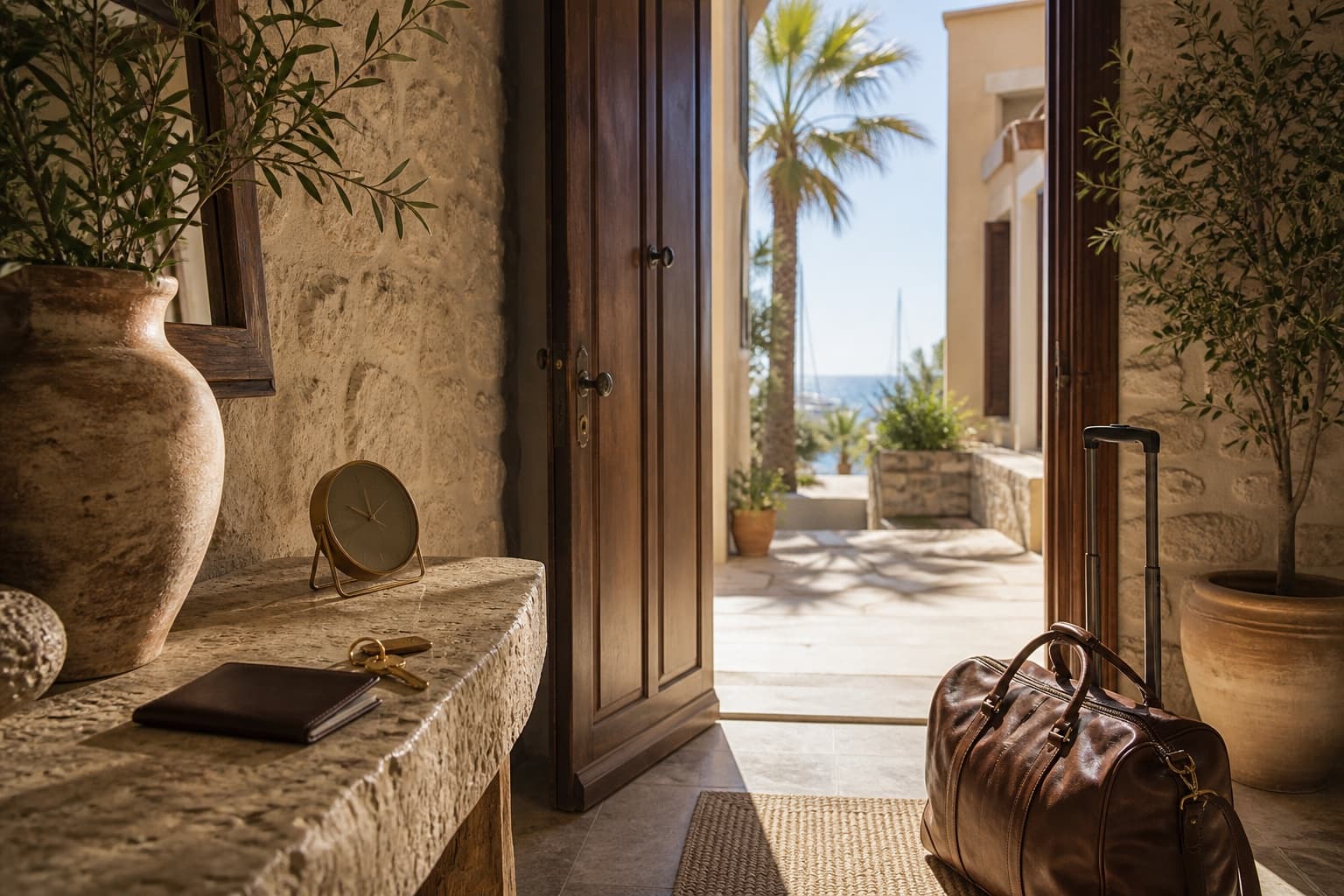
Es ist ein Samstagmorgen Anfang Mai 2026, und die Ankunftshalle am Flughafen Palma bewegt sich in ihrem gewohnten Tempo. Familien mit Gepäck, Paare ohne, die übliche Schlange an der Passkontrolle. Doch die Schlange bewegt sich nun anders. An jedem Schalter erfasst ein kleines Terminal einen Fingerabdruck und ein Gesichtsbild. Ein Bildschirm bestätigt die Registrierung. Der Beamte schaut auf, nickt, und die Schranke öffnet sich. Auf einem Server irgendwo wurde ein Datenbankeintrag erstellt: Ankunftsdatum, biometrische Signatur, verbleibende Tage im aktuellen 180-Tage-Fenster. Wenn Sie britischer, amerikanischer, australischer oder kanadischer Staatsbürger sind, läuft dieser Zähler. Er läuft, für jede Einreise und jede Ausreise, seit das Entry/Exit-System der EU am 10. April 2026 vollständig in Betrieb ging. Für Hunderttausende von Nicht-EU-Zweitwohnsitz-Eigentümern in ganz Europa markiert dieser stille administrative Moment eine Veränderung in der Natur ihres Eigentums. Die Uhr ist nicht länger theoretisch. Sie ist digital, und sie vergisst nicht.
Die Schengener 90-Tage-Regel — die Begrenzung auf 90 Tage in jedem rollierenden 180-Tage-Zeitraum über alle 29 Schengen-Mitgliedstaaten hinweg, gültig für britische, US-amerikanische, kanadische, australische und die meisten anderen Nicht-EU-Staatsangehörigen — besteht seit Anfang 2021, als der Brexit vollständig in Kraft trat. Mehrere Jahre danach war die Durchsetzung lückenhaft. Pass-Stempel konnten übersehen werden. Grenzbeamte hatten Ermessensspielraum. Viele Zweitwohnsitz-Eigentümer, die in der Erwartung gekauft hatten, mehrere Monate pro Jahr auf ihrer europäischen Immobilie zu verbringen, fanden informelle Umgehungslösungen. Das EES schließt dieses Kapitel dauerhaft. Jeder Übertritt einer Schengen-Außengrenze wird nun biometrisch registriert, der 90-Tage-Zähler automatisch aktualisiert, und Überschreitungen sind in dem Moment erkennbar, in dem ein Reisender seinen Pass das nächste Mal irgendwo in der Zone vorlegt. Was eine weiche administrative Beschränkung war, ist zu einer harten rechtlichen geworden.
Eine marktprägende Beschränkung für Nicht-EU-Käufer
Der Umfang des betroffenen Marktes ist nicht unbedeutend. Nach Beweisen, die britischen Parlamentsausschüssen vorgelegt wurden, besaßen etwa 86.000 britische Haushalte Zweitwohnsitze in Frankreich — mit einer weiteren beträchtlichen Anzahl in Spanien, Italien, Portugal und Griechenland. Der Gesamtwert der in britischem Besitz befindlichen Wohnimmobilien auf dem europäischen Festland wurde auf etwa 30 Milliarden Pfund geschätzt. Fügt man die amerikanischen, kanadischen und australischen Eigentümer europäischer Ferienhäuser hinzu — alle der gleichen 90/180-Regel unterworfen, wenn auch ohne den zusätzlichen Post-Brexit-Kontext — so ist die strukturelle Beschränkung der Nutzung von Zweitwohnsitzen durch Nicht-EU-Bürger in Europa eine der bedeutendsten unausgesprochenen Kräfte, die den Markt 2026 prägen. Wenn ein Käufer 1,5 Millionen Euro in eine Wohnung an der französischen Riviera investiert, erwirbt er einen Vermögenswert, den er rechtlich höchstens 90 Tage in jedem 180-Tage-Zeitraum bewohnen darf. Das ist eine wesentliche Einschränkung des Wertversprechens des Volleigentums, die der Kaufpreis nicht widerspiegelt.
Eine wichtige Nuance: Die 90-Tage-Regel gilt gleichzeitig für alle 29 Schengen-Länder, nicht pro Land. Ein Nicht-EU-Staatsbürger, der 30 Tage auf Mallorca, 25 Tage in der Toskana und 20 Tage in Südfrankreich verbringt, hat 75 seiner 90 Tage verbraucht — auf drei verschiedene Länder verteilt. Der Käufer, der Zweitwohnsitze sowohl in Spanien als auch in Italien besitzt, kann seine Zeit nicht einfach zwischen beiden aufteilen, als ob jedes Land eine unabhängige 90-Tage-Zuteilung böte. Der Schengen-Raum funktioniert für die Kurzaufenthaltszählung als eine einzige Jurisdiktion, eine Tatsache, die viele Käufer überrascht, die ihre Immobilienstandorte als getrennt und unterschiedlich betrachtet haben. Diese strukturelle Realität gestaltet die Logik um, wie Nicht-EU-Käufer europäische Immobilien halten sollten — und sie gestaltet sie zugunsten von Modellen um, die auf präzise, geplante Nutzung statt auf offene, aspirative Zugänglichkeit setzen.
Der Goldene-Visa-Ausweg ist geschlossen
Für Käufer, die die 90-Tage-Beschränkung erkannten und einen strukturellen Ausweg darum suchten, war die beliebteste Lösung in Spanien das Goldene Visum: ein Investorenvisum, das Aufenthaltsrechte — und damit unbegrenzte Aufenthalte — im Austausch gegen eine qualifizierende Immobilieninvestition gewährte, typischerweise über 500.000 Euro. Spaniens Goldenes-Visum-Programm für Immobilieninvestitionen wurde im April 2025 offiziell eingestellt, wobei die Regierung Bedenken hinsichtlich der Bezahlbarkeit von Wohnraum und seine Auswirkungen auf lokale Immobilienmärkte anführte. Portugals Version war bereits früher erheblich eingeschränkt worden. Der Weg „Investition gegen Aufenthalt", der vielen Nicht-EU-Käufern erlaubt hatte, die 90-Tage-Beschränkung zu umgehen, ist geschlossen, und Käufer, die ihre spanischen Immobilienerwerbe um den Aufenthaltsanspruch herum strukturiert haben, müssen nun alternative Arrangements in Betracht ziehen. Neuen Käufern, die spanische Küstenimmobilien betrachten, steht kein gleichwertiger Weg zur Verfügung.
Frankreich hat ein gewisses politisches Interesse gezeigt, die 90-Tage-Regel speziell für Immobilieneigentümer zu modifizieren — es gibt politischen Druck in Paris, britischen Zweitwohnsitz-Eigentümern aufgrund ihrer Investition verlängerte Aufenthalte zu gewähren — doch ab Mai 2026 bleibt die Regel unverändert, und jede französische Ausnahme würde sich nicht auf Spanien, Italien, Griechenland oder andere Schengen-Mitglieder erstrecken, die unter demselben EU-Rahmen operieren. In jedem Fall stützt sich der Fall für Miteigentum als strukturelles Modell auf Grundlagen, die breiter sind als die 90-Tage-Beschränkung allein. Das EES und die Schließung des Goldenen Visums machen den Fall lediglich schärfer und dringlicher.
Was neunzig Tage einen Volleigentümer eines Zweitwohnsitzes tatsächlich kosten
Neunzig Tage klingen wie ein angemessener Anteil eines Jahres für eine Immobilie, die hauptsächlich der Freizeit dient. In der Praxis ist die Arithmetik weniger bequem. Betrachten Sie einen britischen Käufer, der eine hochwertige Villa auf Mallorca besitzt, gekauft für 1,2 Millionen Euro. Die Immobilie trägt laufende Kosten — Pool- und Gartenpflege, Versicherung, IBI (lokale Grundsteuer), Gemeinschaftsgebühren, ein Hausverwalter — von etwa 18.000 bis 24.000 Euro pro Jahr. Wenn der Eigentümer die Immobilie 90 Tage nutzt, belaufen sich allein die laufenden Kosten auf etwa 200 bis 270 Euro pro Nacht, bevor irgendeine Hypothek oder Kapitalkosten berücksichtigt werden. Aussagekräftiger noch: Die Immobilie steht mindestens 275 Tage im Jahr unbewohnt — nicht weil der Eigentümer keinen Wunsch hat, sie zu nutzen, sondern weil das Gesetz nicht mehr zulässt. Diese Lücke zwischen dem, was das Vermögen im Halten kostet, und dem, was der Eigentümer rechtlich daraus ziehen kann, ist das Problem des untätigen Vermögens in seiner präzisesten Form, und es ist ein Problem, das das EES nun strukturell dauerhaft statt praktisch verhandelbar gemacht hat. Wir haben die breitere Version dieses Themas an anderer Stelle ausführlich untersucht.
Einige Eigentümer haben dies durch Kurzzeitvermietungseinkommen ausgeglichen, doch die regulatorische Landschaft hier hat sich ebenfalls erheblich verschärft. Die Regierung der Balearen hat neue Tourismus-Vermietungslizenzen in den meisten Küstengemeinden faktisch eingefroren. In Italien verleiht ein 2024 und 2025 eingeführtes nationales Kurzzeitvermietungs-Registrierungssystem den Regionen die Befugnis, neue Lizenzen in gesättigten Tourismusgebieten zu beschränken, und Teile der toskanischen und ligurischen Küste haben begonnen, diese Befugnis auszuüben. Die Kombination aus einer 90-Tage-Rechtsobergrenze für die persönliche Nutzung und eingeschränkten Vermietungseinkünften schafft ein Finanzprofil für das volle Zweitwohnsitz-Eigentum auf diesen Märkten, das deutlich weniger attraktiv aussieht als vor einem Jahrzehnt. Für Nicht-EU-Käufer im Jahr 2026 wurde das Volleigentumsmodell für eine Welt entworfen, die nicht mehr ganz existiert.
Die Miteigentums-Ausrichtung: Vierundvierzig Tage in einem 90-Tage-Fenster
Ein Achtel-Anteil an einer Miteigentumsimmobilie berechtigt den Eigentümer zu 44 bis 45 Tagen persönlicher Nutzung pro Jahr — etwa sechs Wochen, verteilt über die Jahreszeiten gemäß dem Kalendersystem, das unter den acht Miteigentümern vereinbart wird. Es ist kein Zufall, dass diese Zahl bequem innerhalb des 90-Tage-Schengen-Fensters liegt; es ist die natürliche Nutzungszuteilung für einen Anteil von acht an einer Immobilie, und sie stimmt fast exakt mit dem überein, was ein Nicht-EU-Staatsbürger rechtlich nutzen kann, bevor er die Hälfte seines erlaubten Aufenthalts überschreitet. Ein Käufer, der seine volle 44-Tage-Zuteilung in Anspruch nimmt, hat etwa die Hälfte seines jährlichen Schengen-Anspruchs verbraucht, wodurch die verbleibenden Tage für Geschäftsreisen, Städtebesuche und Familienaufenthalte anderswo in Europa verfügbar bleiben — ohne Beschränkungsrisiko. Das Miteigentumsmodell, entworfen, um Nutzung an Eigentumsbruchteil anzupassen, landet genau in der Zone, die Nicht-EU-Käufer rechtlich und bequem belegen können. Die Planungs- und Kalendermechanik ist in unseren FAQ ausführlich erklärt.
Es gibt eine zweite Dimension, die weniger oft erwähnt wird. Da die 90-Tage-Regel für den Schengen-Raum als Ganzes gilt, kann ein Käufer, der zwei Achtel-Anteile besitzt — in zwei verschiedenen Reisezielen, etwa eine Immobilie in der Nähe von Deià auf Mallorca und ein Bauernhaus in den Chianti-Hügeln — die Zuteilungen nicht einfach als unabhängig betrachten. Zusammengenommen würden die etwa 88 bis 90 Tage Nutzung über beide Anteile jedoch immer noch innerhalb der rechtlichen Grenze liegen, und in der Praxis nehmen die meisten Miteigentümer ihre volle 44-Tage-Zuteilung nicht in einem einzigen kontinuierlichen Besuch in Anspruch: Der Anteil wird typischerweise auf zwei oder drei separate Aufenthalte im Jahresverlauf verteilt. Ein Käufer, der zwei Anteile besitzt und seine Nutzung sinnvoll auf beide Immobilien und mehrere saisonale Besuche verteilt, würde wahrscheinlich zwischen 70 und 85 Schengen-Tage verbrauchen — sinnvoll innerhalb des rechtlichen Fensters und ein jährliches Muster europäischen Lebens aufbauend, das zwei eingetragene Eigentumspositionen in angebotsbeschränkten Märkten weit sauberer aufrechterhalten können als zwei vollständige Immobilien. Dies ist die neue Architektur des europäischen Zweitwohnsitzes für Nicht-EU-Käufer: nicht ein großes Vermögen, das den größten Teil des Jahres ungenutzt steht, sondern mehrere Miteigentumspositionen, jede für einen kompakten saisonalen Block genutzt, jede komfortabel innerhalb des rechtlichen Rahmens, zusammen eine Reihe von Landschaften, Jahreszeiten und Erfahrungen abdeckend. Unsere Kauf-FAQ behandeln die Struktur, die rechtlichen Schutzmaßnahmen für jeden Miteigentümer und wie der Ausstieg funktioniert.
Der Marktkontext: Steigende Nachfrage, strukturell beschränktes Angebot
Die Miteigentumschance wird durch die Bedingungen auf den zugrunde liegenden erstklassigen Küstenmärkten verstärkt, nicht untergraben. Die Europäische Zentralbank senkte ihren Einlagenzinssatz zwischen Juni 2024 und Juni 2025 achtmal und brachte ihn auf 2,0 Prozent, wo er sich seither stabilisiert hat. Günstigere Schulden haben Kaufkraft auf dem gesamten Kontinent freigesetzt, und das Transaktionsvolumen für europäische Immobilien erholt sich kräftig – ein Zeichen für zurückkehrendes Vertrauen und sich verengende Geld-Brief-Spannen. In erstklassigen Küstenmärkten, in denen das Angebot strukturell durch Geografie und Planungsrecht beschränkt ist, hat sich die Rückkehr der Liquidität direkt in Preisstützung und Wettbewerb um Qualitätsbestände übersetzt.
Laut Knight Franks Wealth-Report-Analyse für 2026 stiegen die globalen Luxus-Wohnimmobilienpreise 2025 um 3,2 Prozent, wobei Lifestyle- und Resort-Destinationen — mediterrane Sonne und alpiner Schnee — die Gewinne anführten. Die französische Riviera wird gestützt durch das, was Knight Frank als eine schwere Beschränkung der neuen Küstenbebauung aufgrund von Umweltvorschriften und Landknappheit beschreibt: Es gibt schlicht keine weitere Küste, die zwischen den Bergen und dem Mittelmeer geschaffen werden könnte. Monaco erreichte 2025 neue Preishöhen und drängte einige Käufer entlang der Riviera nach Nizza, Antibes und in die östlichen Anrainerorte, was frische Nachfrage in bereits angebotsbeschränkten Märkten antrieb. Die Balearen haben sich vom spanischen Festlandmarkt entkoppelt und verhalten sich nun, nach Aussage von Analysten, eher wie eine erstklassige internationale Anlageklasse: Neue Entwicklungen sind durch Inselgeografie und Planungsrecht eingeschränkt, und der Wettbewerb um Qualitätsbestände — renovierte Fincas, gut gelegene Küstenwohnungen, Dorfhäuser in der Tramuntana — bleibt intensiv. Die Divergenz zwischen erstklassigen Küstenmärkten und dem Mainstream-Wohnungsmarkt, die wir in einer früheren Analyse behandelt haben, hat sich in der ersten Hälfte des Jahres 2026 weiter verstärkt.
Ein zusätzlicher Faktor wirkte im Hintergrund: Die Abschaffung des britischen Non-Dom-Steuerregimes löste eine Welle der Vermögensumschichtung aus, die laut Knight Frank bedeutendes Kapital in Richtung europäischer Immobilien gelenkt hat — Italien, Monaco und die Schweiz wurden als besondere Begünstigte genannt. Dasselbe EZB-Zinsumfeld, das die europäischen Immobilienwerte allgemein gestützt hat, hat in Euro denominierte Vermögenswerte für Sterling-Käufer attraktiver gemacht, für die sich die relative Währungsrechnung in den letzten Jahren verschoben hat. Dies sind nicht die Hauptantriebskräfte des Miteigentumsarguments, aber sie sind relevanter Kontext: Die Märkte, in denen Miteigentum Käufer positioniert, werden gestützt durch strukturelle Nachfrage aus globalem Vermögen, strukturelle Angebotsbeschränkungen, die kein Planungszyklus wahrscheinlich lockern wird, und einen makroökonomischen Hintergrund, der allgemein unterstützend geworden ist. Für eine detailliertere Analyse, wo die erstklassigen Küstenwerte im aktuellen Zyklus stehen, behandelt unser Q2-2026-Marktintelligenz-Artikel das Bild nach Reiseziel.
Kapitaleffizienz in einem angebotsbeschränkten Markt
Das Kapitaleffizienzargument für Miteigentum in angebotsbeschränkten erstklassigen Küstenmärkten ist 2026 stärker als je zuvor. Ein Qualitäts-Achtel-Anteil an einer gut verwalteten Immobilie auf den Balearen oder an der französischen Riviera liegt derzeit im Bereich von 150.000 bis 280.000 Euro, abhängig vom Vermögenswert, der Lage und etwaigen Mieteinnahmen-Ausgleichen — und bietet eingetragenes Eigentum und langfristige Kapitalbeteiligung an einem Markt mit struktureller Aufwärtstendenz, zu einem Bruchteil des Kapitals, das erforderlich ist, um die gesamte Immobilie zu halten. Laufende Kosten, proportional bei einem Achtel der Gesamtkosten, liegen typischerweise im Bereich von 2.500 bis 4.500 Euro pro Jahr. Es gibt keinen Verwaltungsaufwand, keine Sorge um ein leerstehendes Haus zwischen den Besuchen, keine Frage, was die Immobilie braucht, während Sie nicht dort sind. Die Struktur ist für das Lebensmuster konzipiert, das Nicht-EU-Käufer 2026 tatsächlich haben: periodische, saisonale, zweckgerichtete Aufenthalte in einer Immobilie, die zwischen den Besuchen professionell gepflegt wird. Beim Durchstöbern unserer aktuellen Häuser erhalten Sie einen Live-Blick darauf, was verfügbar ist und was ein bestimmter Anteil im heutigen Markt kostet.
Der tiefere Punkt betrifft die Allokation. In angebotsbeschränkten Märkten, in denen die Preise eine strukturelle Aufwärtstendenz aufweisen und die Käufernachfrage durch globalen Reichtum statt durch lokale Erschwinglichkeit gestützt wird, ist das Argument, einen großen Teil des Nettovermögens in einem einzelnen illiquiden Vermögenswert zu konzentrieren, der rechtlich 90 Tage pro Jahr genutzt werden kann — und praktisch weit weniger —, sehr schwer aufrechtzuerhalten geworden. Miteigentum verringert nicht die Exposition gegenüber erstklassigem europäischen Immobilieneigentum. Es kalibriert sie neu. Dasselbe Kapital, das einen schmalen Bruchteil einer vollständigen Immobilie kaufen würde, kauft einen vollständigen, gut gepflegten, ordnungsgemäß strukturierten Achtel-Anteil mit allen rechtlichen Eigentumsrechten und ohne den administrativen Aufwand. Das EES hat dieses Argument nicht geschaffen; es hat es lediglich unübersehbar gemacht.
Das 90-Tage-Fenster, richtig verstanden
Es gibt eine abschließende Umdeutung, die ausdrücklich gemacht werden sollte. Die 90-Tage-Regel, von Volleigentümern eines Zweitwohnsitzes als Beschränkung erlebt, die sich dabei ertappen, Aufenthalte zu rationieren, um das Überschreitungsrisiko zu vermeiden, ist tatsächlich eine recht großzügige Zuteilung, wenn sie richtig verstanden wird. Neunzig Tage — drei Monate — im Schengen-Raum pro Halbjahr sind für die meisten Menschen, die aktive berufliche und familiäre Leben in Großbritannien, den Vereinigten Staaten oder Australien führen, mehr Zeit, als sie in jedem Fall praktisch in Europa verbringen würden. Die Beschränkung gilt nicht für die Anzahl der Tage. Sie gilt für das Eigentumsmodell, das unbegrenzten Zugang annimmt — das Modell, das Käufer dazu ermutigte, 1,5 Millionen Euro für eine einzelne Küstenimmobilie zu binden auf der Grundlage, dass sie prinzipiell den gesamten Sommer dort verbringen könnten. Wenn diese Annahme entfernt wird — wenn ein Käufer von der ehrlichen Prämisse ausgeht, dass er eine europäische Immobilie sechs bis zehn Wochen pro Jahr nutzen wird, und sein Eigentum entsprechend gestaltet — ist die Miteigentumsstruktur kein Kompromiss. Sie ist die Architektur, die zum Leben passt.
Das ist das Eigentum, das das EES sichtbar gemacht hat: kein Verlust, sondern Klarheit. Und Klarheit ist auf einem so komplexen und teuren Markt wie dem erstklassigen europäischen Küstenmarkt im Jahr 2026 eine nützliche Sache. Um zu erkunden, wie ein Miteigentumsanteil im aktuellen Markt tatsächlich aussieht — auf den Balearen, über die toskanischen Hügel, entlang der Riviera —, durchstöbern Sie unsere aktuellen Häuser oder sprechen Sie direkt mit unserem Team. Das 90-Tage-Fenster ist offen. Es hat genau die richtige Größe für das, was ein gut strukturierter Anteil bietet.
More from Co-Ownership Property
Kontakt aufnehmen
Sprechen Sie mit einem Experten
Sagen Sie uns, wonach Sie suchen, und wir melden uns bei Ihnen.