Partner Profile
Pacaso — The Fractional Co-Ownership Operator Profile
Founded 2020, headquartered in Napa, California. The largest and most operationally polished fractional co-ownership operator by US density, with growing European inventory. 190 COP-listed properties across 6 countries.
Pacaso is the US-origin fractional co-ownership operator that has done more than any other to establish the modern fractional category — founded 2020, headquartered in Napa, California, with 190 properties listed on Co-Ownership Property across six countries. The operator's strength is US single-family inventory at scale (161 of 190 properties), a polished digital owner platform, the most sophisticated home-swap network in the category (Pacaso Swap + Pacaso Infinity), and the only documented US-buyer financing pathway in fractional (70% LTV via Pacaso's banking partner network).
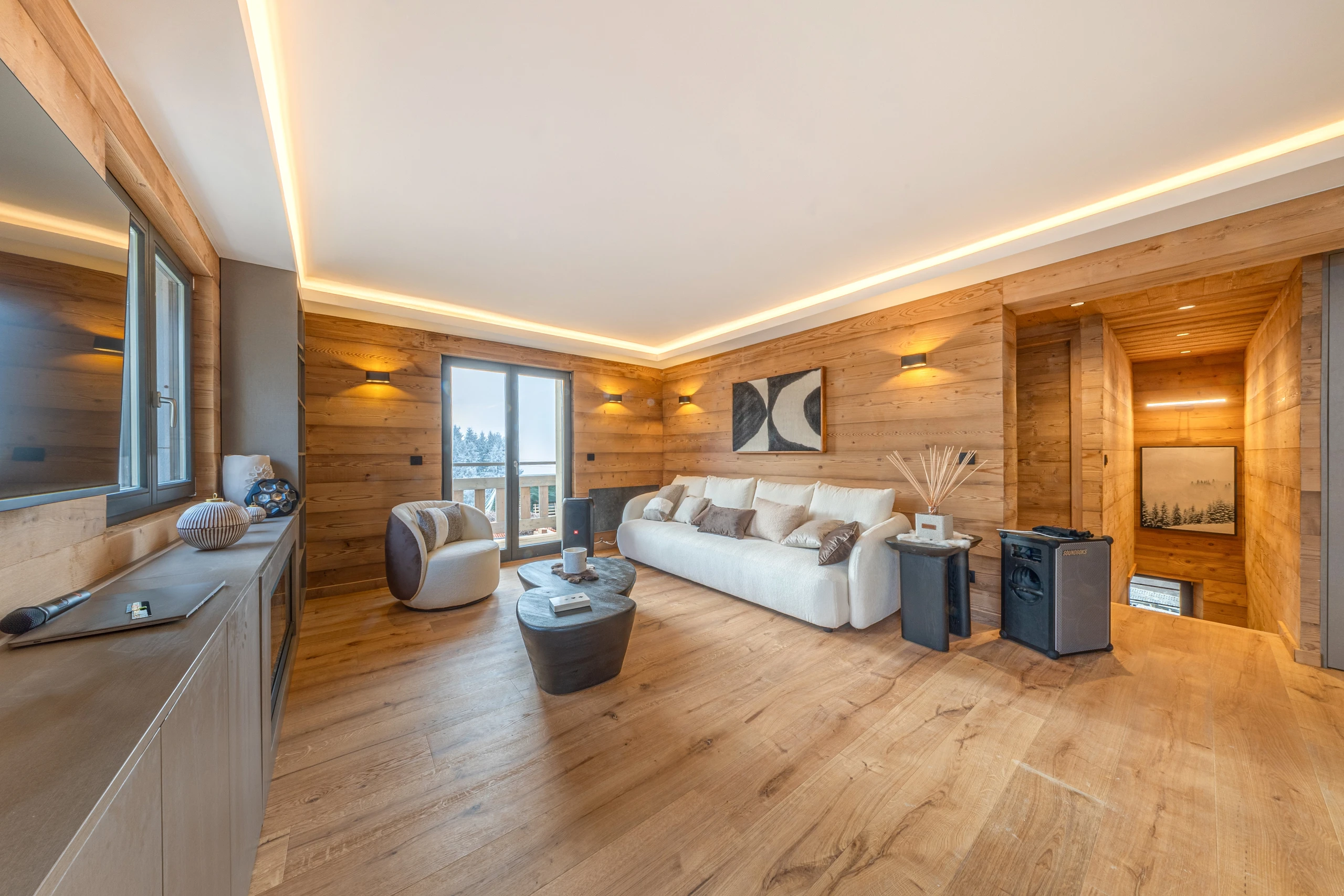
Pacaso doesn't offer owner rentals — the operating model is owner-occupancy. Annual fees use a cost pass-through model plus a ~12% one-time service fee on primary purchase. Resale completes in a 99-day US average through Pacaso's secondary marketplace. The Pacaso Collector loyalty program gives multi-share owners a 12-month operating-expense credit. The right buyer is someone wanting US trophy markets (Aspen, Lake Tahoe, Napa, Park City, Malibu, etc.) or Mexico beach (Los Cabos, Riviera Maya), with growing European inventory in France, England, Italy, and Spain.
Who Pacaso is
Pacaso was founded in 2020 in Napa Valley, California, by Austin Allison (CEO, previously co-founder of dotloop, sold to Zillow) and Spencer Rascoff (Pacaso chairman, co-founder and former CEO of Zillow). The founding thesis: high-quality second homes in trophy US markets — Lake Tahoe, Aspen, Park City, Napa Valley, Malibu, Newport Beach — were increasingly unaffordable for buyers who could comfortably afford 1/8 of them, but the existing fractional models (1990s-era luxury fractional clubs, timeshare conversions) didn't match modern buyer expectations for technology, polish, or resale liquidity. Pacaso's response was a deeded-LLC structure, professional management, and a tech-first owner experience designed for the buyer profile that would have otherwise bought whole homes outright.
The company raised substantial venture capital in its early years from Softbank Vision Fund, First American Financial, Crosscut, Maveron, Greycroft, and others. Public reporting indicates Pacaso has been the most-funded fractional operator in the modern category. The growth strategy has been geographic expansion: US-only at launch, expanded into Mexico (Los Cabos, Riviera Maya) by 2022, then into Europe (France, England, Italy, Spain) from 2023 onward. As of mid-2026, the European inventory is still meaningfully smaller than the US base but growing.
Pacaso has had high-profile coverage in mainstream press across both real estate trade outlets (Wall Street Journal, New York Times, Architectural Digest, Vogue) and business press (Bloomberg, Forbes). The brand has become the default reference point for the modern fractional co-ownership category — "the Pacaso of [destination]" is now a recognised category descriptor that other operators position against.
Geographic coverage and the property portfolio
Pacaso's 190 COP-listed properties span six countries. The breakdown:
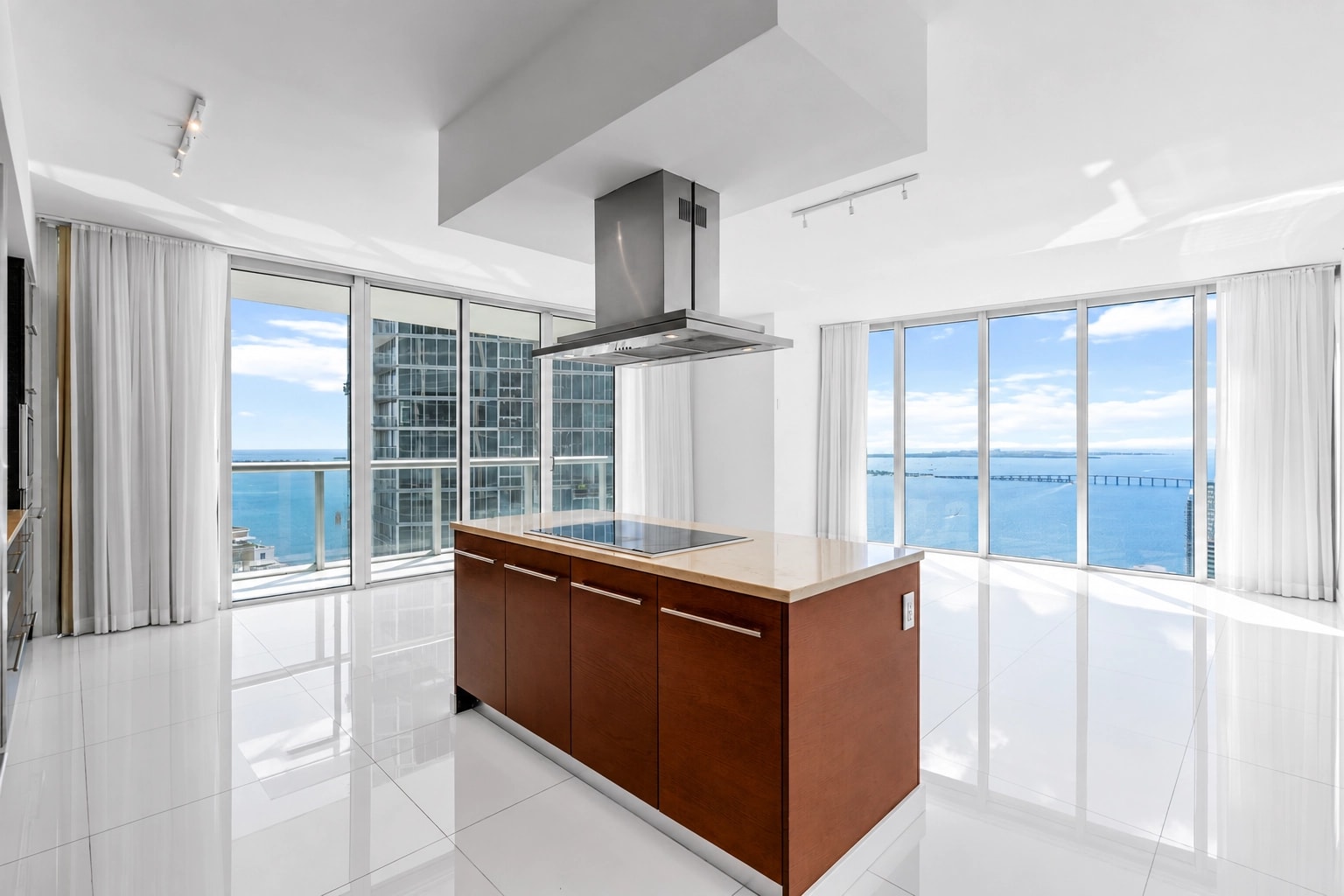
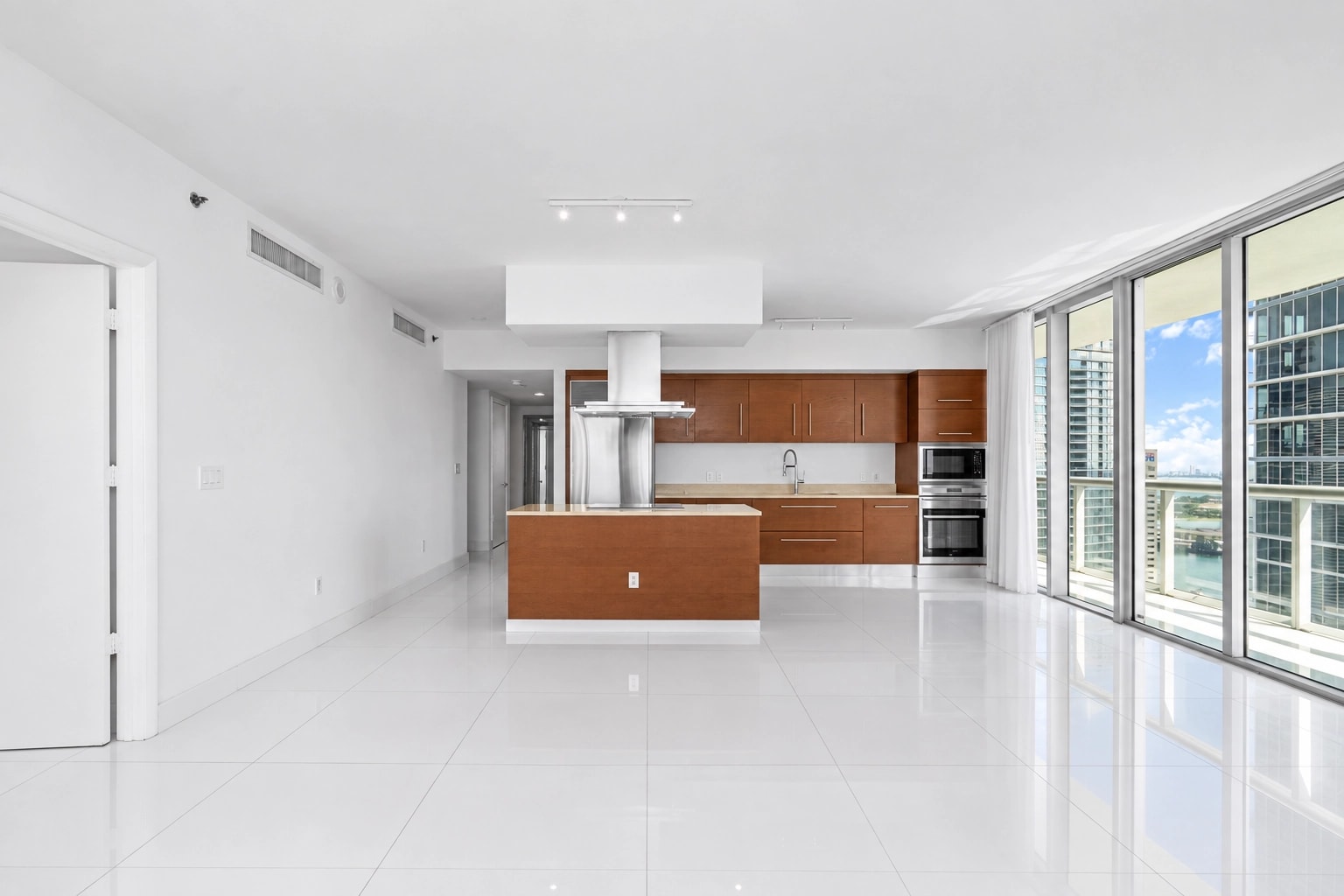
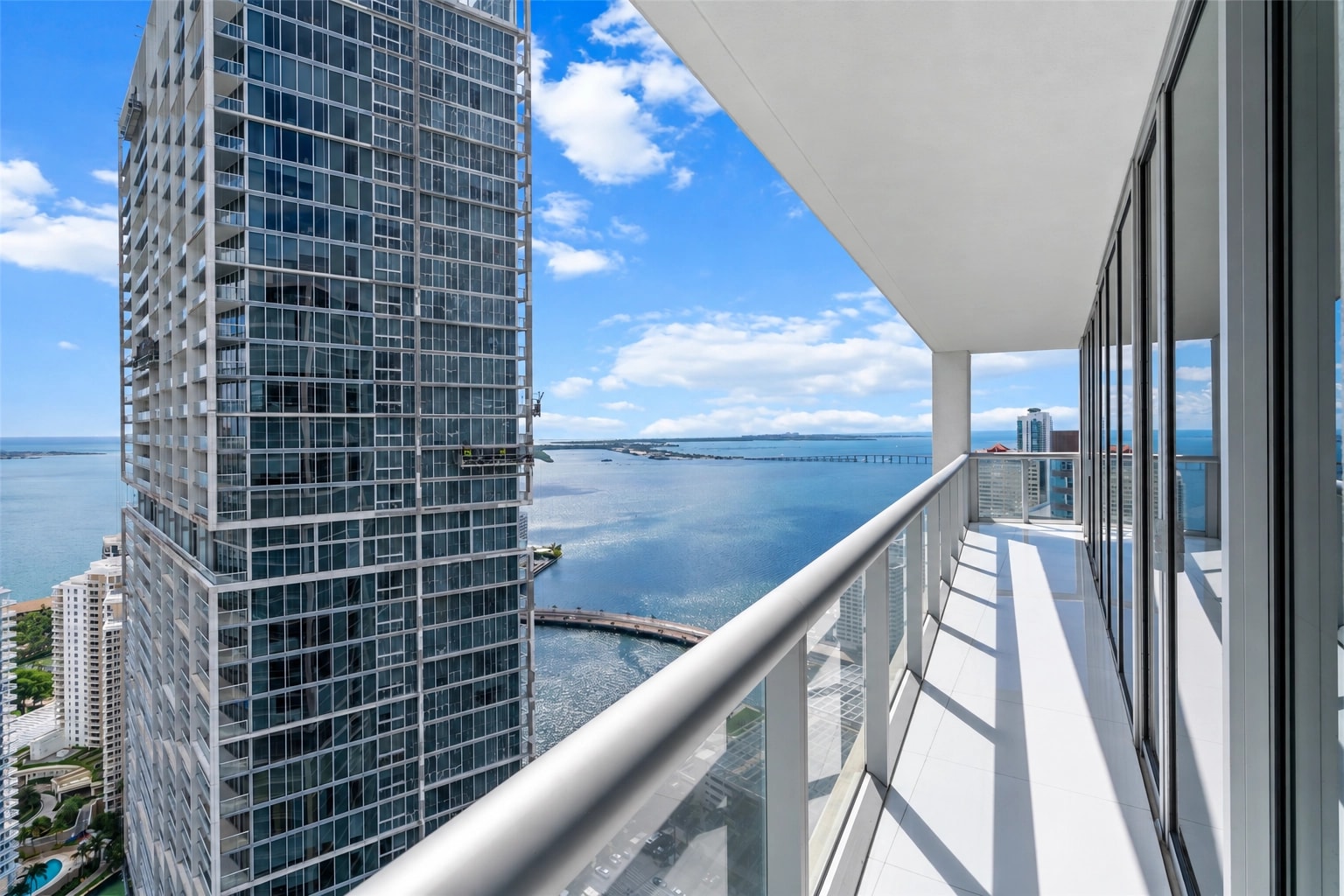
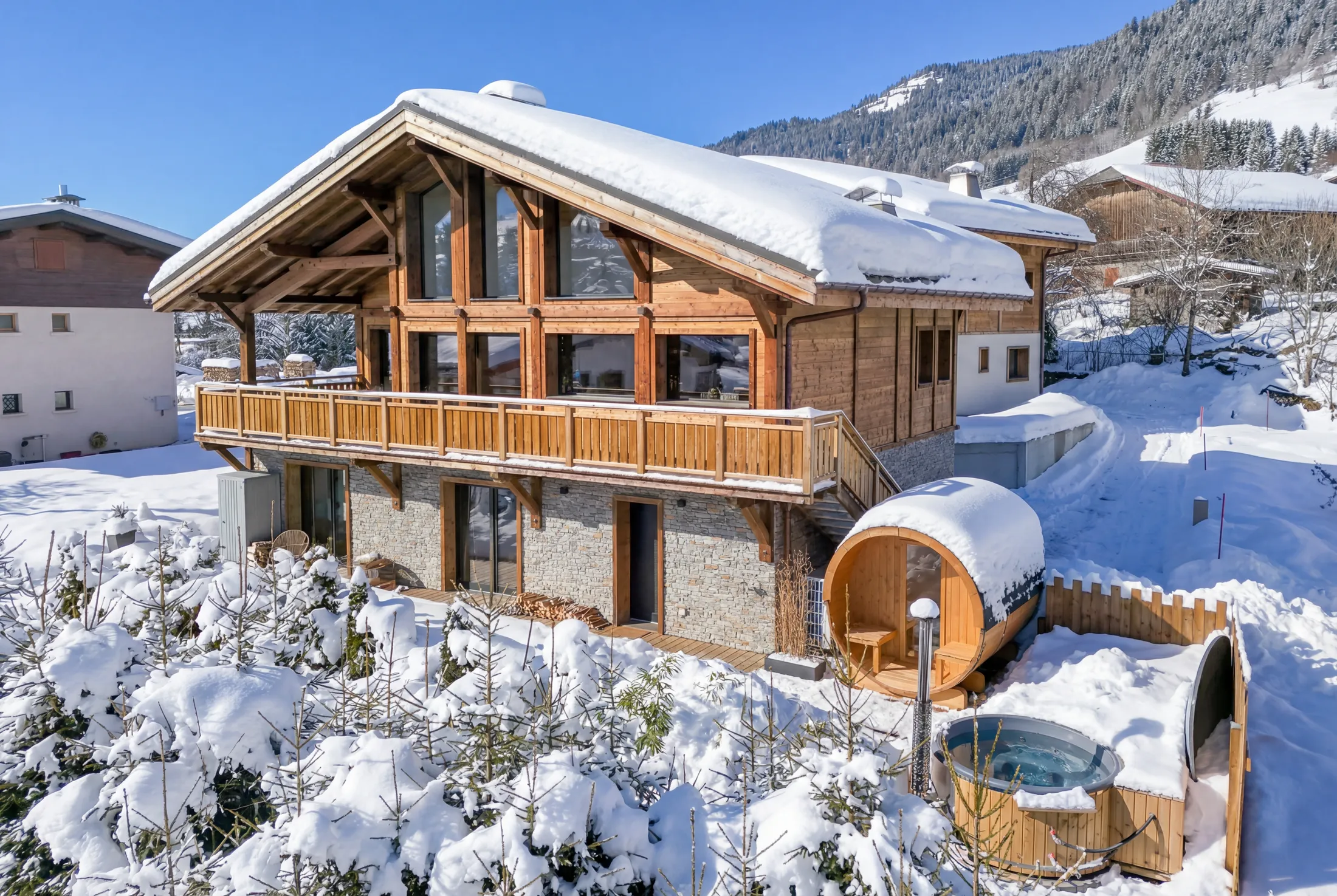
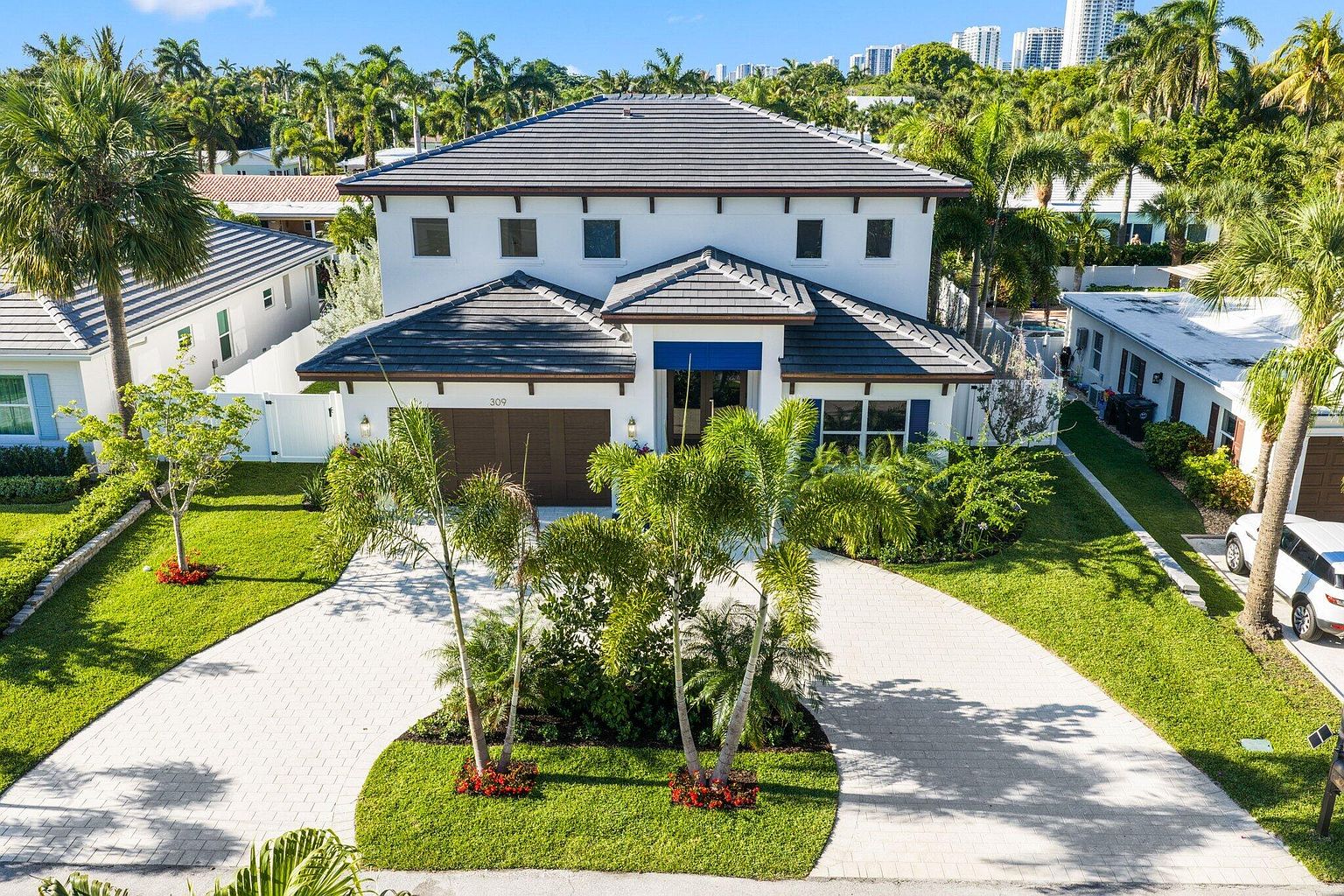
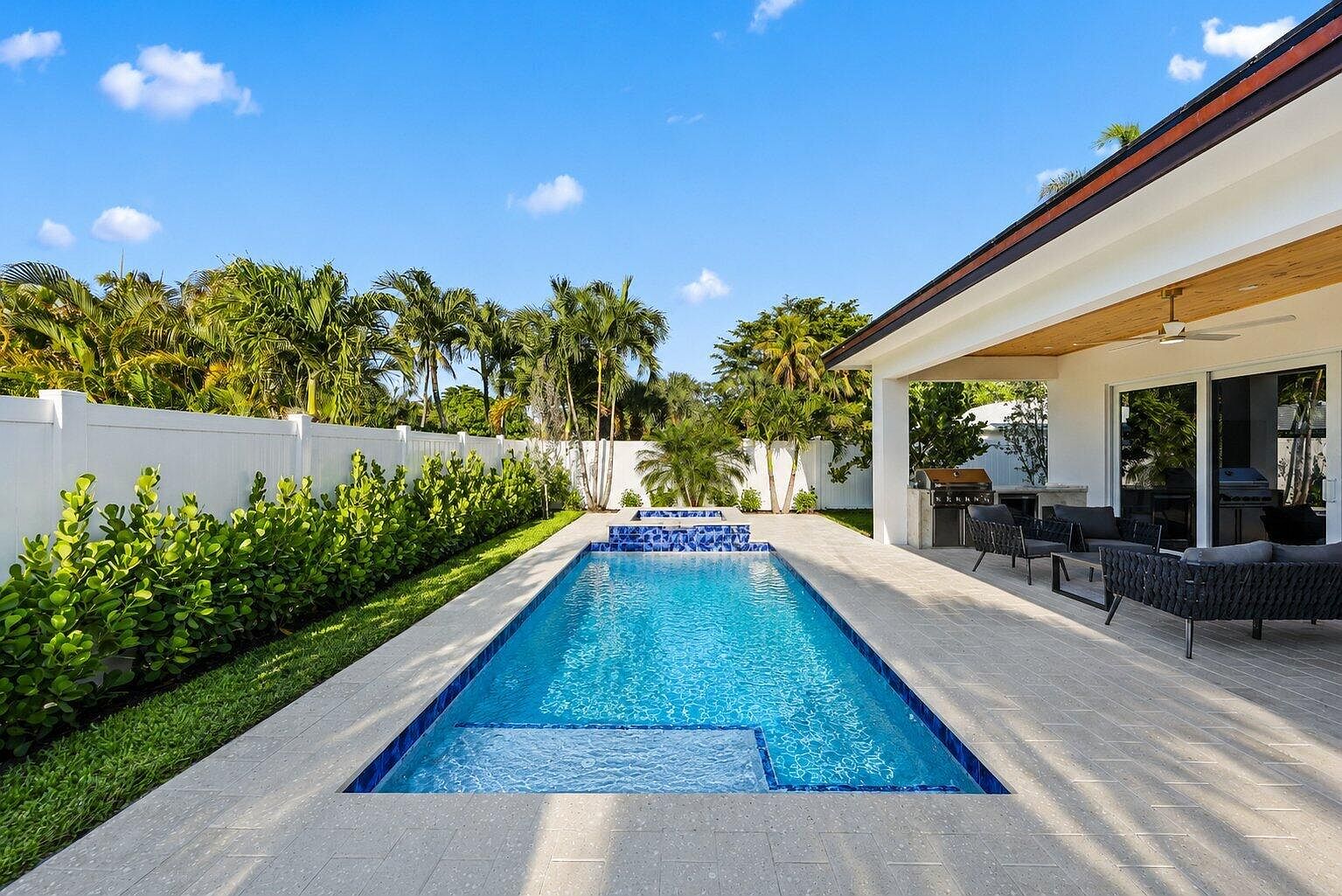
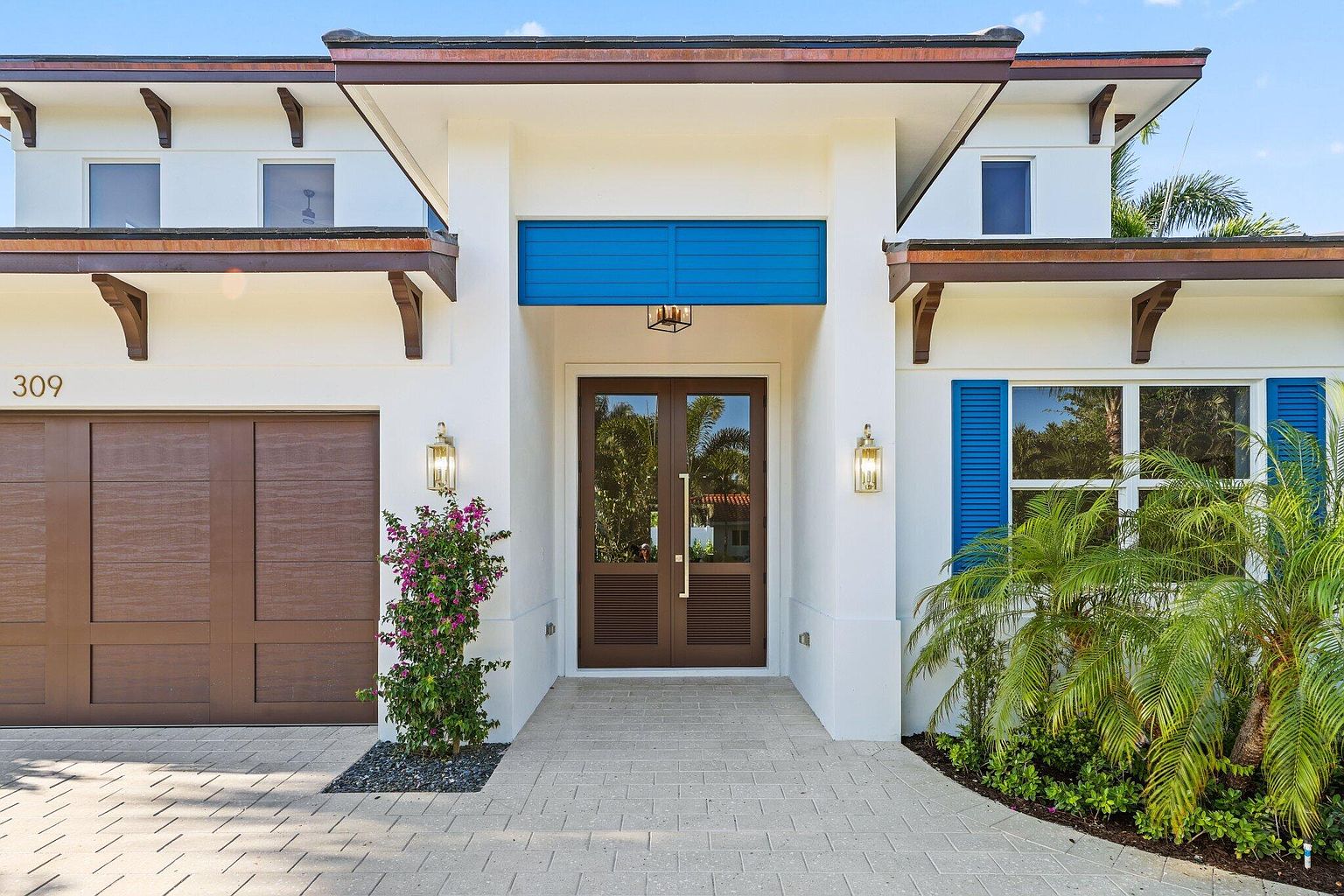
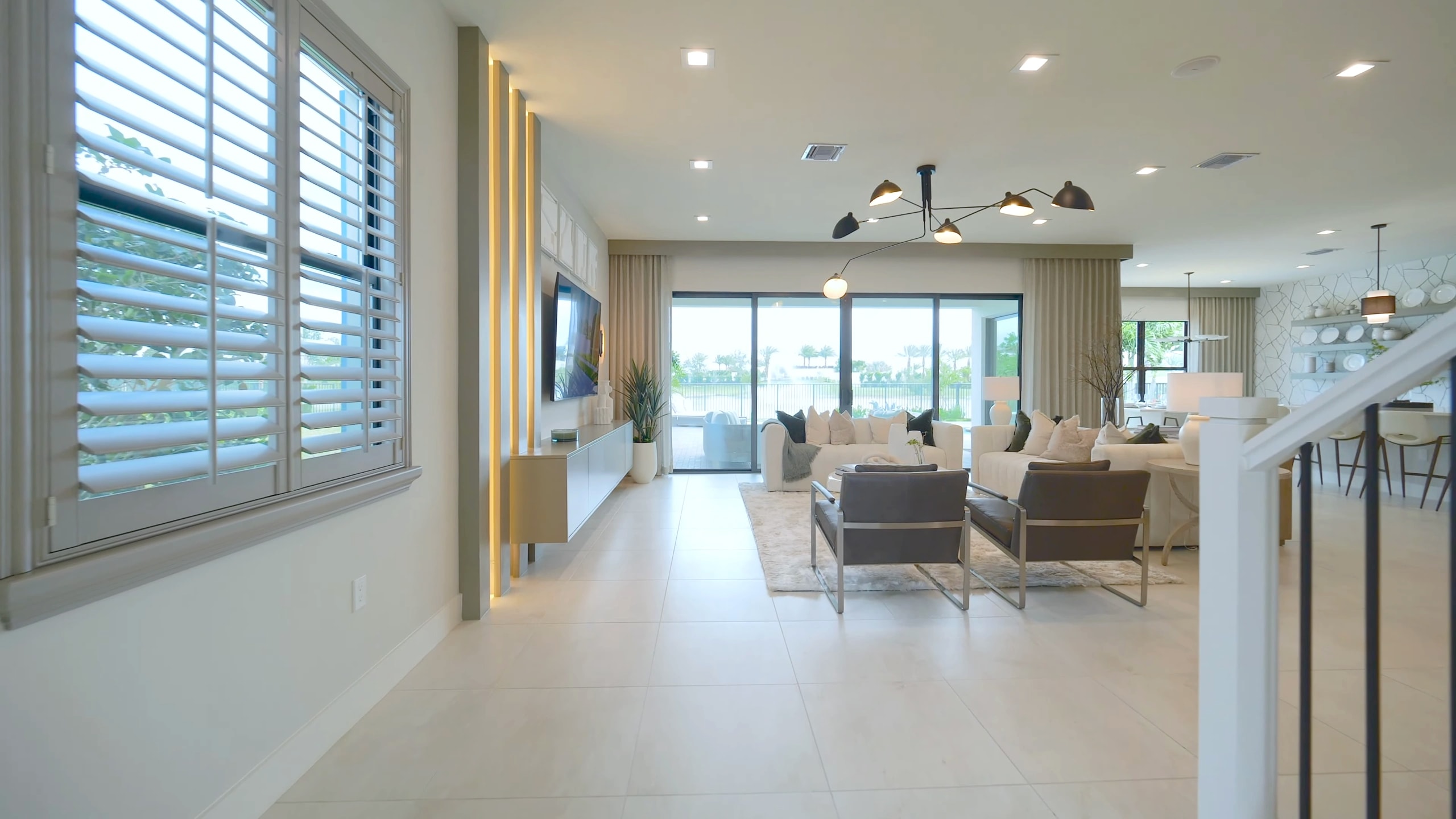
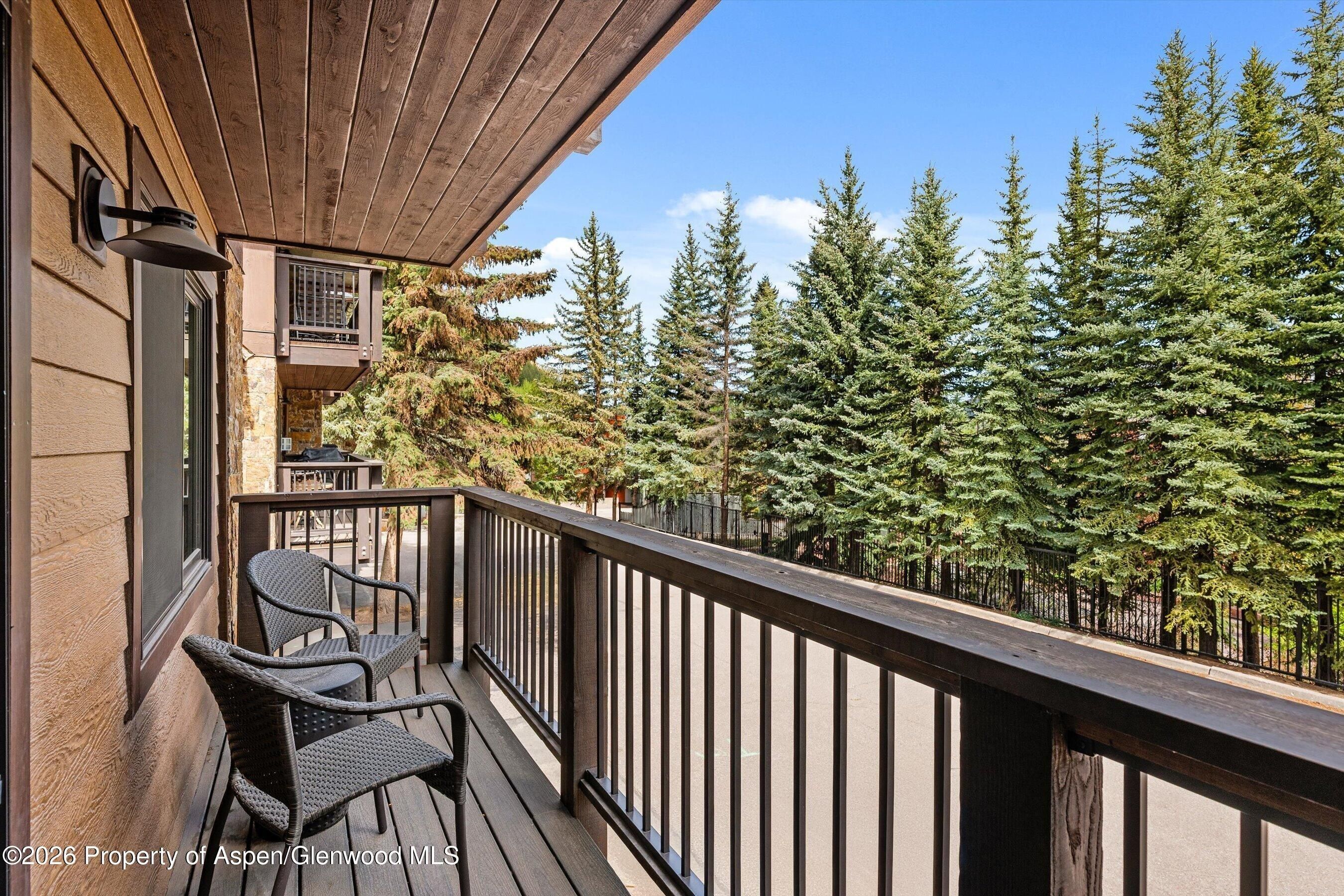
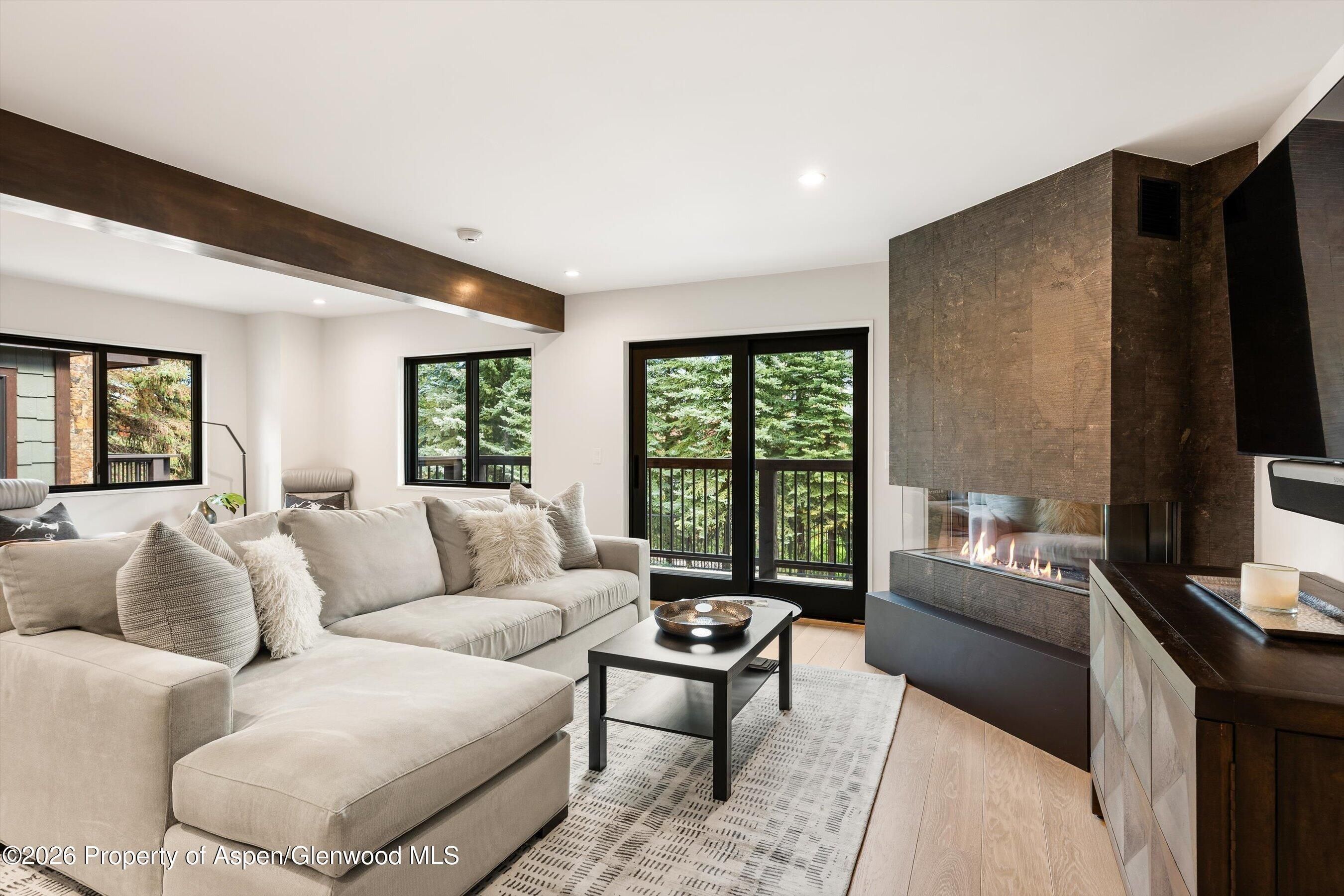
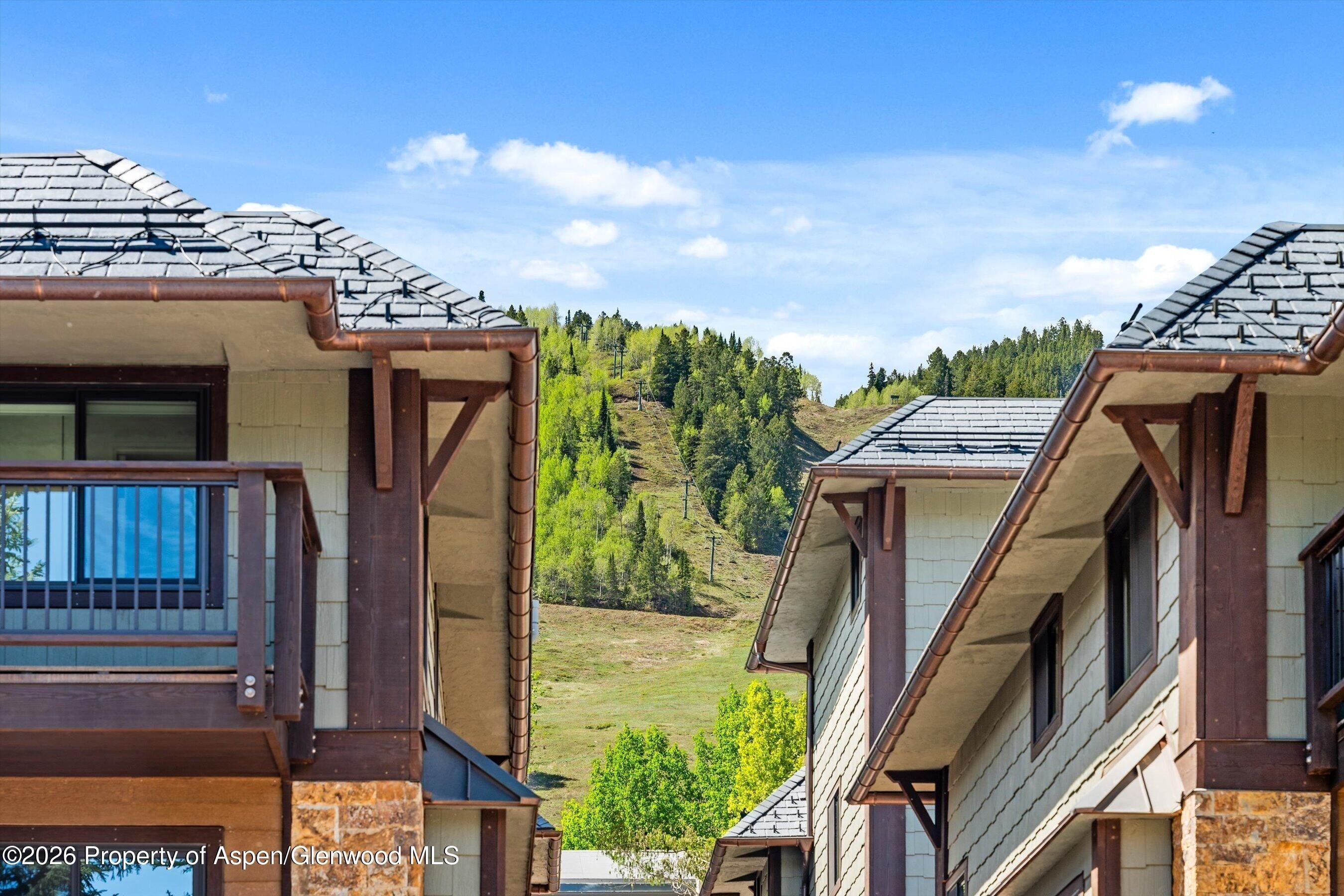
- USA — 161 properties. The core market. Concentrated in Mountain West ski destinations (Aspen, Vail, Breckenridge, Park City, Lake Tahoe), Florida (Miami, Florida Keys, 30A, Brickell, Palm Springs), California (Malibu, Napa/Sonoma wine country, Newport Beach), Arizona, Nevada, Wyoming, Utah, and South Carolina. The US portfolio is the deepest and most diverse single-country offering in the fractional category.
- Mexico — 12 properties. Primarily Los Cabos and the Riviera Maya — premium Mexican beach destinations with strong international buyer demand. The Mexican inventory bridges Pacaso's US-buyer base into international second-home ownership.
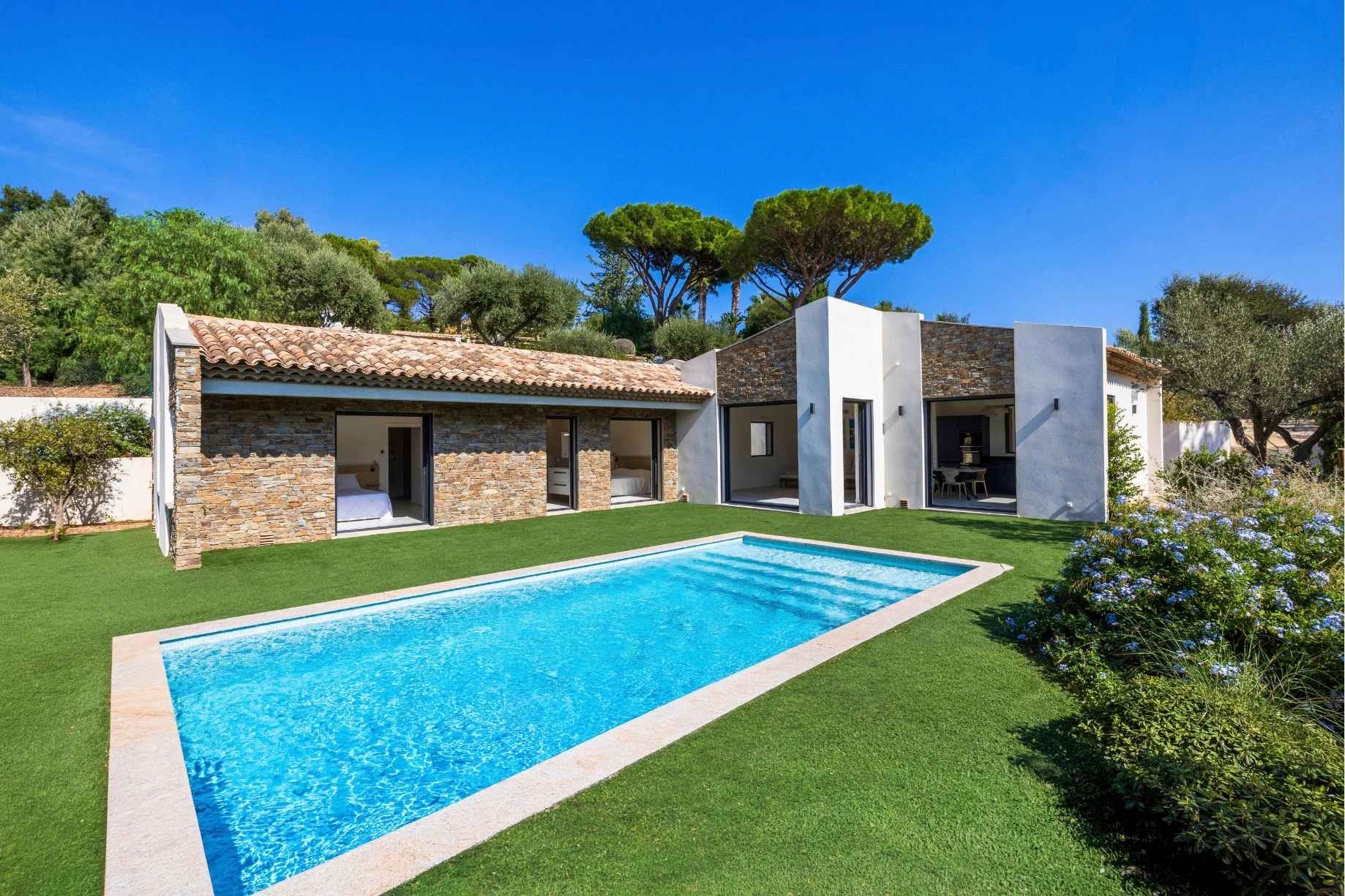
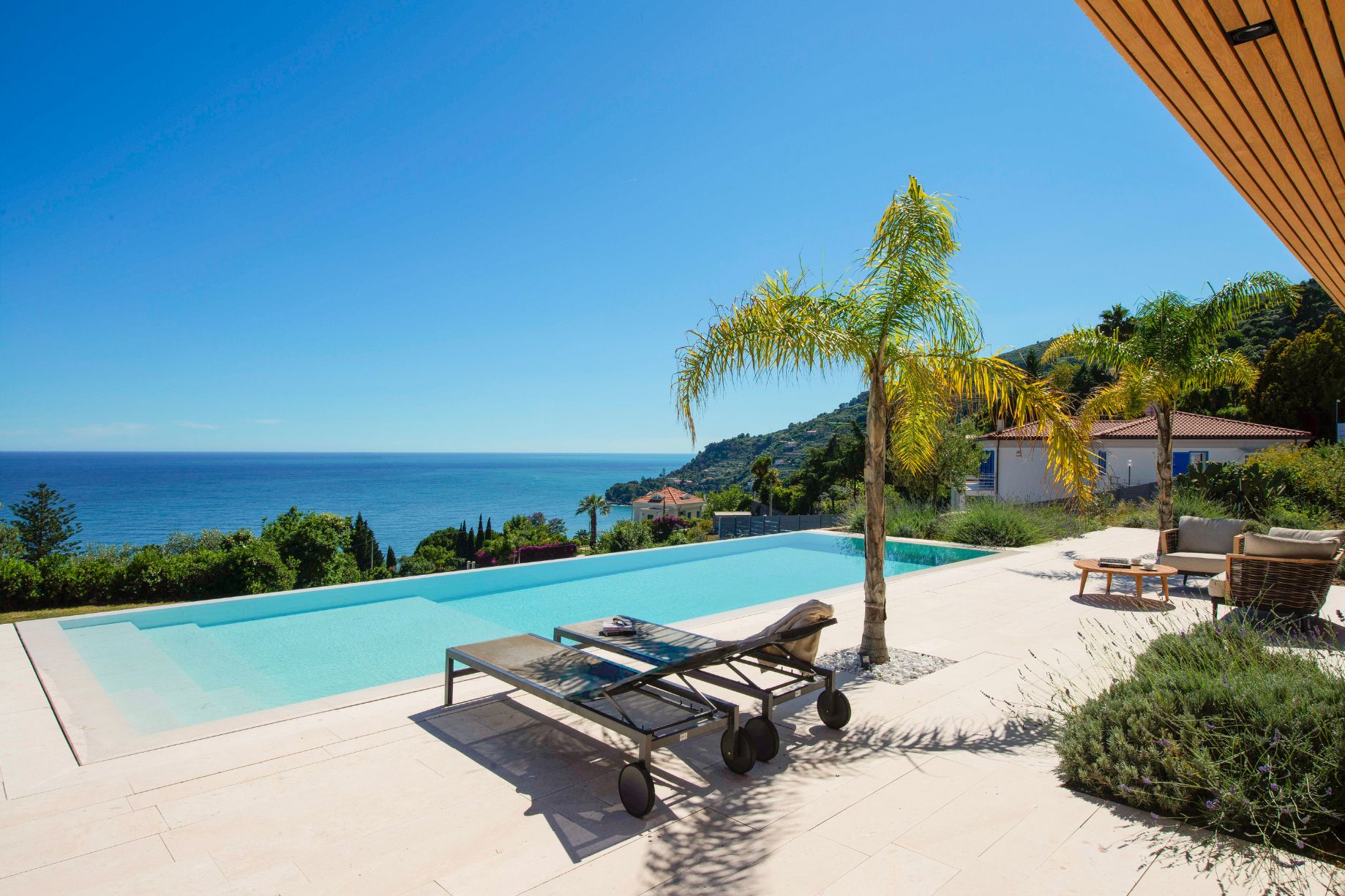
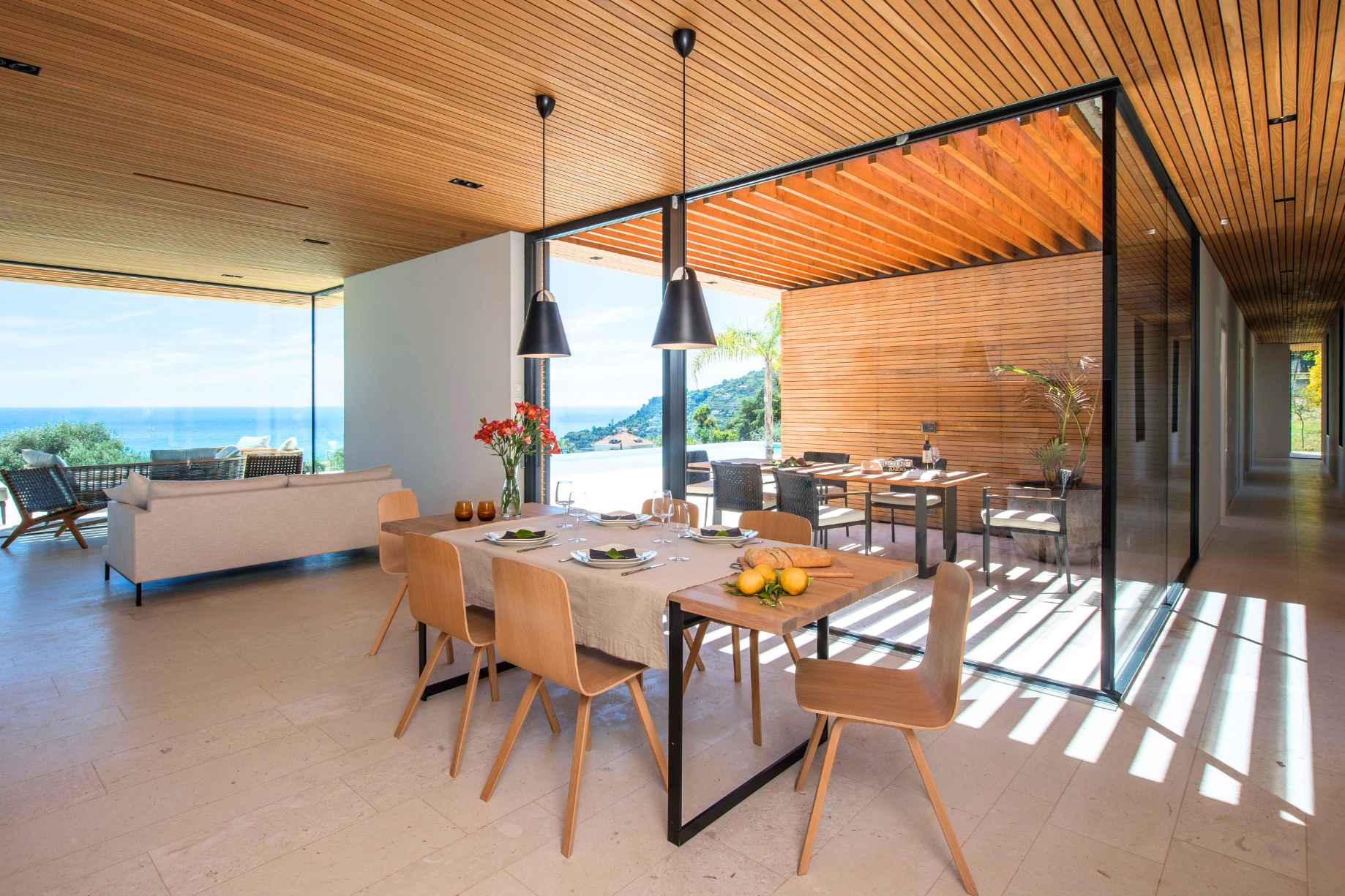
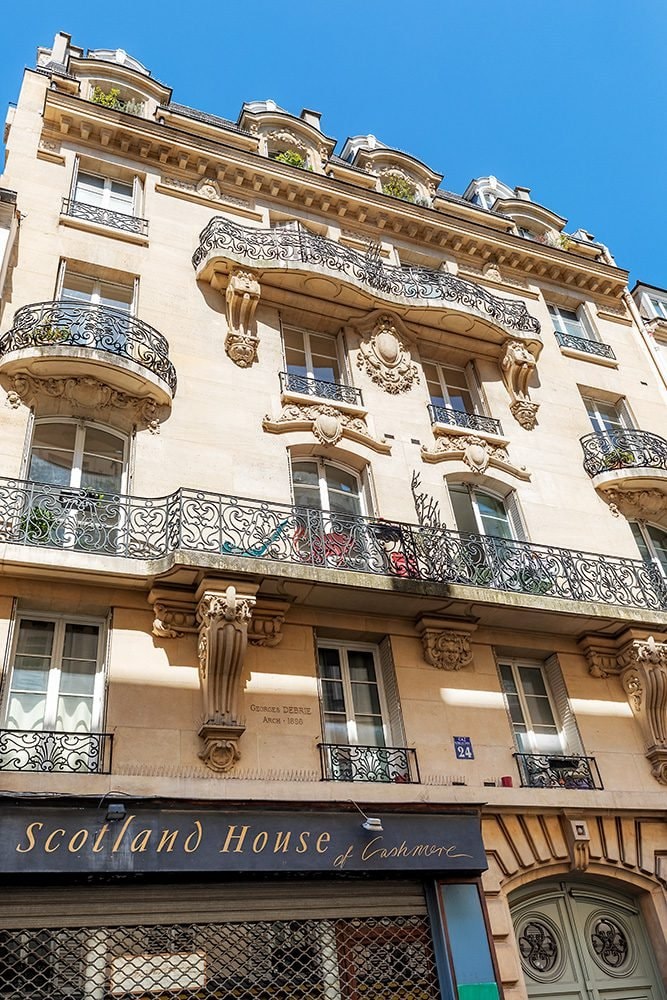
- France — 7 properties. South of France (Côte d'Azur, Provence) and Paris pied-à-terre. Pacaso's French expansion targets the same luxury-second-home buyer that already exists in the US market.
- England — 6 properties. Cotswolds and London. The English presence is small but growing, particularly for US buyers wanting an English country-property or London base.
- Italy — 3 properties. Newer Italian expansion; early-stage inventory.
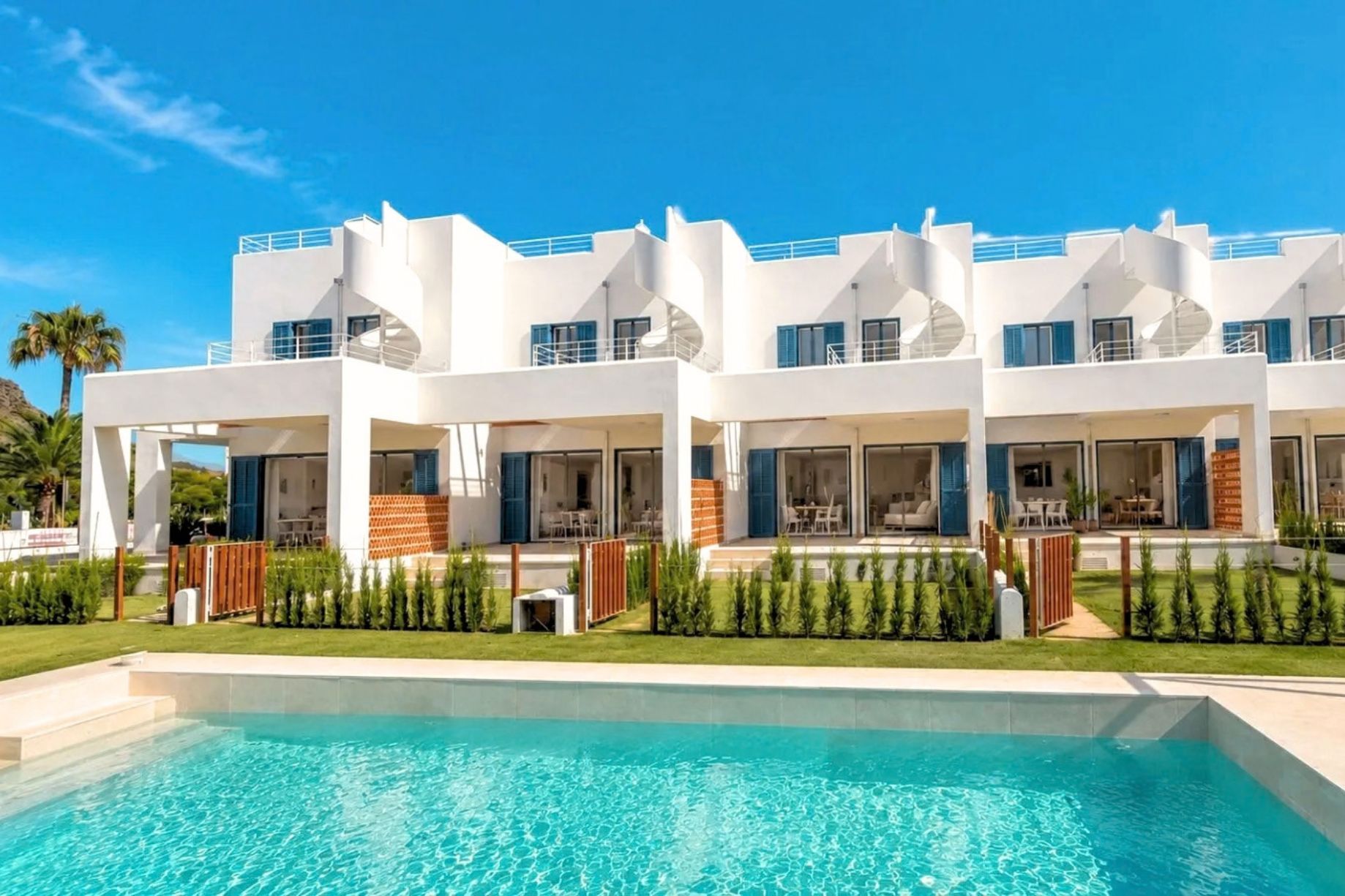
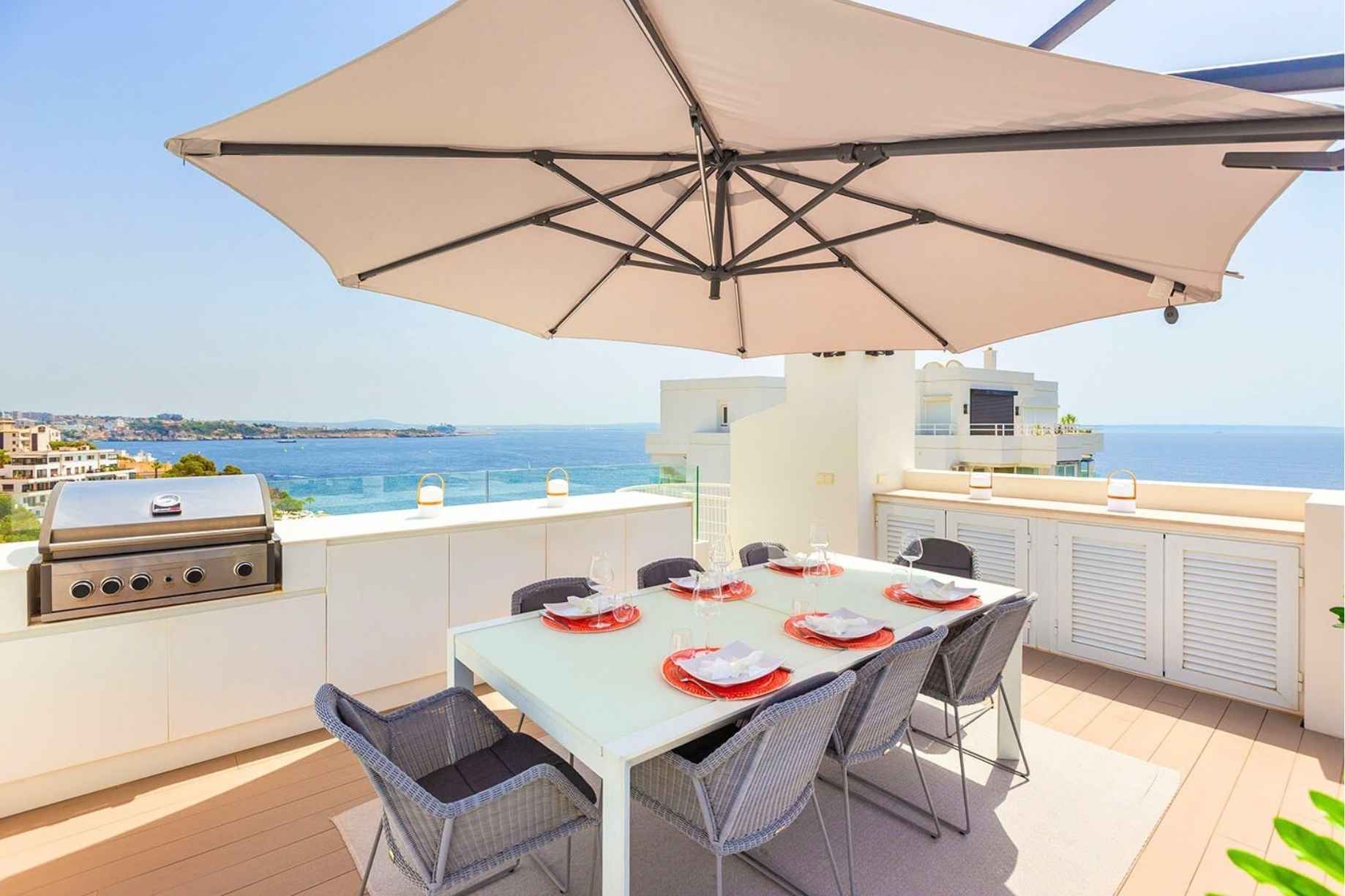
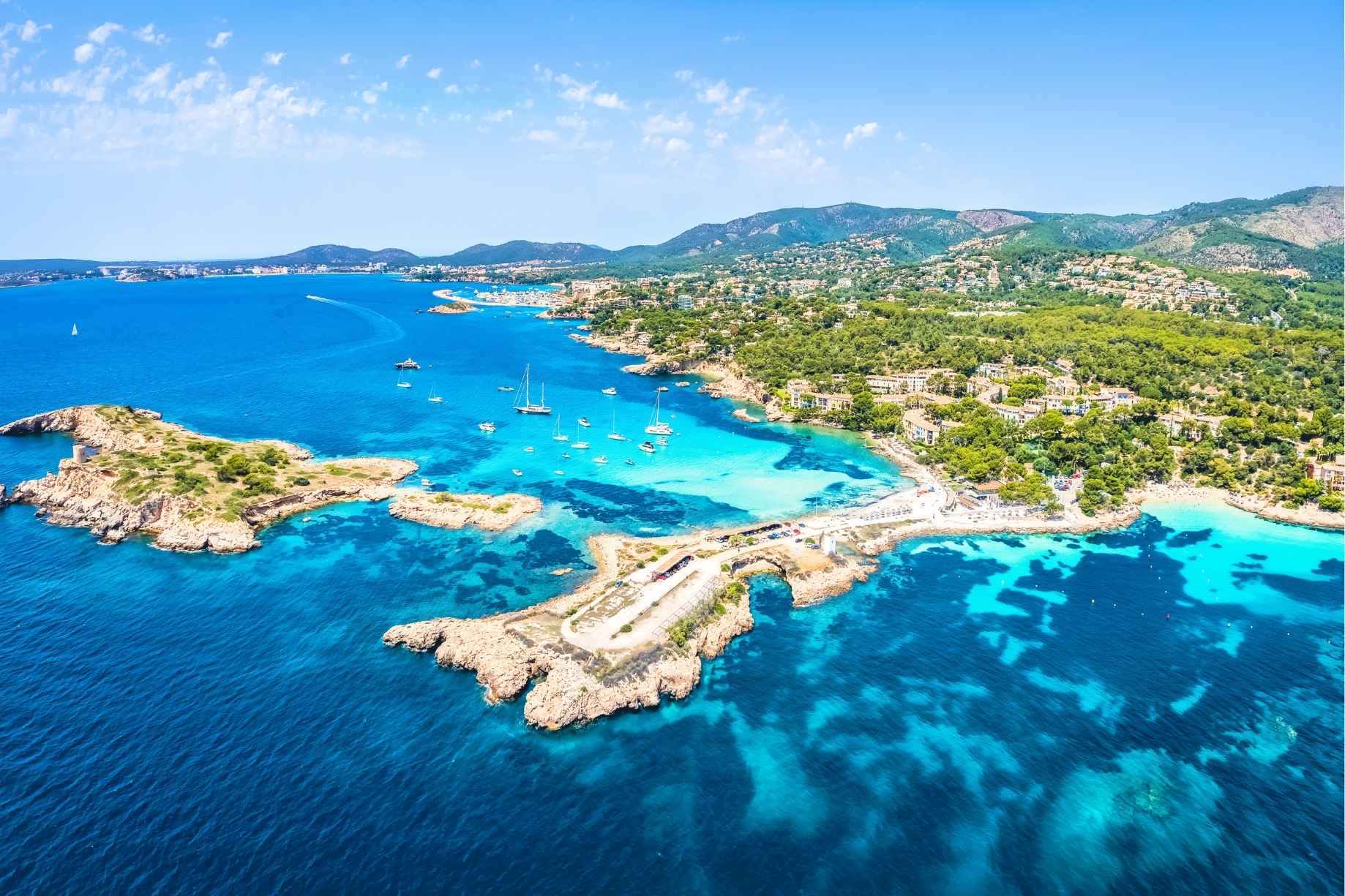
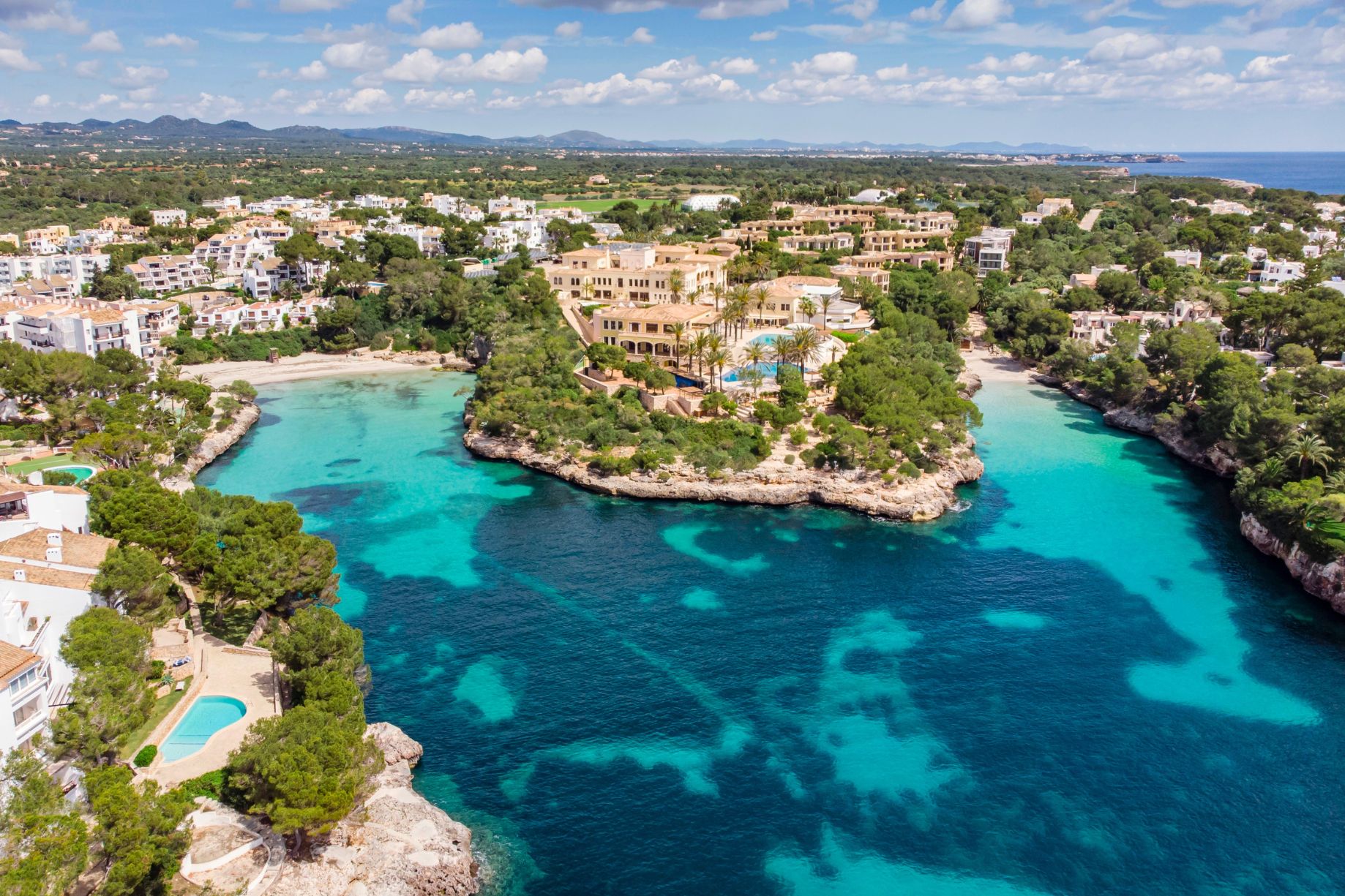
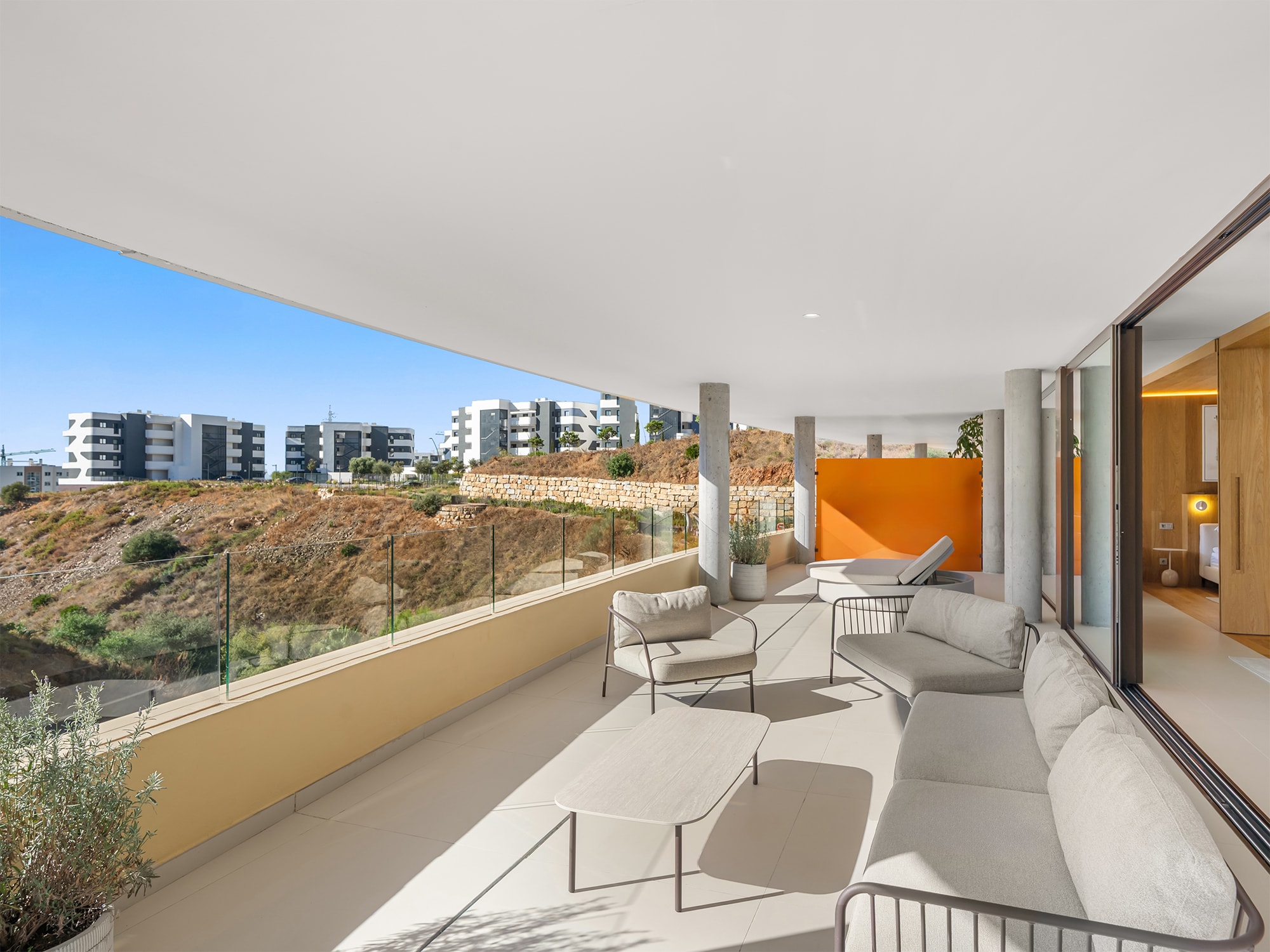
- Spain — 1 property. Smallest country presence; not Pacaso's depth market. For Spanish inventory specifically, MYNE Homes and Vivla are the operators with meaningful Spanish portfolios.
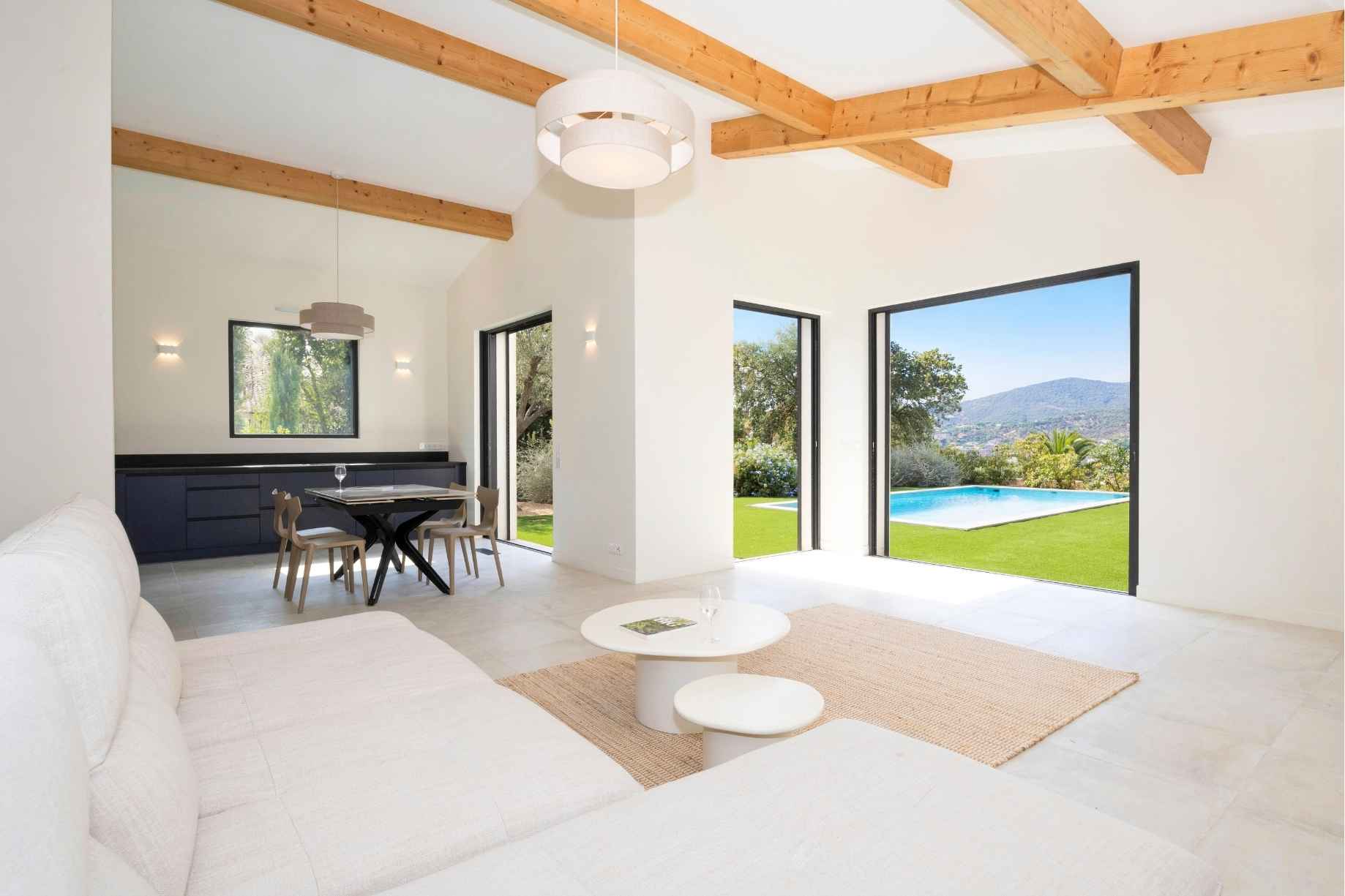
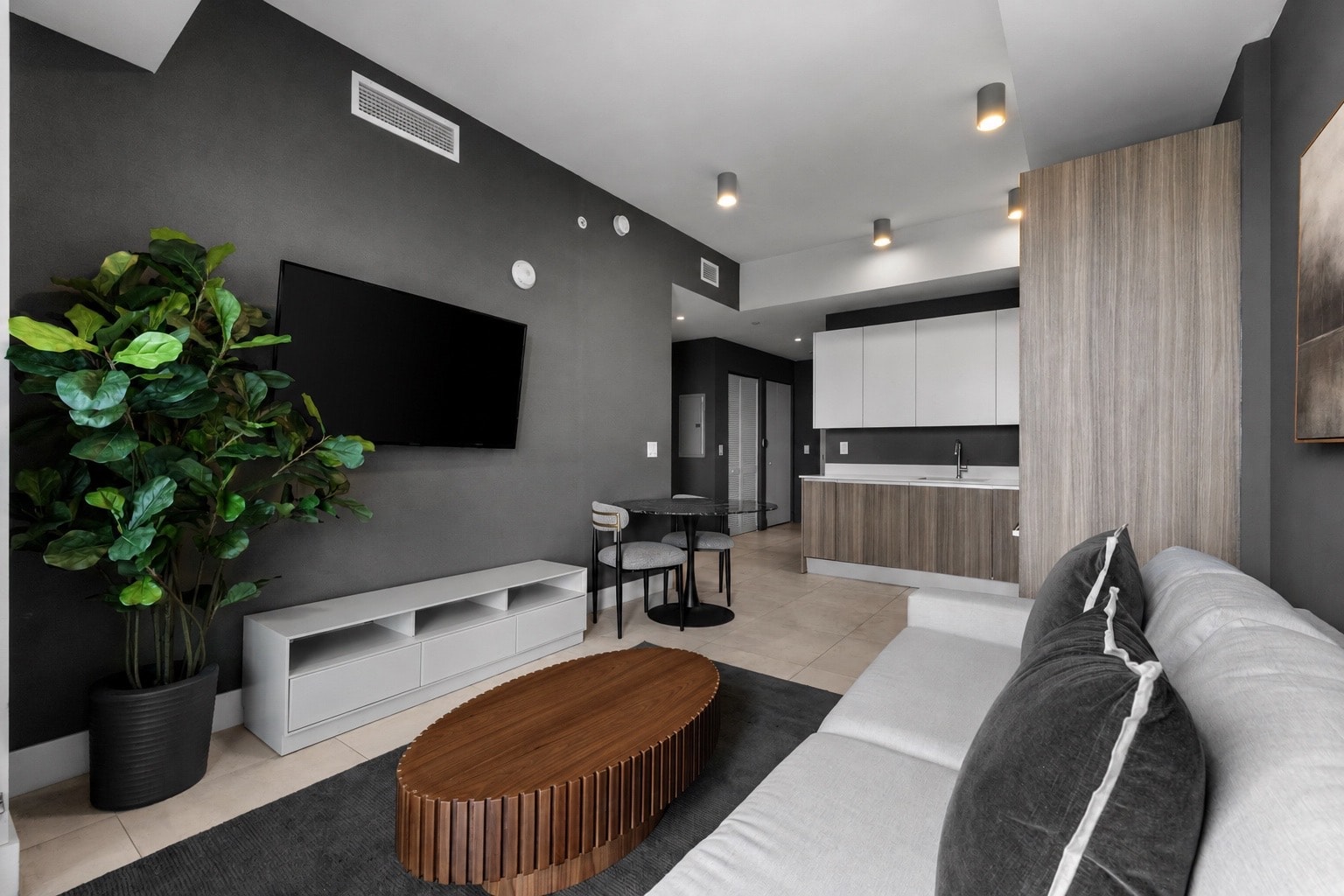
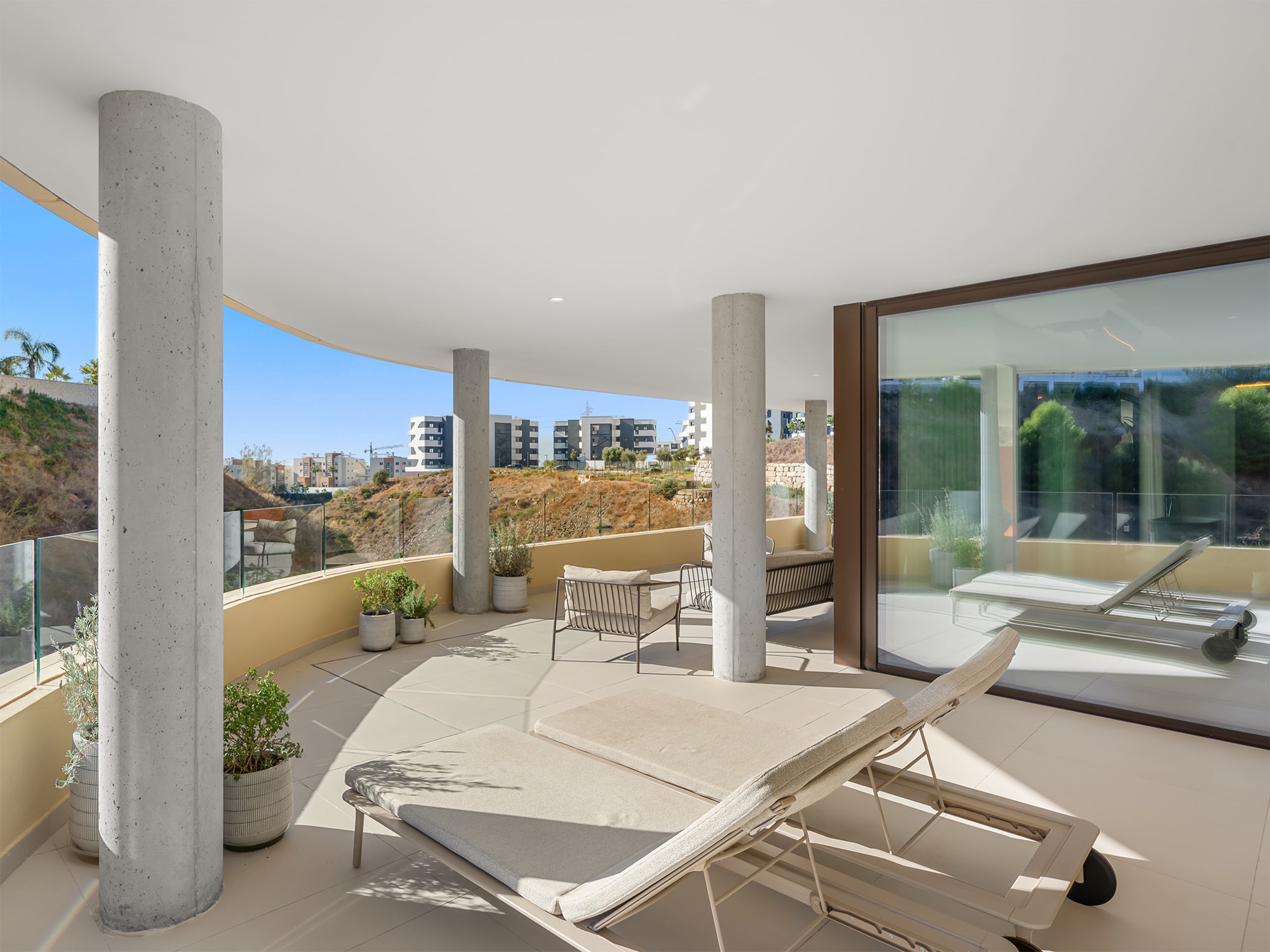
The properties span price tiers from approximately $200,000 per 1/8 share at the entry tier through $1.5M+ at the trophy tier — implying full property values from roughly $1.6M to $12M+. Property types are primarily single-family villas, mountain chalets, and beach houses, with smaller numbers of apartments and pied-à-terre formats.
How Pacaso structures ownership — the LLC model
Every Pacaso property is held in a property-specific limited liability company (LLC) for US properties, or the country-equivalent entity for European/Mexican properties (an SCI in France, an SL in Spain, a Srl in Italy). The LLC owns 100% of the property title; co-owners hold proportional membership interests in the LLC. The LLC is a separate legal entity from Pacaso the operating company.
The LLC structure produces several specific outcomes for owners:
- Deeded ownership: your name is on the LLC's ownership register, recorded in public filings, with full membership rights including economic interest, voting rights (proportional), and transfer rights.
- Tax treatment: US LLCs produce K-1 forms for owners at year-end. Property taxes, mortgage interest (where financed), and certain expenses flow through the LLC to owners proportionally. European entities have their own equivalents per jurisdiction.
- Resale mechanics: share transfers are LLC membership-interest transfers rather than full property conveyances, which keeps transaction costs materially lower than conventional second-home sales.
- Estate planning: shares pass to heirs through the LLC's transfer mechanics, simpler and cheaper than transferring full real property.
- Operator-independence: the LLC continues to exist regardless of Pacaso's operating-company status — if Pacaso ceased operations, the LLC and its property persist, with co-owners able to engage replacement management.
Before purchase, Pacaso provides prospective buyers with the full LLC operating agreement — covering voting thresholds for major decisions, management fee structure, usage rotation rules, resale procedures, and dispute resolution. Sophisticated buyers typically have independent legal counsel review the document.
Share structure and usage
Pacaso uses 1/8 as the standard share size — a 1/8 share entitles you to approximately 45 days per year of private usage at the property. This is the same basic structure most modern fractional operators use, and the 45-day usage allocation closely matches what most second-home buyers actually use whole-property ownership for (the average second-home owner uses their property ~35 days/year).
Pacaso is one of the few operators that explicitly supports larger share sizes: 1/4 and 1/2 shares are available on many properties. A 1/4 share gives approximately 90 days/year of usage; a 1/2 share gives approximately 180 days. This flexibility matters for buyers whose realistic usage is well above 45 days/year — semi-retired buyers, families with extended stays, or buyers using the property for tax/residence-status reasons.
Usage is allocated through Pacaso's rotation system, which combines fixed seasonal allocations with rotating priority for peak dates (Christmas, school half-terms, July, August). The system rotates annually so no single owner always gets the same weeks — over a multi-year cycle, owners access peak and shoulder weeks equitably. The booking platform is digital-first: owners select preferred weeks through the Pacaso app, the system allocates based on rotation priority, and confirmation happens in-app.
Annual fees and what they cover
Pacaso publishes a two-component fee structure:
One-time service fee at purchase: ~12% of the primary purchase price (per Pacaso's published marketing materials). This covers Pacaso's initial setup of the LLC, property acquisition coordination, furnishing curation, and brand operations. The fee is paid once at closing and isn't recurring.
Annual cost pass-through: owners pay their proportional share (1/8 for a standard share) of the property's actual running costs. This includes professional property management, building insurance, local property taxes (US state/county taxes, French taxe foncière, Spanish IBI, Italian IMU, English council tax depending on location), utility standing charges, routine maintenance, and contributions to the reserve fund for major repairs. Costs are disclosed property-by-property before purchase.
For a representative US example: a $4M Aspen property at 1/8 share commits roughly $500k upfront + the 12% one-time fee (~$60k). Annual operating costs scale with the property — Pacaso publishes the specific annual cost per property in pre-purchase disclosures, but a luxury Mountain West property typically runs $80k-$150k/year in total operating costs, of which a 1/8 owner pays $10k-$19k.
The cost pass-through model means annual fees track actual property running costs rather than being a separate operator-discretionary fee. There's no annual operator percentage of property value added on top of running costs — this is a meaningful structural difference from some other operators (Vivla, for example, charges 1.5-2% of property value annually on top of cost pass-through).
Pacaso Swap — the most sophisticated exchange network in fractional
Pacaso Swap is Pacaso's home-exchange network, and it's the most operationally developed of any fractional operator's exchange system. The program has seven dedicated pages on Pacaso's site (`/swap`, `/faq/swap`, `/swap-collections`, `/swap-connections`, `/owner-swap-resources`, and more).
How Swap works:
- Eligibility: participation requires a Pacaso share with a value of at least $300,000 (this excludes the lowest-tier shares but covers the majority of inventory).
- Two exchange modes:
- Direct 1:1 swap: request a stay-for-stay swap with another Pacaso owner — your home for their home, matching dates and value.
- Swap Credits: Pacaso's AI-generated currency for asymmetric exchanges. You can offer 14 nights at your Lake Tahoe property in summer for 7 nights at a Mexico City property in March; the system calculates the value differential and adjusts.
- Anonymous matching: initial requests don't identify the requesting owner; matching is based on dates, location, and value.
- 5-day response window: the counterparty has 5 days to accept; non-response declines the request.
- Non-cancellable once confirmed: once both parties confirm, the swap is locked.
- In-app everything: the whole flow runs inside the Pacaso owner app.
In February 2026, Pacaso launched Pacaso Infinity — an extension of the Swap network to vetted private whole-home owners. Owners of high-end private homes (not fractionally owned) can opt into the Pacaso swap network, making their properties available for swap to Pacaso owners using the same Swap Credits system. Initial Pacaso Infinity inventory includes properties in Mexico City, St. Barts, NYC, and Tuscany, with more added regularly. This materially expands the destinations accessible to Pacaso owners beyond Pacaso's own fractional inventory.
The practical implication: a Pacaso owner with a Lake Tahoe share can use Swap Credits to spend weeks in destinations that don't appear in Pacaso's fractional inventory — small luxury properties in cities and exotic destinations that only fit in the Infinity network.
Rental policy — the binary distinction
Pacaso does not currently offer a rental program. The operating model is owner-occupancy: each property functions as a second home used by its co-owners (and their invited guests), not as a short-term rental property.
This is a deliberate design choice. Pacaso's properties operate in residential neighbourhoods, and the operator has positioned strongly against the short-term-rental disruption that aggressive Airbnb/Vrbo activity has caused in many luxury second-home markets. The model aligns Pacaso properties' character with residential use — Christmas trees, owner-personal items in storage, neighbours who recognise repeat owners — rather than rotating short-term tenants.
For buyers who value neighbourhood stability and don't want their property treated as a rental asset, the prohibition is a positive — it differentiates Pacaso from operators that permit rentals and aligns the buyer pool with people who want a true second home rather than a yield-generating asset. For buyers who want rental income to offset annual operating costs, Pacaso is not the right operator — MYNE, Vivla, and Abitaro permit rentals (subject to local licensing) and are structurally better fits.
Financing — the only documented US-buyer pathway in fractional
Pacaso has built a financing partnership with US banks to support traditional mortgage financing on Pacaso US homes. The published figure: 70% loan-to-value through Pacaso's banking partner network for US-resident buyers purchasing US Pacaso properties.
The structure works like a standard real-estate-secured mortgage:
- Buyer applies through Pacaso's referred banking partner
- Standard income, employment, and credit underwriting
- The 1/8 share is the underlying collateral (LLC membership interest)
- Rates and terms reflect Pacaso's negotiated banking partnership
This is genuinely unique in the fractional category. Most other operators don't offer formal US-buyer financing for any of their properties. For US buyers wanting financing — particularly those who want to deploy capital efficiently or who want to leverage low-rate borrowing against the share — Pacaso is the only operator with a documented pathway.
For Pacaso's European and Mexican properties, the financing situation is different. Pacaso hasn't published a 70% LTV pathway for non-US properties to US-resident buyers, and traditional European mortgages for non-resident buyers are case-by-case via specialist international mortgage brokers rather than via Pacaso's banking partners. The practical default for Pacaso's European and Mexican properties is cash purchase for non-resident buyers.
Resale — the 99-day US average
Pacaso publishes a US resale average of 99 days from listing to completion — one of the few specific resale-timeline metrics any fractional operator publishes. The figure reflects the maturity of Pacaso's secondary marketplace and the size of the prospect pipeline.
The resale workflow:
- List your share through the Pacaso owner platform with comparable-market pricing guidance.
- Right of first refusal to existing co-owners of the same property.
- Marketed to Pacaso's prospect network — buyers already qualified for the property or destination.
- Open listing if no Pacaso-network buyer materialises, extending to broader marketing channels.
- Transaction as a transfer of LLC membership shares — not a full property conveyance, which keeps closing costs materially lower than a conventional sale.
Some properties have a minimum holding period during the first year — disclosed before purchase. For most properties, the 99-day average reflects standard market conditions; specific timelines depend on the market, season, and pricing strategy.
Pacaso Collector — the loyalty program for multi-share owners
Pacaso Collector is Pacaso's loyalty program for owners with shares in more than one property. The signature benefit: a 12-month operating-expense credit for multi-share owners, which materially offsets the annual cost of holding multiple shares.
The program is designed to reward what Pacaso sees as its highest-value buyer profile — owners who acquire shares across multiple destinations (e.g. a Lake Tahoe share for winter ski + a Mexico beach share for spring + a Cotswolds share for late summer). The 12-month operating-expense credit applies from share two onward and accumulates as the owner adds shares.
This creates a meaningful financial incentive for the multi-share strategy that Pacaso's portfolio (US + Mexico + emerging European) is specifically structured to support.
Owner experience — the digital-first model
Pacaso's owner experience is digital-first. The Pacaso owner app is the central touchpoint for everything: booking calendar, swap requests, billing, maintenance reports, communications with other co-owners, and the Pacaso Collector loyalty dashboard. The app handles peak-week allocation, swap requests, and Swap Credit balance tracking.
Communication with Pacaso staff is via in-app messaging and email; phone support is available for material issues but isn't the primary channel. The model is designed for self-service: owners who prefer digital workflows find Pacaso intuitive; owners who prefer phone-and-relationship-managed interaction may find the digital-first approach less natural.
For first-year owners, the polished digital onboarding handles the first booking, swap setup, billing setup, and Collector enrolment essentially automatically. The friction is low. For owners who need higher-touch support — particularly across complex multi-share or financing scenarios — Pacaso's customer success team handles relationship management when needed.
How Pacaso compares to other fractional operators
Co-Ownership Property has published operational comparisons of Pacaso against the other operators COP lists. The summarised comparisons:
- Pacaso vs MYNE Homes: the broadest head-to-head. US-anchored Pacaso vs European-anchored MYNE. Pacaso prohibits rentals; MYNE permits them. Pacaso has US-buyer financing; MYNE has Nordea (Nordic/DACH focused). Pacaso runs Swap + Infinity; MYNE runs concierge-mediated exchange + 12-month satisfaction guarantee.
- Pacaso vs Vivla: almost non-overlapping markets. Pacaso US-anchored cross-border vs Vivla Spain-deep specialist. Vivla publishes the strongest resale metrics in the category (under 4 weeks Spanish average). Pacaso publishes the only US-buyer financing pathway.
- Fractional ownership vs timeshare: the broader category comparison. Pacaso, like all serious fractional operators, is structurally distinct from timeshare via the deeded LLC model.
- Fractional ownership vs whole second home: the buy-vs-buy comparison. Pacaso's 1/8 model is the standard against which whole second-home ownership is compared.
Who Pacaso genuinely suits
An honest read from a marketplace perspective — COP sells properties from Pacaso and from all other listed operators — the buyers Pacaso fits cleanly:
Pacaso fits you if:
- Your target market is in the US (Mountain West skiing, California wine country, Florida, Lake Tahoe, etc.) — Pacaso has the deepest US inventory in the category
- You want a polished, digital-first owner experience rather than relationship-managed concierge
- You don't need rental income from the property — owner-occupancy is fine or actively preferred
- You're a US-resident buyer who would benefit from the 70% LTV financing on US homes
- You value home-swap as a feature and would use Pacaso Swap or Pacaso Infinity to access destinations beyond the property you bought
- You plan to acquire multiple shares — Pacaso Collector provides real loyalty benefits
- You're comfortable with the ~12% one-time service fee at purchase in exchange for the cost-pass-through-only annual structure thereafter
Pacaso is not your best fit if:
- You want rental income to offset annual costs — Pacaso prohibits rentals (MYNE, Vivla, Abitaro permit them subject to local licensing)
- Your target market is Spain — Pacaso has minimal Spanish inventory (1 property) versus Vivla's 34 and MYNE's 41
- You want a concierge-mediated relationship rather than a digital-first owner platform
- You're a non-US buyer who wants formal financing on a European Pacaso property — the 70% LTV pathway is US-properties-only
Browse Pacaso properties on Co-Ownership Property
Co-Ownership Property lists Pacaso's full US, Mexican, and European inventory alongside MYNE, Vivla, &Hamlet, and Abitaro properties. Compare across operators in one marketplace.
Frequently asked questions about Pacaso
Is Pacaso a legitimate fractional ownership company?
Yes — Pacaso is the largest and most institutionally-backed fractional co-ownership operator in the category. Founded 2020 by Austin Allison (previously co-founder of dotloop, sold to Zillow) and Spencer Rascoff (former Zillow CEO), Pacaso has raised substantial venture capital from Softbank Vision Fund, First American Financial, and other major investors. The company uses a deeded LLC structure that gives owners genuine real-estate equity. Pacaso has been covered by Wall Street Journal, New York Times, Bloomberg, and Forbes.
How does Pacaso make money?
Pacaso's revenue model has two main components: a ~12% one-time service fee on each primary purchase (paid at closing by the buyer), and a property management fee component included in the annual operating costs that owners pay (cost pass-through with a margin built in). Pacaso doesn't take a percentage of property appreciation, doesn't sell points or memberships, and doesn't lock owners into perpetuity contracts — the revenue model is structured around the share sale itself rather than ongoing financial extraction from owners.
What's the difference between Pacaso and a timeshare?
Fundamentally different. Pacaso is deeded LLC ownership of a real property — your name is on the LLC's ownership register, you own real-estate equity that appreciates with the property market, and you can sell on the open market. Timeshare is a contractual right to use a property — you own no real estate, no equity, and the contract typically depreciates over time. Pacaso's resale market clears in a published 99-day US average; timeshare resales are notoriously difficult, with an entire industry of "timeshare exit companies" charging $5,000-$10,000+ to dispose of unwanted contracts.
Can I rent out my Pacaso share to cover annual costs?
No — Pacaso does not currently offer a rental program. The operating model is owner-occupancy. If rental income is part of your plan, Pacaso isn't structurally the right operator; MYNE Homes (subject to local licensing), Vivla (with an operator-managed rental program), and Abitaro all permit owner rentals.
How does Pacaso Swap actually work?
Pacaso Swap is a self-serve digital exchange network for Pacaso owners. Two modes: direct 1:1 stay-for-stay swaps with other Pacaso owners, OR Pacaso's AI-generated Swap Credits for asymmetric exchanges (different lengths, different seasons, different value tiers). Eligibility requires a Pacaso share worth at least $300k. Anonymous matching, 5-day response window, non-cancellable once confirmed. The whole flow runs in the Pacaso owner app. In Feb 2026, Pacaso launched Pacaso Infinity — extending the Swap network to vetted private whole-home owners (Mexico City, St. Barts, NYC, Tuscany, more), expanding the destinations accessible via Swap.
Does Pacaso offer financing for buying a share?
Yes for US homes — Pacaso has a banking-partner network providing 70% LTV financing for US-resident buyers purchasing US Pacaso properties. This is unique in the fractional category; no other operator has published an equivalent US-buyer financing pathway. For Pacaso's European and Mexican properties, the financing options are more limited — typically specialist international mortgage brokers handling case-by-case rather than Pacaso's domestic banking partners. The practical default for non-US Pacaso properties is cash purchase or specialist international financing arranged independently.
How quickly does Pacaso resale clear?
Pacaso publishes a US resale average of 99 days from listing to completion — one of the few specific timelines any fractional operator publishes. The figure reflects the maturity of Pacaso's secondary marketplace. Some properties have a minimum holding period during the first year (disclosed before purchase). Resales are structured as LLC share transfers rather than full property conveyances, which keeps transaction costs materially lower than conventional second-home resales.
What's the Pacaso Collector loyalty program?
Pacaso Collector is the loyalty program for owners with shares in more than one property. The signature benefit is a 12-month operating-expense credit for multi-share owners, materially offsetting the annual cost of holding multiple shares. The program rewards Pacaso's preferred buyer profile: owners who acquire shares across multiple destinations (e.g. Mountain West + Mexico + Europe) for a multi-location portfolio strategy.
What happens to my Pacaso share if Pacaso goes out of business?
The property is owned by the property-specific LLC, not by Pacaso the operating company. If Pacaso ceased operations, the LLC continues to exist as a legal entity; the property continues to be owned by the co-owners; a replacement management company could be engaged by the co-owners to handle ongoing operations. The LLC operating agreement spells out the procedure for engaging substitute management. Owner equity in the property isn't at risk from operator failure — the protection is structural.
How does Pacaso handle US taxes for owners?
US Pacaso LLCs produce K-1 forms for US-resident owners at year-end. Property taxes, mortgage interest (where the buyer financed), and certain expenses flow through proportionally. Capital gains on share sales are subject to standard US capital-gains rules. For non-US-resident owners of US Pacaso properties, US tax treatment depends on residency, treaty terms, and the specific property — a US tax advisor for non-resident filings is typically recommended.
Can I buy a Pacaso share through a trust or holding company?
Yes — Pacaso shares can typically be acquired through trusts, family LLCs, or holding companies in addition to personal-name ownership. This matters for estate planning, asset protection, and certain tax-efficient structures. The specific structuring should be coordinated with the buyer's own tax and legal advisors; Pacaso provides the LLC documentation needed for the acquisition entity to participate.
Is Pacaso available outside the US, Mexico, and Europe?
Pacaso's current published inventory spans USA, Mexico, France, England, Italy, and Spain. There's no current published inventory in other regions (no Caribbean, no Asia-Pacific, no South America), though Pacaso Infinity now provides Swap access to private whole-home owners in some additional destinations (Mexico City, St. Barts, NYC are confirmed as Infinity inventory). Pacaso has not publicly committed to specific further geographic expansion as of mid-2026.
What's the minimum and maximum share size Pacaso offers?
1/8 is the standard share size. Pacaso also explicitly supports 1/4 and 1/2 shares on many properties — for buyers who want more usage time without committing to whole ownership. A 1/8 share gives ~45 days/year of usage; a 1/4 gives ~90 days; a 1/2 gives ~180 days. Owning more than 50% of any single property is avoided to ensure no single shareholder dominates governance decisions.
Can multiple families share one Pacaso share?
The share itself is owned by one entity (an individual, couple, trust, or company) per LLC operating agreement. The owner can invite friends and family to use the property during their allocated weeks — there's no restriction on who comes with you when you use your time. Some families coordinate informally to spread the usage across extended family members, with one person holding the share legally but multiple family branches using the property.
How is Pacaso different from luxury private residence clubs like Four Seasons Residence Club?
Luxury private residence clubs (Four Seasons Residence Club, Ritz-Carlton Destination Club historically, St. Regis Residence Club) predate the modern fractional category and use various structures — some genuinely deeded fractional, some more contractual. Pacaso's structure is consistently deeded LLC (or country-equivalent) across all properties with a unified operating model. The private residence clubs are often more brand-anchored (their value depends partly on the hotel brand association); Pacaso is a marketplace-style operator across many properties not anchored to a single hospitality brand. For buyers comparing, the structural test is the same — is your name on a property-specific ownership register?