Your search results
France

France Fractional Ownership Properties

France fractional ownership lets you step into some of Europe's most sought-after real estate — from the iconic boulevards and pied-à-terre culture of Paris to the high-altitude chalets and ski-in/ski-out residences of the French Alps and the sun-drenched villas and coastal retreats of the South of France — without tying up millions in a second home you only use for a few weeks a year. Instead of buying 100% of a Côte d'Azur villa, an Alpine chalet in Chamonix or Méribel, or a Parisian apartment in the Marais, you co-own a carefully chosen property with a small group of like-minded owners, typically via a 1/8th deeded share that is structured through a legally clean ownership vehicle.

Across France, prime second-home markets have remained remarkably resilient, underpinned by restricted supply, strong international demand and enduring appeal from British, American and Northern European buyers alike. Whether it's Alpine property benefiting from year-round appeal across ski season and summer hiking, or coastal Riviera homes commanding consistent premiums over the wider Mediterranean market, France continues to represent one of Europe's most compelling cases for fractional real estate ownership. This France pillar sits beneath the country-level Europe fractional ownership guide and links down into cluster-level pages for Paris, the French Alps and the South of France, so you can compare lifestyles, pricing and buyer profiles before deciding where your 1/8th share belongs.

Country & Seaside Properties

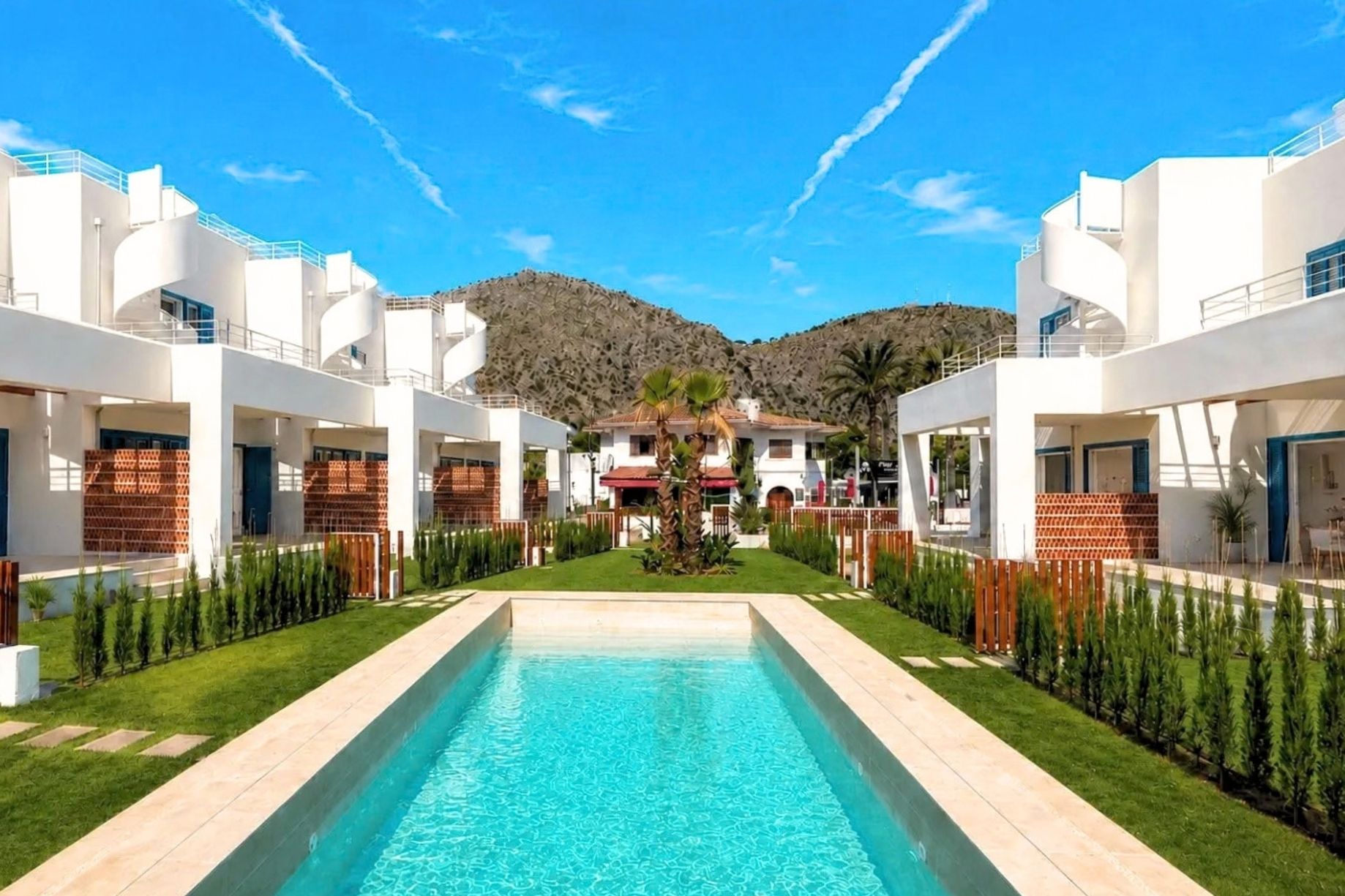
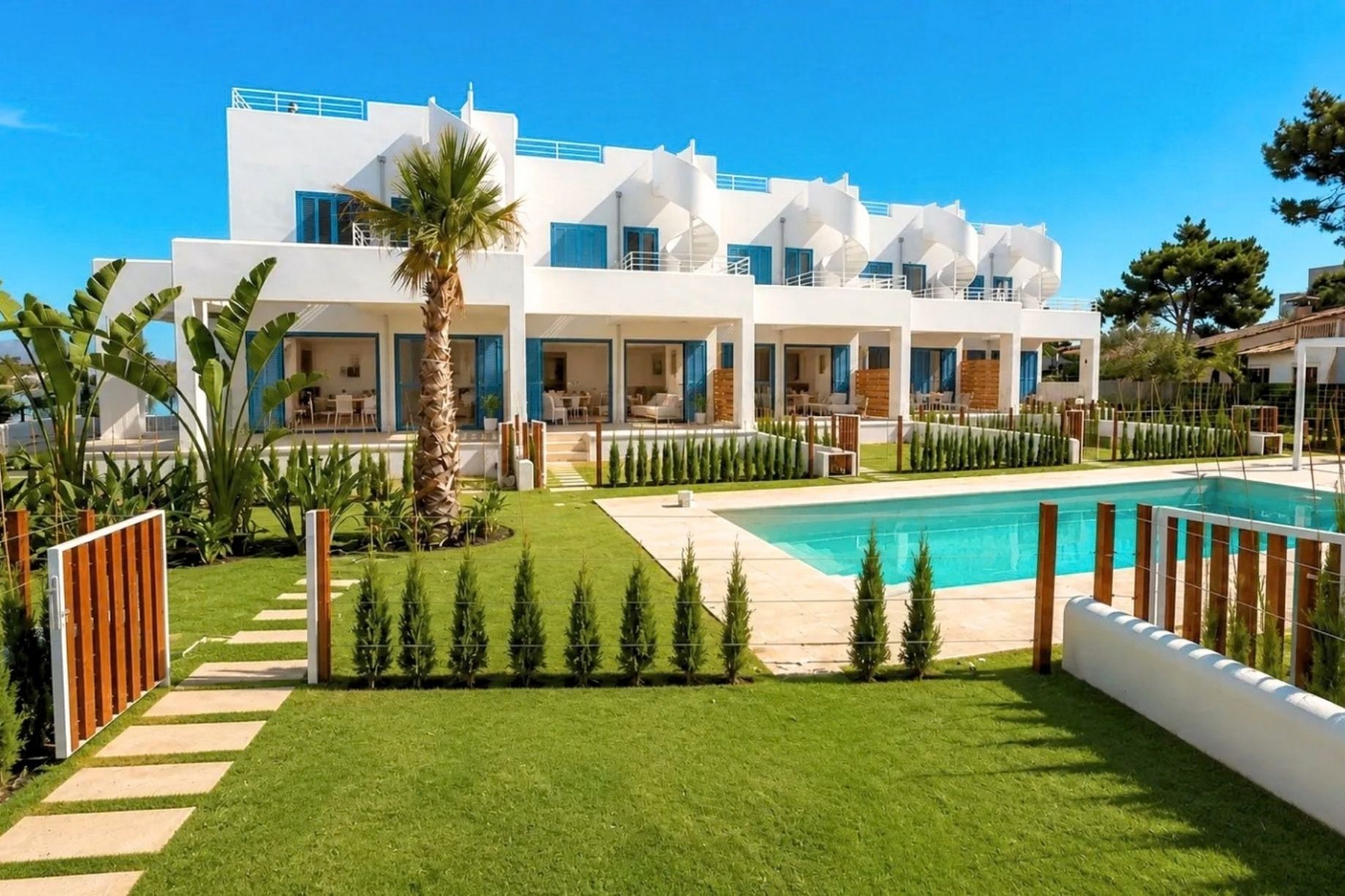
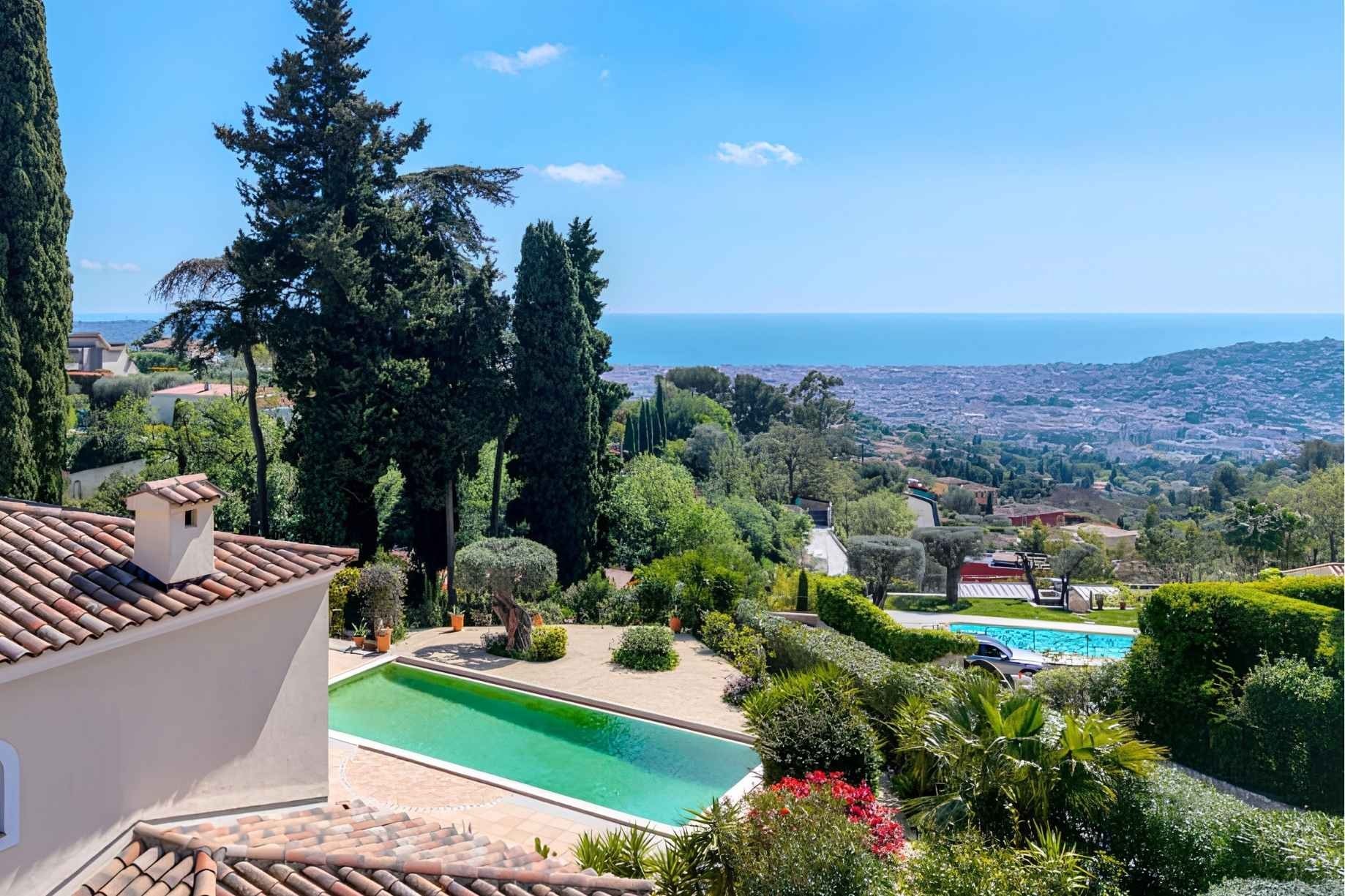
Èze, Côte d’Azur | 2-Bed Terrace Apartment With Sea & Village Views

189,000 €
This new-build terrace apartment in an elevated location in Èze on the Côte d’Azur combines tranquillity, stylish elegance and impressive panoramic views of the ...
2
1
83 m2
Country & Seaside Properties

Villeneuve-Loubet, Côte d’Azur | 2-Bed Waterfront Terrace Apartment With Sea Views & ...

179,000 €
This exclusive new-build terrace apartment sits on the waterfront in Villeneuve-Loubet, near Antibes, combining Mediterranean elegance with an incomparable pano ...
2
1
69 m2
Ski Properties

Chamonix, French Alps | 2-Bed Maisonette Mont Blanc Private Sauna

199,000 €
This maisonette apartment is in a prime location in the heart of Chamonix, the legendary alpine capital at the foot of Mont Blanc, combining cozy chalet-style d ...
2
2
65 m2
Ski Properties

Méribel, French Alps | 2-Bed Penthouse Les 3 Vallées Ski Access

189,000 €
This new-build chalet-style penthouse is located in a sought-after location near Méribel in Les Allues and has impressive panoramic views of the Alpine mountain ...
2
2
92 m2
Country & Seaside Properties

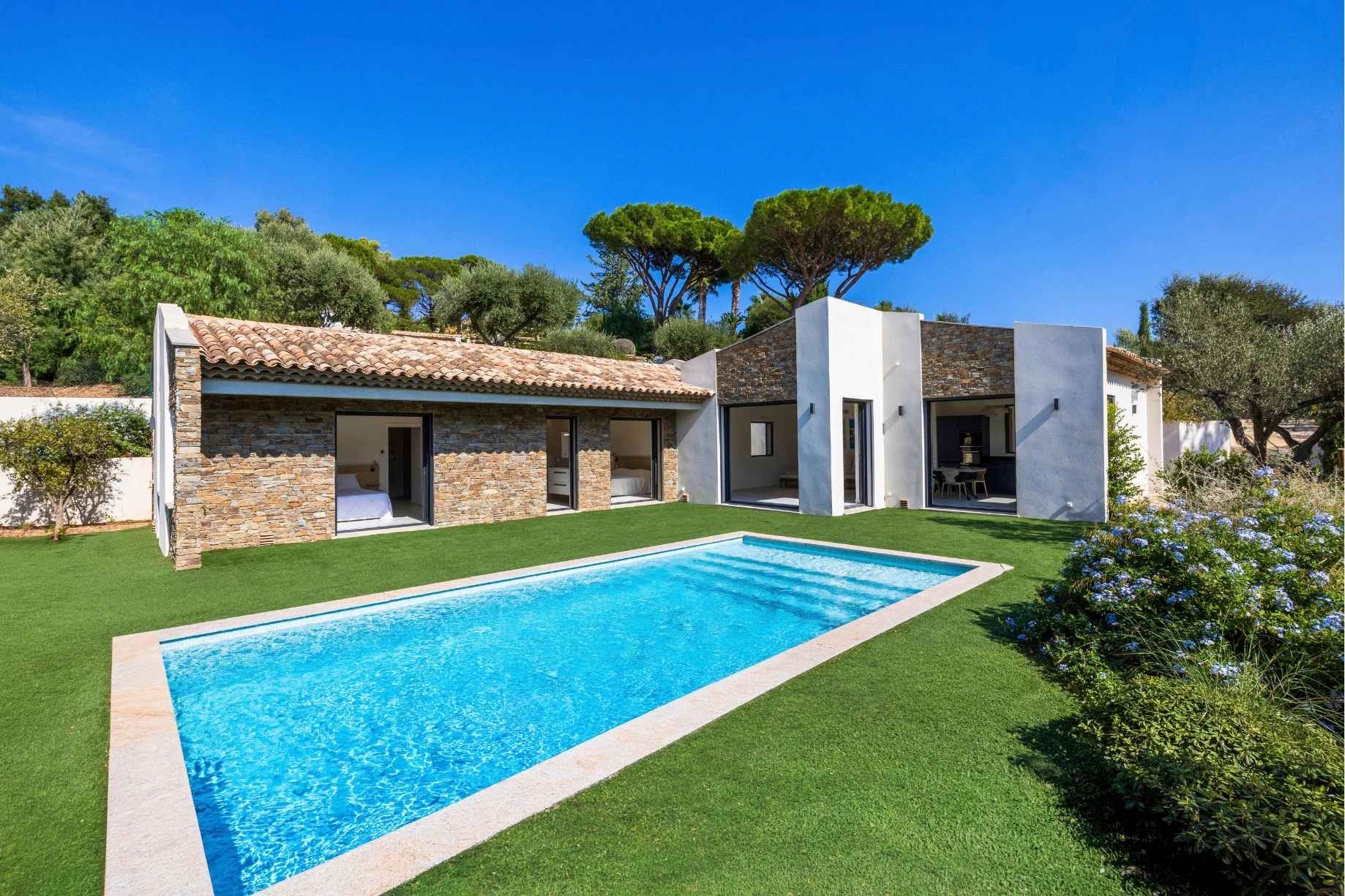
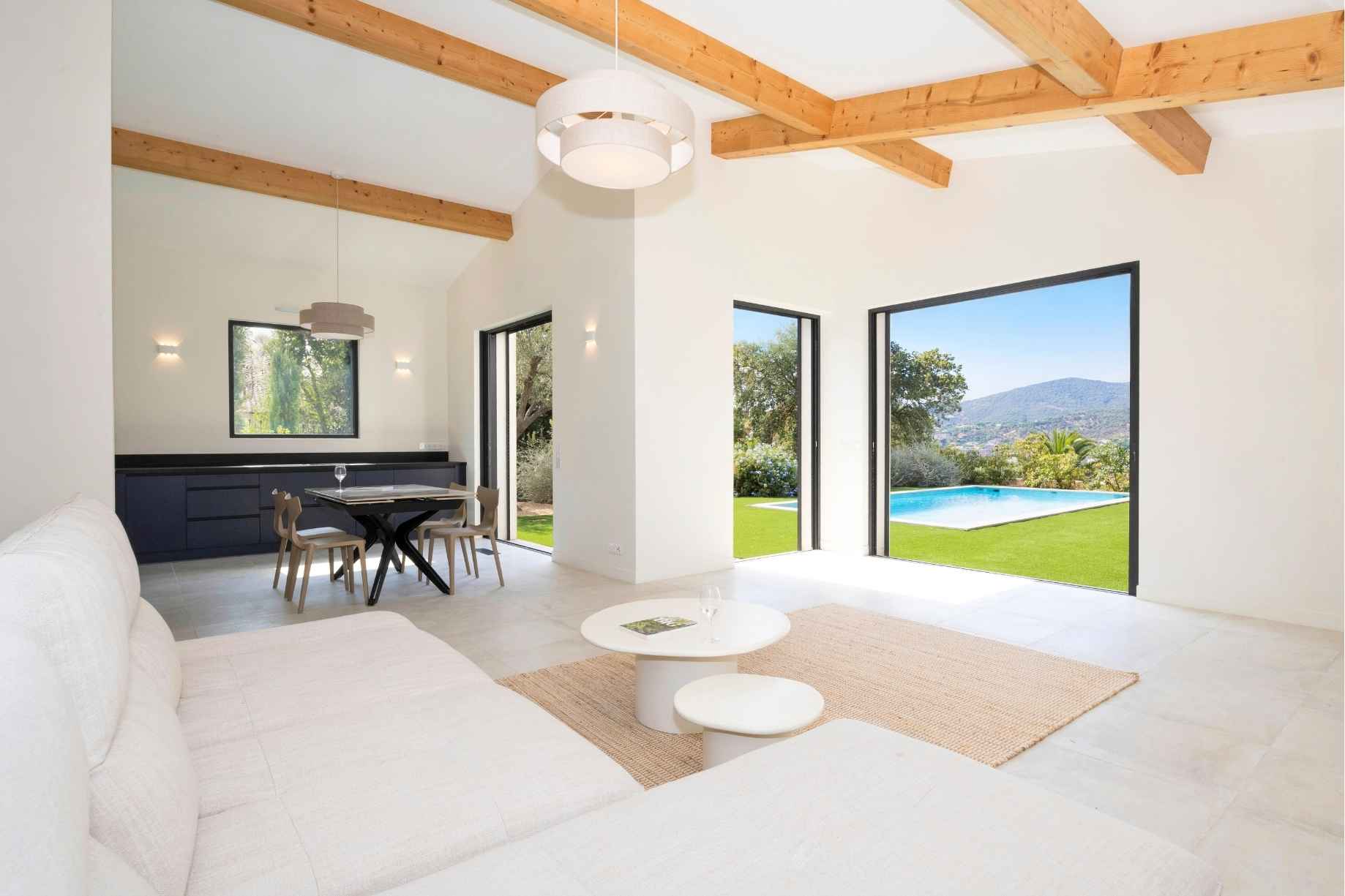
Sainte-Maxime, France | 4-Bed Luxury Villa Bay Of Saint-Tropez

599,000 €
This modern luxury villa is located in a slightly elevated position in Sainte-Maxime and enjoys panoramic views of the Mediterranean Sea and the Bay of Saint-Tr ...
4
3
177 m2
City Properties
1/12 Shares
Last Share

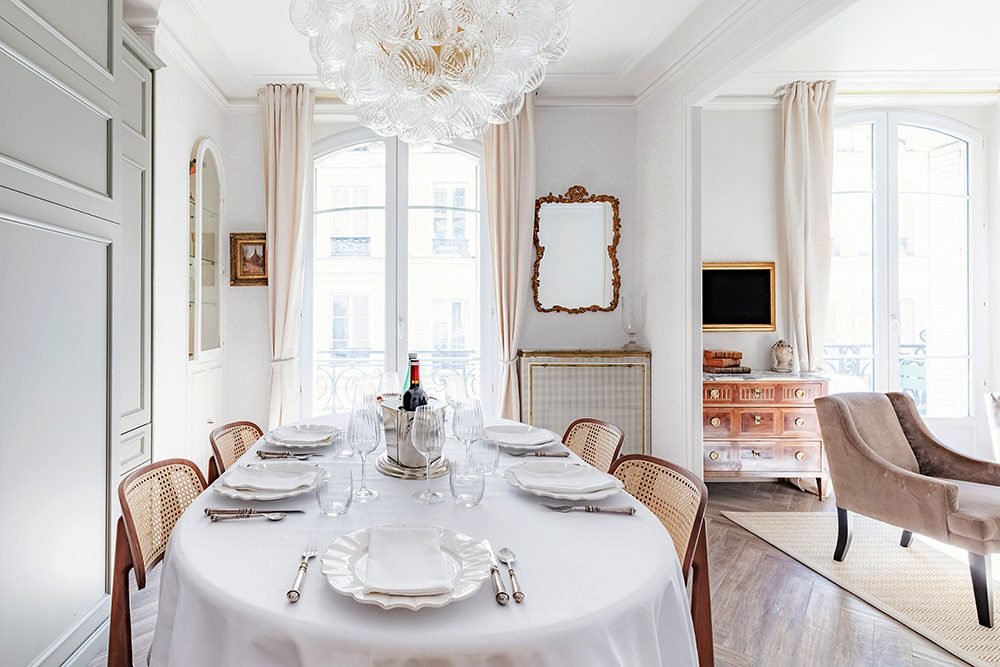
Paris, Le Marais 4th Arrondissement | 18th Century 2-Bed With Private Terrace

237,000 €
This 2-bedroom, 2-bathroom apartment occupies a beautifully renovated 18th-century building on Rue Malher, offering something increasingly rare in central Paris ...
2
2
72 m2
Country & Seaside Properties

Vallauris, France | 3-Bed Penthouse Near Cannes

189,000 €
This new-build penthouse impresses with a sunny south-west-facing terrace and stunning panoramic views over the surrounding Provençal countryside extending to t ...
3
2
131 m2
Country & Seaside Properties

Antibes, France | 2-Bed Apartment Near Beach

104,000 €
Just a short pleasant walk from Antibes beach on the legendary Côte d'Azur, this new-build apartment combines the vibrant lifestyle of the French Riviera with t ...
2
1
70 m2
Country & Seaside Properties
Sold Out

Vallauris, France | 4-Bed Villa With Sea Views

299,000 €
This Mediterranean villa is located in an elevated hillside position near glamorous Cannes and enjoys a fantastic panoramic view over the sparkling Mediterranea ...
4
4
285 m2
Country & Seaside Properties
Sold Out

Saint-Aygulf, France | 4-Bed Villa With Sea Views

280,000 €
Set just a 700-meter stroll from the pristine Mediterranean beaches and framed by the stunning landscapes between glamorous Sainte-Maxime and historic Saint-Rap ...
4
4
176 m2
Ski Properties

Morzine, French Alps | 2-bed apartment close to all amenities

139,000 €
This is a stunning new development in the sought-after Morzine ski resort. Nestled in a prime location with breathtaking views of the Le Pleney slopes, this mod ...
2
2
66 m2
Ski Properties

Morzine, French Alps | 6-bed chalet with views and jacuzzi

299,000 €
This spacious six-bedroom chalet offers contemporary Alpine living in the peaceful Vallée de la Manche neighbourhood of Morzine. Built in 2016, the property com ...
5
5
188 m2
City Properties

Paris, France | 2-Bed Apartment On Rue Madame

525,000 €
Set on the iconic Rue Madame in Paris's prestigious 6th arrondissement, this impeccably renovated 2-bedroom, 2-bathroom residence spanning 969 sq ft (90 m²) off ...
2
2
90 m2
Country & Seaside Properties

Mougins | 7-Bed Villa with Pool and Views of Esterel Mounts

565,000 €
Perched on the sun-soaked hills between the medieval villages of Valbonne and Mougins, Villa Mouans represents that increasingly rare commodity: a genuinely imp ...
7
6
344 m2
Ski Properties

Courchevel 1650 | Exclusive 4-Bed Apartment Next To Lifts

390,000 €
This brand-new development in Courchevel 1650 offers fractional ownership of exceptional residences just 150 metres from the slopes and ski lifts in the heart o ...
4
4
125 m2
Ski Properties

Courchevel 1650 | Exclusive 4-Bed Apartment With Spa Next To Lifts

520,000 €
This brand-new development in Courchevel 1650 offers exceptional residences just 150 metres from the slopes and ski lifts in the heart of the ski resort. The co ...
4
4
156 m2
Country & Seaside Properties

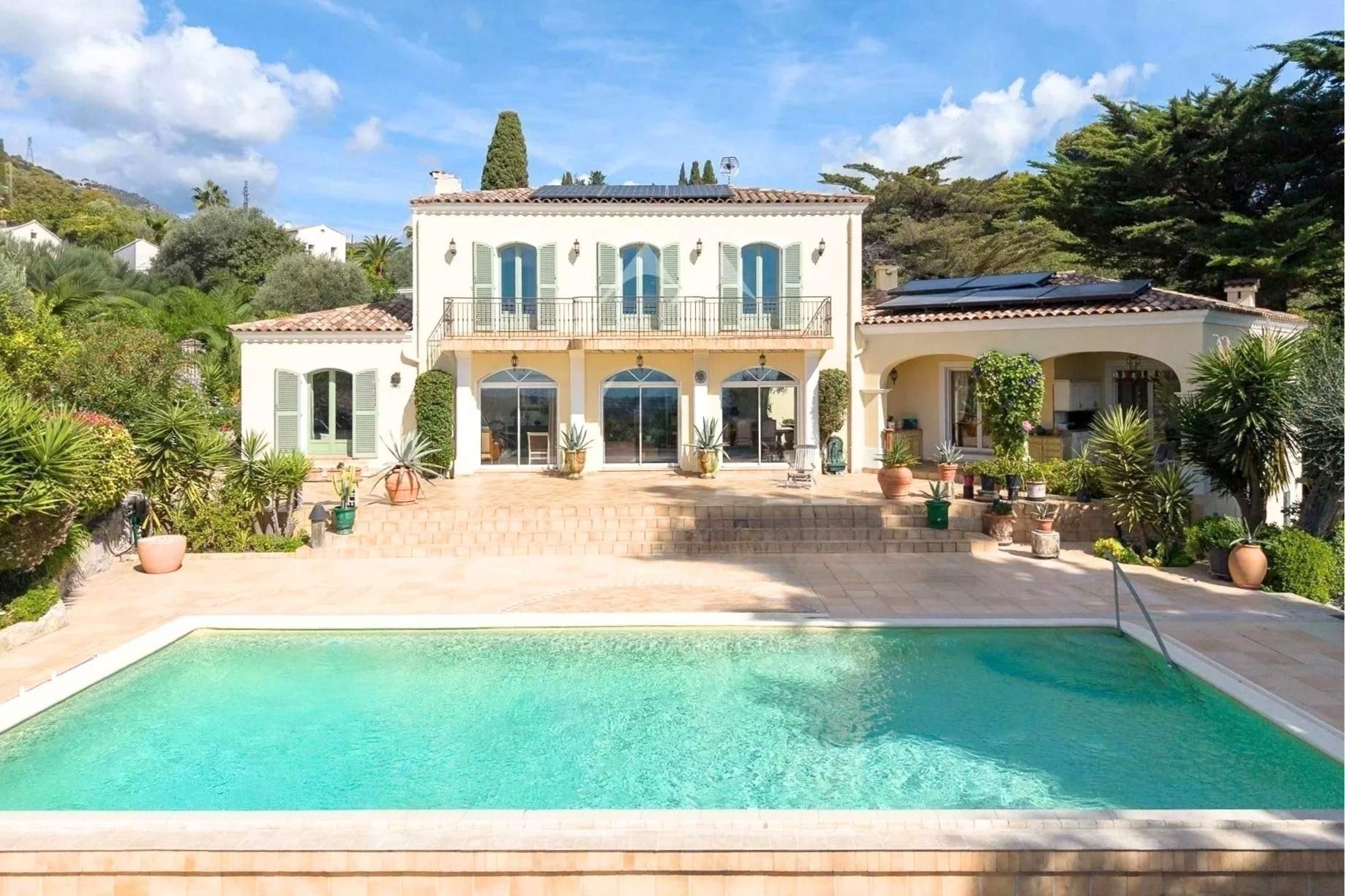
Sainte-Maxime | New-Build Garden Apartment With Sea View & Heated Pool

209,000 €
Experience Mediterranean elegance in this exclusive new-build 2-bedroom garden apartment in the Saint Tropez area (Sainte Maxime) on the Côte d'Azur, perfectly ...
2
2
86 m2
Country & Seaside Properties

Grimaud | Provence-Style House With Garden & Heated Pool

149,000 €
Amid the green hills and vineyards of Grimaud near Saint-Tropez, this Provençal semi-detached maisonette offers a peaceful Côte d’Azur retreat. Spread over thre ...
3
2
81 m2
429 m2
City Properties
Sold Out

France Paris 7th | City Apartment With Amazing Eiffel Tower View

219,000 €
Situated in the exclusive 7th arrondissement (Rive Gauche and embassies), this is a nineteenth-century Parisian apartment with a rare south-west exposure and ex ...
1
1
51 m2
Ski Properties

Tignes | Ski-In/Ski-Out 6-Bed Apartment With Extensive Terrace

425,000 €
Set in a modern new development in Tignes Le Lavachet (over 2,000 metres), this fourth-floor, east-facing residence delivers true ski-in ski-out. The 118 m² int ...
6
4
118 m2
Ski Properties

Tignes | Ski-In/Ski-Out 5-Bed Apartment With Extensive Terrace With Hot Tub

395,000 €
Set in a modern new development in Tignes Le Lavachet area (2000+ m), this 1/8th fractional ownership second-floor, west-facing residence delivers true piste-si ...
5
4
139 m2
Ski Properties

Les Gets | New-Build 4-Bed Apartment With Spa Next To Lifts

210,000 €
This exclusive residence is one of the best new chalets in Les Gets offers 94 m² of year-round comfort on the first floor, moments from Les Gets’ village centre ...
4
3
94 m2
Ski Properties

Les Gets | New-Build 4-Bed Apartment With Balcony & Spa Access

170,000 €
Discover high-end alpine living one of Les Gets’ best development (brand new). This lodge sits on the first floor, with 81 m², designed for up to 8 guests (max ...
4
3
81 m2
Ski Properties

Méribel 3 Valleys | 3-Bed Residence with private Spa

540,000 €
Set in a luxury development with concierge services above Méribel’s sunlit Morel quarter, this duplex third–fourth-floor residence pairs alpine elegance with fi ...
3
4
143 m2
Ski Properties

Méribel 3 Valleys | Luxury 6-Bed Duplex Residence With Terrace Hot Tub

990,000 €
This exceptional 263m² duplex residence in Méribel’s prestigious 3 Valleys offers a genuinely unique mountain retreat, occupying the second and third floors abo ...
6
4
263 m2
Country & Seaside Properties

Les Issambres | Côte d’Azur Modern Sea-View Villa with Heated Pool

259,000 €
A few steps above the shoreline in Les Issambres, this modern Côte d’Azur hideaway pairs clean contemporary architecture with relaxed terrace living and wide se ...
3
4
Country & Seaside Properties

Cannes | Semi-Detached Home with Sea & City Views

359,000 €
Set on a verdant hillside in Californie Pézou, this semi-detached Cannes fractional ownership house balances Mediterranean calm with the convenience of Cannes b ...
3
2
120 m2
Country & Seaside Properties
Almost Sold Out

Cannes French Riviera | First‑Line Penthouse with Panoramic Roof Terrace

595,000 €
Exceptionally rare — panoramic penthouse (185 sqm interior) with vast 200 sqm roof terrace in Cannes | First line Plage du Midi | High capital growth potential ...
5
5
185 m2
Country & Seaside Properties

Beaune, Burgundy | Restored 17th-Century Château

365,000 € $425,000
Set just outside Beaune in Burgundy’s wine heartland, this restored 17th-century château combines historic architecture with generous family living across appro ...
9
4
850 m2
City Properties
Last Parts Available

Paris | Iconic Left bank Residence

459,000 € $525,000
Located on the iconic Rue Madame in Paris's 6th arrondissement, this beautifully renovated 2-bedroom residence offers a rare opportunity to own a piece of Left ...
2
2.5
90 m2
Country & Seaside Properties
Sold Out

Nice – Bellevue | Classic 3-Bed Residence with sea Views

298,500 € $325,000
SOLD | Set within the historic Palais du Mont Boron, Bellevue pairs classic French architecture with a refined contemporary finish. High ceilings, ornate mouldi ...
3
2
Country & Seaside Properties

Cannes – Villa Estérel | 5-Bed Villa With Pool

838,000 € $908,000
Perched in a dominant position in Le Cannet, one of Cannes’ most prestigious residential areas, Villa Estérel is a newly built contemporary masterpiece offering ...
5
5
400 m2
1,300 m2
Ski Properties

Chamonix | Mont Blanc Lodge

423,200 € $499,000
Mont Blanc Lodge is a beautifully crafted alpine residence set on the top floor of an intimate new development in central Chamonix. Inspired by the region’s arc ...
4
4
128 m2
Ski Properties

Meribel | Luxury 3-Bed Ski-In/Ski-Out Alpine Retreat

554,000 € $649,000
Discover this beautifully designed ski-in/ski-out alpine apartment nestled in the heart of Méribel, one of the most prestigious resorts in the French Alps. Offe ...
3
3.5
118 m2
City Properties

Paris 6th District | Saint-Germain Apartment

750,000 € $879,000
Located in the heart of Saint-Germain-des-Prés, Paris’ legendary artistic and intellectual centre, this exquisite 3-bedroom residence offers the perfect blend o ...
3
3.5
143 m2
City Properties
Almost Sold Out

Paris 7th-District | 2 Bed 19th Century Parisian Residence

589,000 € $600,000
Bathed in natural light, this beautifully renovated 2-bedroom apartment offers approximately 100 m² of elegant living space in the heart of Paris' 7th arrondiss ...
2
2.5
100 m2
3 world-class regions
€1M–4M+ typical whole property price
€100k–500k typical 1/8 share entry
6–7 wks usage per 1/8 share

Why France fractional ownership?

France is Europe's most visited country and its most diverse luxury second-home market — a rare combination of three fundamentally different world-class property environments within a single nation, each globally recognised and each structurally constrained in its own way. Average prime prices in the Paris prime arrondissements now exceed €10,000 per m², with the most sought-after addresses in the Marais, Saint-Germain-des-Prés and the 7th regularly commanding €12,000–€18,000+ per m². In the French Alps, ski-in/ski-out chalets in Courchevel 1850, Val d'Isère and Méribel compete directly with the world's most expensive resort real estate, where frontline properties regularly trade above €20,000 per m². Along the South of France — the Côte d'Azur, Provence and the Var — coastal villas and village retreats carry premiums that have only strengthened with each passing decade of international demand.

For buyers considering a French second home, the structural challenge is familiar and acute: full ownership of a Paris pied-à-terre, an Alpine chalet or a Riviera villa demands committing €1.5–4 million or more to a single asset that will typically sit empty for 40+ weeks per year, accumulate annual running costs regardless of use, and require complex remote management from abroad. Fractional co-ownership solves this directly: a 1/8 deeded share aligns capital, running costs and usage weeks to how you actually live, while still providing genuine real estate equity that appreciates in line with the underlying property — without the burden of full ownership. France's three co-ownership regions deliver entirely different lifestyles, and the fractional model uniquely enables buyers to access one — or build a portfolio across several — at a capital level that whole ownership in France makes impossible.

International demand for French second homes is exceptionally broad and structurally deep. Knight Frank and Savills both report continued multi-nationality interest across all three French markets at all price points, with British, American, Swiss, Belgian and Scandinavian buyers forming the established core alongside a growing cohort of buyers from the Middle East, Asia and further afield. This extraordinary breadth of demand — spread across nationalities, economic cycles and motivations — is one of France's most important long-term price supports. Unlike markets driven by a single buyer nationality, France's diversified international buyer base provides a natural hedge against any one country's economic cycle, making values here structurally more resilient than comparable second-home destinations that depend on narrower demand sources.

France: indicative residential price ranges by zone (€ / m²)

Sources: Knight Frank, Savills, Meilleurs Agents, Notaires de France 2025. Ranges reflect typical mid-to-prime residential stock; frontline and trophy assets trade higher.


France lifestyle: four seasons of world-class living

France is the only country in Europe offering three entirely distinct world-class second-home lifestyles within a single nation — the cultural and culinary depth of Paris, the year-round mountain drama of the Alps, and the Mediterranean warmth and glamour of the Côte d'Azur and Provence. Co-ownership homes across these three regions are not simply holiday properties; they are bases for a genuinely rich, layered lifestyle that changes profoundly with the season and rewards long-term, returning use. Paris alone offers museums, restaurants and cultural institutions at a density unmatched anywhere else on earth — alongside a neighbourhood-level intimacy, from the covered markets of the Marais to the bookshops of Saint-Germain, that reveals itself gradually over years of returning visits. The Alps deliver both the finest ski terrain in the world and a summer mountain landscape of waterfalls, hiking trails and wildflower meadows that increasingly attracts year-round rather than seasonal use. The South of France combines legendary coastal scenery with an inland Provence of lavender fields, medieval villages, Michelin-starred kitchens and world-famous rosé wine production that makes the region as compelling in May or October as it is in July.

The practical connectivity that underpins all three regions is exceptional. Eurostar links London to Paris in 2 hours 15 minutes with up to 18 daily departures; Paris Charles de Gaulle Airport operates direct routes to over 350 destinations worldwide; Nice Côte d'Azur Airport connects directly to 120+ European cities; and Geneva Airport — less than 90 minutes by road from Chamonix or Megève — is one of the best-connected airports in Europe for Alpine access. France's TGV high-speed rail network adds another dimension: Paris to Lyon in 2 hours, Paris to Marseille in 3 hours, Paris to the Alps via Chambéry or Grenoble in around 3 hours. For practical trip planning and local discovery, the France Tourism official portal, TripAdvisor and GetYourGuide are excellent starting points across all three regions.

Spring

The Côte d'Azur awakens before the summer crowds, Provence blooms with cherry blossom and early lavender, Paris fills its café terraces with returning life, and the Alps transition from late-season skiing to the first mountain hikes. The finest shoulder season in Europe for those who know France well.

Summer

Peak Riviera and Provence season — long Mediterranean days, Cannes festivals, the lavender harvest in the Luberon, warm evenings in hilltop villages. Alpine summer hiking, cycling and lake swimming at their finest. Paris is cooler than the south and beautiful in July, before August brings the annual quieting.

Autumn

Often France's finest season: the grape harvest across Burgundy, Bordeaux and Provence; warm sea temperatures on the Riviera through October; the Alps gold with larch colour before first snowfall; and Paris at its most atmospheric — cultural season open, terraces still warm, crowds gone. The season the French love most.

Winter

The Alps come fully alive with Europe's finest ski terrain — Courchevel, Val d'Isère, Méribel, Chamonix, Megève. The Côte d'Azur offers mild winters with reliable sunshine and entirely emptied beaches. Paris's cultural and culinary season reaches its full depth. France is the only country delivering three world-class winter experiences simultaneously.

This four-season usability is central to the fractional co-ownership value proposition. A 1/8 share's 6–7 annual weeks can be spread strategically across the calendar: a spring week exploring Provence villages from a Var farmhouse, a summer fortnight on the Côte d'Azur, an autumn long weekend in Paris for culture and cuisine, a winter ski week in a Méribel chalet. Very few French vacation homes sit completely idle regardless of season — and that reliable year-round utility, combined with the rental potential of unused weeks in properly licensed properties, is precisely what makes France such a compelling co-ownership and wealth preservation market.


Key France fractional ownership regions

Île-de-France · Paris

Paris

Paris fractional ownership opens the door to the world's most celebrated city — a pied-à-terre in the arrondissements that have defined elegance, culture and intellectual life for centuries. The most sought-after zones for co-ownership buyers are the historic heart of the city: the Marais (3rd and 4th) for its medieval streets, galleries and vibrant restaurant scene; Saint-Germain-des-Prés (6th) for its literary cafés, antique dealers and the Jardin du Luxembourg; the 7th for the Eiffel Tower, the Musée d'Orsay and a quiet residential grandeur that rewards long familiarity; and the 16th and 8th for broader Haussmannian avenues, the Bois de Boulogne and proximity to the Champs-Élysées and the great Arc de Triomphe.

Paris co-ownership properties are typically elegant apartments — classic Haussmann-period buildings with high ceilings, parquet floors, tall casement windows and the particular quality of Parisian light that no other city replicates. This is the world's most visited city, with demand for quality accommodation structurally exceeding supply at every price point, and strict planning rules preventing meaningful new supply from entering the most desirable arrondissements. Typical 1/8 shares sit in the €200,000–€600,000 range against whole-property prices of €1.6m–€4.8m+. Best for: culture lovers, city weekend enthusiasts, buyers wanting a permanent Paris base at a fraction of the full cost.

View Paris fractional ownership properties →

Best for: Culture, city breaks Vibe: Cosmopolitan elegance Transport: Eurostar 2h15 from London Price tier: Premium–luxury
Rhône-Alpes · French Alps

French Alps

French Alps fractional ownership puts you inside the world's greatest ski and mountain resort real estate market — an arc of legendary resorts from Chamonix at the foot of Mont Blanc to the Three Valleys (Courchevel, Méribel, Val Thorens), Val d'Isère and Tignes, and the quieter, more intimate elegance of Megève. These resorts are not interchangeable: Courchevel 1850 is ski-in/ski-out prestige at its most absolute, with Michelin-starred restaurants, helicopter pads and a buyer profile that overlaps directly with Monaco and Mayfair; Méribel offers the largest ski area in the world across the Three Valleys alongside a warmly international community with outstanding family infrastructure; Chamonix delivers year-round appeal as Europe's premier mountaineering and extreme sports destination; and Megève brings a distinctly French elegance — cobbled village streets, horse-drawn sleighs and a pre-war glamour that feels entirely its own.

Alpine chalet fractional ownership makes premium ski-season and summer mountain access genuinely achievable. Properties in this zone are invariably chalets or ski apartments with direct piste access or short walk-to-lift positions, south-facing terraces with Mont Blanc or resort panoramas, and interiors finished to a standard that reflects their status as trophy assets in the world's most competitive mountain market. Typical 1/8 shares sit in the €150,000–€550,000 range against whole-property prices of €1.2m–€5m+. Best for: skiers, mountain enthusiasts, families, luxury buyers building long-term Alpine equity.

View French Alps fractional ownership properties →

Best for: Skiers, mountain families Vibe: Alpine luxury Airport: Geneva ~1.5hr Price tier: Top of market
Provence-Alpes-Côte d'Azur

South of France

South of France fractional ownership encompasses one of the world's most iconic and enduringly desirable second-home landscapes — from the glamorous promenades of Nice, Cannes and Antibes through the pine-backed coves and hilltop villages of the Var to the lavender fields, medieval perched villages and deep gorges of inland Provence. The Côte d'Azur has been Europe's premier winter and summer leisure destination since the mid-19th century, and its combination of reliable Mediterranean climate, exceptional cultural infrastructure — the Cannes Film Festival, the Monaco Grand Prix, the Nice Carnival, the Aix Festival — and a consistently international, affluent buyer community has created one of the most supply-constrained coastal property markets in the world.

Co-ownership properties in the South of France range from contemporary villas above the Côte d'Azur with pool terraces and sea views towards the islands, to elegant stone bastides set among Provençal vineyards, to sophisticated apartments within walking distance of the old ports of Antibes or Cassis. The buyer profile is among the most internationally diverse of any European second-home market — British, American, Belgian, Swiss, Scandinavian and increasingly Middle Eastern and Asian buyers all compete for well-located Riviera and Provence properties. Typical 1/8 shares sit in the €150,000–€450,000 range against whole-property prices of €1m–€4m+. Best for: beach and culture lovers, wine enthusiasts, buyers who value year-round warmth and a deeply layered Mediterranean lifestyle.

View South of France fractional ownership properties →

Best for: Beach, culture, wine Vibe: Mediterranean glamour Airport: Nice ~15–40 min Price tier: Premium–luxury

A week in your France co-ownership home

One of the most compelling things about owning a co-ownership property in France is how differently each stay can feel depending on where you are. Use the tabs below to explore what a typical week looks like across all three regions — adjust the season and your own pace, and France reshapes itself entirely around you.

A typical early-summer week arriving on a Sunday afternoon and leaving the following Sunday morning from your Côte d'Azur or Var base. The region has enough depth — coastline, mountains, culture, food, wine, villages, markets — that you could spend a week here every season for years and still be discovering something new.

Sunday Arrival — the light changes everything

You land at Nice Côte d'Azur Airport mid-afternoon, collect the hire car and within 30 minutes you are pulling into the driveway. The property is immaculate — stocked, aired, pool sparkling. You didn't arrange any of it. You unpack, pour something cold and sit on the terrace as the light turns amber over the garden and the sea shimmers in the distance. That evening, no ambition beyond a short walk to a local restaurant — fresh seafood, a carafe of Provençal rosé — and a very early night.

Monday The market morning and a slow afternoon cove

Most Côte d'Azur towns run outstanding morning markets, and the Cours Saleya market in Nice is among Europe's finest — flowers, cheese, olives, socca, charcuterie and a colour and energy that sets the tone for the week. Afternoon belongs to a quieter cove below the house. Swim, read, do nothing particularly well. The Côte d'Azur was invented for exactly this.

Tuesday Into Provence — the village day

The Provençal hinterland is one of Europe's great inland landscapes and rewards a full day. Drive north into the Var or the Luberon and explore perched villages — Les Baux-de-Provence, Gordes, Moustiers-Sainte-Marie, Tourtour — each completely different in character but all sharing the particular quality of southern French light on old stone that makes photographers lose track of time entirely. Lunch in a shaded village square, a glass of local rosé, nowhere particular to be. GetYourGuide's Provence page is useful for day trips if you want a guide.

Wednesday Nice or Cannes — a proper city day

Nice is one of the Mediterranean's most underrated city experiences and deserves a full day. Start in the Vieux-Nice — a labyrinth of ochre and terracotta Baroque streets unlike anything else in France. Visit the Musée Matisse and the extraordinary Musée Chagall. Walk the Promenade des Anglais at golden hour. Or drive west to Cannes for the Vieux Port, the Rue d'Antibes boutiques and dinner on the Croisette. The French Riviera's cities reward lingering in a way pure beach resorts never can.

Thursday The sea day — boat, calanque, lunch on the water

The Côte d'Azur coastline has some of the most spectacular coves and calanques in the Mediterranean, and the best are only properly accessible by boat. Hire a small motorboat for the day from Antibes, Cannes or your nearest port — no licence required for smaller vessels — and spend the day exploring coves that no road reaches. Pack a picnic, anchor in water of extraordinary clarity, and swim until you lose track of time entirely. This is the day that makes people want to return every year.

Friday Wine country and the slow interior

The South of France is one of Europe's great wine landscapes. Provence AOP produces some of the world's most sought-after rosé from the Var and the Luberon; the Rhône Valley delivers Châteauneuf-du-Pape and Gigondas within easy reach; and the Bandol appellation near Toulon makes some of southern France's finest reds. Book a morning winery visit, lunch at a vineyard restaurant and spend the afternoon wandering an ancient abbey or admiring the ochre cliffs of the Colorado Provençal. This is the South of France that most visitors never find.

Saturday The last full day — nothing scheduled

The best last days are unplanned. Maybe a morning swim at the cove you didn't get to during the week. Maybe a long breakfast on the terrace, reading, doing nothing at all. Maybe a final sunset dinner at the restaurant you bookmarked on day one and never quite got to. The South of France rewards unhurried time — the light in the early evening, particularly in June and September, does something to the air you simply cannot replicate anywhere else. You will already be thinking about when to come back.

Every Season A different France each time

Repeat this week in autumn and the Riviera is quieter, the sea is still warm, the grape harvest is underway across the Var and the restaurants are full of locals rather than tourists. Repeat it in winter and the coast is mild and empty while the Alps above are deep in snow. Use your second share for a Paris long weekend — gallery, dinner, the Luxembourg gardens. The official France tourism portal, GetYourGuide and TripAdvisor's France guide are all excellent for activity and restaurant discovery across every region.

A typical peak-winter ski week arriving on a Sunday evening and leaving the following Sunday morning from your Méribel, Val d'Isère or Courchevel chalet. The Alps have enough terrain, culture and mountain life — piste, powder, village, gastronomy — that no two weeks here feel the same.

Sunday Arrival — the mountains at night

You land at Geneva Airport early evening and transfer to the resort — roughly 90 minutes to Chamonix or Megève, under two hours to Méribel or Courchevel. The chalet has been prepared immaculately: boot room aired, beds made, fridge stocked, fireplace lit. You didn't arrange a single detail of it. The children are already asking about tomorrow's skiing. You eat well, sleep deeply and wake to the particular silence of a mountain morning under fresh snow.

Monday First day on the mountain

Boots on, skis clipped and out the door — or a short walk to the lift. The Three Valleys is the world's largest ski area, and on day one you don't need to go far to find extraordinary skiing. The ESF ski school takes the children for their morning lesson while you explore the upper mountain. By lunchtime on a sunny terrace with a vin chaud and a croque-monsieur, the decision to own here makes complete, immediate, visceral sense.

Tuesday Pushing further — the full area day

Today you ski across the valley into a neighbouring resort — from Méribel into Courchevel, or from Val d'Isère across to Tignes. The scale of French Alpine terrain reveals itself properly for the first time. Lunch in a different resort, ski back in the afternoon light — the golden hour on fresh snow, with the entire arc of the Alps spread across the horizon, is genuinely one of the world's great views.

Wednesday Off-piste or a rest day in the village

Book a guided off-piste session with a mountain guide through ESF or an independent guide bureau — even intermediate skiers find that a single morning in untracked powder completely changes their relationship with the mountain. Or take a rest day: wander the village, browse the boutiques in Courchevel's Jardin Alpin, book a spa treatment, eat a long unhurried lunch. The Alps are as good a place to rest as they are to ski.

Thursday The big mountain day

The day for the routes you have been saving. The Vallée Blanche in Chamonix — a 20km off-piste descent from the Aiguille du Midi with views of the Mont Blanc massif that stop every first-timer completely in their tracks — or simply the best powder field you have spotted from the lift all week. These are the days you describe to other people for months afterwards.

Friday The resort evening — dinner and mountain culture

Alpine resorts at night are as good as they are by day. Book a Michelin-level dinnerCourchevel 1850 alone has more starred restaurants per capita than almost anywhere else in France — or find the warm, lively mountain restaurant with a good DJ and a crowd of regulars who have been coming back for twenty years. Dress well, eat and drink exceptionally, walk home through the snow.

Saturday The last morning run

Up early for one final run before checkout. The mountain is quiet at 8am — long shadows across the piste, no queues, perfect grooming, the whole valley to yourself. One last coffee on a terrace before skiing back to the chalet, loading the car and beginning the journey home. You are already planning which weeks to book next season before you reach the airport.

Every Season The Alps in summer — an entirely different mountain

Return in July and the same resort is transformed: wildflower meadows, mountain biking trails, via ferrata, glacier hiking and crystalline lakes replace the snow. Chamonix and Megève are particularly compelling summer destinations. The France tourism portal and GetYourGuide's French Alps page cover both seasons in full detail.

A typical autumn week arriving on a Sunday afternoon and leaving the following Sunday morning from your Paris pied-à-terre in the Marais, Saint-Germain or the 7th. Paris has enough depth — culture, food, history, neighbourhoods, galleries — that no two weeks here ever feel the same.

Sunday Arrival — Paris on a Sunday afternoon

Eurostar to Paris Gare du Nord in 2h15, then the Métro or a short taxi to your arrondissement. The apartment is immaculate — aired, stocked, ready. You walk out immediately into Paris on a Sunday: markets winding down, bakeries still open, the city at its most human and unhurried. A glass of wine at a zinc bar on the corner. You have arrived at the world's greatest city and it is entirely, completely yours for the week.

Monday The neighbourhood morning — your Paris, not the guidebook's

One of the quiet rewards of returning to the same Paris apartment year after year is the neighbourhood becoming genuinely familiar. Your bakery. Your café. Your fromagerie. Monday morning is for the covered market, the best croissant in the street, a long coffee reading the newspaper. In the afternoon, the Musée d'Orsay or the Centre Pompidou — both manageable in a single relaxed afternoon without feeling rushed.

Tuesday The Louvre — properly, without rushing

The Louvre is too large to see in one visit — and you are not trying to. Choose one wing, one era, and give it three unhurried hours. Then lunch in the Palais Royal gardens, a walk through the covered passages of the 2nd arrondissement and an afternoon in the boutiques and galleries of Saint-Germain. Dinner at a bistro you booked last month. Paris at this pace — unhurried, curious, revisiting what you love — is the best possible version of the city.

Wednesday Versailles — a day trip worth doing once properly

The Palace of Versailles is 35 minutes from central Paris by RER C and deserves a full day at least once. Go mid-week in autumn and the gardens are extraordinary — golden light, near-empty fountains, the Grand Canal at its most cinematic. The palace itself has a grandeur that photographs can never capture. Return to Paris for dinner in a neighbourhood restaurant you have been meaning to try. You live here for a week. You have time for all of it.

Thursday Le Marais — galleries, history, the best falafel in the world

The Marais is best explored slowly on foot — medieval streets, the Place des Vosges, the Musée Picasso, the Musée Carnavalet. Lunch is at L'As du Fallafel on Rue des Rosiers — possibly the most satisfying €7 you will spend all week. The afternoon continues through the 3rd and 4th, following whichever gallery or bookshop window stops you next.

Friday The grand dinner — Paris at its very best

Friday evening is for the restaurant you booked before leaving home. Paris has more Michelin-starred restaurants than any other city in the world, but the best meal of the week may well be at an unmarked bistro in the 11th that your neighbour in the apartment building mentioned on Tuesday. The Michelin Guide Paris and TripAdvisor are both useful — but the best Paris restaurants are always the ones someone tells you about in person.

Saturday The last day — the city at its most generous

Saturday in Paris belongs to the open-air markets — Marché Bastille, the Marché d'Aligre, or the Marché Président-Wilson. Buy cheese, bread and something extraordinary for a picnic in the Jardin du Luxembourg. The city is at its most itself on a Saturday morning — alive, local, generous. Pack in the afternoon. You have already decided which weeks to book for spring.

Every Season Paris in every season — always different, always right

Paris in January — quiet, cold, the museums almost empty — is a completely different and equally wonderful city from Paris in May. Spring brings blossom in the Luxembourg gardens; summer, long evenings on the Seine; autumn, the cultural season opening in full; winter, the most atmospheric café and bistro culture in the world. The France tourism portal, GetYourGuide Paris and TripAdvisor's Paris guide are excellent for seasonal discovery.


France with children — the family co-ownership experience

France is one of Europe's genuinely great family destinations — and not in the generic beach-resort sense. The country combines the practical ingredients that make family travel genuinely easy (safe beaches, excellent infrastructure, world-class food even at simple bistro level, reliable transport, reliable sunshine in the south from May to October) with a depth and variety that means parents enjoy themselves just as much as the children do. A co-ownership property in France changes the family experience entirely: instead of the revolving door of holiday apartments and hotel rooms, your children have a place they return to year after year — a home with a familiar garden, a known pool, a favourite beach or piste. That sense of place and continuity is something family holidays rarely offer, and it matters more than most parents expect.

The best family beaches — Côte d'Azur and Var

The South of France delivers some of Europe's most beautiful and family-friendly beaches. For younger children, Juan-les-Pins near Antibes offers gentle sandy shallows, calm water protected by the Cap d'Antibes headland, and a wide sandy beach with easy café and sunbed infrastructure. The Var beaches around Saint-Raphaël, Grimaud and the Presqu'île de Giens provide a more rugged, natural coastline of rocky coves and pine-backed bays ideal for families who want something less resort-like.

For older children and teenagers, the Calanques National Park west of Cassis delivers something genuinely spectacular — sheer white limestone cliffs dropping to turquoise water, reachable by boat or on foot, with snorkelling over posidonia meadows and an otherworldly quality that makes an immediate impression on children of any age. Family France maintains a well-curated seasonal guide to the best family beaches and activities across all regions.

Skiing as a family — the French Alps advantage

The French Alps represent the finest family ski experience in the world, and a fractional chalet here transforms what skiing means for a family with children. The Three Valleys — anchored by Méribel — are the world's largest interconnected ski area, with terrain graded for every ability from first-week beginners to expert off-piste enthusiasts. Every major resort operates exceptional children's ski schools: ESF (École du Ski Français) instructors are trained specifically in child teaching methods, with structured progression from snow garden through to red and black runs.

Children who learn to ski in the French Alps build skills and confidence that stay with them for life. The combination of a private chalet base — familiar, comfortable, their own — with the extraordinary variety of French Alpine terrain makes each return visit genuinely more rewarding than the last. Many families find that an Alpine fractional share becomes the most consistently used and most deeply loved of all their travel habits. GetYourGuide's French Alps page is useful for booking lessons, equipment hire and non-ski activities for days when the mountain needs a rest.

Paris with children — culture, magic and Disneyland

Paris is one of the world's great family cities, and returning children develop a relationship with it that deepens every visit. The Louvre has an excellent children's programme; the Musée d'Orsay is genuinely accessible for older children; the Eiffel Tower never loses its power regardless of age. The Luxembourg gardens with their model sailboat pond, puppet theatre and carousel have delighted children for over a century, and the covered passages of the 2nd and 9th arrondissements are endlessly explorable on rainy days.

For a full family day out beyond the city, Disneyland Paris is just 35 minutes east of central Paris by RER train — the most visited theme park in Europe and an experience younger children will talk about for months. For families with a Paris fractional share, this is a genuinely accessible add-on to a cultural week rather than a stand-alone trip, combining the magic of the park with the depth and beauty of the city itself. No other city in the world offers this combination of high culture and family entertainment at this proximity.

Outdoor adventures for active families

France's outdoor offer extends well beyond piste and beach, and active families find the country almost inexhaustible. The Chamonix valley is a world-class summer destination for families who love altitude: the Aiguille du Midi cable car, accessible from age four, delivers a genuinely life-altering view from 3,842 metres with no exertion required. Mountain biking trails, Via Ferrata routes graded by age and ability, white-water kayaking on the Arve and guided glacier walks are all available in Chamonix across the summer season.

On the Côte d'Azur, small boat hire for a day of cove-hopping is an experience children talk about for years — snorkelling over Posidonia meadows, jumping from flat rocks into clear water, having lunch anchored in a bay no road reaches. The Gorges du Verdon — Europe's largest canyon, two hours inland from the coast — offers kayaking, paddleboarding and swimming in extraordinary turquoise river water that makes an unforgettable day out for families with children aged eight and above.

France for multi-generational stays

One of the most underappreciated aspects of a co-ownership property in France is how well it works for multi-generational family groups — grandparents, parents and children together. A well-sized chalet or villa with a private pool, generous outdoor space and multiple bedrooms gives every generation exactly what they need: grandparents a shaded terrace and a slow morning in the sun; parents the infrastructure to manage logistics without stress; children a pool and a garden that effectively look after themselves for hours.

The practical reality of a co-ownership property — professionally prepared on arrival, fully equipped, managed to a high standard — removes the friction that self-catering holiday rentals often introduce when large family groups are involved. Everything works, everything is clean, and no one is spending the first afternoon working out how the hob functions. For family groups who value that frictionless start, the difference from a typical holiday rental is immediately apparent. France's combination of world-class food culture, varied landscapes and outstanding infrastructure makes multi-generational stays here particularly rewarding for everyone involved.

Growing up with France — the long-term family dimension

Perhaps the most distinctive thing about owning a co-ownership property in France, rather than booking a different holiday each year, is what it means for children over time. They grow up with the country. They learn which cove has the best snorkelling. They know the best piste in Méribel for their ability level. They have a favourite café in the village. They look forward to coming back in the way children only look forward to places that feel genuinely like theirs.

That accumulation of shared family memory — built year after year in the same place, through the same rituals and the same discoveries — is something no hotel or rental holiday can replicate. It is, for many families, the single most compelling reason to own rather than rent. And the co-ownership model makes it financially accessible at a level that outright villa or chalet ownership in France simply is not for most buyers. Talk to us about which French regions and properties work best for families — we are happy to help you find the right fit.


Investment advantages of France fractional ownership

Beyond the lifestyle case, France co-ownership properties offer a compelling financial structure for buyers used to thinking in portfolio terms. Understanding the investment mechanics helps you evaluate fractional ownership clearly against traditional real estate and alternative vacation solutions such as holiday clubs, destination memberships or straightforward rental — and see why the numbers increasingly favour the fractional model for buyers who will realistically use a property for 6–10 weeks per year.

Capital efficiency and proportional appreciation: Your fractional share appreciates proportionally with the full property value. If a prime Méribel chalet rises 8% in a year, your 1/8 share gains the same 8%, whether you paid €300,000 or €2.4 million. Instead of locking €2–4 million into a single second home visited for 6 weeks, you deploy €200,000–€500,000 for comparable usage and identical percentage appreciation — freeing capital for other investments, additional co-owned homes in the South of France, Paris or elsewhere in Europe, or simply keeping your wealth more liquid and diversified. Many buyers build a multi-destination portfolio of fractional shares that gives them far more collective lifestyle value than a single whole property ever could.

Strict supply constraints protect long-term values: All three French co-ownership regions operate under some of the most restrictive planning and development regulations in Europe. Paris's strict urban conservation rules prevent meaningful new supply from entering the most desirable arrondissements; Alpine resort municipalities have systematically limited new construction to protect both the built character and the commercial integrity of their ski areas; and the Côte d'Azur and Var coastlines are protected by a combination of national coastal laws, departmental planning restrictions and UNESCO-adjacent natural park designations that collectively prevent new beachfront or clifftop development. These structural supply constraints — which are regulatory and essentially permanent rather than cyclical — underpin France's long-term price resilience and give well-located co-ownership properties a fundamentally different risk profile from European markets where new supply can freely respond to demand.

Year-round rental potential from unused weeks: Licensed co-owned properties across all three French regions can generate meaningful rental income from weeks the owner does not plan to use. Alpine properties benefit from both peak winter ski season demand and a rapidly growing summer season as mountain tourism shifts toward year-round use. South of France properties command strong shoulder-season and summer rental demand from British, American and Northern European visitors across June, July, August and September, with a rapidly growing winter rental market as the Riviera and Provence attract a more discerning off-season visitor. Alpine properties benefit from both a peak winter ski season — where quality ski-in/ski-out chalets command premium nightly rates — and an increasingly robust summer season as mountain tourism shifts toward year-round use driven by hiking, cycling and wellness travel. Conservative estimates suggest that two to three unused high-season weeks in a quality French co-ownership property with the correct rental authorisation can offset a significant portion of annual running costs. Operators handle all rental logistics; owners simply receive their share of net proceeds without any of the management burden of traditional letting.


Why France property values keep rising

France's sustained prime property price performance is not driven by speculation — it is the direct, measurable result of some of Europe's most restrictive residential supply environments colliding with structurally rising international demand across all three of its major second-home markets. Paris's planning code is among the strictest in the world: new construction within the périphérique is tightly controlled, historic building conservation designations cover vast swathes of the most desirable arrondissements, and height restrictions and architectural regulations effectively prevent any meaningful new luxury supply from entering the established prime neighbourhoods. The result is a supply of Haussmannian apartments in the Marais, Saint-Germain and the 7th that has been essentially fixed for over a century — while global demand for a Paris address has risen every decade. Since 2015, prime Paris prices have risen over 30% in real terms despite intermittent market pauses, and there is no credible planning scenario in which new supply could materially change that trajectory.

In the French Alps, the supply constraint is even more structural. Major resort municipalities — Courchevel, Méribel, Val d'Isère, Méribel, Chamonix, Megève — are bounded by mountain terrain, protected natural parks and a deliberate resort development philosophy that has systematically prioritised quality over volume for decades. New ski-in/ski-out chalet development at the most coveted elevations in Courchevel 1850 or Val d'Isère is extraordinarily rare; when a new product does appear, it is absorbed instantly by a global buyer pool. The Three Valleys ski area — the world's largest — has not meaningfully expanded its resort footprint in years, and the political and environmental momentum is clearly toward protecting existing natural assets rather than approving new development. Alpine prime prices have more than doubled since 2015, with the post-pandemic acceleration particularly strong as high-net-worth buyers globally reassessed the importance of mountain, space and air quality in their property portfolios. On the Côte d'Azur and in Provence, France's Loi Littoral coastal protection law, national park designations across the Var and Luberon, and strict departmental planning frameworks collectively prevent new beachfront or clifftop development with a legal certainty that has been tested and upheld over decades. For co-ownership buyers across all three French regions, these supply constraints are permanently structural features of the market — not temporary conditions — and they underpin the long-term value case with a solidity few other European second-home markets can match.

France prime residential prices (€ / m²) — 2015 to 2025

2018: Loi ELAN Paris density rules 2020: COVID market pause 2022: Alpine resort build caps tightened 2024: Loi Littoral reinforced

Sources: Knight Frank, Savills, Meilleurs Agents, Notaires de France 2015–2025. Paris = prime inner arrondissements; Alps = Courchevel / Val d'Isère / Méribel; South = Côte d'Azur / Var / Provence.

The COVID dip visible in 2020 proved brief and shallow across all three French markets — within 12 months each had not only recovered but accelerated, driven by a post-pandemic reappraisal of lifestyle priorities among affluent European and American households who suddenly valued outdoor space, air quality, cultural depth and proximity to nature at a level that city-only living could not satisfy. The gap between what buyers want from France and what France can legally supply has widened every year since, and there is no credible planning or political scenario in which that changes materially in the medium term. For co-ownership buyers, this supply story is perhaps the single most important structural reason to have confidence in long-term asset values across all three French regions.


Exit & resale liquidity

One of the most important and most frequently overlooked questions any second-home buyer should ask before committing capital is: when I want to exit, how straightforward and how profitable is it? For whole Paris apartments or Alpine chalets priced at €1.5–4 million, selling means finding a buyer who simultaneously has the capital, the motivation, the timing and the specific taste to pay your asking price — a rare overlap that explains why average time-to-sale for prime French second homes can stretch to 12–24 months even in healthy market conditions. For a fractional ownership share priced at €200,000–€500,000, you are selling into a buyer pool that is many multiples larger, geographically more diverse and not dependent on any single financing environment or buyer nationality. The professional management records, documented annual costs, established usage schedule and rental income history that come with a well-run co-ownership also dramatically reduce the due diligence burden for incoming buyers — removing much of the friction and uncertainty that slows conventional whole-property sales.

It is also worth noting that some co-ownership platforms operate internal resale marketplaces — matching exiting owners with new buyers who are already familiar with the model and motivated to enter a specific French property or region. This can dramatically shorten sale timelines versus marketing on the open market. Others operate planned collective exit horizons, giving owners a clear, pre-agreed timeline for whole-property sale and capital return. Both mechanisms reflect a fundamentally more liquid structure than conventional single-ownership property, and are worth examining carefully when evaluating any specific fractional opportunity.


International buyer demand & market fundamentals

France attracts one of the world's most diverse and financially resilient international buyer pools — a critical structural factor when assessing the long-term liquidity, value support and exit potential for any co-ownership investment here. Unlike markets that depend heavily on a single buyer nationality — where a weakening economy, currency shift or regulatory change in one country can meaningfully suppress demand — France's buyer base is spread across at least eight to twelve significant source markets across all three regions, providing a natural hedge against any single economy's slowdown or political disruption. This diversity has been tested across multiple cycles and has consistently proven itself: even during periods of economic weakness in the UK or uncertainty driven by US dollar fluctuations, French prime values held firm because other buyer nationalities filled the gap. The breadth and depth of demand for France's three world-class second-home markets is simply without European parallel.

~22% British buyers
~18% American buyers
~20% Belgian & Swiss buyers
~40% Scandinavian, German, Middle Eastern & other

British buyers remain one of the most active and loyal international groups across all three French regions — in the Alps, they are among the most consistent buyers of ski chalets and managed resort apartments; on the Riviera, they have maintained a presence since the 19th century that no political event has diminished; and in Paris, demand from British buyers for pied-à-terre apartments is structurally deep and less cyclical than almost any other second-home market. American buyers have become the fastest-growing cohort in French second-home markets over the past five years, driven by the cultural appeal of Paris, the global prestige of the Alps and the Mediterranean lifestyle of the South — and by a dollar that has consistently made euro-denominated assets attractive at these quality levels. Belgian and Swiss buyers — geographically proximate, linguistically aligned with French culture and financially among the most sophisticated European second-home buyers — form the reliable core demand base for the Alps and the Côte d'Azur, and their continued active presence is one of the strongest quality signals in both markets.

Knight Frank and Savills consistently report that demand in France's prime second-home segments remains resilient across market cycles, underpinned by buyers who view France not as a speculative investment but as a long-term lifestyle asset with credible wealth preservation characteristics — a property they will use heavily, hold across generations and sell only when personal circumstances dictate rather than in response to market sentiment. France's combination of legally entrenched supply constraints, established international infrastructure, unmatched cultural depth and three entirely different world-class lifestyle environments means that well-located second homes in Paris, the Alps and the South of France are genuinely irreplaceable at equivalent quality anywhere else in the world.


How France fractional ownership works

Most France fractional ownership structures use a special-purpose company — typically a French Société Civile Immobilière (SCI) — holding title to the property, with each co-owner holding shares in that company corresponding to their ownership fraction, most commonly 1/8. Your interest is recorded in the company's share register and, depending on the structure, also through the French land registration system (Conservation des Hypothèques / Publicité Foncière), providing a clear, legally documented chain of ownership. This is genuine real estate equity, not a holiday product: you can sell your share at market value, bequeath it to family members and benefit from the same long-term capital growth as a full owner of the identical property. Unlike timeshare or holiday club membership, you are not purchasing the right to use accommodation for a fixed period — you are acquiring a proportional ownership stake in a specific, high-quality French property.

Running costs are shared proportionally between co-owners according to their fraction. A professional management company — appointed by the co-owners and accountable to all of them through a clear governance framework — coordinates every element of property management: regular cleaning and preparation, gardening and pool or chalet care, routine and planned maintenance, supplier management, annual accounts, insurance administration, local tax compliance (taxe foncière, taxe d'habitation where applicable) and concierge-level guest services for arriving owners. The result is that arriving at your co-ownership property feels like checking into a private, perfectly familiar boutique hotel rather than opening a property that has been sitting empty and unattended for months. The table below illustrates the typical cost differences for a representative premium French property, making the capital efficiency of the fractional model immediately clear.

Full ownership vs 1/8 fractional share: illustrative cost comparison

Cost itemFull ownership (€2m property)1/8 fractional share
Purchase price~€2,000,000~€250,000
Acquisition taxes & notaire fees (~8–10%)~€180,000~€22,500
Annual running costs€30,000–€60,000+~€3,750–€7,500
Annual usageUnlimited (typically 4–8 wks actual)6–7 weeks
Management responsibility100% on youFully managed
Total capital deployed€2,180,000+~€272,500

Illustrative figures based on a representative premium French property. Actual costs vary by region, property type and operator. French notaire fees and acquisition taxes vary; figures above are indicative only.


France fractional ownership FAQs

What is France fractional ownership and how is it different from buying a whole second home?+

France fractional ownership means purchasing a real, legally deeded share in a specific apartment, chalet or villa in France — typically a 1/8 share — rather than committing to 100% of the property. Each co-owner holds their stake through a dedicated ownership structure (most commonly a French SCI), enjoys a guaranteed number of weeks of use per year, and holds a fully proportional stake in the property's long-term capital value. When the underlying French property appreciates — and Notaires de France data shows France's prime second-home markets have done so consistently — every co-owner benefits in direct proportion to their share, exactly as if they owned the whole property outright.

This is fundamentally different from timeshare, holiday clubs or destination memberships in every meaningful way. In France fractional co-ownership, you own genuine, transferable real estate equity in a specific, named property at a specific address. You can sell your share on the open market, bequeath it to family members, or hold it indefinitely as a wealth preservation and lifestyle asset. There is no resort developer managing access against your interests, no opaque fee structure, and no artificial booking constraints.

Buying a whole French second home gives you complete control and unlimited access, but demands that you deploy €1.5–4 million or more into a single illiquid asset that typically sits empty for 40+ weeks per year — while you pay 100% of every running cost regardless. For buyers who realistically visit for 6–8 weeks annually, France fractional ownership aligns your capital, your costs and your usage in a way that whole ownership structurally cannot. The result is a premium French property experience calibrated entirely to how you actually live.

How do total costs of a 1/8 France fractional share compare with full second-home ownership?+

The financial case for France fractional ownership becomes very clear when you compare cost-per-week-of-actual-use rather than headline purchase price alone. A quality chalet in Méribel or Val d'Isère typically costs €2–5 million to buy outright; a prime Paris apartment in the 6th or 7th runs €1.5–3 million; a South of France villa on the Côte d'Azur or Var sits in the €1.5–4 million range. Add French notaire fees and acquisition taxes of 7–10% for resale property (lower for new-build), and you are looking at an all-in entry of €1.6–5.5 million before you spend a single night there. Annual running costs for a quality French property then run €30,000–€60,000+ per year regardless of how many weeks you actually visit: pool or chalet maintenance, cleaning, taxe foncière, insurance, utilities, routine repairs and management all add up relentlessly.

A 1/8 France fractional ownership share in an equivalent property requires roughly €200,000–€500,000 of acquisition capital, with scaled taxes and fees bringing your all-in entry to approximately €215,000–€550,000. Annual running costs for your share typically run €3,750–€7,500 per year — proportional, predictable and budgetable. Your 6–7 weeks of guaranteed annual use means your effective cost per week of actual occupancy is dramatically lower than full ownership, and your capital exposure is a fraction of the whole. Crucially, your percentage exposure to French property price growth is identical: if the Alpine chalet rises 10% in value, your 1/8 share rises 10% too.

For buyers thinking in portfolio terms, the efficiency is even more compelling: instead of locking €2–4 million into a single French second home, you can deploy €200,000–€400,000 per share and potentially hold co-ownership stakes across Paris, the Alps and the South of France simultaneously — enjoying genuinely distinct lifestyle experiences and geographic diversification that a single whole property could never provide.

Is France fractional ownership really less hassle than traditional second-home ownership?+

For most international buyers, this is one of the most underappreciated advantages of France fractional ownership. Managing a French second home remotely is considerably more demanding than it appears before purchase. The operational reality involves coordinating a team of local contractors — gardeners, pool technicians or chalet maintenance crews, cleaning teams, plumbers, electricians, keyholders — alongside tracking invoices, managing utility contracts, renewing insurance, handling French tax obligations including the taxe foncière and non-resident income tax requirements, and maintaining any rental compliance where applicable. It accumulates quickly into a genuine part-time responsibility, and the further you live from France, the more amplified those frustrations become.

In a professionally managed France fractional co-ownership model, the management company assumes responsibility for all of this entirely. They maintain every contractor relationship, manage maintenance schedules, oversee quality standards between owner stays, handle all French administrative and tax compliance, and typically provide concierge-level support — pre-arrival provisioning, restaurant reservations, ski equipment hire, activity planning. The annual service charge that covers all of this is shared proportionally between co-owners, making it both affordable and completely transparent.

Owners participate in key decisions through a structured governance framework — major expenditure, refurbishment decisions, operator changes — but the day-to-day operational burden is eliminated entirely. Your experience of a France co-ownership property is simply this: arriving to a perfectly prepared home, using it to the full, and leaving without a single administrative task on your list. For busy professionals, families and anyone who values their time, that difference is transformative.

Which France region is best for fractional ownership — Paris, the Alps or the South of France?+

France's three fractional ownership regions each deliver a genuinely distinct lifestyle, and the right choice depends entirely on how you want to spend your weeks in the country. Paris is the world's most celebrated city — an inexhaustible cultural and culinary destination that rewards long-term, returning familiarity more than almost any other place on earth. A Paris pied-à-terre is the most urban and intellectual of the three options, ideal for buyers who want world-class museums, restaurants, theatre, opera and architecture as their primary lifestyle currency. No other property destination in the world offers the same density of extraordinary experiences within walking distance.

The French Alps are for buyers whose ideal weeks involve physical activity, mountain landscape and the particular glamour of the world's finest ski resorts — Courchevel, Val d'Isère, Méribel, Chamonix, Megève. This is also a compelling investment case: Alpine prime prices have appreciated faster than almost any other European second-home market over the past decade, and structural supply constraints mean that trajectory has genuine long-term credibility. For skiers, mountain enthusiasts and luxury investors, the Alps are the standout choice.

The South of France — the Côte d'Azur, Var and Provence — is for buyers who want the Mediterranean at its most iconic and layered: warm sea, extraordinary coastline, world-famous rosé, medieval villages, lavender fields and a cultural season that runs from the Cannes Film Festival through to the Nice Jazz Festival and the summer gallery circuit. It is the most lifestyle-balanced of the three, combining genuine beach-and-sea appeal with cultural, culinary and viticultural depth that sustains interest across every season. There is genuinely no single best region — the right answer is the one whose lifestyle makes you want to return every single year.

How does the booking and scheduling system work for a France co-ownership home?+

Scheduling systems vary between France fractional ownership platforms, but the best operators build their models around one core principle: every co-owner gets genuinely fair and balanced access to the full calendar. That means peak Alpine ski weeks, peak Riviera summer weeks, shoulder-season spring and autumn, and holiday windows like Christmas, New Year, February half-term and Easter are all distributed equitably across the ownership group over time. No single owner is permanently allocated only low season while another always enjoys the best peak weeks — the system is designed so that your weeks across multiple years of ownership feel varied, balanced and consistently rewarding.

In practice, the day-to-day booking experience at quality operators is refreshingly straightforward: a transparent online calendar, clearly documented advance-booking windows, and a well-defined process for requesting and confirming stays. Many platforms allow owners to swap or transfer weeks between themselves by mutual agreement, adding real flexibility around changing family schedules, work commitments or last-minute opportunities. Some operators also offer additional availability for spontaneous short stays when the property would otherwise sit unoccupied, giving owners even more ways to maximise their enjoyment of the asset.

When evaluating any specific France co-ownership property, ask the operator to walk you through their scheduling model in detail — particularly how peak ski season weeks are rotated in Alpine properties, and how summer weeks are allocated in South of France and Côte d'Azur homes. A great operator will answer every question confidently and completely. At COP, we only list properties from operators whose scheduling frameworks we consider genuinely fair, clearly documented and owner-first in design.

How do I exit a France fractional ownership share — what is the resale strategy?+

Exit flexibility is one of the genuinely positive distinguishing features of well-structured France fractional ownership compared with timeshare or holiday club products. Because you own real, deeded real estate equity in a specific property through an SCI structure, your share can be sold on the open market just like any other French property asset. Resale liquidity is strongest in France's most established and internationally recognised zones — Paris prime arrondissements, Courchevel, Val d'Isère, Méribel, Nice, Cannes and Antibes — where buyer demand is deep, internationally diversified and structurally supported by the country's continuing supply constraints and lifestyle appeal.

Many France co-ownership platforms support resale actively through internal marketplaces that match existing owners and prospective new buyers, often giving current co-owners right of first refusal before a share is offered externally. This internal route frequently results in faster, lower-friction transactions than going to the open market, and some operators have established track records of facilitating smooth owner exits at market value. Where a platform manages multiple properties across different French regions, existing buyers looking to move between zones — say, from a Paris pied-à-terre to an Alpine chalet — can sometimes do so within the same operator's portfolio.

Other exit routes include participating in a planned collective whole-property sale at a pre-agreed horizon — some co-ownership structures are set up with a 10 or 15-year review point — or simply holding long-term as a lifestyle and wealth preservation position. The key is to review exit provisions carefully in the ownership documentation before purchase, so you enter your France fractional ownership with complete clarity on how and when you can leave if your circumstances change.

Is France fractional ownership suitable for British buyers after Brexit?+

Absolutely — British buyers remain one of the most active and historically loyal international buyer groups across France's second-home markets, particularly in the Alps, the Côte d'Azur and Paris. Brexit changed certain immigration rules but did not alter property ownership rights in any way: UK nationals can still buy freehold and fractional property in France with exactly the same legal standing as before, and the process of purchasing, owning and eventually selling a France fractional ownership share is identical for British buyers as for any other non-EU purchaser.

The main practical consideration post-Brexit is the Schengen Area's 90-days-in-180-days rule, which limits UK passport holders' consecutive stays in EU countries without a visa. In practice, a standard 1/8 share's 6–7 annual usage weeks — roughly 42–49 days — comfortably fits within this limit for the vast majority of British owners, particularly when stays are spread across the year as the co-ownership model naturally encourages. British buyers who wish to spend longer in France have pathways available including the French Long-Stay Visitor Visa and the Talent Passport, which a good French immigration lawyer can advise on quickly.

France fractional ownership is in many ways particularly well suited to British buyers navigating the post-Brexit landscape: instead of committing a large sterling-to-euro transfer into a single illiquid whole property, you deploy a smaller, more manageable capital sum, retain greater financial flexibility, and access the same premium French lifestyle and long-term property appreciation that has made France one of British buyers' most loved destinations for generations. Eurostar to Paris in 2h15, multiple daily flights to Nice from Gatwick, Heathrow, Manchester and Edinburgh, and year-round connections to Geneva for the Alps — the practical accessibility of France for British buyers remains outstanding.

Who is France fractional ownership best suited for, and who should consider whole ownership instead?+

France fractional ownership is an excellent fit for a wide range of buyer profiles. It works exceptionally well for internationally mobile professionals who want guaranteed, high-quality weeks in France each year — a Paris week for culture, an Alpine week for skiing, a Riviera week for sun — without the administrative burden of full ownership in any of the three regions. It suits busy families who want a premium, consistently well-maintained French vacation home to return to year after year, whether that is a Méribel chalet the children grow up skiing from, or a Côte d'Azur villa they return to every summer. It appeals strongly to retirees and semi-retired buyers who want multiple lifestyle destinations rather than concentrating all their property wealth in a single location.

It is also compelling for portfolio-minded investors who understand the capital efficiency argument: deploying €300,000 into a 1/8 share of a €2.4 million Val d'Isère chalet gives you the same percentage appreciation exposure as buying the whole property, with a fraction of the capital at risk and the remainder free to work elsewhere. Buyers who want to hold co-ownership stakes across Paris, the Alps and the South of France — accessing three entirely different world-class French lifestyle experiences from a single, manageable total capital base — find that the model enables a lifestyle and portfolio breadth that whole ownership simply cannot match at the same capital level.

Whole ownership makes more sense for a specific set of circumstances: if you plan to spend three or more months per year in France in a single region, want total freedom to renovate and personalise the property to your own specification, prefer to run a fully bespoke rental strategy under your own management, or simply want absolute control over every aspect of the property's operation. For everyone else — and that is most international second-home buyers — France fractional co-ownership is a genuinely superior structure in almost every dimension that matters.

How does France fractional ownership compare with timeshare?+

France fractional ownership and timeshare are separated by a fundamental structural difference that determines everything else: in fractional co-ownership, you own a genuine share of a specific, high-value real estate asset. Your name — or your ownership vehicle's name — is on the title. Your interest is tied directly to the equity value of the underlying French property. When that property's value rises, as French prime residential assets have done consistently across Paris, the Alps and the Côte d'Azur over the past decade, your share rises with it. You can sell at open market value, bequeath your share, and benefit from the same capital appreciation trajectory as a whole-property owner. That is real wealth — not an access right, not a licence to occupy, and not a product that depreciates from the moment you sign.

Classic timeshare, by contrast, sells the right to occupy a resort unit for a defined annual period without any ownership of the underlying bricks, mortar or land. The resale market for traditional timeshare products is notoriously thin — many owners find it practically impossible to sell at any price, let alone at the price they paid. Values typically fall rather than rise over time. Annual maintenance fees often increase well above inflation. The European timeshare sector specifically has faced significant legal scrutiny under EU Directive 2008/122/EC, with court rulings across multiple jurisdictions finding against developers for non-compliant contract structures and misleading sales practices.

The contrast could not be more complete. France fractional ownership is transparent, equity-based, professionally governed and aligned entirely with the owner's long-term interests. It has far more in common with buying a second home than it does with any timeshare product — the critical difference being that your capital commitment, your running costs and your usage weeks are all proportional to how you actually live, rather than requiring full ownership of an asset you can only use for a fraction of the year.

Can I own fractional shares across multiple French regions and other countries simultaneously?+

Yes — and this multi-destination portfolio approach is one of the most exciting possibilities that France fractional ownership opens up. Because each 1/8 share requires a fraction of the capital that whole ownership demands, many buyers find they can hold two or even three co-ownership stakes across different French regions and international destinations for the same total capital that a single whole French property would require. The lifestyle and investment implications of that flexibility are significant.

Within France itself, the most compelling multi-share combination is building across all three regions: a French Alps fractional ownership chalet for winter skiing and summer mountain holidays; a South of France fractional ownership villa for summer Riviera and Provence weeks; and a Paris fractional ownership apartment for cultural city breaks year-round. Others extend their French base internationally, pairing a French Alps share with a Mallorca fractional ownership property for Mediterranean summer contrast, or complementing a South of France share with a Costa del Sol fractional ownership property for year-round Iberian warmth. The ability to build a genuinely diversified European lifestyle portfolio at a total capital outlay that remains manageable is one of the strongest arguments for the fractional model over conventional whole ownership.

The main practical consideration when building a multi-property portfolio is time: be honest with yourself about how many weeks per year you will realistically travel, and make sure your total annual allocation across all properties matches your actual lifestyle rather than an aspirational one. COP can help you think through the right combination of French regions, property types and seasonal splits to build a portfolio that you will use fully and love for years to come.

What happens to my French fractional share if I want to pass it on to family members?+

Because France fractional ownership represents genuine real estate equity, your share can be gifted or bequeathed to family members just like any other French property asset — and for many owners, the idea of passing on a beautifully managed Paris apartment, Alpine chalet or Riviera villa share to children or grandchildren is part of the long-term appeal. The mechanics depend on the specific ownership structure used for the property and the rules in the co-ownership agreement regarding new owners joining the group, but well-structured operators design their frameworks specifically to accommodate inheritance and gifting in a straightforward way.

France has its own inheritance and gift tax rules — droits de succession — that apply to property transfers, and rates and allowances vary by the relationship between the transferring and receiving parties. The French SCI ownership structure used in many fractional models can offer legitimate estate planning advantages when structured correctly, particularly for gradually transferring shares to family members over time at reduced tax exposure. An experienced French notaire or estate-planning lawyer is the right first stop for advice tailored to your specific circumstances.

For buyers thinking generationally, France fractional co-ownership has a particular appeal: you are not just buying weeks of holiday use, you are acquiring a stake in one of the world's most consistently appreciating prime real estate markets — an asset that could grow meaningfully in value over a decade or two, and that a future generation could either continue to enjoy or sell at a strong market price. That combination of lifestyle value today and potential capital value tomorrow is a compelling long-term proposition.

How is maintenance and refurbishment handled in a co-owned French property?+

Professional maintenance management is one of the cornerstones of well-run France fractional ownership, and it is an area where quality operators genuinely excel. The management company prepares a detailed annual budget covering all routine maintenance — regular cleaning between stays, garden upkeep, pool servicing in South of France properties, chalet and ski-equipment room maintenance in Alpine properties, minor repairs, appliance servicing and regulatory compliance works — alongside a forward-looking sinking fund or capital reserve for planned future expenditure such as repainting, kitchen or bathroom updates, terrace refurbishment and major equipment replacement. This budget is shared transparently with all co-owners at the start of each year, and costs are divided proportionally between owners according to their shares.

The result is that you are never blindsided by a large unexpected repair bill. Because the management company is responsible for ongoing maintenance and is incentivised to keep the property in excellent condition — their reputation depends on it — issues are identified and addressed proactively rather than being left to deteriorate. The properties listed on COP are maintained to a consistently high standard that reflects their status as premium assets across Paris, the Alps and the South of France, and owners consistently report that the property condition on arrival meets or exceeds their expectations visit after visit.

Decisions on significant upgrades or major capital expenditure beyond the planned budget are governed by the co-ownership agreement, typically requiring a majority owner vote before any commitment is made. This governance structure means no single owner can unilaterally impose costs on others — and equally, that the whole group of owners has a say in protecting and enhancing the asset they jointly own. This transparent, democratically governed approach to property stewardship is one of the aspects that most clearly distinguishes well-run France fractional ownership from the unpredictable, often stressful reality of managing a traditional second home from abroad.

How do I choose between different France fractional ownership platforms and properties?+

Choosing well between France fractional ownership opportunities starts with lifestyle clarity, not spreadsheets. Use the region guides and tabs on this page to identify which part of France genuinely resonates with how you want to spend your time — the activities, the pace, the scenery, the social scene. Once you have that clarity, assess each specific property on its fundamentals: orientation and natural light, quality of views, build and finish standard, size and usability of outdoor spaces, proximity to ski lifts or beaches, quality of local restaurants and amenities, and — if it matters to you — its rental authorisation status. The property that works best for you on paper is the one that will work best for you in real life.

On the platform side, the single most important quality to look for is transparency. Reputable France co-ownership operators provide clear, plain-English owner agreements with no hidden clauses; honest and itemised cost projections that include all taxes, French notaire fees and running costs; demonstrable track records in resale and owner exits; governance frameworks that protect all co-owners equally; and management quality you can verify independently through owner references, reviews or site visits. Good operators actively welcome your scrutiny — they know their product is strong and they want you to buy with full confidence. You can cross-reference operator reputations via Trustpilot and independent property forums as part of your due diligence.

Red flags to watch for include: vague or evasive answers about costs or exit routes; pressure to commit quickly before you have reviewed all documentation; rental income projections without confirmed authorisation status; and governance frameworks that give the operator or a single owner disproportionate control. At COP, every operator and property on our platform has been vetted against these standards — but we always encourage buyers to do their own due diligence as well, and we are happy to support that process in whatever way is most useful. Get in touch and we will help you find the right match.


French Alps

14 Listings

Paris

6 Listings

Compare Listings