What is fractional ownership (co-ownership)?
The plain-English definition, what you own, how the nights are shared, what it costs across the 304 homes we list, and how it differs from a timeshare.
Fractional ownership — usually called co-ownership in the UK and Europe — is when a small group of buyers, usually up to eight, each own a real share of one specific holiday home and split its use and running costs. A one-eighth share typically gives around six weeks a year in the home; the home is fully managed; and you can sell your share later. Across the 304 homes Co-Ownership Property lists, the median one-eighth share is €195,000 in Europe and $675,000 in the USA.
| At a glance | Fractional ownership (co-ownership) |
|---|---|
| What you buy | A real share of one home — usually an eighth, sometimes a quarter |
| Time in the home | Around six weeks a year for an eighth, spread across the seasons |
| Who looks after it | A professional manager: cleaning, repairs, pool, garden, bills, bookings |
| Running costs | Split between the owners in proportion to their share |
| Can you sell? | Yes. You set the price; your co-owners get the first chance to buy, then it goes on the open market |
| Can you leave it to your family? | Yes — it is property you own |
| Homes we list today | 304 homes in eleven countries; euro-priced shares from €119,000, US shares from $68,000 |
Live figures, recalculated from our listings every hour (last updated 16 October 2026). The full dataset is on the Co-Ownership Price Index.
What is fractional ownership, in one sentence?
Fractional ownership is buying part of a holiday home rather than all of it: you and a handful of other buyers each own a share of the same house or apartment, you take turns using it, and a manager runs it for all of you.
The idea is simple arithmetic. Most second-home owners use their home for a few weeks a year but pay for all fifty-two. If eight people each buy an eighth, each pays roughly an eighth of the price and an eighth of the running costs, for roughly an eighth of the year. You get a home you know, furnished and ready, without carrying the whole cost of a property that sits empty most of the time.
Is fractional ownership the same as co-ownership?
Yes — they are two names for the same model. Fractional ownership is the term most American buyers use; co-ownership is the more common term in the UK and across Europe, and it is the word in our name. Some people also say shared ownership of a holiday home, though in the UK that phrase is better known for the government's Shared Ownership scheme, which is something different (you buy part of your main home and rent the rest).
So when someone asks whether co-ownership or fractional ownership is more common in Europe, the honest answer is that it is the same thing described in two vocabularies. On European listings you will see "co-ownership", "copropiedad" in Spain, "copropriété" in France and "Miteigentum" in Germany; on American listings you will see "fractional".
What do you actually own?
You own a real share of the home (an eighth, a quarter), not a right to use it. You can sell it, pass it on, and it rises and falls in value with the house. The legal set-up is arranged by our partner for each home and explained before you buy.
That is the line that separates fractional ownership from a timeshare. A timeshare sells you the right to use a property — a set week or a bundle of points — and you own no part of the building. With a fractional share you own part of one specific, addressable home: a villa above Pollença, an apartment in Antibes, a house in Napa. Your share is priced off the value of that home, which is why it can gain or lose value with the local market.
The share size matters for two things: how much you pay, and how much time you get. Most homes we list are divided into eighths. A few are divided into quarters (more time, higher price) and one or two into smaller shares. Some buyers take two eighths of the same home to double their time.
How are the nights shared between owners?
Every co-owned home has a booking system so that eight families do not all want the same August fortnight with no way to settle it. The details depend on our partner for that home, but they fall into three broad patterns:
- A guaranteed minimum. Each eighth carries a guaranteed number of nights a year — around six weeks — with a fair share of high season, booked in advance. Short-notice stays on top are often possible when the home is free.
- A fixed allocation. The year is divided into set blocks, and the blocks rotate between owners year by year, so the owner with August this year has a different slot next year.
- An open calendar. Owners book through an app against an annual allowance, with rules that stop anyone hoarding peak dates; on average this comes to a similar six weeks or so.
Whichever pattern a home uses, it is written into the documents you see before you buy. We will always tell you which system applies to a home you are looking at, and how the peak weeks are divided.
What does fractional ownership cost?
There are two parts to the cost: the price of the share, and your share of the running costs.
The share price. Across the 173 euro-priced homes we list in Europe, shares start at €119,000 and the median one-eighth share is €195,000; 140 of them are under €300,000 a share. In the USA, one-eighth shares start at $68,000 and the median is $675,000. The price of a share usually includes the furnishing, the set-up of the home and the company's service, so you are not buying an empty house that still needs a sofa. On top of it you pay the local purchase taxes and legal costs for the country — see our tax by country guide.
The running costs. Each owner pays their share of what the home actually costs to run: management, insurance, maintenance, local property taxes and a reserve for repairs. Utilities and cleaning are often charged as you use them. Running costs differ a lot from home to home — a two-bedroom apartment and a six-bedroom villa with a pool are not the same budget — so we send the figure for any home you ask about rather than quote an average. Our guide to co-ownership fees explains what goes into them and what to ask.
Whether the numbers make sense for you is mostly a question of how much you would use the home. We work through that, with a worked example, in Is fractional ownership worth it?
Can you sell a fractional share?
Yes. You set the price. Your co-owners get the first chance to buy at that price; if they pass, it goes on the open market. How quickly a share sells depends on the home, the location, the price you ask compared with new shares in the same home, and the time of year you list it. Some homes also have a minimum period of ownership before you can sell, so it is worth checking that before you buy. The steps are set out in How to sell a fractional ownership share.
Fractional ownership vs timeshare, second home and renting
| Fractional share | Timeshare | Whole second home | Renting | |
|---|---|---|---|---|
| What you own | A real share of one home | A right to use a week or points | The whole home | Nothing |
| Upfront cost | About an eighth of the home's price | Lower, but buys no property | The full price | None |
| Running costs | Shared with the other owners, at cost | Set by the resort | All yours | Included in the rent |
| Time | Around six weeks a year | Usually one or two weeks | All year | Whenever you book and pay |
| Work for you | None — fully managed | None | Repairs, staff, bills, security | None |
| Selling | Your price; co-owners first, then the open market | Often hard to resell | Sell the whole property | Nothing to sell |
Each comparison has its own page: fractional ownership vs timeshare, vs buying a second home outright and vs renting.
Who does fractional ownership suit, and who not?
It suits you if you would use a holiday home for four to eight weeks a year, like the idea of going back to a place you know, and would rather someone else dealt with the plumber. It suits families who want the same home for school holidays, couples who split the year between two countries, and buyers who want somewhere better than they could justify owning outright.
It suits you less if you want to live in the home for months at a time, want to let it out for income, or need to be able to get your money back in a hurry. A share is a home you use, not a rental investment; and like any property, selling takes time.
How does buying a share work?
You choose a home, reserve your share, and complete the legal steps for that country with the documents our partner provides. Because the home has already been bought and furnished, there is no renovation project and no waiting for a house to be finished before you can stay. Financing may be available depending on where you live. Our how it works page explains how buying through us works — we are independent agents, our partner pays us, and you pay the same price as going direct — and our country guides cover Spain, France, Italy and the USA. If you are buying from the United States, read Buying a holiday home share in Europe as an American.
Key terms
- Share — your part of the home, usually one-eighth. Glossary
- Co-owner — one of the other buyers who own the rest of the home with you.
- Running costs — the home's real annual costs, split between the owners by share.
- Booking system — the rules that decide who stays when, including how high season is shared.
- Resale — selling your share: your price, co-owners first, then the open market.
The full co-ownership glossary has 50 terms, from notaire fees to the Schengen 90/180 rule.
Frequently asked questions
What is fractional ownership of a home?
It is when a small group of buyers, usually up to eight, each own a real share of one specific holiday home and split its use and running costs. A one-eighth share typically gives around six weeks a year, and the home is fully managed for the owners.
Is co-ownership the same as fractional ownership?
Yes. "Fractional ownership" is the American term and "co-ownership" the more common term in the UK and Europe; both describe several buyers each owning a real share of one home.
Is fractional ownership a timeshare?
No. With a timeshare you buy a right to use a property for a set time and own no part of it. With fractional ownership you own a real share of the home, which you can sell or leave to your family and which rises and falls in value with the house.
How much does a fractional share cost?
Across the homes we list, the median one-eighth share is €195,000 in Europe and $675,000 in the USA, with euro-priced shares from €119,000. You also pay local purchase taxes and your share of the home's running costs.
How many weeks do you get with a one-eighth share?
Around six weeks a year, spread across the seasons. The exact allowance and how peak weeks are shared depend on the home's booking system, which you see before you buy.
Can you sell a fractional share?
Yes. You set the price. Your co-owners get the first chance to buy at that price; if they pass, it goes on the open market.
Can I get a mortgage on a fractional share?
Financing may be available depending on where you live. Ask us about the home you are interested in and we will tell you what applies.
Who manages a co-owned home?
A professional manager arranged by our partner looks after cleaning, maintenance, repairs, gardens and pools, bills and the booking calendar. The owners share the cost and do none of the work.
Homes to look at
Shares under €300,000 in Europe
140 of our 173 euro-priced homes are under €300,000 a share. Three of the newest:
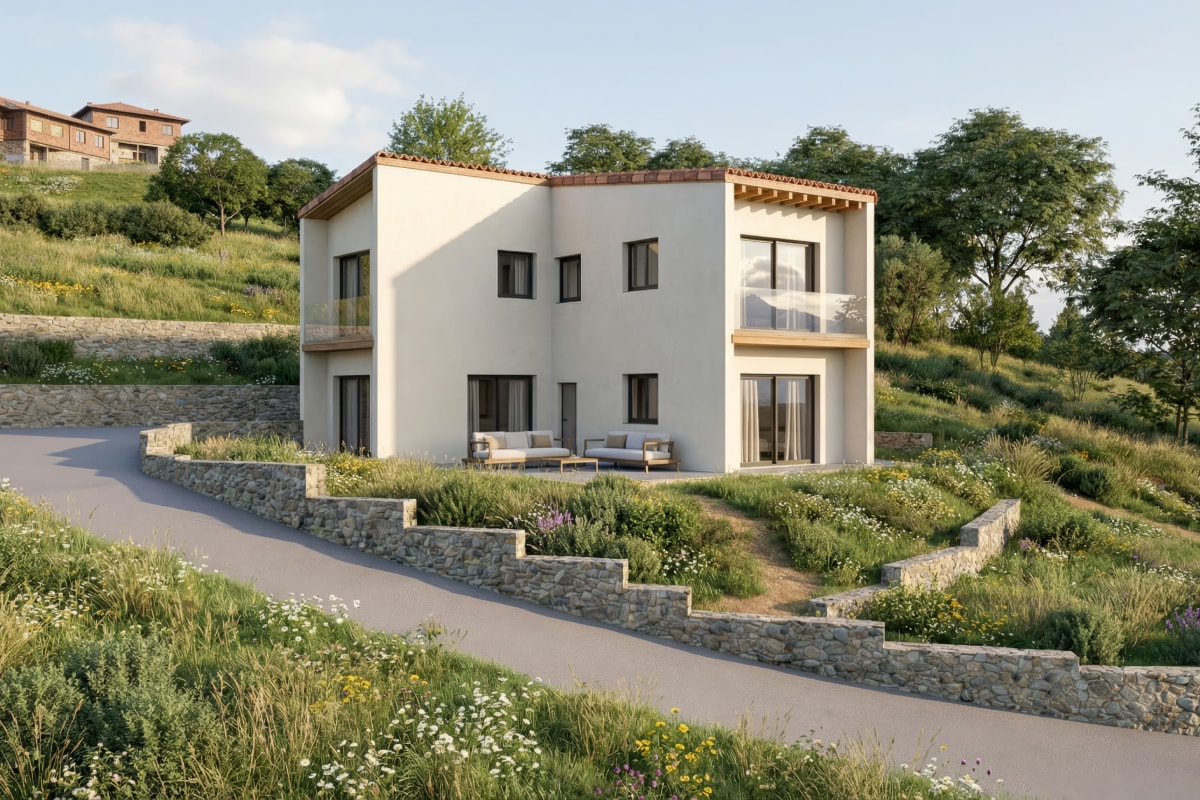
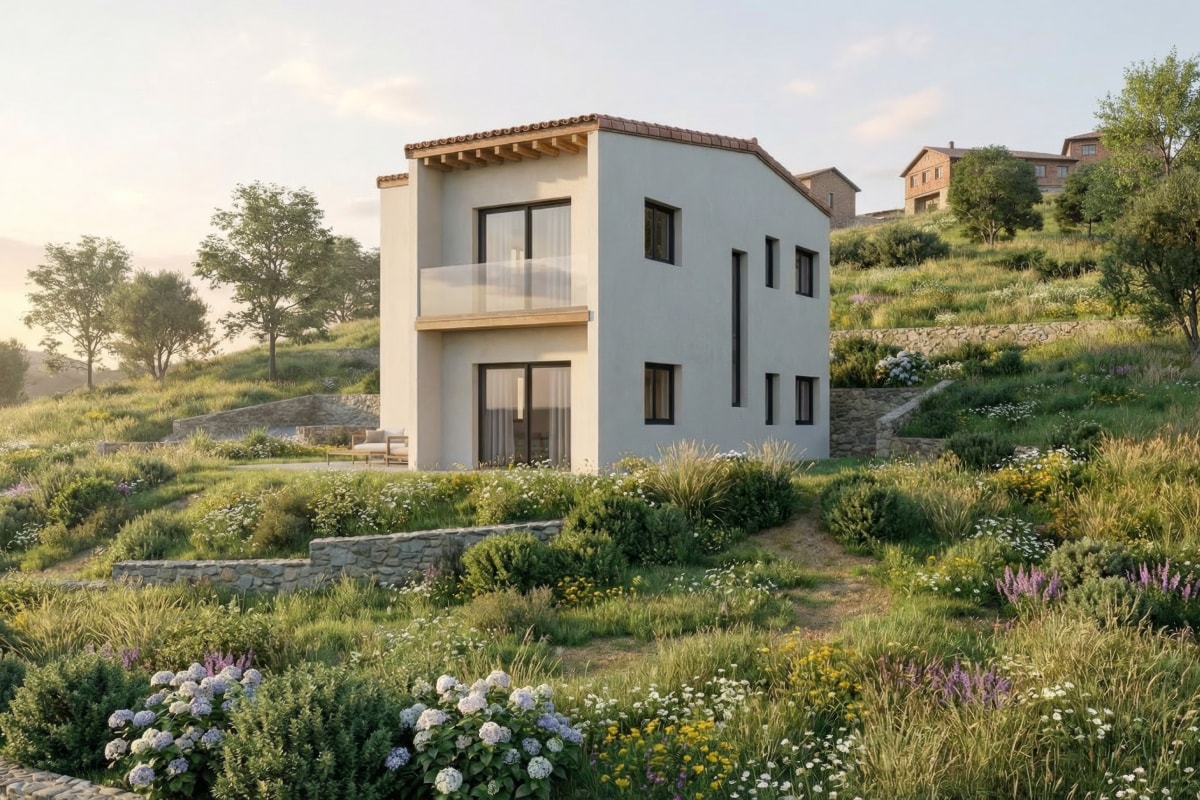

Ribadesella, Asturias, Spain — 4-Bed House With Pool
€140,000
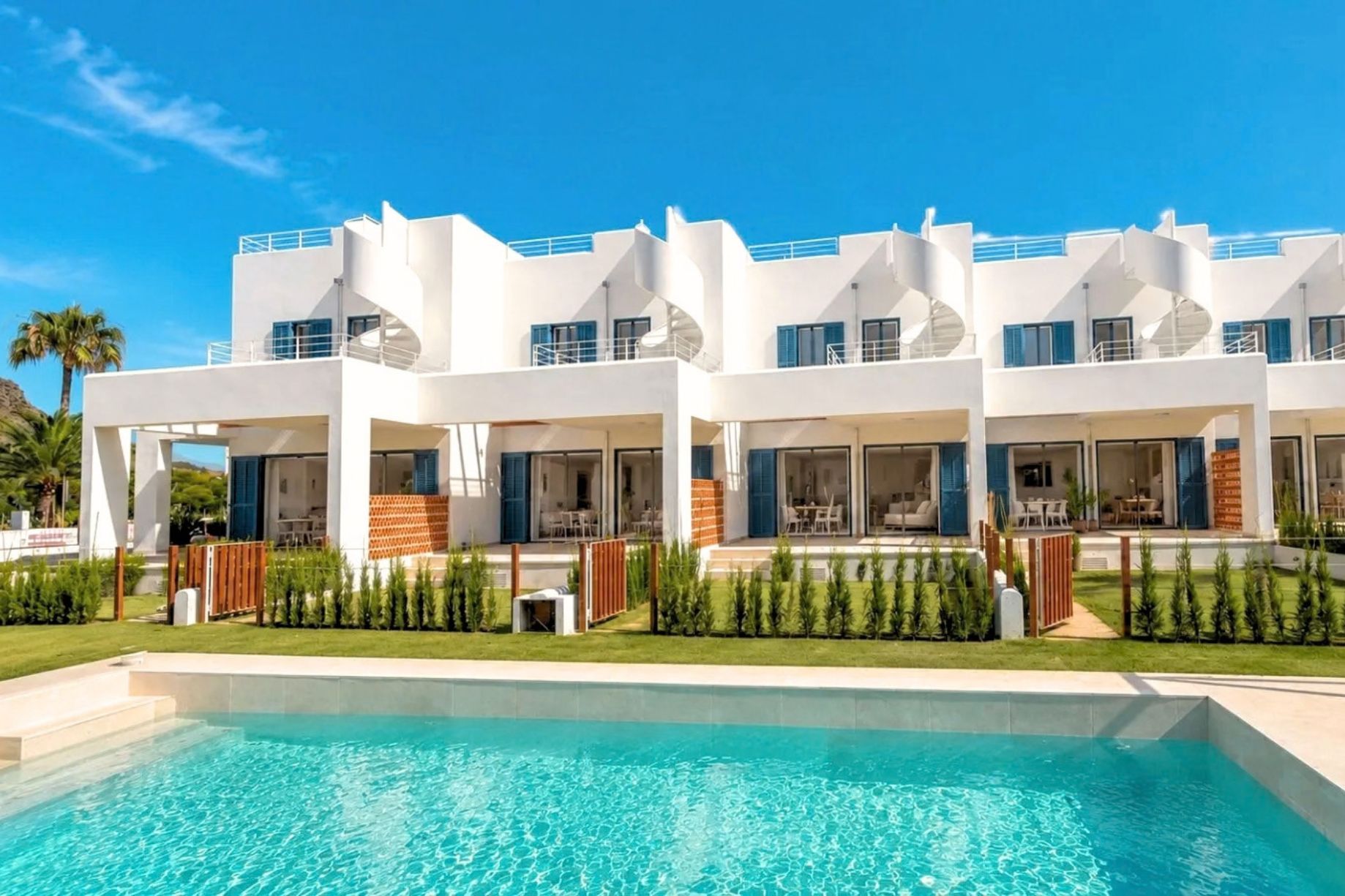
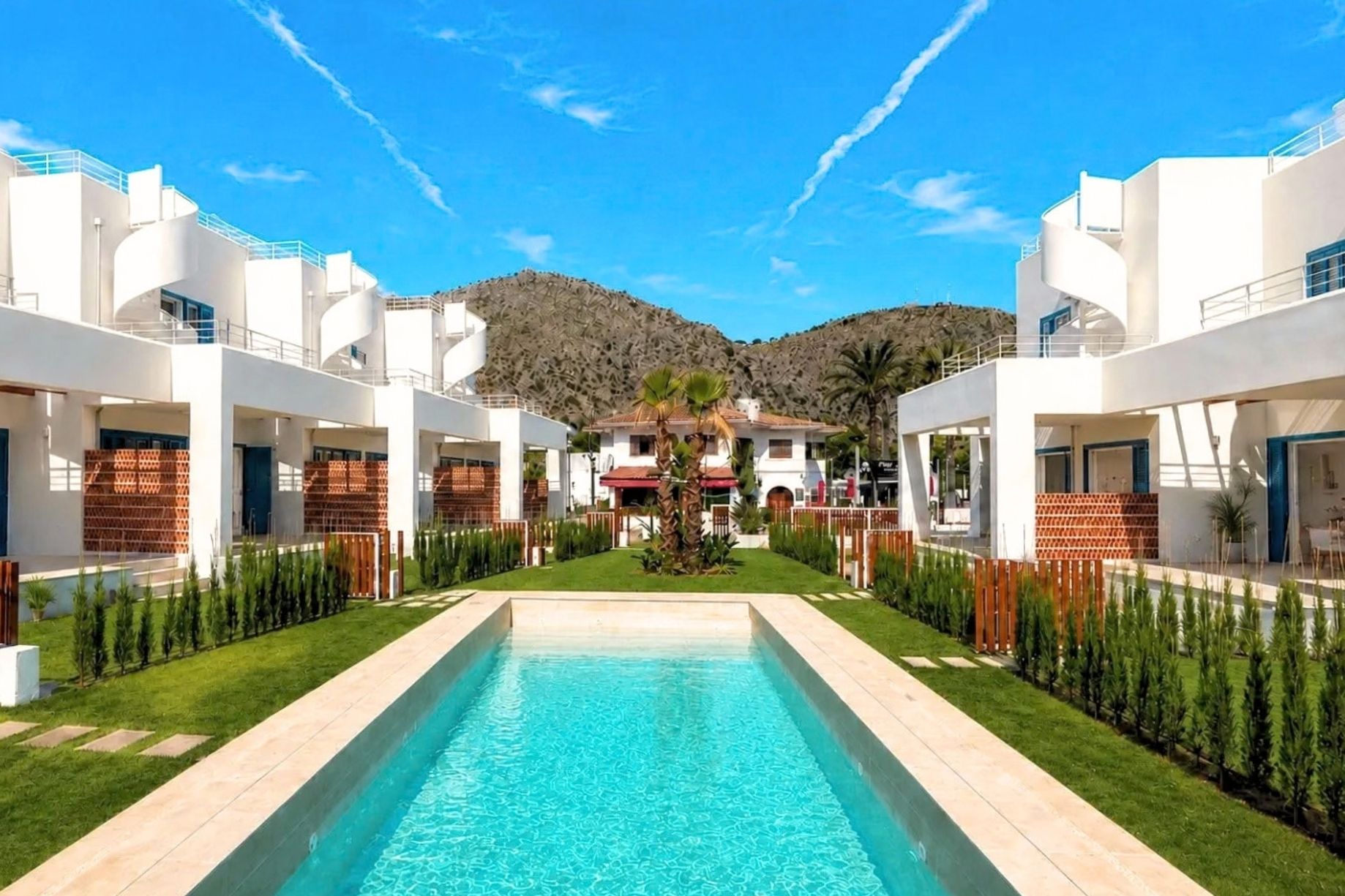
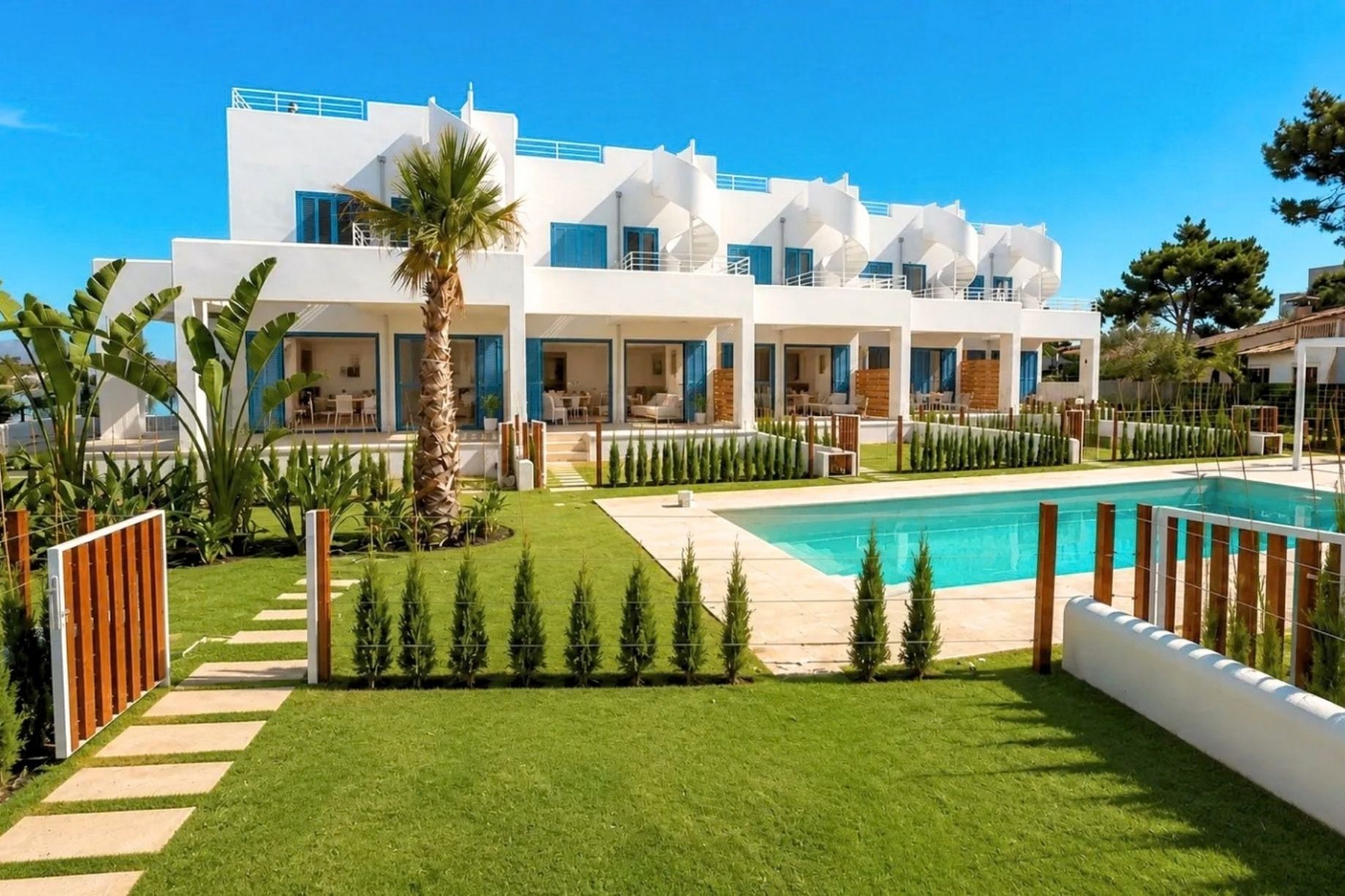
Playa d'Alcúdia, Mallorca, Spain — 3-Bed Townhouse With Private Roof Terrace & Pool
€149,000



Son Parc, Menorca, Spain — 4-Bed Villa With Pool, Solarium & Garden
€210,000
Get in Touch
Speak to an expert
Tell us what you're looking for and we'll be in touch.