Properties & Destinations
Buying Ski Property in Austria: Rules and Co-Ownership
Austria's strict second-home rules lock most foreigners out of Alpine ski property. Discover how co-ownership offers a legal, affordable way into Kitzbühel, Lech, and beyond.
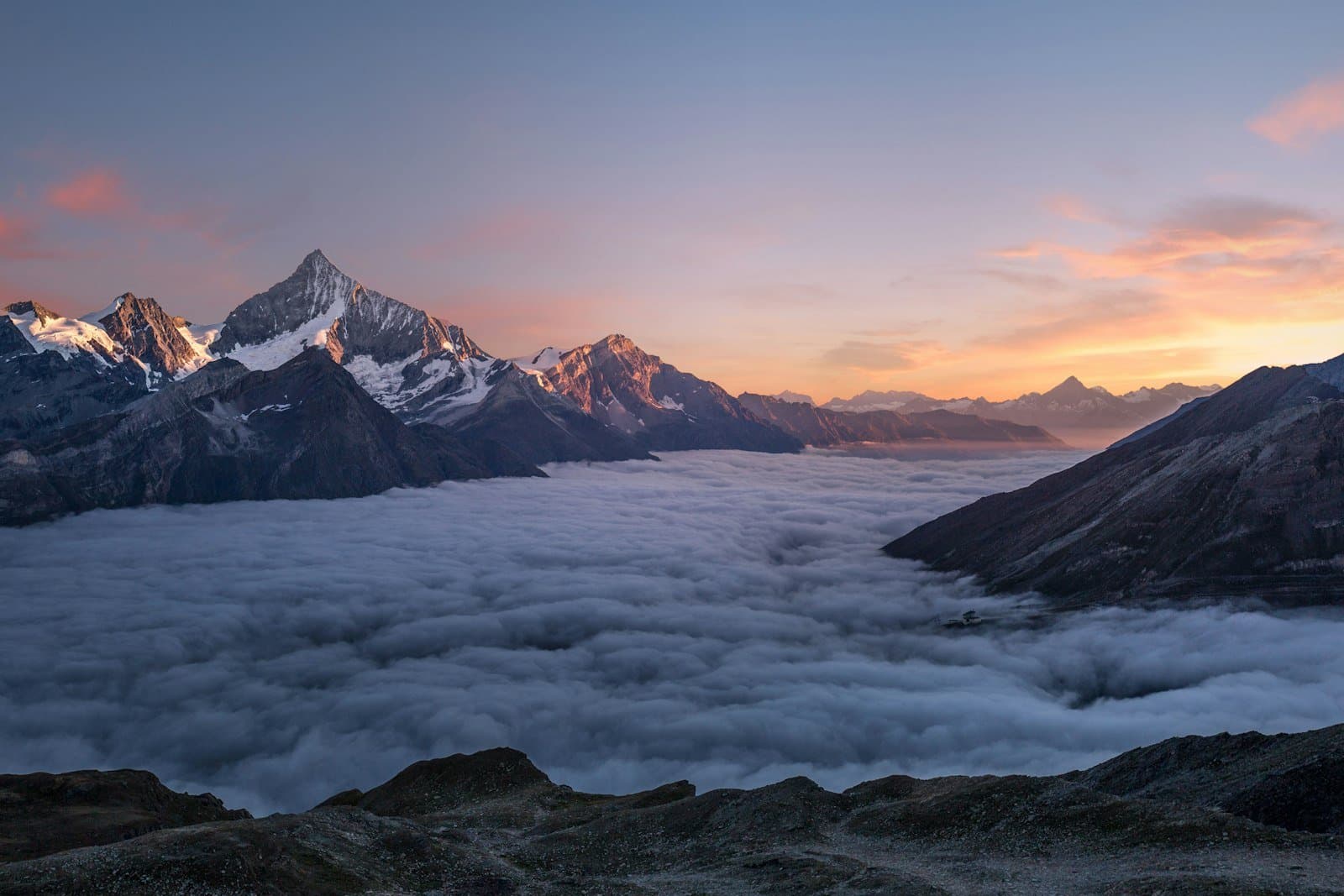
Austria is home to some of Europe’s most coveted ski resorts — from the glamour of Kitzbühel to the powder-drenched slopes of St. Anton and the royal elegance of Lech-Zürs. Property prices in these destinations have surged by an average of 23% over the past five years, according to Knight Frank’s Alpine Property Report 2026, and demand shows no signs of slowing. Yet for most international buyers, the door to Austrian Alpine real estate is surprisingly hard to open.
Unlike France or Spain, Austria enforces some of the strictest second-home ownership rules in Europe. Provinces like Tyrol, Salzburg, and Vorarlberg — home to virtually every world-class ski resort — have legislation specifically designed to prevent foreign holiday-home purchases. The result? A market where supply is structurally limited, prices are rising, and buyers who do find a way in enjoy extraordinary long-term value. This guide explains exactly how those rules work, why they exist, and how co-ownership is emerging as the most practical route through Austria’s regulatory maze.
Regulatory Landscape
Why Austria’s Ski Property Market Is So Hard to Enter
Austria’s property regulations are governed at the provincial (Länder) level, not nationally. Each of the nine provinces has its own Grundverkehrsgesetz (Land Transaction Act) that determines who can buy property, what type of property they can acquire, and what approvals are needed. For ski resort property, the three most restrictive provinces — Tyrol, Salzburg, and Vorarlberg — are precisely where the best resorts are located.
In Tyrol, the Tiroler Grundverkehrsgesetz imposes a near-total ban on second-home purchases in most resort municipalities. Properties designated as Freizeitwohnsitz (recreational residence) are capped at strict quotas — typically no more than 8% of total housing stock per municipality. Many top resort towns have already hit that ceiling, meaning no new holiday-home permits are issued at all. Even EU citizens face this restriction; it is not limited to non-Europeans.
Salzburg and Vorarlberg apply similar rules. In practice, this means a British, American, or even German buyer who simply wants a holiday apartment in Kitzbühel or Lech will likely be told it is legally impossible — regardless of budget. The restriction applies to the property’s designation, not the buyer’s nationality, though non-EU nationals face an additional approval step from the provincial land commission.
€10,000+
Average price per square metre for prime apartments in Kitzbühel — Austria’s most expensive ski resort district (Engel & Völkers, 2026).
23%
Five-year price growth across prime Alpine resort properties, according to Knight Frank’s 2026 Alpine Property Report.
8%
Maximum second-home quota in most Tyrolean resort municipalities — many have already hit the cap, blocking new purchases entirely.
45 days
Approximate annual personal use for each 1/8th co-ownership share — more than most full second-home owners actually use their properties.
Market Intelligence
Austrian Alpine Property Prices: What the Numbers Say in 2026
Despite — or perhaps because of — these tight regulations, Austrian ski property has become one of the best-performing asset classes in European real estate. According to Engel & Völkers, prime apartments in the Kitzbühel district now command prices above €10,000 per square metre, with detached chalets averaging around €2.58 million — the highest district average in all of Austria.
Tyrol property prices grew approximately 3.5% in the past 12 months, outperforming most other Austrian regions. But the real story is in prime resort locations: chalets in Kitzbühel, Seefeld, and Ischgl are appreciating at 5% to 8% annually, driven by extreme supply constraints and sustained international demand. Austrian mortgage rates have stabilised around 3.3% to 3.5% in early 2026, down from a peak of 4.2% in late 2023, further supporting buyer activity.
The upcoming Brenner Base Tunnel, expected to open in the early 2030s, is already boosting expectations for property values along the Inn Valley corridor, connecting Innsbruck more efficiently to Italy and the wider European rail network. For investors, Austrian Alpine property offers a rare combination: restricted supply, world-class infrastructure, and a currency-stable eurozone market.
Austrian Ski Resort Property: Average Chalet Prices by District (2026)
Kitzbühel
Lech-Zürs (Bludenz)
St. Anton (Landeck)
Seefeld (Innsbruck-Land)
Ischgl (Landeck)
Resort Guide
Austria’s Top Ski Resorts: Where Co-Ownership Makes Sense
Kitzbühel remains Austria’s most prestigious ski address. Famous for the annual Hahnenkamm downhill race — which draws over 80,000 spectators each January — Kitzbühel combines historic Tyrolean charm with world-class skiing across 170 kilometres of piste. Property here is among the most expensive in the Alps, with prime chalets fetching well above €10,000 per square metre. For most buyers, full ownership is financially impractical — but a co-ownership share in a luxury Kitzbühel chalet delivers the same lifestyle at a fraction of the capital commitment.
Lech-Zürs am Arlberg is consistently ranked among the world’s top five ski resorts. Part of the vast Ski Arlberg domain — 305 kilometres of interconnected piste — Lech offers impeccable grooming, five-star hospitality, and a discreet clientele that includes European royalty. Second-home restrictions are among the tightest in Austria, making co-ownership one of the only viable entry points for international buyers.
St. Anton am Arlberg is the birthplace of Alpine skiing and remains a mecca for serious skiers. Its season runs from early December through mid-April, with reliable snow cover and legendary off-piste terrain. St. Anton’s property market is slightly more accessible than Kitzbühel or Lech, but Tyrolean second-home quotas still present a significant barrier. A co-ownership structure bypasses this by registering the property through a professionally managed entity rather than as an individual holiday-home purchase.
“Austria’s strict second-home quotas were designed to protect local housing. Co-ownership respects that intent — it puts luxury properties into active, shared use rather than leaving them empty 90% of the year.”
The Solution
How Co-Ownership Bypasses Austria’s Second-Home Restrictions
This is where co-ownership changes the equation entirely. Rather than an individual purchasing a property classified as a Freizeitwohnsitz — which triggers the second-home quota and often results in an automatic rejection — a co-ownership property is professionally set up and managed by our partner as a shared asset, with each co-owner owning a real share of the home.
This structure sidesteps the individual second-home designation because the property is managed and occupied by multiple owners under a regulated framework — it is not a single person’s holiday home. Our partner handles compliance, tax registration and provincial approvals, and walks you through the legal set-up before you buy. For the buyer, the process is dramatically simpler: you purchase a share, gain approximately 45 days of personal use per year, and enjoy full access to a luxury property that might otherwise be completely off-limits.
Crucially, this is not a timeshare. You own a real share of a genuine property. Your share appreciates with the market — and given Austrian Alpine property’s track record of 5-8% annual growth in prime locations, that appreciation is meaningful. You set the price. Your co-owners get the first chance to buy at that price; if they pass, it goes on the open market. And because all management, maintenance, and administration is handled for you, there are none of the headaches that come with owning a foreign property outright. Browse all available properties to see what’s currently on offer.
| Factor | Full Ownership | Co-Ownership (1/8 Share) |
|---|---|---|
| Entry Cost (€2.4M chalet) | €2,400,000+ | From around €300,000 |
| Annual Running Costs | €30,000–€40,000 | €3,750–€5,000 |
| Personal Use Per Year | Unlimited (avg. 4-6 weeks) | ~45 days |
| Management Hassle | Owner handles everything | Fully managed for you |
| Second-Home Permit Required? | Yes — often impossible | Handled by our partner |
| Resale Speed | 6-12 months typical | Through our partner’s resale process |
Cost Comparison
Full Ownership vs Co-Ownership: The Austrian Alps Numbers
The financial case for co-ownership in Austria is compelling even before you factor in the regulatory advantages. Consider a luxury four-bedroom chalet in a prime Tyrolean resort valued at €2.4 million. Full ownership requires not only the purchase price but also Austrian property transfer tax (3.5%), land registration fees (1.1%), notary costs, and annual running expenses that can easily reach €30,000-€40,000 per year — for a property most second-home owners use for just 4-6 weeks annually.
With co-ownership, your entry cost is a 1/8th share — from around €300,000. You pay 1/8th of all running costs. You get approximately 45 days of use per year — which is often more than most full owners actually use their properties. The management company handles everything: cleaning, maintenance, bookings, insurance, tax filings, and coordination between co-owners. You arrive to find your personal belongings unpacked and the chalet prepared exactly for you.
For buyers considering Austrian properties, the arithmetic is straightforward: co-ownership delivers the same luxury experience, in the same prime locations, with genuine property appreciation — at roughly one-eighth the cost and zero administrative burden.
2008–2014
Austria Tightens Resort Restrictions
Tyrol, Salzburg, and Vorarlberg progressively cap second-home permits at 8-14% of housing stock. Foreign holiday-home purchases become increasingly difficult.
2015–2019
Prices Surge as Supply Freezes
With virtually no new construction permitted in prime resort areas, existing property values climb steadily. Kitzbühel crosses €8,000/m² for the first time.
2020–2022
Pandemic Drives Alpine Demand
Remote work and lifestyle reassessment create unprecedented demand for mountain properties. Austrian resort prices jump 12-15% in two years.
2023–2024
Rate Rises Pause the Market
Austrian mortgage rates peak at 4.2%. Transaction volumes dip, but prime resort prices hold firm due to supply constraints and cash-rich international buyers.
2025–2026
Co-Ownership Gains Mainstream Traction
With rates stabilising at 3.3-3.5% and restriction zones fully saturated, co-ownership emerges as the primary entry point for international buyers seeking Austrian Alpine property.
Practical Guide
The Buying Process: From Enquiry to Your First Ski Trip
Purchasing a co-ownership share in an Austrian Alpine property follows a structured, transparent process. First, you browse available co-ownership apartments or co-ownership chalets on the COP platform and identify properties that match your preferred location, size, and budget. A conversation with David or Dylan helps refine your search and answers any questions about specific properties.
Once you’ve selected a property, due diligence is handled by the professional management team — including verification of the property’s legal status, provincial compliance, tax structure, and physical condition. You then buy your share — the legal set-up is arranged by our partner for each home and explained before you buy — with all contracts reviewed by independent legal counsel. The process typically takes 4-8 weeks from initial interest to completion, compared to 3-6 months (or outright impossibility) for individual foreign purchases in restricted Austrian resort areas.
After completion, you gain immediate access to the booking system. Booking windows depend on the home and our partner. Whether you want peak-season powder weeks in January or summer hiking in July, the system is designed for fair, convenient access. Learn more about the buying process and ownership structure.
Lifestyle
Year-Round Alpine Living: Why Austrian Resorts Outperform
One of Austria’s greatest advantages over competing Alpine markets is the strength of its year-round appeal. Unlike some French or Swiss resorts that feel deserted outside the ski season, Austrian mountain towns are thriving 12-month communities. Kitzbühel hosts world-class cycling events, golf tournaments, and hiking festivals through summer. Lech transforms into a gourmet hiking destination with Michelin-starred mountain restaurants. Innsbruck — just 90 minutes from most major Tyrolean resorts — is a UNESCO-listed city with opera, museums, and a vibrant food scene.
This dual-season appeal directly benefits property owners. Rental yields in year-round Austrian resorts outperform winter-only destinations by a significant margin, according to Knight Frank’s 2026 Alpine Report. For co-owners who choose to make their share available for rental when they’re not using it, this means additional income that offsets running costs — all managed entirely by the professional team. Explore the mountain lifestyle that awaits in the Austrian Alps.
New direct flight routes to Innsbruck and Salzburg airports, combined with expanding sleeper train services from major European cities, have further boosted Austria’s accessibility. The country’s position at the heart of Europe means that a property in the Austrian Alps is within easy reach of London, Paris, Amsterdam, and Milan — making it a practical second home, not just a once-a-year holiday destination.
Investment Outlook
Why Austrian Ski Property Is a Long-Term Winner
The structural fundamentals of Austrian Alpine property are remarkably strong. Strict zoning laws mean that virtually no new construction is permitted in prime resort areas — the supply of luxury chalets and apartments is effectively fixed. Meanwhile, demand continues to grow as Austria’s reputation for quality, safety, and natural beauty attracts an increasingly global buyer pool.
The euro provides currency stability for European investors, while American and British buyers benefit from diversifying into a hard-asset eurozone market. Austria’s political neutrality, low crime rate, and world-class infrastructure add further appeal. With Alpine property prices having risen 23% over five years and prime resort locations growing at 5-8% annually, the long-term trajectory is clear.
Co-ownership amplifies these returns by dramatically lowering the entry point. A share purchased today for around €200,000-€400,000 gives you exposure to the same appreciation curve as a €1.5-€3 million property — with the added benefit of professional management, shared costs, and genuine lifestyle enjoyment. For a deeper dive into the investment case, explore our guide to the benefits of co-ownership for second homes.
Common Questions
Frequently Asked Questions
Can foreigners legally buy ski property in Austria?
EU/EEA citizens are generally treated like Austrian buyers for standard purchases, but second-home restrictions in Tyrol, Salzburg, and Vorarlberg apply regardless of nationality. Non-EU buyers face an additional provincial land commission approval. Co-ownership through a structured legal entity offers a compliant route around individual second-home quotas.
What is Austria’s Freizeitwohnsitz rule?
Freizeitwohnsitz means ‘recreational residence’ — it’s a legal designation that caps the number of holiday homes in each Austrian municipality. In Tyrol, most resort towns limit second homes to 8% of total housing stock. Many have already hit this limit, making individual holiday-home purchases legally impossible.
How is co-ownership different from a timeshare?
Co-ownership gives you a real share of the home itself. Your share appreciates with the market, can be sold at market price, and represents genuine real estate equity. Timeshares are usage rights with no property ownership, no appreciation, and often no resale value.
How much does a co-ownership share in the Austrian Alps cost?
Shares in Austrian Alpine properties typically start from around €150,000 for apartments and can reach €400,000+ for prime chalet shares in top resorts like Kitzbühel or Lech. This represents a 1/8th share in properties valued at €1.2M to €3M+.
Do I earn rental income from my Austrian co-ownership share?
Where local regulations permit holiday rentals (which varies by municipality in Austria), your share can generate rental income when you’re not using it. All rental management is handled professionally — you don’t need to do anything. Income is distributed proportionate to your ownership stake.
What are the annual running costs for a co-ownership share in Austria?
As a 1/8th co-owner, you pay 1/8th of all property expenses — maintenance, insurance, management fees, local taxes, and utilities. For a well-appointed Austrian chalet, this typically works out to €3,000–€6,000 per year, compared to €25,000–€40,000 for full ownership.
Explore Properties With Co-Ownership Property
Whether you’re drawn to Kitzbühel’s glamour, Lech’s powder, or St. Anton’s legendary terrain — co-ownership puts Austria’s finest ski properties within reach. Browse available shares and ask David or Dylan today.
Browse PropertiesSee the homes behind this guide. Explore a current Austrian alpine co-ownership share, browse the wider Austrian collection, or speak with our team about what is available now.
More from Co-Ownership Property
Get in Touch
Speak to an expert
Tell us what you're looking for and we'll be in touch.