Properties & Destinations
Costa Brava Property Prices 2026: Town-by-Town Table
Costa Brava property prices vary wildly by town. Our 2026 town-by-town breakdown helps co-ownership buyers find the best value from Begur to Cadaqués.
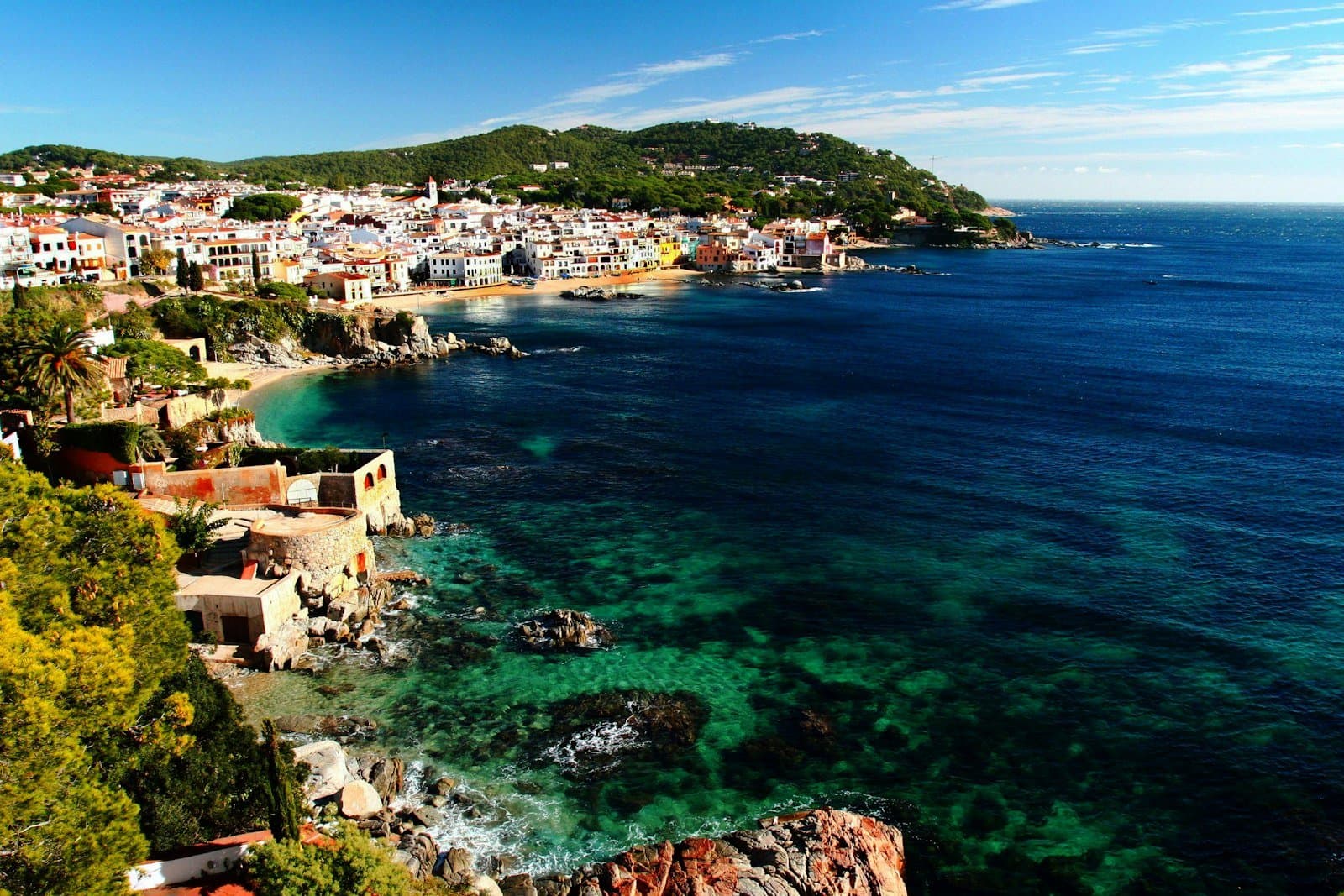
The Costa Brava has quietly become one of Europe’s most compelling property markets — and one of its most complex. Stretching 214 kilometres from Blanes to the French border, this rugged Catalan coastline encompasses fishing villages where a modest apartment costs under €1,500 per square metre and exclusive enclaves where sea-view villas change hands above €9,000/m². For anyone exploring co-ownership properties or fractional ownership in Spain, understanding these micro-markets is the difference between a savvy purchase and an expensive mistake.
In 2026, the Costa Brava property market is being shaped by three powerful forces: record foreign buyer demand (international purchasers now account for over 60% of transactions in prime coastal towns), severe supply constraints driven by Catalonia’s strict coastal protection laws, and a growing wave of co-ownership buyers who are discovering that a one-eighth share in a luxury Costa Brava home delivers the lifestyle without the seven-figure price tag. This guide breaks down the numbers town by town, so you can see exactly where the value lies.
Market Overview
Why Costa Brava Property Prices Are Diverging in 2026
The headline story across Spain is price growth — the national average rose by over 8% in 2025, according to the Instituto Nacional de Estadística. But the Costa Brava tells a more nuanced tale. While prestige towns like Cadaqués and Begur have seen double-digit annual appreciation, secondary towns further south have grown at a more measured 3–5%, creating a widening price gap that smart co-ownership buyers are learning to exploit.
According to data from Investropa’s 2026 market analysis, properties on the Costa Brava spend an average of 90 days on the market, with a sale-to-asking ratio of 92–95%. That means sellers are holding firm, and buyers who hesitate rarely get a second chance. The inventory mix is dominated by apartments (55% of listings), followed by detached villas (25%), townhouses (15%), and the rare traditional masía farmhouse (5%). New-build stock accounts for just 10–15% of all listings, reinforcing the supply bottleneck.
For co-ownership purchasers, this environment is actually favourable. Fractional ownership allows you to secure a share of a prime Costa Brava property — the kind that would cost €800,000 to €2 million outright — for a fraction of the price. When supply is tight and prices are rising, owning a real share of appreciating real estate in a supply-constrained market is a powerful position to be in.
€6,700/m²
Average asking price in Cadaqués — the Costa Brava’s most expensive town, up 9.7% year-on-year.
60-70%
Share of Costa Brava property transactions involving international buyers in 2025.
33.24%
One-year price surge in Begur (Dec 2023–Dec 2024), the coast’s fastest-growing town.
90 days
Average time a Costa Brava property spends on the market before selling, per 2026 data.
Price Analysis
Town-by-Town Property Prices: Where the Value Sits
Cadaqués (€6,700/m²) — The crown jewel of the Costa Brava, Cadaqués saw a 9.7% price jump in 2024 alone. Once the haunt of Dalí, this whitewashed fishing village on the Cap de Creus peninsula commands the coast’s highest prices. Properties with sea views regularly exceed €9,000/m². Limited road access and zero new development keep supply artificially scarce. It’s a prestige play — and ideal for co-ownership in Spain because few buyers can justify €1.5 million for a holiday home they’ll use six weeks a year.
Begur (€5,200/m²) — Sitting atop a hill overlooking eight distinct coves, Begur has emerged as the lifestyle capital of the Costa Brava. Prices surged 33.24% in a single year (December 2023 to December 2024), according to property portal data. The town combines a medieval old quarter, Michelin-quality dining, and some of the coast’s most photogenic beaches — Sa Tuna, Aiguablava, and the red-cliff Illa Roja. Strict building controls mean supply will never catch up with demand.
Palafrugell (€3,800/m²) — The overlooked neighbour. Palafrugell encompasses the beloved beach hamlets of Calella de Palafrugell, Llafranc, and Tamariu, yet its inland centre keeps the average price 30% below Begur. For co-ownership buyers, this is a sweet spot: luxury coastal living at a price point where a one-eighth share starts from well under €100,000.
L’Estartit & Torroella de Montgrí (€2,400/m²) — Gateway to the Medes Islands marine reserve, this area attracts diving enthusiasts and nature lovers. Property prices have grown a steady 4–5% annually, making it the Costa Brava’s best-value coastal option for buyers who prioritise outdoor lifestyle over social scene. Browse Spanish Costas properties to see what’s currently available.
Tossa de Mar (€2,800/m²) — Famous for its medieval walled old town perched above a turquoise bay, Tossa offers strong rental appeal (peak-season occupancy rates hit 85%) at a fraction of Begur or Cadaqués pricing. The town’s UNESCO-protected heritage ensures lasting character — and lasting demand from visitors.
Costa Brava Property Prices by Town (€ per m², 2026)
Cadaqués
Begur
Palafrugell
Tossa de Mar
L’Estartit
Girona Province Avg.
Foreign Buyers
Who’s Buying on the Costa Brava — And Where They’re Coming From
International buyers dominate the Costa Brava in a way that few Spanish coasts can match. French nationals alone represent 36% of all foreign demand in Girona province, according to Investropa — proximity to the border makes the Costa Brava a natural extension of southern France’s property market. Dutch, Belgian, and German buyers collectively form the next-largest bloc, drawn by direct flights, northern European weather fatigue, and the region’s cultural sophistication.
British buyers remain significant despite post-Brexit complexities. The appeal is straightforward: the Costa Brava offers a more authentic, less touristy alternative to the Costa del Sol, with better gastronomy (the region has more Michelin stars per capita than almost any comparable stretch of Mediterranean coastline), cooler summers, and a more discerning community of property owners.
One major regulatory shift is reshaping the landscape: Spain’s elimination of the real estate golden visa in April 2025. This removed the residency-for-investment incentive that previously attracted some ultra-high-net-worth buyers. However, for co-ownership buyers, the impact is minimal — co-ownership is a lifestyle choice, not a residency strategy, and the golden visa change has actually cooled speculative demand while leaving genuine second-home buyers in a stronger negotiating position.
“On the Costa Brava, co-ownership isn’t a compromise — it’s the only way most buyers can access the region’s best properties without committing seven figures to a home they’ll use six weeks a year.”
Investment Outlook
Rental Yields and Appreciation: What the Numbers Say
Costa Brava rental markets tell a tale of two seasons. During the peak period from May to September, short-term occupancy rates reach 70–85% in prime towns. But winter drops the average to just 20–40%, giving an annual occupancy average of around 45–55%. Long-term rents in Girona province have been rising at 8–10% year-on-year, reflecting the broader Spanish rental squeeze.
For property appreciation, the forecasted trajectory is 4–6% growth across the broader Costa Brava over the next 12 months, with prime coastal towns like Begur and Cadaqués expected to push 6–8%. These are not speculative bubbles — they’re driven by fundamental supply constraints. The Costa Brava’s strict coastal protection regulations, limited buildable land, and lengthy permitting processes mean that the housing stock simply cannot expand fast enough to meet demand.
Co-ownership buyers benefit from this dynamic in a unique way. Because you own a real share of the home, your share appreciates in line with the underlying asset. When you’re ready to sell, selling your co-ownership share is handled through our partner’s resale process, without you having to sell the whole house — selling a full property on the Spanish coast takes 90+ days on average.
| Town | Avg. Price/m² | 1-Year Growth | Best For |
|---|---|---|---|
| Cadaqués | €6,700 | 9.7% | Prestige, exclusivity, art heritage |
| Begur | €5,200 | 33.2% | Lifestyle, beaches, gastronomy |
| Palafrugell | €3,800 | 5–7% | Value coastal living, family beaches |
| Tossa de Mar | €2,800 | 4–5% | Rental yield, heritage charm |
| L’Estartit | €2,400 | 4–5% | Diving, nature, best-value coastal |
| Roses | €2,200 | 3–4% | Marina lifestyle, bay views |
Smart Buying
Why Co-Ownership Makes Particular Sense on the Costa Brava
The Costa Brava’s pricing structure creates a paradox for traditional second-home buyers. The most desirable properties — a stone villa above Sa Tuna cove, a penthouse in Cadaqués old town, a restored masía with views of the Medes Islands — cost €800,000 to well over €2 million. At those prices, owning a property you’ll use for five or six weeks a year means paying for 46 weeks of emptiness.
Co-ownership resolves this equation elegantly. With a one-eighth share, you get approximately 45 days of use per year — which, for most holiday-home owners, closely mirrors their actual usage pattern. Booking windows depend on the home and our partner. When you arrive, your personal belongings are taken out of storage and the home is prepared for you. When you leave, a professional management team handles everything from cleaning to maintenance to coordination between co-owners.
The financial logic is equally compelling. Your running costs — maintenance, property tax (IBI), insurance, community fees, management — are split proportionate to your share. A one-eighth owner pays one-eighth of everything. On the Costa Brava, where a luxury villa can easily cost €15,000–€25,000 a year to run, that means you carry only a small fraction of it. Compare that to the full ownership burden, and the mathematics of co-ownership become hard to argue with.
2020–2021
Pandemic Demand Surge
Remote work and lifestyle reassessment trigger a rush for Mediterranean second homes. Costa Brava prices begin rising 6–8% annually.
2022–2023
Supply Crunch Intensifies
Strict Catalan coastal regulations limit new development. Prime towns like Begur and Cadaqués see bidding wars and above-asking sales.
2024
Record Price Growth
Begur posts a staggering 33% annual price increase. Cadaqués crosses €6,500/m². Co-ownership emerges as a practical solution for priced-out buyers.
April 2025
Golden Visa Eliminated
Spain removes the real estate golden visa route, cooling some speculative demand while leaving lifestyle buyers largely unaffected.
2026
Market Maturity
Prices forecast to grow 4–8% depending on location. International buyers represent 60–70% of transactions. Co-ownership demand accelerates.
Buyer Education
The Legal Framework: Buying Property in Spain as a Foreigner
Spain is one of Europe’s most accessible property markets for foreign buyers. There are no restrictions on non-EU nationals purchasing property, though you will need a NIE (Número de Identificación de Extranjero) — a tax identification number that takes roughly 2–4 weeks to obtain. The buying process is well-established and typically takes 6–10 weeks from offer to completion.
For co-owners, how tax works — inheritance, capital gains, cross-border questions — depends on the country and the home’s legal set-up, which our partner explains before you buy; we recommend independent advice. Full details are covered during individual consultations — ask David or Dylan to discuss your specific situation.
One point worth noting for 2026: the Catalan regional government has been tightening regulations around tourist rental licences, particularly in high-demand coastal zones. This affects full-ownership holiday lets more than co-ownership arrangements, but it’s another reason to work with a specialist who understands the evolving regulatory landscape. Explore our FAQ section for more details on how co-ownership works in practice.
Local Lifestyle
Living the Costa Brava Life: Culture, Cuisine, and Character
What separates the Costa Brava from Spain’s other coastal regions isn’t just the scenery — it’s the substance. This is the land of Dalí and Gala, of the Empúries Greco-Roman ruins, of the medieval Jewish quarter in Girona. The cultural density per square kilometre rivals anywhere in the Mediterranean. The region has more Michelin-starred restaurants than most comparable coastlines, led by names like El Celler de Can Roca (consistently ranked among the world’s best).
For co-owners, the Costa Brava’s year-round appeal is a genuine asset. Summer brings the obvious beach and sailing lifestyle, but spring and autumn offer superb hiking along the Camí de Ronda coastal paths, wildflower-filled countryside, and mushroom foraging in the Gavarres hills. Winter reveals a quieter, more local side — markets in Palafrugell, jazz festivals in Girona, and the coast’s dramatic storm-watching season. Browse our beach lifestyle and co-ownership destinations pages for more on what life looks like in Spain’s most characterful coastal region.
Getting Started
How to Start Your Co-Ownership Journey on the Costa Brava
The path to co-owning a Costa Brava property is simpler than most buyers expect. Start by browsing current properties to see what’s available — each listing includes the share price, location details, property features, and the lifestyle on offer. If something catches your eye, ask David or Dylan to discuss your needs with a co-ownership specialist.
From initial enquiry to holding the keys, the typical timeline is 6–10 weeks. Running costs are set out before you buy. And because properties are fully managed, there’s no need to find local contractors, negotiate with cleaning companies, or coordinate with other owners. Everything is handled for you, so you can simply arrive and enjoy the Costa Brava. View all our homes or read co-ownership case studies from buyers who’ve already made the move.
Common Questions
Frequently Asked Questions
What are the average property prices on the Costa Brava in 2026?
Prices vary dramatically by town. Cadaqués leads at around €6,700/m², followed by Begur at €5,200/m², Palafrugell at €3,800/m², and more affordable towns like L’Estartit at €2,400/m². The Girona provincial average is approximately €2,058/m².
Can foreigners buy property on the Costa Brava?
Yes — Spain places no restrictions on property purchases by foreigners, including non-EU nationals. You’ll need a NIE (tax identification number), which takes 2–4 weeks to obtain. The full buying process typically takes 6–10 weeks from offer to completion.
How does co-ownership work for Costa Brava properties?
You own a real share of a specific home (typically one-eighth), not a right to use it. This gives you approximately 45 days of use per year, and proportionate sharing of all running costs. Booking is flexible via an app, and a professional management team handles everything.
What happened to Spain’s golden visa for property buyers?
Spain eliminated the real estate golden visa route in April 2025. This removed the residency-for-investment incentive but hasn’t significantly affected lifestyle-driven property purchases. Co-ownership buyers are largely unaffected, as co-ownership is a lifestyle and investment choice rather than a residency strategy.
Which Costa Brava town offers the best value for co-ownership?
Palafrugell and its coastal hamlets (Calella de Palafrugell, Llafranc, Tamariu) offer arguably the best balance — premium coastal lifestyle at around 30% below Begur prices. L’Estartit is the best-value pure coastal option at €2,400/m², ideal for nature-focused buyers.
Is the Costa Brava a good investment in 2026?
Market fundamentals are strong: 4–8% forecast price growth, 60–70% of buyers are international (demonstrating broad demand), and supply constraints are structural and unlikely to ease. Long-term rental growth of 8–10% in Girona province supports both use and income.
Explore Co-Ownership Properties on the Costa Brava
Whether you’re drawn to the prestige of Cadaqués, the lifestyle of Begur, or the value of Palafrugell, our co-ownership specialists can match you with the perfect property and share size.
Ask David or DylanSee the homes nearest this destination. Explore the COP Spanish collection for the co-ownership homes closest to this region, or speak with our team about what is available now.
More from Co-Ownership Property
Get in Touch
Speak to an expert
Tell us what you're looking for and we'll be in touch.