Properties & Destinations
Estepona vs Marbella 2026: Which Suits Co-Ownership?
Estepona vs Marbella property market comparison 2026 — prices, growth, lifestyle and why co-ownership buyers are choosing between these two micro-markets.
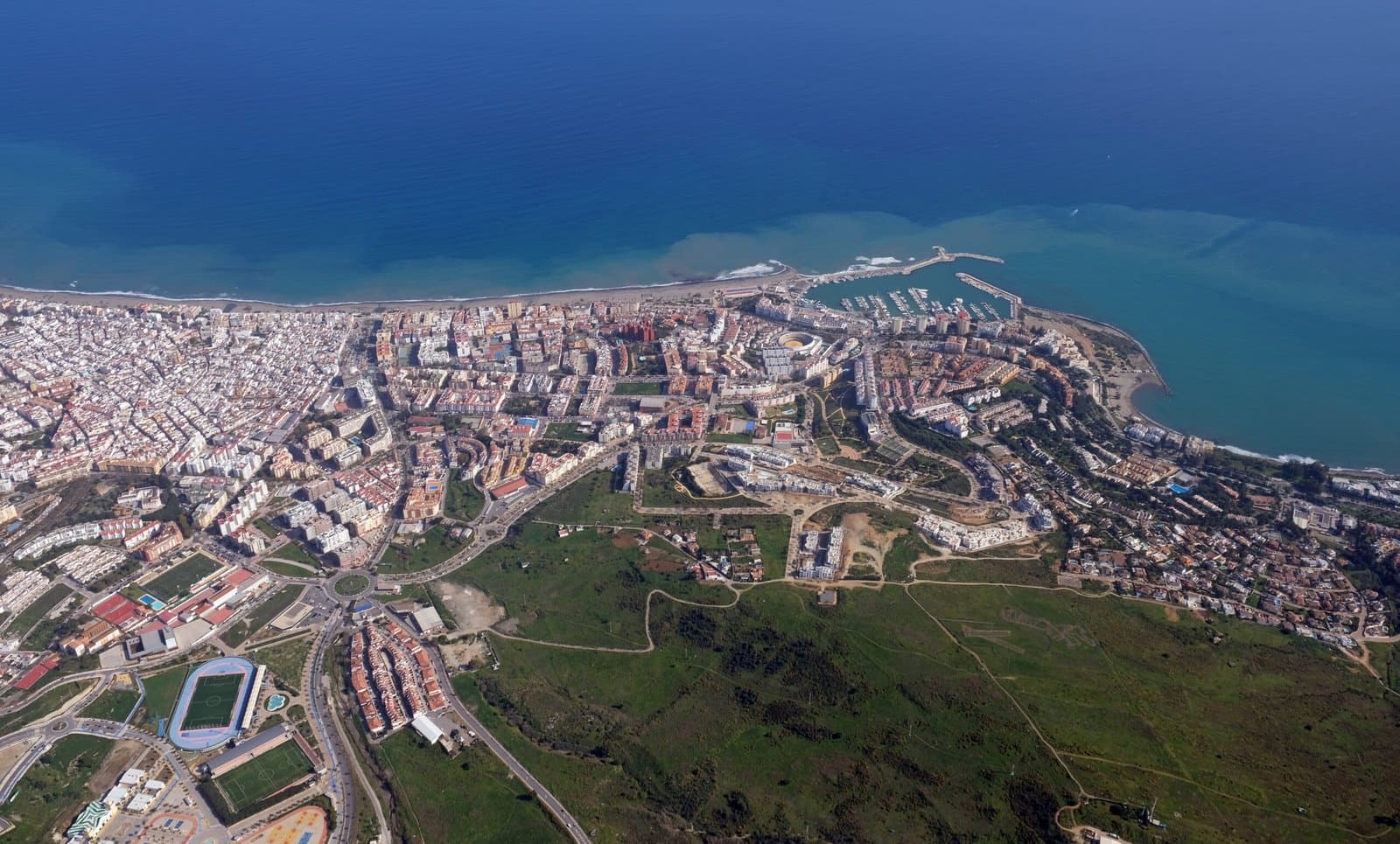
Southern Spain’s luxury property corridor stretches along a sun-drenched coastline where two towns have emerged as the most talked-about micro-markets in European real estate. Estepona and Marbella sit barely twenty minutes apart by car, yet they offer fundamentally different propositions for buyers — and that gap is widening in 2026. For anyone exploring co-ownership properties or weighing up a fractional ownership share, understanding which town delivers better value, stronger growth, and the right lifestyle fit is no longer optional. It is the single most important decision you will make.
This is not a generic overview of the Spanish coast. This is a data-driven, micro-market comparison built for serious buyers who want to know where their capital works hardest. We will walk through pricing per square metre, year-on-year capital growth, rental yields, infrastructure investment, lifestyle differences, and — crucially — how co-ownership explained models turn both markets into accessible, high-return opportunities. Whether you lean towards Marbella’s established prestige or Estepona’s explosive growth trajectory, the numbers tell a compelling story.
Price Analysis
How Property Prices Compare: Estepona vs Marbella in 2026
The headline numbers set the scene. As of early 2026, Marbella’s average asking price sits at approximately €6,260 per square metre, reflecting an 8.59% year-on-year increase according to Idealista data. Estepona, by contrast, averages around €4,477 per square metre — a 6.44% annual rise. That price differential of roughly €1,800 per square metre is significant. For a 120-square-metre apartment, you are looking at a difference of over €200,000 in purchase cost.
What makes this comparison fascinating for fractional ownership buyers is the multiplier effect. A one-eighth share in a Marbella property priced at €1.2 million costs from around €150,000. The equivalent property in Estepona might list at €800,000, putting a share at for a fraction of the whole-home price. That €50,000 difference in entry cost buys you exposure to a market that is actually growing faster in percentage terms. According to DM Properties’ 2025-2026 trend report, Estepona posted 7.13% price growth in 2025 versus Marbella’s 5.57%.
For buyers exploring best fractional ownership properties, this creates an intriguing decision matrix. Marbella offers proven stability and brand recognition. Estepona offers stronger capital appreciation potential at a lower entry point. Both are valid strategies — the right choice depends on whether you prioritise prestige or growth.
€6,260/m²
Marbella average asking price per square metre in early 2026, up 8.59% year-on-year (Idealista)
€4,477/m²
Estepona average asking price per square metre in early 2026, up 6.44% year-on-year
+11.2%
Estepona sales volume growth in first three quarters of 2025 vs same period in 2024
5-7%
Gross rental yield range for luxury properties in Marbella’s prime locations
Growth Trajectory
Capital Appreciation: Where the Smart Money Is Moving
Estepona’s growth story is one of the most compelling in Mediterranean real estate. Property sales volumes rose approximately 11.2% in the first three quarters of 2025 compared to the same period in 2024, according to data compiled by Panorama Marbella’s market report. Marbella, meanwhile, saw sales volumes dip by around 10.5% in the same period — a sign of market maturation rather than weakness, but a notable contrast nonetheless.
The drivers behind Estepona’s surge are structural, not speculative. The town has undergone a decade-long urban regeneration programme that has transformed its old town into one of Andalusia’s most photogenic streetscapes — earning it the nickname ‘Garden of the Coast’. New infrastructure projects, including a €40 million boulevard development and expanded marina facilities, are attracting a wave of international buyers who previously would have looked only at Marbella or Balearic Islands properties.
For co-ownership buying process participants, Estepona’s growth curve mirrors what happened in Marbella fifteen years ago. Early co-ownership buyers in Marbella’s Golden Mile saw their shares appreciate substantially as the town matured into a global luxury brand. Estepona is at an earlier, arguably more profitable, point on that same trajectory. The question is not whether Estepona will continue to grow — Knight Frank’s 2025 Global Residential Cities Index already ranks the broader Malaga province among Europe’s strongest performers — but how quickly the price gap with Marbella will narrow.
Average Asking Price Per m² — Southern Spain Micro-Markets (2026)
Marbella Golden Mile
Marbella (average)
Nueva Andalucía
Estepona (average)
Estepona inland
Lifestyle Comparison
Living the Dream: What Each Town Actually Feels Like
Numbers matter, but so does the feeling you get when you step off the plane and unlock the door to your co-ownership apartments. Marbella and Estepona deliver distinctly different lifestyle experiences, and understanding those differences is essential for choosing the right co-ownership share.
Marbella is cosmopolitan, high-energy, and unapologetically glamorous. The Golden Mile, Puerto Banús, and the Old Town create a triangle of luxury shopping, Michelin-starred dining, and year-round social activity. International schools, world-class golf courses, and a deeply established expatriate community make it a natural fit for families and professionals who want everything on their doorstep. If you are looking at beach lifestyle properties with prestige, Marbella delivers without question.
Estepona is quieter, more authentically Andalusian, and increasingly sophisticated. Its regenerated old town features flower-filled streets, poetry-tiled facades, and a weekly market that draws locals rather than tourists. The dining scene has exploded in recent years, with new seafood restaurants and rooftop bars opening along the promenade. For buyers who want a co-ownership villas and chalets experience that feels like a genuine Spanish home rather than a resort bubble, Estepona has a magnetic pull. The town has also invested heavily in a new theatre, cultural centre, and orchid house — amenities that signal long-term livability rather than seasonal tourism.
“Estepona in 2026 is where Marbella was fifteen years ago — the same coastal DNA, the same infrastructure investment cycle, but at a price point that gives co-ownership buyers significantly more room for capital appreciation.”
Rental Income
Holiday Rental Yields: Which Town Earns More?
Rental yield is a critical consideration for co-ownership buyers, especially those who take advantage of the running costs of a fractional ownership property being split among co-owners. Both Estepona and Marbella benefit from strong year-round demand, but the yield profiles differ.
Marbella commands gross rental yields of between 5% and 7%, driven by its global name recognition and the premium rates that luxury holidaymakers are willing to pay for a Golden Mile address. Peak-season nightly rates for high-end apartments can exceed €500, and occupancy through the summer months consistently hits 85-90%.
Estepona’s yields currently sit at 4% to 6%, slightly lower in absolute terms but arguably more interesting on a risk-adjusted basis. Lower purchase prices mean the capital required per percentage point of yield is significantly less. Additionally, Estepona’s rental season is extending — the town’s growing reputation as a year-round destination (rather than a pure summer play) is pushing shoulder-season occupancy rates higher each year. For co-owners who benefit from professionally managed staying in my co-ownership property faqs, this trend translates directly into improved returns without any additional effort.
| Factor | Estepona | Marbella |
|---|---|---|
| Avg. price/m² (2026) | €4,477 | €6,260 |
| YoY price growth (2025) | 7.13% | 5.57% |
| Sales volume trend (2025) | +11.2% | -10.5% |
| Gross rental yield | 4–6% | 5–7% |
| International schools | 3 | 12+ |
| Character | Authentic Andalusian | Cosmopolitan luxury |
Infrastructure & Development
New Developments Reshaping Both Markets
Infrastructure investment is the leading indicator of property market performance, and both towns are seeing significant capital inflows. Marbella’s new hospital expansion, the ongoing improvements to the AP-7 motorway (now toll-free), and plans for a high-speed rail connection from Malaga are reinforcing its position as southern Spain’s premier residential hub.
Estepona, however, is arguably seeing more transformative development relative to its current size. The town’s €40 million coastal boulevard project is creating a continuous promenade from the port to the Laguna Beach area. New residential developments by international brands are launching at price points that are reshaping the market upward. The expansion of the Estepona marina and the development of a new commercial district near the town centre are creating employment and amenities that reduce dependence on Marbella for daily services.
For co-ownership destinations investors, infrastructure is what separates a short-term price bubble from sustainable long-term appreciation. Both towns pass this test convincingly — but Estepona’s relative transformation is more dramatic, which is why developers and institutional investors are increasingly pivoting their attention westward along the coast.
2015–2018
Estepona’s Old Town Renaissance
Major regeneration programme transforms Estepona’s historic centre with flower-filled streets, murals, and the ‘Garden of the Coast’ identity.
2019–2021
International Buyers Discover Estepona
Post-COVID remote work trends drive a wave of Northern European and British buyers to Estepona, attracted by lower prices and authentic lifestyle.
2022–2023
Infrastructure Investment Accelerates
AP-7 motorway toll removal, marina expansion, and new boulevard project signal serious institutional confidence in Estepona’s future.
2024–2025
Price Growth Outpaces Marbella
Estepona records 7.13% annual price growth and 11.2% sales volume increase, officially outperforming Marbella on both metrics.
2026 Onward
The Gap Narrows
Market analysts expect Estepona’s price per square metre to continue closing the gap with Marbella as new luxury developments redefine the town’s positioning.
Buyer Demographics
Who Is Buying Where — And What That Tells Us
The buyer profiles in each town reveal a great deal about market direction. Marbella attracts a well-established international clientele — Scandinavian, British, Middle Eastern, and increasingly American buyers who are drawn by the brand and the lifestyle. The average Marbella buyer is typically purchasing their second or third property and is comfortable with price points above €1 million.
Estepona’s buyer demographic is shifting rapidly upmarket. Five years ago, the town was primarily associated with retirement properties and budget-friendly villas. Today, a growing proportion of buyers are younger professionals, remote workers, and families who have been priced out of Marbella or who actively prefer Estepona’s more relaxed character. British and Dutch buyers lead the international contingent, but American interest has surged — driven in part by platforms like all our homes that make fractional ownership accessible across borders.
This demographic shift is significant for co-ownership investors. A younger, professionally active buyer base tends to drive stronger rental demand and longer-term capital growth because they are not just holidaymakers — they are spending extended periods living and working in the community. It also means a deeper resale market for sell fractional ownership share when the time comes.
Co-Ownership Advantage
Why Co-Ownership Makes Both Markets Accessible
The traditional barrier to owning property in either Estepona or Marbella has always been capital. A quality three-bedroom apartment in Marbella’s Nueva Andalucía will set you back well over €800,000. In Estepona’s best addresses, you are still looking at upward of €500,000. For most buyers, that means either stretching to a single property they will use for a few weeks a year — or not buying at all.
What is fractional ownership through a co-ownership structure changes the equation entirely. By purchasing a real one-eighth share of the home, you access the same luxury home for a fraction of the total cost. You get approximately 45 days of personal use per year — which, for most second-home owners, is actually more than they would realistically use even if they owned outright. The co-ownership vs full ownership comparison consistently shows that co-owners achieve better value per day of usage, lower running costs, and zero management headaches.
This model is particularly powerful in the Estepona-Marbella corridor because it allows buyers to diversify across both micro-markets. A co-ownership share in a Marbella beachfront apartment and another in an Estepona hillside villa gives you exposure to both the established prestige market and the high-growth emerging market — at a combined cost that is still less than full ownership of a single property in either town. Explore the benefits of fractional ownership for second homes to understand why this strategy is gaining momentum across Europe.
Legal Considerations
Tax and Legal Structures for Foreign Buyers in Spain
Spain’s property purchase process is well-regulated but includes specific requirements for foreign buyers that vary by region. In Andalusia, where both Estepona and Marbella are located, buyers must obtain an NIE (Número de Identidad de Extranjero) before completing any property transaction. Transfer tax on resale properties currently stands at 7% in Andalusia, while new-build properties attract 10% IVA (VAT).
Co-ownership structures simplify this process significantly. Because the property is professionally managed and the legal set-up is arranged by our partner for each home, individual buyers benefit from streamlined compliance. The co-ownership buying process handles NIE applications, tax registration, and ongoing fiscal obligations as part of the service — a major advantage for international buyers who may be unfamiliar with Spanish bureaucracy. For those with questions about how it works day-to-day, our buying a co-ownership property faqs covers the most common concerns.
Common Questions
Frequently Asked Questions
Is Estepona cheaper than Marbella for property?
Yes — as of 2026, Estepona’s average asking price is approximately €4,477 per square metre compared to Marbella’s €6,260. This makes Estepona around 28% more affordable on average, though the gap varies by neighbourhood and property type.
Which has better rental yields — Estepona or Marbella?
Marbella offers slightly higher gross rental yields (5–7% vs 4–6%), but Estepona’s lower purchase prices mean the capital required per percentage point of yield is significantly less. Both benefit from strong year-round tourist demand.
Can I co-own property in both Estepona and Marbella?
Absolutely. Many co-ownership buyers diversify across both micro-markets. A one-eighth share in each town gives you exposure to Marbella’s established prestige and Estepona’s growth potential — at a combined cost still below full ownership of a single property.
What is the co-ownership structure in Spain?
You own a real share of the home — an eighth, a quarter — not a right to use it; this is real ownership, not a timeshare. The legal set-up is arranged by our partner for each home and walked through with you before you buy. You set the price. Your co-owners get the first chance to buy at that price; if they pass, it goes on the open market.
How many days per year can I use a co-owned property?
A one-eighth share typically provides approximately 45 days of personal use per year. Booking windows depend on the home and our partner.
Is Estepona a good long-term investment?
Market data strongly supports Estepona’s investment case. With 7.13% annual price growth, 11.2% sales volume increases, and ongoing infrastructure investment including marina expansion and new luxury developments, Estepona is transitioning from emerging market to established investment zone.
Explore Properties With Co-Ownership Property
Whether you’re drawn to Marbella’s established prestige or Estepona’s explosive growth story, co-ownership makes both markets accessible for a fraction of the whole-home price per share.
Browse PropertiesSee the homes behind this guide. Explore a current Costa del Sol co-ownership share, browse the wider Spanish collection, or speak with our team about what is available now.
More from Co-Ownership Property

Get in Touch
Speak to an expert
Tell us what you're looking for and we'll be in touch.