Properties & Destinations
La Plagne and Paradiski: A Family Ski Resort Guide
Discover why La Plagne and the Paradiski ski area are perfect for families in 2026. Explore 425 km of pistes, village guides, and co-ownership property options.
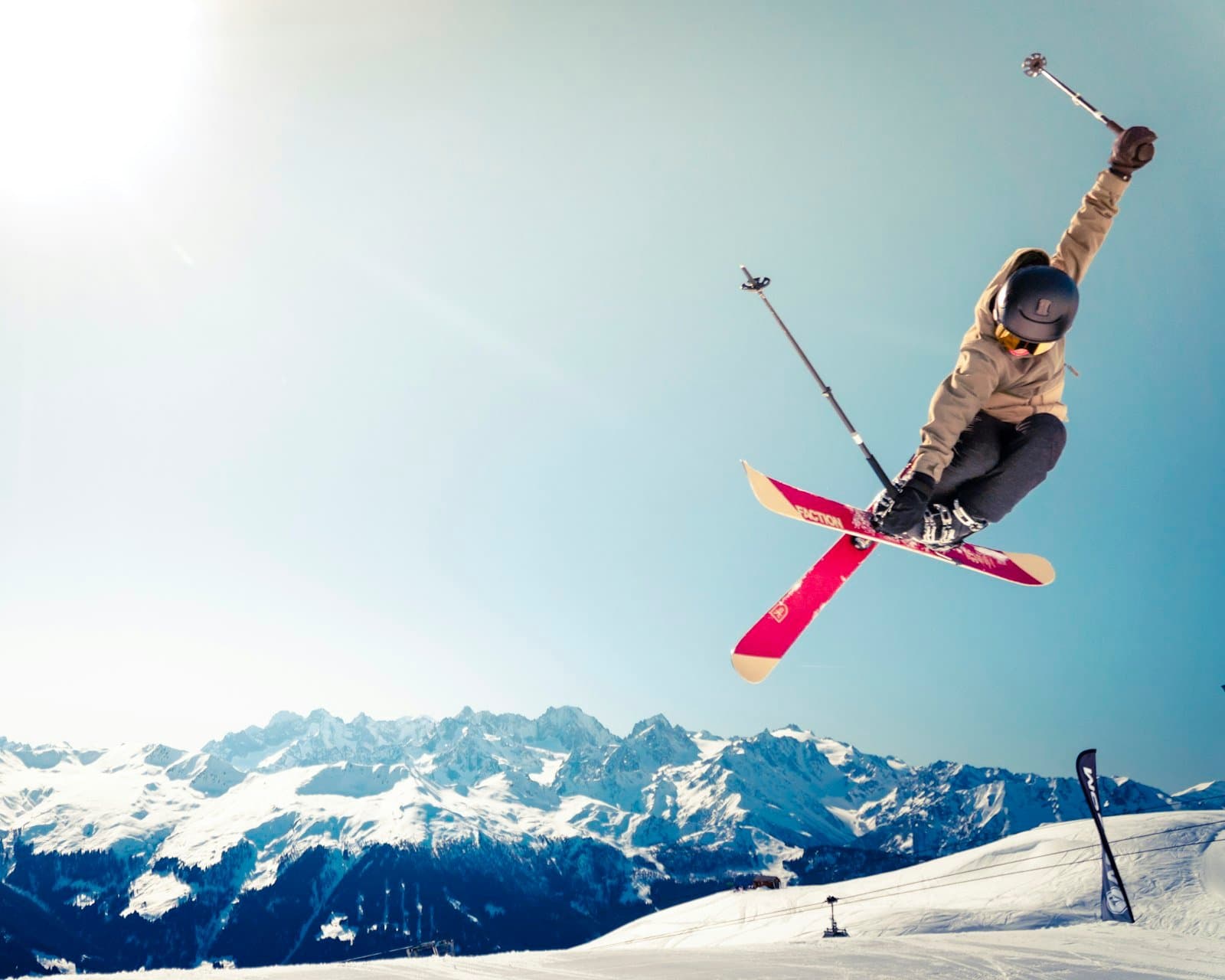
There is a reason why La Plagne consistently appears at the top of every serious list of family ski destinations in Europe. Sitting at the heart of the Paradiski ski area — one of the largest linked ski domains on the planet — La Plagne offers a rare combination of beginner-friendly terrain, high-altitude snow reliability, and authentic Savoyard village charm that few resorts can match. Whether you are introducing a four-year-old to their first snowplough or challenging a teenager on steep black runs above the Bellecôte glacier, this is a resort that genuinely grows with your family.
But La Plagne is far more than just a ski resort. With eleven distinct villages spread across the mountainside, each with its own personality and microclimate, plus a growing reputation as a year-round Alpine destination for hiking, cycling, and wellness, it has become one of the smartest locations in the Alps for buyers looking to secure a co-ownership property that delivers value in every season. In this guide, we take a deep dive into everything La Plagne and Paradiski have to offer — from piste statistics and village comparisons to summer activities and the practicalities of owning a share in one of Europe’s most snow-sure ski areas.
The Ski Area
Paradiski by the Numbers: 425 Kilometres of Connected Skiing
The Paradiski ski area was born in 2003 when the Vanoise Express — a spectacular double-decker cable car spanning the valley between La Plagne and Les Arcs — connected two already-massive ski domains into one. The result is 425 kilometres of marked pistes, served by 160 lifts, stretching from the wooded slopes of Montalbert at 1,350 metres all the way up to the Aiguille Rouge at 3,226 metres. With 70% of terrain sitting above 2,000 metres and two glaciers — Les Houches and Bellecôte — Paradiski offers some of the most reliable snow conditions in the Alps, with the season typically running from mid-December through late April.
For families, the numbers tell a compelling story. There are 152 green and blue runs — more beginner and intermediate terrain than most entire ski resorts can offer. The famous Funslope on the Arpette sector is Europe’s longest fun ski run, packed with tunnels, bridges, banked turns, and hoops that keep children entertained while building confidence. More advanced skiers can explore 79 red runs and 22 blacks, plus extensive off-piste opportunities in the Bellecôte and Mont Blanc-facing bowls. According to Skiresort.info, Paradiski consistently scores among the top five ski areas in the world for snow reliability and terrain variety.
The 290 hectares of snowmaking coverage across Paradiski provides additional insurance for lower slopes, meaning even in lean snow years the resort can guarantee skiing from village level. This is a critical factor for families who need to know they can ski in and ski out without relying on shuttle buses — and it is equally important for property owners who want to know their mountain lifestyle investment is climate-resilient.
425 km
Total pistes in the Paradiski ski area — one of the five largest linked domains in the world
70%
Of Paradiski terrain sits above 2,000 metres, ensuring reliable snow from December to late April
11
Distinct villages across the La Plagne resort, each with unique character, altitude, and atmosphere
160
Ski lifts serving the Paradiski area, including the famous Vanoise Express double-decker cable car
Village Guide
Eleven Villages, One Resort: Finding Your Perfect La Plagne Base
One of La Plagne’s greatest strengths — and something that sets it apart from purpose-built mega-resorts — is its network of eleven interconnected villages, each offering a distinct experience. Understanding these villages is essential for anyone considering a ski holiday or a property investment here. At the top end, Plagne Centre (2,010m) and Plagne Bellecôte (1,930m) offer the most convenient slope access and the widest range of shops, restaurants, and ski schools. They were purpose-built in the 1960s and 1970s, so the architecture is functional rather than beautiful, but the ski-in/ski-out convenience is unmatched.
For families seeking a more traditional Alpine atmosphere, the lower villages are where the magic happens. Plagne Montalbert (1,350m) is a particular favourite — a car-free village centre with traditional wood-and-stone architecture, a gentle nursery slope right in the village, and a peaceful, community feel that is increasingly rare in major ski resorts. The blue Lutins run winds through the forest back to the village, making it perfect for confident beginners. Montchavin-Les Coches (1,250-1,450m) is another gem — a genuine Savoyard farming village with north-facing, tree-lined slopes that hold snow brilliantly even in warmer winters.
Higher up, Plagne 1800 and Aime 2000 offer affordable entry points with direct piste access, while the newer developments at Plagne Lauze and Plagne Soleil combine modern comfort with excellent positioning for accessing the wider Paradiski network. For property buyers, the village choice directly impacts both purchase price and rental yield — lower villages like Montalbert offer significantly better value per square metre while still delivering full Paradiski access via a short chairlift connection.
Paradiski Piste Breakdown by Difficulty Level
Green Runs (Beginner)
Blue Runs (Easy Intermediate)
Red Runs (Intermediate)
Black Runs (Expert)
Total Marked Pistes
Family Skiing
Why La Plagne Ranks Among Europe’s Best Family Ski Resorts
La Plagne has held the Famille Plus label — France’s official family-friendly resort accreditation — for over a decade, and it shows in every aspect of the resort’s infrastructure. The ski school provision is exceptional, with ESF and several independent schools operating across all villages. Group lessons for children start from age three, and the dedicated beginners’ areas in Plagne Centre, Montalbert, and Belle Plagne are spacious, well-maintained, and separated from faster skiers. The Zone Débutant in Plagne Centre was recently expanded and redesigned, giving nervous beginners a genuinely pressure-free environment to find their feet.
Beyond skiing, the off-slope activities for families are extensive. La Plagne is home to an Olympic bobsleigh track from the 1992 Albertville Games — the only public-access bobsleigh run in France — where families can ride a four-man bob at speeds up to 80 km/h. There is also dog sledding, snowshoeing through the Vanoise National Park, an ice skating rink, and a 25-metre swimming pool complex. For non-skiing days or mixed-ability groups, these alternatives mean nobody in the family is left bored while others are on the slopes.
The dining and après-ski scene is family-oriented without being dull. Montalbert and Montchavin both have excellent local restaurants serving traditional tartiflette, fondue, and raclette at reasonable prices — a welcome contrast to the eye-watering bills you will find in Courchevel or Méribel. Several villages host weekly torchlit descents and live music evenings that are inclusive rather than exclusively aimed at the party crowd. This is a resort where families with children of all ages can find their rhythm.
“La Plagne is not just a ski resort — it is an eleven-village Alpine ecosystem where families build traditions, children learn to love the mountains, and smart buyers secure properties that deliver value across every season of the year.”
Beyond Winter
Summer in La Plagne: Hiking, Cycling, and Year-Round Value
One of the most significant shifts in Alpine property investment over the past five years has been the growing importance of summer seasons. Resorts that offer compelling year-round activities are now outperforming winter-only destinations by a considerable margin, and La Plagne is well-positioned on this front. The Vanoise National Park — France’s oldest and most prestigious national park — sits on La Plagne’s doorstep, offering over 100 kilometres of marked hiking trails accessible directly from the villages.
Cycling has become a major draw, with La Plagne featuring as a regular stage finish in the Tour de France and Tour de l’Avenir. The climb from Aime to Plagne Centre is one of the most challenging in professional cycling, and the resort has invested in dedicated mountain bike trails and an e-bike rental network. Summer visitors can also enjoy the Montal’Splash waterslide in Montalbert (125 metres of family fun), the Forperet mini-farm for young children, and white-water rafting on the Isère River in the valley below.
For co-ownership property owners, this dual-season appeal translates into significantly higher occupancy rates and rental potential. According to data from Cimalpes, La Plagne properties that are marketed for both winter and summer use achieve up to 30% higher annual rental yields compared to properties positioned as ski-only. With 45 days of personal use per year in a typical co-ownership arrangement, owners can strategically split their time between ski season and the increasingly popular July-August mountain season.
| La Plagne Village | Altitude | Best For | Key Feature |
|---|---|---|---|
| Plagne Centre | 2,010m | Convenience & ski schools | Ski-in/ski-out, largest shopping area |
| Plagne Montalbert | 1,350m | Families & traditional charm | Car-free centre, forest skiing |
| Montchavin-Les Coches | 1,250-1,450m | Authentic Savoyard experience | North-facing slopes, village restaurants |
| Plagne Bellecôte | 1,930m | Slope access & nightlife | Central location, Bellecôte glacier access |
| Belle Plagne | 2,050m | Families & beginners | Pedestrianised, purpose-built village |
| Plagne 1800 | 1,800m | Budget-friendly skiing | Affordable, good lift connections |
Snow Reliability
Climate-Proofing Your Ski Property: La Plagne’s Altitude Advantage
Climate change is reshaping the Alpine property market. A 2024 study published in Nature Climate Change found that ski resorts below 1,500 metres face significant snow-reliability challenges by the 2040s, with some lower resorts projected to lose up to 50% of their natural snow cover. This has created a clear divide in the market: high-altitude, snow-sure resorts are seeing property values and demand increase, while lower, more vulnerable resorts are experiencing stagnation.
La Plagne sits firmly on the right side of this divide. With 70% of its skiable terrain above 2,000 metres, access to two glaciers above 3,000 metres, and 290 hectares of snowmaking on lower slopes, it is one of the most climate-resilient ski destinations in Europe. The north-facing orientation of the Montchavin-Les Coches sector and the tree-lined runs around Montalbert provide additional natural snow protection, as shaded forests hold their snow cover significantly longer than exposed south-facing slopes.
For buyers considering a co-ownership share, this climate resilience directly impacts long-term asset value. Resorts with strong altitude profiles and diversified summer offerings are expected to see continued appreciation even as lower-altitude competitors struggle. Investing in a co-ownership share in La Plagne means securing a stake in a resort that professional analysts consistently rank among the most future-proof in the Alps — at a fraction of the cost of whole ownership in comparable locations like Courchevel, Val d’Isère, or Verbier.
1961
La Plagne Opens
The first purpose-built village, Plagne Centre, opens at 2,010 metres as part of France’s Plan Neige to develop high-altitude ski resorts.
1980
Montalbert Joins the Network
The traditional village of Montalbert is connected to the La Plagne ski area, adding authentic Savoyard character to the resort’s offering.
1992
Olympic Glory
La Plagne hosts the bobsleigh, luge, and skeleton events for the Albertville Winter Olympics — the track remains open to the public today.
2003
Paradiski Is Born
The Vanoise Express cable car opens, connecting La Plagne and Les Arcs to create the 425 km Paradiski ski domain.
2020–2025
Infrastructure Investment
Major upgrades to lifts, snowmaking, and village facilities position La Plagne for long-term growth and climate resilience.
2026
Year-Round Destination
La Plagne completes its transition into a dual-season resort with expanded summer hiking, cycling, and wellness infrastructure.
Getting There
Access and Transport: How to Reach La Plagne
La Plagne benefits from excellent transport connections — an often-overlooked factor in resort property values. The resort sits in the Tarentaise Valley, approximately 22 kilometres from the town of Aime on the main Albertville-Bourg-Saint-Maurice road. Geneva Airport is the nearest major international hub, around 2.5 hours by car or transfer, while Lyon Airport is roughly three hours away. Chambéry Airport, closer at around 1.5 hours, handles seasonal charter flights from the UK and Northern Europe.
The French TGV high-speed rail network serves Aime-La Plagne station directly, with services from Paris Gare de Lyon taking around 4.5 hours. This rail connection is a genuine differentiator — it means London-based owners can reach their property in under seven hours door-to-door via Eurostar and TGV, without the hassle and environmental cost of flying. From Aime station, resort shuttle buses run regularly up to all La Plagne villages. For co-ownership buyers, excellent transport links mean higher rental demand from international visitors and easier personal access throughout the year.
Buying Smart
Co-Ownership in La Plagne: The Smarter Route to Alpine Property
Full property ownership in La Plagne has become increasingly expensive. According to Trackstone, average prices per square metre in the higher villages now rival those in more established Tarentaise resorts, with demand from both domestic French buyers and an increasing number of international purchasers — particularly British, Dutch, and German families. Yet most second-home owners use their property for just four to six weeks per year, leaving it empty for the remaining 90% of the time.
This is precisely where co-ownership explained offers a compelling alternative. By purchasing a 1/8th share of a luxury La Plagne property, buyers get approximately 45 days of personal use per year — essentially matching the actual usage of most whole-property owners — while paying a fraction of both the purchase price and the ongoing running costs. Everything is fully managed: cleaning, maintenance, insurance, tax, and even rental income generation are all handled professionally, so owners never need to worry about pipes freezing while they are home in London or New York.
Properties available through all our homes in the La Plagne area are typically fully renovated and furnished to a high standard with designer interiors. The buying process is straightforward, with the legal set-up arranged by our partner for each home and walked through with you before you buy. And because you own a real share of the home — not a timeshare or points system — it can be sold at market value through our partner’s resale process, without anyone having to sell the whole property. For families who want an Alpine base without the financial and administrative burden of full ownership, co-ownership in La Plagne represents one of the smartest moves in the 2026 market.
Investment Outlook
La Plagne Property Market: What the Data Says
The La Plagne property market benefits from several structural tailwinds. The Tarentaise Valley — home to La Plagne, Les Arcs, Tignes, Val d’Isère, and the Trois Vallées — accounts for a significant share of all ski property transactions in France, and demand continues to outstrip supply. According to market data from Trackstone, the number of active buyers in La Plagne Tarentaise is 9% higher than the number of properties available for sale, creating upward pressure on prices. This supply-demand imbalance is particularly acute for quality properties in the traditional villages like Montalbert and Montchavin.
The resort’s ongoing investment in infrastructure reinforces confidence. Recent years have seen new lift installations, expanded snowmaking capacity, and significant renovation of resort facilities. The Vanoise Express cable car — the vital Paradiski link — was upgraded in 2023, increasing capacity and reducing wait times. These improvements signal long-term commitment from the resort operator and the local commune, making La Plagne a safer bet for property investors than smaller, independently managed stations that may struggle to fund future infrastructure needs.
For co-ownership buyers, the combination of a resilient property market, strong rental demand across two seasons, excellent transport links, and a family-friendly reputation creates a compelling investment case. With co-ownership shares starting at a fraction of the whole-home price for a 1/8th stake in a quality Alpine property, it is a fraction of the entry cost compared to whole ownership in the Tarentaise Valley — and the running costs are shared proportionately, making luxury Alpine living genuinely accessible.
Common Questions
Frequently Asked Questions
How big is the La Plagne and Paradiski ski area?
Paradiski covers 425 kilometres of marked pistes across La Plagne and Les Arcs, served by 160 lifts. It is one of the five largest linked ski areas in the world, with terrain ranging from 1,250m to 3,226m altitude.
Is La Plagne good for beginner skiers and families?
Absolutely. La Plagne holds France’s Famille Plus accreditation and offers 152 green and blue runs — more beginner-friendly terrain than most entire ski resorts. Dedicated nursery slopes, top-rated ski schools, and Europe’s longest Funslope make it ideal for children learning to ski.
What is the snow like at La Plagne?
La Plagne is one of the most snow-reliable resorts in the Alps. With 70% of terrain above 2,000m, two glaciers above 3,000m, and 290 hectares of snowmaking, the resort typically operates from mid-December through late April with excellent coverage throughout.
Can you co-own property in La Plagne?
Yes. Co-ownership allows you to purchase a real 1/8th share of a luxury La Plagne property. You get approximately 45 days of personal use per year, full property management, and real ownership — at a fraction of the cost of buying a whole property.
How do you get to La Plagne?
The fastest route is via Geneva Airport (2.5 hours by transfer). Lyon Airport is around 3 hours away. The TGV high-speed train serves Aime-La Plagne station directly from Paris in 4.5 hours, and Eurostar connections make it accessible from London in under 7 hours without flying.
Is La Plagne worth visiting in summer?
Yes — La Plagne is increasingly popular as a summer destination. With over 100km of hiking trails into the Vanoise National Park, Tour de France cycling climbs, mountain biking, white-water rafting, and family activities like the Montal’Splash waterslide, it offers genuine year-round appeal.
Which La Plagne village is best for families?
Plagne Montalbert and Montchavin-Les Coches are the top picks for families seeking traditional charm, affordable dining, and a relaxed atmosphere. For maximum convenience and slope access, Belle Plagne and Plagne Centre are excellent choices with nursery slopes and ski schools on the doorstep.
Explore Alpine Properties With Co-Ownership Property
Whether you are looking for a ski-in/ski-out apartment in Plagne Centre or a traditional chalet in Montalbert, co-ownership makes luxury Alpine property accessible for a fraction of the whole-home price per share. Browse our current La Plagne and Alps portfolio.
Browse PropertiesSee the homes behind this guide. Explore a current French Alps co-ownership share, browse the wider French collection, or speak with our team about what is available now.
More from Co-Ownership Property
Get in Touch
Speak to an expert
Tell us what you're looking for and we'll be in touch.