Properties & Destinations
Menorca's Slow Luxury Revolution: Why Smart Buyers Are Co-Owning on the Balearics' Best-Kept Secret
Menorca's slow luxury appeal is driving a co-ownership boom. Discover why smart buyers choose this UNESCO Biosphere Reserve for shared property investment in 2026.
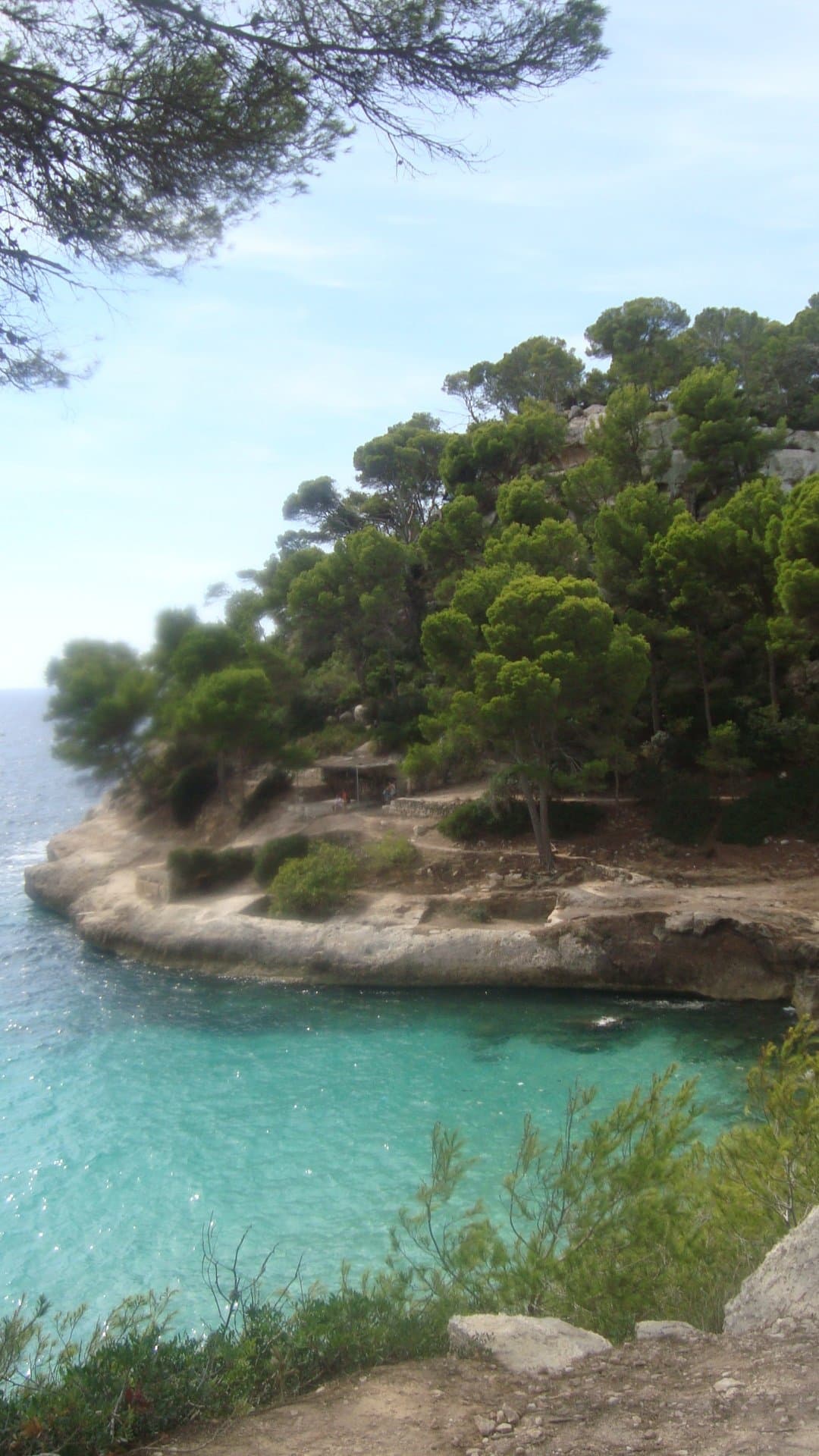
While Ibiza and Mallorca dominate the headlines, Menorca has been quietly staging one of the Mediterranean’s most compelling property stories. This is the Balearic island that UNESCO designated a Biosphere Reserve in 1993 — a decision that has protected its coastline from overdevelopment and, in doing so, created something increasingly rare in European real estate: genuine scarcity in a world-class destination. For buyers exploring co-ownership properties, Menorca represents a unique convergence of environmental protection, rising demand, and lifestyle quality that larger islands simply cannot replicate.
Property prices across the Balearic Islands surged by 15.2% in 2025, making the archipelago Spain’s fastest-growing real estate market. Yet Menorca remains significantly more affordable than its neighbours, with average prices per square metre sitting around €4,020 — a fraction of what you would pay in Palma or Ibiza Town. That gap is closing fast, and the smartest buyers in Europe are taking notice. Through fractional ownership, a luxury Menorcan villa that might cost over €1 million outright becomes accessible from around €125,000 for a deeded one-eighth share — complete with 45 days of annual use, full management, and zero hassle.
The UNESCO Advantage
How Biosphere Reserve Status Created Europe’s Most Protected Property Market
Menorca’s Biosphere Reserve designation is not merely an environmental badge — it is the single most important factor shaping the island’s property market. Strict building regulations limit new construction, cap building heights, and prohibit development on vast stretches of coastline. The result is a permanent supply constraint that no amount of demand can overcome. While Mallorca added thousands of new-build apartments in the last decade, Menorca’s housing stock has grown at a fraction of that rate.
In June 2019, UNESCO expanded Menorca’s reserve from 71,191 hectares to 514,485 hectares, extending protection into surrounding marine areas. This expansion further cemented the island’s commitment to sustainable development and sent a clear signal to the property market: what exists today is largely what will exist tomorrow. For co-ownership buyers, this creates a compelling investment thesis — limited supply in a destination with growing international demand.
The practical impact is visible everywhere. Menorca has over 130 beaches, many accessible only on foot or by boat, and the island’s south coast features some of the most photographed coves in the Mediterranean — Cala Turqueta, Cala Macarella, and Cala Mitjana among them. Unlike overdeveloped stretches of the Costa del Sol or the Algarve, these beaches look essentially the same as they did fifty years ago. That preservation is not accidental — it is policy, and it is permanent.
15.2%
Balearic property price growth in 2025 — highest in Spain (BBVA Research)
€4,020/m²
Menorca average price per square metre — significantly below Mallorca and Ibiza
73,500
Additional airline seats scheduled for Menorca in the 2026 season (+3.1%)
514,485 ha
Total UNESCO Biosphere Reserve area after 2019 expansion — over 7× the original designation
Market Intelligence
Menorca Property Prices: The Numbers Behind the Boom
The Balearic Islands recorded Spain’s strongest property price growth in 2025, and BBVA Research projects a further 7% increase across Spain in 2026. Menorca’s specific municipalities tell an even more dramatic story. Areas with strong tourist appeal — Es Migjorn Gran, Sant Lluís, and Es Mercadal — are seeing the steepest price rises, driven by international buyers from the UK, France, Germany, and Scandinavia. According to Portal Menorca, airlines have scheduled 73,500 additional seats for the 2026 season, a 3.1% increase that will funnel even more potential buyers onto the island.
What makes Menorca particularly interesting for fractional ownership in the Balearics is the price differential with its neighbours. A comparable beachside villa in Mallorca’s southwest corridor commands two to three times what you would pay in Menorca’s Ciutadella or Sant Lluís. Yet the lifestyle offering — pristine beaches, world-class dining, a sophisticated cultural calendar — is arguably equal or superior. The value gap represents one of the clearest arbitrage opportunities in European resort property today.
Average Property Price per m² — Balearic Islands 2025/2026
Ibiza Town & Sant Josep
Mallorca Southwest (Andratx–Calvià)
Palma de Mallorca
Menorca (Sant Lluís)
Menorca (Ciutadella)
Menorca (Es Mercadal)
Gastronomic Capital
From European Region of Gastronomy to Co-Ownership Hotspot
Menorca was named European Region of Gastronomy in 2022, and the culinary scene has only accelerated since. The island’s food identity is built on lobster caldereta (a rich stew served at virtually every waterfront restaurant), artisanal Mahón cheese with its distinctive tangy flavour, and a farm-to-table culture that predates the trend by generations. Organic farms supply weekly-changing menus at restaurants across Ciutadella and Mahón, while the island’s chiringuitos — those iconic beach bars with sand between your toes and calamar a la plancha on the plate — offer a dining experience that no Michelin star can replicate.
This gastronomic identity matters for property buyers because it signals a destination that attracts high-spending, repeat visitors rather than package tourists. Es Bruc on Santo Tomás Beach, Wet Menorca overlooking Cala en Porter, and the Ibiza-chic Aire at Punta Prima are not just places to eat — they are the social anchors of a lifestyle that co-owners return to season after season. When you browse our Balearic properties, you are investing in a destination where the dining alone justifies the trip.
The island’s food scene also drives a longer tourism season. While beach-only destinations empty out by October, Menorca’s restaurants, wine bars, and seasonal food festivals keep the island alive well into autumn. For co-owners who want to use their 45 annual days spread across spring, summer, and autumn rather than crammed into August, this extended season adds enormous practical value.
“Menorca is what happens when a world-class destination chooses preservation over profit — and the market rewards that decision with sustained, long-term value growth.”
Lifestyle & Design
Slow Luxury: The Anti-Ibiza That Attracts Bigger Spenders
Menorca’s defining characteristic is what it chooses not to be. There are no mega-clubs, no bottle-service beach bars, no high-rise hotels blocking the horizon. Instead, there are whitewashed fishing villages, stone-walled country lanes, and a pace of life that feels genuinely Mediterranean rather than performatively so. This is not an accident — it is the island’s conscious positioning as the Balearics’ slow luxury destination, and it is working.
The emerging Opening Cultural festival, launching in April 2026, exemplifies this shift. Designed to cement Menorca’s reputation as a contemporary arts hub, it targets exactly the affluent, culturally curious demographic that co-ownership appeals to. These are buyers who want a second home that reflects their values — sustainability, authenticity, quality over quantity — rather than simply their budget.
Cap Menorca, the luxury resort on the island’s northeastern coast, captures this ethos perfectly: private villas blending modern design with traditional architecture, built with sustainable materials and surrounded by protected landscape. It is the template for what Menorca property is becoming — and why co-ownership shares in properties of this calibre represent a new standard in Mediterranean second-home living. Explore co-ownership villas and chalets to see how this model works in practice.
| Factor | Menorca | Mallorca | Ibiza |
|---|---|---|---|
| Avg. price/m² (2025) | €4,020 | €5,800 | €7,200 |
| UNESCO protection | Full Biosphere Reserve | Partial (Serra de Tramuntana) | None |
| Year-round flights (UK) | Seasonal + growing | Year-round | Seasonal |
| Short-term rental regulation | Strict — limited licences | Strict — zoned | Very strict — moratorium |
| Gastronomy designation | European Region 2022 | No designation | No designation |
| Co-ownership entry price | From ~€100,000 | From ~€150,000 | From ~€200,000 |
Comparative Analysis
Menorca vs Mallorca vs Ibiza: The Honest Comparison
Every Balearic island buyer eventually asks the same question: which island? The answer depends on priorities, but the data increasingly favours Menorca for buyers seeking long-term value combined with genuine lifestyle quality. Mallorca offers the broadest infrastructure and year-round connectivity, but its southwest coast is effectively priced out for most buyers. Ibiza delivers nightlife and celebrity cachet, but seasonal overcrowding and aggressive short-term rental regulation have complicated the ownership picture.
Menorca threads the needle. It offers Mallorca-level beach quality without Mallorca-level prices, and Ibiza-level exclusivity without Ibiza-level chaos. The island’s smaller scale — you can drive coast to coast in 45 minutes — means every property is within reach of both the historic capital Mahón and the charming western town of Ciutadella. For co-ownership in Menorca, this compact geography is an advantage: wherever your property sits, the entire island is your playground.
1993
UNESCO Biosphere Reserve
Menorca designated a UNESCO Biosphere Reserve, establishing permanent building and development restrictions across the island.
2019
Marine Reserve Expansion
UNESCO expanded the reserve from 71,191 to 514,485 hectares, extending environmental protection into surrounding waters.
2022
European Region of Gastronomy
Menorca awarded the European Region of Gastronomy title, accelerating its positioning as a luxury culinary destination.
2023–2025
Property Price Surge
Balearic property prices rose by over 15% in 2025 alone, with Menorca’s municipalities recording some of the steepest gains driven by international demand.
2026
Cultural & Aviation Expansion
Opening Cultural festival launches in April 2026. Airlines add 73,500 seats for the season, signalling sustained growth in visitor numbers and buyer interest.
Smart Ownership
The Co-Ownership Advantage on an Island This Exclusive
Menorca’s appeal has always come with a practical challenge: properties are expensive enough to demand serious capital, yet most buyers would only use a Menorcan home for six to eight weeks per year. The maths of full ownership on an island with a concentrated summer season has never been kind. A €1 million villa sitting empty for 300 days a year is not smart investing — it is expensive storage.
Co-ownership solves this equation elegantly. A one-eighth share in that same €1 million villa costs from around €125,000. The owner receives approximately 45 days of use annually — which, for most second-home owners, is more than they would actually use even if they owned outright. Booking is flexible through an app, from 2 days to 2 years in advance. There are no fixed weeks, no rotation headaches, and no awkward negotiations with other co-owners. Everything — cleaning, maintenance, insurance, and administration — is fully managed.
The financial efficiency extends beyond the purchase price. All running costs are split proportionate to ownership: a one-eighth owner pays one-eighth of maintenance, taxes, insurance, and management fees. For a luxury Menorcan property, this can mean the difference between €15,000–€25,000 per year in solo running costs and a fraction of that shared among eight owners. When the time comes to sell, resale of co-ownership shares typically completes in under a month — dramatically faster than selling a full property on an island market.
Regulatory Landscape
Balearic Rental Laws and Why Ownership Beats Renting
The Balearic Islands have implemented some of Europe’s strictest short-term rental regulations. Tourist rental licences are increasingly difficult to obtain, particularly in residential zones, and enforcement has tightened significantly. For investors who planned to buy a Menorcan property and rent it on Airbnb, the regulatory landscape has become considerably more challenging.
This regulatory environment actually strengthens the case for co-ownership. Rather than buying a property you cannot legally rent, co-ownership gives you guaranteed personal use rights within a professionally managed structure. Where rental is permitted and licensed, any income is shared proportionate to ownership — but the primary value proposition is personal enjoyment of a luxury home, not speculative rental yield. Visit our FAQ page for detailed answers on how rental works within the co-ownership model.
For those comparing the cost of renting a luxury villa each summer against co-ownership, the numbers are stark. A week in a premium Menorcan villa during July or August can cost €3,000–€8,000. Six weeks of rental over a season could easily exceed €30,000 — and you build no equity, have no say in the property’s future, and risk losing your preferred dates to other renters. Co-ownership flips every one of those disadvantages.
Destination Deep Dive
Where to Co-Own in Menorca: The Micro-Markets That Matter
Menorca’s property market divides into distinct micro-markets, each with a different character and price profile. Ciutadella, the former capital on the western tip, combines historic architecture with a lively restaurant and bar scene centred on its picturesque harbour. Properties here appeal to buyers who want walkable culture and dining within minutes of south-coast beaches like Cala Turqueta.
Mahón (Maó), the current capital on the eastern side, offers one of the Mediterranean’s finest natural harbours and a more cosmopolitan feel. The gin distilleries, the fish market, and the Georgian-influenced architecture give it a distinctive personality. Sant Lluís, just south of Mahón, is the epicentre of international buyer activity — its proximity to beaches like Binibèquer Vell and Punta Prima makes it the default choice for beach-focused second-home owners.
Es Mercadal, in the island’s centre beneath Monte Toro, and Es Migjorn Gran, gateway to the spectacular south-coast beaches, represent emerging value plays where prices have not yet caught up with demand. For co-ownership buyers seeking the best entry point into Menorca’s market, these municipalities deserve serious attention. Explore all available Menorca co-ownership properties or contact our team for personalised guidance.
Common Questions
Frequently Asked Questions
How does co-ownership work on a property in Menorca?
You purchase a deeded one-eighth share in an LLC that owns a specific luxury property. This is real estate ownership — not a timeshare. You receive approximately 45 days of use per year, booked flexibly through an app. All maintenance, cleaning, insurance, and management are handled for you, with costs split proportionate to your share.
What does a co-ownership share in Menorca cost?
Entry-level co-ownership shares in Menorca start from around €100,000, with luxury beachside villas typically ranging up to €250,000 per one-eighth share. This gives you deeded ownership of a property that would cost €800,000 to €2 million or more to buy outright.
Can I rent out my co-ownership share in Menorca?
Where rental is legally permitted and the property holds the appropriate licence, rental income is managed professionally and shared proportionate to your ownership stake. However, Balearic rental regulations are strict, so co-ownership is best viewed primarily as a personal-use investment rather than a rental play.
Is Menorca a good long-term property investment?
Menorca’s combination of UNESCO protection (limiting new supply), growing international demand, and relatively affordable entry prices compared to Mallorca and Ibiza creates strong fundamentals. Balearic property prices grew 15.2% in 2025, and analysts project continued growth of 7–10% in 2026.
How do I sell my co-ownership share?
Shares can be sold at any time. The management company first offers the share to existing co-owners, then lists it on the open market. Average resale time is approximately one month — significantly faster than selling a full property.
What is the difference between co-ownership and timeshare?
Co-ownership means you own a legal share of actual real estate through a registered LLC. Your share appreciates with the property market, you can sell at market price, and there are no points systems or fixed weeks. A timeshare typically grants usage rights without property ownership or equity growth.
Explore Co-Ownership Properties in Menorca
Whether you’re drawn to Ciutadella’s harbour charm, Sant Lluís’s beach lifestyle, or the untouched south coast, our team can match you with the perfect co-ownership share. Speak with a specialist today.
Book Free ConsultationSee the homes behind this guide. Explore a current Menorca co-ownership share, browse the wider Spanish collection, or speak with our team about what is available now.
More from Co-Ownership Property

Get in Touch
Speak to an expert
Tell us what you're looking for and one of our co-ownership specialists will be in touch within 24 hours.