Properties & Destinations
Why Menorca's UNESCO Protection Makes It the Mediterranean's Smartest Co-Ownership Destination
Menorca's UNESCO Biosphere Reserve status limits development and protects property values. Discover why co-ownership here offers luxury access at a fraction of full ownership cost.
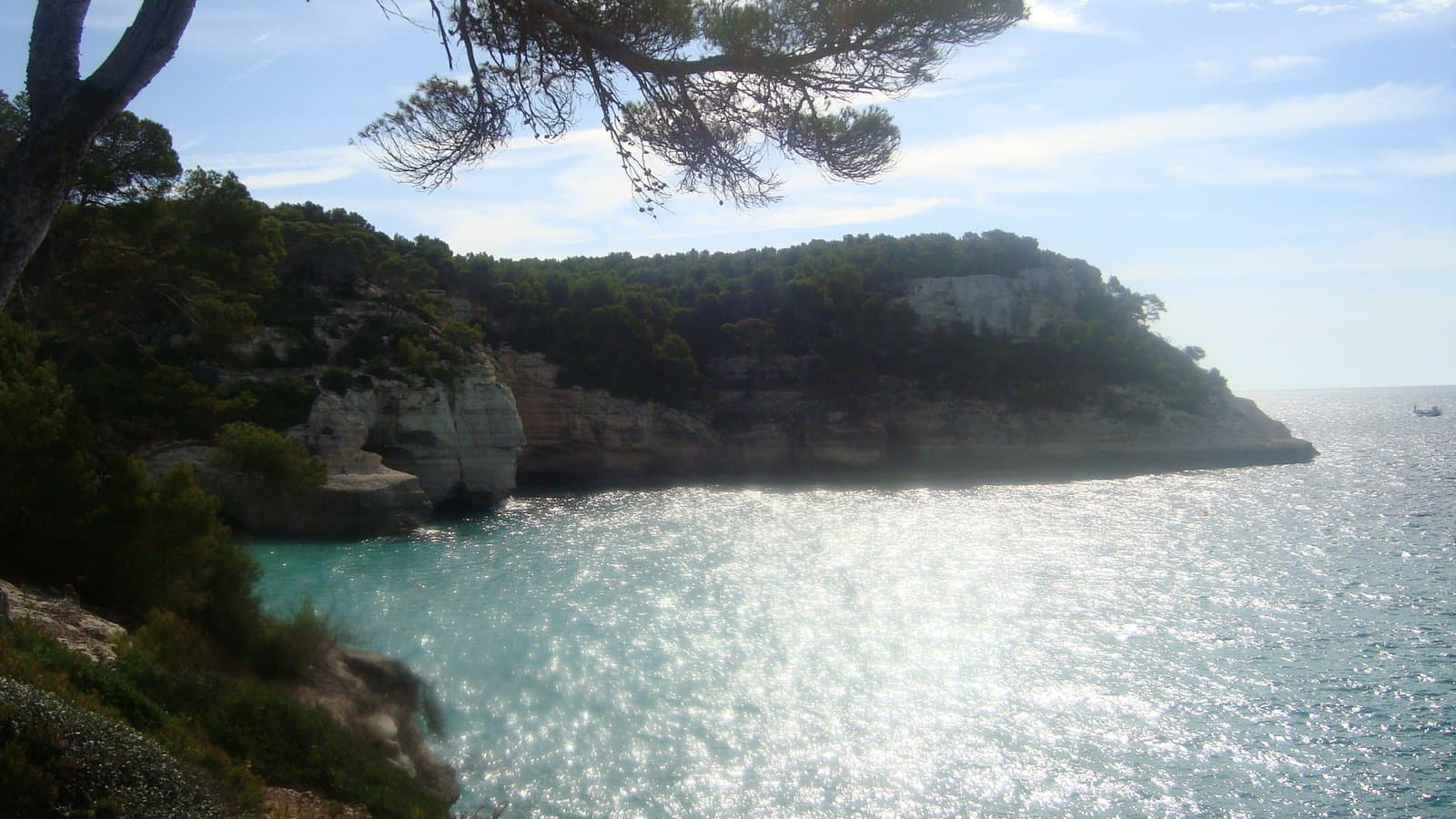
While its neighbours Mallorca and Ibiza dominate the headlines, Menorca has been quietly building one of the most compelling property stories in the Mediterranean. Declared a UNESCO Biosphere Reserve in 1993, this Balearic island operates under some of Europe’s strictest building regulations — and that scarcity is doing exactly what scarcity always does to real estate values: pushing them steadily upward. For buyers priced out of full ownership on an island where new construction averages just 1.6 homes per 1,000 residents per year, co-ownership offers an elegant solution: deeded luxury property access at a fraction of the capital outlay.
Property prices across the Balearic Islands rose 15.2% in 2025, the strongest regional growth in Spain, according to market data from the Balearics property index. Menorca led with an 11% year-on-year increase in Mahón alone, with average prices now sitting at €2,733 per square metre. Yet unlike Mallorca — where overdevelopment has triggered fierce anti-tourism protests — Menorca’s UNESCO status acts as a built-in value protector. When you co-own a property in Menorca, you are not just buying a holiday home. You are investing in an asset class that the island’s own planning laws are designed to keep appreciating.
Environmental Economics
How UNESCO Protection Creates a Natural Property Moat
Menorca’s Biosphere Reserve designation covers the entire island — all 702 square kilometres of it. This is not a partial protection zone or a token green belt. The designation means that any new construction must pass rigorous environmental impact assessments, that building heights are strictly limited, and that vast swathes of the coastline are permanently off-limits to developers. The result is a housing supply bottleneck that conventional market forces simply cannot resolve.
In 2025, Menorca recorded just 81 housing starts — a figure that would be unremarkable for a single neighbourhood in most European cities but represents the entire island’s new supply. Compare that to the roughly 100,000 permanent residents and you begin to understand why existing property commands such a premium. The Balearic government’s moratorium on new holiday rental licences, extended through 2026, adds another layer of supply restriction. For fractional ownership buyers, this constrained supply environment means your share holds its value because the island physically cannot produce enough property to dilute demand.
Knight Frank’s 2025 Global Wealth Report identified the Balearic Islands as one of Europe’s top five wealth migration corridors, with Menorca specifically cited as attracting a new wave of high-net-worth buyers seeking privacy, authenticity, and environmental quality over nightlife and mass tourism. When demand grows but supply is legally capped, the economics are straightforward — and they favour existing property owners.
15.2%
Balearic Islands property price growth in 2025 — the strongest of any Spanish region, according to national property index data.
81
Total new housing starts on Menorca in 2025 — just 1.6 homes per 1,000 residents, highlighting extreme supply constraints.
70%
Cumulative property price increase in Mahón over the past decade, significantly outperforming the Spanish national average.
45 days
Annual usage per 1/8 co-ownership share — matching or exceeding what most full second-home owners actually achieve.
Market Data
Menorca Property Prices: The Numbers Behind the Narrative
The headline statistics tell a remarkable story of consistent, sustainable growth. Mahón’s average asking price reached €2,733 per square metre in 2025, up 11% year-on-year. In the premium coastal municipality of Ciutadella de Menorca, prices hit €3,752 per square metre — a 12.84% annual increase. Over the past decade, Mahón alone has seen a 70% cumulative price increase, significantly outperforming the Spanish national average.
But raw price-per-metre figures only tell part of the story. What makes Menorca particularly attractive for co-ownership investors is the relationship between purchase price and usage value. A luxury three-bedroom villa in the southwest of the island might list at €1.2 million or more for full ownership. A one-eighth co-ownership share in the same property — with 45 days of annual usage, professional management, and deeded legal ownership through an LLC structure — might cost from around €150,000. That is not just a price difference; it is a fundamentally different approach to Mediterranean property that unlocks access for a much wider range of affluent buyers.
Savills’ 2025 Mediterranean Market Review noted that Menorca’s rental yields remain among the strongest in the Balearics, driven by the licence moratorium creating scarcity in the short-term rental market. Properties that hold valid rental permits command significant premiums — another reason why professionally managed co-ownership properties with established rental operations deliver outsized returns relative to their share price.
Menorca Property Prices by Municipality (€/m², 2025)
Ciutadella de Menorca
Sant Lluís
Es Castell
Mahón
Alaior
Es Mercadal
Lifestyle & Access
What 45 Days a Year on a UNESCO Island Actually Looks Like
Menorca’s appeal goes far beyond financial returns. The island boasts more beaches than Mallorca and Ibiza combined — over 120 calas ranging from the famous turquoise waters of Cala Macarella and Cala Mitjana to hidden coves accessible only on foot via the ancient Camí de Cavalls, a 13th-century coastal path that circles the entire island. Owners of Balearic co-ownership properties find themselves with a luxury base from which to explore one of Europe’s most pristine coastlines.
The food scene has evolved dramatically. Menorca holds Spain’s only UNESCO Creative City of Gastronomy designation in the Balearics — a recognition of the island’s cheese-making tradition (the famous Mahón-Menorca DOP), its gin heritage dating to the British colonial period, and a new wave of farm-to-table restaurants that have earned international attention. For co-owners who visit multiple times across the seasons, the island reveals different personalities: the bustling beach culture of July and August, the autumn calm when local festivals take centre stage, and the mild winters (average January temperature of 11°C) that increasingly attract remote workers and retirees.
The co-ownership lifestyle here is genuinely low-friction. Arrive at Mahón Airport — served by direct flights from over 30 European cities during the season and year-round connections via Barcelona and Madrid — and your property is ready: cleaned, stocked, your personal belongings taken out of storage. No co-ordinating with other owners, no scrambling for cleaners, no maintenance calls. That managed simplicity is what converts many former full-ownership sceptics into co-ownership advocates.
“When an island’s own planning laws are designed to limit supply, existing property owners benefit from a protection that no financial instrument can replicate. Menorca’s UNESCO status is not just an environmental badge — it is an economic moat around every property on the island.”
Investment Comparison
Co-Ownership vs Full Ownership: The Menorca Equation
The traditional argument for full ownership — that you can use the property whenever you want — sounds compelling until you examine actual usage data. Research from the National Association of Realtors (NAR) in 2024 found that the average second-home owner uses their property for just 17 days per year. Even the most enthusiastic owners rarely exceeded 40 days. A co-ownership share delivering 45 days of usage therefore matches or exceeds what most full owners actually achieve, while requiring roughly one-eighth of the capital.
The running cost advantage is equally significant. A luxury villa in Menorca’s Ciutadella or Binibeca area might generate annual maintenance, tax, and management costs of €20,000 to €30,000. A co-owner pays one-eighth of that — typically under €4,000 per year — while receiving the same quality of property care, garden maintenance, pool upkeep, and professional management. The capital freed up by choosing co-ownership over full ownership can be deployed elsewhere: diversified investments, other co-ownership properties in different destinations, or simply retained as liquidity.
Resale liquidity is another underappreciated advantage. Selling a €1 million-plus Mediterranean villa typically takes 6–12 months in a normal market. Co-ownership shares, priced at a fraction of that amount and appealing to a wider buyer pool, have historically sold in under one month through the management company’s existing owner network and buyer pipeline.
| Factor | Full Ownership | Co-Ownership (1/8 Share) |
|---|---|---|
| Typical Purchase Price | From €800,000+ | From around €100,000 |
| Annual Running Costs | €20,000–€30,000 | Under €4,000 |
| Actual Usage (Days/Year) | 17 days (NAR average) | Up to 45 days |
| Management Hassle | Owner-managed | Fully managed |
| Average Resale Time | 6–12 months | Under 1 month |
| Legal Ownership | Direct title | Deeded LLC share |
Legal Framework
The LLC Structure: Why Menorca Co-Ownership Is Nothing Like a Timeshare
One of the most common questions from prospective buyers is how co-ownership differs legally from timeshare. The answer is fundamental. When you purchase a co-ownership share through Co-Ownership Property, you acquire a deeded stake in a registered LLC that owns the physical property. You are a shareholder in a real legal entity that holds real estate — not a holder of usage rights or points.
This structure, designed and optimised by specialist property tax and law firms, means your share can be sold on the open market at market value, bequeathed to heirs, or even used as security against lending. There are no points systems, no blackout dates, no mandatory exchange programmes. Your share appreciates (or depreciates) with the underlying property value, just like full ownership. The key difference is that the legal and administrative burden — Spanish property tax filings, maintenance contracts, insurance renewals, regulatory compliance — is handled entirely by the management company. You get the upside of property ownership without the administrative downside.
For international buyers — particularly those from the UK and US who make up a significant portion of Menorca’s luxury market — the LLC structure also provides tax efficiency advantages that vary by jurisdiction. Individual consultations are available to discuss the specific implications for your residency and citizenship status. Learn more about the buying process to understand how the legal framework protects your investment.
1993
UNESCO Biosphere Reserve Designation
Menorca becomes the first Balearic island to receive full UNESCO Biosphere Reserve status, triggering strict building regulations across all 702 km².
2015–2020
International Discovery Phase
British, German, and Scandinavian buyers begin targeting Menorca as an alternative to overdeveloped Mallorca, driving 40%+ price growth in premium coastal areas.
2023–2024
Rental Licence Moratorium
The Balearic government freezes new holiday rental licences, dramatically increasing the value of properties with existing permits and established rental operations.
2025
Record Price Growth
Balearic property prices rise 15.2% — Spain’s highest regional growth. Menorca records 5.89% tourism growth, the strongest of any Balearic island.
2026 Onwards
Digital Nomad & Year-Round Demand
New co-working spaces, extended flight schedules, and remote-work migration transform Menorca from a summer-only destination to a year-round lifestyle proposition.
Destination Deep Dive
Where to Co-Own in Menorca: The Island’s Premium Micro-Markets
Menorca divides naturally into distinct micro-markets, each with its own character and investment profile. Ciutadella, the former capital on the western coast, combines a stunning medieval old town with proximity to the island’s most famous beaches. Properties here command premiums of 15–20% over the island average, driven by the cobblestoned charm of the old port, the cathedral quarter, and proximity to Cala Macarella and Cala Turqueta.
Sant Lluís and Binibeca on the southeast coast offer a quieter, more exclusive atmosphere. The whitewashed fishing village of Binibeca Vell — often compared to a miniature Greek island — attracts buyers seeking privacy and architectural beauty. Es Castell, overlooking one of the world’s largest natural harbours, appeals to sailing enthusiasts and those who value year-round services, while Es Mercadal in the island’s centre provides access to Monte Toro and the north coast’s wilder beaches at more accessible price points.
For co-ownership buyers, the micro-market choice matters because it determines your experience across the seasons. A Ciutadella property places you at the heart of the island’s social scene; a Binibeca villa delivers seclusion and beach access; an Es Mercadal home provides the most authentic rural Menorcan lifestyle. Browse all Balearic properties to see what is currently available across these areas.
Future Outlook
Menorca 2026 and Beyond: Why the Window Is Narrowing
Several converging trends suggest that Menorca’s property market is approaching an inflection point. The island recorded the strongest tourism growth among all Balearic Islands in 2025, with a 5.89% increase in visitor numbers. Spanish domestic tourism to Menorca surged 45% in October 2025 alone, signalling a shift as travellers seek alternatives to overcrowded Mallorca. Year-round connectivity is improving, with new flight routes announced for 2026 from several northern European cities.
The Balearic rental licence moratorium, expected to continue through at least 2026, means the existing stock of rental-permitted properties becomes increasingly valuable. Co-ownership properties with established rental operations benefit directly from this artificial scarcity. Meanwhile, the Menorca Preservation Fund and local government continue to invest in infrastructure — improved road networks, upgraded water treatment, expanded cycling paths — that enhances quality of life without compromising the island’s protected character.
Perhaps most significantly, Menorca is emerging as a digital nomad and remote-work destination, with new co-working spaces opening in Mahón and Ciutadella. This extends the traditional season from a June–September window to an almost year-round proposition, increasing both rental demand and owner usage value. For those considering co-ownership in the Balearics, the combination of rising demand, legally constrained supply, and improving infrastructure creates a compelling case for acting now rather than waiting.
Getting Started
How to Explore Co-Ownership in Menorca
The process of acquiring a co-ownership share in Menorca is designed to be straightforward. Begin by browsing available properties to identify homes that match your preferred location, size, and budget. Each listing includes detailed information about the property, its management arrangements, and indicative share pricing.
Once you have identified properties of interest, book a free consultation with one of the co-ownership specialists. They can walk you through the LLC structure, discuss the specific tax and legal implications for your personal situation, and arrange property viewings — either in person or via detailed video tours. The entire purchase process, from initial enquiry to receiving your share certificate, typically takes four to six weeks. There is no obligation at any stage, and every consultation is confidential.
With just 12 remaining old posts to rewrite after this one — and Menorca’s property market showing no signs of cooling — now is an opportune moment to explore what co-ownership on this extraordinary island could look like for you. Start your journey today.
Common Questions
Frequently Asked Questions
What does co-ownership in Menorca actually mean legally?
You purchase a deeded share in a registered LLC that owns the physical property. This is real estate ownership — not a timeshare or usage-right scheme. Your share can be sold at market value, inherited, or used as collateral. The LLC structure is designed by specialist property law firms to optimise tax efficiency and legal protection for international buyers.
How much does a co-ownership share in Menorca cost?
Share prices vary depending on the property’s location, size, and condition. Typical 1/8 shares on Menorca range from under €100,000 for apartments to around €200,000 or more for luxury villas in premium locations like Ciutadella or Binibeca. Annual running costs are split proportionately — so you pay 1/8 of all maintenance, taxes, and management fees.
How many days can I use the property each year?
Each 1/8 share provides approximately 45 days of usage per year. Booking is flexible through a dedicated app — you can reserve stays from 2 days to 2 years in advance. There are no fixed weeks, rotation schedules, or blackout periods. When you arrive, your personal belongings are taken out of storage and the home is prepared for you.
Can the property be rented out when I’m not using it?
Where local regulations and permits allow, yes. Rental management is handled entirely by the property management company — owners do not need to do anything. Rental income is distributed proportionate to ownership stake. Given Menorca’s rental licence moratorium, properties with existing permits are particularly valuable in the current market.
How does Menorca’s UNESCO status affect property values?
The UNESCO Biosphere Reserve designation imposes strict building regulations across the entire island, limiting new construction to approximately 81 housing starts per year. This permanent supply constraint supports long-term price appreciation — Mahón has seen 70% cumulative growth over the past decade. Unlike market-driven scarcity, this is legally mandated scarcity that cannot be reversed.
How quickly can I sell my co-ownership share?
Co-ownership shares typically sell in under one month. The management company first offers the share to existing co-owners in the property, then lists it through their buyer network. Because shares are priced at a fraction of full property values, they appeal to a wider buyer pool and move significantly faster than traditional property sales.
Explore Co-Ownership Properties in Menorca
Whether you are seeking a luxury base on this UNESCO-protected island or exploring fractional investment across the Mediterranean, our specialists can guide you to the right property and share structure for your goals.
Book Free ConsultationSee the homes behind this guide. Explore a current Menorca co-ownership share, browse the wider Spanish collection, or speak with our team about what is available now.
More from Co-Ownership Property


Get in Touch
Speak to an expert
Tell us what you're looking for and one of our co-ownership specialists will be in touch within 24 hours.