Croatia · Adriatic
Croatia Fractional Ownership Properties
From a Venetian-walled stone villa above the Adriatic in Rovinj to a contemporary infinity-pool retreat in the Istrian hills — fractional ownership in Croatia means a real 1/8 share of one of Europe's most spectacular coastlines, six to seven weeks of personal use a year, and a fully managed property ready whenever you arrive.
2 properties · from €219,000
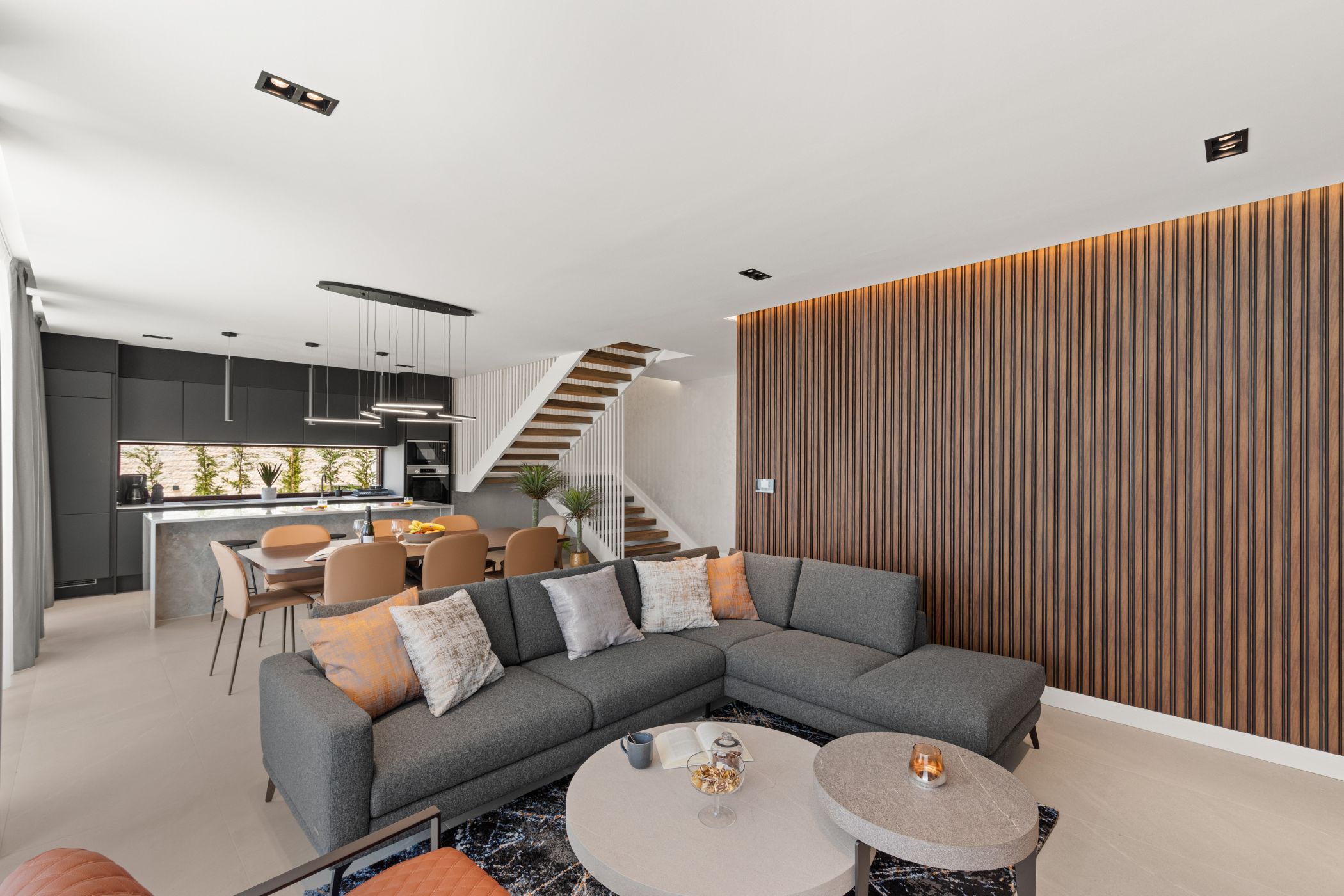
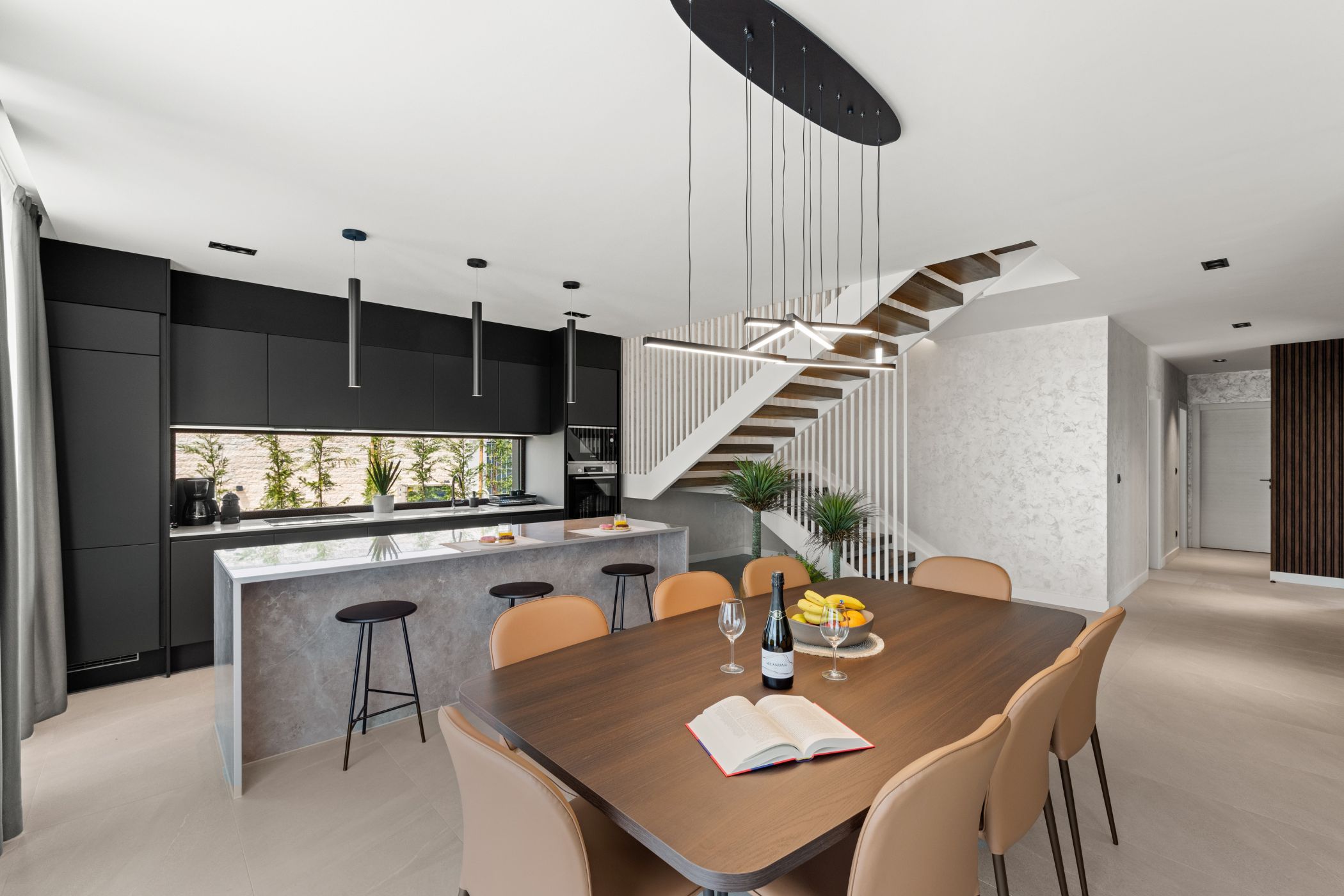
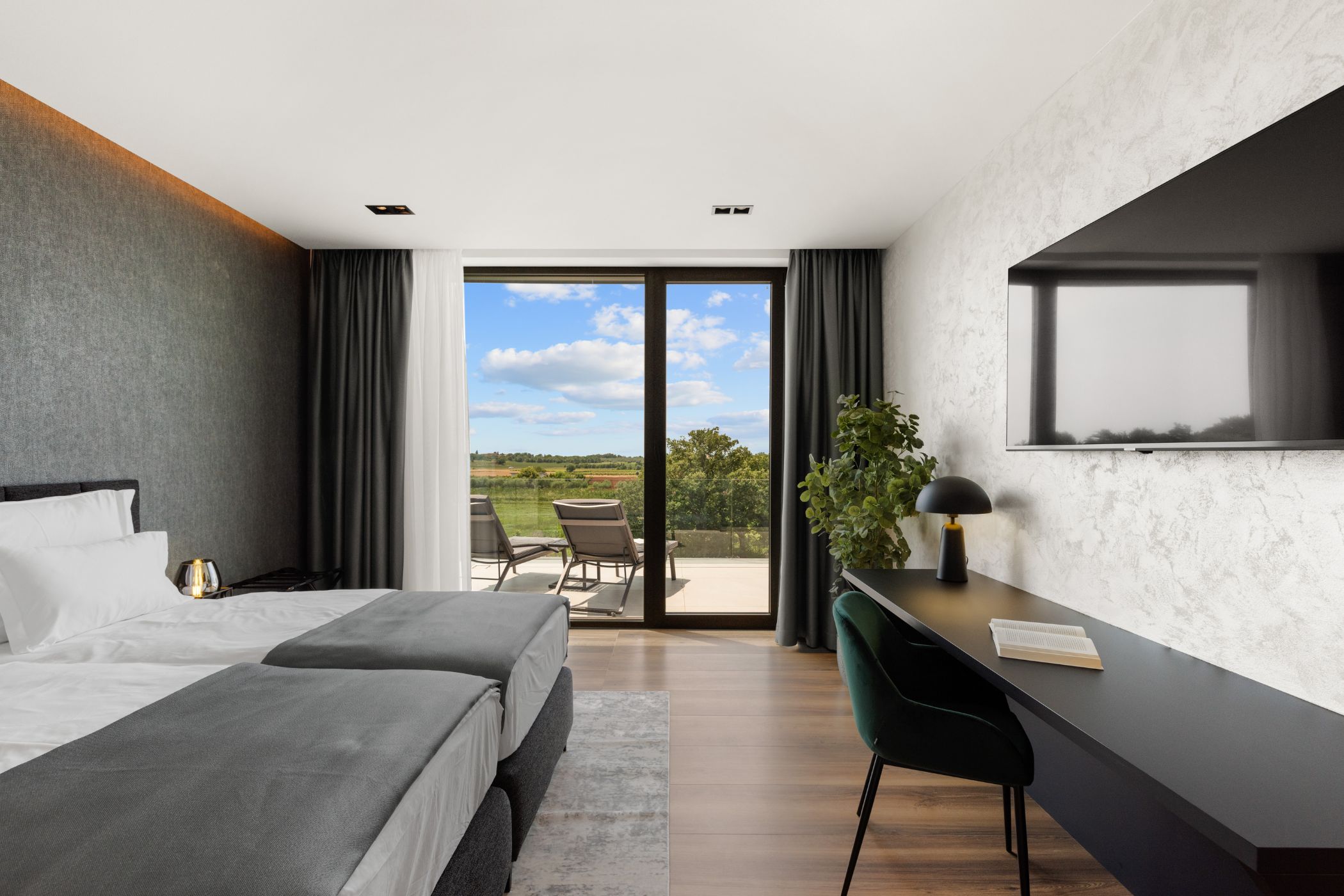
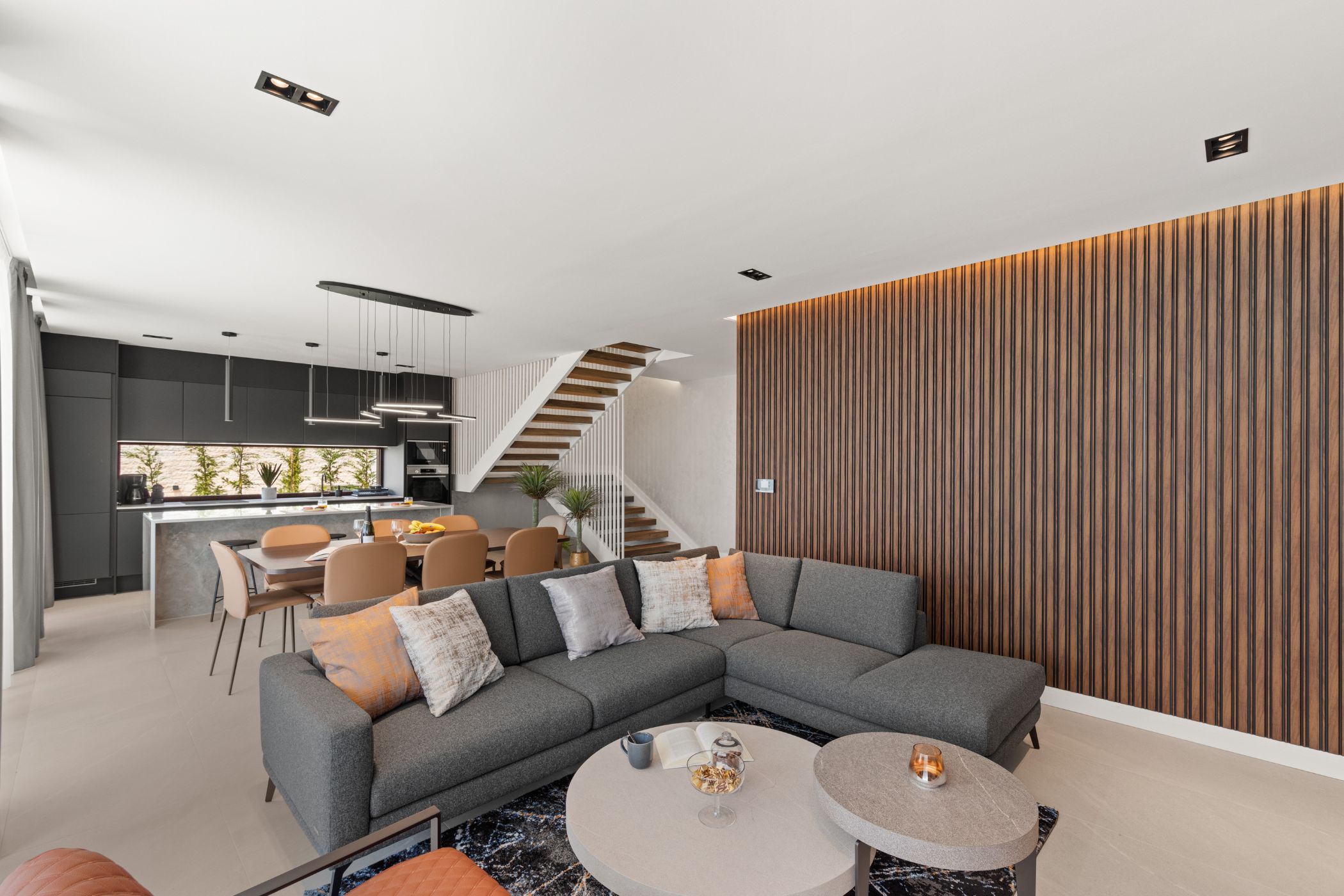
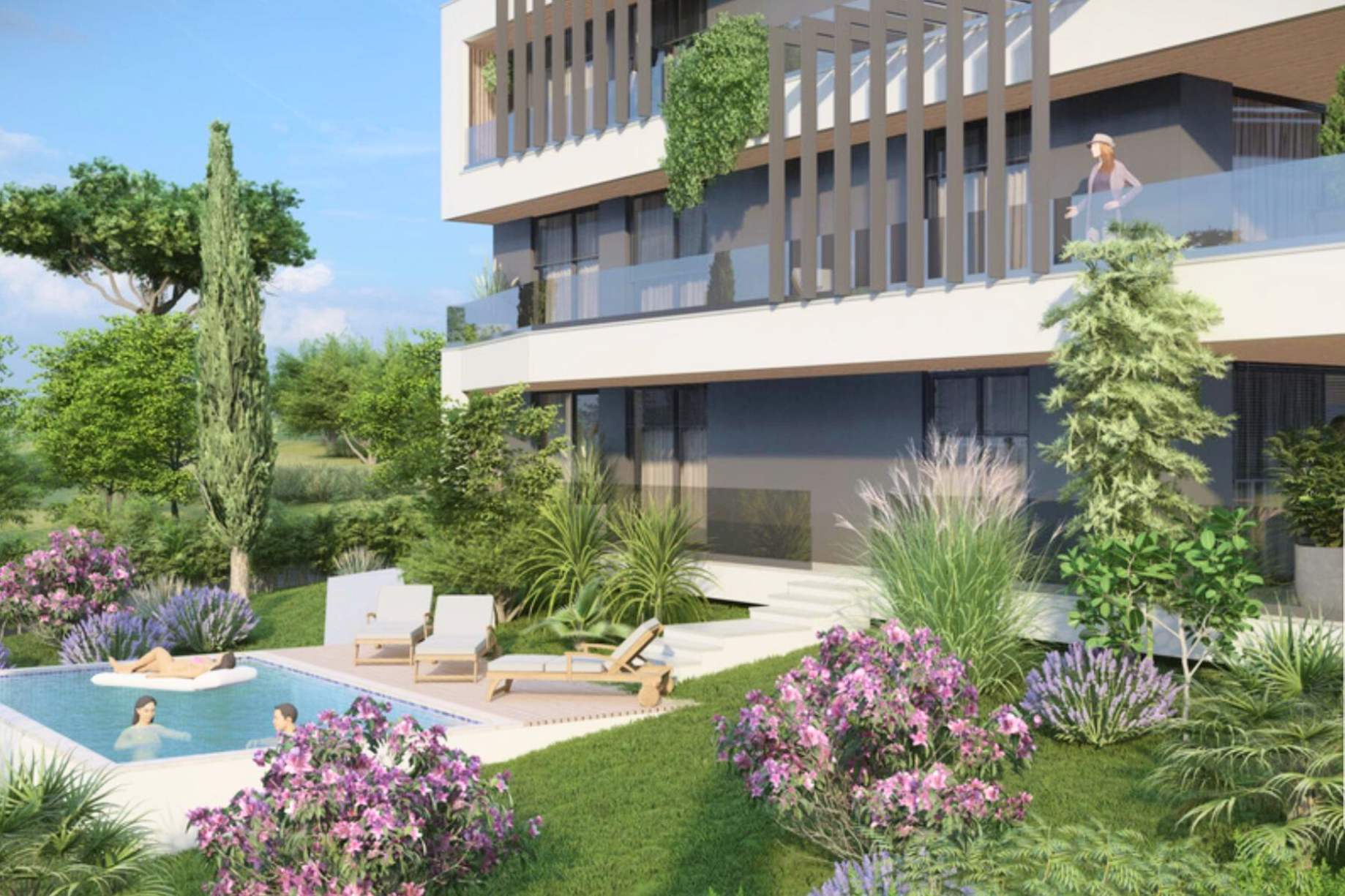
Kukci, Istria, Croatia — 3-Bed Villa With Infinity Pool
€219,000
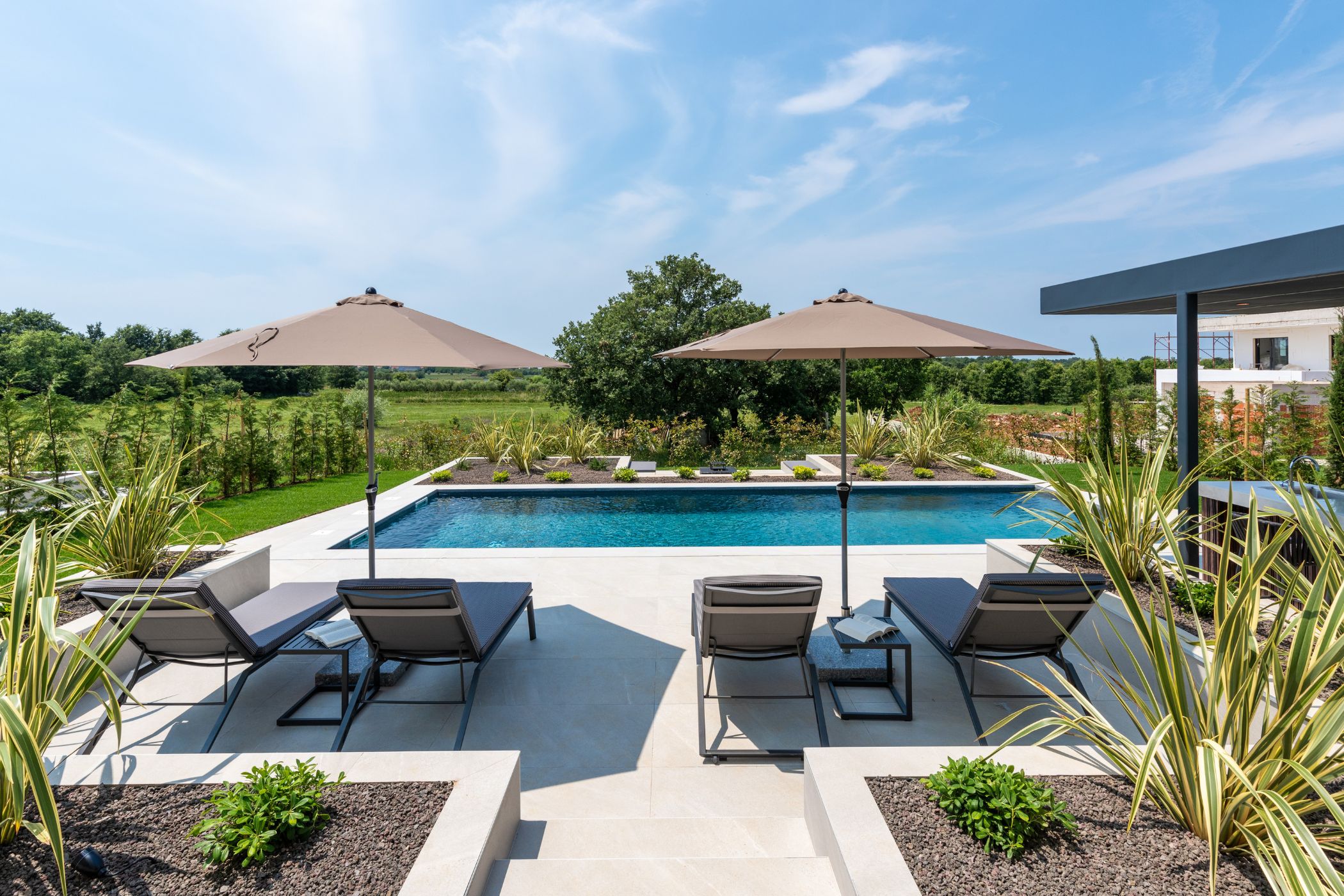
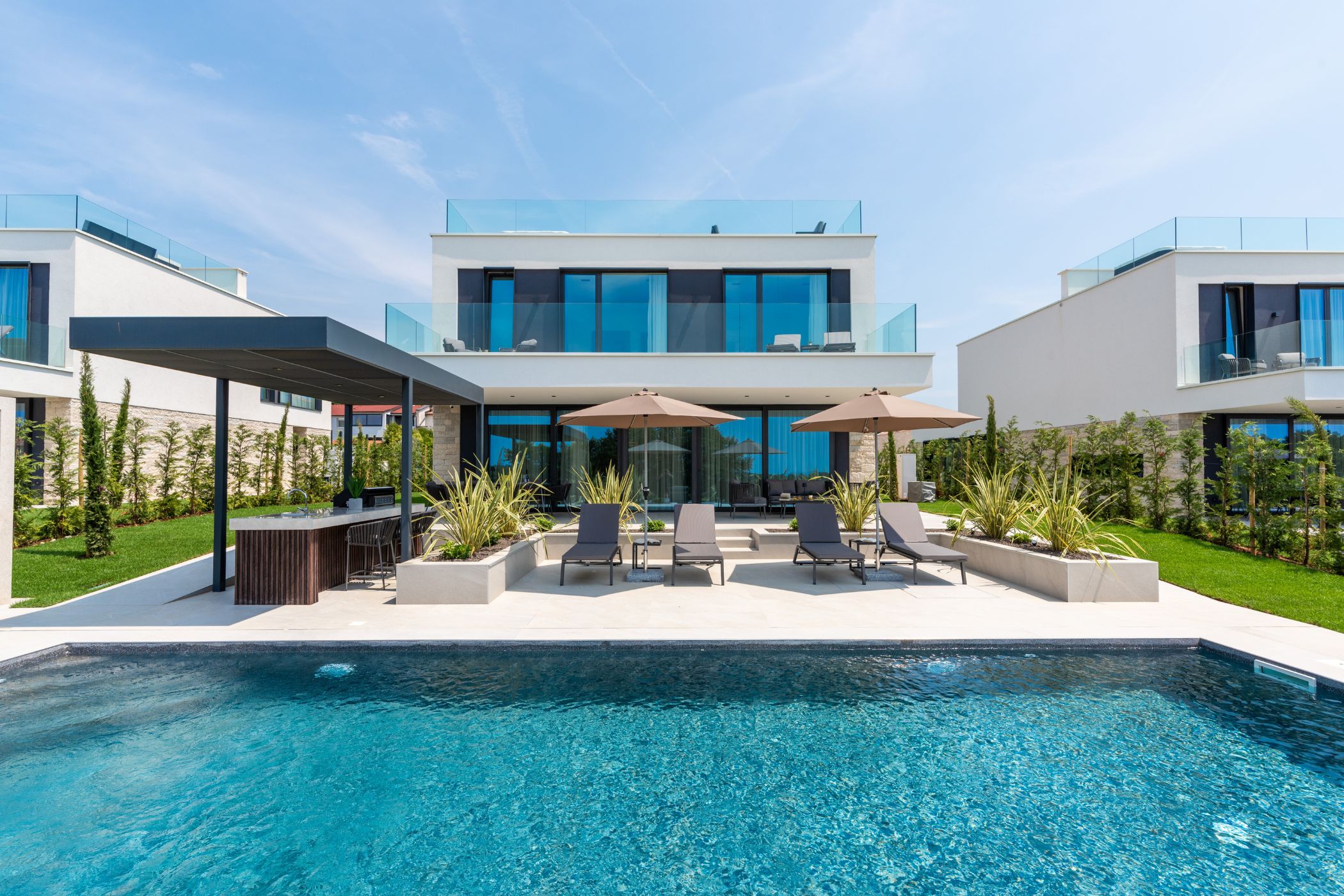
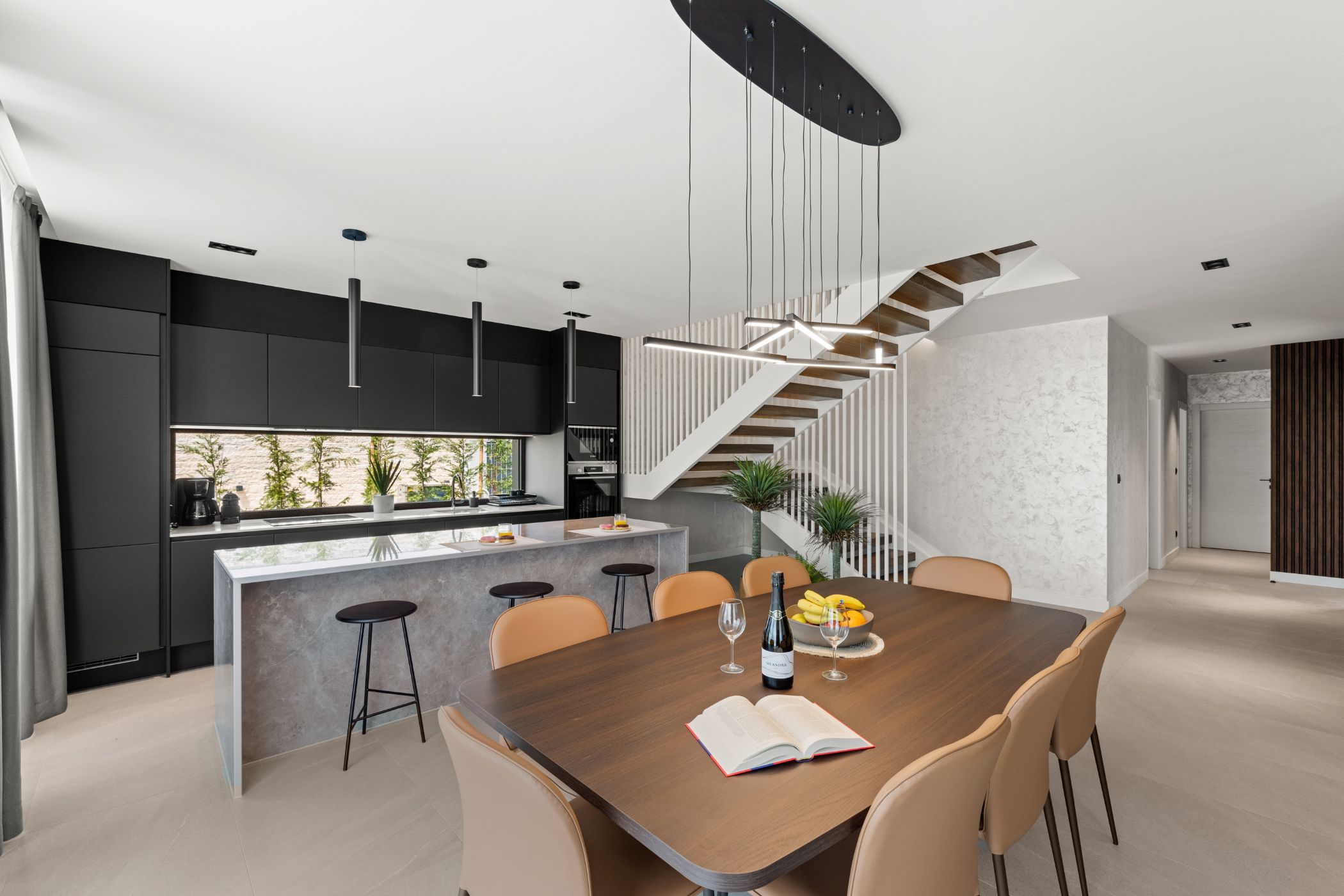
Kukci, Istria, Croatia — 3-Bed Villa With Sea Views
€219,000
Croatia's most coveted Adriatic addresses, accessible through co-ownership.
Fully managed villas and apartments across the Dalmatian Coast, Dubrovnik and Istria. Your 1/8 share of the home comes with 6–7 weeks of personal use, a professional management team on call, and long-term equity in one of Europe's most supply-constrained coastal markets.
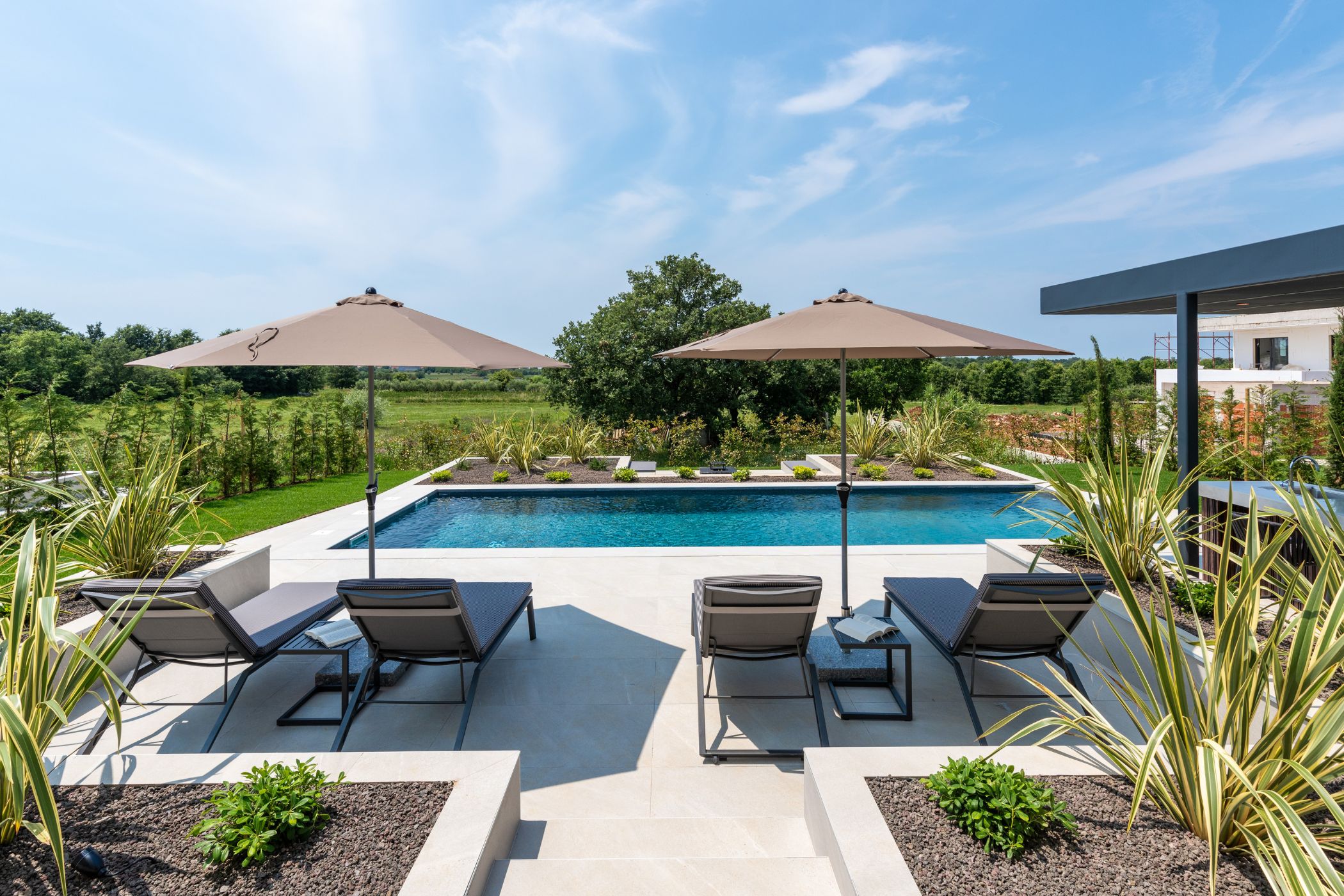
What is fractional ownership in Croatia?
Fractional ownership in Croatia means buying a real 1/8 share of a luxury Adriatic property — a stone villa on the Dalmatian islands, a Venetian-walled apartment in Rovinj, or a contemporary poolside retreat in the Istrian hills, shared with up to seven other co-owners. Each owner receives personal use set by the partner that manages the home — a minimum of 44 or 45 nights a year with most of our partners, and no set cap with some others — through a fair-rotation calendar, with all property management, maintenance, taxes and operations handled by a professional team. It is real ownership of a share of the home — not a timeshare, not a holiday club.
Why Croatia?
Croatia combines three things that matter more than any single one of them in isolation: one of the most visually extraordinary coastlines in Europe, a legally solid EU property framework that delivers both clarity and price efficiency relative to comparable Mediterranean destinations, and a diversity of experiences — island seclusion, medieval urban culture, Venetian gastronomic heritage, and coastal wilderness — that no single rival destination can replicate in the same geography. The Croatian National Tourist Board reports that the country now receives over 20 million international visitors annually, a number that has grown steadily since EU accession in 2013 and that continues to drive both visitor infrastructure and property values along the Adriatic coast.
Your Croatian share is owned alongside up to seven other co-owners — a real share of the home, not a right to use it. For owners who go on to add a second share in another COP destination, the legal set-up for each home is arranged by our partner and walked through with you before you buy.
The supply scarcity along Croatia's coast is worth examining carefully, because it operates at a level that most Mediterranean destinations cannot match. Croatia's Maritime Domain and Coastal Land Act imposes some of the strictest construction restrictions of any EU coastal state, creating a legally protected near-shore zone in which new development is sharply limited. The consequence for the property market is the same as it is in London's conservation-area boroughs or the Cotswolds Area of Outstanding Natural Beauty: the inventory of quality properties within reach of the water is structurally capped, and the price floor beneath the right address rests on the unchanging fact that no planning authority is going to permit the Dalmatian limestone headlands to be built out. The corollary for a fractional buyer is that the address is not reproduced elsewhere on the Adriatic — it is genuinely singular.
Croatia's accession to the European Union in 2013 and its adoption of the Euro in 2023 resolved two of the historical concerns international buyers carried into the Croatian market: legal-framework alignment and currency risk. Croatian property ownership is now registered through the Croatian Land Registry (Zemljišna knjiga), aligned with EU property-rights standards, and the purchase process is conducted through licensed Croatian notaries — the same notarial model used across France, Italy, Spain, and the broader European conveyancing tradition. For buyers who have purchased in other EU jurisdictions, the Croatian process will feel structurally familiar. For first-time international buyers, the alignment with EU legal norms gives the documentation a degree of clarity that pre-accession Croatian property transactions — with their grainhouse-by-grainhouse title ambiguities — historically could not offer.
The fourth structural argument for Croatia is the positioning relative to western Mediterranean comparators. Comparable coastal addresses in the south of France, the Amalfi Coast, or the Spanish Balearics come at price premiums that reflect decades of international demand and, in many cases, infrastructure saturation. Croatia's Dalmatian coast and Istrian peninsula offer equivalent or superior natural quality — the clarity of Adriatic water is measurably exceptional, the Dalmatian limestone landscape is as striking as any Mediterranean equivalent, and the gastronomic infrastructure of Istria rivals Provence — at price points that reflect a market earlier in its international cycle. For buyers who want a position in a European coastal market that combines EU legal solidity, genuine natural quality, and relative value, the case for Croatia against its western Mediterranean rivals is a strong one.
One under-discussed advantage that becomes clear once you start actively using a Croatian second home is the country's transport connectivity to the rest of Europe. Split Airport (SPU) operates direct routes to London Heathrow, Gatwick, Stansted and Luton, as well as to Amsterdam, Paris, Frankfurt, Vienna, Munich, Brussels, Stockholm, Oslo and Helsinki. Dubrovnik Airport (DBV) mirrors that connectivity with 40-plus European routes in peak summer, including year-round services from London. Pula Airport (PUY) in Istria handles direct flights from the UK and Northern Europe, and for Istrian properties the road link from Trieste (itself well-served by train from Vienna and Munich) makes the peninsula achievable overland from Central Europe in a day. For UK buyers operating within the Schengen Area's 90-day allowance, a 1/8 share carrying a minimum of 44 to 45 nights sits comfortably within that limit — making fractional co-ownership one of the most practically aligned structures for British nationals who want a genuine, permanent presence on the Croatian coast without complex visa management.
It is worth placing Croatia in its broader European competitive context. Italy offers comparable architectural heritage and, in Liguria and the Amalfi Coast, comparable coastal drama — but at price points that have already reached their international ceiling and with a property market that rewards patient navigation of a more complex bureaucracy. Spain offers the Balearics and the Costa del Sol with an established international buyer infrastructure, but with summer crowding on the most popular islands that the Dalmatian archipelago has so far avoided. Portugal offers Atlantic coastline at comparable or lower entry prices, but lacks Croatia's island geography and the particular quality of Adriatic light and water. France's Côte d'Azur has unrivalled prestige — but the supply constraints there are accompanied by price levels that have compressed the value case. Croatia specifically — rather than the generic "Mediterranean" — combines the legal solidity of EU membership, the gastronomic depth of the Istrian-Venetian tradition, the island-archipelago geography of Dalmatia, and the water quality of the northern Adriatic into a second-home proposition that is genuinely distinct from its western equivalents.
Where to own in Croatia
Croatia's second-home market is best understood through three distinct buyer geographies, each with its own architecture, microclimate, season, cultural character and buyer mix. The supply story for fractional ownership at the level of quality that defines the COP collection is concentrated in the clusters below: the Dalmatian islands, with Hvar, Brač, Korčula, and Vis among the most celebrated island destinations in the Mediterranean; Split and Central Dalmatia, with the Roman UNESCO city at its core and the central island chain within a short ferry ride; and Istria, Croatia's northwestern peninsula with its Venetian hilltop towns, truffle forests, and a coastal character that rivals the best of northern Italy. Together these account for the great majority of international second-home demand at the tier where fractional ownership makes structural sense, with Dubrovnik and South Dalmatia adding a fourth cluster for buyers drawn to the most internationally prestigious address on the Adriatic.
The Dalmatian Islands — Hvar, Brač, Korčula and Vis
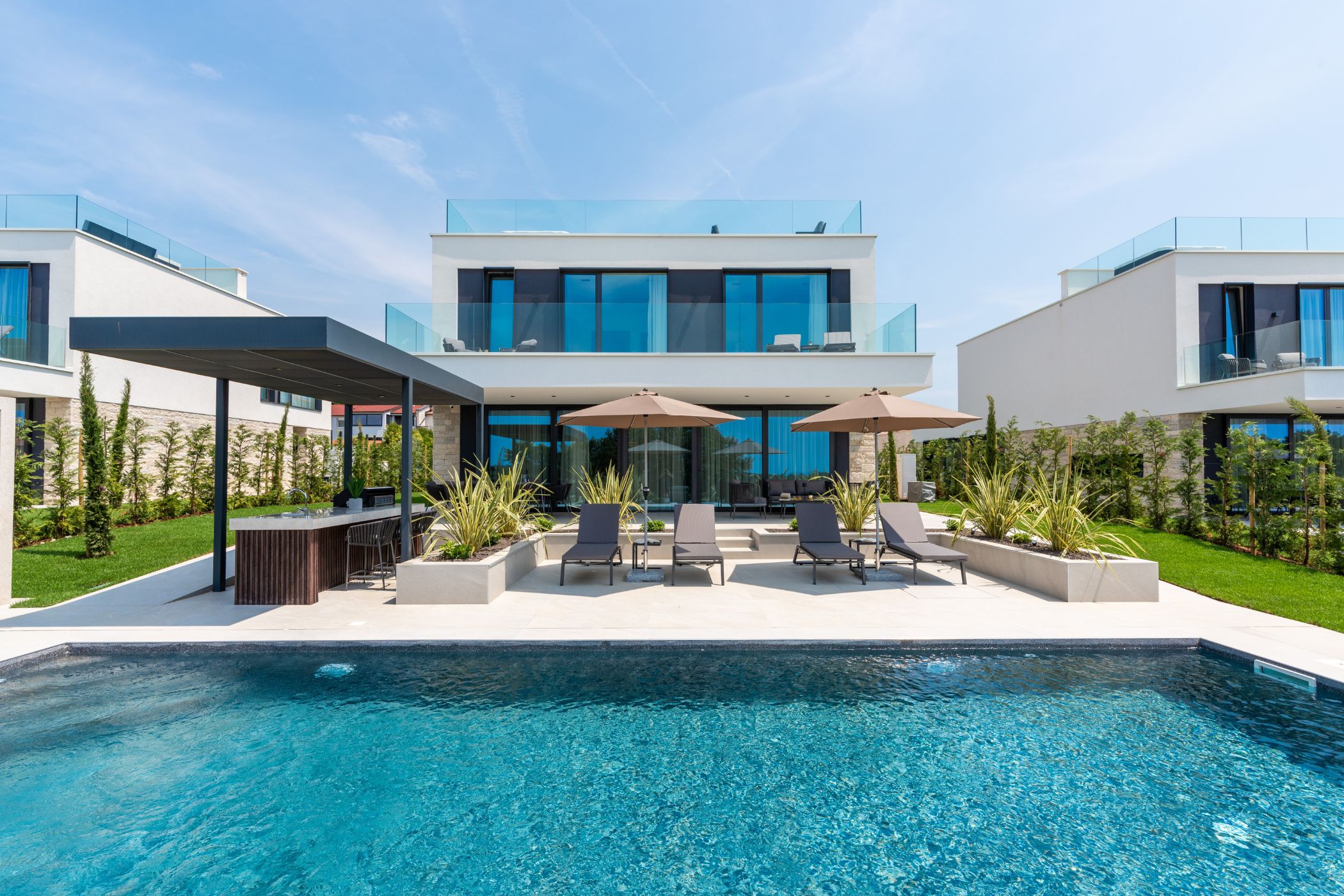
The Dalmatian islands are the most intensely sought-after cluster in the Croatian market, and with good reason. These are genuinely extraordinary places: islands of white limestone, dark cypress, lavender and rosemary scrubland, with harbours that feel unchanged from the centuries when Venetian merchants built their stone palaces along the Adriatic's eastern shore. The light on the Dalmatian islands in June, July, and September has a clarity and warmth that has drawn painters, writers, and travellers for generations — and that still retains its quality because the islands' rugged terrain and the Maritime Domain Act's strict construction controls limit the kind of mass development that has diminished comparable destinations elsewhere in the Mediterranean.
Hvar is the cluster's showpiece — a 68-kilometre-long island with lavender fields, a 13th-century Venetian fortress above the town, and a restaurant scene centred on Hvar Town and Stari Grad that is internationally recognised as among the best in the Adriatic. Stari Grad and its surrounding agricultural plain — the Stari Grad Plain, a UNESCO World Heritage Site that has been farmed continuously for 2,400 years — give Hvar a cultural depth that the more resort-oriented islands lack. Brač, best known internationally for the fine white stone quarried at Pučišća and used in the construction of the White House in Washington and Diocletian's Palace in Split, has the best beaches in central Dalmatia — the famous Zlatni Rat at Bol, a unique sand-and-shingle spit that shifts direction with the tides, draws visitors from across Europe but still leaves the island's interior villages almost entirely to those who have found their way there. Korčula, a medieval walled town of remarkable completeness (locals claim it as the birthplace of Marco Polo), faces the Pelješac peninsula across a narrow channel of extraordinary beauty. Vis, the most remote of the inhabited Dalmatian islands and until 1989 closed to civilians as a Yugoslav military base, offers the most pristine natural environment of any large island on the coast — its village of Komiža, its deep Blue Cave, and its wine produced from the Vugava grape in conditions unchanged for centuries combine to make it the island of choice for buyers who want the Dalmatian experience without the tourist infrastructure.
Fractional ownership on the Dalmatian islands most commonly takes the form of traditional stone houses — the Dalmatian kamene kuće — set within the historic cores of island towns or on terraced hillsides above the sea, with exposed stone walls, terracotta floors, shaded terraces, and the particular peace of an island where ambient sound is cicadas and mooring lines rather than traffic. Best for: buyers seeking the most authentic, most visually compelling, and most environmentally protected Adriatic co-ownership experience; those who want an island base for sailing, swimming and island-hopping; and owners drawn to the combination of Venetian architectural heritage with a contemporary Adriatic food and wine culture that has few rivals in the eastern Mediterranean.
Split and Central Dalmatia
Split is the urban heartland of the Dalmatian coast — a city of 178,000 people built around and within the walls of the palace that the Roman Emperor Diocletian constructed as his retirement residence on the Adriatic shore in the early 4th century AD. The palace, a UNESCO World Heritage Site, is not an archaeological ruin but a living urban quarter: restaurants, bars, boutiques, and apartments occupy the peristyle, the vestibule, and the ancient corridors. Split is simultaneously one of Europe's most historically extraordinary cities and one of its most authentically energetic. The official Visit Split guide describes the Riva promenade and the adjacent Varoš neighbourhood's medieval alleyways and Ottoman-era coffee-house culture — this is a city that has absorbed two thousand years of history and carried on living.
Split's strategic position as the main ferry hub for the central Dalmatian islands means that a fractional co-ownership base in or near the city is also a practical base for island exploration. Jadrolinija ferries from Split's harbour serve Hvar (35 minutes to Stari Grad), Brač (50 minutes to Supetar), Šolta (50 minutes to Rogač), and Vis (2 hours 20 minutes to Vis Town) — meaning owners who want to combine urban cultural life with island access on the same stay will find Split the most practical base of any on the Dalmatian coast. The surrounding sub-zones of Omiš and the Cetina canyon (remarkable for rafting and canyoning), the spa town of Trogir (a UNESCO World Heritage island-city 27 kilometres west of Split), and the village of Bol on Brač facing Zlatni Rat beach give the central Dalmatia cluster a range of experiences unmatched by any single island. Best for: buyers who want urban cultural sophistication alongside immediate island access; those for whom the ferry infrastructure is a core part of their usage pattern; and owners comparing urban Adriatic co-ownership with cities like Lisbon or Barcelona who want a city that delivers genuine architectural uniqueness rather than post-industrial regeneration.
Dubrovnik and South Dalmatia
Dubrovnik — the "Pearl of the Adriatic," as Lord Byron named it — is Croatia's most internationally recognised address, and fractional ownership in the Dubrovnik area commands a premium that reflects the city's extraordinary cultural and architectural status. The Old City, enclosed within 2 kilometres of 14th-century limestone walls that can be walked in their entirety, is one of the world's great urban experiences: a sequence of baroque churches, Renaissance palaces, the Stradun limestone promenade, and a harbour where the Adriatic opens in every direction toward the Elaphiti Islands. The UNESCO listing, first inscribed in 1979, protects the city's extraordinary completeness — making the Old City, like Mayfair or the Cotswold AONB, a genuinely fixed-supply proposition in which no planning authority is going to permit a material alteration to the architectural character.
The surrounding Dubrovnik Riviera — Cavtat, Mlini, Srebreno, and the Elaphiti Islands (Koločep, Lopud, and Šipan, each a short water-taxi from the Old City) — extends the Dubrovnik experience into a chain of quieter, smaller destinations that give owners of Dubrovnik-area fractional shares the ability to vary their stays between the city's cosmopolitan energy and the profound stillness of an island where cars are prohibited and the pace is set by fishing boats and walking. The Dubrovnik Tourist Board notes that the area's international profile has been further raised by its role as a major filming location, bringing a sustained level of global attention that continues to drive both visitor interest and property values. Best for: buyers who want the most internationally prestigious and architecturally definitive address on the Croatian coast; those who value a city-and-island combination within a single short-stay trip; and owners building a European co-ownership portfolio who want their Croatian share to sit at the top of the market's prestige hierarchy.
Istria — Rovinj, Poreč, Pula and the interior
Istria — Croatia's triangular northwestern peninsula jutting into the northern Adriatic between Italy and Slovenia — offers a distinctly different fractional ownership experience from the Dalmatian south, shaped by a long Venetian and Habsburg history that produced a landscape of hilltop medieval towns, truffle forests, olive groves, and vineyards whose character is more northern Italian than Balkan. The Istrian Tourist Board consistently positions the region as one of Europe's great undiscovered gastronomic destinations — Istrian truffles (the white variety found near Motovun rivals the quality of Alba's), pršut (the local dry-cured ham aged in the Adriatic salt air), fresh seafood from the northern Adriatic, and exceptional local olive oil combine in a culinary culture that is deeply rooted and internationally recognised.
Rovinj is the peninsula's most visually arresting coastal town — a former island, now connected to the mainland by a causeway, with a Venetian-baroque townscape rising above a harbour that has been photographed so extensively as to have become one of the defining images of the northern Adriatic. The old town of Rovinj, with its narrow cobbled lanes climbing to the hilltop church of St Euphemia, is one of those rare places where the tourist photography and the lived reality converge rather than diverge. Fractional ownership in Rovinj gives co-owners a base for walking the old-town streets in the early morning before the day-trippers arrive, for dining at the harbour-front restaurants on summer evenings, and for exploring the surrounding Rovinj Archipelago — 14 small islands within a 10-minute boat ride of the town. Poreč, with its UNESCO-listed Euphrasian Basilica dating to the 6th century and among the best-preserved early Byzantine mosaics in Europe, adds cultural weight to the northern Istrian coast. Pula, at the peninsula's southern tip, has one of the best-preserved Roman amphitheatres in the world, used today as a concert venue for major international performances through the summer.
The Istrian interior adds a different dimension. Motovun, perched on a hilltop above the Mirna river valley and surrounded by truffle forest, is the epicentre of Croatia's world-renowned white-truffle harvest (October–November), when the combination of first rains, truffle-hunting dogs, and hillside vineyards produces an experience that draws food lovers from across Europe. Grožnjan is an artists' village entirely within its medieval walls, with galleries in every former grain-store and musicians in residence through the summer. Proximity to Italy is part of Istria's structural appeal that Dalmatia cannot match — Trieste is 90 minutes by road, Venice is two and a half hours, and the northern Adriatic basin's shared gastronomic and architectural culture makes the border more of a regional gradient than a division. Best for: buyers who want the Adriatic combined with a gastronomic and cultural character that is distinctly Venetian-Istrian; those drawn to the truffle, olive oil, and wine culture of the peninsula; and owners for whom proximity to Italy and Central Europe by road is a practical priority that the Dalmatian islands cannot offer.
A year in your Croatian co-ownership home
Spreading a minimum of 44 to 45 nights of use across a Croatian calendar year is its own kind of skill — and one of the quiet benefits of the Adriatic's well-defined seasons is that the coast rewards every month differently. The 1/8 share model ensures a fair rotation of peak weeks across a multi-year cycle; owners who are flexible enough to use the shoulder months — May in Istria for the first truffle hunting, October in Dubrovnik after the summer rush — consistently report a higher use-quality than those who insist on August alone. Below is the country-level seasonal walk through the Croatian year.
Spring (April–May)
Croatian spring is the Adriatic's most under-estimated season for second-home owners. April on the Dalmatian coast brings temperatures reaching 17–20°C (low 60s°F to high 60s°F), water that is still crisp but warming fast, and coastal towns that have just reopened their restaurant terraces without the summer crowds. The Plitvice Lakes National Park in the Croatian interior is at its absolute best in April and May, when snowmelt swells the sixteen lakes and the waterfalls run at their maximum volume through beech forest just beginning to break into leaf — a two-hour drive from Split or from Zagreb, and one of Europe's great natural spectacles. In Istria, spring is the season of the first asparagus harvest (wild asparagus, šparoga, picked from the hillsides and served in omelets at every village restaurant through April), the early spring cycling on the Parenzana trail through Venetian hilltop villages, and the reopening of the interior truffle restaurants that draw food enthusiasts from Italy and beyond.
May in Croatia is when the full season opens across the coast. Hvar, where lavender begins to flower in late May against the backdrop of white limestone and dark sea, is at its most photographically extraordinary; the island's olive-harvest season is over, the lavender festivals are not yet begun, and the restaurant terraces of Hvar Town are fully operational without the August reservation gridlock. Split's evening promenading culture along the Riva returns to full energy, the ferry services to the islands are running their full summer timetables, and the sea temperature has climbed to 18–20°C (mid-60s°F) — warm enough for committed swimmers and for the late-afternoon dips that define the Mediterranean pace. The Split Tourist Board notes that May is consistently rated by experienced visitors as the single best month for the city: full cultural programme, open infrastructure, and none of the midsummer heat that pushes temperatures above 30°C (high 80s°F) in July.
Summer (June–August)
The Croatian summer is intense, well-understood, and worth planning around. June is the finest month for owners who want both warmth and manageable crowds: sea temperatures climbing to 22–24°C (low to mid 70s°F), the Dalmatian coast at its most colourful, and the island towns — Hvar, Korčula, Vis — running at their pre-peak energy before the school-holiday rush of July and August fills the ferries and the harbour-front restaurants to capacity. The Split Film Festival in June and the Dubrovnik Summer Festival (late July through mid-August) give the cultural calendar its anchoring events — open-air theatre and music in the medieval city walls and the Lovrijenac fortress at Dubrovnik is one of the most atmospheric performance settings in all of Europe.
July and August bring the Adriatic high season to full intensity. Temperatures on the Dalmatian coast reach 27–33°C (low 80s°F to low 90s°F) in a typical summer, with humidity lower than the western Mediterranean equivalent — the bura (the northeastern Adriatic wind) keeps the air moving and the evenings manageable even at peak heat. The islands are at maximum beauty in high summer — the lavender fields of Hvar harvested and the scent lingering, the vineyards on Korčula and Pelješac in full leaf, the waters warm enough for snorkelling to twelve metres of visibility in the protected marine areas around Vis and the Kornati National Park to the north. The Kornati National Park — 89 islands and islets in the central Adriatic, largely uninhabited and accessible only by boat — is a day's sailing from Split or Šibenik and represents one of the Mediterranean's last genuinely pristine marine landscapes. For fractional owners based in Split or on Brač and Šolta, the Kornati are a realistic day-trip; for those based further south in Dubrovnik or on Korčula, the Mljet National Park — the green island covered by dense Mediterranean forest and its two saltwater lakes — fulfils the same role. August is also the month of Croatia's peak international profile: the coastal towns are at maximum energy, the sailing regattas are in full swing, and the combination of warm water, long evenings, open-air dining, and some of the most architecturally complete medieval settings in Europe makes the Adriatic midsummer an experience that owners return to year after year with deliberate intention.
Autumn (September–November)
For many experienced Croatian second-home owners, autumn is the definitive season. September on the Dalmatian coast is the surfer's and swimmer's primary window — the summer crowds have dispersed, the sea is at its warmest of the year at 24–26°C (mid 70s°F), the restaurants are still fully operational but accessible without the August reservation pressure, and the quality of light on the limestone and the water takes on a depth and warmth that many photographers consider the Adriatic's finest. The Mljet National Park and the Elaphiti Islands near Dubrovnik are at their quietest and most beautiful; the sailing weather on the central and southern Dalmatian coast is consistently excellent, with the summer Mistral giving way to gentler south winds and longer windows of flat water.
In Istria, autumn is the season that rewards the food-led owner most directly. October brings the white-truffle season — the annual Motovun Truffle Festival and the broader hunting season through the Mirna valley draw food enthusiasts from Italy, Austria, Germany, and beyond to a landscape that produces what many consider the finest white truffles in Europe outside of Piedmont. The Istrian wine harvest in September and October — the Malvazija Istarska grape is native to the peninsula and produces a distinctively mineral, golden wine with a character entirely its own — gives the interior a seasonal rhythm that rewards owners who visit not just for the coast but for the hill-village culture. October temperatures in Istria run 16–20°C (low 60s°F to high 60s°F), perfect for cycling the Parenzana trail, walking the hilltop towns, and dining on truffle-shaved pasta in restaurant interiors that are exclusively local by November.
In Dubrovnik, October is the city's best-kept seasonal secret. The cruise-ship summer traffic has reduced substantially, the Old City's limestone streets are navigable without the August shoulder-to-shoulder density, the light on the city walls in the late afternoon has a quality that October specifically delivers, and the restaurant reservations that were impossible in July are available on the day. The Dubrovnik Tourist Board consistently promotes autumn as the recommended season for first-time serious visitors — owners already know this and many specifically target their October rotation week for the combination of high-summer infrastructure and post-summer crowd levels.
Winter (December–March)
The Croatian winter is underused by second-home owners and correspondingly rewarding for those who discover it. Dubrovnik in winter is among the most striking urban experiences on the European Mediterranean: the Old City reduced to a fraction of its summer population, the limestone walls and the Stradun catching the low December light in a way that summer's overhead sun obscures, the harbour almost entirely given over to local fishing boats, and the restaurants of the Gundulićeva pjaca and the streets around the Dominican monastery available at short notice. Temperatures in Dubrovnik through December to February run 8–14°C (high 40s°F to high 50s°F) — cold by Adriatic standards, warm by northern European ones, and entirely compatible with walking the city walls, exploring the city fortifications in one of the best-light windows of the year, and eating at the half-dozen Michelin-recommended restaurants that serve a different menu in winter from the seafood-and-salad summer card.
In Istria, winter brings the second truffle season — the black truffle (crni tartuf), hunted from December through February in the forests around Motovun and Buzet, is less famous than the white but deeply embedded in Istrian winter cooking and in the identity of the peninsula's food culture. The hilltop towns are largely to themselves through January and February; the sea is cold but the landscape remarkable — the limestone karst of the Istrian interior under winter cloud and occasional frost produces a palette of grey and green and white that is as far from the summer postcard as possible and, for owners who appreciate it, more authentically the peninsula's own. The road connection to Venice in two and a half hours makes a January or February Istrian stay easily combinable with a few days in one of Europe's great winter cities — the city that built most of Istria's medieval towns still stands, and the two work naturally together for owners who want to combine Adriatic and Venetian in the same trip. January temperatures in Istria: 4–9°C (low 40s°F to high 40s°F) — cool, quiet, and entirely manageable for owners who want the peninsula to themselves.
Who buys in Croatia, and why
The international buyer mix for Croatian fractional co-ownership draws from a broadly European base with a significant and growing international layer. German and Austrian buyers are historically the largest non-Croatian cohort in the second-home market, driven by the proximity of the Adriatic — Vienna to Split is less than five hours by road, Munich to Poreč is under five hours — and by decades of cultural familiarity with the Croatian coast that dates from the Habsburg period. For German and Austrian buyers, Croatia carries the quality of the southern European coast without the logistical friction of a full Mediterranean crossing; Istria in particular, with its Habsburg and Venetian layering, feels more culturally continuous with Central Europe than any other Adriatic destination. British buyers represent the fastest-growing international cohort, particularly since Croatia's Euro adoption resolved the currency concern and since the Schengen 90-day alignment with the 1/8 share model became widely understood. Dutch, Belgian, and Scandinavian buyers are consistently present, particularly in the Istrian market where the summer light and the proximity to Italy combine with Northern European practical sensibility about value and management quality. Italian buyers, particularly from the Veneto and Friuli regions, are active in Istria — the cultural and geographical continuity between the northeastern Italian coast and the Istrian peninsula makes fractional ownership in Rovinj or Poreč feel like an extension of a familiar region rather than a foreign-market excursion.
The age-and-life-stage profile of the Croatian fractional buyer is broadly similar to the wider COP pattern but with Croatia-specific motivations. The largest single cohort is in the 45–65 age band — owners whose professional incomes are established, whose children are either at school (with the school summer holiday being the natural usage anchor) or recently launched, and whose thinking on a second home runs to a ten-to-twenty-year horizon. Many in this cohort have been renting villas in Croatia for a decade or more, know the coast well, and have reached the point where the cumulative cost of premium villa rental — a week on Hvar in July is not inexpensive, and the best properties book a year in advance — has begun to compare unfavourably with the capital commitment and real equity of ownership. The 35–45 professional couple is the fastest-growing cohort: dual-income, accustomed to renting at the quality level of the properties on this page, and increasingly recognising that the fractional model delivers better quality and builds equity rather than burning cash on accommodation that is not theirs at the end of the week.
Fractional co-ownership in Croatia typically suits:
- UK buyers working within Schengen's 90-day allowance — for British nationals, a 1/8 Croatian share carrying a minimum of 44 to 45 nights a year sits comfortably inside the Schengen Area's limit for non-EU nationals, making fractional co-ownership one of the most practically structured approaches to holding a genuine second home on the Adriatic without visa complexity.
- European weekenders and regulars — German, Austrian, Dutch and Belgian buyers for whom Croatia is a reasonable weekend drive, and for whom a managed property waiting on the Adriatic is a structurally superior alternative to the long-stay hotel or the rental villa that is never quite as they left it.
- First-time Mediterranean investors — buyers who want to enter a European coastal market at a price level below the French Riviera, Amalfi, or the Balearics but with comparable or superior natural quality, EU legal framework, and a supply story that is as compelling as anywhere in the Mediterranean.
- Gastronomic and cultural buyers — particularly those drawn to Istria's truffle and wine culture, the Dalmatian island's combination of Venetian heritage with Adriatic seafood and wine, or the medieval urban intensity of Dubrovnik and Split. Croatia is a destination that rewards depth of engagement; owners who return to the same property year after year build a relationship with the coast and its culture that no series of hotel stays can replicate.
- Multi-region portfolio builders — an increasingly common pattern is the buyer who pairs a Croatian share with a western Mediterranean or Alpine share elsewhere in the COP portfolio. The Croatian share handles the Adriatic summer and the Istrian autumn; a French, Spanish, or Italian share handles the winter-and-spring calendar. Two 1/8 shares can give an owner roughly 10–12 weeks of fully managed, equity-holding second-home use across distinctly different lifestyle modes at a combined annual carry that is a fraction of what a single whole property at either address would cost.
One dimension of the buyer profile that is worth addressing directly is the holiday-rental-to-ownership transition — the move from being a repeat renter of quality Croatian villas to being a co-owner of one. This transition is, for many Croatian fractional buyers, the critical mental shift. The mathematics of ten years of premium Adriatic villa rental — a week on Hvar in July at the level of accommodation comparable to a COP property runs to several thousand euros; the same week available only because you booked eleven months ago; the property polished but never quite yours — accumulates into a number that, when placed alongside the capital commitment of a 1/8 share and the equity return that ownership builds, begins to look very different. The fractional buyer who has been renting in Croatia for a decade has, in a real sense, already paid for their share several times over without acquiring the asset. The corollary is that the decision to buy is not a leap into the unknown — for the experienced Croatia renter, it is the application of knowledge they have spent years building, in a market they already understand and love, through a structure that gives them what renting never could: a place that is genuinely theirs, that improves with familiarity, that builds equity, and that does not require a booking window to access.
Practicalities: getting there, what it costs, what you own
Getting to Croatia
Croatia's connectivity to the rest of Europe for second-home owners is considerably better than its position on the eastern Adriatic might suggest. Split Airport (SPU) is the busiest airport on the Dalmatian coast, operating year-round direct services to London Heathrow, Gatwick, Stansted and Luton, as well as to Amsterdam, Paris CDG, Frankfurt, Vienna, Munich, Brussels, Zürich, Stockholm and Oslo. In summer, Split Airport handles routes from over 50 European cities, with frequencies on the UK routes running to multiple departures per day in July and August. Flight time from London to Split is approximately 2 hours 30 minutes. Dubrovnik Airport (DBV) serves the southern Dalmatian cluster with comparable connectivity, including year-round London routes and summer services from New York, Boston, and Toronto that make Dubrovnik one of the best-served Croatian destinations for transatlantic arrivals.
For Istria, Pula Airport (PUY) operates direct services from the UK (London, Manchester, Bristol) and from Northern and Central Europe, with flights broadly from April through October and some year-round services. Outside the primary season, Istrian owners most commonly fly to Venice Marco Polo Airport (VCE) — 2 hours 20 minutes from London — and drive the 90-minute route to Rovinj or Poreč via the Italian autostrada and the Istrian motorway, or take the scenic coastal road from Trieste (itself 45 minutes from Venice by train). The Trieste–Rovinj road journey is approximately 1 hour 10 minutes; from Venice to Poreč by road is around 1 hour 45 minutes. For buyers from Central Europe, the road accessibility — Vienna to Rovinj is under 5 hours, Munich to Pula is under 6 hours — makes Istria one of the most driveable Adriatic destinations for non-UK European owners.
For UK and international buyers arriving at Dubrovnik, the ferry network from Dubrovnik harbour reaches the Elaphiti Islands (Lopud in 45 minutes, Šipan in 65 minutes) and Korčula (2 hours 15 minutes by fast catamaran), with connections to Hvar and Split via the high-speed catamaran services. For the more remote islands — Vis (direct catamaran from Split) and Lastovo (ferry from Split) — the Jadrolinija network is the standard route. The Hvar Tourist Board notes that car ferries from Split to Hvar run every hour in summer, with the crossing from Drvenik to Sućuraj on the east end of the island extending accessibility from the southern direction.
Whole-property vs 1/8 share: the comparison
The case for a fractional structure in Croatia is most clearly seen in the side-by-side comparison against whole ownership and long-term rental — the three ways most buyers consider holding an Adriatic second home. The comparison is deliberately in relative terms, not specific euro amounts: the price points vary considerably between a Dubrovnik Old City apartment and a Dalmatian island farmhouse, and the ratios are what matter rather than any figure that will date.
| Whole second home | COP 1/8 fractional share | Long-term rental | |
|---|---|---|---|
| Upfront commitment | Full property value | ~1/8 of the property value | First/last/deposit only |
| Equity in the asset | Full appreciation | ~1/8 of appreciation | None |
| Annual carry | Full Croatian utility, insurance, management costs | ~1/8 of carry, fully managed | Full rent every year, indefinitely |
| Personal use | Up to 52 weeks (most use 6–10) | Set by the operator, professionally scheduled | Defined by lease |
| Operations burden | Owner-managed or hired staff | Fully included | Landlord-managed |
| Time to exit | 6–24 months on the open market | Sold through our partner's resale process | End of lease term |
The comparison most buyers find most telling is the annual-carry line. A whole Croatian second home carries full utility costs, full buildings and contents insurance, full property management — every year, whether you are there for six weeks or two. A 1/8 fractional share carries proportionally less, fully managed, with the operational burden lifted entirely from the owner. Compared to long-term renting at the level of a quality Dalmatian island villa, the owner builds real equity rather than burning rent indefinitely — and the share is theirs to sell, transfer, or pass on. The time-to-exit line matters particularly for Croatian property: whole-property resale on the Dalmatian coast or in Istria can take 12–24 months in a stable market, and the carrying costs of a Croatian whole-property through a slow sale accumulate meaningfully. A fractional share, by contrast, is sold through our partner's resale process, without you having to sell the whole house.
What's included in the annual service charge
The annual carry on a 1/8 share is, by definition, roughly 1/8 of the carry on the equivalent whole property — a fraction of what an outright Croatian second-home owner pays in management, insurance and maintenance, and a fraction of what long-term rental of a comparable home would cost annually with no equity outcome. The service charge covers: the building and contents insurance; the full property-management retainer covering staff, scheduling and owner communication; linen and cleaning between every stay; garden, grounds and pool maintenance; routine maintenance and repairs; utility bills (electricity, water, broadband); and a contribution to the reserve fund for major capital works. The annual figure is not a "running cost" in the open-property sense but a comprehensive operating budget that keeps the property in active condition regardless of whether or not a co-owner is in residence.
What you actually own
Every Croatian property in the COP collection is shared by you and up to seven other co-owners, each owning a real share of the home; the legal set-up is arranged by our partner for each home and walked through with you before you buy. It is not a timeshare use-right that depreciates to zero when the contract expires.
How fractional ownership works in Croatia
The mechanics of fractional ownership in Croatia are framed by three things that work together: the legal set-up arranged by our partner for each home and walked through with you before you buy, the Croatian property tax and registration regime that applies to all Adriatic second residences, and the well-developed Croatian Land Registry system that underpins ownership records. That set-up is specific to each home; the Croatian taxes are the standard local charges any second-home owner in Croatia pays; and the Land Registry — the Zemljišna knjiga — is the infrastructure that gives the underlying real estate its documentary clarity under Croatian law and under EU property-rights standards. Understanding how these three pieces fit together is the difference between a clear, predictable ownership experience and one the buyer is uncertain about from the start.
What you own: a real share of the Croatian home
You own a real share of the home — an eighth, a quarter — not a right to use it. You can sell it, pass it on to your heirs, and it rises and falls in value with the house. The legal set-up is arranged by our partner for each home and walked through with you before you buy. Big decisions, such as selling the home or major works, are decided together by the co-owners.
Croatian property tax and your service charge
Croatia operates a clear property-tax framework aligned with EU standards. The primary transaction tax — the Porez na promet nekretnina (real estate transfer tax) at 3% of the transaction value — applies on acquisition and is a one-time charge at completion. There is currently no annual property holding tax in Croatia at the national level (Croatia repealed its annual property tax in 2018), though communal utility contributions (komunalna naknada) apply at the local-authority level and vary by municipality and property size. These are relatively modest charges folded into the annual service charge distributed across the co-owners. For buyers from the UK, EU member states, or countries with Croatian double taxation treaties, the interaction of Croatian and home-country tax obligations is well-mapped territory; personal tax advice before completing is standard practice and strongly recommended. Capital gains tax on resale of your share is an area where the treatment depends on the seller's tax residency, the applicable treaty and the home's legal set-up, which our partner explains before you buy; as with all investment decisions, independent advice from a qualified adviser is required for any specific situation.
The professional management model and how the calendar works
Once the purchase completes, a professional management team takes over all operational responsibility for the Croatian property. Your personal weeks — a minimum of 44 to 45 nights for a 1/8 share — are allocated through a fair-rotation calendar that distributes peak weeks (the midsummer Adriatic, the Istrian truffle season in October, the shoulder months of May and September when experienced owners consider the coast at its best) fairly across the co-owner group across a multi-year cycle. Owners pre-book several months ahead; unused weeks are held for the owner pool or, where permitted by the property's structure, made available to the broader COP network. Pre-arrival preparation, linen and cleaning between every stay, year-round maintenance, garden and pool upkeep, insurance, local utility administration, and the on-call management contact — all sit with the management team. You arrive, the property is ready.
Resale: how to exit, typical timelines
When you decide to exit your Croatian share, a professional resale process is in place, run by our partner, so you can sell your share without having to sell the whole house — whereas whole-property resales on the Dalmatian coast or in Istria typically take 12–24 months on the open market. The buyer pool across the COP network is already aware of the property. For owners who want maximum control over price and buyer, an open-market sale to any qualifying buyer remains available. The full mechanics — usage calendars, exit procedures, inheritance treatment, the management relationship — are covered in our co-ownership explained guide.
Your ownership at a glance
- Real ownership of the home — a real 1/8 share of the home: transferable, inheritable, and it rises and falls in value with the house. The legal set-up is arranged by our partner for each home and walked through with you before you buy. Not a timeshare, not a points membership, not a usage right.
- Fully managed throughout — the management team handles insurance, maintenance, scheduling, linen and cleaning between stays, utility administration, and the on-call management contact. You arrive, the property is ready.
- Clear, supported resale — when you decide to exit, our partner's resale process is in place, so you can sell your share without having to sell the whole house — whereas whole-property resales typically take 12–24 months in the Croatian open market.
- Designed for international portfolios — many owners combine shares across several COP destinations, each with its own legal set-up walked through by our partner before purchase.
Still deciding which Croatian region?
Many readers arrive on this page already half-decided — they want Croatia, but not yet which Croatia. The choice between the Dalmatian islands, Split, Dubrovnik, and Istria is rarely about budget alone; at the level of property on this page, the clusters can sit in overlapping price bands. The decisive question is usage pattern: how will you actually spend your weeks across a calendar year? Unlike a traditional timeshare — which would give you a fixed week in a fixed hotel room with no choice of timing and no ownership rights — a Croatian co-ownership share gives you a real residential property at an address of genuine architectural and landscape quality, with a rotation calendar that distributes your weeks across the full annual cycle. The honest answer to the usage question is one most buyers have not previously articulated in full. Below is the framework that resolves the same fork for most buyers, with deliberate simplification — most owners who hold for more than three years find they want to explore more than one region — but useful as a first-order orientation.
Choose the Dalmatian islands if your dominant use is island life, sailing, swimming, and Venetian architectural heritage — the stone-walled harbours, the lavender fields of Hvar, the medieval lanes of Korčula, the pristine water of Vis — and if the combination of outstanding natural environment with authentic Croatian character is the core of your brief. The Dalmatian islands are the right answer for buyers who want the most visually compelling and environmentally protected Adriatic co-ownership experience; for those whose summer weeks are built around sailing, snorkelling, and island-hopping by water taxi; and for buyers who want an Adriatic base that is genuinely distinct from western Mediterranean equivalents in its architectural character, its pace, and its natural quality.
Choose Split or Dubrovnik if you want urban cultural sophistication alongside coastal access — the UNESCO heritage of Diocletian's Palace in a living city, the konobe restaurants in the Varoš neighbourhood, the ferry connections to the central island chain from Split; or the extraordinary medieval completeness of Dubrovnik's Old City, the Stradun at dusk, the boat services to the Elaphiti Islands. Split suits buyers for whom the urban-ferry combination is the core usage pattern; Dubrovnik suits those who want the most internationally prestigious Croatian address and the combination of city heritage with quiet island access nearby. Neither is better than the other — they serve different preferences for how urban vs how island the experience should be.
Choose Istria if you want the Adriatic combined with the gastronomic and cultural depth of the Venetian-Italian tradition — the truffle season in October, the Malvazija wine harvest in September, the hilltop towns of Motovun and Grožnjan, the proximity to Venice and Trieste, and a coast that is measurably less crowded in summer than the Dalmatian south. Istria suits buyers who appreciate depth of culture alongside coastal beauty; who value the road connectivity to Italy and Central Europe; and who want a property that delivers a different seasonal rhythm from a pure beach destination — rewarding through spring, summer, autumn and (for the adventurous) winter in ways that the Dalmatian islands, spectacular in July, cannot quite match in November. The supply story in Istria is compelling: the peninsula's development controls are as strict as any on the Croatian coast, and the inventory of quality historic properties in Rovinj and the surrounding coastal zone is genuinely limited and not being expanded.
The multi-region approach is worth naming. An increasing proportion of Croatian co-ownership buyers hold more than one share within five years of their first purchase, or pair a Croatian share with an international one. The most natural Croatia-only combination is Istria for the autumn and spring seasons paired with a Dalmatian island share for the summer; the most common international pairing is a Croatian share for the Adriatic summer alongside a French or Italian share for the Mediterranean winter and spring. For buyers who want to orient their research across the full European co-ownership landscape, the official Croatia tourism portal covers all regions in depth; the Istria Tourist Board, the Split Tourist Board, and the Dubrovnik Tourist Board are similarly detailed starting points for buyers doing early regional research.
Whichever way the decision resolves, the deeper exploration starts with the properties listed above or through a conversation with our team. If you would like to discuss which cluster best fits your family's actual use pattern — rather than the brochure version of it — join our list and we will be in touch with relevant new-property alerts and an introduction to the right member of the team.
Questions & Answers
Croatia Fractional Ownership — Frequently Asked Questions
Fractional co-ownership gives you real ownership of a share — typically 1/8 — of a luxury Croatian villa or apartment. The legal set-up is arranged by our partner for each home and walked through with you before you buy. Your 1/8 share entitles you to around six weeks of use per year on Croatia's Adriatic coast, proportional rental income from weeks you choose to rent out, and 1/8 of the property's value when it eventually sells.
Croatia joined the EU in 2013, making property acquisition straightforward for EU nationals (same rights as Croatian citizens). Non-EU nationals (including UK citizens post-Brexit) can purchase Croatian property under reciprocity agreements — UK nationals can buy property in Croatia. The legal set-up for each home is arranged by our partner and walked through with you before you buy; COP recommends independent Croatian legal advice before proceeding.
Your 1/8 share gives you around six weeks per year. Croatia's peak season runs June through September, with the Adriatic coast at its warmest and most vibrant in July and August. COP's structured calendar manages peak-period allocation through a fair rotating priority system, ensuring no one owner always has the same prime summer weeks. Shoulder seasons (May, October) offer excellent weather with lower crowds and are increasingly popular with owners.
Many of our Croatia properties support short-term rental of unused weeks — and where permitted, it is an excellent way to offset your annual costs. COP's rental programme can list your unused allocated weeks on short-term rental platforms, with income paid directly to you after the platform fee. Many co-owners cover a meaningful portion of their annual service charge through rental income, particularly in high-demand locations.
That said, rental availability varies by location — some areas have local restrictions on short-term lets, and not all properties in our portfolio permit it. Always check the individual Croatia property listing to confirm whether short-term rental is available for that specific home before factoring rental income into your plans.
Croatia has been one of Europe's most exciting emerging property markets, with prime Adriatic coastal properties appreciating strongly as the destination has gained global recognition. EU membership since 2013 has increased buyer confidence and streamlined the legal process. Strict coastal planning restrictions protect the pristine Dalmatian coastline and permanently limit new development supply. The introduction of the euro in 2023 removed currency risk for eurozone buyers and increased international investment appeal.
COP's Croatia portfolio focuses on luxury villas and apartments on the Dalmatian coast (Split, Dubrovnik areas), Istria, and the islands. All properties are fully furnished and professionally managed, with direct sea access or sea views.
When you decide to exit, a professional resale process is in place. The supported resale process runs through the COP owner network — your Croatia fractional share is marketed to an existing audience of qualified prospects already familiar with fractional co-ownership, and you keep full control over price and timing.
Resale is handled through our partner's resale process, so you can sell your share without the whole house having to be sold. Note that some properties have a minimum holding period during the first year — check your specific property details before purchase.
Browse COP's Croatia listings, review the 1/8 share price and annual service charge, and submit an enquiry. A COP specialist will contact you within 24 hours.
Also Explore
Get in Touch
Speak to an expert
Tell us what you're looking for and one of our co-ownership specialists will be in touch within 24 hours.