Lifestyle & Ownership Experience
Comer See, Tremezzina: eine Woche als Miteigentümer
Von der ersten Morgenfähre, die um halb acht Bellagio verlässt, bis zu einem langen Oktobernachmittag zwischen den Gärten der Tremezzina liefert Miteigentum am Comer See den vollen Lebensstil des Sees in sechs Wochen pro Jahr — zu einem Achtel der Kosten, ohne den Verwaltungsaufwand, der das Volleigentum am Wasser so anstrengend macht.
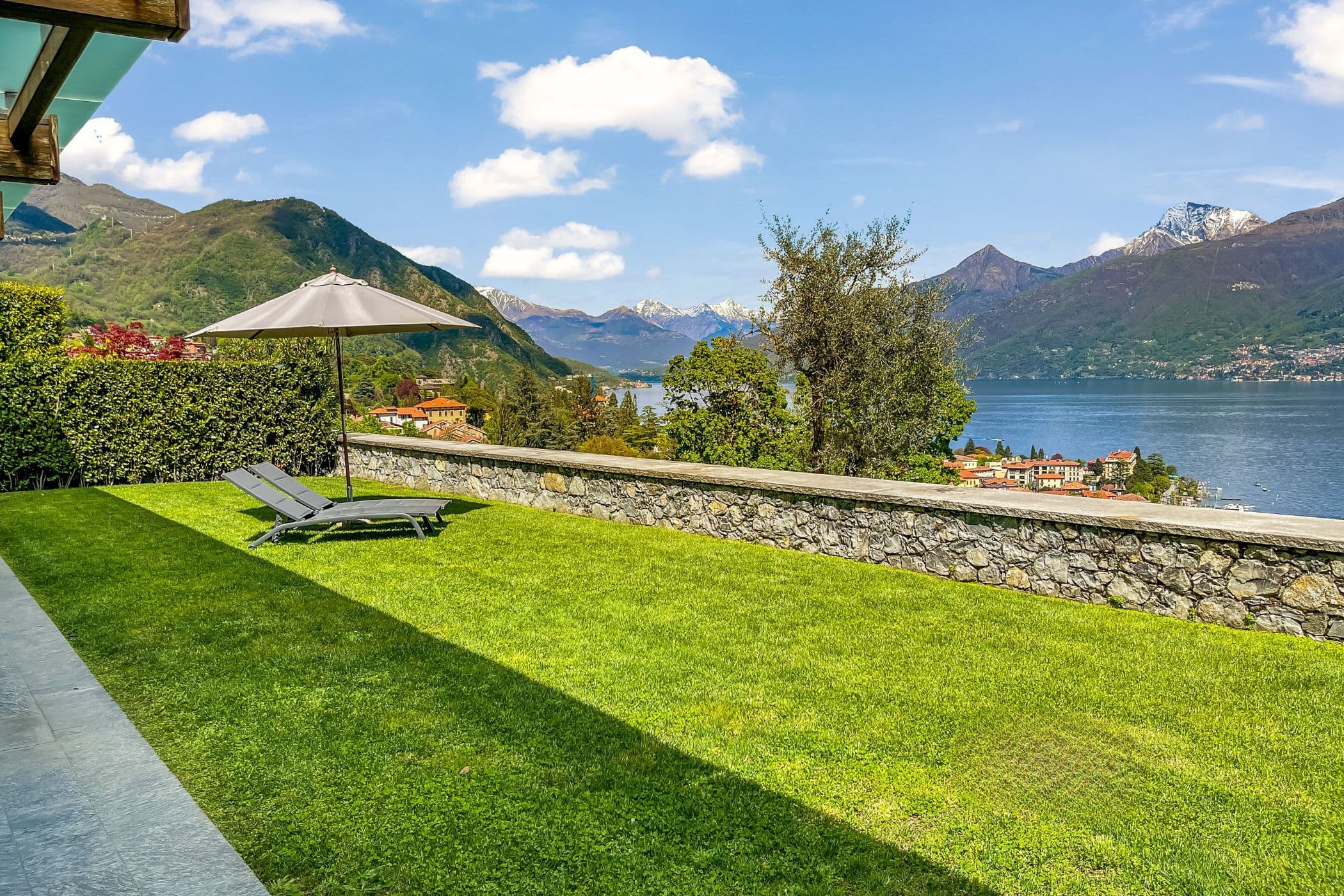
Es ist halb acht an einem Mittwochmorgen Ende April, und die erste Fähre des Tages legt vom Anleger in Bellagio ab. Das Boot ist halb leer — eine Handvoll Pendler mit Zeitungen, zwei Frauen mit Einkaufskörben auf dem Weg zum Mittwochsmarkt in Lenno, ein einzelner Mann im Anzug, der nach Como hinunter fährt — und der See hat die Farbe ungebeizten Zinns. Die Berge gegenüber liegen noch im Schatten, doch die Sonne hat den Glockenturm in Tremezzo erreicht, und das Weiß des Campanile vor den dunklen Pinien ist das erste Bild des Tages. Der Fährgehilfe nickt der Frau mit dem Korb zu, fragt nach ihrem Mann. Die Espressomaschine in der Bar am Heck des Boots zischt einmal. Auf der anderen Seite des Wassers beginnt das Tremezzina-Ufer zu erwachen. Dies ist kein touristisches Erlebnis, das für jemanden auf der Durchreise arrangiert wurde. Das ist Mittwoch am See, derselbe wie schon so lange, wie es den Fahrplan gibt, und die Familie im Mietwagen am Parkplatz von Bellagio, die dem abfahrenden Boot zuschaut, wird bis zum Wochenende wieder fort sein. Die Menschen auf dem Boot mit dem nickenden Fährgehilfen und der Morgenzeitung besitzen hier Immobilien. So fühlt sich Eigentum am Comer See wirklich an — nicht die Postkartenvilla mit der Zypressenallee, sondern der gewöhnliche außergewöhnliche Rhythmus eines Sees, zu dem Sie immer wieder zurückkehren.
Für die meisten Zweitwohnsitz-Eigentümer am Comer See ist dieser Rhythmus teuer zu unterhalten und wird selten erlebt. Der durchschnittliche britische, amerikanische oder nordeuropäische Eigentümer einer Seeimmobilie verbringt laut Umfragen zum Zweitwohnsitz-Gebrauch in Norditalien weniger als vier Wochen pro Jahr auf der Immobilie. Das Bootshaus bleibt den Winter über verschlossen, ob jemand im Land ist oder nicht. Der Gärtner ruft wegen einer im Februarsturm umgewehten Zypresse an und mailt einen Kostenvoranschlag auf Italienisch. Die jährliche IMU — Italiens kommunale Grundsteuer für Zweitwohnsitze — kommt im Juni und wird bezahlt, ohne dass man viel darüber nachdenkt, was sie abdeckt. Miteigentum an einer Immobilie am Comer See — genauer gesagt der Besitz eines Achtels einer hochwertigen Seevilla oder eines restaurierten Apartments, neben sieben anderen geprüften Miteigentümern — verändert die Arithmetik vollständig, ohne das Erlebnis zu verändern. Sie kommen an. Das Haus ist bereit. Das Boot, falls vorhanden, liegt im Wasser. Jemand anderes hat die Nebensaison verwaltet. Sie reisen ab. Der Kalender setzt sich für den nächsten Eigentümer zurück. Unser Funktionsweise-Leitfaden führt Sie von Anfang bis Ende durch die Struktur.
Der Comer See in der Nebensaison: Warum April, Mai und September die wahre Trumpfkarte sind
Die Reisebroschüren verkaufen Juli und August, wenn sich die Seestraße von Como nach Bellagio mit Reisebusverkehr füllt und sich die Schlange am Anleger in Bellagio die halbe Salita Serbelloni hinaufzieht. Die Menschen, die tatsächlich Immobilien am Comer See besitzen, nutzen die Nebensaisons. Spätapril und Mai, wenn die Rhododendren und Azaleen in den Gärten der Villa Carlotta in Tremezzo ihren Höhepunkt erreichen und die Seebrise am Abend immer noch kühl genug für eine Strickjacke ist. Spätseptember und die erste Oktoberhälfte, wenn die Luft klar wird, das Licht weich wird und die Kastanienwälder an den Hügeln oberhalb von Menaggio sich zu färben beginnen. Der Hauptfährfahrplan für Passagiere verkehrt von Ende März bis Anfang Oktober mit häufigen Überfahrten in der Seemitte zwischen Bellagio, Varenna, Menaggio und Cadenabbia, und eine einfache Fahrkarte zwischen einem dieser vier kostet etwa fünf Euro fünfzig. Ein Miteigentumskalender ist besonders gut darauf ausgelegt, diese Wochen zu erfassen.
Mit 44 bis 45 Tagen jährlicher Nutzung pro Achtel-Anteil ist die Frage für die meisten Miteigentümer nicht, ob sie Nebensaison-Zeit nehmen sollen — sondern welche Wochen sie beanspruchen. Eine Familie mit schulpflichtigen Kindern wird ihren Anteil naturgemäß auf die letzte Juniwoche und die erste Julihälfte konzentrieren, wenn der See am wärmsten ist und die Kinder vom Steg vor der Villa schwimmen können. Ein Rentnerpaar nimmt die letzten zwei Septemberwochen, die zweite Oktoberwoche, bevor die Fähren reduzieren, und einen langen Osterbesuch, wenn die Frühlingsgärten gerade geöffnet haben. Ein Käufer, der sich besonders für das Kulturjahr des Sees interessiert — die Kammermusiksaison in der Villa del Balbianello im Frühsommer, die Herbstkonzerte in der Villa Carlotta, die Lariofiere-Antiquitätenmesse in Erba im November — kann ein jährliches Muster aufbauen, das diese Momente spezifisch verfolgt. Der Kalender ist wahrhaft flexibel, unter den Miteigentümern über die Verwaltungsgesellschaft vereinbart, und in der Praxis entdecken die meisten Gruppen, dass sie natürlich verschiedene Wochen wollen. Die Mechanik wird in unseren FAQ zum Aufenthalt in Ihrer Ferienimmobilie behandelt.
Wie eine typische Woche aussieht
Die Ankunftserfahrung für einen Miteigentümer unterscheidet sich kategorisch von der einer Vermietung. Sie suchen nicht nach einer Schlüsselsafe-Kombination an einem Torpfosten neben der Seestraße. Sie lesen kein laminiertes Anleitungsblatt über den Bootslift und den Luftentfeuchter im Keller. Die Hausverwaltungsfirma hat das Haus vor Ihrer Ankunft vorbereitet — frische Bettwäsche, der Heizkessel ist an, der Rasen gemäht, der Kühlschrank mit den im Voraus angeforderten Grundlagen bestückt und eine Flasche Domasino der örtlichen Kooperative oder ein Valtellina Sassella eines Produzenten eine halbe Stunde flussaufwärts. Die Immobilie gehört Ihnen für die Woche. Nicht Ihnen im abgesicherten Sinne einer Hotelsuite oder im vorübergehenden Sinne eines Airbnb. Ihnen im Sinne echten Eigentums: ein echter Anteil an der Immobilie, kein bloßes Nutzungsrecht. Diese Unterscheidung ist nicht abstrakt. Sie verändert vom ersten Nachmittag an, wie Sie den Raum und den See draußen nutzen.
Ein Mittwochmorgen, sagen wir, in einer Miteigentumsvilla am Tremezzina-Ufer — dem sanften mittleren Abschnitt zwischen Lenno und Cadenabbia, wo sich der See verbreitert und die Gärten bis ans Wasser herabreichen. Das Dorf erwacht langsam. Der Bäcker in Tremezzo öffnet um sechs, aber die Schlange beginnt erst um acht. Der Mittwochsmarkt in Lenno füllt die Seepromenade mit Käsestand, dem Mann mit den getrockneten Seefischen — den berühmten Missoltini, sonnengetrockneten Alsen, in Fässern mit Lorbeerblättern gepresst — und einem Porchetta-Wagen, der sich von einem Mittwoch zum nächsten nicht von der Stelle bewegt. Ein Paar, das einen Achtel-Anteil an einer restaurierten Liberty-Ära-Villa oberhalb von Tremezzo besitzt, könnte den Morgen auf der Immobilie verbringen — Kaffee auf der Terrasse, der langsame Rundgang durch den Kameliengarten, der Schwimmgang vom Steg, der ungefähr so lange dauert wie der Espresso danach — und den Nachmittag mit einem Spaziergang auf dem Seeweg zur Villa Carlotta oder einer Fährfahrt nach Bellagio zum Mittagessen unter den Arkaden auf der Piazza Mazzini. Dies ist keine ungewöhnliche oder aspirative Beschreibung, wie Menschen den Comer See nutzen. Es ist der gewöhnliche Rhythmus des Eigentums an einem der am meisten gemalten und am wenigsten veränderten Binnengewässer Europas.
Im Gegensatz dazu liest sich eine Woche, die weiter nördlich um Menaggio herum oder auf der anderen Seeseite in Varenna verbracht wird, etwas anders. Menaggio liegt am Westufer mit einer breiten Promenade, einem Freitagvormittag-Markt, der immer noch Käufer aus dem zentralen See anzieht, und dem leichtesten Straßenzugang aller Mittelseegemeinden. Die Fahrt das Val Menaggio hinauf in Richtung Luganersee und Schweizer Grenze ist eine vierzigminütige Angelegenheit, die mit einem Mittagessen auf einer Terrasse mit Blick zurück auf einen ganz anderen See endet. Varenna, am gegenüberliegenden Ufer, ist das kleinste und fotogenste der zentralen Dörfer — eine einzige Seegasse aus ockerfarbenen Häusern, ein winziger Hafen, in dem die Fischerboote noch im ersten Tageslicht auslaufen, und die formellen Gärten der Villa Monastero am südlichen Ende. Immobilien in diesen Gebieten — insbesondere restaurierte Apartments in den historischen Zentren und kleine Villen in den Hügeln darüber — haben in den letzten fünf Jahren erheblich an Wert gewonnen, mit Angebotspreisen für hochwertige Wiederverkaufsimmobilien, die jetzt zwischen 800.000 und 3 Millionen Euro für Zwei- bis Vier-Zimmer-Häuser mit Seeblick und Außenbereich liegen. Unser Comer-See-Dorfführer geht den Unterschieden ausführlicher nach.
Die Verwaltungsrealität: Worüber Sie nicht nachdenken müssen
Das Lifestyle-Argument für Miteigentum am Comer See ist für sich genommen überzeugend. Das praktische Argument ist es vielleicht noch mehr. Volleigentum an einer Seeimmobilie oberhalb eines bestimmten Wertes bringt einen Verwaltungsaufwand mit sich, den die meisten Käufer beim Kauf unterschätzen und innerhalb von zwei Jahren erschöpfend finden. Der Gärtner — der auf einem abschüssigen Seegrundstück während der Wachstumssaison nahezu eine Vollzeitstelle ist — die Reinigungskraft, der Bootsmann, wenn es einen Anlegeplatz gibt, der Zypressen-Unternehmer nach jedem Wintersturm, der Hausverwalter, der die Supermarktlieferung und den Heizungsmonteur betreut, die Versicherungserneuerung in zwei Sprachen, die IMU und TARI (Abfallsteuer), die regionalen Bauinstandhaltungsabgaben und die Nebensaison-Kontrolle nach den Novemberregen, die niemand persönlich vornehmen kann, weil niemand im Land ist. Miteigentümer befassen sich mit keinem davon direkt. Die Verwaltungsfirma übernimmt alles davon. Eigentümer erhalten eine einzige jährliche Abrechnung, zahlen ihren anteiligen Kostenanteil und nutzen die Immobilie.
Wie das Haus gepflegt wird, ist einer der am häufigsten missverstandenen Aspekte des Miteigentums. Da Sie ein Achtel der Immobilie besitzen, wird die Pflege von Haus, Pool und Garten mit den anderen Eigentümern geteilt und von unserem Partner übernommen, sodass das Haus bei Ihrer Ankunft bereit ist.
Der Immobilienmarkt am Comer See 2026: Kontext für Käufer
Das Verständnis des Comer-See-Marktes 2026 ist wichtig, weil es den Einstiegspreis für Miteigentum und die langfristige Kapitalposition der Miteigentümer prägt. Der See war im vergangenen Jahrzehnt einer der am konstantesten gestiegenen Immobilienmärkte Norditaliens, getrieben von einer strukturell internationalen Käuferbasis. Nach jüngsten Schätzungen sind etwa 60 Prozent der Käufer im Luxussegment des Sees ausländische Staatsangehörige — überwiegend Amerikaner, Briten, Deutsche und Schweizer — und dieser Anteil steigt am oberen Ende des Marktes weiter. Die seenweiten Preise stiegen im Vorfeld von 2026 nominal um etwa 6 Prozent gegenüber dem Vorjahr, wobei sich das Angebot verschärft, da neue Listings restaurierter Seeimmobilien knapp bleiben. Die Schlagzeile des Jahres bisher war der berichtete Verkauf der Villa La Cassinella für eine Summe im Bereich von 90 Millionen Euro — ein neuer Rekord für den See — was für die meisten Käufer an sich nicht relevant ist, aber ein nützlicher Hinweis darauf, wo sich die absolute Spitze des Marktes bewegt hat.
Das Mittelsegment — hochwertige restaurierte Villen und Apartments in der Tremezzina, rund um Menaggio, Varenna und in den Inlanddörfern oberhalb des zentralen Sees — ist das relevanteste Segment für Miteigentumsstrukturen. Durchschnittliche Angebotspreise in der Tremezzina liegen bei etwa 3.900 Euro pro Quadratmeter, Menaggio etwas höher bei etwa 4.350 Euro pro Quadratmeter, und guter Seefront-Bestand in Bellagio wird zwischen 3.000 und 4.500 Euro pro Quadratmeter gehandelt. Die erstklassigen Seefront-Enklaven Moltrasio und Cernobbio liegen noch höher, mit dem Luxussegment routinemäßig zwischen 10.000 und 15.000 Euro pro Quadratmeter und außergewöhnlichen Seefront-Anwesen, die weit darüber hinaus bepreist sind. Ein Achtel-Anteil an einer restaurierten Villa im Mittelfeld der Mittelseespanne — sagen wir, eine 1,6-Millionen-Euro-Tremezzina-Villa mit Seeblick — würde derzeit mit etwa 200.000 bis 230.000 Euro pro Anteil bepreist, abhängig von der rechtlichen Struktur der Immobilie und etwaigen Mieteinnahmen-Ausgleichen. Dieser Einstiegspunkt gibt einem Miteigentümer echtes Eigentum in einem Markt, der konsistente langfristige Wertsteigerung gezeigt hat, und einer Immobilie, die bereits auf den aktuellen technischen Stand gebracht wurde. Stöbern Sie in unseren Häusern für Live-Preise an den von uns abgedeckten Reisezielen.
Eine regulatorische Anmerkung, die alle Käufer von Immobilien am Comer See betrifft: 2024 und 2025 führte Italien einen nationalen Identifikator ein — die CIN, oder Codice Identificativo Nazionale — erforderlich für jede Immobilie, die auf Plattformen wie Airbnb oder Booking vermietet wird, und die Lombardei verlangt zusätzlich weiterhin ihren regionalen CIR-Code mit vierteljährlicher Besucher-Meldung an die regionale Ross-1000-Plattform. Die Region hat signalisiert, dass sie dem Beispiel der Toskana folgen könnte, indem sie Kurzzeitvermietungs-Lizenzen in unter Druck stehenden Tourismusgebieten verschärft oder deckelt, und der Comer See gehört fest in diese Kategorie. Dies hat keine Auswirkung auf Miteigentümer, die ihren Anteil persönlich nutzen möchten — und die Mehrheit der Miteigentumskäufer tut das — aber es beschränkt das Angebot an neuem Kurzzeitvermietungs-Bestand und neigt dazu, die Kapitalwerte für Immobilien zu stützen, die bereits innerhalb des Rahmens liegen. Es lohnt sich, bei unserem Partner zu bestätigen, ob die Immobilie nur für die persönliche Nutzung strukturiert ist oder eine aktive Vermietungslizenz unter dem neuen Code-Regime trägt. Der breitere Comer-See-Preiskontext wird in unserem Comer-See-Immobilienpreis-Artikel behandelt.
Das Miteigentumsargument für den Comer See
Das Argument für Miteigentum am Comer See ist nicht in erster Linie ein finanzielles Argument, obwohl das finanzielle Argument solide ist. Es ist im Grunde ein Nutzungsargument. Der See belohnt die Art von unbeschwerter, wiederkehrender Präsenz — den Mittwochsmarkt in Lenno, die Rhododendron-Spaziergänge Ende April in den Gärten von Tremezzo, das lange Herbst-Mittagessen auf einer Terrasse mit Blick auf die Grigne, die November-Fährfahrt nach Varenna ohne Tagesausflügler — die ein paar Wochen echtes Eigentum ermöglichen und die eine Ferienmiete mit ihrer Check-in-Sorge und ihren stets leicht unterschiedlichen Schlüsseln selten liefert. Miteigentümer kommen als Eigentümer an. Sie kennen die Immobilie, haben dort ihre eigenen Routinen, kennen den Namen des Gärtners und die Öffnungszeiten des Bäckers und gehen den See von einem anderen Ausgangspunkt aus an als ein Tourist. Über fünf oder sechs Besuche pro Jahr, über verschiedene Jahreszeiten, baut sich das zu etwas auf, das sich weniger wie ein Urlaub und mehr wie ein zweites Leben anfühlt. Das ist letztlich, was Menschen kaufen, wenn sie einen Anteil an einer Comer-See-Villa erwerben — nicht das Gebäude, sondern die erste Fähre des Morgens.
Wenn die Comer-See-Version dieses Arguments resoniert, lesen sich die toskanische Version und die Mallorca-Version identisch mit einer anderen Besetzung — Samstagmärkte in Greve, Dienstagmorgen in Pollença, dieselbe Achtel-Arithmetik. Für Käufer, die derzeit Norditalien bewerten, führt COP Live-Bestand in unseren Häusern in den oben beschriebenen Reisezielen. Stöbern Sie in den aktuellen Listings oder sprechen Sie direkt mit unserem Team, um zu verstehen, welche Immobilien am Comer See verfügbar sind und was ein bestimmter Anteil im heutigen Markt kosten würde.
More from Co-Ownership Property
Kontakt aufnehmen
Sprechen Sie mit einem Experten
Sagen Sie uns, wonach Sie suchen, und wir melden uns bei Ihnen.