England · Europe
England Fractional Ownership Properties
From a Mayfair townhouse overlooking Grosvenor Square to a honey-stone Cotswolds manor an hour from Paddington — fractional ownership in England means a real share of the country's most enduring second-home addresses, six to seven weeks of personal use a year, and a fully managed property waiting whenever you arrive.
3 properties · from $1,099,000
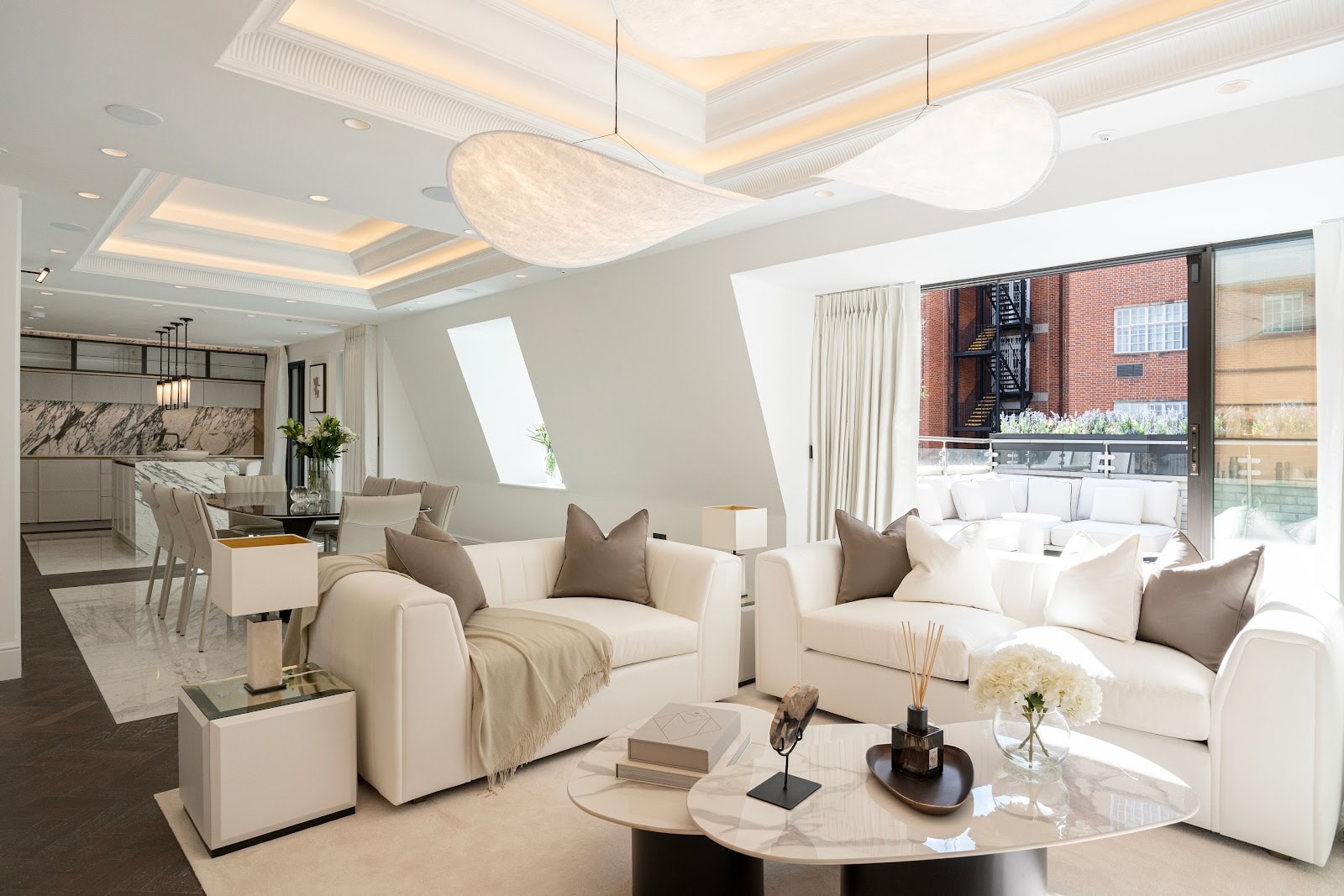
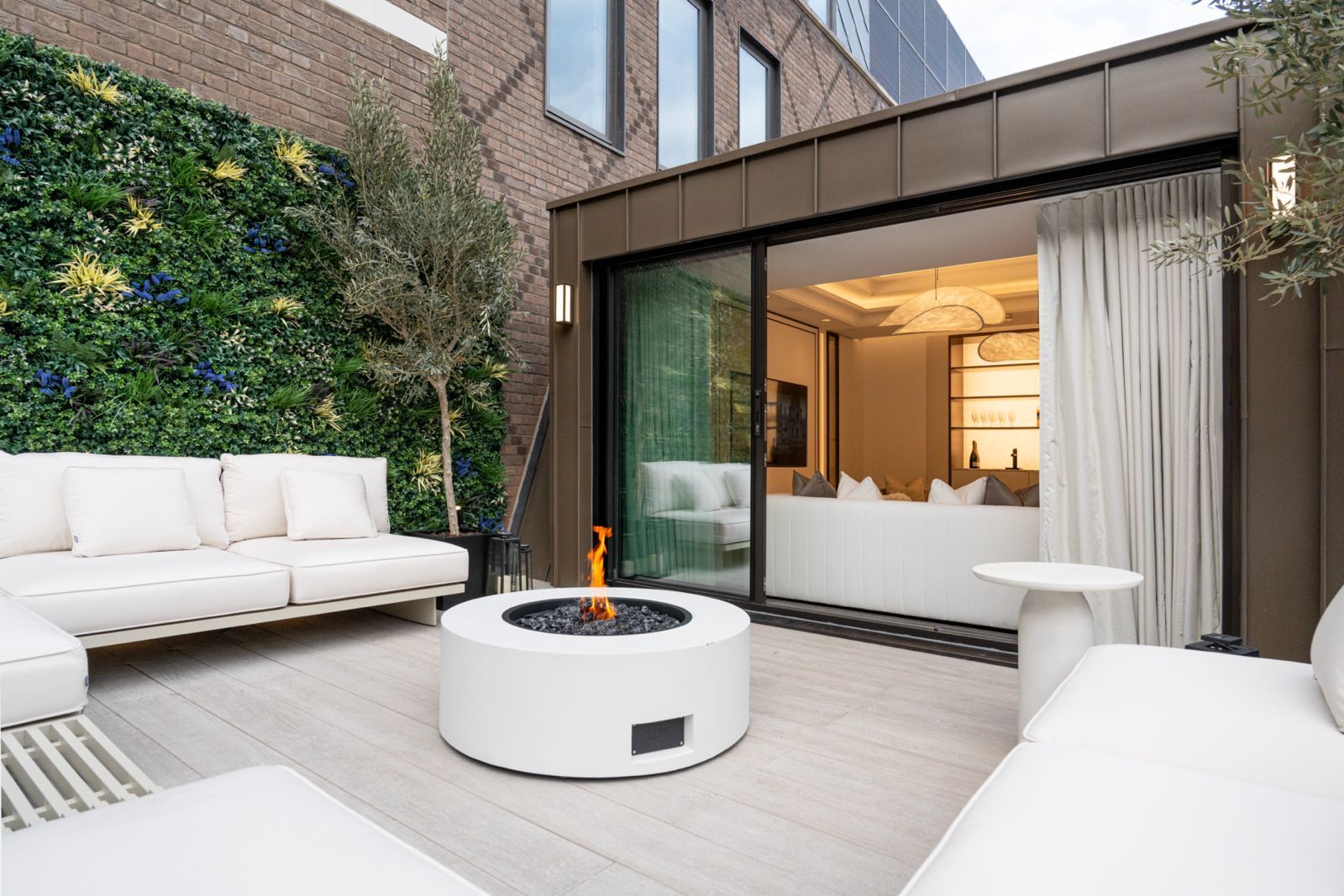
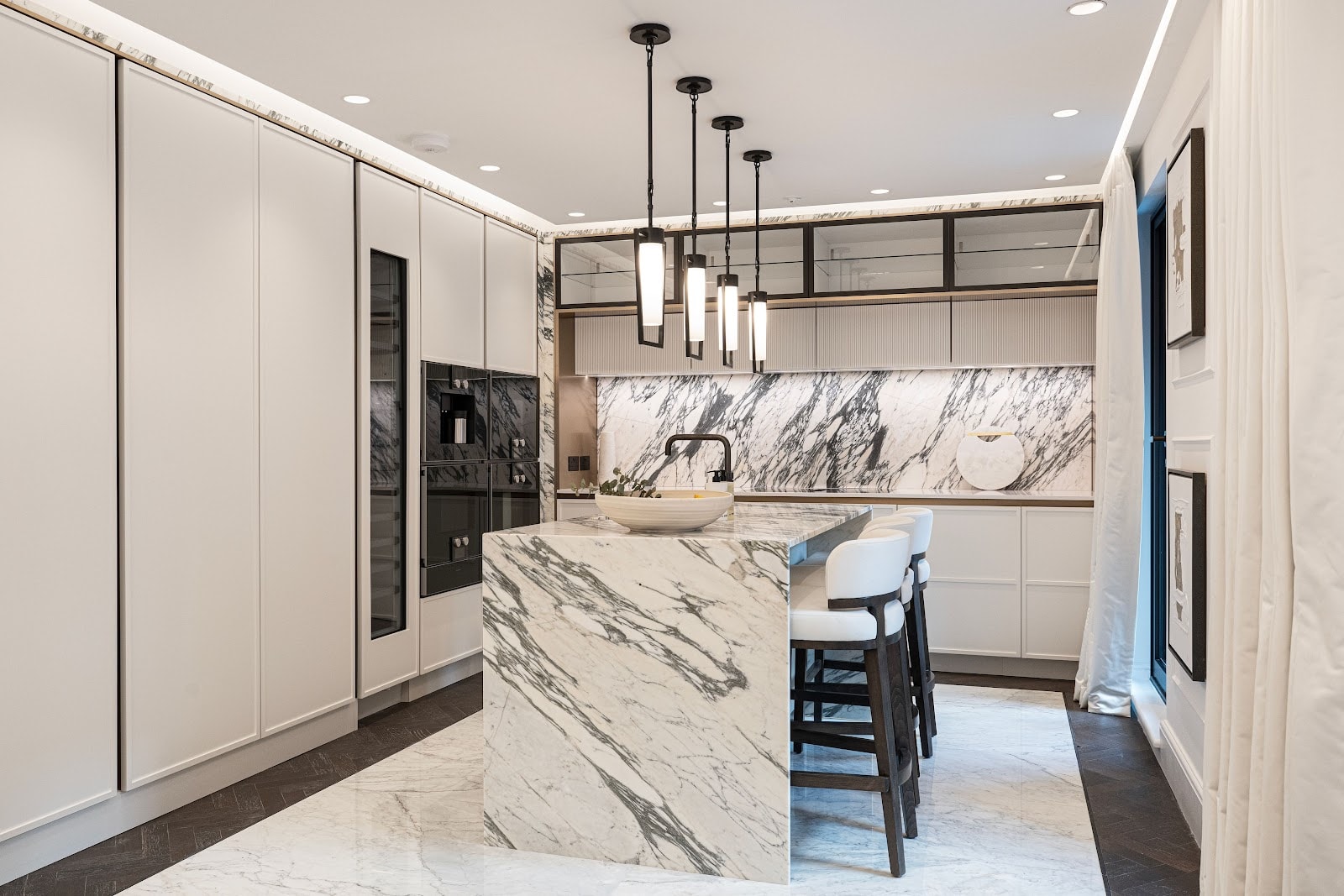
Mayfair, London, England — 3-Bed Penthouse
$1,550,000
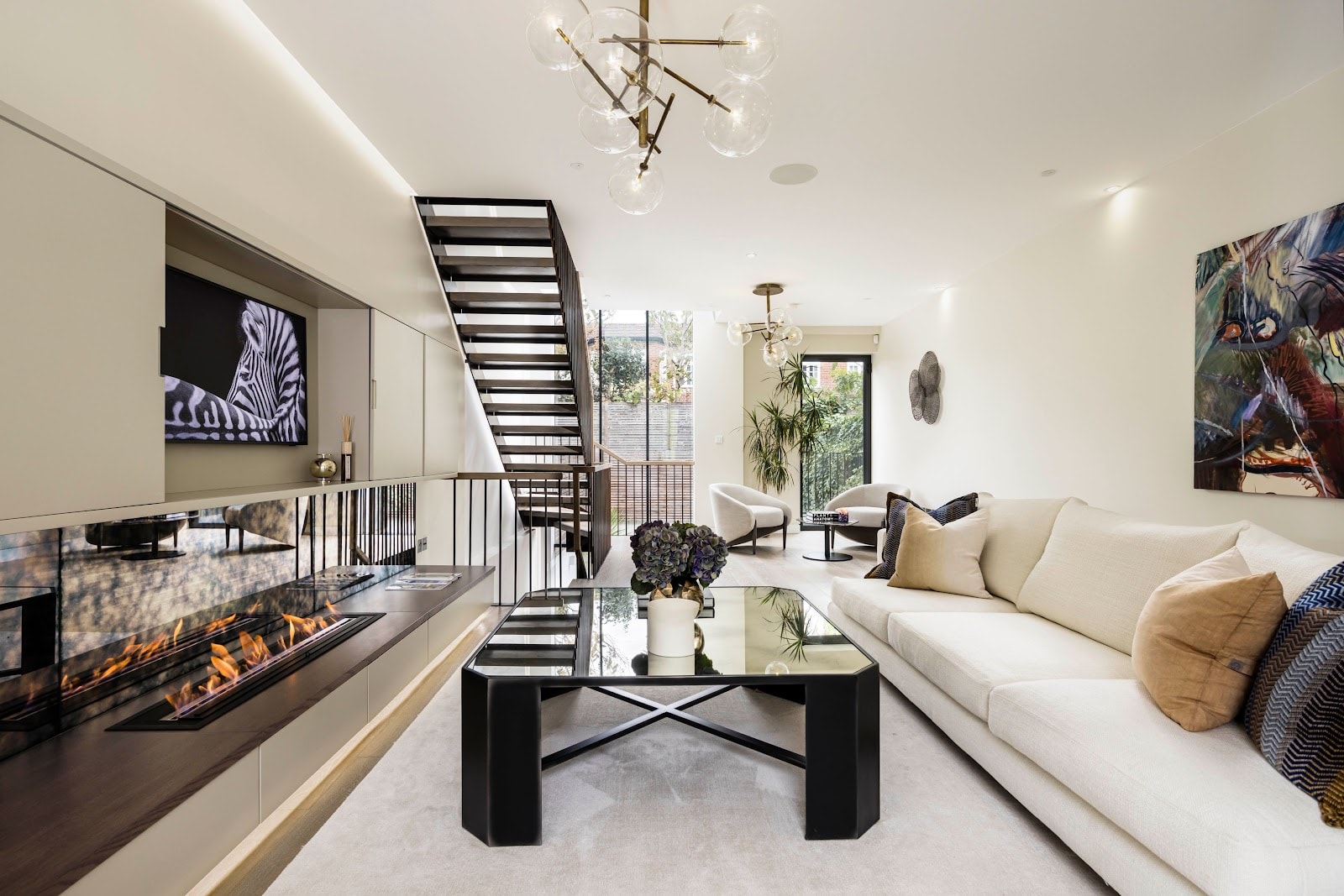
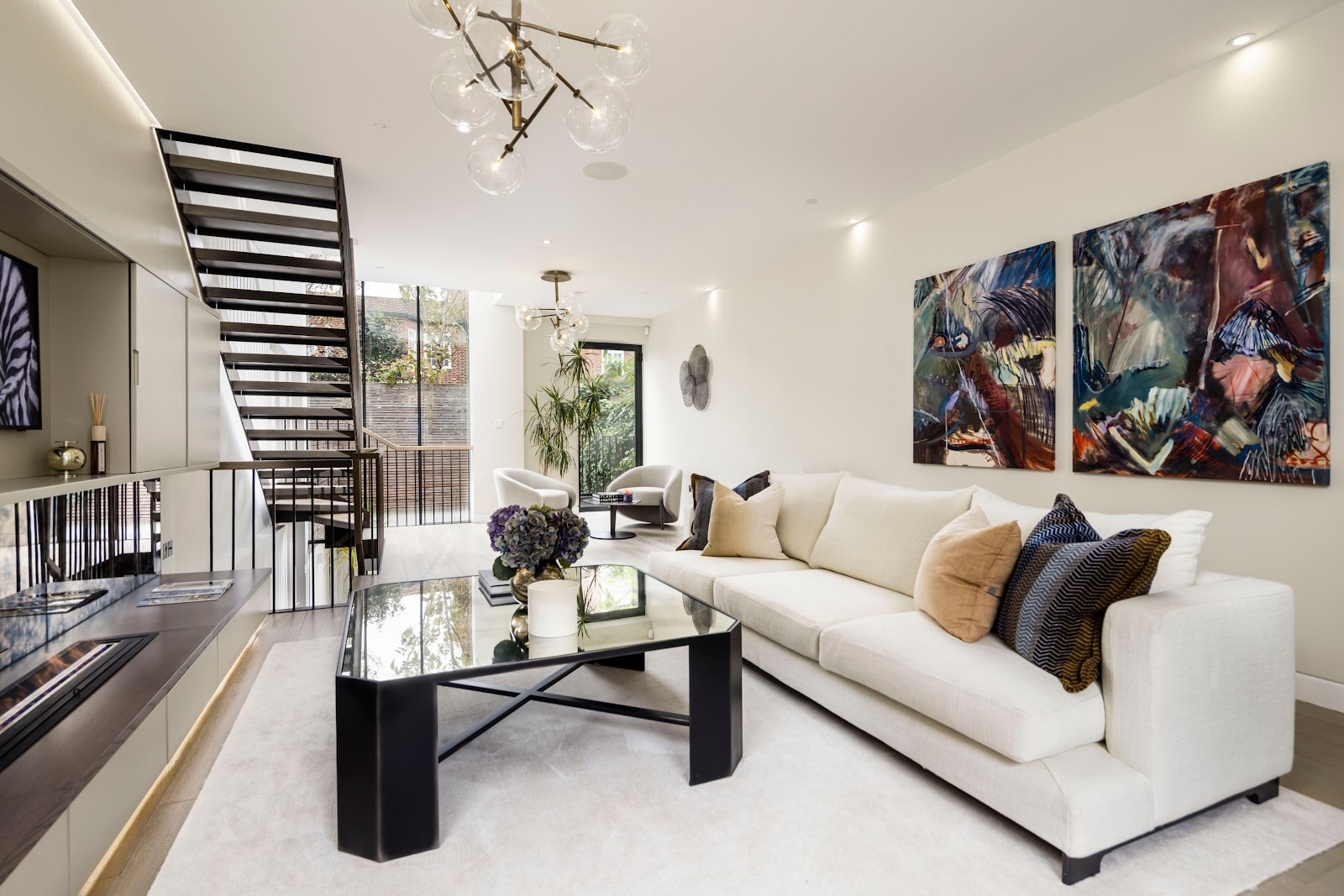
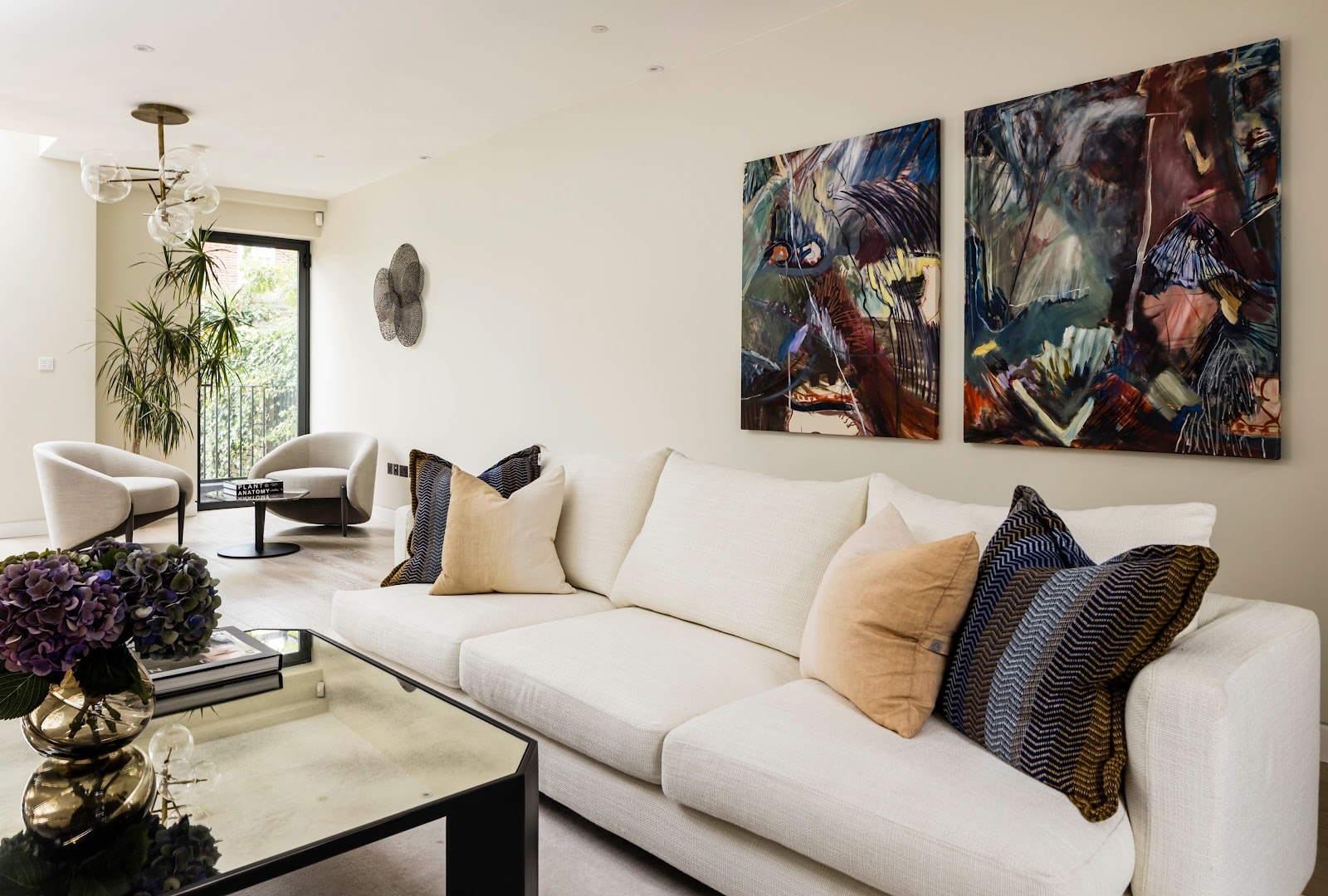
London, England — 4-Bed House
$1,100,000
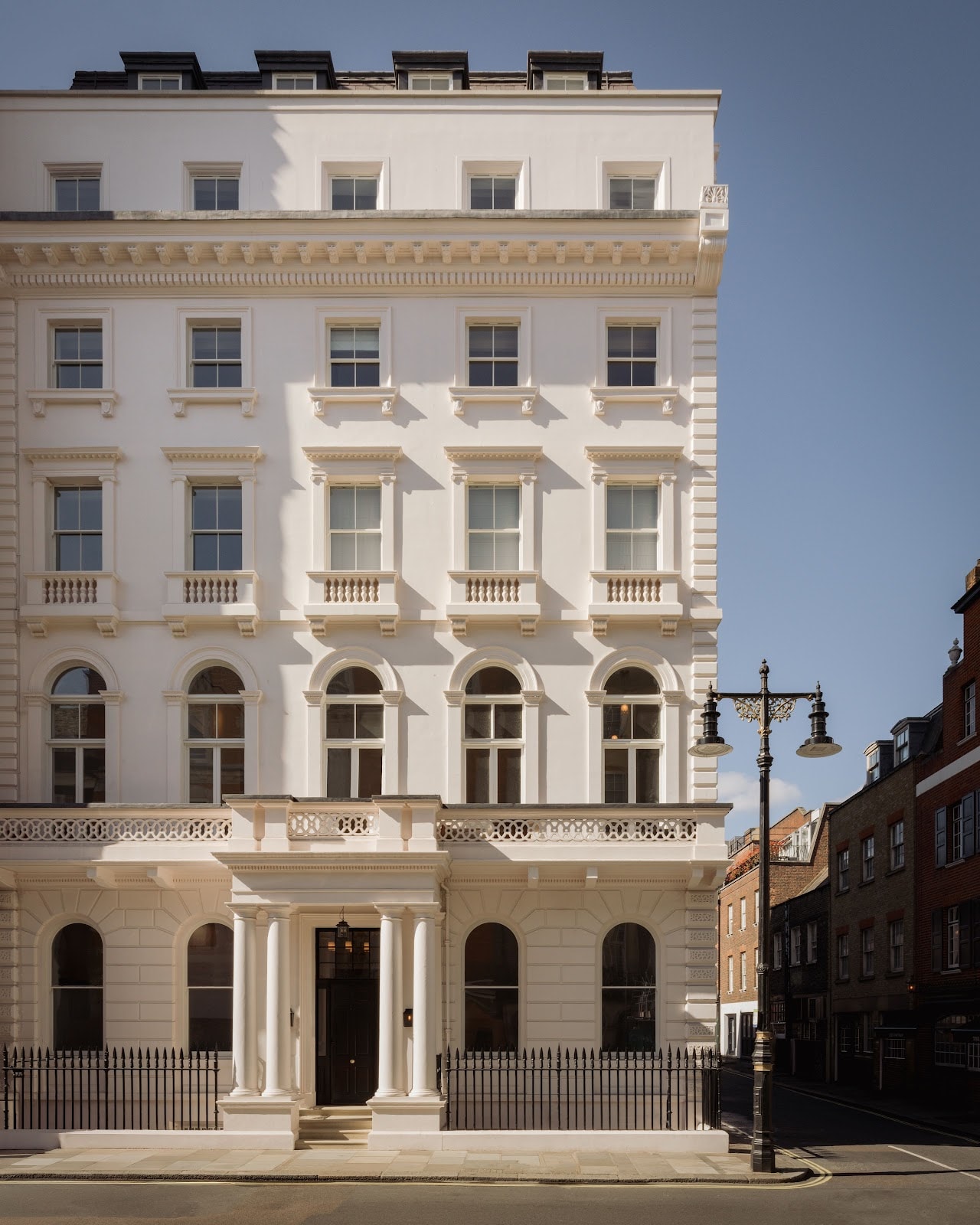
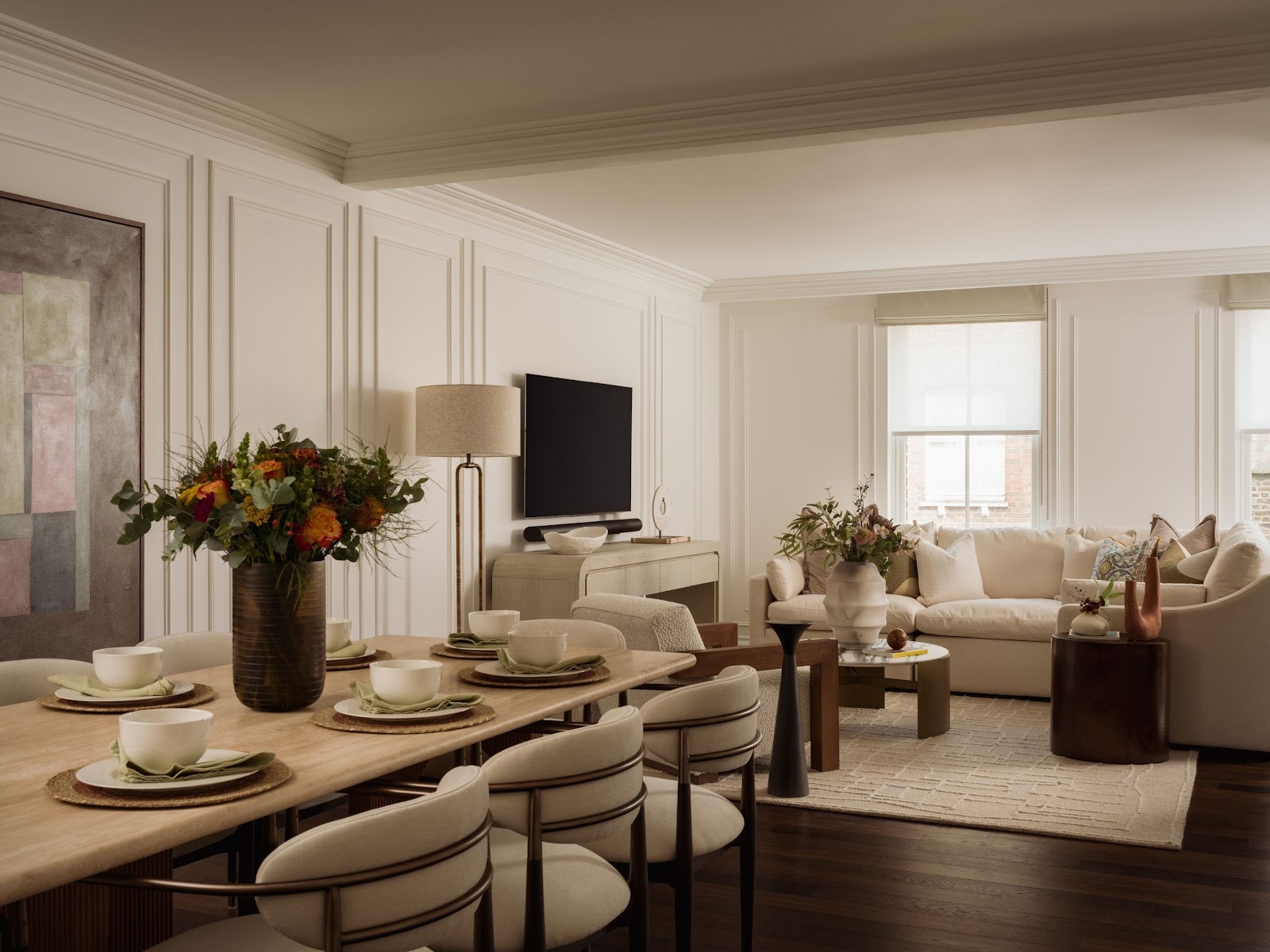
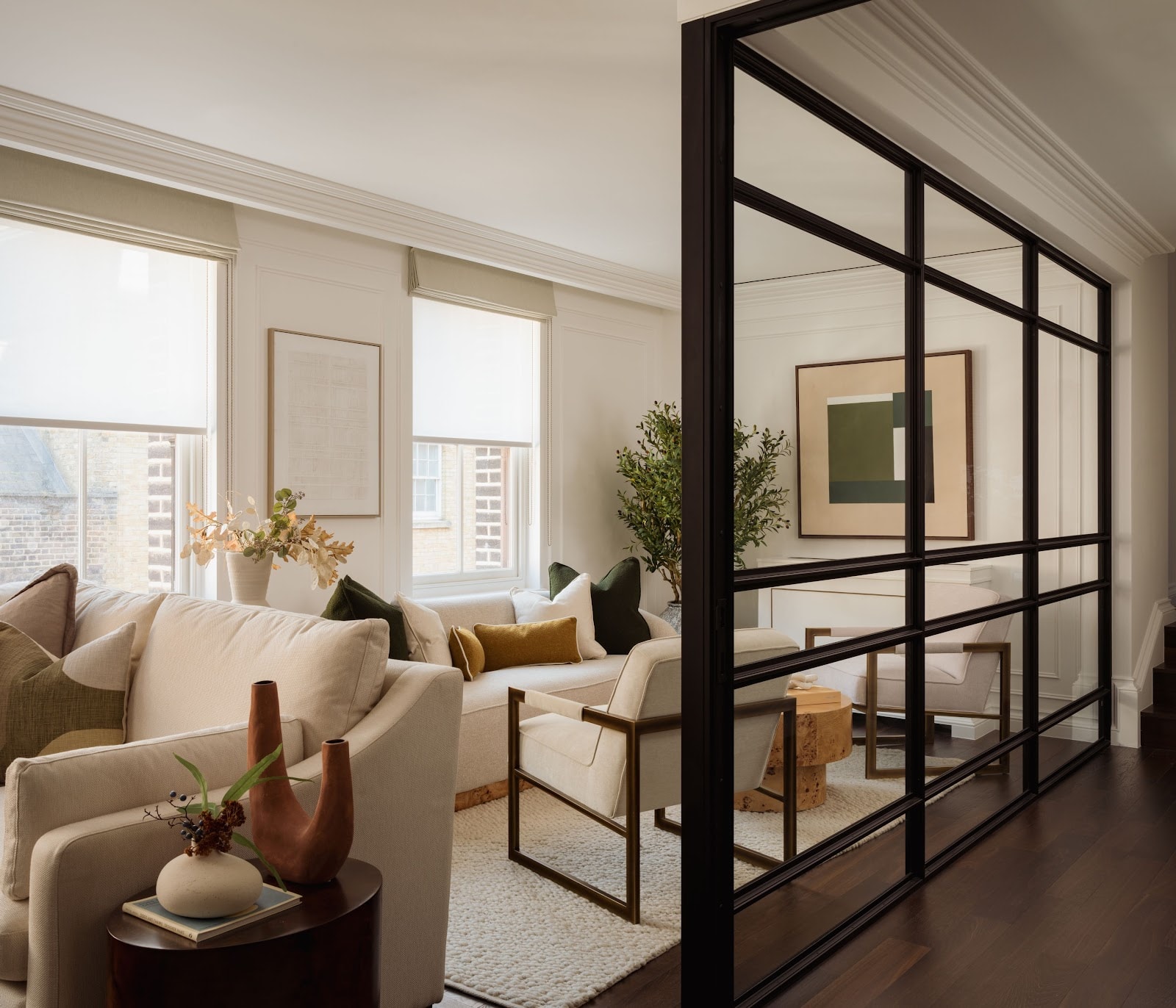
London, England — 3-Bed House
$1,400,000
England's most coveted addresses, accessible through co-ownership.
Fully managed townhouses, apartments and country houses across London, the Cotswolds and Cornwall. Your 1/8 share of the home comes with 6–7 weeks of personal use, a professional management team on call, and the long-term equity of one of Europe's most legally transparent and supply-constrained second-home markets.

What is fractional ownership in England?
Fractional ownership in England means buying a real 1/8 share of a luxury English second home, shared with up to seven other co-owners. Each owner receives personal use set by the partner that manages the home — a minimum of 44 or 45 nights a year with most of our partners, and no set cap with some others — through a fair-rotation calendar, with all property management, maintenance, taxes and operations handled by a professional management team. It is real ownership of a share of the home — not a timeshare, not a holiday club.
Why England?
England combines three things that matter more than any single one of them in isolation: deep legal predictability rooted in centuries of precedent, an unusually constrained physical supply story in its most desirable second-home regions, and a diversity of usable lifestyles inside a single jurisdiction. The legal predictability is what gives English property its long-cycle stability — the Land Registry, the law of property enacted through a system refined over more than three centuries of statute and equity jurisprudence, and the underlying conveyancing process give any buyer the same documentary clarity about their ownership fifteen years after purchase that they had on the day they completed. The supply scarcity, taken alongside that legal predictability, is why the price floor under the right address in England remains structural rather than cyclical. A Georgian townhouse in Mayfair, a listed manor in the Cotswolds Area of Outstanding Natural Beauty, a cliff-top dwelling above a Cornish cove — none of these can be reproduced, expanded or substituted, and none depends on a favourable planning application still to be filed. And the lifestyle diversity is why a single co-ownership relationship in England can give a buyer access to capital-city, rural and coastal living without requiring three separate jurisdictions.
Your English share is owned alongside up to seven other co-owners — a real share of the home, not a right to use it. For owners who go on to add a second share in another COP destination, the legal set-up for each home is arranged by our partner and walked through with you before you buy.
The supply scarcity in England's most desirable second-home markets is worth examining in structural terms, because it is partly geographic, partly regulatory, and partly the product of decades of planning policy now baked deeply into the legal framework. The London ultra-prime boroughs — Westminster, Kensington and Chelsea, the City of Westminster — are governed by some of the tightest conservation area and listed-building controls on earth; the Mayfair, Belgravia and Chelsea Georgian townhouse stocks are essentially fixed inventories, with demolition, material alteration and change of use each requiring consent from local conservation officers whose default position is preservation. The Cotswolds Area of Outstanding Natural Beauty, at 2,038 square kilometres across five counties, is the largest of England's 34 designated protected landscapes and operates under a national-landscape planning regime that effectively caps new construction inside the most desirable villages. The Cornwall Area of Outstanding Natural Beauty and its predecessor designations protect the most dramatic sections of the Cornish coast under planning conditions that make new development on or near the cliffs either impossible or so restricted in scale as to be effectively nominal.
None of these supply constraints depends on any future policy decision to remain in force; they are features of the landscape and planning law as established. The corollary for a fractional buyer is that the price floor under the right address is structural rather than cyclical — it depends on the unchanging facts that Mayfair remains Mayfair, that the Cotswold honey-stone villages remain protected, and that the Cornish headlands cannot be built out.
It is worth setting England in its European competitive context. France offers comparable legal predictability and, in the Alps and Côte d'Azur, comparable supply scarcity — but requires cross-Channel travel and introduces a different language, currency and tax environment. Ireland offers similar common-law heritage but a smaller and less internationally established second-home market. Scotland offers its own dramatic landscapes but with different land law, a different tax treatment for property transactions, and a historically less developed international second-home infrastructure. Wales has an increasingly active second-home policy debate that adds regulatory uncertainty. Portugal offers Atlantic coastline at lower entry prices but lacks England's urban cultural depth and the Cotswolds' particular combination of architecture and rural protection. The case for England specifically — rather than the generic "UK" — rests on the combination of London's global prestige market, the Cotswolds' exceptional rural architecture, and Cornwall's increasingly international coastal profile, all inside a single jurisdiction with a single language and one of the world's most transparent property registration systems.
The fourth structural argument for England is the transport infrastructure that makes an English second home practically usable rather than just nominally owned. London Heathrow (LHR) and Gatwick (LGW) together handle more than 100 million passengers a year, with direct services from essentially every major city in the Americas, the Gulf, Asia and Australasia, and frequent connections to every European capital. The Eurostar connects London St Pancras to Paris in 2 hours 15 minutes, Brussels in 2 hours, and Amsterdam in 3 hours 55 minutes — making London accessible from much of Continental Europe without a flight.
The Great Western Railway mainline runs from London Paddington to Kingham, Charlbury and Moreton-in-Marsh in 90 minutes, putting the North and Central Cotswolds within a short taxi of the train. The road network — the M4 west from London to Wiltshire and the M40 north to Oxfordshire — makes the Cotswolds achievable by car in under two hours from central London on a good Friday evening. Cornwall is genuinely further — the drive from London to Penzance is five to six hours, and most owners fly from Heathrow or Gatwick to Newquay Cornwall Airport (NQY) in 70 minutes. That accessibility is the precondition for the high-frequency, short-stay use pattern that fractional ownership rewards, and it is the reason both the London-to-Cotswolds and the London-to-Cornwall routes are well-established in the second-home market.
One under-discussed advantage that becomes clear once you actually start using an English second home is the depth of the country's professional services infrastructure for non-resident owners. The legal, surveying and property-management ecosystems in London, the Cotswolds market towns (Cheltenham, Cirencester, Burford, Stow-on-the-Wold) and the Cornish coastal towns (Truro, St Ives, Falmouth) have been servicing non-resident and international owners for generations.
English-speaking throughout, familiar with international tax treaties, accustomed to remote-client relationships, and operating in a regulatory environment as developed as any in the world — the infrastructure that makes second-home ownership practical, rather than merely possible, is as deep in England as anywhere in Europe. Every property in the COP collection meets a defined quality bar across the property itself, the location, and the management standard, which is what makes the difference between a property that performs over time and one that merely promises to.
Where to own in England
England's second-home market is best understood through three distinct buyer geographies, each with its own architecture, climate, season, social character and buyer mix. There are, of course, English second-home destinations beyond these three — the Lake District and the Yorkshire Dales in the north, the Chilterns close to London, the Norfolk Broads, the Dorset coast, the New Forest — and we are happy to discuss any of them with buyers whose interests run that direction. But the supply story for fractional ownership at the level of quality that defines the COP collection is concentrated in the three clusters below: London, with its globally recognised prime and ultra-prime residential boroughs; the Cotswolds, with the most rigorously protected and internationally photographed rural architecture in Britain; and Cornwall and the English countryside, with the Atlantic coast and the transforming quality of the rural south-western peninsula. Together these three account for the overwhelming majority of international and London-based second-home demand at the tier where fractional ownership makes structural sense.
London
London is the outlier of the three clusters because nobody buys a London co-ownership share for a single dominant season — they buy it for the rhythm of returning four, five, six times a year, for long weekends, for cultural weeks, for the shoulder moments between school terms and work commitments when a city base becomes a base for everything else. The boroughs that matter for serious second-home buyers at this tier are tightly clustered: the City of Westminster (Mayfair, Marylebone, St James's), the Royal Borough of Kensington and Chelsea (Knightsbridge, Chelsea, South Kensington, Notting Hill), and the adjoining streets of Belgravia and Pimlico that form the southward extension of the same supply-constrained, conservation-controlled arc of central London.
The building stock across this zone — Georgian townhouses from the 1720s through the 1820s, the Cubitt and Holland estates of the 1830s–1850s, Victorian mansion blocks from the 1870s–1900s and the occasional interwar and post-war insertion — is as architecturally controlled and as tightly held as any residential stock in any major European city. Historic England's listed-building register covers a disproportionate share of the prime residential stock in these boroughs, which means that the fabric of the neighbourhood, the character of the streetscape, the proportions of the windows and the material of the facades are — in broad terms — legally fixed.
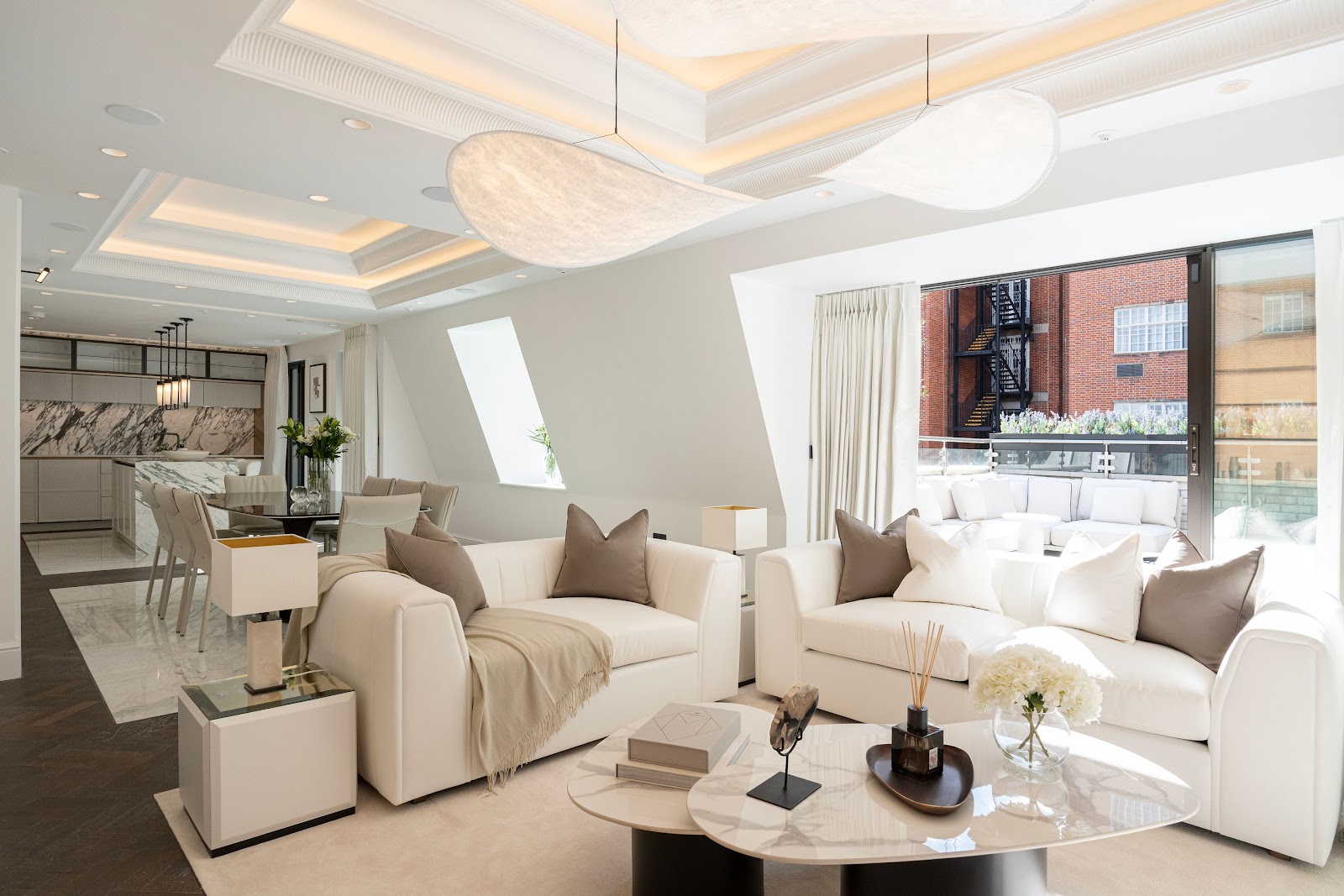
Mayfair is the commercial and social heart of the cluster — bounded by Oxford Street, Regent Street, Piccadilly and Park Lane, it is the address that generations of international buyers have chosen for the combination of absolute central location, the density of private members' clubs, galleries and restaurants, and the proximity to Green Park and Hyde Park. Belgravia, immediately south and east of Hyde Park Corner, is the quieter, more residential alternative — the white-stucco squares of Belgrave Square, Eaton Square and Chester Square, the private gardens, the embassy-lined streets, the residential hush that coexists three minutes' walk from Sloane Square. Chelsea extends south and west from Sloane Square to the Thames — the Chelsea Physic Garden, the King's Road, the South Kensington museum district at its north-eastern edge, the river walk along the Embankment. Notting Hill and Holland Park offer the quietest and most residential version of the premium-London brief — wider streets, deep-stucco townhouses with private garden squares, the famous Portobello Road market on Saturdays, the BBC Proms season at the Royal Albert Hall ten minutes' walk from Holland Park Avenue.
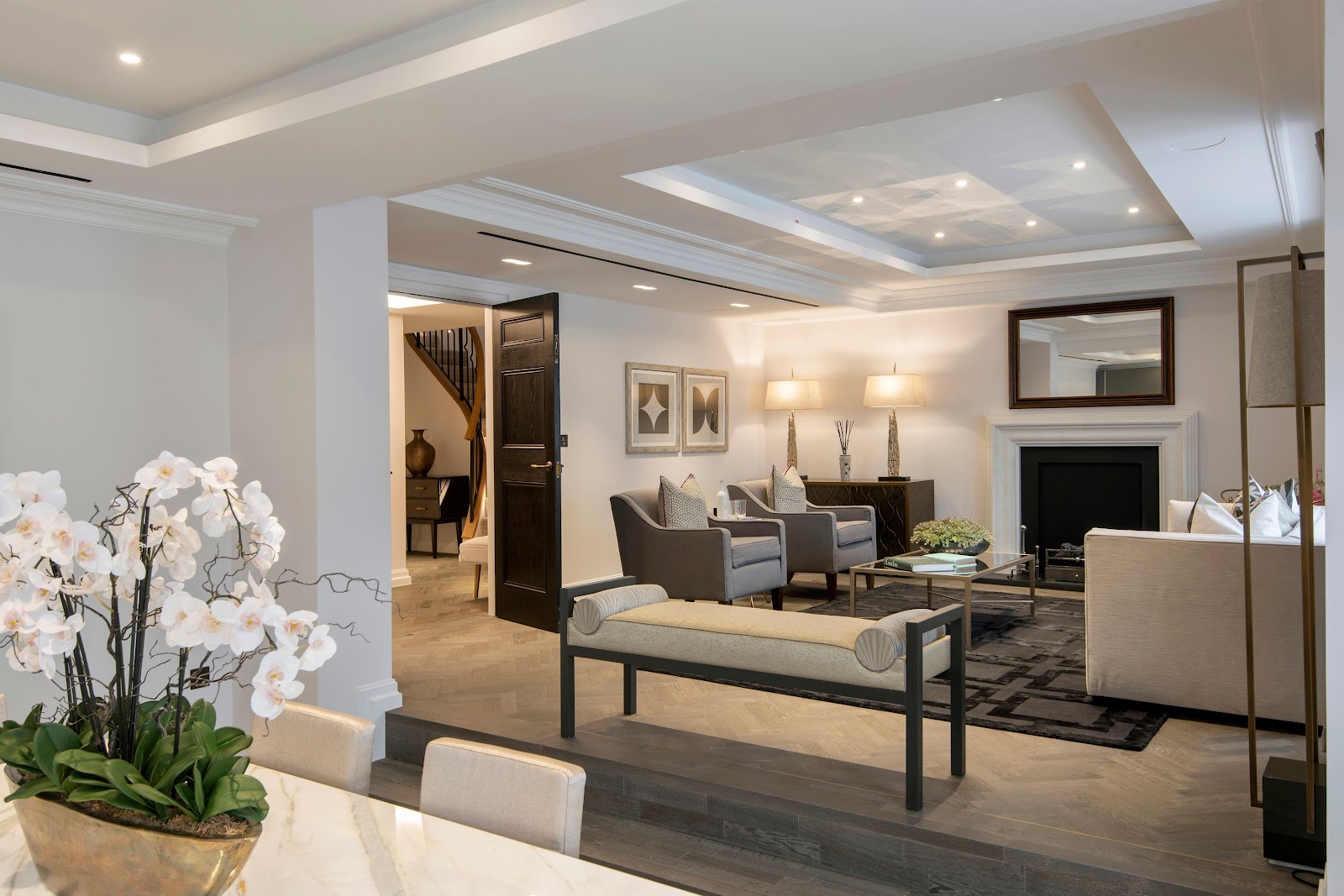
The cultural argument for a London co-ownership share is obvious and well-rehearsed — the National Gallery, the Tate Modern, the British Museum, the Victoria and Albert Museum, the Natural History Museum, more than 40 West End theatres, the highest concentration of Michelin-starred restaurants of any European capital, a contemporary art market that runs from Frieze in October through the 1-54 African Art Fair in the summer months. But the operational argument is equally compelling. An apartment in the prime residential belt of London, used in the way a second-home owner actually uses it — arriving on Friday afternoon, leaving Monday morning, four to six times a year — requires a professional management infrastructure to stay in ready condition: key management, the post-arrival check, the reliable heating, the bed linen, the broadband, the security. A 1/8 fractional share delivers all of that as a standard inclusion rather than a problem the owner has to solve in a foreign city.

The sub-zone choice within London matters more than first-time buyers expect. Mayfair and St James's — east of Hyde Park, north of Green Park — give the most central, the most business-proximate and the most socially dense version of the premium-London experience; the evening restaurant and members'-club scene is the most active here, and the walks to the Royal Academy of Arts, Spencer House and the Royal Institute of British Architects reading rooms are all within five minutes. Chelsea and South Kensington — anchored by the Chelsea Flower Show in May, the King's Road, and the Museum of Natural History and V&A — offer a slightly quieter, more residential version of the same brief; the townhouse stock here runs through the Victorian as well as the Georgian periods, and the atmosphere is domestic rather than commercial. Notting Hill and Holland Park are the most local-feeling of the prime boroughs, the choice for buyers who want to actually live in a London neighbourhood rather than access a London district.
The correct sub-zone depends entirely on whether the buyer's London time is primarily cultural, primarily social, primarily residential, or primarily professional — and the daily-living difference between a flat on Chester Square and one on Campden Hill Road is significant and worth understanding before committing. Best for: international buyers who want a base for repeat short stays built around culture, commerce and city-life; owners whose primary home is in another major city and for whom London is a regular working destination; couples and families who want the year-round usability that no seasonal English destination can match, and for whom the operational simplicity of a fully managed property in a world city is the central appeal.
The Cotswolds
The Cotswolds are, by a long way, England's single most established rural second-home market — and have been continuously so for more than a century. The designated Cotswolds Area of Outstanding Natural Beauty, at 2,038 square kilometres across five counties, is the largest of England's 34 protected landscapes and the second largest in the United Kingdom. The region's defining feature — and the reason its second-home market has the depth and stability it does — is the honey-coloured Jurassic limestone that runs in a near-continuous escarpment from Bath in the south to Chipping Campden in the north, weathering to a distinctive ochre-cream colour that gives the Cotswolds their unmistakable village vernacular. That vernacular is legally protected at every level of the planning system: the National Landscape Management Plan, the individual local development plans of the five constituent county authorities, and the listed-building and conservation-area designations that cover the majority of the village cores collectively ensure that the honey-stone character of Bibury, Bourton-on-the-Water, Chipping Campden, Burford, Painswick, Tetbury and the Slaughters will not change in any material way. New construction in the most desirable zones is effectively capped; the existing inventory is held tighter than at any point in recent memory.
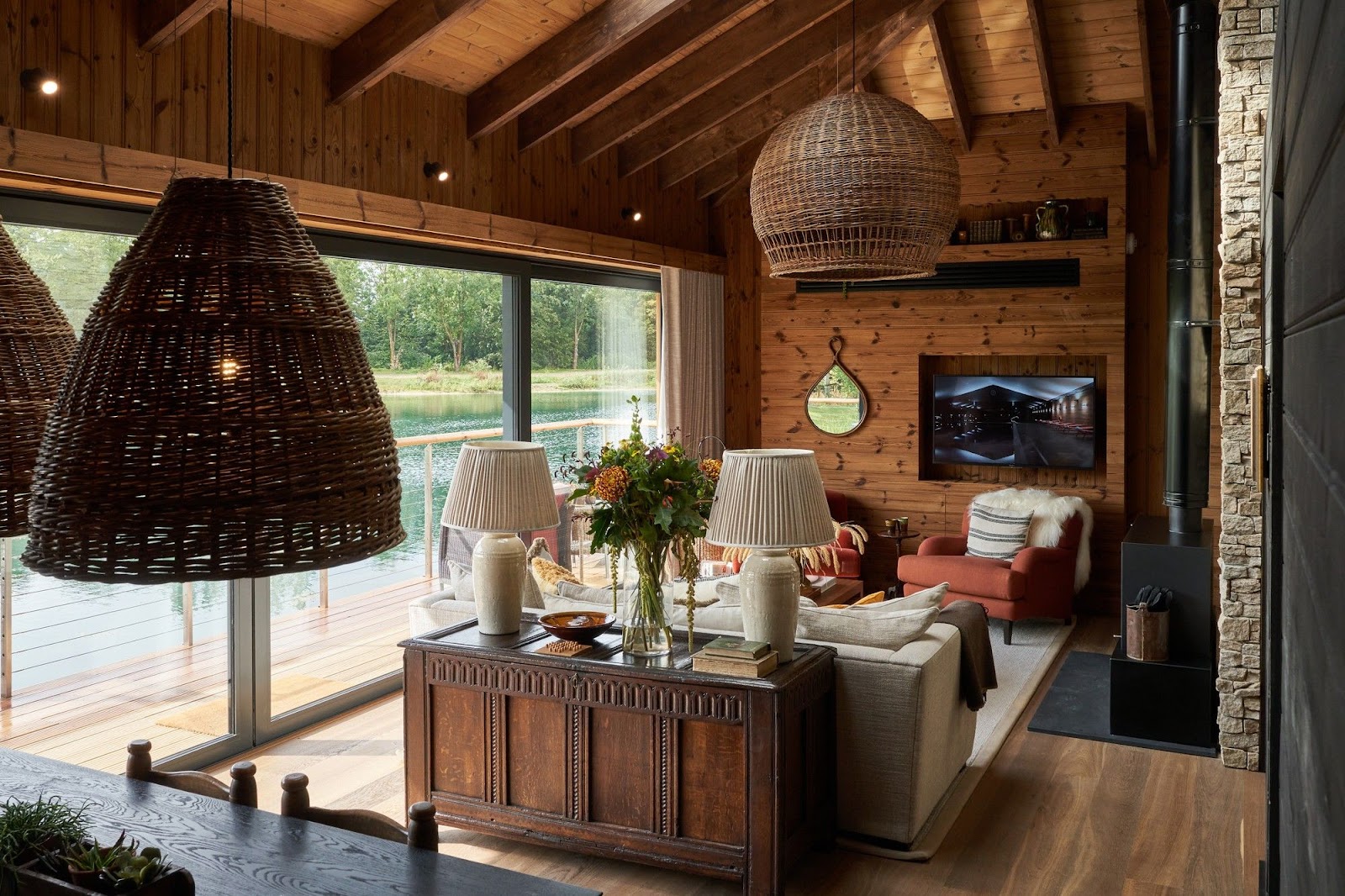
The principal sub-zones for second-home ownership break across the north and south of the escarpment. The North Cotswolds — Chipping Campden, Broadway, Moreton-in-Marsh and Stow-on-the-Wold — is the most architecturally concentrated area: a succession of wool-trade market towns whose high streets record, in limestone, three centuries of prosperity from the medieval English wool export. The famous 17th-century Market Hall at Chipping Campden and the perpendicular-Gothic church of St James are two of the finest examples of Cotswold building art; Broadway Tower on the escarpment above Broadway commands a view across thirteen English counties in clear weather.
The Central Cotswolds — Bourton-on-the-Water, the Slaughters, Bibury and Northleach — is the most internationally photographed part of the region: the Arlington Row at Bibury, the low stone bridges over the Windrush at Bourton, the twin villages of Upper and Lower Slaughter on the river Eye. William Morris described Bibury as "the most beautiful village in England" and generations of international buyers have not meaningfully disagreed. The South Cotswolds — Painswick, Tetbury, Cirencester and the villages around — is the quietest and most lived-in of the three sub-zones, with the antique dealers of Tetbury, the Westonbirt Arboretum on the edge of the town, and the Painswick Rococo Garden in the steep valley below Painswick church.
The transport infrastructure that makes the Cotswolds practical rather than merely desirable is significant. Great Western Railway runs frequent direct services from London Paddington to Charlbury and Kingham (90 minutes, for the central Cotswolds), Moreton-in-Marsh (90 minutes, for the north) and Kemble (90 minutes, for the south and Tetbury). A taxi from any of these to the main village destinations is rarely more than thirty minutes. For drivers, the M40 to Oxford and then the A44 serves the northern zone; the A40 from Oxford serves the central villages; the M4 to Swindon and the A419 serves the southern Cotswolds. London is under two hours by road on a good day; Heathrow is under ninety minutes.
For international buyers arriving from outside England, the combined road-and-rail accessibility is what transforms the Cotswolds from a weekend destination into a genuinely usable four-to-six-visit-a-year second home. The surrounding cultural infrastructure reinforces that usability: the Cheltenham Literature, Jazz and Science Festivals (the UK's most celebrated literary and ideas festivals), the Cheltenham Racecourse (home to the Gold Cup in March), the Royal Shakespeare Company theatres in Stratford-upon-Avon (25 minutes from the North Cotswolds), Blenheim Palace (35 minutes from the central Cotswolds), and the Ashmolean Museum and the university colleges of Oxford (40 minutes).
The Cotswolds packs a remarkable density of cultural and outdoor experiences into a footprint roughly the size of Mallorca. Best for: heritage-led buyers who want the most architecturally complete rural second-home address in Britain; London weekenders seeking a high-frequency country base within an hour and a half of Paddington; international buyers drawn to the English countryside vernacular who also want the cultural calendar of Cheltenham, Stratford-upon-Avon and Oxford within easy reach; and families whose extended networks include school-age children at any of the prestigious independent schools in the Cheltenham and Oxford hinterland.
Cornwall and the English Countryside
Cornwall is England's most dramatic and most internationally recognised coastal landscape — and in the past decade it has undergone a transformation in its second-home market that has made it genuinely competitive, at the luxury tier, with established international coastal destinations. The 580-kilometre Cornish coastline encompass Atlantic headlands, drowned river valleys (the Helford Estuary, the Fowey and Fal rivers), sheltered south-coast harbours and the exposed north-coast surf beaches that have made Newquay, Watergate Bay, Sennen Cove and Constantine Bay internationally known in the surfing world. The Cornwall Area of Outstanding Natural Beauty covers nearly a quarter of the county, and the South West Coast Path — the longest national trail in England at 1,014 km — runs the entire length of the Cornish coast, making the peninsula arguably the best-networked coastal walking destination in Northern Europe.
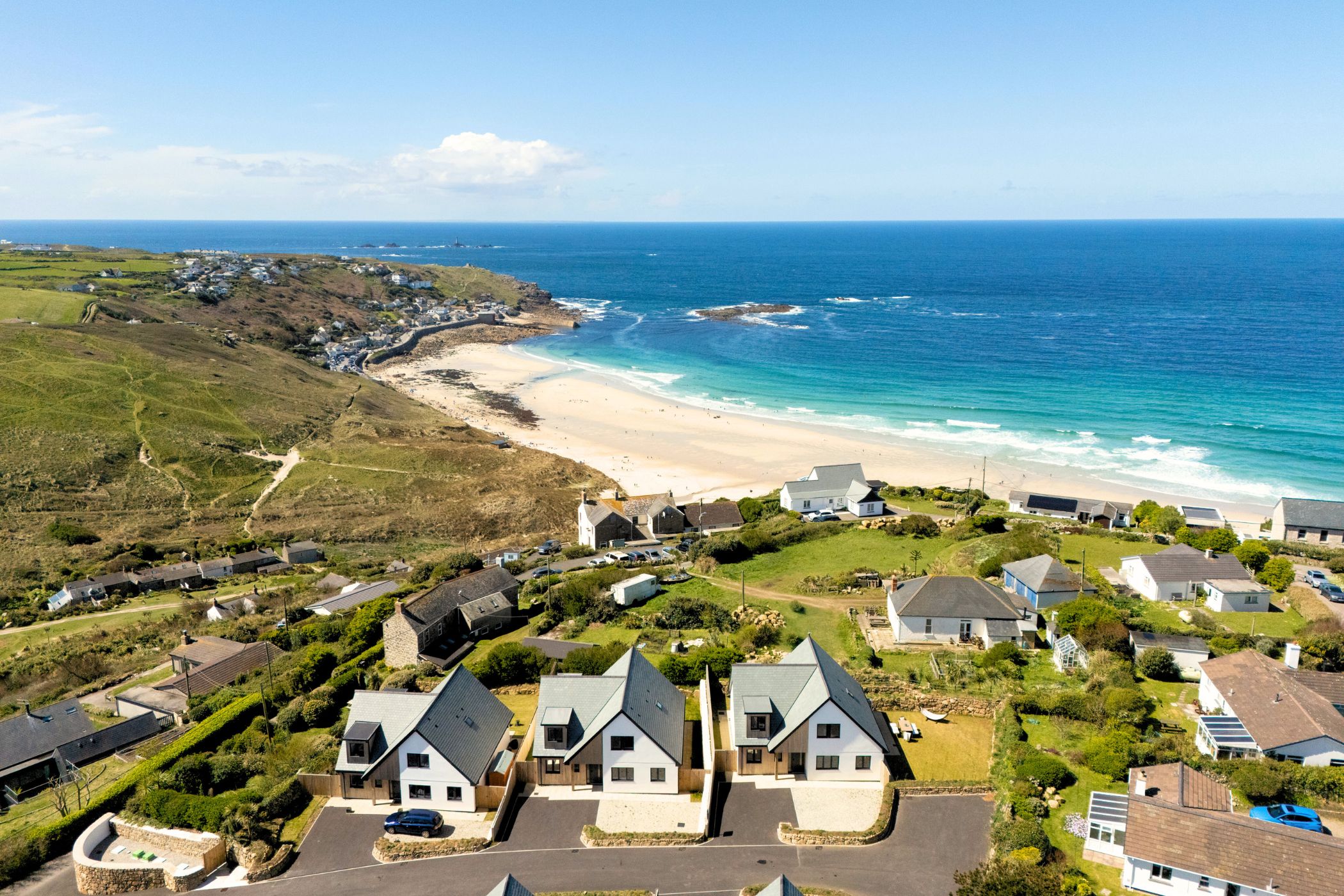
The second-home market in Cornwall covers two broad buyer typologies. The first is the coastal lifestyle buyer: a buyer drawn to the surf, the walking, the sea swimming, the restaurants of the Padstow and Falmouth harbour fronts, and the kind of long unhurried days in natural light that no urban property can provide. Padstow and the Camel Estuary are the nucleus of the food-led coastal scene — Rick Stein's restaurants, the harbour market, the spring-and-summer programme of boat trips — while Sennen Cove, at the southwestern tip near Land's End, and the villages of the Lizard Peninsula offer the wildest and least developed sections of the coast. St Ives, at the north-western corner, is the cultural capital of Cornish coastal living — the Tate St Ives gallery perched on the cliff above Porthmeor Beach, the Barbara Hepworth Sculpture Garden in the town centre, the narrow cobbled streets running between stone fishing cottages and contemporary gallery spaces, the three beaches within ten minutes' walk of most addresses in the town.
The second typology is the rural retreat buyer: a buyer seeking the farmed countryside of the Cornish interior — stone-walled fields, wooded valleys, the historic tin-mining landscape of the Cornish Mining World Heritage Site — or the equivalent in other English rural regions. Devon, with the Dartmoor National Park, the Exmoor National Park and the spectacular north and south coasts, operates just to Cornwall's east as a second-tier alternative with comparable landscapes and a slightly less pressured property market.
The transformation of Cornwall's second-home market at the quality tier has been driven by several convergent forces: the arrival of celebrity-chef restaurant culture (Padstow, Watergate Bay and St Mawes have each developed food scenes that are internationally competitive), the normalisation of remote and hybrid working among the high-income professionals who historically only visited in summer, the improvements to broadband and mobile coverage across the peninsula, and the success of the Eden Project (near St Austell) in giving the county a year-round cultural anchor event that attracts international visitors even in January.
Newquay Cornwall Airport (NQY) now handles routes from London Gatwick, Manchester, Leeds Bradford, Edinburgh and Amsterdam, substantially reducing the travel barrier from the rest of the UK and from North-West Europe. The practical consequence is that a Cornish second home is now a twelve-months-a-year proposition rather than a summer-only escape — October through January, when the surf is at its best and the coast roads are quiet, has become as valued among engaged owners as the school-holiday peak. Best for: surf-oriented families and couples who want access to some of the best Atlantic breaks in Europe; food and culture-driven buyers drawn to the Padstow-Falmouth-St Ives coastal scene; owners seeking a dramatic natural landscape that delivers a different lifestyle register from either London or the Cotswolds; and buyers who want the long unstructured days by the sea that only a coastal second home can provide.
A year in your English co-ownership home
Spreading owner nights that carry no set cap across a calendar year is itself a skill — and one of the quiet benefits of holding across England's three clusters is that you can match the season to the property rather than the property to the date. The 1/8 share model ensures a fair allocation of peak weeks across a multi-year rotation cycle; owners who are flexible enough to use shoulder weeks — rather than competing for August in Cornwall or the Chelsea Flower Show week in London — consistently report a higher use-quality from their shares than those who insist on peak. Below is the country-level seasonal walk through the English year.
Spring (March–May)
English spring is the most under-estimated of the four seasons for second-home use. March in the Cotswolds is the beginning of the event calendar that defines the region: the Cheltenham Gold Cup runs in the second week of March (the annual high point of National Hunt racing, drawing owners from across Europe and further afield), the spring sheep fairs in the North Cotswolds market towns resume, and the stone-walled fields start to show the first flush of growth by mid-month. In Cornwall, March and April are the months of the most dramatic Atlantic swells — long-period ground swell from winter storms produces the cleanest, largest waves of the year at Sennen, Fistral and Watergate Bay, in water that has not yet warmed but under increasing sunlight hours.
The coast is quiet, accommodation easy to book, and the South West Coast Path uncrowded — conditions that experienced walkers specifically target. In London, spring means the institutional calendar returning to pace: the spring auctions at Christie's and Sotheby's in March, the Chelsea Flower Show in the last week of May (the social equivalent of a season-opener for many London second-home owners), and the May bank holidays that give long-weekend stays their natural rhythm.
April brings the Easter holiday calendar that defines family use across all three regions — Cotswold footpaths crowded with the first serious walkers of the year, Cornish beaches busy on the southern coast but quieter on the north, London's cultural institutions running their spring exhibition programmes from the National Gallery through the Serpentine Gallery pavilion installations. May is the regional high season's preface: temperatures in the South-West reaching 14–17°C (high 50s°F to mid-60s°F), sea swimming underway for the robust, the bluebells under the beech canopy in Cotswold woodland at their single best week of the year (typically the last ten days of April through the first week of May), and the London restaurant and theatre booking window for summer opening with the kind of availability that July and August will not offer. The RHS Chelsea Flower Show and the opening RSC season at Stratford make late May one of the most-used weeks for Cotswold owners who combine the country air with a cultural excursion.
Summer (June–August)
The English summer pattern is well-understood and worth planning around. June is Cornwall's best month for owners who want both surfing and warmth: sea temperatures climbing toward 16–18°C (low 60s°F) — not Mediterranean, but warmer than the water at many Northern European beaches — the north-coast surf at reliable chest-to-head height, and the coastal towns running at their shoulder-season pace before the school-holiday peak. The Eden Project's summer concert programme begins in June, typically attracting major international acts to one of the most architecturally striking outdoor venues in Europe. Glastonbury Festival in late June places the Somerset edge of the Cotswolds within thirty minutes of the most celebrated music event in the English-speaking world — an unexpected co-ownership bonus for owners whose tastes run that direction.
July brings the high season to all three regions simultaneously: the school-holiday peak in Cornwall from mid-July creates real competition for beach parking and restaurant tables along the most popular stretches of coast; the North Cotswolds fills with day-tripping London weekenders; and London itself enters a peculiar summer mode in which the city is simultaneously the most visited it will be all year (the tourist peak) and the most pleasant for residents (the long evenings, the al fresco dinner culture, the BBC Proms season at the Royal Albert Hall from mid-July through mid-September). August is the British high-summer month: temperatures across England reaching 20–25°C (high 60s°F to high 70s°F) in a good summer, occasionally warmer, the Cornish coast at full sun-seeking capacity, and the Cotswolds at its most picture-postcard.
The The Open golf championship (mid-July), Wimbledon (late June to early July) and the summer racing calendar at Royal Ascot (June) and Goodwood (late July) give the London owner in particular an anchor-event calendar that makes peak-summer usage one of the most anticipated windows of the year.
Autumn (September–November)
For many experienced English second-home owners, autumn is the favourite season. September in Cornwall is the surfer's primary window: the summer crowds have dispersed, the autumn swells begin arriving from Atlantic storm systems north-west of Scotland, and the sea is at its warmest of the year — 18–19°C (mid-60s°F) — having accumulated heat through the summer. Restaurant bookings are easy again; the Newlyn Art Gallery and the programme of autumn openings at Tate St Ives give the cultural calendar its autumn dimension. In the Cotswolds, September and October bring the harvest season to the farms visible from most country-house windows — the barley and wheat cut in September, the apple orchards of the Severn Vale at full fruit in October, the cider-pressing season underway at farms around Ledbury and Hereford on the western Cotswold edge. The Cheltenham Literature Festival in October is one of the UK's most distinguished literary events, drawing authors and audiences from across the English-speaking world for ten days in early October — a reliable anchor event for Cotswold owners who enjoy the combination of autumn walking and literary evenings.
In London, October and November are the cultural high season. The autumn auction season (Christie's and Sotheby's opening evening sales), the opening of Frieze Art Fair in Regent's Park in mid-October, the launch of the new opera season at the Royal Opera House, the opening of the London Jazz Festival in November, and the re-opening of the major theatres' autumn and winter programmes from September onwards combine to make London in autumn arguably the most culturally active period of the city's year. The parks — Hyde Park, Kensington Gardens, Regent's Park, Richmond Park — turn gold and copper through October in a way that specifically rewards owners who can make one of their London stays coincide with the peak of the autumn colour. Restaurant booking windows contract in October as the city returns to full pace after September's rentrée; the smart move is to book October and November stays three to four months ahead rather than leaving it to chance.
Winter (December–February)
The English winter second-home pattern is less ski-oriented than its Alpine equivalents but no less specific. December in London is the city at its most deliberately beautiful: the Oxford Street and Regent Street light installations, the Winter Wonderland in Hyde Park, the decorated facades of the Mayfair department stores (Selfridges, Liberty, Fortnum & Mason), the ice rinks at Somerset House and in the Natural History Museum courtyard, the carol services at Westminster Abbey and St Paul's Cathedral. A Christmas week in a Mayfair or Chelsea townhouse — dinner at a Michelin-starred restaurant on Christmas Eve, a long Christmas-morning walk through a near-empty Hyde Park, the Boxing Day sales on Bond Street for those who enjoy them — is one of the experiences that London co-ownership owners most consistently report as the single week they least want to miss. New Year in London offers the London fireworks on the Thames, arguably the most-viewed New Year's Eve display in the English-speaking world; owners with properties overlooking the Embankment or with rooftop terraces need not go anywhere further.
The Cotswolds in winter takes on a different, quieter character. The honey-stone villages under frost or snow are as photographed as any English rural scene — the frost-white fields, the bare trees, the wood-smoke rising from stone chimneys, the warm interior of a village pub. The Cheltenham Christmas Races in December are the social opening of the National Hunt winter season; the RSC Christmas productions at Stratford-upon-Avon draw audiences from London and the Midlands through December and January. January and February are the quietest months in the Cotswolds and the most clearly the owners' own: almost no day-tripping tourists, the villages returned to their working-village pace, the walking routes quiet, the country-house hotels and village restaurants available at short notice. Cornwall in winter is a revelation for first-time owners: the Atlantic is at its most theatrical — twelve-foot swell arriving in long clean lines at north-facing beaches, the cliff-top walks swept by westerly wind and horizontal spray, the light extraordinary in its intensity — and the population of the coastal villages drops to a tenth of the summer peak. January and February temperatures along the Cornish coast run 6–10°C (mid-40s°F to low 50s°F) — cold, but warmer than the rest of England and radically warmer than anywhere more than five miles inland — and the combination of dramatic maritime weather with a warm open fire and a harbour-view window is something that owners repeatedly cite as the most restorative experience their Cornish share delivers. The south-coast Helford River and the Truro Cathedral district give winter visitors a different, calmer version of the Cornish brief than the surf beaches of the north coast.
Who buys in England, and why
The international buyer mix in English fractional co-ownership draws from a remarkably broad geographic base. European buyers — French, Belgian, Dutch, German, Scandinavian and Swiss — are historically the largest non-British cohort and are drawn primarily to London (for business and cultural reasons) and to the Cotswolds (where the rural landscape has a specific appeal to the Continental buyer seeking a version of English pastoral that they associate with heritage television and the English country-house tradition). The Dutch and Belgian markets, in particular, are among the strongest contributors to the Cotswolds second-home buyer pool: the drive from Amsterdam to Calais, Folkestone and then the Cotswolds is under five hours in good traffic, and the well-established English-language infrastructure makes it a natural destination for North Sea buyers who want a foothold in Britain. American buyers have grown substantially over the past decade, particularly in London — the shared language, the direct flight from any major US city to Heathrow or Gatwick, and the prestige of a London address combine to make it one of the most consistent US second-home markets in Europe.
In the Cotswolds, American buyers motivated by heritage-television familiarity with the landscape (Downton Abbey, Bridgerton, and decades of English period drama) have become an established presence in the premium addresses around Chipping Campden, Burford and Bibury. Gulf and Middle Eastern buyers have historically been concentrated in London's ultra-prime boroughs; South Asian buyers, both domestic-UK and overseas, represent an increasing share of the London fractional market, particularly in Mayfair and Kensington.
The age-and-life-stage profile of the English fractional buyer is broadly similar to the wider COP pattern but with some England-specific characteristics. The largest single cohort is in the 45–65 age band — owners whose professional incomes are established, whose children are either at school (with the school calendar setting the usage pattern) or have recently left home, and whose thinking on a second home runs to a fifteen-to-twenty-year horizon. London buyers in this cohort are often working professionals who visit London regularly and for whom owning rather than hotelling-and-airbnb-ing their stays represents both a financial and quality-of-life improvement. Cotswolds buyers in the same cohort tend to be London-based families for whom the country house has been a recurring aspiration and for whom the fractional model resolves the affordability and management barriers that have historically kept them in the renting pool. Cornwall buyers are often in the 40–60 band and motivated more specifically by lifestyle — the surf, the walking, the desire for regular reconnection with a natural landscape that urban life cannot provide. The fastest-growing cohort is the 35–45 professional couple — dual-income, frequently travelling, accustomed to using Airbnb or hotel loyalty programmes for their short-stay needs, and increasingly recognising that the fractional model delivers better quality and builds equity rather than burning cash on each stay.
Fractional co-ownership in England typically suits:
- London-based professionals and families wanting a country base — the Cotswolds share is the most common first fractional purchase for this group; the proximity, the management inclusion, and the relief from the logistical overhead of a second property they would otherwise manage personally are the core drivers.
- International buyers seeking a London foothold — American, European and Gulf buyers who visit London regularly for business or pleasure, for whom owning a fully managed apartment in Mayfair or Chelsea at 1/8 of the capital commitment of full ownership resolves a calculation they could not otherwise balance.
- Surf and outdoor families — buyers drawn to the Atlantic coast who want a base in Cornwall for the five or six weeks a year when a great surf or a long coastal walk is the primary brief, without the operational burden of managing a rural second property remotely.
- Cultural enthusiasts choosing London — buyers whose London time is built primarily around the opera, the galleries, the West End season and the auction calendar, for whom the repeat-short-stay model is more appropriate than a long holiday, and for whom a managed property is the structural prerequisite.
- Multi-region portfolio builders — an increasingly common pattern is the buyer who pairs an English share (London or Cotswolds) with a Mediterranean or alpine share elsewhere in the COP portfolio. The English property handles the winter city-and-country calendar; the warmer-climate share handles the summer and mountain weeks. Three 1/8 shares covering England, France (or Spain) and one other jurisdiction can give an owner roughly 12–15 weeks of fully managed, equity-holding second-home use across a year at a combined annual carry that is a fraction of what a single whole property at any of those addresses would cost.
Practicalities: getting there, what it costs, what you own
Getting there
England's transport infrastructure for second-home owners is, by European standards, exceptionally well developed. London is the hub through which almost all international arrivals pass, and the range of options for onward travel to the Cotswolds or Cornwall from London is correspondingly broad. London Heathrow (LHR), the busiest airport in Europe by international passengers, handles direct services from essentially every major city in North America (New York JFK in 7 hours 30 minutes, Los Angeles in 11 hours, Toronto in 8 hours 30 minutes), the Gulf (Dubai in 7 hours, Abu Dhabi in 7 hours 30 minutes), Asia (Singapore in 13 hours, Hong Kong in 12 hours), Australasia and across Europe. Gatwick (LGW) and Stansted (STN) provide the secondary London gateway options with particularly strong European low-cost connectivity.
The Eurostar from London St Pancras connects Continental European owners to the city in under 2 hours 15 minutes from Paris, under 2 hours from Brussels, and 3 hours 55 minutes from Amsterdam — making England accessible from much of North-West Europe without an airport. For owners coming directly to Cornwall from outside the UK, Newquay Cornwall Airport (NQY) has direct services from London Gatwick, Manchester and Edinburgh, and from Amsterdam in summer.
From London, the onward journey to each cluster breaks as follows. For London co-ownership owners, the journey is the journey to the airport or station — a managed property in Mayfair, Chelsea or Notting Hill is the destination, not a waypoint. For Cotswolds owners, Great Western Railway from Paddington offers the most reliable option: trains run frequently throughout the day to Charlbury (88 minutes, for Chipping Norton, the Slaughters and Bourton), Kingham (90 minutes, for Stow-on-the-Wold and the central villages), Moreton-in-Marsh (90 minutes, for the North Cotswolds and Chipping Campden), and Kemble (80 minutes, for Tetbury, Cirencester and the southern villages). A taxi from any of these stations to the main Cotswold destinations is under 30 minutes. By road, the M40 to Oxford and then the A44 serves the central and northern Cotswolds in under two hours on a good day; the M4 to Swindon and A419 serves the southern zone.
For Cornwall owners, the GWR Penzance service from Paddington reaches Bodmin Parkway in 4 hours, Truro in 4 hours 30 minutes, and Penzance in 5 hours — with additional stops at St Austell and Redruth. The road from London to Penzance via the M4 and A30 is 280 miles and takes 5–6 hours depending on traffic, particularly on summer Friday afternoons when the M5 south past Exeter and the A30 into Cornwall congests. Most regular Cornwall owners fly to Newquay in 70 minutes and collect a car there.
Whole-property vs 1/8 share: the comparison
The case for a fractional structure is most clearly seen in the side-by-side comparison against both whole ownership and long-term rental — the three ways most international buyers consider holding an English second-home pattern. The comparison is deliberately in relative terms, not in specific pound amounts: the price points vary enormously between a Mayfair townhouse and a Cornish beach house, and the ratios are what matter rather than any specific figure that will date the moment it is written.
| Whole second home | COP 1/8 fractional share | Long-term rental | |
|---|---|---|---|
| Upfront commitment | Full property value | ~1/8 of the property value | First/last/deposit only |
| Equity in the asset | Full appreciation | ~1/8 of appreciation | None |
| Annual carry | Full council tax, insurance, management, maintenance | ~1/8 of carry, fully managed | Full rent every year, indefinitely |
| Personal use | Up to 52 weeks (most use 6–10) | Set by the operator, professionally scheduled | Defined by lease |
| Operations burden | Owner-managed or hired staff | Fully included | Landlord-managed |
| Time to exit | 6–24 months on the open market | Sold through our partner's resale process | End of lease term |
The comparison most buyers find most telling is the annual-carry line. Owning a whole English second home outright means carrying full council tax, full buildings and contents insurance, full property management — every year, regardless of how many weeks you actually spend there. A 1/8 fractional share carries proportionally less, fully managed, with the operational burden lifted entirely from the owner. Compared to renting a similar property long-term, the owner builds real equity rather than burning rent indefinitely — and the share is theirs to sell, transfer or pass on. The time-to-exit line is the other telling comparison: whole-property resale on a prime London address or a desirable Cotswold manor can take 12 months or more in a stable market, and considerably longer when market conditions tighten. The carrying costs of holding a whole English country house through a slow open-market sale can add up to a meaningful fraction of the eventual sale price. A fractional share, by contrast, is sold through our partner's resale process, without you having to sell the whole house.
What's included in the annual service charge — and what isn't
The annual carry on a 1/8 share is, by definition, roughly 1/8 of the carry on the equivalent whole property — which means it is a fraction of what an outright second-home owner pays in council tax, insurance, management and maintenance, and a fraction of what year-round long-term rental of an equivalent home would cost. The service charge is best understood as a single all-in number that covers everything required to keep the property operating at full standard regardless of who is or isn't in residence. The items typically included run to: council tax (the assessed rate for the property); building and contents insurance; the full property-management retainer covering staff, scheduling and owner relationship; linen and cleaning between every stay; garden, grounds and pool maintenance (where applicable); routine maintenance and repairs under a defined threshold; utility bills (electricity, water, broadband, alarm monitoring); and a contribution to the reserve fund for major capital works (roof, heating systems, structural items). What is typically not included: large capital improvements (full kitchen replacement, major bathroom refurbishment) which are decided together by the co-owners and funded from the reserve or a one-off levy; personal costs during stays (a private chef, personal security); damage caused by an owner's own use; and unusually high utility consumption during stays. The annual figure is not a "running cost" in the open-property sense but a comprehensive operating budget that keeps the property in active condition throughout the year.
What you actually own
Every English property on COP is shared by you and up to seven other co-owners, each owning a real share of the home; the legal set-up is arranged by our partner for each home and walked through with you before you buy.
How fractional ownership works in England
The mechanics of fractional ownership in England are framed by three things that work together: the legal set-up arranged by our partner for each home and walked through with you before you buy, the UK property tax and registration regime that applies to all English secondary residences, and the well-developed Land Registry and conveyancing system that underpins ownership records. That set-up is specific to each home; the UK taxes are the standard local taxes that any second-home owner pays; and the Land Registry system — one of the most complete and transparent in the world, covering over 26 million titles — is the infrastructure that gives the underlying real estate its documentary clarity. Understanding how these three pieces fit together is the difference between a clear, predictable ownership experience and one the buyer feels uncertain about.
What you own: a real share of the English home
You own a real share of the home — an eighth, a quarter — not a right to use it. You can sell it, pass it on to your heirs, and it rises and falls in value with the house. The legal set-up is arranged by our partner for each home and walked through with you before you buy. Big decisions, such as selling the home or major works, are decided together by the co-owners.
UK property tax and your service charge
England operates a straightforward but specific property-tax regime that applies to co-ownership properties. Council tax — the annual residential property levy set by the local authority in whose borough the property falls — applies to the property. In London boroughs, council tax on a premium property runs across a small number of banding categories, with the cost folded into the annual service charge distributed across the co-owners. For the Cotswolds, the relevant authority is typically Cotswold District Council, West Oxfordshire, Stroud or the relevant county authority depending on the exact sub-zone.
For Cornwall, it is Cornwall Council. Properties used primarily as second homes attract a council tax premium in some local authority areas — England's government has extended the powers for councils to charge premiums of up to 100% on top of the standard rate for long-term empty and second-home properties; the applicable premium depends on the local authority and is reviewed annually. Stamp Duty Land Tax (SDLT) applies to property acquisitions in England; how tax works depends on the country and the home's legal set-up, which our partner explains before you buy; we recommend independent advice. International buyers are advised to confirm the specific SDLT treatment and any applicable surcharges with their own UK tax counsel before completing. Capital gains tax on resale of your share is an area where the treatment depends on the seller's tax residency, the applicable UK-to-home-country treaty and the home's legal set-up; as with SDLT, personal advice from a UK-qualified adviser is required for any specific situation.
Inheritance and transfer of English property
Directly held English real estate is subject to UK inheritance tax and the standard English succession process. How inheritance works for your share depends on the country and the home's legal set-up, which our partner explains before you buy; you can pass your share on to your heirs, and we recommend independent advice. For international co-owners — French, American, Dutch or Singaporean — a share can be passed to heirs, subject to any applicable UK inheritance tax; the specific treatment requires their own legal and tax advice, and the professional infrastructure to handle it is well-developed in England.
The professional management model and how the calendar works
Once the purchase completes, a professional management team takes over all operational responsibility for the English property. Your personal weeks — with no set cap on total nights for a 1/8 share — are allocated through a fair-rotation calendar that distributes peak weeks (the Chelsea Flower Show week in London, the Cheltenham Gold Cup week in the Cotswolds, the August bank holiday in Cornwall, the Christmas fortnight across all three regions) fairly across the co-owner group across a multi-year cycle. Owners pre-book several months ahead; unused weeks are either held for the owner pool or, where the property's structure allows, made available to the broader COP audience. Pre-arrival preparation, linen and cleaning between every stay, year-round maintenance, gardens and grounds, council tax, building insurance and the on-call management contact — all sit with the management team. You arrive, the property is ready.
Resale: how to exit, typical timelines
When you decide to exit your English share, a professional resale process is in place, run by our partner, so you can sell your share without having to sell the whole house — whereas whole-property resales typically take 6–24 months on the open market. The buyer pool across the COP network is already aware of the property. For owners who want maximum control over the price and buyer, an open-market sale to any qualifying buyer remains an option. The carrying costs of holding a whole English second home through a slow open-market sale — council tax, insurance, management, maintenance accumulating quarterly — can add up to a meaningful fraction of the eventual sale price by the time it closes; selling a single share through the managed process avoids that accumulation. The full mechanics of fractional ownership across all jurisdictions — usage calendars, exit procedures, rental income treatment, the transfer on death, the relationship with the management company — are covered in our co-ownership explained guide. For specific English property availability, browse the listings in the property grid above, or join our list for new-property alerts as they come to market.
Your ownership at a glance
- Real ownership of the home — a real 1/8 share of the home: transferable, inheritable, and it rises and falls in value with the house. The legal set-up is arranged by our partner for each home and walked through with you before you buy. Not a timeshare, not a points membership, not a usage right.
- Fully managed throughout — the management team handles council tax, insurance, maintenance, scheduling, linen and cleaning between stays, and the on-call management contact. You arrive, the property is ready.
- Clear, supported resale — when you decide to exit, our partner's resale process is in place, so you can sell your share without having to sell the whole house — whereas whole-property resales typically take 6–24 months.
- Designed for international portfolios — many owners combine shares across several COP destinations, each with its own legal set-up walked through by our partner before purchase.
Still deciding which English region?
Many readers arrive on this page already half-decided — they want England, but not yet which England. The choice between London, the Cotswolds and Cornwall is rarely about budget alone; the three regions can, at the top tier, sit in overlapping price bands. The decisive question is usage pattern: how will you actually spend your weeks across a calendar year? The honest answer for most buyers is one most have not previously articulated, because the question rarely arises in full until ownership becomes concrete. Below is the framework that helps buyers resolve the same fork, with deliberate simplification — most owners who hold for more than three years find they want more than one region — but useful as a first-order orientation.
Choose London if you want a base for repeat short stays built around culture, city-life, professional visits and the social calendar, if your second-home weeks are more likely to be long-weekend-shaped than fortnight-shaped, and if you value the year-round usability that no seasonal English destination can match. London is the right answer for owners whose primary home is in another major city and for whom London is a recurring destination rather than a once-a-year escape; for buyers who enjoy the theatre, the auction houses, the restaurant scene and the membership clubs, and want a base rather than a room; and for international buyers who see a London property as both a lifestyle asset and a participation in one of the most consistently liquid prime residential markets in the world. Unlike a traditional timeshare — which would give you the same fixed week in the same hotel room — a London co-ownership share gives you a real residential property at a world-class address, with the calendar flexibility to use it across the full year pattern that actually suits your life.
Choose the Cotswolds if your dominant use is English countryside and rural culture — the walking, the villages, the landscape, the cultural calendar of Cheltenham, Stratford and Oxford — and if the proximity to London (under two hours from Paddington) matters to you as much as the destination itself. The Cotswolds is the right answer for buyers who want the most architecturally complete and most deeply protected rural second-home address in Britain; for London-weekenders who have been renting in the Cotswolds for years and want to own instead; for international buyers whose primary interest is the English pastoral tradition (the honey-stone villages, the Arts and Crafts houses, the country-house hotels and their gardens); and for families whose extended network includes school-age children at Cheltenham College, the Oxford prep schools or the Stratford-Avon independent schools. The Cotswolds works year-round in ways that many rural English destinations do not — the cultural calendar runs through all four seasons, and the proximity to London means the property is usable on a Friday-evening-to-Sunday-night basis that a Cornish or Lake District property cannot match.
Choose Cornwall if you want a dramatic natural landscape and a coastal lifestyle that no inland property can replicate — the surf, the walking, the extraordinary winter light, the harbour-front restaurant scene, the kind of deep restoration that only the sound and scale of the Atlantic provides. Cornwall is the right answer for buyers whose second-home brief is primarily outdoor and nature-led; for surf-oriented families and couples; for owners who want a property that delivers a genuinely different lifestyle register from their primary home rather than a larger or grander version of the same; and for buyers who recognise that Cornwall's transformation over the past decade — from seasonal holiday county to a twelve-months-a-year second-home destination with competitive food, art and cultural infrastructure — is still in its middle chapters. The supply constraints imposed by the Cornwall AONB designation, the national park boundaries and the coastal-development restrictions on the most desirable positions make the long-run scarcity argument here almost as strong as in London or the Cotswolds.
The multi-region approach is worth naming. A meaningful proportion of English co-ownership clients hold more than one share within five years of their first purchase. The most common England-only combination is London plus Cotswolds: the London share for the city weeks and short cultural stays, the Cotswolds share for the longer country weekends and the school-holiday weeks. The next most common is Cotswolds plus an international share: the Cotswolds for the English rural calendar, plus a Mediterranean or alpine share for the warm-weather and winter-sport weeks. Some owners hold all three English regions; a smaller but growing number combine one or two English shares with two or three international shares for near-year-round managed-property coverage across multiple climate and cultural modes. For a wider orientation on the English regions, the official Visit England tourism site covers all regions in depth; the official Visit London guide and the official Visit Cornwall guide are similarly useful for buyers doing early regional research.
Whichever way the decision goes, the deeper exploration starts on the cluster pages:
If you would like to talk through which region best fits your family's actual use pattern — rather than the brochure version of it — join our list and we will be in touch with relevant new-property alerts and an introduction to the team.
Questions & Answers
England Fractional Ownership — Frequently Asked Questions
Fractional co-ownership gives you real ownership of a share — typically 1/8 — of a luxury English property alongside a small group of co-owners. The legal set-up is arranged by our partner for each home and walked through with you before you buy. Your 1/8 ownership is a genuine property asset: it participates in English property market appreciation, can be sold on the open market, and entitles you to around six weeks of use per year. No timeshare, no holiday club — real equity in real property.
A timeshare is a contractual usage right with no asset ownership. Fractional co-ownership is a real share of an English home. The legal set-up is arranged by our partner for each home and walked through with you before you buy. Your share has market value, tracks property price movements, and can be sold to any buyer at any price you negotiate. The distinction is absolute: one is a consumer product, the other is a property investment.
You own a real share of the home — an eighth, a quarter — not a right to use it. You can sell it, pass it on to your heirs, and it rises and falls in value with the house. The legal set-up is arranged by our partner for each home and walked through with you before you buy. All legal documentation is provided for review with independent UK legal counsel before purchase.
Your 1/8 share gives you around six weeks per year. COP manages scheduling through a structured calendar with seasonal allocations and a rotating priority system for peak periods (Christmas, bank holidays, summer). Unused weeks can be rented through COP's rental programme or swapped with co-owners.
Many of our England properties support short-term rental of unused weeks — and where permitted, it is an excellent way to offset your annual costs. COP's rental programme can list your unused allocated weeks on short-term rental platforms, with income paid directly to you after the platform fee. Many co-owners cover a meaningful portion of their annual service charge through rental income, particularly in high-demand locations.
That said, rental availability varies by location — some areas have local restrictions on short-term lets, and not all properties in our portfolio permit it. Always check the individual England property listing to confirm whether short-term rental is available for that specific home before factoring rental income into your plans.
Prime English property — particularly London and popular rural/coastal locations — has been one of the world's most resilient property markets over the long term. Supply constraints in historic cities and planning restrictions in areas of outstanding natural beauty permanently limit new construction. Fractional ownership gives you proportional participation in this market at 1/8 the capital commitment, with the added benefit of genuine personal use of the property.
When you decide to exit, a professional resale process is in place. The supported resale process runs through the COP owner network — your England fractional share is marketed to an existing audience of qualified prospects already familiar with fractional co-ownership, and you keep full control over price and timing.
Resale is handled through our partner's resale process, so you can sell your share without the whole house having to be sold. Note that some properties have a minimum holding period during the first year — check your specific property details before purchase.
COP's England portfolio focuses on luxury properties in London and premium English leisure destinations. All properties are fully furnished and professionally managed.
Browse COP's England listings, review the share price and annual service charge, and submit an enquiry. A COP specialist will be in touch within 24 hours.
Get in Touch
Speak to an expert
Tell us what you're looking for and one of our co-ownership specialists will be in touch within 24 hours.