Los Cabos · Baja California Sur · Mexico
Fractional Ownership & Co-Ownership in Los Cabos
From a gated villa above the marina at Cabo San Lucas to a beach-close home in the colonial art town of San José del Cabo, fractional ownership in Los Cabos means a real share of Mexico's premier desert-meets-sea resort market — around six weeks of personal use a year, and a fully managed home on the tip of the Baja peninsula that is ready the day you land. Whether you call it fractional ownership or co-ownership, you own a real share of the home.
7 properties · from $499,000

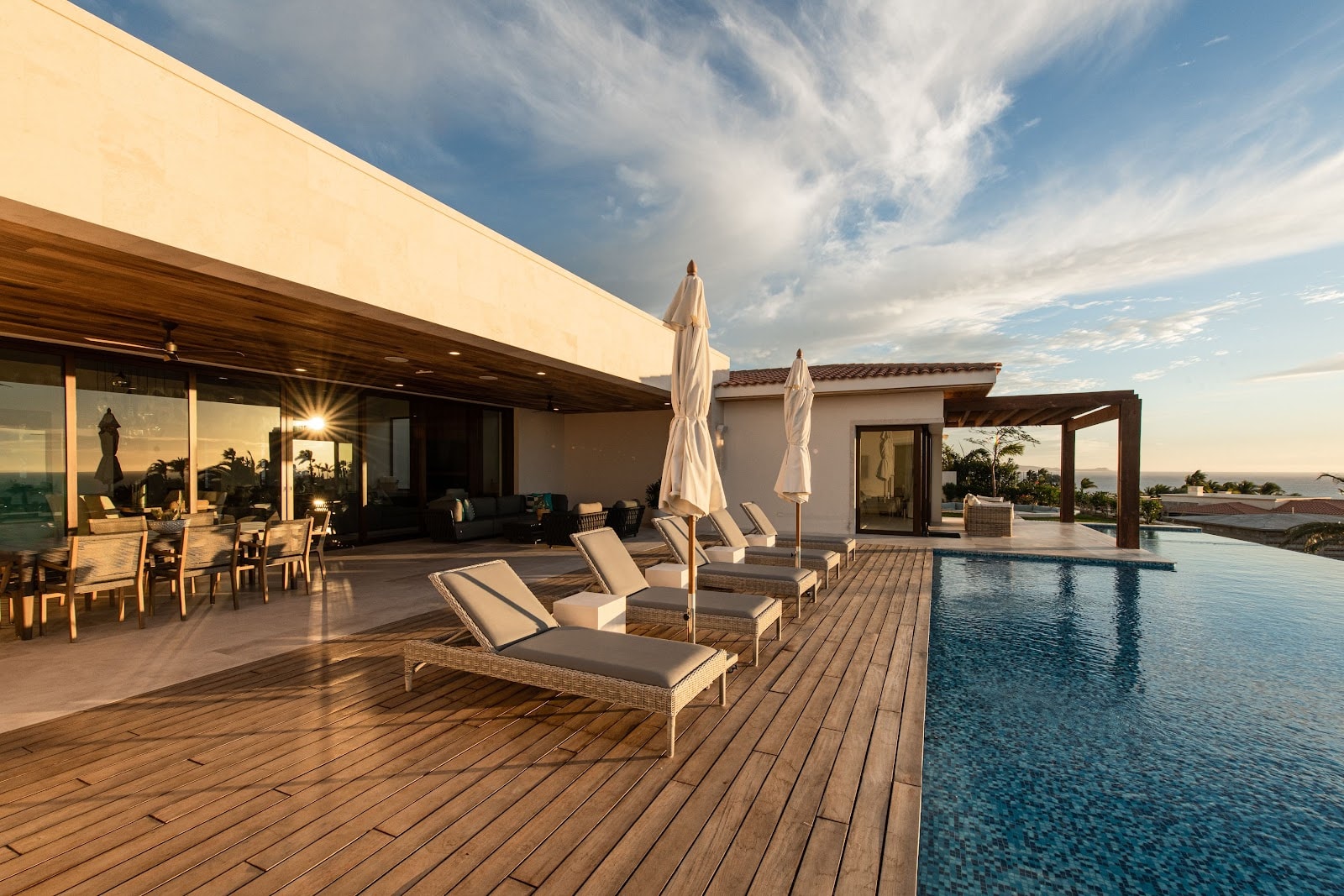
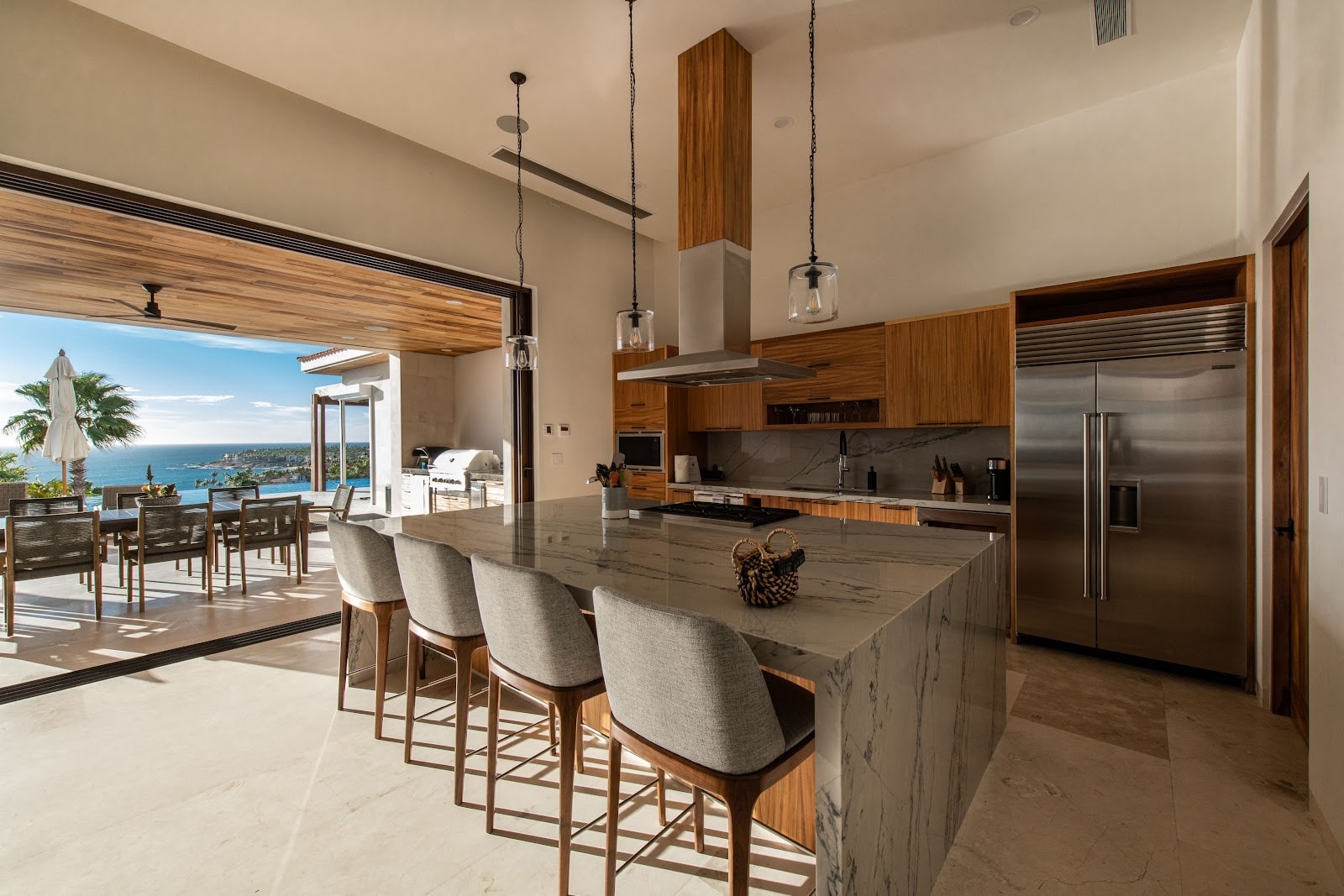
San Jose Cabo, Corredor Turistico, Mexico — 5-Bed House With Infinity Pool
$950,000
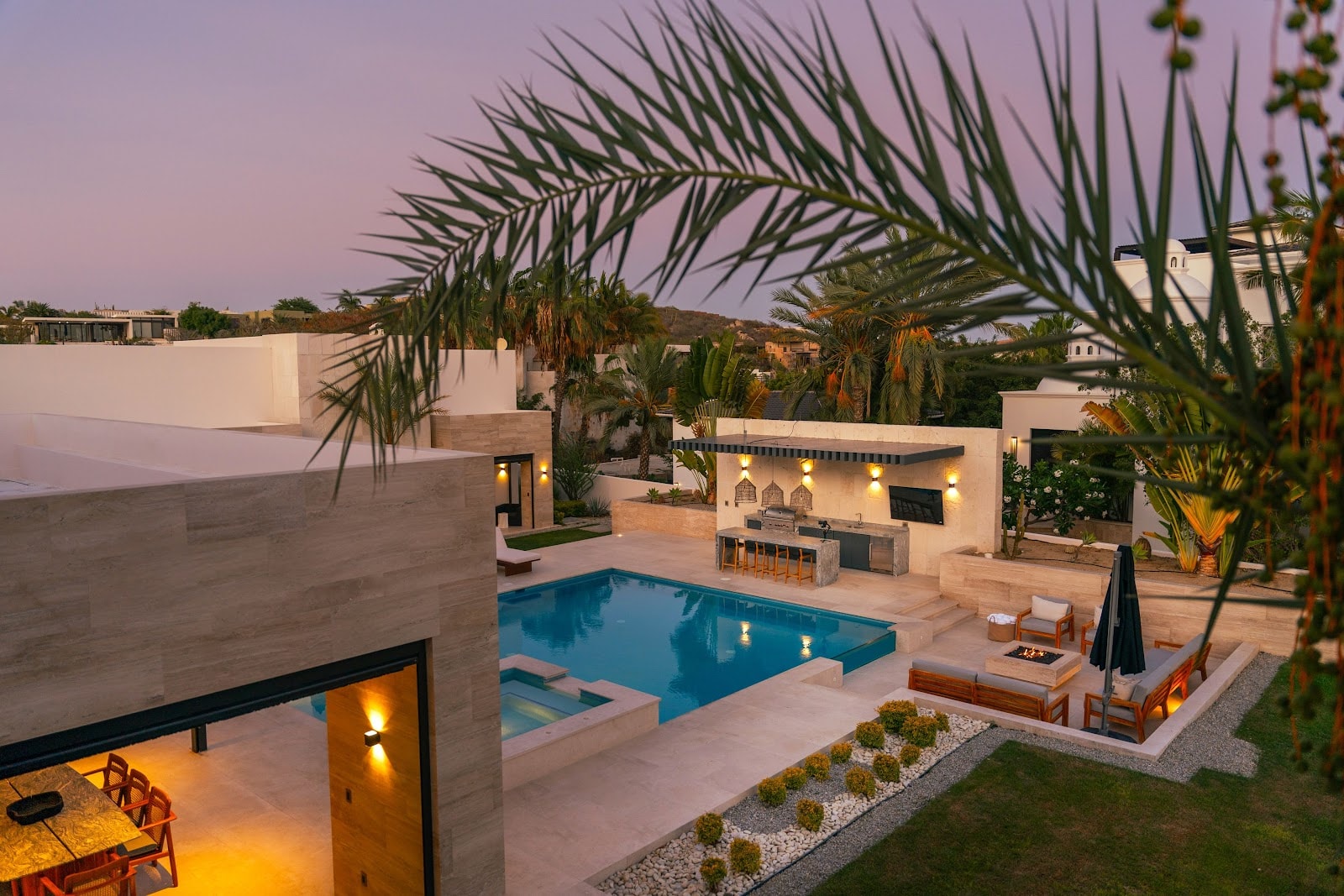
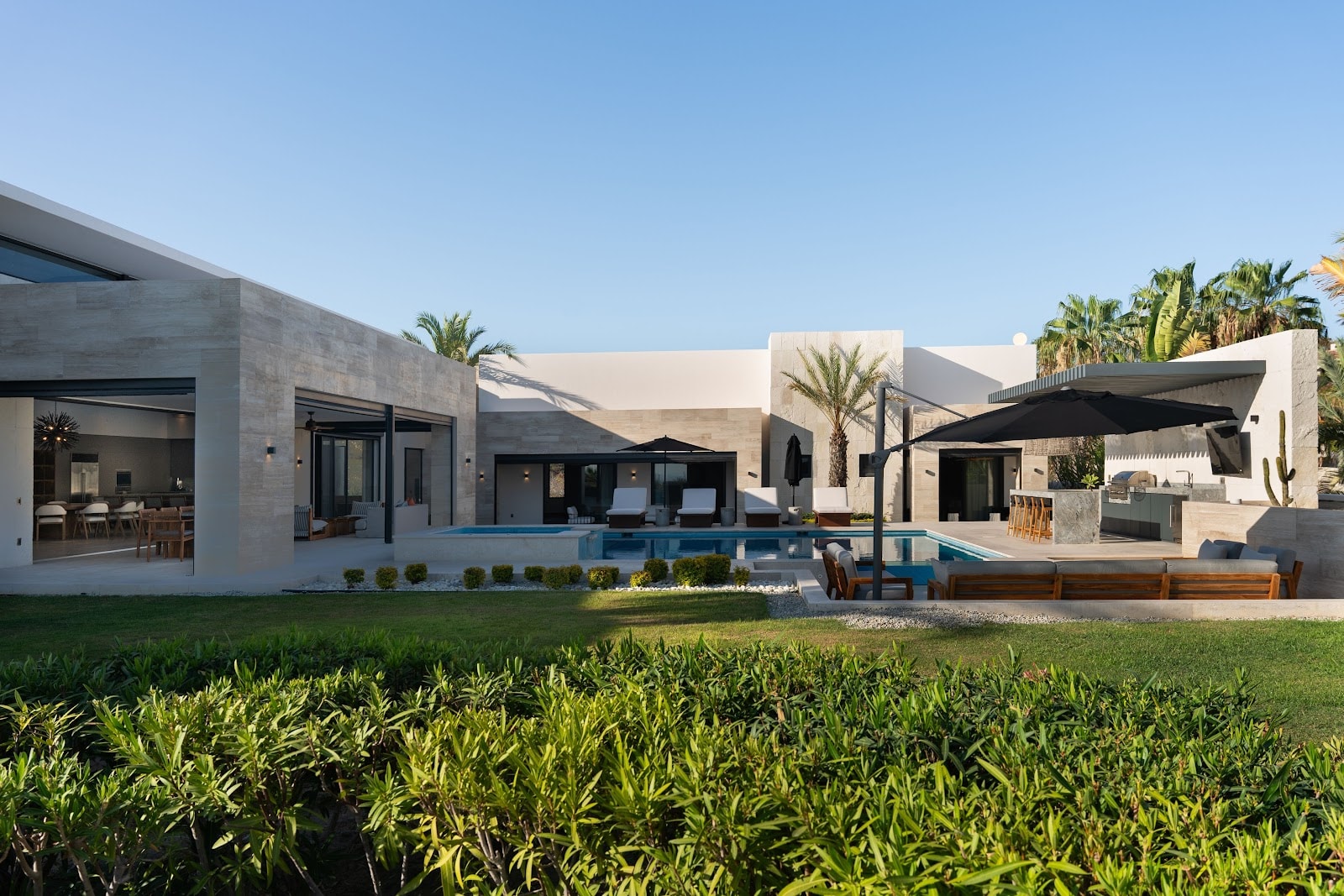
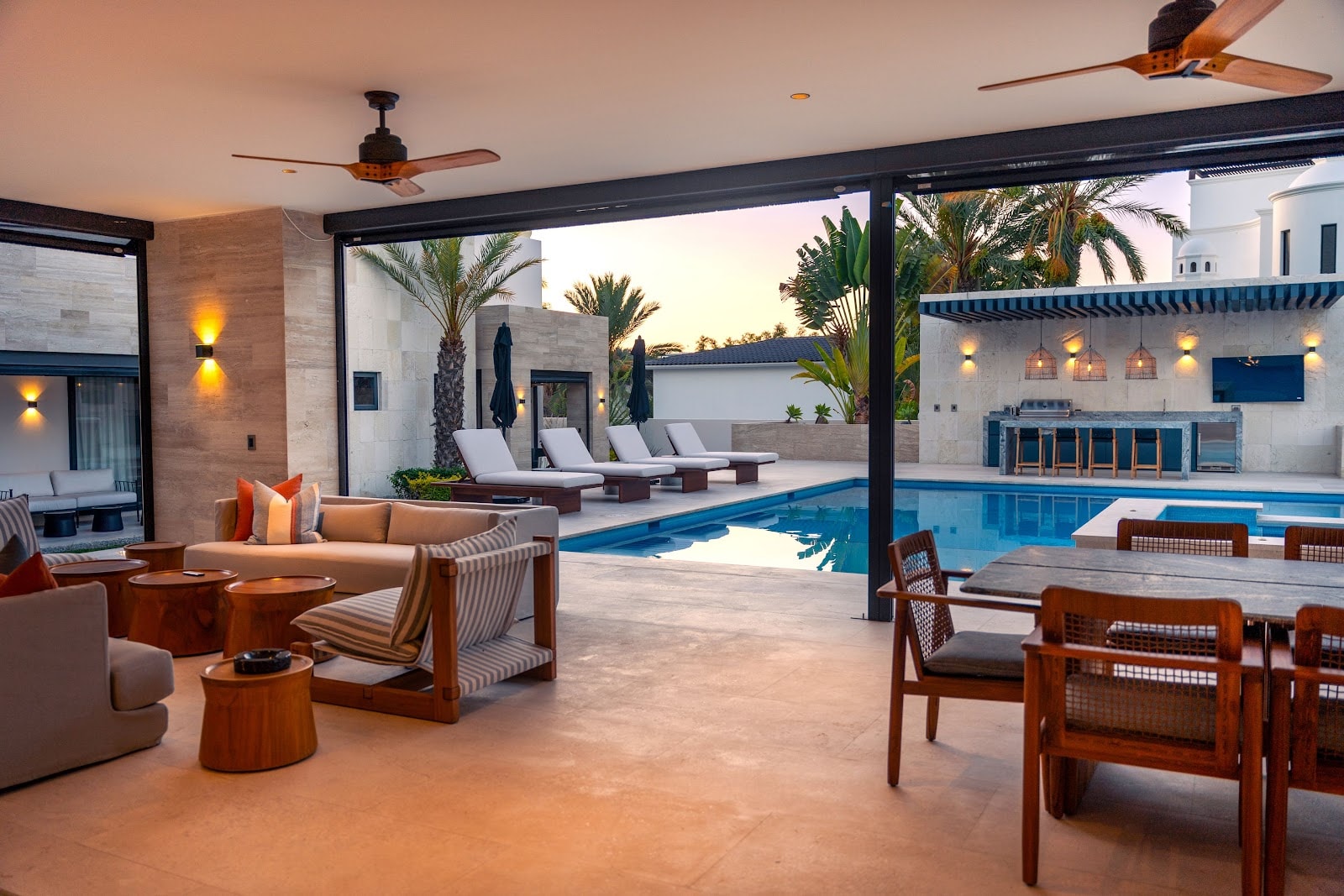
San Jose Del Cabo, Mexico — 5-Bed House With Beach Access
$875,000
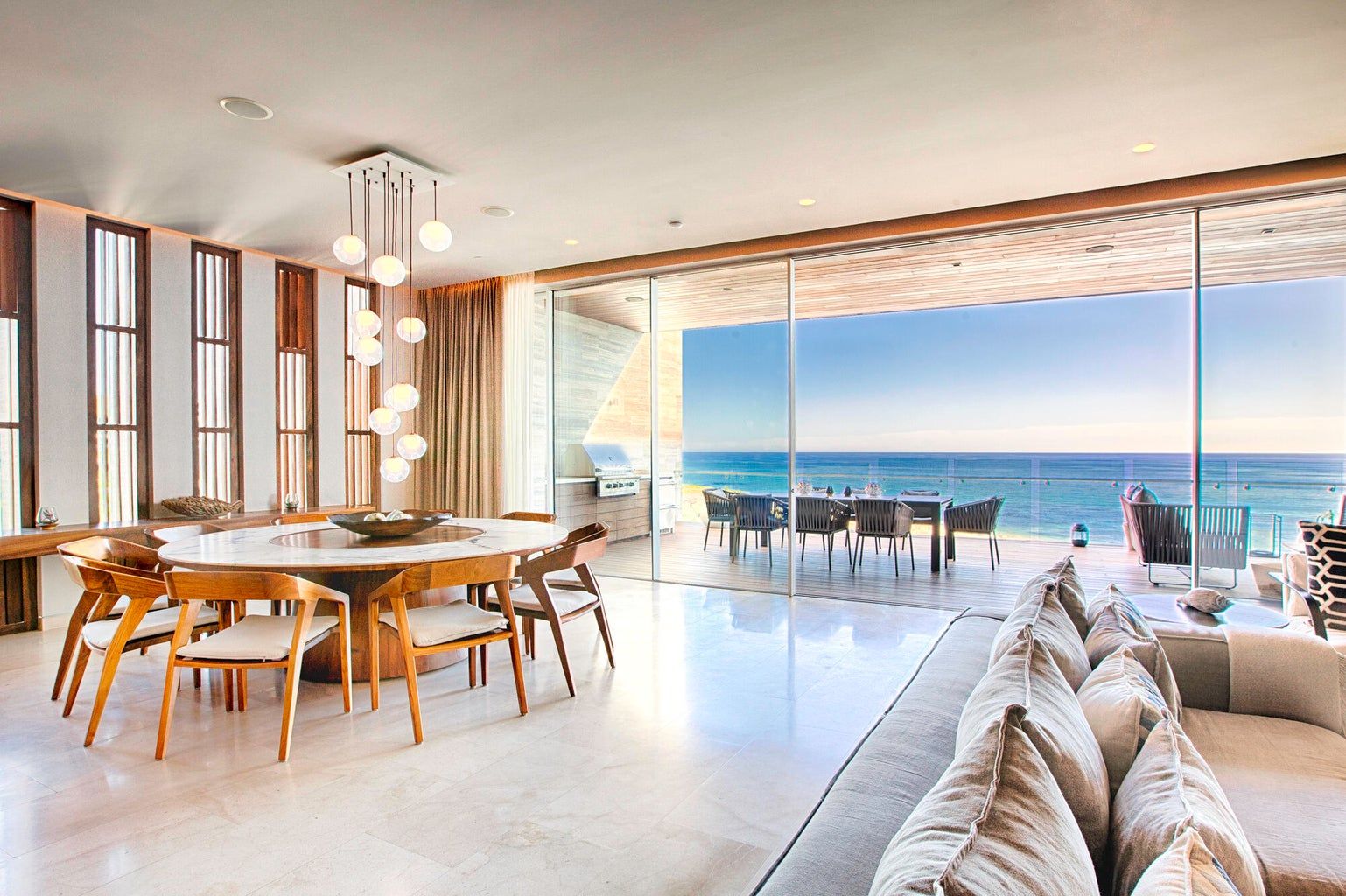
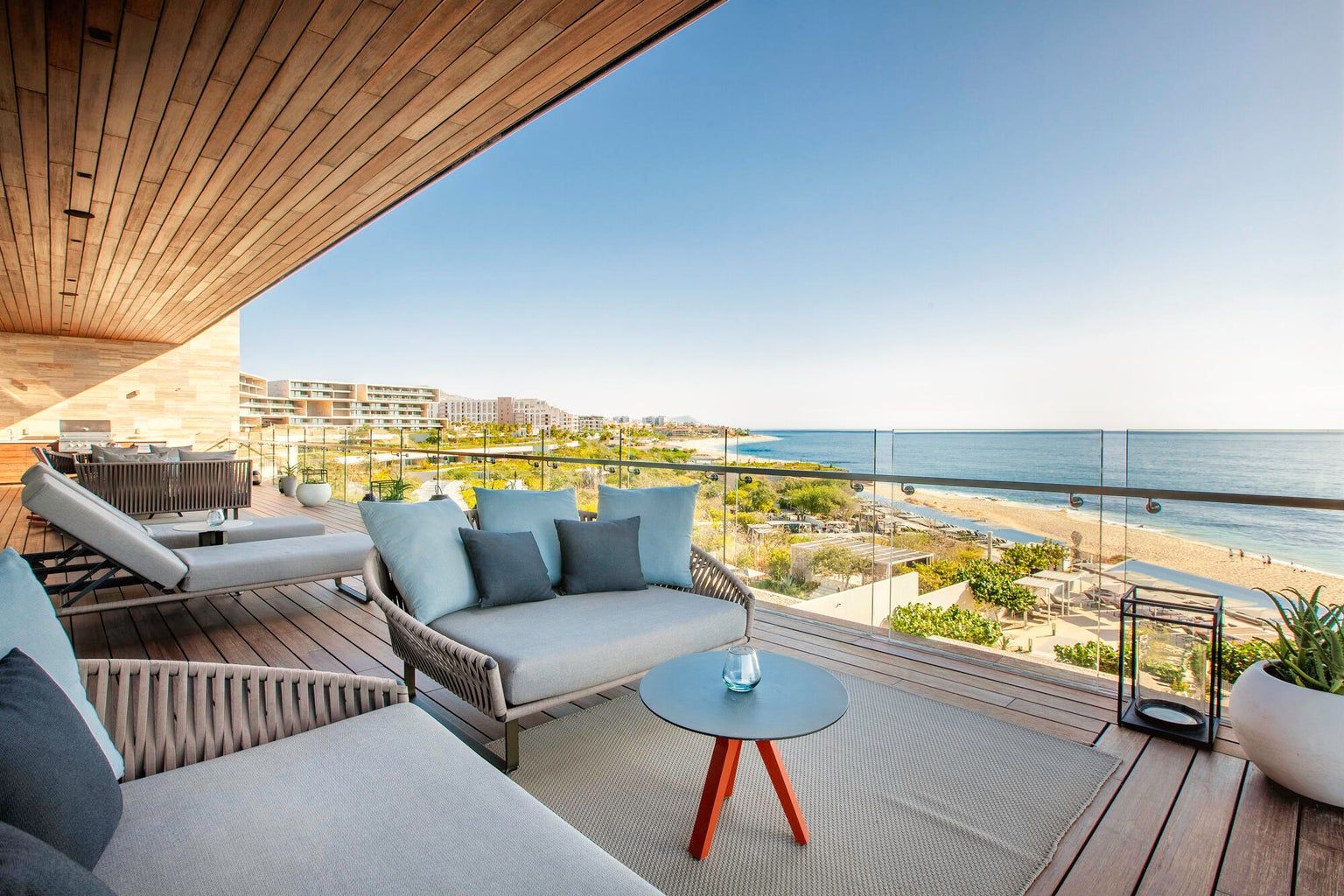
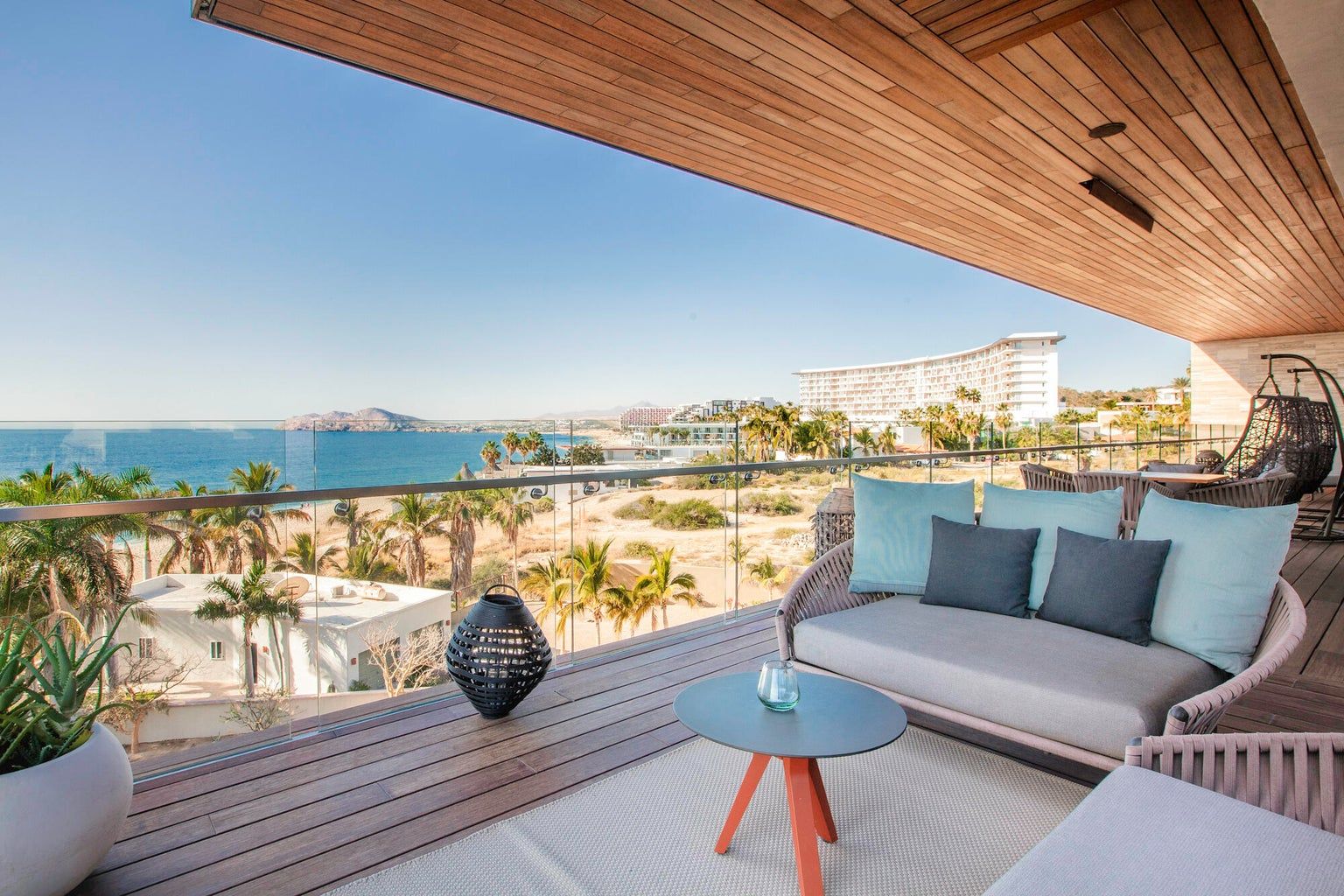
Cabo San Lucas, Mexico — 3-Bed Villa With Infinity Pool
$717,000
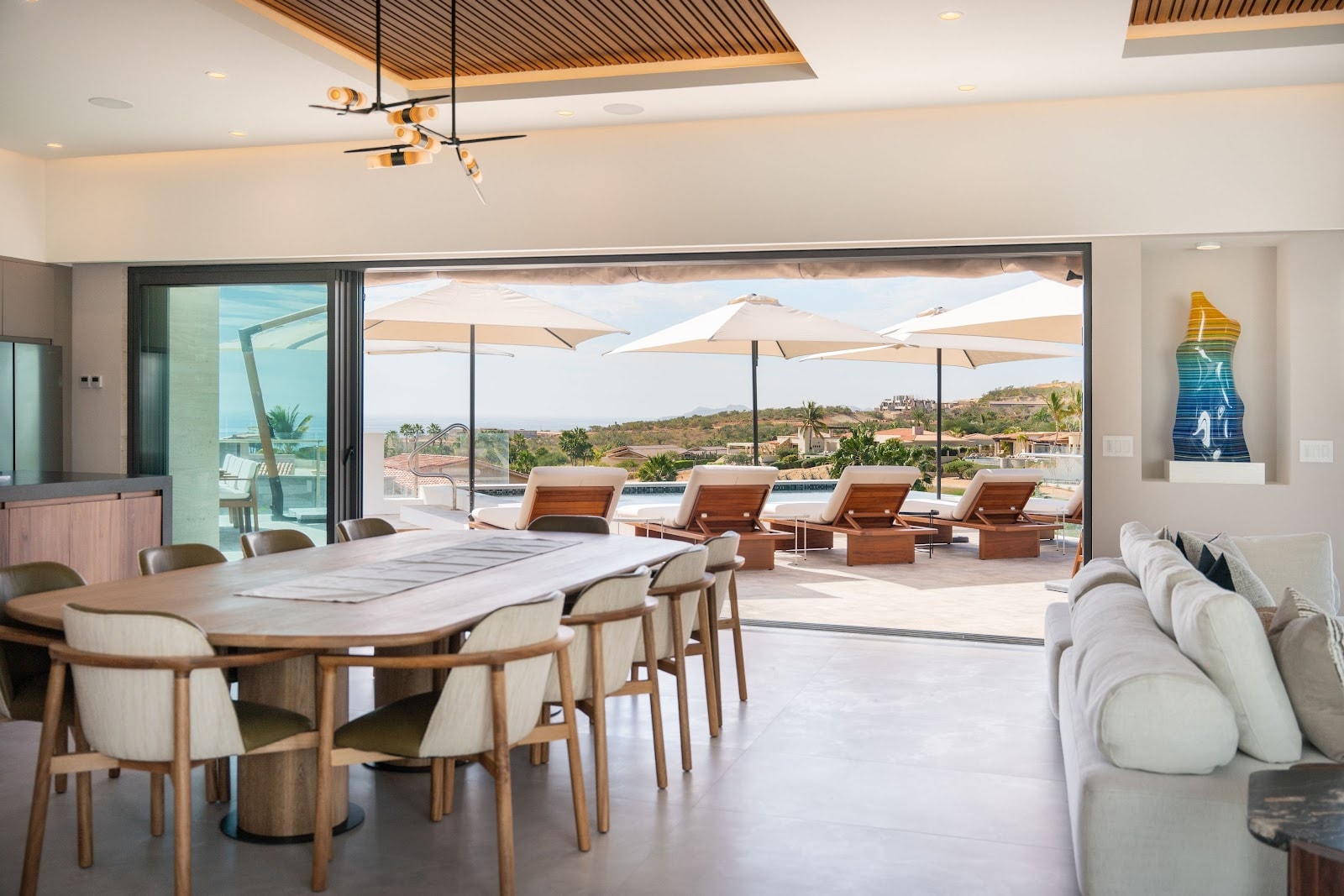
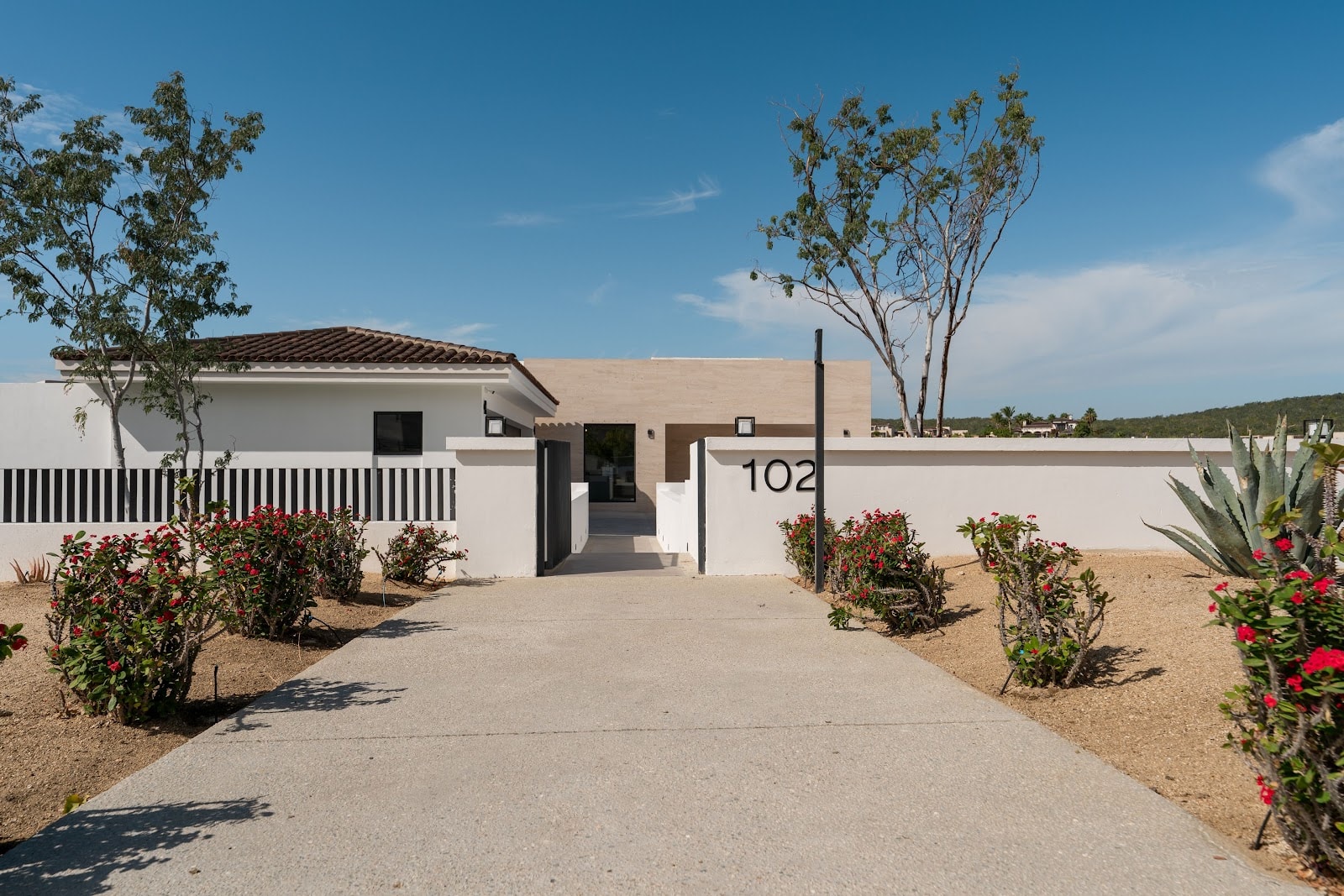
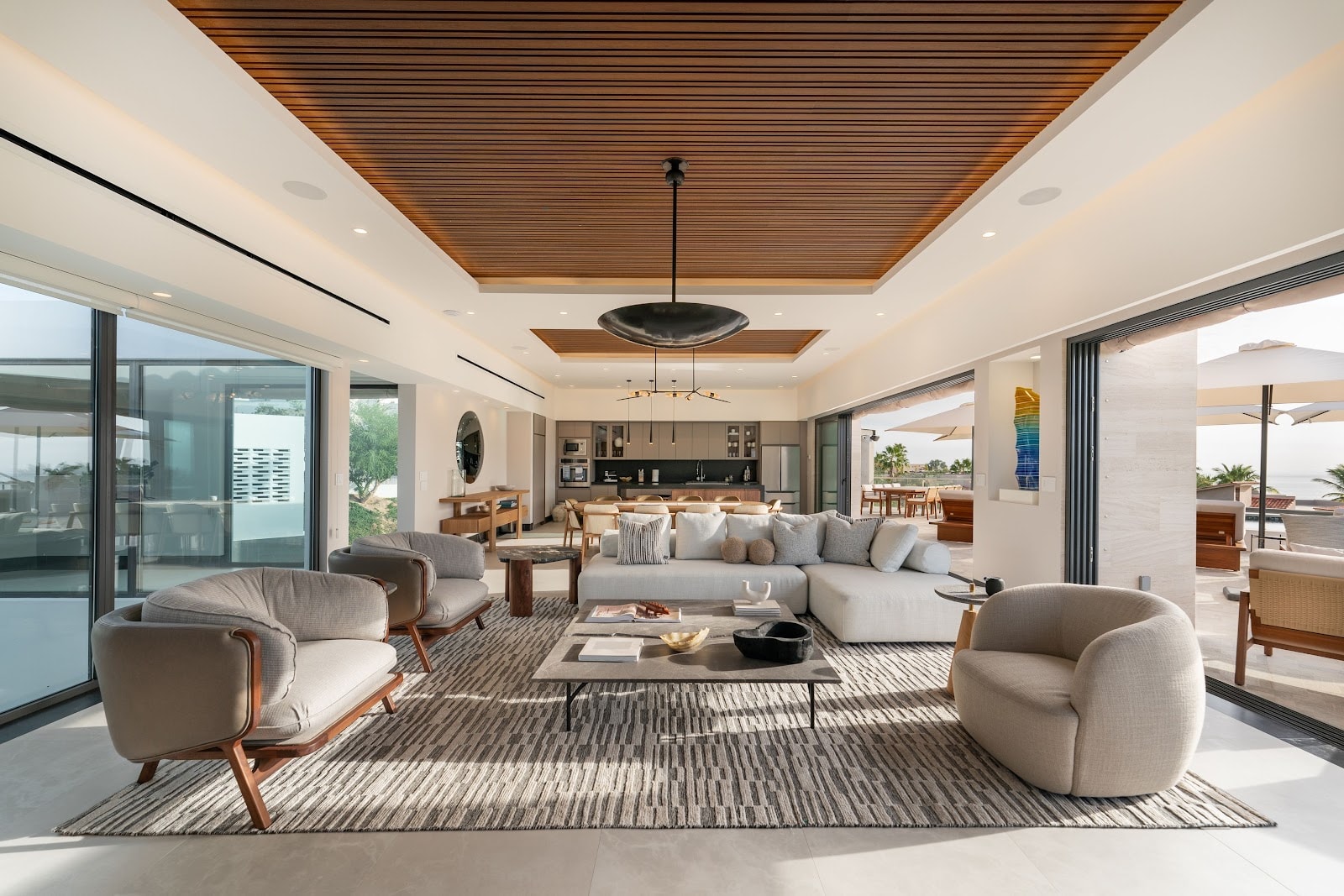
San Jose Del Cabo, Mexico — 5-Bed House With Beach Access
$738,000
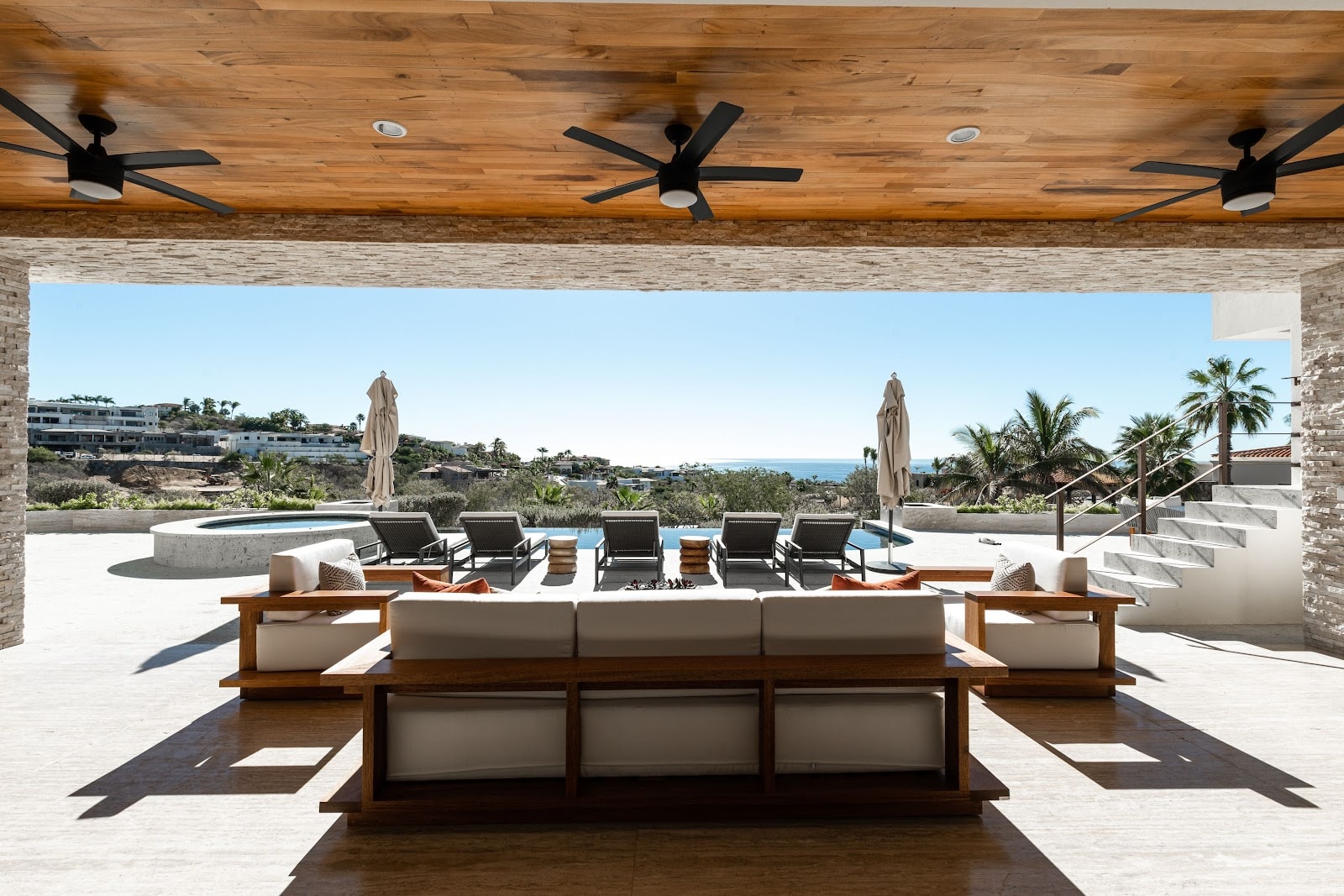
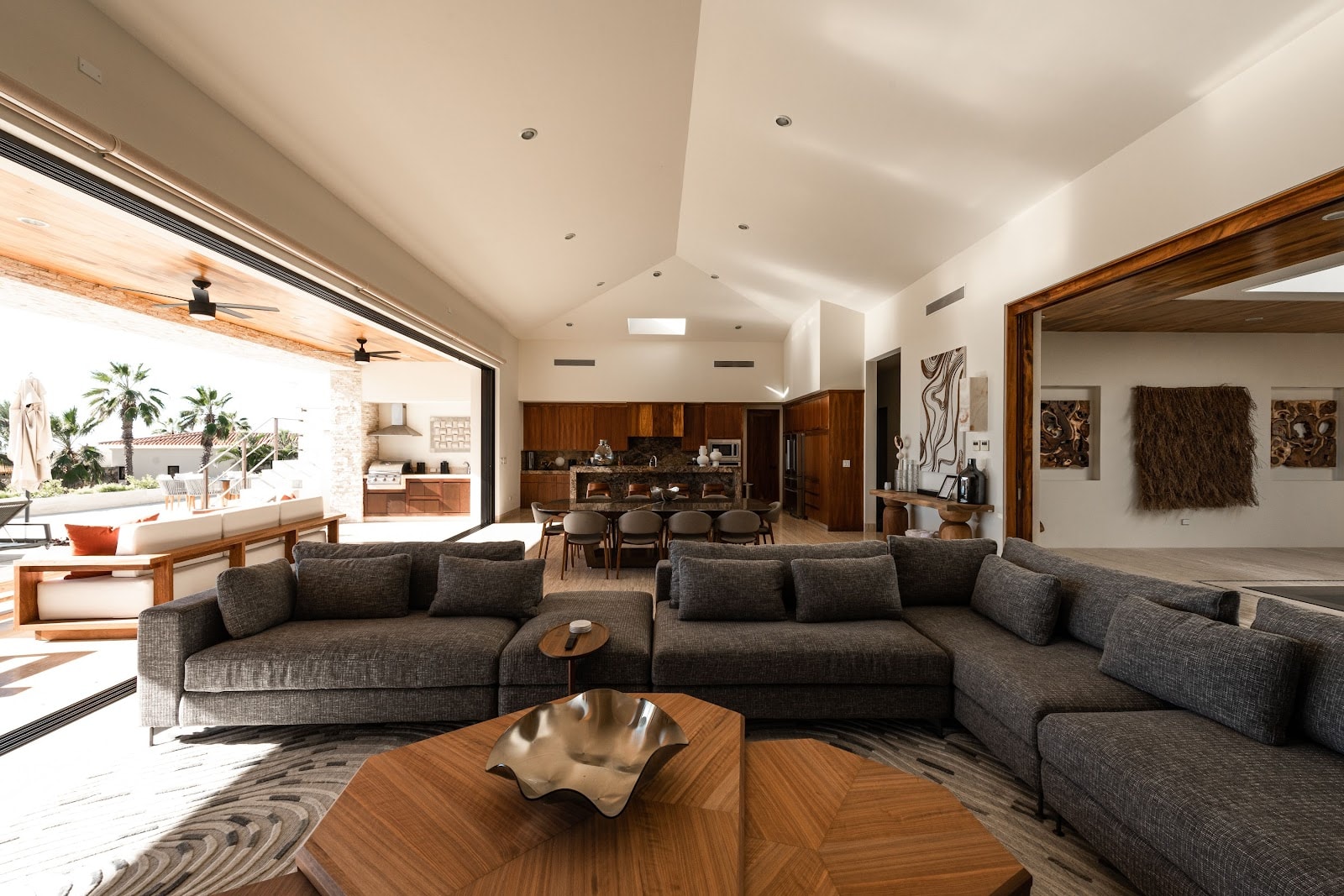
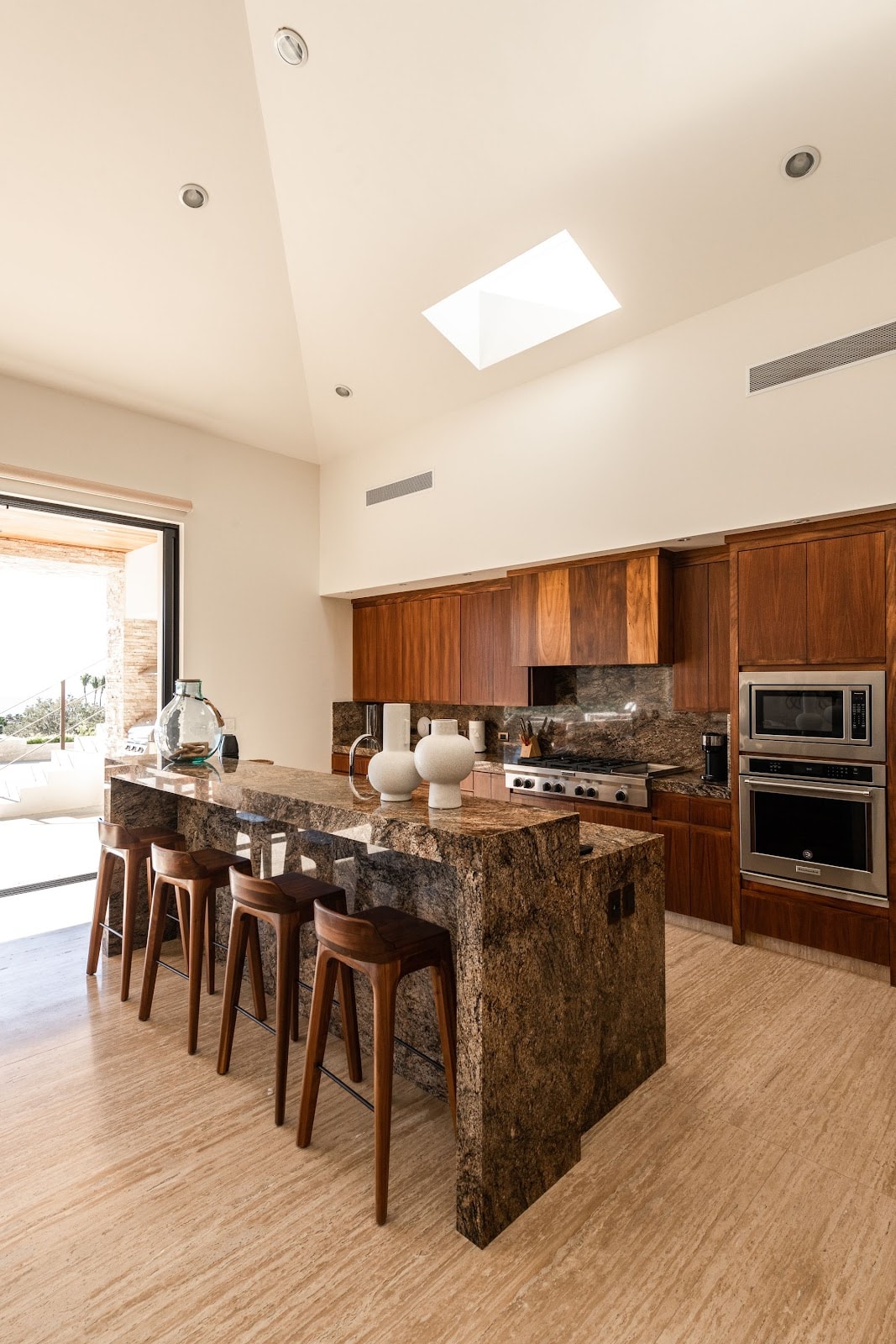
Baja California Sur, Mexico — 4-Bed House With Beach Access
$650,000
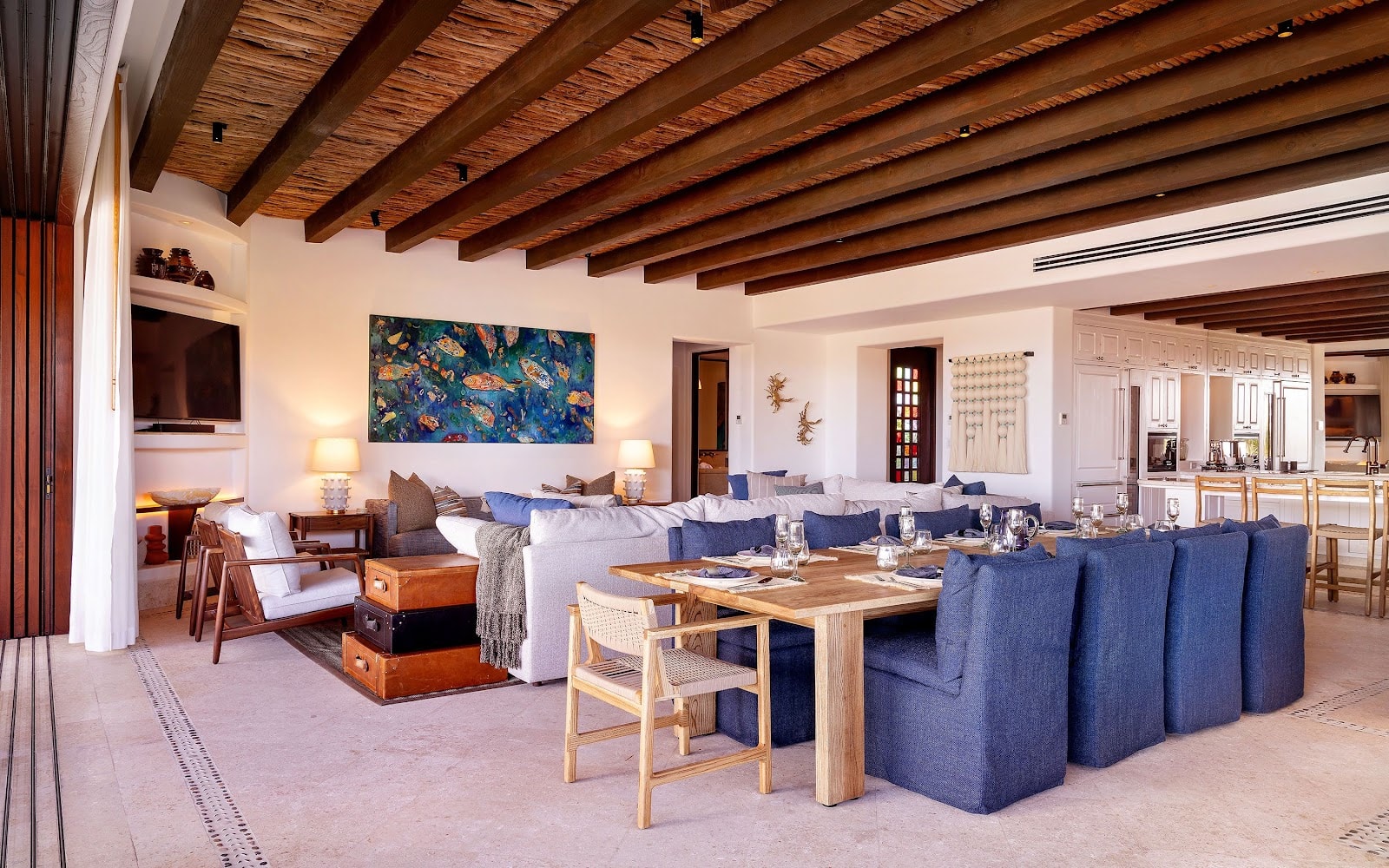
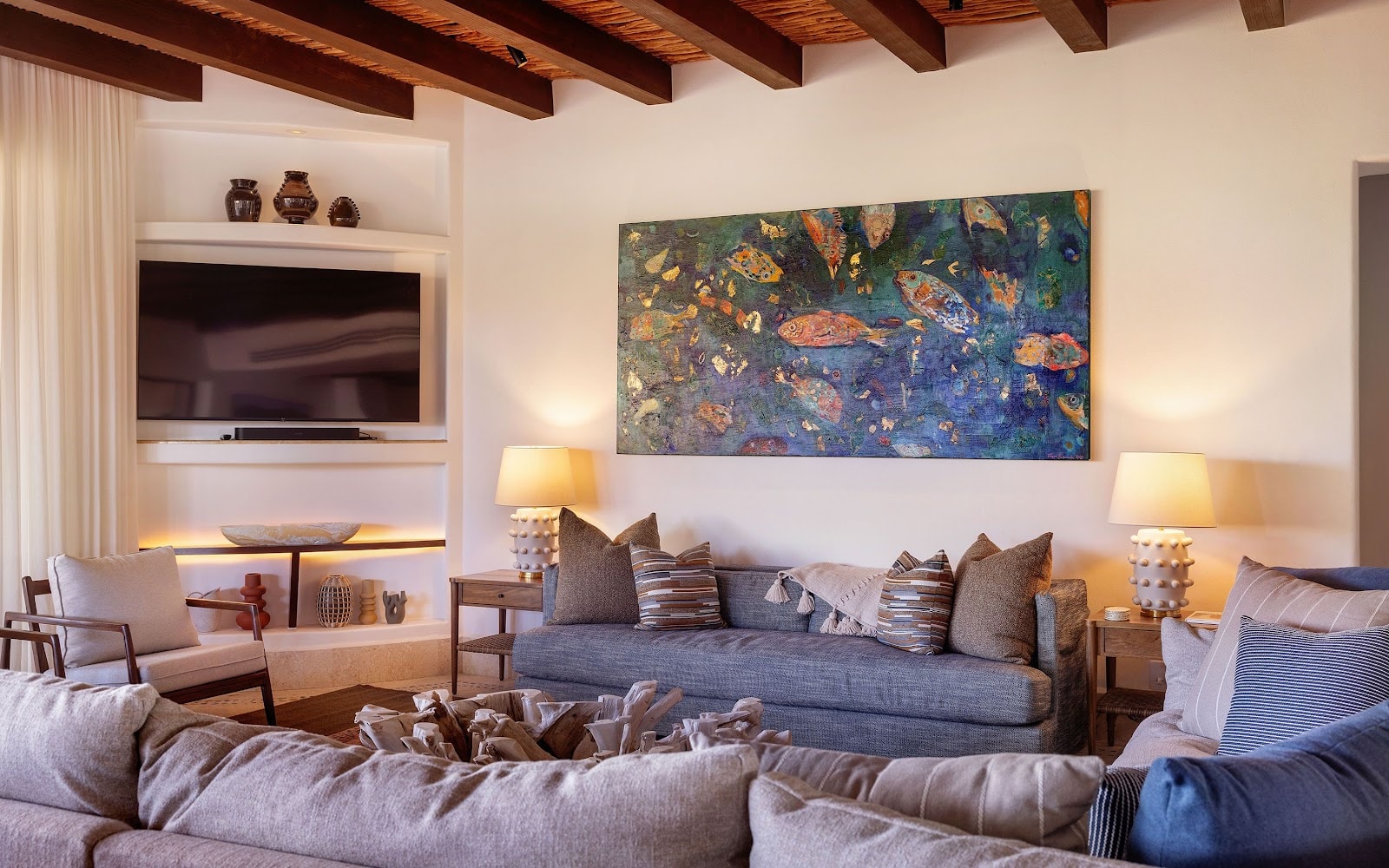
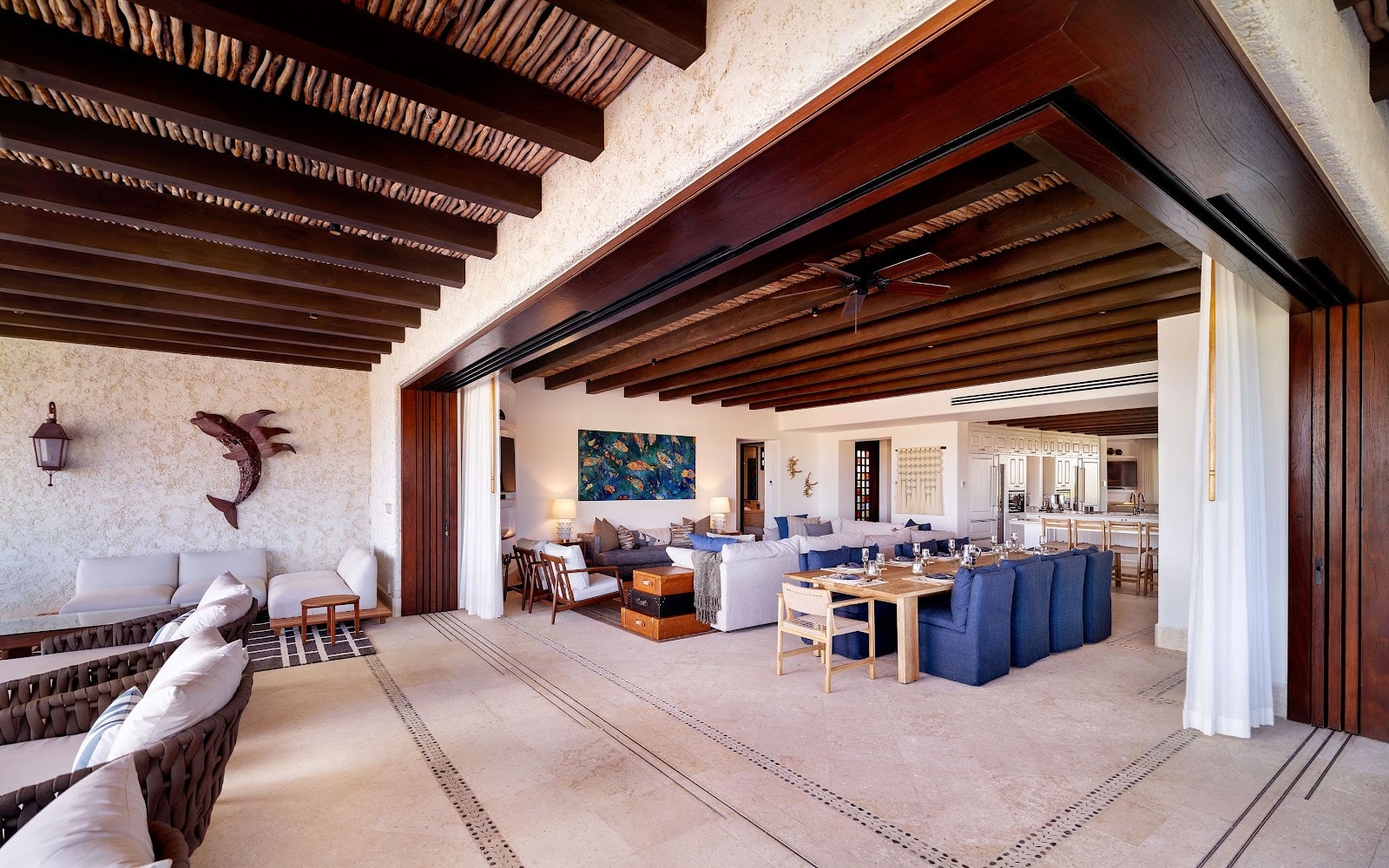
Cabo San Lucas, Mexico — 3-Bed Apartment With Sea Views
$675,000
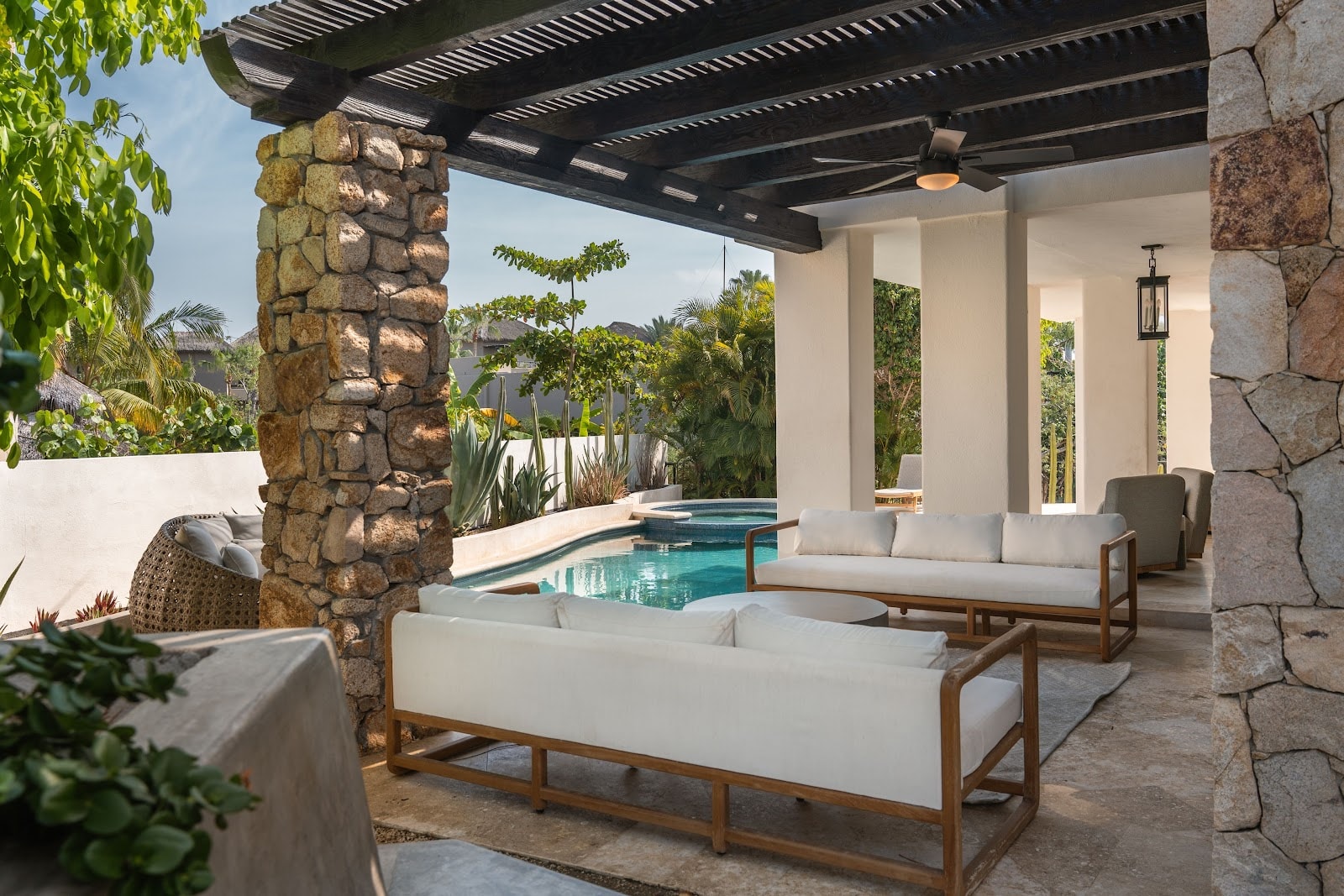
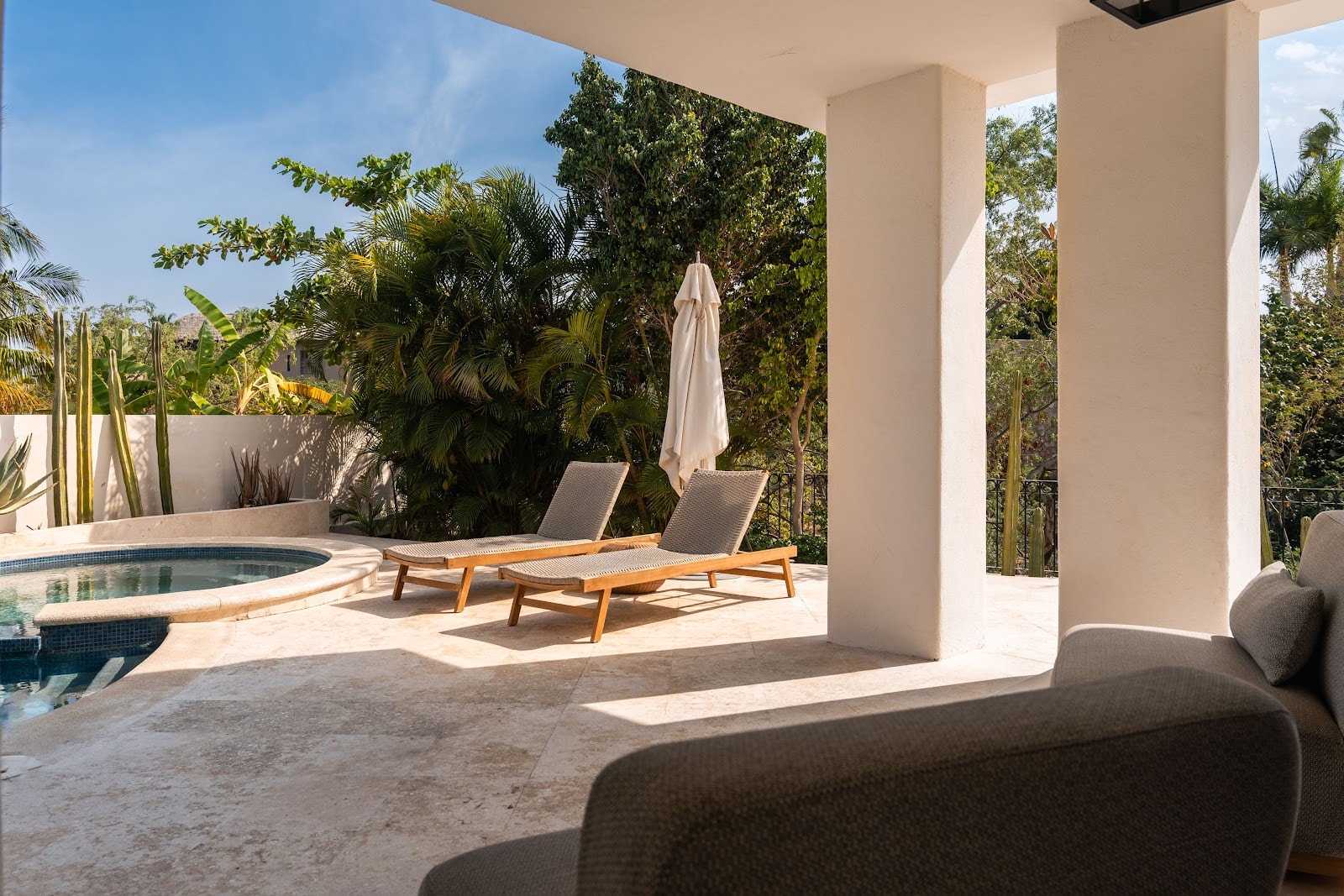
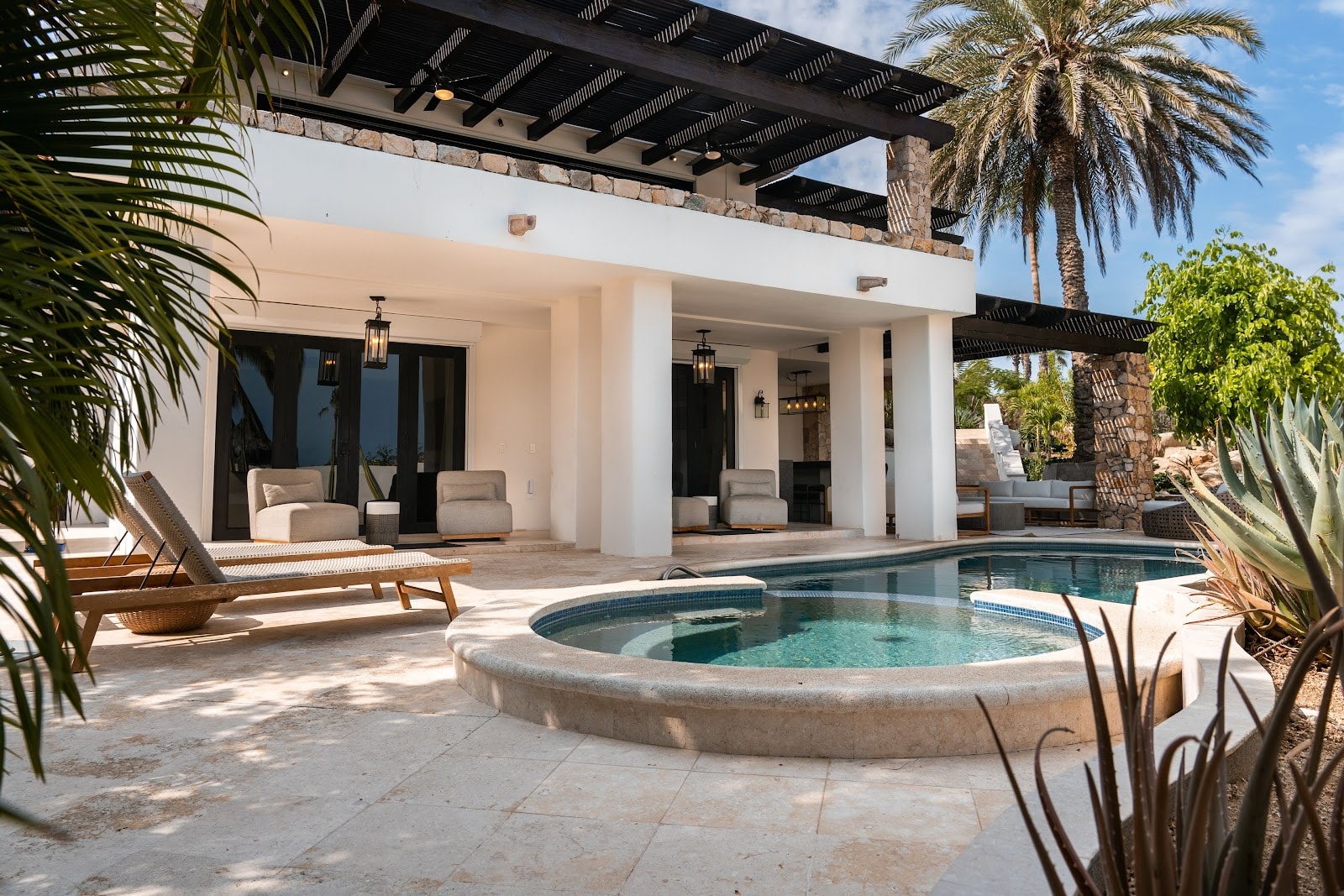
Cabo San Lucas, Mexico — 4-Bed House With Beach Access
$499,000
Mexico's premier desert-and-sea resort market, accessible through co-ownership.
Fully managed villas, homes and apartments across Cabo San Lucas (the marina, Pedregal and the Land's End headland), the Tourist Corridor (the gated resort-and-golf communities between the two towns) and San José del Cabo (the colonial Gallery District, the estuary and the beach-close neighbourhoods). Your 1/8 share of the home comes with around six weeks of personal use, a professional management team on call, and real equity in the most internationally established resort market in Baja California Sur.

What is fractional ownership in Los Cabos?
Fractional ownership in Los Cabos means buying a real 1/8 share of a luxury resort home, shared with up to seven other co-owners. Each owner receives around six weeks of personal use a year, depending on the home, through a fair-rotation calendar, with all property management, maintenance, taxes and operations handled by a professional team. It is real ownership of a share of the home — not a timeshare, not a holiday club.
Why Los Cabos?
Los Cabos is, on most measures that matter to an international second-home buyer, the most internationally established resort market in Mexico outside the Riviera Maya — and the closest world-class beach destination for the entire West Coast of the United States. Sitting at the southern tip of the 1,200-kilometre Baja California peninsula, where the Pacific Ocean meets the warm, fish-rich Sea of Cortez — the body of water Jacques Cousteau famously called "the aquarium of the world" — Los Cabos pairs a genuine desert-meets-sea landscape with one of the most reliable sunshine climates on the continent: around 350 days of sun a year, daytime temperatures that run warm and dry across all four seasons, and a dramatic granite-and-cactus coastline punctuated by the iconic rock arch of El Arco at Land's End. The destination is, in practice, two distinct towns and the corridor between them — the high-energy marina town of Cabo San Lucas, the calmer colonial art town of San José del Cabo, and the Tourist Corridor of gated resort, golf and residential communities that links the two along the Sea of Cortez. Few resort markets in the Americas combine that span of climate reliability, marine setting and developed luxury infrastructure inside a single short transfer from a major international airport.
Your Los Cabos share is owned alongside up to seven other co-owners — a real share of the home, not a right to use it.
Los Cabos's defining structural advantage is its proximity to the West Coast US market combined with a genuine luxury-resort build-out. The Los Cabos International Airport (SJD) sits roughly two to two-and-a-half hours' direct flight from Los Angeles, San Francisco, Phoenix, Dallas, Denver and the major California and Southwest hubs — closer, for a Californian buyer, than most Caribbean or Hawaiian alternatives, in the same or an adjacent time zone, with no jet lag. That accessibility, combined with three decades of sustained luxury development, has produced a depth of resort infrastructure — the branded golf communities, the marina, the Gallery District, the spa-and-restaurant scene — that few Latin American beach markets can match. Los Cabos is consistently ranked among the world's leading golf destinations: the corridor and Pacific side hold a remarkable density of championship courses by Jack Nicklaus, Tiger Woods, Davis Love III, Tom Fazio and others, anchoring gated communities such as Palmilla, Querencia, Chileno Bay, Cabo del Sol, Cabo Real, Diamante and Quivira. The official destination tourism board is Visit Los Cabos.
It is worth setting Los Cabos in its competitive context. The Riviera Maya and Tulum on Mexico's Caribbean coast offer turquoise water and Mayan-culture proximity, but at a longer flight from the West Coast, in a more humid jungle-and-cenote climate, and with a different (lower, denser) development model. Puerto Vallarta and the Riviera Nayarit on the Pacific mainland offer lush tropical scenery but a wetter summer rainy season. The US desert resort markets — Palm Springs, Scottsdale — offer comparable dry-sun climates and golf but no ocean and no international-arbitrage value. Hawaii offers the Pacific beach experience at materially higher prices and a longer flight from most of the mainland. Los Cabos's particular advantage is the combination of desert-dry climate reliability, a genuine two-ocean marine setting, world-class golf, deep luxury infrastructure, and the shortest international-beach flight for the entire US West Coast — at price points that remain below comparable US coastal-California real estate. Together they frame why it remains the highest-volume international luxury-resort market in Baja California Sur.
One under-discussed advantage of Los Cabos specifically is the maturity of its services infrastructure for foreign owners. Three decades of US and Canadian buyers have built up an ecosystem of bilingual real-estate attorneys, notarios públicos, property managers, fideicomiso-administering banks, and concierge-and-rental companies that is more developed than almost anywhere else in Mexico. The notario público system gives Mexican property transactions a layer of legal formality that surprises many first-time foreign buyers — the notario is a senior, government-appointed attorney who must authenticate every real-estate transfer — and the established Cabo law firms and trust banks have handled foreign coastal ownership through the fideicomiso for decades. The local management and rental ecosystem operates in English and Spanish as a matter of routine. None of this is glamorous, but it is the kind of infrastructure that determines whether owning a home in Mexico from another country is a pleasure or a chore.
For a co-ownership buyer thinking strategically rather than just emotionally, Cabo's combination of climate reliability, West Coast accessibility, golf-and-marina infrastructure and value relative to coastal California matters more than headline glamour. The corridor villa you buy a share of sits in a gated, professionally managed community where land in the prime golf-and-beach communities is increasingly built out; the San José del Cabo home sits within a colonial town whose Gallery District and estuary are protected and finite; the Cabo San Lucas marina address sits in a tightly bounded headland market. These are not assets that depend on a single interest-rate cycle to hold value; they depend on the steady, structural reality that Los Cabos is the closest world-class beach for tens of millions of West Coast Americans and Canadians, with a fixed coastline and a sustained appetite for the destination. Add the professional management and resale infrastructure, and the case for co-ownership in Los Cabos writes itself.
The fourth structural advantage worth naming is the airport and transport infrastructure that makes a Los Cabos home practically usable rather than just nominally owned. Los Cabos International Airport (SJD), just north of San José del Cabo, is one of the busiest in Mexico, with year-round direct service from Los Angeles, San Francisco, San Diego, Phoenix, Las Vegas, Denver, Dallas, Houston, Chicago, Seattle, Salt Lake City, New York and Toronto, plus seasonal connections from many further US and Canadian cities. Drive times from SJD are short: San José del Cabo in 20 minutes, the Tourist Corridor communities in 20–40 minutes, and Cabo San Lucas in 35–45 minutes. Most owners pre-arrange a private transfer or use the established airport-to-home services. A Californian owner can leave Los Angeles after breakfast and be on the terrace overlooking the Sea of Cortez by early afternoon.
Where to own in Los Cabos
The Los Cabos market is best understood through three distinct geographies, each with its own character, pace and buyer profile. COP's current inventory spans all three — Cabo San Lucas, the Tourist Corridor and San José del Cabo — and the choice between them is one of the more meaningful sub-decisions a Cabo buyer will make.
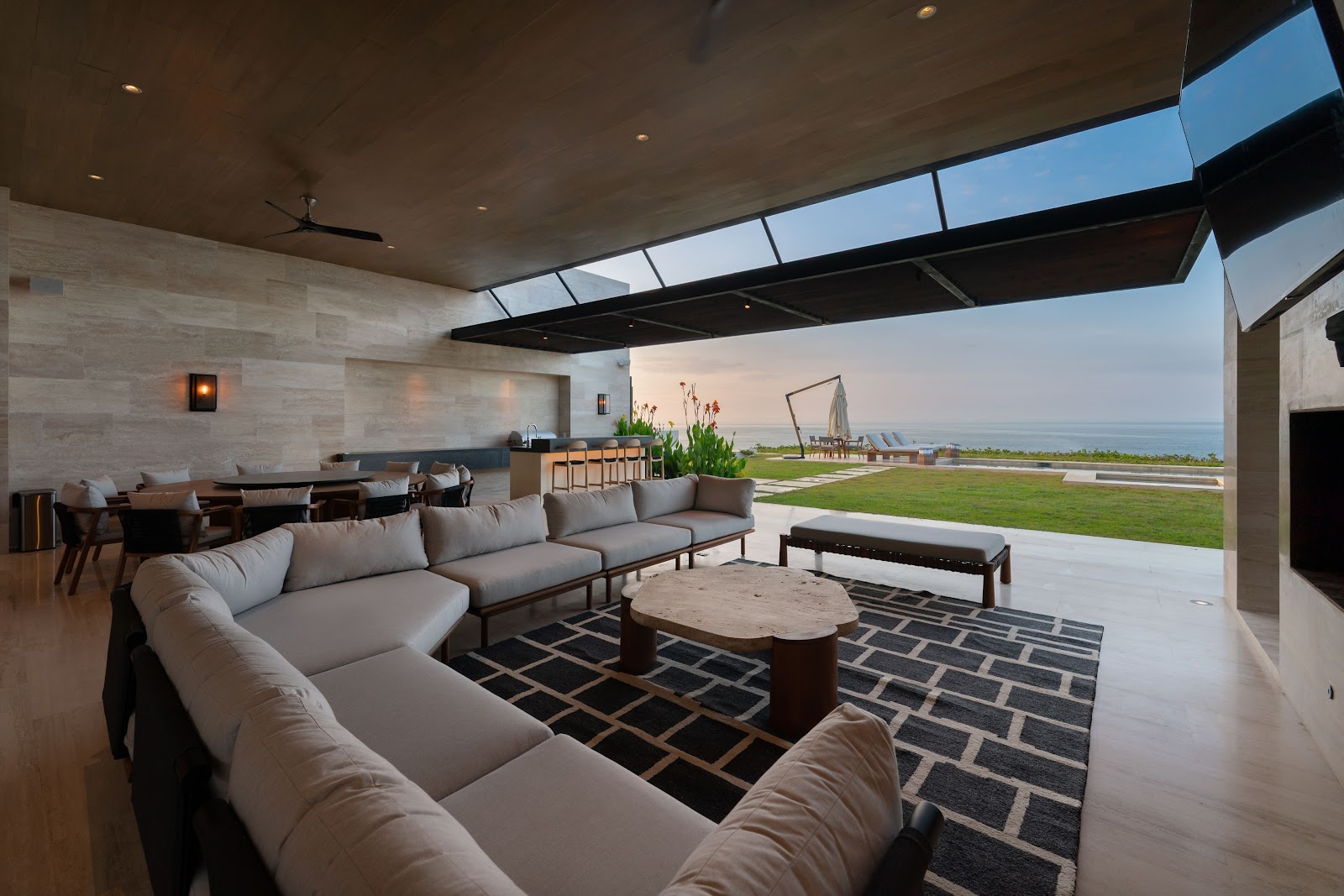
Cabo San Lucas — the marina, Pedregal and Land's End
Cabo San Lucas is the higher-energy of the two towns — the one most people picture when they think of "Cabo." It is anchored by a large sport-fishing and yacht marina, a lively dining-and-nightlife scene, and the dramatic granite headland at Land's End where the famous El Arco rock arch marks the meeting of the Pacific and the Sea of Cortez. Above the town, the gated hillside community of Pedregal — Cabo's original luxury enclave — climbs the headland with steep-street villas commanding panoramic ocean views, while newer marina-side and beachfront developments add contemporary condominium and villa stock. Cabo San Lucas suits owners who want the most active town life, the marina and sport-fishing culture, walkable restaurants and nightlife, and the iconic Land's End setting. The famous swimmable beach at Playa del Amor (Lover's Beach), reachable only by water taxi at the foot of El Arco, is the town's signature.

The Tourist Corridor — the gated golf-and-beach communities
The Tourist Corridor (the Corredor Turístico) is the roughly 30-kilometre stretch of Sea-of-Cortez coastline linking Cabo San Lucas to San José del Cabo, and it holds the densest concentration of Los Cabos's branded luxury — the gated golf-and-residential communities, the flagship resorts, and the swimmable beaches such as Chileno and Santa María. This is where the destination's championship golf is concentrated: communities such as Palmilla, Querencia, Chileno Bay, Cabo del Sol and Cabo Real pair Nicklaus, Weiskopf, Fazio and Love III courses with beach clubs, spas and resort amenities. The corridor is the natural choice for owners who prioritise the gated-community lifestyle, golf, resort-managed beaches and a quieter, more private setting than either town centre — with both Cabo San Lucas and San José within a 20-to-40-minute drive. It is also the most amenity-rich setting for a fully managed fractional home.
San José del Cabo — the colonial art town, the Gallery District and the estuary
San José del Cabo is the calmer, more cultured of the two towns — a colonial-era settlement built around an eighteenth-century mission church, with a handsome historic centre, a renowned Gallery District (host to the long-running Thursday-evening Art Walk in season), a protected coastal estuary rich in birdlife, and a growing reputation as the culinary heart of Los Cabos. The pace is slower and the feel more residential and authentically Mexican than Cabo San Lucas, which is precisely why a large share of repeat second-home buyers gravitate here. The beach-close neighbourhoods and the corridor's western edge offer villa and home stock with easy access to both the town's culture and the airport (just 20 minutes away). San José suits owners drawn to the art, food and colonial-town character, the quieter rhythm, and the shortest airport transfer on the peninsula.
A year in Los Cabos
Los Cabos is a genuinely year-round destination — its desert-dry climate and ~350 days of sun mean there is no closed season — but the character of the year shifts with the temperature and the marine calendar. Below is a season-by-season walk through, with the particular weeks owners across the COP network return to most often. Owners who are flexible on timing find shoulder-season weeks offer the best balance of weather, value and space.
Winter and early spring (December–April) is the high season, and for good reason: daytime temperatures run comfortably warm and dry (low-to-mid-20s Celsius / 70s–low-80s Fahrenheit), the humidity is low, and the gray-whale and humpback migration brings whale-watching to its peak from roughly December through March — one of the great wildlife spectacles of the Sea of Cortez. This is the busiest and most-requested window, particularly the Christmas-New-Year fortnight, the US spring-break weeks, and Easter. Golf, sport-fishing and the beach scene all run at full pace.
Late spring and early summer (May–June) is, for many seasoned owners, the sweet spot — warm and sunny, the high-season crowds thinning, the water warming for swimming and snorkelling, and the marlin sport-fishing season building. Temperatures climb steadily but the humidity stays manageable, and value improves noticeably against the winter peak.
High summer and early autumn (July–October) is the warmest and most humid stretch, with the Baja's brief rainy season and the outside chance of a tropical system in the September–October window. It is also the peak of the billfish sport-fishing season — Los Cabos is one of the world's great marlin destinations, and the major tournaments run in this period — and the quietest, best-value time for owners who love the heat. Water temperatures are at their warmest for swimming and diving.
Autumn into winter (November) sees the return of the dry, temperate high-season weather, the crowds still light, and the whale season just beginning — one of the most rewarding windows for owners who can travel outside the school holidays. By late November the destination is moving back into its peak winter rhythm.
Who buys in Los Cabos, and why
The buyer mix in Los Cabos is overwhelmingly North American — Californians above all, drawn by the two-hour flight and the absence of jet lag, alongside buyers from the Pacific Northwest, the Southwest (Arizona, Texas, Nevada), the Mountain West (Colorado, Utah), and a deep Canadian cohort escaping the northern winter. A smaller but growing international contingent rounds out the mix. The buyer profile skews toward established professionals, business owners and pre- or post-retirement couples for whom Los Cabos is the natural warm-weather escape within easy reach of the West Coast — and for whom the operational simplicity of a fully managed, lock-and-leave home is a central part of the appeal.
Within that base, Los Cabos co-ownership tends to suit a small number of well-defined profiles:
West Coast escape buyers — Californians and Pacific Northwest families who want a reliable-sun winter-and-spring base two hours from home, in the same or an adjacent time zone, and who realise their actual usage (a few weeks of winter sun, spring break, a summer fishing trip) sits comfortably within the six or so weeks a 1/8 share delivers.
Golf-focused owners — buyers drawn to one of the world's densest concentrations of championship desert-and-ocean golf, who want a base inside or beside the gated corridor communities and who treat the golf calendar as the organising principle of their use pattern.
Sport-fishing and marine enthusiasts — owners drawn to the Sea of Cortez's status as one of the world's great billfish and diving destinations, who organise their year around the fishing and marine seasons.
Culture-and-food second-home buyers — buyers who gravitate to San José del Cabo for the Gallery District, the colonial-town character, the estuary and the increasingly serious culinary scene, and who want an authentically Mexican base rather than a pure resort enclave.
What unites these profiles is the underlying calculation: the weeks each of them actually uses sit within the six or so weeks a 1/8 share delivers; the operational overhead of running a Mexican coastal home remotely — the fideicomiso administration, the predial tax, the pool-and-garden upkeep in a desert climate, the rental management — is non-trivial; and the resale liquidity of a fractional share inside a managed portfolio is markedly higher than the resale liquidity of a whole property at the same address. Los Cabos is a market where the maths of fractional ownership lines up almost perfectly with the use pattern of the buyer.
Practicalities: getting there and what you own
Los Cabos International Airport (SJD) and ground transfers
Los Cabos International Airport (SJD), just north of San José del Cabo, is the principal gateway and one of Mexico's busiest airports, with year-round direct service from Los Angeles, San Francisco, San Diego, Phoenix, Las Vegas, Denver, Salt Lake City, Dallas, Houston, Chicago, Seattle, Portland, Minneapolis, New York and Toronto, plus a wide range of seasonal US and Canadian routes. For West Coast owners the flight is short — roughly two to two-and-a-half hours from California — and in the same or an adjacent time zone, with no jet lag. Drive times from SJD are short: San José del Cabo in 20 minutes, the Tourist Corridor communities in 20–40 minutes, and Cabo San Lucas in 35–45 minutes. Most owners pre-arrange a private transfer or a managed airport-to-home service rather than self-driving on arrival.
Whole-property vs 1/8 share: the comparison
The case for a fractional structure in Los Cabos is most clearly seen in the side-by-side comparison against both whole ownership and long-term rental — the three ways most international buyers actually consider holding a Cabo second home.
| Whole second home | COP 1/8 fractional share | Long-term rental | |
|---|---|---|---|
| Upfront commitment | Full property value | ~1/8 of the property value | First/last/deposit only |
| Equity in the asset | Full appreciation | ~1/8 of appreciation | None |
| Personal use | Up to 52 weeks (most use 4–8) | Around six weeks a year, fairly rotated | Defined by lease |
| Operations burden | Owner-managed or hired staff | Fully included | Landlord-managed |
The comparison most buyers find most telling is what you actually get for your capital. Owning a whole home outright ties up the full purchase price in a property most owners use for a few weeks a year, and leaves you to organise everything yourself. A 1/8 share gives you the same calibre of home, around six weeks a year, real equity and a professional team that takes care of everything in between.
What you actually own — the legal share
The legal nature of a Los Cabos co-ownership share rests on a long-established Mexican structure, the fideicomiso, explained below. You own a real share of the home — an eighth, a quarter — not a right to use it. You can sell it, pass it on to your heirs, and it grows in value with the home. The legal set-up is arranged by our partner for each home and walked through with you before you buy.
The practical effect is that you hold a real share of the home — not a timeshare, not a points membership, not a usage right. You can sell it through our partner's resale process or to a qualifying outside buyer; you can leave it to your children under your home jurisdiction's inheritance rules; and it grows in value with the home.
How fractional ownership works in Los Cabos
The mechanics of fractional ownership in Los Cabos are framed by three things that work together: the legal set-up arranged by our partner for each home, the Mexican fideicomiso bank trust that holds the underlying coastal property for foreign owners, and the Mexican property-tax and notarial framework (the predial municipal tax, the acquisition tax, and the notario público who authenticates every transfer). That set-up is specific to each home; the fideicomiso is the standard Mexican mechanism that makes foreign ownership of Baja coastal property possible; and the notarial-and-registry system gives the underlying property its documentary clarity. Together, they make for a clear, predictable ownership experience.
The fideicomiso: how foreigners own coastal property in Mexico
Under the Mexican Constitution, foreign nationals cannot directly hold title to residential real estate within the "restricted zone" — the band within 50 kilometres of any coastline and 100 kilometres of any border — which includes all of Los Cabos. The long-established, fully legal mechanism for foreign ownership is the fideicomiso: a trust, established with a Mexican bank acting as trustee, that holds title to the property for the benefit of the foreign owner. The fideicomiso is not a lease and not a timeshare — the beneficiary holds all the rights of ownership (to use, rent, improve, sell, mortgage and bequeath the property), the bank's role is purely as title-holding trustee, and the trust runs for a renewable 50-year term that can be extended indefinitely. Tens of thousands of US and Canadian owners hold Baja and Pacific-coast property this way; it is the standard, mature structure that the entire Los Cabos foreign-ownership market runs on.
What you own: a real share of the Cabo home
You own a real share of the home — an eighth, a quarter — not a right to use it. You can sell it, pass it on to your heirs, and it grows in value with the home. Big decisions, such as selling the home or major works, are decided together by the co-owners.
Tax basics: predial, acquisition tax, capital gains
Mexico's property-tax framework is, for the routine annual burden, notably light by US and European standards, and almost all of the routine compliance is handled on the co-owners' behalf rather than by the individual owner. The predial (the annual municipal property tax) is famously low relative to comparable US coastal property. On purchase, a one-time acquisition tax (ISAI) — typically around 2% of the assessed value — applies, along with notario público and trust-set-up fees, all bundled into the transaction. The annual fideicomiso trust fee charged by the administering bank is a modest recurring cost. On resale, Mexican capital-gains tax (ISR) may apply on the gain, with the calculation and any available exemptions depending on the seller's circumstances and the documentation of the cost basis. Mexico does not levy a federal inheritance tax. We recommend independent tax advice for your own circumstances, including any US reporting on foreign-held property.
Inheritance and your Cabo share
You can pass your share on to your heirs, and Mexico levies no federal inheritance tax. Your own adviser will fold the share into your wider estate plan.
The professional management calendar and how scheduling works
Once the purchase completes, a professional management company takes over all operational responsibility for the Los Cabos property. Your personal weeks — with no set cap on total nights for a 1/8 share — are allocated through a fair-rotation calendar that mixes peak weeks (the Christmas-New-Year fortnight, US spring break, Easter, the prime whale-season weeks) with shoulder-season and quieter weeks across the year. Owners pre-book several months ahead; unused weeks are either held for the owner pool or, where the property's structure allows, placed into a managed rental programme — Los Cabos is a strong short-term rental market — with the income flowing back to the co-owners. Service-charge collection, building maintenance, insurance, predial and fideicomiso-fee payments, the linen-and-cleaning between stays, the pool-and-garden upkeep, the welcome arrival, the on-call concierge — all sit with the management company. The mature, bilingual Cabo management-and-rental ecosystem means the routine realities of owning a Mexican coastal home remotely are handled by professionals who have catered to US and Canadian owners for decades.
Resale: how to exit, typical timelines, the professional process
When you decide to exit your Los Cabos share, a professional resale process is in place, run by our partner: you sell your share — not the whole house — at the price you set, typically after an initial twelve months of ownership, with your co-owners offered the first chance to buy. Hundreds of shares in homes like these have already been resold — in just over three months on average, and nearly three in four for more than the owner paid. Whole-property resales, by contrast, typically take 6–18 months on the Los Cabos open market at the luxury tier. For owners who want maximum control over price and process, an open-market sale to any qualifying buyer remains an option — but most owners find the established process faster and cheaper.
The full mechanics of fractional ownership across all jurisdictions — usage calendars, exit procedures, rental income treatment, insurance, the transfer on death, the relationship with the management company — are covered in our co-ownership explained guide. For specific Los Cabos property availability, browse the listings in the property grid above, or join our list for new-property alerts as they come to market.
Your ownership at a glance
- Real ownership of the home — a real 1/8 share of the home: transferable, inheritable, and it grows in value with the home. Not a timeshare, not a points membership, not a usage right.
- Professional management included throughout — pre-arrival preparation, linen and cleaning between every stay, year-round pool and desert-garden maintenance, predial and fideicomiso-fee compliance, insurance and the on-call concierge are all handled for you.
- Clear, supported resale through our partner's resale process — the existing audience of co-ownership buyers means your share has an organised market from day one, with our partner's resale process letting you sell your share without selling the whole house, rather than facing the 6–18 months a comparable whole Cabo villa might sit on the open market.
Still deciding which part of Los Cabos?
Many readers arrive on this page already half-decided — they want Los Cabos, but not yet which part. The choice between the high-energy marina town of Cabo San Lucas, the gated golf-and-beach communities of the Tourist Corridor, and the calmer colonial art town of San José del Cabo is rarely about budget alone; the three sit in overlapping price bands once you compare like-for-like quality. The decisive question is usage pattern — how will you actually spend your weeks across a calendar year, and how does that map onto the pace, the amenities, the golf, the airport transfer and the day-to-day rhythm of each part? Our team can walk you through the differences before you commit. Below is the framework we use with buyers who reach the same fork — deliberately over-simplified, since most owners end up valuing elements of more than one.
Choose Cabo San Lucas — if you want the most active town life: the marina and sport-fishing culture, walkable restaurants and nightlife, the iconic Land's End and El Arco setting, and the panoramic hillside villas of Pedregal. Cabo San Lucas suits owners who want energy, walkability and the classic "Cabo" experience.
Choose the Tourist Corridor — if your priorities are golf, gated-community privacy, resort-managed swimmable beaches (Chileno, Santa María) and the densest concentration of branded luxury amenity, with both towns a short drive away. The corridor is the natural choice for a fully managed fractional home and for golf-led use patterns.
Choose San José del Cabo — if you are drawn to the colonial-town character, the Gallery District and Art Walk, the estuary, the increasingly serious food scene, a calmer and more authentically Mexican pace, and the shortest 20-minute airport transfer on the peninsula. San José suits culture-and-food buyers and those who want a residential rather than resort feel.
The portfolio approach is worth mentioning. A meaningful proportion of owners hold more than one share — and Los Cabos pairs naturally with a US share (a Palm Springs desert-modern home, a Park City or Aspen mountain chalet, a California coastal home) under the same management relationship. Two 1/8 shares — a Cabo winter-sun home plus a US mountain or desert share, say — give an owner roughly 90 days of use across a calendar year, drawn from genuinely different lifestyle modes, at a combined annual carry that is still a fraction of what a single whole property at either address would cost.
Whichever way the decision goes, the deeper exploration starts on the parent and related pages:
If you would like to talk through which part of Los Cabos best fits your family's actual use pattern — rather than the brochure version of it — join our list and we will be in touch with relevant new-property alerts and an introduction to the team.
Questions & Answers
Los Cabos Fractional Ownership — Frequently Asked Questions
Fractional co-ownership in Los Cabos gives you a real 1/8 share of a luxury resort home — a villa in Cabo San Lucas, a gated golf-community home on the Tourist Corridor, or a beach-close home in colonial San José del Cabo. The legal set-up is arranged by our partner for each home and walked through with you before you buy. It is genuine property equity — around six weeks a year, at 1/8 the full cost.
A timeshare sells you a week. Co-ownership sells you the house. A timeshare or vacation club sells a use-right — a week or points at a resort shared with thousands of others, with fees that pass to your heirs and resale values that are typically a fraction of what was paid. A COP fractional share is a real share of the home itself, owned with a small group of co-owners. It moves with the home's value, resells on the open market at the price you set through our partner's resale process, and passes to your children. You own real Cabo real estate, not a club membership.
Yes — through a fideicomiso, the Mexican bank trust used for all foreign ownership of residential property within 50 km of the coast. It is not a lease and not a timeshare: the foreign beneficiary holds all the rights of ownership (use, rent, improve, sell, bequeath), the bank is purely the title-holding trustee, and the trust runs on a renewable 50-year term that extends indefinitely. Tens of thousands of US and Canadian owners hold Baja property this way.
COP’s Cabo inventory spans all three areas: Cabo San Lucas (the marina, Pedregal, Land’s End), the Tourist Corridor (the gated golf-and-beach communities between the towns), and San José del Cabo (the colonial Gallery District and beach-close neighbourhoods). New listings are added regularly — join our list for alerts.
A 1/8 share gives you around six weeks a year, allocated through a fair-rotation calendar that mixes peak weeks (Christmas–New Year, US spring break, Easter, the prime December–March whale-watching weeks) with shoulder and quieter weeks. The rotation ensures every owner gets a fair share of peak dates over time, and a professional manager administers the schedule.
A professional management company handles everything — maintenance, the predial property tax and fideicomiso trust fee, insurance, cleaning and linen between stays, pool and desert-garden upkeep, and the on-call concierge. Los Cabos has a mature, bilingual (English/Spanish) management-and-rental ecosystem built over decades for US and Canadian owners. Unused weeks can often be placed into a managed rental programme, with income returned to the co-owners.
Mexico’s annual predial property tax is notably low by US standards. On purchase, a one-time acquisition tax (ISAI) of roughly 2% applies, plus notario and trust-setup fees. There is a modest annual fideicomiso trust fee. On resale, Mexican capital-gains tax (ISR) may apply to any gain, and Mexico levies no federal inheritance tax. US owners have a simple reporting step for foreign-held property, which a cross-border accountant can handle.
Simply. After a typical first-12-months holding period you can sell whenever you choose, at the price you set, through our partner's professional resale process or on the open market — so you sell your share without the whole house having to be sold. Hundreds of shares in homes like these have already been resold — in just over three months on average, and nearly three in four for more than the owner paid.
Los Cabos offers a desert-dry, ~350-day sunshine climate, a genuine two-ocean marine setting on the Sea of Cortez, one of the world’s densest concentrations of championship golf, and the shortest international-beach flight for the entire US West Coast (around two hours from California, no jet lag) — at price points below comparable coastal California. The Riviera Maya is a longer, more humid trip; Palm Springs and Scottsdale have the climate but no ocean. Many owners pair a Cabo share with a US desert or mountain share.
Browse the listings in the property grid above, or speak to one of our co-ownership specialists. We’ll walk you through the available Cabo homes, how ownership works, the costs and the usage calendar, and guide you through the purchase from start to finish — with full legal and financial transparency. Talking to us is free and carries no obligation.
Also Explore
Get in Touch
Speak to an expert
Tell us what you're looking for and we'll be in touch.