Mexico · Americas
Mexico Fractional Ownership Properties
From a cliff-edge villa above the Sea of Cortez to a jungle-backed beach house on the Riviera Maya — fractional ownership in Mexico means a real share of the country's most coveted coastal addresses, six to seven weeks of personal use a year, and a fully managed property ready whenever you arrive.
6 properties · from $499,000
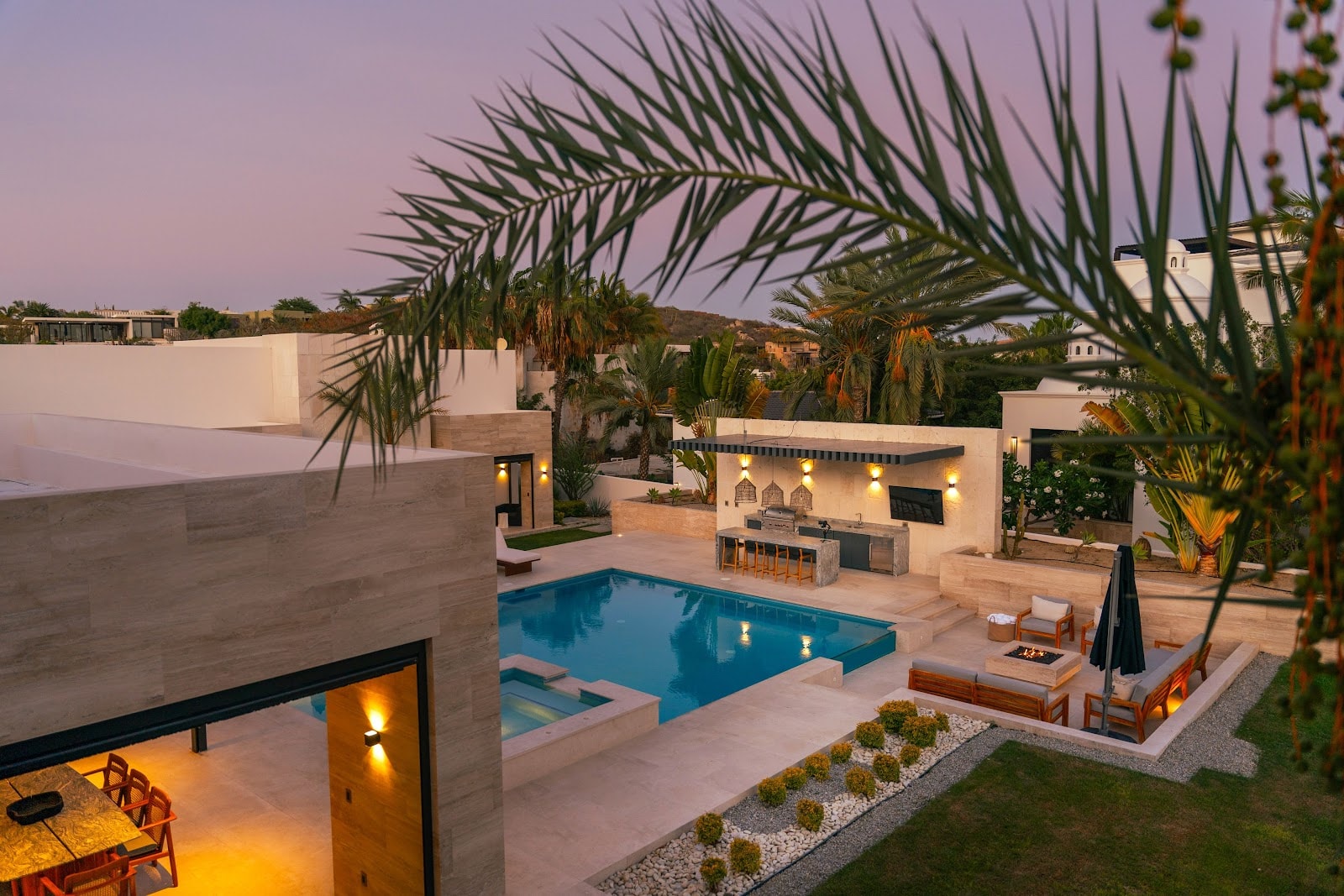
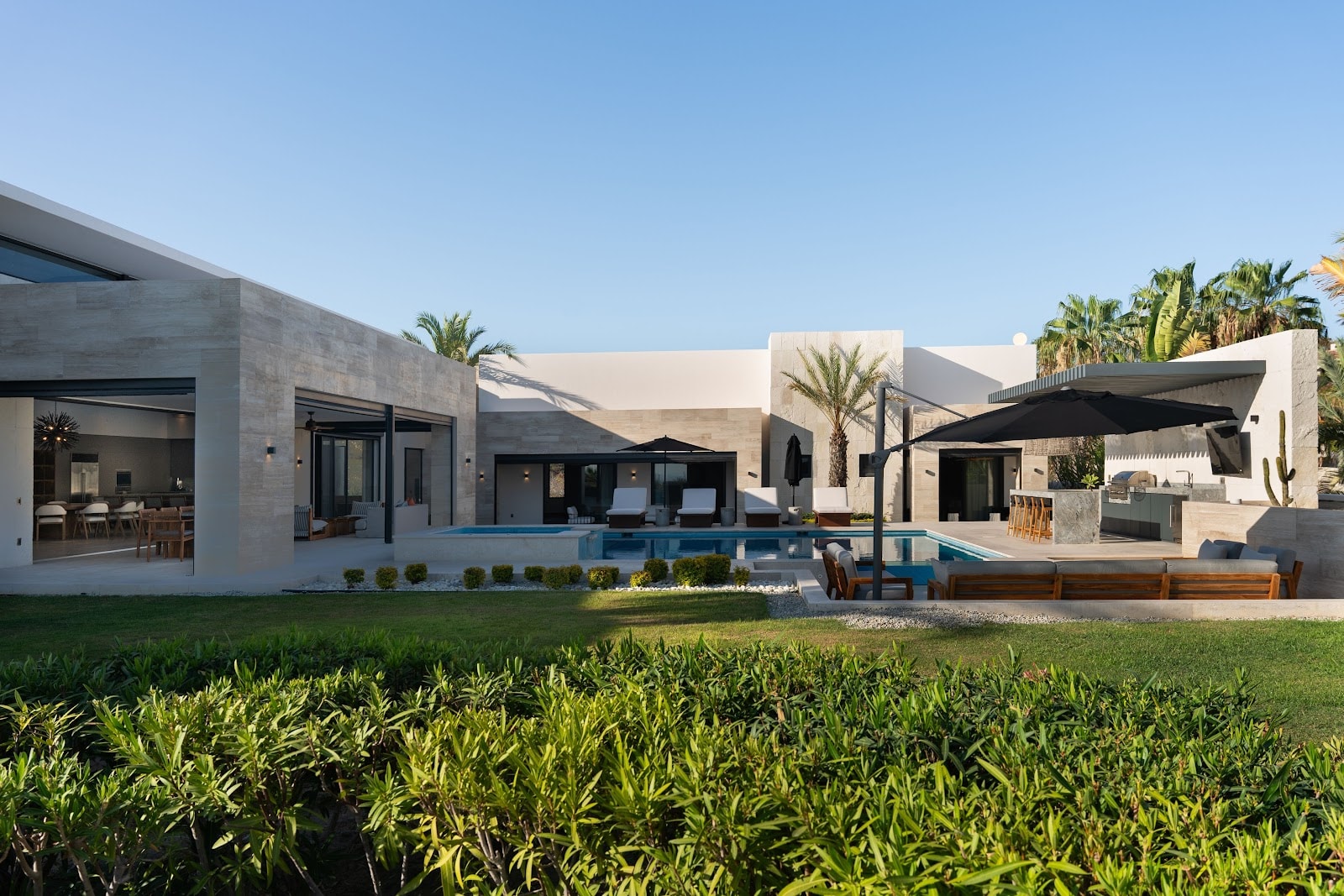
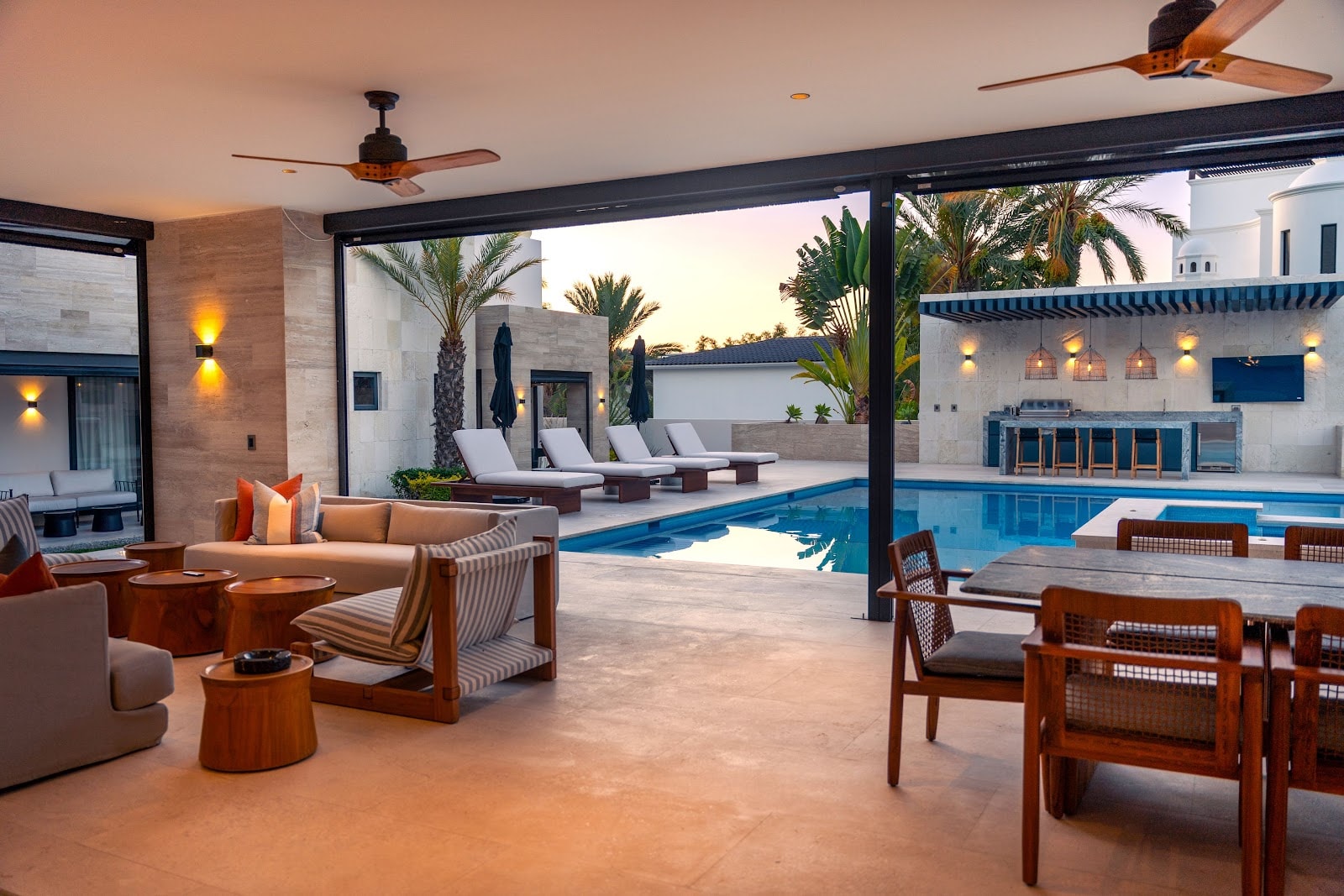
San Jose Del Cabo, Mexico — 5-Bed House With Beach Access
$875,000
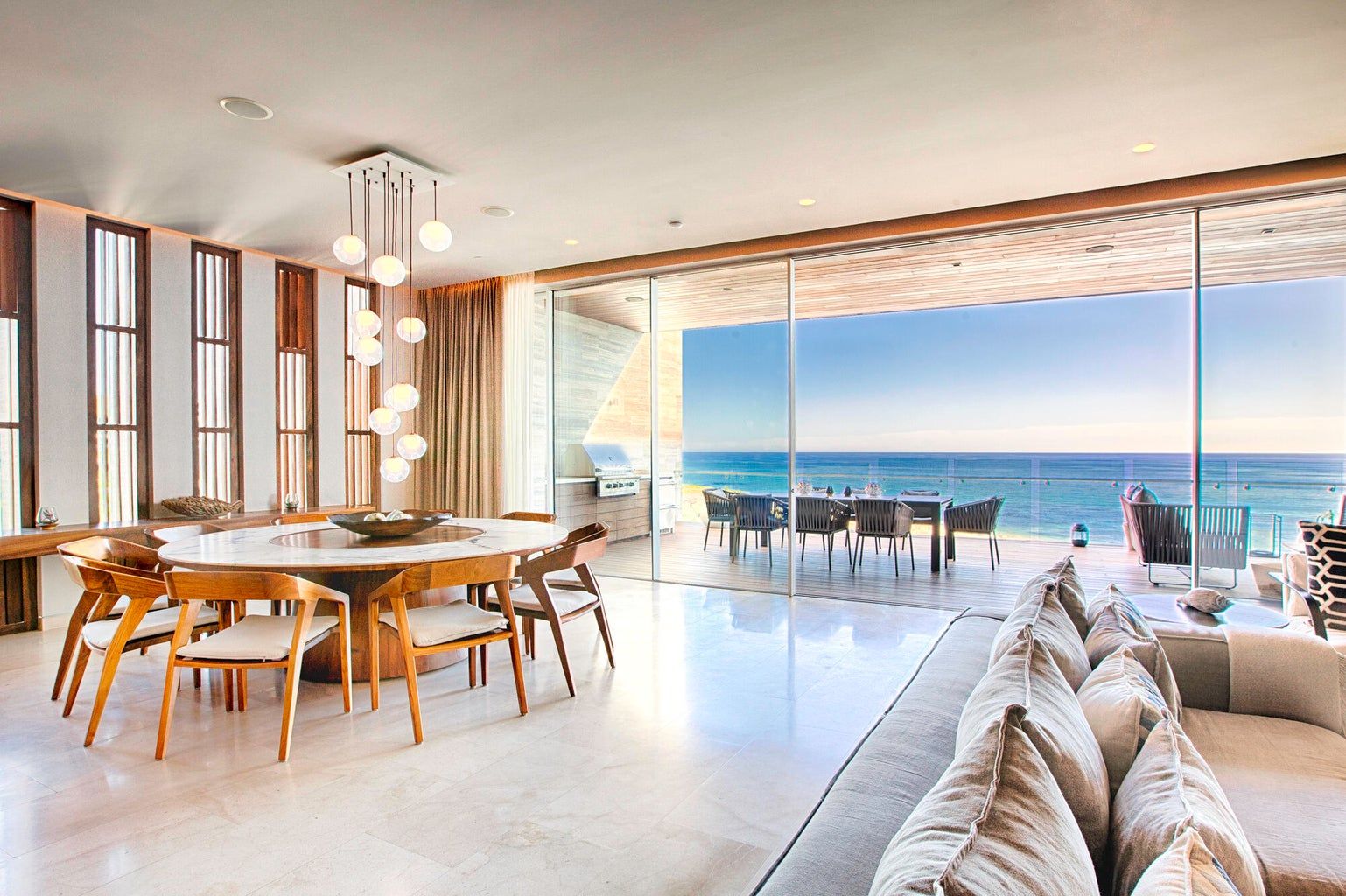
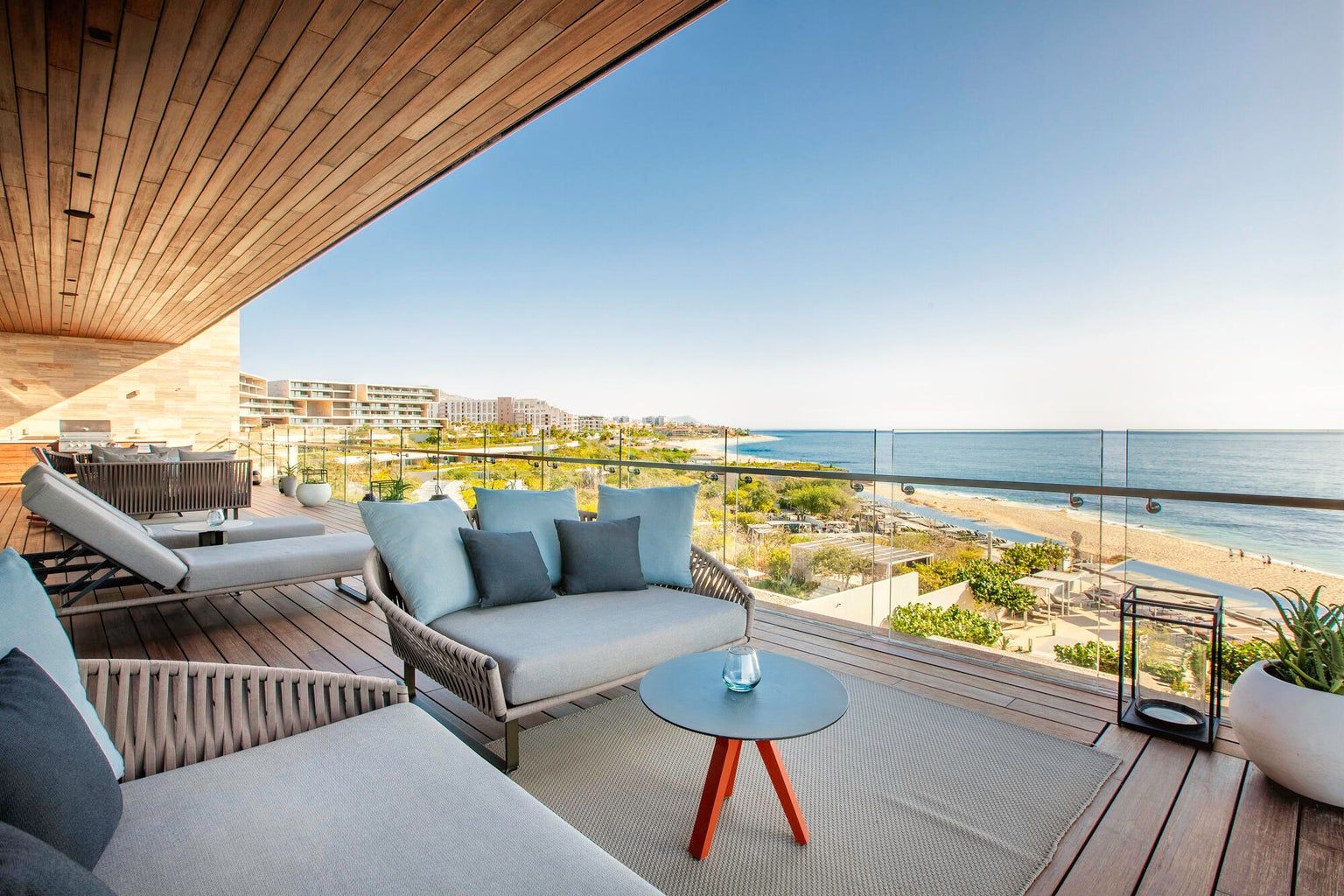
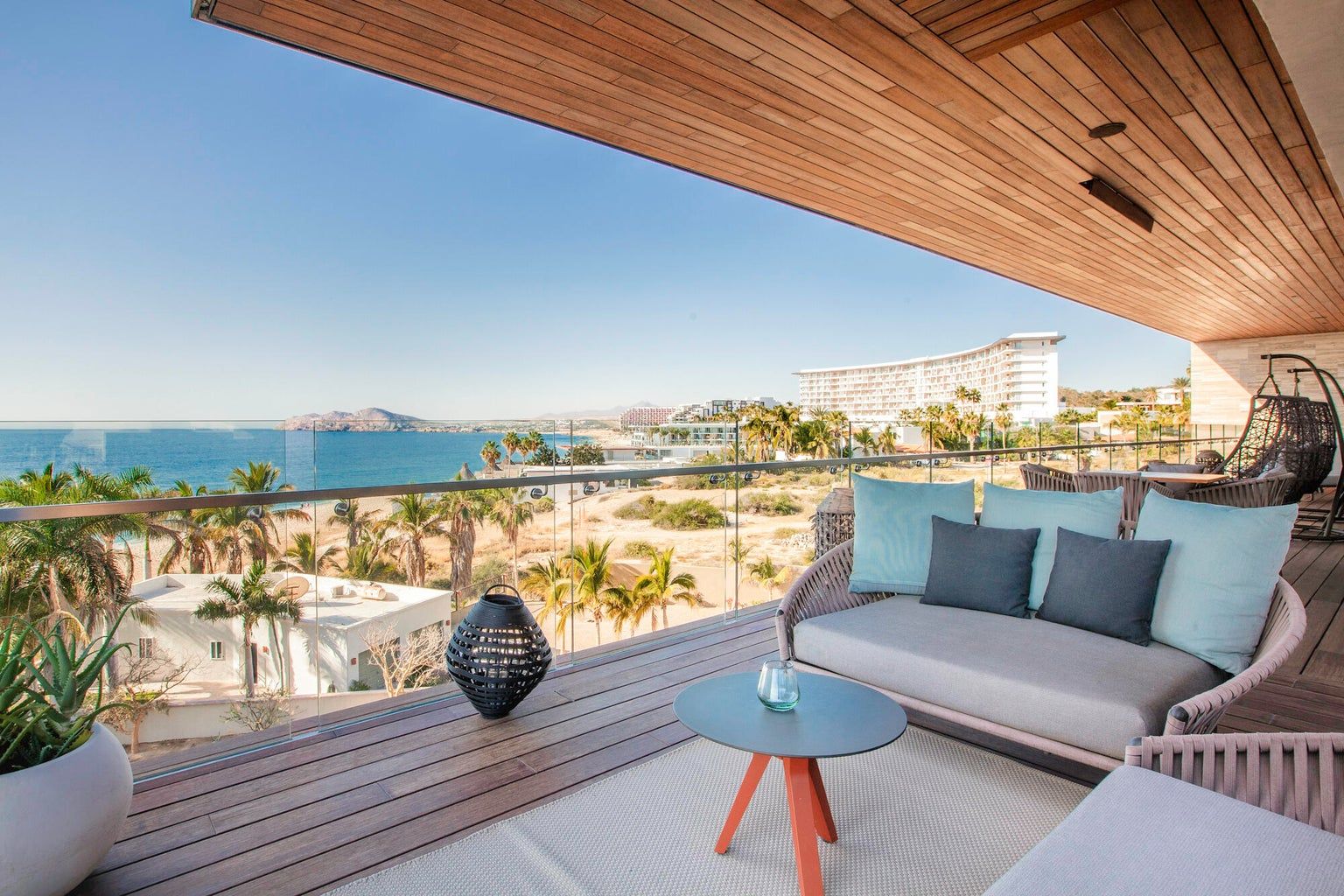
Cabo San Lucas, Mexico — 3-Bed Villa With Infinity Pool
$717,000
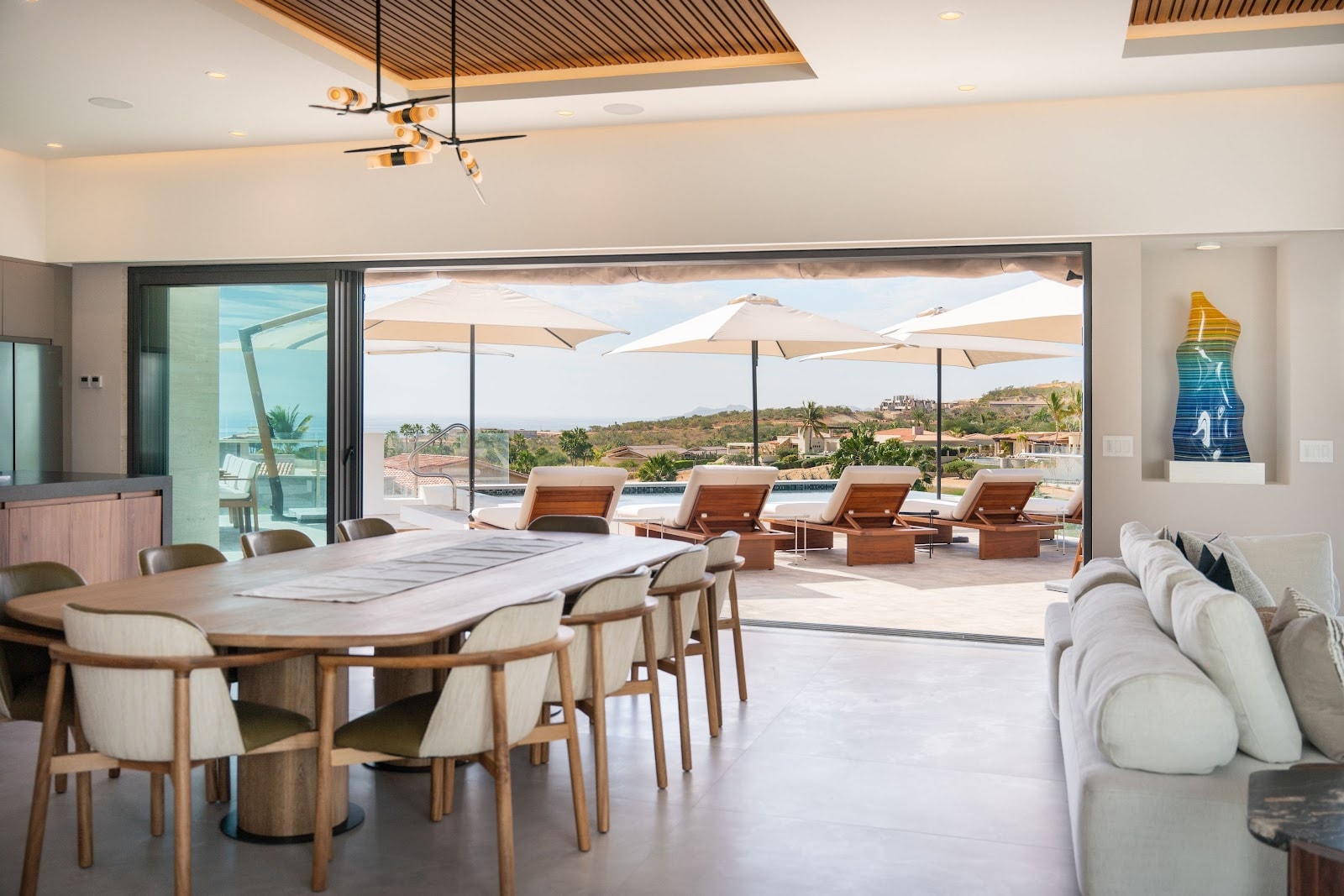
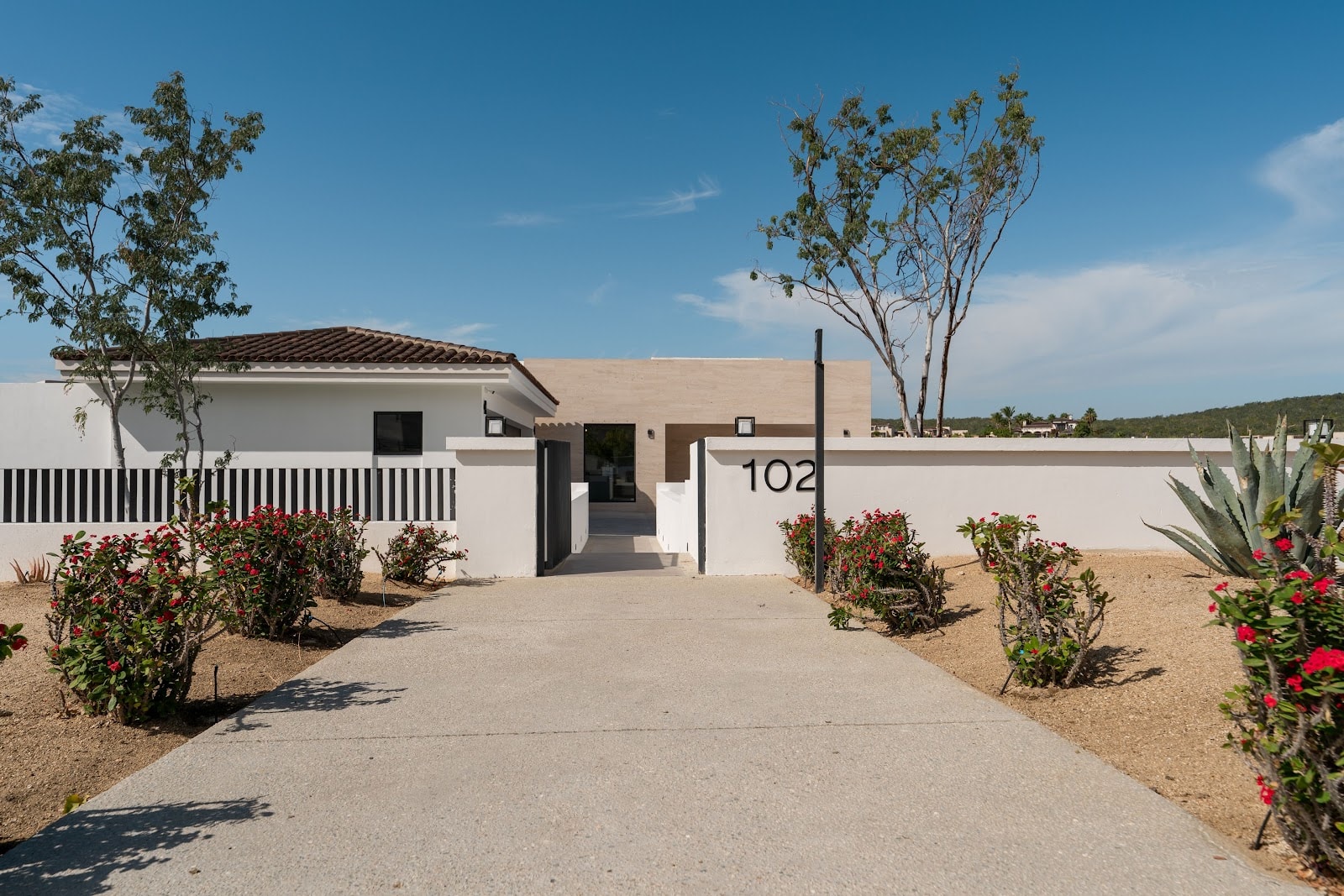
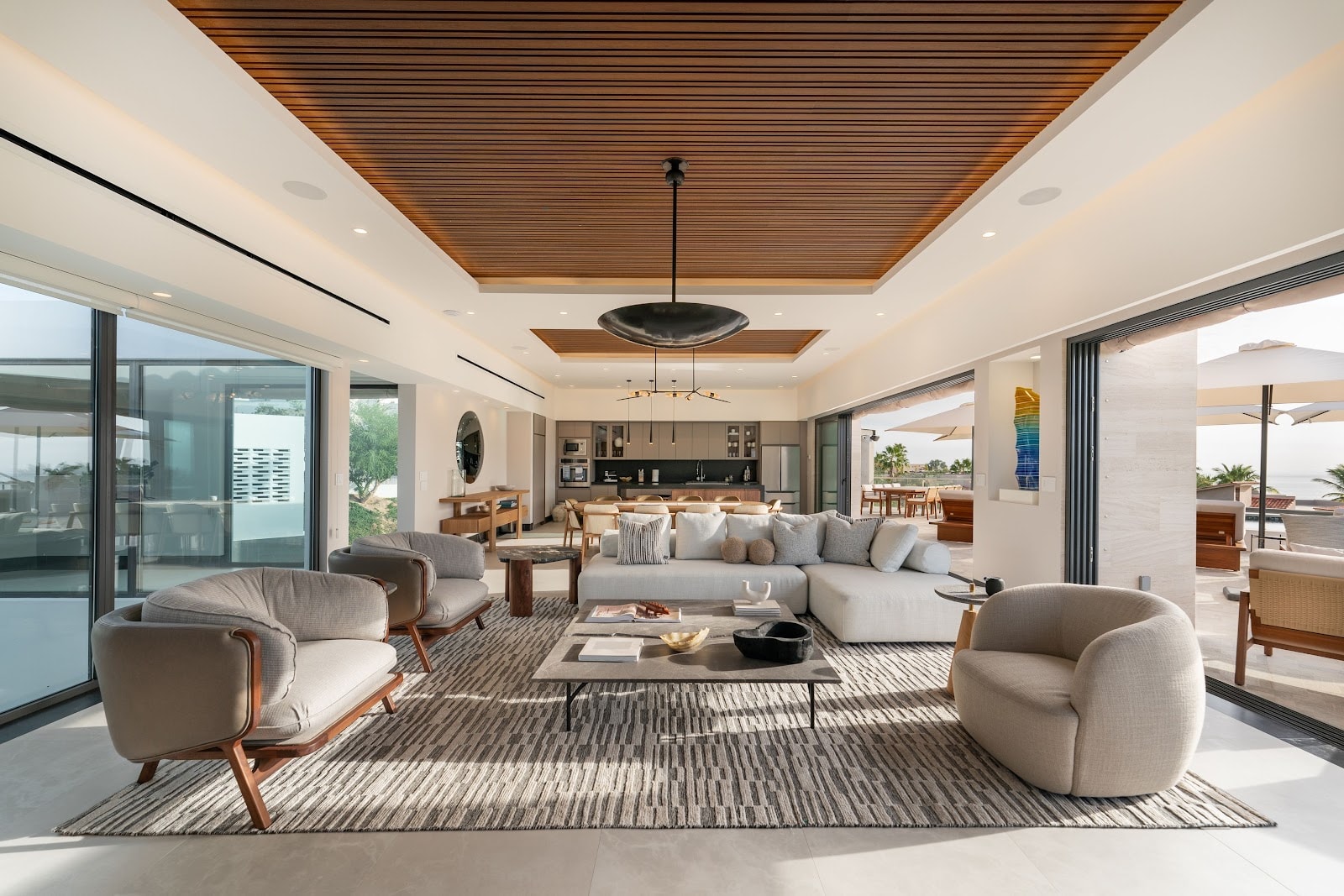
San Jose Del Cabo, Mexico — 5-Bed House With Beach Access
$780,000
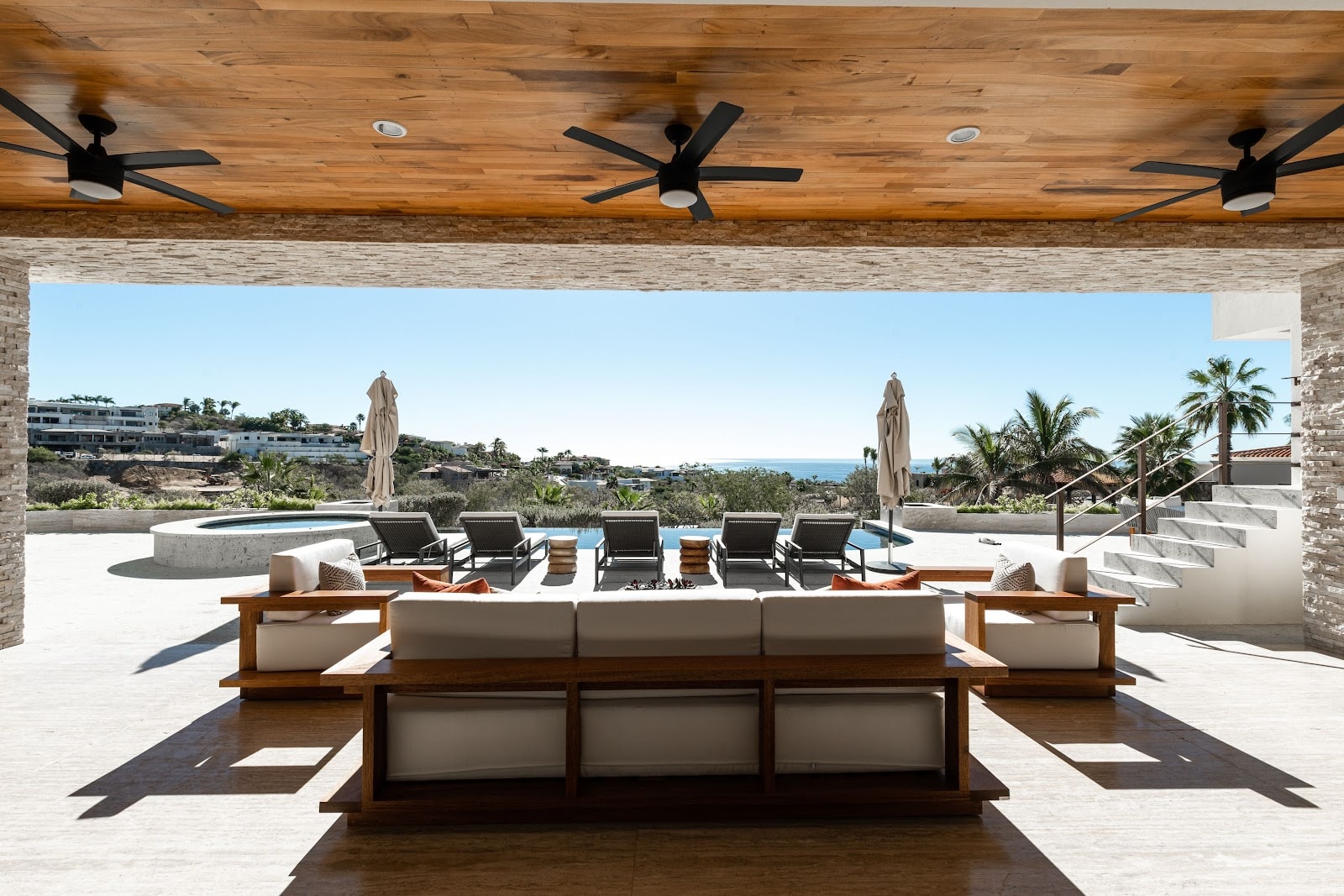
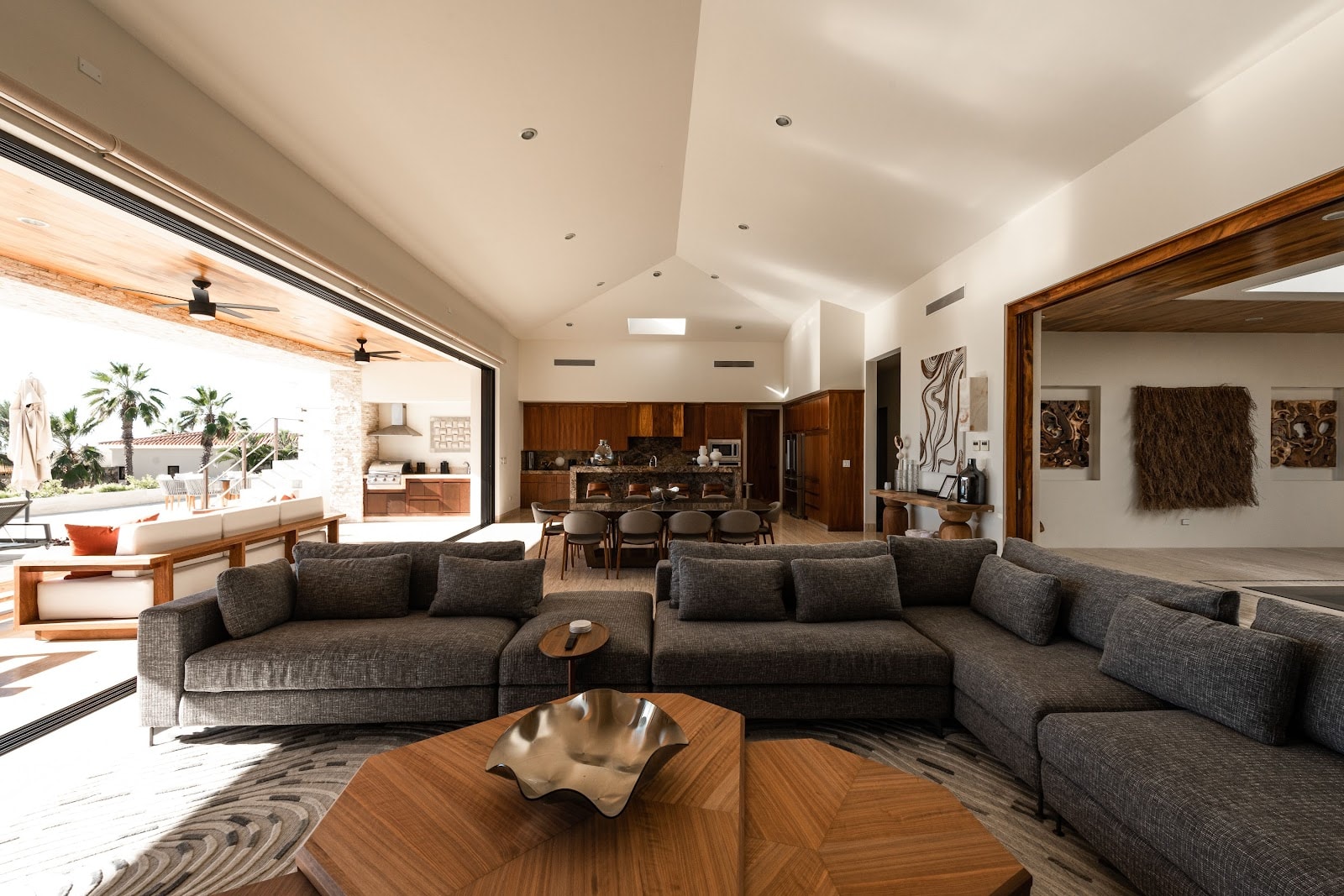
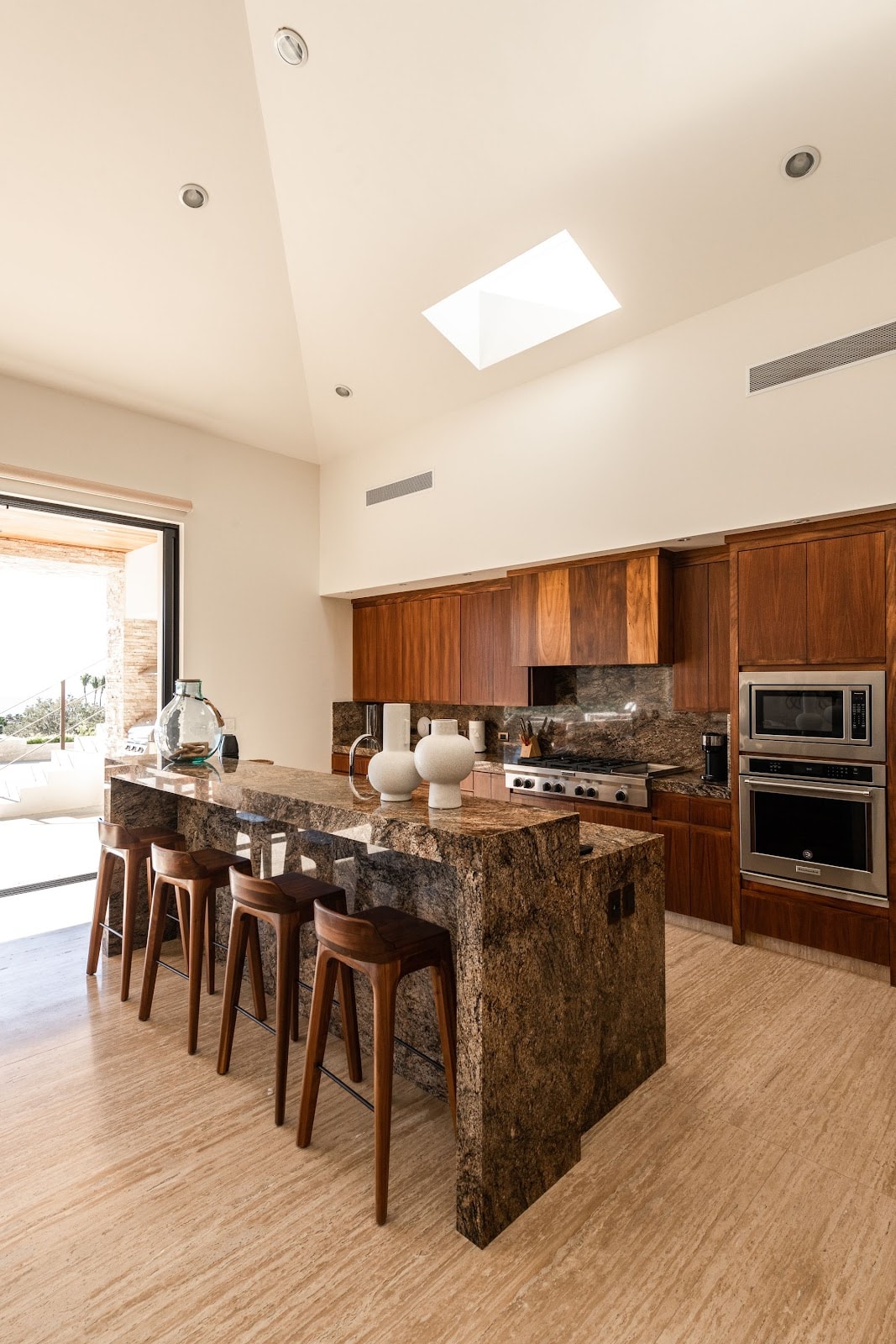
Baja California Sur, Mexico — 4-Bed House With Beach Access
$650,000
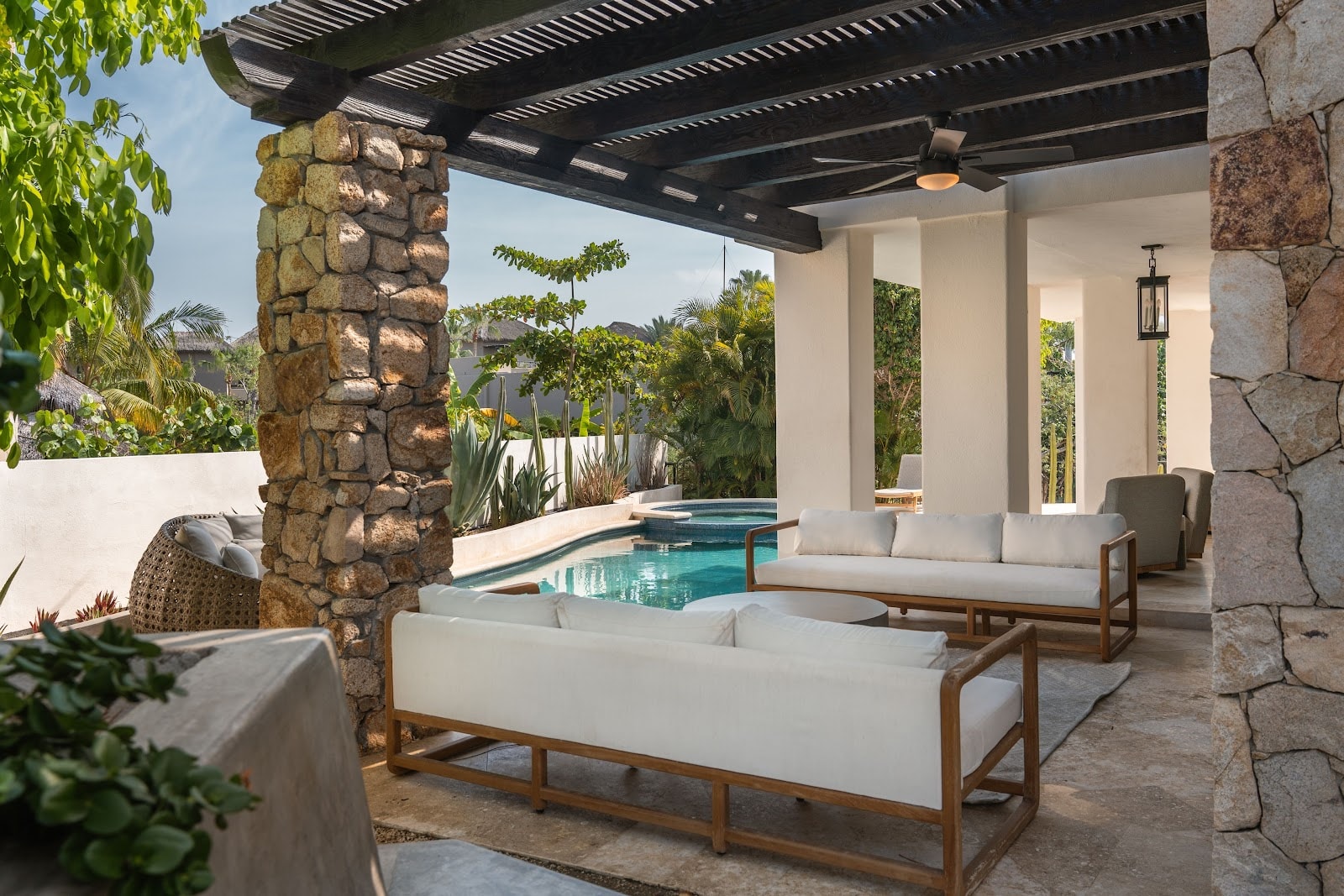
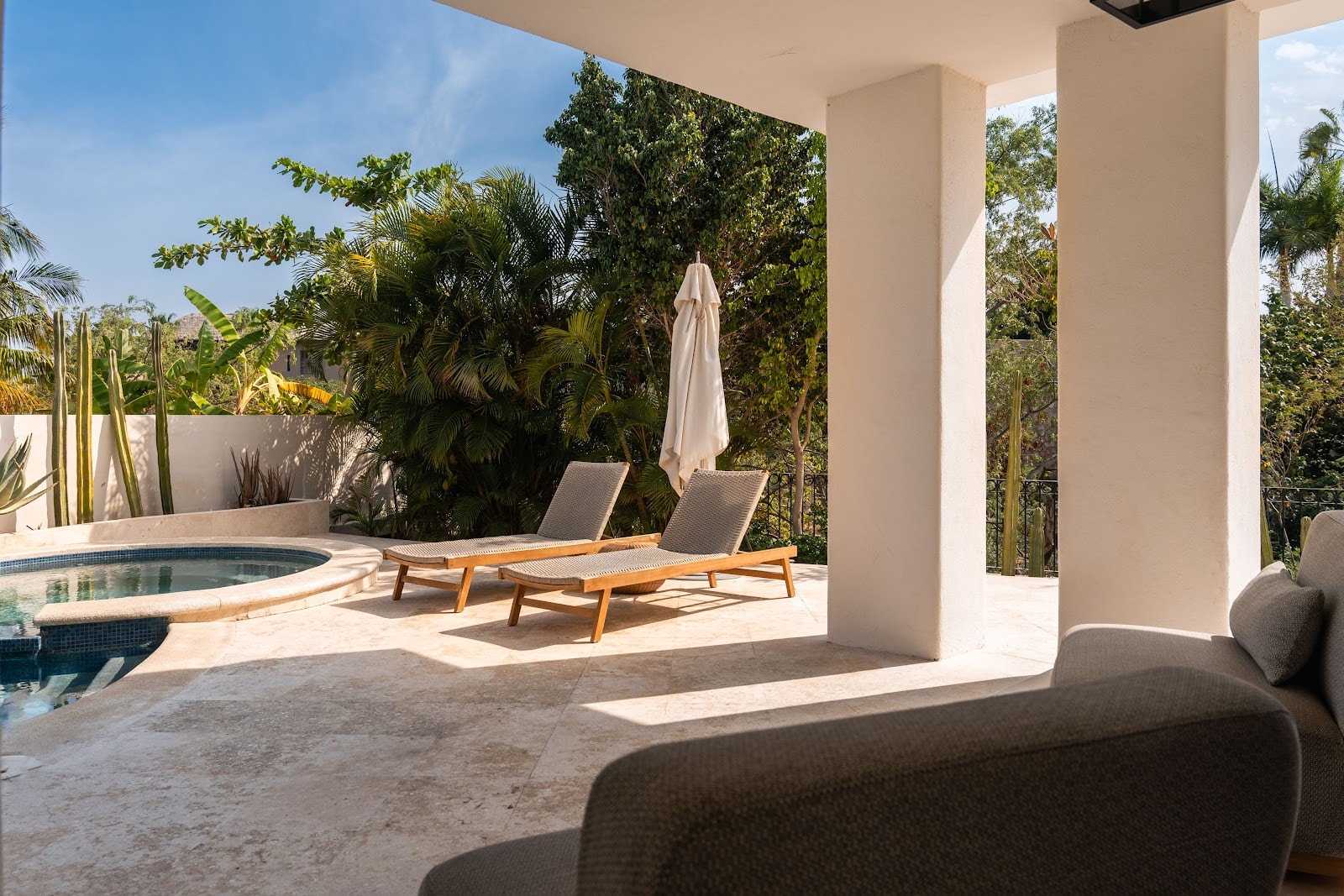
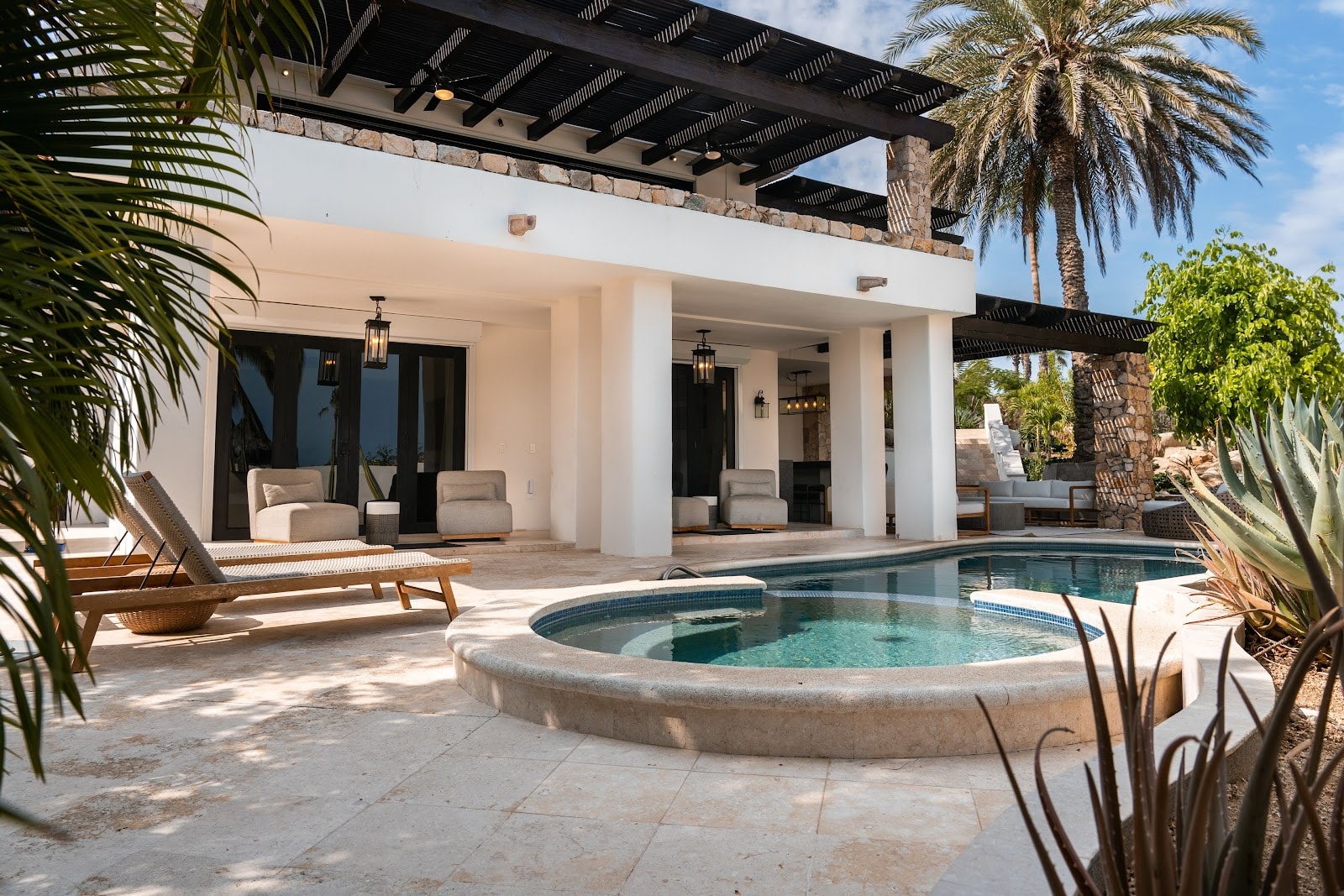
Cabo San Lucas, Mexico — 4-Bed House With Beach Access
$499,000

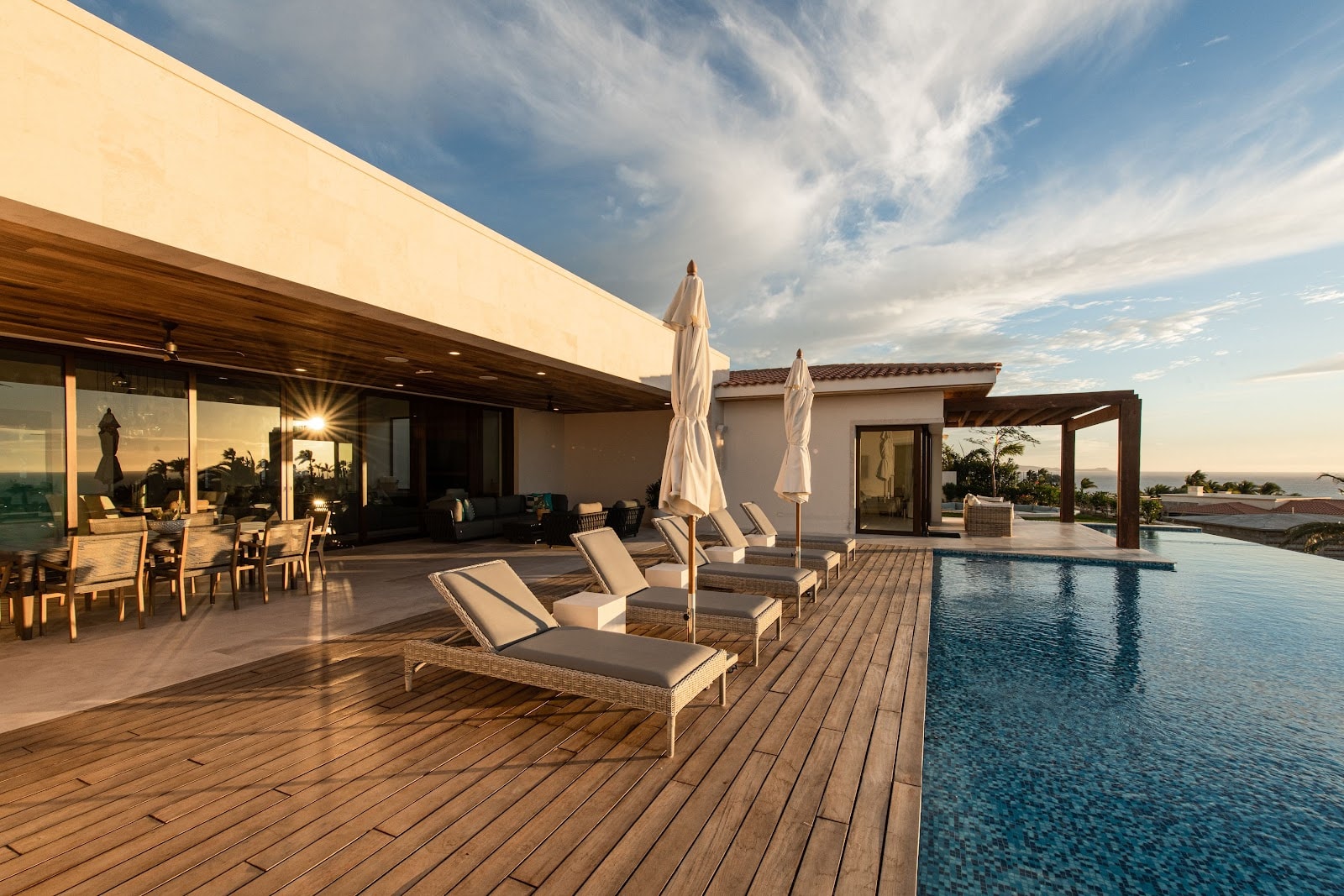
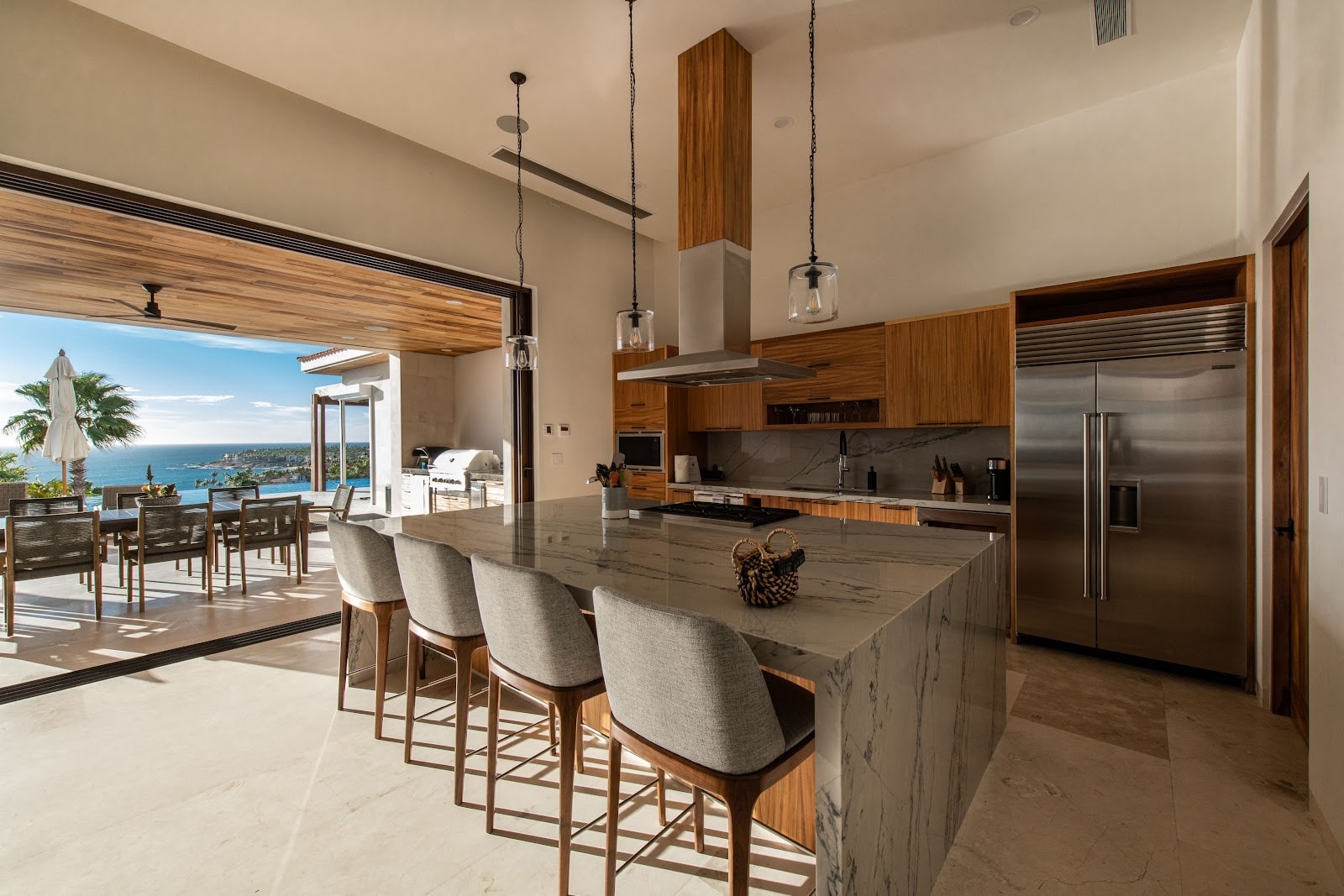
San Jose Cabo, Corredor Turistico, Mexico — 5-Bed House With Infinity Pool
$950,000
Mexico's most coveted coastal addresses, accessible through co-ownership.
Fully managed villas and residences across Los Cabos, Punta Mita and the Riviera Maya. Your 1/8 share of the home comes with 6–7 weeks of personal use, a professional management team on call, and the long-term equity of one of the Americas' most supply-constrained luxury coastal markets.

What is fractional ownership in Mexico?
Fractional ownership in Mexico means buying a real 1/8 share of a luxury Mexican coastal home — a cliff-edge villa above the Sea of Cortez, a Punta Mita ocean-view estate, or a beachfront residence on the Caribbean — shared with up to seven other co-owners. Each owner receives personal use set by the partner that manages the home — a minimum of 44 or 45 nights a year with most of our partners, and no set cap with some others — through a fair-rotation calendar, with all property management, maintenance, taxes and operations handled by a professional management team. You can sell it, pass it on to your heirs, and it grows in value with the home — it is not a timeshare, not a holiday club. The legal set-up is arranged by our partner for each home and walked through with you before you buy.
Why Mexico?
Mexico combines three things that matter more than any single one of them in isolation: year-round warmth and world-class resort infrastructure, an unusually constrained supply story in its most desirable coastal zones, and a diversity of usable second-home lifestyles across two entirely distinct coastlines — the dramatic desert Pacific of Baja California and the turquoise Caribbean of Quintana Roo and the Riviera Nayarit. The resort infrastructure is what gives Mexican coastal property its operational confidence: Los Cabos International Airport (SJD), handling direct flights from more than thirty US and Canadian cities, and Licenciado Gustavo Diaz Ordaz International Airport (PVR) in Puerto Vallarta, gateway to Punta Mita and the Riviera Nayarit, sit inside two of the Americas' most well-staffed, internationally experienced resort markets. The supply scarcity, taken alongside that resort depth, is why the price floor under the right address in Mexico's prime coastal zones remains structural rather than cyclical. Los Cabos is physically constrained by the Baja peninsula itself — a long, narrow strip of land where the Pacific meets the Sea of Cortez at a dramatic terminus, with desert geology that makes new coastal construction technically demanding and protected-zone designations that keep the most dramatic clifftop positions essentially fixed in inventory. Punta Mita, on the Riviera Nayarit, sits inside a gated peninsula that has been deliberately limited in scale since its earliest private-resort development, giving it a rarity that more commercial resort zones simply cannot replicate. The Riviera Maya's defining coastal strip is governed by growing heritage and environmental protections — the Instituto Nacional de Antropologia e Historia maintains strict controls around the archaeological zones that adjoin the Caribbean coast, and the biosphere reserves inland from Tulum and the southern coast constrain the outward expansion of new development.
Your Mexican share is owned alongside up to seven other co-owners. You own a real share of the home — an eighth, a quarter — not a right to use it. You can sell it, pass it on to your heirs, and it grows in value with the home. Resale is handled through our partner's resale process, without you having to sell the whole house.
The supply story in Mexico's prime coastal markets is worth examining in structural terms, because it is partly geographic, partly regulatory, and partly the product of the physical character of the terrain itself. Los Cabos sits at the end of a 1,200-kilometre peninsula where the buildable land with genuine ocean frontage is finite: the most desirable addresses — the cliff-edge lots above the Sea of Cortez between San Jose del Cabo and Cabo San Lucas, the protected coves with direct beach access — are a fixed inventory. The Tourist Corridor that connects the two towns, approximately 33 kilometres of Pacific-facing coastline, has been the subject of decades of resort development, and the positions that have not yet been developed at the luxury tier are almost uniformly constrained by topography, water access, or SEMARNAT environmental permitting requirements that are increasingly demanding. Punta Mita operates on a separate logic entirely: the 1,500-acre private peninsula was developed under a single master plan from the late 1990s, and the total unit count is deliberately capped — there will not be more lots here, because the peninsula runs out and the Four Seasons and St. Regis resort infrastructure is already operating at the scale the environment can sustain.
It is worth setting Mexico in its competitive context alongside other second-home destinations at this tier. The Caribbean islands — Turks and Caicos, St. Barths, Anguilla, Barbados — offer comparable warmth but at meaningfully higher entry prices, more complex foreign ownership regulations, and with the hurricane vulnerability that the Pacific and the protected Bay of Banderas behind Punta Mita largely avoid. Florida is the natural domestic US competitor for the same buyer cohort, but premium Florida coastal real estate in Palm Beach, Naples and Miami Beach has moved significantly in price over the past decade, reducing the cost advantage; Mexico delivers comparable or higher resort quality at a lower entry point, with the added appeal of genuine international destination status. Costa Rica and Panama offer tropical coastline at lower prices but with less developed resort infrastructure, fewer direct flights, and a much younger international second-home market. Portugal's Algarve and Spain's Costa del Sol serve the European buyer who wants sun without long-haul flights but lack the multi-resort infrastructure concentration that Los Cabos delivers in a single corridor.
The fourth structural argument for Mexico is the transport infrastructure that makes a Mexican second home practically usable at the frequency that fractional ownership rewards. Los Cabos International Airport (SJD) handles more than 5 million passengers a year, with direct services from Los Angeles (2 hours 30 minutes), Dallas (3 hours), Phoenix (2 hours 30 minutes), Denver, Chicago, Houston, New York JFK (5 hours 30 minutes) and, with seasonal additions, from London and Frankfurt. For owners flying in from the US West Coast, Los Cabos is closer than most Caribbean destinations — a Friday-afternoon flight from LAX arrives at SJD before dinner, and the property management team has the villa ready before you land. Puerto Vallarta International Airport (PVR), gateway to Punta Mita 45 minutes north by road, handles direct services from a comparable roster of US and Canadian cities, and Cancun International Airport (CUN) is the second-busiest airport in Mexico with direct routes from across North America, the UK (approximately 10 hours from London Gatwick or Heathrow) and several European hubs. That accessibility is the precondition for the high-frequency, multi-visit use pattern that fractional ownership rewards.
One under-discussed advantage that becomes clear once you actually start using a Mexican second home is the depth of the country's professional services infrastructure for international owners. The legal and property-management ecosystems in Los Cabos, Punta Mita and the Riviera Maya have been servicing North American and European owners for decades — English-speaking throughout, familiar with international tax structures and cross-border ownership requirements, and operating in a regulatory environment that, while different from European markets, is mature and well-documented at the level where serious international buyers transact. The management companies and concierge operations in Los Cabos in particular are internationally competitive by any standard: 24-hour on-call staff, pre-arrival provisioning, sport fishing charter coordination, private chef deployment, spa bookings, and ground transport — all coordinated as a standard part of the management relationship rather than something the owner has to assemble separately from scratch.
Where to own in Mexico
Mexico's luxury coastal second-home market is best understood through three distinct buyer geographies, each with its own landscape, climate, lifestyle and international buyer profile. There are, of course, Mexican coastal destinations beyond these three — the colonial charm of Puerto Escondido and the Oaxacan coast, the established beach scene of Huatulco, the growing Baja Norte market around Ensenada and the wine country of the Valle de Guadalupe — and we are happy to discuss any of them with buyers whose interests run that direction. But the supply story for fractional ownership at the quality tier that defines the COP collection is concentrated in the three clusters below: Los Cabos, with its Baja peninsula drama and world-class sport fishing and golf; Punta Mita and the Riviera Nayarit, with the gated peninsula and the sheltered Bay of Banderas; and the Riviera Maya, with its Caribbean coast, cenotes, and Mayan cultural heritage. Together these three account for the overwhelming majority of international second-home demand in Mexico at the tier where fractional ownership makes structural sense.
Los Cabos — The Pacific Crown

Los Cabos is the outlier of the three clusters — not because it offers more warmth than its competitors (all three run year-round temperatures that make a second home usable in any month), but because it offers the most dramatic physical landscape, the most developed sport fishing and golf infrastructure, and the most mature US buyer market of any Mexican coastal destination. Located at the southern tip of the Baja California Peninsula where the Pacific Ocean meets the Sea of Cortez — which Jacques Cousteau called "the world's aquarium" for the density and diversity of its marine life — Los Cabos receives more than 340 days of sunshine a year and is one of the most reliably sunny destinations in the Americas. The desert-meets-ocean landscape is unmistakable: golden granite cliffs, translucent water in contrasting Pacific blue and Cortez turquoise, giant cacti on the hillsides above the resort properties, and the extraordinary geological formation of El Arco de Cabo San Lucas at Land's End — the rocky arch where the two bodies of water meet, arguably the most photographed natural feature in Mexico.
The market divides broadly across two anchors and a corridor between them. San Jose del Cabo — the western anchor, a genuine 17th-century colonial town with a central plaza, the Thursday Art Walk, galleries, and a farm-to-table restaurant scene that has evolved significantly over the past decade — is the culturally anchored, architecturally coherent choice for buyers who want a sense of real Mexico alongside resort convenience. The market around San Jose runs from the iconic One&Only Palmilla resort zone southward through the private gated communities of the Palmilla escarpment, where the lots step down from desert ridgeline to the Sea of Cortez in a series of infinity-pool terraces that deliver some of the most dramatic ocean views in the Western Hemisphere. Cabo San Lucas — the eastern anchor — is the resort energy end of the market: the marina, the sport fishing fleets, the beach-club scene, the nightlife strip and the concentration of branded resort residences at the most tourist-active end of the Baja peninsula. Between them, the 33-kilometre Tourist Corridor holds the highest concentration of ultra-luxury private villa communities and championship golf courses in Mexico, including Palmilla Golf Club, Cabo Real Golf Club and Querencia, each designed by architects of international standing.

The sport fishing draw in Los Cabos is not incidental to the second-home market — it is, for a significant portion of buyers, the primary reason they are looking at Baja over every other warm-weather destination. The Sea of Cortez and Pacific waters off Cabo are home to one of the world's most productive billfish fisheries: Pacific blue marlin, striped marlin, black marlin, yellowfin tuna and dorado run through the waters at volumes that attract serious anglers from across North America year-round, with particular concentration from October through December for the marlin peak and June through September for yellowfin tuna. The marina at Cabo San Lucas maintains one of the largest sport fishing charter fleets in the world — hundreds of vessels from pangas to fully equipped luxury sport fishers — and the international tournament calendar includes the Los Cabos Billfish Tournament and several other events that draw competitive anglers and spectators each year. For a fractional owner who fishes, owning a Los Cabos share means having the infrastructure — docked boats, experienced captains, bait operations — coordinated through the management team rather than arranged from scratch on each visit.
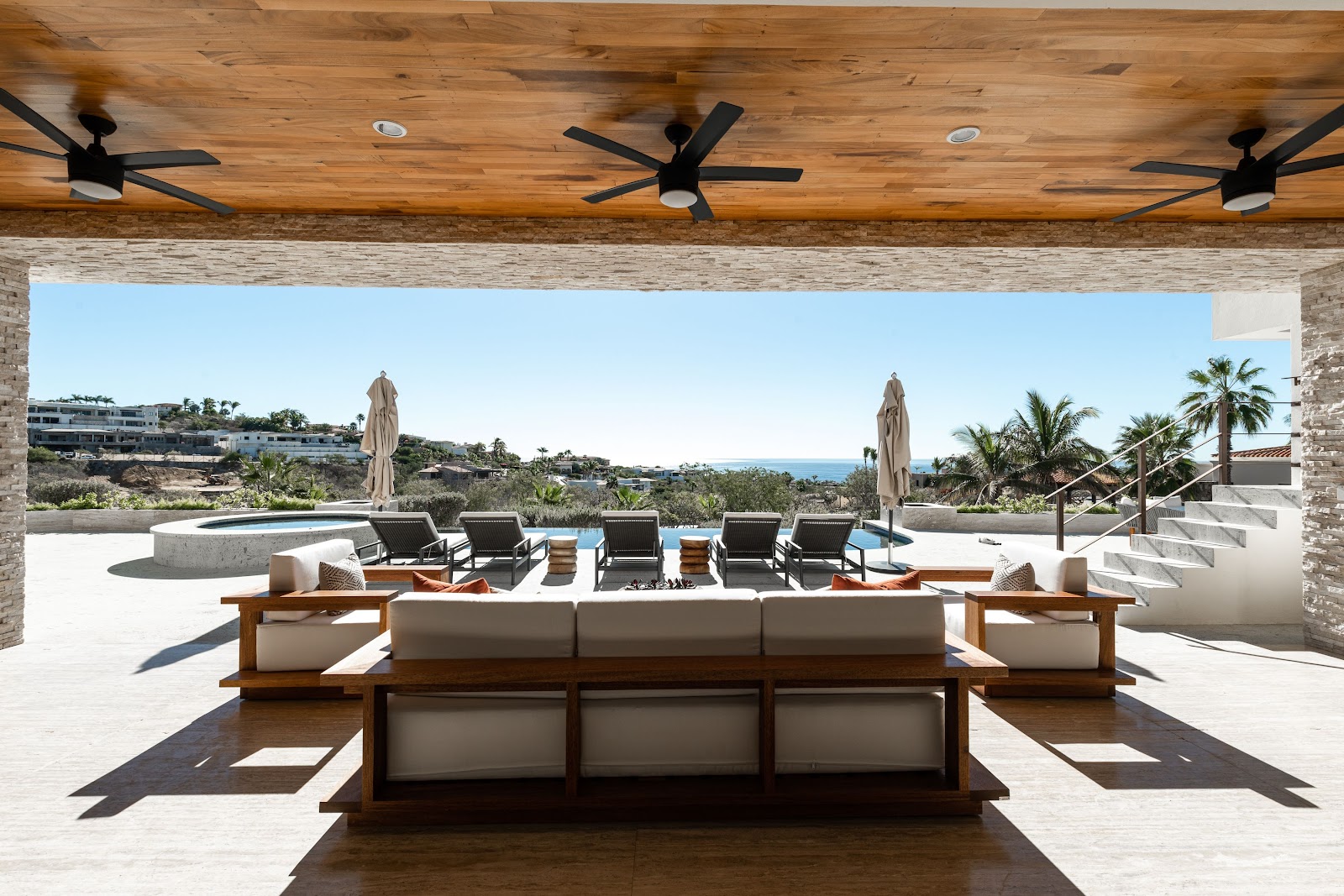
The culinary dimension of Los Cabos has evolved substantially in the past decade and now competes seriously with resort destinations that have long held the food-destination reputation. San Jose del Cabo's Art District is home to restaurants that source from the fertile agricultural valleys behind the Baja hillsides, where the combination of desert sun, Pacific moisture and volcanic soil produces exceptional produce. The restaurant scene across the Corridor runs from high-end Mexico City chef transplants — operators who have brought the capital's CDMX dining sophistication to the Baja coast — to casual beachfront seafood operations that serve the morning's catch in the most direct way possible. For non-fishing visitors, the whale watching season (December through April, when grey whales migrate along the Pacific coast and into the sheltered lagoons of Baja California Sur) is a specific Los Cabos draw with no equivalent elsewhere in Mexico. Best for: sport fishing and golf enthusiasts who want the world's best marlin fishery and championship courses on their doorstep; buyers who want dramatic Pacific desert-meets-ocean landscape with maximum resort infrastructure; US and Canadian buyers who value proximity and direct connectivity from a dozen West Coast and South-West cities; and owners seeking the most internationally established luxury real estate market in Mexico.
Punta Mita — The Sheltered Bay of Banderas

Punta Mita is the quieter, more exclusive counterpart to Los Cabos — a private gated peninsula, approximately 1,500 acres in area, that sits at the northern entrance to the Bay of Banderas on the Pacific coast of Nayarit, 45 minutes north of Puerto Vallarta by road. Unlike Los Cabos, which is a linear stretch of coastline with multiple access points and a continuous development corridor, Punta Mita is a discrete geographic entity — you enter through a single gate, the peninsula encircles you, and the outside world retreats in a way that is unusual even by the standards of the world's most exclusive resort enclaves. The Four Seasons Punta Mita and the St. Regis Punta Mita are the two flagship resort anchors, each operating at the very top of their global brand standard; between them, the private villa communities — Kupuri, Careyes and La Punta among others — provide the residential inventory that defines the second-home market here.
The Bay of Banderas itself is one of the reasons Punta Mita has a character that Los Cabos, with all its drama, does not replicate. The bay — one of the deepest and widest on the entire Pacific coast of the Americas — shelters the peninsula from the open Pacific swell that makes Los Cabos' ocean raw and occasionally rough; the result is calmer, warmer, more swimmable water on the eastern-facing Punta Mita beaches, while the western-facing tip of the peninsula takes the full Pacific energy and produces consistent surf. The bay's depth and productivity make it a genuine marine sanctuary: humpback whales calve in the bay from November through March (it is one of the two or three most productive humpback nursery grounds on the Pacific coast of the Americas), manta rays are year-round residents, and the underwater topography produces excellent diving and snorkelling across sites including the Marietas Islands National Park — a UNESCO-protected biosphere reserve 12 kilometres from the peninsula with hidden beaches and nesting seabirds. The Marietas Islands are a significant reason Punta Mita buyers with children or a naturalist inclination specifically choose this location: the half-day trip to the islands, with snorkelling, whale watching or bird observation depending on season, is available year-round and requires only a boat and the permission of the park authority.
The golf at Punta Mita is distinctive in a way that even Los Cabos cannot match for one specific feature: the Tail of the Whale hole at the Pacifico Course, a par-3 played to a green on a natural rock island in the Pacific that is only accessible at low tide by amphibious cart — arguably the most photographed individual golf hole in Mexico. The climate pattern at Punta Mita — warm and sunny from October through May at 26–30°C (high 70s°F to high 80s°F), with a brief tropical rainy season concentrated in July and August that typically delivers afternoon showers rather than all-day cloud — is complementary to a Los Cabos winter share in a way that gives owners whose primary brief is warm-weather use a natural regional pairing. Best for: buyers seeking the highest-end privacy and exclusivity within a fully gated resort community; families who want calmer, more swimmable water than the open-ocean Los Cabos beaches; whale watching and marine-life enthusiasts who want one of the world's best cetacean nurseries a short boat ride from the property; and owners who want a genuinely different Pacific Mexico experience — forested tropical hillsides, lush vegetation, green water — from the arid drama of Baja.
Riviera Maya — Caribbean Mexico
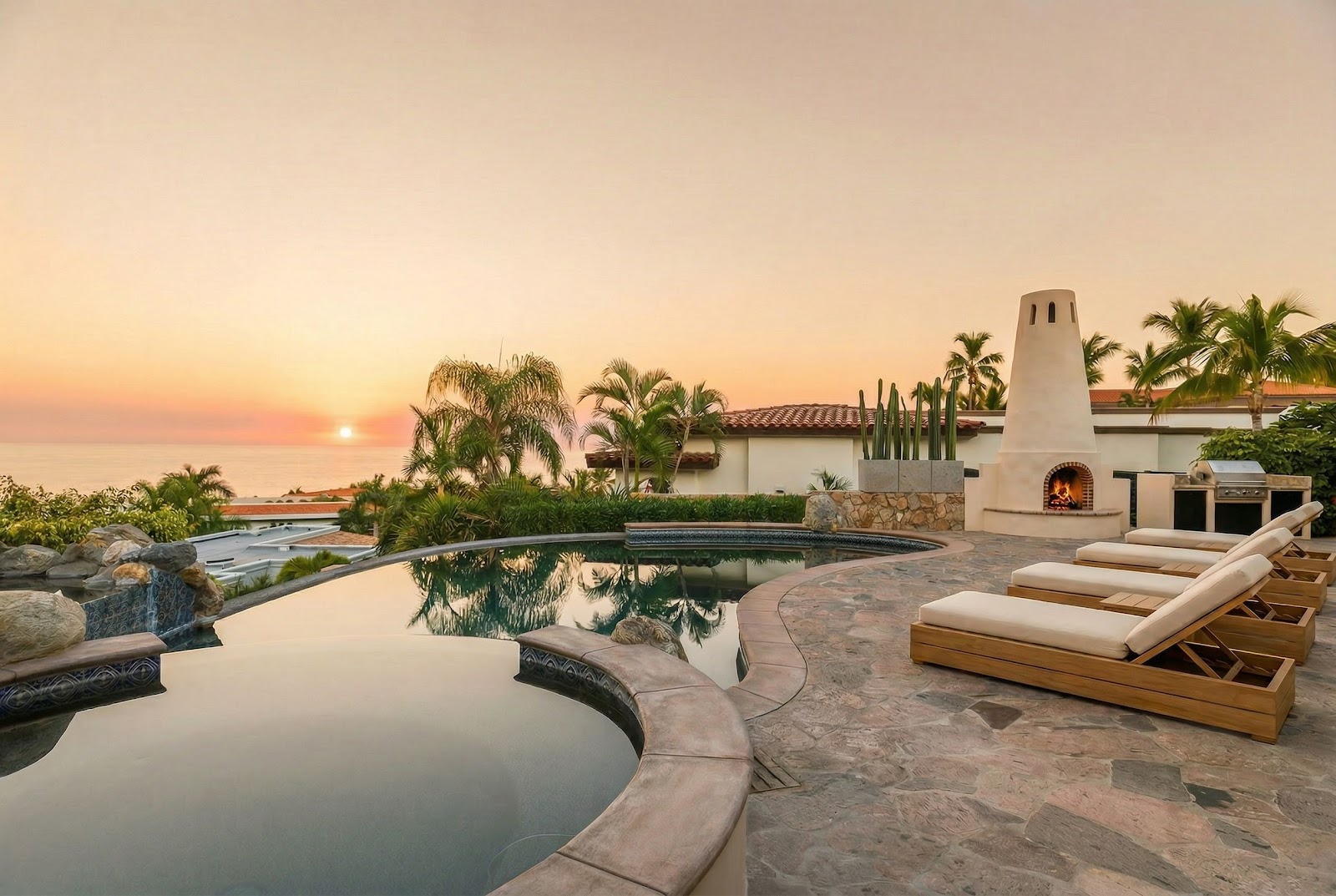
The Riviera Maya, stretching along Quintana Roo's Caribbean coast south from Cancun through Playa del Carmen, Akumal and Tulum to the Sian Ka'an Biosphere Reserve at the southern limit of accessible luxury development, offers a categorically different Mexico from either Los Cabos or Punta Mita. Where the Pacific coast delivers desert drama and deep-sea power, the Caribbean delivers the extraordinary colour palette that distinguishes the Yucatan coast from every other warm-water destination in the Americas: the water is a turquoise of unusual saturation, the result of the shallow limestone shelf that extends from the coast underwater, refracting light in a way that the deeper, darker Pacific does not. The Mesoamerican Barrier Reef — the world's second-largest coral reef system at over 1,000 kilometres in length, running from the Yucatan Peninsula south through Belize, Guatemala and Honduras — lies just offshore along the entire Riviera Maya coast, making the area one of the premier snorkelling and diving destinations on earth.
The Riviera Maya is defined not only by its sea but by what is beneath the land. The Yucatan Peninsula sits on a vast karst limestone platform riddled with underground rivers, caves and sinkholes called cenotes — freshwater pools where the limestone has collapsed to reveal the underground water table beneath. Cenotes were sacred to the ancient Maya as portals to the underworld, and they remain one of Mexico's most distinctive natural experiences: crystal-clear freshwater at a constant 23–25°C (73–77°F), visibility of tens of metres, cave systems and underground rivers that connect many cenotes to one another and to the sea. The cenotes around Tulum and the extensive cave systems accessible from Playa del Carmen include some of the longest mapped underwater cave systems in the world — the Dos Ojos and Sac Actun systems alone cover hundreds of kilometres — and for diving-oriented owners the Riviera Maya offers a genuinely world-class underwater experience that no other coastal property destination replicates.
Above ground, the Riviera Maya is framed by its Mayan archaeological heritage: the cliff-top Tulum ruins, overlooking the Caribbean from a limestone bluff, are the most photographed archaeological site in Mexico and one of the few major Mesoamerican sites to be directly adjacent to a beach. Coba, 45 kilometres inland through jungle, offers a climbable pyramid and a walking experience through active archaeological excavation zones surrounded by humid tropical forest. Chichen Itza, a UNESCO World Heritage Site and one of the New Seven Wonders of the World, is a full-day excursion from Playa del Carmen or Tulum — a journey through the Yucatan interior that delivers one of the most powerful cultural experiences available from any second-home base in the Americas. Best for: wellness and yoga-focused buyers who want the Tulum lifestyle ecosystem — cenote swimming, organic dining, integrative retreat culture — as the centre of their second-home experience; divers and snorkellers who want daily access to the second-longest reef system on earth; families with children who want safe Caribbean swimming water, cultural education through Mayan archaeology, and the operational convenience of the Cancun airport hub; and buyers coming from the UK and Continental Europe for whom the Cancun airport's direct European routes make the Riviera Maya the most practical entry point to Mexico without a connecting flight.
A year in your Mexico co-ownership home
Spreading owner nights that carry no set cap across a calendar year in Mexico is itself a skill — and one of the quiet advantages of the multi-coastline offer is that the seasonal logic of Los Cabos and Punta Mita on the Pacific runs almost exactly complementary to the Riviera Maya on the Caribbean. The 1/8 share model ensures a fair allocation of peak weeks across a multi-year rotation cycle; owners who are flexible enough to use shoulder weeks — rather than competing for the Christmas fortnight or the Los Cabos sport-fishing peak — consistently report higher use-quality from their shares. Below is the country-level seasonal walk through a Mexican year.
Winter (December–February)
Mexican winter is the most sought-after season at both coastlines, and for good reason. In Los Cabos, December through February delivers what may be the single most comfortable dry-season climate in the Americas: daytime temperatures of 24–28°C (mid-70s°F to low 80s°F), water temperatures of 19–22°C (66–72°F), virtually no rain, and the low humidity that makes even full midday sun feel lighter than it does in the Caribbean's February equivalents. This is the peak of the sport fishing calendar for striped marlin and it coincides with the beginning of the Pacific grey whale migration — grey whales pass the Baja coast en route south from the Arctic to the calving lagoons of Baja California Sur from December through March, and whale-watching excursions in the Sea of Cortez during January are among the most extraordinary wildlife experiences Mexico offers. In Punta Mita, December through February is humpback whale season: the mothers and calves are in the Bay of Banderas, and virtually every boat trip out of the Punta Mita marina will encounter them. At the Riviera Maya, the same months deliver Caribbean winter perfection — dry, clear, 25–29°C (high 70s°F to mid-80s°F) — with the additional feature that Christmas and New Year weeks at properties near Tulum and Playa del Carmen bring a sophisticated international crowd that makes the destination feel genuinely cosmopolitan rather than merely tropical.
Spring (March–May)
Spring is the shoulder season that owners learn to treasure. March in Los Cabos remains dry and warm — 25–30°C (high 70s°F to high 80s°F) — with the Easter week demand from the domestic Mexican market creating brief bursts of activity at the marina and beach clubs, but the international high-season crowds thinning noticeably from mid-March onward as school holidays end across the US and Canada. April and May deliver some of the clearest water of the year in the Sea of Cortez — visibility extends to 30 metres in calm conditions, and the large rays, whale sharks and occasional whale sharks that visit the Cortez in spring are accessible to snorkellers and divers with a short boat ride from the Cabo Pulmo marine park. In Punta Mita, spring is when the humpbacks have departed but the water has warmed — 25–27°C (high 70s°F) — and the surf on the western exposure of the peninsula picks up, making March and April the best months for surfers who want the Pacific energy without competing with the winter-season guests. At the Riviera Maya, March brings the Spring Break influx that concentrates around Cancun and Playa del Carmen; owners who prefer the quieter Tulum end of the coast find March and April significantly calmer, with beach clubs and cenotes available without the weekend crowd dynamic that the northern Riviera Maya generates.
Summer (June–August)
Summer in Mexico is the season that rewards owners who understand the nuance. Los Cabos in June through September is warmer and more humid than winter — daily temperatures reaching 33–36°C (low 90s°F to high 90s°F) with occasional afternoon storms — but the marine activity is extraordinary: yellowfin tuna and dorado run through the Pacific waters at volumes that make July and August the preferred season for serious tuna anglers. The water temperatures rise to 27–30°C (80s°F), making swimming and snorkelling in the Sea of Cortez as comfortable as it gets anywhere. Punta Mita's summer pattern is shaped by the brief rainy season that affects the Nayarit coast — typically afternoon showers of an hour or two rather than all-day cloud — and the result is lush, intensely green tropical landscape that contrasts dramatically with the dry-season bleached-palette. Many owners specifically seek summer weeks in Punta Mita for the green-season beauty: the vegetation around the villas is at its most extravagant, and the combination of brief rain and intense sun produces vivid tropical growth that the dry months suppress. At the Riviera Maya, summer is when the whale shark aggregations appear off the coast of Holbox Island, three hours north of Cancun — arguably the most accessible whale shark snorkelling in the world, easily combined with a Riviera Maya property as a day or overnight excursion during June through September.
Autumn (September–November)
For many experienced Mexican second-home owners, autumn is the most under-used and most rewarding season. October and November in Los Cabos deliver a second high-quality window: temperatures have moderated from summer highs to a very comfortable 26–30°C (high 70s°F to mid-80s°F), the sea is at its warmest of the year (26–28°C — high 70s°F), and the marlin season is at peak — the Los Cabos billfish tournament season runs through October and November. In Punta Mita, the rainy season ends in October and the landscape retains its green-season lushness while the weather returns to the dry-season reliability that makes the peninsula so comfortable: November is widely considered the best single month of the Punta Mita year by repeat visitors who have compared it to every other month and concluded that the combination of warm weather, calm sea, green landscape and thin crowds is unmatched. At the Riviera Maya, September and early October are the Caribbean's hurricane season, so experienced Riviera Maya owners save their favourite weeks for November, January and February, and the coast's resort infrastructure is well prepared. By late October, the Caribbean coast has typically returned to full sunshine and calm water at 27–29°C (low 80s°F), and the Dia de los Muertos celebrations across Quintana Roo — particularly in the small towns of the Yucatan interior reachable from any Riviera Maya base — offer a cultural experience with no equivalent elsewhere in the world.
Who buys in Mexico, and why
The international buyer mix in Mexican fractional co-ownership draws from a predominantly North American base with a meaningful and growing European cohort. American buyers are by far the largest group across all three clusters: the combination of direct flights from a dozen US cities to Los Cabos and Cancun, the cultural familiarity of having visited Mexico as a family holiday destination, and the US dollar's longstanding purchasing power in the Mexican luxury property market makes Mexico the natural first international second-home destination for affluent Americans who want to own rather than rent. Canadian buyers are the second-largest group — the snowbird migration to Mexico's warm coasts is a decades-old cultural institution in Canada, and the fractional model is increasingly the preferred entry point for Canadian buyers who want to own a share of quality rather than carry the full management burden of a standalone property. European buyers — British, Dutch, German, French and Scandinavian — are the growth cohort of the past five years, driven by the improving direct connectivity from European hubs to Cancun and Los Cabos and by the increasing international profile of Mexico's luxury resort offer in the European luxury travel press.
The age-and-life-stage profile of the Mexican fractional buyer reflects the character of the market. The largest single cohort is 45–65 — buyers whose children are either in their teens (with the school calendar setting usage around Thanksgiving, Christmas and spring break) or have recently left home, whose professional income is established, and whose planning horizon on a second home is fifteen to twenty years. Within this cohort, the Los Cabos buyer is often the most activity-led — fishing, golf, active outdoor lifestyle — while the Tulum and Riviera Maya buyer is more wellness and culture-oriented. The fastest-growing cohort is 35–45 dual-income couples — accustomed to Airbnb and high-end hotel loyalty programmes for their holiday needs, increasingly recognising that the fractional model delivers better quality, builds equity rather than burning hotel spend, and gives them a real asset in a market they intend to use for the long term rather than just the next holiday cycle. The multi-property buyer — someone who already holds a European COP share and is adding Mexico as a warm-weather complement to a France or Spain or England share — is a distinct and growing segment.
Fractional co-ownership in Mexico typically suits:
- Sport fishing and golf families from the US and Canada — buyers for whom the Los Cabos marlin fishery and championship courses are the primary brief, and for whom a 1/8 share gives access to the peak of the sport-fishing calendar without the year-round carrying cost of a standalone property.
- Wellness and yoga-focused buyers — the Tulum and southern Riviera Maya market is disproportionately weighted toward buyers who want the cenote, the organic restaurant, the meditation retreat and the Caribbean beach as their daily framework, and for whom the fractional model resolves the affordability barrier at the quality tier where they want to own.
- International portfolio builders pairing Mexico with Europe — buyers who already hold a Mediterranean or alpine COP share and are adding Mexico to give their portfolio a warm-weather anchor in the Americas; the combined use pattern — European share for summer and spring, Mexico share for winter — delivers near-year-round managed second-home coverage at a combined carry below the cost of a single whole property at either address.
- Families with children on North American school calendars — buyers whose school-age children attend schools with a North American calendar, for whom the Thanksgiving, Christmas, spring break and summer windows map precisely onto the peak usage periods a Mexico fractional share delivers.
- Retirement and near-retirement buyers — the Mexico fractional market has a specific appeal to buyers approaching or in early retirement who want maximum warm-weather access, minimum management burden, and a property they can use four to six times a year rather than once a year — and who want an asset that builds value rather than hotel or rental spend that builds none.
Practicalities: getting there, what it costs, what you own
Getting there
Mexico's three principal second-home clusters are served by airports that are, by the standards of international luxury resort destinations, exceptionally well connected to North America and increasingly to Europe. Los Cabos International Airport (SJD) serves the Cabo market with direct routes from Los Angeles (2 hours 30 minutes), Phoenix (2 hours 30 minutes), Dallas/Fort Worth (2 hours 45 minutes), Denver (3 hours), Houston (3 hours), San Francisco (3 hours), Chicago O'Hare (4 hours 30 minutes), New York JFK (5 hours 30 minutes), Toronto (5 hours), and seasonal or charter services from London and other European hubs. The airport has been significantly upgraded in recent years to handle the volume of international private and commercial aviation the Los Cabos market generates.
Puerto Vallarta International Airport (PVR), 45 minutes south of Punta Mita by road, mirrors the Los Cabos connectivity profile with direct services from the same roster of US and Canadian cities. The road from PVR to the Punta Mita gate runs north along the coast highway, arriving at the Punta Mita gate in approximately 45 minutes in normal traffic. Cancun International Airport (CUN), Mexico's second-busiest, handles direct routes from over 40 US and Canadian cities, direct services from London Gatwick, London Heathrow, Manchester, Amsterdam, Paris CDG, Frankfurt and Madrid, and the broadest European connectivity of any Mexican airport. The drive from CUN to Playa del Carmen is 45 minutes south along the coast highway; the drive to Tulum is 90 minutes. For buyers coming from the UK or Continental Europe, Cancun is the most accessible Mexican destination — the roughly 10-hour direct flight from London is well within the range of a long-haul connection that most European second-home owners establish as a regular rhythm within the first year of ownership.
Whole-property vs 1/8 share: the comparison
The case for a fractional structure is most clearly seen in the side-by-side comparison against both whole ownership and long-term rental — the three ways most international buyers consider holding a Mexican second-home pattern. The comparison is deliberately in relative terms, not in specific dollar amounts: the price points vary enormously between a San Jose del Cabo Corridor villa and a Tulum beachfront property, and the ratios are what matter rather than any specific figure that will date the moment it is written.
| Whole second home | COP 1/8 fractional share | Long-term rental | |
|---|---|---|---|
| Upfront commitment | Full property value | ~1/8 of the property value | First/last/deposit only |
| Equity in the asset | Full appreciation | ~1/8 of appreciation | None |
| Annual carry | Full property tax, insurance, management, maintenance | ~1/8 of carry, fully managed | Full rent every year, indefinitely |
| Personal use | Up to 52 weeks (most use 4–8) | Set by the operator, professionally scheduled | Defined by lease |
| Operations burden | Owner-managed or hired staff | Fully included | Landlord-managed |
| Time to exit | 12–18 months on open market | Just over 3 months on average | End of lease term |
The comparison most buyers find most instructive is the annual-carry line. Owning a whole Mexican second home outright — a Los Cabos Corridor villa or a Punta Mita peninsula house — means carrying full property tax, full buildings and contents insurance, full property management and staffing, year-round utilities, and grounds maintenance, every month, regardless of how many weeks you actually visit. A 1/8 fractional share carries roughly one-eighth of that total, fully managed, with the operational burden removed from the owner entirely. Compared to long-term rental of a comparable property, the fractional owner builds real equity rather than burning rental spend indefinitely — and the 1/8 share is a transferable, inheritable asset that can be sold or passed on rather than money permanently committed to someone else's property. The time-to-exit line is the other revealing comparison: whole-property resale of a premium Mexican coastal villa can take twelve months or more in a stable market, and considerably longer when conditions tighten, with the full carrying cost accumulating through the wait. Across the COP portfolio, the managed-resale path for a 1/8 share connects to an existing buyer network. Hundreds of shares in homes like these have already been resold — in just over three months on average, and nearly three in four for more than the owner paid.
What's included in the annual service charge — and what isn't
The annual carry on a 1/8 share is, by definition, roughly one-eighth of the carry on the equivalent whole property — which means it is a fraction of what an outright second-home owner pays in property tax, insurance, management and maintenance at any of Mexico's premium coastal addresses. The service charge is best understood as a single all-in figure that covers everything required to keep the property at operating standard year-round regardless of occupancy. The items typically included: predial property tax (Mexico's annual residential property levy, assessed by the relevant municipal authority); buildings and contents insurance; the full property-management retainer covering staff, scheduling and owner-relations contact; linen and cleaning between every stay; garden, pool and grounds maintenance; routine maintenance and repairs under a defined threshold; utility bills including electricity, water, internet and security monitoring; and a contribution to the capital reserve fund for major items such as roof, structural, HVAC and pool systems. What is typically not included: large capital improvement works decided together by the co-owners and funded by a one-off levy; personal costs during your stays; damage resulting from owner use; and unusually high utility consumption during periods of extended occupancy. The annual figure is not a rental commitment — it is a comprehensive operating budget that keeps a quality-tier property in active, guest-ready condition throughout the year, divided eight ways.
How fractional ownership works in Mexico
The mechanics of fractional ownership in Mexico are framed by two things that work together: the legal set-up our partner arranges for each home, and the Mexican property law framework that establishes and protects foreign ownership rights in the country's coastal zones. Together, they make for a clear, predictable ownership experience.
The restricted zone
Mexico's Foreign Investment Law historically restricted direct foreign ownership of land within 50 kilometres of the coast, and international ownership in Mexico's coastal resort markets has long worked through established, lawful mechanisms that are well understood by the legal and banking community at every level of the market. You own a real share of the home — an eighth, a quarter — not a right to use it. You can sell it, pass it on to your heirs, and it grows in value with the home.
Mexican property tax and your service charge
Mexico's residential property tax — called predial — is assessed annually by the municipal authority in whose jurisdiction the property sits and is, by international standards, remarkably low: typical rates run from 0.05% to 0.15% of cadastral value, making the annual predial on even a high-value property modest by the standards of the United States, the United Kingdom or France. Predial is folded into the annual service charge and distributed across the co-owners proportionally. Transfer tax (ISAI) applies on the initial property acquisition and is paid at the time of closing; the rate varies by municipal authority but typically runs from 2% to 4% of the transaction value. Capital gains tax (ISR) on resale depends on the seller's tax residency and any applicable bilateral tax treaty between Mexico and the seller's home country. We recommend independent tax advice for your own circumstances. The management team coordinates with SAT (Mexico's tax authority) and local municipal authorities on all ongoing compliance requirements, so the day-to-day tax administration burden on the individual co-owner is negligible.
How the calendar works and what management includes
Once your purchase completes, a professional management team takes over all operational responsibility for the Mexican property. Your personal weeks — with no set cap on total nights for a 1/8 share — are allocated through a fair-rotation calendar that distributes peak weeks (the Los Cabos Christmas fortnight, the Punta Mita spring-break peak, the Tulum Dia de los Muertos window) fairly across the co-owner group across a multi-year cycle. Owners pre-book several months ahead; unused weeks are returned to the owner pool or, where the property's structure allows, offered more broadly. Pre-arrival provisioning, linen and cleaning between every stay, year-round pool and grounds maintenance, property tax, building insurance and the on-call management contact — all sit with the management team. You arrive, the property is ready. The on-call staff in Los Cabos and Punta Mita are experienced in coordinating sport fishing charters, golf tee-times, private chef deployment, spa bookings and ground transport as part of the standard management relationship; the Riviera Maya team additionally coordinates cenote tours, dive operators, Mayan ruin excursions, and wellness retreat bookings. The standard of pre-arrival preparation — provisions, flowers, welcome setup — matches or exceeds the best boutique hotel arrival experience.
Resale: how to exit, typical timelines
When you decide to exit your Mexican share, a professional resale process is in place. Across the COP portfolio, the managed resale path connects your share to an existing waitlist of buyers who know the property and who have typically been through the qualification process already. You sell your share — not the whole house — at the price you set, typically after an initial twelve months of ownership, with your co-owners usually offered first refusal. Hundreds of shares in homes like these have already been resold — in just over three months on average, and nearly three in four for more than the owner paid. By comparison, whole-property resale in Mexico's premium coastal markets can take twelve to eighteen months from listing to closing in a stable market. The full mechanics of fractional ownership across all jurisdictions — usage calendars, exit procedures, the management relationship, and what happens on death or transfer — are covered in our co-ownership explained guide. For current Mexico property availability, browse the listings in the property grid above, or join our list for new-property alerts as they come to market.
Your ownership at a glance
- Real ownership — you own a real 1/8 share of the home, not a right to use it: you can sell it, pass it on to your heirs, and it grows in value with the home. Not a timeshare, not a points membership.
- Fully managed throughout — the management team handles property tax, insurance, maintenance, scheduling, linen and cleaning between every stay, sport fishing and activity coordination, and the on-call management contact. You arrive, the property is ready and stocked.
- Supported resale through COP's owner network — when you decide to exit, the managed-resale path connects your share to an existing qualified buyer pool, so you are not facing the twelve to eighteen months that whole-property resales in Mexico's premium coastal markets typically require.
Still deciding which Mexico cluster?
Many readers arrive on this page already half-decided — they want Mexico, but not yet which Mexico. The choice between Los Cabos, Punta Mita and the Riviera Maya is rarely about budget alone; the three can, at the luxury tier, sit in broadly overlapping price bands. The decisive question is lifestyle brief: what will you actually do with your weeks? Below is the framework that helps buyers resolve the same fork — a simple starting point, since many owners who hold for a few years find they want more than one cluster.
Choose Los Cabos if your dominant use brief is sport fishing, championship golf, and a dramatic Pacific landscape with maximum North American connectivity and the most mature international resort infrastructure in Mexico. Los Cabos is the right answer if you fish seriously or want a destination where the fishing fleet, the tackle shops, the tournament calendar and the experienced captains are all immediately available through the management team; if you value championship golf as a daily option rather than an occasional excursion; if you are coming primarily from the US West Coast or South-West and proximity is a meaningful driver; and if you want the broadest possible range of luxury restaurant and beach-club options within driving distance of the property. Los Cabos is also the right answer if your ownership brief is primarily about winter sun at the highest standard, with the least operational complexity: the Los Cabos management infrastructure for international fractional ownership is the most developed of the three clusters and has the longest operating history. Unlike a traditional timeshare — which would give you a fixed week in a hotel room at a price that inflates annually and an interest that depreciates to zero — a Los Cabos fractional share gives you a real share of a property whose value is underpinned by the same fixed geographic constraints that make it exceptional in the first place.
Choose Punta Mita if you want the highest-end privacy and exclusivity inside a gated resort community, with calmer and warmer swimming water than the open-ocean Los Cabos coast, the extraordinary experience of humpback whale season in the Bay of Banderas (November through March), world-class snorkelling at the Marietas Islands National Park a short boat ride away, and the tropical green-season landscape that the dry Baja Peninsula does not offer. Punta Mita is the right answer for buyers who want resort luxury without the commercial energy of a multi-hub corridor like Los Cabos; for families with young children who want predictably swimmable water and a self-contained peninsula environment; for humpback whale enthusiasts and marine-life-focused buyers; and for owners who value the forested tropical setting — the Nayarit hills above the bay, the river valleys and tropical vegetation that frames the peninsula — as a landscape register distinct from both Baja and the Yucatan. The combination of Four Seasons and St. Regis resort services available to villa guests at Punta Mita, without the full-hotel social density, is specifically attractive to buyers who want flagship brand services at a residential pace. Unlike a traditional timeshare, which locks you into a single week at an inflating annual cost with no equity to show for it, a Punta Mita fractional share is a transferable ownership interest that grows in value with one of the Pacific's most constrained resort peninsulas.
Choose the Riviera Maya if your brief is Caribbean colour, cenotes, coral reef diving, Mayan archaeology, and a wellness-led lifestyle that no Pacific coast destination replicates. The Riviera Maya is the right answer for divers and snorkellers who want daily access to the second-longest reef system on earth; for wellness buyers who want the cenote, the yoga studio and the farm-to-table restaurant as the daily rhythm of their weeks; for families who prioritise cultural education — Mayan ruins are accessible within an hour of every Riviera Maya property — alongside beach time; and for buyers coming from the UK and Continental Europe for whom Cancun airport's direct European routes make the Riviera Maya the most practical entry point to Mexico without a connecting flight. The Riviera Maya is also the right answer if the turquoise Caribbean sea-colour — produced by the shallow limestone shelf and the coral reef ecosystem — is the aesthetic that drives your choice, because it is genuinely unlike any Pacific equivalent.
The multi-cluster approach is worth naming. A growing proportion of COP's Mexico owners hold more than one share — or combine a Mexican share with a European one. The most natural Mexico-only pairing is Los Cabos for winter and Riviera Maya for shoulder seasons, taking advantage of the complementary climates and the distinct lifestyle character of each. The most common cross-border combination is a Mexico Pacific share paired with a France or Spain Mediterranean share: Mexico for the North American winter peak (December through March), Europe for summer and early autumn. Two 1/8 shares across these two markets give a family roughly 10–12 weeks of fully managed, equity-holding second-home use across a year at a combined annual carry that remains below the cost of a single whole property at either address. For a wider orientation on each Mexican cluster, the official Visit Mexico tourism site provides comprehensive regional guides; the Los Cabos Tourism Board, Puerto Vallarta Tourism (gateway to Punta Mita) and the Riviera Maya Tourism site are similarly useful for buyers doing early regional research.
Whichever direction the decision takes, the deeper exploration starts with the current listings:
If you would like to talk through which cluster best fits your family's actual use pattern — rather than the brochure version of it — join our list and we will be in touch with relevant new-property alerts and an introduction to the team.
Questions & Answers
Mexico Fractional Ownership — Frequently Asked Questions
Fractional co-ownership gives you real ownership of a share — typically 1/8 — of a luxury Mexican property. The legal set-up is arranged by our partner for each home and walked through with you before you buy, including the arrangements Mexican law provides for foreign owners near the coast. Your 1/8 share gives you around six weeks of use per year, and you benefit when the home rises in value.
A timeshare sells you a week. Co-ownership sells you the house. Mexico's timeshare industry sells the right to use a resort for a week, or points, shared with thousands of others — and those weeks are notoriously hard to sell, typically for a fraction of what was paid. With fractional co-ownership you own a real share of one specific home, alongside a small group of co-owners (typically up to eight). Your share moves with the home's value, sells on the open market at the price you set, and is a home you can leave to your children, not a bill for fees.
Foreign buyers own beach-zone homes in Mexico with confidence. Mexican law provides a dedicated route for foreign ownership within 50km of the coast (the 'restricted zone'): the fideicomiso, a bank trust in which you are the beneficial owner with full rights to use, sell, lease and inherit. Our partner arranges the legal set-up for each specific home, and all documentation is verified by a Mexican notario público before purchase.
Your 1/8 share entitles you to around six weeks per year. Scheduling runs through a structured calendar with seasonal allocations and a rotating priority system for peak periods — Christmas/New Year, spring break, and summer are most in demand for Mexican resort properties. Unused weeks can be rented out where the home allows.
Yes — many of our Mexico properties welcome short-term rental of unused weeks, and it is an excellent way to offset your annual costs. Your unused weeks can be listed on short-term rental platforms, with income paid directly to you after the platform fee — particularly rewarding in high-demand locations.
Each Mexico property listing shows whether short-term rental is available for that home, in line with local rules.
Mexico's top resort destinations have seen significant price appreciation over the past decade, driven by strong US and Canadian demand for second homes and vacation rentals, property prices below US coastal equivalents, and year-round sunshine that drives consistent rental demand. Los Cabos and Tulum in particular have attracted significant luxury investment, and COP's Mexico homes are chosen in destinations with proven demand and limited supply.
Selling is simple. When you decide to move on, your Mexico fractional share is marketed to buyers already looking for fractional co-ownership.
Our partner's resale process handles the sale for you, so you sell your share without the whole house having to be sold. After a typical first-12-months holding period you can sell whenever you choose, at the price you set — your co-owners usually get first refusal. Hundreds of shares in homes like these have already been resold — in just over three months on average, and nearly three in four for more than the owner paid.
Browse COP's Mexico listings, review the share price, legal structure, and annual costs for each property, and submit an enquiry. A COP specialist will contact you within 24 hours to walk you through the full documentation and buying process.
Get in Touch
Speak to an expert
Tell us what you're looking for and one of our co-ownership specialists will be in touch within 24 hours.