Co-Ownership Homes in Park City
6 luxury holiday homes in Park City available as co-ownership shares, from $450,000 per share. Genuine ownership, fully managed, a fraction of the whole-home price.
The Park City Collection
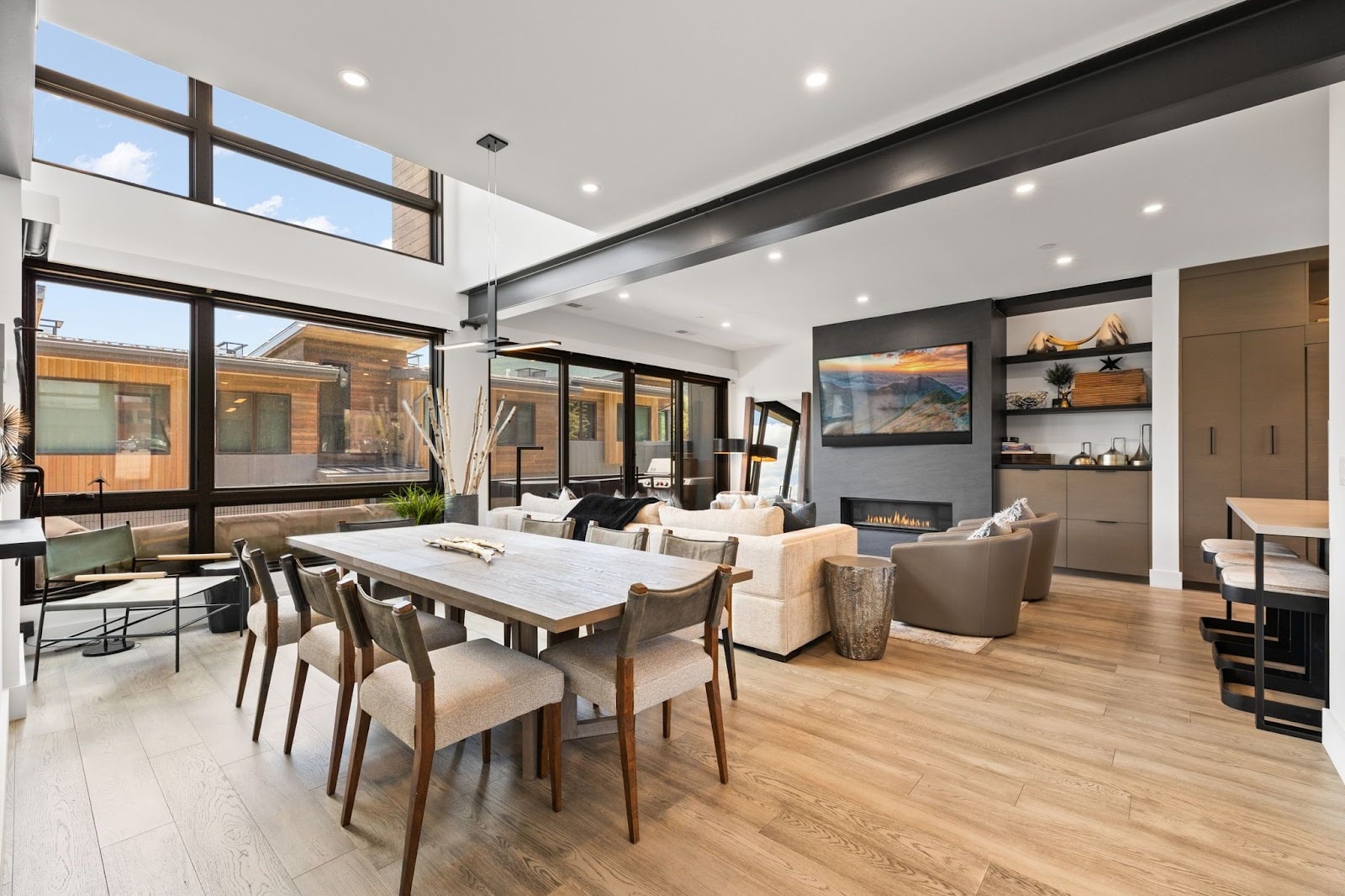
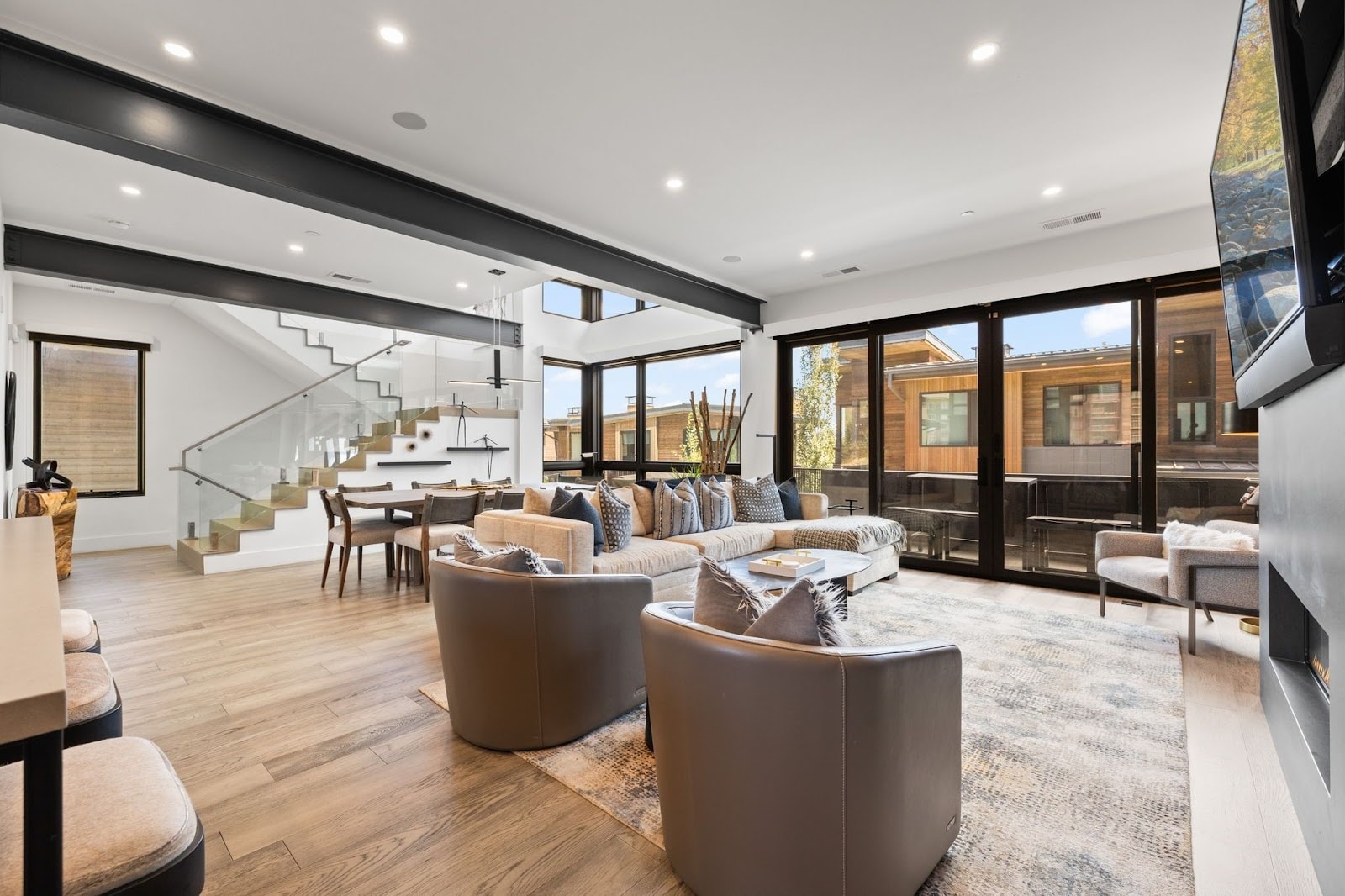
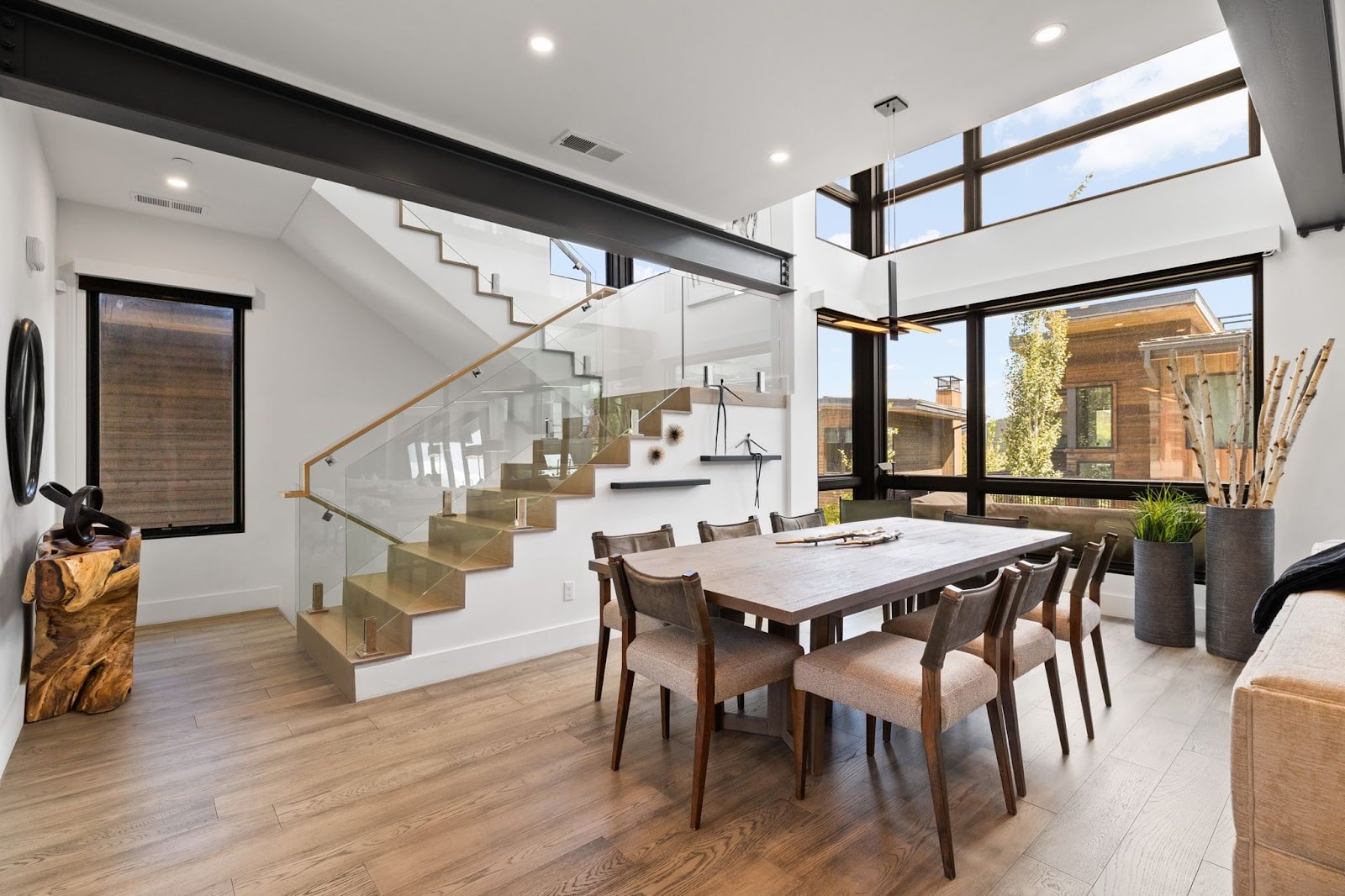
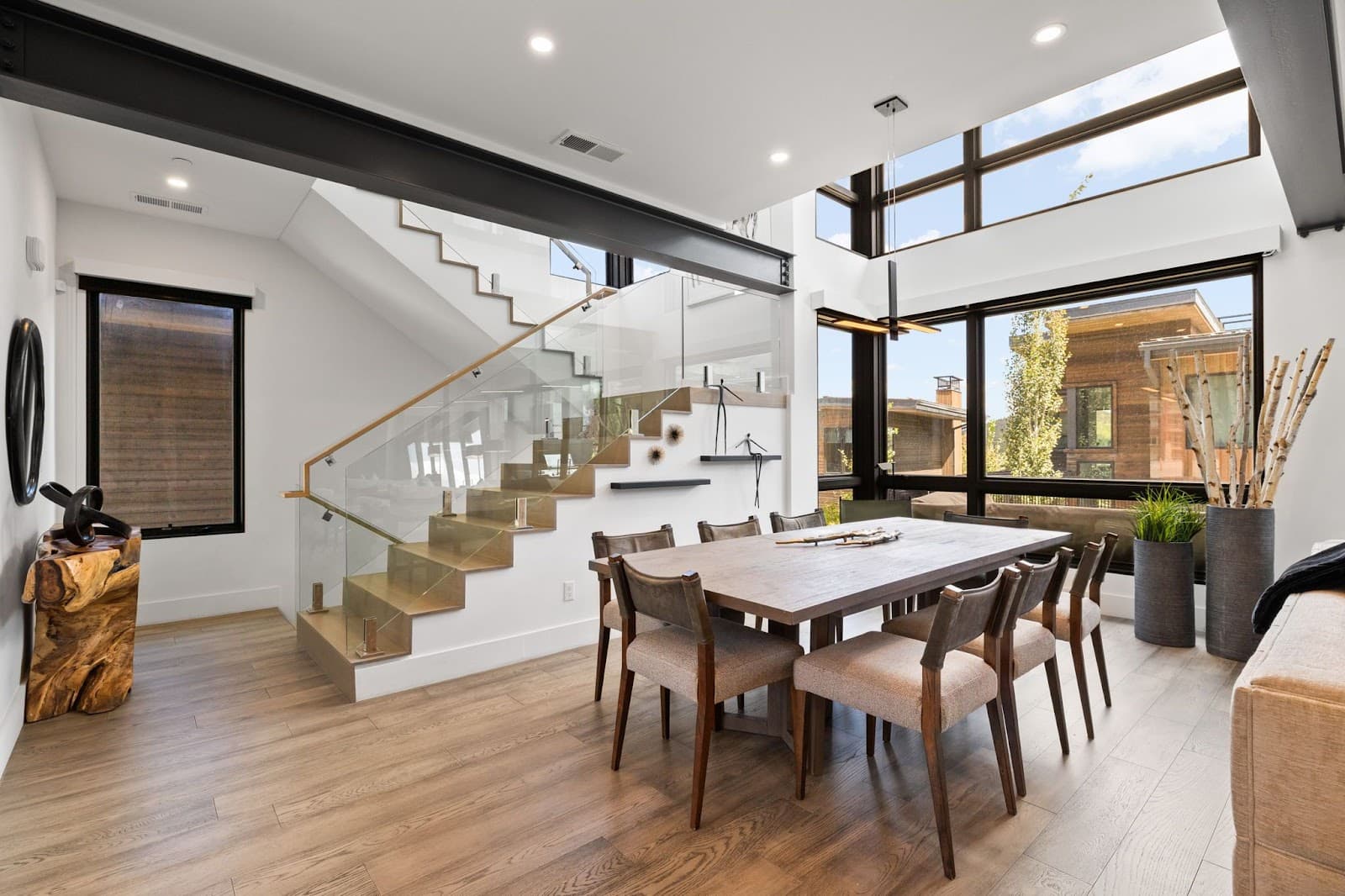
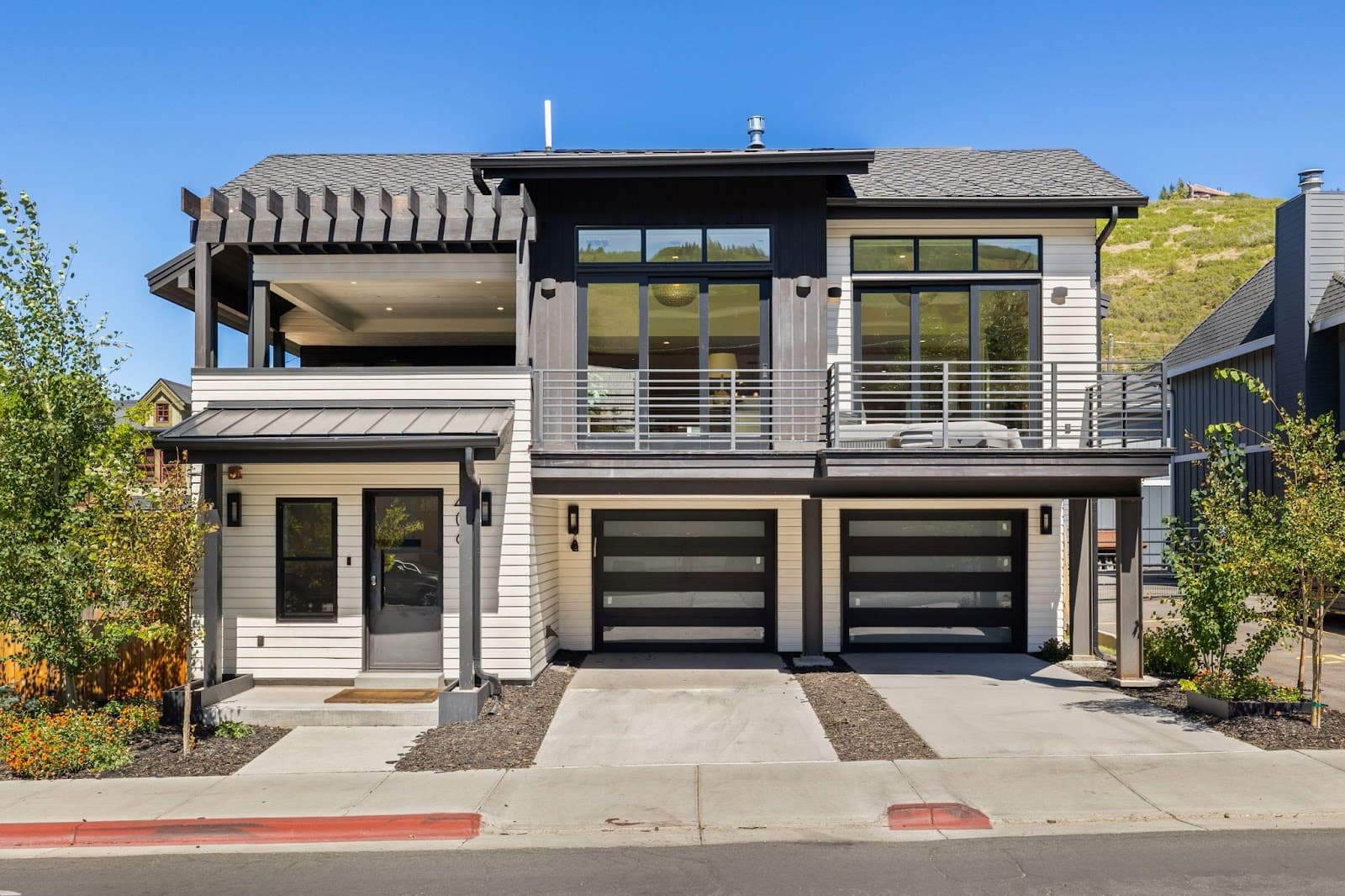
Park City, Utah, USA — 5-Bed Townhouse Ski-in/Ski-out
$450,000
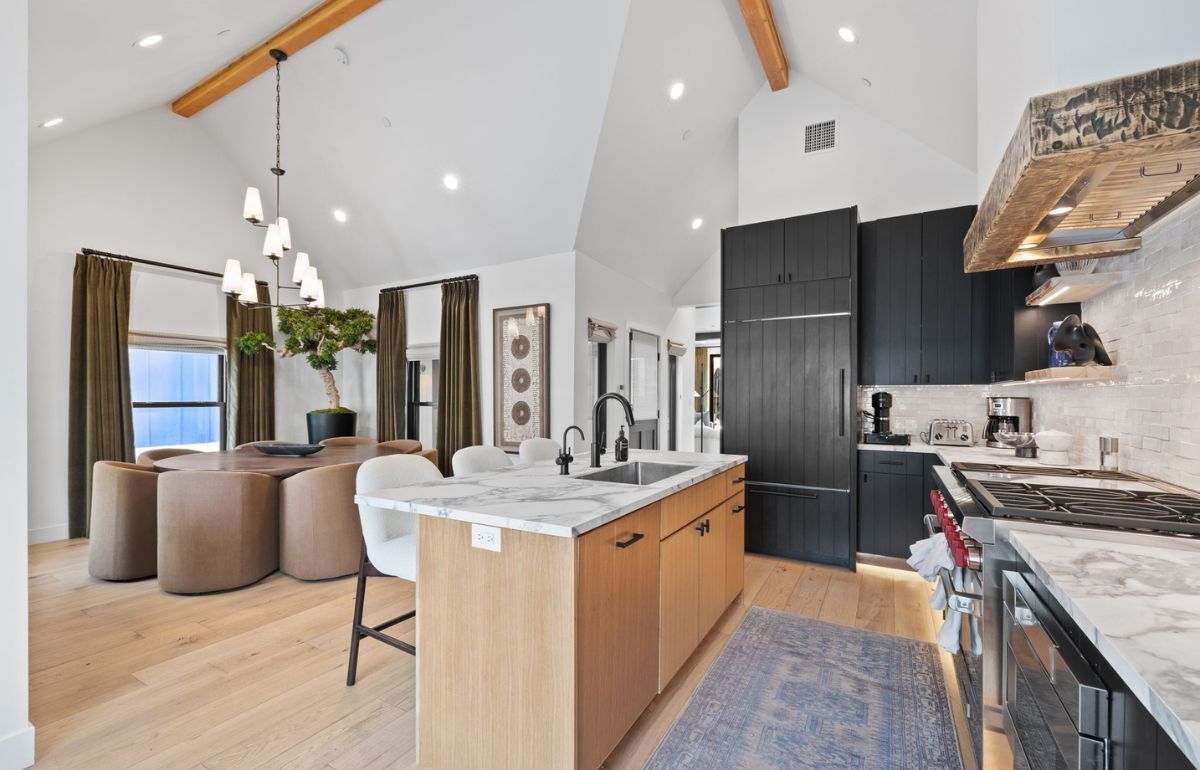
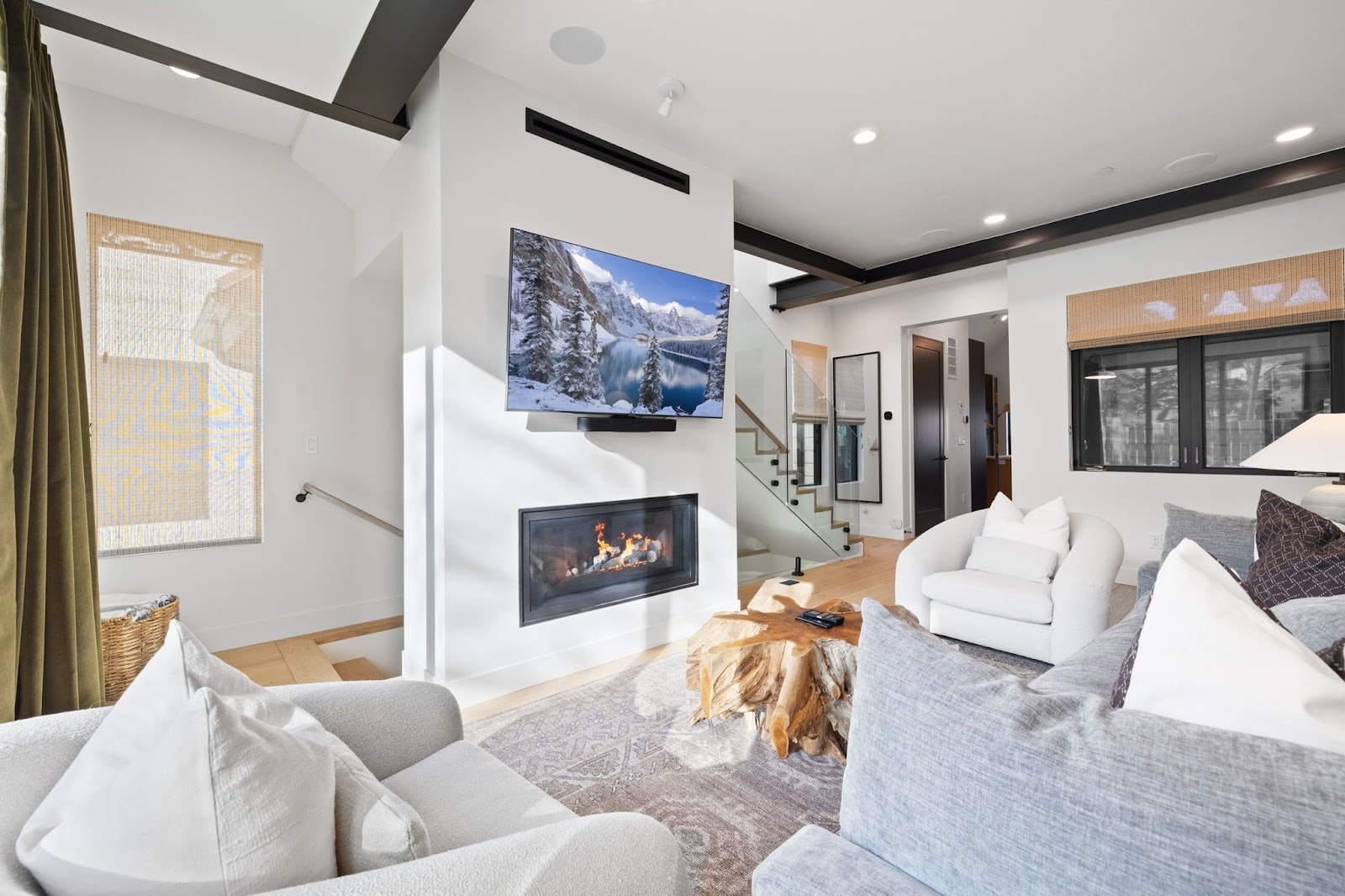
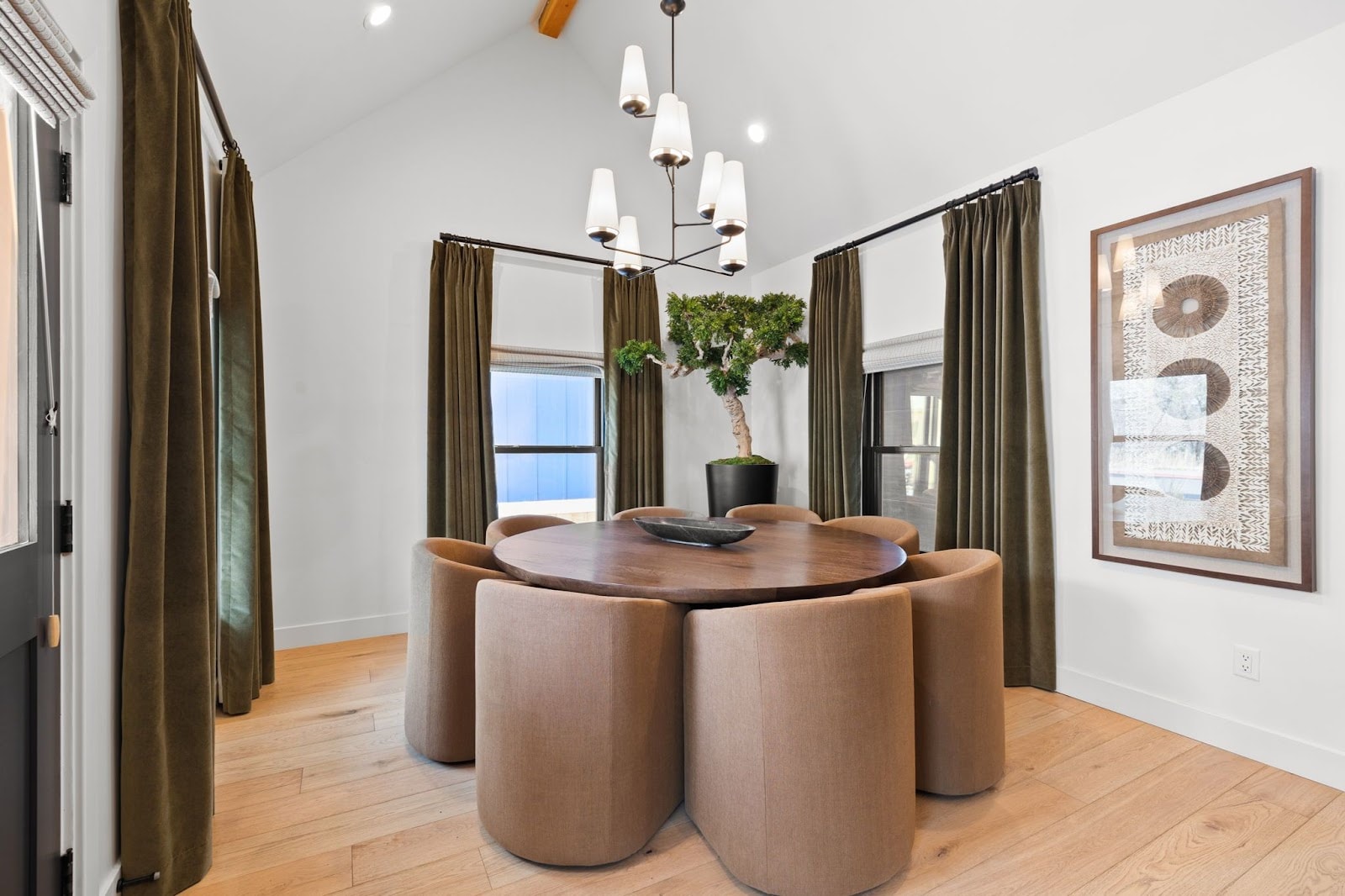
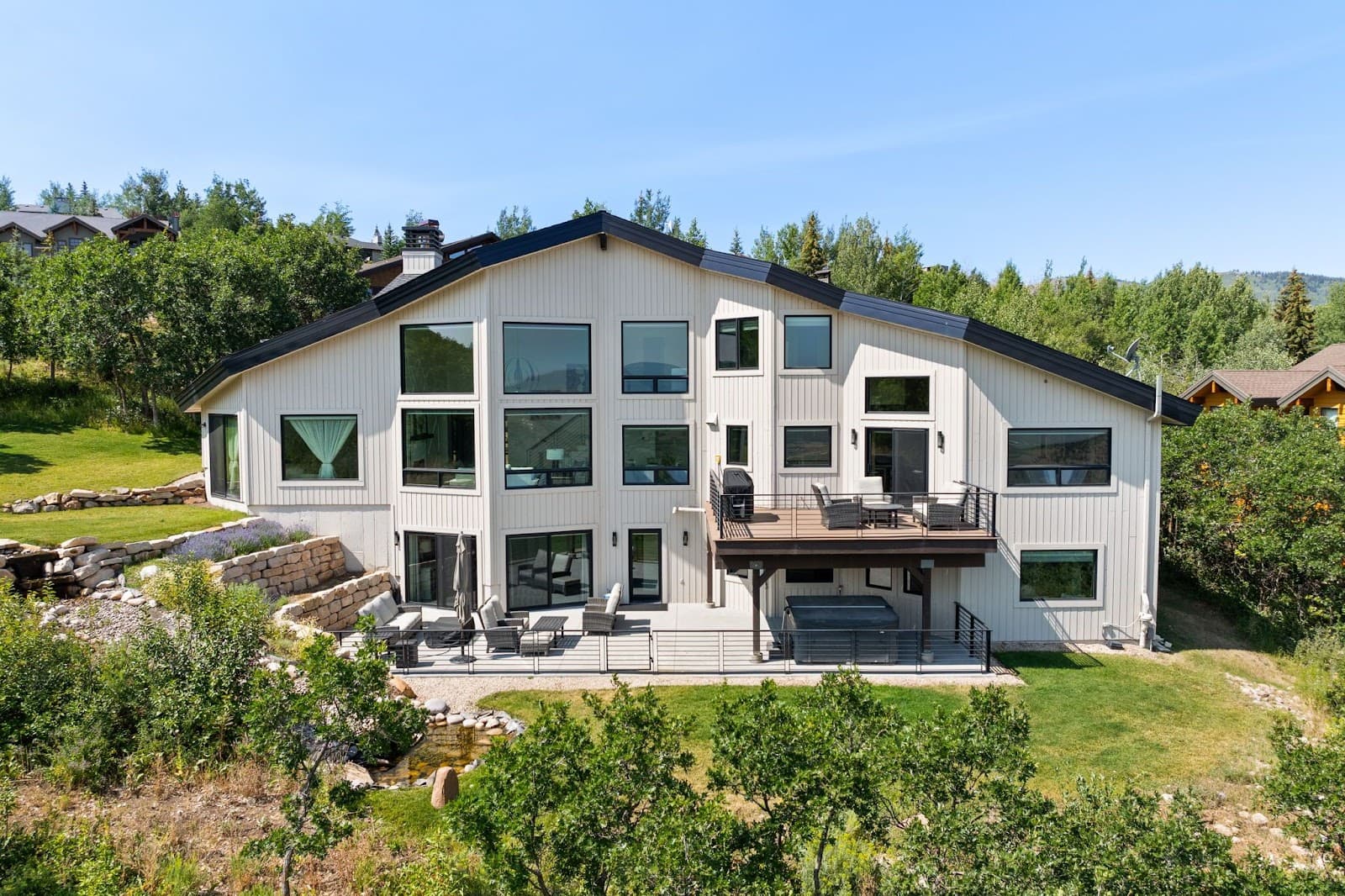
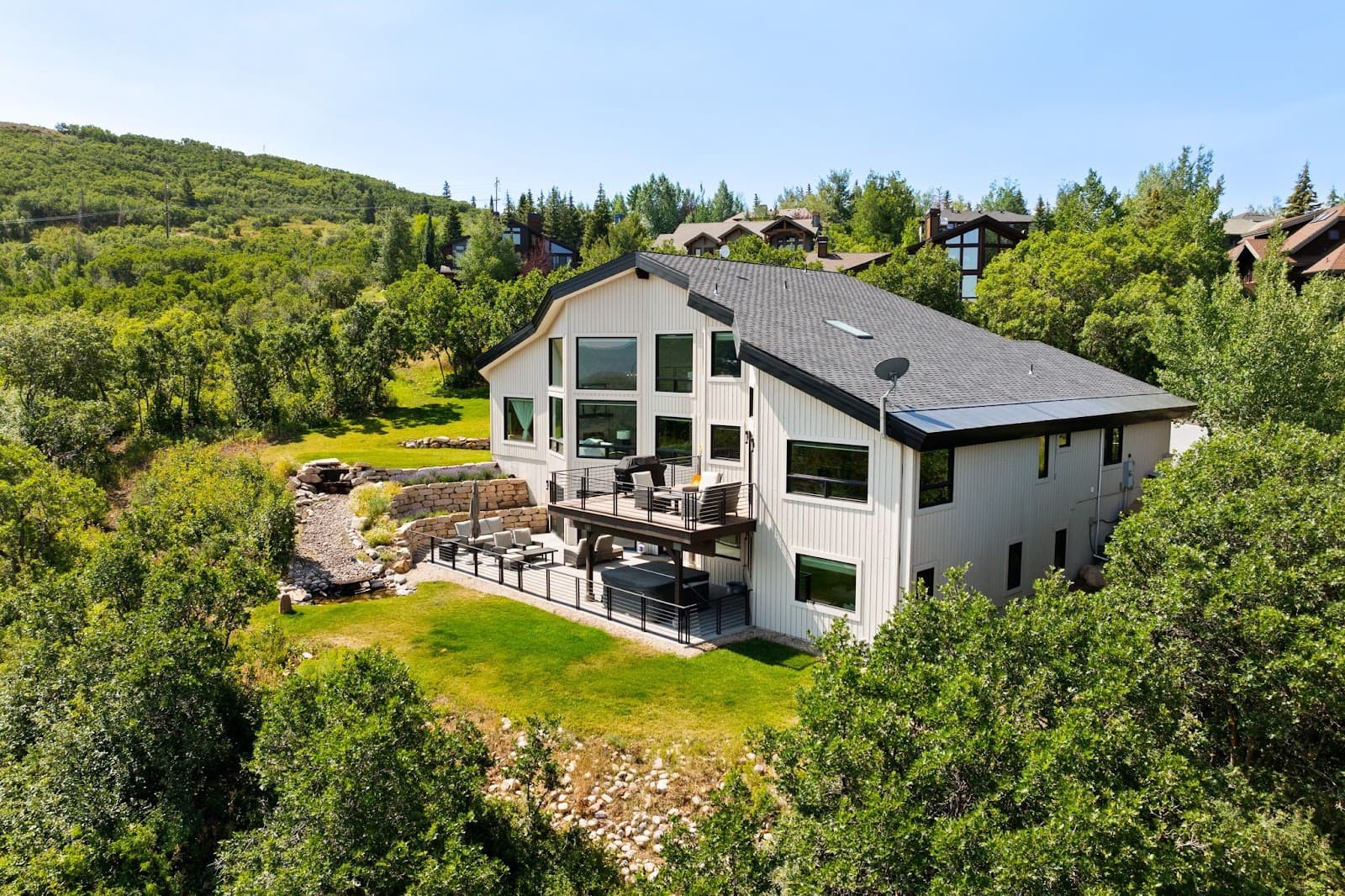
Park City, Utah, USA — 4-Bed House With Hot Tub
$699,000
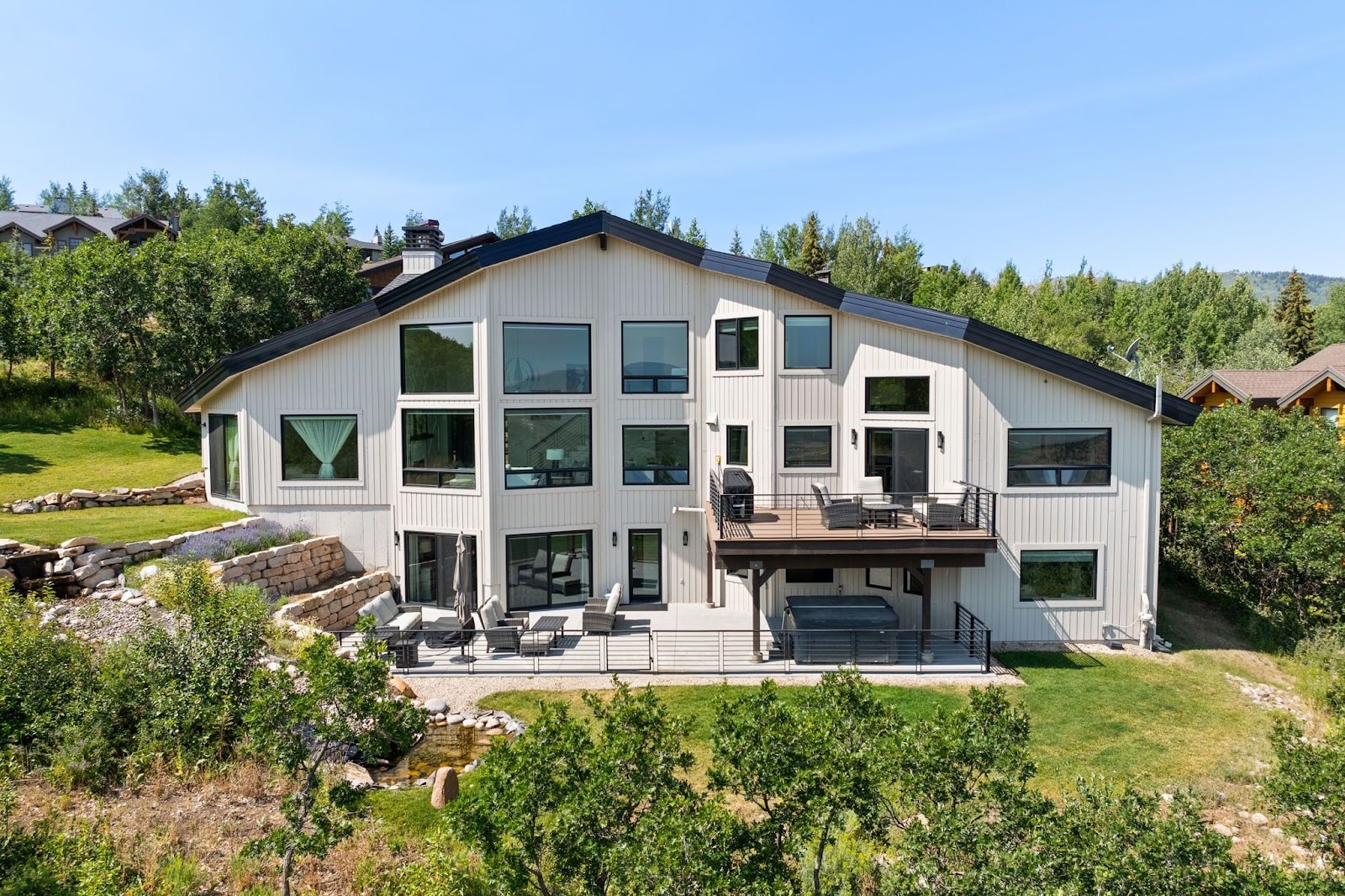
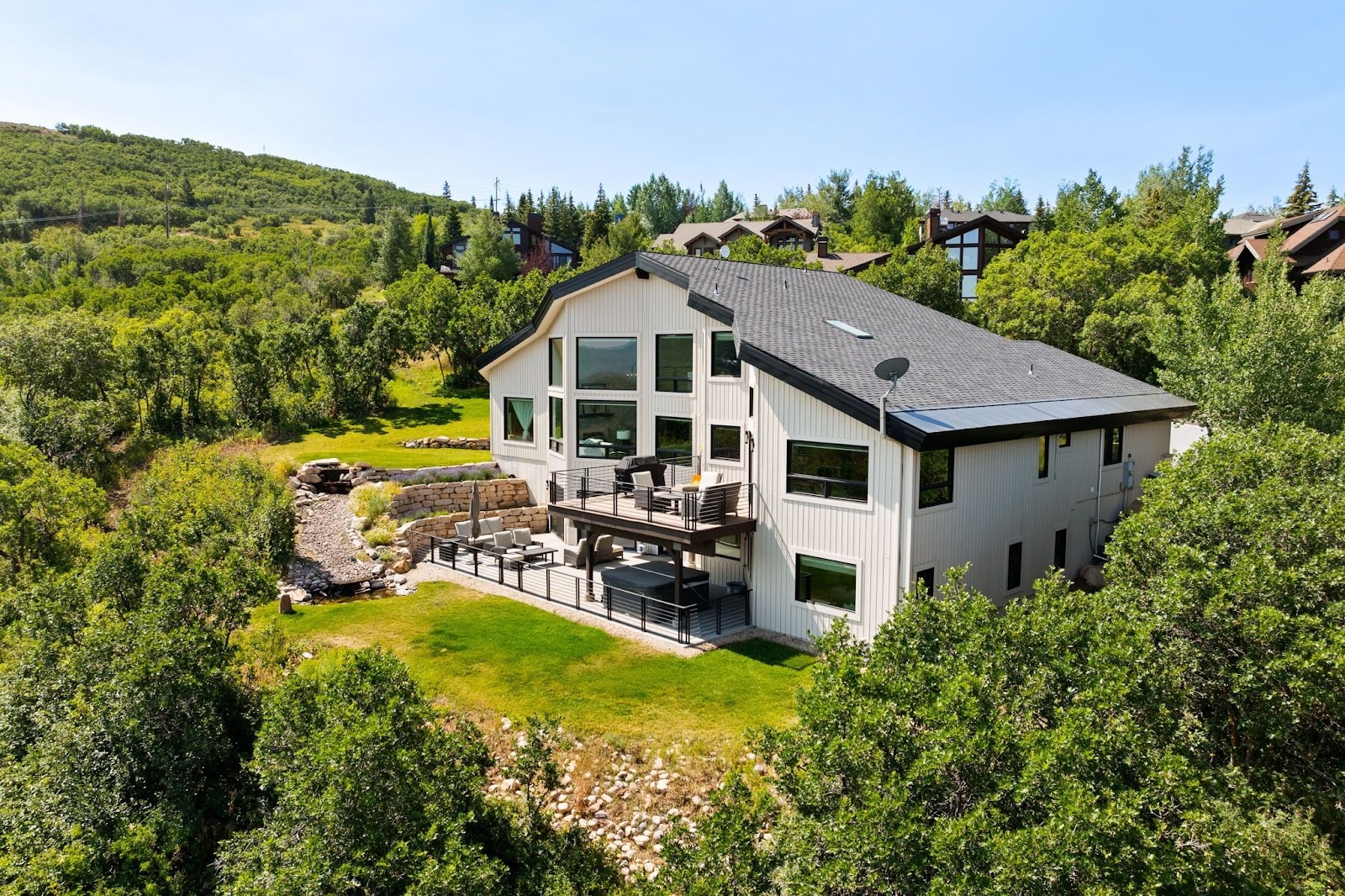
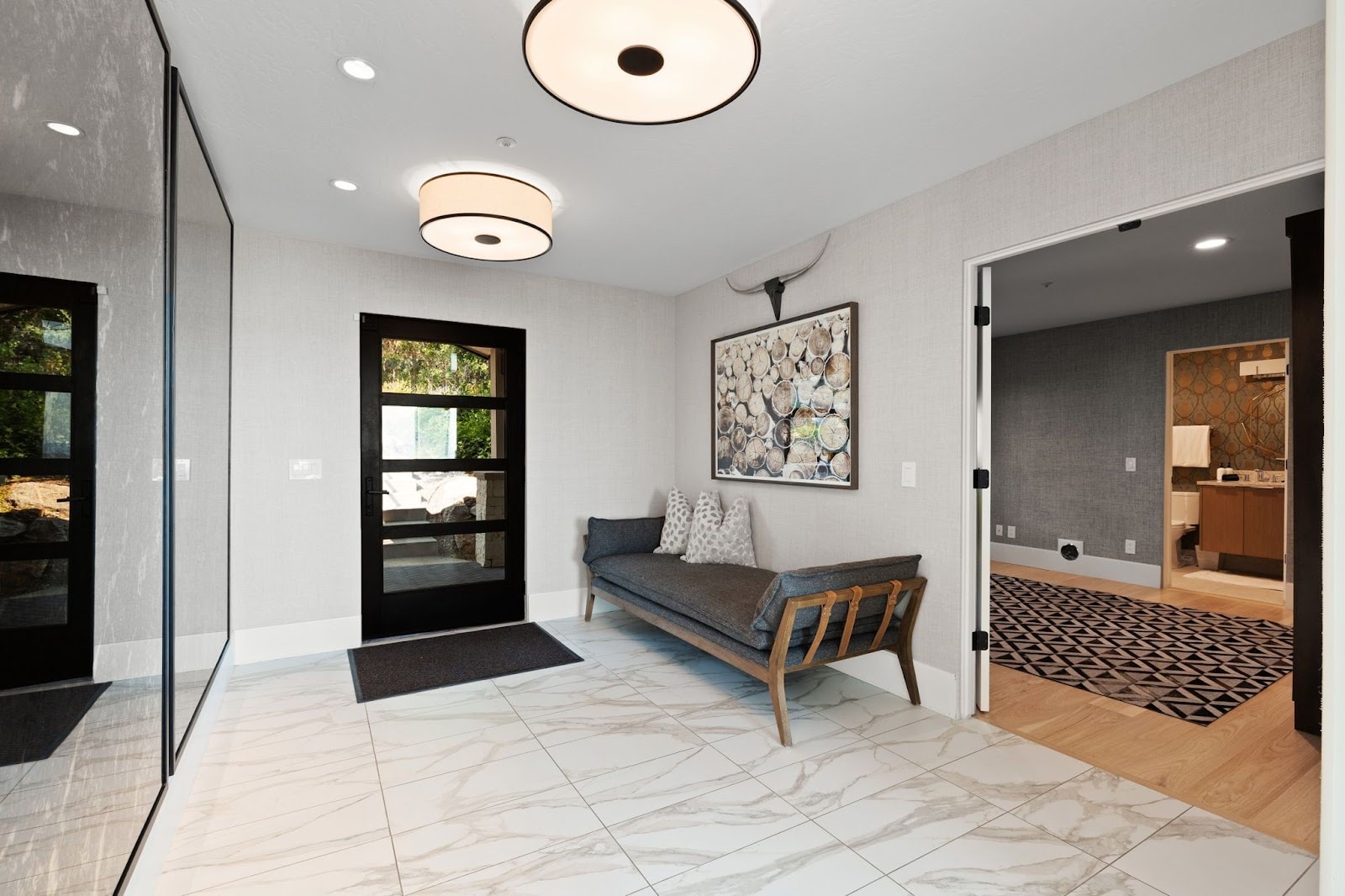
Park City, Utah, USA — 6-Bed House With Hot Tub
$755,000
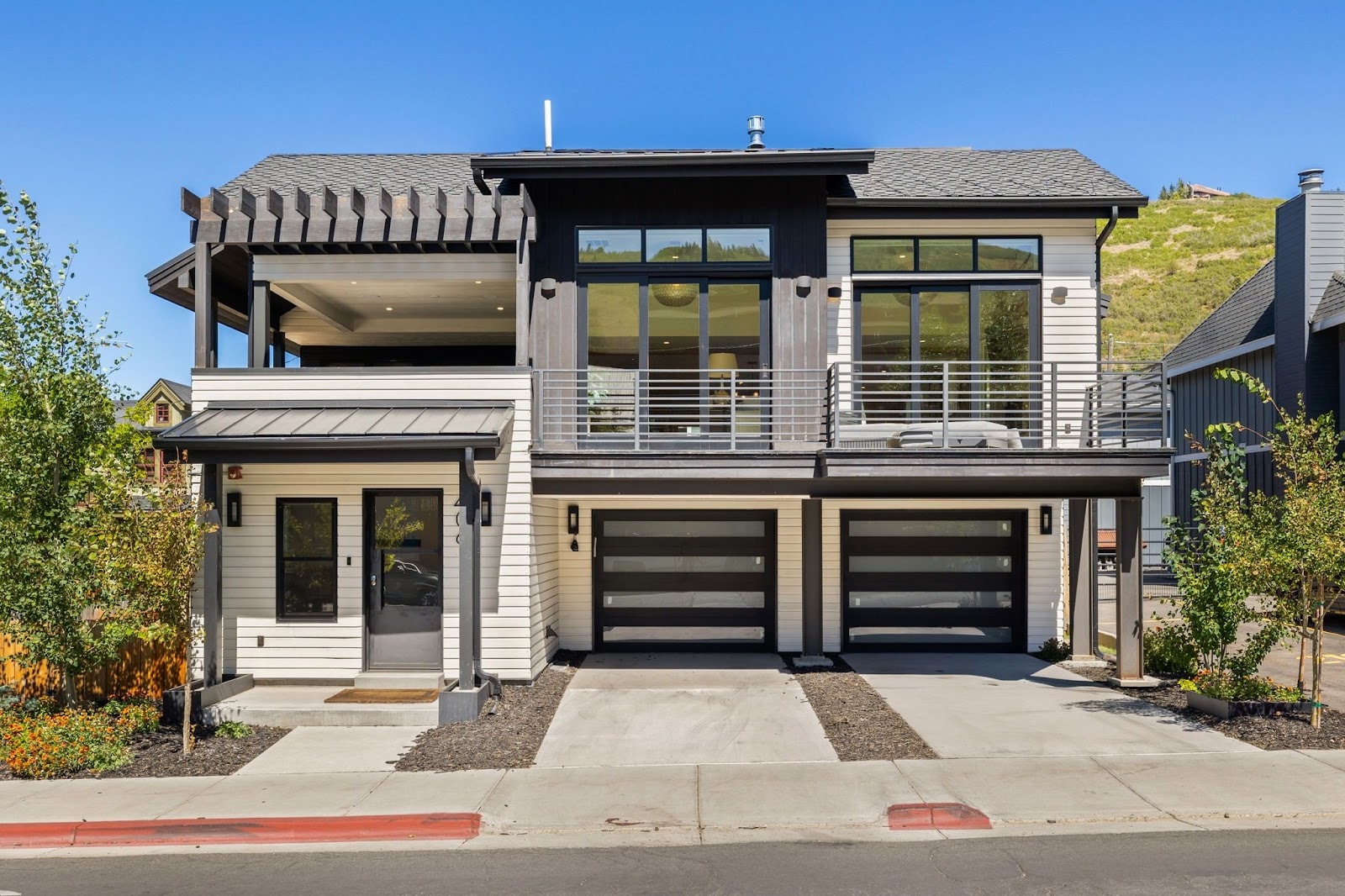
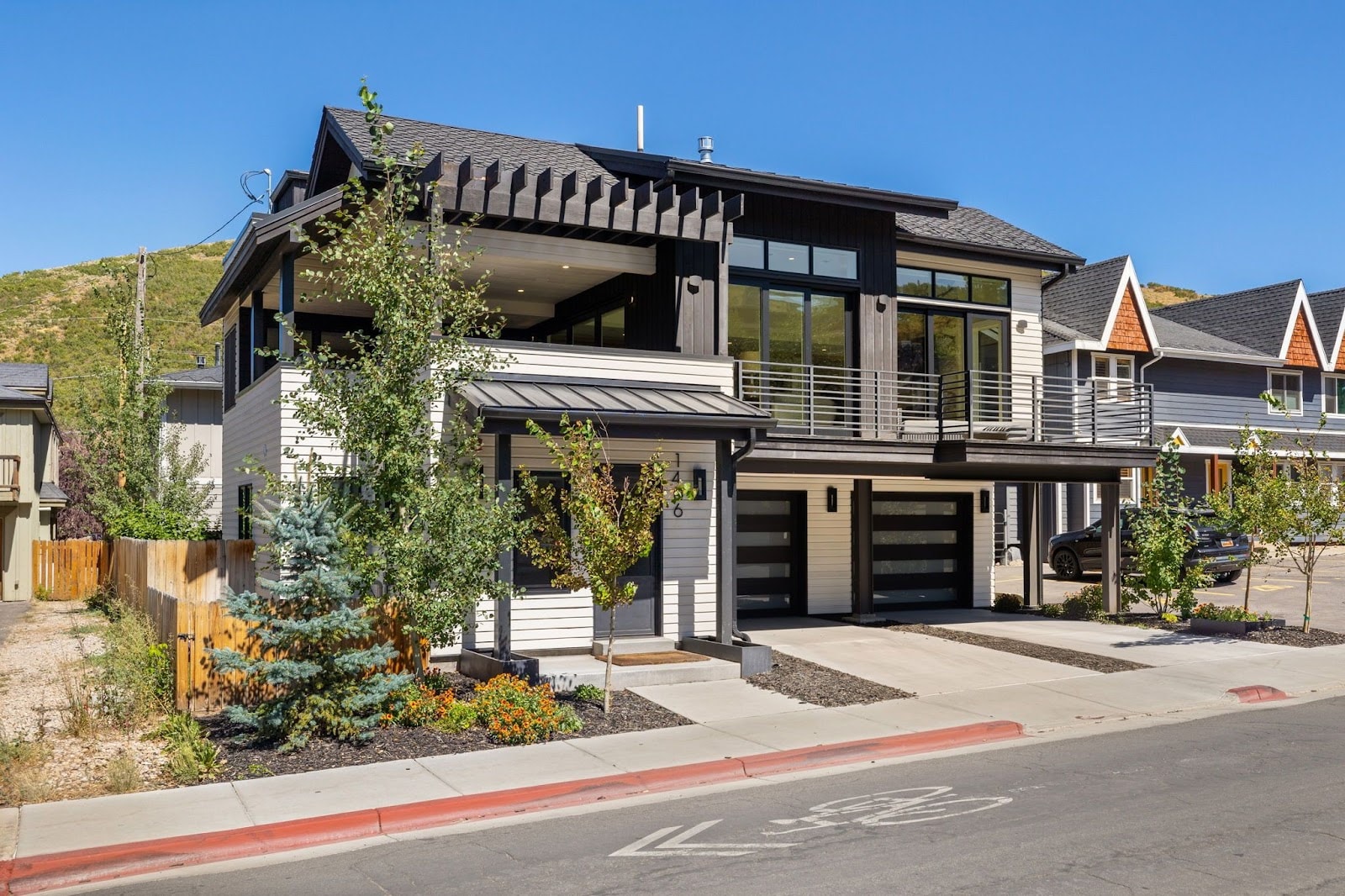
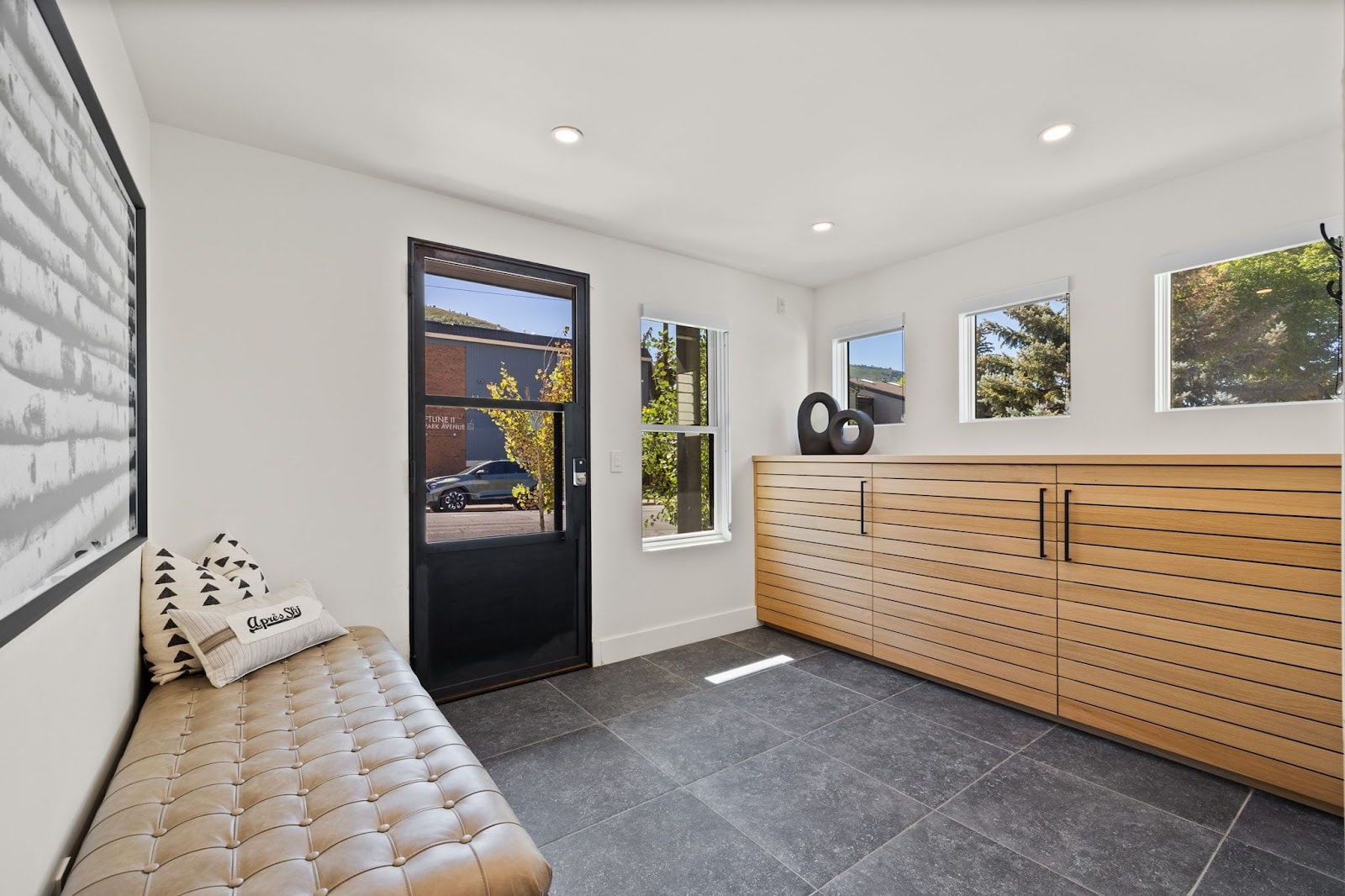
Park City, Utah, USA — 5-Bed House With Hot Tub
$800,000
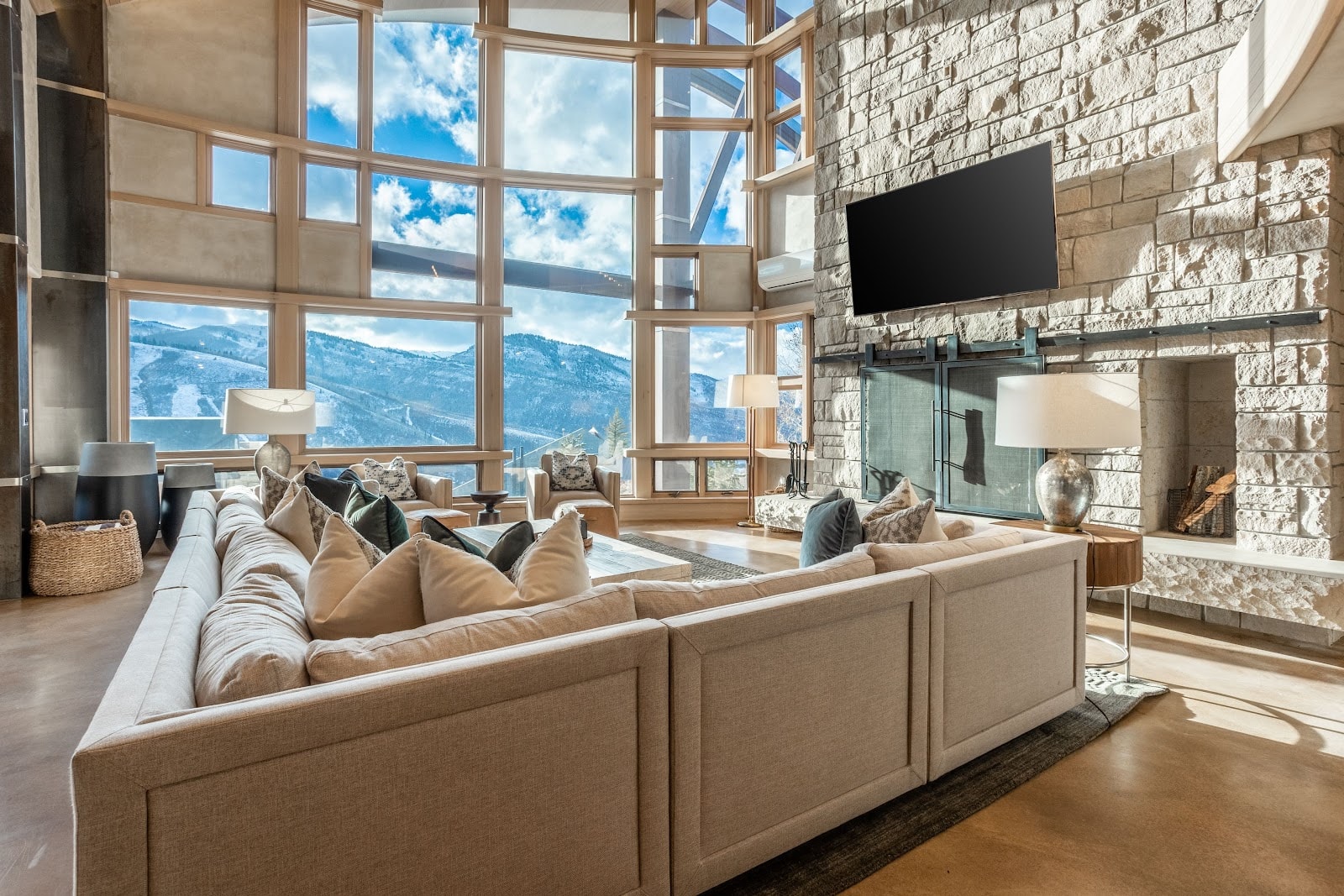
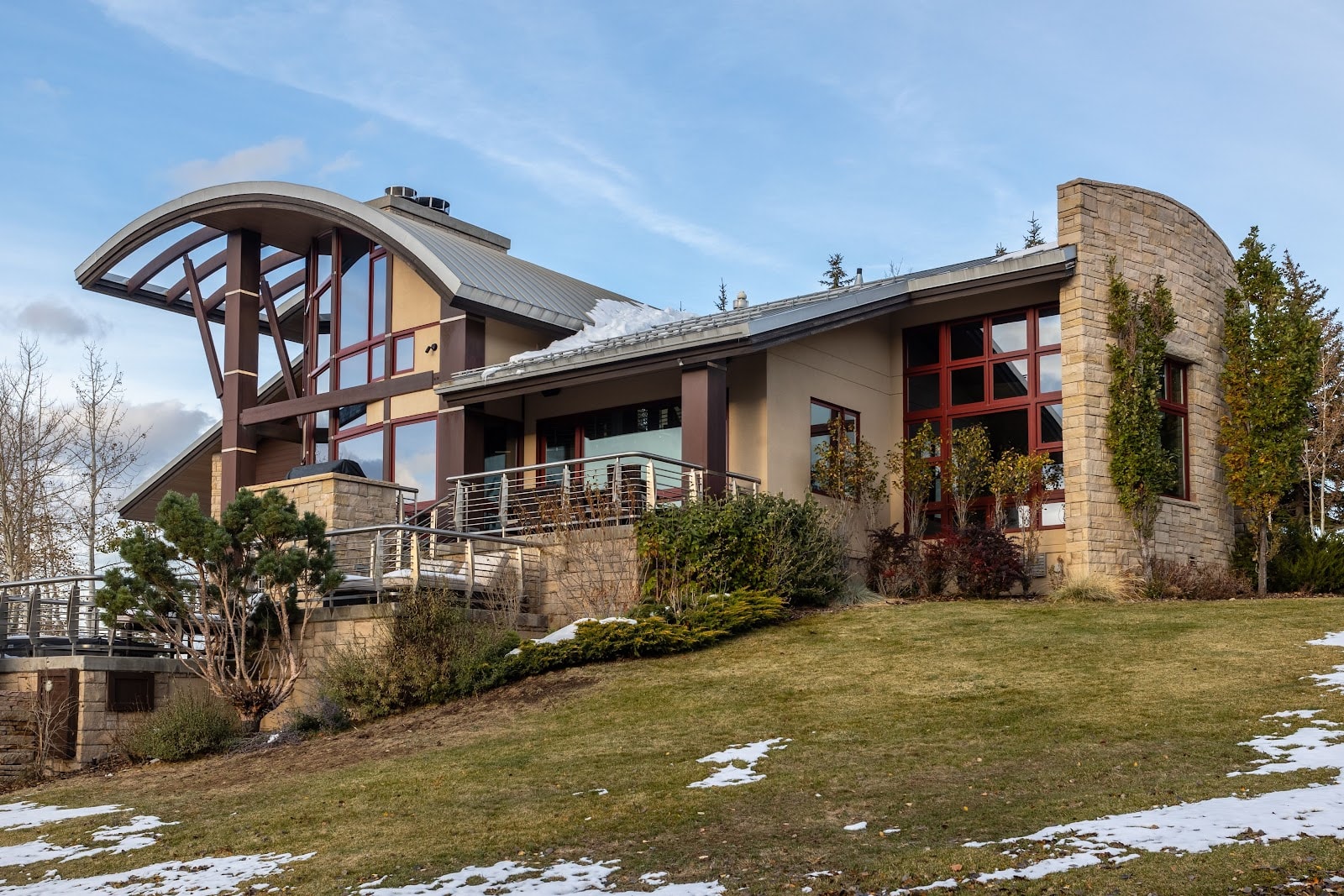
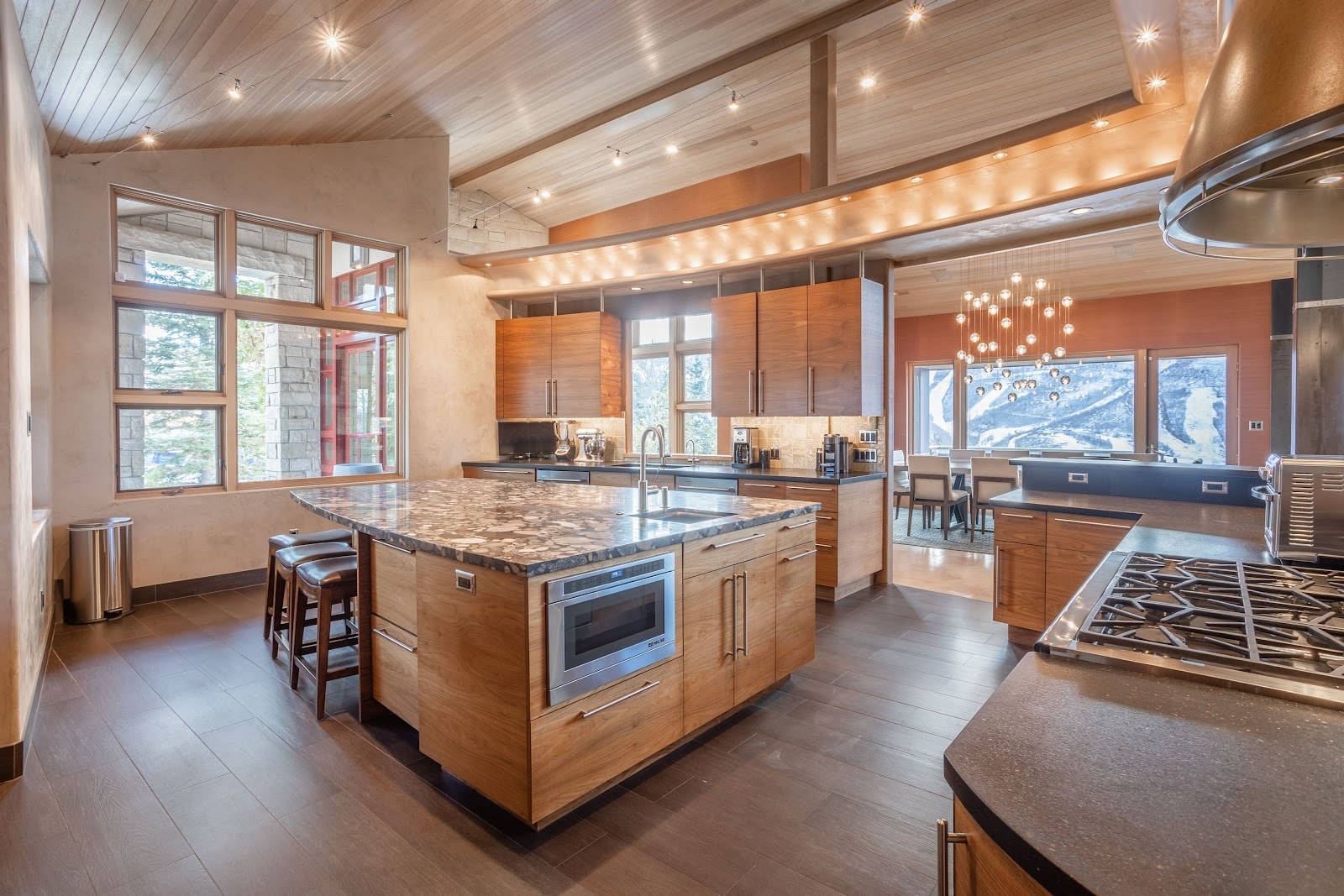
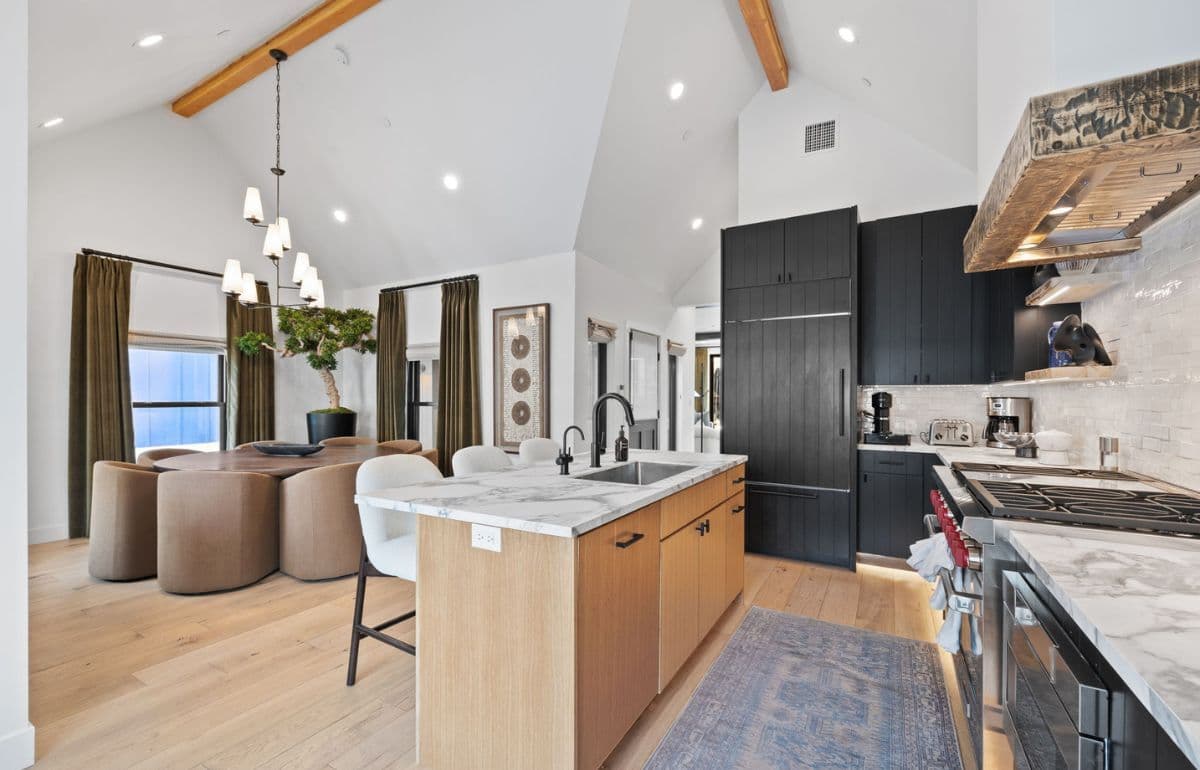
Park City, Utah, USA — 5-Bed Apartment With Hot Tub
$975,000
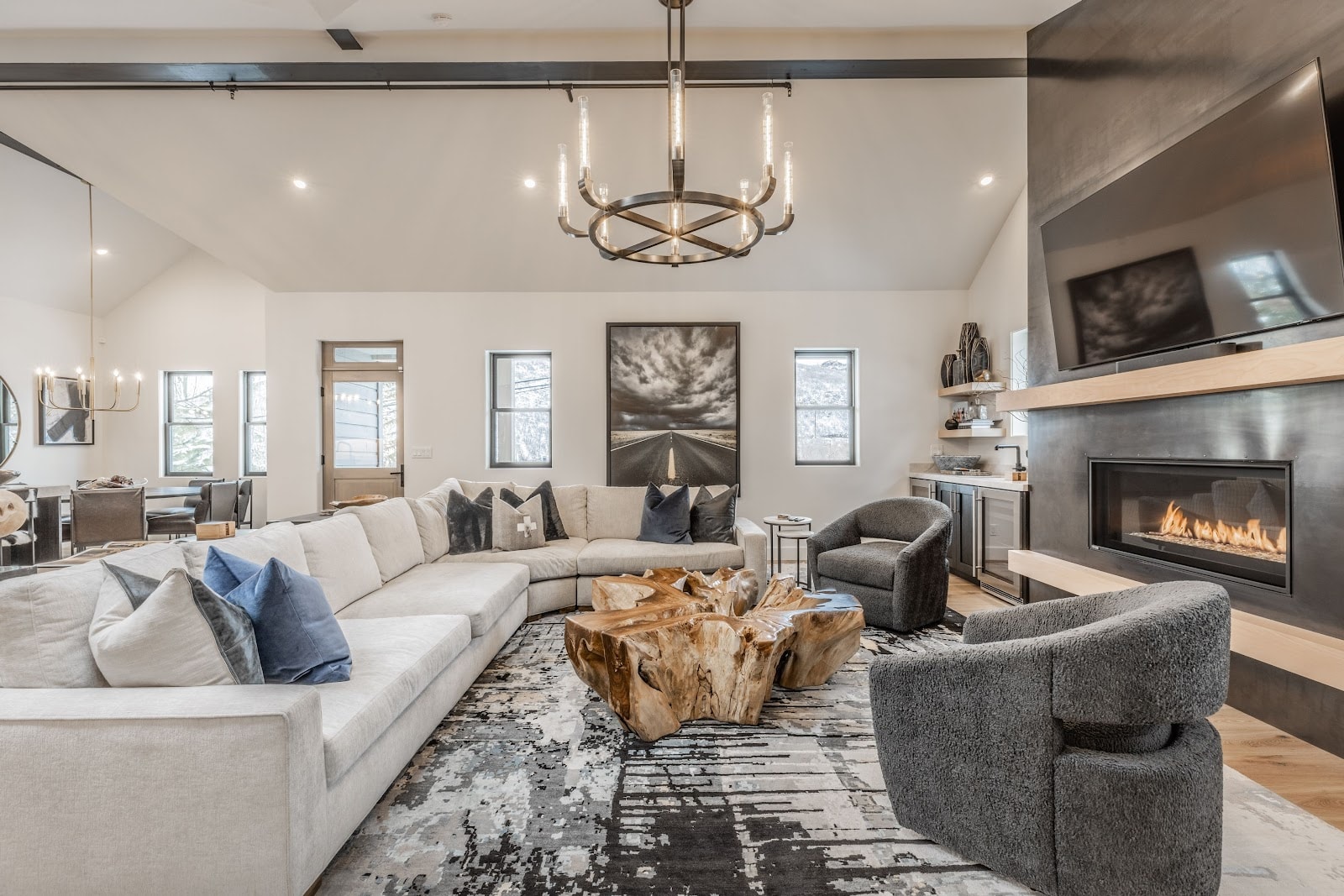
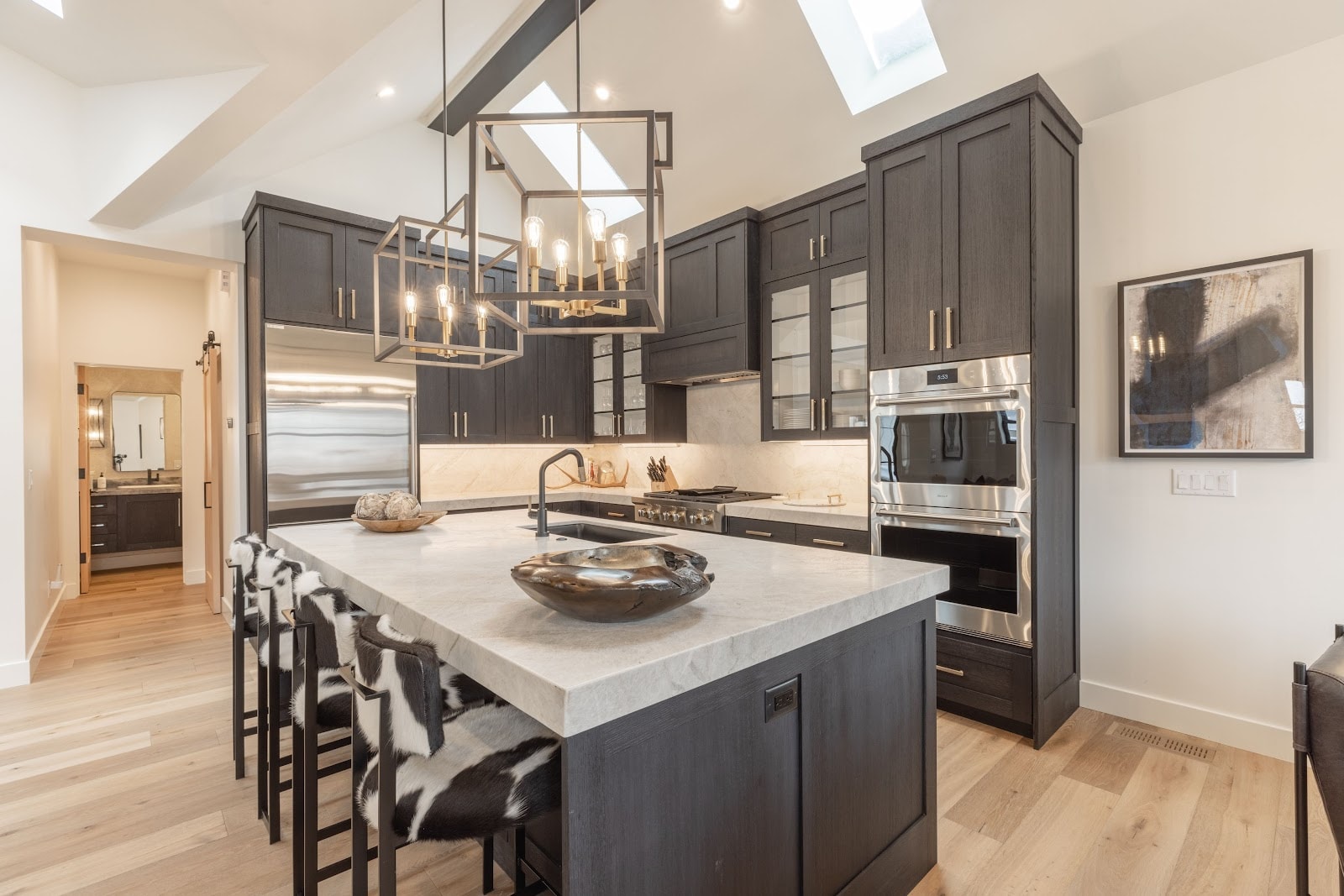
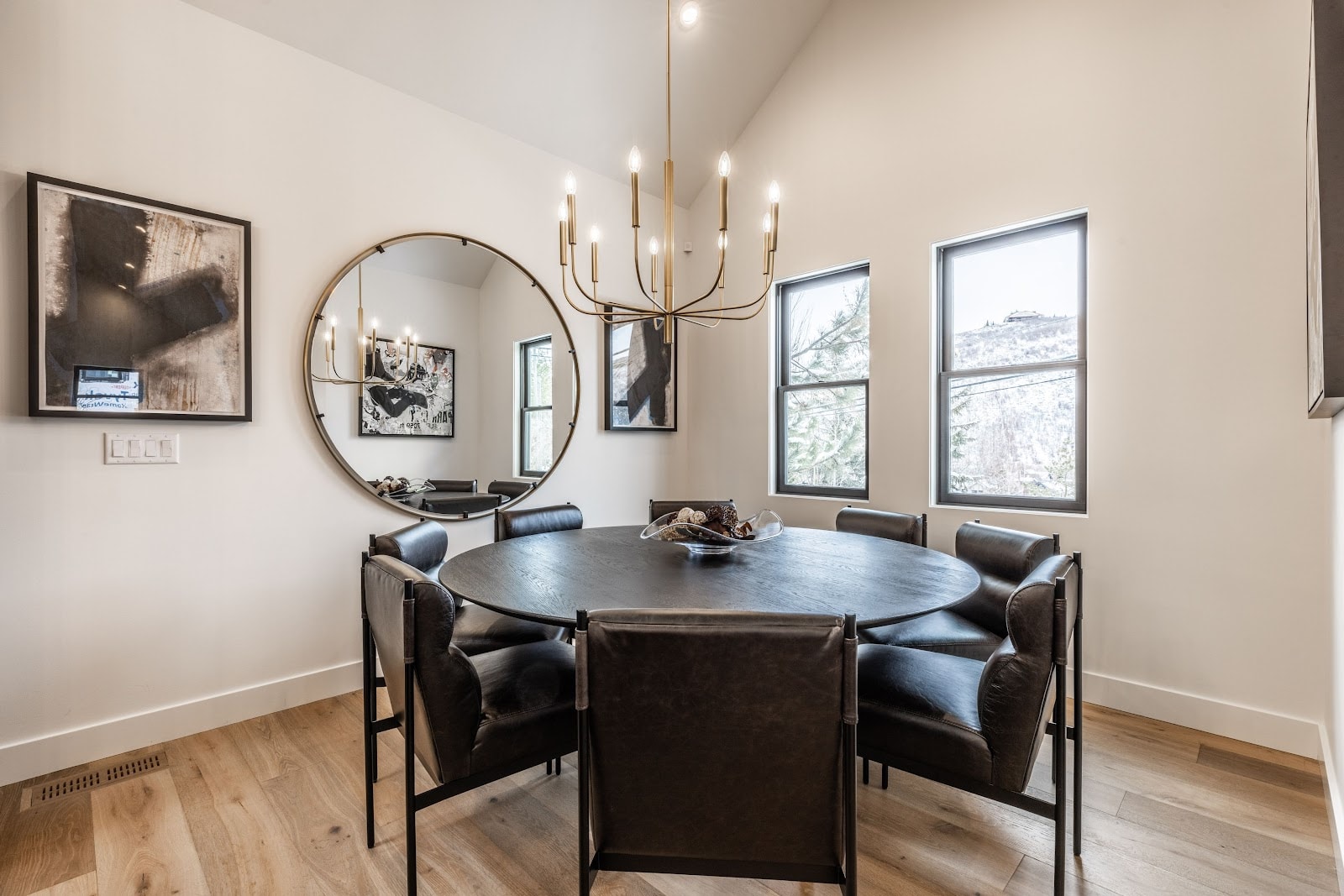
Park City, Utah, USA — 5-Bed Cottage
$1,150,000
Why buy a co-ownership home in Park City?
Buying a whole holiday home in Park City means paying full price for a house that stands empty most of the year. Co-ownership takes the same home — professionally managed, beautifully furnished — and divides it into shares, usually eighths. You own a real share of the home — not a right to use it — with roughly six weeks of use a year, a share you can sell or pass on, and running costs shared between owners rather than shouldered alone. In Park City, that ownership starts from $450,000.
What is fractional ownership in Park City?
Fractional ownership in Park City means owning a real share of a fully managed home, usually an eighth, with around six weeks a year to use it, depending on the home. We currently list 6 Park City homes, with shares from $450,000.
You own a real share of the home (an eighth, a quarter), not a right to use it. You can sell it, pass it on, and it rises and falls in value with the house. The legal set-up is arranged by our partner for each home and explained before you buy.
Park City works in two seasons: skiing at Park City Mountain and Deer Valley in winter, and hiking, biking and cool mountain air in summer, less than an hour from Salt Lake City's airport. That suits a share well, because the owners' weeks spread naturally across the year instead of everyone wanting the same fortnight.
Park City, properly understood
Park City's pitch writes itself — two major ski resorts, thirty-five minutes from an international airport, a Victorian main street, and the driest powder in North America — and the pitch is accurate. What it misses is the thing that actually decides whether you should own here rather than visit: Park City is a real town with a nineteenth-century reason for existing, and it kept working after the mines closed. It has a school district, a hospital, a library, a bus system, a year-round population and a Main Street with buildings that were put up by silver money in the 1880s. That is a very different proposition from a purpose-built resort village, and it is why the calendar in a Park City home fills twelve months a year rather than five.
The geography is the other half of the argument, and it is close to unique in the ski world. Salt Lake City International Airport sits roughly thirty-five minutes away by road — a genuine interstate drive, not a mountain pass — which means a morning flight from either American coast puts you on the mountain the same afternoon. No other major North American ski town has that. Add the fact that Salt Lake is a major hub with direct international service, and Park City becomes one of the few mountain addresses in the world that a family from London, New York or Los Angeles can reach without an overnight.
Above the town, two resorts: Park City Mountain, which after the 2015 connection with the Canyons became the largest ski area in the United States by skiable acreage, and Deer Valley, which is ski-only, obsessive about grooming and service, and in the middle of the most significant expansion in its history. Between them they cover practically every kind of skiing and practically every kind of skier. And the snow — the reason Utah puts the claim on its licence plates — is genuinely different: cold, dry, low-density powder produced by storms that cross the desert and pick up moisture over the Great Salt Lake. You feel the difference on your first run.
A short history of a silver town
Park City exists because in the 1860s soldiers stationed in Utah found silver ore in the mountains above what is now Main Street. Within two decades the canyon held one of the richest silver districts in the American West, with thousands of miners — Irish, Cornish, Scandinavian, Chinese — working a labyrinth of tunnels beneath the town. The mines made several genuine fortunes, one of which financed a Hearst dynasty, and the town they built was substantial: hotels, saloons, churches, a Chinese quarter, an opera house, and the Victorian commercial buildings that still line Main Street.
It nearly did not survive. A catastrophic fire in 1898 burned most of the town; it was rebuilt within a year. The silver price collapsed, the mines wound down through the mid-twentieth century, and by the 1950s Park City had shrunk to a near-ghost town with a few hundred residents and buildings selling for almost nothing. What saved it was the same thing that has saved a dozen mountain towns since: someone noticed the snow. The first lift opened at the end of the 1950s, financed partly by a federal loan aimed at reviving distressed mining areas, and used the mine workings as part of the infrastructure.
From there the arc is steep. Deer Valley opened in 1981 with a deliberate strategy of service and grooming that reset expectations for American skiing. The Sundance Film Festival moved to Park City in the early 1980s and turned January into an international event. The 2002 Winter Olympics brought the alpine, bobsled, luge and ski-jumping venues to the area and left behind the Utah Olympic Park, still a working training centre. And in 2015 the Canyons and Park City Mountain were connected into a single vast domain. The town that came out of all that is unusual: a genuine historic settlement, still recognisably itself, carrying a world-class resort economy on its back.
The town and its neighbourhoods
Old Town is the heart: Main Street and the streets climbing steeply either side of it, packed with the miners' cottages and Victorian commercial buildings that the town's historic district protects. Living here means walking to dinner, walking to the Town Lift, and being in the middle of everything during Sundance and every festival weekend. The trade-offs are real — steep streets, tight parking, small lots, older buildings, and a level of activity in peak weeks that some owners love and some avoid. For anyone who wants an actual town rather than a resort base, it is the only answer.
Deer Valley's neighbourhoods climb the mountain on the eastern side: Lower Deer Valley near Snow Park, Silver Lake Village halfway up, and Empire Pass higher still — the most expensive real estate in the region, ski-in ski-out, quiet, and a drive from anything that is not skiing. Between town and the resorts, Park Meadows offers larger lots, a golf course and a settled residential feel five minutes from Main Street; Prospector and the Old Ranch Road area are the practical, less glamorous, better-value middle.
West of town, the Canyons Village base has its own hotels, condominiums and lift access, with a more modern resort-village character. Beyond it, the Snyderville Basin spreads out around Kimball Junction, where the supermarkets, the outlets, the cinema and most of the town's practical life actually happen — with Pinebrook, Jeremy Ranch, Silver Springs and Glenwild as residential neighbourhoods with more space for the money and a ten- to fifteen-minute drive to the lifts.
Further out, the Jordanelle side is where the region's newest development is concentrated: Hideout, Tuhaye and the areas around the reservoir, with big views, newer houses and better value, at the cost of being genuinely out of town. And over the pass, the Heber Valley — Midway and Heber City, twenty minutes away — offers a farming valley with its own life, a Swiss-settled village character in Midway, and prices that make the drive worth considering for owners whose week is not entirely about first tracks.
Where exactly to own: micro-locations, rated
Old Town. Best for owners who want a town, not a base. Walk to Main Street's restaurants and bars, ride the Town Lift, be in the middle of Sundance and the summer markets. Expect steep streets, tight parking and busy peak weeks — and expect to use the house far more in summer than owners further out, because everything is on foot.
Lower Deer Valley and Silver Lake. The ski-first choice for owners who prioritise the mountain and the service culture: quiet, beautifully maintained, immediate access, and short drives to town when you want it. Best in class for skiing convenience; less lively in summer, though the music festival at Deer Valley changes that materially in July and August.
Empire Pass. The top of the market: ski-in ski-out at altitude, big houses, big views, and near-total quiet. You will drive for everything else, and the road up is a mountain road in February. For groups whose week is skiing and dinner at home, it is superb.
Park Meadows and Prospector. The sensible family answer: five to ten minutes from both Main Street and the lifts, flat enough for cycling in summer, larger properties, golf on the doorstep, and the best balance of price and convenience in the immediate town area. A large share of the homes we list sit in or near this band for exactly that reason.
Canyons Village and the Kimball Junction side. Modern resort base plus the town's practical infrastructure — supermarkets, cinema, restaurants, the Swaner nature preserve, and the quickest run to the airport. Good value relative to Old Town and Deer Valley, with a fifteen-minute pattern of driving that most owners settle into without complaint.
Jordanelle, Hideout and the Heber Valley. The value end and the space end: newer houses, reservoir and mountain views, boating in summer, and twenty to thirty minutes to the lifts. Best for two-season owners and for groups who want square footage. Less good for anyone whose ideal week involves walking home from a Main Street dinner.
The skiing: two mountains, in detail
Park City Mountain is the larger of the two by a distance. Since the Quicksilver gondola joined the old Park City and Canyons areas in 2015, it has been the biggest ski area in the United States by skiable acreage — several thousand acres spread across a very wide, rolling, treed mountain with two distinct base areas, dozens of lifts, and terrain running from the Town Lift right in Old Town out to the far bowls above Canyons Village. The character is width rather than steepness: long cruising runs, a great deal of intermediate mileage, superb tree skiing when it snows, several serious bowls and chutes at the top for the confident, and one of the best terrain-park programmes in the country.
Deer Valley is the counterweight and a genuinely different experience. It is skis-only — no snowboards, a policy it has maintained since opening — and it is built around grooming, service and capacity control: fewer skiers on the hill, immaculate corduroy, and a food and lodge operation that changed American expectations when it arrived in 1981. The terrain is more contained than Park City Mountain's but better than its reputation suggests, with excellent steep tree runs on Empire and Ontario and genuinely testing bump runs. It is also in the middle of the largest expansion in its history, with a new East Village base and a significant extension of the ski area on the Jordanelle side.
For an owner, the practical answer is that you want access to both, and the pass ecosystem makes that a question worth asking each autumn — the two mountains sit on different multi-resort passes, and the right combination depends on where else your group skis. What matters more is that this is the rare town where you can ski a huge, varied, lift-served mountain one day and a tightly run, immaculately groomed one the next, and drive between them in ten minutes.
And then there is what lies beyond. The Cottonwood Canyons — Alta, Snowbird, Solitude and Brighton — sit roughly an hour away on the other side of the range, and they hold some of the deepest, steepest and most storied terrain in North America. Owners here treat them as a day trip, weather permitting. Four world-class ski areas within an hour of the front door is not a claim many addresses can make.
Snow: the honest data behind the licence plate
Utah's claim about its snow is a marketing slogan that happens to be defensible. The mechanism is specific: Pacific storms cross the Great Basin desert and lose much of their moisture, then pick up additional moisture crossing the Great Salt Lake before hitting the Wasatch Range and rising sharply. The result is snow with unusually low water content — light, dry and deep — which is what people mean when they talk about Utah powder. It is a genuinely different medium to ski from Alpine or East Coast snow, and it is the single most common reason skiers who try Utah come back.
The numbers: Park City's resorts typically record somewhere in the range of three hundred to three hundred and sixty inches of snowfall in an average season — roughly seven and a half to nine metres — with the Cottonwood Canyons an hour away recording considerably more. Base elevations sit around 6,800 to 7,200 feet (a little over two thousand metres) and the mountains rise to about 10,000 feet, which means altitude is doing real work at both ends of the season. Snowmaking on the main arteries is extensive.
The season shape: lifts typically open in late November, with Christmas and New Year the first big peak. January is cold, snowy and — apart from the Sundance week — relatively quiet on the mountain. February and early March are the deepest and busiest. Late March and April bring long light, warm afternoons and spring conditions, with the season generally running into early or mid-April. The thing to plan arounds: this is a continental climate, so it gets properly cold in January, and altitude affects people arriving from sea level for the first day or two. Drink water, take the first afternoon easy, and enjoy the rest of the week.
The Olympic legacy, and what is coming
The 2002 Winter Olympics were centred on Salt Lake City, and Park City carried a large share of them: alpine events at the resorts, and the bobsled, skeleton, luge, ski jumping and Nordic combined venues at what became the Utah Olympic Park, just outside town. Unlike most Olympic infrastructure, it did not become a monument. The park has operated continuously since as a working training centre for national teams, with the sliding track and the jumps still in use, plus a public programme that lets visitors ride a bobsled with a professional pilot, watch freestyle aerial training into the summer splash pool, and use the museum and the alpine slide.
That legacy is about to matter again. Salt Lake City has been awarded the 2034 Winter Olympic and Paralympic Games, and the plan leans heavily on the existing 2002 venues — which means the Utah Olympic Park and the Park City area resorts are expected to be central to the Games. For an owner, this is a rare thing: a known, dated, publicly committed catalyst a decade out, which historically drives infrastructure investment, international attention and visitor capacity in a host region long before the opening ceremony.
The Games are not the reason to buy here; the airport, the two resorts and the snow already make that case. But they add one more structural support to a market that already has several, and they mean the next ten years in this valley will be anything but quiet.
Sundance and the January question
For four decades, the Sundance Film Festival has taken over Park City for ten days each January — screenings in the Egyptian Theatre and venues around town, Main Street closed to traffic and open to the industry, and a level of international attention no other ski town of this size receives. It has been a defining part of the town's identity and a significant part of its January economy.
It is also, as of the announcement made in 2025, moving. The festival's organisers selected Boulder, Colorado as its future home, with the transition planned after the final Park City editions. Anyone buying here should know that, and should also keep it in proportion. The festival occupies roughly ten days of the year; it brought crowds and prices that a good number of local residents and owners actively avoided; and the town's core economy — two major resorts, an international airport half an hour away, a year-round population and a substantial summer season — is entirely independent of it. Park City was a serious ski town before Sundance arrived and will be one after it leaves.
The practical effect for an owner is likely to be a January that is easier to use and easier to travel into, and a town whose events calendar rebalances toward its own festivals — the arts festival, the music festival, the summer markets, the mountain-bike and trail-running events. Park City has never had trouble filling a calendar.
Summer: the second season, and it is real
Park City's summer is not a consolation prize; for a significant number of owners it is the main event. The town sits at seven thousand feet, which means summer days are warm and dry and summer nights are cool — a combination that draws people out of the Salt Lake basin and the desert Southwest in July and August the way the coast draws people in Europe. The town is green, the wildflowers on the mountains in July are extraordinary, and everything the resorts built for winter gets repurposed.
Mountain biking is the headline. Park City has one of the largest and best-maintained trail networks in the United States — hundreds of miles of singletrack accessible from the town itself, with lift-served downhill at both resorts, cross-country routes that link neighbourhoods to trailheads, and a level of trail stewardship that has earned the area top-tier recognition from the sport's governing bodies. You can ride from a house in Park Meadows to a ridgeline trail without touching a road, which is the kind of thing that turns a family into cyclists.
Around it: hiking on the same network, fly fishing on the Provo River — one of the finest trout rivers in the American West, twenty minutes away — boating and paddleboarding on the Jordanelle and Rockport reservoirs, golf on several courses including the municipal one, the alpine slide and coaster, hot-air ballooning at dawn, horse riding, and a calendar of outdoor concerts. The Deer Valley Music Festival brings the Utah Symphony to an outdoor amphitheatre on the mountain for a summer season; the Kimball Arts Festival takes over Main Street in August; the Park Silly Sunday Market runs weekly through the summer. Summer weeks in our Park City homes are as contested inside owner groups as February ones, which is the practical proof.
A year in Park City, month by month
November brings the first lifts, usually late in the month, and a quiet town waiting for winter. December builds steadily to a very busy Christmas and New Year fortnight. January is cold and snowy, with the festival week as the exception and the rest of the month among the best value and best snow of the season. February is the deep heart of the winter: the busiest weeks, the best base, and the American presidents' holiday weekend as the peak.
March is many owners' favourite — long light, warm afternoons, a deep base and spring-break energy in the middle of the month. April closes the season in the first half, with spring skiing and the town emptying. May is mud season, in the local vernacular: the mountains are melting, the trails are closed, many restaurants take their break, and the town is at its quietest. June opens the summer with wildflowers, the first trails drying out and the reservoirs filling.
July and August are the summer peak: the music festival, the arts festival, the Sunday market, the mountain-bike season at its best, and the Independence Day and Pioneer Day celebrations bracketing the month. September is arguably the finest month of the year — warm days, cold nights, aspen colour starting on the mountains, no crowds. October is peak autumn colour and superb hiking, thinning towards the end. Then the cycle starts again. Two seasons and two shoulders, with the shoulders being where an owner with a flexible calendar quietly steals the best weeks.
The year's fixtures
Park City's calendar is fuller than a town of this size has any right to be. Winter opens with the resorts in late November and the Christmas–New Year fortnight, which is the busiest and most expensive stretch of the year. January brings the film festival week — for now — and otherwise the best snow-to-crowd ratio of the season. February carries the presidents' holiday weekend and, in most years, World Cup and national-team events at the Utah Olympic Park, where the ski jumps and the sliding track are in constant competitive use. March runs on spring break energy, and the season closes in April with the traditional pond-skimming and closing-day theatre at both resorts.
Summer's fixtures are the ones owners plan around. The Deer Valley Music Festival brings the Utah Symphony and a run of touring artists to an outdoor amphitheatre on the mountain across July and August — a genuinely lovely way to spend an evening, with a picnic on the grass and the light going off the peaks. The Kimball Arts Festival takes over Main Street for a weekend in August and is one of the better outdoor art fairs in the American West. The Park Silly Sunday Market runs weekly through the summer, closing Main Street to traffic and filling it with makers, food and music.
Around them: Independence Day on the fourth of July, with a parade down Main Street that is the most small-town thing the town does all year, and Pioneer Day on the twenty-fourth, a Utah state holiday that most visitors have never heard of and that fills the valley. Mountain-bike races and trail-running events run all summer. Autumn brings the aspen colour and a quieter, food-focused calendar. There is no month here without something on, and an owner with a flexible diary can build a year of visits around the ones that suit them.
Eating, drinking and the Utah question
Main Street's restaurant density is the legacy of a mining town that had thirty saloons and never really lost the habit. The range runs from serious, reservation-required dining rooms in Old Town and up at Deer Valley's lodges, through the mid-market bistros and steakhouses, to the breweries, taco places and diners that locals actually use. Deer Valley's on-mountain food operation has been the American benchmark since the 1980s — the seafood buffet and the turkey chilli are institutions — and Park City Mountain's lodges have improved sharply in recent years. The valley also has a genuine coffee and bakery culture, which matters more on a ski morning than any dinner.
Now the question every first-time visitor asks: the liquor laws. Utah's alcohol rules are unusual and they are much less restrictive than the folklore suggests. Restaurants and bars serve alcohol normally; you can order a cocktail with dinner, drink a beer on a patio, and buy wine at a state-run store. The details differ from other American states — the state controls spirits and wine retail, some venues require food with drinks, and the state stores keep their own hours and close on Sundays. The practical version for an owner is simply this: buy your wine for the week on a weekday, and otherwise think about it no further.
Provisioning a house is easy and cheap by resort standards. The full-size supermarkets are at Kimball Junction and in the Prospector area rather than on Main Street, and there is a farmers' market through the summer. Delivery services cover the whole valley. The practical shape of a good week here is a couple of dinners out on Main Street, a mountain lunch at Deer Valley for the ritual, and the rest cooked at home from a supermarket run made on the drive in from the airport.
Park City with children
This is one of the easiest ski towns in the world to bring children to, and the reasons are structural. The flight-to-slope time is short enough that small children arrive intact — thirty-five minutes from the airport rather than three hours over a pass. Both resorts run large, long-established ski schools with dedicated children's centres, and Deer Valley in particular has built its reputation partly on how well it handles families. The terrain at both mountains is generous with easy, wide, well-groomed beginner ground.
Off the snow, the town keeps producing options. The Utah Olympic Park is the best of them: children can watch professional aerialists train, ride the alpine slide and the tubing hill in winter, and — from a certain age and with a professional pilot — take a run on the Olympic bobsled track. Add the tubing hills at the resorts, the ice rink, the recreation centre with its pool and climbing wall, the Park City Museum with its territorial jail in the basement, and the Swaner nature preserve at Kimball Junction with its wetland boardwalks.
Summer is the sleeper. Lift-served mountain biking with children's programmes, mile after mile of easy trail, the alpine coaster, paddleboarding on the Jordanelle, horse riding, and a town small enough that older children can be given real freedom. For ownership groups, the useful arithmetic is that American, British and European school holidays fall in different weeks, so families in a mixed group often want different peak dates — and the rotation handles the genuine clashes exactly as it is written to.
The non-skier's Park City
Every ownership group has one, and this town looks after them better than most because it has a real Main Street. A non-skier's winter day here has structure without effort: coffee and the bakeries in Old Town, the galleries — Main Street has a serious concentration of them, with monthly gallery strolls — the Park City Museum, the shops that are not all ski shops, and lunch somewhere warm. Spa culture is well developed at the hotels and resorts. Snowshoeing and Nordic skiing are available on groomed trails minutes from town, and the Utah Olympic Park is worth an afternoon whether or not you ski.
The other option is simply to leave for the day. Salt Lake City is thirty-five minutes away and has more to offer than visitors expect: Temple Square, a very good natural history museum in a spectacular building on the foothills, an art museum, a symphony, a serious restaurant scene, and the Great Salt Lake itself with Antelope Island out in it. A non-skier in a group with skiers has, in effect, a small city on tap — which is not true in most mountain resorts.
In summer the category disappears entirely. The non-skier becomes a hiker, a market-goer, a concert-goer at Deer Valley, a fly fisher on the Provo, or a passenger on the drive over Guardsman Pass to the Cottonwood Canyons. What matters for a shared home is that everyone in the household wants to come — because a co-owned house that only works for half the family is a house that quietly stops being used.
Beyond the town: days out
The Cottonwood Canyons are the first excursion and the most rewarding: Alta and Snowbird up Little Cottonwood, Solitude and Brighton up Big Cottonwood, roughly an hour away depending on traffic and weather, and collectively among the most storied ski terrain in North America. In summer the same canyons are hiking and wildflower country. Guardsman Pass, the back road from Park City over the ridge, is a beautiful drive when it is open in summer and closed all winter.
Salt Lake City is the everyday alternative: an airport, a symphony, museums, a serious food scene, professional basketball, and the strangeness of the Great Salt Lake with Antelope Island's bison herd out on it. Sundance Resort — Robert Redford's mountain retreat in Provo Canyon — is about an hour south and worth a day for the setting alone. The Heber Valley next door has a historic railroad, hot springs at Midway's remarkable crater, and a farming-valley calm twenty minutes from Main Street.
And then there is the big one. Utah's five national parks — Zion, Bryce Canyon, Capitol Reef, Arches and Canyonlands — are all within a day's drive, with Moab about four hours and Zion around four and a half. A week in Park City can legitimately include a two-night detour into red-rock country, which is a combination available almost nowhere else on earth: powder skiing and desert canyons from the same house. Owners who make that trip once tend to build it into the calendar permanently.
Getting there and getting around
This is Park City's single biggest structural advantage and it deserves plain numbers. Salt Lake City International Airport is roughly thirty-two miles away, and the drive is about thirty-five minutes on an interstate highway — no mountain pass, no switchbacks, no seasonal closure risk of the kind that affects most ski destinations. The airport is a major hub with extensive domestic service and a growing international schedule, including direct European service. For a European buyer, that means one flight and a short drive; for an American one, it means a morning departure and an afternoon on the mountain.
Ground transport is straightforward: shared shuttles, private transfers and ride-hailing all operate the airport run continuously through the season, and rental cars are plentiful. Within the town, the free public bus system is genuinely good — frequent, comprehensive, and covering Old Town, both resort bases, Kimball Junction and the residential neighbourhoods — which means a car is optional for a ski-focused week if the house is well placed. In summer, a car becomes more useful for trailheads, reservoirs and day trips.
The practical advice for owners: a group staying in Old Town or at a resort base in winter can manage without a car and often should, given parking. A group in Park Meadows, at Kimball Junction or out towards Jordanelle will want one. And whatever the season, book the airport transfer for the Saturday of a peak week in advance — that is the one day of the year the road actually gets busy.
The property market, honestly described
Park City is one of the most expensive resort property markets in the United States, and it got there for reasons that have not changed. Supply is genuinely constrained: Old Town is a protected historic district on steep ground, the resorts sit on the mountains, and the developable land in the valley is limited by topography, water and Summit County's planning. Demand is national rather than regional — this is a market fed by buyers from California, Texas, the East Coast and the Mountain West, plus a growing international layer — and it is underpinned by the airport in a way that few mountain markets are.
The gradient within the market is legible. Empire Pass and ski-in ski-out Deer Valley sit at the top. Old Town commands a premium for walkability and character — historic houses on intimate lots, steps from Main Street. Park Meadows and the neighbourhoods immediately around it are the substantial family market. Canyons Village and the Kimball Junction side offer more modern product for less. The Jordanelle corridor and the Heber Valley are where the value and the new construction are, at the cost of a drive.
One local specific that matters to a holiday-home buyer: Utah applies a substantial exemption to the taxable value of a primary residence, and a second home does not receive it — which means the effective annual property tax on a holiday home here is meaningfully higher than a resident neighbour pays on an identical house. It is predictable, it is shared between the owners like every other running cost, and it appears in the cost breakdown for each home.
For a share buyer, the translation is the familiar one, only sharper here because the entry prices are high. A house of the size and quality that makes a family ski week work in this valley is a very large single purchase that would sit empty most of the year. A share of one is not — and in a town with a genuine summer season, the calendar it produces is spread across the whole year rather than crammed into the winter.
What underpins value here
Six supports, all of them checkable. First, the airport: thirty-five minutes to a major international hub, with no pass to cross. No other top-tier North American ski town has this, and access is the single most durable determinant of resort property value. Second, two major resorts, one of them the largest ski area in the country and the other in the middle of a historic expansion — with continuous capital investment in lifts, terrain and base facilities.
Third, the snow: a genuinely distinctive product with a physical explanation, in a range that averages three hundred inches and more a season. Fourth, constrained supply — historic district protection in Old Town, mountainous topography, and county planning that limits how much new inventory can appear. Fifth, a real town: schools, a hospital, a year-round population, a summer economy, and a Main Street that functions in May as well as February, which means the property here is not hostage to a single season.
And sixth, the one with a date on it: Salt Lake City has been awarded the 2034 Winter Olympics, with the existing 2002 venues — the Utah Olympic Park among them — expected to carry the Games. That is a decade of infrastructure attention and international profile ahead of a market that already had five other supports under it. Set against that, the Sundance Film Festival's announced departure removes ten days of January activity from a town whose economy never depended on it. On balance the supports outweigh the subtraction comfortably.
Who owns here
Park City's ownership is layered in a way that keeps the town stable. At the base are the residents: a genuine year-round population of families, resort staff, business owners and remote professionals, with a school district and a civic life. The second layer is the American second-home market, which is national in reach — Californians who want a drier winter, Texans who want mountains, East Coast families who find Utah easier to reach than Colorado, and a large Salt Lake City contingent for whom this is a thirty-five-minute weekend house.
The third layer is international and growing, helped by the airport's direct European service: British, Canadian, Mexican and European buyers who have discovered that a Utah week is easier to organise than an Alpine one. And the fourth, particular to this town, is the corporate and institutional presence — the Olympic training operations, the technology companies whose Salt Lake presence has fed the valley for two decades, and the festival economy.
For a co-owner the practical consequence is a valley entirely accustomed to part-time ownership. The property management, cleaning, maintenance and concierge economy here is deep and professional because a large share of the housing stock is second homes. Neighbours who are also present six or eight weeks a year find nothing remarkable about a house used by several families in rotation — and the town's homeowners' associations and management companies have been dealing with exactly this pattern since the 1980s.
Park City against the alternatives
Buyers comparing North American mountain towns shortlist the same handful, so here is the honest reckoning. Against Aspen: Aspen has the deeper glamour, the better town-centre architecture and a more international social scene, at prices that are materially higher, from an airport that is small, weather-sensitive and expensive to fly into. Park City's access advantage over Aspen is not marginal — it is the difference between a reliable thirty-five-minute drive and a connecting flight into a mountain strip that diverts in bad weather.
Against Vail and Beaver Creek: Colorado's flagships have superb terrain and a longer luxury pedigree, but the drive from Denver runs two hours up an interstate that is genuinely notorious on Sunday afternoons, and the resort villages are built rather than found. Against Jackson Hole: unmatched scenery and the most serious inbounds terrain in the United States, in a valley that is harder to reach, colder, and more limited in beginner and intermediate ground. Against Lake Tahoe: more resorts and a lake, with a longer airport run and a snowpack that is heavier and less reliable at the margins.
Against Europe: an Alpine resort of comparable size will usually give more vertical, more linked terrain, a village that predates the lift, and cheaper lift tickets and food — at the cost of a long-haul flight and a transfer for American buyers, and, for European buyers, at the cost of the snow quality Utah actually delivers. Park City's own case, stated plainly: the best airport access in the ski world, two major resorts including the largest in the country, the driest snow in North America, a genuine historic town with a twelve-month economy, four more world-class resorts an hour away, and a confirmed Winter Olympics on the horizon. On access alone, it is the most usable ski address in the United States.
Heber City and the Heber Valley
Heber City sits in the Heber Valley about twenty miles south-east of Park City on US-40, past Jordanelle Reservoir and the new East Village base area that is extending Deer Valley's skiing towards the valley. It is quieter and more open than Park City itself, with ranch land, the Heber Valley Railroad and two reservoirs, Jordanelle and Deer Creek, for summer boating.
Many buyers treat it as Park City's second address: close enough for the mountains, with more space for the money. We list homes in Heber City too, on their own page, linked below with their live count.
Co-ownership in Park City, in practice
Here is how a share of a house here actually works. You own a real share of a specific, fully furnished, professionally managed home — an eighth, a quarter — not a right to use it. You can sell it, pass it on to your heirs, and it moves with the value of the home. A timeshare sells you a week. Co-ownership sells you the house: a share of one home, held with a small group of owners rather than thousands — not a points scheme, not a club membership. The legal set-up is arranged by our partner for each home and walked through with you before you buy. The calendar allocates usage fairly across the owners, rotating the contested dates — Christmas, New Year, the presidents' weekend, spring break, the summer festival weeks — from year to year so no owner is permanently advantaged, with flexible booking for everything else.
A professional manager runs the house: cleaning and linen between stays, snow clearing, maintenance, the homeowners' association relationship, utilities, deliveries and the hundred small things nobody wants to arrange by telephone from another state or country. Your owner's storage holds skis, boots, bikes and the summer kit between visits, so you travel with hand luggage — a real advantage on a flight into Salt Lake with a family.
Park City suits the structure unusually well for one specific reason, and it is the one worth dwelling on: the town has two full seasons. In a single-season resort, a share means competing for a five-month window and treating summer as consolation. Here the July and August weeks are genuinely wanted — the music festival, the mountain biking, the reservoirs, the cool nights — and September is the best month of the year. That doubles the amount of good material the rotation has to distribute, which is why calendars in a town like this clear with far less negotiation than in a purely winter address.
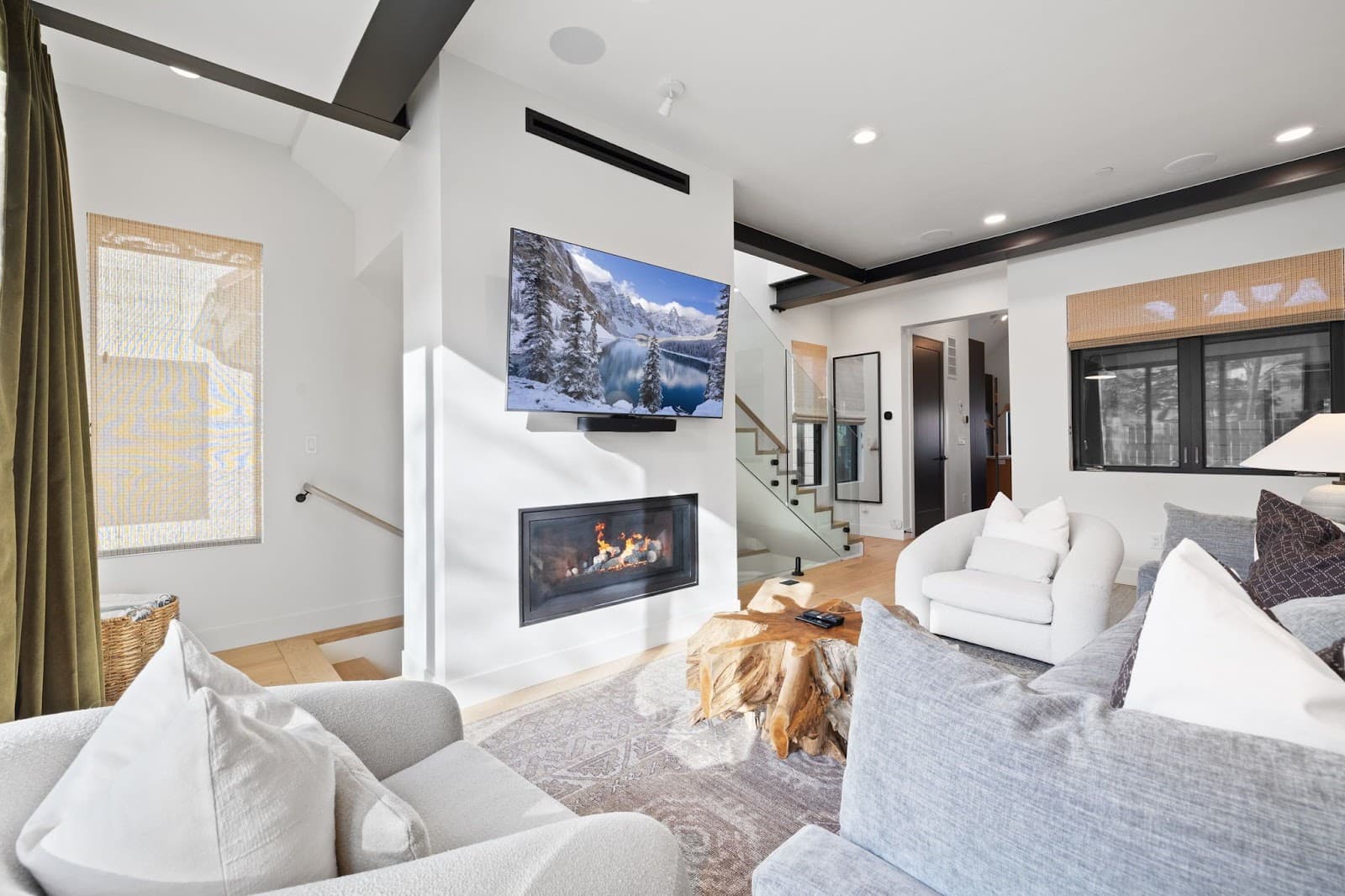
Costs are shared in the same proportion as ownership: each owner carries their share of the home's running costs, billed transparently, covering property taxes, insurance, utilities, association dues where they apply, cleaning, maintenance, snow removal and the reserve that keeps the furnishings good. You see the full breakdown before you buy, not after. Everything else — the mountain view, the boot room, the fire on a January evening — is exactly what it would be if you had bought the whole house.
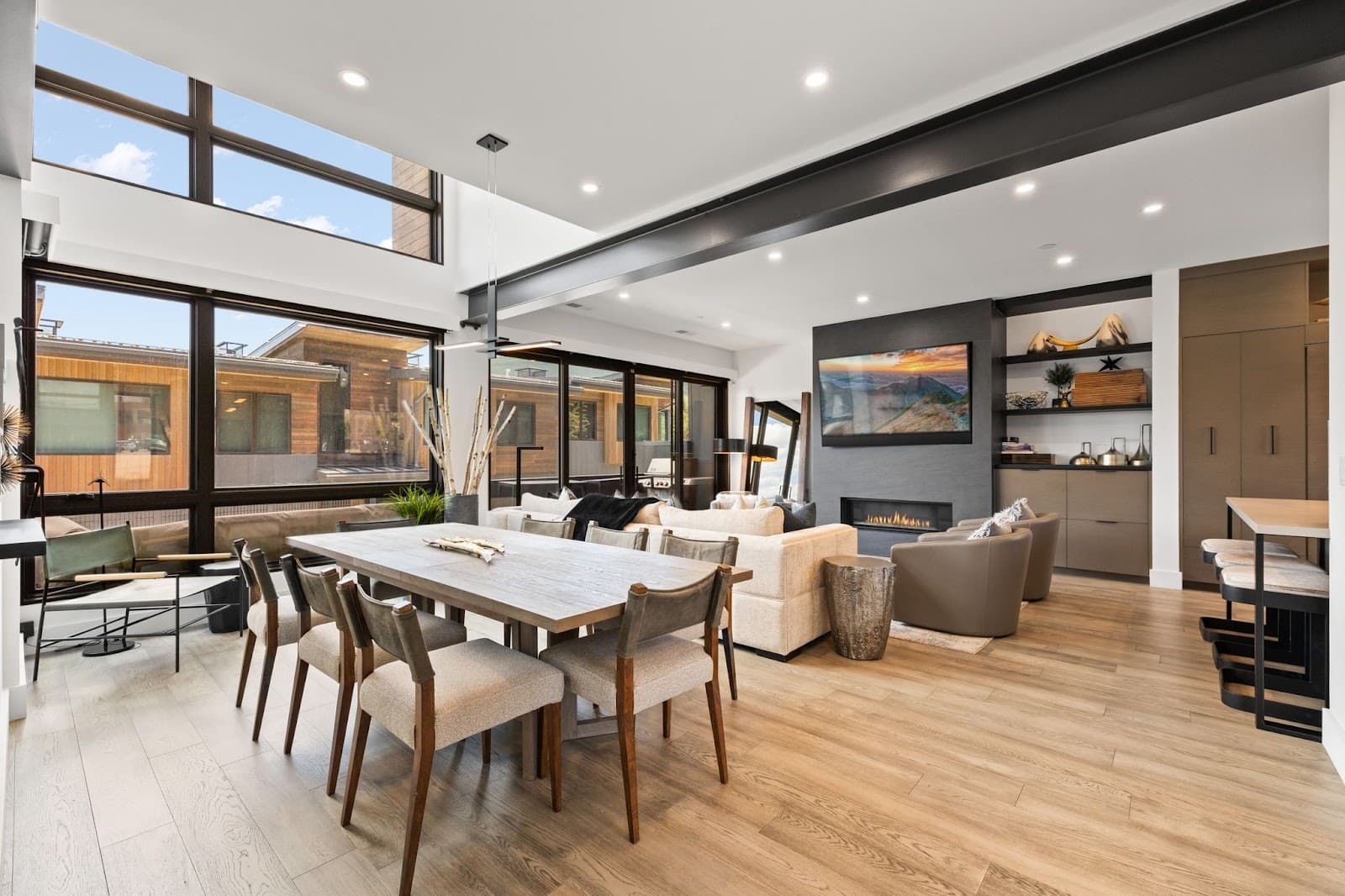
Buying in the United States: how the process actually runs
American property transactions run differently from European ones and are, once understood, fast and well-supported. There is no notary in the civil-law sense. Instead the transaction is handled by a title company or escrow agent, which holds the deposit, researches the chain of title, resolves any liens or encumbrances, and issues title insurance — a policy that protects the buyer against defects in the title that were missed. That insurance is standard, and it is one of the genuine strengths of the American system.
The sequence: an offer on a standard state-approved contract, an inspection period during which the buyer investigates the property and can generally withdraw, a title review period, and then closing — typically within thirty to sixty days, considerably faster than most European jurisdictions. Costs are itemised in advance on a settlement statement. In Utah, specific things worth knowing: the state's property tax treatment of second homes, described earlier; the county's own recording and transfer requirements; and, for homes in a homeowners' association or a resort development, the association's documents and budget, which you should read rather than skim.
There is no restriction on foreign ownership of American residential property. Non-US buyers will need a taxpayer identification number for tax filing purposes, should expect withholding rules to apply on a future sale, and should take advice on how their home country treats US-situs assets — including on estate and inheritance treatment, which is the point most often overlooked. For a co-ownership share, the legal set-up is arranged by our partner for each home. We walk every buyer through the specimen documents in plain language before any commitment, and we will always encourage independent legal and tax advice on both sides of the Atlantic. Nothing in this guide is legal or tax advice.
Three owners' years: specimen calendars
Three honest specimen years. The ski-first family: a week over the Christmas–New Year period in the years the rotation grants it, the February presidents' weekend or the March spring-break week when it does not, a long weekend in January for the cheapest flights and the best snow of the season, and a fortnight in August for the bikes, the reservoir and the music festival. Six-plus weeks, every one of them expensive to rent and impossible to book late — in a house that already holds the equipment.
The two-season couple: mid-January for empty pistes and cold powder, a long weekend in March for the spring sun, late June as the trails dry out and the wildflowers start, a week in September when the aspens turn and the town is empty, and a few days in early December for the lights on Main Street. A calendar built almost entirely from the weeks nobody competes for — which is exactly why it clears every year without a single difficult conversation.
The friends' syndicate: one marquee ski week together each winter, the trip that started the whole thing; a spring split where two couples take separate long weekends; a shared August week that rotates through the group; and unclaimed weeks placed into managed rental where the home provides for it, so the calendar never simply evaporates. Three different shapes, one common property: in a town thirty-five minutes from an international airport with two real seasons, six weeks a year is not a constraint to be managed. It is a budget to be spent well.
An owner's practical almanac
The small knowledge that makes ownership frictionless. Altitude: the town sits at about seven thousand feet and the mountains go to ten. Arriving from sea level, take the first afternoon gently, drink far more water than feels necessary, and go easy on the first night's wine — the people who ignore this lose a day of their week to a headache. Sun: at this altitude the ultraviolet is serious even in January. Sunscreen and proper lenses are not optional.
Driving: the airport road is an interstate and is cleared aggressively, but Utah winters produce genuine storms, and a four-wheel-drive or all-wheel-drive vehicle with proper tyres is the sensible rental choice from December to March. The canyon roads to Alta and Snowbird operate traction restrictions and can close for avalanche control — check before setting out rather than after. Guardsman Pass is closed all winter.
Seasonal rhythms: May and early November are the quiet months, when a number of restaurants take their break and the trails are unusable; the ones that stay open are the locals' addresses. Book the Deer Valley dinners, the bobsled ride and the Christmas-week ski school well in advance; book nothing else and let the town set the pace. Buy wine on a weekday. And the golden rule of a two-season town: whatever week you cannot use, release it early — in a place this easy to reach, someone in your ownership group will take it.
Park City: questions owners actually ask
Is it really only thirty-five minutes from the airport? Yes, and it is the single most important fact about the town. Roughly thirty-two miles on an interstate highway, no mountain pass, no seasonal closure of the kind that plagues other ski destinations. In practice that means a family can land, collect a car and be having dinner on Main Street within ninety minutes of the wheels touching down.
Is the snow genuinely different? Yes, and there is a physical reason rather than a marketing one: storms cross desert before reaching the Wasatch, which strips moisture, then pick some back up over the Great Salt Lake. The result is unusually low-density snow. Skiers coming from the Alps or the East Coast notice it on the first run and talk about it for the rest of the week.
Which resort should we buy near? If your group skis hard and wants the biggest possible mountain, lean toward the Park City Mountain side and Canyons Village. If your group values grooming, service, shorter lift lines and skis-only slopes, lean toward Deer Valley. If you want a town rather than a base, choose Old Town and use both. Tell us how your group actually skis and we will point you at the right homes below.
Does the Sundance move matter? Less than headlines suggest. The festival occupies about ten days each January, brought crowds many owners actively avoided, and is not what the town's economy rests on — two major resorts, a thirty-five-minute airport, a year-round population and a full summer season are. The practical effect for owners is likely to be an easier January.
What about the Olympics? Salt Lake City has been awarded the 2034 Winter Games, built around the existing 2002 venues, with the Utah Olympic Park and the area's resorts expected to play a central role. A decade out, that is a known, dated catalyst for infrastructure and attention. It is one more reason to feel confident about the long term here.
More questions, answered plainly
Do we need a car? In winter, if the house is in Old Town or at a resort base, often not — the free bus system is genuinely comprehensive and parking is the scarcest thing in town. If the house is in Park Meadows, at Kimball Junction or out towards Jordanelle, yes. In summer, yes, for trailheads and day trips. Renting for the days you need it is entirely normal.
How busy does it get? Genuinely busy over Christmas and New Year, the February presidents' weekend and the mid-March spring break, and for the festival week in January while it lasts. Outside those, the lift queues are modest for a resort of this size, and January midweek is one of the quietest, snowiest, best-value weeks in North American skiing.
Can we let our weeks? On many homes, yes. Where letting of unused weeks is allowed, the management team handles it for you, in line with the local short-term rental rules for that neighbourhood and association. What applies to each home is set out in its documents.
What are the running costs like? Each owner carries their share of the home's costs, billed transparently through the management arrangement — property taxes, insurance, utilities, association dues where they apply, cleaning, maintenance, snow removal and the furnishing reserve. Utah's second-home property tax treatment is a real line item and should be in your numbers from the start. You see the full breakdown before you commit, not after.
What should we do on a viewing trip? Come for three days and use them like a resident. Ski both mountains, one each day. Drive the airport road so you believe it. Walk Main Street at nine in the morning and again at nine at night. Drive up to Empire Pass and back down to Kimball Junction so you understand the valley's geography. Then let us open the doors of the houses themselves. Three days answers more than three months of listings, and we will build the itinerary around the homes listed below.
Nearby: Heber City (3, from $944,000)
Taxes, resale and how ownership works for your 1/8 share of the home are covered in depth in our complete country guide. Read the full USA ownership guide →
Each listing shows the full price of its share — typically one-eighth of the home. It is a purchase price, not a deposit or membership fee: you become a co-owner of the home.
No. A timeshare sells you a week; co-ownership sells you the house. You own a real share of the Park City home with a small group of owners, not a week at a resort shared with thousands. It moves with the value of the house, you sell it on the open market at your price, and you can leave it to your children.
A one-eighth share corresponds to about six weeks a year, scheduled fairly across seasons so every owner enjoys peak weeks over time. The home is professionally managed — you simply arrive.
Questions about a home in this collection? Our team typically replies within minutes.
Get in Touch
Speak to an expert
Tell us what you're looking for and we'll be in touch.