Co-Ownership Basics
Year-Round Alpine Homes vs Winter-Only Ski Property
Year-round alpine properties outperform winter-only ski homes with 23% five-year gains. Discover why dual-season mountain homes are the smartest investment in 2026.
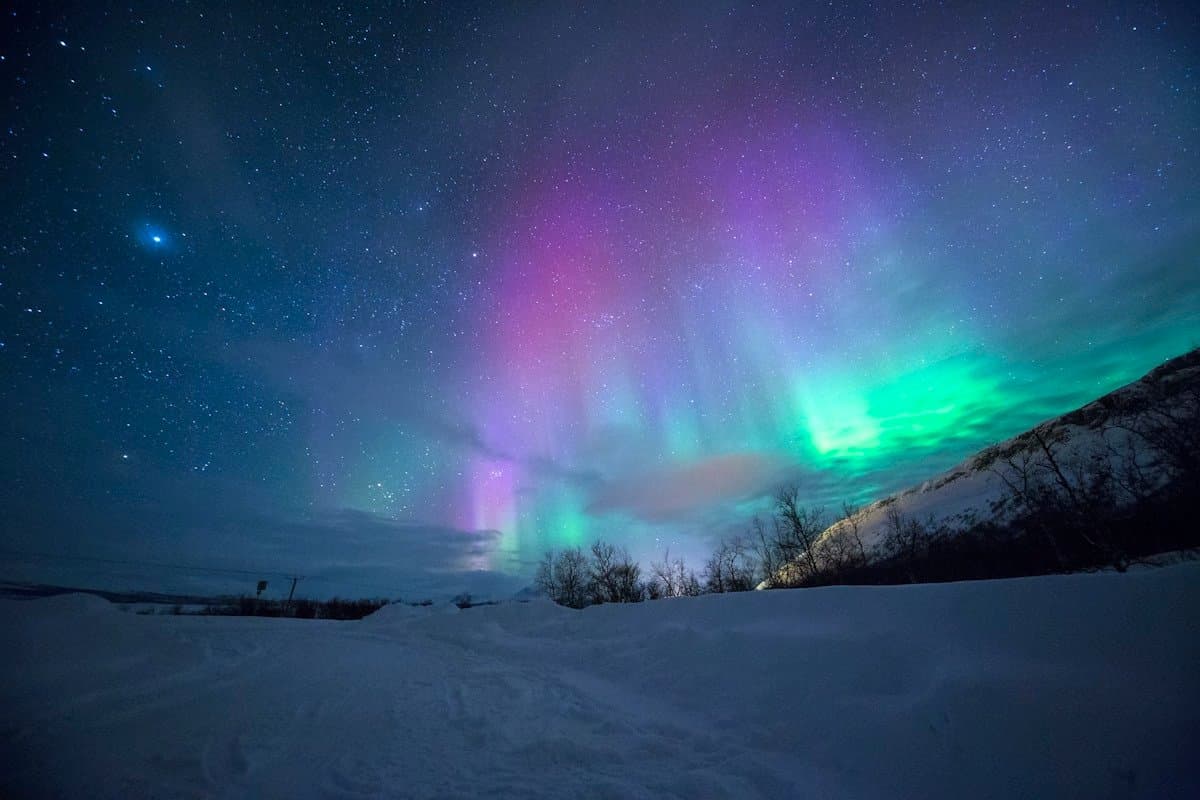
For decades, buying a property in the Alps meant one thing: skiing. Owners would fly in for Christmas, squeeze in a February half-term trip, and leave the keys with a rental agency until the following December. The home sat empty for eight months of the year — an expensive trophy gathering dust while maintenance bills ticked upward. But a fundamental shift is reshaping Alpine real estate, and the data is impossible to ignore.
Year-round alpine destinations are now dramatically outperforming single-season ski resorts in both capital appreciation and rental yield. According to Knight Frank’s 2026 Alpine Property Report, the Alpine Property Index rose 3.3% year-on-year, with dual-season hotspots like Andermatt surging 14.6% in a single year. Chamonix — once a winter-first town — now welcomes 30% more visitors in summer than winter. The message is clear: the smartest Alpine investment in 2026 is one you can enjoy twelve months a year. For buyers exploring co-ownership properties, dual-season destinations offer even more compelling economics.
Market Shift
The End of the Winter-Only Investment Thesis
The traditional model of Alpine property investment was built on a narrow window of demand. Ski season in most European resorts runs from December to April — roughly 16 to 20 weeks. Outside that window, mountain villages emptied, shops closed, and rental income dried up. Owners accepted this as the cost of owning a ski home.
That model is breaking down. The global mountain and ski resorts market is projected to grow from $16.35 billion in 2025 to $18.2 billion in 2026, a compound annual growth rate of 11.3%, according to Research and Markets. Much of that growth is being driven not by winter tourism, but by the explosive expansion of summer adventure tourism, wellness retreats, and remote-work mountain living.
Resorts that have invested in four-season infrastructure — hiking trails, mountain biking parks, golf courses, lake sports, and wellness centres — are seeing property values climb at rates that leave winter-only competitors behind. Méribel has recorded a 51% price increase over five years, while the broader Northern Alps have seen a 20% surge in just three years, according to Investropa and Alpine Property Finders data.
23%
Five-year price growth for prime Alpine properties, led by year-round destinations (Knight Frank 2026)
14.6%
Annual property price growth in Andermatt — the top-performing resort in the Knight Frank Alpine Index
73%
Of high-net-worth individuals would now consider permanent Alpine living (Knight Frank survey)
46%
Surge in Chamonix summer lift pass sales over two years, reflecting the year-round tourism boom
The Data
How Dual-Season Resorts Are Winning on Every Metric
The numbers tell a compelling story. Year-round resorts consistently outperform their winter-only counterparts across three critical metrics: capital appreciation, rental occupancy, and buyer demand. Knight Frank’s research shows that prime Alpine properties have risen 23% over the past five years, with the strongest performers being resorts that attract visitors in both summer and winter.
Consider Chamonix, where summer lift pass sales have surged 46% in just two years. The resort now generates approximately 40% of its lift revenue between May and October. This isn’t a niche trend — it’s a structural transformation. Instead of relying on 16–20 weeks of ski-season income, properties in dual-season resorts can generate rental revenue across 24 to 30 weeks annually, a 50% increase in potential income.
Davos — known globally for the World Economic Forum but increasingly for its summer hiking and wellness scene — recorded 10.5% annual property price growth. Cortina d’Ampezzo, buoyed by the upcoming 2026 Winter Olympics and booming summer tourism in the Dolomites, matched that with 10% year-on-year growth. These aren’t outliers — they’re the new normal for destinations that have embraced year-round appeal. Buyers looking at mountain lifestyle properties are increasingly prioritising this dual-season advantage.
Top Alpine Resorts by Annual Price Growth (2025–2026)
Andermatt, Switzerland
Davos, Switzerland
Cortina d’Ampezzo, Italy
Courchevel, France
Kitzbühel, Austria
Lifestyle Revolution
Remote Work and the Rise of Permanent Mountain Living
The post-pandemic world didn’t just change where people work — it changed where they want to live. Knight Frank’s survey found that 73% of high-net-worth individuals would now consider living full-time in the Alps, driven by flexible work arrangements, a renewed focus on wellness, and a desire for community over urban anonymity.
This isn’t aspirational dreaming — it’s reshaping buyer profiles. Alpine agents report a growing cohort of buyers in their 40s and 50s who are not purchasing holiday homes but permanent or semi-permanent residences. They want high-speed internet, co-working spaces, international schools, and year-round amenities. Resorts that provide these — places like Verbier, Megève, and Kitzbühel — are commanding premium prices and selling faster than ever.
For buyers who don’t need or want full-time mountain living but crave regular access, co-ownership explained offers a structured path. With approximately 45 days of personal use per year and fully managed maintenance, co-ownership in a year-round resort delivers the lifestyle without the overhead of a property that sits empty for months.
“The smartest Alpine investment in 2026 isn’t a ski chalet — it’s a four-season mountain home that works as hard in July as it does in January.”
Financial Analysis
The Rental Income Advantage of Four-Season Properties
The rental economics of year-round alpine properties are significantly more attractive than their winter-only equivalents. A property in a dual-season resort can realistically achieve 24–30 weeks of rental bookings per year, compared with 12–16 weeks for a winter-only home. At comparable nightly rates, that’s a potential 60–80% increase in gross rental income.
Summer rates in premium Alpine destinations have also been climbing. Hiking, trail running, mountain biking, and wellness tourism have created a new tier of high-spending summer visitors. In resorts like Chamonix and Zermatt, summer weekly rates now approach 70–80% of peak winter rates for well-appointed properties, according to Savills’ Ski Report for Winter 2025/26.
Co-ownership structures amplify this advantage further. When running costs are split among multiple owners, the net yield per owner on a four-season property becomes exceptionally attractive. Each owner benefits from the full rental income of the weeks they’re not using the property, without bearing the full burden of maintenance, insurance, and management fees. Browse all our homes to see properties in year-round destinations.
| Resort | Summer Appeal | Winter Season | 5-Year Price Growth |
|---|---|---|---|
| Chamonix | Trail running, UTMB, hiking, cycling | Dec–Apr (Grands Montets) | +35% |
| Andermatt | Golf, hiking, Alpine passes | Nov–May (Gemsstock glacier) | +48% |
| Cortina d’Ampezzo | Dolomite hiking, via ferrata, gastronomy | Dec–Apr (2026 Olympics) | +32% |
| Verbier | Mountain biking, festivals, wellness | Nov–Apr (4 Vallées) | +28% |
| Kitzbühel | Golf, cycling, Hahnenkamm culture | Oct–Apr (snowmaking) | +25% |
| Méribel | Hiking, lake sports, summer camps | Dec–Apr (3 Vallées) | +51% |
Climate Factor
Why Climate Resilience Is Driving the Dual-Season Premium
There’s an uncomfortable truth behind the four-season pivot: climate change is shortening ski seasons. Lower-altitude resorts are already feeling the impact, with unreliable snowfall pushing buyers toward higher-altitude or glacier-backed destinations. But the smartest investors are going one step further — they’re choosing resorts where the value proposition doesn’t depend on snow at all.
Resorts investing in climate-resilient infrastructure — artificial snow systems, high-altitude terrain, and crucially, summer tourism infrastructure — are the ones seeing the strongest price growth. Research and Markets identifies climate-resilient resort development as one of the top five growth drivers for the mountain property sector through 2030.
This creates a natural selection process in the market. Resorts that offer only winter skiing face an existential threat from warming temperatures, while those with year-round appeal are insulated by diversified demand. For property investors, the implication is clear: a four-season Alpine home isn’t just a lifestyle upgrade — it’s a climate hedge. Explore co-ownership destinations to find properties in the most resilient mountain regions.
2019–2020
The Pandemic Pivot Begins
COVID-19 lockdowns spark unprecedented demand for mountain properties as remote workers flee cities for space, clean air, and nature.
2021–2022
Summer Tourism Surges
Alpine resorts invest heavily in summer infrastructure. Chamonix, Zermatt, and Verbier report record summer visitor numbers. Trail running and mountain biking boom globally.
2023–2024
Year-Round Living Goes Mainstream
High-speed internet, co-working spaces, and international schools open across Alpine towns. 73% of HNWIs say they’d consider permanent mountain living.
2025
Dual-Season Premium Emerges
Knight Frank data confirms year-round resorts outperform winter-only markets. Alpine Property Index rises 3.3%, with dual-season leaders growing 10–15%.
2026
The Four-Season Future
Cortina Olympics spotlight Alpine investment. Market projected to reach $18.2 billion. Summer-active resorts command significant premiums over winter-only equivalents.
Resort Spotlight
Top Year-Round Alpine Destinations for Property Investment
Andermatt, Switzerland tops the Knight Frank Alpine Property Index with 14.6% annual growth. Once a quiet military town, it has been transformed by the Andermatt Swiss Alps development into a year-round destination with world-class skiing, a championship golf course, and luxury wellness facilities. Its position at the crossroads of major Alpine passes makes it equally popular in summer.
Chamonix, France is the poster child for the year-round revolution. The town’s summer tourism now exceeds its winter numbers, with trail running events like UTMB drawing tens of thousands of visitors each August. Property prices in the Chamonix valley have surged as buyers recognise its twelve-month appeal.
Cortina d’Ampezzo, Italy is riding a wave of Olympic investment ahead of the 2026 Winter Games. But Cortina’s real long-term value lies in its Dolomite setting — summer hiking, via ferrata, and Italian gastronomy make it a magnet for visitors well beyond the ski season. Prices are up 10% year-on-year and expected to climb further.
Kitzbühel, Austria and Verbier, Switzerland round out the top tier, both offering extensive summer programmes including cycling, hiking, and cultural festivals. Kitzbühel’s famous Hahnenkamm race may define its winter, but its summer golf and hiking trails drive property demand year-round. For co-ownership opportunities across Europe’s Alpine regions, visit our French Alps properties and Austria properties pages.
Buyer Strategy
How Co-Ownership Unlocks Year-Round Alpine Living
The economics of year-round Alpine property ownership make a powerful case, but the price of entry remains steep. Prime chalets in Verbier or Courchevel can exceed €3 million, while even well-located apartments in mid-tier resorts start from around €500,000. For many buyers, the appeal of a four-season property is clear but the capital commitment is prohibitive.
This is precisely where co-ownership buying process changes the equation. By purchasing a share — typically one-eighth — in a fully managed luxury property, buyers access the same year-round Alpine lifestyle at a fraction of the cost. With shares starting from under €100,000 in some destinations, co-ownership makes four-season mountain living accessible to a far broader range of buyers.
The structure is designed for exactly this kind of property. Booking windows depend on the home and our partner. In a year-round destination, this means you could ski in January, hike in July, and enjoy autumn colours in October — all in the same property. When you arrive, your personal belongings are taken out of storage and the home is prepared for you. Compare this with co-ownership vs full ownership to see why so many buyers are making the switch.
And because all running costs are split proportionately among co-owners, the financial burden of maintaining a luxury Alpine property becomes manageable. No more paying full-year utility bills, insurance premiums, and management fees for a home you use four weeks a year. Co-ownership turns the year-round Alpine dream into practical, affordable reality. Ask David or Dylan to discuss your options.
Looking Ahead
The 2026 Outlook: Where Alpine Investment Is Heading
The trends driving year-round Alpine property values show no signs of slowing. Remote work adoption remains high, summer mountain tourism is growing at double-digit rates, and climate concerns continue to push demand toward resilient, diversified resorts. Knight Frank projects continued price growth across the major Alpine markets, with dual-season destinations expected to outperform the sector average.
For investors and lifestyle buyers alike, the calculus is straightforward. A winter-only ski property is a depreciating thesis — both literally, as climate change shortens seasons, and figuratively, as buyer preferences shift toward year-round utility. A four-season Alpine home, by contrast, offers stronger appreciation, higher rental yields, longer usable seasons, and better climate resilience.
Whether you’re considering a full purchase or exploring the benefits of co-ownership, the Alpine market in 2026 rewards those who think beyond the ski season. The mountains are no longer a winter escape — they’re a year-round investment, and the smartest buyers have already noticed.
Common Questions
Frequently Asked Questions
Why are year-round Alpine properties outperforming winter-only ski homes?
Year-round destinations benefit from diversified demand across all seasons. Summer tourism — hiking, cycling, wellness, and remote work — has grown dramatically, creating additional rental income streams and stronger buyer demand. Resorts with four-season appeal generate revenue across 24–30 weeks instead of 12–16, boosting yields and supporting higher property values.
Which Alpine resorts offer the best year-round investment value?
According to Knight Frank’s 2026 Alpine Property Report, Andermatt (14.6% annual growth), Davos (10.5%), and Cortina d’Ampezzo (10%) lead the performance table. Chamonix, Verbier, Kitzbühel, and Méribel also rank highly for their established summer tourism infrastructure and strong rental markets.
How does co-ownership work for Alpine properties?
Co-ownership allows you to own a real share — typically one-eighth — of a luxury Alpine property, not a right to use it. You receive approximately 45 days of personal use per year with flexible booking, while all maintenance, management, and running costs are split proportionately among co-owners. It’s real estate ownership, not a timeshare.
What impact does climate change have on Alpine property values?
Climate change is shortening ski seasons at lower-altitude resorts, making winter-only properties riskier investments. Resorts with year-round appeal — higher altitudes, glacier access, and strong summer tourism — are better insulated against this risk, which is one reason they command premium prices and stronger appreciation.
Can I earn rental income from a co-owned Alpine property?
Yes. When you’re not using your allocated time, the property can be rented out as a holiday home (subject to local permits). Rental management is handled entirely for you, and income is shared proportionate to your ownership stake. In year-round destinations, rental potential is significantly higher due to extended demand seasons.
How much does a co-ownership share in an Alpine property cost?
Shares in Alpine co-ownership properties start at a fraction of the whole-home price for some destinations, with most properties falling in the €100,000–€500,000 range per one-eighth share. This represents a fraction of the cost of full ownership while providing the same luxury lifestyle and property appreciation benefits.
Explore Year-Round Alpine Properties
Discover co-ownership shares in luxury mountain homes across Europe’s most sought-after four-season destinations. Speak with our specialists to find a property that works for every season.
Browse Alpine PropertiesMore from Co-Ownership Property
Get in Touch
Speak to an expert
Tell us what you're looking for and we'll be in touch.