Market Insights
Buying Property in Formentera: The Co-Ownership Route
Formentera has Europe's tightest property supply at €9,383/m². Discover how co-ownership unlocks luxury island homes from around €100k — the smart buyer's guide for 2026.
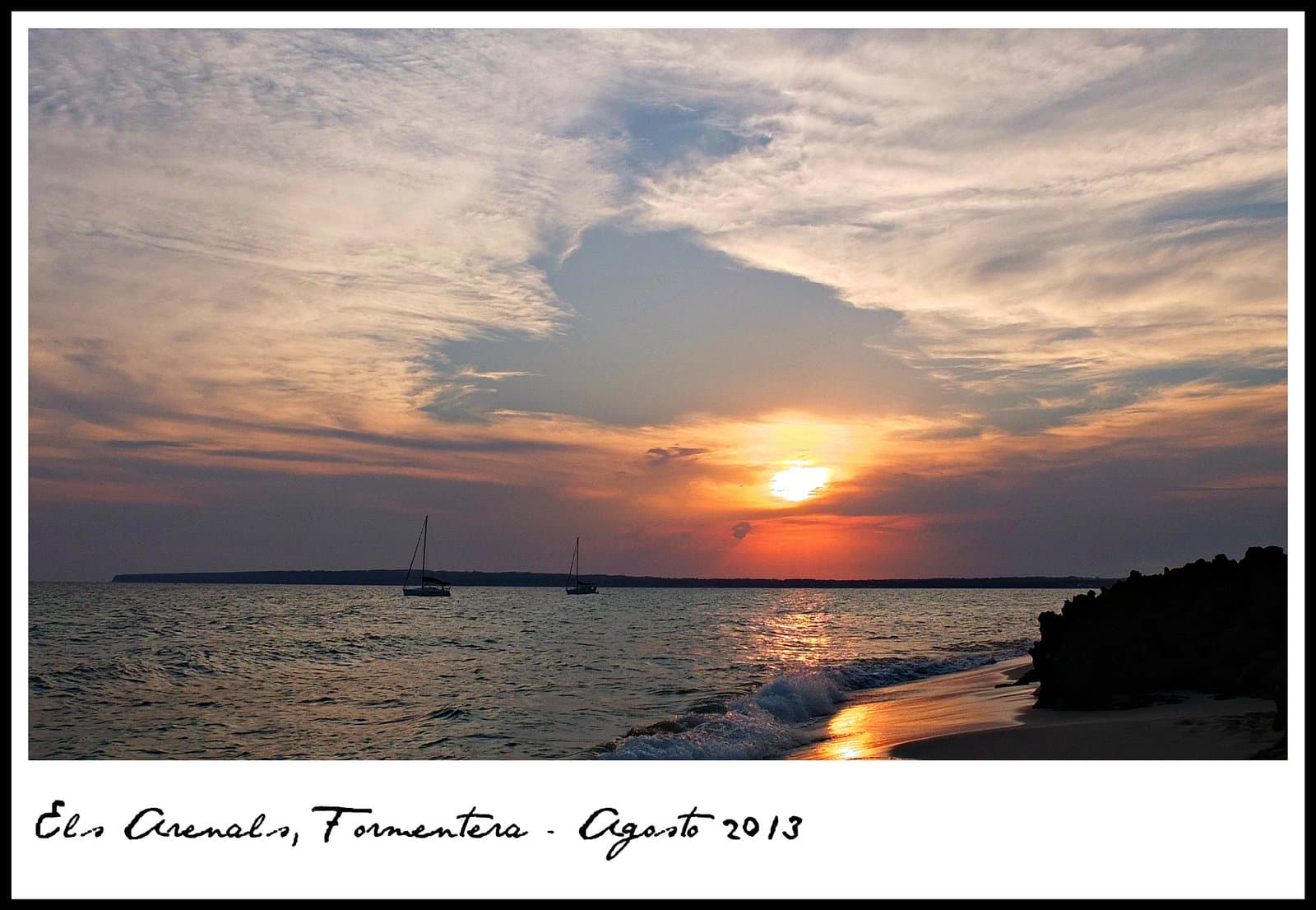
Formentera is the smallest and most exclusive of Spain’s Balearic Islands, a sliver of white sand and turquoise water just 83 square kilometres in size. It has no airport, no high-rise hotels, and almost nothing new being built. For property buyers, that combination of natural beauty and artificial scarcity has created one of the most challenging real estate markets anywhere in Europe — and one of the most rewarding for those who find a way in.
The numbers tell the story clearly. Formentera’s average asking price sits at €9,383 per square metre, making it the single most expensive municipality in Spain according to Idealista data. A modest two-bedroom apartment starts above €600,000. A villa with a pool and sea views? You are looking at well over €2 million. And that is assuming you can find one — only a handful of properties come to market each year, and many change hands privately before they are ever listed.
This is precisely why co-ownership has emerged as the smartest route into the Formentera property market. By purchasing a real one-eighth share of a luxury villa, buyers gain genuine real estate ownership on an island where full ownership is beyond the reach of all but the ultra-wealthy. This guide explains exactly how it works, what it costs, and why Formentera’s unique market conditions make it ideally suited to the co-ownership model.
Market Analysis
Why Formentera’s Property Market Is the Tightest in the Mediterranean
Formentera’s property scarcity is not a temporary market cycle — it is a structural feature baked into the island’s geography, regulations, and culture. The island’s Consell Insular (local government) enforces some of the strictest building regulations in Europe. New construction permits are exceptionally rare, environmental protections cover vast swathes of the coastline, and the Ses Salines Natural Park — shared with neighbouring Ibiza — renders large areas completely undevelopable.
The resident population hovers around 11,400 people, yet demand from international buyers, particularly from Germany, the UK, France, and the United States, has pushed prices up by double digits year after year. According to Investropa’s 2025 Balearic market report, Formentera has seen property values rise faster than any other Balearic island, outpacing even Ibiza’s red-hot market.
What makes this market particularly challenging is its opacity. A significant proportion of deals happen off-market — 38% of transactions in 2023 were international buyers, many working through personal networks rather than public listings. For an outsider looking to buy, the barrier to entry is not just price; it is access. Co-ownership solves both problems simultaneously, providing access to properties that have already been sourced, vetted, and professionally managed.
€9,383/m²
Average asking price per square metre in Formentera — the highest in Spain and nearly double the Balearic average.
38%
Share of Formentera property transactions involving international buyers in 2023, many conducted off-market.
83 km²
Total area of Formentera, making it the smallest inhabited Balearic island with virtually no room for new development.
Your price
You set the price. Your co-owners get the first chance to buy at that price; if they pass, it goes on the open market.
Price Comparison
Formentera vs the Rest of the Balearics: A Price Reality Check
To understand why co-ownership makes so much sense on Formentera, compare the island’s prices with its Balearic neighbours. While the Balearic average sits around €5,090 per square metre (already Spain’s most expensive province), Formentera commands nearly double that. Ibiza’s most expensive municipality, Sant Joan de Labritja, averages €8,959/m². Mallorca’s priciest area, Calvià, comes in at €6,925/m². Menorca remains the most accessible at around €3,500–4,000/m².
At Formentera’s price levels, a 200 square metre villa costs roughly €1.9 million before renovation, furnishing, and legal costs. A co-ownership share in the same property — fully renovated, designer-furnished, and professionally managed — typically starts from around €200,000 to €350,000. That is not just a saving on the purchase price; it is a saving on every subsequent cost: maintenance, insurance, property tax, and management are all split proportionately among co-owners.
For buyers who want a luxury holiday home in the Balearics but do not need 365 days of access, the arithmetic is compelling. A one-eighth share provides approximately 45 days per year — more than most second-home owners actually use their properties. The rest of the time, your share is either being enjoyed by other co-owners or generating rental income if the property is enrolled in a managed rental programme.
Average Property Price Per Square Metre — Balearic Islands (2025)
Formentera
Ibiza (Sant Joan)
Ibiza (Sant Josep)
Mallorca (Calvià)
Balearic Average
Menorca
How It Works
The Co-Ownership Structure: Real Ownership, Not Timeshare
One of the most common misconceptions about co-ownership is that it resembles a timeshare. It does not. When you purchase a co-ownership share through Co-Ownership Property, you own a real share of a specific home — an eighth, a quarter — not a right to use it. You can sell it, pass it on to your heirs, and it rises and falls in value with the house. The legal set-up is arranged by our partner for each home and walked through with you before you buy.
The key differences are significant. Unlike a timeshare, your share appreciates with the property’s market value — and on Formentera, where prices have risen consistently for over a decade, that appreciation can be substantial. You can sell your share on the open market at market price. There are no points systems, no mandatory exchange networks, and no depreciating ‘right to use’ contracts. You own real property on one of the most exclusive islands in Europe.
Booking is flexible and managed through a dedicated app. Booking windows depend on the home and our partner. When you arrive, your personal belongings are taken out of storage and the home is prepared for you — a level of service that most full property owners on Formentera struggle to arrange independently.
“Formentera is not making any more land. The regulations that restrict supply are not loosening. For buyers who find a way in through co-ownership, the question is not whether the island will hold its value — it is how much further it will climb.”
Island Lifestyle
What Makes Formentera Worth the Investment
Beyond the numbers, Formentera offers something increasingly rare in the Mediterranean: authentic, unspoiled island life. The island enforces vehicle restrictions from May to September, keeping roads quiet and beaches uncrowded. There are no mega-resorts, no cruise ship terminals, and no chain hotels. The longest traffic jam you will encounter is a queue of bicycles waiting at the La Savina ferry port.
The beaches are consistently ranked among Europe’s finest. Ses Illetes, a narrow strip of powder-white sand separating turquoise shallows, regularly appears in global top-ten lists alongside Caribbean and Maldivian rivals. Cala Saona offers sunset views across to Es Vedrà that no photograph quite captures. The island’s interior is a patchwork of fig orchards, dry-stone walls, and whitewashed farmhouses — a landscape that has barely changed in centuries.
For co-owners, this lifestyle is accessible without the management burden that defeats many full property owners on the island. Finding reliable cleaners, gardeners, and maintenance professionals on an island of 11,400 people is notoriously difficult. Co-ownership properties come with complete professional management — cleaning, maintenance, admin, rental coordination, and everything else is handled for you. You arrive, enjoy, and leave. The property is looked after year-round.
| Ownership Model | Entry Cost (Luxury Villa) | Annual Running Costs | Days of Use Per Year |
|---|---|---|---|
| Full Ownership | From €2,000,000+ | €25,000–€40,000 | Unlimited (avg. used: 30-40 days) |
| Co-Ownership (1/8 share) | From around €200,000 | €3,000–€5,000 | ~45 days (flexible booking) |
| Holiday Rental | €0 (no ownership) | €2,000–€5,000/week | As booked (no equity) |
| Timeshare | €15,000–€40,000 | €1,500–€3,000 (fixed fees) | 1-2 weeks (fixed, depreciating) |
Financial Analysis
Running Costs: What a Co-Owner Actually Pays on Formentera
The financial case for co-ownership on Formentera extends well beyond the purchase price. Full ownership of a luxury villa on the island carries annual running costs that surprise many buyers. Property taxes (IBI), community fees, insurance, garden and pool maintenance, utility bills, and periodic renovation can easily total €25,000 to €40,000 per year for a high-end property — costs that accrue whether or not you are on the island.
A one-eighth co-owner pays one-eighth of those costs. That means annual running expenses of roughly €3,000 to €5,000 for a property that would cost twenty times more to own outright. For many buyers, particularly those who previously owned second homes and experienced the financial drain of a property sitting empty for ten months of the year, this proportional cost structure is the single most attractive feature of the model.
There is also the opportunity cost to consider. The capital not tied up in a €2 million villa — potentially €1.7 million or more — remains available for other investments, diversification, or simply peace of mind. According to our analysis of co-ownership running costs, the total cost of ownership over a ten-year period is typically 60-70% lower than full ownership when you factor in purchase price, running costs, and the opportunity cost of capital.
Week 1–2
Initial Consultation
A no-obligation conversation with a co-ownership specialist to discuss your budget, lifestyle goals, and preferred destinations including Formentera.
Week 2–3
Property Selection
Review available co-ownership properties on Formentera and across the Balearics. Virtual tours and detailed property packs provided.
Week 3–5
Legal & Financial Setup
NIE application (if needed), ownership documentation, and contract preparation handled by specialist legal teams.
Week 5–7
Purchase Completion
Contracts signed, funds transferred, and the purchase of your share of the home is completed. You are now a property owner on Formentera.
Week 7–8
Onboarding & First Stay
Access the booking app, arrange your personal storage, and plan your first stay on the island. Your Formentera life begins.
Legal Framework
Buying Property in Spain’s Balearic Islands as a Foreign Buyer
Spain is one of the most straightforward European countries for foreign property buyers, but the Balearic Islands have some specific regulations worth understanding. All foreign buyers need a NIE (Número de Identificación de Extranjero) — a tax identification number that can be obtained through the Spanish consulate in your home country or at a police station in Spain. The process typically takes a few weeks.
The Balearic government has introduced increasingly strict regulations on holiday rental licences. A moratorium on new tourist rental licences was implemented and extended through 2026, meaning that not all properties can be legally rented to holidaymakers. This has significant implications for buyers counting on rental income — and it is another area where co-ownership provides an advantage, as the management company handles all licensing, compliance, and rental operations.
The legal set-up for each co-ownership home is arranged by our partner and walked through with you before you buy. How tax works depends on the country and the home’s legal set-up, which our partner explains before you buy; we recommend independent advice. That way every buyer understands their specific situation.
Resale & Liquidity
Selling Your Formentera Co-Ownership Share
One concern buyers sometimes raise is liquidity — how easy is it to sell a co-ownership share? On Formentera, the answer is: remarkably easy. The island’s permanent supply shortage means demand consistently outstrips availability, and that applies to co-ownership shares just as much as full properties.
When you decide to sell your share, it is first offered to existing co-owners in the same property — many of whom jump at the chance to increase their stake. If no existing co-owner wants to buy, the share is listed for sale through the management company’s network. Resale is handled through our partner’s resale process, without you having to sell the whole house — rather than the months or years it can take to sell a full property in even the most liquid markets.
Because your share is tied to a real, appreciating asset on an island where building is virtually impossible, the long-term value trajectory is strongly positive. Formentera is not making any more land, and the regulations that restrict supply are unlikely to loosen. For investors thinking in terms of five to fifteen years, that combination of constrained supply and persistent demand is about as close to a structural guarantee of appreciation as property markets offer.
Getting Started
Your Step-by-Step Path to Owning Property on Formentera
The buying process for a co-ownership share is designed to be straightforward and fully supported. It begins with a consultation — a no-obligation conversation to understand your budget, lifestyle preferences, and how you envision using the property. From there, you are presented with available properties that match your criteria.
Once you have chosen a property, the legal process is managed end-to-end. The management company’s legal team handles all documentation, NIE applications (if needed), and contracts. Most purchases complete within four to eight weeks from initial commitment. There is no need to visit Spain to complete the transaction, though many buyers choose to combine their first visit with a holiday on the island — which, given that we are talking about Formentera, is no hardship whatsoever.
For those still exploring whether co-ownership is right for them, our FAQ section covers every common question, from how booking works to what happens if you want to redecorate. And for a broader look at how co-ownership compares to full ownership across every dimension, our comparison guide lays it all out clearly.
Common Questions
Frequently Asked Questions
How many properties are typically available on Formentera through co-ownership?
Formentera’s market is extremely limited, so availability changes frequently. At any given time there may be only a small number of co-ownership properties on the island. We recommend registering your interest early so you are notified as soon as a Formentera property becomes available.
Can I rent out my co-ownership share when I’m not using it?
This depends on the specific property and its rental licence status. Formentera has strict holiday rental regulations, and a moratorium on new tourist licences has been in place since 2024. Properties with existing licences can generate rental income, which is managed entirely by the management company and distributed proportionally to owners.
What happens if I want to sell my share?
You set the price. Your co-owners get the first chance to buy at that price; if they pass, it goes on the open market. On Formentera, where demand consistently exceeds supply, resale is handled through our partner’s resale process, without you having to sell the whole house.
Do I need to be a Spanish resident or have a visa to buy?
No. Foreign buyers from any country can purchase property in Spain. You will need a NIE (tax identification number), which the management company’s legal team can help you obtain. No residency or visa is required for property ownership.
How is co-ownership different from a timeshare?
Co-ownership is real ownership, not a right to use. You own a genuine share of a real home that appreciates with the market. Timeshares are typically depreciating ‘right to use’ contracts with no real asset value. Co-ownership shares can be sold at market price; timeshares typically cannot.
What are the tax implications of co-owning property in Spain?
How tax works depends on the country and the home’s legal set-up, which our partner explains before you buy. Specific implications also vary by your country of residence and personal circumstances, so we recommend independent advice to make sure you receive accurate, personalised guidance.
Explore Co-Ownership Properties on Formentera
Formentera’s property market waits for no one. Register your interest today and be the first to know when a co-ownership share becomes available on Europe’s most exclusive island.
Ask David or DylanMore from Co-Ownership Property
Get in Touch
Speak to an expert
Tell us what you're looking for and we'll be in touch.