Market Insights
Dip-In, Dip-Out: How Mobility Is Changing Second Homes
A new kind of buyer is moving through Europe's prime markets in 2026 — lighter, faster and committed to no single address. Their 'dip-in, dip-out' rhythm is quietly rewriting what it means to own a second home.
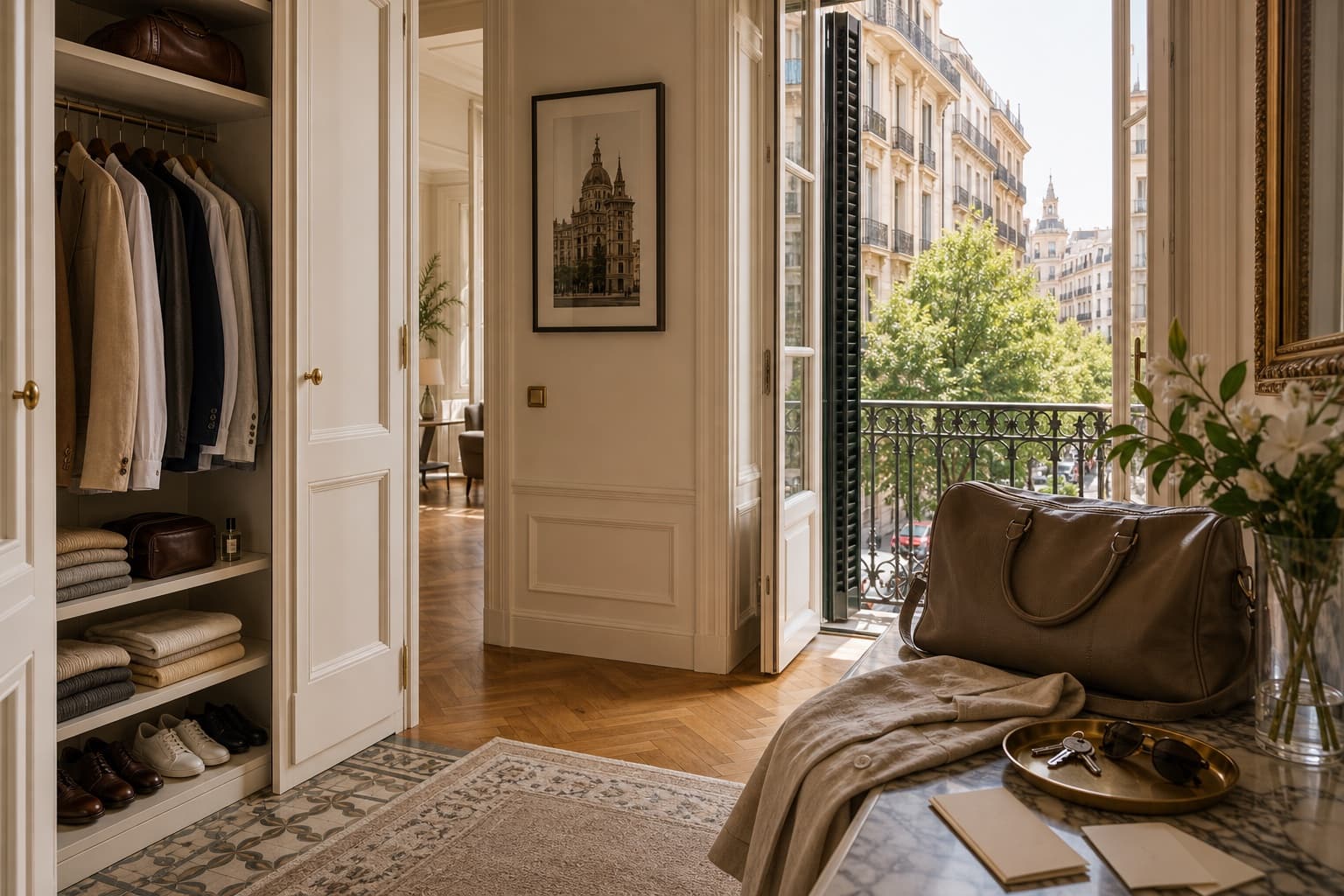
It is a Thursday in early June, and a woman is letting herself into an apartment in Madrid's Barrio de Salamanca with a single soft bag over her shoulder. She has come from four days in the Luberon and she will leave on Monday for a week on Lake Como. The bag is deliberately small — she has learned that the things she needs are already here, or already there, and that the lightness is the point. She will not see the inside of a hotel this month. She will not check in anywhere. By the standard of the second-home buyer of fifteen years ago — the one who bought a single villa, furnished it once, and returned to it every August for two decades — she barely owns anything at all. By the standard of 2026, she is the market. This is the buyer that Knight Frank's twentieth annual Wealth Report, published this spring, has put a name to: ultra-mobile, lightly committed, moving through Europe's prime destinations in short, deliberate stays rather than settling into any one of them.
The report calls the pattern "dip-in, dip-out", and it is less a lifestyle observation than a market diagnosis. Knight Frank's researchers describe a wealthy buyer who now spends fewer than ninety days a year in any single home, and whose property needs have, as a direct consequence, scaled down — less appetite for vast square footage, far more for convenience, management and the freedom to leave. The same report counts a global population of 713,626 ultra-high-net-worth individuals in 2026, a figure that has risen by roughly 32 per cent since 2021, with the equivalent of 89 new entrants every day. The thread running through all of it is mobility itself: the Wealth Report's central theme this year is what its authors call the relentless rise in the mobility of both capital and people. For anyone weighing how to own a second home in Europe, that shift is the single most important piece of context the 2026 market offers.
What the 2026 Wealth Report Actually Found
Beneath the mobility theme sits a set of hard numbers worth holding onto. Knight Frank's Prime International Residential Index — the PIRI 100, which tracks luxury residential values across the world's leading second-home and gateway markets — rose by an average of 3.2 per cent in 2025. That is modest by the standards of the post-pandemic surge, but it is comfortably ahead of mainstream housing, and the spread between the strongest and weakest markets is where the real story lives. Lifestyle and second-home destinations did much of the heavy lifting: Méribel, in the French Alps, grew by around 9 per cent, while Marbella on Spain's Costa del Sol and Porto in northern Portugal both posted gains above 8 per cent. These are not financial-centre office towers appreciating on yield mathematics. They are the places people go to live a particular kind of life — and they are outperforming.
What links the strongest performers is that they reward exactly the dip-in, dip-out pattern the report describes. A buyer does not need to spend six months of the year in Méribel for a chalet there to make sense; the buyer needs the chalet to be ready, managed and waiting for the three or four concentrated visits they will actually make. Knight Frank notes the same logic driving demand for branded residences and fully managed turnkey apartments — property that asks nothing of the owner between stays. Milan and Madrid, the report observes, are capturing a growing share of this mobile capital as second-home destinations precisely because they pair culture and connectivity with a service infrastructure built for people who arrive and leave. The market is, in other words, quietly reorganising itself around absence. The best-performing second home of 2026 is increasingly the one its owner does not have to think about.
Why the Single Second Home No Longer Fits
Set the mobility data against the traditional model and the friction is obvious. The classic second home — one house, bought outright, in one country — is a high-commitment instrument in an era that has decisively turned toward low commitment. It concentrates a large amount of capital in a single asset, in a single currency, on a single coastline. It generates a year-round management burden whether or not the owner is present. And it increasingly carries a tax penalty at the door: across Europe, second-home purchases now attract surcharges and stamp-duty premiums that, as Savills has noted, continue to weigh on second-home hotspots. The buyer who wants four destinations cannot reasonably buy four houses. The buyer who wants one house but uses it for five weeks a year is, on any honest accounting, overcapitalised.
This is the quiet contradiction at the centre of the 2026 market. Demand for the second-home life has rarely been stronger — remote and hybrid work have normalised stays of one to three months, and the desire for a place of one's own in a beautiful part of Europe is, if anything, intensifying. But the instrument most people still reach for to satisfy that demand, full sole ownership, is the one least suited to how they now actually live. The mobile buyer needs presence in several places and a heavy commitment in none. Whole-house ownership offers precisely the reverse. Something has to give — and increasingly what gives is the assumption that owning a second home means owning all of it.
The Rate, Currency and Regulation Backdrop
Three further forces sharpen the picture for 2026. The first is the cost of money. The European Central Bank's deposit rate has sat at 2.0 per cent since June 2025 and was held there again at the Governing Council's March 2026 meeting — a stable, mid-cycle setting that has taken the urgency out of financing decisions and steadied prime pricing. The second is currency. For British buyers, sterling has held firm against the euro, trading around €1.15 through the spring, supported by a Bank of England base rate that remains well above the ECB's; for dollar-denominated buyers the euro has been gradually firmer. Exchange rates always shape the entry cost of a euro-priced asset, and for a buyer spreading capital across several European destinations rather than one, that exposure is worth managing deliberately rather than absorbing by accident.
The third force is regulation, and it pushes in the same direction as the mobility data. Spain has openly weighed steep tax increases on second homes bought by non-residents; cities from Lisbon to Berlin to Amsterdam have tightened or curtailed short-term rental licensing. For the non-EU buyer there is also the Schengen ceiling — the 90-days-in-180 limit that caps how long an American or post-Brexit British owner may remain in their European home regardless of what they own, a constraint we examined in detail in our analysis of the EU's Entry/Exit System and the second-home market. None of these pressures makes European property less desirable. What they do is penalise the heavy, single-asset approach and reward the lighter one. The regulatory weather of 2026 favours the buyer who holds less, and holds it more flexibly.
Co-Ownership Is the Structure Built for the Mobile Buyer
Read the Wealth Report's description of the dip-in, dip-out buyer closely and it reads almost like a design brief for co-ownership. The model COP operates is straightforward: a buyer acquires a real one-eighth share of a specific, professionally vetted property, alongside seven other co-owners, each holding an equal share. Each one-eighth share carries roughly 44 to 45 days of use per year — comfortably more than the concentrated visits the mobile buyer actually makes, and well inside the under-ninety-days pattern the report identifies. The property is fully managed between stays. The owner arrives to a house that is ready and leaves without a handover list. And the capital required is a fraction of whole-house ownership, which is precisely what frees a buyer to hold a presence in more than one place at once. Our how it works guide walks through the structure end to end.
The fit is structural, not cosmetic. The mobile buyer's central problem is that whole-house ownership forces a choice — one destination, fully committed — when what they actually want is several destinations, lightly held. One-eighth ownership dissolves that choice entirely: the same capital that would buy all of one villa can instead buy a share in two or three properties across different countries and climates, each managed, each genuinely owned, each waiting. The management burden that makes a single house exhausting by its second year simply does not transfer to the owner; it sits with the management company. And the calendar, far from being a constraint, is the mechanism that makes the whole thing work — eight households with genuinely different preferred weeks, coordinated through the management company, is in practice a remarkably comfortable arrangement, as our guide to staying in a co-ownership property explains. For the buyer who has stopped wanting to spend ninety days anywhere, a structure built around forty-five is not a compromise — it is the right size.
What This Means for 2026 Buyers
The wider market context rewards patience rather than panic. Savills forecasts average prime residential growth of about 1.3 per cent across its tracked markets in 2026 — a year of stability rather than the double-digit swings of recent memory — with standout cities such as Madrid and Lisbon expected to lift capital values by more than 4 per cent and slower-moving markets such as Paris staying below 2 per cent. For a co-ownership buyer that divergence is genuinely useful intelligence: it points to where structural demand is concentrating, and therefore where a share is most likely to hold and build value. The pattern is the same one already visible across Europe's prime second-home markets, where the strongest lifestyle destinations have steadily pulled away from the mainstream — and in 2026 it has only become more pronounced.
The practical takeaway is that the buyer's first decision in 2026 is no longer simply where. It is how — which ownership structure actually matches a life that has grown more mobile, more multi-sited and more allergic to fixed overhead than it was a decade ago. For a meaningful and growing share of buyers, the honest answer is that owning all of one house no longer does. The cost structure of co-ownership — and the way running costs, taxes and management are shared eight ways — is set out in our buying FAQs for anyone who wants to see the arithmetic before settling on the destinations.
The Second Home, Reframed
For most of the past half-century, owning a second home meant putting down a second set of roots — one place, returned to and deepened over decades. The 2026 market is describing something different. The ultra-mobile buyer is not less committed to the idea of a life beyond the primary home; they are committed to more of those lives, held more lightly, scattered across the map. Knight Frank has given the behaviour a name. What it has not done — because it is a research house, not a property structure — is supply the instrument. Co-ownership is that instrument: a way to own a real, beautifully managed share of a place without the weight that made the single second home feel, increasingly, like an anchor rather than a freedom. The dip-in, dip-out buyer was always going to need a dip-in, dip-out way to own. It already exists.
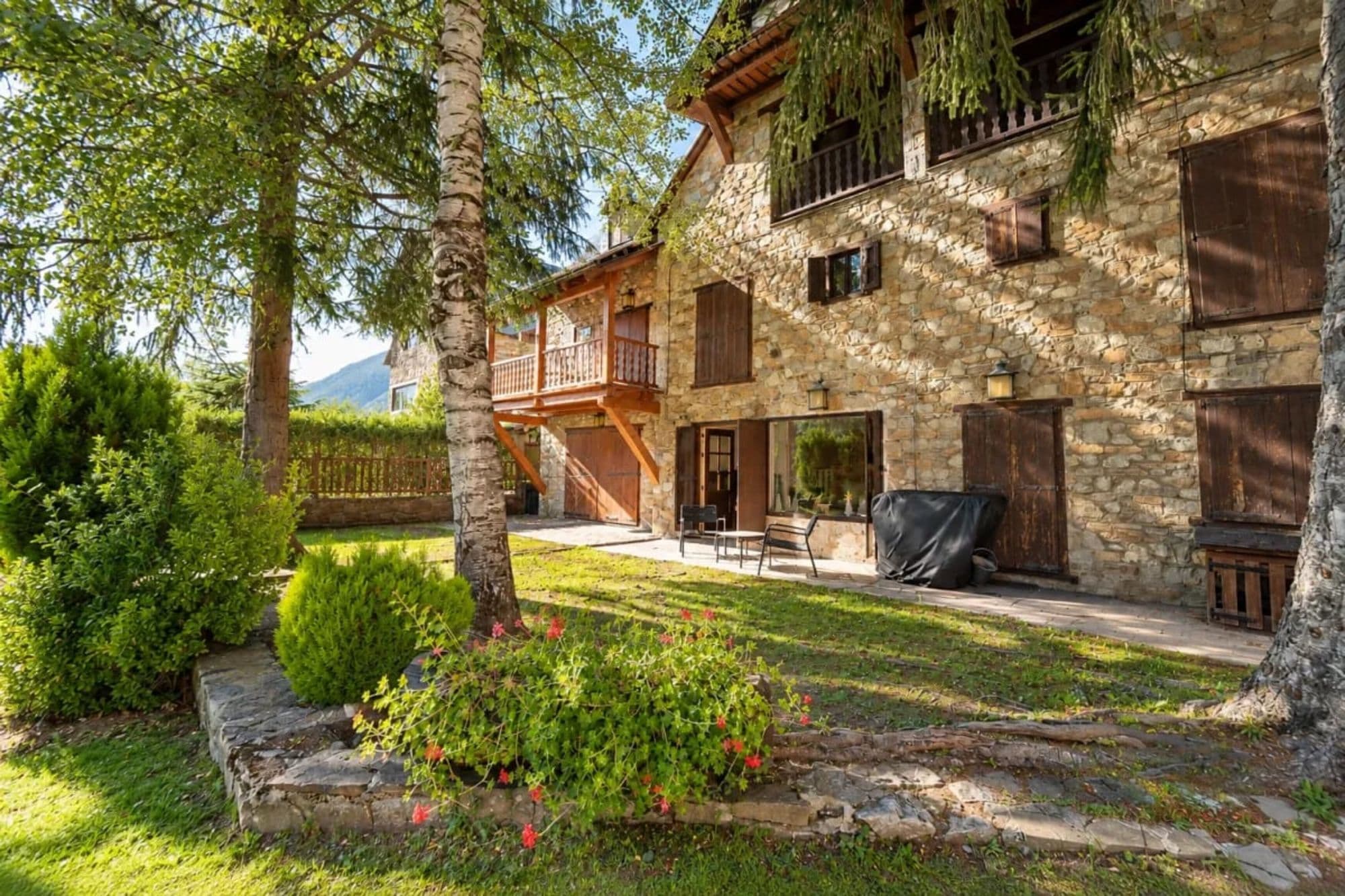
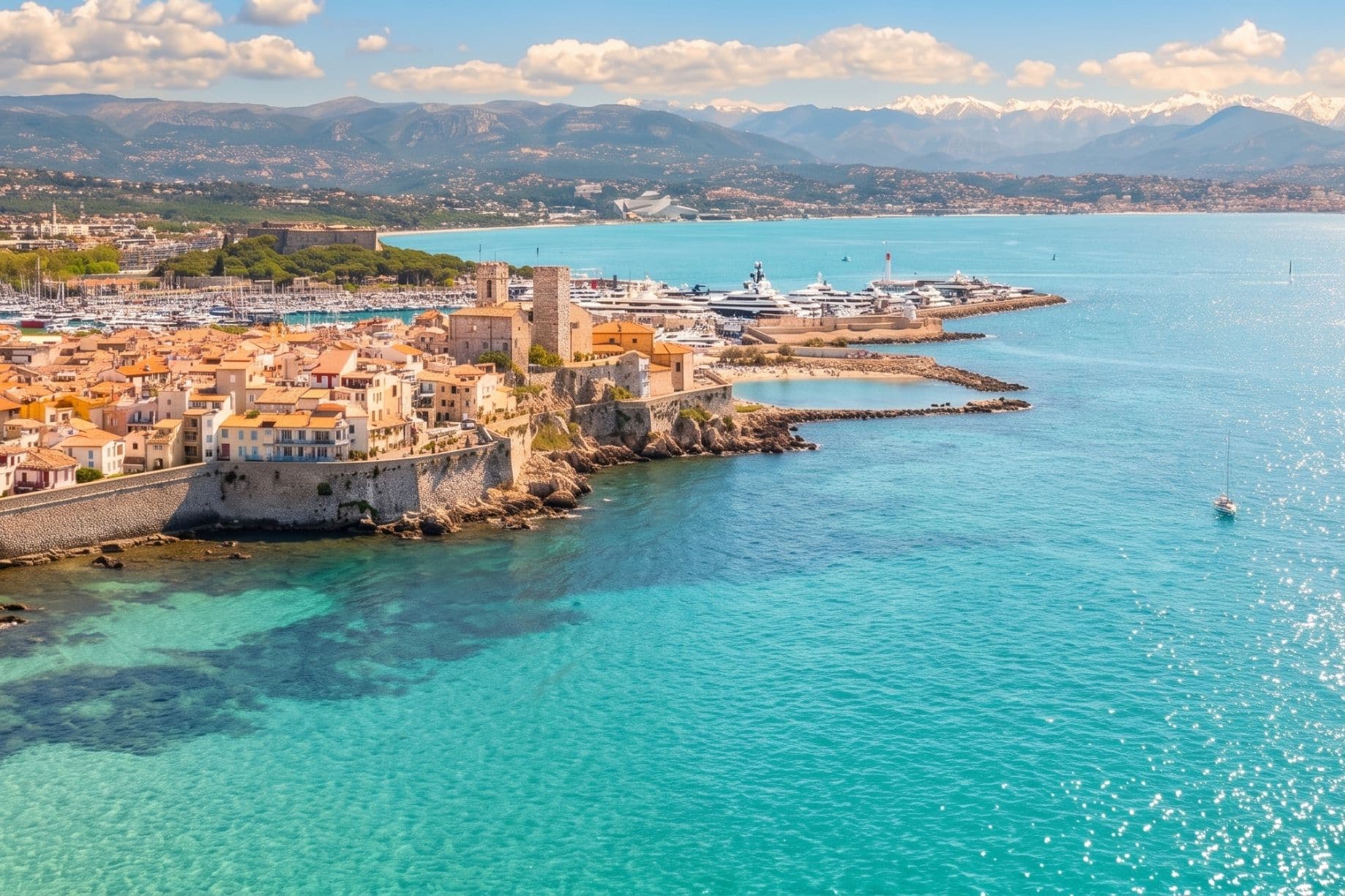
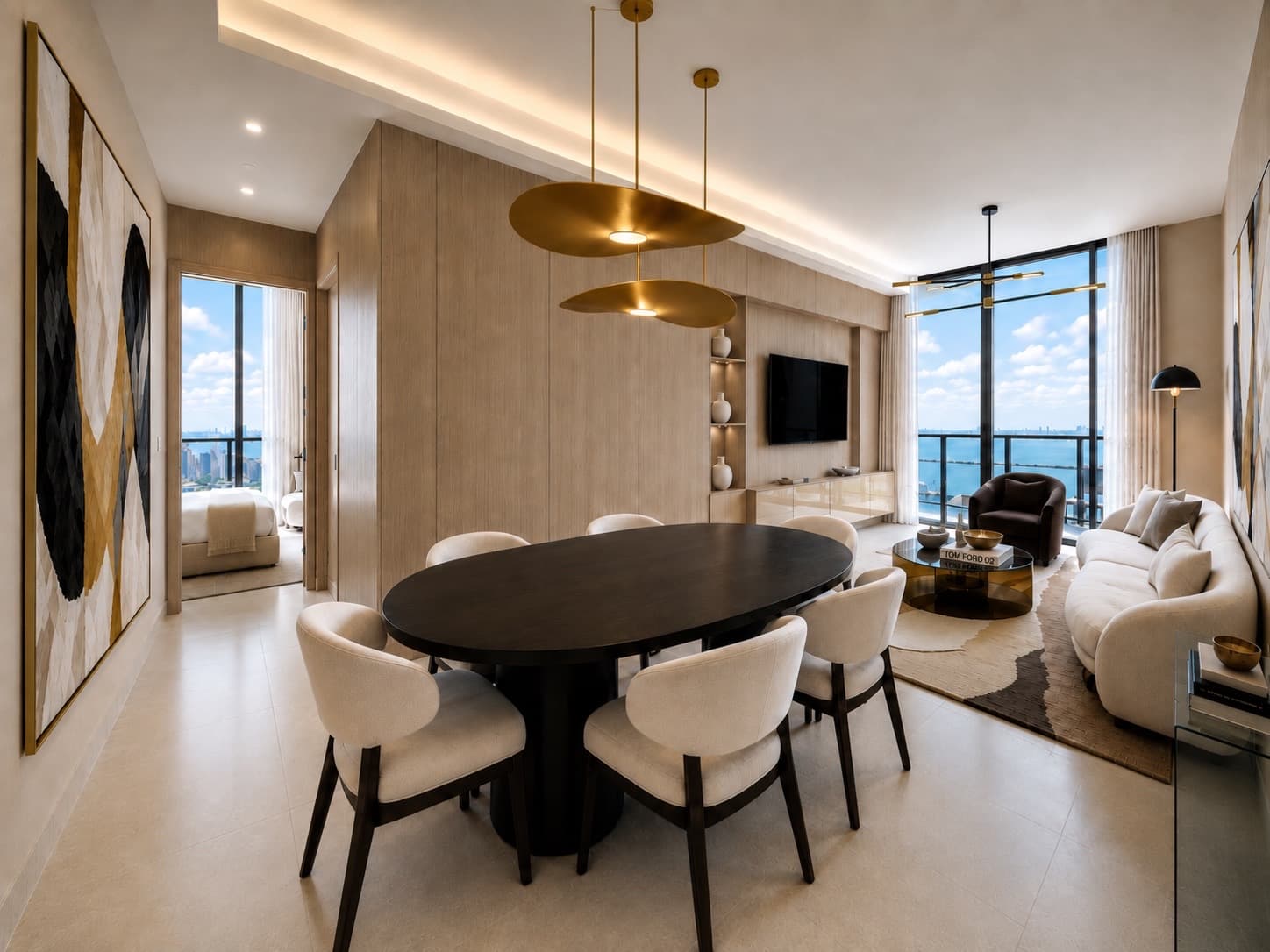
If the pattern in this analysis matches the way you have started to travel and live, the next step is to look at the inventory itself. COP carries live co-ownership shares across the destinations the 2026 data points toward — Mediterranean coast, alpine resort and historic city — all viewable across our homes. Browse the current listings to see what a one-eighth share costs in each market, or speak with our team directly to talk through which combination of places best fits the way you actually want to move through Europe.
More from Co-Ownership Property
Get in Touch
Speak to an expert
Tell us what you're looking for and we'll be in touch.