Properties & Destinations
Why Menorca Is the Balearic Islands' Smartest Co-Ownership Investment in 2026
Menorca co-ownership property offers UNESCO-protected luxury at a fraction of full ownership cost. Discover why smart buyers are choosing Menorca shares in 2026.
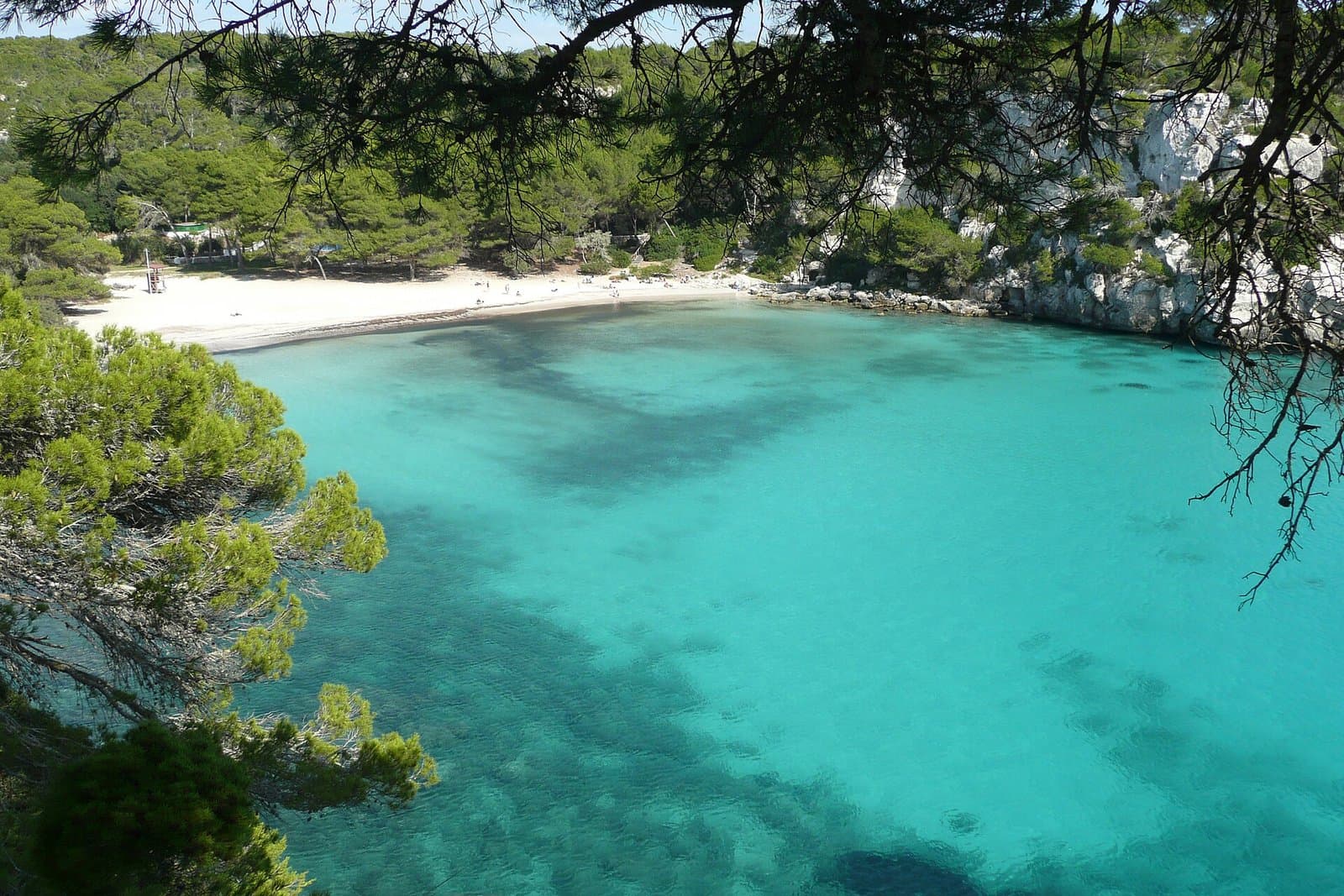
While Mallorca and Ibiza have long dominated the Balearic Islands headlines, Menorca has quietly become the most compelling co-ownership destination in the Mediterranean. This UNESCO Biosphere Reserve — just 702 square kilometres of unspoilt coastline, turquoise coves, and stone-walled countryside — is now attracting a new generation of property buyers who want luxury island living without the seven-figure price tag of full ownership. With co-ownership properties offering deeded shares from around €100,000, the island’s appeal has never been stronger.
The numbers tell a remarkable story. Balearic property prices rose 15.2% in 2025, making the islands Spain’s fastest-appreciating real estate market according to BBVA Research. Yet Menorca remains significantly more affordable than its neighbours, with average prices per square metre around €4,020 compared to Mallorca’s €5,400+. For co-ownership buyers, this gap represents an extraordinary opportunity: access to one of Europe’s most protected and desirable islands at a fraction of the cost, with genuine capital appreciation potential baked in.
The UNESCO Advantage
How Biosphere Reserve Status Protects Your Investment
Menorca was declared a UNESCO Biosphere Reserve in 1993, and in 2019 the protected zone expanded dramatically from 71,191 hectares to 514,485 hectares — encompassing the entire island and its surrounding marine environment up to 12 nautical miles offshore. This isn’t just an environmental accolade; it’s an investment shield. UNESCO protection strictly limits new development, which means supply can never flood the market the way it has on overdeveloped stretches of the Spanish costas.
For fractional ownership buyers, this scarcity dynamic is critical. When an island physically cannot build more luxury villas or seafront apartments, existing properties become increasingly valuable over time. The Socioenvironmental Observatory of Menorca (OBSAM) monitors development pressure in real time, ensuring that the island’s character — the very thing that makes it desirable — is permanently protected. Compare this to destinations where unrestricted building has diluted exclusivity and depressed resale values, and Menorca’s regulatory framework starts to look like a built-in appreciation engine.
This protection extends to the island’s remarkable natural heritage: over 200 kilometres of coastline featuring more than 80 pristine beaches and coves, many accessible only on foot via the historic Camí de Cavalls coastal path. The 19,000-hectare S’Albufera d’Es Grau natural park, Bronze Age megalithic monuments, and traditional whitewashed fishing villages all contribute to an atmosphere that feels decades removed from the high-rise tourism of other Mediterranean destinations.
15.2%
Balearic Islands property price growth in 2025 — Spain’s strongest performing region (BBVA Research)
€4,020/m²
Average Menorca property price per square metre — significantly below Mallorca and Ibiza benchmarks
514,485 ha
Total UNESCO Biosphere Reserve area protecting Menorca’s land and marine environment
73,500
Additional airline seats scheduled for Menorca’s 2026 tourist season (+3.1% year-on-year)
Market Analysis
Menorca Property Prices: The Value Gap That Smart Buyers Are Exploiting
The Balearic Islands recorded Spain’s strongest property price growth in 2025, with a year-on-year increase of 15.2% according to BBVA Research. BBVA’s latest projections place Spain as the European country with the highest housing price growth in 2026, forecasting 7–10% further increases nationally — with the Balearics expected to outperform that average. Yet within the archipelago, Menorca offers a striking value proposition that many buyers overlook.
In Ciutadella, Menorca’s western capital, average asking prices reached €3,752 per square metre in August 2025, representing a 12.84% year-on-year increase. Compare this to prime Mallorca locations where prices exceed €6,000/m², or Ibiza’s luxury market where €8,000–€10,000/m² is common, and the opportunity becomes clear. Through co-ownership explained, buyers can access a luxury Menorca property — fully furnished, professionally managed, and ready to enjoy — for a share price starting from around €100,000.
The island’s rental market adds another dimension. New international flight routes confirmed for 2026 connect Menorca directly to cities across the UK, France, Italy, and Germany, with 73,500 additional airline seats scheduled for the tourist season — a 3.1% increase on 2025. This improved connectivity is driving both holiday rental demand and property values upward simultaneously.
Balearic Islands: Average Property Price per m² (2025–2026)
Ibiza (Prime)
Mallorca (Prime)
Mallorca (Average)
Menorca (Average)
Menorca (Ciutadella)
Lifestyle & Location
Two Cities, Eighty Beaches, and a Pace of Life Money Can’t Buy
Menorca’s lifestyle is defined by a rare combination of sophistication and simplicity. The island’s two main towns — Mahón (Maó) in the east and Ciutadella in the west — each offer distinct characters. Mahón boasts one of the largest natural harbours in the Mediterranean, lined with Georgian-era townhouses that reflect the island’s brief period under British rule. Ciutadella, the former capital, is a labyrinth of honey-coloured sandstone palaces, Gothic churches, and a picturesque harbour that hosts the legendary Sant Joan fiesta each June.
Between these two poles lies an island landscape unlike anything else in the Balearic Islands properties. The southern coast is famous for its turquoise calas — Cala Macarella, Cala Mitjana, Cala Galdana — each framed by limestone cliffs draped in Aleppo pine. The north coast is wilder, with red-earth farmland rolling down to dramatic rocky inlets. The interior is a patchwork of dry-stone walls, ancient olive groves, and whitewashed farmsteads called llocs that have barely changed in centuries.
For co-ownership buyers, this variety means a property on Menorca delivers genuine year-round appeal. Spring brings wildflower meadows and empty beaches. Summer offers world-class sailing, kayaking, and snorkelling in waters that rival the Caribbean. Autumn is warm enough for outdoor dining well into November. And winter, while quiet, has a meditative charm that draws an increasing number of remote workers and creative professionals seeking inspiration away from the city.
“Menorca’s UNESCO Biosphere Reserve status doesn’t just protect the environment — it creates a permanent scarcity of luxury property that underpins long-term value for co-ownership investors.”
Regulatory Landscape
Navigating Balearic Property Rules: What Foreign Buyers Need to Know in 2026
The Balearic Islands have attracted significant attention in 2026 for proposed changes to foreign buyer rules. In February 2026, the left-wing party Més per Mallorca proposed barring property purchases by anyone who hasn’t lived on the islands for at least five years. However, this proposal was rejected by a large majority in the Balearic Parliament on 24 February 2026. Foreign buyers can still purchase property in Menorca without restriction, though all buyers must obtain an NIE (Número de Identificación de Extranjero) for financial and legal transactions.
The more significant regulatory change concerns short-term holiday rental licences. Under rules tightened in 2025, councils across the Balearics have strictly limited licences for tourist rentals, with fines of up to €500,000 for unauthorised lettings. This is actually positive news for co-ownership buyers through co-ownership buying process: because co-owners use the property personally rather than relying on rental income, the rental restrictions don’t affect the ownership model. Meanwhile, the restrictions are reducing speculative buy-to-let competition, keeping property prices more accessible for genuine lifestyle buyers.
The co-ownership vs full ownership model is particularly well-suited to Menorca’s regulatory environment. The LLC ownership structure used by Co-Ownership Property is specifically designed and optimised by specialist tax and law firms for holding holiday properties, ensuring full legal compliance across jurisdictions while maximising the benefits of deeded real estate ownership.
| Factor | Full Ownership | Co-Ownership (1/8 Share) |
|---|---|---|
| Purchase price (luxury 3-bed villa) | From around €800,000 | From around €100,000 |
| Annual running costs | €15,000–€25,000 | €2,000–€3,000 |
| Typical annual usage | 4–6 weeks | ~45 days (6+ weeks) |
| Property management | Owner’s responsibility | Fully managed — included |
| Capital locked up | 100% of property value | 12.5% of property value |
| Resale timeline | 6–18 months typically | ~1 month average |
Financial Comparison
The Economics of Co-Owning in Menorca vs Full Ownership
Consider the maths of a luxury three-bedroom villa near Ciutadella. Full ownership of a comparable property might cost from around €800,000, plus annual running costs of €15,000–€25,000 for maintenance, management, insurance, and local taxes. Most second-home owners use their property for 4–6 weeks per year, meaning the remaining 46+ weeks it sits empty — costing money while generating nothing. As one of the most common frustrations described in our co-ownership case studies, owners find themselves paying a fortune for a property they barely use.
A 1/8th co-ownership share in the same villa costs from around €100,000, with running costs split proportionately — so roughly €2,000–€3,000 per year. Each owner gets approximately 45 days of use annually, which actually exceeds what most full owners manage. The property is fully managed — cleaning, maintenance, admin, and coordination between owners is all handled professionally. When you arrive, your personal belongings are taken out of storage and the home is prepared for you. It’s the definition of turnkey luxury.
The capital efficiency is transformative. Instead of locking €800,000 into a single property, a co-ownership buyer can secure a Menorca villa share for €100,000 and still have substantial capital for other investments — or even a second co-ownership share in a different destination like the French Alps properties or Colorado properties for year-round holiday coverage.
1993
UNESCO Biosphere Reserve Designation
Menorca becomes the first Balearic island recognised by UNESCO, establishing permanent development restrictions that protect the island’s character and property values.
2019
Marine Zone Expansion
UNESCO expands the protected zone from 71,191 to 514,485 hectares, encompassing the entire marine environment — further cementing Menorca’s ecological credentials.
2024–2025
Record Price Growth
Balearic property prices surge 15.2% year-on-year, with Menorca outperforming as buyers discover its value gap relative to Mallorca and Ibiza.
Feb 2026
Foreign Buyer Ban Rejected
Balearic Parliament rejects the proposed ban on non-resident property purchases by a large majority, confirming that foreign buyers retain full access to the market.
2026 Season
Connectivity Leap
Airlines add 73,500 seats on Menorca routes, with new direct connections from major European cities making weekend ownership trips genuinely practical.
The Menorca Calendar
Year-Round Appeal: Why 45 Days on Menorca Beats 365 Days Anywhere Else
One of the most common misconceptions about Menorca is that it’s a summer-only destination. In reality, the island’s appeal spans all four seasons — which is precisely why co-ownership works so well here. The flexible booking system used by Co-Ownership Property allows owners to reserve stays from 2 days to 2 years in advance, with no fixed weeks or rotation schedules. This means you can visit during the quiet magic of a January sunset over Fornells Bay just as easily as during the buzzing peak of an August beach day at Son Bou.
Spring (March to May) is increasingly popular with property owners who appreciate wildflower-covered countryside, temperatures in the low 20s, and beaches practically to themselves. Summer brings the full Mediterranean experience — sailing regattas, open-air concerts in Mahón’s harbour, and water temperatures reaching 26°C. Autumn extends the swimming season well into October and brings the grape harvest, local food festivals, and spectacular golden light that photographers travel from across Europe to capture. Even winter has its devotees: mild temperatures around 12–15°C, dramatic seas, and a deeply local atmosphere in the island’s restaurants and markets.
This year-round desirability translates directly into benefits of fractional ownership for second homes. Unlike seasonal destinations where your property sits dormant for months, a Menorca co-ownership share delivers value across all seasons — and with eight owners sharing costs, the economics work regardless of when you choose to visit.
Connectivity & Access
Getting to Menorca: The Accessibility Revolution of 2026
Historically, Menorca’s relative inaccessibility was both its charm and its limitation. That equation changed dramatically in 2025–2026. Airlines have scheduled 73,500 additional seats for the 2026 season, a 3.1% increase on the previous year, with new direct routes connecting Menorca Airport (MAH) to cities across the UK, France, Germany, and Italy. From London, the flight is just two and a half hours. From Paris, under two hours. From major German hubs, around two and a half hours.
This improved connectivity is a game-changer for co-ownership buyers who want to pop over for long weekends as well as extended stays. The flexibility of staying in my co-ownership property FAQs means you can book a quick four-day break when fares are low, without feeling you need to ‘justify’ a short visit the way full owners sometimes do. Combined with Menorca’s compact size — you can drive from Mahón to Ciutadella in just 45 minutes — the island is genuinely accessible in a way that larger, more spread-out destinations simply aren’t.
For buyers based in the UK, there’s an additional consideration. Post-Brexit, British nationals can spend up to 90 days in any 180-day period in Spain’s Schengen zone. With a co-ownership share offering around 45 days per year, the allocation fits perfectly within this limit, making it an ideal structure for British buyers who want Mediterranean sun without visa complications.
Buyer Profile
Who Is Buying Co-Ownership Shares in Menorca — and Why?
The typical Menorca co-ownership buyer is a 45–60-year-old professional — often British, American, or Northern European — who has either previously owned a second home and grown tired of the management burden, or who has always aspired to Mediterranean property ownership but found full ownership financially excessive for the time they’d actually use it. Many are couples whose children are grown, giving them the freedom to travel spontaneously — exactly the kind of flexibility that co-ownership enables.
What unites these buyers is a clear-eyed view of value. They recognise that paying €800,000+ for a property they’ll use six weeks a year is, bluntly, a poor allocation of capital. Through what is fractional ownership, they secure deeded ownership of real appreciating real estate — not a timeshare, not a points system, but a legal share in an LLC that holds a specific luxury property. They can sell that share on the open market at market price, typically within around a month. And while they own it, every aspect of management is handled for them.
Several buyers featured in our co-ownership case studies specifically chose Menorca for its authenticity and understatement. Unlike flashier destinations where luxury comes with a performance element, Menorca’s appeal is quieter — long lunches in Fornells harbour, morning swims in hidden calas, evening strolls through Ciutadella’s sandstone streets. It’s luxury defined by experience rather than spectacle, and that philosophy resonates deeply with the co-ownership mindset.
Common Questions
Frequently Asked Questions
Can foreign buyers still purchase property in Menorca in 2026?
Yes. The proposed ban on non-resident purchases in the Balearic Islands was rejected by the Balearic Parliament in February 2026. Foreign buyers can purchase property in Menorca without restriction. All buyers need an NIE (tax identification number) for the transaction, which Co-Ownership Property’s legal team can assist with.
How does co-ownership work in Menorca?
Buyers purchase a deeded share — typically 1/8th — in an LLC that owns a specific luxury property. This is real asset ownership, not a timeshare. Each owner gets approximately 45 days per year, books flexibly via an app, and shares all running costs proportionately. The property is fully managed including cleaning, maintenance, and administration.
What are the running costs of a co-ownership share in Menorca?
A 1/8th share typically costs around €2,000–€3,000 per year in running costs, covering your proportionate share of maintenance, management fees, insurance, and local taxes. This compares to €15,000–€25,000+ for full ownership of a comparable property.
Is Menorca a good investment compared to Mallorca or Ibiza?
Menorca offers a significant value gap — average prices around €4,020/m² versus €5,400+/m² in Mallorca and €9,000+/m² in Ibiza’s prime areas. With Balearic prices rising 15.2% in 2025 and strong growth forecast for 2026, Menorca’s lower entry point and UNESCO-protected scarcity make it compelling for capital appreciation.
Can I rent out my co-ownership share in Menorca?
Some co-ownership properties offer managed rental when owners aren’t using them. However, Balearic rental regulations have tightened significantly, with strict licensing requirements and fines of up to €500,000 for unauthorised lettings. Co-Ownership Property handles all rental compliance and management where applicable.
How do I get to Menorca?
Menorca Airport (MAH) has direct flights from major UK, French, German, and Italian cities. Flight time from London is around 2.5 hours. New routes announced for 2026 add 73,500 seats, significantly improving year-round connectivity. The island is compact — just 45 minutes by car from end to end.
Can I sell my co-ownership share?
Yes. Co-ownership shares are deeded real estate that can be sold on the open market at market price. The management company first offers the share to existing co-owners in the property, then lists it for sale. Average resale time is around one month — far faster than selling a full property.
Explore Co-Ownership Properties in the Balearic Islands
Whether you’re drawn to Menorca’s turquoise calas, Mallorca’s mountain retreats, or Ibiza’s coastal villas, Co-Ownership Property offers luxury shares across the Balearics and beyond.
Browse PropertiesSee the homes behind this guide. Explore a current Menorca co-ownership share, browse the wider Spanish collection, or speak with our team about what is available now.
More from Co-Ownership Property


Get in Touch
Speak to an expert
Tell us what you're looking for and one of our co-ownership specialists will be in touch within 24 hours.