Co-Ownership Basics
Samoëns and the Grand Massif: Co-Owning a Chalet
Discover why Samoëns in the Grand Massif is the French Alps best-kept secret for co-ownership chalets — year-round lifestyle, strong prices, and 265km of slopes.
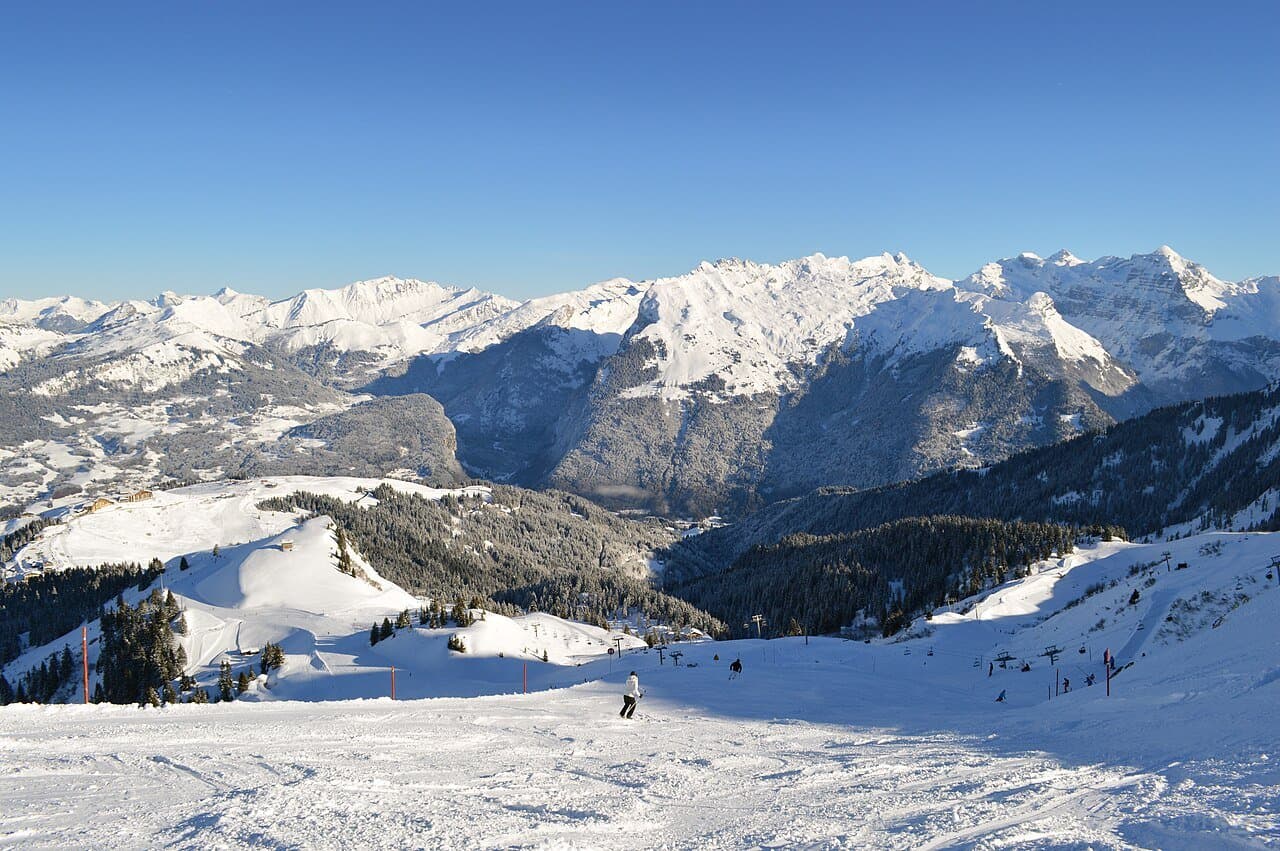
When most buyers think of the French Alps, names like Courchevel, Méribel, and Chamonix dominate the conversation — and the price lists. Yet tucked into the Haute-Savoie, just over an hour from Geneva, sits a resort that consistently outperforms expectations: Samoëns, gateway to the Grand Massif. Here, a medieval stone village founded in 1167 meets one of France’s largest ski domains, creating a year-round lifestyle destination that represents exceptional value for co-ownership buyers.
This guide explores why Samoëns is gaining serious attention from fractional property buyers in 2026, what the Grand Massif experience actually delivers across all four seasons, and how co-ownership transforms a luxury alpine chalet from a distant dream into a financially achievable reality. Whether you’re considering your first fractional share or expanding a portfolio beyond the obvious resorts, Samoëns deserves a careful look.
Resort Profile
Samoëns: A Village With Eight Centuries of Character
Samoëns is remarkable among alpine resorts because it existed long before skiing did. Founded in 1167, the village was granted self-determination by the Duke of Savoy in 1438 — the same year its legendary Gros Tilleul lime tree was planted in the central square, where it still stands today. For centuries, the village’s fame rested on its extraordinary guild of master stonemasons, formally constituted in 1659, whose members were commissioned for projects ranging from Vauban’s military fortifications to Napoleon’s canals, working as far afield as Poland, Louisiana, and Australia.
That heritage is visible in every corner of the village. Intricately carved stone doorframes, ancient fountains, and the remarkable Grenette covered market give Samoëns a density of architectural character that purpose-built ski stations simply cannot replicate. This authenticity is not just aesthetically pleasing — it is a fundamental driver of long-term property values and rental appeal. Buyers and holidaymakers who want a genuine French mountain village, rather than a resort built around a gondola station, consistently choose Samoëns over newer, more generic alternatives.
The village’s tourist transformation began in earnest in the early 20th century, when Marie-Louise Jaÿ — co-founder of Paris’s La Samaritaine department store — returned to her birthplace and created the spectacular 3.7-hectare Jaÿsinia Alpine Botanical Garden, home to over 2,500 plant species. This early patronage established Samoëns as a cultural destination as well as a sporting one, a dual identity that continues to attract a broad, year-round visitor base to French Alps co-ownership properties.
265km
Total pistes across the Grand Massif ski domain — France’s fourth-largest interconnected ski area, covering five resorts
22%
Cumulative property price appreciation in Samoëns over the past decade, supported by restricted supply and growing demand
~75km
Distance from Geneva International Airport — making Samoëns one of the most accessible French Alps resorts for international co-owners
600km+
Marked trails for summer hiking and cycling across the Grand Massif, keeping properties in high demand year-round
Ski Area
Grand Massif: France’s Fourth-Largest Ski Domain
Samoëns connects directly into the Grand Massif ski area via the high-speed Grand Massif Express gondola, granting skiers and riders access to 265 kilometres of interconnected pistes across five resorts: Flaine, Les Carroz, Morillon, Samoëns, and Sixt-Fer-à-Cheval. This makes Grand Massif the fourth-largest ski domain in France — yet it remains far less crowded than the headline resorts of the Trois Vallées or Portes du Soleil, a quality that regular visitors rate highly.
Snow reliability is a key consideration for any ski property purchase, and Grand Massif scores well here. Around 80% of its pistes are north-facing, preserving snow quality throughout the season, with slopes ranging from 1,500 metres to a summit of 2,480 metres at Grandes Platières. The resort’s altitude, orientation, and position deep within the Haute-Savoie mountain range combine to produce consistently good conditions from mid-December through to late April in most years.
Samoëns’ own ski area contributes 49 kilometres of pistes covering all ability levels, with the village’s traditional character adding an après-ski warmth that purpose-built high-altitude stations rarely match. The combination of genuine village atmosphere and direct Grand Massif access is precisely what the most discerning alpine buyers are seeking — and why French Alps co-ownership properties in Samoëns represent such strong long-term value.
French Alps Resort Price Comparison (€/m² Average, 2026)
Courchevel 1850
Val d’Isère
Chamonix
Les Gets
Samoëns
Morzine
Year-Round Appeal
Four Seasons of Activity: Why Samoëns Earns Its Keep All Year
The most compelling argument for a co-ownership chalet in Samoëns is its genuine year-round utility. Unlike high-altitude stations that close in spring and remain dormant until December, Samoëns thrives across all four seasons — a critical factor when evaluating how fully you will use your 45 days of annual access and how easily you can generate rental income for the remaining time.
Summer transforms the Grand Massif into one of France’s premier mountain activity destinations. Over 600 kilometres of marked hiking and cycling trails open up across the domain, with the Grand Massif Express gondola operating from June through August to provide high-altitude access for walkers and mountain bikers. The resort’s dedicated bike park features 27 downhill trails including enduro routes catering to all abilities, while guided trail-running programmes and rock-climbing instruction make this one of the most activity-rich summer alpine destinations in Haute-Savoie.
Beyond sport, the cultural calendar draws visitors throughout the year. The Cirque du Fer-à-Cheval — a spectacular natural amphitheatre featuring sheer cliffs, glaciers, and more than 30 waterfalls — lies just minutes from Samoëns and ranks among the most visited natural sites in the French Alps. The Jaÿsinia botanical garden is open in summer, and the village’s weekly market, traditional festivals, and historic architecture ensure that even non-sporty guests find the destination compelling. Mountain lifestyle buyers consistently note that Samoëns converts every family member — not just the skiers.
“Samoëns offers something the purpose-built ski resorts simply cannot manufacture: eight centuries of authentic alpine character, wrapped around one of France’s greatest ski domains.”
Property Market
What Does Property Actually Cost in Samoëns?
Samoëns occupies a price tier that makes it attractive without being cheap — a distinction that matters for long-term value. According to current market data, prices run from around €5,600 per square metre at the entry level, averaging approximately €8,200/m² for well-positioned properties, and reaching €10,700/m² or above for premium chalets with direct piste access or exceptional views. This positions Samoëns meaningfully below Courchevel 1850 (where prices regularly exceed €30,000/m²) while delivering comparable snow quality and a superior lifestyle offer.
Over the past decade, Samoëns has recorded approximately 22% cumulative price appreciation, driven by a combination of constrained supply, growing international awareness, and the village’s status as the most architecturally authentic stone village in the northern French Alps. Development is tightly restricted by planning regulations that preserve the historic character — which means the scarcity premium that supports values in premium resorts is baked into Samoëns’ market structure.
The practical implication for co-ownership buyers is significant. A full chalet purchase in Samoëns might require €1.5 million or more for a well-located property. A one-eighth co-ownership share in the same property — fully managed, professionally maintained, and available for approximately 45 days per year — becomes accessible from around €190,000. That is not a scaled-down version of the chalet experience; it is the identical property, the identical quality, with a proportionate cost and proportionate ongoing fees.
| Feature | Samoëns / Grand Massif | Typical High-Altitude Station |
|---|---|---|
| Village character | Historic stone village, founded 1167 | Purpose-built resort centre |
| Ski domain size | 265km (France’s 4th largest) | Varies — often smaller |
| Summer season | Full programme: bike park, gondola, botanic garden | Limited — often closed May–Nov |
| Geneva transfer | ~75km, approx. 75 minutes | 90–120 minutes typically |
| Price per m² (avg.) | ~€8,200 — strong value tier | €12,000–€30,000+ |
| Snow reliability | 80% north-facing, 1,500–2,480m altitude | Varies by aspect and altitude |
| Cultural offer | Markets, festivals, historic architecture, garden | Limited beyond ski season |
The Co-Ownership Advantage
Why Fractional Ownership Makes Specific Sense for Samoëns
The core logic of co-ownership vs full ownership is particularly compelling for an alpine destination like Samoëns. Research consistently shows that second-home owners use their properties for an average of just 4-6 weeks per year — meaning that a full property purchase leaves the asset empty and depreciating through maintenance costs for roughly 90% of its life. A co-ownership structure aligns ownership cost directly with usage, eliminating the financial waste of a property sitting dark through autumn, late spring, and much of summer.
For Samoëns specifically, the year-round attraction of the resort means that rental income from co-owned properties can be substantial. When co-owners are not using their 45 annual days, the property is available for managed short-term rental — with income shared proportionately among co-owners. A well-located chalet in Grand Massif attracts strong summer as well as winter rental demand, giving co-owners a more balanced annual rental yield than purely winter-season resorts.
The resale process for co-ownership shares is also notably more liquid than full property sales. The management company first offers available shares to existing co-owners within the property — who are often keen to acquire additional shares — then lists on the open market. You never have to sell the whole house — a contrast with the several months typical of full French alpine property sales, which often involve complex notarial procedures and lengthy completion timelines.
1167
Foundation of Samoëns
The village is established in the Haut-Giffre valley, beginning eight centuries of continuous mountain habitation.
1438
Charter of Self-Determination
The Duke of Savoy grants Samoëns self-governance — the same year the legendary Gros Tilleul lime tree is planted in the village square.
1659
Master Stonemasons’ Brotherhood
Samoëns’ renowned guild of stonecutters is formally constituted, cementing the village’s European reputation for architectural craftsmanship.
Early 1900s
The Jaÿsinia Garden Opens
Marie-Louise Jaÿ creates a 3.7-hectare alpine botanical garden with 2,500+ plant species — establishing Samoëns as a cultural destination.
1970s–1990s
Grand Massif Integration
The five resorts of the Grand Massif are progressively linked, creating the 265km interconnected ski area that defines the resort today.
2020s
Year-Round Reinvention
Major investment in summer infrastructure — bike parks, trail networks, gondola summer operations — transforms Grand Massif into a true four-season destination.
Geneva Access
Location Advantage: Gateway to the Alps From Geneva
Samoëns sits approximately 75 kilometres from Geneva International Airport — one of the best-connected Alpine gateway airports in Europe, served by over 150 airlines. The transfer, by road through the Arve valley, takes around 1 hour 15 minutes in normal conditions, making Samoëns one of the most easily accessible French Alps resorts for international owners. This matters enormously for a co-ownership property: the ability to fly in on a Friday afternoon, be on the slopes by mid-afternoon, and return Sunday evening without an arduous journey is the practical foundation of getting full use from your annual days.
The proximity to Geneva also places Samoëns within easy reach of a large and affluent potential rental market. The Geneva metropolitan area has a population of nearly 600,000 and one of the highest average incomes in Europe, with a substantial international professional and diplomatic community that consistently seeks premium alpine short-term rentals. Samoëns’ combination of authentic village character, excellent snow, and easy Geneva access makes it a natural choice for this demographic — which translates into strong short-break demand throughout the ski season.
Road connections to France’s broader alpine network are also excellent. Chamonix and Mont Blanc are around 50 kilometres away, the Tarentaise valley resorts are accessible for day trips, and Annecy — the most visited lakeside city in France — is approximately 60 kilometres to the southwest. Owners who use their co-ownership properties as a base for exploring the wider French Alps will find Samoëns ideally positioned.
Investment Perspective
Samoëns vs. Other French Alps Resorts: How It Compares
Understanding where Samoëns sits in the French Alps resort hierarchy helps buyers make an informed case for co-ownership here versus in other destinations. The resort occupies a compelling middle ground: substantially more affordable than the Three Valleys or Chamonix, meaningfully more established and snow-reliable than lower-altitude village resorts, and offering a year-round lifestyle proposition that pure ski stations cannot match. This combination has attracted growing attention from buyers priced out of Courchevel or Val d’Isère but unwilling to compromise on snow quality or resort infrastructure.
The Grand Massif domain’s scale — fourth largest in France — provides a genuine competitive advantage over smaller, less interconnected resorts. Families in particular find that a 265km domain eliminates the boredom that can affect regular visitors to smaller areas. Mixed-ability groups, where beginners need gentle progression runs while experienced skiers want challenging off-piste terrain, are served by the domain’s extraordinary range. This breadth of appeal is directly relevant to rental yield: properties that suit a wide range of guests generate more consistent bookings.
From a pure investment perspective, the property market data is encouraging. Samoëns has delivered approximately 22% value growth over the last decade, with strong fundamentals in place for continued appreciation: restricted new supply due to planning protections, growing international buyer awareness, expanding summer infrastructure, and the Geneva proximity premium. For co-ownership buyers, this appreciation accrues to the home itself — and is reflected in the resale value of your share.
Getting Started
How to Buy a Co-Ownership Share in the French Alps
The co-ownership buying process is more straightforward than many buyers expect. At Co-Ownership Property, we present curated luxury chalets and apartments available as fractional shares — typically one-eighth ownership in a fully managed property. The legal set-up is arranged by our partner for each home and walked through with you before you buy. This is real ownership of a share of the home — not a points-based system or timeshare arrangement.
Once a share is purchased, ownership is permanent. Your share can be sold on the open market. Ongoing running costs — maintenance, insurance, taxes, management fees — are split proportionately, so a one-eighth owner pays one-eighth of everything. There are no surprises or disproportionate cost allocations. The management company handles all coordination between co-owners, meaning you never need to contact or negotiate with fellow co-owners directly.
Booking your stays is managed through a dedicated app, allowing reservations from 48 hours to 24 months in advance with no fixed rotation schedule. When you arrive, your personal belongings are retrieved from secure storage and the property is professionally prepared. When you depart, everything is handled. This fully managed model is precisely what distinguishes co-ownership properties from the administrative burden of full second-home ownership — and why buyers who have tried both consistently prefer the co-ownership approach. Browse all our French Alps properties to see current availability.
Common Questions
Frequently Asked Questions
What makes Samoëns different from other French Alps ski resorts?
Samoëns is one of the very few French Alps resorts that combines a genuinely historic village — founded in 1167, with protected stone architecture dating back centuries — with direct access to a major ski domain (265km in the Grand Massif). Most resorts are either purpose-built stations with no village character, or traditional villages with limited skiing. Samoëns offers both, plus a strong year-round lifestyle with summer hiking, cycling, and a spectacular botanical garden.
How does co-ownership work for a chalet in Samoëns?
Co-Ownership Property offers shares — typically one-eighth — in fully managed luxury chalets and apartments. Each share grants approximately 45 days of personal use per year, bookable via app with no fixed rotation. All running costs (maintenance, insurance, taxes, management) are split proportionately. You own a real share of the home — not a timeshare. You set the price. Your co-owners get the first chance to buy at that price; if they pass, it goes on the open market.
Is Samoëns a good year-round destination or mainly winter?
Samoëns is a genuinely strong year-round destination. In winter, it offers 265km of Grand Massif skiing with excellent snow reliability (80% north-facing pistes). In summer, the Grand Massif Express gondola opens for hikers and mountain bikers, giving access to 600km+ of trails. The Jaÿsinia botanical garden, Cirque du Fer-à-Cheval natural site, weekly village markets, and regular festivals ensure strong visitor demand across all seasons — which matters for co-owners seeking rental income when not in residence.
How far is Samoëns from Geneva airport?
Samoëns is approximately 75 kilometres from Geneva International Airport, with a transfer time of around 1 hour 15 minutes in normal conditions. Geneva is one of Europe’s best-connected Alpine gateway airports, served by over 150 airlines, making Samoëns extremely accessible for international co-owners flying from the UK, USA, Middle East, and across Europe.
What are property prices like in Samoëns compared to other French Alps resorts?
Samoëns sits in an attractive middle tier. Current market data shows an average of around €8,200/m² — significantly below Courchevel 1850 (€30,000+/m²), Val d’Isère (€18,000+/m²), or Chamonix (€12,500/m²), while offering comparable or superior snow quality and better summer lifestyle. The village has recorded approximately 22% price appreciation over the last decade, supported by restricted development and growing international awareness.
Can I generate rental income from a co-ownership property in Samoëns?
Yes. When co-owners are not using their personal 45 days, the property is available for managed holiday rental. The management company handles all booking, guest coordination, cleaning, and administration — you receive your proportionate share of rental income without any involvement. Samoëns’ year-round appeal means rental demand extends across ski season, school holidays, and summer — improving the income profile compared to winter-only resorts.
What is the process for selling a co-ownership share in a Samoëns property?
You set the price. Your co-owners get the first chance to buy at that price; if they pass, it goes on the open market. Shares are resold through our partner’s resale process, without the several months of notarial process typical of full French alpine property sales.
Explore Co-Ownership Chalets in the French Alps
Discover available shares in fully managed luxury properties across Samoëns, the Grand Massif, and the wider French Alps — from intimate ski apartments to grand historic chalets.
Browse French Alps PropertiesMore from Co-Ownership Property
Get in Touch
Speak to an expert
Tell us what you're looking for and we'll be in touch.