Properties & Destinations
Comporta, Portugal: eine Woche an der Pinienküste
Von der frühmorgendlichen Stille über den Reisfeldern hinter Carvalhal bis zu einem langsamen Samstagsmittagessen unter dem Schilfdach am Strand von Pego liefert Miteigentum den vollen Comporta-Lebensstil in sechs Wochen pro Jahr — zu einem Achtel der Kosten, ohne den Verwaltungsaufwand, der eine Villa auf der Setúbal-Halbinsel in einen zweiten Beruf verwandelt.
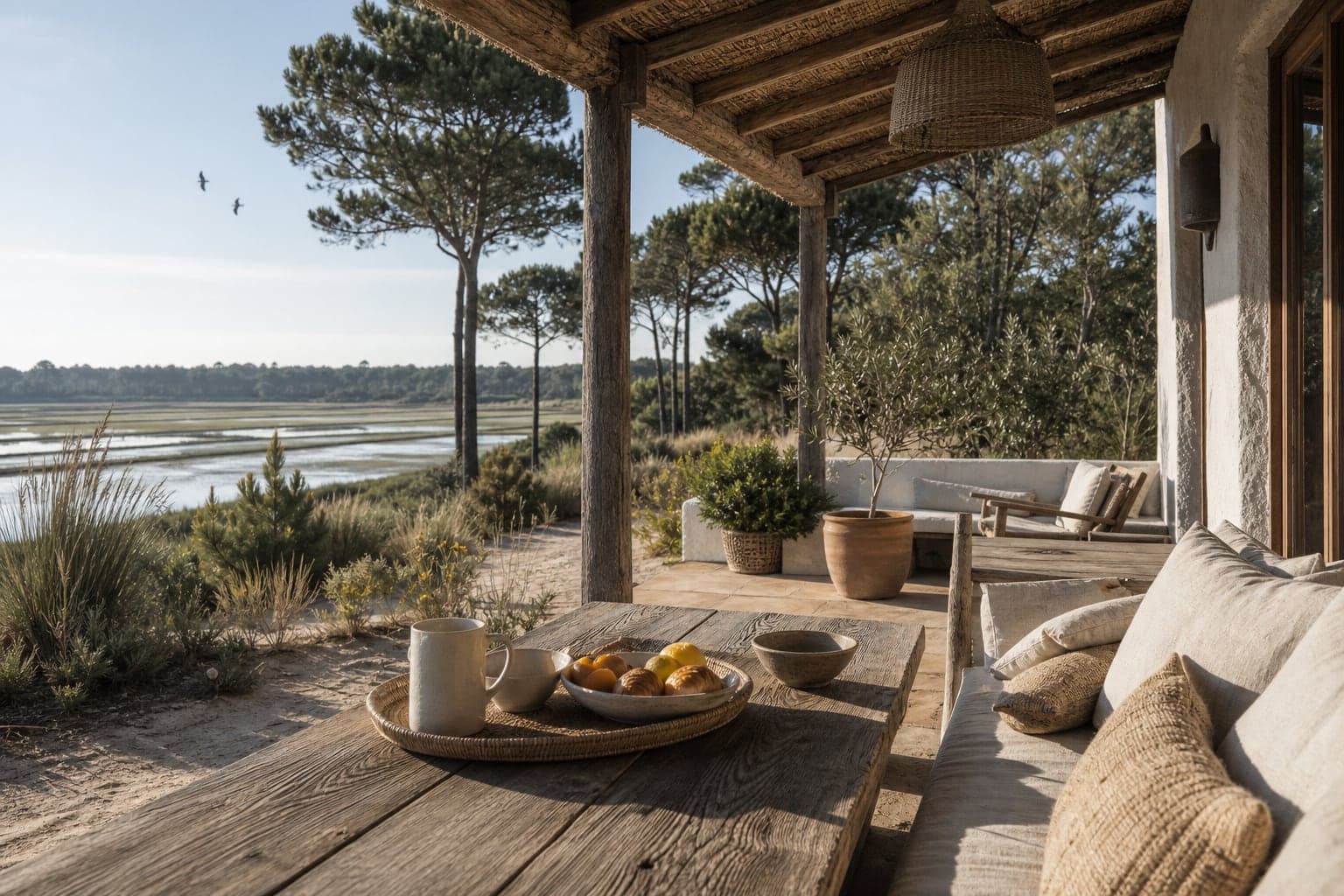
Es ist halb acht an einem Samstagmorgen Ende Mai, und die Schotterstraße nach Carvalhal ist leer bis auf zwei Störche, die über den Reisfeldern kreisen. Das Wasser in den Feldern ist spiegelglatt — zweieinhalb Zentimeter tief, den ganzen blassblauen Himmel haltend — und die Silhouette eines Bauern in Wattstiefeln geht den Feldrand entlang mit dem langsamen, bedächtigen Tempo eines Menschen, der das sein Leben lang getan hat. Einen Kilometer östlich beginnt der Dorfplatz von Carvalhal gerade zu erwachen: die Bäckerei an der Ecke schiebt ihre Läden zurück, das Pinienharz scharf in der Luft, eine Espressomaschine atmet hinter der Theke des Cafés zum Leben, das die Einheimischen immer noch „das neue" nennen, obwohl es seit zwanzig Jahren dort steht. Um acht werden die Surfer in ihren in die Jahre gekommenen Diesel-Vans hinab zum Praia do Carvalhal driften. Um neun werden die ersten langen Mittagessen-Reservierungen bestätigt. Dies ist kein kuratiertes Erlebnis für Besucher. Das ist Samstag auf der Setúbal-Halbinsel, derselbe wie schon so lange, wie sich hier irgendjemand erinnern kann, und die Familie im Mietwagen, die die EN261 zurück nach Lissabon fährt, wird bis Montag in einem Flugzeug nach Hause sitzen. Das Paar, das mit der Tochter des Bäckers an der Theke sitzt — diejenigen, die nach der Mutter des Surf-Lehrers fragen — besitzt hier Immobilien. So fühlt sich Eigentum in Comporta wirklich an — nicht das Magazinfoto einer schilfgedeckten Strandhütte am Praia do Pego, sondern der gewöhnliche außergewöhnliche Rhythmus eines Ortes, an den Sie immer wieder zurückkehren.
Für die meisten Zweitwohnsitz-Eigentümer auf der Setúbal-Halbinsel ist dieses Gefühl teuer zu unterhalten und wird selten erlebt. Der durchschnittliche britische, amerikanische oder nordeuropäische Eigentümer einer Comporta-Villa verbringt weniger als dreißig Tage pro Jahr auf der Immobilie. Der Pool wird gewartet, ob sie da sind oder nicht. Der Pinienwald braucht jährliche Freiräumung zur Brandschneisen-Konformität. Der Dachdecker ruft wegen einer vom Atlantiksturm angehobenen Fliese an und mailt einen Kostenvoranschlag auf Portugiesisch. Die jährliche IMI — Portugals Imposto Municipal sobre Imóveis — und bei höherwertigen Zweitwohnsitzen die AIMI kommen im Frühjahr und werden bezahlt, ohne dass man viel darüber nachdenkt, was sie tatsächlich abdecken. Miteigentum an einer Comporta-Immobilie — genauer gesagt der Besitz eines Achtels einer hochwertigen Villa oder eines restaurierten alentejanischen Bauernhauses, neben sieben anderen geprüften Miteigentümern — verändert die Arithmetik vollständig, ohne das Erlebnis zu verändern. Sie kommen an. Das Haus ist bereit. Jemand anderes hat die Nebensaison verwaltet. Sie reisen ab. Der Kalender setzt sich für den nächsten Eigentümer zurück. So sieht jene Woche und jener Anderthalbmonat pro Jahr in Comporta und an der weiteren Setúbal-Alentejo-Küste tatsächlich aus. Unser Funktionsweise-Leitfaden führt Sie von Anfang bis Ende durch die Struktur.
Comporta in der Nebensaison: Warum Mai, Juni und September die wahre Trumpfkarte sind
Die Reisebroschüren verkaufen Juli und August, wenn sich die Schotterstraßen zu den Dünen mit Miet-SUVs stauen und die Mittagstische der Strandclubs am Pego drei Wochen im Voraus ausgebucht sind. Die Menschen, die tatsächlich Immobilien auf der Setúbal-Halbinsel besitzen, nutzen die Nebensaisons. Spätmai, wenn die Reisfelder ihre erste Flutung erleben, die wandernden Störche ihre übergroßen Nester auf den Schornsteinen von Alcácer do Sal bezogen haben und der Atlantik kühl, aber für ein frühes Bad noch praktikabel ist. Spätjuni, wenn die Korkeichen in ihrem Neun-Jahres-Zyklus geschält werden und die Stämme ein tiefes Terrakottarot vor dem Pinienbaldachin zurücklassen, während sich die Dorfplätze mit dem Duft frischen Harzes füllen. September, wenn die Reisernte entlang des Sado-Mündungsdeltas beginnt, die ersten kühleren Nächte die wilden Setúbal-Aromen des lokalen Moscatel hervorbringen und die Delfinschulen näher an die Flussmündung herankommen. Die Comporta-Halbinsel wird Mitte Juli am meisten fotografiert, doch die Fotos werden von Besuchern gemacht; die Anwohner sind in der Kooperative und schauen zu, wie die diesjährige Ernte von der Presse kommt. Ein Miteigentumskalender ist besonders gut darauf ausgelegt, diese Wochen zu erfassen.
Mit 44 bis 45 Tagen jährlicher Nutzung pro Achtel-Anteil ist die Frage für die meisten Miteigentümer nicht, ob sie Nebensaison-Zeit nehmen sollen — sondern welche Wochen sie beanspruchen. Eine Familie mit schulpflichtigen Kindern wird ihren Anteil naturgemäß auf Ende Juli und die erste Augusthälfte konzentrieren. Ein Rentnerpaar nimmt die Korkernte-Woche Ende Juni, die Reisernte-Woche im September und einen langen Oktoberbesuch, wenn die Pinienluft am schärfsten ist. Ein Käufer, der sich besonders für die ruhigere Kultur der Halbinsel interessiert — das Festival do Estuário in Alcácer im Frühherbst, die offenen Ateliers der um Brejos und Carvalhal versammelten Künstler, die Delfinbeobachtungstouren von Setúbal, die im Spätfrühling am besten sind — kann ein jährliches Muster aufbauen, das diese Momente spezifisch verfolgt. Der Kalender ist wahrhaft flexibel, unter den Miteigentümern über die Verwaltungsfirma vereinbart, und in der Praxis entdecken die meisten Gruppen, dass sie natürlich verschiedene Wochen wollen. Das Detail wird in unseren FAQ zum Aufenthalt in Ihrer Ferienimmobilie behandelt.
Wie eine typische Woche aussieht
Die Ankunftserfahrung für einen Miteigentümer unterscheidet sich kategorisch von der einer Vermietung. Sie suchen nicht nach einer Schlüsselsafe-Kombination an einem Holztor. Sie lesen kein laminiertes Anleitungsblatt über das Bewässerungssystem und das WLAN-Passwort. Die Hausverwaltungsfirma hat das Haus vor Ihrer Ankunft vorbereitet — frische Bettwäsche, der Pool auf saisonale Temperatur eingestellt, der Kühlschrank mit den im Voraus angeforderten Grundlagen bestückt, eine Flasche des lokalen Weißweins aus einer Kooperative, deren Weinberge sich die Hänge der Serra da Arrábida hinaufziehen. Die Immobilie gehört Ihnen für die Woche. Nicht Ihnen im abgesicherten Sinne einer Hotelsuite oder im vorübergehenden Sinne eines Airbnb. Ihnen im Sinne echten Eigentums: ein echter Anteil am Haus, kein bloßes Nutzungsrecht. Diese Unterscheidung ist nicht abstrakt. Sie verändert vom ersten Nachmittag an, wie Sie den Raum nutzen.
Ein Dienstagmorgen, sagen wir, in einer Miteigentumsimmobilie auf dem von Pinien beschatteten Plateau zwischen Carvalhal und Pego. Die Dörfer hier liegen eine kurze Radfahrt von den Dünen entfernt, mit den Reisfeldern der Sado-Mündung, die sich nach Osten erstrecken, und den langen atlantischen Stränden, die ungebrochen nach Westen verlaufen. Praia do Pego, der meistfotografierte der Comporta-Strände, erstreckt sich ungebrochen kilometerweit nach Süden in Richtung Melides — feiner heller Sand, eine starke Nachmittagsdünung, die die Surfer hervorlockt, ein Spaziergang, der so lange dauert, wie man sich Zeit gibt. Ein Paar, das einen Achtel-Anteil an einer niedrigen schilfgedeckten Villa wenige hundert Meter hinter der Küstenpinienlinie besitzt, könnte den Morgen auf der Immobilie verbringen — Kaffee auf der Terrasse, einen langsamen Rundgang durch den Kräutergarten, ein Bad, das ungefähr so lange dauert wie der Espresso danach — und den Nachmittag in einem der von Architekten gestalteten Strandclubs am Pego oder in einem der einfacheren Grillfisch-Lokale am Praia do Carvalhal. Dies ist keine ungewöhnliche oder aspirative Beschreibung, wie Menschen Comporta nutzen. Es ist der gewöhnliche Rhythmus des Eigentums in einer der sorgfältigst erhaltenen Küstenlandschaften Europas.
Im Gegensatz dazu liest sich eine Woche, die weiter südlich in Melides verbracht wird, etwas anders. Melides hat sich in den letzten fünf Jahren als die authentischere, weniger gebrandete Schwester von Comporta selbst herausgebildet — ein ruhiges Inlanddorf rund um eine restaurierte Kirche, umgeben von Olivenhainen und Steineichen-Pinienwäldern, mit seinem eigenen weißen Sandstrand und einer Lagune in kurzer Autofahrt westlich. Eine Morgenfahrt von einer Immobilie nahe Melides kann den kleinen Samstagsmarkt im Dorf, ein Mittagessen in einem der Erzeugertisch-Restaurants in der umliegenden Landschaft und einen Nachmittag an der Lagune einschließen, wenn der Wind abflaut. Immobilien in diesem Gebiet — insbesondere restaurierte Montes Alentejanos, die traditionellen weißgetünchten alentejanischen Bauernhäuser mit niedrigen Dächern und kleinen Fenstern, auf Grundstücken von zwei bis zehn Hektar — haben in den letzten drei Jahren erheblich an Wert gewonnen, mit Comporta und Melides, die zwischen 2023 und 2024 zusammen etwa 28 Prozent Preiswachstum verzeichneten, und gut ausgestatteten zeitgenössischen Villen, die jetzt zwischen 3,5 und 8 Millionen Euro kosten, abhängig von Grundstück, Meerblick und architektonischer Pedigree.
Die Verwaltungsrealität: Worüber Sie nicht nachdenken müssen
Das Lifestyle-Argument für Miteigentum in Comporta ist für sich genommen überzeugend. Das praktische Argument ist es vielleicht noch mehr. Volleigentum an einer alentejanischen Villa oberhalb eines bestimmten Wertes bringt einen Verwaltungsaufwand mit sich, den die meisten Käufer beim Kauf unterschätzen und innerhalb von zwei Jahren erschöpfend finden. Der Pool-Unternehmer, der Gärtner — der auf Grundstücken mit Korkeichen und Steinpinien während der Wachstumssaison nahezu eine Dauerstelle ist wegen der inzwischen streng durchgesetzten Brandschneisen-Freiräumungsvorschriften in den Bezirken Setúbal und Alentejo —, die Reinigungskraft, der Hausverwalter, die Versicherungserneuerung, die IMI und (über der Schwelle) die AIMI, die Imposto do Selo bei bestimmten Transaktionen, der Instandhaltungsstau, der sich erst wirklich beim zweiten Mal bemerkbar macht, wenn die Heizung im Februar ausfällt, wenn niemand im Land ist. Miteigentümer befassen sich mit keinem davon direkt. Die Verwaltungsfirma übernimmt alles davon. Eigentümer erhalten eine einzige jährliche Abrechnung, zahlen ihren anteiligen Kostenanteil und nutzen die Immobilie.
Wie das Haus gepflegt wird, ist einer der am häufigsten missverstandenen Aspekte des Miteigentums. Da Sie ein Achtel der Immobilie besitzen, wird die Pflege von Haus, Pool und Garten mit den anderen Eigentümern geteilt und von unserem Partner übernommen, sodass das Haus bei Ihrer Ankunft bereit ist.
Der Comporta-Immobilienmarkt 2026: Kontext für Käufer
Das Verständnis des Comporta-Marktes 2026 ist wichtig, weil es den Einstiegspreis für Miteigentum und die langfristige Kapitalposition der Miteigentümer prägt. Portugals Gesamt-Wohnimmobilienmarkt war in den letzten drei Jahren einer der am schnellsten wertsteigernden in Westeuropa: Der nationale mittlere Angebotspreis erreichte im vierten Quartal 2025 2.198 Euro pro Quadratmeter, mit einem Preiswachstum von 17,5 Prozent im Jahresvergleich zum selben Zeitpunkt — unter den höchsten Zahlen, die in der gesamten Europäischen Union verzeichnet wurden. Prognosen für 2026 gruppieren sich zwischen 5 und 8 Prozent weiterer jährlicher Wertsteigerung, wobei erstklassige Küstenmärkte den nationalen Durchschnitt voraussichtlich übertreffen werden. Die Comporta-Melides-Halbinsel ist ein strukturell separates Segment von diesen nationalen Zahlen, mit eigener Preisdynamik, getrieben von internationalen Käufern aus Großbritannien, Frankreich, Belgien, der Schweiz und den Vereinigten Staaten, neben gut kapitalisierten Zweitwohnsitz-Käufern aus Lissabon.
Das Mittelsegment — die hochwertigen Villen und restaurierten Bauernhäuser auf dem Pinien-und-Reis-Plateau zwischen Carvalhal, Pego, Brejos und Melides — ist das relevanteste Segment für Miteigentumsstrukturen. Angebotspreise im Premium-Comporta-Melides-Korridor liegen jetzt zwischen 6.800 und 10.700 Euro pro Quadratmeter, mit Spitzenneubauten direkt am Strand, die laut regionalen Trackern 15.000 Euro pro Quadratmeter übersteigen. Hochwertige Villen auf der weiteren Halbinsel werden typischerweise zwischen 2,5 und 8 Millionen Euro für Drei- bis Sechs-Schlafzimmer-Häuser mit Land und Pool gehandelt. Ein Achtel-Anteil an einer Immobilie im Mittelfeld dieser Spanne — sagen wir, eine 4-Millionen-Euro-Architekturvilla einen Kilometer hinter dem Pego-Strand — würde derzeit mit etwa 500.000 bis 575.000 Euro pro Anteil bepreist, abhängig von der Struktur unseres Partners und etwaigen Mieteinnahmen-Ausgleichen. Kleinere restaurierte Stadthäuser im Dorf Melides werden zu deutlich niedrigeren Einstiegspreisen gehandelt, zwischen 450.000 und 700.000 Euro für die gesamte Immobilie. Diese Preisspanne gibt einem Miteigentümer echtes Eigentum in einem Markt, der einige der stärksten Wertsteigerungen im westeuropäischen Luxusimmobilienmarkt gezeigt hat, keine der Renovierungsrisiken, die die Budgets so vieler Volleigentumskäufer zerstören, und eine Immobilie, die bereits auf den aktuellen technischen Stand gebracht wurde. Stöbern Sie in unseren Häusern für Live-Preise an den von uns abgedeckten Reisezielen.
Eine regulatorische Anmerkung, die alle portugiesischen Immobilienkäufer betrifft: Im Oktober 2024 veröffentlichte die Regierung das Decreto-Lei 76/2024, das am 1. November 2024 in Kraft trat und die meisten der von der vorherigen Regierung verhängten Mais Habitação-Kurzzeitvermietungs-Beschränkungen rückgängig machte. Das pauschale Einfrieren neuer Alojamento-Local-Lizenzen wurde aufgehoben, die fünfjährige Erneuerungspflicht abgeschafft und der außerordentliche Beitrag auf AL-Betriebe gestrichen. Die Verwaltung neuer Lizenzen wurde an Gemeinden dezentralisiert, von denen mehrere — einschließlich Teilen von Lissabon und Porto — eigene Auseinandersetzungs-Zonen eingeführt haben. Darüber hinaus tritt die EU-Verordnung 2024/1028 am 20. Mai 2026 in Kraft und erfordert ein nationales Anmelderegister und einen einzigen Identifikator für jede Kurzzeitvermietung in der gesamten Europäischen Union. Dies hat keine Auswirkung auf Miteigentümer, die ihren Anteil persönlich nutzen möchten — und die Mehrheit der Miteigentumskäufer tut das — aber es beschränkt das Angebot an neuem Kurzzeitvermietungs-Bestand und neigt dazu, die Kapitalwerte für Immobilien zu stützen, die bereits innerhalb des Rahmens liegen. Miteigentumsanbieter strukturieren ihre Immobilien entweder innerhalb des Vermietungsrahmens oder als reine Eigennutzungs-Vereinbarungen, und es lohnt sich zu bestätigen, welche Struktur auf eine bestimmte Immobilie zutrifft, bevor unterschrieben wird.
Das Miteigentumsargument für Comporta
Das Argument für Miteigentum in Comporta ist nicht in erster Linie ein finanzielles Argument, obwohl das finanzielle Argument solide ist. Es ist im Grunde ein Nutzungsargument. Die Setúbal-Halbinsel belohnt die Art von unbeschwerter, wiederkehrender Präsenz — die Korkernte-Woche Ende Juni, die spiegelglatten Reisfelder vor der ersten Augusthitze, das lange September-Mittagessen unter einem Schilfdach am Praia do Pego, den Ende-Oktober-Spaziergang durch den Pinienwald oberhalb der Dünen, wenn die Mieter-Mengen längst nach Hause gefahren sind — die ein paar Wochen echtes Eigentum ermöglichen und die eine Ferienmiete mit ihrer Check-in-Sorge und ihren stets leicht unterschiedlichen Schlüsseln selten liefert. Miteigentümer kommen als Eigentümer an. Sie kennen die Immobilie, haben dort ihre eigenen Routinen, kennen den Namen des Gärtners und die Öffnungszeiten des Bäckers und gehen die umgebende Landschaft von einem anderen Ausgangspunkt aus an als ein Tourist. Über fünf oder sechs Besuche pro Jahr, über verschiedene Jahreszeiten, baut sich das zu etwas auf, das sich weniger wie ein Urlaub und mehr wie ein zweites Leben anfühlt. Das ist letztlich, was Menschen kaufen, wenn sie einen Anteil an einer Comporta-Villa erwerben — nicht das Gebäude, sondern die Stille über den Reisfeldern im ersten Tageslicht.
Wenn die portugiesische Version dieses Arguments resoniert, folgt der Algarve-Golden-Triangle-Leitfaden einer ähnlichen Form mit einer anderen Besetzung — Kalksteinklippen, ummauerte Medinas, dieselbe Achtel-Arithmetik — ebenso wie unser Lissabon-Príncipe-Real-Leitfaden für Käufer, die die Stadt ebenso wie die Küste wollen. Die mediterranen Äquivalente in der provenzalischen Version und der toskanischen Version sind nach derselben Vorlage geschrieben und können dabei helfen zu triangulieren, welches Reiseziel am besten zum Jahresmuster eines bestimmten Käufers passt. Für Käufer, die derzeit Comporta und die weitere Setúbal-Alentejo-Küste bewerten, führt COP Live-Bestand in unseren Häusern. Stöbern Sie in den aktuellen Listings oder sprechen Sie direkt mit unserem Team, um zu verstehen, welche Immobilien verfügbar sind und was ein bestimmter Anteil im heutigen Markt kosten würde.
More from Co-Ownership Property
Kontakt aufnehmen
Sprechen Sie mit einem Experten
Sagen Sie uns, wonach Sie suchen, und wir melden uns bei Ihnen.