Co-Ownership Basics
Hidden Mallorca: Secret Coves and Old Villages
Discover Mallorca's hidden gems — secret coves, ancient southwest villages, local markets and off-season magic that most tourists never experience. Your insider guide.
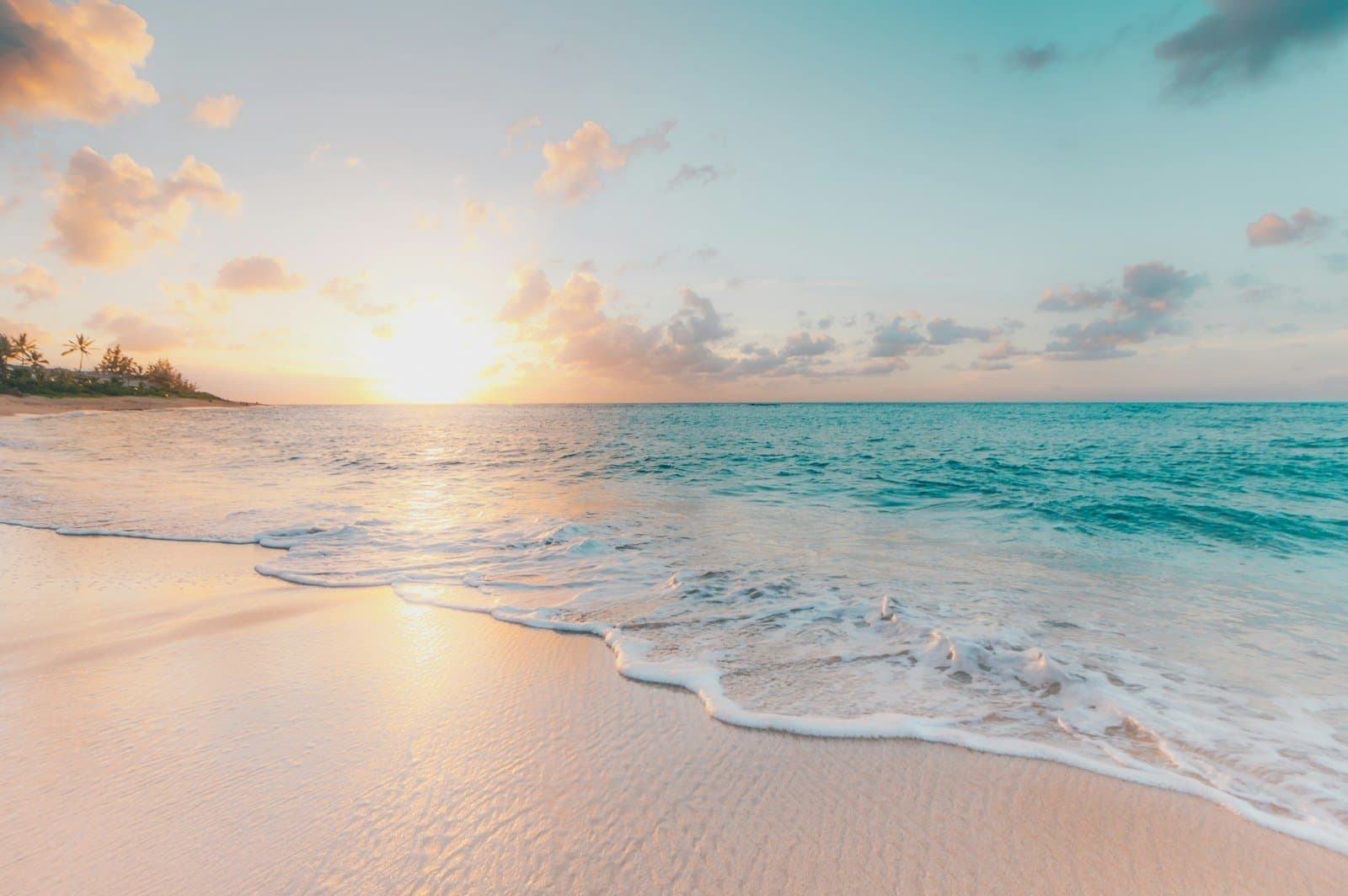
Most visitors to Mallorca see the same sliver of coastline — the crowded beaches of Magaluf, the marina at Palma, perhaps a quick daytrip to the Caves of Drach. But step beyond the resort perimeter and you enter a different island entirely. A Mallorca of hidden coves framed by ancient pines, hilltop villages where the church bell is still the loudest sound, and weekly markets where farmers sell sobrassada and almonds from trees their grandparents planted. This is the island that 13.5 million annual tourists fly right past — and the one that makes owning a share of property here so rewarding.
The southwest coast in particular has emerged as one of Europe’s most desirable — and most discreet — residential pockets. With property prices approaching €10,000 per square metre in prime southwest locations according to the 2026 Porta Mallorquina market study, full ownership of a quality villa is now beyond reach for many. Yet the lifestyle that makes this corner of Mallorca so compelling — morning swims in turquoise calas, long lunches in stone-walled courtyards, December hikes through almond groves — is available for a fraction of the cost through co-ownership in the Balearics. Here is your insider guide to the Mallorca most people never discover.
Secret Coastline
The Coves That Don’t Appear on Tourist Maps
Mallorca’s coastline stretches for 550 kilometres, yet the vast majority of visitors cluster on fewer than a dozen beaches. The real treasures are the calas — small, sheltered coves carved into limestone cliffs, often accessible only by foot or boat. Caló des Moro, nestled in a deep inlet near Santanyí, is barely fifteen metres wide at its entrance, opening into an amphitheatre of turquoise water so clear you can count pebbles on the seabed from the clifftop above.
Cala Tuent, on the wild northwest coast, is one of the most peaceful beaches on the island. Reached by a winding road through the Serra de Tramuntana, this pebbly cove is embraced by pine forests and mountains with no sunloungers, no bars, and no resorts — just raw natural beauty and the kind of silence that makes you wonder whether you are still in Europe’s most-visited island chain. The Balearics welcomed over 19 million tourists in 2025, yet Cala Tuent on a Tuesday morning in June might have twenty people on it.
Further south, Cala Varques remains one of the island’s best-kept secrets — a remote beach accessible only by a thirty-minute walk through farmland. The effort filters out the casual visitor, leaving a pristine stretch of white sand backed by low cliffs and cave systems that local divers have explored for generations. For those who own property in eastern Mallorca, it is a fifteen-minute drive and a short hike to a private paradise. Discovering coves like these is one of the great joys of having your own Mallorca property to return to season after season.
€7,370/m²
Average Mallorca property price per square metre in 2026, up 9.8% year-on-year (Porta Mallorquina/Steinbeis Institute).
19M+
Tourists visited the Balearic Islands in 2025 — a record high, yet Mallorca’s hidden coves remain blissfully quiet.
45 days
Approximate annual usage per one-eighth co-ownership share — enough to experience every season on the island.
Your price
You set the price. Your co-owners get the first chance to buy at that price; if they pass, it goes on the open market.
Village Life
Stone Villages Where Time Moves at a Different Pace
Mallorca’s interior is a patchwork of ancient villages connected by narrow roads lined with dry-stone walls. Fornalutx, regularly named one of the most beautiful villages in Spain, is a tumble of honey-coloured stone houses draped in bougainvillea, with cobbled streets so narrow that two people can barely walk side by side. The village sits in the Sóller valley surrounded by citrus groves, and its population of around 700 residents swells only modestly in summer — a world away from the coastal crowds.
On the southwest coast, Banyalbufar clings to terraced hillsides where Malvasia wine has been produced since the Moorish period. The stone terraces — called marjades — cascade dramatically towards the sea, creating one of the most photogenic landscapes in the Mediterranean. At golden hour, the light on the vineyards and the sea beyond is the kind of view that sells property, and Banyalbufar’s real estate has appreciated by over 12% annually in recent years according to local agents.
The quiet village of Calvià, set back from its more famous coastal strip, offers a glimpse of authentic Mallorcan life — stone houses cluster around a 13th-century Gothic church, locals gather for coffee on sunny terraces, and the weekly market brings farmers from across the Tramuntana foothills. Meanwhile, Sant Elm at Mallorca’s far southwestern tip faces the protected island of Sa Dragonera, with crystal-clear waters and some of the finest coastal hiking trails in the Balearics. These are communities where owning even a share of a property means becoming part of the fabric of village life.
Mallorca Property Prices by Region (€/m², 2026)
Southwest (Andratx, Calvià)
Palma City Centre
Southeast (Santanyí)
North (Pollença, Alcúdia)
Central Plain (Inca, Sineu)
Market Culture
Weekly Markets: The Beating Heart of Mallorcan Culture
Almost every town in Mallorca holds a weekly market, and these are not tourist fabrications — they are living, breathing institutions that have operated for centuries. The Sineu market, held every Wednesday in the island’s geographical centre, dates back to 1306 and remains one of the most authentic on the island. Farmers sell seasonal produce — bright oranges and lemons in winter, fat tomatoes and peppers in summer — alongside local cheeses, sobrassada, honey, and olive oil pressed from groves that dot the central plain.
The Inca market on Thursdays is the largest on the island, sprawling through the town’s streets with everything from leather goods (Inca is Mallorca’s traditional leather-working capital) to antique ceramics. Santa Maria del Camí’s Sunday market draws a more curated crowd, with organic produce, artisan breads, and wines from the nearby Binissalem denominación de origen — Mallorca’s only official wine region, producing increasingly respected reds and whites from the indigenous Manto Negro and Prensal Blanc grapes.
For property owners who spend extended time on the island — rather than rushing through a week-long holiday — these markets become a weekly ritual. You learn which stall has the best ensaïmadas, which farmer’s tomatoes are worth the walk to the far end, which vendor will save you a jar of local honey if you ask. This is the kind of relationship with a place that only comes from owning a home there, and it is one of the most compelling arguments for fractional ownership in Mallorca over short holiday rentals.
“The hidden Mallorca — secret coves, almond blossoms in February, village markets on a Wednesday morning — is not a holiday. It is a lifestyle that unfolds over years. Co-ownership is the key that unlocks it.”
Off-Season Magic
Why Winter Is Mallorca’s Best-Kept Secret
Ask any long-term resident when Mallorca is at its finest, and a surprising number will say November to March. Winter temperatures hover around 16°C during the day with six to eight hours of sunshine — warm enough for long hikes, outdoor lunches, and open-air café culture. The crowds vanish, flight prices drop by as much as 60%, and the island reveals its quieter, more authentic character.
In January, the Festes de Sant Sebastià transform Palma into a citywide celebration, with bonfires, live music, and locals grilling meat in the streets. The Foguerons de Sant Antoni fill villages with firelight and traditional dancing. Then in February, the almond trees bloom — blanketing the central plain and Tramuntana foothills in clouds of white and pink blossom. It is one of the most beautiful natural spectacles in Europe, and most tourists never see it because they only visit between June and September.
This seasonality is precisely what makes co-ownership such a smart model for Mallorca. With approximately 45 days of annual usage per share, owners can spread their visits across the calendar — a week in August for beach time, a long weekend in January for the Sant Sebastià festival, ten days in February for the almond blossom season, a fortnight in October for hiking the Tramuntana. You experience the island as residents do, not as tourists confined to peak season. Browse co-ownership properties in the Balearics to see what is currently available.
| Feature | Full Ownership | Co-Ownership (1/8 Share) |
|---|---|---|
| Entry price (quality SW villa) | From €1.5M–€5M | From under €200,000 |
| Annual usage | 365 days (but ~50 used) | ~45 days (all used) |
| Running costs | 100% of maintenance, tax, insurance | 12.5% — split proportionately |
| Management hassle | Owner-managed or hire staff | Fully managed — zero hassle |
| Resale speed | 6–18 months typical | Via our partner’s resale process |
| Legal structure | Direct title or SL | Real share of the home — real ownership |
Property Market
Mallorca’s 2026 Property Market: Why Co-Ownership Makes More Sense Than Ever
Mallorca’s property market has entered a new phase of maturity. The 2026 Porta Mallorquina market study, conducted by the Steinbeis Transfer Institute, found that average prices across the island reached €7,370 per square metre — a 9.8% year-on-year increase. The southwest, where many of the island’s most desirable villages and coves are located, is approaching the €10,000 per square metre threshold. In the luxury segment above €2 million, prices have risen by up to 12–15%.
These numbers place a quality southwest Mallorca villa firmly in the €1.5 million to €5 million range for full ownership. For many affluent buyers — particularly those who will use the property for six to eight weeks per year — the maths simply does not work. You are paying millions for a home that sits empty for 85% of the year, while still covering full maintenance, insurance, property taxes, and management costs.
Co-ownership restructures this equation entirely. A one-eighth share in a luxury Mallorcan villa — with real ownership of a share of the home — can start from under €200,000. All running costs are split proportionately. The property is professionally managed year-round. And when you arrive, your personal belongings are taken out of storage and the home is prepared for you. It is the lifestyle of a second-home owner without the financial burden or management headaches. Explore the latest Mallorca properties and Balearic Islands properties on our platform.
January – February
Fiestas and Almond Blossoms
Sant Sebastià bonfires light up Palma. Sant Antoni celebrations fill villages. Then the almond trees bloom across the central plain — clouds of white and pink against the Tramuntana mountains.
March – May
Wildflowers and Empty Trails
Spring wildflowers carpet the hillsides. The GR 221 trail is at its finest — cool enough for long hikes, warm enough for a post-walk swim. Markets overflow with artichokes and fresh almonds.
June – August
Cove Season and Village Fiestas
The hidden calas are at their warmest. Every village holds its annual fiesta with music, fireworks and communal dinners in the square. Long evenings on the terrace with Binissalem wine.
September – October
Harvest Season and Golden Light
Grape harvest in Binissalem, olive harvest in the Tramuntana. The sea is still warm, the crowds have gone, and the golden autumn light is beloved by photographers and painters.
November – December
Quiet Season and Citrus Groves
Orange and lemon trees heavy with fruit. Hiking weather is perfect. Christmas markets in Palma. The island belongs to the residents again — and to co-owners who know the secret.
The Tramuntana
UNESCO’s Mountain Range: Hiking, Cycling and Year-Round Adventure
The Serra de Tramuntana, designated a UNESCO World Heritage Cultural Landscape in 2011, forms Mallorca’s dramatic northwestern spine. Rising to 1,445 metres at Puig Major, this mountain range offers world-class hiking and cycling through landscapes of terraced olive groves, oak forests, and vertiginous limestone cliffs. The GR 221 long-distance trail — known as the Dry Stone Route — traverses the range from Andratx to Pollença, passing through mountain refuges and some of the most spectacular scenery in the Mediterranean.
For cyclists, the Tramuntana’s mountain passes — particularly the legendary climbs of Sa Calobra and the Col de Sóller — attract professional teams and serious amateurs from across Europe. The roads are superbly maintained, the gradients are challenging but rideable, and the descents offer views that make every pedal stroke worthwhile. Several professional teams base their winter training camps here, taking advantage of the mild climate and quiet roads between November and March.
Property owners in the Tramuntana foothills or southwest coast have all of this on their doorstep. A morning ride over the Col de Sóller, lunch in Deià, an afternoon swim at Cala Deià — this is a typical Tuesday for someone with a mountain lifestyle property in Mallorca. The combination of outdoor adventure, cultural depth, and Mediterranean climate is what makes the island’s appeal genuinely year-round, not just a summer destination.
Food & Wine
From Vineyard to Village Table: Mallorca’s Culinary Renaissance
Mallorca’s food scene has undergone a quiet revolution. The island now holds multiple Michelin stars, with restaurants like VORO (two stars) and Zaranda showcasing modern Balearic cuisine that draws on centuries-old traditions. But the real magic lies in the everyday — the neighbourhood restaurants in Palma’s Santa Catalina district, the family-run cellars in Binissalem serving local wines with pa amb oli (bread rubbed with tomato and olive oil), and the harbourside chiringuitos where the fish was swimming that morning.
The Binissalem wine region has gained international recognition, with indigenous varieties like Manto Negro producing complex, terroir-driven reds that challenge mainland Spanish wines. Smaller producers in the Tramuntana and around Felanitx are experimenting with organic and biodynamic methods, creating wines that reflect the island’s unique limestone soils and Mediterranean microclimate. A property owner with time to explore — rather than a tourist rushing between highlights — can build relationships with local winemakers, secure allocations of limited-production bottles, and experience the island’s culinary culture at a depth that holiday visitors simply cannot access.
Smart Ownership
How Co-Ownership Unlocks the Real Mallorca
The hidden Mallorca described in this guide — the secret coves, the village markets, the winter almond blossoms, the Tramuntana trails — is not a holiday experience. It is a lifestyle that unfolds over years of returning to the same place, in different seasons, building knowledge and relationships that deepen with every visit. This is exactly what co-ownership is designed to deliver.
Unlike a hotel or holiday rental, a co-ownership property is your home. Your books are on the shelves, your favourite coffee is in the kitchen, your hiking boots are in the cupboard. Unlike full ownership, you are not paying a premium to keep the property maintained for the 310 days per year you are not there. The management company handles everything — from cleaning and maintenance to rental coordination and booking — so your time on the island is spent living, not managing.
With the Balearic government increasingly restricting tourist rental licences and the property market rising steadily, the window for accessible entry into Mallorca’s most desirable areas is narrowing. Co-ownership offers a path that is legally secure, financially efficient, and lifestyle-rich. Whether your dream is a villa overlooking a hidden cala, an apartment in a Tramuntana village, or a finca surrounded by olive groves, browse the properties available in Mallorca and all available properties to find your share of the island most tourists never see.
Common Questions
Frequently Asked Questions
What is co-ownership and how does it work in Mallorca?
Co-ownership means purchasing a real share — typically one-eighth — of a luxury property. You have real ownership of a fraction of the property, approximately 45 days of annual usage with flexible booking, and all costs split proportionately. It is not a timeshare — you own actual appreciating real estate.
When is the best time to visit Mallorca?
Every season has its appeal. Summer (June–August) offers the warmest seas and longest days. But many residents prefer autumn (warm sea, no crowds), winter (almond blossoms, festivals, mild hiking weather) or spring (wildflowers, empty trails). Co-ownership lets you experience all four seasons rather than being confined to a single holiday week.
How much does a co-ownership share in Mallorca cost?
Shares in Mallorca properties start from under €200,000 for a one-eighth share, depending on the property’s location, size and standard. This gives you real ownership of a share of the home, flexible usage of approximately 45 days per year, and fully managed maintenance with costs split between all co-owners.
Can I rent out my co-ownership share when I’m not using it?
In properties where rental licences permit it, yes — and all rental management is handled for you. Income is shared proportionate to your ownership stake. Note that Balearic rental regulations have tightened significantly, so rental availability varies by property and location.
How is co-ownership different from a timeshare?
Fundamentally different. With co-ownership you own a real share of a real property that appreciates in value. You can sell your share on the open market at market price. There are no points systems and no depreciation. You are a genuine property owner, not a licence holder.
What are the hidden gems of southwest Mallorca?
The southwest coast — from Sant Elm to Banyalbufar — is home to secret coves like Cala Tuent and Caló des Moro, ancient villages like Fornalutx and Calvià, and the dramatic Tramuntana mountain range. Weekly markets in Sineu, Inca and Santa Maria offer authentic Mallorcan culture year-round.
Discover Your Share of Hidden Mallorca
From secret coves to ancient villages, Mallorca’s finest lifestyle is now accessible through co-ownership. Explore our curated properties in the Balearics and beyond.
Browse Mallorca PropertiesMore from Co-Ownership Property
Get in Touch
Speak to an expert
Tell us what you're looking for and we'll be in touch.