Properties & Destinations
Rügen and Germany's Baltic Coast: A Co-Ownership Guide
Chalk cliffs, white spa-town villas and nearly 1,900 hours of northern sun — the German Baltic is the country's own aristocratic seaside, and co-ownership is quietly opening Rügen, Usedom and the Bay of Lübeck to buyers from beyond its borders.
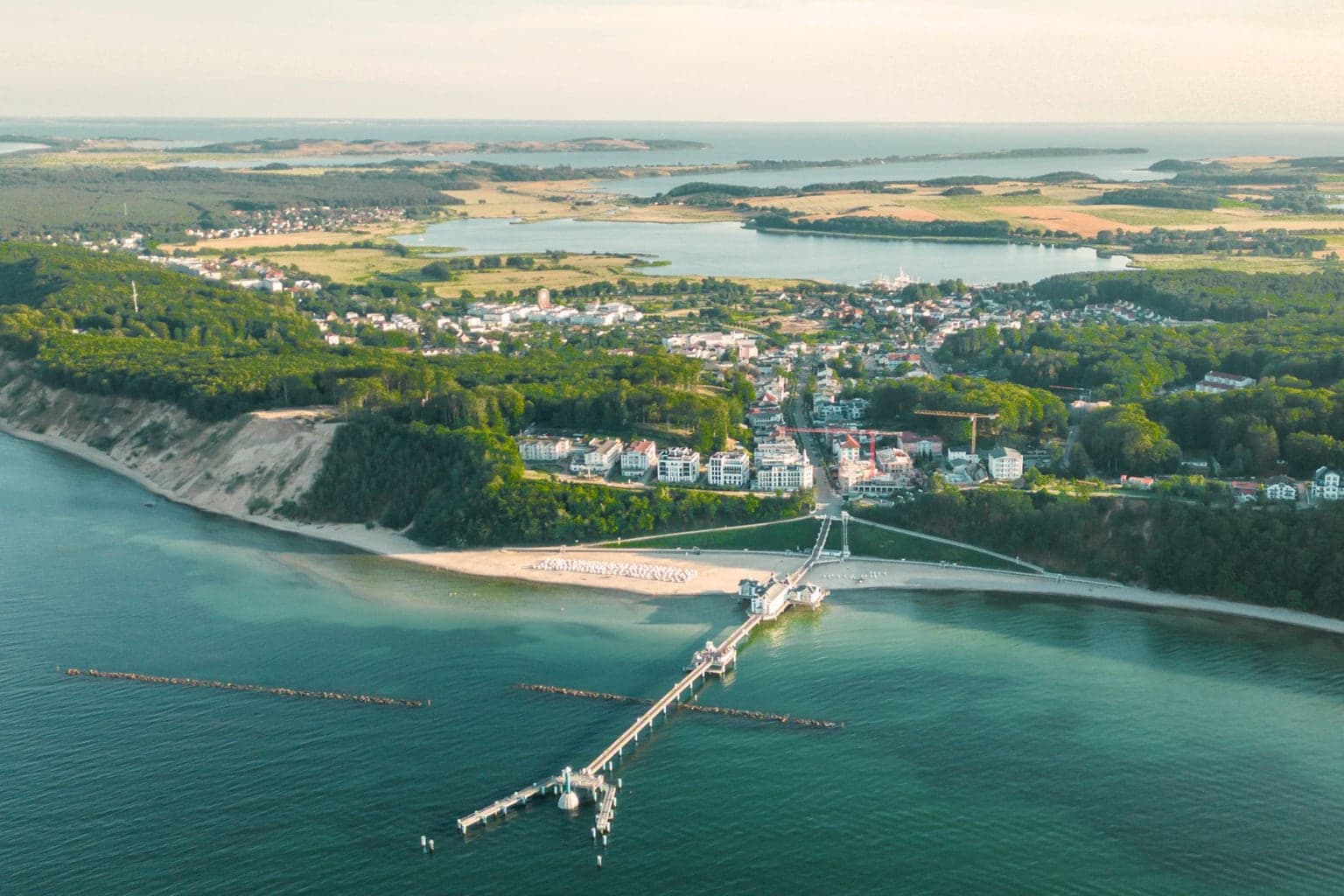
In the summer of 1818, honeymooning on the island of Rügen, Caspar David Friedrich set three small figures at the lip of a white cliff and let them stare down into a sea that appears to have no floor. Chalk Cliffs on Rügen — painted that year, now hanging in a museum in Winterthur — became the defining image of German Romanticism, a picture almost every German recognises and almost no foreign buyer connects to a real address. Yet the cliffs are real, and still there, protected inside the smallest national park in the country. Two centuries after Friedrich painted them, the coast that produced Romanticism's most famous view is among the busiest holiday regions in Germany and one of the least known to anyone outside it. The German Baltic — the Ostsee — is the nation's own aristocratic seaside, and it has been hiding in plain sight. This is what it looks like to own a piece of it.
Germans have summered on this shore since the early nineteenth century, when the Prussian court and the Berlin bourgeoisie built white villa-resorts along the dunes and called them Seebäder — sea-baths. What they never did was sell the idea abroad. While Northern Europeans bought their way into Mallorca and Tuscany, the Baltic stayed resolutely domestic: German-owned, German-spoken, booked solid every July by families who have returned to the same Strandkorb — the hooded wicker beach chair — for three generations. That insularity is precisely the opportunity. A quality apartment in a prime Rügen resort trades at a fraction of an equivalent address on the Balearics, and the average second-home owner here, as everywhere, uses the place far less than they pictured when they bought it. Owning one-eighth of a coastal apartment through a properly structured company, alongside seven other vetted co-owners, resolves both problems in a single move: it lowers the entry price to a share, and it hands the empty months to someone else to run. You arrive, the flat is ready, and roughly 44 to 45 days a year are yours. Our how it works guide walks through the structure end to end.
Three Islands and a Bay: How the German Baltic Fits Together
The coast worth knowing divides into three characters. Rügen, at just over 900 square kilometres the largest island in Germany, is the grand one — a landscape of beech forest, white cliffs and belle-époque resorts, joined to the mainland by a causeway and a modern bridge. Its north-eastern peninsula holds the Jasmund National Park, the smallest in the country at around 30 square kilometres, where the chalk climbs to the Königsstuhl at 118 metres above the water and the beech forest behind it — some of the oldest in Europe, with individual trees standing more than seven centuries — was inscribed on the UNESCO World Heritage list in 2011. Along the south-eastern shore run the classic resorts of Binz, Sellin and Göhren, where the restored villas of the sea-bathing era have been repainted brilliant white and the Sellin pier, at 394 metres the longest on the island, still carries a restaurant out over the shallows.
East of Rügen, pressed hard against the Polish border, lies Usedom — flatter, quieter and, with roughly 1,900 hours of sunshine a year, the sunniest island in Germany. Its south-eastern shore holds the Kaiserbäder, the "imperial baths" of Ahlbeck, Heringsdorf and Bansin, where the wealth of Wilhelmine Berlin built what remains Europe's largest surviving ensemble of Bäderarchitektur: turreted white villas, wrought-iron balconies and a linked promenade running eight and a half kilometres along the dunes. A one-bedroom apartment in Heringsdorf opens as a co-ownership share at around €149,000. West of both islands, an hour by road from Hamburg, the Bay of Lübeck curves toward the polished resort of Timmendorfer Strand — the German Baltic's answer to the Hamptons, close enough to the city that a sauna-warmed penthouse there serves as a weekend flat as readily as a summer one.
Summer on the Baltic: The Season Owners Actually Come For
A Mediterranean owner learns to prize the shoulder months, when the crowds thin and the heat finally breaks. The Baltic runs on the opposite logic: here the short, luminous high summer is the prize. In July and August the sea off Rügen warms to an average of about 19.6 degrees — cool by Balearic reckoning, clean and bracing by its own — and the northern latitude holds the light until nearly eleven at night, so an evening swim and a late dinner on the terrace fall inside the same long golden hour. This is the fortnight every German family wants, which is exactly why a fixed share of the calendar matters. With 44 to 45 days a year per one-eighth share, the scheduling question is never whether you get summer, only which summer weeks you claim.
And the year does not close in September. The German Baltic keeps a devoted off-season following: the golden, stormy autumn that sends fossil-hunters combing the foot of the Jasmund cliffs after every gale; the white promenades emptied of all but dog-walkers and Kur-guests taking the sea air on doctor's orders; the Advent markets and the faintly heroic New Year swims. A family with school-age children weights its share toward the August peak; a retired couple takes the first fortnight of September, a week in the low amber light of late October and a few winter days over the markets. The calendar is genuinely flexible, agreed among the eight owners through the management company, and in practice most groups discover they want quite different weeks. The mechanics are laid out in our staying in your co-ownership property FAQs.
What a Typical Week Looks Like
The arrival is the part that separates ownership from renting. There is no lockbox code hunted for in the dark, no laminated sheet explaining the recycling and the WiFi. The management company has readied the apartment before you come — beds made, the flat aired and warmed for the season, the fridge holding the few things you asked for in advance. The place is yours in the sense of real ownership, not the provisional sense of a hotel room or a holiday let, and that distinction changes how you settle in from the first hour. A morning on Rügen might begin with Räucherfisch — mackerel or eel smoked that day — bought at the harbour and eaten on the balcony, then a walk along the Hochuferweg, the cliff-top path through the beech canopy to the viewing platform above the Königsstuhl, where Friedrich's precipice drops away exactly as he painted it. Afternoons default to the beach and the Strandkorb, the hooded wicker chair rented by the day that is the Baltic's single most civilised invention.
A week based further north around Glowe and the Schaabe sandspit reads differently from one in the resort belt — long empty strands, the ferry across to car-free Hiddensee, the drive out to Kap Arkona and its two lighthouses. And a few kilometres down the coast at Prora stands one of the strangest second acts in European property. Built between 1936 and 1939 as a Nazi Kraft durch Freude — "Strength Through Joy" — holiday camp meant to process 20,000 workers at a time, its eight blocks march for four and a half kilometres along the shore; never used as intended, then left to the Soviet and East German militaries for half a century, the complex has since 2012 been gutted, painted white and reopened as apartments, its history now sitting oddly beside sea-view balconies and a co-ownership share from around €129,000. The Baltic does not bury its past; it repurposes it in full view.
The Management Reality: What You Don't Have to Think About
The lifestyle argument stands on its own; the practical one may be stronger still. A coastal apartment is a demanding thing to own outright. Salt air is corrosive, the storms are frequent, and a flat left empty from October to May needs watching — heating cycled, gutters cleared after the gales, the Winterdienst arranged for snow and ice. Add the Hausverwaltung (building-management) charges, the insurance, the municipal second-home tax — the Zweitwohnungsteuer — that many Baltic resort communes levy, and the maintenance that only ever announces itself the second time a pipe freezes with nobody in the country, and full ownership quietly becomes a part-time job performed at a distance in a second language. Co-owners deal with none of it directly. The company that holds the property appoints the manager; owners receive a single annual statement and pay their eighth.
Because you hold one-eighth of the apartment, you carry one-eighth of every running cost — property taxes, insurance, the building charges, maintenance and any agreed improvements. The economics of a well-run Baltic flat are far gentler than those of a villa with a pool and a hectare of garden further south, which is part of the coast's quiet appeal: the sums are modest and predictable, and the slice of them that reaches any single owner is smaller again. Understanding that is what moves the conversation from "interesting idea" to "why have I not done this already." Our buying FAQs break the cost structure down in detail.
The Baltic Property Market in 2026: Context for Buyers
The German housing market turned a corner in 2025, posting its first full year of rising prices since 2022 — up about 3.2 per cent nationally — with the country's leading economic institutes forecasting a further 3 to 4 per cent in 2026; by the first quarter of this year the national median asking price for an existing apartment had reached roughly €3,532 per square metre. The Baltic coast tells a sharper version of the same story. After the boom years to 2022, Rügen cooled — average asking values slipped around 11 per cent between the late-2023 peak and autumn 2024 — before flattening out: the district average for an apartment now sits near €4,737 per square metre, essentially level year on year, which for a buyer is the useful part. The froth has gone; the fundamentals — a hard limit on shoreline, a protected hinterland, a captive domestic demand — have not.
Prime holiday apartments in the best Rügen positions still command €6,000 to €11,000 per square metre, with good locations in the €3,500 to €6,000 band, and in a resort such as Sellin the average has settled near €4,200 after touching €4,900 in 2023. Against that backdrop, the co-ownership shares COP lists along the coast — currently from about €129,000 to €249,000 per one-eighth, spanning Prora, Glowe and Sellin on Rügen, Heringsdorf on Usedom and Timmendorfer Strand on the Bay of Lübeck — buy a real share of a finished, managed apartment in a market that has already taken its correction. One structural note, as everywhere: German resort municipalities increasingly regulate holiday letting and levy the second-home tax, so any buyer imagining they will offset costs with rental should confirm what a specific building and commune actually permit. Most co-owners, here as on the cooler northern coasts of Spain, buy for their own weeks rather than a yield — which is rather the point.
The Co-Ownership Case for Germany's Baltic Coast
The case for co-ownership on the German Baltic is not, at heart, a financial one, though the numbers behave well. It is a usage argument, and the Baltic makes it unusually cleanly. This is a coast built for return rather than spectacle — the same Strandkorb, the same smoked-fish stall, the same walk under the beeches to the cliff, done a little differently each season until the doing of it becomes a private tradition. That is a reward for presence, for arriving as an owner with your own routines rather than as a guest reading the check-out instructions, and it compounds across five or six visits a year in a way a single rented fortnight never can. Over a few summers and a scattering of golden autumns, a share in a white apartment above the sea stops feeling like a holiday and begins to feel like a second life — the one lived at nineteen degrees and eleven-o'clock daylight, in the country's own quiet corner. That is what a buyer is really acquiring here — not the square metres, but the returning summer.
For anyone weighing the coast, COP carries live co-ownership inventory across the German Baltic — Rügen, Usedom and the Bay of Lübeck — at the price points and in the resorts described above. Browse the full current listings or speak with our team to see which shares are available and what a specific apartment would cost today.
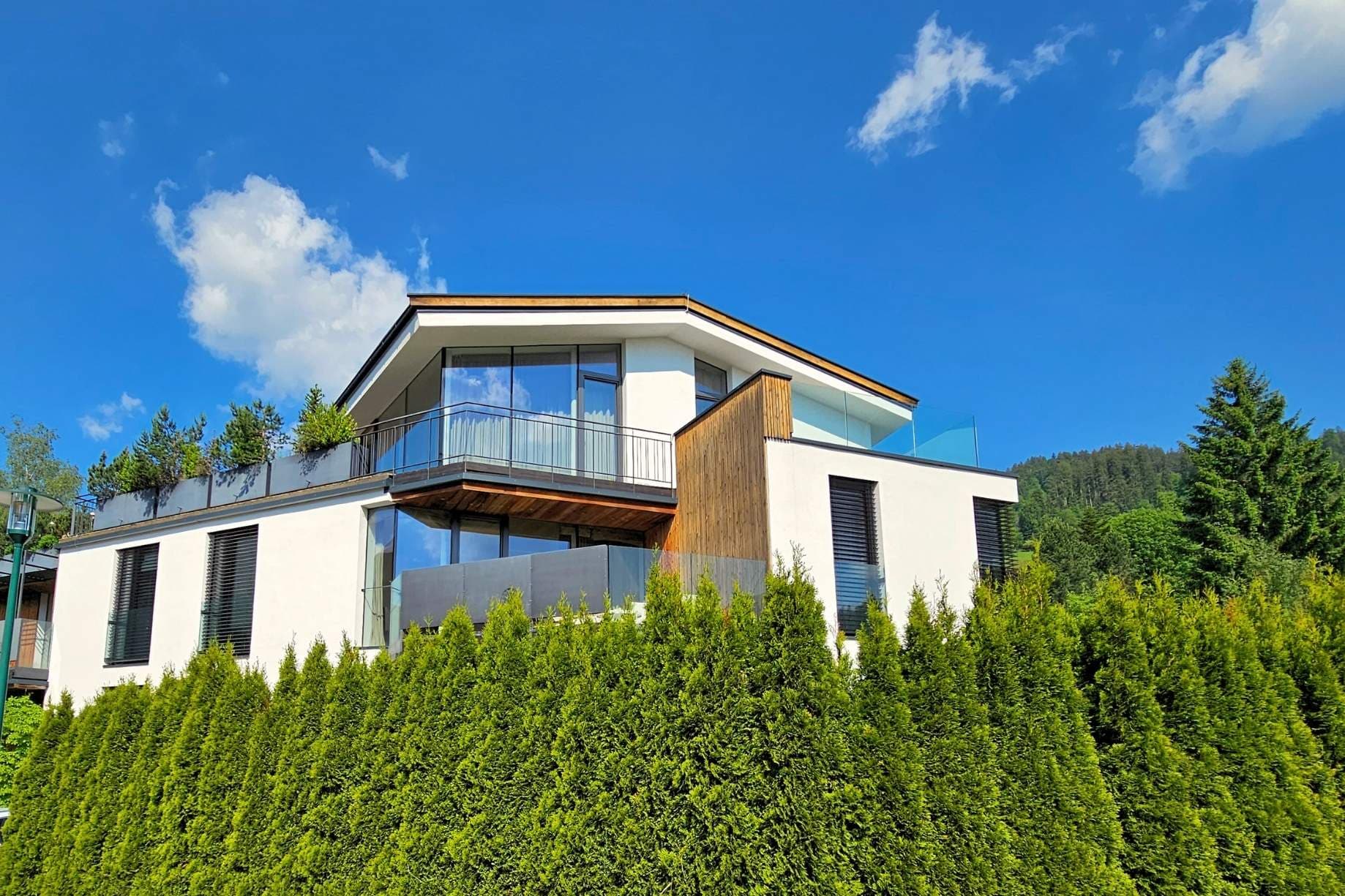
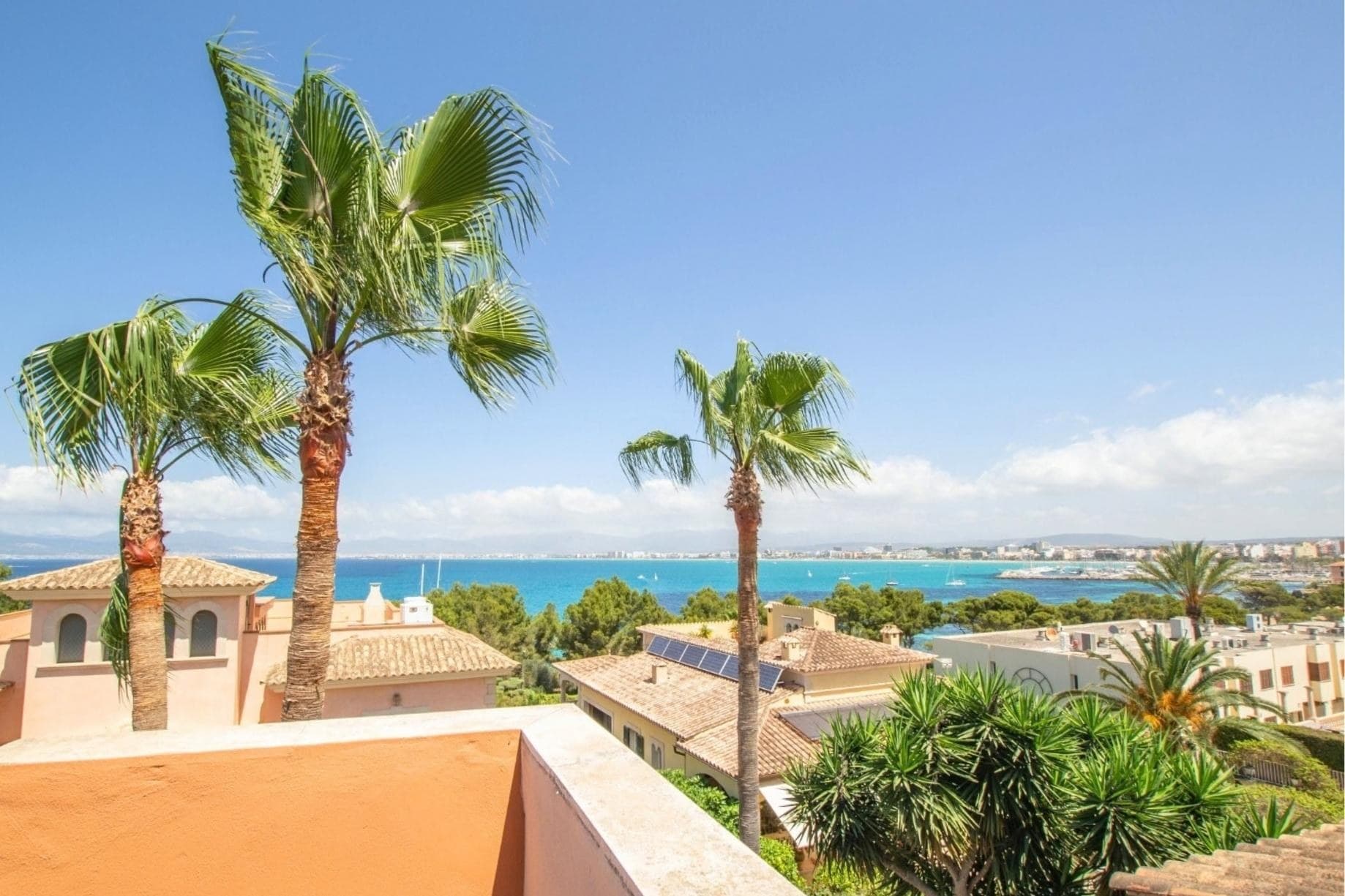
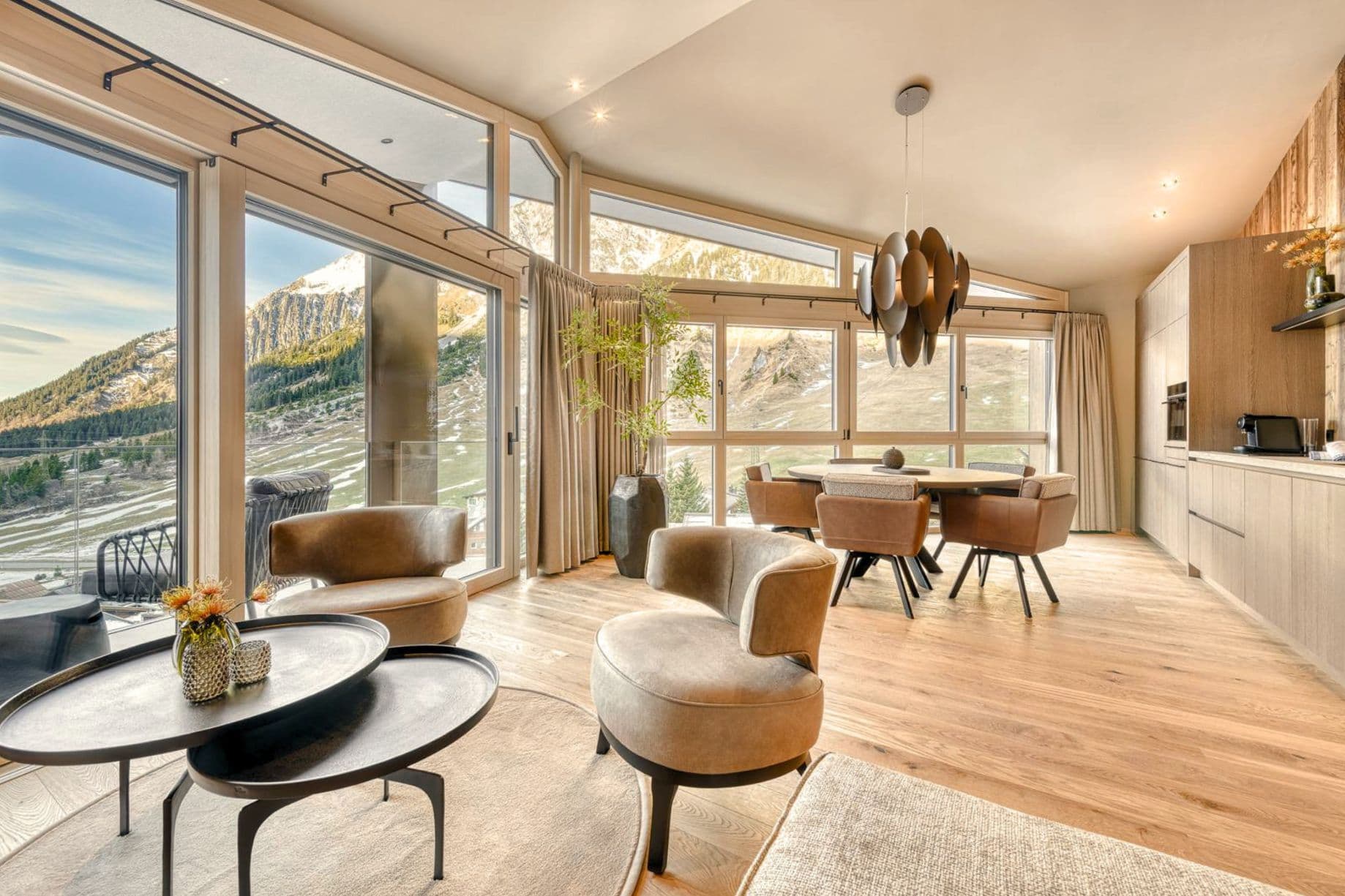
See the homes behind this guide. Explore a current Rügen co-ownership share, a sunlit apartment on Usedom, or a penthouse on the Bay of Lübeck — or speak with our team about what is available now.
More from Co-Ownership Property
Get in Touch
Speak to an expert
Tell us what you're looking for and one of our co-ownership specialists will be in touch within 24 hours.