Legal & Finance
The Second-Home Problem: Why Buyers Prefer Co-Ownership
80% of buyers now prefer co-ownership over full second home purchases. Discover why shared luxury property is reshaping the market in 2026 with data-backed insights.
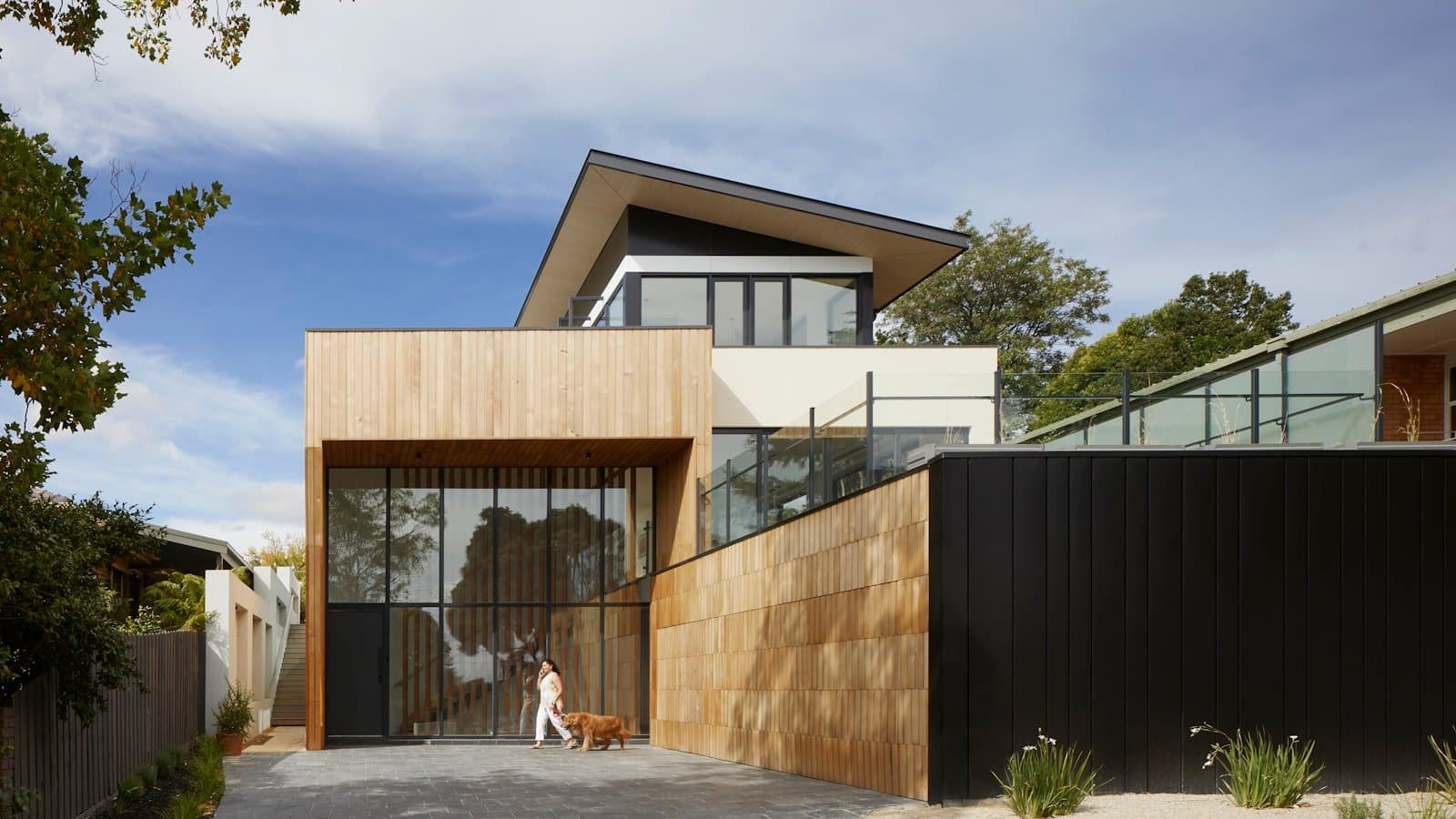
For decades, the second home was the ultimate status symbol — a villa on the coast, a chalet in the mountains, a sun-drenched apartment overlooking the Mediterranean. But behind the glossy brochure, reality told a different story. Properties sat empty for ten or eleven months a year, maintenance bills arrived regardless of whether anyone was there to enjoy the pool, and the sheer capital required locked out all but the wealthiest buyers. The dream, for most people, was simply unaffordable — and for those who could afford it, often impractical.
Now the data confirms what the market has been whispering for years. An industry survey found that 80% of U.S. adults view professionally managed co-ownership as an attractive way to access a second home — and 64% would actively consider buying if they could split costs with other owners. The co-ownership property model isn’t a compromise. It’s a correction. And in 2026, it’s becoming the smartest route into luxury real estate.
The Problem
Full Second Home Ownership Is Failing Most Buyers
The economics of owning a second home outright have become increasingly difficult to justify. According to Knight Frank’s 2025 Wealth Report, demand for prime property continues to outstrip supply in most desirable markets — pushing prices higher while usage rates remain stubbornly low. The typical second home owner uses their property for just 4 to 6 weeks per year, meaning the house sits vacant for roughly 90% of its life.
Meanwhile, the carrying costs never stop. Insurance, property taxes, local management, garden maintenance, pool servicing, security systems, and periodic renovations add up to thousands of euros annually — regardless of occupancy. A J.P. Morgan 2026 housing outlook notes that while overall price growth has slowed to roughly 1% nationally in the U.S., luxury resort markets remain insulated from discounting, with median listing prices in top coastal cities exceeding $1 million.
For many affluent professionals — the 40-to-55-year-old demographic most likely to consider a holiday home — the maths simply no longer adds up. Tying up €500,000 to €2 million in a property you visit six weeks a year, while shouldering 100% of the running costs, feels less like a lifestyle upgrade and more like an expensive storage unit you occasionally sleep in.
80%
Of U.S. adults view professionally managed co-ownership as an attractive way to own a second home (industry survey, 2025)
$9.4B
Global fractional ownership market size in 2024 — projected to reach $29.3 billion by 2033 (Growth Market Reports)
45 days
Annual personal use per 1/8th share — more than most full second home owners actually visit their properties
13.7%
Compound annual growth rate of the fractional ownership market from 2025 to 2033
The Shift
What’s Driving the Mass Move to Co-Ownership
The shift towards co-ownership explained models isn’t happening in a vacuum — it’s being driven by a convergence of economic pressure, generational change, and improved infrastructure. The global fractional ownership market reached $9.4 billion in 2024 and is projected to grow at a compound annual rate of 13.7% through 2033, according to Growth Market Reports. That trajectory would push the market past $29 billion within the decade.
What’s changed is accessibility and trust. A decade ago, shared property meant complicated family arrangements or opaque timeshare schemes with restrictive exit terms. Today, professionally managed co-ownership is transparent, real ownership: each buyer owns a real share of the home, not a right to use it. You’re not buying access — you’re buying fractional ownership in bricks and mortar, with the ability to sell your share on the open market.
The demographic data is equally telling. Millennials and retirees show nearly identical enthusiasm for co-ownership, at 66% and 63% respectively, according to the same industry survey. This isn’t a generational fad — it’s a structural preference that spans age groups, income levels, and geographies.
Cost Comparison: Full Ownership vs 1/8th Co-Ownership Share (€800K Villa)
Purchase Price (Full)
Purchase Price (1/8 Share)
Annual Costs (Full)
Annual Costs (1/8 Share)
Capital Freed Up
The Economics
A Financial Comparison That Speaks for Itself
Consider a luxury three-bedroom villa on the Costa del Sol properties valued at €800,000. Full ownership means an upfront cost of €800,000 plus purchase taxes and fees, annual running costs of approximately €15,000 to €25,000, and the constant concern of managing the property remotely. A 1/8th co-ownership share in the same property starts at a fraction of the whole-home price — and the management is handled entirely for you.
The usage equation is equally compelling. A 1/8th share provides approximately 45 days of personal use per year — which, for most second home buyers, is actually more than they would realistically use with full ownership. When you factor in the opportunity cost of the remaining capital — the €700,000 difference that could be invested, used for another property, or simply left to grow — the benefits of fractional ownership become overwhelming.
As one industry analysis puts it, co-ownership allows buyers to align their investment precisely with their actual usage. No more paying 100% of the costs for 10% of the enjoyment.
“Co-ownership isn’t about owning less — it’s about owning smarter. You get 100% of the luxury experience for a fraction of the cost and zero percent of the hassle.”
How It Works
The Mechanics Behind Modern Co-Ownership
Modern co-ownership has evolved far beyond informal family arrangements. When you purchase a share through Co-Ownership Property, you own a real share of a specific home — an eighth, a quarter — not a right to use it. You can sell it, pass it on to your heirs, and it rises and falls in value with the house. The legal set-up is arranged by our partner for each home and walked through with you before you buy.
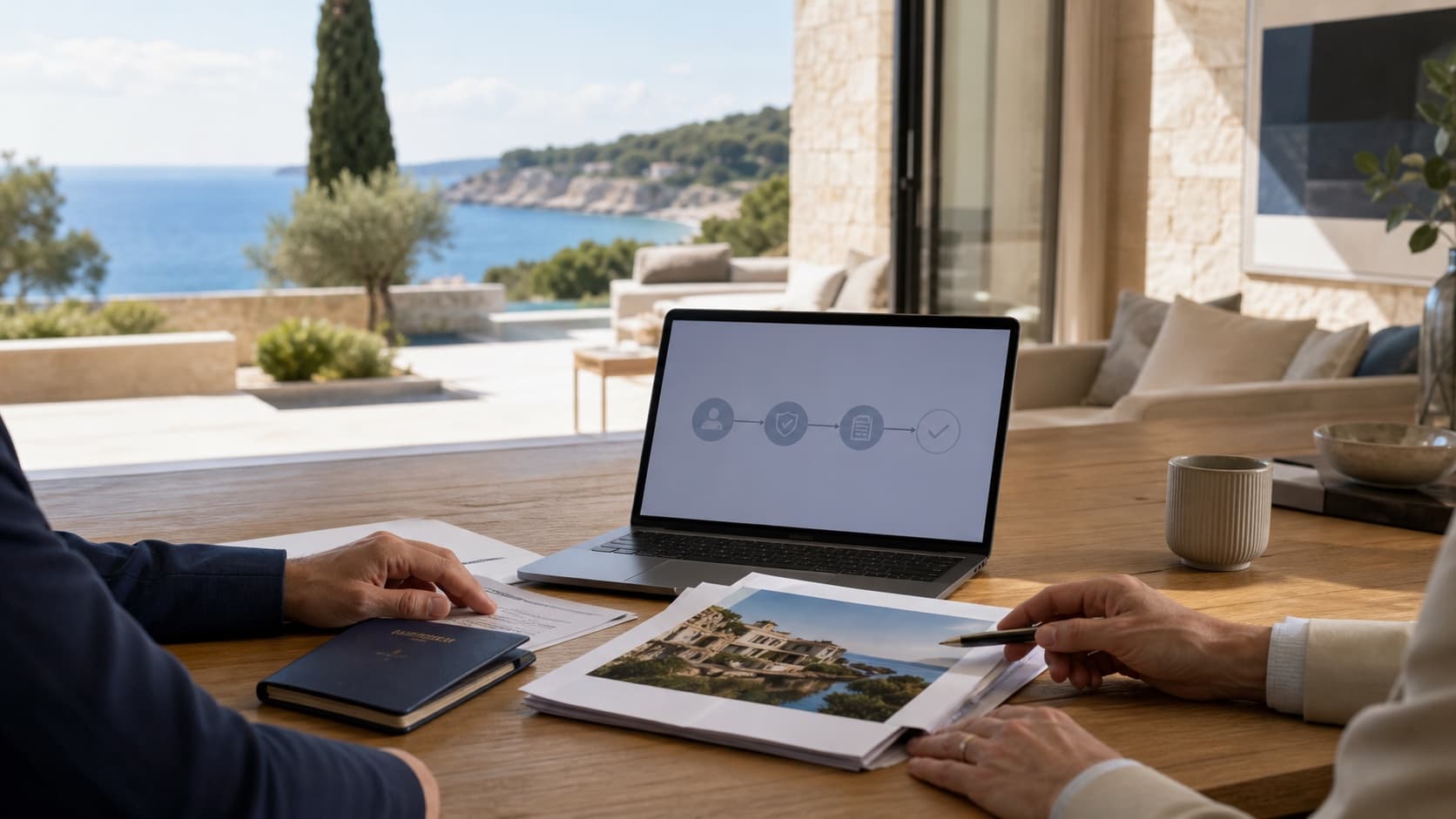
The co-ownership buying process is straightforward. You select a property, choose your share size, complete legal due diligence, and close — much like any conventional property purchase. Booking windows depend on the home and our partner.
When you arrive, your personal belongings are taken out of storage and the home is prepared specifically for you — fresh linens, stocked kitchen, everything exactly as you left it. When you leave, the management team handles turnover, cleaning, and maintenance. It’s the experience of owning a luxury holiday home without any of the operational burden. That’s the key difference from full ownership comparison — zero hassle, maximum enjoyment.
| Factor | Full Ownership | 1/8th Co-Ownership |
|---|---|---|
| Upfront Cost | €800,000+ | A fraction of the whole price |
| Annual Running Costs | €15,000–€25,000 | €2,000–€3,000 |
| Typical Annual Use | 4–6 weeks | Up to 45 days |
| Management Hassle | Owner-managed or hired | Fully managed for you |
| Resale Timeline | 3–12 months average | Through our partner’s resale process |
| Capital Efficiency | 100% tied up | 87% freed for other use |
Market Data
Where Co-Ownership Demand Is Growing Fastest
The growth in co-ownership isn’t uniform — certain markets are seeing explosive demand driven by a combination of lifestyle appeal, strong property fundamentals, and favourable regulatory environments. In the European Alps, year-round resort properties that offer both winter skiing and summer hiking are particularly popular, with French Alps properties leading the way.
Spain’s Costa del Sol properties and Balearic Islands properties continue to attract co-ownership buyers, driven by 300+ days of sunshine, excellent flight connectivity, and a mature hospitality infrastructure. Meanwhile, in the United States, Colorado ski resorts and California coastal markets are seeing growing demand from buyers who want Colorado properties or California properties access without the multi-million-dollar commitment of full ownership.
The Italian Lakes represent another fast-growing market, where Italian Lakes properties offer a blend of cultural richness, natural beauty, and strong capital appreciation. According to Savills, branded and managed residences — a category that includes co-ownership — have nearly tripled in supply over the past decade, with 837 additional projects in the pipeline through 2032.
Pre-2010
Family Arrangements
Shared property ownership existed primarily through informal family trusts and estate divisions — effective but unscalable and often legally complex.
2010–2015
Early Platforms Emerge
The first professionally managed co-ownership platforms launched, introducing clear ownership structures and professional property management to shared ownership.
2016–2020
Market Validation
Co-ownership proved its model with strong resale performance, growing buyer demand, and expansion into luxury resort markets across Europe and the USA.
2021–2023
Mainstream Acceptance
Post-pandemic remote work trends accelerated demand. Buyers sought flexible second homes without the burden of full ownership. Market size doubled.
2024–2025
Data-Driven Growth
The market hit $9.4 billion globally. Surveys showed 80% consumer approval. Institutional investors began allocating to fractional property assets.
2026 & Beyond
The New Default
Co-ownership is no longer alternative — it’s the preferred route to second home ownership for the majority of affluent buyers across generations.
Common Concerns
Addressing the Biggest Myths About Co-Ownership
Despite the data, some buyers still hesitate — often because of misconceptions rooted in the timeshare era. Let’s address the most common concerns head-on. “Isn’t this just a timeshare?” No. A timeshare gives you a right to use a property for a fixed period. Co-ownership gives you a real share of the home itself. You can sell your share at market value. There are no points systems, no developer markups.
Booking windows depend on the home and our partner. With only 8 owners sharing a property and 365 days in the year, there’s significant availability — far more than most owners actually use. Peak season is managed through fair rotation, and most owners report booking exactly when they want without difficulty.
“Can I actually sell my share?” Yes. Shares are first offered to existing co-owners in the property, then listed on the open market. Resale is handled through our partner’s resale process, without you having to sell the whole house. Read more in our guide to selling your share.
Lifestyle
The New Luxury: Access Over Accumulation
There’s a deeper cultural shift underlying the co-ownership boom. The traditional definition of luxury — owning more, bigger, exclusive — is giving way to a new paradigm: access, experience, and freedom. Today’s affluent buyers don’t want to be tied to a single location. They want a mountain lifestyle in winter, a beach lifestyle in summer, and the flexibility to change their minds.
Co-ownership makes this possible. Instead of sinking €1 million into a single villa, a buyer could own shares in two or three properties across different countries — an Alpine chalet, a Mediterranean apartment, and a city pied-à-terre — for the same total investment. Each property is fully managed, fully furnished, and ready whenever they want it. Browse all properties to see how this works in practice.
This is why the Redfin 2026 housing forecast describes the current moment as a “Great Housing Reset” — a fundamental rethinking of how people relate to property. For second home buyers, the reset means moving away from the burden of full ownership and toward the freedom of shared luxury.
Getting Started
How to Explore Co-Ownership for Your Next Holiday Home
If the idea of co-ownership resonates, the next step is simpler than you might think. Start by browsing the best properties available — each listing includes full details on location, share price, amenities, and usage structure. You’ll find properties across Europe and the USA, from ski chalets to beachfront villas to city apartments.
For a deeper understanding of how co-ownership works, our FAQs on buying cover everything from legal structures to the buying process. And when you’re ready to take the next step, David or Dylan will reply personally, usually within one working day, and can match you with properties that fit your lifestyle and budget. Simply fill in our consultation form to get started.
Common Questions
Frequently Asked Questions
Is co-ownership the same as a timeshare?
No. Co-ownership gives you a real share of the home itself, not a right to use it. You own actual real estate that appreciates in value, can sell your share on the open market, and have a genuine legal stake in the property. Timeshares typically offer usage rights only, with no real asset ownership.
How much does a co-ownership share cost?
Shares typically range up to around €2 million for ultra-luxury properties. Most properties on Co-Ownership Property fall in the €100,000 to €1 million range. The exact price depends on the property’s location, size, and overall market value.
How many days per year can I use the property?
A 1/8th share provides approximately 45 days of personal use per year. Booking windows depend on the home and our partner.
What happens when I want to sell my share?
You set the price. Your co-owners get the first chance to buy at that price; if they pass, it goes on the open market. Resale is handled through our partner’s resale process, without you having to sell the whole house.
Who handles maintenance and management?
Everything is fully managed — cleaning, maintenance, administration, rental coordination, and communication between owners. You never need to arrange anything yourself. All costs are split proportionate to your ownership share, so a 1/8th owner pays 1/8th of all running expenses.
Can I rent out my share when I’m not using it?
In many properties, yes. Rental is fully managed on your behalf — you don’t need to handle bookings, guests, or turnovers. Income is shared proportionate to your ownership stake. Availability depends on location and local rental permit regulations.
Explore Co-Ownership Properties Worldwide
From Alpine ski chalets to Mediterranean villas to American coastal estates — discover luxury holiday homes available as co-ownership shares starting at a fraction of the whole-home price.
Browse PropertiesMore from Co-Ownership Property

Get in Touch
Speak to an expert
Tell us what you're looking for and we'll be in touch.