Properties & Destinations
Ultra-Luxury Ski Chalet Design Trends 2026
Discover 2026's defining ultra-luxury ski chalet design trends: smart home tech, sustainable alpine materials, wellness suites and biophilic interiors.
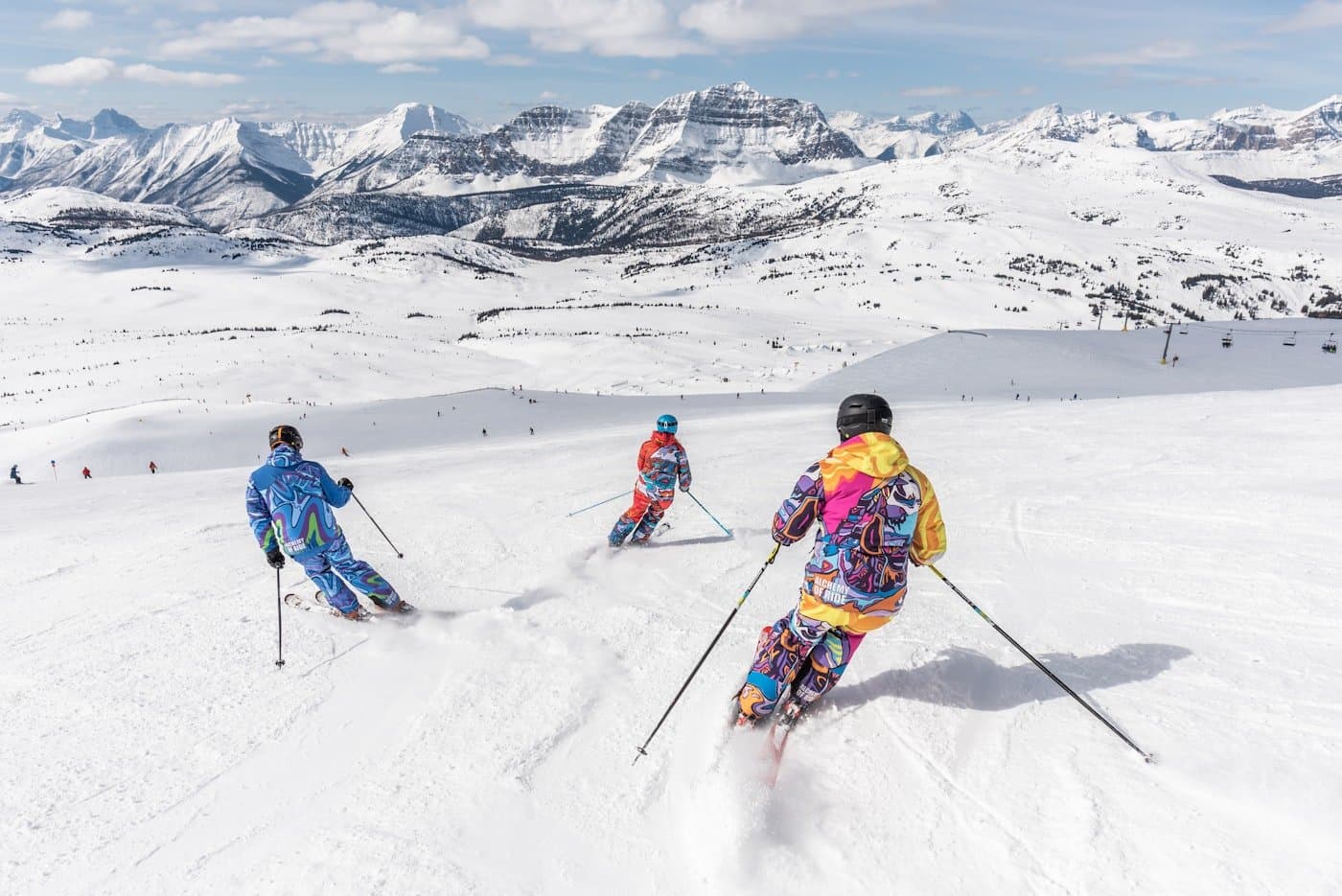
The ultra-luxury ski chalet of 2026 looks almost nothing like its predecessor from a decade ago. Where once you would find knotted pine panels, taxidermy antlers, and clunky radiators, today’s flagship mountain properties are engineered masterpieces — seamlessly integrating smart building technology, sustainably sourced materials, and biophilic design philosophies that blur the boundary between the alpine landscape outside and the living space within. According to the Knight Frank Alpine Property Report 2026, prime alpine property prices have surged 23% over the past five years, driven in significant part by buyers seeking homes that combine uncompromising luxury with architectural and technological innovation.
Understanding what defines a truly exceptional ski chalet — and what features deliver the greatest lifestyle value — is essential for anyone considering a stake in the mountain property market, whether via full ownership or a co-ownership share in a luxury ski property. This guide examines the key design trends shaping the ultra-luxury end of the ski chalet market in 2026, from AI-powered climate systems to net-zero construction philosophies and the rise of branded residence developments in the world’s premier ski destinations.
Technology
Smart Home Systems: Intelligence Built Into Every Beam
The intelligence built into today’s ultra-luxury ski chalet begins long before a guest arrives. Predictive AI climate systems learn from occupancy patterns, local weather forecasts, and altitude-specific heating challenges to pre-condition properties to the exact preferred temperature of incoming guests — arriving to a warm, perfectly lit chalet without lifting a finger is now baseline expectation at this level of the market. Systems from brands such as Crestron and Savant integrate HVAC, lighting, blinds, audio-visual equipment, underfloor heating, and even heated driveways into a single unified platform controllable via a single app or voice command.
Security technology at the ultra-premium end has advanced dramatically. AI-powered surveillance systems with real-time threat detection, biometric entry, encrypted home networks with multi-factor authentication, and smart locks that can be remotely granted and revoked via mobile app are now standard in any new-build of significance. In mountain locations where properties may sit unoccupied for extended periods, these systems provide owners with peace of mind and reduce insurance premiums considerably. Remote monitoring capabilities mean owners anywhere in the world can check on their property at any moment.
Energy management systems represent another major technological leap. High-end ski chalets now integrate real-time energy consumption dashboards that track usage across heating, hot tubs, pools, and amenities, optimising automatically to reduce waste. Battery storage systems paired with solar arrays allow some properties to operate completely off-grid during summer months, with surplus energy exported back to the local grid. This is no longer the domain of eco-conscious boutique properties alone — it is becoming the expectation of discerning ultra-HNW buyers who understand both the environmental and financial benefits.
+23%
Alpine property price growth over five years, according to the Knight Frank Alpine Property Report 2026
$3.8B
Total Aspen real estate sales volume in 2024, up from $3.1B in 2023 — a 20%+ year-on-year increase
+34.5%
Year-on-year house price increase in Zermatt, Switzerland, in early 2026 (source: Neho property data)
CHF 22,221
Average price per square metre for houses in Zermatt in 2026 — one of the world’s most expensive ski destinations
Sustainability
Sustainable Materials: Local, Reclaimed and Built to Last
Sustainability in luxury alpine construction has moved well beyond token gestures. The most forward-thinking developers working in Aspen, Courchevel, Verbier, and Zermatt are now designing with full lifecycle thinking — selecting materials not just for their visual and tactile qualities, but for their embodied carbon footprint, longevity, and end-of-life recyclability. Locally quarried stone, reclaimed timber from regional sources, and structural cross-laminated timber (CLT) from certified European forests are displacing imported exotics as both the ethical and aesthetic choice for architects working at the top of the market.
One of the defining material stories of 2026 is the return of vernacular alpine craftsmanship executed with modern precision. Hand-finished plaster walls, larch wood cladding that weathers gracefully over time, and slate roof systems sourced within fifty kilometres of the build site are all hallmarks of a new generation of chalets that feel rooted in their landscape rather than transplanted from a generic luxury catalogue. Architects cite the transformation of projects like the Chetzeron in Switzerland — which repurposed an abandoned gondola station into a fully sustainable mountain hotel — as proof of what is possible when environmental thinking is built into the brief from day one.
Passive house principles, once considered the province of austere Scandinavian minimalism, are now being applied to ski chalets worth tens of millions of dollars. Quadruple-glazed floor-to-ceiling windows maximise solar gain while eliminating heat loss; roof overhangs are precisely engineered to provide summer shading while allowing winter sun to penetrate deep into living spaces; and heat recovery ventilation systems capture warmth from exhaust air to pre-heat incoming fresh air. In a climate as extreme as a high-altitude ski resort, these measures can reduce heating energy consumption by over 80% compared to conventional construction.
Average Prime Property Prices: Top Global Ski Destinations (2026)
Aspen, Colorado (median luxury)
Verbier, Switzerland (prime chalets)
Courchevel 1850 (prime, per sqm)
Zermatt, Switzerland (houses)
Davos, Switzerland (+10% YoY)
Cortina d’Ampezzo (+10% YoY)
Interior Design
The New Alpine Aesthetic: Biophilic, Minimalist and Deeply Tactile
Interior design in ultra-luxury ski chalets has undergone a profound evolution. The prevailing aesthetic as of 2026 draws heavily from Scandinavian minimalism and Japanese wabi-sabi philosophy, filtered through an Alpine lens that foregrounds natural materials, neutral palettes, and an almost meditative connection to the mountain environment outside. Colour palettes mirror the landscape: deep forest greens, warm stone greys, soft tundra whites, rich cognac leather, and the warm amber of aged timber. Bright, primary colours are virtually absent from significant new commissions.
Biophilic design — the intentional embedding of natural elements into built environments to promote physical and psychological wellbeing — has become a central philosophy for premium alpine interiors. This means far more than putting a vase of flowers on a table. It encompasses double-height ceilings that frame mountain views as living artworks, structural timber beams left exposed to celebrate material honesty, living walls of moss or alpine plants in spa and bathroom spaces, and the considered placement of windows and skylights to track the movement of natural light throughout the day.
Texture and material layering create warmth without visual clutter. Cashmere and alpaca throws, cotton corduroy upholstery, aged leather armchairs, and rough-hewn stone fireplace surrounds coexist in harmony with clean-lined contemporary furniture by European designers. The emphasis is always on quality over quantity — fewer, better pieces arranged with breathing room, rather than the maximalist accumulation of the previous generation of luxury chalets. This restraint requires significant design confidence and commands premium prices from the most sought-after alpine interior specialists.
“The ultra-luxury ski chalet of 2026 is not a place you go to escape technology — it is a place where technology disappears so completely into the fabric of the building that it becomes indistinguishable from pure, effortless luxury.”
Wellness Architecture
The Wellness Suite: From Afterthought to Architectural Centrepiece
If there is one feature that most clearly separates today’s ultra-luxury ski chalet from its predecessors, it is the wellness suite. Where the previous generation of luxury properties might have offered a basic sauna and a whirlpool bath, today’s flagship mountain homes are built around multi-room spa environments that can encompass Finnish saunas, bio-steam rooms, cold plunge pools, infrared therapy cabins, hammam wet rooms, and dedicated massage and treatment areas staffed by visiting therapists on request.
The concept of thermal cycling — alternating between heat and cold exposure for cardiovascular and immune system benefits — has gained enormous traction among the health-conscious ultra-high-net-worth demographic that dominates the luxury ski market. Properties that offer genuine indoor-outdoor thermal experiences, with heated outdoor pools that can be used in sub-zero temperatures and wood-burning hot tubs looking out onto snowscapes, are commanding significant premiums over those without. According to research by Savills, wellness amenities now rank among the top three purchase-decision drivers for luxury ski property buyers globally.
Beyond the traditional spa, dedicated fitness and recovery spaces have become non-negotiable in properties at the upper end of the market. State-of-the-art gyms with altitude simulation chambers, Pilates studios, yoga decks, and recovery technology such as compression therapy equipment and infrared LED panels are features that were barely imaginable in a private ski chalet a decade ago. The shift reflects broader lifestyle trends among affluent buyers who no longer wish to compromise on their health and fitness regimes simply because they are on holiday.
| Design Feature | Technology / Material | Performance Impact |
|---|---|---|
| Smart Climate Control | AI-driven HVAC (Crestron, Savant) | Reduces heating energy use by up to 80%; pre-conditions to guest preferences automatically |
| Sustainable Structure | Cross-laminated timber (CLT), reclaimed local stone | Lower embodied carbon; vernacular aesthetic; superior long-term durability |
| Biophilic Interiors | Living walls, panoramic glazing, natural material palette | Proven wellbeing benefits; strong differentiation at resale |
| Wellness Suite | Finnish sauna, cold plunge, infrared cabin, treatment room | Top-3 purchase driver for luxury ski buyers in 2026 (Savills) |
| Outdoor Living | Heated terraces, indoor-outdoor pools, high-performance glazing | Extends seasonal use; maximises mountain views as design asset |
| Energy Systems | Solar plus battery storage, heat recovery ventilation, passive house | Can achieve near-zero operational energy; significantly reduces running costs |
Market Context
Alpine Property Prices: The Data Behind the Design Investment
Understanding the market context for ultra-luxury ski chalet design requires grasping the extraordinary price environment that has developed in premier mountain destinations. In Aspen, Colorado, the median luxury home price reached $13.4 million in 2025, with the highest single sale recorded at $108 million — equivalent to $4,820 per square foot. Total Aspen sales volume climbed from $3.1 billion in 2023 to $3.8 billion in 2024, a year-on-year increase of more than 20%, according to local market specialists Estin and Co.
In the European Alps, Zermatt, Switzerland recorded average house prices of CHF 22,221 per square metre in early 2026, representing a staggering 34.5% year-on-year increase for houses, according to property data provider Neho. Courchevel in the French Alps remains the most expensive resort in France, with prime properties ranging from EUR 8,800 to EUR 22,600 per square metre in the most sought-after locations. The Knight Frank Alpine Index recorded a 3.3% average year-on-year price increase, with standout performers including Andermatt (+14.6%), Davos (+10%), and Cortina d’Ampezzo (+10%) — the latter boosted by its hosting of the 2026 Winter Olympics.
At these price levels, design quality is not merely aesthetic — it is financial. Properties that incorporate the latest smart technology, sustainable credentials, and premium wellness amenities are outperforming the market in both capital appreciation and short-term rental yield. Buyers and developers alike are learning that investment in design excellence at the construction or renovation stage pays dividends in resale performance and rental premium. For owners accessing these properties through a co-ownership structure, the management fees covering property maintenance and upkeep ensure that design assets are preserved to the highest standard over time.
Pre-2010
The Traditional Alpine Chalet Era
Heavy timber beams, stone fireplaces, cow hides, and antler chandeliers defined the luxury alpine aesthetic. Smart technology was limited to basic underfloor heating and satellite TV.
2010-2015
First-Generation Smart Integration
Crestron and KNX home automation systems began appearing in premium chalets. Touch panel control of lighting, blinds, and AV equipment. Sustainability remained niche.
2015-2020
The Design Minimalism Shift
Scandinavian and Japanese minimalist influences began displacing the maximalist alpine aesthetic. Natural material palettes, biophilic elements, and wellness rooms emerged as differentiators.
2020-2023
The Post-Pandemic Lifestyle Upgrade Wave
Remote work drove a surge in luxury mountain property demand. Buyers spending more time in properties demanded professional-grade technology, high-speed connectivity, and serious wellness infrastructure.
2023-2025
Sustainability Becomes Non-Negotiable
Passive house standards, locally sourced materials, solar-plus-storage, and carbon reporting entered mainstream luxury alpine development. Branded residence launches in Andermatt, Courchevel, and Verbier set new benchmarks.
2026 Onwards
Integrated Intelligence and Biophilic Excellence
AI building management, full thermal wellness suites, outdoor living as interior extension, and shared ownership models enabling broader market access define the current state of the art.
Branded Residences
The Branded Residence Revolution: Five-Star Service in Your Own Chalet
One of the most significant market developments of the past five years in luxury ski property has been the explosive growth of branded residences — private homes affiliated with five-star hotel brands that provide owners with hotel-grade services, design standards, and management infrastructure. What began with The Chedi Andermatt in 2014 has become a full market segment, with Six Senses, W Hotels, Aman, Four Seasons, and Mandarin Oriental all now either open or under development in premier ski destinations.
Six Senses Courchevel and Crans-Montana are among the most anticipated openings of the Alpine property calendar, bringing the brand’s wellness-forward philosophy and biophilic design language to the ski resort context. The Mandarin Oriental in Cortina d’Ampezzo opened in January 2026 in time for the Winter Olympics, while Four Seasons’ The Park Gstaad is scheduled to open in 2026 — a development that has already moved the market in the Swiss resort. These projects set design benchmarks that influence the broader luxury chalet market, filtering aspirational aesthetics and technology standards down to the wider ultra-premium segment.
For buyers interested in luxury ski property but unwilling to commit the full capital required for outright purchase of a branded residence — which can easily exceed EUR 5 million for a modest unit — the co-ownership model offers a compelling alternative. Through co-ownership of a luxury ski property, buyers can access properties built and finished to comparable standards in world-class ski destinations, with professional management ensuring hotel-grade service and maintenance, from a fraction of the full purchase price.
Outdoor Living
Bringing the Landscape In: Terraces, Views and Alpine Architecture
Ultra-luxury ski chalet design in 2026 increasingly treats outdoor space as an extension of interior living, rather than a seasonal afterthought. Heated terraces with retractable glass windbreaks, ski-in/ski-out access with dedicated boot rooms and ski storage areas with boot warmers, outdoor dining areas with integrated fire pits, and south-facing sun decks designed to capture every hour of available winter sunlight are all features that buyers at the premium end of the market now consider non-negotiable.
The architectural relationship between the interior and the mountain landscape is being redesigned from first principles. Floor-to-ceiling glazing systems engineered to meet the thermal and structural demands of high-altitude environments allow architects to dissolve the visual boundary between inside and out without compromising heating efficiency. Indoor-outdoor pool systems that maintain water temperature in sub-zero conditions while allowing swimmers to transition directly from the heated interior to an outdoor pool setting are available in a growing number of flagship properties and represent one of the most coveted features in luxury alpine real estate.
Landscaping has also become a serious design discipline in high-end ski property development. Rather than treating the exterior as purely functional, leading developers are investing in naturalistic alpine gardens with indigenous planting, stone pathways, and sculptural water features that complement the chalet’s architecture and enhance its connection to the surrounding landscape. In summer — an increasingly important season for mountain properties as year-round appeal becomes a key investment metric — these outdoor spaces transform ski chalets into genuine luxury country retreats.
Co-Ownership Access
Accessing Ultra-Luxury Design Without the Ultra-Luxury Price Tag
The design innovations described throughout this article command significant price premiums. An ultra-luxury ski chalet in Aspen, Courchevel, or Verbier fitted with all the technology, wellness, and design features outlined here will typically require an investment of several million dollars or euros for full ownership — placing it beyond reach for the majority of even affluent buyers. The co-ownership model reframes this equation entirely.
Through co-ownership, buyers purchase a real share — typically one-eighth — of a specific property. This share entitles them to approximately 45 days of use per year, managed through a flexible booking app with no fixed rotation or points systems. All maintenance, management, insurance, taxes, and operational costs are shared proportionally between co-owners, meaning the running costs associated with maintaining the technology, wellness features, and design standards described in this article are divided between eight parties rather than borne by one.
The result is that luxury ski properties which might cost EUR 2-5 million to own outright become accessible from under EUR 200,000 per share — while delivering the same living experience, the same design excellence, and the same level of professional management. Co-Ownership Property curates a portfolio of ski, beach, and city properties across Europe and the USA that have been selected and furnished to meet these standards. If you are ready to explore what is currently available in premier ski destinations, browse our full collection or ask David or Dylan with our team.
Common Questions
Frequently Asked Questions
What smart home systems are most popular in ultra-luxury ski chalets in 2026?
Crestron and Savant are the dominant platforms at the ultra-luxury end, offering unified control of HVAC, lighting, security, AV, and energy management. AI-driven climate control that learns occupancy patterns is now standard in premium new builds, along with biometric entry, encrypted home networks, and remote monitoring via mobile app.
What sustainable materials are being used in premium ski chalet construction?
Locally quarried stone, cross-laminated timber (CLT) from certified European forests, reclaimed regional timber, and natural insulation materials are all prevalent. The emphasis is on minimising embodied carbon and transport miles while creating a visual language that connects the property to its alpine landscape.
How much do ultra-luxury ski chalets cost in Aspen versus the European Alps?
In Aspen, median luxury home prices are around $13.4 million, with ultra-luxury properties regularly exceeding $20 million. In Courchevel, prime properties range from EUR 8,800 to EUR 22,600 per square metre. Zermatt houses averaged CHF 22,221 per square metre in early 2026 — a 34.5% year-on-year increase. Co-ownership shares in comparable luxury ski properties are accessible from under EUR 200,000.
What wellness features are now standard in luxury ski chalets?
Private spas with Finnish sauna, bio-steam room, cold plunge pool, and infrared cabin; dedicated gym and fitness studios; indoor-outdoor heated pools; treatment rooms for in-house therapist sessions; and thermal cycling facilities are all considered standard at the top of the market. Savills identifies wellness amenities as a top-three purchase-decision driver for luxury ski buyers.
What is a branded residence in a ski resort context?
A branded residence is a private property affiliated with a five-star hotel brand — such as Six Senses, Four Seasons, Mandarin Oriental, or Aman — that provides hotel-grade services, design standards, and management infrastructure to private owners. They typically command 20-30% price premiums over comparable non-branded properties and have experienced rapid growth across premier Alpine destinations since 2020.
How does co-ownership work for luxury ski properties?
Co-ownership involves purchasing a real share — typically one-eighth — of a specific luxury property. This entitles the buyer to approximately 45 days of use per year, flexible booking via app, and full professional management covering cleaning, maintenance, and all administration. Running costs are split proportionally, making properties that would cost EUR 2-5 million to own outright accessible from under EUR 200,000 per share.
Are ultra-luxury ski chalets a sound investment in 2026?
Market data supports a positive outlook. The Knight Frank Alpine Index recorded 3.3% average year-on-year price growth, with leading resorts including Andermatt (+14.6%), Davos (+10%), and Cortina (+10%) significantly outperforming. Savills reports ultra-prime alpine prices rising at 9% per year. Properties with premium design features — smart technology, wellness facilities, sustainable credentials — are consistently outperforming the wider market in both capital appreciation and rental yield.
Explore Luxury Ski Properties With Co-Ownership Property
Access world-class ski chalets and mountain retreats at a fraction of the cost of full ownership. Browse our curated portfolio of properties in Aspen, the French Alps, and beyond.
Browse Ski PropertiesReady to look at the homes? Browse the full COP collection across every destination, or speak with our team about what is available now.
More from Co-Ownership Property
Get in Touch
Speak to an expert
Tell us what you're looking for and we'll be in touch.