Properties & Destinations
Alpe d’Huez Resort Guide: Summer & Winter Activities, Dining & Everything You Need to Know
MOUNTAIN LIFESTYLEAlpe d'Huez Resort Guide: Summer & Winter Activities, Dining & Everything You Need to KnowPublished January 2024 · 12 min read There are ski resorts, and then there is Alpe d
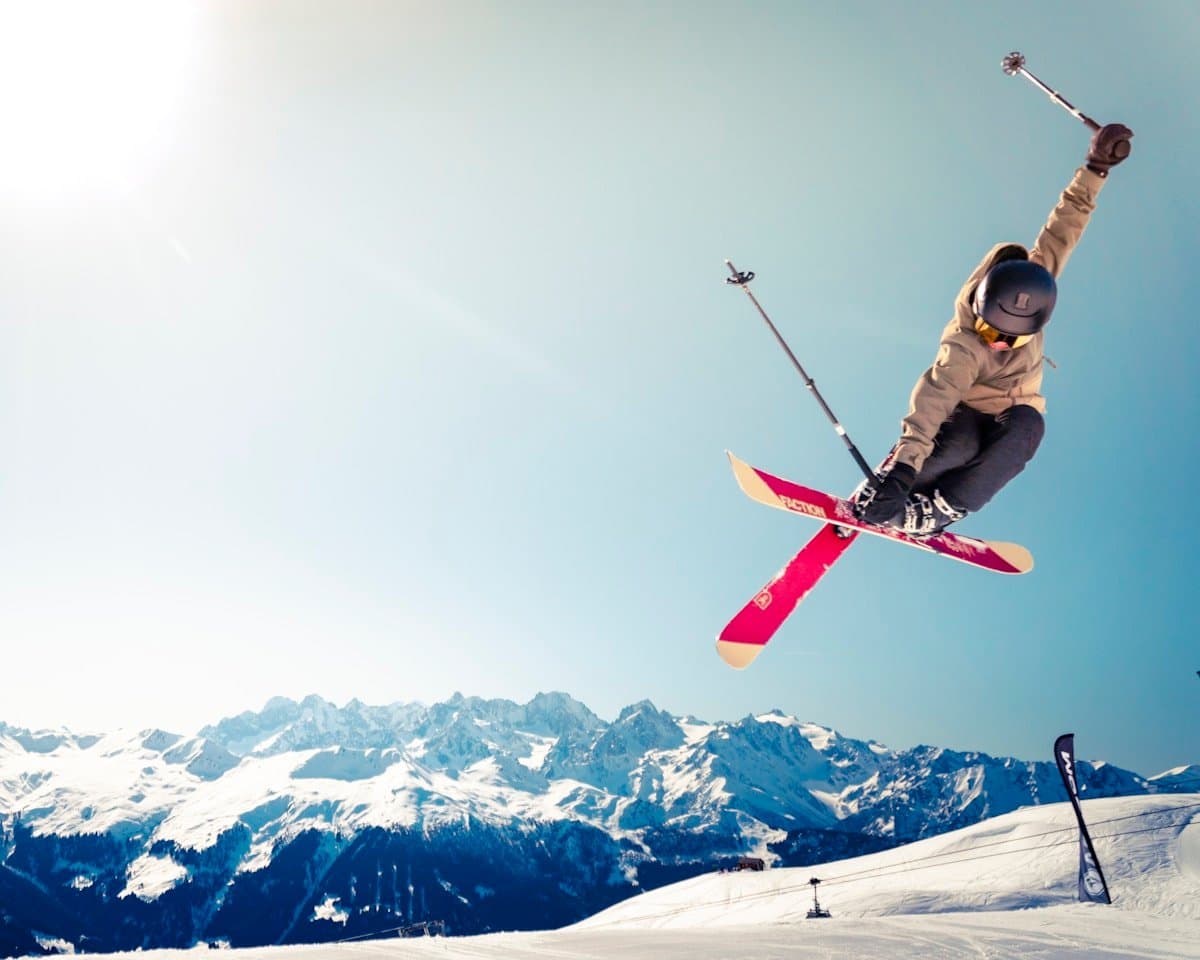
There are ski resorts, and then there is Alpe d’Huez. Perched at 1,860 metres in the Grandes Rousses massif of the French Alps, this is a place that refuses to be defined by a single season. In winter it is a world-class ski destination with 249 kilometres of piste and the longest black run in Europe. Come July, those same mountains transform into a cycling mecca that attracts thousands of riders chasing the footsteps of Tour de France legends. And in between, a genuine alpine village keeps its own rhythm — market mornings, terrace lunches, cheese fondues and starlit evenings that have nothing to do with whether there is snow on the ground.
This guide covers everything that makes Alpe d’Huez worth returning to year after year: the ski terrain and its headline runs, the summer cycling culture, the dining scene, the local village life, and the practical facts that will help you make the most of every visit. If you have been considering making this corner of the Alps a more regular part of your life — perhaps through a co-ownership property in the French Alps — then understanding what the resort genuinely offers across all twelve months is the place to start.
The Ski Terrain: 133 Pistes Across Every Level
Alpe d’Huez’s ski domain opens typically in early December and runs through to mid-April, with the Pic Blanc glacier offering skiing as late as May in good snow years. The resort’s 133 pistes break down into 43 green, 34 blue, 40 red and 16 black runs — a balance that makes it genuinely comfortable for beginners while offering real challenge for advanced skiers. The altitude range, from around 1,450 metres at the valley base to 3,330 metres at the summit, is one of the best in France and helps guarantee snow reliability even in low-snowfall winters.
What sets Alpe d’Huez apart from many French resorts is its sunshine record. The designation “l’Isle du Soleil” — Island of the Sun — comes from those 300 days of sunshine a year, which transforms the ski experience. Blue-sky powder days here feel genuinely different to the grey overcast conditions you can find in more northerly Alpine resorts. It also means the village terraces are busy at lunchtime all winter, which gives the place an energy and conviviality that extends well beyond the slopes. For families, the resort has earned a “Famille Plus” designation from French Tourism — recognition of its particular suitability for mixed-ability family groups.
Pic Blanc Summit Run
Take the cable car to the highest point at 3,330m and ski down with panoramic views stretching across the entire Grandes Rousses massif. On clear days you can see Mont Blanc.
La Sarenne Black Run
The full 16km descent from Pic Blanc is a bucket-list ski experience — the longest run in the Alps, through genuinely remote terrain that takes you away from the resort crowds entirely.
Grand Domaine Touring
With a single ski pass you can explore the five other linked villages — Vaujany, Oz-en-Oisans, Auris-en-Oisans and more — each with their own character and quieter pistes away from main resort traffic.
Snowpark & Freestyle
Alpe d’Huez has one of the best snowparks in France for freestyle skiers and boarders, with well-maintained kickers, rails and halfpipe running through the season alongside night skiing events.
133 Pistes: What the Mix Looks Like
One of the most useful ways to understand any ski resort’s character is to look at how its pistes are distributed by difficulty. Alpe d’Huez’s balance is genuinely unusual — more than half its runs sit in the red and black categories, making this a resort that rewards improving and advanced skiers who want to push themselves. But the green and blue count is still substantial enough that beginners and families have more than enough to keep them entertained for a full week.
La Sarenne: The Alps’ Longest Black Run
No visit to Alpe d’Huez is complete without at least attempting La Sarenne. The run begins at the Pic Blanc cable car station at 3,330 metres and follows the Sarenne valley for 16 kilometres all the way to the hamlet of Clavans-en-Haut-Oisans at around 1,500 metres — a vertical drop of almost 1,900 metres. By any measure, this is one of the great ski runs in the world.
What makes it interesting — and somewhat controversial — is that La Sarenne is not a brutally steep black by the standards of, say, Val d’Isère’s Face de Bellevarde. The average gradient hovers around red-run territory, which means it is accessible to confident intermediate skiers who want an adventure rather than just the hardest skiing. The challenge is the length, the remoteness, the changing terrain and the commitment required to reach the valley shuttle bus that takes you back to resort. There are sections where the gradient steepens considerably, and in icy conditions the descent demands real respect.
The Sarenne also forms part of the summer cycling Col de Sarenne route — the same valley that Tour de France riders traverse in the famous double ascent of the Alpe. Standing at the bottom after a ski descent, looking back up the mountain, gives you a genuine appreciation for what those cyclists achieve under summer sun.
“La Sarenne is not the steepest black run in France. It is something more interesting than that — a 16-kilometre commitment to an entirely different side of the mountain, where the resort crowds disappear and you are left alone with the glacier, the valley and your own ability.”
The Summer Transformation: Cycling Capital of the Alps
When the last ski lifts close in April, Alpe d’Huez does not go to sleep. Within weeks, the road from Bourg d’Oisans begins filling with cyclists. By July, around 1,000 riders per day are tackling the famous 13.8-kilometre climb — 21 hairpin bends, an average gradient of 8.1 percent, a maximum of 13 percent — that has been one of cycling’s most celebrated ascents since it first appeared in the Tour de France in 1952. Each of the 21 hairpin bends is named after a Tour de France stage winner, turning the climb into a living monument to the sport’s greatest champions.
The cycling culture here goes far beyond recreational riding. Every Wednesday morning from May through September, Alpe d’Huez Tourisme runs official timed ascents starting from the EDF electricity plant at Bourg d’Oisans. Finish the climb and you earn an official diploma — more than 2,000 are handed out every season. La Marmotte, the annual gran fondo sportive that takes in multiple iconic Alpine climbs in a single brutal day, draws over 7,000 participants and has a waiting list measured in years. Then in July comes the Megavalanche — a mass-start mountain bike race from the Pic Blanc summit to the valley floor, one of the most spectacular events in the cycling calendar, attracting fans from across the globe.
Beyond the road cycling, Alpe d’Huez offers more than 260 kilometres of mountain biking trails across every type of terrain — from glacier descents to forest switchbacks to technical enduro routes. The ski lifts run through July and August to serve the MTB trails, meaning you can access the high alpine terrain without the long climb. For walkers and hikers, the same network of trails offers summer access to the Grand Domaine with views that, on a clear day, extend to Mont Blanc.
The Village, the Dining Scene & the Art of Après
Alpe d’Huez is not a purpose-built ski station in the modern French style. The village has existed since before the ski resort opened in 1936, and it retains a character that comes from being an actual place rather than a piece of resort infrastructure. The central plaza, the church square, the morning market, the ice rink in the middle of town — these are the bones of a community, not a theme park. That said, the resort has grown considerably and there is a full range of catering for different tastes and budgets, from mountain canteens to proper restaurant dining.
For dining, the options span the full range. The slopes themselves have several serious mountain restaurants worth a lunch detour — the Folie Douce is one of the most famous après-ski venues in the Alps, with afternoon DJ sets and terrace dining that has become a kind of cultural institution. In the village, look for restaurants serving proper Savoyard cuisine: fondue Savoyarde, tartiflette (reblochon cheese, potatoes and lardons baked in a dish that should be illegal in any other context), raclette and gratin dauphinois. The Oisans region produces its own charcuterie and the local cheese tradition is worth exploring at the market stalls.
Evening entertainment in Alpe d’Huez tends to be livelier than in many comparable resorts. There are comedy festivals in winter, motor racing on ice events, regular live music and a bar scene that caters to everyone from families wanting an early evening Vin Chaud to later-night revellers. The resort has historically attracted a young, international crowd alongside the families, which gives it a broader social energy than more exclusively family-oriented resorts. If you want the full mountain lifestyle experience, Alpe d’Huez delivers it in both seasons.
A Season-by-Season Timeline
December – February: Peak Winter Season
Full ski domain open, all 80 lifts running, snowpark in operation. Busiest period — Christmas and February half-term weeks book out earliest. Night skiing events, comedy festival, ice motor racing. Snow reliability is typically excellent above 2,000 metres.
March – April: Late Season & Spring Skiing
Often the best skiing of the year — spring sunshine, softening snow, quieter slopes. The Sarenne at its most enjoyable in March. Glacier skiing sometimes extends to May. Village terraces come alive with après-ski in shirtsleeves.
May – June: Opening of Cycling Season
The road opens and the first cyclists arrive. Wednesday timed ascents begin. La Marmotte takes place in late June or early July. Hikers begin accessing the high alpine trails. Quieter, excellent value for accommodation.
July – August: Peak Summer
Megavalanche in early July. 1,000 cyclists a day on the 21 bends. Lifts running for MTB. Paragliding, zip-lines, archery, outdoor tennis, luge — the full activity menu. Tour de France may pass through (schedule varies annually).
September – November: Shoulder Season
Cycling season winds down in October. Hiking is excellent through September. November sees the resort preparing for winter — lifts graded, snowmaking infrastructure tested. First snowfalls typically arrive in November at altitude. Quietest and least expensive time to visit.
Why Regulars Return Year After Year
The people who visit Alpe d’Huez once tend to come back. There is something about the combination of genuine year-round activity, reliable sunshine, excellent skiing terrain and a village with real social life that creates the conditions for a long-term relationship with a place. Many visitors who started with annual rental stays find themselves investigating what it would take to have something more permanent — a base in the resort that is always there, ready to use, without the logistical drag of finding somewhere to stay each time.
The traditional obstacle to owning in places like Alpe d’Huez is cost and usage. A fully owned Alpine apartment at this altitude carries a significant price tag, and the reality is that most second-home owners use their property for four to six weeks a year at most, paying full running costs for twelve. Co-ownership — owning a legally deeded fraction of a property alongside a small number of other owners — addresses both constraints. You own a real asset with real title, costs are shared proportionally, and your usage allocation is typically calibrated to what you actually need: a week in peak winter, a week in early season, a summer week when the cycling world descends. You can read more about how the buying process works here.
The Grand Domaine’s linked resorts also mean that co-ownership access to the wider French Alps property market opens up options across multiple villages. Vaujany, Oz-en-Oisans, even the broader Isère valley — all connected by the same ski pass, all offering different price points and character. If you are seriously considering making the Alps a regular part of your life, the economics of co-ownership versus full ownership are worth examining carefully.
Alpe d’Huez: Your Questions Answered
When is the best time to ski at Alpe d’Huez?
March is widely considered the finest skiing month — reliable snow at altitude, softer spring conditions lower down, and long sunny days that make terrace lunches a pleasure. February half-term is peak season and correspondingly busy. December is excellent for guaranteed snow if you book early. The glacier allows skiing into April and sometimes May in good years.
Is La Sarenne suitable for an intermediate skier?
A confident intermediate — comfortable on red runs throughout a day — can tackle La Sarenne with care in good conditions. The average gradient is closer to a red than a typical black. The challenge is length, remote terrain and some steeper sections mid-descent. It is not recommended for nervous intermediates, in icy conditions, or late in the afternoon when light flattens. Go with a guide or experienced companion if in doubt.
How do I climb the 21 bends officially?
Every Wednesday from May to September, Alpe d’Huez Tourisme runs official timed ascents. The start point is the EDF electricity plant at the bottom of the climb in Bourg d’Oisans. You register in advance, receive an official time on completion, and can earn a diploma. Outside of Wednesdays, the road is open to cyclists throughout the season — there is no registration needed for an unofficial attempt.
What is the Grand Domaine and is the area pass worth it?
The Grand Domaine combines Alpe d’Huez with five surrounding villages — Vaujany, Oz-en-Oisans, Auris-en-Oisans, Huez-en-Oisans and Villard Reculas — into a single ski area of 249 kilometres. The area pass covers all lifts across all six resorts. For a week’s stay, it is almost always worthwhile: it gives you access to quieter pistes in the other villages and allows you to vary your skiing considerably across a week.
How do I get to Alpe d’Huez from the UK or major airports?
The nearest major airports are Grenoble (1 hour 15 minutes by road), Lyon Saint-Exupéry (approximately 2 hours) and Geneva (approximately 2 hours 30 minutes). Transfers and coach services run throughout winter season from all three airports. The road up the 21 bends is a standard road accessible to regular cars in winter with appropriate tyres — the dramatic hairpin approach is part of the experience.
Is Alpe d’Huez good for families with young children?
Yes — the resort holds a “Famille Plus” designation from the French national tourism authority, recognising resorts with exceptional facilities for young families. There are extensive beginner areas, ski schools with excellent English-speaking instruction, and a good spread of family-friendly activities beyond skiing: the ice rink, the village toboggan run, the magic carpet lifts, and year-round options like bowling and the tennis club make it genuinely inclusive for all ages.
Ready to Make Alpe d’Huez Part of Your Life?
Explore co-ownership properties in the French Alps — legally deeded shares in premium alpine homes, with costs and usage split fairly. From around €65,000 for a one-eighth share. Speak to our specialists to find the right fit.
See the homes behind this guide. Explore a current French Alps co-ownership share, browse the wider French collection, or speak with our team about what is available now.
More from Co-Ownership Property

Kontakt aufnehmen
Sprechen Sie mit einem Experten
Sagen Sie uns, wonach Sie suchen, und einer unserer Miteigentums-Spezialisten meldet sich innerhalb von 24 Stunden bei Ihnen.