Co-Ownership Basics
Lake Tahoe Co-Ownership: The Dual-Season Property Market Smart Buyers Are Targeting in 2026
Lake Tahoe co-ownership offers dual-season luxury at a fraction of full ownership costs. Discover why smart buyers are choosing fractional property in Tahoe for 2026.

Lake Tahoe has always occupied a rare position in American real estate — a destination where powder-filled winters and sun-drenched summers deliver genuine year-round value. Unlike single-season resort markets that sit dormant for half the year, Tahoe’s dual-season appeal has pushed median property prices to $1.1 million in North Lake Tahoe alone, with lakefront estates averaging $14.5 million. For most buyers, those numbers put full ownership firmly out of reach. But a growing wave of co-ownership buyers are discovering a smarter path into this iconic market.
Co-ownership — also known as fractional ownership — allows buyers to purchase a deeded share in a luxury Tahoe property, typically one-eighth, giving them approximately 45 days of personal use per year plus access to fully managed rental income when they’re not in residence. It’s not a timeshare. It’s real property ownership, with real appreciation potential, at a fraction of the capital commitment. And in a market where 11% of all current listings in the North Tahoe-Truckee area are already fractional shares, the model is rapidly becoming mainstream.
Market Snapshot
Why Lake Tahoe’s Numbers Favour Co-Ownership
The economics of Lake Tahoe property in 2026 tell a compelling story. The luxury segment has seen a 14% year-over-year price increase, with median sales in the premium bracket reaching $2.5 million. Even in the broader market, the 4% annual appreciation across North Lake Tahoe confirms that values continue to climb. Over the past two decades, Tahoe properties have appreciated between 4% and 7% annually, according to local market analyses — outperforming many traditional investment vehicles.
Yet full ownership comes with significant hidden costs. A typical luxury Tahoe home sits empty for 280 or more days per year, while the owner covers 100% of property taxes, insurance, maintenance, and management. Snow removal alone can run $5,000 to $15,000 per winter. With co-ownership properties, each one-eighth owner pays just one-eighth of every running cost — transforming the financial equation entirely. You get the same luxury experience, the same appreciation upside, and the same bragging rights, without the financial drag of a home that mostly sits empty.
The opening of the Base-to-Base Gondola at Palisades Tahoe in 2022 demonstrated how infrastructure investment lifts property values — nearby homes saw an estimated 12% price bump within the first year. Co-owners who bought before that improvement captured the same capital gains as full owners, at a fraction of the entry cost.
$1.1M
Median sales price in North Lake Tahoe — up 4% year-over-year in 2026
45 Days
Annual personal use per 1/8 co-ownership share, flexibly booked across both seasons
11%
Of current North Tahoe-Truckee listings are already fractional ownership shares
$150K+
Top gross annual rental revenue for well-managed luxury Tahoe vacation homes
Dual-Season Value
Winter Powder, Summer Paradise: Tahoe’s Year-Round Edge
What separates Lake Tahoe from virtually every other ski market in America is its dual-season magnetism. Palisades Tahoe alone averages 400 inches of snowfall every winter, while the 2025–26 season delivered dramatic February storms that dumped 105 inches at Sugar Bowl in a single event. The ski season typically runs from November through April, offering six solid months of alpine recreation across resorts including Heavenly, Northstar, Kirkwood, and Sierra-at-Tahoe.
But Tahoe’s summer is equally extraordinary. The crystal-clear lake — the largest alpine lake in North America — draws paddleboarders, kayakers, swimmers, and boaters from June through September. Mountain biking, hiking, and trail running take over the same terrain that hosted skiers months earlier. The Truckee River offers world-class rafting, while golf courses with mountain panoramas operate through the warm months. This year-round activity calendar is what drives 60–70% of total annual rental revenue across just the peak winter and summer months alone.
For co-owners, this dual-season dynamic means every week of the year has value. A one-eighth share providing 45 days of use can be strategically split between ski trips in January and February and lakeside weeks in July and August — maximising personal enjoyment across both peak seasons. When you’re not using the property, professional management handles holiday rentals that capitalise on Tahoe’s year-round demand.
Lake Tahoe Rental Revenue by Property Type (Annual Gross)
5-Bedroom Luxury Home (Incline Village)
4-Bedroom Ski Chalet (Truckee)
3-Bedroom Lakefront (Tahoe City)
3-Bedroom Condo (South Lake Tahoe)
2-Bedroom Apartment (Kings Beach)
Investment Case
Rental Revenue and Appreciation: The Financial Picture
Well-managed vacation rentals in Lake Tahoe generate impressive returns. According to Evolve’s market analysis, top-performing properties earn between $70,000 and $150,000 in gross annual revenue, with five-bedroom homes pulling the highest figures. Holiday weeks around Thanksgiving, Christmas, New Year’s, and the Fourth of July command rates two to three times the standard nightly price.
Average occupancy rates for professionally managed short-term rentals sit between 60% and 75% annually, with peak seasons regularly exceeding 90%. In Incline Village — one of Tahoe’s most prestigious communities — well-managed rentals generate $80,000 to $150,000 in gross annual revenue. For a co-owner holding a one-eighth share, that translates to a proportionate slice of rental income during the weeks they’re not personally enjoying the property.
Combined with steady 4–7% annual property appreciation, co-ownership in Lake Tahoe delivers both lifestyle and financial returns. And because every running cost — from property management fees to snowplough contracts — is split proportionately among owners, the running costs remain remarkably manageable compared to solo ownership.
“A Lake Tahoe co-ownership share delivers something no other US market can match — world-class skiing and a pristine alpine lake from a single front door, at a fraction of the cost of full ownership.”
Buyer Landscape
Who Is Buying Co-Ownership Shares in Lake Tahoe?
The profile of today’s Tahoe co-ownership buyer has shifted dramatically. According to Westall Real Estate’s 2026 buyer guide, remote work has fundamentally altered demand patterns — buyers are no longer limited to holiday visits. Many co-owners now use their 45 days across extended stays, working remotely from their Tahoe share for two or three weeks at a time before handing the property over to the next owner or the rental pool.
The typical buyer is a 40–55-year-old professional, often based in the San Francisco Bay Area, Sacramento, or Los Angeles. Many previously owned a full second home in Tahoe and switched to co-ownership after discovering that they were using the property barely 30 to 40 days per year while covering all the expenses. Others are first-time resort property buyers who recognise that tying up $1 million or more in a single vacation home no longer makes financial sense.
Co-Ownership Property’s buying process is designed for exactly this buyer — someone who values luxury, flexibility, and financial intelligence in equal measure. Every property is fully managed, meaning zero coordination with other co-owners, zero maintenance headaches, and zero rental management hassle. You book through an app, arrive to a home prepared with your personal belongings, and enjoy your stay.
| Tahoe Neighbourhood | Co-Ownership Entry Price | Key Advantage | Season Strength |
|---|---|---|---|
| Incline Village | From around $200,000 | No Nevada state income tax | Year-round |
| Truckee / Tahoe Donner | From around $150,000 | Multi-resort ski access | Winter-heavy |
| Tahoe City / West Shore | From around $175,000 | Lakefront lifestyle, sunset views | Summer-heavy |
| South Lake Tahoe | From around $100,000 | Lower entry, Heavenly access | Year-round |
| Northstar Village | From around $180,000 | Ski-in/ski-out convenience | Winter-heavy |
Location Guide
Tahoe’s Premium Co-Ownership Neighbourhoods
Not all corners of Lake Tahoe are equal when it comes to co-ownership potential. Incline Village, on the Nevada side, offers a significant tax advantage — no state income tax — making it the premier choice for high-net-worth buyers. Property values here are among the highest around the lake, with luxury homes commanding premium prices, but the tax savings often more than compensate.
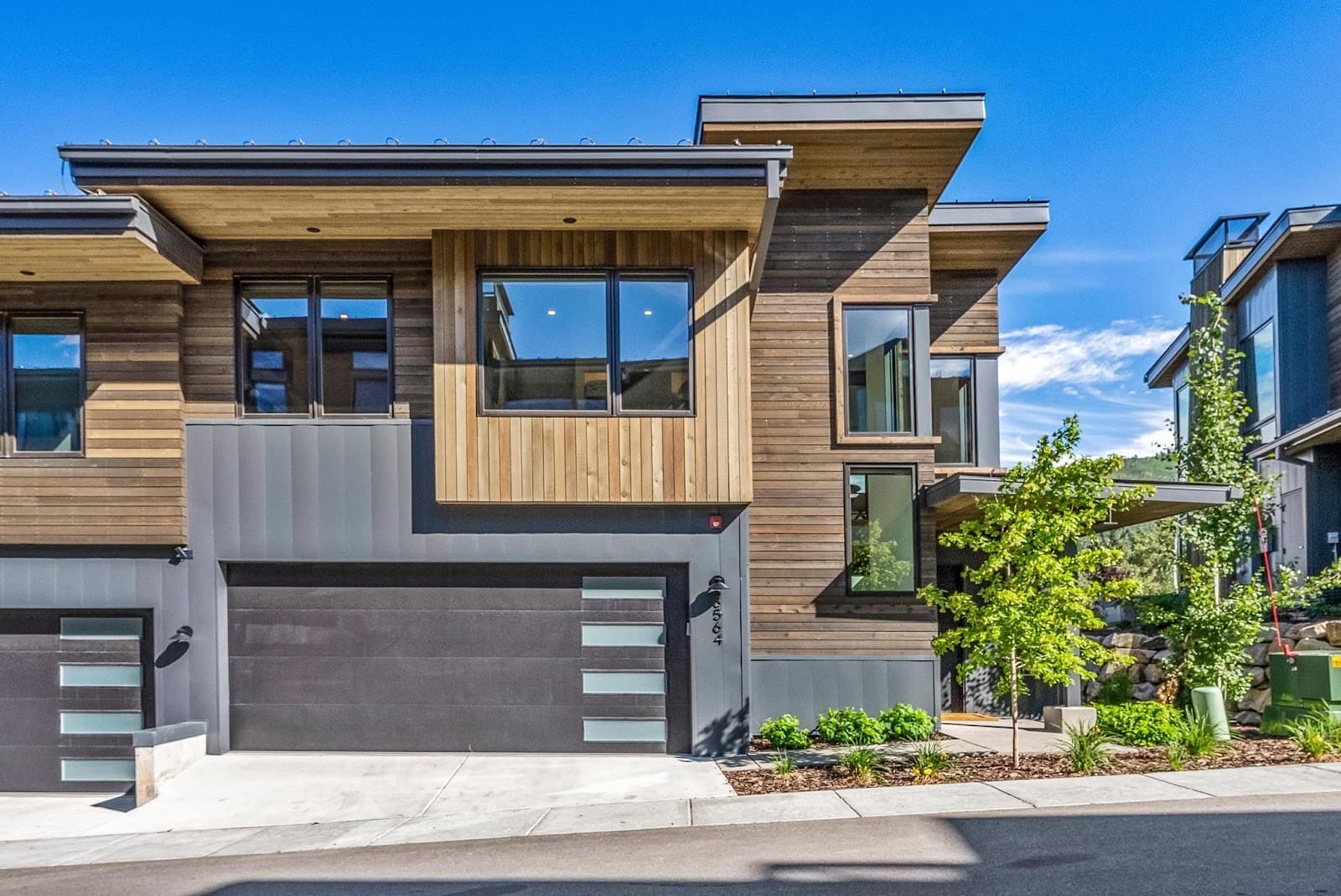
Truckee and Tahoe Donner represent the sweet spot for ski-focused co-owners. Proximity to Palisades Tahoe, Northstar, and Sugar Bowl makes this area the most accessible for winter sports enthusiasts. New construction has surged here, featuring smart-home technology, dedicated gear rooms, and seamless indoor-outdoor living spaces that command top rental rates. Tahoe City and the West Shore offer the quintessential lakefront lifestyle, with direct beach access and stunning sunset views that are impossible to replicate.
South Lake Tahoe, straddling the California-Nevada border, delivers a more vibrant nightlife and entertainment scene anchored by Heavenly resort. Entry costs here are lower than the North Shore — making it an attractive market for buyers seeking co-ownership apartments or condominiums with strong rental performance. Across all these micro-markets, Co-Ownership Property curates best fractional ownership properties that match each buyer’s lifestyle priorities and investment goals.
2019–2020
Pre-Pandemic Tahoe
Tahoe fractional ownership was a niche market, primarily concentrated in high-end Incline Village and Northstar developments. Entry prices remained accessible.
2020–2021
The Remote Work Rush
COVID-era remote work triggered unprecedented demand for Tahoe property. Prices surged 20–30% in a single year, pushing full ownership out of reach for many.
2022–2023
Co-Ownership Goes Mainstream
Fractional platforms expanded aggressively into the Tahoe basin. The Palisades Tahoe gondola opening boosted nearby values by 12%. Buyer awareness accelerated.
2024–2025
Market Maturation
11% of North Tahoe-Truckee listings became fractional shares. Professional management infrastructure matured, and resale data confirmed strong liquidity.
2026 Onwards
The New Normal
Co-ownership is now an established pillar of the Tahoe property market, offering dual-season returns, proven appreciation, and a buyer base that continues to grow.
Ownership Structure
How Lake Tahoe Co-Ownership Actually Works
Every co-ownership property is held in a purpose-built LLC, with each buyer purchasing a share in that legal entity. This is deeded real estate ownership — you appear on the title, you benefit from appreciation, and you can sell your share on the open market at any time. It is fundamentally different from a timeshare, where buyers typically purchase a right-to-use that depreciates and cannot be resold at market value.
Booking is handled through a flexible reservation system — no fixed weeks, no rotation schedules. Co-owners can reserve stays from two days to two years in advance, choosing their preferred dates through an intuitive app. When you arrive, your personal belongings are retrieved from secure storage and the property is prepared to your specifications. When you leave, everything is taken care of.
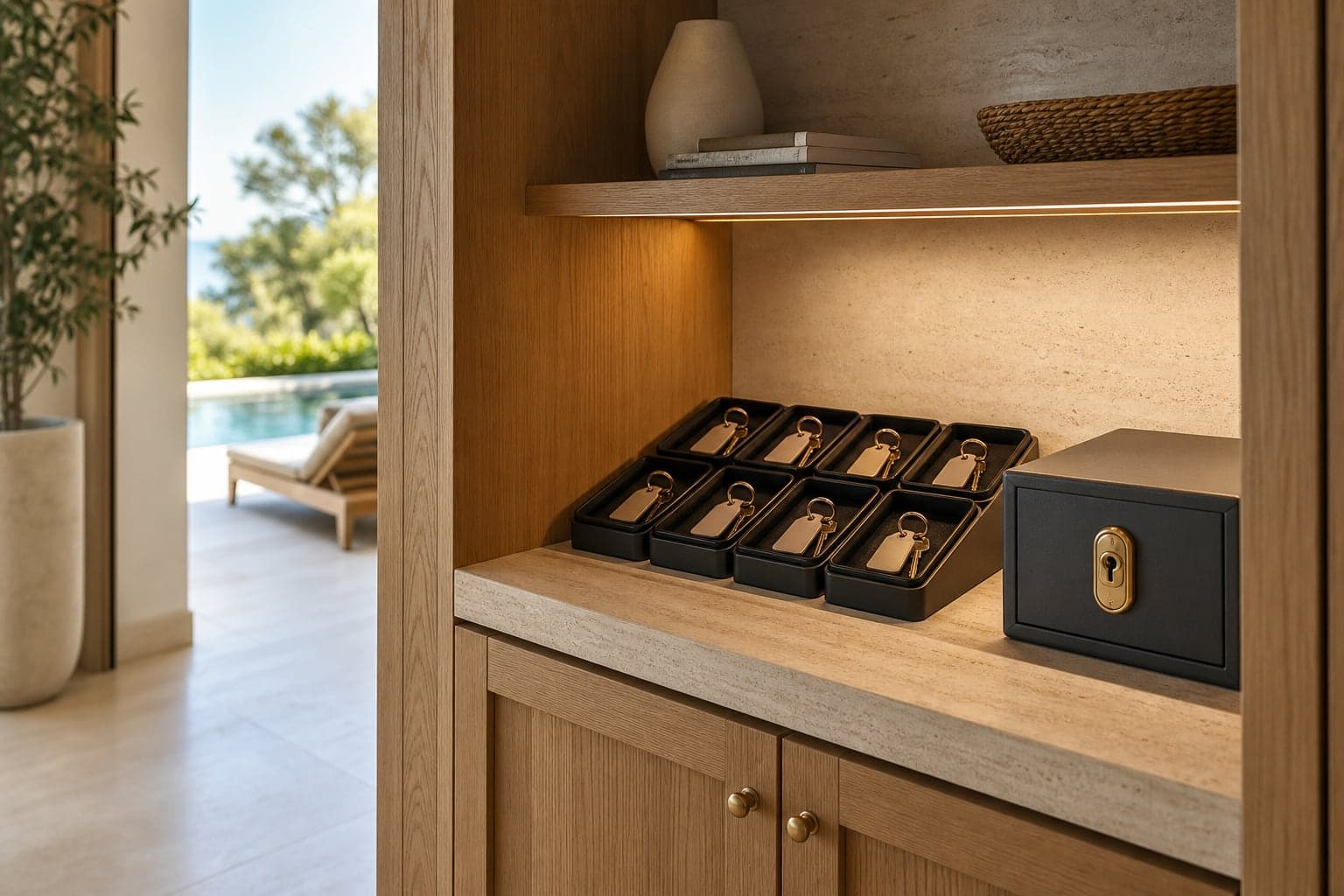
The management company handles every aspect of property upkeep — cleaning between stays, seasonal maintenance, snow removal, landscaping, insurance, tax filings, and rental coordination. Co-owners never interact with each other operationally. This turnkey approach is what makes co-ownership work for busy professionals who want a mountain lifestyle without the full-time management burden of a traditional second home. If you decide to exit, your share is first offered to existing co-owners in the property, then listed publicly — with average resale times of around one month or less.
Market Comparison
Lake Tahoe vs Other US Co-Ownership Markets
While Colorado properties in Aspen, Vail, and Breckenridge dominate the conversation around US fractional ski property, Lake Tahoe offers several distinct advantages. Tahoe’s dual-season revenue potential typically outperforms single-season Colorado ski towns, where summer occupancy drops substantially. The proximity to major California population centres — San Francisco is just four hours away, Sacramento under two — creates a larger pool of both owners and renters.
Compared to Florida properties or California properties on the coast, Tahoe co-ownership delivers a rare combination of alpine and aquatic lifestyle. Coastal properties offer beach living but lack the ski season entirely. Mountain properties in Colorado offer powder but lack the lake. Tahoe is the only major US market where a single property can serve both purposes, and that versatility is reflected in consistently strong year-round occupancy rates.
For buyers considering their first co-ownership purchase, Tahoe represents an ideal entry point — mature enough to offer proven demand data and established management infrastructure, yet still early enough in the co-ownership adoption curve to capture significant appreciation. Browse the full range of USA fractional ownership properties to compare Tahoe with other premier US destinations.
Looking Ahead
The 2026 Outlook for Lake Tahoe Co-Ownership
Several converging trends point to continued growth in Tahoe’s co-ownership segment. Remote work remains entrenched — major employers including Google, Apple, and Salesforce have confirmed permanent flexible work policies, ensuring that the extended-stay buyer profile isn’t a passing trend. Infrastructure investments continue across the basin, with resort upgrades, highway improvements, and environmental restoration projects all supporting long-term property values.
The regulatory environment also favours co-ownership. As municipalities around Tahoe tighten short-term rental restrictions for individual owners, professionally managed co-ownership properties typically operate under different frameworks, with dedicated permitting and compliance teams ensuring ongoing legality. This regulatory moat actually benefits co-owners by reducing competition from amateur landlords.
With the median Tahoe home price pushing past $1 million and luxury properties well beyond $2.5 million, the arithmetic of co-ownership becomes increasingly compelling. A one-eighth share in a $2 million luxury property costs from around $250,000 — delivering access to a turnkey ski-and-lake home with professional management, rental income potential, and full appreciation upside. To explore current availability, book a free consultation with Co-Ownership Property’s specialists.
Common Questions
Frequently Asked Questions
What does a Lake Tahoe co-ownership share actually cost?
Entry prices vary by location and property type. A one-eighth share in a luxury Tahoe property typically starts from around $100,000 for a South Lake Tahoe condo and can reach well over $500,000 for a premium lakefront or ski-in/ski-out home. You pay one-eighth of all running costs, making it dramatically more affordable than full ownership.
How many days per year can I use my Tahoe co-ownership property?
A standard one-eighth share provides approximately 45 days of personal use per year. Booking is flexible — you reserve through an app from two days to two years in advance. There are no fixed weeks or rotation schedules, so you can split your time between ski season and summer as you wish.
Is Lake Tahoe co-ownership the same as a timeshare?
Absolutely not. Co-ownership means you hold a deeded share in a registered LLC that owns the physical property. You benefit from property appreciation, can sell your share on the open market at any time, and have a genuine real estate asset. Timeshares typically involve a depreciating right-to-use with no real equity.
Can I earn rental income from my Tahoe co-ownership share?
Yes. When you’re not using the property, it can be professionally managed as a holiday rental. Income is distributed proportionate to your ownership share. Lake Tahoe’s dual-season demand means rental potential spans virtually the entire year, with peak rates during ski season and summer holidays.
What happens if I want to sell my co-ownership share?
You can sell at any time. The share is first offered to existing co-owners in the property, then listed on the open market. Average resale times are around one month or less — significantly faster than selling a full property. You sell at market value, capturing any appreciation since your purchase.
Who handles maintenance and management of the property?
Everything is fully managed — cleaning, snow removal, landscaping, repairs, insurance, tax filings, and rental coordination. Co-owners never need to coordinate with each other or manage anything themselves. When you arrive, your personal belongings are taken out of storage and the property is prepared for you.
Explore Lake Tahoe Co-Ownership Properties
Whether you’re seeking a ski-and-lake retreat or a dual-season investment, Co-Ownership Property’s specialists can match you with the perfect Tahoe share. Browse available properties or book a free consultation today.
Book Free ConsultationSee the homes behind this guide. Explore a current Lake Tahoe co-ownership share, browse the wider USA collection, or speak with our team about what is available now.
More from Co-Ownership Property

Kontakt aufnehmen
Sprechen Sie mit einem Experten
Sagen Sie uns, wonach Sie suchen, und einer unserer Miteigentums-Spezialisten meldet sich innerhalb von 24 Stunden bei Ihnen.