Lifestyle & Ownership Experience
Palamós, from the Fish Auction to Your Table
A food-led Costa Brava stay, with time for the fishing museum, local prawns and a simple supper on your own terrace.
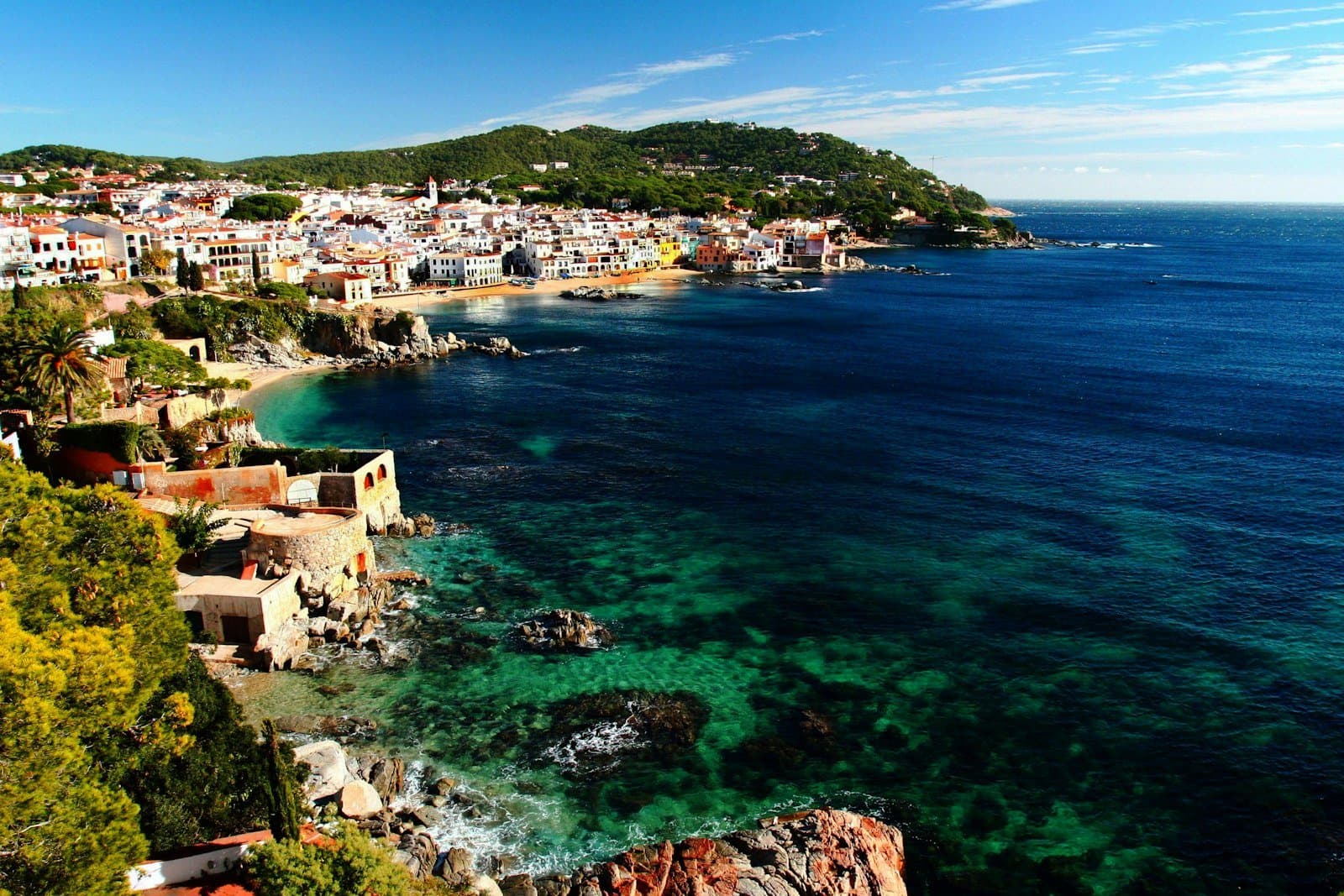
Palamós has a fish market at its auction hall as well as a Municipal Market, according to the town’s official tourism guide. That small distinction makes a lovely starting point for a stay: this is a place where buying something for supper can bring you closer to the working life of the coast. Give the beach its afternoon, certainly, but leave room for the port, a conversation at the fish counter and a meal whose main ingredient you chose yourself.
For anyone imagining regular visits to the Costa Brava, food offers a different way to get to know a town. You gradually learn what you enjoy cooking, which questions to ask and how much you really need for two people. A familiar front door gives those discoveries somewhere to settle. In Palamós, the pleasure is as much in learning the habits of the place as in finding a particularly good lunch.
Start with the people behind the catch
The fishing port is an appealing counterweight to a holiday spent entirely looking out to sea. Here, the water is a workplace too. Rather than trying to make sense of every activity from the quayside, begin with the Museu de la Pesca. Its permanent exhibition explores the maritime and fishing heritage of the area, while its wider programme connects that history with contemporary fishing and food.
The useful idea is context before the menu. Understanding something about the work behind a fish changes the way you read a restaurant’s suggestions later. It also gives children, or adults who usually leave the ordering to someone else, a more interesting entry point than a list of unfamiliar names. You need not become an expert; curiosity is enough.
Make the museum a proper part of the day rather than something squeezed between breakfast and a reservation. Allow time afterwards to talk about what caught your attention. A repeat visit to a town becomes richer when each stay adds a little knowledge, instead of asking you to repeat the same sightseeing circuit. The port can become somewhere you return to with better questions.
See the auction through an organised visit
The museum lists guided fish-auction visits among its activities. This is the sensible route into understanding the sale: book the experience rather than assuming access to a working auction. Check the available dates, language and arrangements directly before building an afternoon around it. An activity on the museum’s programme does not mean that every session is running whenever you happen to arrive.
Think of the visit as a chance to follow a sequence. Fish has to come ashore, be handled and pass into the hands of buyers before it reaches a kitchen. Watching part of that process gives a restaurant meal a tangible beginning. There is pleasure in discovering the organisation behind something that otherwise arrives on a plate with very little explanation.
Leave your own timetable slightly loose. A late coffee or a walk can fit around a confirmed visit more comfortably than a tight chain of appointments. If the experience is unavailable during your stay, the museum remains a useful starting point. There is no need to manufacture a substitute spectacle at the quay: a working harbour deserves its ordinary space.
Homes for sale now
1 home in Costa Brava, shares from €184,000
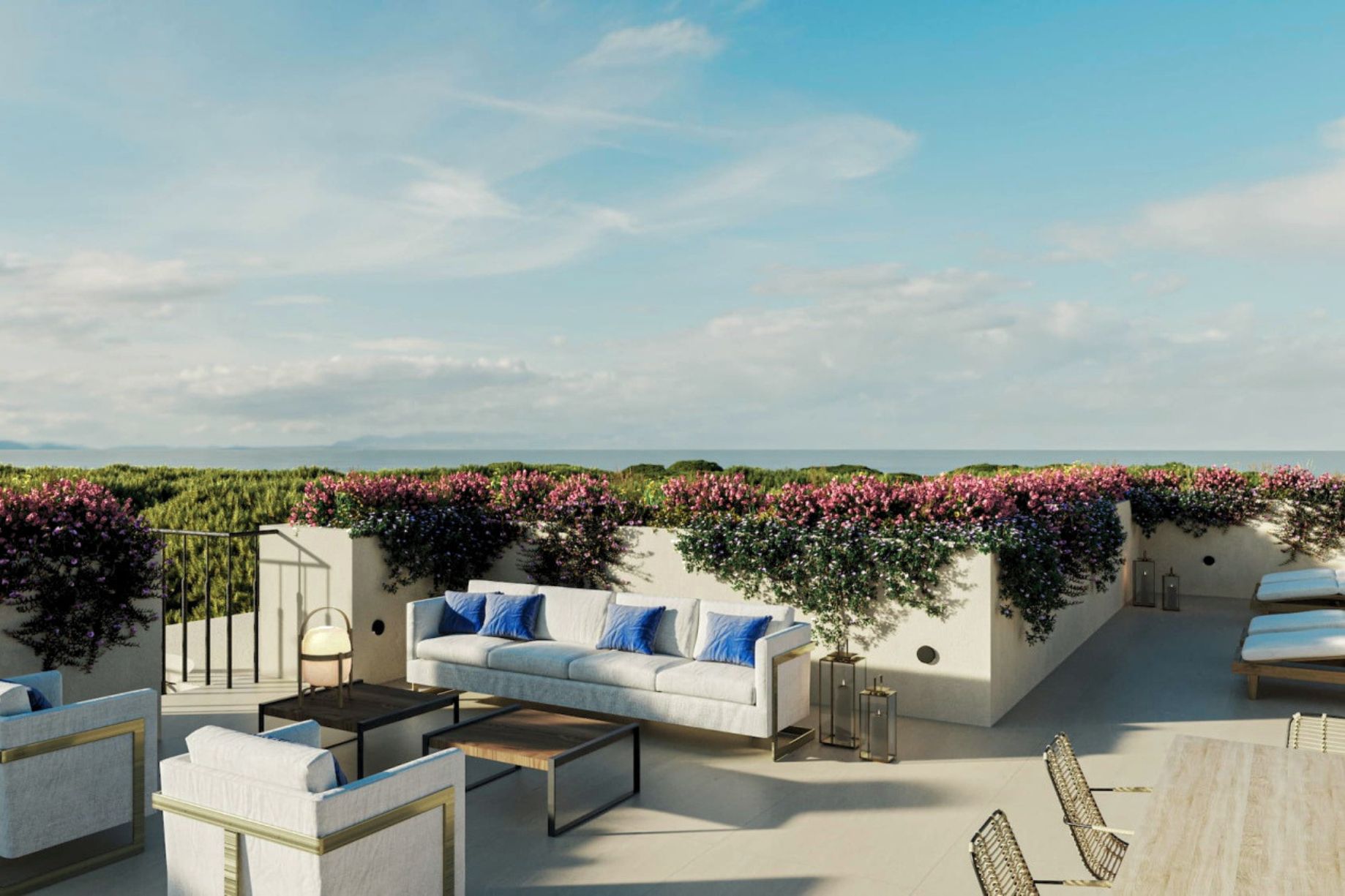
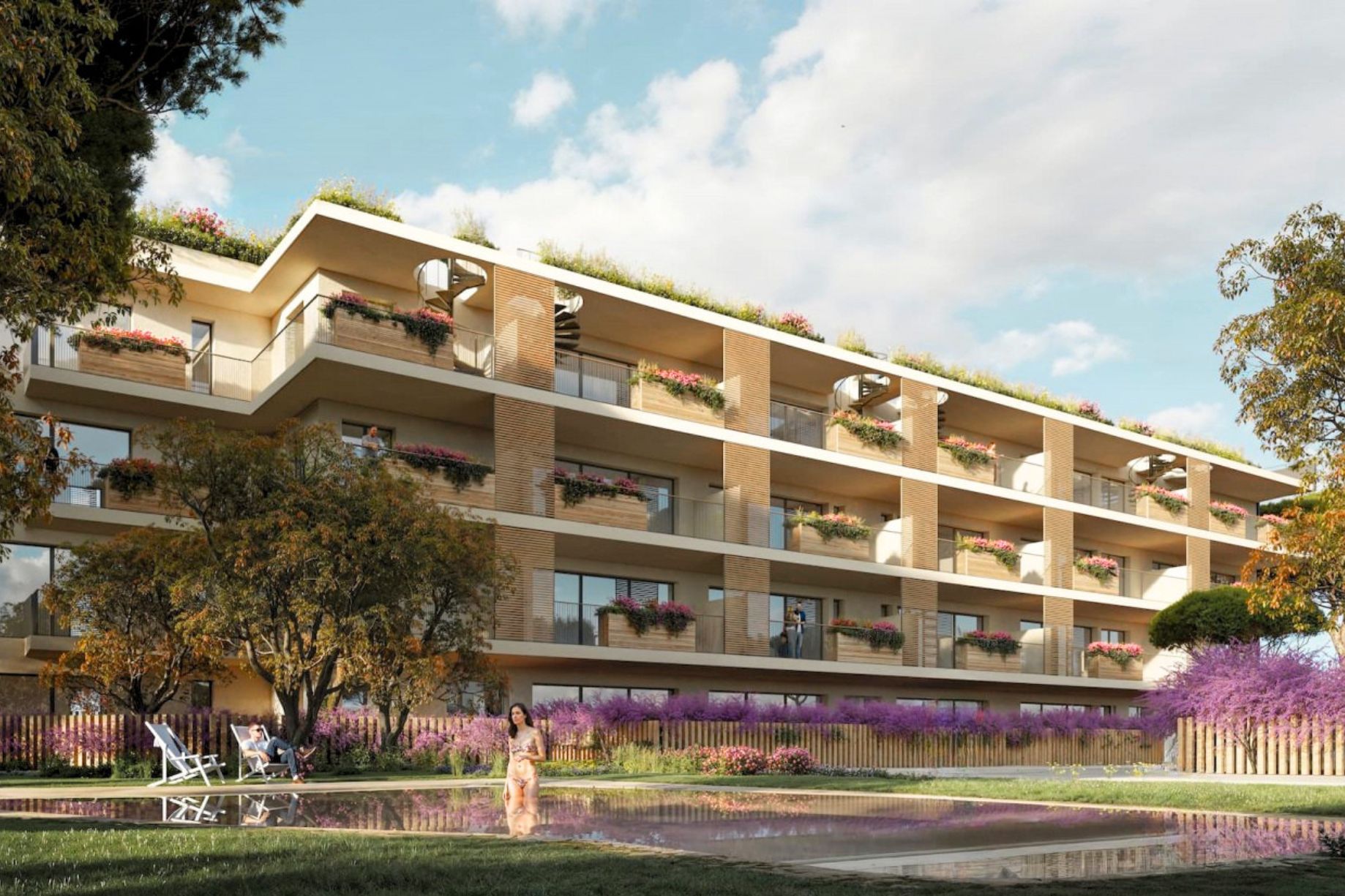
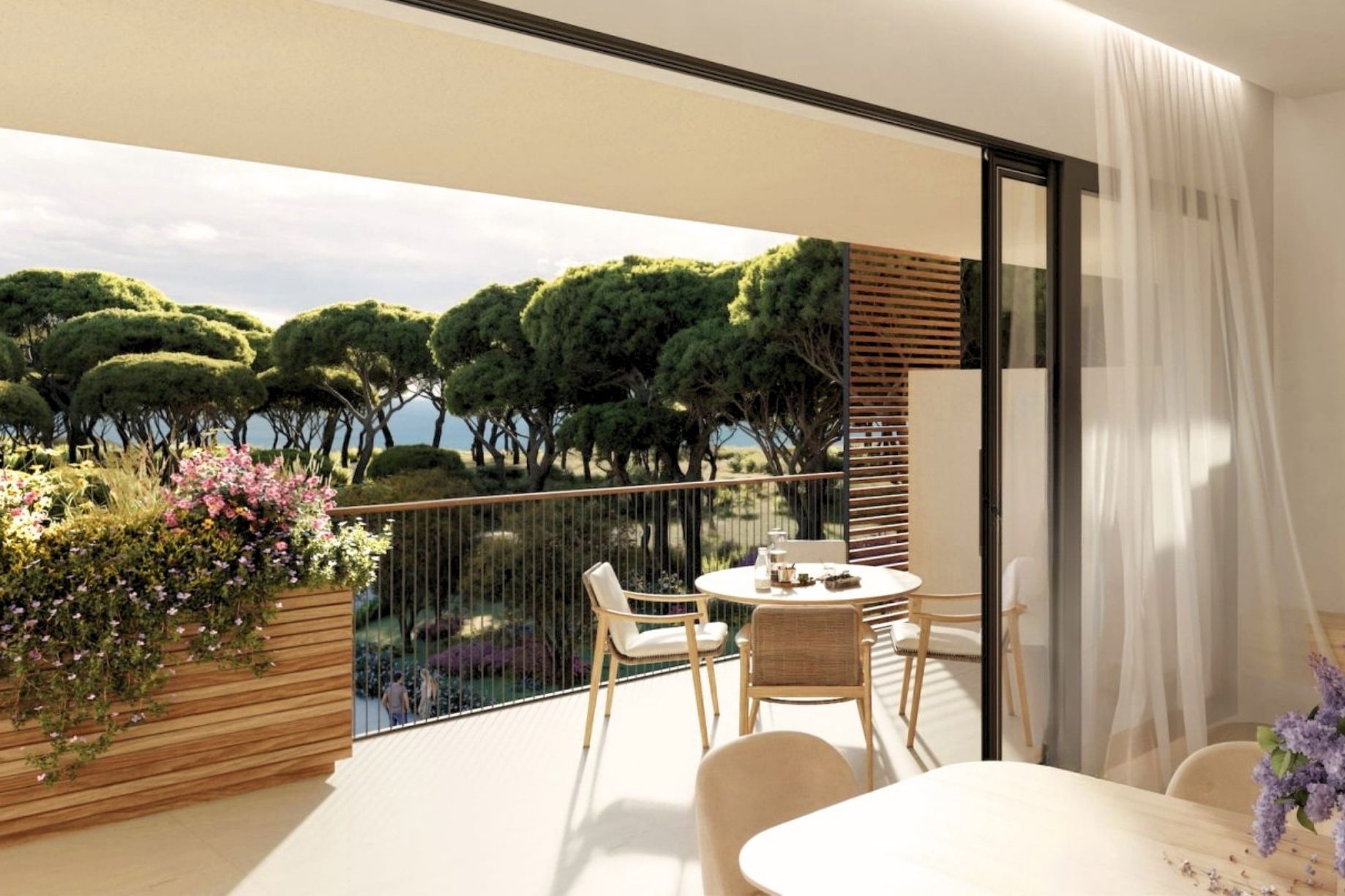
Palamós, Costa Brava, Spain — 2-Bed Penthouse With Sea Views & Roof Terrace
€184,000
Ask what the Palamós prawn name means
The red prawn is an obvious temptation here, but its name is worth understanding before you order. The Catalan agriculture department explains that the Gamba de Palamós guarantee mark covers requirements from origin through handling, temperature and storage. Its scope includes qualifying live, fresh or frozen prawns; the name alone should not be taken to mean a catch landed that morning.
That makes provenance a useful conversation, rather than an awkward interrogation. Ask what the restaurant or fishmonger has available, how it is supplied and how they suggest preparing it. The municipality’s explanation of the mark describes controls across catching, first sale, commercialisation and handling. It gives substance to a name that might otherwise sound like no more than a menu flourish.
There is no need to make every meal a prawn occasion. Let availability, appetite and the price on the day guide the choice. A modest portion shared at lunch may suit you better than a lavish dinner. One of the advantages of returning is that you can enjoy a local speciality without feeling obliged to fit every version of it into a single weekend.
Let somebody show you how to cook it
The museum’s gastronomic classroom, the Espai del Peix, offers another way into local food through courses, demonstrations, workshops and tastings. Consult the current programme and book the particular activity that appeals to you. A tasting and a practical class are different afternoons; choose the format that matches how involved you want to be.
The most valuable souvenir might be a technique. Perhaps you want more confidence judging cooking time, handling an unfamiliar fish or keeping a simple dish from becoming overcomplicated. Go with one question you would like answered. You are more likely to use a small piece of practical understanding at home than to recreate an elaborate meal from memory.
Learning travels well between stays. Keep a short note of what you tried, what worked and what you would change. On a later visit, you can build on it with another ingredient or preparation. This gives food-led holidays a satisfying continuity: the place becomes associated with something you can do, as well as something you have seen.
Plan supper around what is actually available
The tourism office describes the port fish market as an afternoon market, with closures possible during fishing bans or when weather prevents boats going out. Check the day’s position before making a special journey. Buying locally is more enjoyable when the plan has enough flexibility to follow the catch, rather than asking the counter to fulfil a menu written days earlier.
For a first shopping trip, keep the brief small: one main ingredient, something straightforward alongside it and enough time to cook without hurry. Ask for preparation advice and a suitable quantity for your party. Arrange a direct return to the kitchen with a chilled bag, rather than adding several hours of sightseeing after buying seafood.
A home kitchen also changes the pace of the evening. Someone can prepare supper while another sets the table; a child can help with bread or salad; a late arrival can join without the pressure of a restaurant reservation. These are ordinary domestic pleasures, but they are often exactly what people hope to find in a holiday home. Leave some meals deliberately simple so the setting and the company can do their share.
A roof terrace outside the town centre
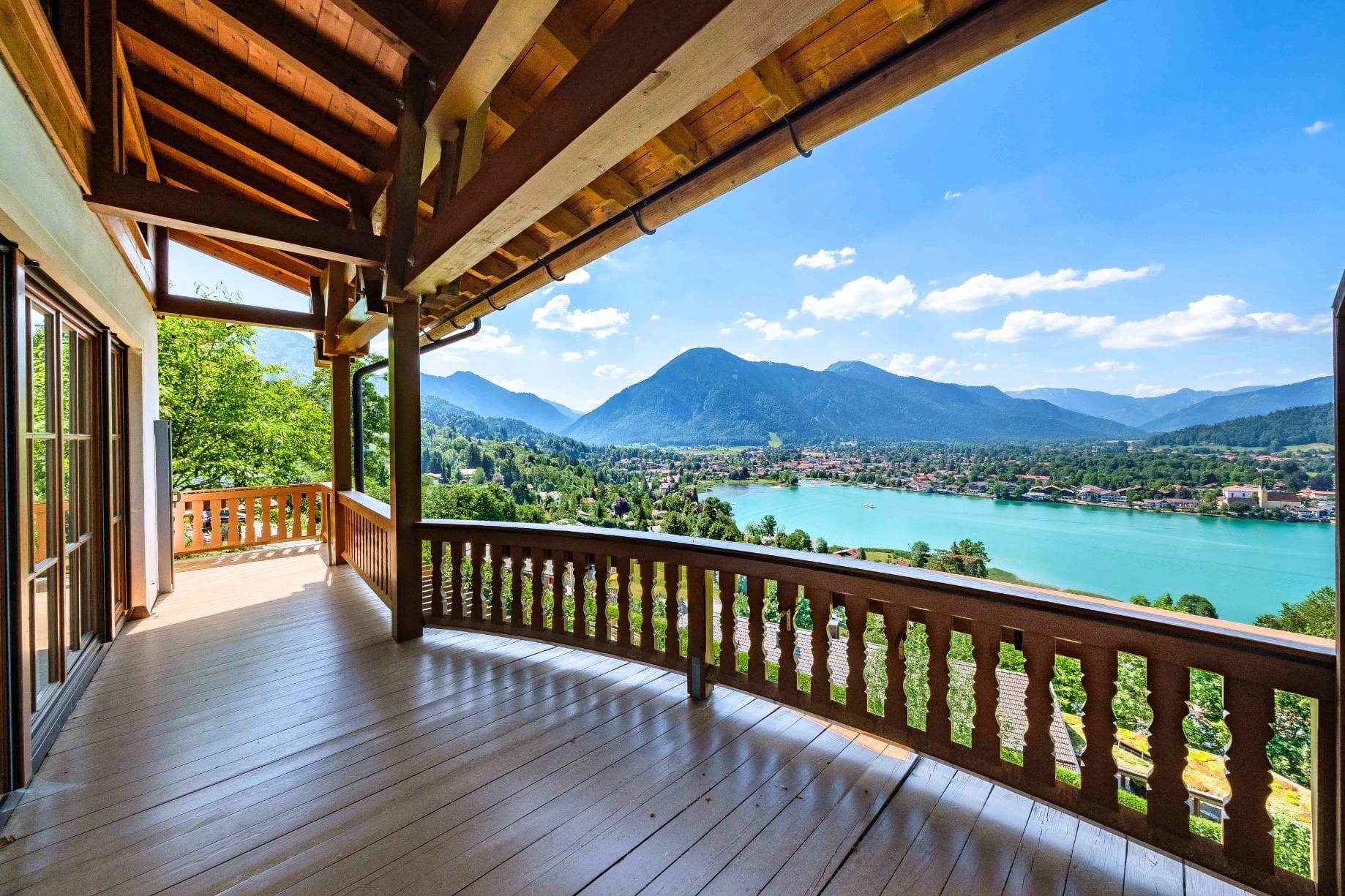
COP currently lists a two-bedroom penthouse at La Pineda d’en Gori, near Palamós, at €184,000 for a one-eighth share. Its published description includes an additional room for guests or children, two covered balconies and a private roof terrace with sea and pine-forest views. The pool and landscaped gardens belong to the shared complex.
It is useful to picture those spaces separately. The roof terrace is the home’s own outdoor setting for a meal; the swimming pool is a communal facility. Nor is this a front door beside the fish auction. The listing places the property just outside Palamós and estimates the town’s restaurants, shops and marinas at about ten minutes by e-bike. Treat that as an indicative journey and consider your own route and transport preferences.
The listing describes a new-build home, so ask COP about its current completion and handover position when discussing a purchase. Confirm the share’s actual booking arrangements, annual costs and management provisions too. The advertised one-eighth interest should not be converted into an assumed number of nights. What matters is whether the documented calendar supports the kind of visits you would enjoy, including quieter food-focused breaks.
Return with one good question left
A satisfying Palamós stay does not need to end with every culinary box ticked. You might visit the museum this time, book a cooking activity next time and gradually become more confident at the counter. A restaurant meal can supply an idea for supper on another visit. That is a more relaxed relationship with a destination than trying to declare it finished after a few days.
Before leaving, make a short list for your return: one ingredient to understand, one technique to practise and one meal you would happily repeat. Share it with whoever travels with you. It makes planning the next stay personal and concrete, while allowing the season and the fishing conditions to have their say.
The attraction of co-ownership is partly the chance to build that familiarity around a home you return to. COP concerns deeded property co-ownership, often held through an entity, with the precise rights set out in the purchase documents. If a private terrace and an increasingly familiar fish counter sound like your kind of Costa Brava routine, explore COP’s current homes as a starting point for the conversation.
More from Co-Ownership Property

Get in Touch
Speak to an expert
Tell us what you're looking for and we'll be in touch.