Germany · Europe
Germany Fractional Ownership Properties
From a clifftop penthouse above the chalk-white shores of Rügen to a lakeside chalet in the Bavarian Alps — fractional ownership in Germany means a real share of the country's most enduring second-home addresses, six to seven weeks of personal use a year, and a fully managed property waiting whenever you arrive.
10 properties · from €129,000
Glowe, Rügen, Germany — 3-Bed Apartment With Garden
€189,000
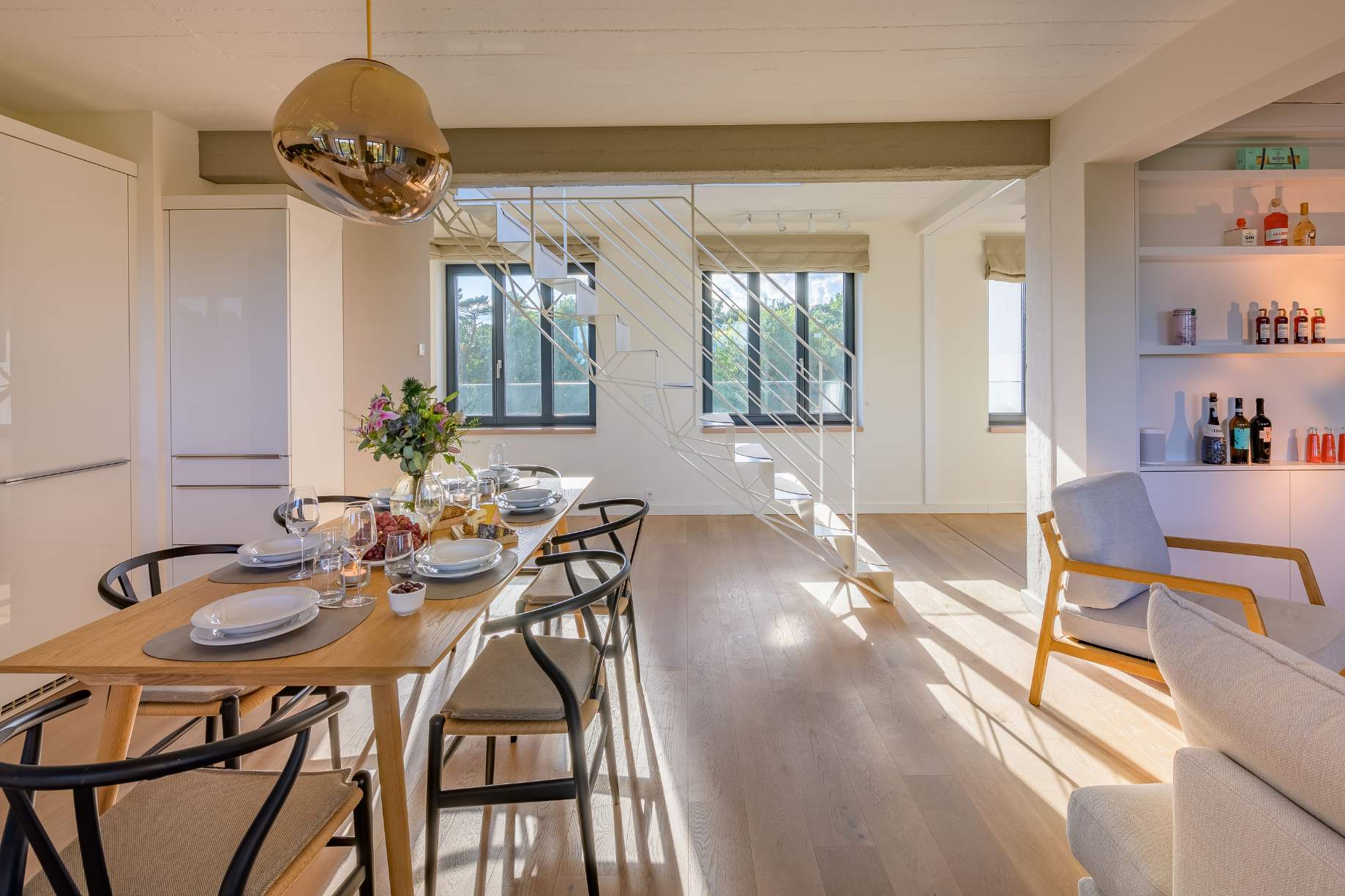
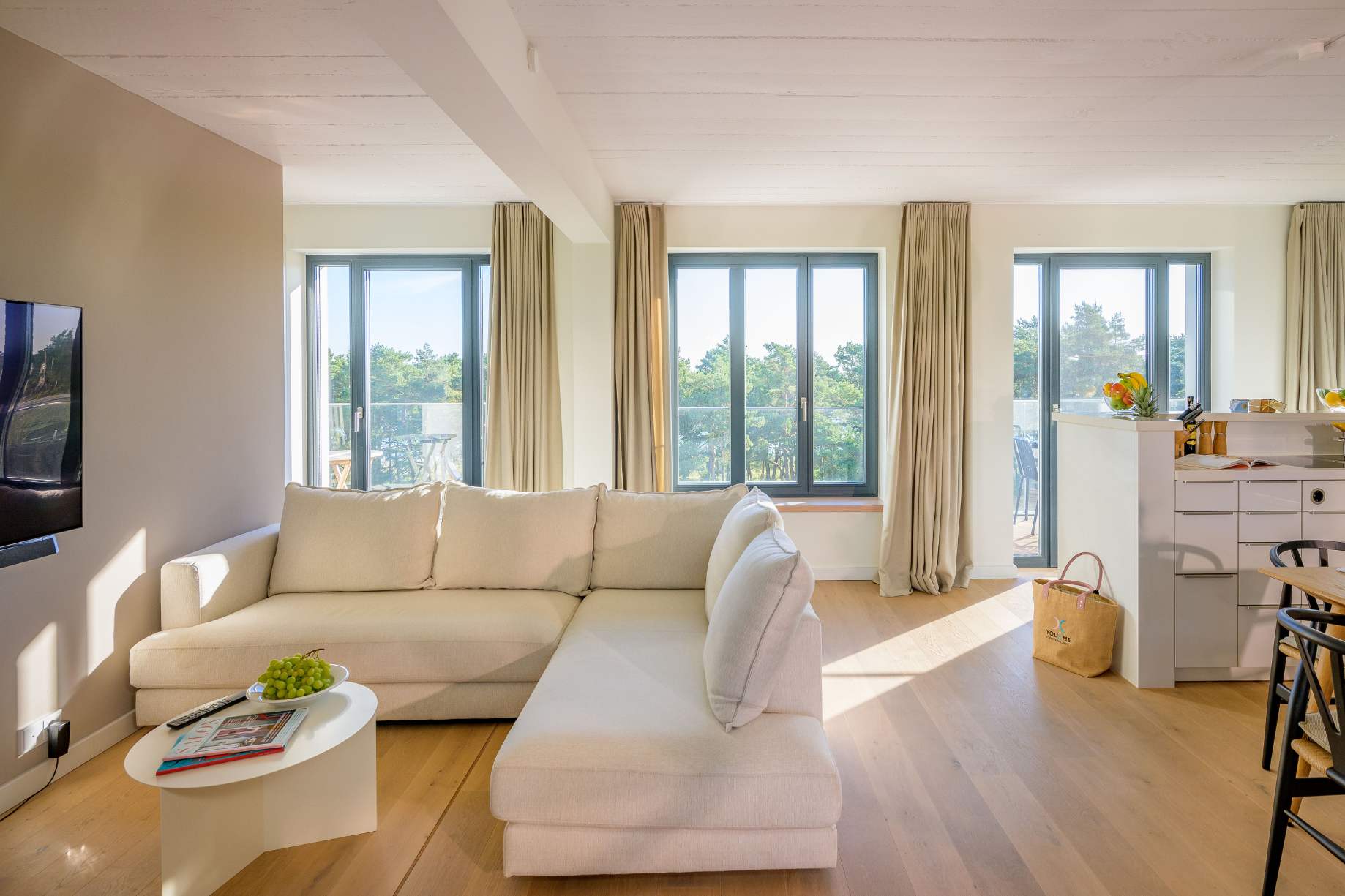
Prora, Rügen, Germany — 2-Bed Penthouse With Pool
€179,000
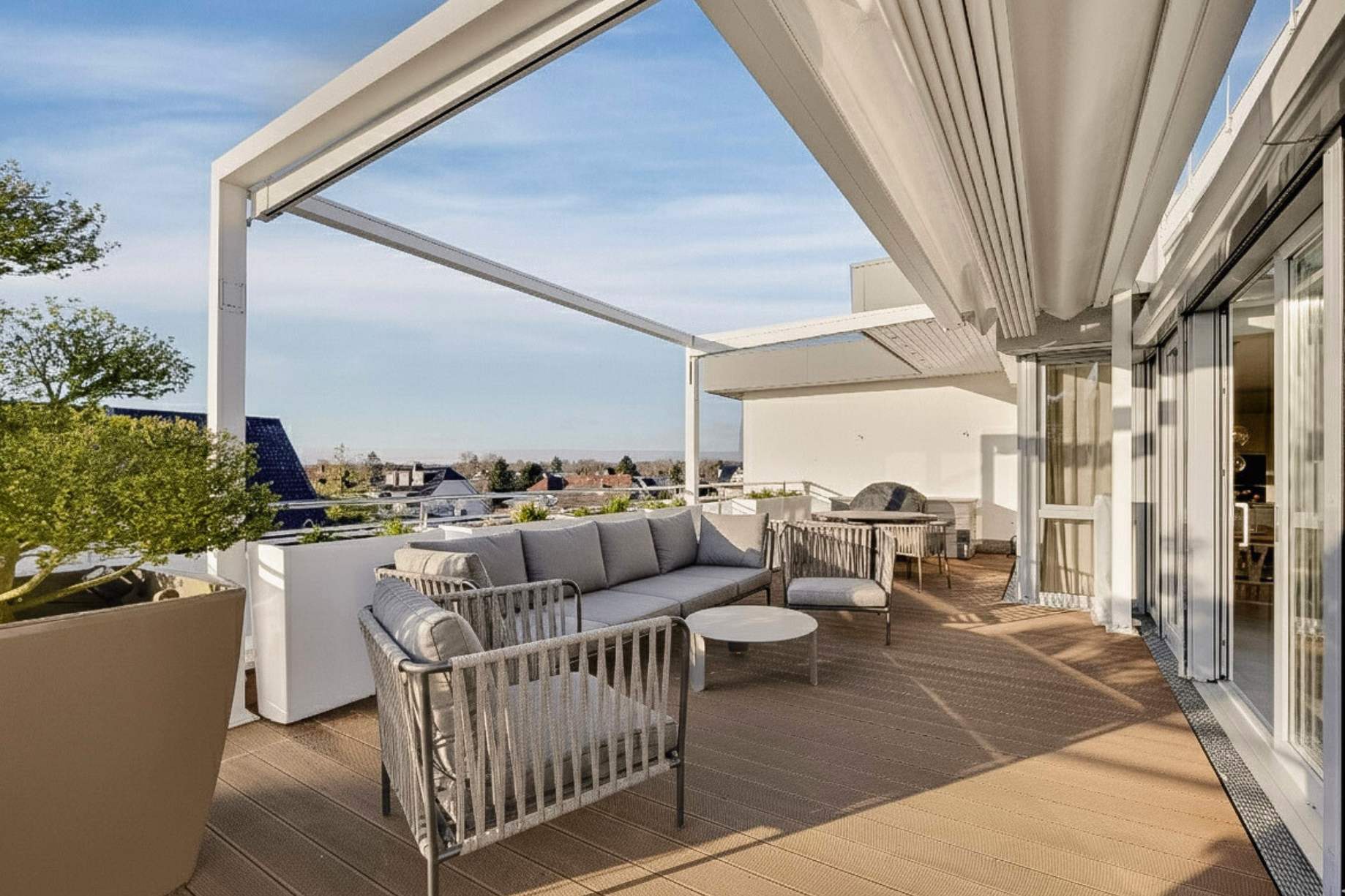
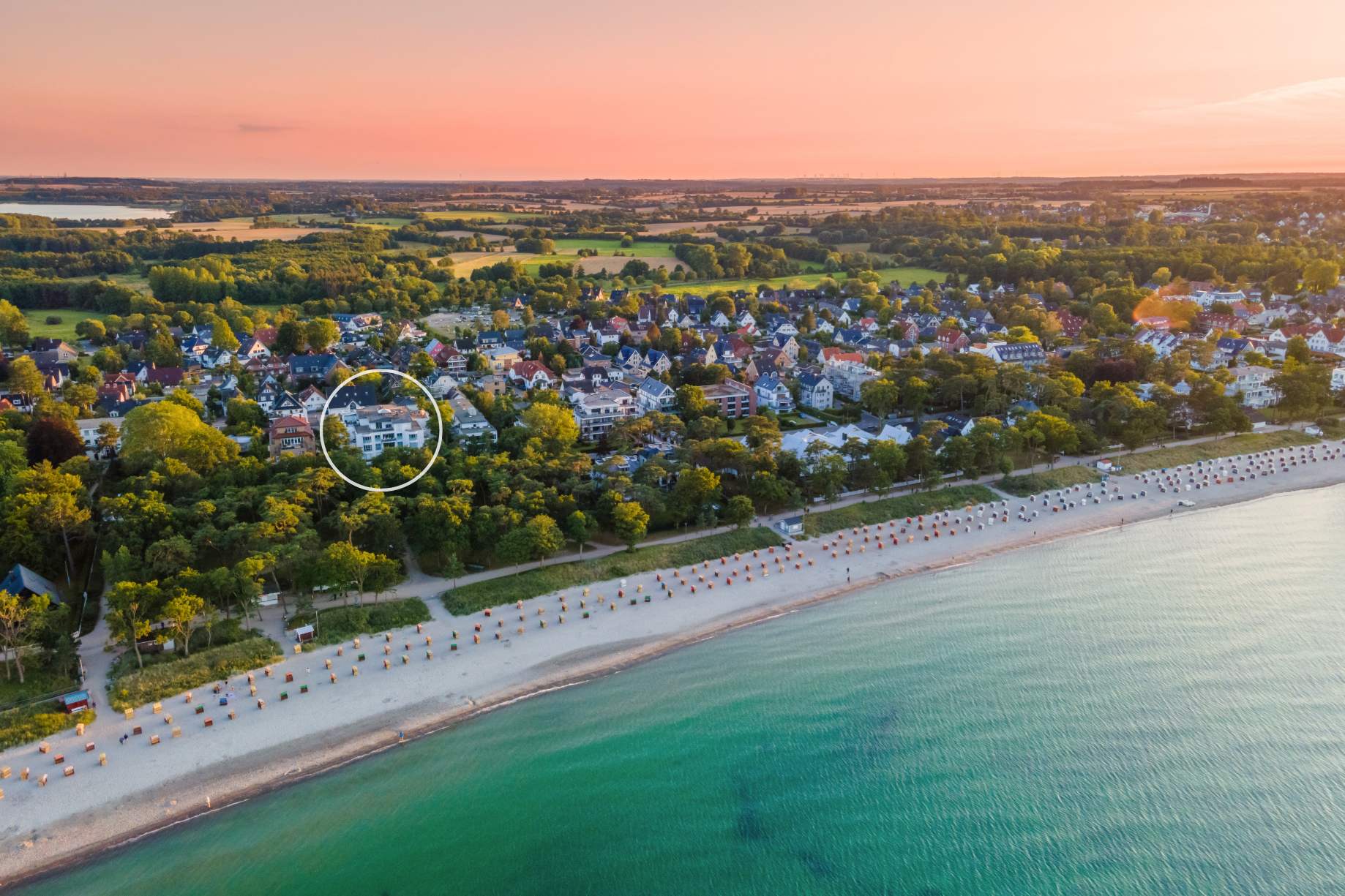
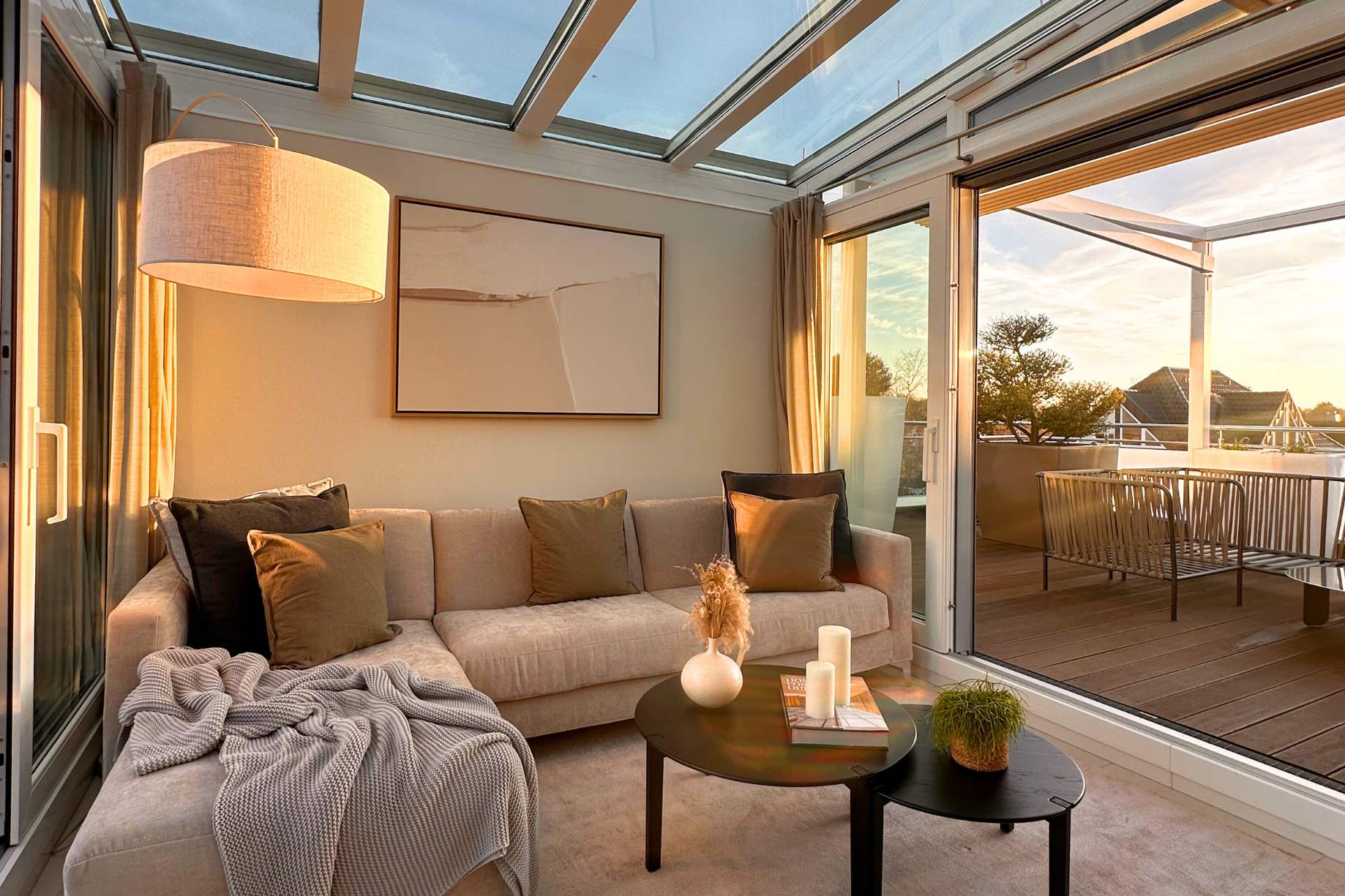
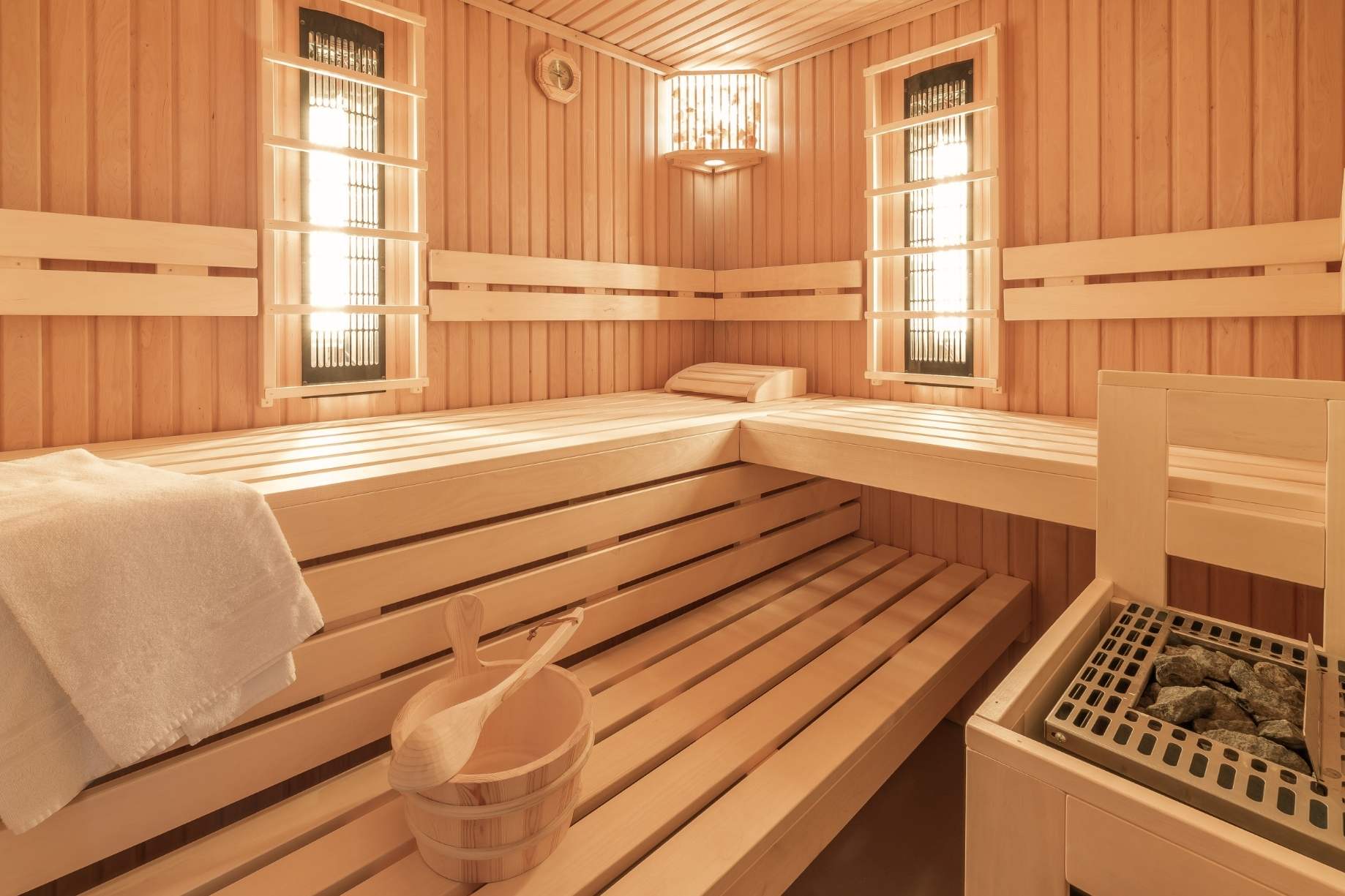
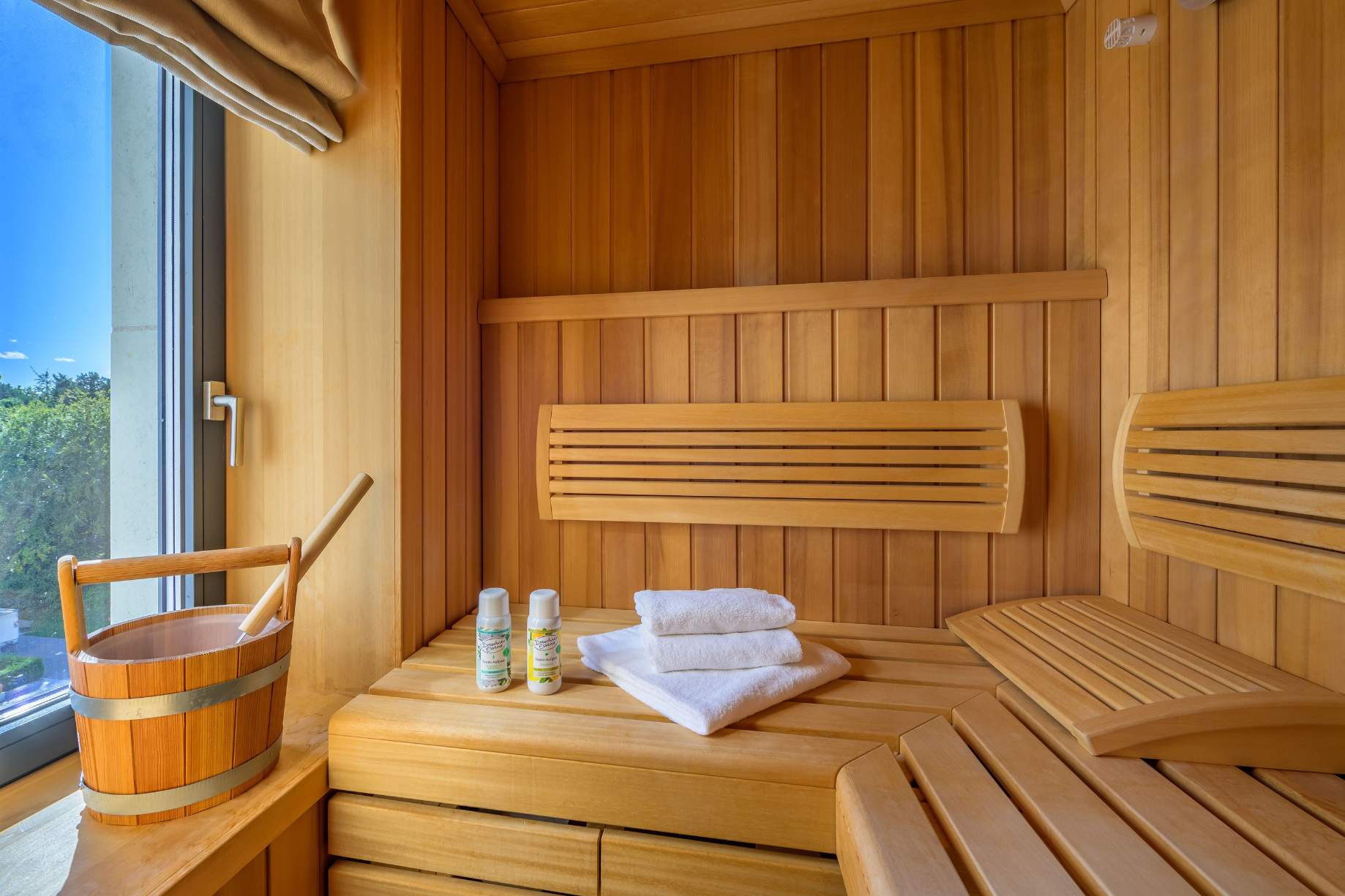
Timmendorfer Strand, Baltic Sea, Germany — 2-Bed Penthouse With Sauna
€249,000
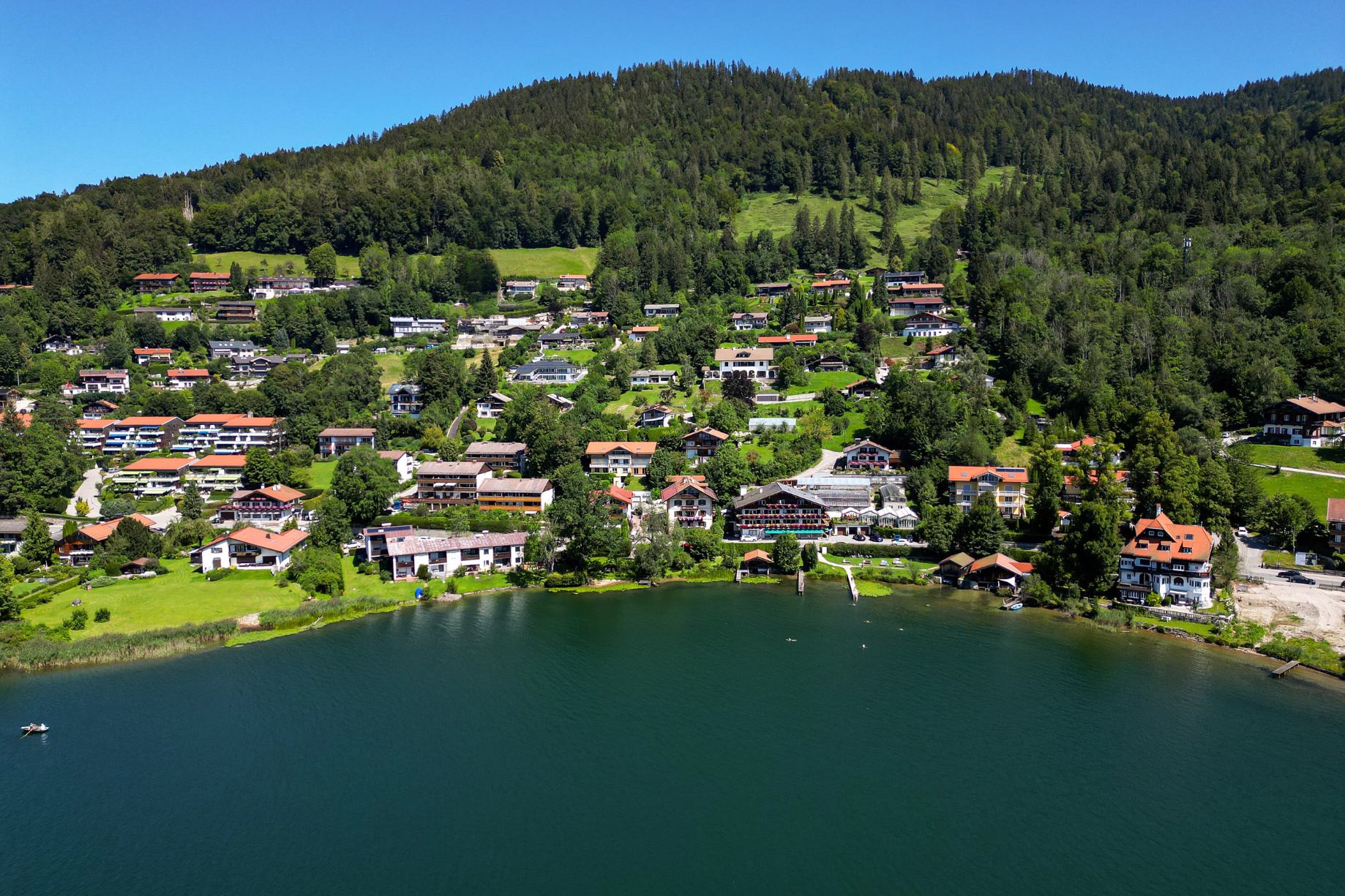
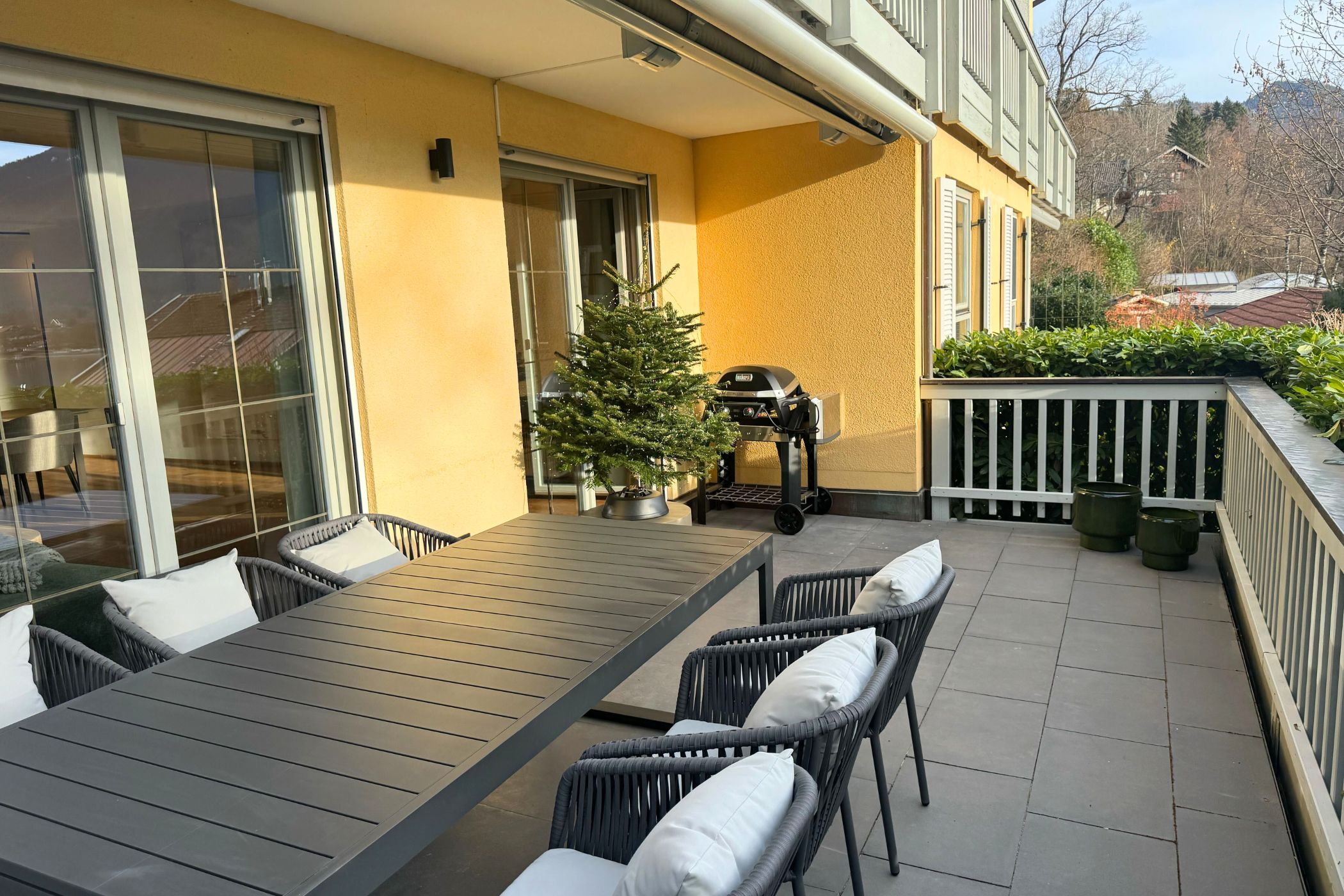
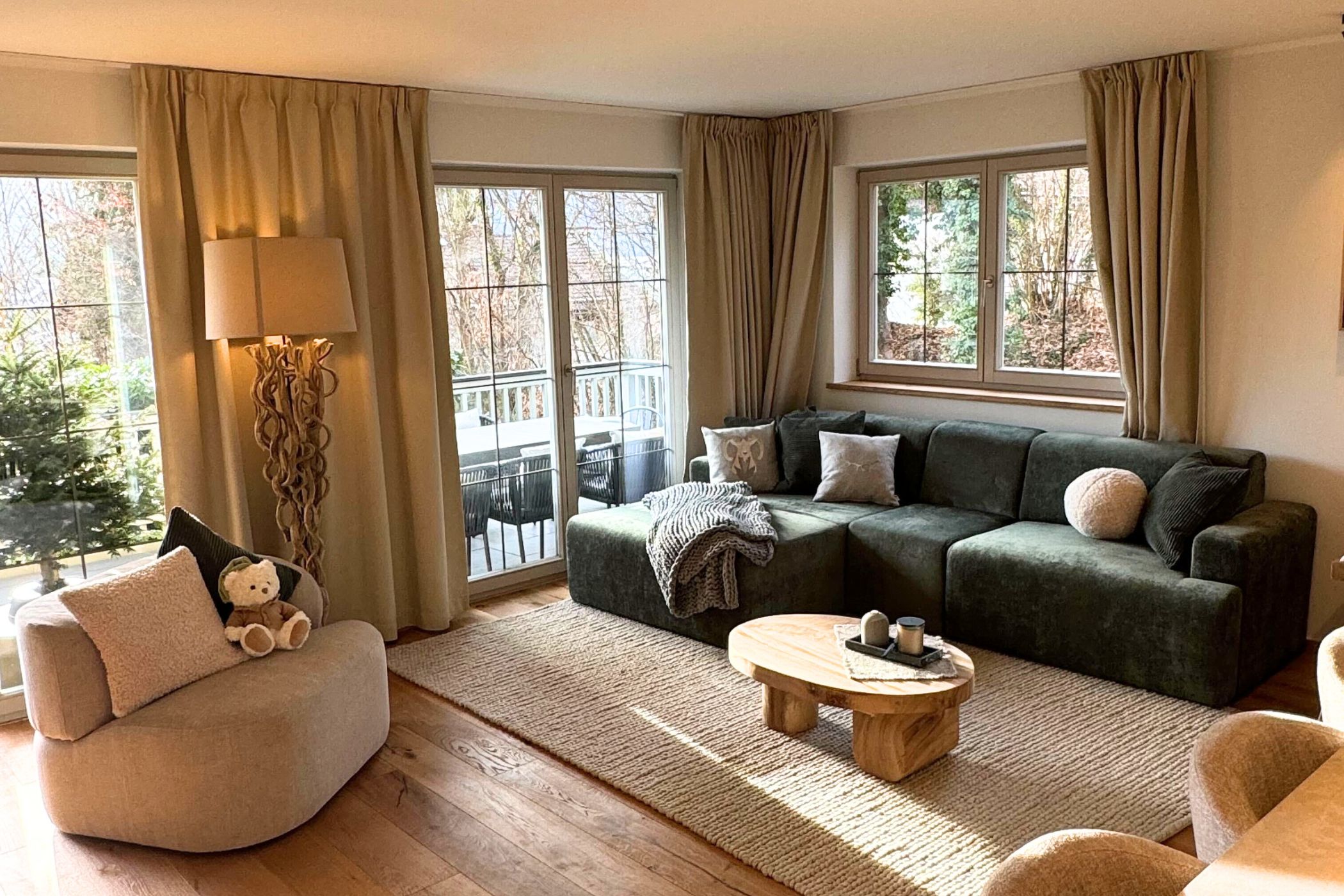
Tegernsee, Bavaria, Germany — 2-Bed Apartment With Mountain Views
€239,000
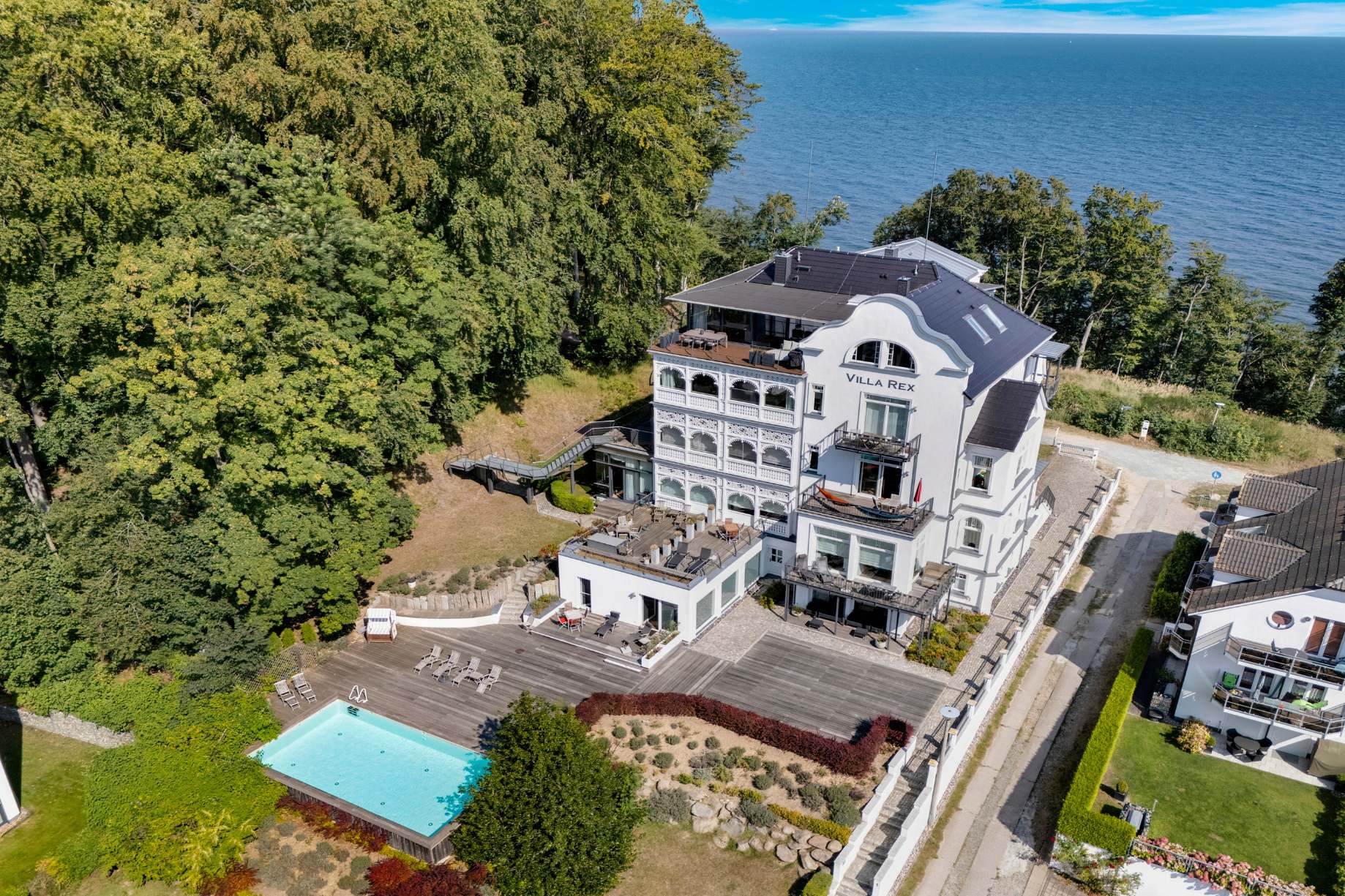
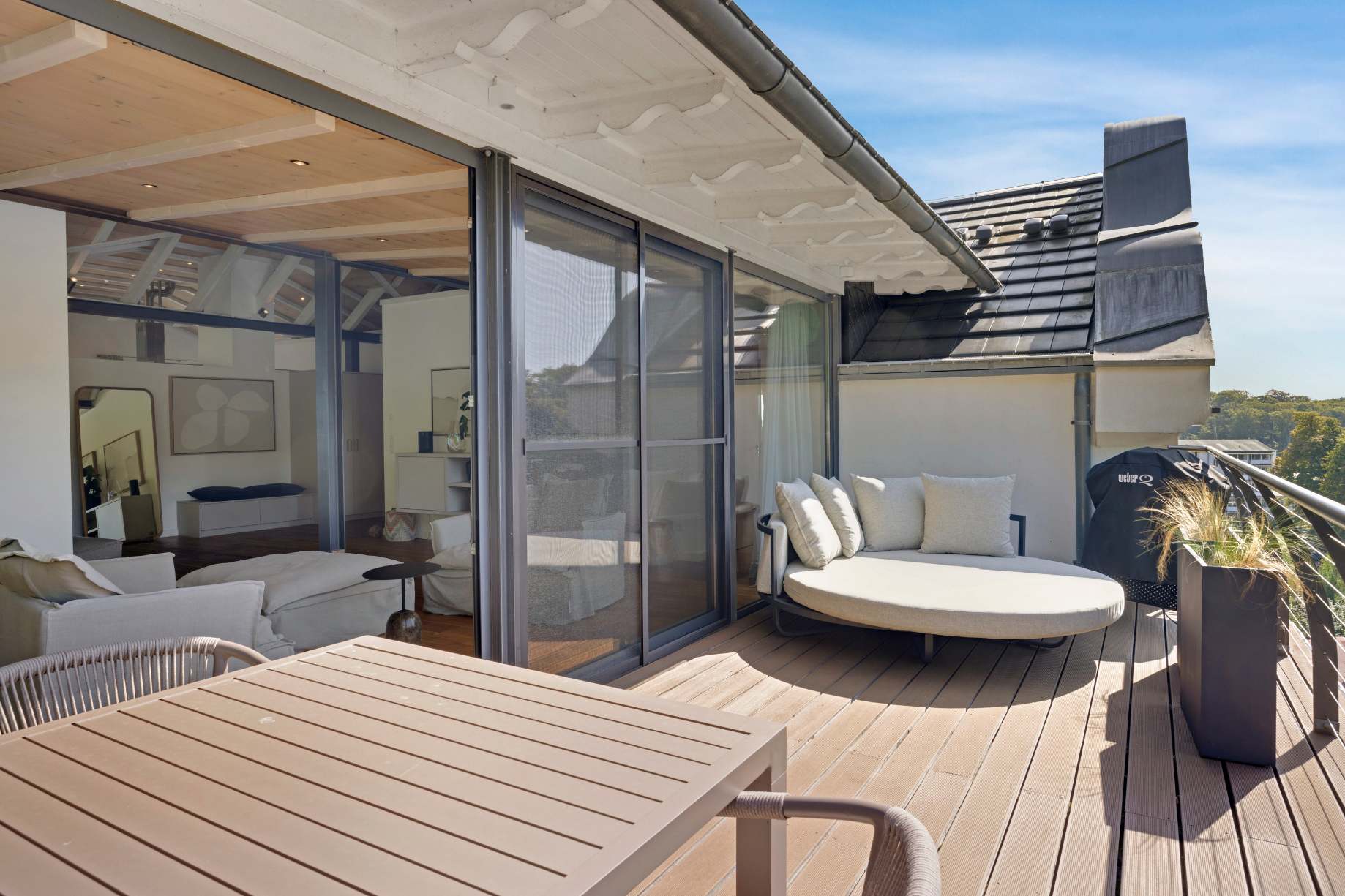
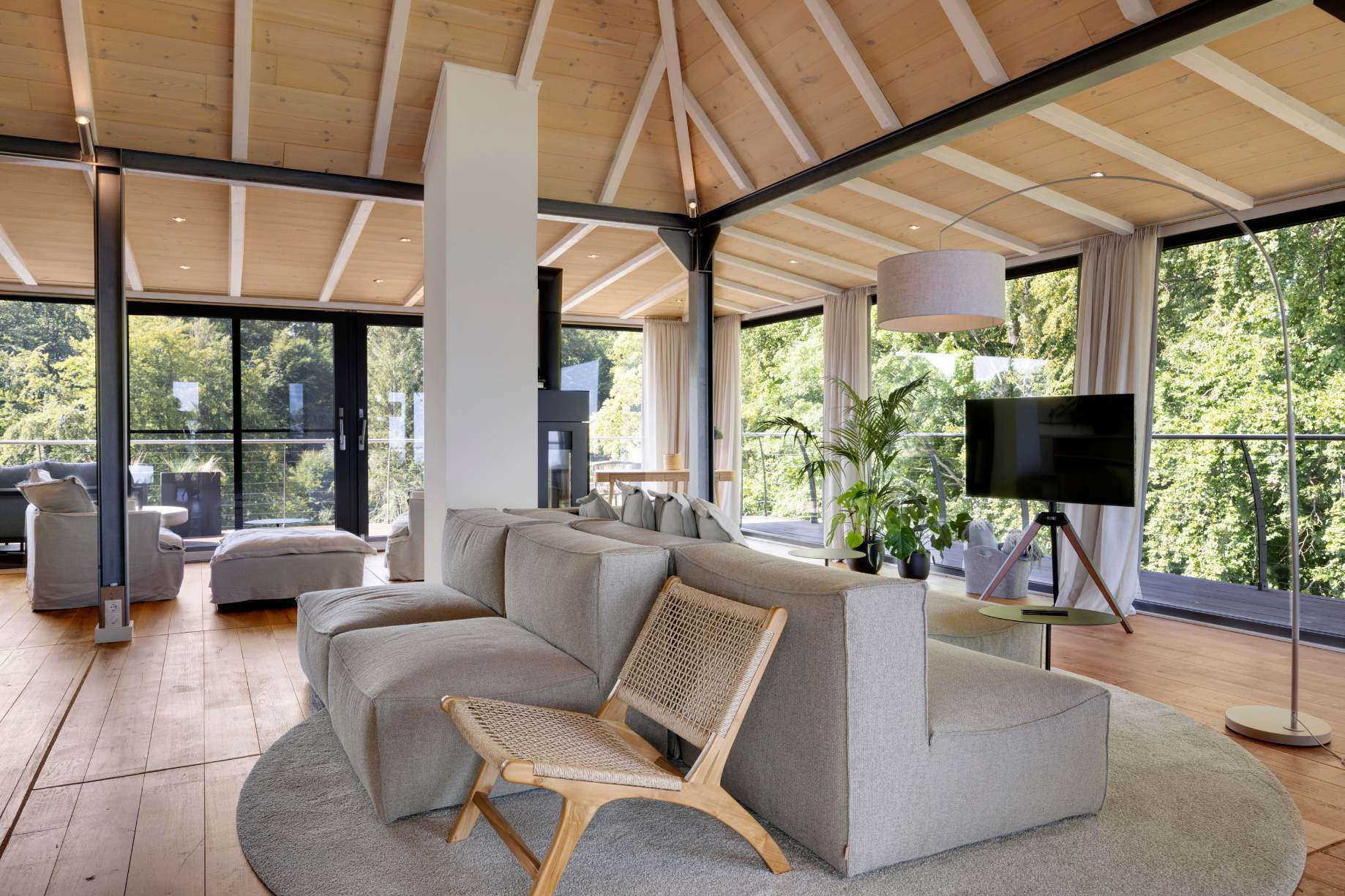
Sellin, Baltic Sea, Germany — 2-Bed Penthouse With Pool
€239,000
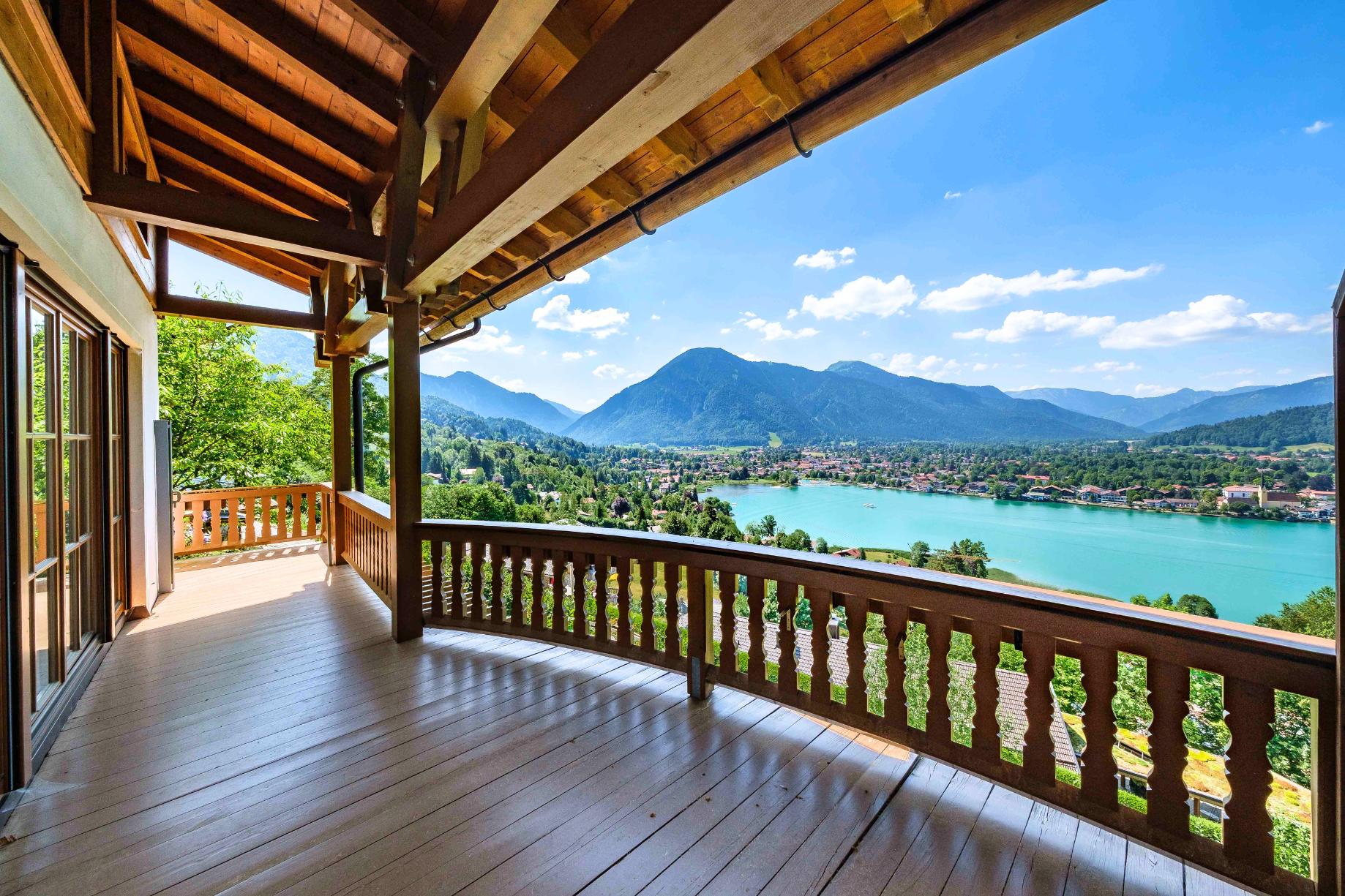
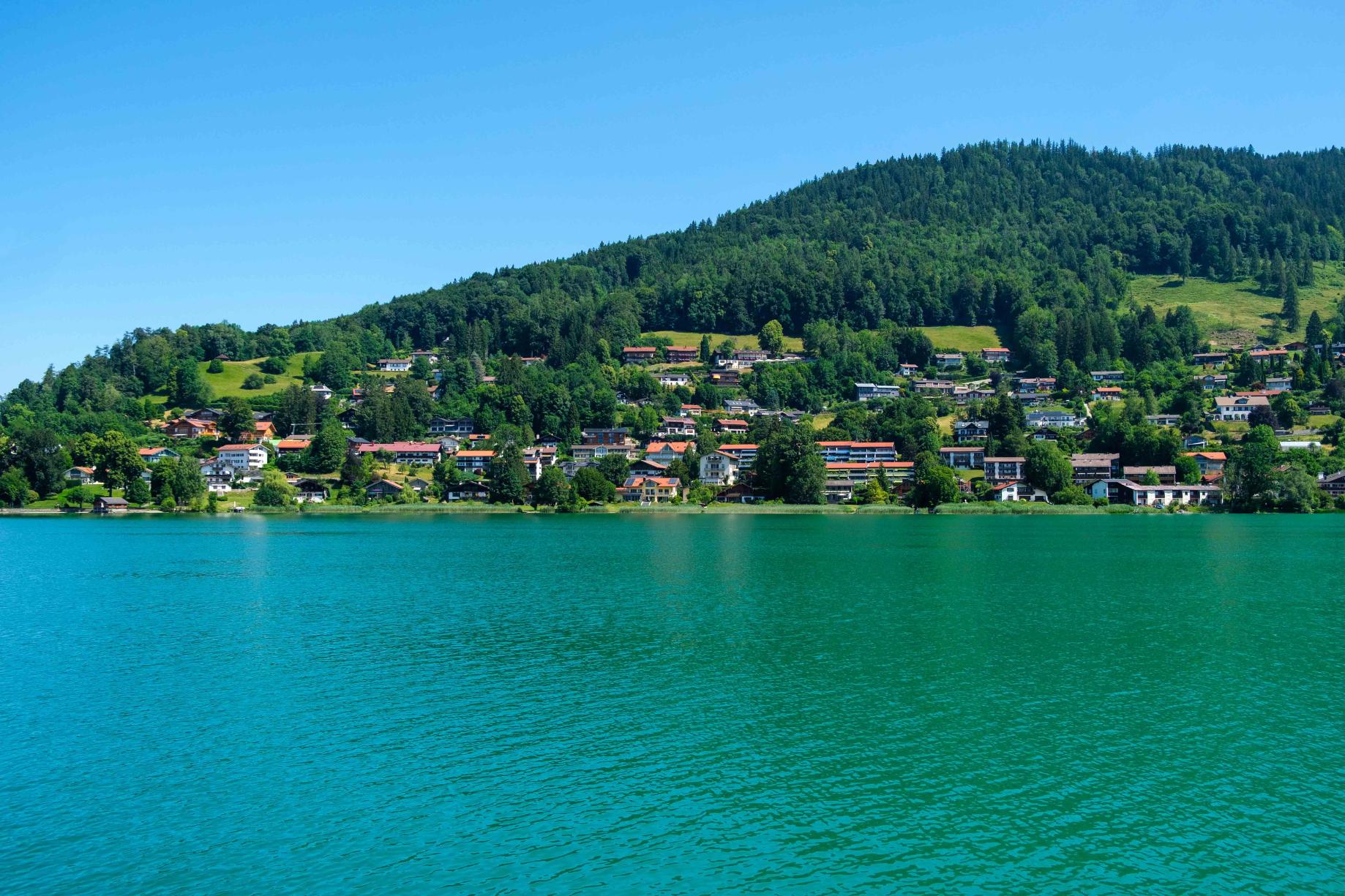
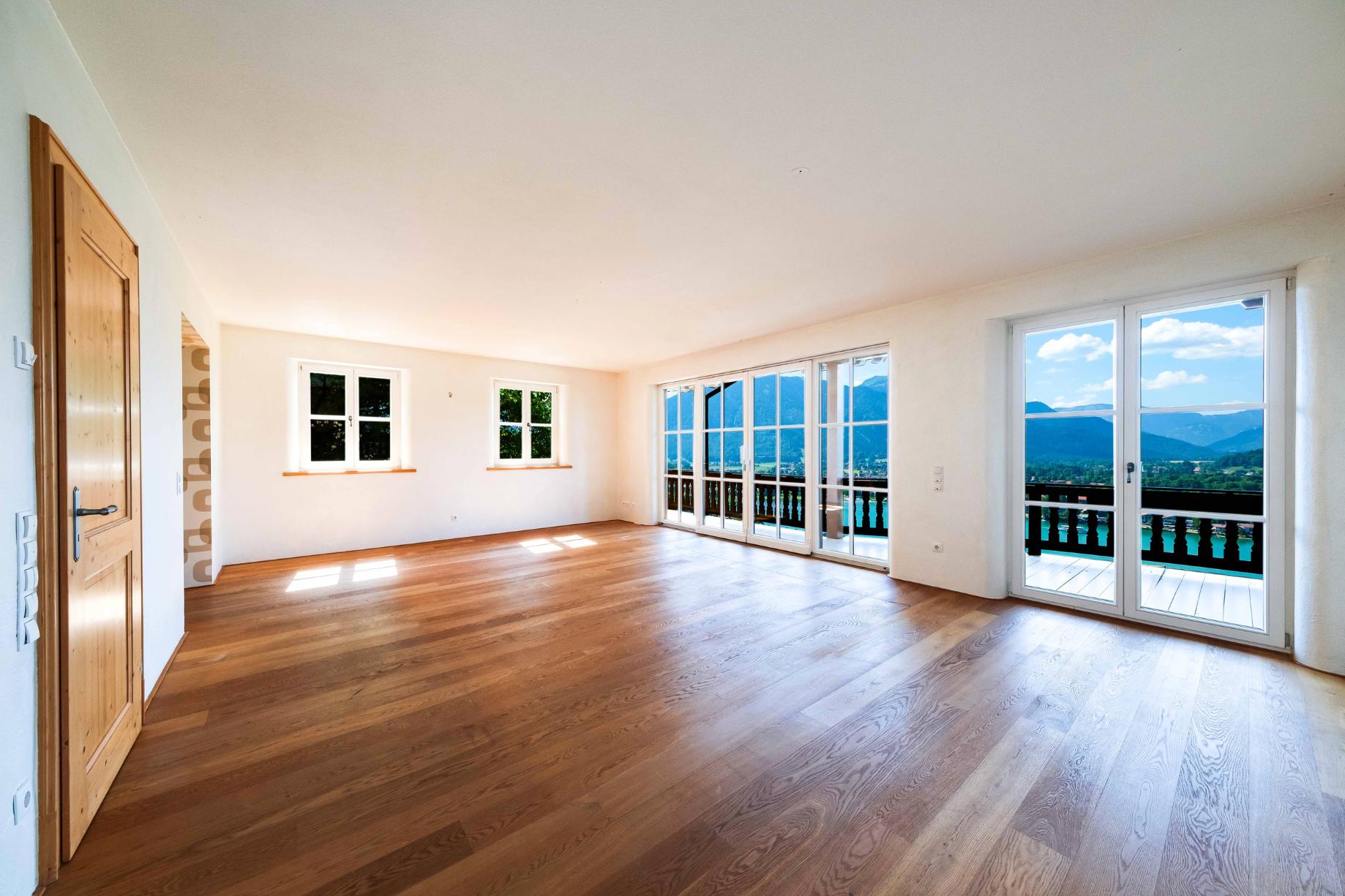
Tegernsee, Bavaria, Germany — 3-Bed Penthouse Maisonette With Panoramic Lake Views
€399,000
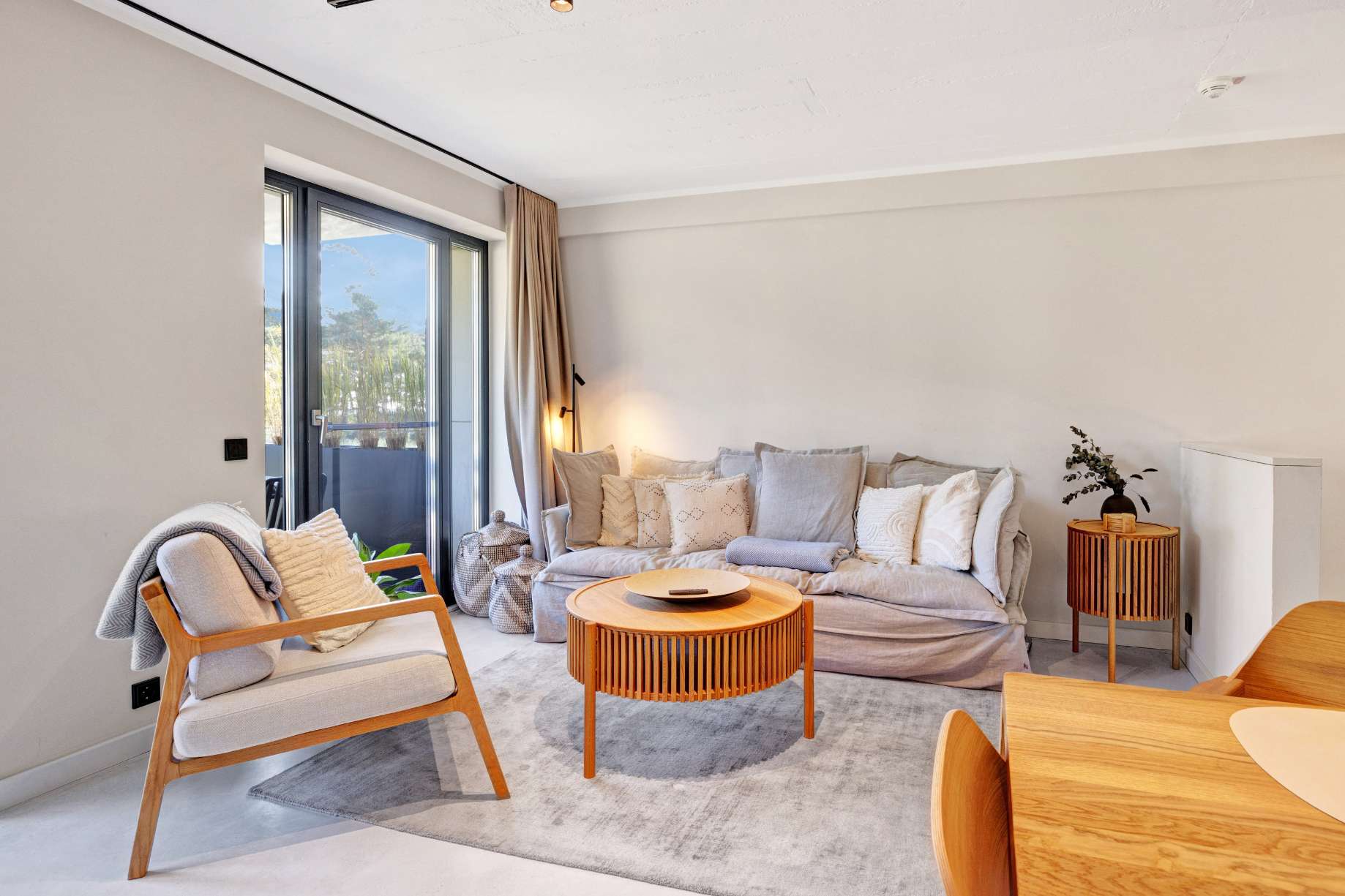
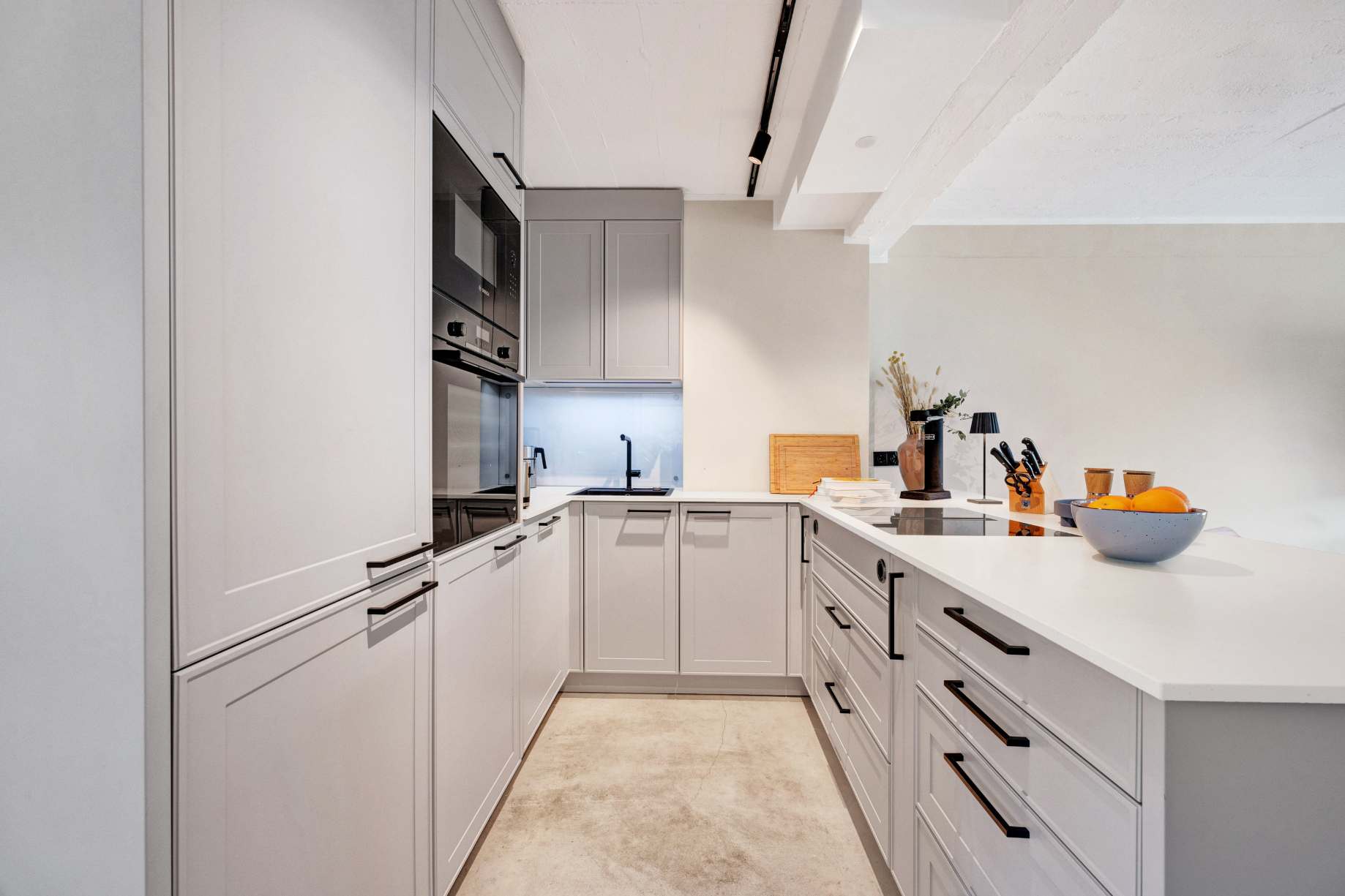
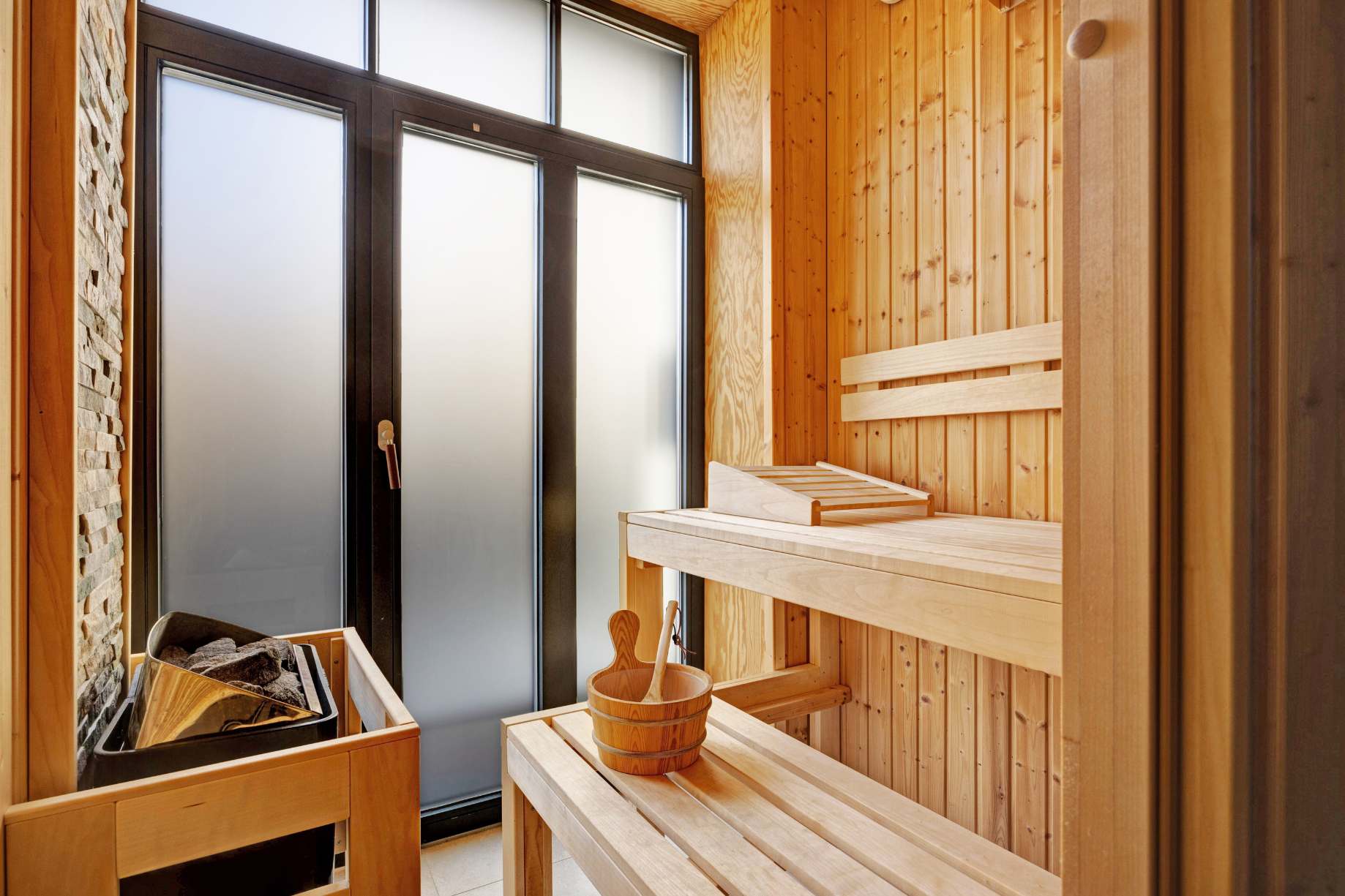
Prora, Rügen, Germany — 2-Bed Apartment With Pool
€129,000
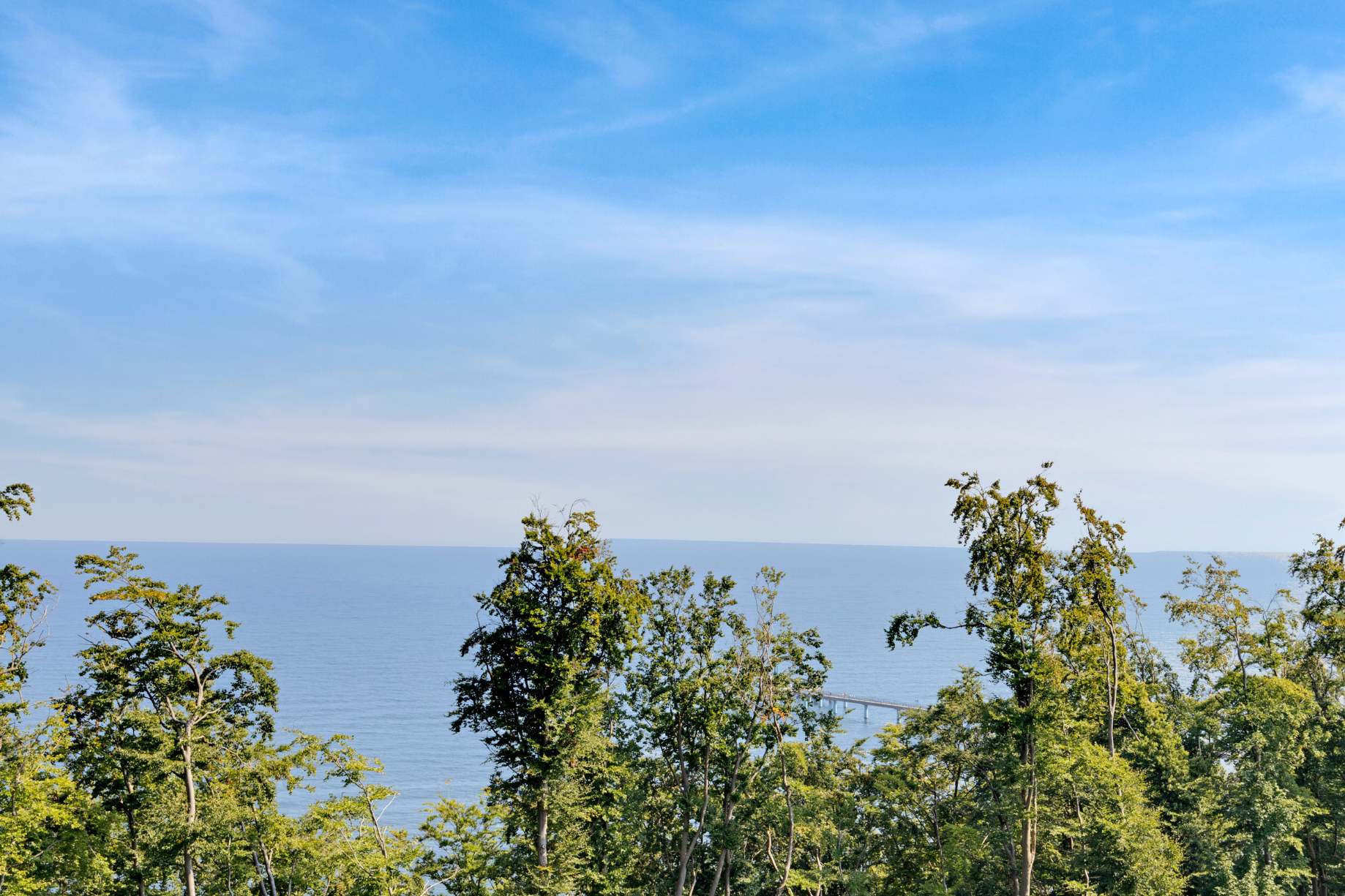
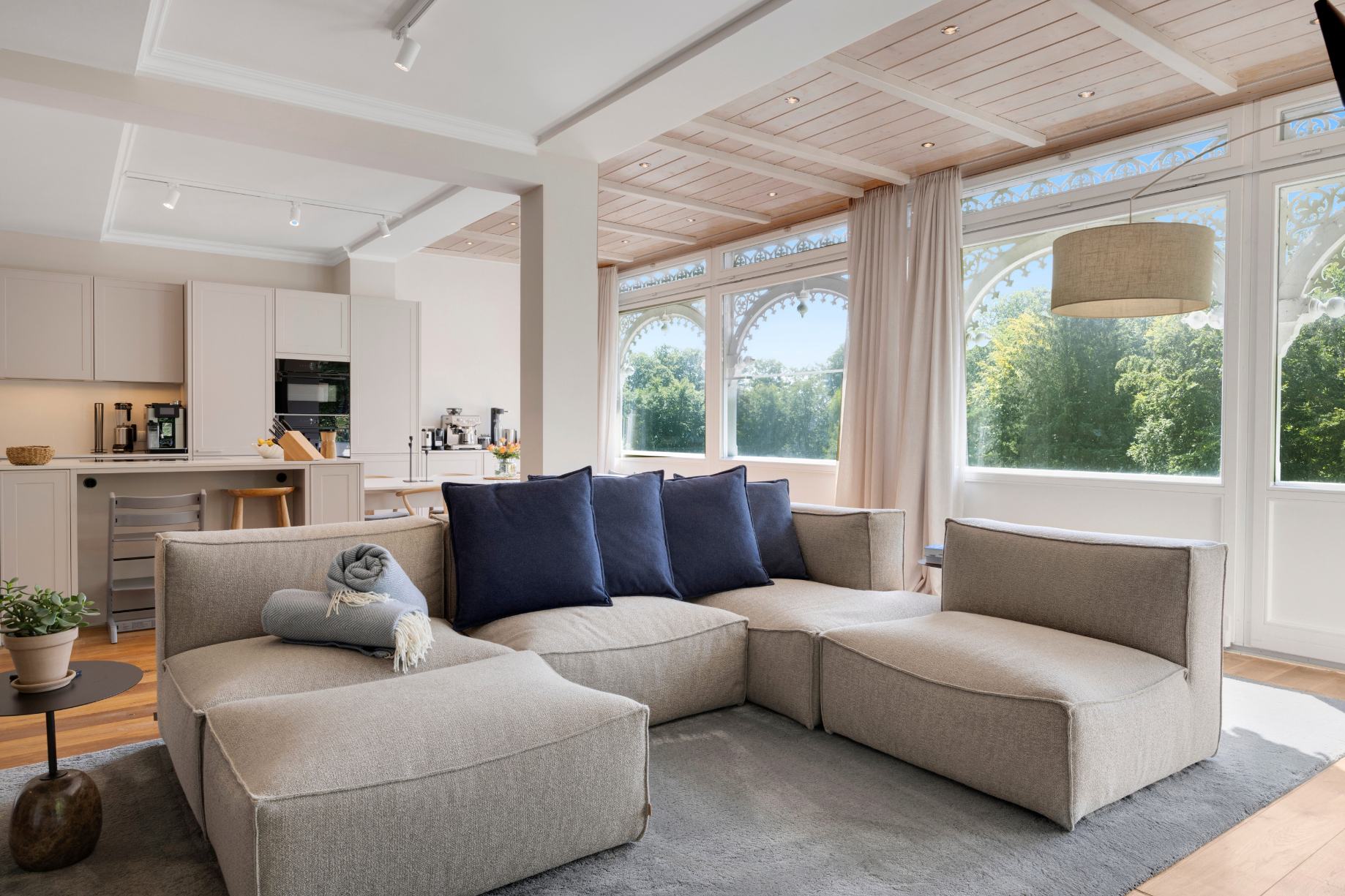
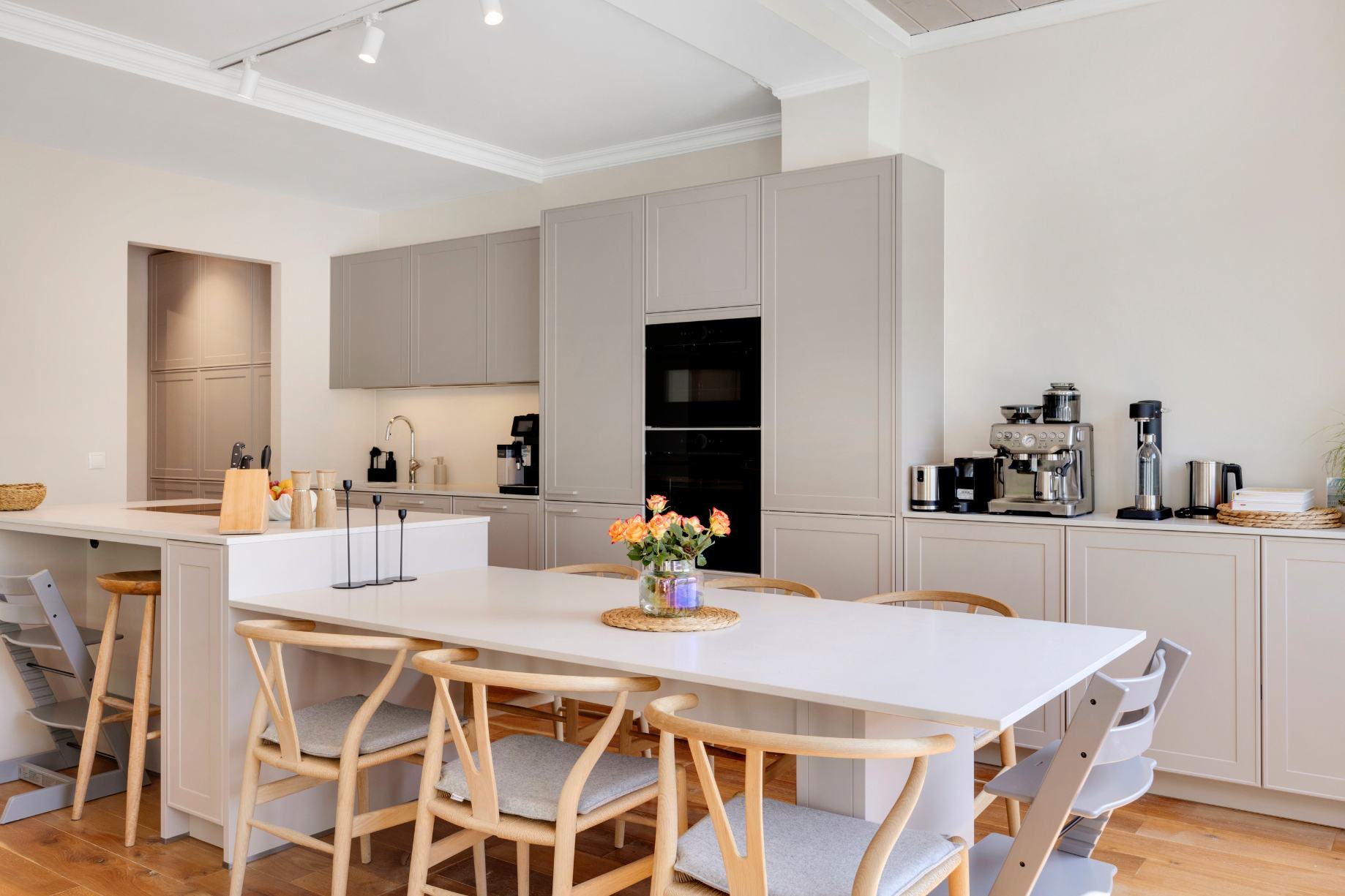
Sellin, Baltic Sea, Germany — 2-Bed Apartment With Pool
€189,000
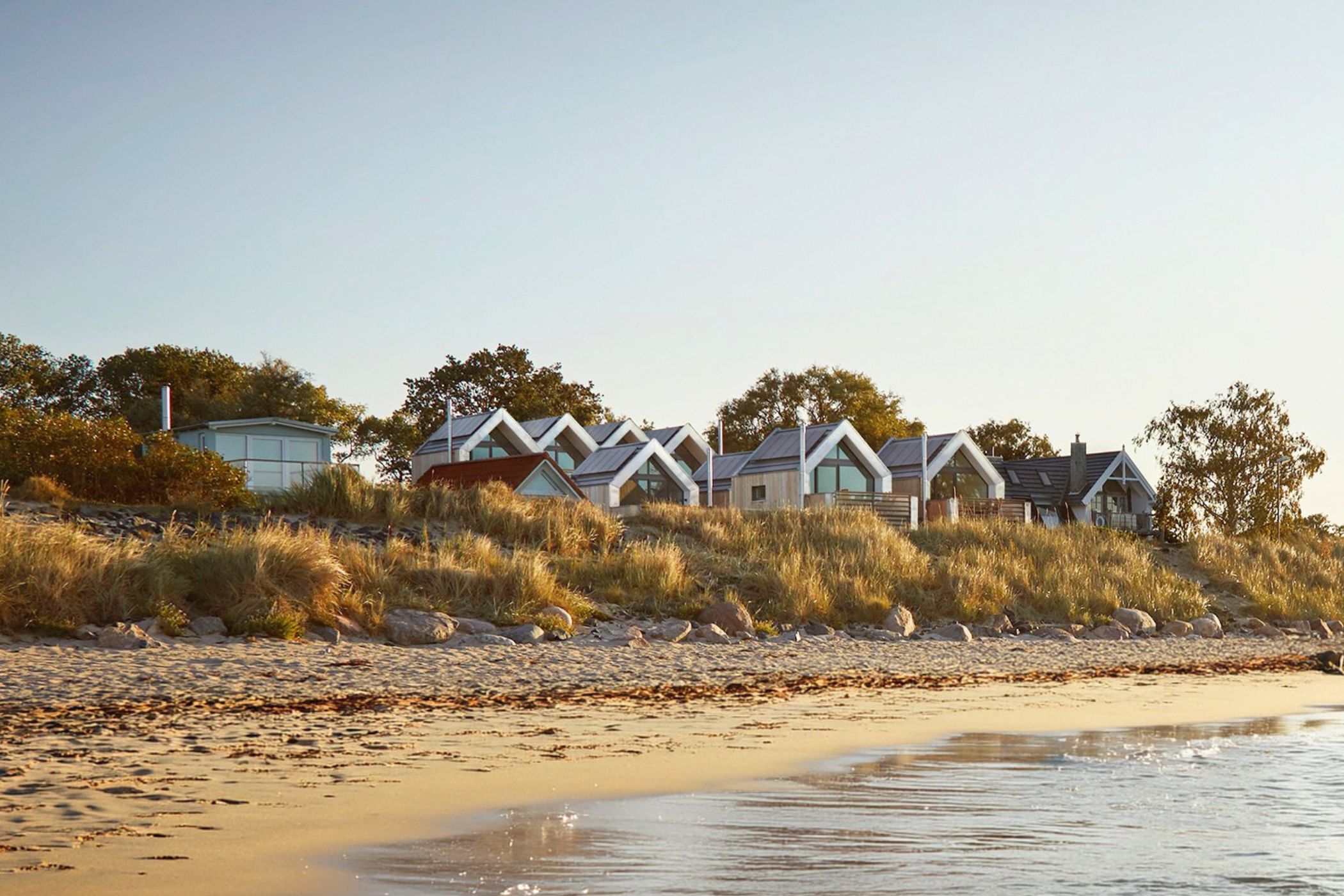
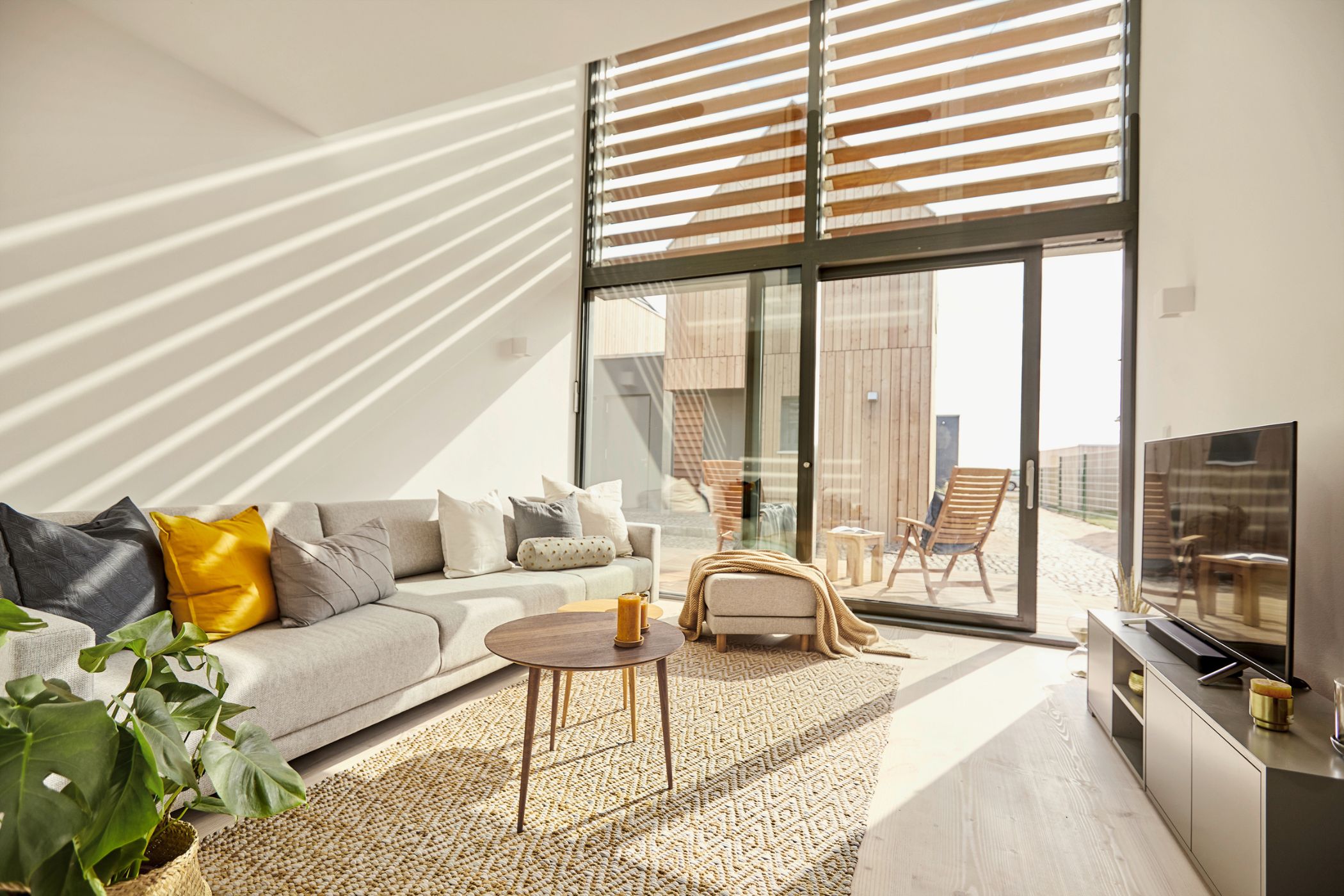
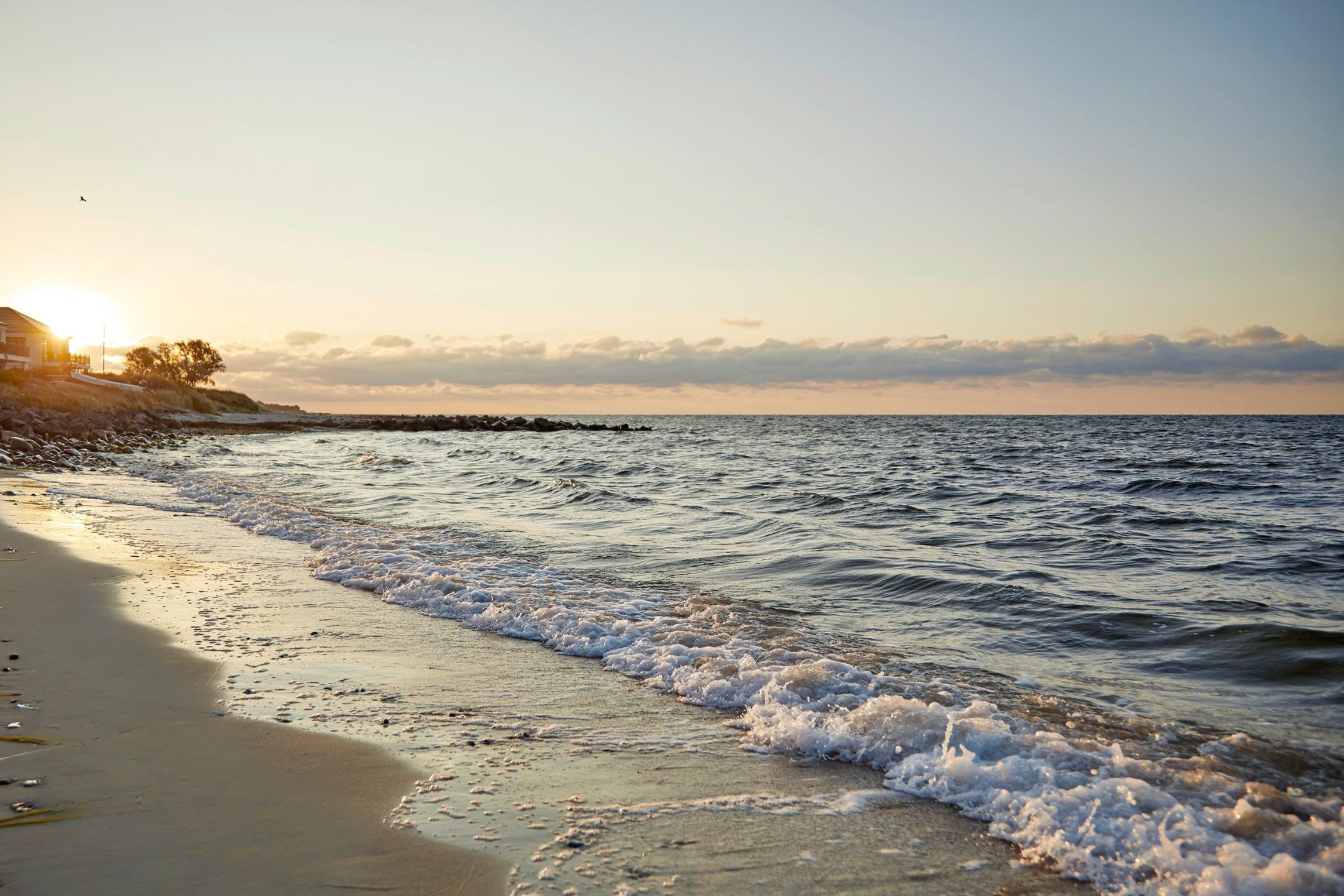
Fehmarn, Baltic Sea, Germany — 2-Bed Beach Villa With Sea View & Sauna
€149,000
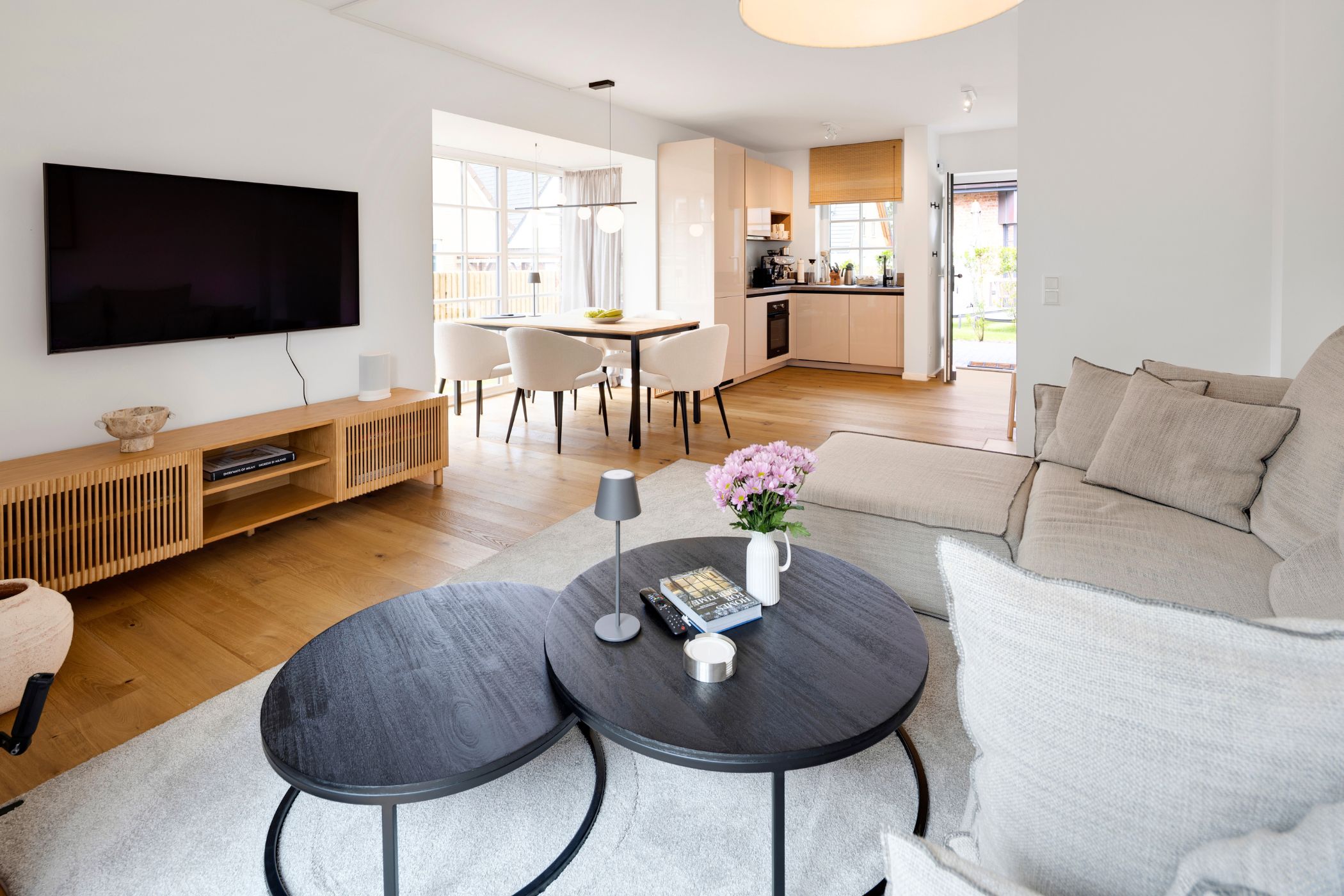
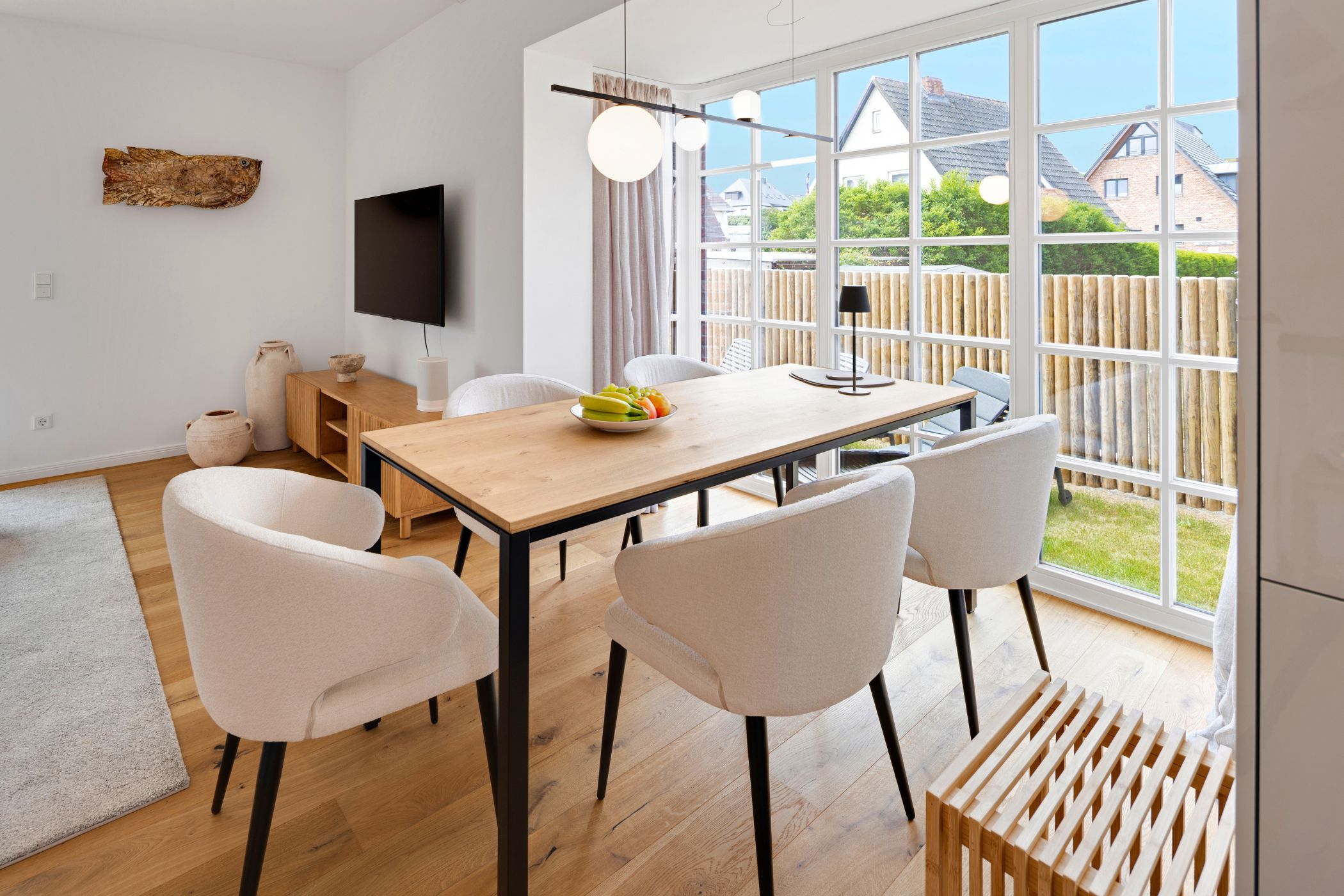
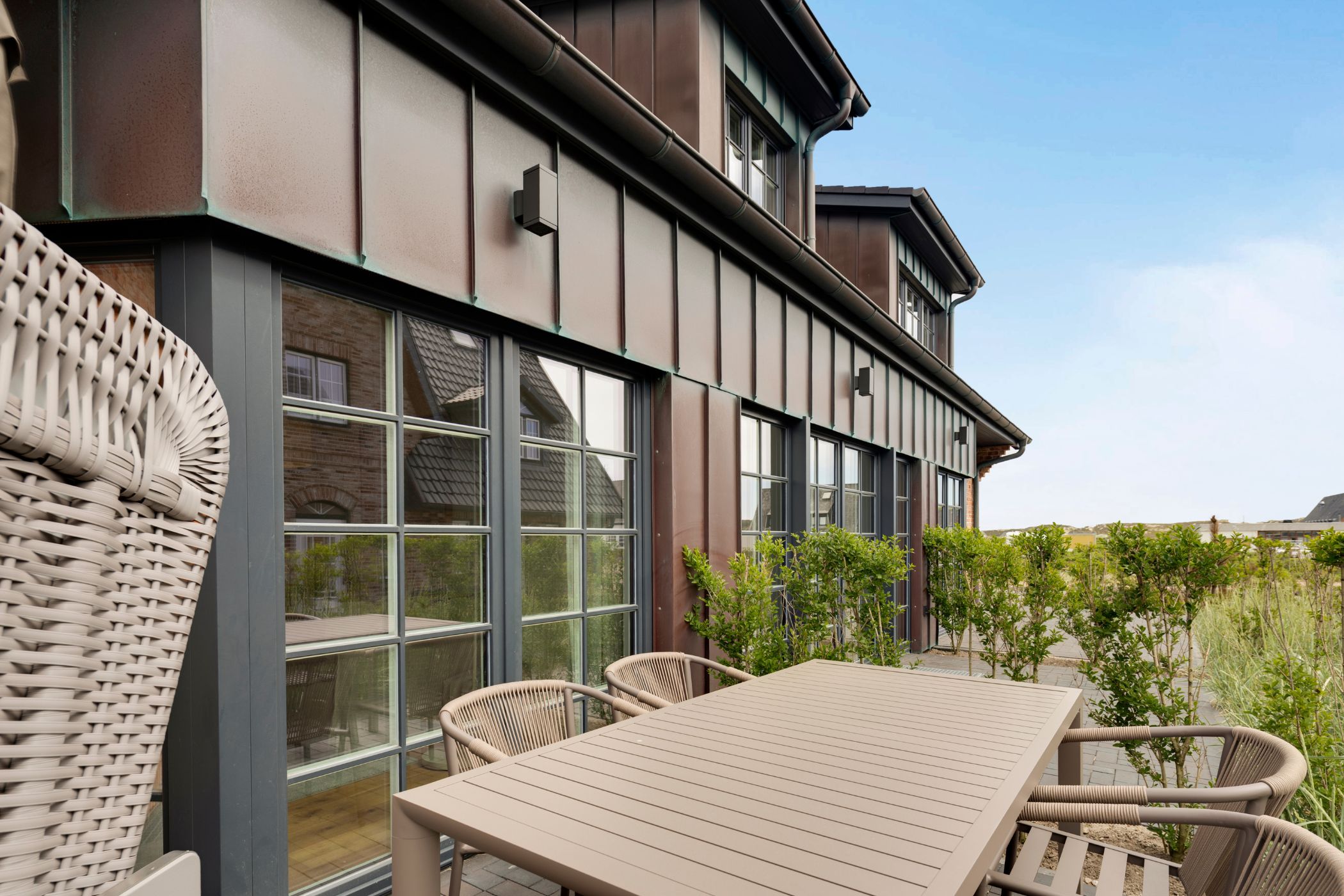
Hörnum, Sylt, Germany — 1-Bed House With Sauna
€189,000
Germany's most coveted addresses, accessible through co-ownership.
Fully managed penthouses, villas and chalets across the Baltic Sea coast, the Bavarian Alps and the North Sea island of Sylt. Your 1/8 share of the home comes with 6–7 weeks of personal use, a professional management team on call, and the long-term equity of one of Central Europe's most supply-constrained second-home markets.
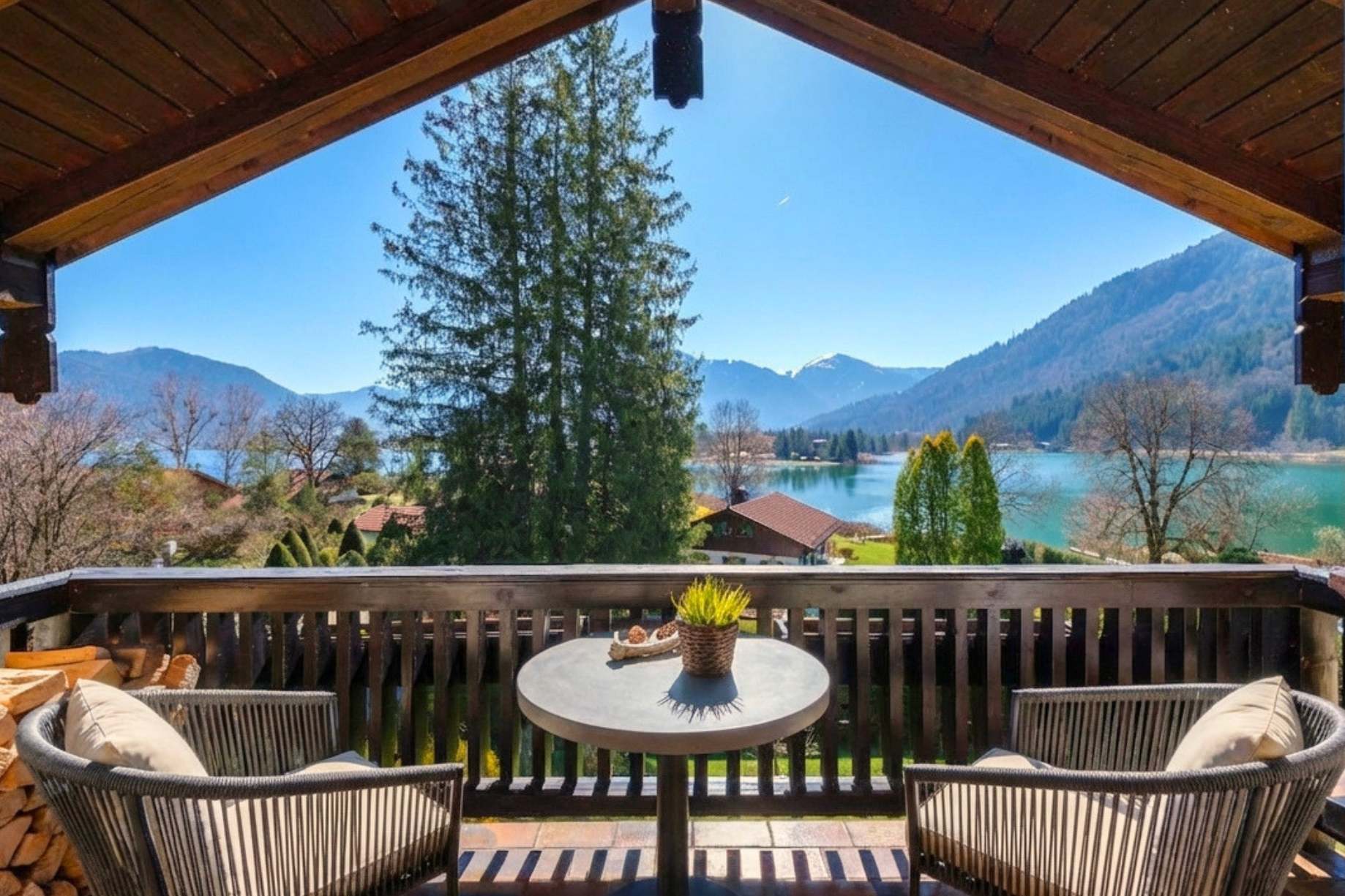
What is fractional ownership in Germany?
Fractional ownership in Germany means buying a real 1/8 share of a luxury German second home, shared with up to seven other co-owners. Each owner receives personal use set by the partner that manages the home — a minimum of 44 or 45 nights a year with most of our partners, and no set cap with some others — through a fair-rotation calendar, with all property management, maintenance, taxes and operations handled by a professional team. It is real ownership of a share of the home — not a timeshare, not a holiday club.
Why Germany?
Germany combines three things that matter more than any single one of them in isolation: deep legal and economic predictability, an unusually constrained physical supply story in its most established second-home regions, and a diversity of usable second-home lifestyles — Baltic coast, Alpine lake district and North Sea island — inside a single passport. The legal predictability is what gives German property its long-cycle stability. The Grundbuch, Germany's land register, is one of the most meticulously maintained and legally binding property registers in the world; ownership is established with a certainty of documentary clarity that very few jurisdictions can match. The Bürgerliches Gesetzbuch (BGB), the German civil code codified in 1900 and refined continuously since, has made property-rights enforcement among the clearest and most predictable in Europe. The German Federal Chamber of Notaries oversees the constitutionally mandated notarial system that validates every property transfer — a two-century tradition of legal certainty that gives buyers the same documentary clarity fifteen years after purchase as on the day they signed. That transparency is the foundation on which Germany's second-home market rests, and it is why international buyers from across Europe, the United States and the Middle East have consistently chosen German property as a stable long-cycle holding.
Your German share is owned alongside up to seven other co-owners — a real share of the home, not a right to use it.
The supply scarcity in Germany's most desirable second-home regions is worth examining carefully, because it is partly geographic, partly legal, and partly the product of environmental protections now baked deeply into planning law. The island of Rügen in the Baltic Sea — Germany's largest island at 926 square kilometres — contains its most sought-after coastal second-home addresses, but the supply of genuinely premium property there is severely limited. The Jasmund National Park, protecting the famous chalk cliffs and beech forests of the north-eastern peninsula, and the Vorpommersche Boddenlandschaft National Park covering much of the island's western and southern coastal margins, together constrain new development in the most ecologically sensitive zones. The Bäderstil (resort style) architecture — the elaborate white timber-framed villas of the late 19th century that give Sellin, Binz, Baabe and Göhren their distinctive visual identity — is subject to heritage protection, and new construction that departs from the established vernacular is systematically resisted. The chalk cliffs at Stubbenkammer above Sassnitz are one of the most recognised natural formations in the German-speaking world; the headland is fully protected. On Sylt, the narrow North Sea island that stretches 38 kilometres into the sea off the Schleswig-Holstein coast, the supply constraints are if anything more acute: the island has no motorway bridge (the Hindenburgdamm railway causeway carries trains, not road traffic), access is by rail, ferry or Sylt's own airport at Westerland, and the combination of strict dune-protection regulations and an existing premium owner base has effectively closed the supply of top-tier new properties. The Bavarian Alps foothills around the Tegernsee present a third supply model: this is one of the most celebrated lake districts in Central Europe, the Tegernsee valley and its five villages have been a destination for Munich's professional and artistic class since the 19th century, and the Bavarian building code in combination with the Bavarian State Planning Act ensures that the village footprints do not expand materially.
It is worth setting Germany in its European competitive context for a fractional buyer. France offers comparable legal predictability and a broader range of second-home archetypes, but at consistently higher entry prices per square metre at the luxury tier. Austria covers the high Alpine offer with comparable elegance but with the significant constraint that Lex-equivalent foreign-ownership restrictions in the Tyrolean provinces limit non-Austrian and non-EU buyers' access to certain categories of residential property. The Netherlands and Scandinavia offer comparable legal infrastructure but smaller and less internationally established second-home markets. Croatia provides a competing Adriatic-coast alternative at lower entry prices but with a considerably less mature property-management ecosystem and a less established legal infrastructure for international fractional ownership. What Germany offers that no direct European competitor quite matches is the combination of central European accessibility — Berlin, Hamburg, Munich and Frankfurt each sit within two hours of the main second-home clusters — an unusually stable macroeconomic framework (Germany's role as the anchor economy of the eurozone gives its property market a structural floor that smaller economies lack), and a diversity of second-home lifestyle modes from ice-cold Baltic sea swimming to high-Alpine lake sailing to North Sea dune-walk and oyster-bar evenings on Sylt that very few countries compress into a comparably short distance. The German National Tourist Board — Germany Travel — publishes seasonal guides to all three regions that owners find useful for planning stays. Every property in the COP collection meets a defined quality bar across the property itself, the location, and the management standard.
The fourth structural argument for Germany is the transport infrastructure that makes a German second home practically usable rather than just nominally owned. The Baltic coast — Rügen and the Usedom island included — is served by regular and fast Deutsche Bahn intercity services from Berlin (under 3 hours to Rügen's main station at Binz) and from Hamburg (under 3.5 hours). Tegernsee in the Bavarian Alps is 55 minutes from Munich by S-Bahn and regional rail, and Munich Airport (MUC) is one of the most connected in continental Europe, with direct services from New York, London, Dubai, Singapore and across the entire European network. Sylt is 3 hours from Hamburg by direct Intercity Express, or a 30-minute flight from Hamburg or Frankfurt on the Sylt Air service. The Hamburg Airport (HAM) additionally serves Amsterdam, Copenhagen and London with frequent daily departures. For international buyers flying into Germany, Frankfurt Airport (FRA) — the country's largest and one of the ten busiest in the world — is the primary continental gateway, with a direct ICE high-speed rail connection into Frankfurt city and onward connections across the network. That transport density is the precondition for the high-frequency, short-stay use pattern that fractional ownership rewards: an owner can fly into Hamburg on a Thursday evening and be on the Baltic at Sellin by Friday lunchtime, or fly into Munich and be sitting on the Tegernsee terrace in time for the afternoon light.
Where to own in Germany
Germany's second-home market is best understood through three distinct buyer geographies, each with its own architectural character, climate, season and demographic. There are, of course, German second-home destinations beyond these three — the Black Forest, the Rhine valley, the Bavarian lakes beyond Tegernsee (Starnberger See, Chiemsee, Ammersee), the city apartments of Berlin and Munich — and our team is happy to discuss any of them. But the supply story for fractional ownership at the level of quality that defines the COP collection is concentrated in the three clusters below: the Baltic Sea coast, anchored by Rügen island and the Usedom peninsula; the Bavarian Alps and Lakes, centred on Tegernsee and the Alpine foothills south of Munich; and the North Sea island of Sylt, Germany's most prestigious and supply-constrained island address.
The Baltic Sea Coast — Rügen, Usedom and the Bodden shores
The Baltic Sea coast of Germany is one of Europe's most distinctive coastal second-home landscapes — and one that most international buyers dramatically under-estimate until they encounter it. The German Baltic coast tourism pages offer a useful orientation for first-time visitors. The Baltic is, by Mediterranean standards, calm, clear and cold: salinity here runs at about 7–8 parts per thousand, compared to the Mediterranean's 38, which means the water clears to an extraordinary jade-green transparency in summer, and the summer temperatures — typically 18–22°C (mid-60s°F to low 70s°F) at the surface by August — are refreshing rather than warm-water soaking. The beach culture is correspondingly different: the Strandkorb, the hooded wicker beach chair specific to the German Baltic, is part of the visual identity of resorts from Rügen to Usedom to Travemünde, giving even the most crowded beach a distinct privacy, and the long flat sandy shores — Binz beach alone runs nearly 4 kilometres — allow an uncrowded experience even in peak season at distances of half a kilometre from the main beach access.
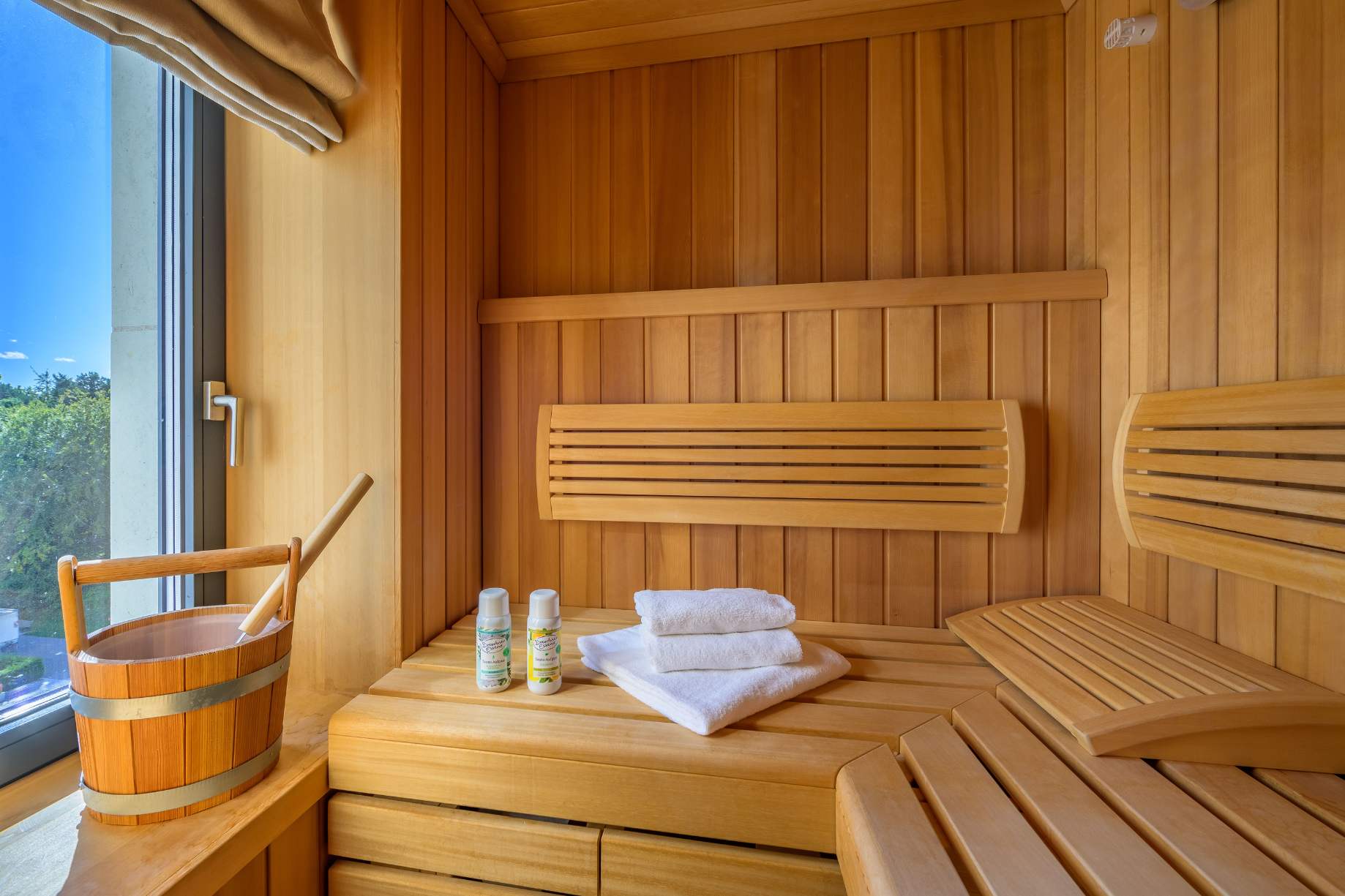
Rügen island is the nucleus of the German Baltic second-home market and has been since the late 19th century, when the island's combination of chalk cliffs, ancient beech forests and long sandy beaches made it the summer destination of choice for the North German bourgeoisie. The island's built heritage is a direct expression of that history: the Bäderstil villas — white-painted timber-frame structures with steeply pitched roofs, elaborate carved gable decorations, covered verandahs and tower rooms overlooking the sea — line the promenades of Binz, Sellin, Baabe and Göhren in a nearly unbroken succession from the 1880s through the 1910s, and the heritage-protection designation on these streetscapes means that the visual character of the resort villages is legally fixed. Rügen's official tourism portal documents the range of protected landscapes and resort zones across the island; the Jasmund National Park in the north-east — home to the famous chalk cliffs and the primeval Stubnitz beech forest, both UNESCO World Heritage listed — ensures that the most visually dramatic sections of the island are permanently protected from development.
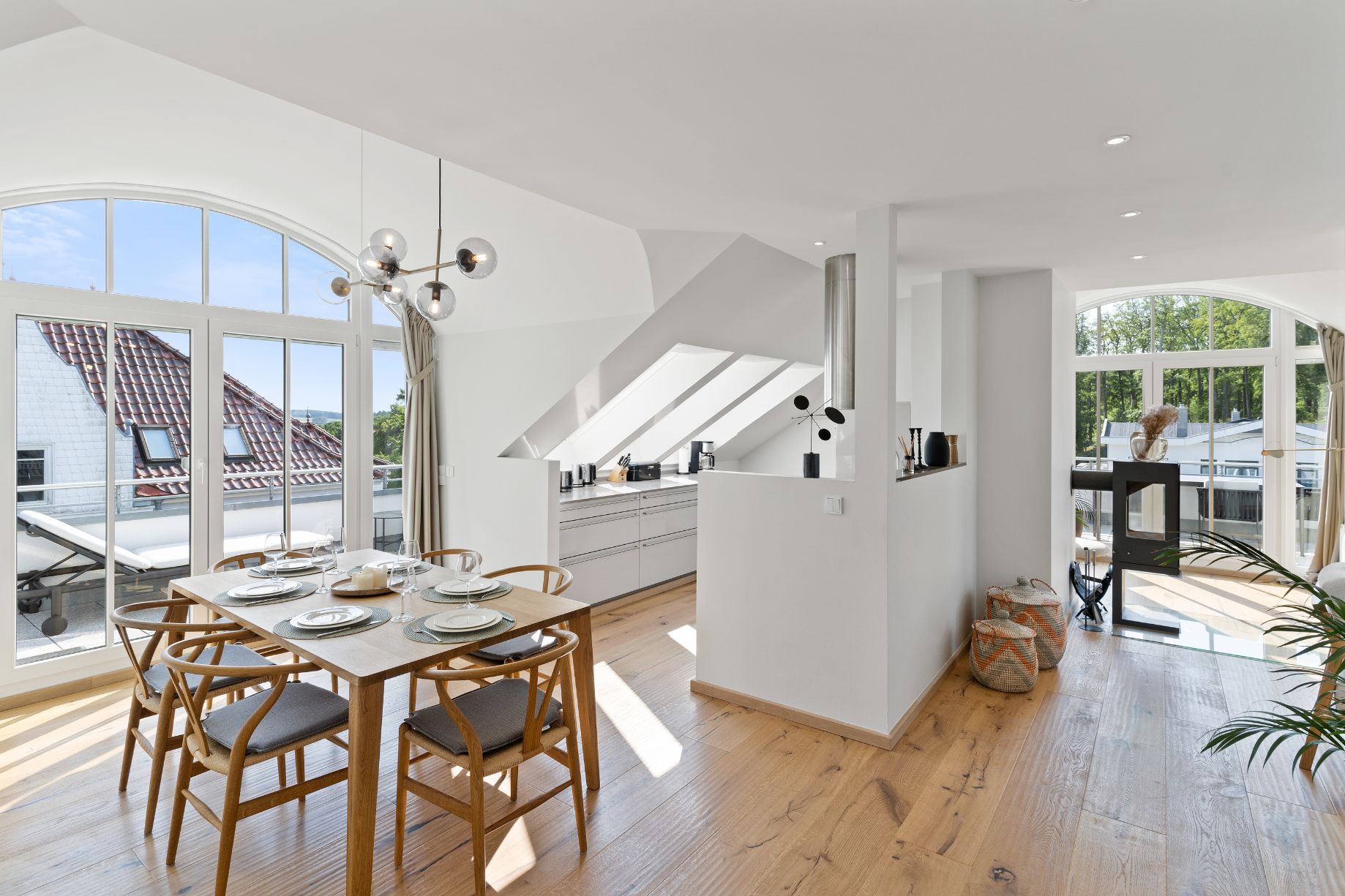
Sellin is the most architecturally complete of Rügen's Bäderstil resorts: the famous Seebrücke (the ornate pleasure pier extending into the sea) and the clifftop promenade above it are among the most-photographed scenes in northern Germany, and the combination of the elevated position, the sea views and the intact late-19th-century streetscape gives the village a specific quality of atmosphere that draws owners back year after year. The Sellin tourist office maintains the village events calendar year-round. Prora, a few kilometres north, occupies a unique position: the site of the unfinished 1930s Colossus building has been systematically converted since the 2000s into a series of modern apartment and penthouse projects offering Baltic-front sea views at some of the most generous proportions available on the island, and its combination of architectural scale, sea-frontage and proximity to the Jasmund National Park makes it increasingly a first-choice for buyers seeking something at the contemporary end of the Rügen brief. Glowe, at the northern tip of the Jasmund peninsula near the Kap Arkona lighthouse, offers the island's most remote and nature-facing positions, with the Wittower Fähre ferry connection to the Wittow peninsula and some of the longest unbroken beach walks available on Rügen.
Usedom, Germany's second-largest island, shares the Bäderstil heritage with Rügen but runs it in a slightly different key: the three main resort towns of Heringsdorf, Ahlbeck and Bansin — collectively known as the Kaiserbäder (Imperial Baths) — were the favoured Baltic destination of the Wilhelmine court and the Berlin aristocracy, and the stucco villas and grand-hotel architecture they left behind has a more formally palatial character than the Rügen resorts. Heringsdorf's three-kilometre Seebrücke, claimed as the longest pleasure pier in Germany, is the island's social centrepiece; the beach stretches in an almost unbroken 42-kilometre arc from the Polish border in the east to Peenemünde in the west, with Vorpommersche Boddenlandschaft National Park protecting the western lagoon system from development.
The Timmendorfer Strand on the western Baltic coast — near Lübeck, the UNESCO World Heritage city famous for its brick Gothic architecture and its role as the capital of the medieval Hanseatic League — offers a third Baltic variant: more cosmopolitan, more spa-hotel oriented, closer to Hamburg (45 minutes by car) and with a stronger year-round leisure infrastructure including the marina at Niendorf Hafen and the golf and wellness facilities of the Timmendorfer strip. Best for: buyers seeking a distinctive European coastal experience quite unlike the Mediterranean, who value architectural heritage, clean transparent water and a resort culture built around long beach days and traditional Baltic gastronomy; Baltic history and nature enthusiasts; and owners who want genuine second-home depth — the ability to return to the same address season after season and develop a local relationship — rather than a rotating holiday rotation.
The Bavarian Alps and Lakes — Tegernsee and the Alpine Foothills
The Bavarian Alpine foothills south of Munich represent one of the most intensely competed and supply-constrained second-home markets in Central Europe — and one of the least understood by buyers looking at Europe from the outside. The Tegernsee valley tourist board publishes seasonal calendars and event guides across all five lake villages. The region is not a ski resort in the traditional sense; it is something more nuanced and, for certain buyers, more permanently compelling. The five villages of the Tegernsee valley — Tegernsee town, Bad Wiessee, Rottach-Egern, Gmund and Kreuth — stretch along a lake of 6.9 square kilometres at 730 metres altitude, ringed by the Bavarian pre-Alps that rise immediately behind the lake to peaks of 1,700–1,900 m. The light here — the way it falls on the Mangfall Mountains in the morning and on the lake's surface in the long Bavarian summer evenings — has been attracting artists, writers, industrialists and Munich professionals for over a century. The Wittelsbach royal family built their summer palace at Tegernsee in 1817 and the lake district has been the Munich upper-middle class's most coveted second-home address ever since.
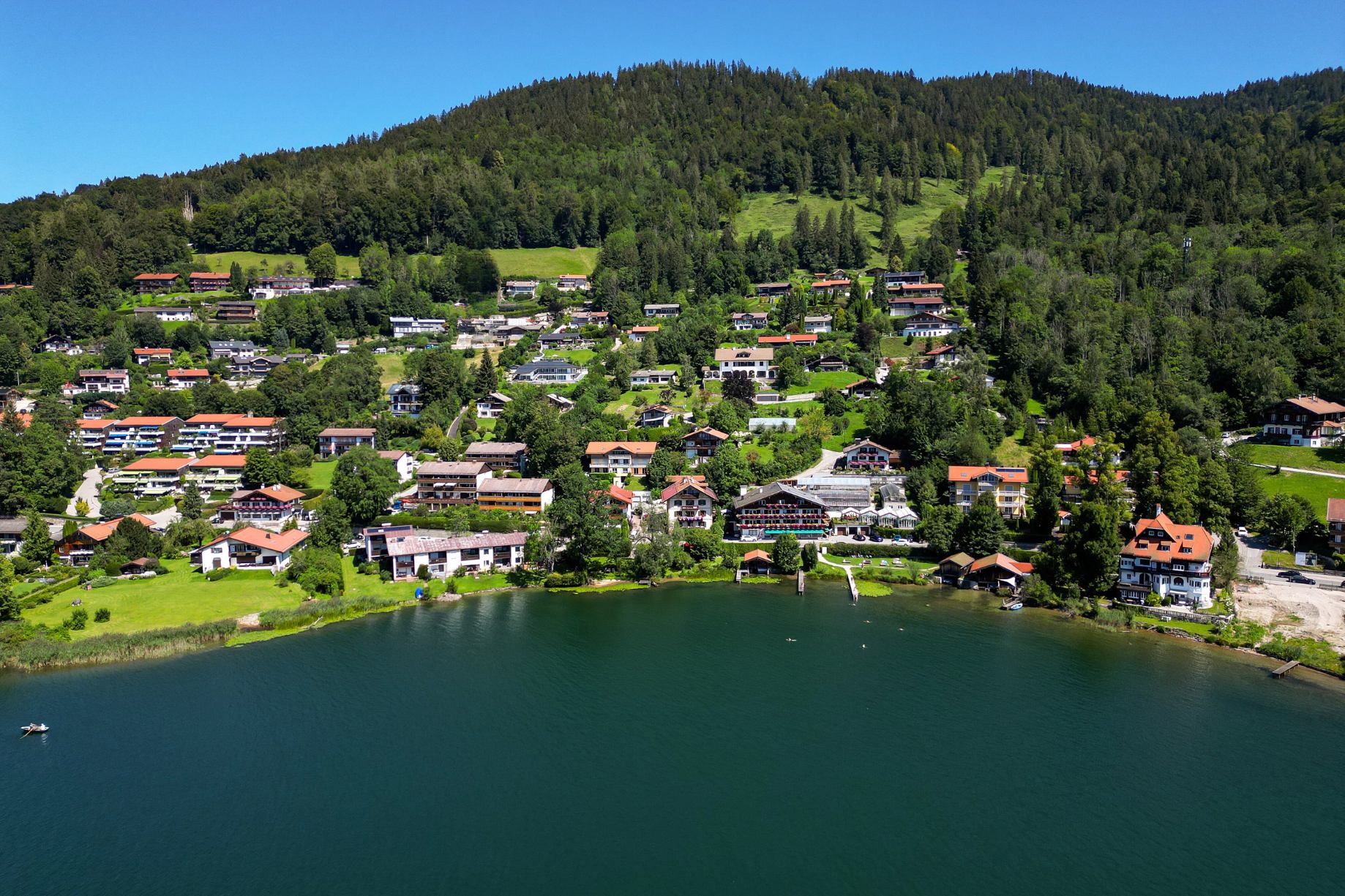
The property market at Tegernsee is, by German standards, expensive and tight: the combination of long-established demand from Munich's professional and artistic class, the strict Bavarian State Planning Act restrictions on new development in the protected landscape zone, and the enduring appeal of the lake's position relative to Munich Airport (around 60 minutes' drive) mean that genuinely premium lakeside or lake-view properties come to the open market in numbers that can usually be counted on one hand in any given year. The architectural vernacular is specifically Bavarian: Landhaus-style villas with deep-overhanging shingle roofs, carved wooden balcony rails, the combination of stone and whitewash that reads as south-Bavarian even to those who have never visited. The most desirable addresses are on the eastern and western shores of the lake, where the morning or afternoon light directly faces the water. The town of Rottach-Egern at the southern end of the lake is the most upmarket of the five villages, home to the Bachmair Weissach and the acclaimed restaurant scene — including a Michelin-recognised dining cluster that anchors the lake's gastro-cultural reputation; Bad Wiessee on the western shore has the long-established spa tradition and several of the best direct lake-view positions.
For second-home buyers, the Tegernsee offer is not primarily about skiing — although Wallberg (on the Tegernsee ridge, accessible by gondola) and the Ski arena Sudelfeld near Bayrischzell are within 30 minutes — but about an Alpine lifestyle that runs across all four seasons. Summer on the Tegernsee means sailing, swimming in lake water clear enough to see the bottom at 15 metres, hiking in the surrounding Mangfall mountains, and dining on lakeside terraces that face the Alpine wall directly. Autumn brings the harvest season — the surrounding valleys produce the apple cider and smoked fish that define the region's food culture — and the lake surface turns a deep copper-gold as the beech forests change on the hillsides above. Winter at the lake is the quiet Bavarian season: the village Christmas markets, the baroque churches of Tegernsee and Bad Wiessee visible in the early morning frost, the spa culture of Bad Wiessee's iodine-sulphur springs. The Zugspitze — Germany's highest peak at 2,962 m — is reachable from Garmisch-Partenkirchen, about 45 minutes from Tegernsee, for serious winter sport days. Best for: Munich-connected buyers seeking a four-season Alpine lake lifestyle; cultural and food enthusiasts drawn to the specific Bavarian heritage of the valley; international buyers for whom the combination of European Alpine setting and rapid Munich Airport connectivity resolves the accessibility question; and owners who want the deep, slow rhythm of a lake-village second home rather than a ski-resort rotation.
The North Sea — Sylt Island
Sylt occupies a unique position in the German second-home imagination — equal parts fashion statement, nature sanctuary and serious investment address, and more difficult to reach than any comparable German destination by design. The Sylt Marketing Society maintains the island's official events calendar and visitor information across all seasons. The island stretches 38 kilometres from north to south in the Wadden Sea off the Schleswig-Holstein coast, barely a kilometre wide in places, with the open North Sea surf beach on its western flank and the sheltered Wadden mudflats on its eastern side. The Wadden Sea National Park, a UNESCO World Heritage Site, protects the tidal flat ecosystem on the eastern side; the western dune system — including the famous Morsum Cliff and the Rotes Kliff cliffs above Kampen — is protected as a geological monument and a nature reserve. There are no motorway connections to Sylt: the Hindenburgdamm railway causeway (connecting the island to the mainland since 1927) carries only rail traffic, which is why the island's car population is managed by shipping vehicles on the car-ferry service from Havneby in Denmark — an arrangement that is part of what keeps property supply permanently restricted.
Hörnum, at the island's southernmost point, is one of Sylt's quietest and most nature-facing villages — the dunes descend directly to the tidal flats on the east and to the open sea beach on the west, and the small settlement of reed-thatched houses and white-rendered villas has the quality of a working fishing village that has been absorbed into the island's premium second-home fabric without losing its character. The contrast with Kampen — the island's most fashionable address, known for its reed-roofed farmhouses and its constellation of boutiques and Michelin restaurants — or with Westerland, the island's commercial and transport centre, is marked; Hörnum buyers specifically choose the southern tip for its quiet and its sense of being at the edge of the island rather than at its centre. Keitum, on the protected eastern Wadden-facing side, is the most historically preserved of the villages, with its 12th-century church of St Severin and the reed-thatched Frisian houses that give the island its deep cultural identity. The official Sylt tourism site documents the full range of island activities across seasons.
The North Sea climate is worth understanding before a buyer commits: Sylt runs cool, windy and — for about four months of the year — actively wild. Summer temperatures on the island average 18–22°C (mid-60s°F to low 70s°F) in July and August, with the North Sea itself reaching 16–18°C (low 60s°F) at peak season. The surf on the western beach is consistent — 2–3 metre swells are common from September through April — and the island's wind profile has made it one of Europe's established kite-surfing destinations. The famous Sylter Watt tidal walk — crossing the mudflats on foot at low tide, with a certified Watt guide, to reach the uninhabited sand banks visible from the eastern shore — is one of those experiences that converts sceptical visitors into committed owners. The light in winter is remarkable: low northern sun, the reed-white of the Frisian houses against the steel-grey Wadden sky, the red of the Rotes Kliff above Kampen at sunset — photography that explains why Sylt has its own strand of German Romantic landscape painting. The island's gastronomy has developed over the past twenty years into a genuinely serious offer: the concentration of Michelin-starred and highly rated restaurants around Kampen and List — including seafood specialists making use of the List oysters farmed in the northern Wadden water — gives the island a food culture that matches the best comparable European island destinations. Best for: buyers who want Germany's most prestigious and permanently supply-constrained island address; North Sea nature and wilderness enthusiasts; kite-surfers, walkers and winter-light devotees; owners seeking an address where the exclusivity is structural (the island physically cannot be reached by car) rather than merely claimed.
A year in your German co-ownership home
Spreading a minimum of 44 to 45 nights of use across a calendar year is itself a skill — and one of the quiet advantages of Germany's diversity is that the Baltic, the Bavarian Alps and Sylt peak at genuinely different times. The fair-rotation calendar ensures every owner gets a fair share of peak weeks across a multi-year cycle; owners who are flexible enough to use shoulder weeks consistently report the highest use-quality from their shares.
Spring (March–May)
German spring arrives at different speeds in different clusters, and that variation is one of the reasons multi-region German ownership makes structural sense. In the Bavarian Alps, March and April are the final weeks of the ski season on the high Bavarian slopes and the first weeks of lakeside awakening at Tegernsee: the lake surface is still cold — 8–10°C (mid-40s°F) — but the days lengthen rapidly, the almond trees around the lakeside villages come into early blossom, and the hiking trails above the valley are clear of snow by mid-April on the south-facing slopes. The Walpurgis festival at the end of April marks the transition in Bavarian village culture from winter to spring and is celebrated with bonfire and dance throughout the valley. May at Tegernsee is the first genuinely warm month — temperatures reaching 18–20°C (mid-60s°F) in the valley, the lake water warming toward 16°C (60°F), the first sailboats launched and the lakeside restaurants opening their terraces for the season. The Munich spring season — just an hour from the lake — offers the Frühlingsfest (a quieter version of Oktoberfest) and the full opening of the spring concert and opera programme at the Bavarian State Opera.
On the Baltic coast, spring means the re-opening of the resort season after the relative quiet of January and February. April and May on Rügen bring the chalk cliffs to their most dramatic condition: the freshly green beech canopy of the Stubnitz forest above the cliffs, the sea still the Baltic winter grey but clearing rapidly, the Strandkörbe appearing on the beach at Sellin and Binz for the first early-season walkers. May at Usedom's Kaiserbäder is the season's preface — the resort villas freshly whitewashed, the Seebrücke café terraces open, the beach extending long and largely empty before the July crowds. The spring migration of sea birds through the Vorpommersche Boddenlandschaft — cranes, white-tailed eagles, black-tailed godwits — is one of the Baltic coast's most spectacular natural calendar highlights, and the April count of cranes resting in the Bodden lagoons on their northward migration routinely exceeds 100,000 birds. On Sylt, spring means the first kite-surf competition of the season at Westerland and the slow re-opening of the island's restaurants and boutiques after the winter pause; the dunes are at their most strikingly geometric in March, shaped by winter storms into new forms, and the first warm days bring the island's permanent residents into the beach cafés of Hörnum and List before the summer crowds arrive.
Summer (June–August)
The German summer is fully distributed across all three clusters, and the competitive pressure differs markedly between them. On the Tegernsee, June is the finest month: lake temperatures climb through 18–22°C (mid-60s°F to low 70s°F) by mid-month, the Alpine meadows above the lake are at their peak flower, and the terraces of the Herzogliches Brauhaus are full for the first summer evenings but not yet at August capacity. Hiking routes on the Bavarian Alpine foothills trails above the lake — including the Bayerisches Wanderparadies trail network — offer day hikes to 1,400–1,800 m above sea level with lake views in every direction. July and August are the lake's peak weeks: the Tegernsee valley festival calendar runs from the Tegernseer Volksmusik festival in July through the Rottach-Egern sailing regatta in August, and the lake is as busy with sailing and stand-up paddleboarding as any Alpine lake in Europe. The famous Munich Oktoberfest in late September extends the Bavarian summer calendar into early autumn for owners who time one of their stays around Germany's most internationally known event.
On the Baltic coast, July and August are the unambiguous peak: Rügen beaches fill, the Sellin Seebrücke is as busy as it will be all year, and Binz and Heringsdorf operate at full resort-season pace. The Baltic water temperature peaks at 19–22°C (high 60s°F to low 70s°F) in July and August — not Mediterranean, but genuinely warm enough for extended swimming sessions — and the long summer days (the Baltic coast sits at 54°N latitude, giving sunlight until nearly 10 p.m. in June) mean that evening beach walks are part of the resort rhythm in a way that southern destinations cannot replicate. Rügen's Störtebeker Festspiele — Germany's largest open-air theatre, performed at the Ralswiek lakeside stage at the island's centre — is the summer cultural anchor event, drawing over 300,000 visitors in a typical season. On Sylt, summer is the island's most social season: the Kampen restaurant circuit, the List oyster season at its best, the surfing competition calendar at Westerland beach, and the Frisian horse races at Keitum (the oldest horse races in Germany, running since 1884).
Autumn (September–November)
For many experienced German second-home owners, autumn is the season of choice. September on the Baltic coast is the locals' month: the August crowds gone, water temperatures still 16–18°C (low 60s°F) for swimming in the first weeks of September, the beach empty enough to have a kilometre of Rügen sand entirely to yourself, and the morning light on the chalk cliffs at Stubbenkammer at its most photographically intense — low angle, long shadows across the white face, the beech forest in its first yellow-copper above. The autumn crane migration through the Rügen and Usedom lagoon systems is at its peak in October: the flocks gathering in the Bodden at dusk before the southward migration are one of the great wildlife spectacles of Northern Europe, and Rügen's Kranichfest (crane festival) in late October is a recognised European birdwatching event. In the Tegernsee valley, September and October are the harvest season: the apple orchards of the valley are at full crop, the traditional Almabrieb (descent of the Alpine herds from summer pasture) takes place in early October with decorated cattle and village celebrations, and the Bavarian forest above the lake turns a vivid red-gold that makes the lake views from a terrace particularly striking. The Munich Oktoberfest in mid-September through early October brings a specific usage pattern for owners who combine a Tegernsee week with a Munich weekend — the two experiences complement each other naturally. On Sylt, September and October are the kite-surfer's primary season: the Atlantic storm systems delivering the most powerful and consistent North Sea wind of the year, the island restaurants still open at full capacity but the summer crowds gone, the beach wide and clean and the light beginning its remarkable low-winter angle.
Winter (December–February)
The German winter second-home pattern is more varied than most buyers initially expect, because the three clusters behave very differently in this season. In the Bavarian Alps, winter is the fullest season: the Tegernsee valley receives its first significant snowfall in December, the surrounding peaks white from October, and the proximity to the Bavarian skiing heartland — Schliersee, Sudelfeld and, for more serious downhill days, Garmisch-Partenkirchen and the Zugspitze — makes a Tegernsee chalet a viable winter-sport base. The Christmas market culture in the Bavarian Alpine villages is among the most authentic in Germany: the Rottach-Egern Christmas market on the southern lake shore, the Bayrischzell Christmas market in the Leitzach valley, and the illuminated lakeside promenade of Bad Wiessee attract the kind of domestic Bavarian attendance that gives German Christmas markets their authenticity. January and February at Tegernsee are the most private months — the ski lifts running, the lake frozen in cold years and mist-wreathed in mild ones, the restaurants and spas of Bad Wiessee's Jod-Schwefel-Therme at their full winter programme.
The Baltic coast in winter is a revelation for owners who have only used it in summer. January and February on Rügen reduce the island to its essential character: the Bäderstil villas quieter than they will be all year, the chalk cliffs at Stubbenkammer in their most dramatic winter condition — grey Baltic sky, white chalk, black beech — and the beach entirely private. The Baltic winter climate is colder than the North Sea equivalent but less wind-driven: January temperatures averaging 0–2°C (low 30s°F) on the coast, rarely below −5°C (23°F) in the resort villages, and the combination of a heated penthouse with a sea view and a wood-burning stove is precisely the Baltic winter experience that owners who have tried it return to. The Binz resort spa and indoor pool facilities remain open year-round. Sylt in winter is the island at its most theatrical: the Atlantic swells arriving from north-west storm systems build to three to four metres on the western beach, the Rotes Kliff above Kampen is at its most dramatically lit in the low winter sun, and the reed-thatched farmhouses of Keitum and Hörnum with smoke rising from their chimneys represent a specific visual experience of German winter that cannot be found elsewhere. The Sylt Wintergala in January and the winter racing programme at the Keitum course give the island social anchors even in its quietest months.
Who buys in Germany, and why
The international buyer mix in German fractional co-ownership is more geographically concentrated than in France or Spain, and more clearly anchored to a German-speaking core buyer with an international overlay. German buyers themselves — Munich professionals for the Tegernsee; Hamburg and North German buyers for Rügen, Usedom and Sylt; Berlin buyers for Rügen — form the large majority of the second-home buyer pool in all three clusters, and their established presence is part of what gives these markets their depth and price stability. Beyond the German domestic market, Dutch and Belgian buyers are the most established non-German presence, particularly on the Baltic coast — the drive from Amsterdam or Brussels to the Rügen ferry connection at Stralsund is under six hours, a well-travelled route for Dutch families who want a non-Mediterranean coastal second home. Austrian and Swiss buyers form a natural cohort for the Tegernsee (Bavaria is effectively the southern extension of the German-speaking Alpine world), and the Munich Airport connection makes it accessible from Zurich and Vienna in under two hours. Scandinavian buyers — Danish, Swedish and Norwegian — have a long tradition in the Baltic coast market, and Sylt's proximity to the Danish border (Romo island is visible from Sylt on a clear day) gives it a particularly strong Danish buyer base. American buyers, increasingly, are discovering the German clusters as both a Central European base and an unusual investment, drawn by the legal transparency, the euro denominator and the genuine scarcity story in each cluster.
The age-and-life-stage profile of the German fractional buyer is broadly consistent with the wider COP pattern. The largest single cohort is in the 45–65 age band — established professionals and business owners whose second-home thinking runs to a fifteen-to-twenty-year horizon and for whom the operational simplicity of a professionally managed property resolves the friction they have historically experienced with traditional German vacation-property ownership (which tends to be owner-managed and therefore dependent on the owner's own presence for every maintenance decision). The 35–45 dual-income professional couple is the fastest-growing cohort: buyers who travel frequently, who recognise the quality difference between a COP-standard fractional property and a holiday rental, and who want the equity-building component that pure rental cannot provide. Multi-generational buyers — German families who want to bring three generations together in one quality space at the Baltic or Tegernsee — are a specific German segment that suits the larger-format properties well.
Fractional co-ownership in Germany typically suits:
- Munich professionals and families wanting a Tegernsee base — the most natural first-purchase for this group; the S-Bahn connectivity, the four-season usability and the relief from the operational burden of private second-home management are the core drivers. The market for whole-ownership Tegernsee property is intensely competitive and prices are at levels that make the 1/8 fractional entry point particularly compelling.
- Hamburg, Berlin and North German buyers seeking a Baltic foothold — Rügen, Usedom and Timmendorfer Strand are traditional domestic German second-home markets; the fractional model makes the premium tier accessible at a fraction of the whole-ownership capital commitment, and the management inclusion removes the burden of a self-managed coastal property.
- International buyers seeking the premium Sylt address — buyers for whom Sylt's permanent supply constraints and its position as Germany's most prestigious island are the primary draw; the island's genuine inaccessibility by car and the resulting limits on supply make a fractional position particularly attractive relative to the near-impossibility of finding whole-ownership prime property there at all.
- Nature and outdoor enthusiasts — buyers drawn to the Baltic coast's national parks and birdwatching, the Tegernsee hiking and sailing programme, or Sylt's kite-surfing and Wadden Sea walks; the fractional model gives six to seven weeks in a premium base for an outdoor lifestyle that only a few weeks of personal use a year actually requires.
- Multi-region portfolio builders — an increasingly common pattern is the buyer who pairs a German share (Baltic or Tegernsee) with a Mediterranean share in the COP portfolio. The German property handles the cool-water, nature-facing and culturally rooted calendar; a southern share handles the warm-summer and Alpine-winter weeks. Two 1/8 shares give an owner roughly 12 weeks of fully managed, equity-holding second-home use across a year at a combined annual carry that is a fraction of what a single whole property at either address would cost.
Practicalities: getting there, what it costs, what you own
Getting there
Germany's internal transport infrastructure is one of the most fully developed in Europe, and the three clusters are served by different but equally functional combinations of air and rail. The Tegernsee is the most straightforwardly accessible: Munich Airport (MUC), the second-busiest airport in Germany and the fifth-busiest in Europe, handles direct services from New York (JFK and Newark, roughly 10 hours), London Heathrow (2 hours), Dubai (6.5 hours), Singapore (12.5 hours), Tel Aviv (4 hours) and across the entire European network, with Lufthansa using Munich as its secondary hub. From MUC, the S-Bahn S1 line to Munich central station takes 42 minutes; from there the Tegernsee Bahn regional train reaches Bad Wiessee and Tegernsee town in under an hour. Total journey: under 2 hours from plane to lake terrace. By road, the drive from Munich Airport to Rottach-Egern is approximately 65 km, typically under an hour without traffic.
The Baltic coast is served primarily by Hamburg Airport (HAM), with strong European connections including Amsterdam, London City, Copenhagen and multiple German domestic routes, and by Berlin Brandenburg Airport (BER), which handles transatlantic services and direct routes from New York (JFK, approximately 9.5 hours), as well as the full European network. From Berlin, the Deutsche Bahn Intercity service to Binz on Rügen takes under 3 hours on the regular service; from Hamburg, the IC to Rügen takes approximately 3 hours 30 minutes. For Usedom's Kaiserbäder, the Deutsche Bahn service from Berlin via Stralsund to Heringsdorf and Ahlbeck takes under 3 hours 30 minutes. Timmendorfer Strand near Lübeck is 45 minutes from Hamburg by car (A1 motorway) or a short S-Bahn connection from Hamburg central station, making it the most Hamburg-proximate of the Baltic options.
Sylt is the most transport-restricted of the three clusters, and that restriction is, as noted, part of the island's appeal and part of its supply story. The standard route is Deutsche Bahn Intercity Express (ICE) from Hamburg to Westerland (Sylt) via the Hindenburgdamm causeway — direct services run approximately every two hours and take under 3 hours. For owners flying in, Sylt Airport (GWT) handles services from Hamburg (30 minutes) and Frankfurt (70 minutes) on the Lufthansa regional network, and from Copenhagen and Amsterdam in summer season. Hamburg Airport is the primary gateway for international arrivals connecting to Sylt: Amsterdam-Hamburg in 65 minutes, London City-Hamburg in 90 minutes, Copenhagen-Hamburg in 65 minutes. The car ferry to Sylt from Havneby (Denmark) is used primarily by those driving from Denmark or from the Jutland peninsula; most second-home owners take the train from Hamburg and use the island's taxi, bicycle and electric-car sharing network once they arrive.
Whole-property vs 1/8 share: the comparison
The case for a fractional structure is most clearly seen in the side-by-side comparison against both whole ownership and long-term rental. The comparison is deliberately in relative terms — property values across Germany's three second-home clusters vary considerably, and the ratios are what matter rather than any specific figure that will date the moment it is written.
| Whole second home | COP 1/8 fractional share | Long-term rental | |
|---|---|---|---|
| Upfront commitment | Full property value | ~1/8 of the property value | First/last/deposit only |
| Equity in the asset | Full appreciation | ~1/8 of appreciation | None |
| Annual carry | Full Grundsteuer, insurance, management, maintenance | ~1/8 of carry, fully managed | Full rent every year, indefinitely |
| Personal use | Up to 52 weeks (most use 6–10) | Set by the operator, professionally scheduled | Defined by lease |
| Operations burden | Owner-managed or hired staff | Fully included | Landlord-managed |
| Time to exit | 6–24 months on the open market | Sold through our partner's resale process | End of lease term |
The comparison most German second-home buyers find most telling is the annual-carry line. Owning a whole German vacation property outright means carrying full Grundsteuer (property tax), full insurance, full maintenance and — for properties in managed resort complexes like those on Rügen and Sylt — a management fee that can represent a meaningful portion of the total operating cost, whether or not the owner uses the property at all that year. A 1/8 fractional share carries proportionally less, fully managed, with the operational burden lifted entirely from the individual owner. Compared to renting an equivalent property on the long-term market, a fractional share builds real equity rather than burning rent — and the share is yours to sell, transfer or pass on.
The time-to-sell line is also worth examining in a specifically German context. Whole-property resale on Sylt, in the premium Tegernsee addresses and on the better-positioned Rügen properties is genuinely slow — the buyer pool at the top tier is well-informed, careful and unhurried, and a premium property going to market in any of these clusters might sit for 12–18 months or more before transacting. The carrying costs of holding a whole German vacation property through a slow open-market sale — Grundsteuer, insurance, management — can add up to a meaningful fraction of the sale price by the time it closes. A fractional share, by contrast, is sold through our partner's resale process, without you having to sell the whole house.
What's included in the annual service charge — and what isn't
The annual carry on a 1/8 share is, by definition, roughly 1/8 of the carry on the equivalent whole property — which means it is a fraction of what an outright German vacation-home owner pays in taxes, insurance, management and maintenance, and a fraction of what year-round rental of an equivalent property would cost. It is best understood as a single all-in number that covers everything required to keep the property operating at full standard regardless of who is or isn't in residence. The included items typically run to: Grundsteuer (German property tax, calculated on the property's assessed value by the municipal authority) and any applicable Kurtaxe (resort tax in designated spa and resort municipalities, applicable in most Rügen and Sylt resort zones); building insurance and contents insurance for the furniture and fittings; the full property-management retainer covering staff, scheduling and owner relationship; cleaning and linen between every stay; landscaping, pool maintenance and seasonal preparation; minor maintenance and repairs under a defined threshold; utility bills (electricity, water, internet, heating, alarm monitoring); and a contribution to the reserve fund for major capital works. What is typically not included: large capital improvements (kitchen replacement, major bathroom refurbishment) decided together by the co-owners; personal staff costs (a private chef, a private driver beyond the standard transfer); damage caused by an owner's own use; and unusually high-volume utility use. The annual service charge is not a "running cost" in the open-property sense but a comprehensive operating budget covering the property in active condition all year.
What you actually own
Every German property on COP is shared by you and up to seven other co-owners, each owning a real share of the home.
How fractional ownership works in Germany
The mechanics of fractional ownership in Germany are framed by three things that work together: the legal set-up arranged by our partner for each home, the German property-registration system — the Grundbuch — and the German notarial system (Notar), whose involvement in property transactions is constitutionally required and gives German conveyancing its thoroughness and finality. Together, these three pieces make for a clear, predictable ownership experience.
What you own: a real share of the German home
You own a real share of the home — an eighth, a quarter — not a right to use it. You can sell it, pass it on to your heirs, and it grows in value with the house. Big decisions, such as selling the home or major works, are decided together by the co-owners.
German property tax: Grundsteuer and resort levies
Germany operates a specific property-tax regime that every second-home buyer should understand. Grundsteuer — the annual property tax — is levied by the local municipal authority on all German real property, calculated on the cadastral assessed value (Einheitswert) multiplied by the municipal rate (Hebesatz). Following the 2019 Grundsteuerreform (which the Federal Constitutional Court required after a 2018 ruling), Grundsteuer is now calculated on updated market-reflective values that came into effect from 2025, resulting in adjustments to the assessed base in most German municipalities. In practice, the effective annual rate for premium vacation properties in the resort municipalities covered by the COP collection runs at a competitive level relative to comparable European jurisdictions, and is covered within the annual service charge — individual owners never deal directly with the local tax authority. Many of Germany's Baltic and North Sea resort municipalities also levy a Kurtaxe (resort tax), a per-night fee charged to overnight visitors including second-home owners during their stays; in Rügen's resort zones and on Sylt, this is typically collected as part of the management infrastructure and is modest in absolute terms. German capital-gains tax on the resale of your share interacts with your home jurisdiction and the relevant double-taxation treaty; our partner sets out the position for your country before you buy.
Inheritance and German succession law
German succession law provides a reserved share (Pflichtteil) for direct heirs — children and surviving spouses — calculated at half the legal intestate share. This applies regardless of will provisions and creates a potential claim on the estate of a German-sited property. Your share passes to your heirs as part of your estate, and our partner sets out exactly how this works for your country before you buy. The German Federal Ministry of Justice publishes an English-language guide to German inheritance law basics that serves as a useful orientation for international buyers.
The professional management model and how the calendar works
Once the purchase completes, a professional management company takes over all operational responsibility for the property. Your personal weeks — a minimum of 44 to 45 nights for a 1/8 share — are allocated through a fair-rotation calendar that distributes peak weeks (the Baltic high-summer fortnight in July–August, the Tegernsee Lake Festival week in August, the Sylt summer-racing weekend at Keitum in July) across all co-owners over a multi-year cycle, mixed with shoulder and off-peak weeks. Owners pre-book several months ahead; the management company handles service-charge collection, building maintenance, insurance, taxes, linen and cleaning between stays, the welcome arrival, and the on-call concierge — all included within the annual service charge.
Unlike timeshare — where you hold a use-right for a fixed week, with no transferable equity and a contract that typically expires or resets at the operator's choice — a COP fractional share holds a transferable equity interest in the property itself. It does not expire. It does not depreciate to zero when a contract term ends. It grows in value with the underlying German property, it can be sold on the open market at your price, and it can be passed to your heirs.
Resale: how to exit, typical timelines
When you decide to exit your German share, a professional resale process is in place, run by our partner, so you can sell your share without having to sell the whole house — whereas whole-property resales typically take 6–24 months on the open market. Shares sell: hundreds of shares in homes like these have already been resold—in just over three months on average, and nearly three in four for more than the owner paid. After a typical first-12-months holding period you set the price, and your co-owners usually get first refusal. The buyer pool is already familiar with the property and the management framework. For owners who want maximum control over price and process, an open-market sale to any qualifying buyer remains an option — but most owners find the established process faster and cheaper, with carrying costs of holding through a long open-market sale adding up quickly. The full mechanics of fractional ownership across all jurisdictions — usage calendars, exit procedures, rental income treatment, insurance, the transfer on death — are covered in our co-ownership explained guide.
For specific German property availability, browse the listings in the property grid above, or join our list for new-property alerts as they come to market.
Your ownership at a glance
- Real ownership of the home — a real 1/8 share of the home: transferable, inheritable, and it grows in value with the house. Not a timeshare, not a points membership, not a usage right.
- Fully managed throughout — the professional management team handles Grundsteuer, Kurtaxe, insurance, maintenance, scheduling, linen, the on-call concierge and the arrival preparation. You arrive, the property is ready.
- Clear, supported resale — when you decide to exit, our partner's resale process is in place, so you can sell your share without having to sell the whole house, rather than facing the 12–18 months a comparable German vacation property might take on the open market.
- Designed for international portfolios — many owners combine shares across several COP destinations.
Still deciding which German region?
Many readers arrive on this page already half-decided — they want Germany, but not yet which Germany. The choice between the Baltic coast, the Bavarian Alps and Sylt is rarely about budget alone; the three regions sit in broadly comparable quality bands, and the decisive question is usage pattern. How will you actually spend your weeks across a calendar year? The right answer for most buyers is one they have not yet articulated, because the question rarely sharpens until ownership becomes concrete. Below is the framework we walk through with buyers who reach the same fork — deliberately simplified, because most owners end up combining elements from more than one, but useful as a starting point. Unlike a traditional timeshare, where your choice is locked in from the first signature, a fractional 1/8 share gives you the option to build a portfolio over time: Baltic this year, Tegernsee in two years, and the options remain open.
Choose the Baltic Sea coast if you want long, light-filled summer weeks built around an outdoor lifestyle — beach walking, Baltic swimming, cycling through the beech forests of the Jasmund — and if you value the specific architectural and cultural heritage of the Bäderstil resort culture. The Baltic works hardest for owners who use it in June, July, September and October as well as the high-summer weeks; the shoulder months on Rügen, Usedom and Timmendorfer Strand are genuinely superior in quality to August for owners who can use them. This is also the region where the Baltic winter drama — the cliff walks, the empty beaches, the heated penthouse above the grey sea — creates a minority but intensely loyal winter-user base among owners who discover it by accident in their first season. The Baltic coast is the most established and most deeply held of Germany's three second-home clusters for international buyers, with the deepest resale market and the longest operating history in the modern fractional ownership context.
Choose the Bavarian Alps and Tegernsee if you want a four-season Alpine lake lifestyle with no single dominant season — skiing days in winter, sailing and hiking in summer, harvest culture in autumn, spa and village life in between — and if you value the proximity to Munich, one of Germany's most liveable and internationally connected cities. Tegernsee rewards owners who use it across all four seasons: the summer sailing and hiking weeks, the Oktoberfest proximity in late September, the Christmas market culture and Alpine proximity in December, the spring blossom weeks in May. It is the region for buyers who want a specifically Bavarian cultural experience — the beer garden, the Almabrieb, the village festival, the Landhaus architecture — integrated into a property whose alpine views make every season feel different. The proximity to Munich Airport makes Tegernsee the most internationally accessible of the three clusters for non-European buyers, which is why it draws a stronger American, Gulf and Asian buyer base than either Rügen or Sylt.
Choose Sylt if you want Germany's most prestigious and permanently supply-constrained island address — an address where the exclusivity is structural rather than claimed, and where the combination of North Sea nature, Michelin-restaurant culture and a Frisian architectural heritage gives the property a character unlike anything else in the COP portfolio. Sylt rewards buyers who are genuinely engaged with the island's natural conditions — the wind, the surf, the Wadden tidal flats, the low winter light — and who want a second home that forces genuine disconnection from the mainland. It is the least accessible of the three clusters by design, and that inaccessibility is part of what creates both its mystique and its supply scarcity. Sylt is also the cluster where the long-term price appreciation argument is most acute: the island is finite, the Wadden Sea National Park is permanent, and the demand from Germany's high-net-worth population for a Sylt address consistently exceeds the available supply of quality properties.
Whichever way the decision goes, the deeper exploration starts on the cluster pages — or directly with our team, who can match your specific use-week calendar to the region that delivers the best week-by-week experience for your particular situation:
If you would like to talk through which German region best fits your family's actual use pattern — rather than the brochure version of it — join our list and we will be in touch with relevant new-property alerts and an introduction to the team.
Questions & Answers
Germany Fractional Ownership — Frequently Asked Questions
Fractional co-ownership gives you real ownership of a share — typically 1/8 — of a luxury German property. The legal set-up is arranged by our partner for each home and walked through with you before you buy. Your 1/8 share entitles you to around six weeks of use per year, proportional rental income from weeks you rent out, and 1/8 of the property's value when it eventually sells. Germany offers diverse luxury property options: Alpine chalets in Bavaria, lakeside villas on the Bavarian lakes, and urban properties in cities like Munich and Hamburg.
A timeshare sells you a week. Co-ownership sells you the house. A timeshare buys you the right to use a resort for a week, or a bundle of points, shared with thousands of others. Fractional co-ownership gives you a real share of one specific German home, owned with a small group of co-owners, typically up to eight.
The difference shows when you sell. A timeshare is typically worth a fraction of what was paid and is notoriously hard to sell; your share moves with the value of the home and sells on the open market at the price you set. And where passing on a timeshare often means passing on the fees, your share is a home you can leave to your children.
You own a real share of the home — an eighth, a quarter — not a right to use it. You can sell it, pass it on to your heirs, and it moves with the value of the house. All documentation is reviewed with independent German legal counsel (Notar) before purchase.
COP's Germany portfolio includes Bavarian Alpine chalets, lakeside properties on the Starnberger See and Tegernsee near Munich, and select properties in other high-demand German leisure destinations. These are among Germany's most desirable second-home locations, with strong domestic and international demand.
Your 1/8 share gives you around six weeks per year. German Alpine and lake properties are year-round destinations — skiing and winter sports in winter, hiking and lake swimming in summer. A structured calendar manages peak-period allocations through a fair rotating priority system. Unused weeks can be rented out where the home allows.
Bavaria's most desirable resort areas — Garmisch-Partenkirchen, Berchtesgaden, the Bavarian Lakes — have strict building controls that permanently limit new supply, supporting long-term value. The Tegernsee and Starnberger See are among the most expensive secondary property markets in Germany, with prices rivalling central Munich. Germany's largest economy generates a substantial domestic second-home buyer market, supporting consistent demand.
Selling is simple. When you decide to move on, your Germany fractional share is marketed to buyers already looking for fractional co-ownership.
Our partner's resale process handles the sale for you, so you sell your share without the whole house having to be sold. After a typical first-12-months holding period you can sell whenever you choose, at the price you set — your co-owners usually get first refusal. Hundreds of shares in homes like these have already been resold — in just over three months on average, and nearly three in four for more than the owner paid.
Browse COP's Germany listings, review the 1/8 share price and annual service charge, and submit an enquiry. A COP specialist will be in touch within 24 hours.
Also Explore
Get in Touch
Speak to an expert
Tell us what you're looking for and one of our co-ownership specialists will be in touch within 24 hours.