Co-Ownership Homes in Higueron
4 luxury holiday homes in Higueron available as co-ownership shares, from €125,000 per share. Genuine ownership, fully managed, a fraction of the whole-home price.
The Higueron Collection
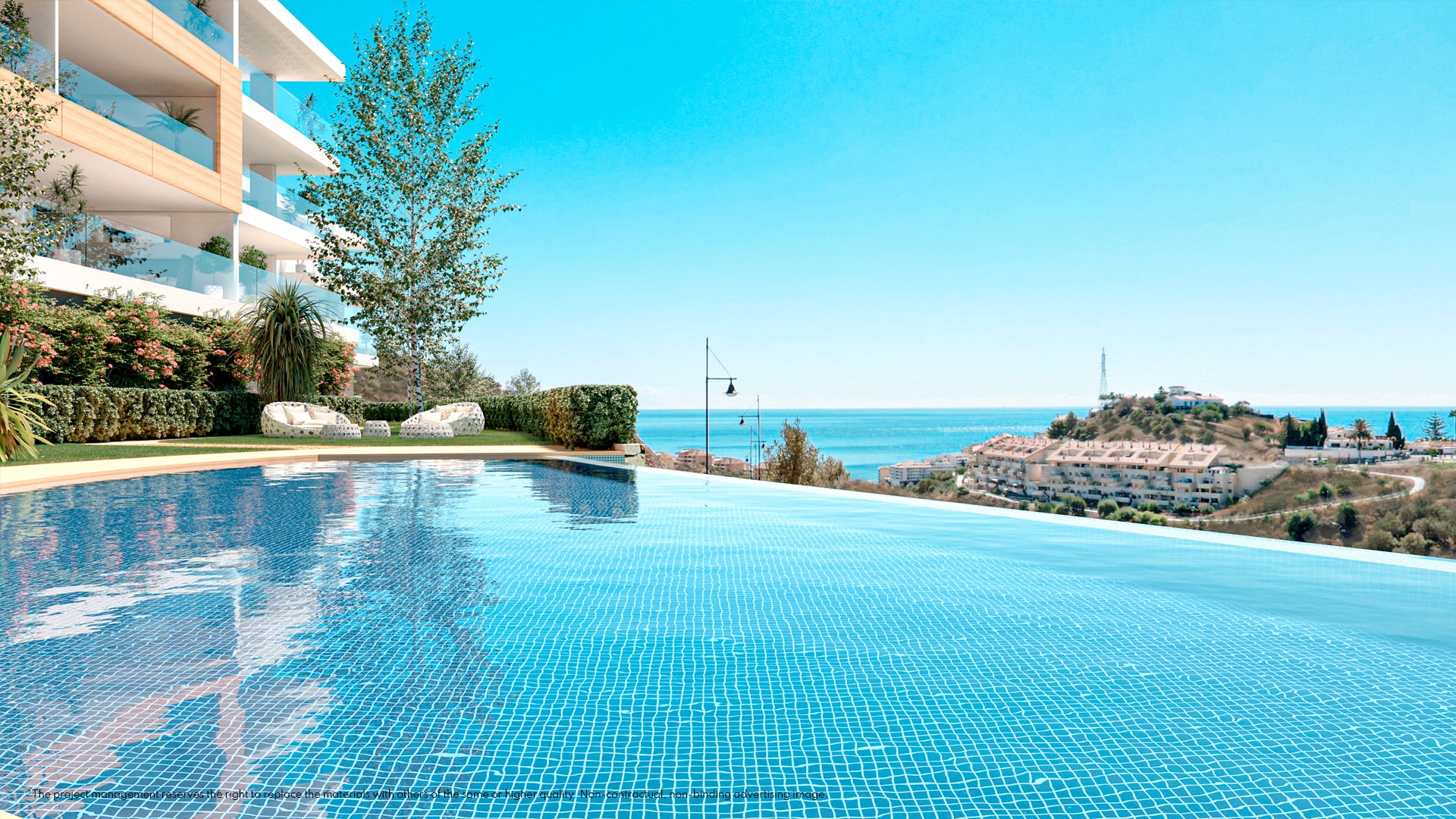
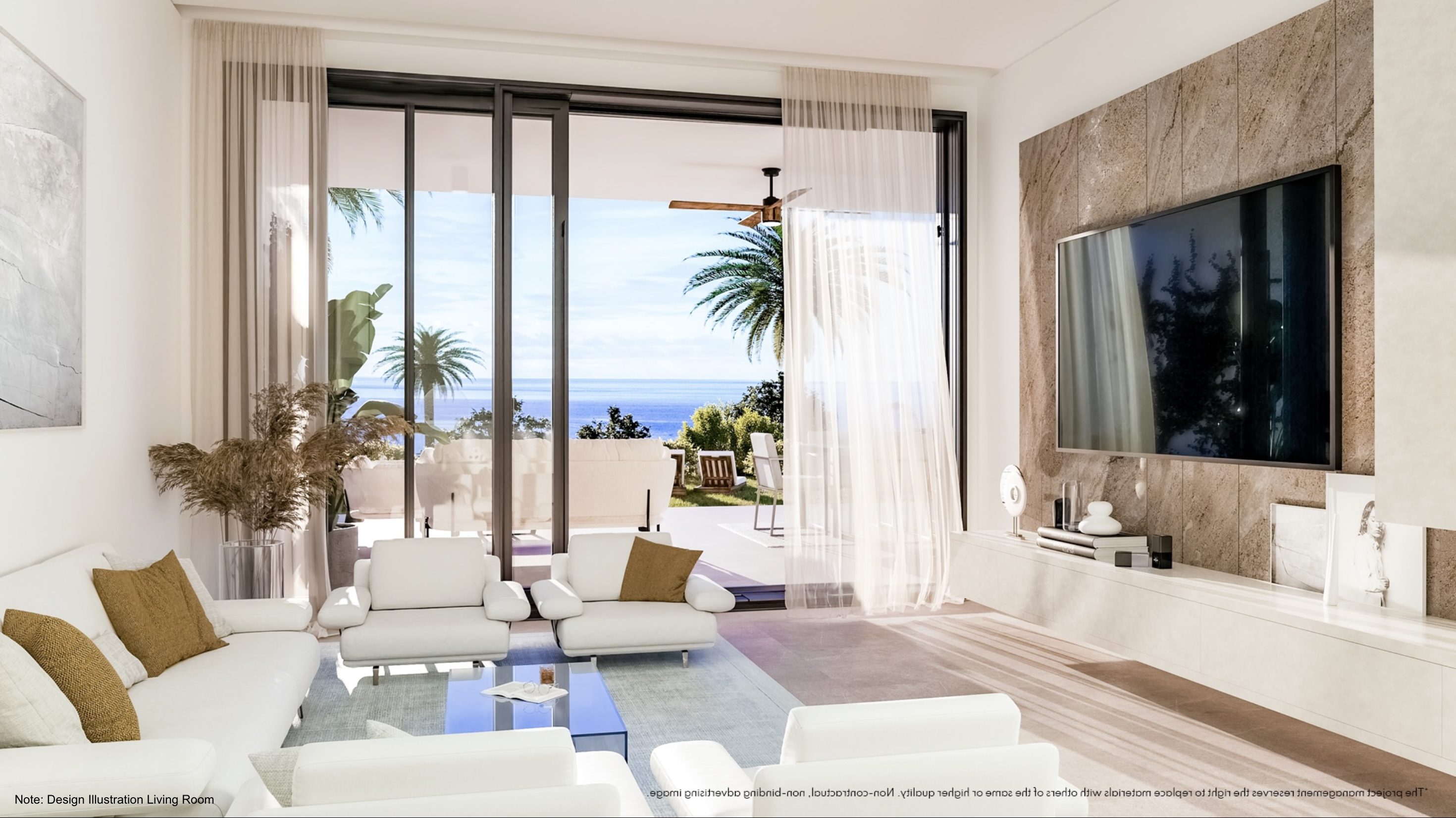
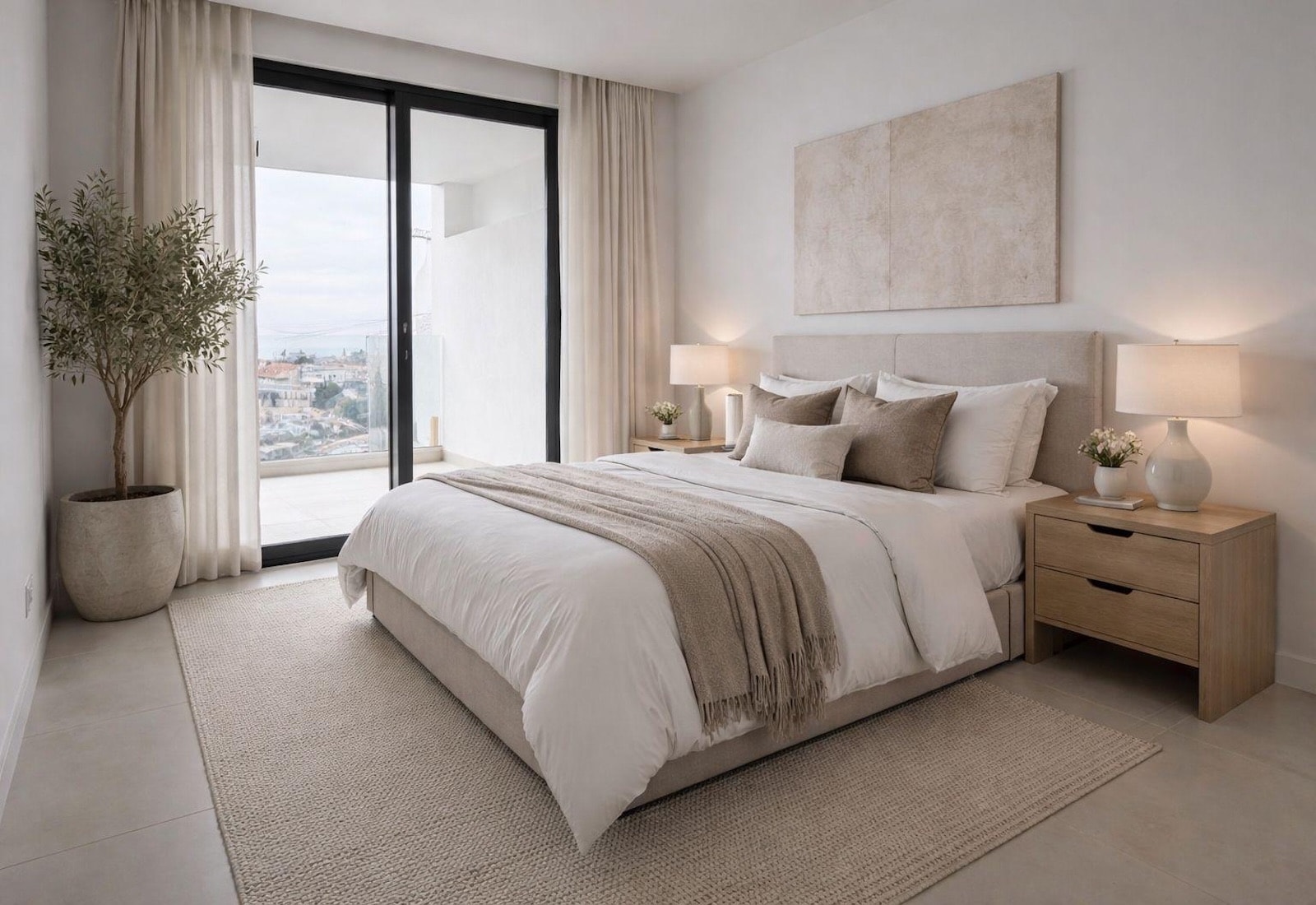
Higueron, Costa del Sol, Spain — 3-Bed Apartment With Sea Views
€125,000
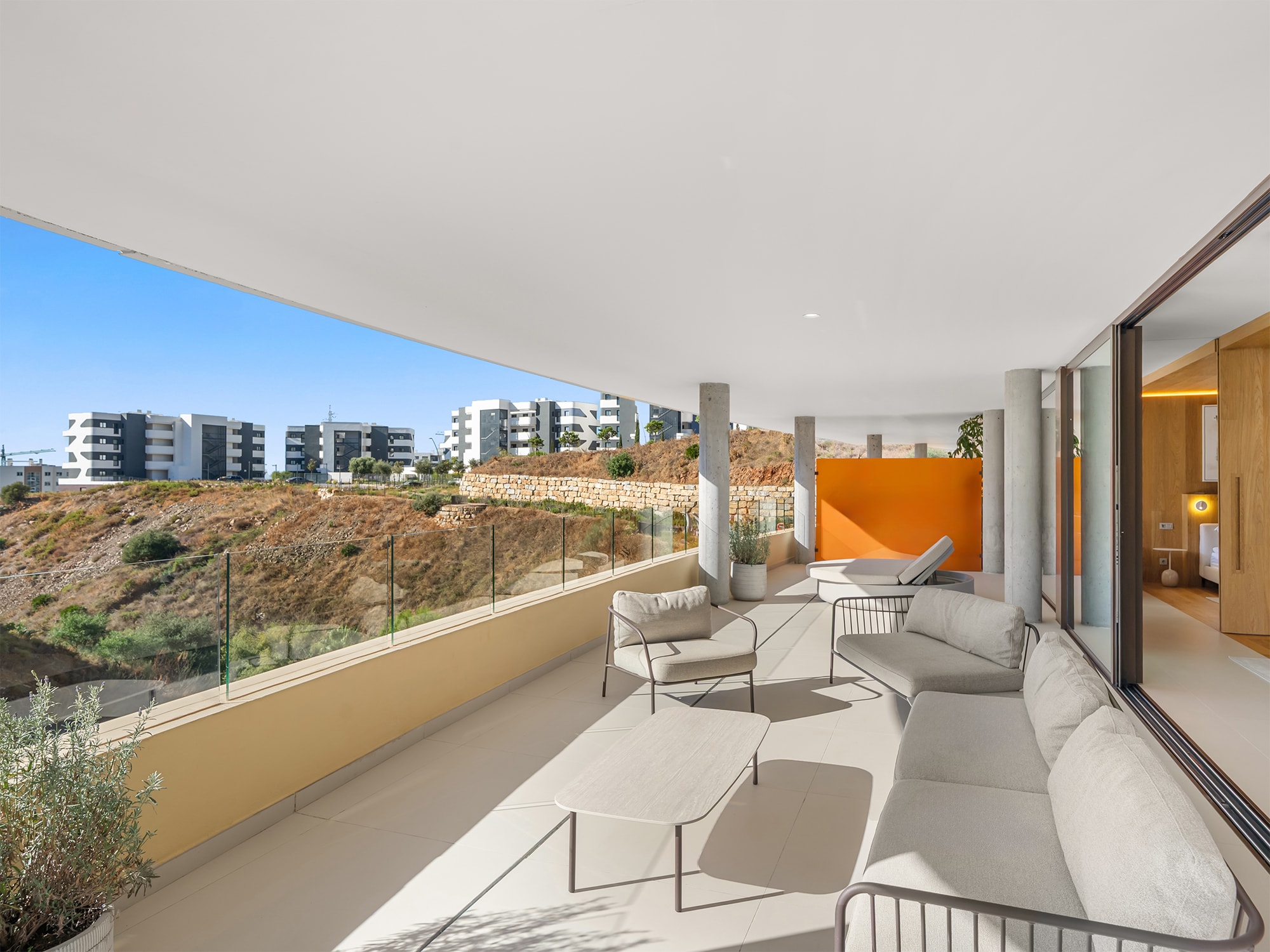
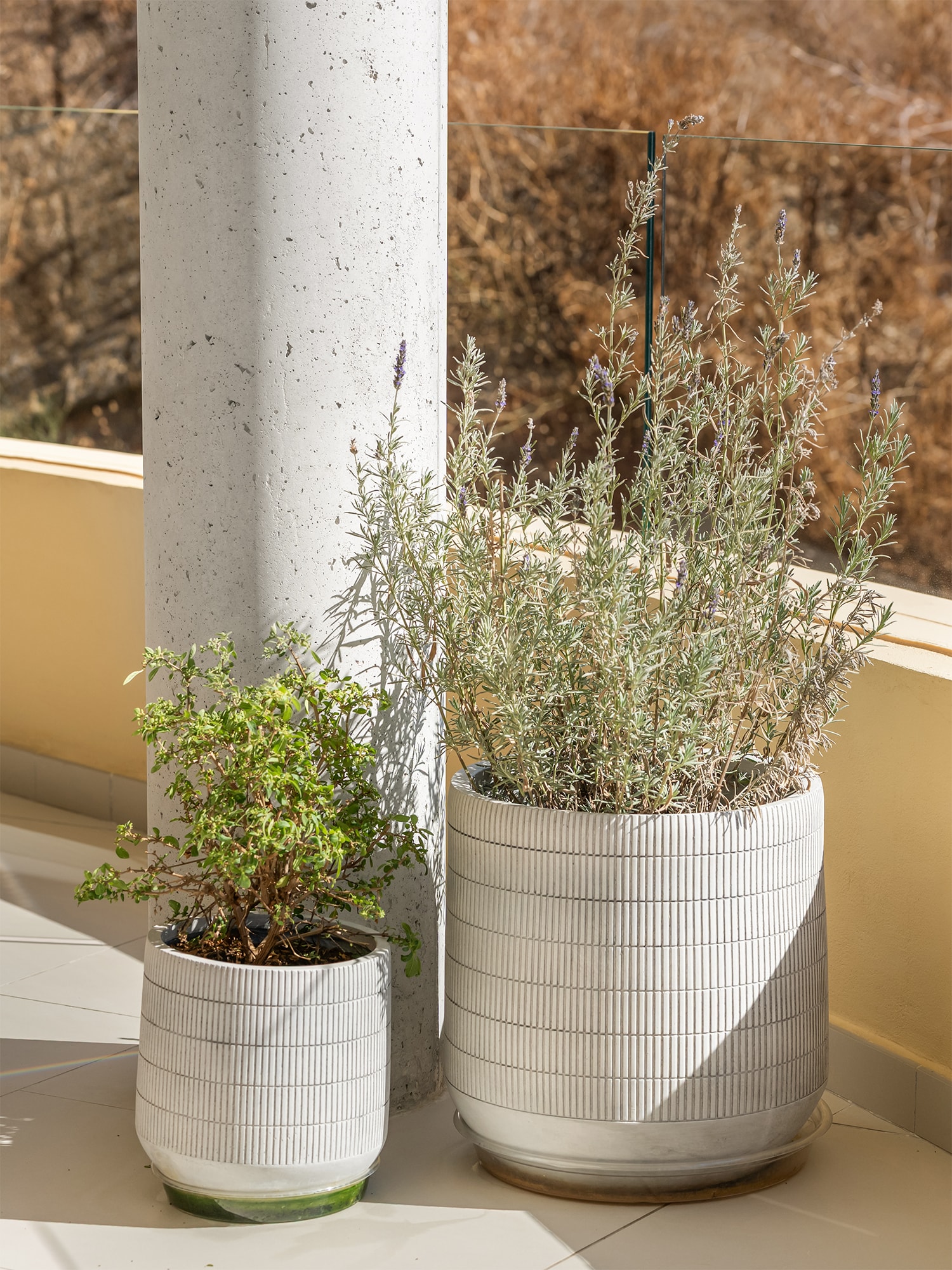
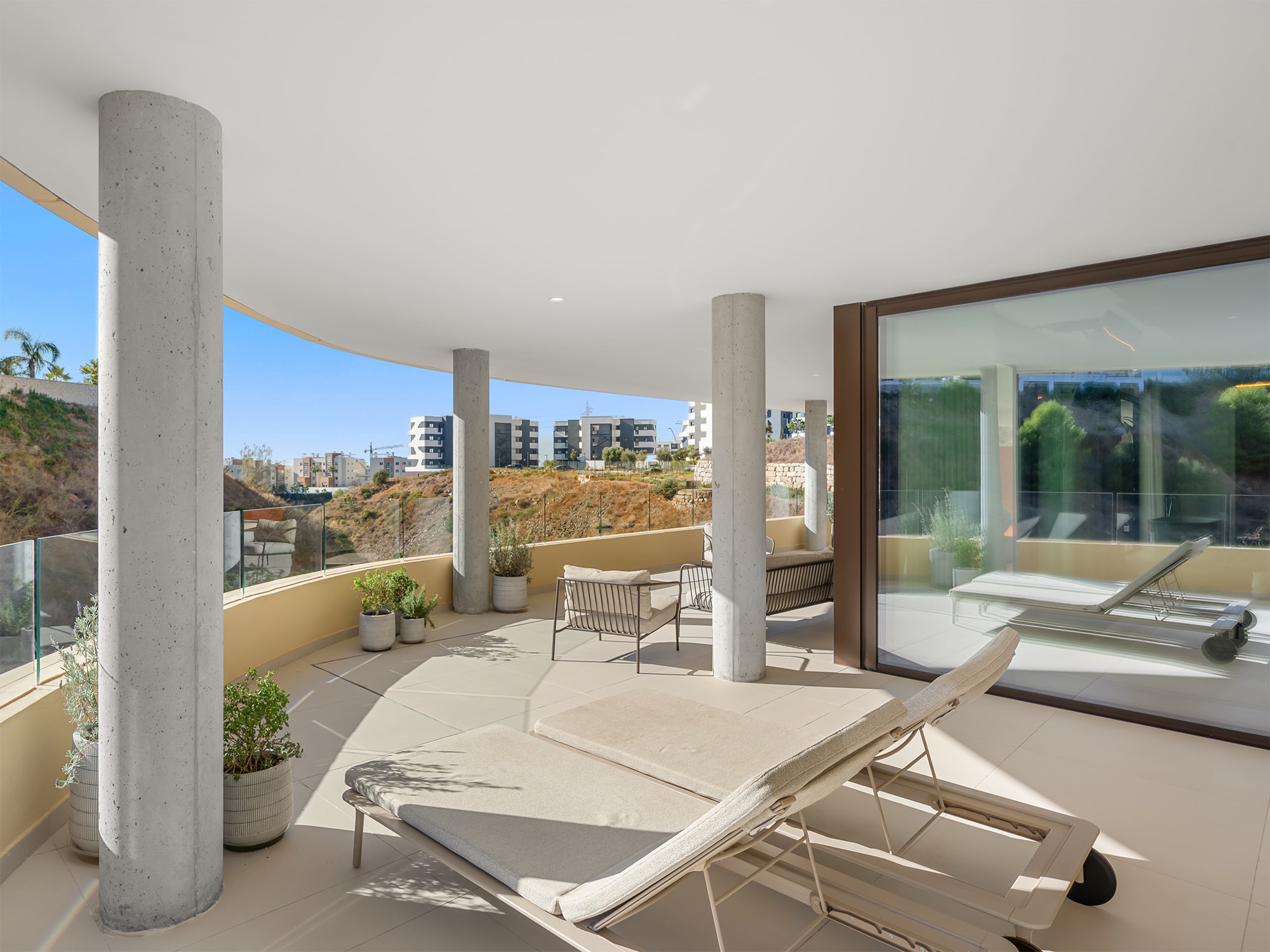
Higuerón, Costa del Sol, Spain — 3-Bed Villa Apartment With 133 m² Private Terrace
€159,000
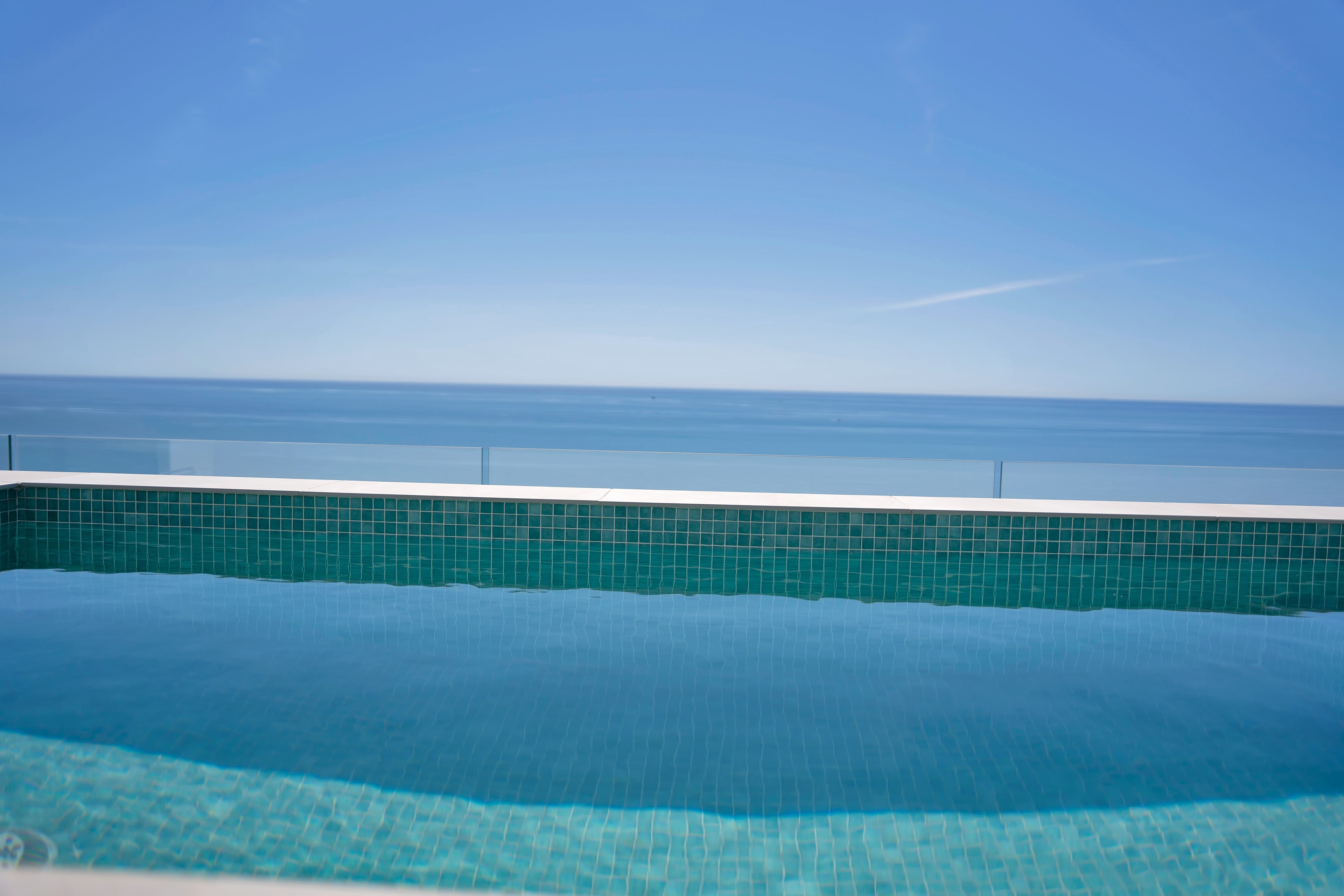
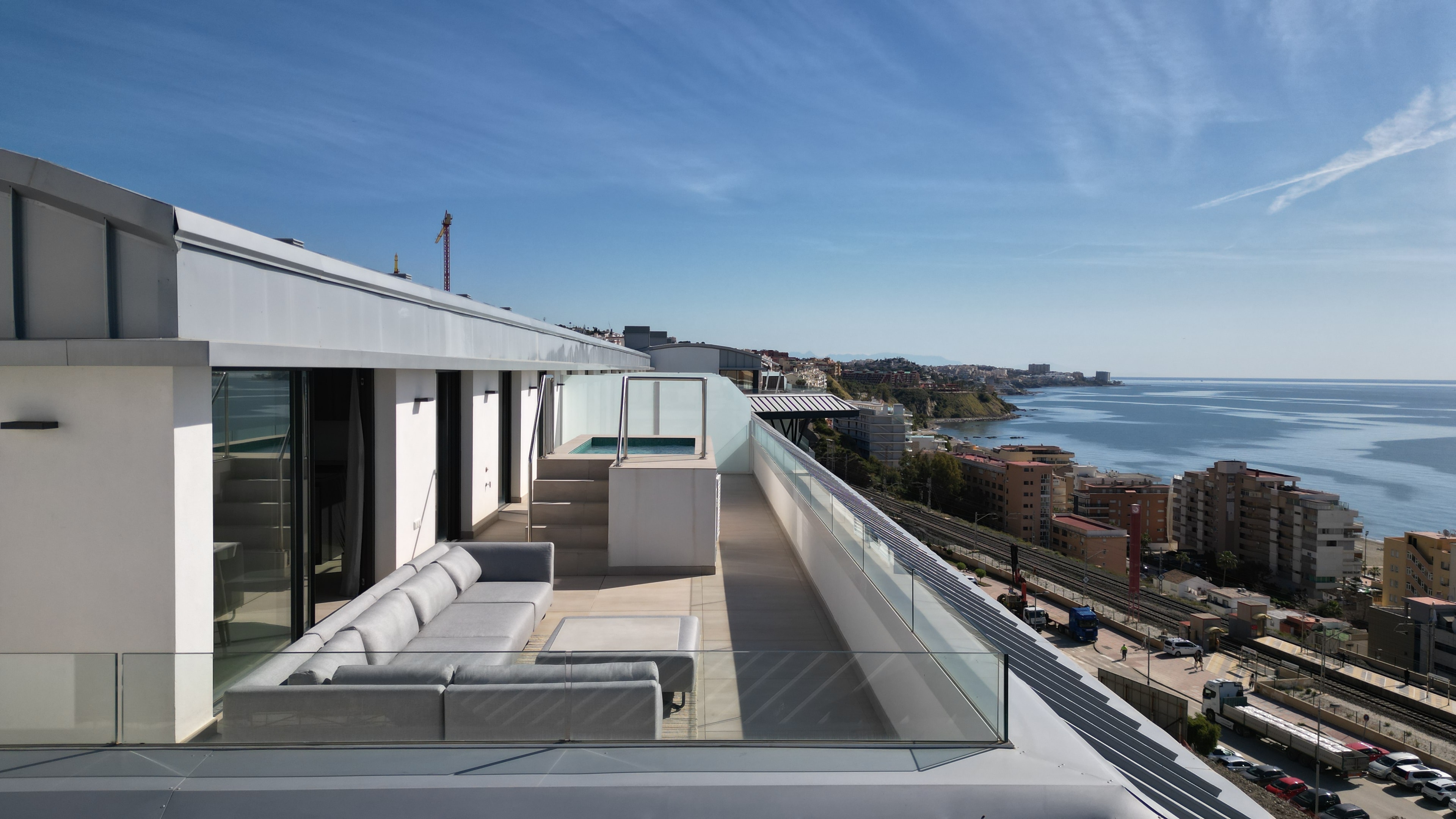
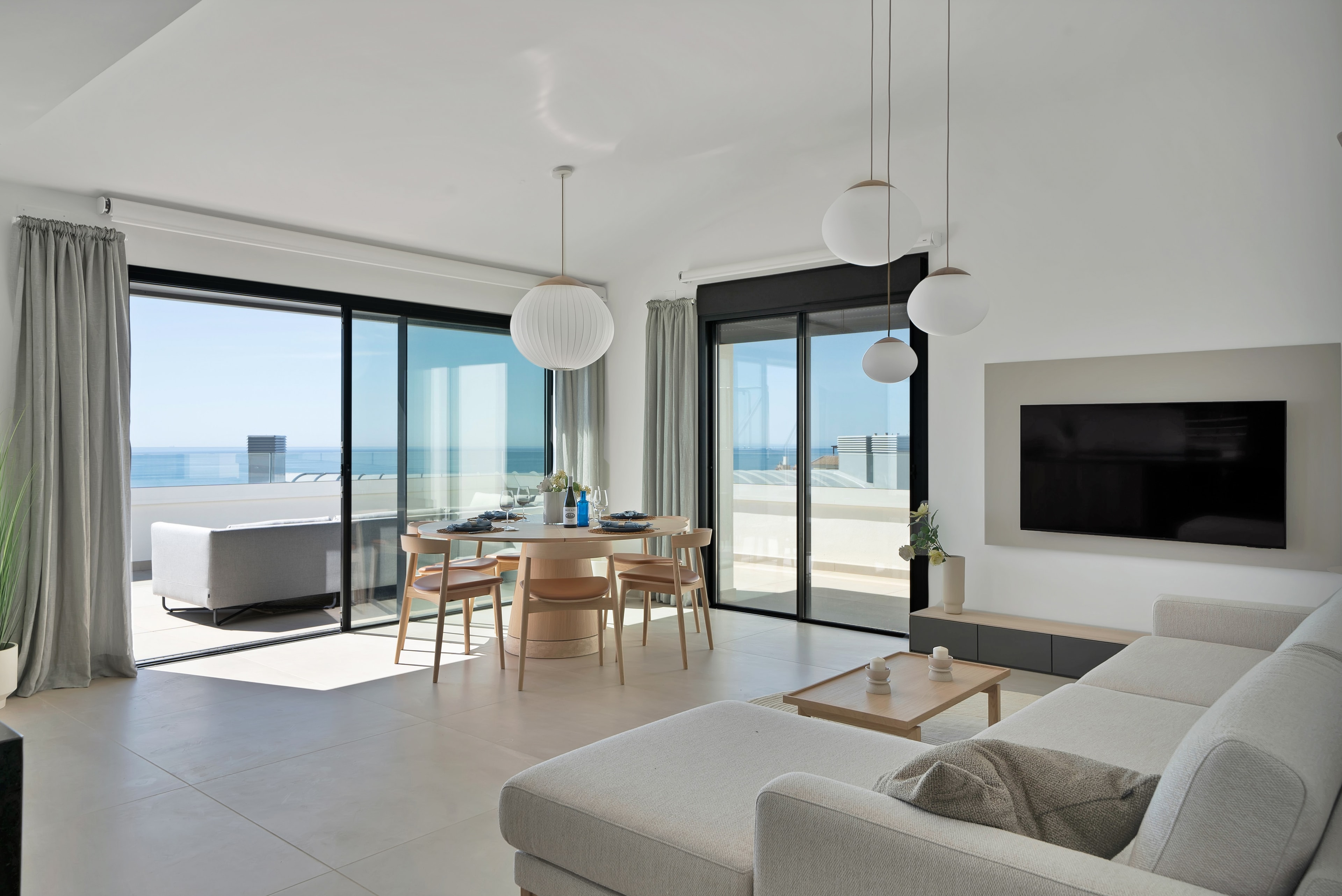
Higueron, Costa del Sol, Spain — 3-Bed Penthouse With Sea Views
€245,000
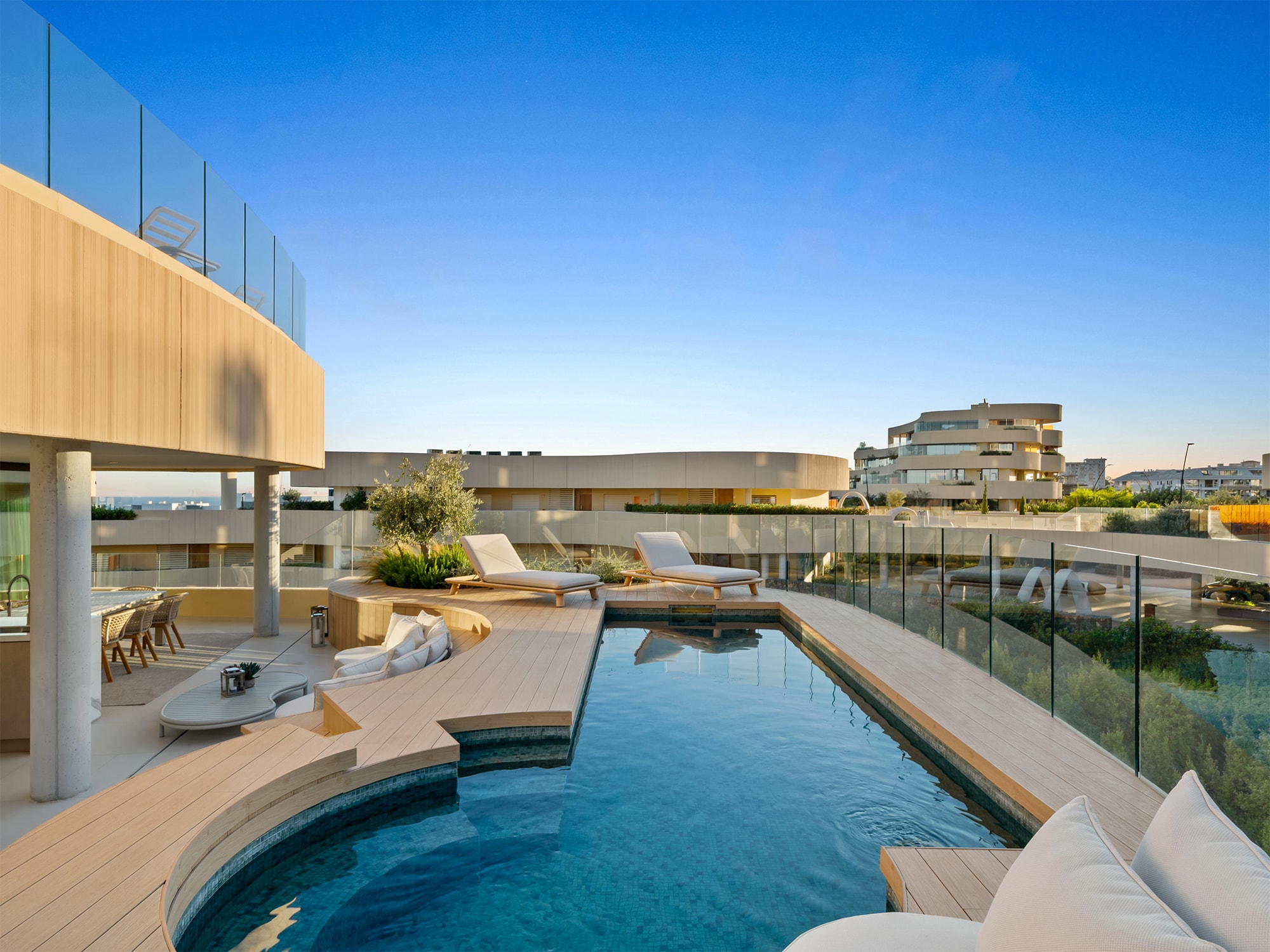
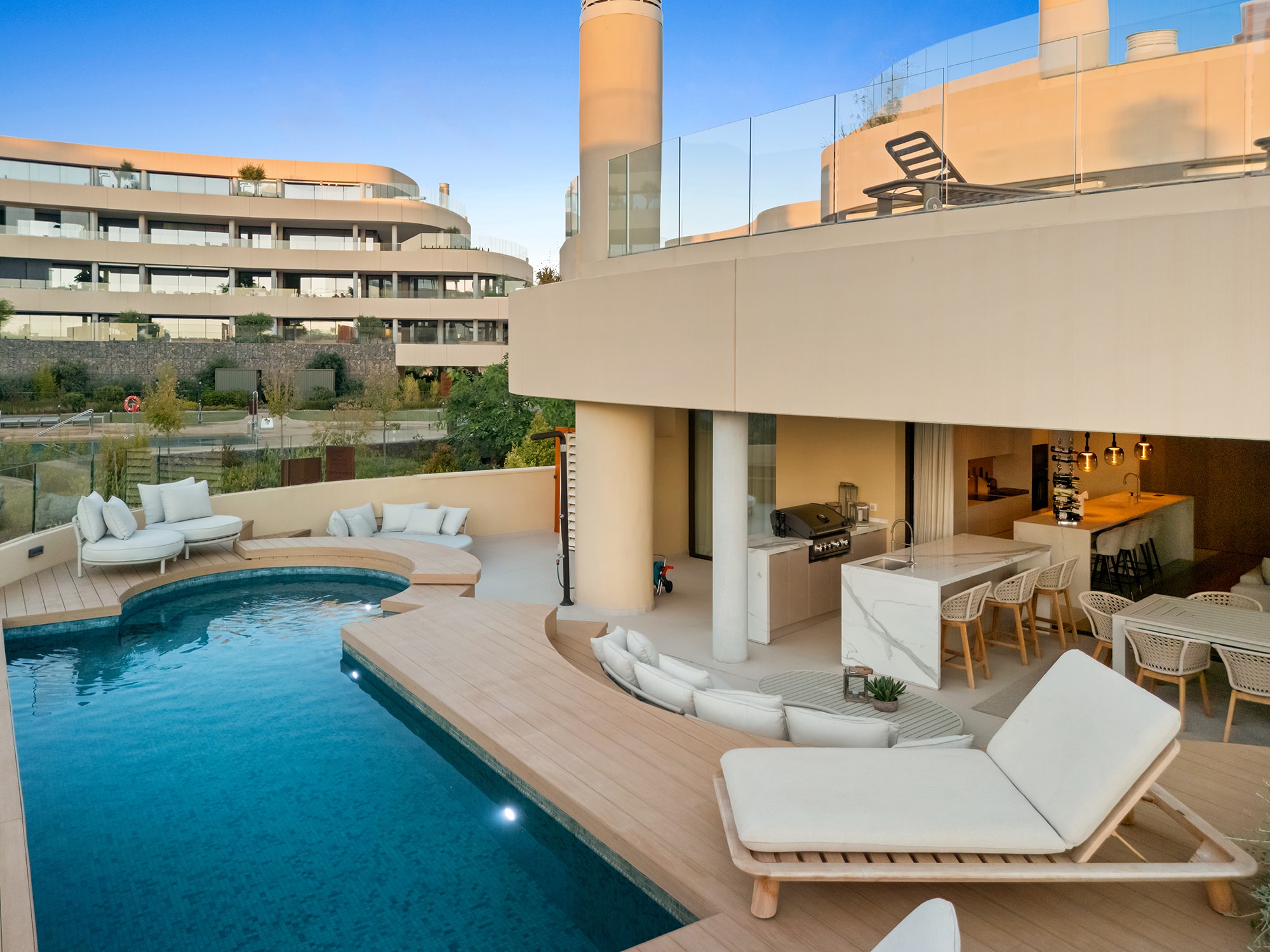
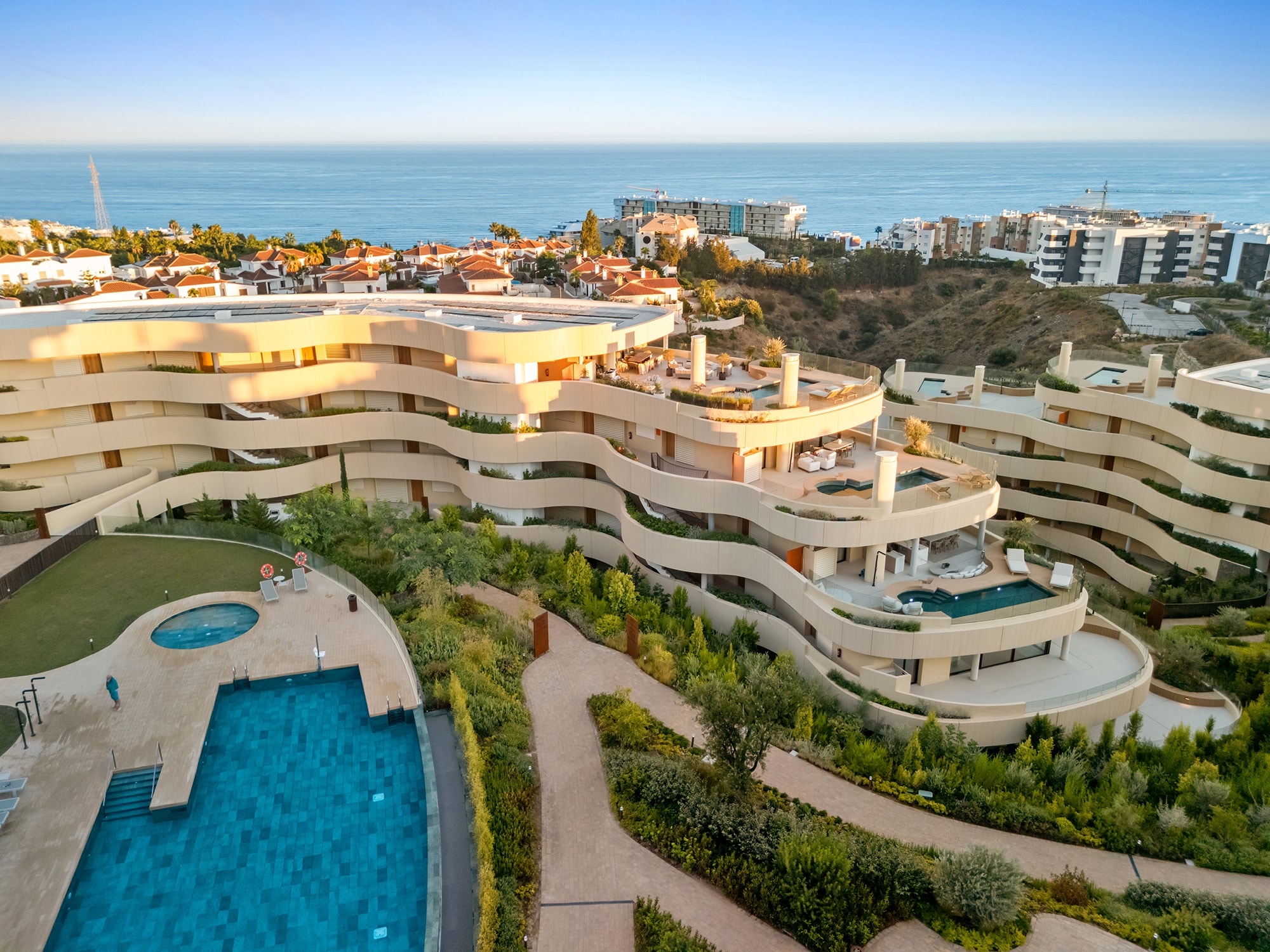
Higuerón, Costa del Sol, Spain — 3-Bed Villa Apartment With Private Pool & Sea Views
€315,000
Why buy a co-ownership home in Higueron?
Buying a whole holiday home in Higueron means paying full price for a house that stands empty most of the year. Co-ownership takes the same home — professionally managed, beautifully furnished — and divides it into shares, usually eighths. You own a real share of the home — not a right to use it — with roughly six weeks of use a year, a share you can sell or pass on, and running costs shared between owners rather than shouldered alone. In Higueron, that ownership starts from €125,000.
Higuerón, properly understood
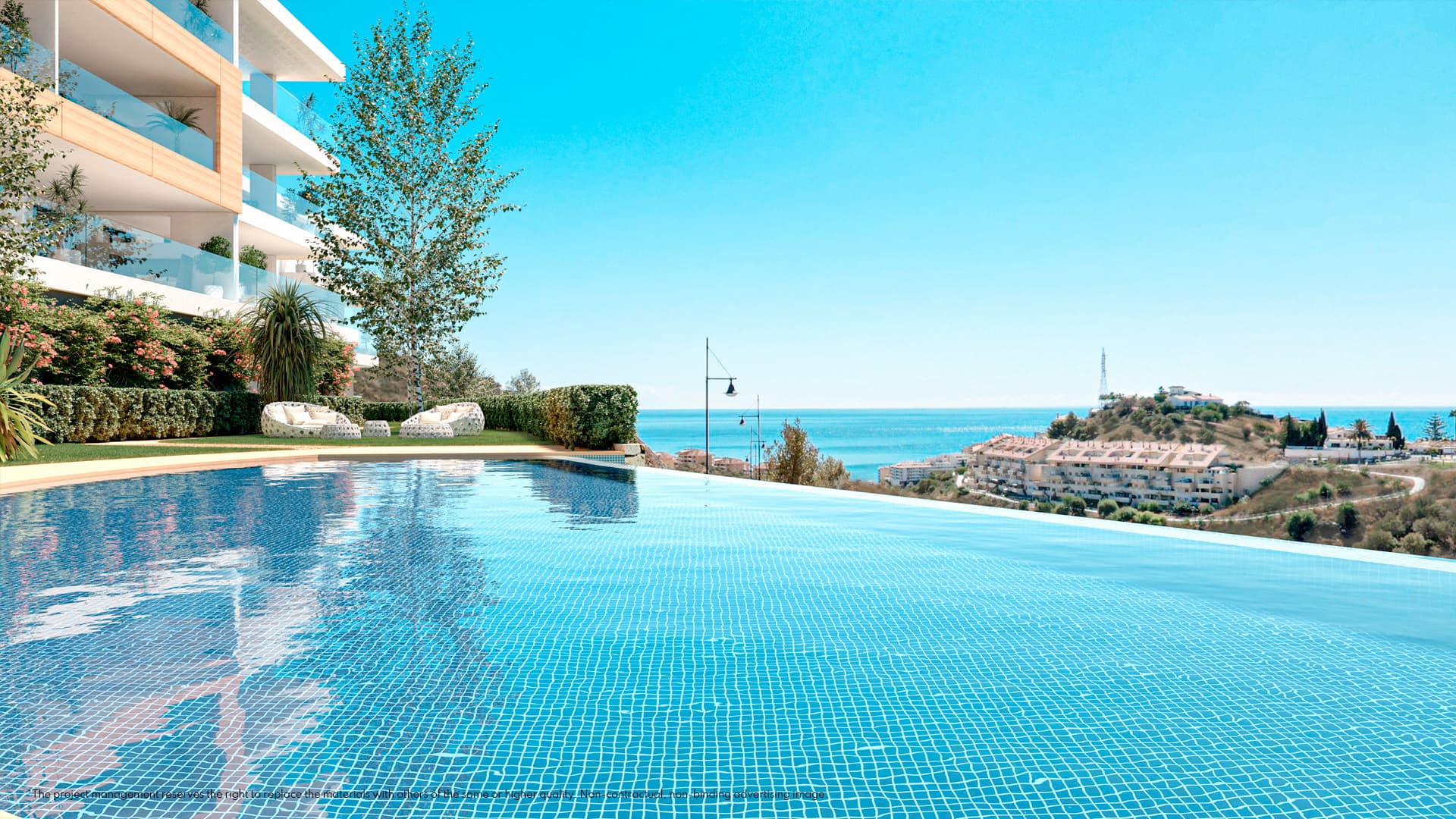
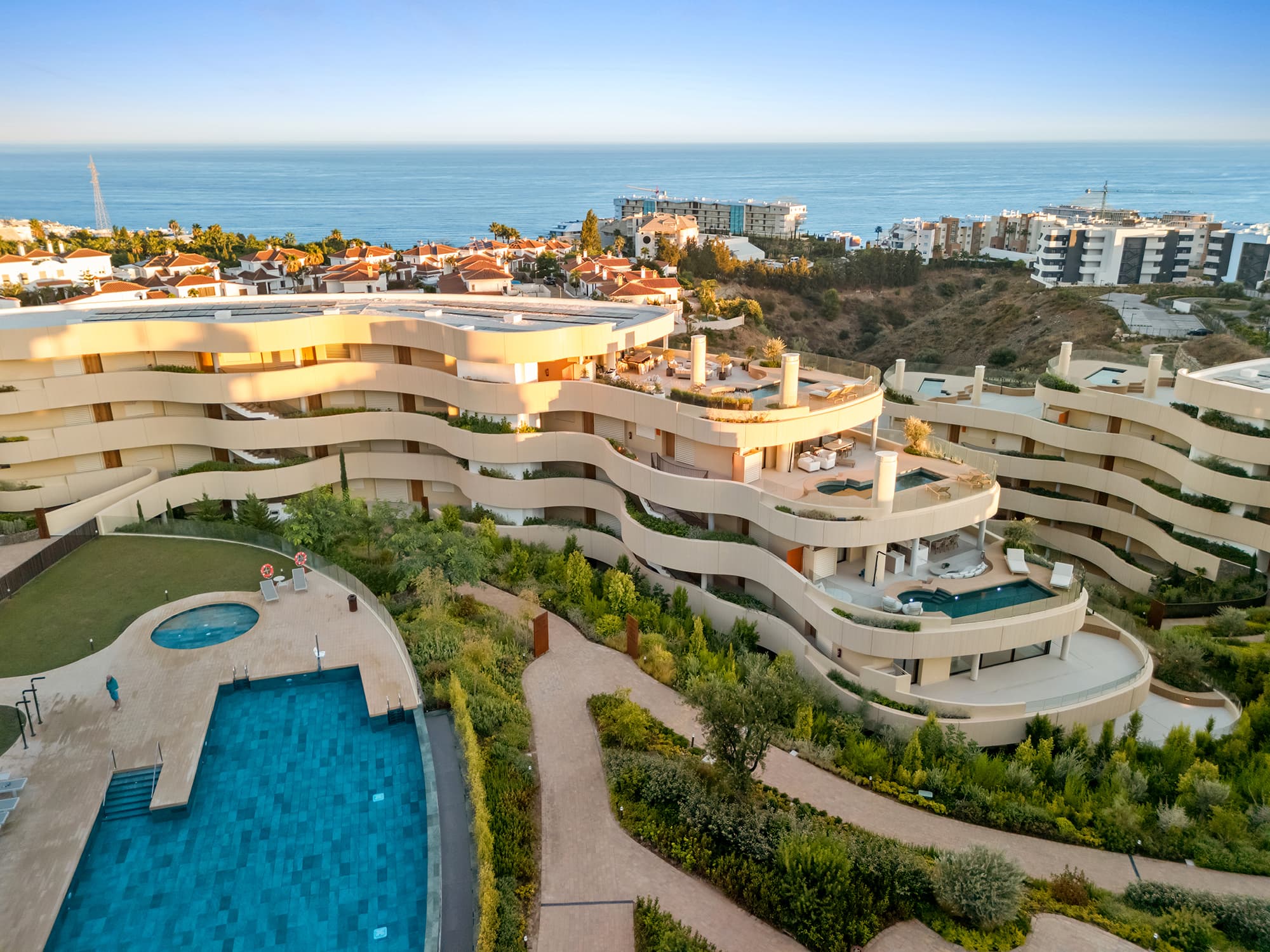
Higuerón is not a town, and understanding that is the first step to understanding whether it suits you. It is a hillside — a single master-planned estate climbing the last ridge before the sea, on the boundary between Fuengirola and Benalmádena, roughly halfway along the Costa del Sol between Málaga and Marbella. What sits on that hillside is a resort in the full sense of the word: terraces of contemporary apartments and villas, a hotel flying an international flag, a sports club of a scale you would normally associate with a city rather than a coastal suburb, a spa, nine restaurants including one with a Michelin star, and a beach club on the sand below.
That combination is genuinely unusual in Spain. Plenty of Spanish developments advertise facilities; very few operate them at a professional standard, all year, with the staff to match. Higuerón does, and the reason is structural — the estate and the hotel are run as one business, so the padel courts, the pools, the spa and the kitchens are commercial operations with commercial standards rather than community amenities maintained on a shoestring. An owner here is buying an address that comes with a functioning service economy attached.
The buyer it suits is specific. If your idea of southern Spain is a whitewashed lane in a hill village and a bar where nobody speaks English, this is not it, and you would be happier further inland or west of Marbella. If what you want is Mediterranean light, a mild winter, a serious gym and a padel court you can book at eight in the morning, a proper dinner without getting in the car, and an airport fifteen to twenty minutes away, then this hillside is arguably the best-organised square kilometre on the entire coast. It is the Costa del Sol engineered rather than the Costa del Sol as it grew.
The honest frame for the rest of this guide: Higuerón gives you the resort, and Fuengirola, Benalmádena and Mijas give you the Spain around it. The two together are the proposition. Judged only as a resort it is excellent and slightly hermetic; judged as a base for the central Costa del Sol it is very hard to beat.
A short history: the coast, the road and the hillside
The central Costa del Sol has been continuously inhabited for about three thousand years, and the evidence is closer to hand than the modern skyline suggests. Phoenician traders worked this shoreline, the Romans built and fished along it, and at the western end of Fuengirola the Castillo de Sohail stands on a hill above the river mouth on foundations that run back through both. The castle itself was raised in the middle of the tenth century under Abd-ar-Rahman III, the first caliph of Córdoba, at the height of al-Andalus — which places a serious piece of Islamic military architecture about ten minutes from a padel court, and is a fair summary of what this coast actually is.
Then came six centuries in which very little happened. The coast was poor, malarial in places, and dangerous: the watchtowers strung along the shore between here and Gibraltar were built against Barbary raiders, and the villages sat inland and uphill for the same reason. Mijas, Benalmádena Pueblo and Alhaurín are all defensive positions with a view of the sea, not seaside towns. Fuengirola as a settlement of any size is essentially a nineteenth and twentieth-century creation.
The transformation began in the late 1950s and ran, at speed, for fifty years. Cheap flights, a national tourism policy and a strip of coast with the best winter climate in mainland Europe produced the Costa del Sol as it now exists — with much of the seafront between Torremolinos and Fuengirola built at speed in a single decade. That is exactly why open, well-planned hillside positions above it are so prized today.
What matters for Higuerón is the timing. The old N-340 coast road ran along the shoreline until the AP-7 and A-7 motorways took the through traffic inland in the early 1990s; the seafront was handed back to pedestrians, and the hillsides above the railway — including this one — became developable in a way they had not been before. Higuerón was built late, at the point when the coast had learned what it had done wrong. That is why it looks and functions the way it does.
The geography: two towns and the hill between them
Look at the coast from the sea and the logic is immediately clear. The Sierra de Mijas rises behind the shoreline, close enough that there is rarely more than two or three kilometres of buildable land between mountain and water. The railway runs along that strip, the old coast road below it, the motorway above it, and the towns fill the gaps. Higuerón occupies the last significant hill before the Fuengirola plain, on the eastern edge of the Fuengirola municipality where it meets Benalmádena.
That position produces the two things owners actually value. The first is elevation: because the estate climbs, most of it looks over the roofs below rather than into them, and the upper terraces have a clean southern horizon — Africa is visible on a clear winter morning, which is not marketing but a function of the Rif mountains being about two hundred kilometres away across the Alboran Sea. The second is the boundary itself: Fuengirola's services on one side, Benalmádena's marina and cable car on the other, and neither town's centre more than about ten minutes away.
Below the estate is Carvajal, Fuengirola's most easterly district, a narrow strip between the railway line and the sea that overlaps into Benalmádena. Carvajal has its own Cercanías station — about three hundred metres from the resort's southern entrance — a good beach, a promenade running the length of the district, and a row of chiringuitos. Above and behind, the hillside is still largely undeveloped up to the motorway, which is why the estate's views have held.
West along the seafront is Torreblanca and then Los Boliches and Fuengirola proper; east is Torremuelle and then Benalmádena Costa and Puerto Marina. Inland and up, the Sierra de Mijas carries Mijas Pueblo at around four hundred metres with the whole coast laid out beneath it. Everything in this guide sits inside a twenty-minute radius unless stated otherwise, which is the practical reason the address works.
Inside the resort: what the address actually includes
It is worth being concrete about what is physically on the hillside, because this is where Higuerón separates from the general run of Spanish coastal developments. The estate is arranged in phases stepping up the slope, each with its own pools and gardens, connected by landscaped paths and internal roads, with gated access and security throughout. Interspersed among them are the shared facilities, and these are the point.
At the top of the estate sits the hotel — Higuerón Hotel Málaga, part of Hilton's Curio Collection — which is relevant to an owner for an unglamorous reason: it underwrites the service level. Reception, concierge, housekeeping standards, restaurant staffing and the spa all run on hotel economics rather than on a residents' association budget, and the difference is felt every day of a stay. Owners also gain the convenience of somewhere to put overflow guests within walking distance of their own terrace.
The dining is unusually deep for a resort. Sollo, the estate's flagship, holds a Michelin star and a Michelin Green Star under chef Diego Gallegos and is built around freshwater fish raised in its own aquaponic system — a genuinely serious restaurant that people drive from Málaga to eat at. Around it sit a rooftop with sea views and cocktails, a Japanese room, a Latin-influenced bistro from the same chef, a Mediterranean seafood restaurant at the beach club, an Andalusian kitchen doing traditional local cooking, a Mediterranean fusion room, a wellness-focused café, and the beach club's own bar. Nine kitchens is more than most Spanish towns of ten thousand people manage.
Then the spa: hydrothermal circuits, a full treatment list and a hair salon, run to the same standard. And below, at the bottom of the hill on Carvajal beach, the beach club — sun beds, pool, music, a restaurant on the sand — with a resort shuttle running down and back so that the beach does not require a car or a walk up the hill at the end of the afternoon. For a family week in July that shuttle is worth more than it sounds.
Sport, in detail
The sports club is the single strongest reason to own here rather than somewhere else on this coast, and it deserves a proper description rather than a bullet point. It is not a gym attached to a hotel. It is a full sports complex — indoor and outdoor pools including a heated pool used for lessons and training, tennis courts, a padel centre, international-standard beach volleyball sand courts, a large fitness floor, functional training areas, a Pilates studio with Reformer equipment, and a separate 1,500-square-metre building housing two regulation basketball courts and further training space.
The programme runs to more than twenty scheduled classes, from yoga and Pilates through functional and combat-style training, alongside personal training, physiotherapy and rehabilitation, and a clinic offering recovery services of the kind athletes use. There is a kids club, a shop, and a health-focused restaurant on site so that a morning at the club does not end with a drive somewhere for lunch.
Padel is the reason many people find the place. Spain is the sport's spiritual home, the standard of play on this coast is high, and a club of this size means courts, coaching, leagues and — the thing that actually matters — other players at your level who are looking for a fourth. An owner arriving alone in November can be in a doubles match by the second morning. The same is true of tennis, and increasingly of swimming: the pools support genuine training rather than splashing.
For a certain kind of owner this changes the arithmetic of a holiday home entirely. A week here is not a week of eating and lying down; it is a week of two sessions a day, a spa afternoon, a decent dinner and eight hours' sleep, and people come back from it in better shape than they left. That is a materially different product from a villa with a pool, and it is why Higuerón attracts owners who use their weeks in February and March rather than only in August.
Where exactly to own: micro-locations, rated
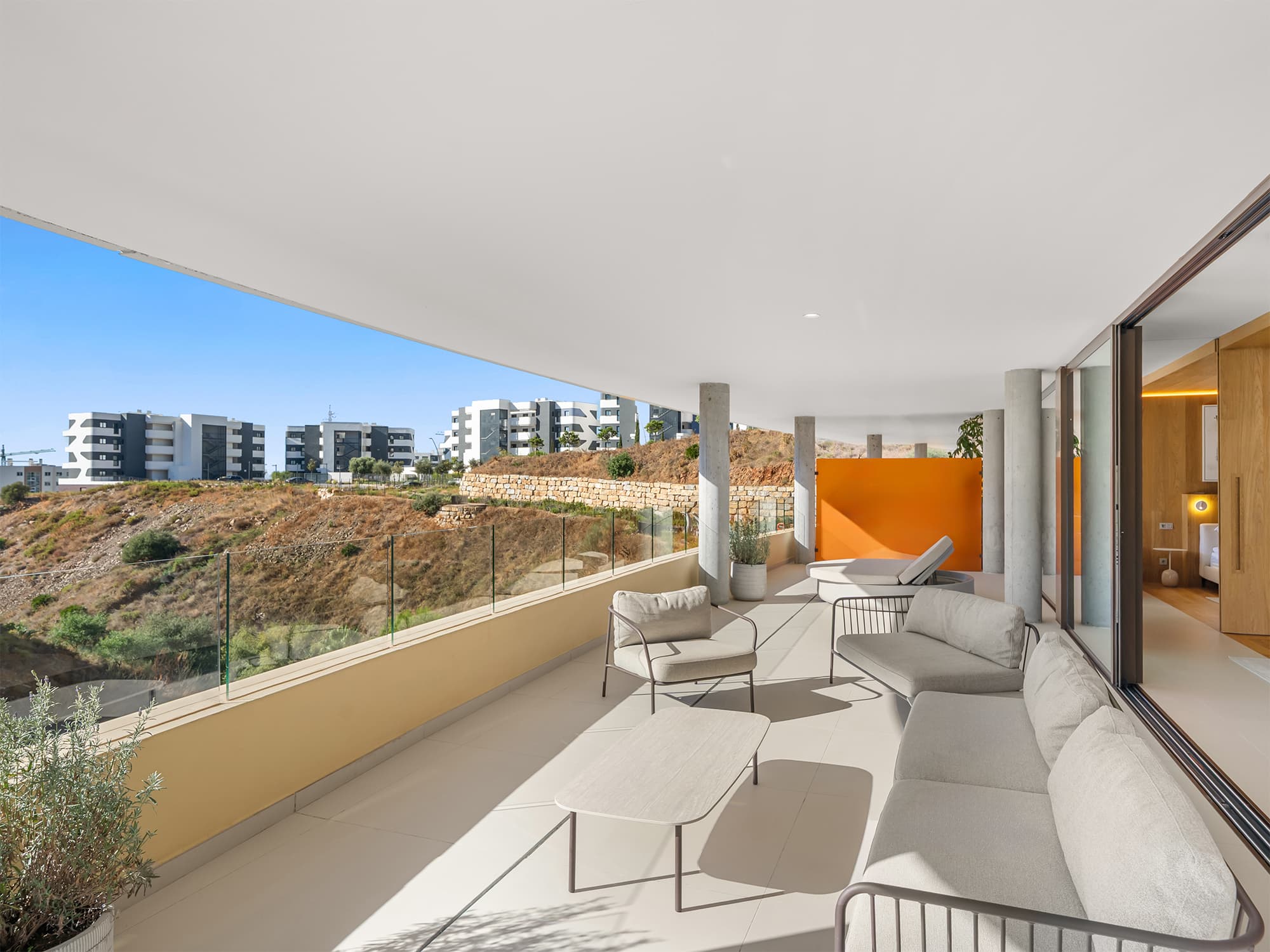
The upper phases. The views are the reason to be here: a clean southern aspect over the estate and the sea, sunsets down the coast, Africa on the good mornings, and a quiet that the lower slopes do not quite have. Newer stock, generally the best terraces, and the closest to the hotel, spa and club. The trade-off is that the beach is a shuttle or a short drive rather than a walk, and that the very best positions carry the strongest prices on the estate. For winter use and for owners whose day is built around the club, this is the right answer.
The middle terraces. The practical compromise and, for most buyers, the sensible one: still elevated enough for a sea view over the roofs below, still an easy walk to the club and the restaurants, and closer to the estate's exits. Pools and gardens are on the doorstep rather than up a hill. This is where the largest share of the estate's family apartments sit and where the value tends to be.
The lower slopes and the Carvajal side. Closest to the railway station, the promenade and the beach — genuinely walkable to all three — and the strongest position for a household that wants the sea rather than the hill. Views are shorter and the estate's facilities are uphill rather than alongside, which matters more in August than in January. Best value on the hillside, and the easiest to use without a car.
The villas. A small number relative to the apartments, with private plots, private pools and more space than the terraces allow, and priced accordingly. They suit larger family groups and owners who want the resort's services without the resort's proximity. If you are buying for three generations in August, this is the category to look at.
Where to think carefully. Two things determine how a specific home here lives, and neither is visible in a floor plan. First, aspect and elevation relative to the buildings in front: on a stepped hillside a terrace is either open or it is not, and the difference between the two is the entire value of the view. Second, distance from the A-7 and from the railway line — both run close to parts of the estate, both carry real traffic, and both are quieter or louder depending on exactly where you stand and which way the terrace faces. We check position, aspect and outlook on every home we list and say plainly what we find. Ask the same question of anyone selling you a property on this coast, and treat a vague answer as an answer in itself.
The beach below: Carvajal, Torreblanca and the Senda Litoral
Carvajal beach sits directly below the estate: a long, dark-gold strip of the coarse sand this coast runs on, with a promenade behind it that carries the length of the district. It is a good working beach rather than a spectacular one — the Costa del Sol's shoreline is straight, and the drama here is the mountain behind rather than the coves — but it is clean, it is served, and it is right there. The beach club occupies its own stretch; the rest is public, with chiringuitos doing grilled sardines on a skewer over driftwood, which remains the single best lunch on this coast and costs almost nothing.
Walk west and the promenade continues through Torreblanca and Los Boliches into Fuengirola, where it becomes the Paseo Marítimo Rey de España and runs for several kilometres along more than eight kilometres of municipal beach. Walk east and it continues towards Torremuelle and Benalmádena. This is part of the Senda Litoral, Málaga province's long-running project to make the entire coastline walkable, and where it is complete you can put in fifteen kilometres on the flat with the sea on one side and a coffee stop every eight hundred metres.
The sea itself is warmer than the Atlantic and cooler than people expect: comfortable from roughly June to October, bracing in May, and swum by residents in every month by a determined minority. The Alboran Sea is generally calm here, with an easterly levante wind that pushes up a chop and a westerly poniente that flattens it — locals read the forecast for the wind rather than the temperature.
Practically, for an owner: the beach is a shuttle ride or a ten-minute walk downhill and a rather more committed walk back up, which is why the shuttle matters. In July and August the front is busy and parking near it is a competitive sport. In April, October and the winter months it is close to empty, and a promenade lunch in January with fifty other people on a two-kilometre stretch of sand is one of the reliable pleasures of owning on this coast.
Fuengirola, the town next door
Fuengirola is the reason Higuerón is not an island. It is a real Spanish town of around eighty thousand people, roughly a quarter of them foreign nationals, with a hospital, a proper high street, schools, a Tuesday market, supermarkets that are not tourist supermarkets, and a population that is entirely present in February. It is not pretty in the way Estepona is pretty — much of it was built quickly in the boom decades and it shows — but it works, and a holiday home five minutes from a town that works is worth a great deal more than one five minutes from a town that does not.
The seafront is the best of it. More than eight kilometres of beach, a promenade that runs almost the whole way, and at the western end the Castillo de Sohail on its hill above the Fuengirola river mouth — tenth-century, restored from the mid-1990s, with Phoenician and Roman layers beneath it, and used through the summer as an open-air concert venue with the sea behind the stage. Below the castle is the marina, and around it a cluster of fish restaurants that are the town's real culinary strength.
Behind the front, Fuengirola is a grid of ordinary Spanish streets that reward wandering more than they promise to. Los Boliches, the eastern district, has the best neighbourhood feel and the highest concentration of small bars. There is a large and long-established Finnish and Scandinavian community, which has left the town with Nordic bakeries, a Finnish school and church, and — usefully for an owner — an unusual density of international services.
For practical purposes this is where you do the things a resort cannot do: the weekly shop, the pharmacy, the hardware store, the dentist, the vet, the bank. Fifteen minutes down the hill and you are in a town with all of it. That is a quietly decisive advantage over resort addresses further west that require a thirty-minute drive to buy a screwdriver.
Benalmádena, the other side of the hill
Immediately east, and equally close, Benalmádena is really three places stacked up the mountainside, and each has a different use for an owner. On the coast, Benalmádena Costa is beach hotels and apartment blocks with Puerto Marina at its centre — a startling piece of 1980s architecture, all white curves and islands, consistently described as one of the best-looking marinas in the world and, on a summer evening, one of the busiest strips on the coast. Boats, restaurants, an aquarium, a great deal of noise, and the departure point for dolphin-watching trips.
Above it, Arroyo de la Miel is the working town: the railway station, the shops, the everyday. And above that, at around three hundred metres, Benalmádena Pueblo is the white village the coast almost forgot it had — small squares, geraniums, a viewpoint over the whole bay, and a fraction of the crowds of Mijas.
The set-piece attraction is the Teleférico, the cable car that lifts from Arroyo de la Miel to the summit of Monte Calamorro at around seven hundred and seventy metres. The ride takes about fifteen minutes and the view from the top runs from Málaga round to Gibraltar and across to the Rif on the good days, with walking trails and birds-of-prey displays at the summit. It is the single best hour a first-time visitor can spend on this coast, and it is ten minutes from the estate.
Benalmádena also holds the coast's cluster of family attractions — a butterfly park in a building modelled on a Thai temple, the Castillo de Colomares, a curious monument to Columbus built in the 1980s in every architectural style at once, a Buddhist stupa on the hillside, and a marine park. Individually they are eccentric. Collectively they mean a family with children never runs out of Tuesdays.
Mijas Pueblo and the hills behind
Turn inland and up from Fuengirola and in twenty minutes you are in a different Spain. Mijas Pueblo sits at around four hundred and thirty metres on the flank of the Sierra de Mijas, a genuine Andalusian white village of lime-washed walls, geraniums in blue pots and steep cobbled lanes, with the entire coast laid out below and the sea filling the horizon. It is well known and it is busy in the middle of the day — the donkey taxis in the main square are the most photographed thing in the province — but it empties in the late afternoon and is quietly lovely at seven in the evening.
What makes it useful rather than merely scenic is the temperature. In August, when the coast is at thirty-two degrees and humid, Mijas is several degrees cooler with a breeze off the mountain, and a dinner up there is a different experience from a dinner at sea level. Owners learn this in their first summer and never forget it.
Behind the village the sierra offers real walking: marked trails through pine forest, an old marble quarry, springs, and the ridge path with views inland to the Guadalhorce valley. There is a via ferrata, mountain biking, and enough elevation that a morning's climb feels like exercise rather than a stroll. The sierra is also what shelters this coast — it is the reason the winter here is milder than anywhere else on mainland Spain.
Further west along the same range lie Alhaurín el Grande and Coín in the fertile valley behind, and further inland again the road climbs to Ronda. But the practical point for an owner at Higuerón is simpler: a twenty-minute drive puts you in pine forest at four hundred metres with a view of Africa, and you can be back at the beach for a swim before dinner.
Eating and drinking
On the estate, the range runs from a Michelin-starred tasting menu to a beach club burger, which covers most requirements without a car. Sollo is the destination — a small, ambitious restaurant built on freshwater fish from its own aquaponic system, holding both a Michelin star and a Green Star for sustainability, and one of very few restaurants on this coast that people travel specifically to eat at. The same chef runs a more relaxed Latin-influenced bistro and the Mediterranean seafood kitchen at the beach club, which means the estate's cooking has an identity rather than a menu.
Off the estate, the coast's real strength is fish, and the format to look for is the chiringuito: a beach restaurant, often little more than a shack with a boat full of sand and a driftwood fire in it, grilling sardines on cane skewers. The espeto de sardinas is the signature dish of the province of Málaga, it is at its best from May to September when the fish are fat, and it costs almost nothing. Every serious local has a favourite and will defend it. Carvajal, Torreblanca and Los Boliches all have good ones within a few minutes.
Fuengirola's fish restaurants around the port are the next step up: fritura malagueña — a mixed fry of small fish done properly, which is much harder than it sounds — plus grilled dorada, prawns from Málaga bay, clams, and the local white wines from the Axarquía. In the town itself the tapas culture is genuine, priced for residents, and best in the streets behind Los Boliches rather than on the front.
Inland, Mijas has a handful of terraces with the view and one or two kitchens that deserve the trip on their own merits, and the villages in the Guadalhorce valley do country cooking — kid, game, mountain soups — that has nothing to do with the coast at all. Málaga city, thirty-five minutes by train, has become one of Spain's more interesting eating cities in the last decade and is a perfectly reasonable place to go for dinner and come back the same evening.
Golf on the central coast
The Costa del Sol is sometimes called the Costa del Golf and the claim is fair: something in the order of seventy courses lie within an hour's drive of this hillside, more than any comparable stretch of coastline in Europe, and the reason is climatic — golf is played here comfortably in January, which is not true of Portugal's north, France, or anywhere in the British Isles.
The nearest are genuinely near. Torrequebrada sits in Benalmádena a few minutes east, a hilly and much-photographed course with the sea below. Mijas Golf, immediately inland, runs two full parkland courses on flat ground in the valley behind Fuengirola and is the sensible choice for a group of mixed abilities. El Chaparral, west towards La Cala, is shorter, tighter and more scenic. Santana, Calanova and the courses at Alhaurín are all inside half an hour.
Twenty-five minutes west, La Cala Resort holds three courses in a mountain bowl and is the largest golf resort in Spain; the same drive continues to Marbella's cluster and, a little beyond, to the Valderrama and Sotogrande courses that host the serious professional golf. An owner with a car and an early start can play a genuinely different course every day for a fortnight without repeating.
The practical points are worth knowing. Peak golf season here is October to May, not summer — July and August are too hot for a comfortable eighteen holes after about eleven in the morning, and green fees reflect it. Winter tee times at the better courses need booking in advance because northern Europe is doing exactly the same thing. And the combination of golf in the morning and padel at the club in the evening is, for a certain kind of owner, the entire reason this address exists.
A year on this coast, month by month
January and February are the coast's secret. Daytime temperatures sit in the high teens and touch twenty in the sun, the sky is clear more often than not, the golf courses are at their best, and the club is quiet enough that you can book anything at an hour's notice. There is rain — this is when the year's rain falls, sometimes hard for two or three days at a stretch — and evenings want a jumper and a jacket. But this is the mildest winter on mainland Spain, nothing shuts, and the flight schedule from northern Europe stays dense all the way through.
March and April warm steadily and the hillside turns green. Easter — Semana Santa — is the coast's first busy week of the year, with processions in Málaga that are among the most serious in Spain and worth the trip in themselves. The sea is still cold. Everything else is close to perfect: twenty-two degrees, wildflowers on the sierra, and the promenade busy but not full.
May, June and September are the best months by any reasonable measure. Warm without being oppressive, sea temperature crossing into comfortable somewhere in June and staying there through September, long evenings, and the beach busy rather than crowded. If you have a free hand with the calendar, take these weeks.
July and August are hot, humid and full. Daytime temperatures average above thirty and the humidity off the sea makes them feel warmer; the coast fills with Spanish families in August, when Madrid and Seville empty southward, and the roads and the front are genuinely busy. It is a wonderful month for children and a demanding one for anyone who wanted quiet. The mitigation is altitude — dinner in Mijas — and water, and the pools and the sea are exactly why you came.
October is the coast's second spring: warm sea, empty beaches, the light going gold, and the ferias. November and December stay mild, the sea holds its heat into November, and Málaga's Christmas lights on Calle Larios have become a genuine event that pulls visitors from across Spain. There is no dead month here, which is precisely the point for a shared calendar.
The year's fixtures
Semana Santa, the week before Easter, is the fixed point of the Andalusian year. Málaga's processions are among the largest in Spain — vast carved thrones carried by hundreds of bearers through streets packed shoulder to shoulder, over eight consecutive nights — and Fuengirola, Benalmádena and Mijas each run their own on a smaller and more intimate scale. Dates move with Easter; book flights early because everyone else has.
Through the summer, the Castillo de Sohail in Fuengirola becomes an open-air concert venue, with a season of music running in the castle grounds above the beach. It is one of the better small venues in southern Spain simply because of where it is, and tickets are inexpensive by northern European standards.
The ferias are the local high points. Fuengirola's Feria del Rosario falls in October, and unusually for Andalucía it is an autumn rather than a summer fair — a week of casetas, sevillanas, horses in the daytime and a fairground at night, and much more Spanish in character than a visitor expects of a coastal town. Benalmádena and Mijas hold their own; Málaga's August feria is the big one, a full week that takes over the city centre by day and the fairground by night.
Elsewhere in the calendar: San Juan on the night of 23 June, when the whole coast lights bonfires on the beach and walks into the sea at midnight, is the most purely enjoyable night of the year and happens directly below the estate. The Virgen del Carmen in mid-July sees fishing communities carry the patron saint of sailors into the sea on the shoulders of the fleet's men. Three Kings on 5 January brings parades through every town, which matters if there are children in the ownership group. And Málaga's film festival in spring and its Christmas illuminations in December bracket the year at the city end of the train line.
Higuerón with children
This is one of the easiest places on the Mediterranean to bring children, and the reason is that almost nothing requires a car. Within the estate there are pools at every level, a kids club at the sports centre, coaching in tennis, padel and swimming aimed squarely at eight to sixteen year olds, and a beach shuttle. A ten-year-old can be occupied from breakfast until dinner without a parent driving anywhere, which is a rarer feature of a holiday home than it should be.
The beach below is shallow, sandy and lifeguarded in season, the promenade is flat and traffic-free for kilometres in both directions, and the water is calm enough that a paddleboard is a realistic present. Bicycles work here in a way they do not in most Spanish coastal towns, because the Senda Litoral has removed the road from the equation.
Off the estate, the density of things to do is unusual. Fuengirola's Bioparc is genuinely good — a conservation-focused zoo built around immersive habitats rather than cages, with a serious record in endangered-species breeding and primate research, and it holds children for most of a day. Benalmádena adds the cable car up Monte Calamorro, a butterfly park in a Thai-temple building, a marine park with sea lion and dolphin shows, a small aquarium at the marina and a fairground-scale amusement park. Further along the coast there are two large water parks. Half an hour inland, the Cuevas de Nerja and the caves at Ardales are proper geology with a wow factor.
For older teenagers the case is different but just as strong: padel and tennis at a level worth taking seriously, a gym they are allowed to use, surfing and paddleboarding lessons on the beach, the marina at Benalmádena in the evening, and Málaga thirty-five minutes away on a train they can take by themselves. Families who buy here tend to keep using the home well into their children's twenties, which is a better test than any brochure.
Getting there and getting around
Málaga–Costa del Sol airport is the fourth busiest in Spain and by a distance the best-connected leisure airport in southern Europe: direct flights from essentially every significant city in the UK, Ireland, Scandinavia, the Netherlands, Germany, France, Poland and beyond, with schedules that stay dense through the winter rather than collapsing in November. The estate is about fifteen to twenty minutes from the terminal by car — closer than almost any other resort address on this coast, and a genuine advantage when a long weekend is on the table.
The Cercanías C-1 line is the quiet superpower. It runs along the coast from Málaga city centre to Fuengirola, calls at the airport, and has a station at Carvajal roughly three hundred metres from the resort's southern entrance. That means airport to home without a car, and city dinner to bed without a taxi. Trains run every twenty minutes for most of the day and the whole line takes about forty-five minutes end to end. Very few Mediterranean holiday homes have a commuter railway at the bottom of the drive, and it removes the single biggest friction of a short stay.
By road, the A-7 dual carriageway runs immediately above the estate and the AP-7 toll motorway above that; Marbella is thirty minutes west, Málaga twenty-five minutes east, Gibraltar about an hour and a quarter, Seville and Granada each around two hours. Málaga's María Zambrano station puts Madrid two and a half hours away by high-speed train.
Do you need a car? For a week built around the estate, the beach and Fuengirola: no, and the train plus the occasional taxi will do it comfortably. For golf, Mijas, the mountains and the white villages: yes, and hiring at the airport is straightforward and cheap outside August. Most owners here take a car for some visits and not for others, which is a luxury that the railway line is entirely responsible for.
Days out: Málaga, Ronda, Gibraltar and Africa
Málaga has been the surprise of the last fifteen years. A working port city that most people used to drive straight out of has turned itself into one of Spain's best short-break cities: the Picasso museum in the painter's home town, a Centre Pompidou outpost in a glass cube on the port, the Carmen Thyssen collection, a Roman theatre sitting under a Moorish alcazaba, the Gibralfaro castle on the hill above, a regenerated port promenade, and a genuinely good eating scene in the streets behind the cathedral. Thirty-five minutes on the train from the bottom of the hill, and it makes a rainy January day into an asset.
Ronda is the classic day out and deserves its reputation: a town split by a hundred-metre gorge with an eighteenth-century bridge across it, one of the oldest bullrings in Spain, and a wine region behind it that almost nobody outside Andalucía knows about. It is about an hour and a half inland by the mountain road, and the drive up through Gaucín and the Serranía is half the reason to go.
Closer, the white villages of the Guadalhorce and the Sierra de las Nieves — Casarabonela, Alozaina, Tolox — are almost empty and entirely real, and the Caminito del Rey, the restored cliff walkway through the Gaitanes gorge, is an hour away and one of the most spectacular hours' walking in Europe. Book it well in advance.
Gibraltar is an hour and a quarter west: the Rock, the apes, the tunnels, duty-free shopping and a startlingly convincing imitation of an English high street, with an airport runway you drive across. And from Tarifa, another forty minutes on, the fast ferry crosses to Tangier in an hour, which makes north Africa a genuine day trip — an early start, a morning in the medina, lunch, and home for a late dinner. Very few European holiday addresses can offer another continent as an outing.
The property market, honestly described
The Costa del Sol is the largest, deepest and most liquid international residential market in Spain, and the central stretch around Fuengirola and Benalmádena is its volume market — the part that transacts constantly, in every price bracket, to buyers from a dozen countries. Higuerón sits at the top end of that stretch, which is an interesting and specific position: substantially more expensive than the generic apartment stock below it, substantially less expensive than the equivalent quality on Marbella's Golden Mile, and effectively without a direct local competitor in its own municipality.
The market's defining structural feature is one that buyers from island markets consistently misread. Unlike Mallorca or Ibiza, supply here can grow and does — the coast is still building, inland and along the hillsides, and it will keep building. What is scarce on this coast is not property but position. A stepped hillside plot with an open southern aspect, a service operation running underneath it and a railway station three hundred metres away is a genuinely finite thing. A generic new-build block on the inland side of the motorway is not scarce at all and competes with whatever is finished next year.
That distinction matters more than any headline price-per-square-metre figure. Two apartments with identical specifications, one on an open terrace at Higuerón and one in an inland development ten minutes further from the sea, are not the same asset and will not behave the same way over a decade. The premium for a genuinely fixed position looks expensive on the day of purchase and looks obvious in ten years, and it is the single most useful idea a buyer on this coast can carry.
Two local specifics are worth knowing. First, holiday letting: in Andalucía a home let to tourists is registered with the Junta de Andalucía and holds a licence number, and each community of owners sets its own rules. Where letting unused weeks matters to you, we confirm the position for the specific home before you buy. Second, water: efficient irrigation and careful pool management are standard good practice on this coast, and every well-run property here works that way.
For a share buyer the logic here is unusually strong. A resort apartment comes into its own when someone is there: you are paying, directly or indirectly, for a service operation — pools, gardens, security, the club, the concierge — that is at its best in use. A share of the same apartment, used the same six weeks, buys the identical experience and leaves the rest of your capital free for something else.
What underpins value here
Climate is the foundation and it is not a soft factor. The Sierra de Mijas shelters this coast from the north, the Alboran Sea moderates it from the south, and the result is the mildest winter on mainland Spain — a January in which golf, tennis, padel, walking and terrace lunches all work normally. That single fact is why northern Europeans have been buying here for sixty years and why the demand is structural rather than fashionable. Places with a real winter season behave differently from places with only a summer.
Air connectivity is the second pillar and it compounds the first. Málaga airport's route map is the reason a February long weekend from Manchester, Stockholm, Dublin or Amsterdam is a practical idea rather than an expedition, and the reason the coast's shoulder seasons are full. Airports create property markets; this one created the largest in Spain. The estate being twenty minutes from it, with a train station at the bottom of the hill, converts that network advantage into actual usage.
Then the thing specific to this hillside: the service operation. Facilities of this scale cannot be retrofitted onto an existing development and cannot be replicated on the neighbouring plot, because they depend on a hotel and a commercial sports business to make the economics work. That is a genuine barrier to entry, and it is what separates Higuerón's stock from the general Costa del Sol apartment market in a way that a specification list does not.
Finally, position within the estate. On a stepped hillside the difference between an open southern terrace and a partially obstructed one is not a detail — it is most of the value, and it is permanent. The buildings in front of you will not move. This is why we look hard at aspect, elevation and outlook on every home we list, and why it is the first question worth asking about any property on a slope anywhere on this coast.
Who owns here
The ownership mix is more international than almost anywhere else in Spain and less dominated by any single nationality than the coast's reputation suggests. British buyers are the long-established core, and Fuengirola's Scandinavian community — Finnish, Swedish, Norwegian and Danish — is one of the largest and oldest in southern Europe, with its own schools, churches and businesses in the town below. Dutch, Belgian, German, French and Irish owners are all well represented, and Spanish buyers from Madrid and Seville have a long tradition of summering on this coast.
More recently the mix has broadened again: Nordic and central European buyers who work remotely for part of the winter, Middle Eastern and North American owners who have discovered that the coast's flight map now reaches them, and a steady flow of buyers moving down from Marbella prices to Fuengirola prices without moving out of the same climate.
At Higuerón specifically there is a recognisable type, and it cuts across nationalities: people who exercise. The estate self-selects for owners who play padel or tennis, swim, train, or want to; the club is the social centre and it is where owners meet each other. This produces a noticeably different community from a coastal development where the pool is the only shared facility, and it is why the place is busy in February when much of the coast is not.
There is also a genuine year-round resident population, which matters more than buyers expect. Fuengirola does not close in winter; nor does Benalmádena; nor, importantly, does the estate. Restaurants stay open, the club runs its full programme, the shuttle runs, and an owner arriving on a wet Tuesday in December finds a place that is functioning rather than shuttered. Very few Mediterranean resort addresses can say that.
Higuerón against the alternatives
Against Marbella. Marbella has the international profile, the restaurant depth, the Golden Mile and the Puerto Banús glamour, and it prices accordingly — a comparable property there costs materially more. Higuerón has the better airport access by twenty minutes, the better sports facilities by a wide margin, and a train station, which Marbella conspicuously lacks. If your week is built around dinner and being seen, Marbella. If it is built around a court, a pool and a flight home on Sunday night, this hillside.
Against Estepona. Estepona has the prettiest town centre on the coast and a lower price, and it feels like a Spanish town in a way a resort never will. It is also an hour from the airport rather than twenty minutes, with no railway, and nothing remotely comparable in the way of facilities. Estepona for charm and value; Higuerón for convenience and services.
Against the Balearics. Mallorca and Ibiza have better beaches, more beautiful landscape and a genuine island premium, and they are five to six months a year. The Costa del Sol is twelve, the flights are cheaper and far more frequent in winter, and the price per square metre is lower. If you want July, the islands are hard to beat. If you want February as well, the mainland wins on facts, not on taste.
Against the Algarve or Alicante. The Algarve is a fine winter climate with excellent golf and a much smaller airport network; the winter is a degree or two cooler and the flight schedule thins. Alicante and the Costa Blanca are cheaper again with good connections, but without either the scale of services or the density of restaurants and culture that Málaga's hinterland now provides. Higuerón's argument against both is the same: infrastructure and connectivity, all year.
Against a ski address. Owners who compare a Spanish coast share with an Alpine one usually end up comparing four contested winter months against nine or ten good ones. It is a real difference and it shows up in how a shared calendar behaves — there is far less to negotiate over here, because the good weeks are spread rather than stacked.
Co-ownership at Higuerón, in practice
Here is how a share of a home here actually works. You own a real share of a specific, fully furnished, professionally managed home — an eighth, a quarter — not a right to use it. You can sell it, pass it on to your heirs, and you benefit when the home rises in value. A timeshare sells you a week. Co-ownership sells you the house. Your share is part of the house itself, shared with a small group of owners rather than hundreds, and you sell it on the open market at the price you set. The legal set-up is arranged by our partner for each home and walked through with you before you buy. The calendar allocates usage fairly across the owners and rotates the most contested dates — the August weeks, Easter, the Christmas and New Year period — from year to year, with flexible booking for everything else.
Higuerón suits the structure better than almost any address we list, and for a reason that is specific rather than general. The value of this hillside is the service operation underneath it: the club, the pools, the spa, the restaurants, the shuttle, the security, the concierge. All of that runs three hundred and sixty-five days a year whether your apartment is occupied or not, and it is paid for whether or not anyone is there. An empty apartment on this estate is the clearest possible example of paying for something you are not using. A share is the structure that fixes exactly that mismatch.
The second reason is the calendar itself. This coast has an unusually long good season — October to May for golf, tennis, walking and terrace weather; May, June and September close to perfect; July and August for the beach and the pools. That means a shared calendar here is distributing genuinely desirable weeks across nine or ten months rather than rationing one contested fortnight in August. An ownership group whose members want different things — a golfer, a family with school-age children, a couple who want warmth in February — can each get what they want with very little negotiation. That is not true of a ski address or a July-only island.
The management case is stronger on this coast than in most places, and it is worth being concrete. A property here runs all year regardless of occupancy: air conditioning needs servicing before rather than during the first heatwave, salt air corrodes metalwork and outdoor kitchens, terraces and glazing need cleaning constantly, irrigation runs under real water constraints, and an empty apartment needs someone watching it. That is precisely the work a single owner visiting six weeks a year either pays for and never sees, or skips and pays for later at several times the price.
Costs are shared in the same proportion as ownership: each owner carries their share of the home's running costs, billed transparently, covering local property taxes and community charges where they apply, insurance, utilities and water, pool and garden, cleaning, maintenance, and the reserve that keeps the furnishings good. You see the full breakdown before you buy, not after — and on an estate where the annual running of a property is a real and frequently underestimated number, that breakdown is the part of the dossier that repays the most attention.
Buying in Spain: how the process actually runs
Spanish property purchase is a well-trodden path for foreign buyers and follows a predictable sequence. You will need a Spanish tax identification number for foreigners — the NIE — which is a straightforward administrative step and the first thing to organise. How the purchase of your share is completed, including what is signed and where it is recorded, depends on the home's legal set-up, which our partner arranges and explains before you buy. Non-resident buyers face no restriction on owning Spanish property.
Independent legal representation is standard and strongly advisable: a Spanish lawyer acting for you, not for the seller or the agent, who checks the registry entry, any charges on the property, the community of owners' statutes and accounts, the building and occupancy licences, and the planning position of anything that has been built or extended. Purchase taxes and costs are published, Andalucía sets its own treatment, and your lawyer will confirm the current position before you commit rather than after.
Two Costa del Sol specifics are worth knowing. First, planning history: on this coast the licence file, not the sales brochure, is the source of truth, and checking it is a standard step, particularly for rural land and inland municipalities. Second, the community of owners: its statutes govern what you may do with the property, including whether tourist letting is permitted, and its accounts tell you what works are planned and how well the building is run. On a serviced estate the community documents also set out what the service charge covers and how it is governed. Both are provided as part of a Spanish sale, and we go through them with you.
For a co-ownership share the legal set-up is arranged by our partner for each home — the legal work, the community relationship and the management contract are already in place rather than being assembled by each owner separately. We walk every buyer through the specimen documents in plain language before any commitment, and we will always encourage independent legal and tax advice from advisers of your own choosing. Nothing in this guide is legal or tax advice.
Three owners' years: specimen calendars
The couple who came for the winter. Two weeks in late January and early February, when the coast is at eighteen degrees, the golf is at its best and the club is empty enough to book a court at short notice. A week at Easter with the grown-up children. Ten days in October when the sea is still warm and the beaches have emptied. A long weekend in late November, flown on a Thursday evening and home on Monday morning, because the airport is twenty minutes away and the flight schedule does not thin out. Six weeks, almost none of them in high season, in the months when a northern European most wants to be somewhere else.
The family with children at school. The middle two weeks of August, taken as the group's rotated peak allocation, with the beach shuttle running and three children in the kids club and the pools all day. The February half-term week, which on this coast is a real week rather than a consolation. Easter, when the cousins come. And a few days in late June before the schools break, when the sea has warmed and the coast is not yet full. The calendar rotation matters most to this owner, and it is the reason the August allocation is fixed and rotated rather than negotiated every year.
The owner who trains. Three separate blocks of ten days, in March, June and October, each built around the club: two sessions a day, padel in the mornings, swimming or the gym in the afternoons, physiotherapy on the schedule, a spa day in the middle and dinner somewhere serious at the end of it. Plus a week in January, because the winter tennis and padel here are better than anything available at home in any month. This owner uses the address more intensively than either of the others and gets the most out of the service operation, which is precisely what it is for.
Three different people, three different years, one home — and almost no competition between them, because the good weeks on this coast are spread across most of the calendar rather than stacked into one contested month. That is the practical argument for co-ownership here, and it is the one that survives contact with a real booking system.
An owner's practical almanac
Arriving. Fly into Málaga, and if you are not taking a car, take the C-1 train from the airport station towards Fuengirola and get off at Carvajal — it is about three hundred metres to the estate's southern entrance and roughly twenty-five minutes from the terminal. A taxi is quick and inexpensive. If you are hiring a car, do it in advance for August and Easter and expect to pay very little for it in November.
Shopping and services. Fuengirola has everything: large supermarkets, a hospital, pharmacies open late, hardware shops, dentists, opticians, vets and a Tuesday street market. Benalmádena's Arroyo de la Miel covers the same ground from the other side. There is no need to stockpile anything, and no need to drive far for anything.
Timing the day. Spanish hours apply and it is worth adopting them rather than fighting them: lunch from two, dinner from nine, and shops that close in the middle of the afternoon in summer. In July and August the sensible shape of a day is early exercise, a long lunch, an afternoon out of the sun and an evening that starts at eight and ends late. In winter, do everything in the middle of the day, when it is warmest.
Driving and parking. The A-7 is fast and busy; the old coast road below is slower and prettier. Parking on the seafront in August is genuinely difficult, and the underground car parks in Fuengirola are the answer. Speed limits are enforced by camera on this coast far more than visitors expect.
A few things that make a difference. Book Semana Santa flights months ahead. Book winter golf tee times a fortnight ahead. Book the Caminito del Rey weeks ahead. Learn the difference between levante and poniente winds and check which is forecast before planning a beach day. And take the cable car up Monte Calamorro on your first clear morning — it orients the whole coast in fifteen minutes and everything afterwards makes more sense.
Heat, water and living well here
Summer here is warm and humid. July and August average above thirty degrees in the day, the sea air makes them feel warmer than the same temperature inland, and August nights often stay above twenty-two. Air conditioning is standard infrastructure, and the practical questions for any property are whether the system covers the bedrooms as well as the living space, when it was last serviced, and how well the glazing and shading perform on the afternoon side. On a stepped hillside with south and west aspects, good shading makes all the difference.
Water is managed actively on this coast. After a multi-year drought, Andalucía treats efficient irrigation and sensible pool management as normal practice, and in a dry spring local restrictions on hosepipes and pool filling can return. A professionally managed property handles all of this as routine.
Salt and sun are the third reality, and they are the reason maintenance here is a continuous activity rather than an annual one. Salt air corrodes metalwork, hinges, outdoor kitchens, air-conditioning units and anything chrome; ultraviolet light destroys fabrics, cushions, awnings and varnish at a rate that surprises northern Europeans. Terraces and glazing need cleaning constantly. None of this is dramatic and all of it is expensive if left, which is the strongest single argument for a home that somebody is professionally looking after between visits.
Two smaller notes. This coast has the occasional calima day — fine dust carried up from the Sahara on a southerly airflow, a handful of times a year. And the A-7 runs above the estate and the railway below it, so a home's position and the direction its terraces face shape how quiet it is; we check exactly that on every home we list.
Higuerón: questions owners actually ask
Is it a resort or a place to live? Both. The estate is a resort in its facilities and its service, and the two towns on either side of it are ordinary Spanish towns with hospitals, schools and February populations. You get the services of a hotel and the practicality of a real place fifteen minutes away. If you want the square available on demand and the services at home, it is close to ideal.
How good is the winter, really? It is the reason to buy on this coast rather than an island. January and February daytime temperatures sit in the high teens, the golf courses are at their best, the club runs its full programme, the estate restaurants stay open and Málaga's flight schedule stays dense enough to plan a week at short notice. There is rain — winter is when it falls, sometimes heavily for a few days — and evenings want a jumper. But nothing shuts down, and that is unusual.
Do we need a car? Not necessarily, and that is genuinely rare on this coast. Carvajal station is about three hundred metres from the estate's southern entrance, the C-1 line runs to the airport and into Málaga city, the beach and the promenade are walkable downhill with a shuttle back up, and Fuengirola is a short train ride or a five-minute taxi. For golf, the mountains and the white villages you will want a car, and hiring one for a few days is easy.
Will we hear the motorway or the railway? Not from the right position on the hillside. The A-7 runs above the estate and the railway below it; much of the hillside is completely quiet, and we check the position and aspect of every home we list and tell you exactly what we find.
Can we let our weeks? On many homes, yes. Where a property is registered for tourist letting with the Junta de Andalucía and the community of owners allows it, the management team handles letting for you. We confirm the position for each home before you commit.
What is August like? Hot, lively and full of Spanish families — a wonderful month with children. Do as the locals do: swim early, spend the afternoon in the water or the shade, and take dinner up to Mijas, where it is several degrees cooler with a breeze.
More questions, answered plainly
How does this compare with Marbella for the money? A comparable property on Marbella's better addresses costs materially more, and what you buy with the difference is profile, restaurant density and the Golden Mile. What you give up by choosing Marbella is twenty minutes of airport transfer each way, the railway station, and sports facilities that Marbella does not have an equivalent to. Buyers tend to decide this on temperament rather than on arithmetic, and both answers are defensible.
What is the sports club actually like for a normal person? Not intimidating, which is the usual worry. It runs more than twenty scheduled classes a week at every level, coaching for beginners in padel and tennis, swimming lessons, and a fitness floor large enough that nobody queues. The competitive players are there and they are visible, but the club is built around a membership that includes families, retirees and people who have not exercised since school. Beginners' padel is the most sociable thing on the estate.
Is there anything to do in winter apart from golf? A great deal. The club runs at full programme, the spa is at its best when it is cool outside, Málaga is thirty-five minutes away with three serious art museums and a good eating scene, the sierra walking is far better in winter than in summer, the white villages are empty, and the coast's own calendar — Three Kings in January, the carnivals in February, Semana Santa in spring — is genuinely local rather than staged for visitors. Winter here is not a compromise; for many owners it is the main season.
How international is it? Very. Fuengirola has one of the largest and longest-established Scandinavian communities in southern Europe alongside British, Dutch, Belgian, German, French and Irish residents, and the estate's ownership reflects the same mix with a Spanish component from Madrid and Seville. English is spoken everywhere on the estate and widely in both towns. Spanish is worth learning anyway and is warmly received, but nothing about owning here requires it.
What about healthcare? Fuengirola has a public hospital and a good private clinic sector, and the coast as a whole is unusually well provided because of its resident foreign population — English, and often Scandinavian and German, is spoken in most private practices. Málaga, twenty-five minutes away, has full regional hospital provision. Pharmacies operate a rota so that one is always open.
Is this a good place for remote work? Better than most. Fibre connectivity on the estate is good, the time zone works for the whole of Europe, the airport makes a Monday morning meeting in London or Frankfurt possible, and the combination of a gym, a pool and a decent lunch within two hundred metres of a desk is the reason a number of owners now take a month here in the winter rather than a week. The C-1 train into Málaga puts co-working space and a full city thirty-five minutes away.
Who is Higuerón perfect for? Owners who want a serviced hillside with a superb operation on it, twenty minutes from an airport, in a climate that works twelve months a year. That is a specific proposition, and for the right owner it is exactly the one. If your heart is set on a village house, a working port or land of your own, we will point you to other homes on our books that suit you better.
Taxes, resale and how ownership works for your 1/8 share of the home are covered in depth in our complete country guide. Read the full Spain ownership guide →
Each listing shows the full price of its share — typically one-eighth of the home. It is a purchase price, not a deposit or membership fee: you become a co-owner of the home.
No. A timeshare sells you a week; co-ownership sells you the house. You own a real share of the Higueron home with a small group of owners, not a week at a resort shared with thousands. It moves with the value of the house, you sell it on the open market at your price, and you can leave it to your children.
A one-eighth share corresponds to about six weeks a year, scheduled fairly across seasons so every owner enjoys peak weeks over time. The home is professionally managed — you simply arrive.
Questions about a home in this collection? Our team typically replies within minutes.
Get in Touch
Speak to an expert
Tell us what you're looking for and we'll be in touch.